How
to
Live
Together
|
LDN
Goodman
Gallery
60th
Anniversary

London
19 Nov 2026 - 23 Jan 2027
Alt

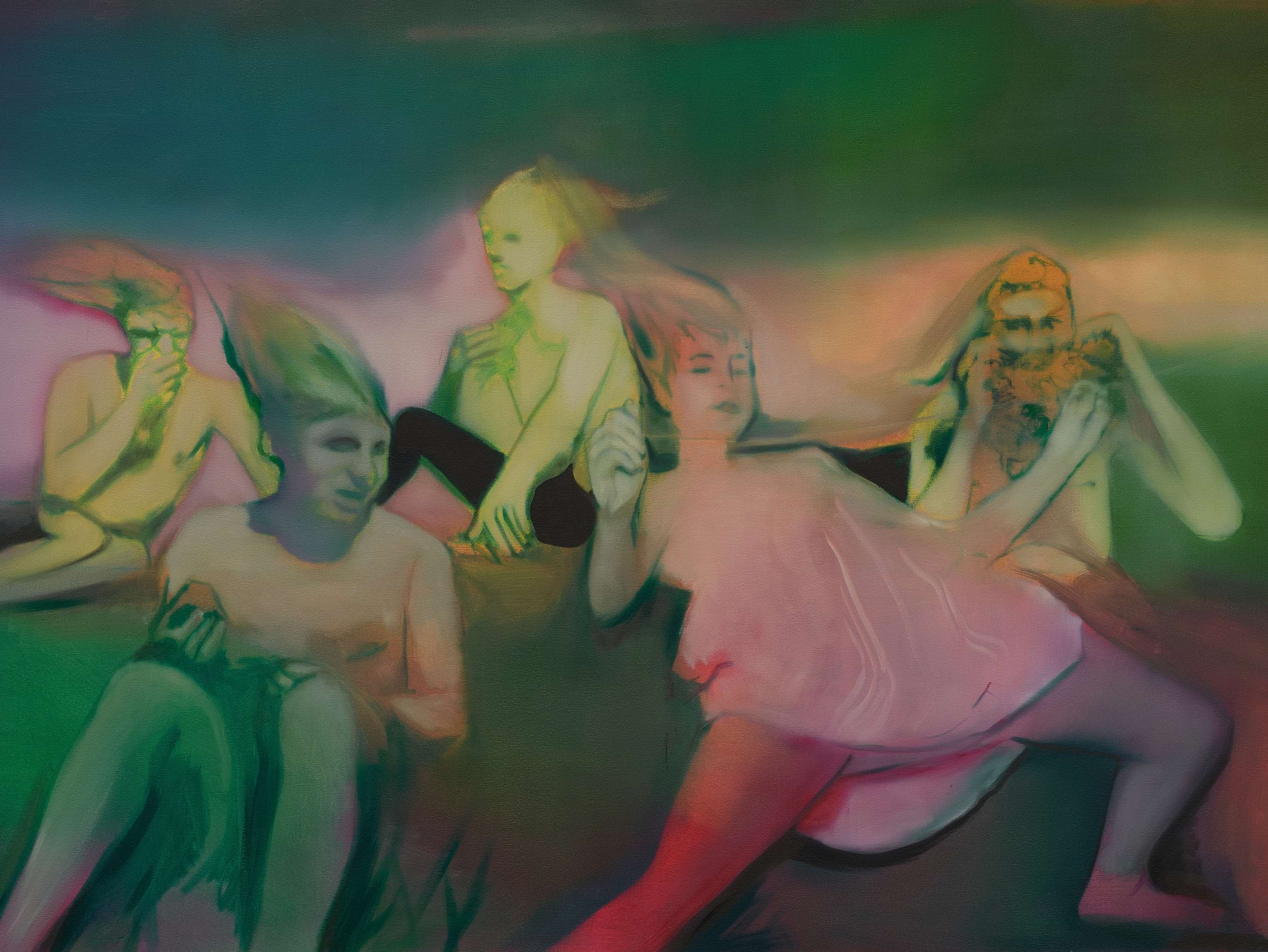
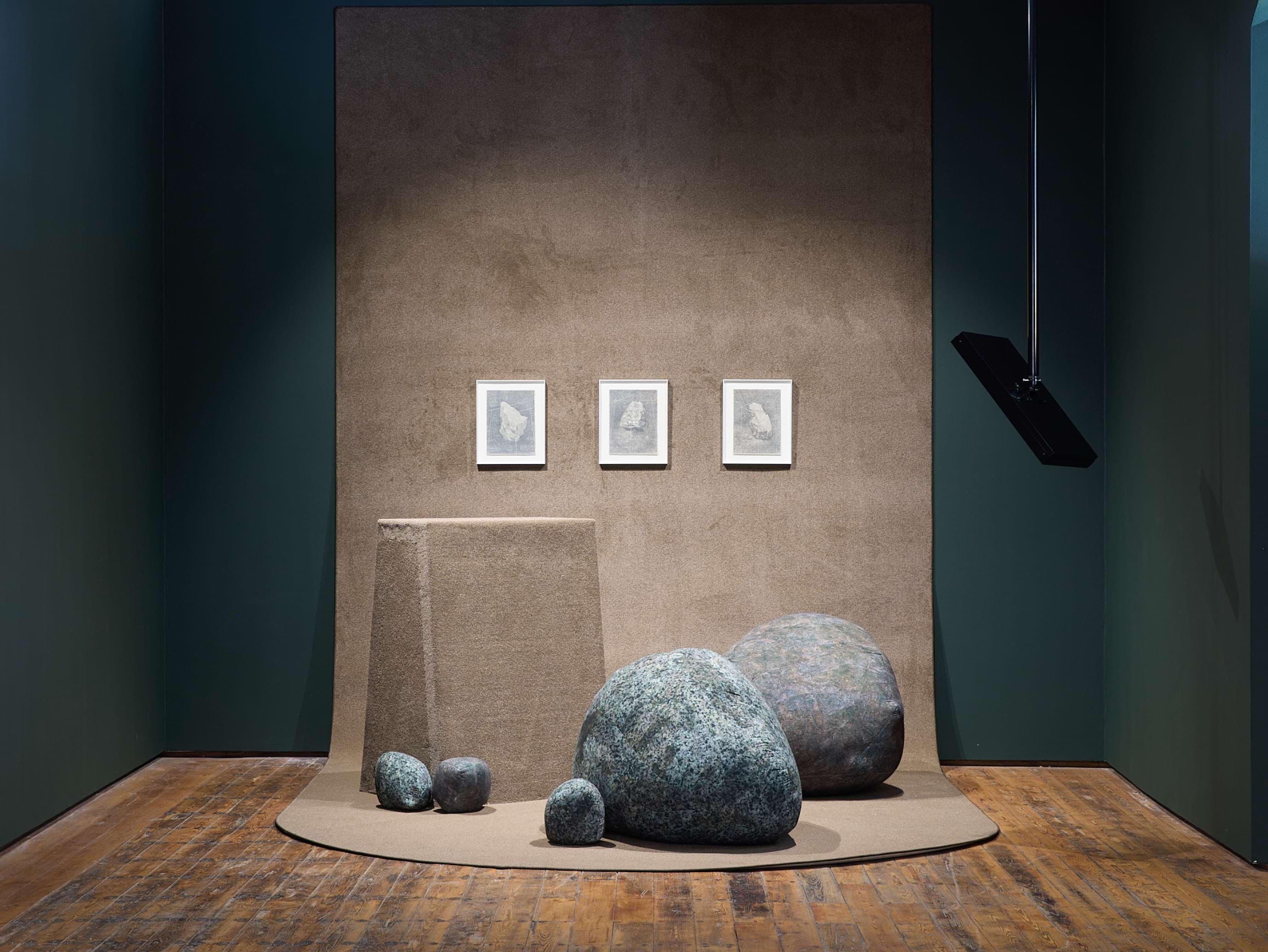
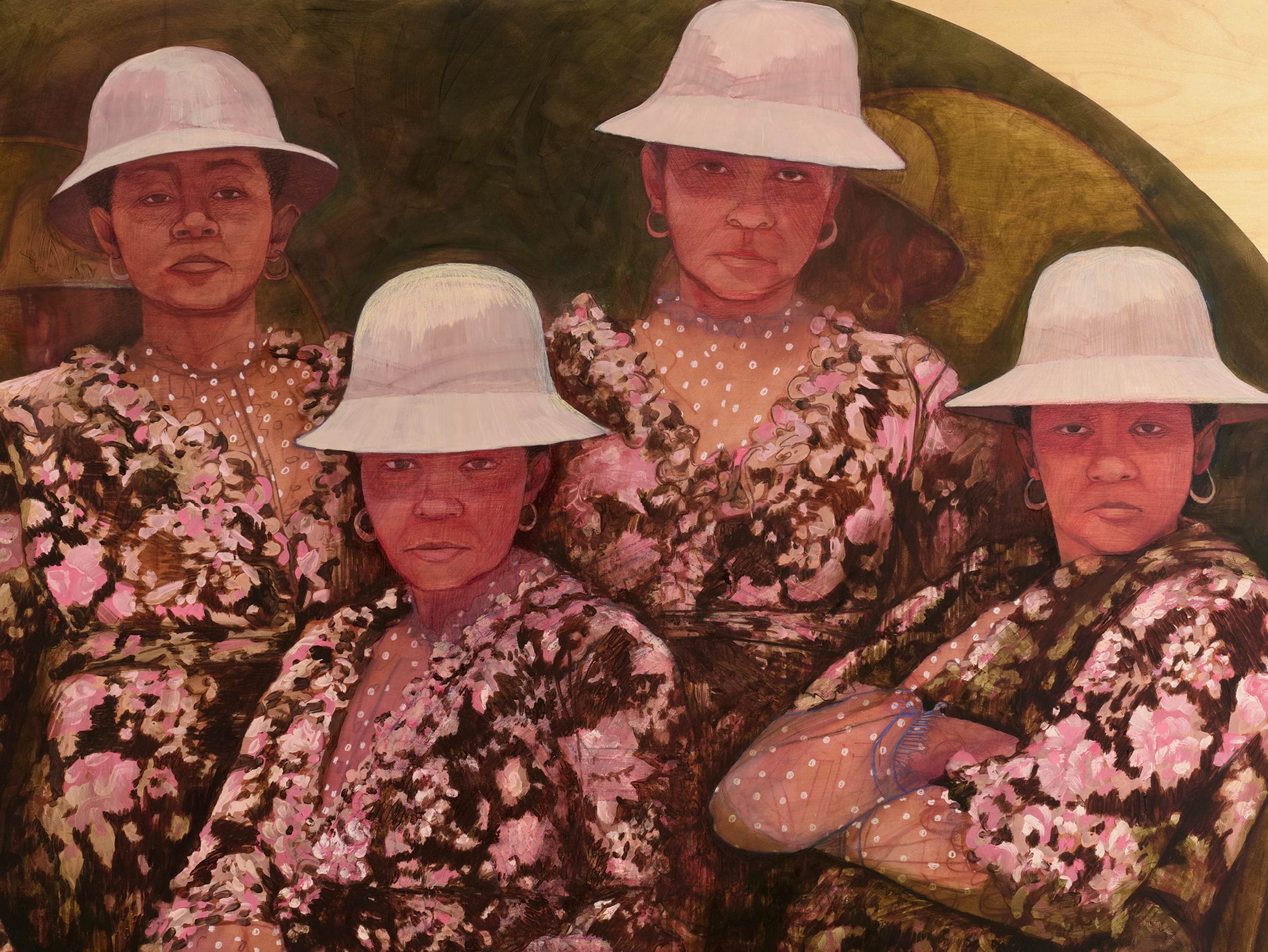
Goodman Gallery’s 60th-anniversary exhibition How to Live Together brings six decades of artistic innovation into dialogue with the present in London. Featuring ambitious new commissions and significant works spanning the gallery’s history, the exhibition brings together a multigenerational group of internationally recognised artists including El Anatsui, Ghada Amer, Winston Branch, Kapwani Kiwanga, William Kentridge, Shirin Neshat and Yinka Shonibare. Spanning painting, sculpture, film and installation, the presentation brings iconic works alongside ambitious new works created specifically for the anniversary, reflecting the gallery’s longstanding commitment to artistic exchange and engagement across the Global South and wider international contexts.

How to Live Together
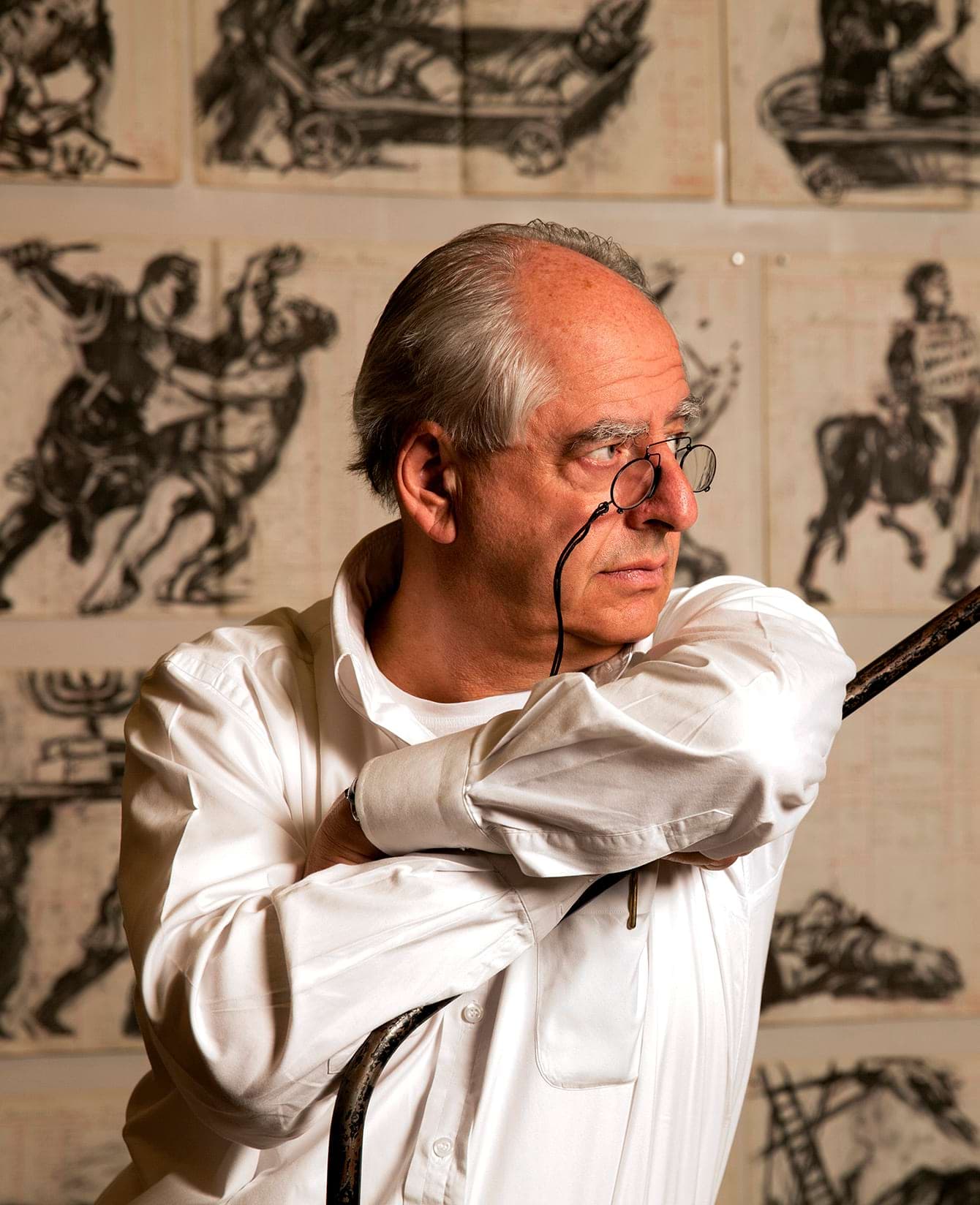
“I have the sense of the gallery as not just a gallery, but as an ally, as a sounding board for the work that’s been done in the subsequent decades.” – William Kentridge

Featured Artworks

Alt
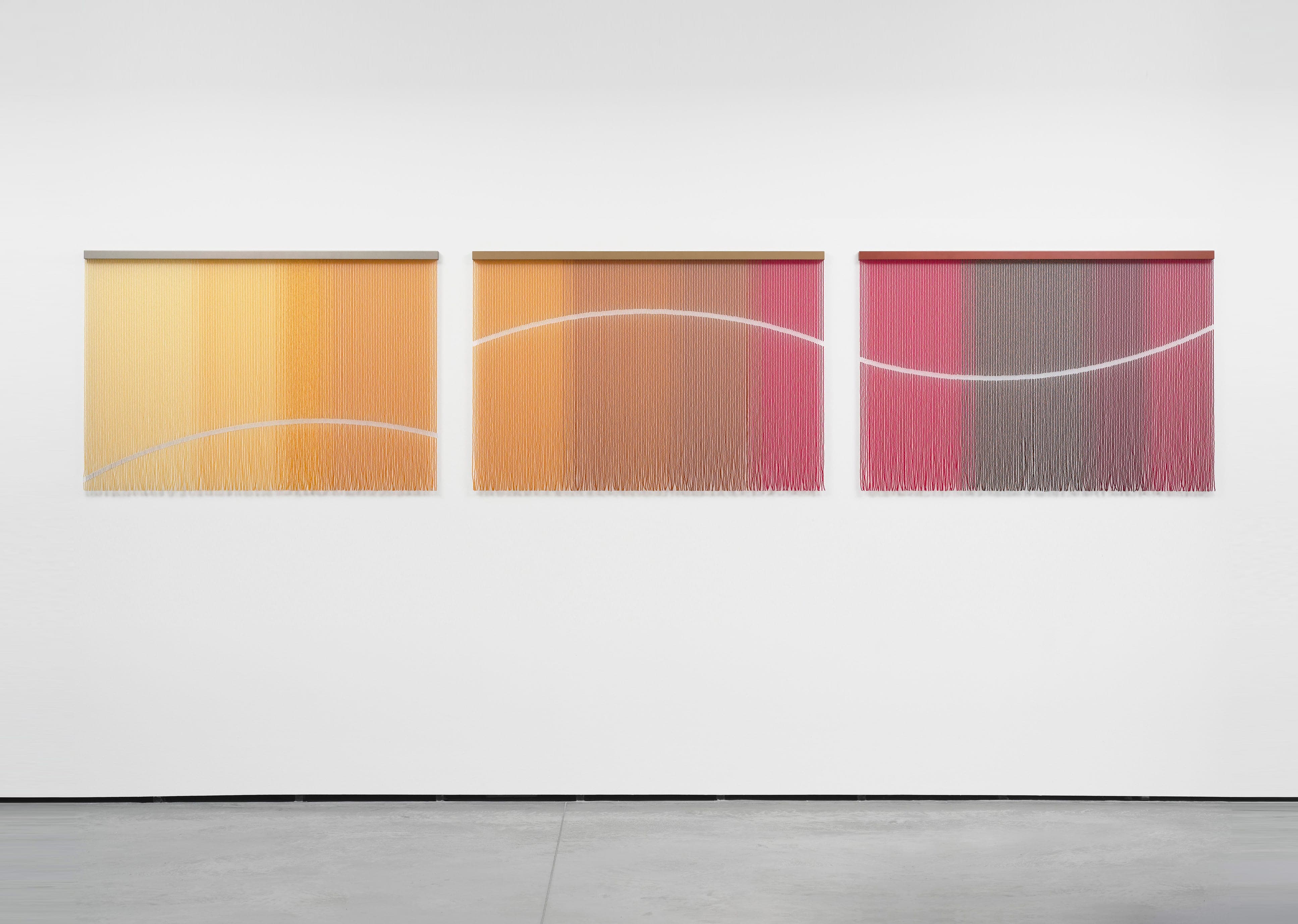
Kapwani Kiwanga
A Coincidence of Wants: Amber to Crimson with silver strand, 2026
Alt
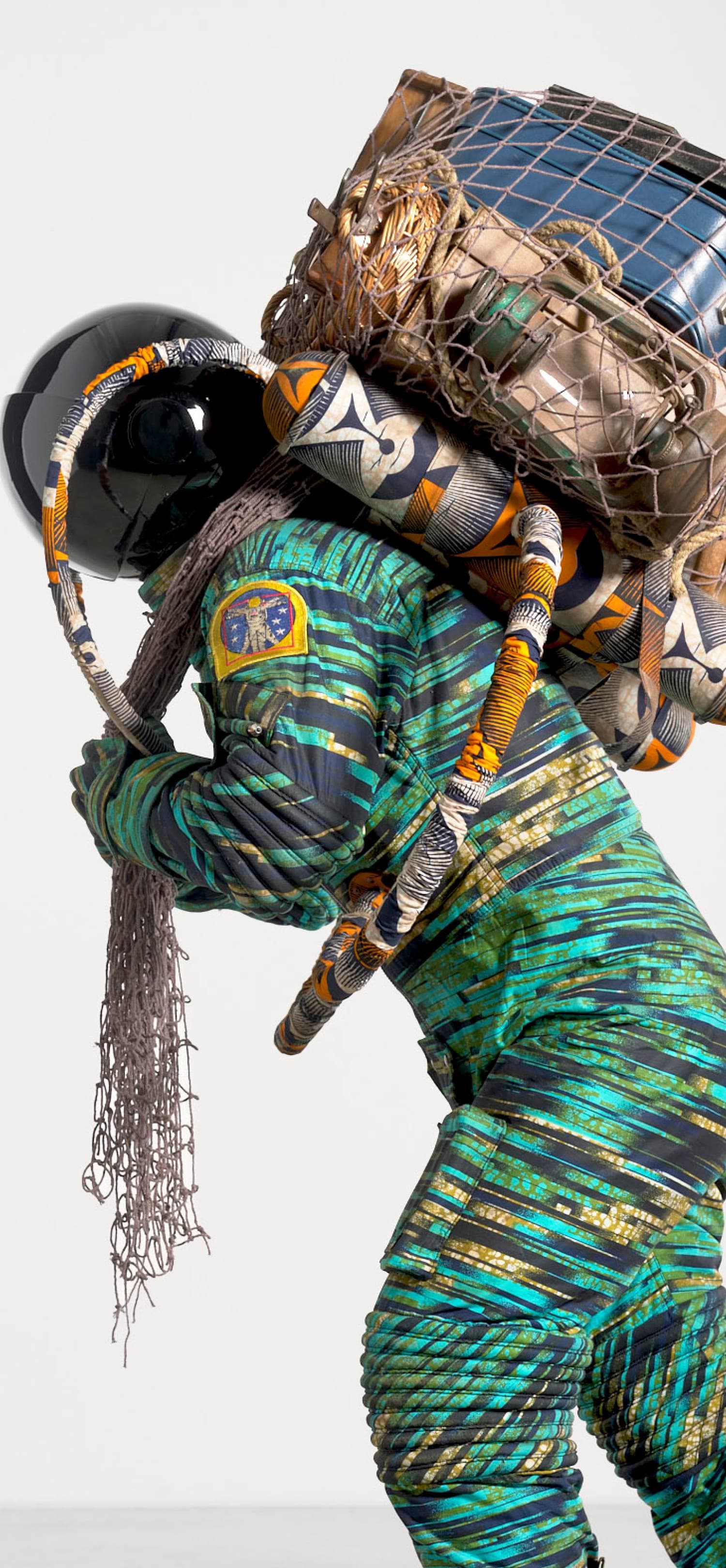
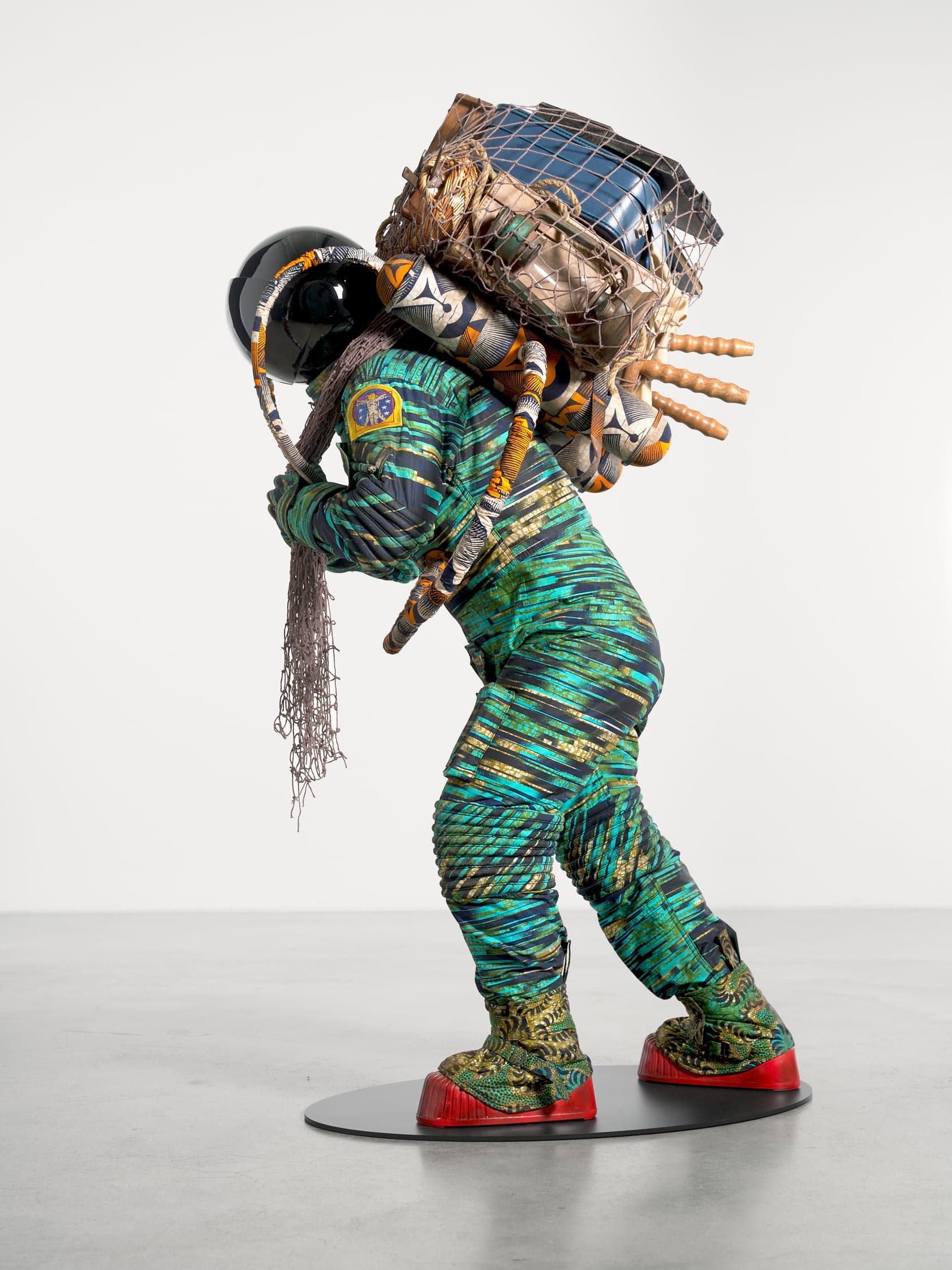
Yinka Shonibare
Refugee Astronaut XV, 2026
Alt
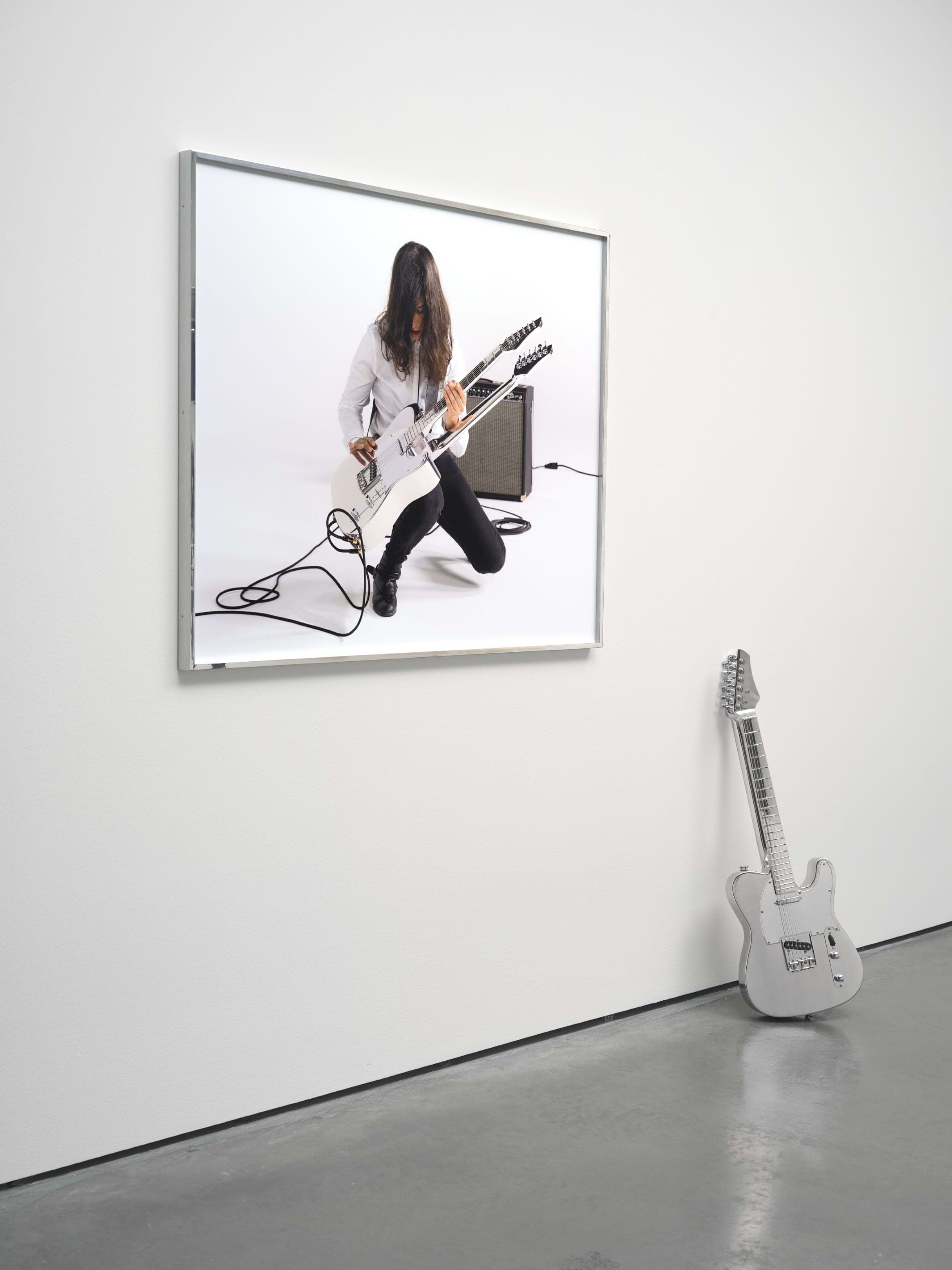
Naama Tsabar
Untitled #7 (from the Double Face Museum Series), 2016
Alt
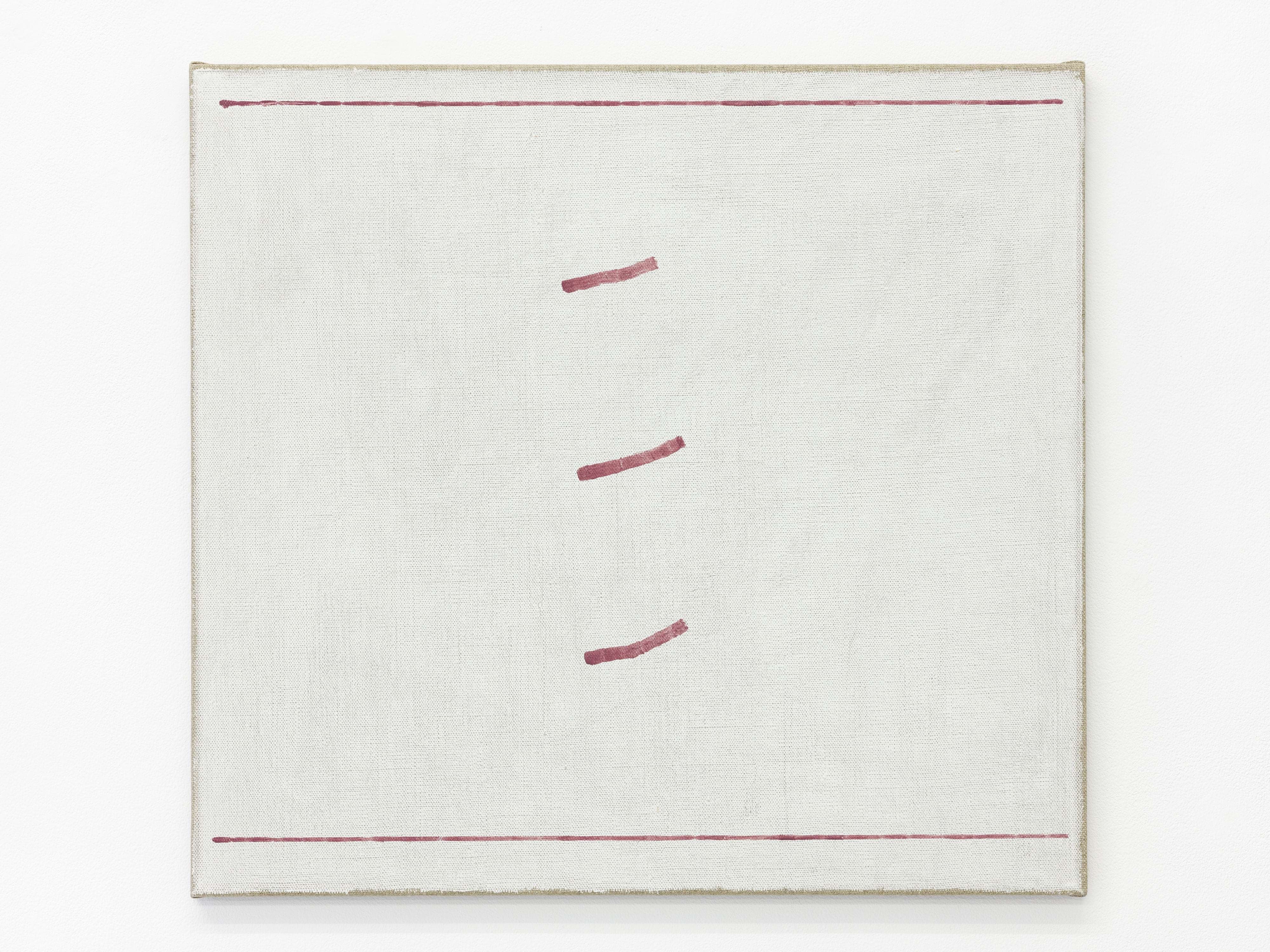
John Zurier
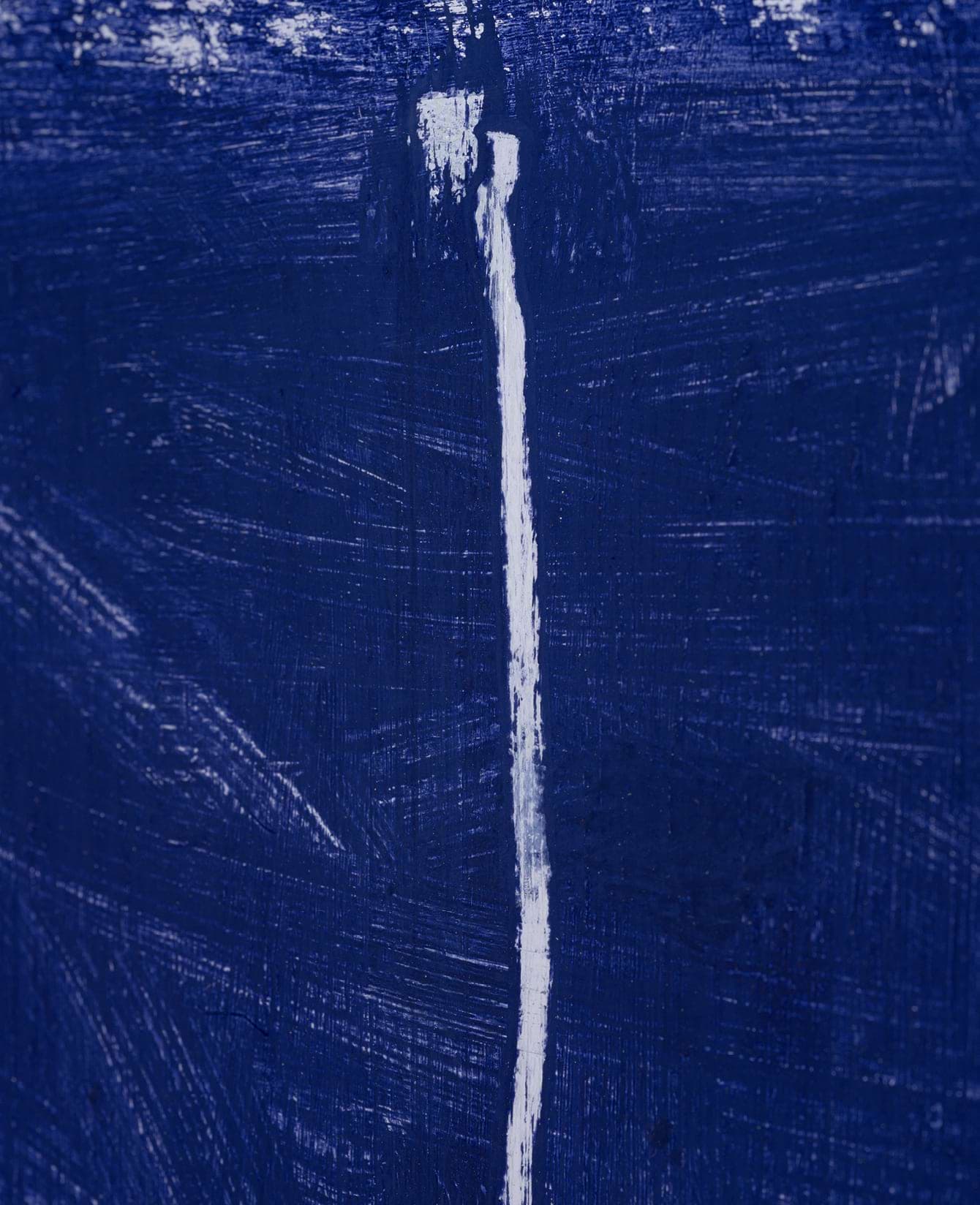
Untitled (The Lyre), 2018
Alt
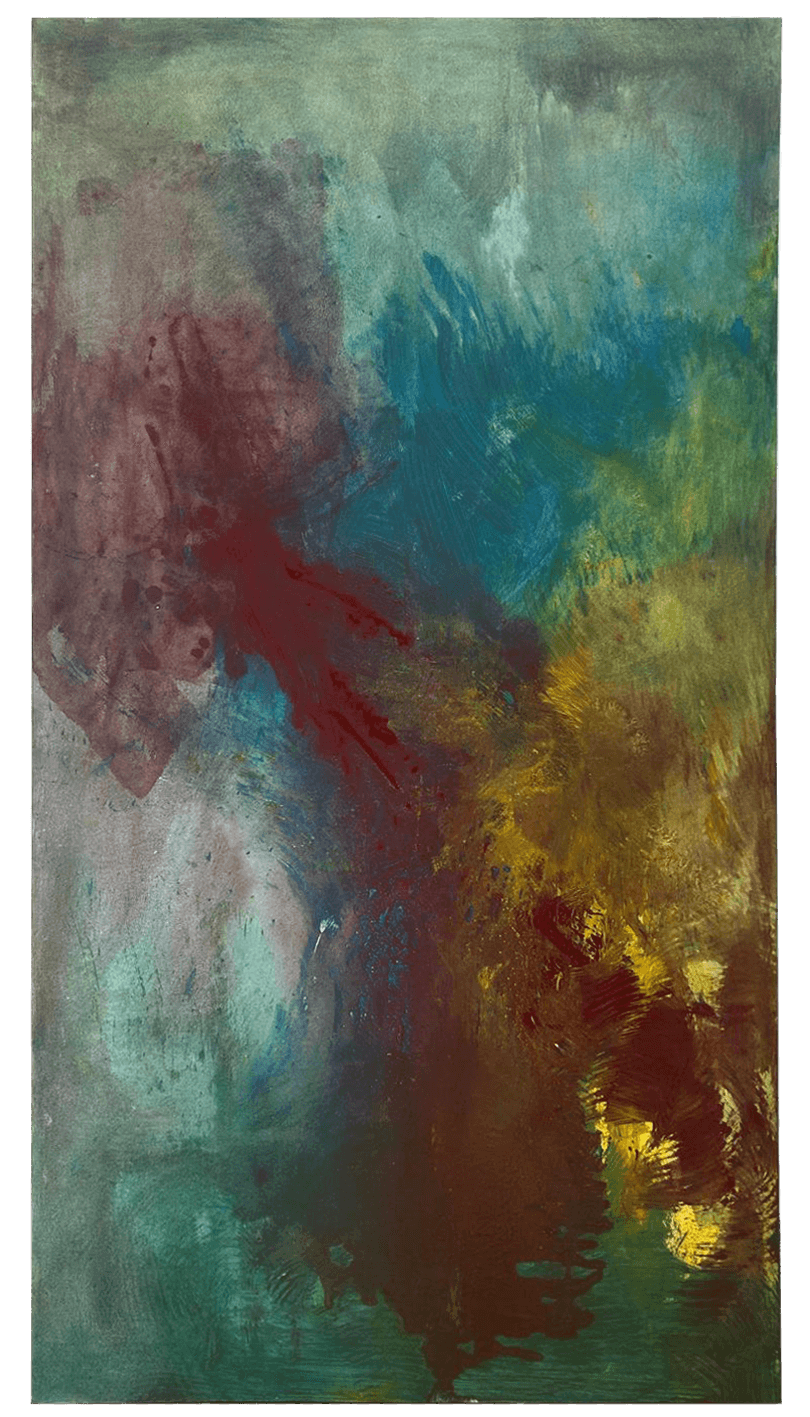
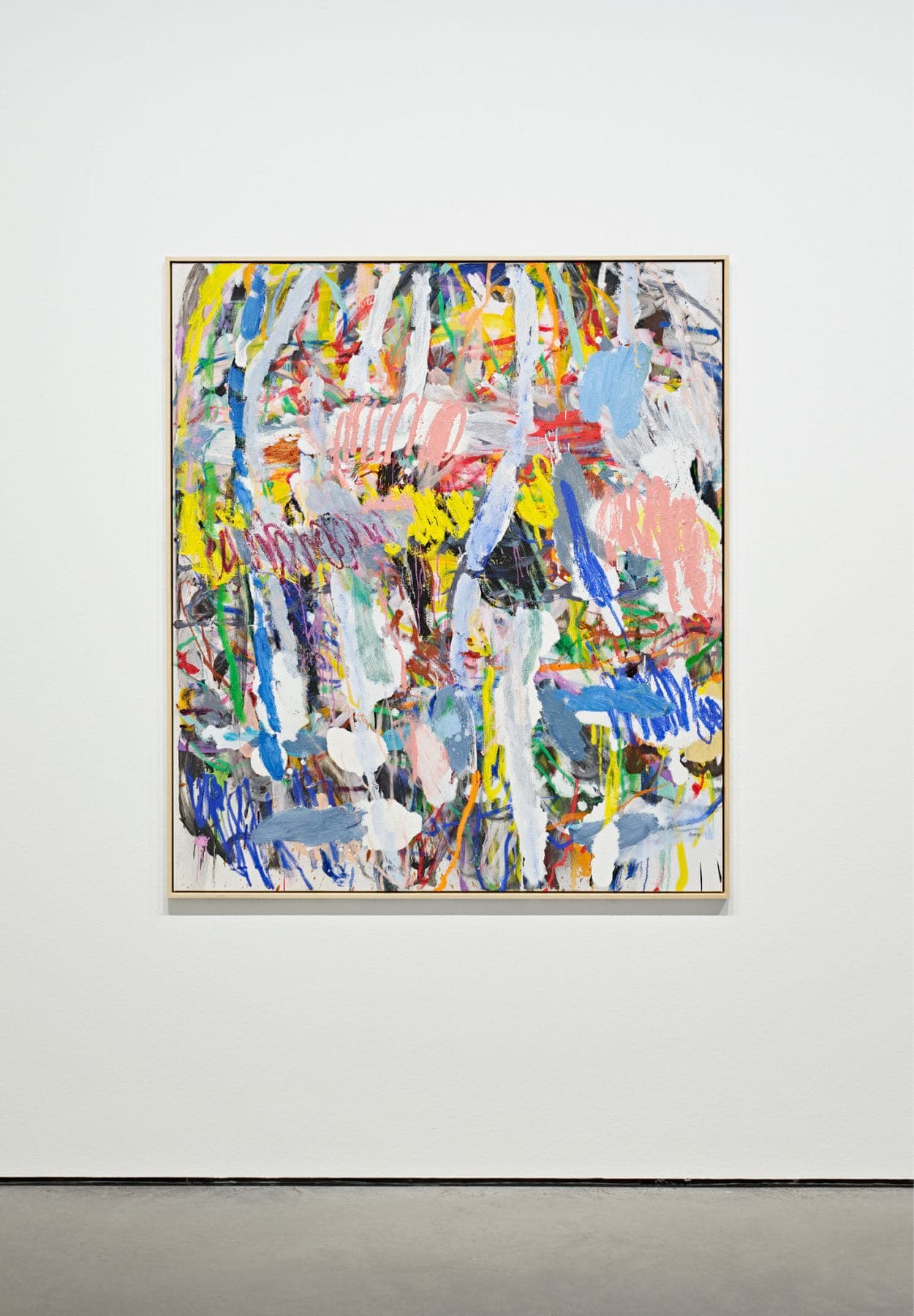
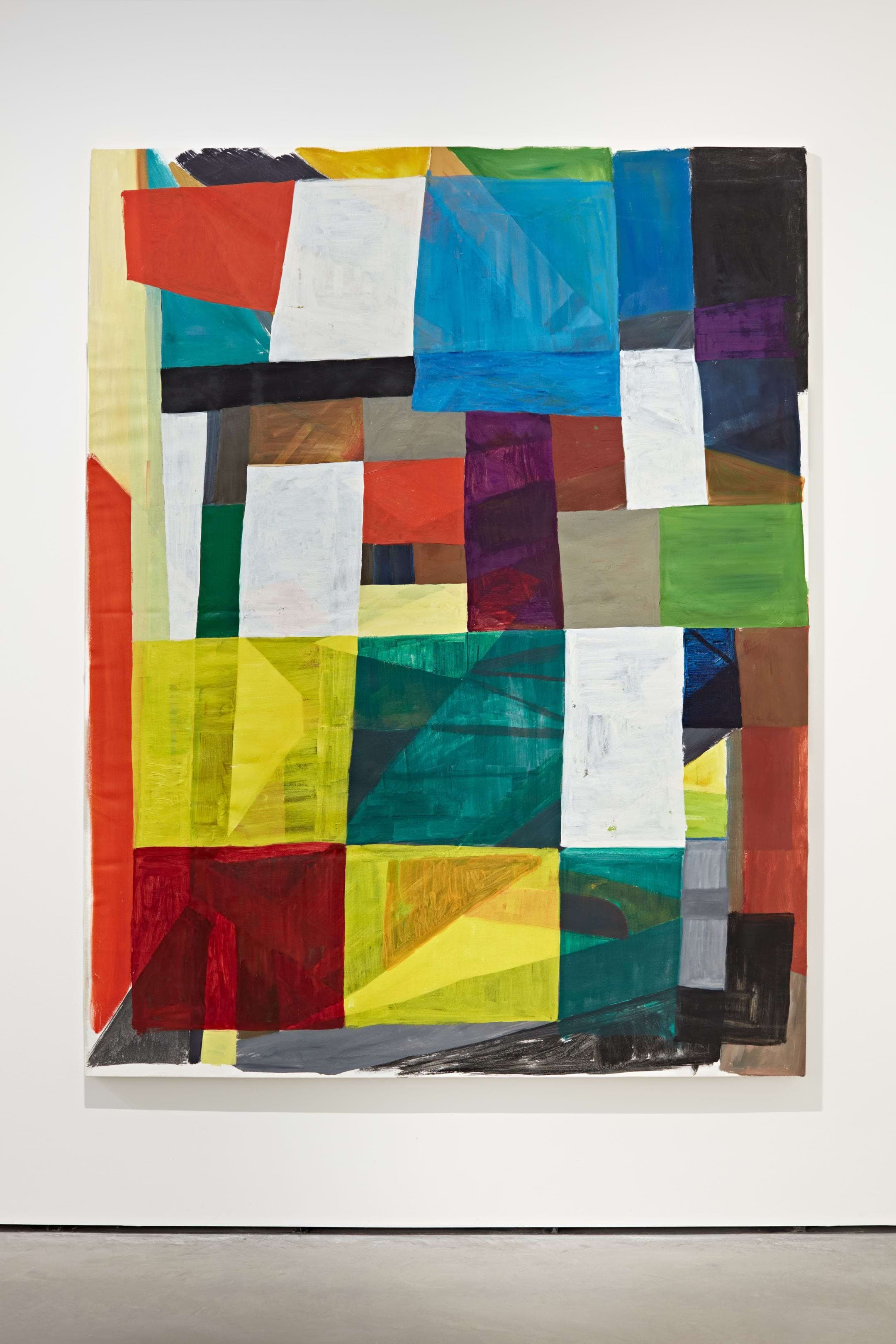
Winston Branch
Today is not a surprise 9 + 5, 2026
Alt
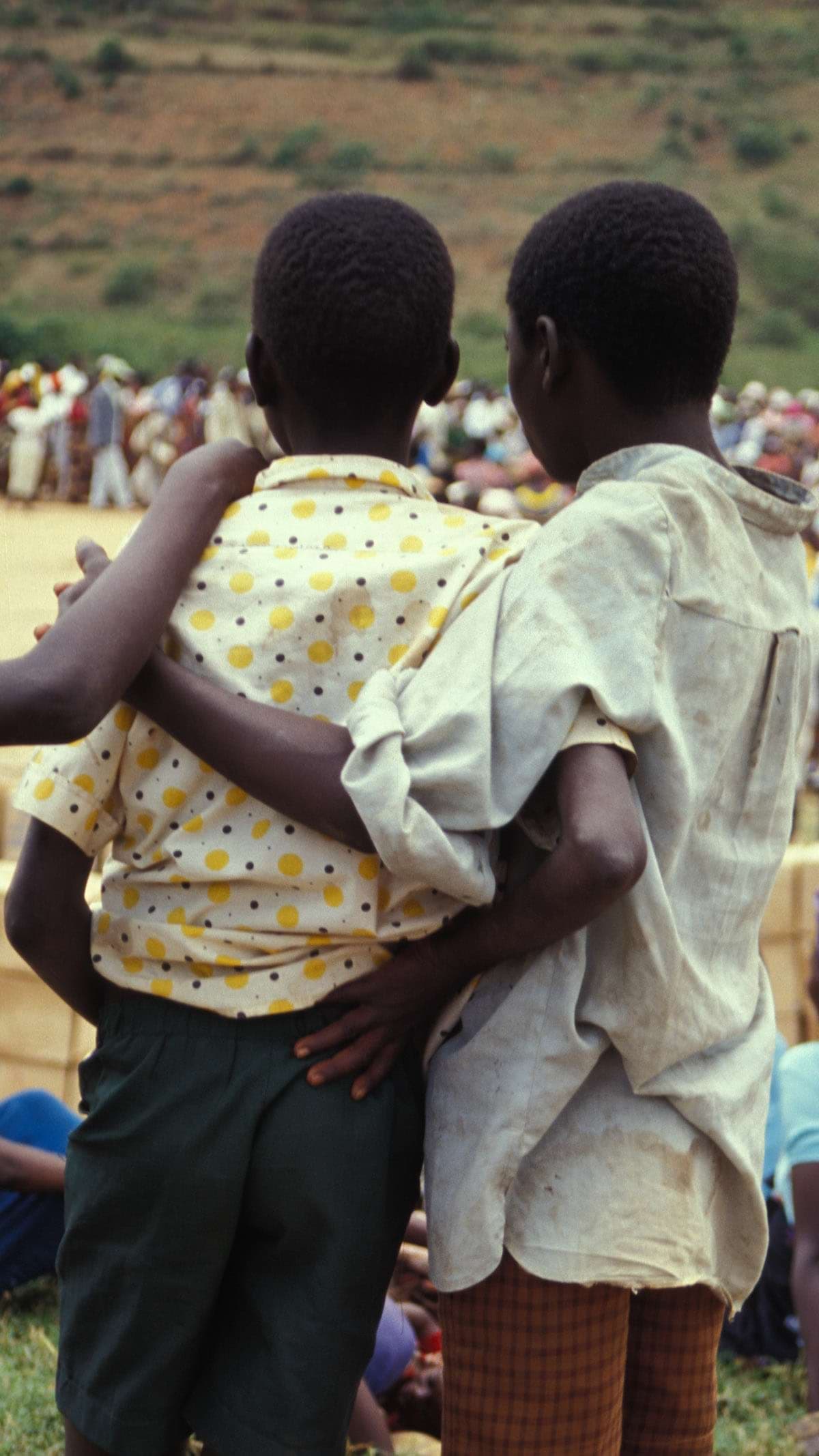
Alfredo Jaar
Embrace, 1995
Alt
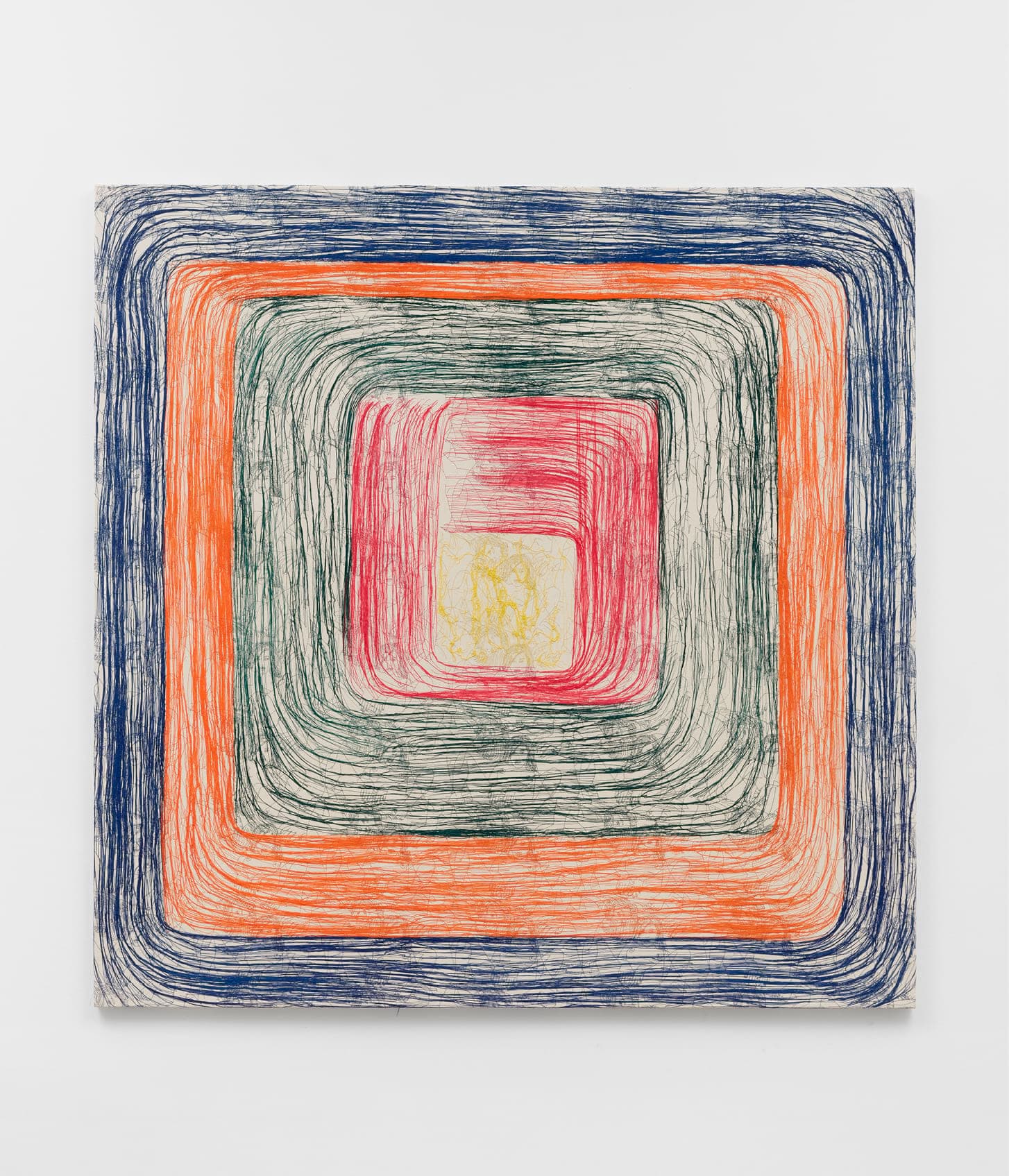
Ghada Amer
MY HOMAGE TO THE SQUARE 1, 2025
Alt
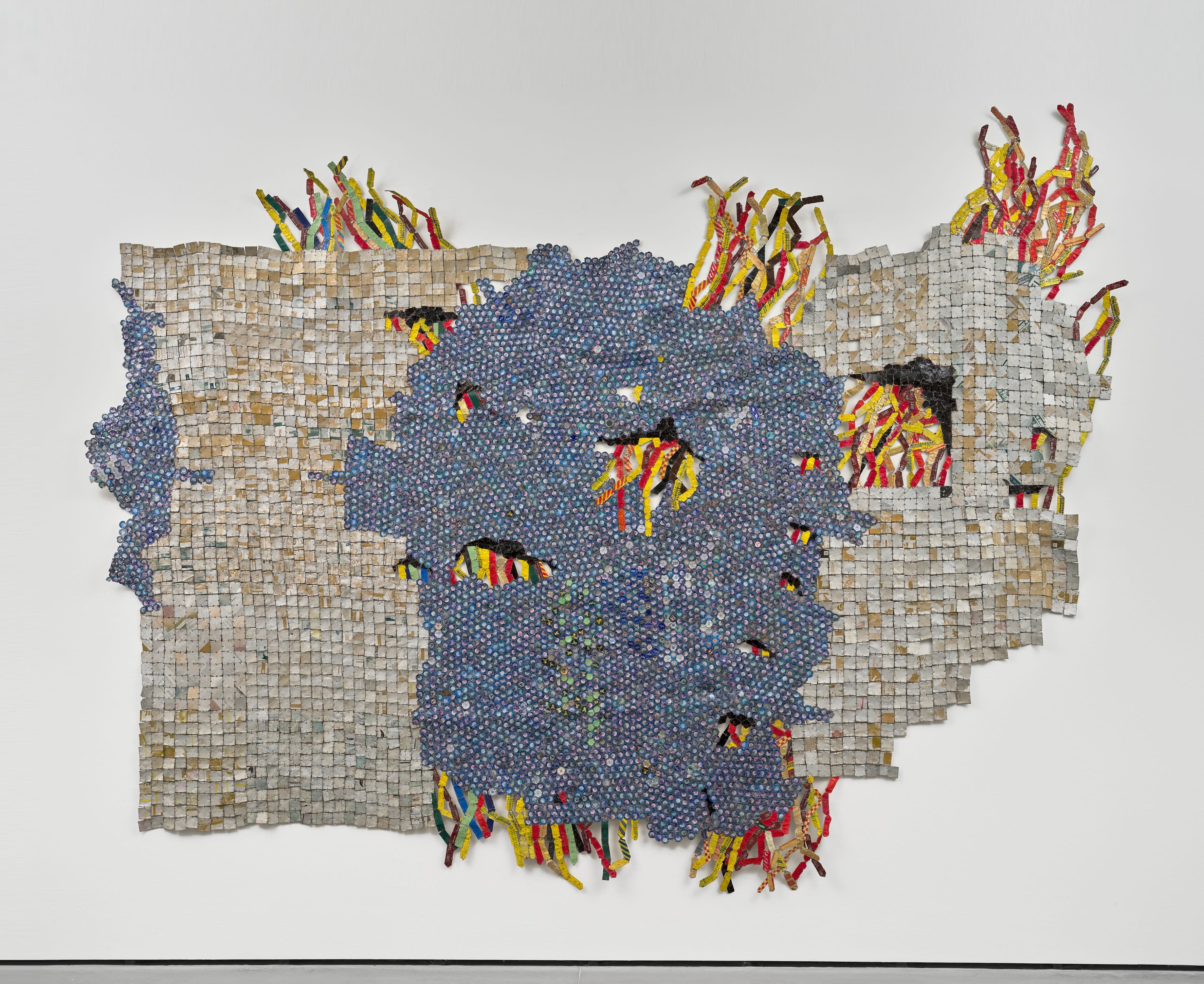
El Anatsui
Conflict Resolution, 2025
Alt
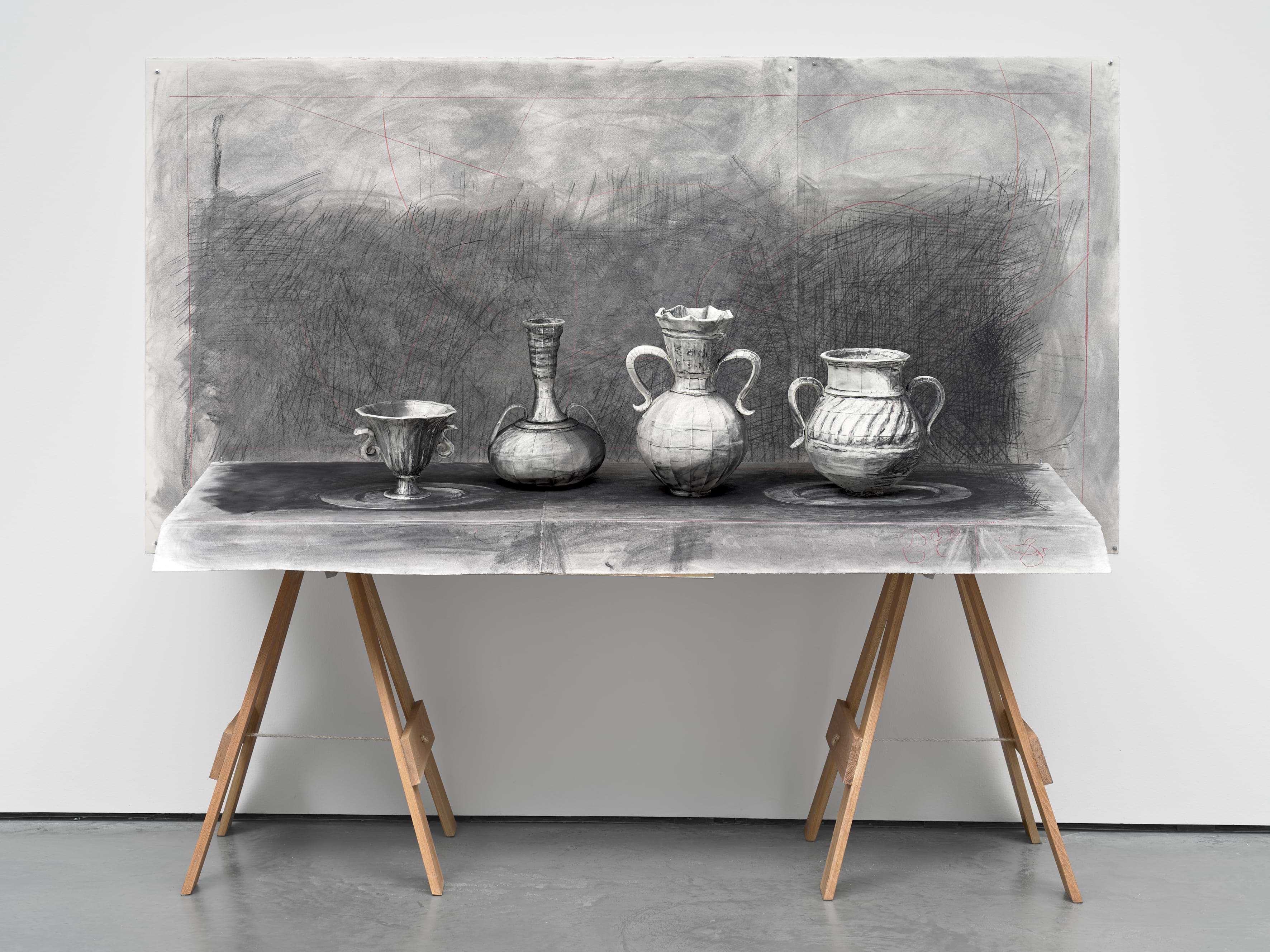
William Kentridge
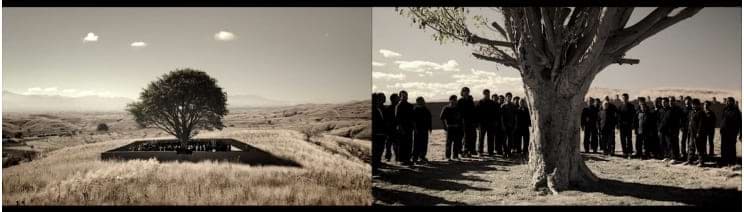
Four Spanish vessels for Zurbarán (installation), 2026
Alt
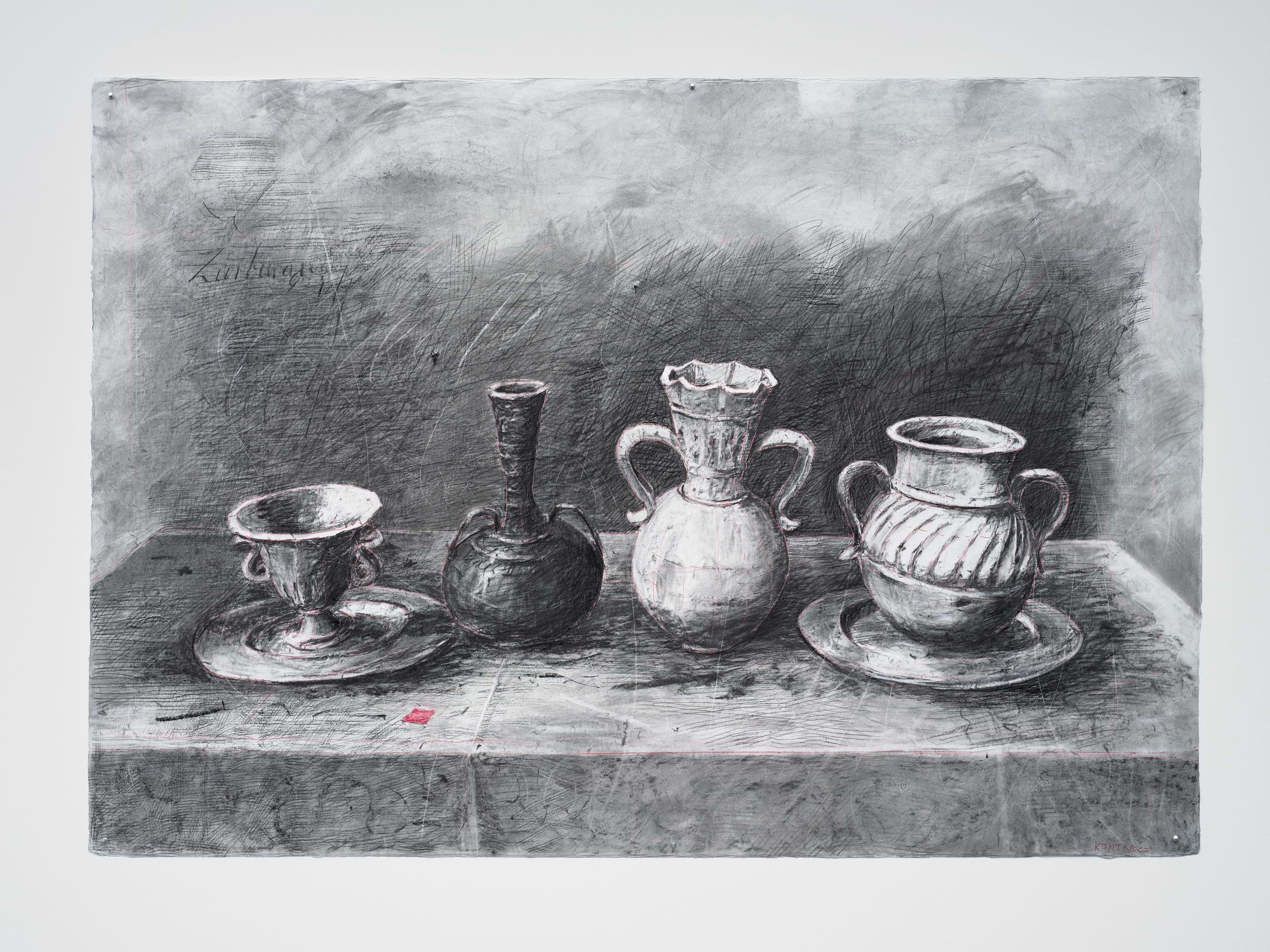
William Kentridge
Four Spanish Vessels for Zurbarán, 2026
Alt
Misheck Masamvu
Stitched together by time and heartbreak, 2024
Alt
Sue Williamson
It's a pleasure to meet you, 2016
Alt
Shirin Neshat
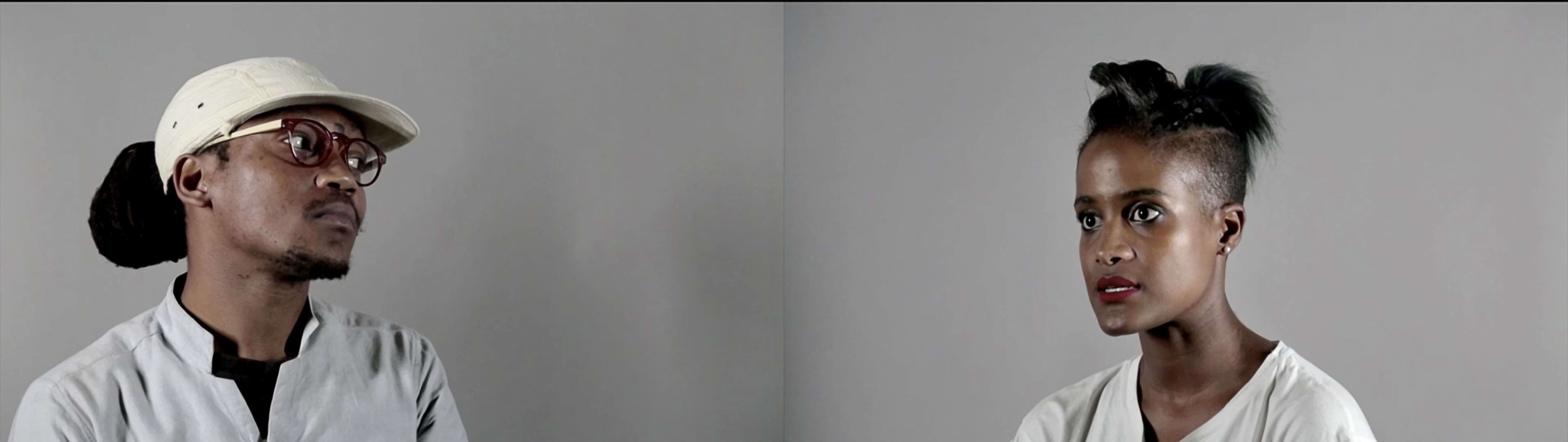
Tooba, 2002
Alt
Carrie Mae Weems
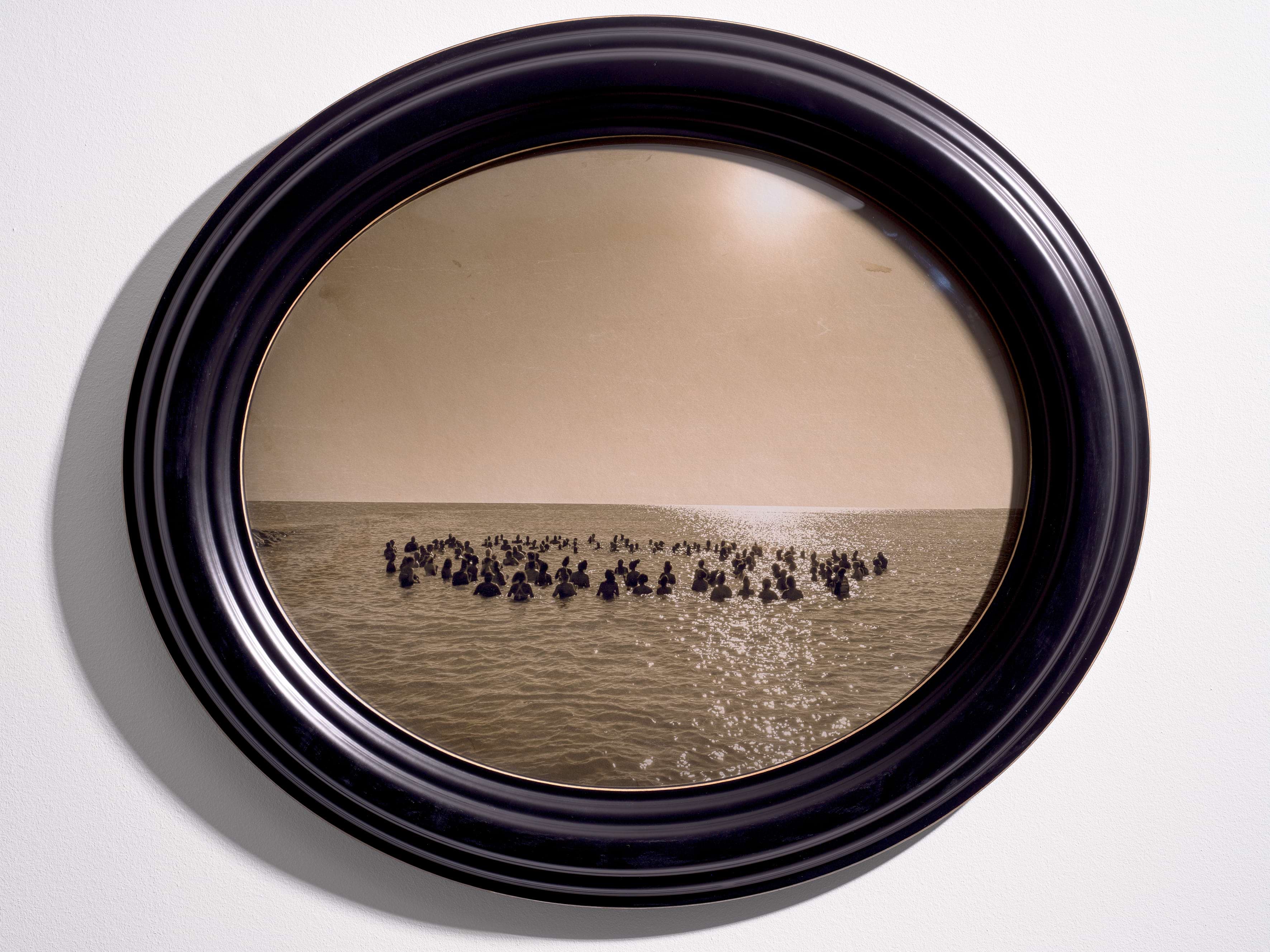
To Wade and Wait, 2026
Alt
Unathi Mkonto
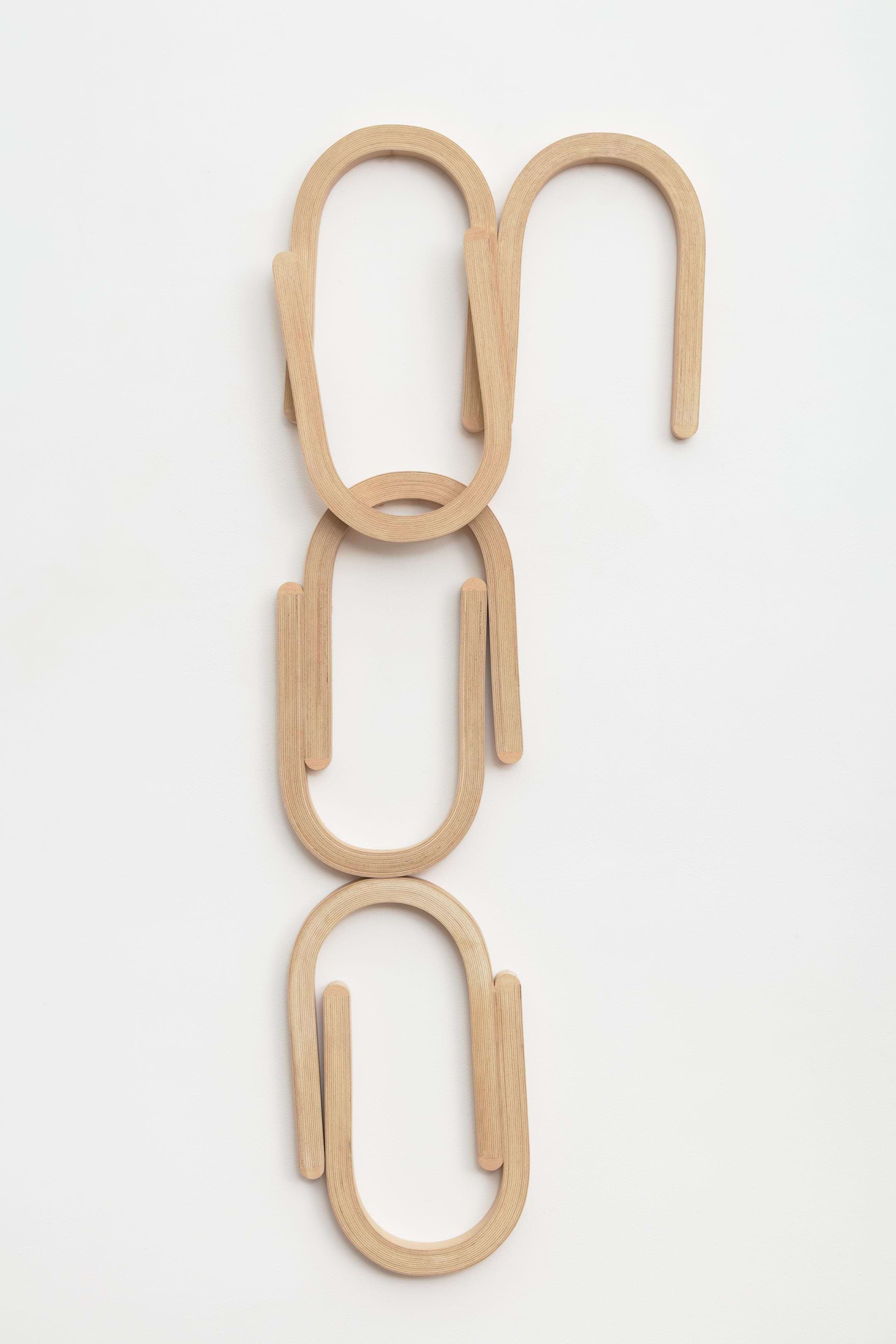
Linked lines, deep ocean waves l, 2026
Alt
Atta Kwami
Untitled 2, 2007–2009
Alt
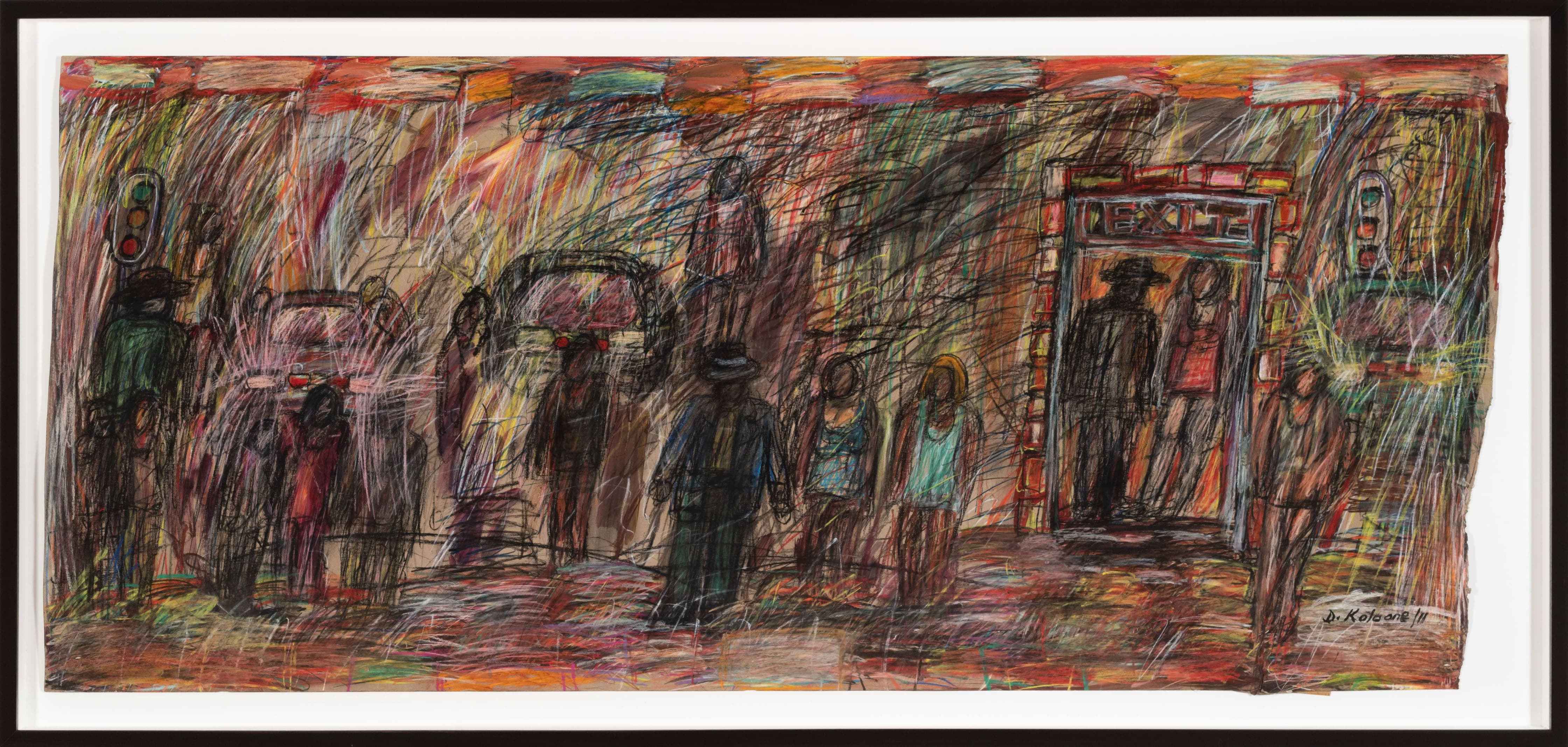
David Koloane
Hillbrow Hustle, 2011

In London, How to Live Together brings together ambitious new commissions and significant works spanning Goodman Gallery’s history, reflecting six decades of artistic innovation and its longstanding commitment to shaping artistic discourse globally from a Global South perspective. The exhibition brings internationally recognised artists into dialogue with a new generation of voices, including El Anatsui, Ghada Amer, Winston Branch, Alfredo Jaar, Kapwani Kiwanga, William Kentridge, Shirin Neshat, Yinka Shonibare and Carrie Mae Weems. Iconic works previously presented in major museum and biennale contexts, or historically debuting at Goodman’s spaces, appear alongside ambitious new works created specifically for the anniversary.

New commissions include works by El Anatsui, Winston Branch, Kapwani Kiwanga and William Kentridge. The exhibition also features Yinka Shonibare’s Refugee Astronaut XV (2026), from his ongoing Refugee Astronaut series, which was featured at the 60th International Art Exhibition of the Venice Biennale in 2024. Significant works include Shirin Neshat’s film Sarah (2016), from her acclaimed Dreamers series, which debuted at Goodman Gallery, alongside Ghada Amer’s MY HOMAGE TO THE SQUARE 1 (2025), Alfredo Jaar’s Embrace (1995) and works by David Koloane, Misheck Masamvu, Naama Tsabar and others.

Conceived as a shared yet locally responsive project, How to Live Together draws on the notion of “idiorrhythmy”, a term originally used to describe monastic life on Mount Athos, where community was shaped around respect for individual rhythms. Roland Barthes later reimagined the idea in his 1977 lecture series How to Live Together as a model for coexistence grounded in attention, listening and mutual regard rather than enforced synchrony. Bringing together gallery artists whose practices engage questions of coexistence, difference, memory and social imagination, the London exhibition reflects the gallery’s longstanding belief in the possibilities created through the act of coming together.

Goodman Gallery has a long history of mobilising its community of artists and collectors in support of social causes, raising more than $1.5 million for charitable initiatives since 2008. Following this, in London, Goodman will launch a new 60th-anniversary edition of its artist-designed plates, this time bringing together twelve women from the gallery’s programme, with proceeds supporting a beneficiary to be announced.

In London, How to Live Together brings together ambitious new commissions and significant works spanning Goodman Gallery’s history, reflecting six decades of artistic innovation and its longstanding commitment to shaping artistic discourse globally from a Global South perspective. The exhibition brings internationally recognised artists into dialogue with a new generation of voices, including El Anatsui, Ghada Amer, Winston Branch, Alfredo Jaar, Kapwani Kiwanga, William Kentridge, Shirin Neshat, Yinka Shonibare and Carrie Mae Weems. Iconic works previously presented in major museum and biennale contexts, or historically debuting at Goodman’s spaces, appear alongside ambitious new works created specifically for the anniversary.  New commissions include works by El Anatsui, Winston Branch, Kapwani Kiwanga and William Kentridge. The exhibition also features Yinka Shonibare’s Refugee Astronaut XV (2026), from his ongoing Refugee Astronaut series, which was featured at the 60th International Art Exhibition of the Venice Biennale in 2024. Significant works include Shirin Neshat’s film Sarah (2016), from her acclaimed Dreamers series, which debuted at Goodman Gallery, alongside Ghada Amer’s MY HOMAGE TO THE SQUARE 1 (2025), Alfredo Jaar’s Embrace (1995) and works by David Koloane, Misheck Masamvu, Naama Tsabar and others.  Conceived as a shared yet locally responsive project, How to Live Together draws on the notion of “idiorrhythmy”, a term originally used to describe monastic life on Mount Athos, where community was shaped around respect for individual rhythms. Roland Barthes later reimagined the idea in his 1977 lecture series How to Live Together as a model for coexistence grounded in attention, listening and mutual regard rather than enforced synchrony. Bringing together gallery artists whose practices engage questions of coexistence, difference, memory and social imagination, the London exhibition reflects the gallery’s longstanding belief in the possibilities created through the act of coming together.  Goodman Gallery has a long history of mobilising its community of artists and collectors in support of social causes, raising more than $1.5 million for charitable initiatives since 2008. Following this, in London, Goodman will launch a new 60th-anniversary edition of its artist-designed plates, this time bringing together twelve women from the gallery’s programme, with proceeds supporting a beneficiary to be announced.
Artists

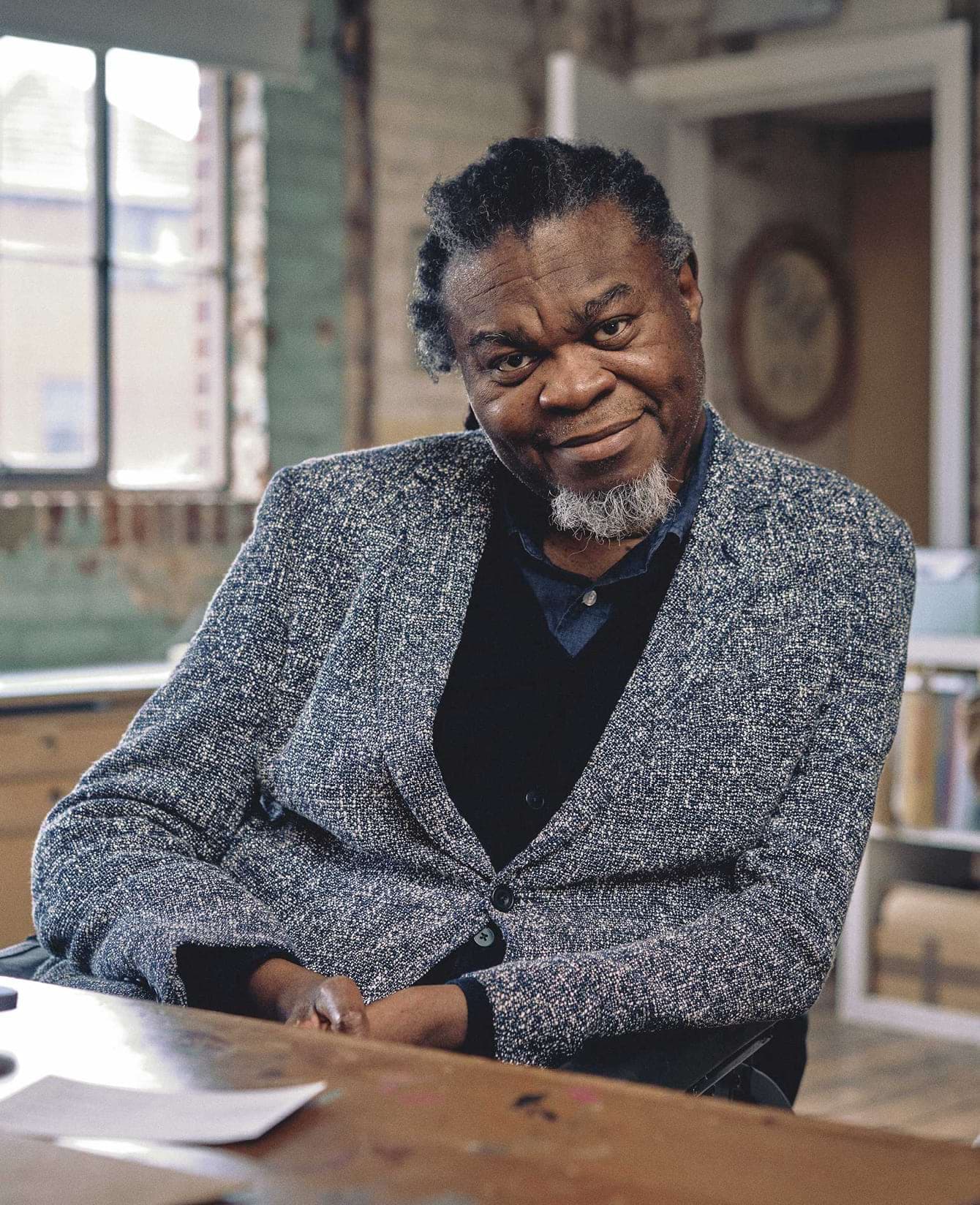
Yinka Shonibare
Misheck Masamvu
Kapwani Kiwanga
Shirin Neshat
Carrie Mae Weems
Naama Tsabar
Ghada Amer
Alfredo Jaar
Atta Kwami
El Anatsui
Sue Williamson
William Kentridge
David Koloane
john-zurier
John Zurier
Winston Branch
unathi-mkonto
Unathi Mkonto

Other Exhibitions

See All