
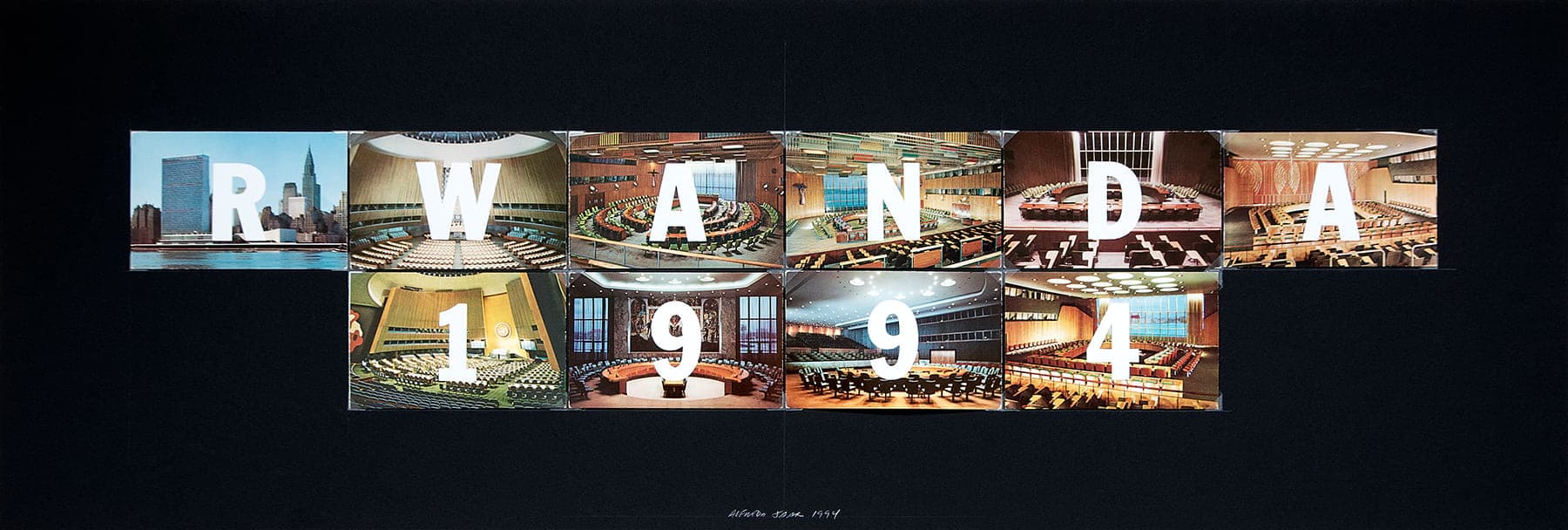
Alfredo Jaar is a Chilean-born artist, architect and filmmaker whose work consistently explores the politics of representation and the ethics of witnessing. Since the 1980s, he has developed a deeply conceptual practice that seeks to address social injustice through a careful balance of formal restraint and emotional weight. Following the Rwandan genocide of 1994, Jaar initiated the Rwanda Project (1994–2000), a sustained body of work that grappled with the inadequacy of traditional photojournalism to represent mass atrocity. Rather than reproducing images of violence, Jaar sought new strategies of representation that foreground empathy and critical reflection. Each work within the project was conceived as an attempt to navigate the limits of visual language and to challenge the indifference of the international community to human suffering.
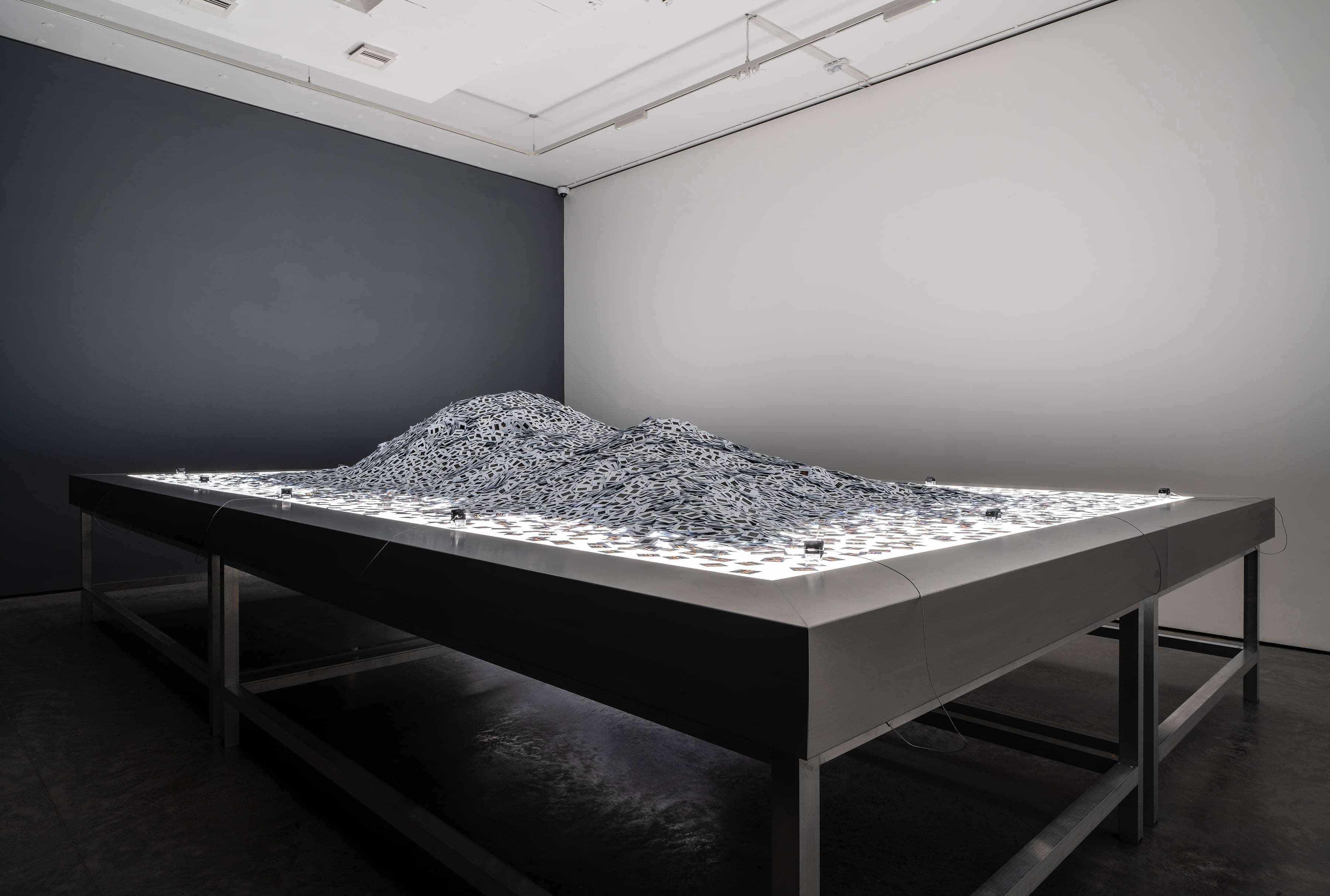
One of the most affecting works from the ‘Rwanda Project’ is ‘The Silence of Nduwayezu’, an installation composed of one million 35 mm slides displayed on a large light table. Each slide features a close-up of a young boy’s eyes. Nduwayezu, a five-year-old Tutsi child, had witnessed the murder of his parents and was left unable to speak. Jaar met him in a refugee camp in Rubavu and described his expression as “the saddest eyes I had ever seen.” The installation invites viewers to look through magnifying glasses at the repeated image, prompting an encounter with a singular human story that speaks to the enormity of collective trauma. In reducing the scale of a vast tragedy to one child’s gaze, Jaar makes visible both the silence of the boy and the silence of the world that allowed such violence to unfold.
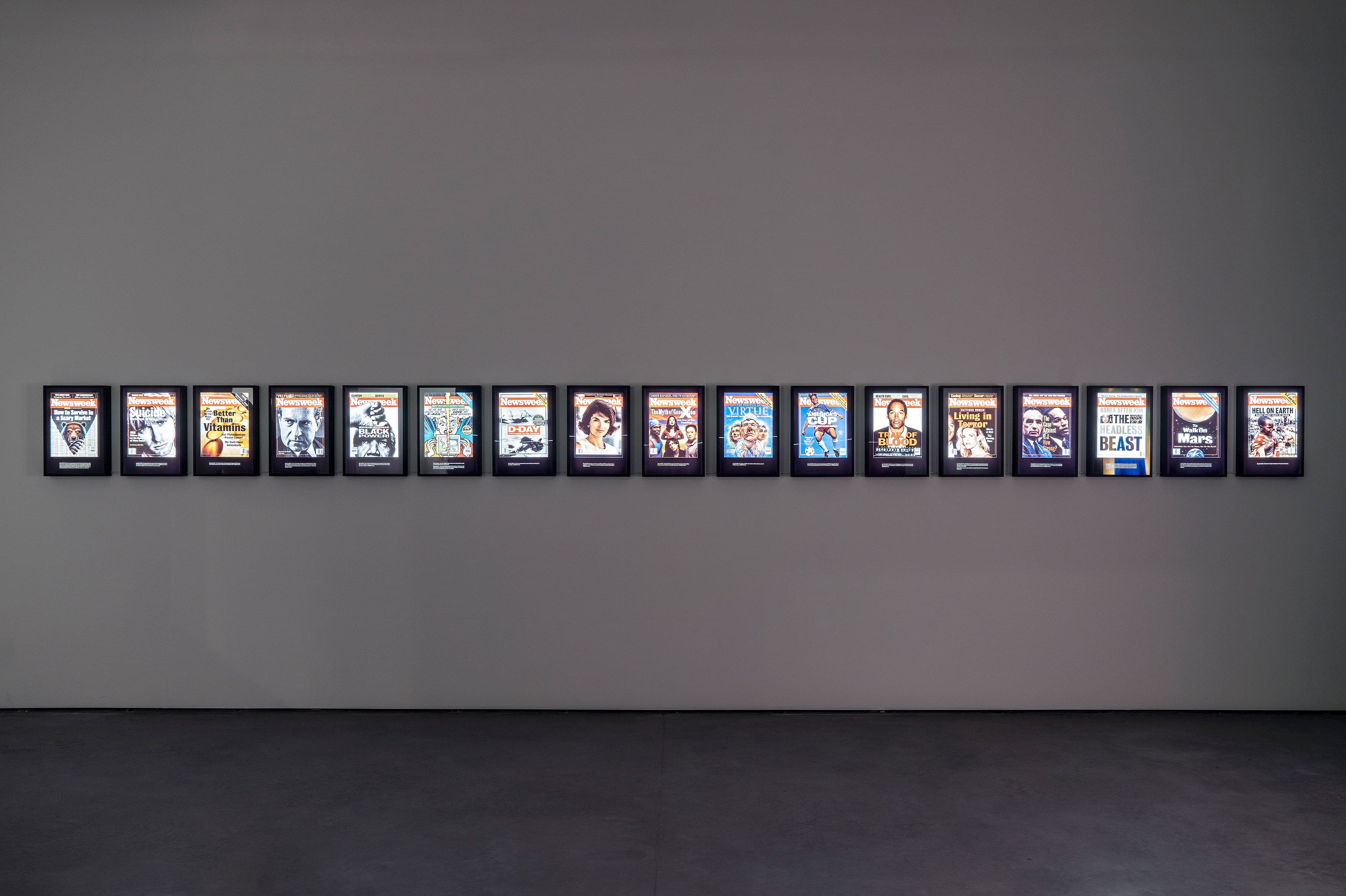
Jaar’s Untitled (Newsweek) displays an overview of Newsweek Magazine covers during the Rwandan Genocide in 1994, exposing that domestic US news took clear precedence over any mention of the massive human tragedy unfolding in Rwanda. Jaar includes a running commentary below each of the covers, describing the parallel developments of the genocide and the inaction of the world’s leaders, and particularly the United Nations.
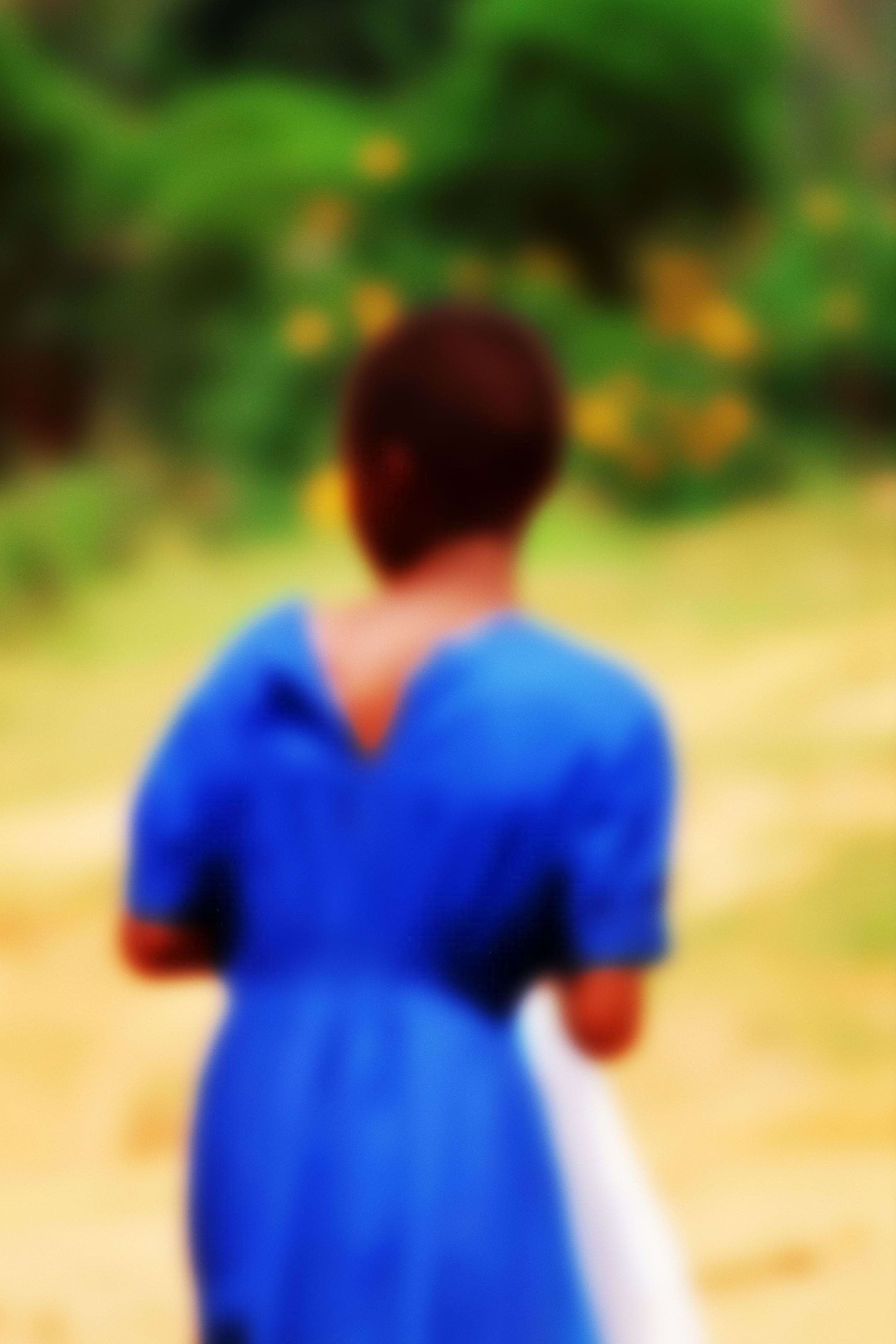
The work Six Seconds is based on a photograph of a young girl
that the artist encountered in the Nyagazambu refugee camp
located 48 kilometers east of Kigali. The girl was visibly shocked
and was desperately searching for her parents. She had just
learned that they had been killed by a Hutu militia. She
disappeared before the artist was able to ask her name or
inquire about her story. Their encounter lasted only six seconds
and the only record left is this out of focus photograph. Six
Seconds is about the difficulties of representing issues of life and
death in a work of art. It relies on poetry and beauty to
communicate loss and dignify its subject.