A Landscape in MotionA Group Presentation
This summer, Cheetah Plains and Goodman Gallery present a group exhibition bringing together works by six artists whose practices offer distinct perspectives on landscape, memory and the imagination. Spanning painting, drawing and photography, the exhibition explores how we perceive and inhabit the world around us, inviting a dialogue between the physical environment and the histories, experiences and possibilities that shape our understanding of place.

Featured Artworks
Create a Goodman Gallery account to view our full selection of available works, access pricing and check out online.
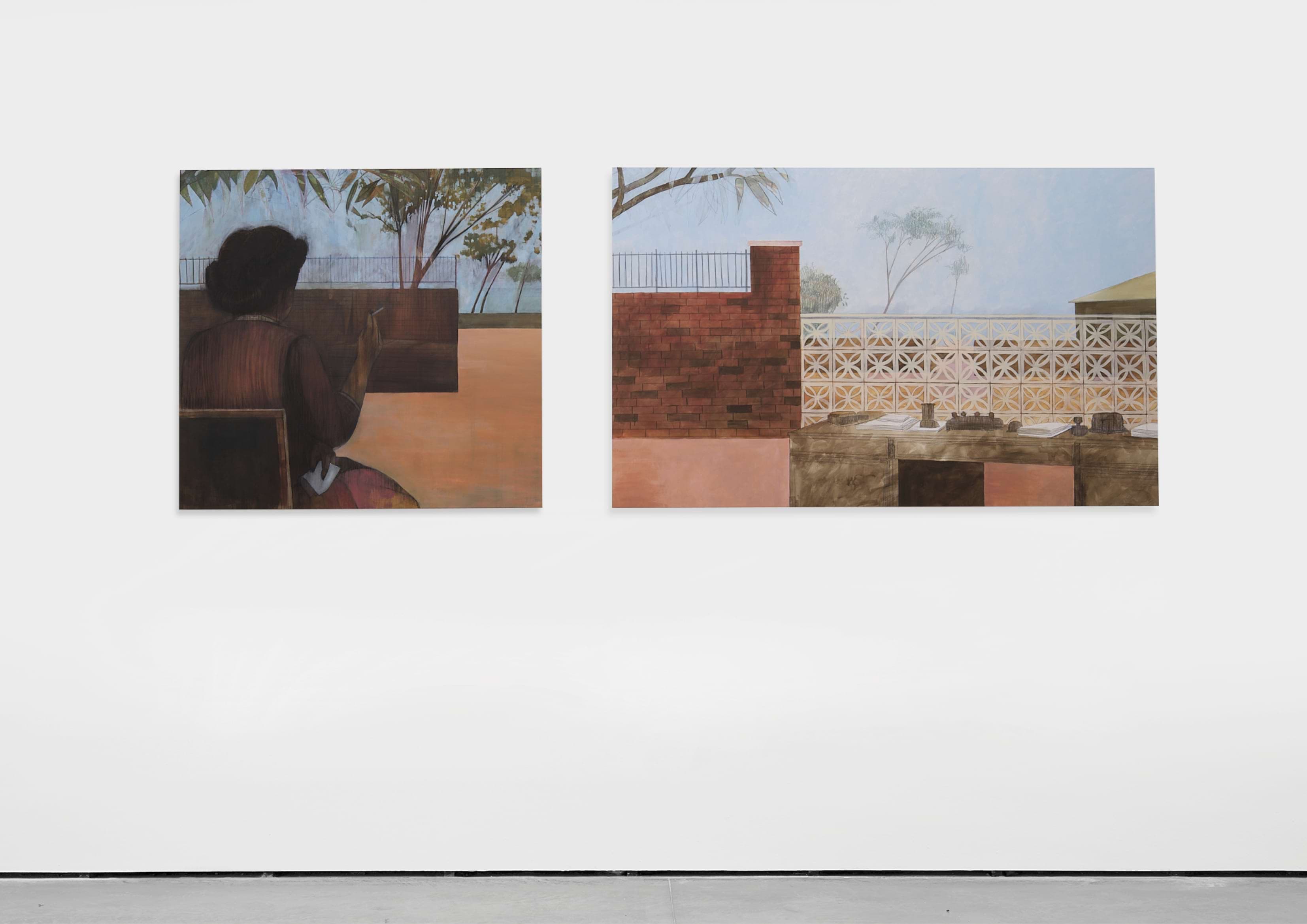
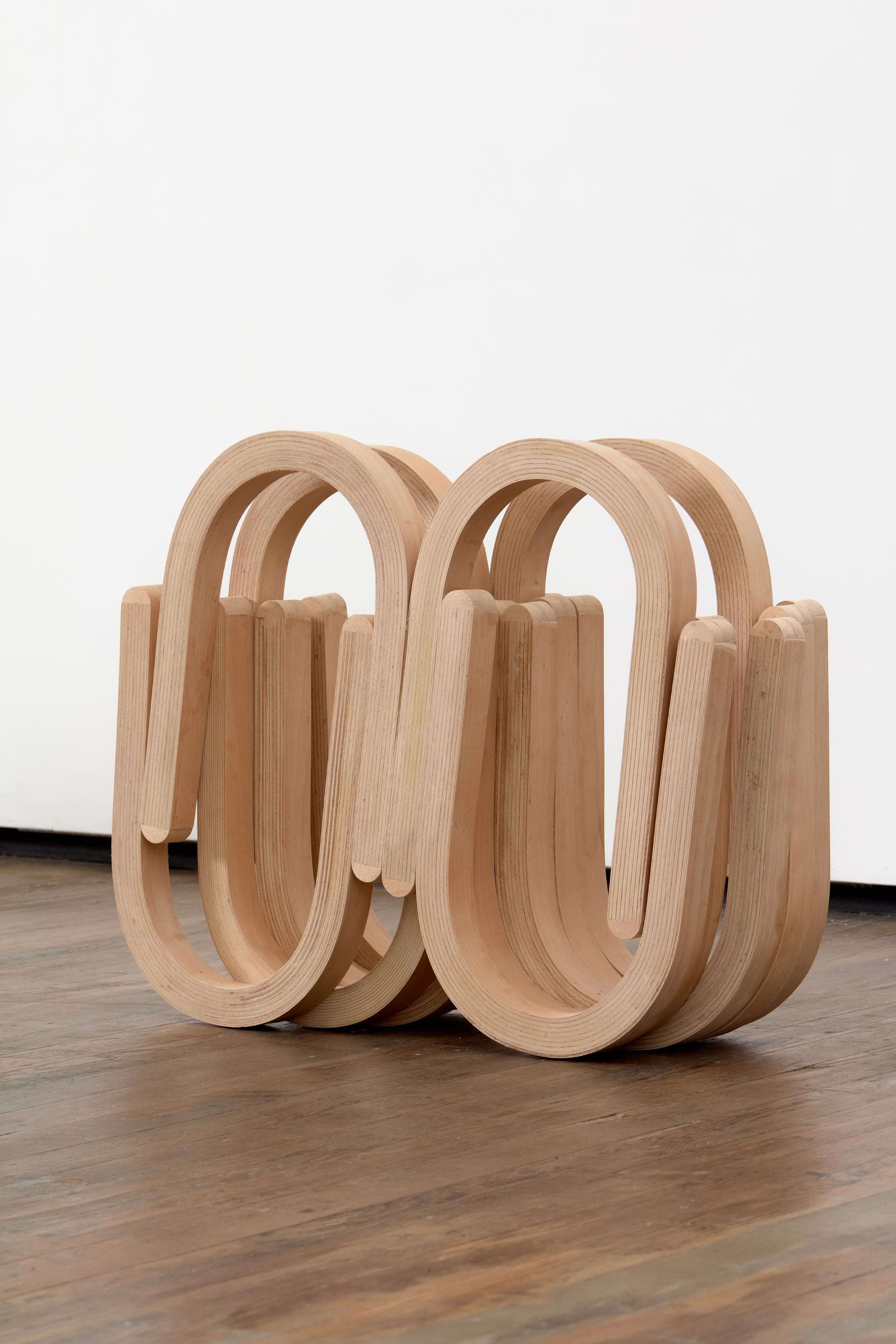
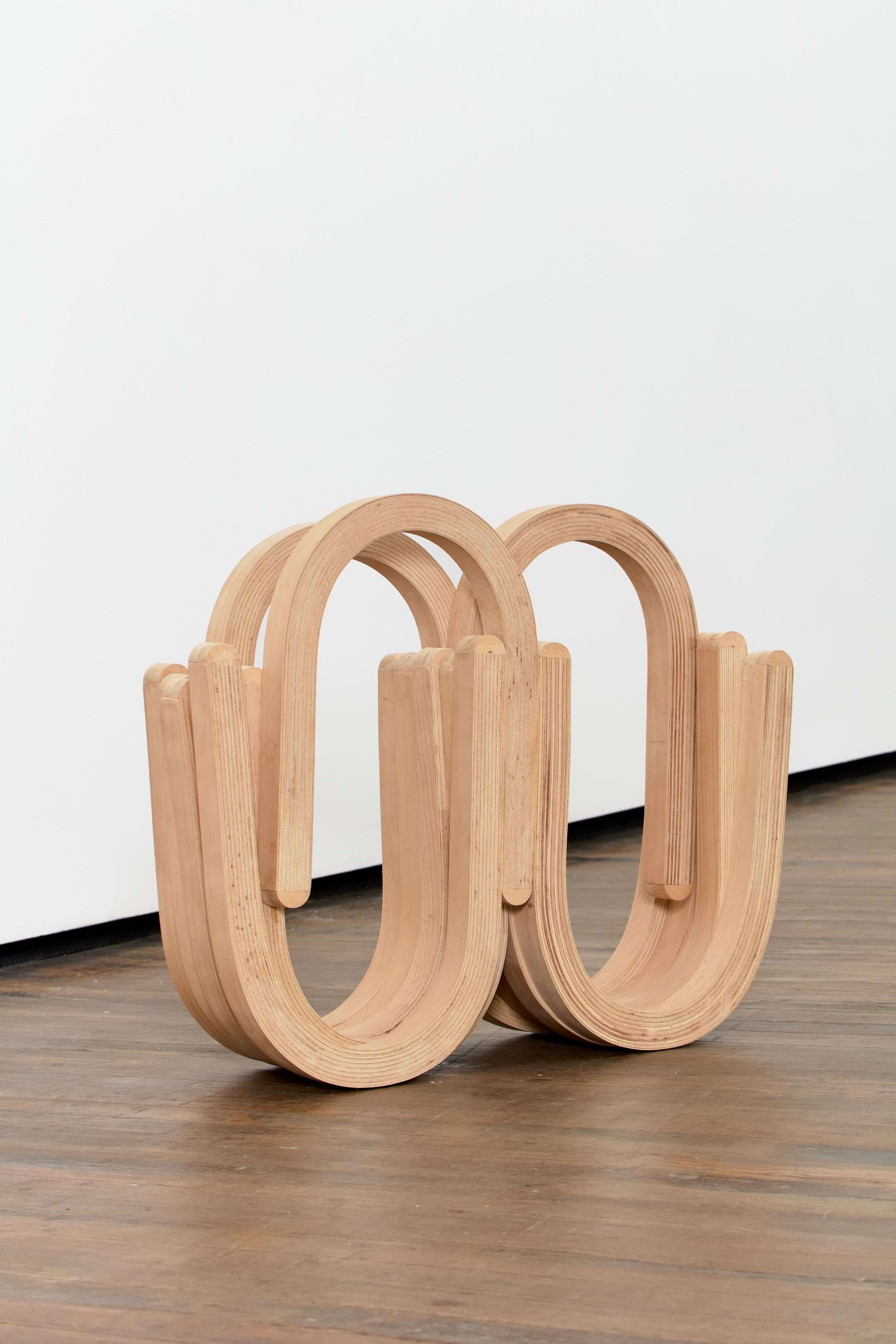
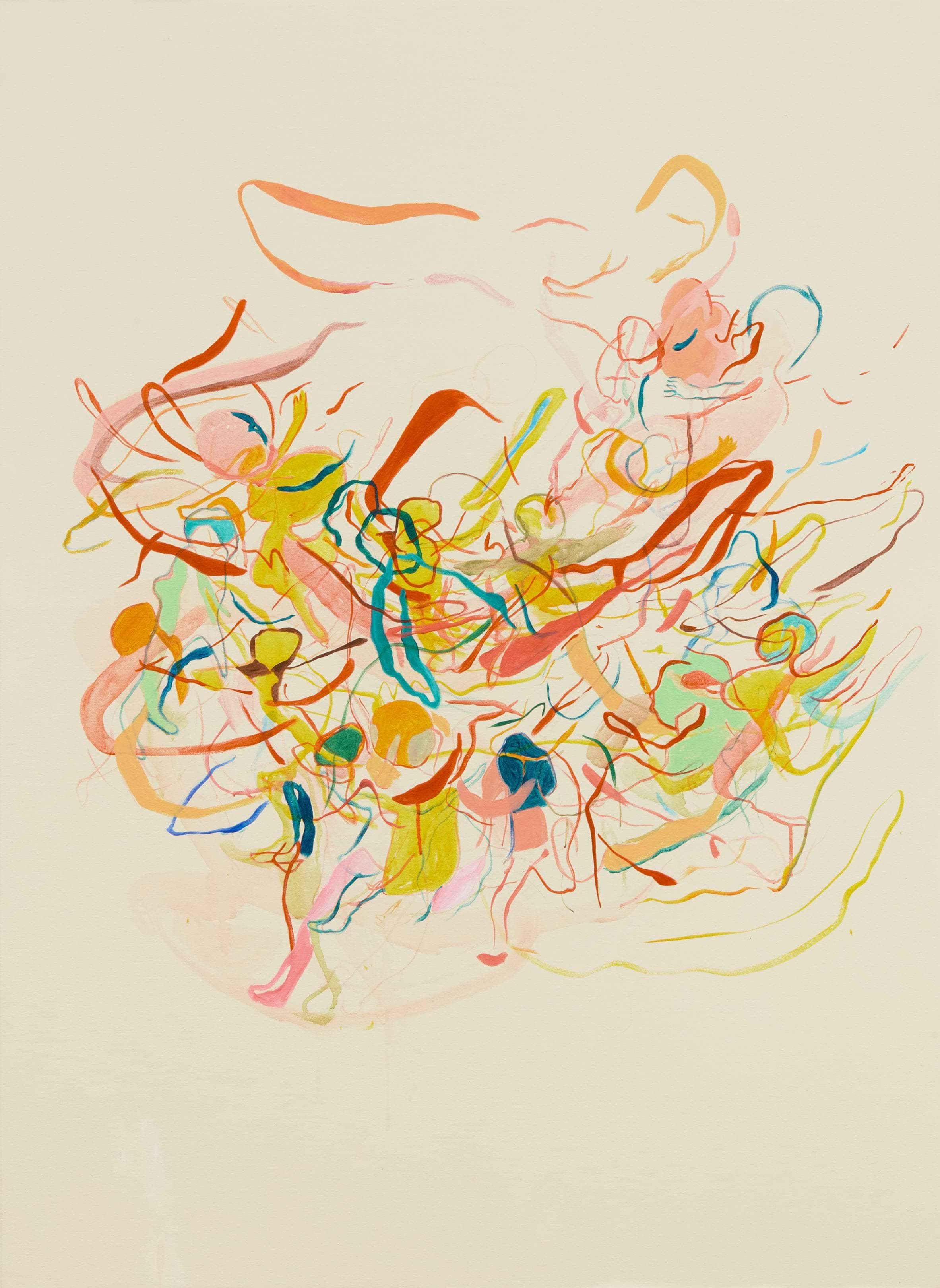

Here, landscape is kinetic, extending beyond its geographical boundaries to become a space of reflection, transformation and discovery. Across the works, the familiar is reconsidered and the boundaries between the observed and the imagined become fluid, opening up new ways of seeing the world and our place within it.
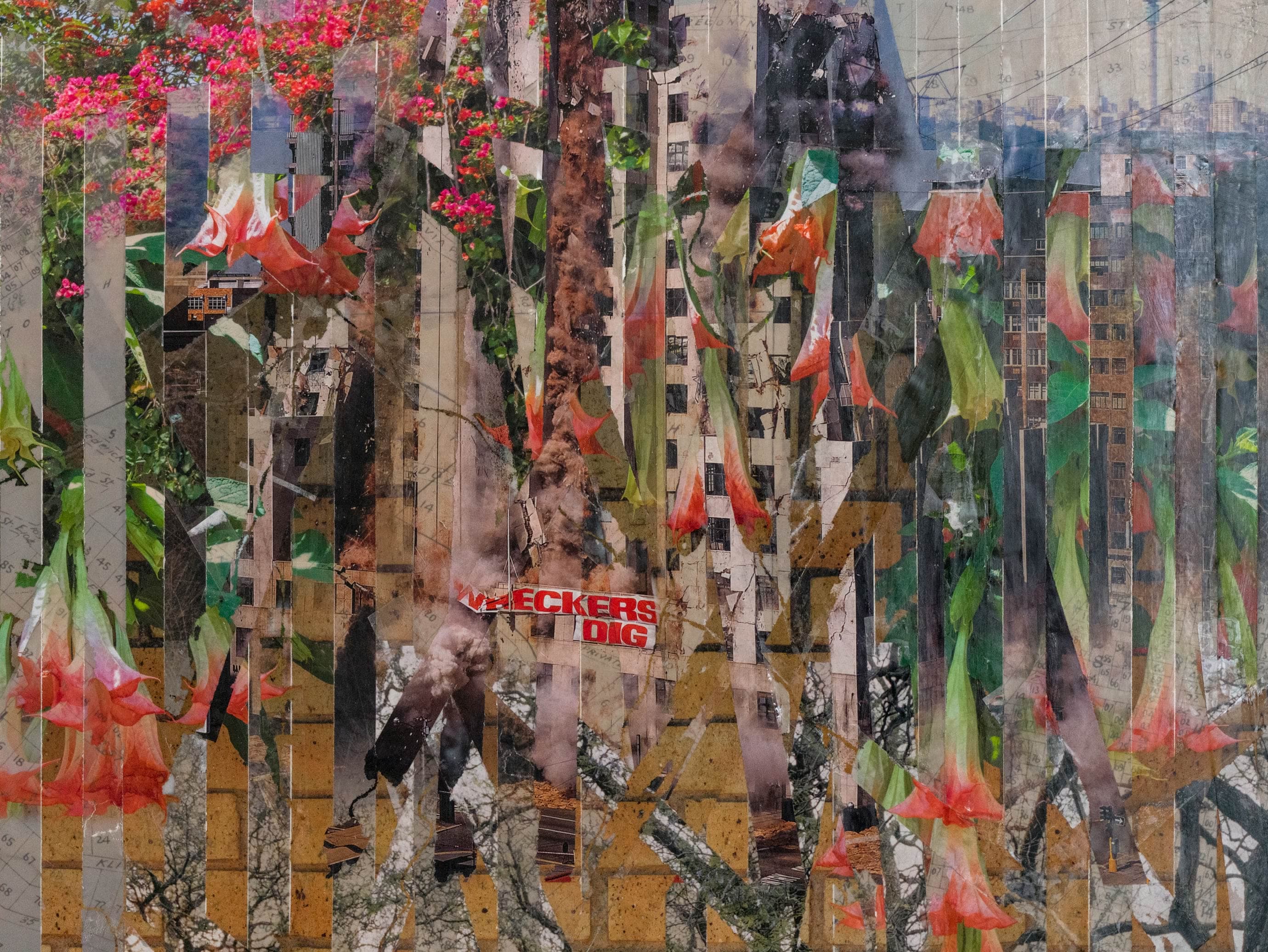
In Exit Permit (diptych) (2024), Pamela Phatsimo Sunstrum draws on her distinctive visual language to explore questions of identity, history and speculative narrative. Her practice frequently brings together mythology, geology and imagined worlds, creating layered compositions in which personal and collective histories intersect with alternative visions of time and space. The diptych format offers a space for juxtaposition and transition, inviting reflection on movement, belonging and the thresholds between places and states of being.
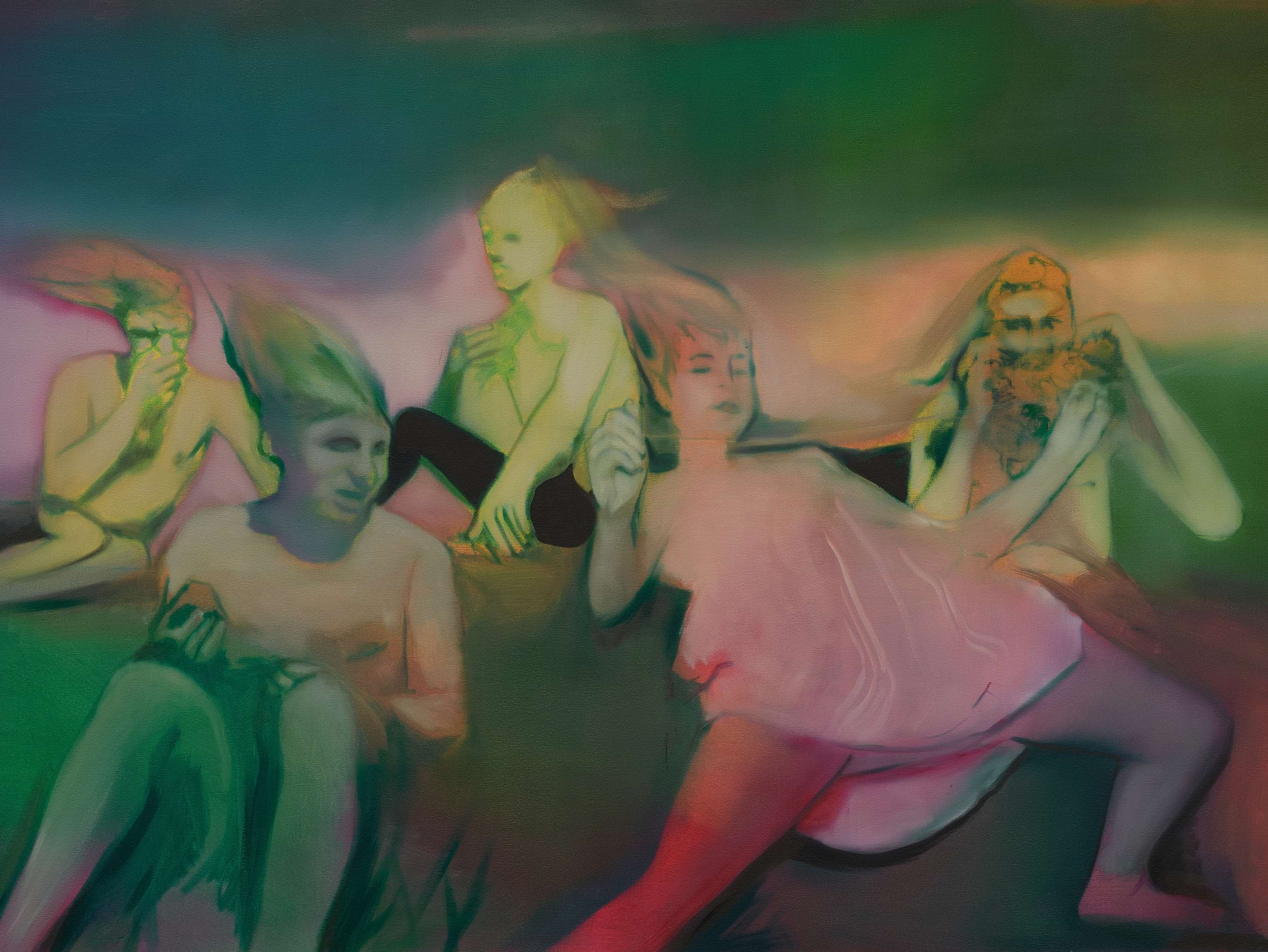
Chemu Ng’ok’s Premonition (2026) introduces a sense of anticipation to the exhibition. Through her painting practice, Ng’ok explores the complexities of human experience, drawing viewers into psychologically charged encounters with the figure and the spaces it inhabits. The work’s title evokes an awareness of what may lie ahead, opening up a consideration of intuition, uncertainty and the subtle tension between what is known and what remains beyond our grasp.

Unathi Mkonto’s Deep water waves at the bottom of the city I (2026) and Deep water waves at the bottom of the city II (2026) bring together the elemental force of water and the constructed environment of the city. Presented as a pair, the works suggest a landscape shaped by movement, depth and the relationship between natural and urban systems. Their titles evoke hidden currents beneath the visible surface, inviting consideration of the unseen forces that shape our environments and experiences.
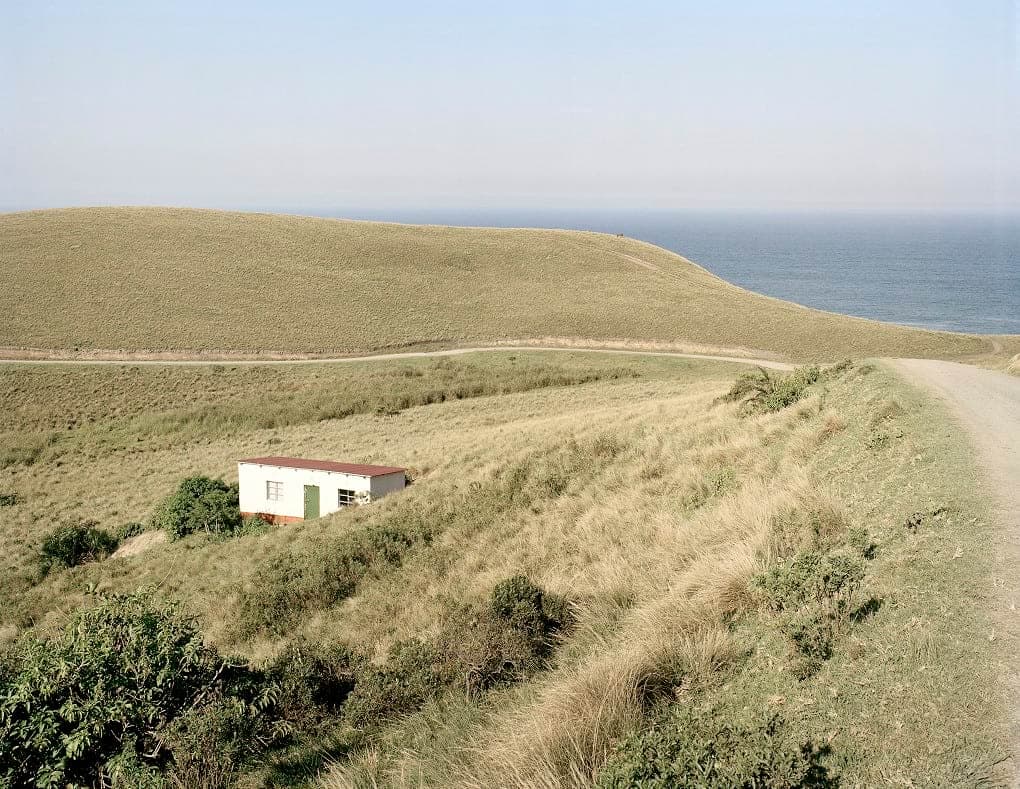
David Goldblatt’s The Road to Nqondwana, Transkei. 6 May 2007 offers a grounded encounter with a specific South African landscape. Throughout his career, Goldblatt documented the country with a sustained attention to the social and historical forces that shape its people and places. In this colour photograph, the road becomes both a passage through the land and a point of entry into the histories held within it. His attentive observation encourages a way of looking that is at once precise and contemplative.

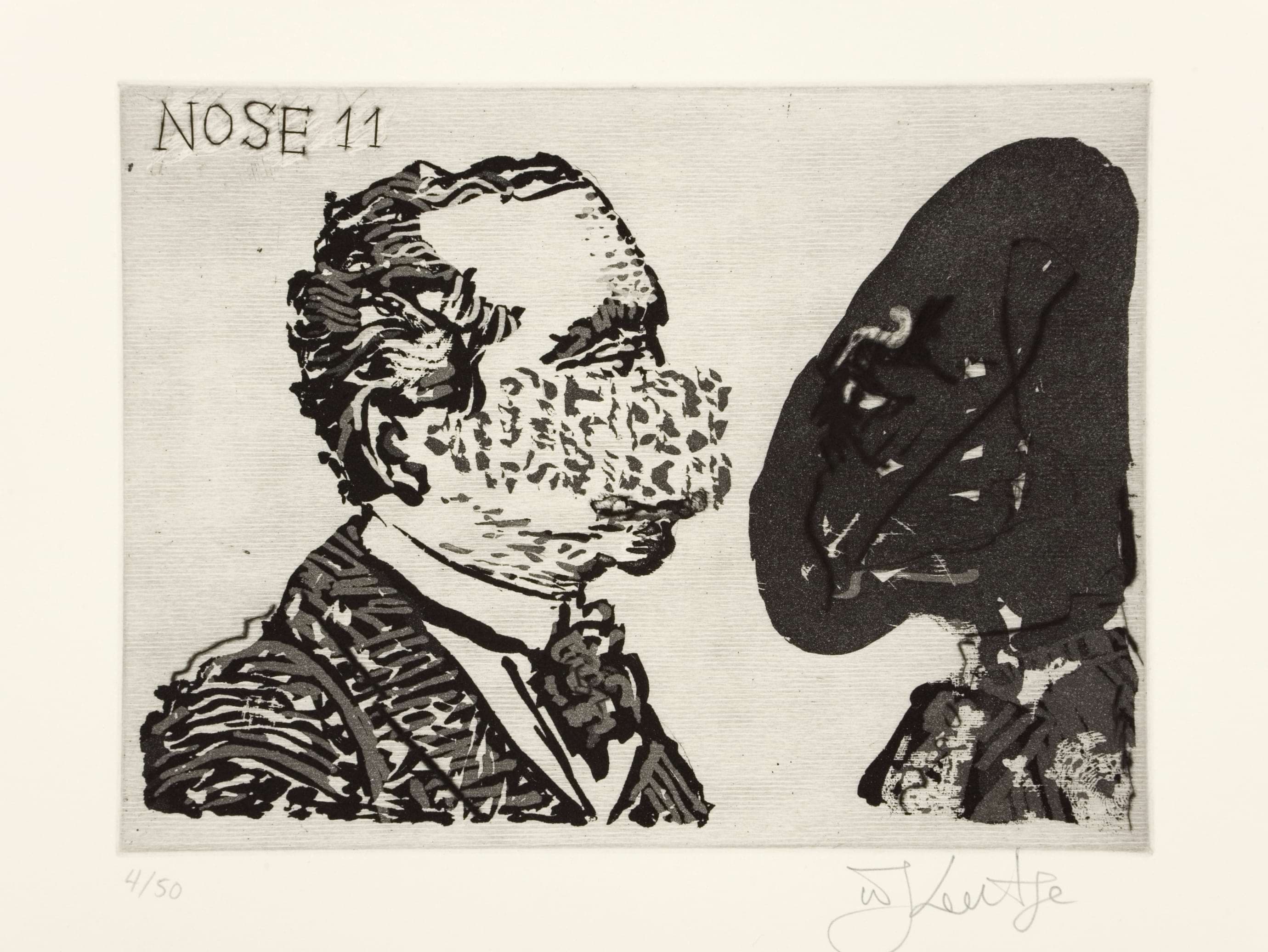
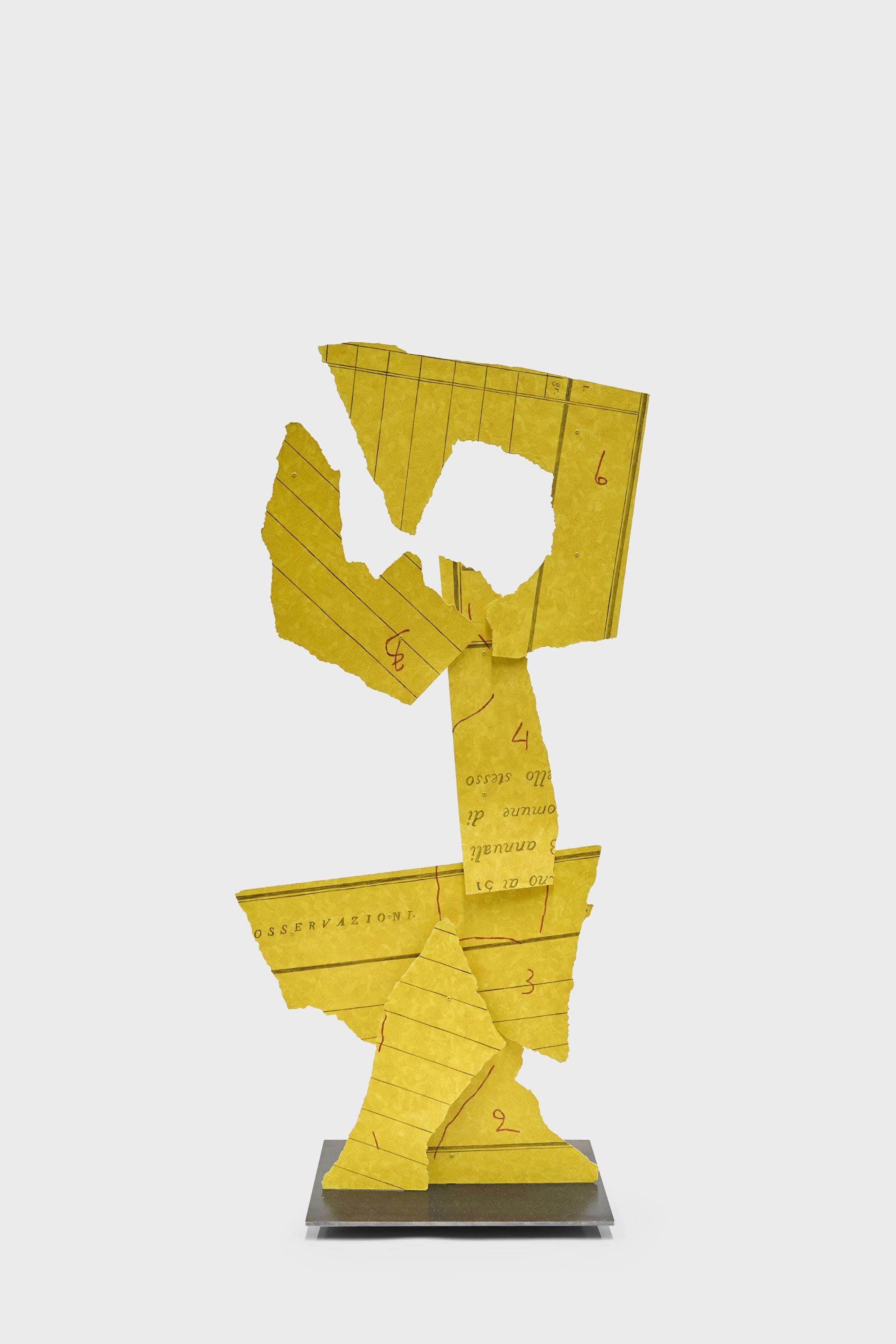
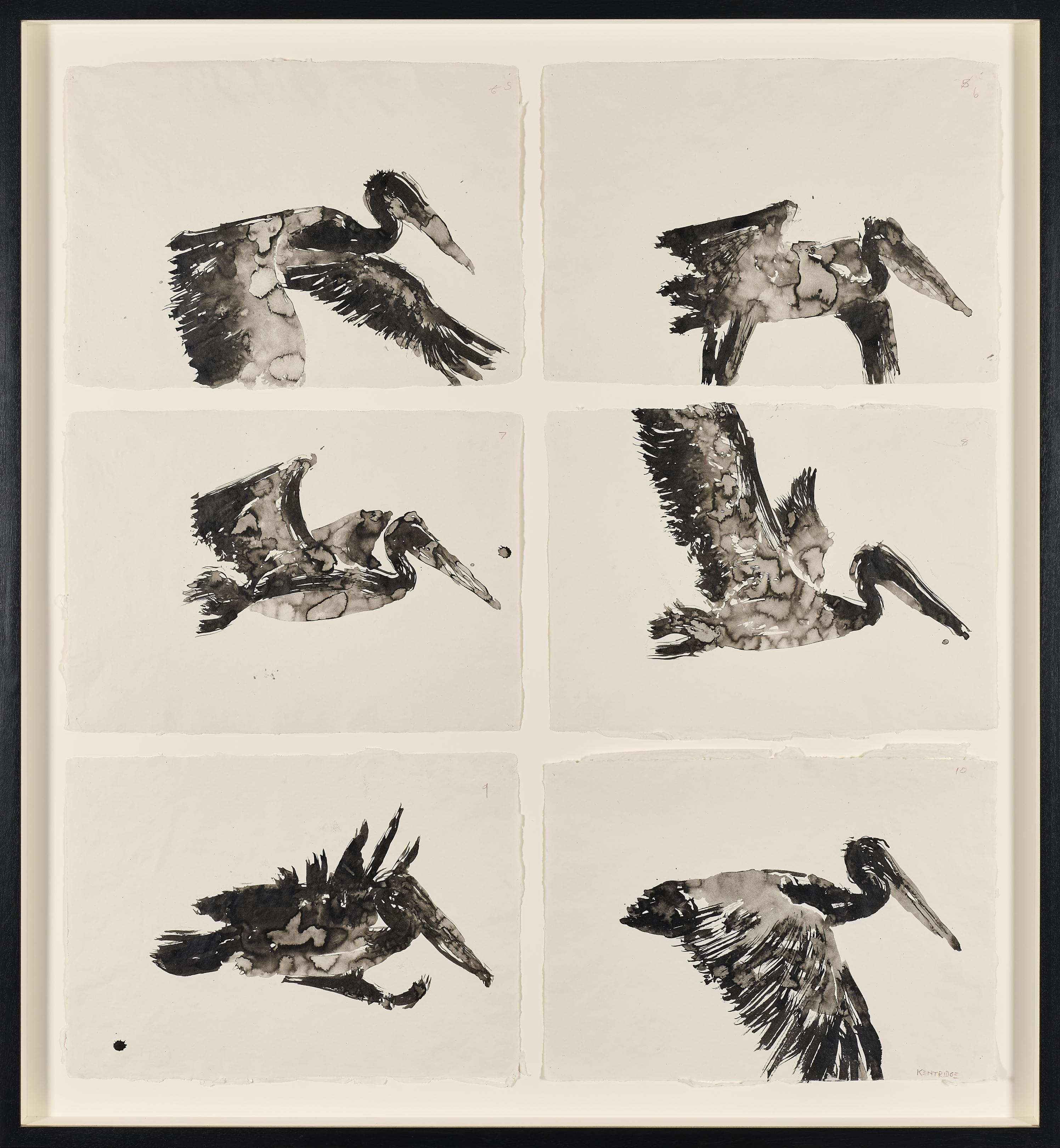
William Kentridge’s Drawing for Self-Portrait as a Coffee Pot, Pelican in Flight and Paper Procession III (2023) introduce the movement of drawing, performance and the imagination. Across his multidisciplinary practice, Kentridge explores the provisional nature of images and the possibilities that emerge through gesture, sequence and transformation. His works invite viewers to consider how meaning develops through the act of making, and how images can shift between the absurd, the familiar and the unexpected.
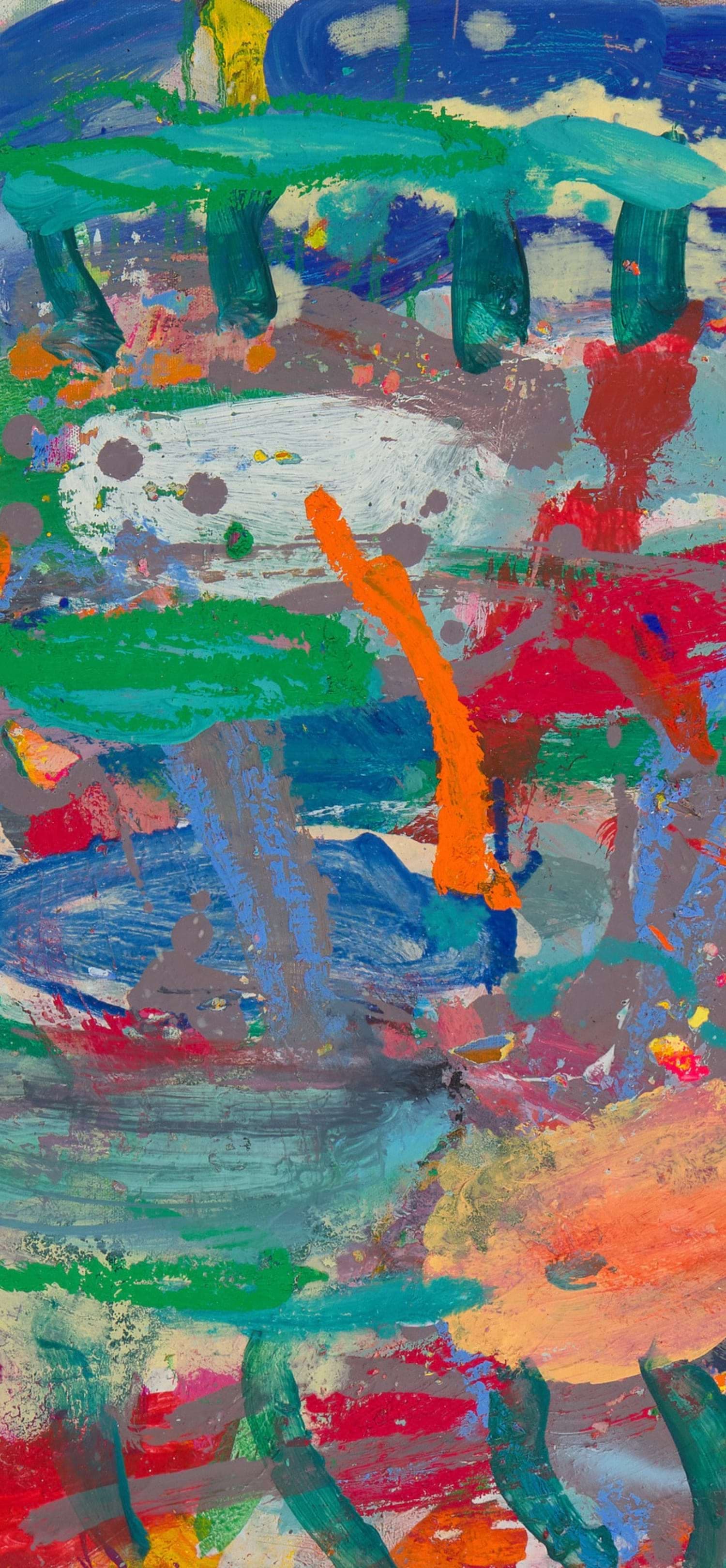
Misheck Masamvu’s Vested Interests (2025) brings a further dimension of tension and ambiguity to the exhibition. Through an expressive visual language, Masamvu engages with the complexities of contemporary experience, allowing forms and gestures to occupy an unsettled space between recognition and abstraction. His work resists fixed interpretation, encouraging viewers to remain attentive to the contradictions and uncertainties that shape our understanding of the world.
Together, these works resist a singular understanding of landscape. Instead, they suggest a more expansive field of associations in which place is encountered, remembered and imagined. Photography, painting and drawing offer different ways of attending to the world, each revealing how the act of looking can become a means of questioning what we know and reconsidering what we take for granted.
At Cheetah Plains, where the natural environment shapes the experience of being present, the exhibition offers an opportunity to encounter contemporary art in dialogue with its setting. It invites visitors to slow down, look closer and consider the many ways in which art can deepen our understanding of place, time and the worlds we inhabit.