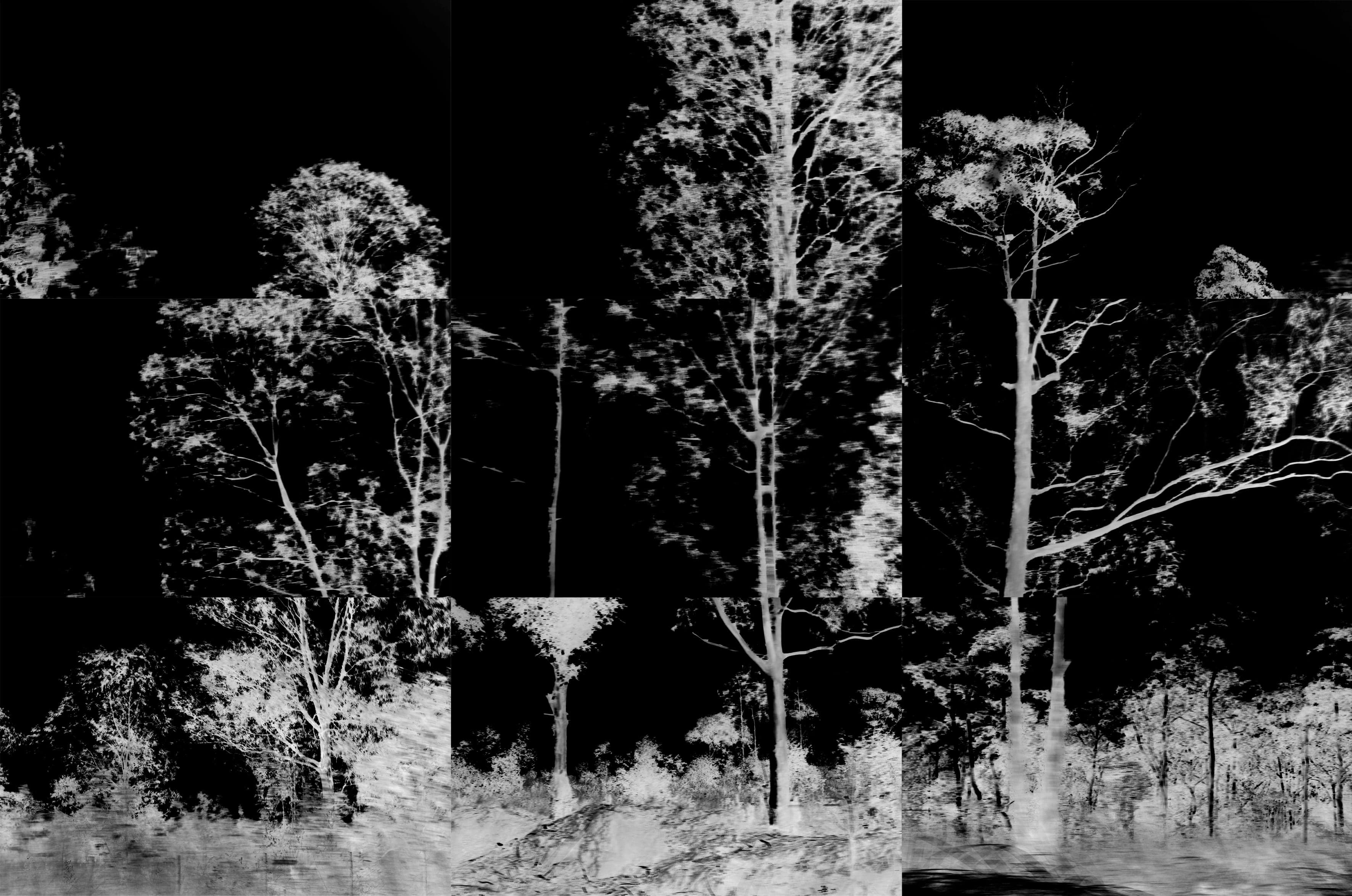
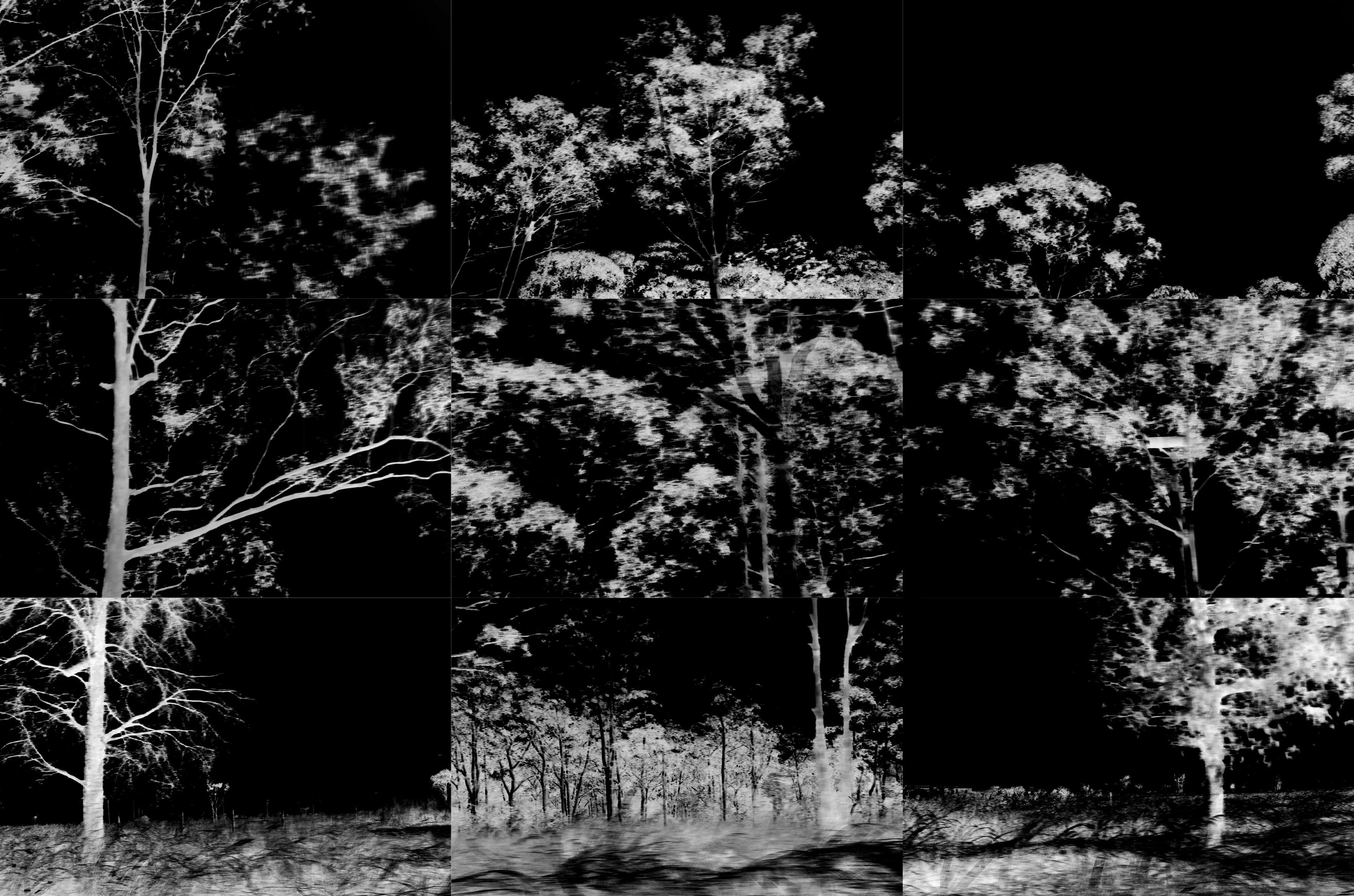
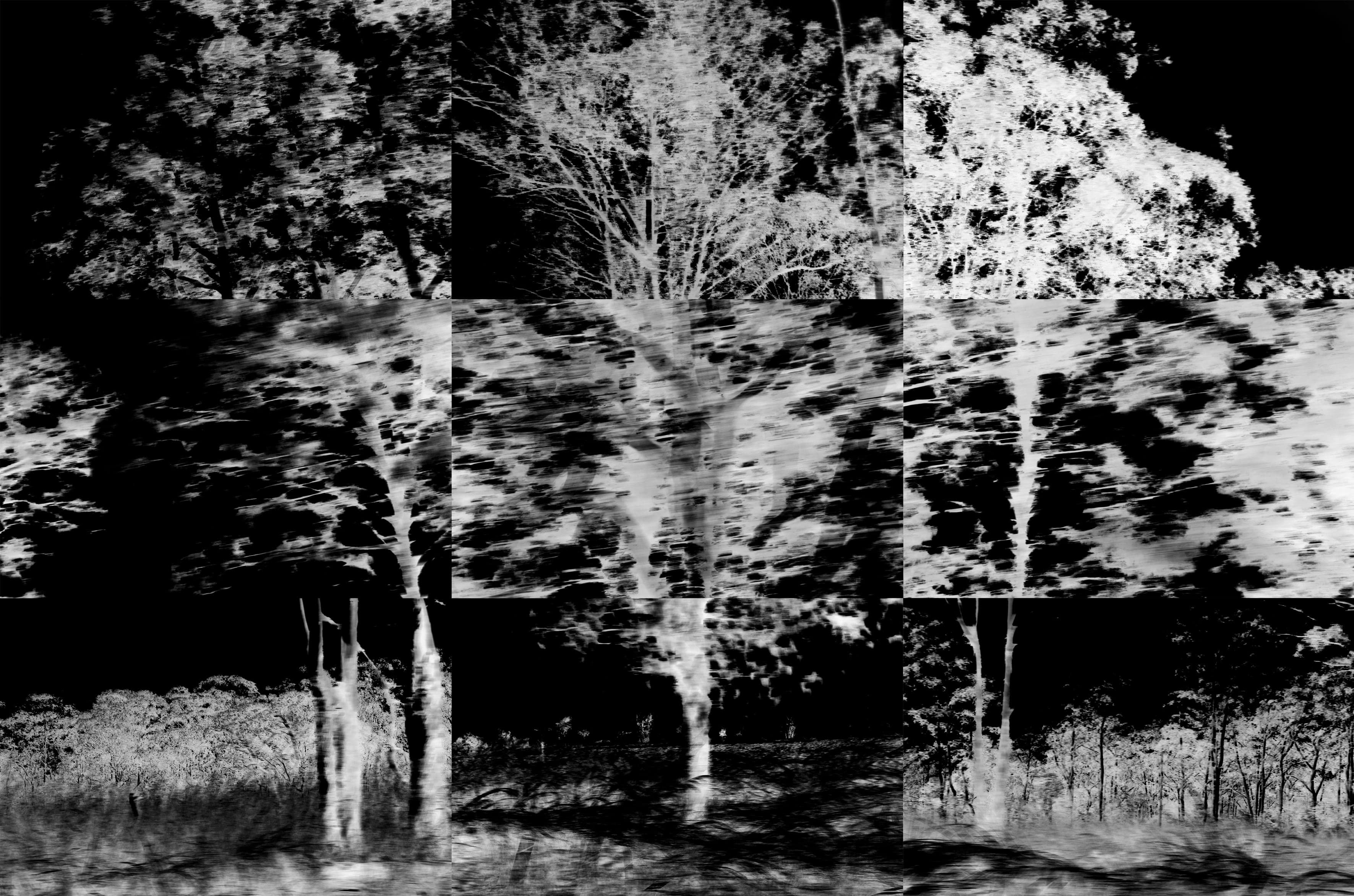
Restless Landscape is a series of digital print montages. The images are an assemblage of photographs of the landscape in the central part of Angola where the civil war was particularly damaging. Thinking about the impact of war on both people and on nature, Kia Henda gestures towards trauma’s ability to root itself into the land, thereby necessitating a process of healing and renewal.
Restless Landscape is a series of digital print montages. The images are an assemblage of photographs of the landscape in the central part of Angola where the civil war was particularly damaging. Thinking about the impact of war on both people and on nature, Kia Henda gestures towards trauma’s ability to root itself into the land, thereby necessitating a process of healing and renewal.
Restless Landscape is a series of digital print montages. The images are an assemblage of photographs of the landscape in the central part of Angola where the civil war was particularly damaging. Thinking about the impact of war on both people and on nature, Kia Henda gestures towards trauma’s ability to root itself into the land, thereby necessitating a process of healing and renewal. By creating the photomontages, he is recreating a new landscape filled with overlapping trees — this process of manipulation is Kia Henda’s attempt at rehabilitating the land from a traumatic past.
The 20th anniversary of Princess Diana’s death in 2017 coincided with Kia Henda’s return to Luanda from New York — a trip during which Diana’s humanitarian efforts were advertised broadly at major airports in both cities. Part of Diana’s efforts included a visit to Angola, in 1997, where she lobbied against the military industry which benefited from the terror of war, particularly in the production and distribution of explosives used in landmines. Through photographs, a video installation, as well as new sculptural installations, Kia Henda reflects on the continued effects of active landmines in Angola. A vestige of the brutal civil war, landmines continue to threaten the lives of civilians across the country.
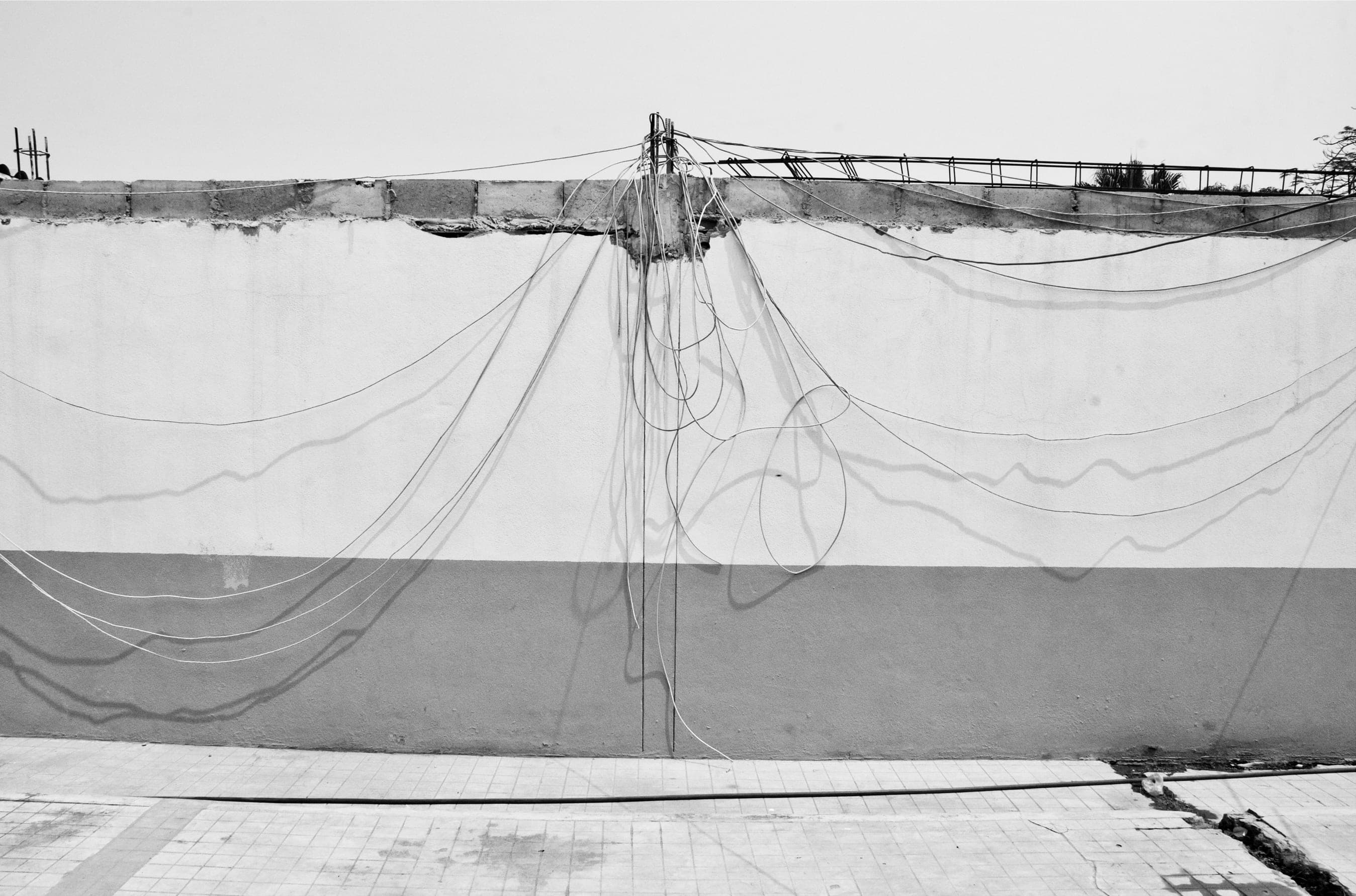
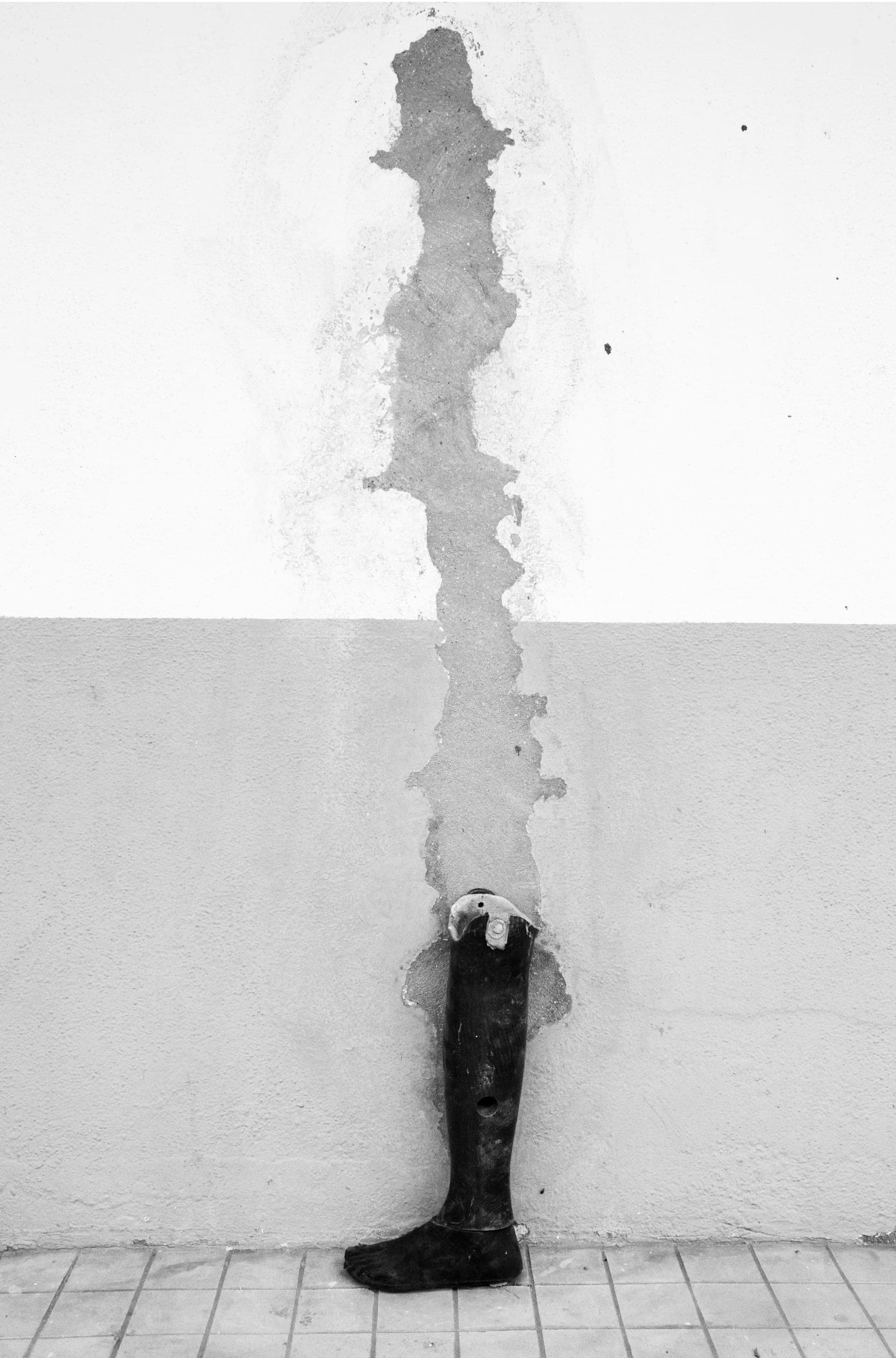
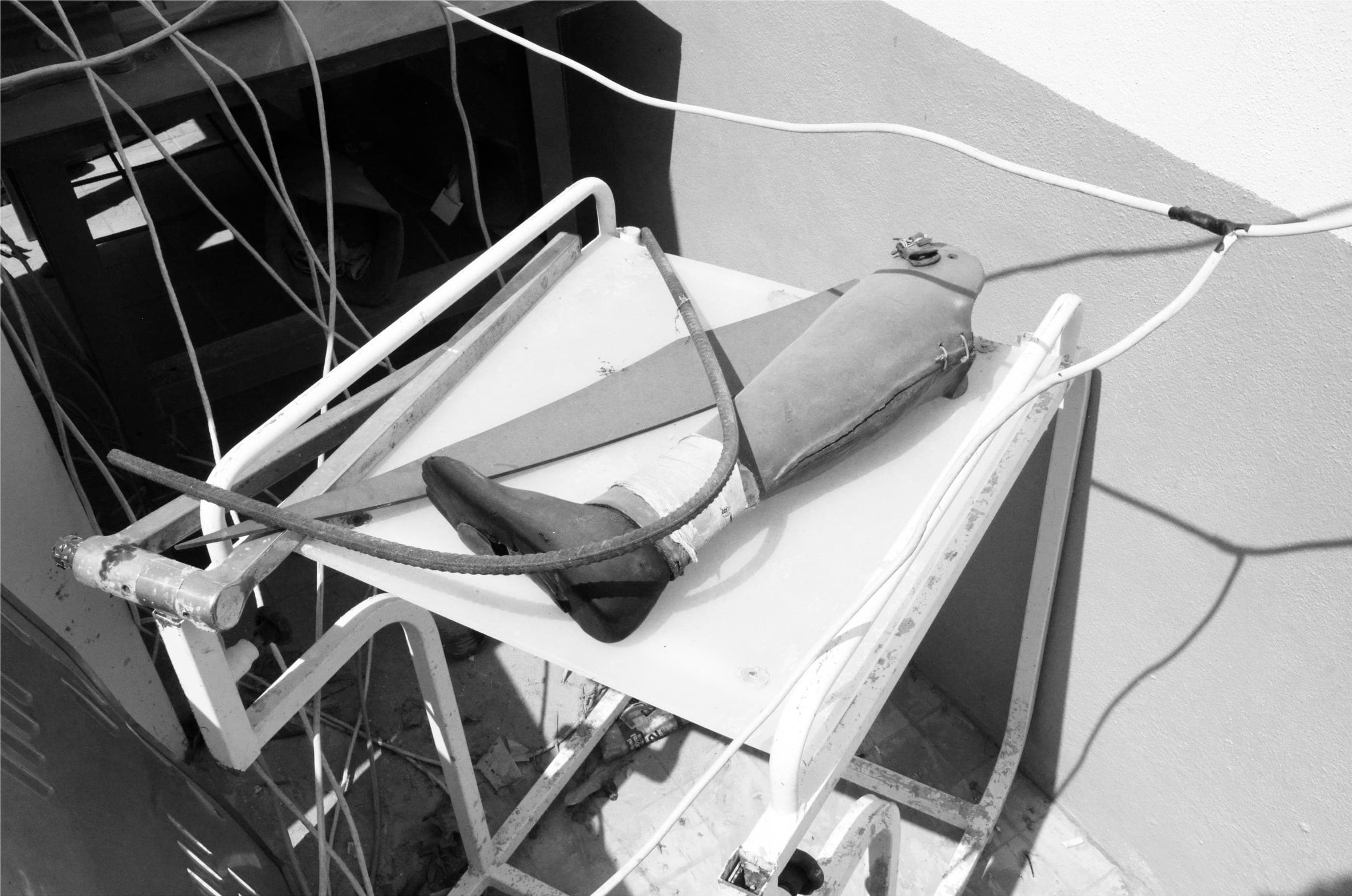
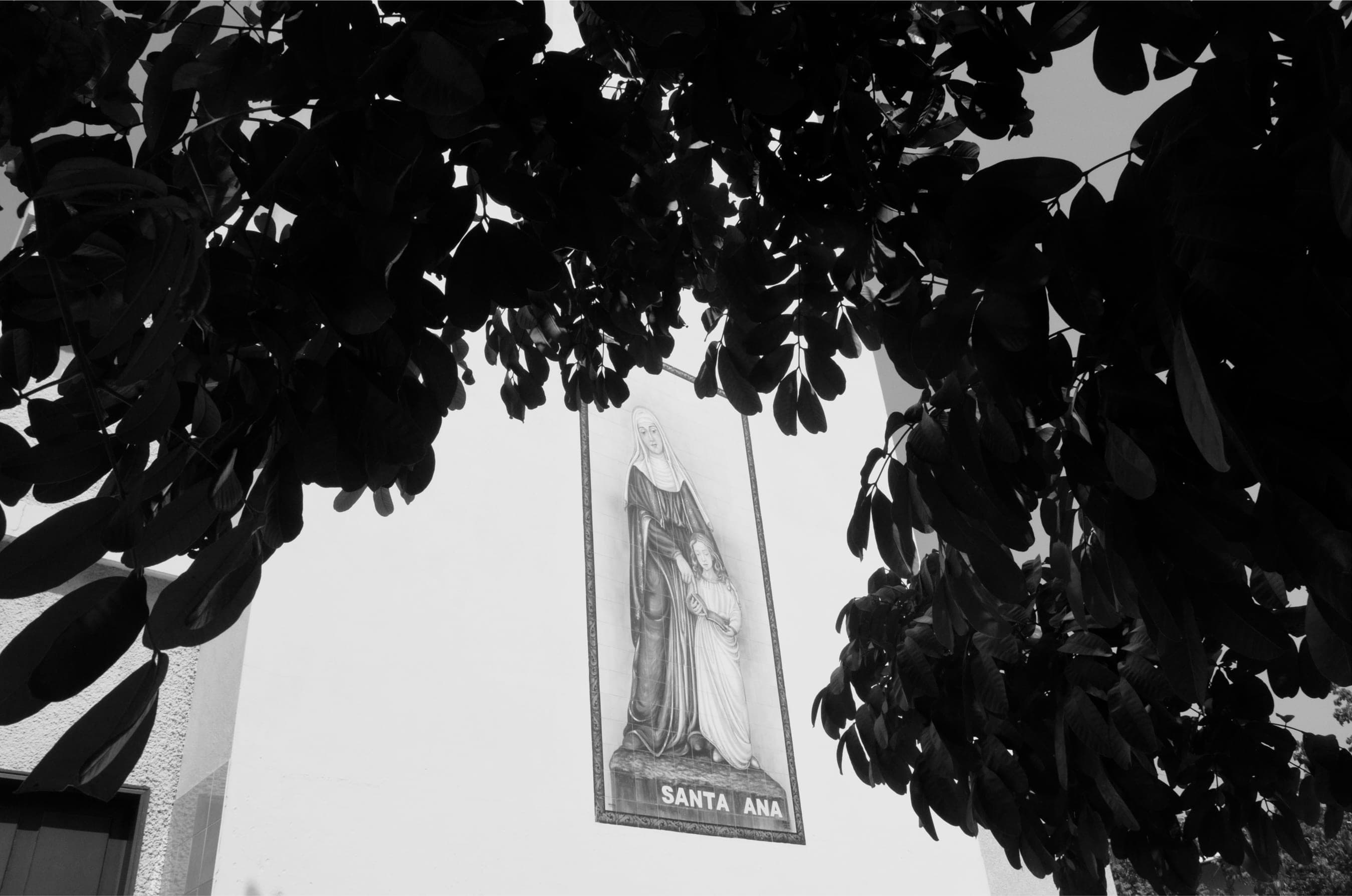
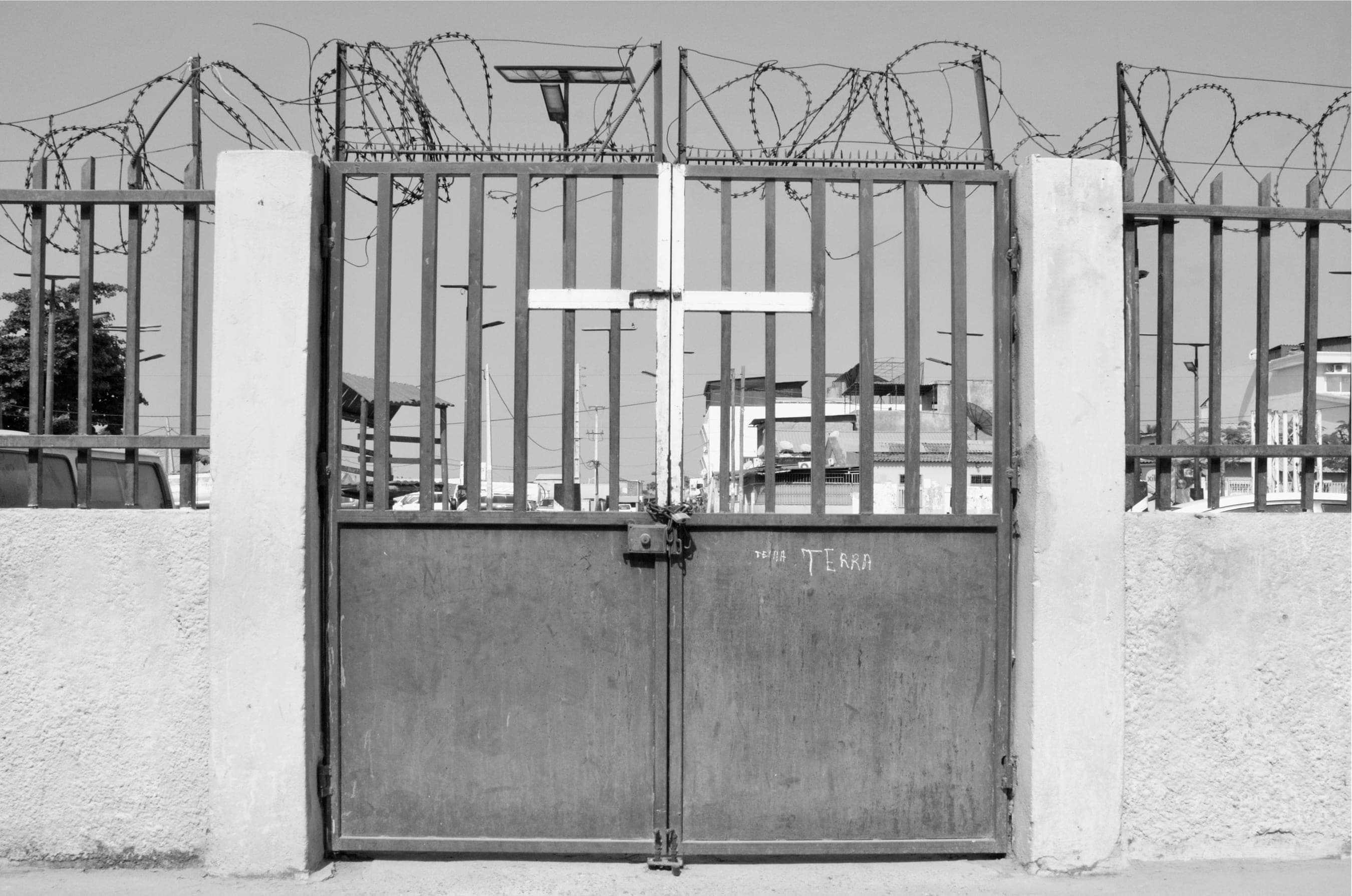
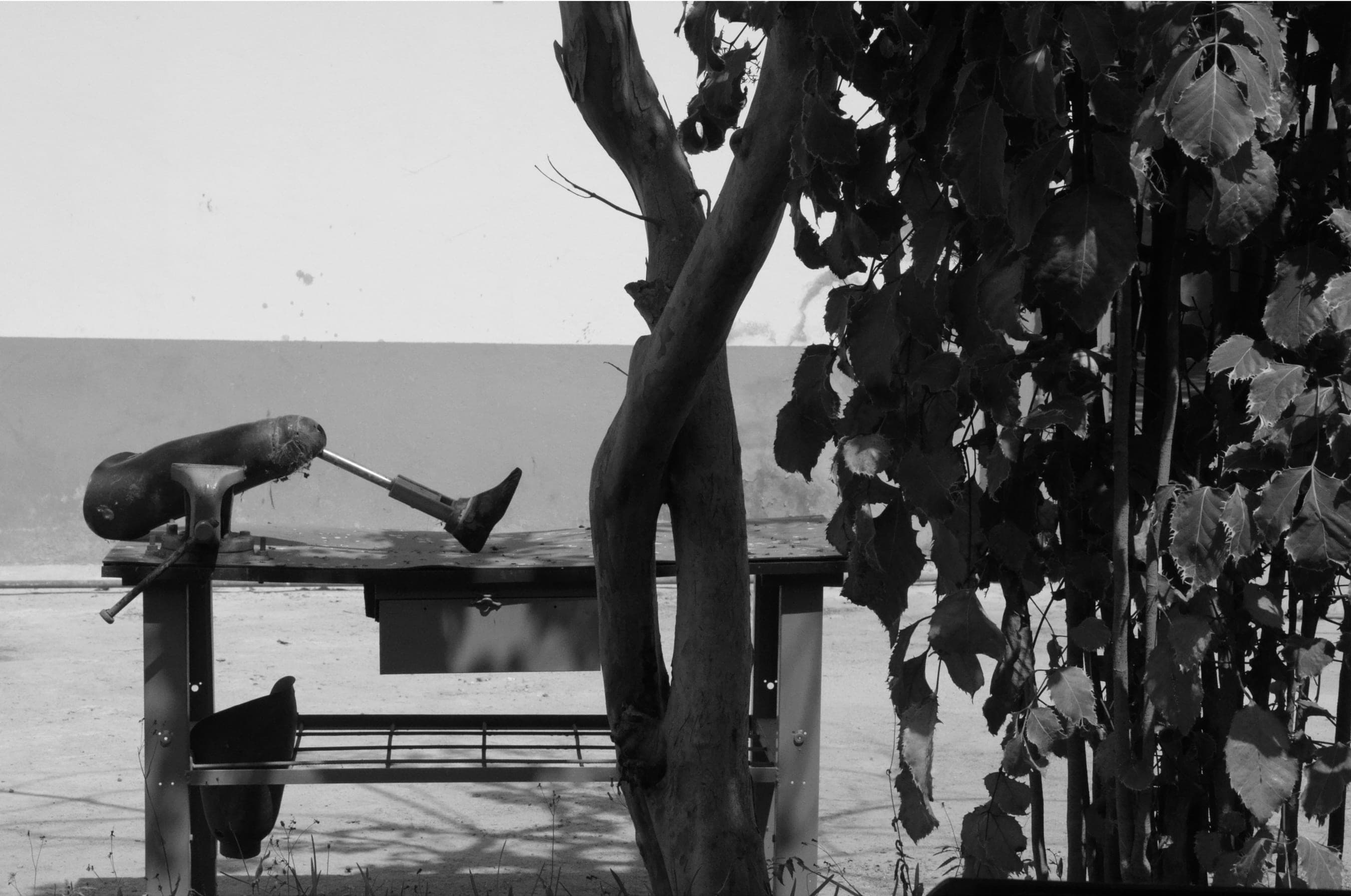
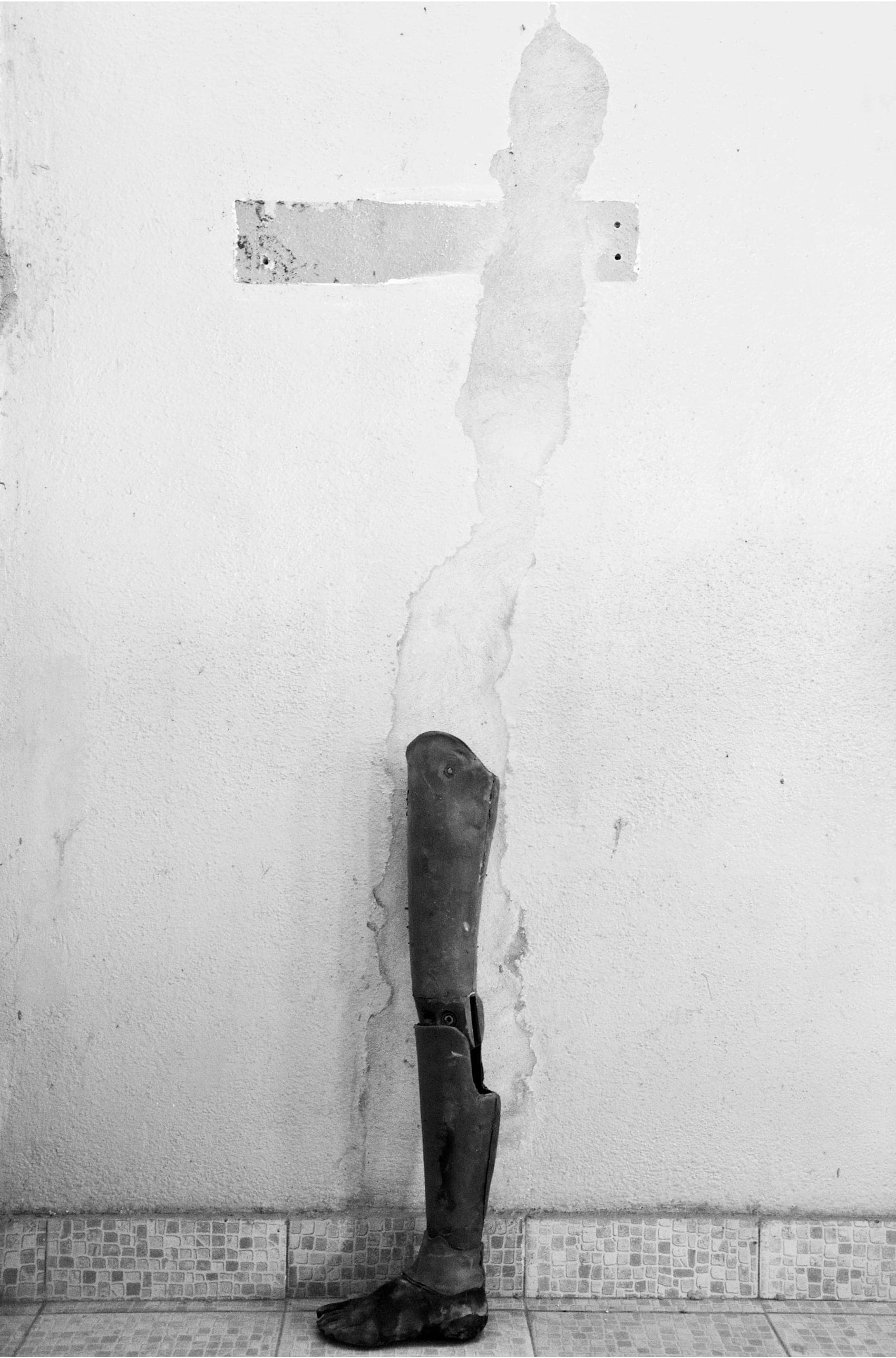
The series of photographs in the exhibition document the Neves Bendinha Orthopaedic Centre and the Santa Ana Catholic church. Devoid of human beings and with no signifiers of time, the images capture an enduring melancholy and restlessness. Both the Orthopaedic centre and the church are a reflection of sites of hope for many Angolans who experienced the effects of war. And yet they reveal themselves as not completely within reach — enclosed, protected…and therefore empty.
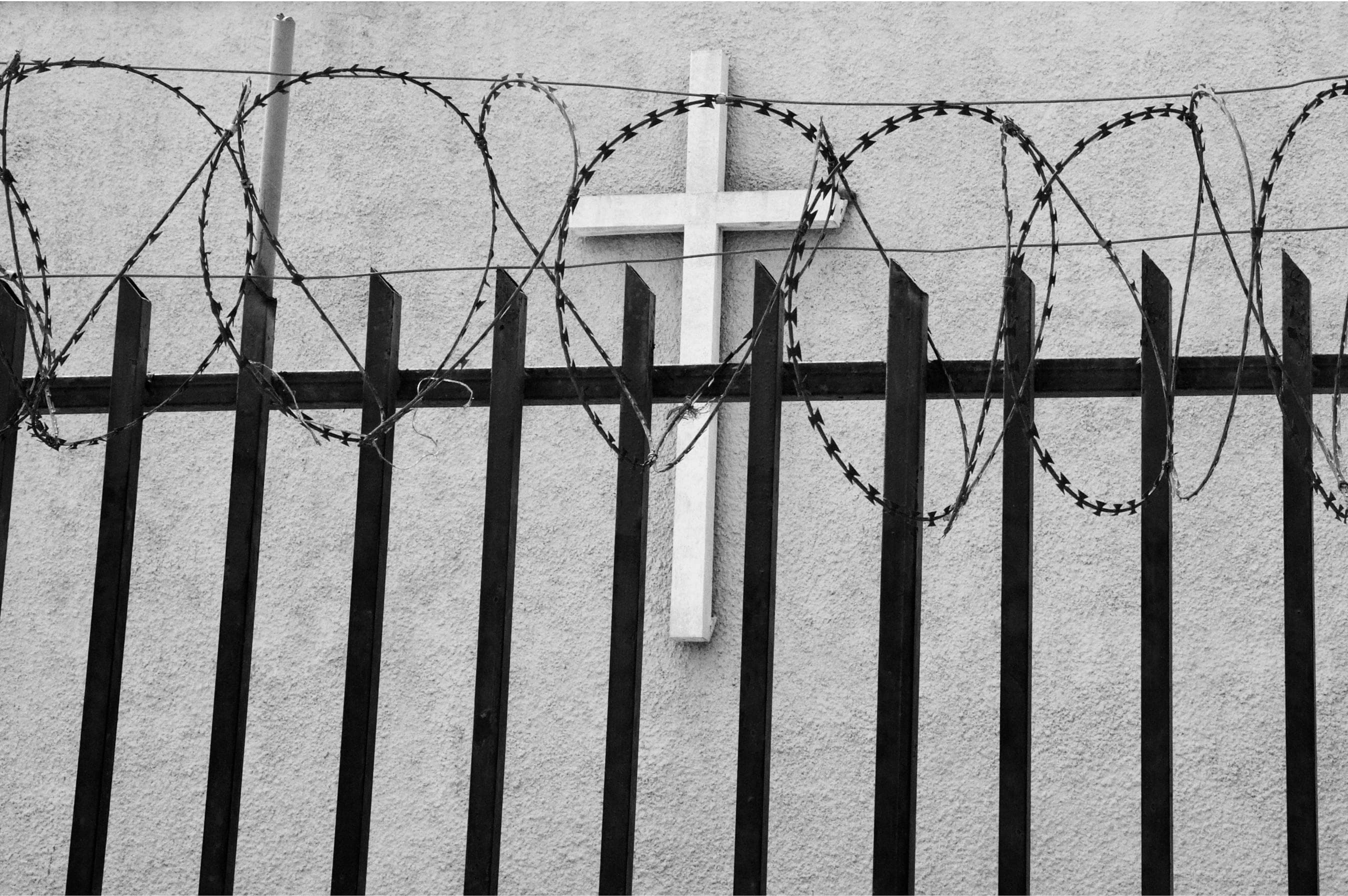
Part of a deeply conceptual body of work, Divinum Tormentum (The Divine Ordeal) #7 explores the spiritual, psychological, and architectural residues of colonial and post-colonial power in Angola. This series draws on Christian iconography, particularly the symbolic violence embedded in religious structures and their afterlives in African societies. Henda juxtaposes elements of Catholic ritual, sacred architecture, and bodily imagery to reflect on how divinity and domination have historically been entangled.
In #7, as in other works in the series, Henda stages a photographic mise-en-scène that evokes both spiritual ecstasy and trauma. The title's Latin phrasing—“Divinum Tormentum”—suggests an ordeal that is at once sacred and excruciating, perhaps mirroring the experience of colonized subjects subjected to both religious conversion and cultural erasure. The work is part of Henda’s larger practice of interrogating how ideologies of salvation, authority, and identity are inscribed into space, myth, and memory.
Overall, the image serves as a visual meditation on martyrdom, transformation, and the spectral legacy of empire—turning the “ordeal” of the divine into a space for questioning and reclamation.
Let me know if you'd like a shorter caption version or a reframe under a specific exhibition pillar.
This haunting photograph is part of Kiluanji Kia Henda’s Divinum Tormentum (The Divine Ordeal) series, which meditates on the continued consequences of Angola’s civil war—particularly the effects of landmines and the struggle for healing.
Like other works in the series, #8 captures an interior space—typically a site of refuge or recovery, such as an orthopaedic clinic or a Catholic church—but notably devoid of people. The absence of human figures, along with the neutral lighting and muted color palette, creates a palpable sense of stillness and absence. It evokes enduring melancholy and restlessness, as these sites exist in a suspended state between hope and neglect.
By focusing on these emptied environments, Henda highlights the invisible scars of conflict—both physical and psychological—and the long, uncertain process of recovery. The image becomes a visual space of memory and contemplation, encouraging viewers to reflect on war’s lingering legacy and the complex path toward healing.
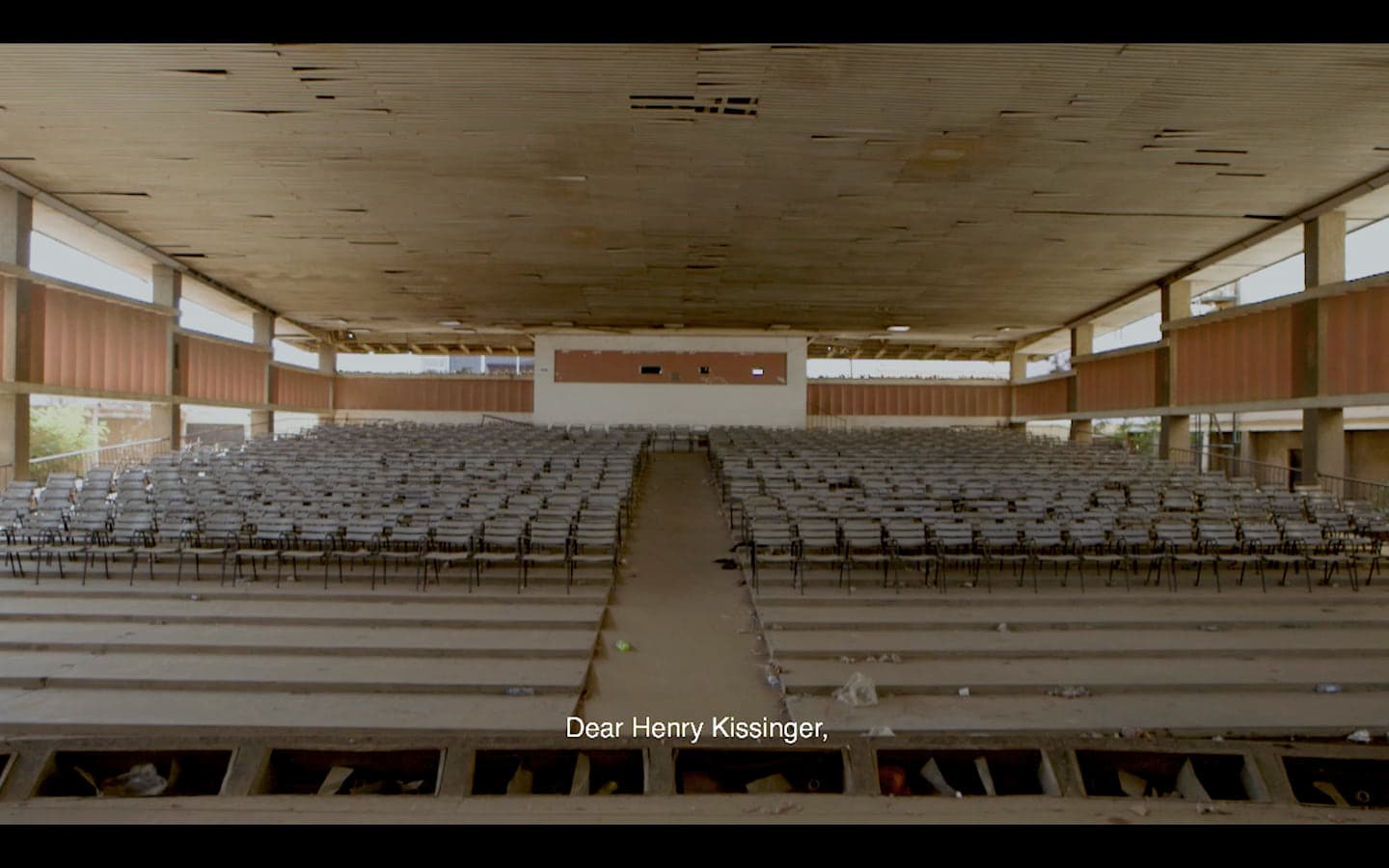
The short film “Phantom Pain - A Letter to Henry Kissinger” is a video-letter addressed by the artist Kiluanji Kia Henda to the former North American Secretary of State Henry Kissinger. Based on autobiographical elements, the film is shot entirely on the same street where the artist was born and raised. By visiting the cinema, the church and the Orthopedic Center, all located in the same street, Kia Henda talks about his childhood memories during the long years of the Angolan Civil War (1975 - 2002), and about the eminent influence of the Cold War in this conflict. The short-film takes on the perverse contribution of the U.S., in order to maintain and intensify the war in Angola, testified in the book "In Search of Enemies" written by the former C.I.A. officer and Chief of the Angola Task Force in 1975, John Stockwell.
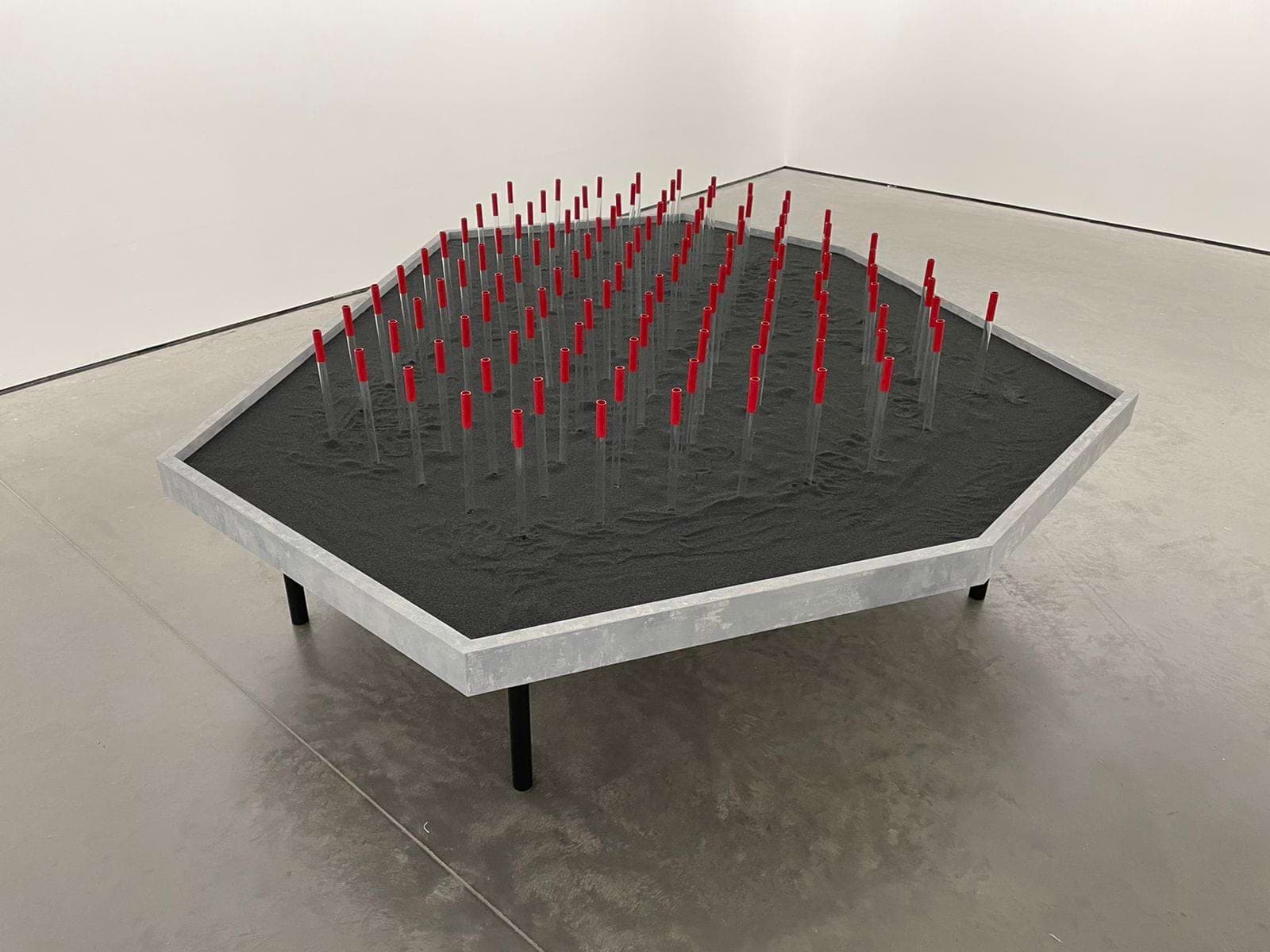
Terra inóspita is a new sculpture that gestures at illusions of safety. Modelled from landmine warning signs which are often made of wooden sticks and painted red and white, Terra inóspita consists of glass rods painted red at the top to contrast the natural translucency of the material. Loosely translated from Portuguese as “inhospitable land”, the sculpture reflects frustration at the inefficacy of measures to prevent death. Kia Henda recalls small children playing near these signs, wholly unaware of the dangers of existing landmines. Through this work, he pushes against the historicization of the war, returning these concerns to the present moment.
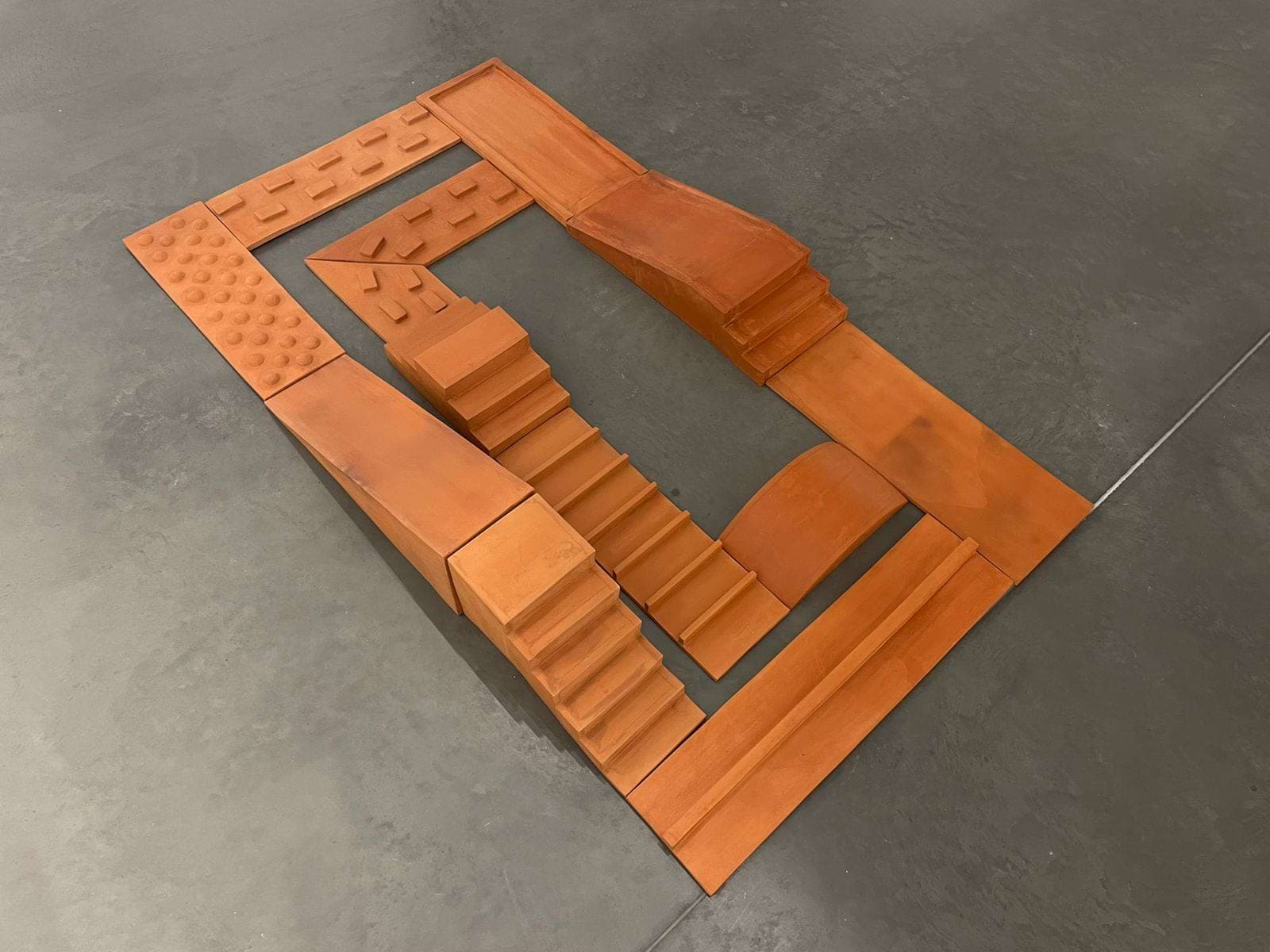
A Healing Path for Phantom Pain is a clay sculpture based on rehabilitation apparatus used by patients at the Neves Bendinha Orthopaedic Centre. The work reflects on processes of healing and recuperation. The sculpture functions as a model for Kia Henda’s plans to replicate a lifesize rehabilitation apparatus, using sand. For the artist, both materials of sand and clay contain fragility and have a connection to healing pains of the past