
Video
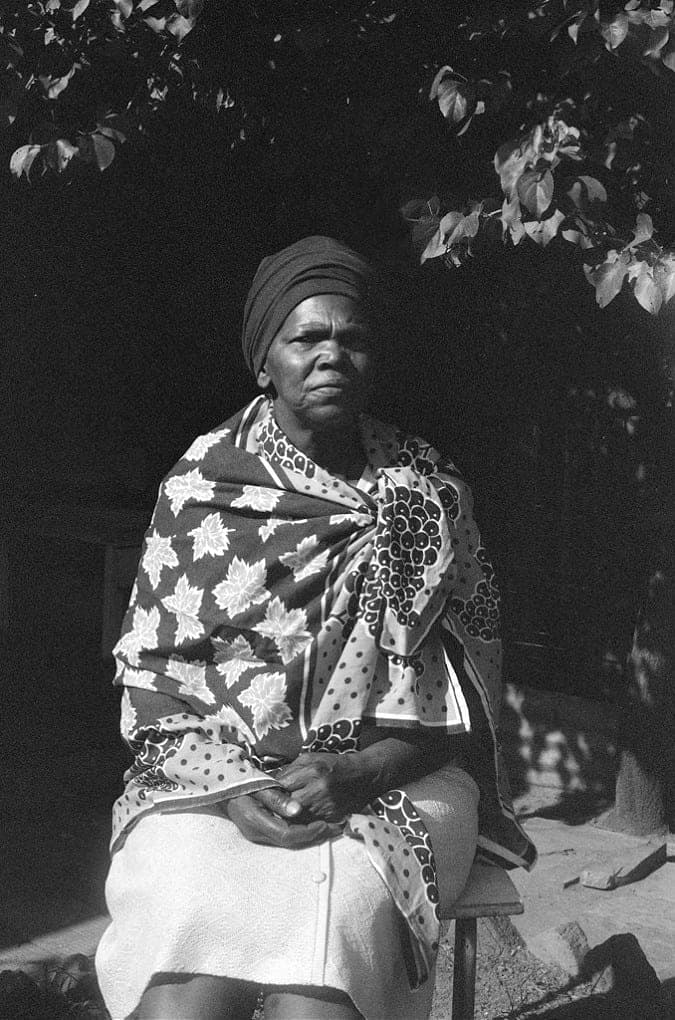
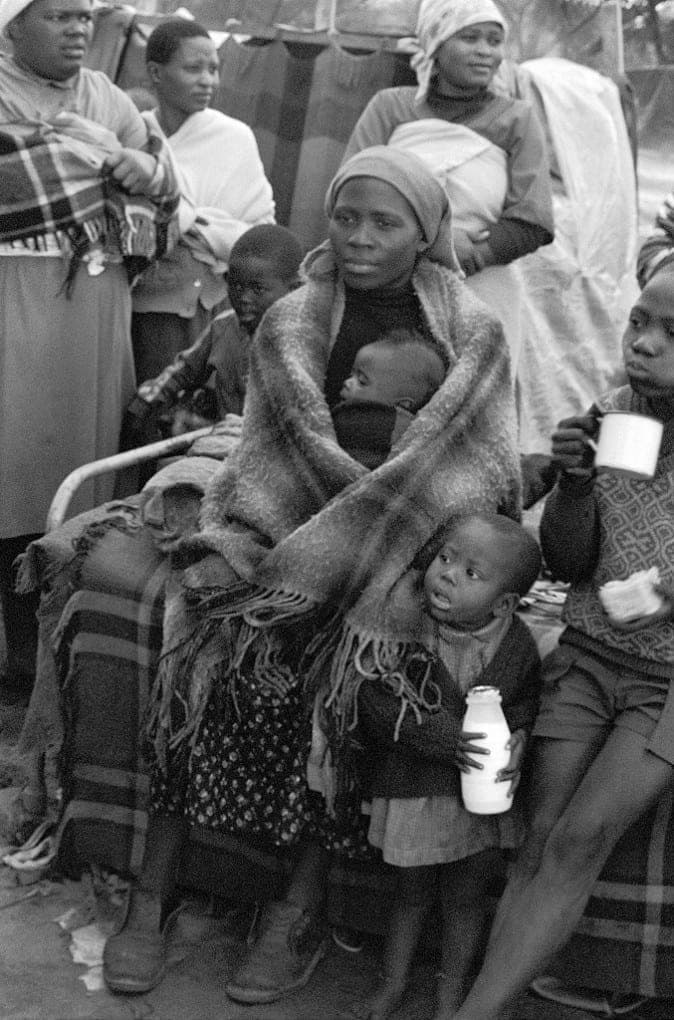
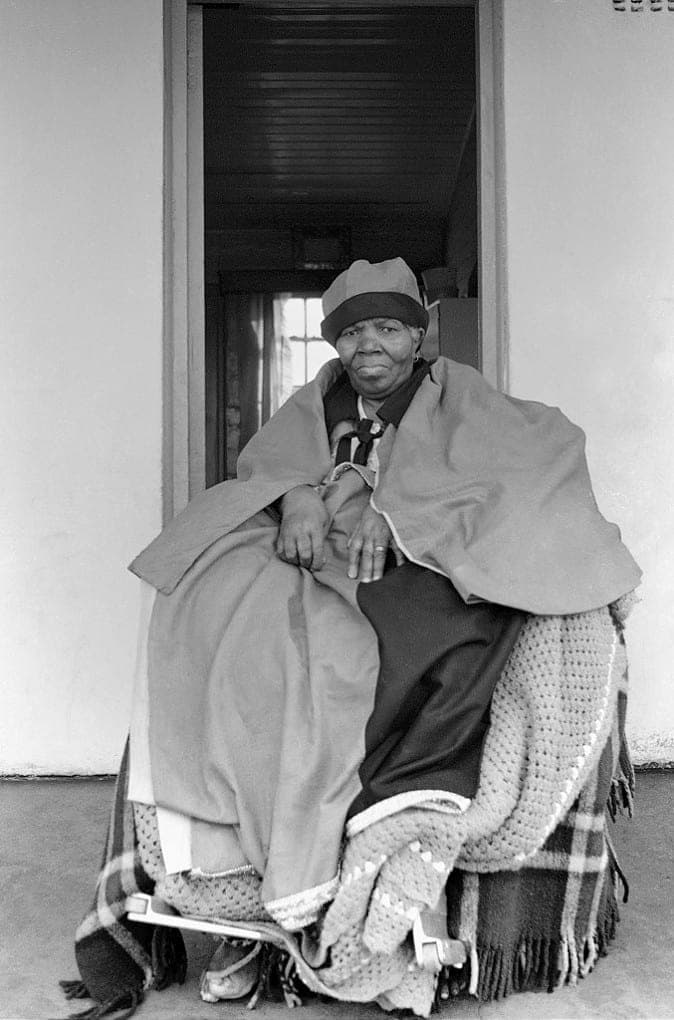
In 1982, Sue Williamson spent much of her time in Crossroads, an informal Cape Town community marked for destruction by the apartheid state. She was working with residents on strategies to oppose the demolitions. It was there that she first encountered the image of Elizabeth Paul – a Xhosa faith healer whose faded photo adorned the walls in many homes. This repetition marked Elizabeth as an important figure in the community, a person to be honoured and remembered.
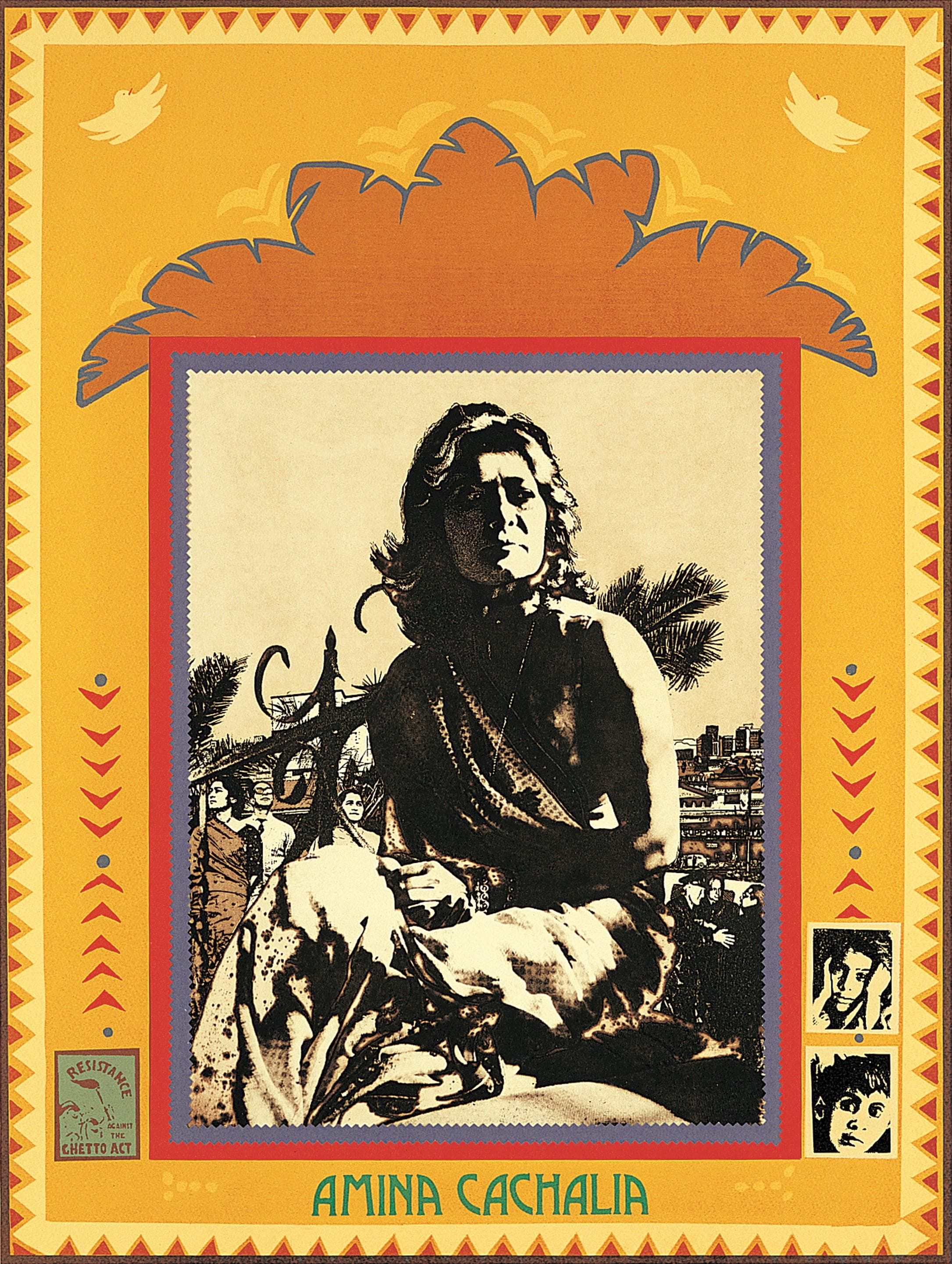
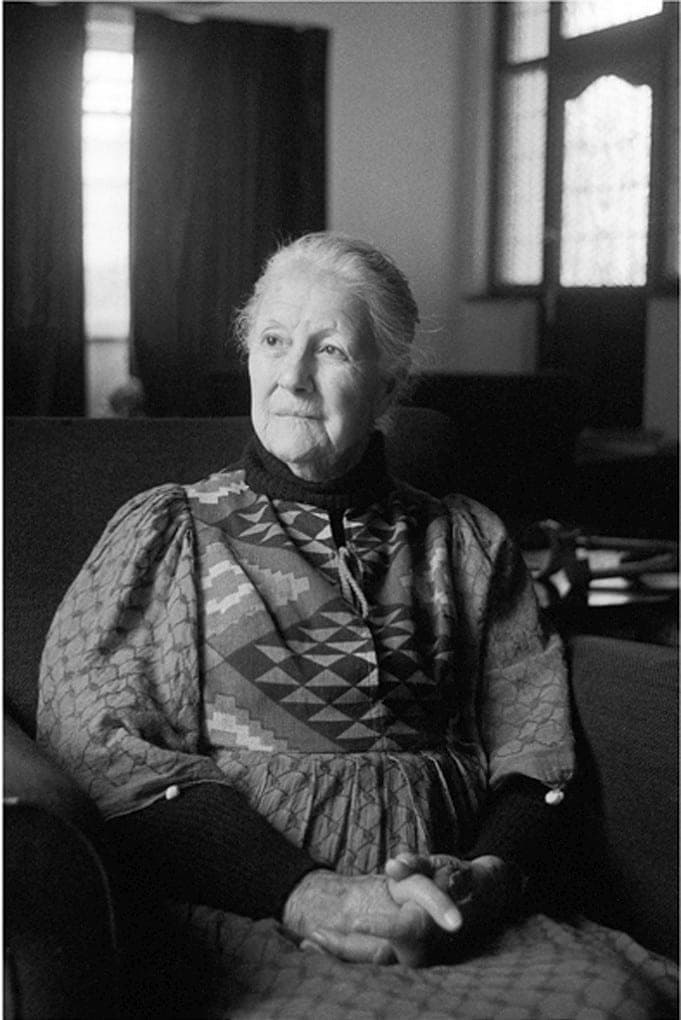
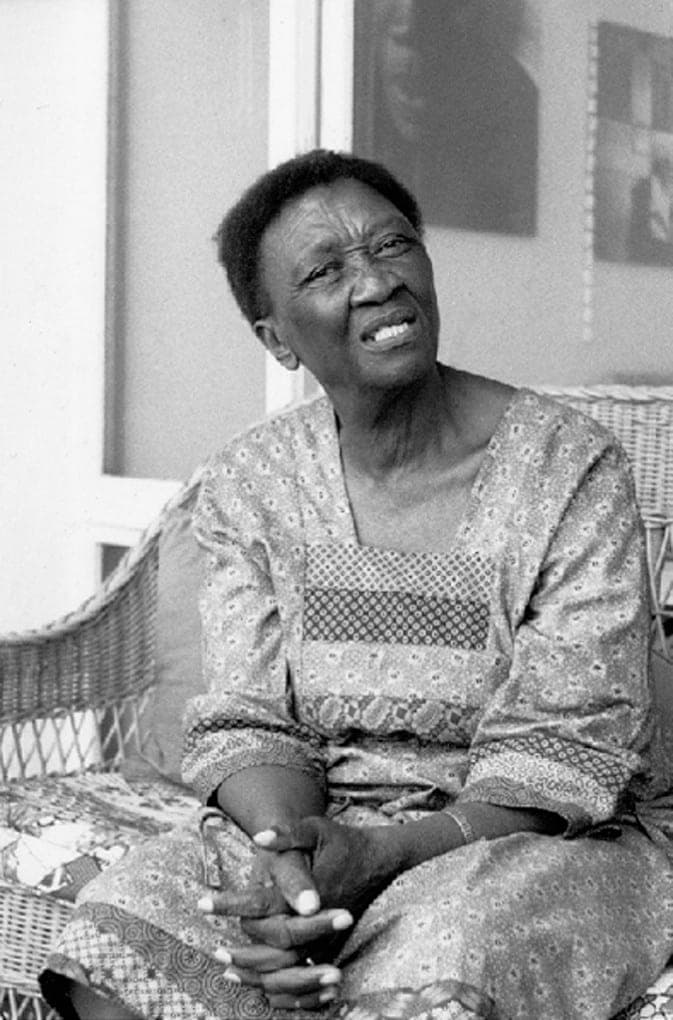
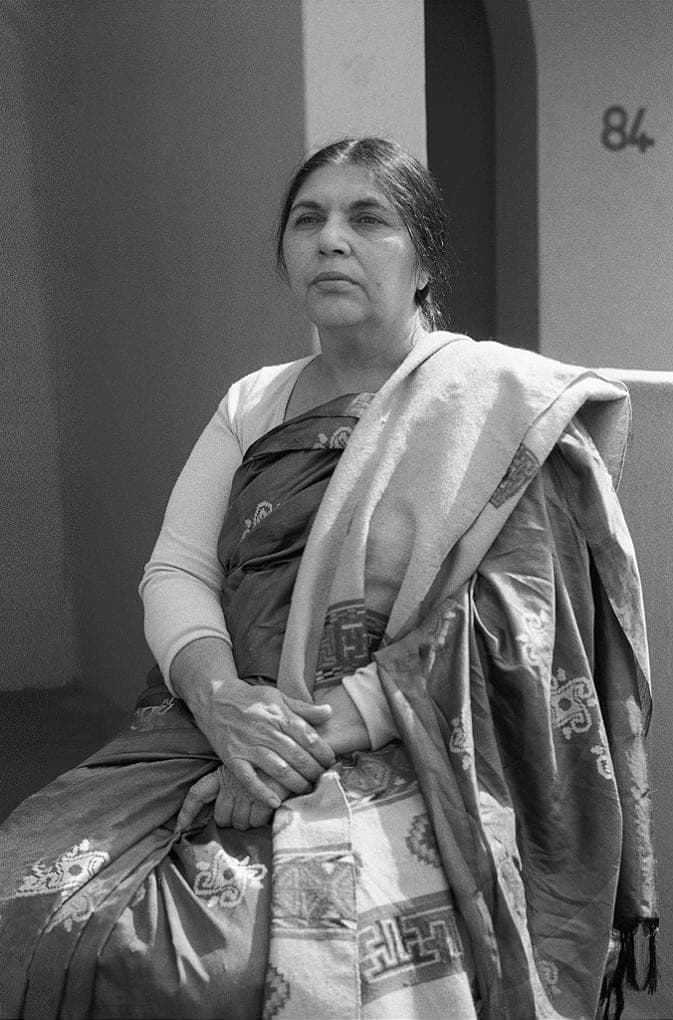
Williamson began a series of photo-etched portraits with screen-printed frames, with the first in the series, a portrait of Elizabeth Paul. Each was a tribute to a woman who inspired others through her leadership, often in the struggle for liberation: Helen Joseph, Winnie Mandela, Annie Silinga, Mamphela Ramphele. Their names are familiar today, but in the 1980s they were largely invisible. Williamson’s work sought to give them visibility, and to honour them.
Her influences were many. Renaissance portraiture offered structure; the inventive frames of Crossroads homes provided texture. But more than technique, it was the desire to make these women known that shaped the work. In mass- producing and distributing postcard versions of the portraits, Williamson made the series portable, ensuring that these stories could travel, unbound by gallery walls.
Amina Cachalia grew up in a politically aware family and was one of the leaders of the Federation of South African Women, a broad-based organisation which opposed apartheid. She was banned in 1963. Her husband, Yusuf, was under house arrest and her sister, Zainab, who lived next door, was also banned. After the first democratic election, in 1994, Amina accompanied Nelson Mandela on a visit to the widow of Hendrik Verwoerd, the architect of apartheid, in a classic action of reconciliation.
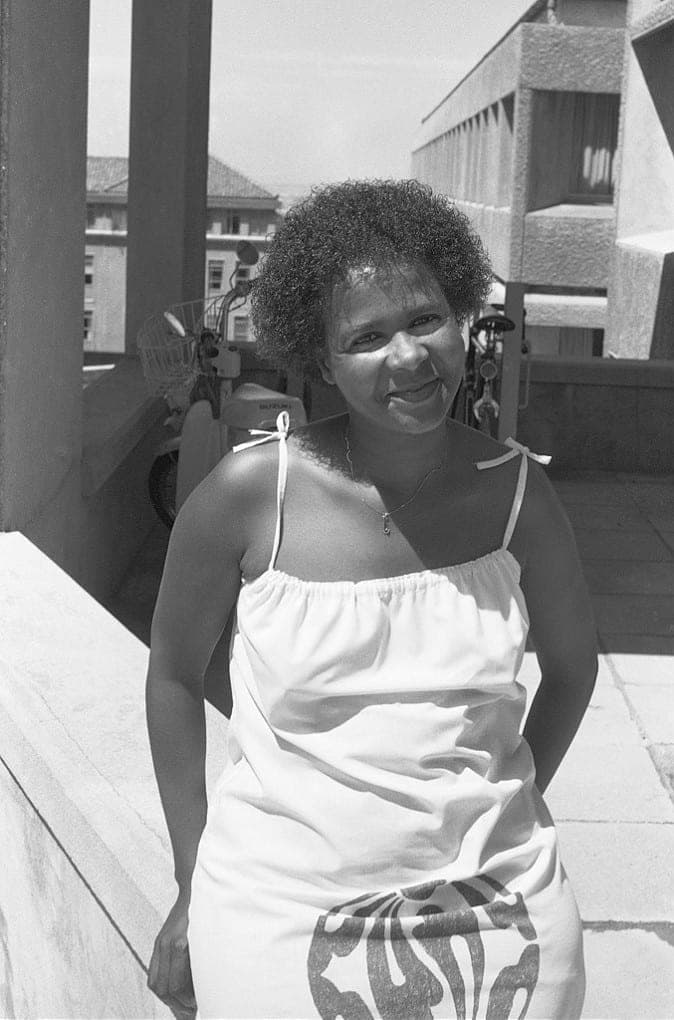
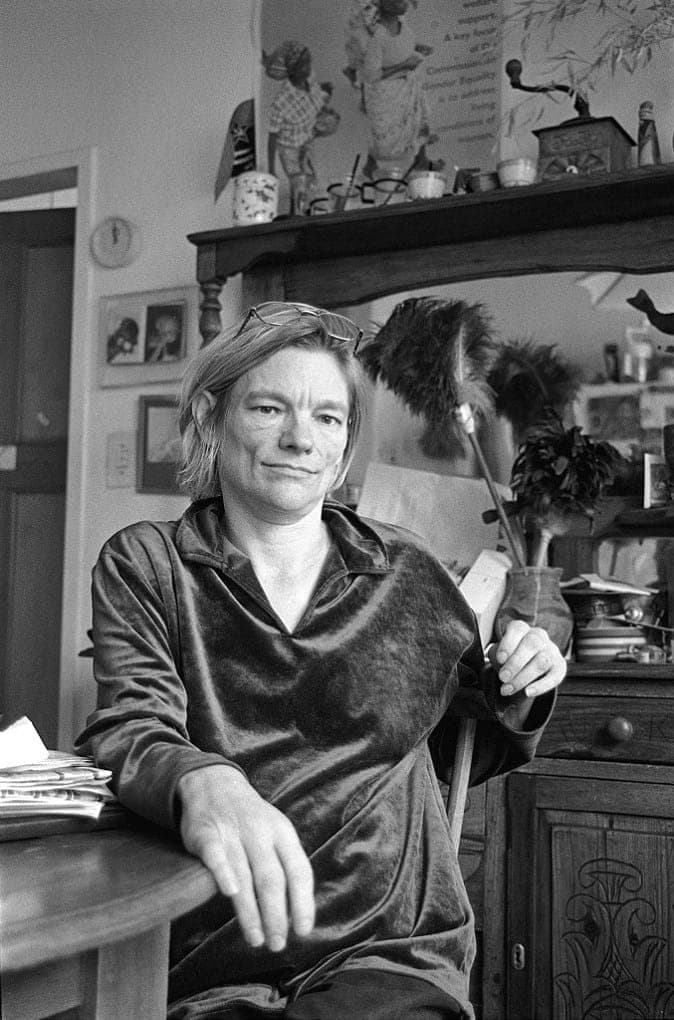
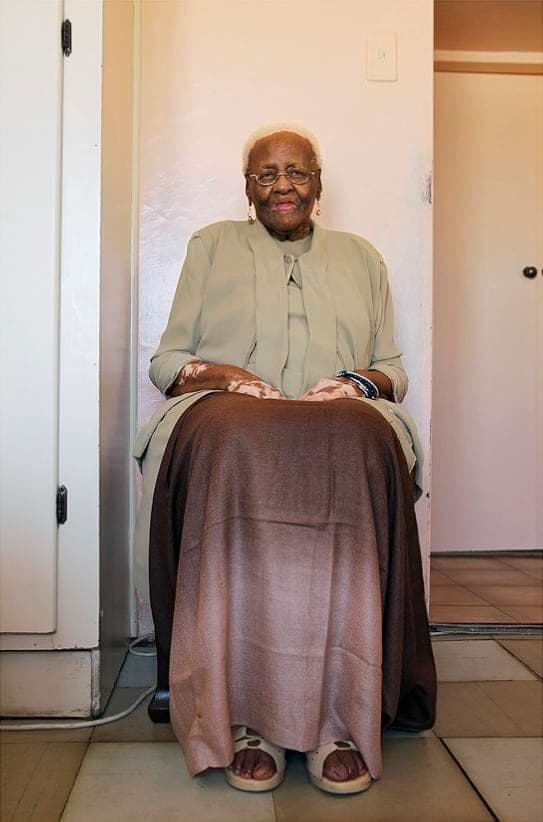
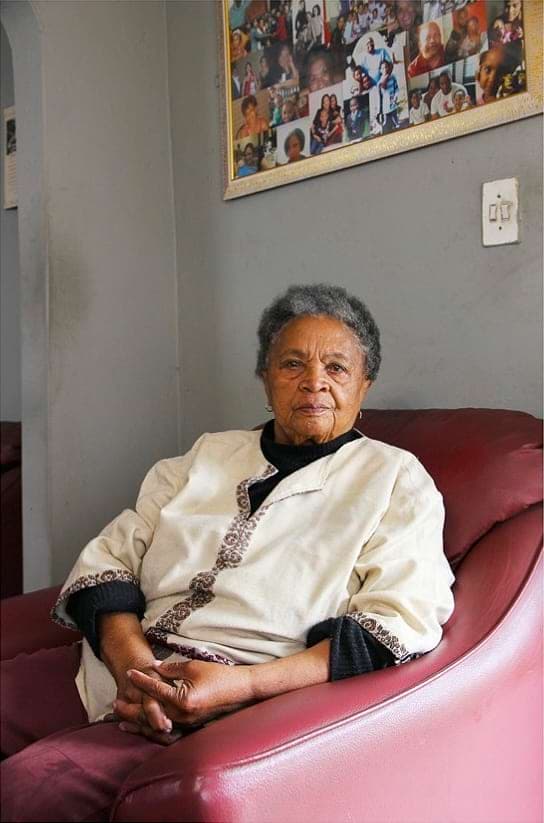
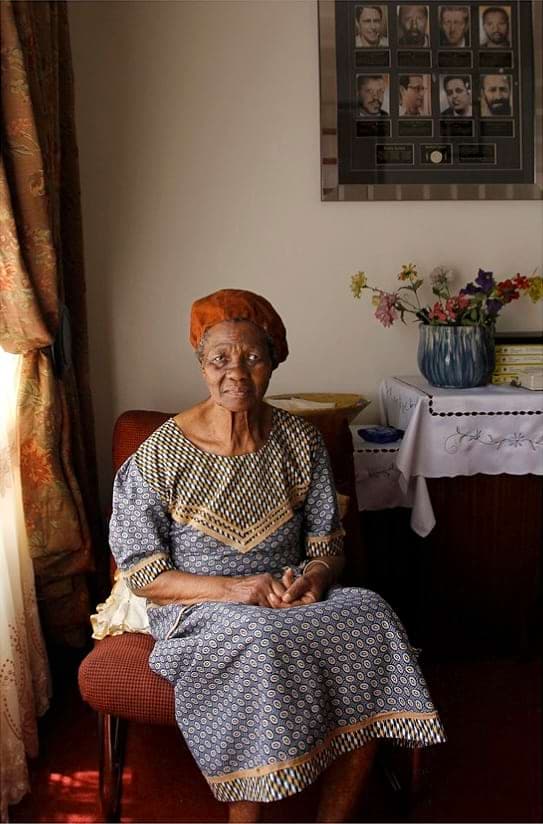
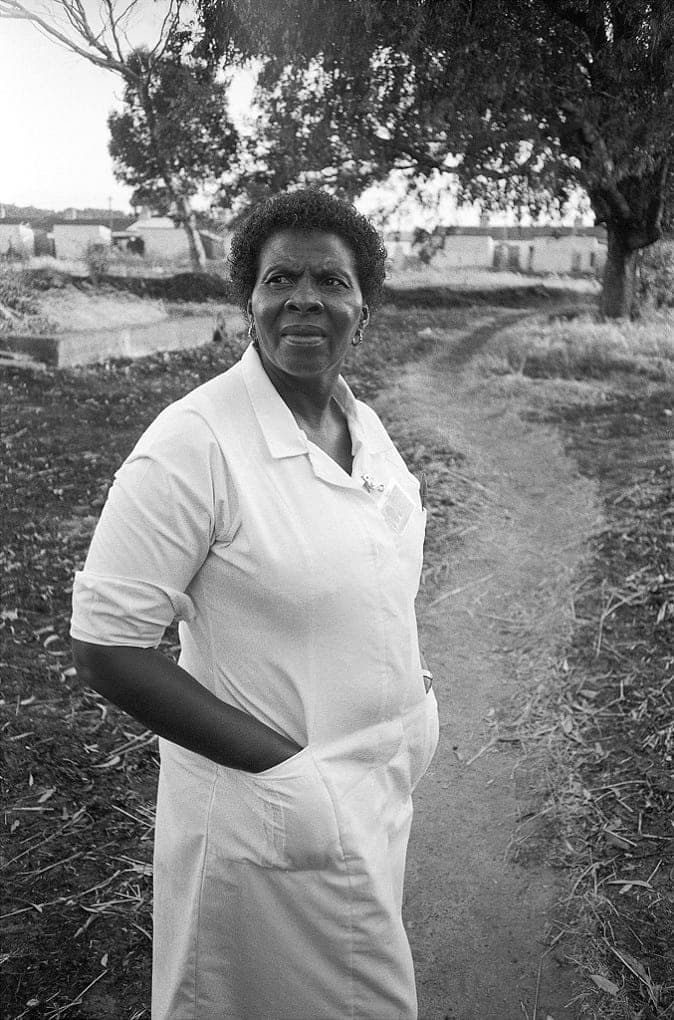
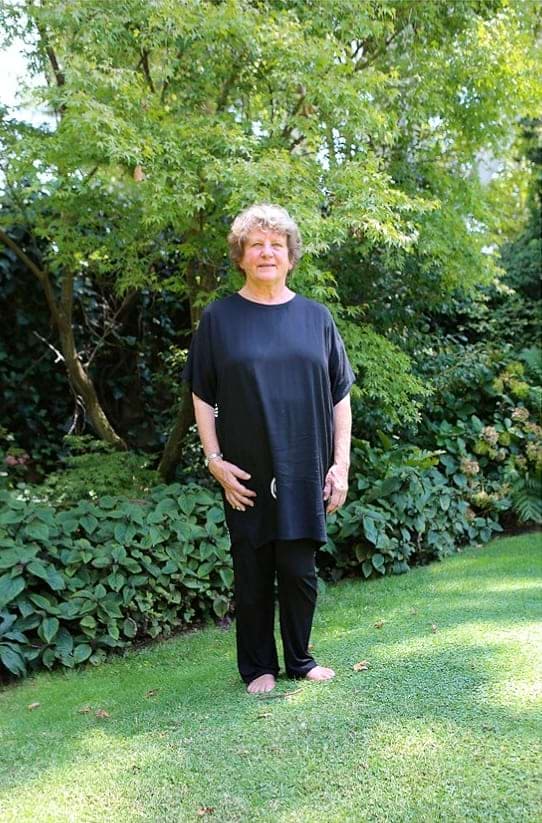
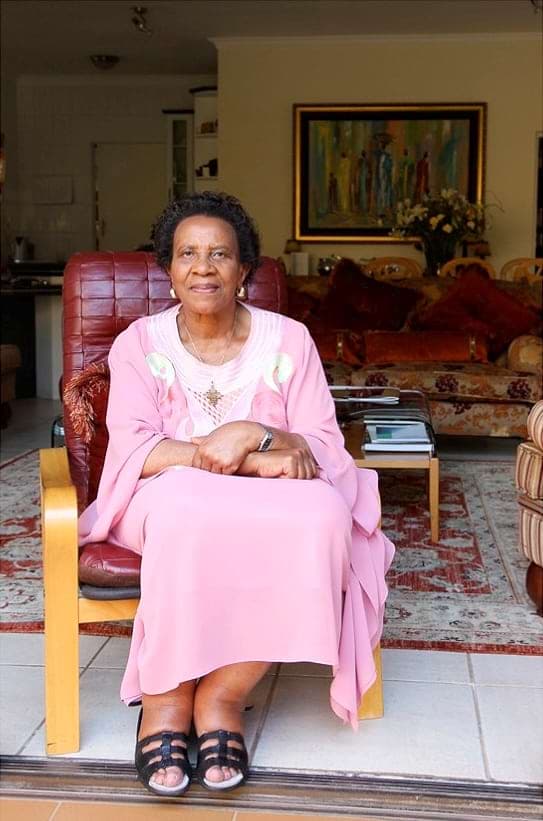
All Our Mothers is an extended series of portraits of women with whom Sue Williamson has worked with over the years, a series which grew out of the artist’s wish to make the crucial role of women in the struggle for liberation recognized and acclaimed. Some were taken as starting points for other series, like the portraits of Helen Joseph, Virginia Mngoma, Caroline Motsoaledi and Annie Silinga, to be transformed into photo etchings for the A Few South Africans series. Elizabeth and Nyameka Goniwe, mother and wife of the slain activist Matthew Goniwe, were photographed while Williamson was staying with Nyameka in Cradock, beginning work on the piece that became A Tale of Two Cradocks. Anti-apartheid artist and AIDS activist Judy Seidman was part of the From the Inside series, bringing the voices of people living with HIV to the streets.
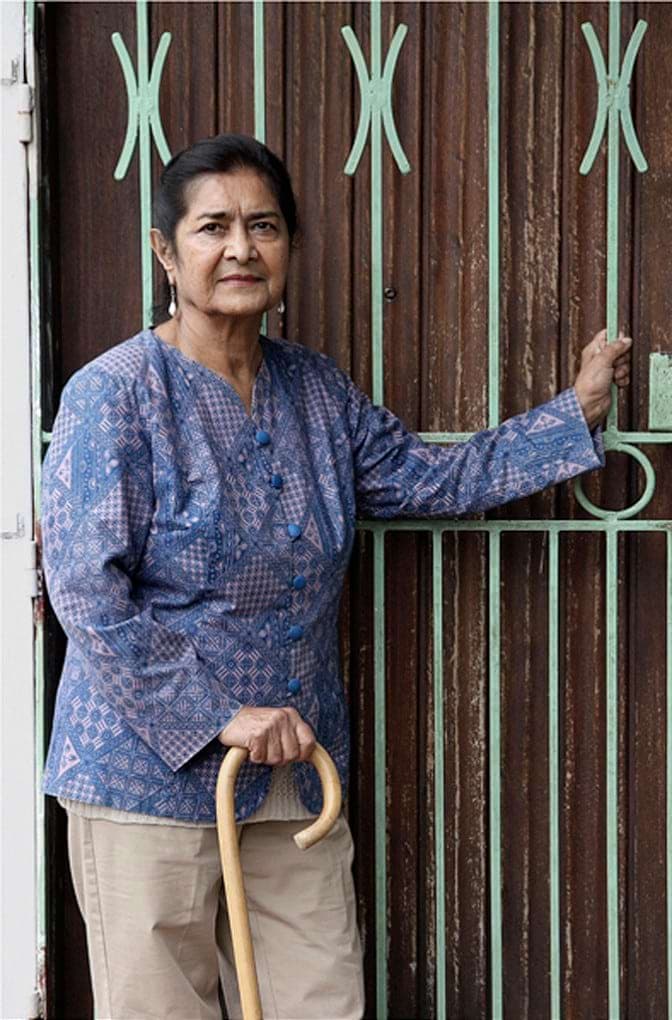
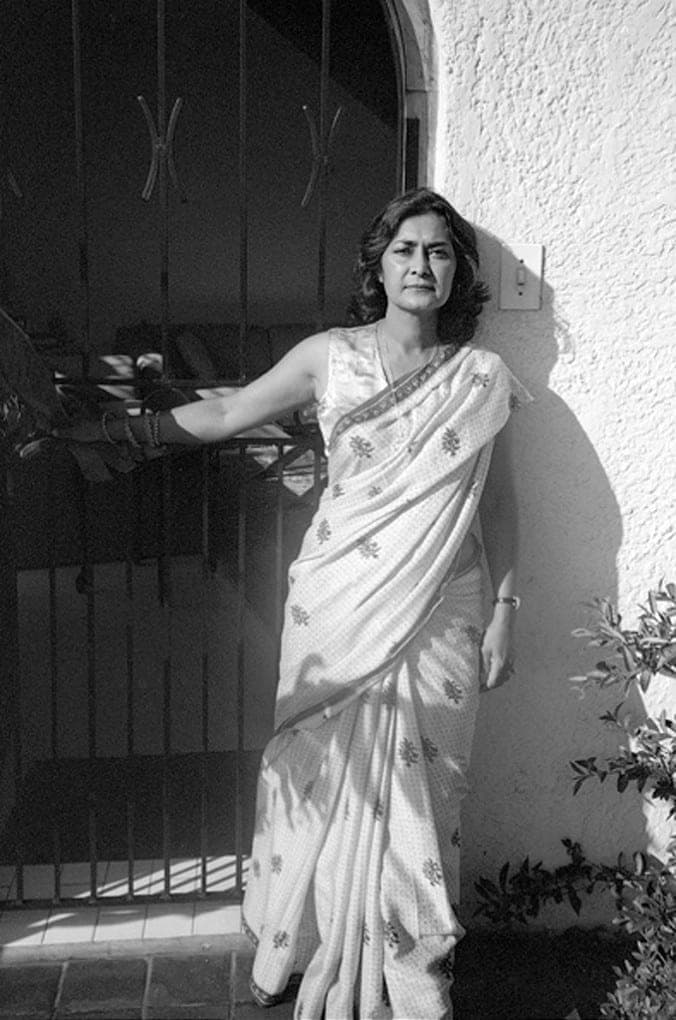
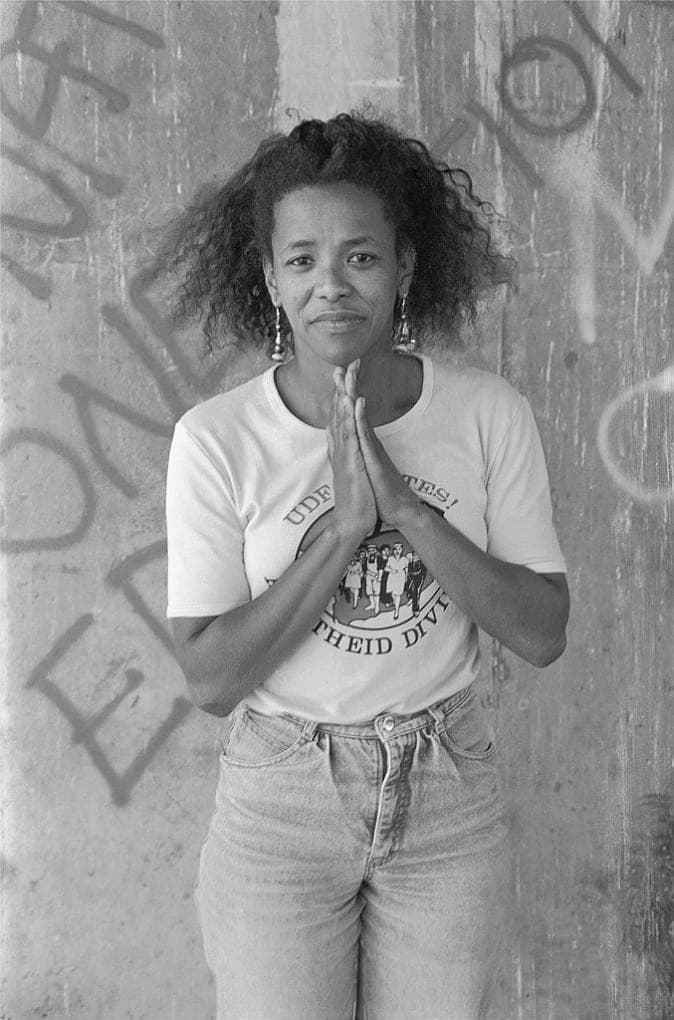
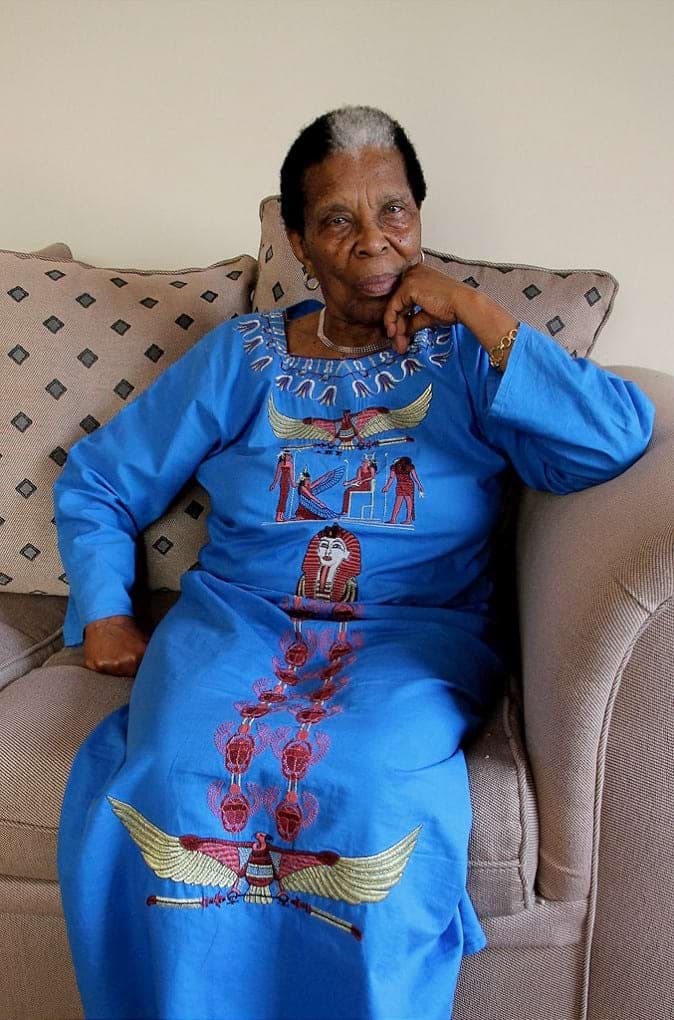
The first photograph in the series is Naz Gool-Ebrahim, taken in her home in District Six in 1981, the year before the house was demolished. The most recent portrait, taken in 2024, shows the writer Sindiwe Magona, presiding over a table piled with the books she has written. Central to the series is the passage of time, with figures like Amina Cachalia appearing in portraits taken decades apart. The contrast between black-and-white and colour photographs underscores these temporal shifts.
Some subjects, such as Cheryl Carolus and Annie Silinga, are depicted in clothing that denotes their political affiliations, such as the United Democratic Front insignia or the robes of the Federation of South African Women. Yet, each portrait also preserves a strong sense of individuality.
‘All Our Mothers’ is an extended series of portraits of women with whom Sue Williamson has worked with over the years, a series which grew out of the artist’s wish to make the crucial role of women in the struggle for liberation recognized and acclaimed. Some were taken as starting points for other series, like the portraits of Helen Joseph, Virginia Mngoma, Caroline Motsoale- di and Annie Silinga, to be transformed into photo etchings for the ‘A Few South Africans’ series.
Elizabeth and Nyameka Goniwe, mother and wife of the slain activist Matthew Goniwe, were photographed while Williamson was staying with Nyameka in Cradock, beginning work on the piece that became A Tale of Two Cradocks. Anti apartheid artist and AIDS activist Judy Seidman was part of the From the Inside series, bringing the voices of people living with HIV to the streets.
The first photograph in the series is Naz Gool-Ebrahim, taken in her home in District Six in 1981, the year before the house was demolished. The most recent portrait, taken in 2024, shows the writer Sindiwe Magona, presiding over a table piled with the books she has written. Central to the series is the passage of time, with figures like Amina Cachalia appearing in portraits tak- en decades apart. The contrast between black-and-white and colour photographs underscores these temporal shifts.
Some subjects, such as Cheryl Carolus and Annie Silinga, are depicted in clothing that denotes their political affiliations, such as the United Democratic Front insignia or the robes of the Federation of South African Women. Yet, each portrait also preserves a strong sense of individuality.
Amina Cachalia stands outside the home she shared with her husband, Yusuf, in Fordsburg, a multi ethnic suburb in Johannesburg. The couple were committed activists in the struggle, and in 1963, in the aftermath of the Rivonia trial, they were issued with banning orders and house arrest. This created a situation in which, although they lived in the same house, it was legally necessary for them to obtain government permission to speak to each other.
In societies shaped by trauma, communication is not always easy.
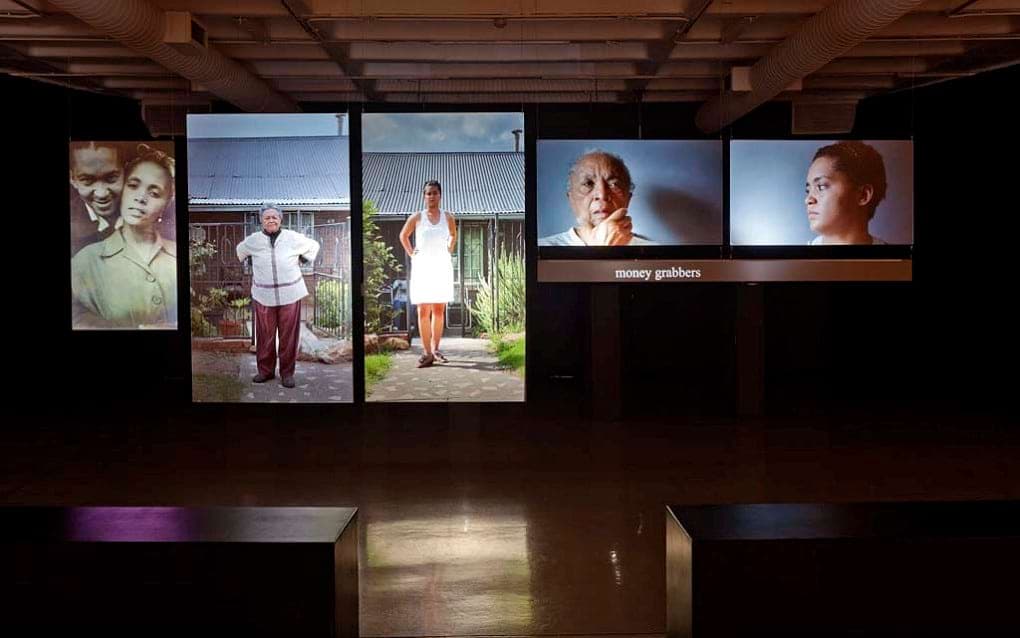
This video installation brings together the voices of two generations – women who once fought for freedom, and their granddaughters, or young female relatives, who now navigate its complexities. Through a series of six exchanges, moments of inquiry emerge: “Why were you jailed?” “Do you feel your sacrifice was worth the country we have today?”
Two of the grandmothers were part of the A Few South Africans series: Caroline Motsoaledi and Amina Cachalia. All of them grew up under apartheid, unlike their granddaughters, the “born free” generation.
The visual language of the installation reflects their exchanges. On the left, pages from a family photo album turn slowly, offering glimpses of a life shaped by resistance and resilience. In the centre, full-length portraits – one still, the other in motion – present both continuity and change. To the right, an interaction unfolds between the two women, a meeting of perspectives that does not seek resolution but acknowledges the difficulty of speaking, and of being heard. Rather than prescribing how stories should be told or received, this work invites reflection on the complexities of inheritance – on what is shared, what remains unspoken and the ongoing effort to understand.
All Our Mothers is an extended series of portraits of women with whom Sue Williamson has worked with over the years, a series which grew out of the artist’s wish to make the crucial role of women in the struggle for liberation recognized and acclaimed. Some were taken as starting points for other series, like the portraits of Helen Joseph, Virginia Mngoma, Caroline Motsoaledi and Annie Silinga, to be transformed into photo etchings for the A Few South Africans series. Elizabeth and Nyameka Goniwe, mother and wife of the slain activist Matthew Goniwe, were photographed while Williamson was staying with Nyameka in Cradock, beginning work on the piece that became A Tale of Two Cradocks. Anti-apartheid artist and AIDS activist Judy Seidman was part of the From the Inside series, bringing the voices of people living with HIV to the streets.
The first photograph in the series is Naz Gool-Ebrahim, taken in her home in District Six in 1981, the year before the house was demolished. The most recent portrait, taken in 2024, shows the writer Sindiwe Magona, presiding over a table piled with the books she has written. Central to the series is the passage of time, with figures like Amina Cachalia appearing in portraits taken decades apart. The contrast between black-and-white and colour photographs underscores these temporal shifts.
Some subjects, such as Cheryl Carolus and Annie Silinga, are depicted in clothing that denotes their political affiliations, such as the United Democratic Front insignia or the robes of the Federation of South African Women. Yet, each portrait also preserves a strong sense of individuality.
All Our Mothers is an extended series of portraits of women with whom Sue Williamson has worked with over the years, a series which grew out of the artist’s wish to make the crucial role of women in the struggle for liberation recognized and acclaimed. Some were taken as starting points for other series, like the portraits of Helen Joseph, Virginia Mngoma, Caroline Motsoaledi and Annie Silinga, to be transformed into photo etchings for the A Few South Africans series. Elizabeth and Nyameka Goniwe, mother and wife of the slain activist Matthew Goniwe, were photographed while Williamson was staying with Nyameka in Cradock, beginning work on the piece that became A Tale of Two Cradocks. Anti-apartheid artist and AIDS activist Judy Seidman was part of the From the Inside series, bringing the voices of people living with HIV to the streets.
The first photograph in the series is Naz Gool-Ebrahim, taken in her home in District Six in 1981, the year before the house was demolished. The most recent portrait, taken in 2024, shows the writer Sindiwe Magona, presiding over a table piled with the books she has written. Central to the series is the passage of time, with figures like Amina Cachalia appearing in portraits taken decades apart. The contrast between black-and-white and colour photographs underscores these temporal shifts.
Some subjects, such as Cheryl Carolus and Annie Silinga, are depicted in clothing that denotes their political affiliations, such as the United Democratic Front insignia or the robes of the Federation of South African Women. Yet, each portrait also preserves a strong sense of individuality.
All Our Mothers is an extended series of portraits of women with whom Sue Williamson has worked with over the years, a series which grew out of the artist’s wish to make the crucial role of women in the struggle for liberation recognized and acclaimed. Some were taken as starting points for other series, like the portraits of Helen Joseph, Virginia Mngoma, Caroline Motsoaledi and Annie Silinga, to be transformed into photo etchings for the A Few South Africans series. Elizabeth and Nyameka Goniwe, mother and wife of the slain activist Matthew Goniwe, were photographed while Williamson was staying with Nyameka in Cradock, beginning work on the piece that became A Tale of Two Cradocks. Anti-apartheid artist and AIDS activist Judy Seidman was part of the From the Inside series, bringing the voices of people living with HIV to the streets.
The first photograph in the series is Naz Gool-Ebrahim, taken in her home in District Six in 1981, the year before the house was demolished. The most recent portrait, taken in 2024, shows the writer Sindiwe Magona, presiding over a table piled with the books she has written. Central to the series is the passage of time, with figures like Amina Cachalia appearing in portraits taken decades apart. The contrast between black-and-white and colour photographs underscores these temporal shifts.
Some subjects, such as Cheryl Carolus and Annie Silinga, are depicted in clothing that denotes their political affiliations, such as the United Democratic Front insignia or the robes of the Federation of South African Women. Yet, each portrait also preserves a strong sense of individuality.
All Our Mothers is an extended series of portraits of women with whom Sue Williamson has worked with over the years, a series which grew out of the artist’s wish to make the crucial role of women in the struggle for liberation recognized and acclaimed. Some were taken as starting points for other series, like the portraits of Helen Joseph, Virginia Mngoma, Caroline Motsoaledi and Annie Silinga, to be transformed into photo etchings for the A Few South Africans series. Elizabeth and Nyameka Goniwe, mother and wife of the slain activist Matthew Goniwe, were photographed while Williamson was staying with Nyameka in Cradock, beginning work on the piece that became A Tale of Two Cradocks. Anti-apartheid artist and AIDS activist Judy Seidman was part of the From the Inside series, bringing the voices of people living with HIV to the streets.
The first photograph in the series is Naz Gool-Ebrahim, taken in her home in District Six in 1981, the year before the house was demolished. The most recent portrait, taken in 2024, shows the writer Sindiwe Magona, presiding over a table piled with the books she has written. Central to the series is the passage of time, with figures like Amina Cachalia appearing in portraits taken decades apart. The contrast between black-and-white and colour photographs underscores these temporal shifts.
Some subjects, such as Cheryl Carolus and Annie Silinga, are depicted in clothing that denotes their political affiliations, such as the United Democratic Front insignia or the robes of the Federation of South African Women. Yet, each portrait also preserves a strong sense of individuality.
All Our Mothers is an extended series of portraits of women with whom Sue Williamson has worked with over the years, a series which grew out of the artist’s wish to make the crucial role of women in the struggle for liberation recognized and acclaimed. Some were taken as starting points for other series, like the portraits of Helen Joseph, Virginia Mngoma, Caroline Motsoaledi and Annie Silinga, to be transformed into photo etchings for the A Few South Africans series. Elizabeth and Nyameka Goniwe, mother and wife of the slain activist Matthew Goniwe, were photographed while Williamson was staying with Nyameka in Cradock, beginning work on the piece that became A Tale of Two Cradocks. Anti-apartheid artist and AIDS activist Judy Seidman was part of the From the Inside series, bringing the voices of people living with HIV to the streets.
The first photograph in the series is Naz Gool-Ebrahim, taken in her home in District Six in 1981, the year before the house was demolished. The most recent portrait, taken in 2024, shows the writer Sindiwe Magona, presiding over a table piled with the books she has written. Central to the series is the passage of time, with figures like Amina Cachalia appearing in portraits taken decades apart. The contrast between black-and-white and colour photographs underscores these temporal shifts.
Some subjects, such as Cheryl Carolus and Annie Silinga, are depicted in clothing that denotes their political affiliations, such as the United Democratic Front insignia or the robes of the Federation of South African Women. Yet, each portrait also preserves a strong sense of individuality.
All Our Mothers is an extended series of portraits of women with whom Sue Williamson has worked with over the years, a series which grew out of the artist’s wish to make the crucial role of women in the struggle for liberation recognized and acclaimed. Some were taken as starting points for other series, like the portraits of Helen Joseph, Virginia Mngoma, Caroline Motsoaledi and Annie Silinga, to be transformed into photo etchings for the A Few South Africans series. Elizabeth and Nyameka Goniwe, mother and wife of the slain activist Matthew Goniwe, were photographed while Williamson was staying with Nyameka in Cradock, beginning work on the piece that became A Tale of Two Cradocks. Anti-apartheid artist and AIDS activist Judy Seidman was part of the From the Inside series, bringing the voices of people living with HIV to the streets.
The first photograph in the series is Naz Gool-Ebrahim, taken in her home in District Six in 1981, the year before the house was demolished. The most recent portrait, taken in 2024, shows the writer Sindiwe Magona, presiding over a table piled with the books she has written. Central to the series is the passage of time, with figures like Amina Cachalia appearing in portraits taken decades apart. The contrast between black-and-white and colour photographs underscores these temporal shifts.
Some subjects, such as Cheryl Carolus and Annie Silinga, are depicted in clothing that denotes their political affiliations, such as the United Democratic Front insignia or the robes of the Federation of South African Women. Yet, each portrait also preserves a strong sense of individuality.
All Our Mothers is an extended series of portraits of women with whom Sue Williamson has worked with over the years, a series which grew out of the artist’s wish to make the crucial role of women in the struggle for liberation recognized and acclaimed. Some were taken as starting points for other series, like the portraits of Helen Joseph, Virginia Mngoma, Caroline Motsoaledi and Annie Silinga, to be transformed into photo etchings for the A Few South Africans series. Elizabeth and Nyameka Goniwe, mother and wife of the slain activist Matthew Goniwe, were photographed while Williamson was staying with Nyameka in Cradock, beginning work on the piece that became A Tale of Two Cradocks. Anti-apartheid artist and AIDS activist Judy Seidman was part of the From the Inside series, bringing the voices of people living with HIV to the streets.
The first photograph in the series is Naz Gool-Ebrahim, taken in her home in District Six in 1981, the year before the house was demolished. The most recent portrait, taken in 2024, shows the writer Sindiwe Magona, presiding over a table piled with the books she has written. Central to the series is the passage of time, with figures like Amina Cachalia appearing in portraits taken decades apart. The contrast between black-and-white and colour photographs underscores these temporal shifts.
Some subjects, such as Cheryl Carolus and Annie Silinga, are depicted in clothing that denotes their political affiliations, such as the United Democratic Front insignia or the robes of the Federation of South African Women. Yet, each portrait also preserves a strong sense of individuality.
All Our Mothers is an extended series of portraits of women with whom Sue Williamson has worked with over the years, a series which grew out of the artist’s wish to make the crucial role of women in the struggle for liberation recognized and acclaimed. Some were taken as starting points for other series, like the portraits of Helen Joseph, Virginia Mngoma, Caroline Motsoaledi and Annie Silinga, to be transformed into photo etchings for the A Few South Africans series. Elizabeth and Nyameka Goniwe, mother and wife of the slain activist Matthew Goniwe, were photographed while Williamson was staying with Nyameka in Cradock, beginning work on the piece that became A Tale of Two Cradocks. Anti-apartheid artist and AIDS activist Judy Seidman was part of the From the Inside series, bringing the voices of people living with HIV to the streets.
The first photograph in the series is Naz Gool-Ebrahim, taken in her home in District Six in 1981, the year before the house was demolished. The most recent portrait, taken in 2024, shows the writer Sindiwe Magona, presiding over a table piled with the books she has written. Central to the series is the passage of time, with figures like Amina Cachalia appearing in portraits taken decades apart. The contrast between black-and-white and colour photographs underscores these temporal shifts.
Some subjects, such as Cheryl Carolus and Annie Silinga, are depicted in clothing that denotes their political affiliations, such as the United Democratic Front insignia or the robes of the Federation of South African Women. Yet, each portrait also preserves a strong sense of individuality.
All Our Mothers is an extended series of portraits of women with whom Sue Williamson has worked with over the years, a series which grew out of the artist’s wish to make the crucial role of women in the struggle for liberation recognized and acclaimed. Some were taken as starting points for other series, like the portraits of Helen Joseph, Virginia Mngoma, Caroline Motsoaledi and Annie Silinga, to be transformed into photo etchings for the A Few South Africans series. Elizabeth and Nyameka Goniwe, mother and wife of the slain activist Matthew Goniwe, were photographed while Williamson was staying with Nyameka in Cradock, beginning work on the piece that became A Tale of Two Cradocks. Anti-apartheid artist and AIDS activist Judy Seidman was part of the From the Inside series, bringing the voices of people living with HIV to the streets.
The first photograph in the series is Naz Gool-Ebrahim, taken in her home in District Six in 1981, the year before the house was demolished. The most recent portrait, taken in 2024, shows the writer Sindiwe Magona, presiding over a table piled with the books she has written. Central to the series is the passage of time, with figures like Amina Cachalia appearing in portraits taken decades apart. The contrast between black-and-white and colour photographs underscores these temporal shifts.
Some subjects, such as Cheryl Carolus and Annie Silinga, are depicted in clothing that denotes their political affiliations, such as the United Democratic Front insignia or the robes of the Federation of South African Women. Yet, each portrait also preserves a strong sense of individuality.
All Our Mothers is an extended series of portraits of women with whom Sue Williamson has worked with over the years, a series which grew out of the artist’s wish to make the crucial role of women in the struggle for liberation recognized and acclaimed. Some were taken as starting points for other series, like the portraits of Helen Joseph, Virginia Mngoma, Caroline Motsoaledi and Annie Silinga, to be transformed into photo etchings for the A Few South Africans series. Elizabeth and Nyameka Goniwe, mother and wife of the slain activist Matthew Goniwe, were photographed while Williamson was staying with Nyameka in Cradock, beginning work on the piece that became A Tale of Two Cradocks. Anti-apartheid artist and AIDS activist Judy Seidman was part of the From the Inside series, bringing the voices of people living with HIV to the streets.
The first photograph in the series is Naz Gool-Ebrahim, taken in her home in District Six in 1981, the year before the house was demolished. The most recent portrait, taken in 2024, shows the writer Sindiwe Magona, presiding over a table piled with the books she has written. Central to the series is the passage of time, with figures like Amina Cachalia appearing in portraits taken decades apart. The contrast between black-and-white and colour photographs underscores these temporal shifts.
Some subjects, such as Cheryl Carolus and Annie Silinga, are depicted in clothing that denotes their political affiliations, such as the United Democratic Front insignia or the robes of the Federation of South African Women. Yet, each portrait also preserves a strong sense of individuality.
All Our Mothers is an extended series of portraits of women with whom Sue Williamson has worked with over the years, a series which grew out of the artist’s wish to make the crucial role of women in the struggle for liberation recognized and acclaimed. Some were taken as starting points for other series, like the portraits of Helen Joseph, Virginia Mngoma, Caroline Motsoaledi and Annie Silinga, to be transformed into photo etchings for the A Few South Africans series. Elizabeth and Nyameka Goniwe, mother and wife of the slain activist Matthew Goniwe, were photographed while Williamson was staying with Nyameka in Cradock, beginning work on the piece that became A Tale of Two Cradocks. Anti-apartheid artist and AIDS activist Judy Seidman was part of the From the Inside series, bringing the voices of people living with HIV to the streets.
The first photograph in the series is Naz Gool-Ebrahim, taken in her home in District Six in 1981, the year before the house was demolished. The most recent portrait, taken in 2024, shows the writer Sindiwe Magona, presiding over a table piled with the books she has written. Central to the series is the passage of time, with figures like Amina Cachalia appearing in portraits taken decades apart. The contrast between black-and-white and colour photographs underscores these temporal shifts.
Some subjects, such as Cheryl Carolus and Annie Silinga, are depicted in clothing that denotes their political affiliations, such as the United Democratic Front insignia or the robes of the Federation of South African Women. Yet, each portrait also preserves a strong sense of individuality.
All Our Mothers is an extended series of portraits of women with whom Sue Williamson has worked with over the years, a series which grew out of the artist’s wish to make the crucial role of women in the struggle for liberation recognized and acclaimed. Some were taken as starting points for other series, like the portraits of Helen Joseph, Virginia Mngoma, Caroline Motsoaledi and Annie Silinga, to be transformed into photo etchings for the A Few South Africans series. Elizabeth and Nyameka Goniwe, mother and wife of the slain activist Matthew Goniwe, were photographed while Williamson was staying with Nyameka in Cradock, beginning work on the piece that became A Tale of Two Cradocks. Anti-apartheid artist and AIDS activist Judy Seidman was part of the From the Inside series, bringing the voices of people living with HIV to the streets.
The first photograph in the series is Naz Gool-Ebrahim, taken in her home in District Six in 1981, the year before the house was demolished. The most recent portrait, taken in 2024, shows the writer Sindiwe Magona, presiding over a table piled with the books she has written. Central to the series is the passage of time, with figures like Amina Cachalia appearing in portraits taken decades apart. The contrast between black-and-white and colour photographs underscores these temporal shifts.
Some subjects, such as Cheryl Carolus and Annie Silinga, are depicted in clothing that denotes their political affiliations, such as the United Democratic Front insignia or the robes of the Federation of South African Women. Yet, each portrait also preserves a strong sense of individuality.
All Our Mothers is an extended series of portraits of women with whom Sue Williamson has worked with over the years, a series which grew out of the artist’s wish to make the crucial role of women in the struggle for liberation recognized and acclaimed. Some were taken as starting points for other series, like the portraits of Helen Joseph, Virginia Mngoma, Caroline Motsoaledi and Annie Silinga, to be transformed into photo etchings for the A Few South Africans series. Elizabeth and Nyameka Goniwe, mother and wife of the slain activist Matthew Goniwe, were photographed while Williamson was staying with Nyameka in Cradock, beginning work on the piece that became A Tale of Two Cradocks. Anti-apartheid artist and AIDS activist Judy Seidman was part of the From the Inside series, bringing the voices of people living with HIV to the streets.
The first photograph in the series is Naz Gool-Ebrahim, taken in her home in District Six in 1981, the year before the house was demolished. The most recent portrait, taken in 2024, shows the writer Sindiwe Magona, presiding over a table piled with the books she has written. Central to the series is the passage of time, with figures like Amina Cachalia appearing in portraits taken decades apart. The contrast between black-and-white and colour photographs underscores these temporal shifts.
Some subjects, such as Cheryl Carolus and Annie Silinga, are depicted in clothing that denotes their political affiliations, such as the United Democratic Front insignia or the robes of the Federation of South African Women. Yet, each portrait also preserves a strong sense of individuality.
All Our Mothers is an extended series of portraits of women with whom Sue Williamson has worked with over the years, a series which grew out of the artist’s wish to make the crucial role of women in the struggle for liberation recognized and acclaimed. Some were taken as starting points for other series, like the portraits of Helen Joseph, Virginia Mngoma, Caroline Motsoaledi and Annie Silinga, to be transformed into photo etchings for the A Few South Africans series. Elizabeth and Nyameka Goniwe, mother and wife of the slain activist Matthew Goniwe, were photographed while Williamson was staying with Nyameka in Cradock, beginning work on the piece that became A Tale of Two Cradocks. Anti-apartheid artist and AIDS activist Judy Seidman was part of the From the Inside series, bringing the voices of people living with HIV to the streets.
The first photograph in the series is Naz Gool-Ebrahim, taken in her home in District Six in 1981, the year before the house was demolished. The most recent portrait, taken in 2024, shows the writer Sindiwe Magona, presiding over a table piled with the books she has written. Central to the series is the passage of time, with figures like Amina Cachalia appearing in portraits taken decades apart. The contrast between black-and-white and colour photographs underscores these temporal shifts.
Some subjects, such as Cheryl Carolus and Annie Silinga, are depicted in clothing that denotes their political affiliations, such as the United Democratic Front insignia or the robes of the Federation of South African Women. Yet, each portrait also preserves a strong sense of individuality.
All Our Mothers is an extended series of portraits of women with whom Sue Williamson has worked with over the years, a series which grew out of the artist’s wish to make the crucial role of women in the struggle for liberation recognized and acclaimed. Some were taken as starting points for other series, like the portraits of Helen Joseph, Virginia Mngoma, Caroline Motsoaledi and Annie Silinga, to be transformed into photo etchings for the A Few South Africans series. Elizabeth and Nyameka Goniwe, mother and wife of the slain activist Matthew Goniwe, were photographed while Williamson was staying with Nyameka in Cradock, beginning work on the piece that became A Tale of Two Cradocks. Anti-apartheid artist and AIDS activist Judy Seidman was part of the From the Inside series, bringing the voices of people living with HIV to the streets.
The first photograph in the series is Naz Gool-Ebrahim, taken in her home in District Six in 1981, the year before the house was demolished. The most recent portrait, taken in 2024, shows the writer Sindiwe Magona, presiding over a table piled with the books she has written. Central to the series is the passage of time, with figures like Amina Cachalia appearing in portraits taken decades apart. The contrast between black-and-white and colour photographs underscores these temporal shifts.
Some subjects, such as Cheryl Carolus and Annie Silinga, are depicted in clothing that denotes their political affiliations, such as the United Democratic Front insignia or the robes of the Federation of South African Women. Yet, each portrait also preserves a strong sense of individuality.
All Our Mothers is an extended series of portraits of women with whom Sue Williamson has worked with over the years, a series which grew out of the artist’s wish to make the crucial role of women in the struggle for liberation recognized and acclaimed. Some were taken as starting points for other series, like the portraits of Helen Joseph, Virginia Mngoma, Caroline Motsoaledi and Annie Silinga, to be transformed into photo etchings for the A Few South Africans series. Elizabeth and Nyameka Goniwe, mother and wife of the slain activist Matthew Goniwe, were photographed while Williamson was staying with Nyameka in Cradock, beginning work on the piece that became A Tale of Two Cradocks. Anti-apartheid artist and AIDS activist Judy Seidman was part of the From the Inside series, bringing the voices of people living with HIV to the streets.
The first photograph in the series is Naz Gool-Ebrahim, taken in her home in District Six in 1981, the year before the house was demolished. The most recent portrait, taken in 2024, shows the writer Sindiwe Magona, presiding over a table piled with the books she has written. Central to the series is the passage of time, with figures like Amina Cachalia appearing in portraits taken decades apart. The contrast between black-and-white and colour photographs underscores these temporal shifts.
Some subjects, such as Cheryl Carolus and Annie Silinga, are depicted in clothing that denotes their political affiliations, such as the United Democratic Front insignia or the robes of the Federation of South African Women. Yet, each portrait also preserves a strong sense of individuality.
All Our Mothers is an extended series of portraits of women with whom Sue Williamson has worked with over the years, a series which grew out of the artist’s wish to make the crucial role of women in the struggle for liberation recognized and acclaimed. Some were taken as starting points for other series, like the portraits of Helen Joseph, Virginia Mngoma, Caroline Motsoaledi and Annie Silinga, to be transformed into photo etchings for the A Few South Africans series. Elizabeth and Nyameka Goniwe, mother and wife of the slain activist Matthew Goniwe, were photographed while Williamson was staying with Nyameka in Cradock, beginning work on the piece that became A Tale of Two Cradocks. Anti-apartheid artist and AIDS activist Judy Seidman was part of the From the Inside series, bringing the voices of people living with HIV to the streets.
The first photograph in the series is Naz Gool-Ebrahim, taken in her home in District Six in 1981, the year before the house was demolished. The most recent portrait, taken in 2024, shows the writer Sindiwe Magona, presiding over a table piled with the books she has written. Central to the series is the passage of time, with figures like Amina Cachalia appearing in portraits taken decades apart. The contrast between black-and-white and colour photographs underscores these temporal shifts.
Some subjects, such as Cheryl Carolus and Annie Silinga, are depicted in clothing that denotes their political affiliations, such as the United Democratic Front insignia or the robes of the Federation of South African Women. Yet, each portrait also preserves a strong sense of individuality.
All Our Mothers is an extended series of portraits of women with whom Sue Williamson has worked with over the years, a series which grew out of the artist’s wish to make the crucial role of women in the struggle for liberation recognized and acclaimed. Some were taken as starting points for other series, like the portraits of Helen Joseph, Virginia Mngoma, Caroline Motsoaledi and Annie Silinga, to be transformed into photo etchings for the A Few South Africans series. Elizabeth and Nyameka Goniwe, mother and wife of the slain activist Matthew Goniwe, were photographed while Williamson was staying with Nyameka in Cradock, beginning work on the piece that became A Tale of Two Cradocks. Anti-apartheid artist and AIDS activist Judy Seidman was part of the From the Inside series, bringing the voices of people living with HIV to the streets.
The first photograph in the series is Naz Gool-Ebrahim, taken in her home in District Six in 1981, the year before the house was demolished. The most recent portrait, taken in 2024, shows the writer Sindiwe Magona, presiding over a table piled with the books she has written. Central to the series is the passage of time, with figures like Amina Cachalia appearing in portraits taken decades apart. The contrast between black-and-white and colour photographs underscores these temporal shifts.
Some subjects, such as Cheryl Carolus and Annie Silinga, are depicted in clothing that denotes their political affiliations, such as the United Democratic Front insignia or the robes of the Federation of South African Women. Yet, each portrait also preserves a strong sense of individuality.