Video
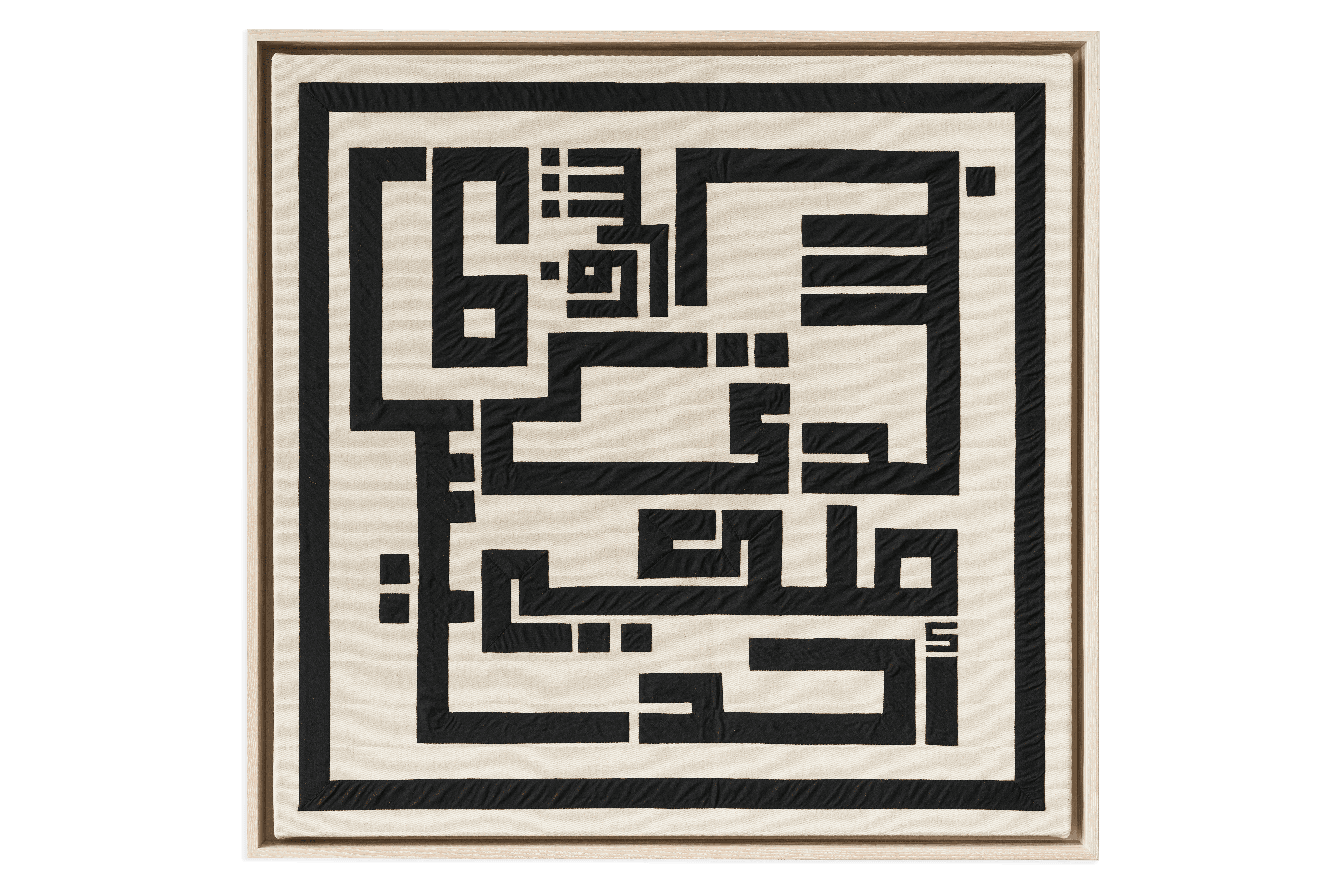
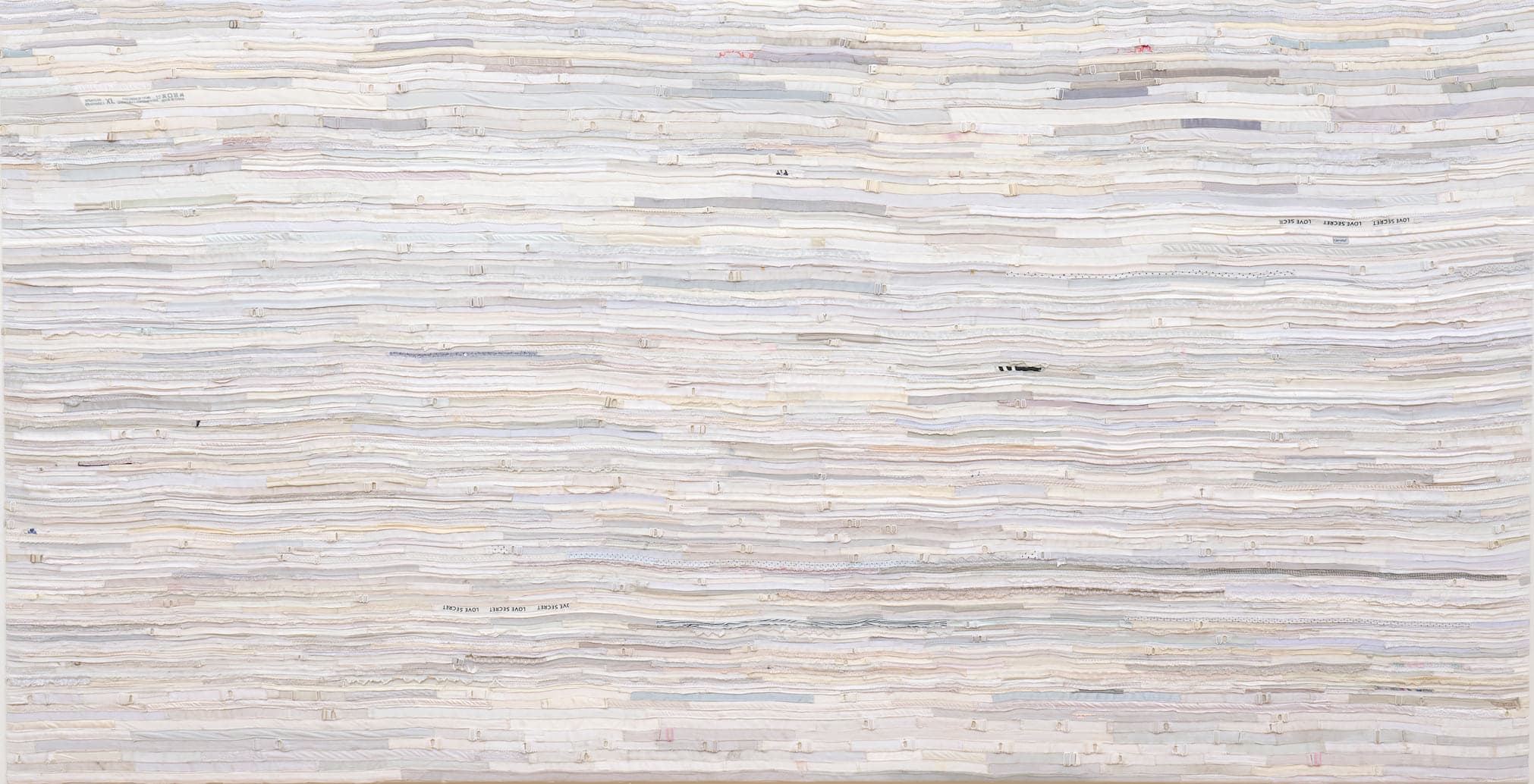
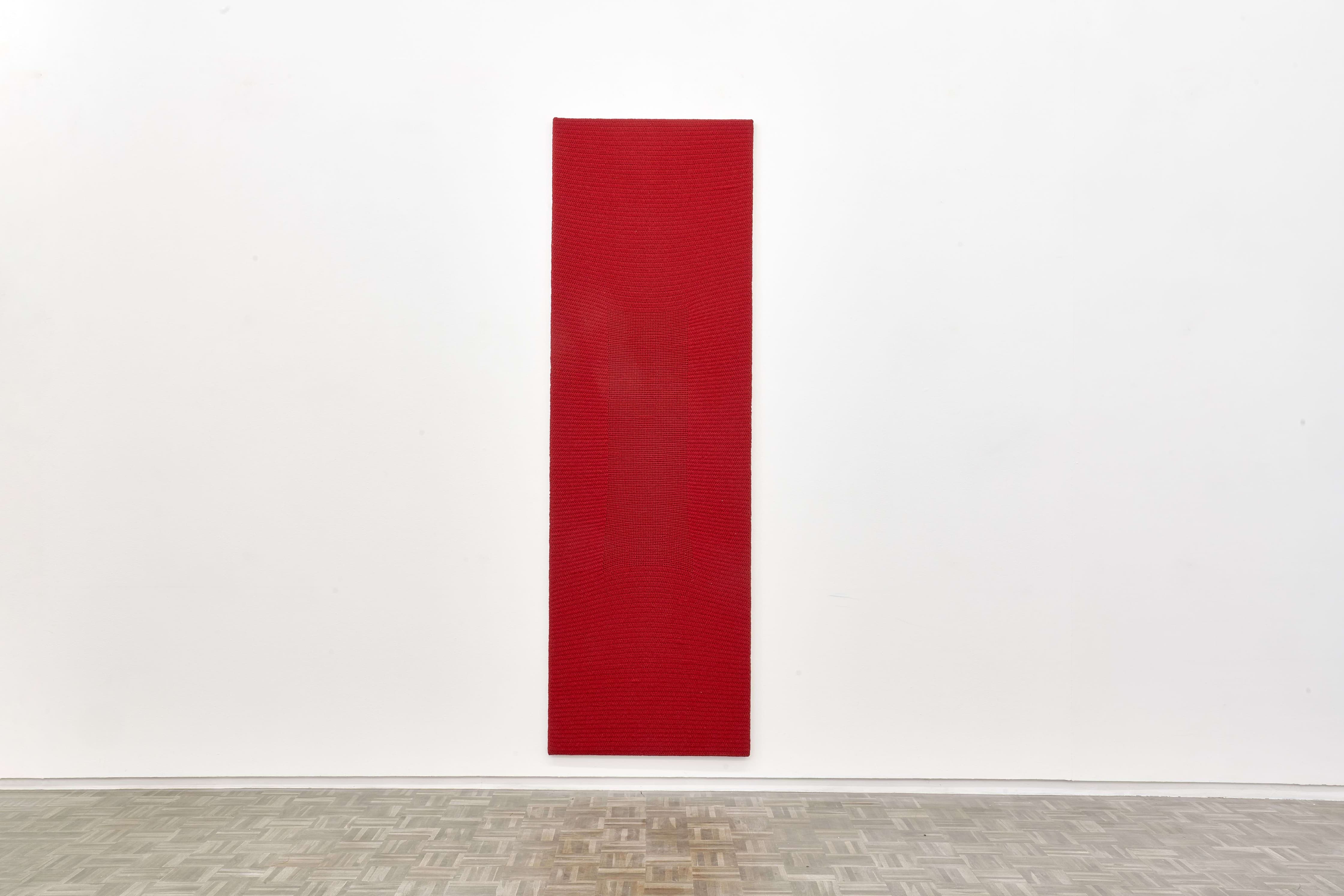
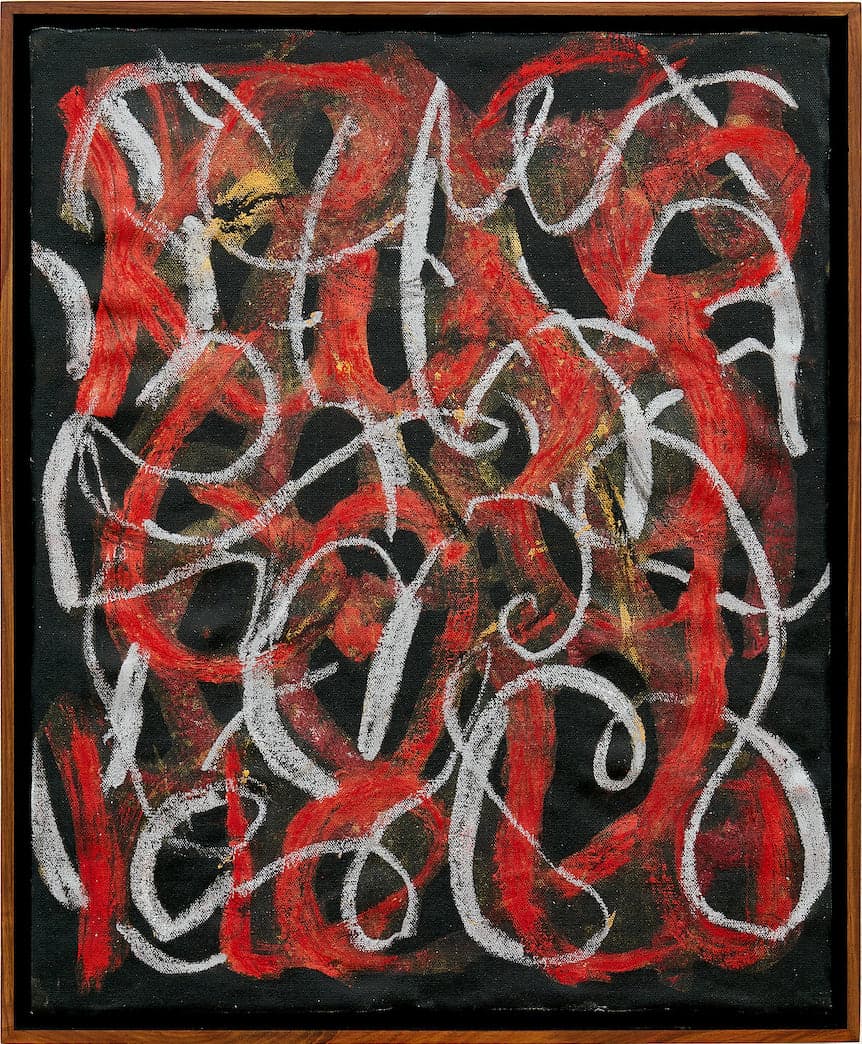
Working for the first time with the traditionally male-dominated Egyptian textile craft of Khayamiya, in this body of work Ghada Amer deploys Eastern and Western voices within a series of large-scale abstract appliqué textile works. Each work translates statements and citations by Female leaders into bold geometric formations that reference the ubiquitous language of the QR code. This new body of work expands on Amer’s ongoing series of text paintings which highlight women's agency by restating statements on or by women about identity and empowerment.
Here a quote by Amina Sboui reads in Arabic: 'My body belongs to me and it does not represent the honor of anyone.'
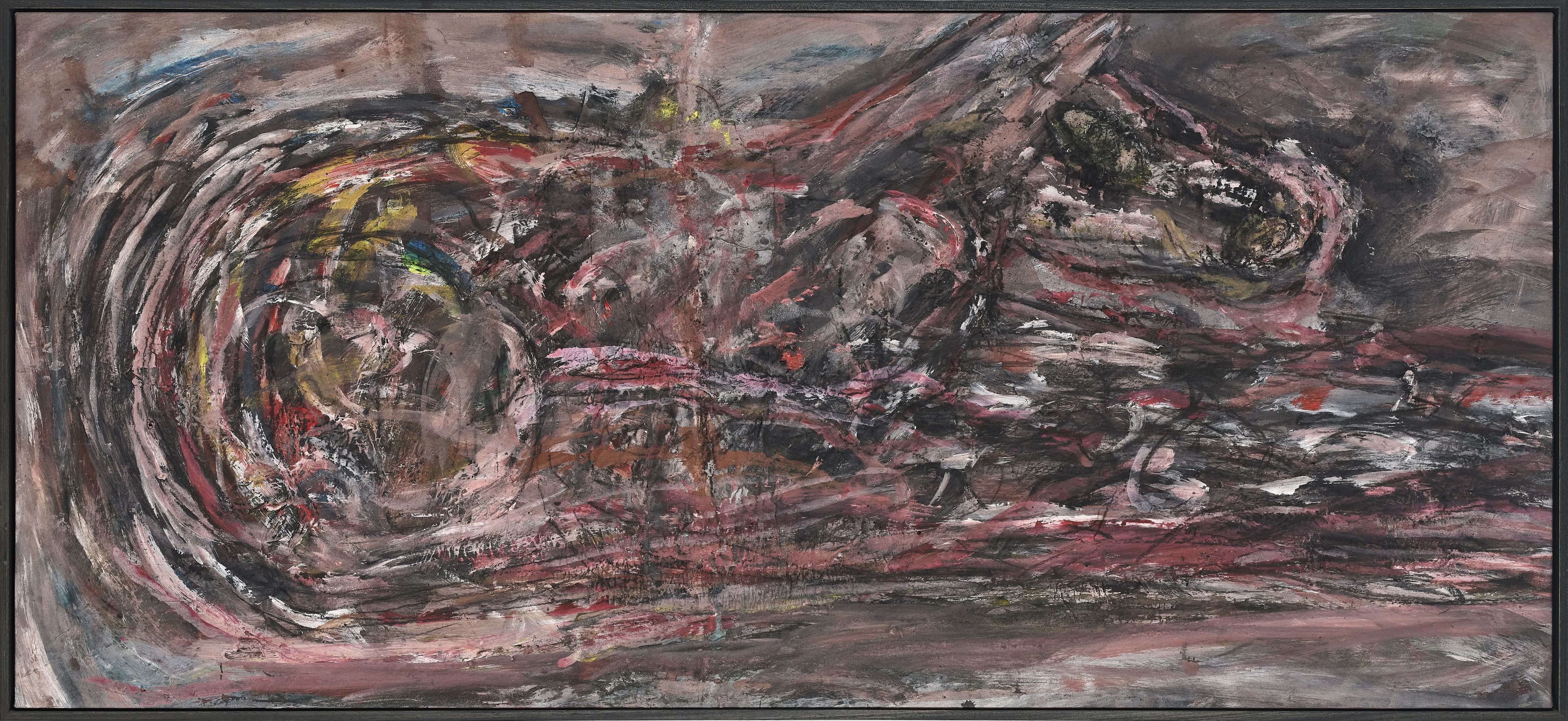
Throughout his life, David Koloane (b. 1938, Johannesburg, South African - d. 2019, Johannesburg, South Africa) worked as an artist, writer, curator, educator and mentor to fellow artists, creating art and encouraging art-making without the usual avenues of approach. From the late 70s onwards, Koloane co-founded and helped run several major arts spaces in Johannesburg, which were committed to ensuring safe spaces for Black artists to work and share ideas.
In 2019, the lziko South African National Gallery in Cape Town held a major survey of his work, titled A Resilient Visionary: Poetic Expressions of David Koloane. The exhibition later travelled to the Standard Bank Gallery and Wits Art Museum in Johannesburg where it was re-titled Chronicles of a Resilient Visionary.
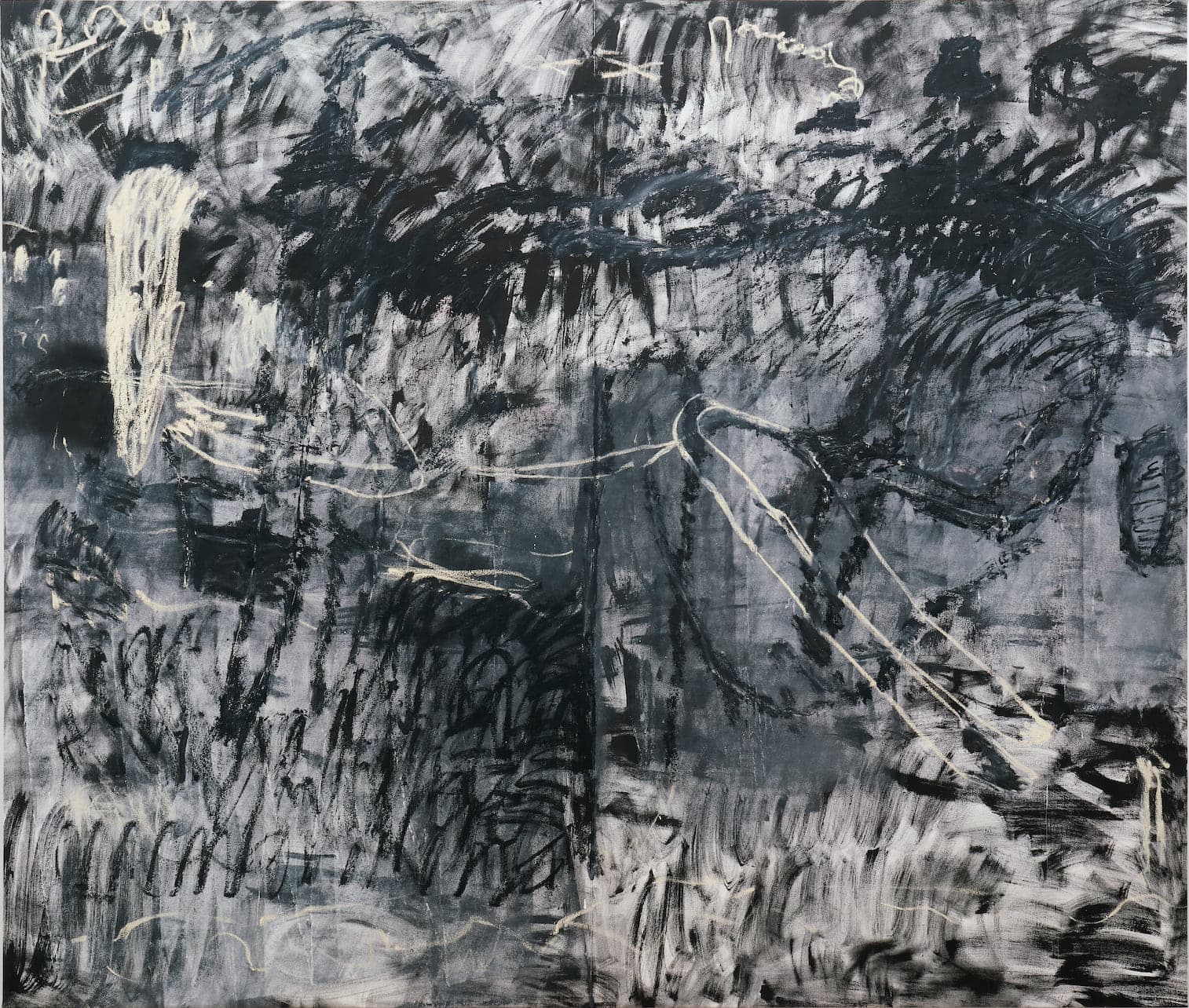
In Koloane’s work we see an idiosyncratic take on African expressionism take centre stage with political content and everyday urban existence coming to life in paintbrush strokes, charcoal swirls and animated video work, with Johannesburg as his primary subject matter.
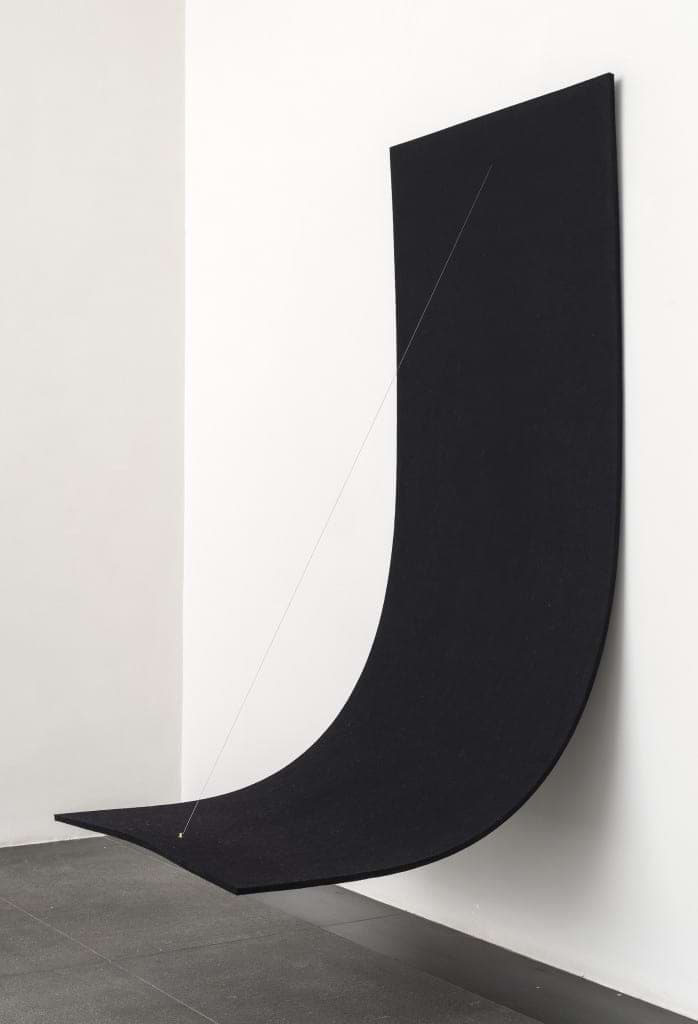
In this ongoing series of work, Naama Tsabar transforms raw industrial felt into modifiable stringed instruments. Through the addition of carbon fibre and guitar tuning pegs, the felt pieces take on new features that contradict their natural character. The work recalls the post-Minimalist art of the 1970s, extending its application by merging minimal aesthetics with performativity. Viewers are invited to directly engage with the works by plucking the strings and creating a new acoustic landscape. The works output sound through human encounter —tightening or loosening the strings changes the degree of the bowing of the sculptures as well as the sound they emit. The transformative nature of the work is such that the appearance of the sculptures, their erectness or flatness, directly corresponds to the pitch they produce.
Reflecting on the use of felt as a material in her earlier works, Tsabar notes; “I was thinking about Robert Morris’s post-Minimalist gravity felt sculptures, and the deadening of sound in relation to Joseph Beuys’s felt suit for a piano. My first two pieces were on the floor, and in late 2015 I moved up to the wall.” [Bomb Magazine, Sculpture and Sound: Naama Tsabar Interviewed by Naomi Lev, 2018].
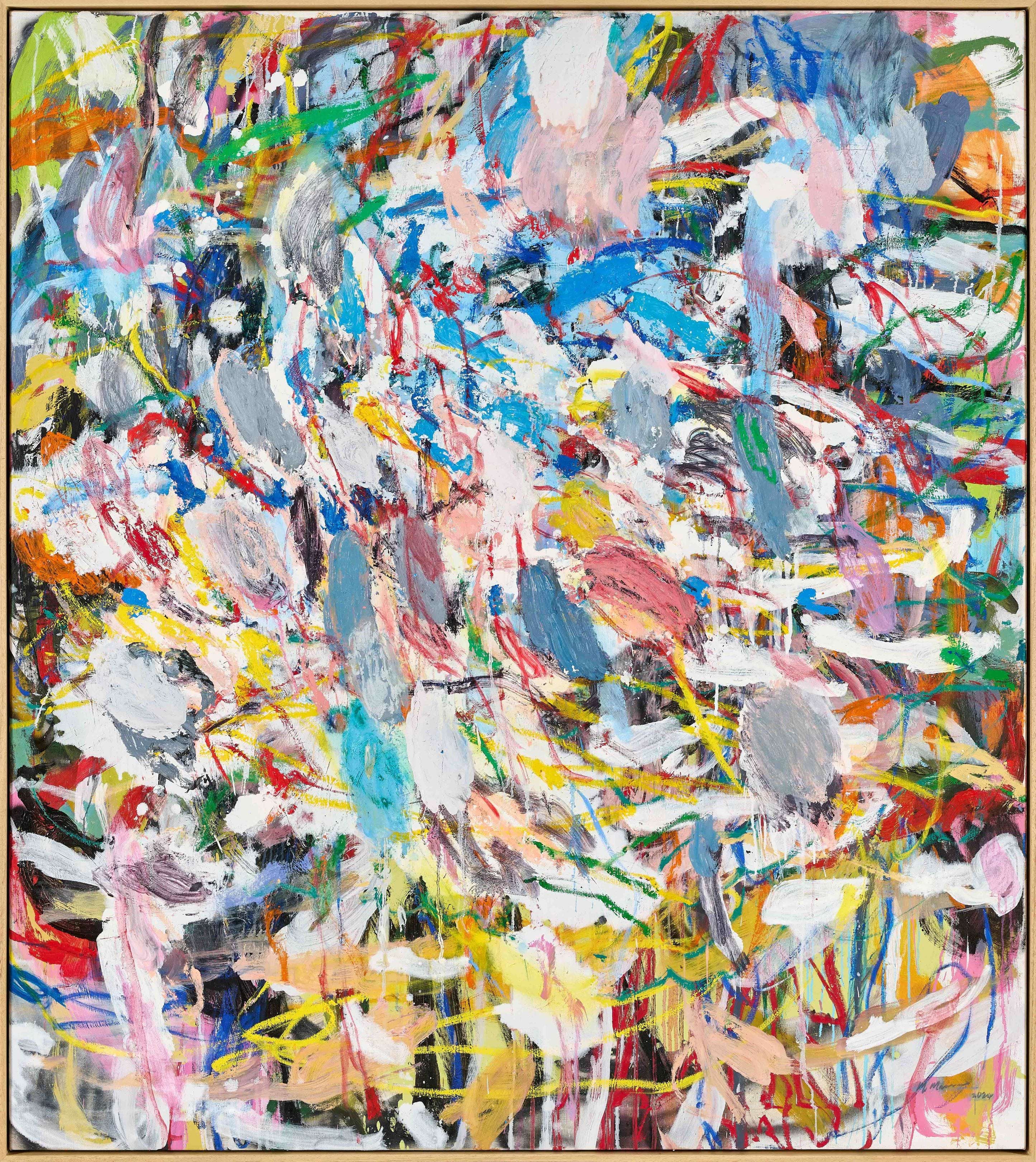
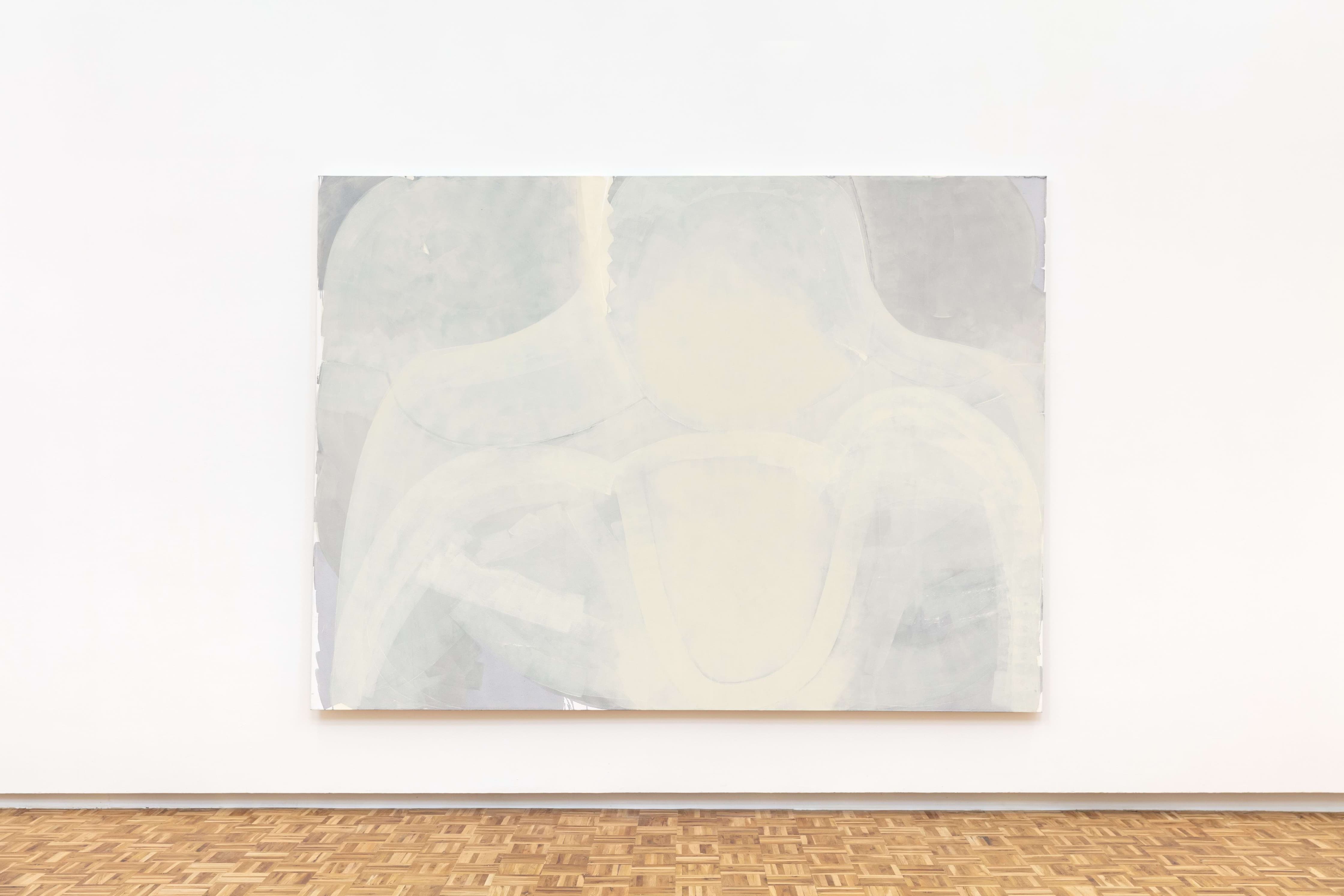
‘Sweet Tooth’ forms part of a body of work that combines striking colour with a distinct expressionist style to establish a grammar of chaotic compositions, gestural brushwork and perpetually altered or mutated figures often depicted in states of flux or transformation.
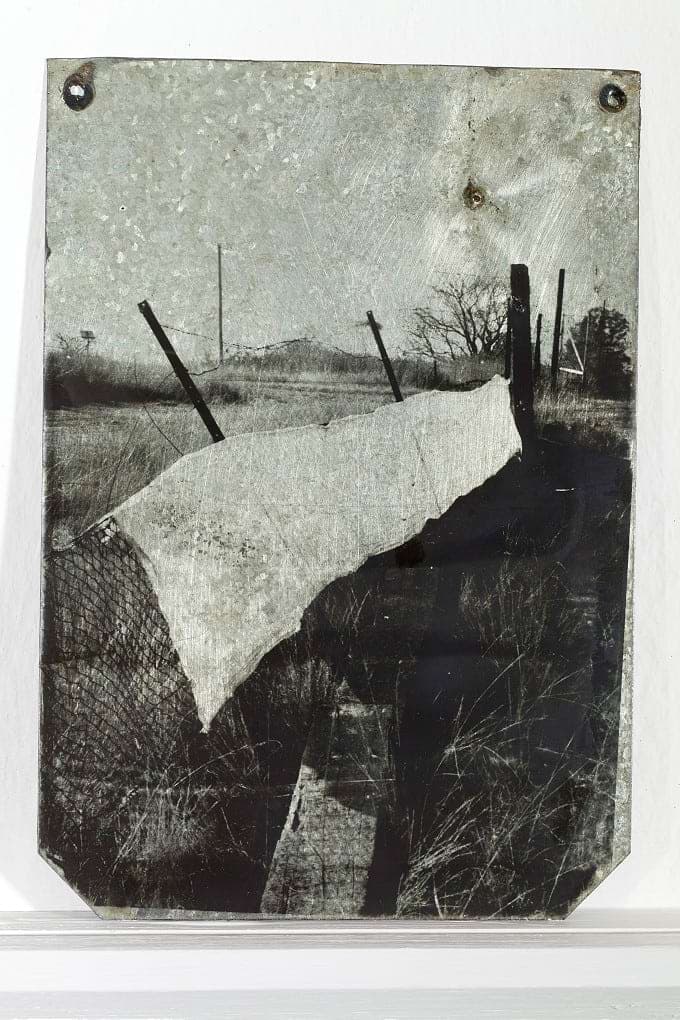
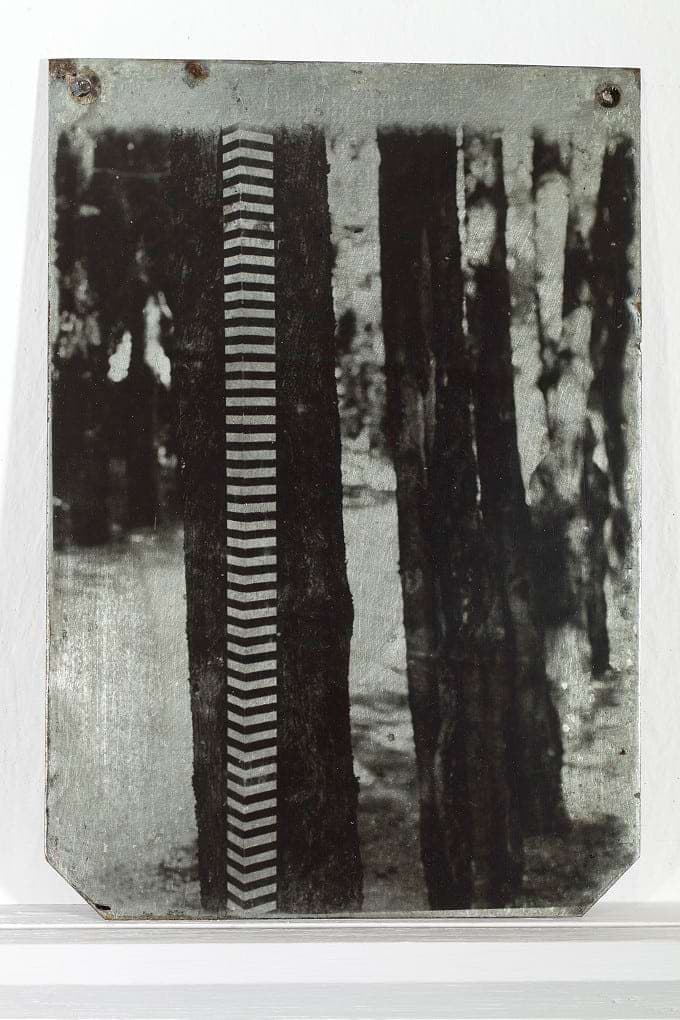
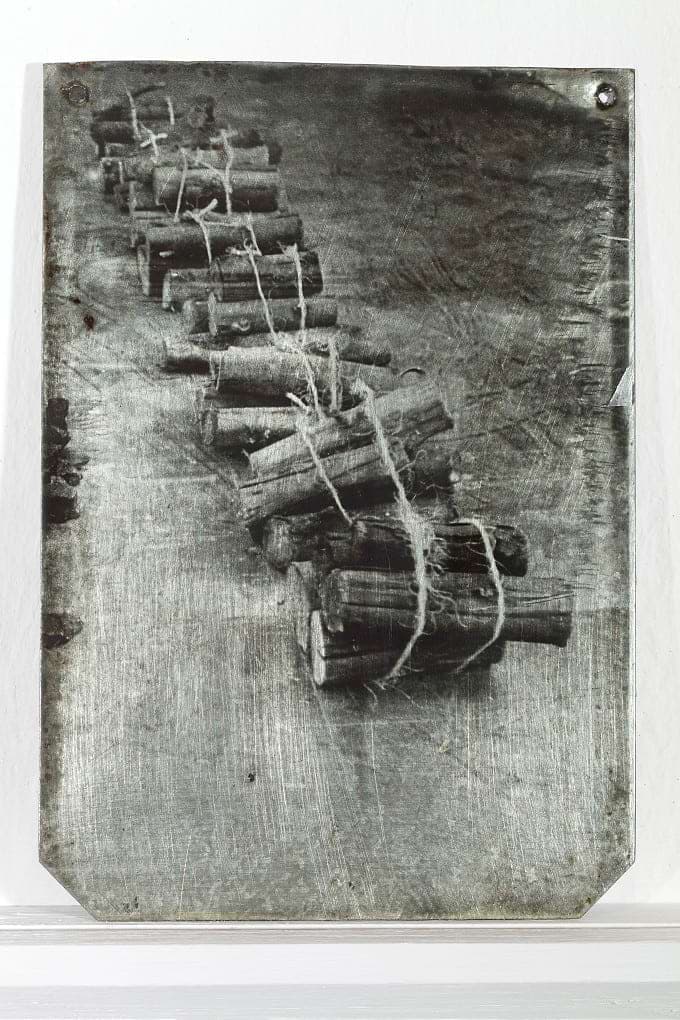
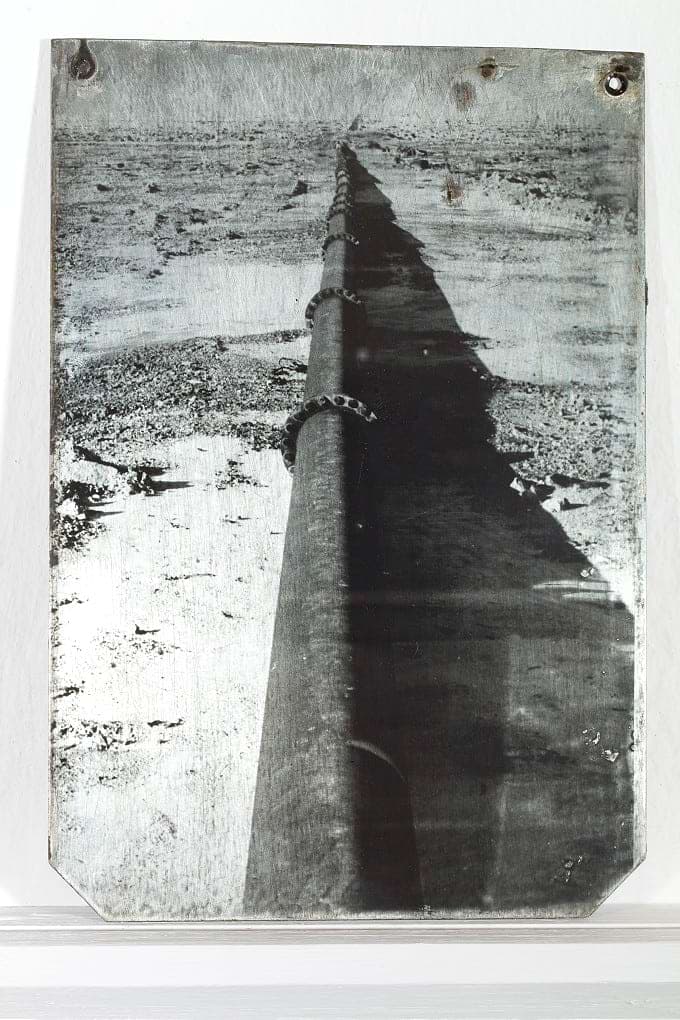
Jeremy Wafer (b. 1953, Durban, South Africa) works across sculpture, photography, video and drawing, exploring the politics and poetics of place. Rooted in South Africa’s social, cultural and political geography, his work engages issues of land and territory, particularly themes of location, dislocation, possession and dispossession.
According to critic Sean O’Toole, Wafer’s practice is “striking in its responsiveness to the particularities of South Africa’s land” (This is no place for lovely pictures, 2022). Indeed, throughout his forty-year career, Wafer has employed topographic and oceanic references to consider the geological and sociohistorical realities and imaginaries that surround his sites of investigation. This body of work stems from Wafer’s decades-long exploration of dislocation, memory and materiality.
Jeremy Wafer (b. 1953, Durban, South Africa) works across sculpture, photography, video and drawing, exploring the politics and poetics of place. Rooted in South Africa’s social, cultural and political geography, his work engages issues of land and territory, particularly themes of location, dislocation, possession and dispossession.
According to critic Sean O’Toole, Wafer’s practice is “striking in its responsiveness to the particularities of South Africa’s land” (This is no place for lovely pictures, 2022). Indeed, throughout his forty-year career, Wafer has employed topographic and oceanic references to consider the geological and sociohistorical realities and imaginaries that surround his sites of investigation. This body of work stems from Wafer’s decades-long exploration of dislocation, memory and materiality.
Jeremy Wafer (b. 1953, Durban, South Africa) works across sculpture, photography, video and drawing, exploring the politics and poetics of place. Rooted in South Africa’s social, cultural and political geography, his work engages issues of land and territory, particularly themes of location, dislocation, possession and dispossession.
According to critic Sean O’Toole, Wafer’s practice is “striking in its responsiveness to the particularities of South Africa’s land” (This is no place for lovely pictures, 2022). Indeed, throughout his forty-year career, Wafer has employed topographic and oceanic references to consider the geological and sociohistorical realities and imaginaries that surround his sites of investigation. This body of work stems from Wafer’s decades-long exploration of dislocation, memory and materiality.
Jeremy Wafer (b. 1953, Durban, South Africa) works across sculpture, photography, video and drawing, exploring the politics and poetics of place. Rooted in South Africa’s social, cultural and political geography, his work engages issues of land and territory, particularly themes of location, dislocation, possession and dispossession.
According to critic Sean O’Toole, Wafer’s practice is “striking in its responsiveness to the particularities of South Africa’s land” (This is no place for lovely pictures, 2022). Indeed, throughout his forty-year career, Wafer has employed topographic and oceanic references to consider the geological and sociohistorical realities and imaginaries that surround his sites of investigation. This body of work stems from Wafer’s decades-long exploration of dislocation, memory and materiality.
Clive van den Berg (b. 1956, Luanshya, Zambia) has focused on pioneering the insertion of queer perspectives into the larger rewrite of South African history throughout the course of his prolific forty-year career. Van den Berg has produced a range of works unified by his enduring focus on five interrelated themes: memory, light, landscape, desire and body.
‘Landscape Marked IV’ continues his engagement with the idea of the land as a porous receptacle for lived experience. In this work the artist continues to reflect on his own complex relationship to landscape, communicating a more visceral articulation of this engagement. This is embedded in the quality of the paint as much as the construction of the paintings and the abstract imagery that emerges on the canvas.
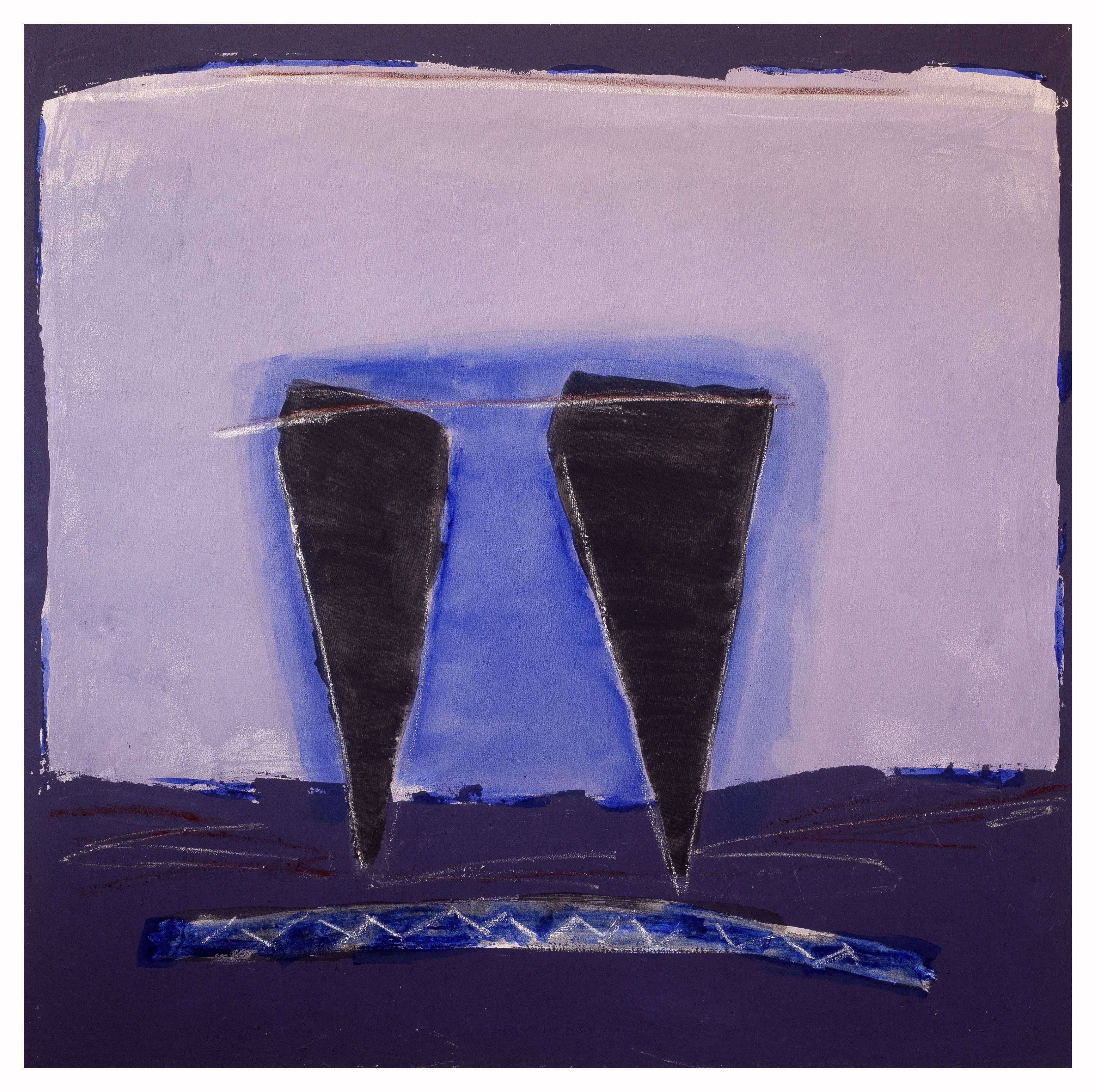
‘Black triangles’ follows work first introduced into his practice in the 1980s when the artist started to explore colour and non-figurative forms congruent with an Abstract Expressionist idiom. Work of this period displayed his natural and intuitive sense of formal elements of colour and composition.
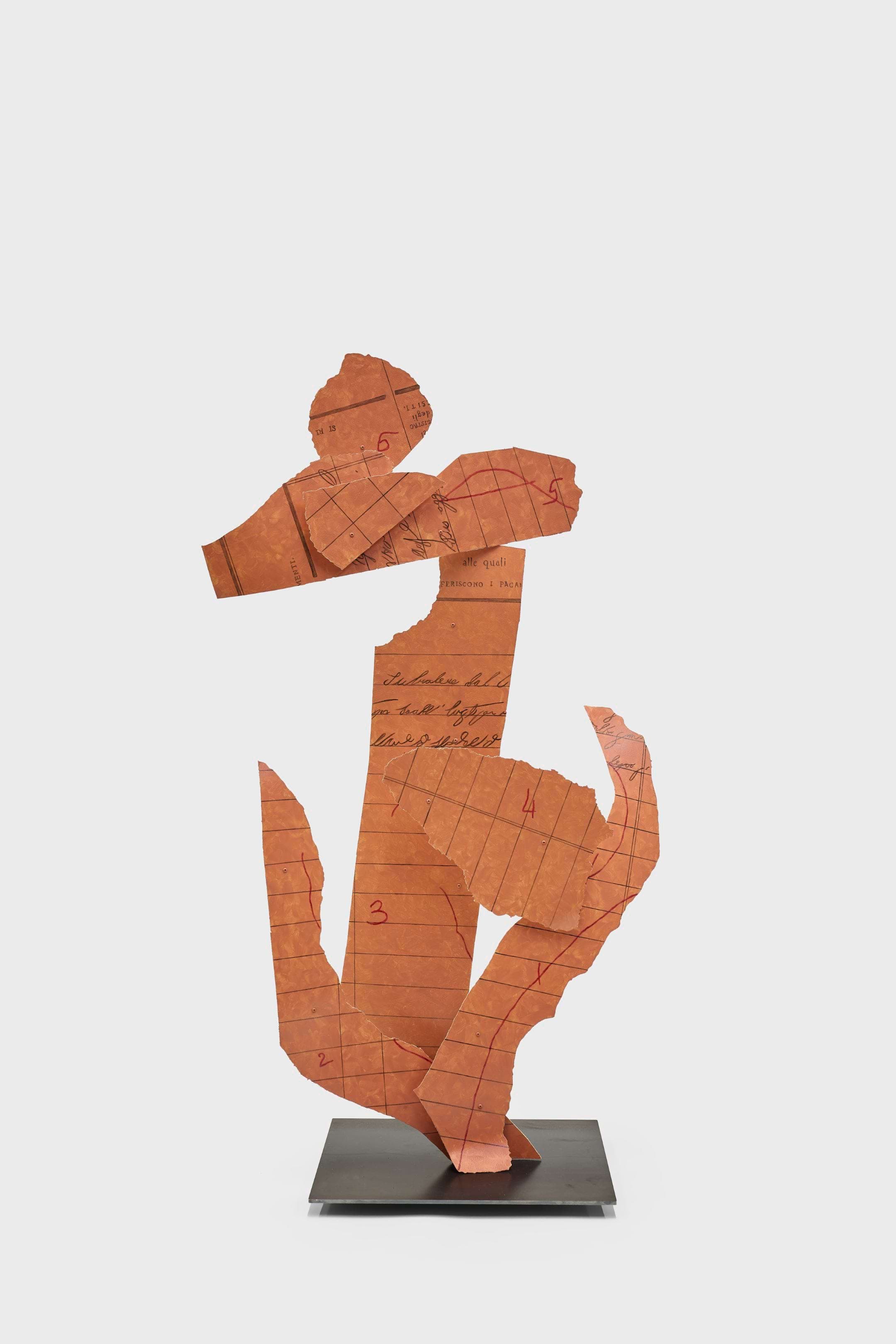
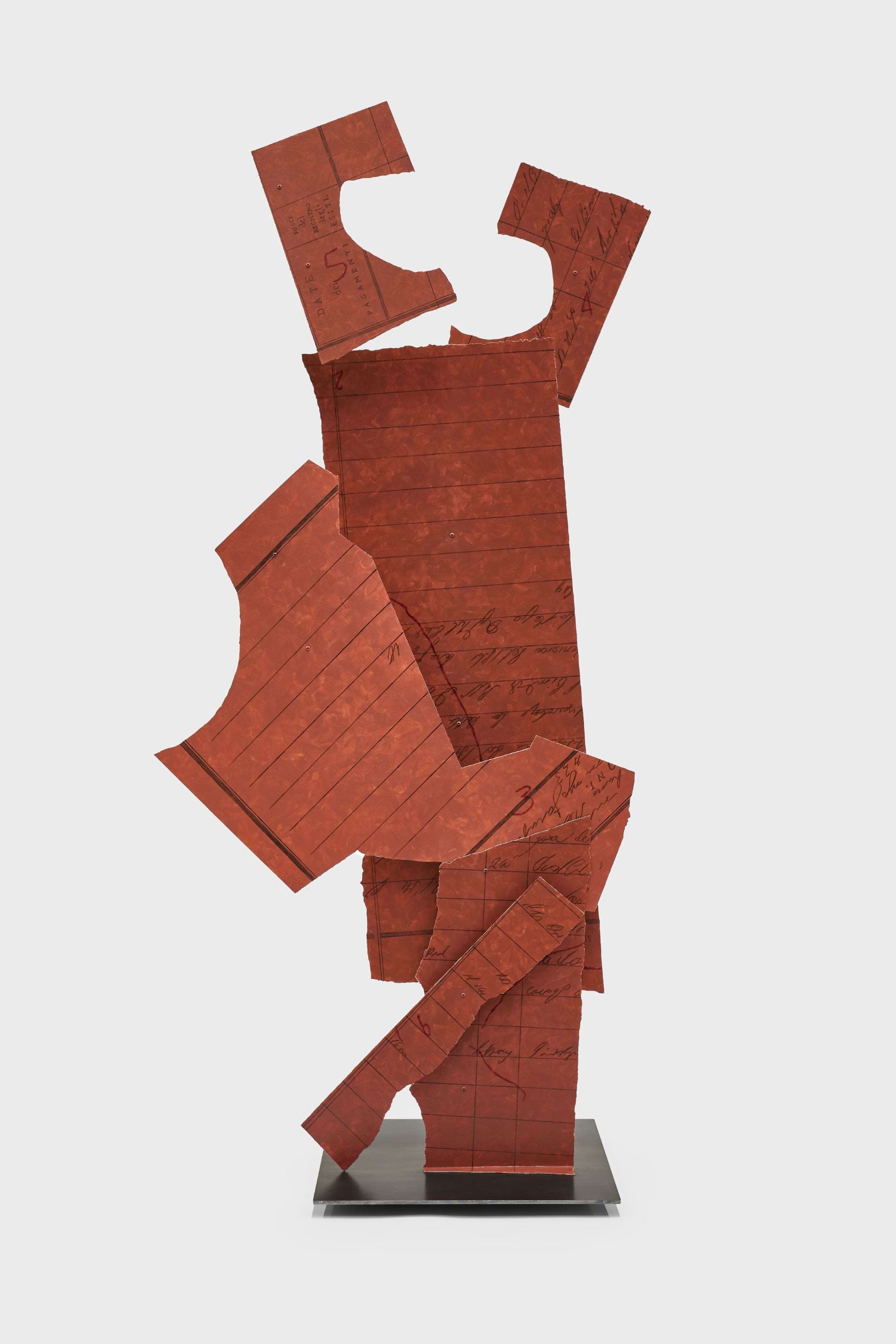
'Paper Procession VI’ forms part of a set of new hand-painted, aluminium and steel sculptures in vivid colour. The origin of these sculptures are a series of small paper sculptures, made from the torn and coloured pages of a 19th century accounting journal from the Chiesa di San Francesco Saverio in Palermo. This ‘Paper Procession’ speaks to the process of costume-making. During periods of intensive workshops in the making of a theatre production, Kentridge and his collaborators work with paper as a way to think about costumes, and their colours.