Post African FuturesCurated by Tegan Bristow

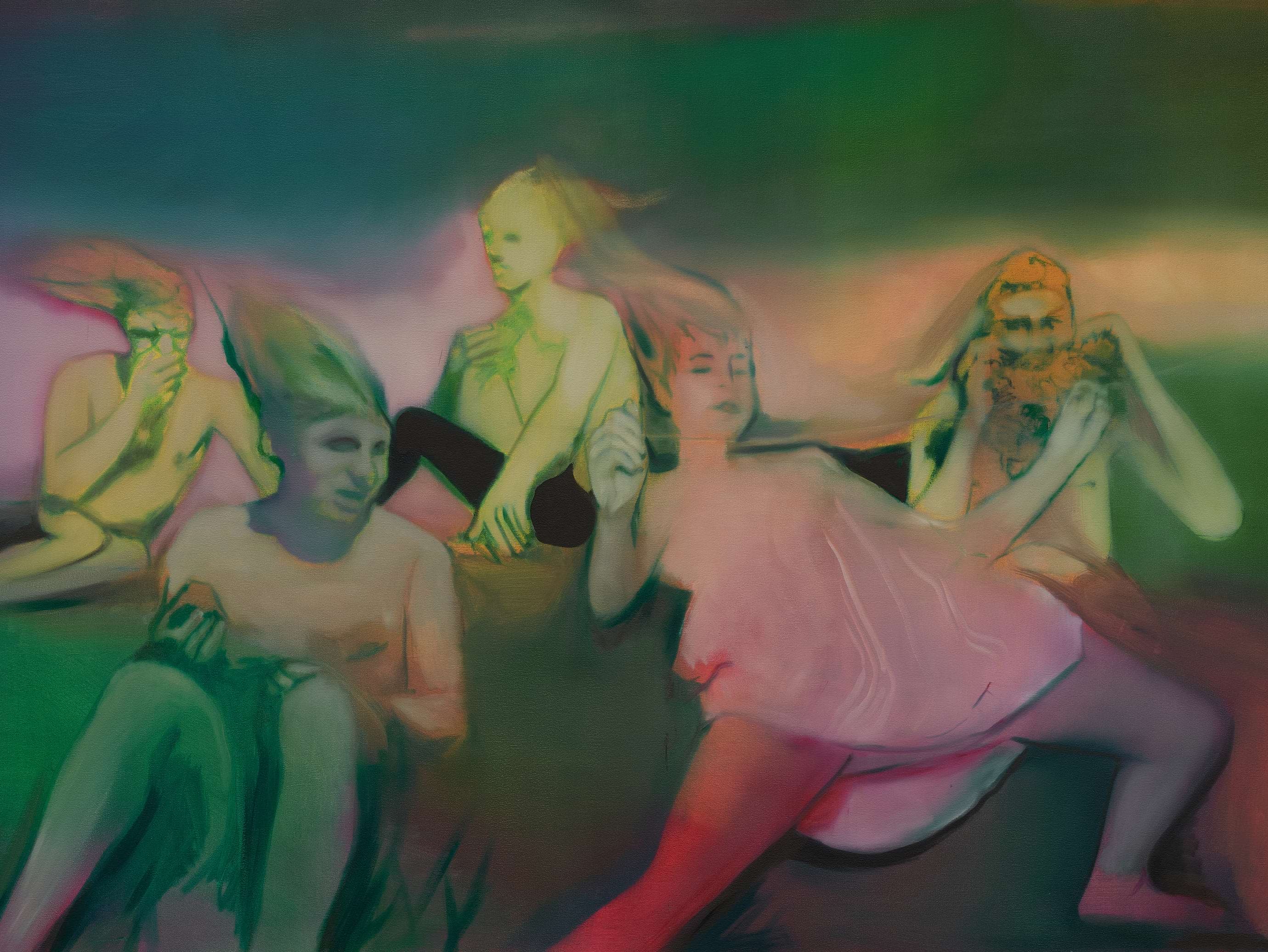
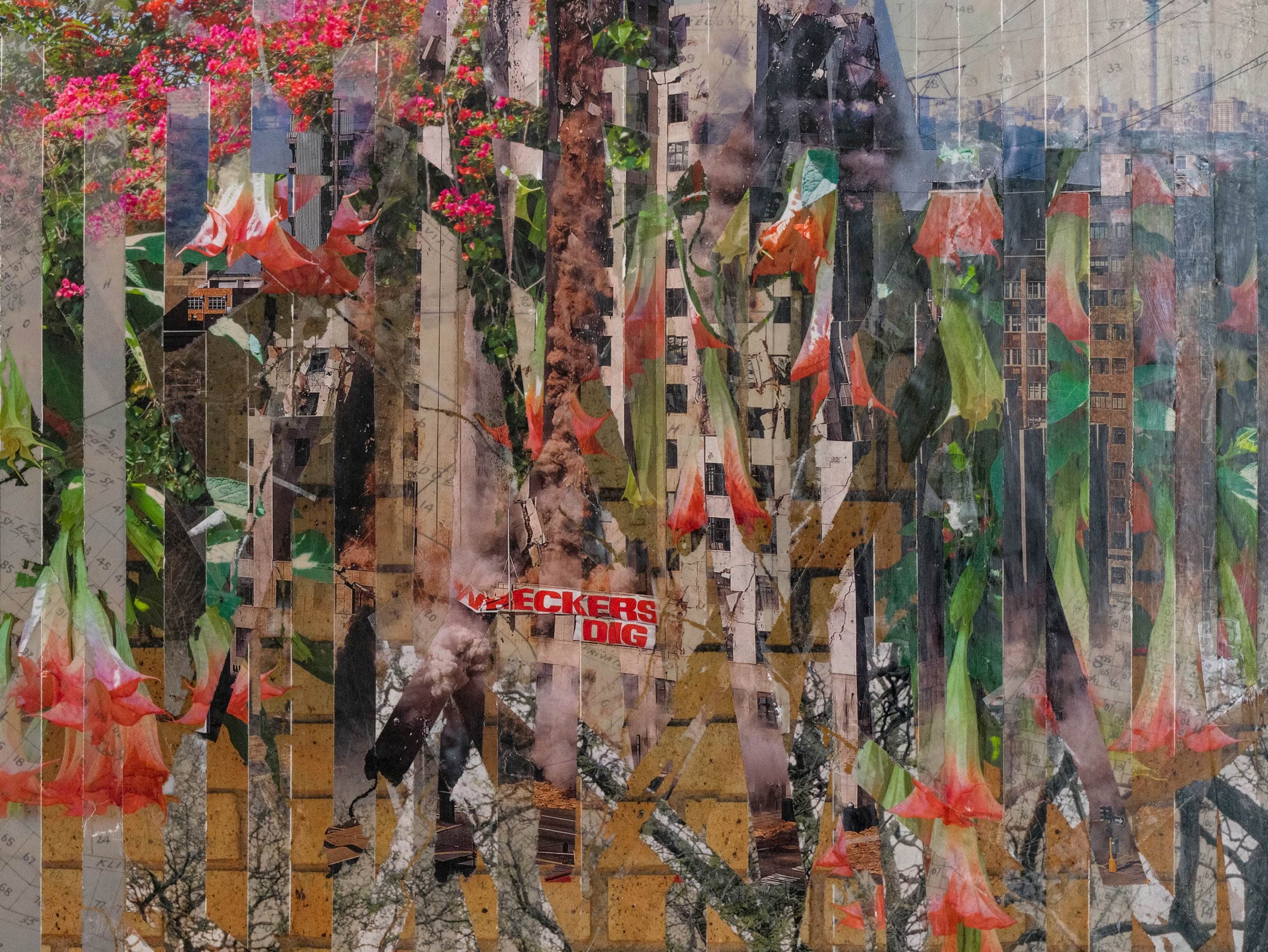
As facilitator of emergent forms, the Goodman Gallery works with curators and artists who question the current status of the art world, specifically problems that emerge from restrictive labels and one dimensional readings of the process of making of art in African contexts. This year the Goodman Gallery has invited curator Tegan Bristow to curate the exhibition POST AFRICAN FUTURES around her cohesive research into technology based art in Africa. The works allow for a new engagement with practice that uses technology and explodes the myth of AfroFuturism in Africa. It is the belief of the Goodman Gallery that the barrier breaking, innovative works which have emerged as artists have responded to Bristow’s call for participation are a move away from staid ideas of art making in Africa. Goodman Gallery is proud to present a show allowing for works which critique and question systems and structures that the commercial art industry has often relied upon.


Featured Artworks
Create a Goodman Gallery account to view our full selection of available works, access pricing and check out online.
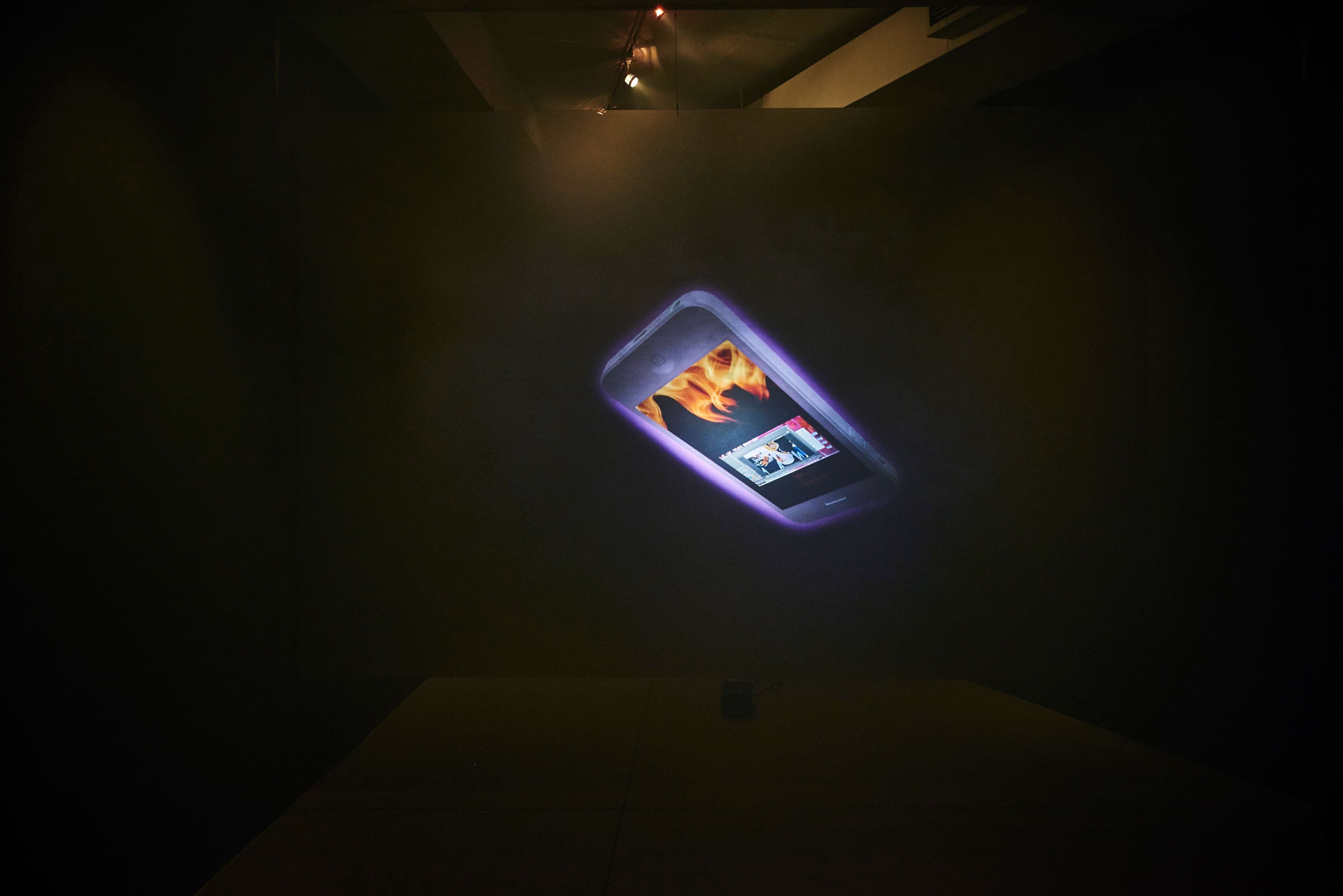
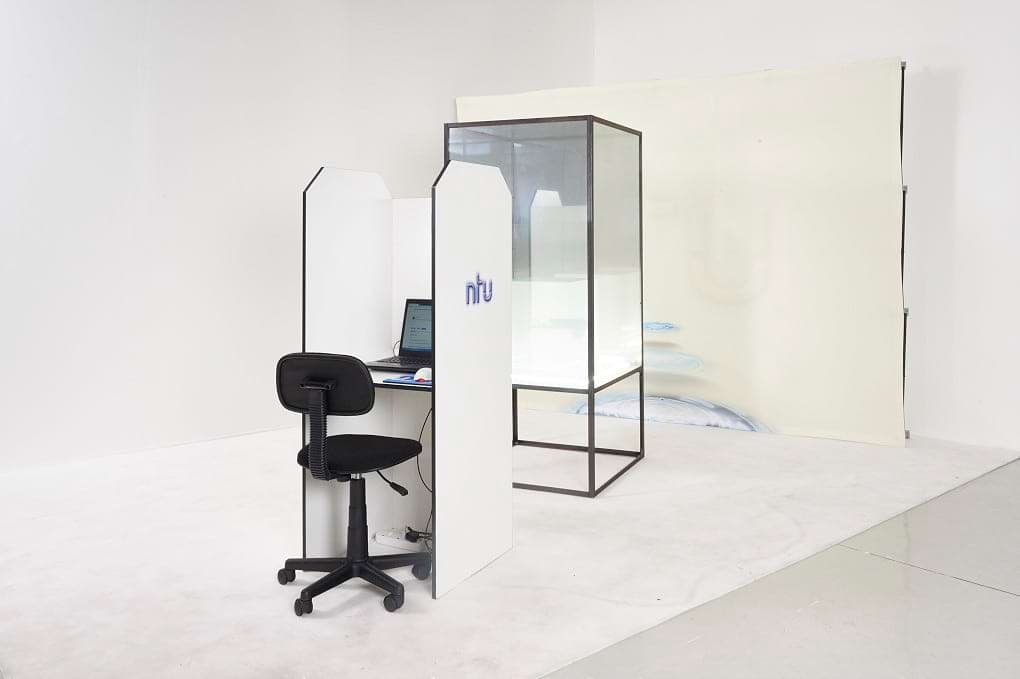
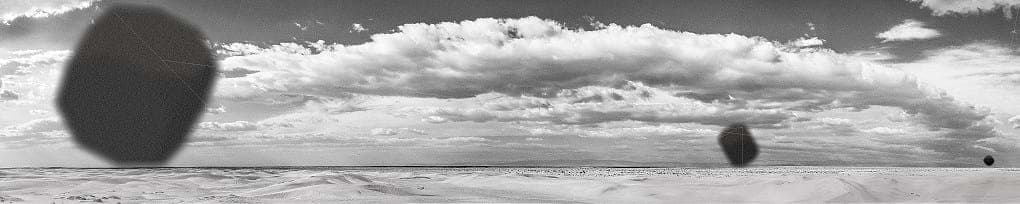
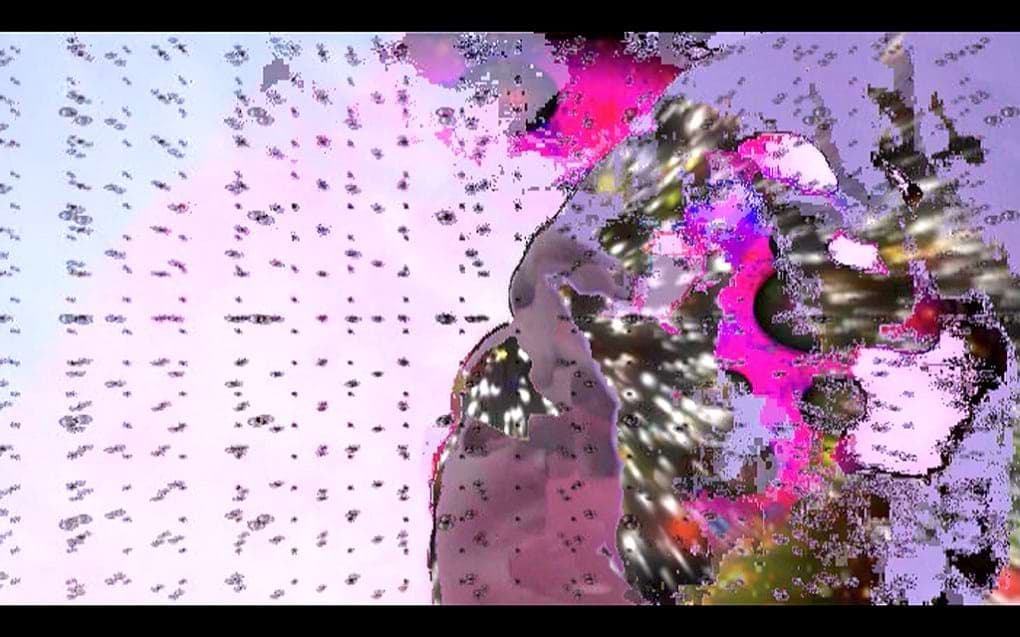
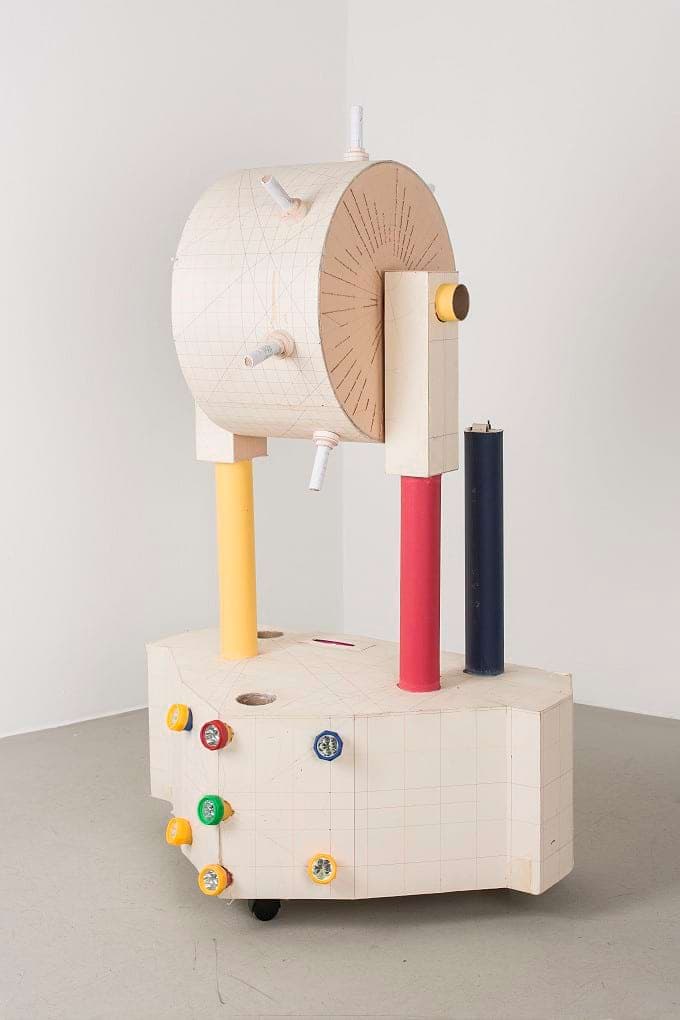



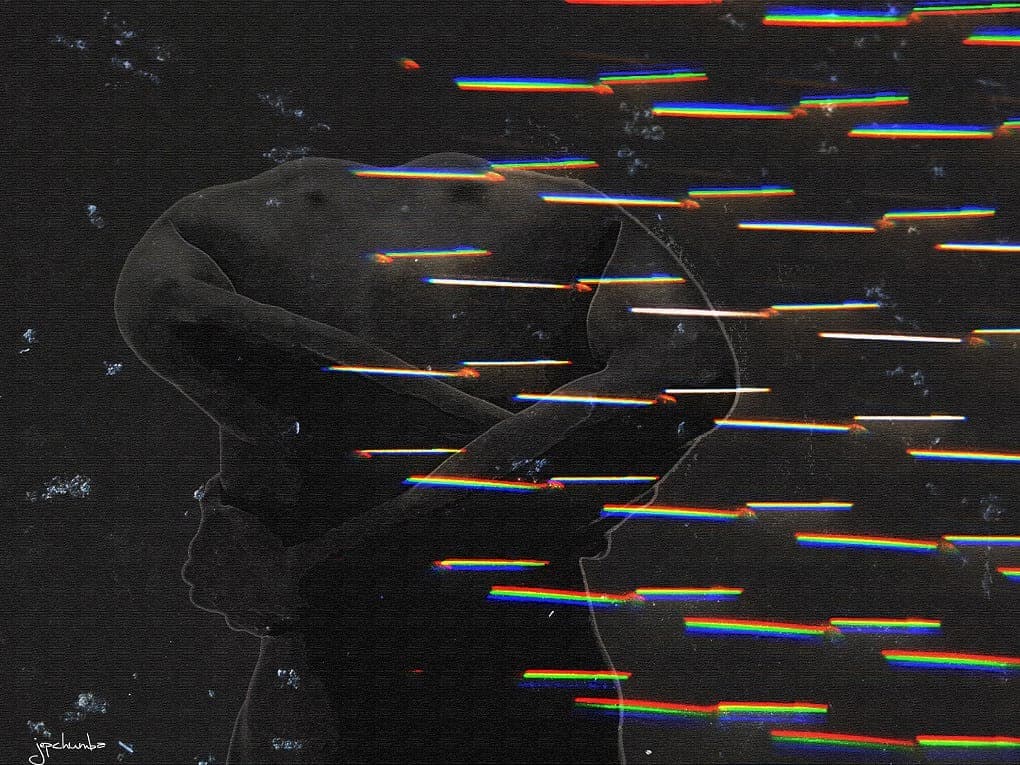
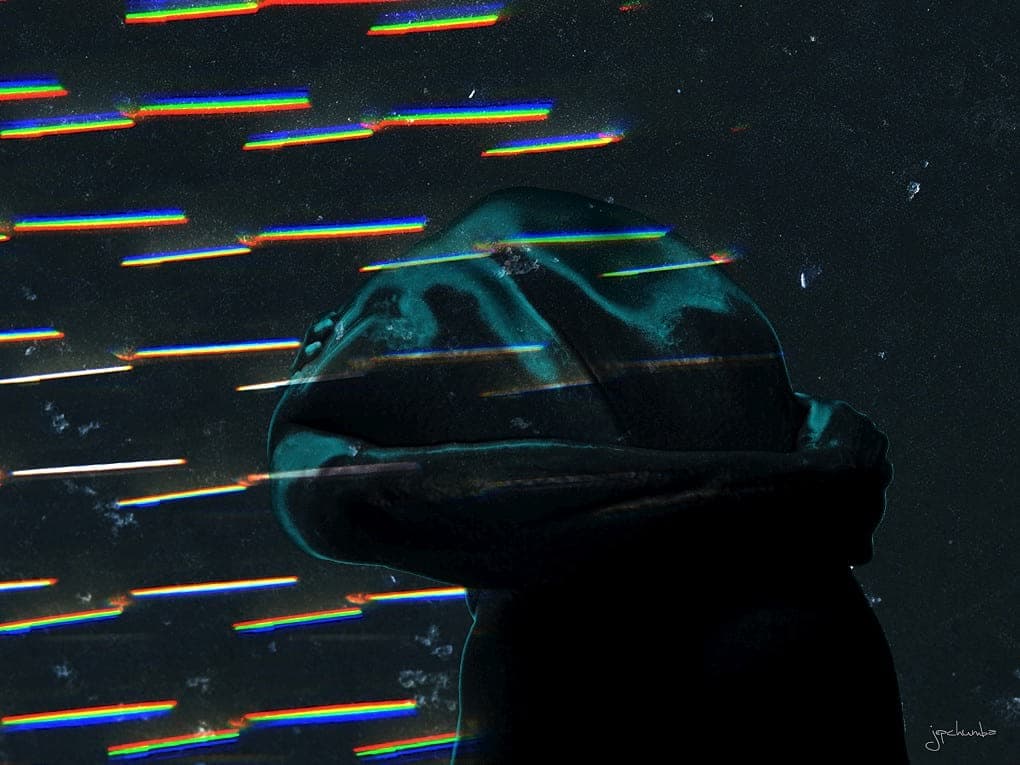
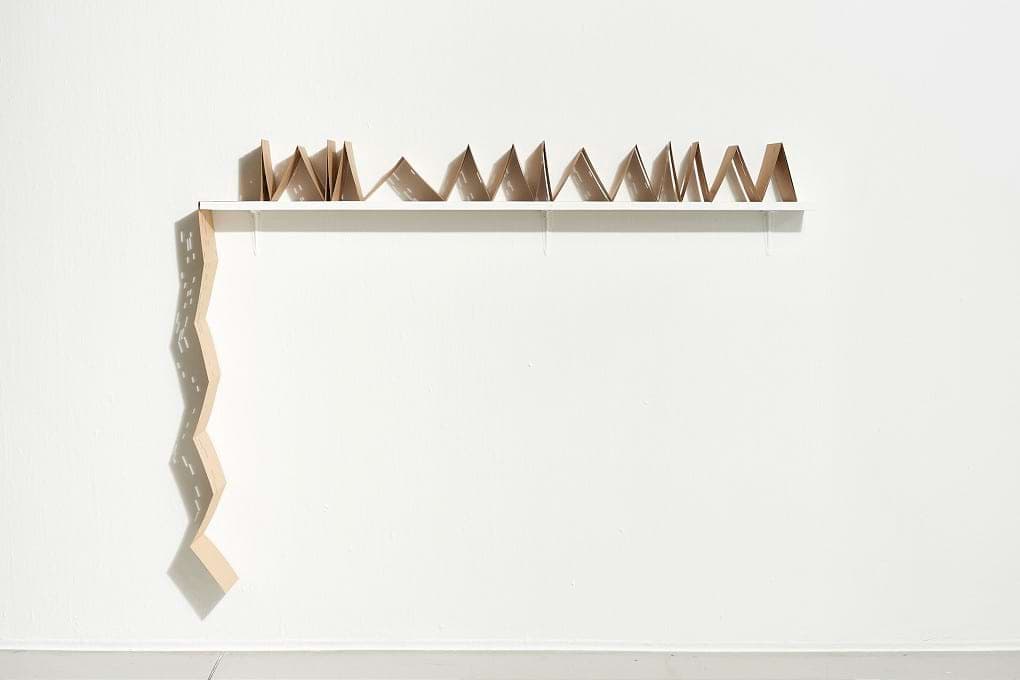
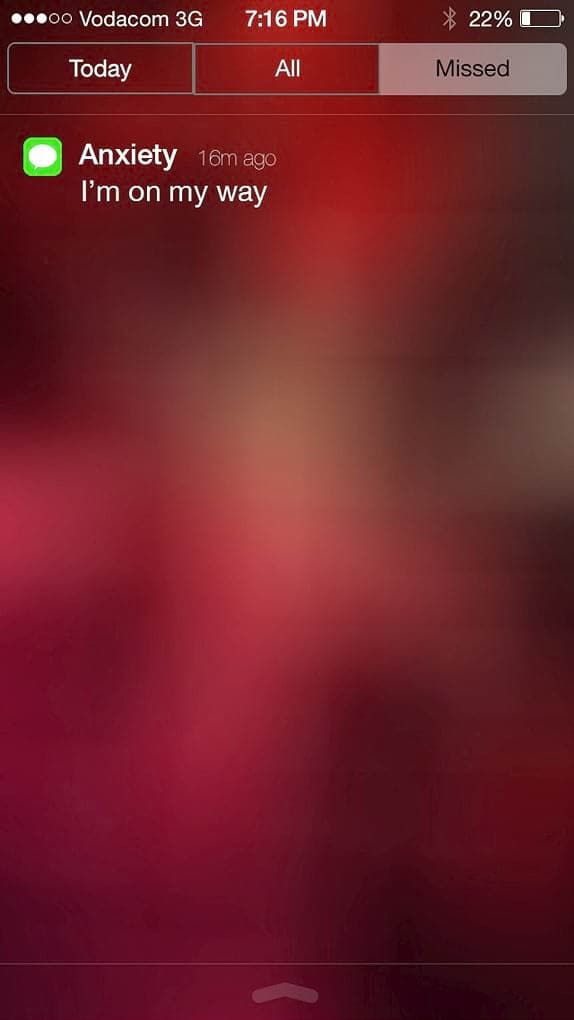



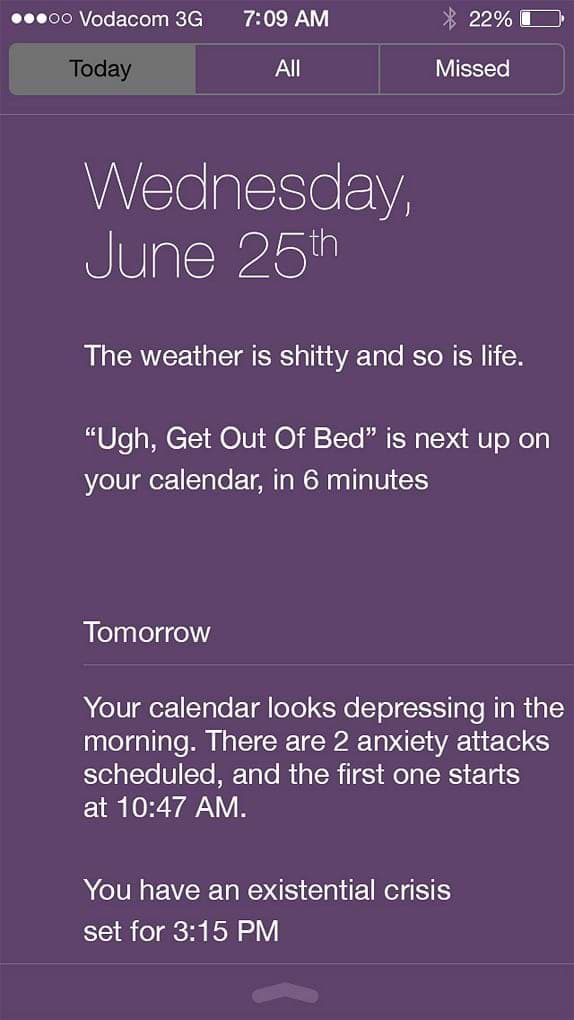
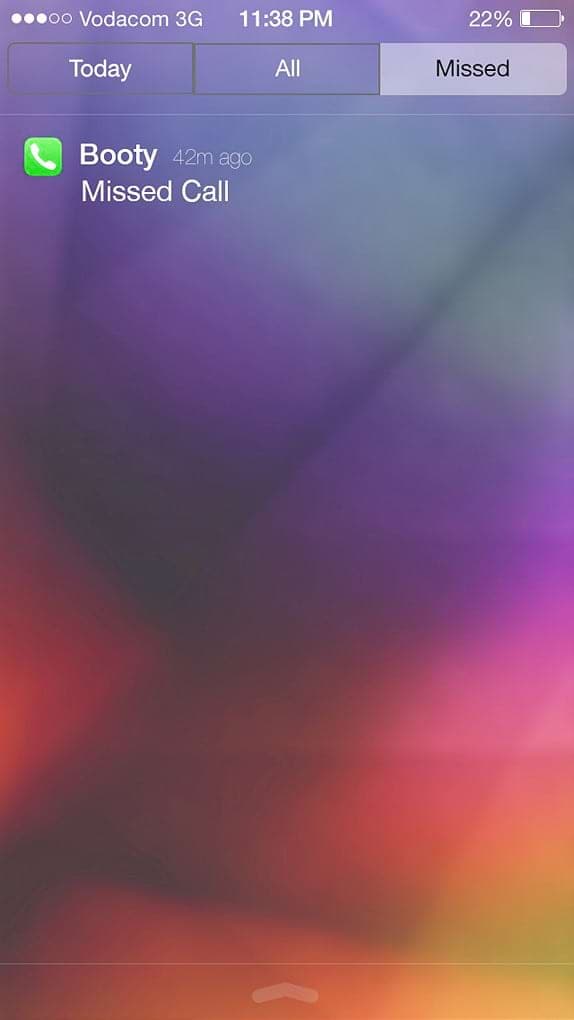
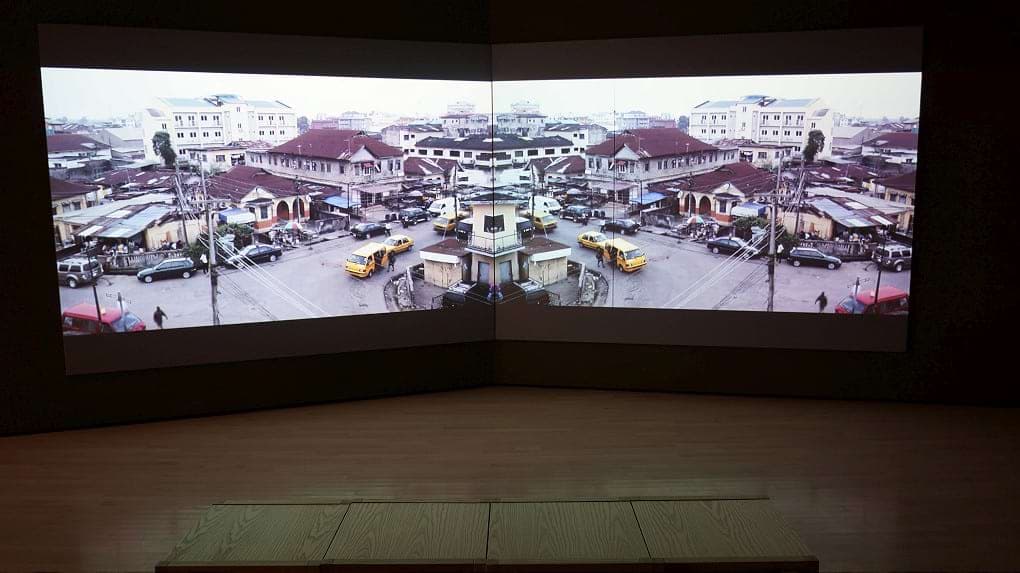
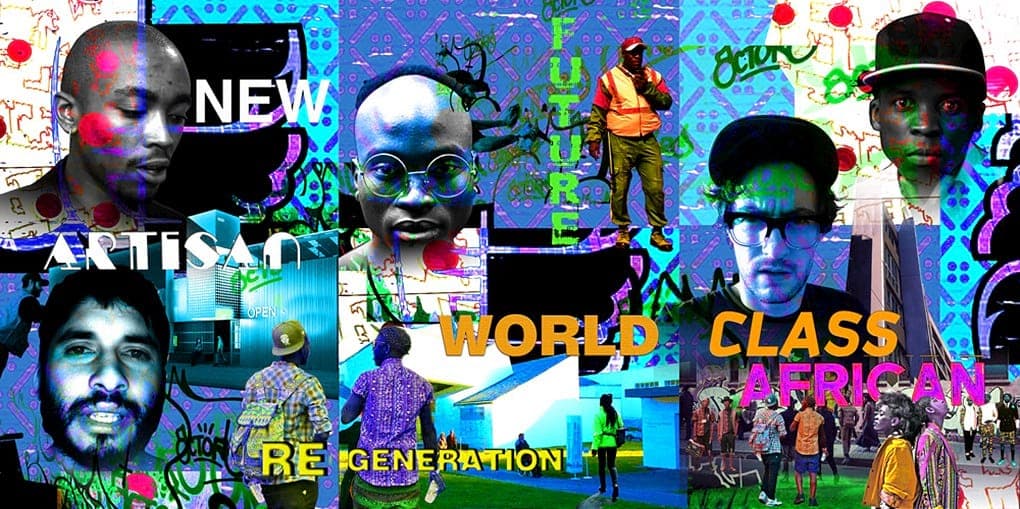
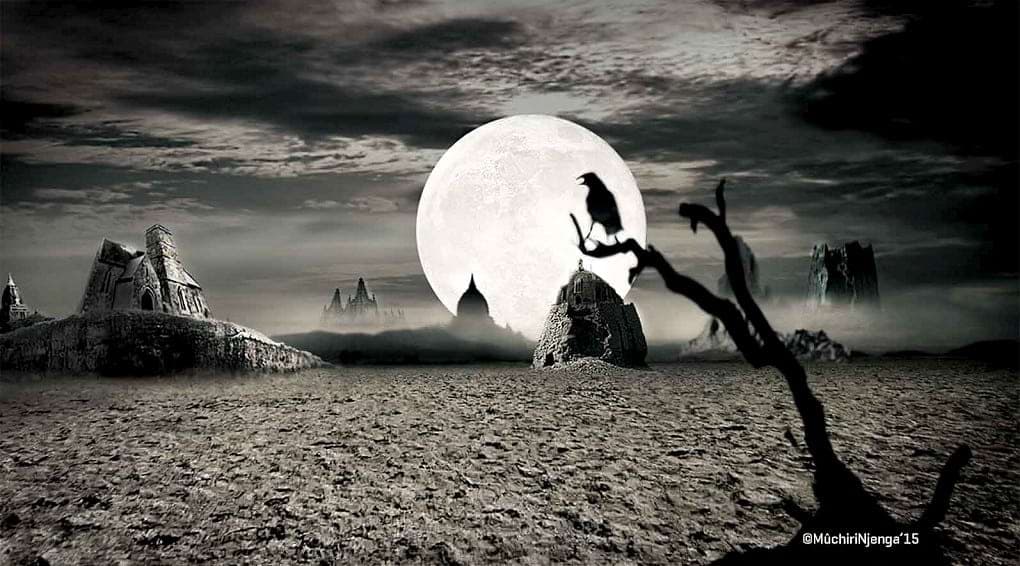
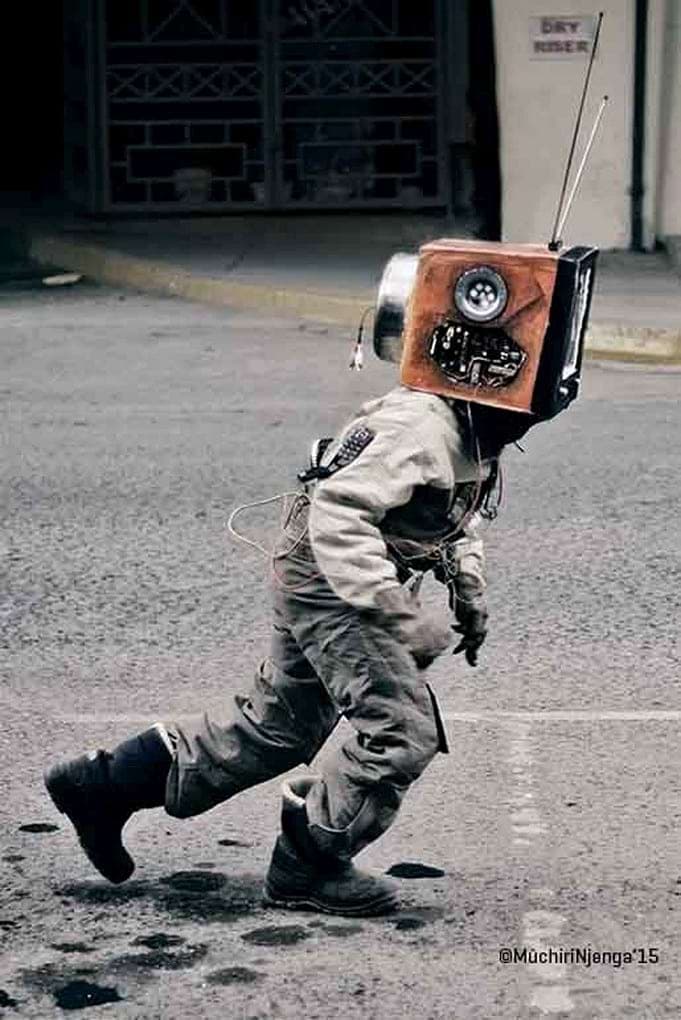
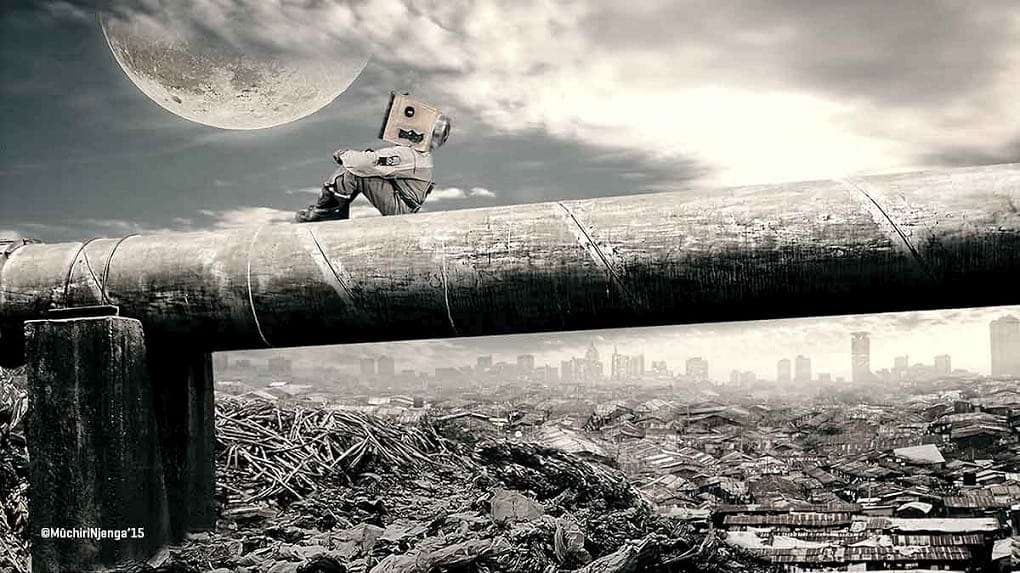
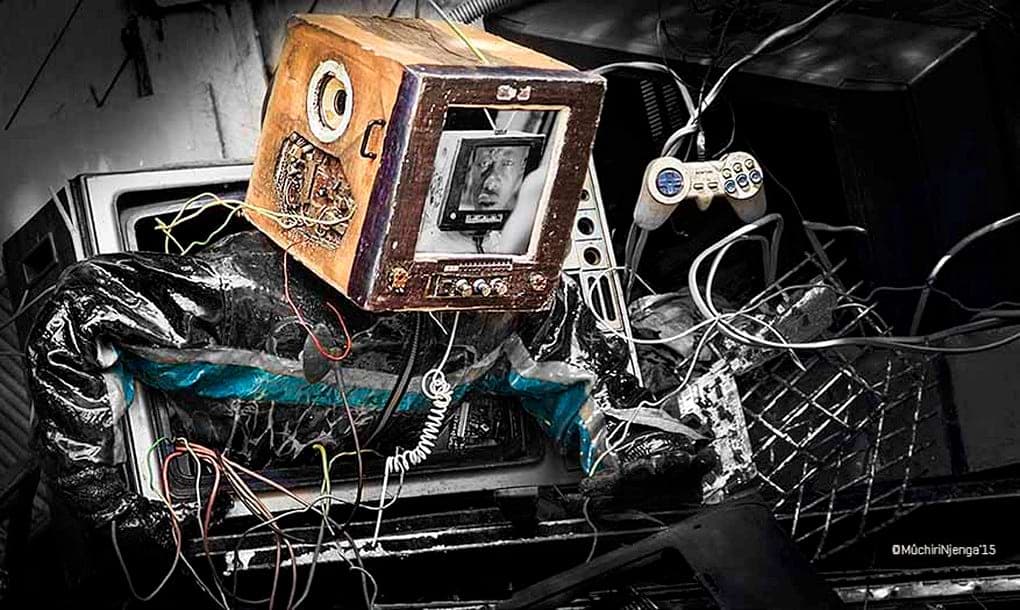
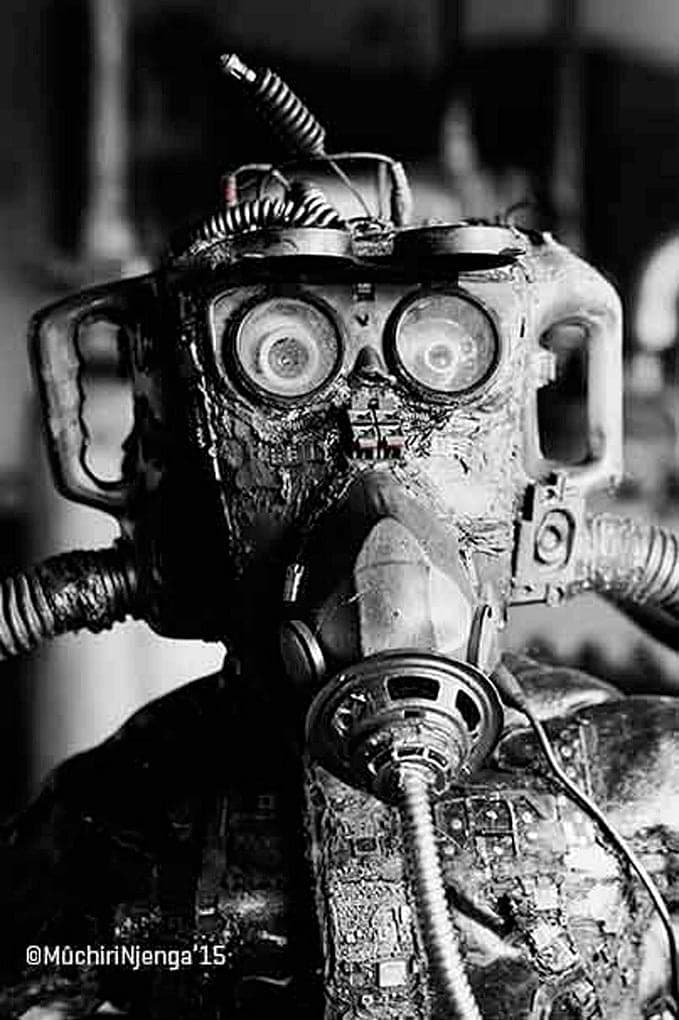
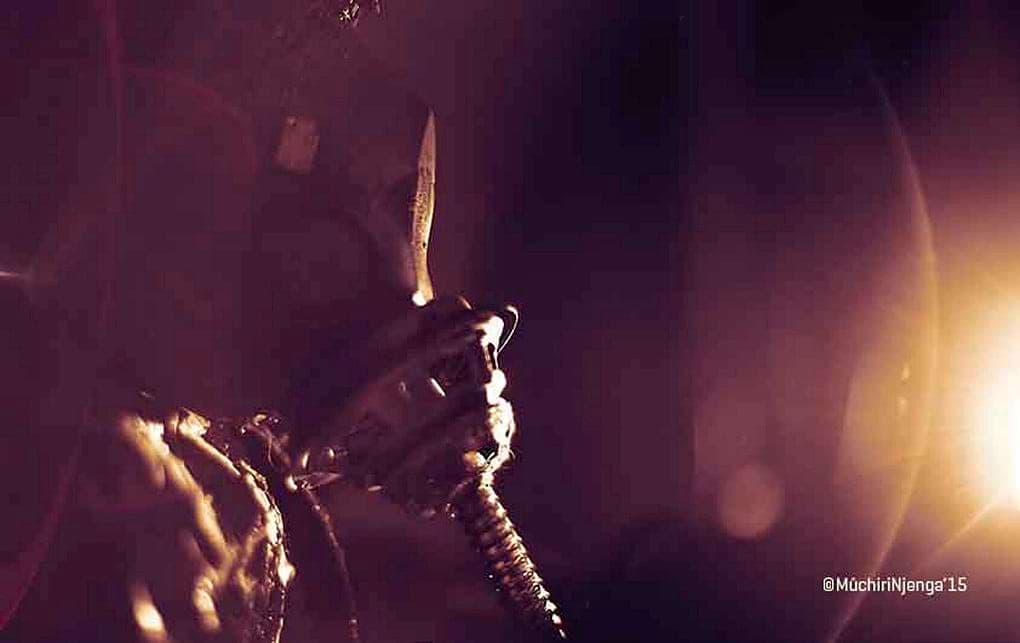
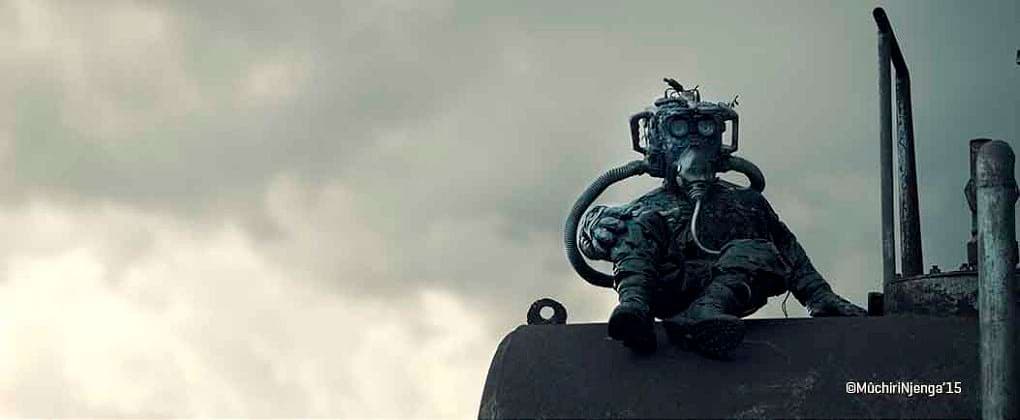
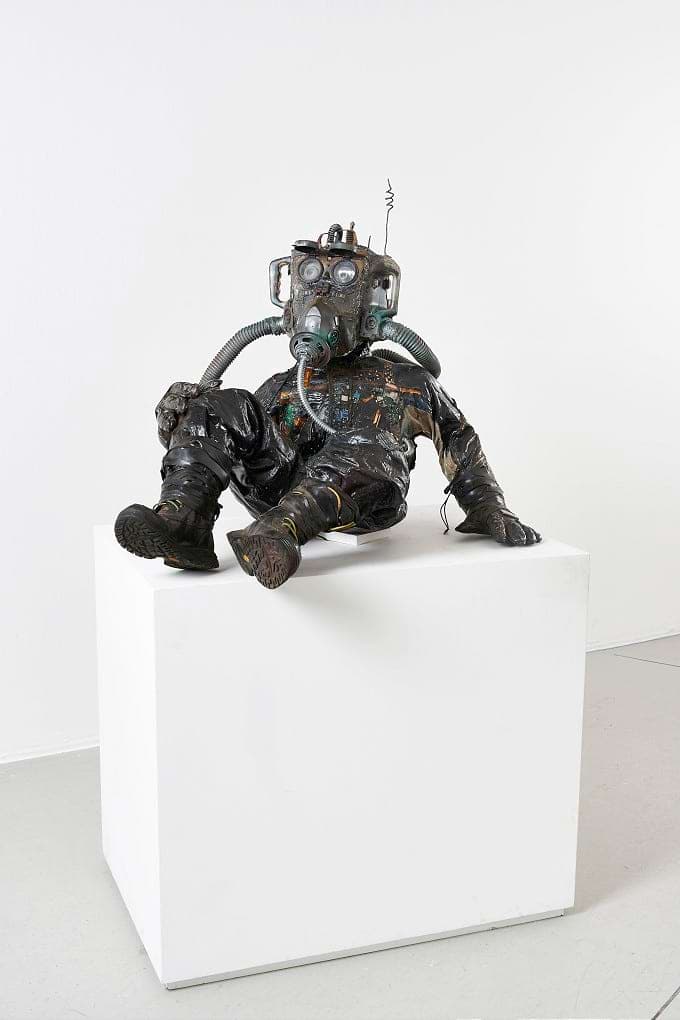
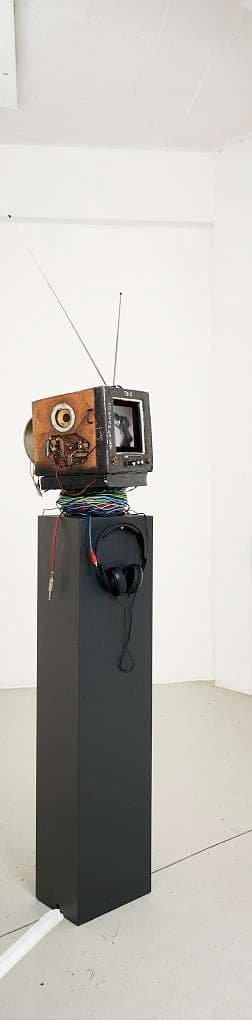
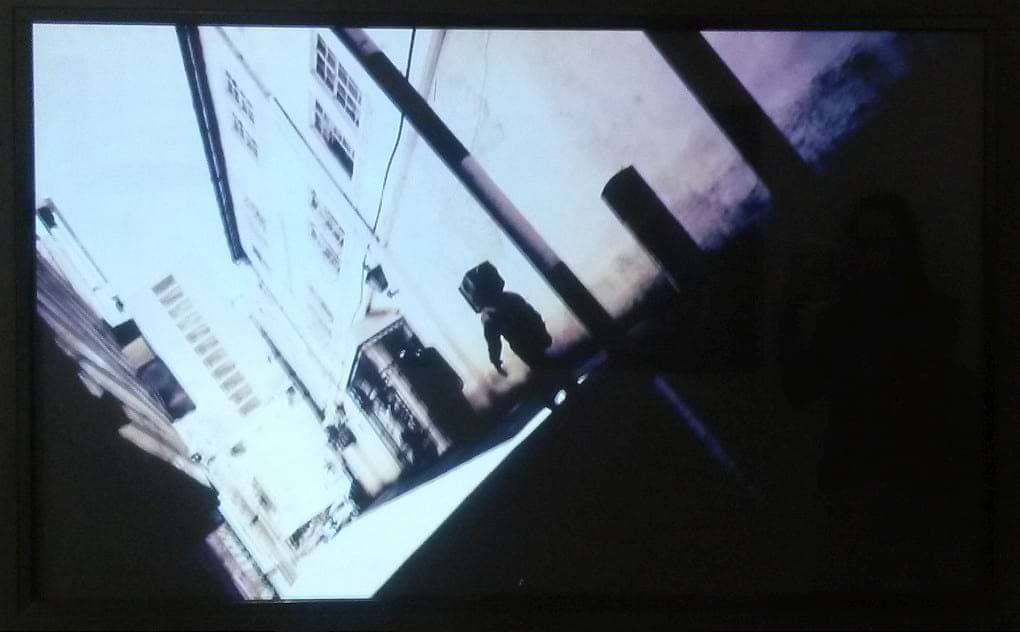
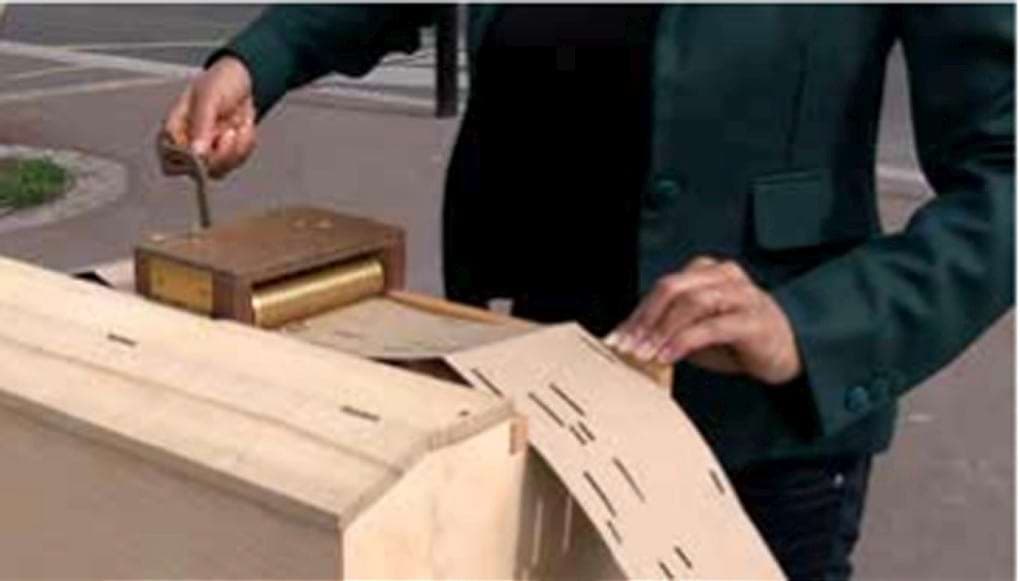
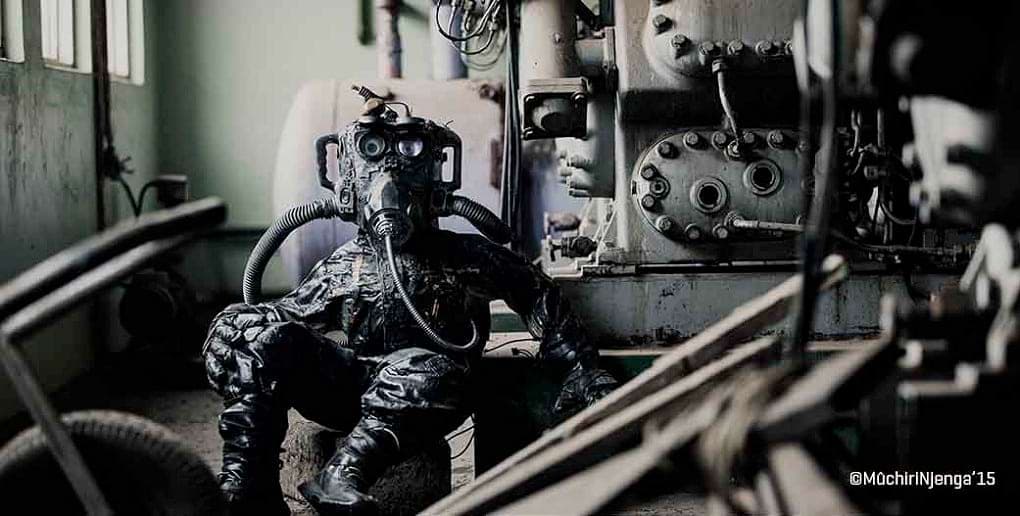

The title of the exhibition was first used at the Fak’ugesi Digital Africa Conference at Wits University in December 2014, in which Bristow invited academic reflections on the state and meaning of critical engagements with technology, particularly communication technology, in African art and culture. The exhibition expands on the subject by exhibiting the work of a number of artists and cultural practitioners from across the African continent that reflect these engagements in their practice. Bristow is curating the exhibition as an extension of this research, in collaboration with Emma Laurence of the Goodman Gallery.


The exhibition proposes a challenge to art by viewing engagements around communications technology and technology use as a site for critically engaging African identification and a resistance to the globalisation of culture. Bristow’s research for the exhibition began as a survey of work, focusing on South Africa, Kenya and small amounts in Nigeria. What Bristow found in this survey was a rich and complex reference to technology that serves a number of critical positions, the most important being a pointed focus on identification and differentiation. Here artists are using the conceptual frame of digital technologies and technology languages as a way to talk about how African cultures are against what they are perceived to be. This is multi-faceted and acts as a critique of both of globalised media practices and of romanticised Africanisms. These practices have their foundation in the socio-cultural, global image generation, traditional practices and performance. Digital Art as a medium-specific engagement in this frame addresses the digital as an imagined metaphysical conduit. Artists use the digital’s metaphorical capacity to represent the unseen and the magical, both as representation of cultural practices that cannot be adequately portrayed through image or film and as a critique of Western systems of knowledge.


It is important to understand that the practice is definitely not a romantic indigenisation of technology or cute innovations for the irrevocably poor. It is rather a type of border thinking, a live conversation with the world that brings contemporary culture together with African socio-cultural knowledge systems. Post African Futures as a title challenges a number of notions. The first being AfroFuturism as a title for any African work that addresses technology or science fiction subject matters. Many African artists have been lumped into this criterion yet they present articulations that are unique to their particular regions. The exhibition is an exploration of multiple “African cultures of technology” that have unique socio-political and economic histories. For instance, technology in South Africa is historically tied to apartheid, a possessive aggressive system of control where communications technology is still a power driven medium. South African artists reflect this works are visually aggressive and challenge relationships to power, reflecting a lo-fi abrasiveness, an exploration of extremes and failures making for rich visual and aural work. While Kenyan histories for instance, are tied to social rebellion and change, here works strongly interrogate social justice, using networks and social narrative as primary conduits. Post African Futures challenges the notion of “futures and innovation” as failure in bypassing current issues and current social and cultural transformation. _Post African Futures_ asks its audience to see the socio-cultural and metaphorical use of technology in critiquing histories while dealing the importance of now. The format of the exhibition will include online work, installation, performance, “post future” artifacts, video installations and screenings.

Artists








Other Exhibitions
See All