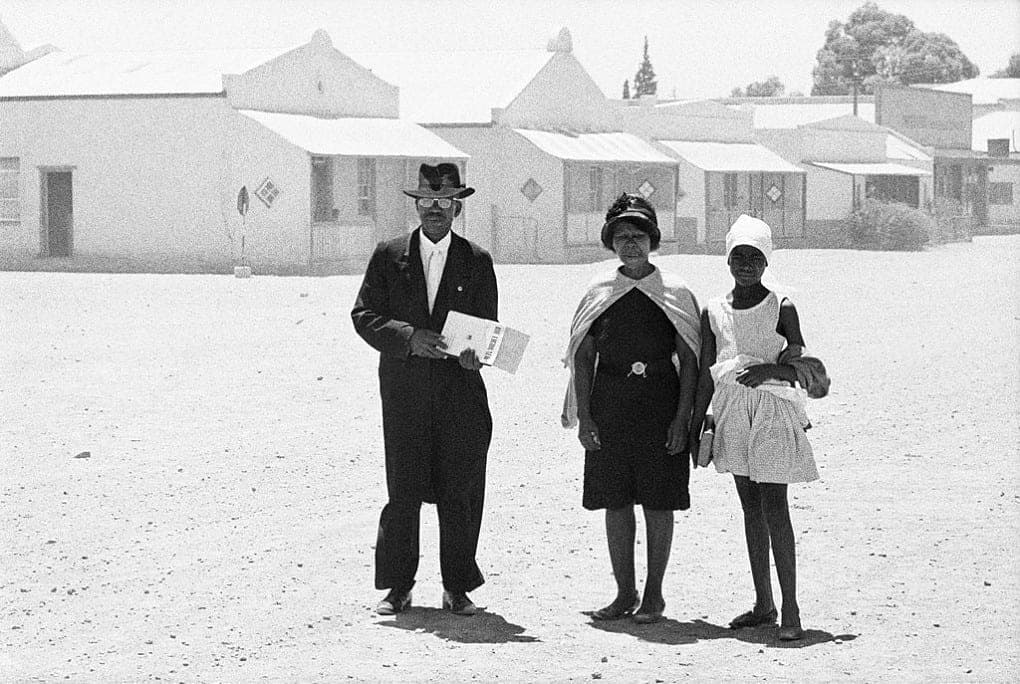
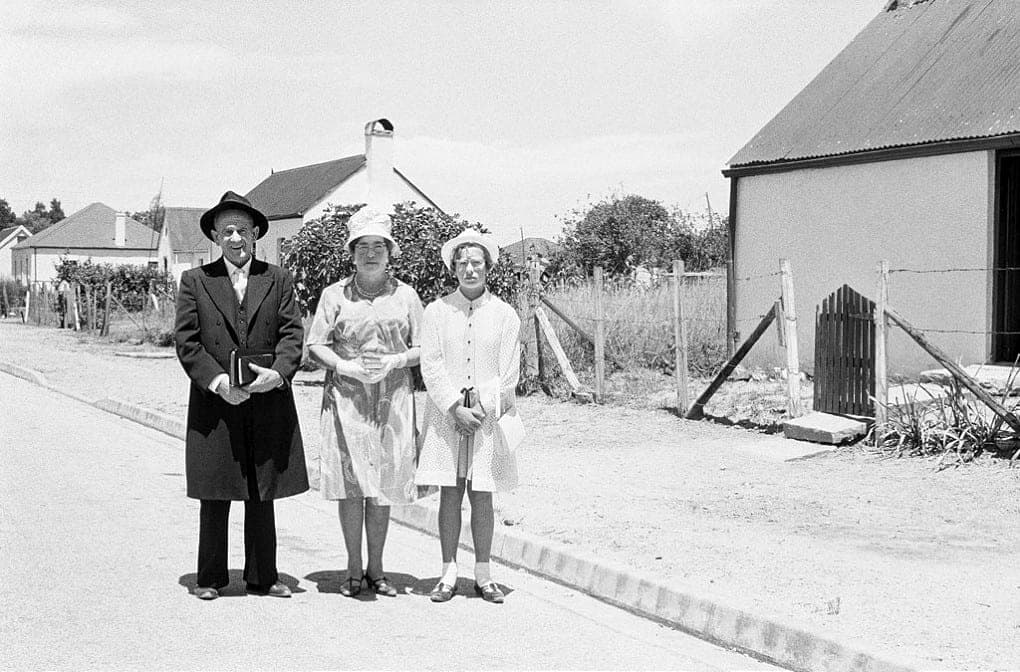
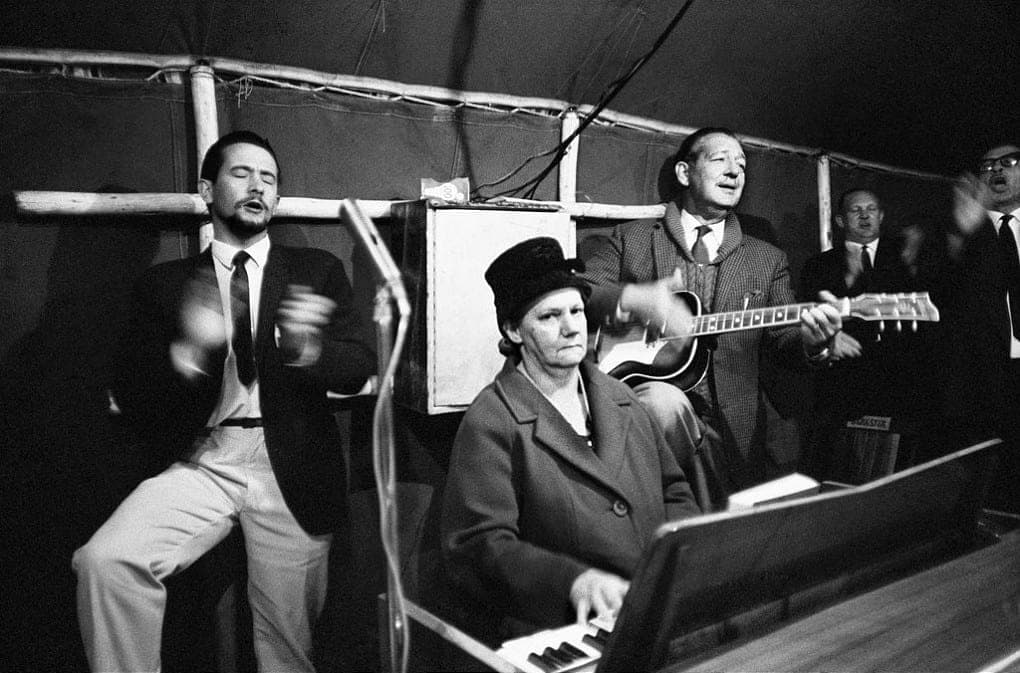
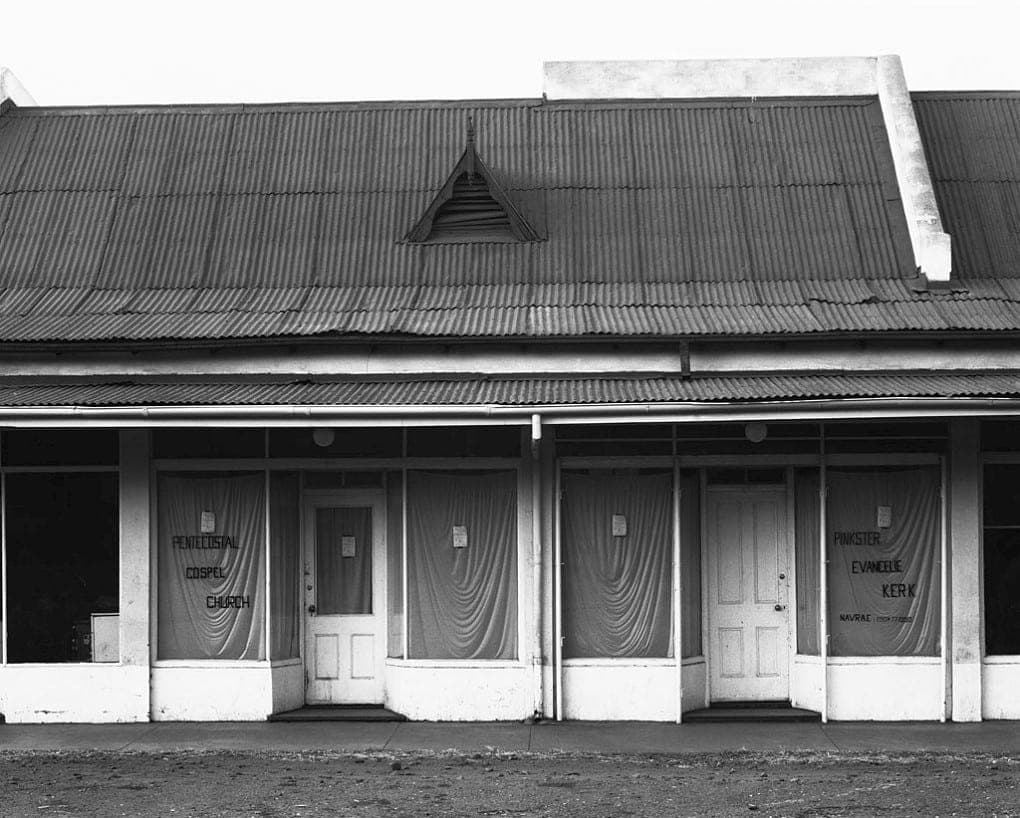
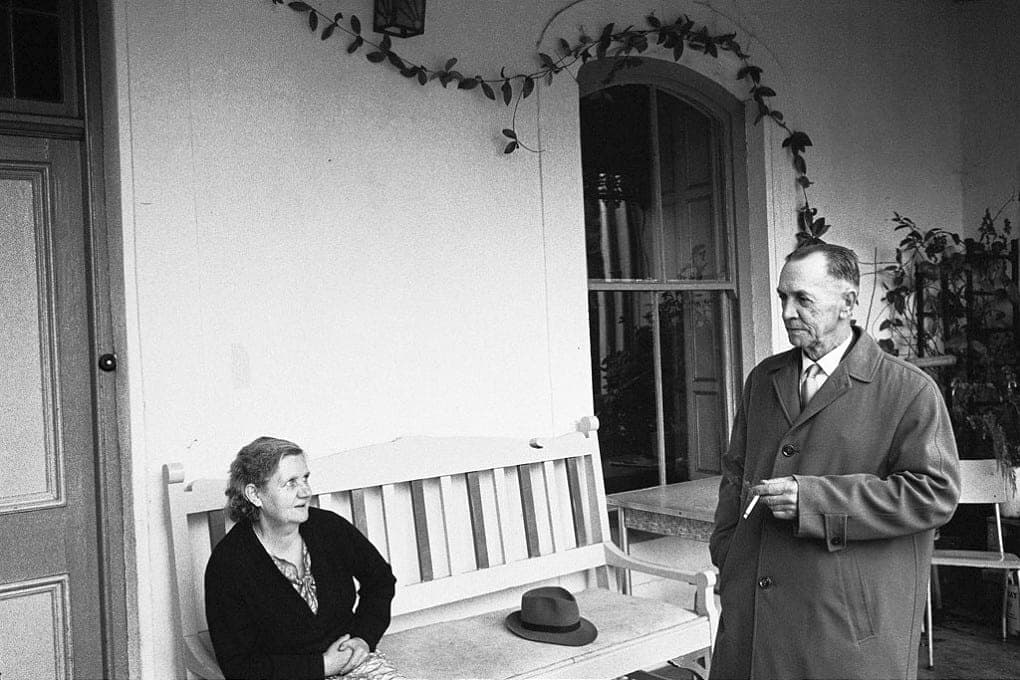
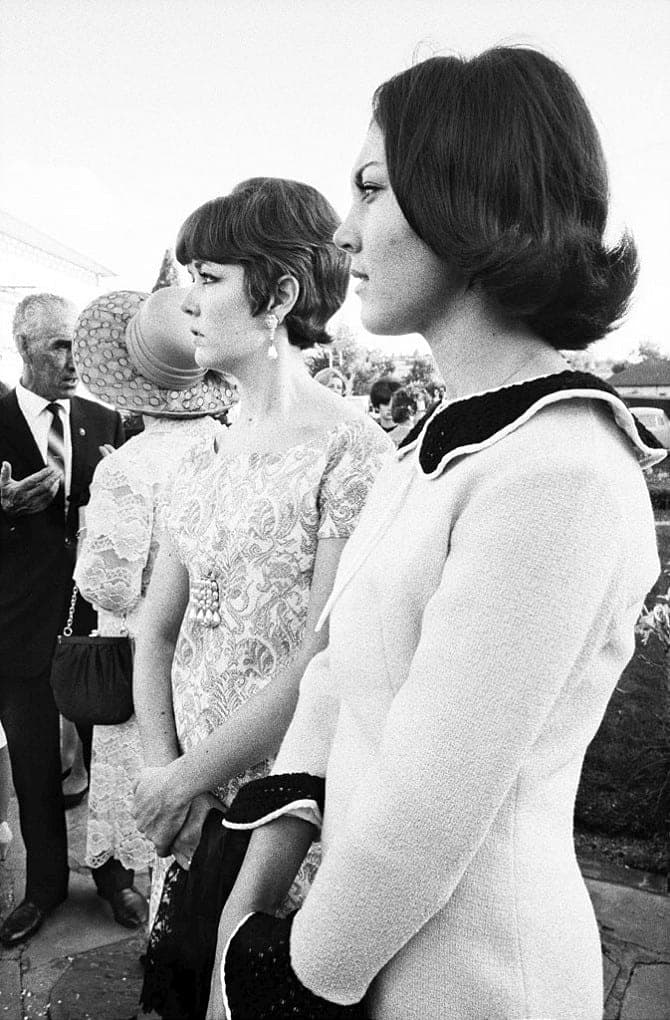
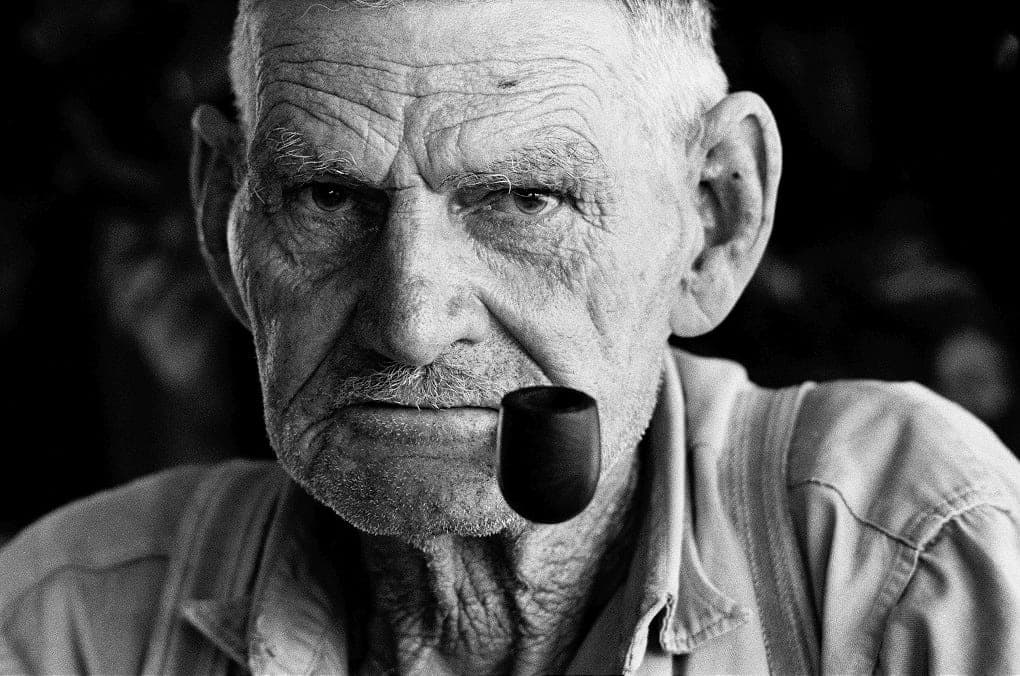
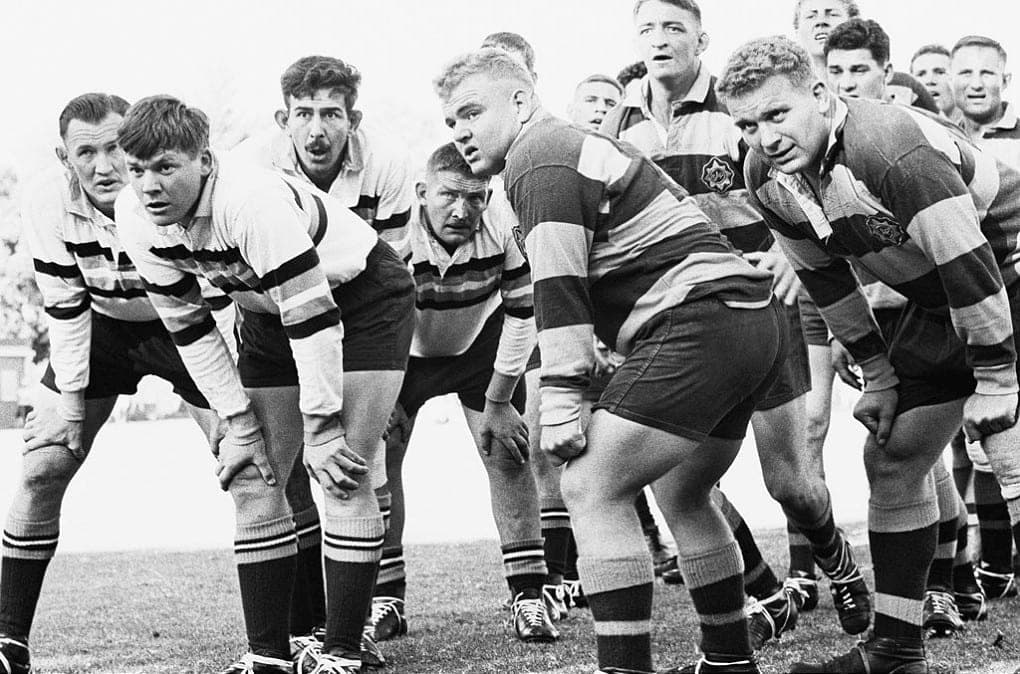
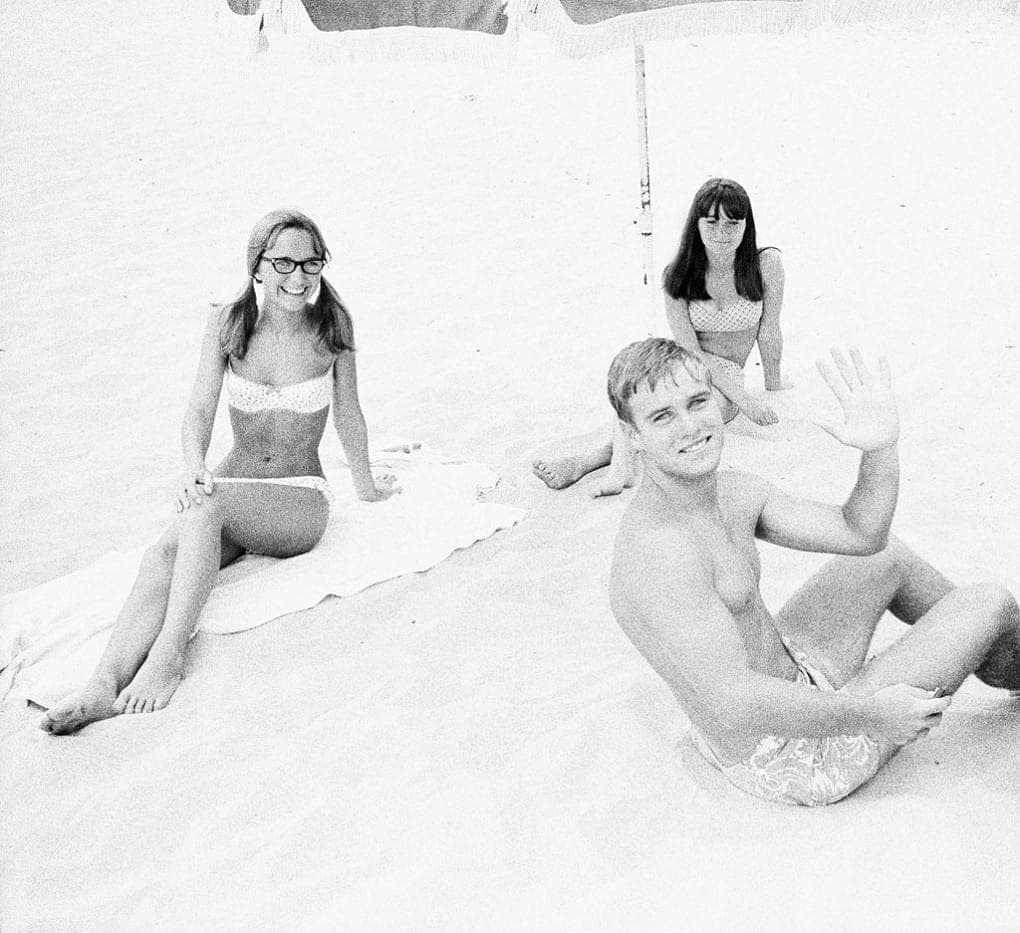
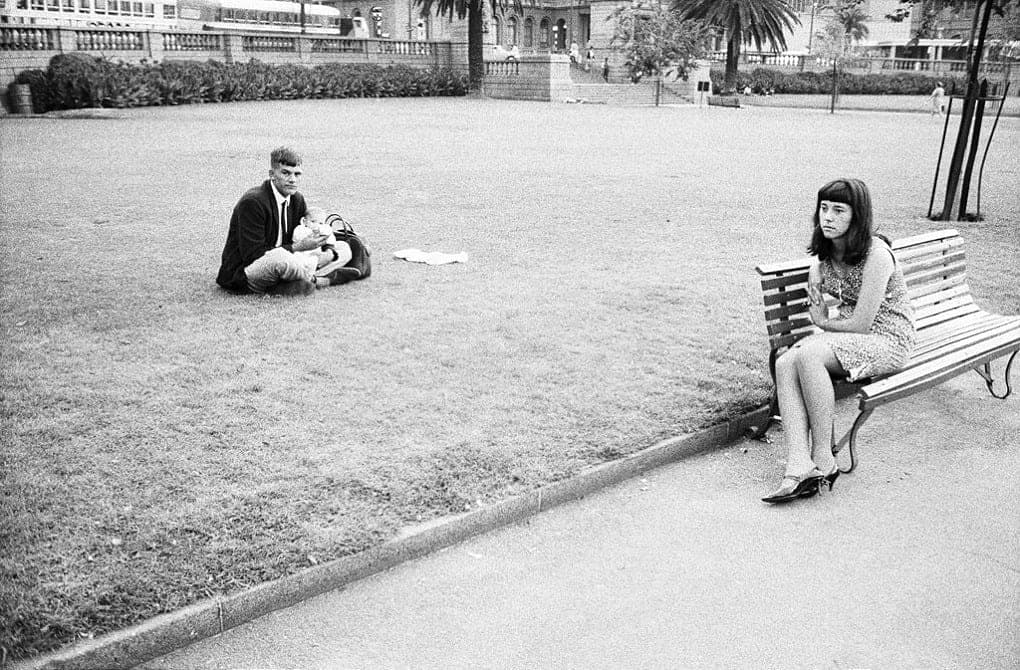
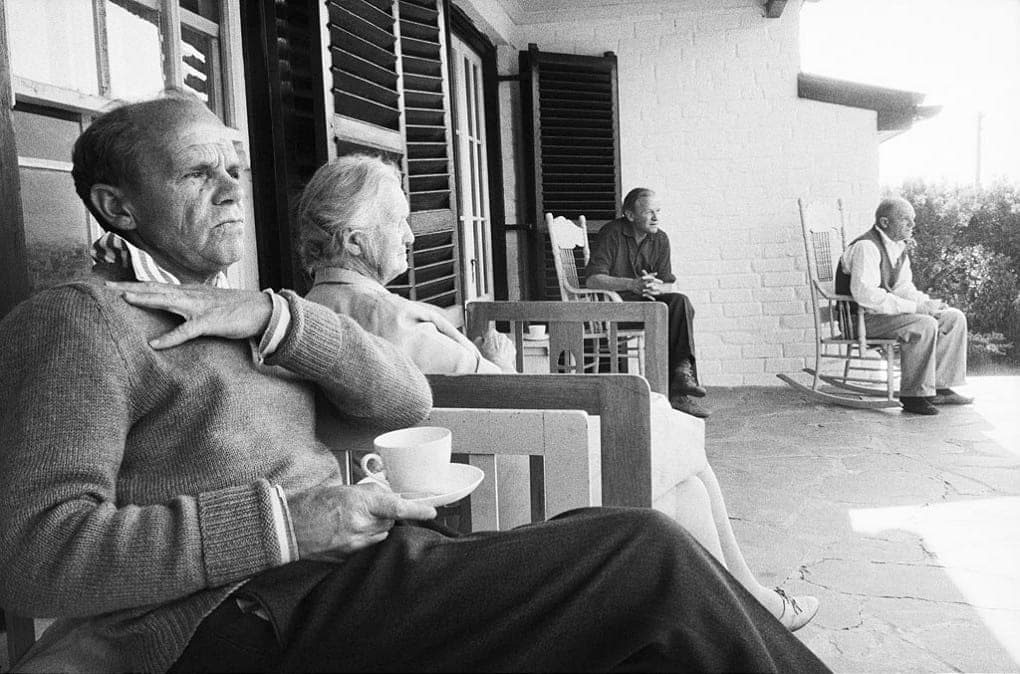
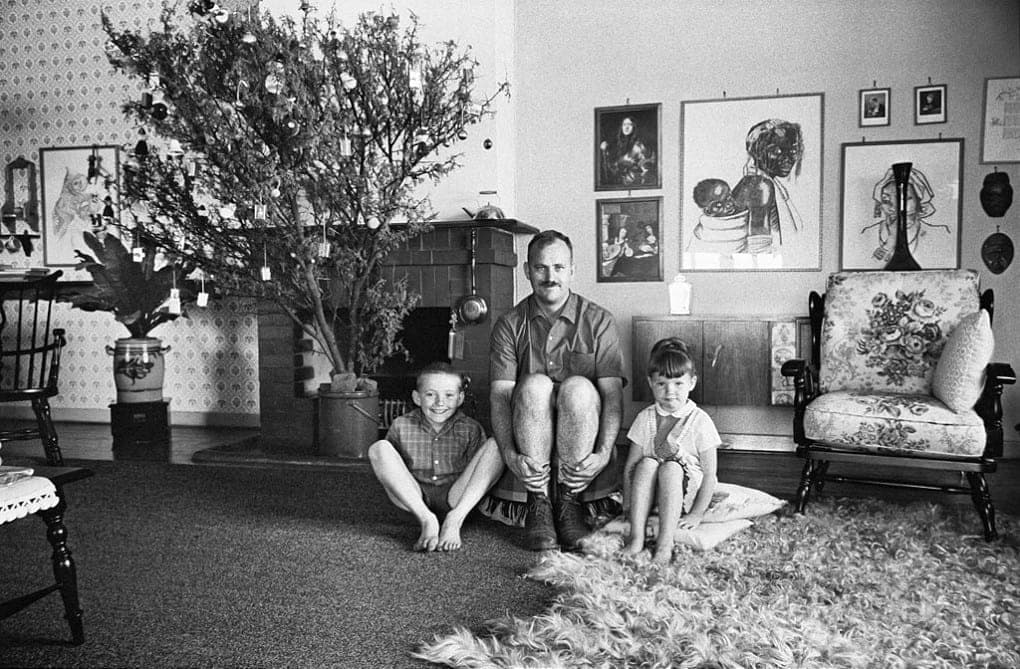
Caption: Both he and his wife were deeply religious; they did not believe that one faith was "more true" than another, so each Sunday they attended a different church.
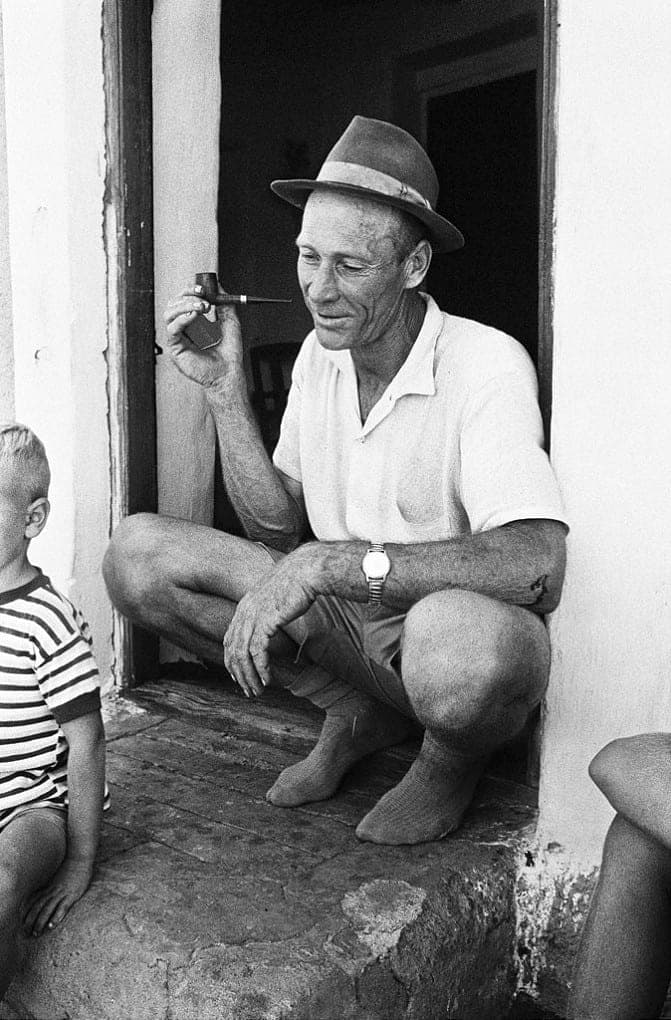
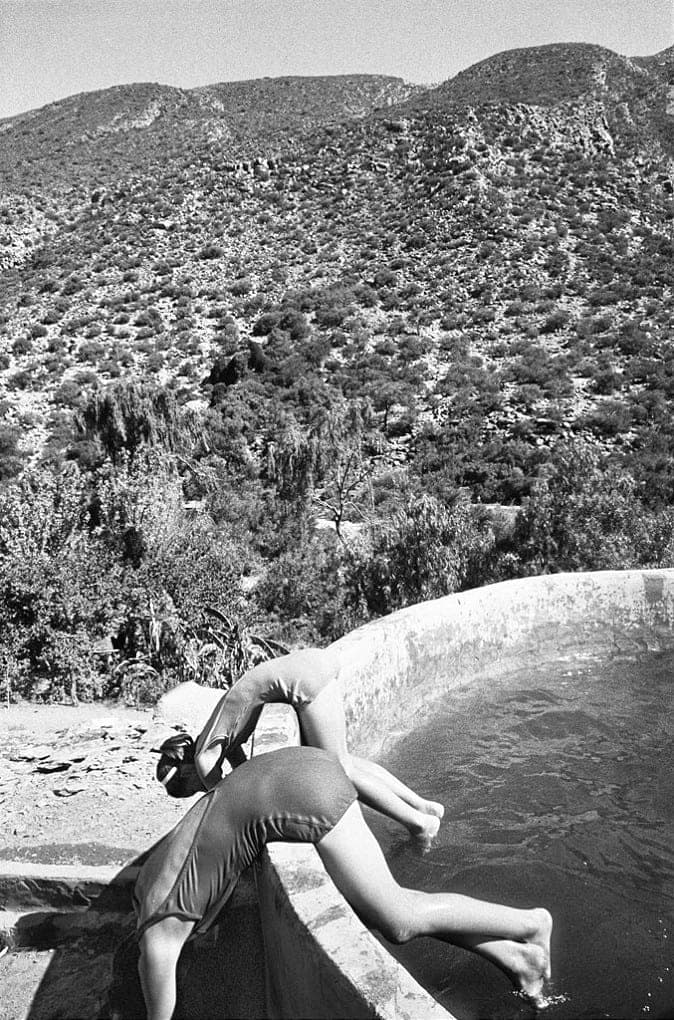
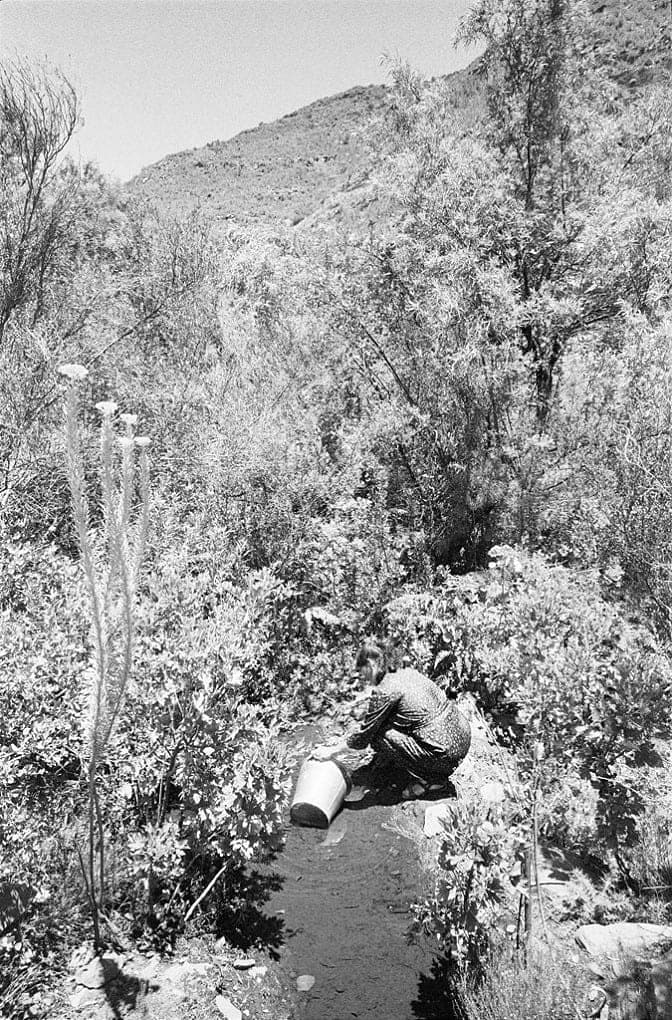
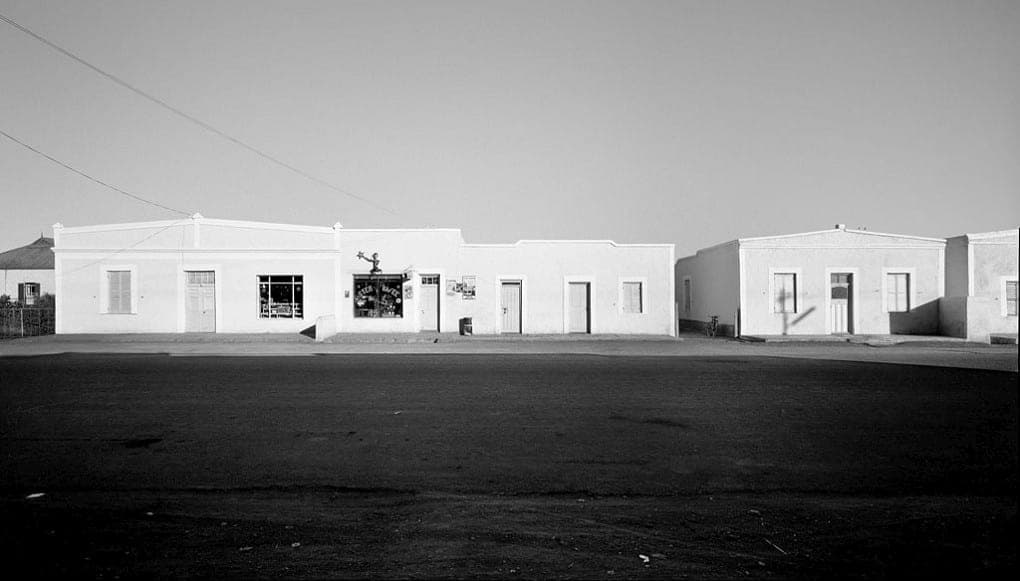
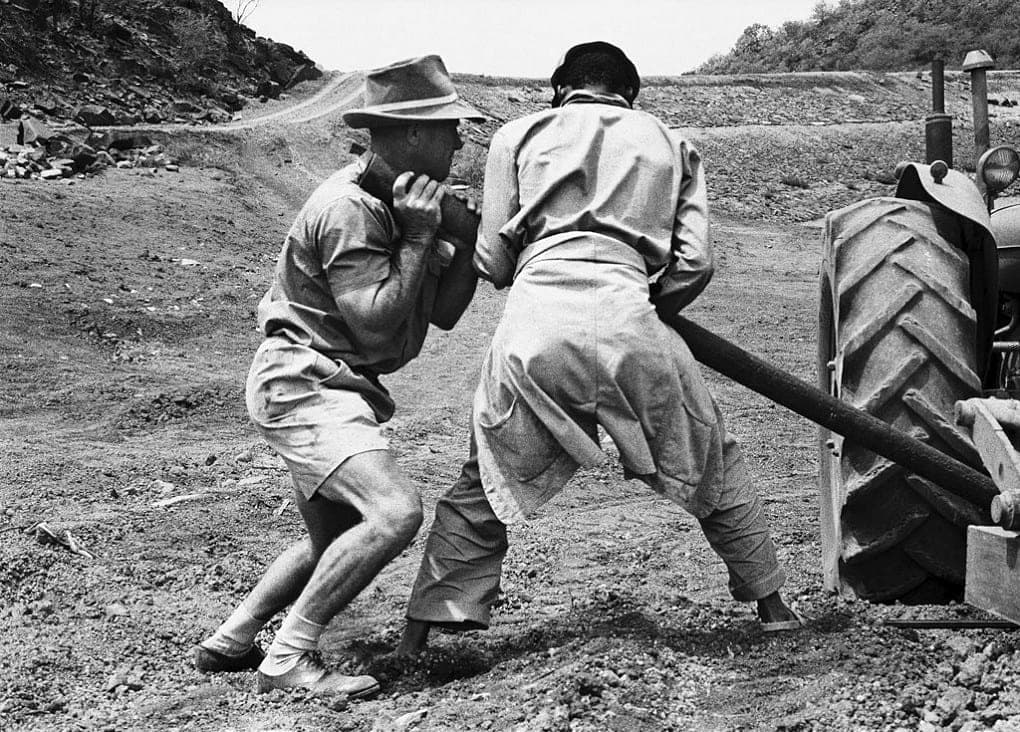
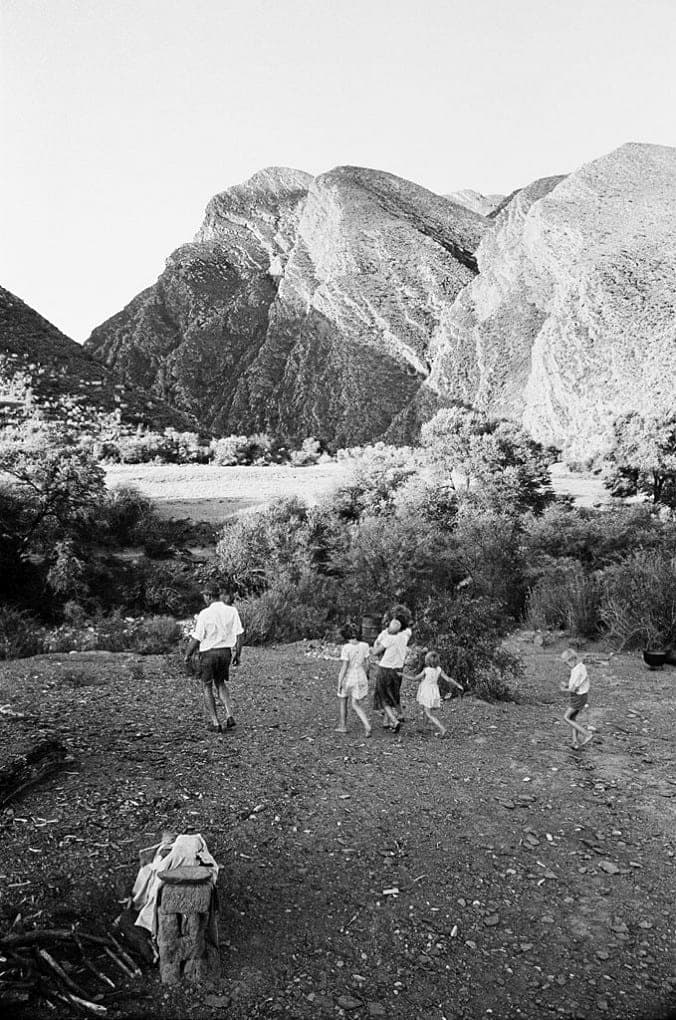
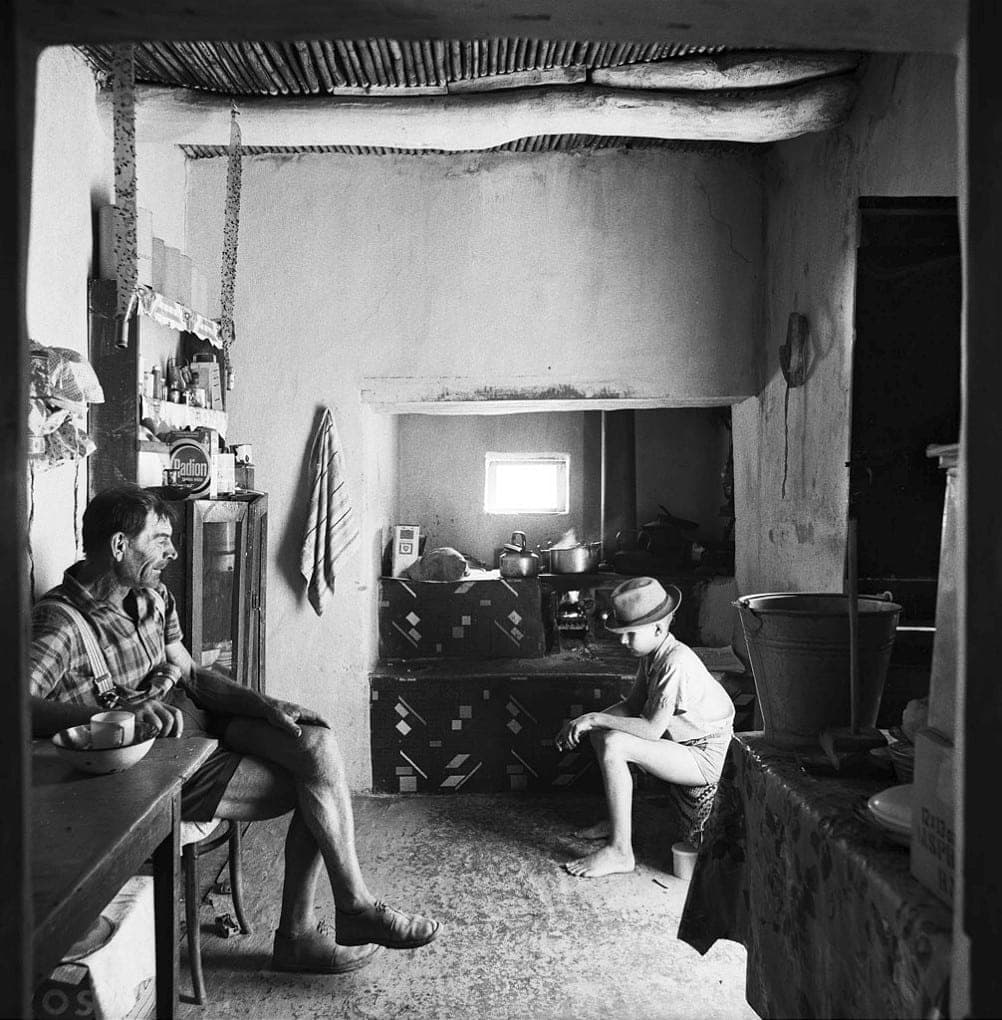
Caption: In this isolated community people would find their water during the long droughts by scooping in from holes dug in the riverbed. In 1966 Marais was the only man there to have put in a pump which sent water to a dam that he built near his house.
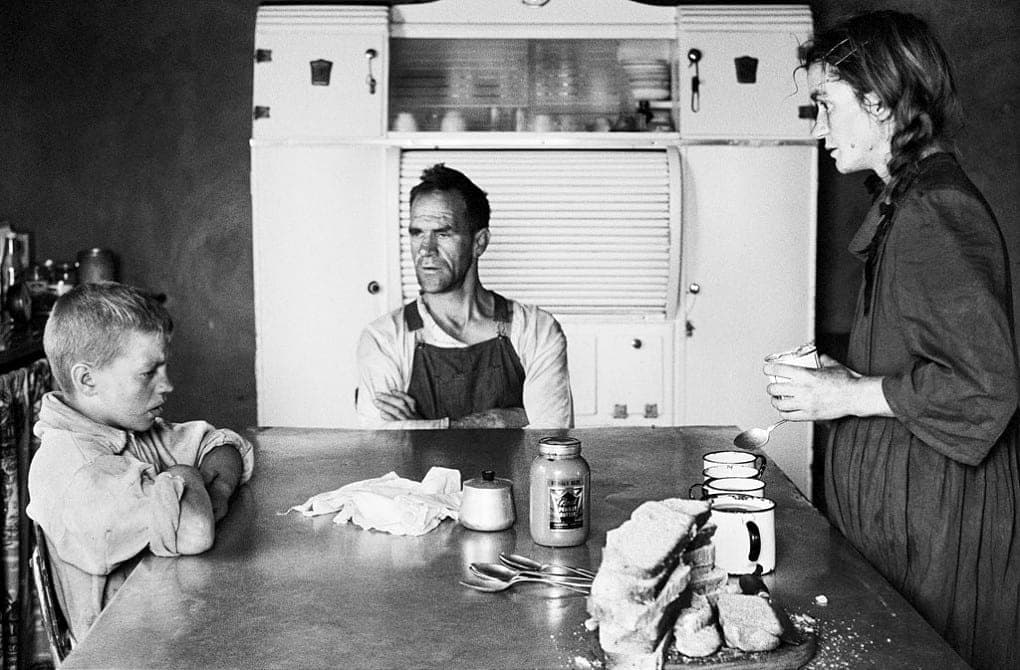
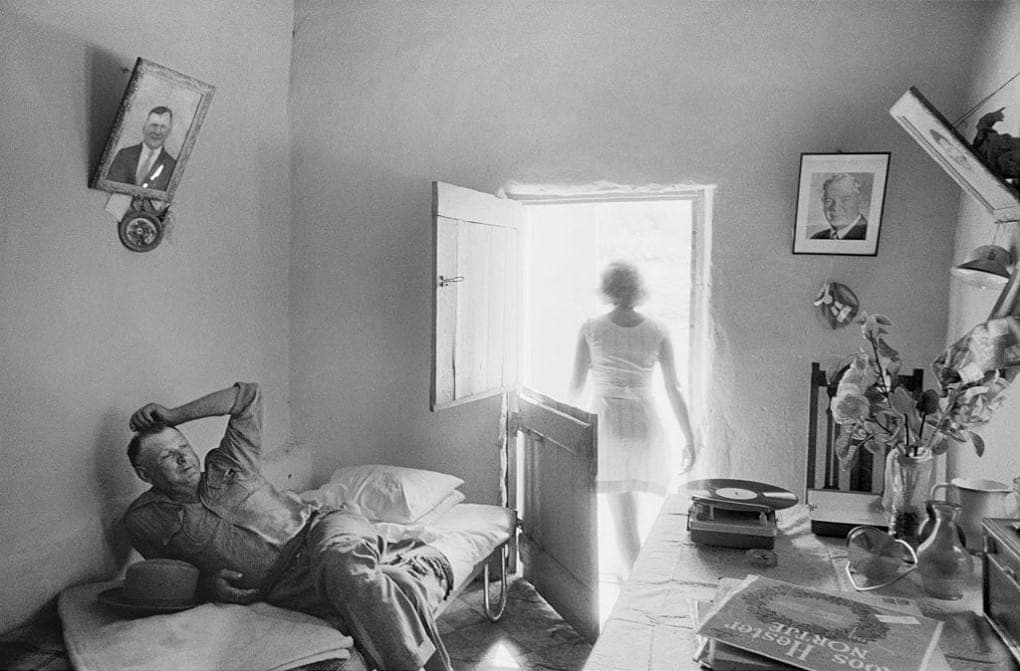
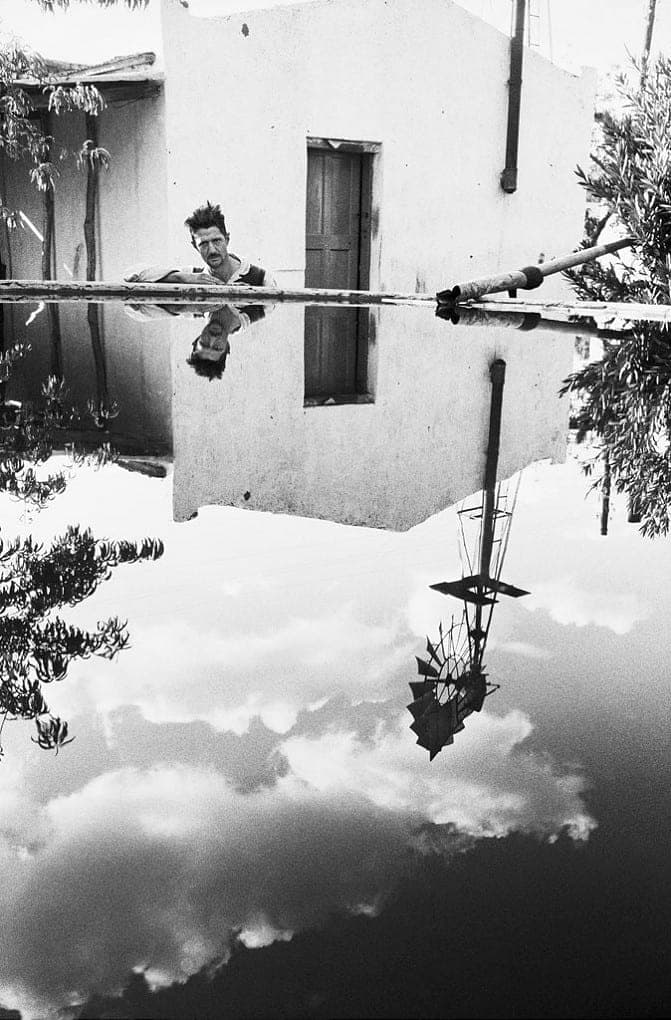
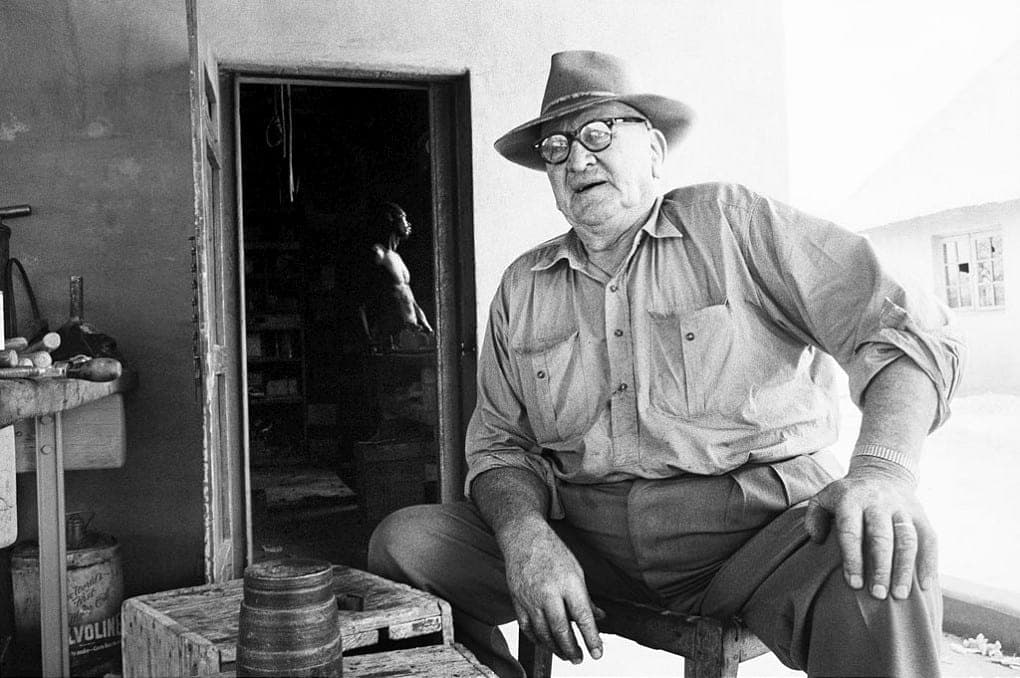
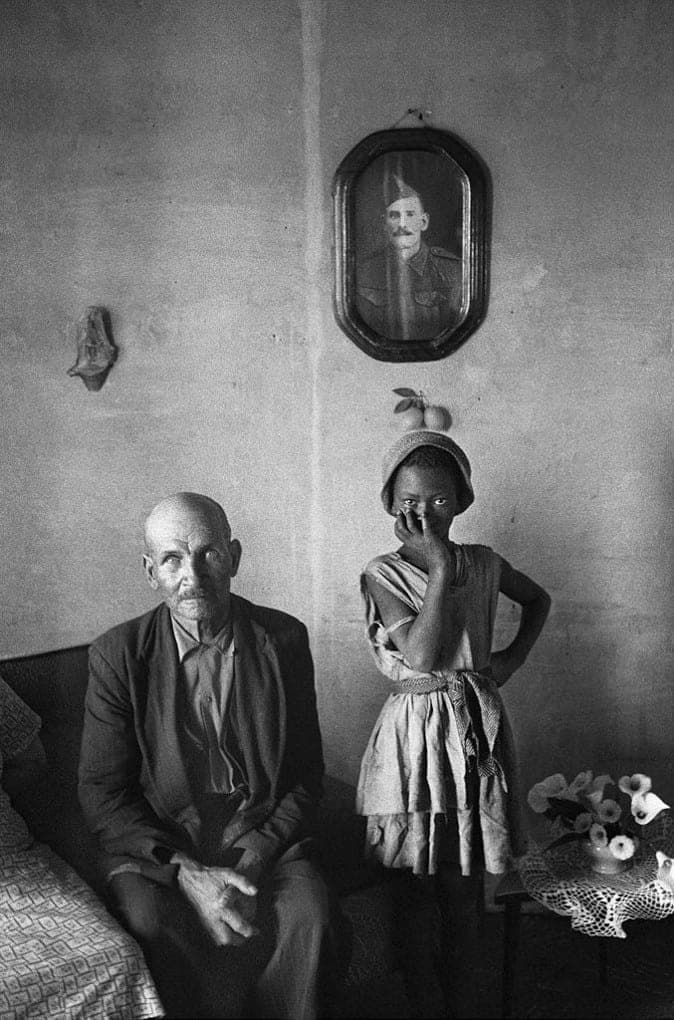
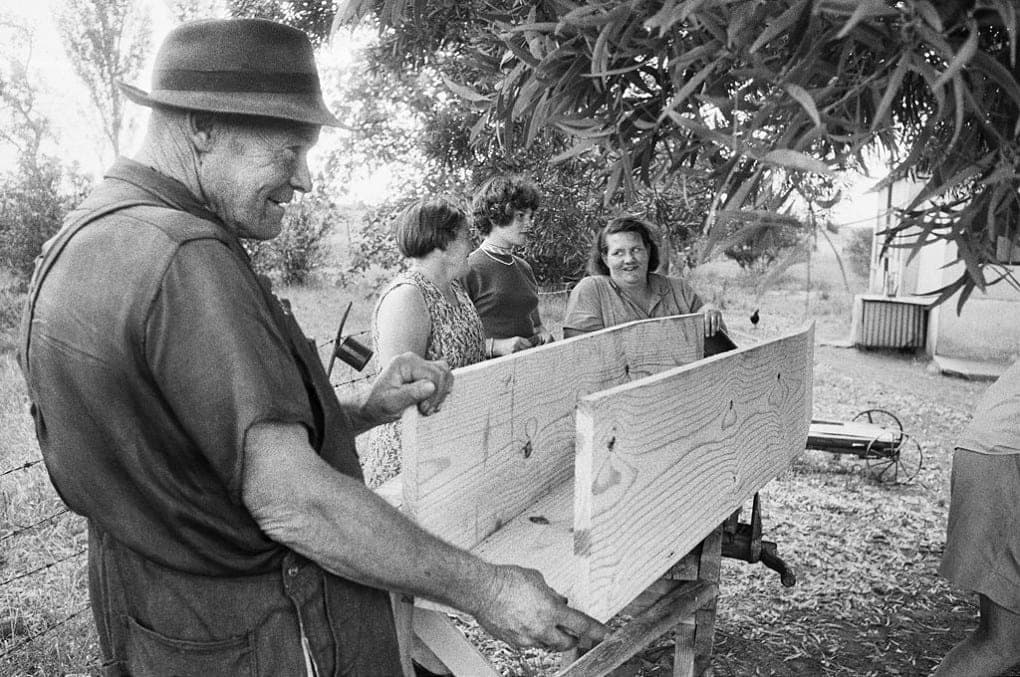
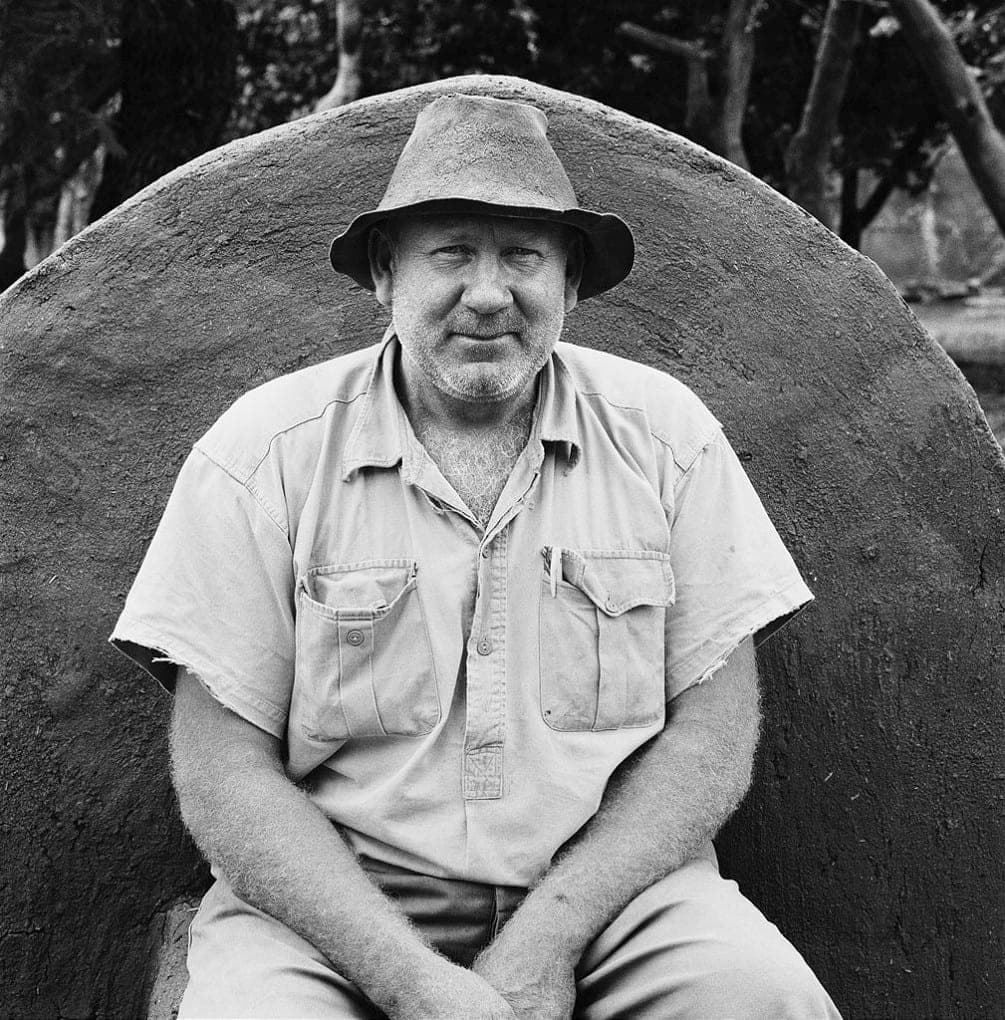
Caption: During the Great Depression he found work on the SA railways. For the past nineteen years he lived with his wife and daughter on his small-holding at Wheatlands outside Randfontein. The plot had a windmill, a few peach trees and a patch of mielies.
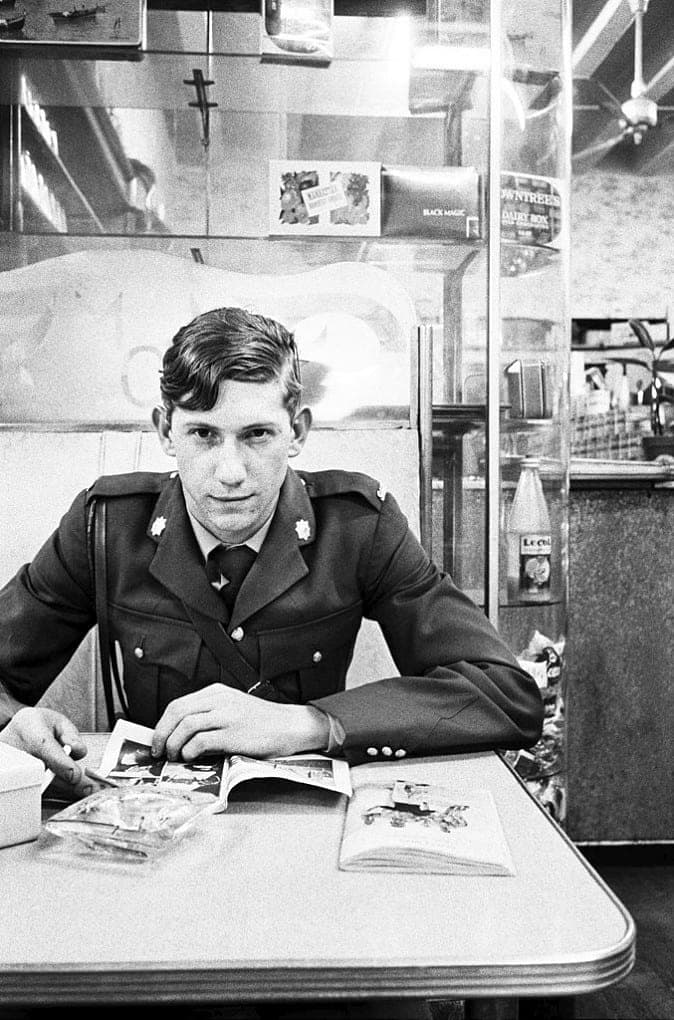
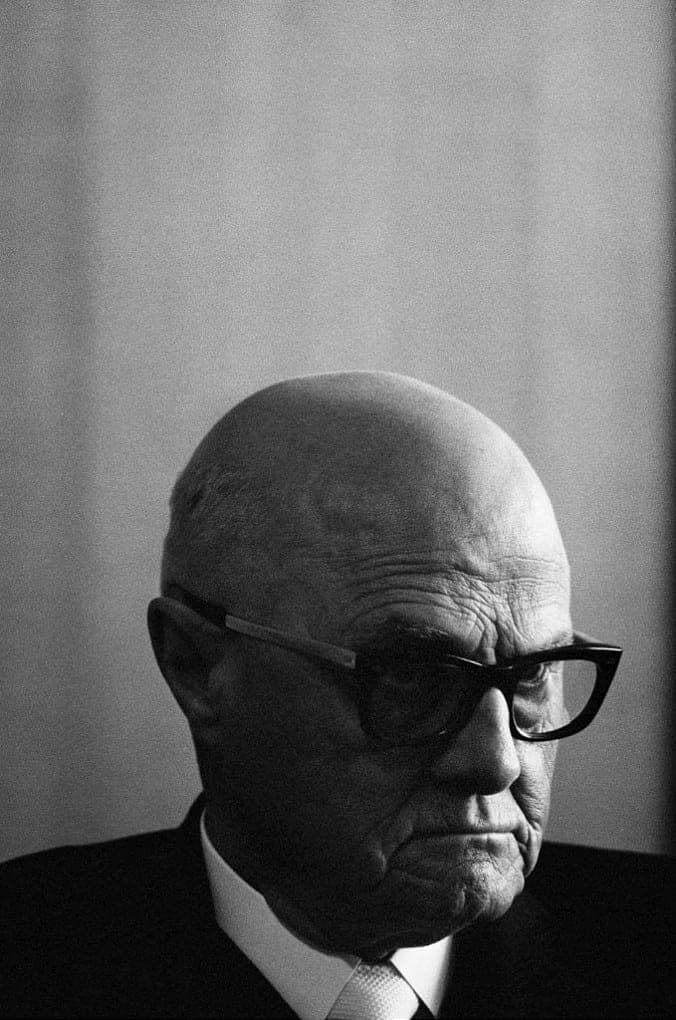
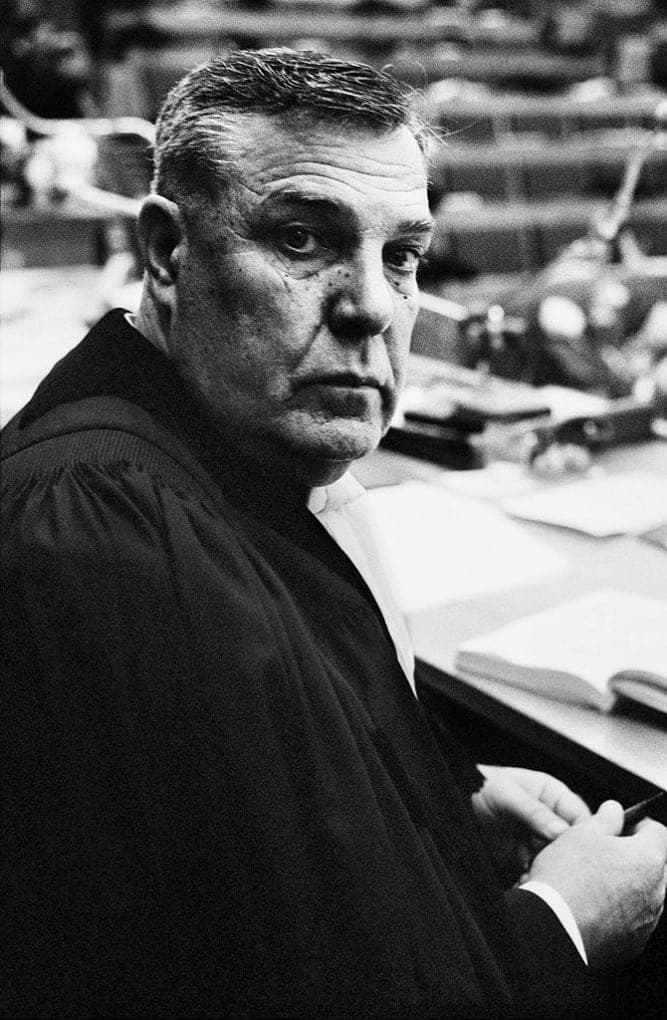
Caption: He was then aktuarius (registrar) of the Cape Synod. In 1970 he became a moderator of the church.
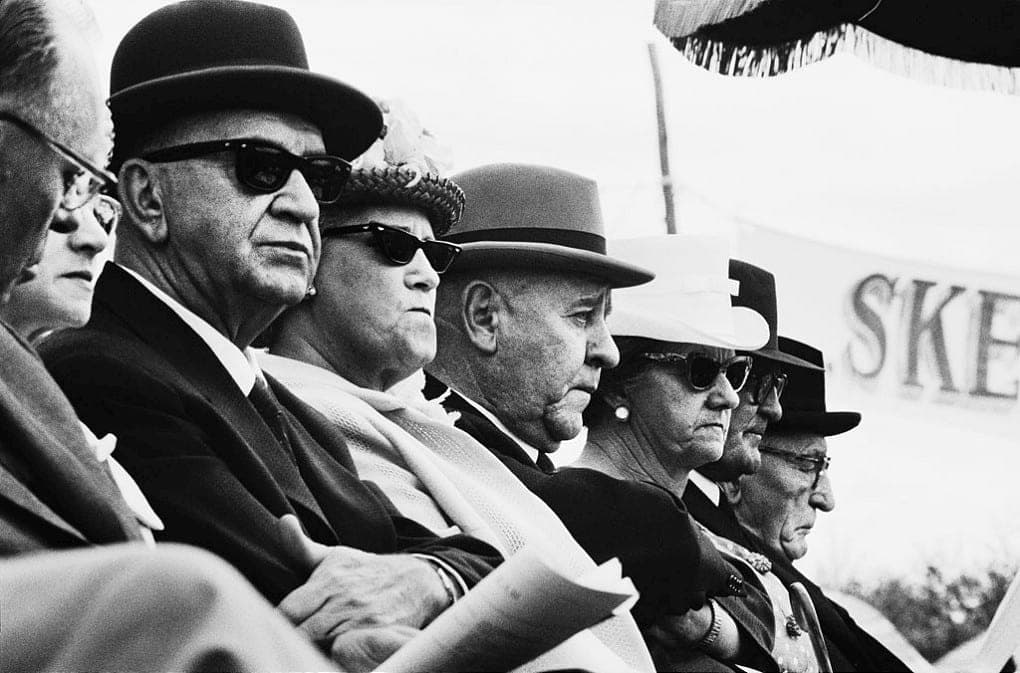
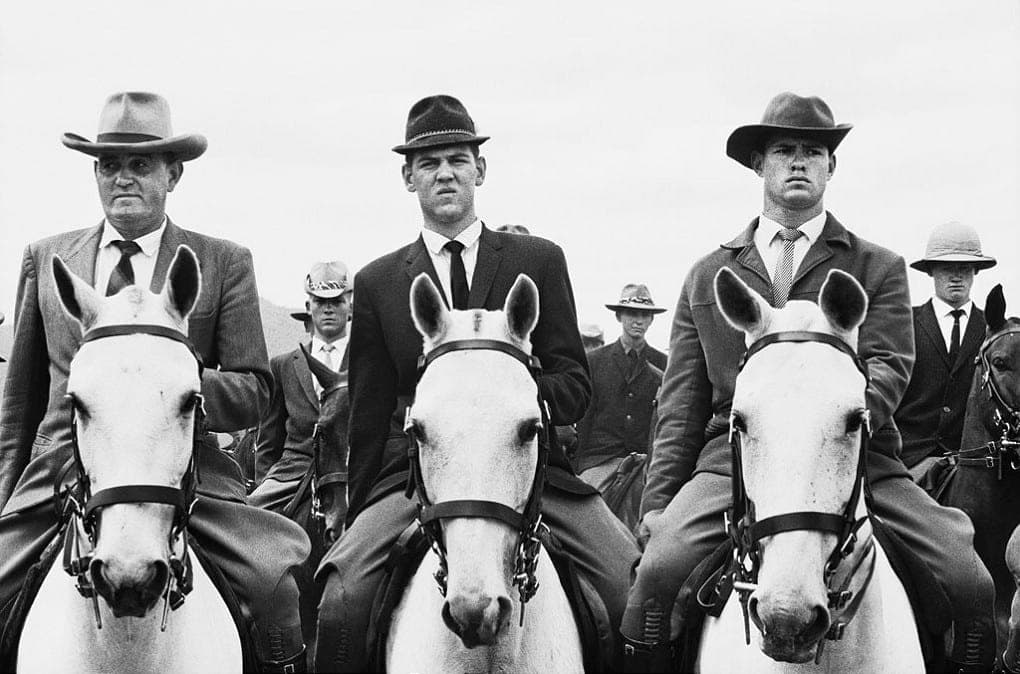
Caption: From left to right: Senator Jan de Klerk, Minister of Education, Arts and Science, his wife Corrie, Daan de Wet Nel, Minister of Bantu Education and Development, and his wife, Jim Fouche, Minister of Defense, and an oudstryder who was present who was present at De Wildt when General J B M Hertzog made his famous Suid-Afrika Eerste (South African First) speech there on 7 December 1912
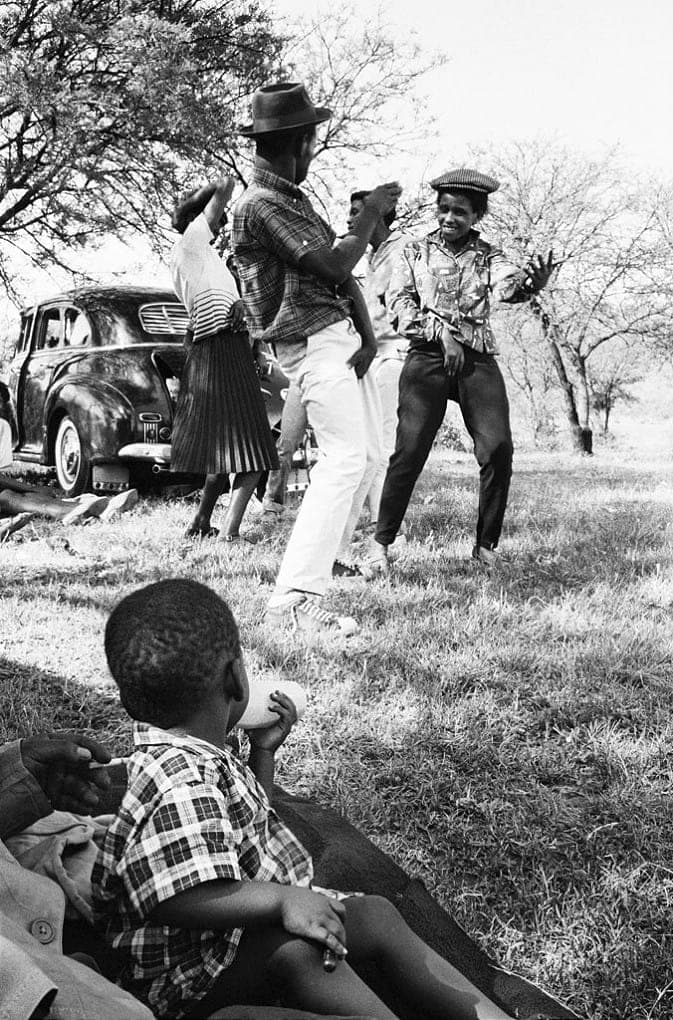
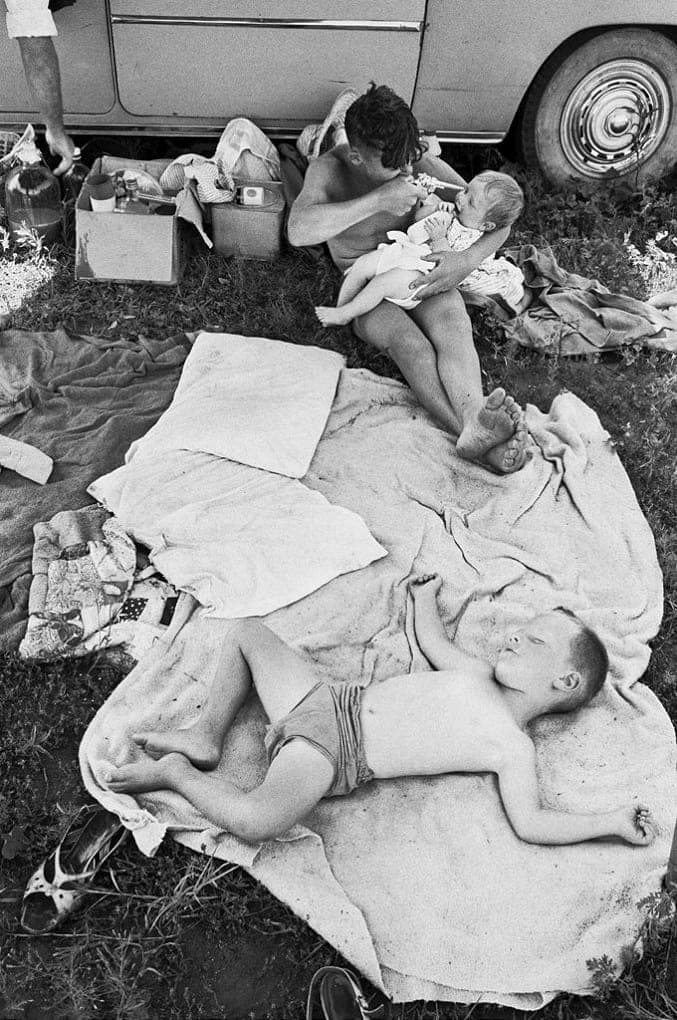
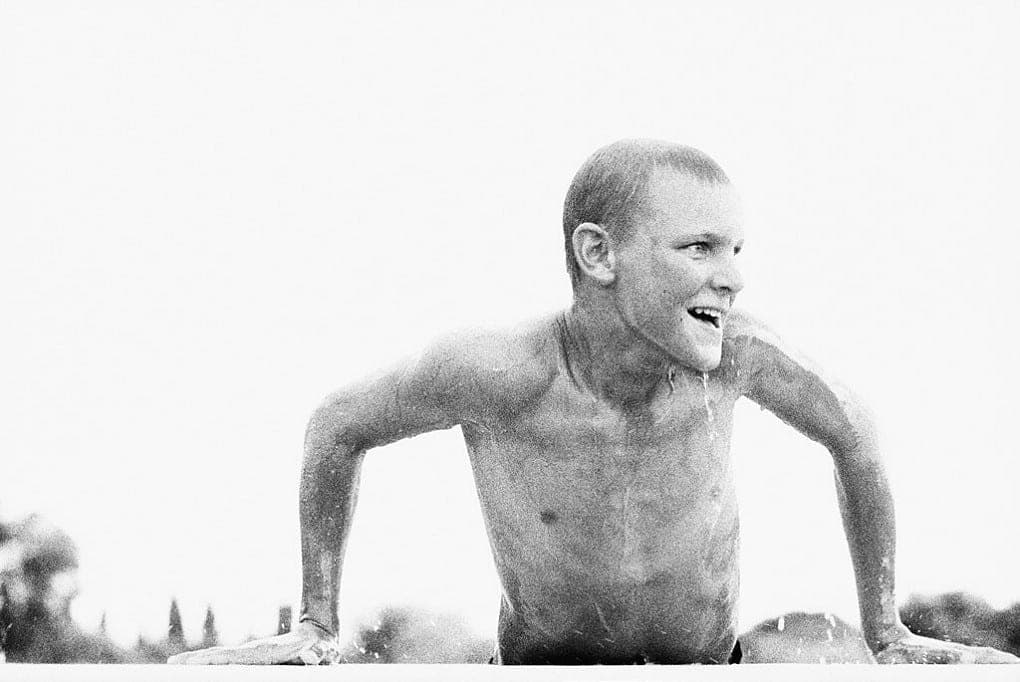
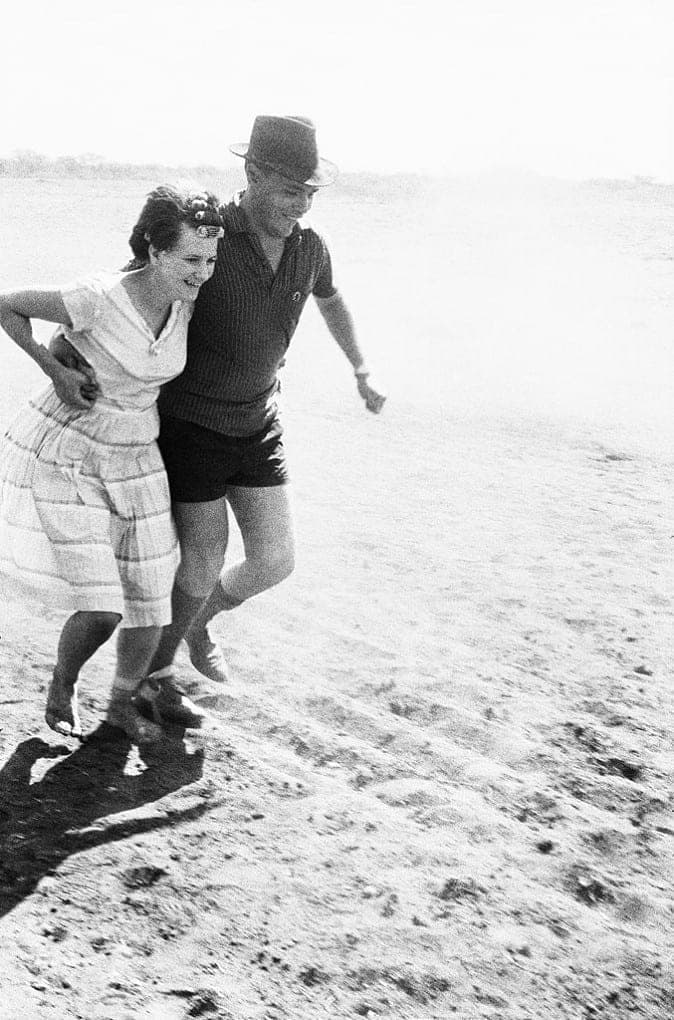
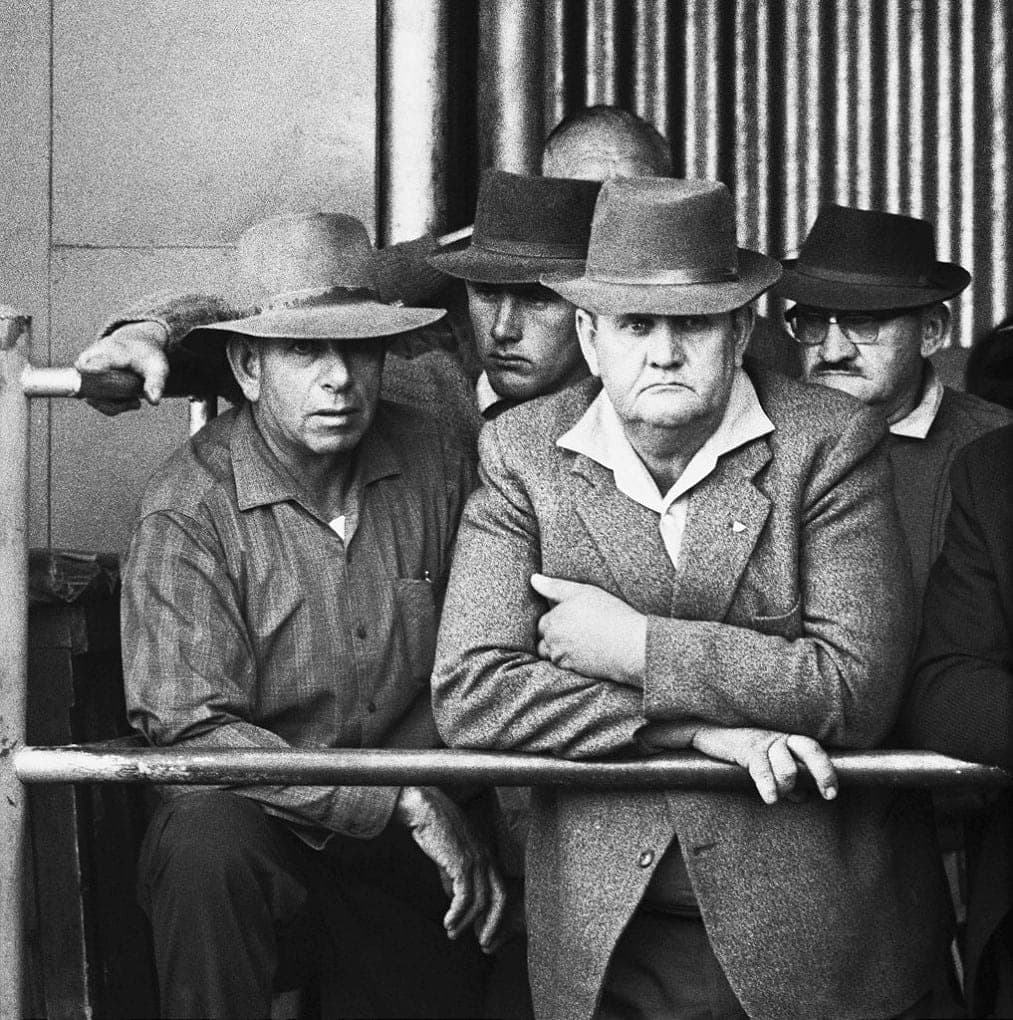
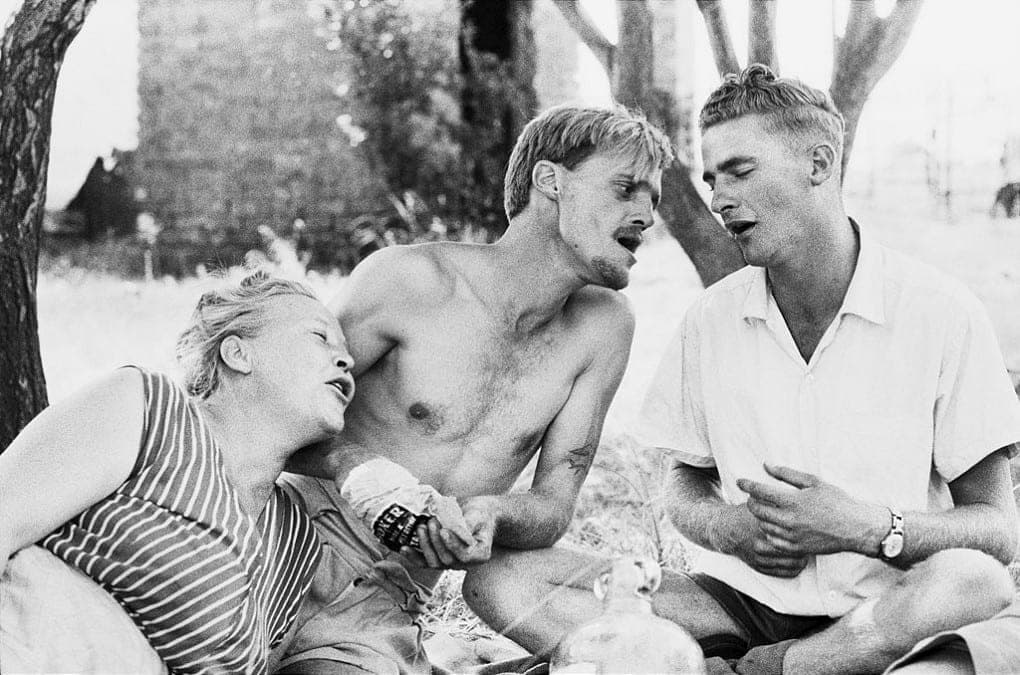
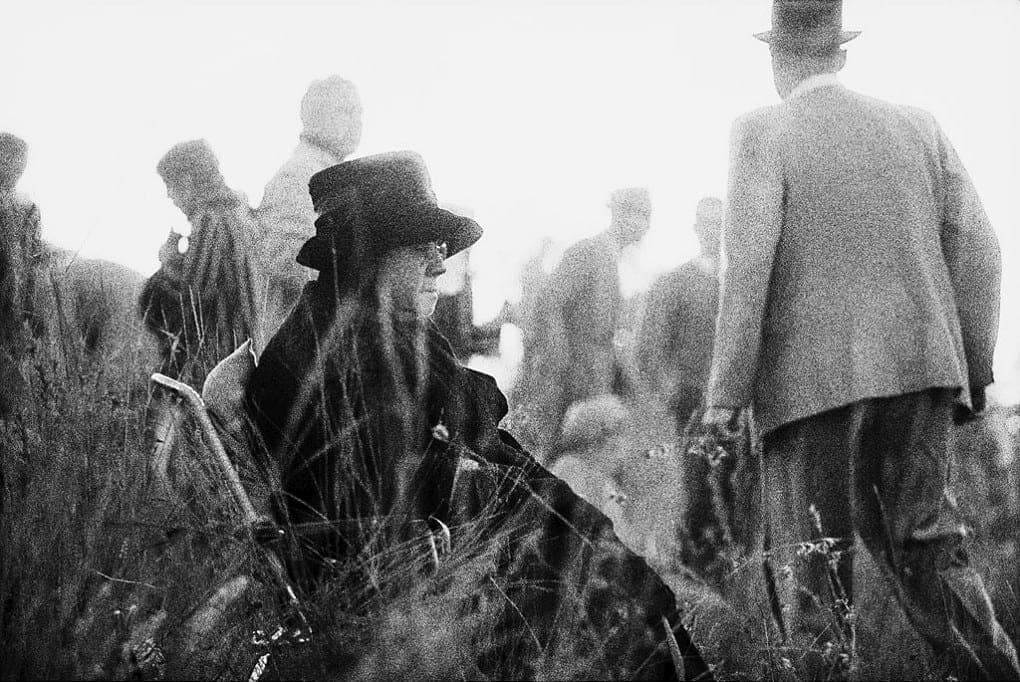
Caption: It was New Year's Eve and the Mamba Klub of the Dwarsberg-Boerenvereniging was holding its annual Boeresport -- two days of festivity and games. All were there: the farmers of the district with their families, relatives and friends from the cities, some woh had left the land and the young who were at boarding school and universities. Many camped out. Until the early morning there was dancing to the Draebreek-boereokers and, starting in the cool of the day but going on in its scorching heat, competitions and races for all (that is, for all whites; blacks were there only as servants).
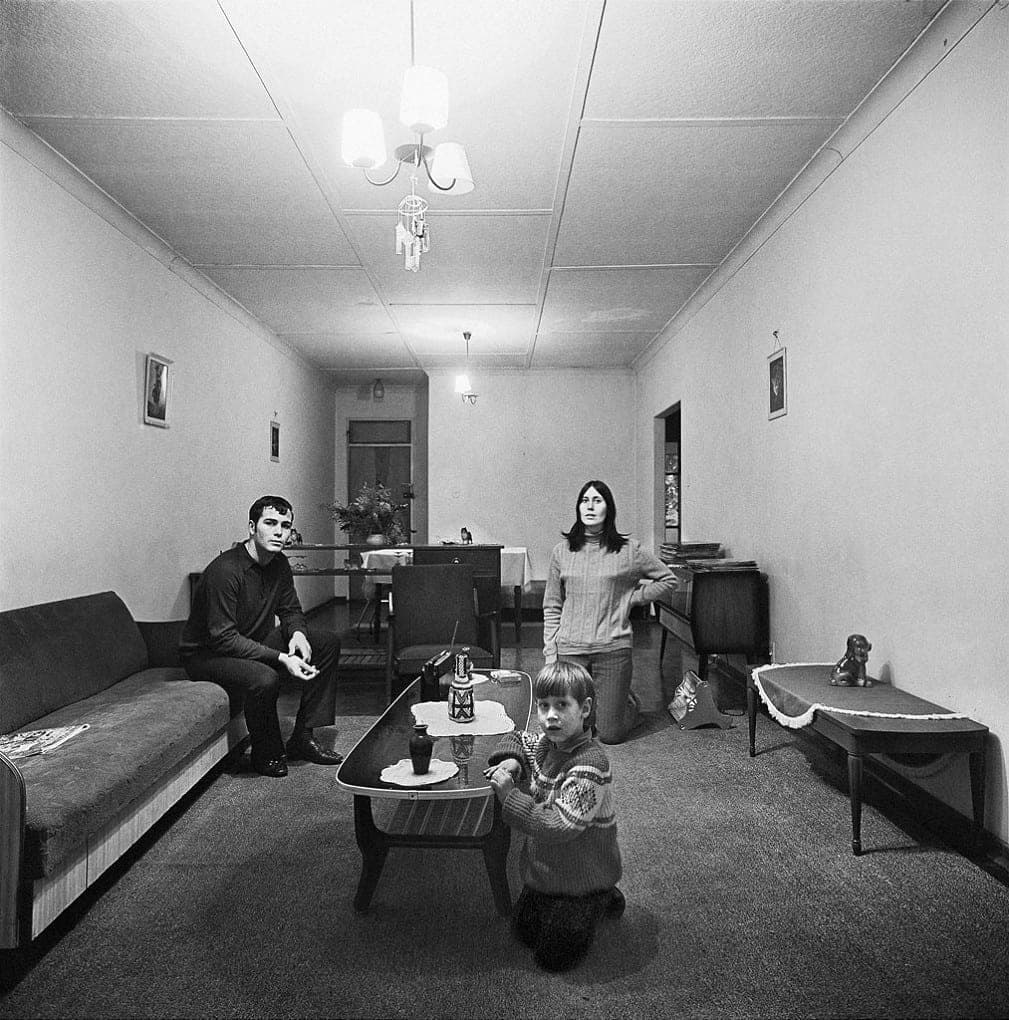
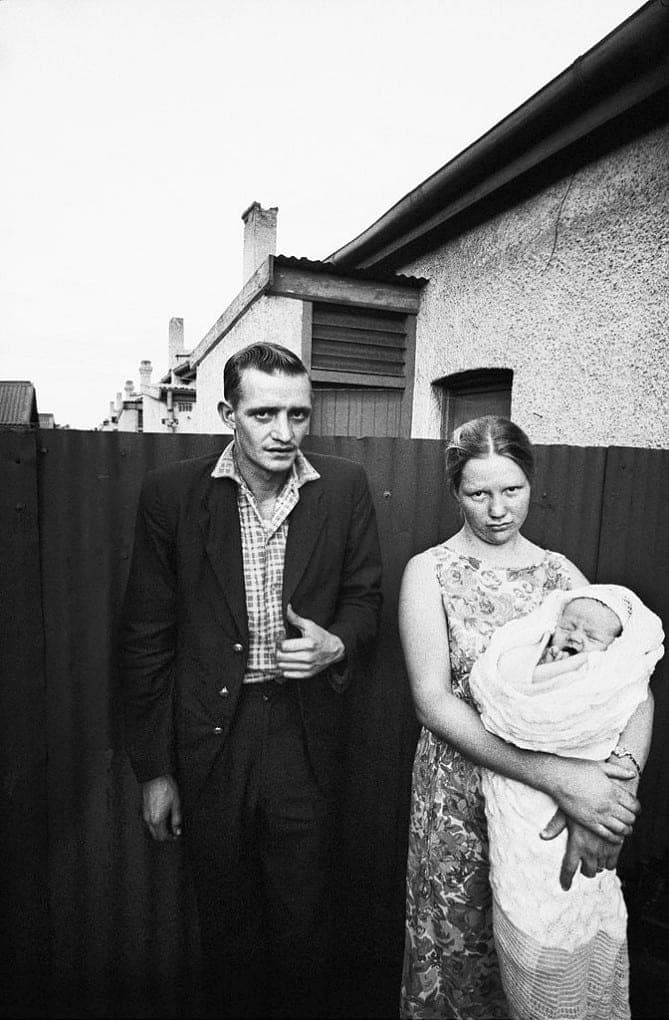
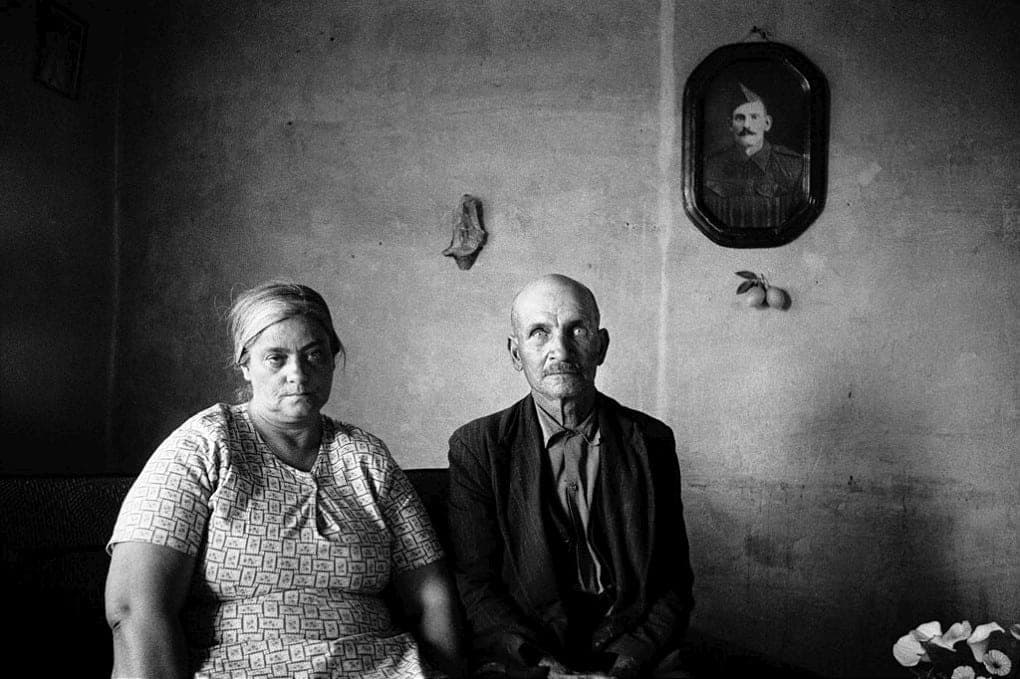
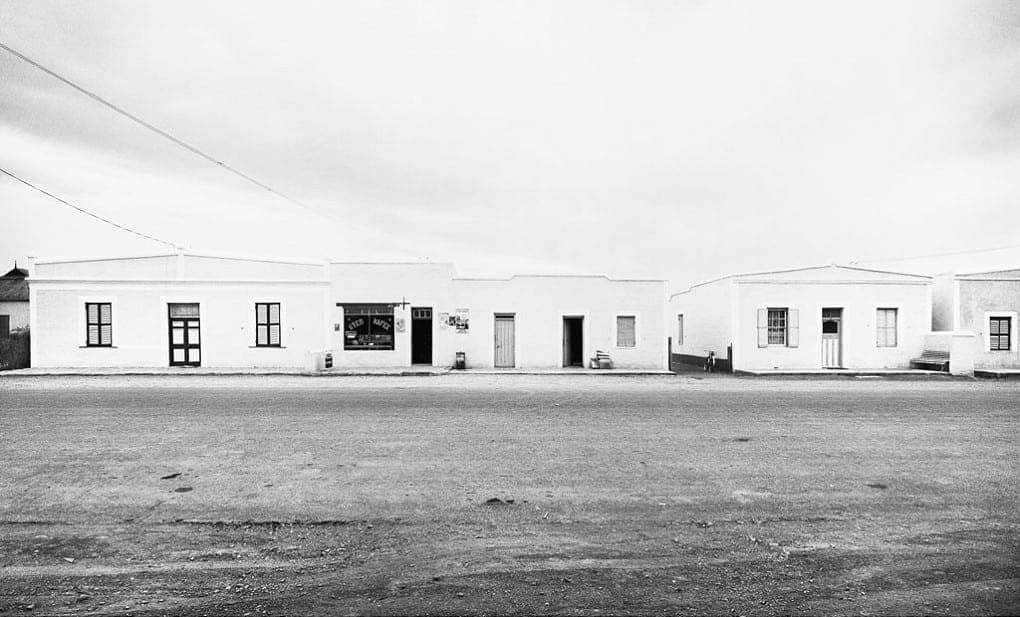
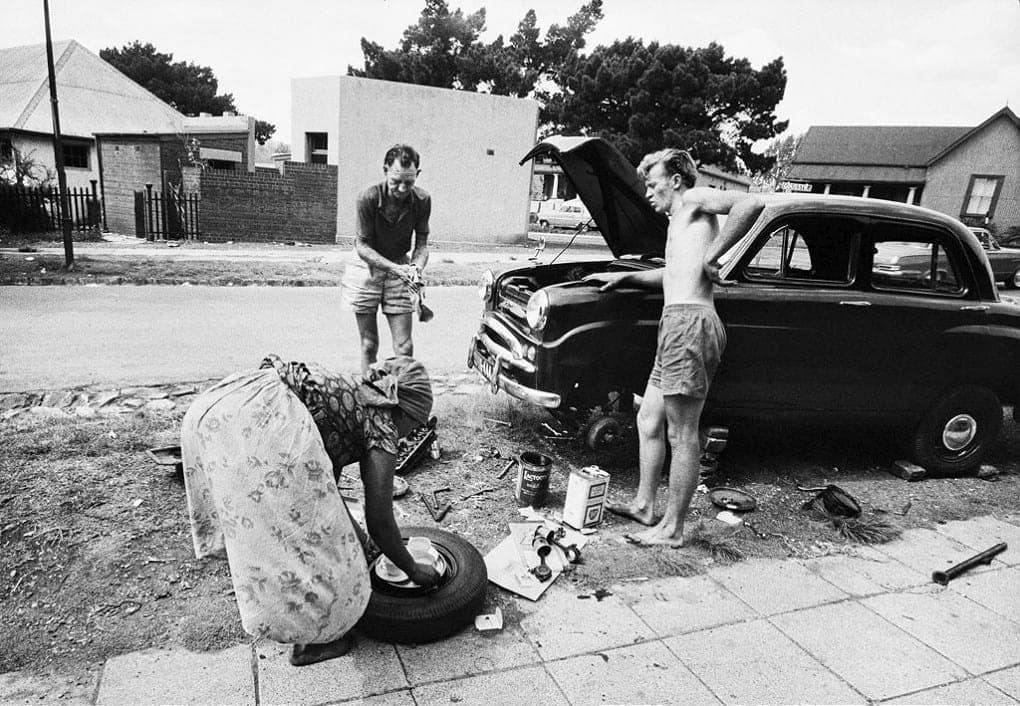
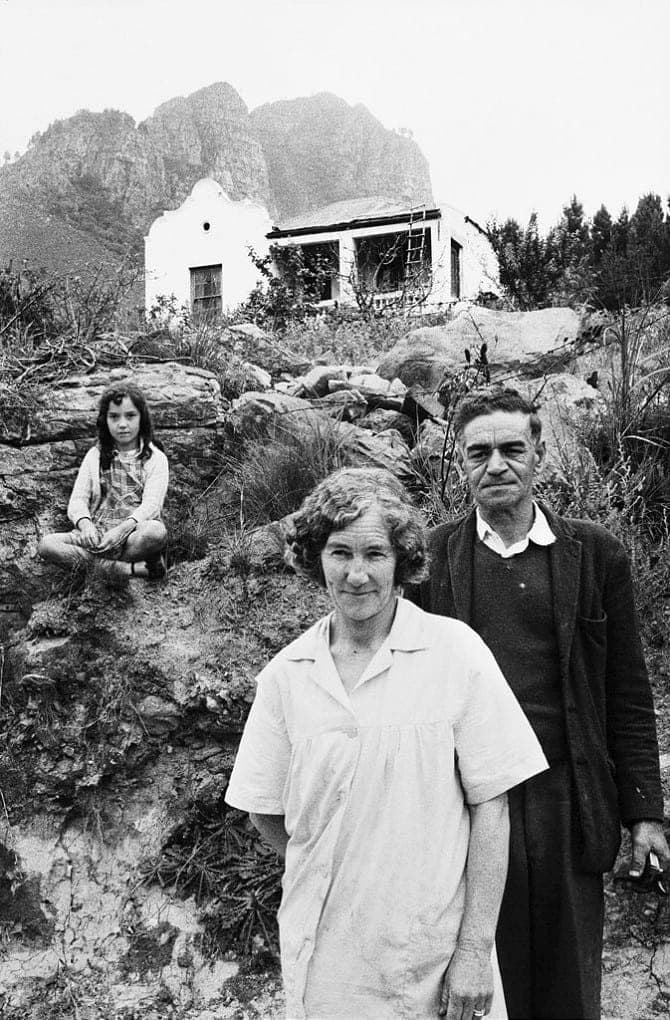
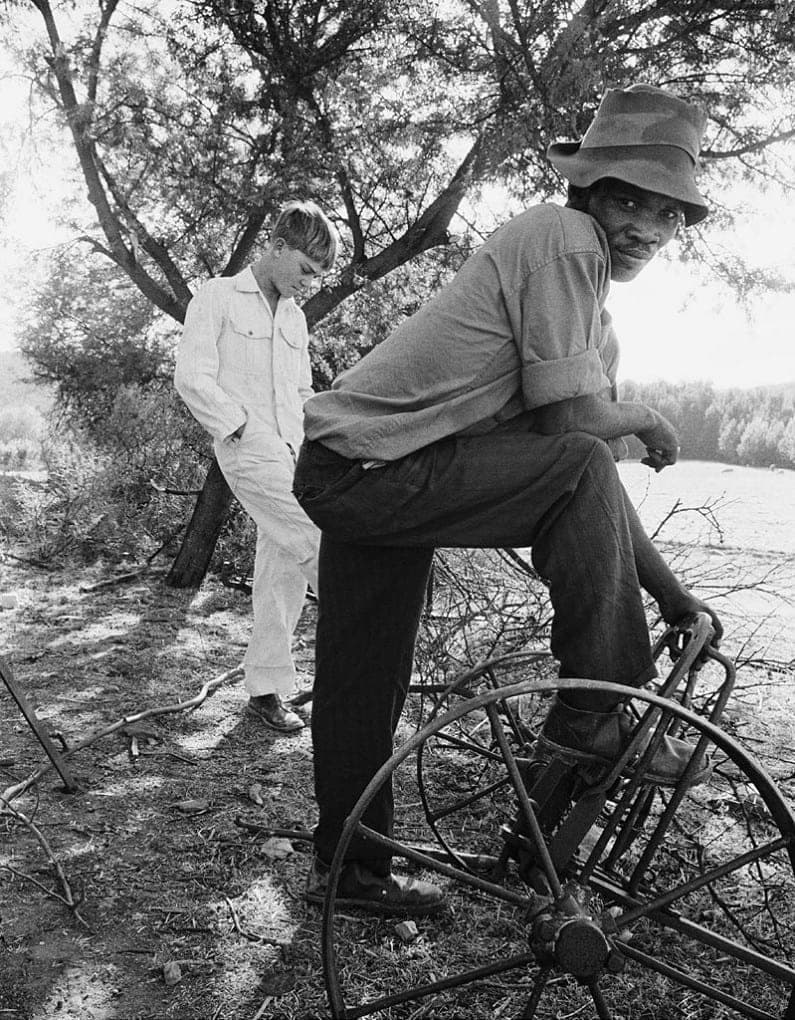
Caption: They were uncertain of how long they would be able to continue there, for they feared removal under the Group Areas Act.
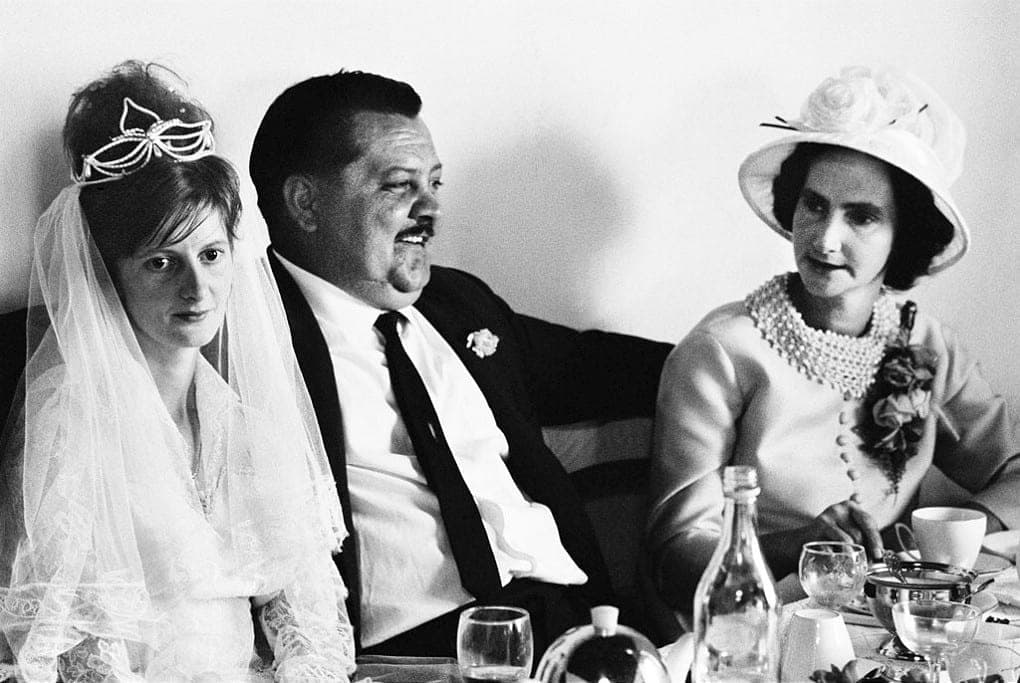
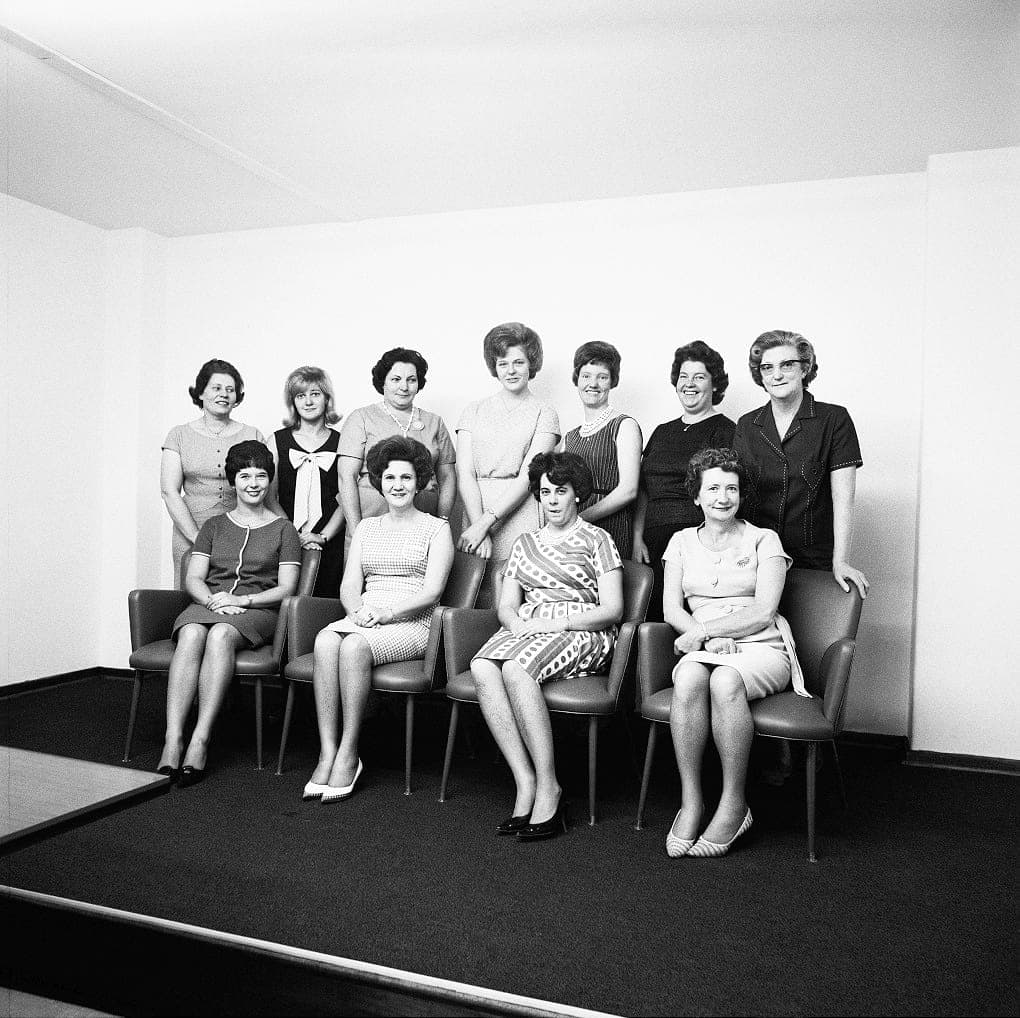
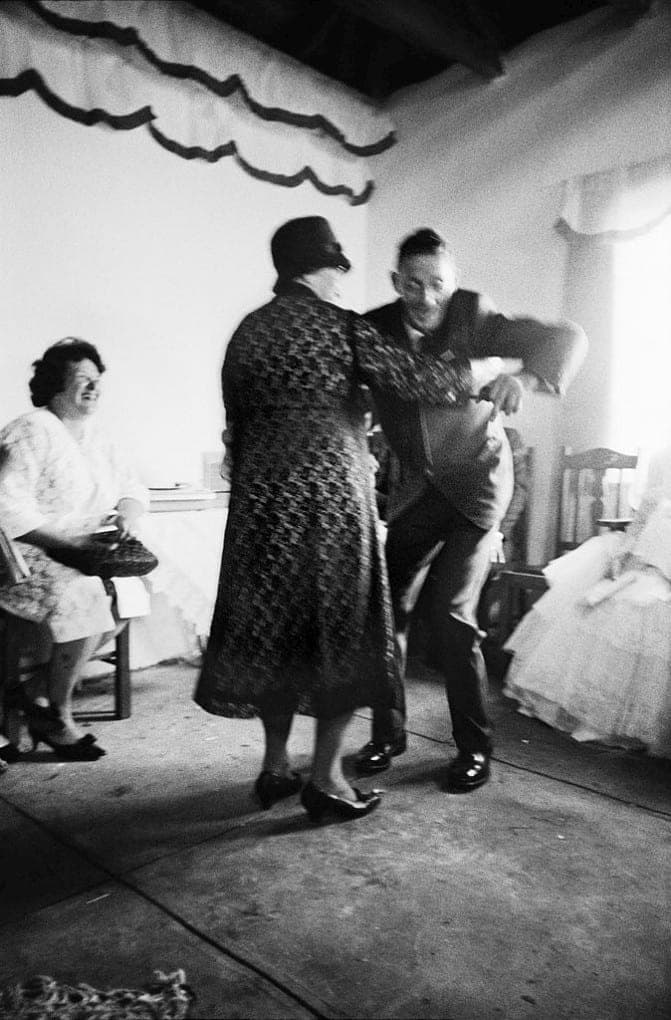
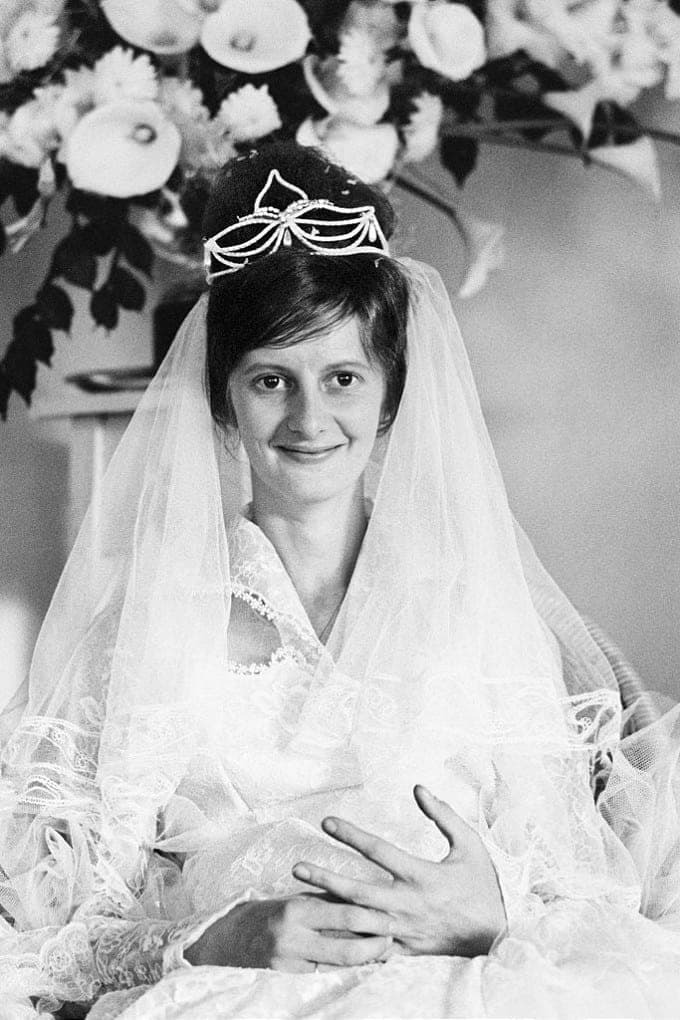
Caption: The wedding took place on her father's farm near Barkly East. She met the groom when she was working in a cafe and he in the Magistrate Court at Zastron. Now he was to begin as a clerk on the railways. "Ek will opgaan" (I want to rise), he said. They would start married life in Welkom in the Free State where his father worked on the gold mines.
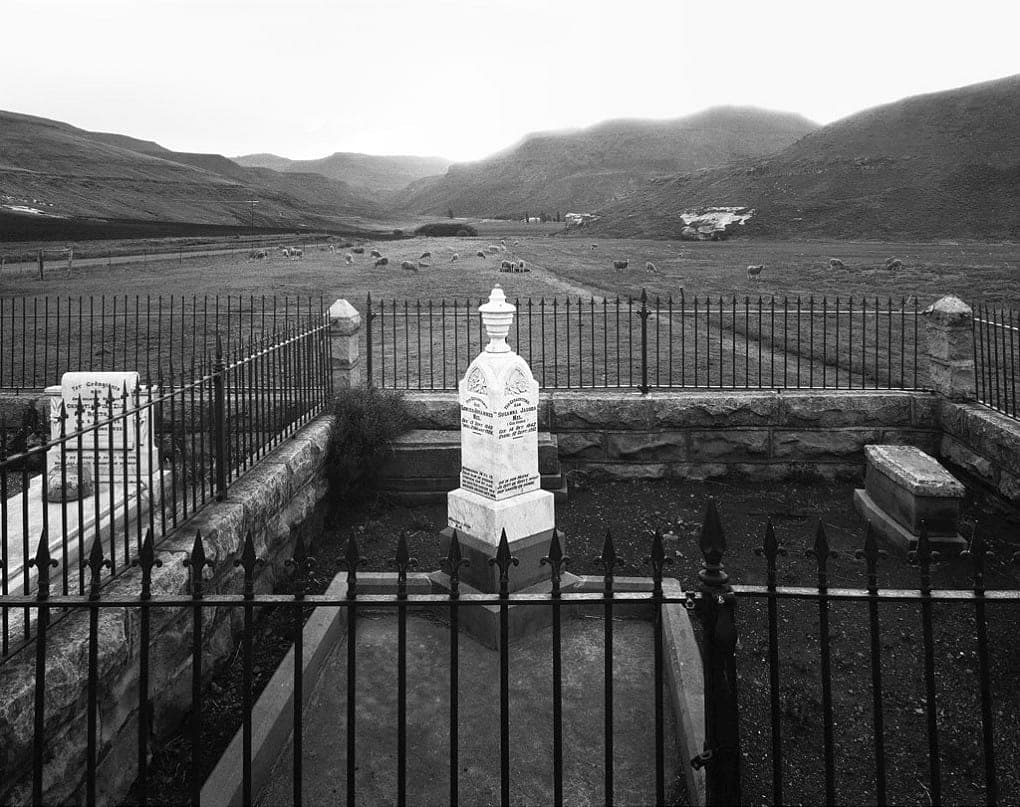
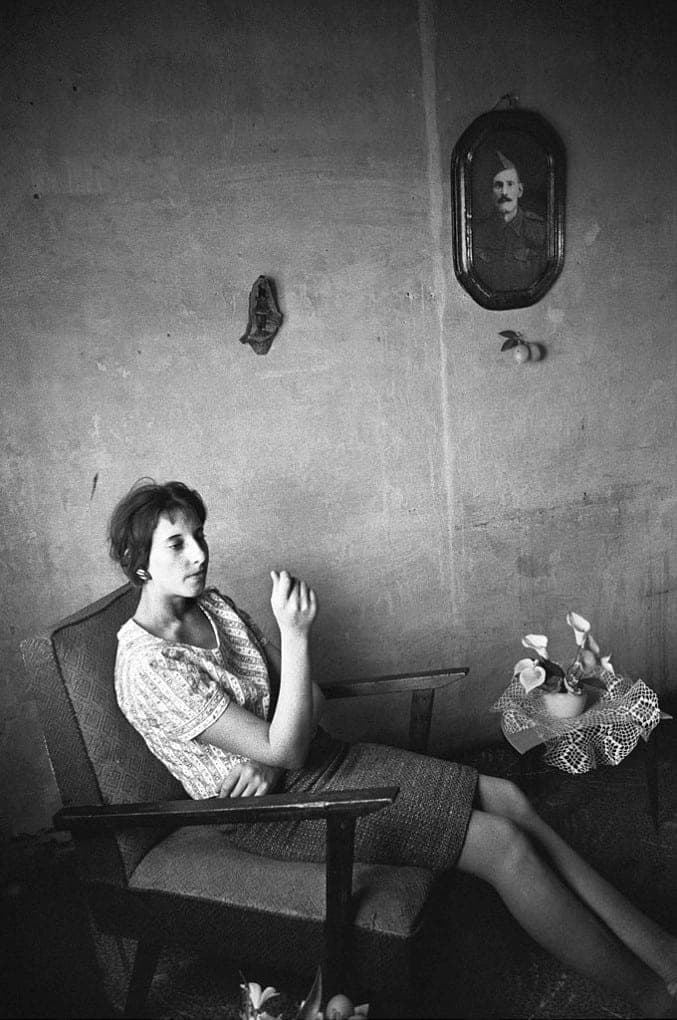
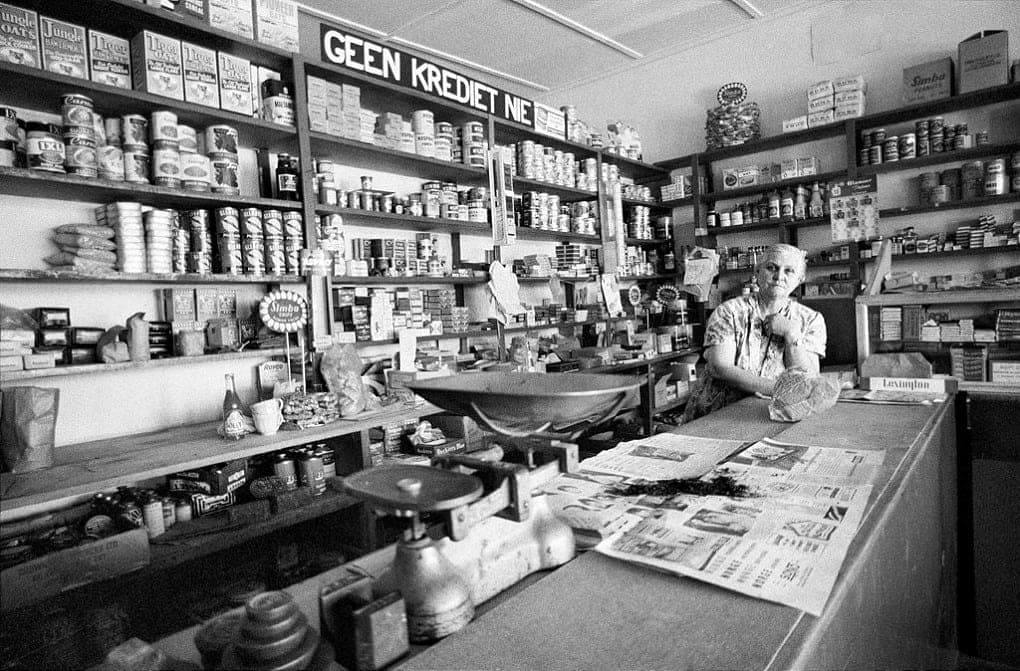
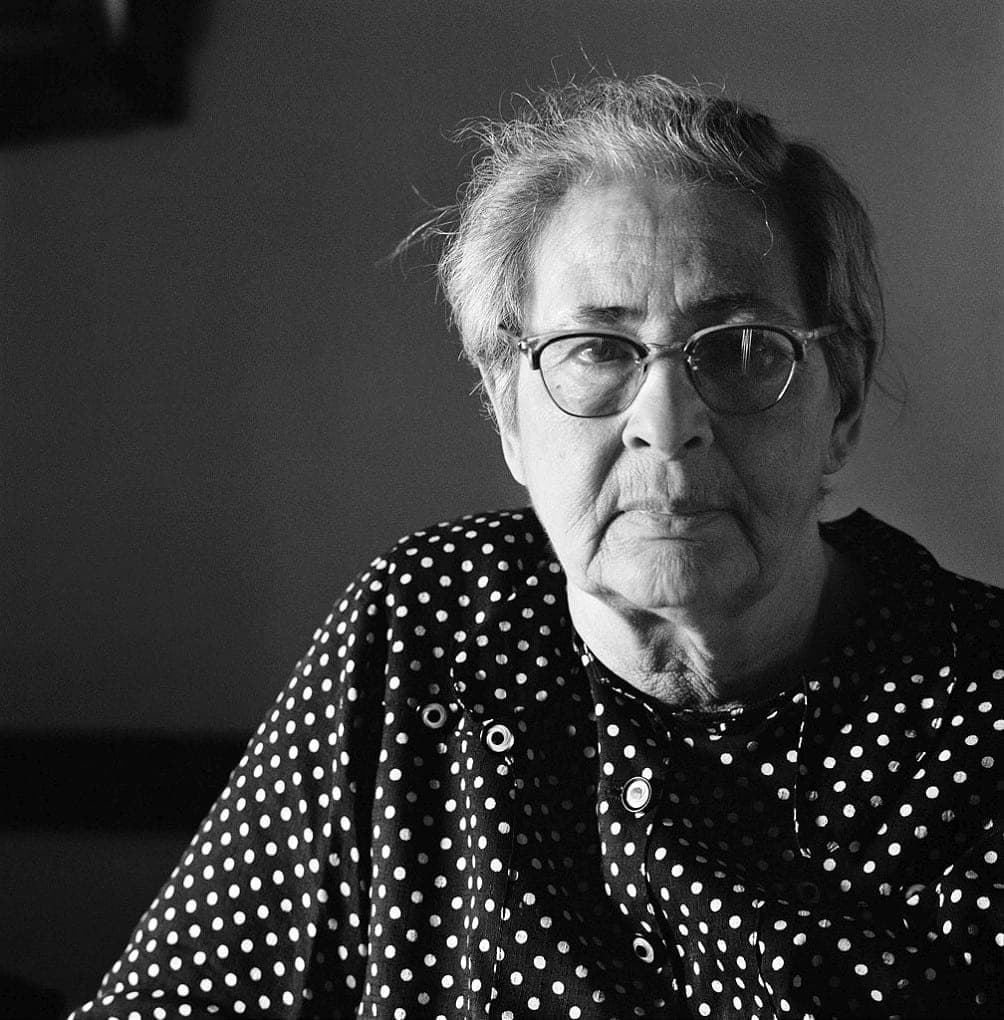
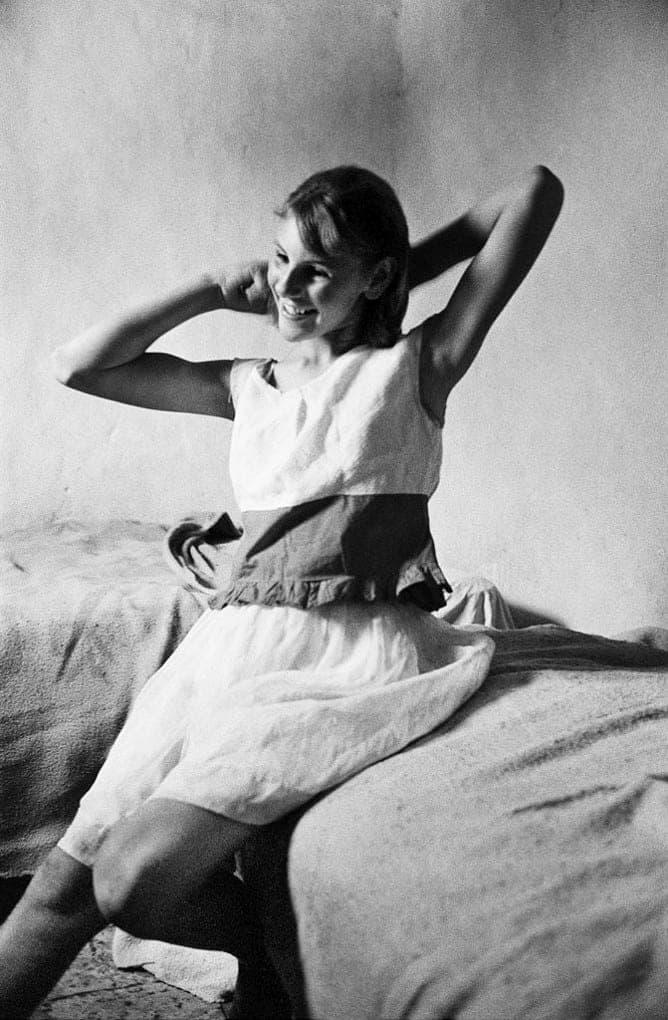
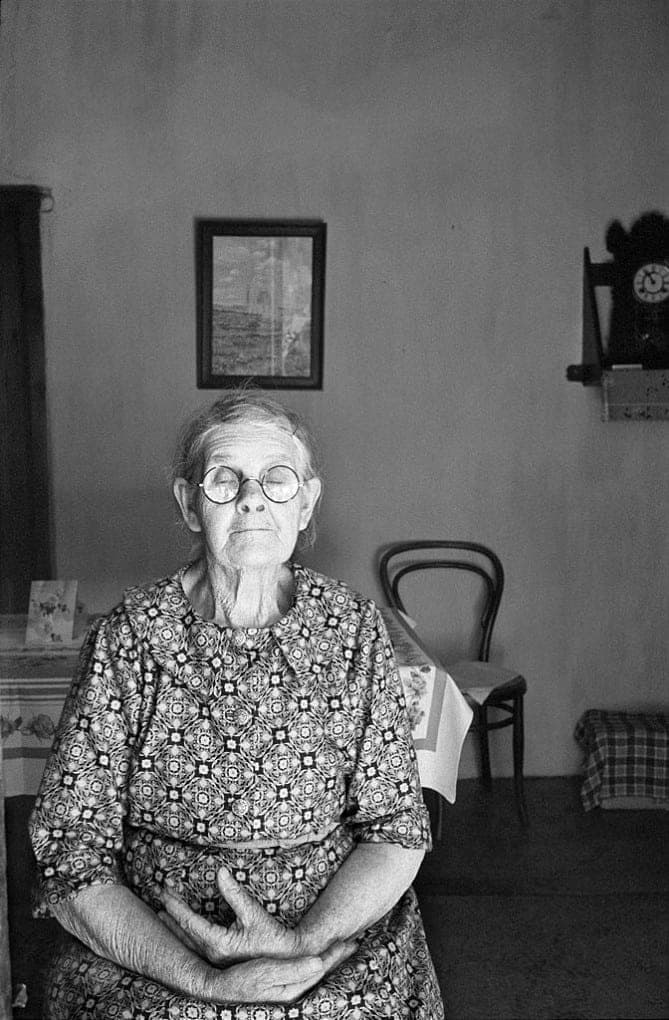
Caption: I asked if she would allow me to make a photograph of her. Would i send her a copy? she replied. I said: Yes, in about three months' time. Don't worry, I'll be dead then, she said. The photograph was made on or about 1 January. She died on 7 April.
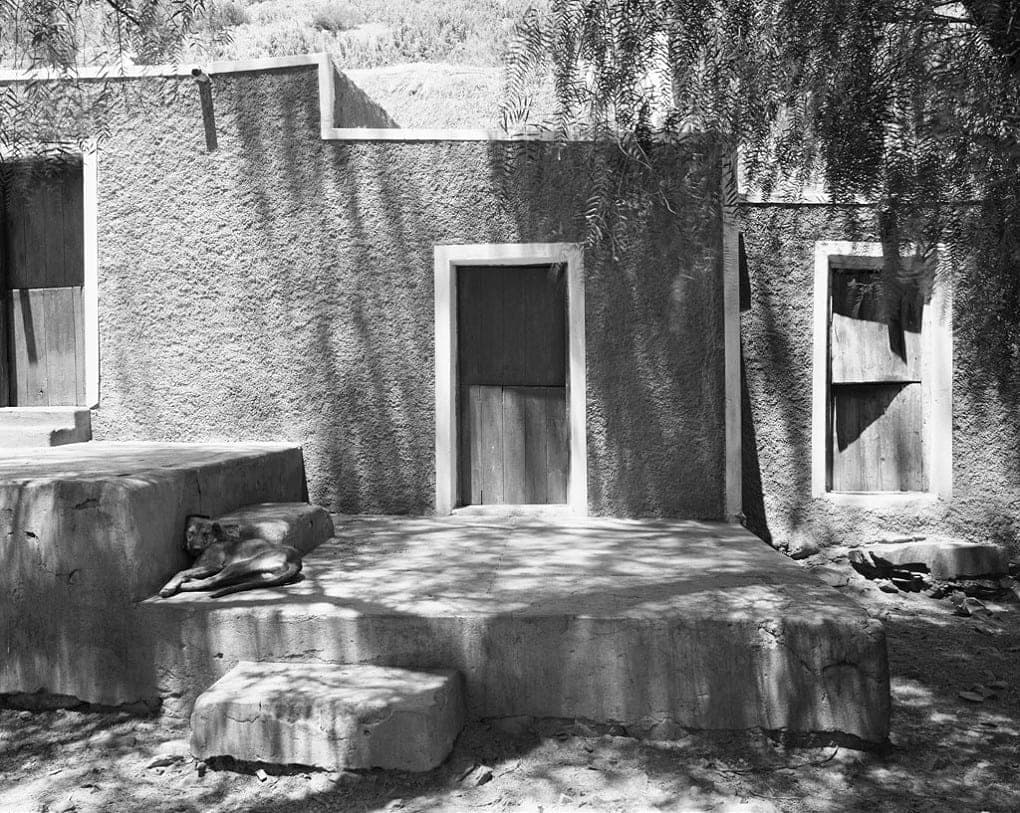
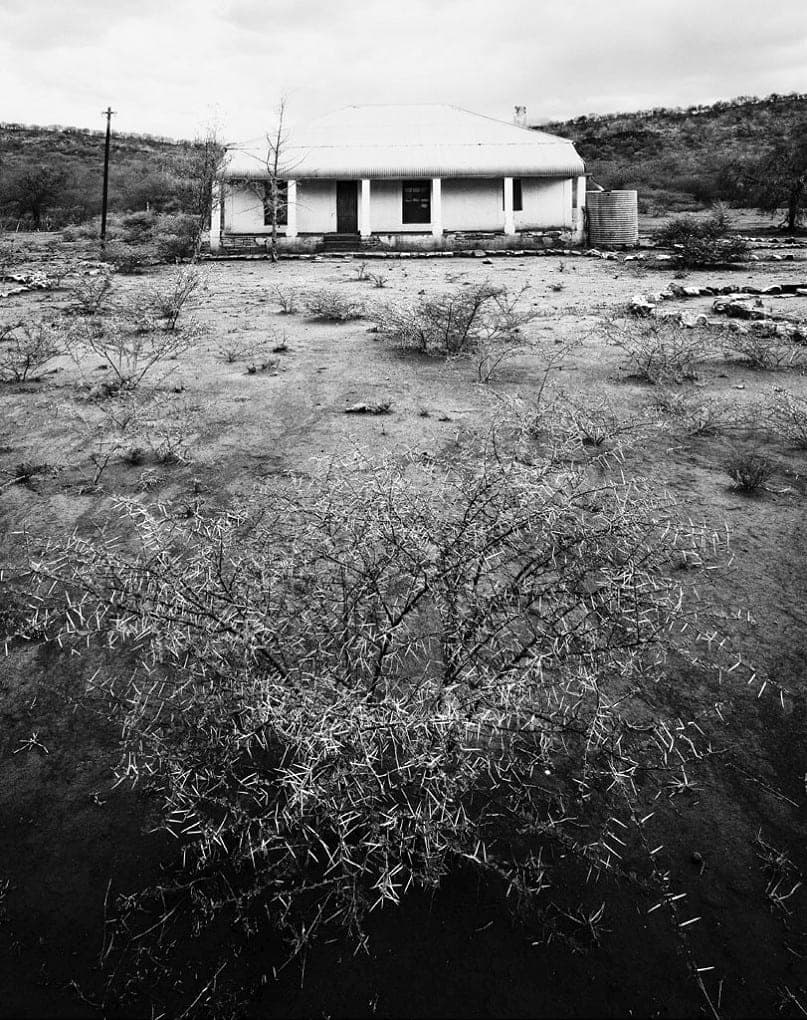
Caption: Years of drought and overgrazing had destroyed the grass where, in the words of Tant Nellie Haasbroek who had lived most of her life in the area, "once it grew so high that sitting on a mule cart one could hardly see the back of an ox as it went by." Now the farmer had gone to the city and a big company had bought the place and consolidated it with other farms in the area.