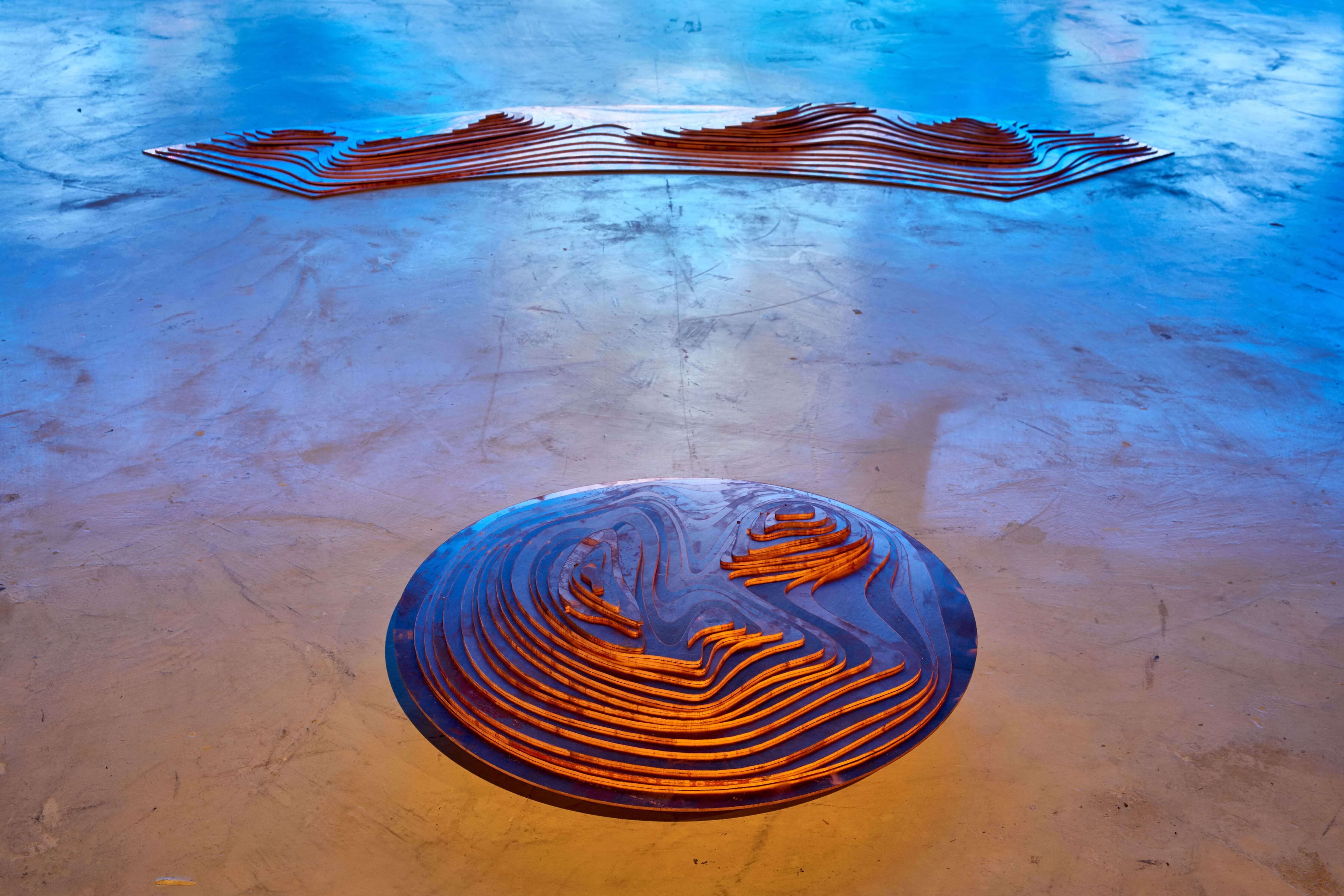

Premium Connect envisions a study of information and communication technologies (ICT), exploring African divination systems, the fungi underworld, ancestors communication and quantum physics to (re)think our information conduits. Embracing the idea that ICT acts as a mirror of the organic world, capable of healing or poisoning depending on its usage and users, Premium Connect investigates the cybernetics spaces where the organic, technologic and spiritual worlds connect. How can we use biological or esoteric systems to fuel technological process of information, control and governance? Overcoming the organism/spirit/device dichotomies, this work explores spiritual connections as communication networks and the possibilities of decolonial technologies.
Contrary to the Eurocentric-biased thinking, our information super highway might find its roots in African spirituality. Significant research attributes the
birth of computing sciences to African divination systems such as the Ifa system of the Yoruba people of East Africa, which appears to be the origin of binary mathematics, today the functioning principle of computing sciences. Once again the origin of knowledge has been erased in favor of Western achievements.
We have much to recover in terms of connectivity and its potentialities. As science recently discovered the role of underground fungi networks used by plants to communicate and transfer information, ancient tradition have long known how to communicate with nature and download its knowledge. Meanwhile our cherished technologies are the results of institutional violence and until now reproduce them continually.
This study of dynamic networks from artificial, spiritual and biologic environments digs into the politics of possibilities, where a mystico-techno- consciousness could nurture a mind- body-spirit-technology symbiosis.
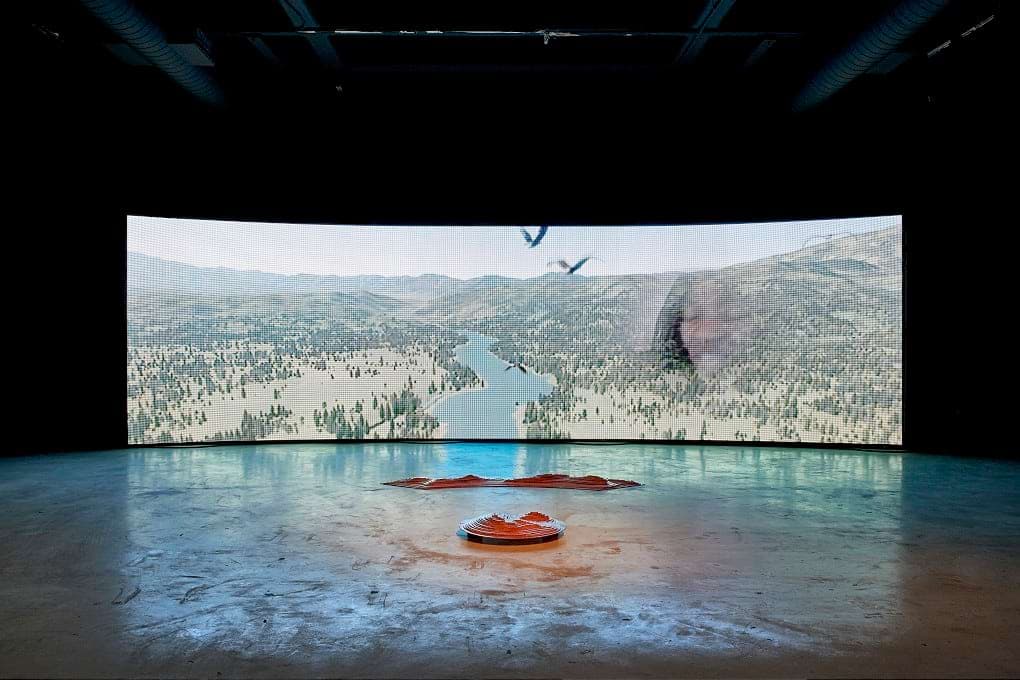
In the video, Hoetep Blessings, Rezaire makes an offering to what she calls ‘Black spiritual femmeness’. Rezaire writes, ‘As a remembrance celebrating spiritual knowledge(s) and Black femme technologies, it acts as an oracle from the divine power of the c*nt, as a litany for survival and pleasure, and a means to weaponize the our melanated femmeness.’ Hoetep seeks to reinstall the power of the kemetic-bantu word ‘hotep’ (htp) – meaning to be at peace – against what it has recently come to signify on the Internet : ‘a problematic category of Black men’, Rezaire writes.
Hoetep Blessing excavates htp’s meanings in various fields from the Hypertext Transfer Protocol – foundation of data communication online - to the neurotransmitter 5-HTP found in the Griffonia seeds – which increase serotonin and inner connectivity.
According to Rezaire, Hoetep ‘rescues the spiritual power of the c*nt, of femmeness, of the ‘hoe’, within Blackness, that which the troll economy tries hard to disgrace.’ The Kemetic adage, ‘As for us, we do not use words but sounds filled with power’ teaches us that Ho(e)tep is one we should respect.
‘SENEB’ is a 2016 video installation, ‘Seneb is a House of extraordinary babes invested in healing’, says Rezaire. The term ‘seneb’ has its origins in the ancient Kemetic word/symbol meaning health, but it can also mean ‘sound’, or rather ‘to be sound’ or ‘to have soundness’. Rezaire writes, ‘the power of sound to heal is deep, wise and ancient.’ Seneb seeks to harness the power of vibration to heal wounds - whether they be physical, emotional, technological, historical or spiritual.
According to Rezaire, the house of Seneb ‘is a community of souls engaged with African and Diasporic healing technologies, an energy center for us to remember, feel, (re)connect, share and vibrate the cosmos to nurture our health, energy and wisdom.
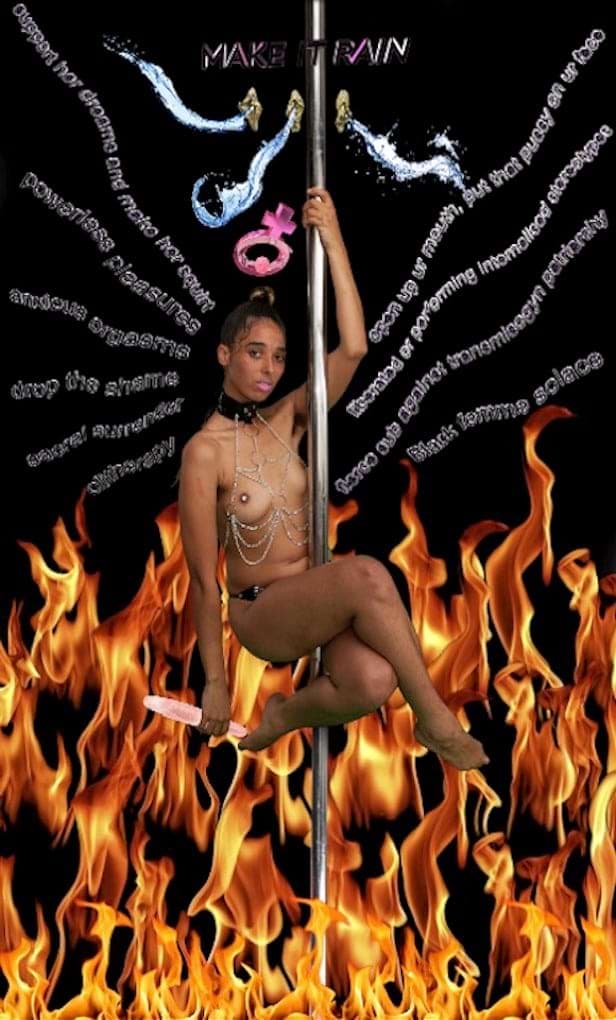
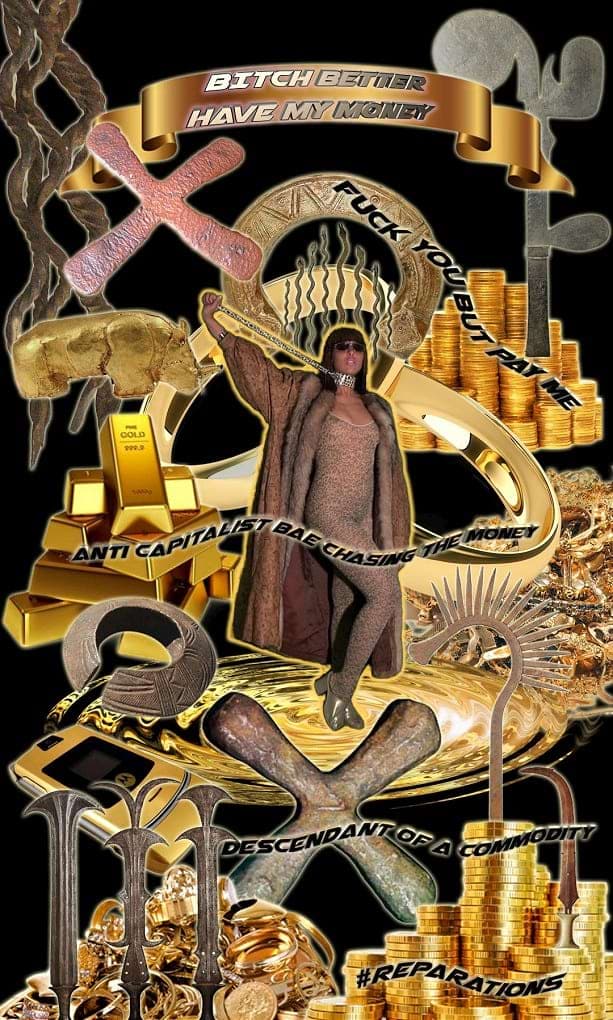
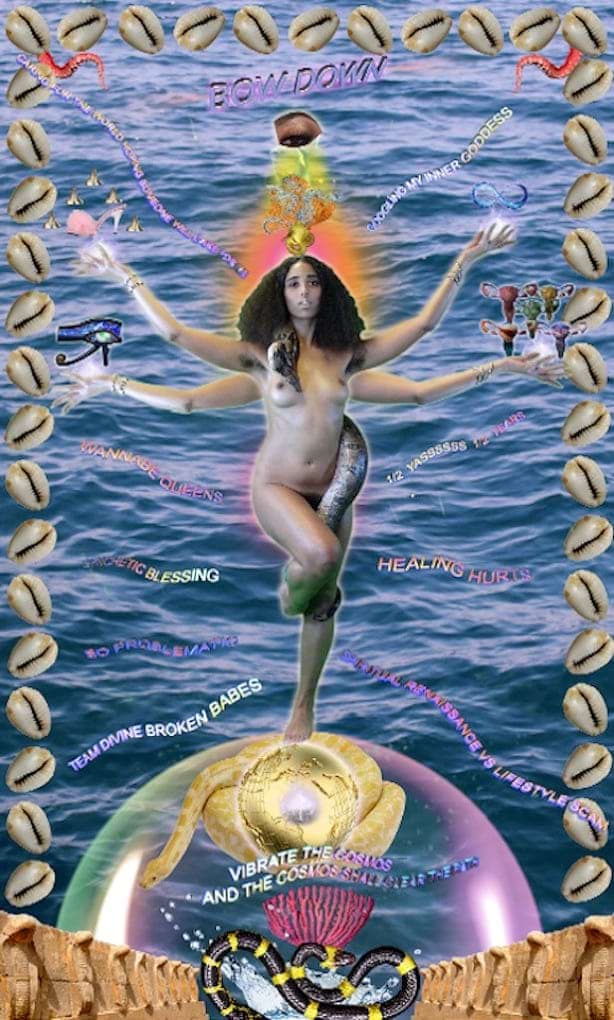
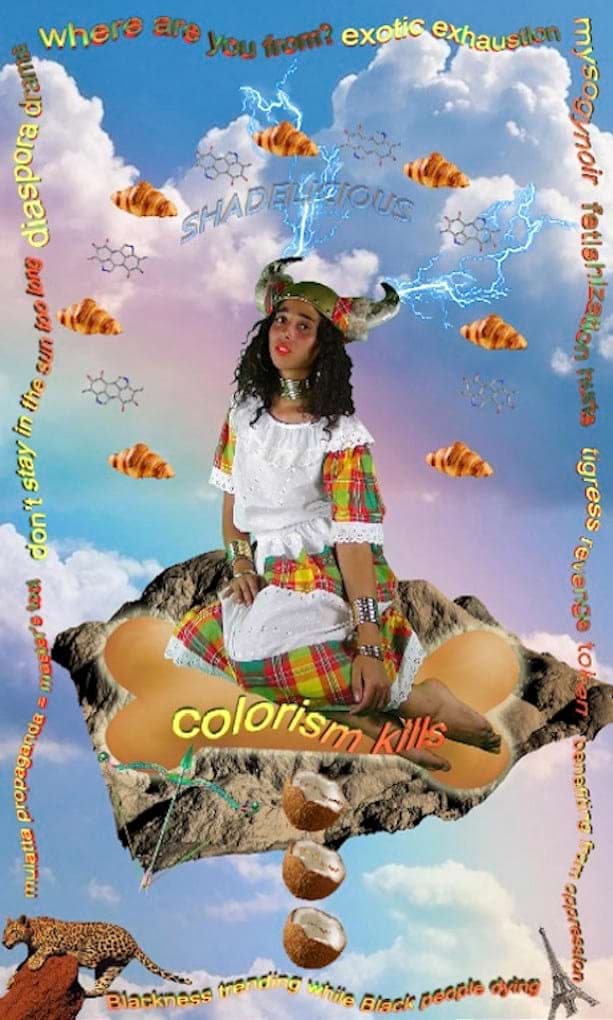
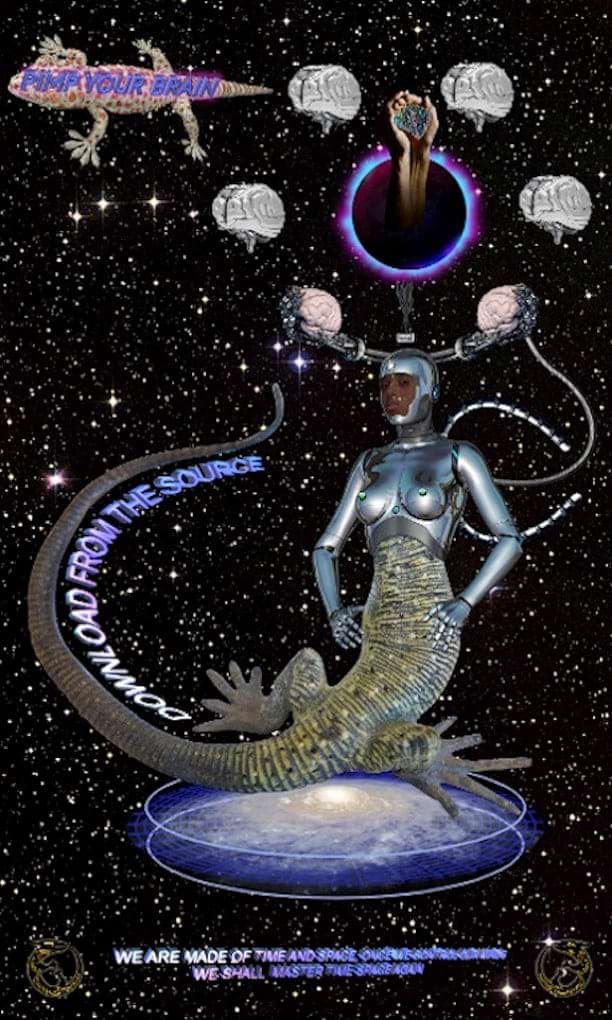
‘Inner Fire’ is a series of five life-size digital self-portrait collages exploring the politics of the artist ‘s identities, aspirations and contradictions . The five images respectively embody an archetype of the black womxn as regard to race, sex, spirituality, technology and capital, mapping how those narratives affect her own as well as collective imaginaries and identities.
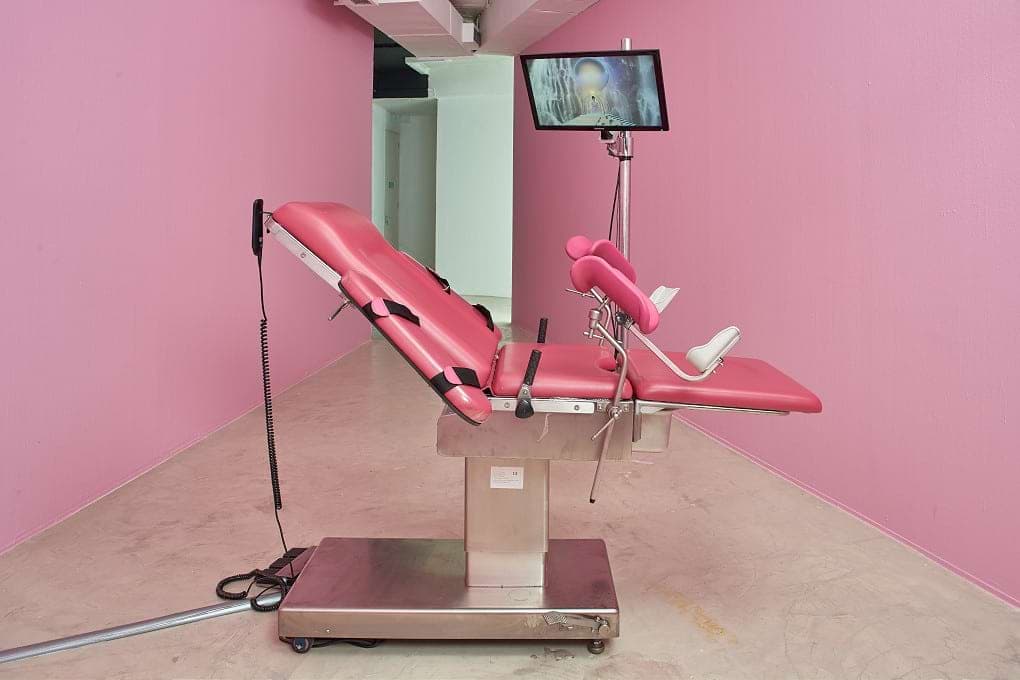
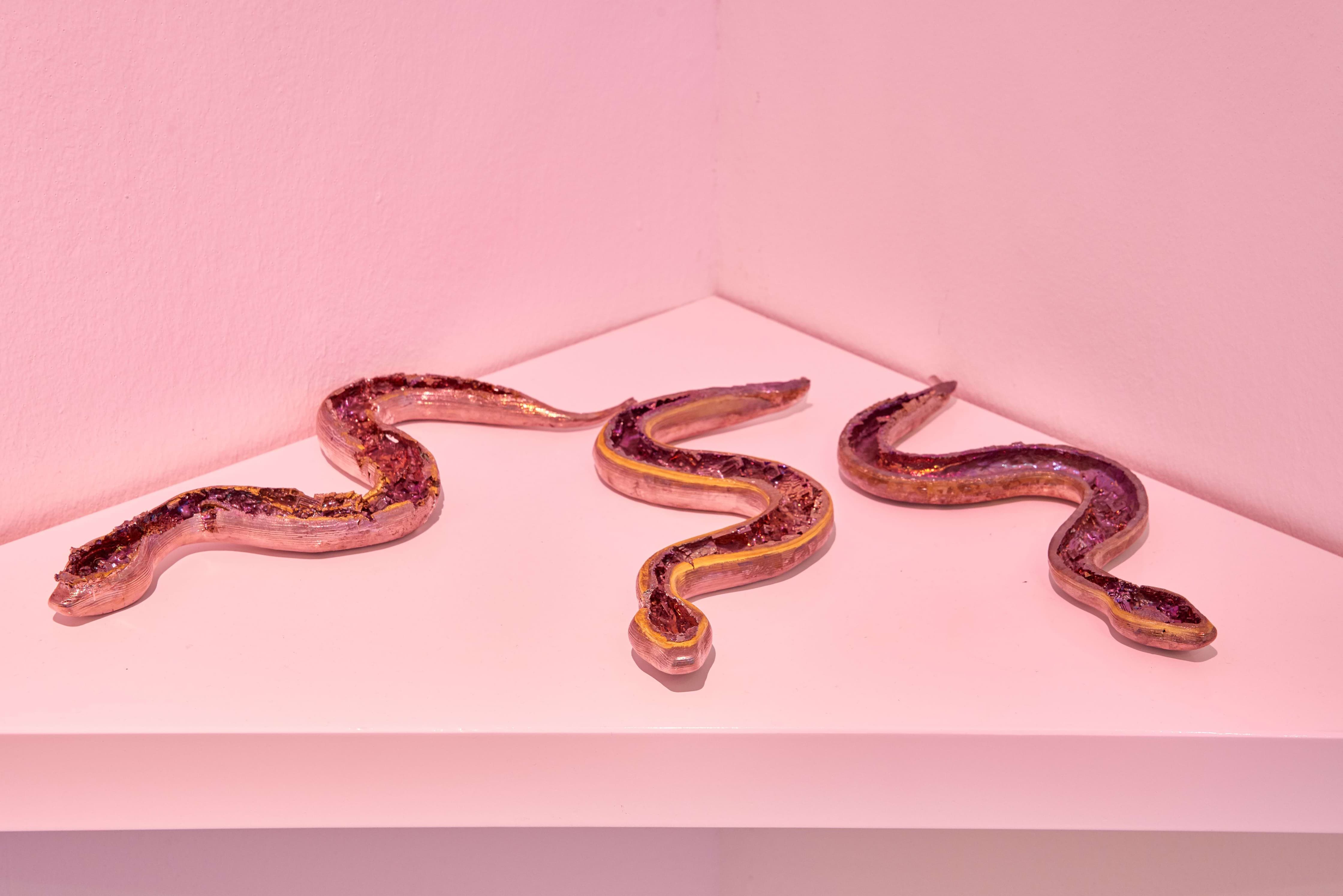
‘Sugar Walls Teardom’ explores the contributions of Black women’s wombs to the advancement of modern medical science and technology. On ‘Sugar Walls Teardom’, Rezaire writes, ‘During slavery, Black women’s bodies have been used and abused as commodities for laborious work in plantations, sexual slavery, reproductive exploitation and medical experiments. Anarcha, Betsey and Lucy, were among the captive guinea pigs of Dr. Marion Sims - the so called ‘father of modern gynecology’- who mutilated and tortured countless slave women in the name of science.
Unacknowledged, Black women’s wombs have been central to the biomedical economy as the story of Henrietta Lacks – who had her cervix cells unknowingly stolen, after which they became the first immortal cells leading to medical breakthrough - reminds us. Biological warfare against Black women is still pervasive in today’s pharmaceutical testing, forced sterilizations, contraceptive experiments, among other malicious health practices. ‘Sugar Walls Teardom’ commemorates ‘herstory’ and celebrates womb technology through an account of coercive anatomic politics.
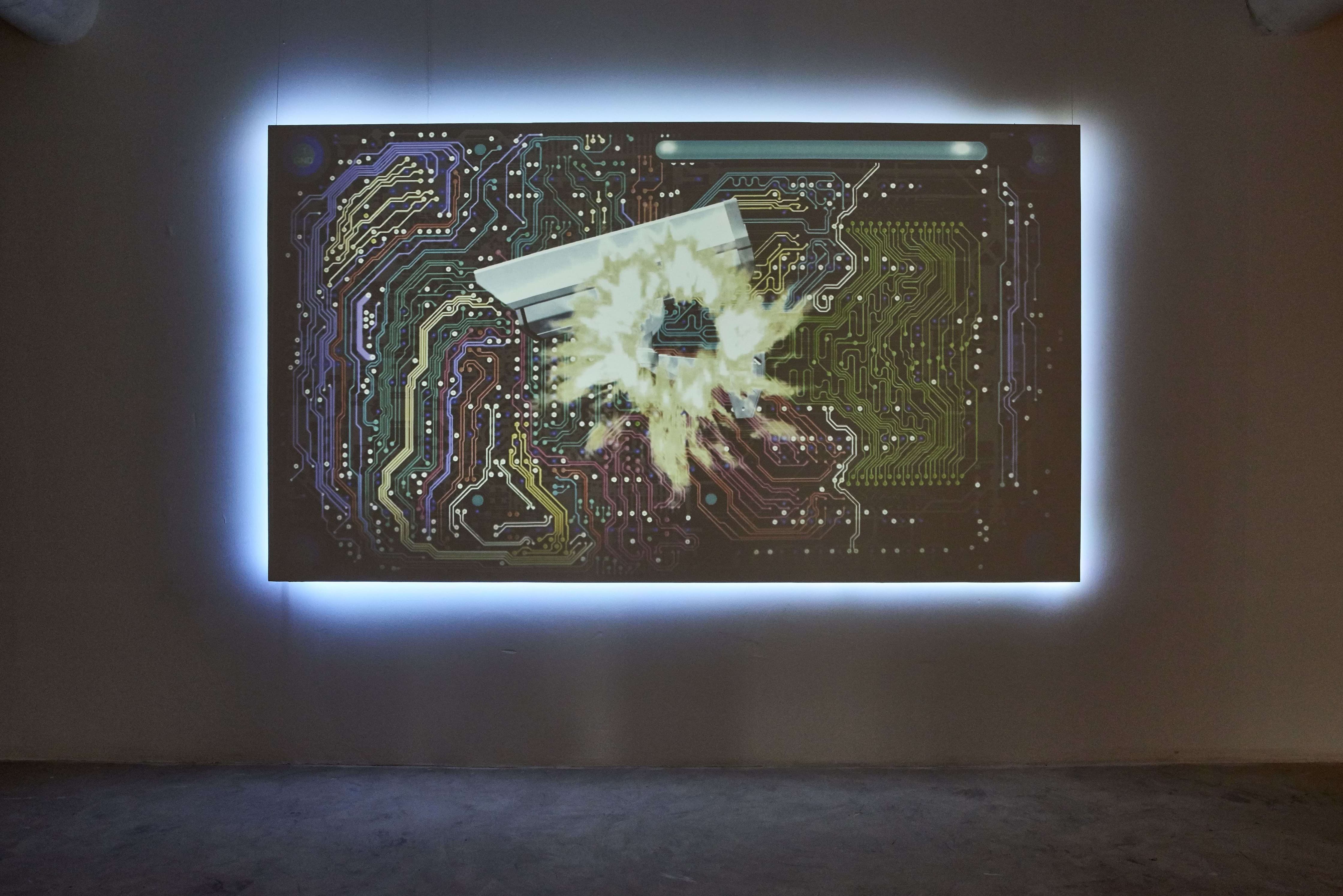
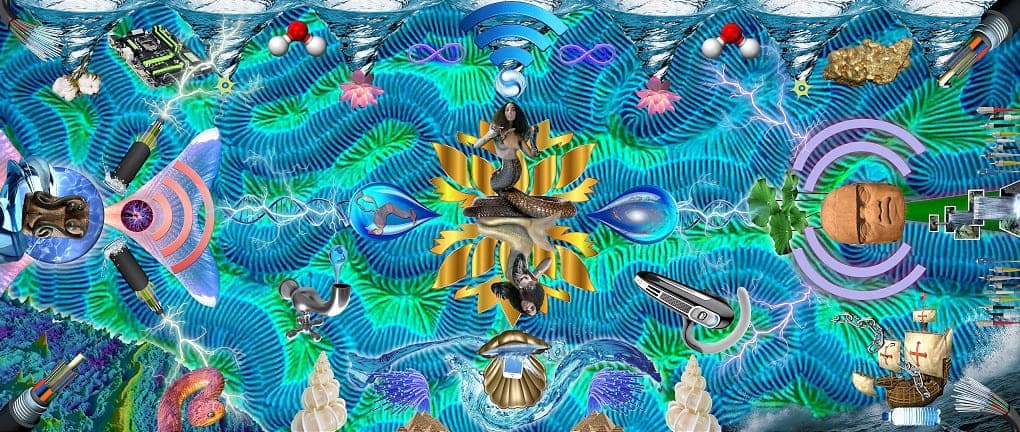
‘Deep Down Tidal’ explores trans-coceanic networks examining the political and technological effects of water as a conductive interface for communication. From fibre optic cables to sunken cities, drowned bodies, hidden histories of navigation and sacred signal transmissions, the ocean is home to a complex set of communication networks. As modern information and communication technologies become omnipresent in Western lifestyles, we urgently need to understand the cultural, political and environmental forces that shape them.
Looking at the infrastructure of submarine fibre optic cables that carries and transfers our digital data, the artist considers that the cables are layered onto colonial shipping routes. The bottom of the sea becomes the interface of painful yet celebrated advancements masking the violent deeds of modernity. ‘Deep Down Tidal’ navigates the ocean as a graveyard for Black knowledge and technologies. From Atlantis, to the ‘Middle passage’, or refuge seekers presently drowning in the Mediterranean, the ocean abyss carries pains, lost histories and memories while simultaneously providing the global infrastructure for our current telecommunications. Research suggests that water has the ability to memorise and copy information, disseminating it through its streams. ’Deep Down Tidal’ enquires the complex cosmological, spiritual, political and technological entangled narratives sprung from water as an interface to understand the legacies of colonialism.
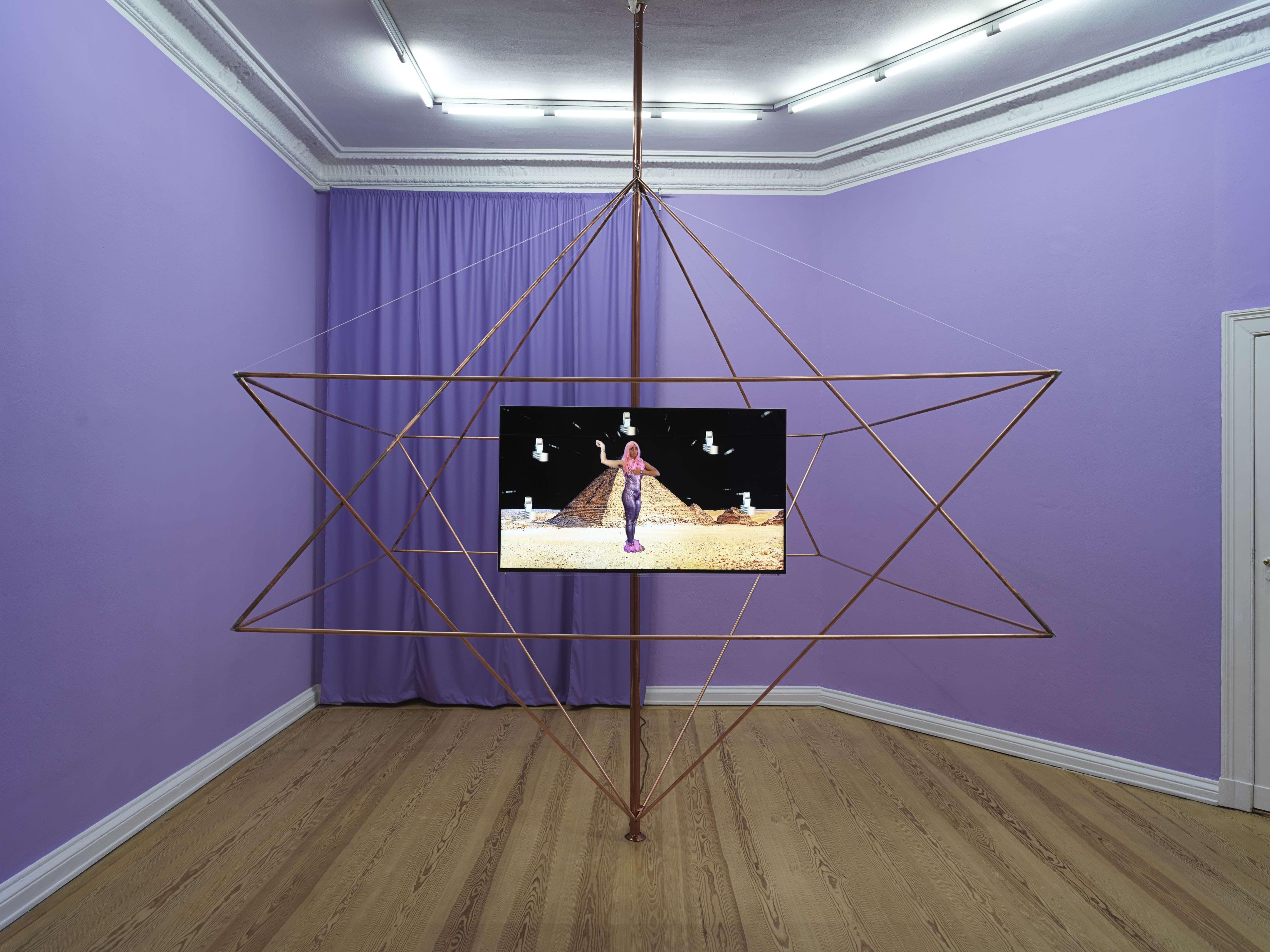
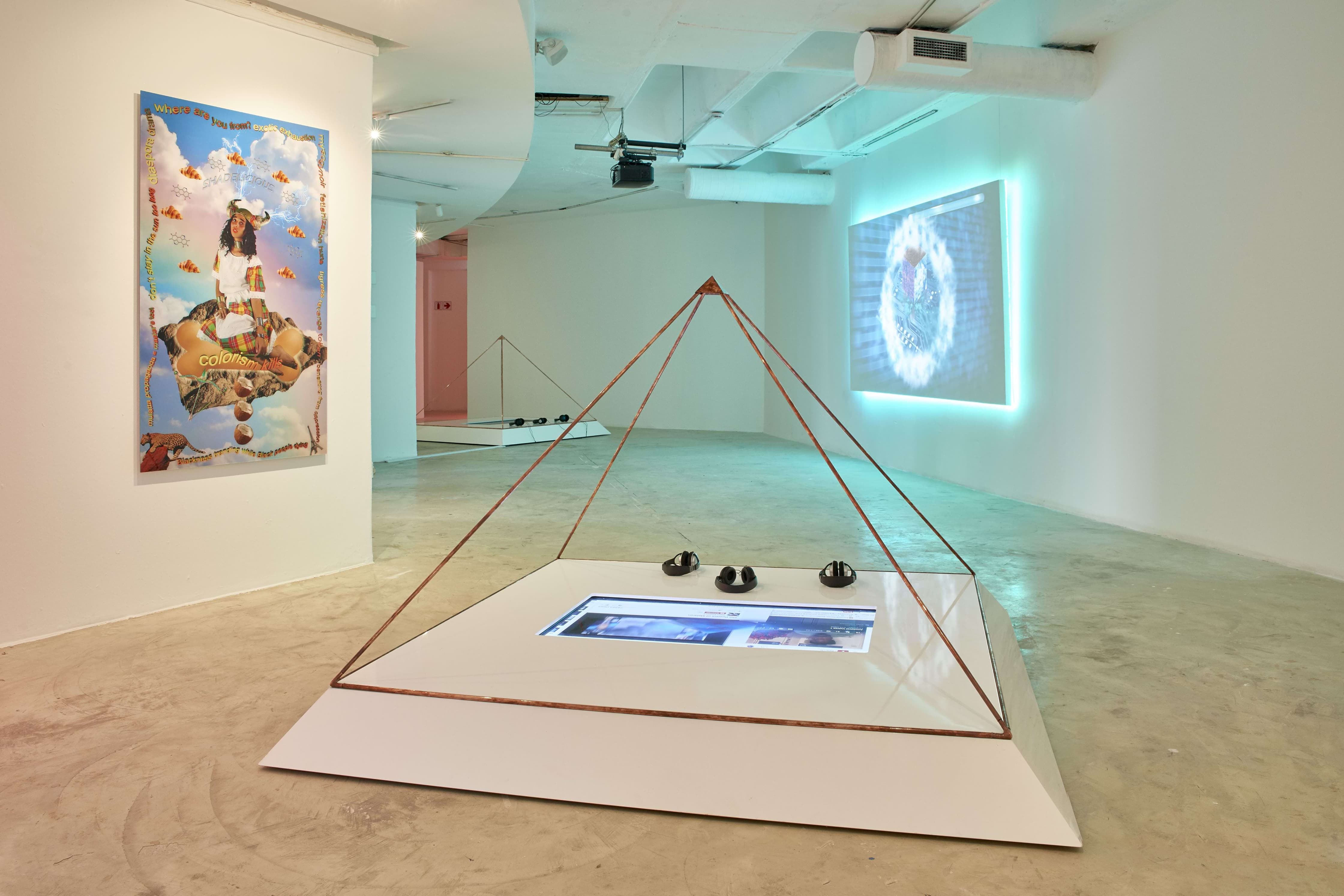
‘The pyramid of Ultra Wet harnesses healing energy from its tip, while its four faces retell urgent stories from pre-colonial Africa’, writes Rezaire. The work’s imagery travels from Credo Mutwa (South African traditional healer)’s village to sandy landscape of Egypt amid computerize emanations to reclaim the legacies of feminine energies. As storytellers chant their litanies for survival towards womxnhood, gender and sexuality in the age of celebrated toxic masculinities, Ultra Wet celebrates the power of the erotic as a creative and transformative force to be nurtured and cherished.
The pyramid echoes the remembrance a time-space where gender was not bound to an arbitrary binary, where the ways of practicing sex did not need to
be an affirmation of identity, where the feminine was praised and nature revered. ‘Viruses then spread into our brains, lands and computers to lead us with fear and shame’, says the artist.
Exploring networked sexualities, this work digs into ancient African knowledge and current cybersexual practices, searching for ways of existing as a Black sexual femme body. How can we reclaim a politic of pleasure and resistance? How can we develop sexual autonomy outside of exploitative and oppressive structures? How can we use our sexual energy to shift consciousness?
As an answer Rezaire writes: ‘We need to bring our minds and our wombs back together to fight, to heal and to create communities where consent, respect and desire coexist.’
Ultra Wet is an ode to the fertile ground we have been and can still be.
In the video, Hoetep Blessings, Rezaire makes an offering to what she calls ‘Black spiritual femmeness’. Rezaire writes, ‘As a remembrance celebrating spiritual knowledge(s) and Black femme technologies, it acts as an oracle from the divine power of the c*nt, as a litany for survival and pleasure, and a means to weaponize the our melanated femmeness.’ Hoetep seeks to reinstall the power of the kemetic-bantu word ‘hotep’ (htp) – meaning to be at peace – against what it has recently come to signify on the Internet : ‘a problematic category of Black men’, Rezaire writes.
Hoetep Blessing excavates htp’s meanings in various fields from the Hypertext Transfer Protocol – foundation of data communication online - to the neurotransmitter 5-HTP found in the Griffonia seeds – which increase serotonin and inner connectivity.
According to Rezaire, Hoetep ‘rescues the spiritual power of the c*nt, of femmeness, of the ‘hoe’, within Blackness, that which the troll economy tries hard to disgrace.’ The Kemetic adage, ‘As for us, we do not use words but sounds filled with power’ teaches us that Ho(e)tep is one we should respect.
‘Sugar Walls Teardom’ explores the contributions of Black women’s wombs to the advancement of modern medical science and technology. On ‘Sugar Walls Teardom’, Rezaire writes, ‘During slavery, Black women’s bodies have been used and abused as commodities for laborious work in plantations, sexual slavery, reproductive exploitation and medical experiments. Anarcha, Betsey and Lucy, were among the captive guinea pigs of Dr. Marion Sims - the so called ‘father of modern gynecology’- who mutilated and tortured countless slave women in the name of science.
Unacknowledged, Black women’s wombs have been central to the biomedical economy as the story of Henrietta Lacks – who had her cervix cells unknowingly stolen, after which they became the first immortal cells leading to medical breakthrough - reminds us. Biological warfare against Black women is still pervasive in today’s pharmaceutical testing, forced sterilizations, contraceptive experiments, among other malicious health practices. ‘Sugar Walls Teardom’ commemorates ‘herstory’ and celebrates womb technology through an account of coercive anatomic politics.