David GoldblattFragments of Fietas
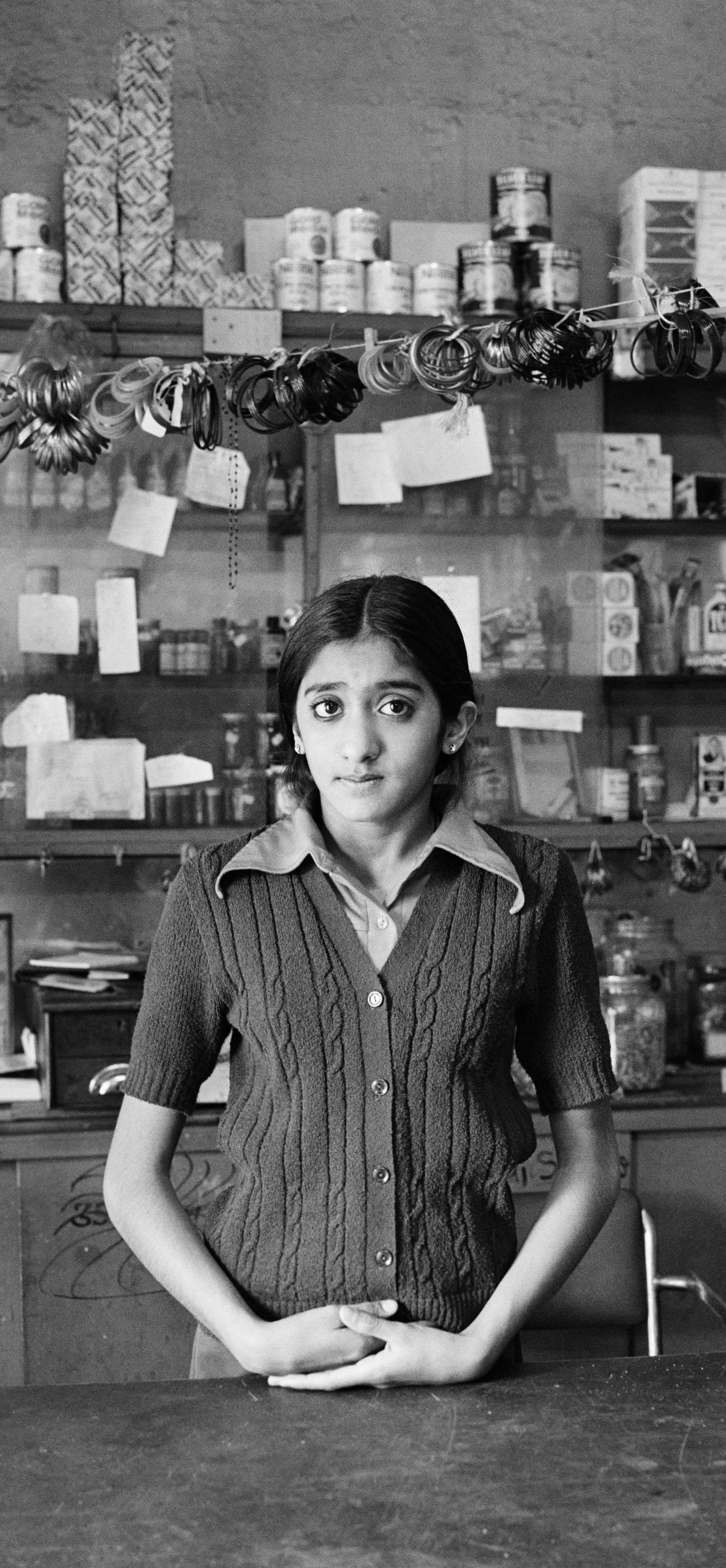
Goodman Gallery presents Fragments of Fietas, an exhibition of photographs by David Goldblatt made predominantly in the late 1970s and 1980s, during the years when the community west of Johannesburg was being dismantled under apartheid’s racist laws. They record, in Goldblatt’s words, “the destruction of a community for a racist dream, and its sequel.”
Known officially as Pageview, but to its residents as Fietas, it was one of the few areas in Johannesburg where people of Indian descent were allowed to trade and lease land, and where those designated as Black, Chinese, or Coloured could live prior to the introduction of the Group Areas Act in 1950. In a racially divided city, it was a rare enclave of social coexistence. Residents shared stoeps and backyards, lived in close proximity, and were bound by the quiet interdependence of ordinary life.

Featured Artworks
Create a Goodman Gallery account to view our full selection of available works, access pricing and check out online.
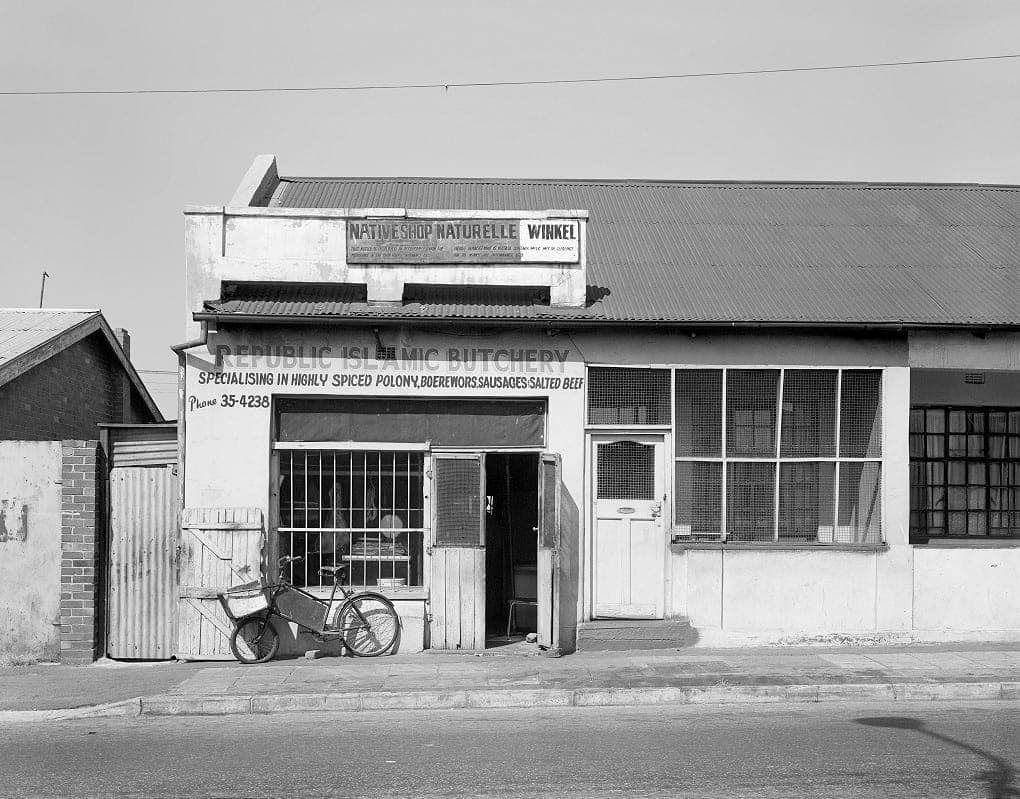
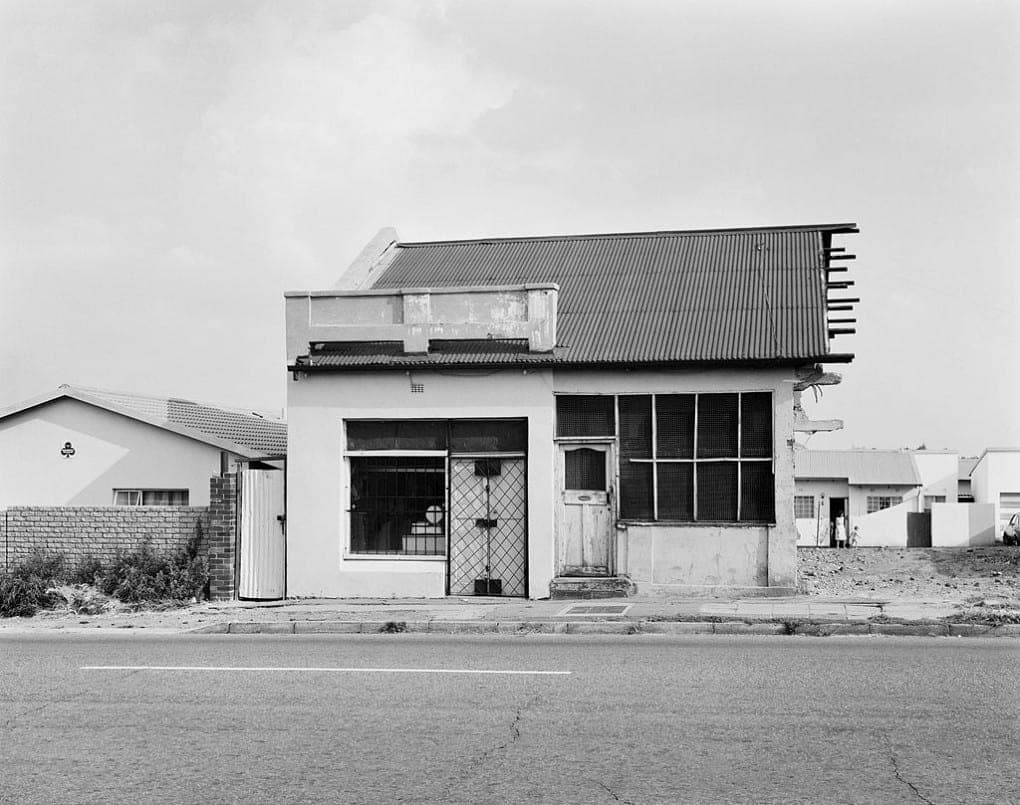
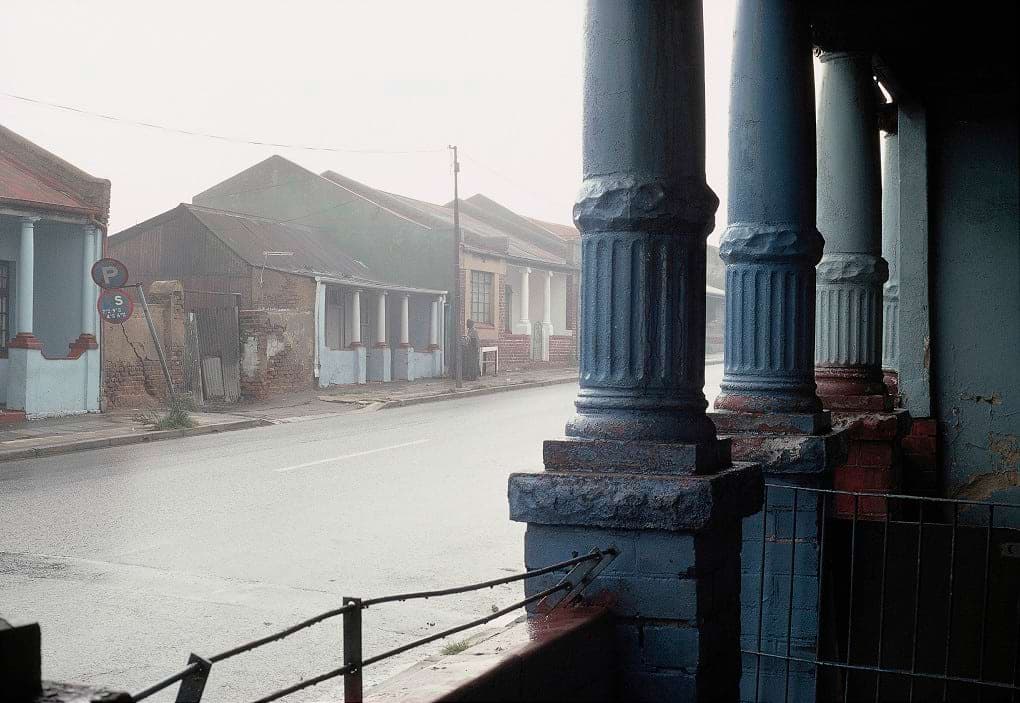
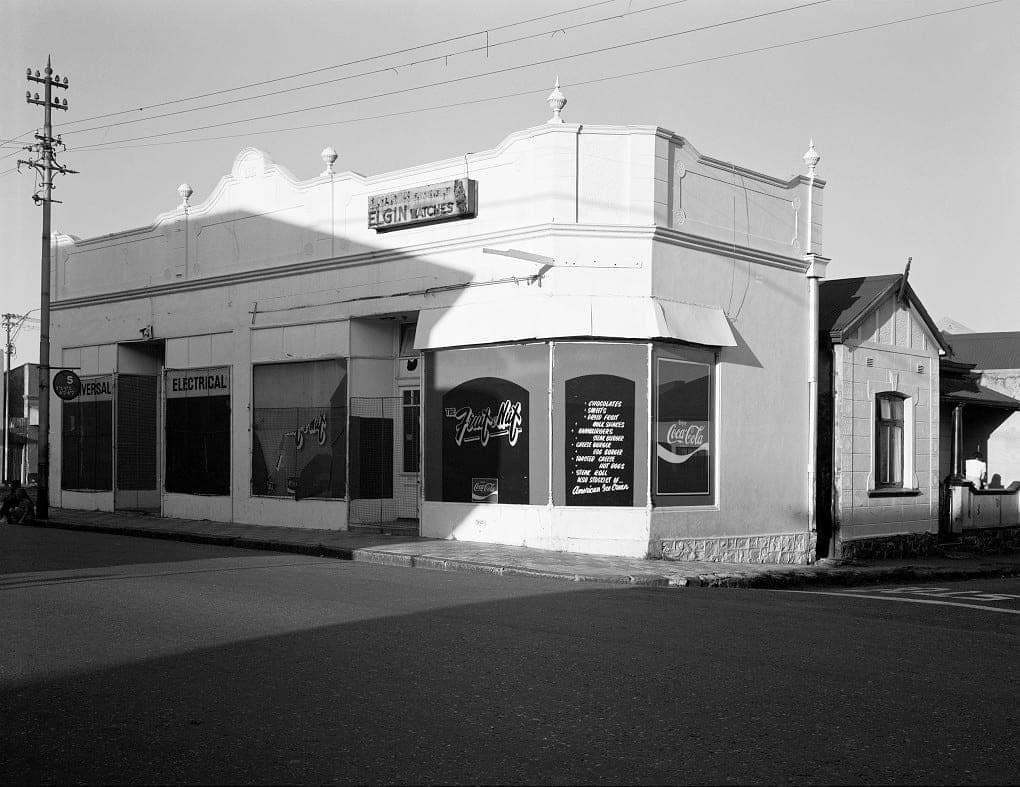
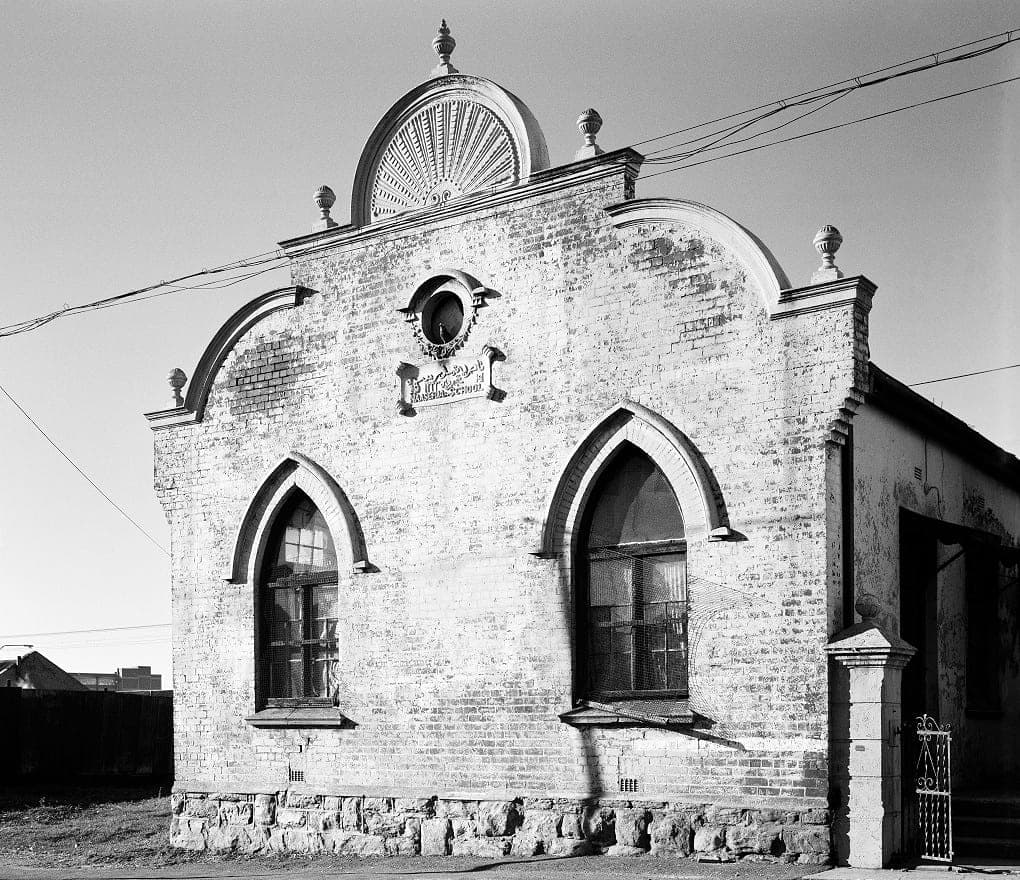
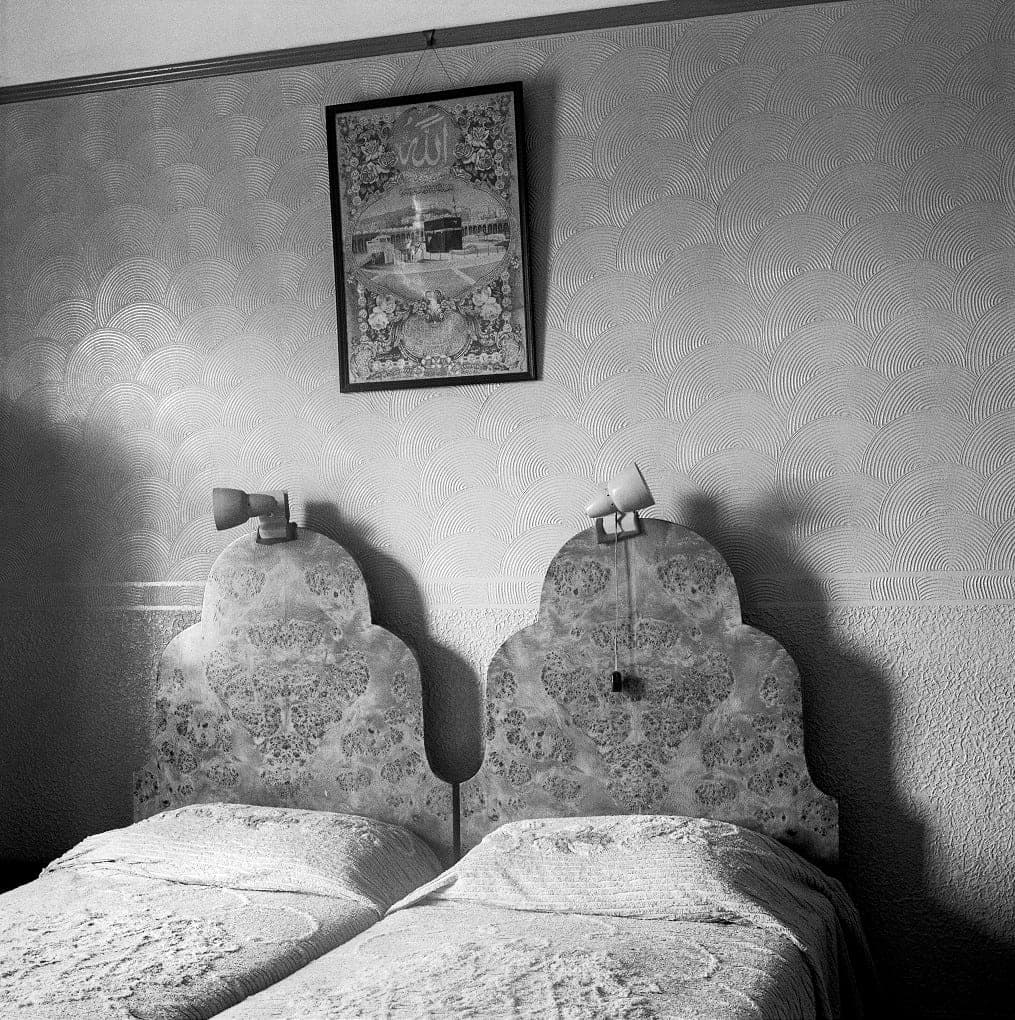
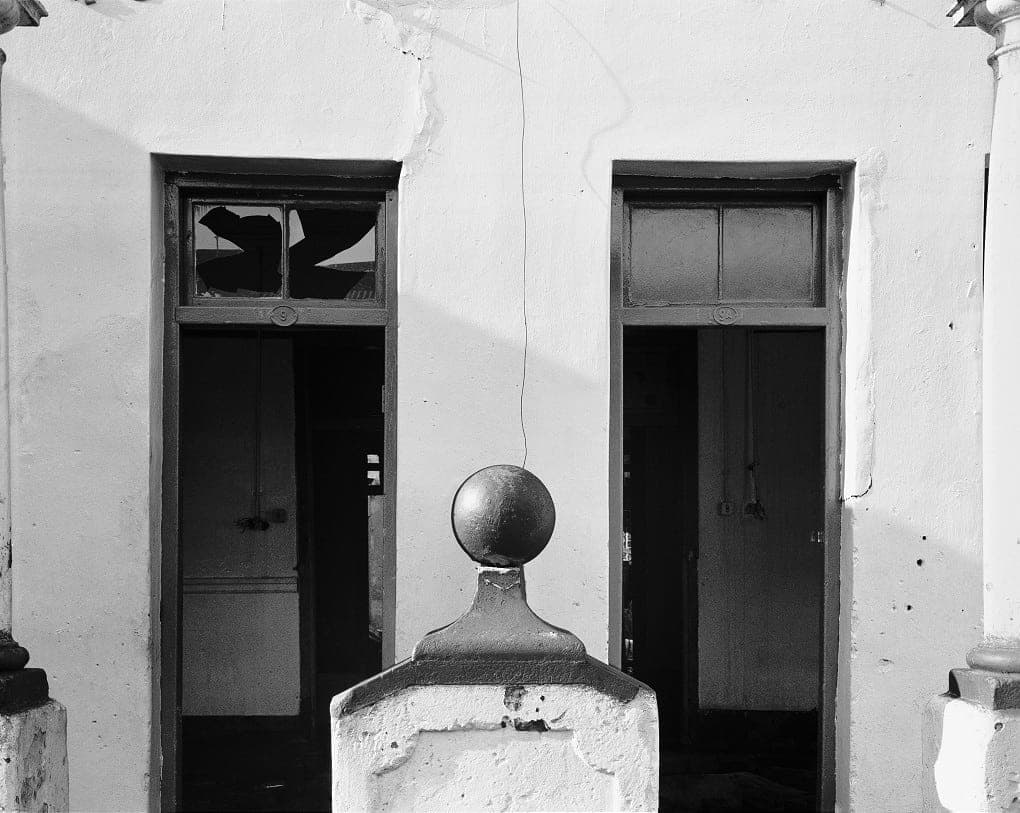
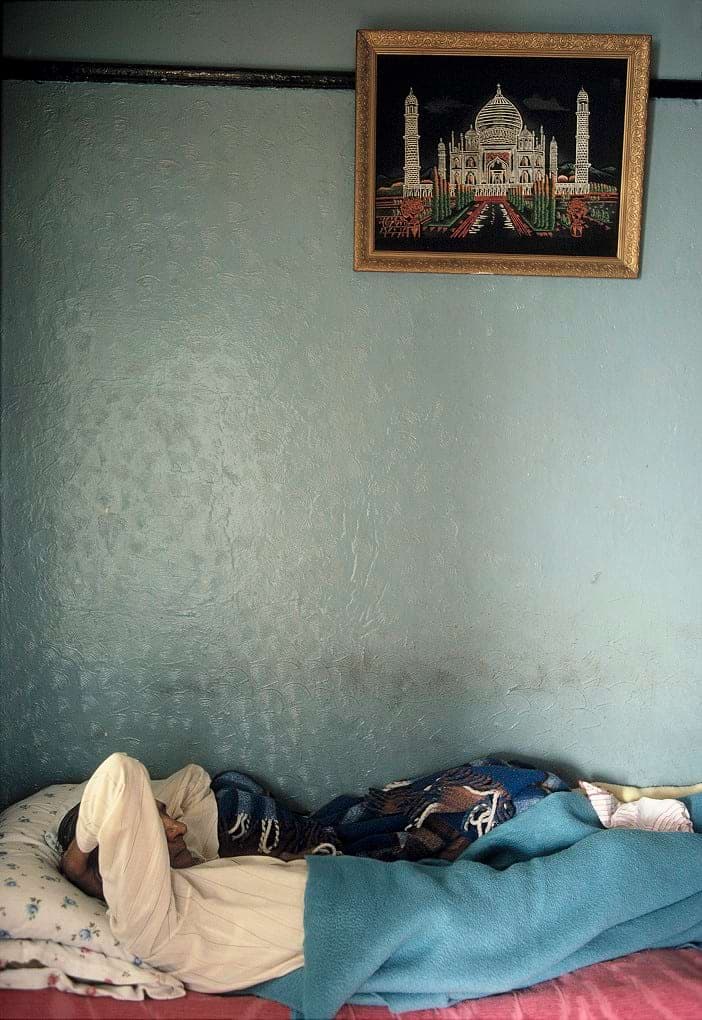
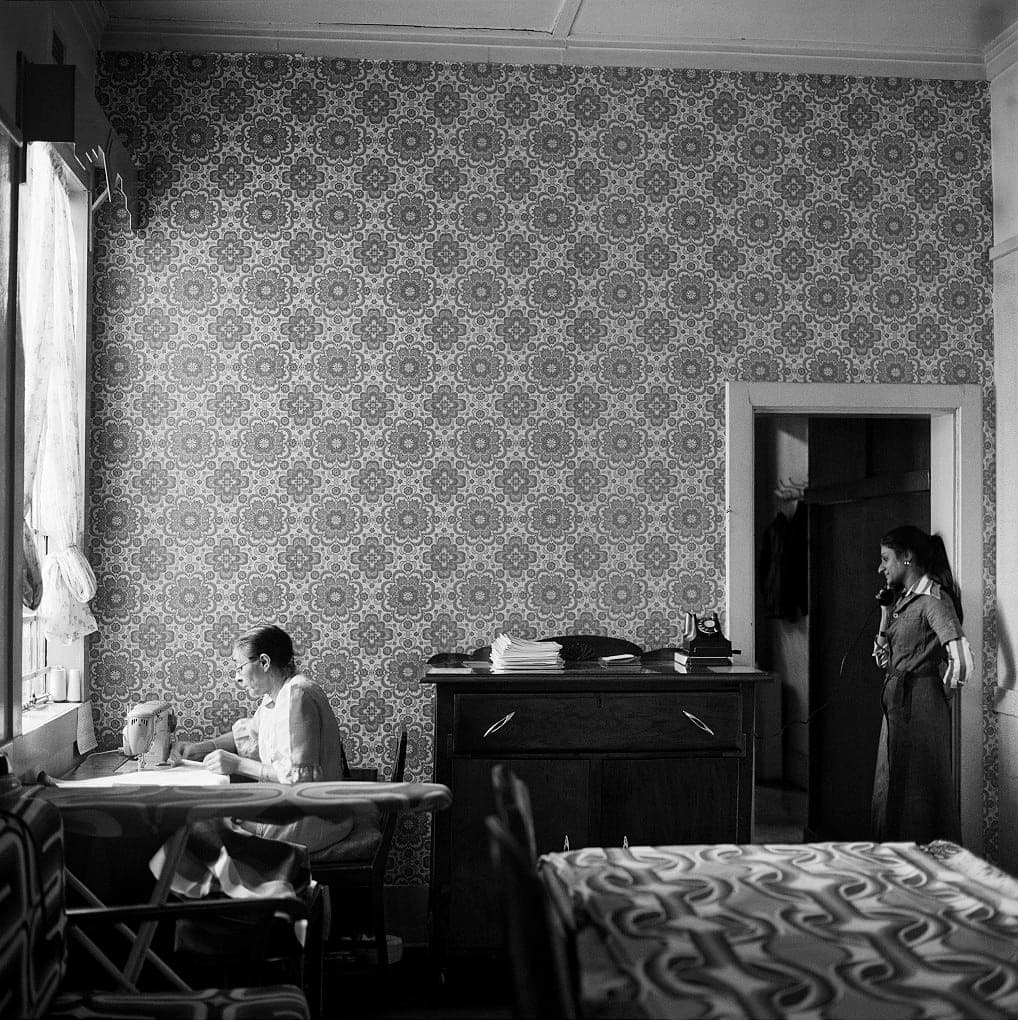
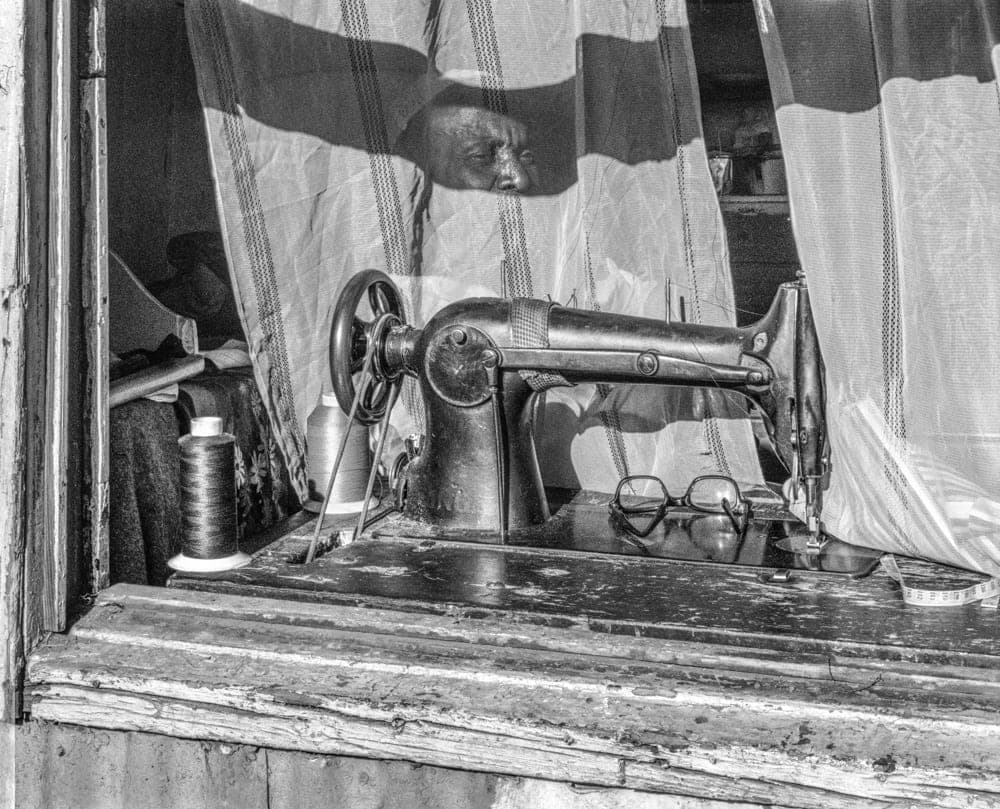
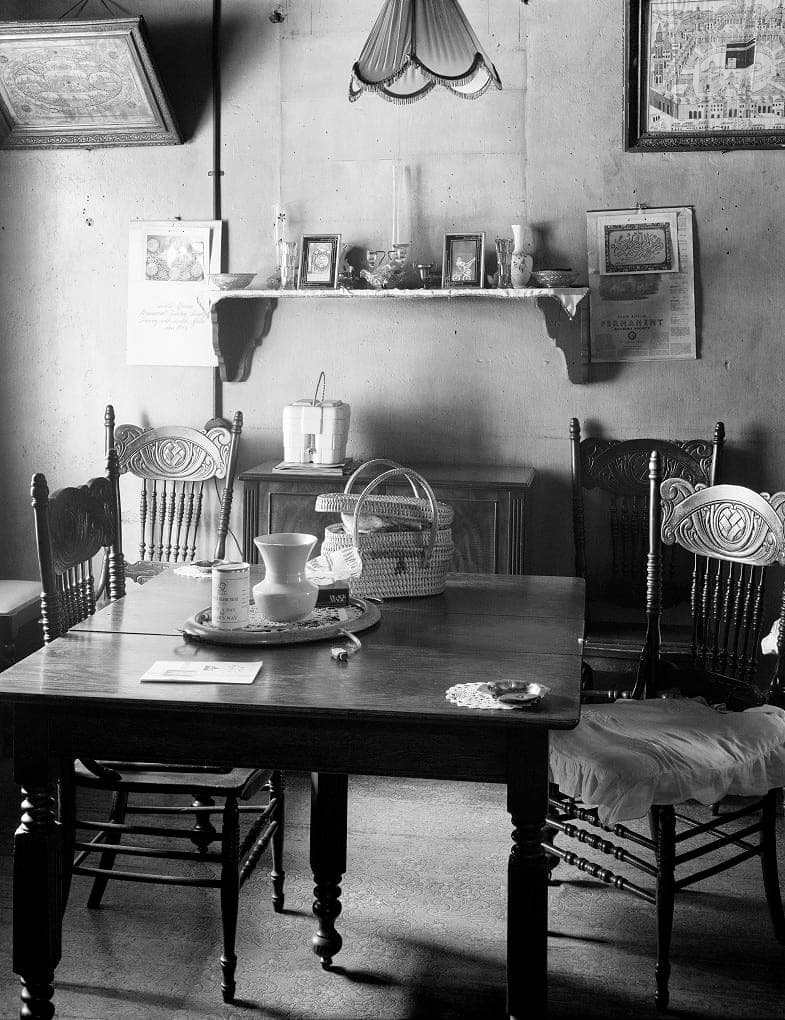
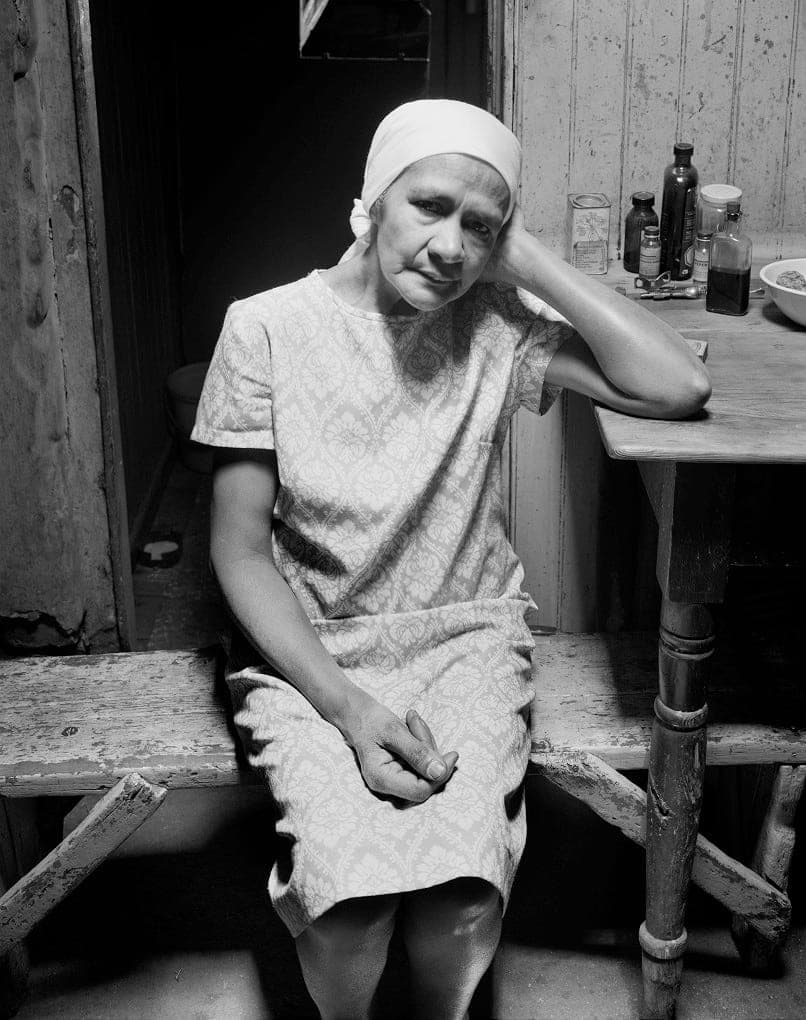
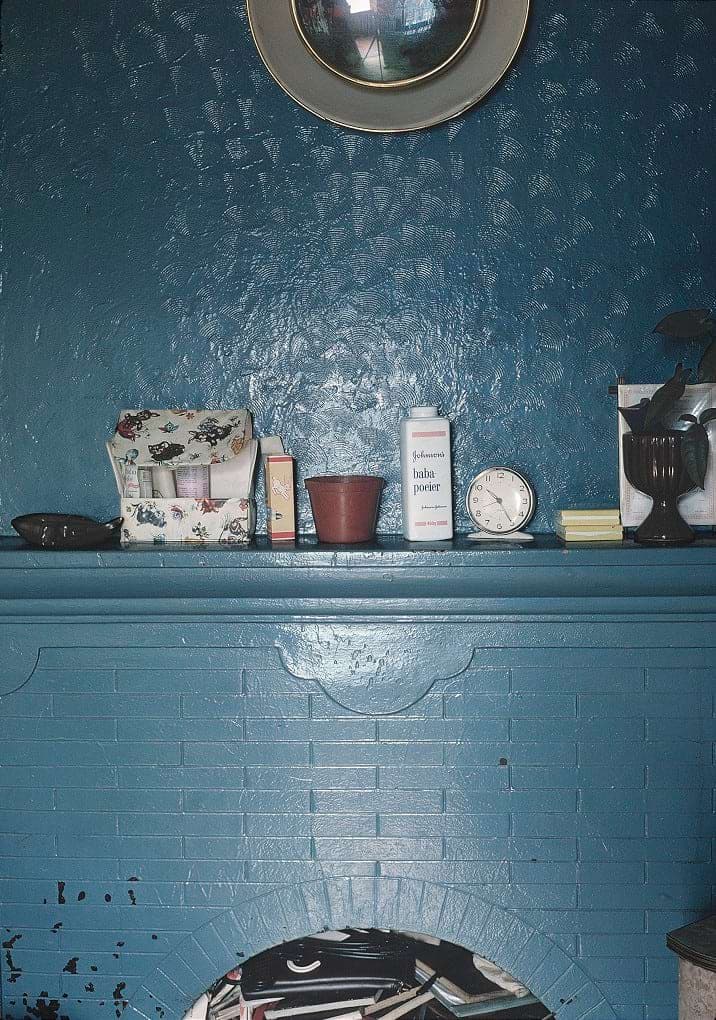
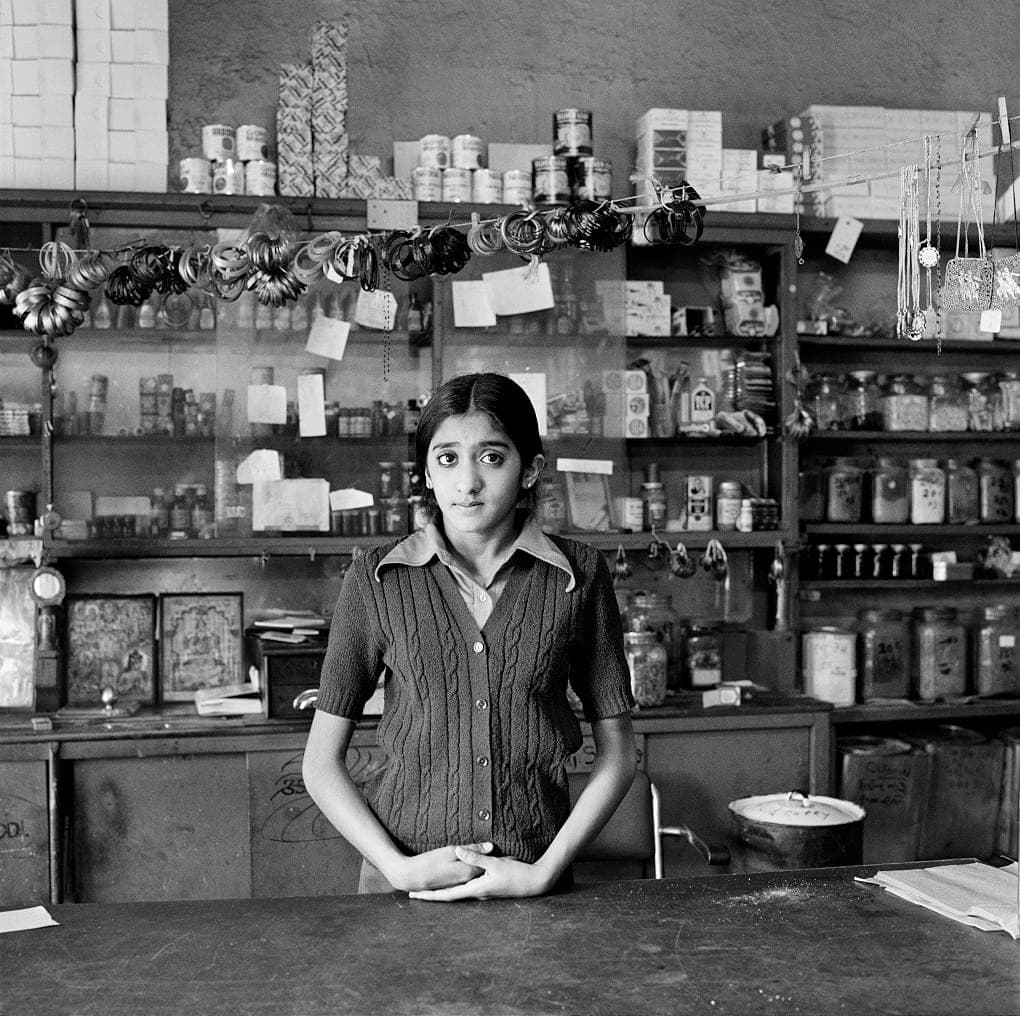
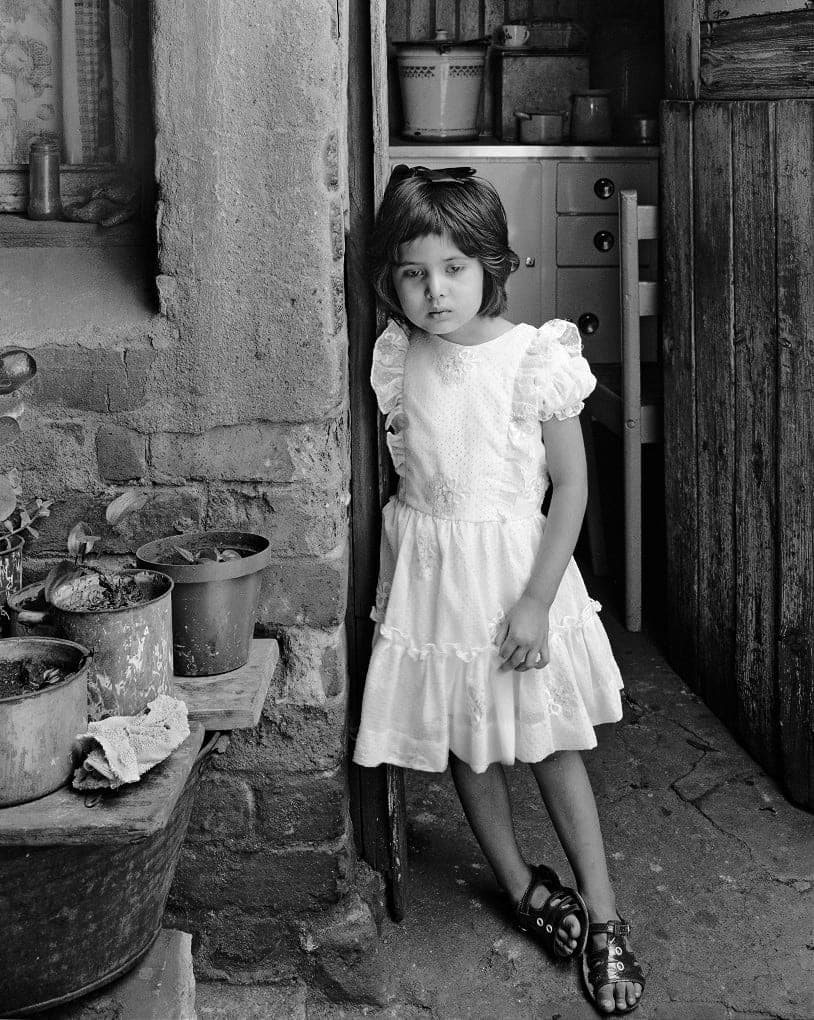
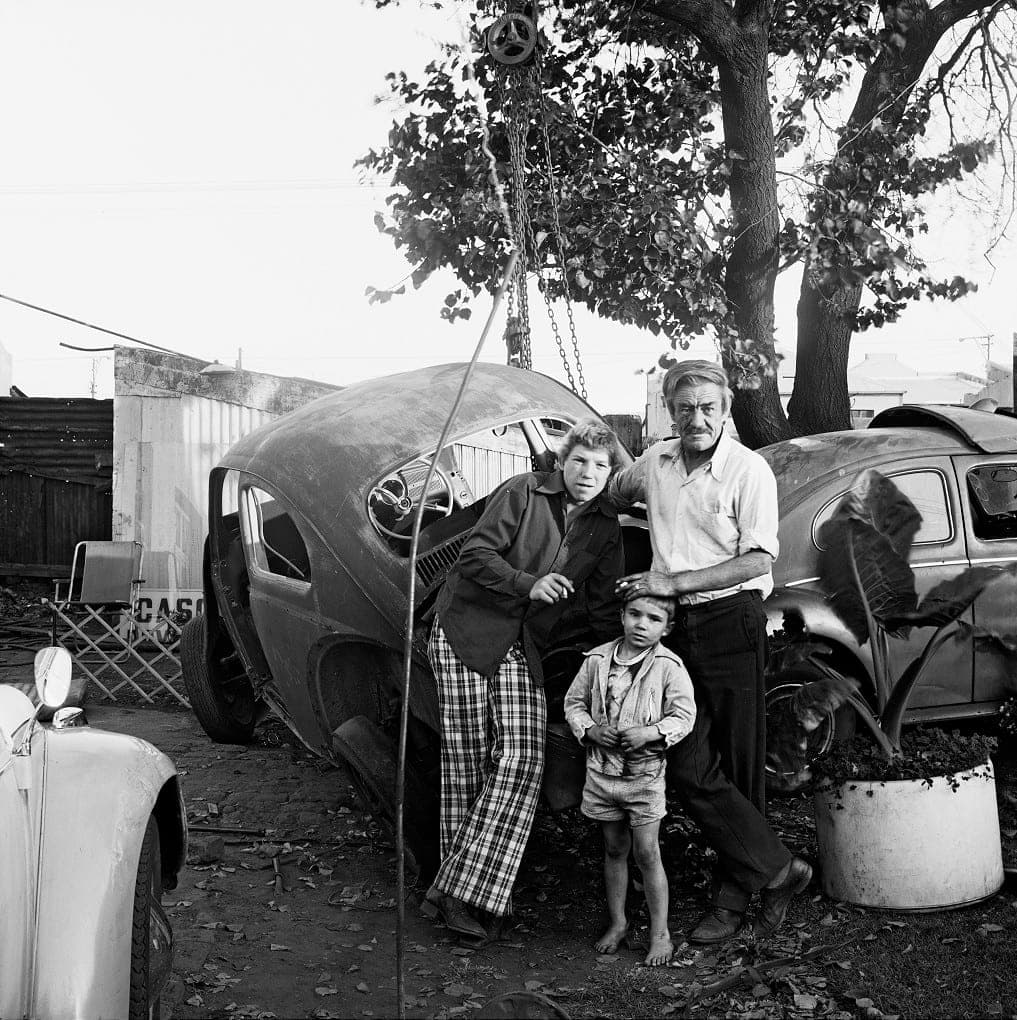
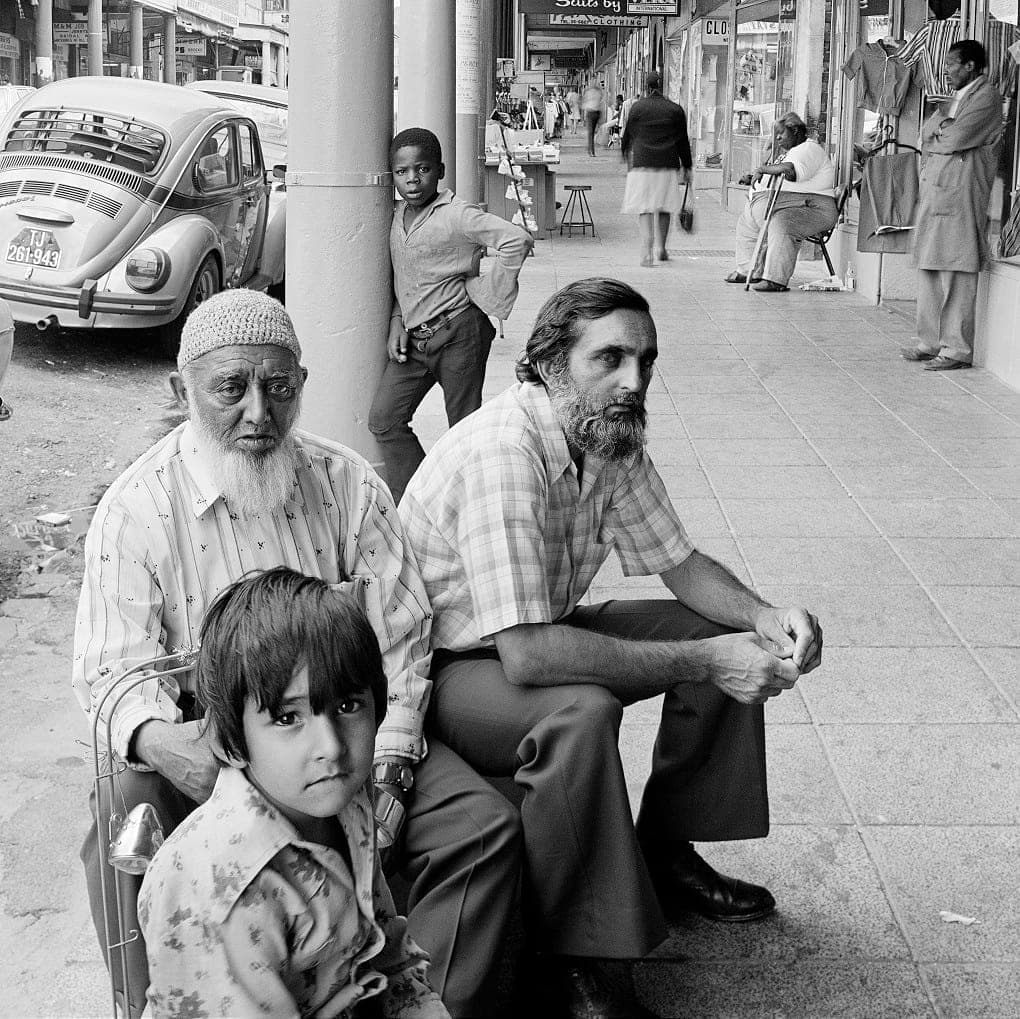
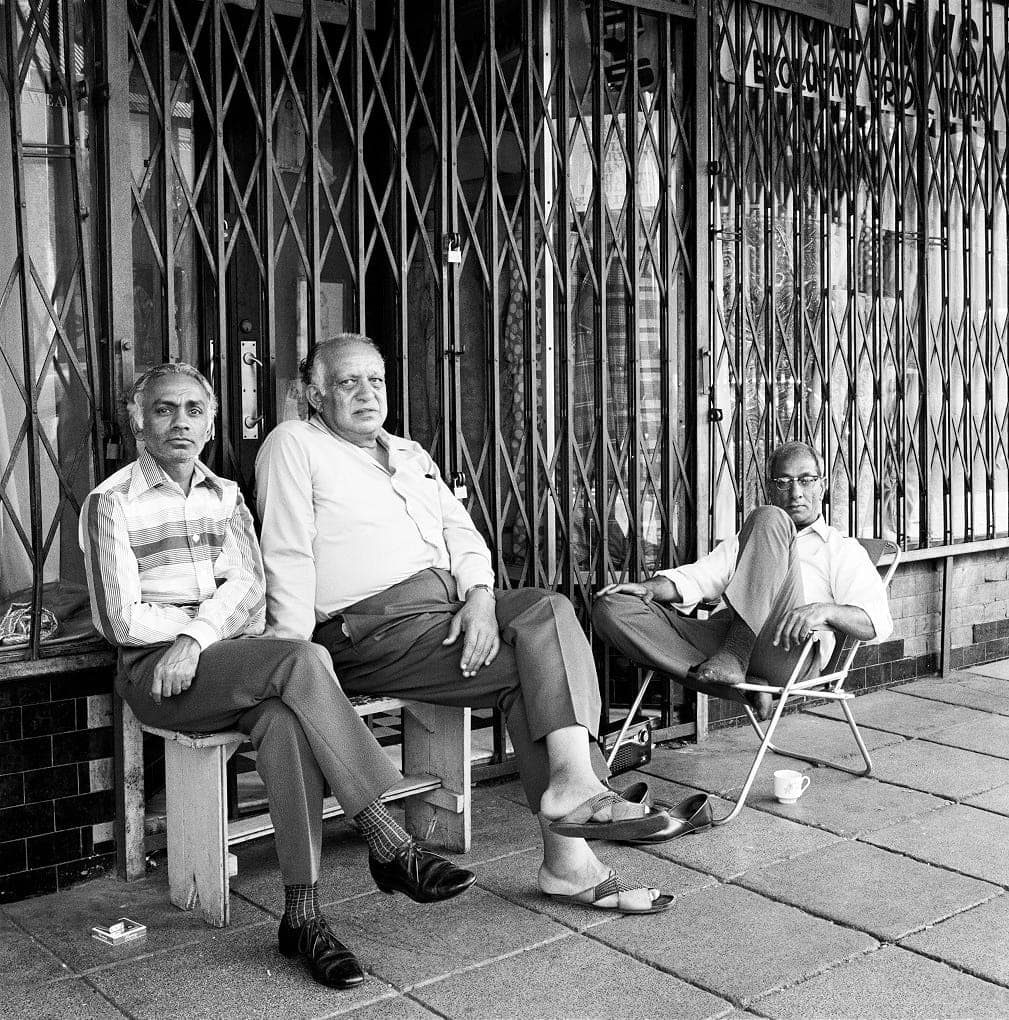
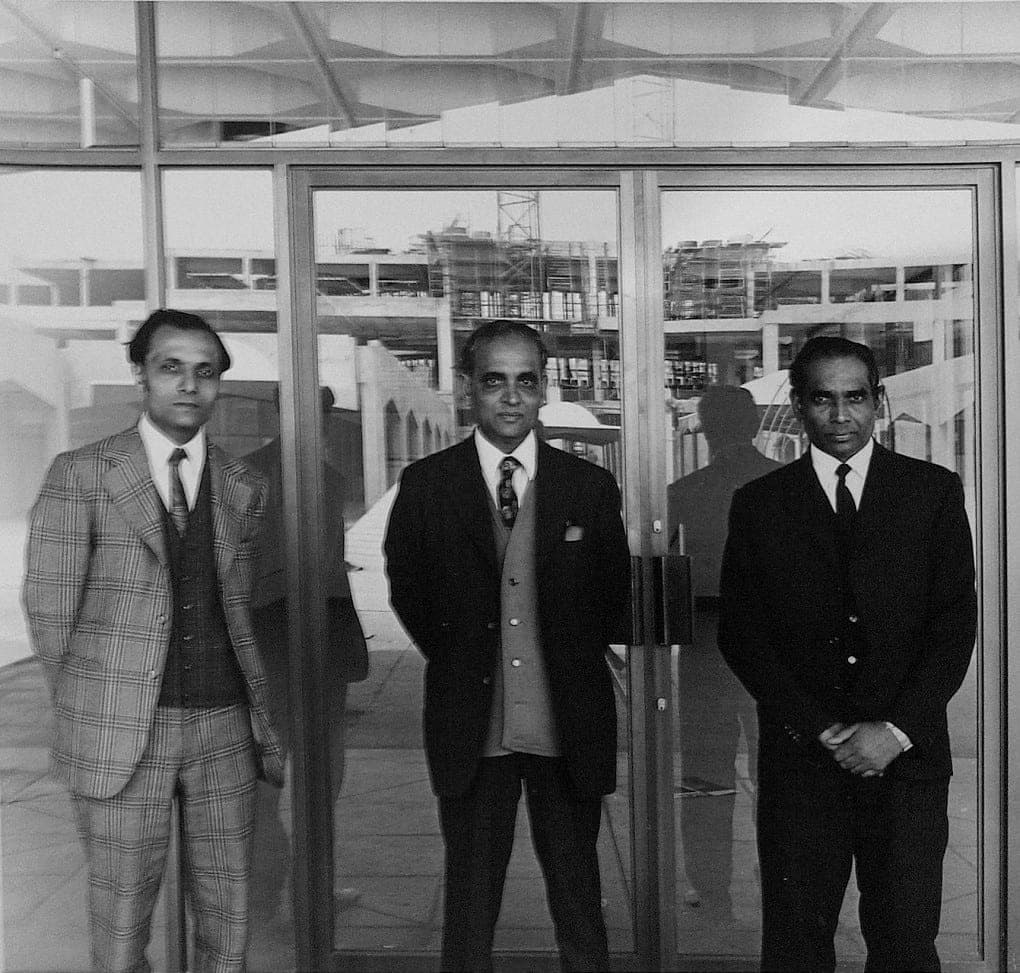
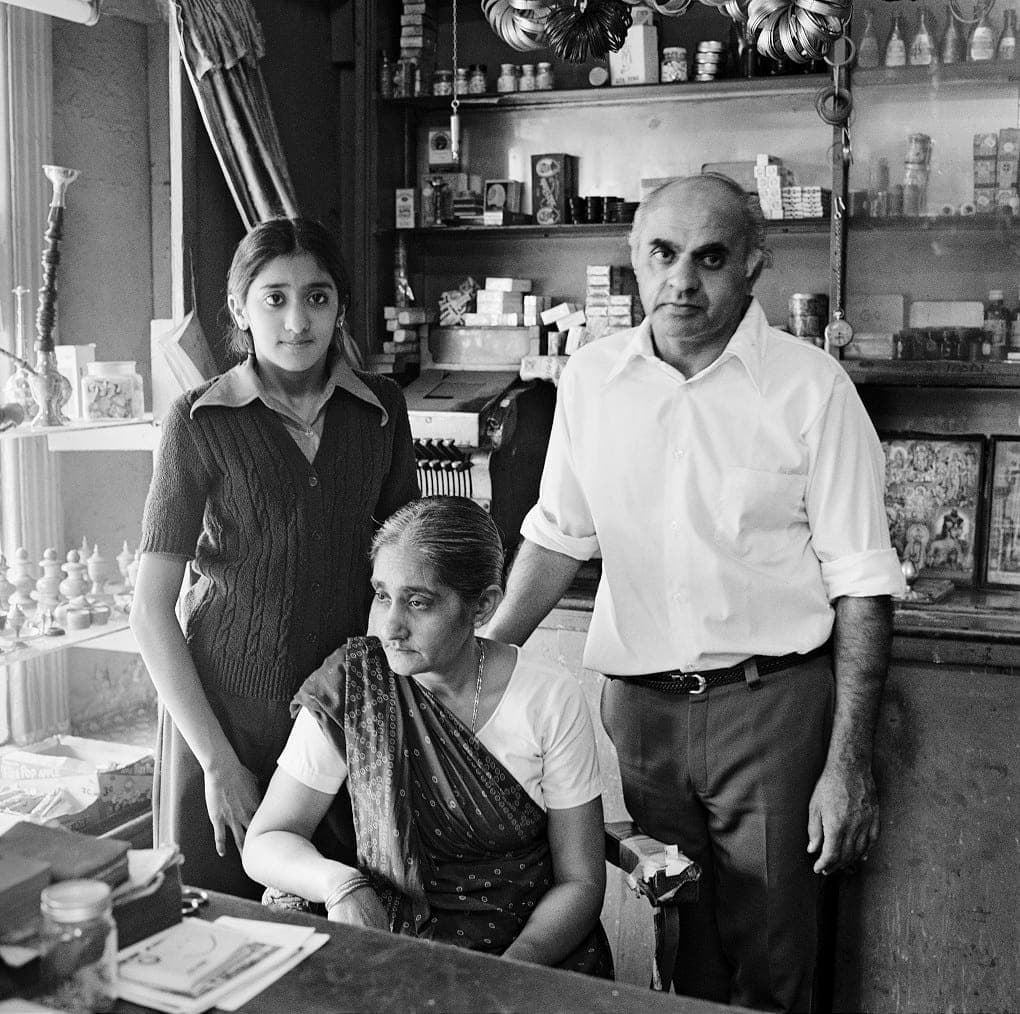
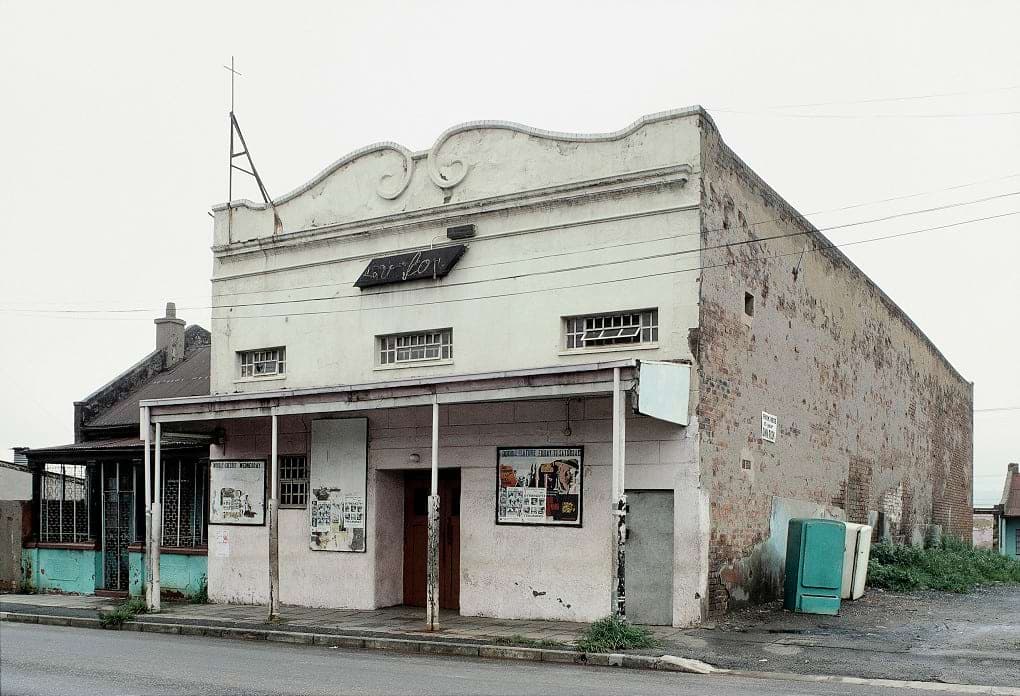
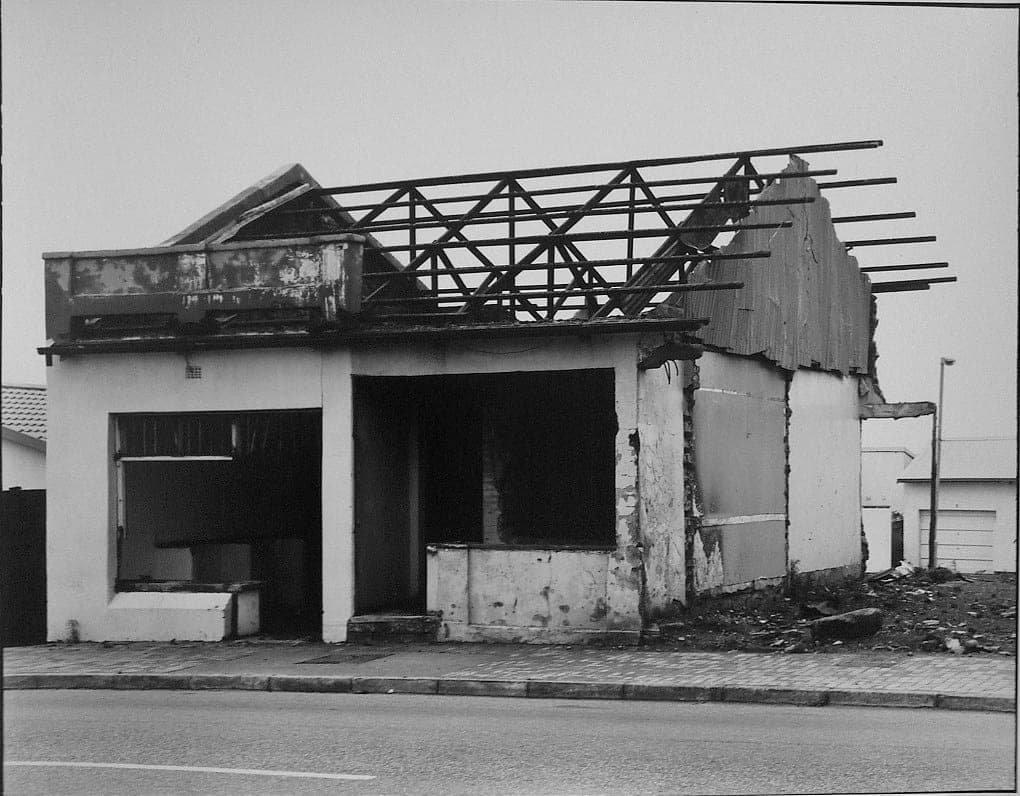
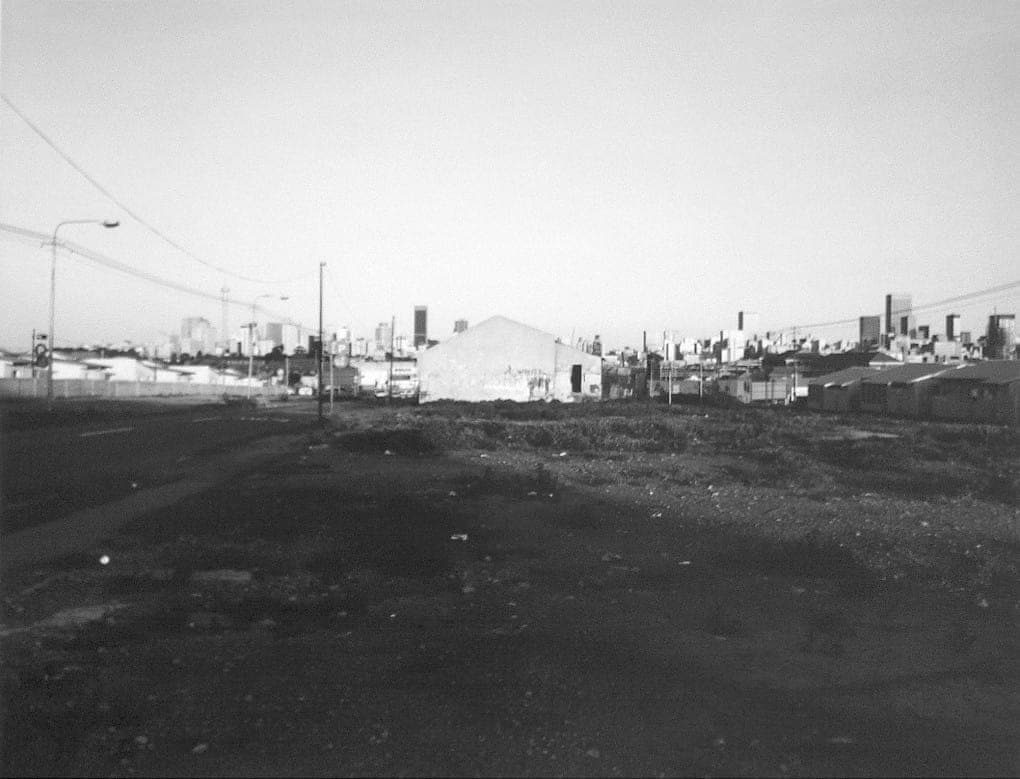
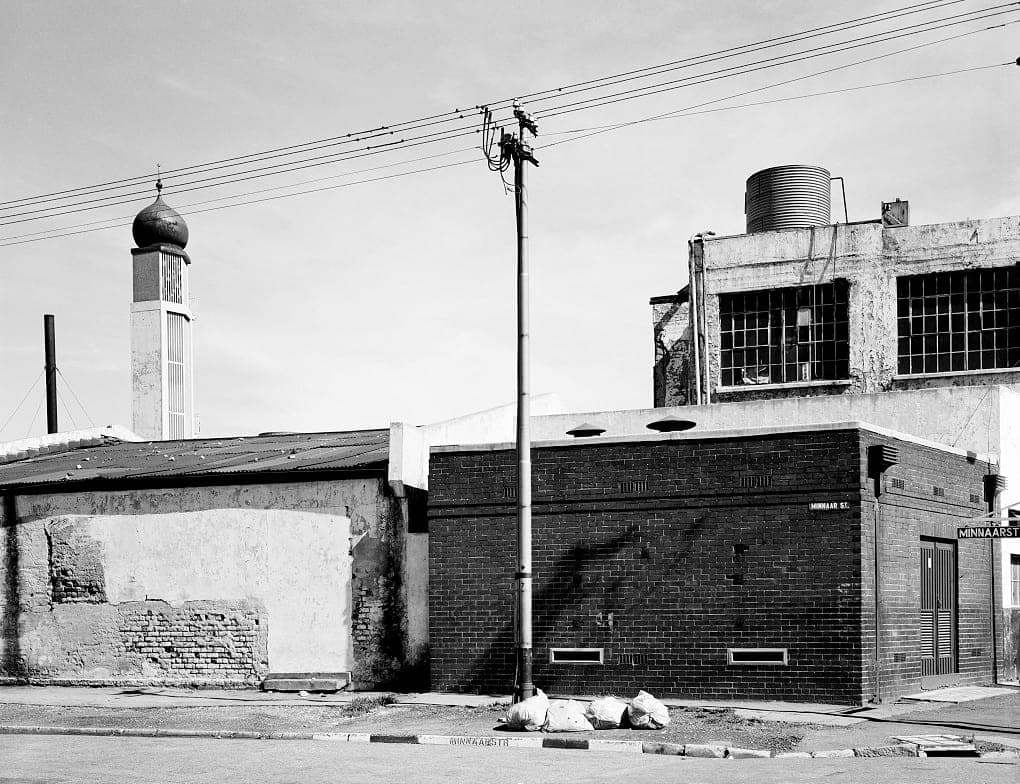
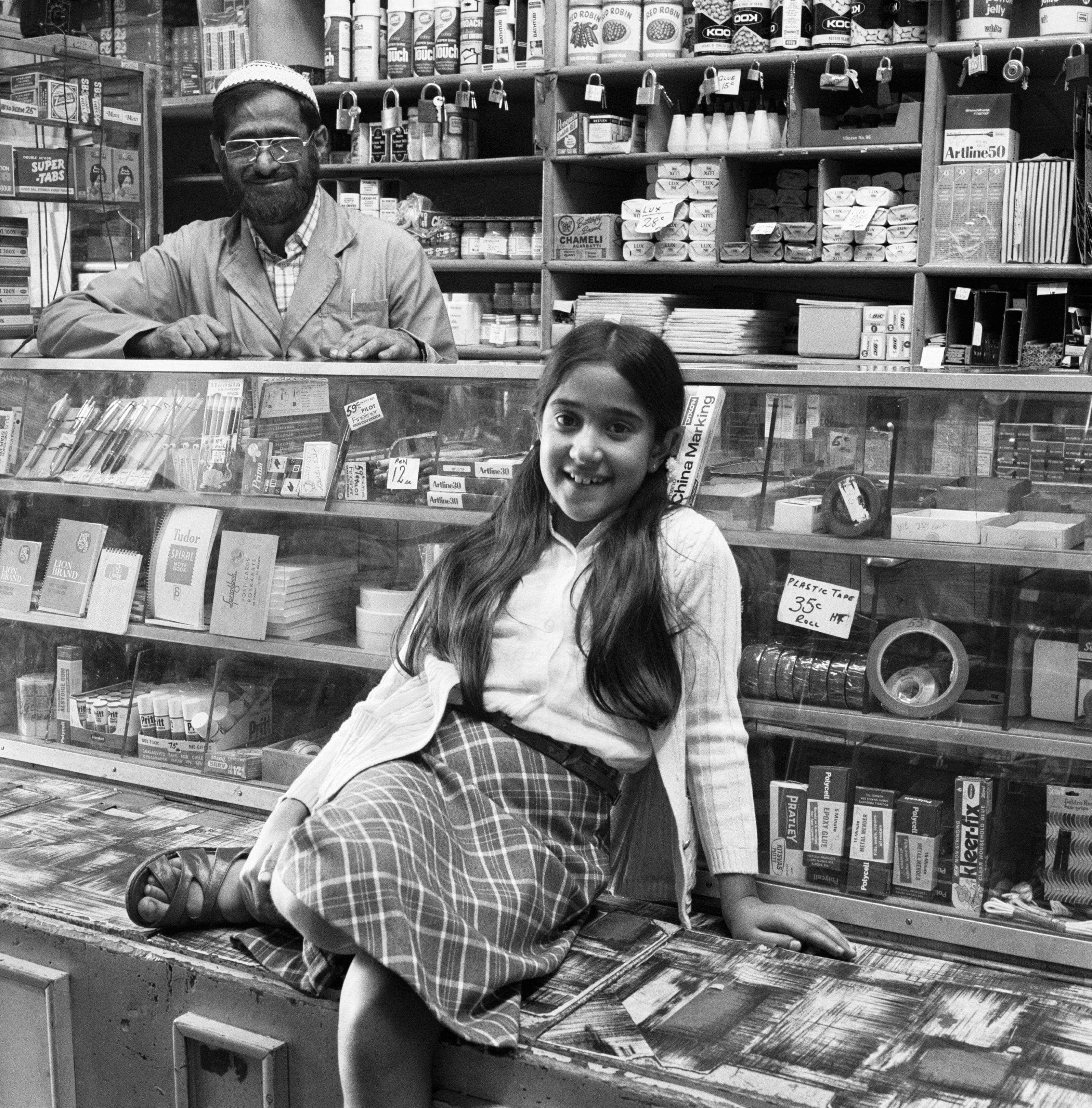
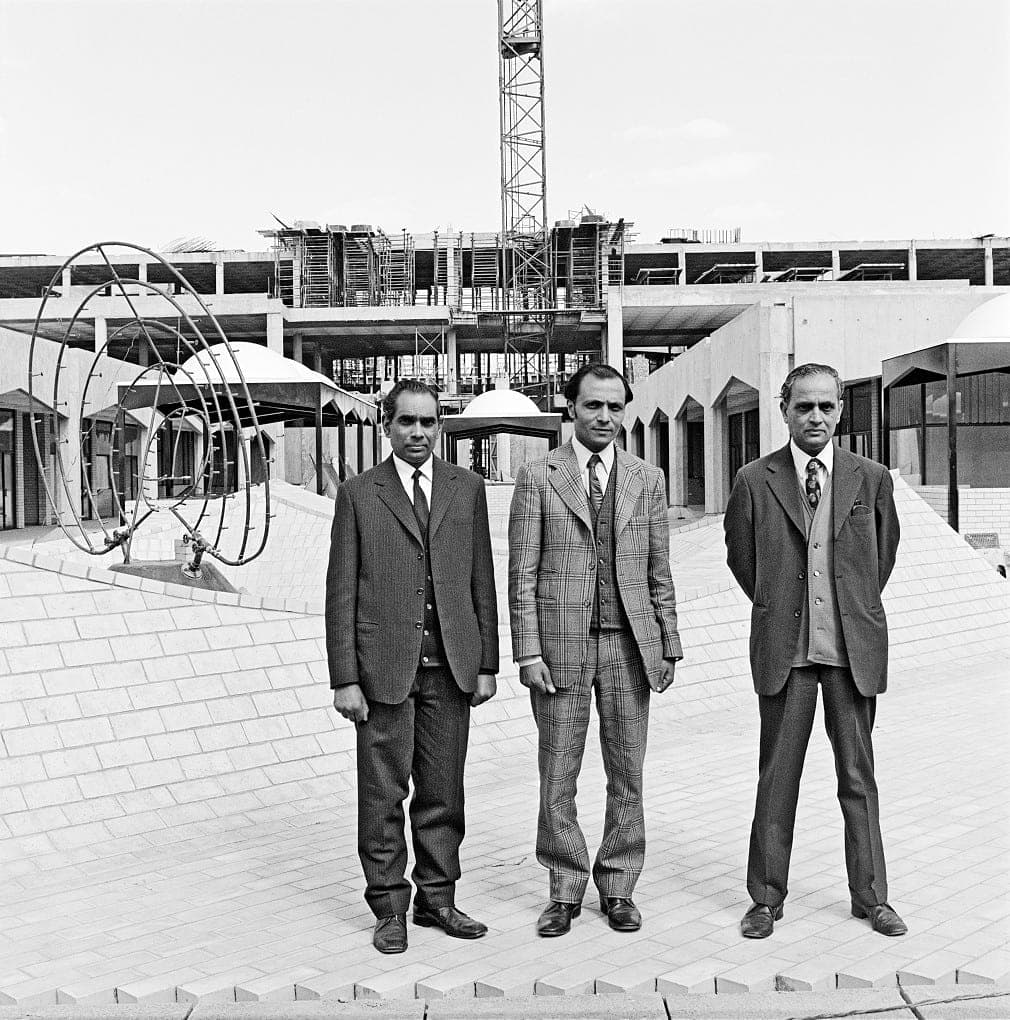
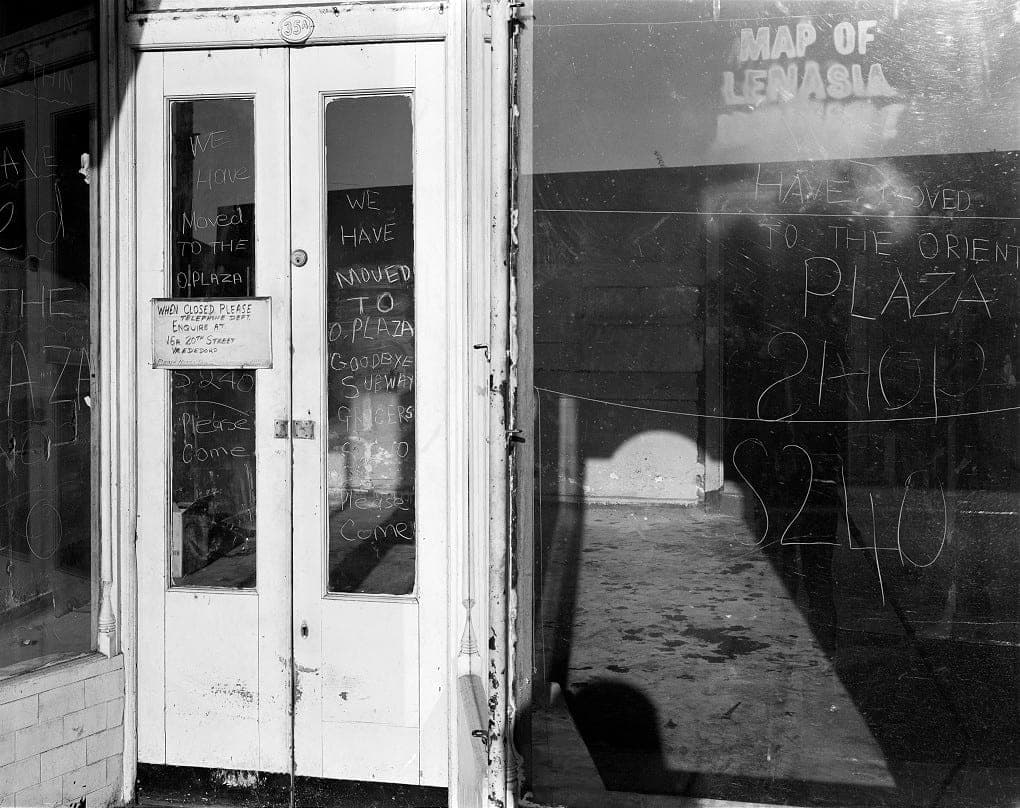
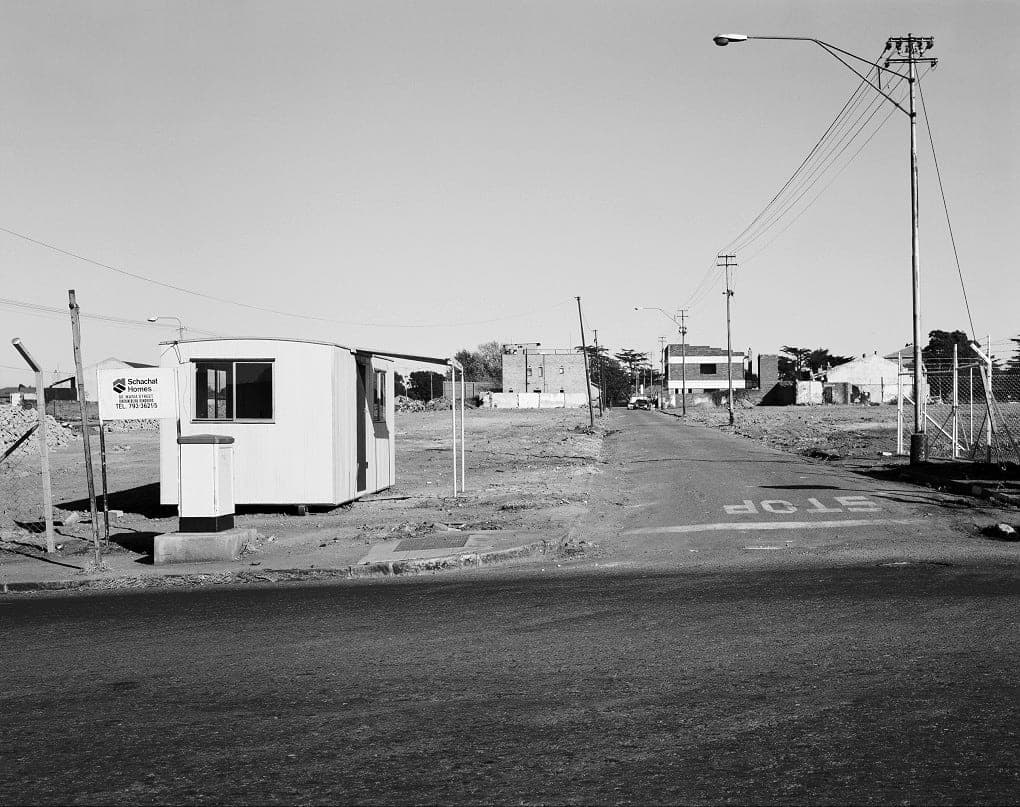
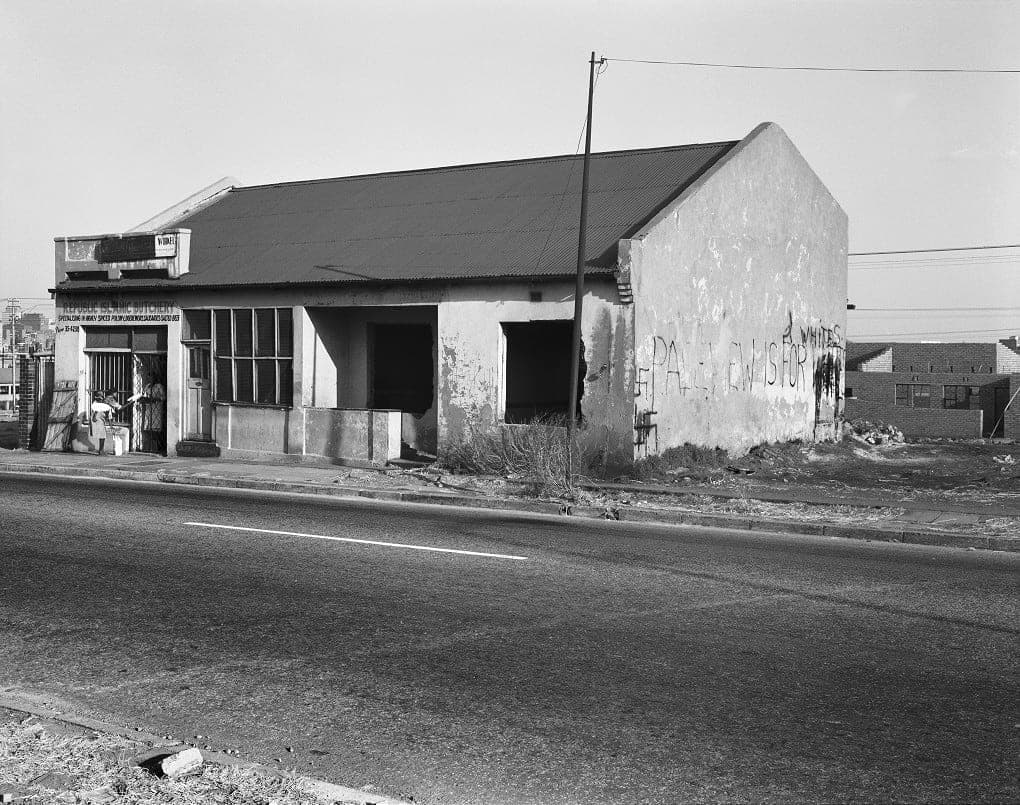

By the late 1950s, that fabric had begun to unravel. Declared a “white area” under the Group Areas Act, the people of Fietas resisted removal while government officials waged a relentless campaign to force them to move to racially demarcated townships. Families were relocated to distant areas such as Lenasia, Eldorado Park, and Soweto. Homes and shops were demolished. What followed was an act of sanctioned forgetting, as the remnants of shared lives were levelled in the name of racial order.
Over the six decades that Goldblatt photographed Fietas and its surroundings, he returned often to bear witness to its transformation. He photographed life before, during, and after the removals, and recorded the hollow aftermath of apartheid’s ambitions—the futile attempt to build houses for white residents on the ruins of the Fietas community.


Fragments of Fietas gathers these images as both testimony and elegy. For Goldblatt, to photograph was an act of moral attention—a way of acknowledging the entanglement of privilege, guilt, and responsibility. In returning to Fietas across decades, he transformed documentation into devotion: a fidelity to people and places marked by loss, and to the belief that fragments, when held and named, might still speak of what was once whole.


Artist Bio
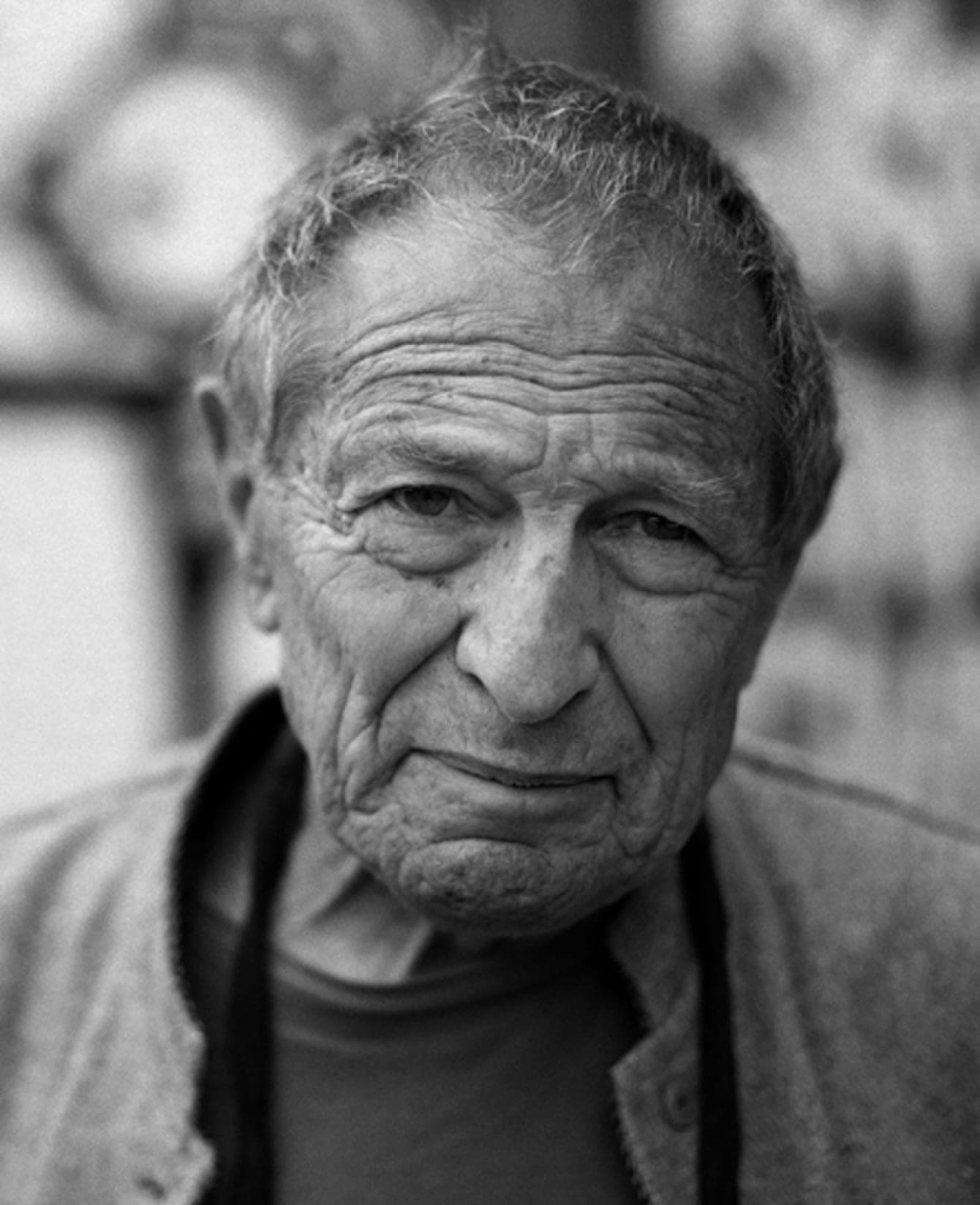
David Goldblatt (1930 – 2018) was born in Randfontein, a small mining town outside of Johannesburg, South Africa. Described by writer Mark Gevisser as ‘the visual conscience of South Africa,’ he photographed the structures, people and landscapes of South Africa for over seven decades. His work is contained in a number of books, including Some Afrikaners Photographed, On the Mines, Intersections, The Transported of Kwandebele, In Boksburg, Structures of things then, Fragments of Fietas and Ex Offenders at the Scene of Crime. Describing his work, he said, “I was drawn not to the events of the time, but to the quiet and commonplace where nothing ‘happened’ and yet all was contained and imminent”.
Goldblatt’s work has been exhibited widely around the world. Key exhibitions include Structures of Dominion and Democracy (2018) at Centre Pompidou, Paris; No Ulterior Motive (2022- 2025), a collaboration between the Art Institute of Chicago, Yale University Art Gallery, New Haven and Foundation Mafpre, Madrid; David Goldblatt: 51 years (2002 - 2004) organized by MACBA, Barcelona and exhibited at Witte de With, Rotterdam; Modern Art, Oxford; Palais des Beaux Arts, Brussels; Lenbachhaus, Munich, and the Bensusan Museum and Library of Photography, Johannesburg; Intersections Intersected (2008 -2011), organized by Stevenson Gallery and exhibited at Open eye Gallery, Liverpool, New Museum of Contemporary Art, New York, Malmo Konsthall and the University Museum of Contemporary Art, Amherst. Museums where he has had solo shows include the Museum of Modern Art, New York; Museum of Contemporary Art, Sydney; Henri Cartier-Bresson Foundation, Paris; Huis Marseilles, Amsterdam; Serralves Foundation, Porto; the Norval Foundation, Cape Town; South African National Gallery, Cape Town and Johannesburg Art Gallery.
Notable group exhibitions and biennales include ILLUMInations at the 54th Venice Biennale in 2011, South Africa in Apartheid and After, San Francisco Museum of Modern Art (2013); and Everything Was Moving: Photography from the 60s and 70s, Barbican Centre, London (2012). York.
Galleries where he has exhibited include Pace and Howard Greenberg, New York; Marion Goodman, Paris, Galería Elba Benítez, Madrid and Stevenson, Cape Town. He has been represented by Goodman Gallery since 2000 and has held numerous exhibitions at its Johannesburg, London and Cape Town galleries.
Selected collections include: Museum of Modern Art, New York; Metropolitan Museum of Art, New York; San Francisco Museum of Modern Art; Tate Modern, London; Victoria and Albert Museum, London; Centre Pompidou, Paris; The J. Paul Getty; Museum, Los Angeles; National Gallery of Art, Washington, D.C.; Art Institute of Chicago; Huis Marseille, Amsterdam; The Museum of Fine Arts, Houston; The Walther Collection, Neu-Ulm, Germany and New York; National Gallery of Australia, Canberra; Stedelijk Museum, Amsterdam; Fotomuseum Winterthur, Switzerland; Yale University Art Gallery, New Haven; Johannesburg Art Gallery, South Africa; Iziko South African National Gallery, Cape Town; Art Gallery of New South Wales, Sydney; Princeton University Art Museum, Princeton; Musée del’Élysée, Lausanne; Carnegie
Museum of Art, Pittsburgh; Museo Nacional Centro de Arte Reina Sofía, Madrid and Los Angeles County Museum of Art, Los Angeles. Goldblatt was the recipient of the 2006 Hasselblad award, the 2009 Henri Cartier-Bresson Award, the 2013 ICP Infinity Award and in 2016, he was awarded the Commandeur des Arts et des Lettres by the Ministry of Culture of France.