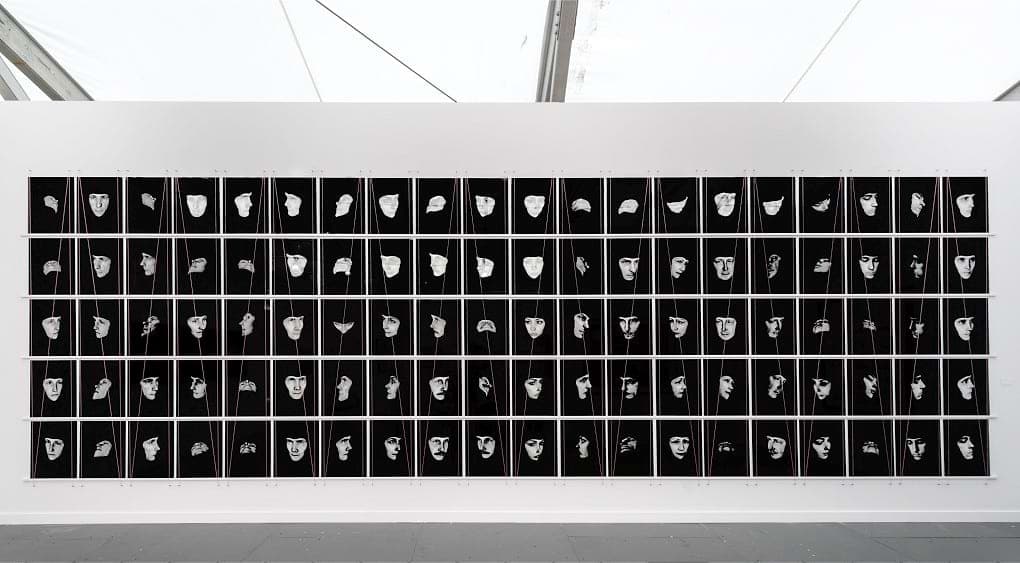
Broomberg and Chanarin’s series of portraits, 'Spirit is a Bone' (2013), were created by a facial recognition system recently developed in Moscow for public security and border control surveillance. These portraits are the product of a system designed for facial recognition purposes in public areas. What is significant about this camera is that it is designed to make portraits without the co-operation of the subject; four lenses operating in tandem to generate a full frontal image of the face, ostensibly looking directly into the camera, even if the subject himself is unaware of being photographed. Co-opting this device, Broomberg & Chanarin have constructed their own taxonomy of portraits in contemporary Russia.
104 Unique prints from a series of 10 different editions
Contains:
The Bricklayer
The Gas Man
The Middle Class Woman
The Dadaist
The City Dweller
The Industrialist
The Wife of a Writer
The Carpenter
The Industrialist's Wife
The Doctor
The Nun
The Painter
The Real Estate Agent
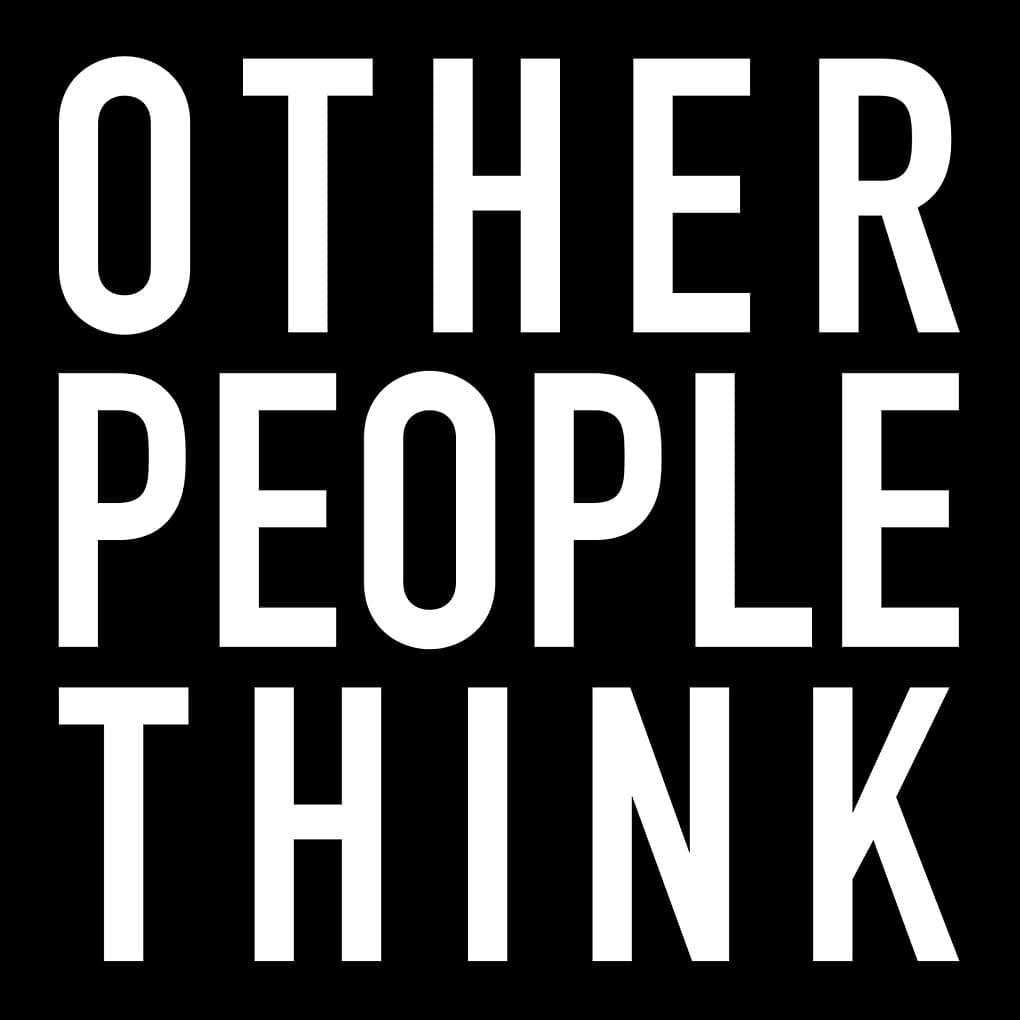
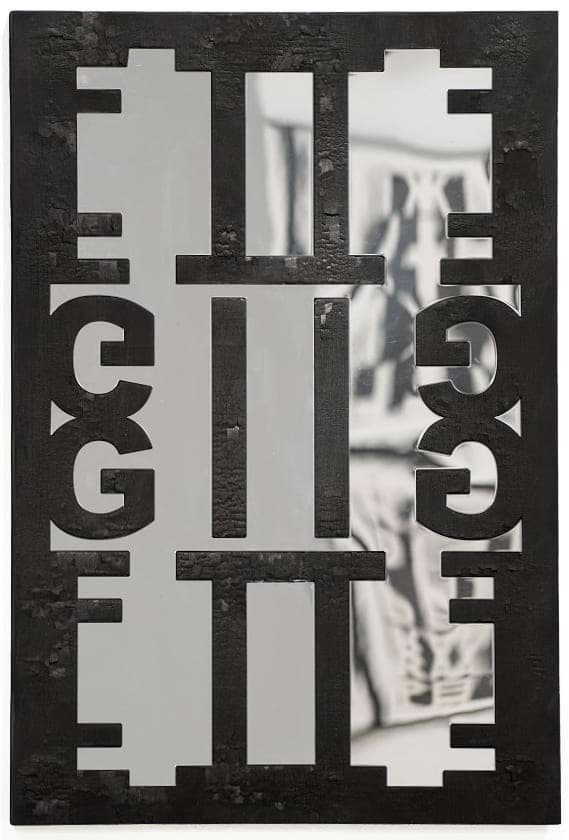
‘Other People Think’ is a conceptual lightbox work by Alfredo Jaar that draws its title from an early essay delivered by composer John Cage in 1927. In that text, Cage urged Americans to listen to and learn from Latin American voices, challenging the cultural hierarchies that shaped hemispheric relations. Jaar created the work on the centenary of Cage’s birth, transforming this overlooked historical appeal into a contemporary call for cross-cultural reflection. As a Chilean artist based in the United States, Jaar uses the piece to highlight enduring asymmetries in cultural representation and to foreground the importance of ethical listening in global discourse.
The work consists of a backlit black-and-white transparency housed in a lightbox, bearing the stark white phrase “OTHER PEOPLE THINK” in capital letters across a dark background. The simplicity of its form belies the conceptual weight it carries. By isolating this phrase and rendering it with luminous precision, Jaar compels the viewer to confront questions about whose perspectives are valued, whose knowledge is marginalised, and what it means to acknowledge the thoughts of others. Operating at the intersection of language, power and perception, the work becomes both a visual meditation and a quiet political statement – urging recognition, humility and a more expansive cultural awareness.
Video
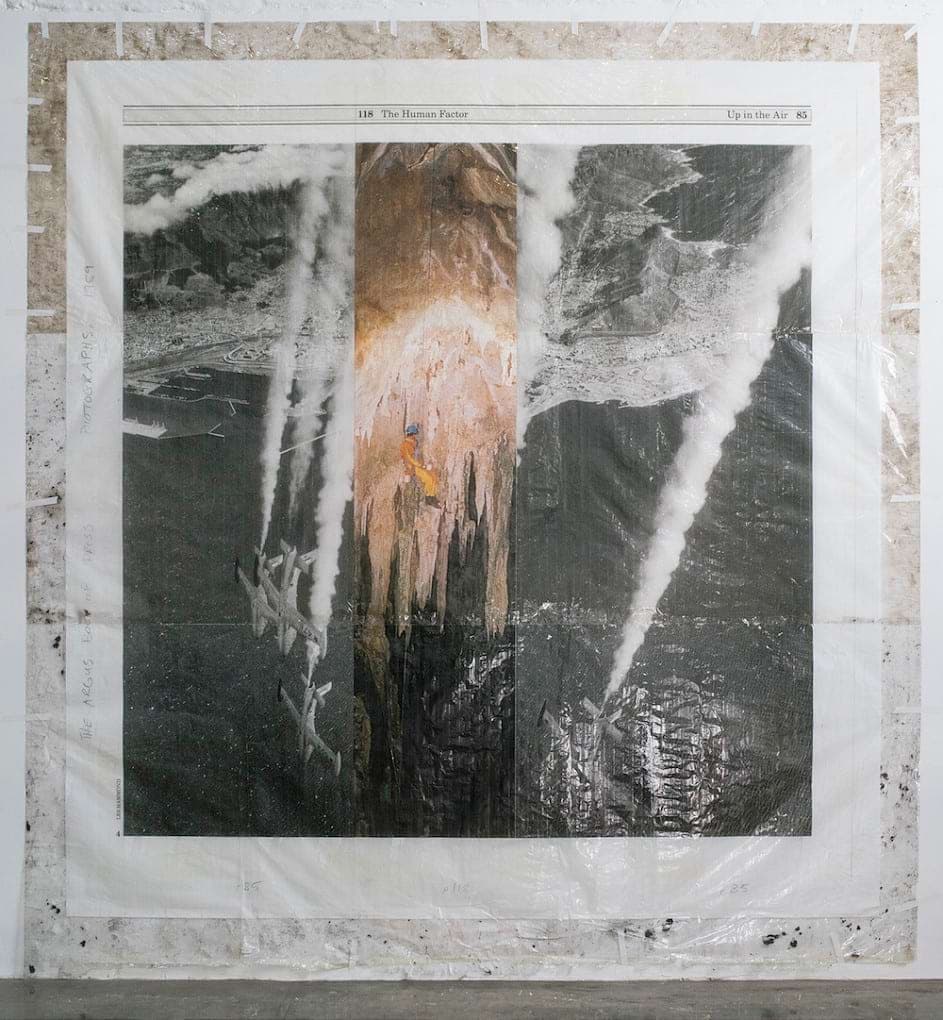
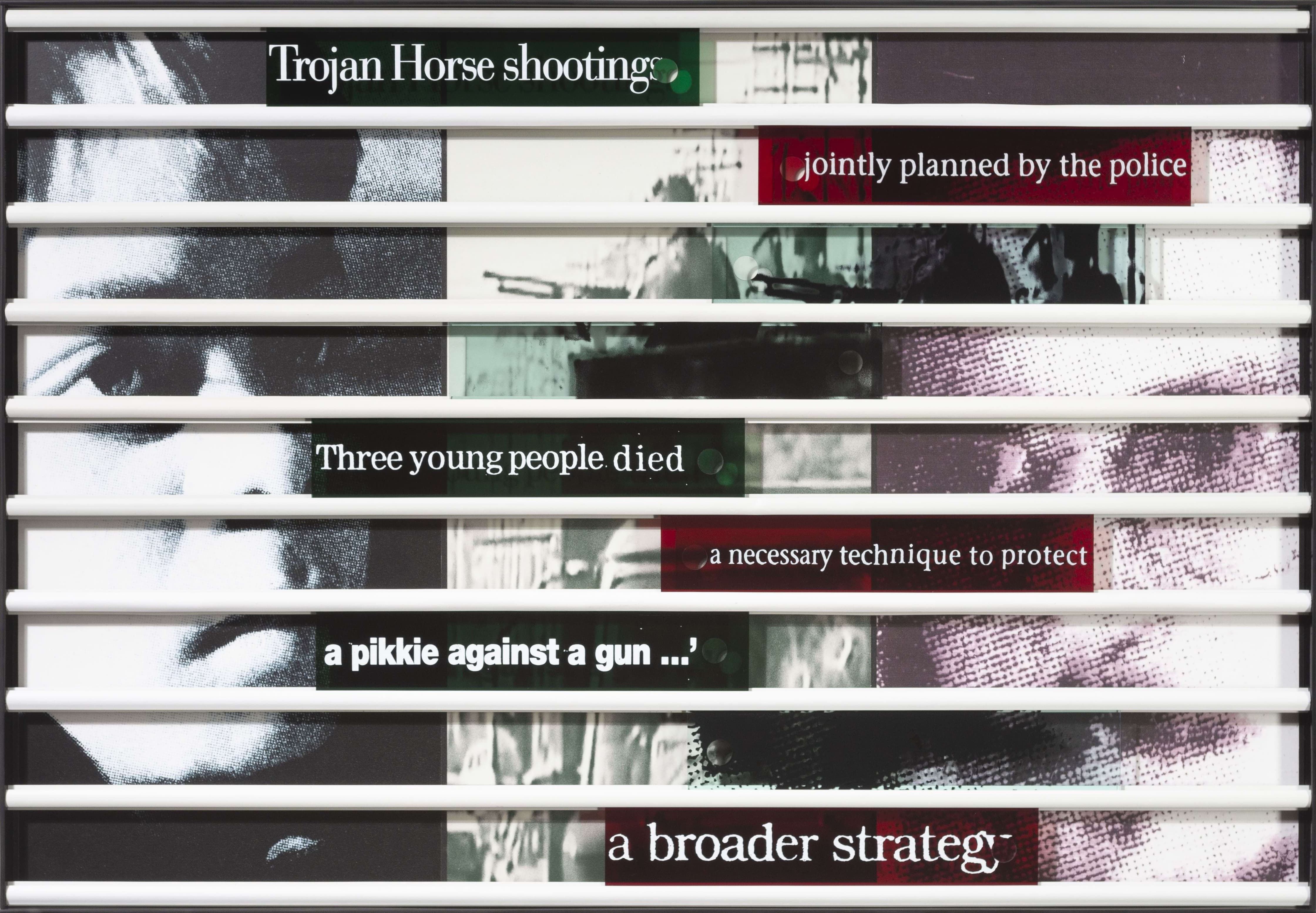
The ‘Truth Games’ series reflects on the role of South Africa’s Truth and Reconciliation Commission (TRC) in the country’s process of healing – or not healing – after apartheid. The Commission was set up in 1995 by President Mandela, who named Archbishop Demond Tutu as its chairman, and invited witnesses who were identified as victims of gross human rights violations to give statements about their experiences. Hearings were held across the country. Perpetrators of violence could also give testimony and request am- nesty from both civil and criminal prosecution, on the condition that they told the whole truth and had acted from political belief, whether on the right or the left.
Sue Williamson kept daily newspapers through the entire process of the hearings, cutting out images and texts relating to the hearings. Each piece in the ‘Truth Games’ series presents a triptych of images drawn from this file: on the left, the accuser, in the centre, an image of the event, on the right, the defender. On the sliding perspex slats which run horizontally across the work, are scraps of texts from the evidence of the accusers and the defenders, giving an epigrammatic summary of the proceedings. However, at no point are all three visible at once. Text drawn from TRC transcripts is printed on sliding slats that obscure parts of the images. Viewers are encouraged to move these slats, revealing or concealing portions of the work as they attempt to piece together a fuller picture, echoing the nation’s collective attempt to uncover the truth.
ANC leader Chris Hani was assassinated in his driveway in 1993. At the hearing, his widow, Limpho, says he was ‘gunned down’, that his killers had ‘shown no remorse’ and concludes the hearings ‘will not bring my husband back’. Right wing activist Gaye Derby Lewis admits that she ‘gave Hani’s address to his killer’, that Hani was ‘third on hitlist’ and that her group’s motive was a ‘plan to create chaos’. By mediating the flood of images and narratives that circulate in public discourse and mass media, Williamson aimed to offer a more focused, reflective space - a space in which to engage with difficult truths, and consider the layers of meaning that often remain hidden.
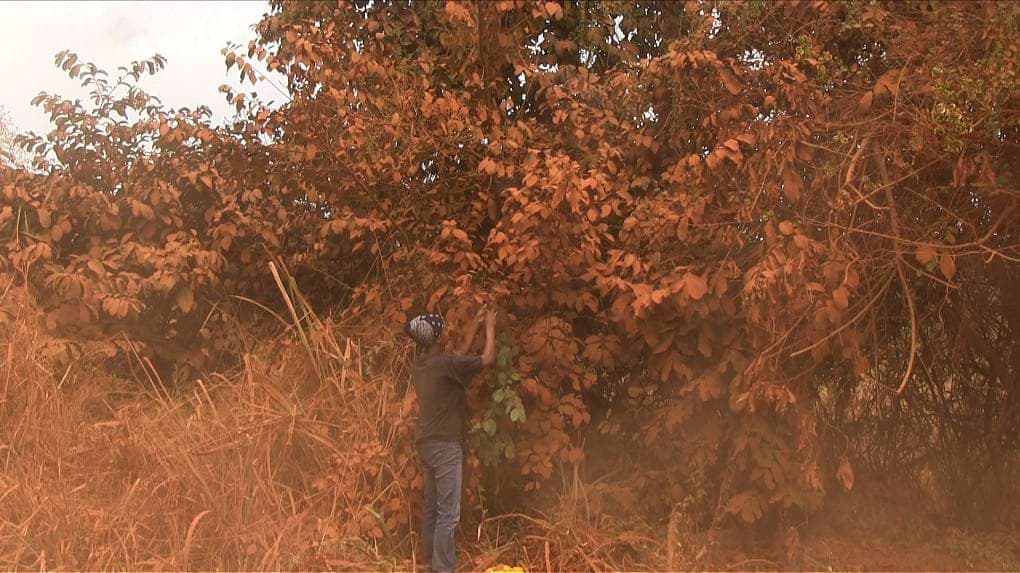
During the dry season, rural Tanzania is covered in a blanket of red dust which produces a myriad of monochromatic landscapes. For the video Vumbi, which means dust in kiswahili, the artist cleans away dust from foliage and engage in an act of subtractive painting. Kiwanga transposes a simple task from the domestic sphere into the natural environment and engages in a sisyphean action, for the foliage will quickly be buried under a new layer of dust.
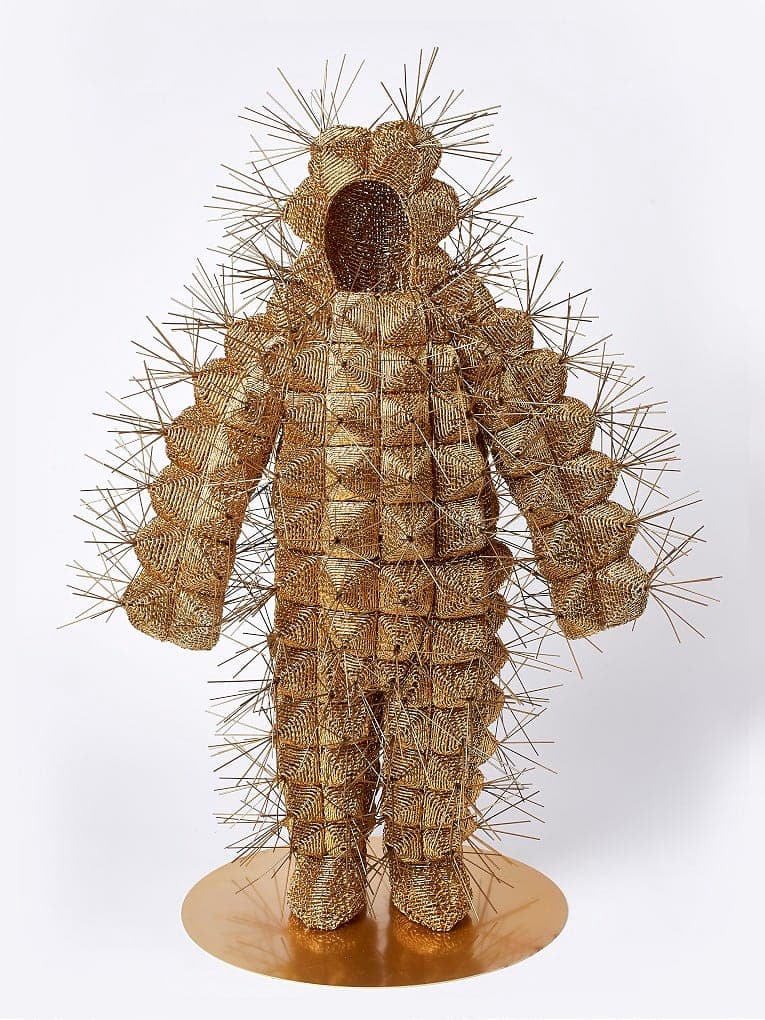
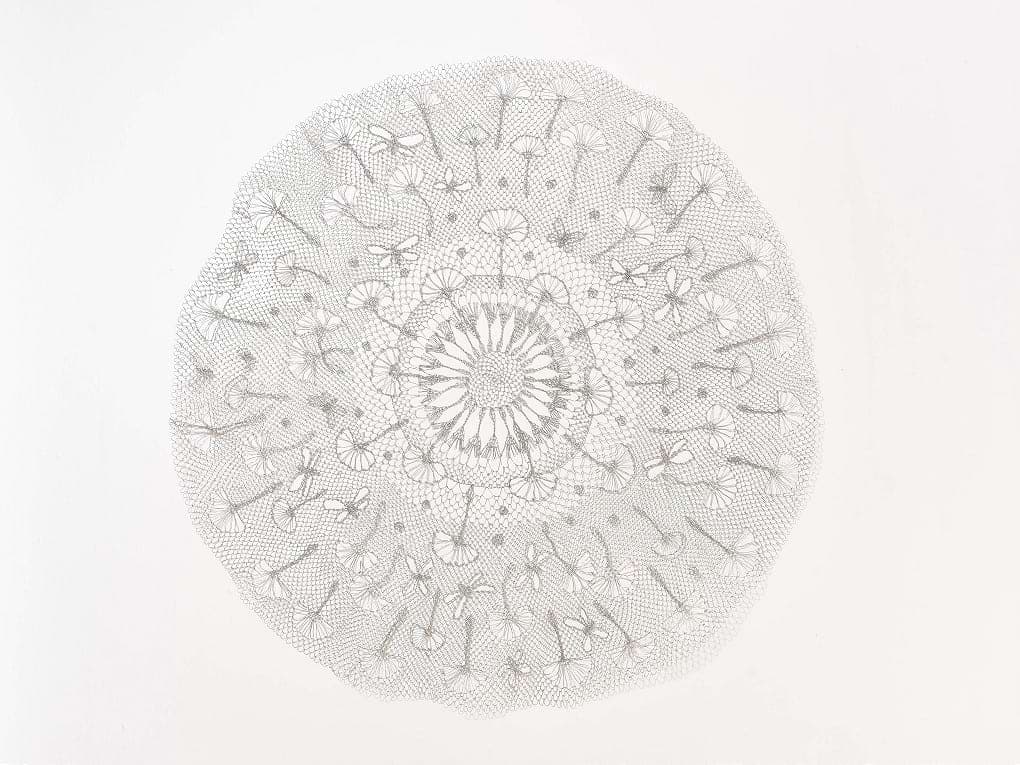
"Images of dissected flowers taken from botanical illustrations intrigue me and led to a series of flower sculptures and wall reliefs. I occasionally visited the specimen collections in the university Botany department, but most works were based on images from books. Studying plant images and preserved flora highlighted how plants have evolved in response to functional requirements., some adapting with defensive appearance to preserve themselves and others using attractive colours or perfumes to attract their pollinators, in a complex web of interspecies signalling."
- Walter Oltmann
wire wall drawing
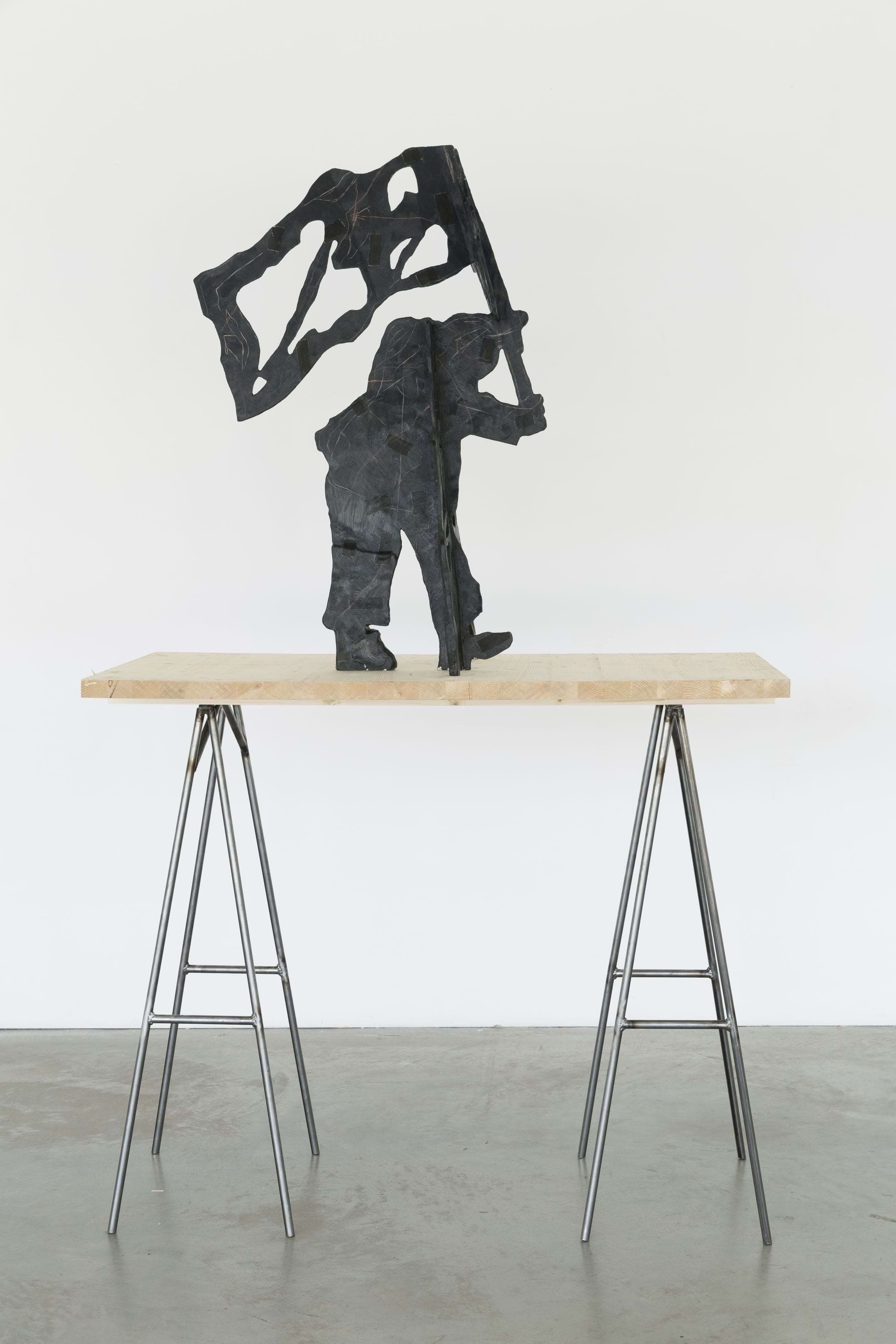
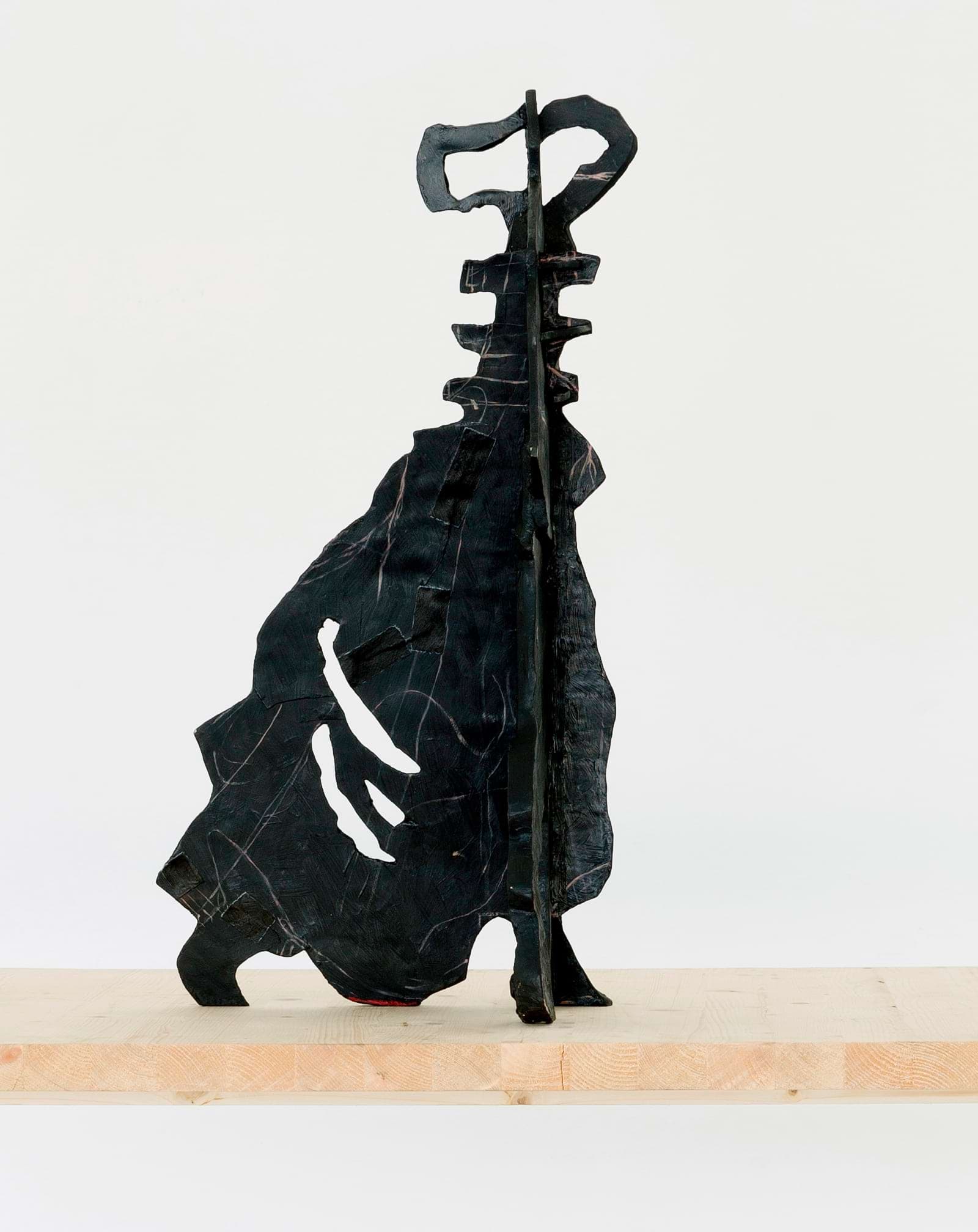
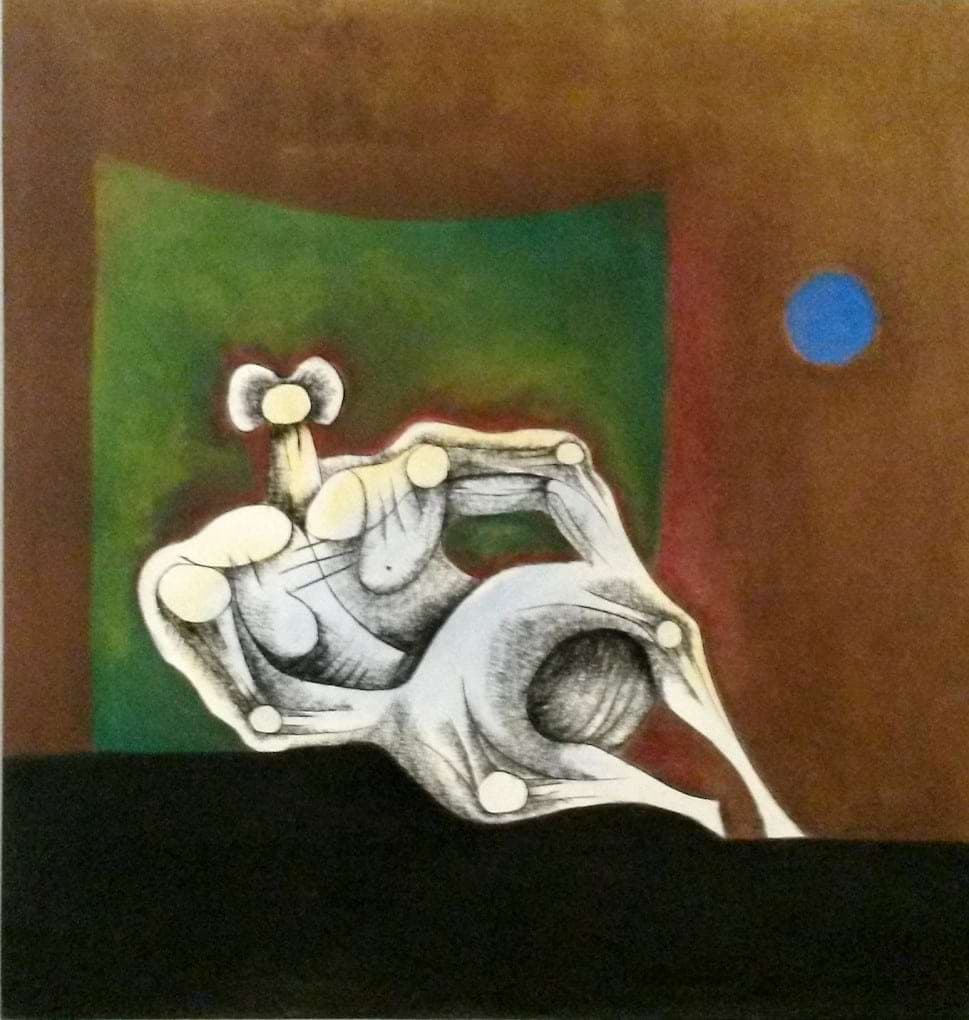
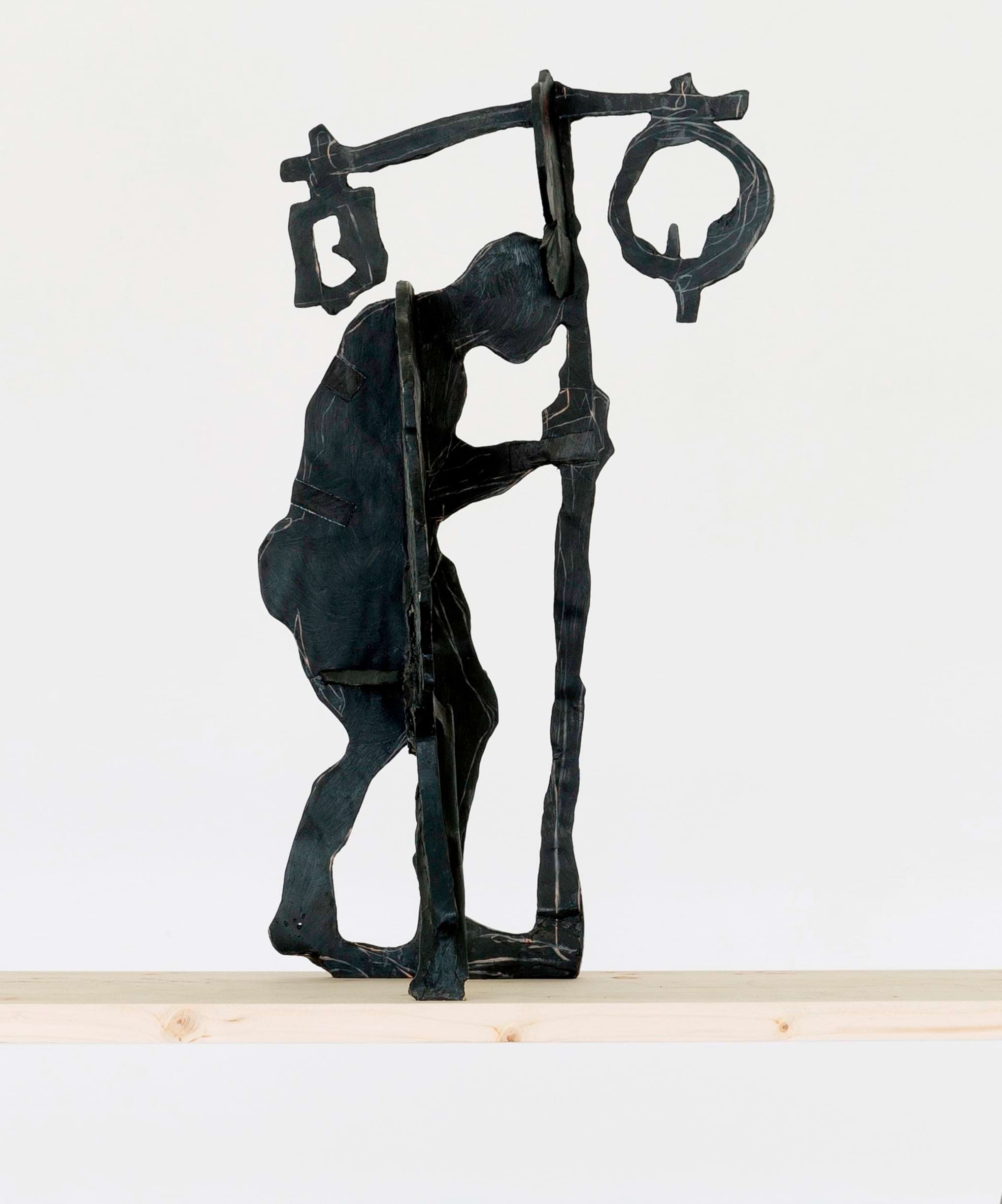
Shostakovich’s 1928 opera, The Nose, based on Nikolai Gogol’s 1836 short story of the same name, recounts the story of Kovalyov, a mid-level bureaucrat whose nose leaves his face and sets off on its own, and his attempt to find and re-attach it. William Kentridge produced a production of the Opera The Nose in 2010. One of the images of the Nose (who declared himself higher up in the bureaucratic hierarchy than Kovalyov) was as a rider of a horse, and as an equestrian statue. The animation for the projections was made with jointed paper puppets. The horses started out as animations, then became cardboard and wood, then became table-top sculptures.
Shostakovich’s 1928 opera, The Nose, based on Nikolai Gogol’s 1836 short story of the same name, recounts the story of Kovalyov, a mid-level bureaucrat whose nose leaves his face and sets off on its own, and his attempt to find and re-attach it. William Kentridge produced a production of the Opera The Nose in 2010. One of the images of the Nose (who declared himself higher up in the bureaucratic hierarchy than Kovalyov) was as a rider of a horse, and as an equestrian statue. The animation for the projections was made with jointed paper puppets. The horses started out as animations, then became cardboard and wood, then became table-top sculptures.
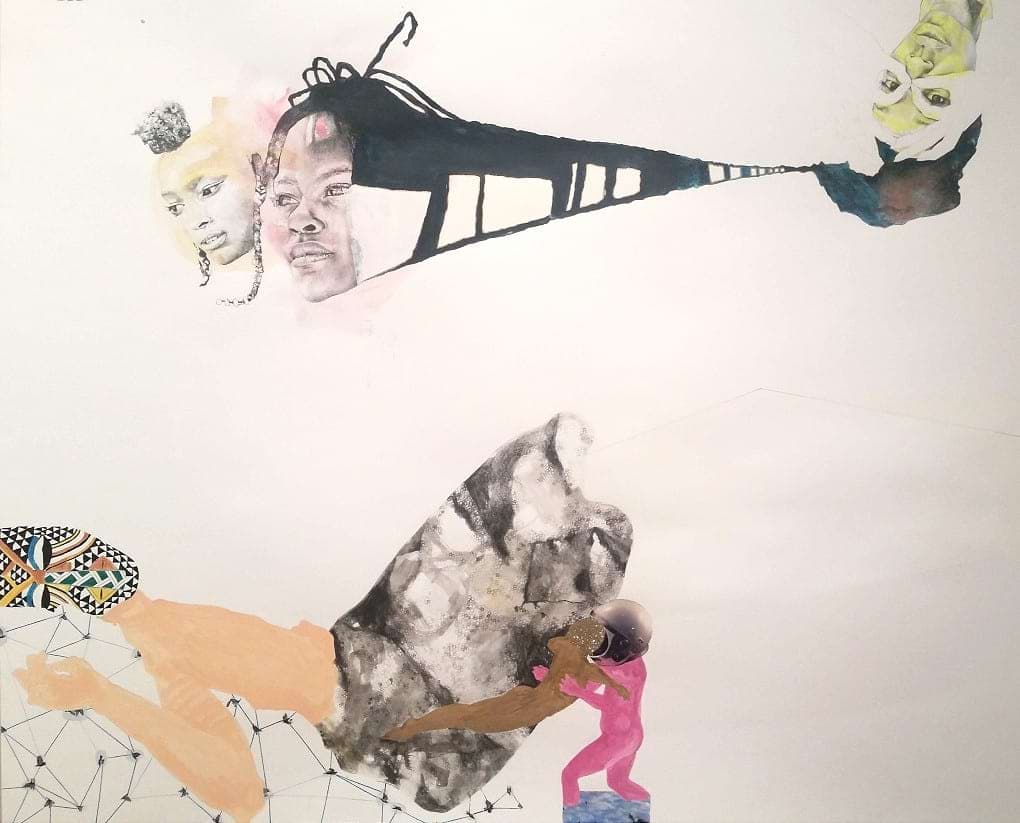
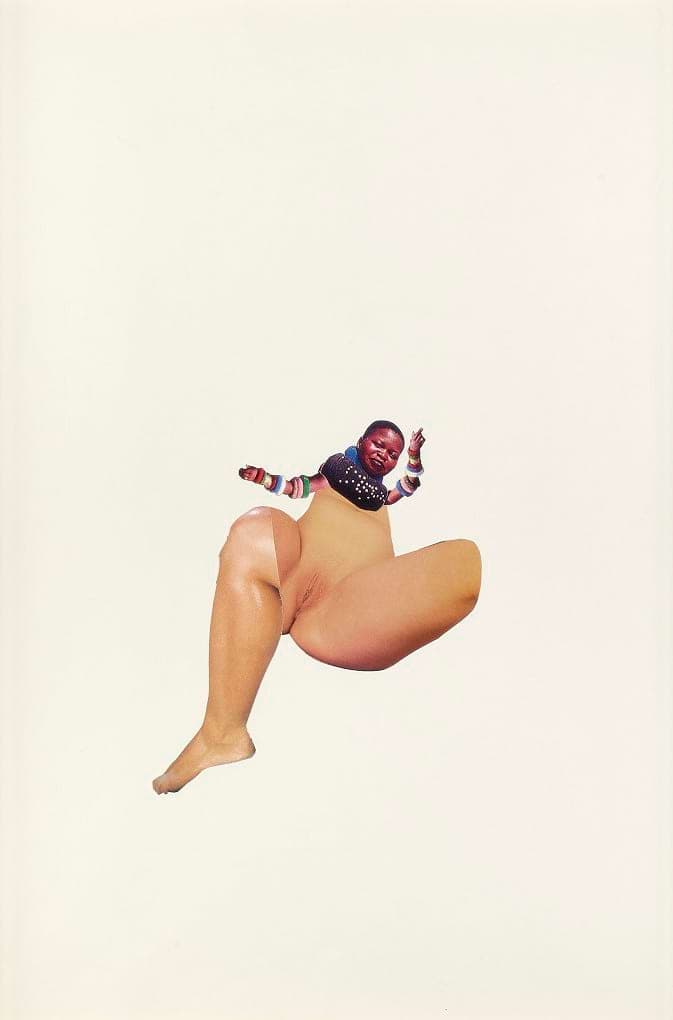
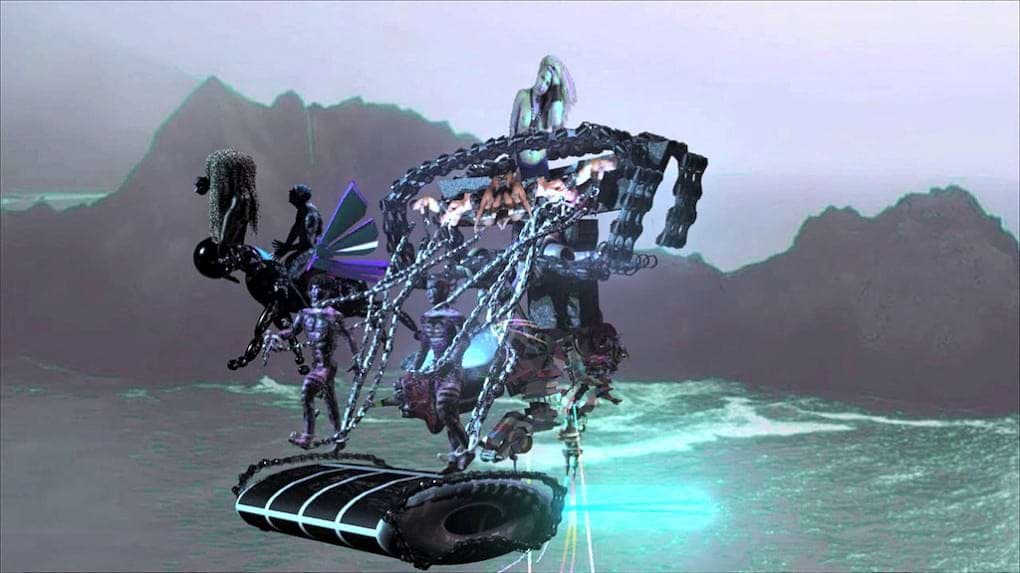
Satterwhite (born 1986 in Columbia, South Carolina) is an artist who works with video, performance, 3D animation, fibres, drawing and print making. Continuing to find inspiration in his mother’s life, Satterwhite has created a new virtual world, “a macrocosmos,” in works such as “En Plein Air” where her songwriting merges with his multimedia practice. Known for "queering" the purpose and meaning of his source material, Satterwhite creates unique personal mythologies through stream of consciousness storytelling techniques. His series “Reifying Desire” was featured in the 2014 Whitney Biennial at the Whitney Museum of American Art and he has performed at MoMA PS, The Kitchen, Rush Arts Gallery, and Exit Art.
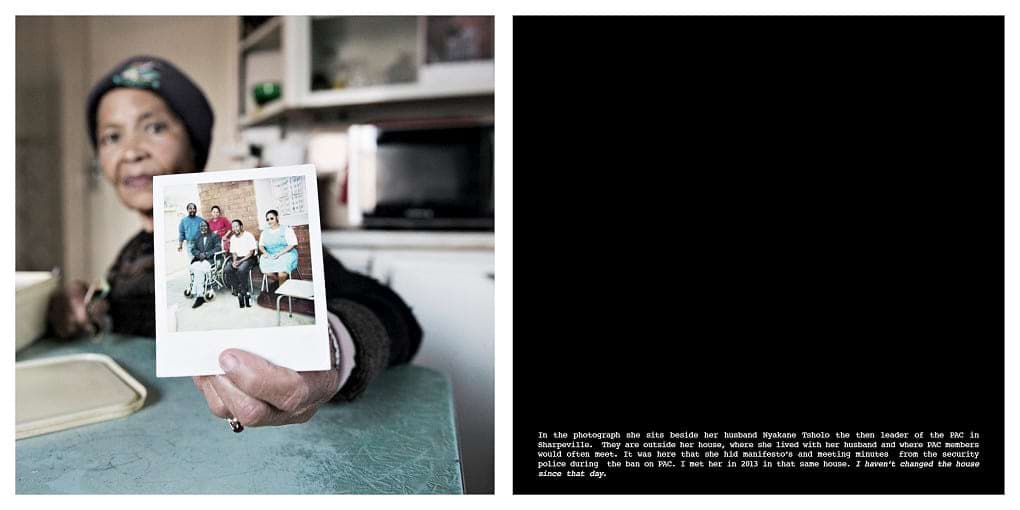
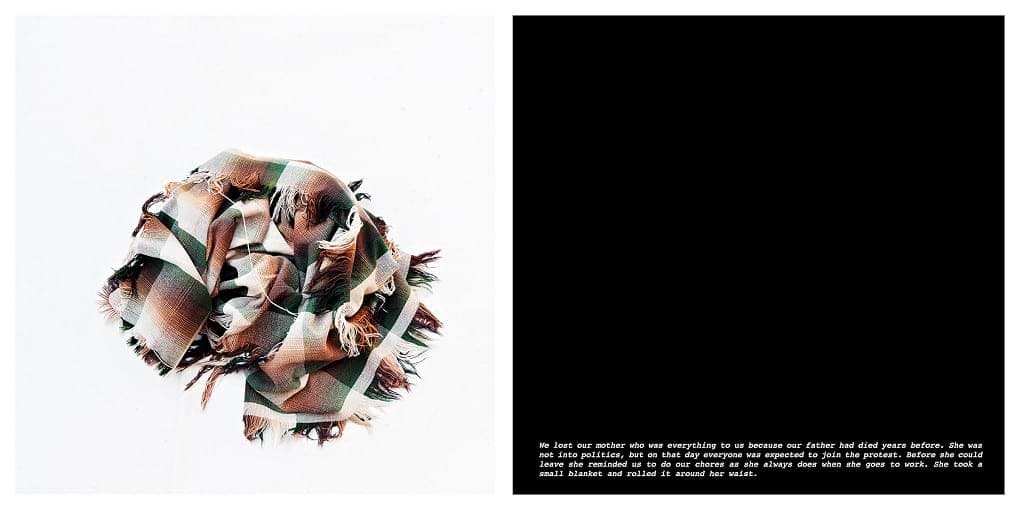
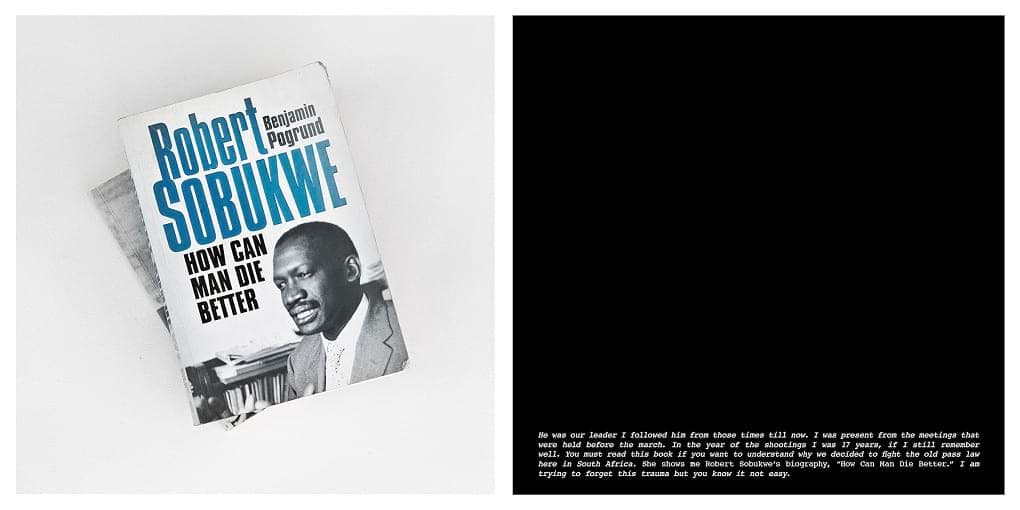
Far Left Tsholo [Sharpeville PAC leader], right hand side Mme ma Tsholo (sister in law ) and her husband next to her (white t-shirt- a brother to Sharpeville PAC leader ) with their friends. “These are the good memories before the Sharpeville massacre”.
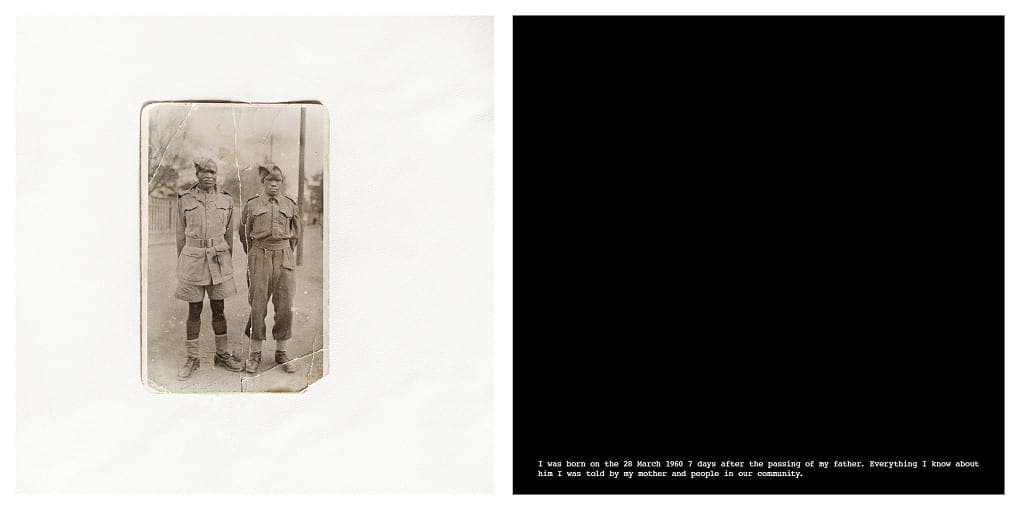
On the left hand side its Ntate Joseph Morobi who was amongst the crowed that gathered at the old
Sharpeville Police station to protest against the pass laws. He unfortunately died and left behind his expecting wife.
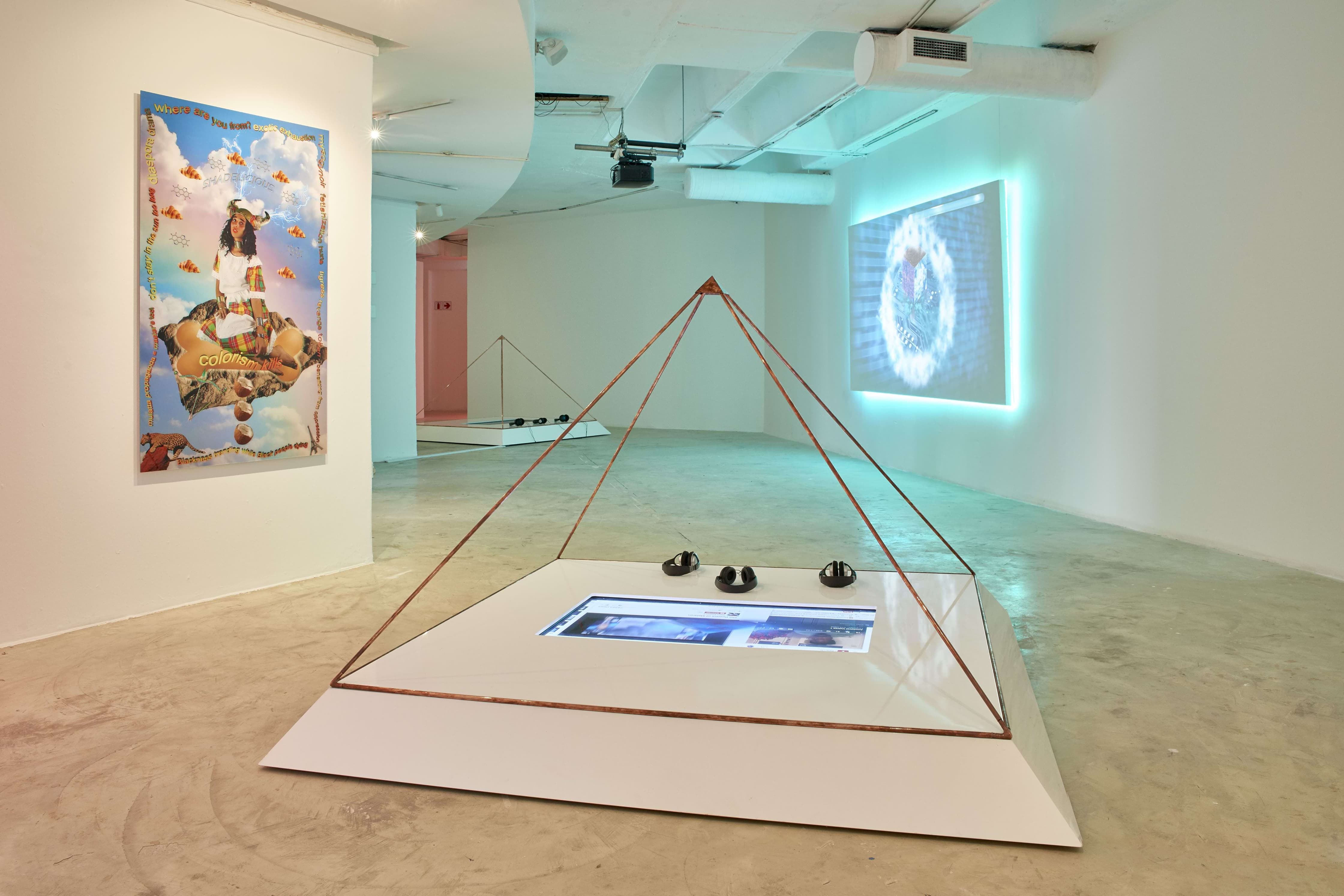
‘SENEB’ is a 2016 video installation, ‘Seneb is a House of extraordinary babes invested in healing’, says Rezaire. The term ‘seneb’ has its origins in the ancient Kemetic word/symbol meaning health, but it can also mean ‘sound’, or rather ‘to be sound’ or ‘to have soundness’. Rezaire writes, ‘the power of sound to heal is deep, wise and ancient.’ Seneb seeks to harness the power of vibration to heal wounds - whether they be physical, emotional, technological, historical or spiritual.
According to Rezaire, the house of Seneb ‘is a community of souls engaged with African and Diasporic healing technologies, an energy center for us to remember, feel, (re)connect, share and vibrate the cosmos to nurture our health, energy and wisdom.