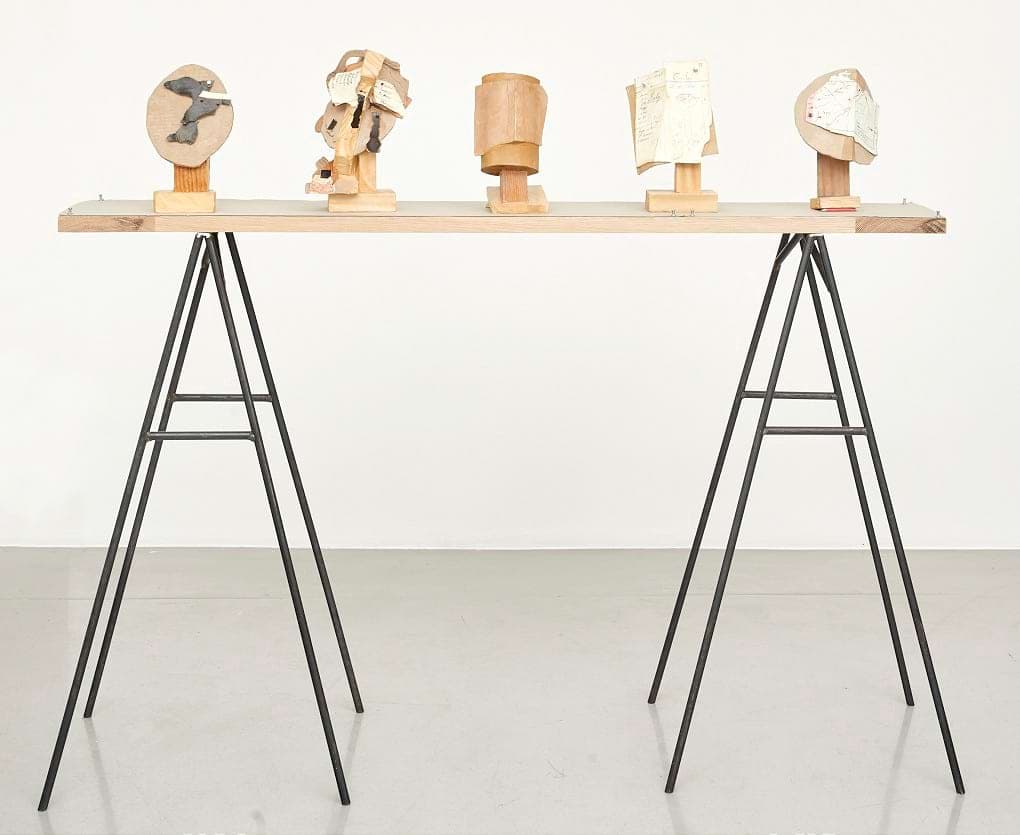
In his investigation of the substance of the opera Lulu William Kentridge produced a series of portrait heads, the Roman Heads, many of which are characterised by a manouevre of formal deception. Although the objects are cast in bronze, Kentridge and the painter Stella Olivier are able to evoke the character of transitory materials such as cardboard, adhesive tape or newspaper. The artist reflects on the phenomenon of ancient polychrome statues in his series Polychrome Heads. Paint is used to render the intrinsic colour of the counterfeited material, as well as the ornamentation of printed paper.
Handbook to O Sentimental Machine,
Liebieghaus Skulpturensammlung, 2018
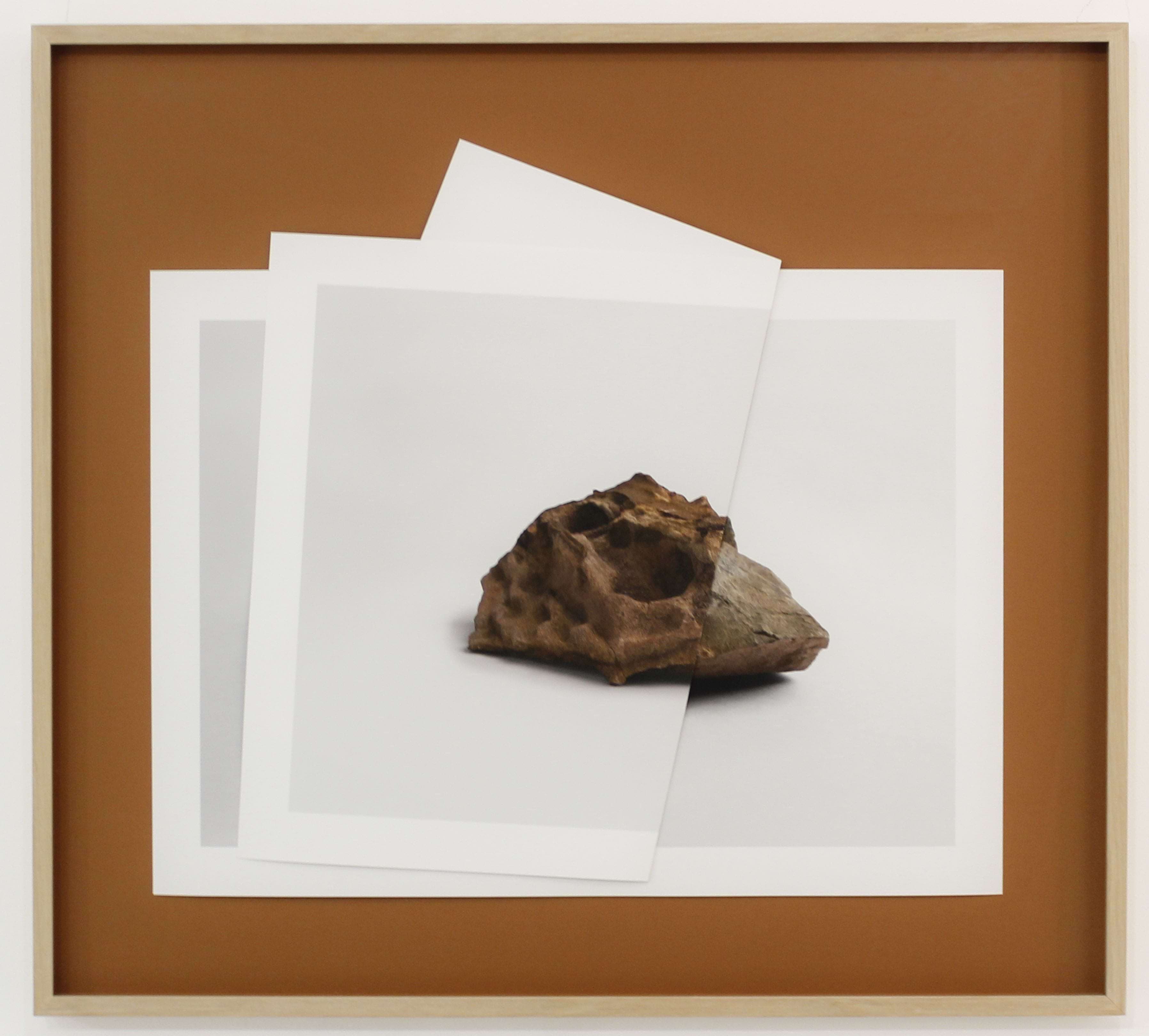
This series of photographic assemblages refer to subduction zones; a geological term which defines the process in which one tectonic plate moves under another before sinking into the mantle as the plates converge. These zones have high rates of earthquakes, volcanism and mountain formations. In this series two photographs taken from rocks in the collection of Paris’ Natural History Museum are placed in relation to one another. One image depicts a rock from the European side of the strait of Gibraltar, while the other belongs to an African country on the Mediterranean shore. As such this project speaks of the probable future collision of the African and European continents at and around the Strait of Gibraltar. The work thus proposes anew continental configuration; a new territory.
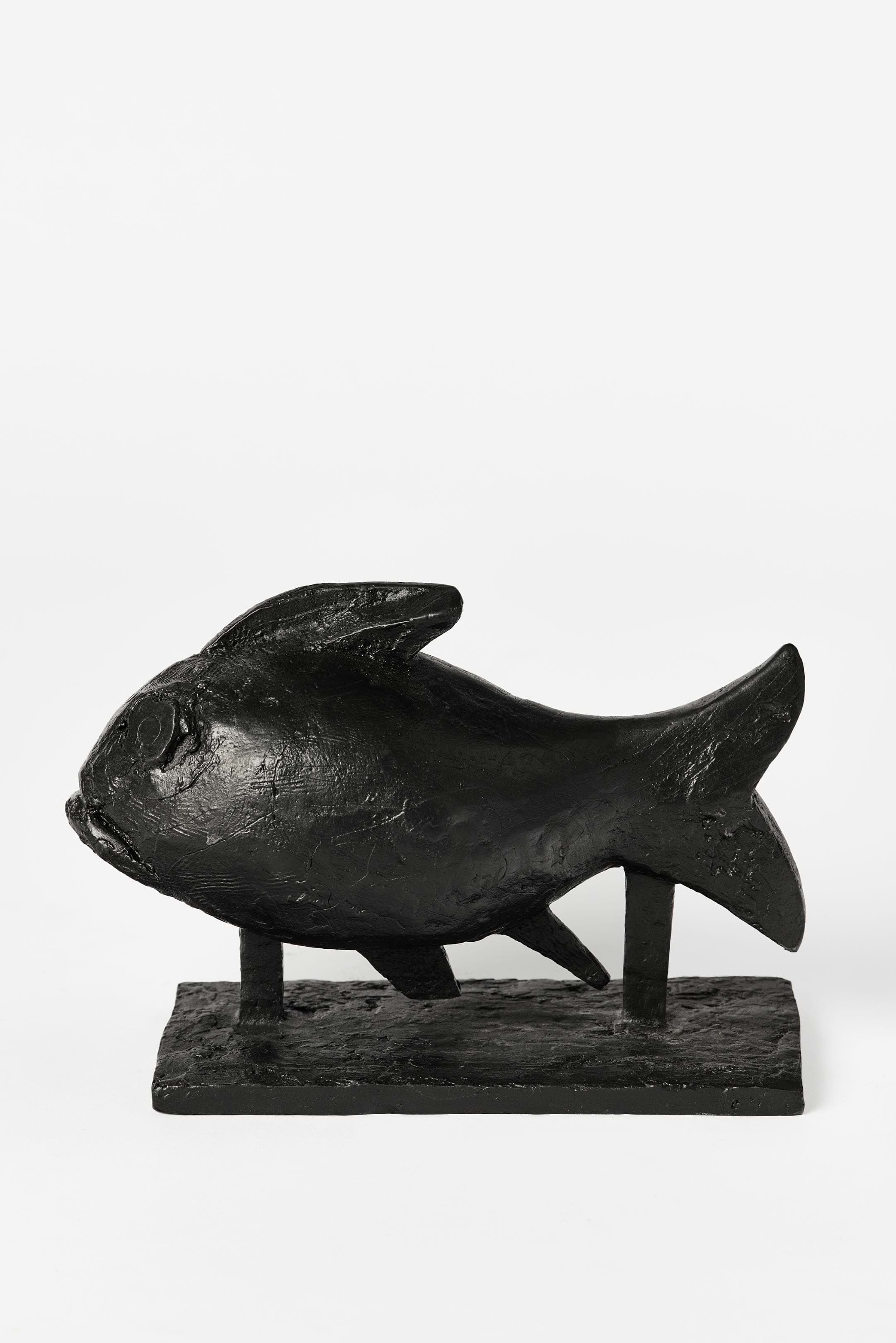
Cursive (Fish) is part of an accumulation of elemental symbols within Kentridge’s broader practice. Part of a series of bronze sculptures that functions as a form of visual dictionary, giving thought to form. The sculptures are symbols and ‘glyphs’, a repertoire of everyday objects or suggested words and icons, many of which have been used repeatedly across previous projects. The glyphs can be arranged to construct sculptural sentences and rearranged to deny meaning.
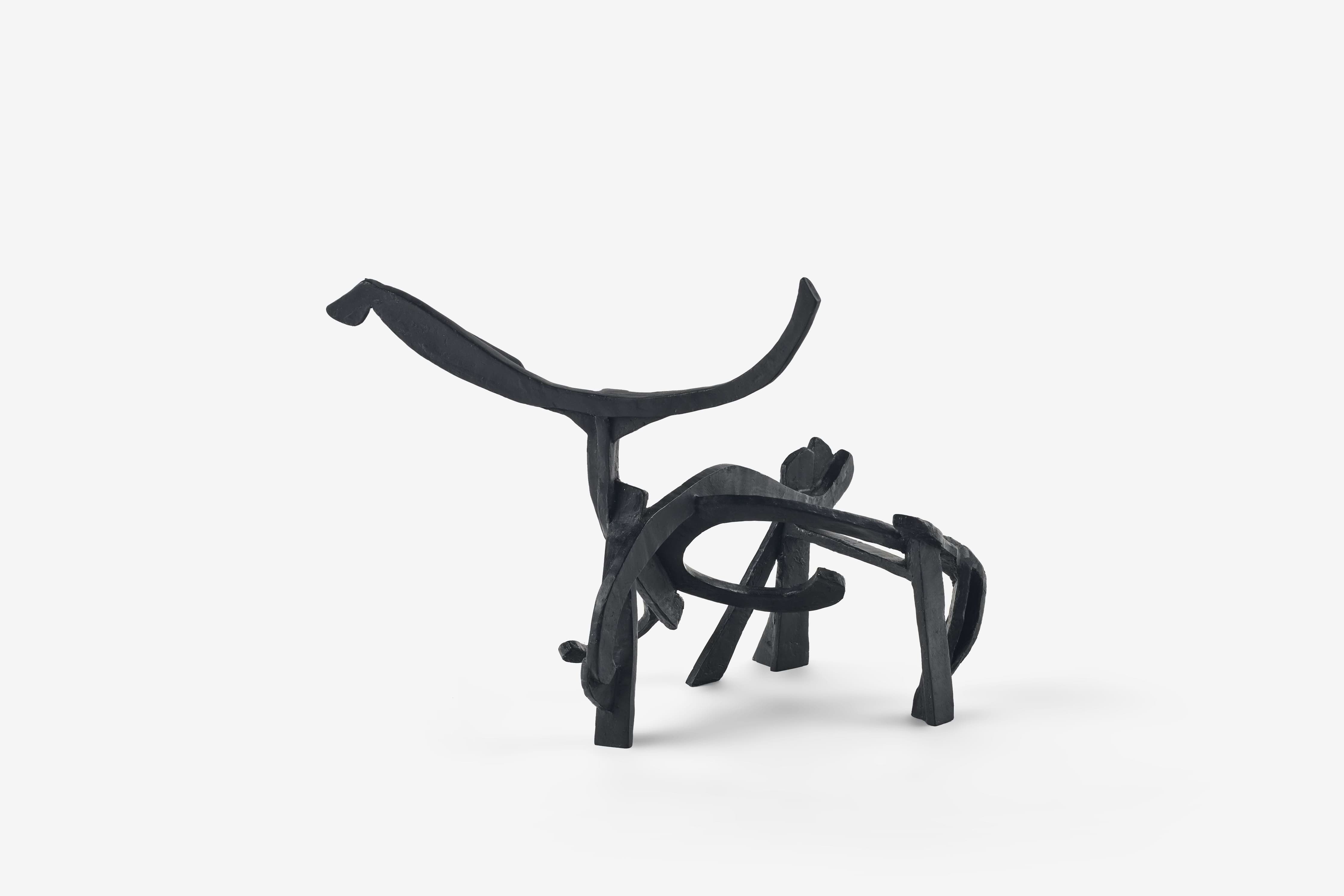
The glyphs start as ink drawings and paper cut-outs, each transformed into bronzes, to embody the weight and character of their shapes on paper. In their smaller form, they can be arranged in order to construct sculptural sentences, and rearranged to deny meaning.
Bull, 2021 is one of William Kentridge’s glyphs which are a visual dictionary of sorts made up of a series of sculptures that form a vocabulary of symbols, representing a collection of everyday objects, suggested words, or icons that reoccur throughout the artist’s practice.
“I never thought of myself as a sculptor, but I had worked a lot with shadows in performance and in drawings and I was interested in the possibility of making something like a shadow – so ephemeral and without any substance – to be solid.”
-William Kentridge
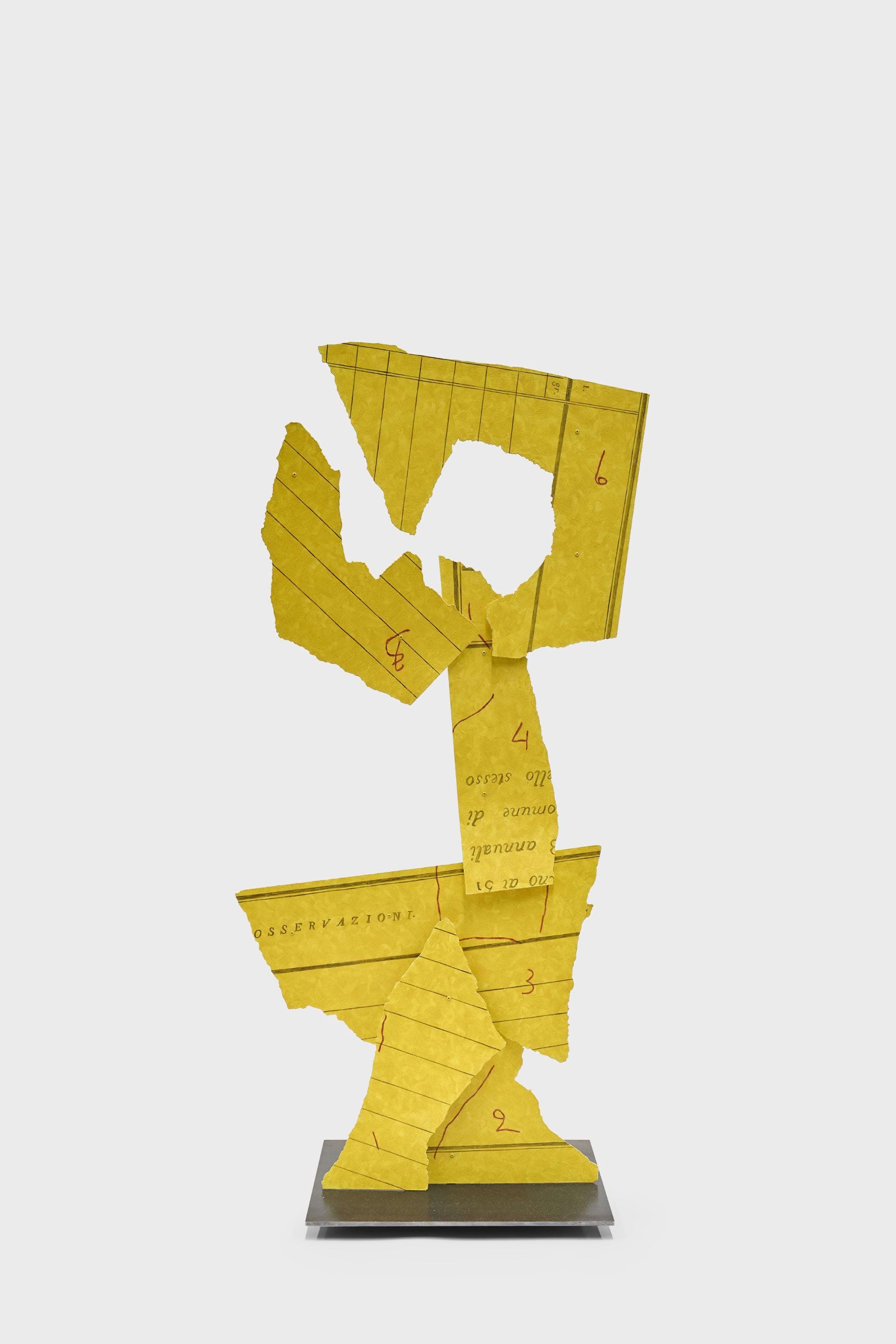
Kentridge’s ‘Paper Procession’ sculptures were initially created from hand-torn logbook pages from the pages of a 19th-century accounting journal from the Chiesa di San Francesco Saverio in Palermo.
He experimented with the original paper fragments on his studio and kitchen tables, until forms started to present themselves. As he put it, “You play with these shapes and then this one starts to become like a woman leaning forward, and so on, and so on. It’s about letting yourself be guided by your eyes.”
These semi-abstract, humanoid, brightly coloured paper fragments were then transformed into larger forms, that appear paper thin and fragile and prone to flying away in the next breeze, but are in fact painted aluminium panels fixed to steel armatures, resembling moving sketches that convey a sense of dance and procession. As such, they feel anti-monumental, perennially ‘at play’ in ways that defy their mass and solidity.
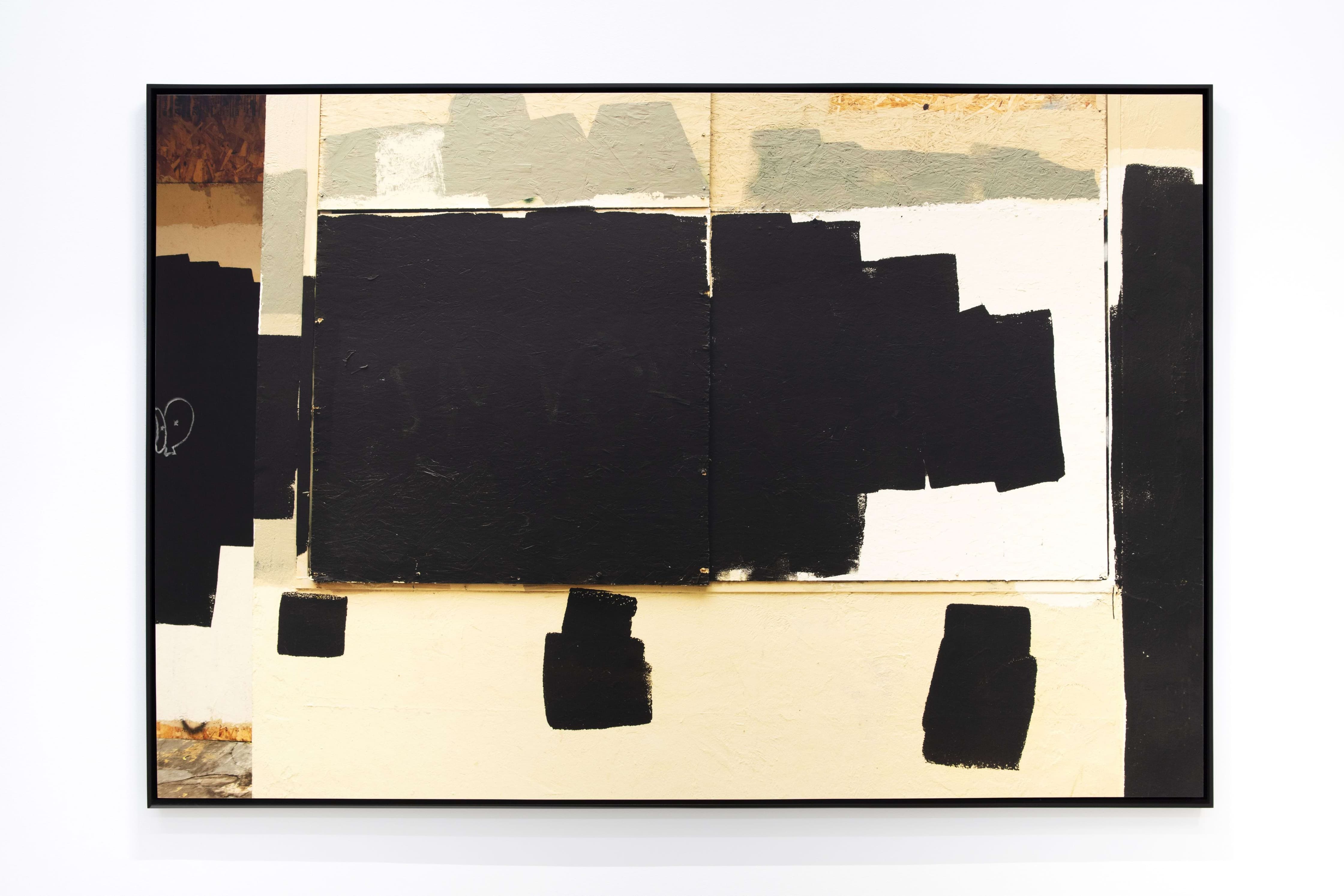
Carrie Mae Weems’s critically acclaimed 2021 series Painting the Town captures the shuttered hoardings of stores in Portland, Oregon, where authorities attempted to cover and erase demonstrators’ slogans following the murder of George Floyd.
Almost life-size in scale, the photographs present these painted hoardings as trompe l’oeil, resembling abstract paintings.
At first glance Weems’ large and powerful works resemble abstract paintings. During the Black Lives Matter protests, campaigners wrote texts on the panels that shopkeepers had used to board up their windows as a precautionary measure. Authorities then obscured the texts with broad swathes of muted paint, rendering the messages illegible. The unintended result of this act of censorship was a series of painterly compositions reminiscent of Mark Rothko or Barnett Newman.
Weems uses her work to explore what it means to be a witness to history, addressing themes such as racism, sexism, and discrimination. The series examines the intersection of art, activism, and control: while the city sought to sanitise public space by covering up dissent, Weems transforms these newly muted surfaces into artworks that retain the weight of their previous inscriptions. The viewer is compelled to ask: what was written beneath the paint? Which voices have been silenced? These questions linger, underscoring the tension between collective memory and institutional attempts at erasure.
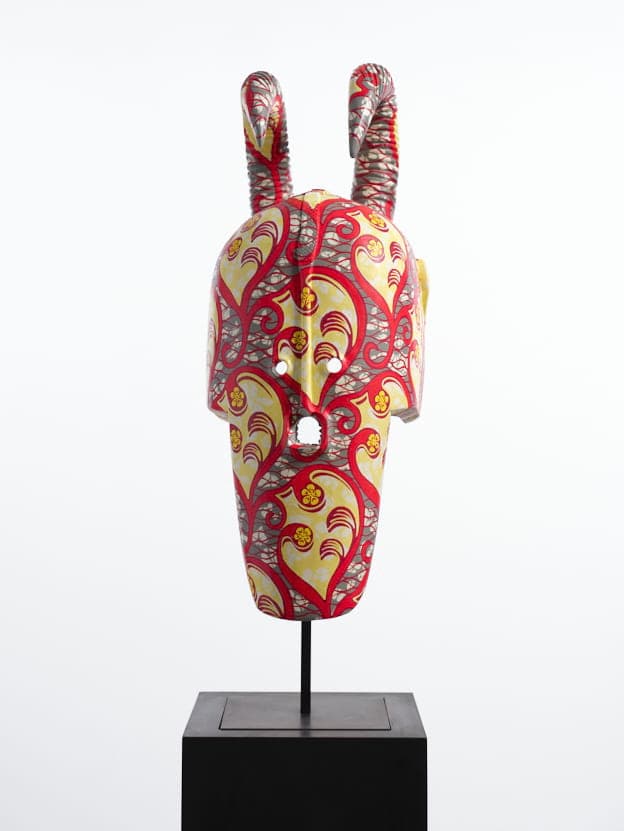
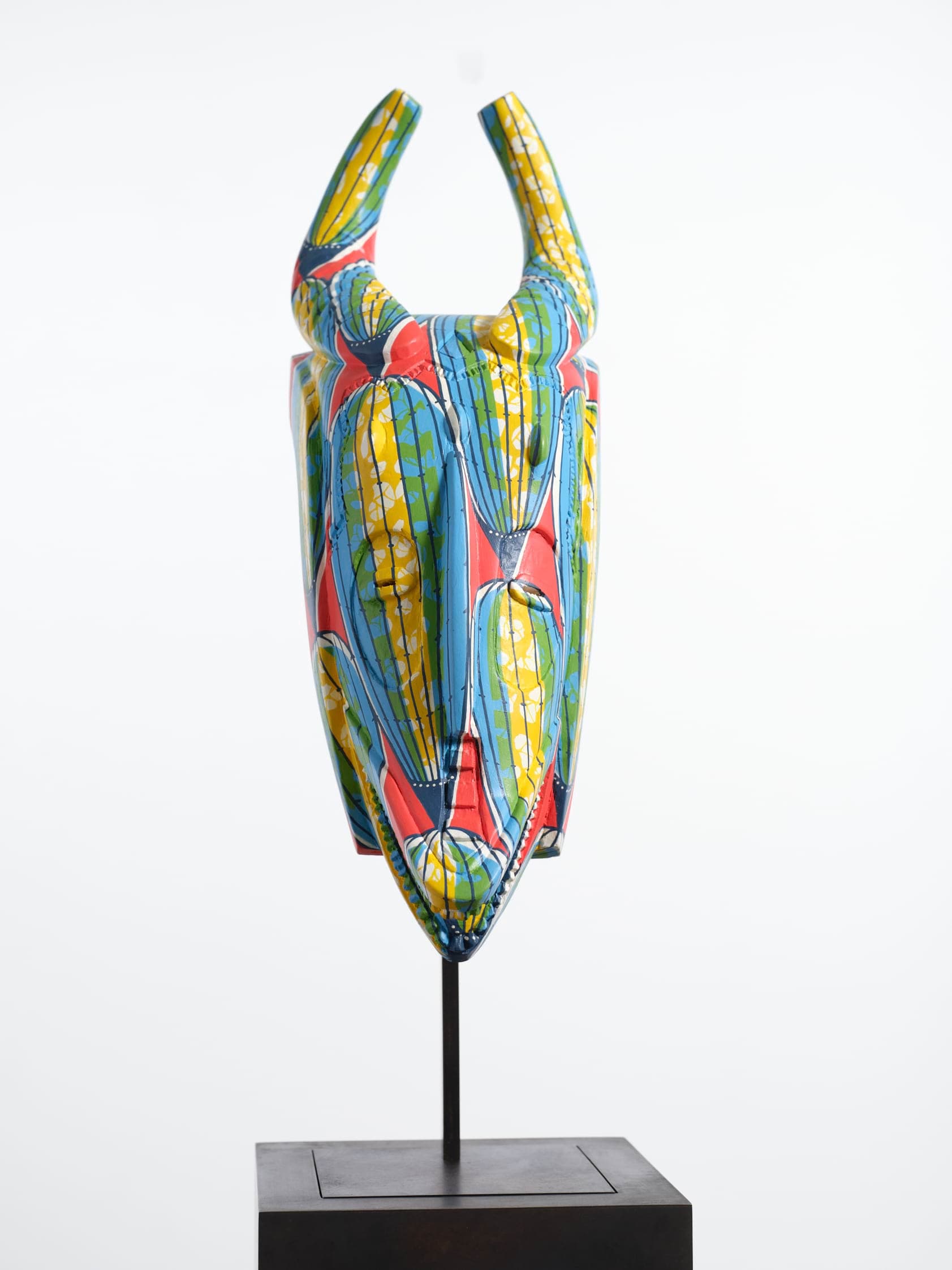
This work draws on the Nyanga antelope mask tradition of the Bobo people of Burkina Faso. Traditionally carved from wood and worn as a helmet mask, Nyanga masks are used in purification ceremonies connected to fertility, agricultural renewal, and the restoration of balance within the community. Characterised by elongated snouts, ringed horns, and geometric surface patterns, these masks are typically performed during important seasonal and agricultural festivals.
In Hybrid Mask (Nyanga Bobo), Shonibare reinterprets these historical forms through contemporary materials and his signature Dutch wax fabric designs. By combining elements associated with African cultural heritage with a material whose origins are rooted in global trade and colonial exchange, the artist highlights the layered and hybrid nature of identity.
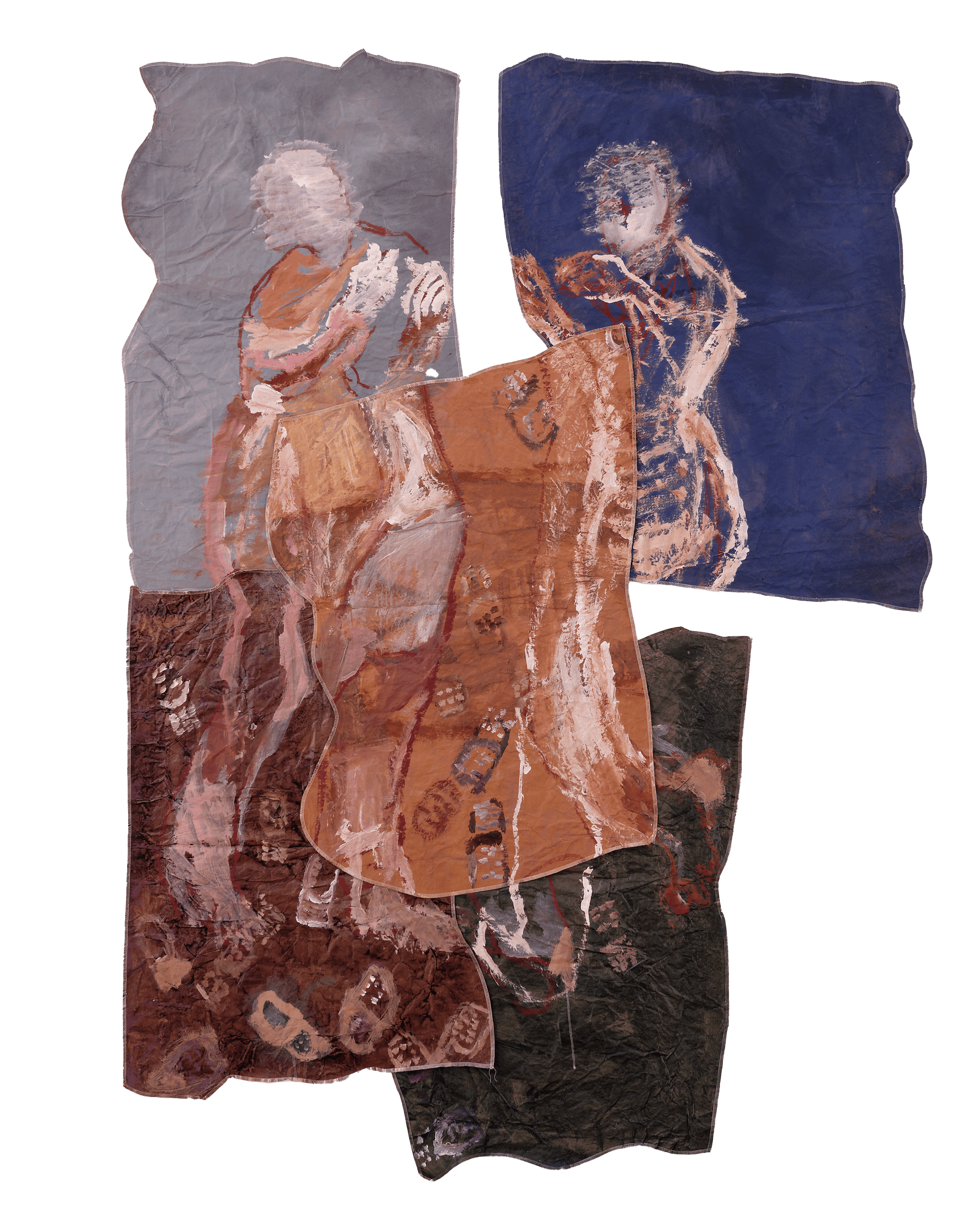
Pélagie Gbaguidi’s work incorporates paintings, drawings and mixed media works in an exploration of the “big and small stories that take our beings towards the burning questions of the world, urging us to go beyond the surface” - Pélagie Gbaguidi
Gbaguidi’s candid and sometimes tongue-in-cheek creations depict splintered figures in different forms and settings - moving, contorting, shapeshifting. As riotous colour erupts alongside subtle hues, creatures lay next to other creatures, they merge with animal and plant life and other objects, breaking the hard edges between me/us/them/it.
Often using natural pigments, alongside paint, ink, pencil, wool, wax and crayons and materials such as flour sacks and tarpaulin, Gbaguidi confronts colonial histories by repurposing discarded materials and integrating them into new contexts. She questions legacies of colonialism that continue to impact migration, trade and the environment.
Her practice, phenomenological and embodied, involves a performative element where the body serves as a medium. She often uses own body to paint and make marks on the surfaces (instead of brushes or other tools). These scratches and smudges become imprints that allow the work to absorb memory into form, she explains; “thus, the body becomes a language that translates sociopolitical issues into a poetic choreography composed of paintings, drawings and textiles....”
Gbaguidi confronts histories of oppression, particularly through women’s experiences, exposing how history, (un)recorded and remembered, continues to impact on women’s lives. Her practice can be understood through several key thematic threads — assemblage, fragmentation and intersections reflected through a focus on the female body; how the body is encountered and read, alongside its relationship with the environment, in a technological age. Seeing herself as a modern day griot and carrying on a long tradition of lyrical storytelling she engages in transgenerational and intercontinental dialogue, particularly between her birth place in West Africa and Europe.
Video
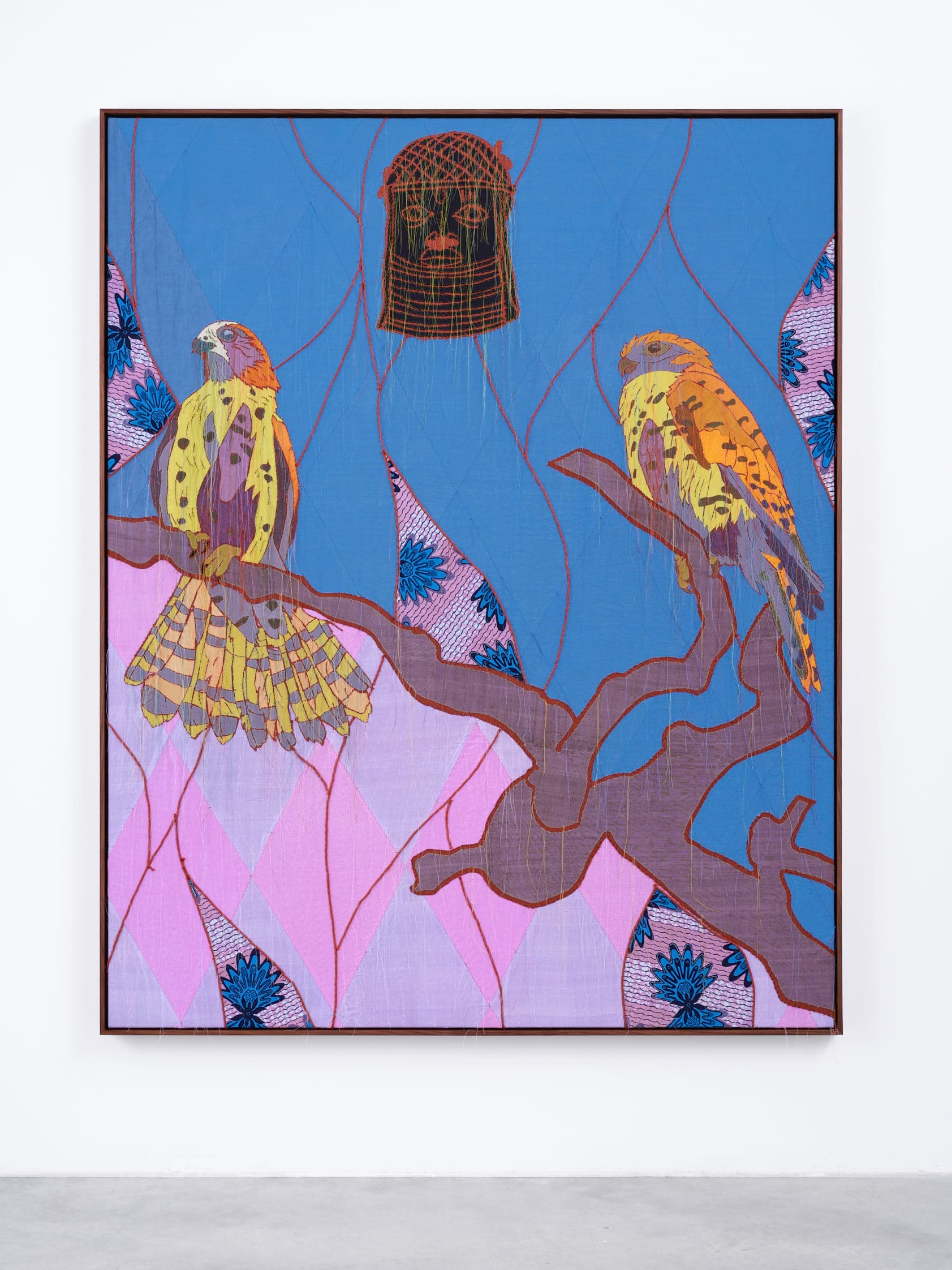
This work forms part of Shonibare’s African Bird Magic series of quilts, which combines textile traditions with imagery drawn from African artefacts and endangered bird species. The piece addresses the impact of environmental changes on African birdlife, often referencing the destruction caused by industrialization. An African mask hovers over the Kestrels, symbolising ancestors who were once custodians of the bird’s habitat before colonialism and industrialisation endangered many species. Shonibare often incorporates African masks in his work to highlight the historical journey of the masks to the West, often tied to colonial exploitation and trade, which influenced modernist artists like Henri Matisse (1869-1954), Pablo Picasso (1881-1973) and Amadeo Modigliani (1884-1920).
Shonibare celebrates these masks, explaining ‘they become symbols of African empowerment to challenge the consequences of Western colonial industrialisation in the degradation of the African environment.’ The African Bird Magic series also serves as a warning, reflecting on the consequences of industrialisation and its subsequent ecological impact, and reminding us of the species that may yet become extinct if we do not take care of our environment.
Video
This work references the Zamble mask from the Guro culture of Côte d’Ivoire. In Guro tradition, Zamble represents a powerful and unpredictable spirit. The mask combines both human and animal features - including the jaws of a leopard, and the face and horns of an antelope - forming a striking visual metaphor for the grace, strength, and vitality of youth.
Zamble is believed to possess the ability to detect danger, resolve disputes, and mediate between the wild forces of nature and the human community. These masks are typically performed in ceremonial dances during important festivals or at the funerals of individuals entrusted with their guardianship, serving both spiritual and social roles within the community.
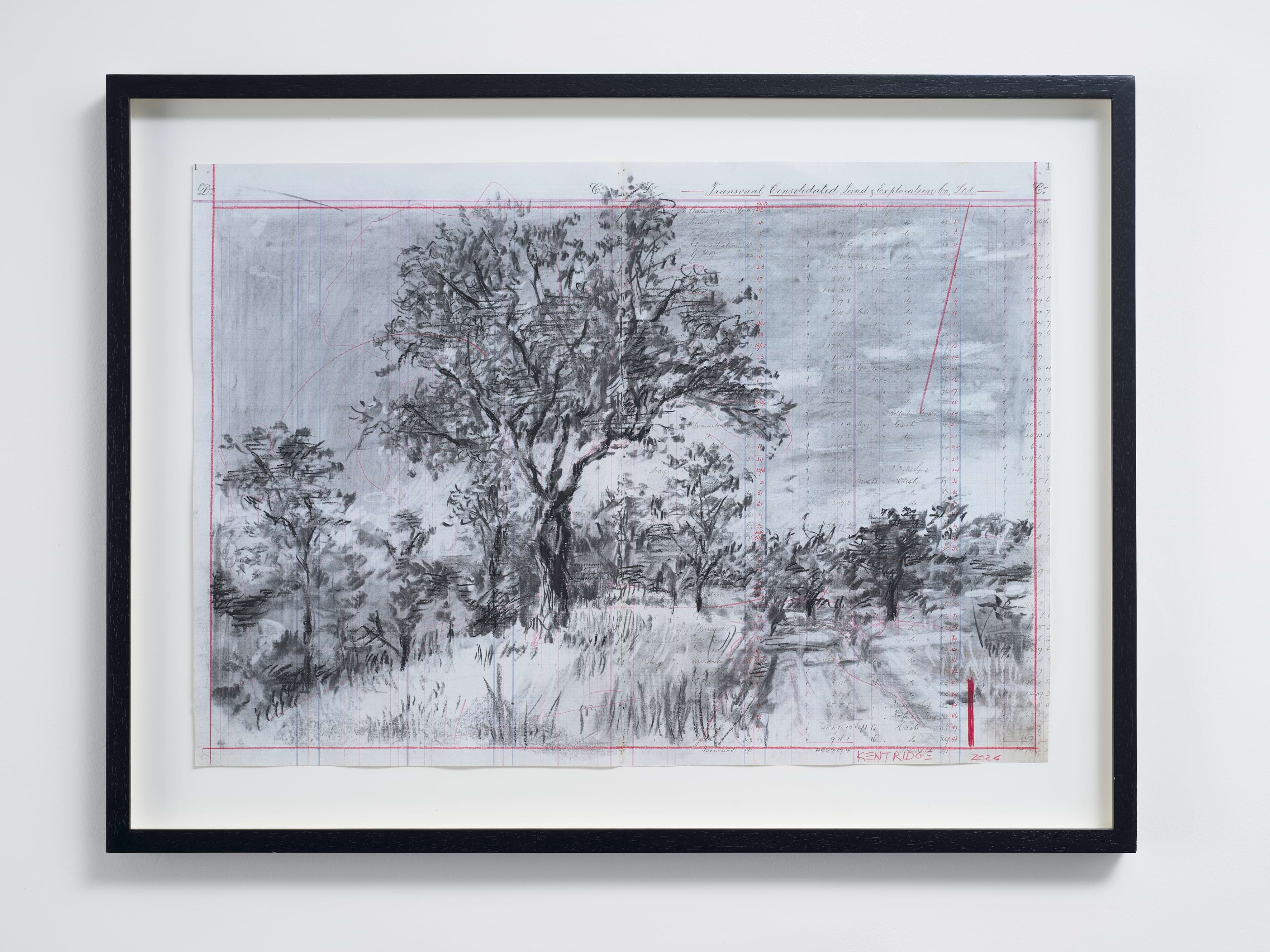
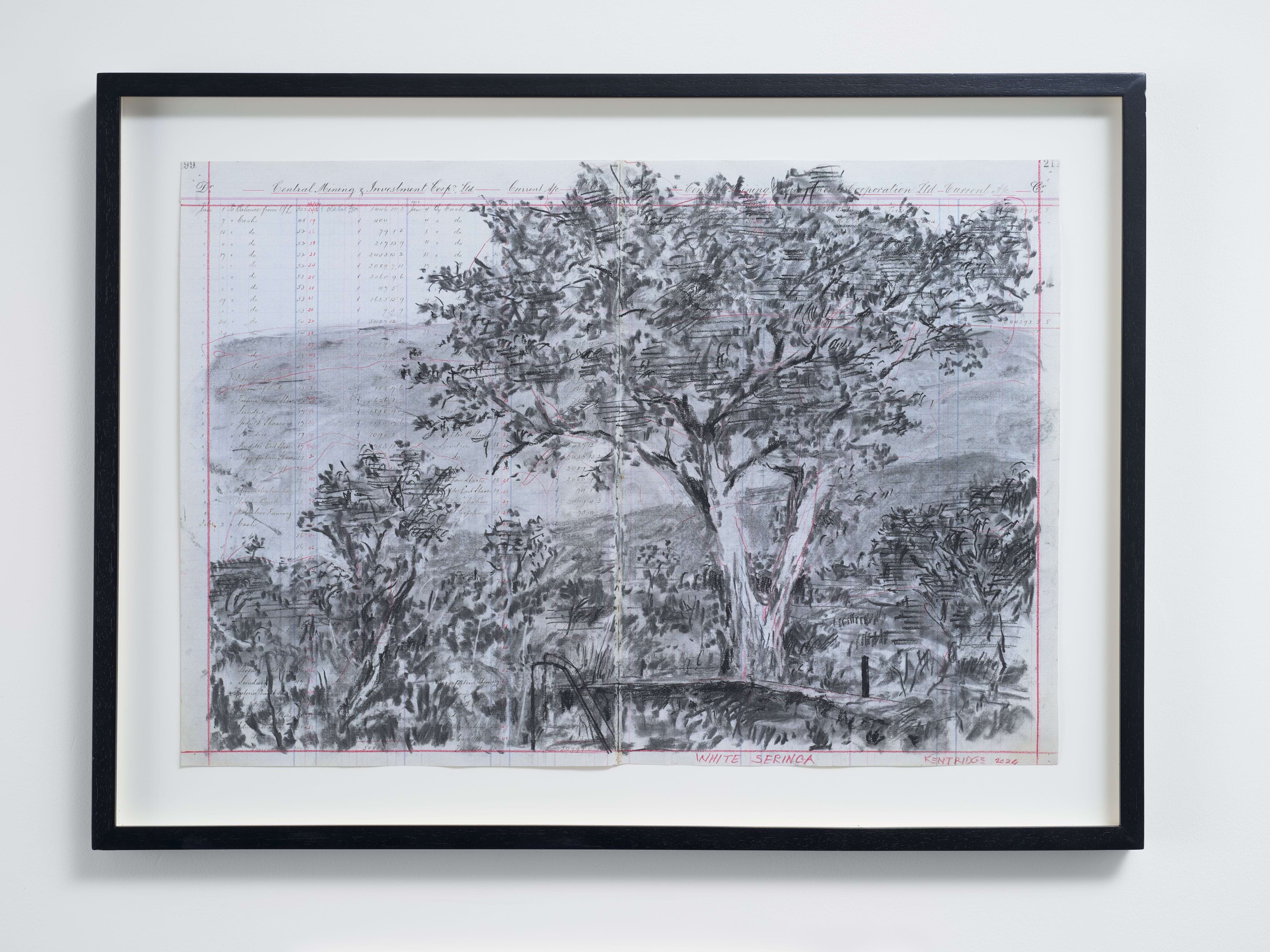
“To live with a tree for fifty years is a sign of privilege and surplus. To not need the tree for either wood or fire is a luxury. When I was nine years old we planted two white stinkwoods in the garden. All my childhood I waited for the trees to grow, to be strong enough to to hold a hammock. They refused. Twenty years later I returned to live in the house with my family and the trees were mature. Fifteen years later, the trees were magnificent. And then one of them was struck by lightning and died. The shock, not just the hole in the shade canopy, the gap in the garden, but rather the shaking of the belief that a tree is a gift for future generations or – if not for future generations – then at least for other people… its lifespan should be so much longer. How could the tree die before me? No. If the tree could die, how vulnerable are we or am I?”
-William Kentridge
"Every encounter with the world is a mixture of that which the world brings to us and what we project on it.
The tree is never itself. Our biography is part of the understanding:
…I associate the Treason Trial of the early 1960s in South Africa with the trees at the bottom of the garden and my father driving off to the trial in his old Austin. The mosaic tile table on the veranda made the tiles of 'trees & tiles’. I was between three and six years old.
…A memory of hanging by my legs from the smooth bark of the branch of a walnut tree, in the corner of my first childhood home.
...The branches of the tree like the bronchi of a lung.
…The sunlight on a leaf.
…Shrapnel in the wood.
We could say that the tree is the centre, and all the other associations circle it, land on it, bend it or break the branches. That which seems extraneous cannot be kept out of the centre.
In the studio this is even more obvious. Not just the ideas released by the tree, but how it is seen, how it is represented, how it is made. The paper, the ink, the good and the bad brush meet the tree in the act of making it in the studio. A good brush gives a controlled line, and the uncontrolled bristle of the bad brush that has lost its point, demands the randomness of foliage. From the bad brush and its possibilities, a forest of trees can grow.
There is a Zen mindfulness that will try to exclude extraneous thoughts, but I would suggest that to do that is to remove the tree itself.”
-William Kentridge, Peripheral Thinking Lecture, 2015 - ongoing
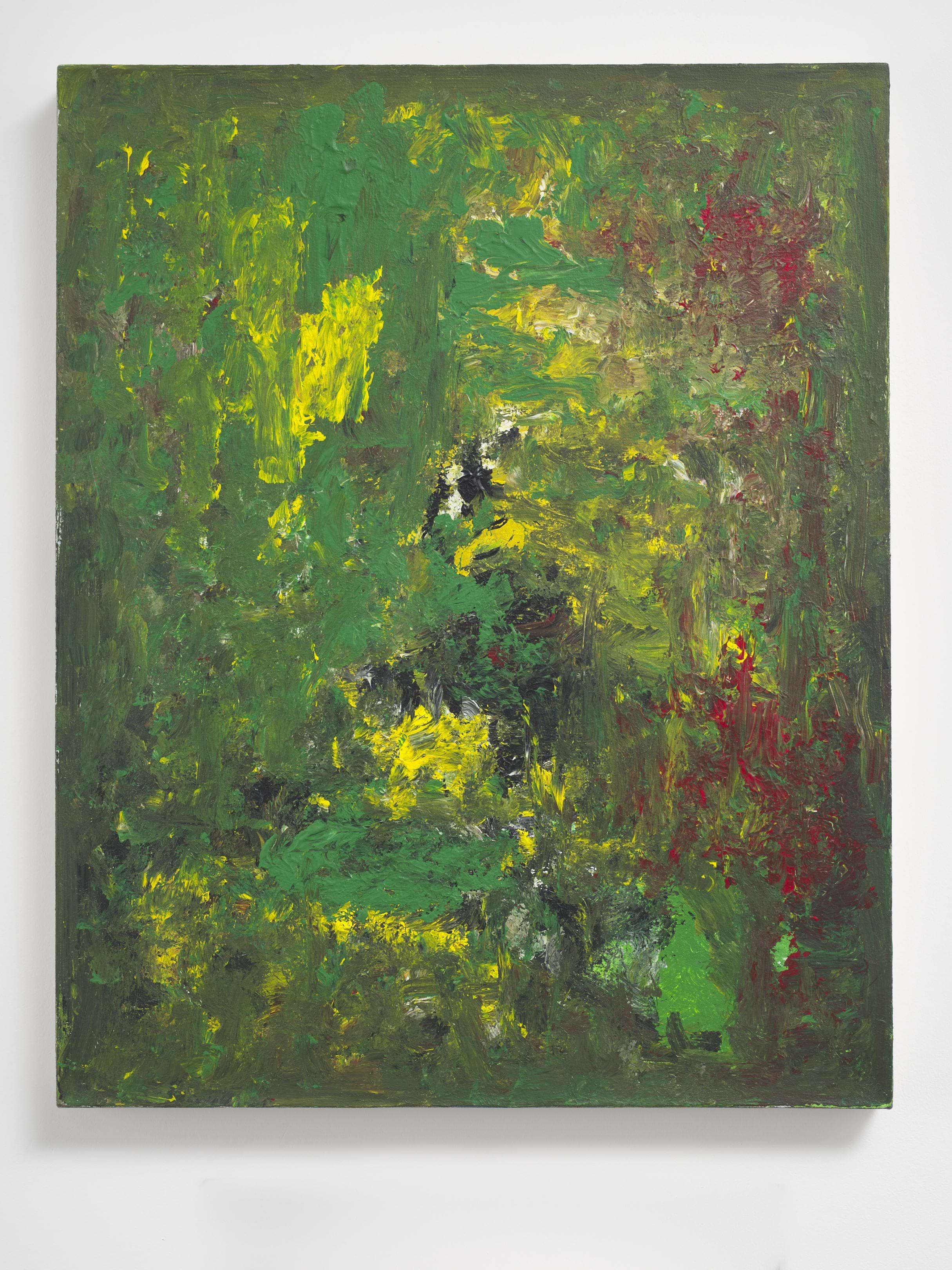
Jared Ginsburg uses art-making to explore alternative modes of knowledge production and transfer. He recognises art as a tool, a means to test and probe the world, hoping to nurture new strategies for productive engagement. Ginsburg employs a range of media types in his practice, including painting, sculpture, drawing, video and performance. Seeking “indeterminacy or chance operations” in his process, Ginsburg’s studio plays a significant role; at once a lab, an instrument and a character in conversation.
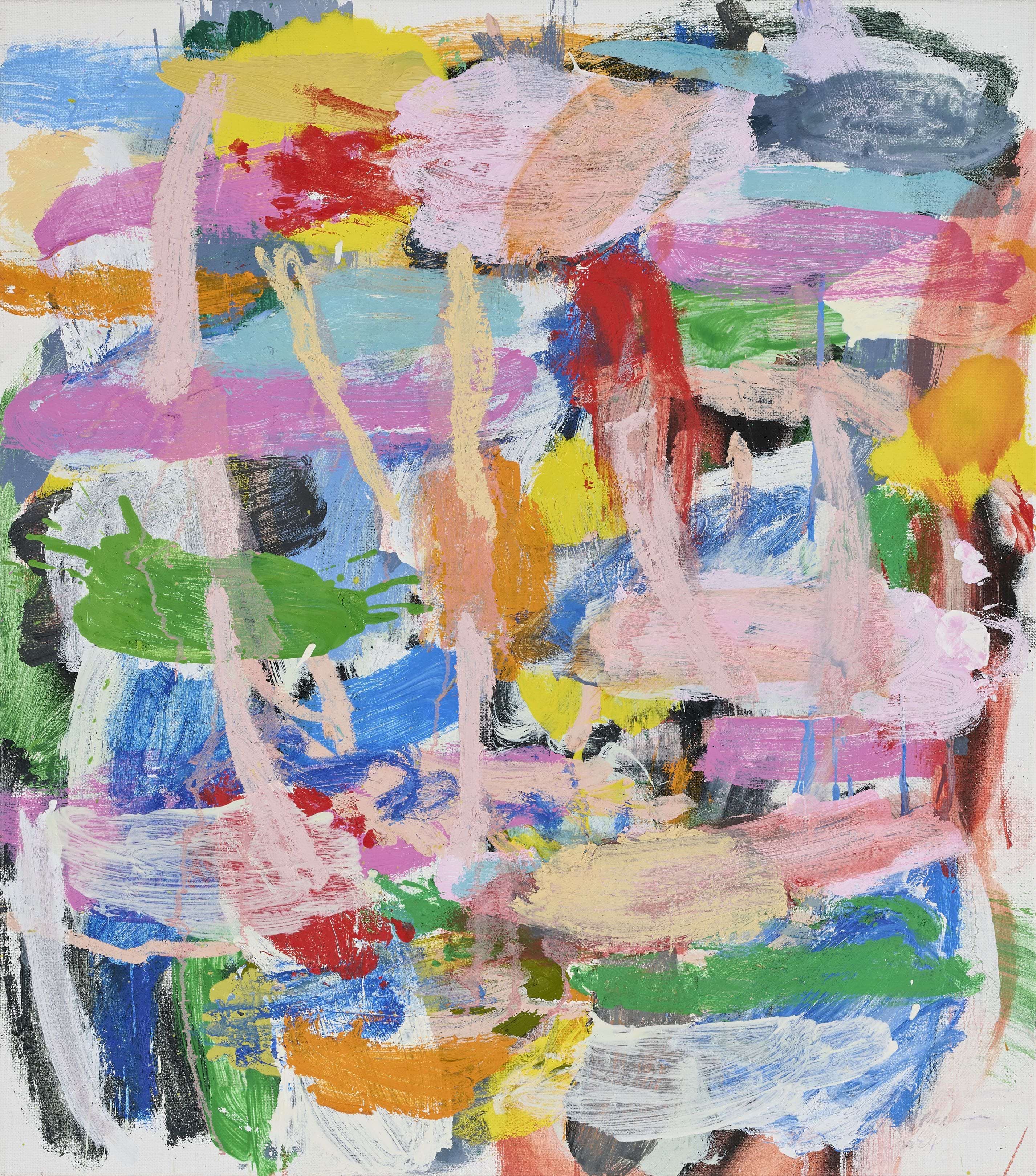
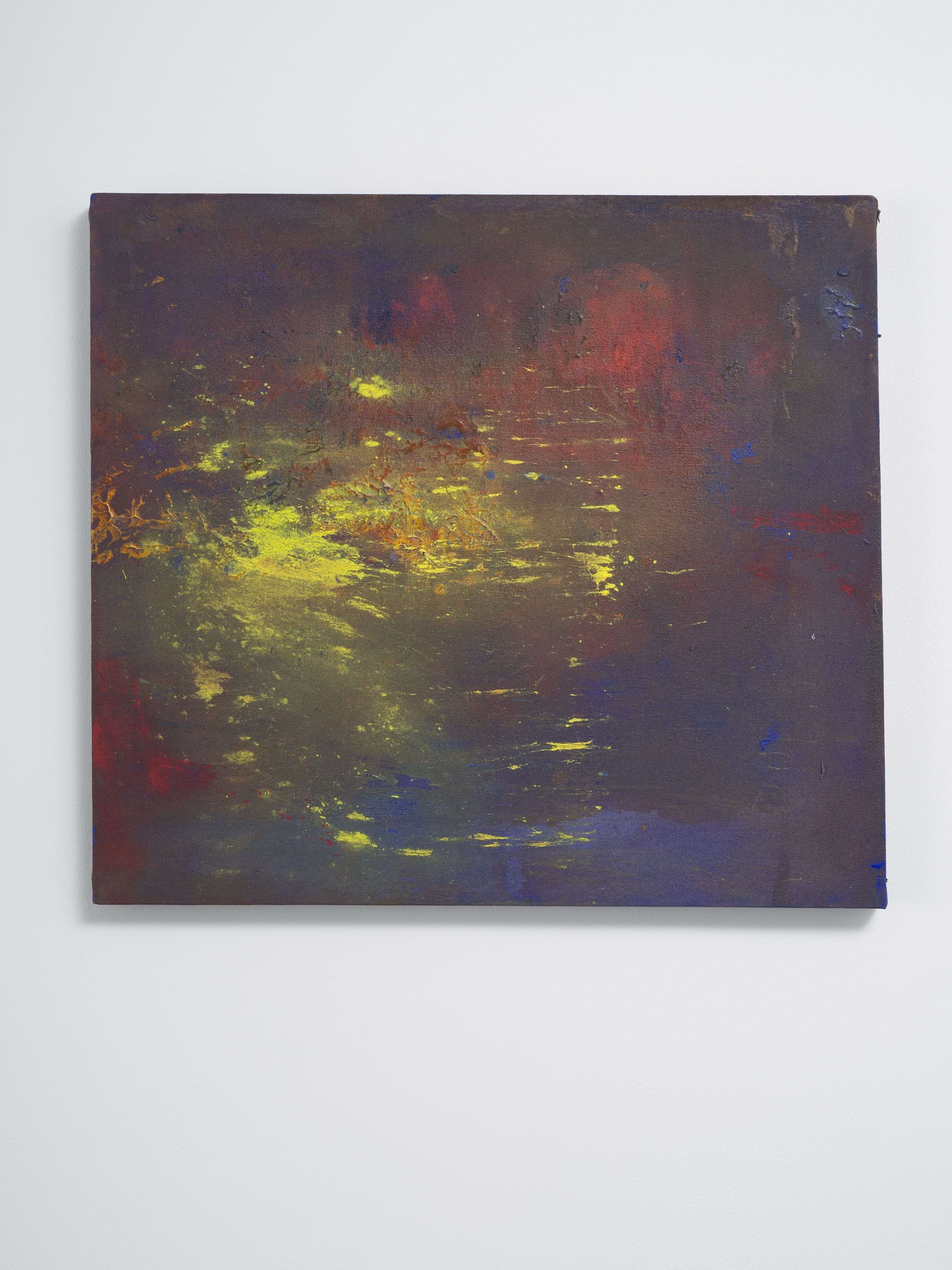
Misheck Masamvu’s paintings move between abstraction and figuration, allowing him to reflect on the past while probing the complexities of existence in the present. Through gestural abstraction and richly textured marks, Masamvu creates compositions where coherence gives way to disruption. Fragmented forms and shifting lines echo the instability of thought and feeling, suggesting the layered, often contradictory nature of the human psyche. These works resist linear narratives, instead unfolding as open-ended reflections on identity, memory, and perception.
Balancing between states of control and release, Masamvu invites viewers to consider the tensions that define personal and collective life. His tangled brushstrokes capture moments of resistance, introspection, and surrender – where the need to assert one’s place in the world intersects with the vulnerability of letting go. In this, his paintings become both site and process: spaces where meaning is continuously negotiated rather than resolved.
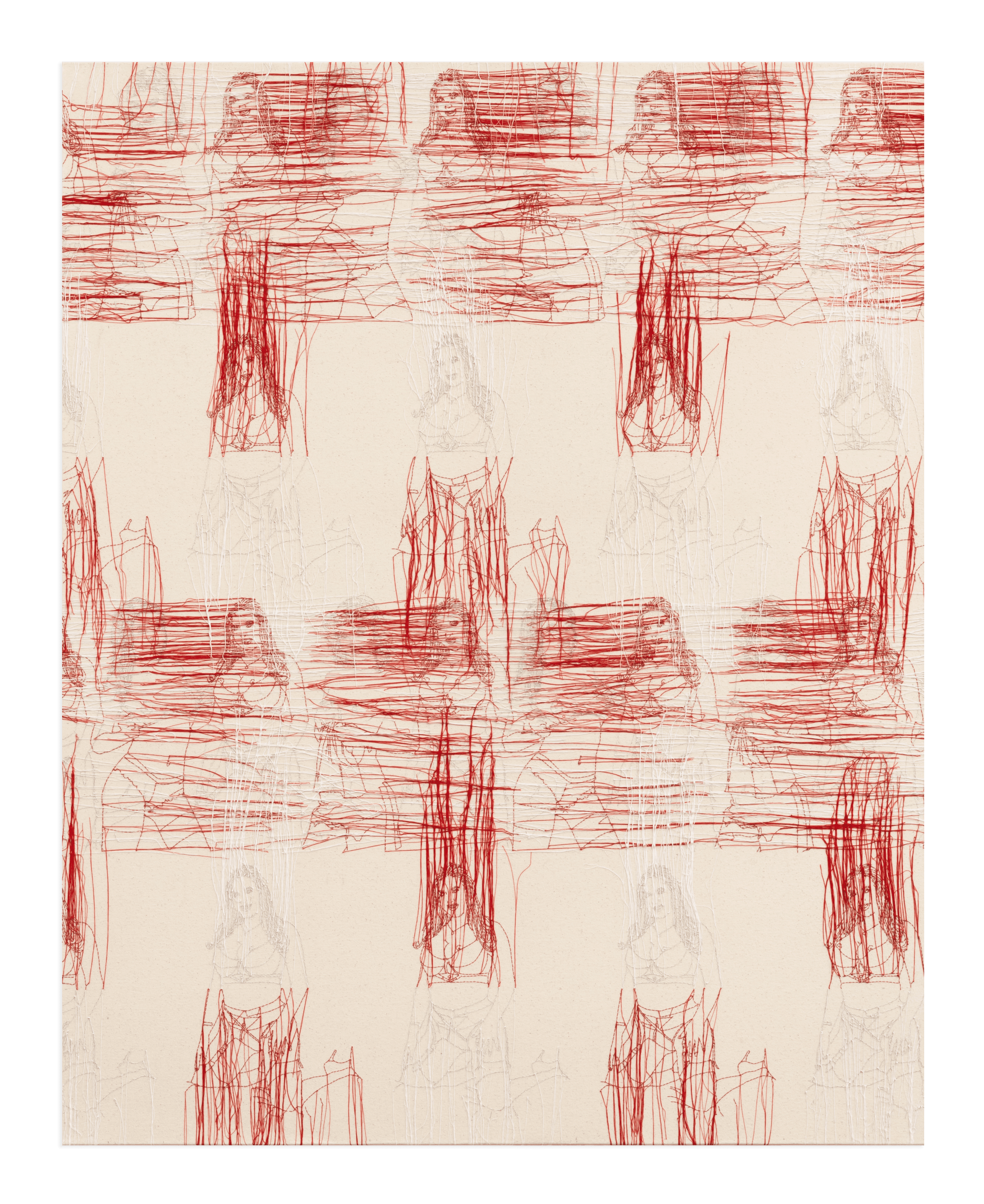
Ghada Amer is a multimedia artist whose body of work is anchored and informed by ongoing ideological and aesthetic concerns. The submission of women to the tyranny of domestic life, the celebration of female sexuality and pleasure, the incomprehensibility of love, the foolishness of war and violence, and an overall quest for formal beauty, constitute the territory that she explores and expresses in her artistic practice.
'A LOST CHECKERED DYPTICH' (2023) depicts female forms through the delicacy of needle, thread and acrylic paint. The choice of subject matter and of material speaks to the artist’s interest in subverting assumptions related to societal roles attributed to women, rejecting both religious-driven laws that govern women’s bodies as well as contemporary ideas that reject expressions of conventional femininity as a form of empowerment.