


Video
In 1982, Sue Williamson spent much of her time in Crossroads, an informal Cape Town community marked for destruction by the apartheid state. She was working with residents on strategies to oppose the demolitions. It was there that she first encountered the image of Elizabeth Paul – a Xhosa faith healer whose faded photo adorned the walls in many homes. This repetition marked Elizabeth as an important figure in the community, a person to be honoured and remembered.
Williamson began a series of photo-etched portraits with screen-printed frames, with the first in the series, a portrait of Elizabeth Paul. Each was a tribute to a woman who inspired others through her leadership, often in the struggle for liberation: Helen Joseph, Winnie Mandela, Annie Silinga, Mamphela Ramphele. Their names are familiar today, but in the 1980s they were largely invisible. Williamson’s work sought to give them visibility, and to honour them.
Her influences were many. Renaissance portraiture offered structure; the inventive frames of Crossroads homes provided texture. But more than technique, it was the desire to make these women known that shaped the work. In mass- producing and distributing postcard versions of the portraits, Williamson made the series portable, ensuring that these stories could travel, unbound by gallery walls.
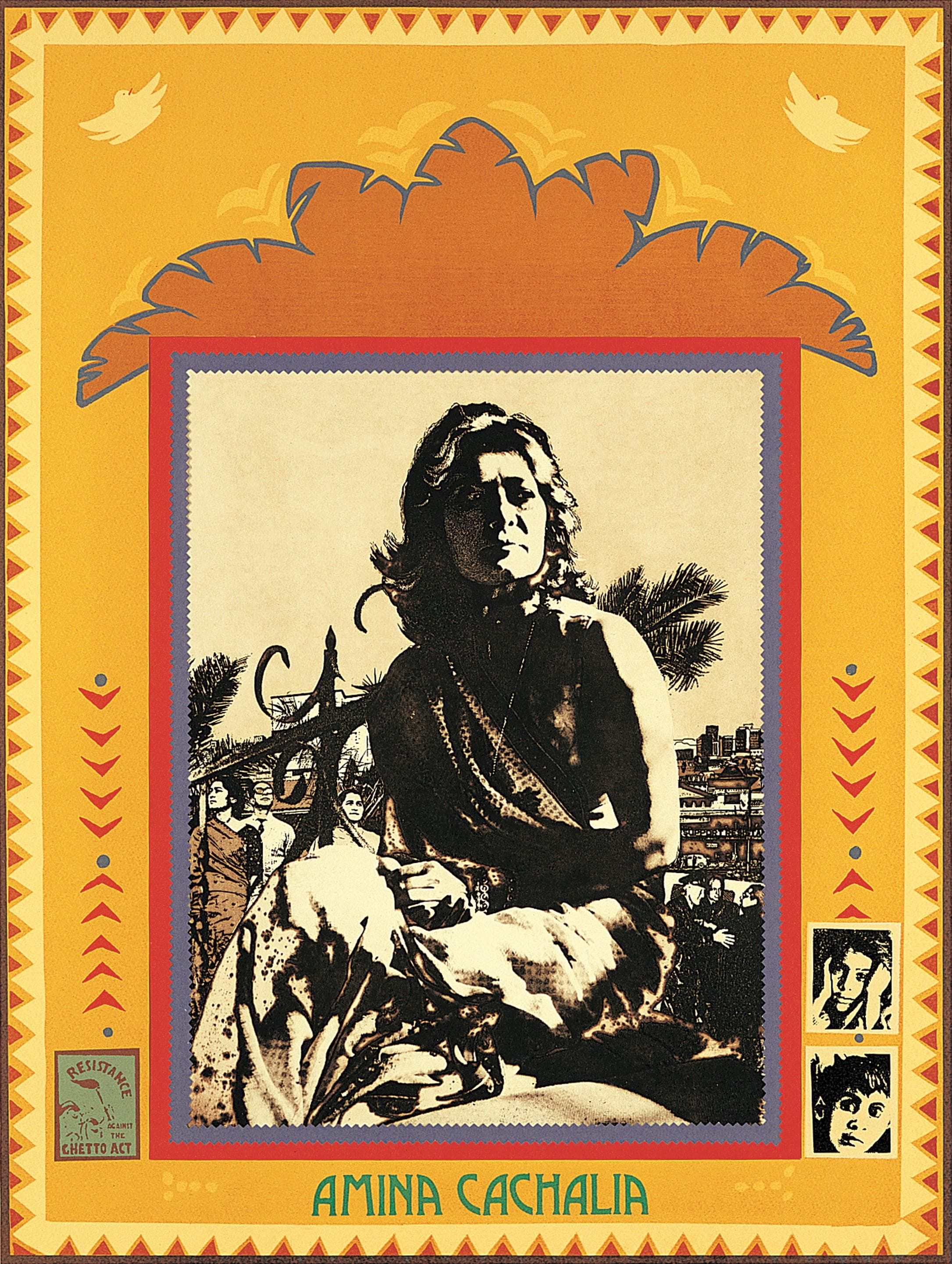
Amina Cachalia grew up in a politically aware family and was one of the leaders of the Federation of South African Women, a broad-based organisation which opposed apartheid. She was banned in 1963. Her husband, Yusuf, was under house arrest and her sister, Zainab, who lived next door, was also banned. After the first democratic election, in 1994, Amina accompanied Nelson Mandela on a visit to the widow of Hendrik Verwoerd, the architect of apartheid, in a classic action of reconciliation.
In 1982, Sue Williamson spent much of her time in Crossroads, an informal Cape Town community marked for destruction by the apartheid state. She was working with residents on strategies to oppose the demolitions. It was there that she first encountered the image of Elizabeth Paul – a Xhosa faith healer whose faded photo adorned the walls in many homes. This repetition marked Elizabeth as an important figure in the community, a person to be honoured and remembered.
Williamson began a series of photo-etched portraits with screen-printed frames, with the first in the series, a portrait of Elizabeth Paul. Each was a tribute to a woman who inspired others through her leadership, often in the struggle for liberation: Helen Joseph, Winnie Mandela, Annie Silinga, Mamphela Ramphele. Their names are familiar today, but in the 1980s they were largely invisible. Williamson’s work sought to give them visibility, and to honour them.
Her influences were many. Renaissance portraiture offered structure; the inventive frames of Crossroads homes provided texture. But more than technique, it was the desire to make these women known that shaped the work. In mass- producing and distributing postcard versions of the portraits, Williamson made the series portable, ensuring that these stories could travel, unbound by gallery walls.
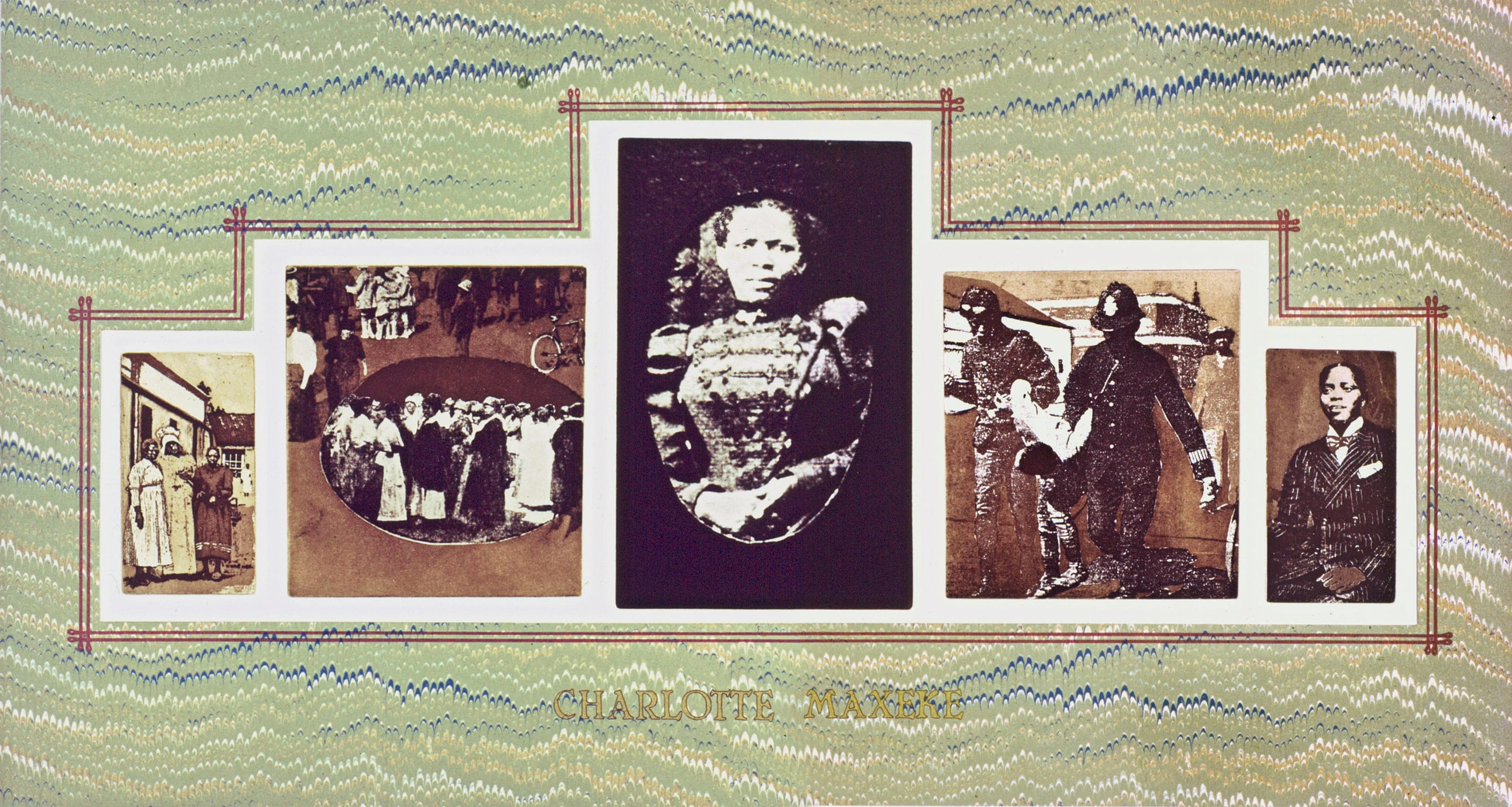
Charlotte Maxeke was born in 1874, and, as a young woman, toured England, Canada and the United States as part of an African choir. She remained in the US to study, and graduated from Wilberforce College in Ohio with a BA degree. Returning to South Africa, she married a fellow graduate and together they founded the first college for Africans in 1908 – Wilberforce Institute at Evaton. She was the first president of the National Council of African Women in 1935, and is remembered as “the Mother of African freedom in this country”.
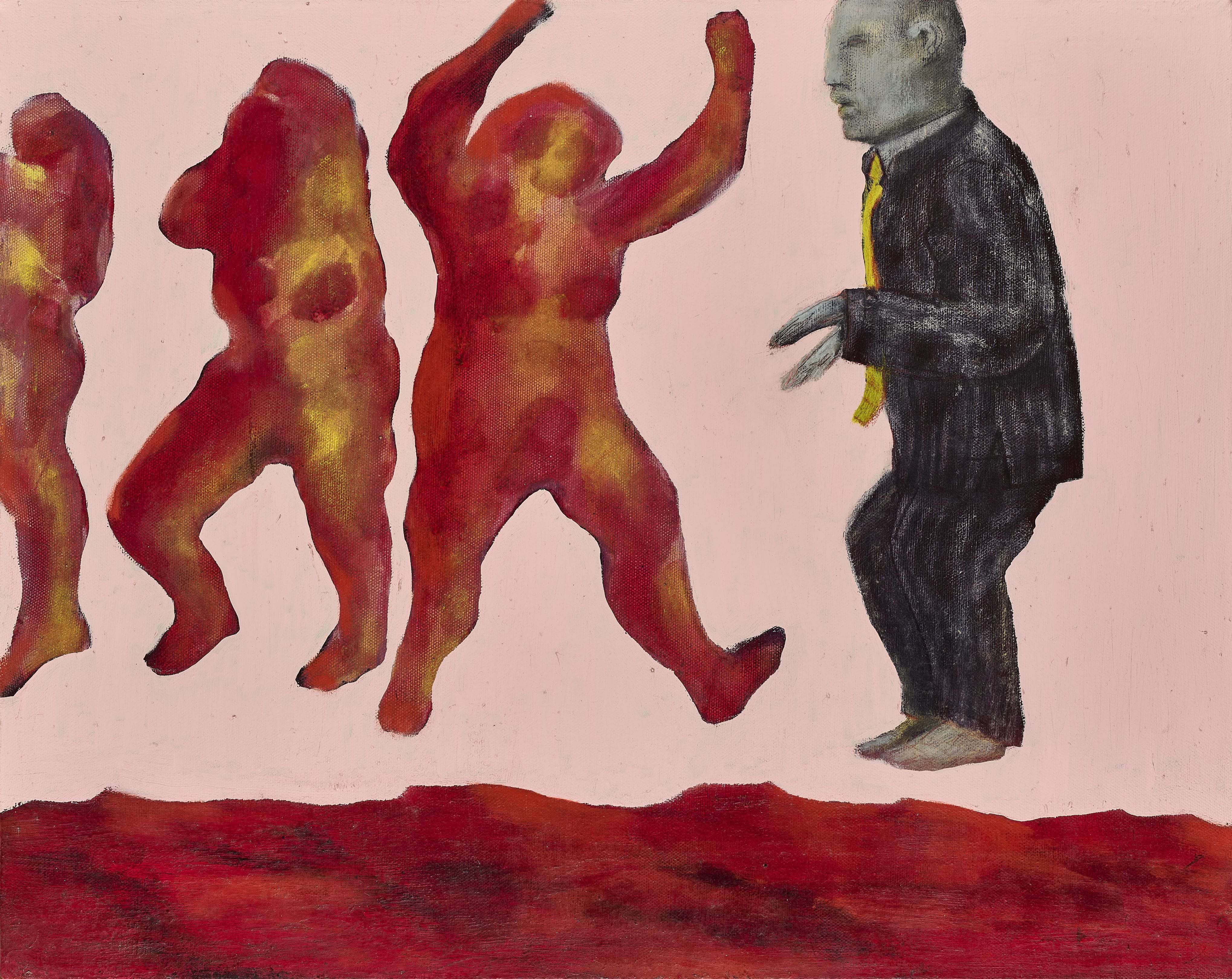
The subject of the painting Morphing for Herod (1993 to 2017) refers to the dance of Salome, for the biblical King Herod, but also refers to Bell’s own love of dancing with longtime friend and mentor, Robert Hodgins. In fact as the texts and inscriptions on the verso testify, it was Hodgins who began painting this canvas of the moving, morphing, nude dancer across the surface of the canvas, in 1993. He later signed, dated and titled the work on the reverse, and gave the painting to Deborah Bell as a gift. When it was later damaged in storage she undertook to restore the surface image, but only finished this renewed image of the dancer and a suited “Herod” in 2017. After Hodgins’ death in 2010, Bell found it very challenging to work on two oils left incomplete by her late friend who requested she consider completing them in her own way, as they would do in collaborative works of the past. Only once she had found her way into those images and contented herself that they felt right, did she eventually return to this work gifted by Hodgins and which is now a collaborative work from both artists.
titled and signed by Hodgins, in 1993, and inscribed: "a Painting for Deborah Bell". Signed BELL and dated again 2017, and inscribed: "This painting was damaged and in 2016, whilst working on some posthumous collaborations with Hodgins, that he requested I finished after his death, I worked on this painting to both repair and collaborate.
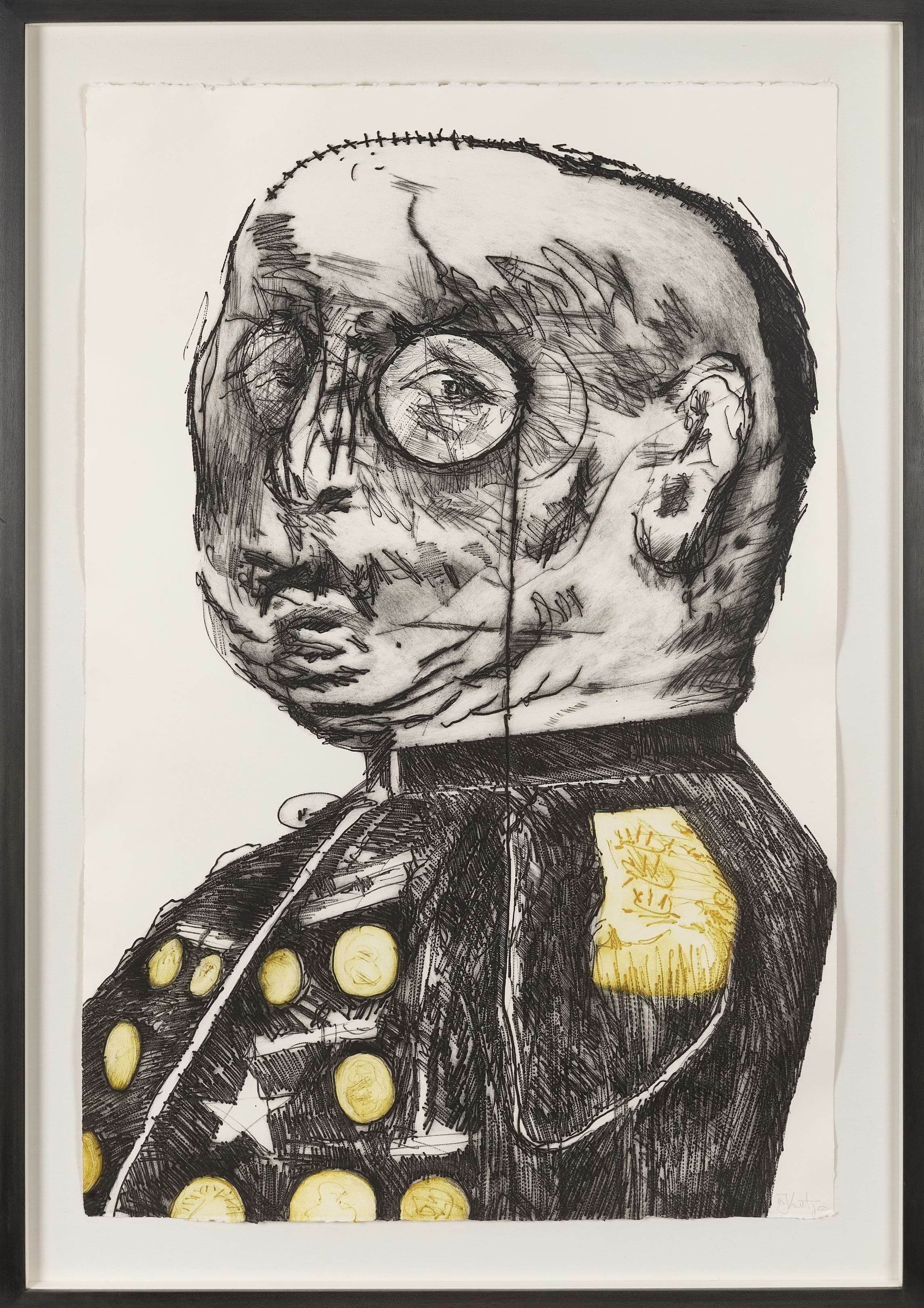
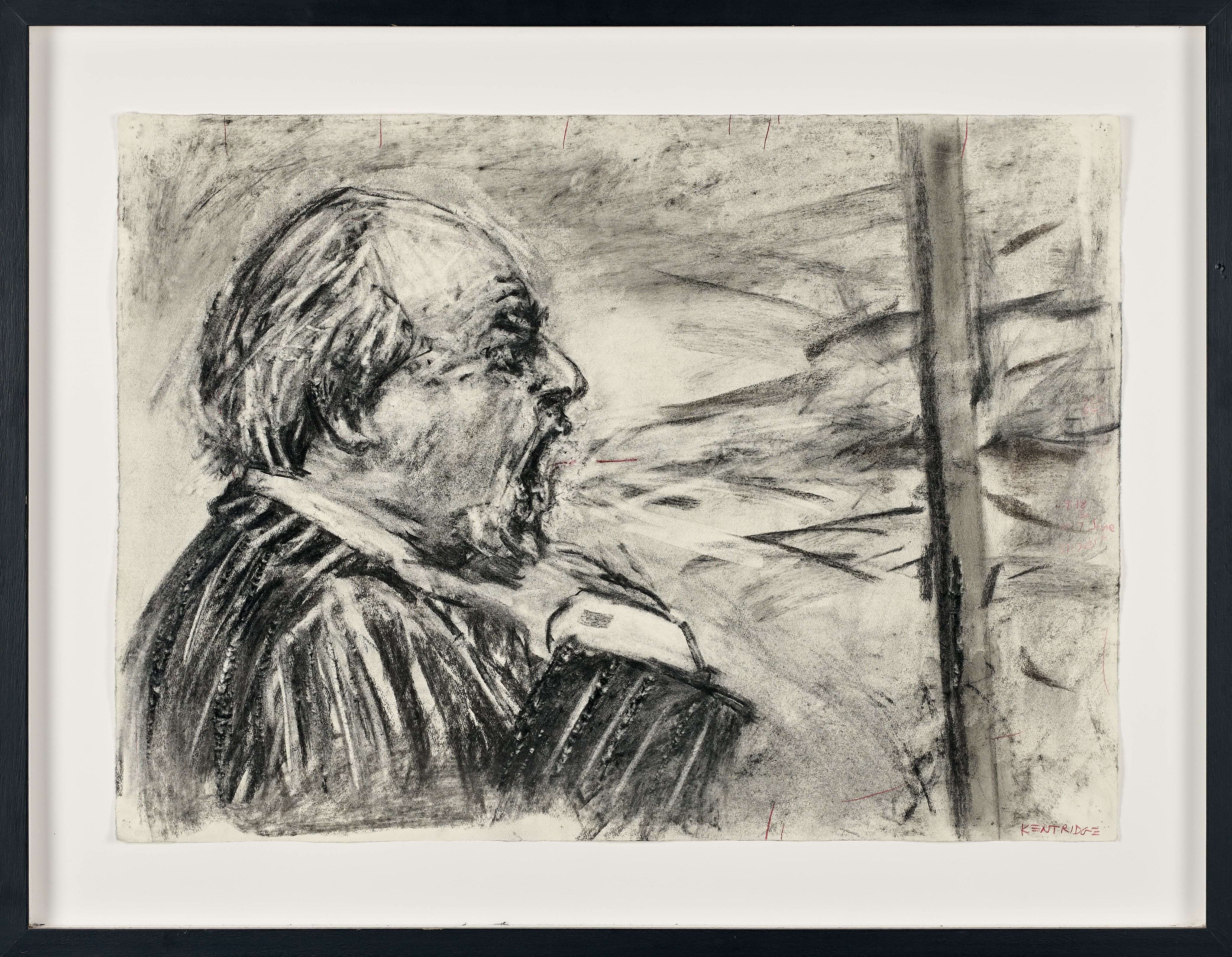
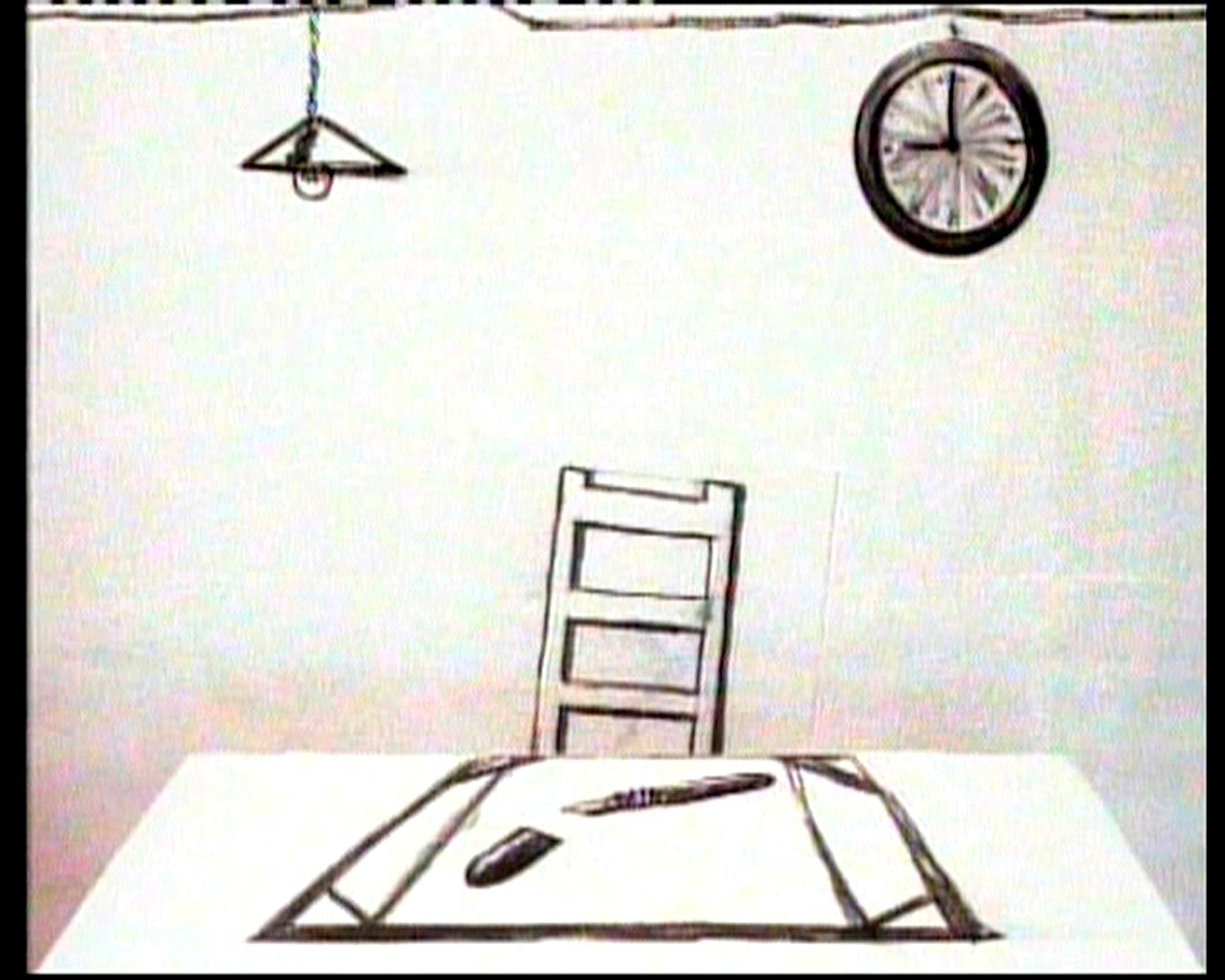
There is also a hand-coloured major etching by William Kentridge, General, 1998, editioned by the late UK master printer Jack Shireff of 107 Workshop for Krut Projects. This figure of a monocled and uniformed General originated in the digital video work Easing the Passing (of the Hours), directed by Kentridge, working with Deborah Bell and Robert Hodgins.
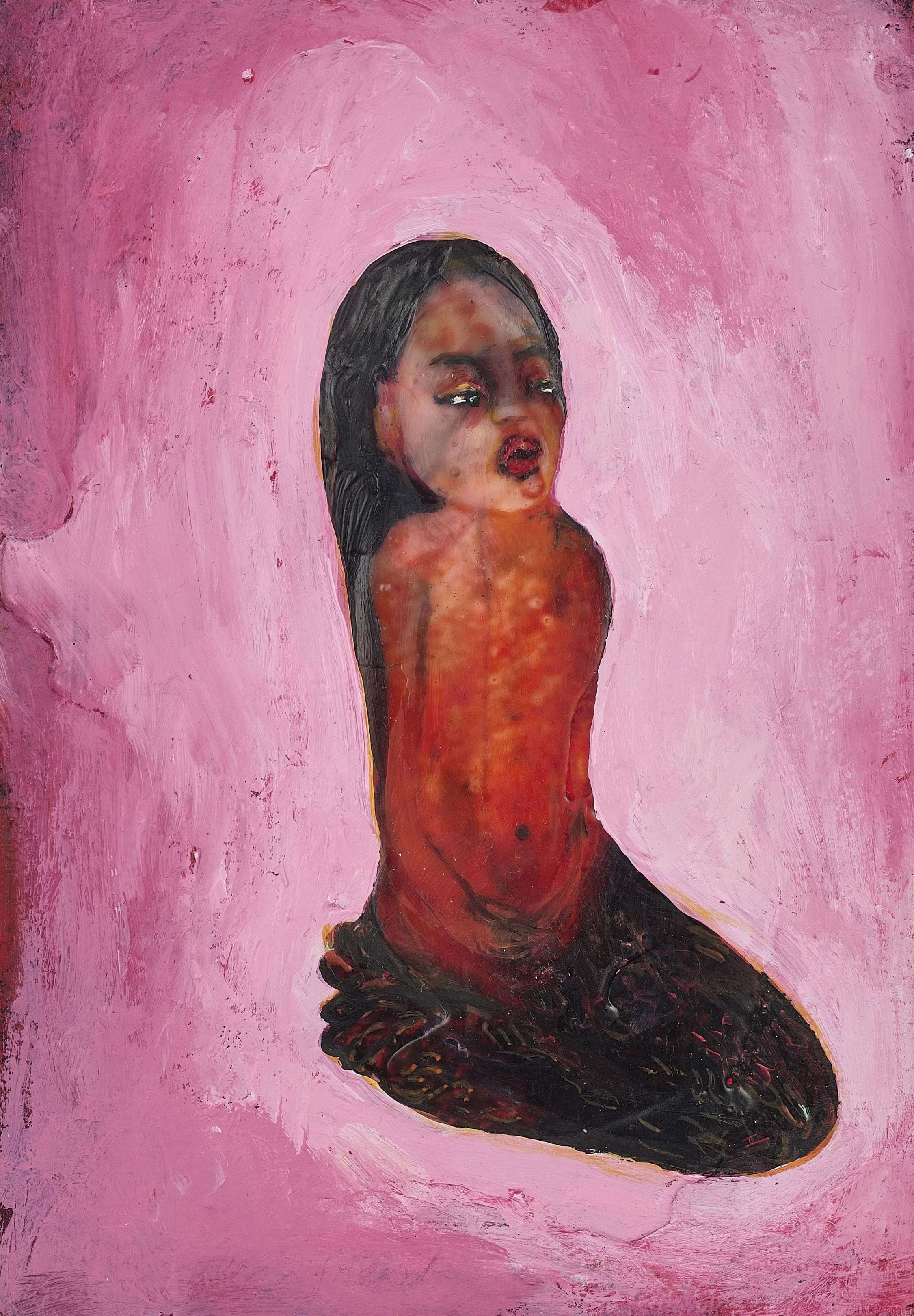
Paint in Siopis’ hands is a medium of sensuous and conceptual alterity, of strangeness, of otherness. The touch-oriented, sensuous intimacy of her early work, the logic of assembling readymade materials in complex spatial constellations in the history paintings and assemblages, which follow through in her later installations, can be traced to her maverick use of paint as object, sign, and surface from her earliest creative years. Siopis’ creative affair with materiality and surface is as much an intellectual as an intuitive passion. Tracking that passion through her work offers us profound insights into her distinctive creative responsiveness, riskiness and resilience
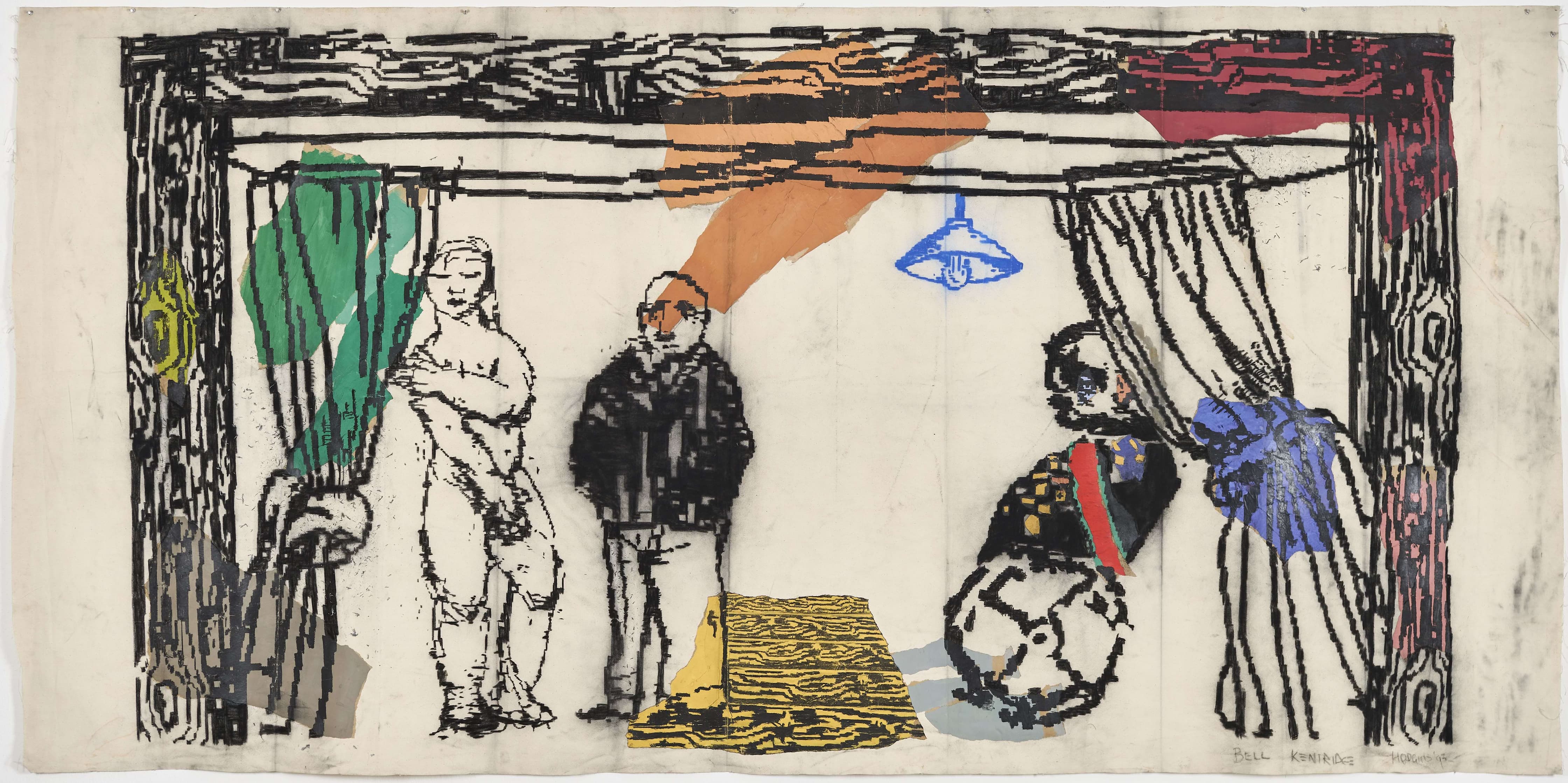
Easing the Passing (of the Hours) is a digital film featuring a much wounded and decorated military man in a wheelchair. The character, who still seems pumped up by his Pyrrhic victories, is the source for Kentridge’s etching General (Yellow), and features in the large collaborative canvas by the same name as the video work. This three-metre wide painting and collage, made on canvas by the three artists together and signed by all three, is a wonderfully theatrical and colourful look at characters from the animation, inside a proscenium - as they might appear on a stage. Erasure marks clearly demonstrate how this work was used in making animation. The work has not been exhibited in the past 25 years and offers a rare view of the successful collaborative efforts by the three artists.
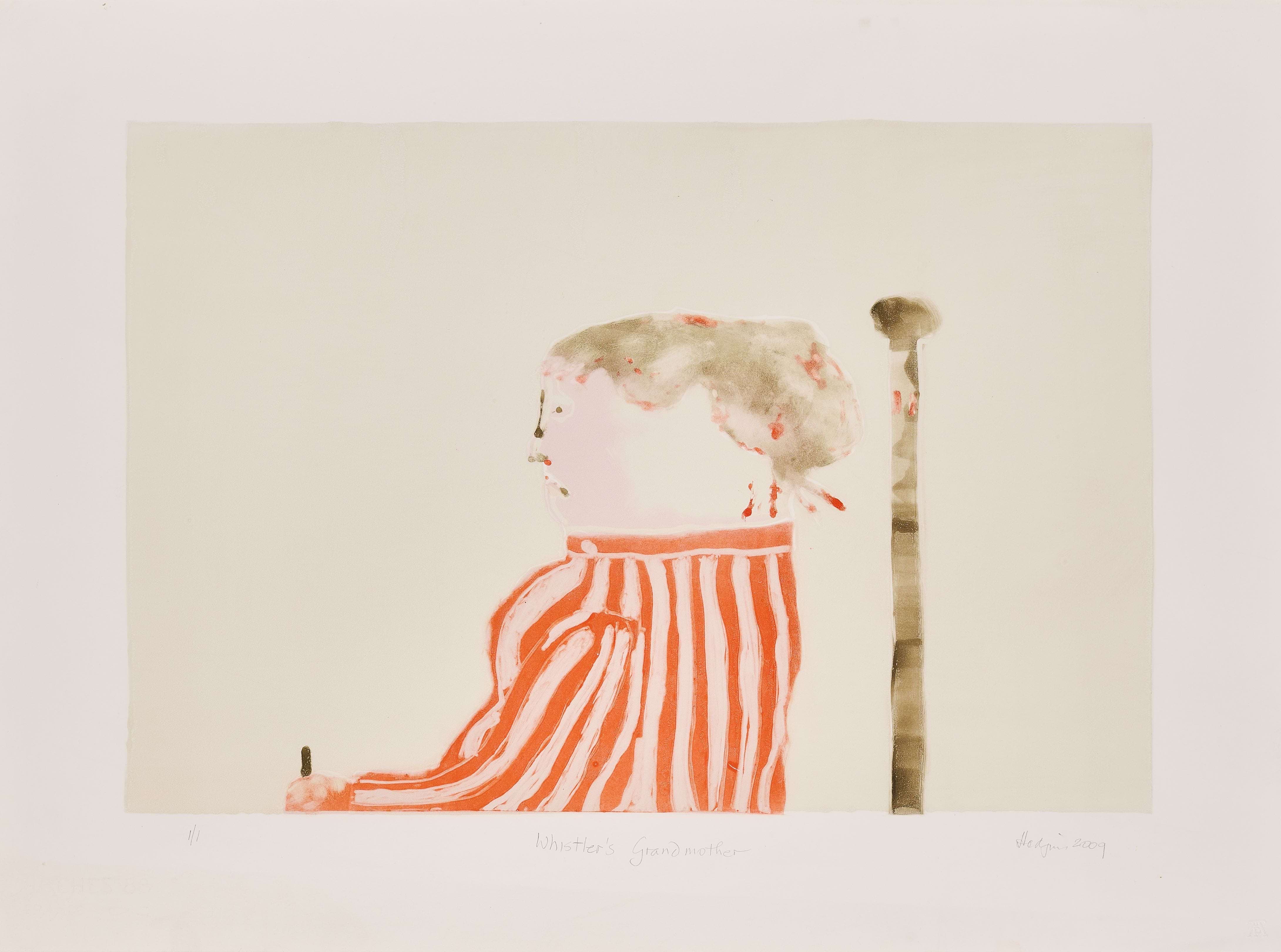
Some Hodgins’ paintings convey a feeling of deep seriousness and sadness; the paintings depict a sense of confusion that many people experience. However Hodgins believed that being an artist is about creating something new, an artist perfects the art of ingeniously reinventing content within society.
“Being an artist is about putting something into your subject matter that isn’t inherently there,” wrote Hodgins in 2000. “You are not at the mercy of your subject matter, it’s the content, and what you put into it, what you do with it, what extract from it, and what you put it with, that is so exciting. If you are aware of this, then you begin to build on the content of your whole life. Before you know where you are, you’re already thinking about the next work, and you could live to be 300. Paintings can be one-night stands or lifetime love-affairs – you never know until you get cracking”
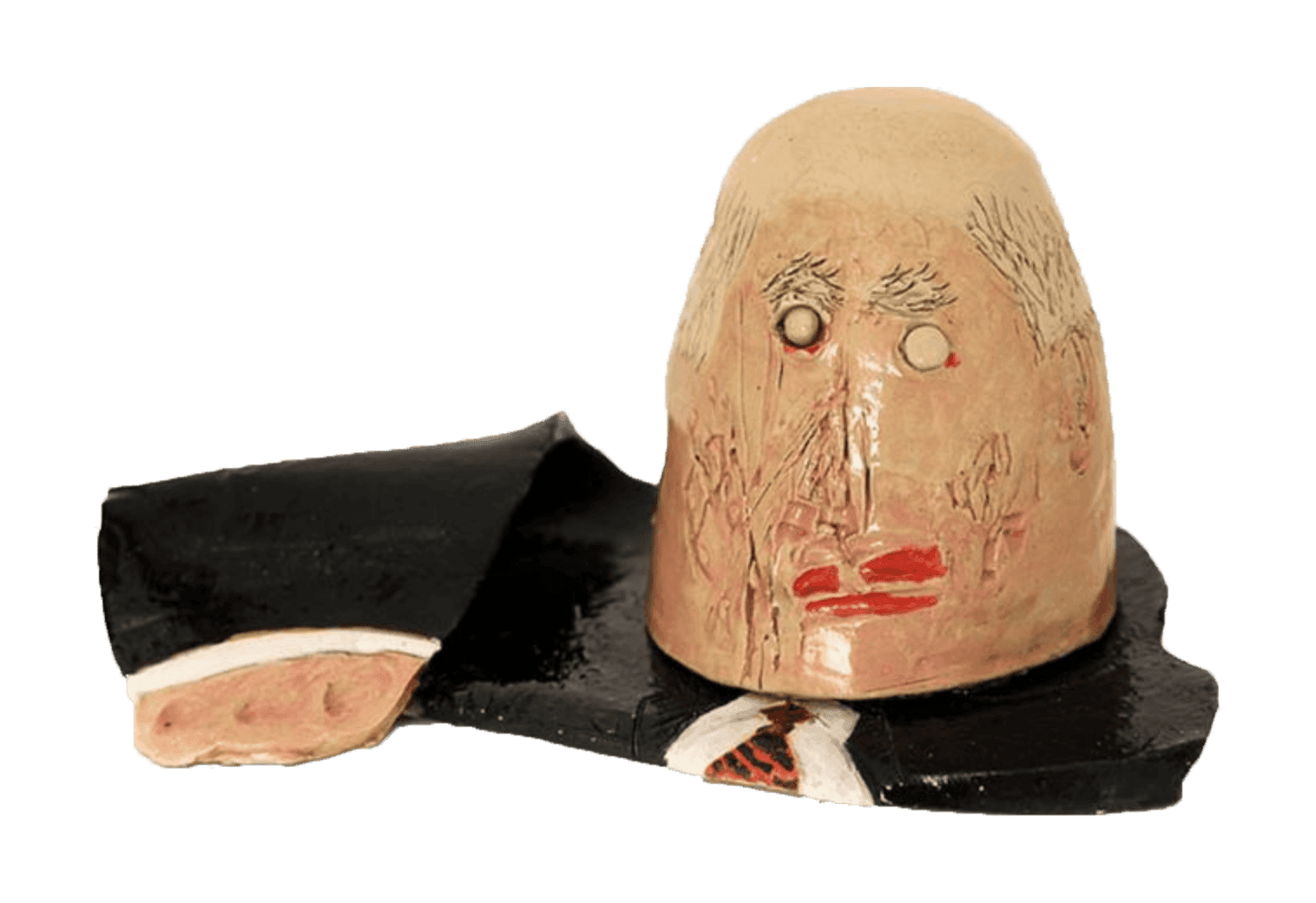
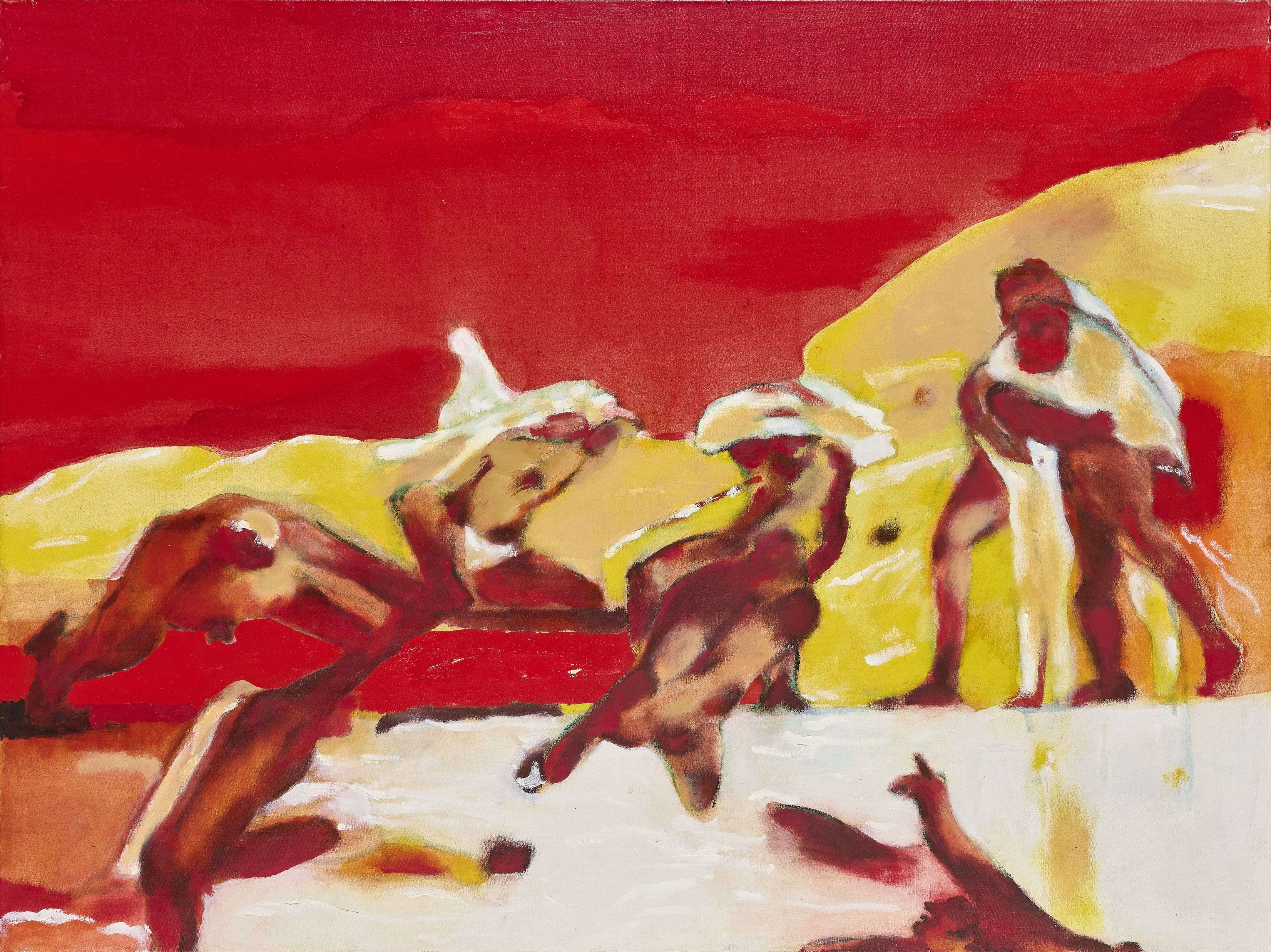
Hinged on the 1368 legend of the Battle of Cascina, in which the Florentines defeated a Pisan force, taking the men by surprise while they bathed in the Arno River, some of the works play with the realities set by the idea of men reduced to a state of vulnerability by their mortal enemies. A metaphor in this is the battle against time
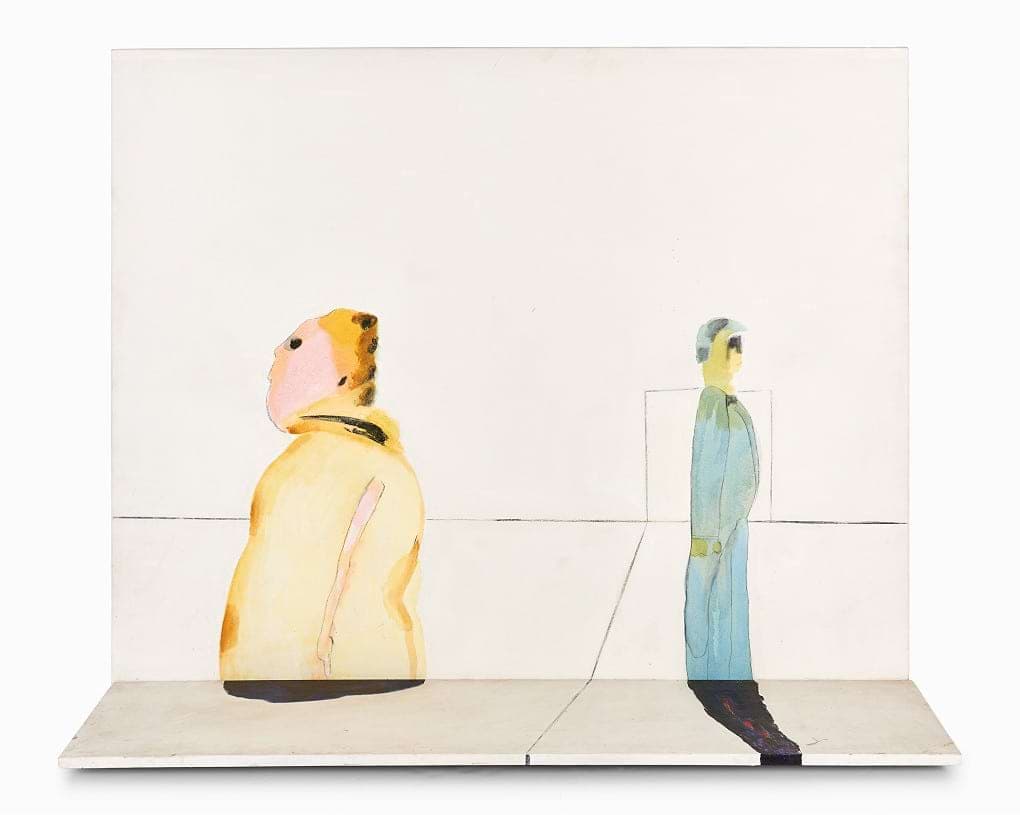
painting with protruding shelf (painted) at the bottom of the stretcher)
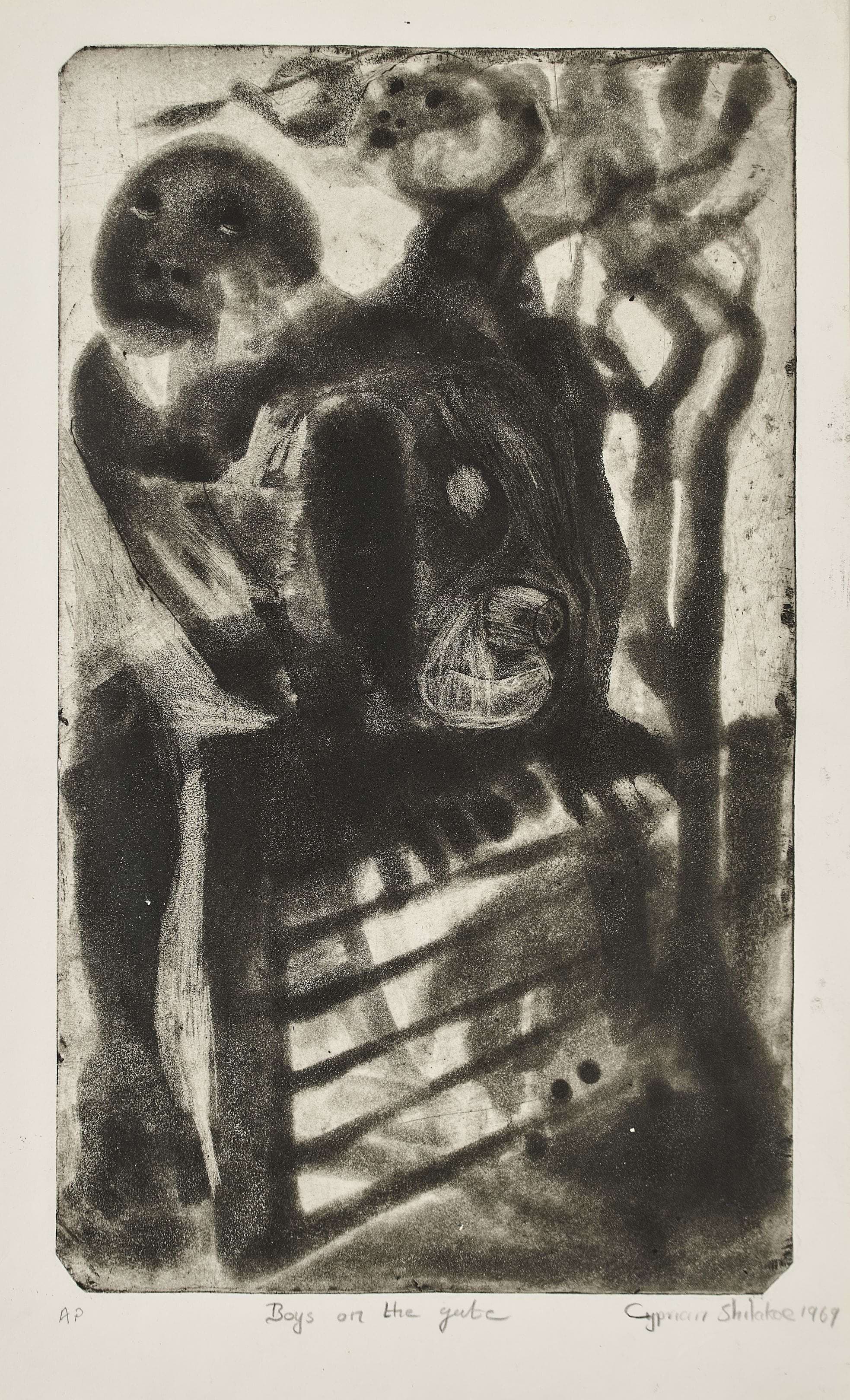
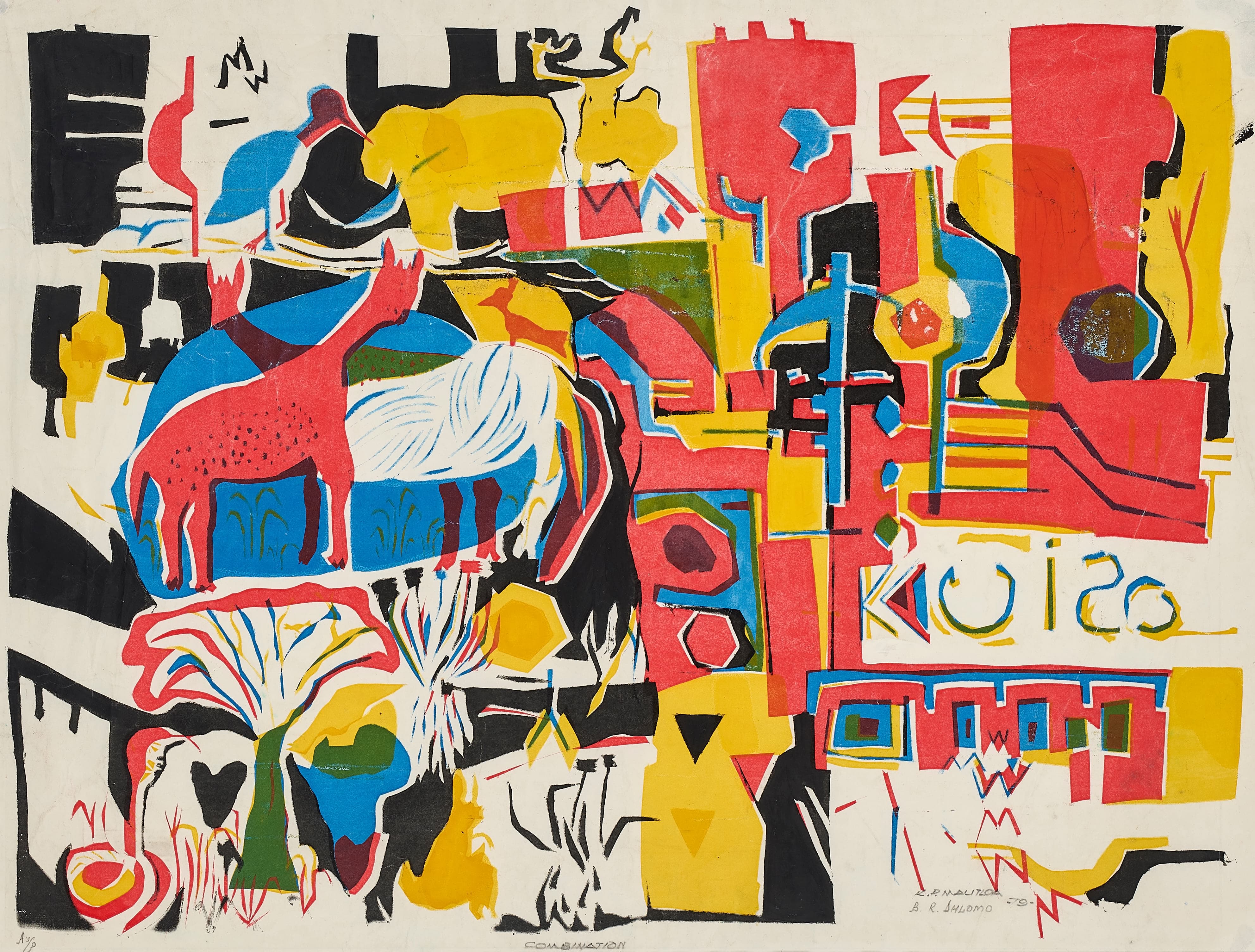
Boys on the Gate, conjures up the marginal lives of individuals who lack the security of belonging, in contrast to Shilakoe’s childhood years with his grandmother at his back, always his guide, reassurance, adviser and companion. Here, too, are the ghostly presences amid the evocative aquatints of his etching plates.
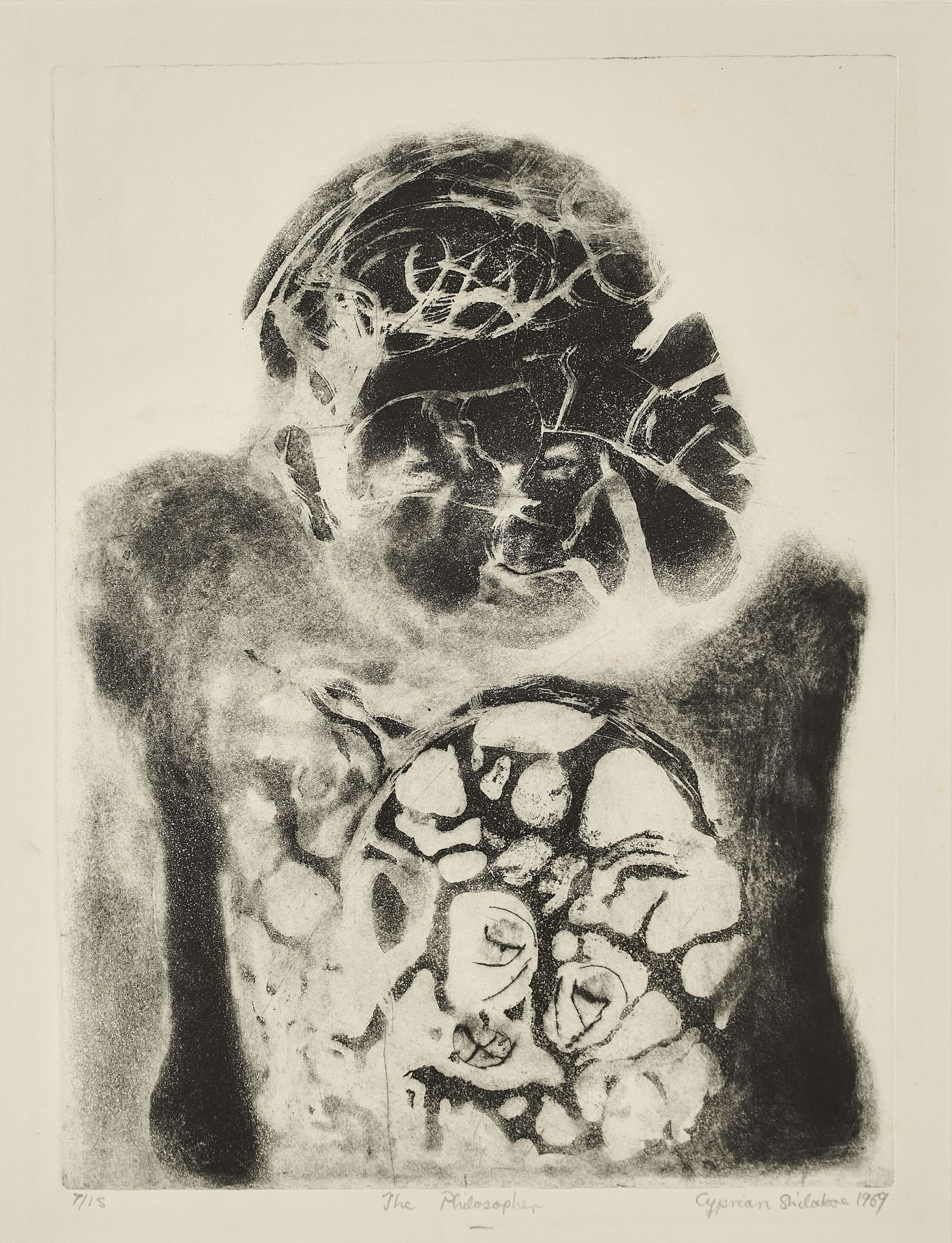
The Philosopher, conjures up the marginal lives of individuals who lack the security of belonging, in contrast to Shilakoe’s childhood years with his grandmother at his back, always his guide, reassurance, adviser and companion. Here, too, are the ghostly presences amid the evocative aquatints of his etching plates.
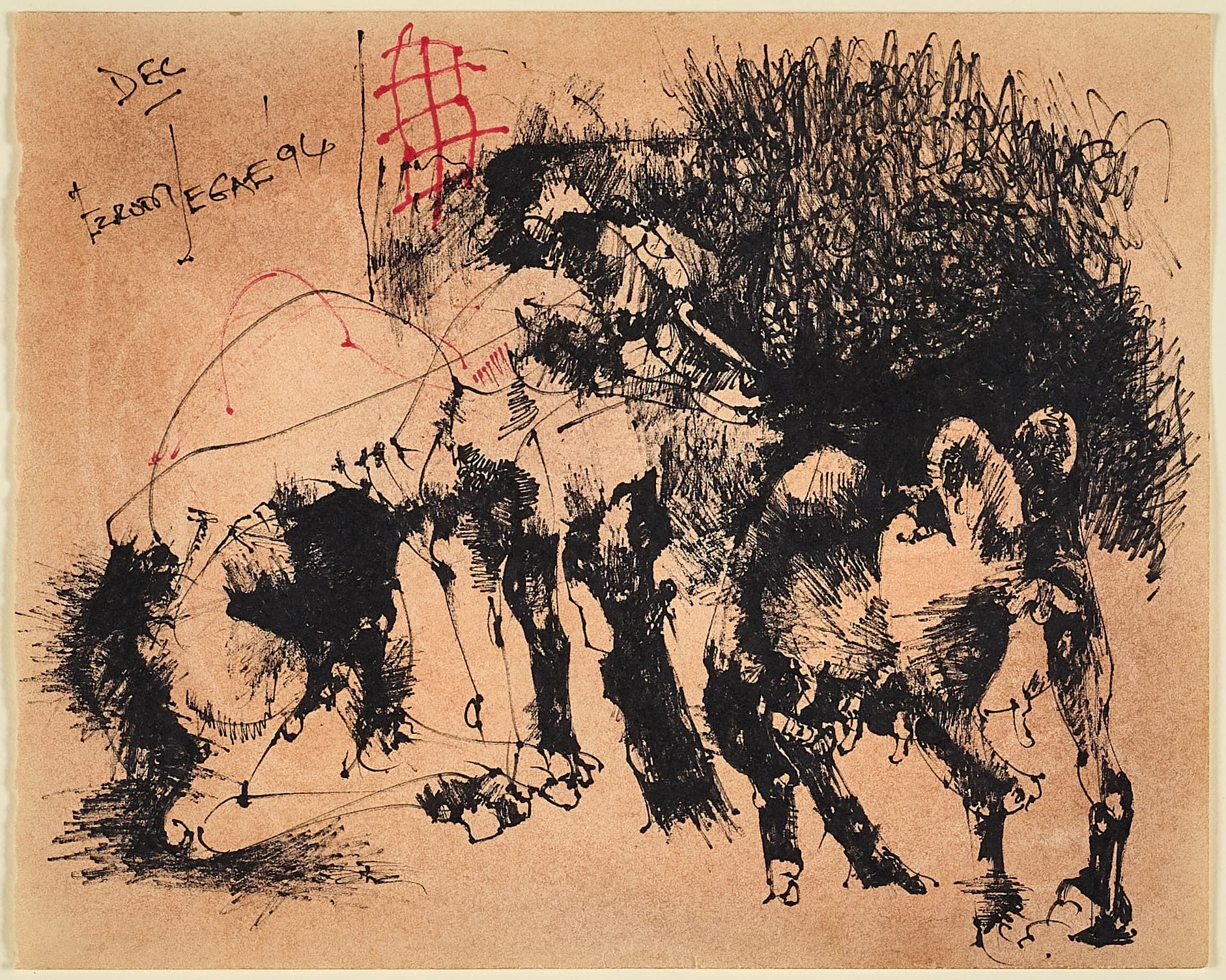
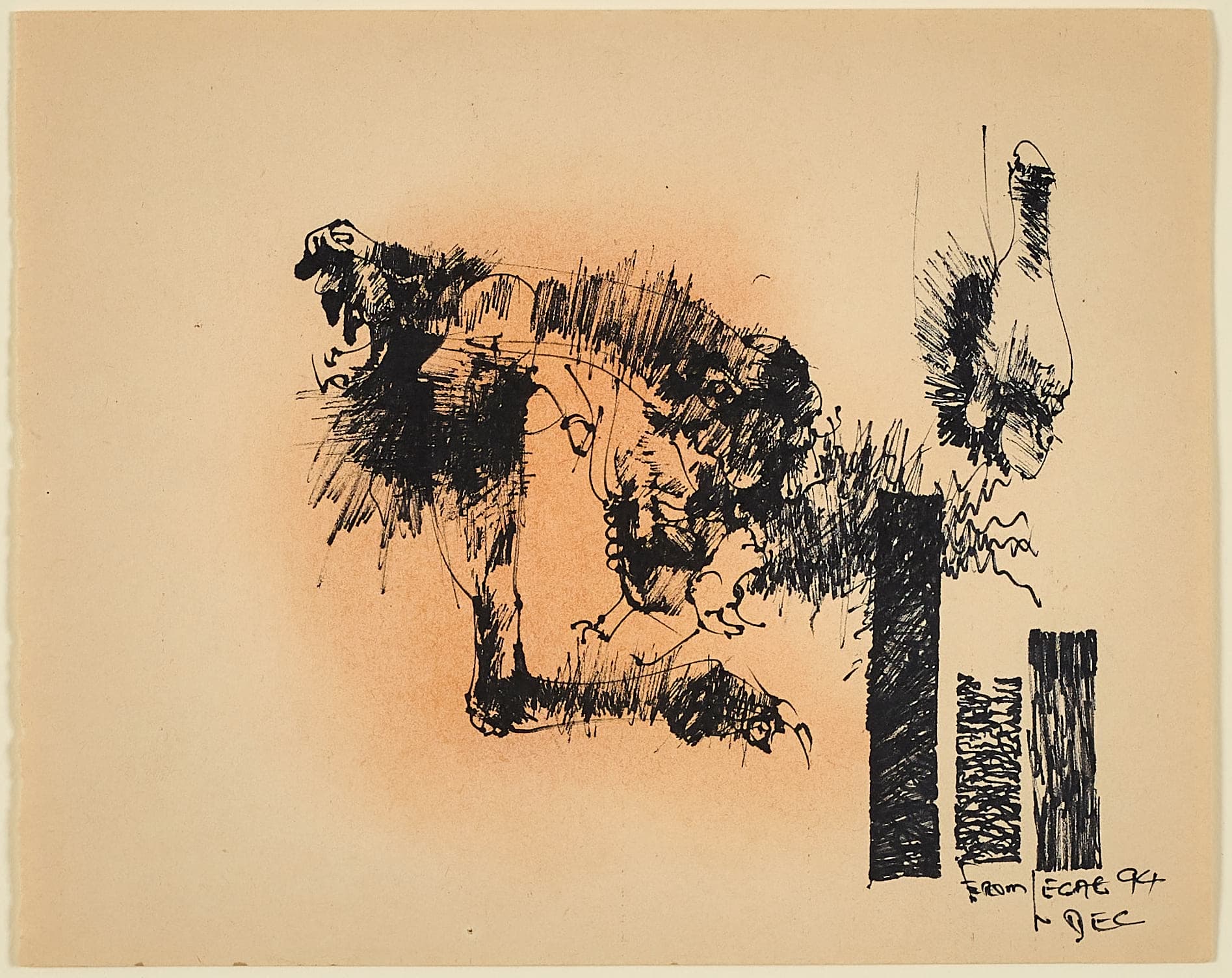
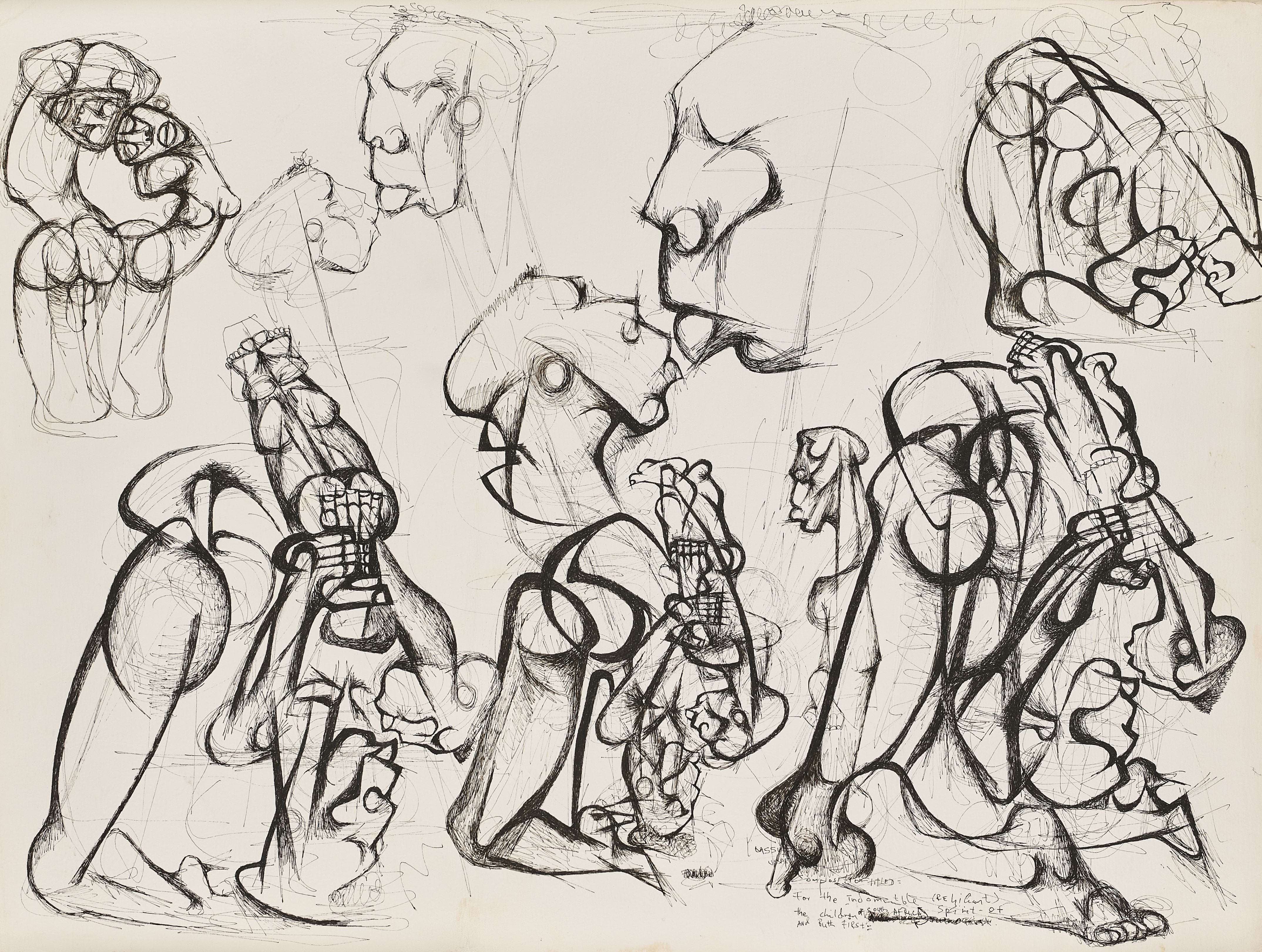
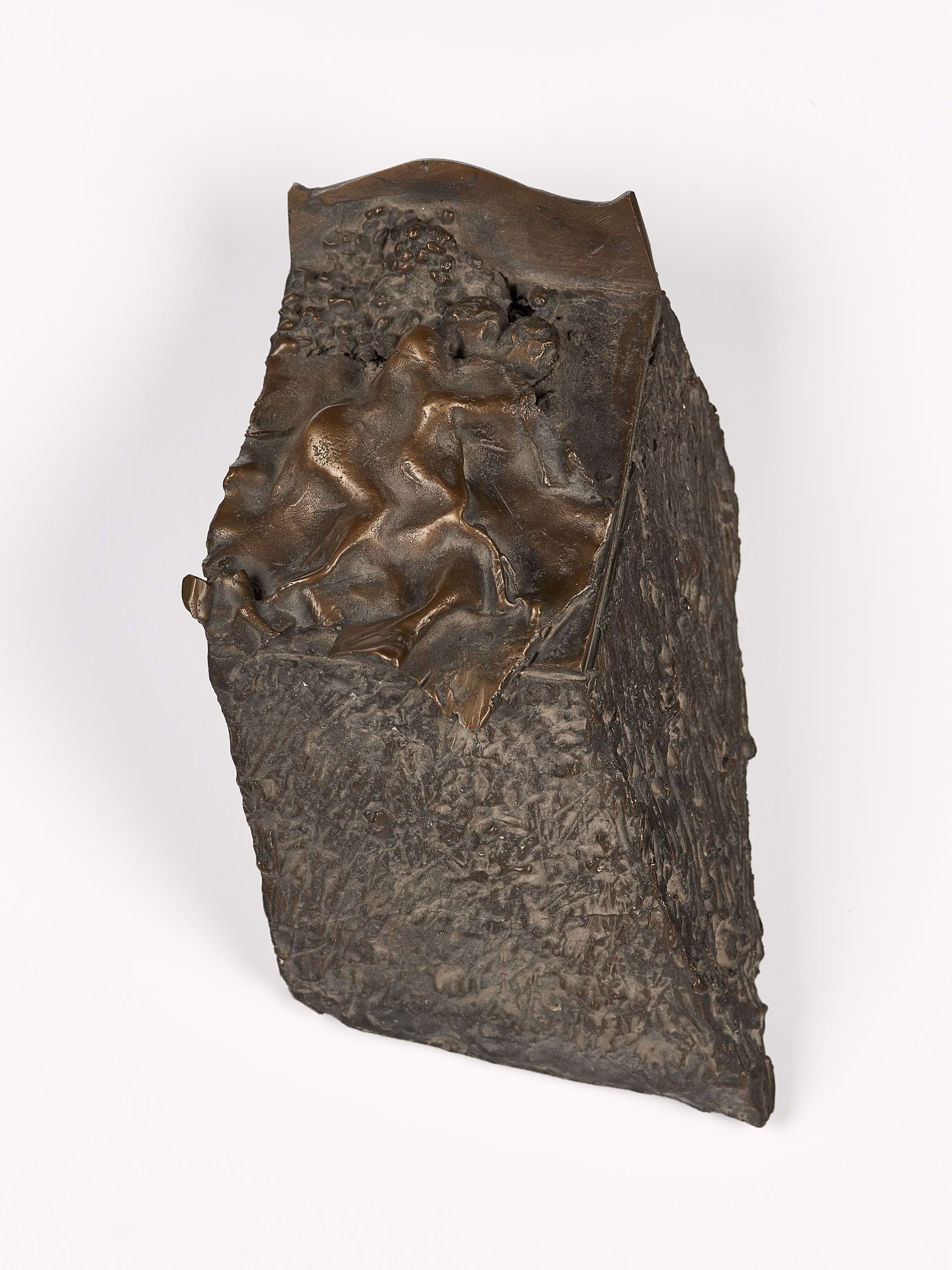
Untitled #18 (Studies for Sculpture) circa 1985, is dated by other numbered studies for a sculpture the artist planned and made in New York in the mid 1980’s. Like others in this series from a pad of similar paper, this work has both recto and verso drawn in ink with various versions of the heads of lovers, and figures entwined and inverted, which relate to works in three dimensions produced soon afterward.
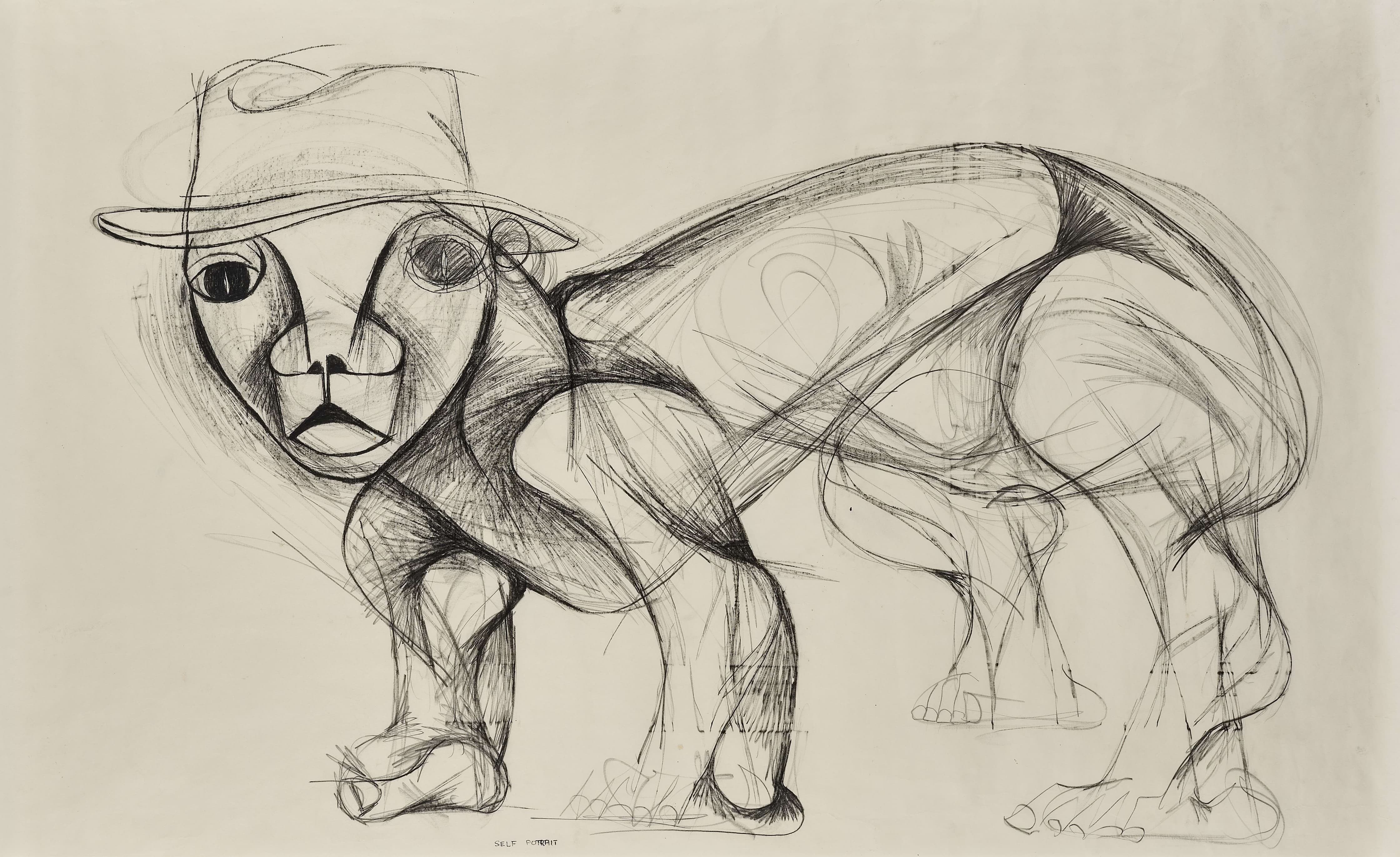
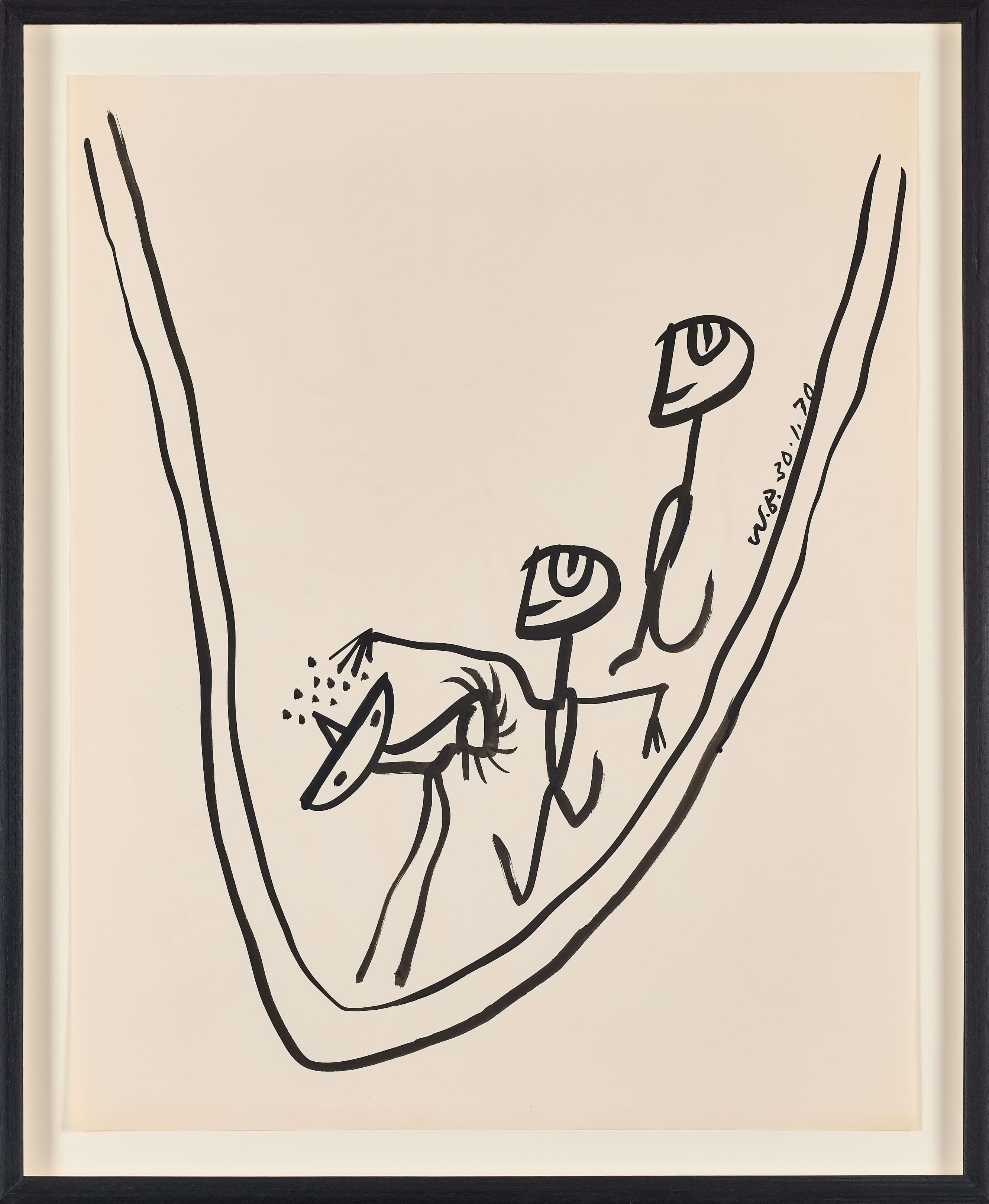
Self Portrait (animal with hat), circa 1979, was produced in Feni’s studio in New York and will be shown for the first time in South Africa. It is one of several self portraits by the artist in which he depicts himself as an animal often identifying during his long years in self imposed exile, with a stray dog, or lost animal.
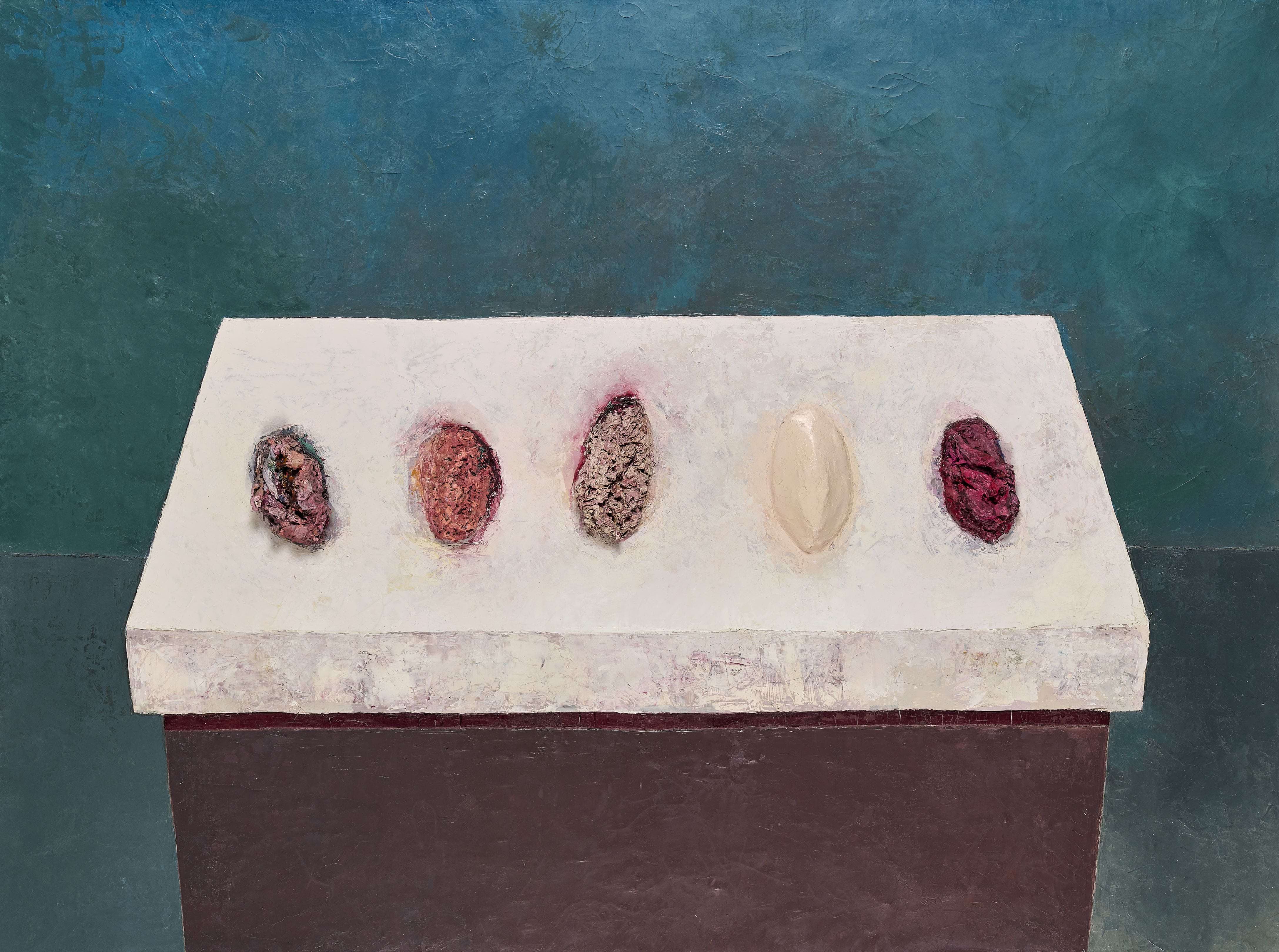
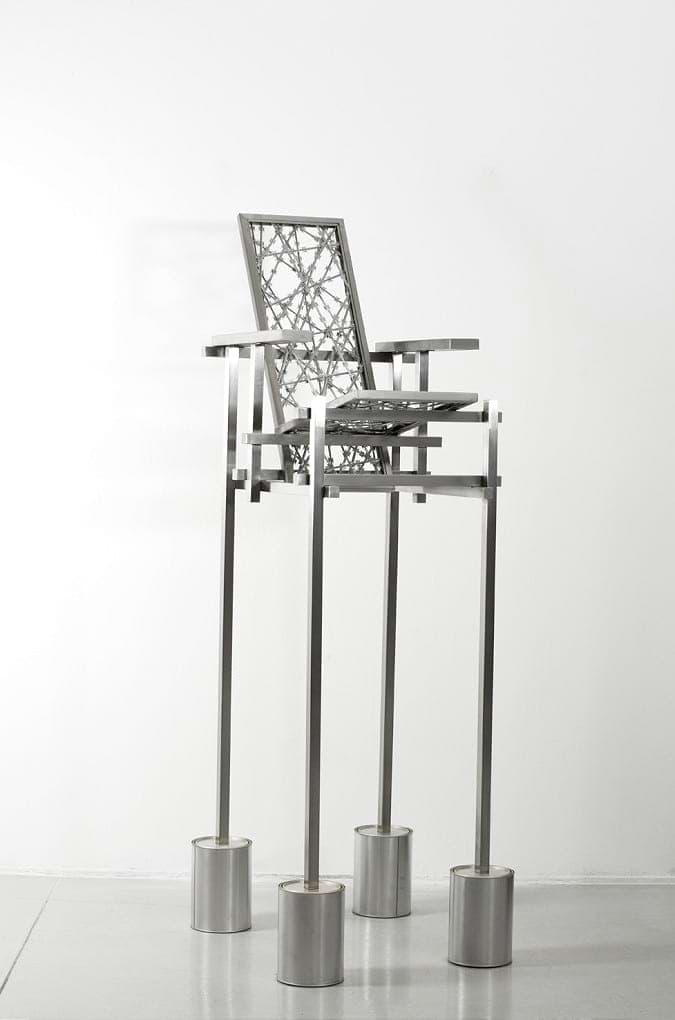
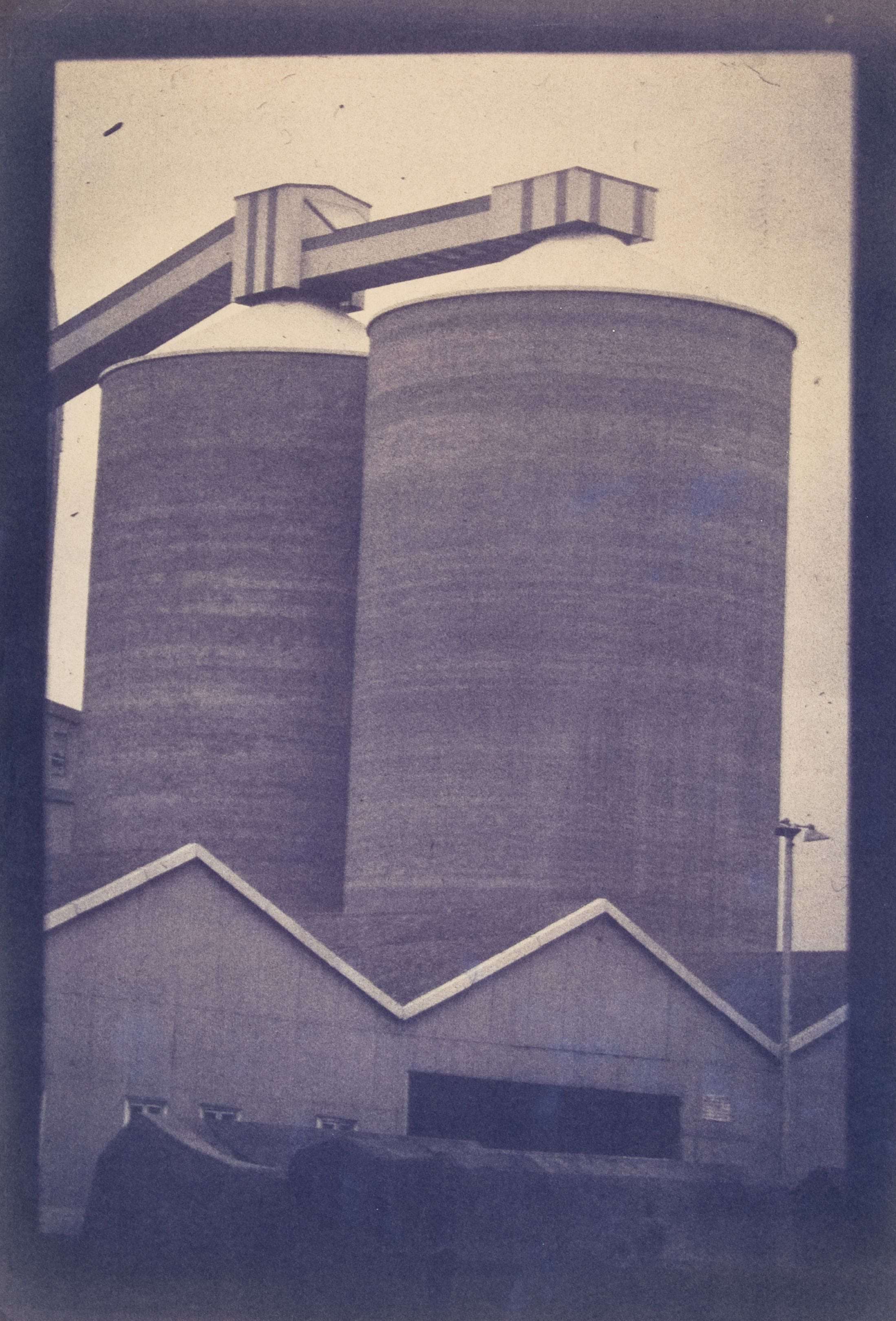
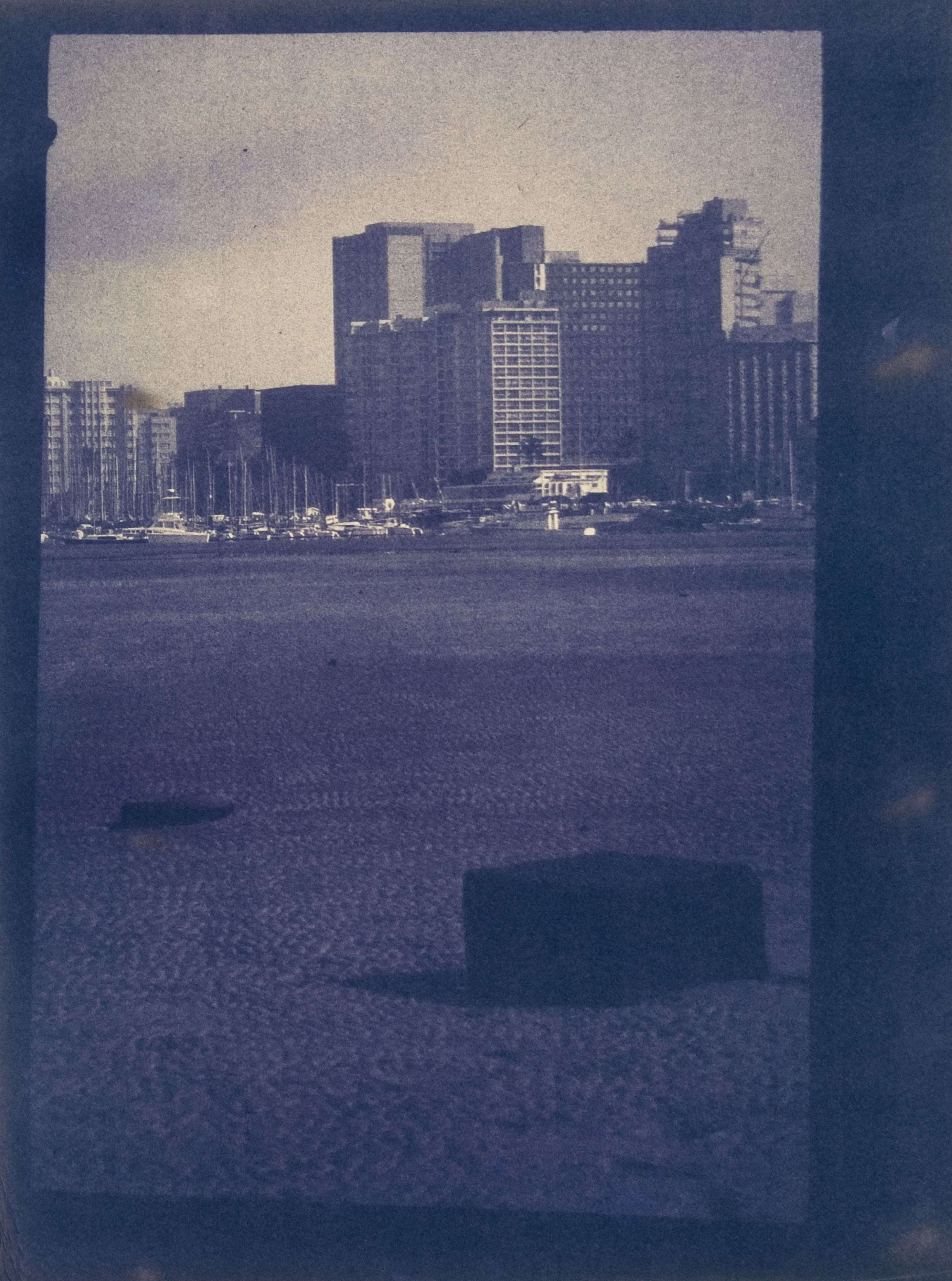
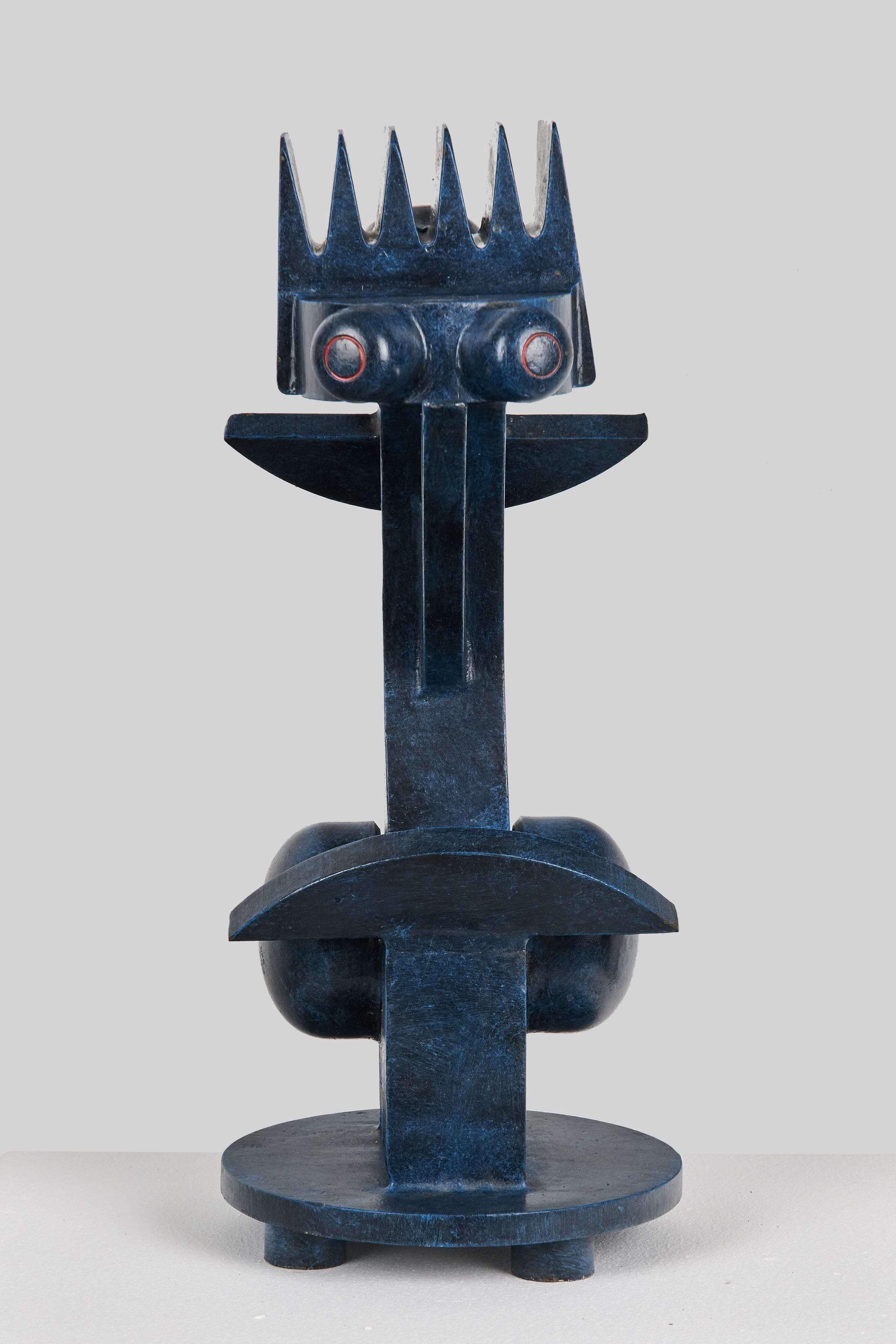
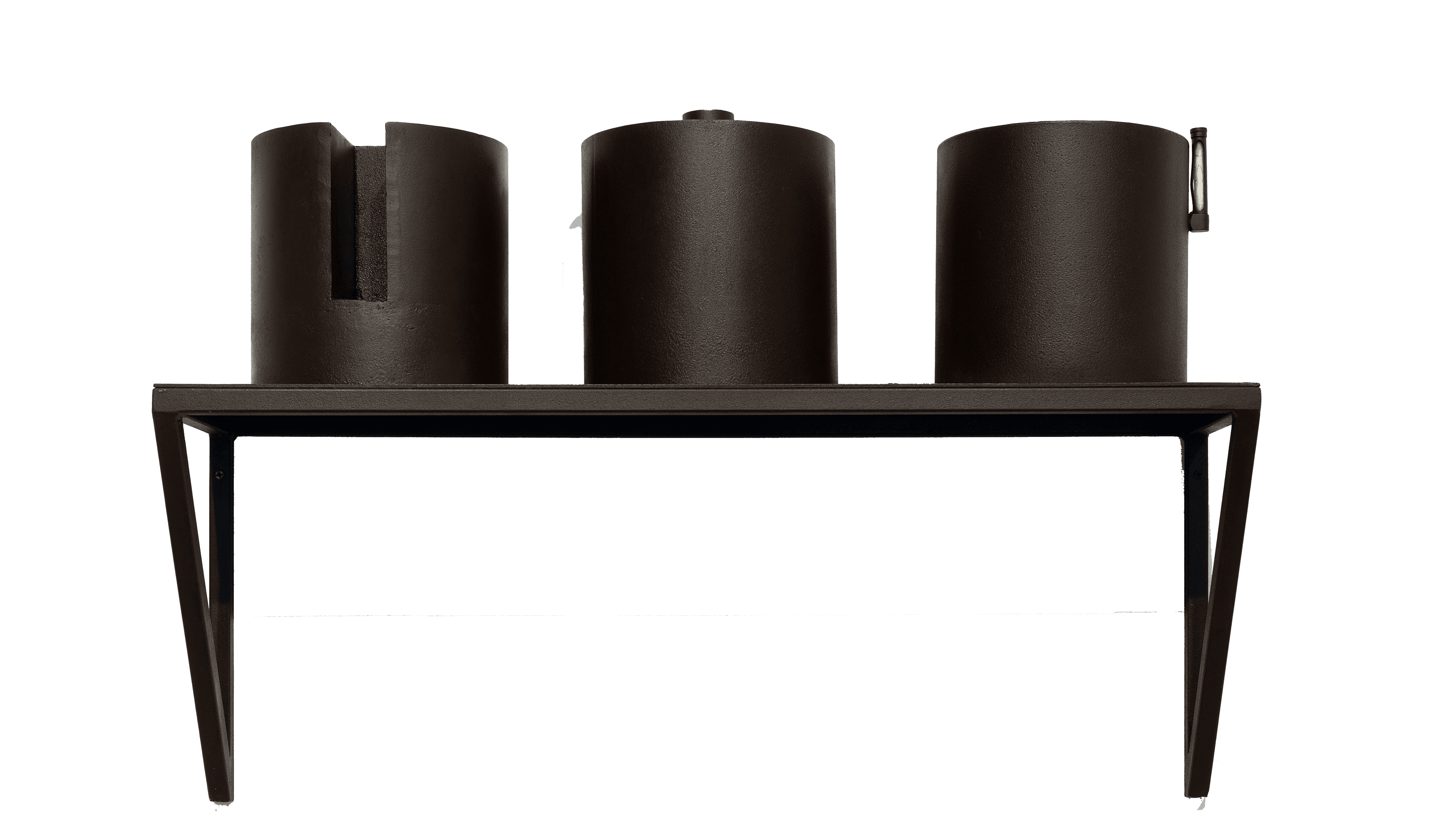
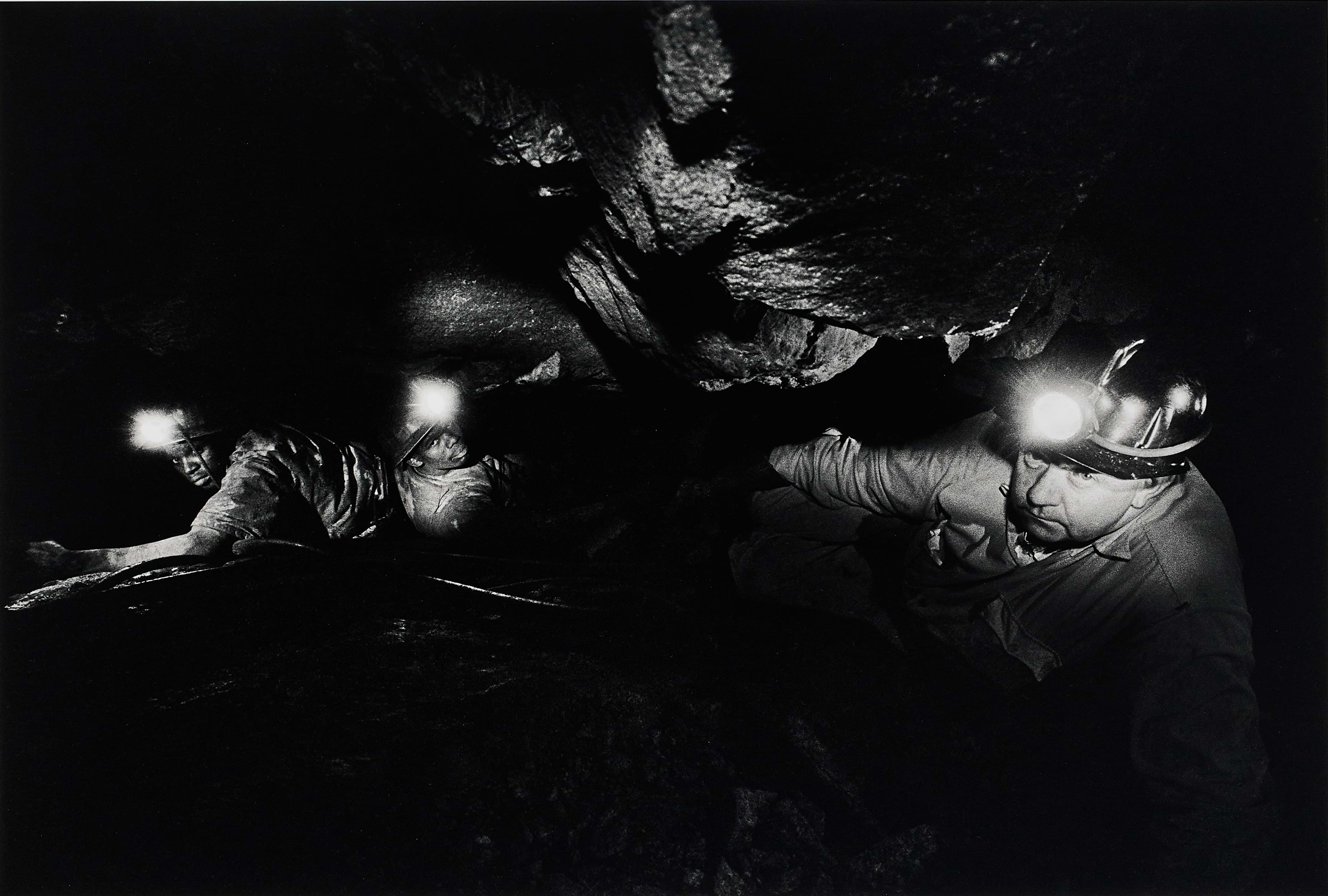
Harbour is a series of ammonia process prints made over a fairly extended time during the 1980s. The work centres on the harbour area of Durban but also extends to landscape images made further afield and to fragments of the domestic and urban environment. The harbour area was a particularly rich source of imagery — oil tank farms, warehouses and silos, cranes and ships, dry-docks, huge stockpiles of sugar and coal, stacks of palletised goods and the bay itself with its sandbanks, sewerage outlets, deep channels, murky backwaters and mangrove swamps — through which Wafer explored sites of control and securitisation. Similarly, Levels, a steel wall sculpture with three elements on a 1m steel shelf, engages the possibilities of resistance against an oppressive social and political environment.These vessels suggest pressure and concealed strength, and are an important motif in other drawings, photographs and video works by the artist.
Harbour is a series of ammonia process prints made over a fairly extended time during the 1980s. The work centres on the harbour area of Durban but also extends to landscape images made further afield and to fragments of the domestic and urban environment. The harbour area was a particularly rich source of imagery — oil tank farms, warehouses and silos, cranes and ships, dry-docks, huge stockpiles of sugar and coal, stacks of palletised goods and the bay itself with its sandbanks, sewerage outlets, deep channels, murky backwaters and mangrove swamps — through which Wafer explored sites of control and securitisation. Similarly, Levels, a steel wall sculpture with three elements on a 1m steel shelf, engages the possibilities of resistance against an oppressive social and political environment.These vessels suggest pressure and concealed strength, and are an important motif in other drawings, photographs and video works by the artist.
advertising catalogue appropriated image, in black frame, signed and dated on masonite backing
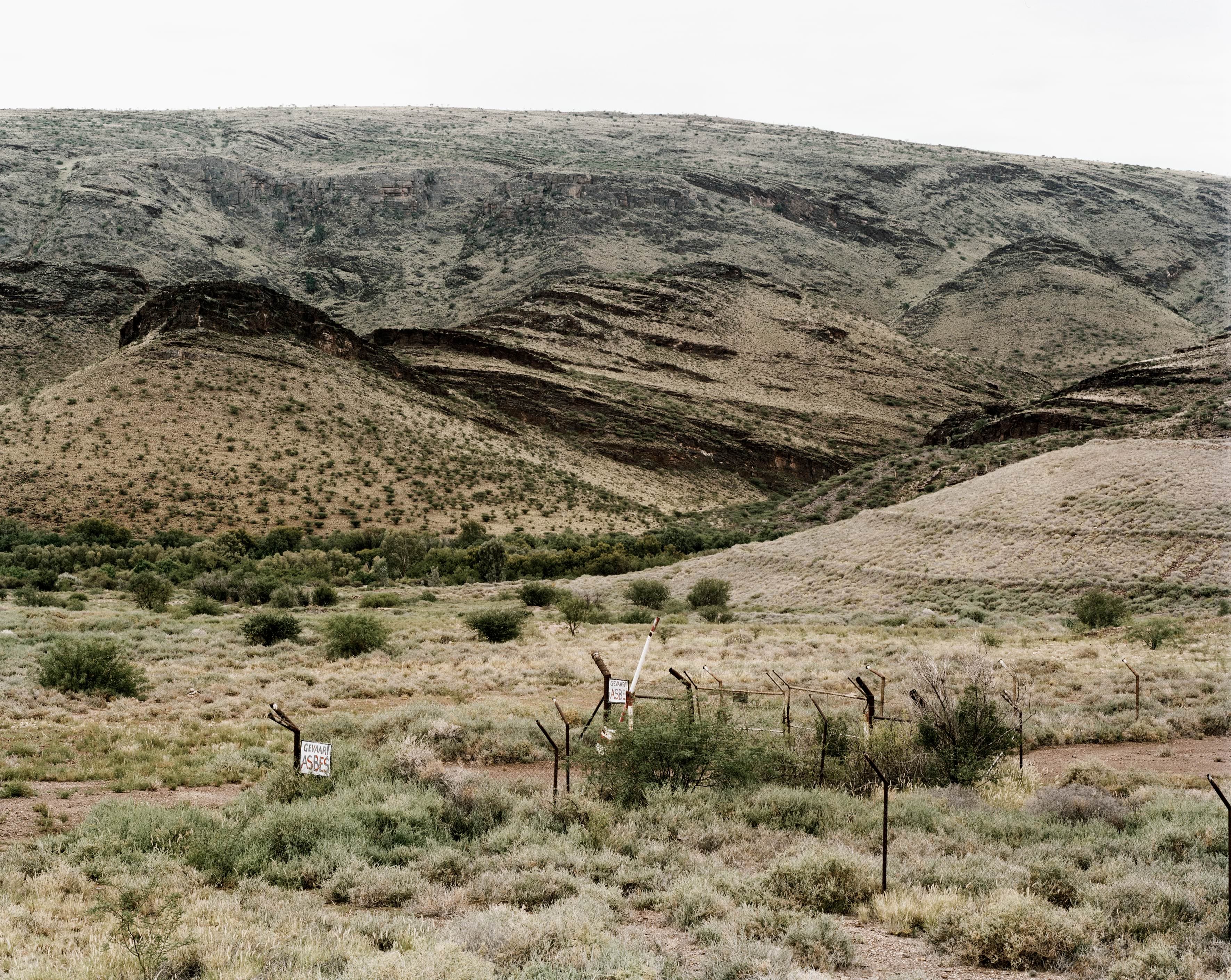
Wafer’s practice, as noted by critic Sean O’Toole, is “striking in its responsiveness to the particularities of South Africa’s land.” Across four decades, his work has employed topographic and oceanic references to engage with the geological and sociohistorical realities of place. Through conceptual sculptures and site-specific installations, Wafer explores the landscape and sea as containers of memory, desire, and vulnerability.
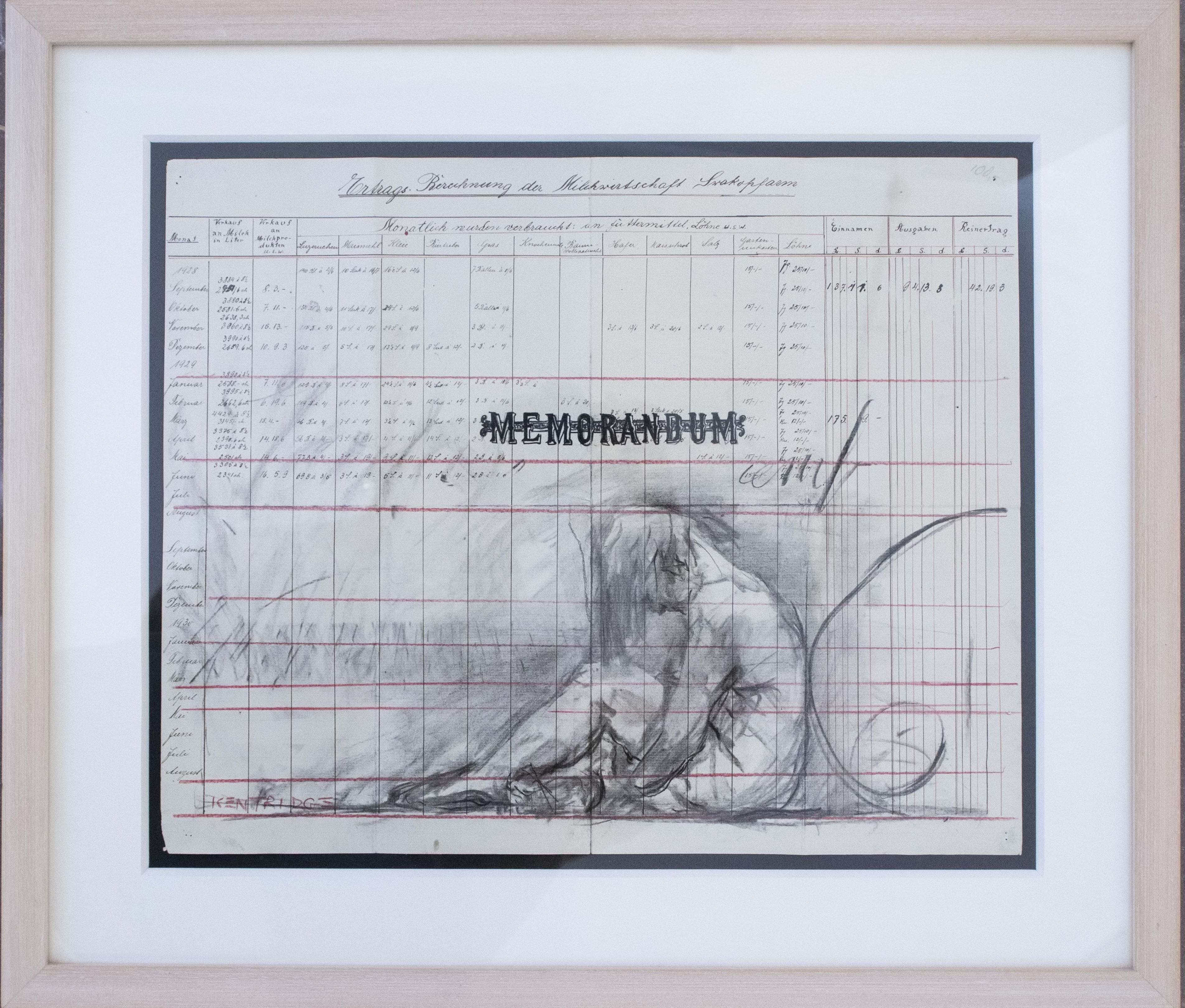
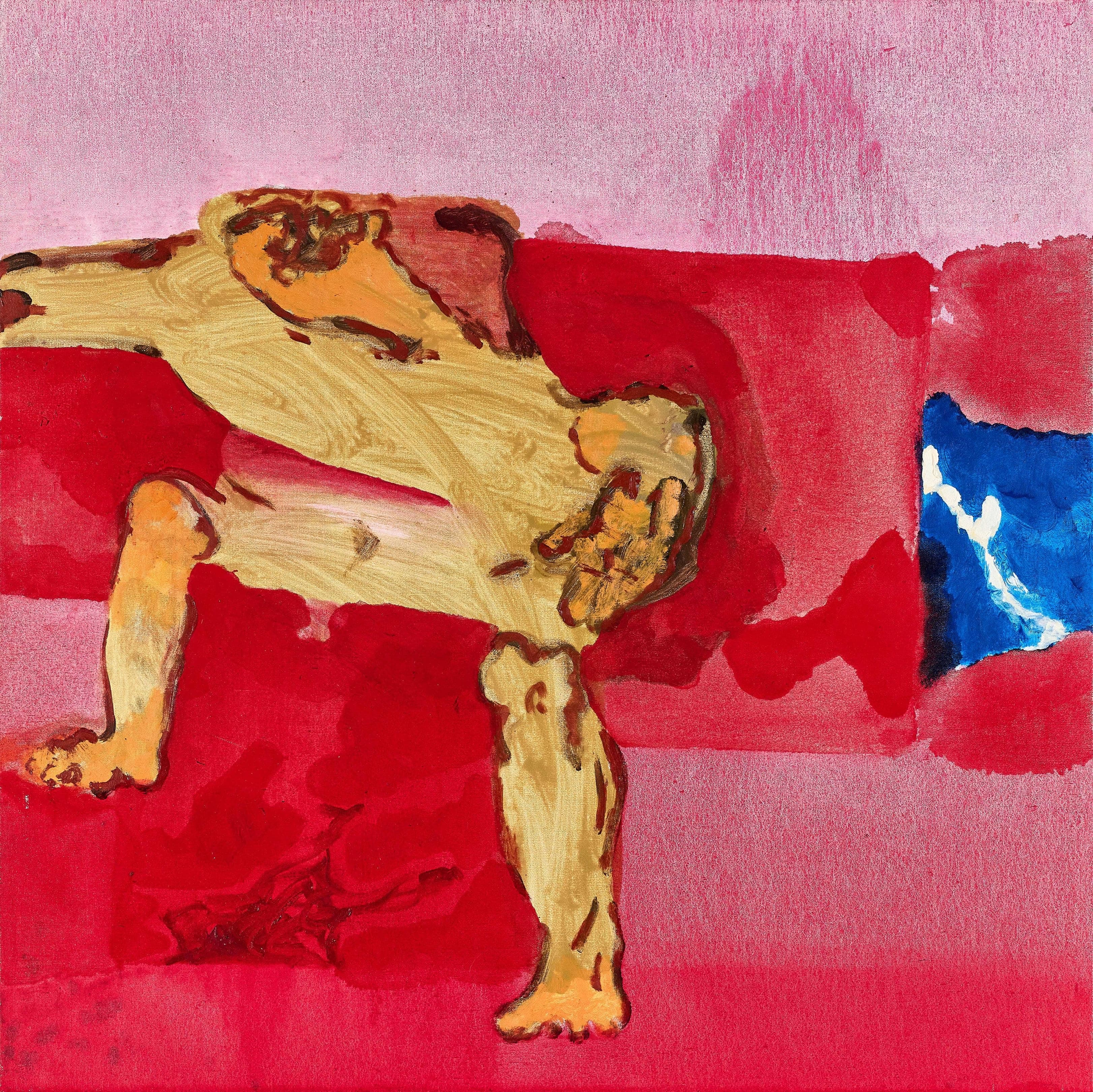
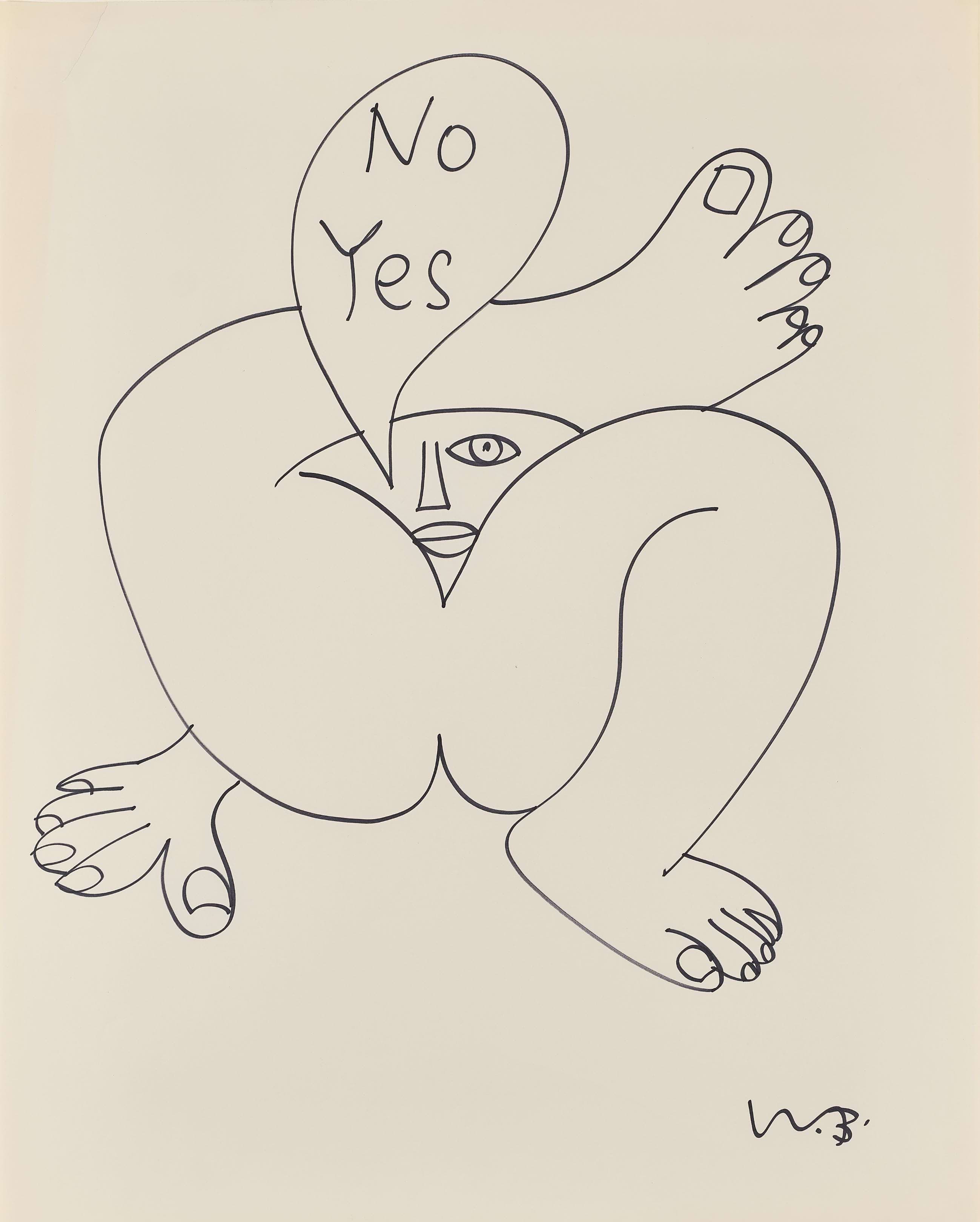
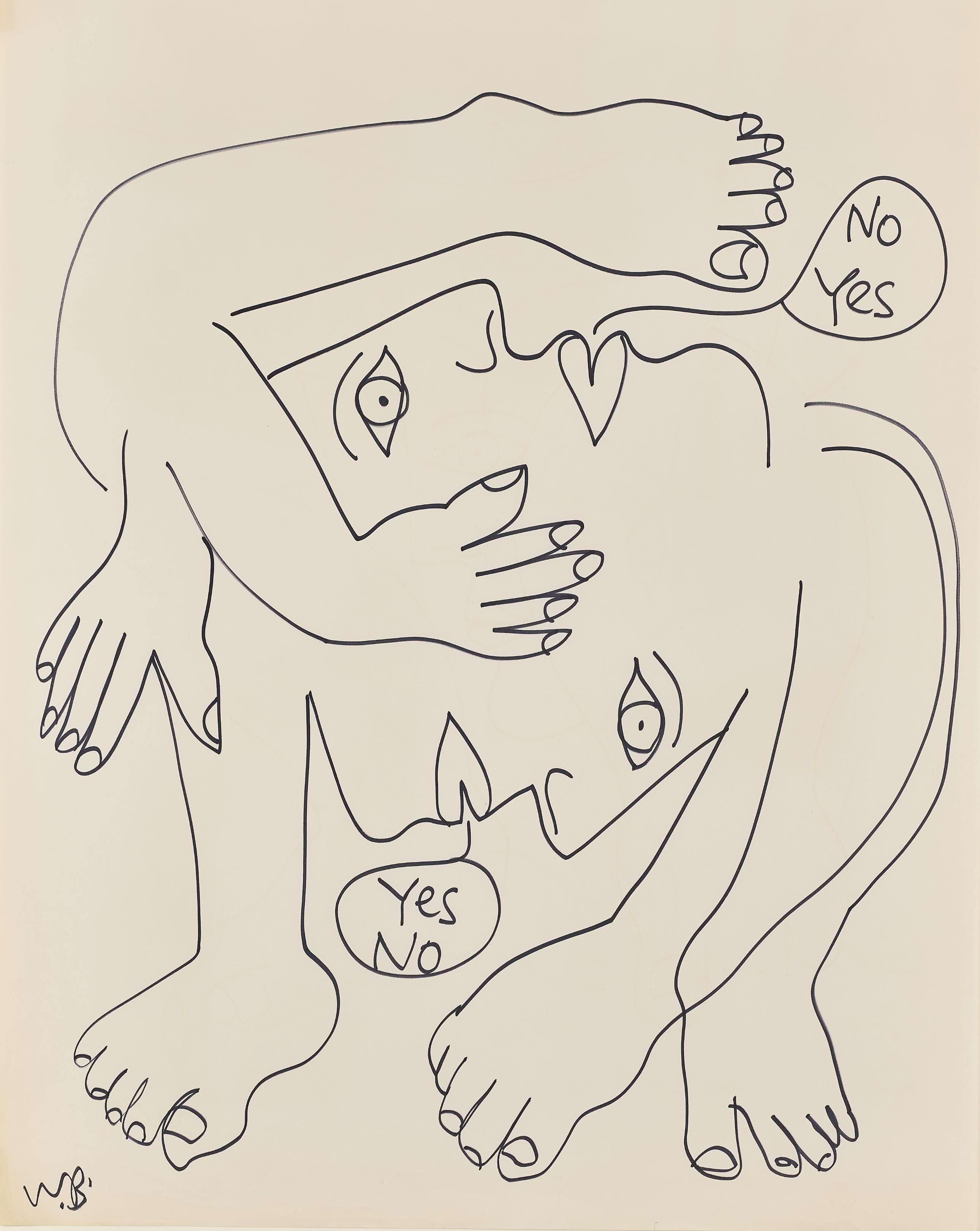
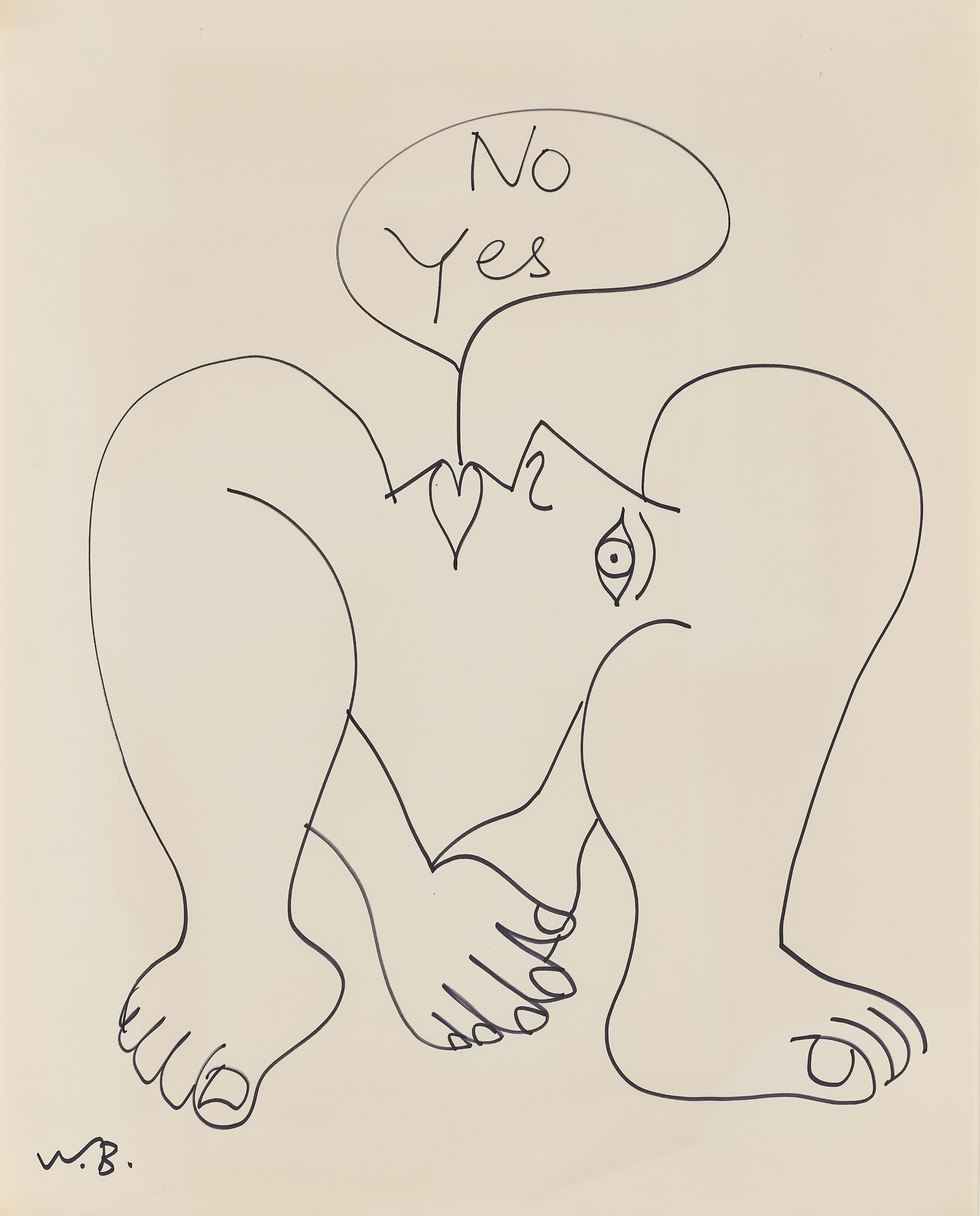
seated nude femaile figure on cashbook pages from Swakopmund Dairy business in Namibia. Drawn alongside works for the animation & model theatre work Black Box/Chamre Noire show
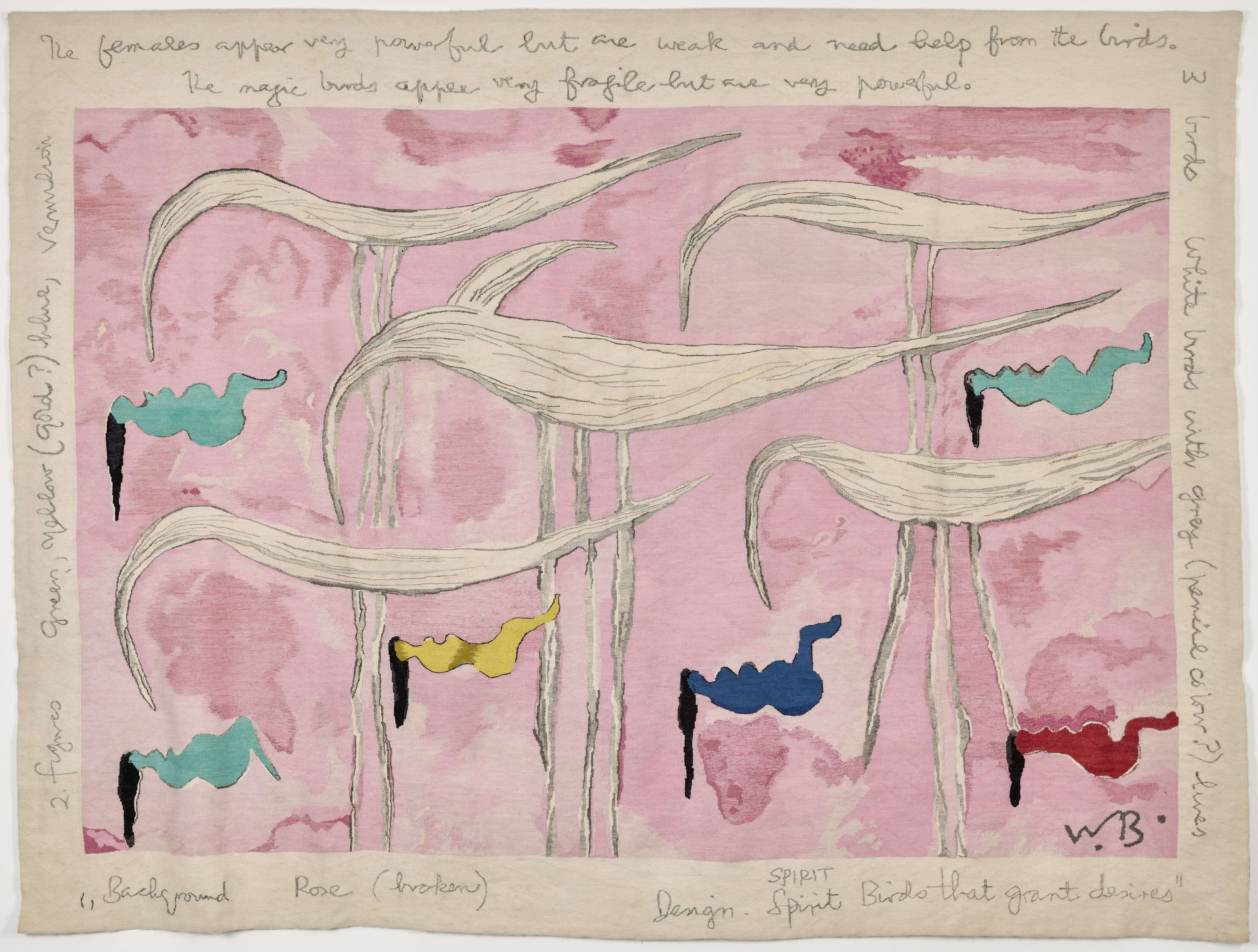
from a 1970's design made before Sash emigrated to Wales. Woven 2015, label signed by artist
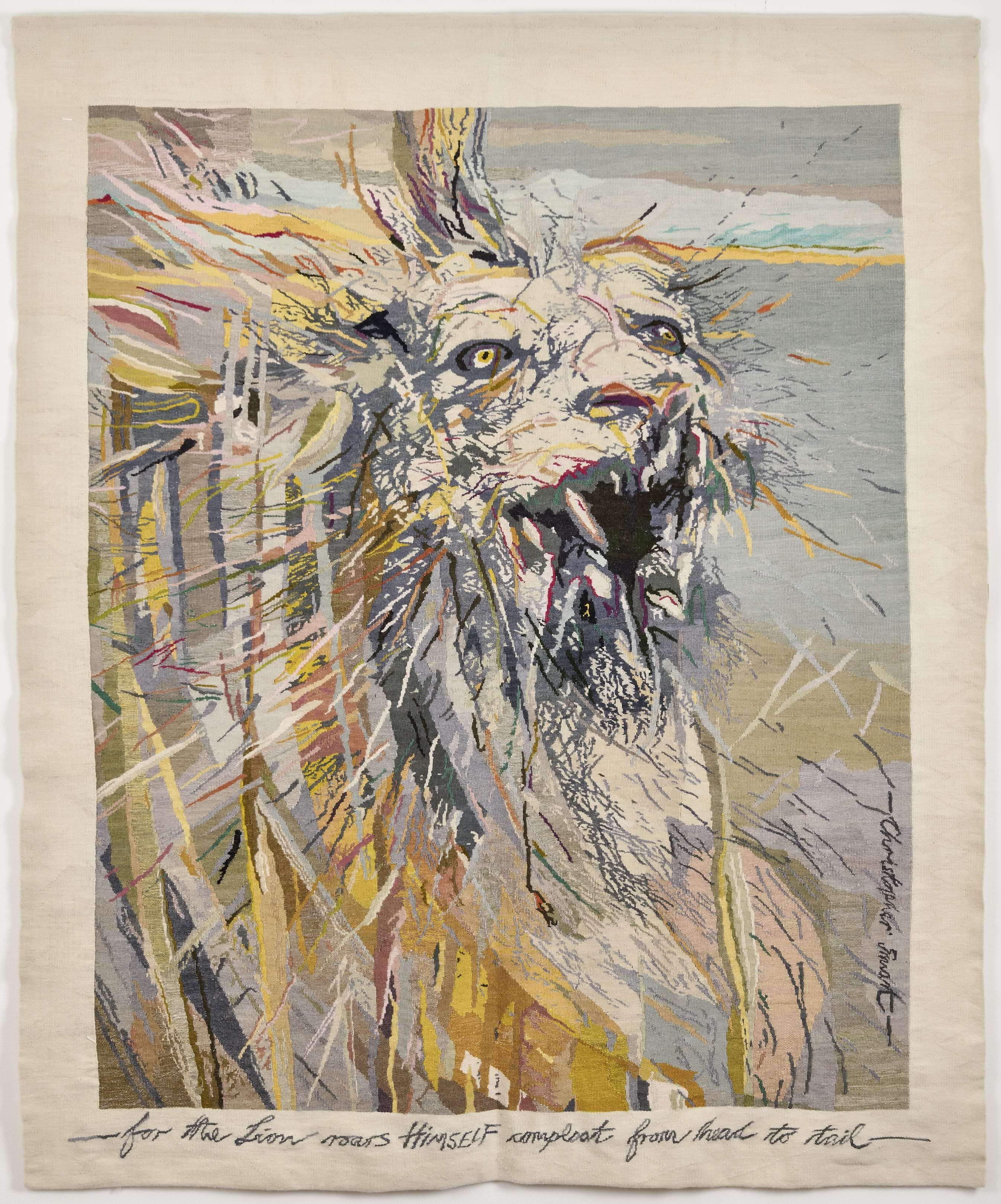
The lion roars himself compleat was one of the last tapestries that Mason worked on in the Stephens Tapestries Studios. Drawing inspiration from Christopher Smart’s Jubilate Agno, the tapestry is imbued with lyrical and poetic overtones. One of the most remarkable poetic talents of the century, Smart’s poetry often praises God’s creation in structures based on the antiphonal responses of Hebrew poetry.
The diction and imagery of these poems are extraordinarily rich combinations of scientific and biblical materials. The arrangement of Smart’s Jubilate Agno focuses on the basic task that all creatures demonstrate the praise and adoration of their maker. Not surprisingly, the subjects touched upon include the connections between the human and animal spheres. Throughout the prose, both worlds are presented and the points where some common aspects appear highlighted.
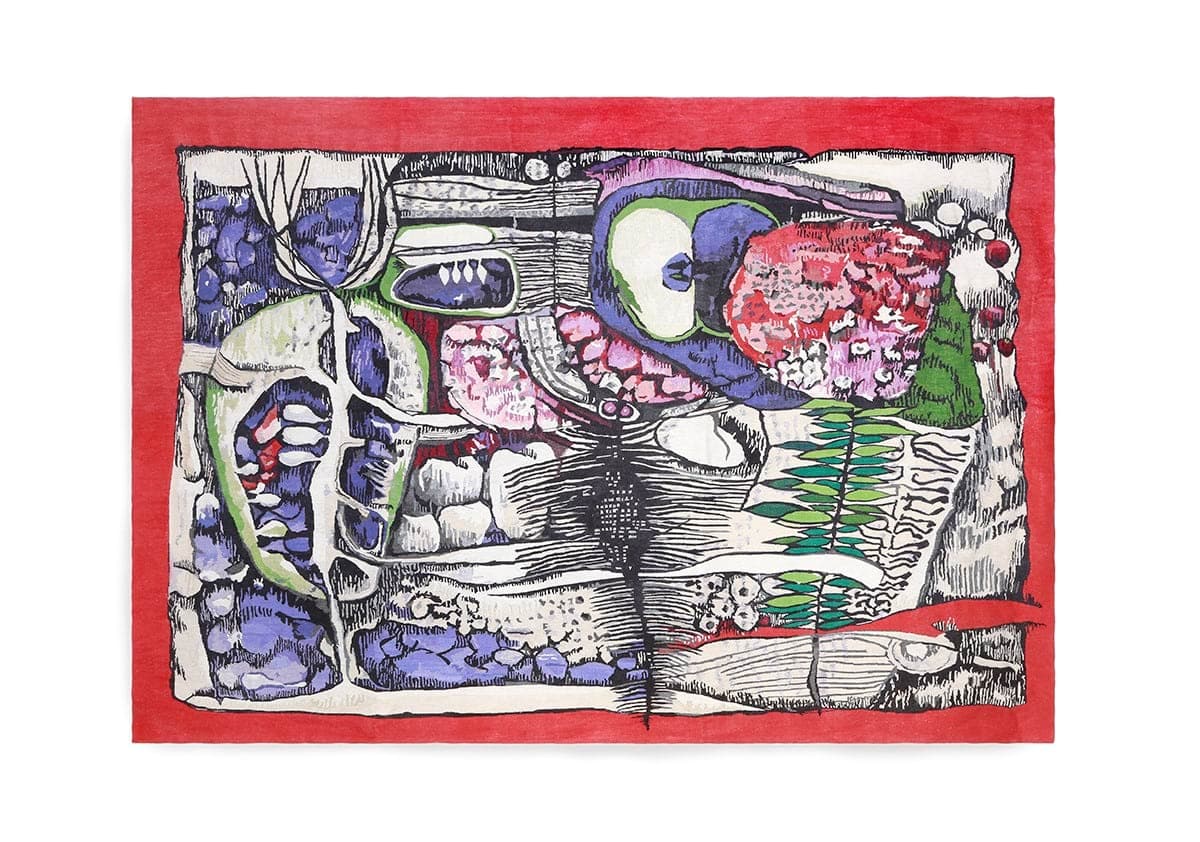
based on a design drawing 2010-12; woven in 2019
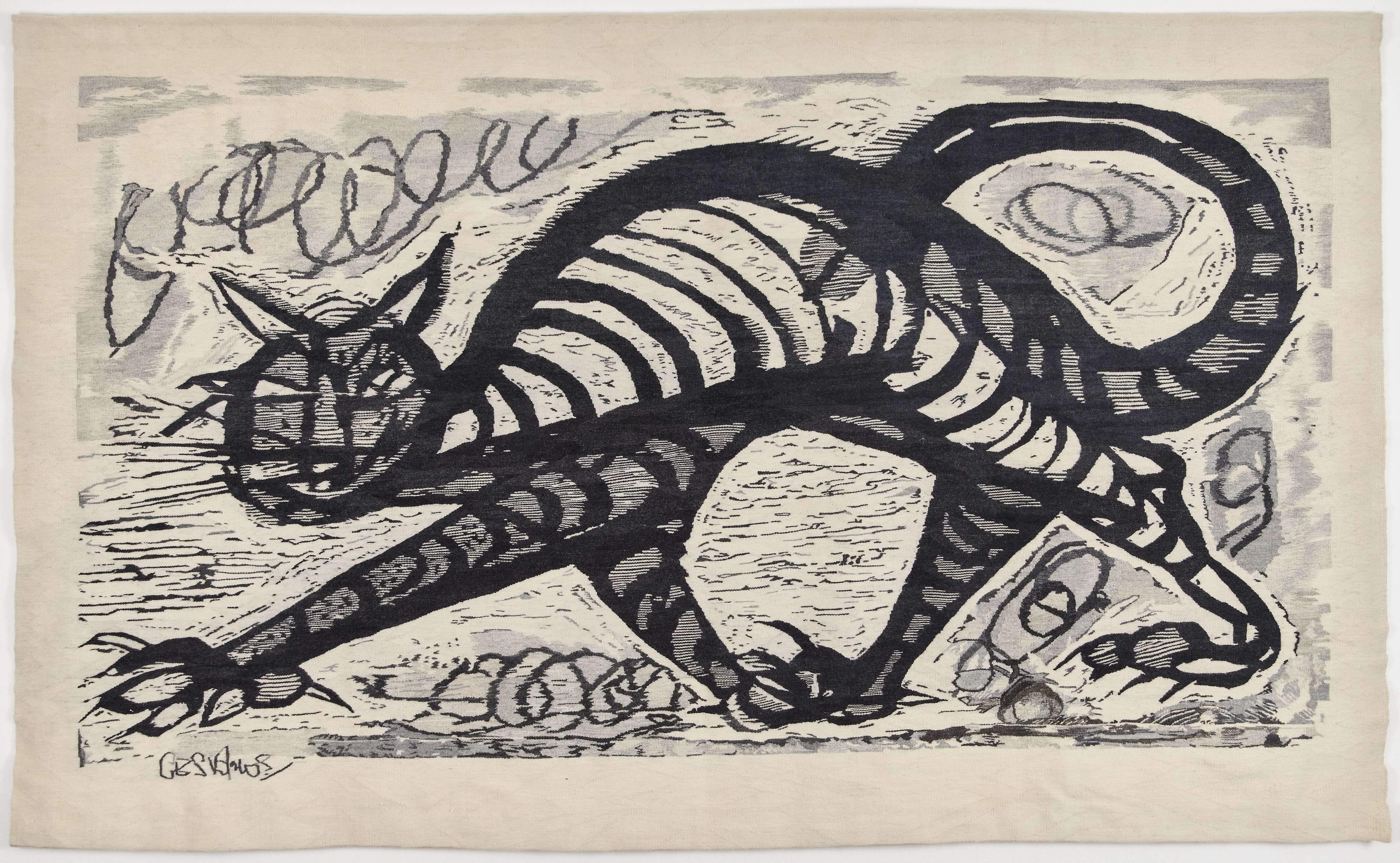
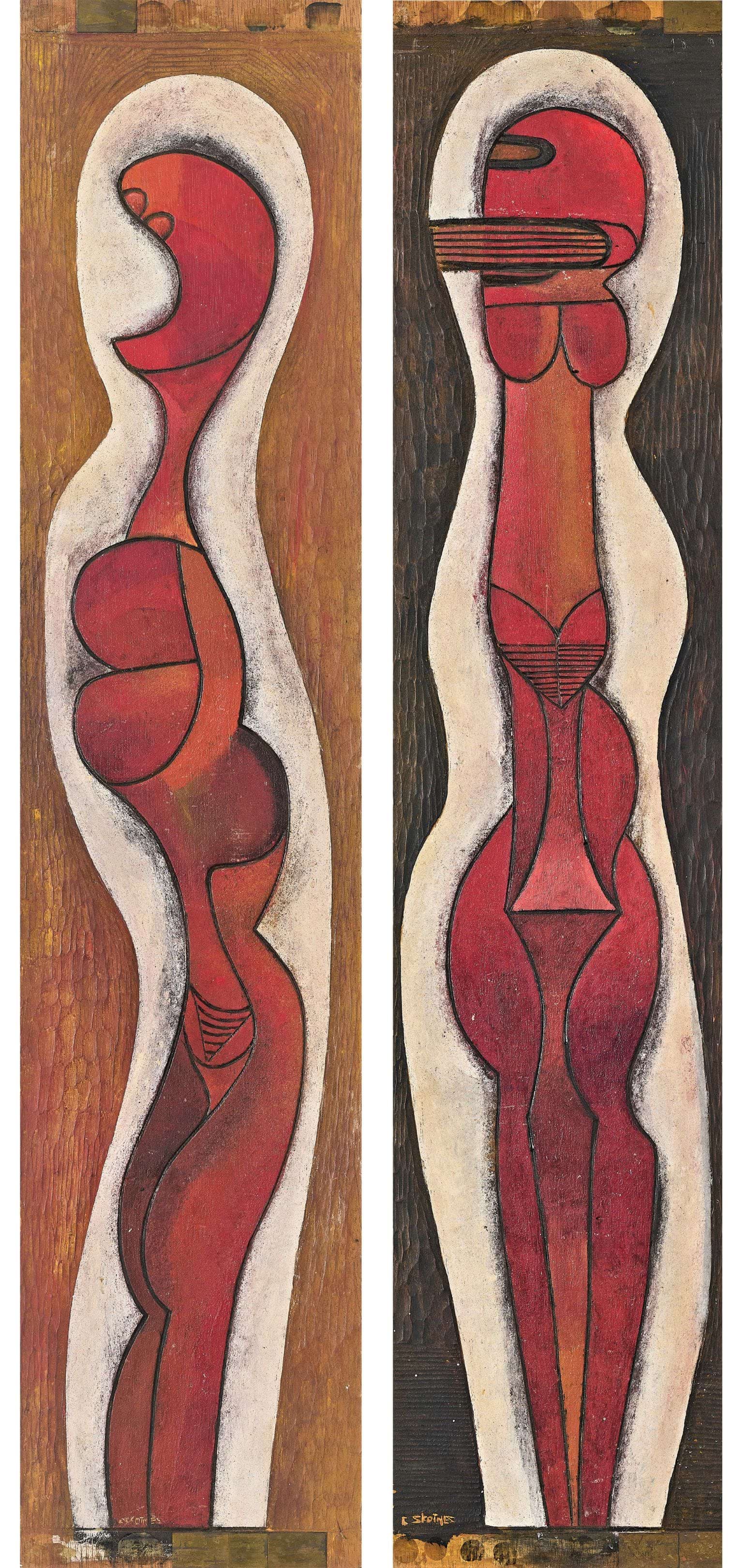
signed label by Pippa Skotnes for estate; based on a woodcut print design 1960 by Cecil Skotnes; this weaving done in 2020
Paint in Siopis’ hands is a medium of sensuous and conceptual alterity, of strangeness, of otherness. The touch-oriented, sensuous intimacy of her early work, the logic of assembling readymade materials in complex spatial constellations in the history paintings and assemblages, which follow through in her later installations, can be traced to her maverick use of paint as object, sign, and surface from her earliest creative years. Siopis’ creative affair with materiality and surface is as much an intellectual as an intuitive passion. Tracking that passion through her work offers us profound insights into her distinctive creative responsiveness, riskiness and resilience
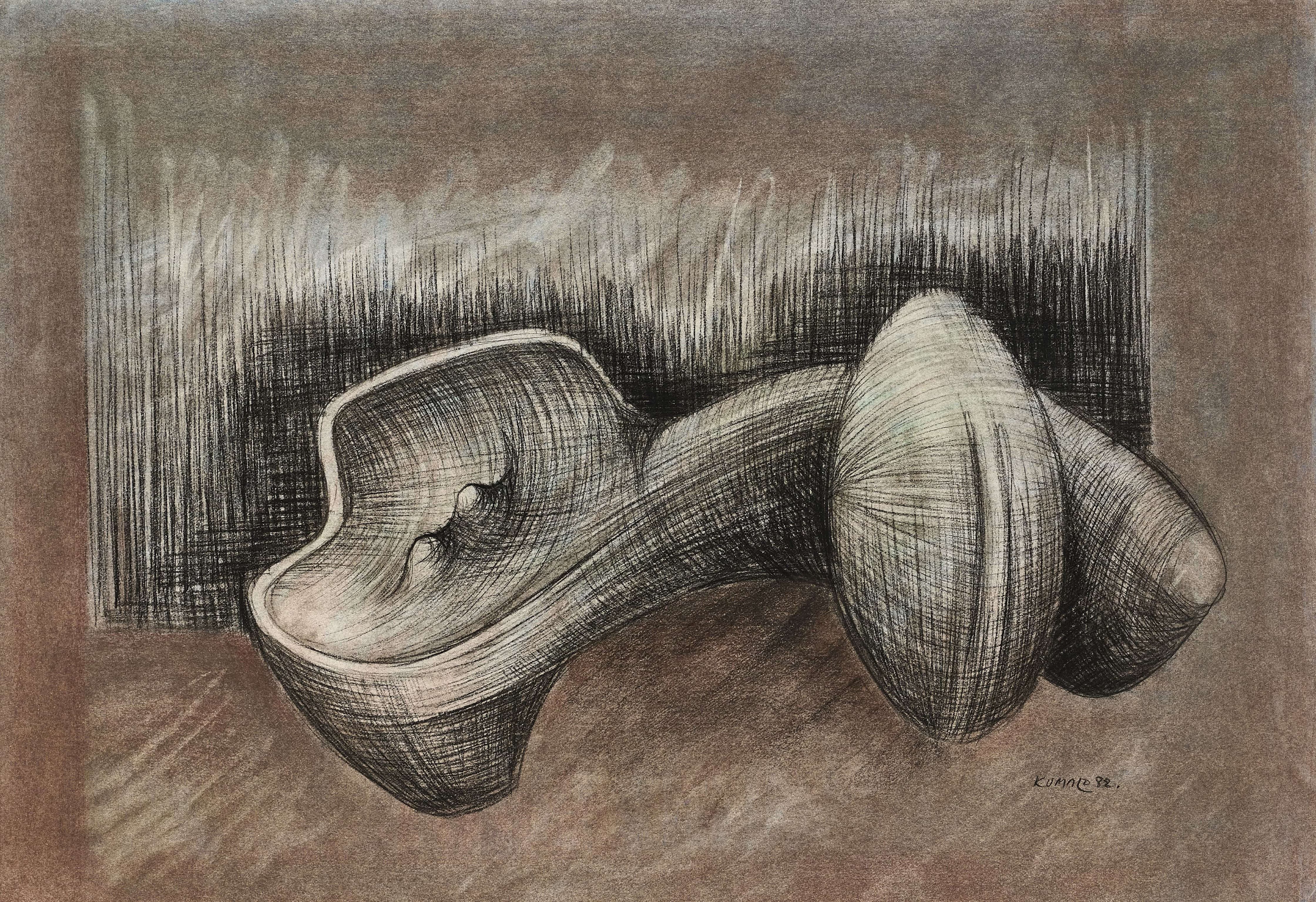
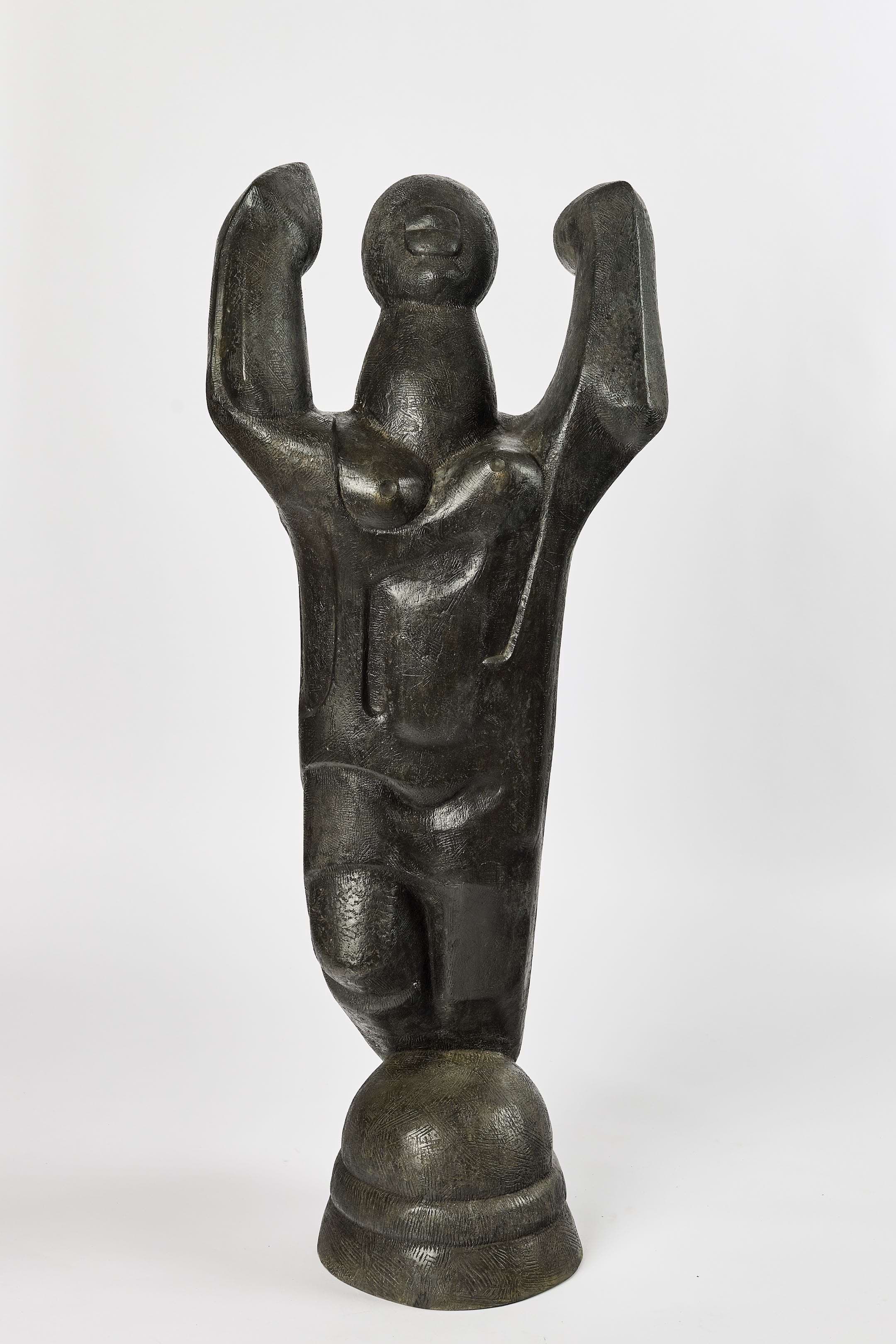
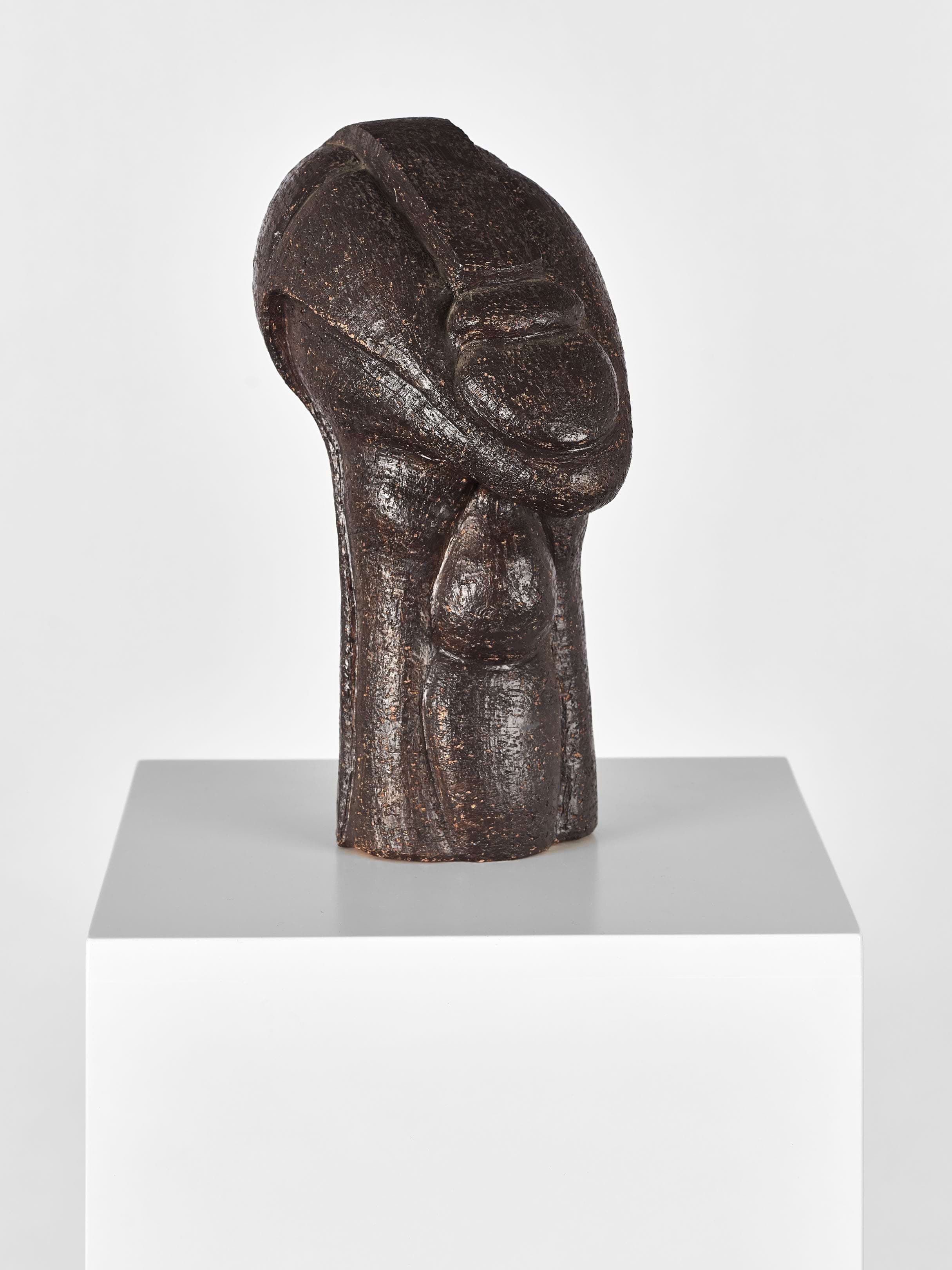
This particular form was realised in bronze as a unique work, commissioned by a European financier who had a home in Johannesburg for much of the 1970’s and 80’s. The bronze and a sepia drawing after the female figure was cast, returned to Europe with the collector in 1985.
The bronze Anguished Angel is a classic example of the great sculptor’s work. Its stance and standing support both reference the bible story of angels on the head of a pin. Its wings are diminished and folded while its arms are thrown up, but this is an anguished protest, not defeat and surrender and is one of a group of sculptures which echo this call to God to free his people and liberate South Africa.
The bronze was cast in the Vignali Foundry in Pretoria North in 1973, exhibited at Goodman Gallery that year and sold from the exhibition to a private collector, it’s only prior owner. Anguished Angel has not been publicly exhibited since 1973.
cast 29 July 1973; one owner only, exhibited on Kumalo solo show at Goodman Gallery Hyde Square, in 1973, & sold September that year. Edition incomplete
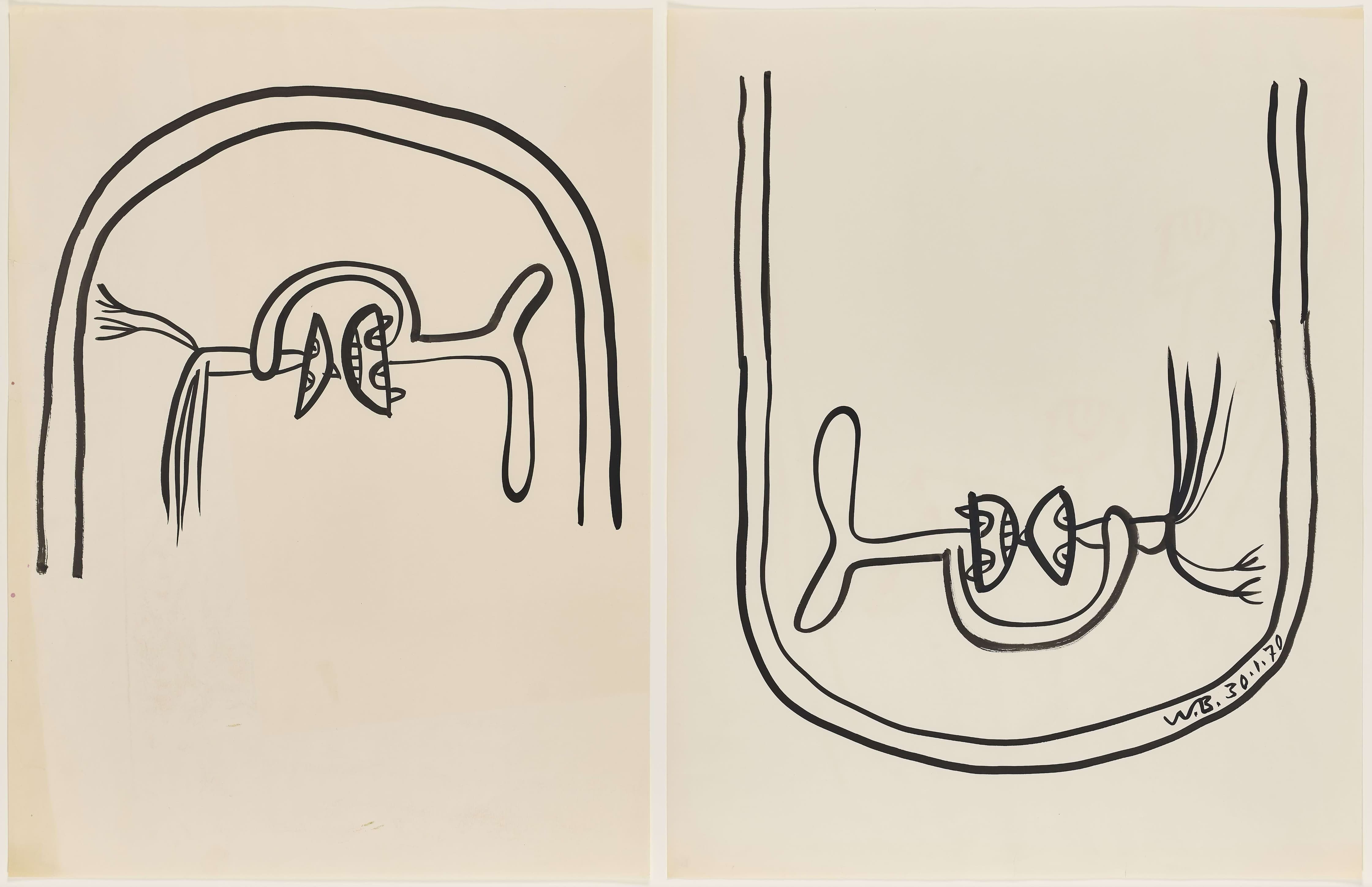
dated 30.1.70
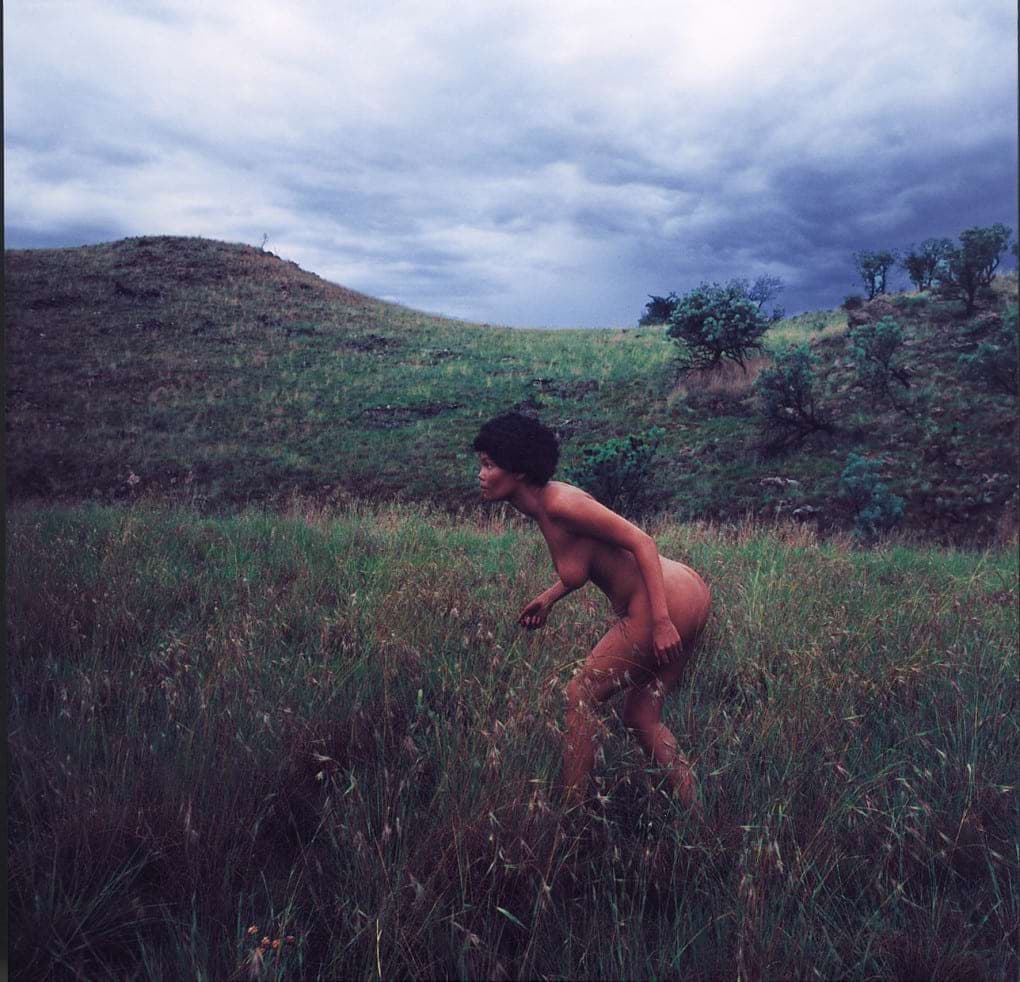
Venus Baartman is from the seminal work by Rose, Ciao Bella, a series of performative photographs and video installation which featured on the 2001 Venice Biennale.
Rose established a fierce and powerful presence in the 1990’s, unafraid to court controversy as a leading voice for her gender, and set a new path for performance art in South Africa. Her prominence among younger artists remains unabated.
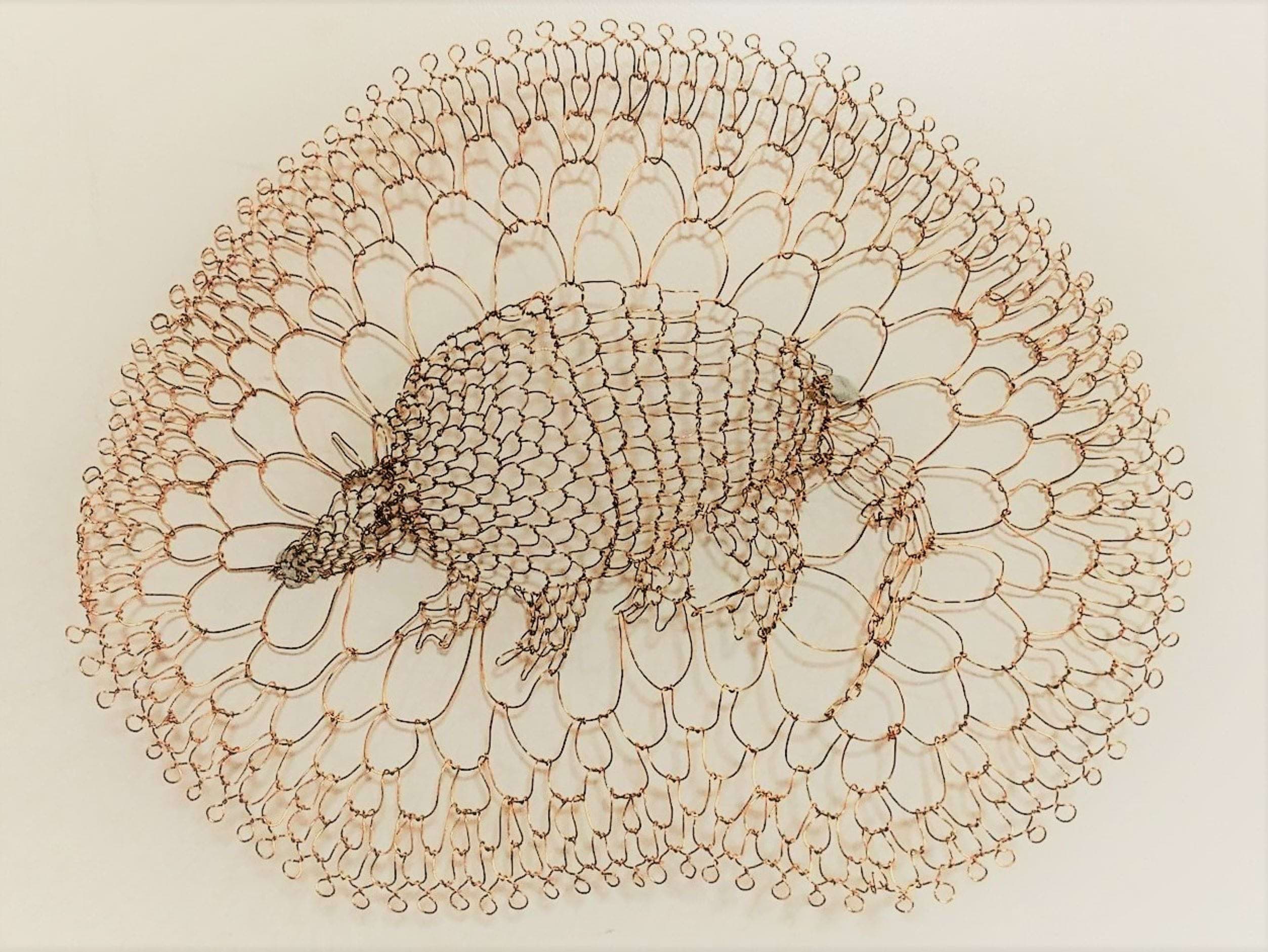
The Small Pangolin, armoured as it may be, cannot resist the human onslaught however, and is critically endangered. In Oltmann’s very delicate woven brass fine wire, we are reminded of its precarious status.
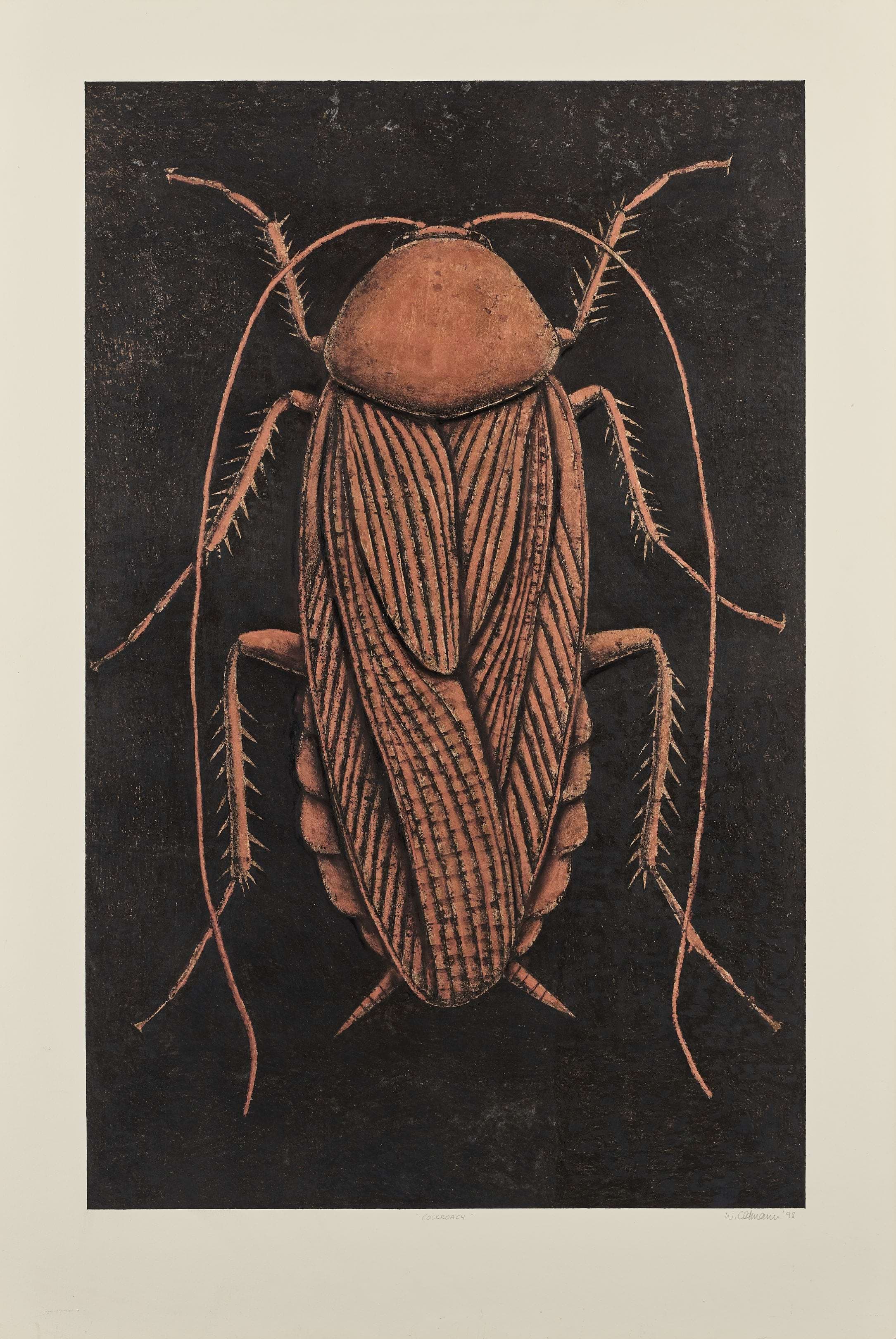
He frequently references Kafka and his novella Metamorphosis and how humans may appear to wear defensive disguises and need protection, but also can be harmful to others – “uniforms or carapaces designed to provoke ambivalence”. In Kafka’s tale, the salesman Gregor awakens to find he has turned into a giant cockroach. As he struggles to get out of bed, catch a train and cope with everyday life, we understand the application of his predicament to the absurd nature of life in turbulent times and the human struggle to find and maintain one’s identity.