Ezilalini (The country)
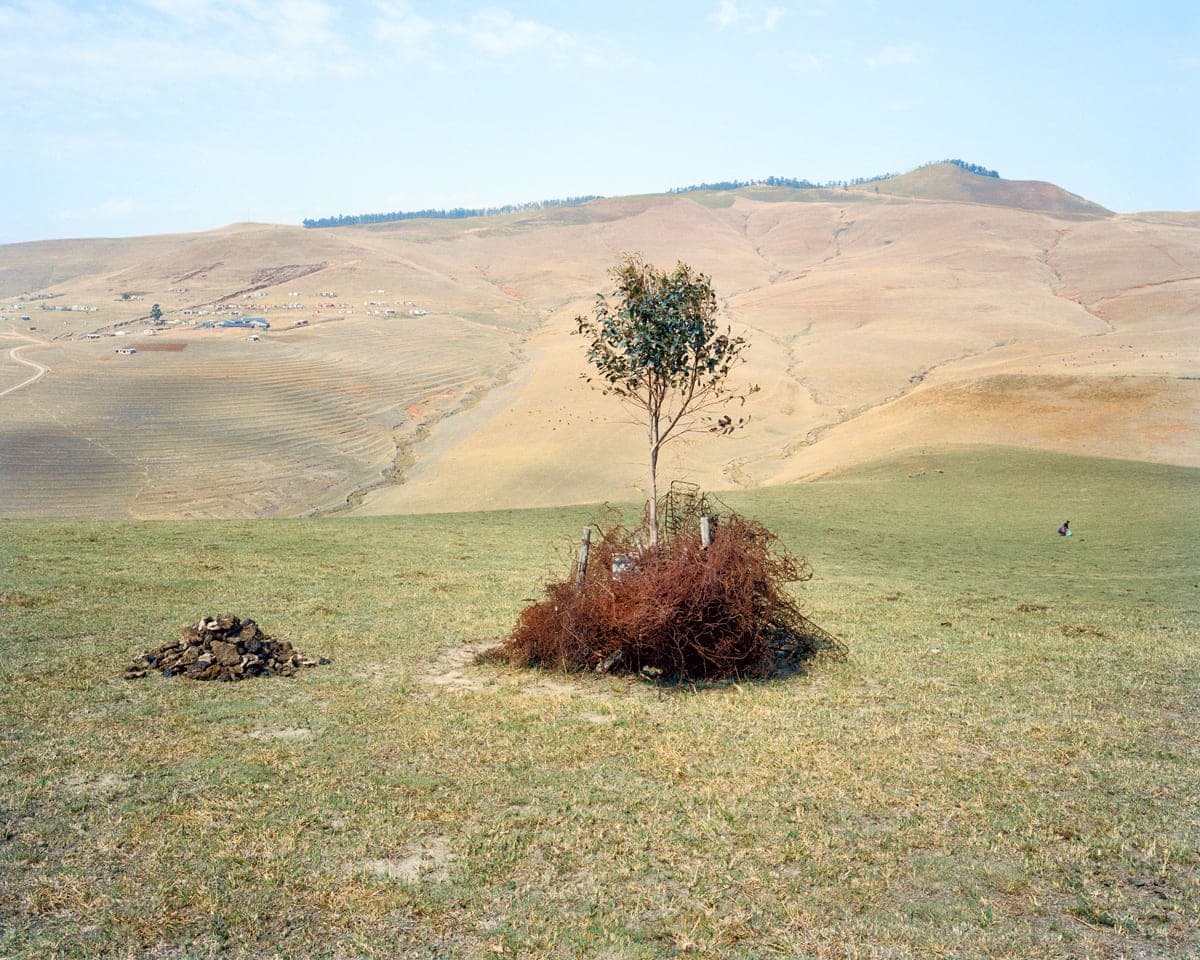
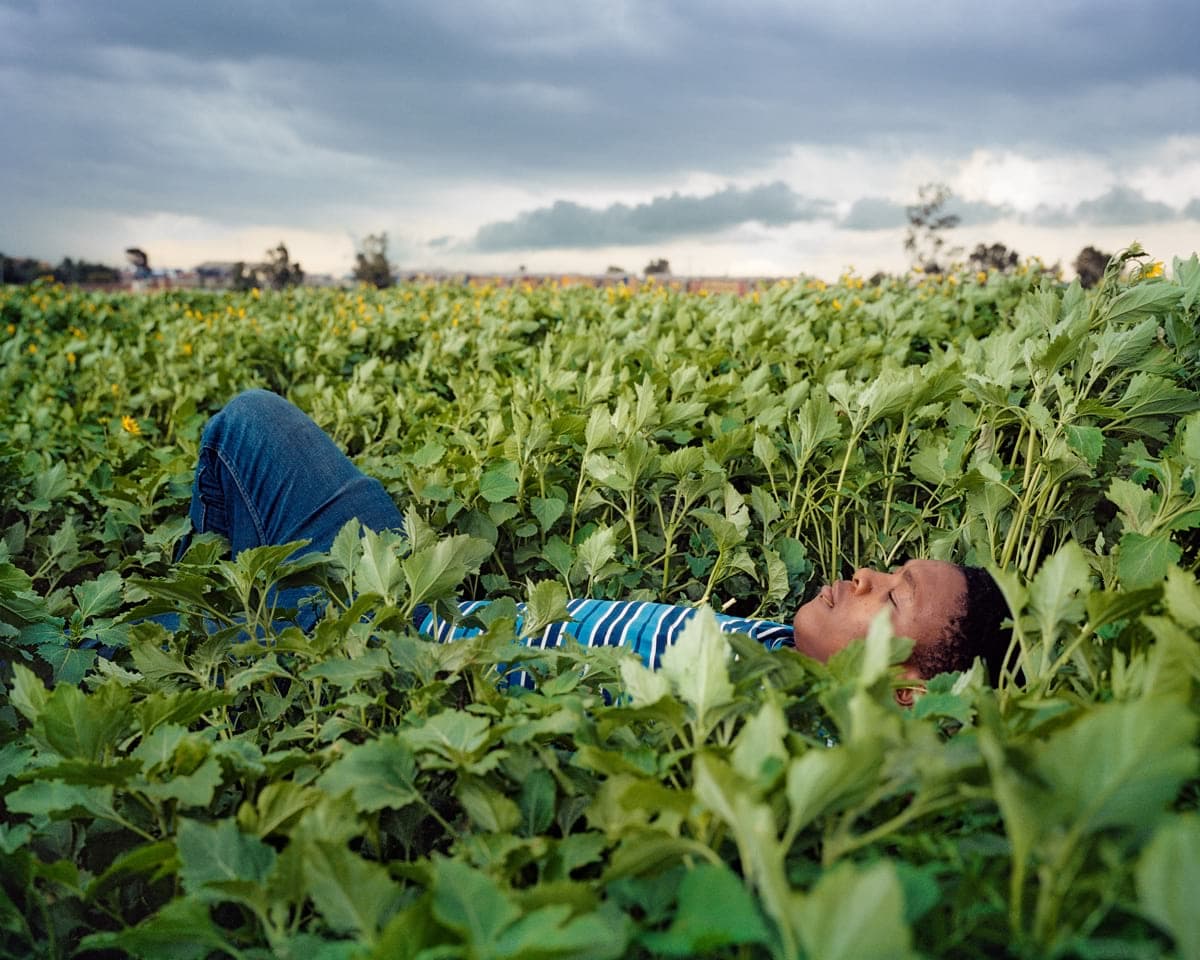
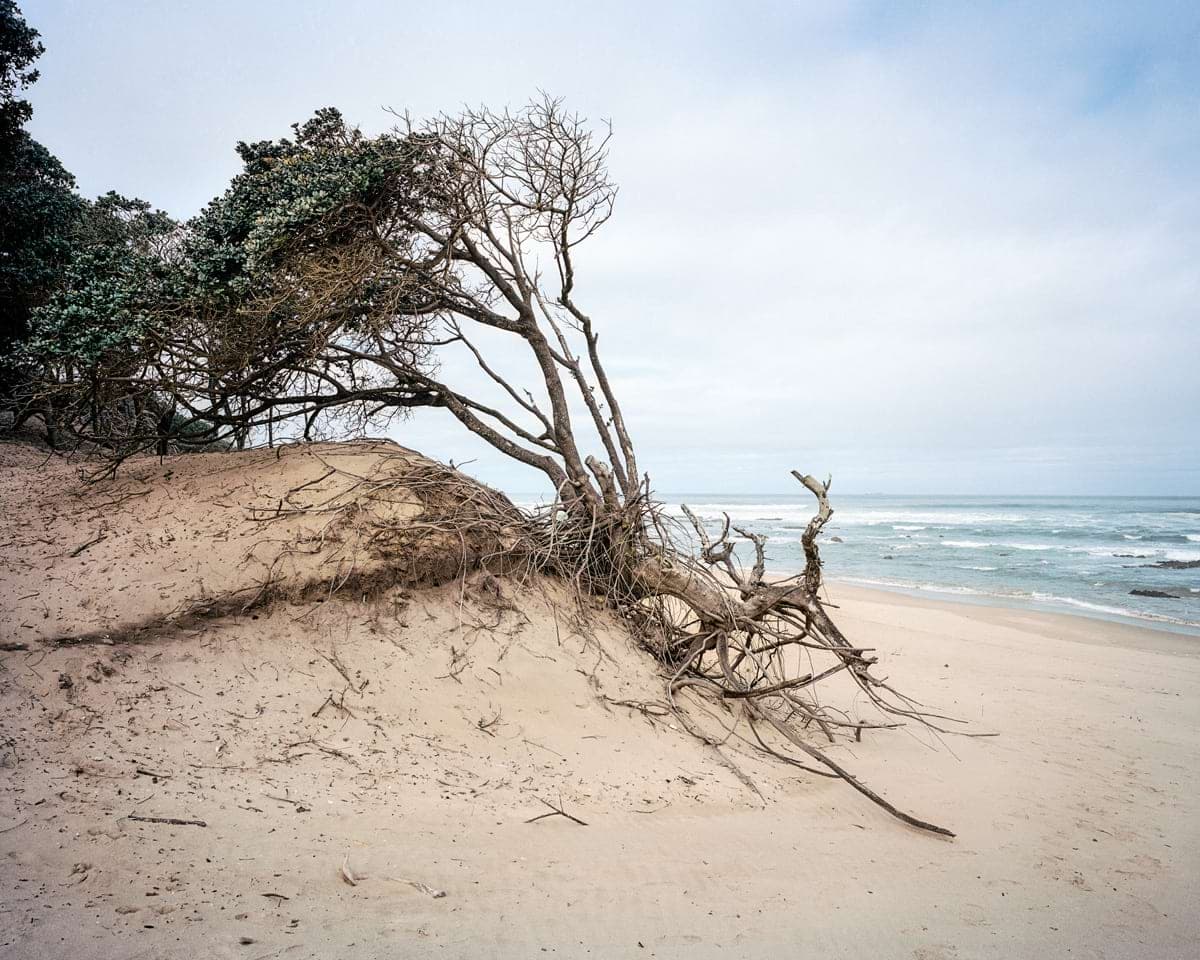
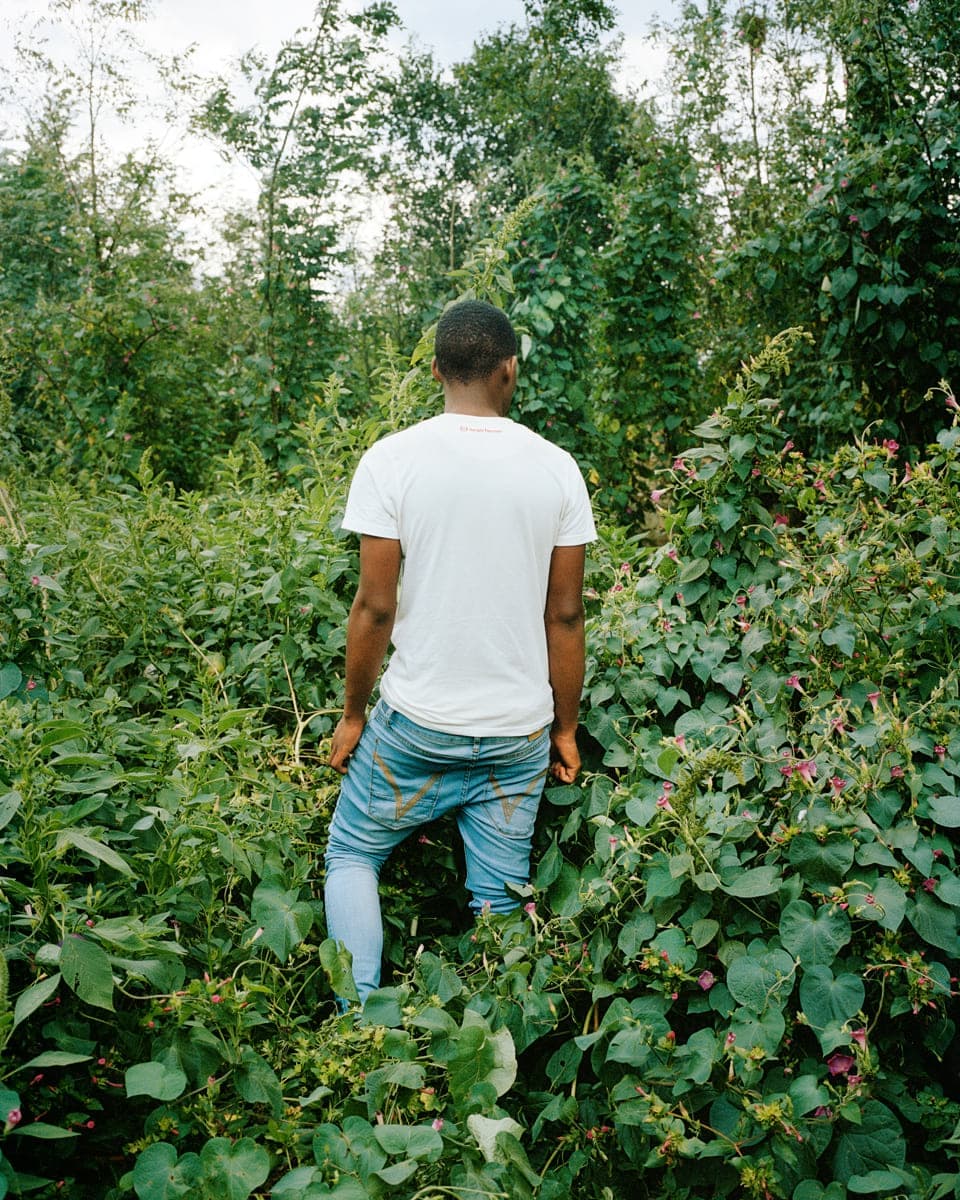
This story was motivated by an earlier project, 'I carry Her photo with Me', which is about the disappearance of my sister Ziyanda. As part of the project, I traced her foot- prints back to the Eastern Cape, exploring her earlier life in Tsomo and the surrounding area. This provided the opportunity to reconnect with my family, identity, and culture, engaging parts of myself and my history that I had not considered before, or perhaps had avoided thinking about. As I worked on the story about Ziyanda, I realized Tsomo has deep meaning to my family but also discovered the same for me personally.
This project is an exploration of a place I am deeply connected to but feel like I know very little about. It is a strange place for me and at times I feel like an outsider because of family dynamics and Ziyanda’s fraught history. Sometimes it’s like I’m digging a hole I’m afraid to look into. My family considers the Eastern Cape our ancestral home, but many of us live in urban centres.
My grandmother, who still lives in Tsomo, curses Johannesburg as a place that has swallowed her children. The need to make a living in the city has created deep fragmentation in families and communities across South Africa. This divide between rural and urban is linked to Apartheid-era spatial planning laws and has resulted in severe economic inequality, but has also caused fragmentation of identity. As a result many people living in cities do not consider those places “home”. Johannesburg, for example, is seen as a place of opportunity, a place where you can get a job or make your dreams come true. “Home” refers to the countryside. It is a place where your elders live; a spiritual place where you can always connect with your ancestors. It’s a holy land to some, a place where they can rejuvenate and restart.
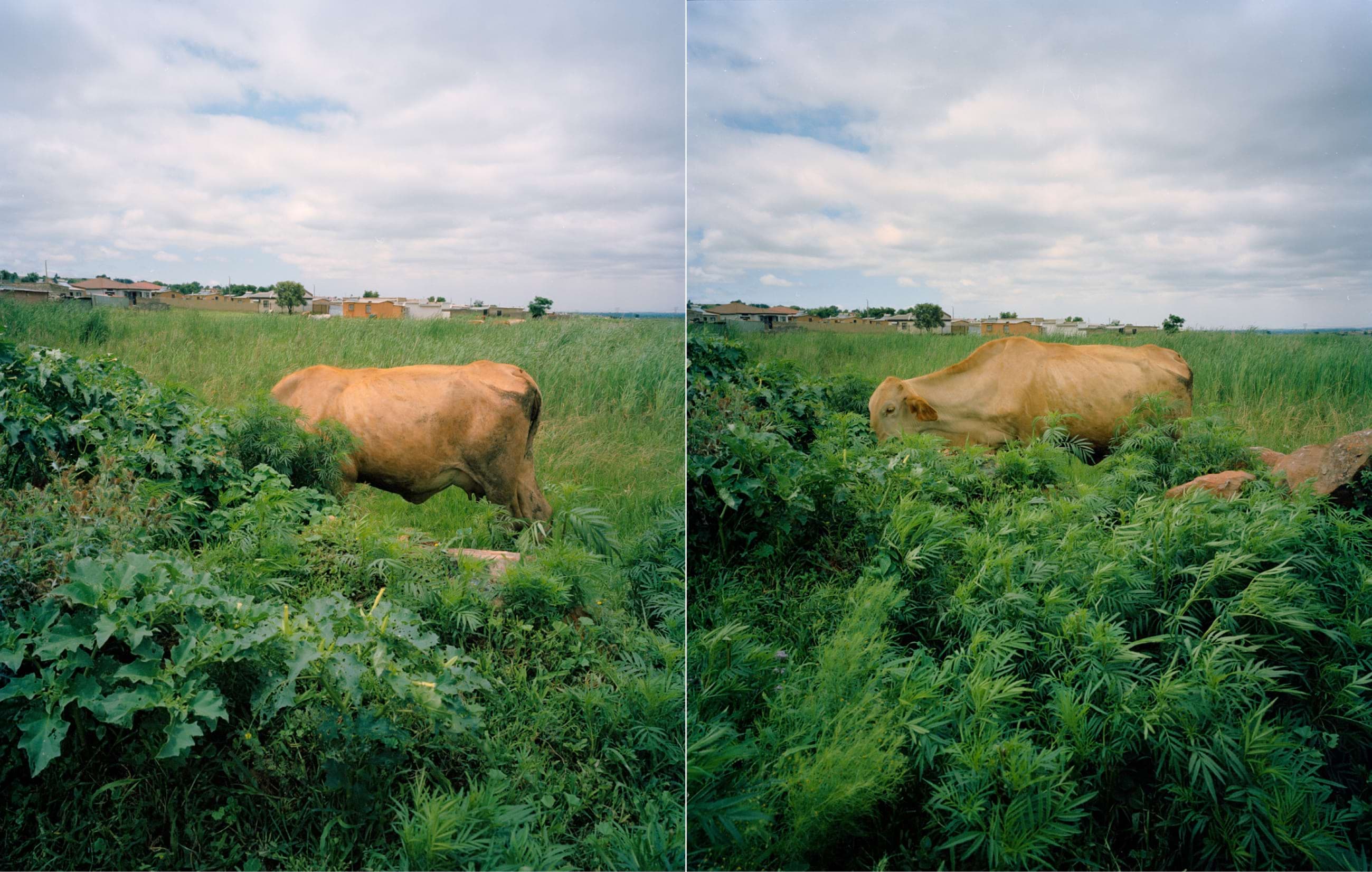
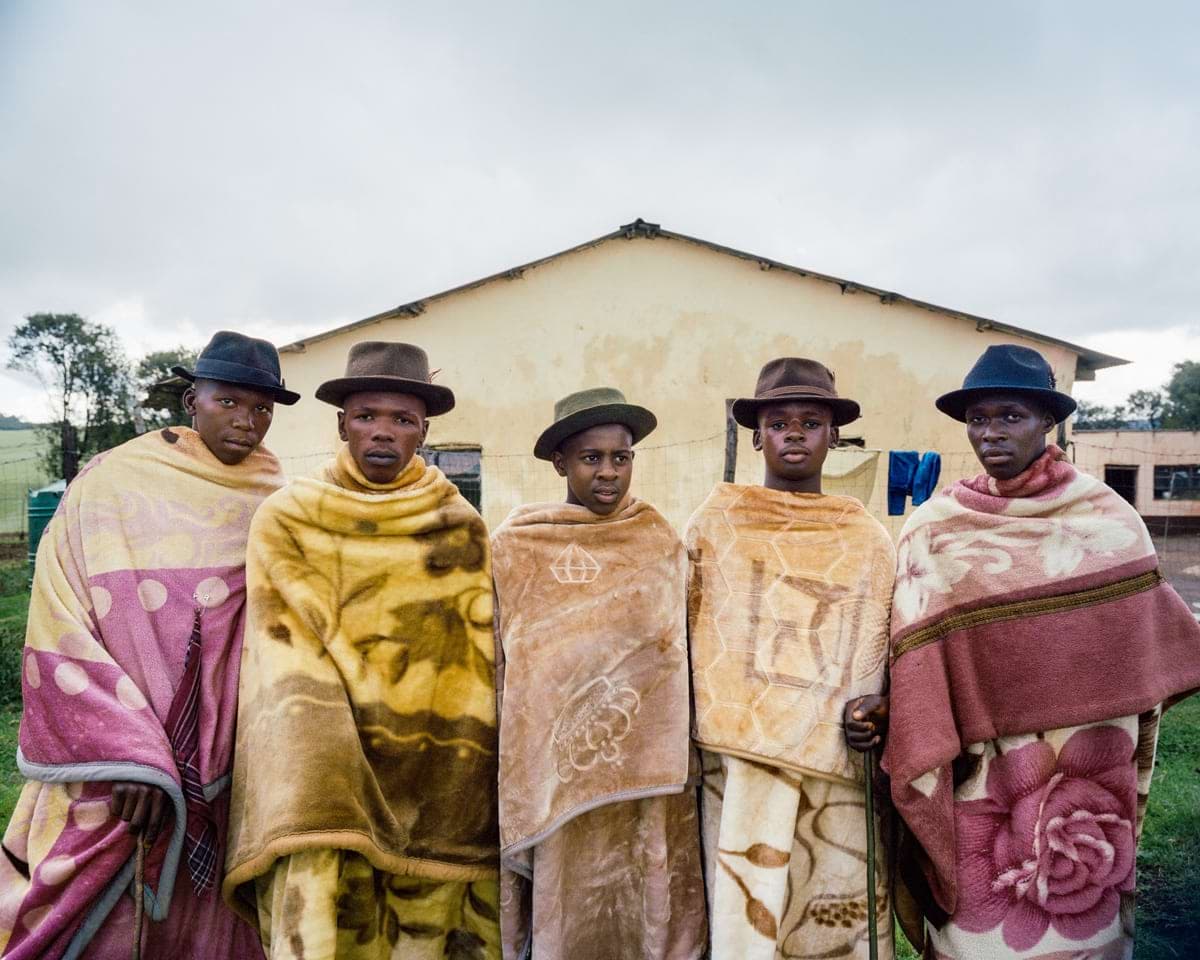
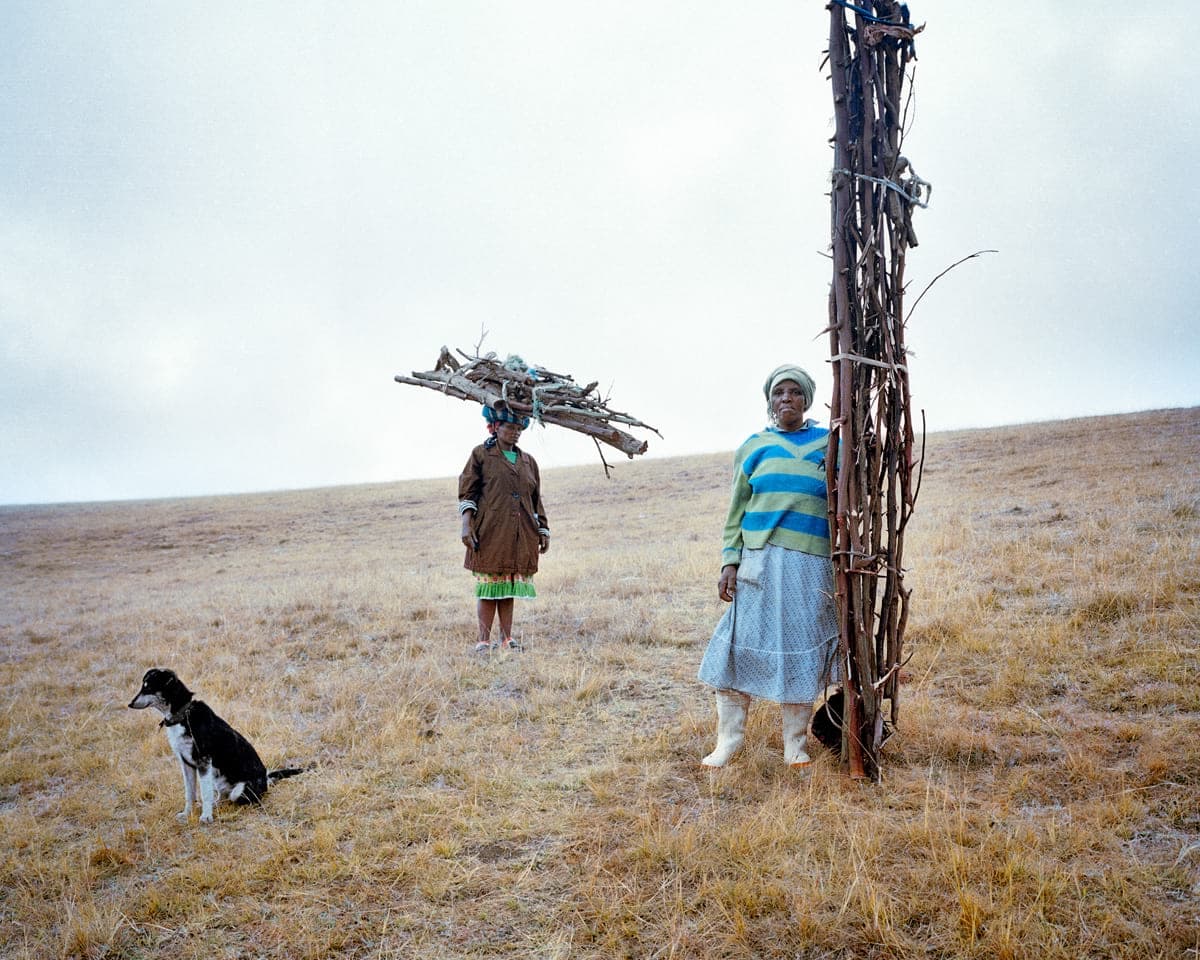
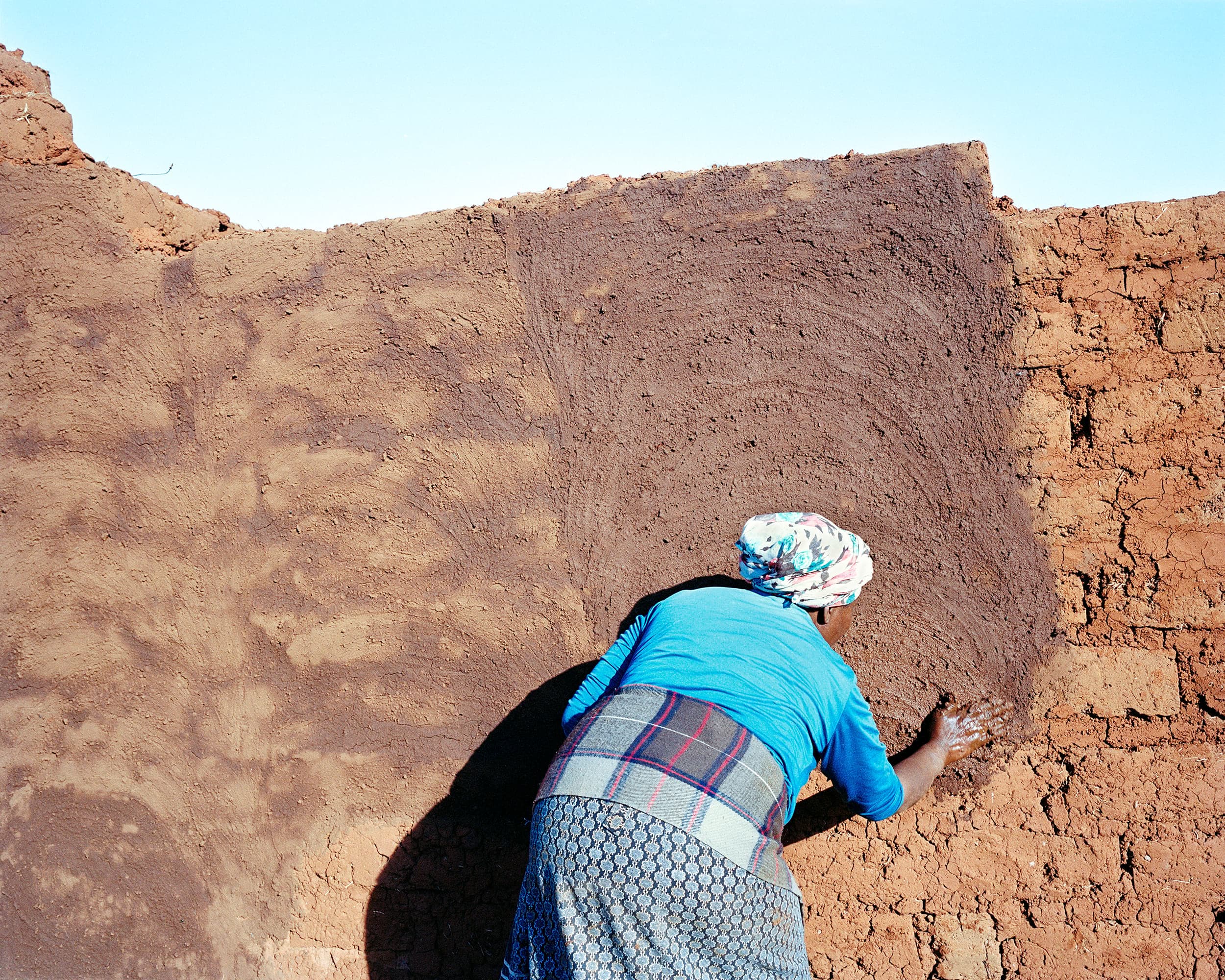
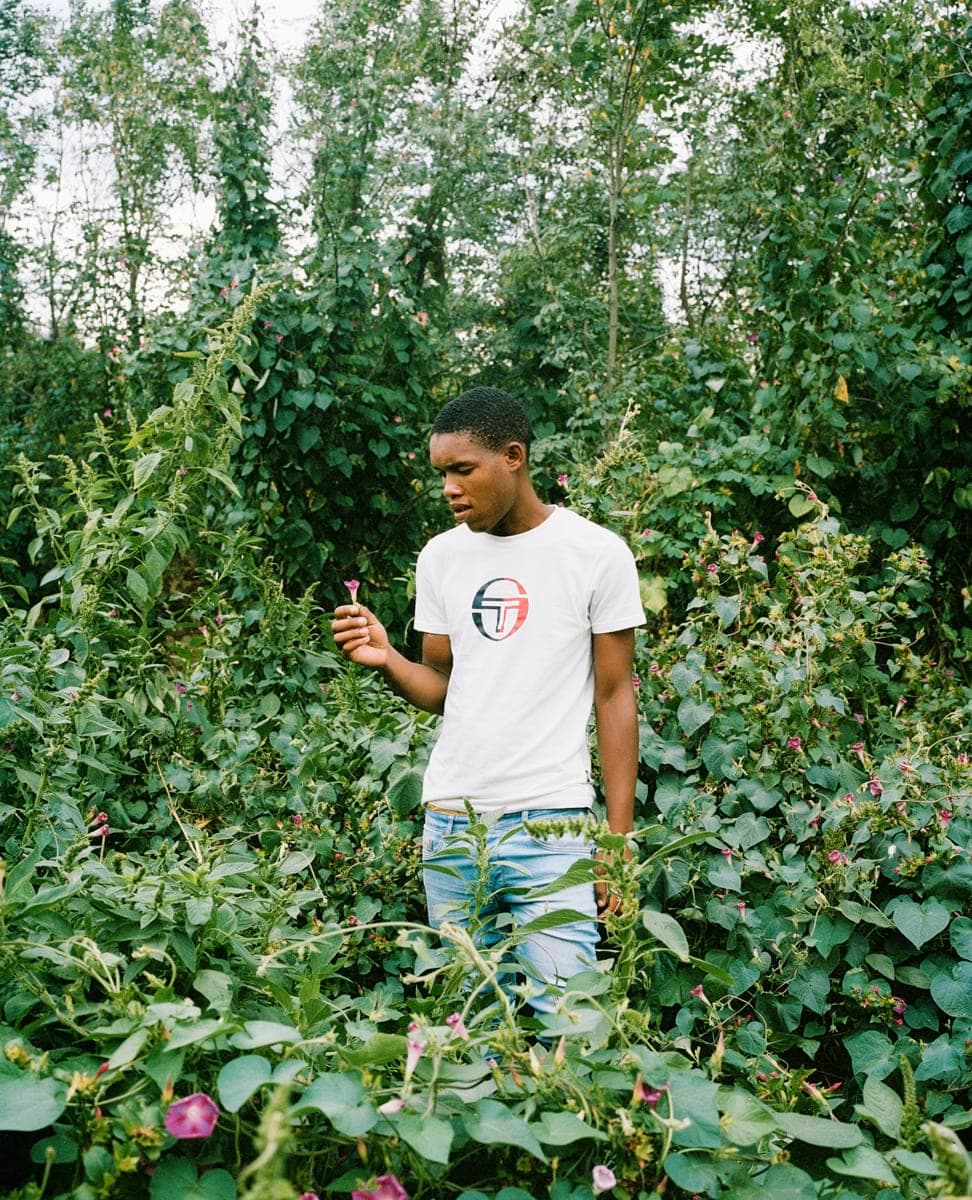
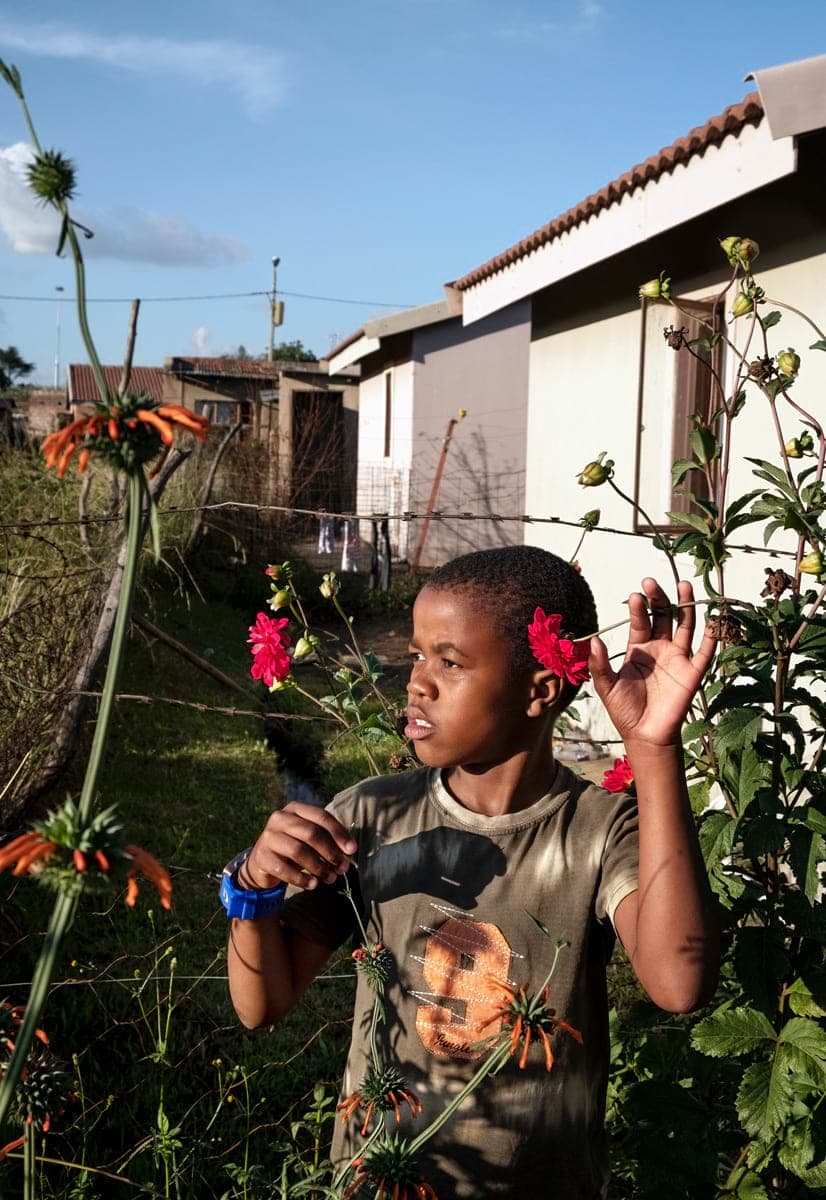
This project explores the multiplicity of place and identity; it reflects on the lingering effects of Apartheid, but also the deep roots and connection I have to Ezilalini, “the country”.
Ezilalini (The country)
This story was motivated by an earlier project, 'I carry Her photo with Me', which is about the disappearance of my sister Ziyanda. As part of the project, I traced her foot- prints back to the Eastern Cape, exploring her earlier life in Tsomo and the surrounding area. This provided the opportunity to reconnect with my family, identity, and culture, engaging parts of myself and my history that I had not considered before, or perhaps had avoided thinking about. As I worked on the story about Ziyanda, I realized Tsomo has deep meaning to my family but also discovered the same for me personally.
This project is an exploration of a place I am deeply connected to but feel like I know very little about. It is a strange place for me and at times I feel like an outsider because of family dynamics and Ziyanda’s fraught history. Sometimes it’s like I’m digging a hole I’m afraid to look into. My family considers the Eastern Cape our ancestral home, but many of us live in urban centres.
My grandmother, who still lives in Tsomo, curses Johannesburg as a place that has swallowed her children. The need to make a living in the city has created deep fragmentation in families and communities across South Africa. This divide between rural and urban is linked to Apartheid-era spatial planning laws and has resulted in severe economic inequality, but has also caused fragmentation of identity. As a result many people living in cities do not consider those places “home”. Johannesburg, for example, is seen as a place of opportunity, a place where you can get a job or make your dreams come true. “Home” refers to the countryside. It is a place where your elders live; a spiritual place where you can always connect with your ancestors. It’s a holy land to some, a place where they can rejuvenate and restart.
This project explores the multiplicity of place and identity; it reflects on the lingering effects of Apartheid, but also the deep roots and connection I have to Ezilalini, “the country”.
Ezilalini (The country)
This story was motivated by an earlier project, 'I carry Her photo with Me', which is about the disappearance of my sister Ziyanda. As part of the project, I traced her foot- prints back to the Eastern Cape, exploring her earlier life in Tsomo and the surrounding area. This provided the opportunity to reconnect with my family, identity, and culture, engaging parts of myself and my history that I had not considered before, or perhaps had avoided thinking about. As I worked on the story about Ziyanda, I realized Tsomo has deep meaning to my family but also discovered the same for me personally.
This project is an exploration of a place I am deeply connected to but feel like I know very little about. It is a strange place for me and at times I feel like an outsider because of family dynamics and Ziyanda’s fraught history. Sometimes it’s like I’m digging a hole I’m afraid to look into. My family considers the Eastern Cape our ancestral home, but many of us live in urban centres.
My grandmother, who still lives in Tsomo, curses Johannesburg as a place that has swallowed her children. The need to make a living in the city has created deep fragmentation in families and communities across South Africa. This divide between rural and urban is linked to Apartheid-era spatial planning laws and has resulted in severe economic inequality, but has also caused fragmentation of identity. As a result many people living in cities do not consider those places “home”. Johannesburg, for example, is seen as a place of opportunity, a place where you can get a job or make your dreams come true. “Home” refers to the countryside. It is a place where your elders live; a spiritual place where you can always connect with your ancestors. It’s a holy land to some, a place where they can rejuvenate and restart.
This project explores the multiplicity of place and identity; it reflects on the lingering effects of Apartheid, but also the deep roots and connection I have to Ezilalini, “the country”.
Ezilalini (The country)
This story was motivated by an earlier project, 'I carry Her photo with Me', which is about the disappearance of my sister Ziyanda. As part of the project, I traced her foot- prints back to the Eastern Cape, exploring her earlier life in Tsomo and the surrounding area. This provided the opportunity to reconnect with my family, identity, and culture, engaging parts of myself and my history that I had not considered before, or perhaps had avoided thinking about. As I worked on the story about Ziyanda, I realized Tsomo has deep meaning to my family but also discovered the same for me personally.
This project is an exploration of a place I am deeply connected to but feel like I know very little about. It is a strange place for me and at times I feel like an outsider because of family dynamics and Ziyanda’s fraught history. Sometimes it’s like I’m digging a hole I’m afraid to look into. My family considers the Eastern Cape our ancestral home, but many of us live in urban centres.
My grandmother, who still lives in Tsomo, curses Johannesburg as a place that has swallowed her children. The need to make a living in the city has created deep fragmentation in families and communities across South Africa. This divide between rural and urban is linked to Apartheid-era spatial planning laws and has resulted in severe economic inequality, but has also caused fragmentation of identity. As a result many people living in cities do not consider those places “home”. Johannesburg, for example, is seen as a place of opportunity, a place where you can get a job or make your dreams come true. “Home” refers to the countryside. It is a place where your elders live; a spiritual place where you can always connect with your ancestors. It’s a holy land to some, a place where they can rejuvenate and restart.
This project explores the multiplicity of place and identity; it reflects on the lingering effects of Apartheid, but also the deep roots and connection I have to Ezilalini, “the country”.
Ezilalini (The country)
This story was motivated by an earlier project, 'I carry Her photo with Me', which is about the disappearance of my sister Ziyanda. As part of the project, I traced her foot- prints back to the Eastern Cape, exploring her earlier life in Tsomo and the surrounding area. This provided the opportunity to reconnect with my family, identity, and culture, engaging parts of myself and my history that I had not considered before, or perhaps had avoided thinking about. As I worked on the story about Ziyanda, I realized Tsomo has deep meaning to my family but also discovered the same for me personally.
This project is an exploration of a place I am deeply connected to but feel like I know very little about. It is a strange place for me and at times I feel like an outsider because of family dynamics and Ziyanda’s fraught history. Sometimes it’s like I’m digging a hole I’m afraid to look into. My family considers the Eastern Cape our ancestral home, but many of us live in urban centres.
My grandmother, who still lives in Tsomo, curses Johannesburg as a place that has swallowed her children. The need to make a living in the city has created deep fragmentation in families and communities across South Africa. This divide between rural and urban is linked to Apartheid-era spatial planning laws and has resulted in severe economic inequality, but has also caused fragmentation of identity. As a result many people living in cities do not consider those places “home”. Johannesburg, for example, is seen as a place of opportunity, a place where you can get a job or make your dreams come true. “Home” refers to the countryside. It is a place where your elders live; a spiritual place where you can always connect with your ancestors. It’s a holy land to some, a place where they can rejuvenate and restart.
This project explores the multiplicity of place and identity; it reflects on the lingering effects of Apartheid, but also the deep roots and connection I have to Ezilalini, “the country”.
Ezilalini (The country)
This story was motivated by an earlier project, 'I carry Her photo with Me', which is about the disappearance of my sister Ziyanda. As part of the project, I traced her foot- prints back to the Eastern Cape, exploring her earlier life in Tsomo and the surrounding area. This provided the opportunity to reconnect with my family, identity, and culture, engaging parts of myself and my history that I had not considered before, or perhaps had avoided thinking about. As I worked on the story about Ziyanda, I realized Tsomo has deep meaning to my family but also discovered the same for me personally.
This project is an exploration of a place I am deeply connected to but feel like I know very little about. It is a strange place for me and at times I feel like an outsider because of family dynamics and Ziyanda’s fraught history. Sometimes it’s like I’m digging a hole I’m afraid to look into. My family considers the Eastern Cape our ancestral home, but many of us live in urban centres.
My grandmother, who still lives in Tsomo, curses Johannesburg as a place that has swallowed her children. The need to make a living in the city has created deep fragmentation in families and communities across South Africa. This divide between rural and urban is linked to Apartheid-era spatial planning laws and has resulted in severe economic inequality, but has also caused fragmentation of identity. As a result many people living in cities do not consider those places “home”. Johannesburg, for example, is seen as a place of opportunity, a place where you can get a job or make your dreams come true. “Home” refers to the countryside. It is a place where your elders live; a spiritual place where you can always connect with your ancestors. It’s a holy land to some, a place where they can rejuvenate and restart.
This project explores the multiplicity of place and identity; it reflects on the lingering effects of Apartheid, but also the deep roots and connection I have to Ezilalini, “the country”.