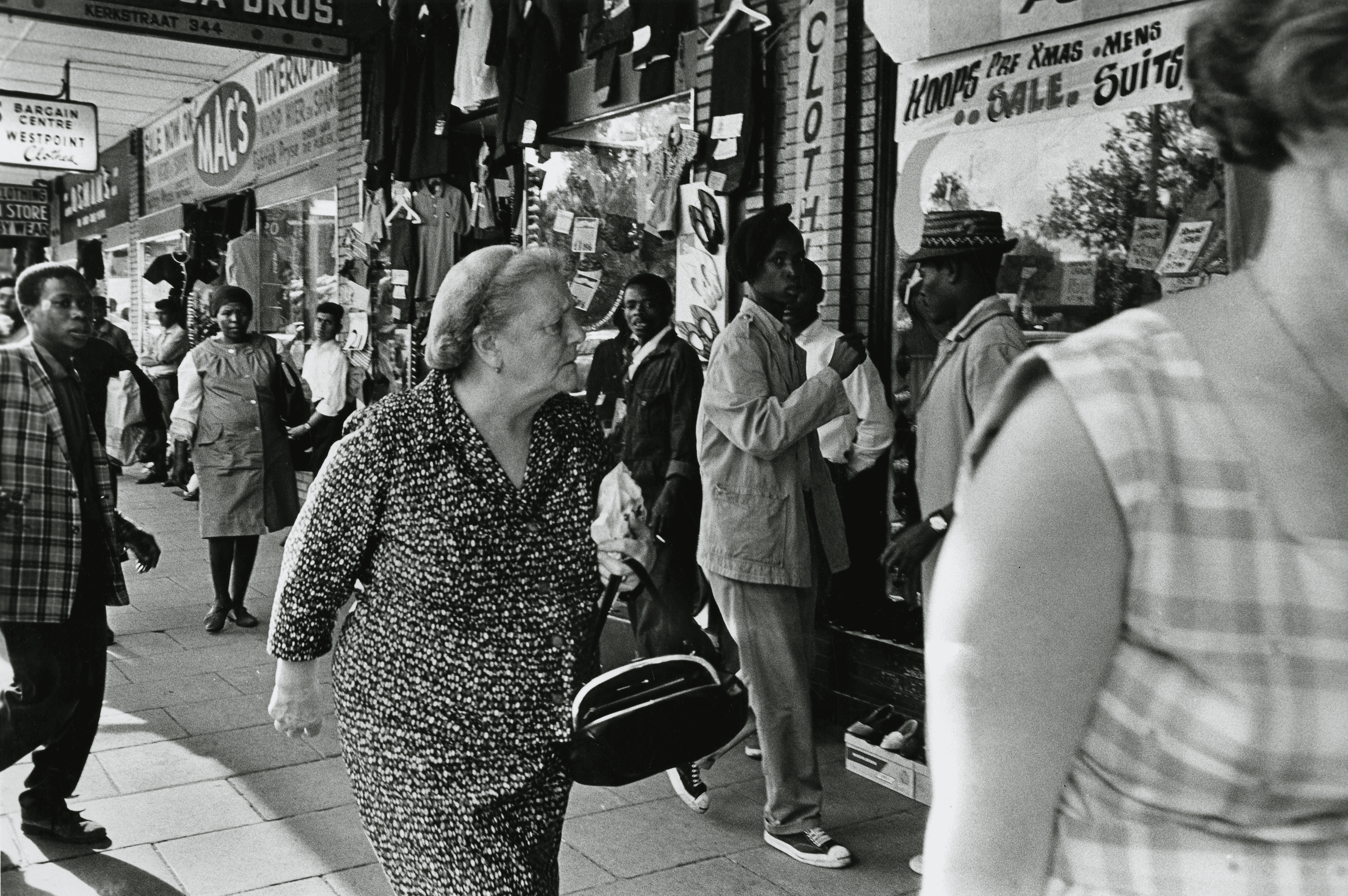
Alt
Alt
Alt
Alt
Alt
Alt
Alt
Alt
Alt
Alt
Alt
Alt
Alt
Alt
Alt
Alt
Alt
Alt
Alt
Alt
Alt
Alt
Alt
Alt
Alt
Alt
Alt
Alt
Alt
Alt
Alt
Alt
Alt
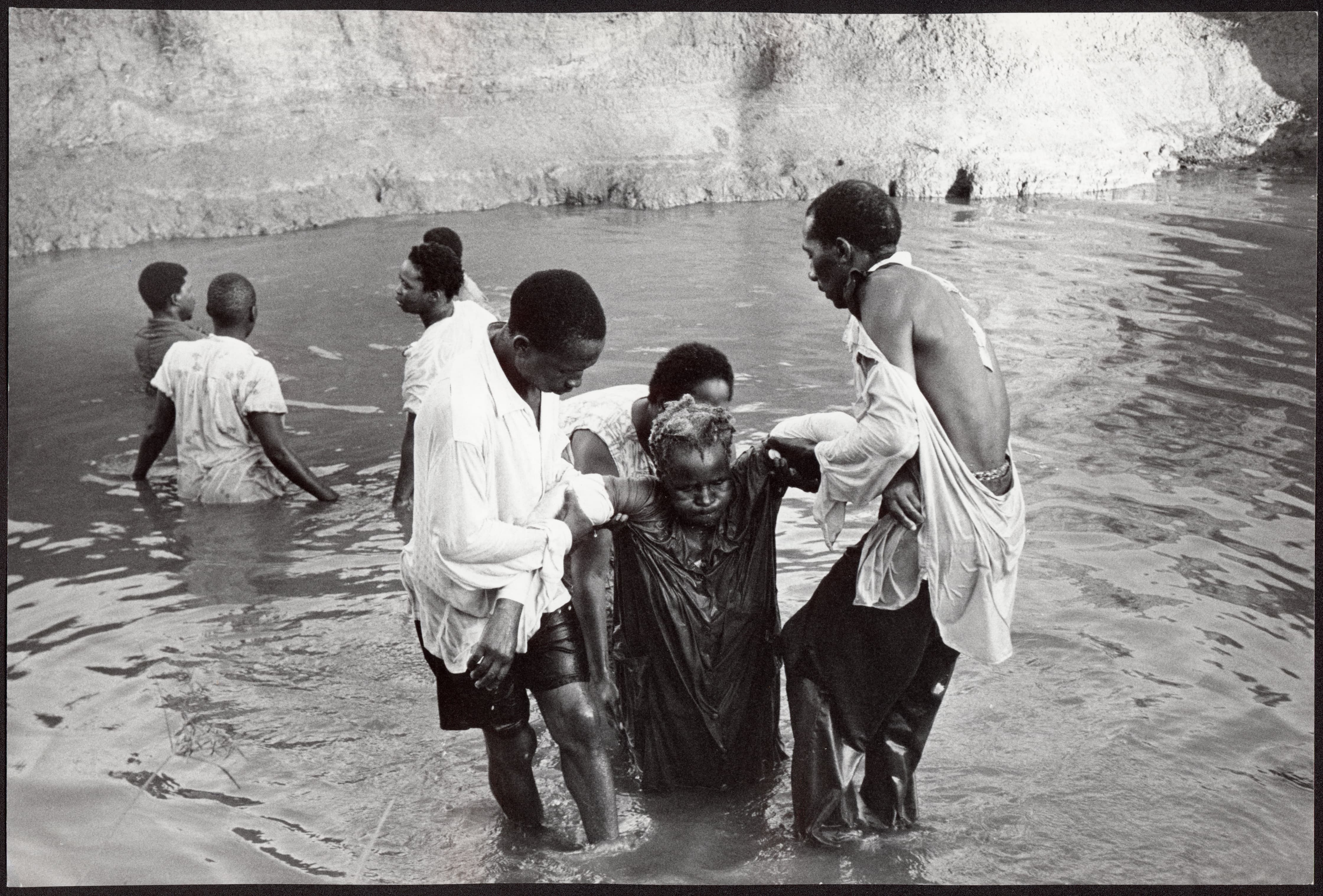
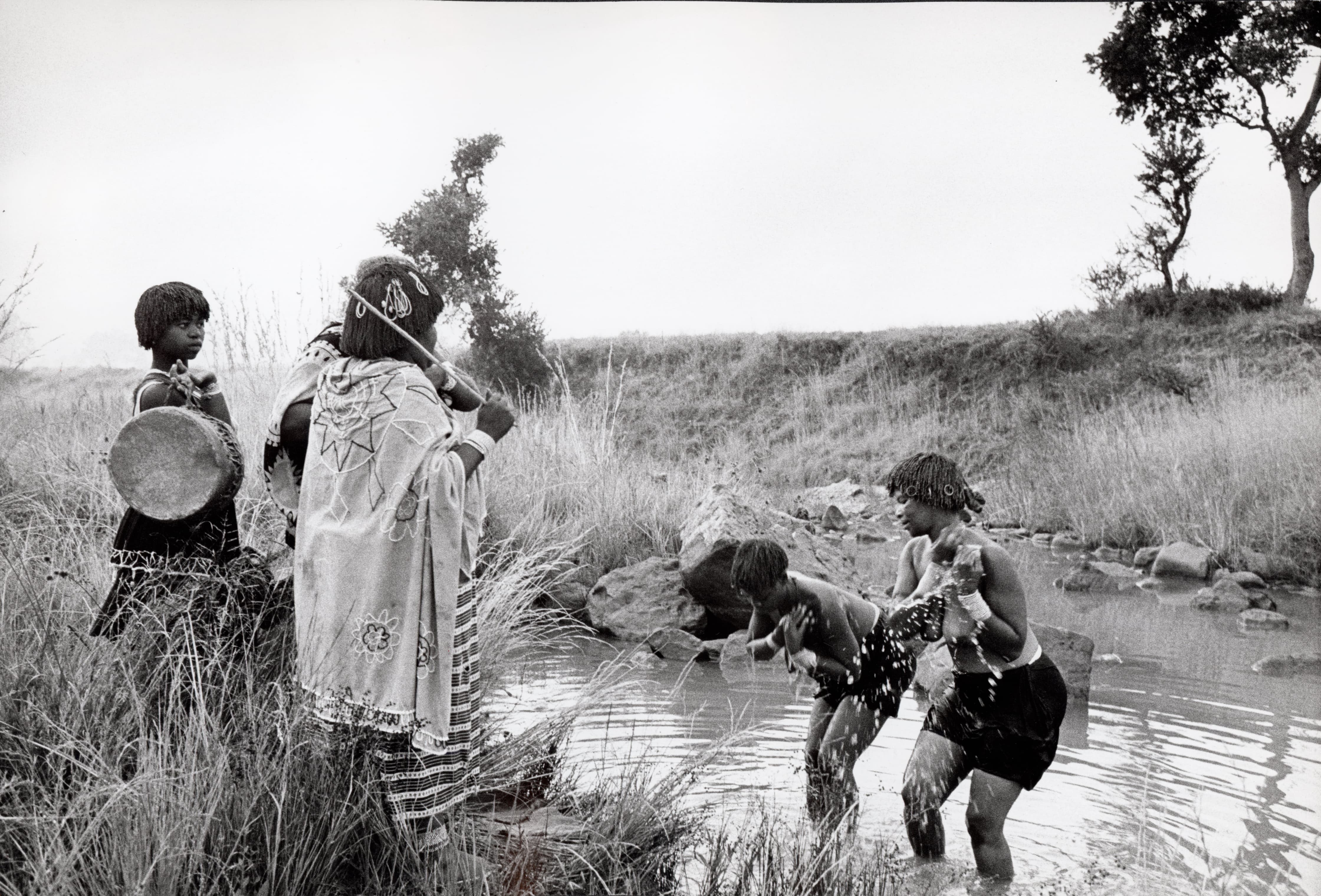
Ernest Cole
Untitled (CPT 2025), c.1960
gelatin silver print
Work: 20 x 29.5 cm (7.9 x 11.6 in.)
Unique
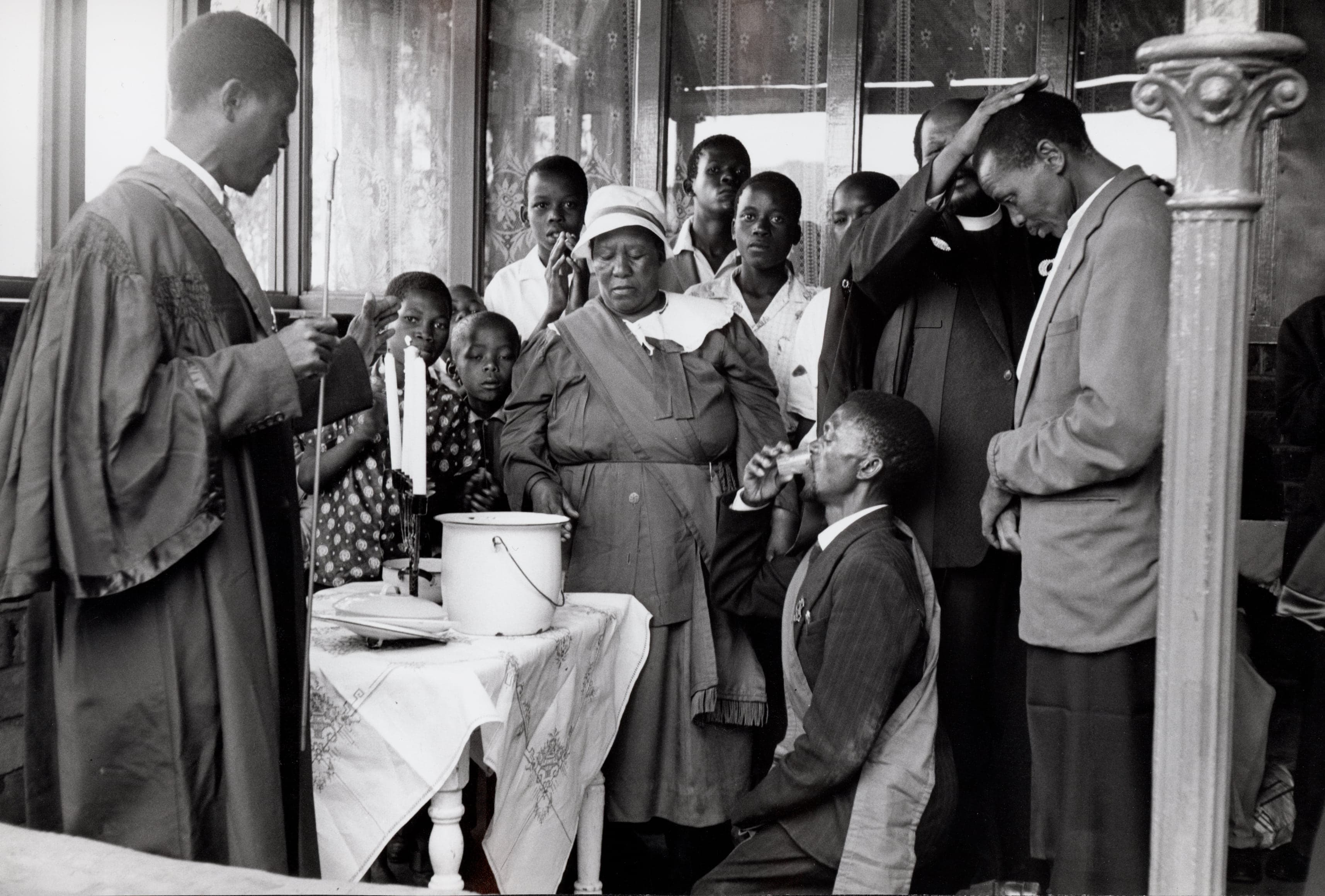
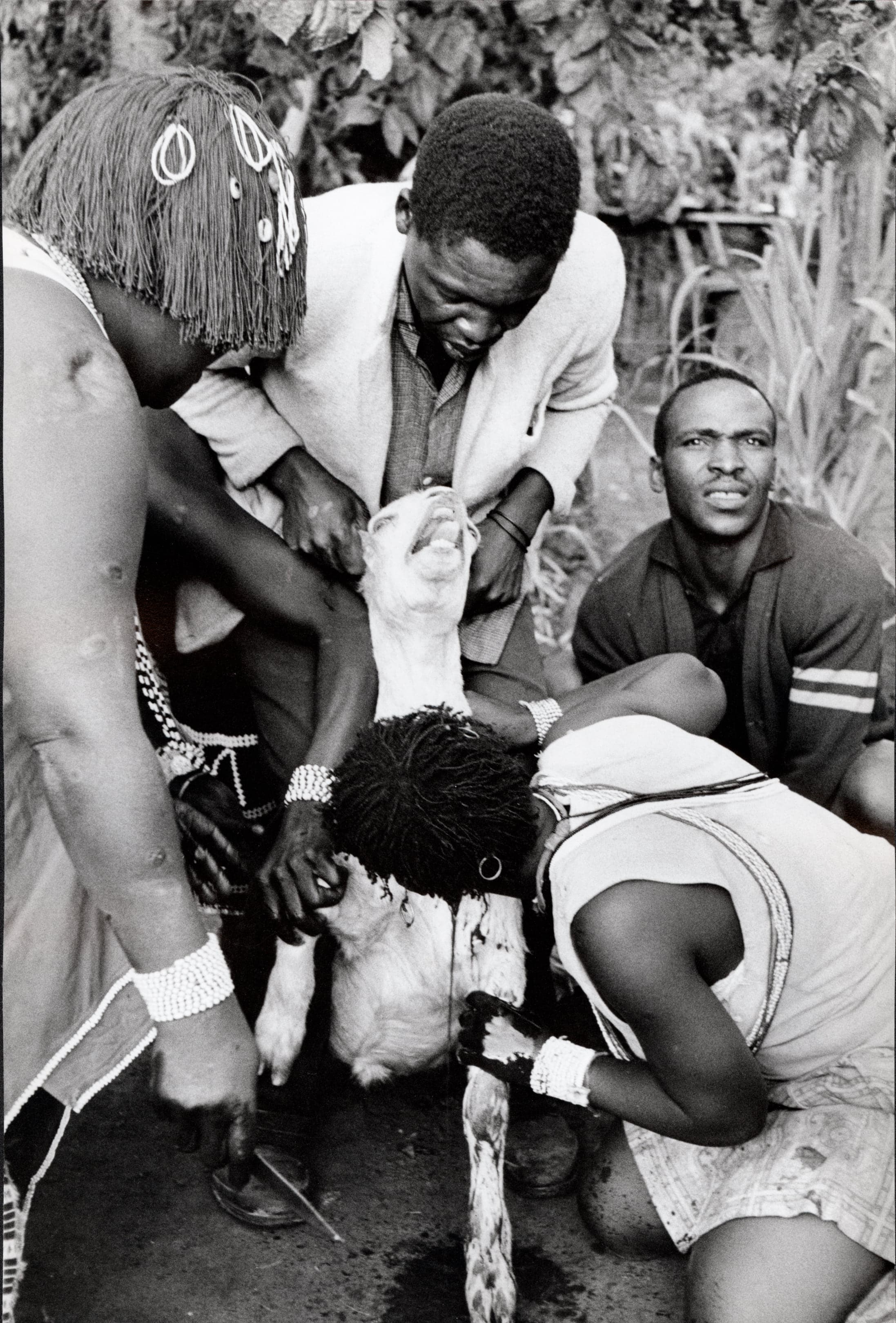
Ernest Cole
Untitled (CPT 2025), c.1960
gelatin silver print
Work: 19.8 x 29.1 cm (7.8 x 11.5 in.)
Unique
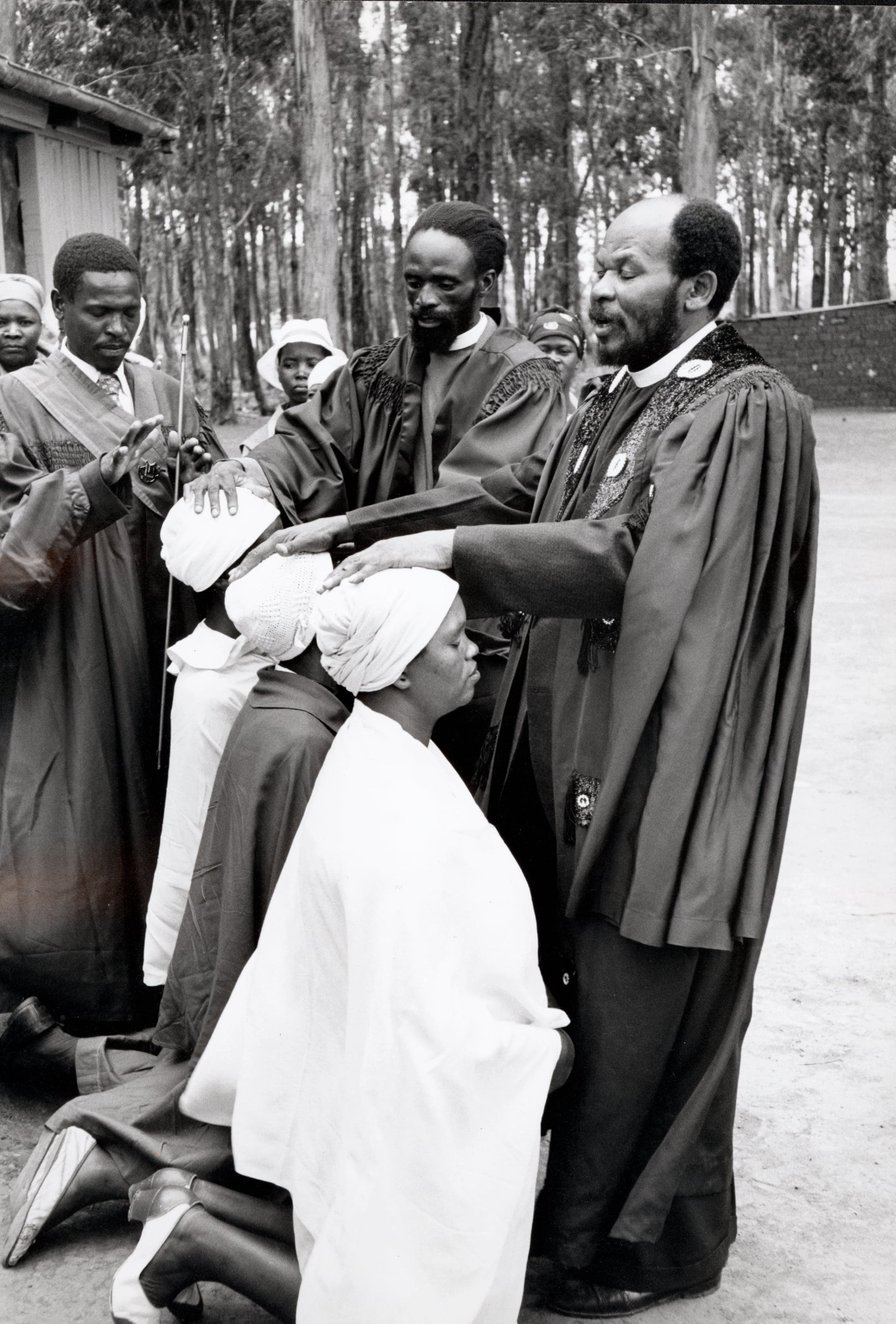
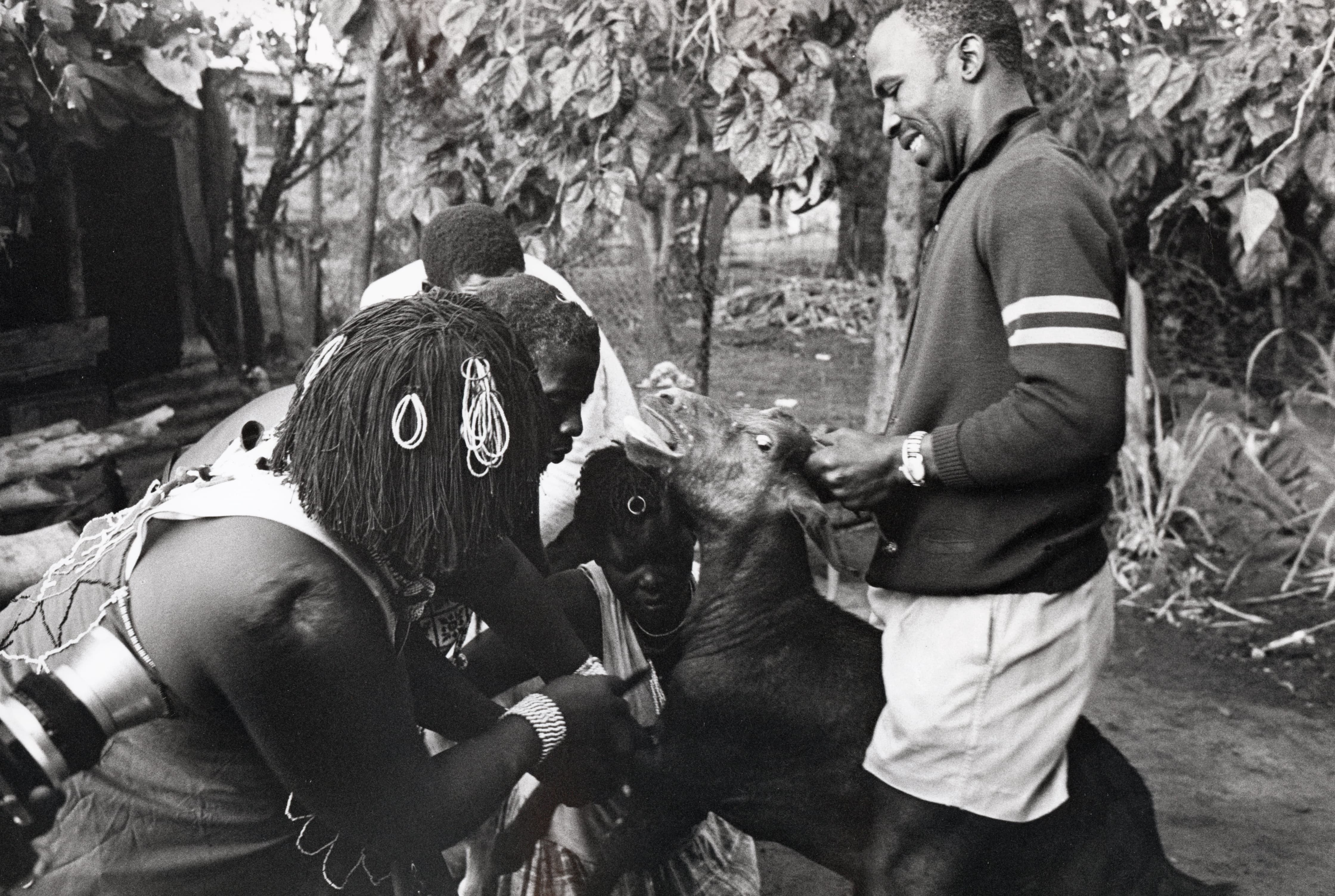
Ernest Cole
Untitled (CPT 2025), c.1960
gelatin silver print
Work: 19.4 x 29.1 cm (7.6 x 11.5 in.)
Unique
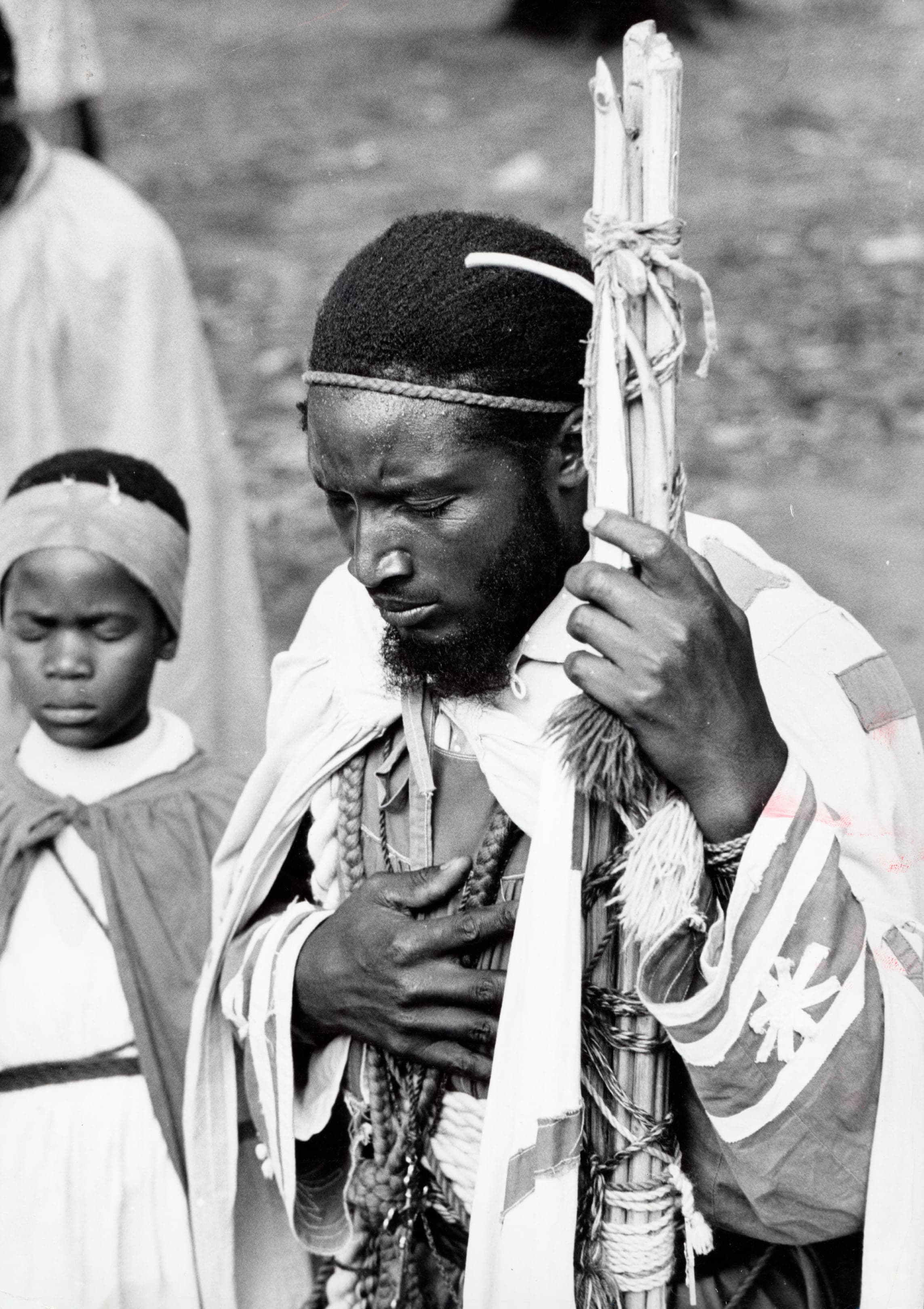
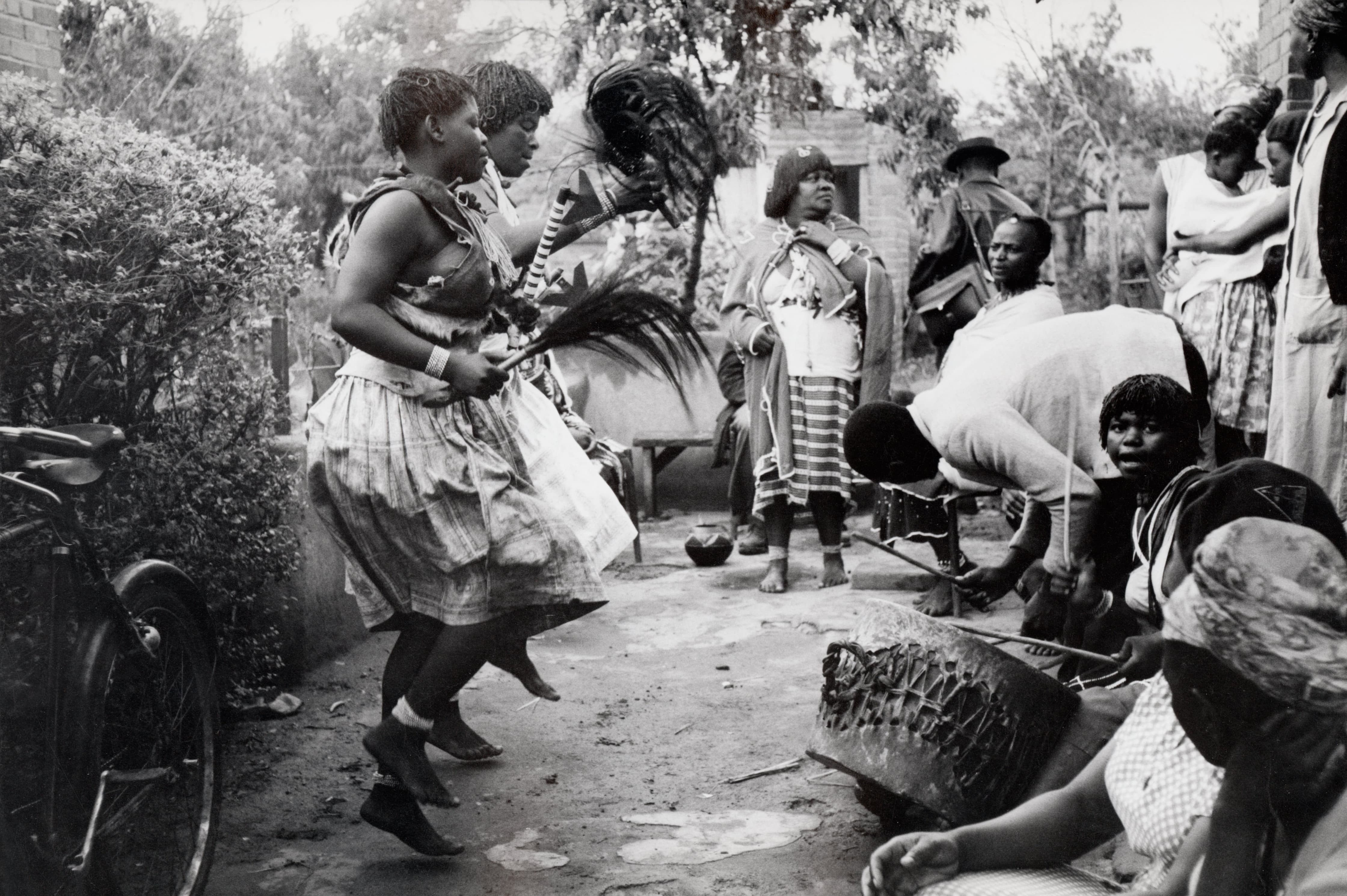
Ernest Cole
Untitled (CPT 2025), c.1960
gelatin silver print
Work: 19.3 x 29.2 cm (7.6 x 11.5 in.)
Unique
Ernest Cole
Untitled (CPT 2025), c.1960
gelatin silver print
Work: 20 x 29.4 cm (7.9 x 11.6 in.)
Unique
Ernest Cole
Untitled (CPT 2025), c.1960
gelatin silver print
Work: 29 x 19.7 cm (11.4 x 7.8 in.)
Unique
Ernest Cole
Untitled (CPT 2025), c.1960
gelatin silver print
Work: 29.1 x 19.1 cm (11.5 x 7.5 in.)
Unique
Ernest Cole
Untitled (CPT 2025), c.1960
gelatin silver print
Work: 19.5 x 29.2 cm (7.7 x 11.5 in.)
Unique
Ernest Cole
Untitled (CPT 2025), c.1960
gelatin silver print
Work: 20 x 29.6 cm (7.9 x 11.7 in.)
Unique
Ernest Cole
Untitled (CPT 2025), c.1960
gelatin silver print
Work: 29.5 x 20 cm (11.6 x 7.9 in.)
Unique
Ernest Cole
Untitled (CPT 2025), c.1960
gelatin silver print
Work: 20.1 x 29.2 cm (7.9 x 11.5 in.)
Unique
Ernest Cole
Untitled (CPT 2025), c.1960
gelatin silver print 
Work: 19.7 x 30 cm (7.8 x 11.8 in.)
Unique
Ernest Cole
Untitled (CPT 2025), c.1960
gelatin silver print
Work: 20.1 x 25.8 cm (7.9 x 10.2 in.)
Unique
Ernest Cole
Untitled (CPT 2025), c.1960
gelatin silver print
Work: 25.9 x 20.2 cm (10.2 x 8 in.)
Unique
Ernest Cole
Untitled (CPT 2025), c.1960
gelatin silver print
Work: 19.9 x 29.3 cm (7.8 x 11.5 in.)
Unique
Ernest Cole
Untitled (CPT 2025), c.1960
gelatin silver print
Work: 24.9 x 18.1 cm (9.8 x 7.1 in.)
Unique
Ernest Cole
Untitled (CPT 2025), c.1960
gelatin silver print
Work: 19.9 x 29.4 cm (7.8 x 11.6 in.)
Unique
Ernest Cole
Untitled (CPT 2025), c.1960
gelatin silver print
Work: 20.7 x 29.5 cm (8.1 x 11.6 in.)
Unique
Ernest Cole
Untitled (CPT 2025), c.1960
gelatin silver print
Work: 20.7 x 30 cm (8.1 x 11.8 in.)
Unique
Ernest Cole
Untitled (CPT 2025), c.1960
gelatin silver print
Work: 20 x 29.8 cm (7.9 x 11.7 in.)
Unique
Ernest Cole
Untitled (CPT 2025), c.1960
gelatin silver print
Work: 19.8 x 29.5 cm (7.8 x 11.6 in.)
Unique
Ernest Cole
Untitled (CPT 2025), c.1960
gelatin silver print
Work: 20 x 29.2 cm (7.9 x 11.5 in.)
Unique
Ernest Cole
Untitled (CPT 2025), c.1960
gelatin silver print
Work: 29.5 x 20 cm (11.6 x 7.9 in.)
Unique
Ernest Cole
Untitled (CPT 2025), c.1960
gelatin silver print
Work: 25 x 17.6 cm (9.8 x 6.9 in.)
Unique
Ernest Cole
Untitled (CPT 2025), c.1960
gelatin silver print
Work: 19.8 x 29.1 cm (7.8 x 11.5 in.)
Unique
Ernest Cole
Untitled (CPT 2025), c.1960
gelatin silver print
Work: 29.7 x 19.8 cm (11.7 x 7.8 in.)
Unique
Ernest Cole
Untitled (CPT 2025), c.1960
gelatin silver print
Work: 29.7 x 29.1 cm (11.7 x 11.5 in.)
Unique
Ernest Cole
Untitled (CPT 2025), c.1960
gelatin silver print
Work: 19.5 x 29.1 cm (7.7 x 11.5 in.)
Unique
Ernest Cole
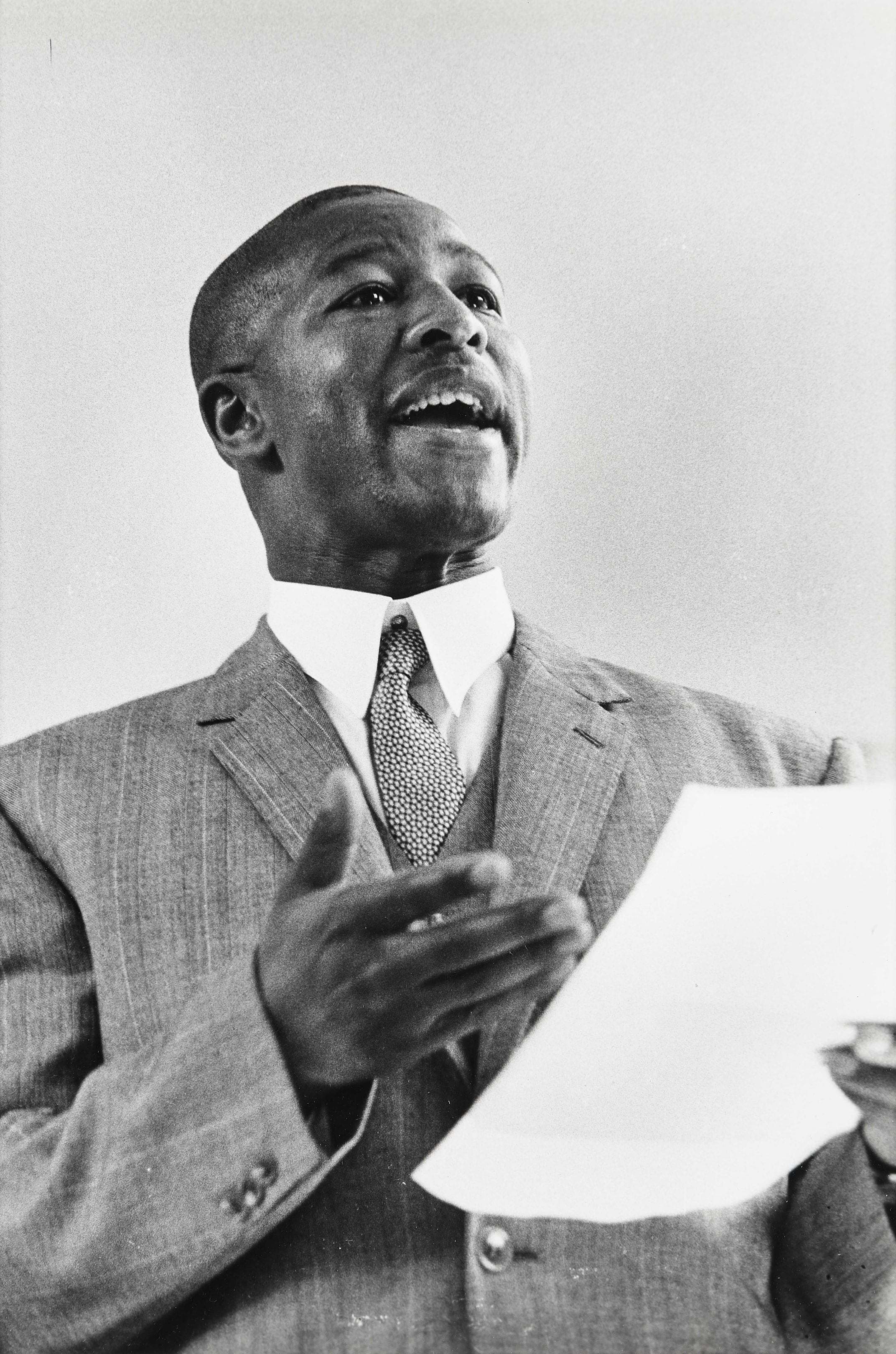
Middle Class (from 'House of Bondage'), circa 1960
Vintage silver print
25.4 x 20.3 cm
10 x 8 in
Unique

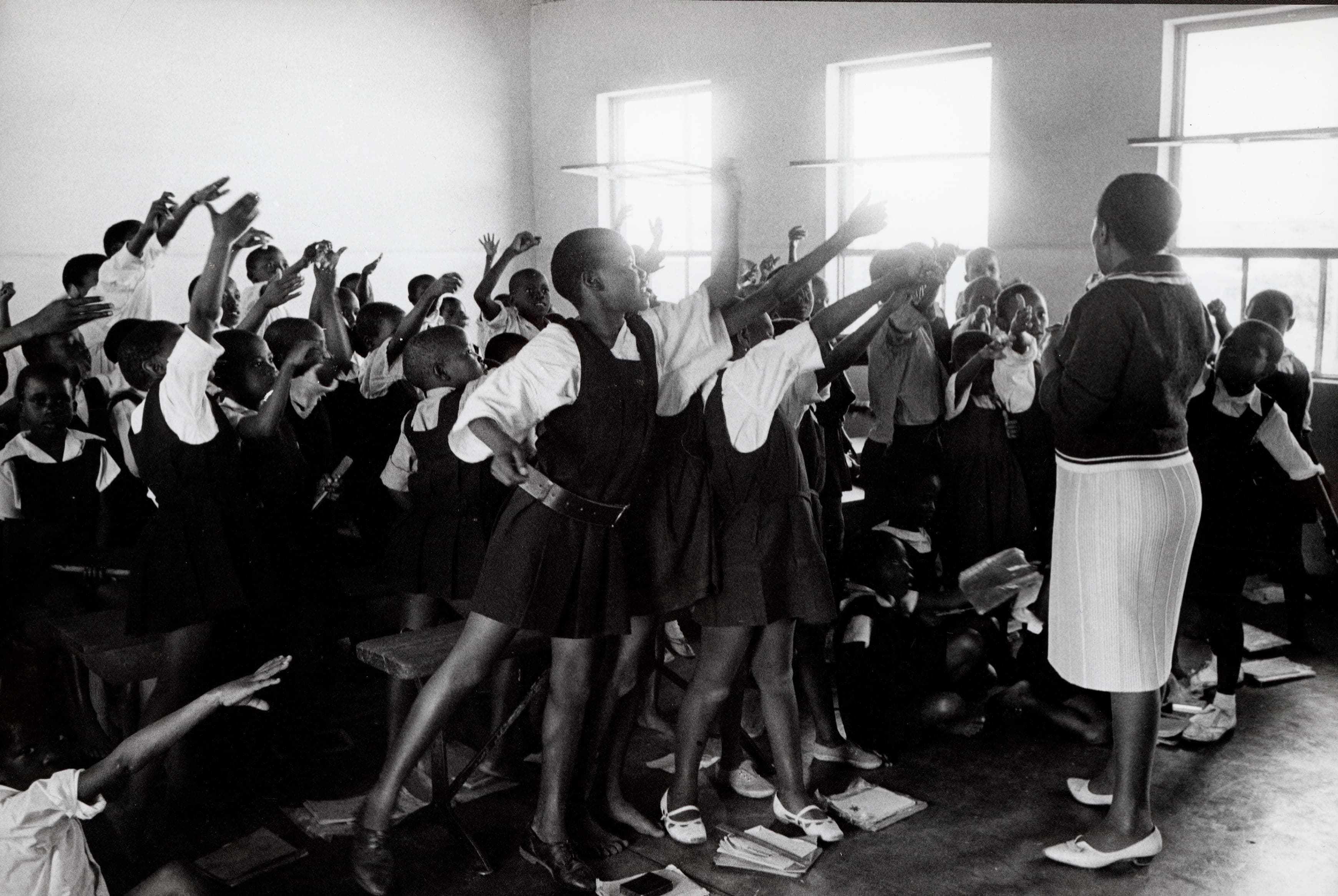
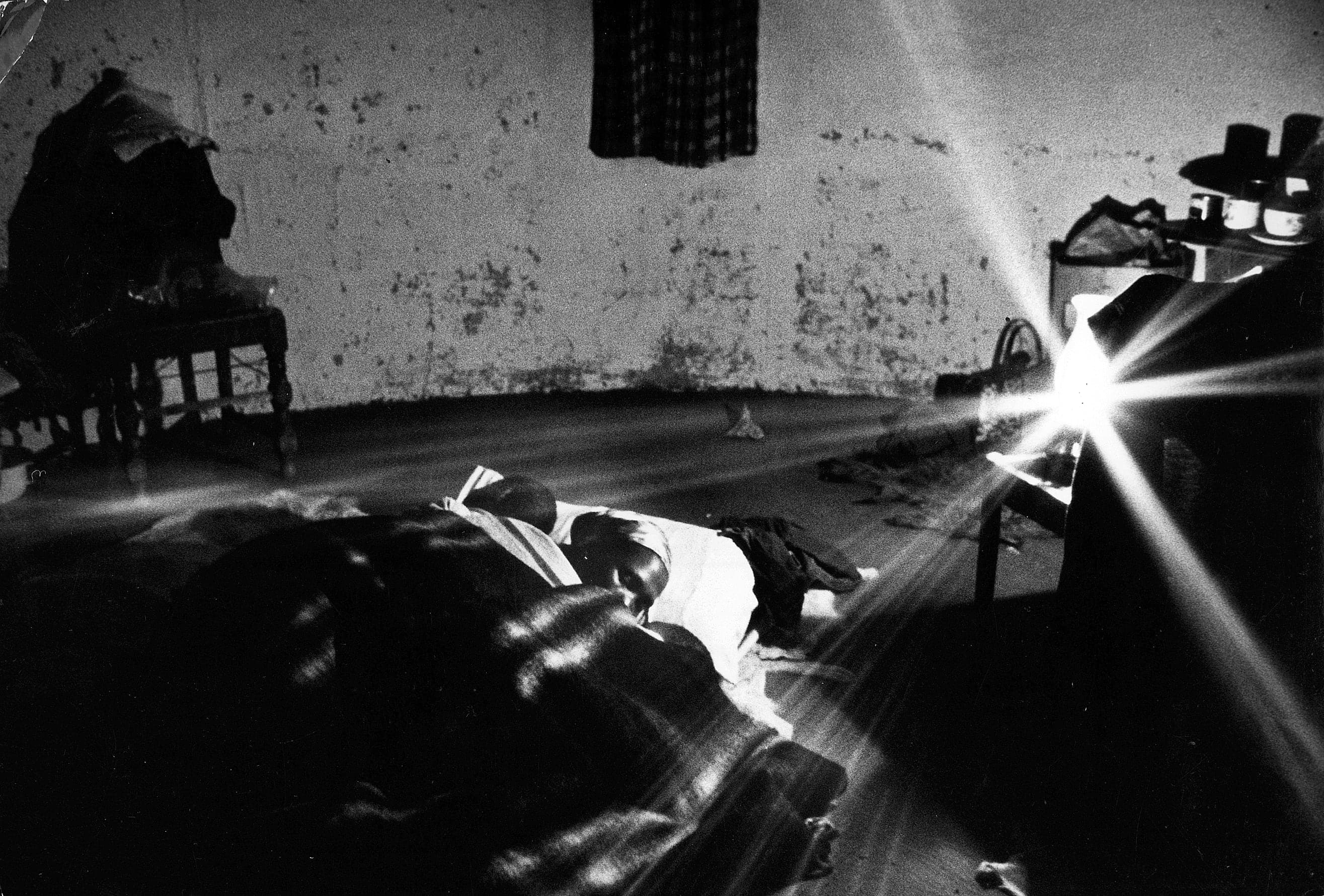
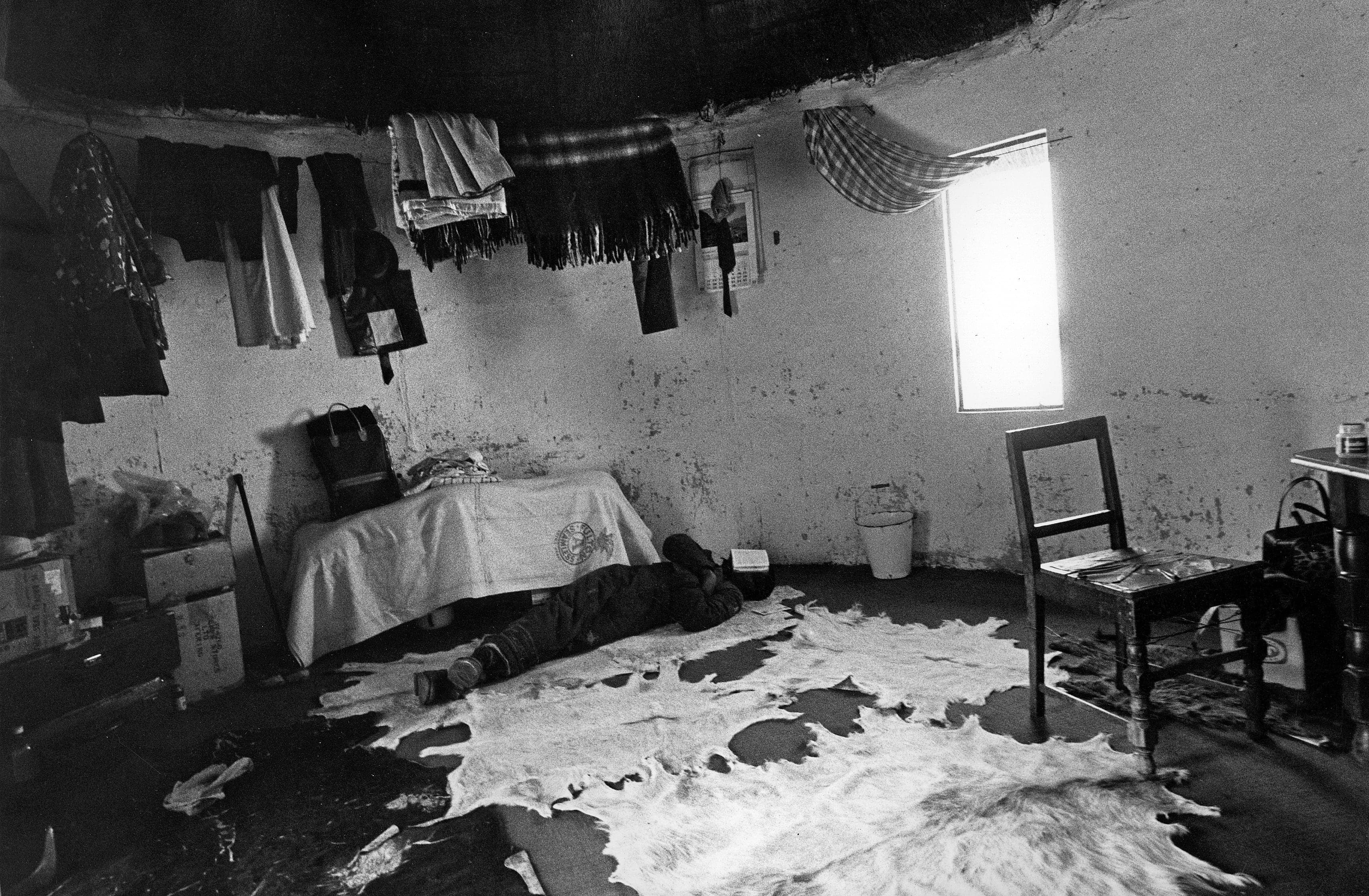
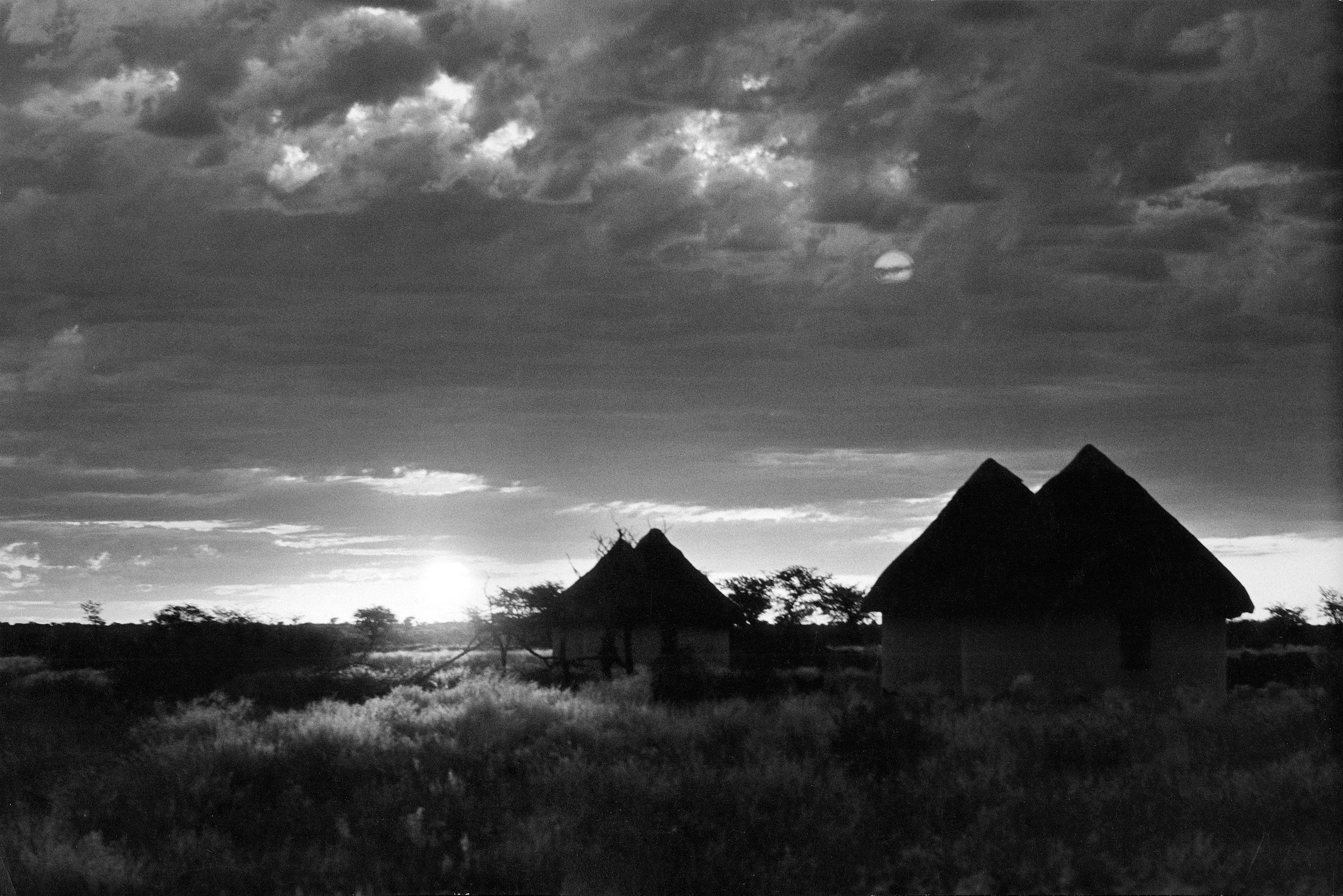
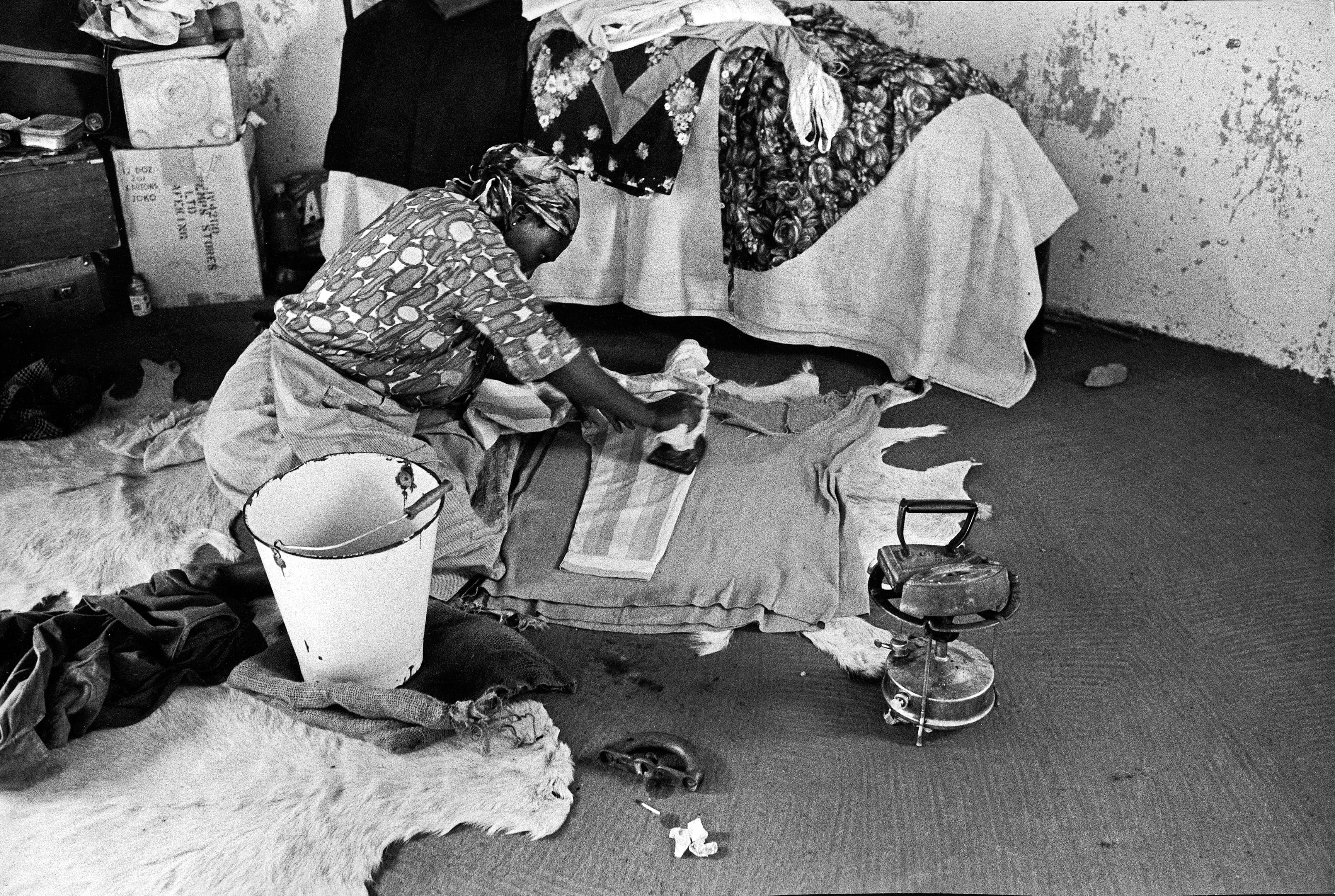
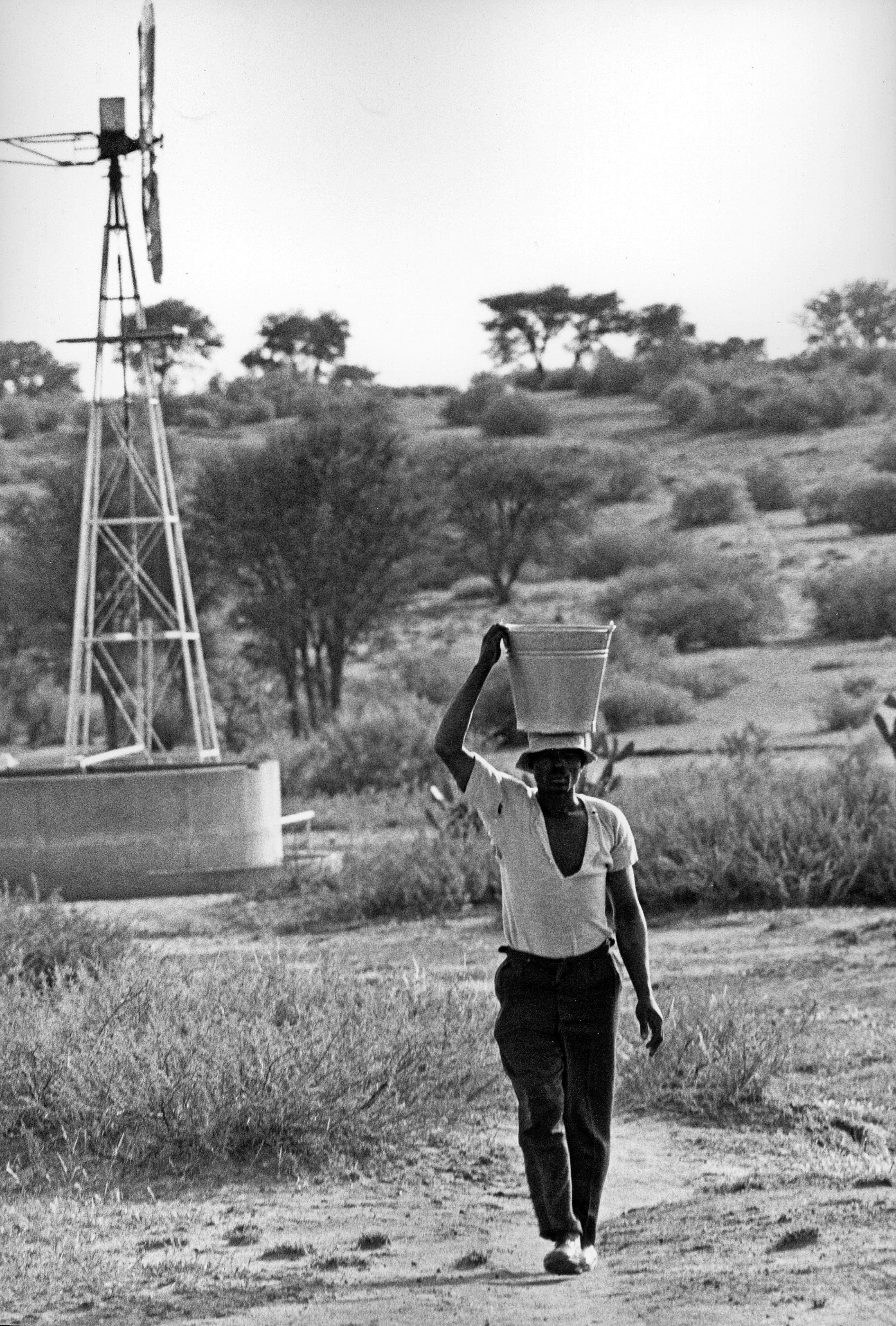
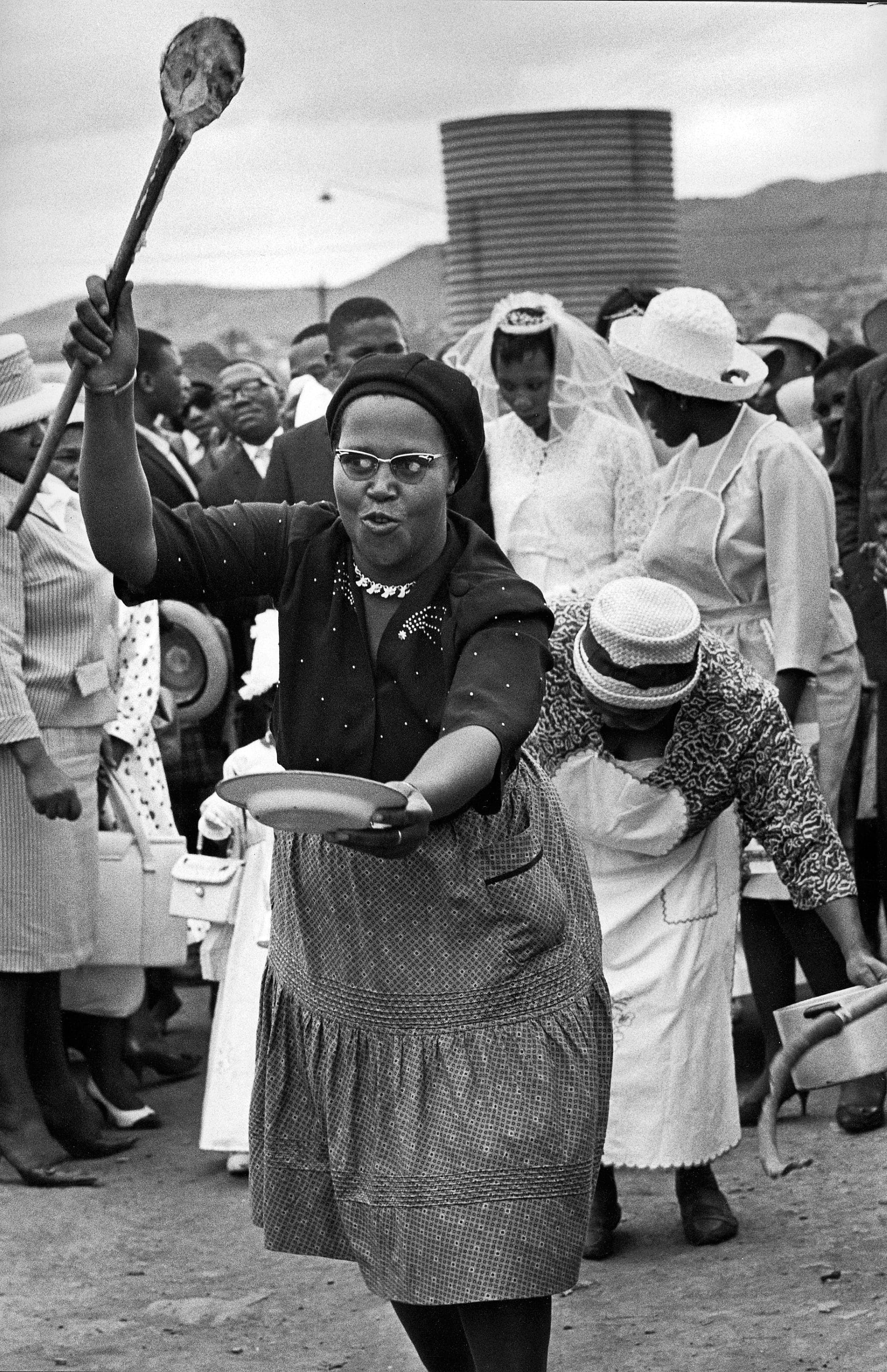
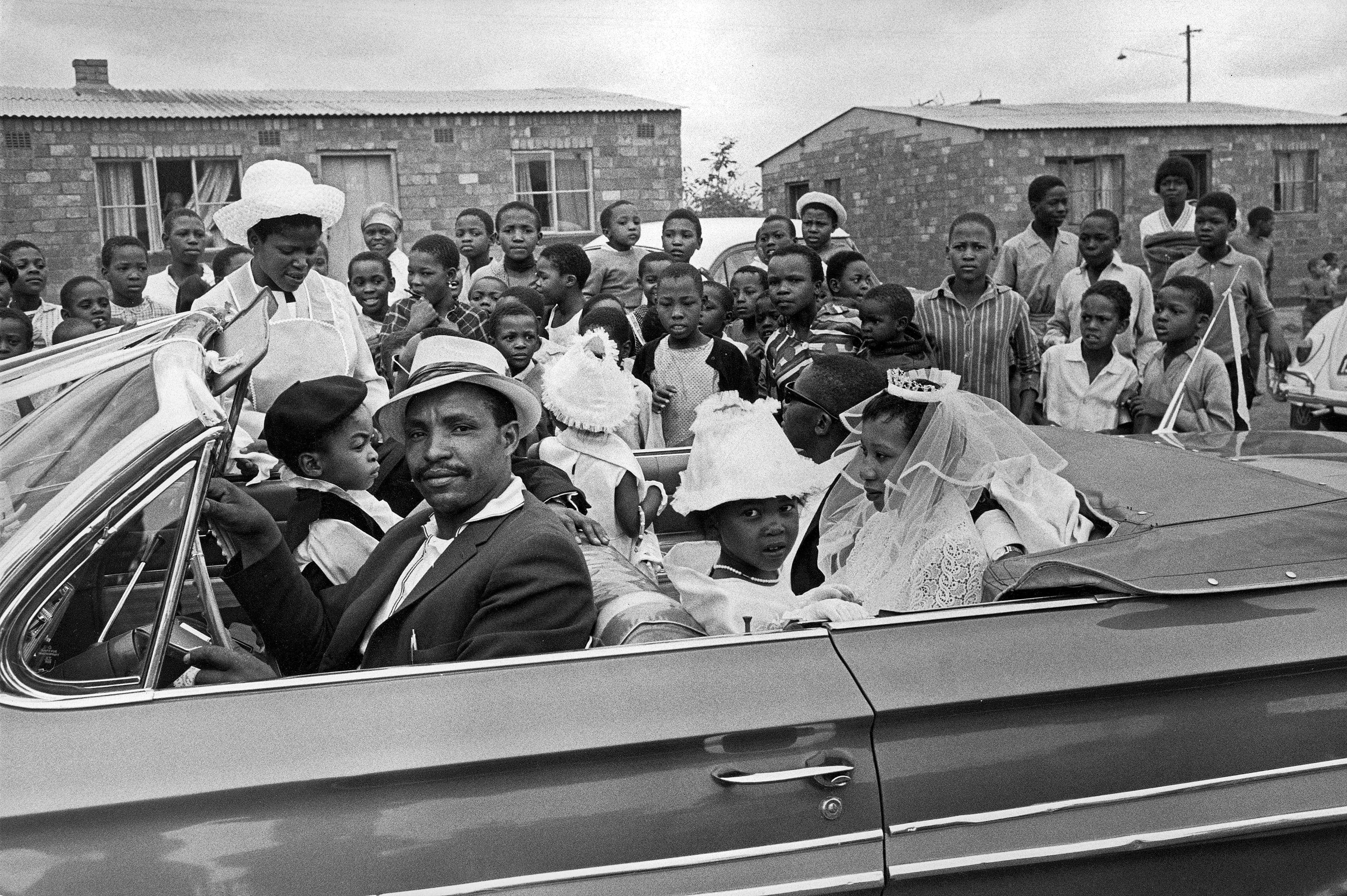
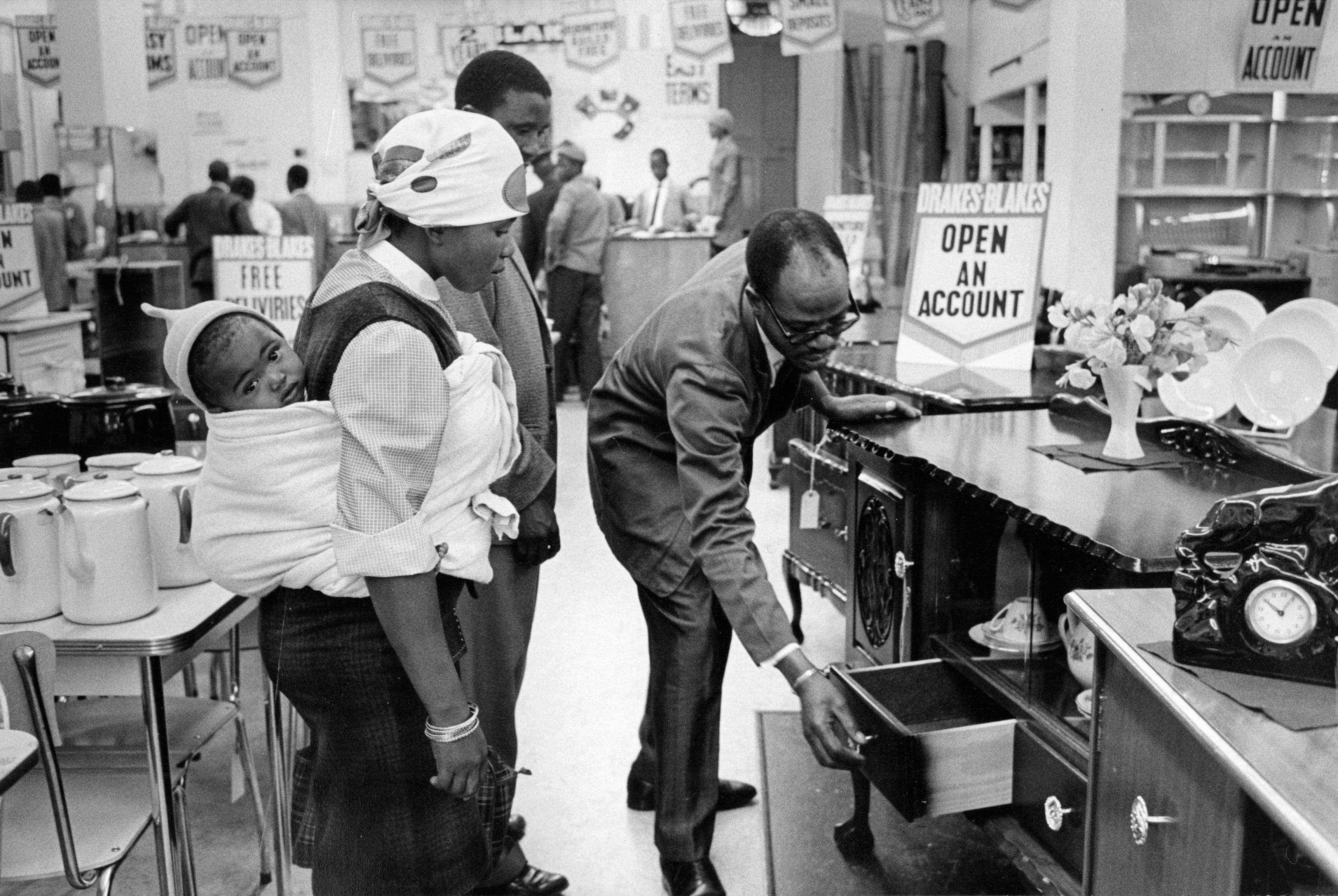
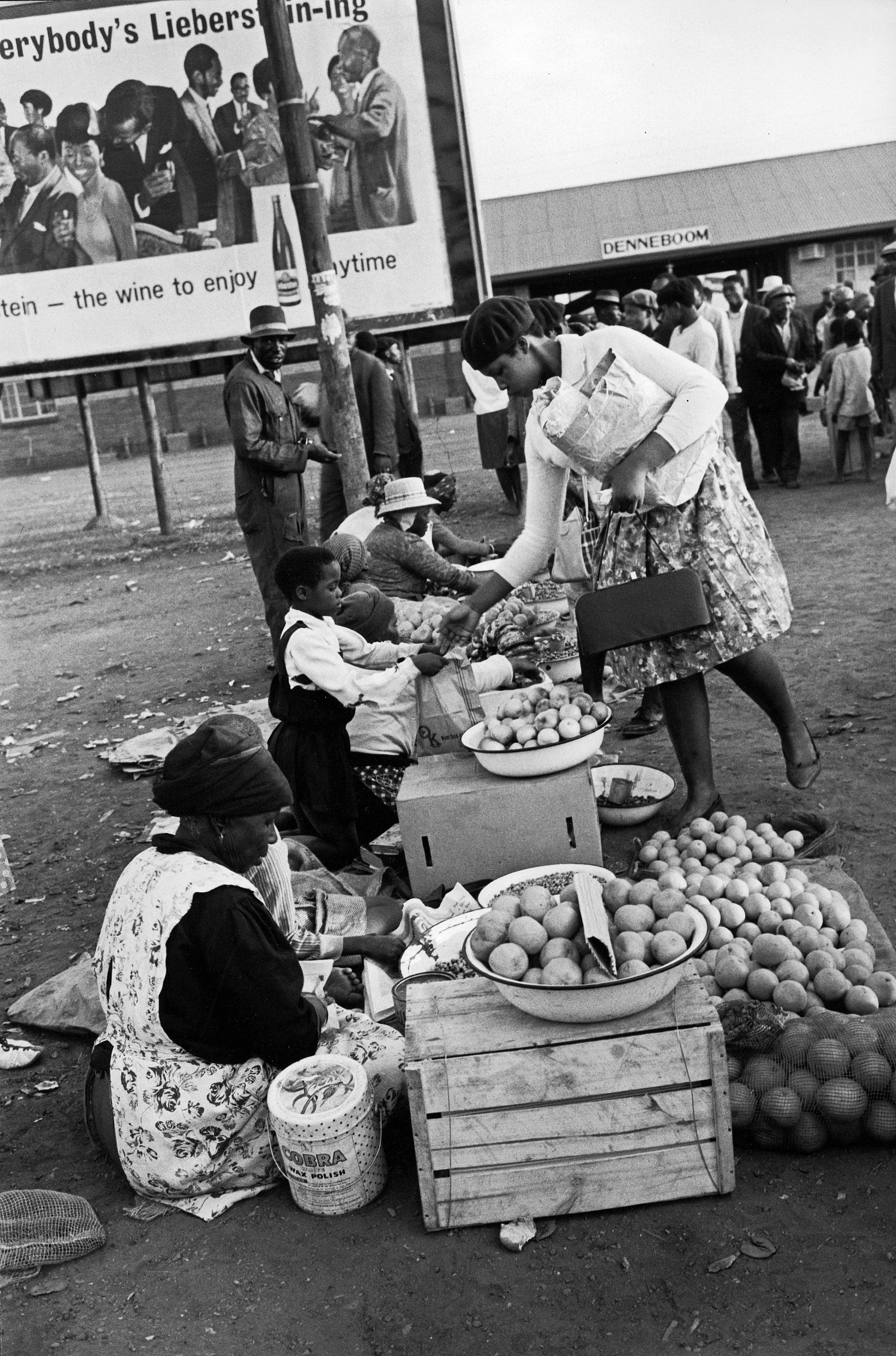
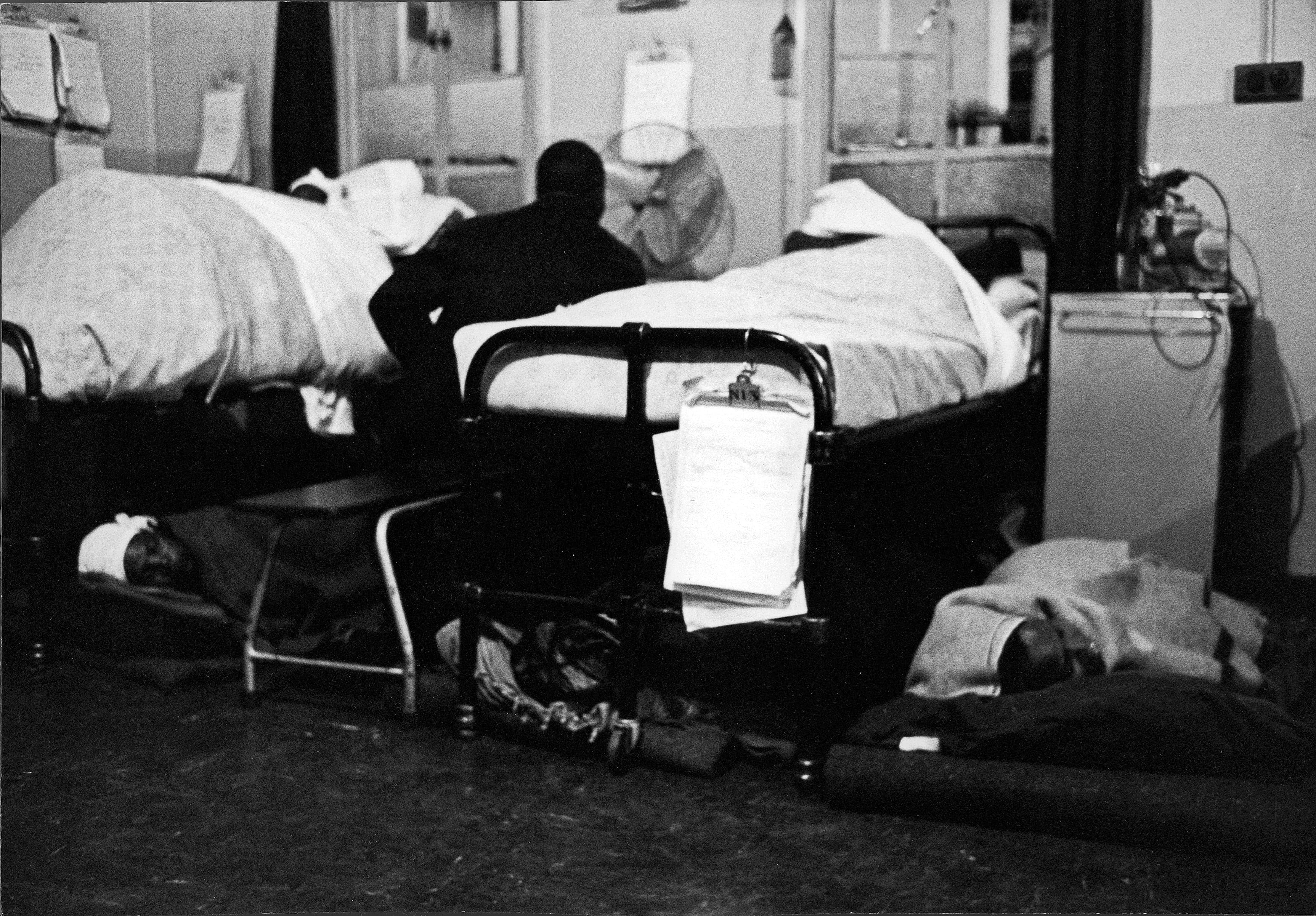
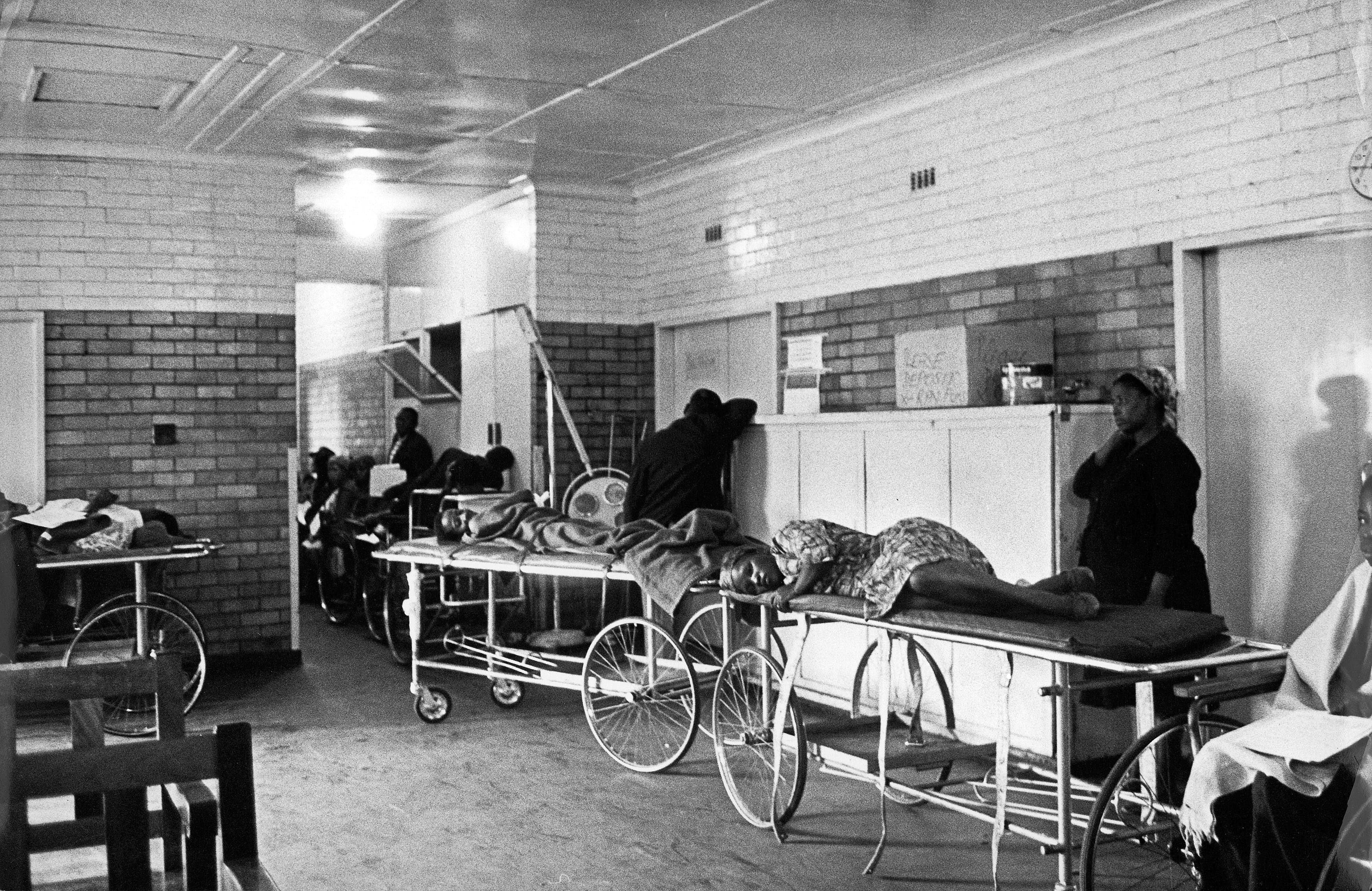
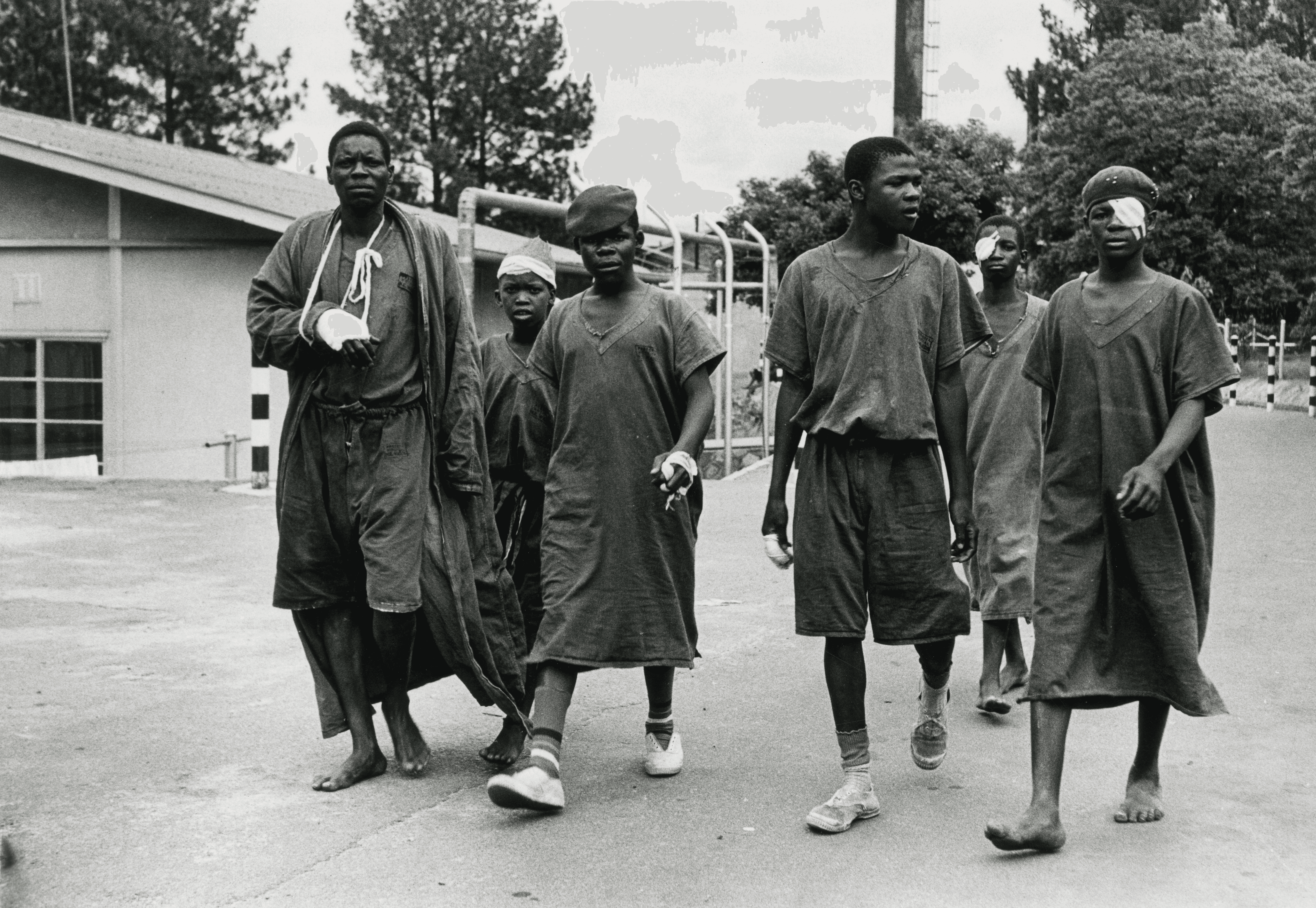
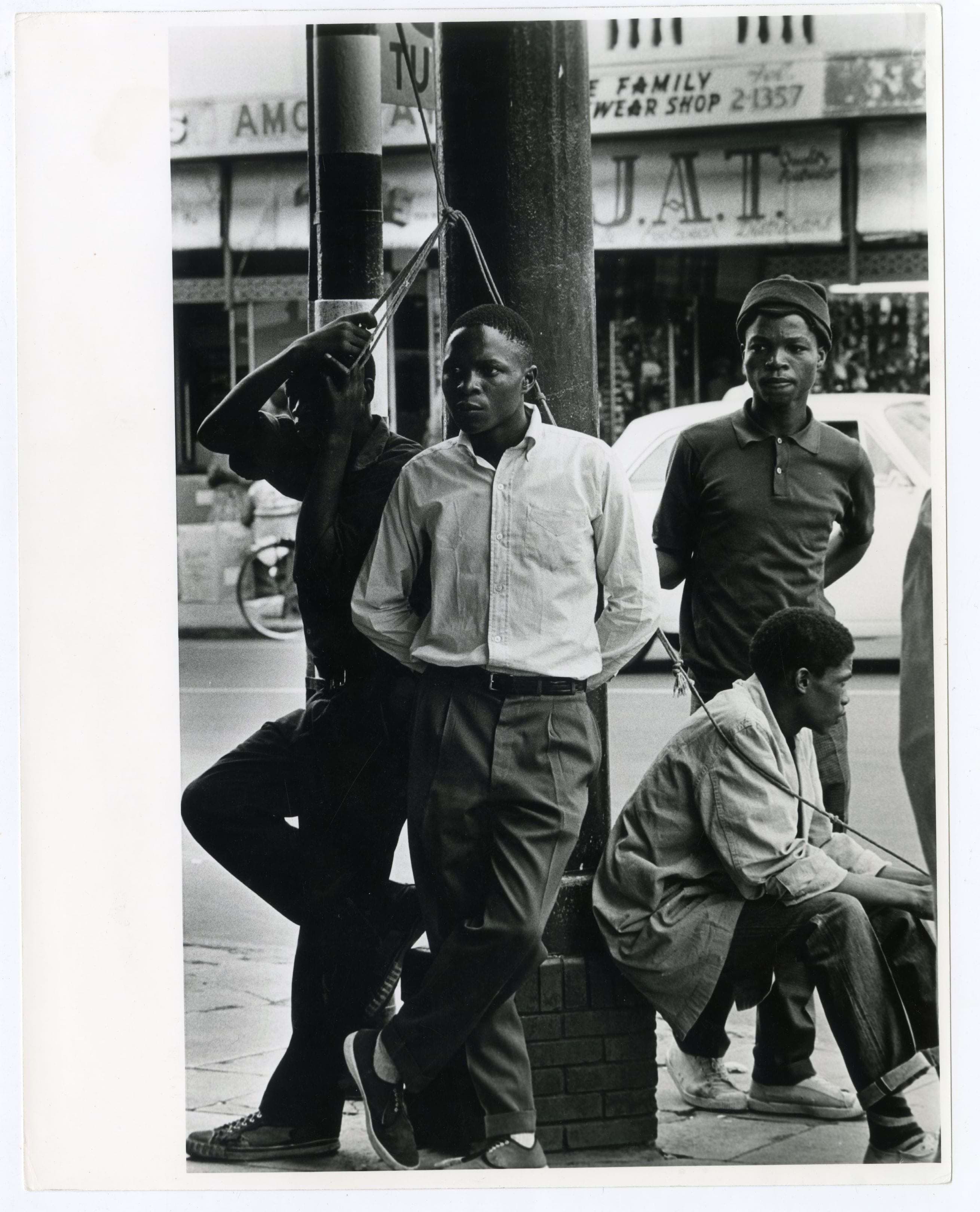
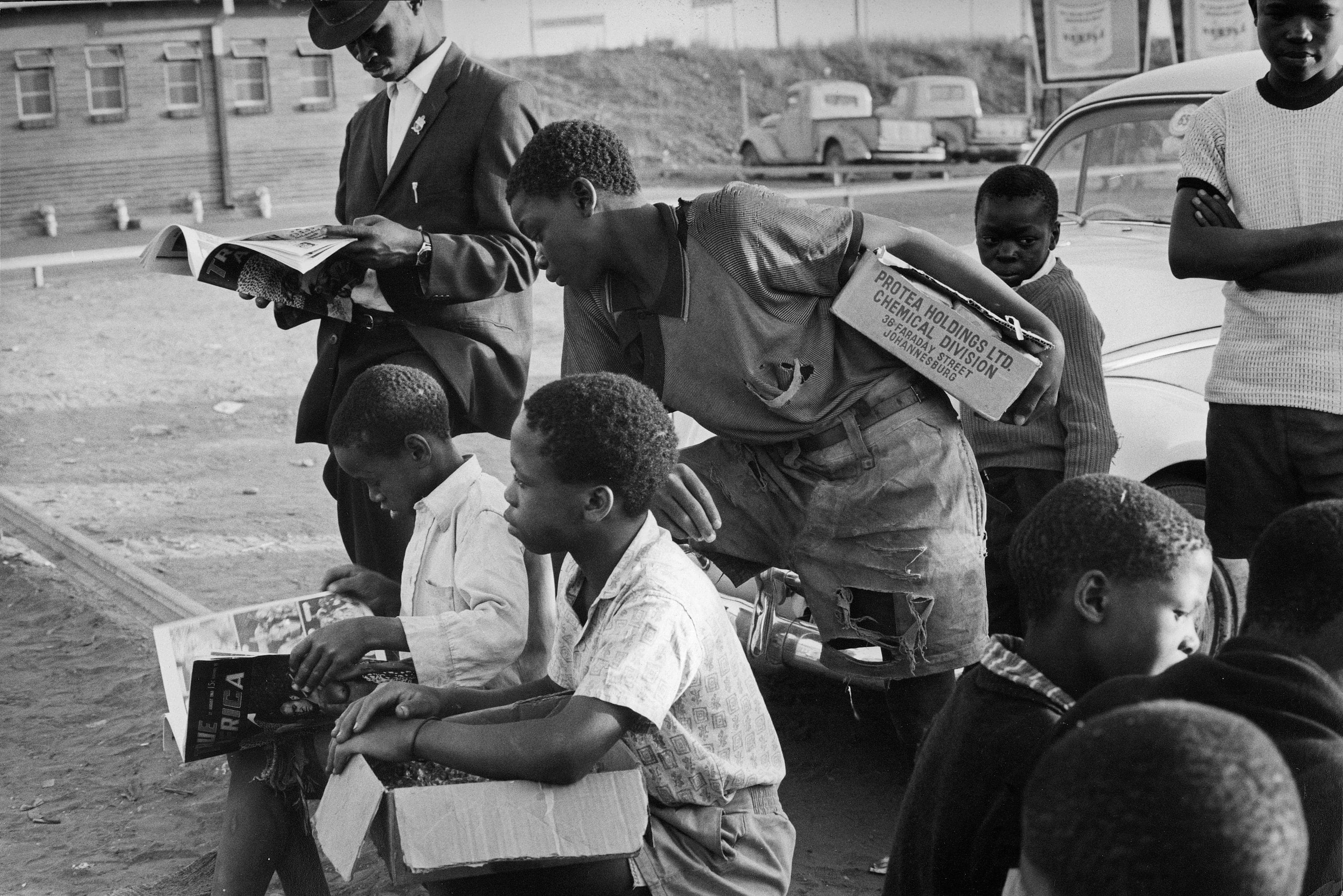
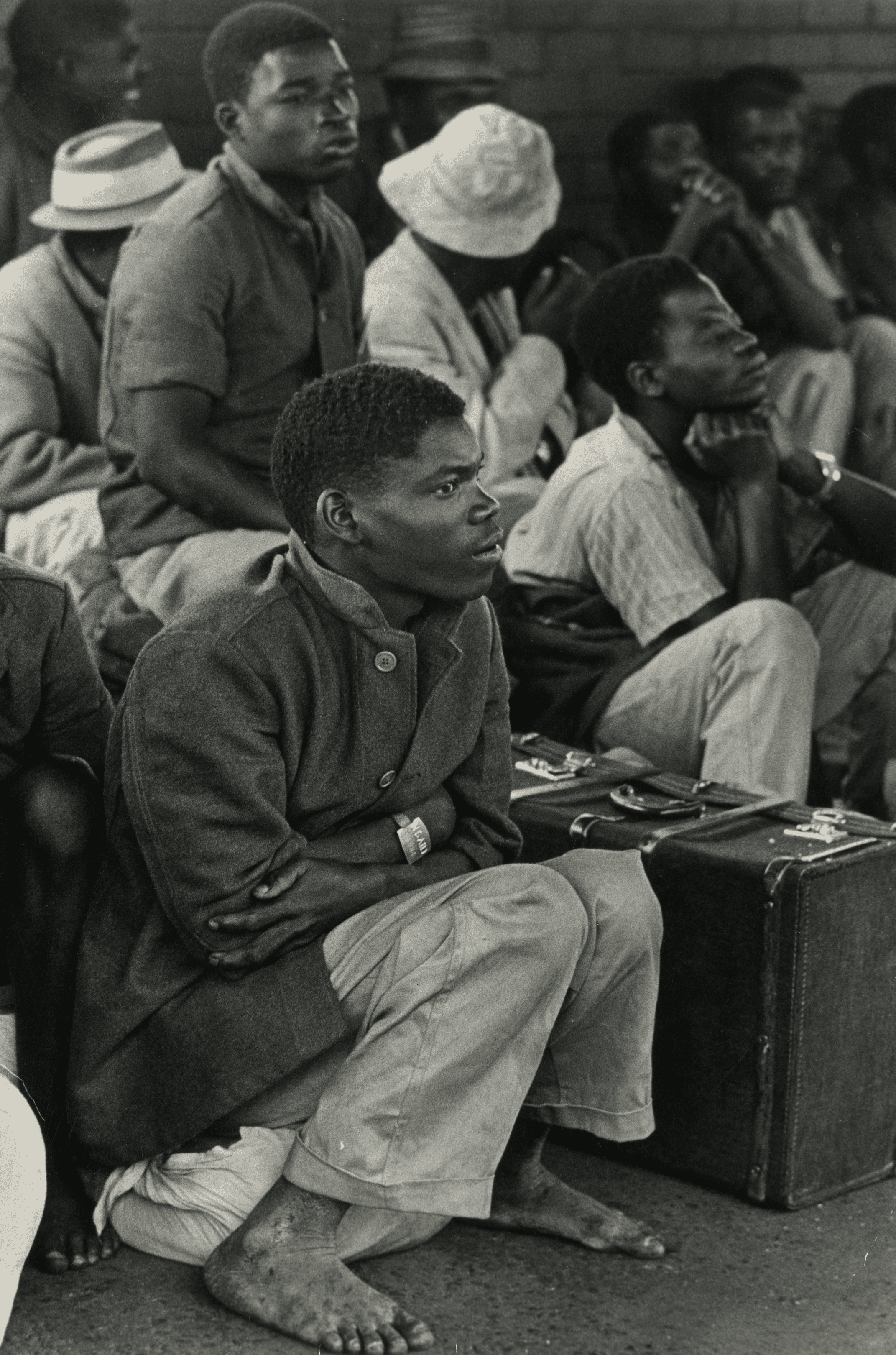
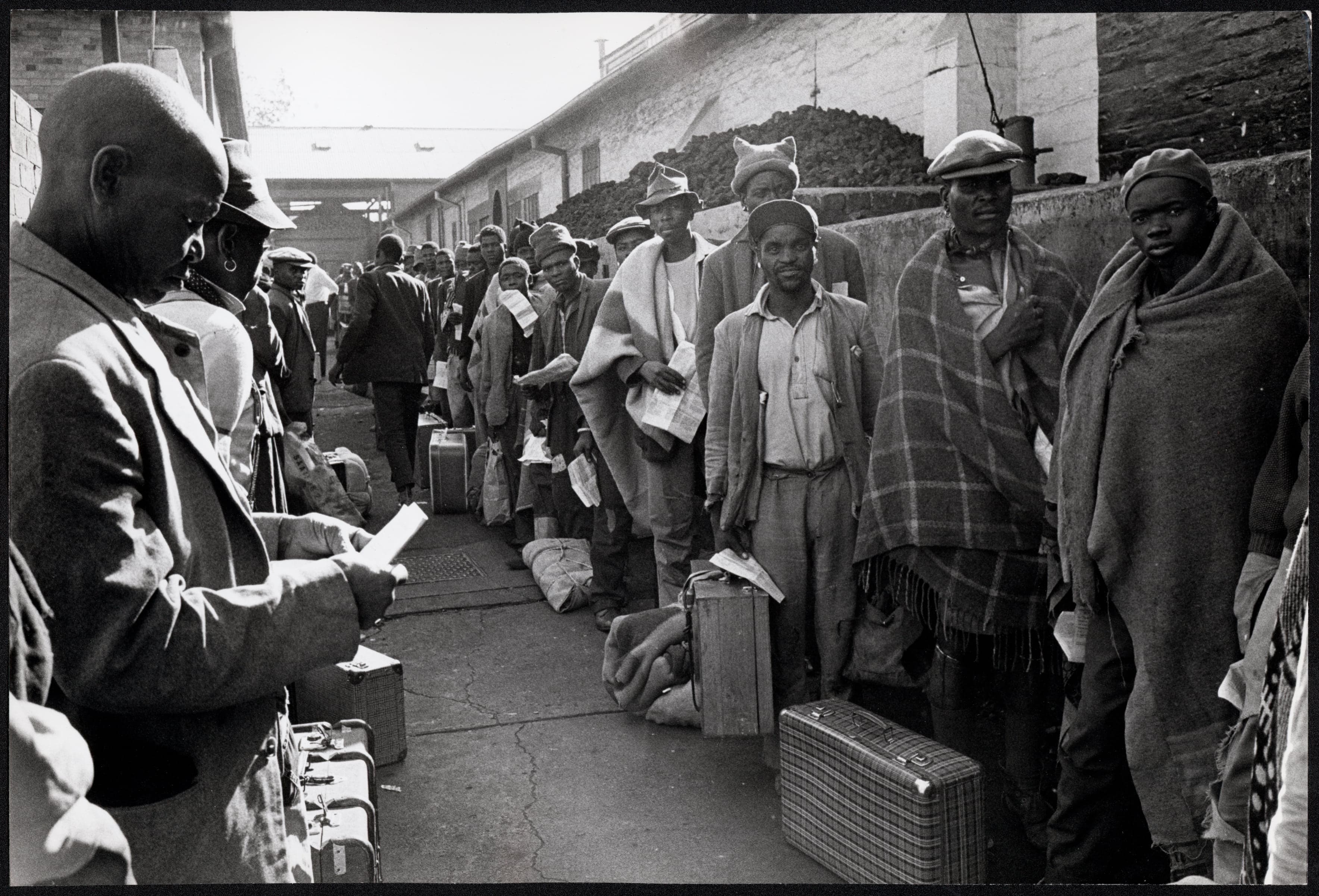
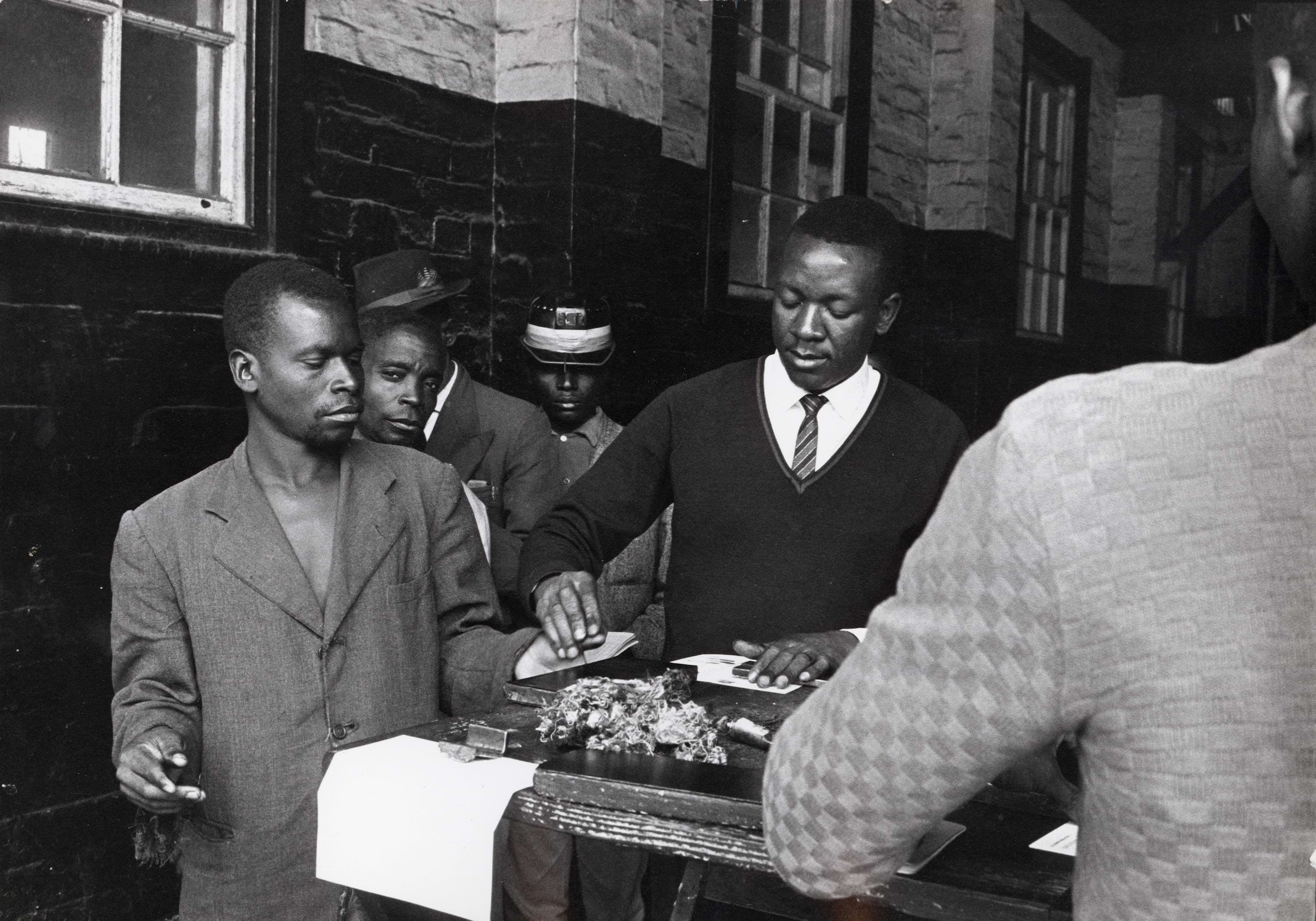
Ernest Cole was one of South Africa’s first black photojournalists. Largely self-taught, Cole trained himself to raise the camera to his eye and swiftly shoot photographs before concealing the apparatus under his clothing. He was even known on occasion to conceal his camera within

a punctured brown paper lunch bag or hollowed-out loaf of bread. Using these techniques, Cole was able to capture images in environments like mines and hospitals, where such photography was forbidden.

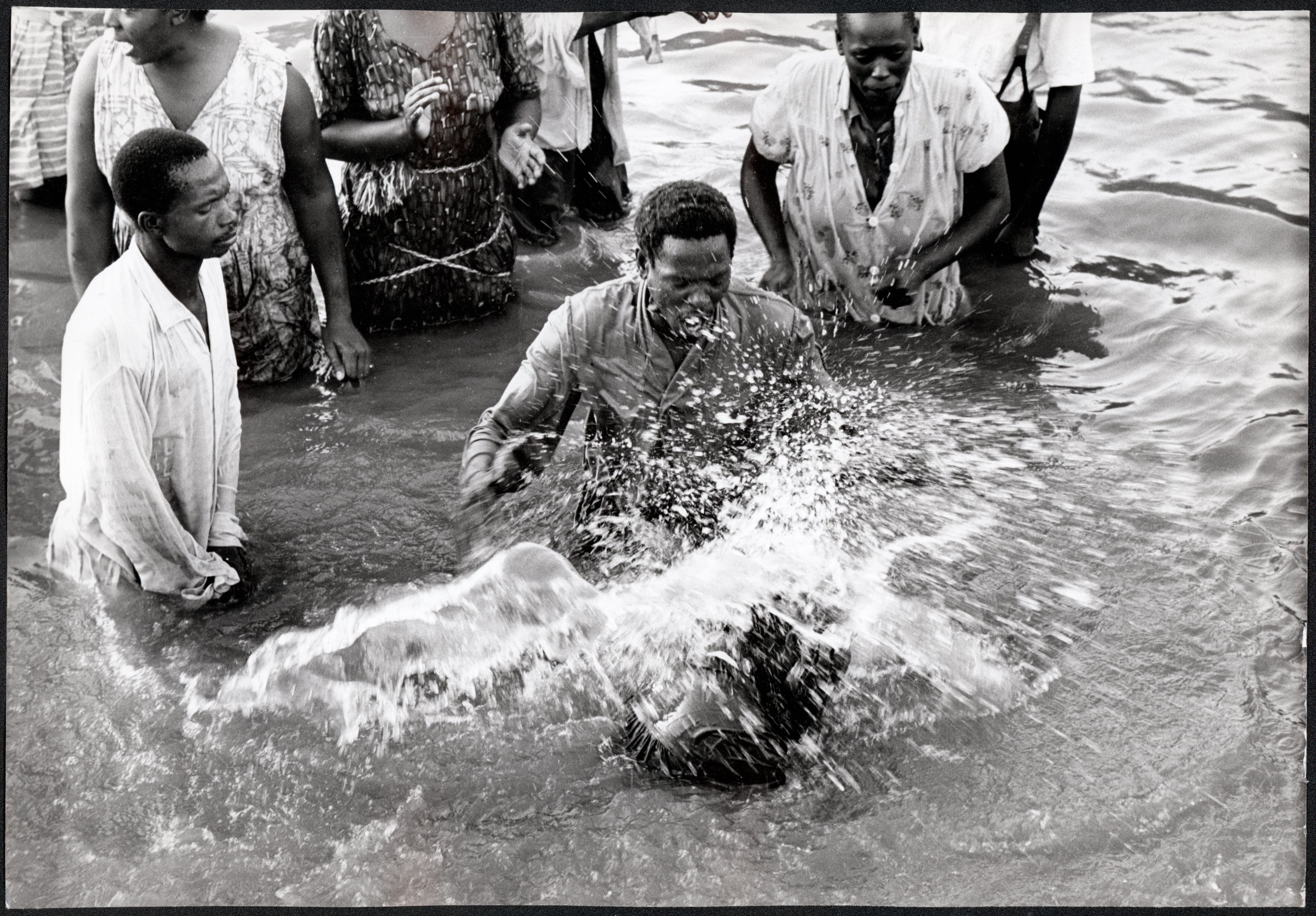
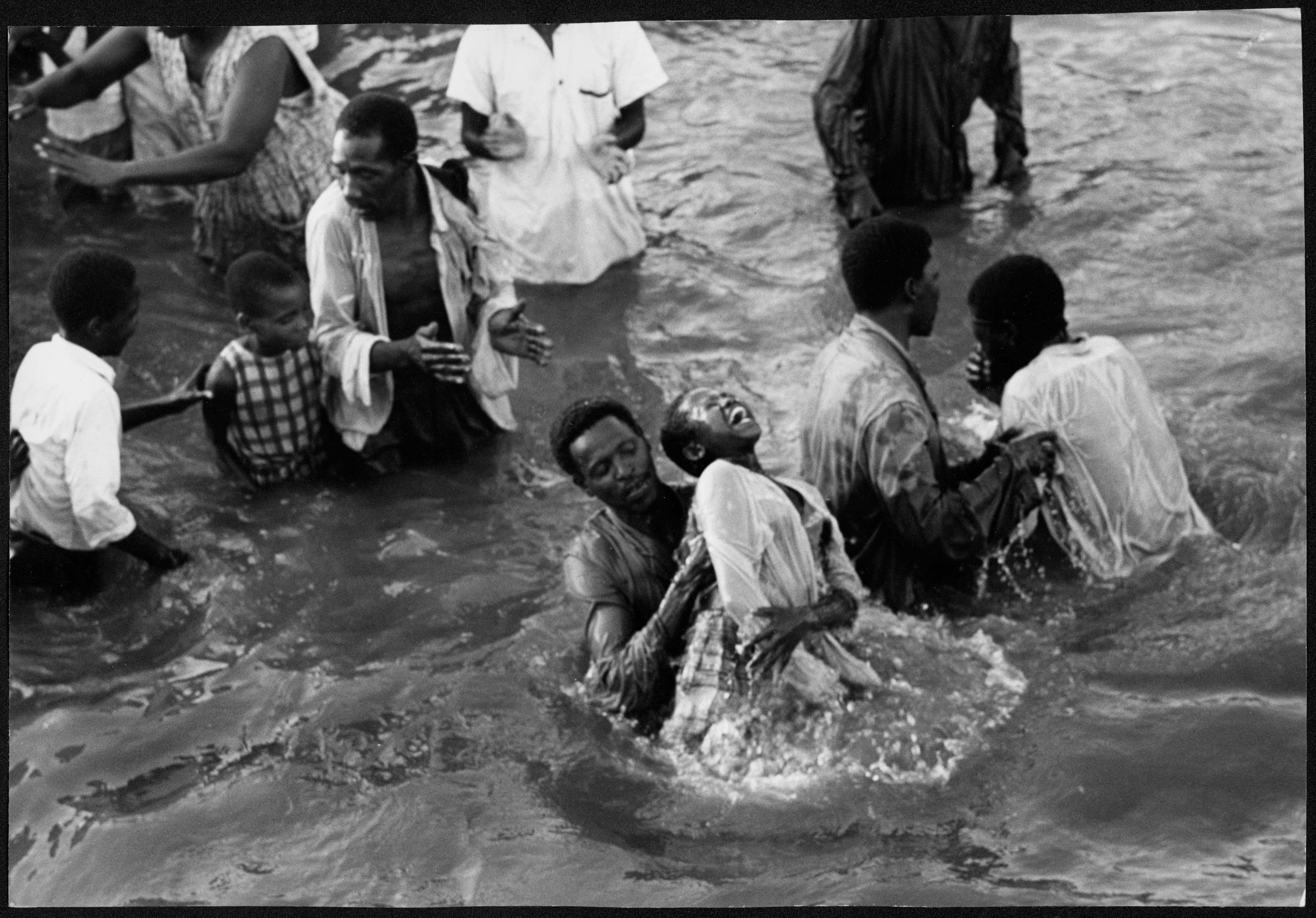
Cole’s extensive work is published in the book; House of Bondage – published in 1967. The book functioned as a documentation of the terrible conditions that many black South Africans had to endure under the apartheid regime and was banned in South Africa as a form of censorship.

In the House of Bondage, Cole writes; "Three-hundred years of white supremacy in South Africa has placed us in bondage, stripped us of our dignity, robbed us of our self-esteem and surrounded us with hate."

Ernest Cole
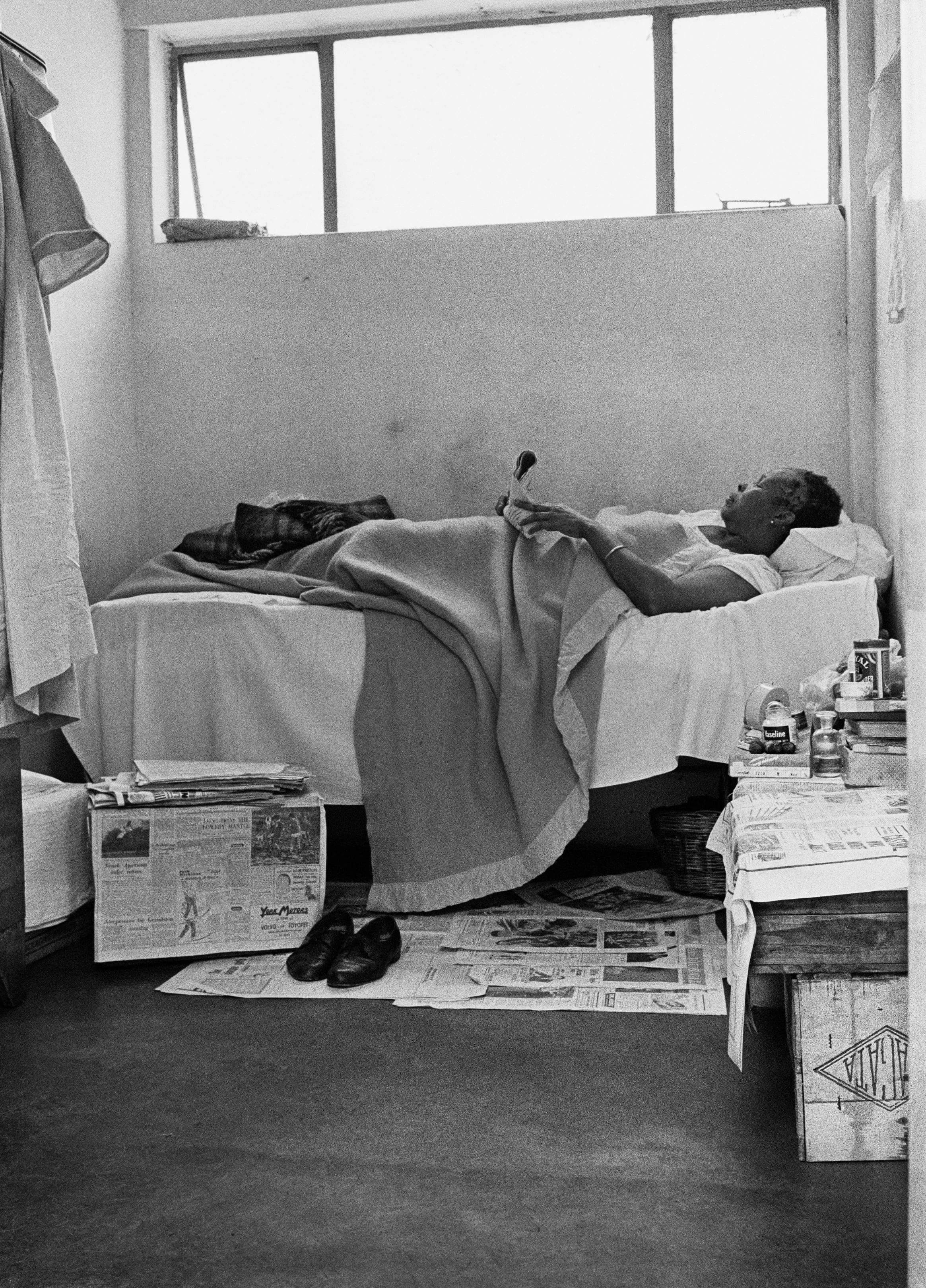
Untitled (from House of Bondage), circa 1960
Vintage silver gelatin print
24.1 x 17.8 cm
9.5 x 7 in
Unique

Ernest Cole was one of South Africa’s first black photojournalists. Largely self-taught, Cole trained himself to raise the camera to his eye and swiftly shoot photographs before concealing the apparatus under his clothing. He was even known on occasion to conceal his camera within

a punctured brown paper lunch bag or hollowed-out loaf of bread. Using these techniques, Cole was able to capture images in environments like mines and hospitals, where such photography was forbidden.

Cole’s extensive work is published in the book; House of Bondage – published in 1967. The book functioned as a documentation of the terrible conditions that many black South Africans had to endure under the apartheid regime and was banned in South Africa as a form of censorship.

In the House of Bondage, Cole writes; "Three-hundred years of white supremacy in South Africa has placed us in bondage, stripped us of our dignity, robbed us of our self-esteem and surrounded us with hate."

Ernest Cole
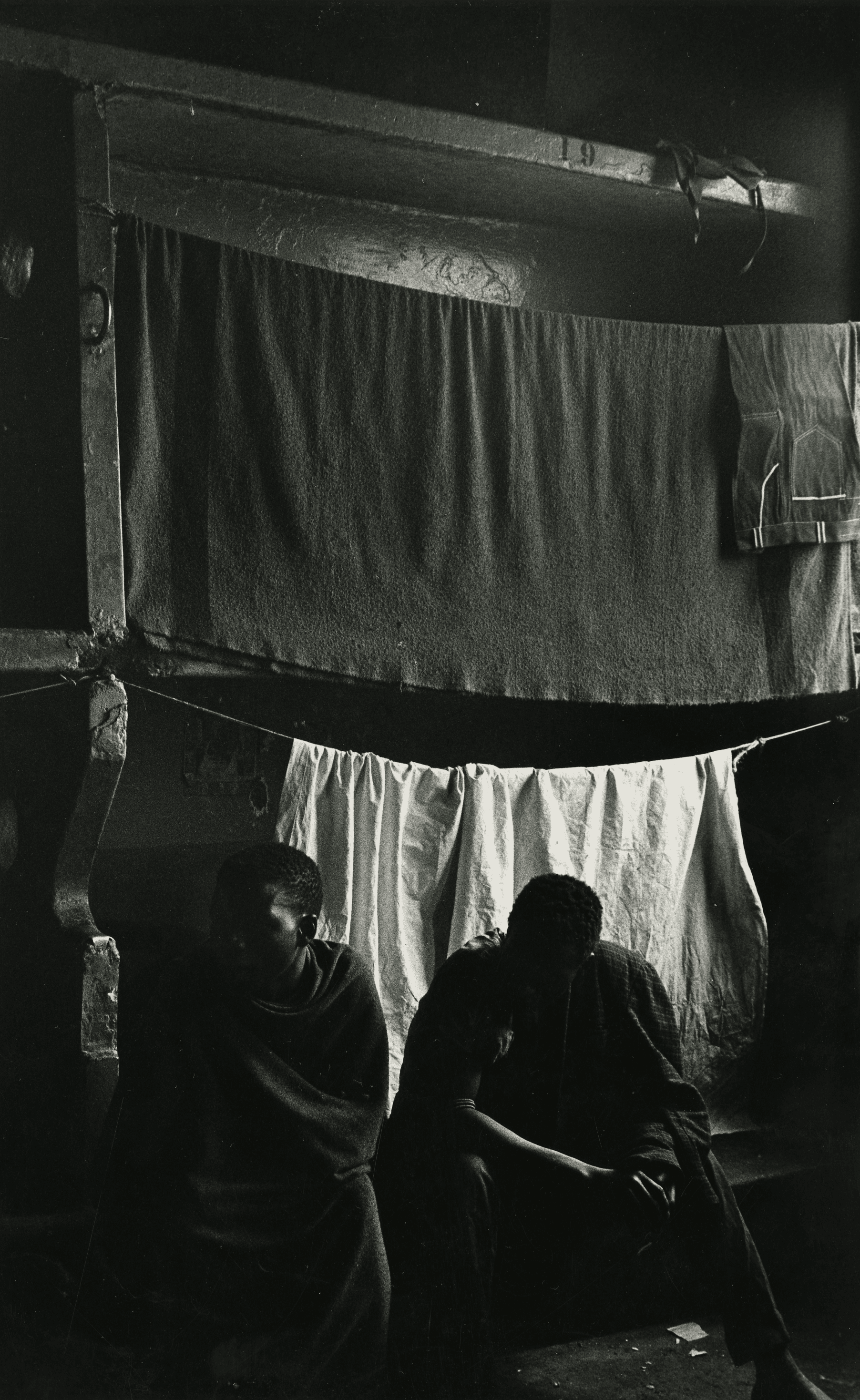
Untitled (from House of Bondage), circa 1960
Vintage silver gelatin print
25 x 15.7 cm
9.8 x 6.2 in
Unique
Ernest Cole
Untitled VI (from House of Bondage), circa 1960
Vintage silver gelatin print
17.7 x 24.8 cm
7 x 9.8 in
Unique
Ernest Cole
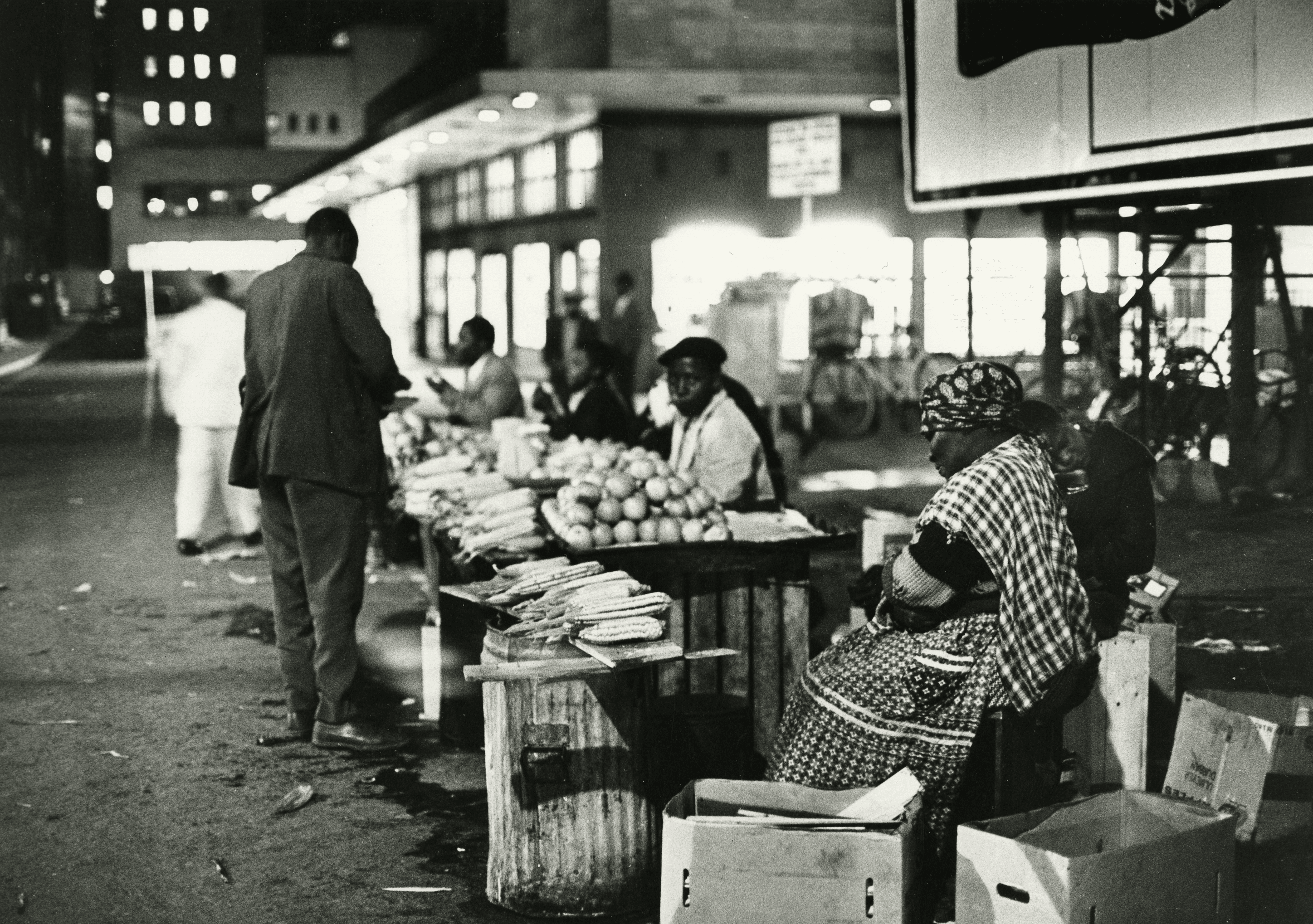
Untitled (from House of Bondage), circa 1960
Vintage silver gelatin print
Image: 17 x 25 cm (6.7 x 9.8 in.)
Unique

Ernest Cole was one of South Africa’s first black photojournalists. Largely self-taught, Cole trained himself to raise the camera to his eye and swiftly shoot photographs before concealing the apparatus under his clothing. He was even known on occasion to conceal his camera within

a punctured brown paper lunch bag or hollowed-out loaf of bread. Using these techniques, Cole was able to capture images in environments like mines and hospitals, where such photography was forbidden.

Cole’s extensive work is published in the book; House of Bondage – published in 1967. The book functioned as a documentation of the terrible conditions that many black South Africans had to endure under the apartheid regime and was banned in South Africa as a form of censorship.

In the House of Bondage, Cole writes; "Three-hundred years of white supremacy in South Africa has placed us in bondage, stripped us of our dignity, robbed us of our self-esteem and surrounded us with hate."