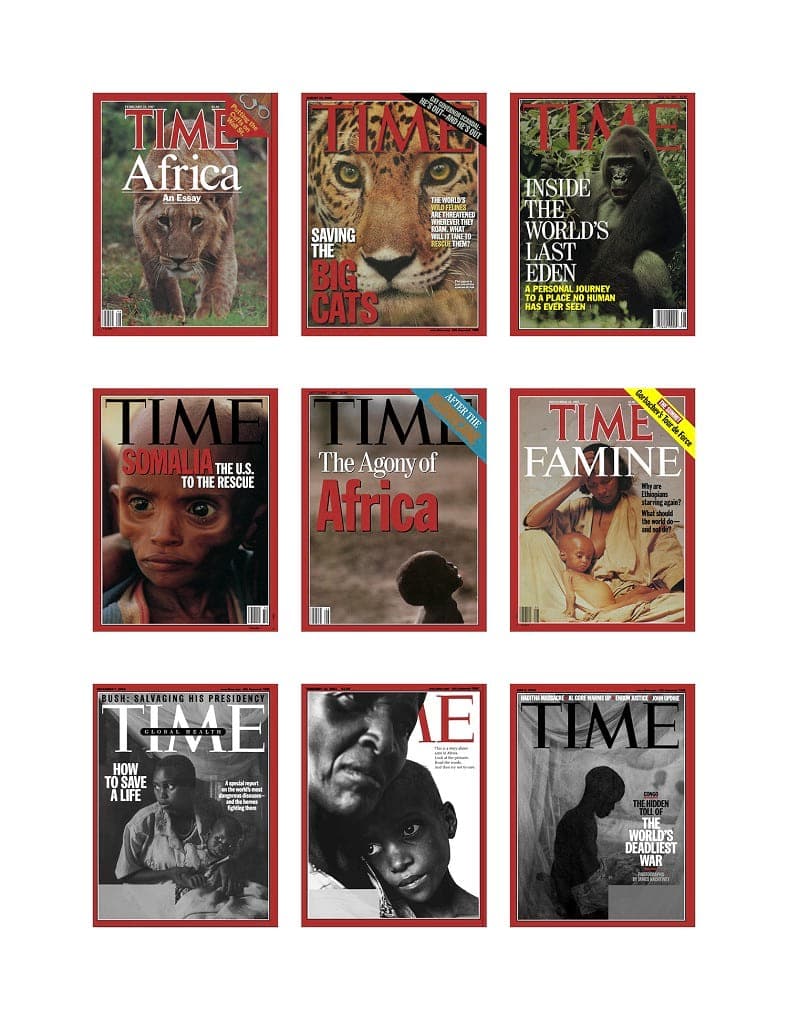
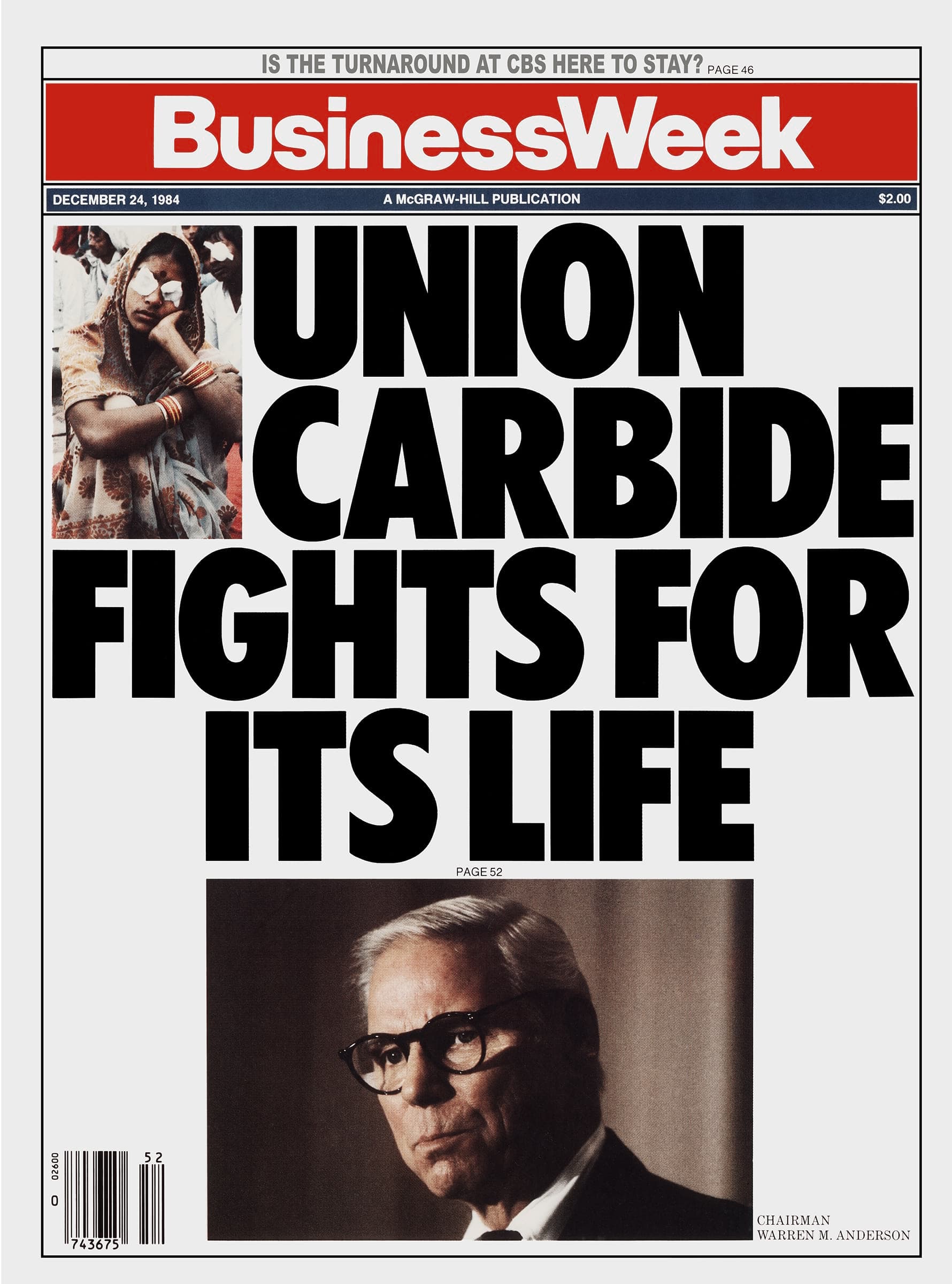
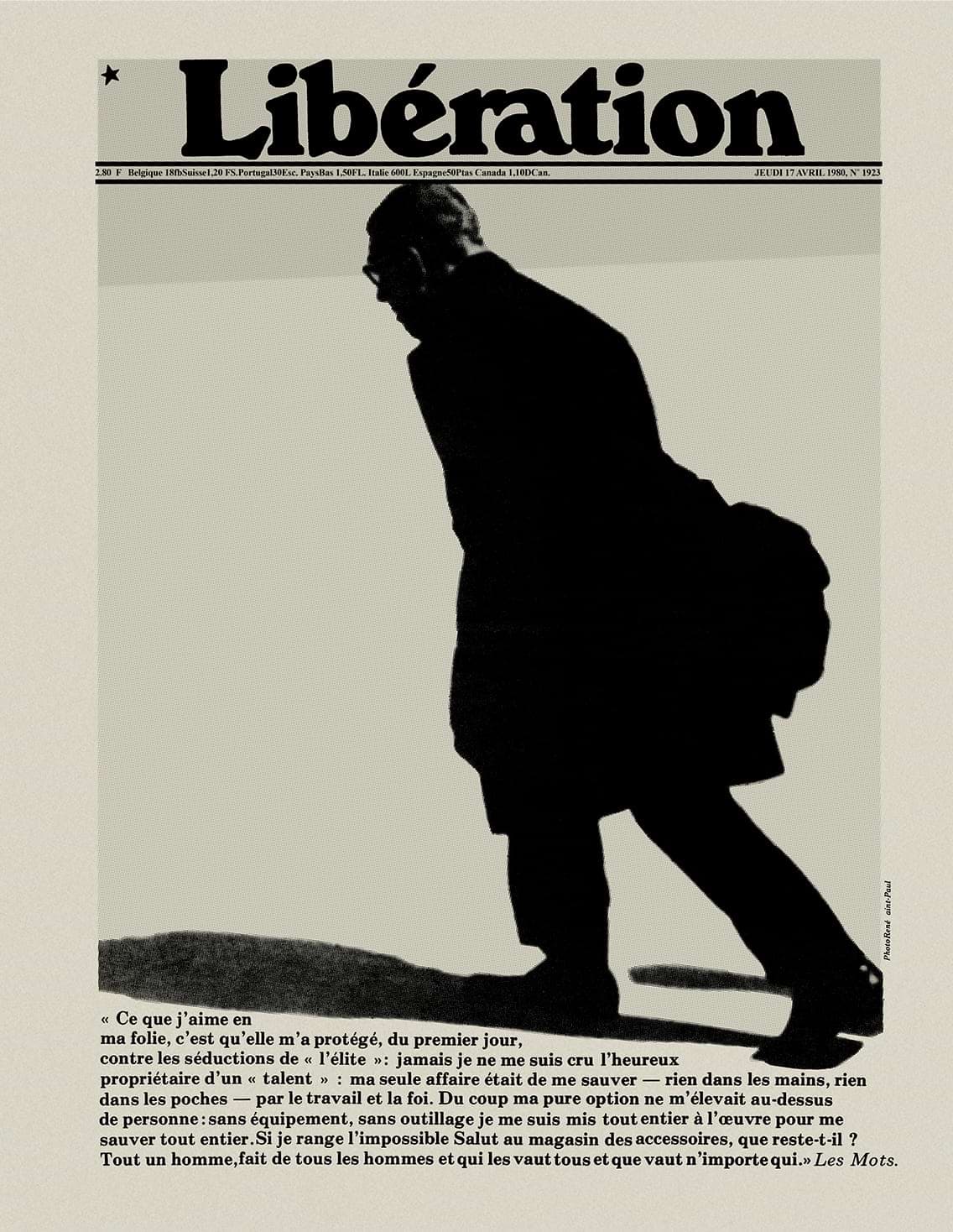
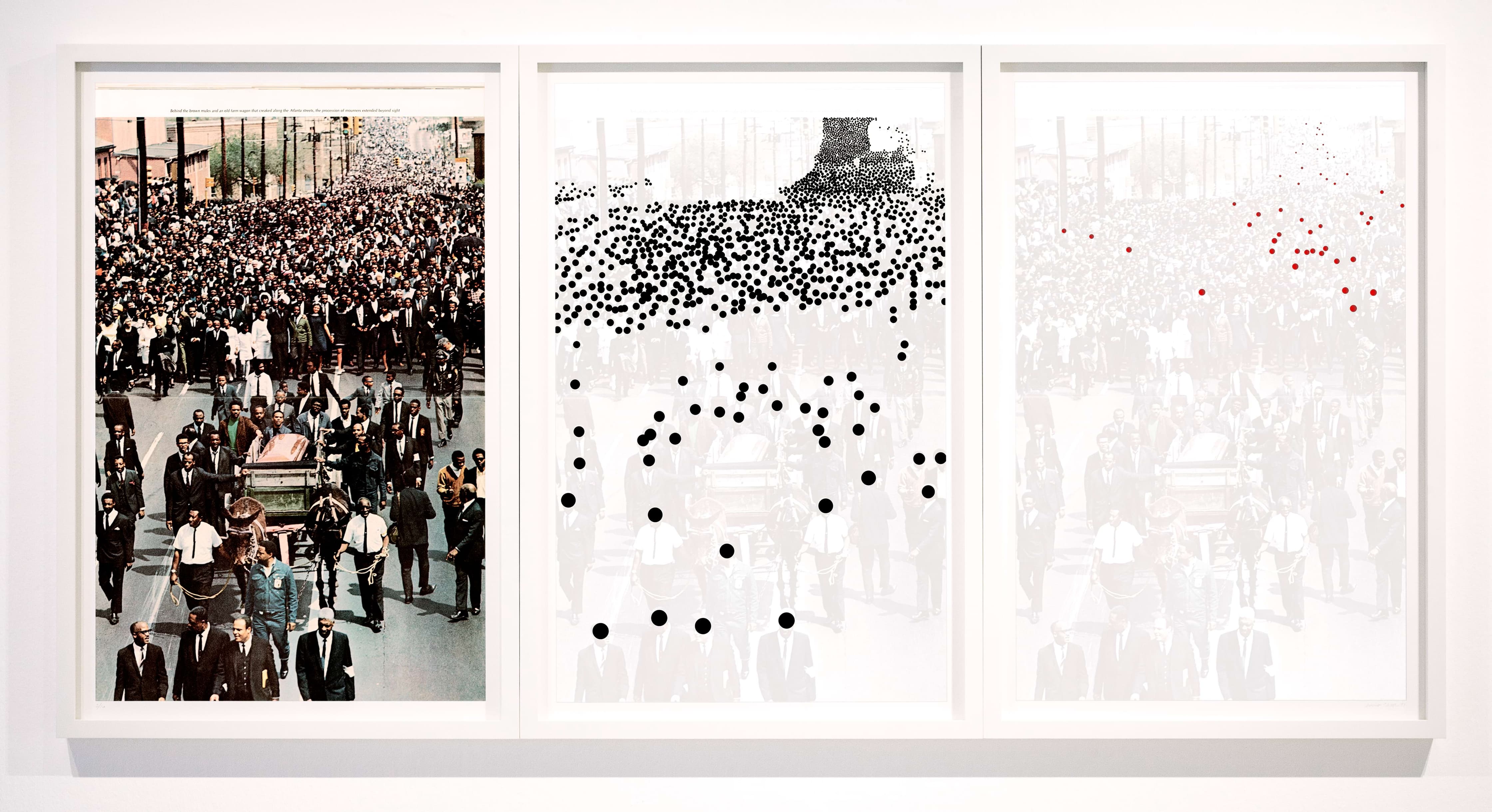
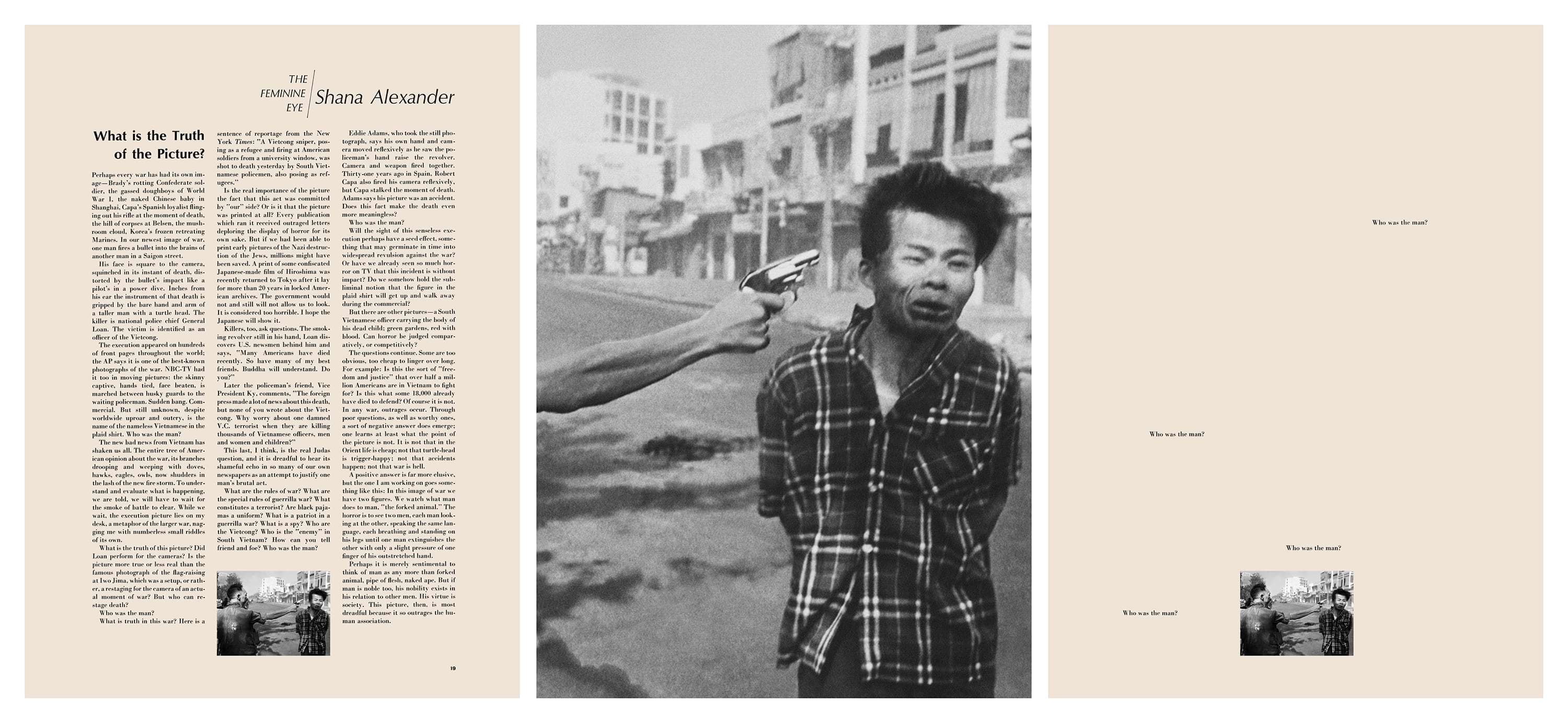
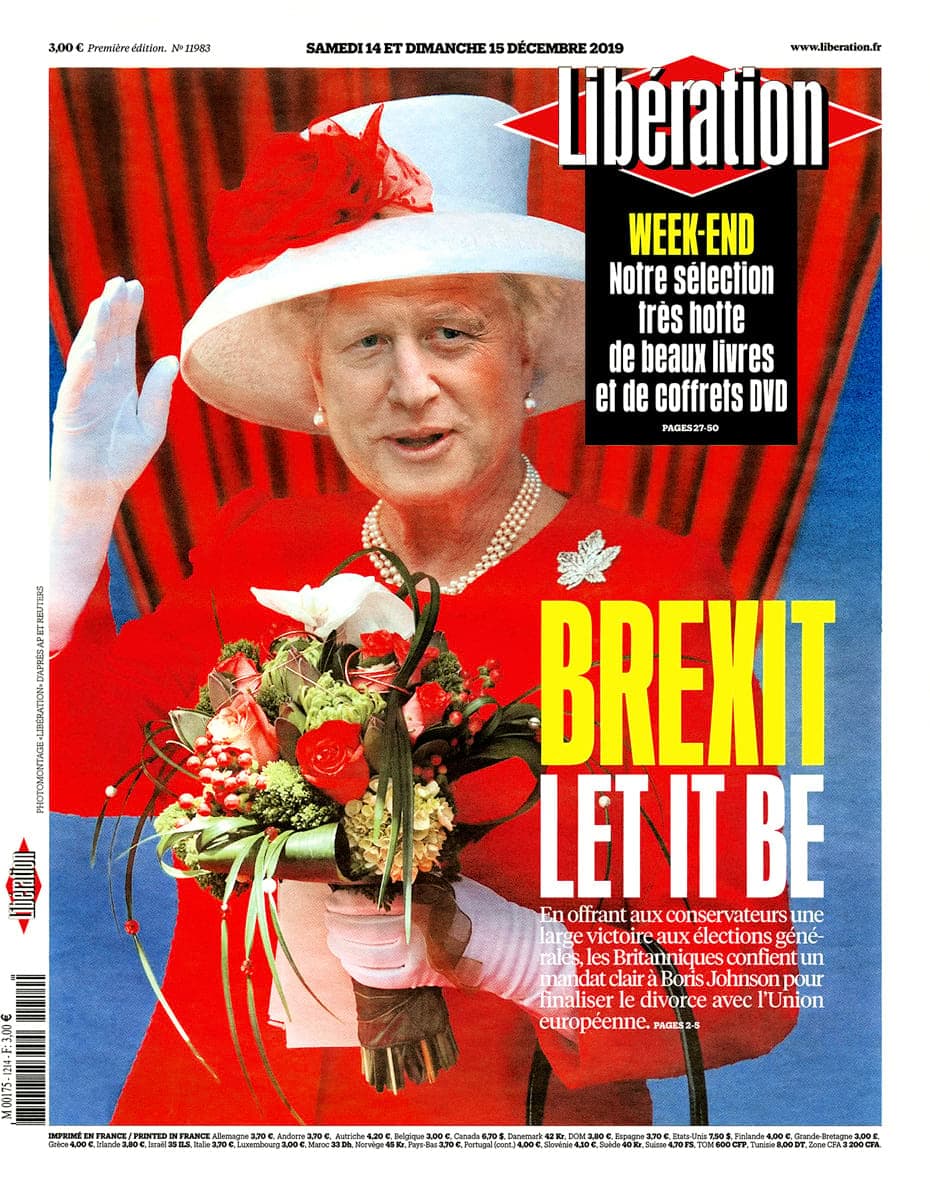
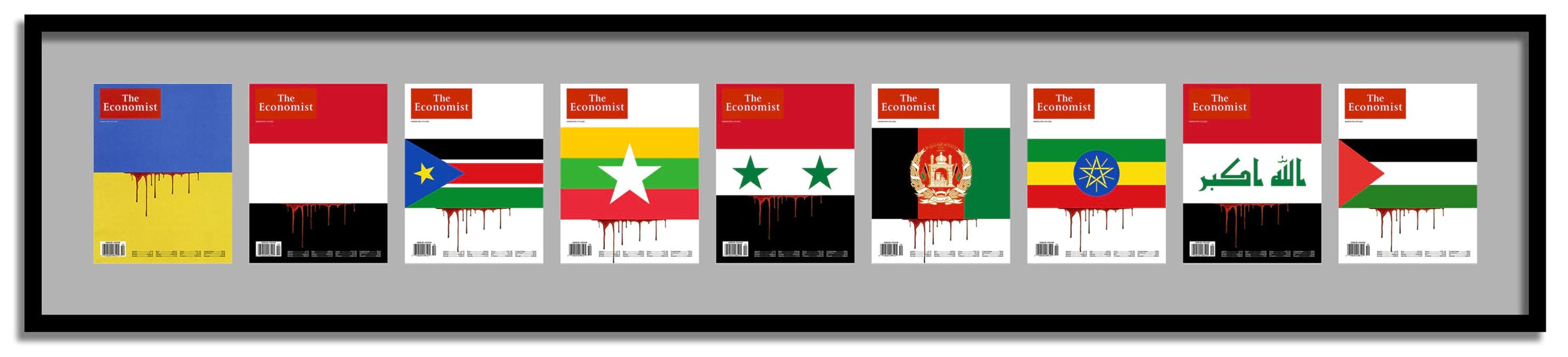

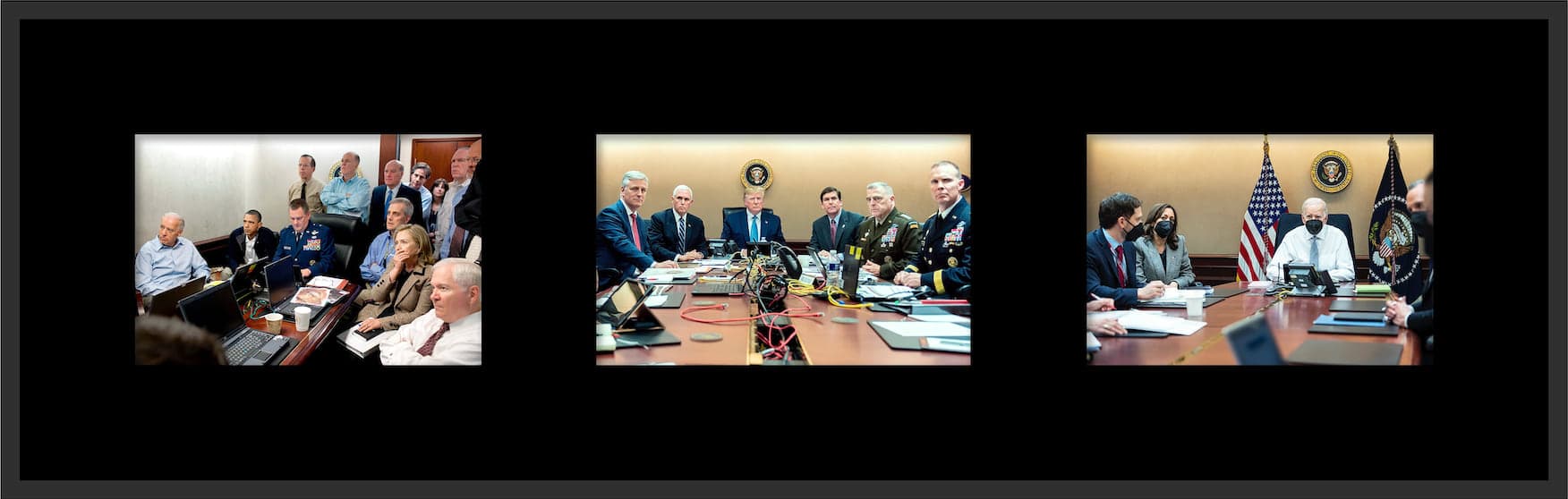
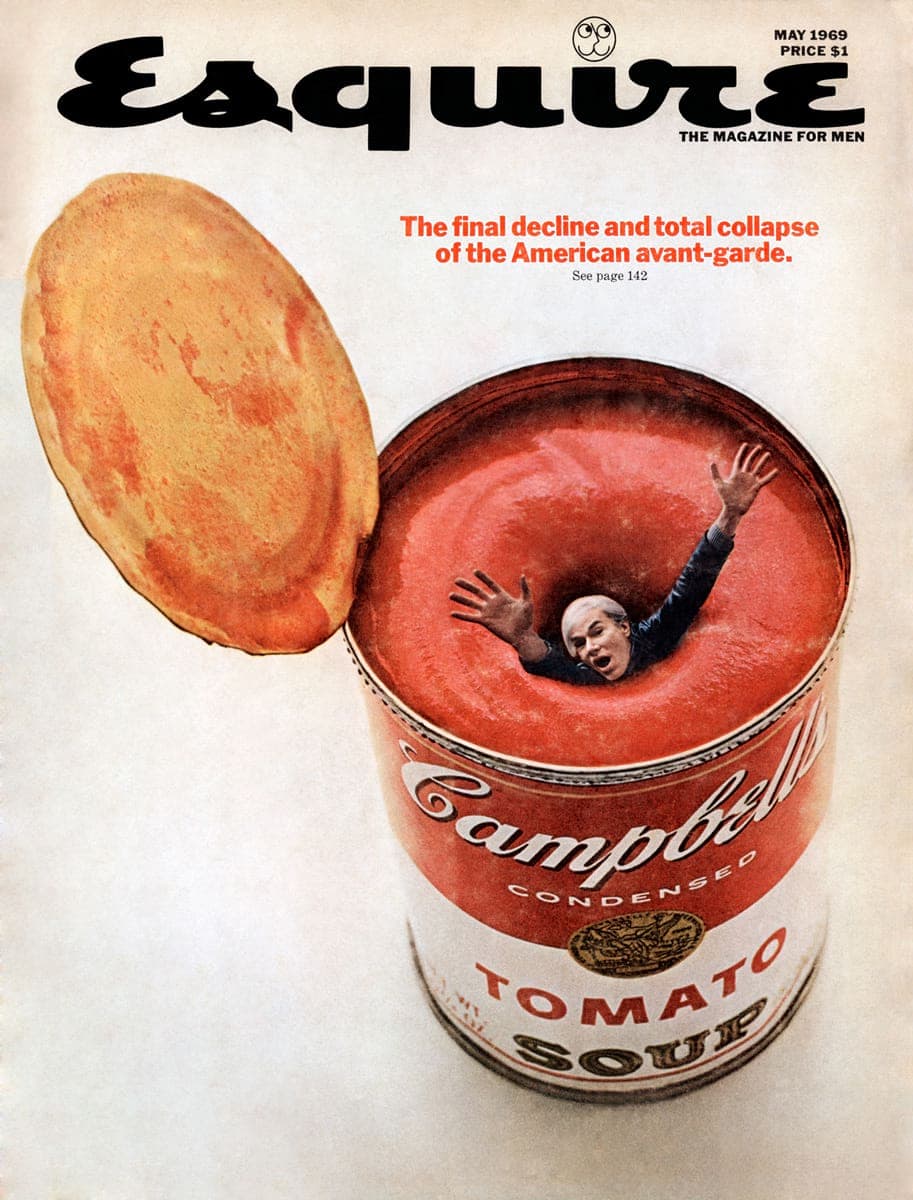
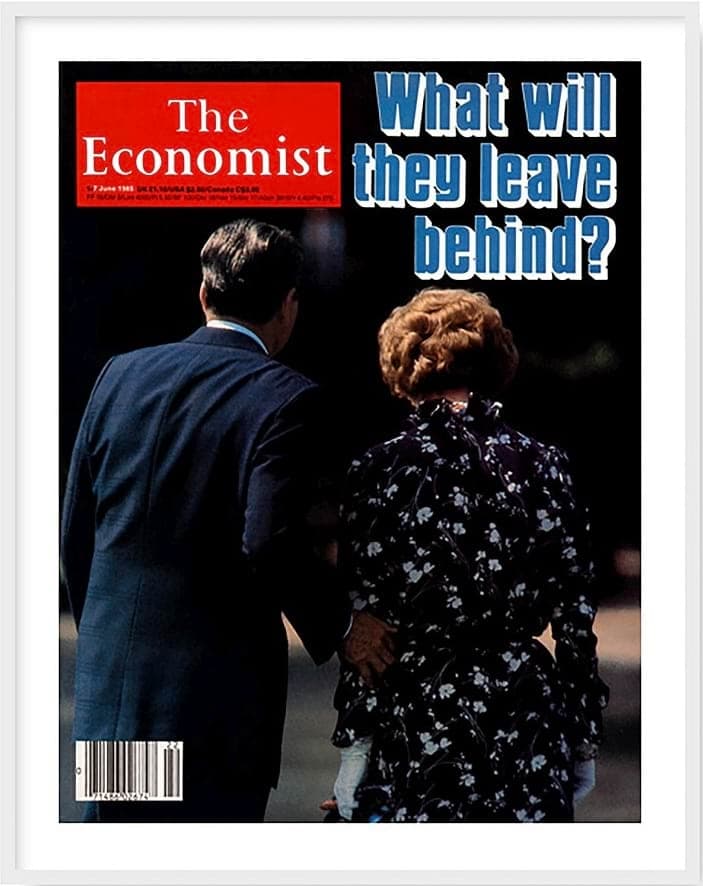
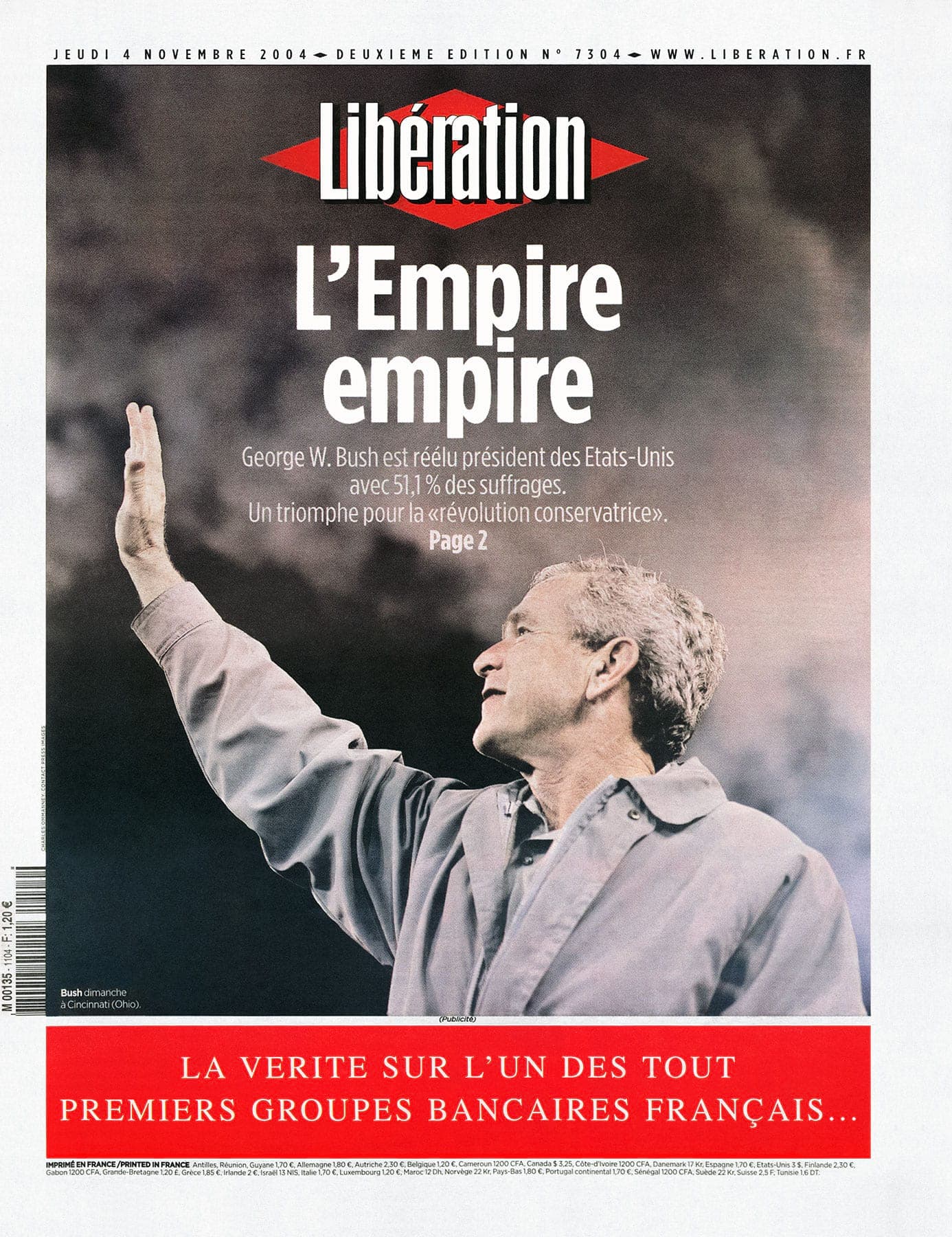
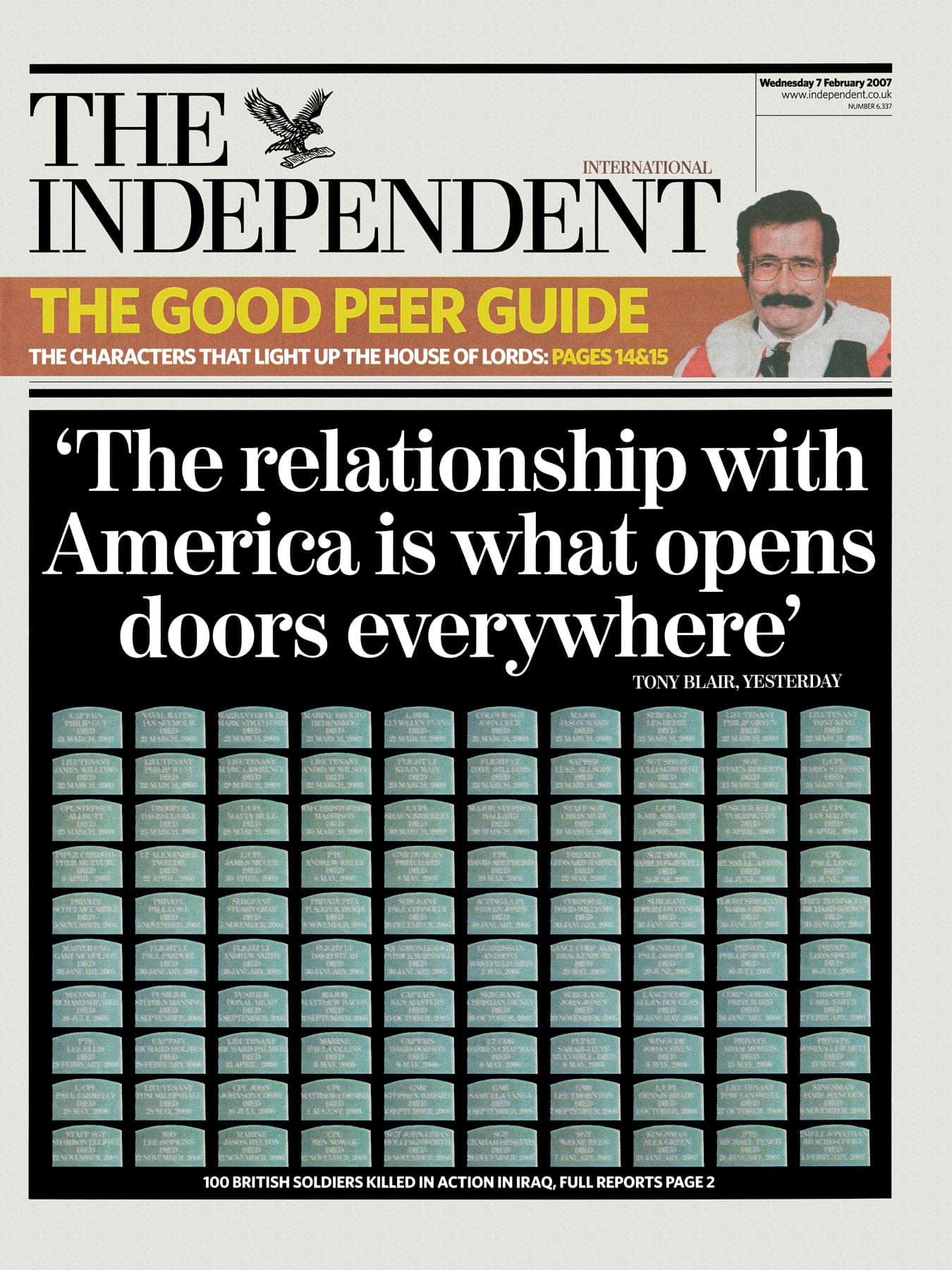
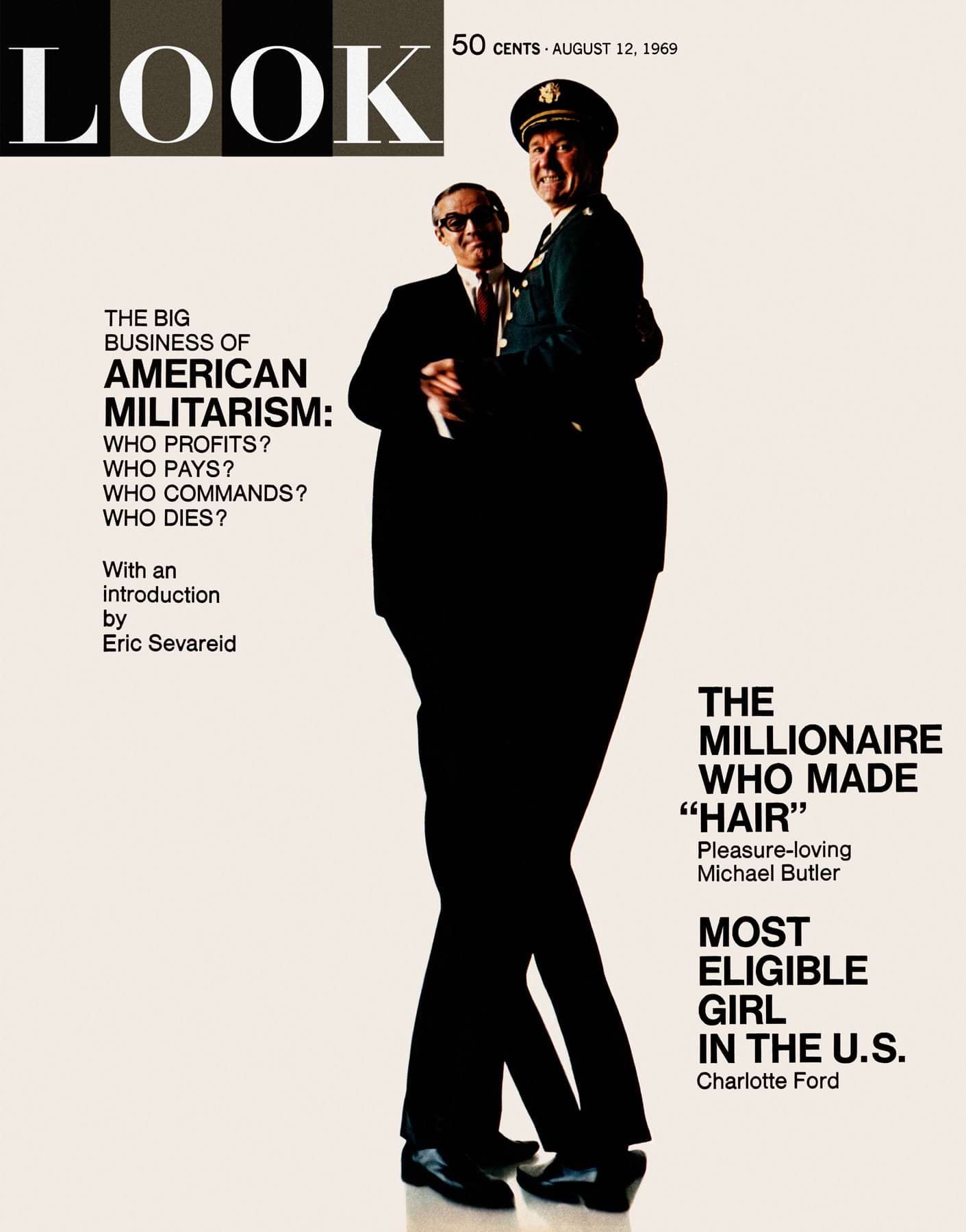
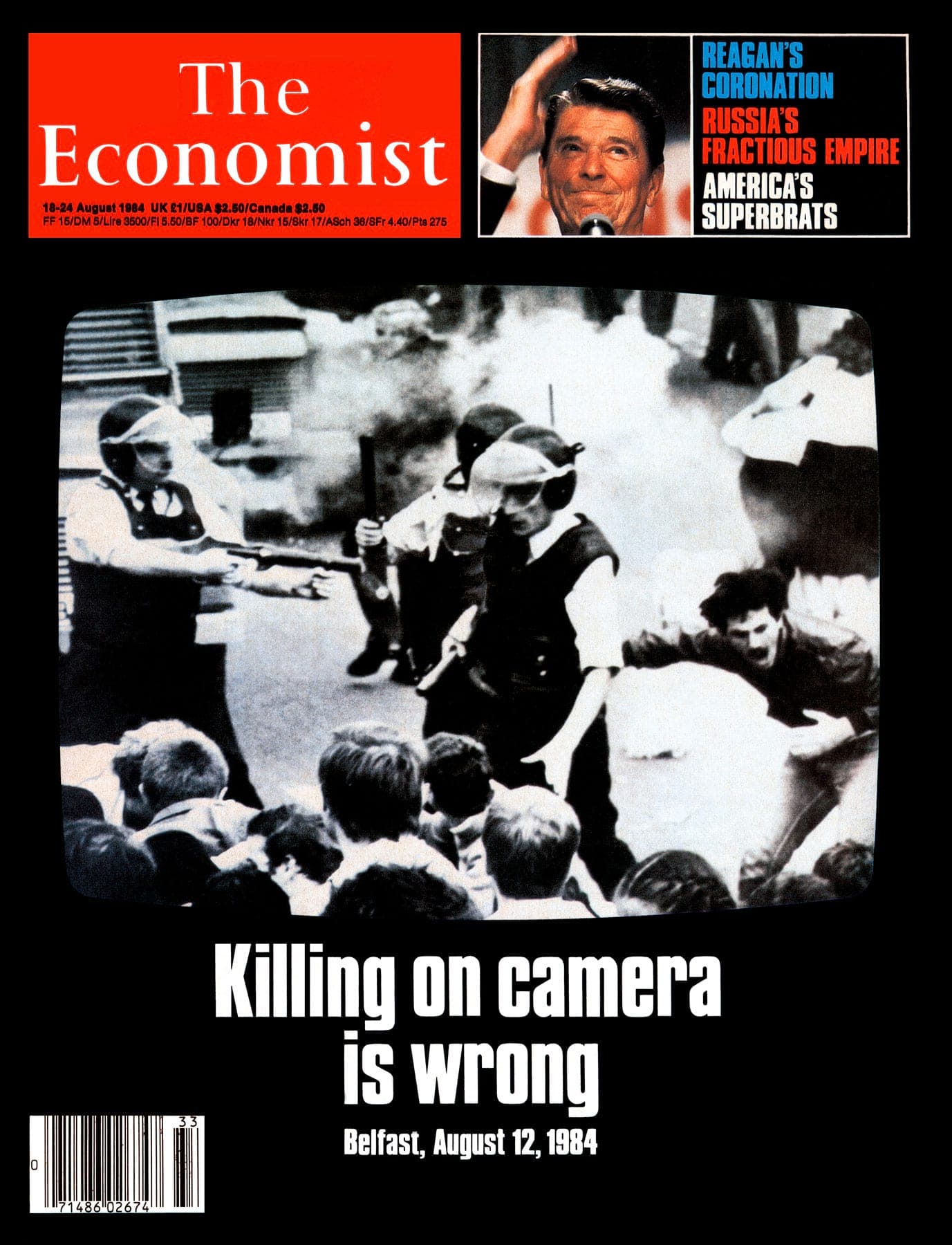
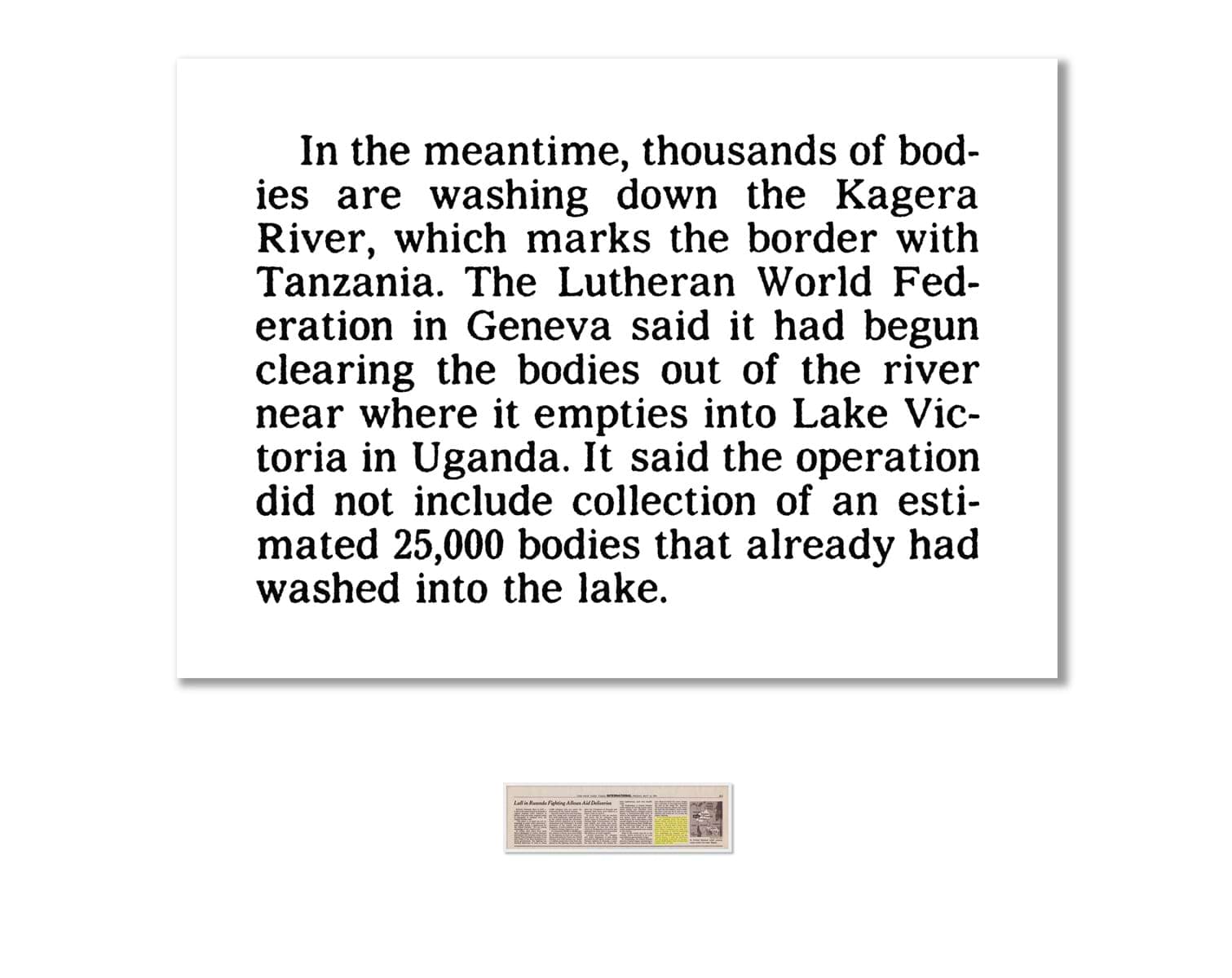
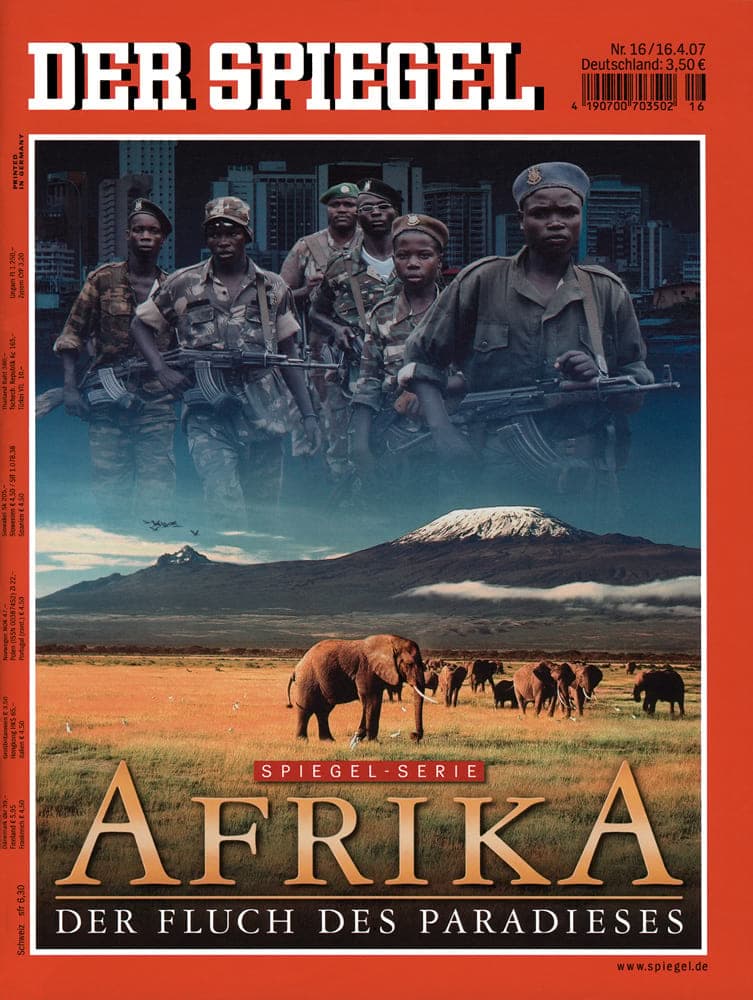
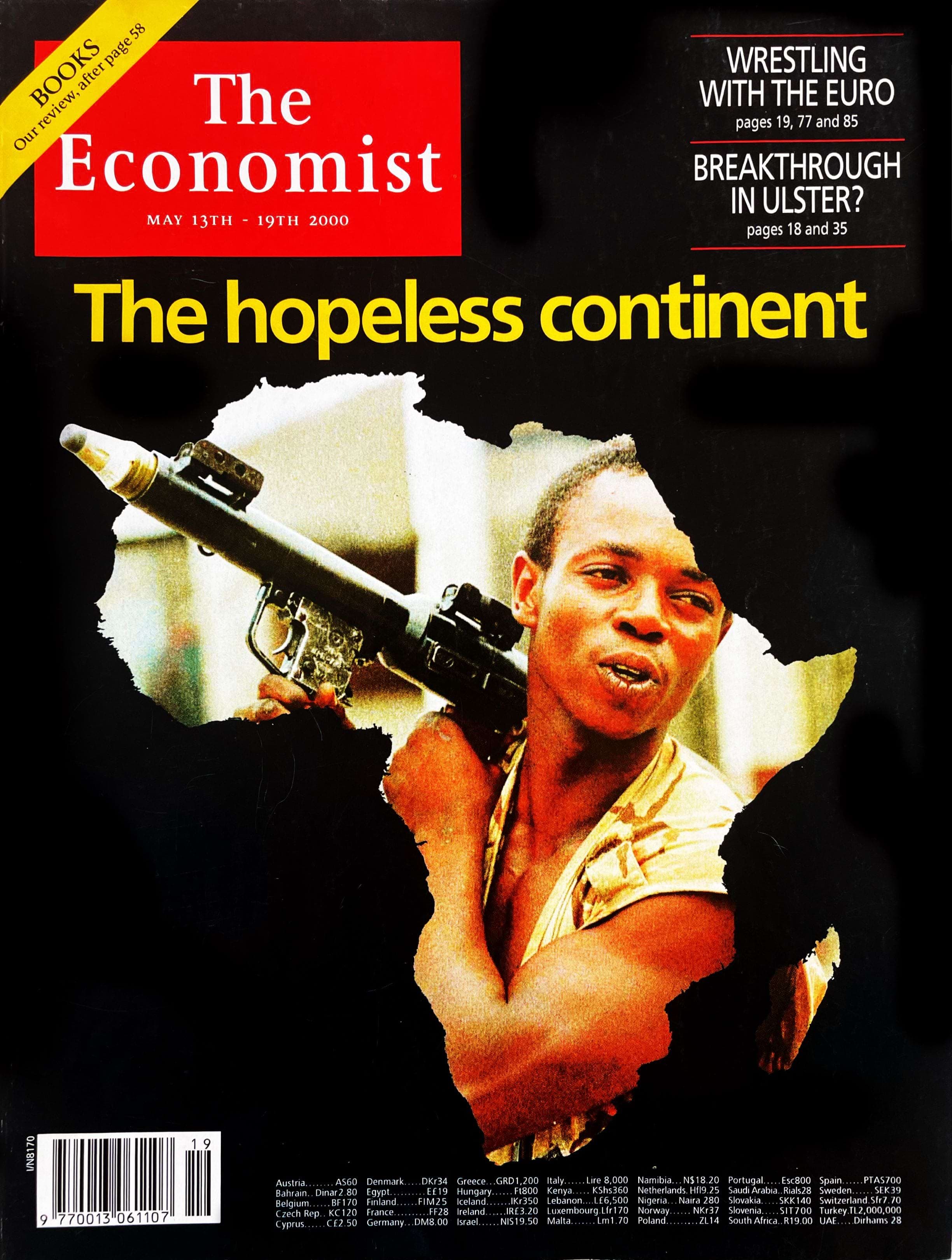
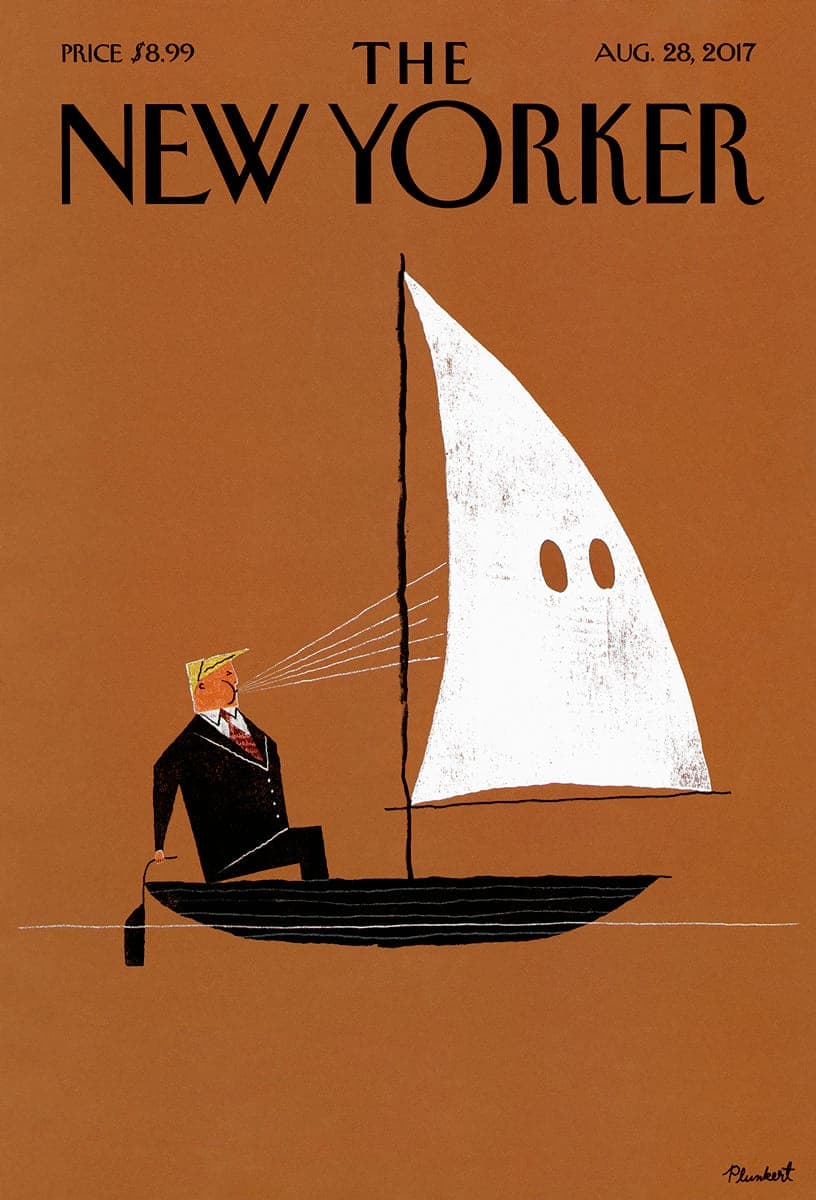

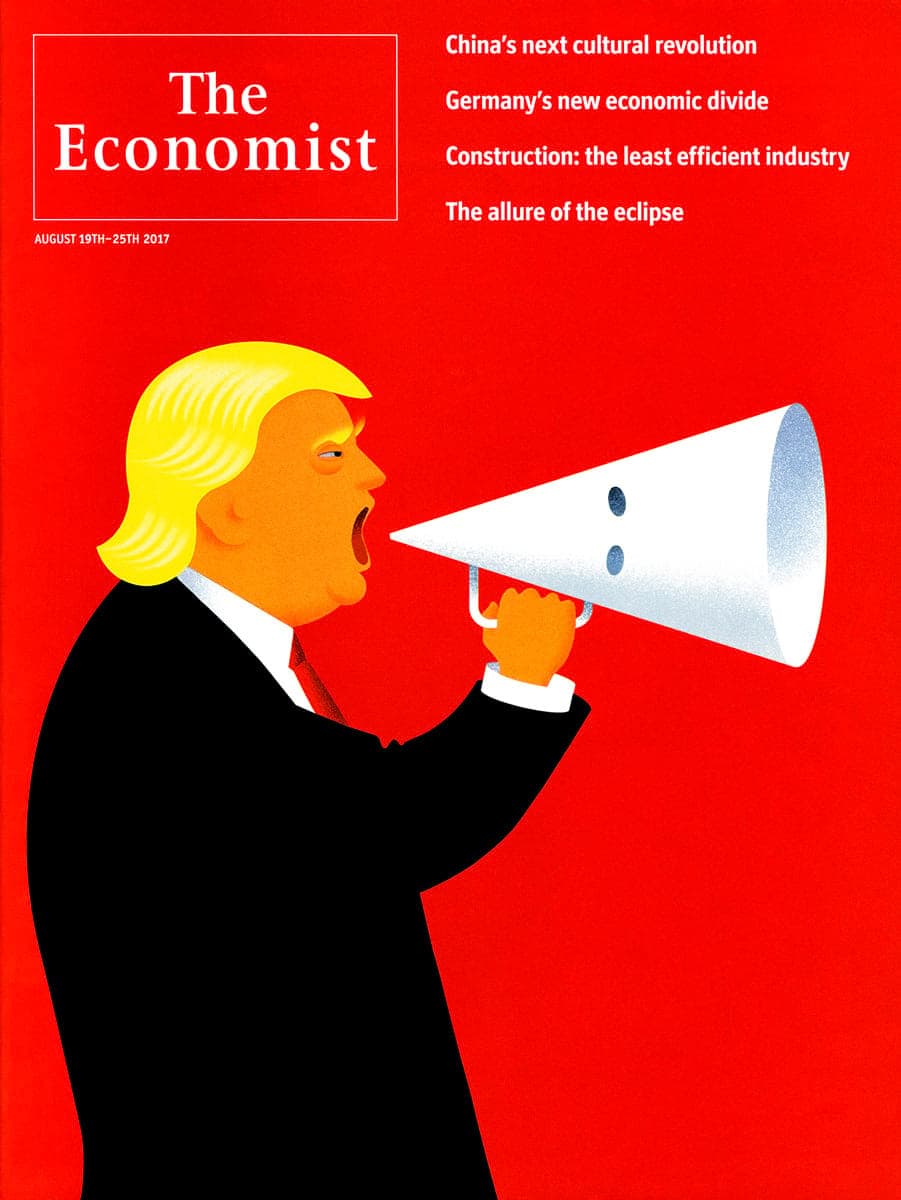
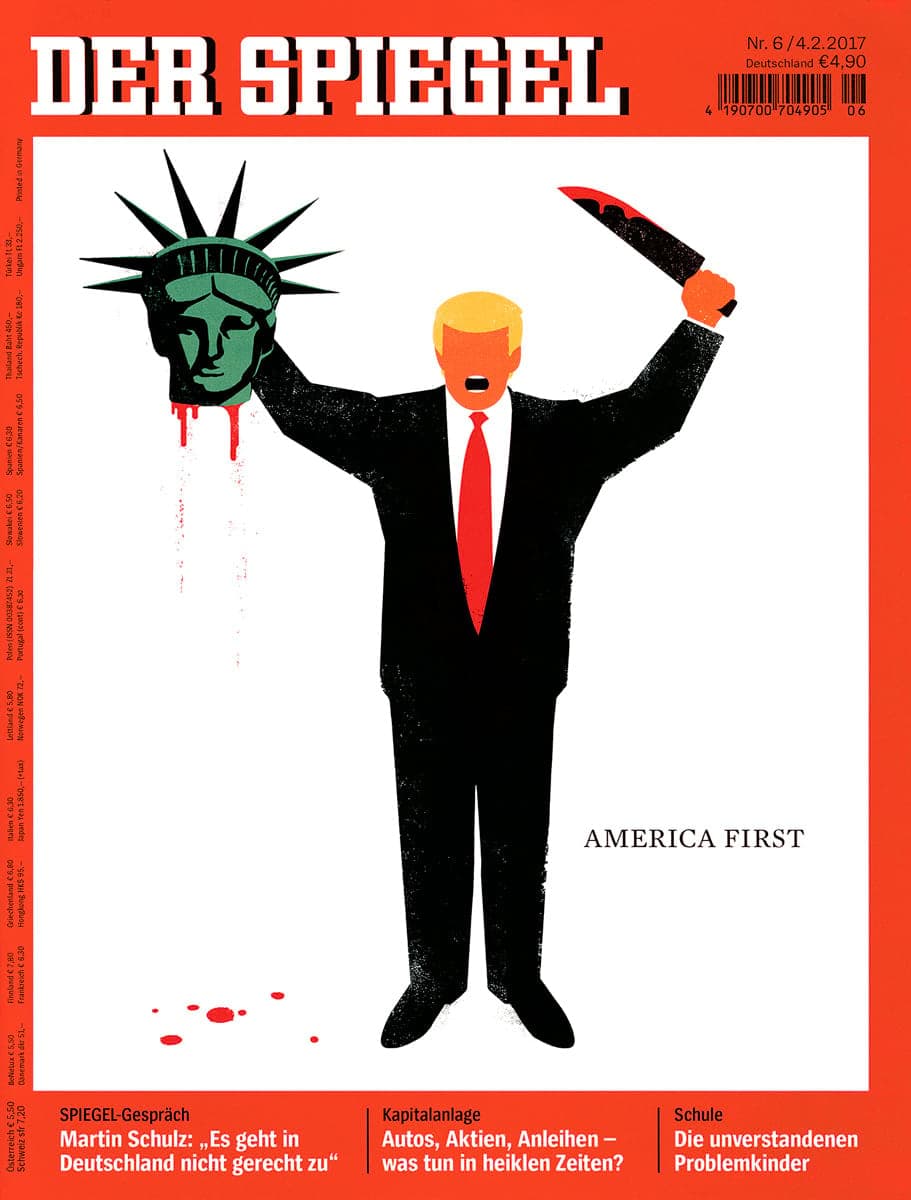
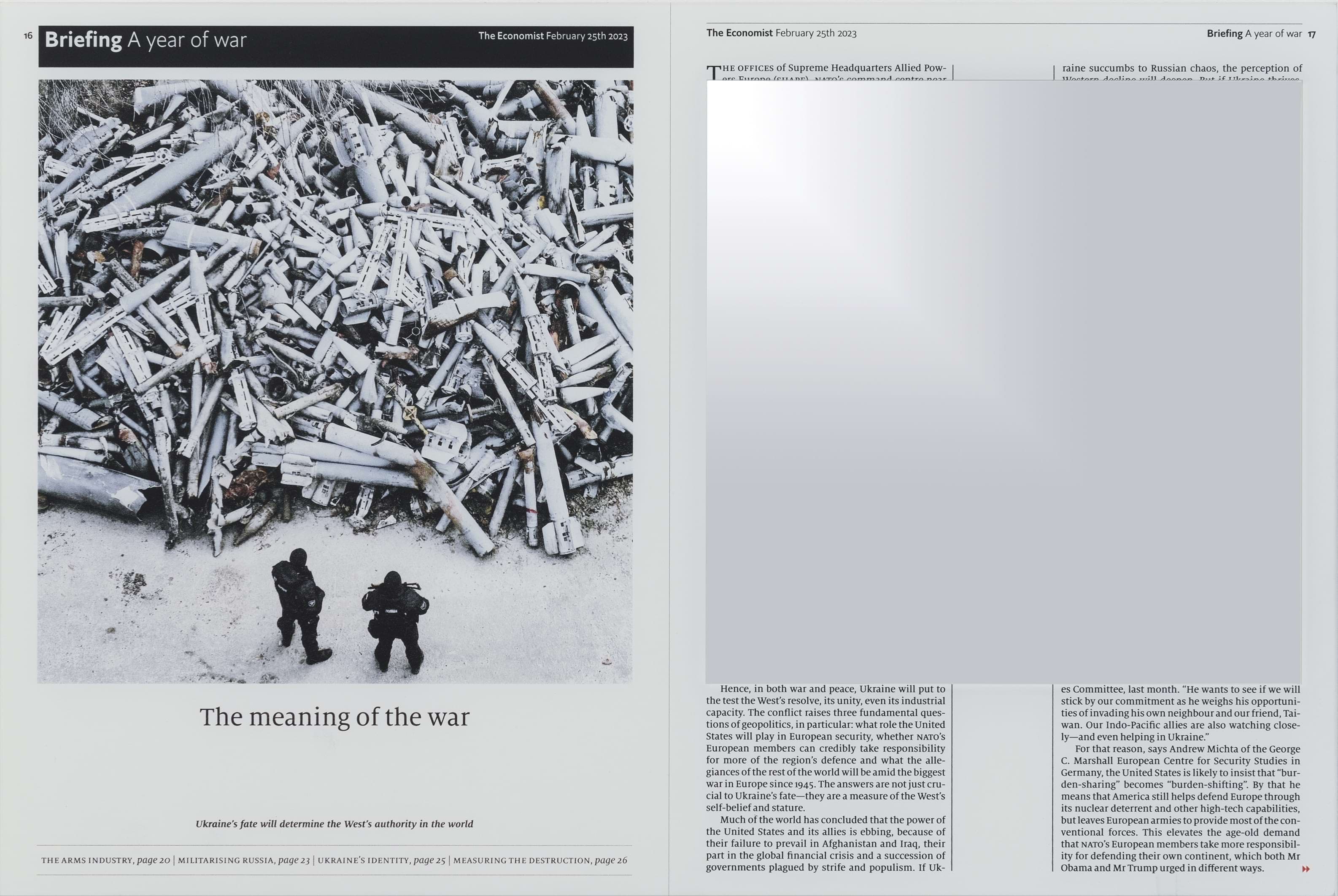
In the early 1980s, when Jaar moved from the military dictatorship of Chile to Ronald Reagan’s United States, he felt at odds with the Western art world: “While I admired the American avant-garde and the conceptualists, when I looked around New York I didn’t see the world being reflected in the art that was being made. It was a world of fiction”. Engaging with the Western media was an equally alienating experience. Confronted with a heavily biased news agenda, Jaar became an avid observer of the media itself, paying close attention to areas of emphasis alongside areas of erasure. His routine of four decades involves reading daily international newspapers from around the world. Jaar’s practice has developed as a means of intervention- isolating specific adverts, articles or magazine covers and displaying them anew within a museum or gallery context. At times, the artist doctors the image to change the intended message but his approach is mostly just to lift the image directly from its original context in the hope that this displacement will allow us to see our reality in a different way.
Video
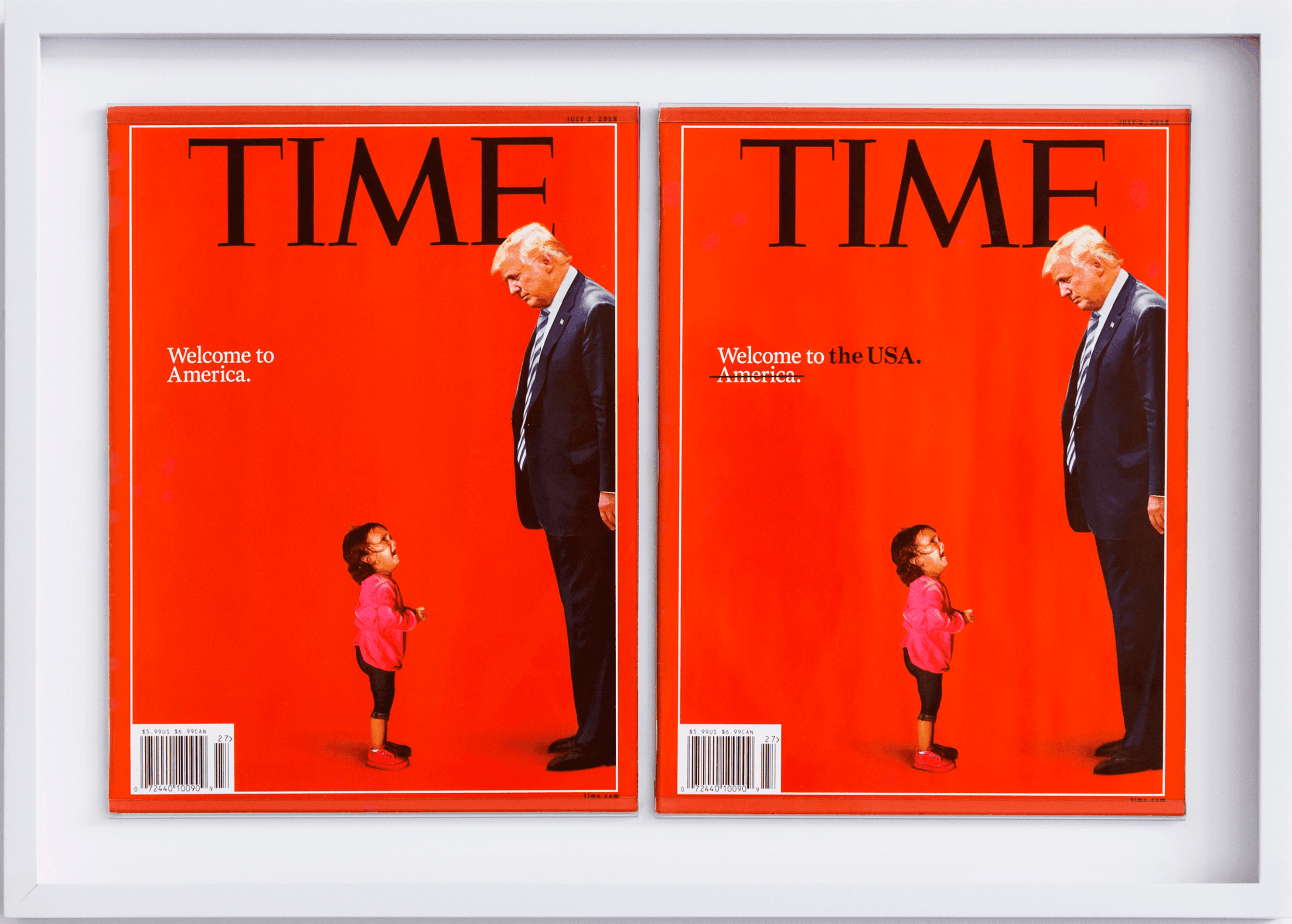
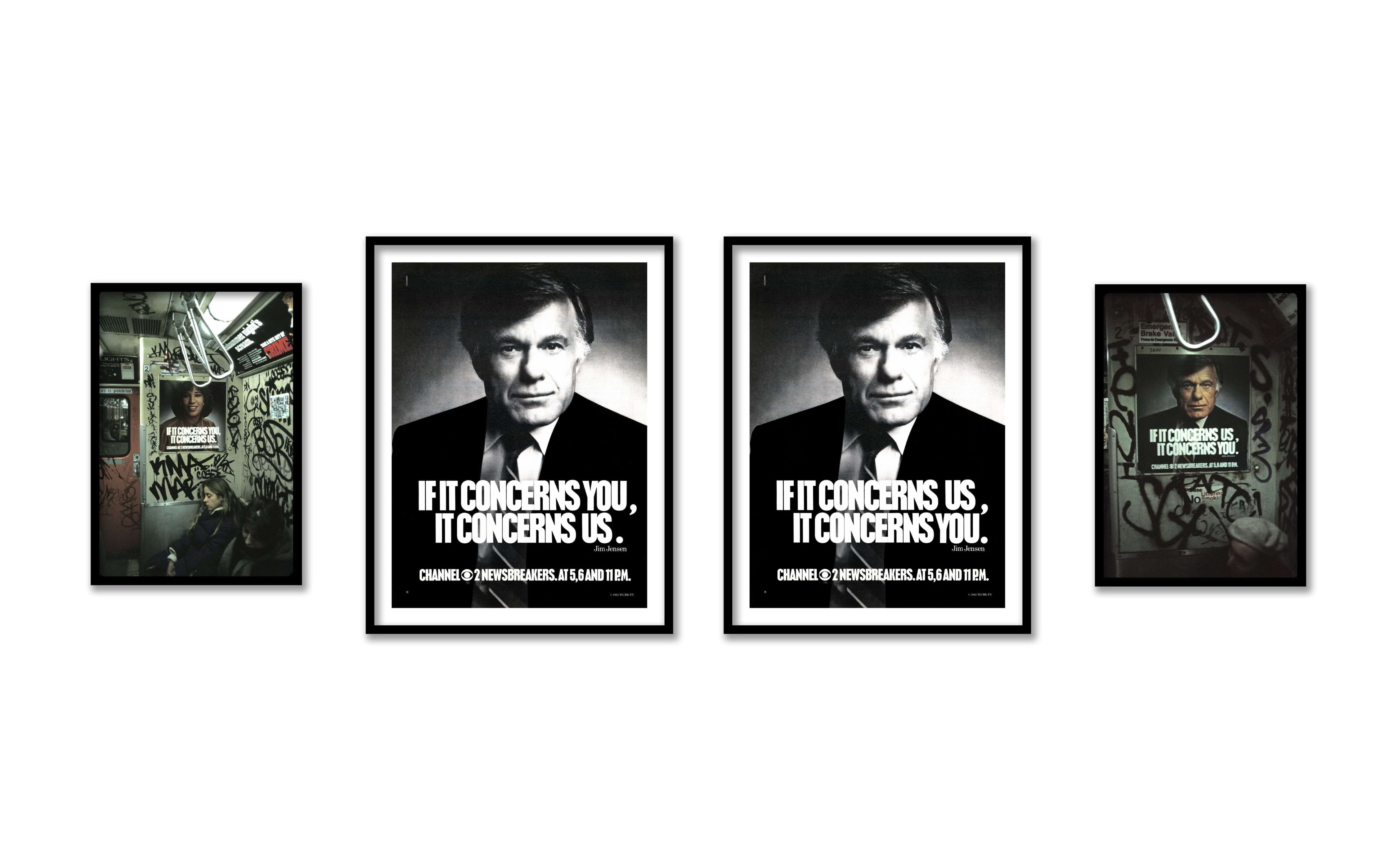
Alfredo Jaar (b. 1956, Chile) is an artist, architect, and filmmaker who considers social injustices and human suffering through thought-provoking installations. His practice has developed as a means of intervention - isolating specific adverts, articles or magazine covers and displaying them anew within a museum or gallery context. At times, the artist alters the image to change the intended message, as seen in works such as Welcome to the USA (TIME) (2018). This work was included in Jaar’s London gallery show this year - IF IT CONCERNS US, IT CONCERNS YOU - which offered a potent survey of works by the artist, chronicling the artist's forty-year critique of the Western media.
In the early 1980s, when Jaar moved from the military dictatorship of Chile to Ronald Reagan’s United States, he felt at odds with the Western art world: “While I admired the American avant-garde and the conceptualists, when I looked around New York I didn’t see the world being reflected in the art that was being made. It was a world of fiction”. Engaging with the Western media was an equally alienating experience. Confronted with a heavily biased news agenda, Jaar became an avid observer of the media itself, paying close attention to areas of emphasis alongside areas of erasure. His routine of four decades involves reading daily international newspapers from around the world. Jaar’s practice has developed as a means of intervention- isolating specific adverts, articles or magazine covers and displaying them anew within a museum or gallery context. At times, the artist doctors the image to change the intended message but his approach is mostly just to lift the image directly from its original context in the hope that this displacement will allow us to see our reality in a different way.
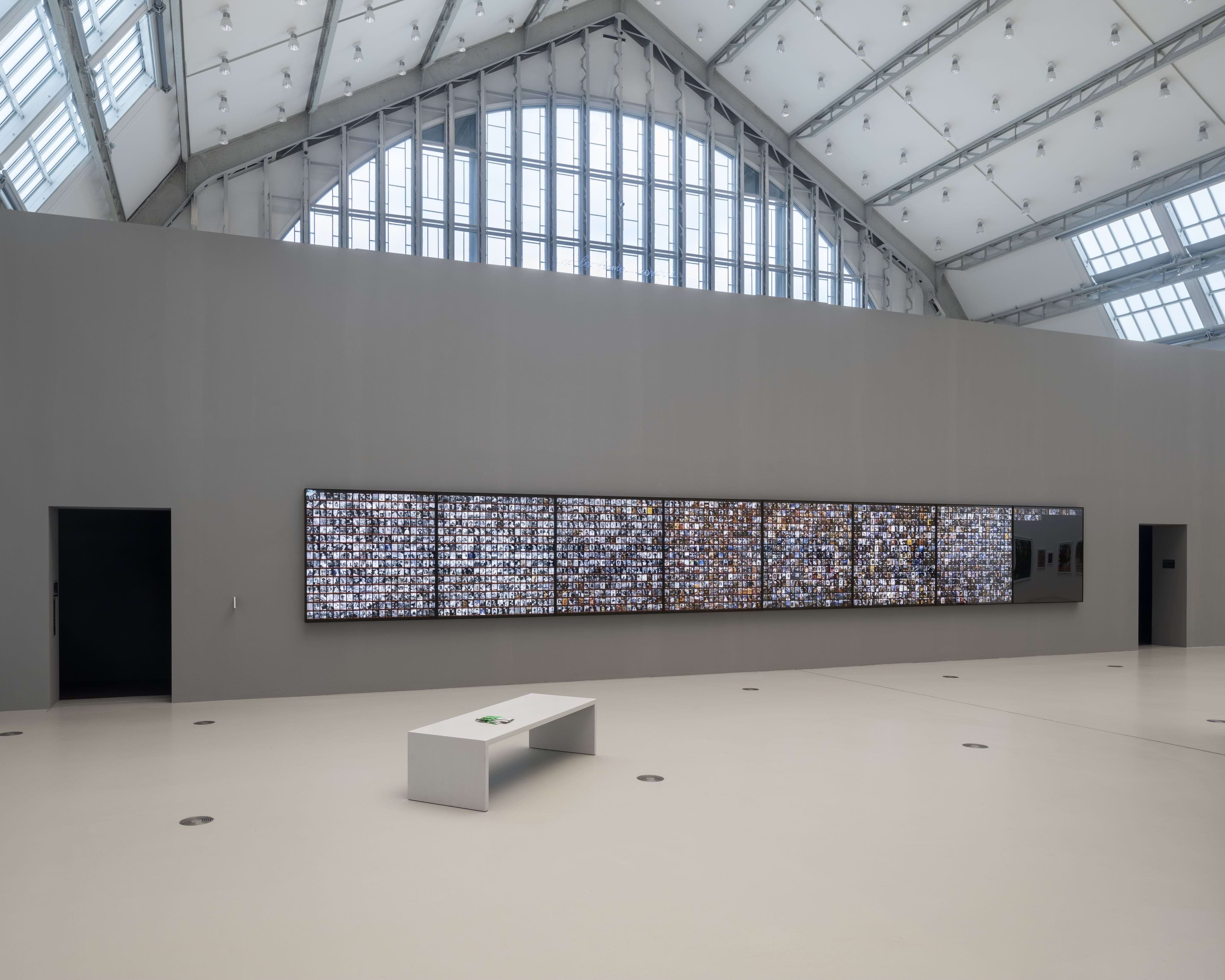
Searching for Africa in LIFE compiles all 2,128 covers of LIFE Magazine published between 1936 and 1996. For the United States, LIFE was the first and most influential all-photographic news magazine. With over thirteen million weekly readers at its peak, its mission was to provide the country with a window into the world. When LIFE’s publisher, Henry Luce, launched the publication, his stated purpose was “To see life; to see the world; to eyewitness great events...” However, the scarcity of covers featuring African subjects throughout the magazine’s sixty-year circulation provides an opportunity to reevaluate this claim. Searching for Africa in LIFE reflects historical American attitudes about culture and race – attitudes that continue to reverberate today.
Jaar draws on the archive – the complete collection of LIFE Magazine covers – to offer an exploration of the politics of representation in mainstream media and to interrogate our own assumptions about culture and ethnicity. More precisely, Jaar points to the formation and distribution of knowledge around these issues. What emerges in Searching for Africa in LIFE is a failure to inform, a failure to represent. The diversity and complexities of a rich culture, in this case, the continent and peoples of Africa, are largely ignored and reduced to a handful of patronising, exoticising images. Searching for Africa in LIFE questions the currency of media constructions by calling attention to the power of material collections to reposition our gaze and to bring to light readings, and mis-readings, of our histories.
In the early 1980s, when Jaar moved from the military dictatorship of Chile to Ronald Reagan’s United States, he felt at odds with the Western art world: “While I admired the American avant-garde and the conceptualists, when I looked around New York I didn’t see the world being reflected in the art that was being made. It was a world of fiction”. Engaging with the Western media was an equally alienating experience. Confronted with a heavily biased news agenda, Jaar became an avid observer of the media itself, paying close attention to areas of emphasis alongside areas of erasure. His routine of four decades involves reading daily international newspapers from around the world. Jaar’s practice has developed as a means of intervention- isolating specific adverts, articles or magazine covers and displaying them anew within a museum or gallery context. At times, the artist doctors the image to change the intended message but his approach is mostly just to lift the image directly from its original context in the hope that this displacement will allow us to see our reality in a different way.
In the early 1980s, when Jaar moved from the military dictatorship of Chile to Ronald Reagan’s United States, he felt at odds with the Western art world: “While I admired the American avant-garde and the conceptualists, when I looked around New York I didn’t see the world being reflected in the art that was being made. It was a world of fiction”. Engaging with the Western media was an equally alienating experience. Confronted with a heavily biased news agenda, Jaar became an avid observer of the media itself, paying close attention to areas of emphasis alongside areas of erasure. His routine of four decades involves reading daily international newspapers from around the world. Jaar’s practice has developed as a means of intervention- isolating specific adverts, articles or magazine covers and displaying them anew within a museum or gallery context. At times, the artist doctors the image to change the intended message but his approach is mostly just to lift the image directly from its original context in the hope that this displacement will allow us to see our reality in a different way.