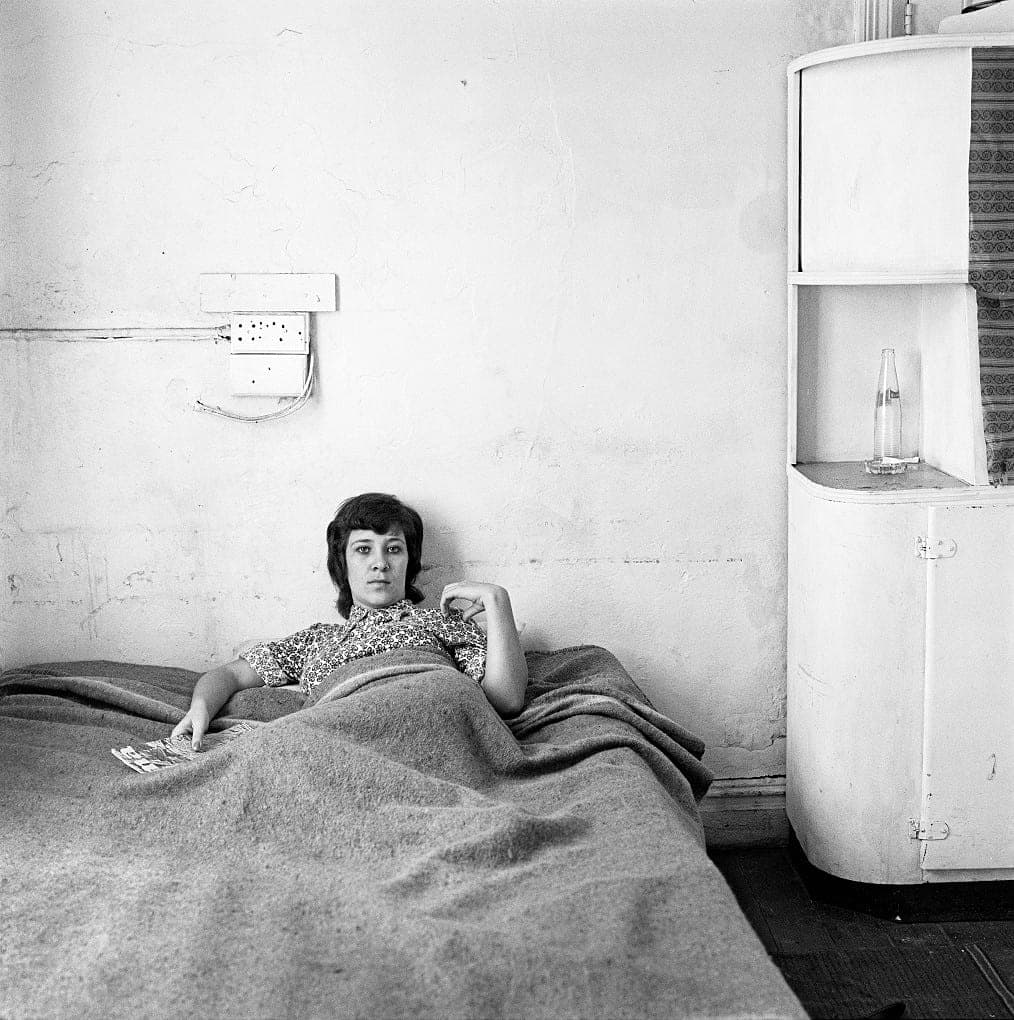
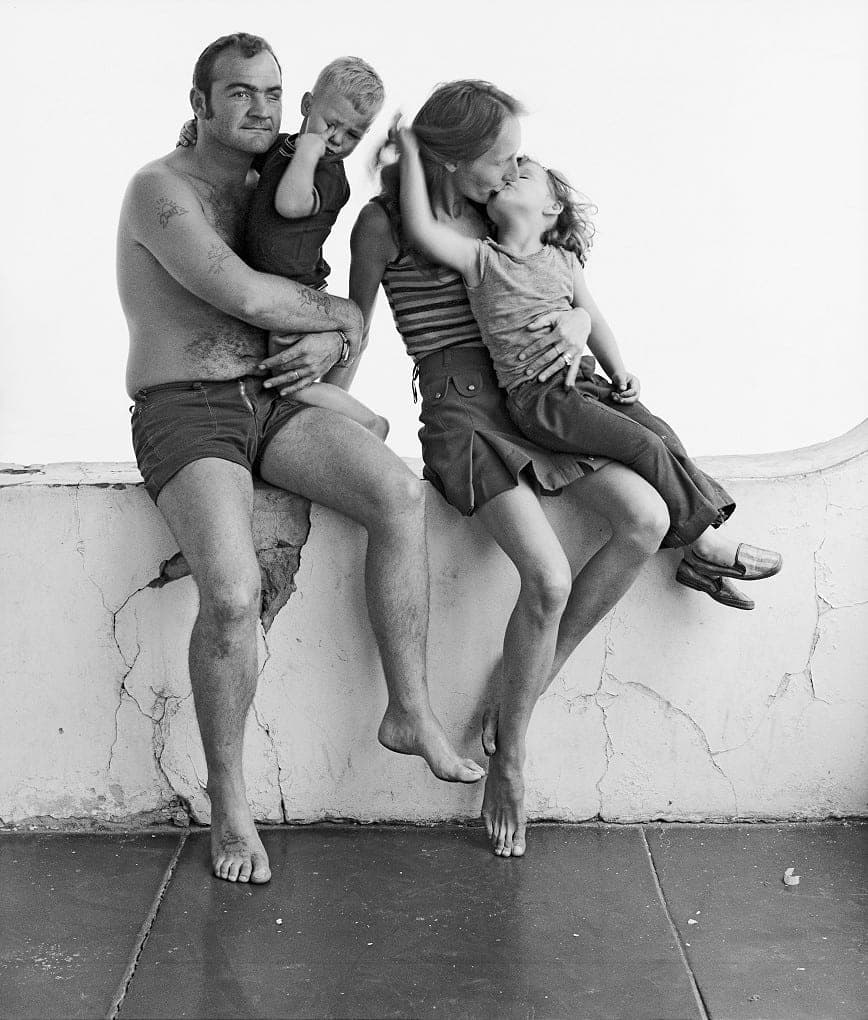
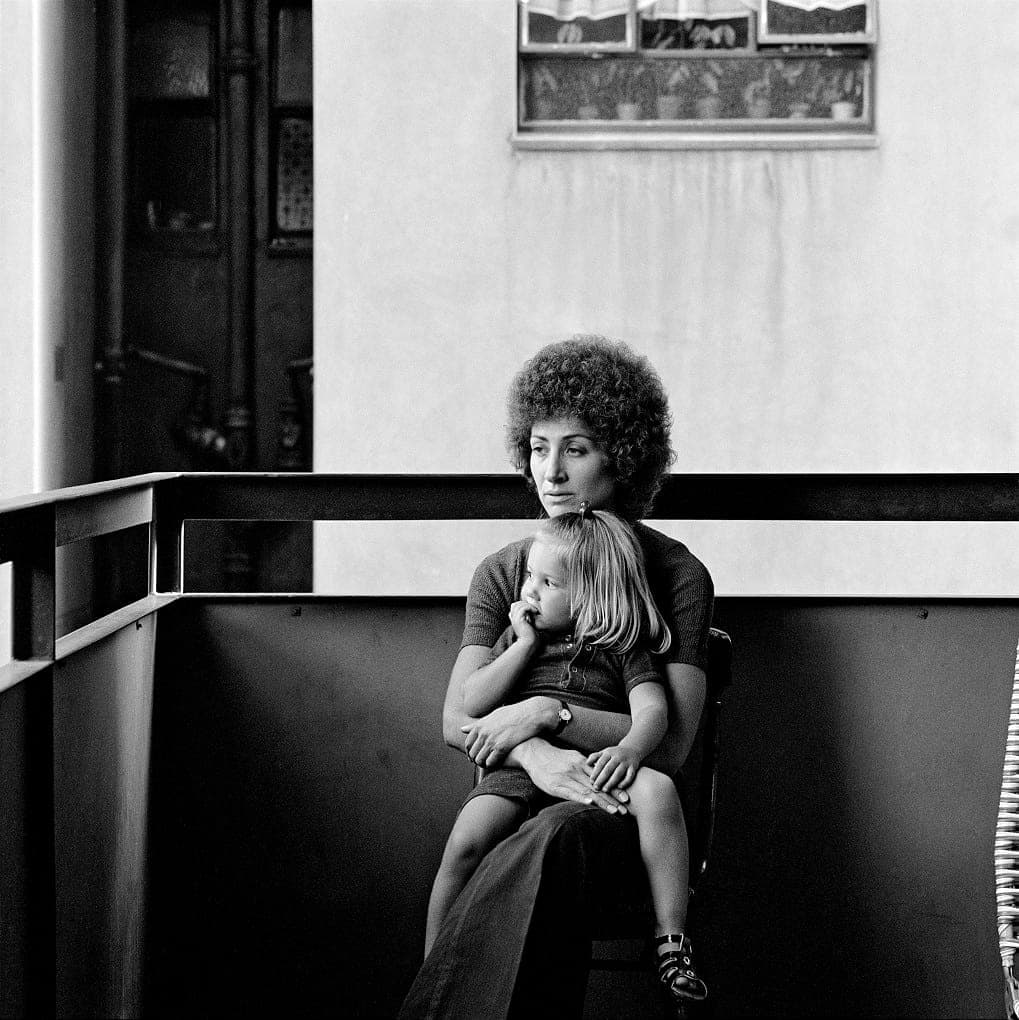
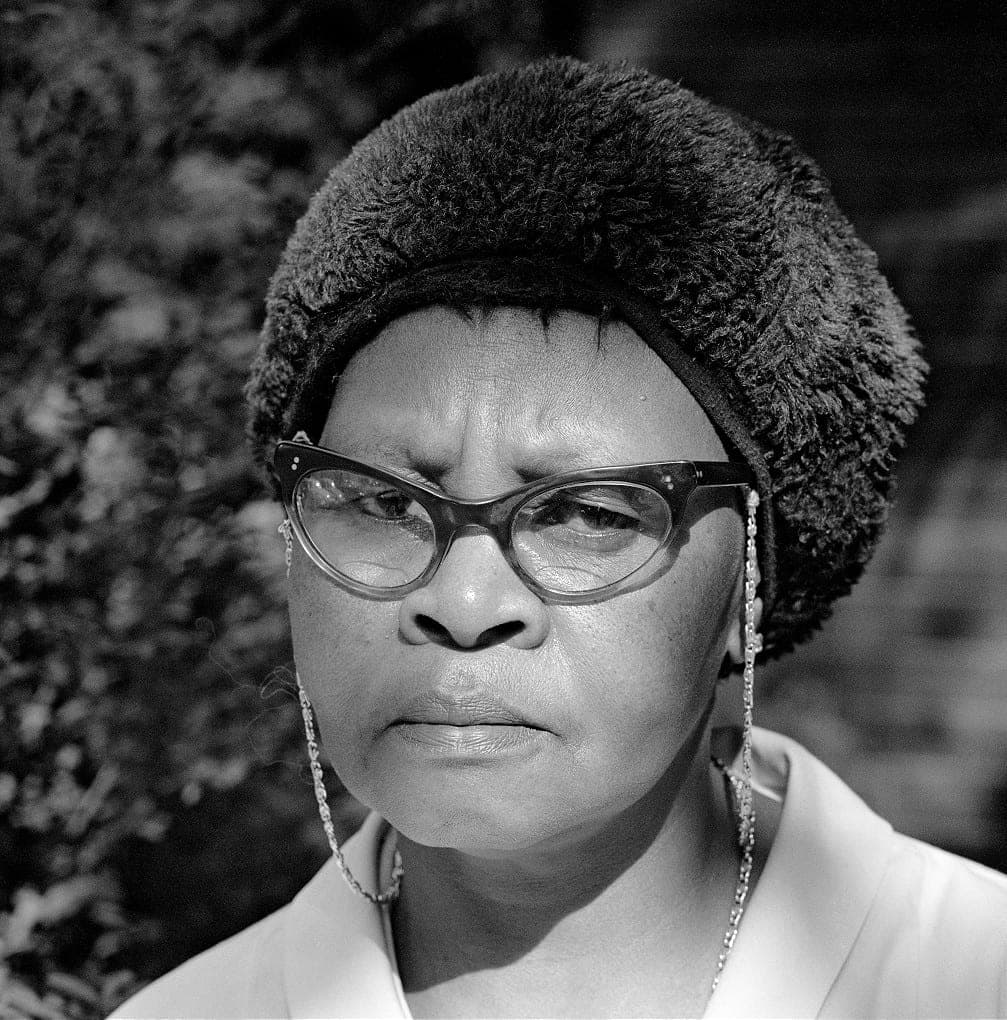
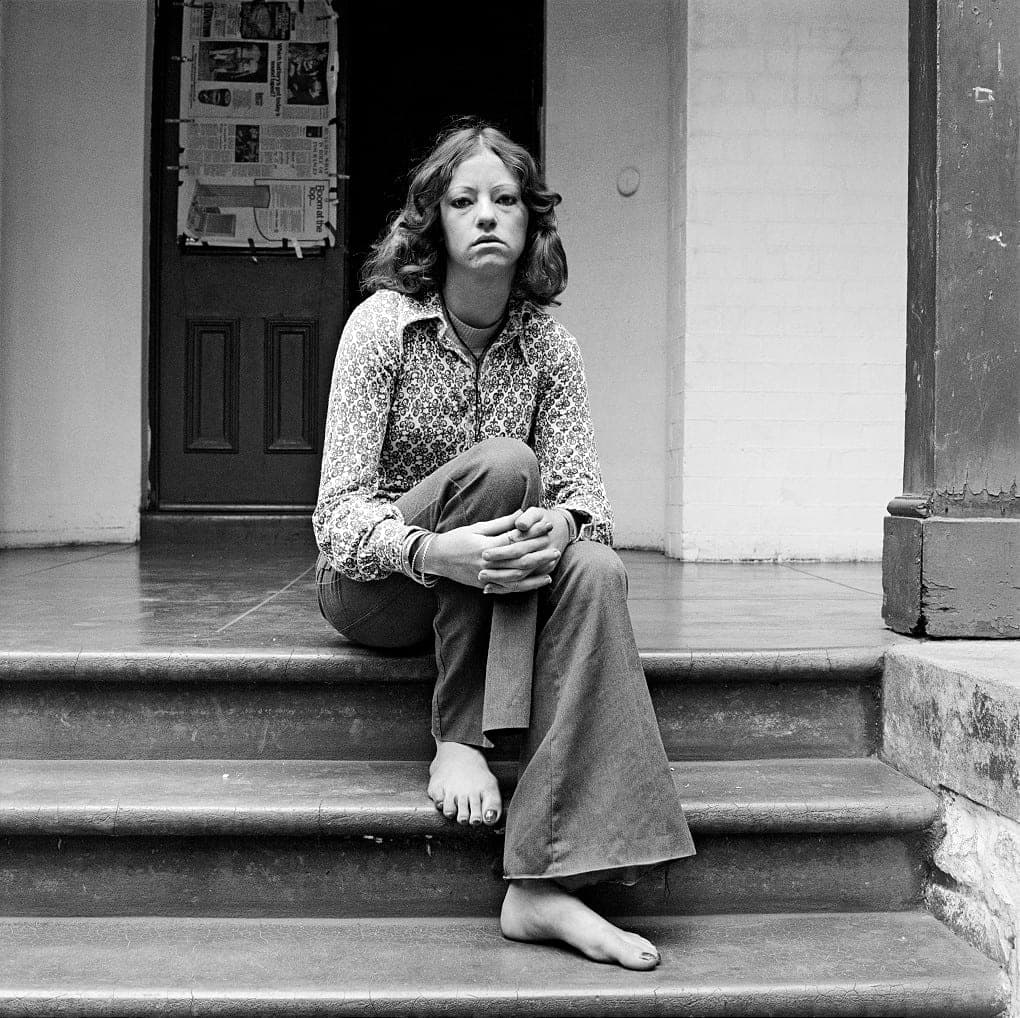
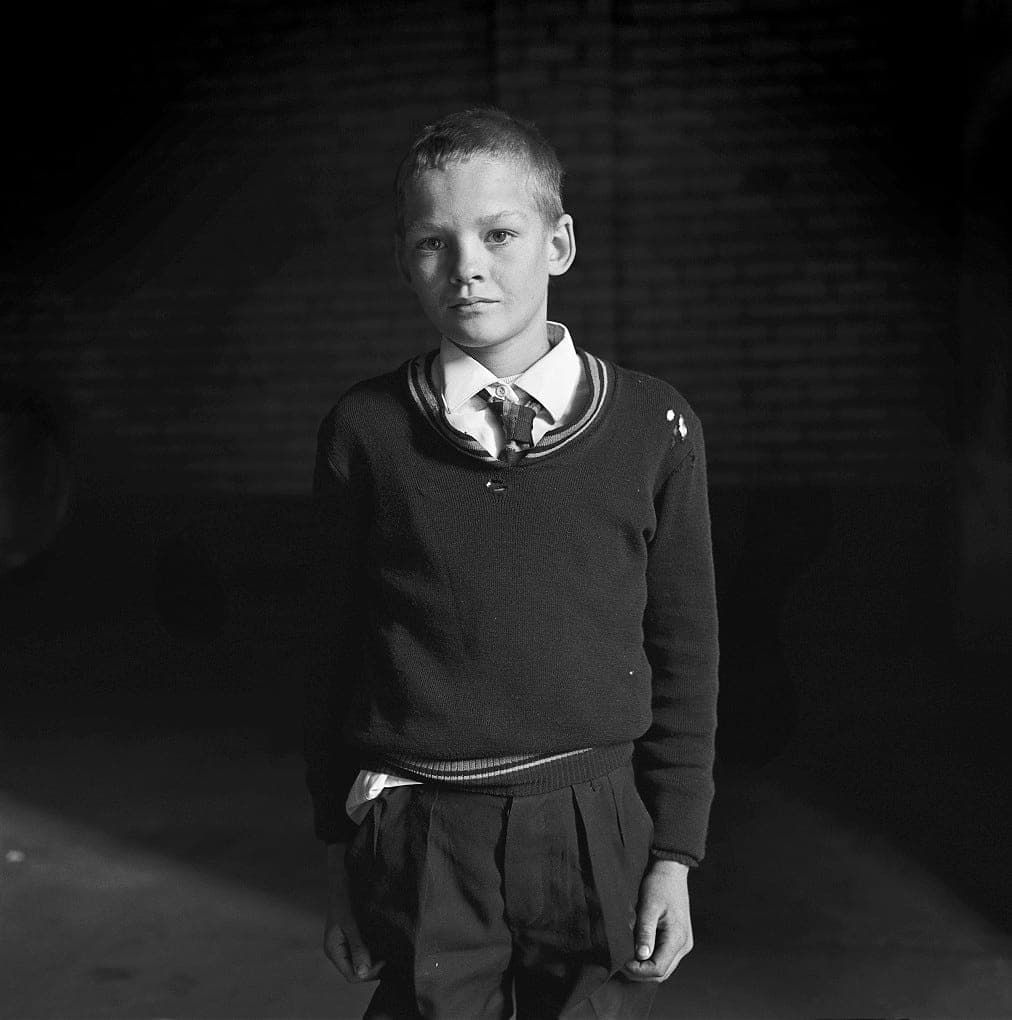
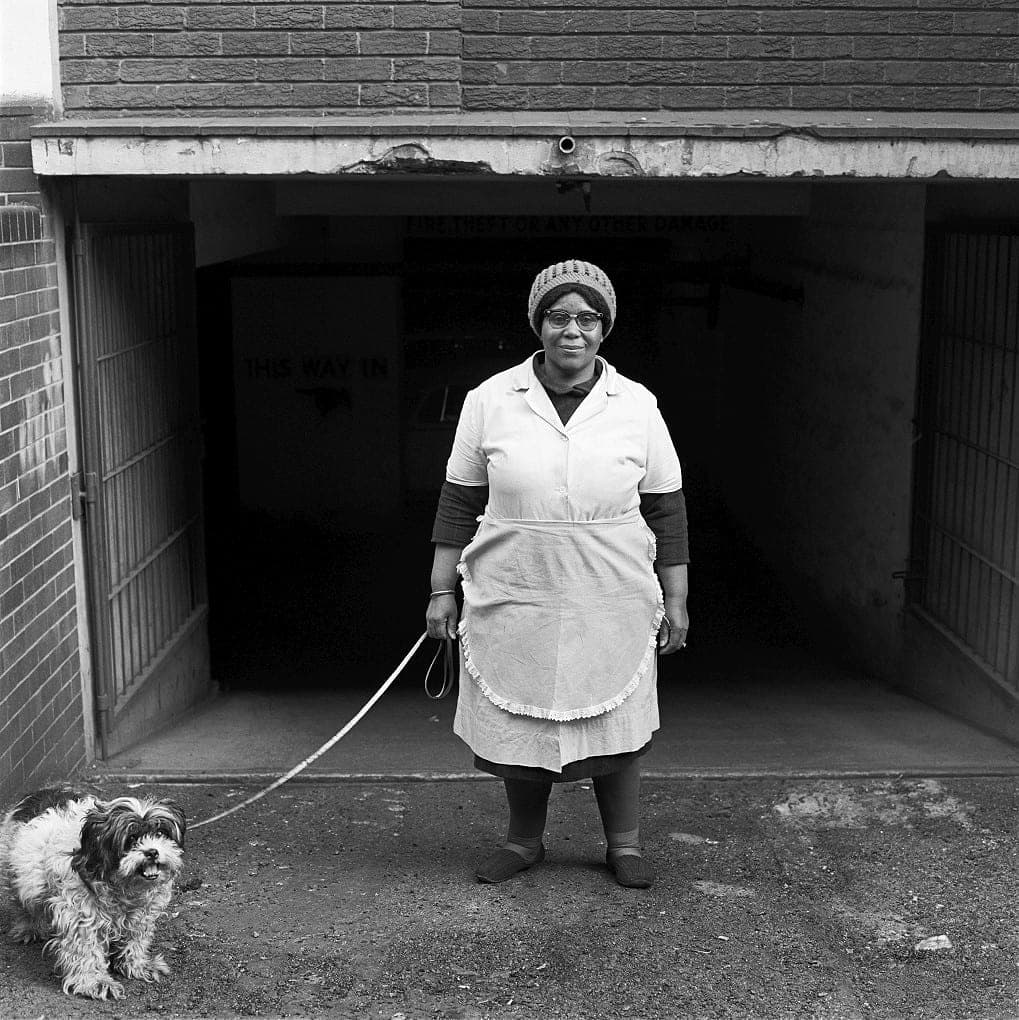
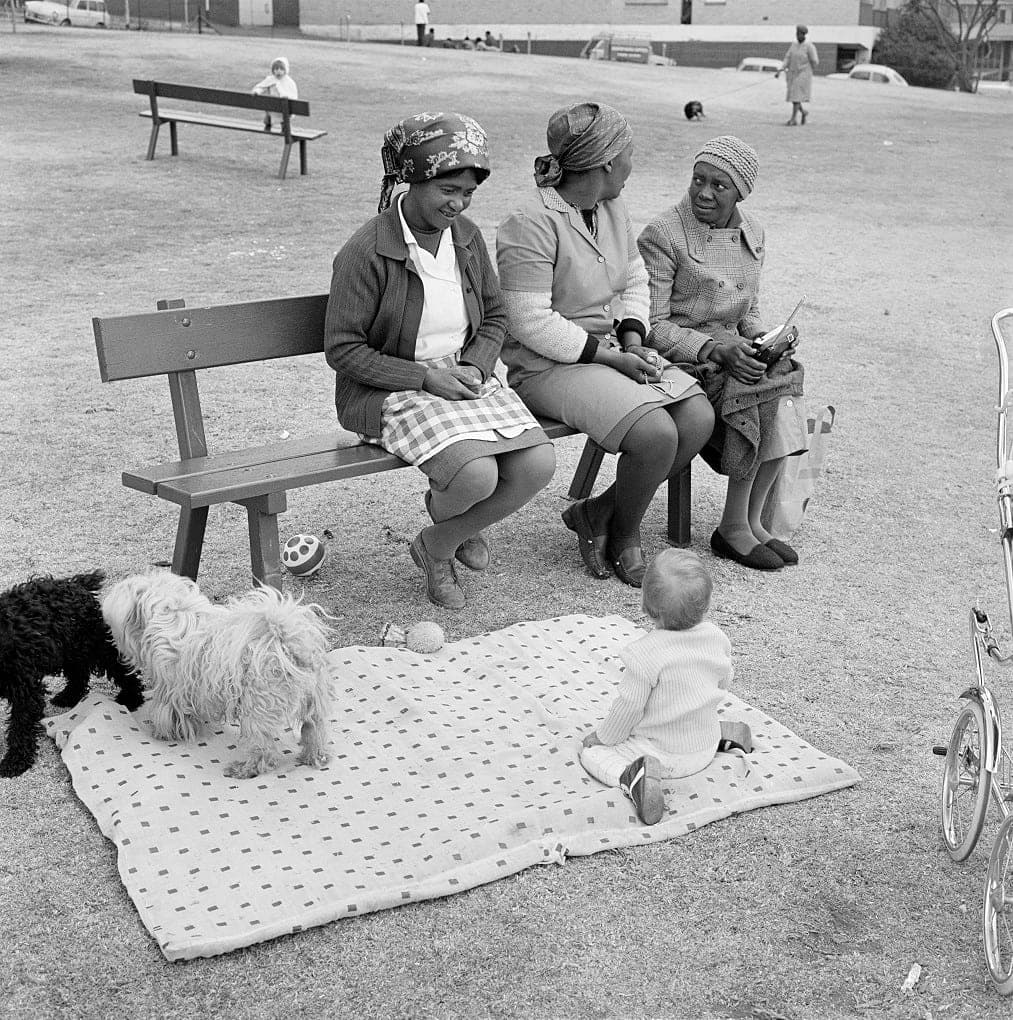
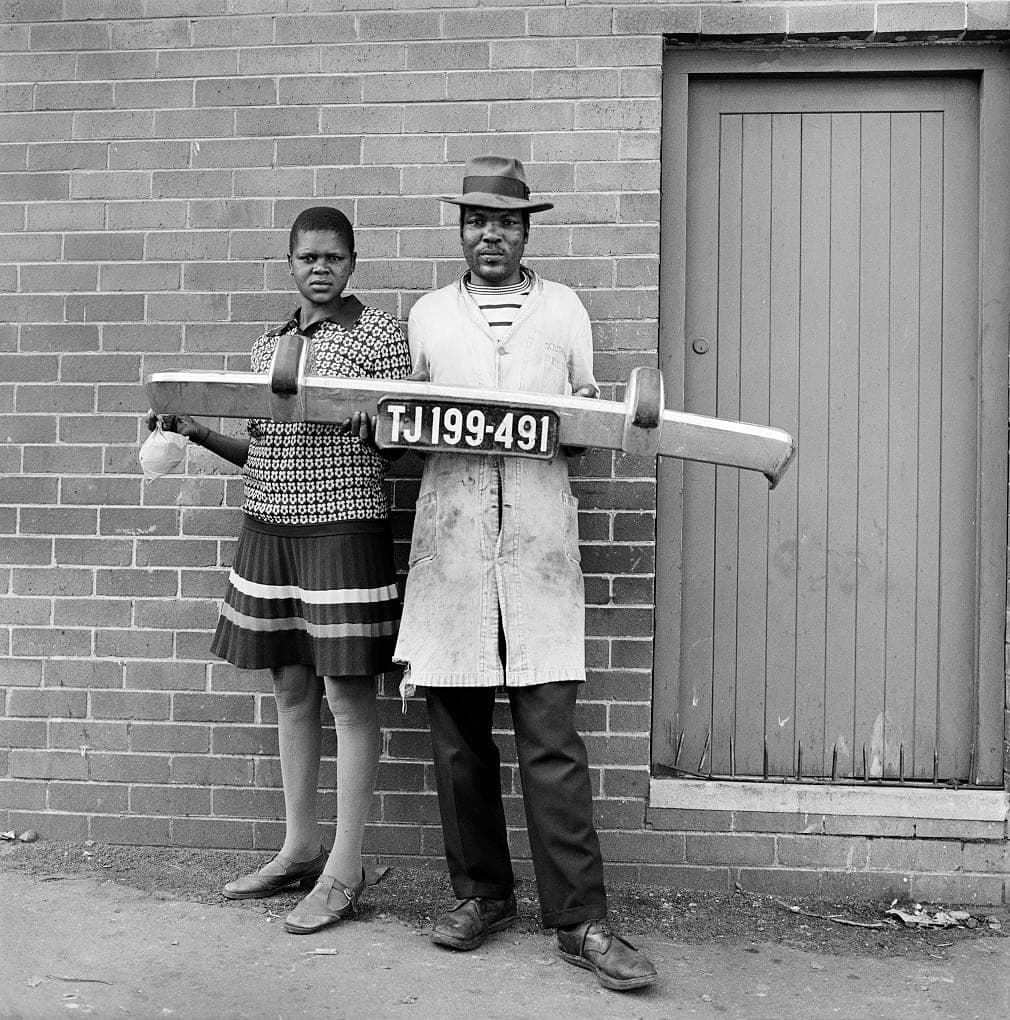
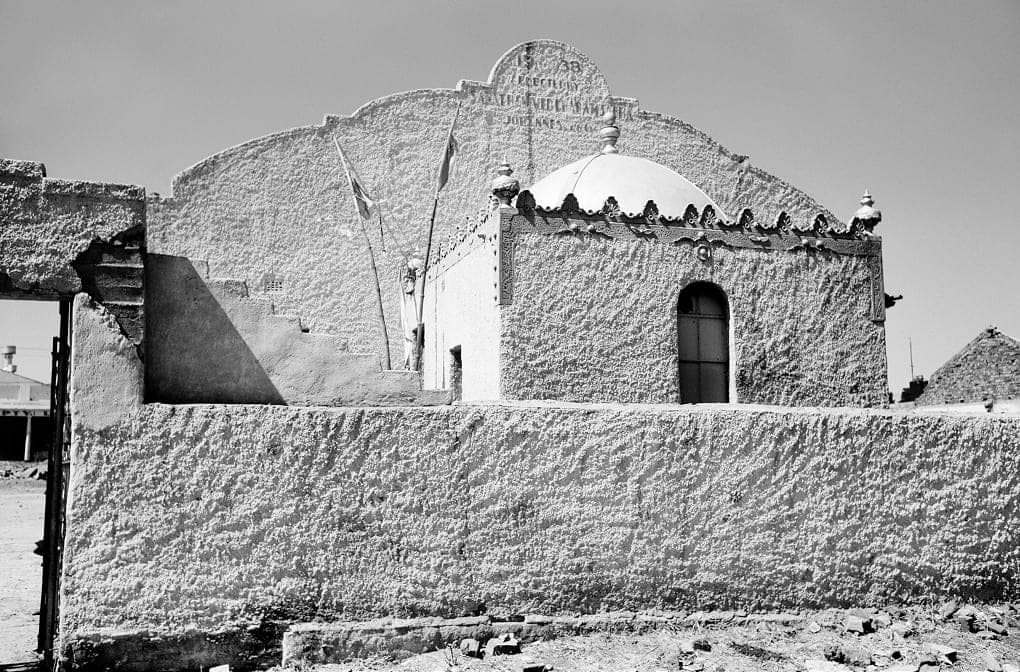
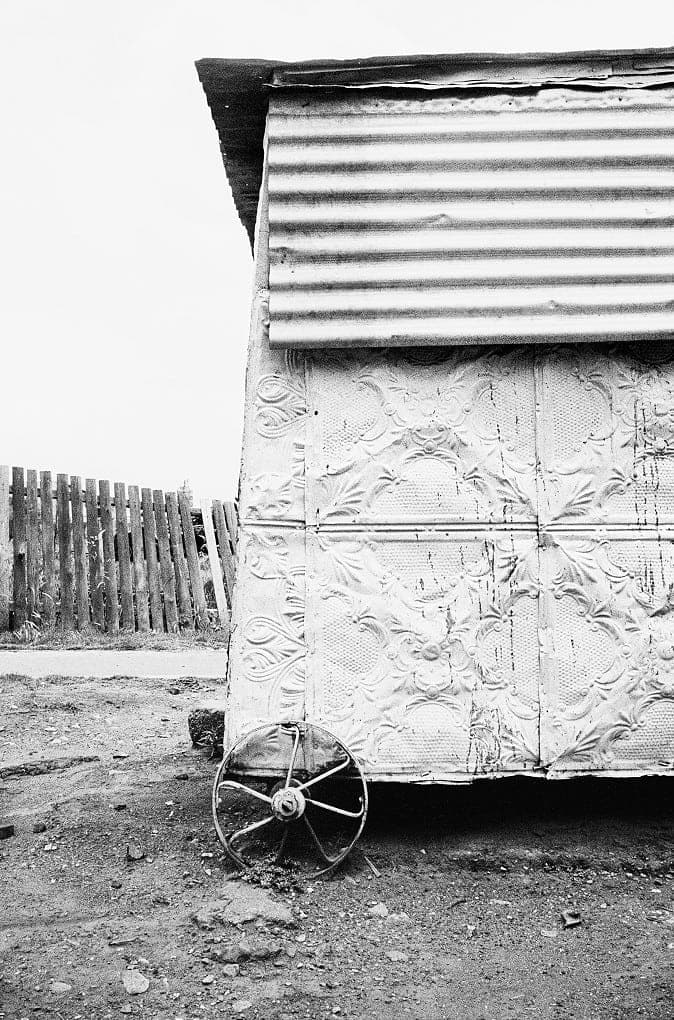
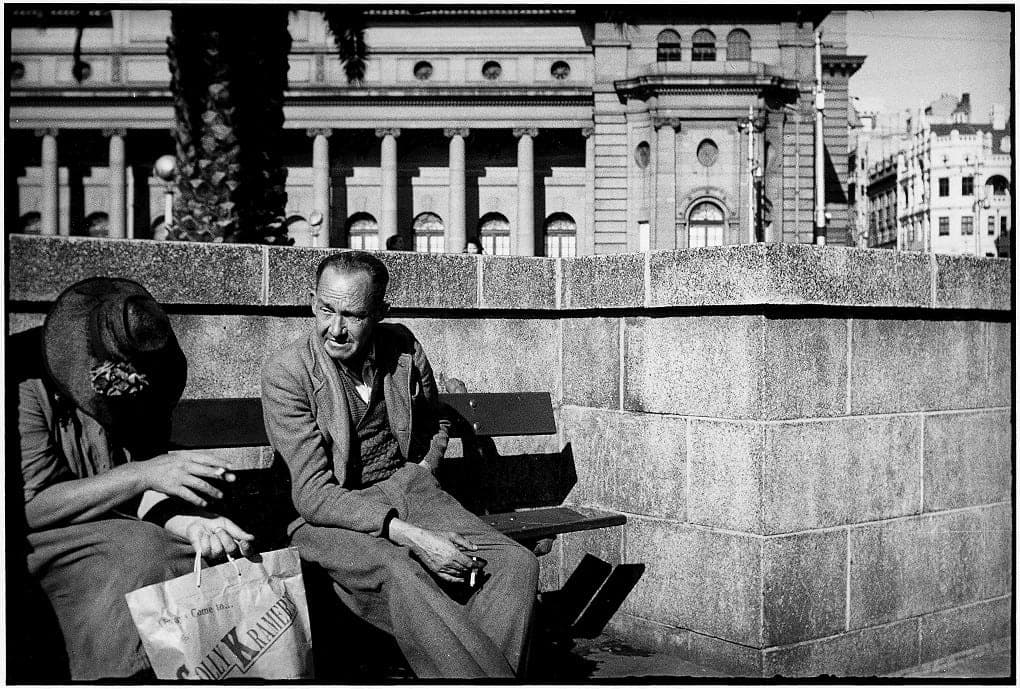
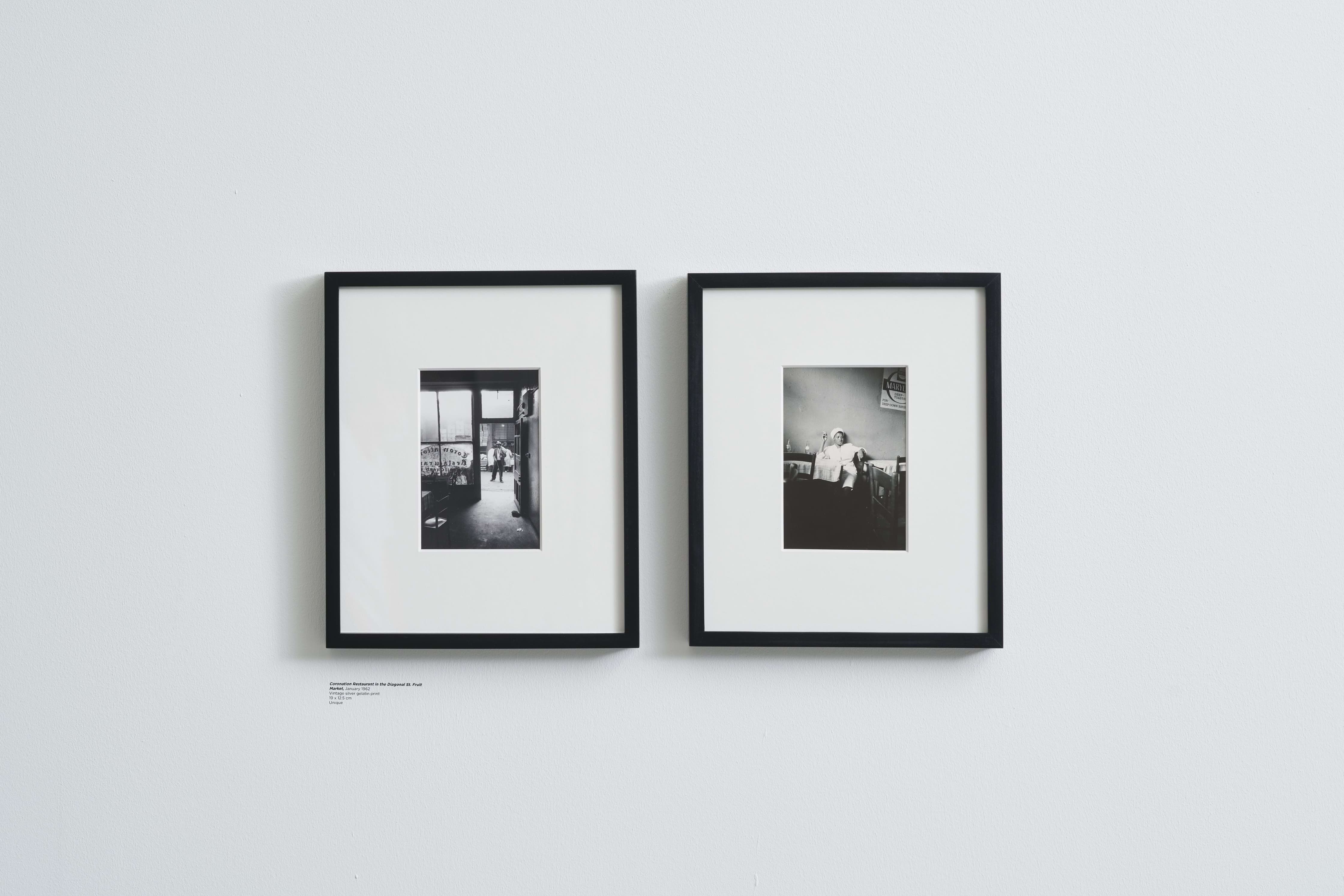
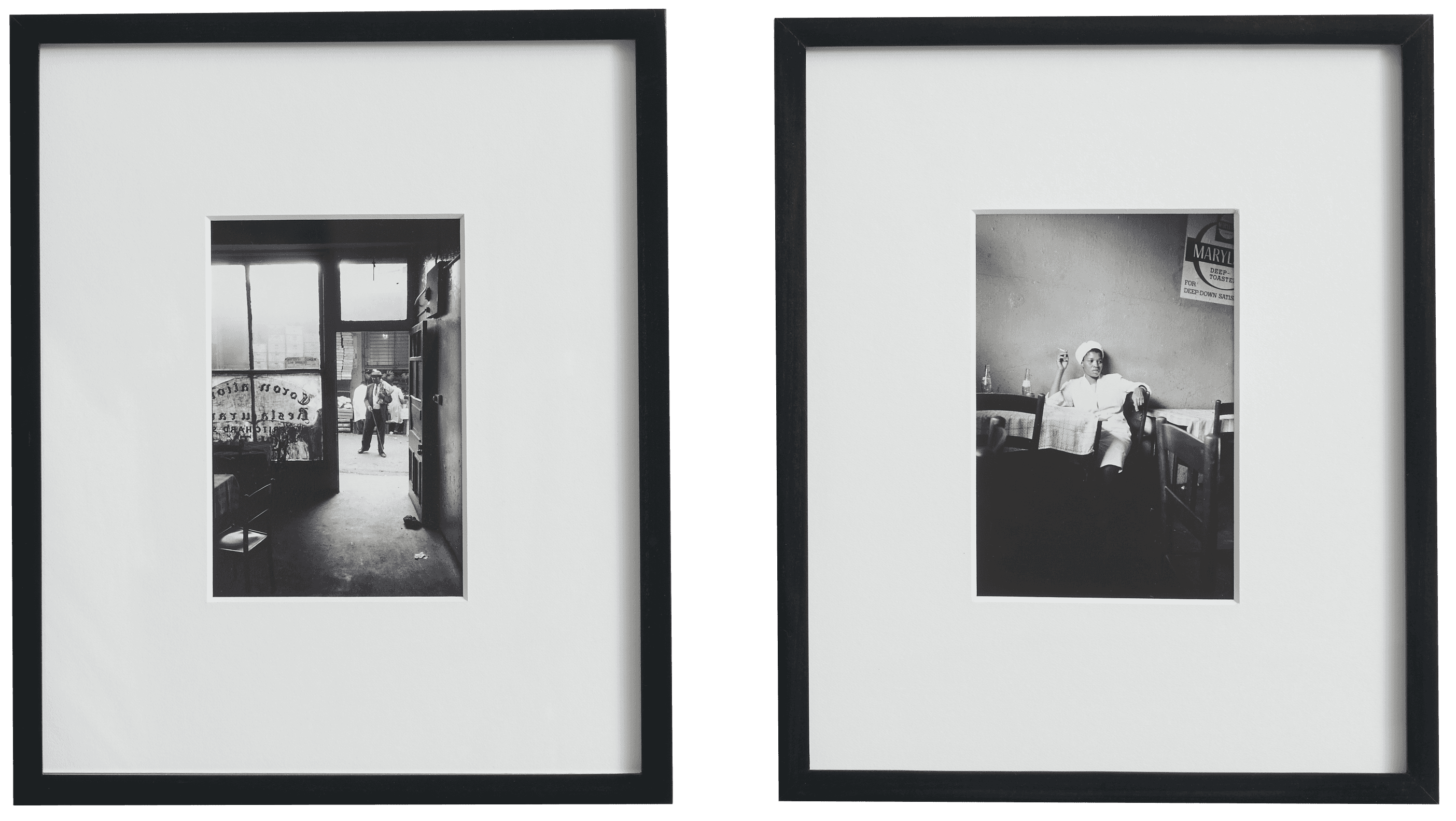
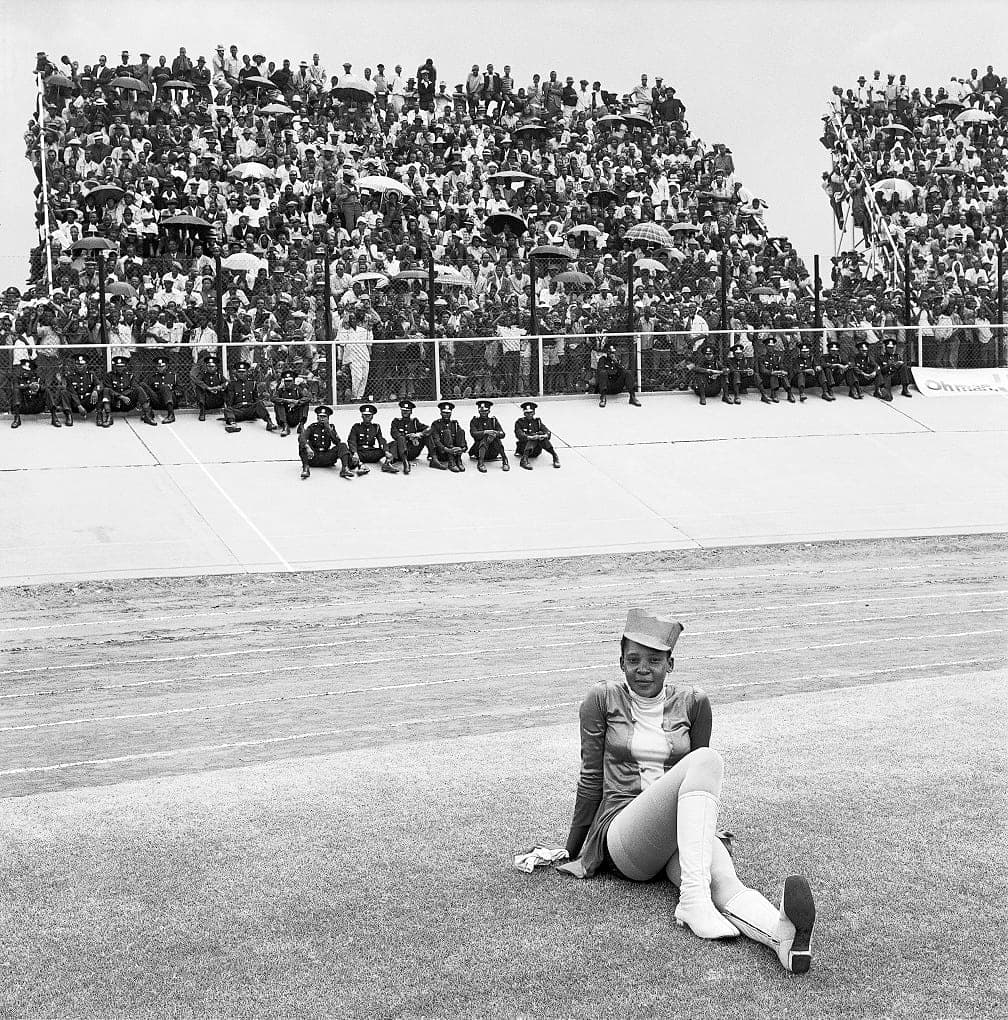
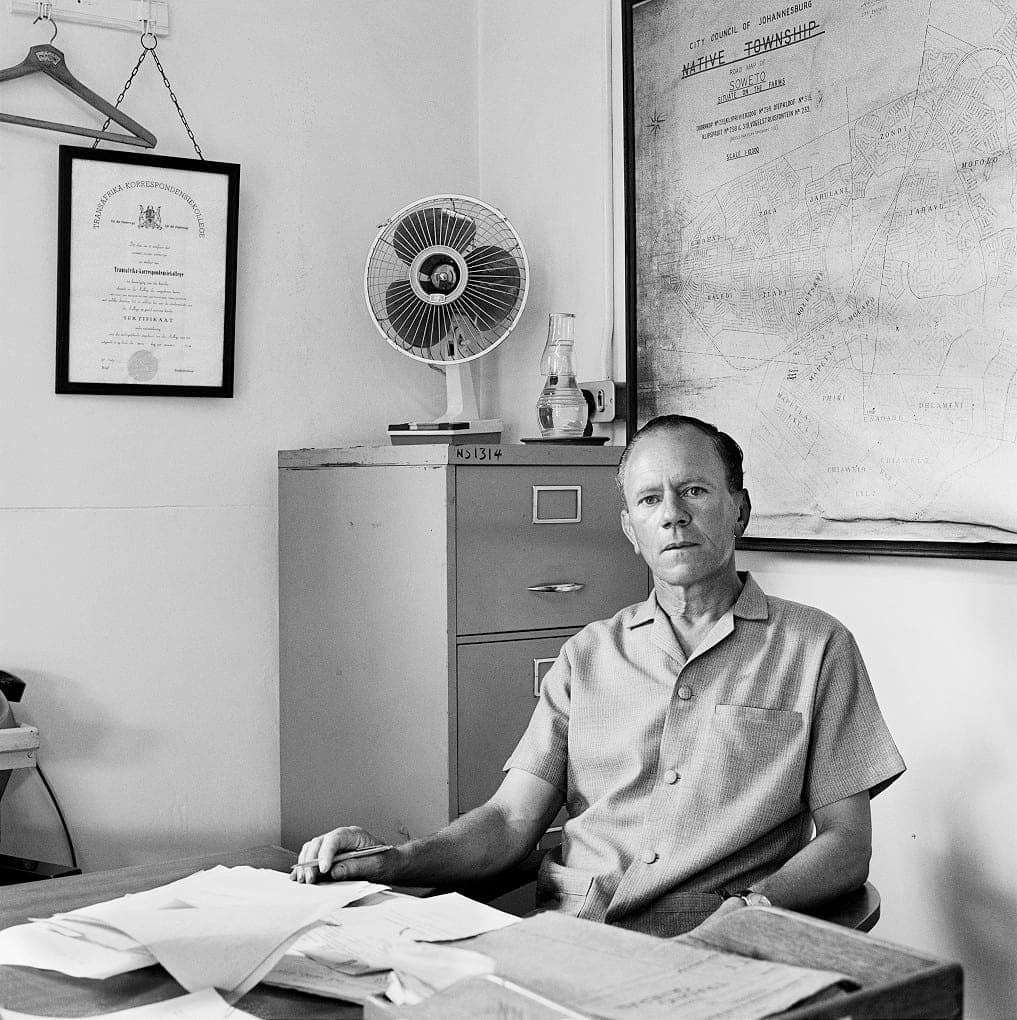
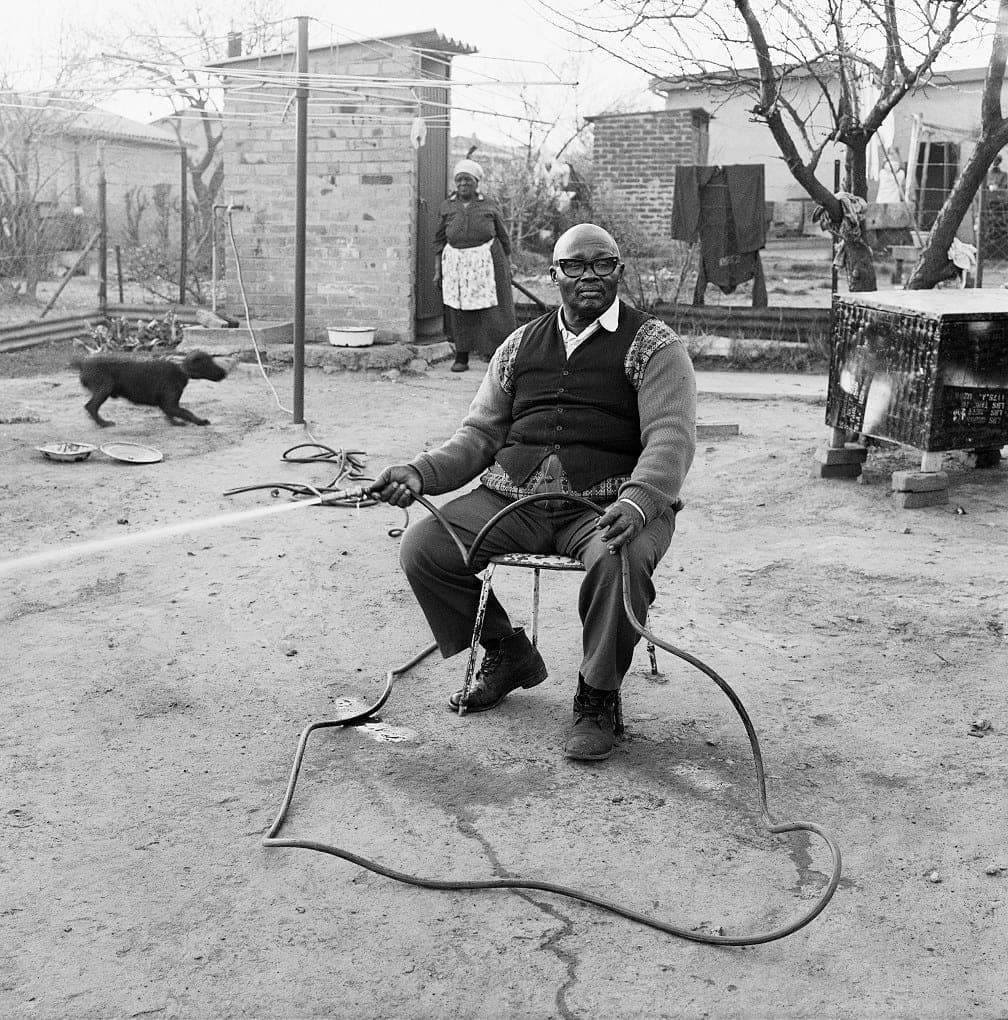
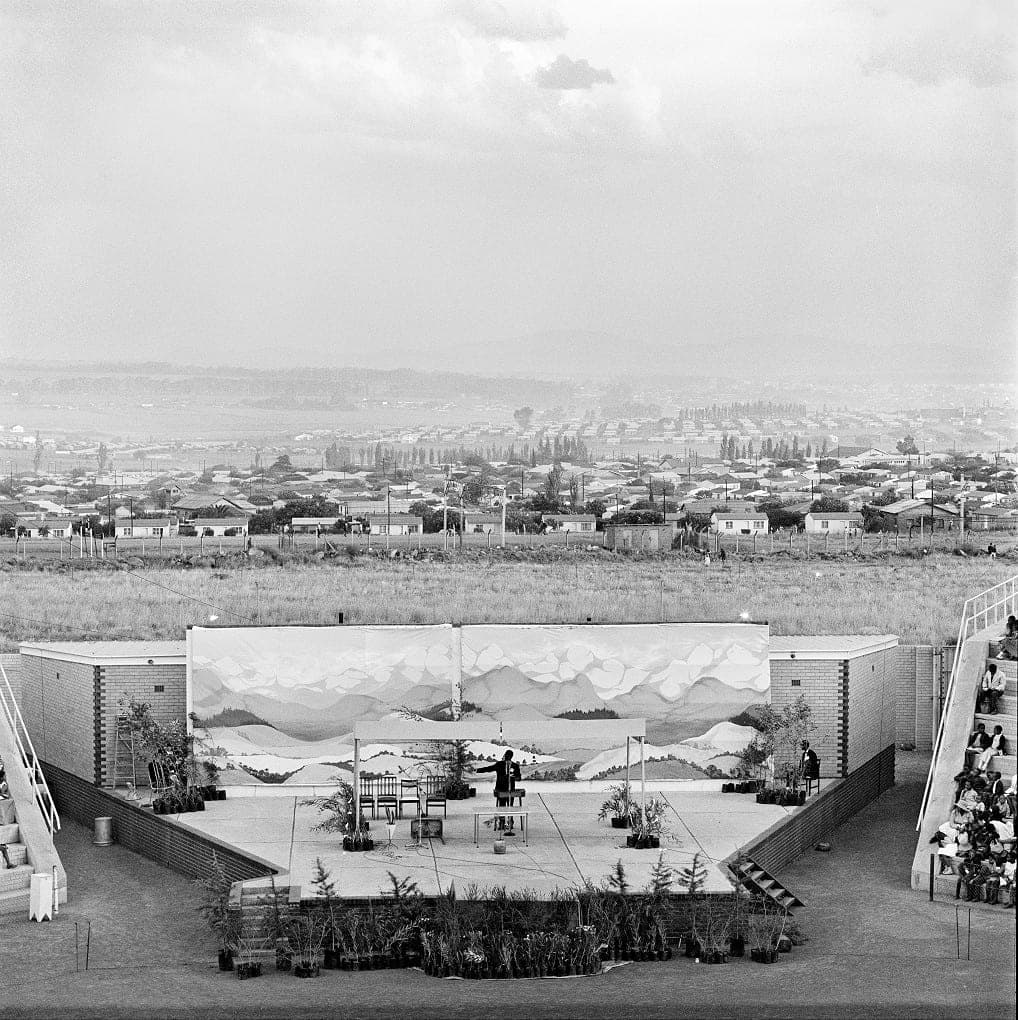
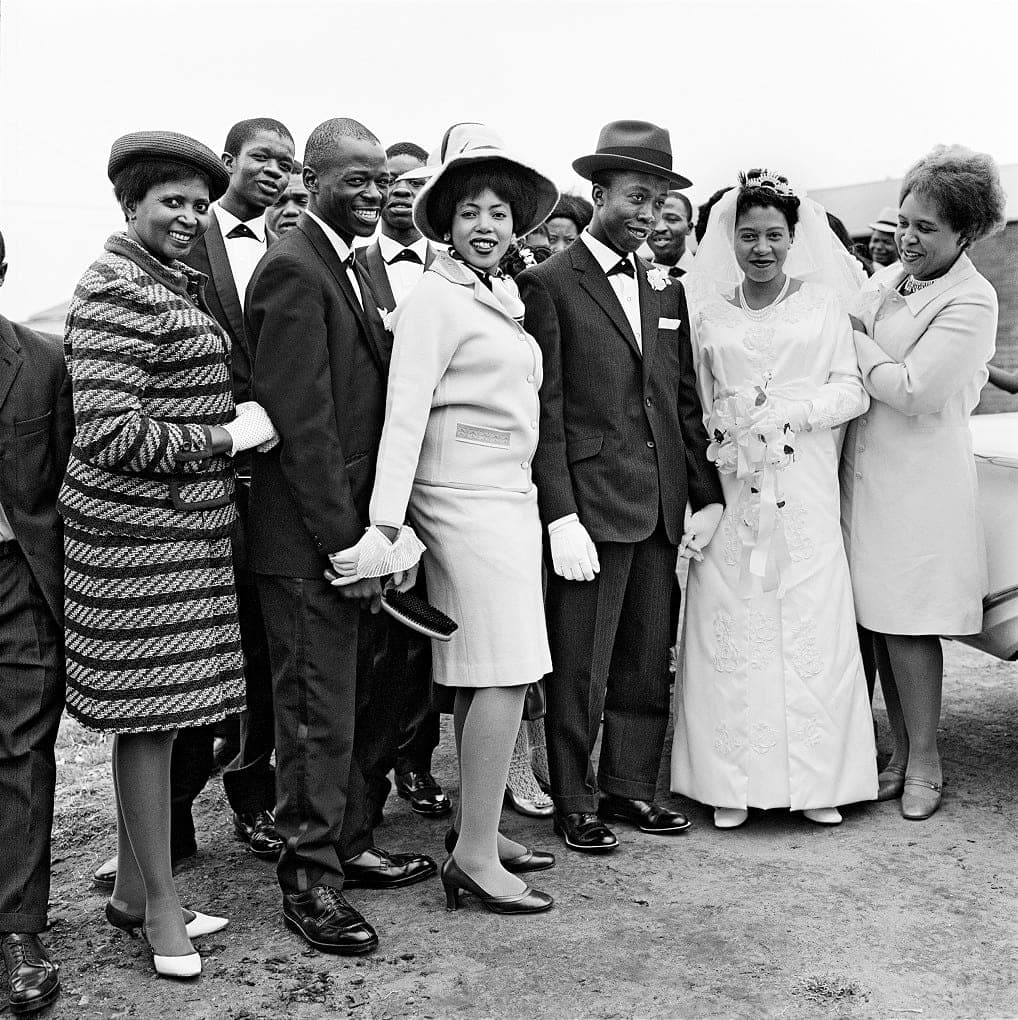
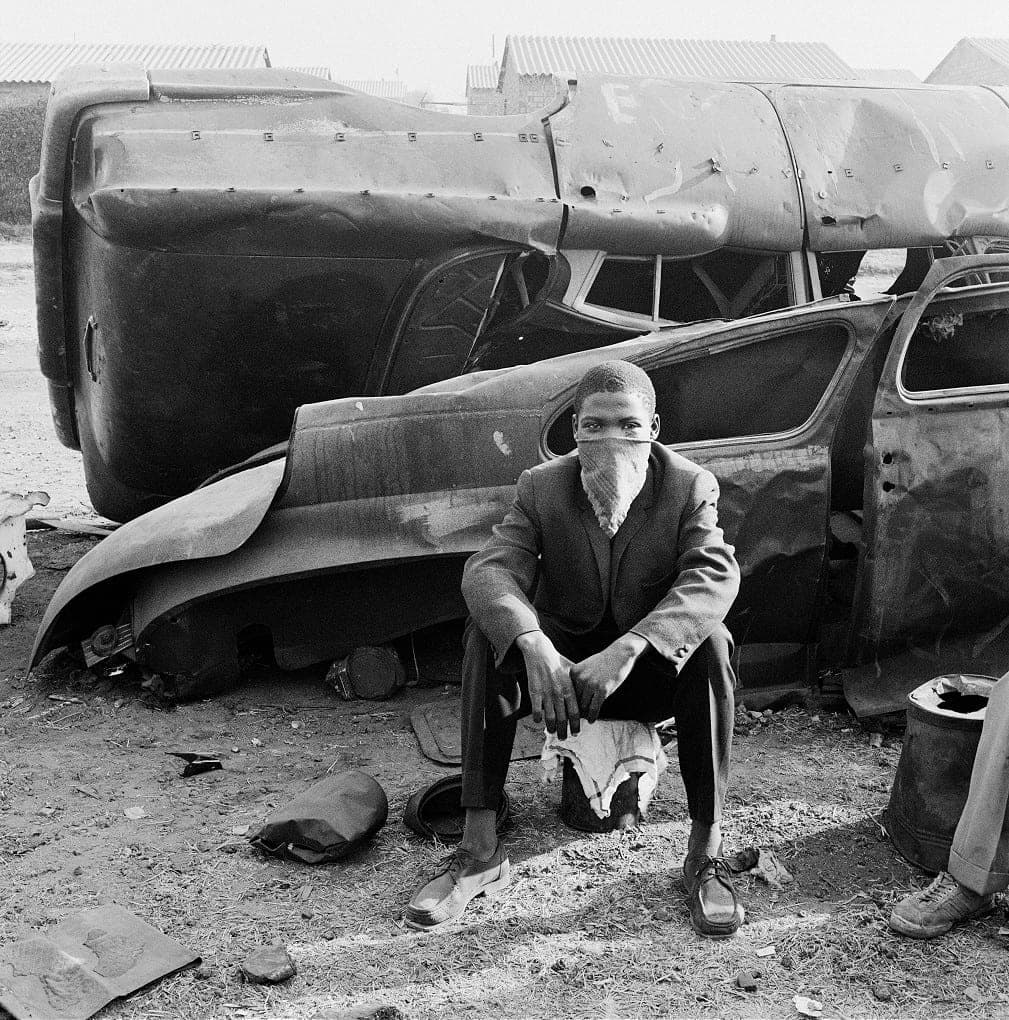
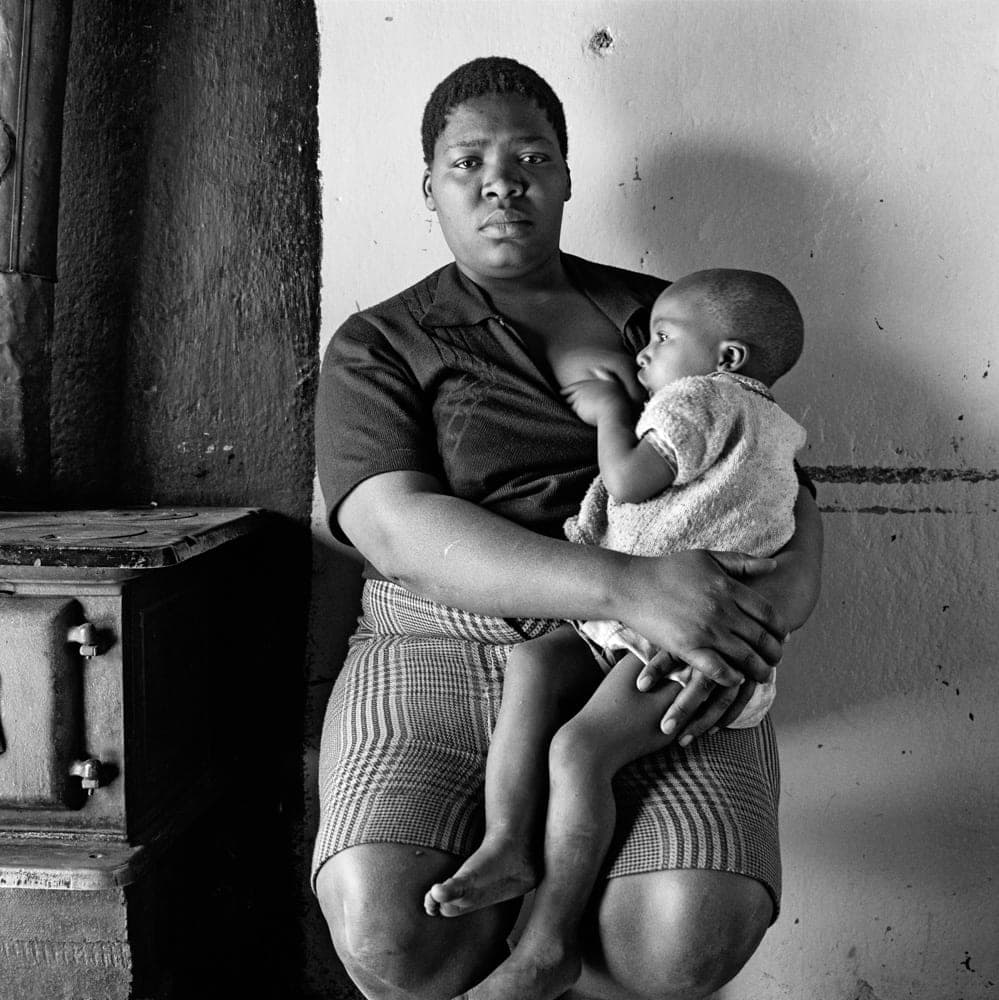
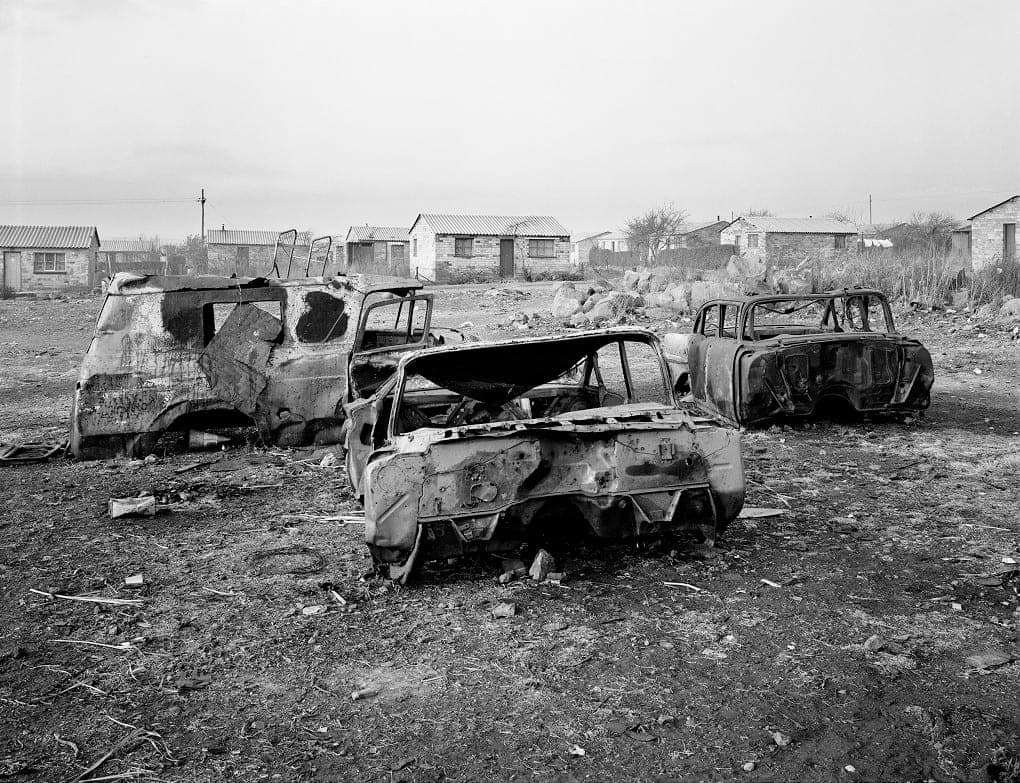
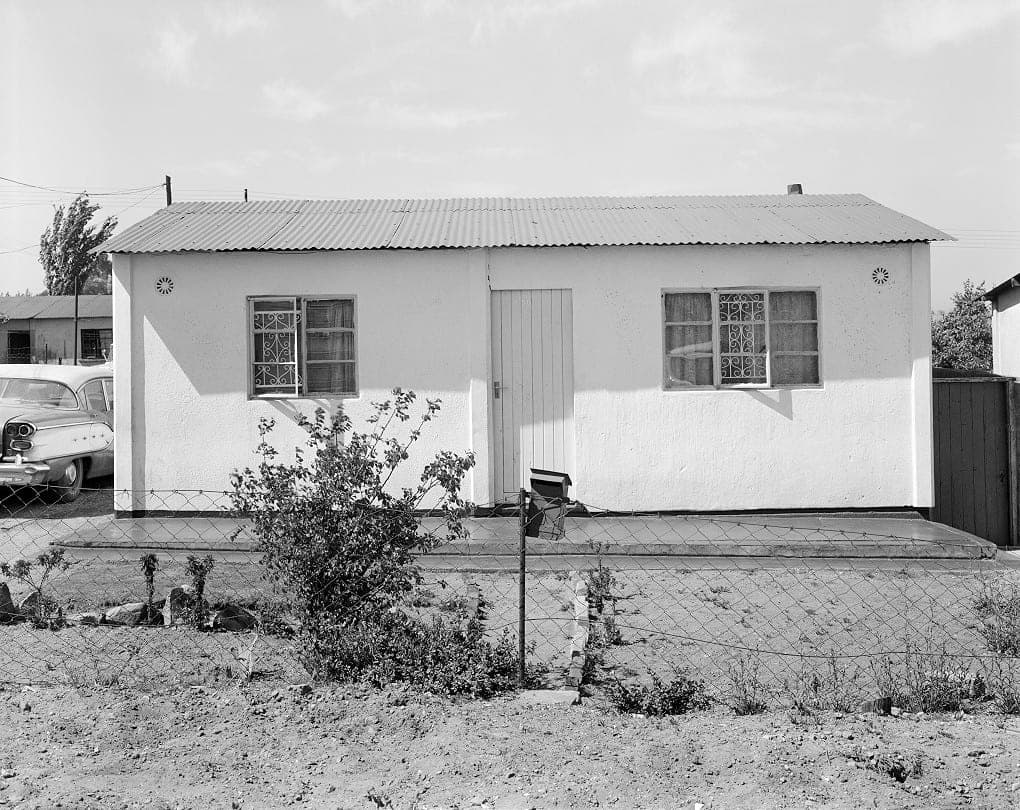
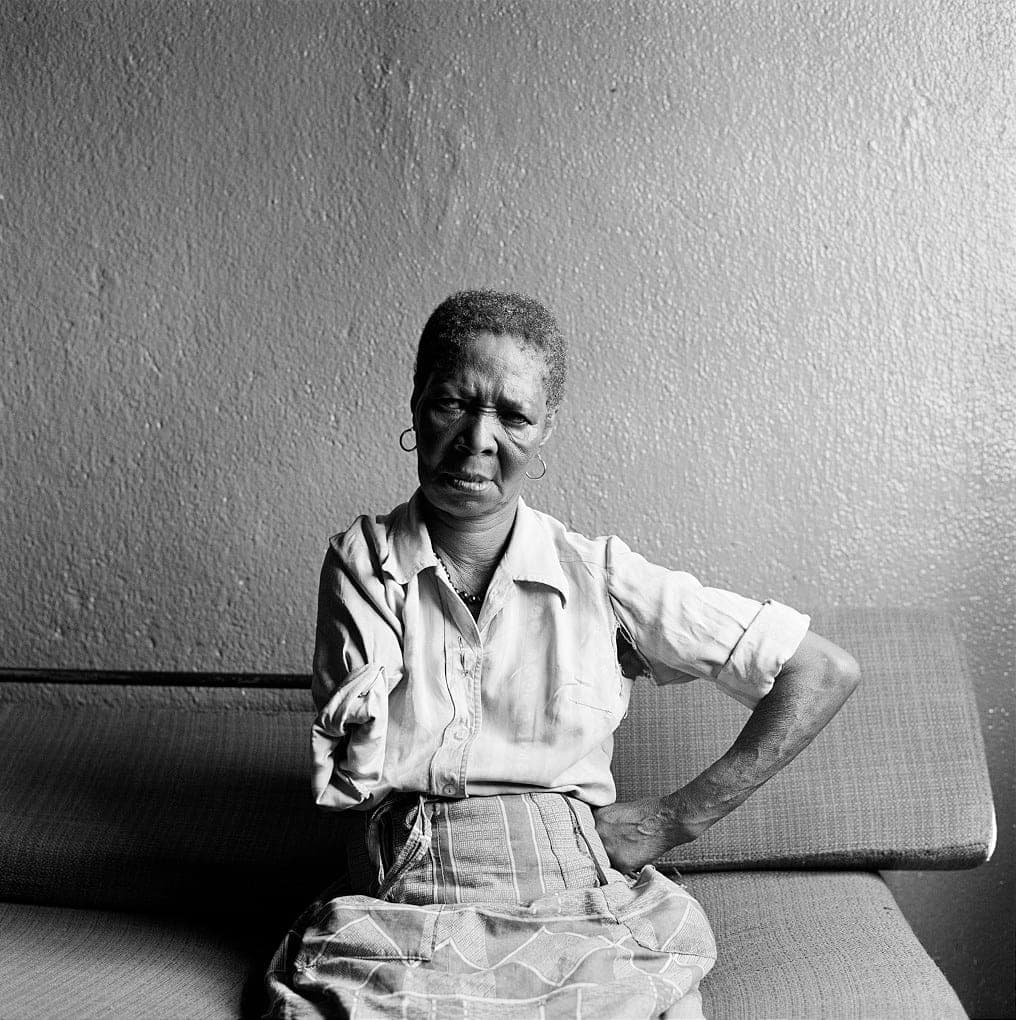
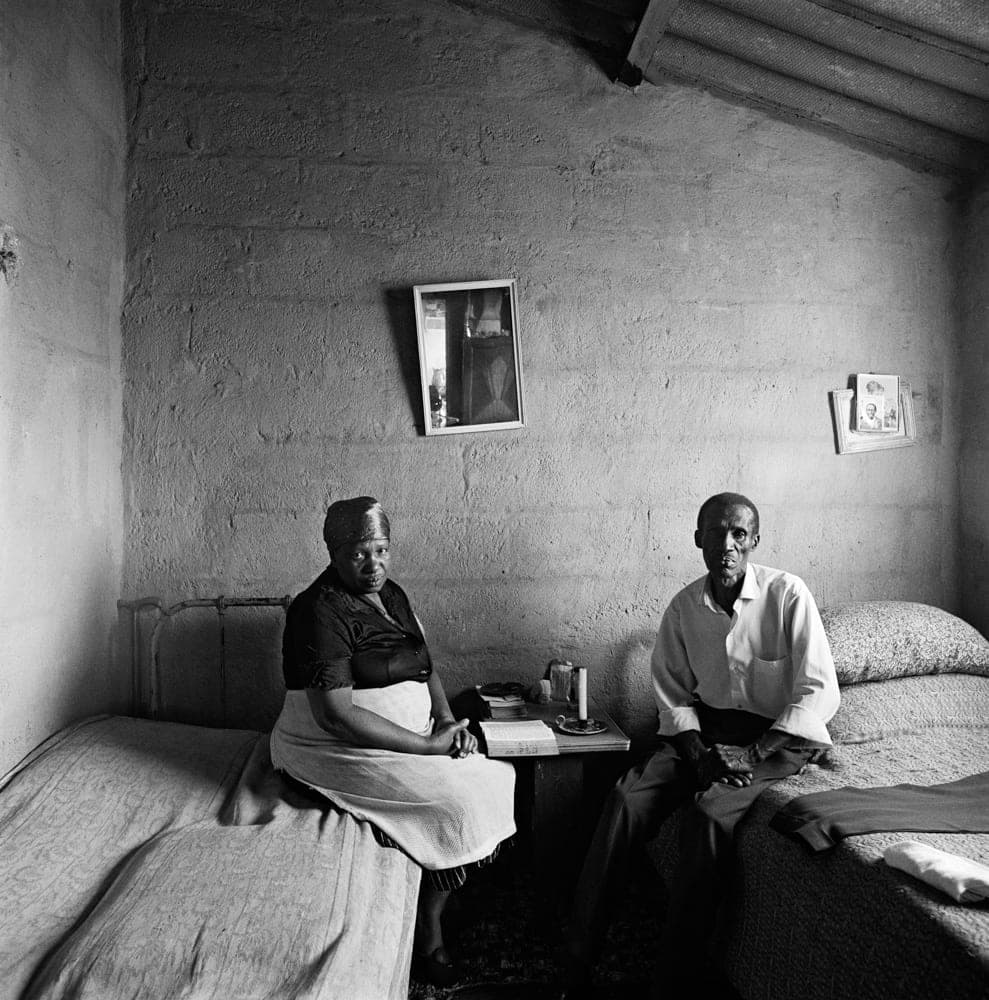
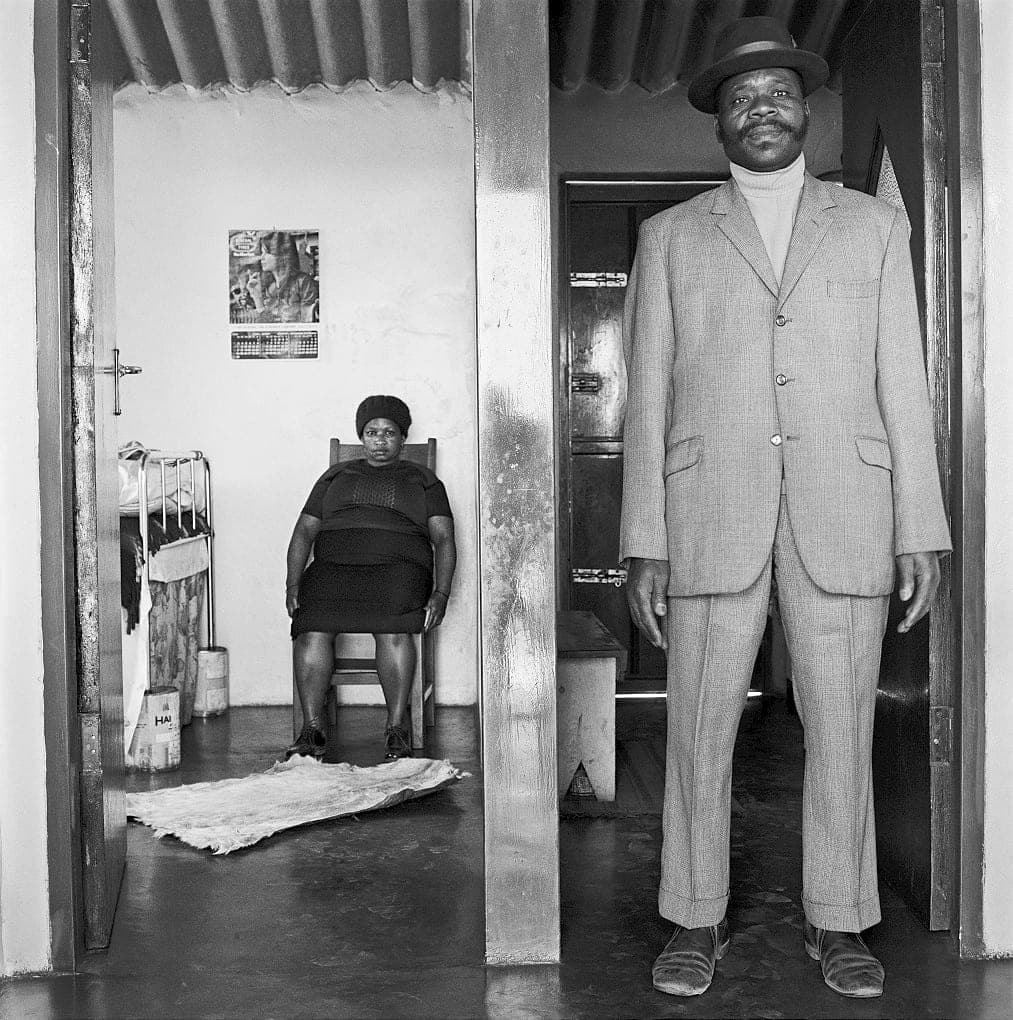
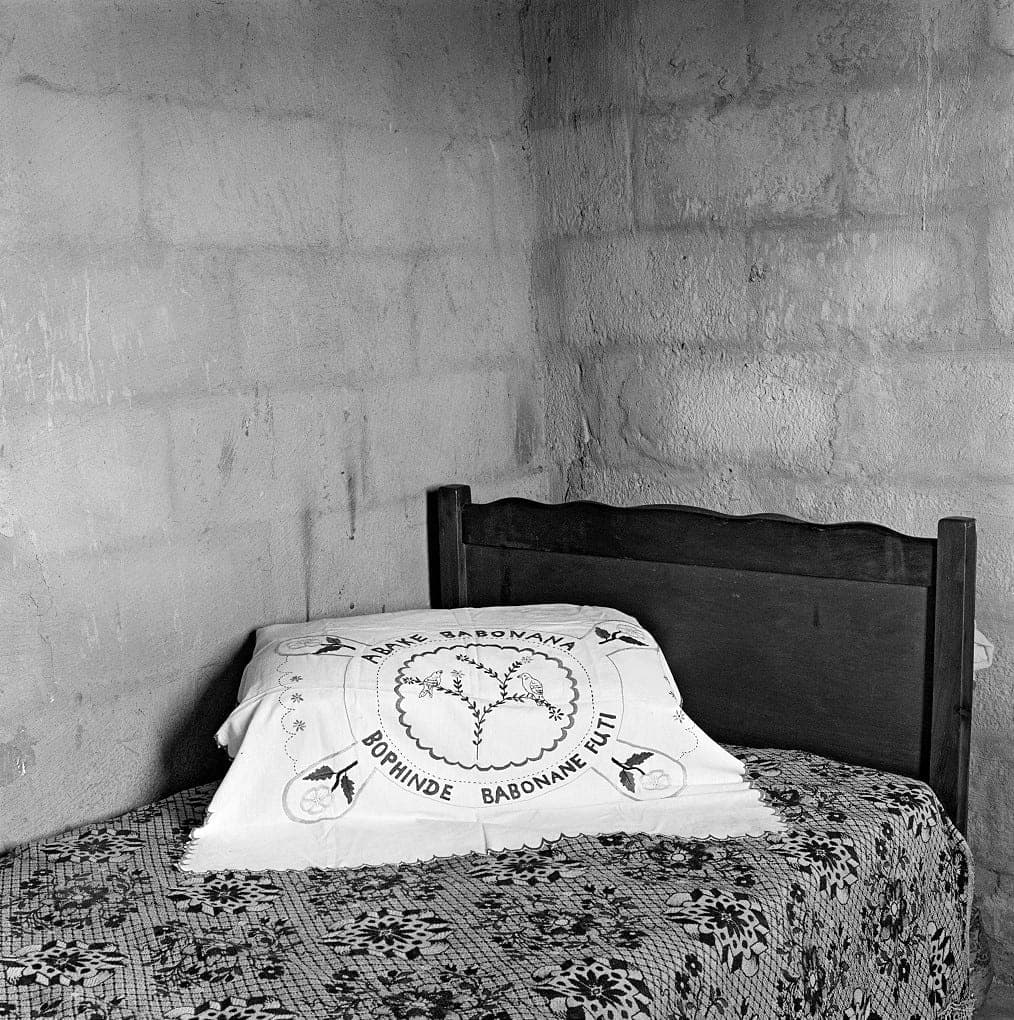
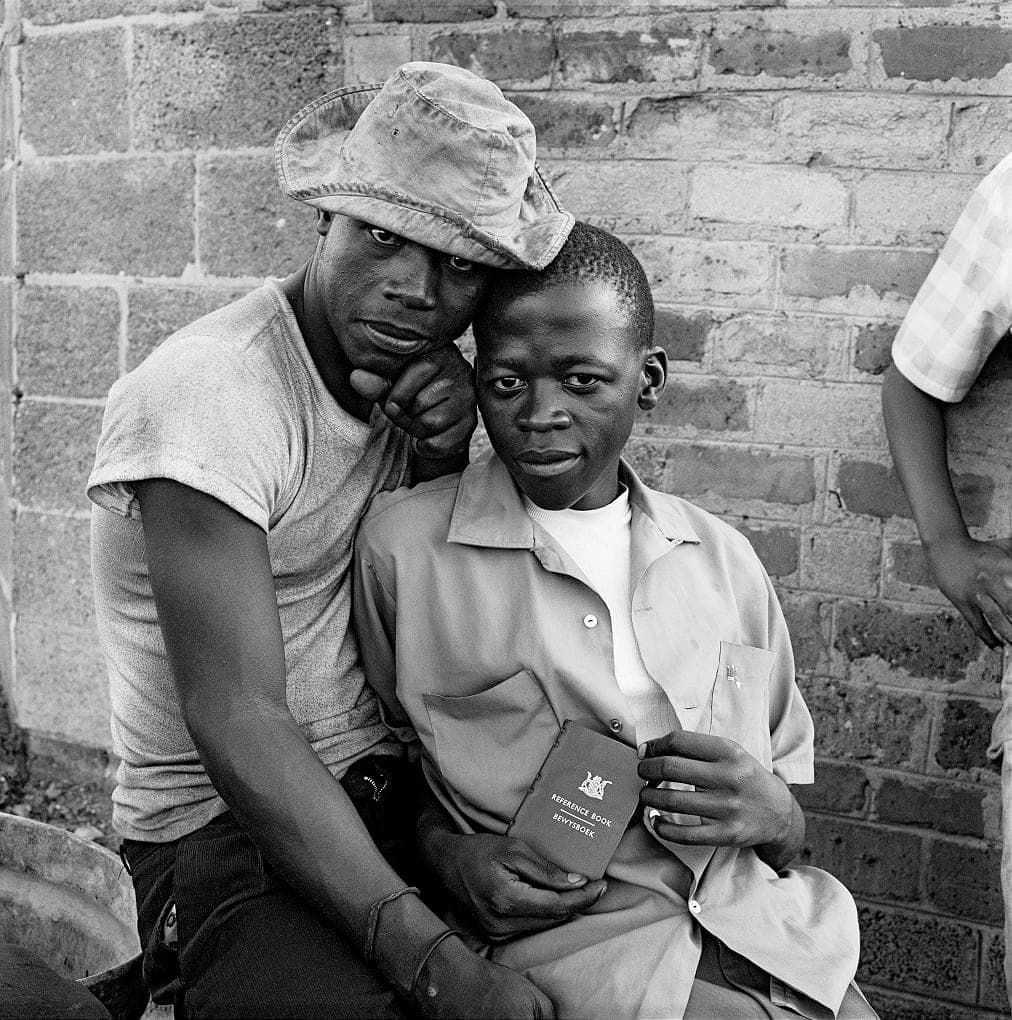
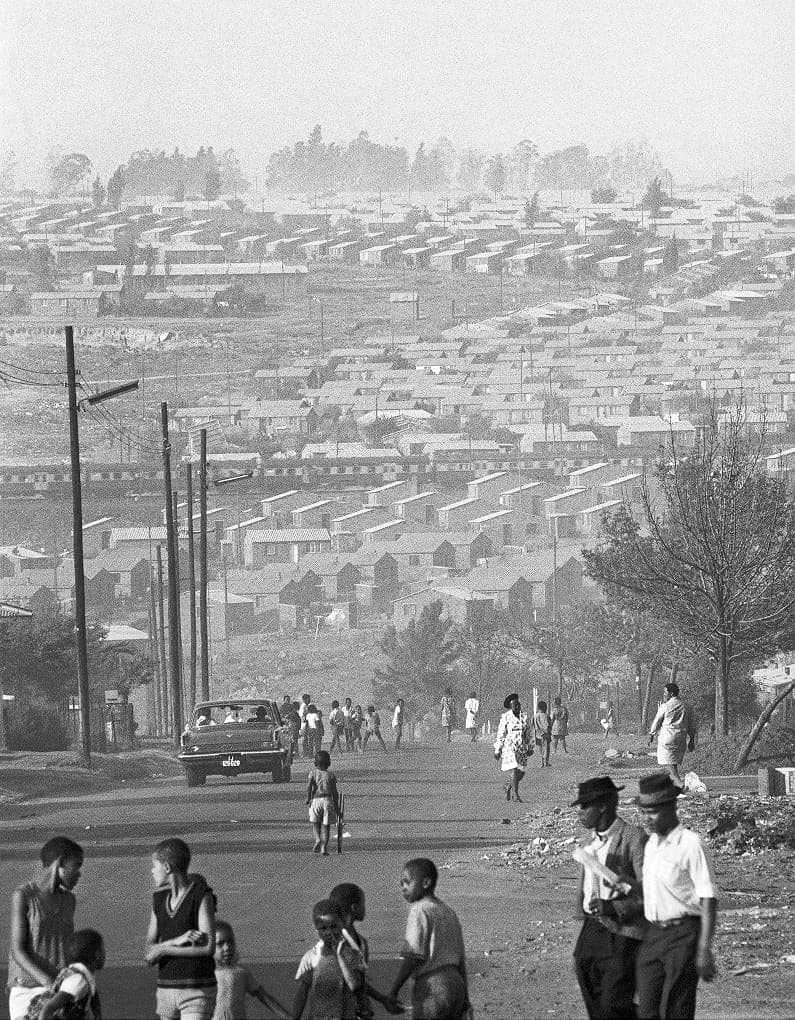
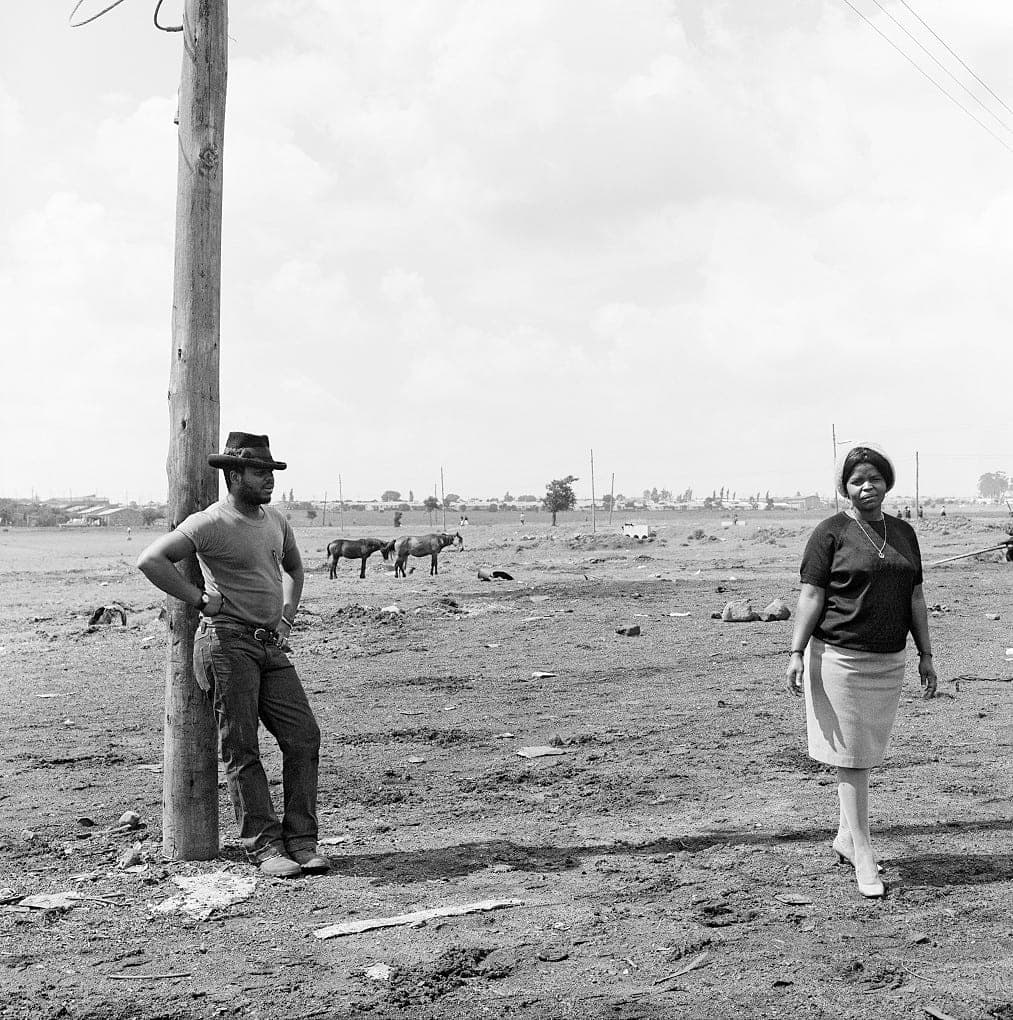
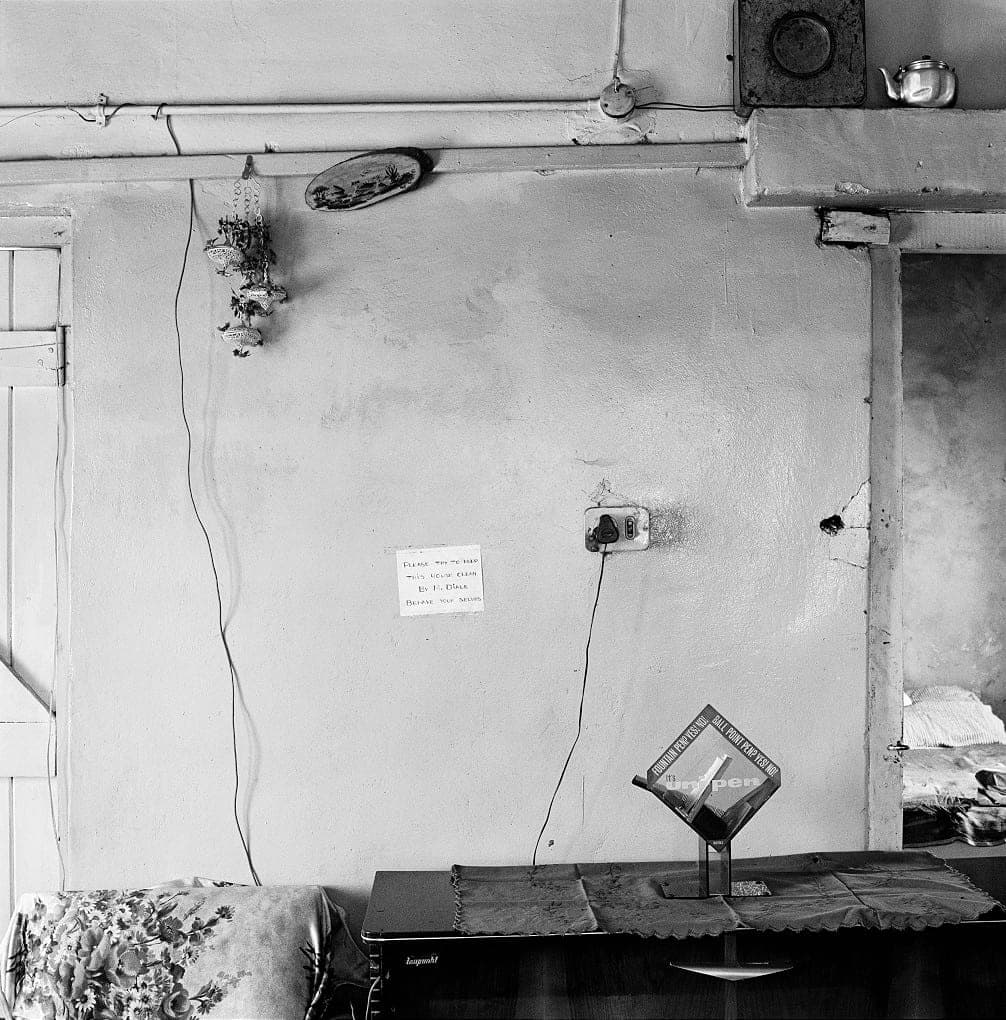
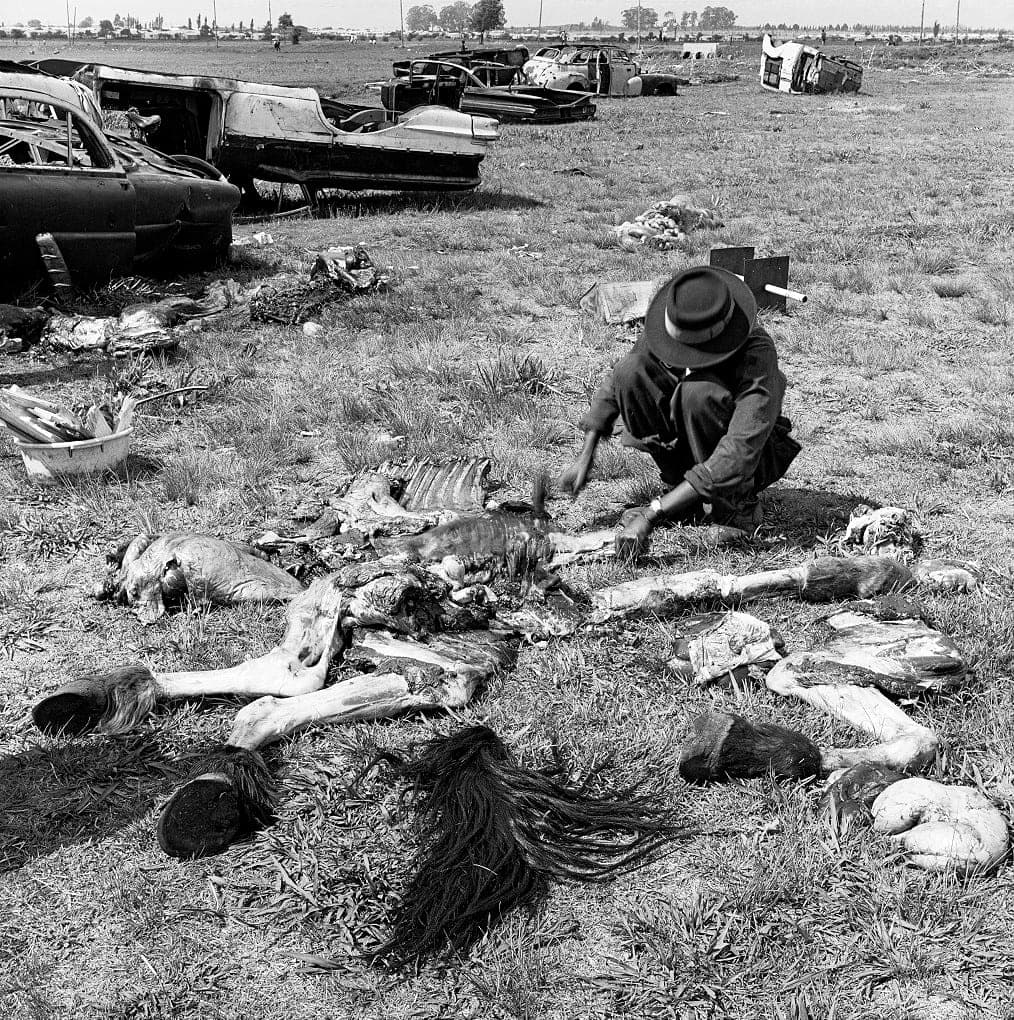
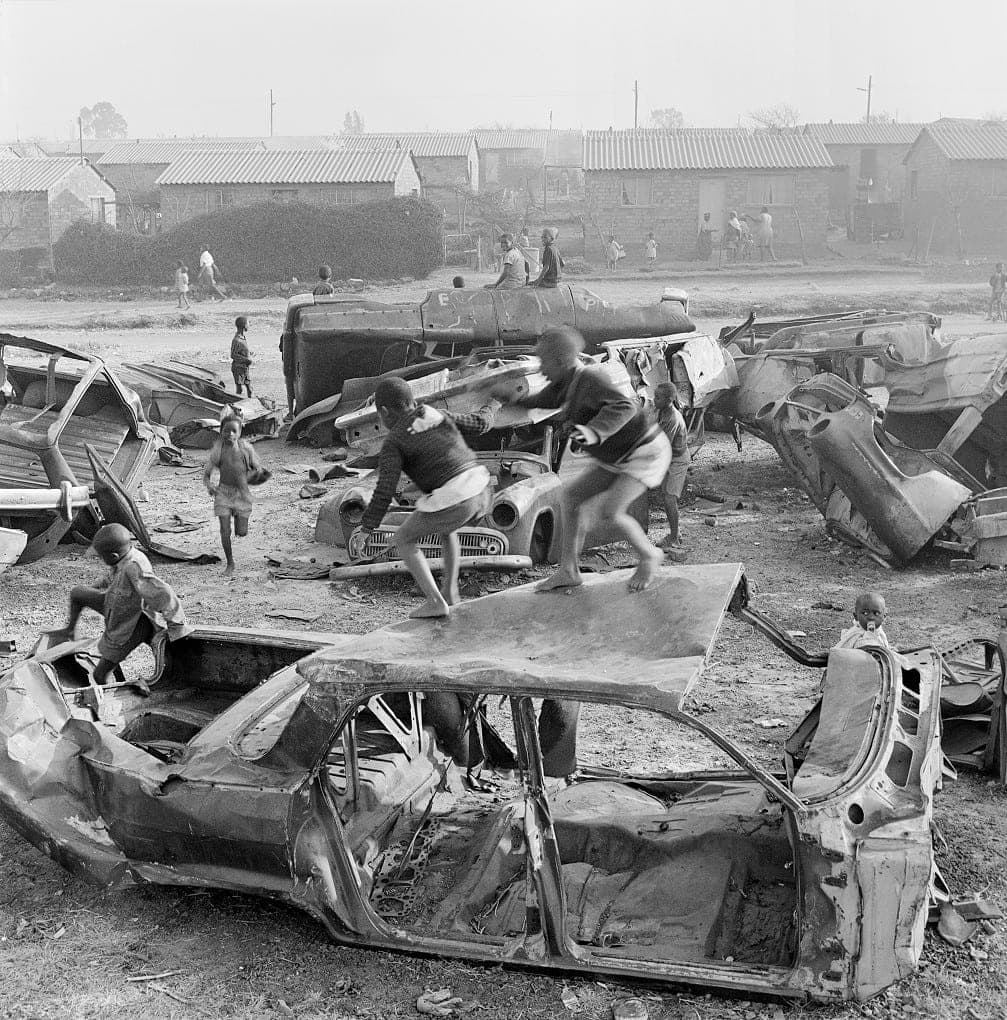
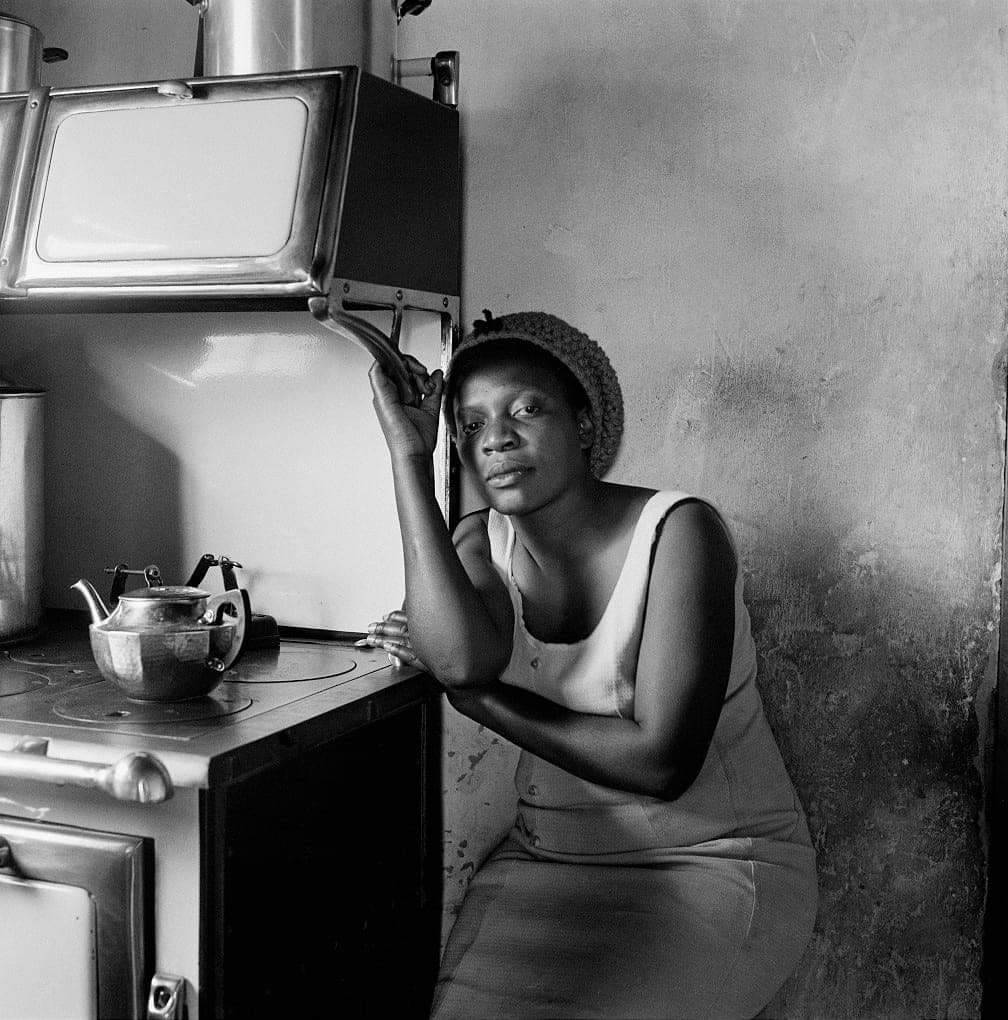
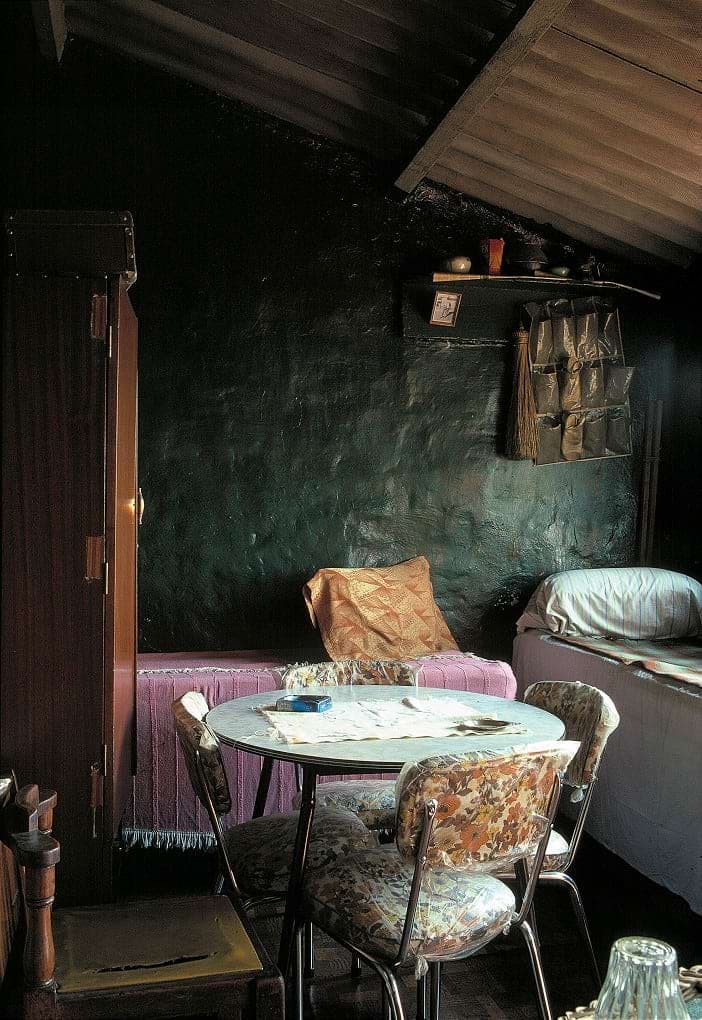
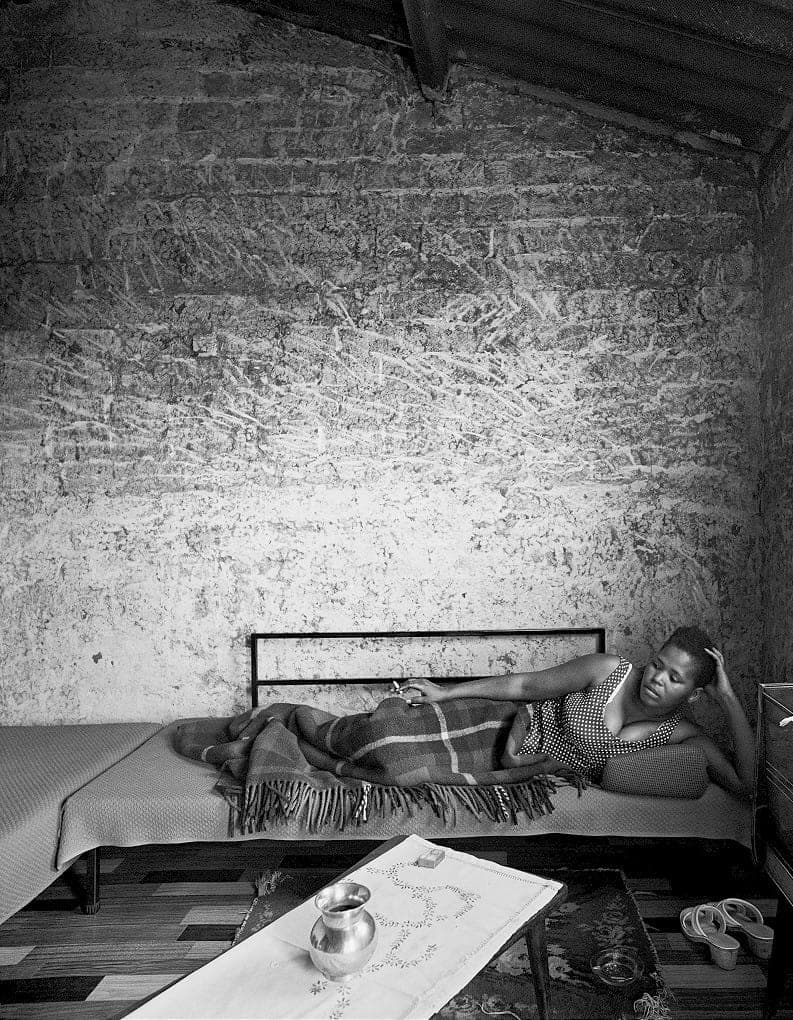
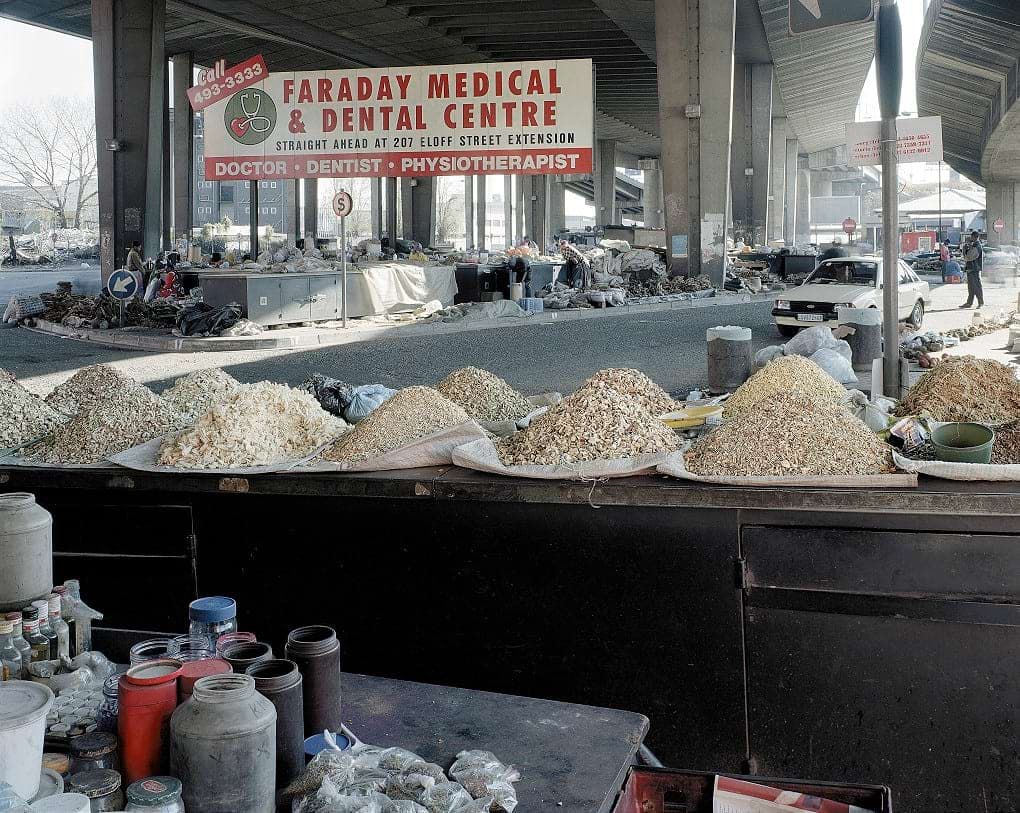
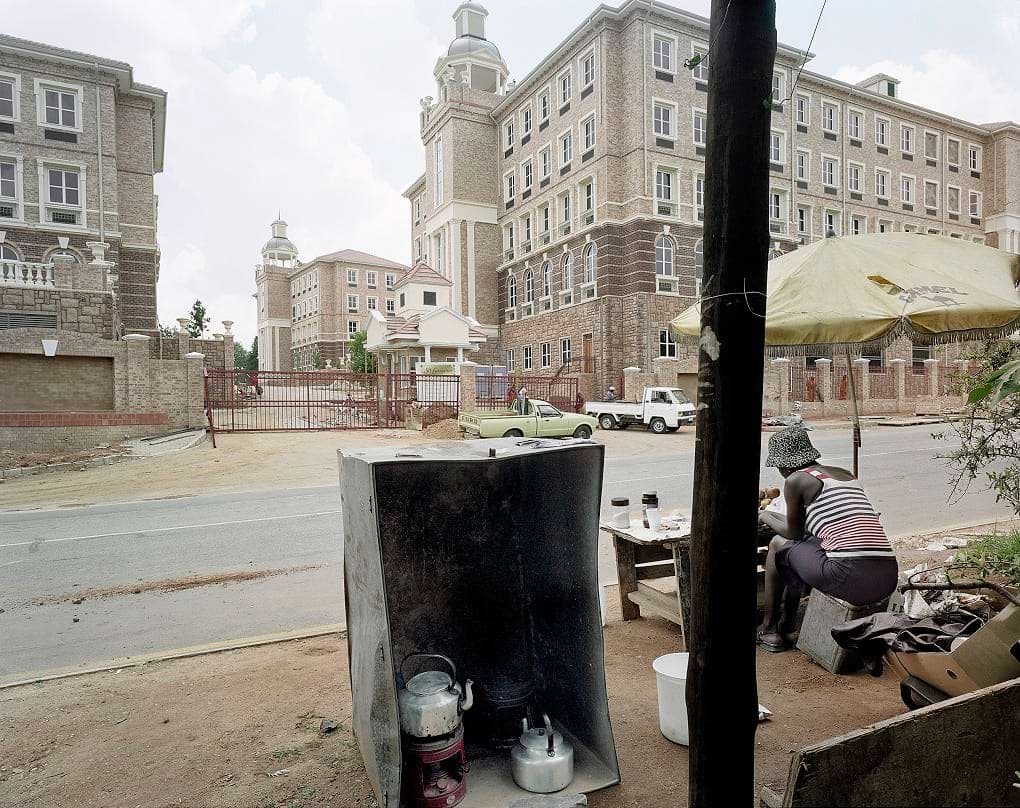
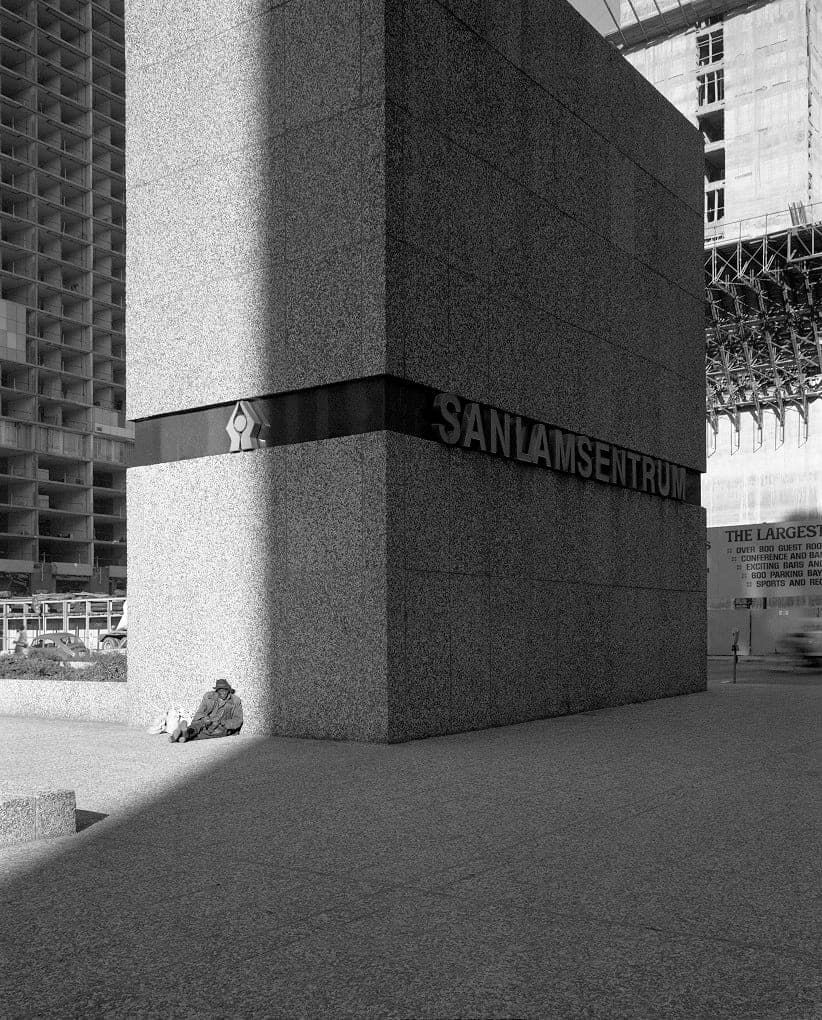
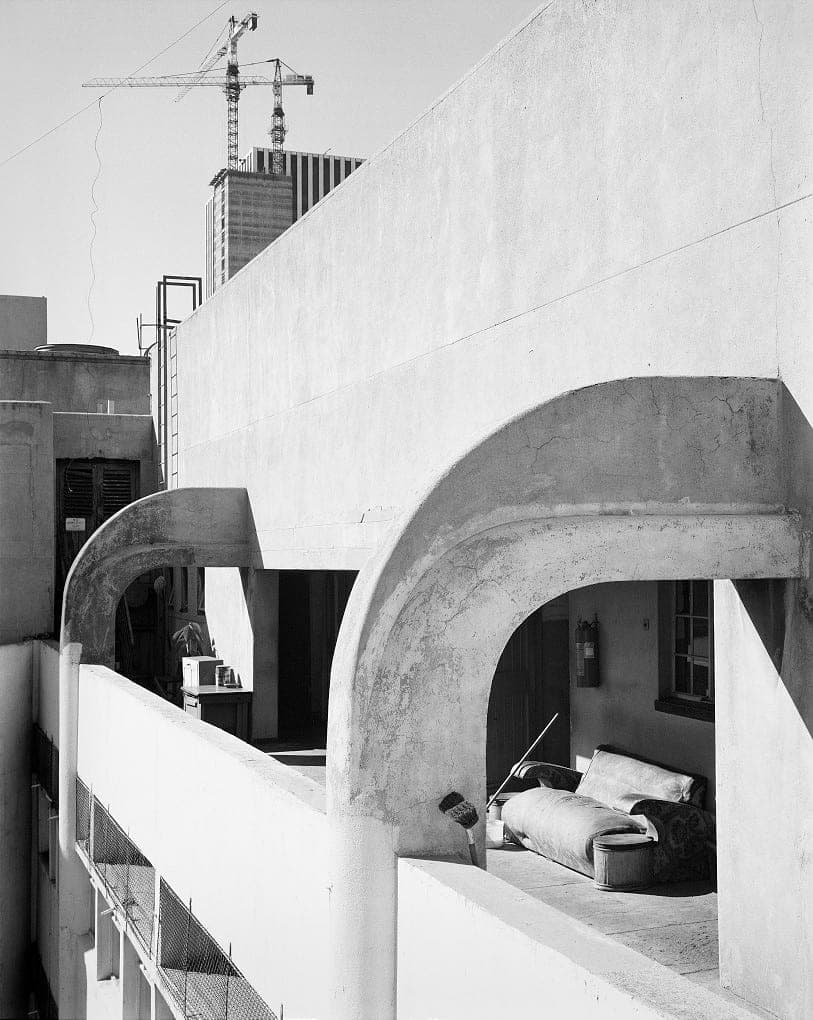
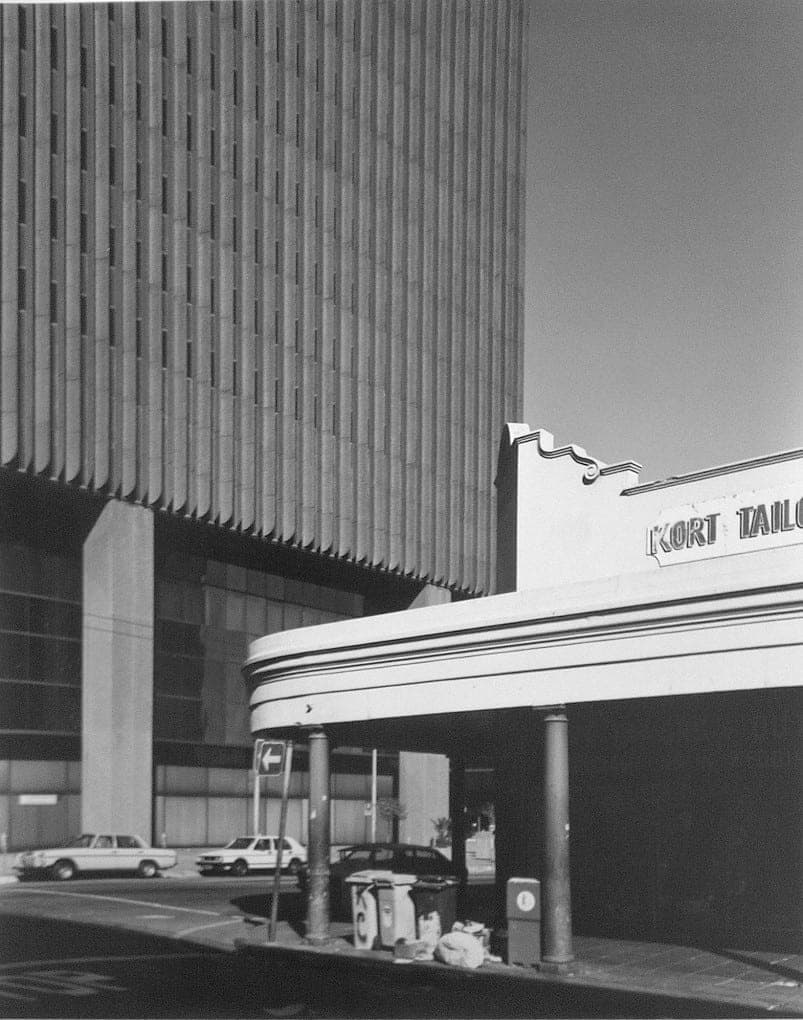
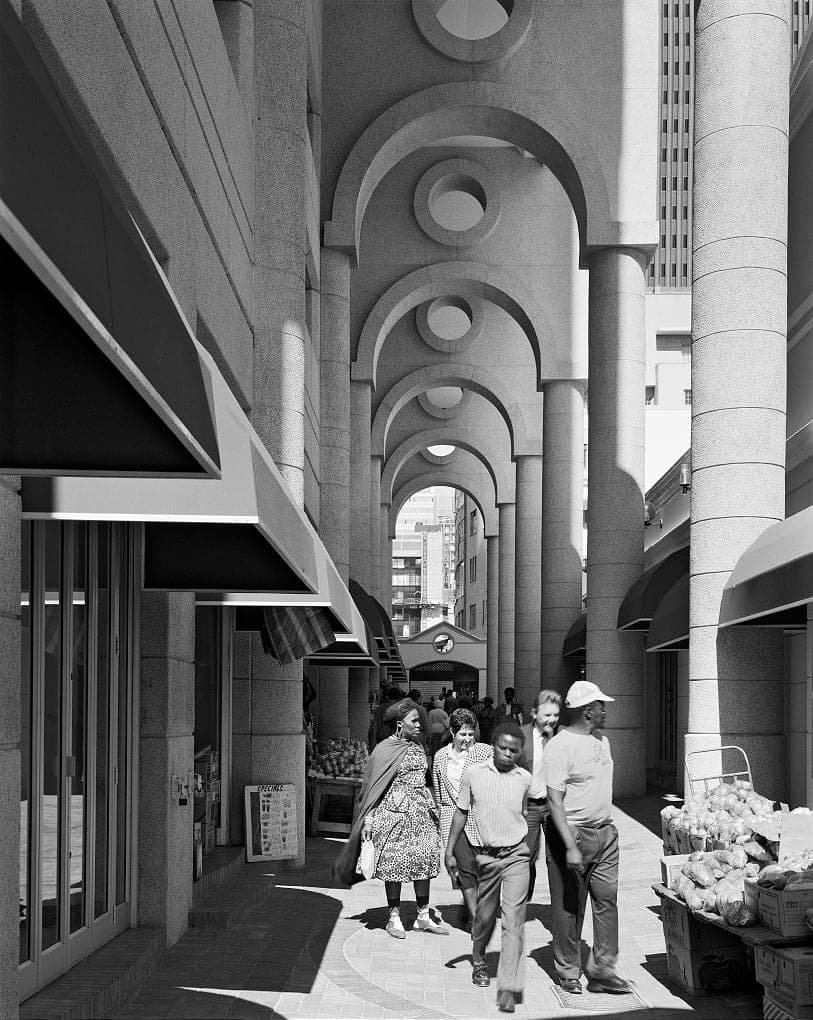
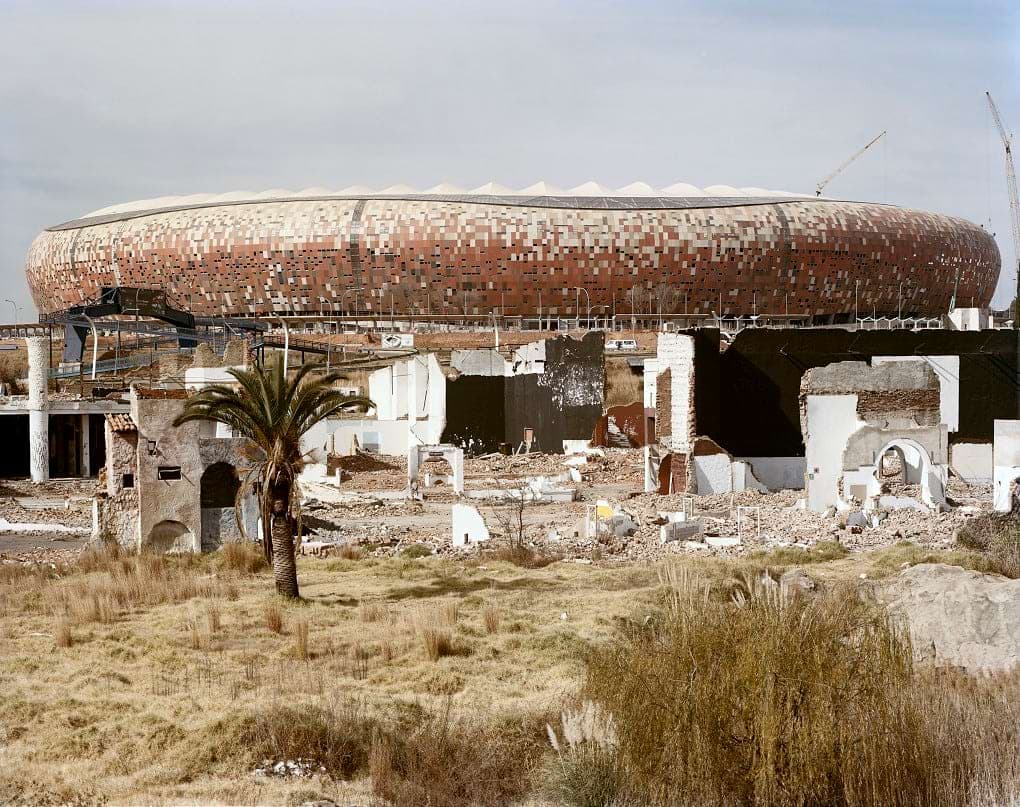
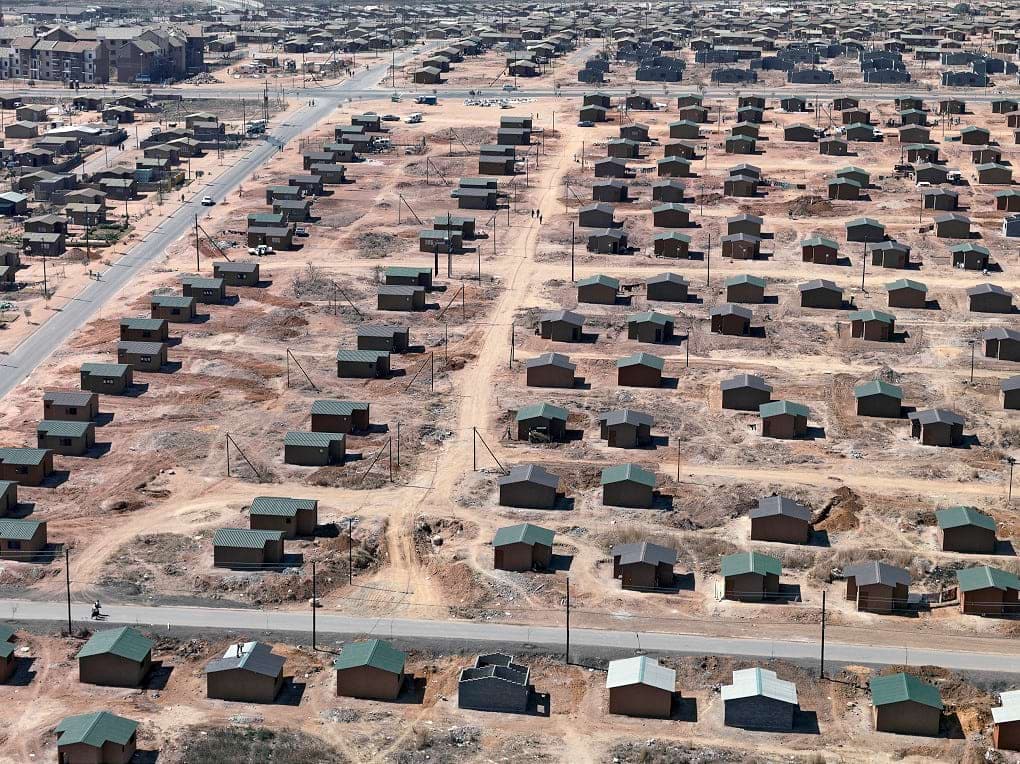
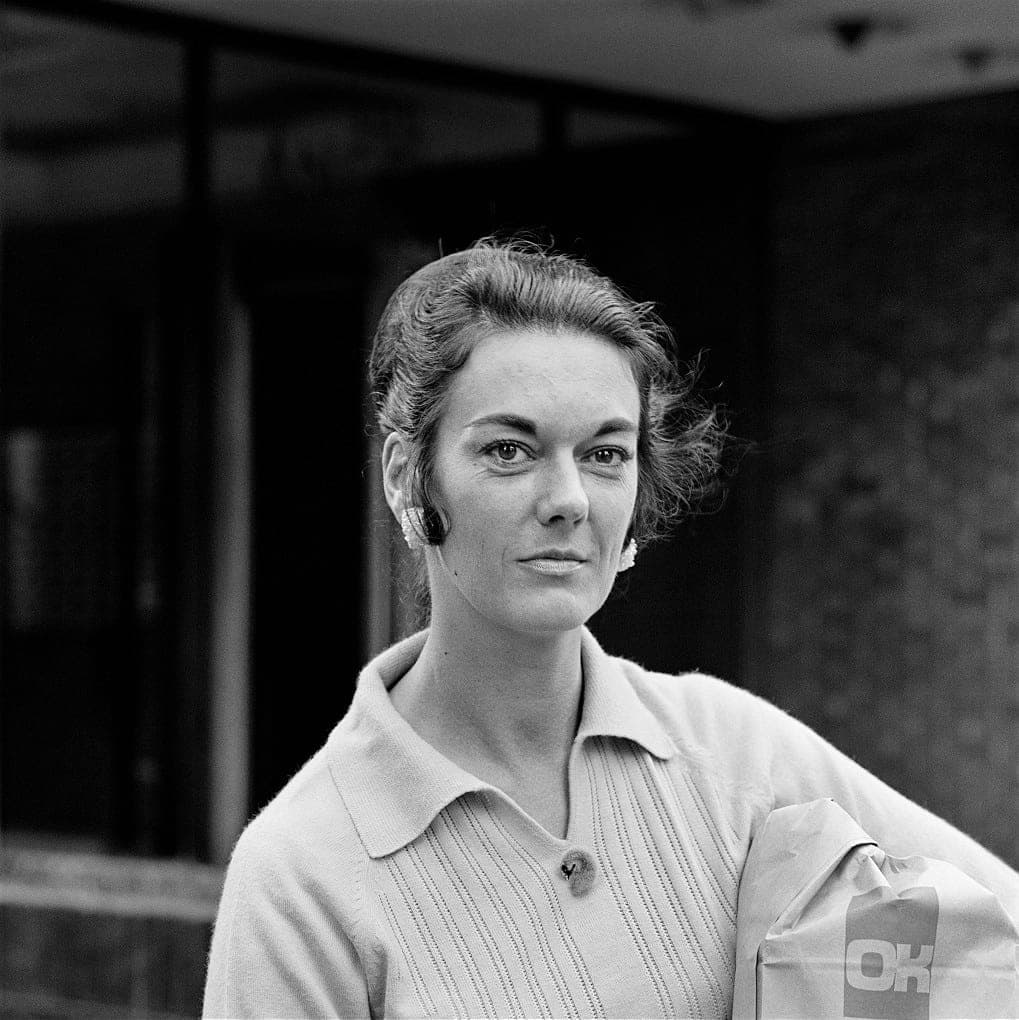
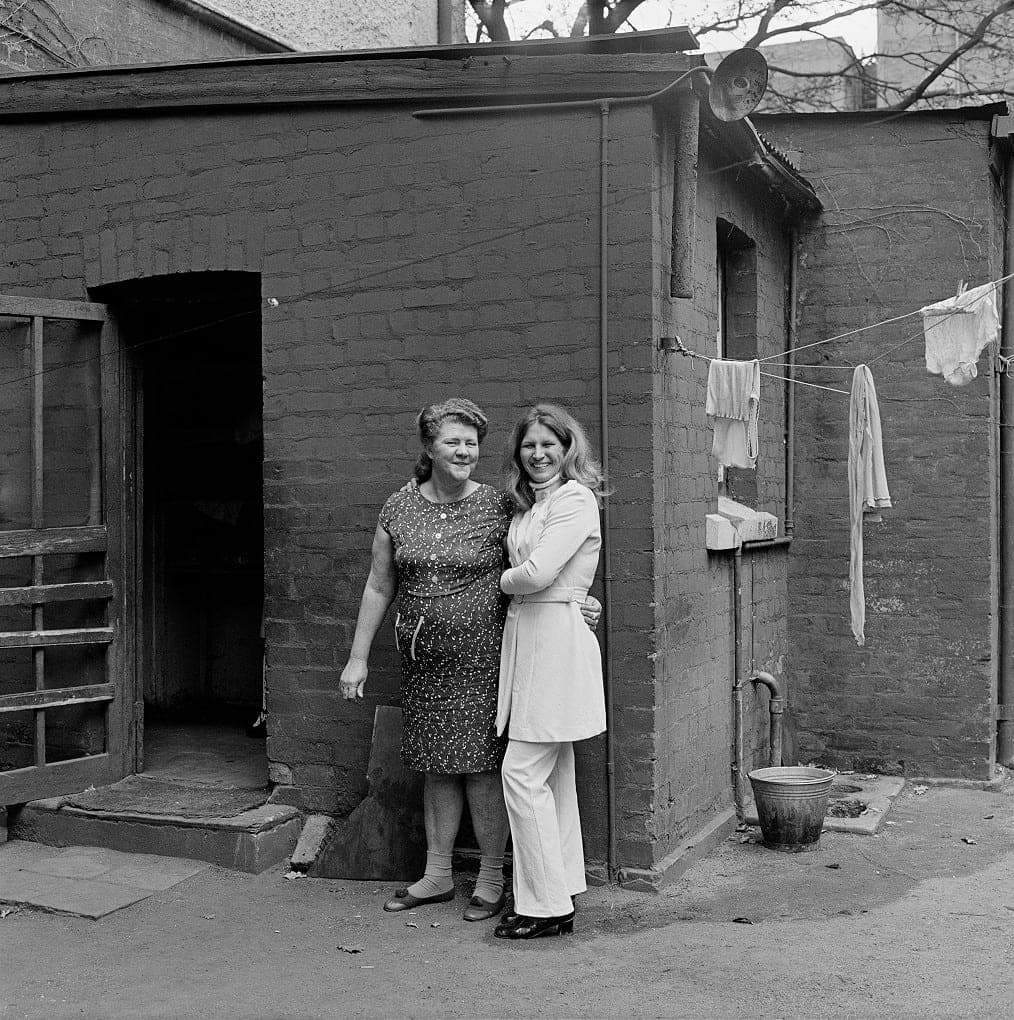
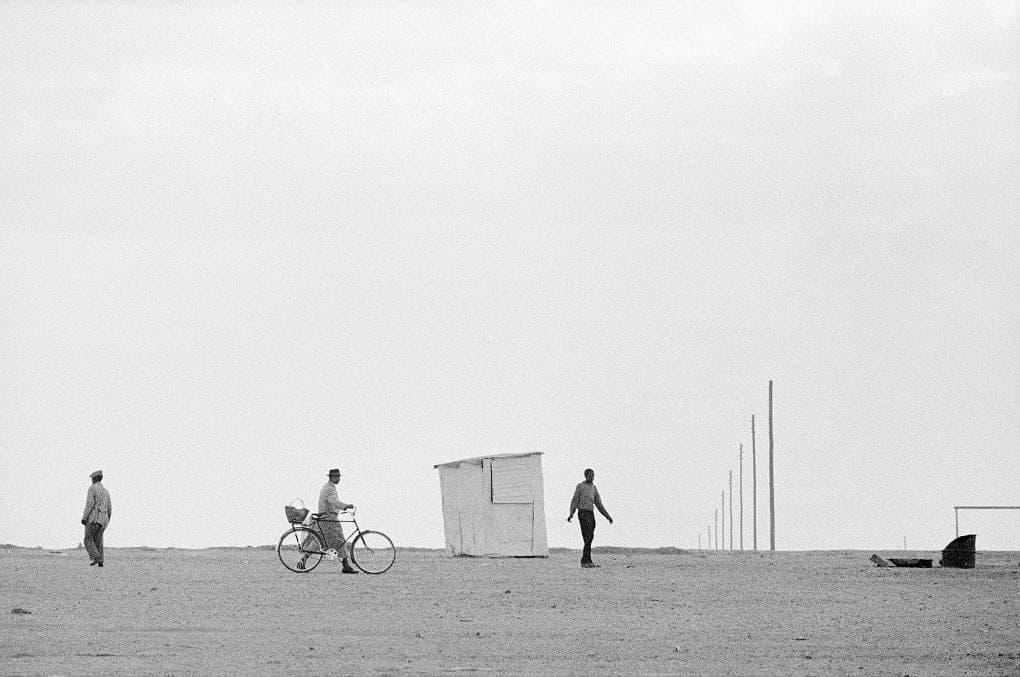
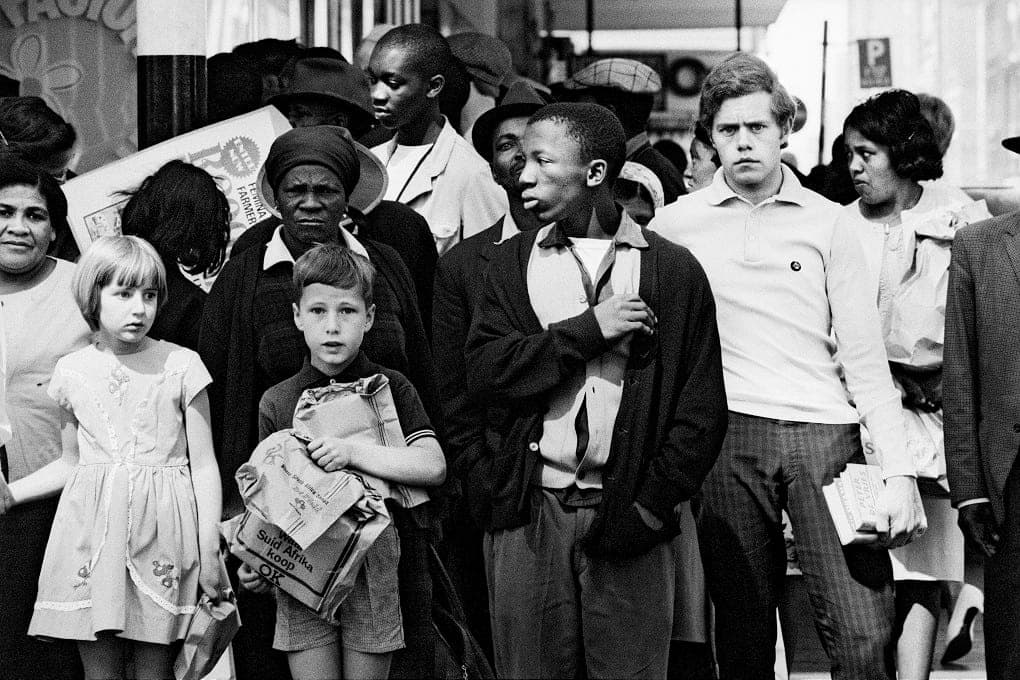
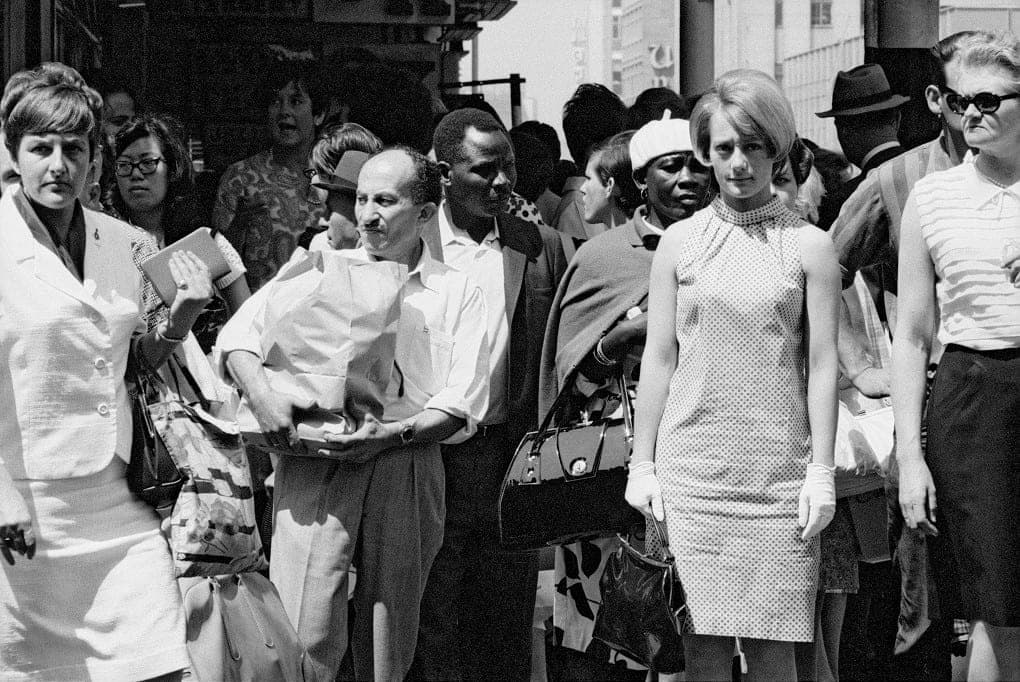
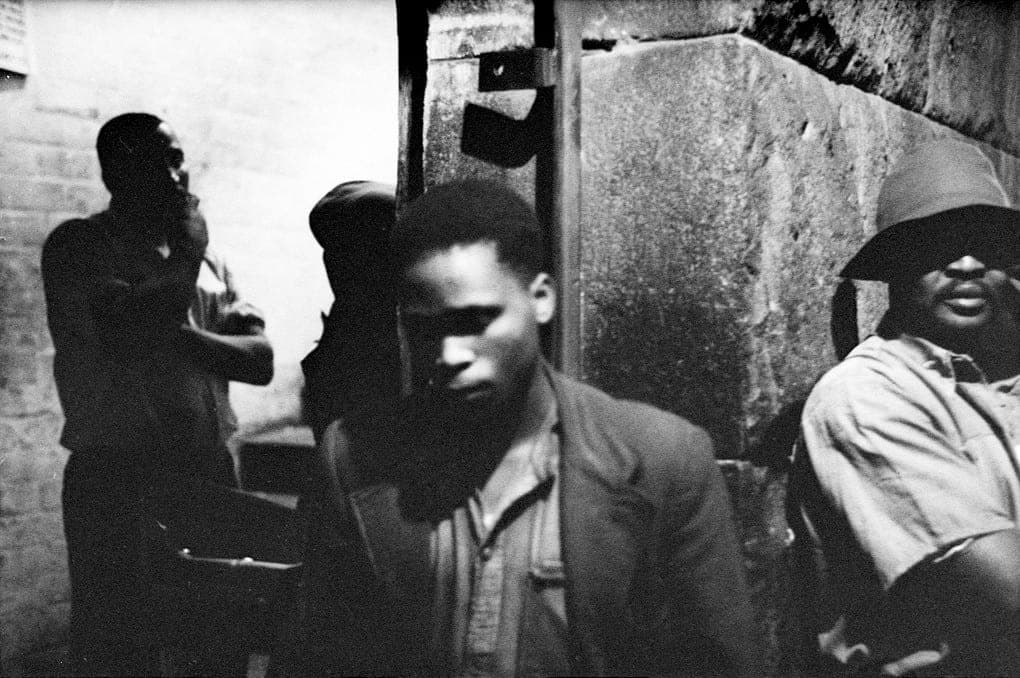
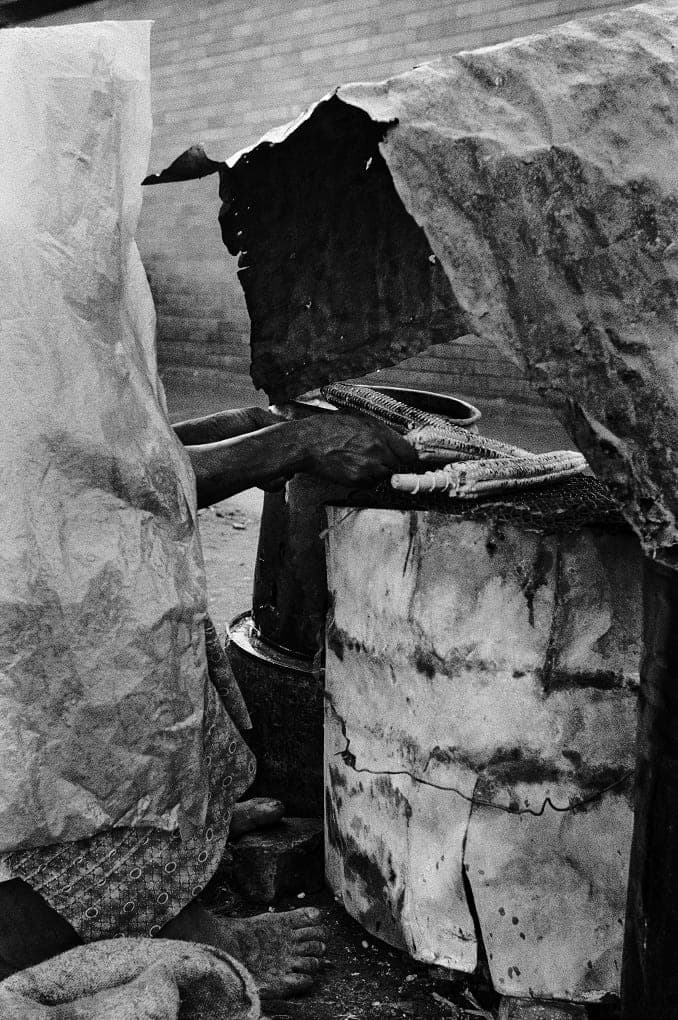
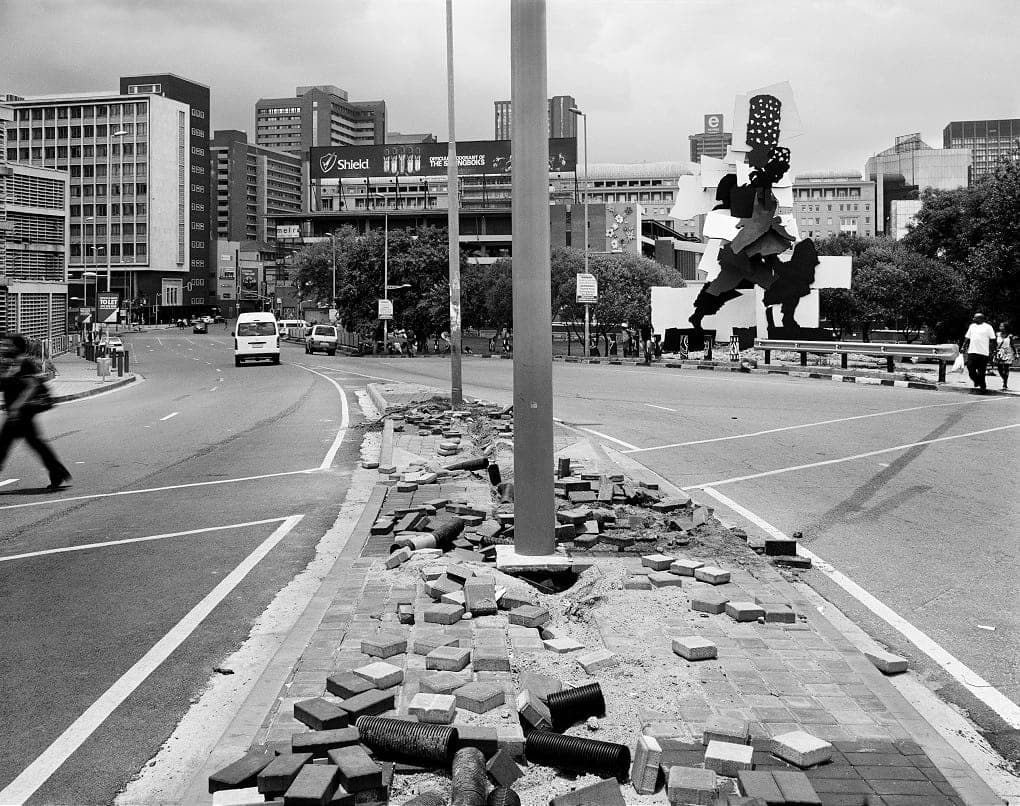
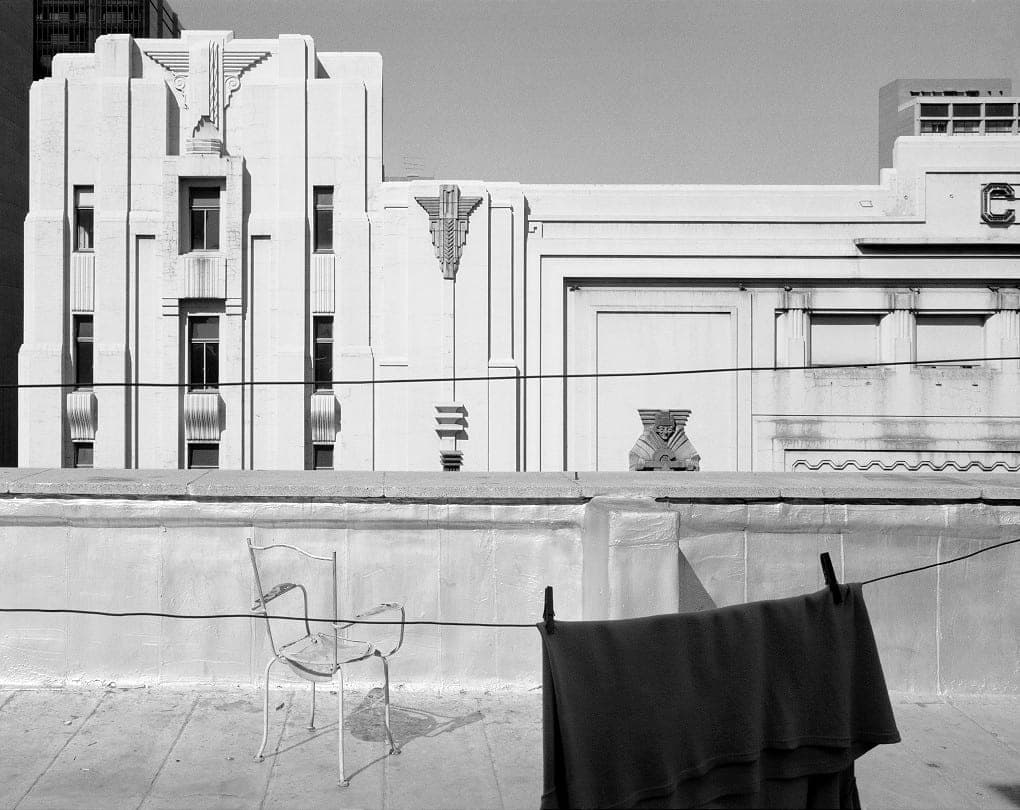
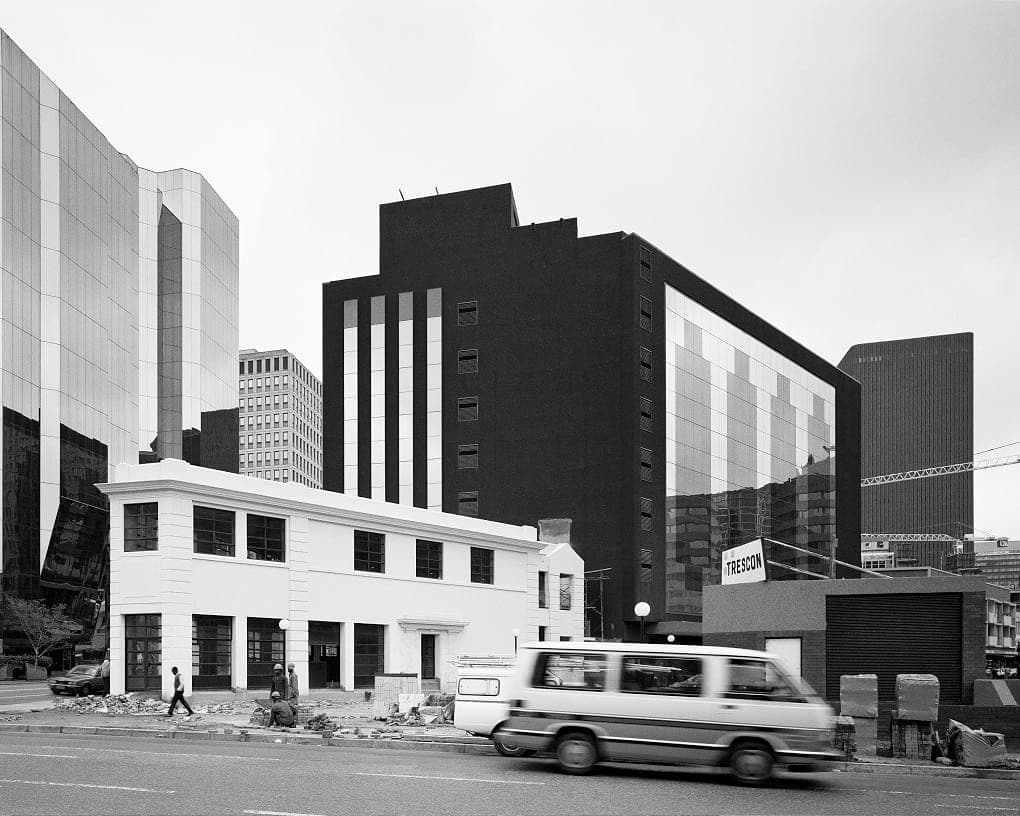
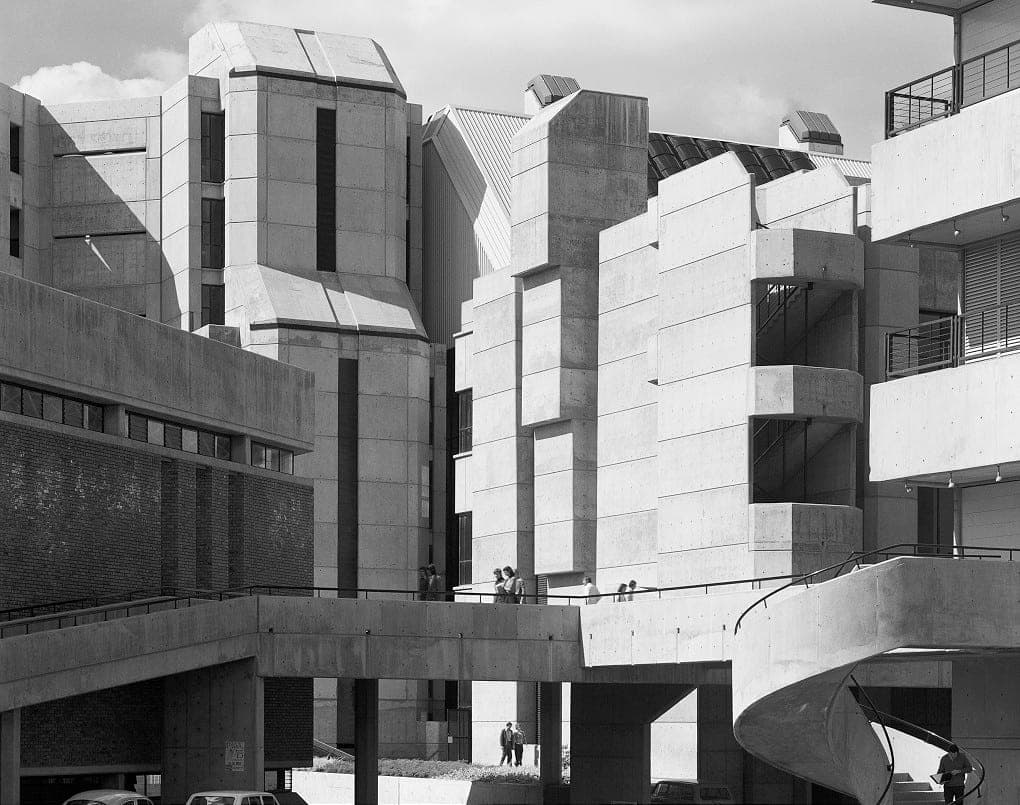
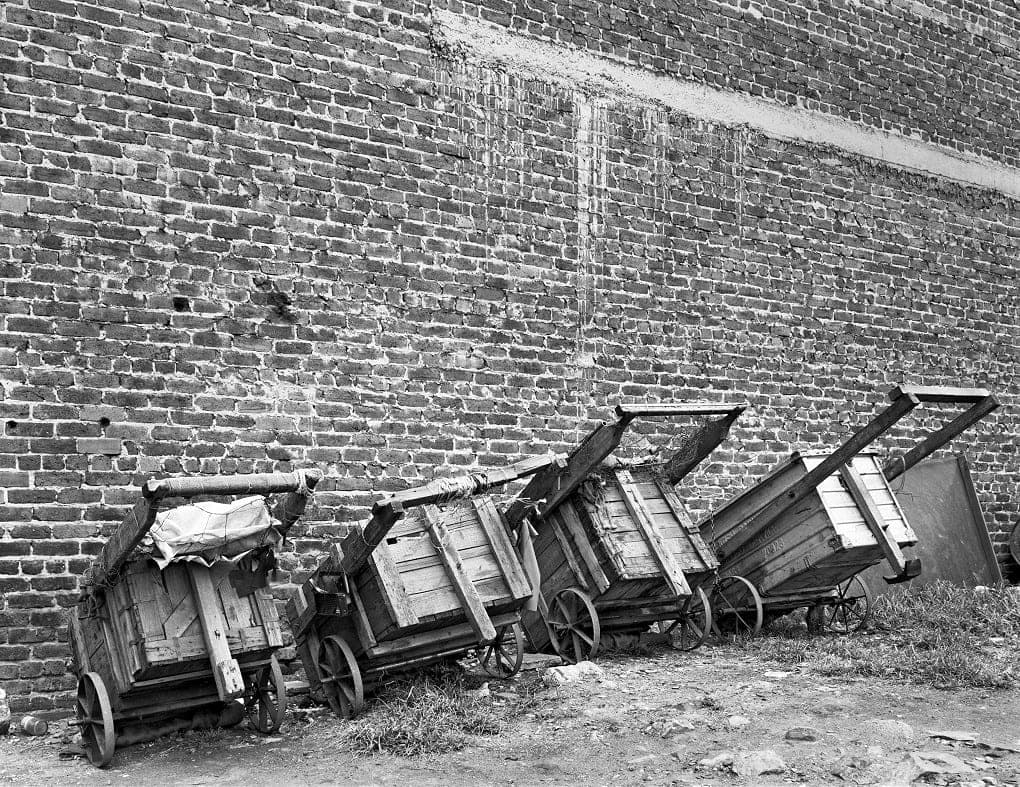
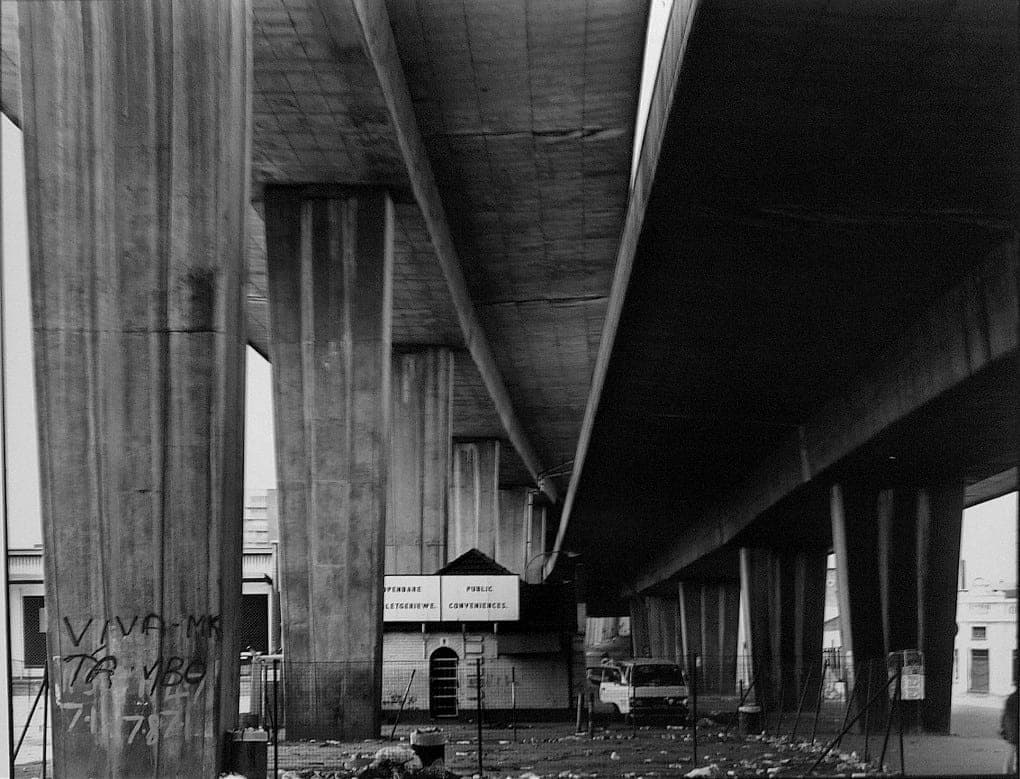
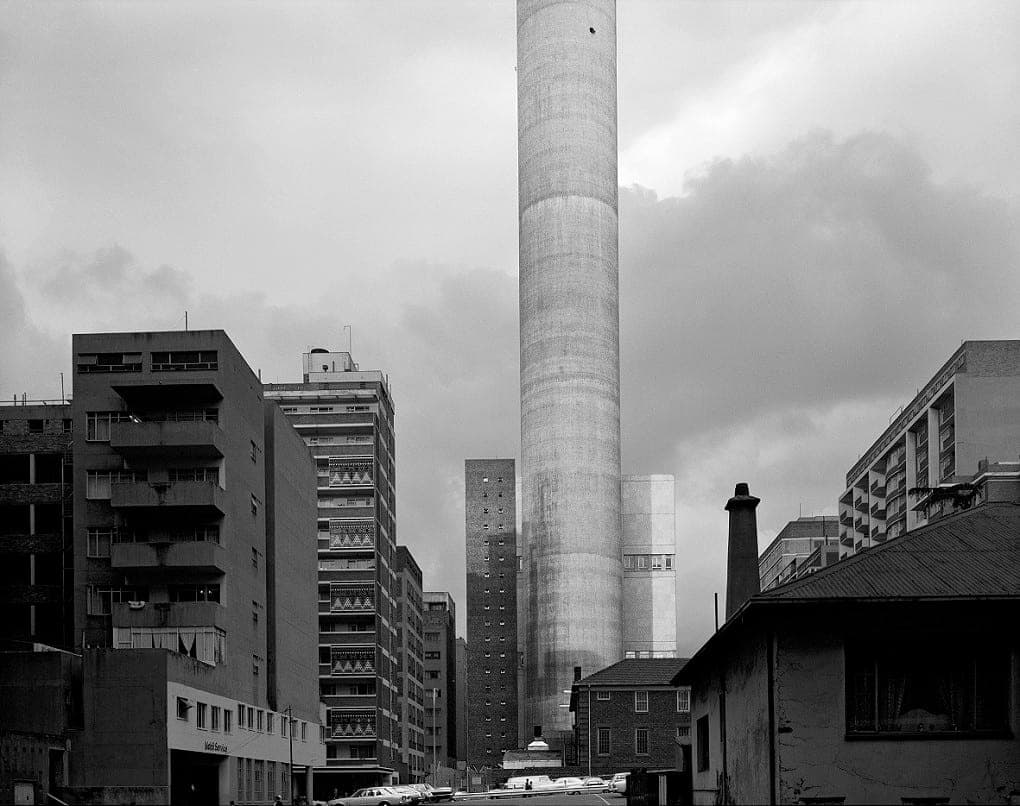

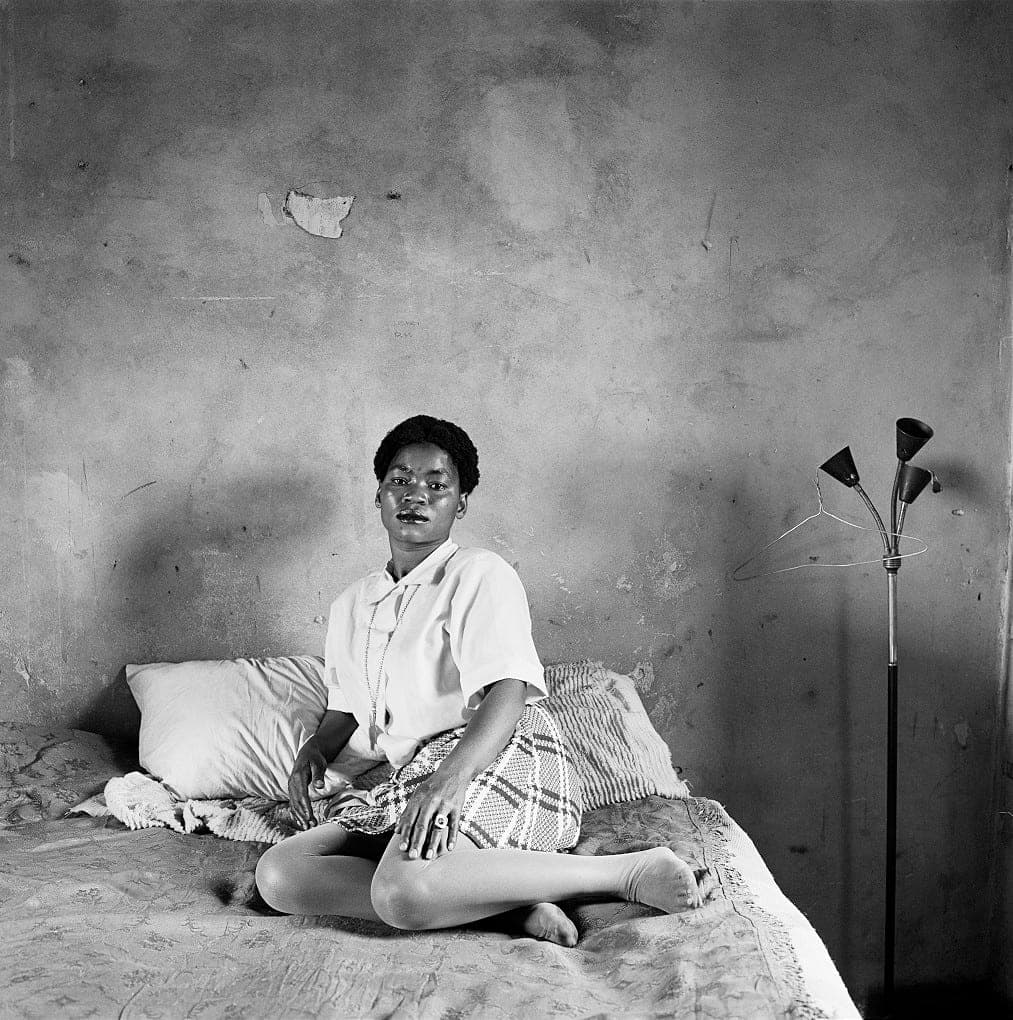
This work is from Goldblatt’s Structures series, and has been shown in significant exhibitions including David Goldblatt : Photographs from South Africa, Museum of Modern Art, US (1998); Structures of Dominion and Democracy, Centre Georges Pompidou, France (2017); and David Goldblatt Photographs 1948 - 2018, Museum of Contemporary Art Australia, Australia (2018). It is included in MOMA New York's Collection (USA) and the Victoria & Albert Museum Collection (UK).
David Goldblatt chronicled the structures, people and landscapes of his country from 1948 – through the rise of Afrikaner Nationalism, the apartheid regime and into the democratic era – until his death in June 2018. Goldblatt’s photography examines how South Africans have expressed their values through the structures, physical and ideological, that they have built. In 1989, Goldblatt founded the Market Photography Workshop in Johannesburg. In 1998 he was the first South African to have a solo exhibition at the Museum of Modern Art in New York. In 2001, a retrospective of his work, David Goldblatt Fifty-One Years began a tour of major international galleries and museums. He was one of the few South African artists to exhibit at both Documenta 11 (2002) and Documenta 12 (2007) in Kassel, Germany. He has held solo exhibitions at the Jewish Museum and the New Museum, both in New York.
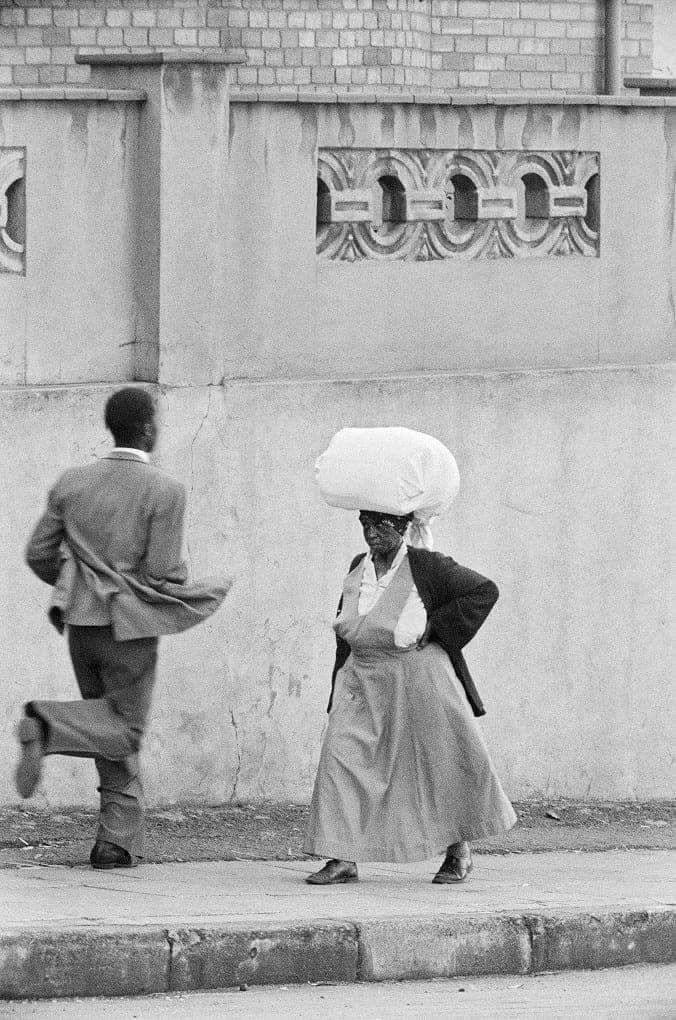
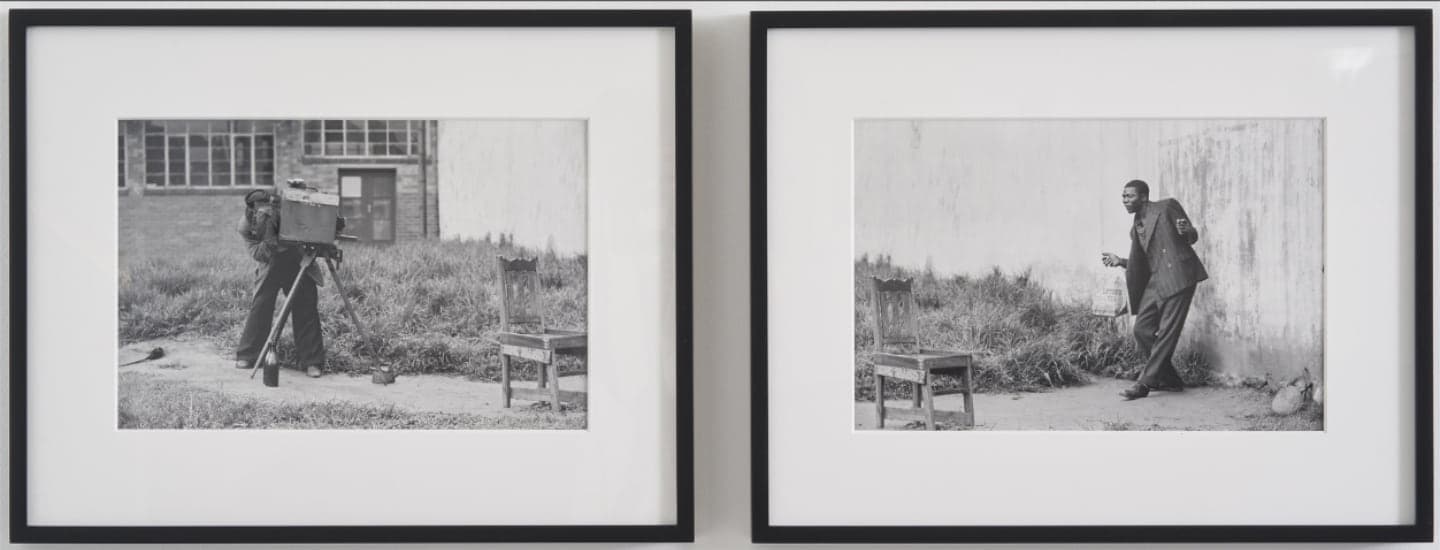
“In a self-reflexive gesture, a pair of images from 1955 documents an itinerant photographer and his client. Visible in the images are an old-fashioned camera and tripod with cloth cover, and a man in a baggy suit who laughs and sways charismatically, as though dancing to music before the lens.” Rachel Kent, chief curator MCA
Needs spotting
David Goldblatt was born in Randfontein, a small mining town outside of Johannesburg, South Africa. Through his lens, chronicled the people, structures and landscapes of his country from 1948, through the rise of Afrikaner Nationalism, the apartheid regime and into the democratic era - until his death in June, 2018. In particular, Goldblatt documented the people, landscapes and industry of the Witwatersrand, the resource-rich area in which he grew up and lived, where the local economy was based chiefly on mining. In general, Goldblatt's subject matter spanned the whole of the country geographically and politically from sweeping landscapes of the Karoo desert to the arduous commutes of migrant black workers, forced to live in racially segregated areas. His broadest series, which spans six decades of photography, examines how South Africans have expressed their values through the structures, physical and ideological, that they have built.
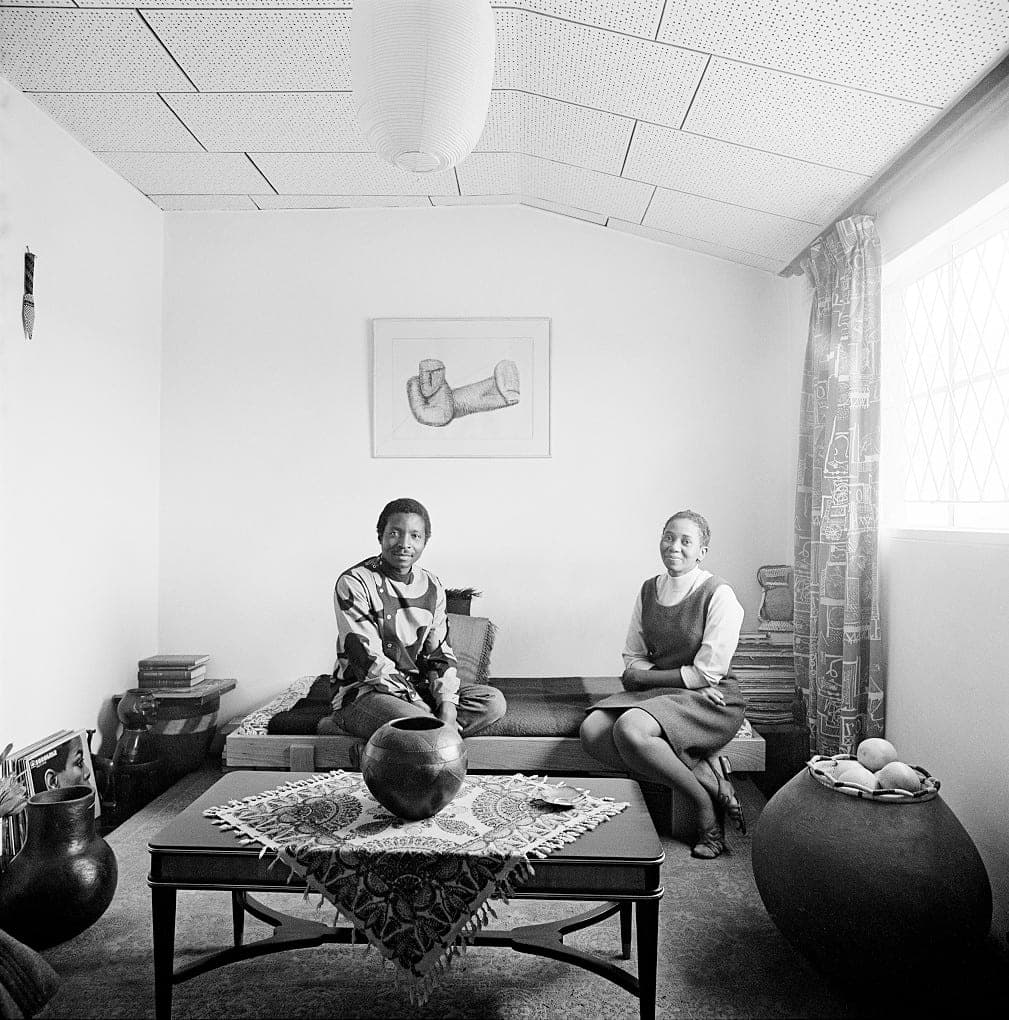
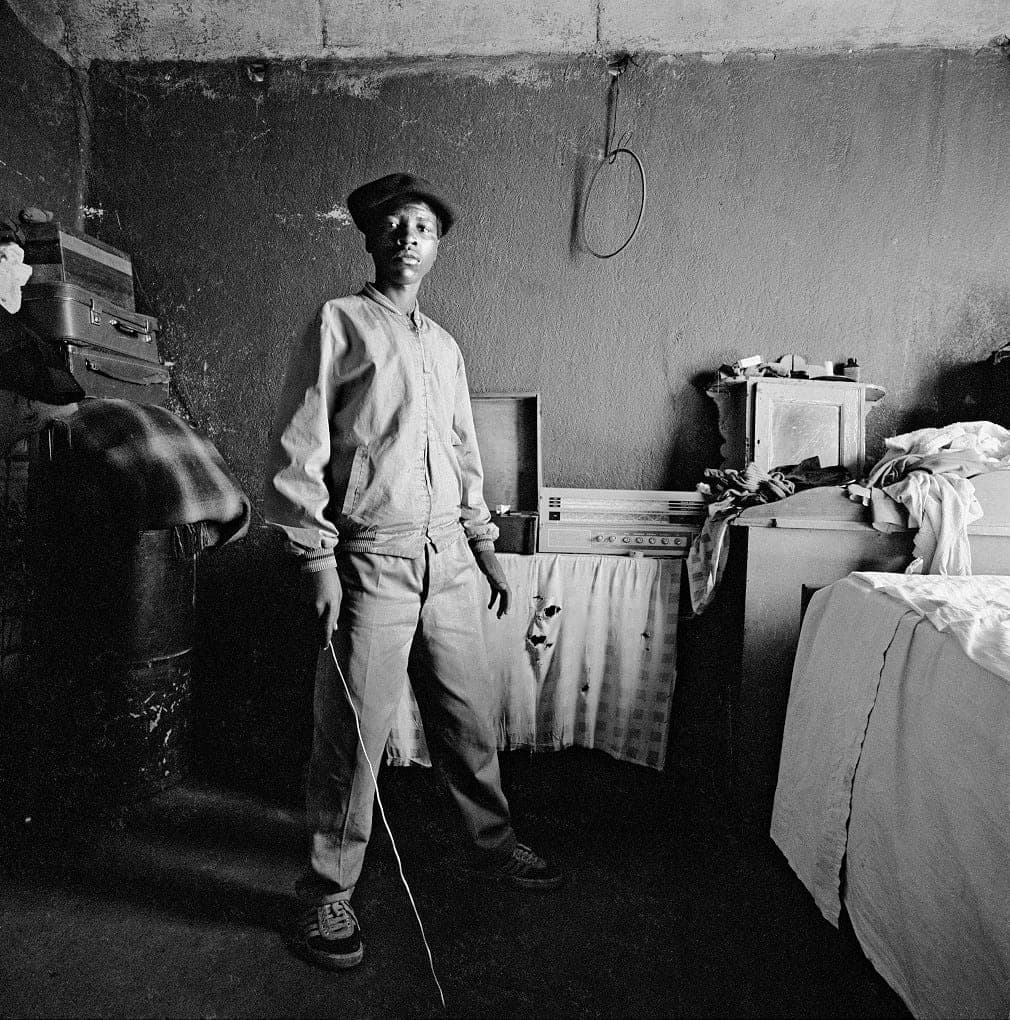
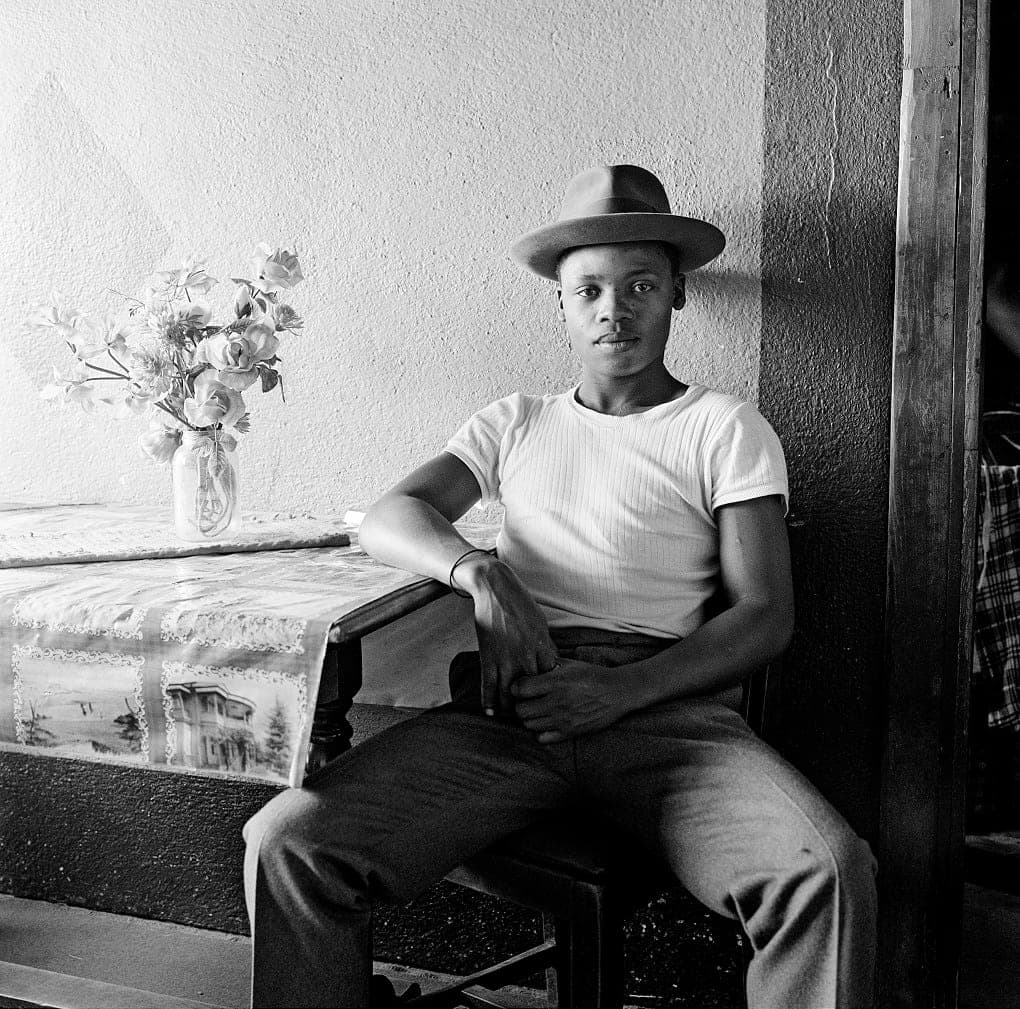
Goldblatt spent years taking photographs of Johannesburg – of the white areas of the city centre, the comfortable suburbs and the townships on the outskirts of the city. "With a camera, I was for the first time able to expand my experience of other people’s lives. Making portraits of people in Soweto in 1972 was a significant moment for me fundamentally," said Goldblatt of his 1972 photographic essay.
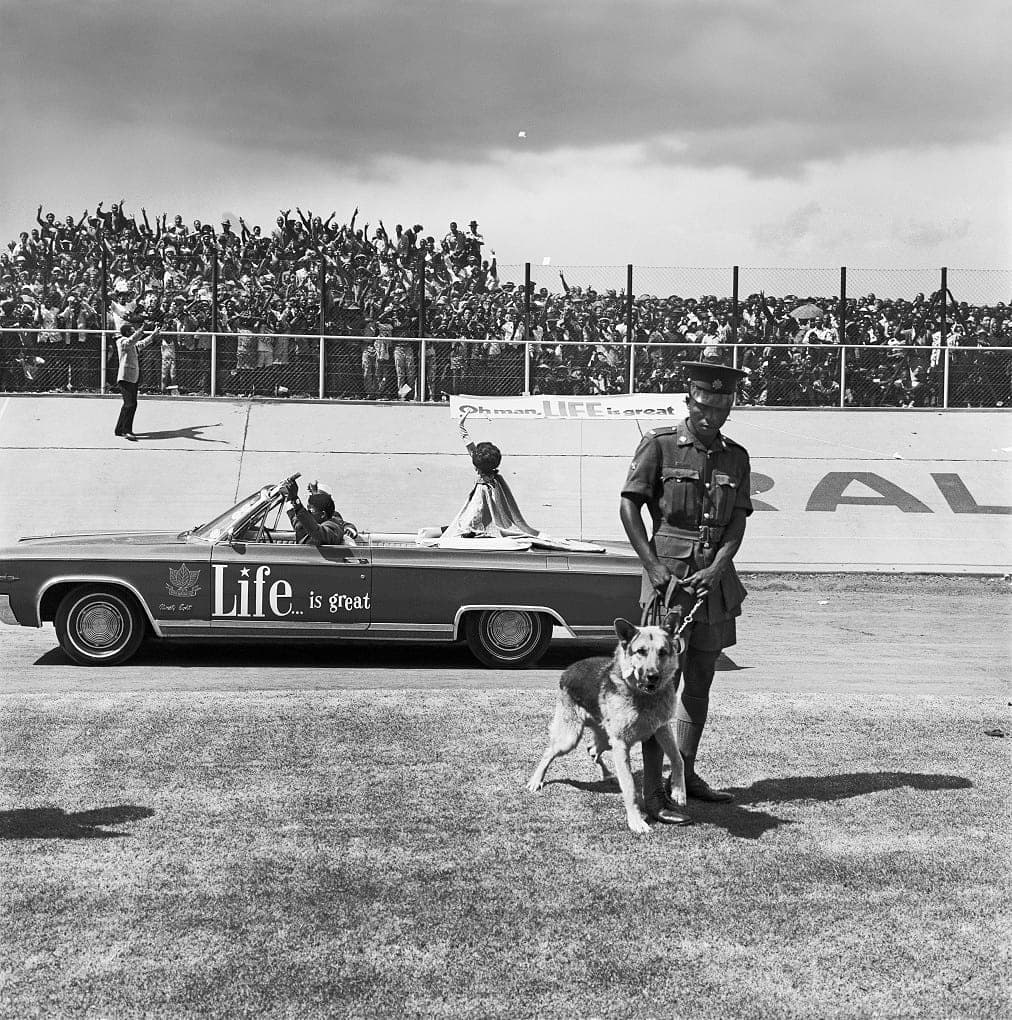
Goldblatt was engaged in the conditions of society and the values by which people lived, rather than the climactic outcomes of those conditions. He intended to discover and probe these values through the medium of photography.
Goldblatt spent years taking photographs of Johannesburg – of the white areas of the city centre, the comfortable suburbs and the townships on the outskirts of the city.
Goldblatt was engaged in the conditions of society and the values by which people lived, rather than the climactic outcomes of those conditions. He intended to discover and probe these values through the medium of photography.
“Johannesburg is not an easy city to love. From its beginnings as a mining camp in 1886, whites did not want brown and black people living among or near them and over the years pushed them further and further from the city and its white suburbs. Like the city itself my thoughts and feelings about Joburg are fragmented. I can’t easily bring a vision or a coherent bundle of ideas to mind and say, ‘That’s Joburg for me.’ Over the years I have photographed a wide range of subjects, each was almost self-contained, a fragment of a whole that I’ve never quite grasped.”
— David Goldblatt, 2017
Print is damaged
'Location in the sky' captures guarded buildings in the centre of Johannesburg where migrant workers live. The buildings reflect the legacies of segregationist policies of the apartheid government which controlled the flow of Black people in and out of cities. Through this series, Goldblatt captures place as well as the spirit of the people who inhabit the place, he noted; “To me there is a seamless relationship between people and their places. People are marked by the places in which they have their being, and there are few places unmarked by the passing, the hand, the presence of people….There is a casual intimacy in this mutual relationship that inevitably permeates much photography. I don’t need people in a photograph to know that people are there.”
— David Goldblatt, Photographers References, 2014.
David Goldblatt chronicled the structures, people and landscapes of his country from 1948 – through the apartheid regime and into the democratic era – until his death in June 2018. Goldblatt’s photography examines how South Africans have expressed their values through the structures, physical and ideological, that they have built. In 1989, Goldblatt founded the Market Photography Workshop in Johannesburg. In 1998 he was the first South African to have a solo exhibition at the Museum of Modern Art in New York. In 2001, a retrospective of his work, David Goldblatt Fifty-One Years began a tour of major international galleries and museums. He was one of the few South African artists to exhibit at both Documenta 11 (2002) and Documenta 12 (2007) in Kassel, Germany. He has held solo exhibitions at the Jewish Museum and the New Museum, both in New York.
“In a self-reflexive gesture, a pair of images from 1955 documents an itinerant photographer and his client. Visible in the images are an old-fashioned camera and tripod with cloth cover, and a man in a baggy suit who laughs and sways charismatically, as though dancing to music before the lens.” - Rachel Kent, chief curator MCA
Needs spotting
David Goldblatt was born in Randfontein, a small mining town outside of Johannesburg, South Africa. Through his lens, chronicled the people, structures and landscapes of his country from 1948, through the rise of Afrikaner Nationalism, the apartheid regime and into the democratic era - until his death in June, 2018. In particular, Goldblatt documented the people, landscapes and industry of the Witwatersrand, the resource-rich area in which he grew up and lived, where the local economy was based chiefly on mining. In general, Goldblatt's subject matter spanned the whole of the country geographically and politically from sweeping landscapes of the Karoo desert to the arduous commutes of migrant black workers, forced to live in racially segregated areas. His broadest series, which spans six decades of photography, examines how South Africans have expressed their values through the structures, physical and ideological, that they have built.
Needs spotting
NOT SIGNED