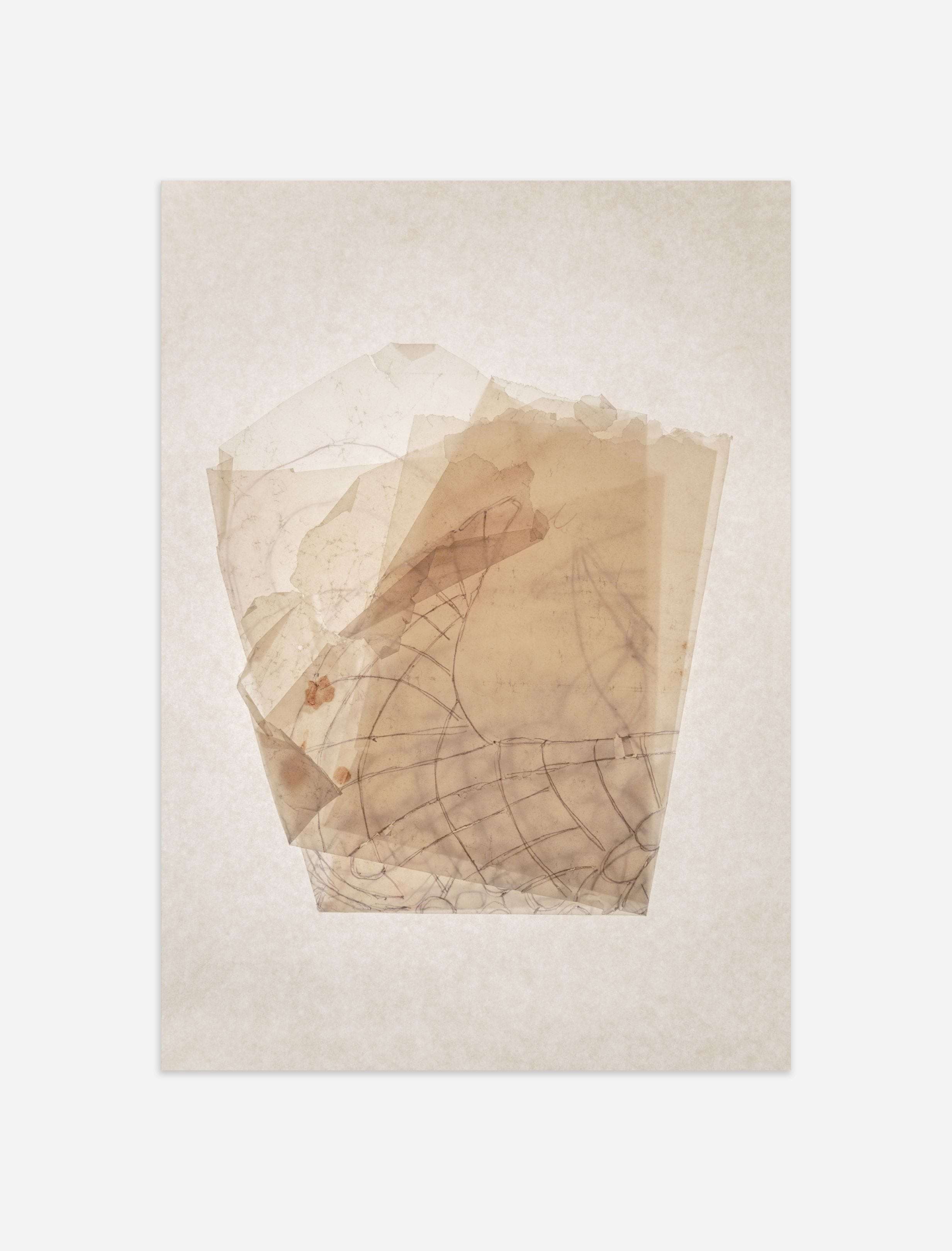
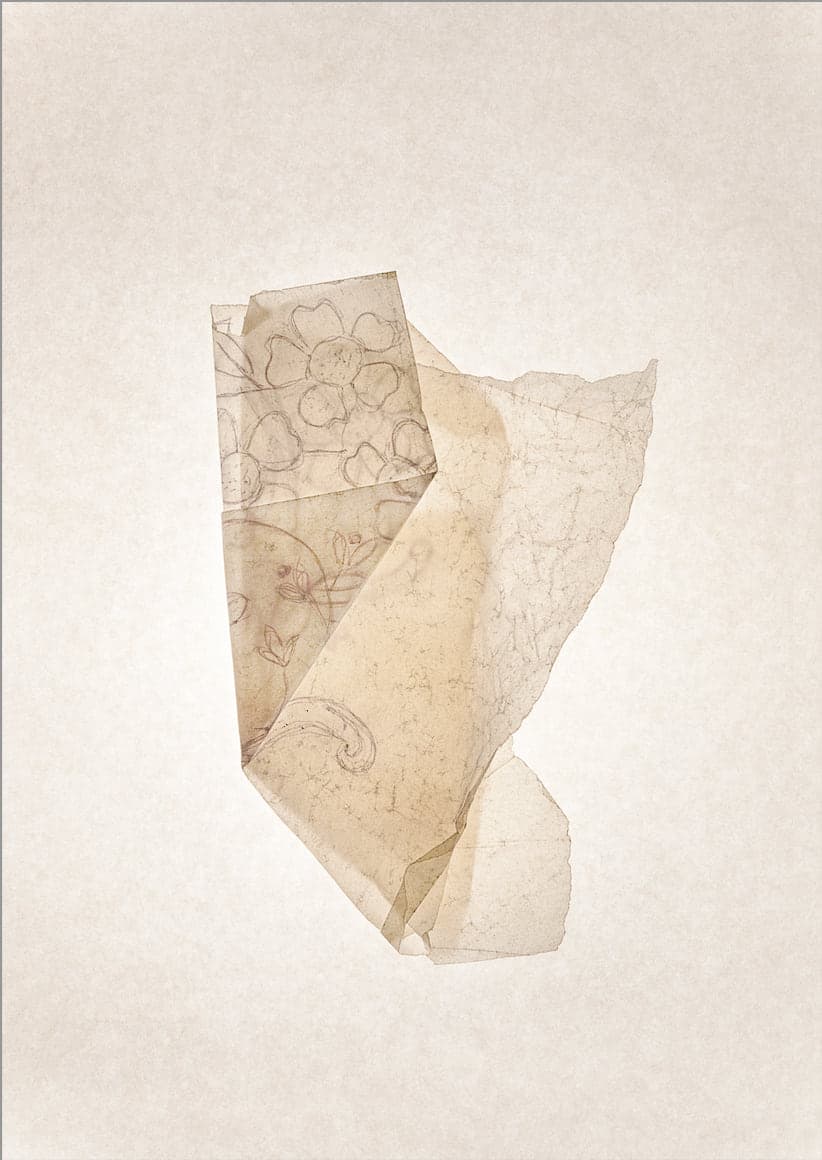
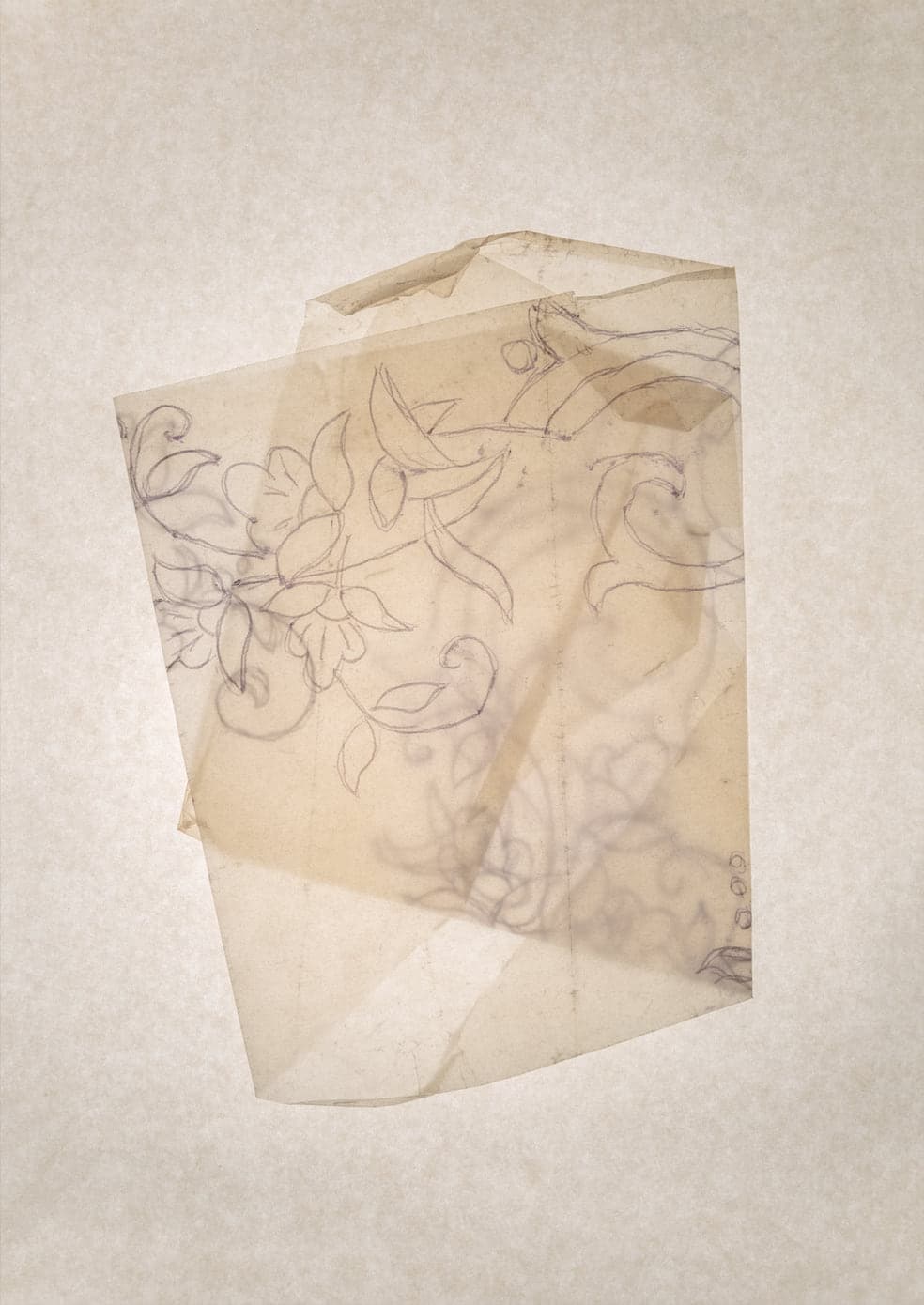
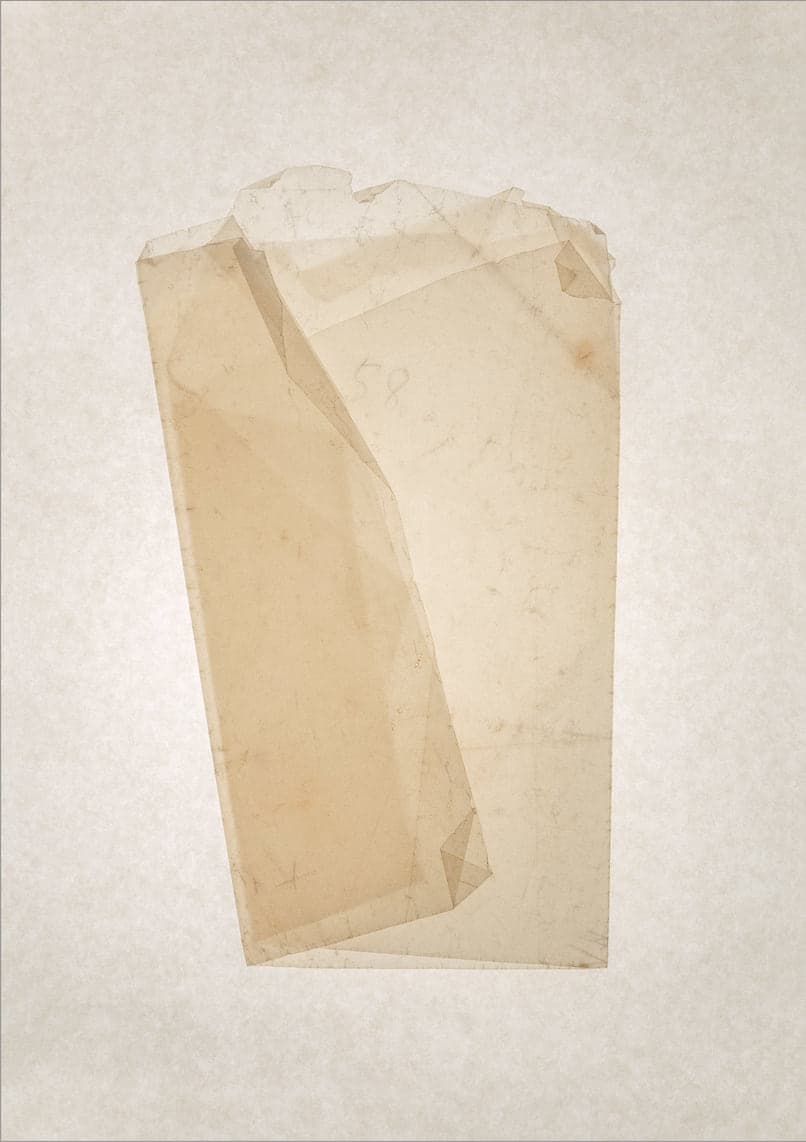
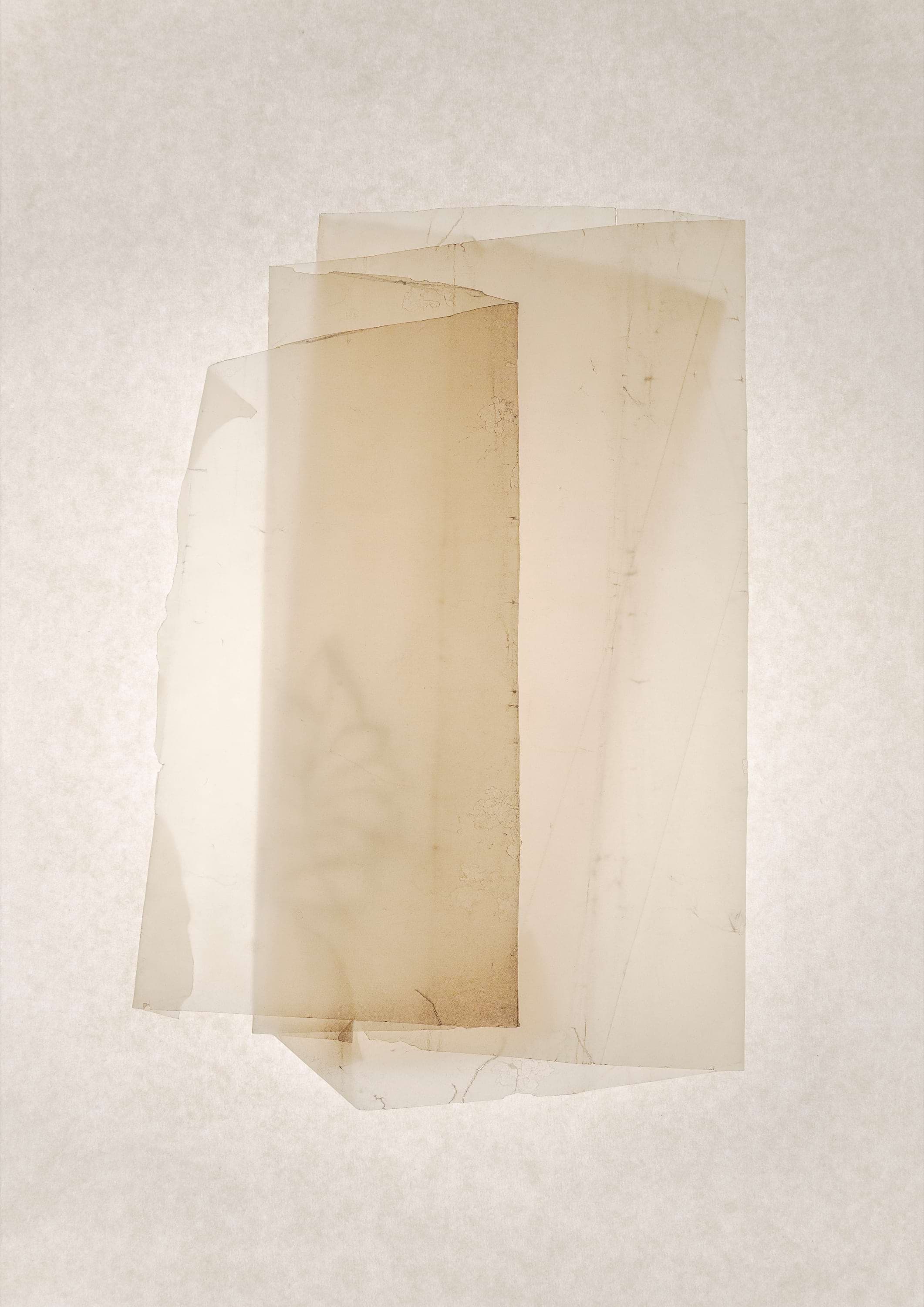
Suitcase #4 is part of Dor Guez’s photographic series exploring the inherited objects of displacement. Referencing his own family’s histories of exile from Tunisia and Lydda, Guez photographs all six sides of a refugee’s suitcase and merges them into a single, flattened image. This composite view unfolds the object’s volume and latent contents into one plane, inviting reflection on what people choose to carry when forced to leave home. Every detail—scratches, wear, and marks—bears witness to the passage of time and the weight of personal and collective memory.
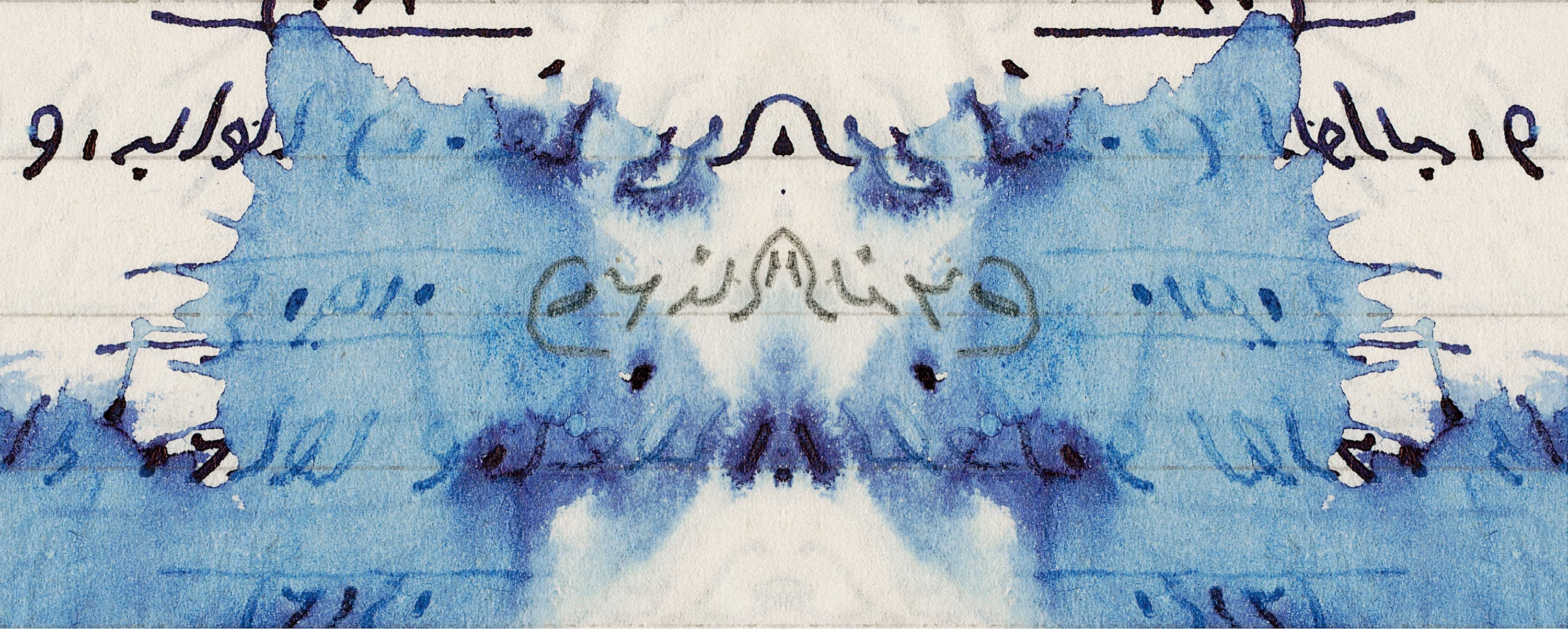
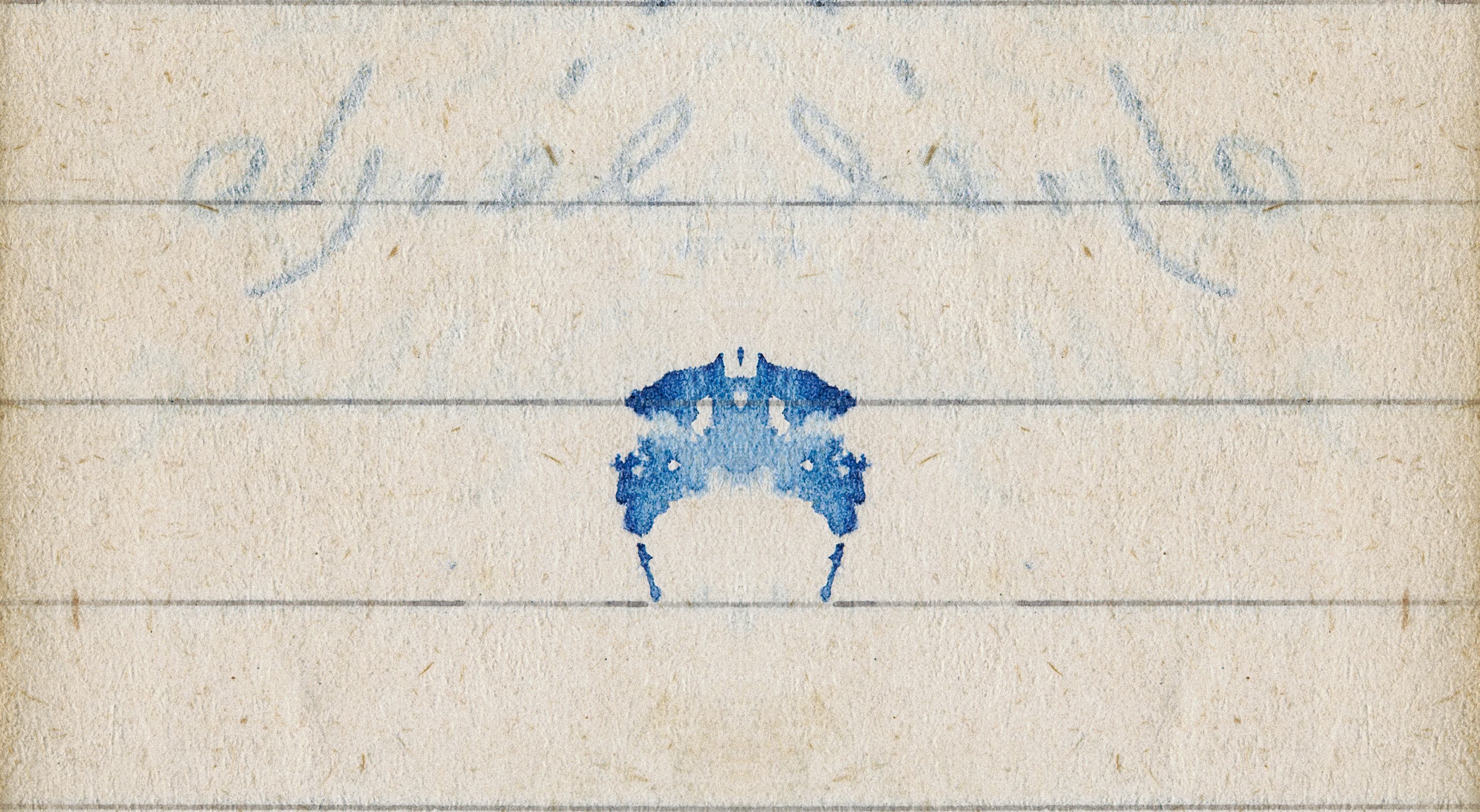
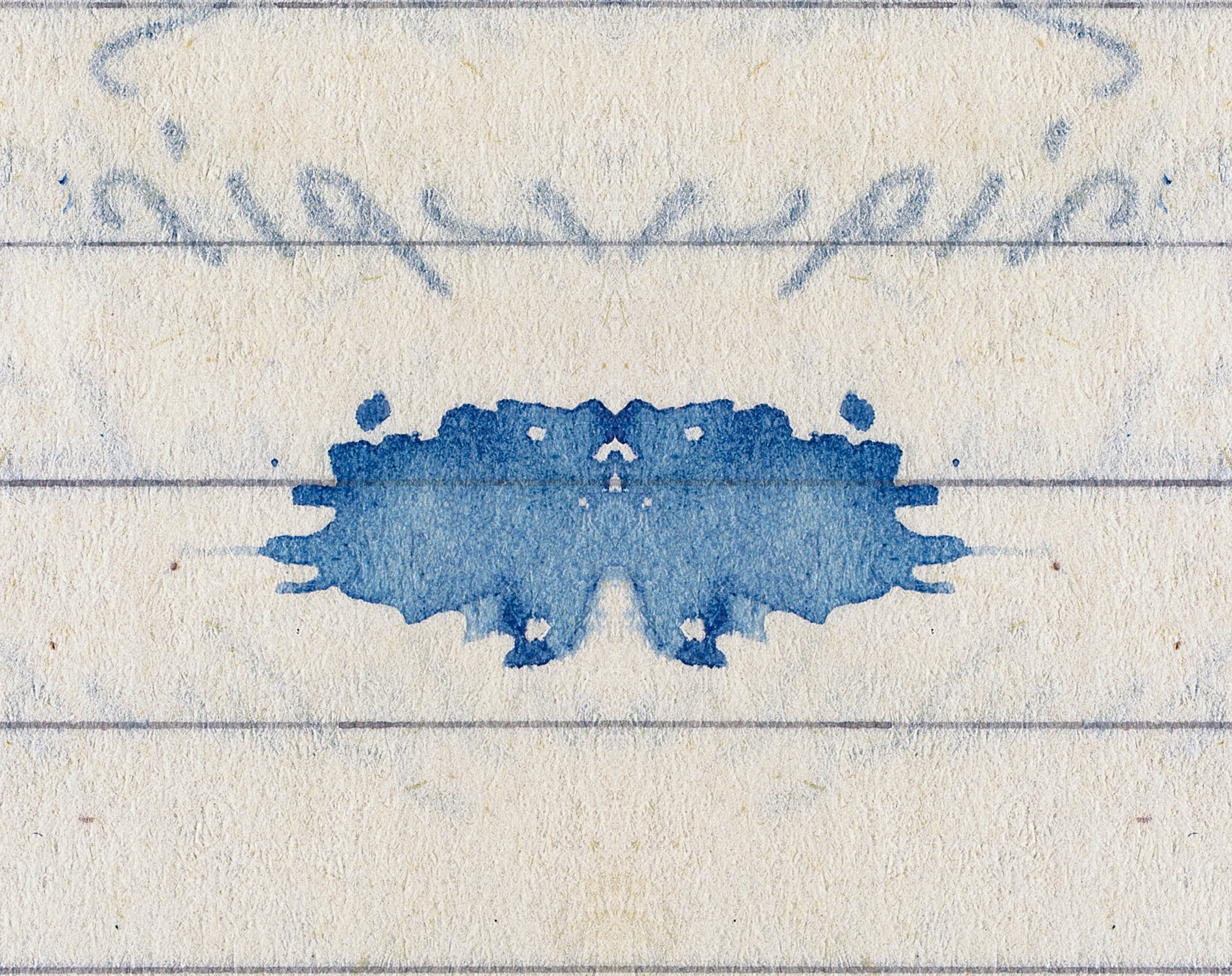
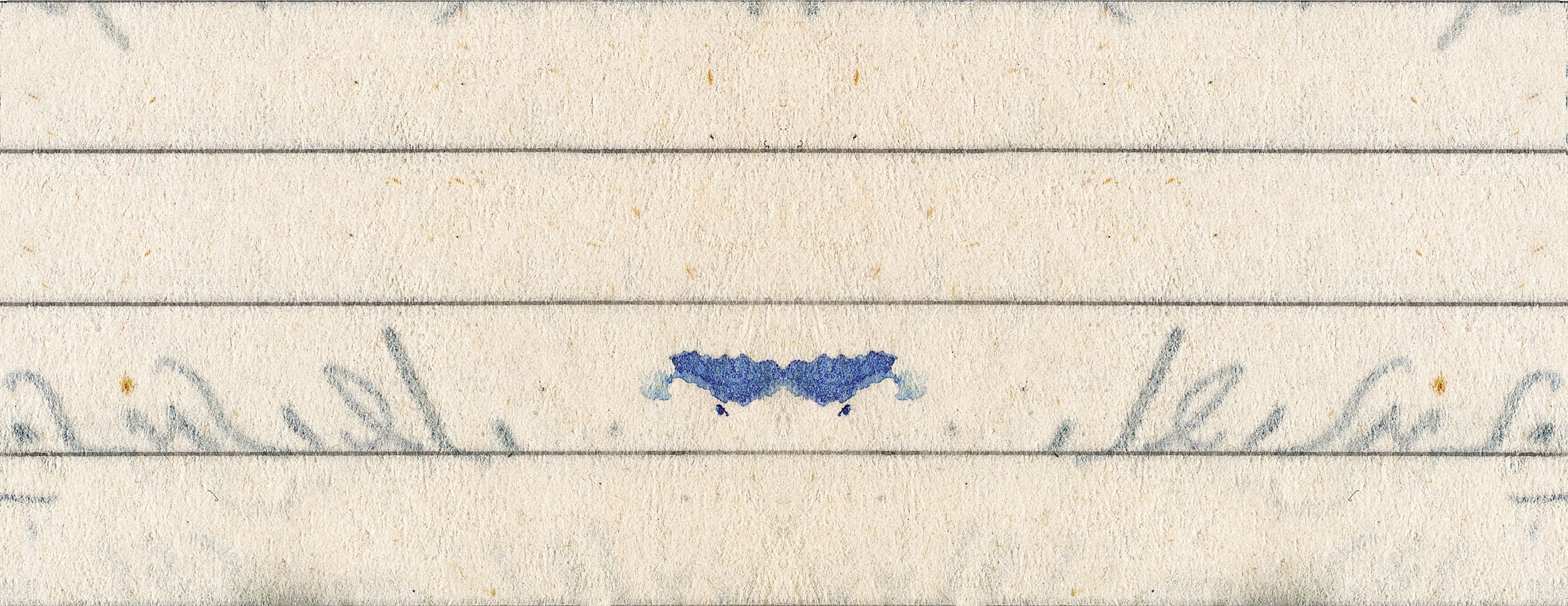
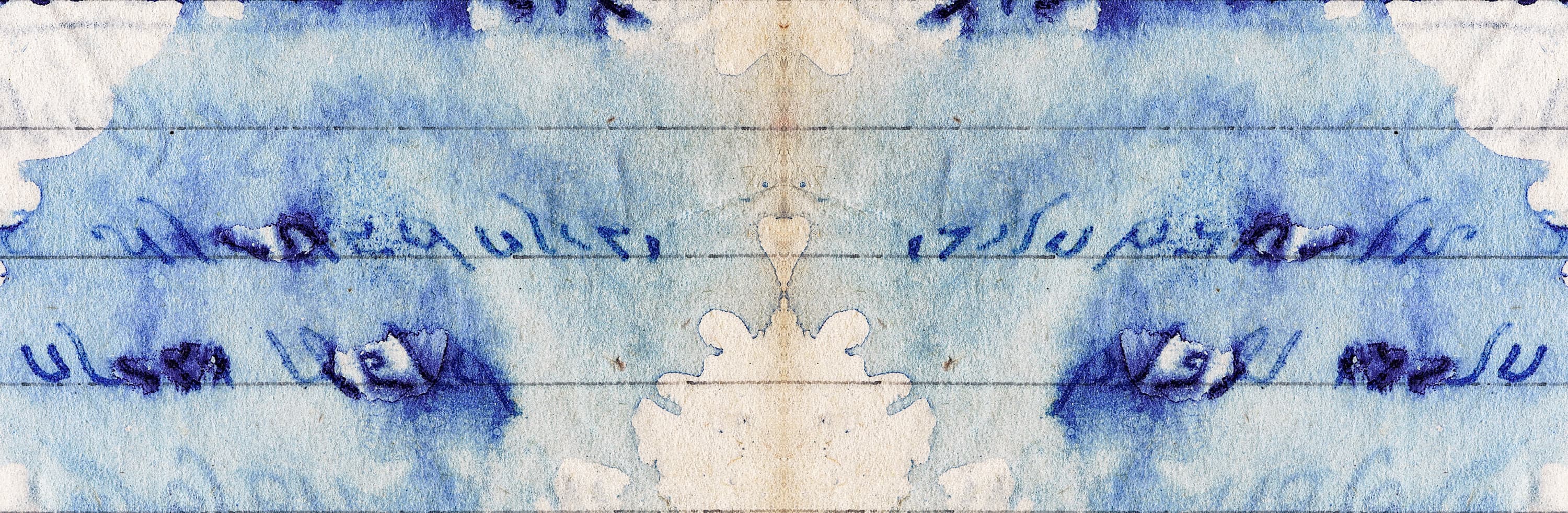
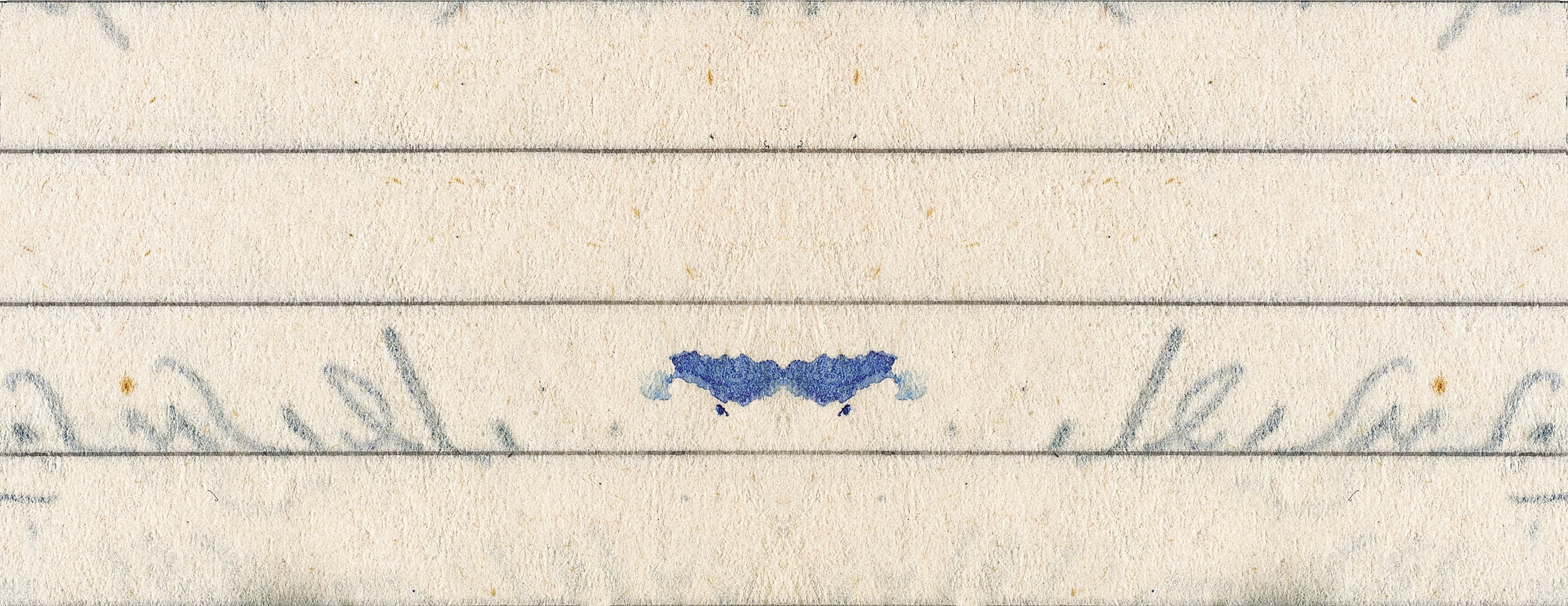
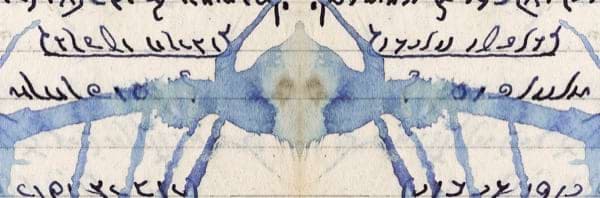
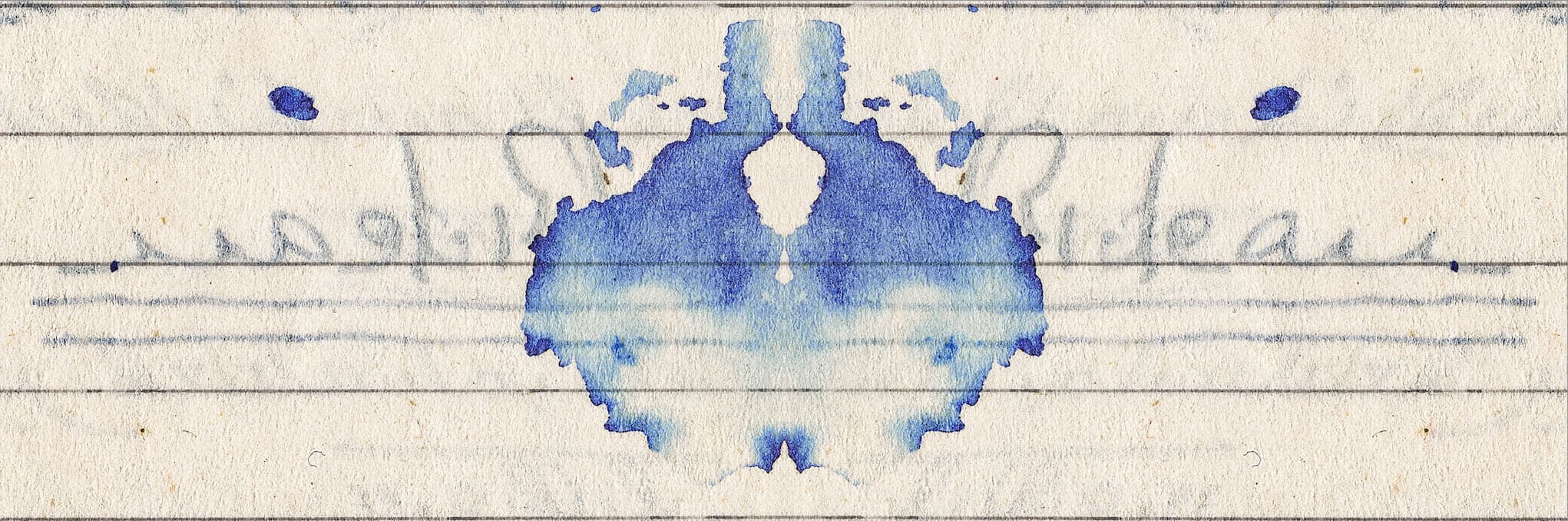
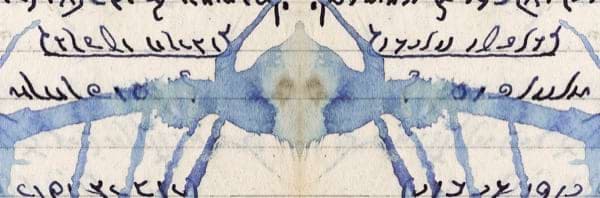
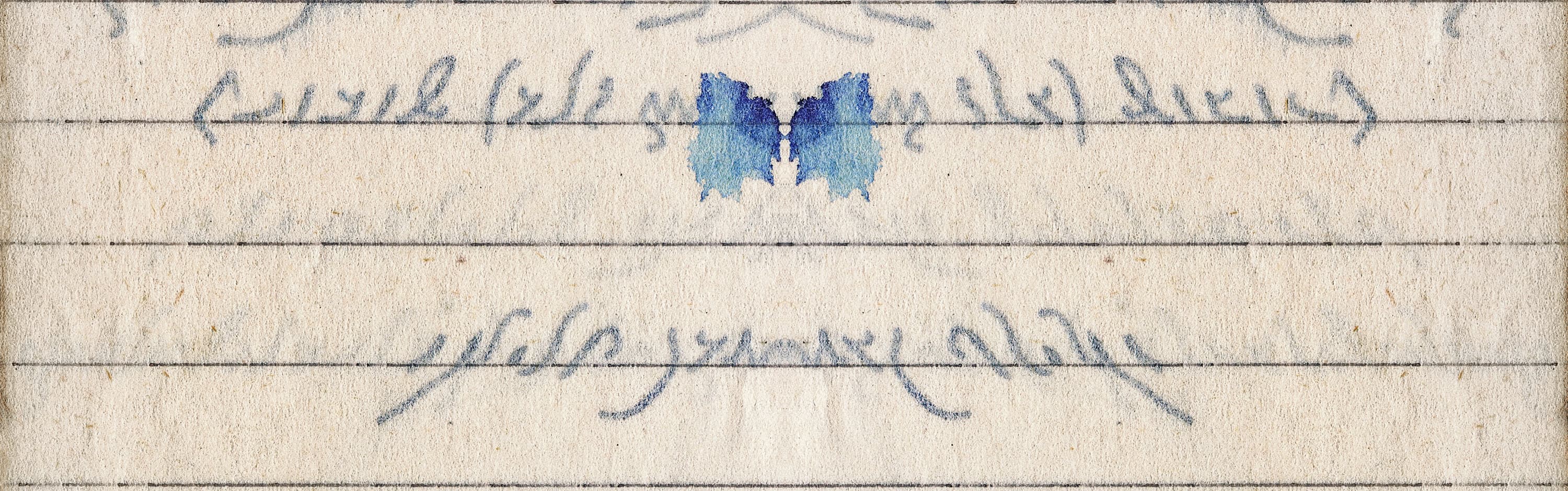
Guez’s work plays on the tension between what one inherits—a language, a name, a place of origin— and what one reinvents over time. Stories are told and retold, and traces of the past are rediscovered, shedding light on little-known facts and familial chapters. One recent work, Letters from the Greater Maghreb, reflects a pivotal moment in Guez’s family history, when his grandparents—who both worked in theater—escaped from concentration camps in Nazi-occupied Tunisia and later, in 1951, immigrated to Israel. The journey was arduous and key personal documents were damaged by water during the trip. One of these was a manuscript written by his grandfather in Judeo-Tunisian Arabic, using what looks like a mix of Hebrew and Arabic characters. Taking the fragile pages of the surviving document and creating enlarged scans of the single sheets and sections, Guez intensifies themes of blurring and loss in the resultant prints, at once bringing the viewer closer to and farther away from the meaning of the original words. This visualization of disappearance evokes several cultural shifts simultaneously, particularly relating to language; Tunisian Jews adopted Hebrew as their language when they moved to Israel, and Judeo-Tunisian Arabic has begun to disappear. Duplication and fragmentation thus reify the immigrant’s experience of doubling and absence. Speaking of the visual devices at play in his work, Guez writes, “The words are engulfed in abstract spots and these become a metaphor for the harmonious conjunction between two Semitic languages, between one mother tongue and another, and between homeland and a new country.”1
Note 1: Dor Guez to Darsie Alexander, email, 2020.
Extract from a text by Darsie Alexander (Susan and Elihu Rose Chief Curator at the Jewish Museum).
Exhibition - Afterlives: Recovering the Lost Stories of Looted Art, The Jewish Museum, New York, New York
Guez’s work plays on the tension between what one inherits—a language, a name, a place of origin— and what one reinvents over time. Stories are told and retold, and traces of the past are rediscovered, shedding light on little-known facts and familial chapters. One recent work, Letters from the Greater Maghreb, reflects a pivotal moment in Guez’s family history, when his grandparents—who both worked in theater—escaped from concentration camps in Nazi-occupied Tunisia and later, in 1951, immigrated to Israel. The journey was arduous and key personal documents were damaged by water during the trip. One of these was a manuscript written by his grandfather in Judeo-Tunisian Arabic, using what looks like a mix of Hebrew and Arabic characters. Taking the fragile pages of the surviving document and creating enlarged scans of the single sheets and sections, Guez intensifies themes of blurring and loss in the resultant prints, at once bringing the viewer closer to and farther away from the meaning of the original words. This visualization of disappearance evokes several cultural shifts simultaneously, particularly relating to language; Tunisian Jews adopted Hebrew as their language when they moved to Israel, and Judeo-Tunisian Arabic has begun to disappear. Duplication and fragmentation thus reify the immigrant’s experience of doubling and absence. Speaking of the visual devices at play in his work, Guez writes, “The words are engulfed in abstract spots and these become a metaphor for the harmonious conjunction between two Semitic languages, between one mother tongue and another, and between homeland and a new country.”1
Note 1: Dor Guez to Darsie Alexander, email, 2020.
Extract from a text by Darsie Alexander (Susan and Elihu Rose Chief Curator at the Jewish Museum).
Exhibition - Afterlives: Recovering the Lost Stories of Looted Art, The Jewish Museum, New York, New York
Guez’s work plays on the tension between what one inherits—a language, a name, a place of origin— and what one reinvents over time. Stories are told and retold, and traces of the past are rediscovered, shedding light on little-known facts and familial chapters. One recent work, Letters from the Greater Maghreb, reflects a pivotal moment in Guez’s family history, when his grandparents—who both worked in theater—escaped from concentration camps in Nazi-occupied Tunisia and later, in 1951, immigrated to Israel. The journey was arduous and key personal documents were damaged by water during the trip. One of these was a manuscript written by his grandfather in Judeo-Tunisian Arabic, using what looks like a mix of Hebrew and Arabic characters. Taking the fragile pages of the surviving document and creating enlarged scans of the single sheets and sections, Guez intensifies themes of blurring and loss in the resultant prints, at once bringing the viewer closer to and farther away from the meaning of the original words. This visualization of disappearance evokes several cultural shifts simultaneously, particularly relating to language; Tunisian Jews adopted Hebrew as their language when they moved to Israel, and Judeo-Tunisian Arabic has begun to disappear. Duplication and fragmentation thus reify the immigrant’s experience of doubling and absence. Speaking of the visual devices at play in his work, Guez writes, “The words are engulfed in abstract spots and these become a metaphor for the harmonious conjunction between two Semitic languages, between one mother tongue and another, and between homeland and a new country.”1
Note 1: Dor Guez to Darsie Alexander, email, 2020.
Extract from a text by Darsie Alexander (Susan and Elihu Rose Chief Curator at the Jewish Museum).
Exhibition - Afterlives: Recovering the Lost Stories of Looted Art, The Jewish Museum, New York, New York
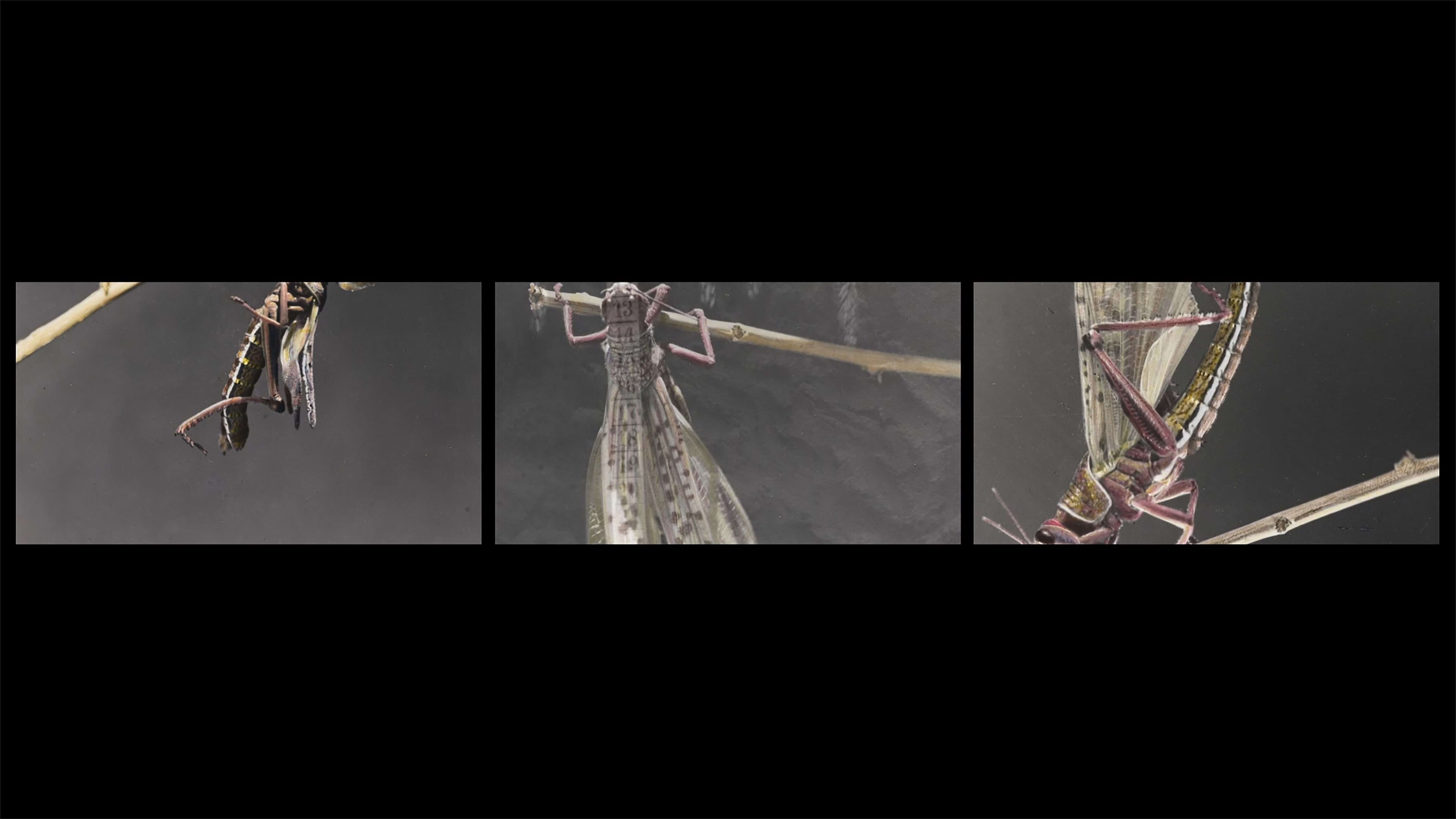
At the height of the First World War, large swarms of locusts raided Egypt, Syria, and Palestine and threatened the agriculture of the region. The subsequent food shortage and price rises exacerbated the existing wartime shortage leading to famine. The visual representation most identified with the plague is a pair of pictures of a fig tree recorded 15 minutes before and after the swarm of locusts from the photographic album by American Colony photographer Lewis Larsson. Photographers of the American colony were invited to create the album for the imperial authorities—both Ottoman (1915) and British (1930). Therefore, their gaze on the native Arab farmers is coloured with an orientalist gaze. The locals are always seen from behind or above, working for the imperial officers.
In contrast to the colonialist perspective, the video is narrated by an Arab male voice, an official anchor typical of a National Geographic or Discovery Channel. The content of the text is twofold: on the one hand, it sounds like a text about the metamorphoses of swarms, while on the other, it deals with the formation of colonies throughout history. There is no direct reference to locusts or humans. This ambiguity, which is kept throughout the work, charges the narrative and allows parallel readings of ecological, political and social meanings. The video installation also deals with the individual's place within the group, as well as the conditions under which the colony emerges and its economic and territorial aspirations, which ultimately lead to its collapse from within.
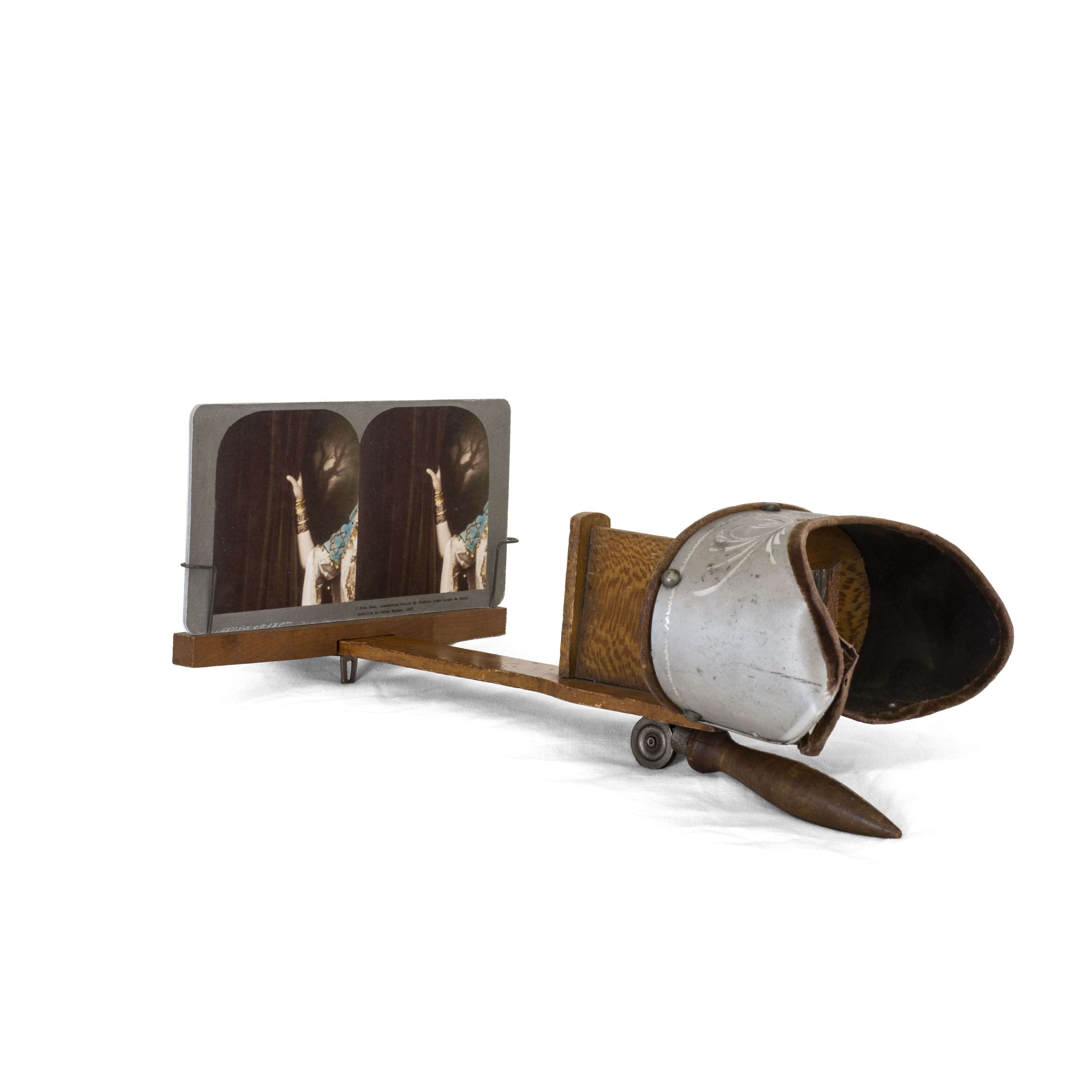
The three-channel video concludes with a series of manipulated stereoscopic photographs, derived from the National Library of Congress in DC. Parting with the double stereoscopic visions of the early photographers, Guez explores alternative types of duplication and creates mirrored images of a single plate at a time. The process directs the viewer’s gaze to the damaged areas, which appear as abstract stains alluding to a variety of imagery and echoing the presence of fire and the swarms apparent in the original prints.
Colony is based on photographs by Dor Guez, sourced materials from the Library of Congress, Washington, DC, and a hand-painted photographic album, "Locust Plague in Jerusalem '' (1915, 1930).
Series of 3
Guez’s work plays on the tension between what one inherits—a language, a name, a place of origin— and what one reinvents over time. Stories are told and retold, and traces of the past are rediscovered, shedding light on little-known facts and familial chapters. One recent work, Letters from the Greater Maghreb, reflects a pivotal moment in Guez’s family history, when his grandparents—who both worked in theater—escaped from concentration camps in Nazi-occupied Tunisia and later, in 1951, immigrated to Israel. The journey was arduous and key personal documents were damaged by water during the trip. One of these was a manuscript written by his grandfather in Judeo-Tunisian Arabic, using what looks like a mix of Hebrew and Arabic characters. Taking the fragile pages of the surviving document and creating enlarged scans of the single sheets and sections, Guez intensifies themes of blurring and loss in the resultant prints, at once bringing the viewer closer to and farther away from the meaning of the original words. This visualization of disappearance evokes several cultural shifts simultaneously, particularly relating to language; Tunisian Jews adopted Hebrew as their language when they moved to Israel, and Judeo-Tunisian Arabic has begun to disappear. Duplication and fragmentation thus reify the immigrant’s experience of doubling and absence. Speaking of the visual devices at play in his work, Guez writes, “The words are engulfed in abstract spots and these become a metaphor for the harmonious conjunction between two Semitic languages, between one mother tongue and another, and between homeland and a new country.”
—
Extract from a text by Darsie Alexander (Susan and Elihu Rose Chief Curator at the Jewish Museum).
Exhibition - Afterlives: Recovering the Lost Stories of Looted Art, The Jewish Museum, New York, New York