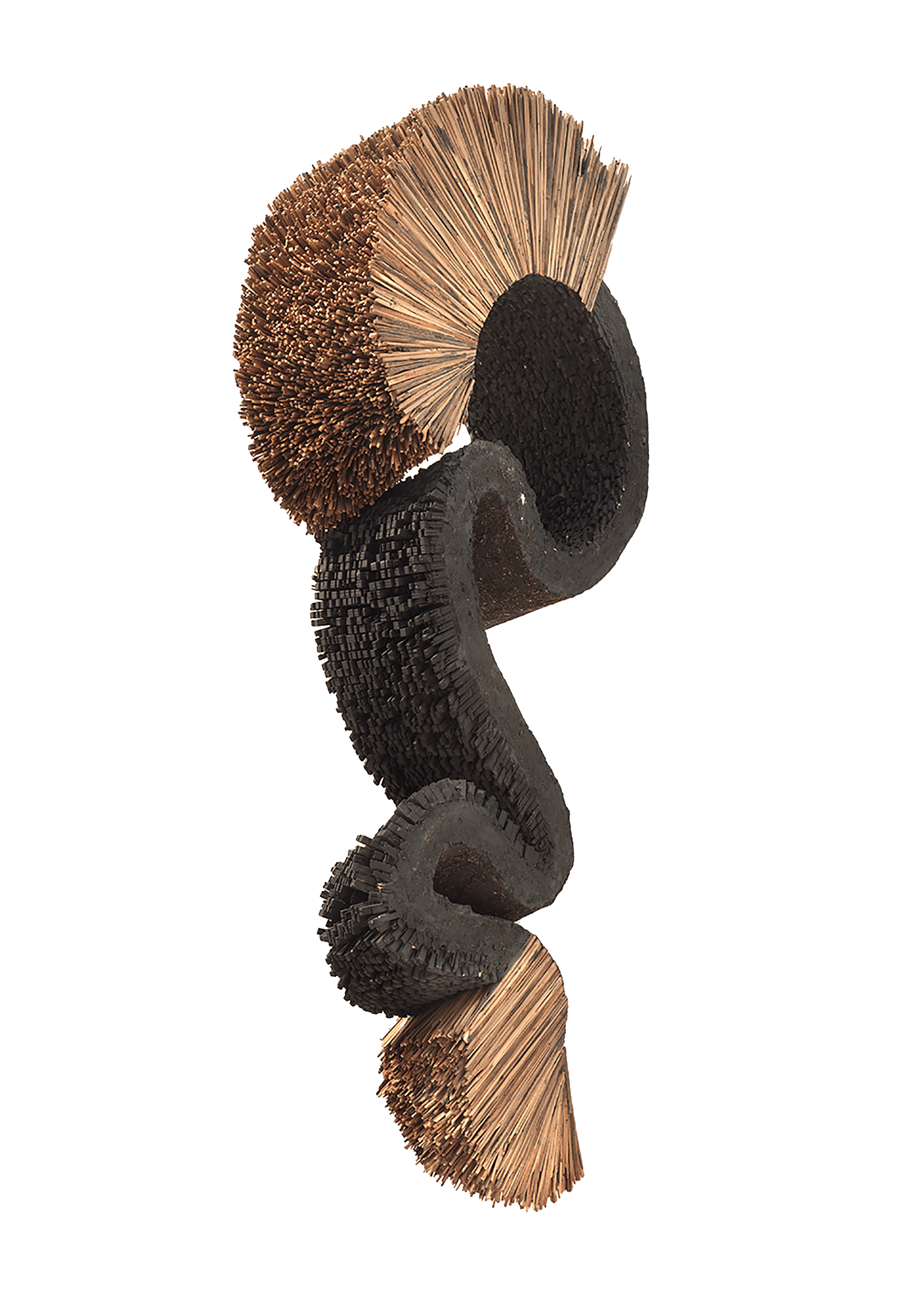
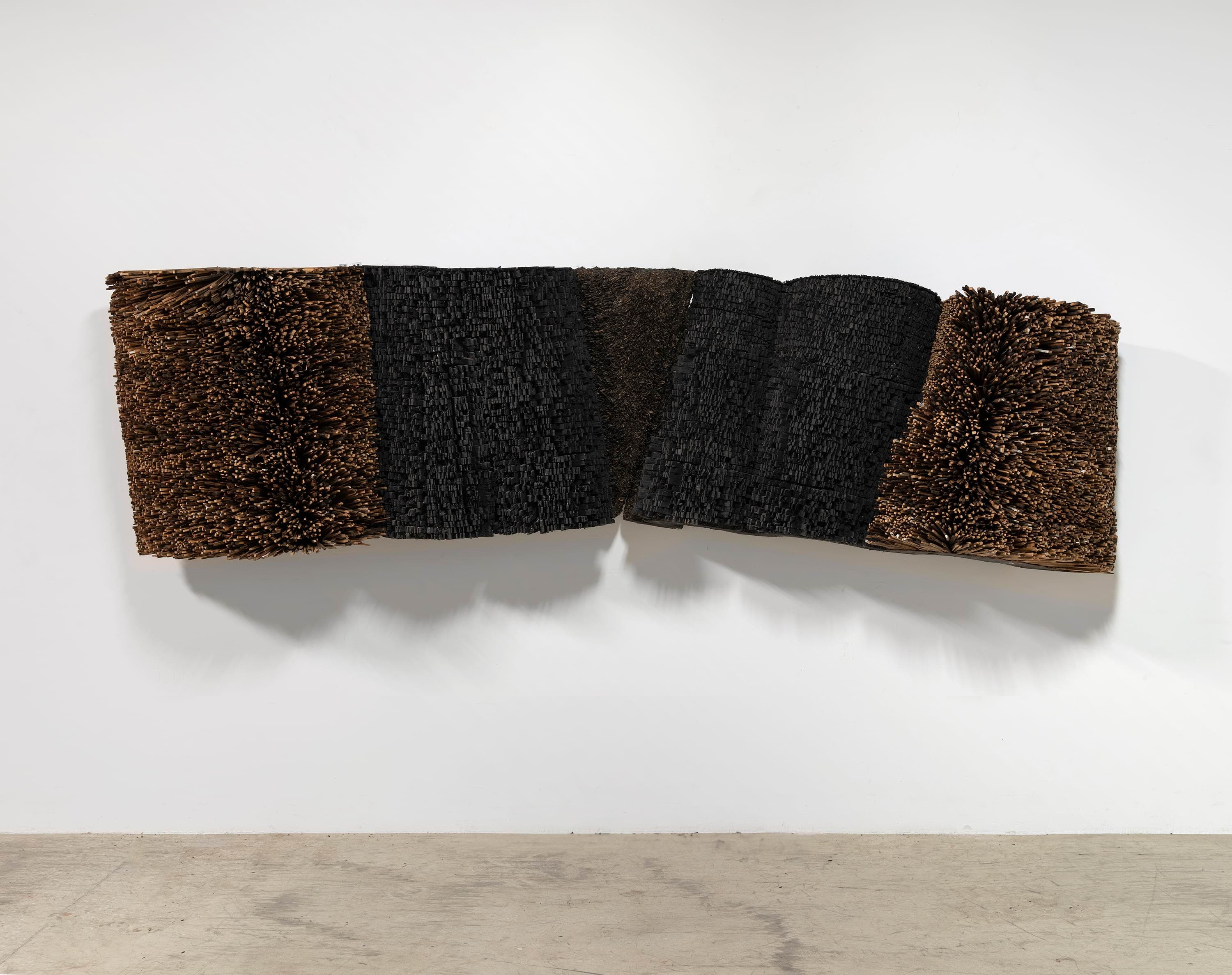

Leonardo Drew’s works that incorporate wave-like forms channel a sense of movement, flux, and cyclical energy. Composed of layered wood fragments that rise and fall across the surface, these undulating compositions suggest tidal motion, soundwaves, or seismic shifts. The wave motif allows Drew to explore rhythm and repetition while evoking natural forces that shape and erode over time. These works, though abstract, carry a visceral momentum—drawing the viewer into the push and pull between material weight and visual flow.
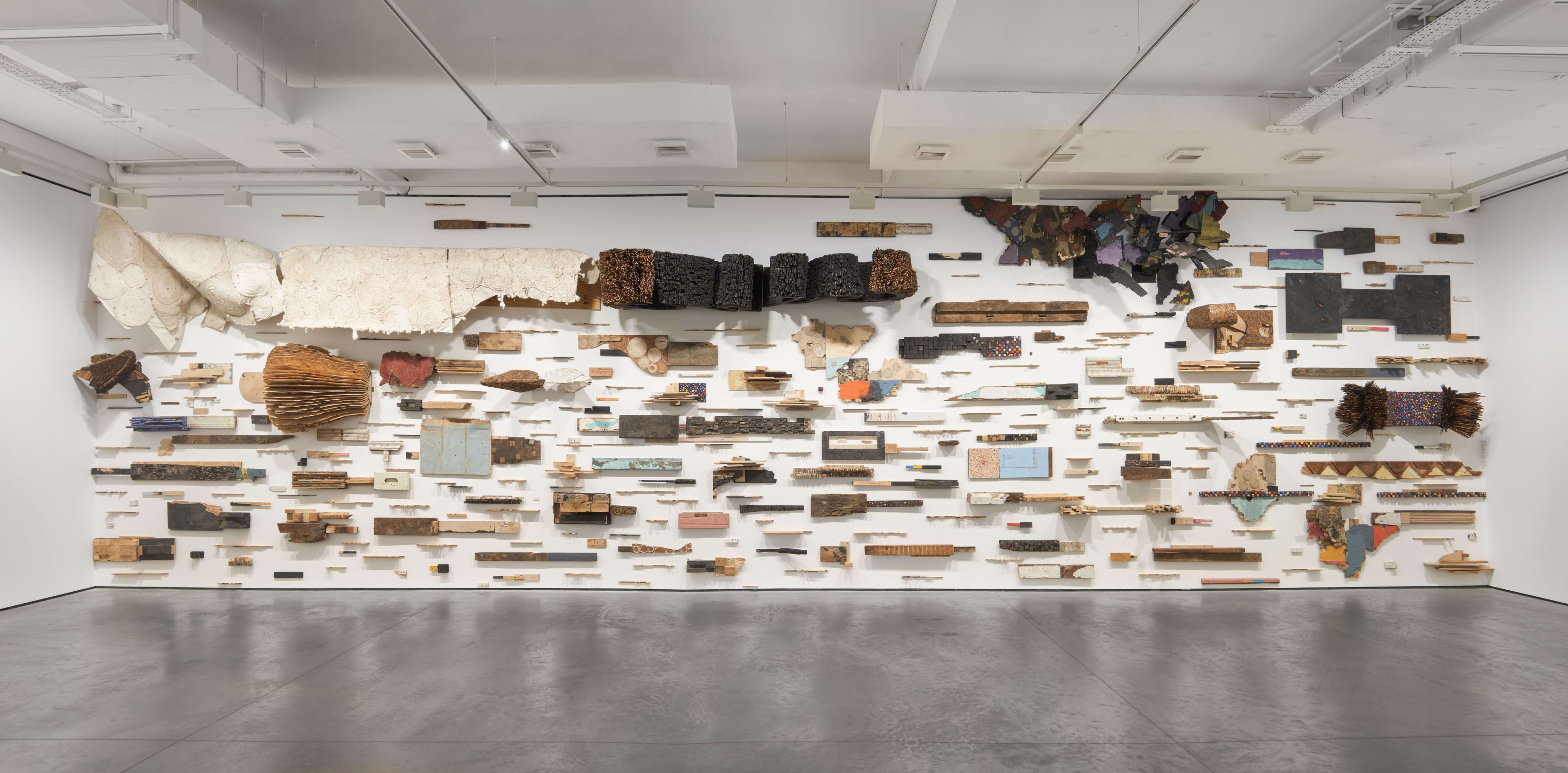
Leonardo Drew is known for creating wall-based abstract sculptural works that play on a tension between order and chaos. The artist typically uses manipulated organic materials to create richly detailed works – seemingly bursting from the walls – which resemble densely populated cities or urban wastelands and evoke the mutability of the natural world. Materials include wood, cardboard, paint, paper, plastic, rope, string and tree trunks.
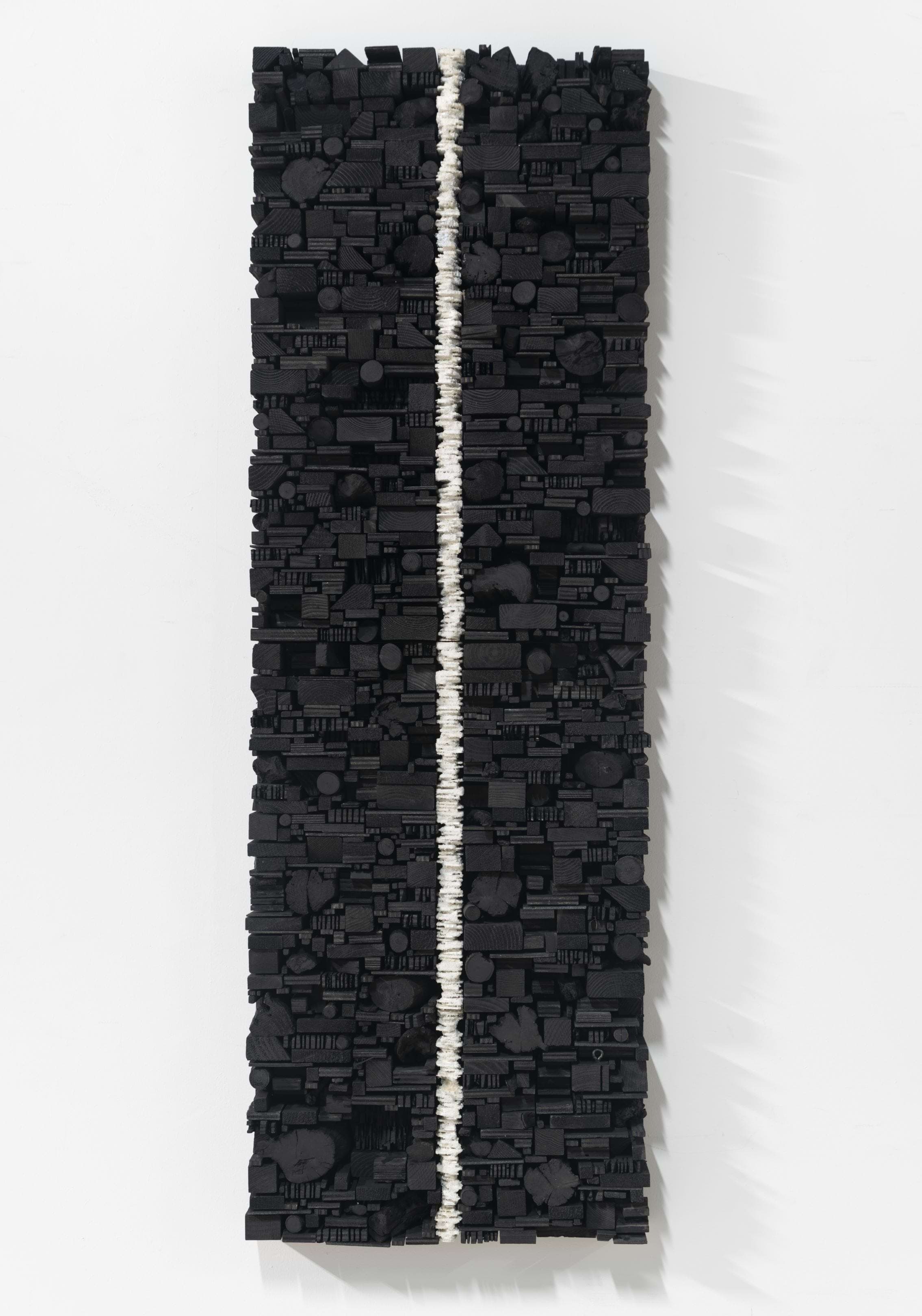
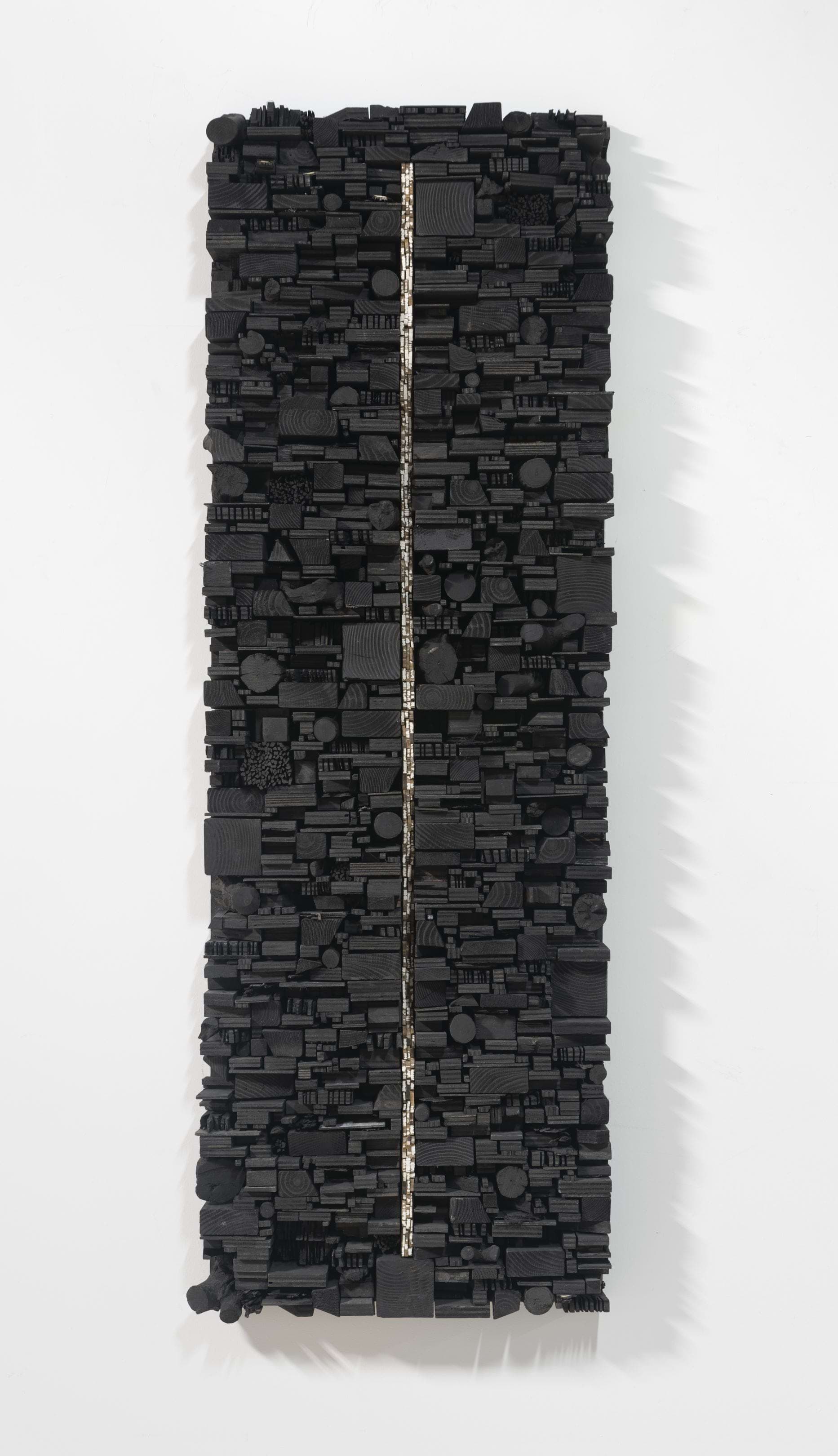
Exemplary works of Drew’s approach can be found in Number 314. These elongated silhouettes have the monumentality of a skyscraper, as well as the semblance of an ancient tablet. Made in Drew’s signature technique, featuring neatly stacked pieces of cut lumber in a dynamic, gridded sculptural relief, they are finished with a matte black wash with a white spinal column in the centre of each panel, which emphasizes vertical rhythm. The white element amidst the black is like a code or a written language – like Braille, a micro-text to decipher. But it is also like a macro view of a densely built city. Drew says: “I think of it as making chaos legible.”
For over three decades, Drew has become known for creating contemplative abstract sculptural works that play upon a tension between order and chaos. His work recalls post-Minimalist sculpture and drawing that alludes to America’s industrial past. Drew transforms accumulations of raw materials to articulate various overlapping themes with emotional gravitas: from the cyclical nature of life and decay to the erosion of time. His surfaces often approach a language of their own, embodying the laboured process of writing oneself into history. Ultimately through extending the possibilities of abstraction and expertly navigating the boundaries between drawing and sculpture, one and two-dimensionality, Drew's socially engaged practice reflects historical themes of consumption and globalisation, powerfully challenging our systems of value and preconceived social norms. Transforming raw materials into fine art, Number 259 challenges the viewer to examine their preconceptions of waste material, its relationship to beauty and how both contemporary drawing and sculpture today cannot be confined to strict definitions.
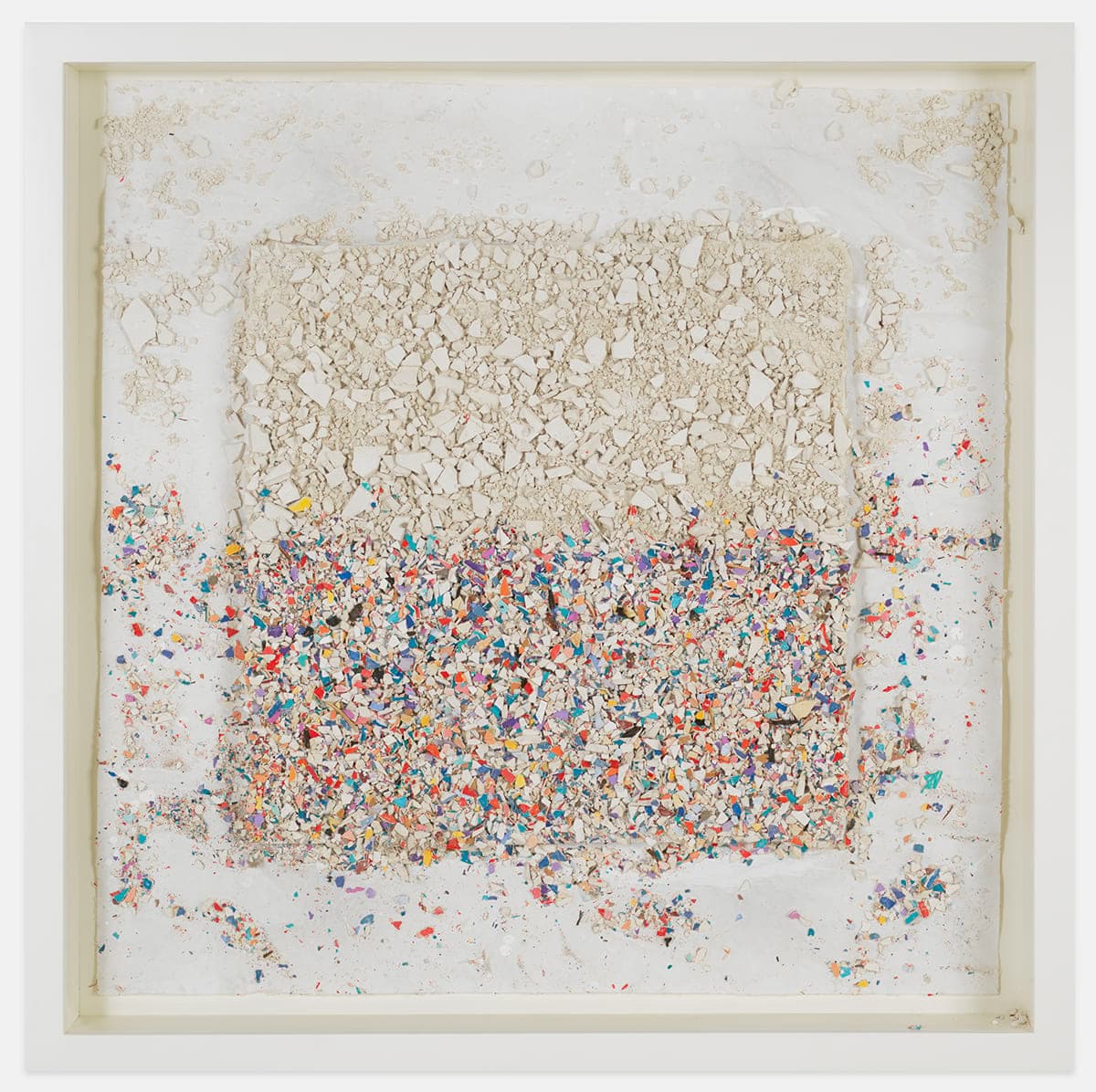
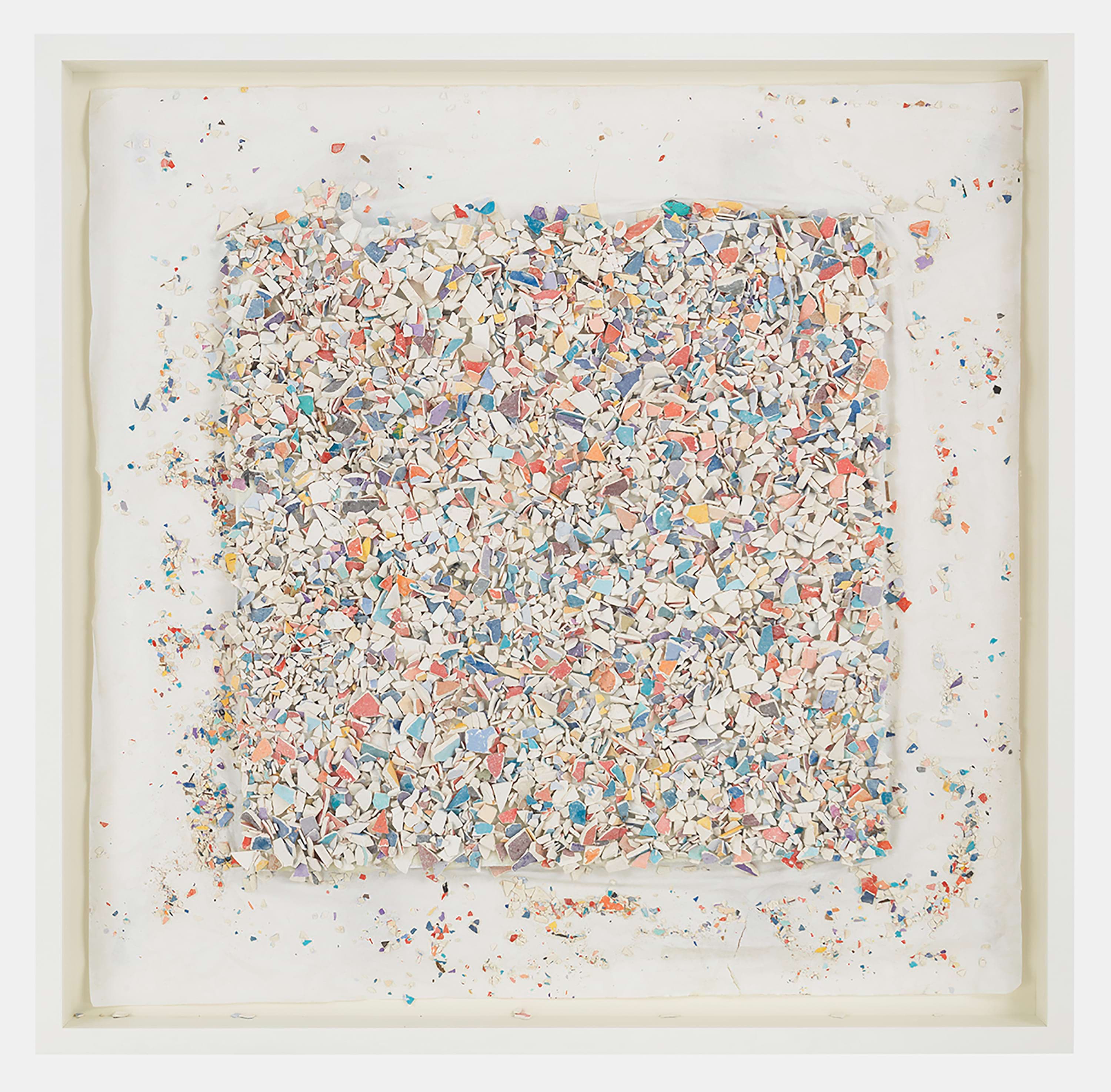
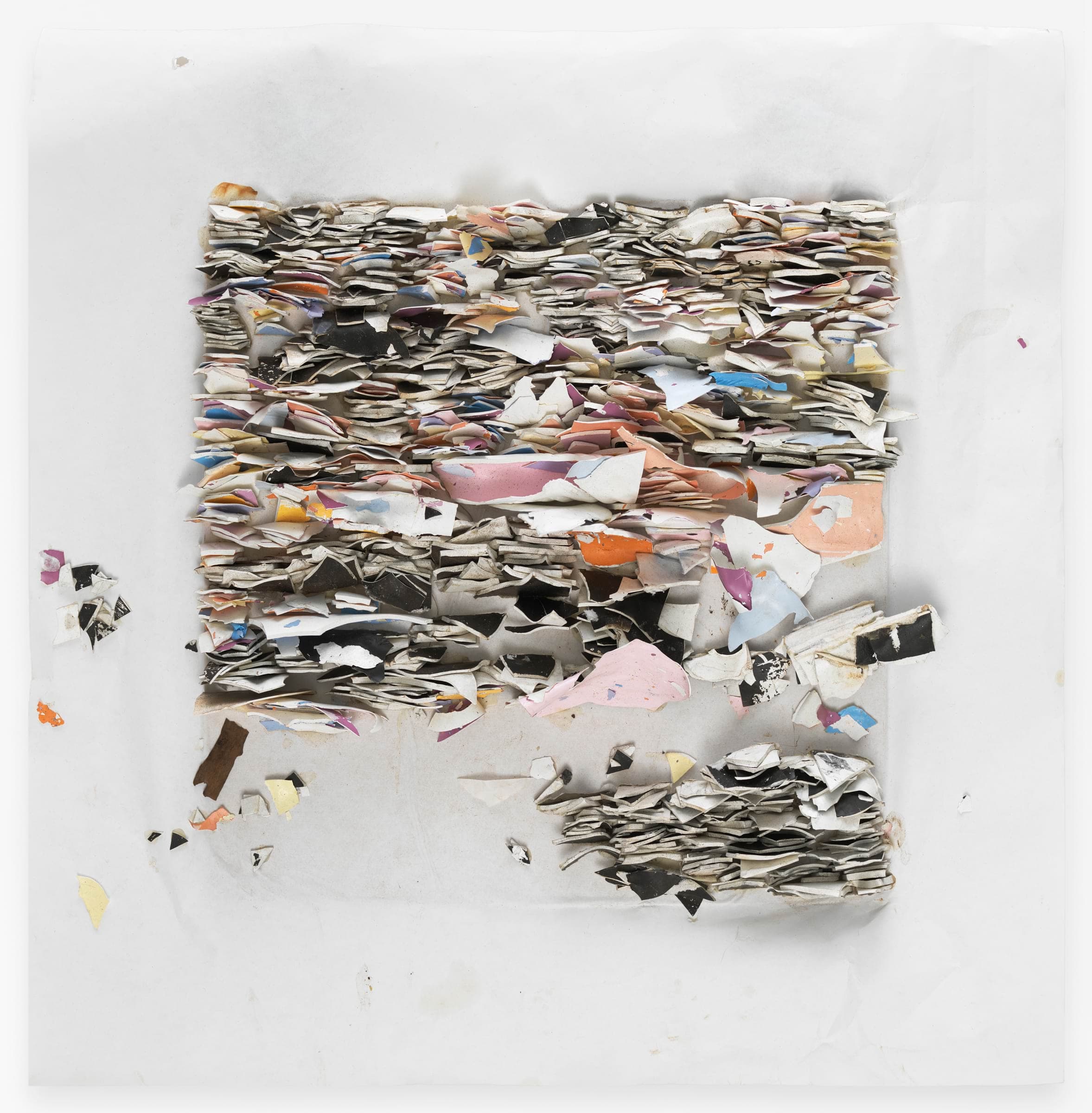
Leonardo Drew’s large-scale wall and floor installations, are dynamic compositions of painted and distressed wooden fragments that radiate outward in a suspended state of motion. These works suggest rupture and dispersal, yet are meticulously composed, with what Drew calls “entropy as baseline” balanced by an underlying structural order. in many of these installations elements appear to shatter and scatter, drawing viewers into their energetic field. Influenced by his time in Jingdezhen, China, these installations reflect a growing engagement with color and material transformation, offering a visceral meditation on collective memory, decay, and renewal.
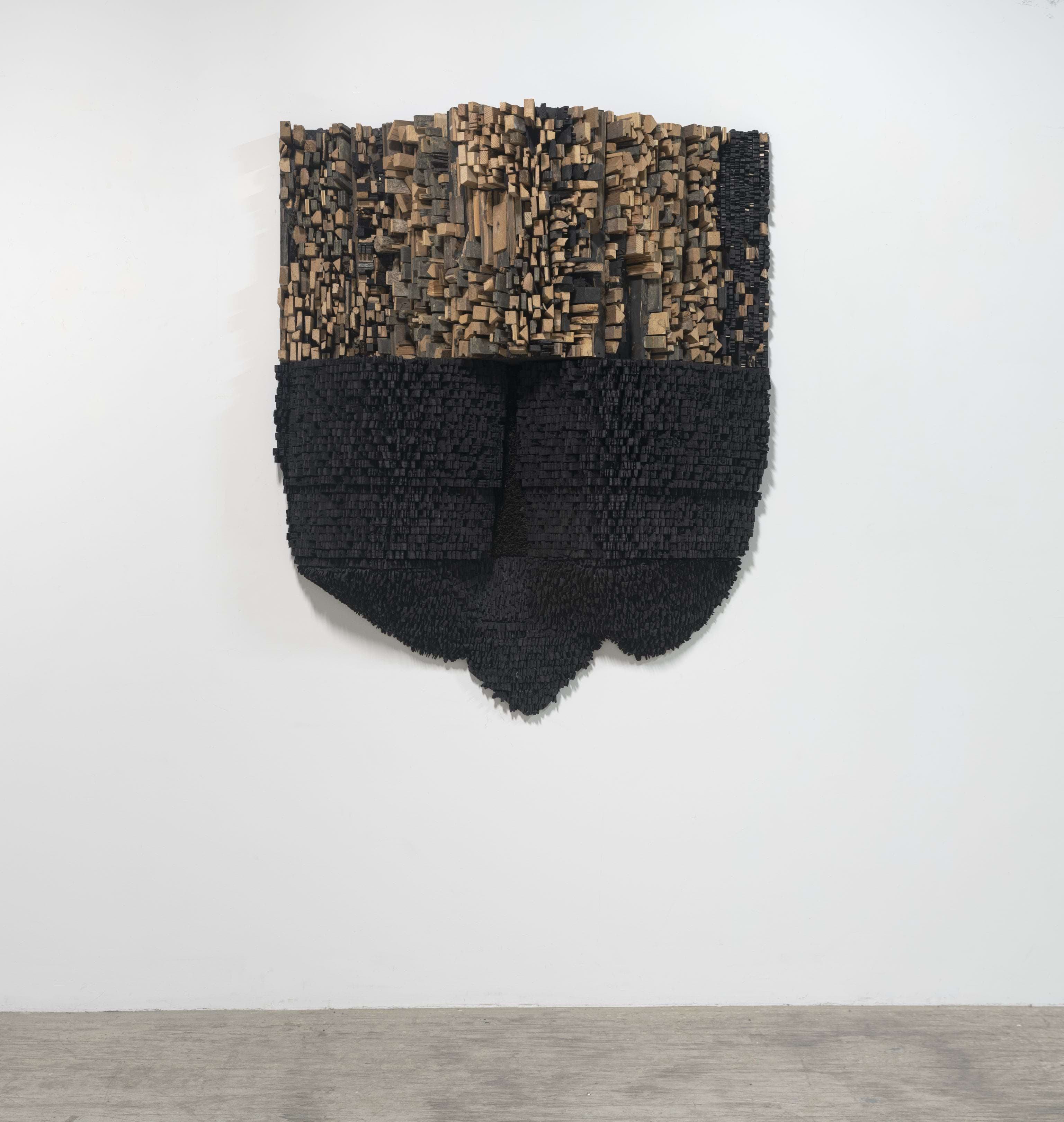
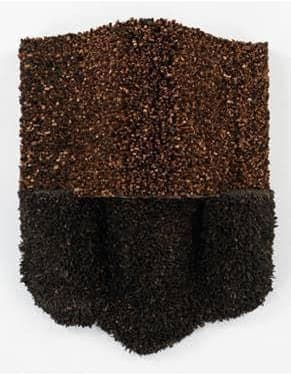
Drew’s Shields series invokes the symbolism of protection and ancestral memory through the form of the shield—a recurring motif across African and diasporic visual traditions. These large, rounded or angular wall-based sculptures are constructed from oxidized and distressed materials, often encasing intricate patterns and textural accumulations within a seemingly defensive perimeter. With surfaces that appear both ceremonial and battle-worn, these works resonate with ideas of resilience, identity, and cultural inheritance, functioning as totems of both individual and collective endurance.
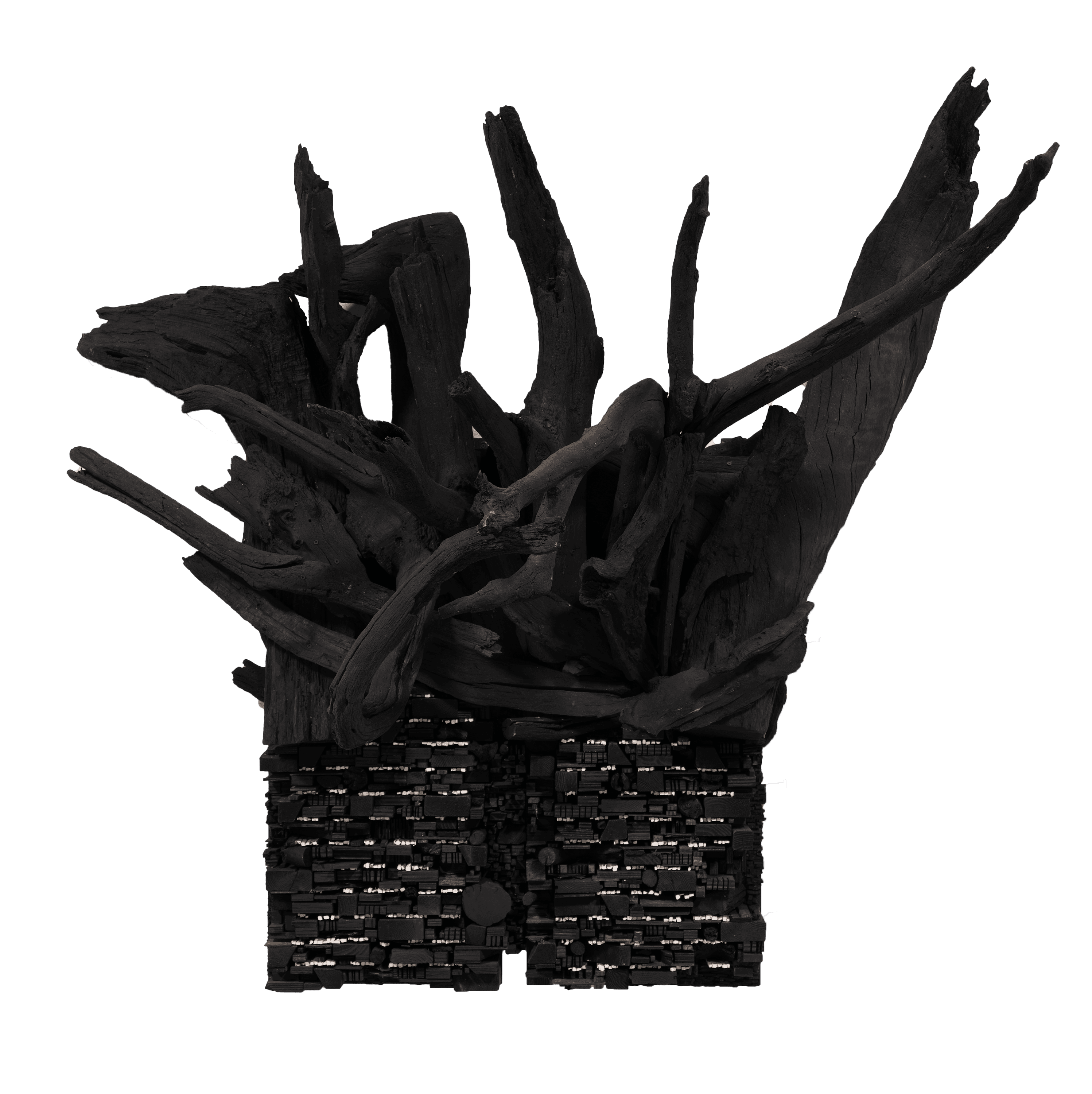
In a number of works, Leonardo Drew juxtaposes naturally formed elements like branches, roots, and driftwood with precisely milled, cut, or cast wooden components. This interplay between organic and manufactured forms creates a dynamic tension—evoking the collision of nature and industry, chance and control. The raw irregularity of the found elements contrasts with the uniformity of the crafted ones, highlighting cycles of transformation and the imprint of human intervention on the natural world. Through this synthesis, Drew constructs sculptural landscapes that feel at once ancient and contemporary, fragile and forceful.