Steeped in African American history, Carrie Mae Weems makes alternately searing and tender photographs and videos that explore race, family, class, and gender identity. The artist, who has also worked in verse and performance, embraces activism throughout all her work—in particular, she looks to history in order to better understand the present. In the early 1990s, Weems rose to prominence with her beloved “Kitchen Table” series: intimate black-and-white photographs that undermine tropes of African American life and womanhood as they depict the artist seated at her kitchen table alone or alongside various other characters. Over the course of her career, Weems has received countless honors, including the Prix de Roma, the National Endowment of the Arts Fellowship, and the MacArthur “Genius Grant.” In 2014, she became the first Black woman to mount a retrospective at the Guggenheim, and her work can be found in the permanent collections of the Metropolitan Museum of Art, Tate Modern, and the Museum of Fine Arts, Houston.
Weem’s work is held in the collections of the Museum of Modern Art (MoMA), Solomon R. Guggenheim Museum, Whitney Museum of American Art, The Metropolitan Museum of Art, National Gallery of Art, Washington, D.C., San Francisco Museum of Modern Art (SFMOMA), Museum of Contemporary Art, Los Angeles (MOCA), Studio Museum in Harlem, Art Institute of Chicago, MCA Chicago.
signed, dated and editioned on the back
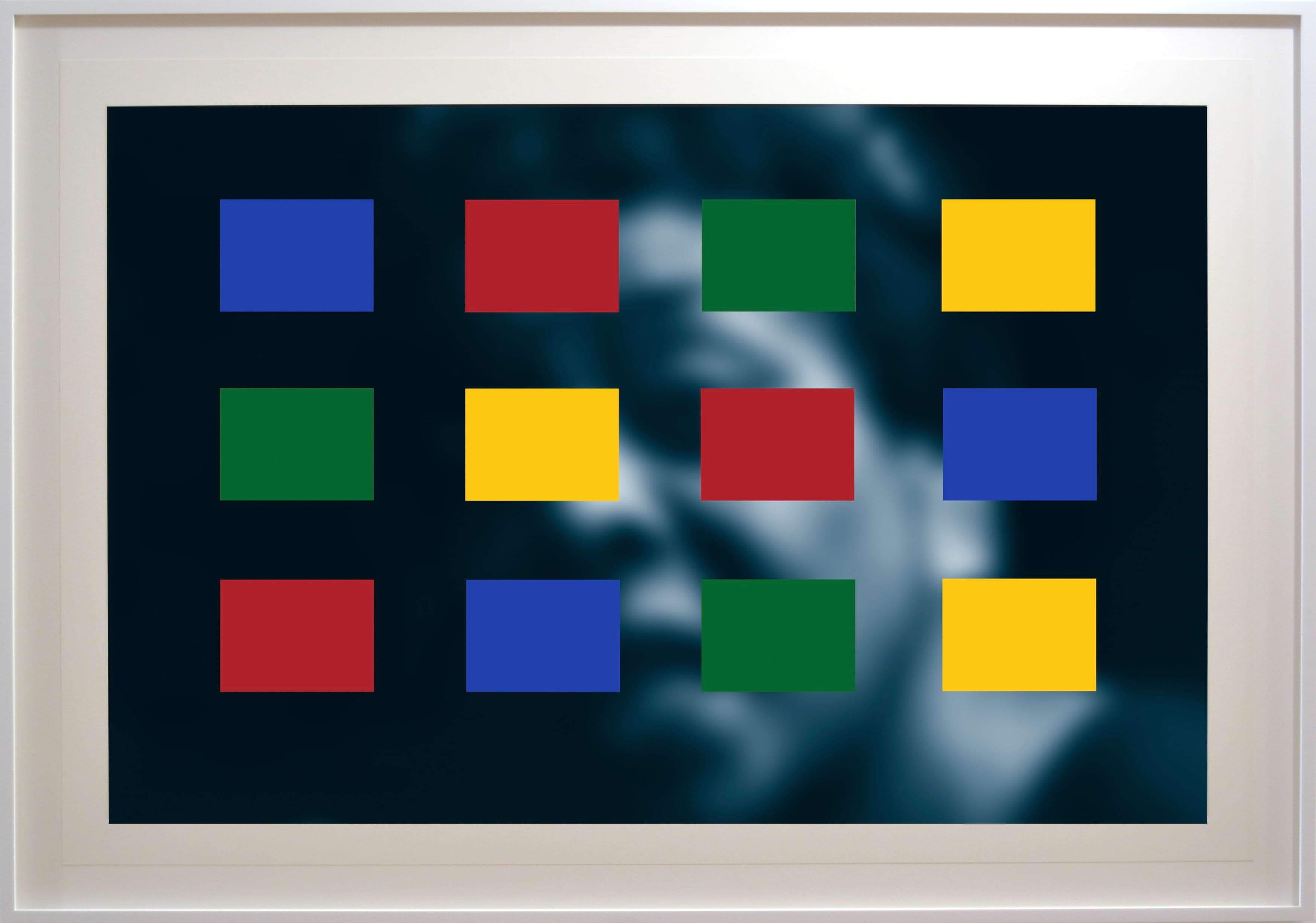
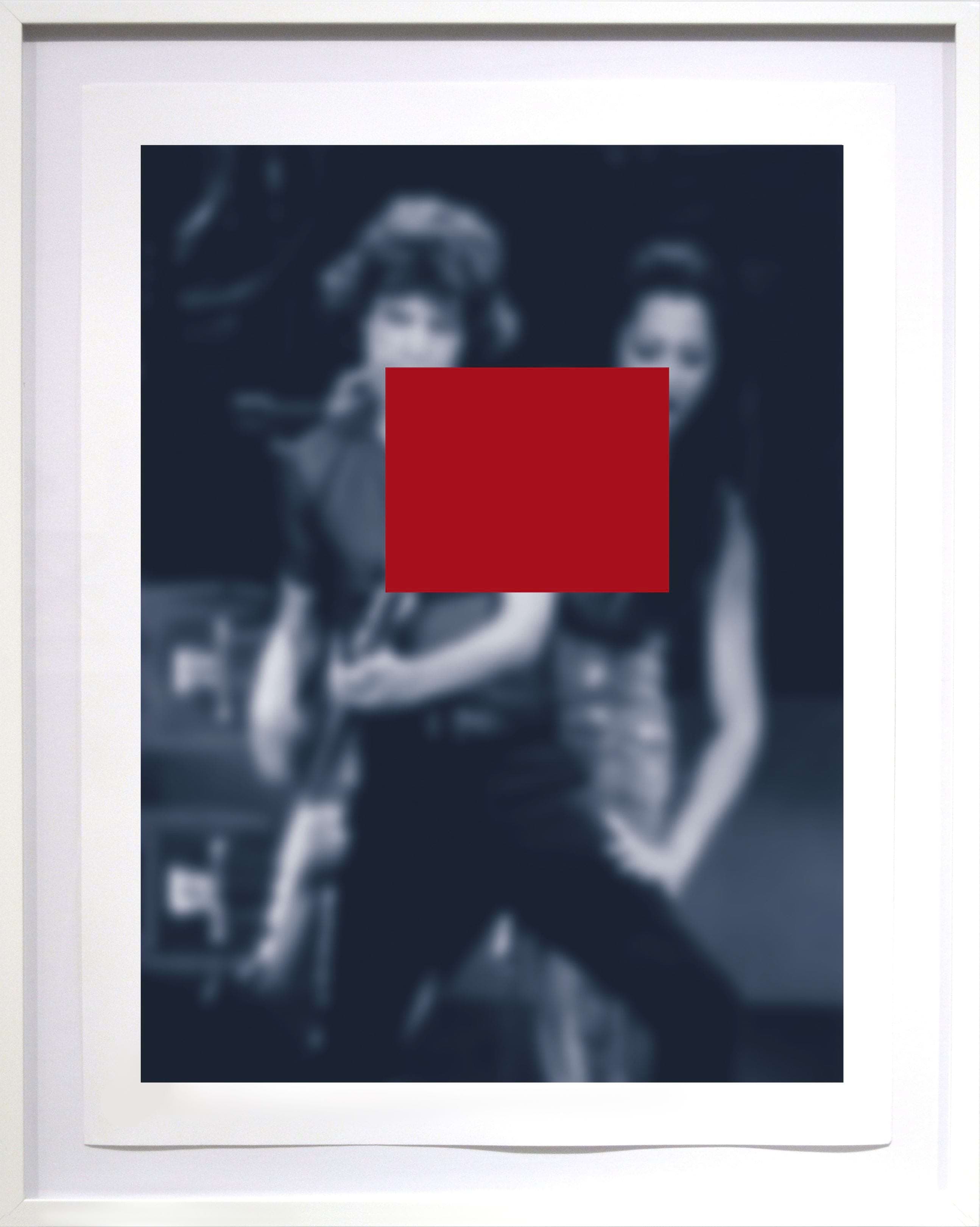
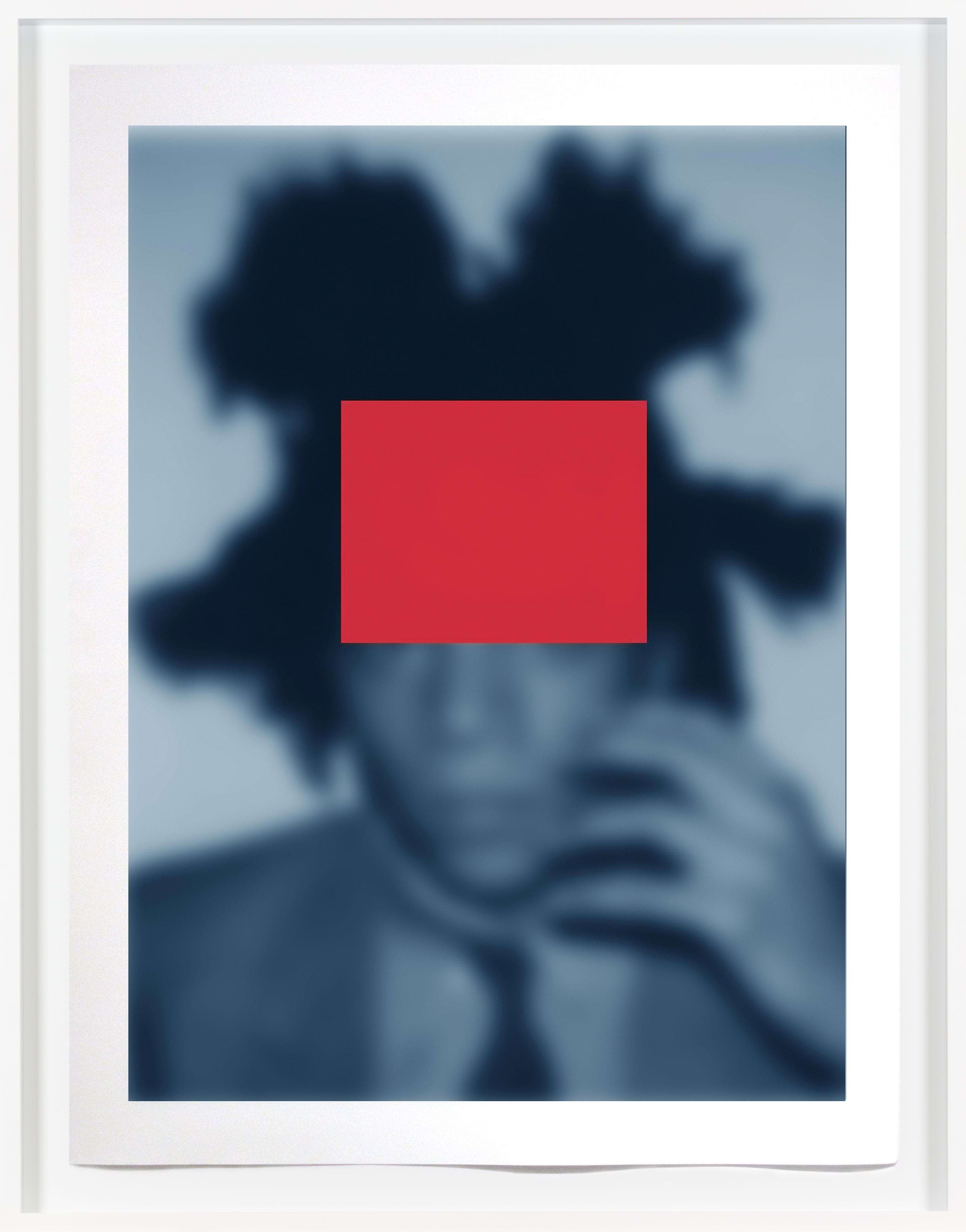
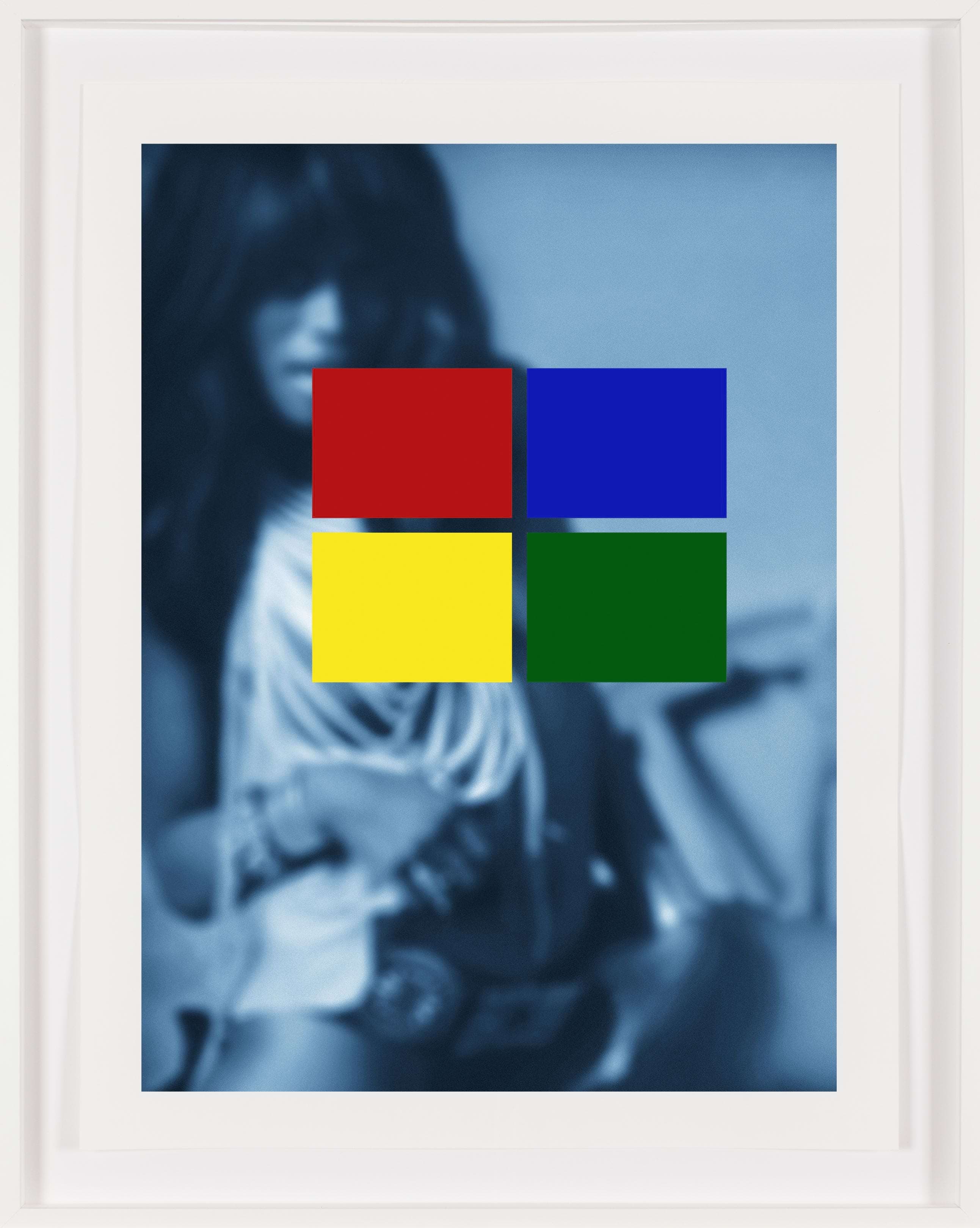
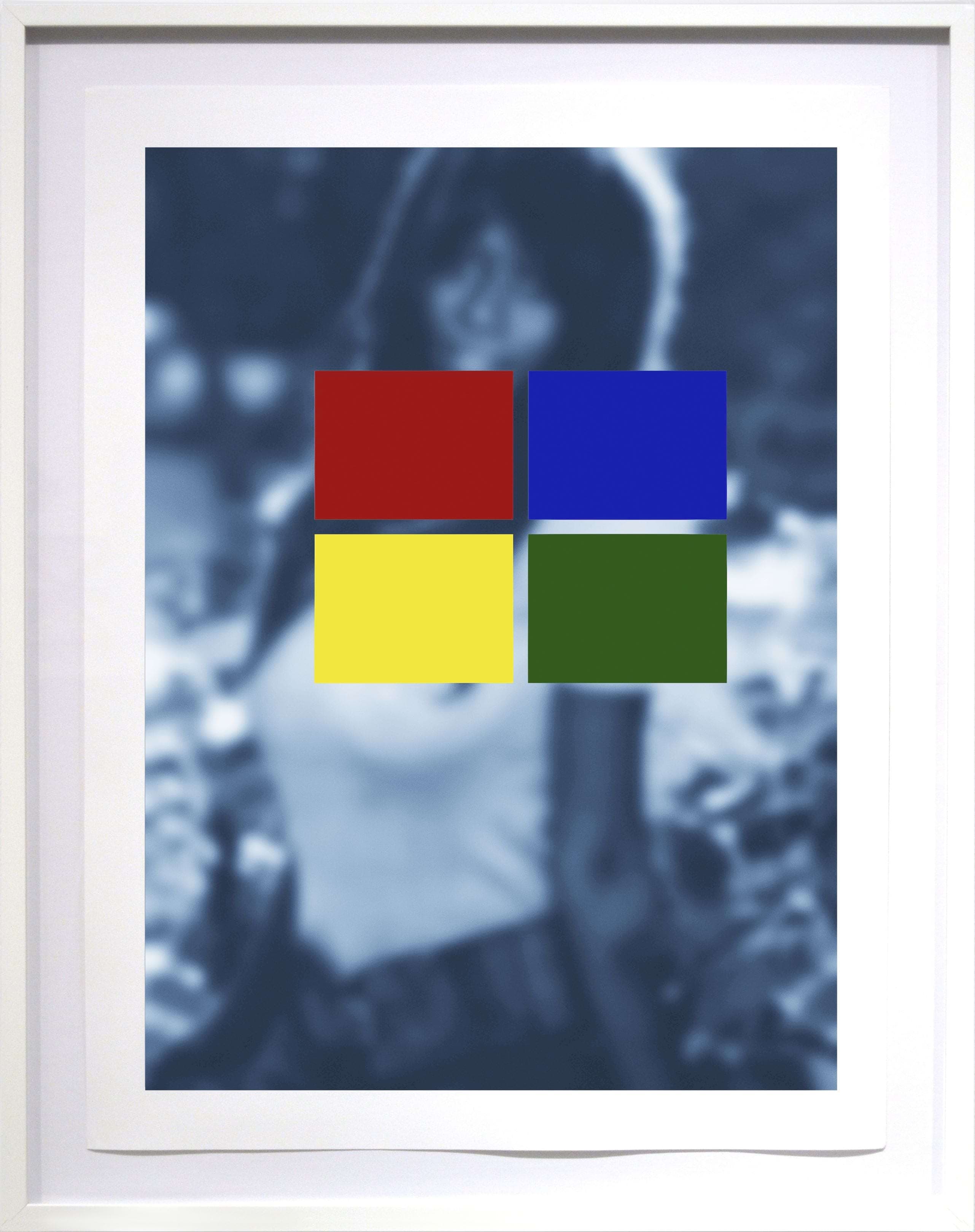
Blue Notes features grainy blue portraits of black artists and back-up dancers whose faces are covered by blocks of solid color. The formal vandalism is at once a reflection and critique of America’s historical erasure of black artists. All the Boys uses a similar technique, to more disturbing effect. This time, Weems photographs several black men in hoodies. Beside them, text panels provide the basic information about ten unarmed black victims of police shootings. It’s a damning gesture. These “usual suspects” may have different personal histories. But, in the end, they are united by the following fact: “Matching the description of the alleged, perpetrator was stopped and/or apprehended, physically engaged, and shot at the scene. Suspect killed. To date, no one has been charged in the matter.”
34 x 26 inches (paper size) (to be framed in London)
Edition 2/5 with 2 APs
Inventory #:
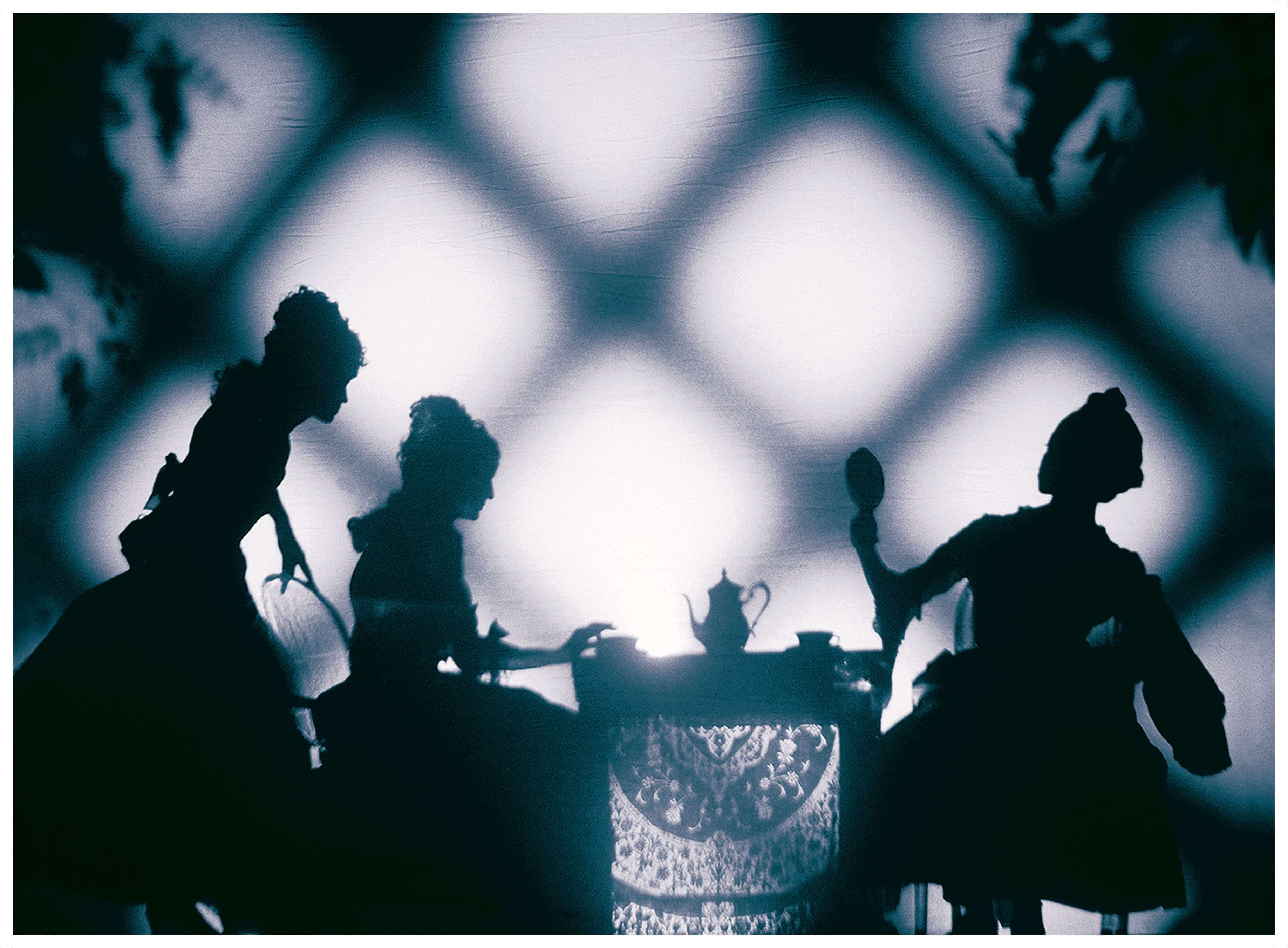
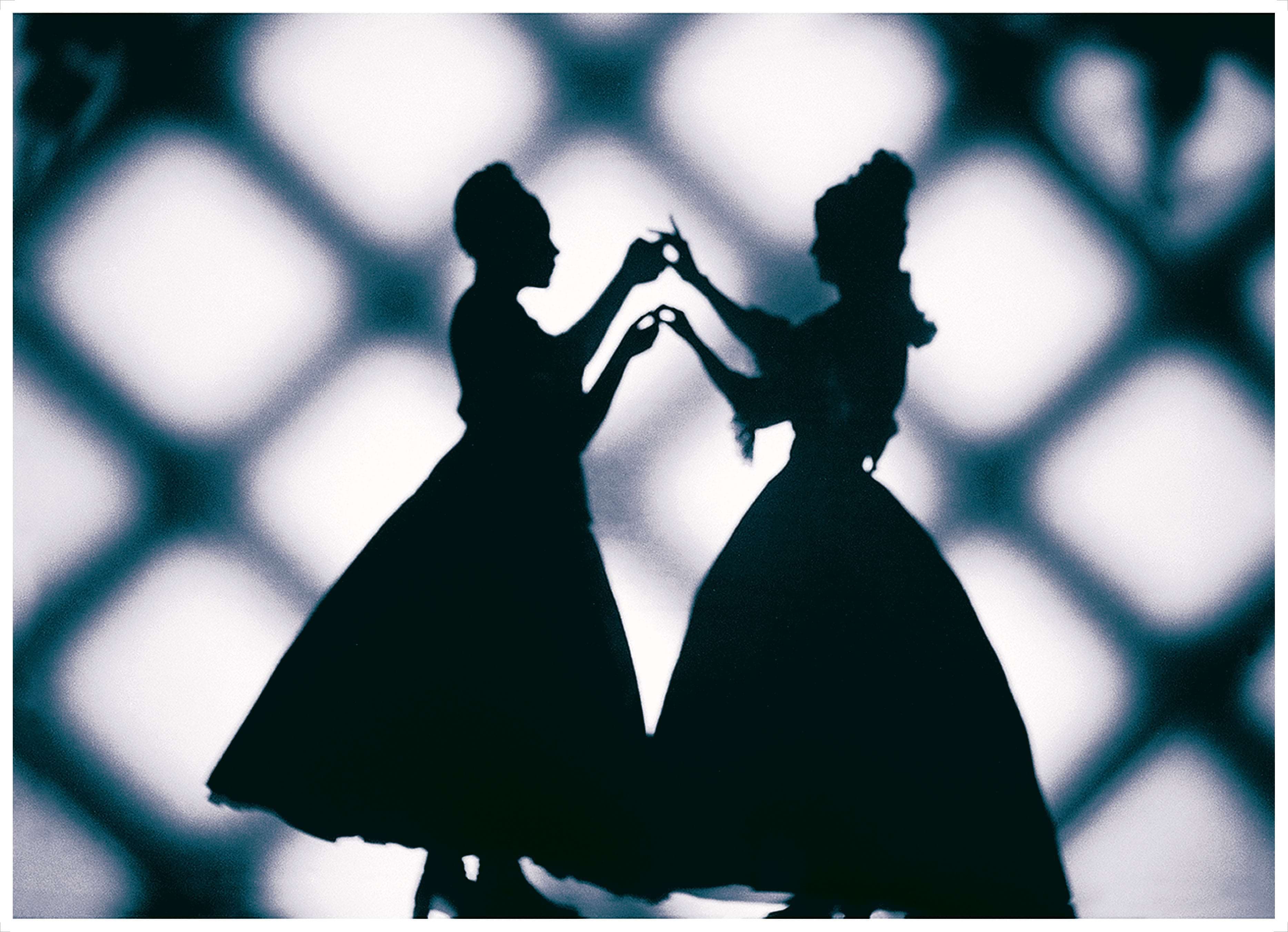
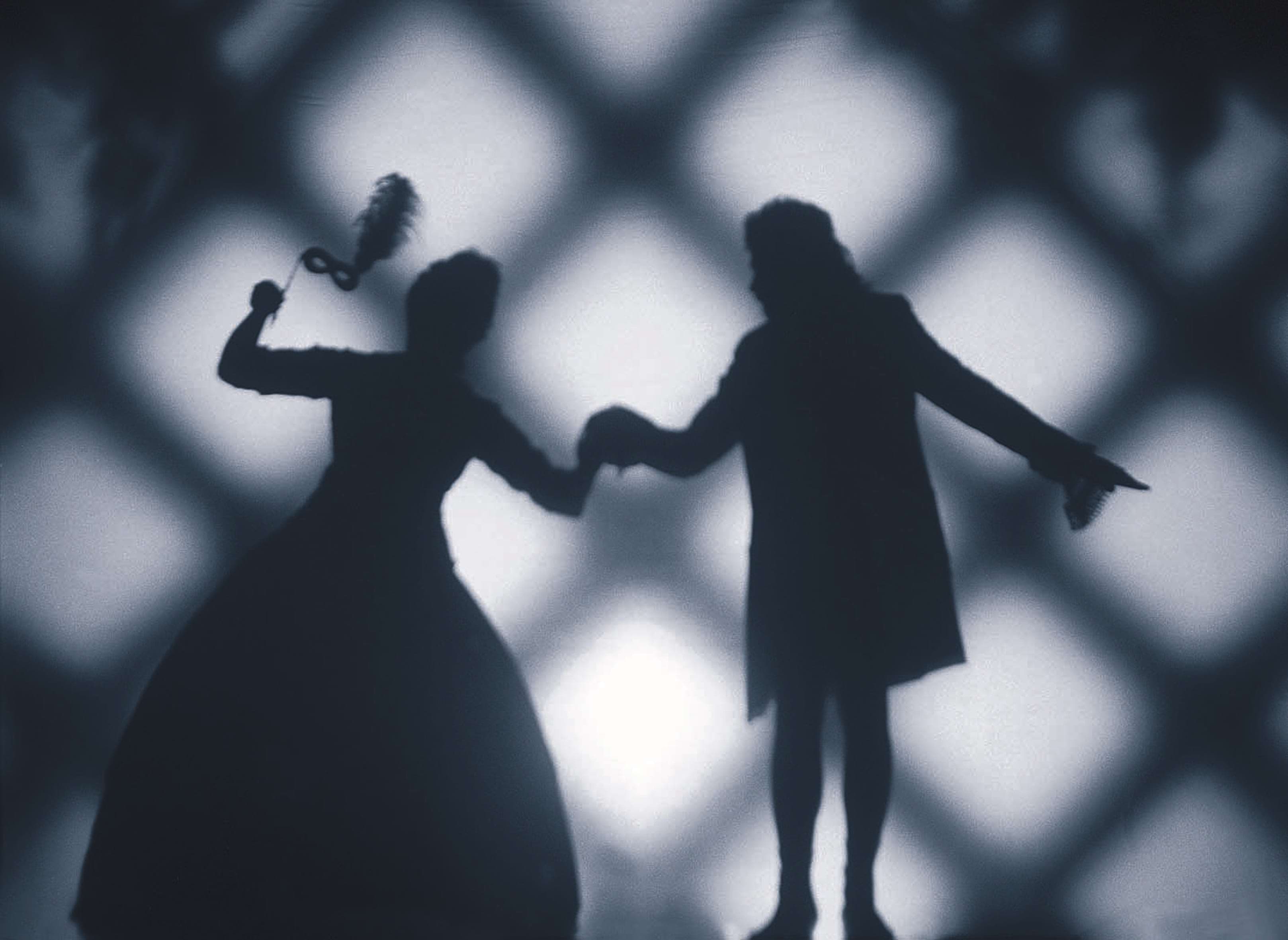
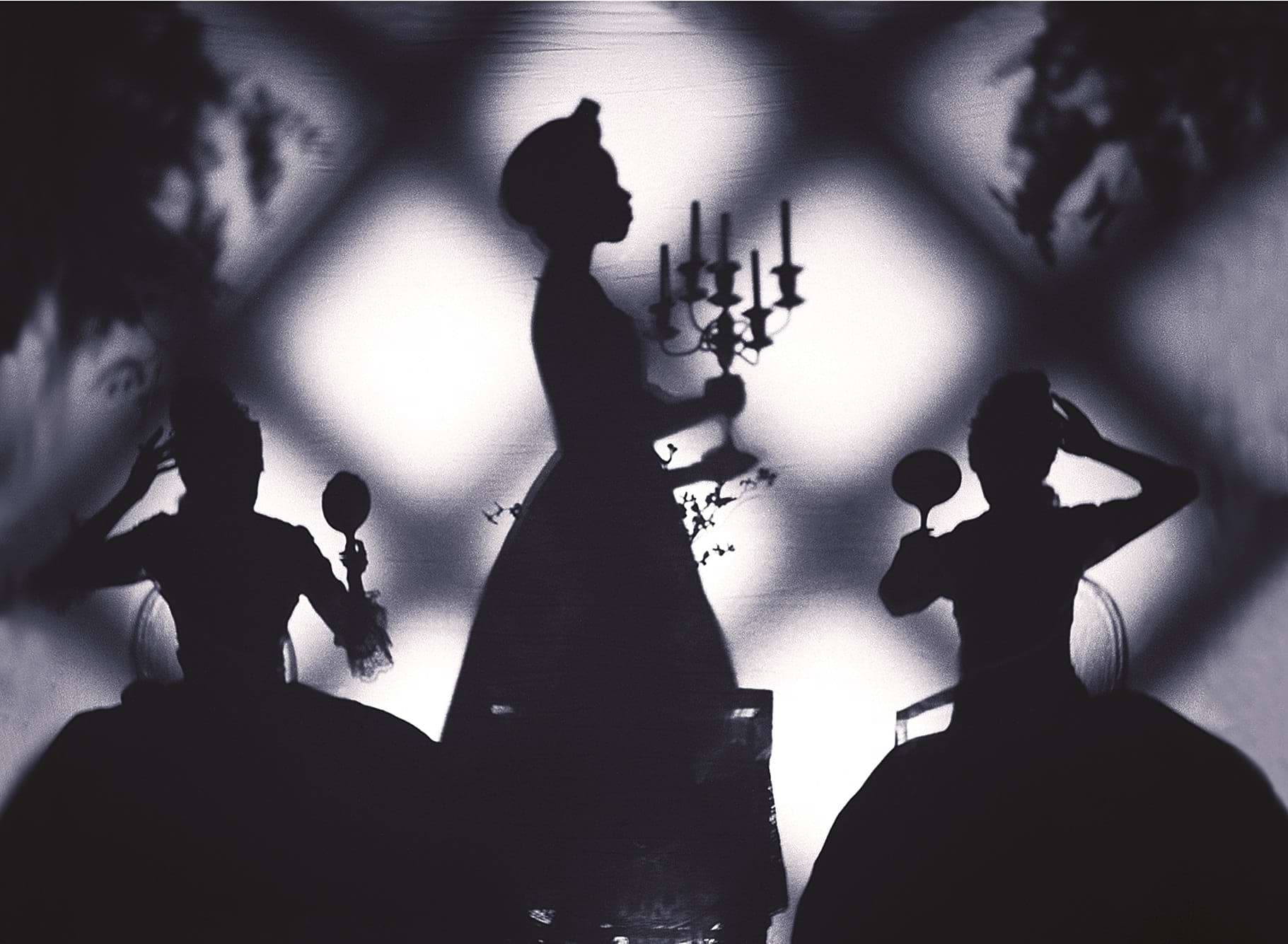
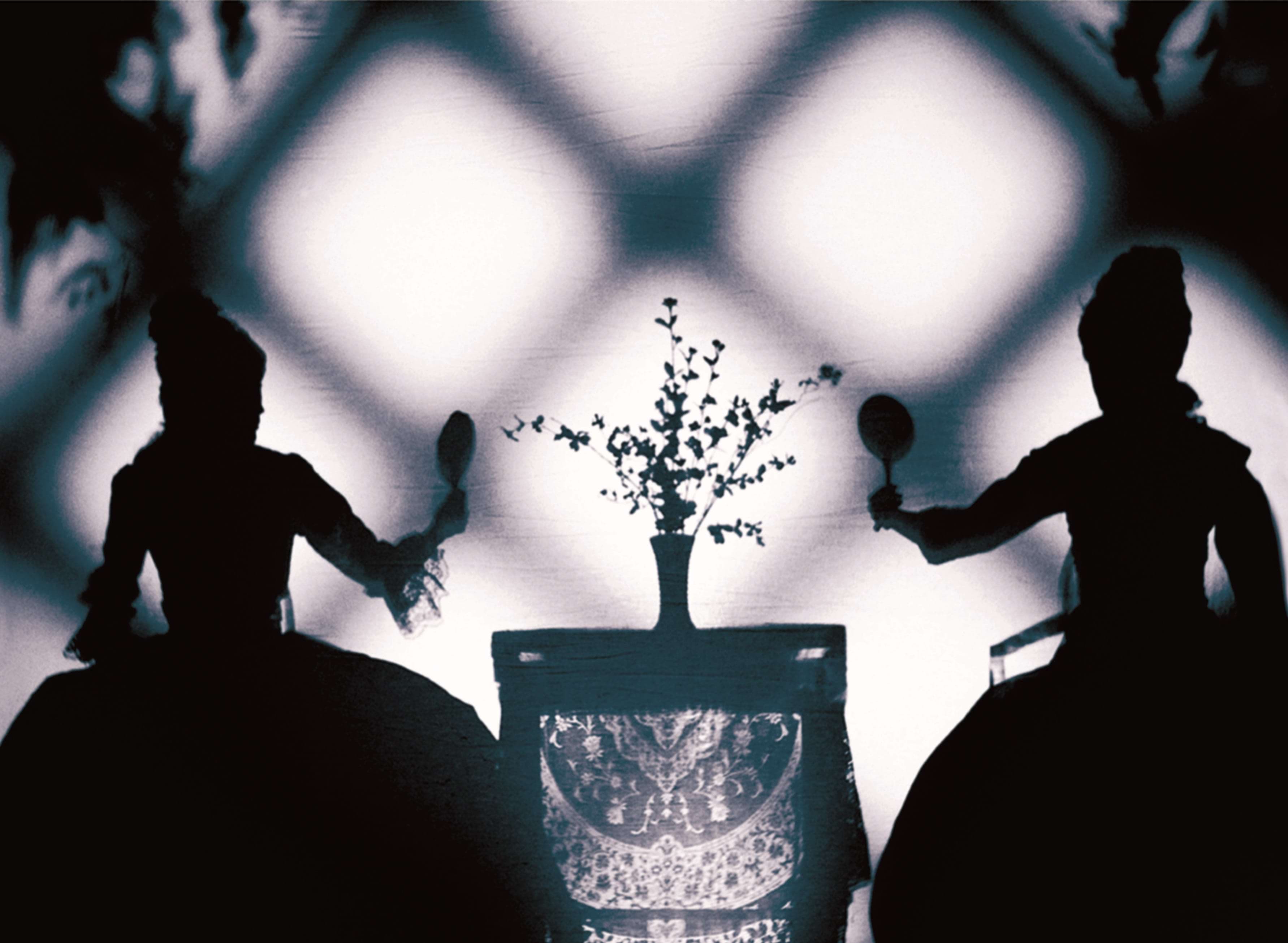
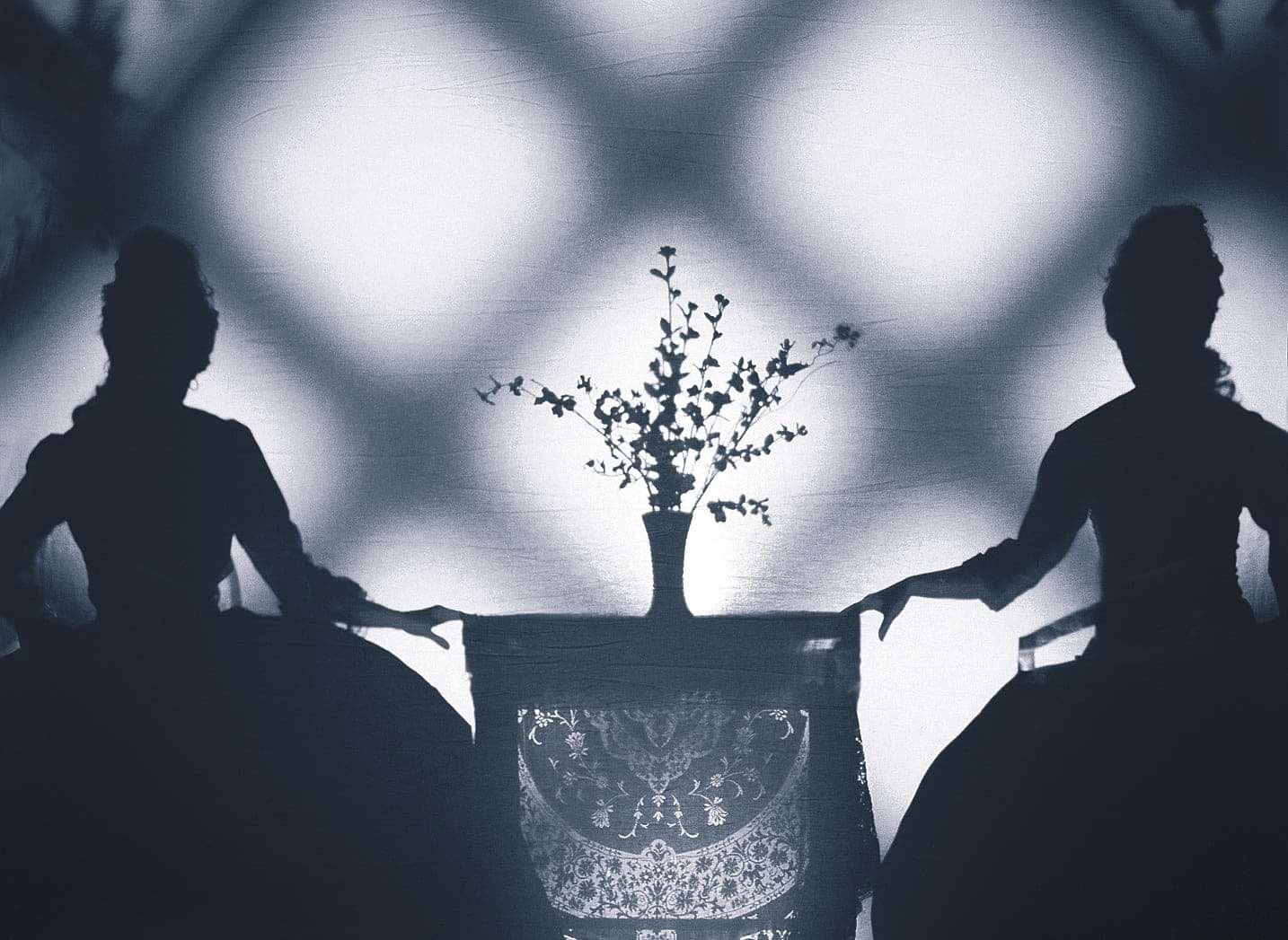
In The Louisiana Project, 2003 Carrie Mae Weems examines the distant past of slaveholding and the state’s recent present, characterised by economic crisis and racial segregation. It takes as its starting point the ubiquitous New Orleans festival Mardi Gras as well as the parades and balls associated with all-white groups who parade through the streets during the annual celebration of Carnival.
The work considers a triad of relationships between white men, white women, and women of colour played out as a sort of shadow dance. It uses the symbolism of the mirror as a means of reflection on the region and its history and on attitudes about blackness and sexual identity. The work is an attempt by which Weems positions herself as a witness to both past and future histories. It is to be confronted by one’s own position as a viewer and to acknowledge the ever-present power of the gaze and perpetual struggle by women artists, in their work and in their persons, to control image.
"The Louisiana Project" incorporates still photography, narrative, and video projection as part of an examination of the complex history of New Orleans and the "commingling culture" that has resulted. Photographs use the symbolism of the mirror as a means of reflection on a particular region and its history, on attitudes about blackness, as well as sexual identity. In another group of images Weems places herself in a variety of location, plantations, railroad tracks, and chemical plants as a witness to the experience of African Americans. The video considers a triad of relationships between white men, white women, and women of colour played out as a sort of shadow dance.
The Louisiana Project was commissioned in 2003 to commemorate the bicentennial of The Louisiana Purchase. However, the impact of the exhibition extends more widely than the particular culture of New Orleans.
The Louisiana Project (2003) examines the distant past of slaveholding and the state’s recent present, characterized by economic crisis and racial segregation. It takes as its starting point the ubiquitous New Orleans festival Mardi Gras as well as the parades and balls associated
with all-white groups who parade through the streets during the annual celebration of Carnival.
The work considers a triad of relationships between white men, white women, and women of colour played out as a sort of shadow dance. It uses the symbolism of the mirror as a means of reflection on the region and its history and on attitudes about blackness and sexual
identity. The work is an attempt by which Weems positions herself as a witness to both past and future histories. It is to be confronted by one’s own position as a viewer and to acknowledge the ever-present power of the gaze and perpetual struggle by women artists, in their work and
in their persons, to control image.