Video
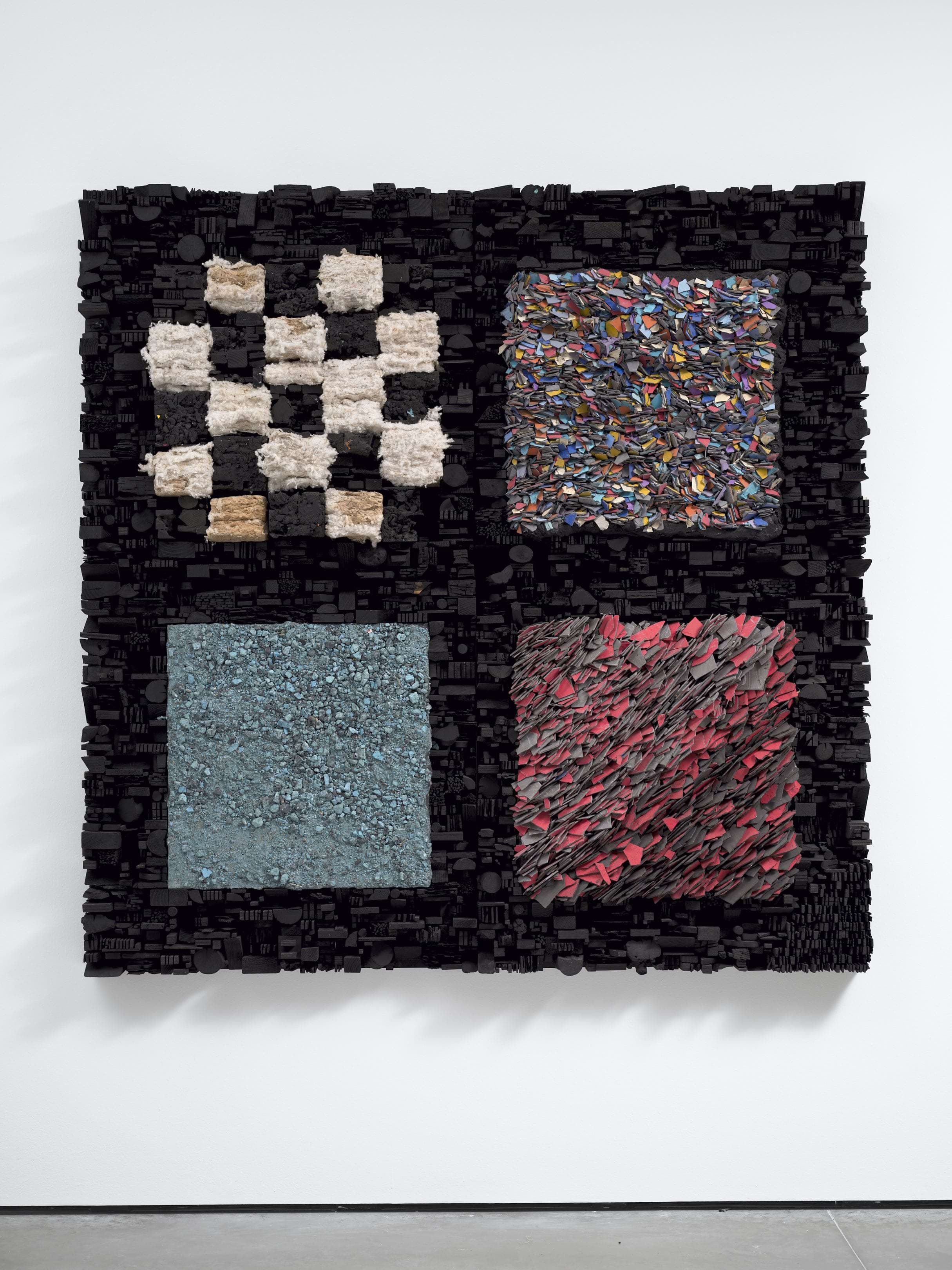
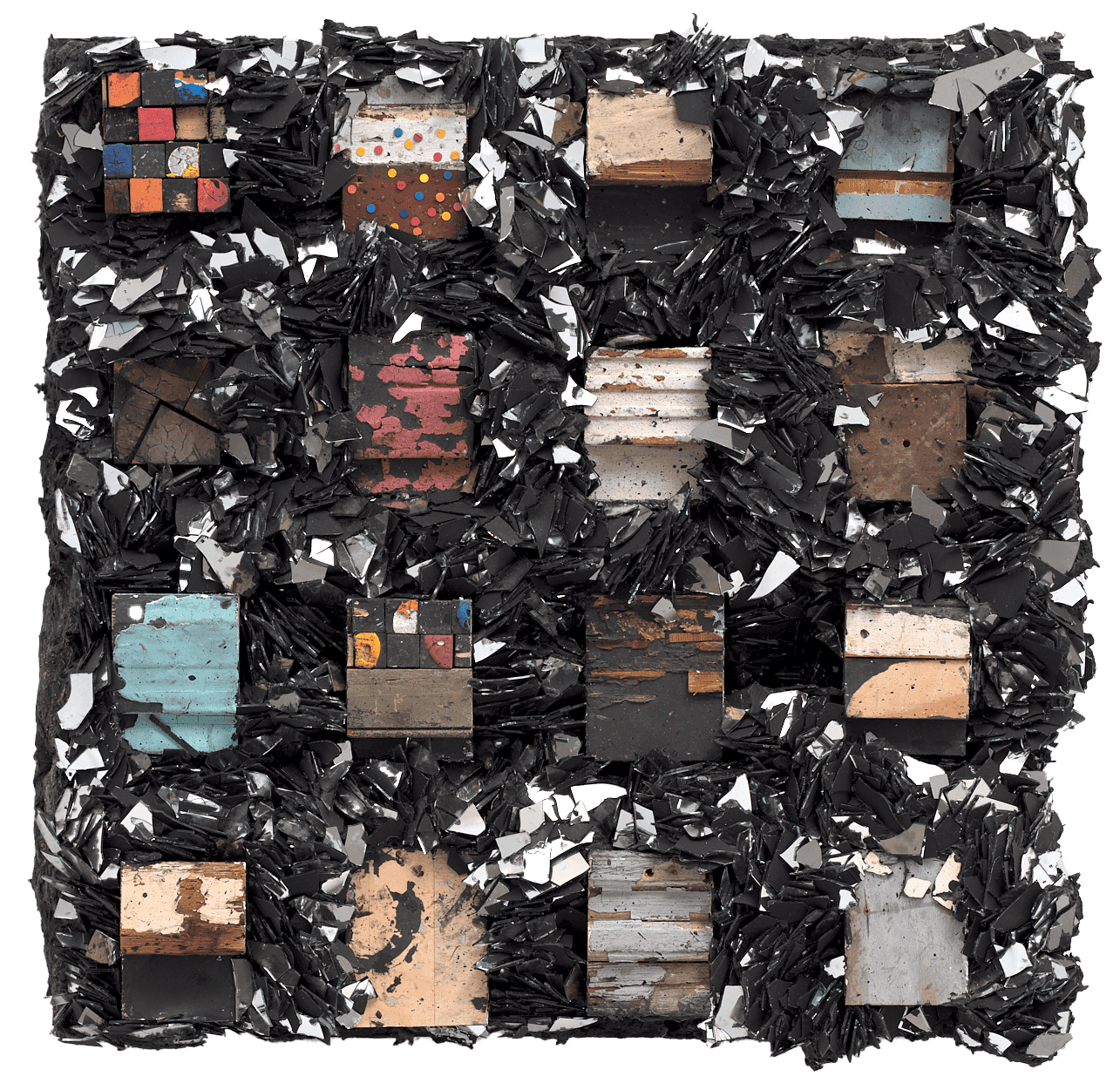
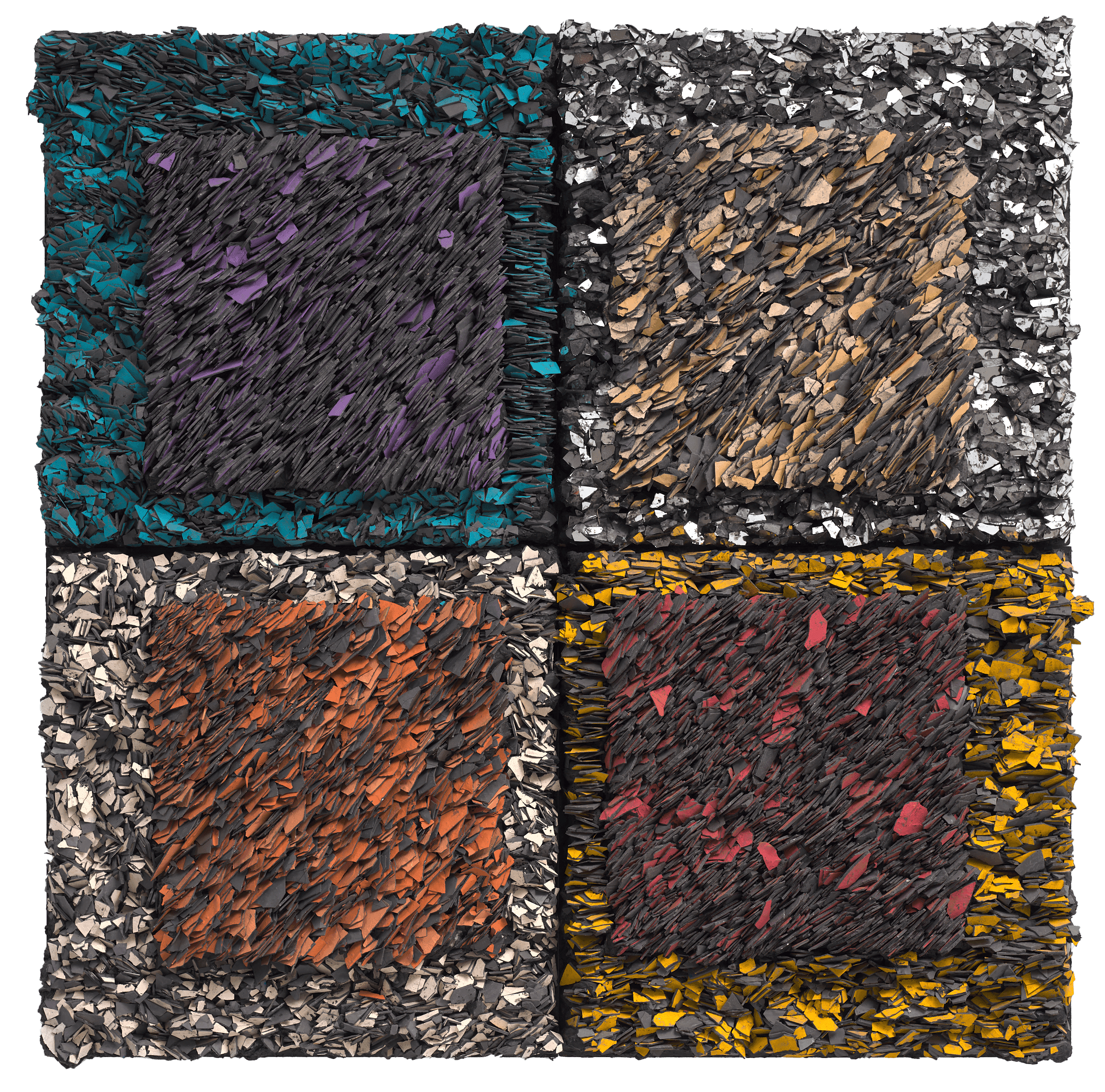
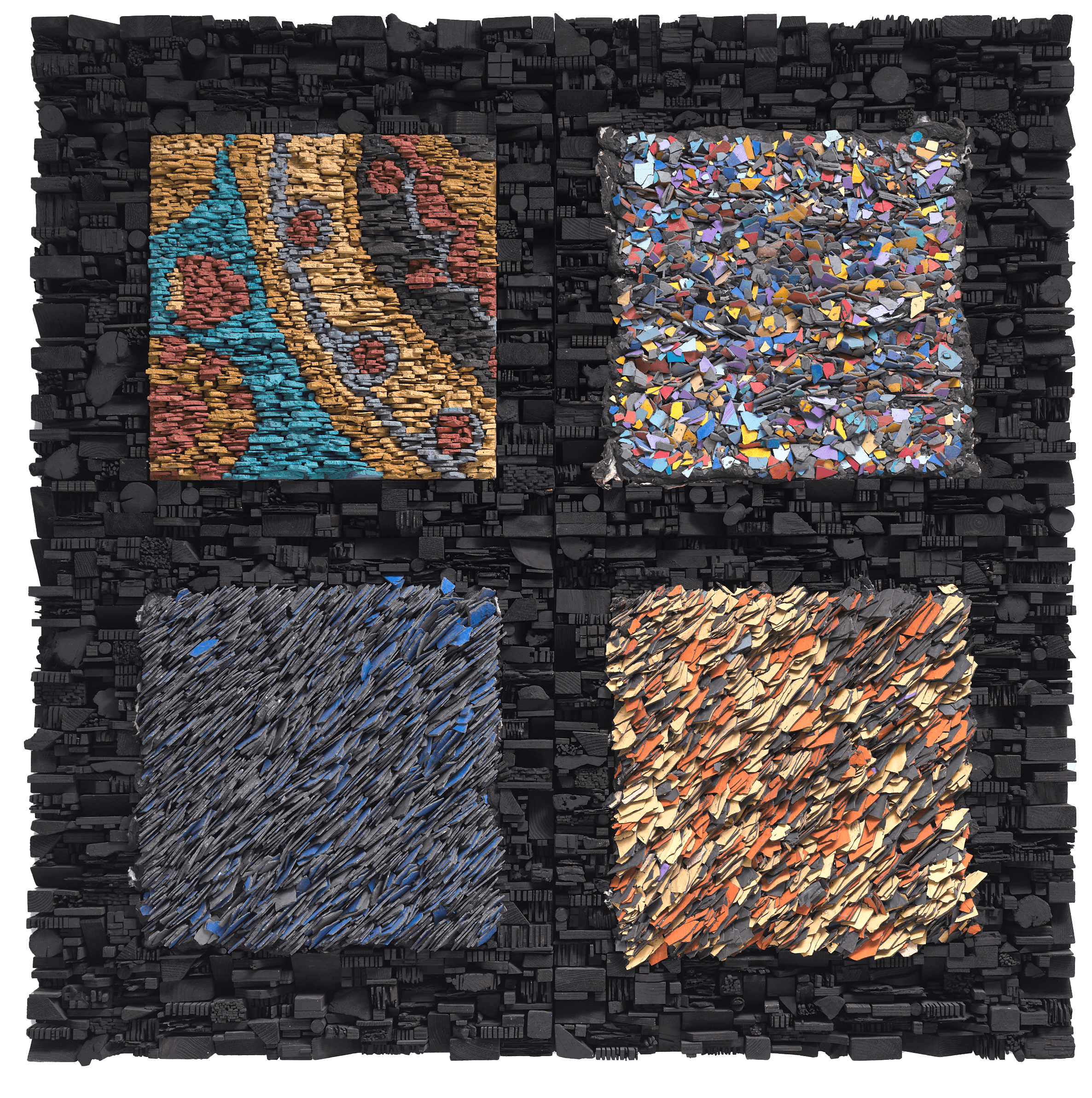
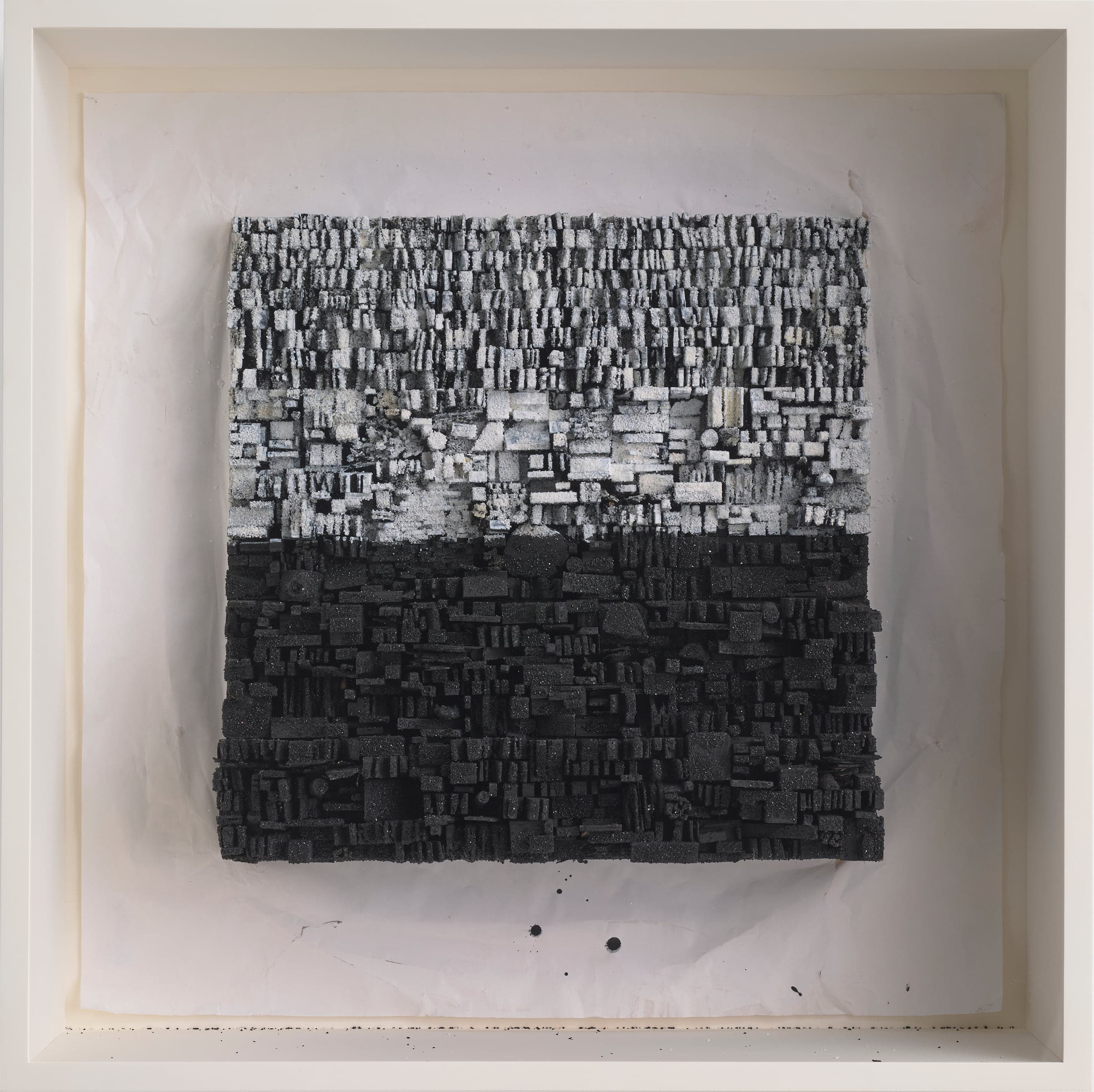
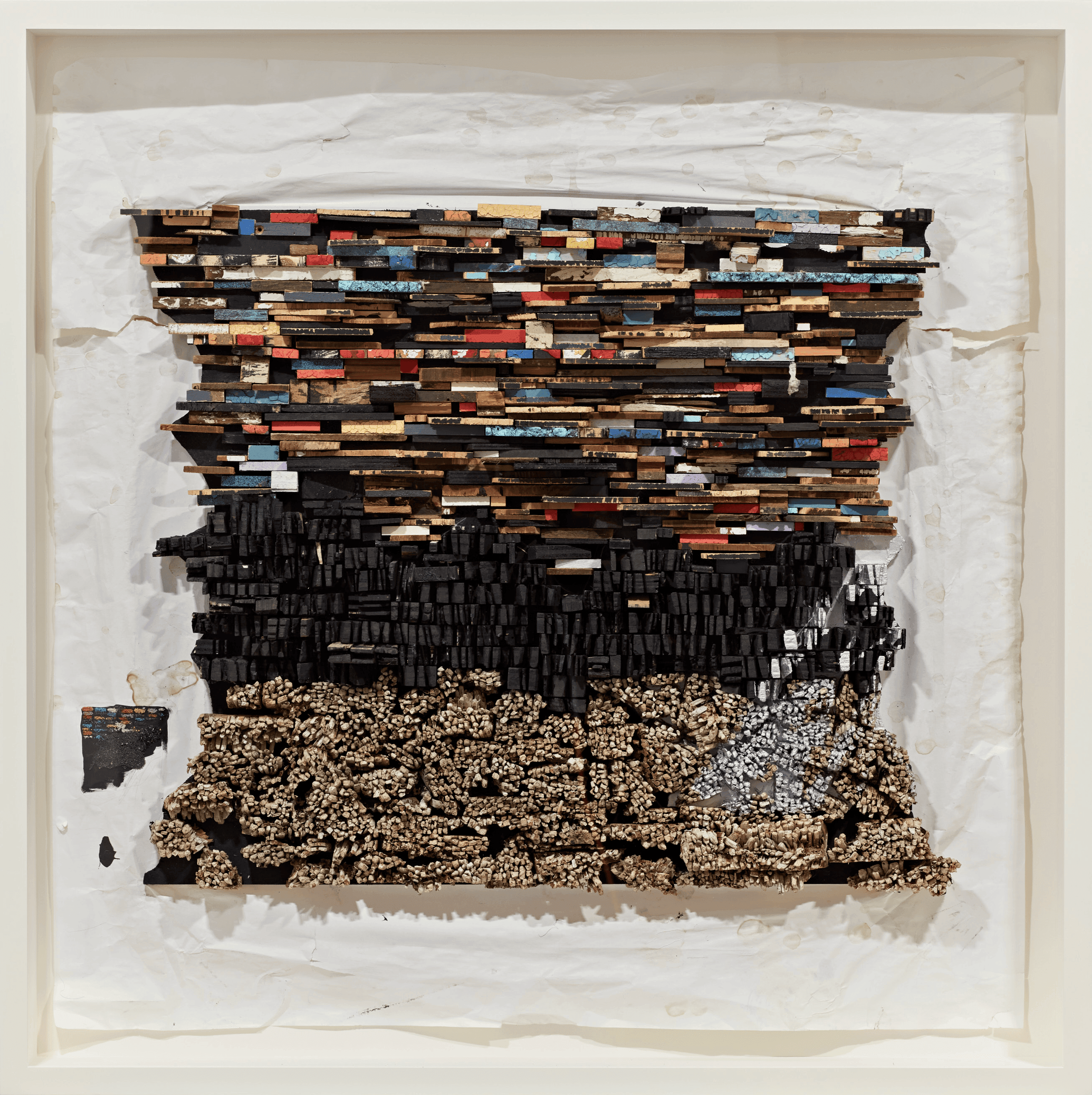
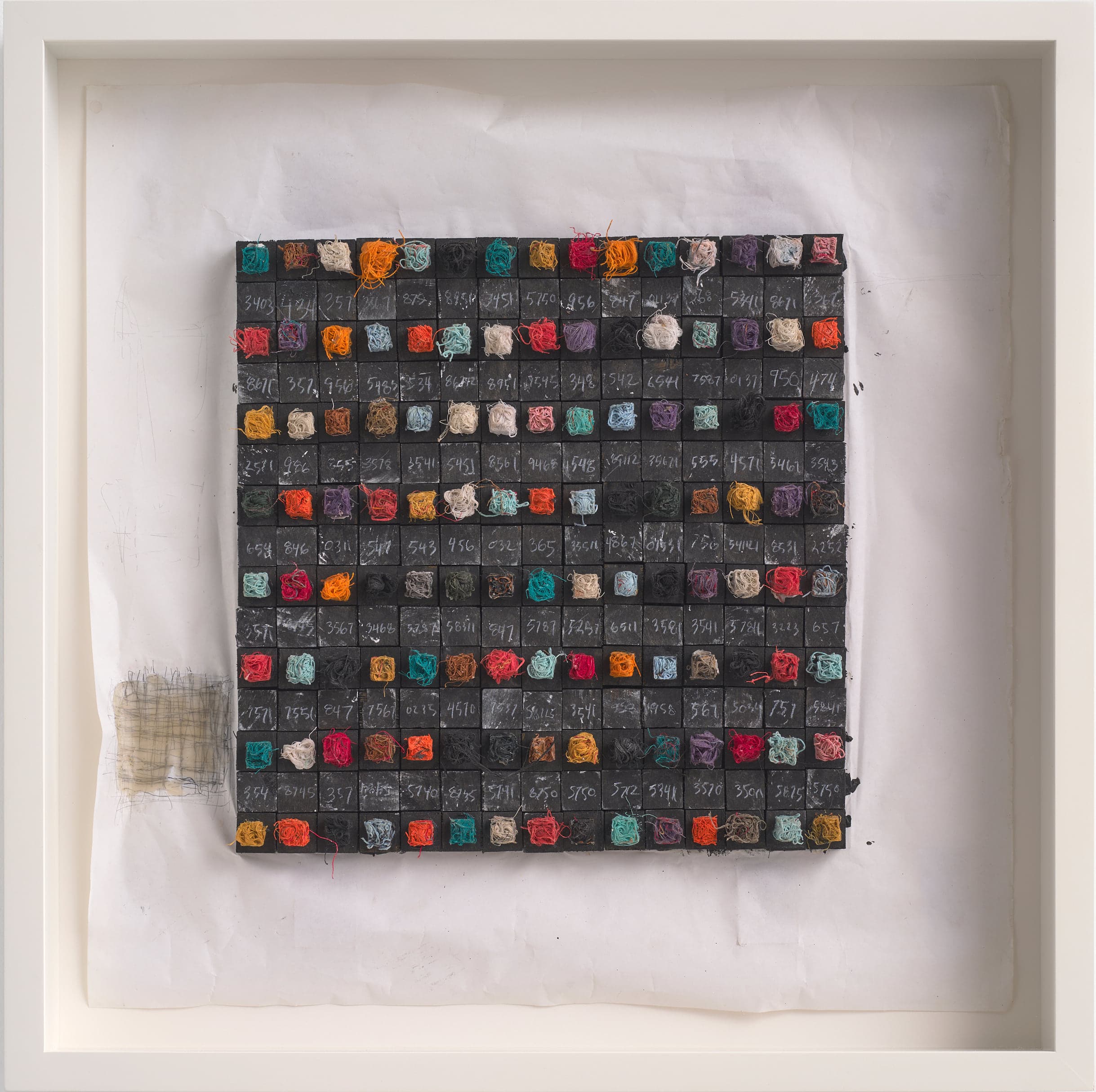
Drew continues his practice of assigning numbers as titles to the works in ‘Number 429’
—a deliberate choice that resists finality and keeps the interpretation of the work open to multiple readings. The numbers, which are not static but rather accumulate progressively, highlight the notion that each individual work is a composite of many ideas and previous works that have been subsumed, layers upon layers that are embedded into the final image. In this way, the number acts as a reminder that what we see is the result of many ideas and influences that have come before.
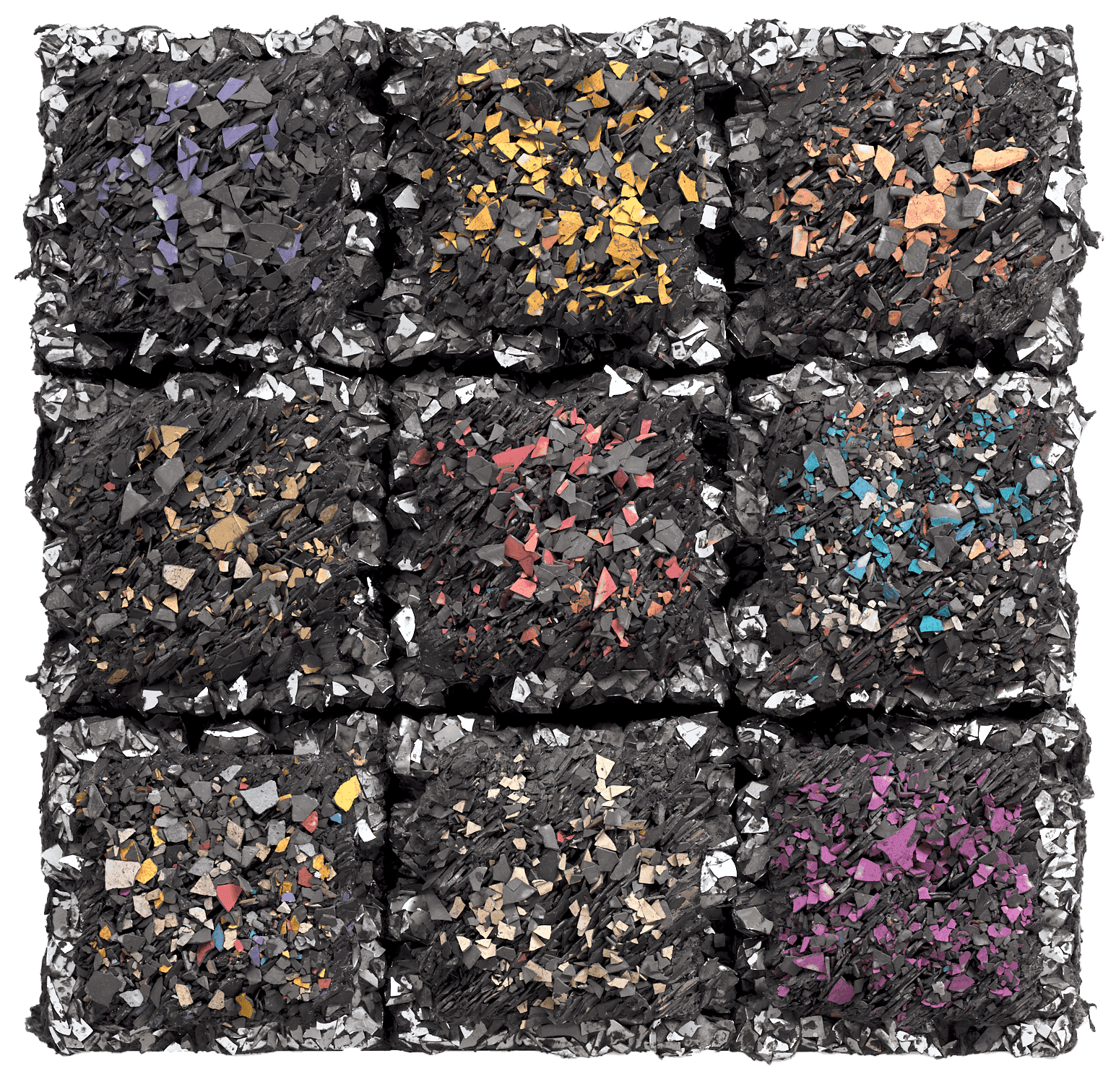
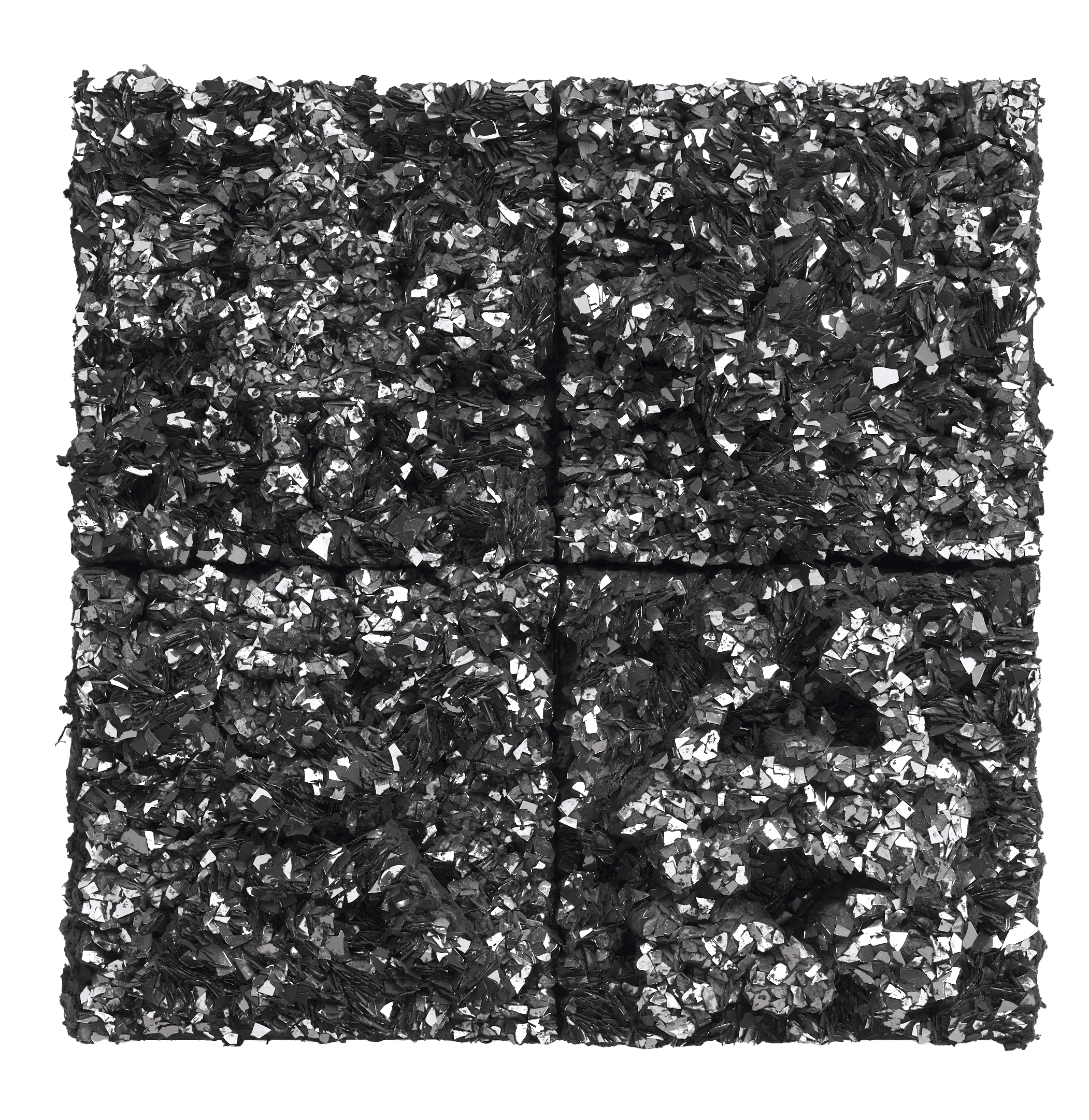
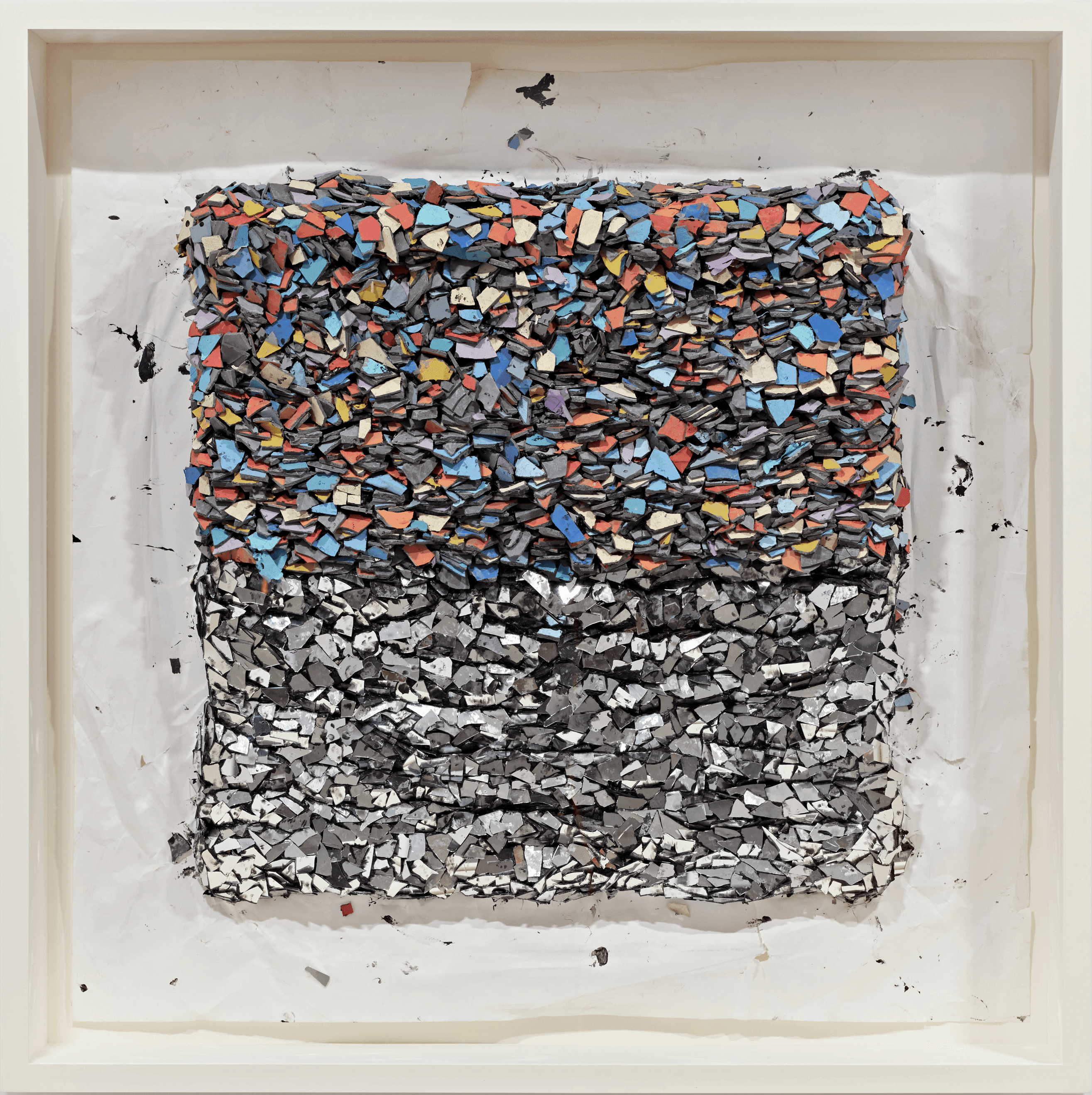
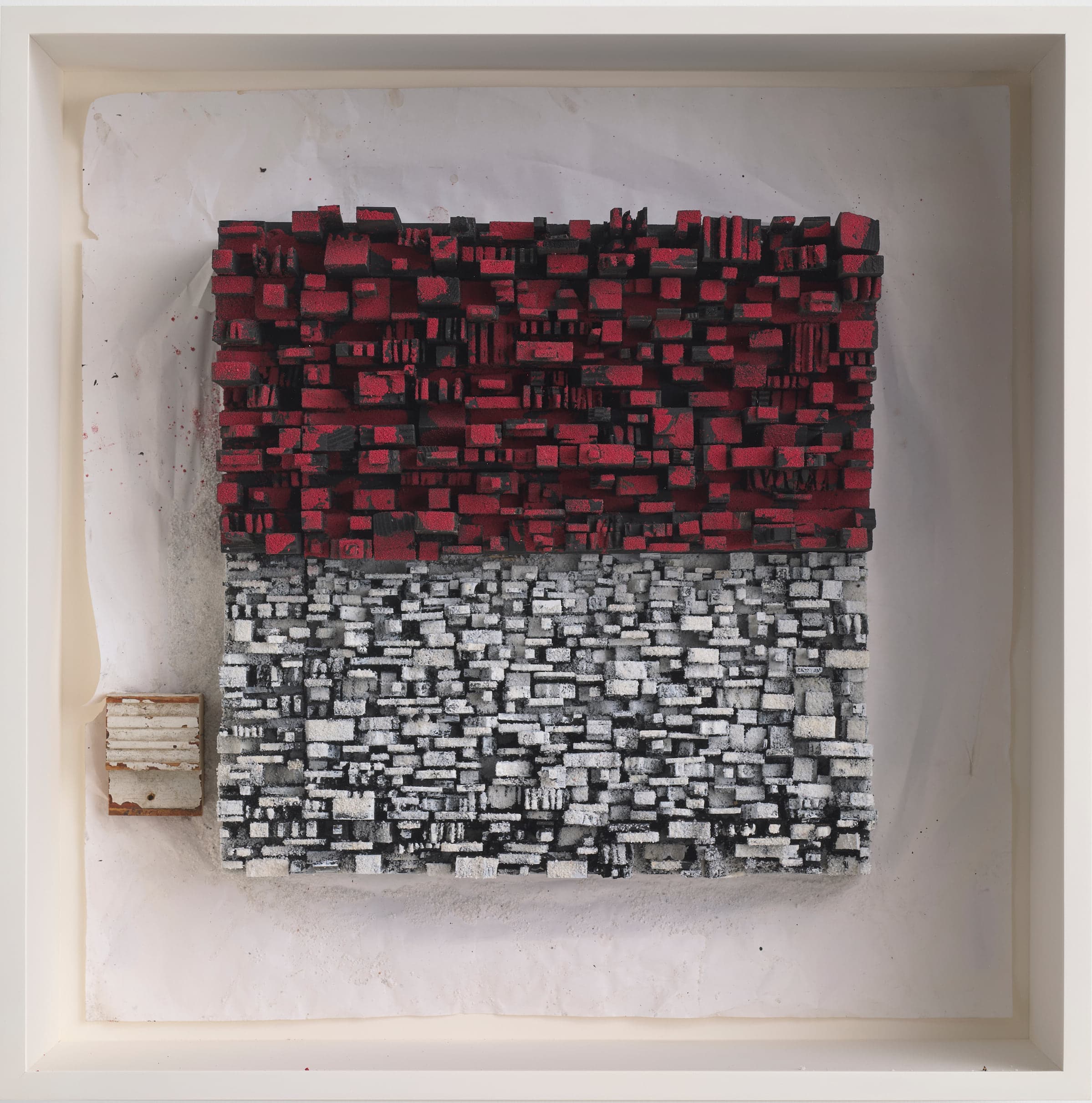
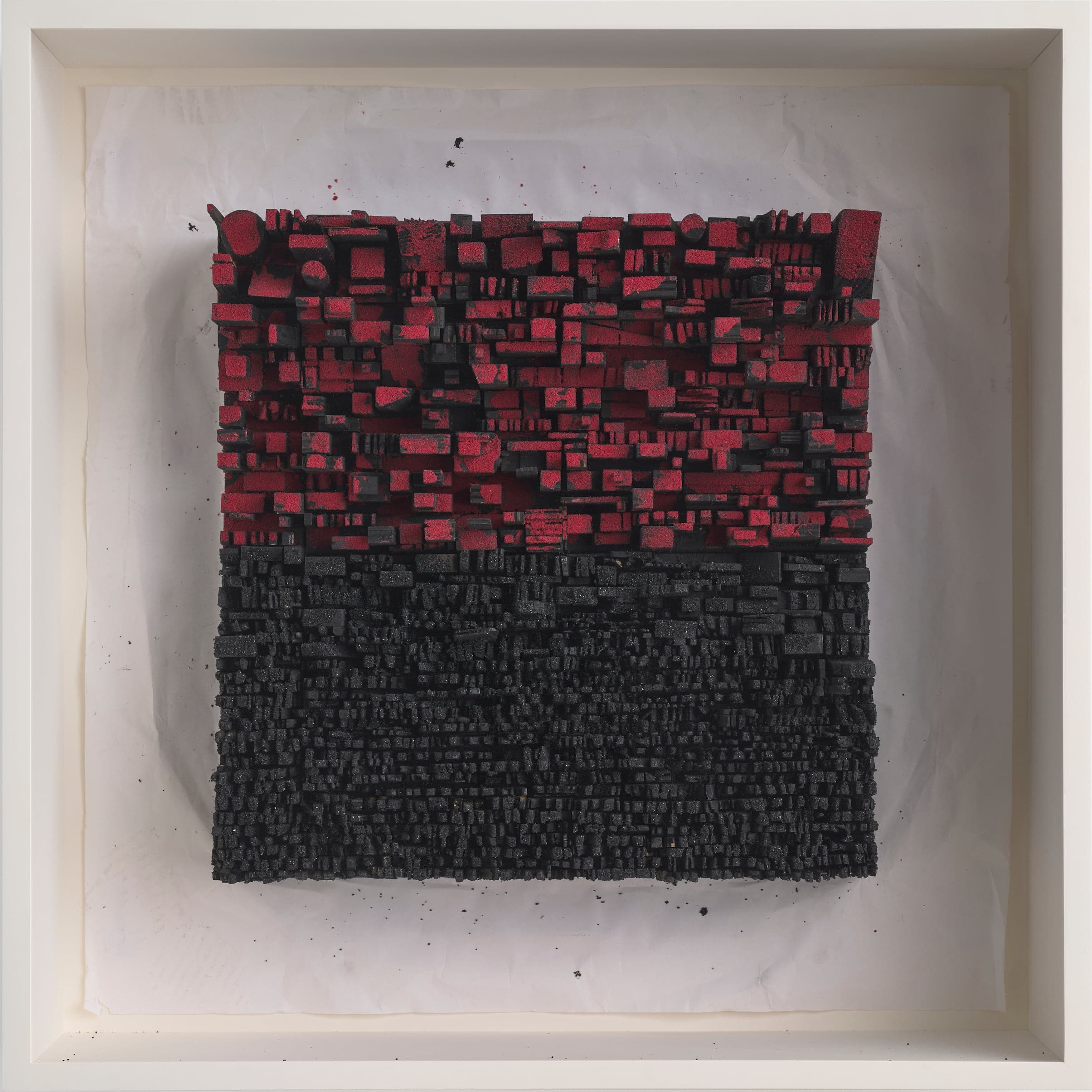
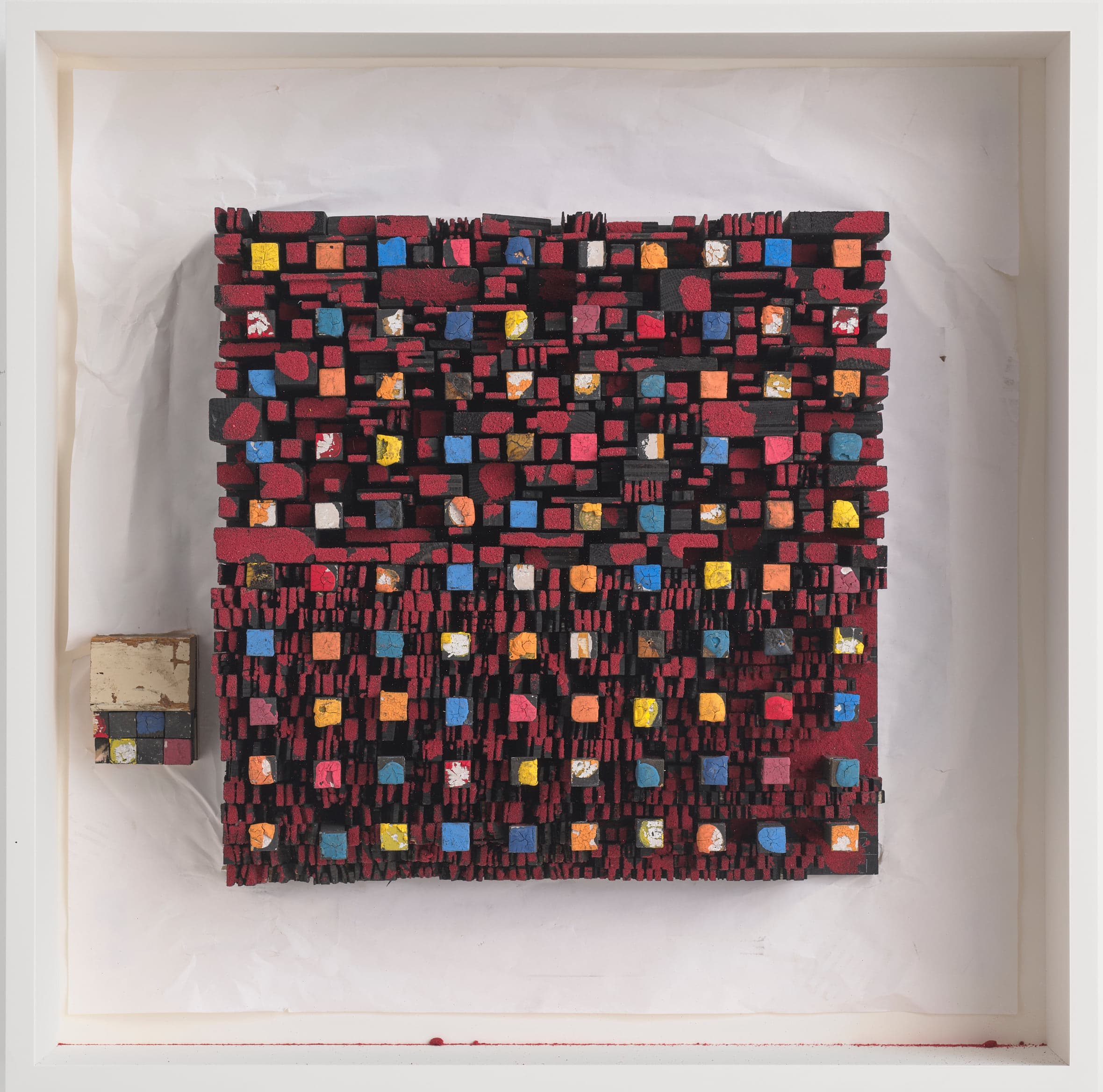
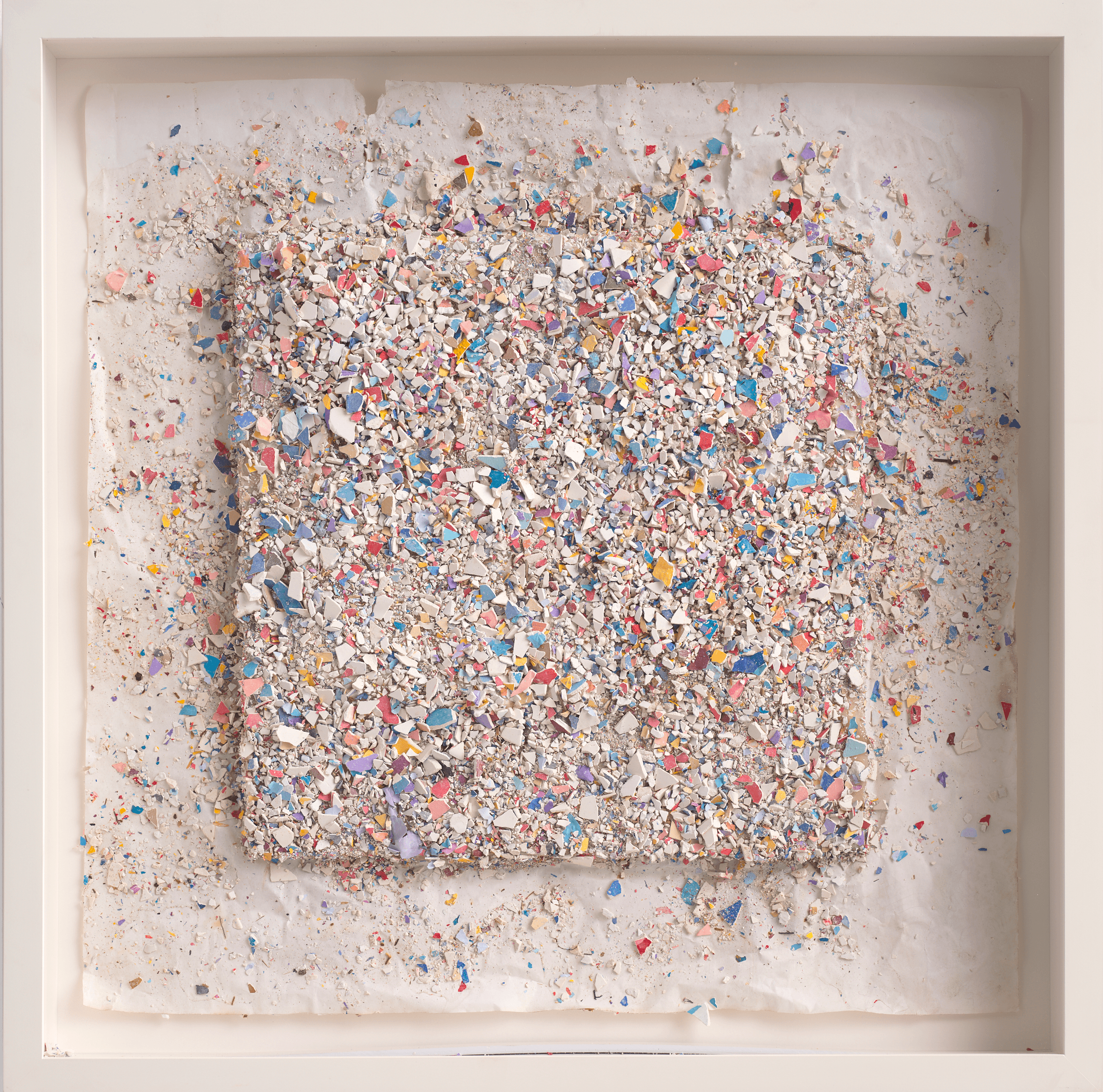
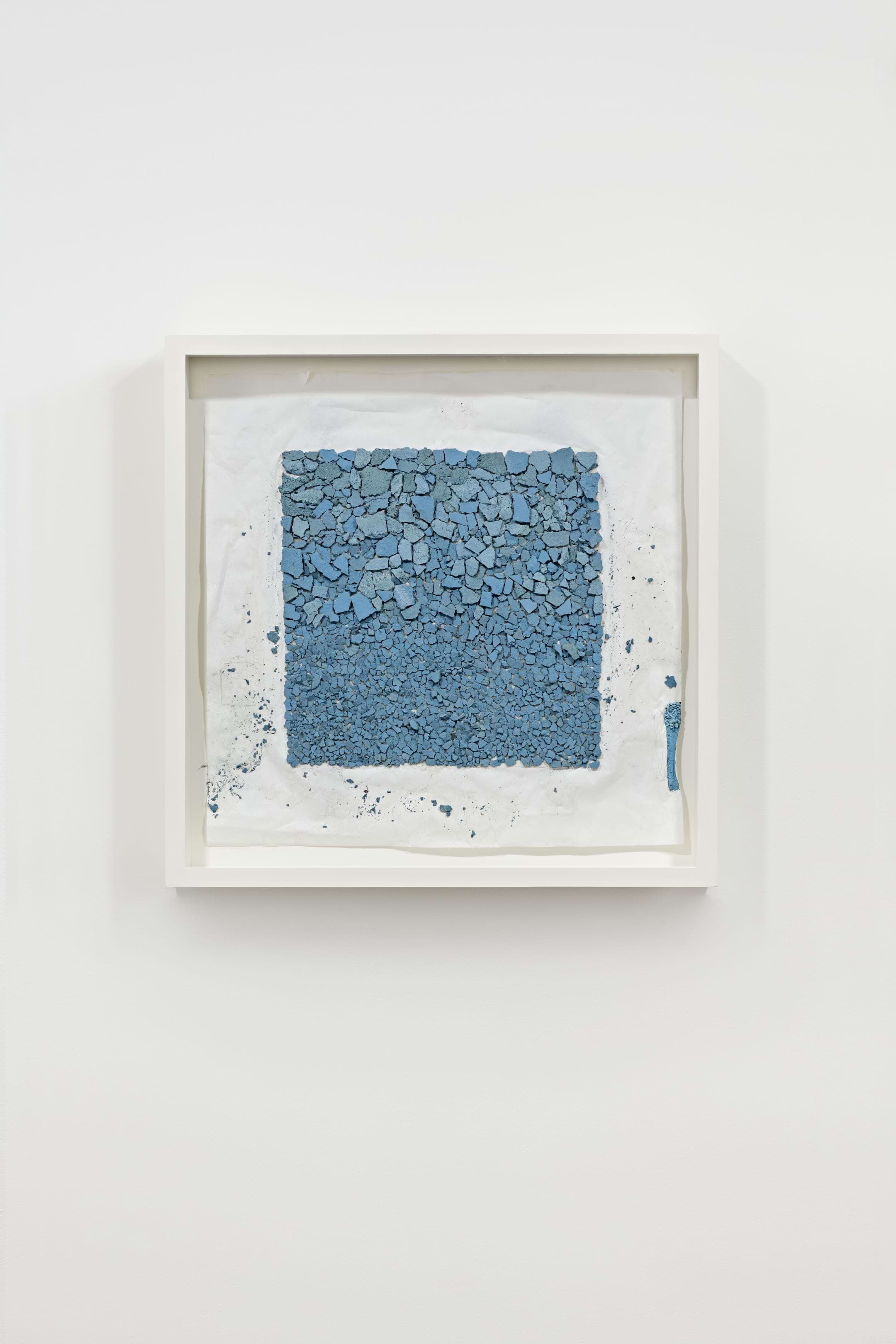
Leonardo Drew’s works on paper extend his sculptural language into a more intimate, two-dimensional format. Made with materials like colored dirt, thread, paint, wood, plaster, and wax, these compositions reflect Drew’s signature interest in transformation, entropy, and material memory. Despite their modest scale, each work is richly textured and layered, embodying a tactile, almost topographic surface. These “drawings” do not merely rest on the page but rise from it, continuing Drew’s investigation into the tension between structure and disintegration in a condensed, expressive form.
Leonardo Drew’s works on paper extend his sculptural language into a more intimate, two-dimensional format. Made with materials like colored dirt, thread, paint, wood, plaster, and wax, these compositions reflect Drew’s signature interest in transformation, entropy, and material memory. Despite their modest scale, each work is richly textured and layered, embodying a tactile, almost topographic surface. These “drawings” do not merely rest on the page but rise from it, continuing Drew’s investigation into the tension between structure and disintegration in a condensed, expressive form.