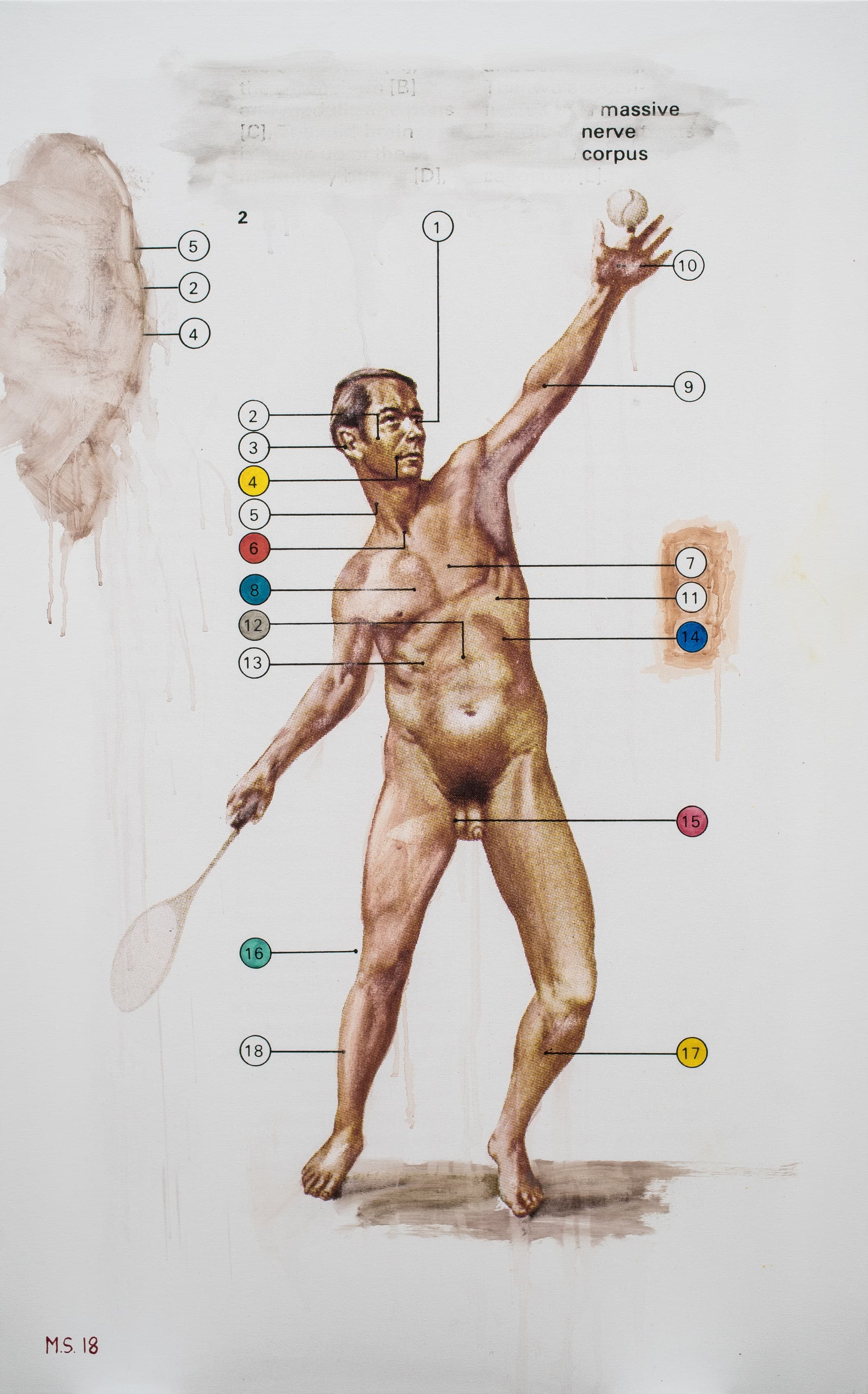
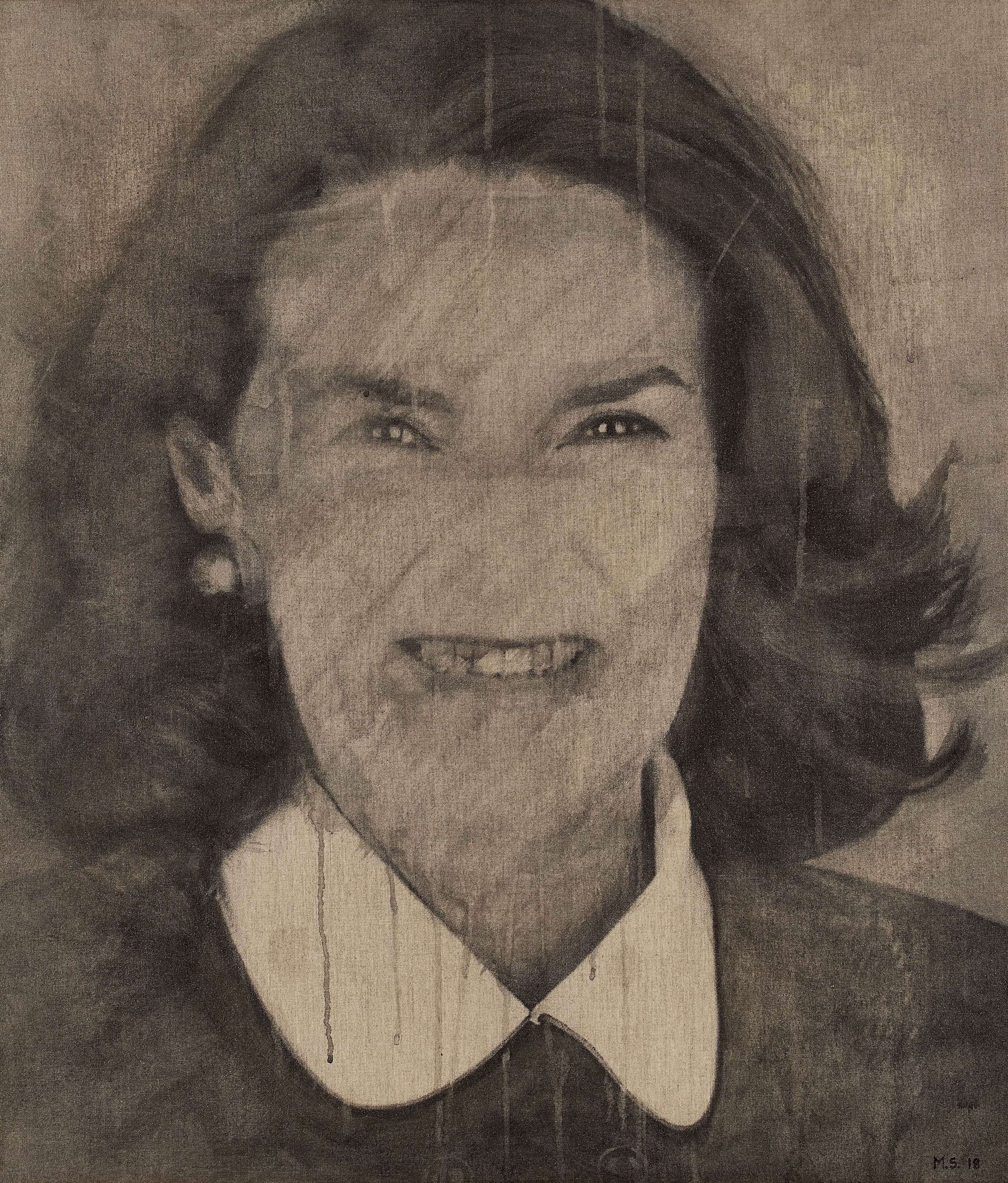
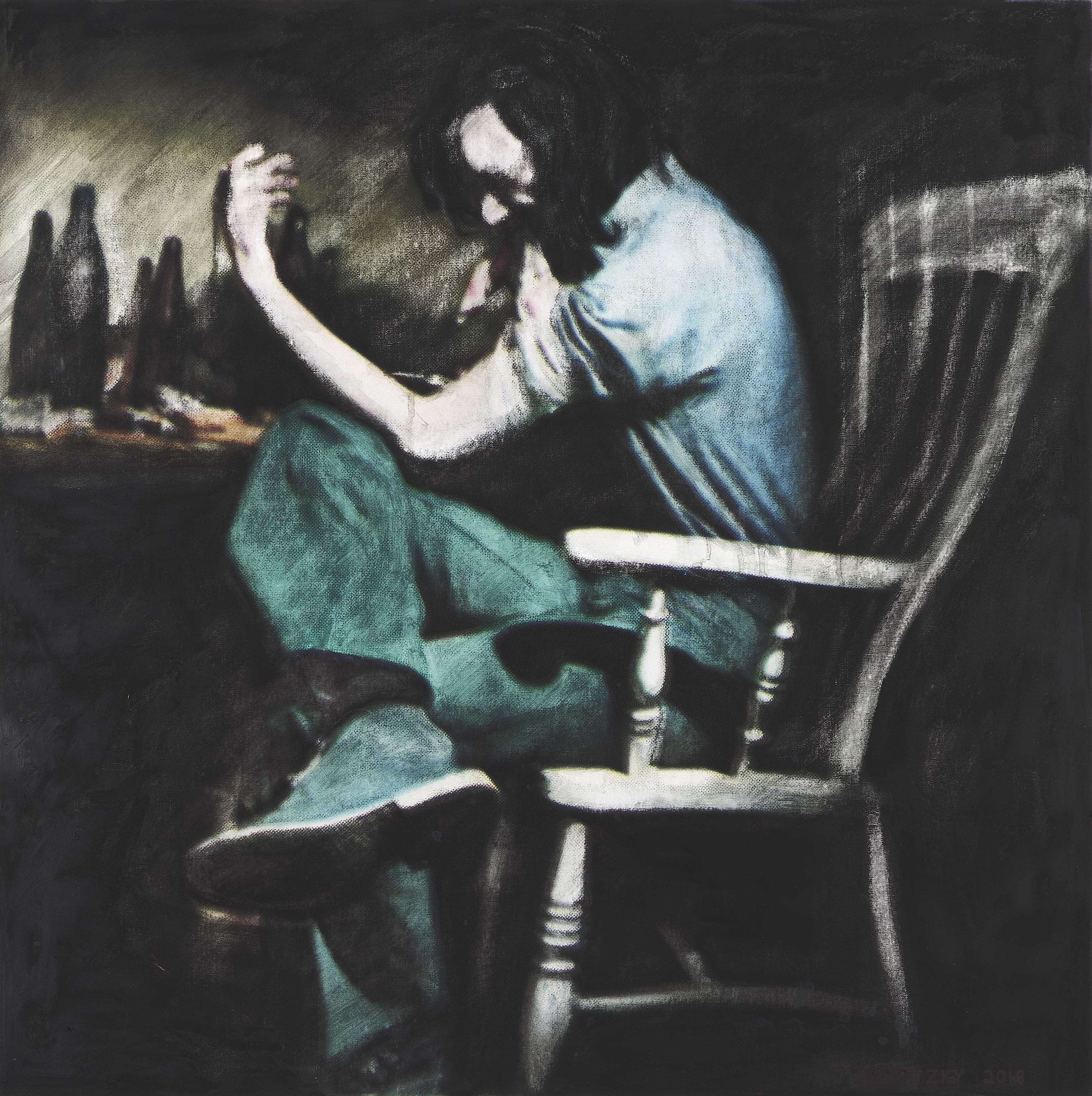
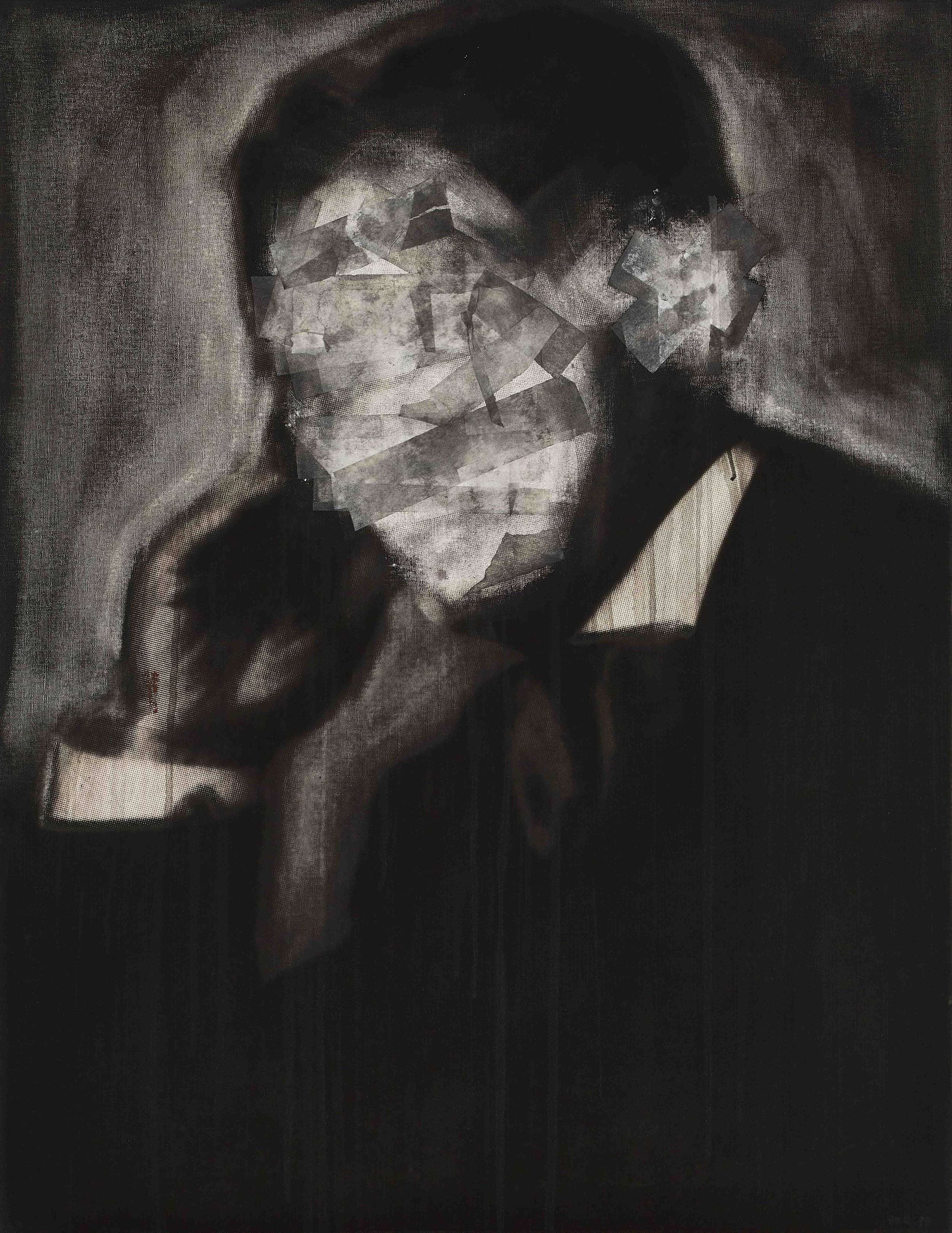
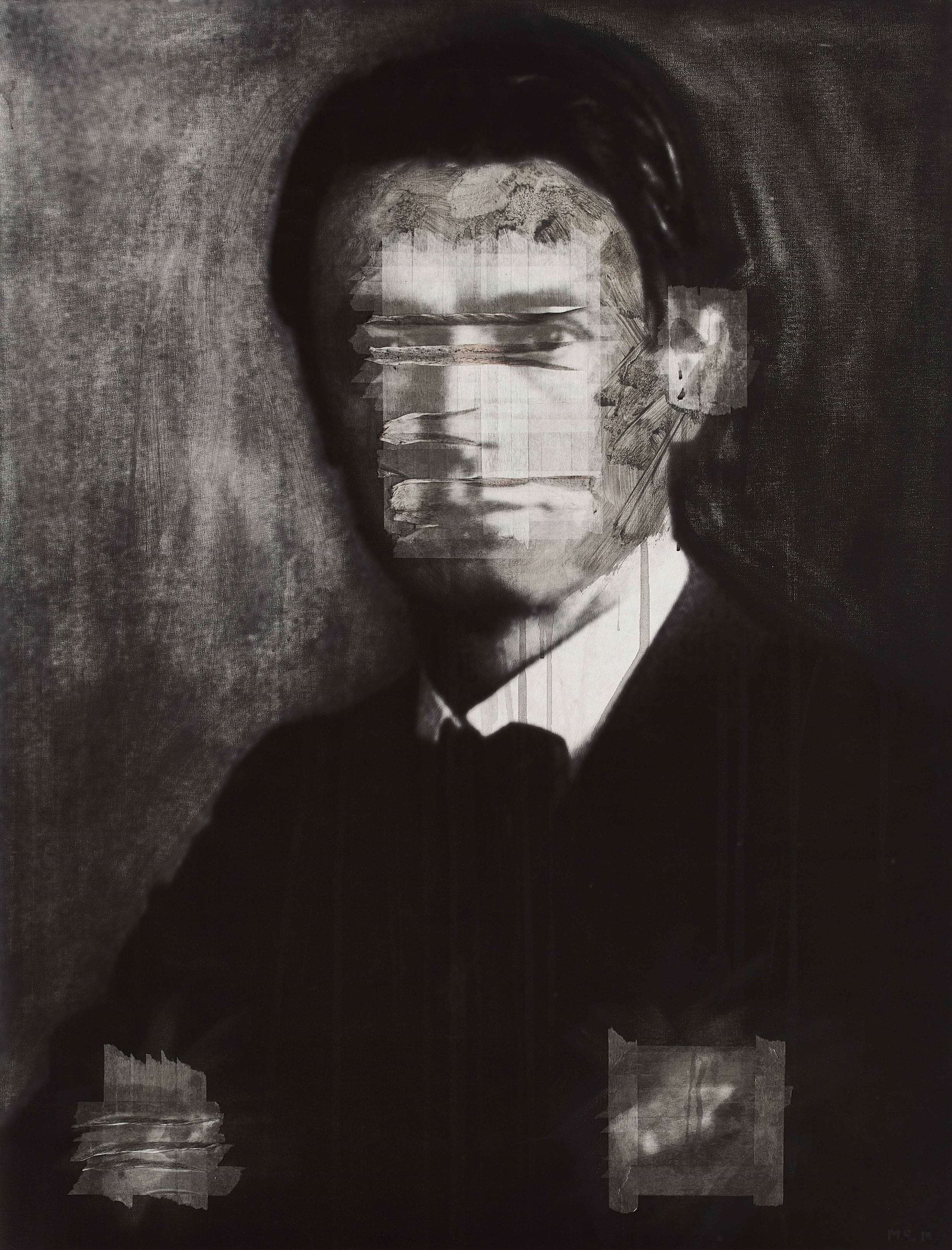
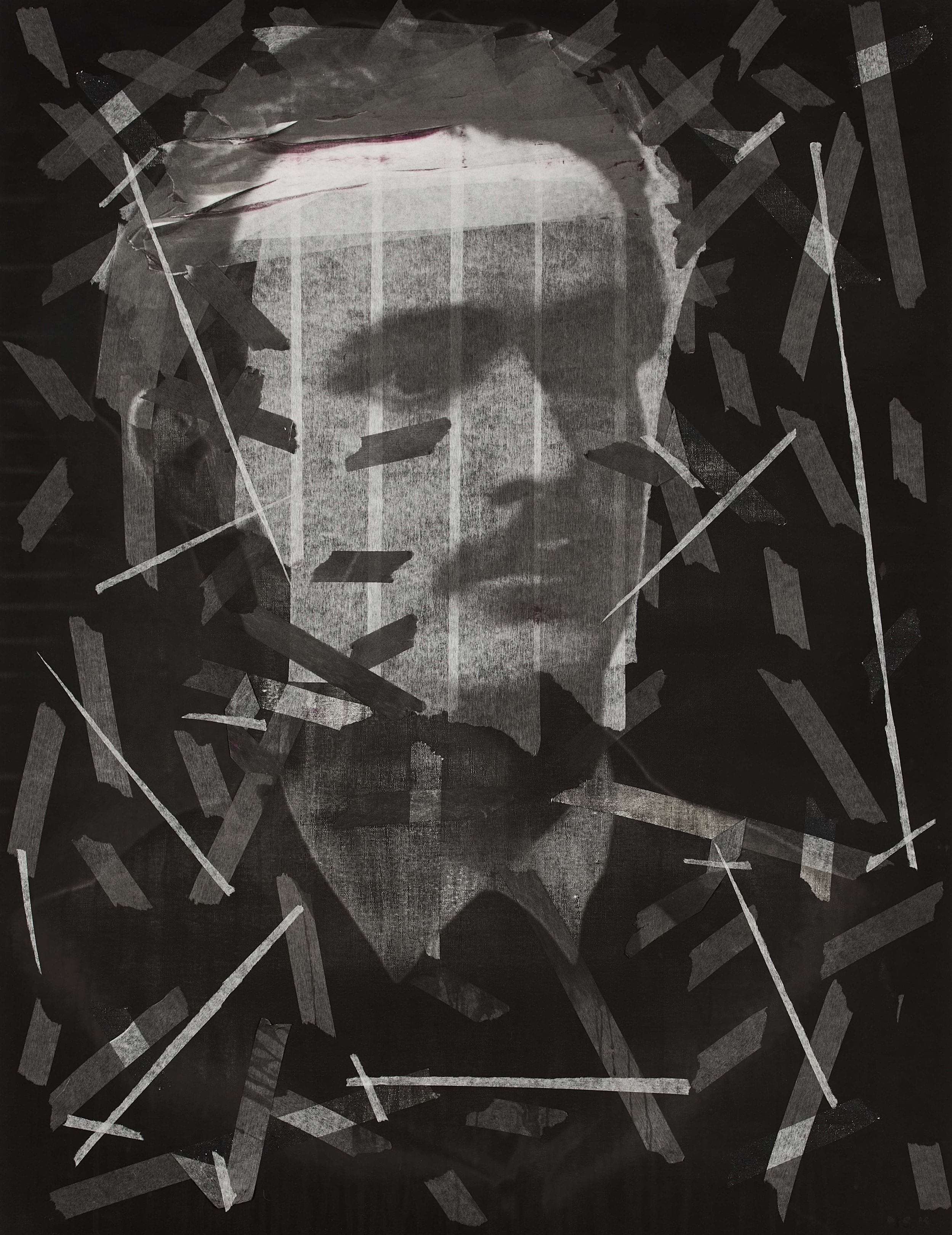
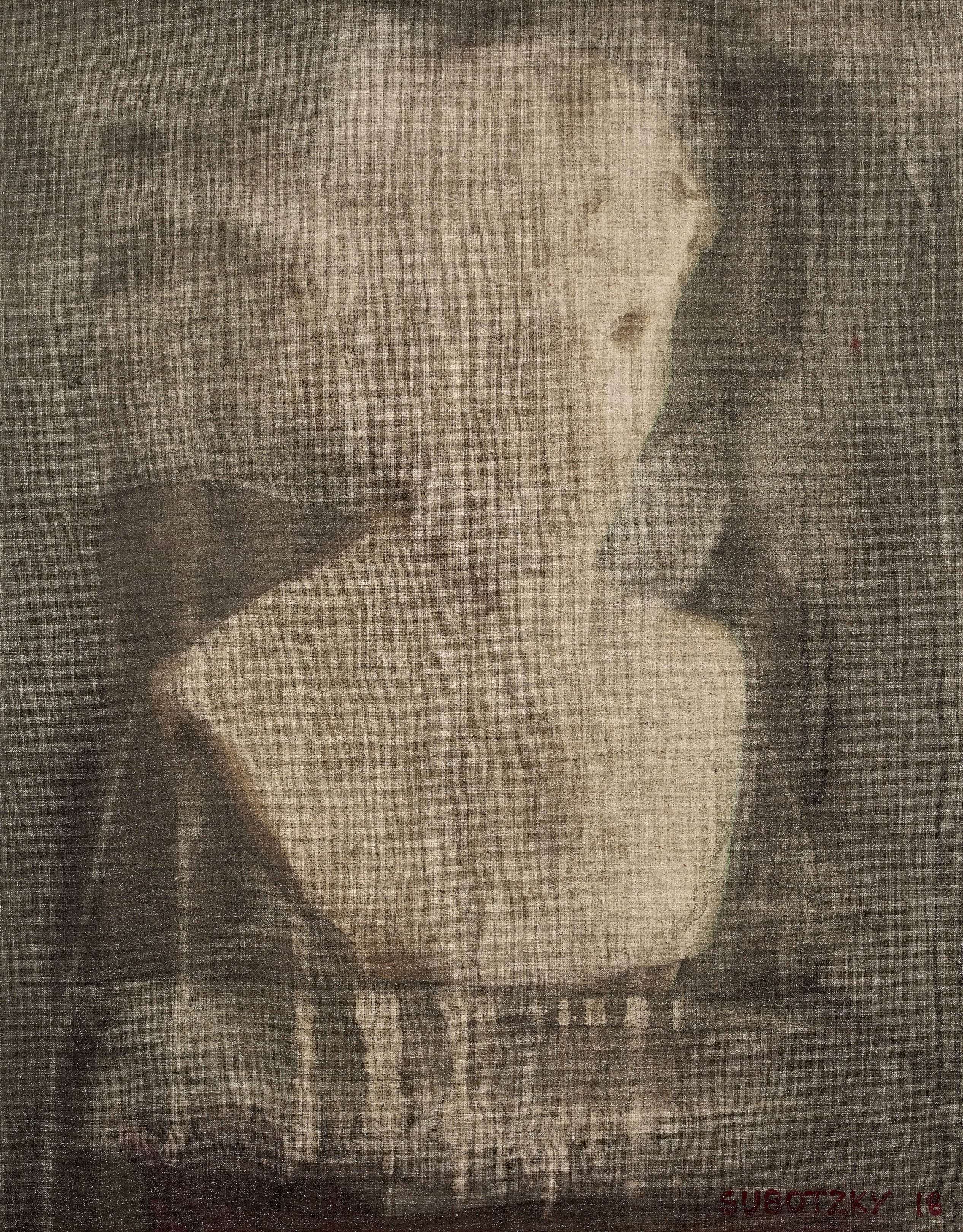
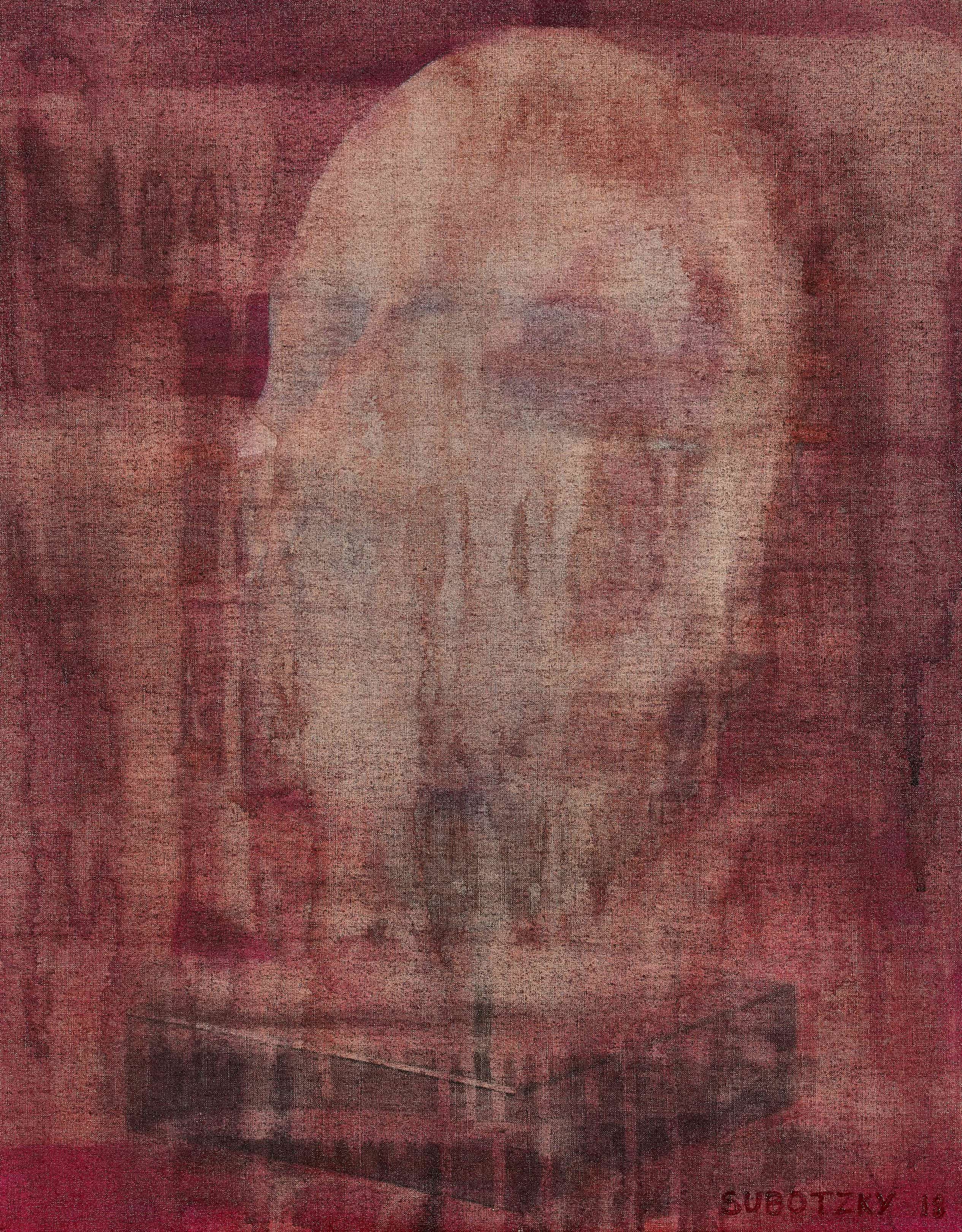
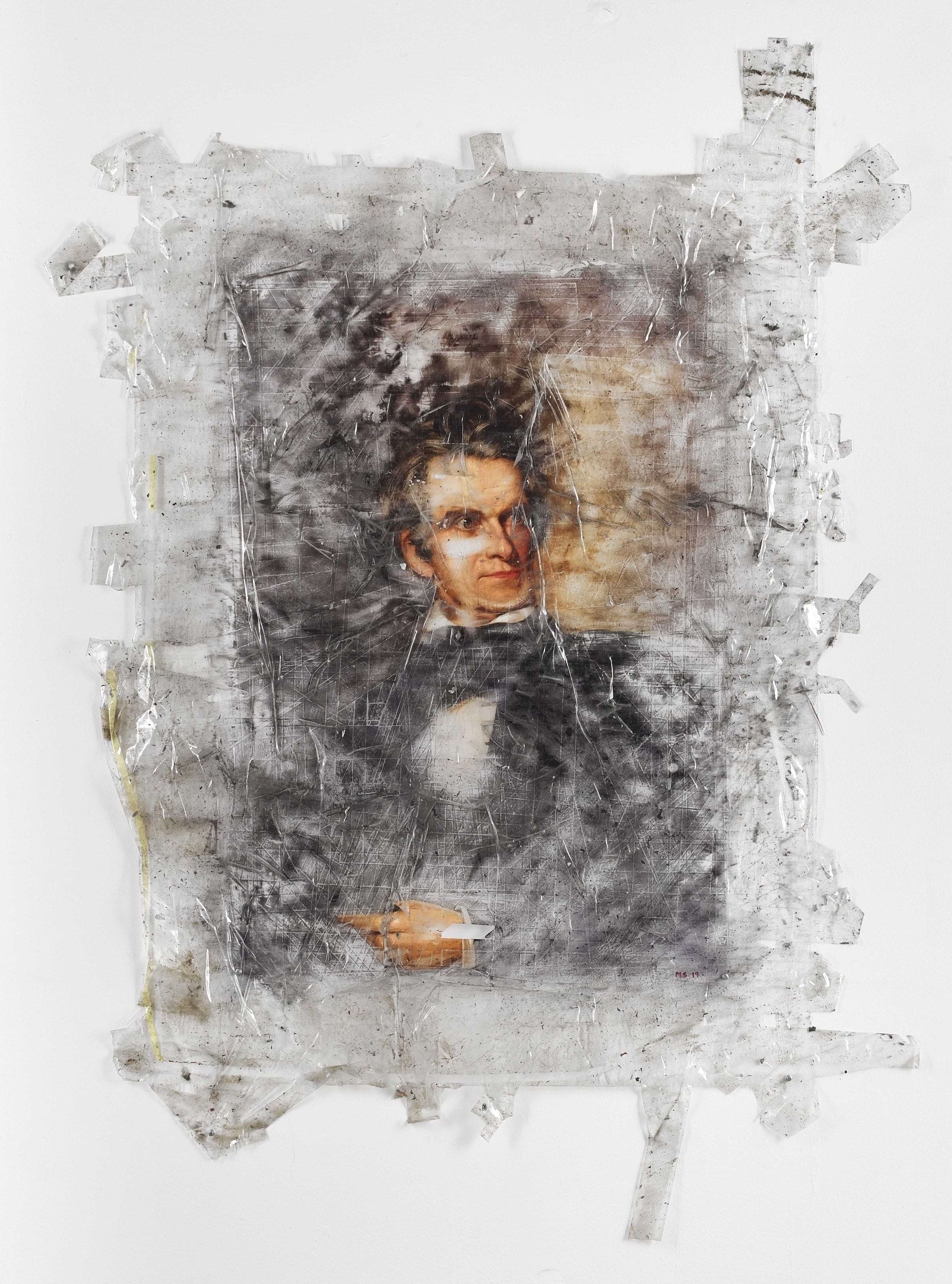
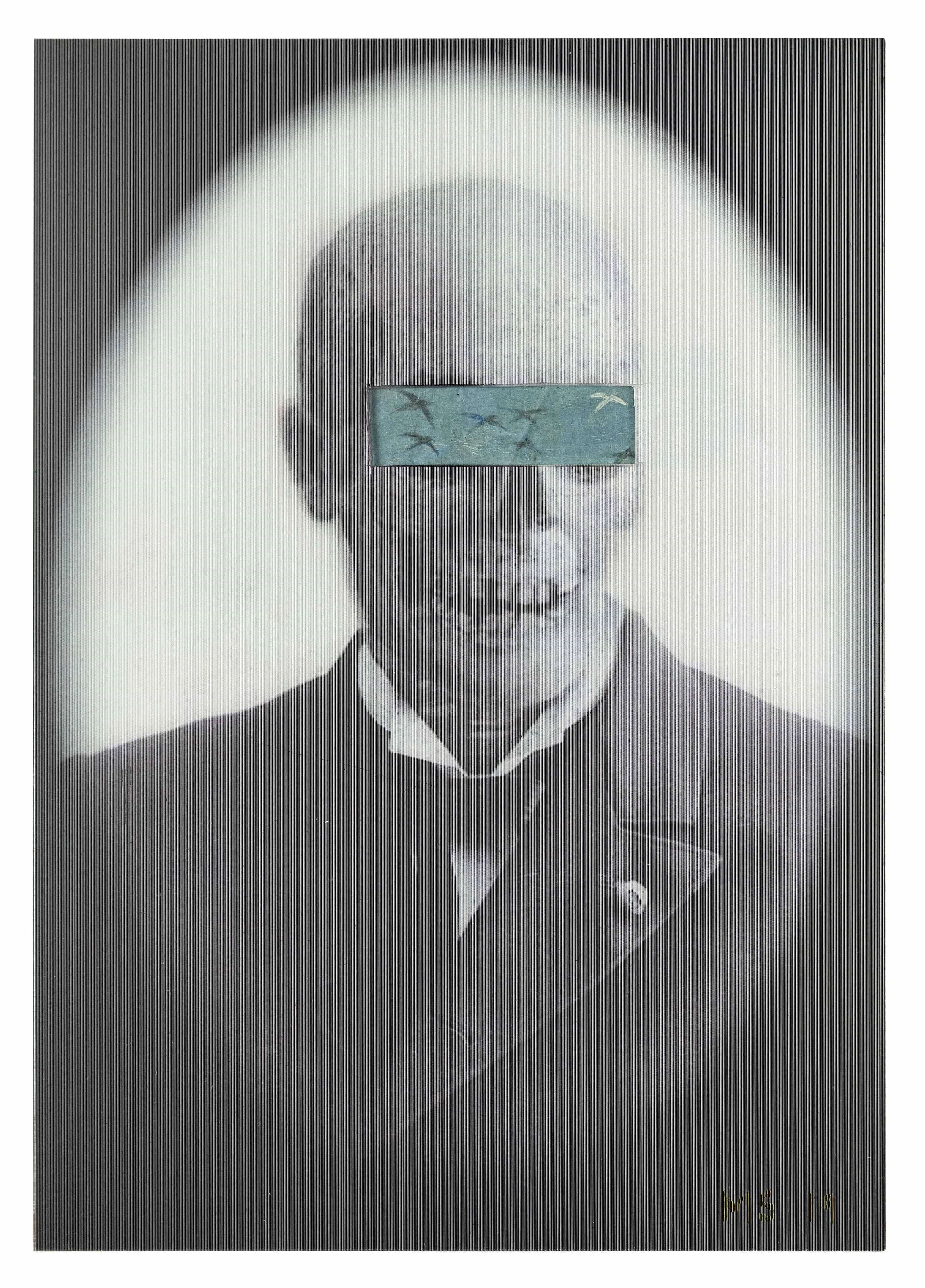
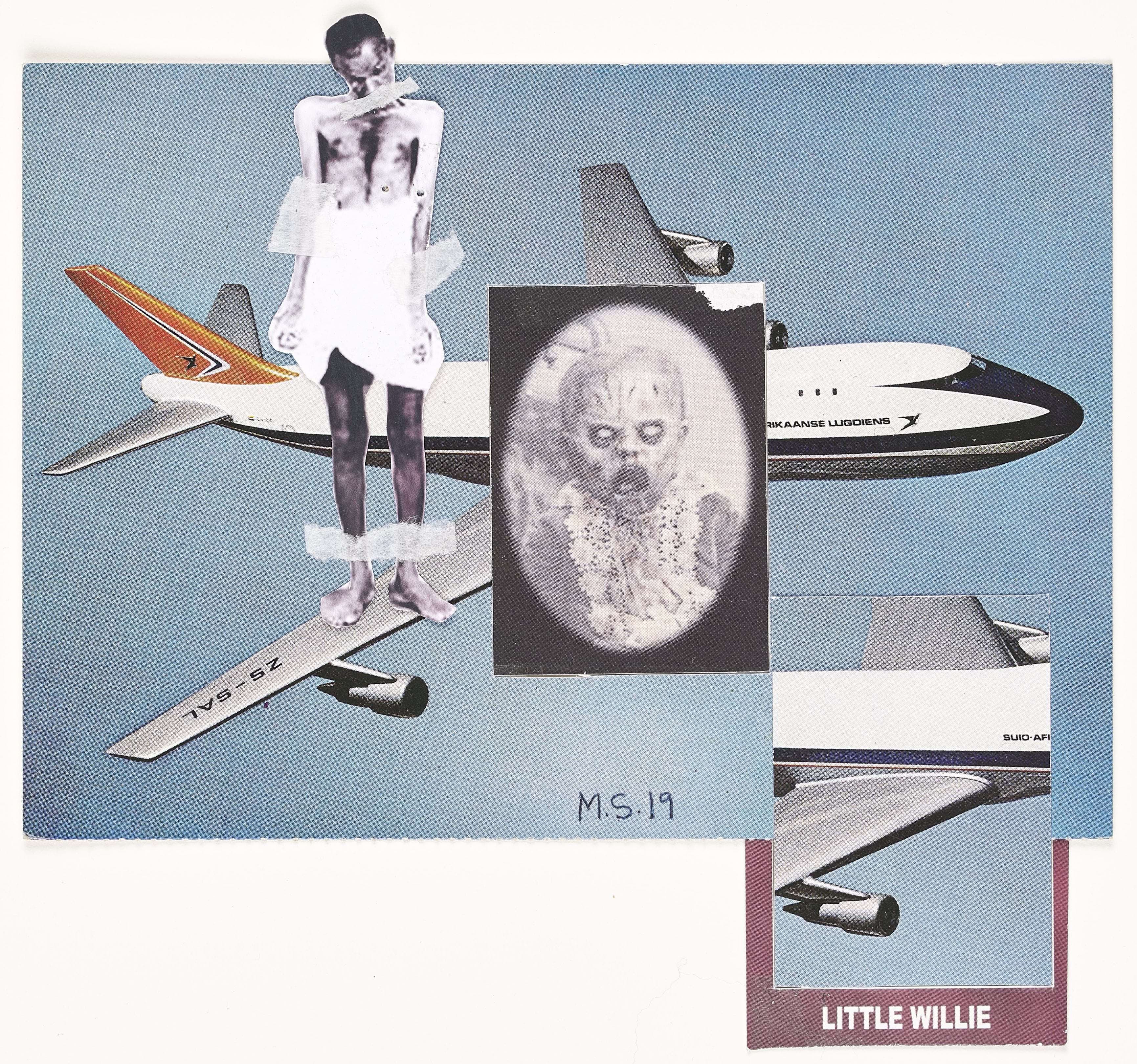
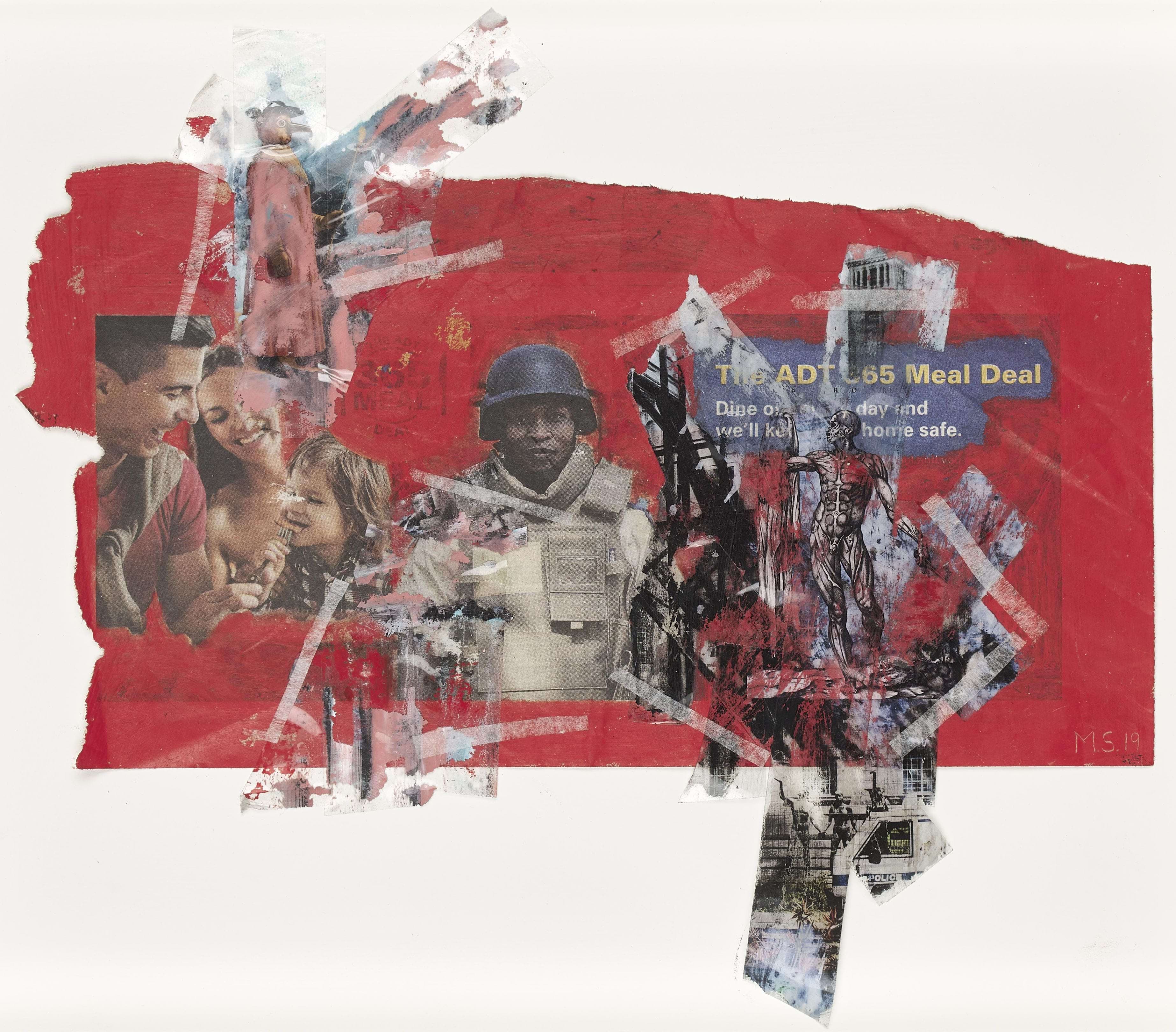
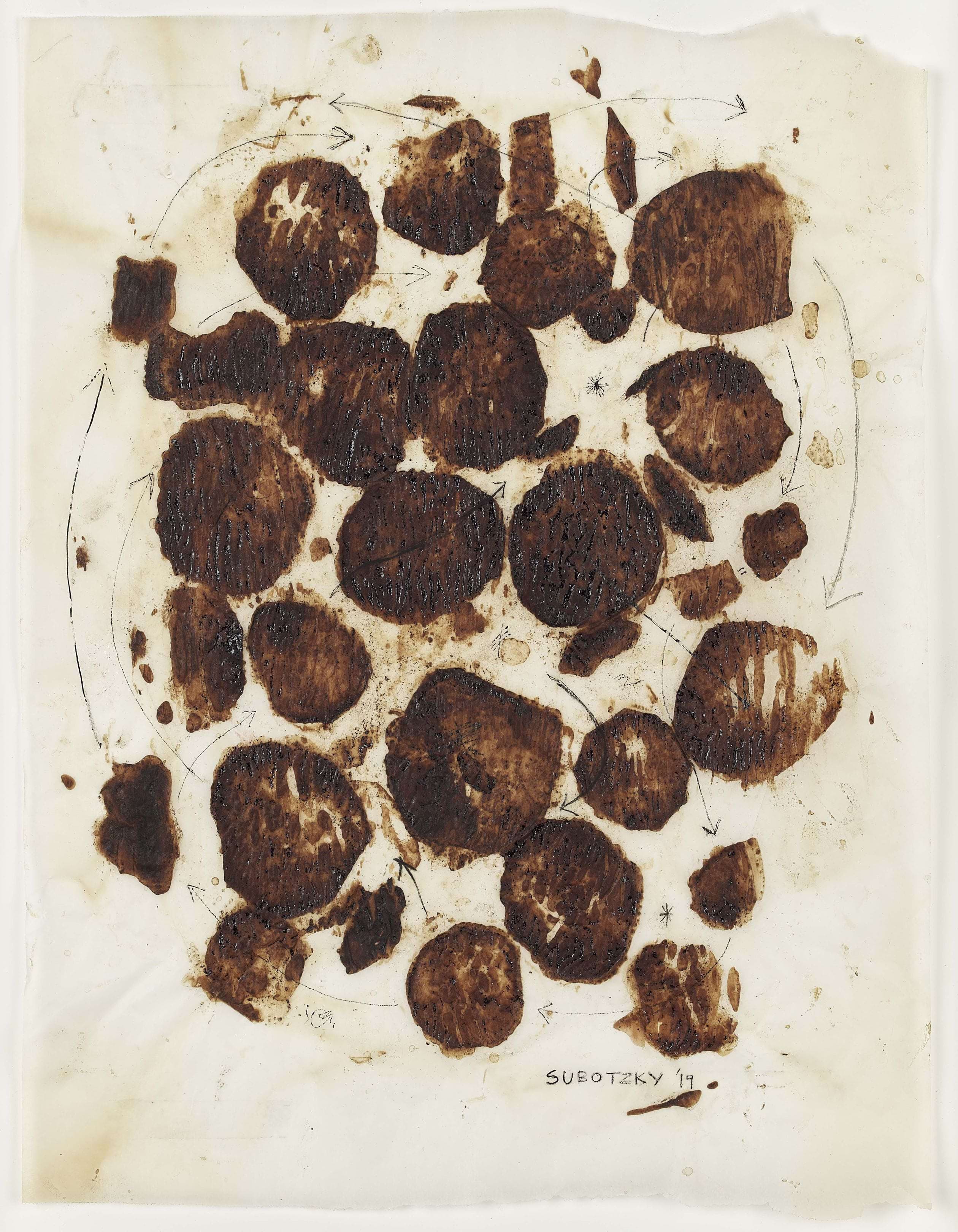
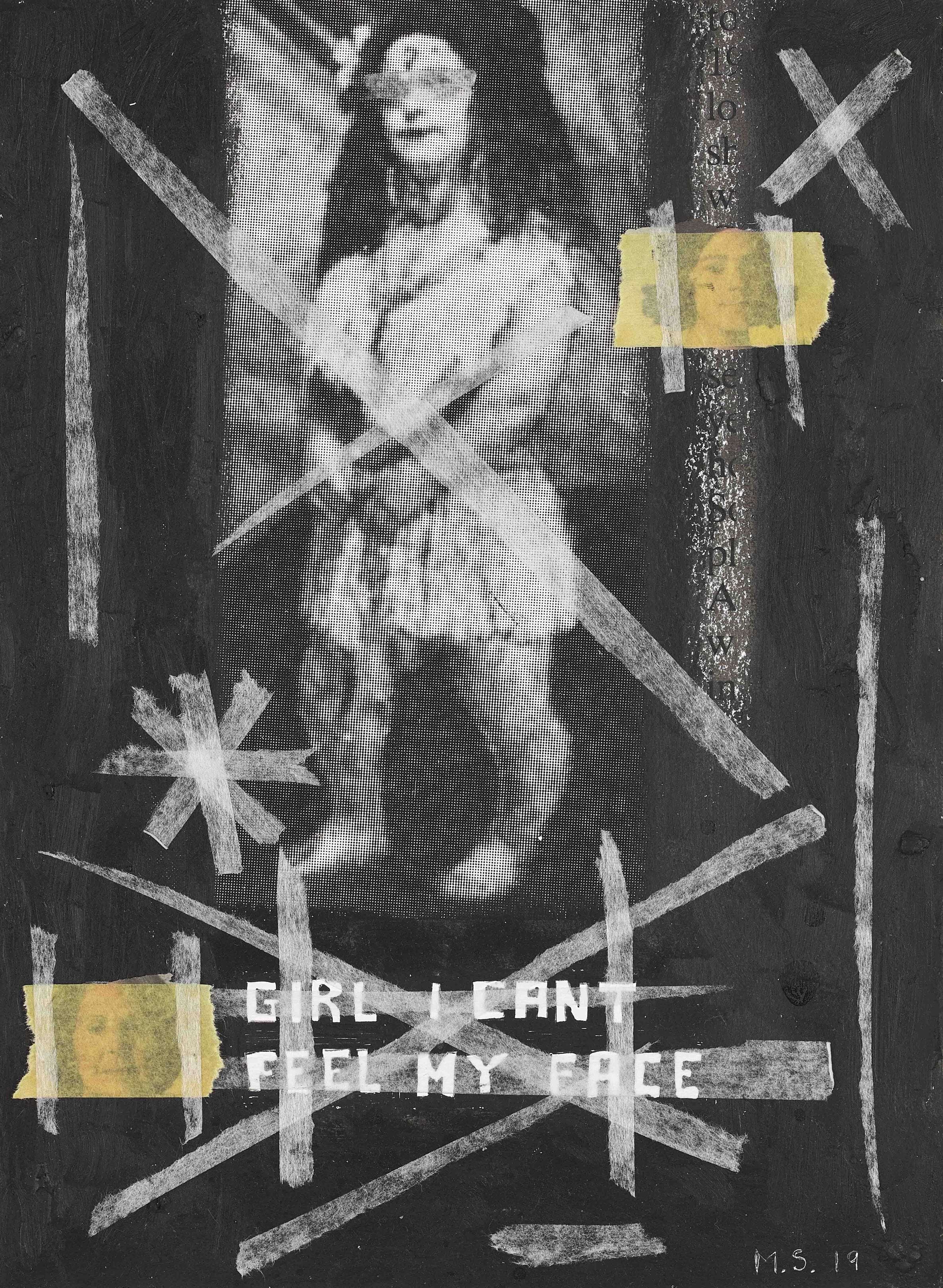
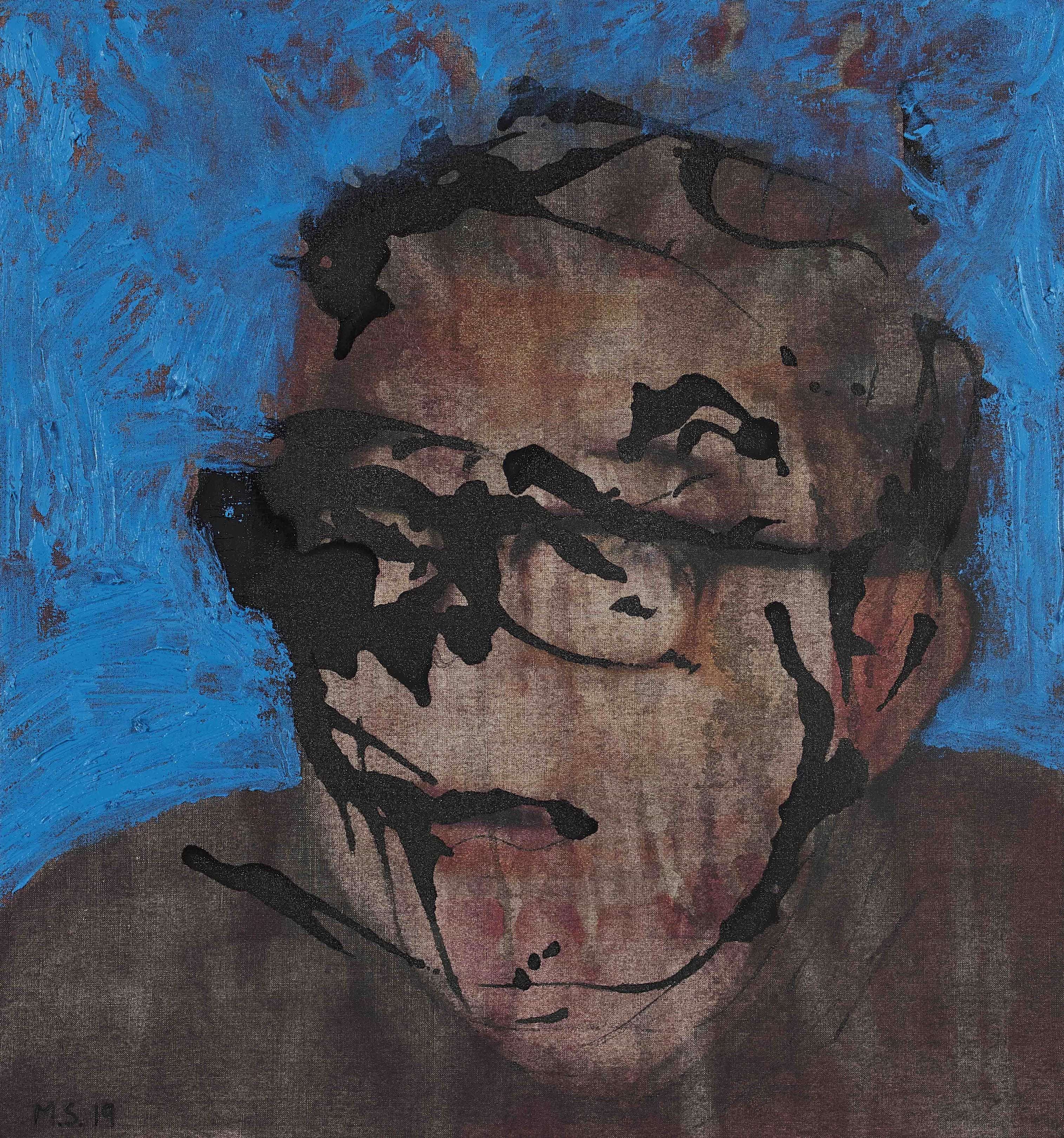
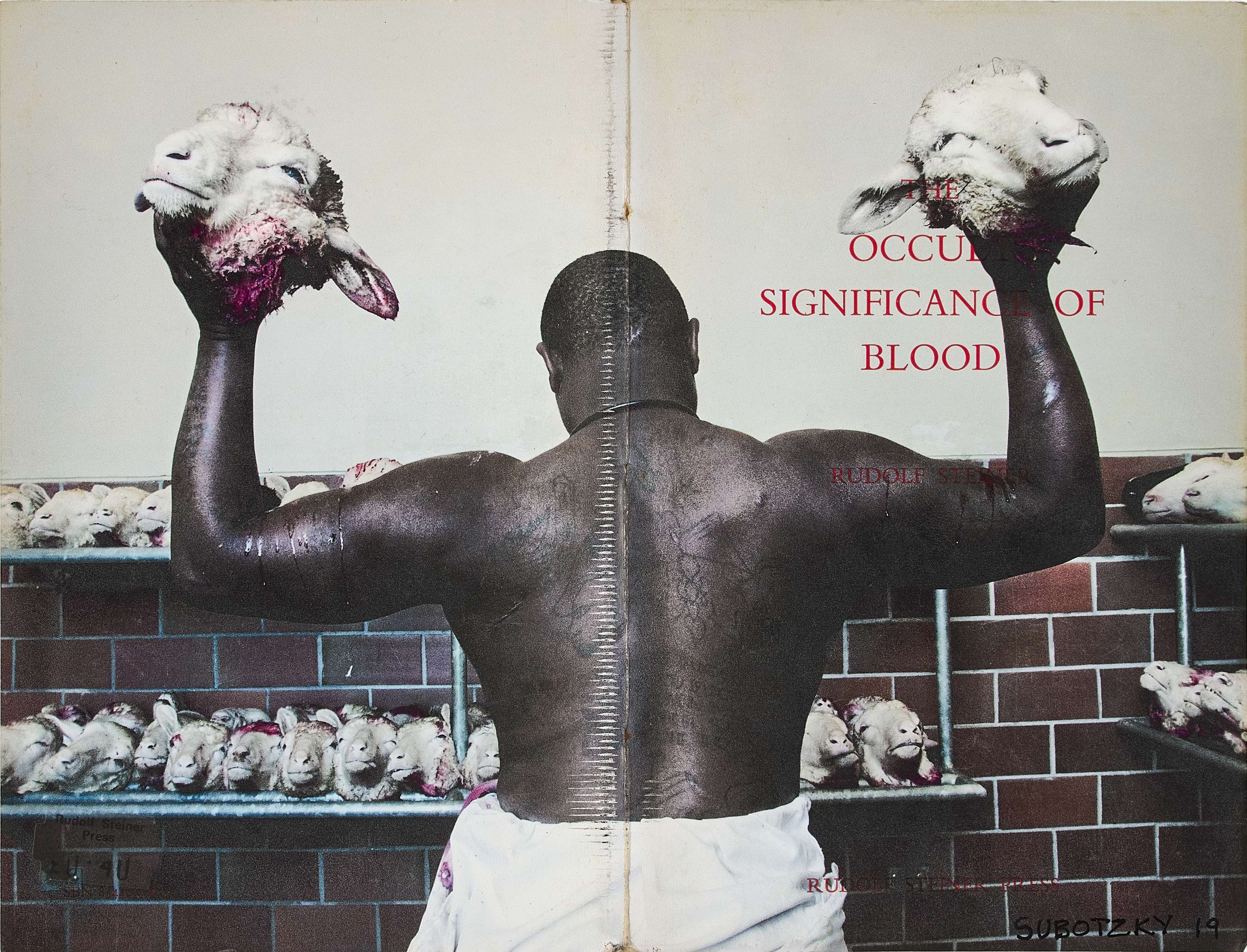
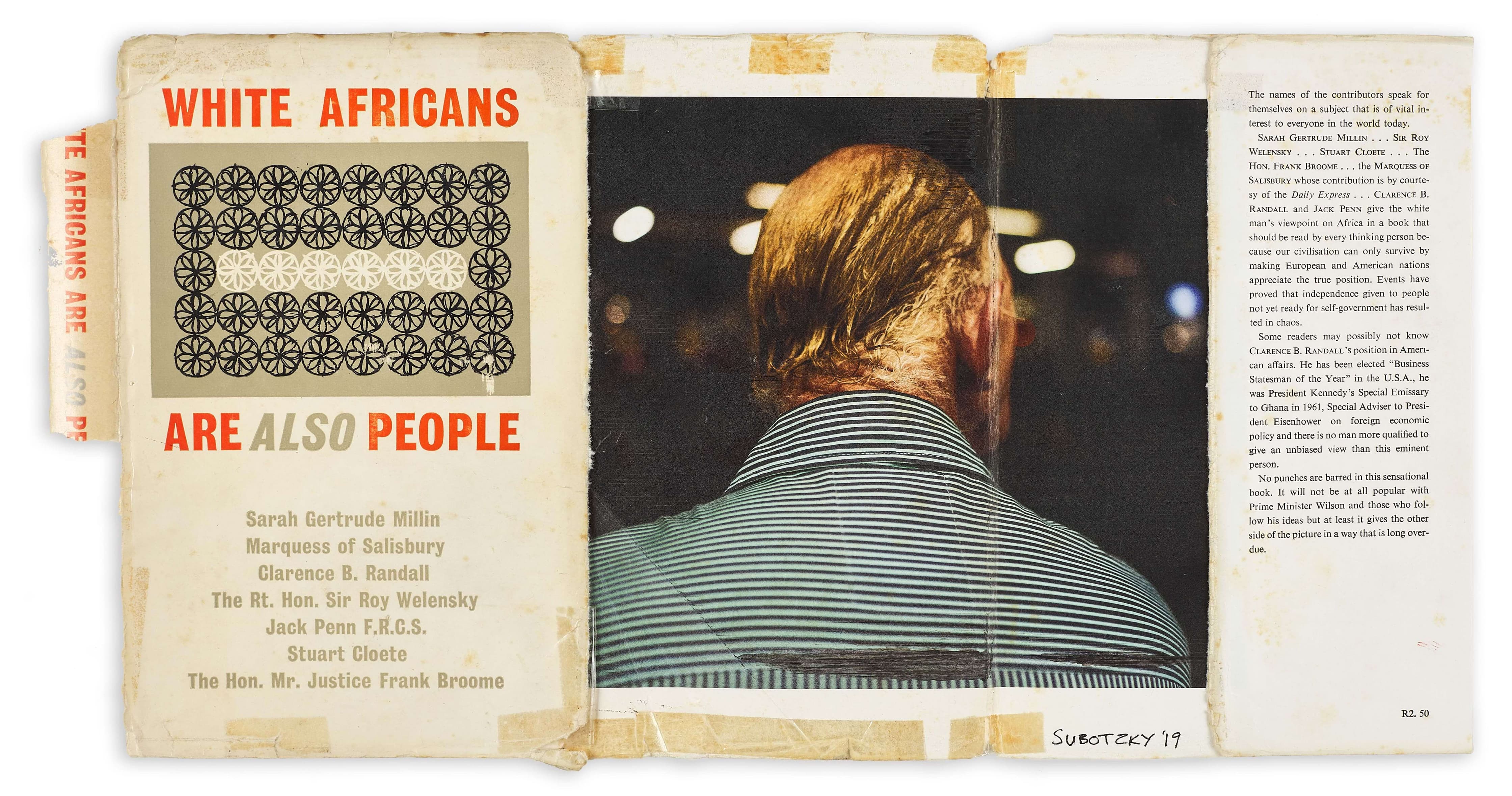
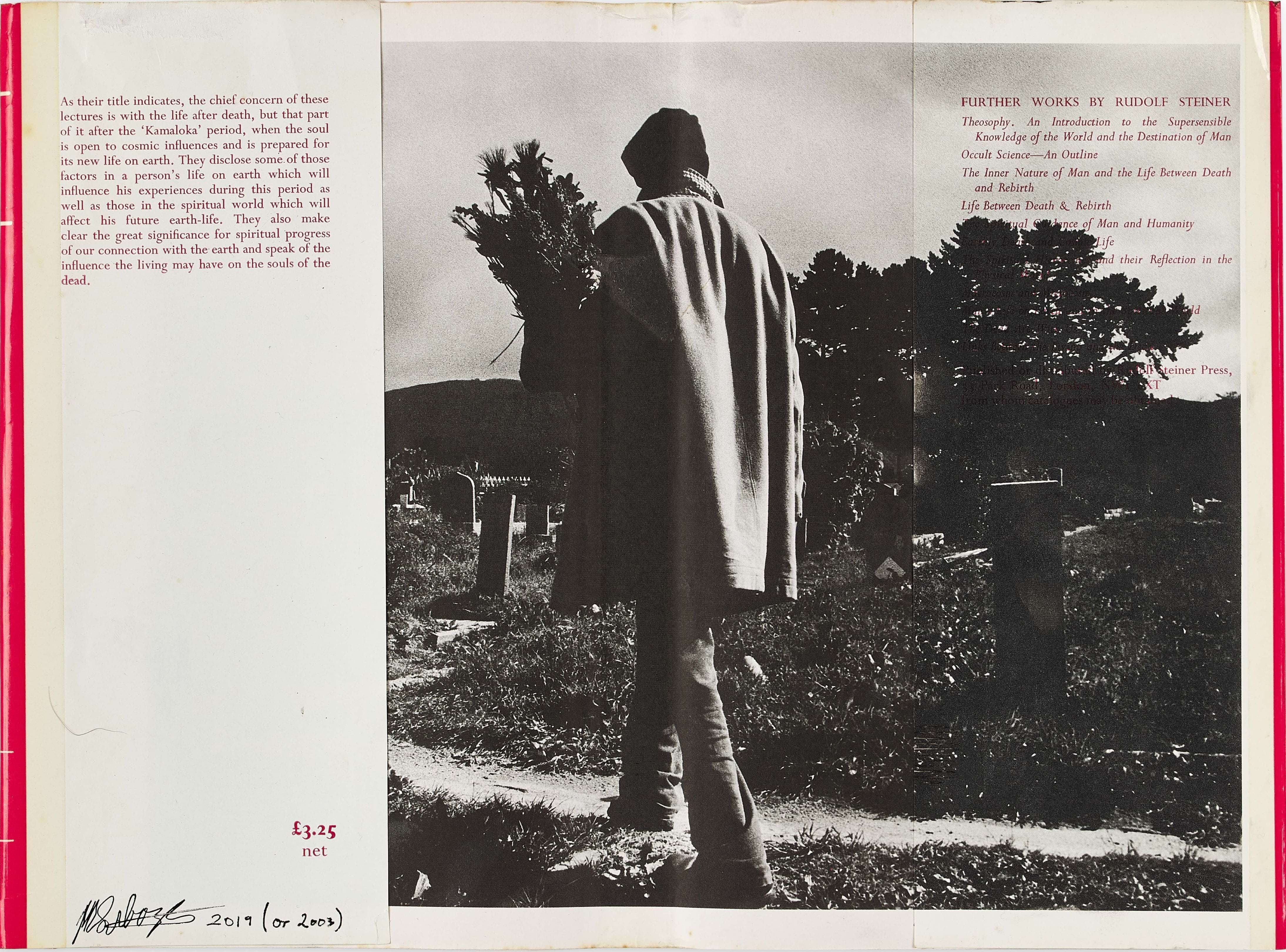
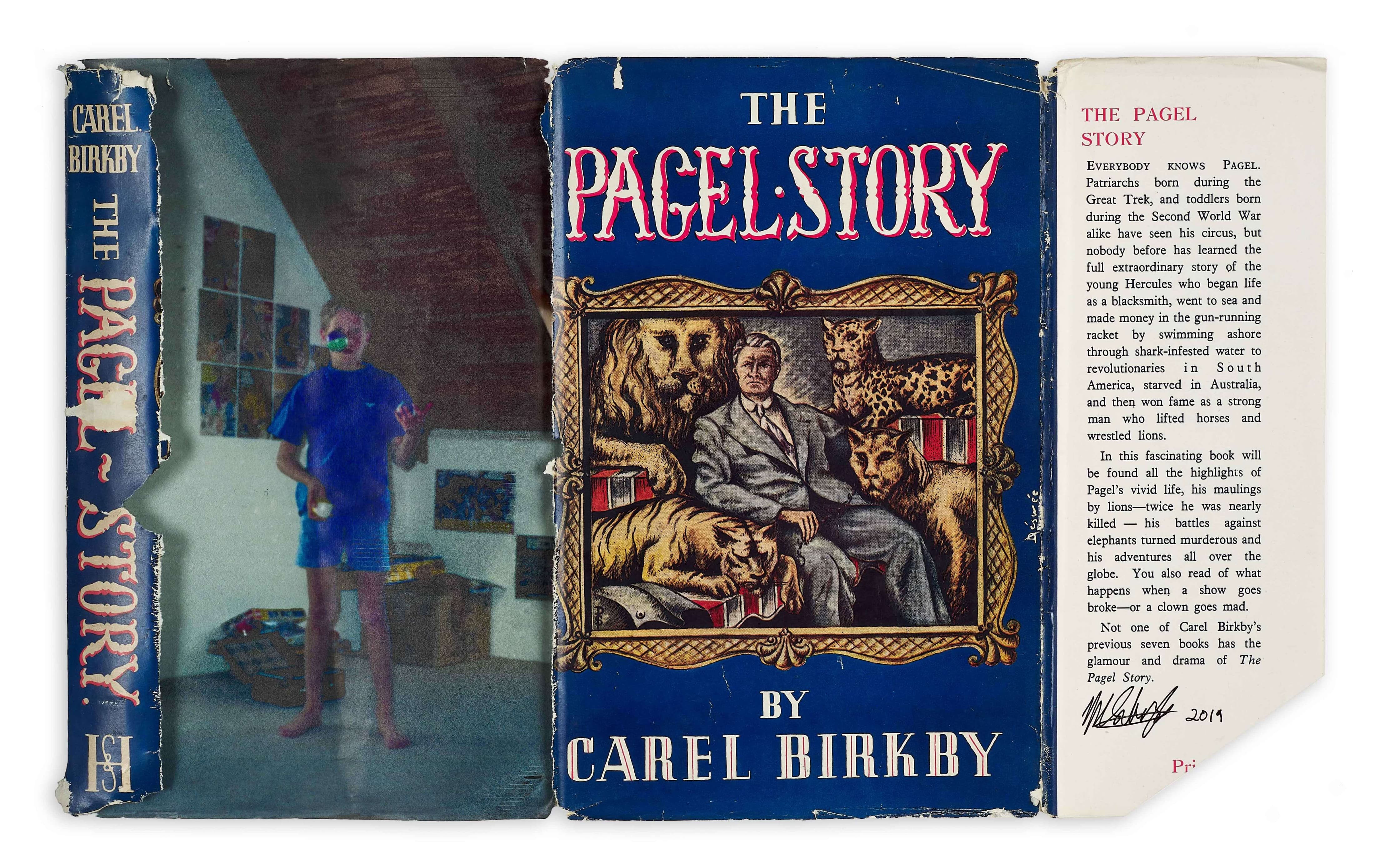
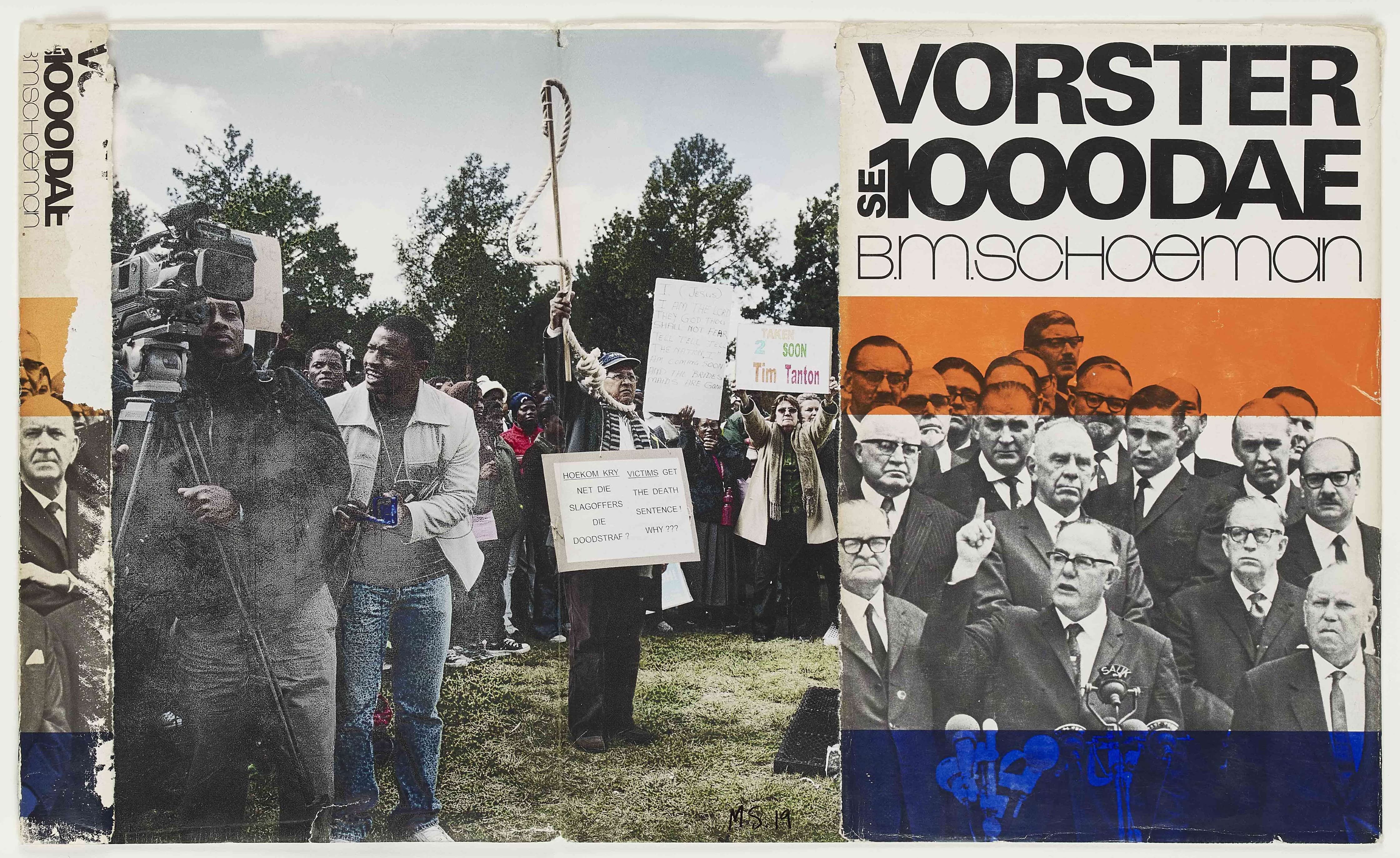
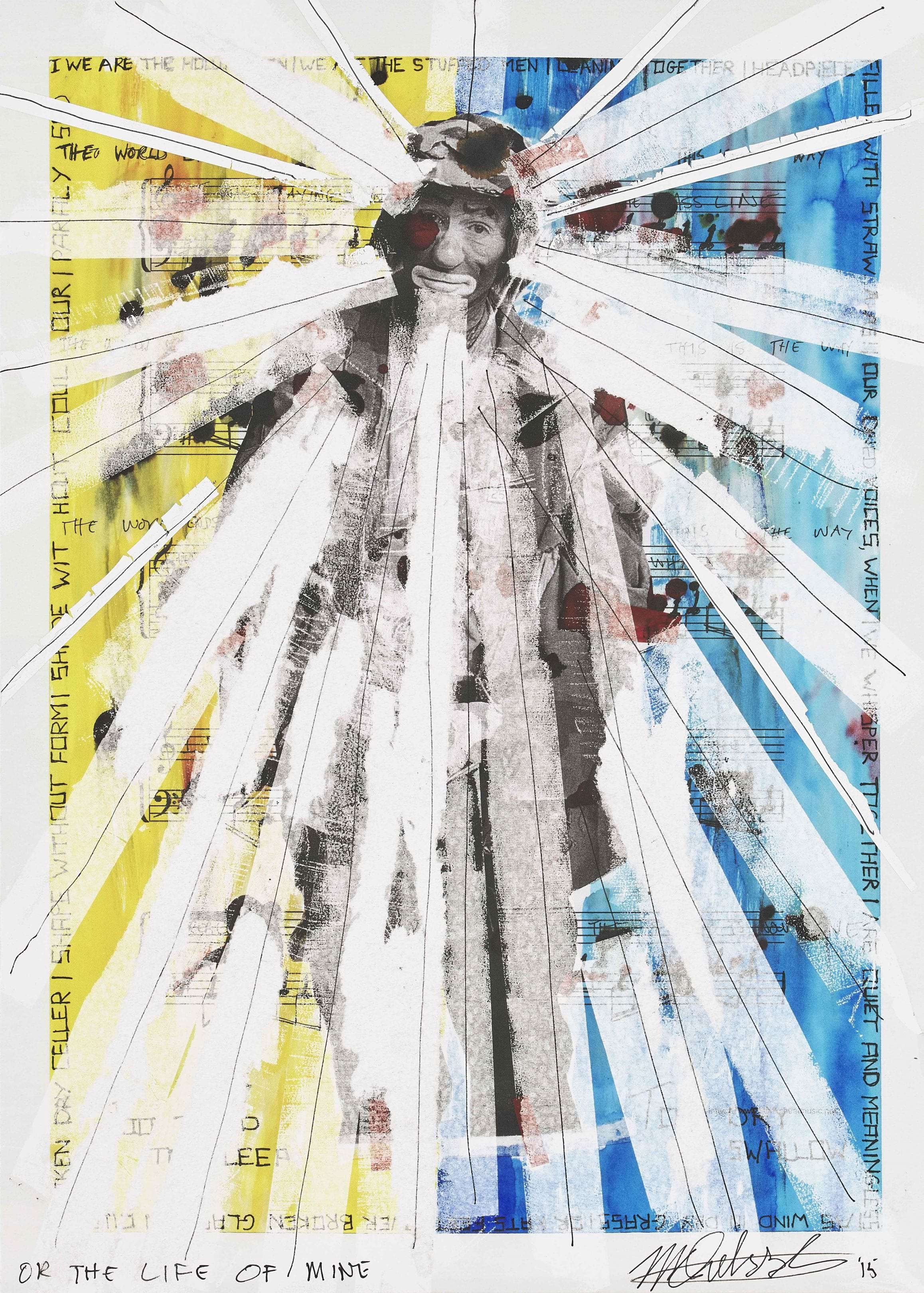
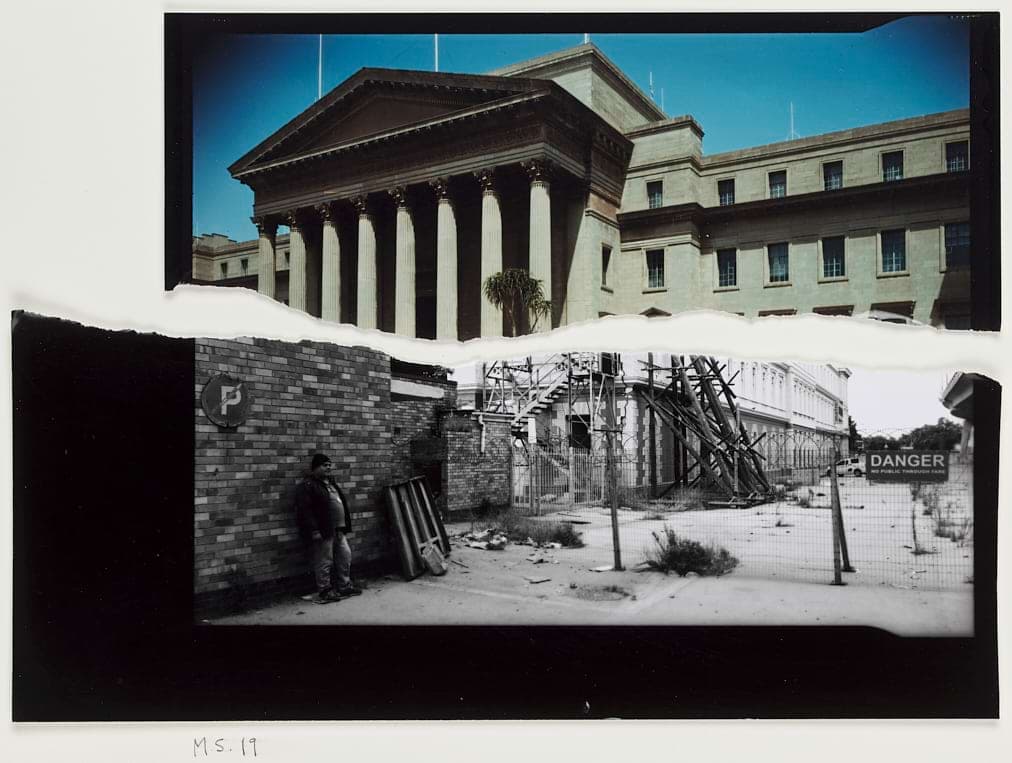
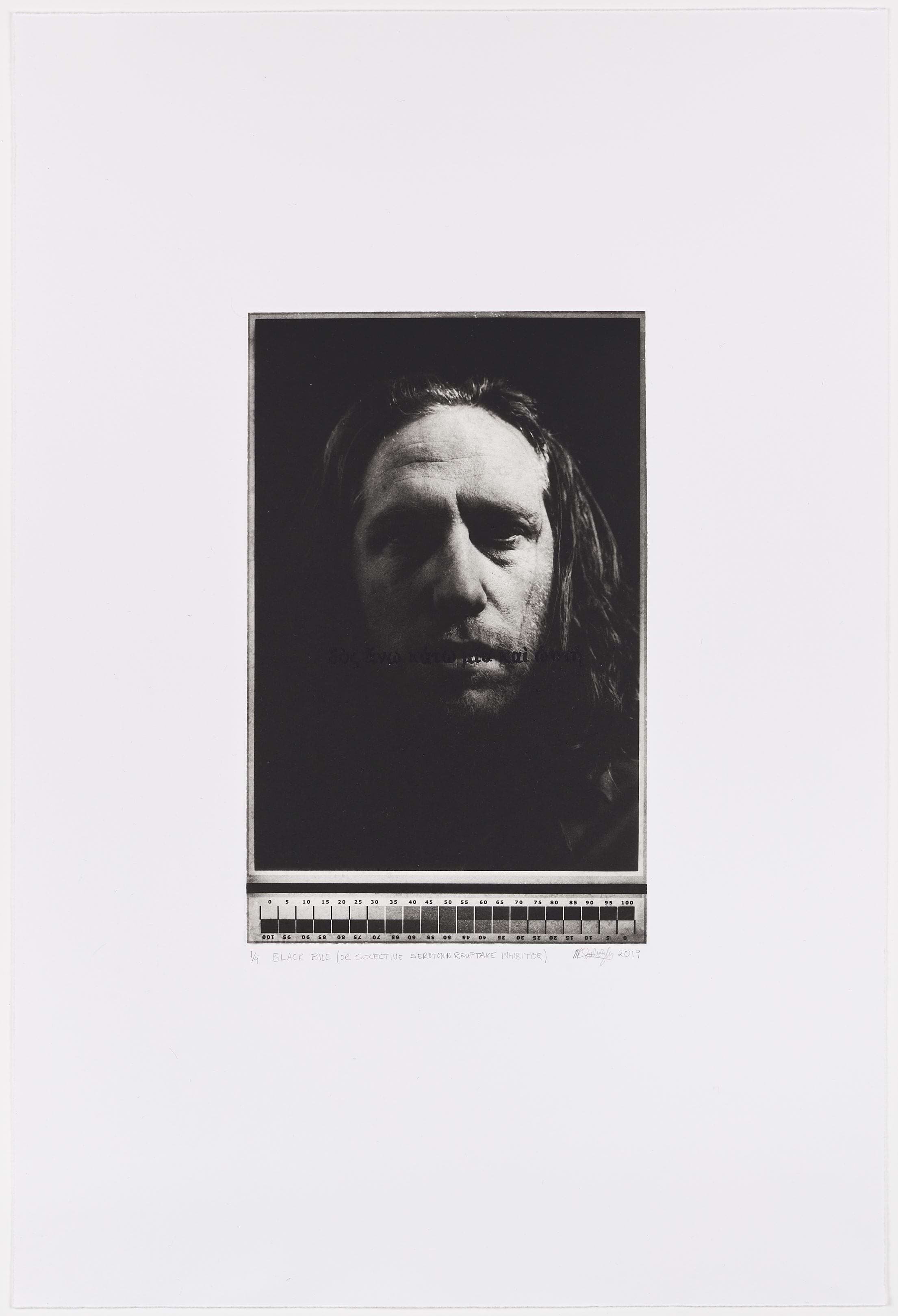
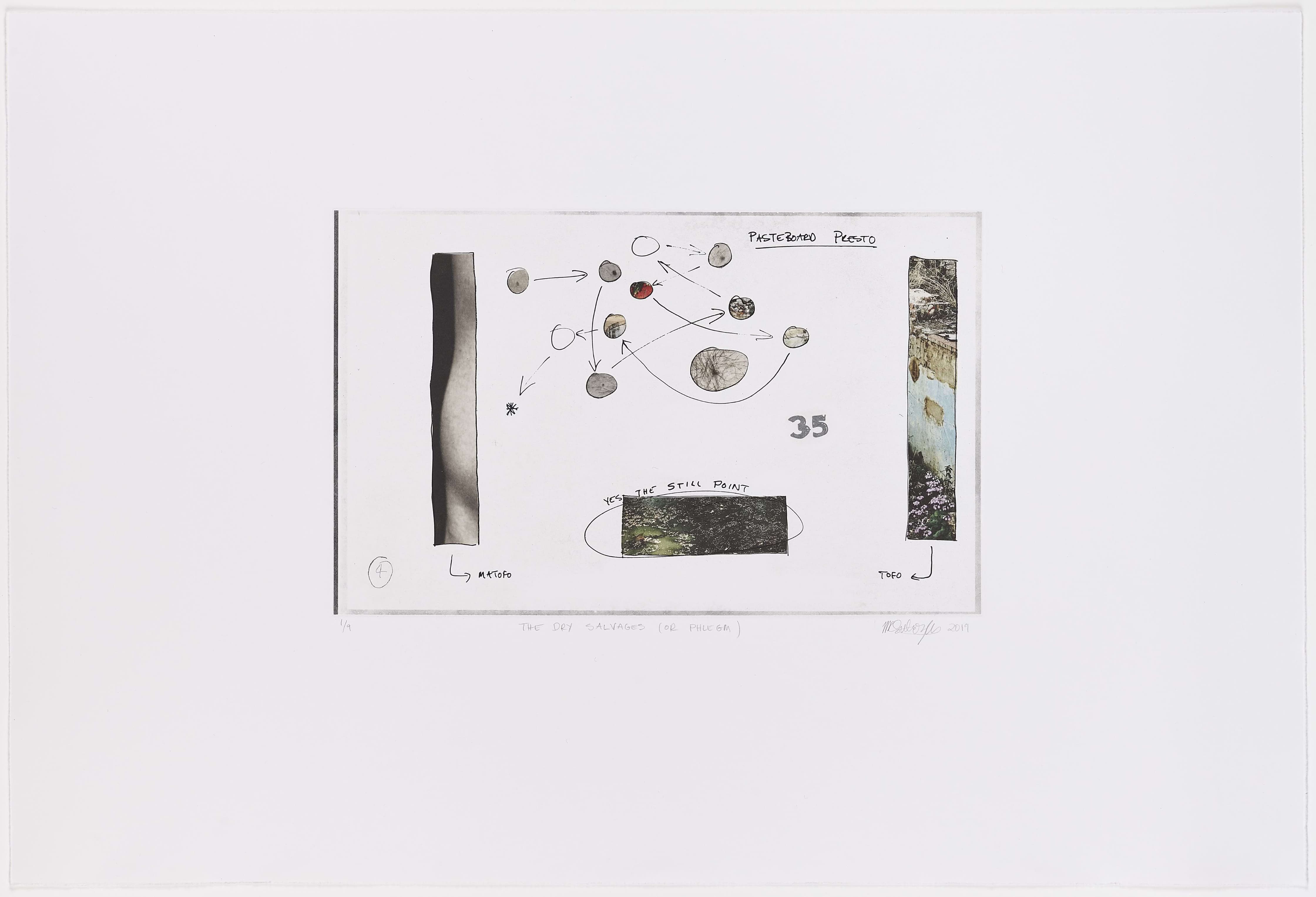
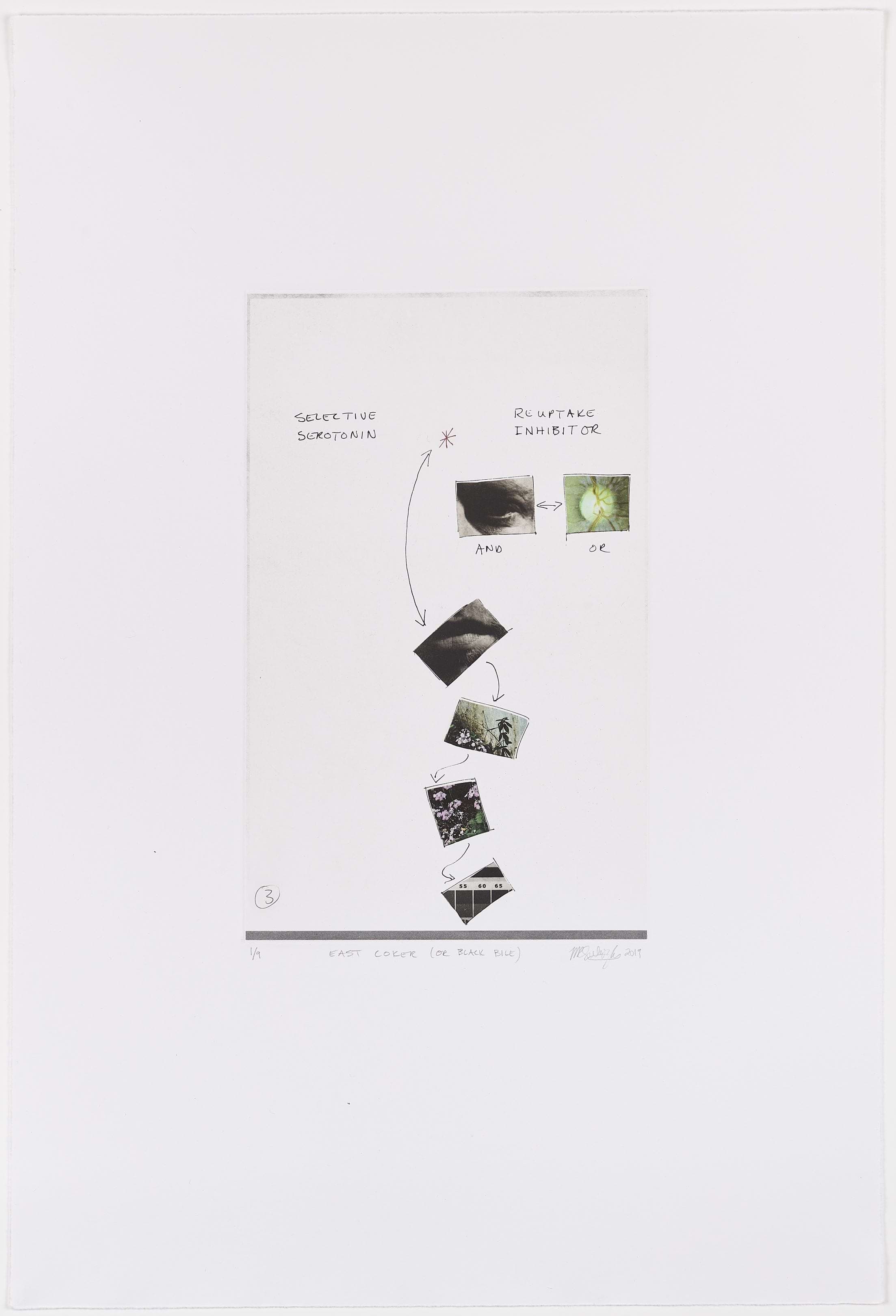
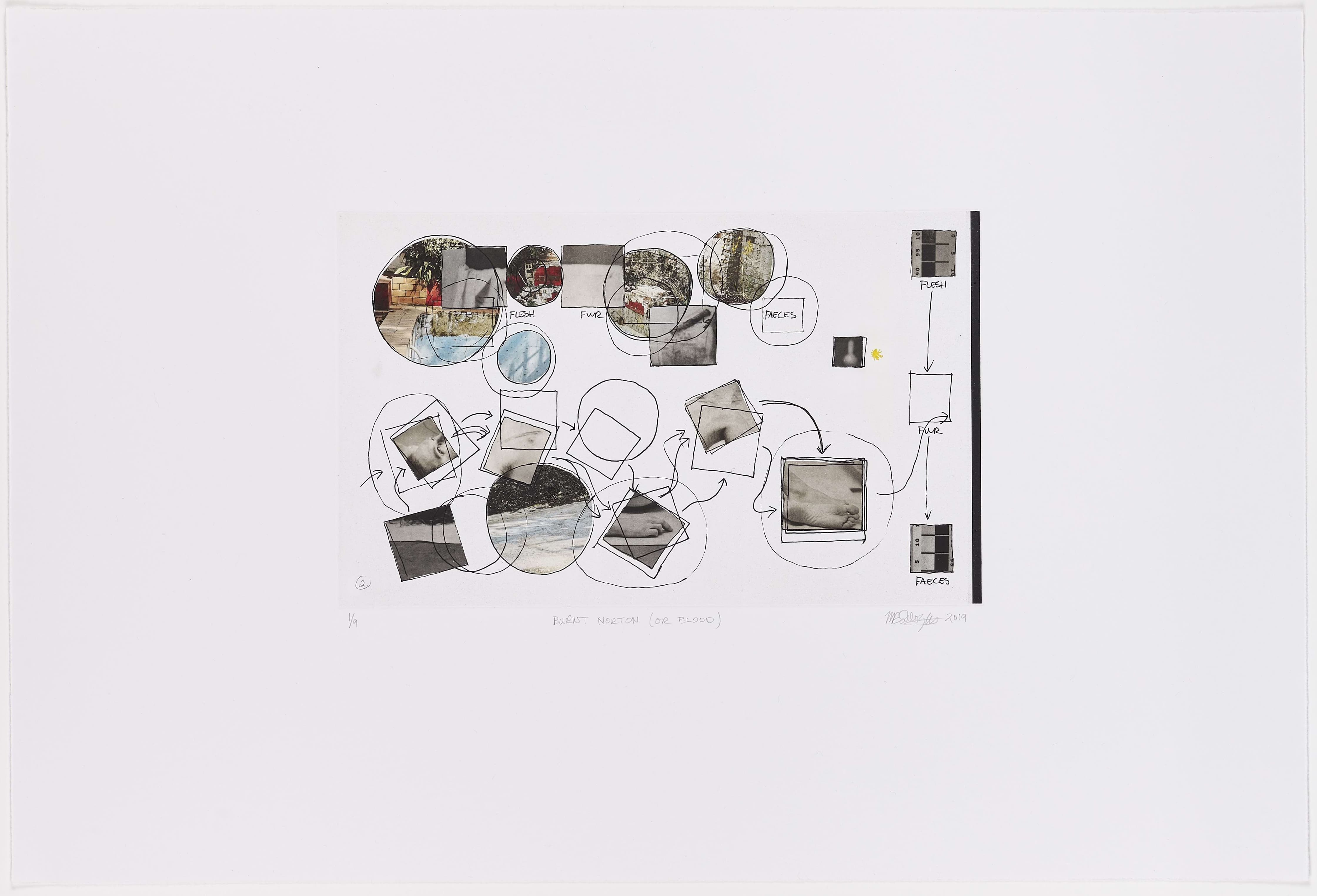
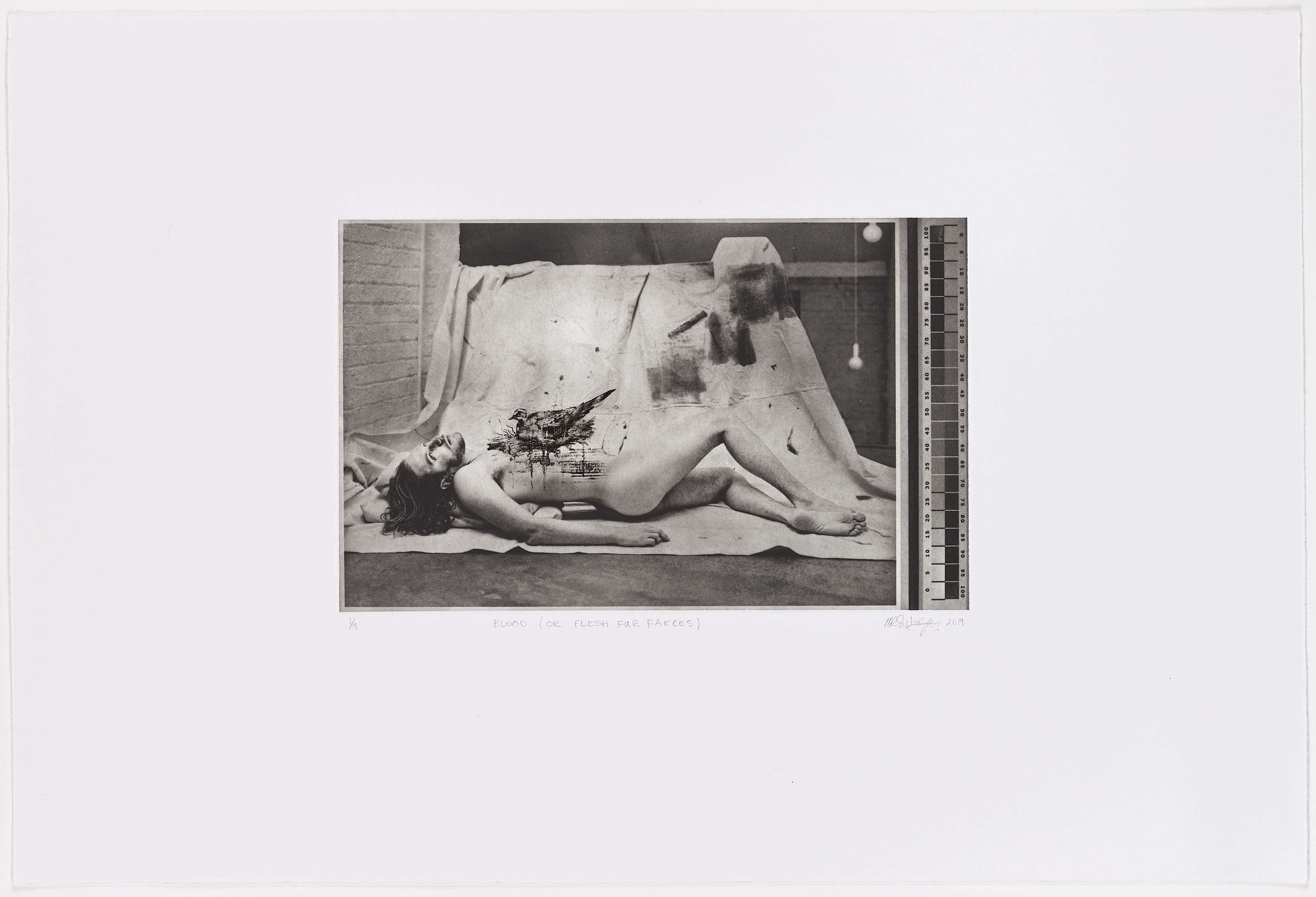
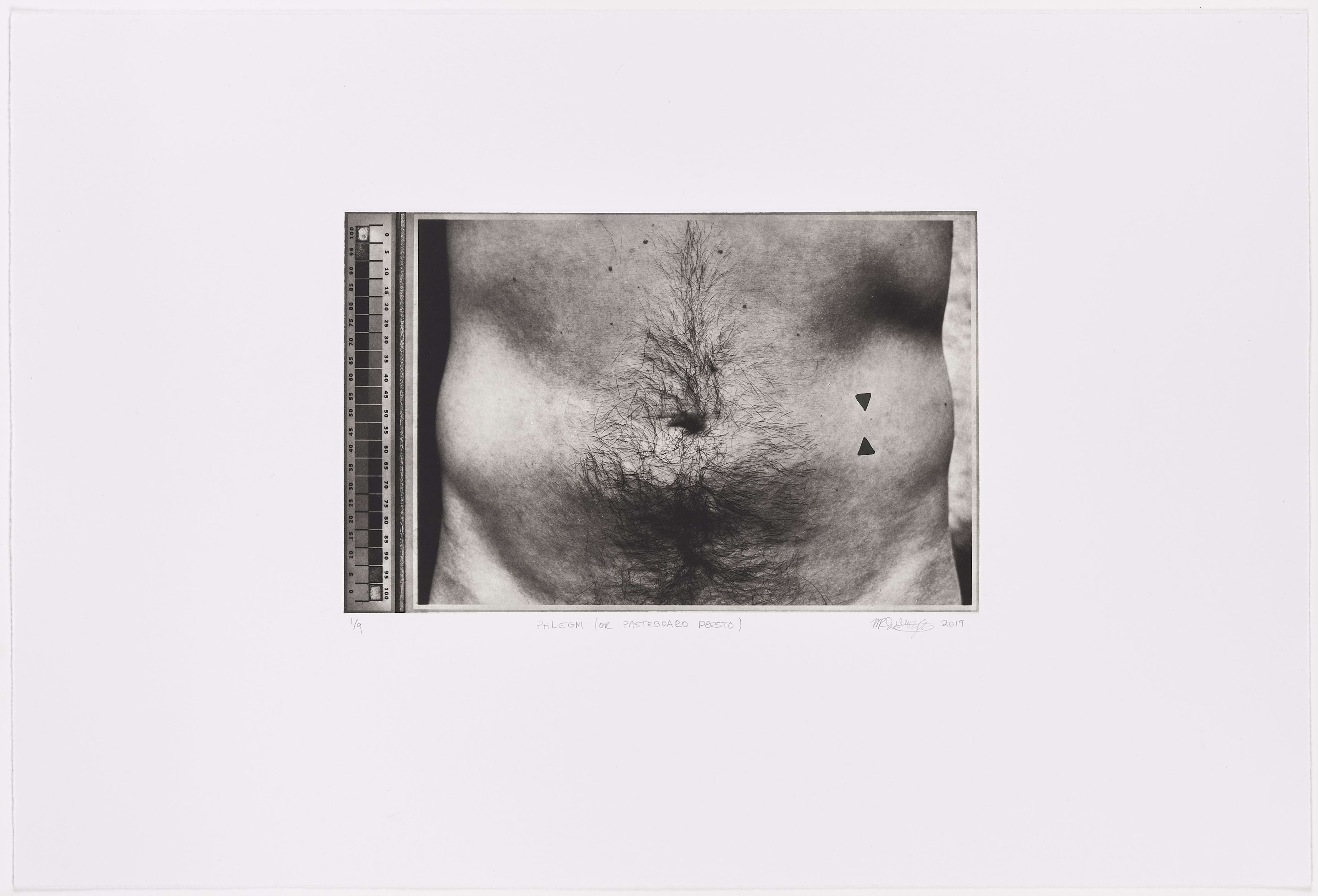
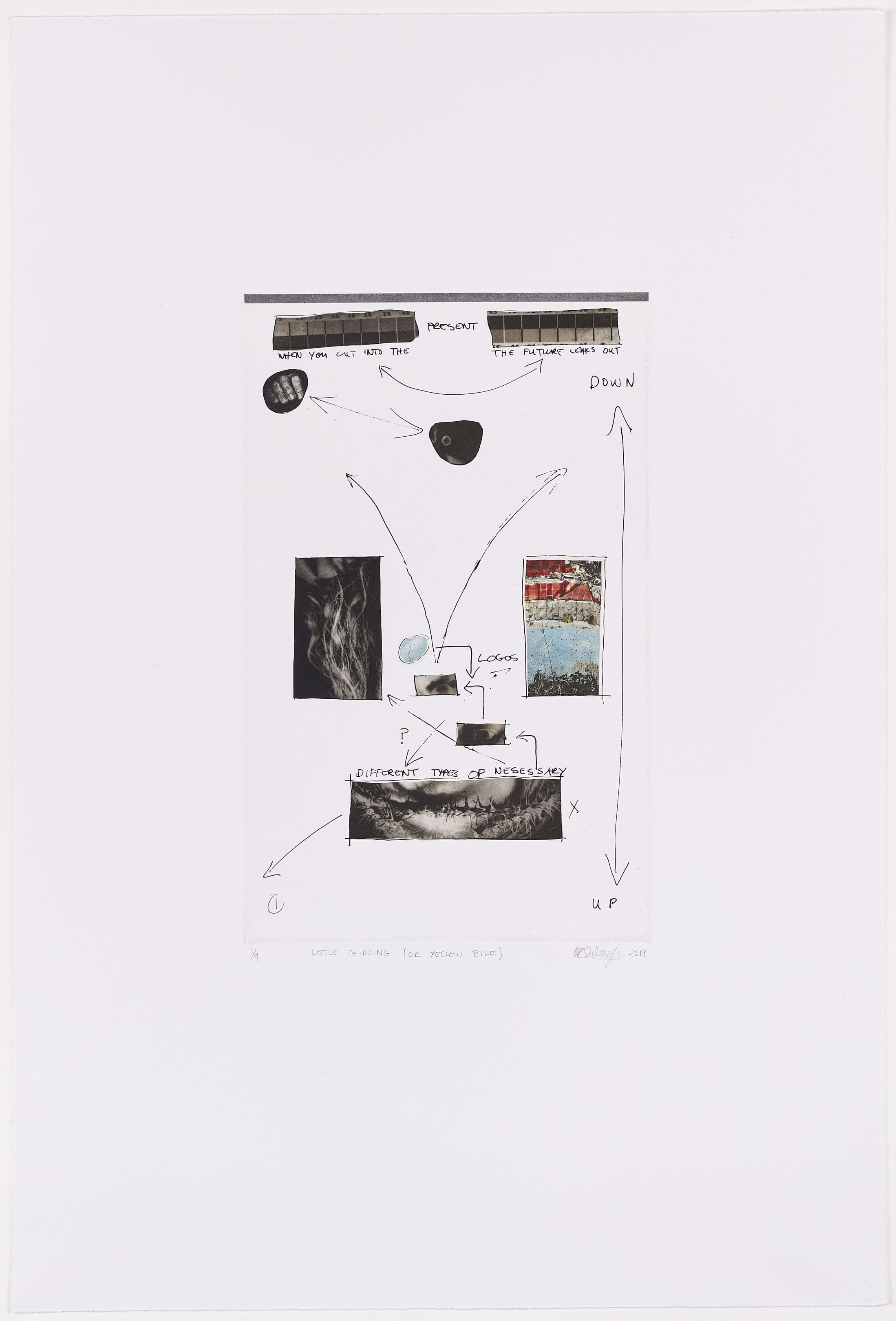
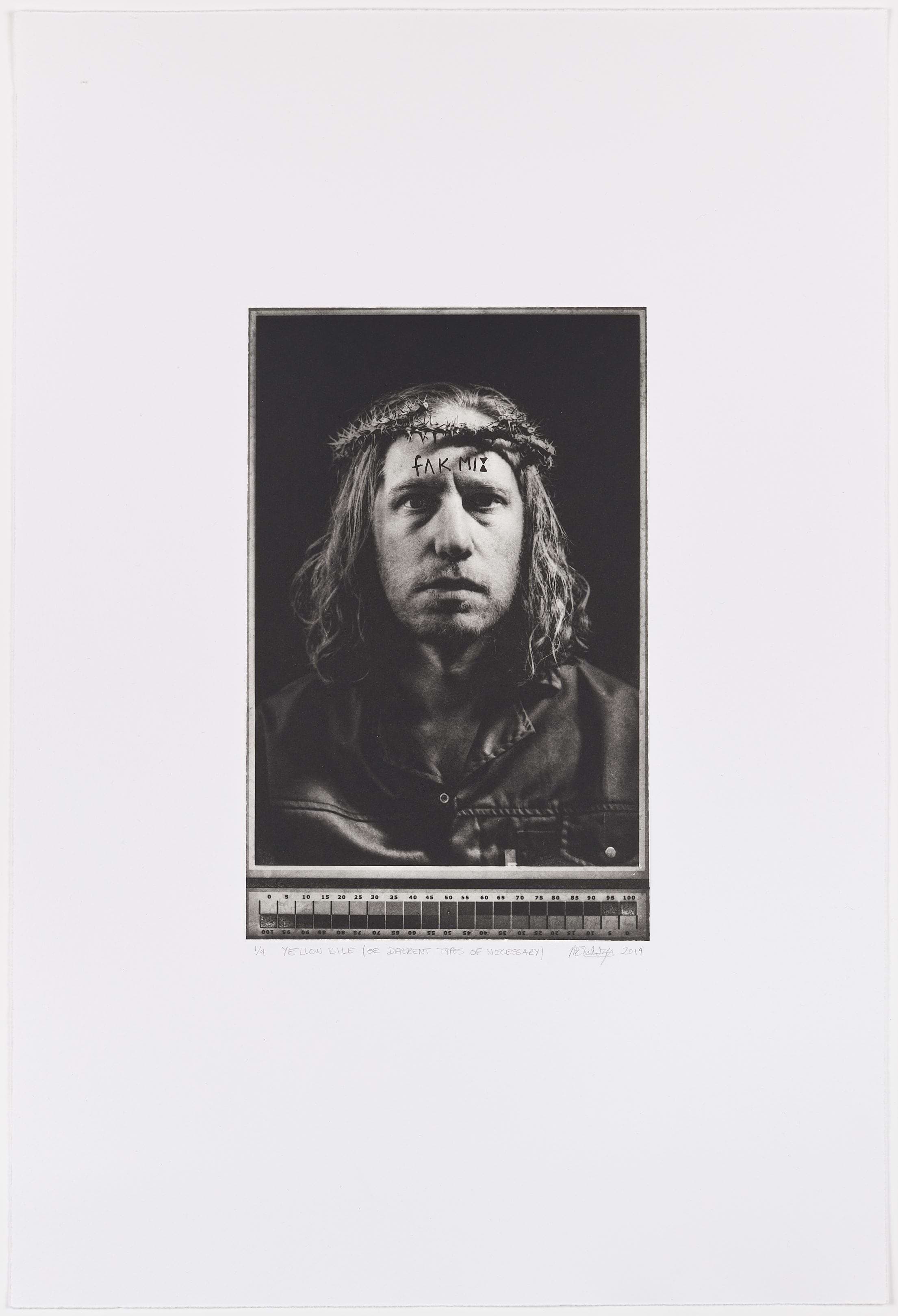
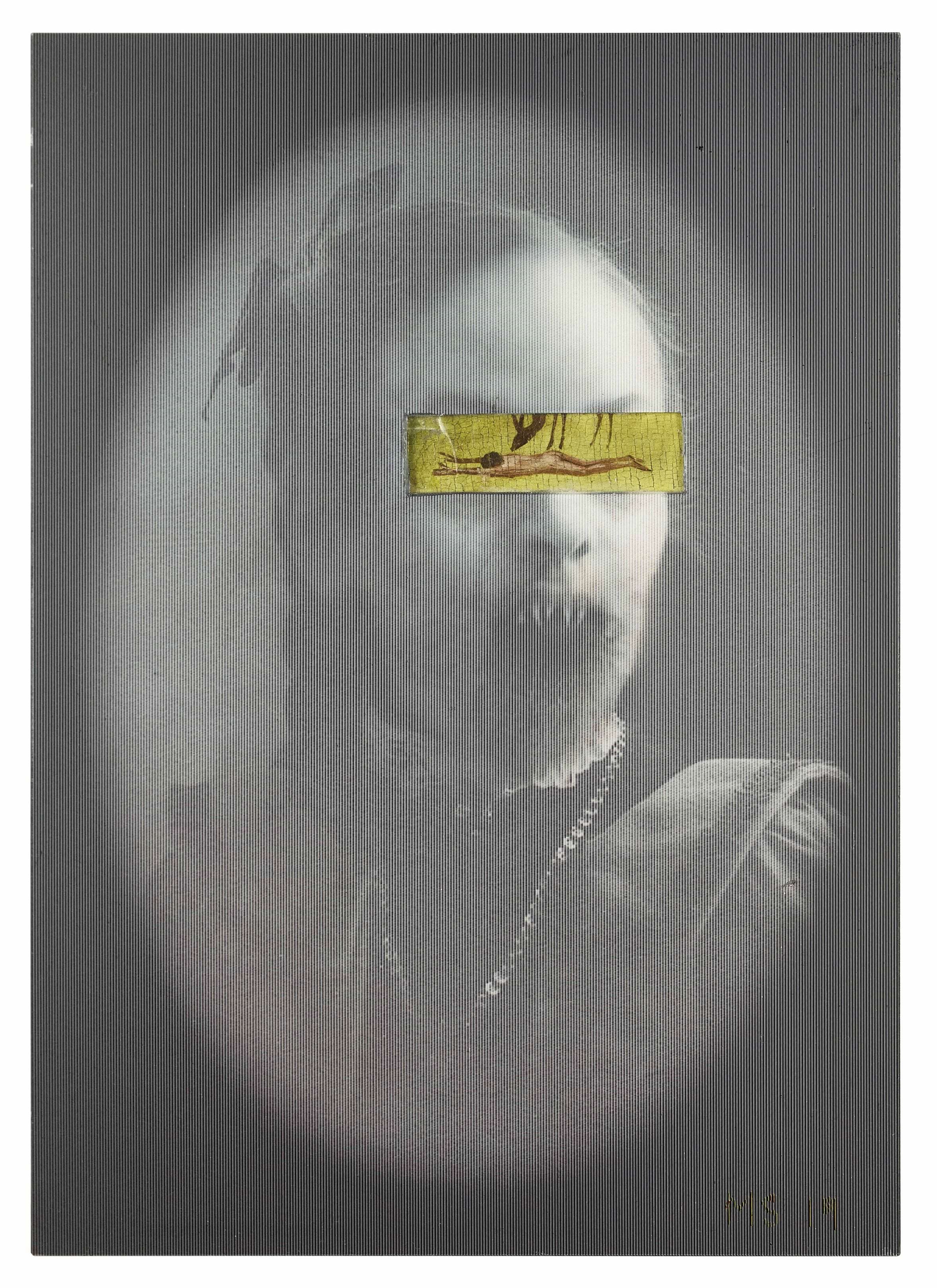
This series of three works were created as a part of Subotzky’s most recent solo exhibition, Massive Nerve Corpus, which engages with the vulnerability of white masculinity, seeking to tear open the “corpus” of the privileged body.
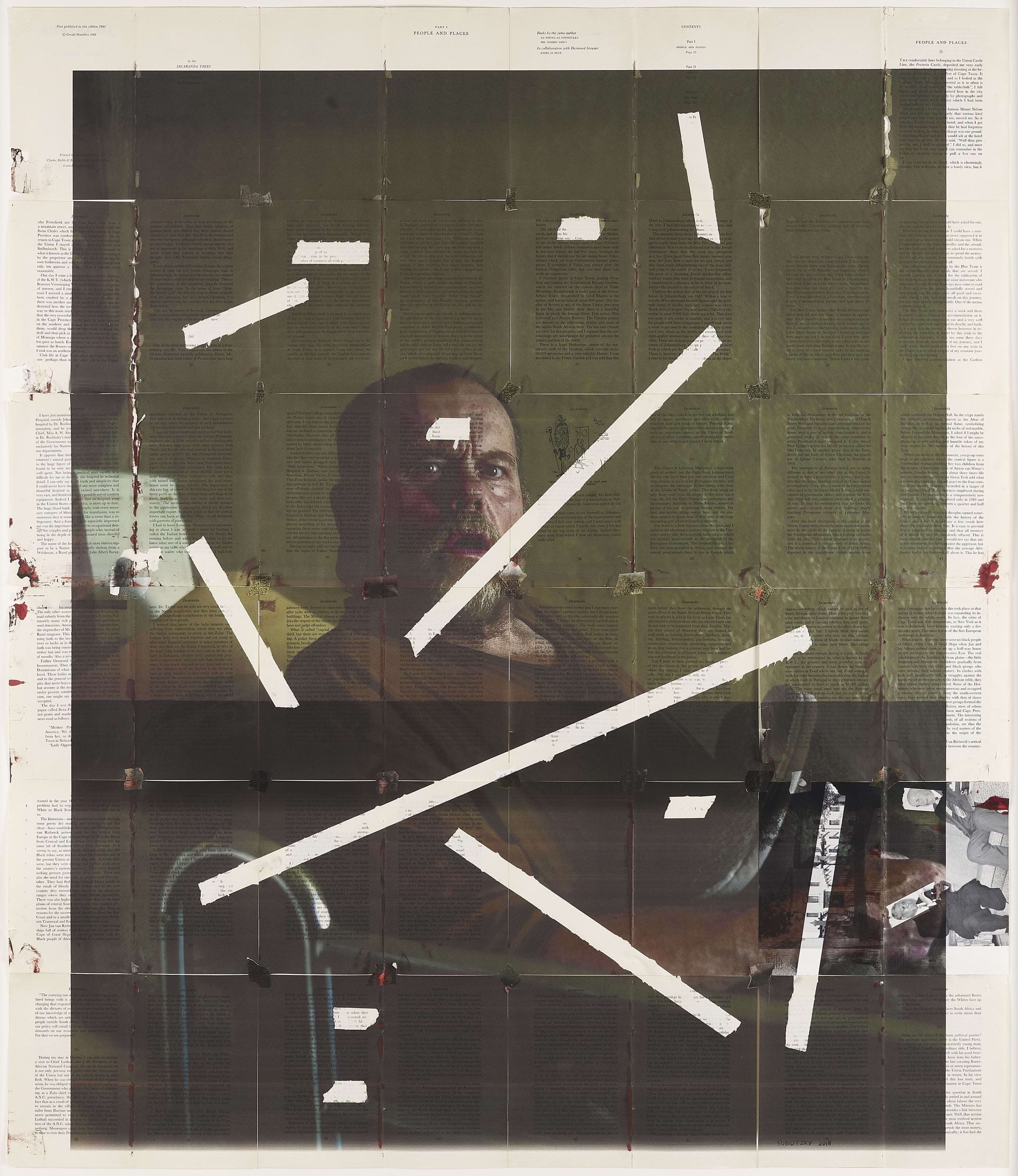
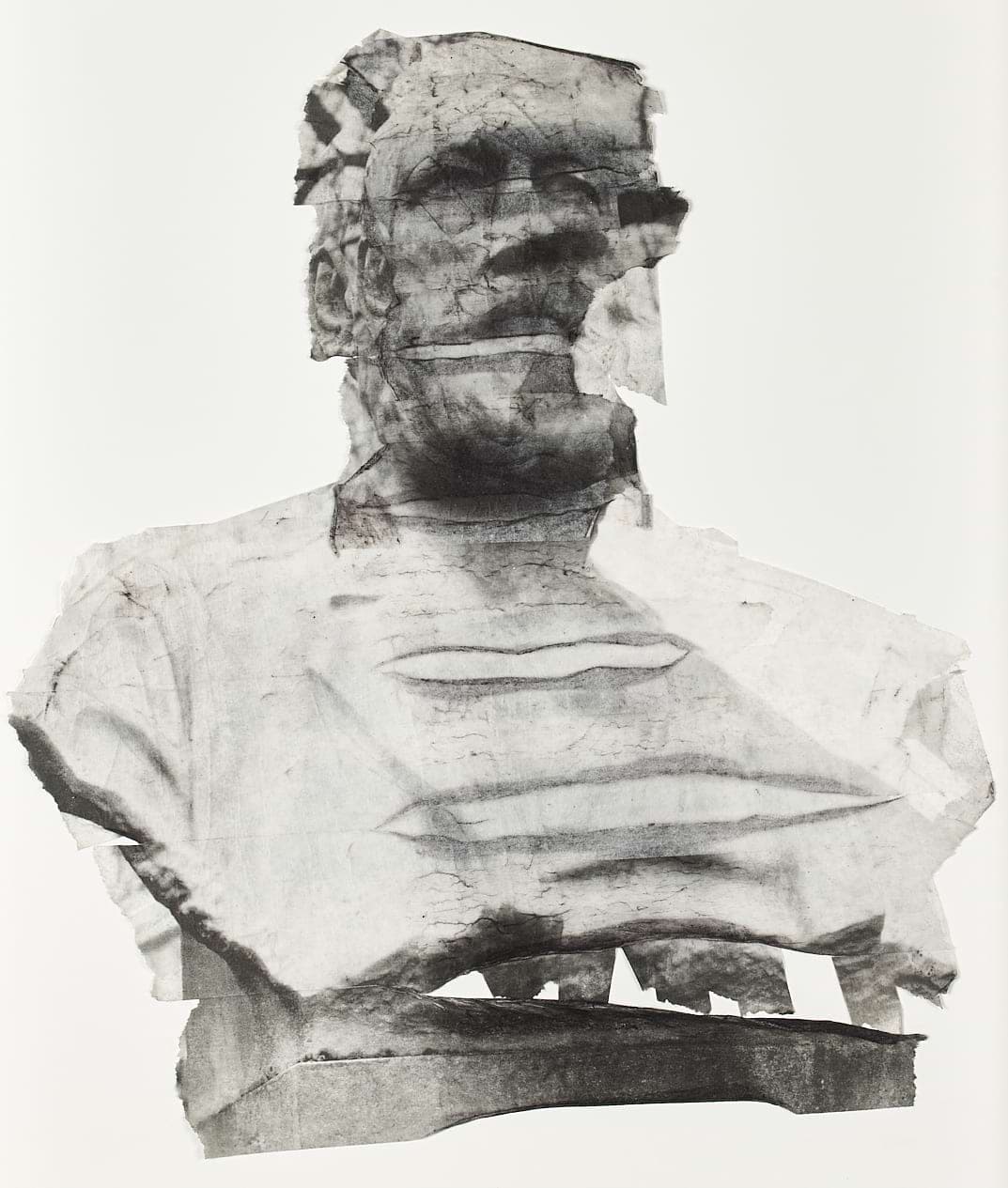
The works depict Rudolf Steiner, philosopher and founder of the anthroposophy movement, which posits an objective, intellectually comprehensible spiritual world, accessible to human experience. Subotzky was schooled in the Waldorf system, where his father also taught. These three portraits were created when the artist began looking through some of his father’s anthroposophy texts and reading Steiner’s work, in particular related to ideas of race, colonization, and civilization. Subotzky became interested in the degree to which Steiner’s ideology might have been part of his early education.
In the artist’s own words:
“Steiner believed that souls could reincarnate through the different races and that ultimately a future race would include all humans, but that some races were so barbaric that they could not be uplifted into it and would die out. He was writing about this in the first decade of the Twentieth Century during the Herero and Nama Massacres in the German colonies, and it is not unreasonable to link this form of occult thinking with a political context that fostered these genocidal colonial policies and later the rise of Nazism.”
These works depict Steiner in various stages of erasure, fracture, and bondage.
“Instinctively I wanted to muzzle him. A man who gave so many lectures on the ‘spiritual sciences’, and whose words are very much aligned with white supremacy, needs to be silenced. So I covered his mouth with surgical tape in between multiple printings of his portrait.”
This series of three works were created as a part of Subotzky’s most recent solo exhibition, Massive Nerve Corpus, which engages with the vulnerability of white masculinity, seeking to tear open the “corpus” of the privileged body.
The works depict Rudolf Steiner, philosopher and founder of the anthroposophy movement, which posits an objective, intellectually comprehensible spiritual world, accessible to human experience. Subotzky was schooled in the Waldorf system, where his father also taught. These three portraits were created when the artist began looking through some of his father’s anthroposophy texts and reading Steiner’s work, in particular related to ideas of race, colonization, and civilization. Subotzky became interested in the degree to which Steiner’s ideology might have been part of his early education.
In the artist’s own words:
“Steiner believed that souls could reincarnate through the different races and that ultimately a future race would include all humans, but that some races were so barbaric that they could not be uplifted into it and would die out. He was writing about this in the first decade of the Twentieth Century during the Herero and Nama Massacres in the German colonies, and it is not unreasonable to link this form of occult thinking with a political context that fostered these genocidal colonial policies and later the rise of Nazism.”
These works depict Steiner in various stages of erasure, fracture, and bondage.
“Instinctively I wanted to muzzle him. A man who gave so many lectures on the ‘spiritual sciences’, and whose words are very much aligned with white supremacy, needs to be silenced. So I covered his mouth with surgical tape in between multiple printings of his portrait.”
This series of three works were created as a part of Subotzky’s most recent solo exhibition, Massive Nerve Corpus, which engages with the vulnerability of white masculinity, seeking to tear open the “corpus” of the privileged body.
The works depict Rudolf Steiner, philosopher and founder of the anthroposophy movement, which posits an objective, intellectually comprehensible spiritual world, accessible to human experience. Subotzky was schooled in the Waldorf system, where his father also taught. These three portraits were created when the artist began looking through some of his father’s anthroposophy texts and reading Steiner’s work, in particular related to ideas of race, colonization, and civilization. Subotzky became interested in the degree to which Steiner’s ideology might have been part of his early education.
In the artist’s own words:
“Steiner believed that souls could reincarnate through the different races and that ultimately a future race would include all humans, but that some races were so barbaric that they could not be uplifted into it and would die out. He was writing about this in the first decade of the Twentieth Century during the Herero and Nama Massacres in the German colonies, and it is not unreasonable to link this form of occult thinking with a political context that fostered these genocidal colonial policies and later the rise of Nazism.”
These works depict Steiner in various stages of erasure, fracture, and bondage.
“Instinctively I wanted to muzzle him. A man who gave so many lectures on the ‘spiritual sciences’, and whose words are very much aligned with white supremacy, needs to be silenced. So I covered his mouth with surgical tape in between multiple printings of his portrait.”
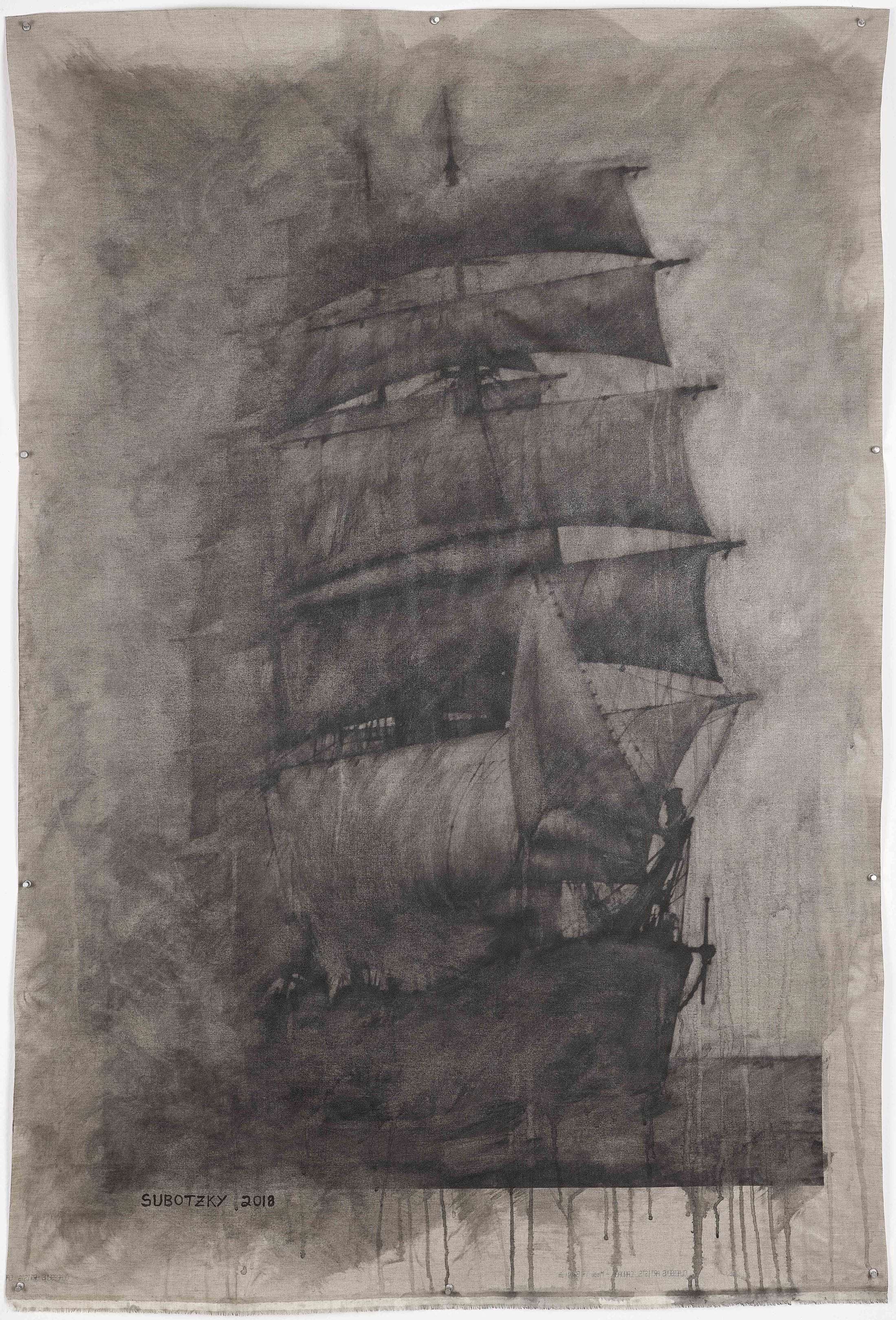
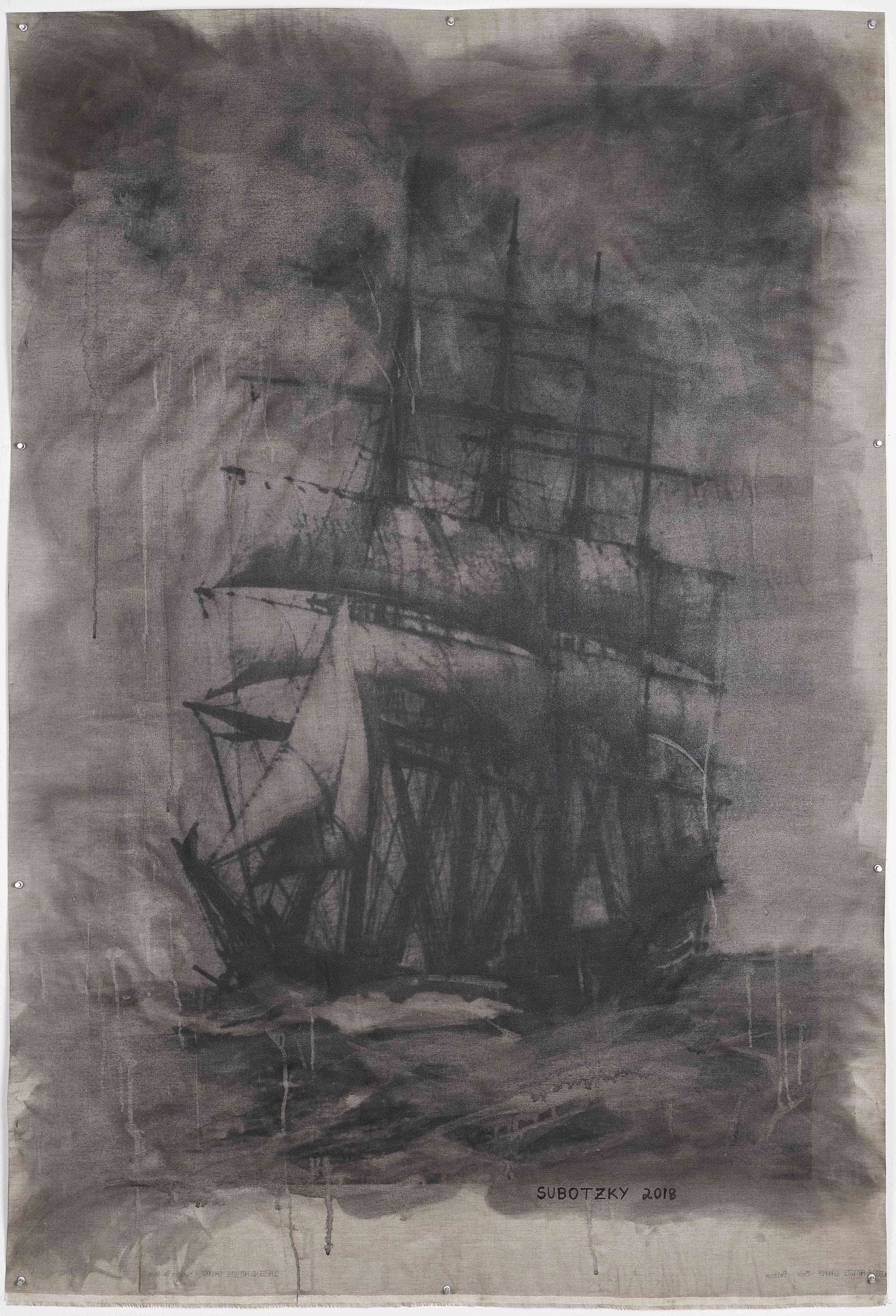
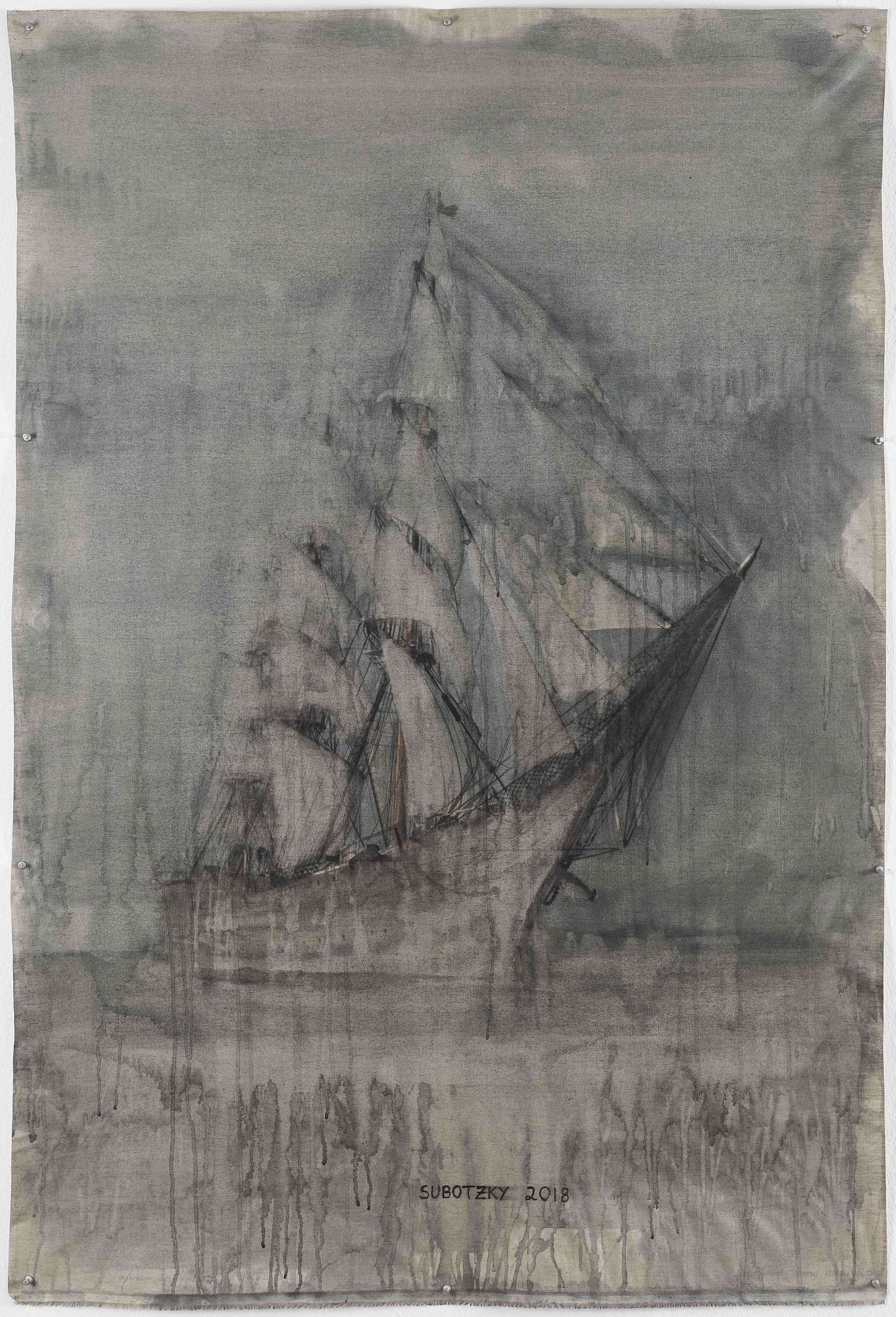
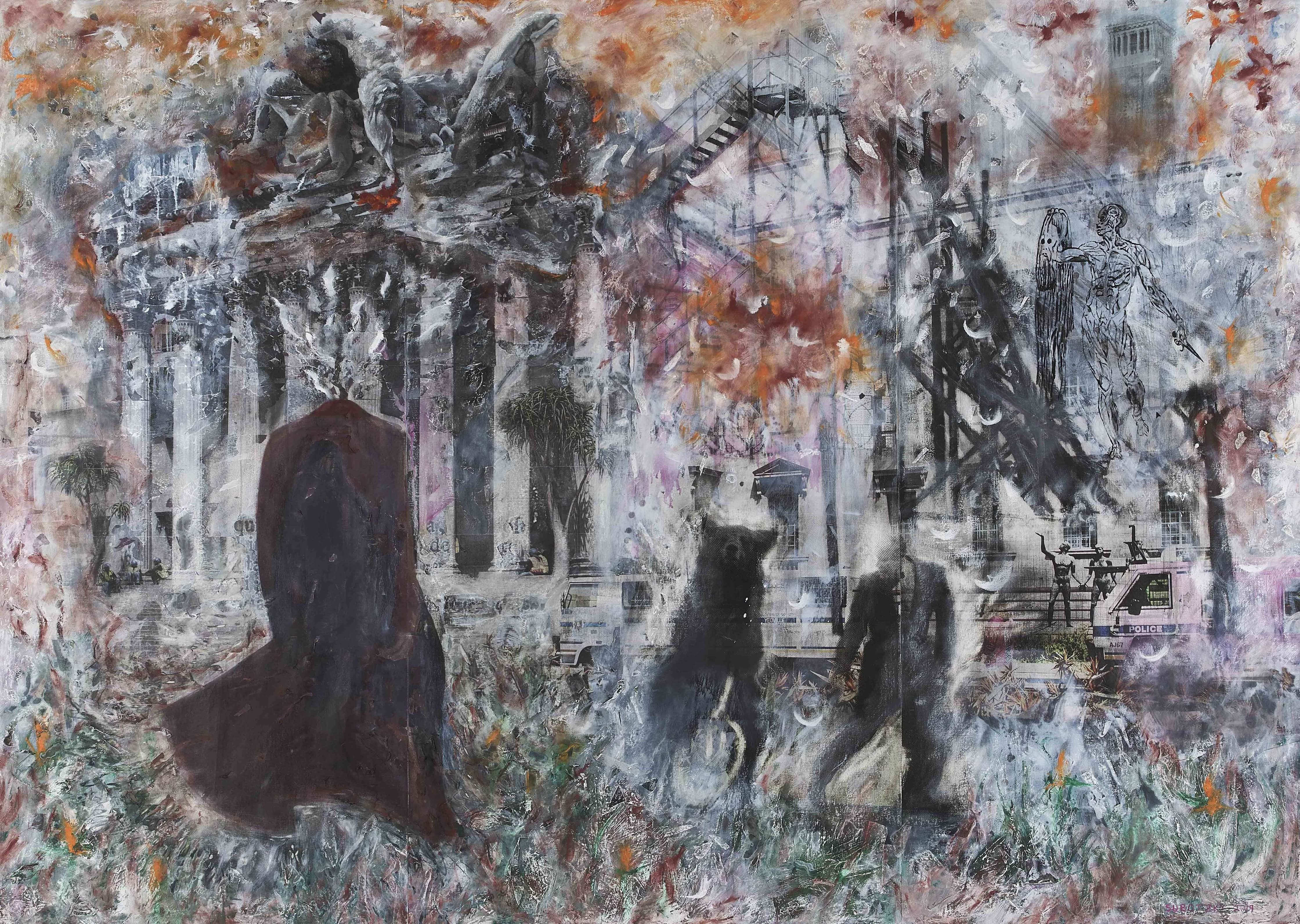
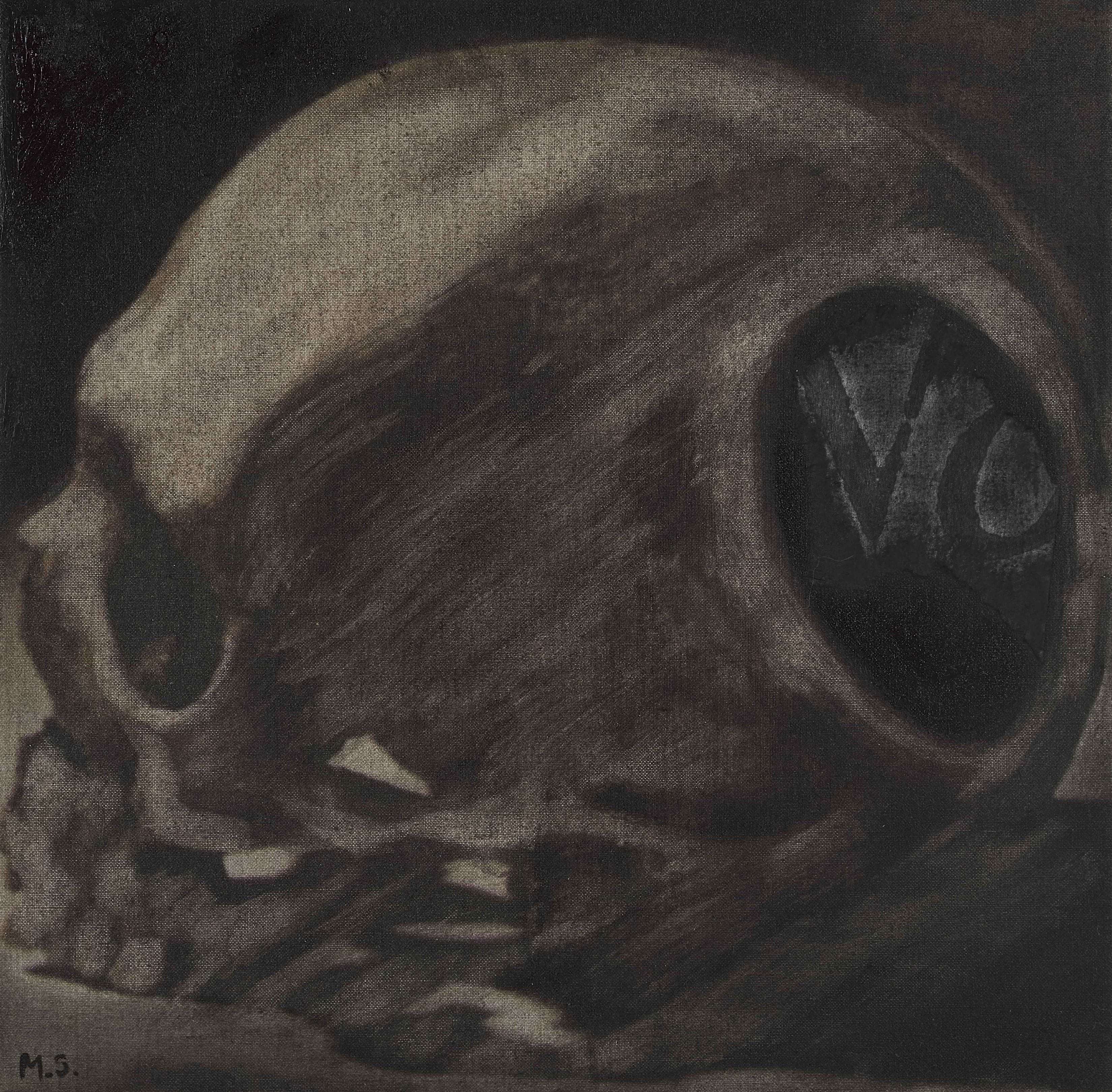
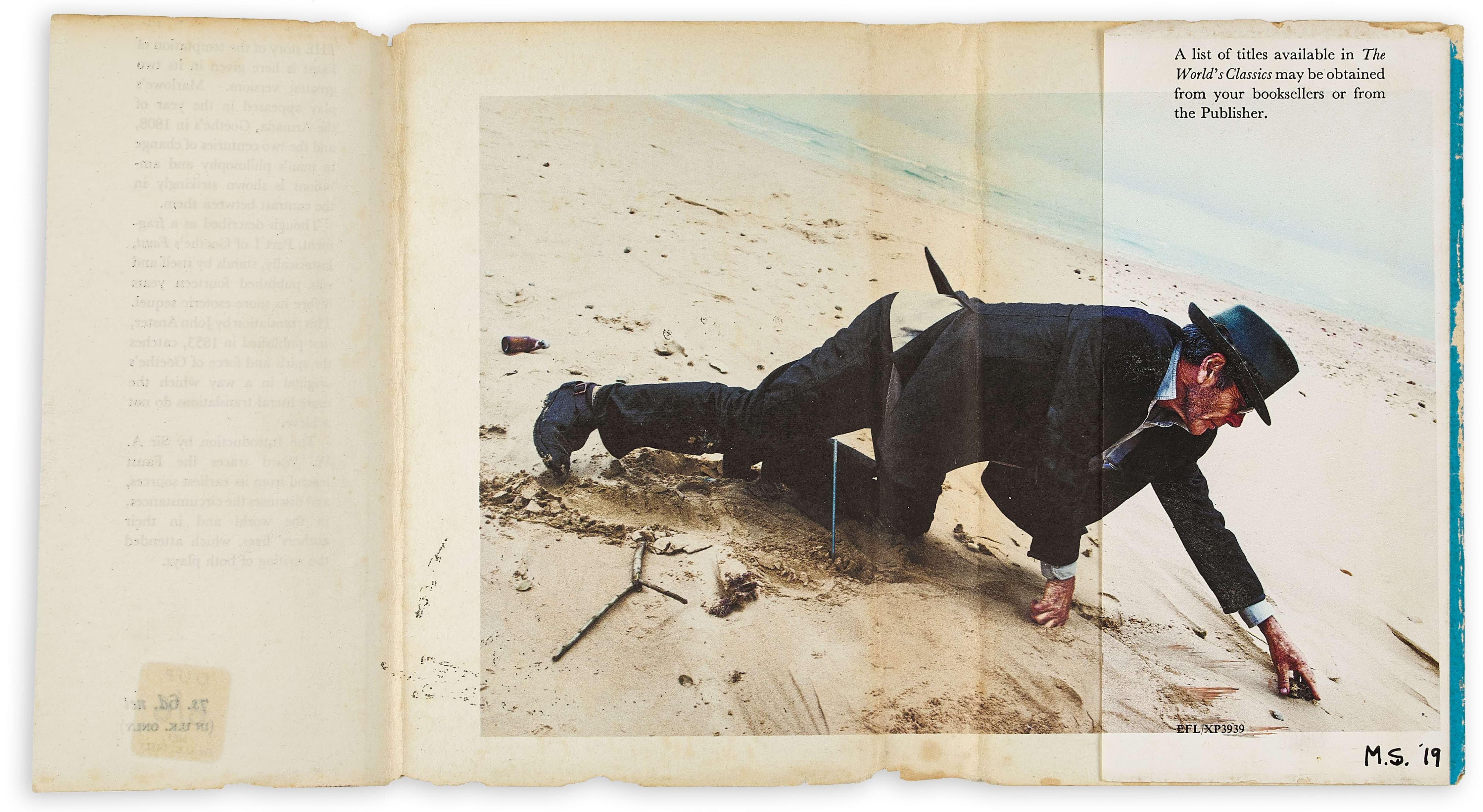
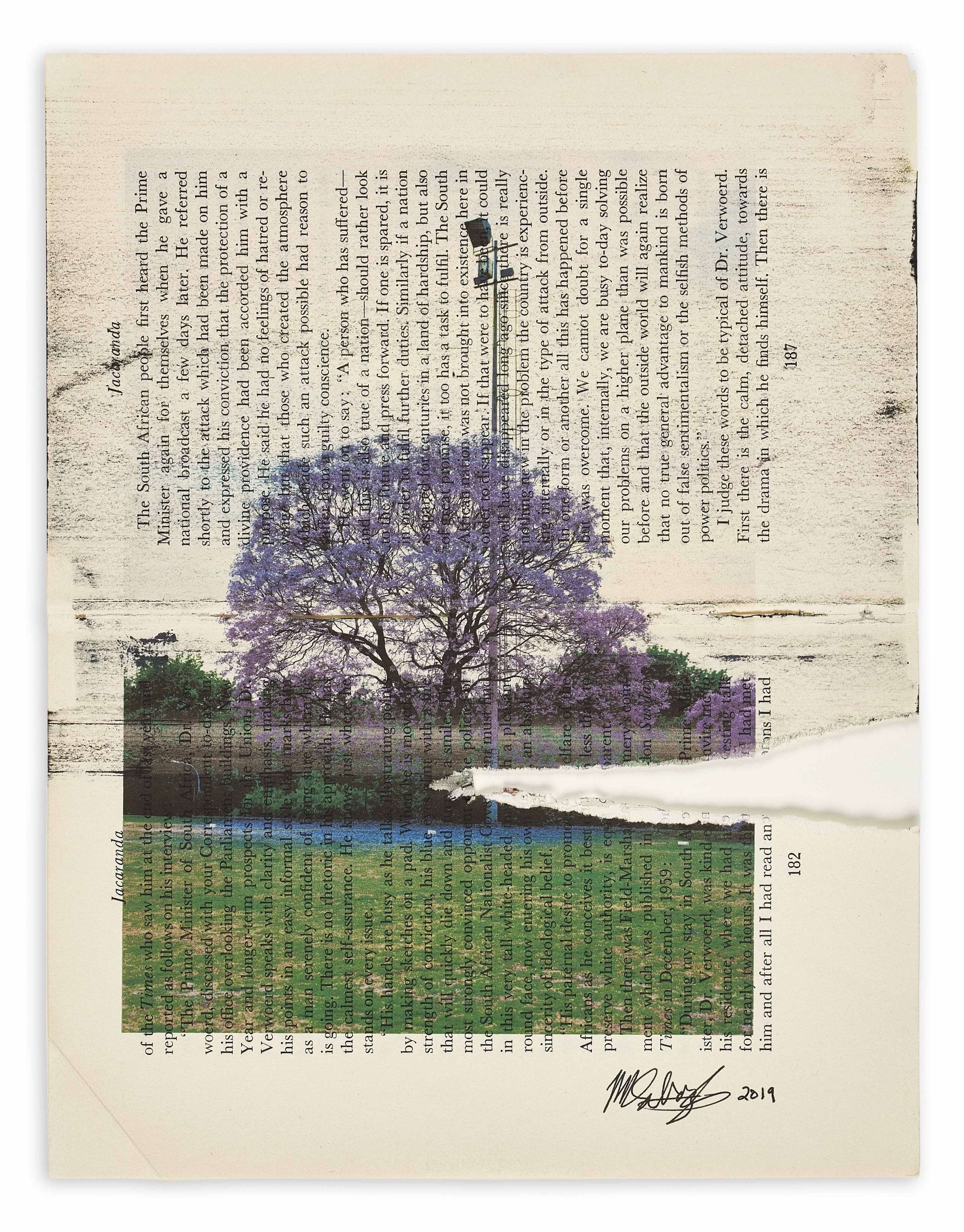
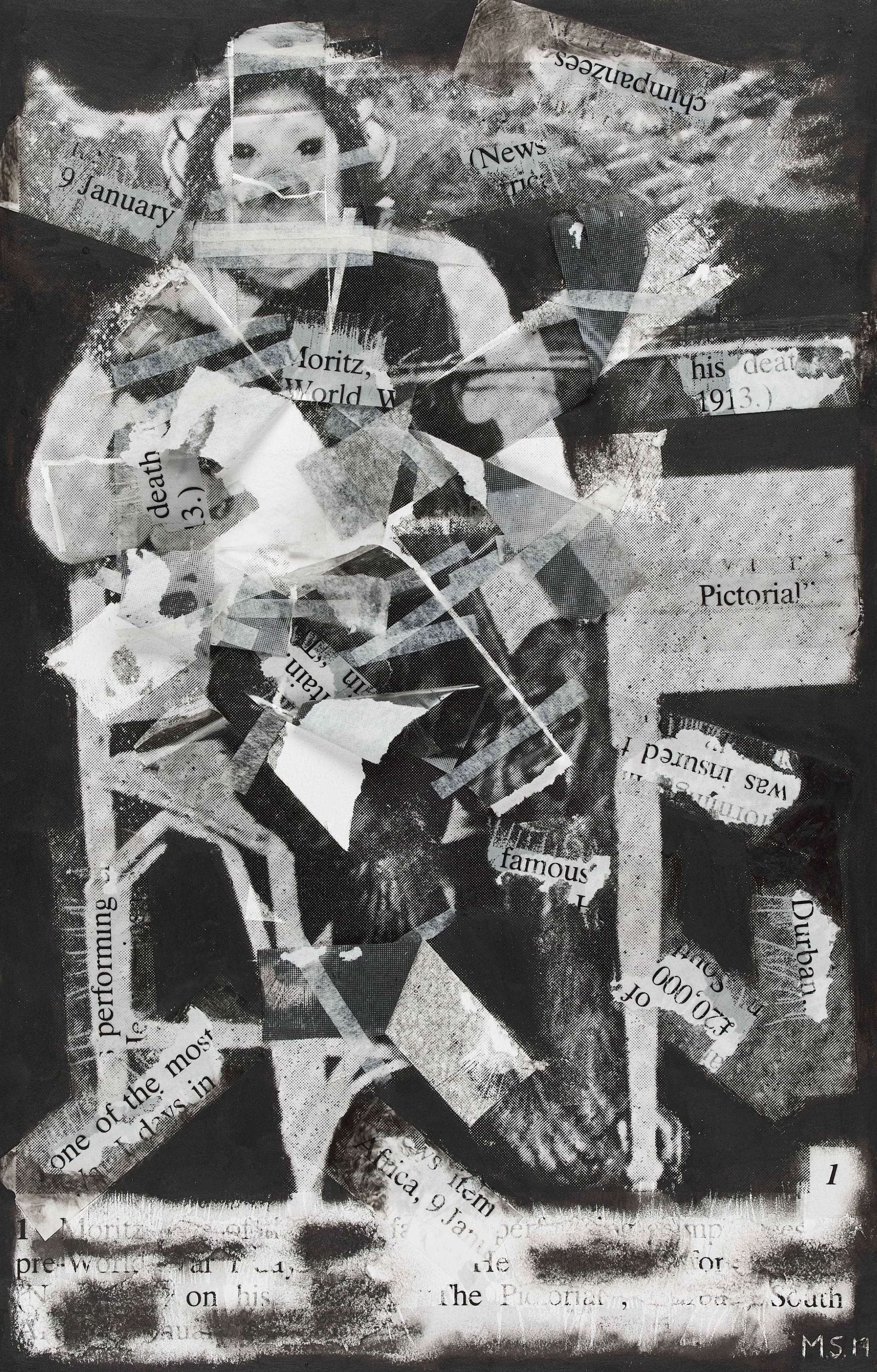
Eduard Suess, a 19th century geologist, is credited as the originator of the theory of Gondwana, a supercontinent that existed until the Jurassic period (about 180 million years ago) and consisted of two-thirds of today's continental area, including South America, Africa, Antarctica, Australia, the Indian Subcontinent, Zealandia, and Arabia. Suess based this theory on the discovery of fossilised ferns, Glossopteris, which were found both on the African and South American continents.This work is part of a series deconstructing the “fathers” of various Western schools of thought and study.
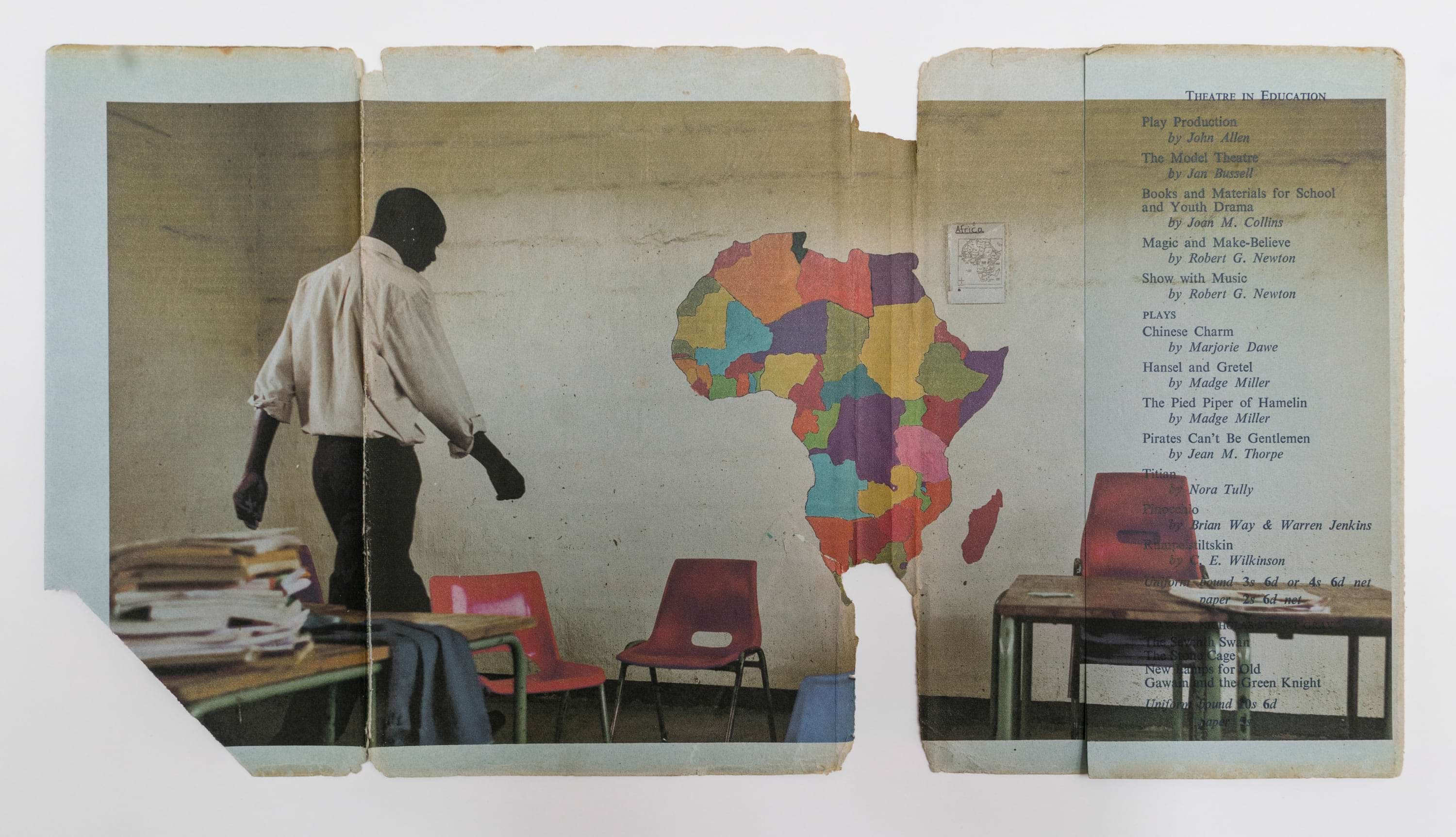
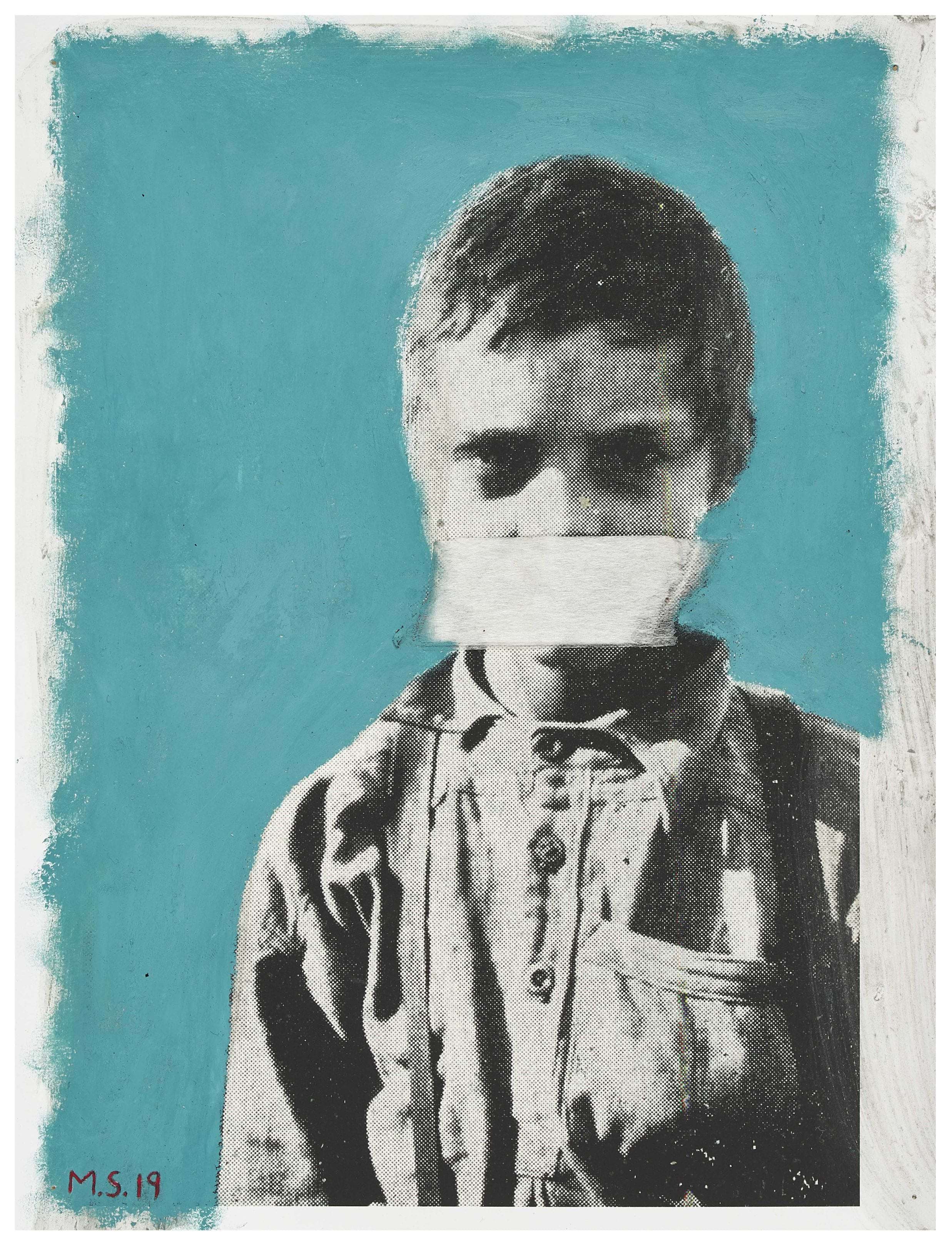
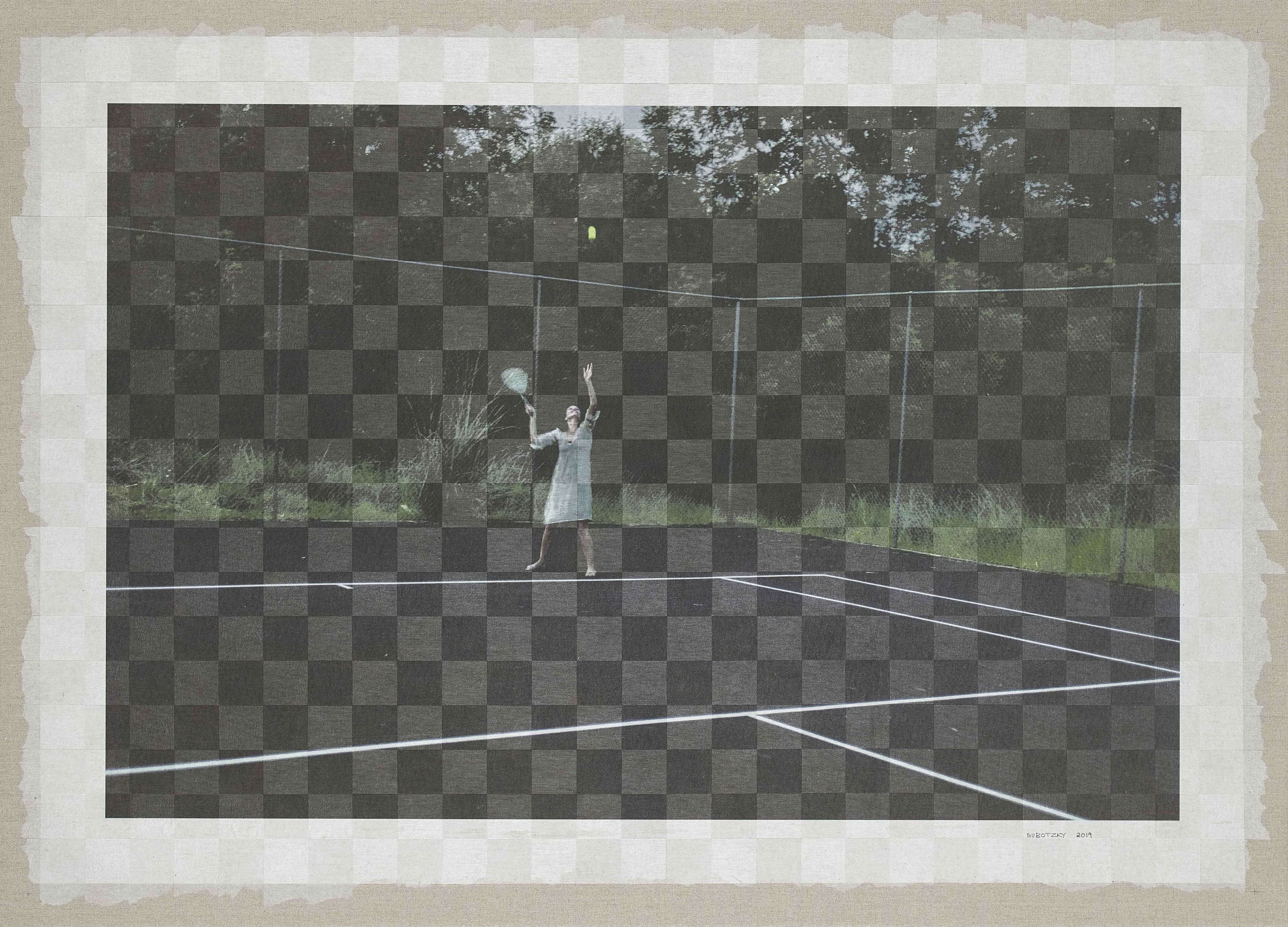
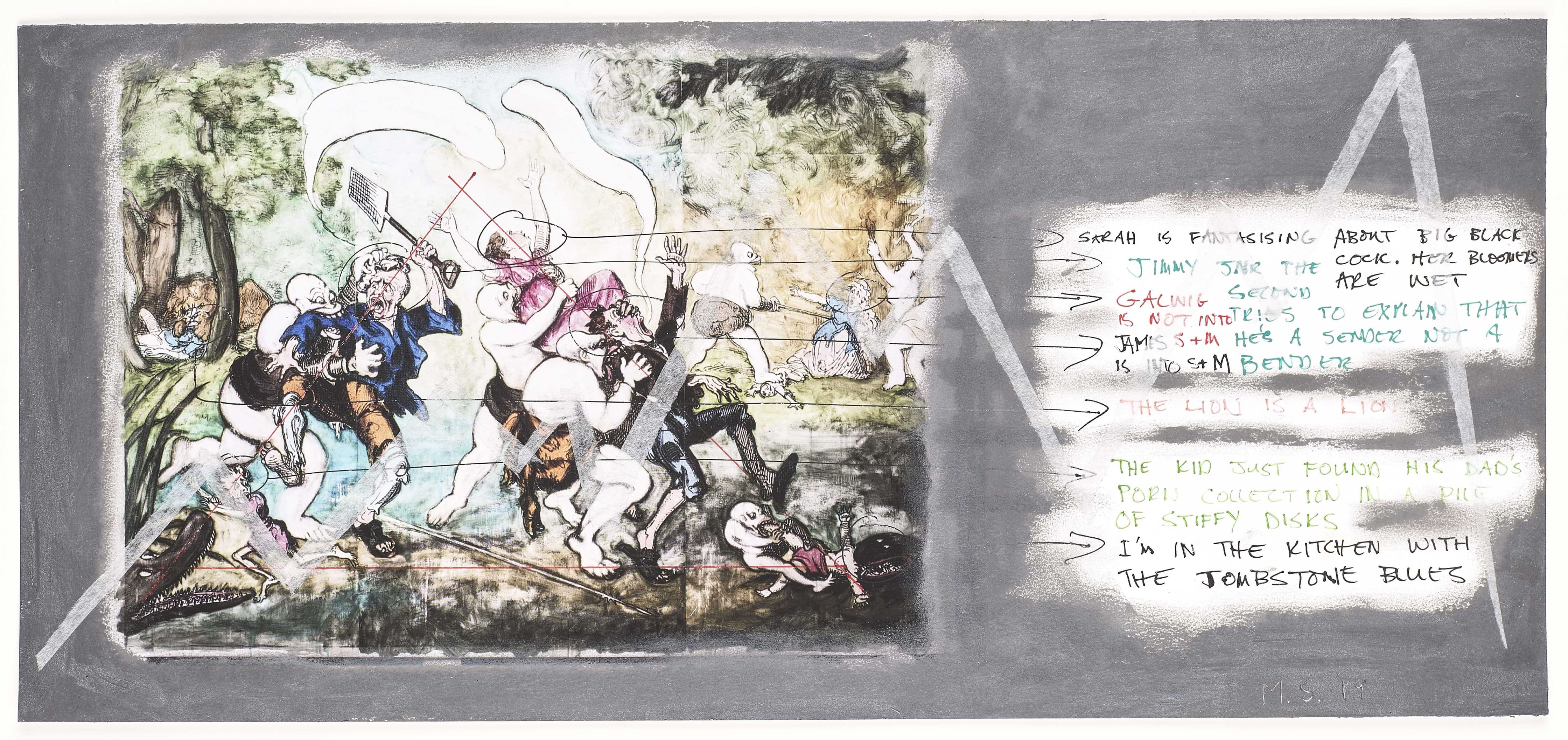
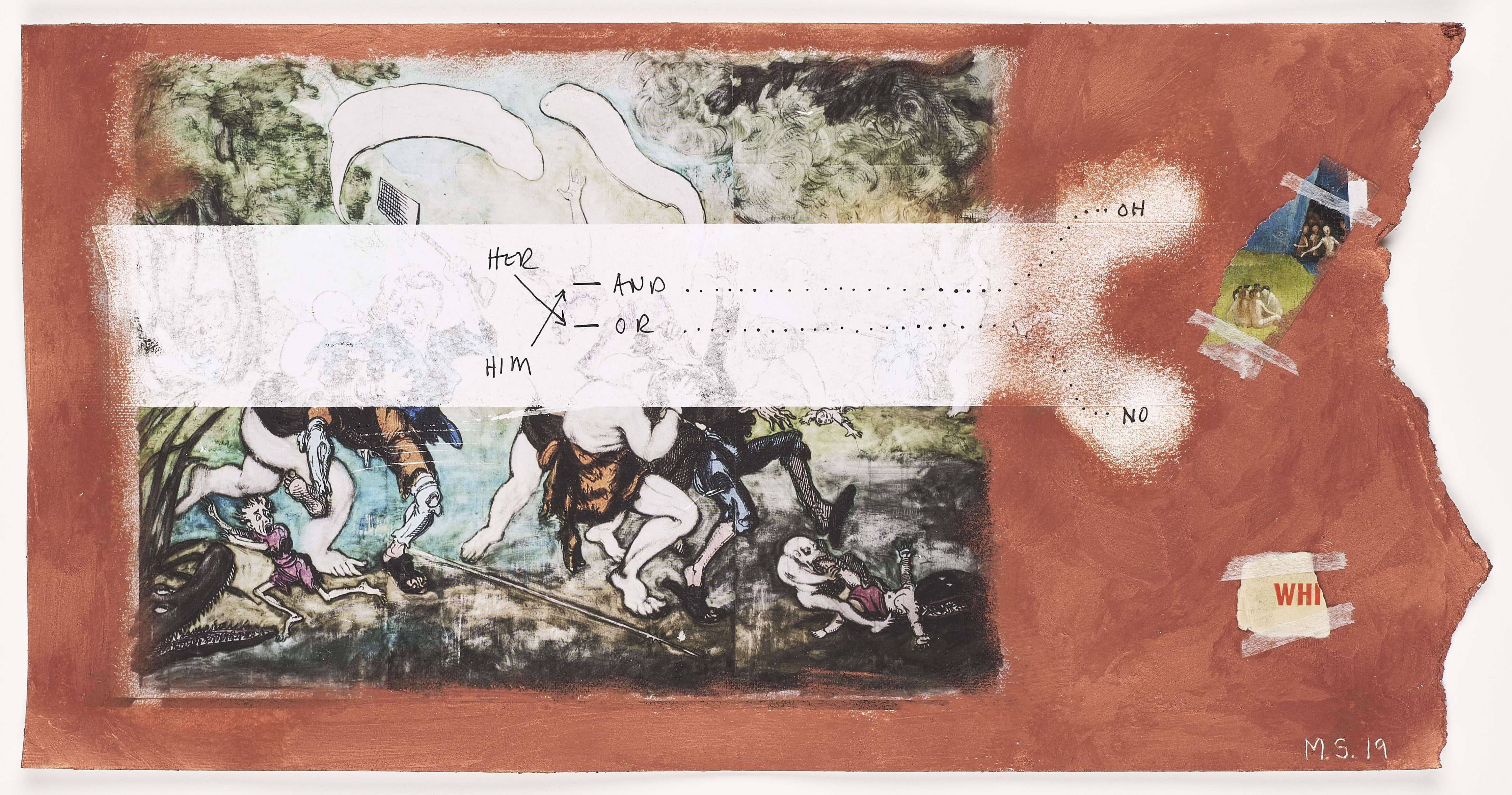
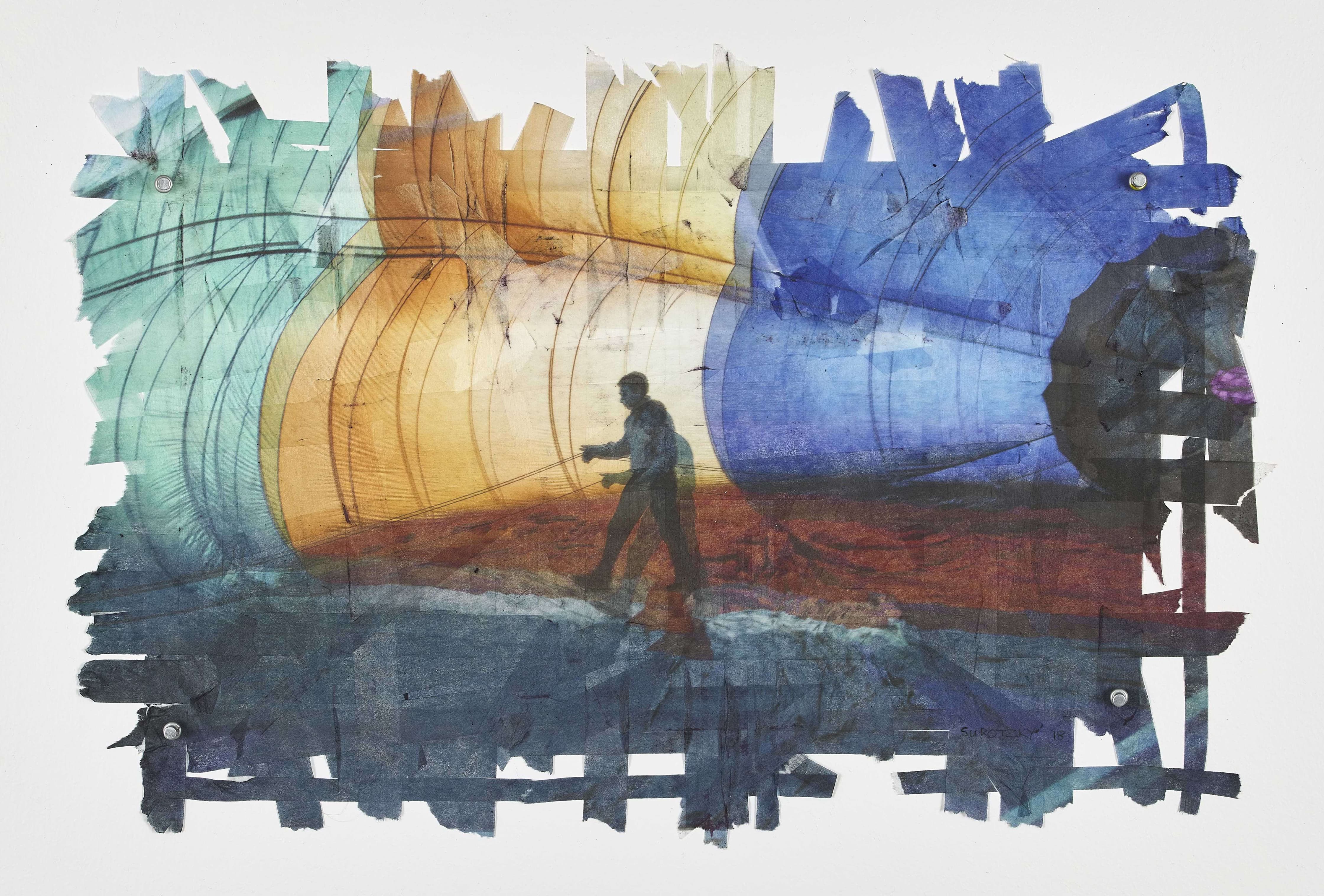
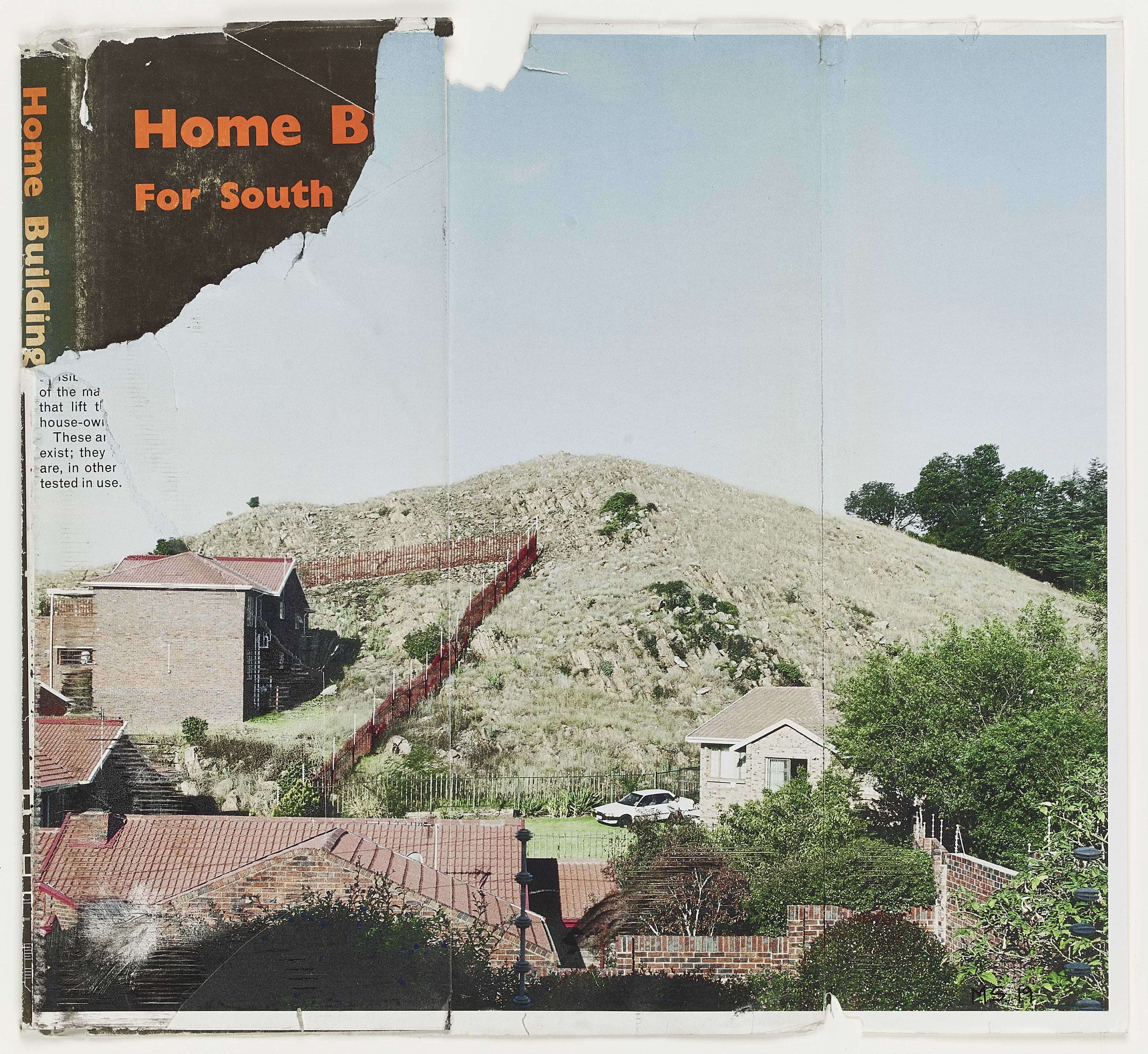
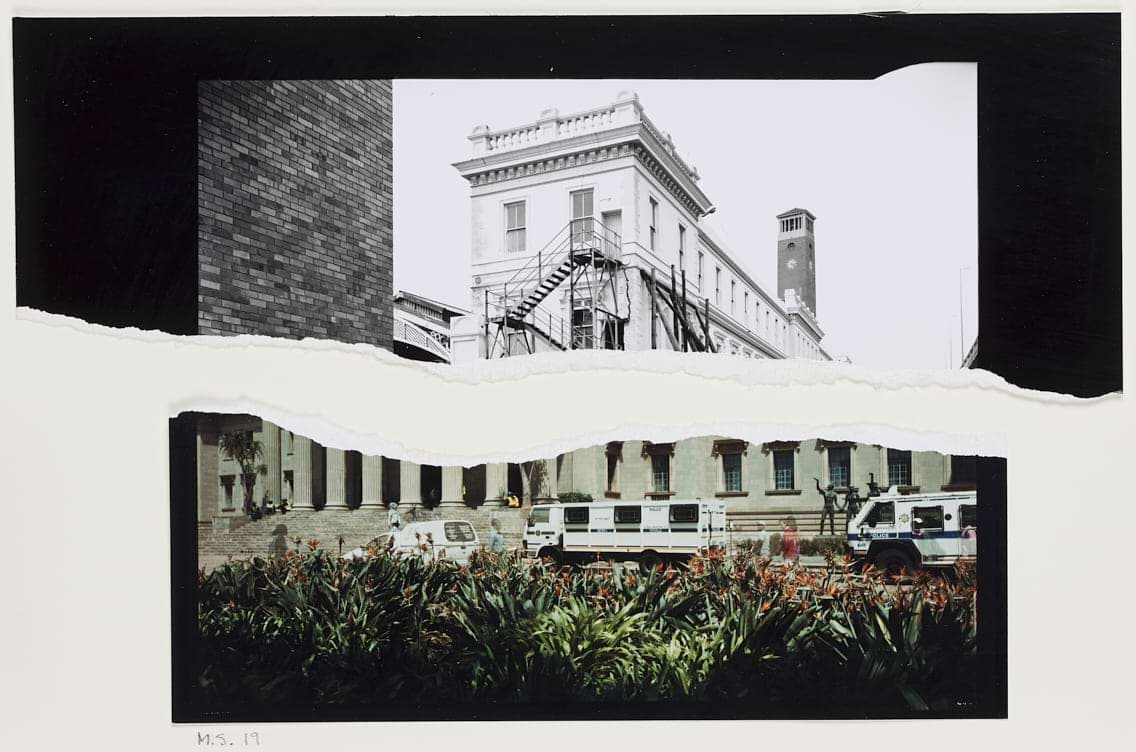
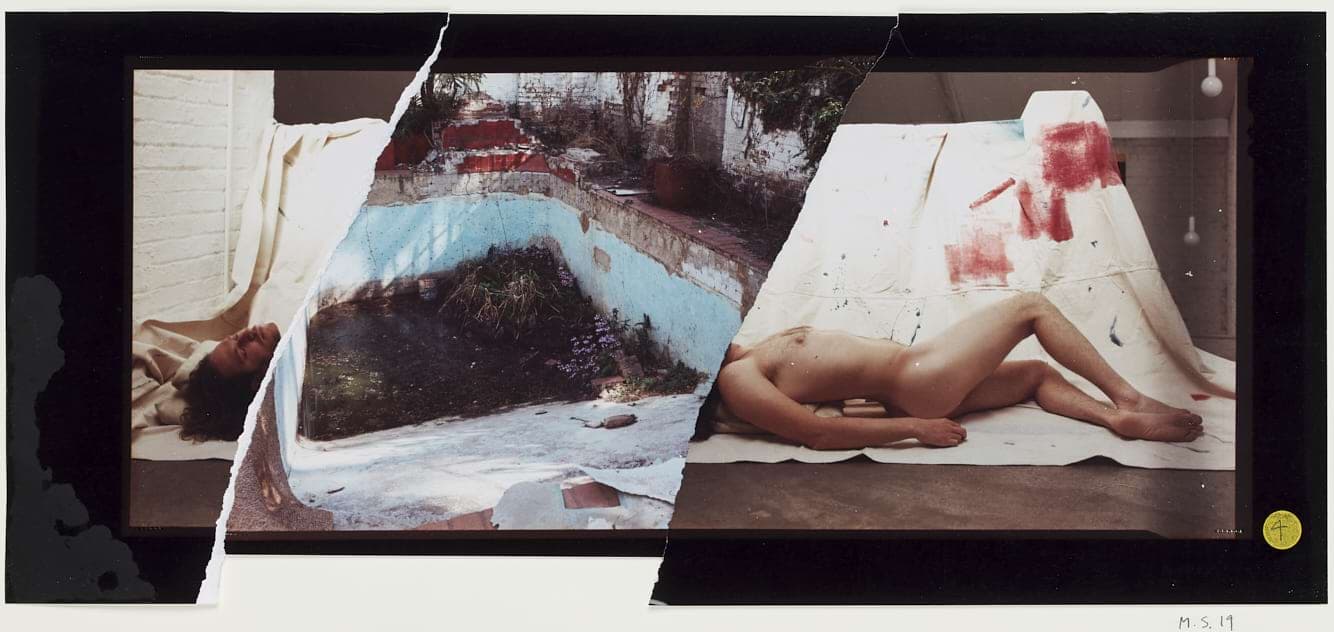
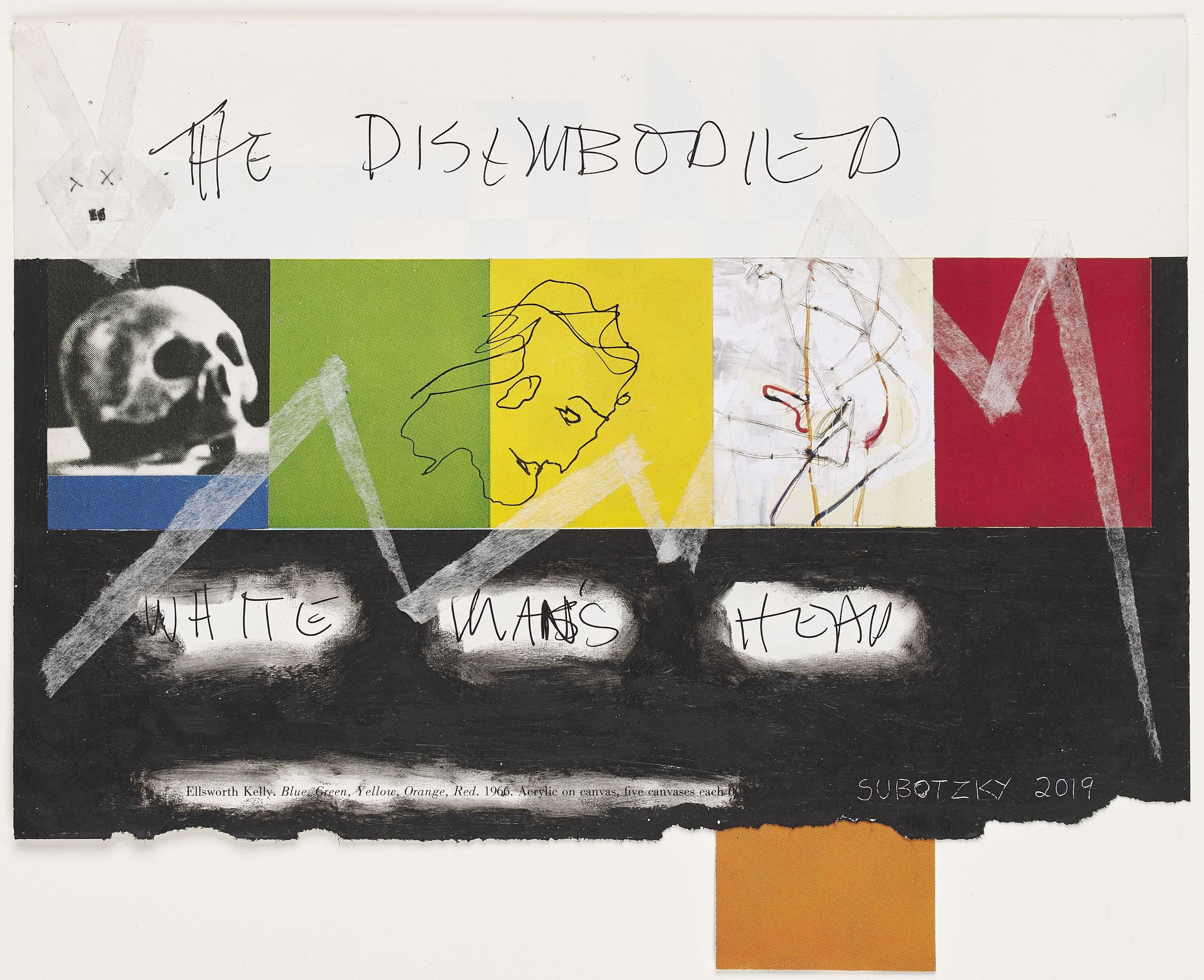
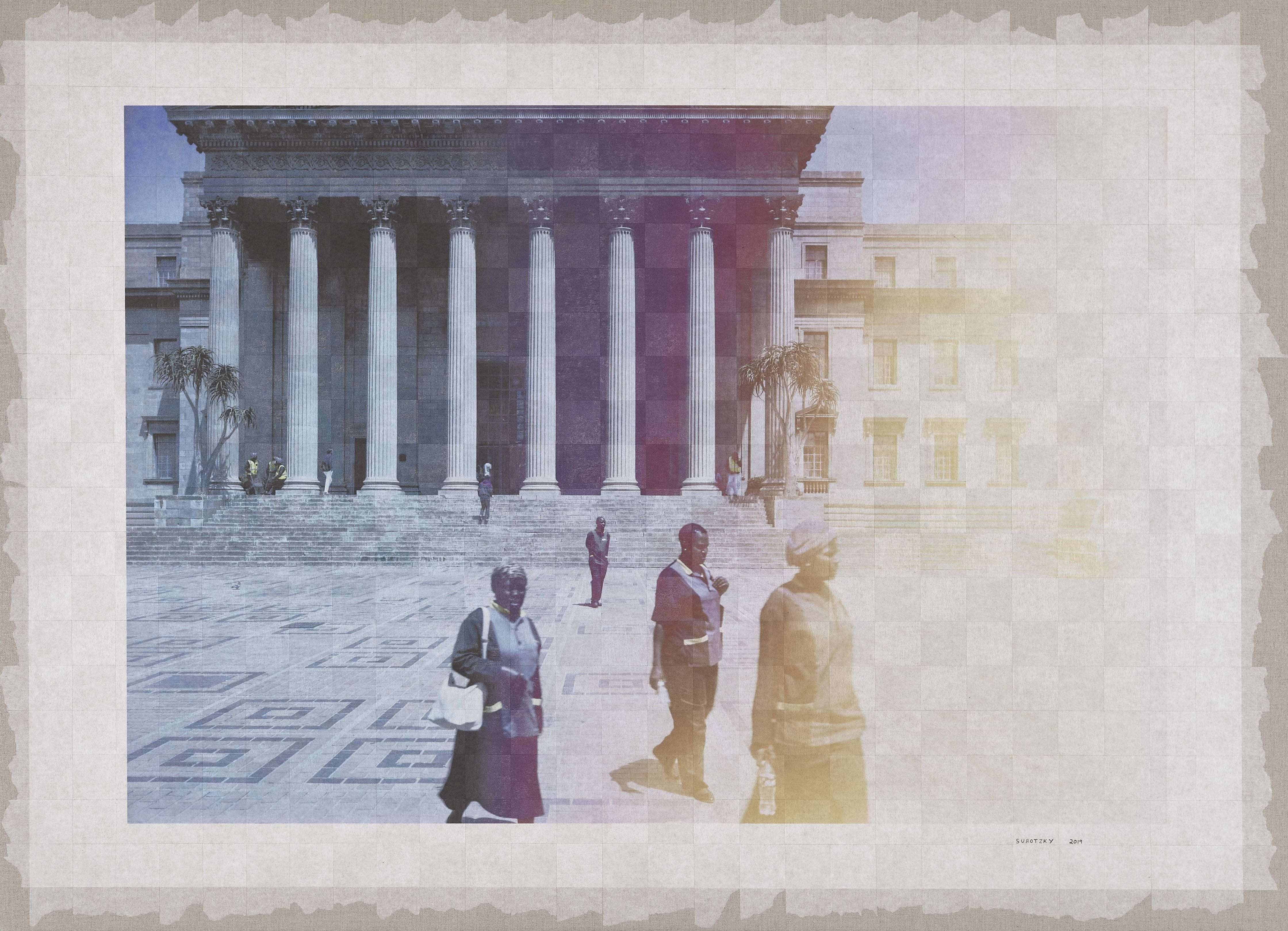
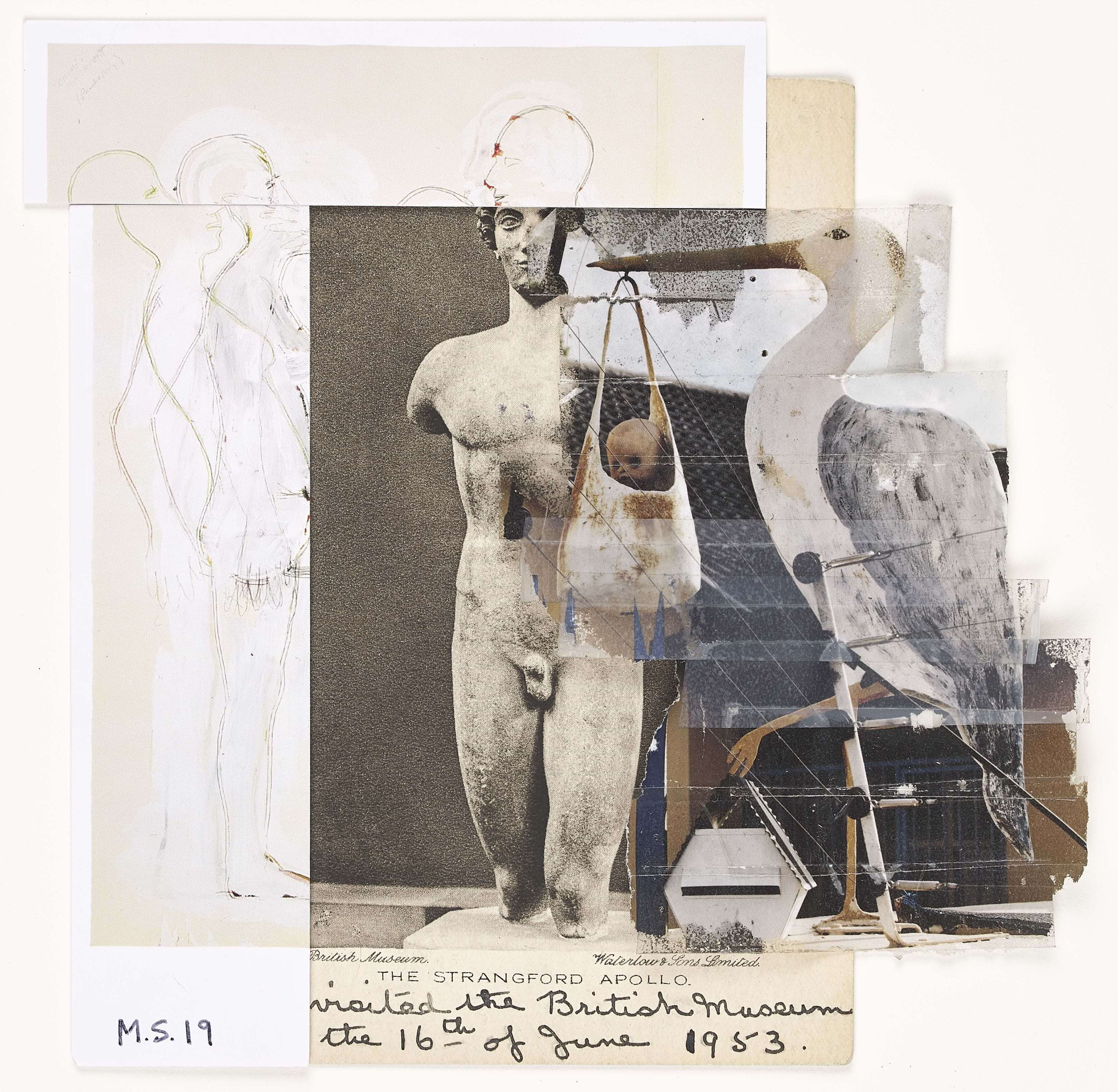
This work is part of the series Massive Nerve Corpus, which included a number of works where photographs and found images were printed on micropore surgical tape, a bandage that covers and protects like a temporary skin where the body has been opened, but which can also be used to constrain movement. Its physical presence on paintings and collages thus became an important element in the deconstruction of white masculinity through a focus on the dichotomy of power and vulnerability.
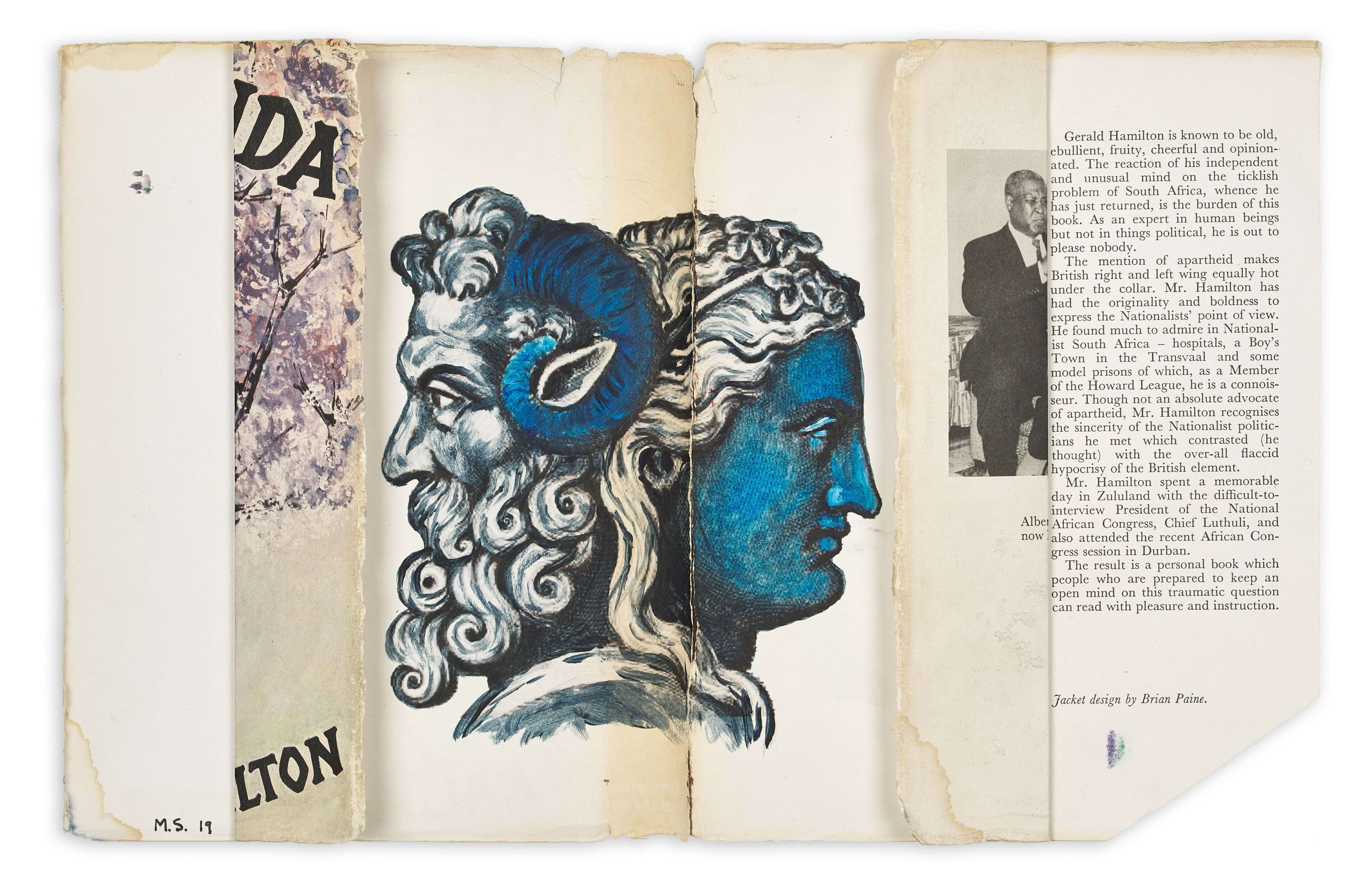
These works were created as part of the collaborative residency project Conversations in Gondwana (Centro Cultural São Paulo), staged in 2019. Mikhael Subotzky collaborated with artist Clara Ianni on an installation including these works.
About the collaborative installation:
Triangulation. The tracing or measure of a network of triangles in order to determine relative positions of various points. The use of two or more methods in a study to check results. The navigation of the unknown by the convergence of measurements taken from two known points. Coalescing.
Collaboration. The triangulation of ideas, thoughts, images, texts. A navigation towards an unknown point. Multiple points of thought, encounter, meeting. This project has existed in the ether, attempting to triangulate between Brazil and South Africa, the intermittent flow of messages, voice notes, emails, photos. Months. Then an in-person encounter in London. London, the birthplace of Eduard Suess, the originator of the theory of Gondwana.
Gondwana. A supercontinent, floating in the past, a land without borders existing in the present. These borderless exchanges, connected in a tangle of wire and electrons, the infrastructure of the art world. Our practices have passed through all of these, triangulated here, in the physical. Here, on this wall. Here, on the tip of the triangle.