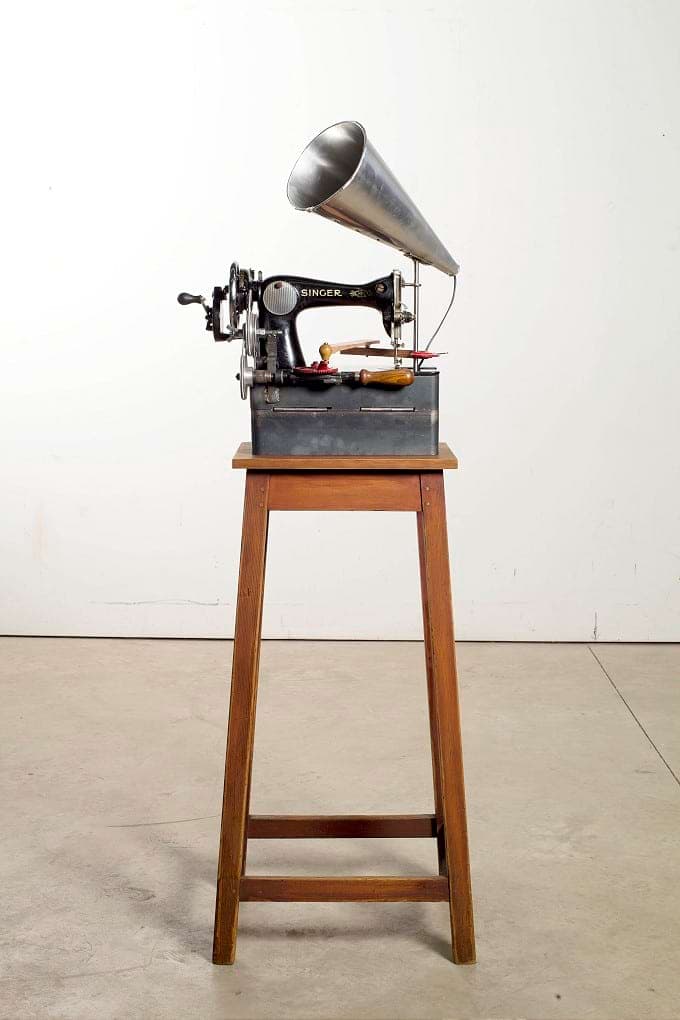
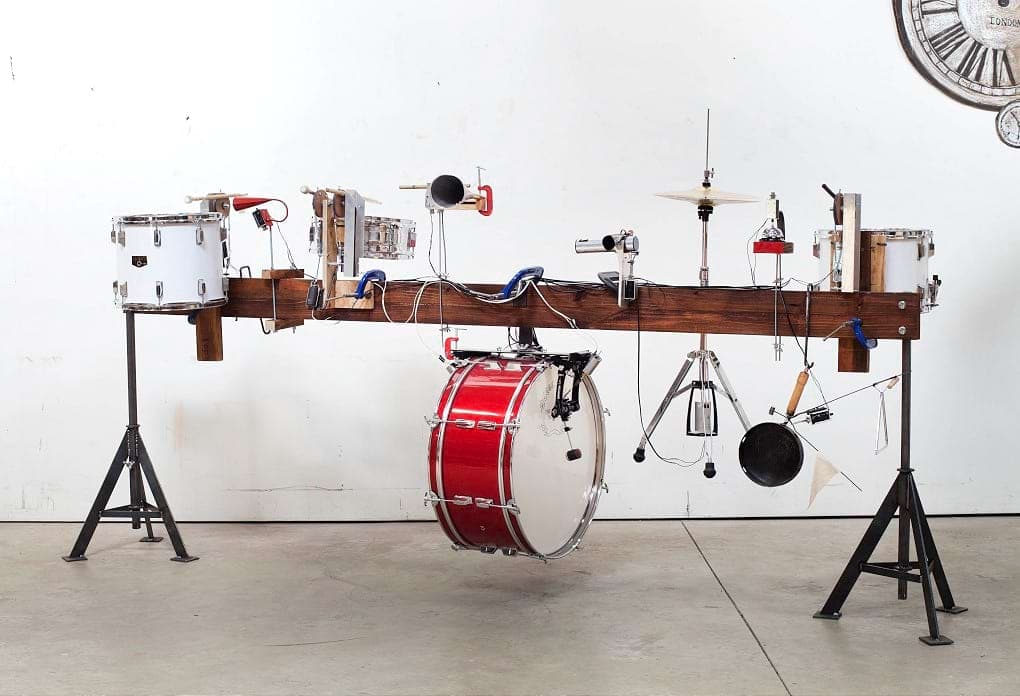
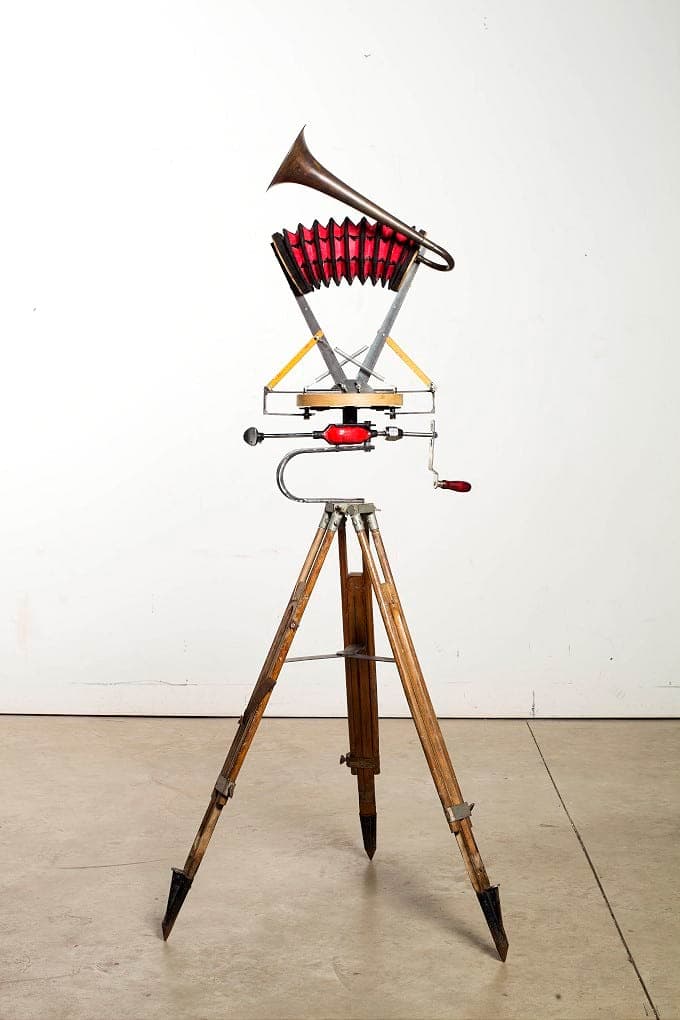
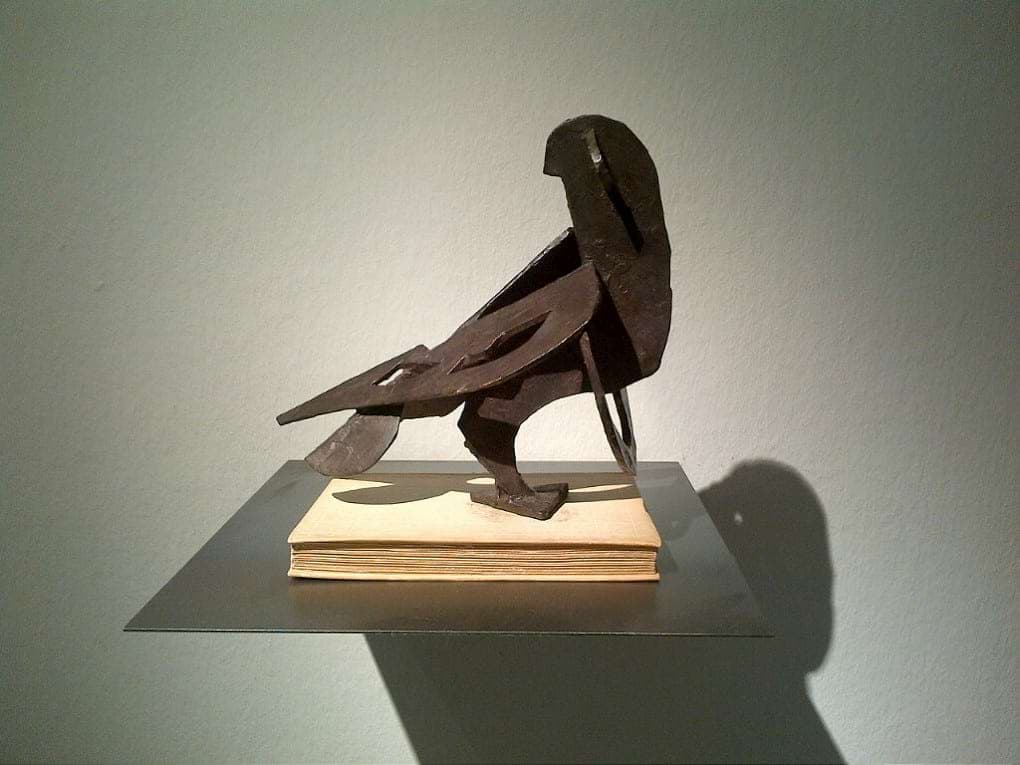
In 2019, the Norval Foundation in Cape Town, South Africa opened William Kentridge’s acclaimed exhibition Why Should I Hesitate: Sculpture, which is the first exhibition to internationally address the artists’ output as a sculptor. The exhibition highlights Kentridge’s longstanding improvisation in handling the medium of three-dimensional form, presenting objects cast in bronze that see their origin in props from his theatre productions and operas, as well as images from his widely known charcoal-based film animations.
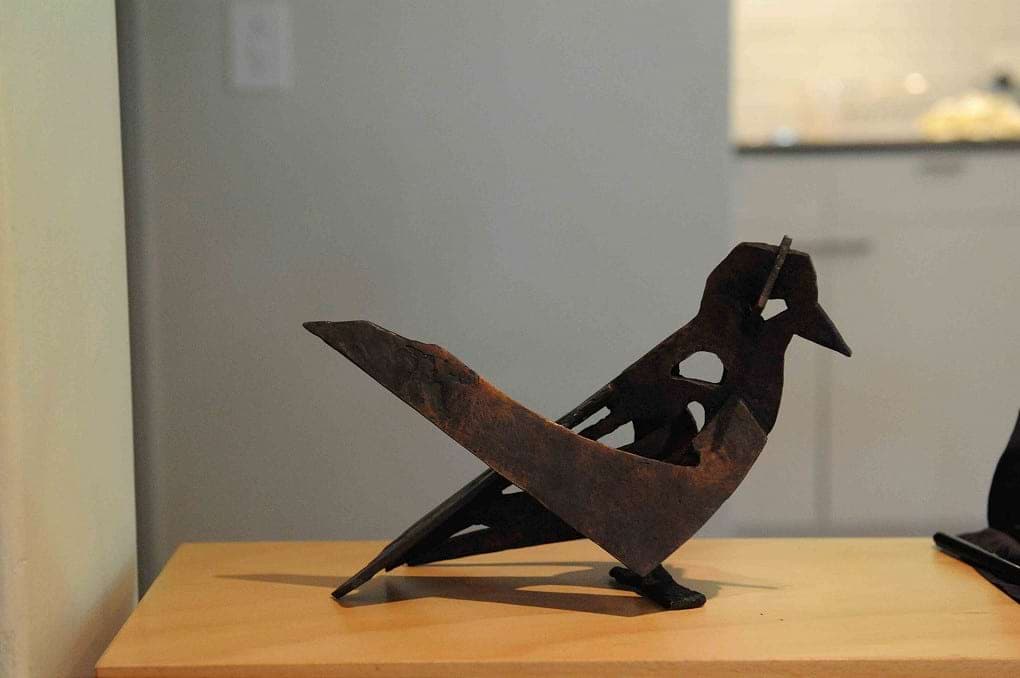
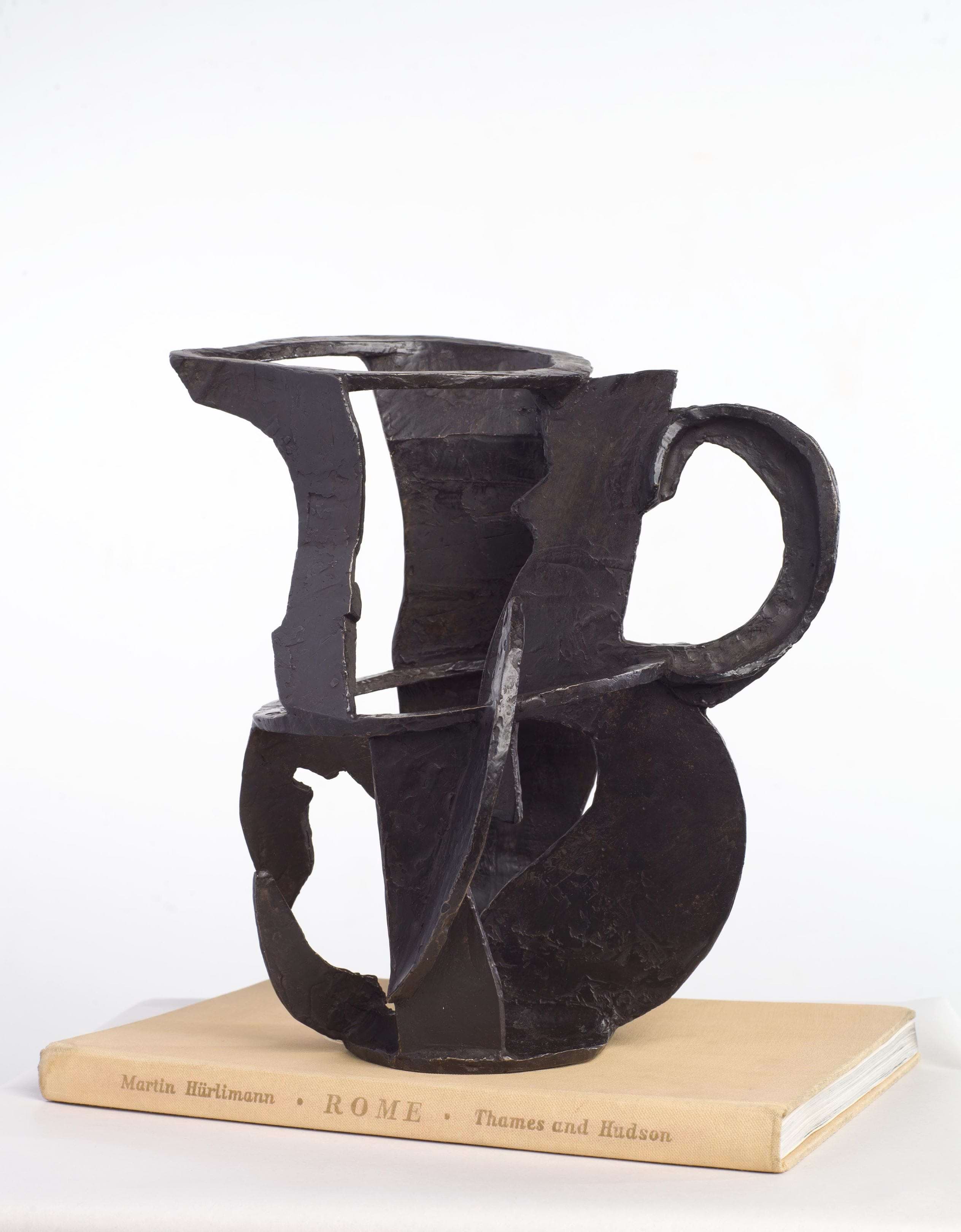
Kentridge is admired for the simplicity and the immediacy of the images that he creates. As an extension from the iconic erasure-based charcoal drawings of Drawings for Projection, Kentridge began to explore other techniques that would reduce the amount of intentionality and control over a medium and it’s subject. The act of tearing black paper, leaving the final shapes that are formed up to chance, suggests how expressive an artist can be to create shapes that a viewer can apprehend as an image or an object. These shapes could then come to life as a bronze sculpture, as seen in Jug.
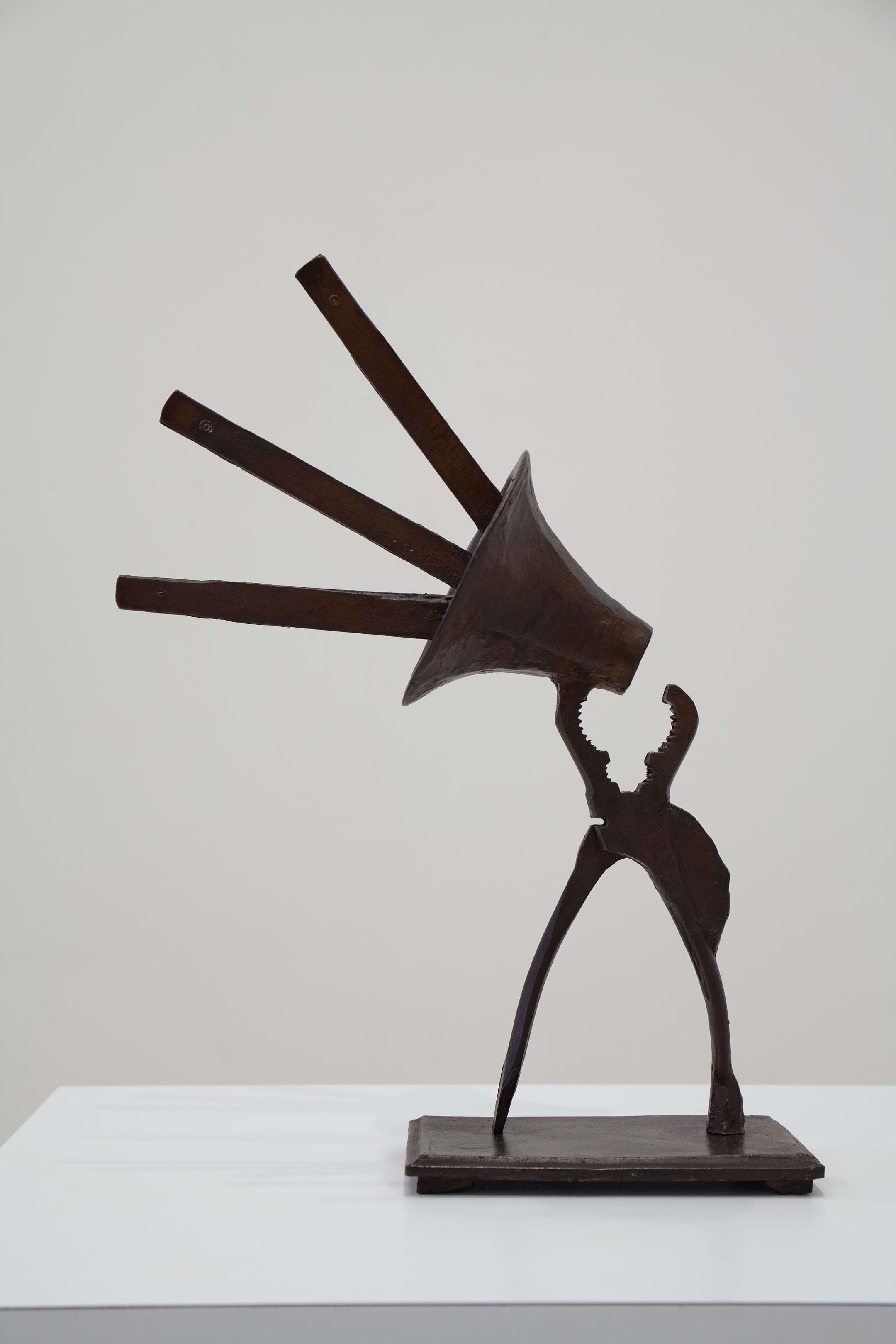
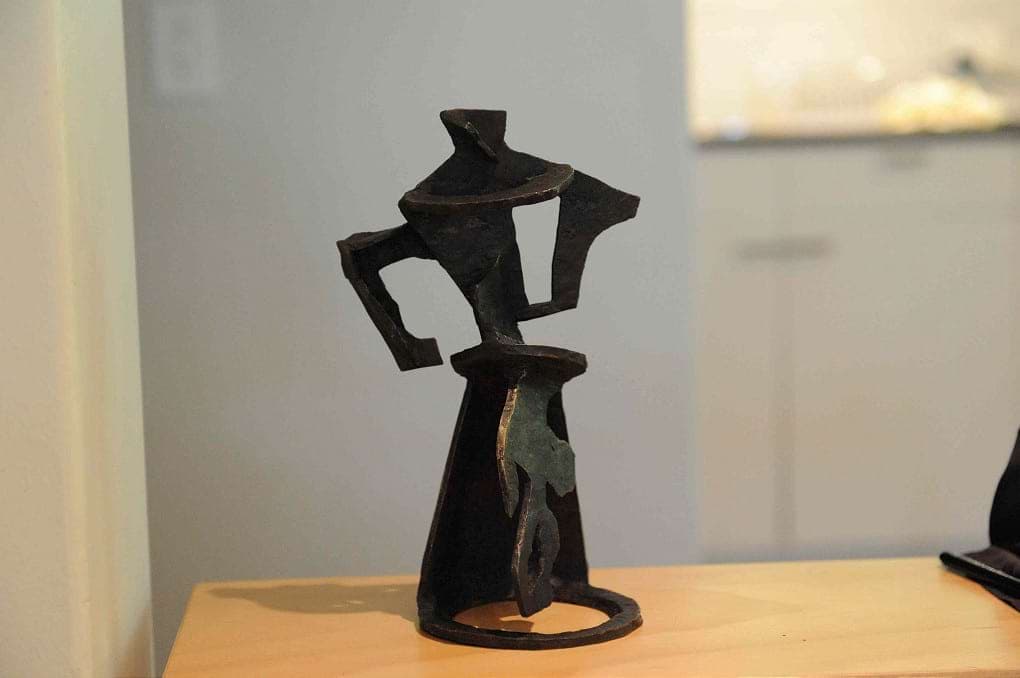
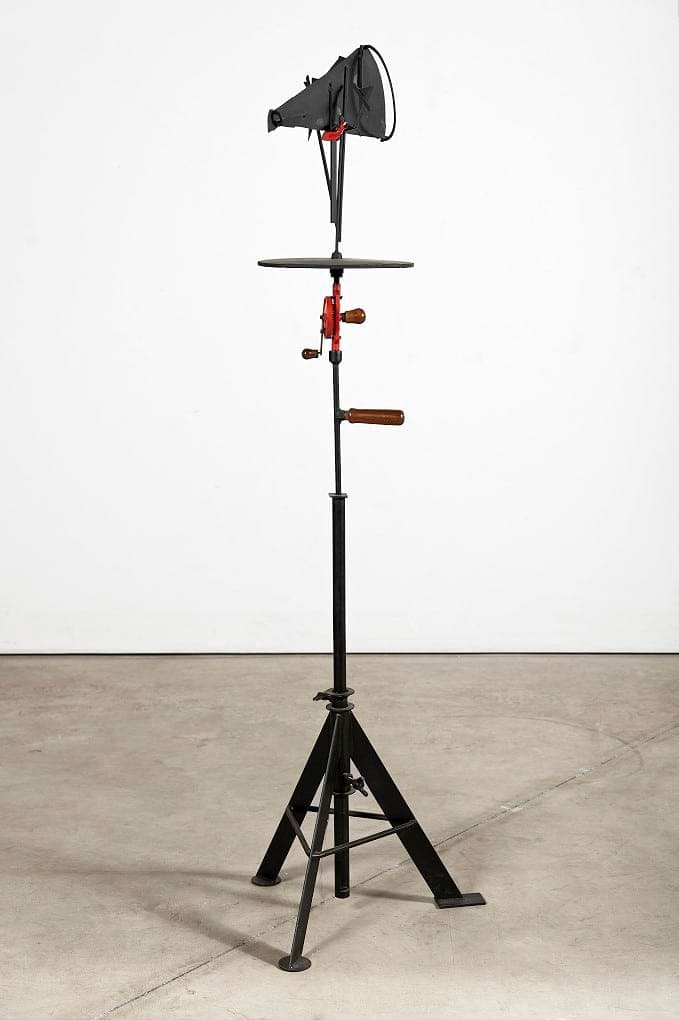
Megaphone Man and Jug are examples of Kentridge’s earlier explorations in the medium of bronze. Made in the same manner as the game of puppets he would play with his children on their birthdays, where puppets are created out of found objects around the house, these bronzes are born out of improvisation and a way of working without expectation or the pressure of an end result.
In 2019, the Norval Foundation in Cape Town, South Africa opened William Kentridge’s acclaimed exhibition Why Should I Hesitate: Sculpture, which is the first exhibition to internationally address the artists’ output as a sculptor. The exhibition highlights Kentridge’s longstanding improvisation in handling the medium of three-dimensional form, presenting objects cast in bronze that see their origin in props from his theatre productions and operas, as well as images from his widely known charcoal-based film animations.
Kentridge is admired for the simplicity and the immediacy of the images that he creates. As an extension from the iconic erasure-based charcoal drawings of Drawings for Projection, Kentridge began to explore other techniques that would reduce the amount of intentionality and control over a medium and it’s subject. The act of tearing black paper, leaving the final shapes that are formed up to chance, suggests how expressive an artist can be to create shapes that a viewer can apprehend as an image or an object. These shapes could then come to life as a bronze sculpture, as seen in Jug.
Megaphone Man and Jug are examples of Kentridge’s earlier explorations in the medium of bronze. Made in the same manner as the game of puppets he would play with his children on their birthdays, where puppets are created out of found objects around the house, these bronzes are born out of improvisation and a way of working without expectation or the pressure of an end result.
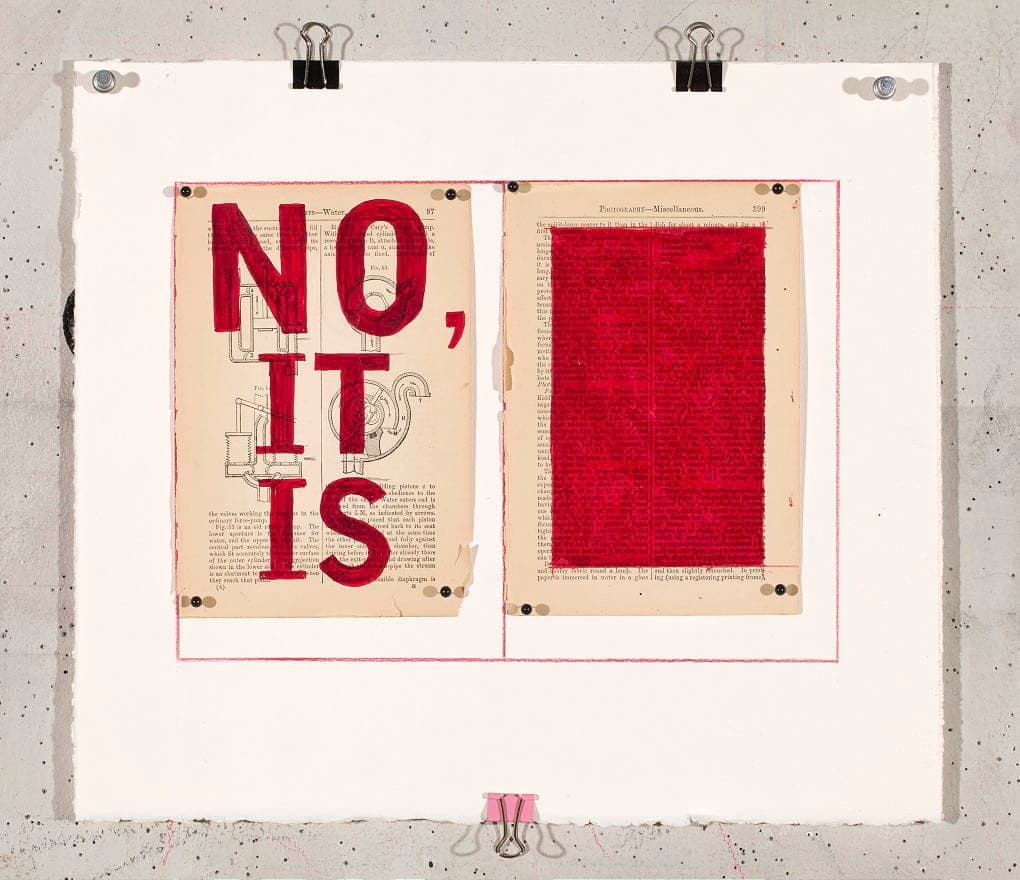
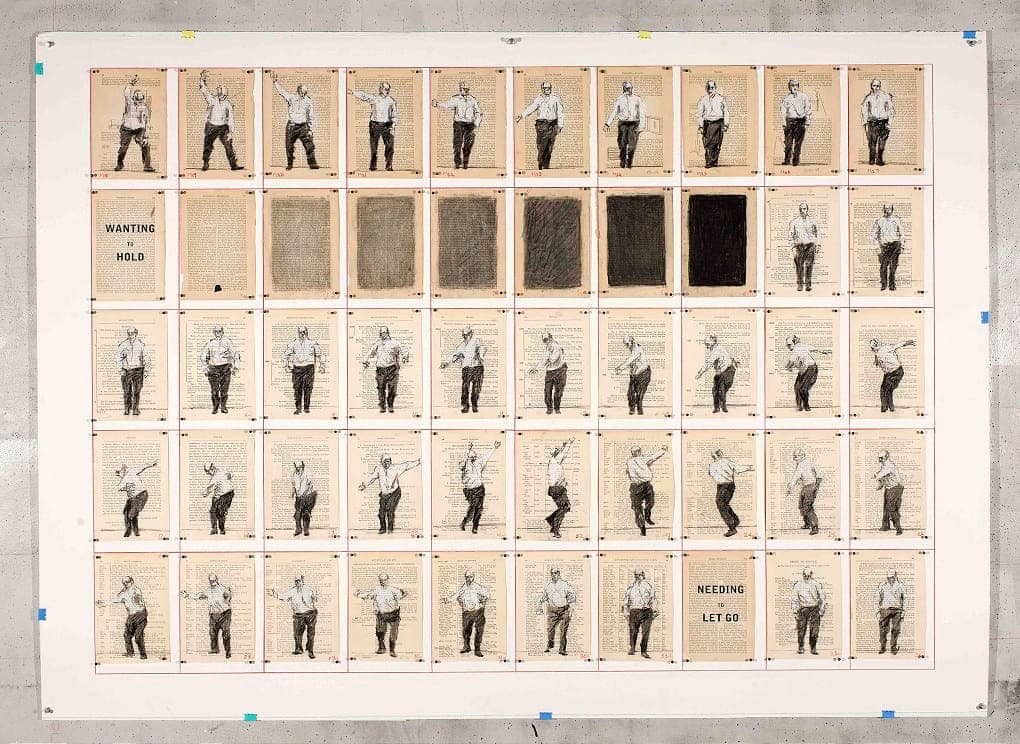
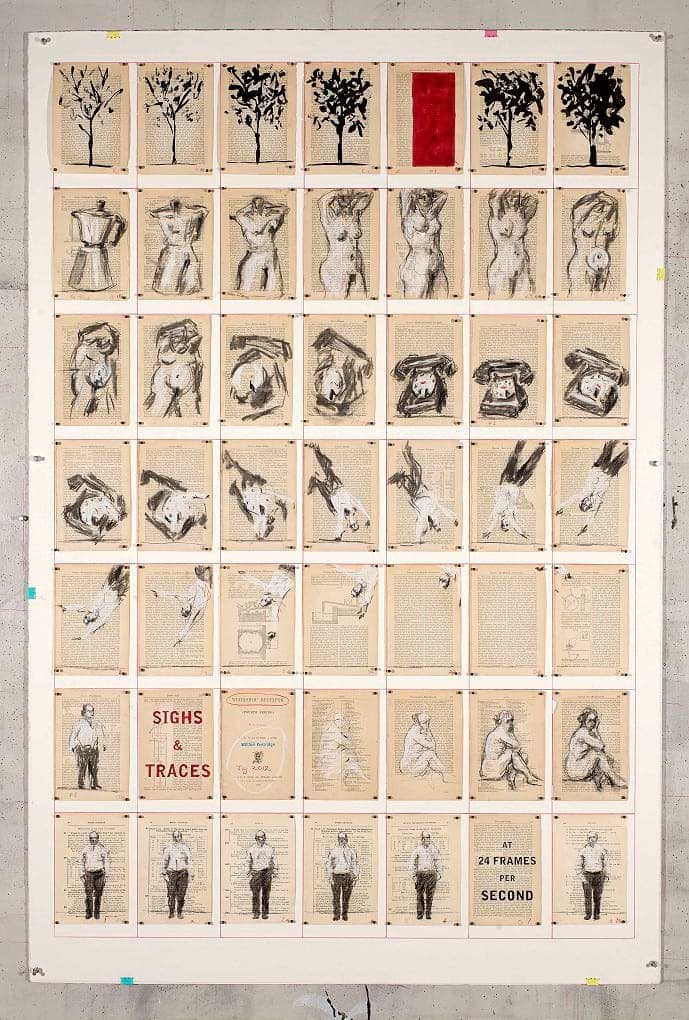
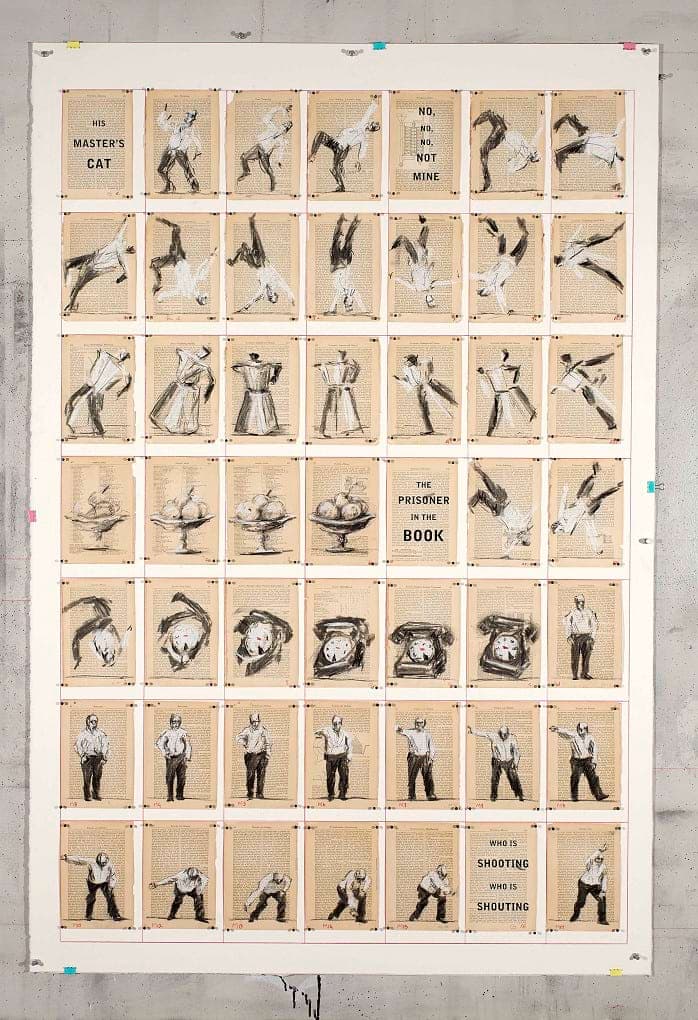
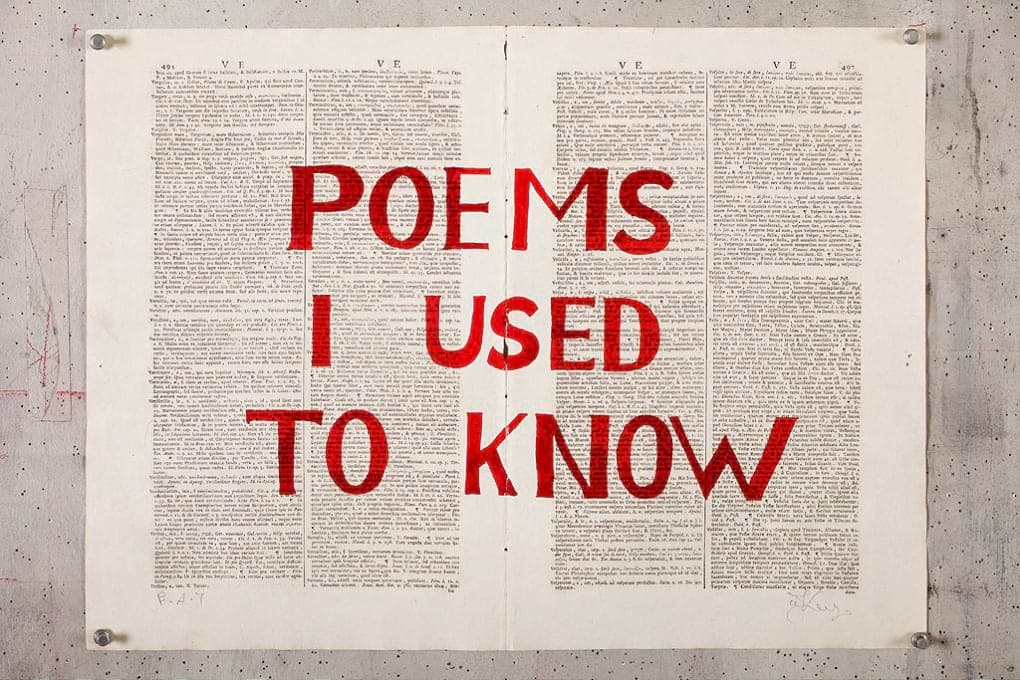
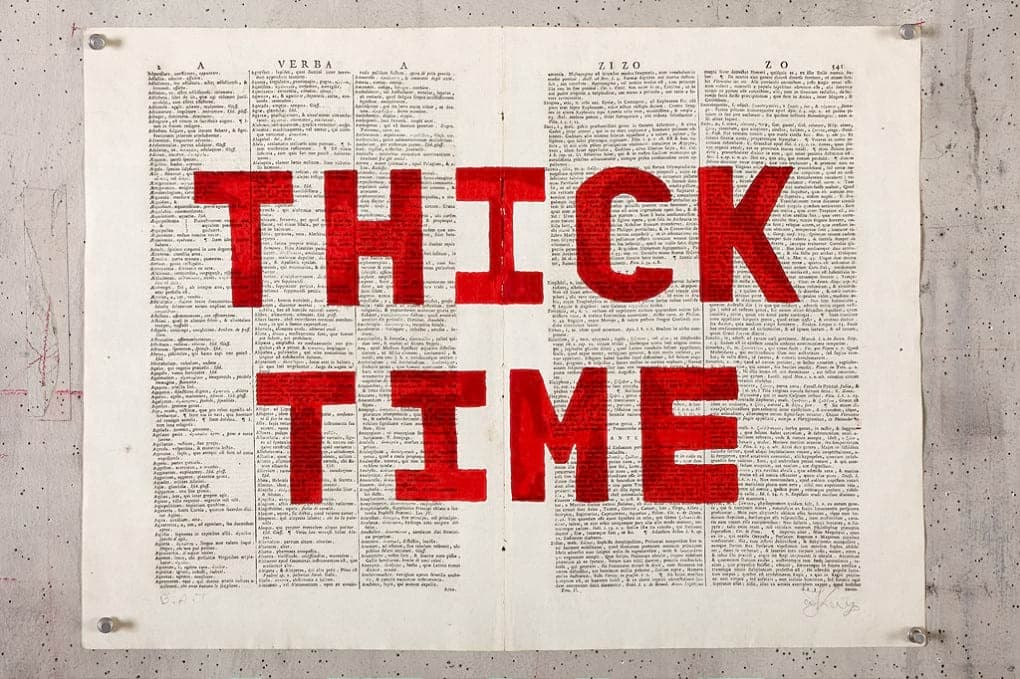
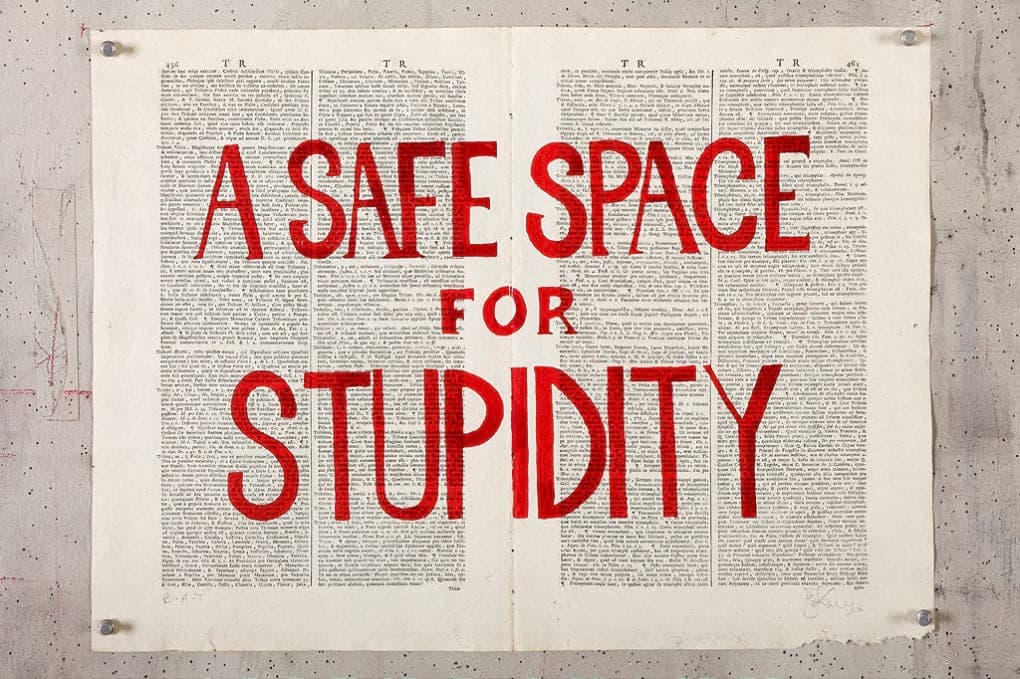
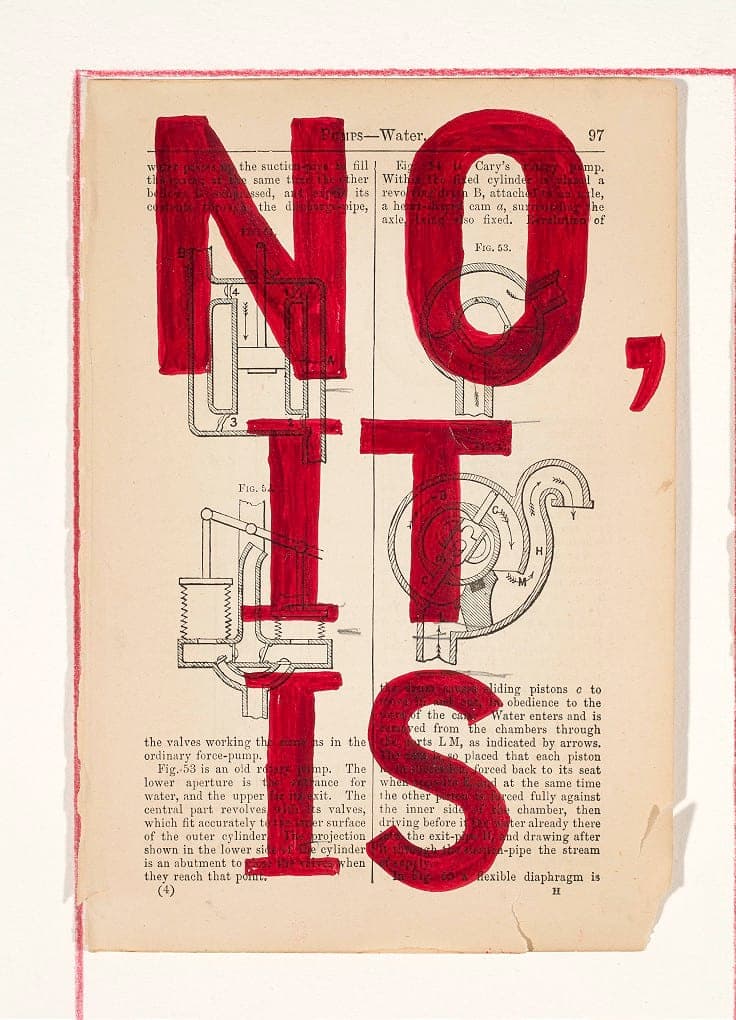
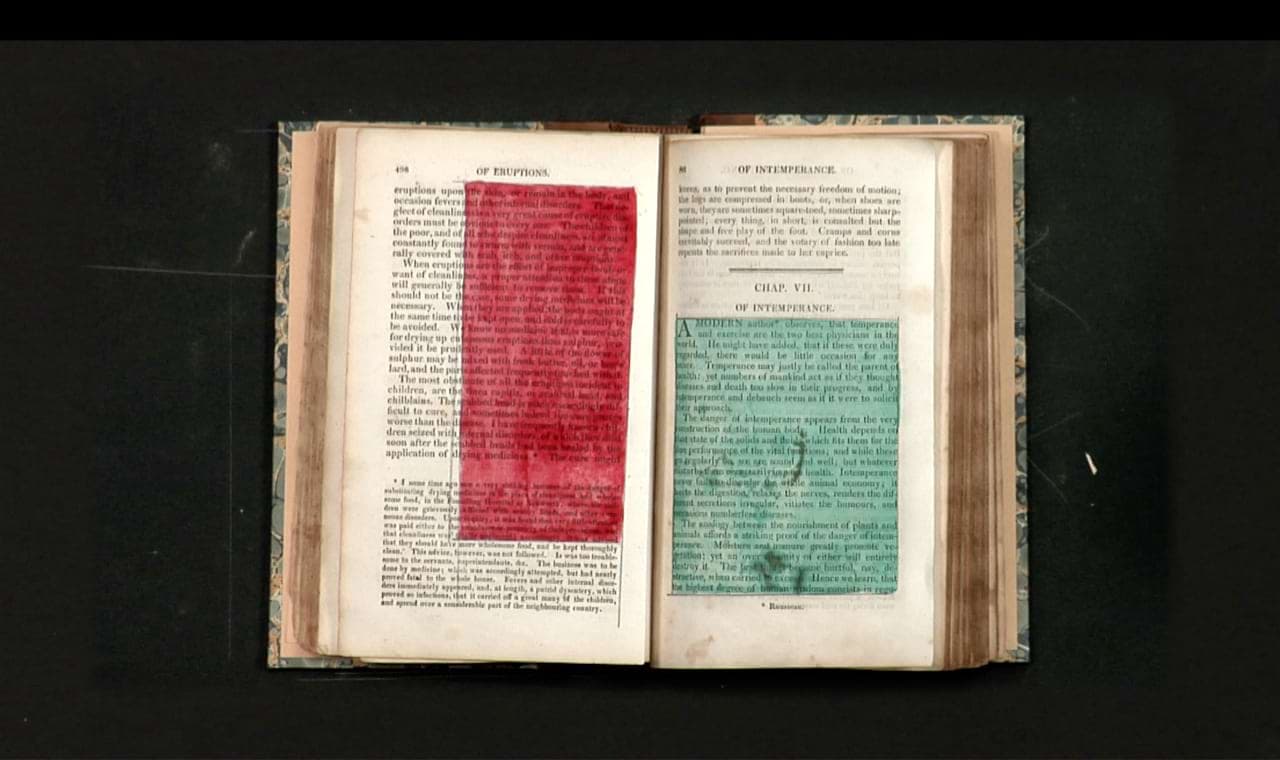
The triptych of flip book films NO, IT IS was constructed from a series of approximately 500 new drawings made by William Kentridge over a three month period toward the end of 2012.
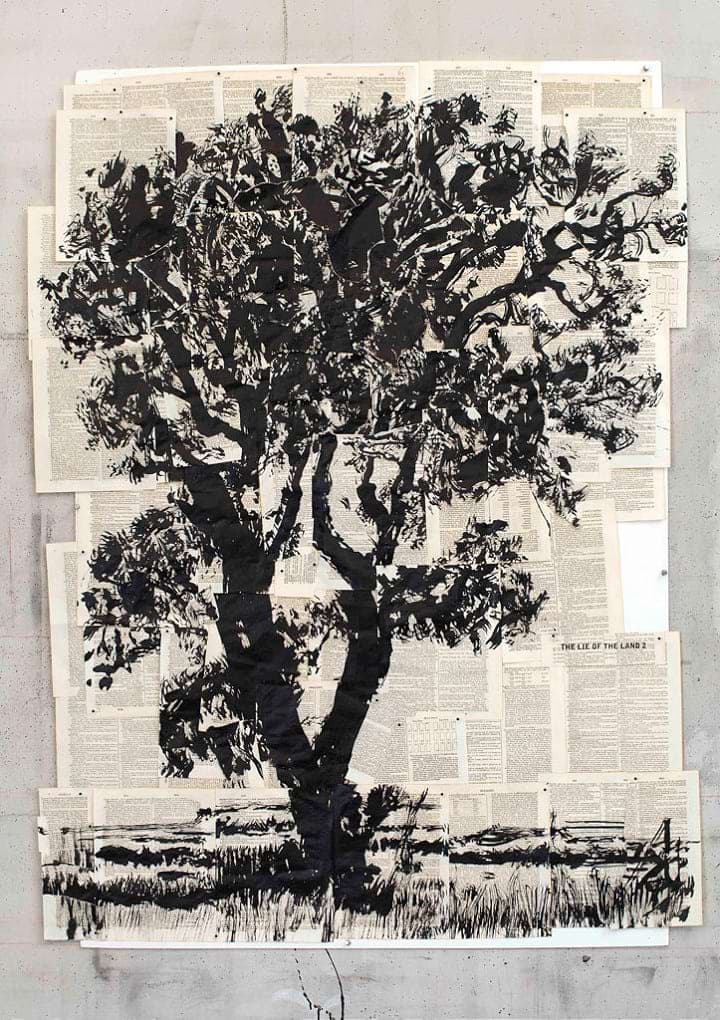
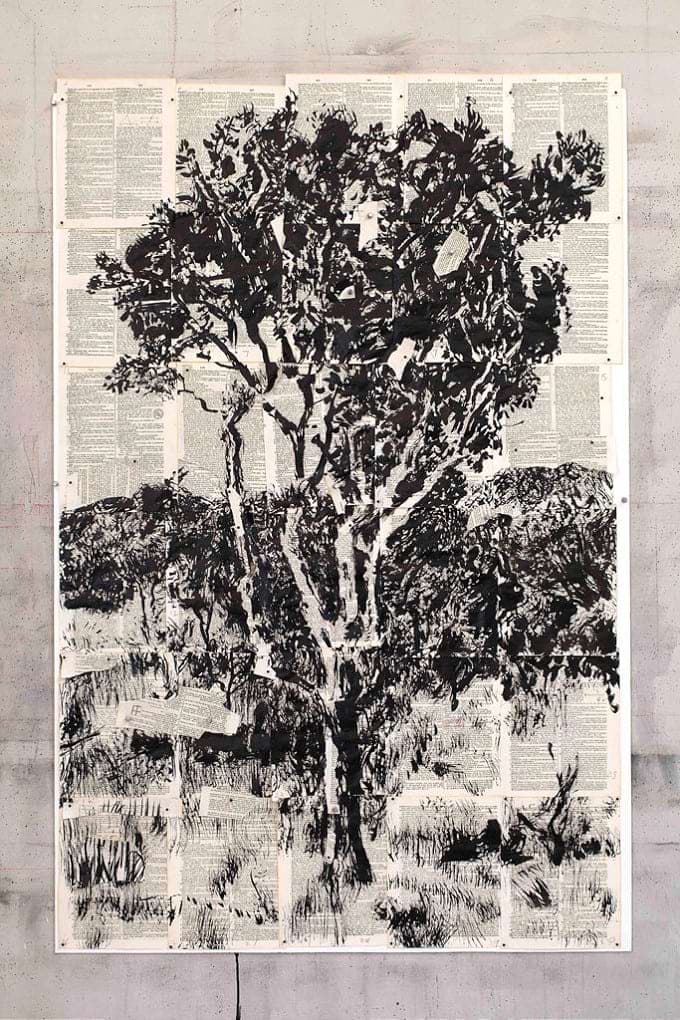
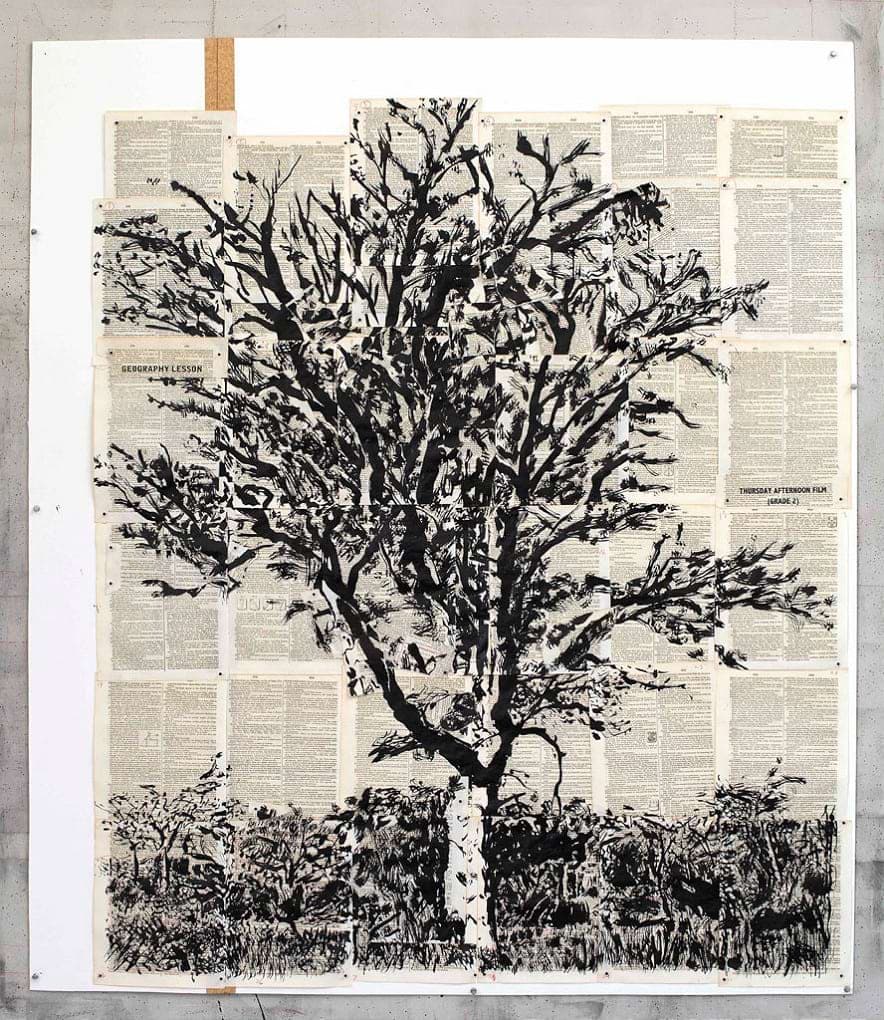
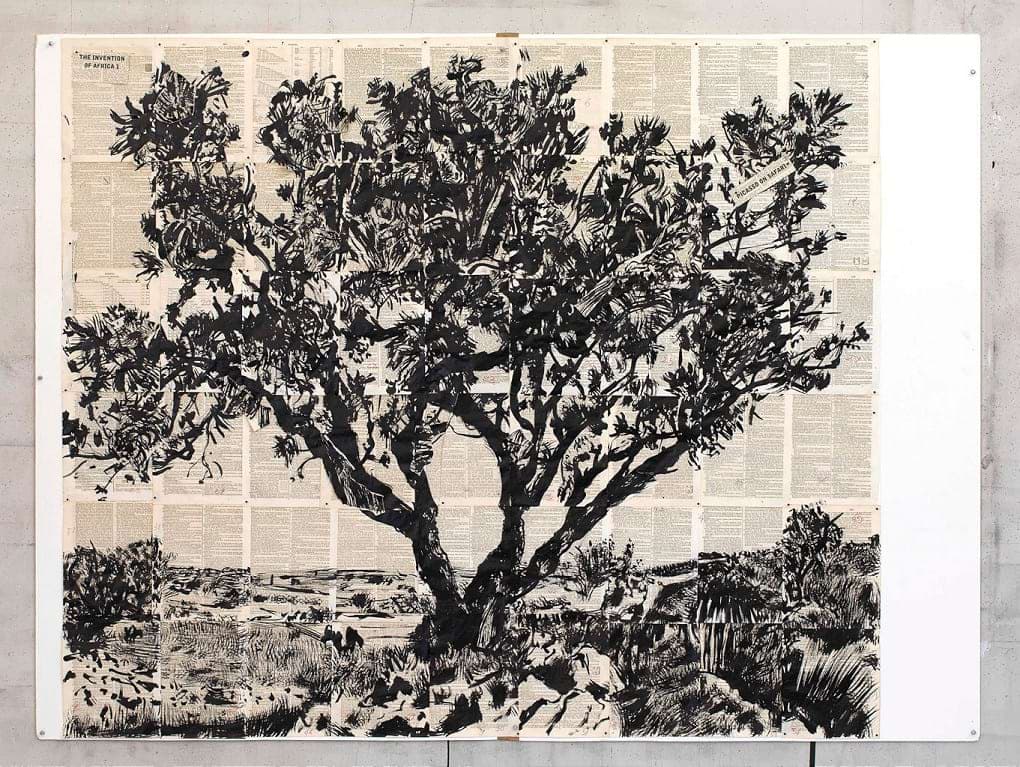
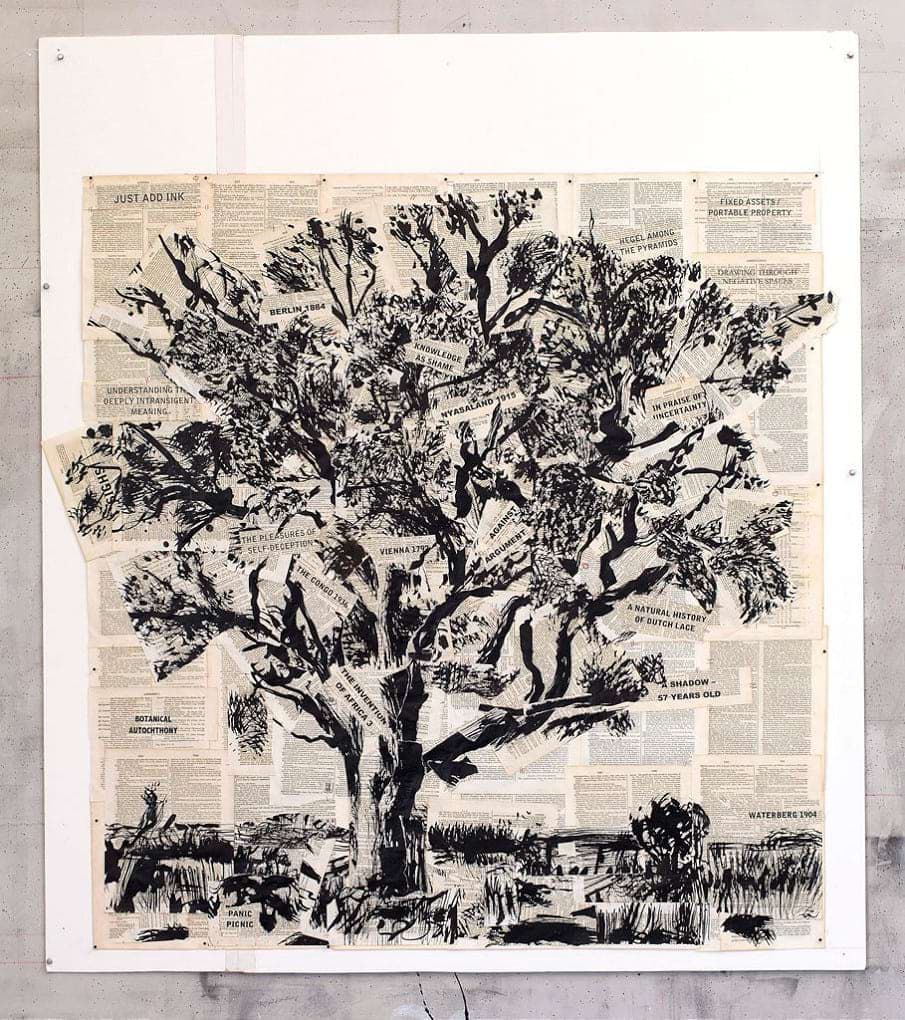
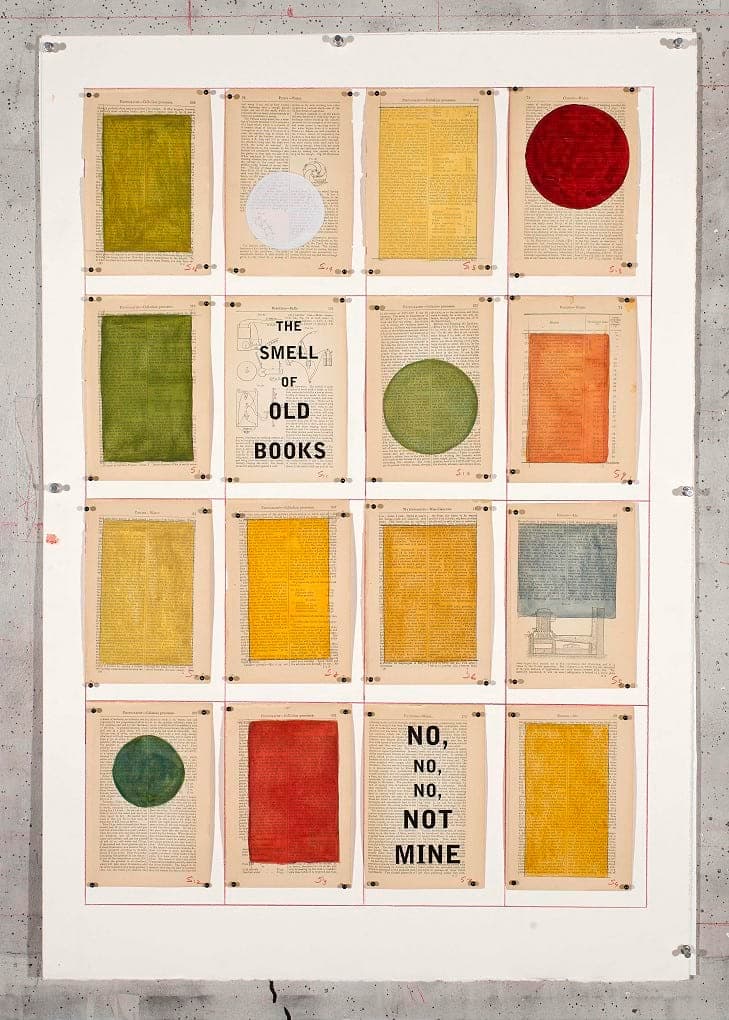
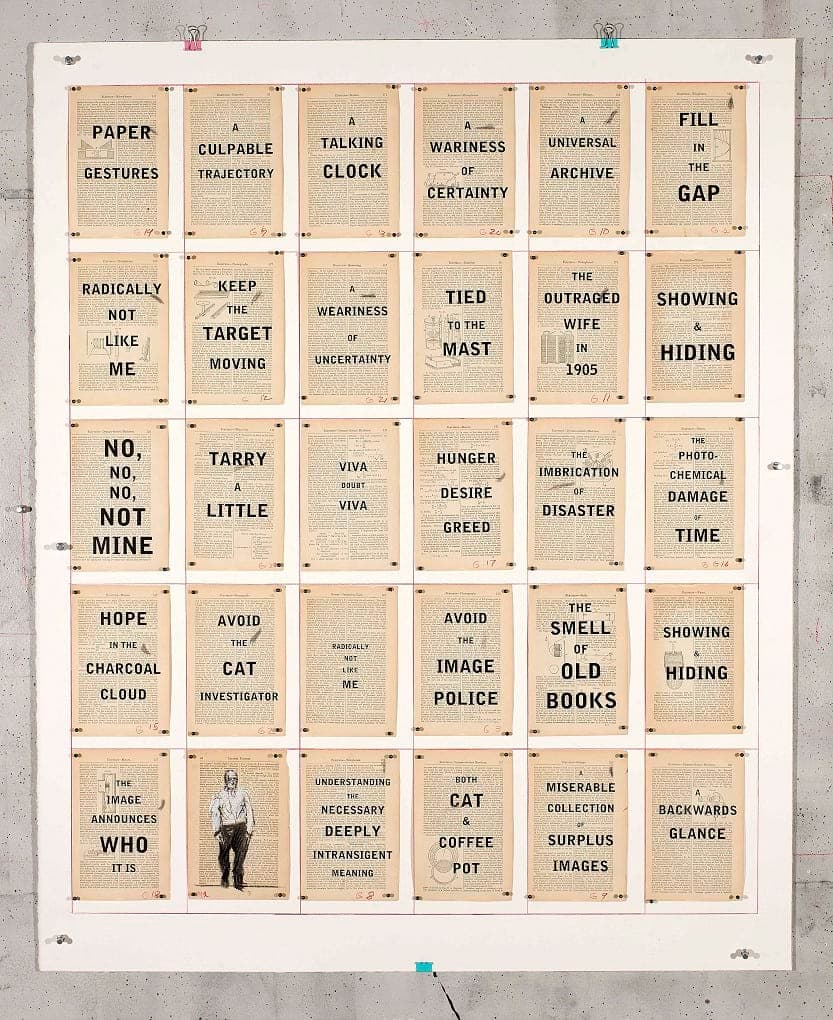
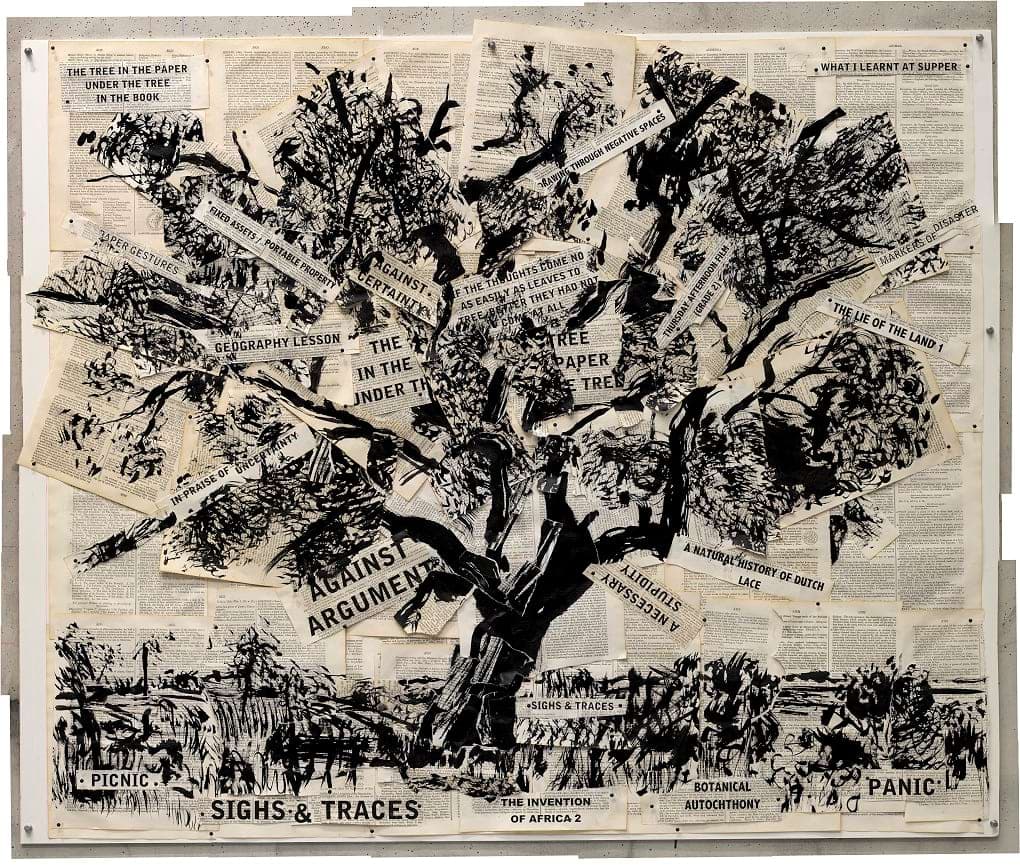
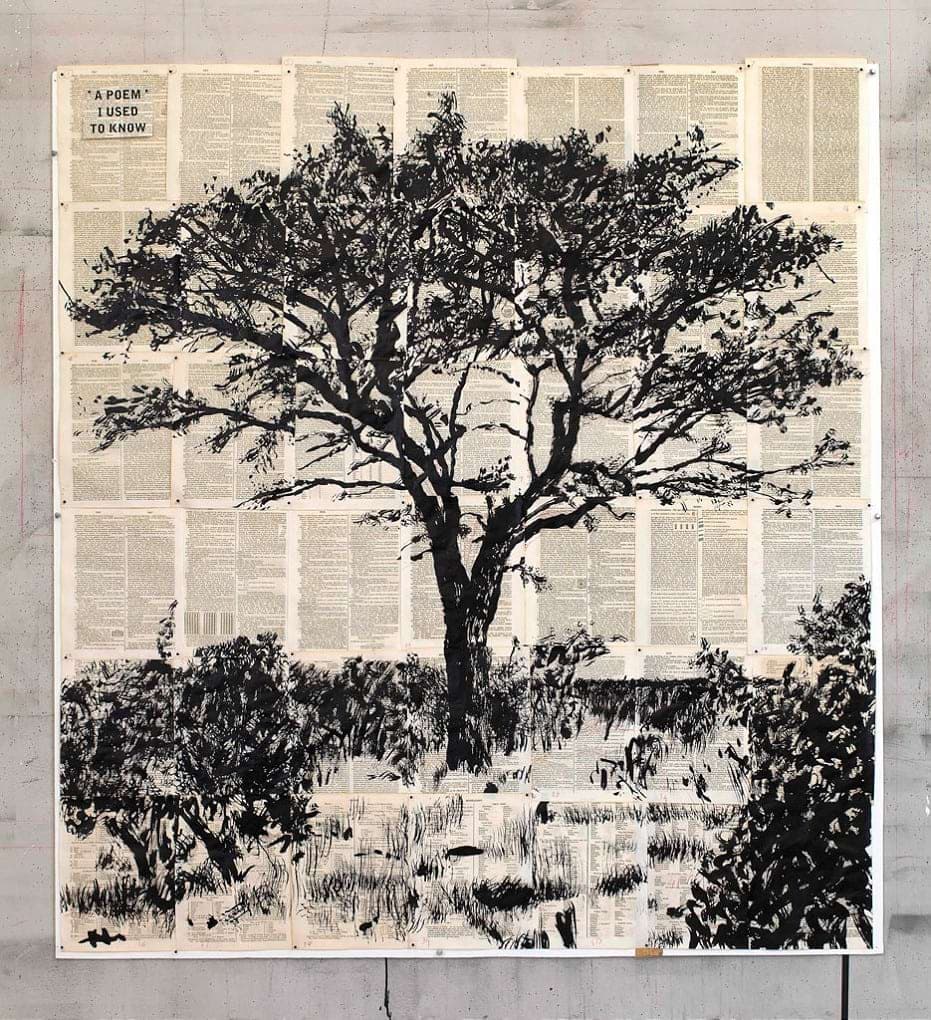
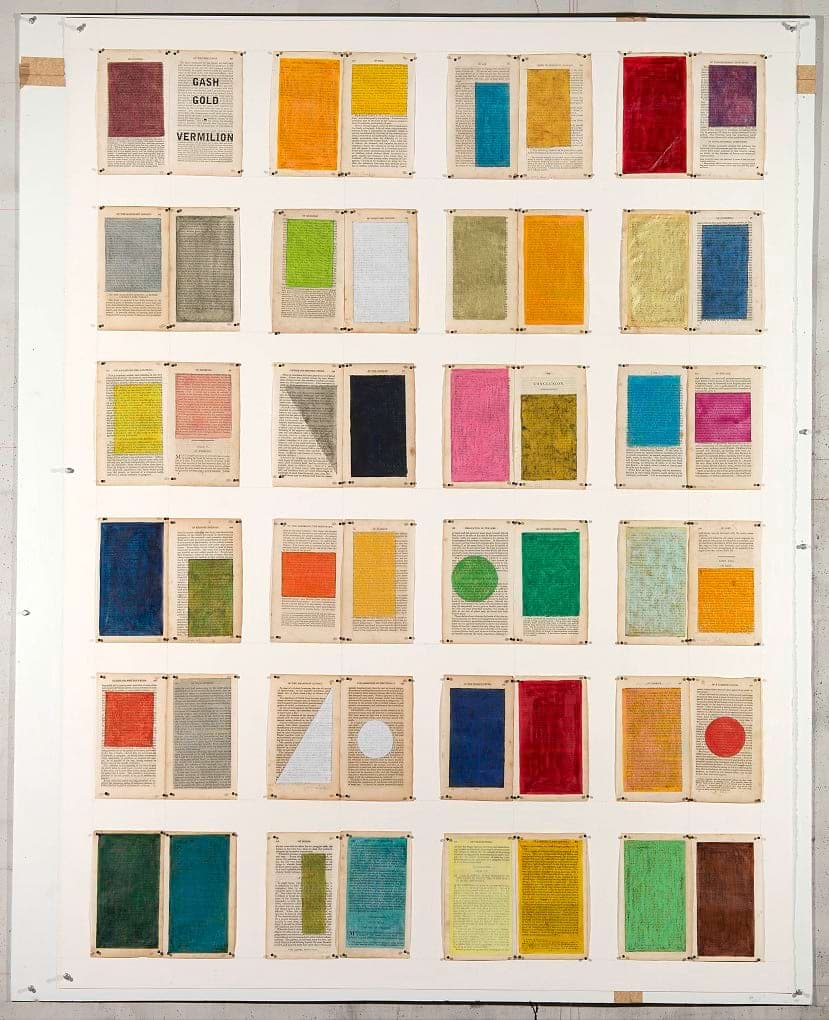
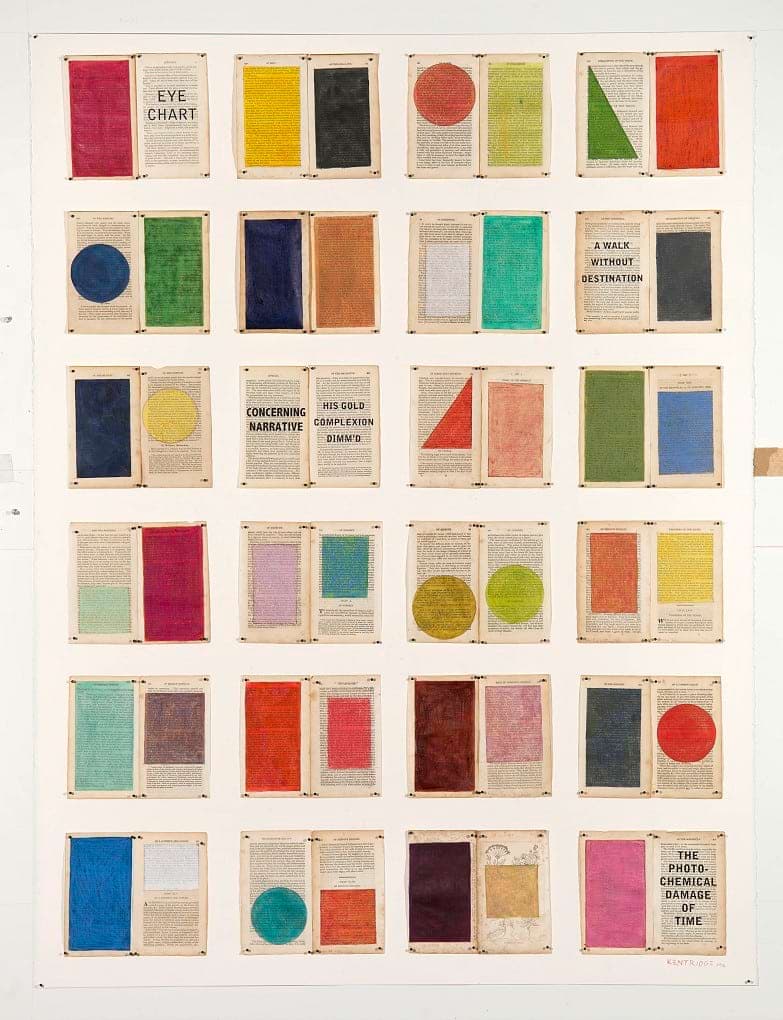
It includes sequences of self-portraits of the artist sitting down and standing up, contorting himself or dancing; text-based series; geometric blocks of color; and calligraphic renderings of trees that verge on abstraction.
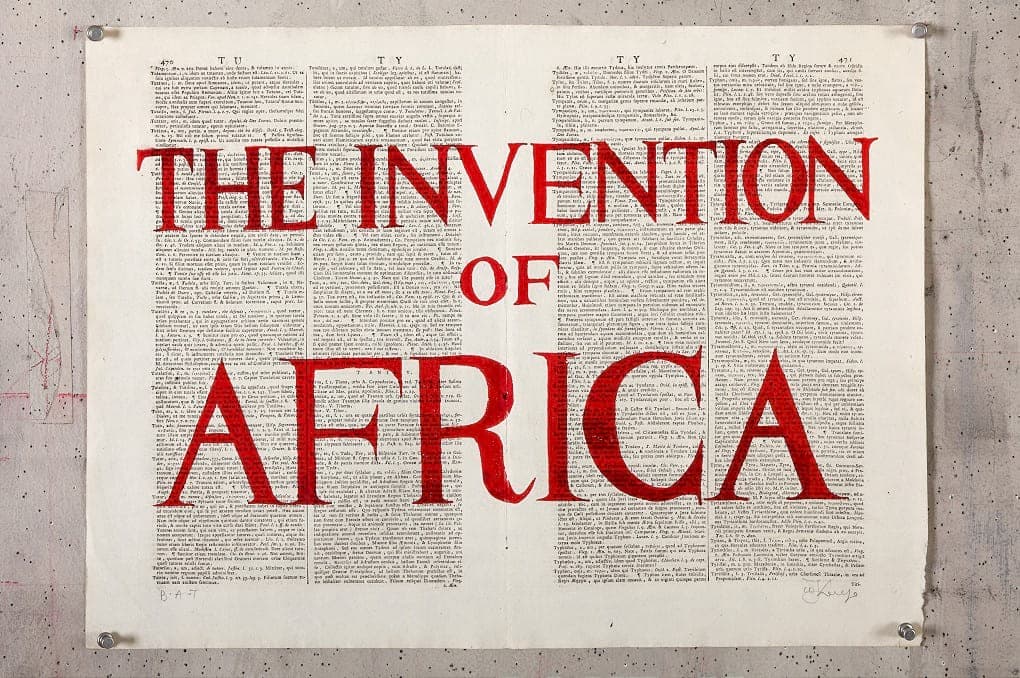
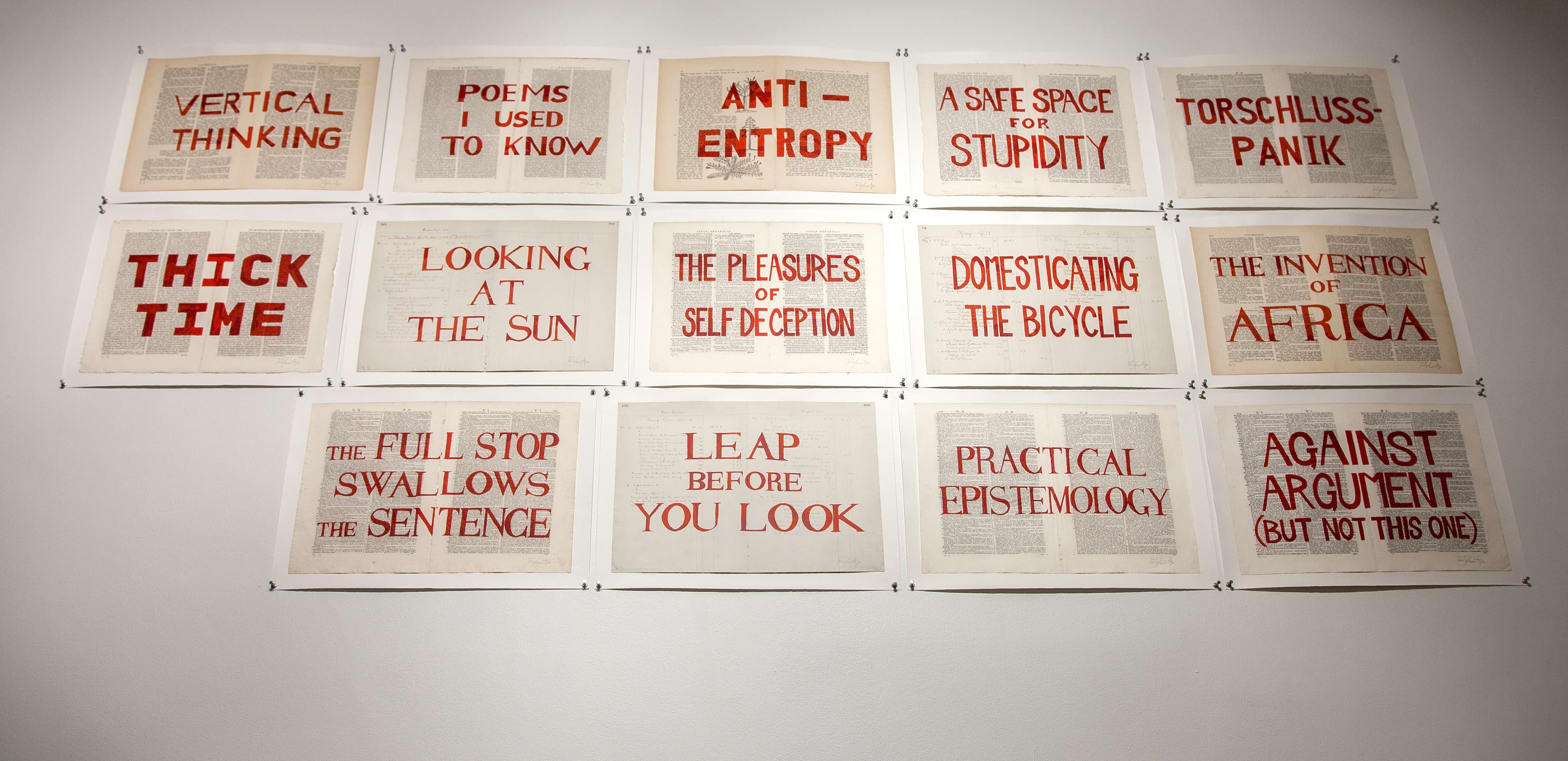
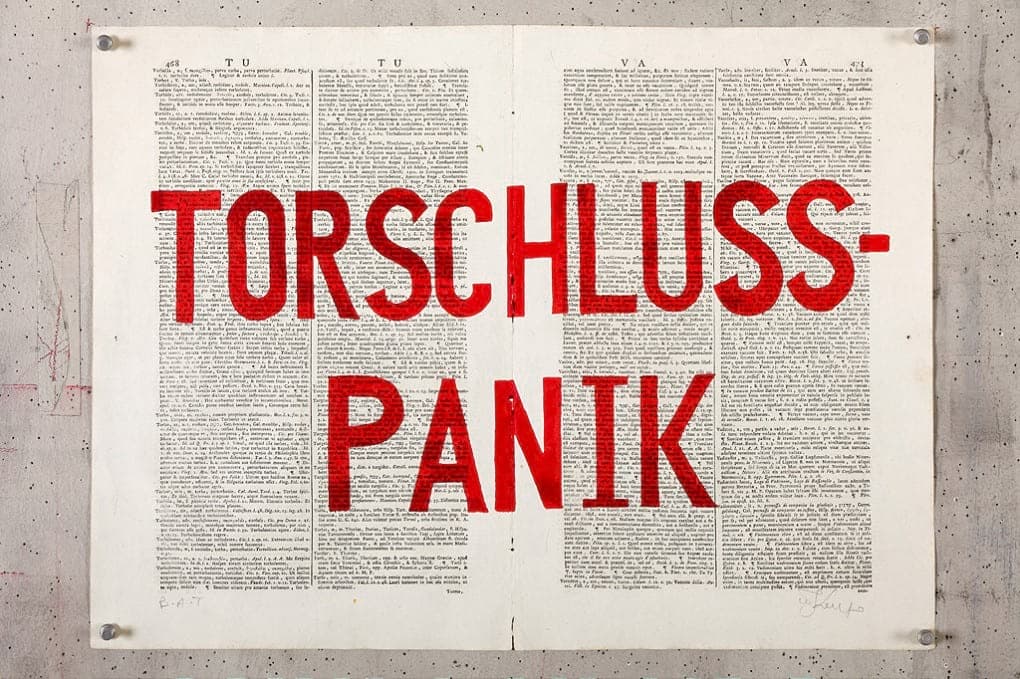
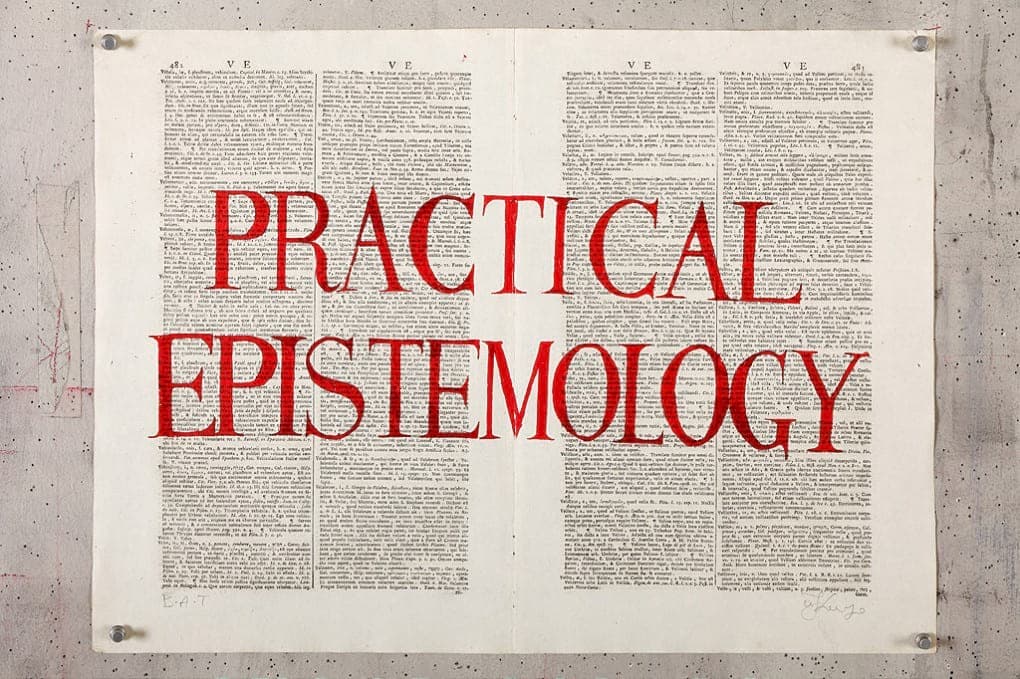
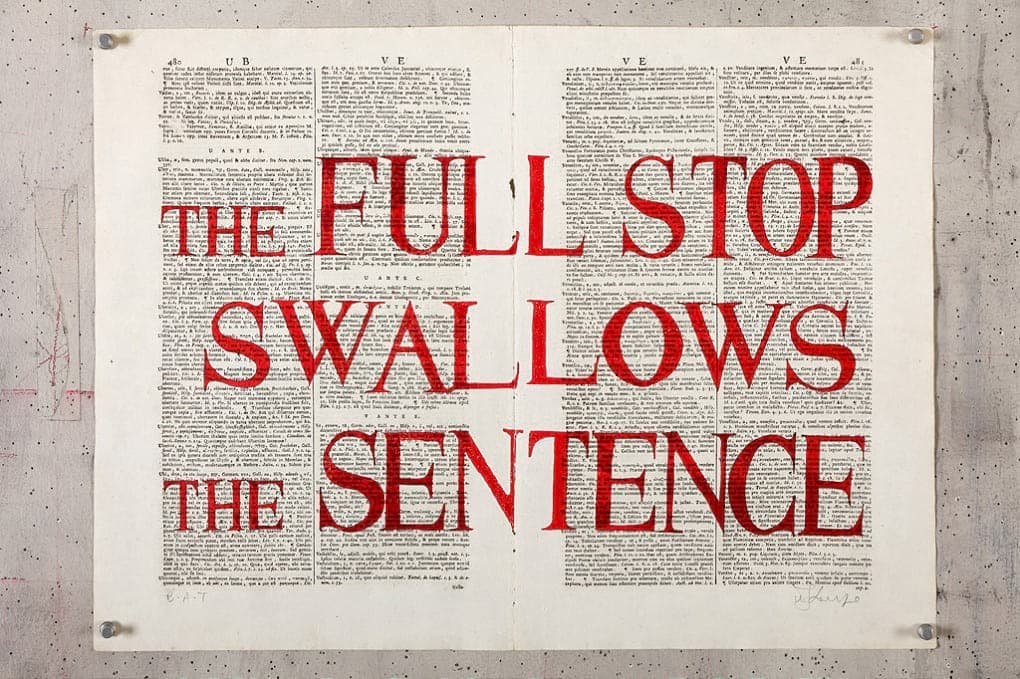
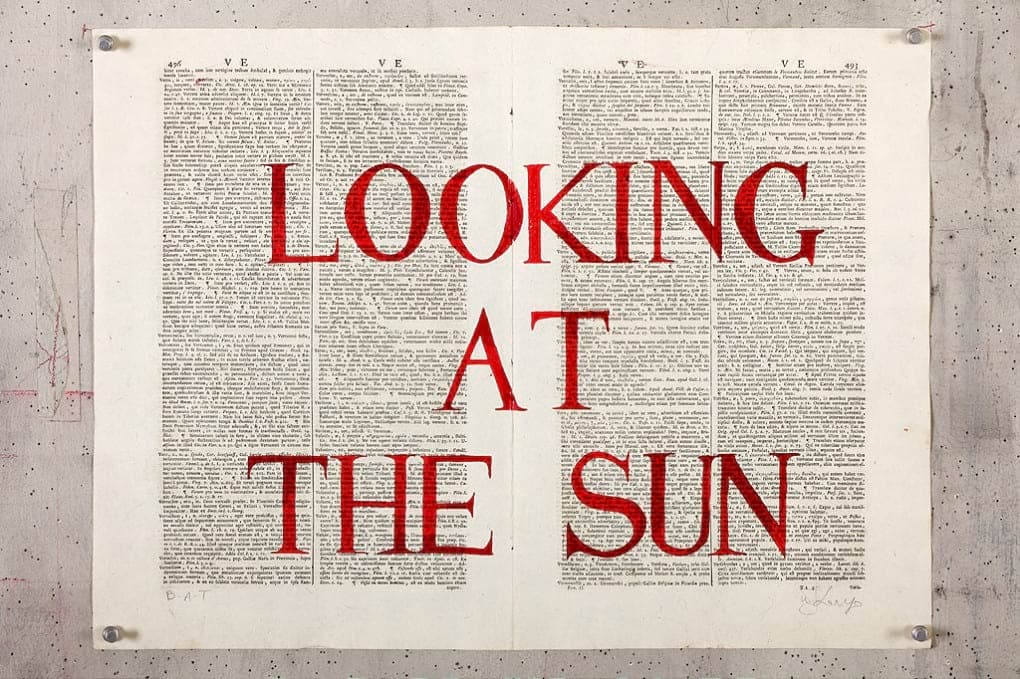
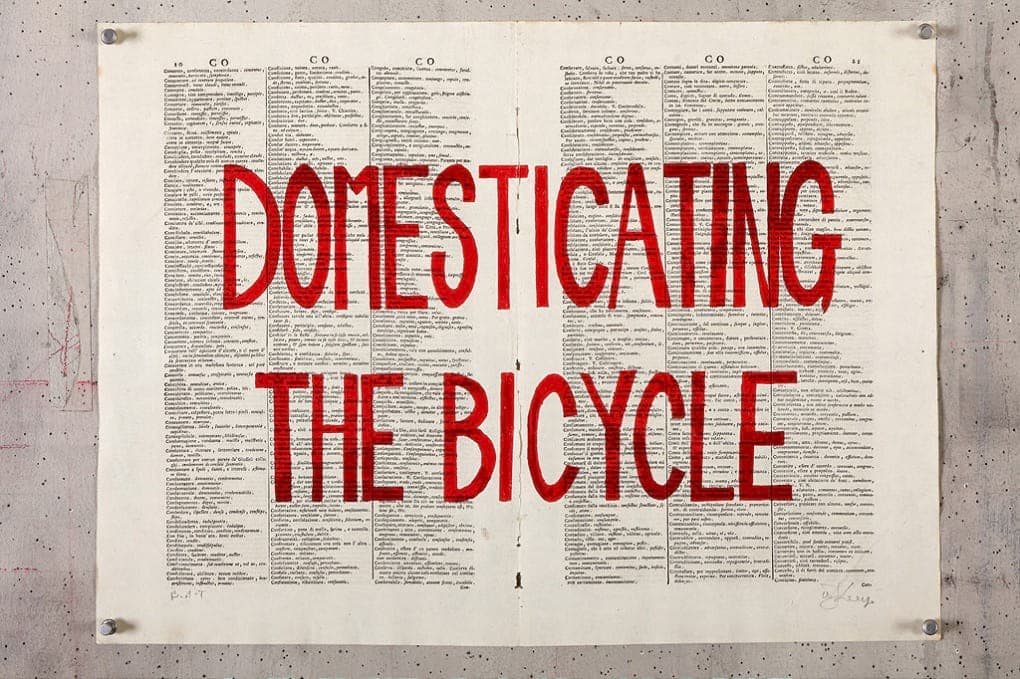
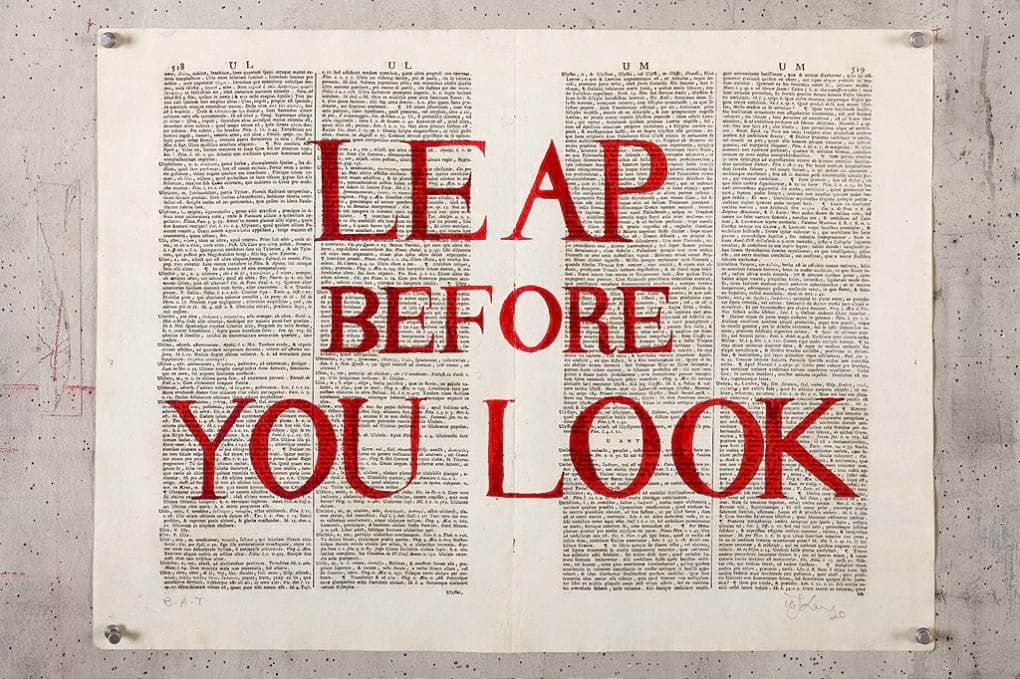
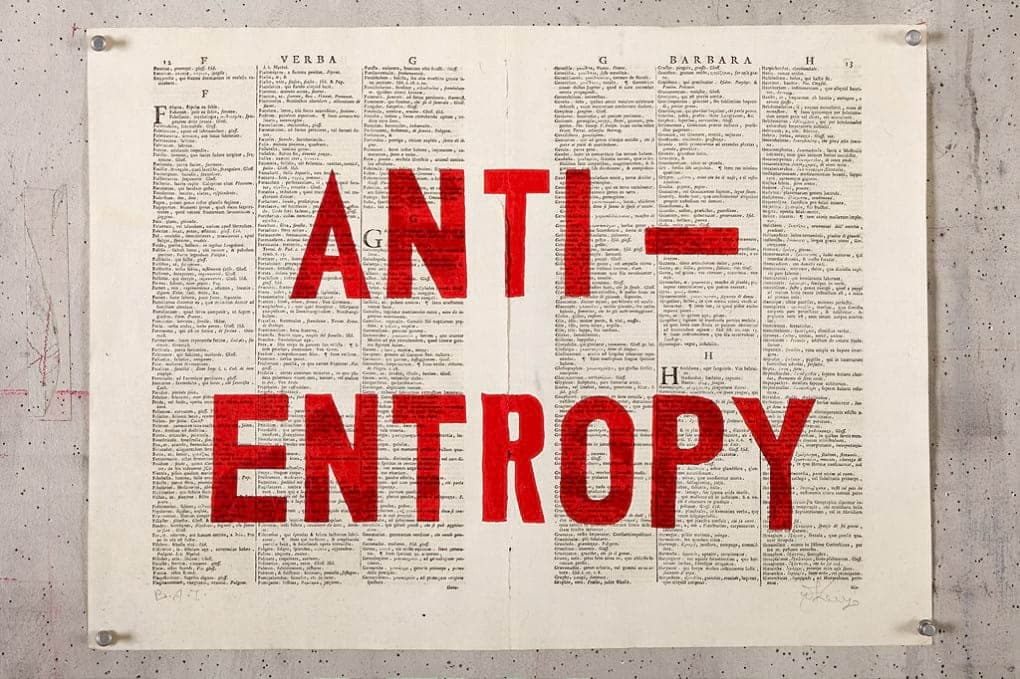
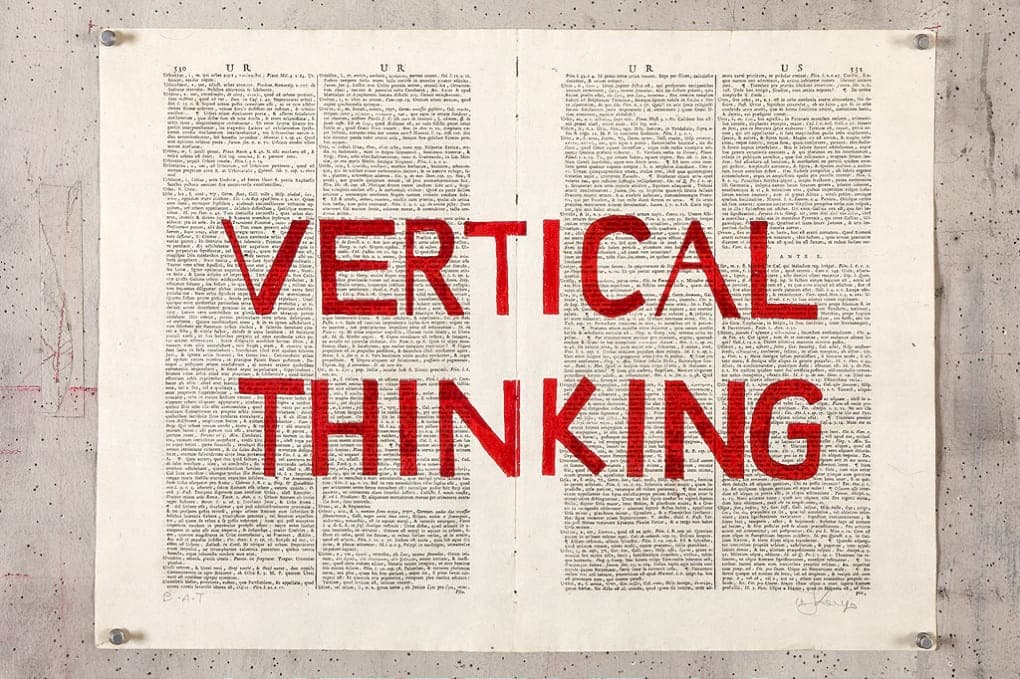
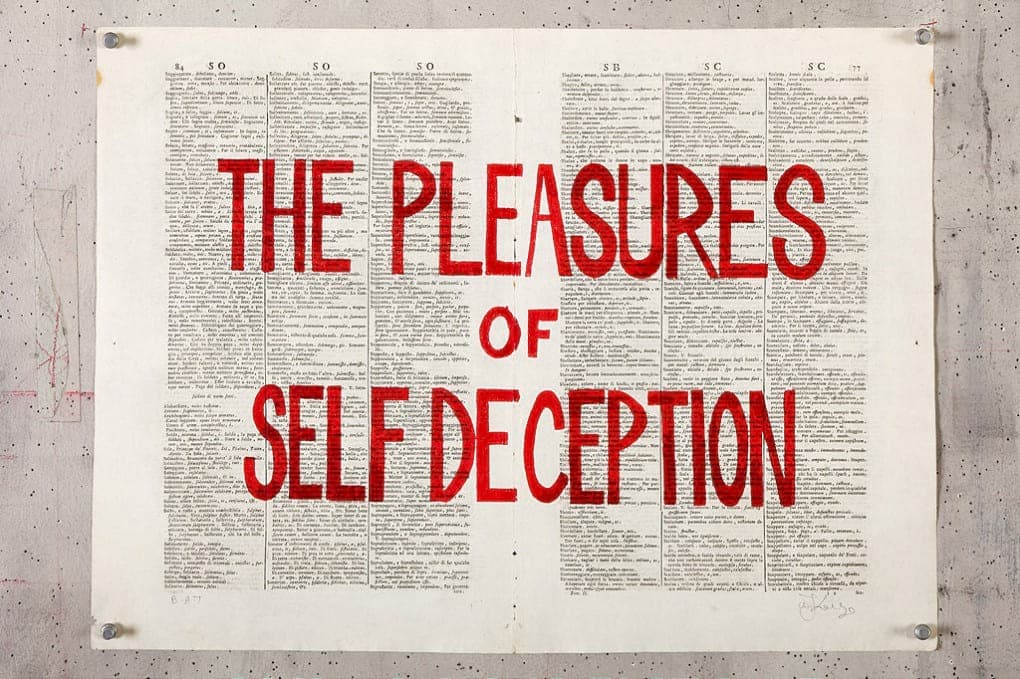
As with the artist’s previous films made within books or on the pages of books, all of the drawings are executed on the pages of antiquarian publications, from manuals on photography and electricity, dictionaries and guides to polishing leather to Robert Burton’s Anatomy of Melancholy.
Each film is between 2 and 3 minutes. The triptych is shown on three flat screens, the small scale inviting the viewer in to the intimacy of these energetically moving books.
The soundtrack to this flip-book film is the voice of William Kentridge reading three beloved British poems: Sonnet 18 by William Shakespeare; The Windhover by Gerard Manley Hopkins and The Skylight by Seamus Heaney.
The visuals that accompany the evocative verses from the three poets is a kaleidoscopic presentation of colour. The lyrical nature of the verse is highlighted by a proliferation of bright geometric forms that swiftly flash across the pages, the colours echoed in phrases like “gash-gold vermillion” from Hopkins’ poem.