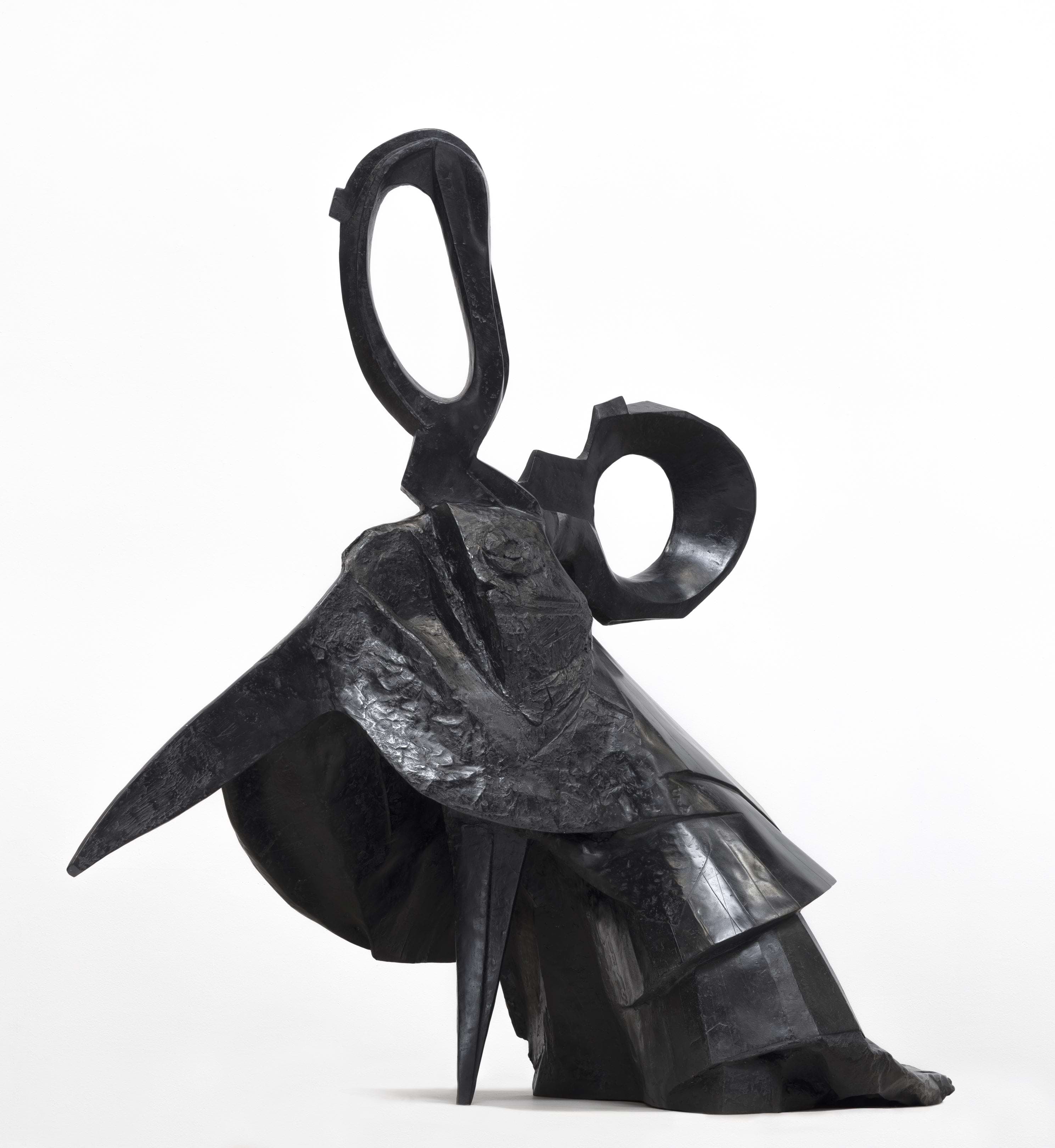
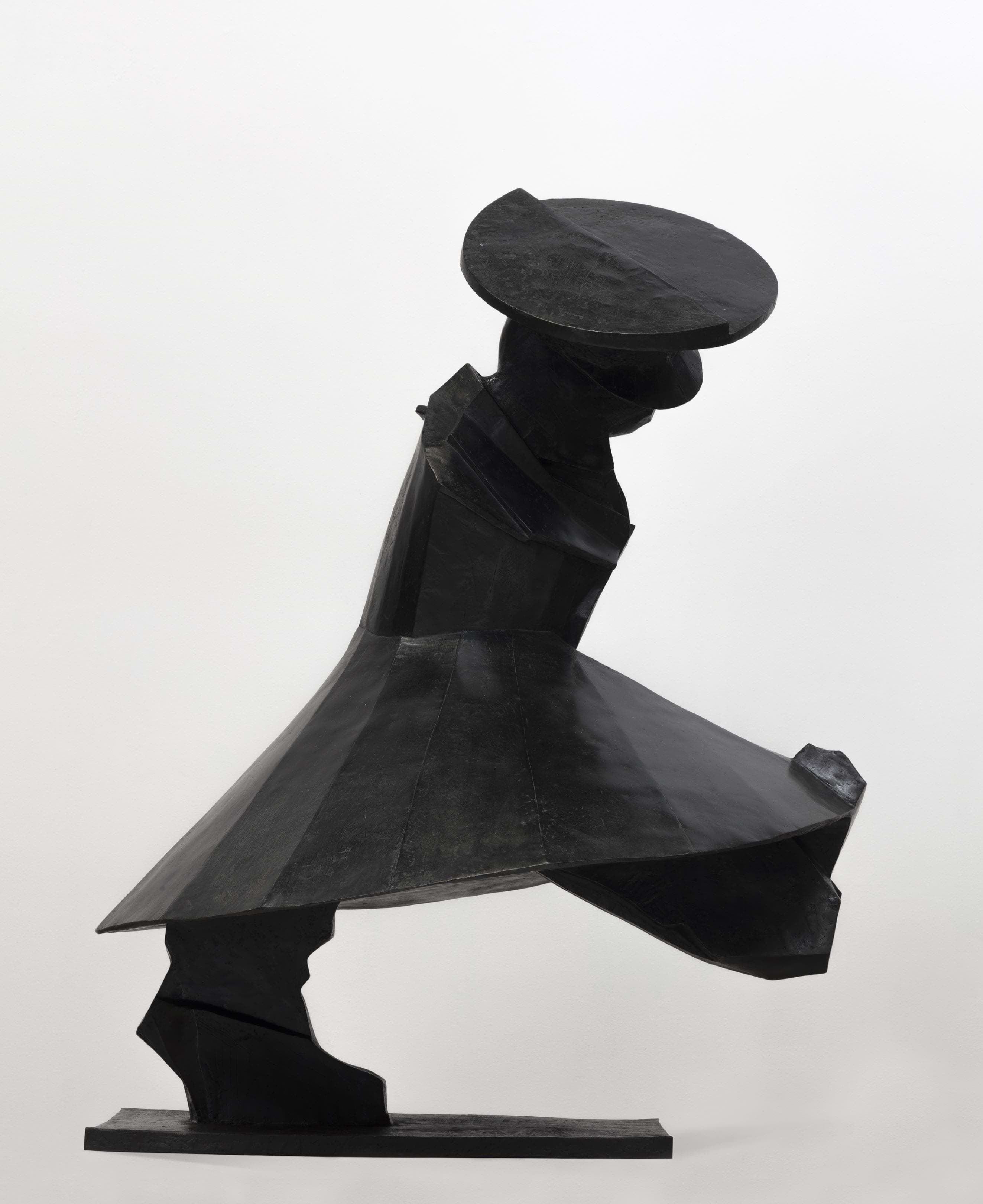
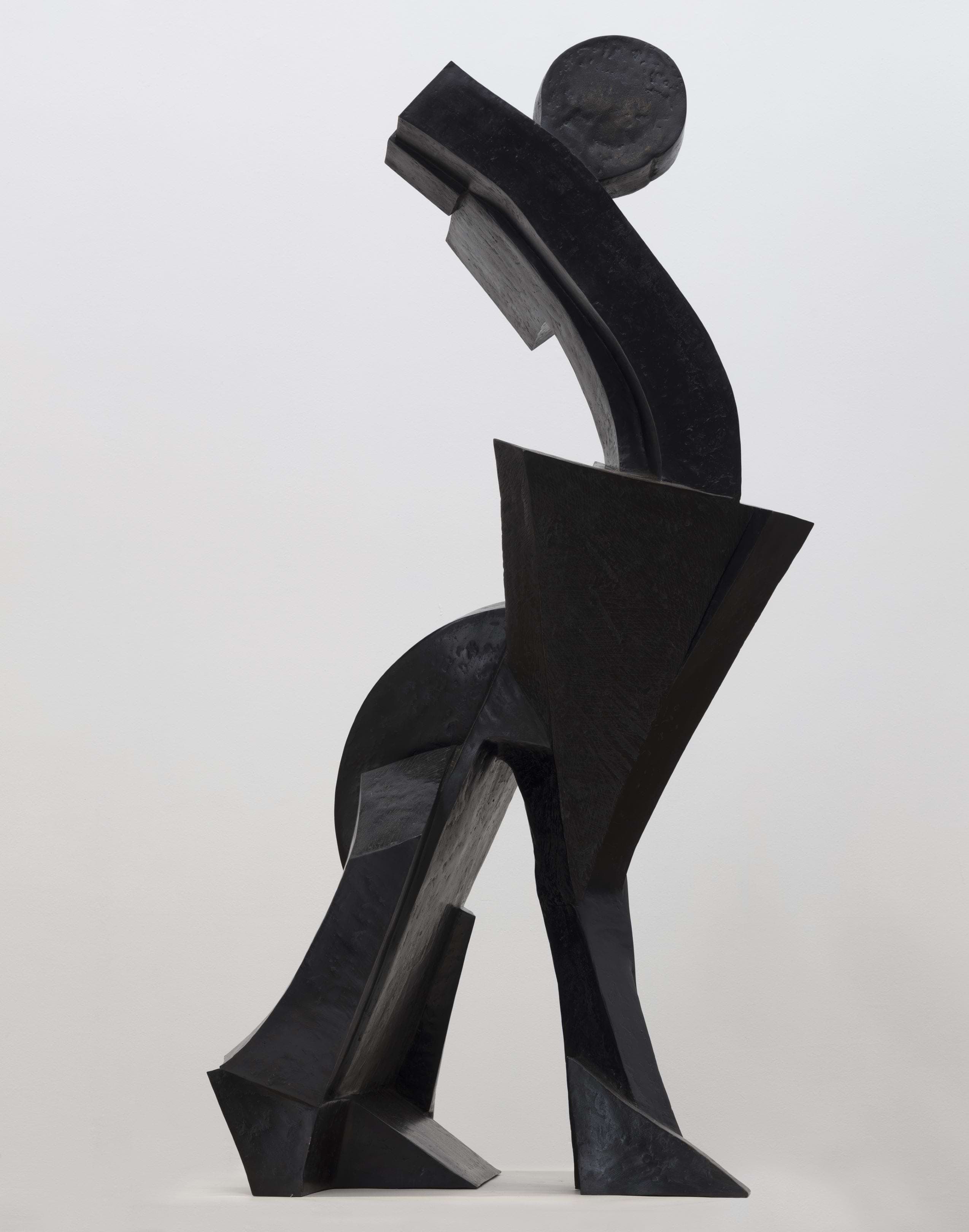
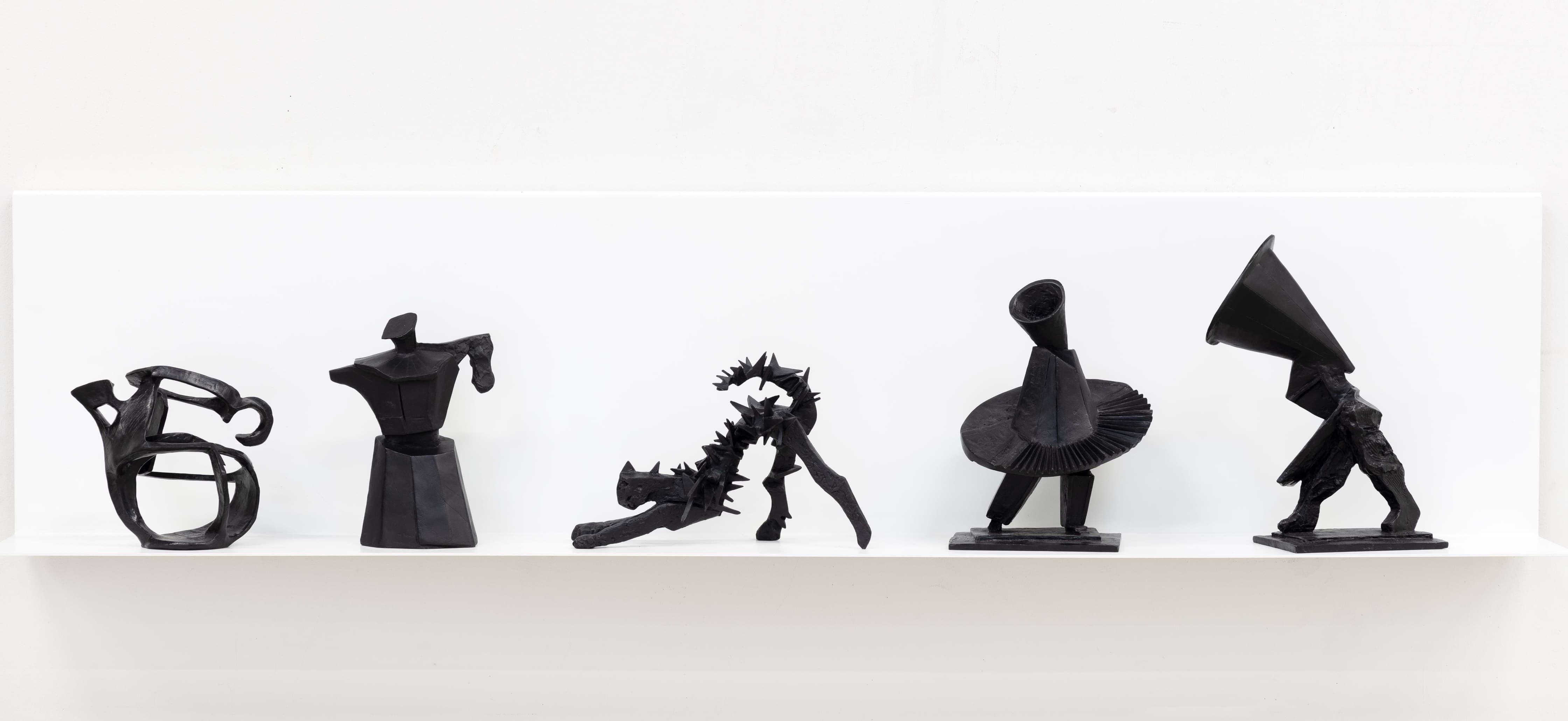
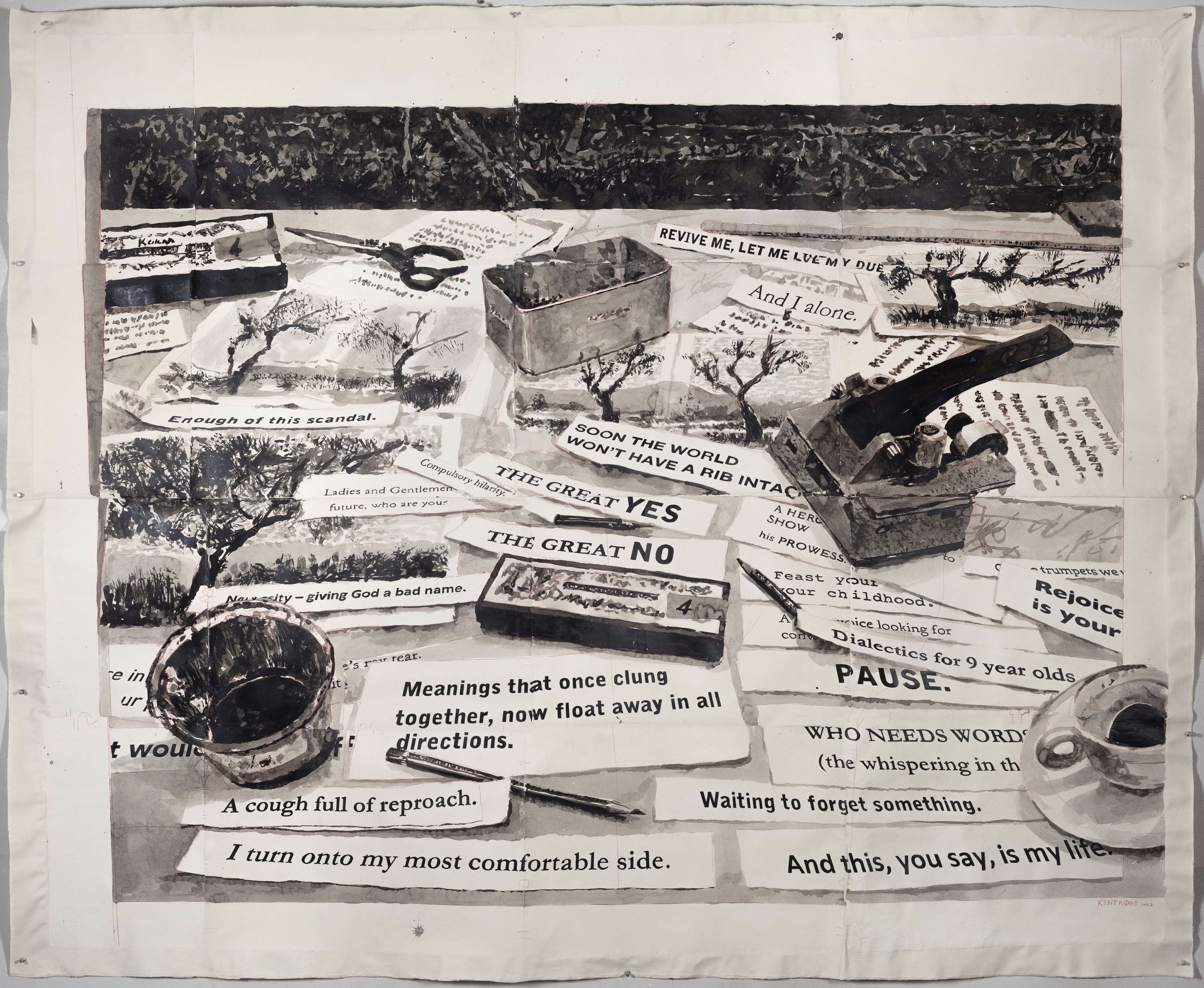
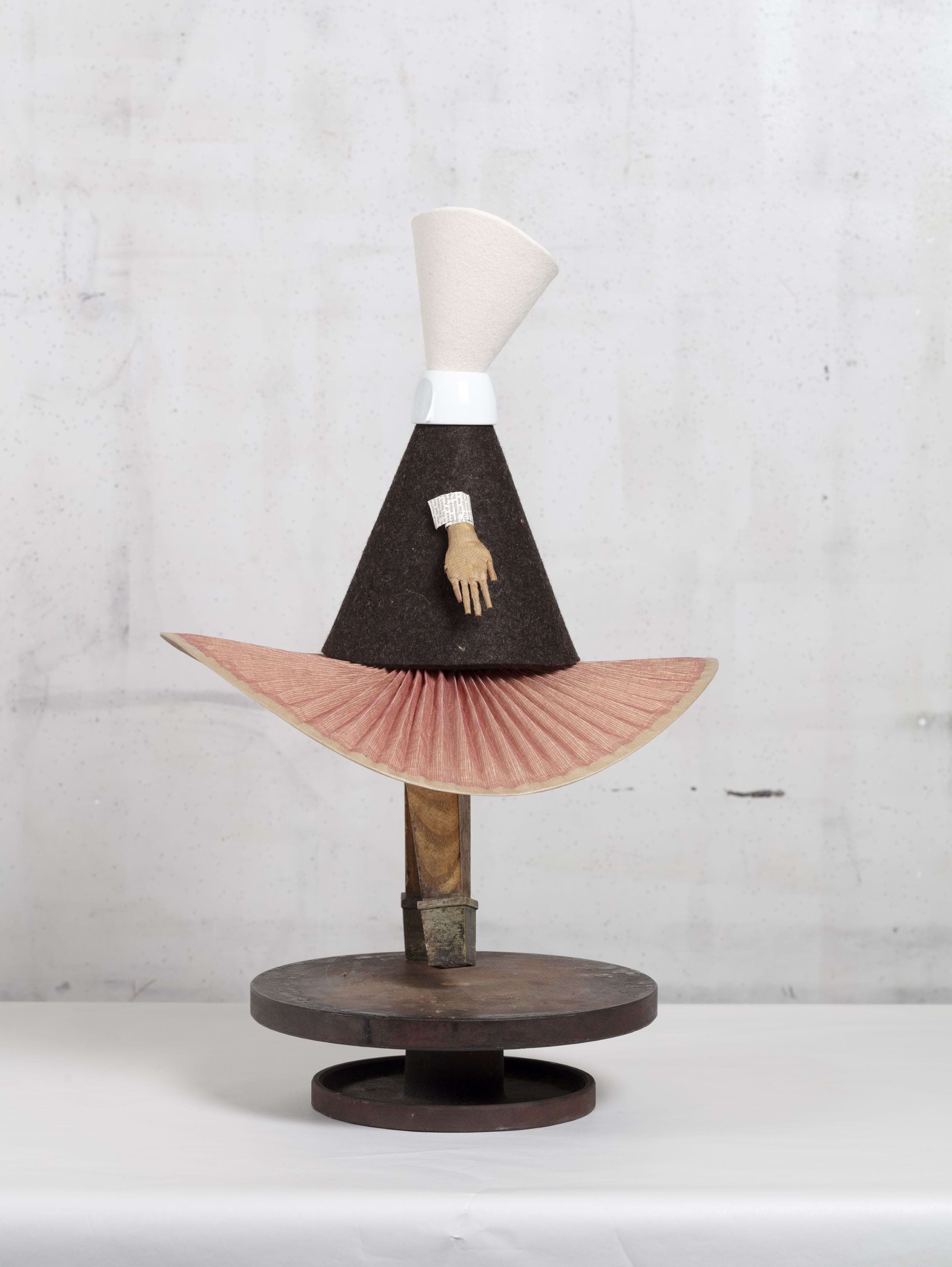
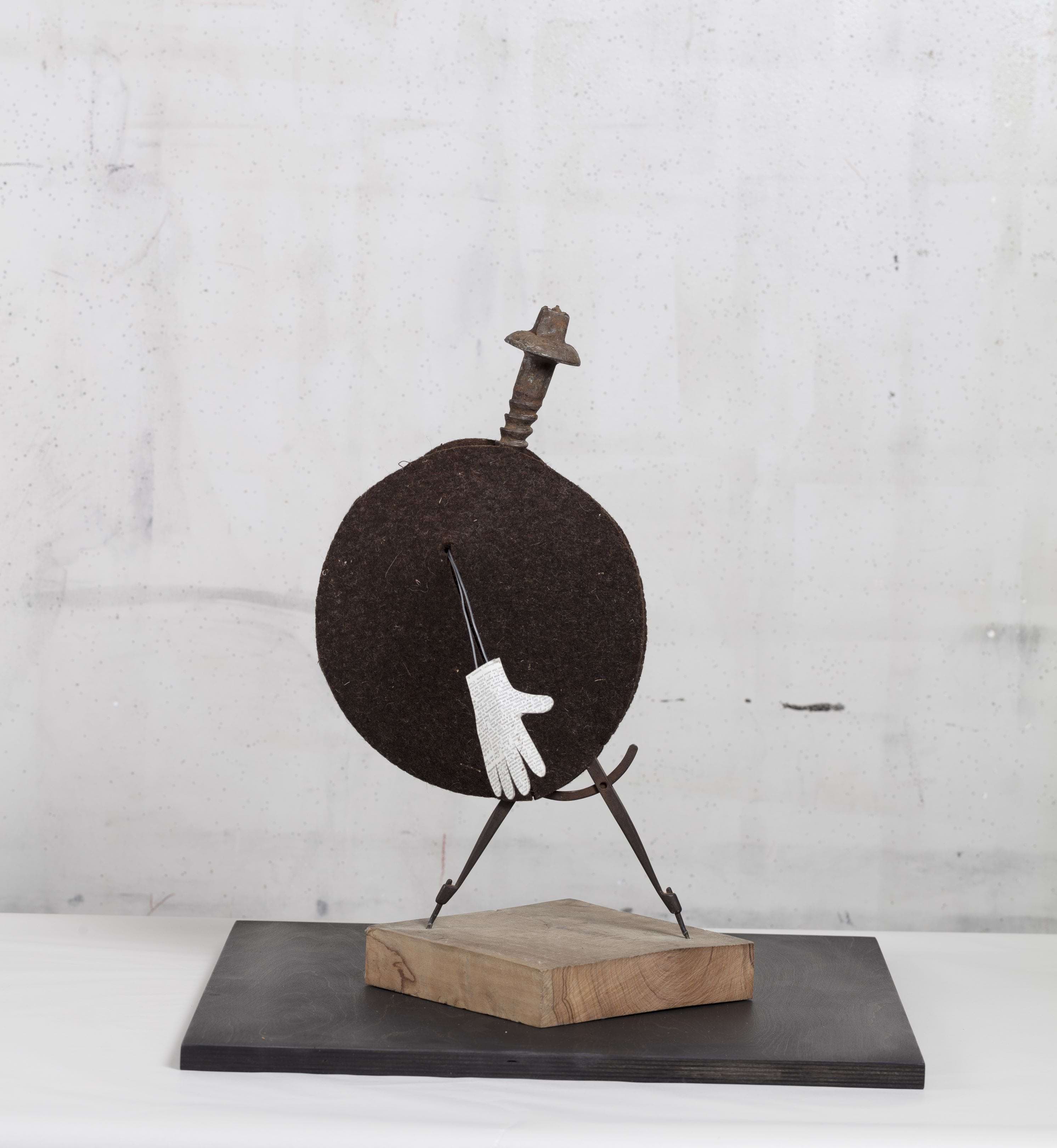
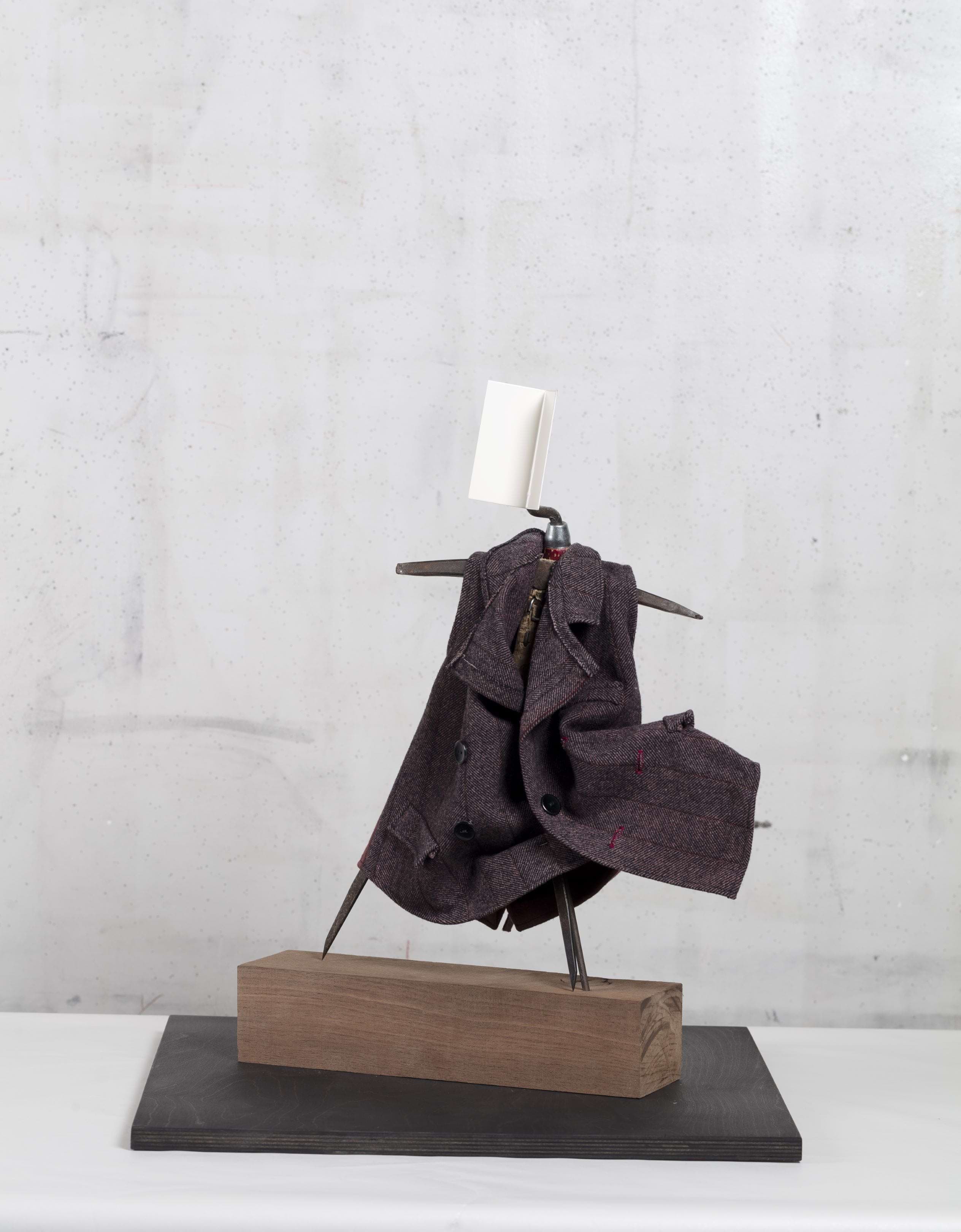
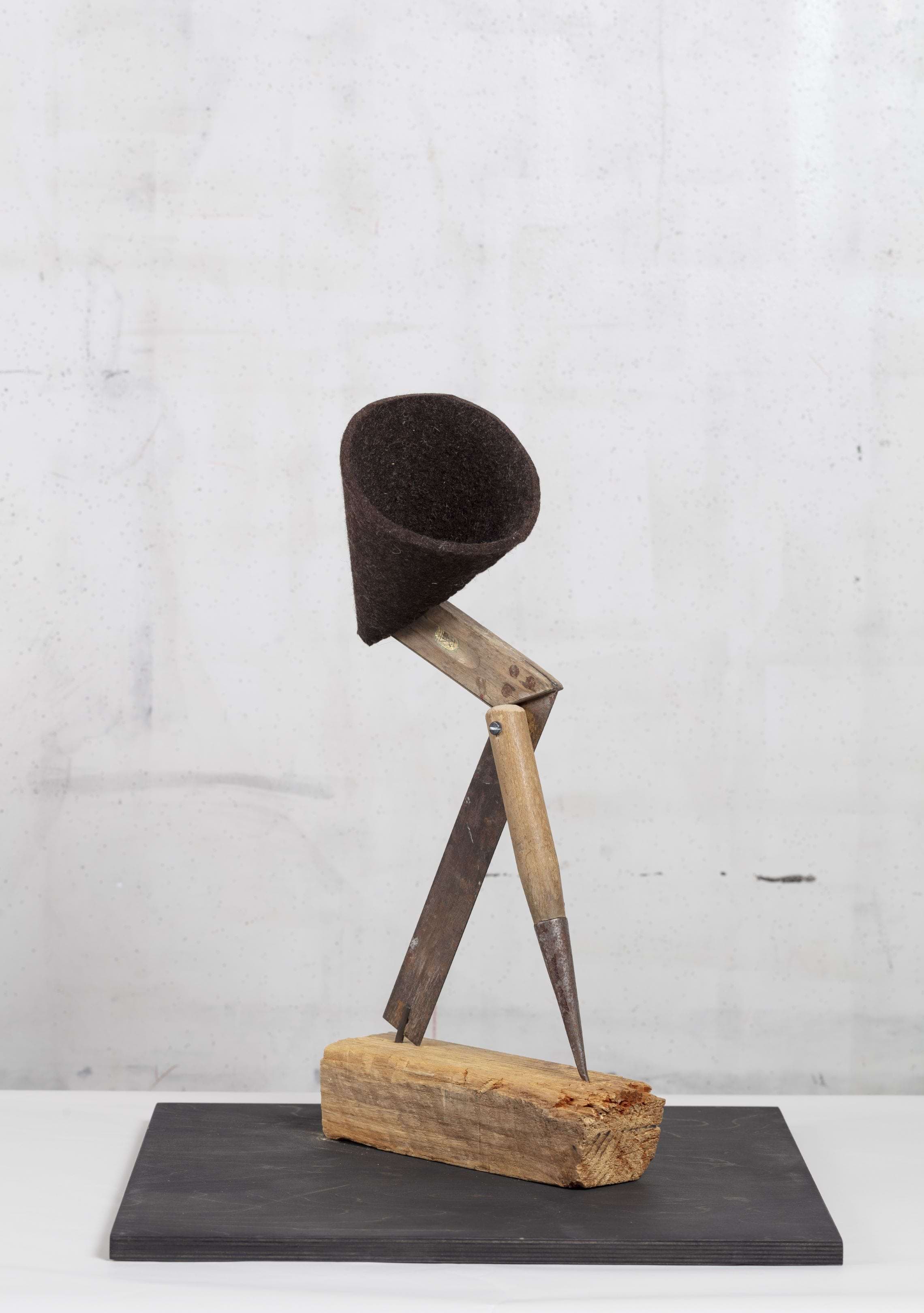
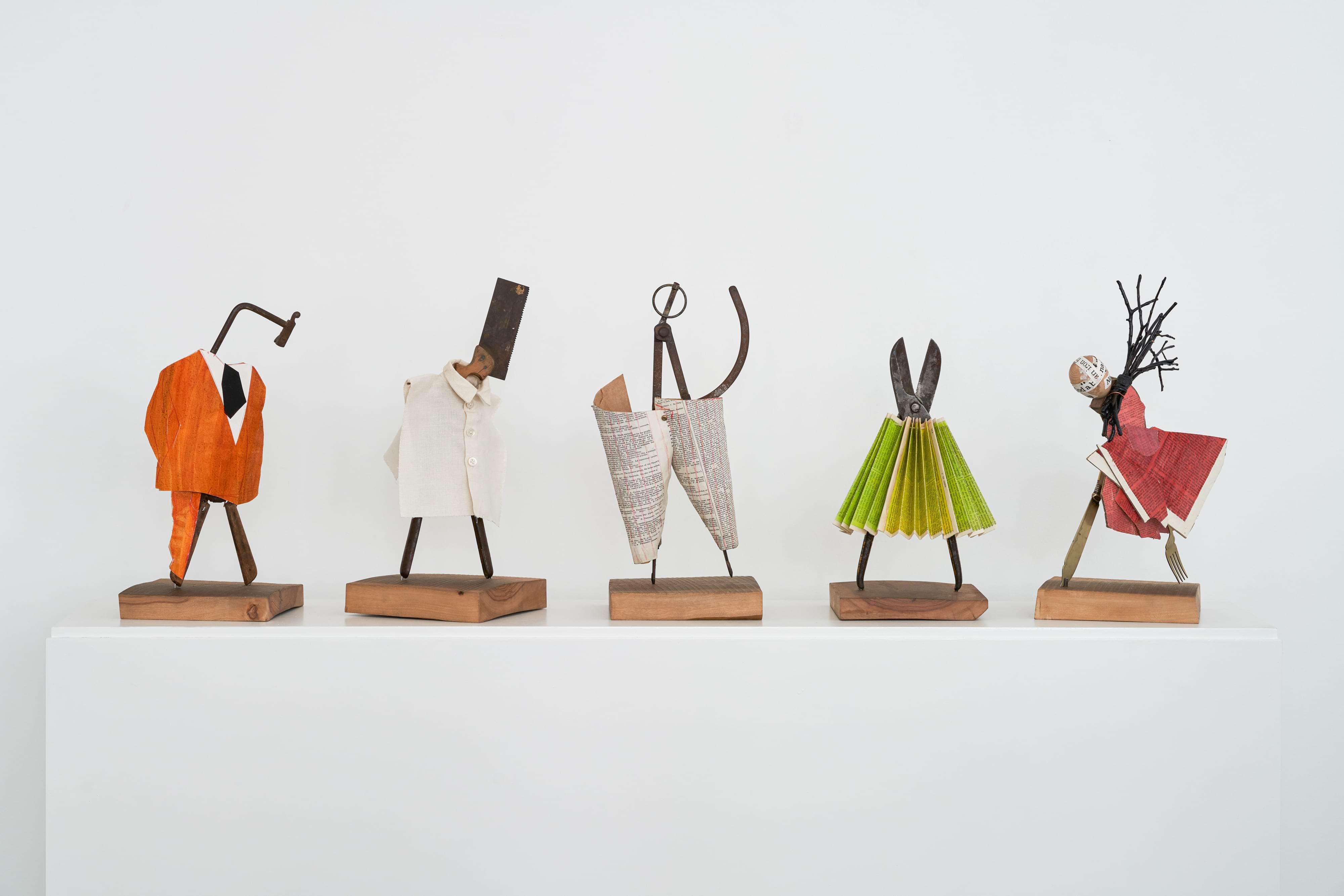
Cut, Her and Pour are part of Kentridge’s ongoing Lexicon series. Acting as a visual dictionary, the sculptures form a vocabulary of symbols, or ‘glyphs’, representing a collection of everyday objects, suggested words, or icons that are ubiquitous in the artist's broader practice. Pour is the newest addition to this collection of bronzes.
Cut, Her and Pour are part of Kentridge’s ongoing Lexicon series. Acting as a visual dictionary, the sculptures form a vocabulary of symbols, or ‘glyphs’, representing a collection of everyday objects, suggested words, or icons that are ubiquitous in the artist's broader practice. Pour is the newest addition to this collection of bronzes.
For Jane Taylor
2022
57 x 40 cm
3/20
57 x 40 cm
3/20
2021
57 x 40 cm
3/20
2021
57 x 40 cm
3/20
2021
57 x 40 cm
3/20
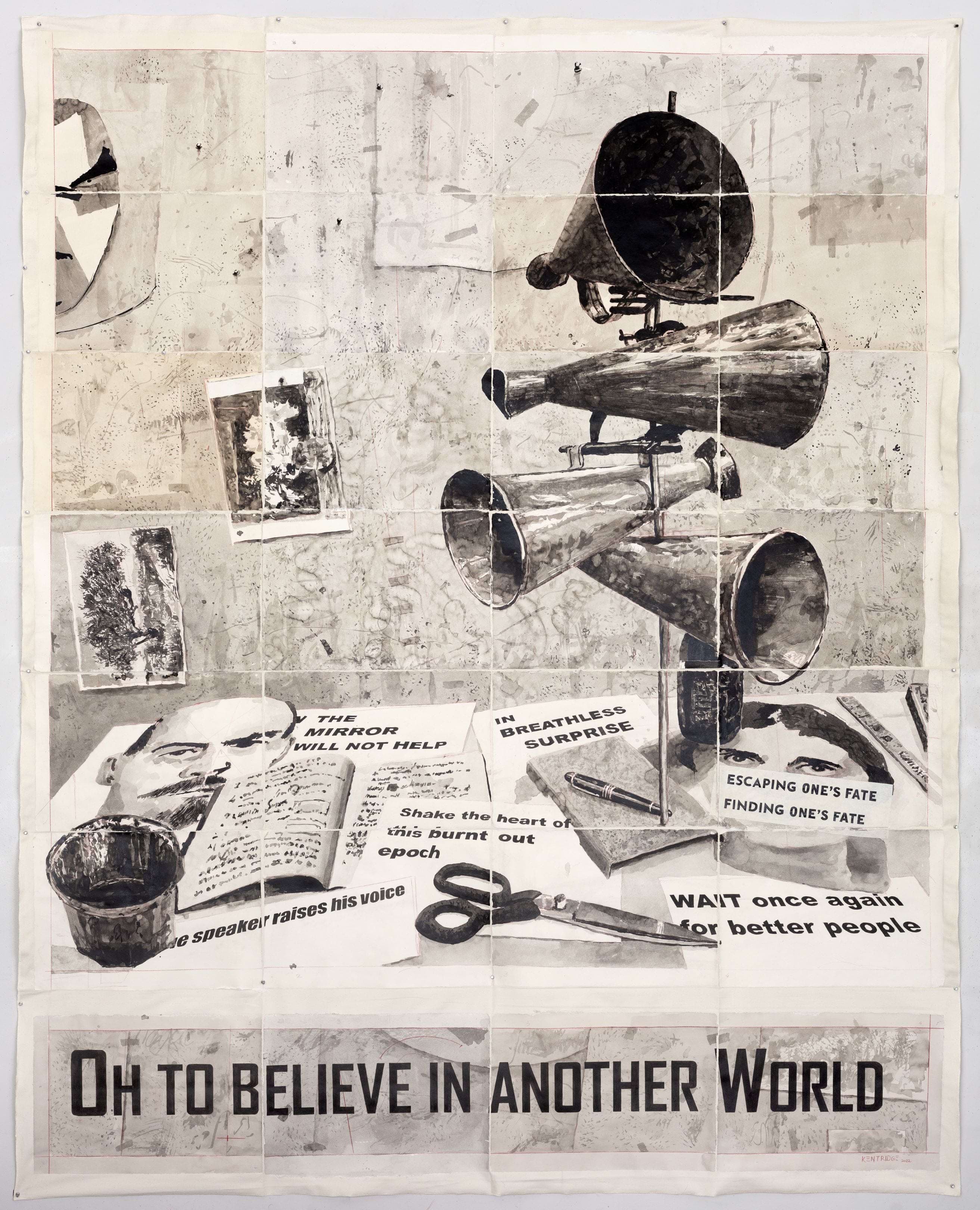
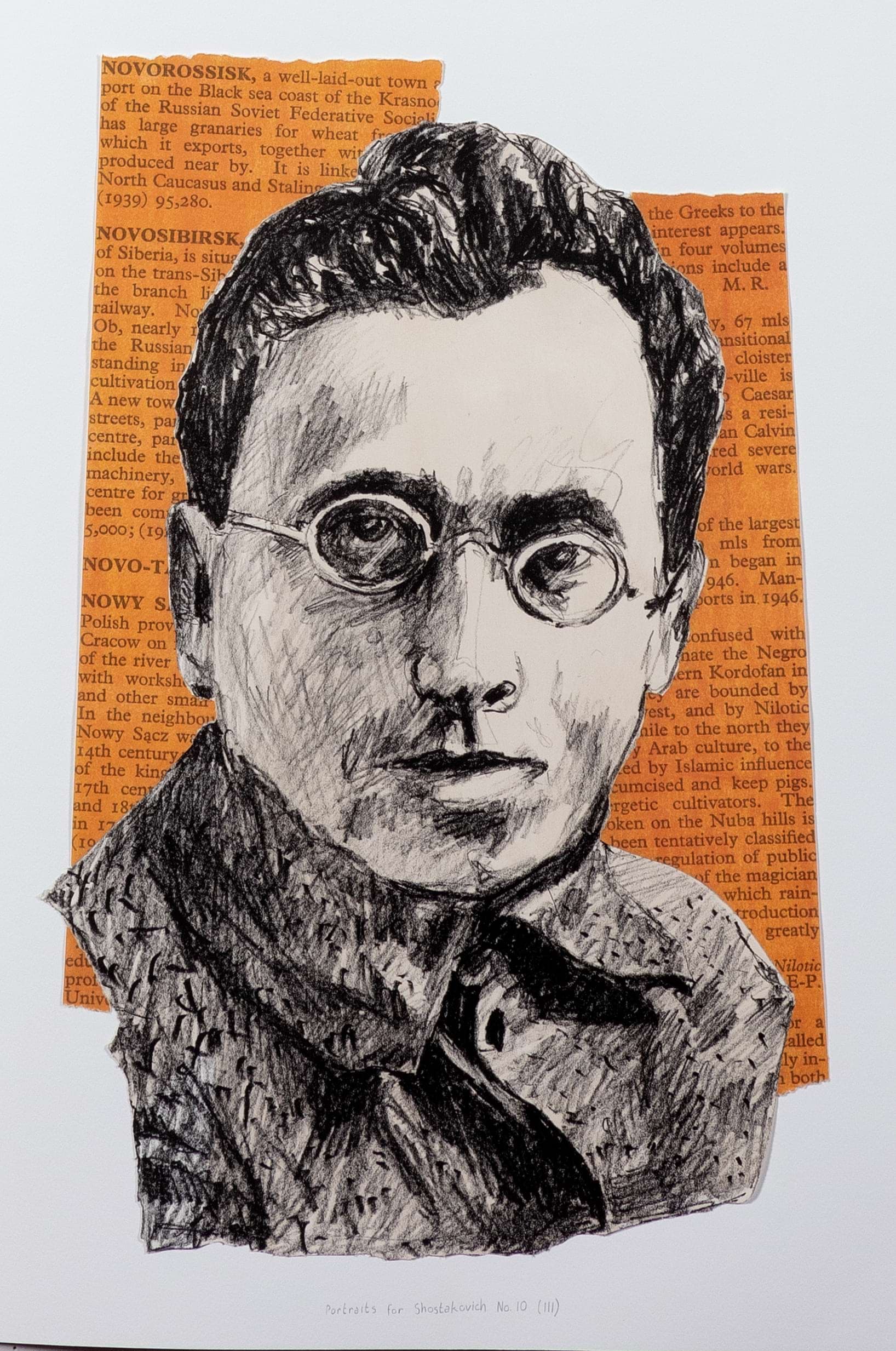
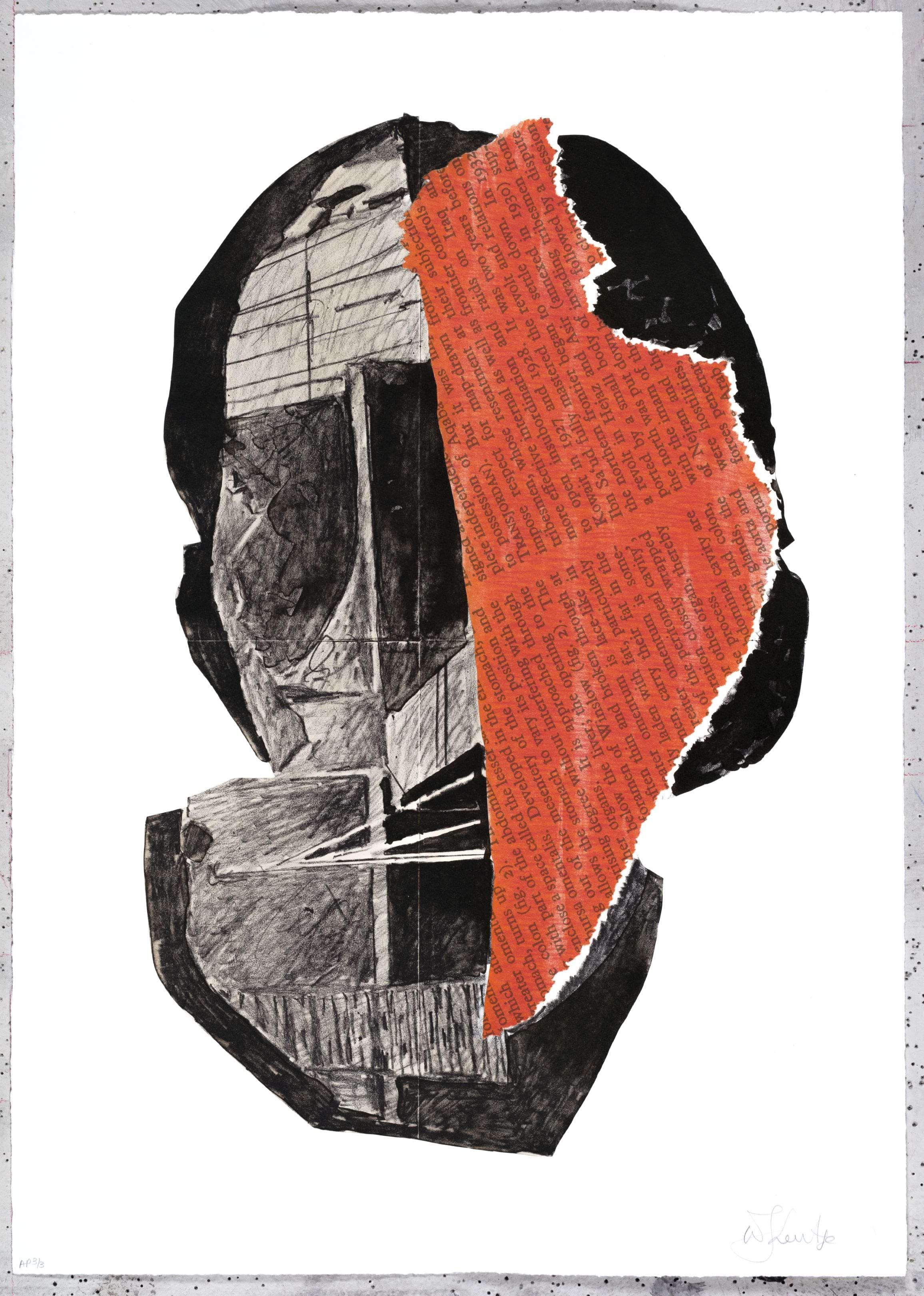
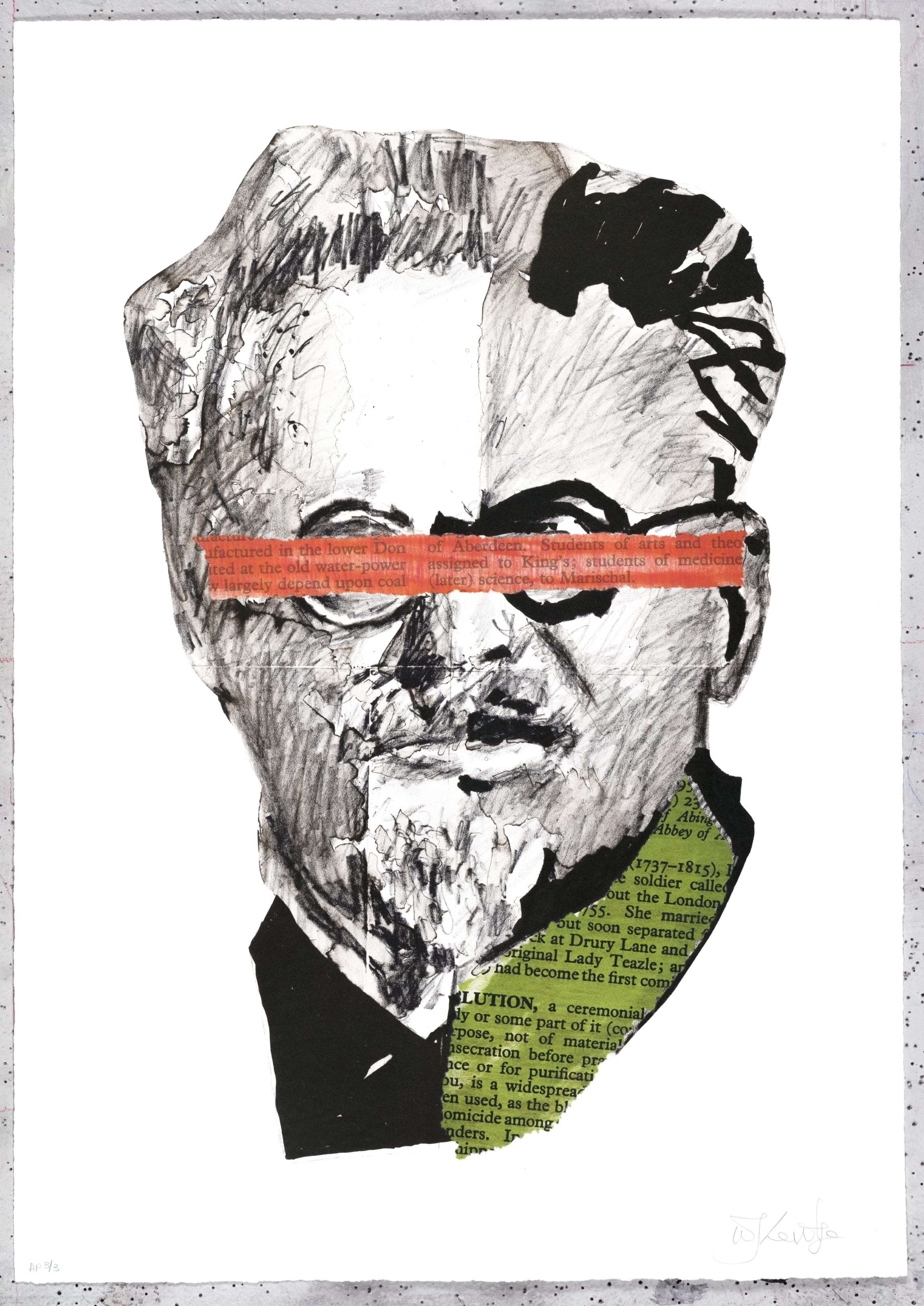
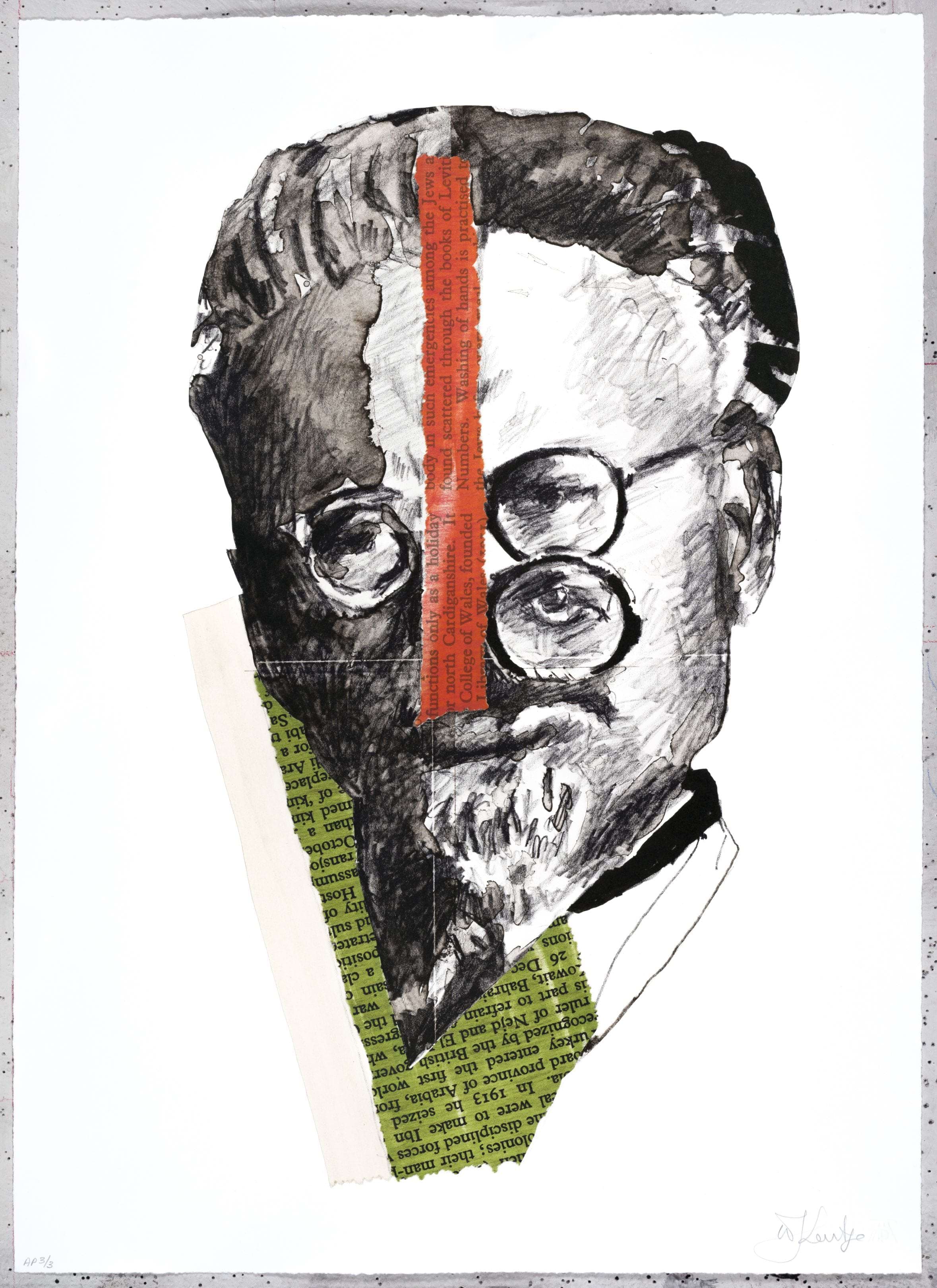
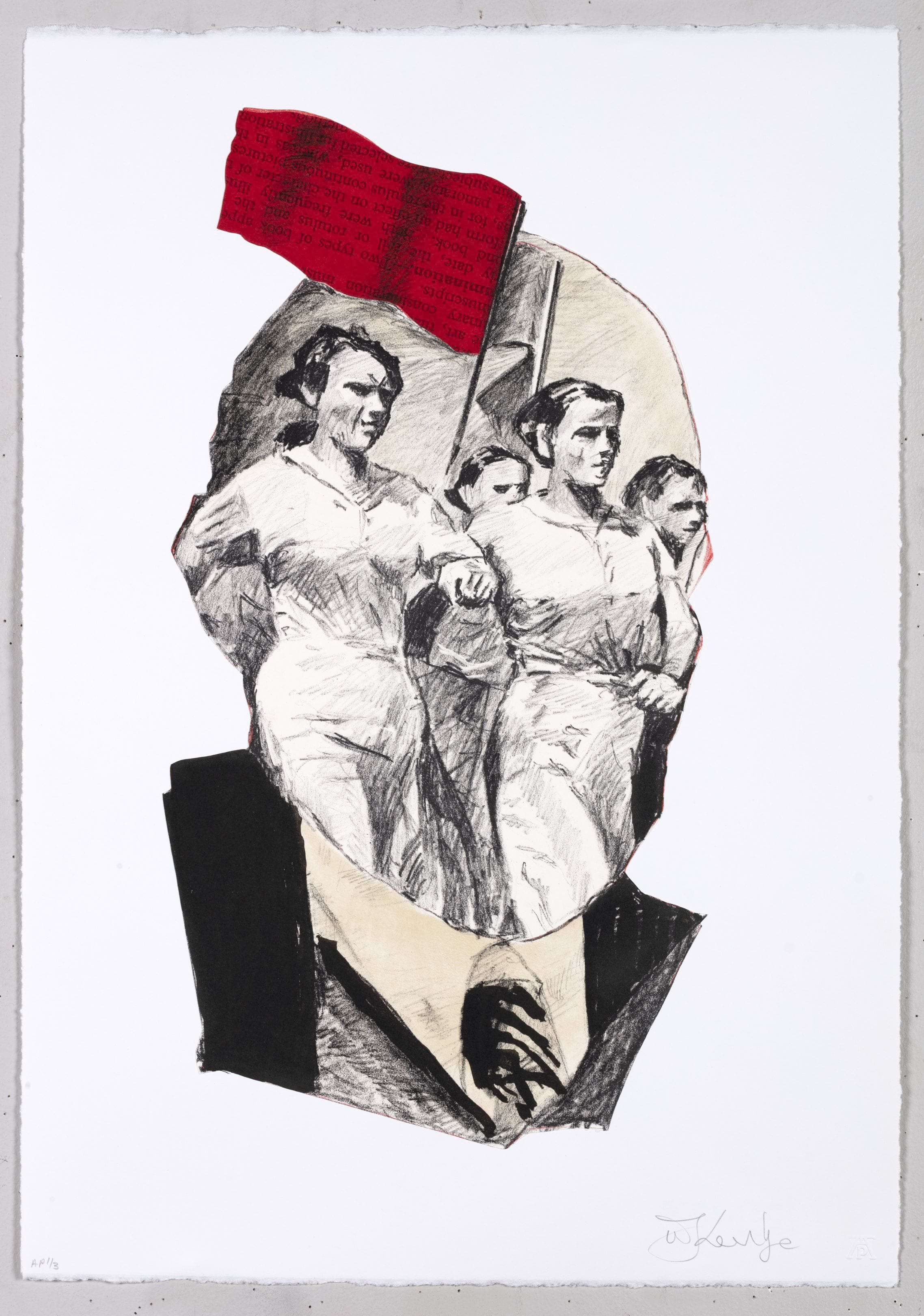
Oh To Believe in Another World expands on decades of critical engagement with life and culture under the Soviet Union, explored in Kentridge’s I am not me, the horse is not mine (2008) and The Nose (2010), based on the absurdist opera of the same name directed by Shostakovich in the 1920s, which was suppressed shortly after opening. Of Shostakovich’s pieces, his 10th Symphony – composed in anticipation of Stalin’s death – has always been most pertinent for Kentridge because of its humanity: “we can still feel the emotional journey of the symphony, independent of its historical moorings.”
Shostakovich’s life story involved navigating a complex relationship to the state of the Soviet Union, which provides the core inspiration for the projection. While the Russian composer and pianist was initially lauded as a sound voice to project Soviet values, Shostakovich was denounced twice under Stalin’s rule, leading him to fear for his life and compose music under intense state pressure. His 10th Symphony violated many of the Soviet restrictions on cultural production, experimenting formally with contrast and ambivalent tonalities, and was only made public once Stalin died in 1953.
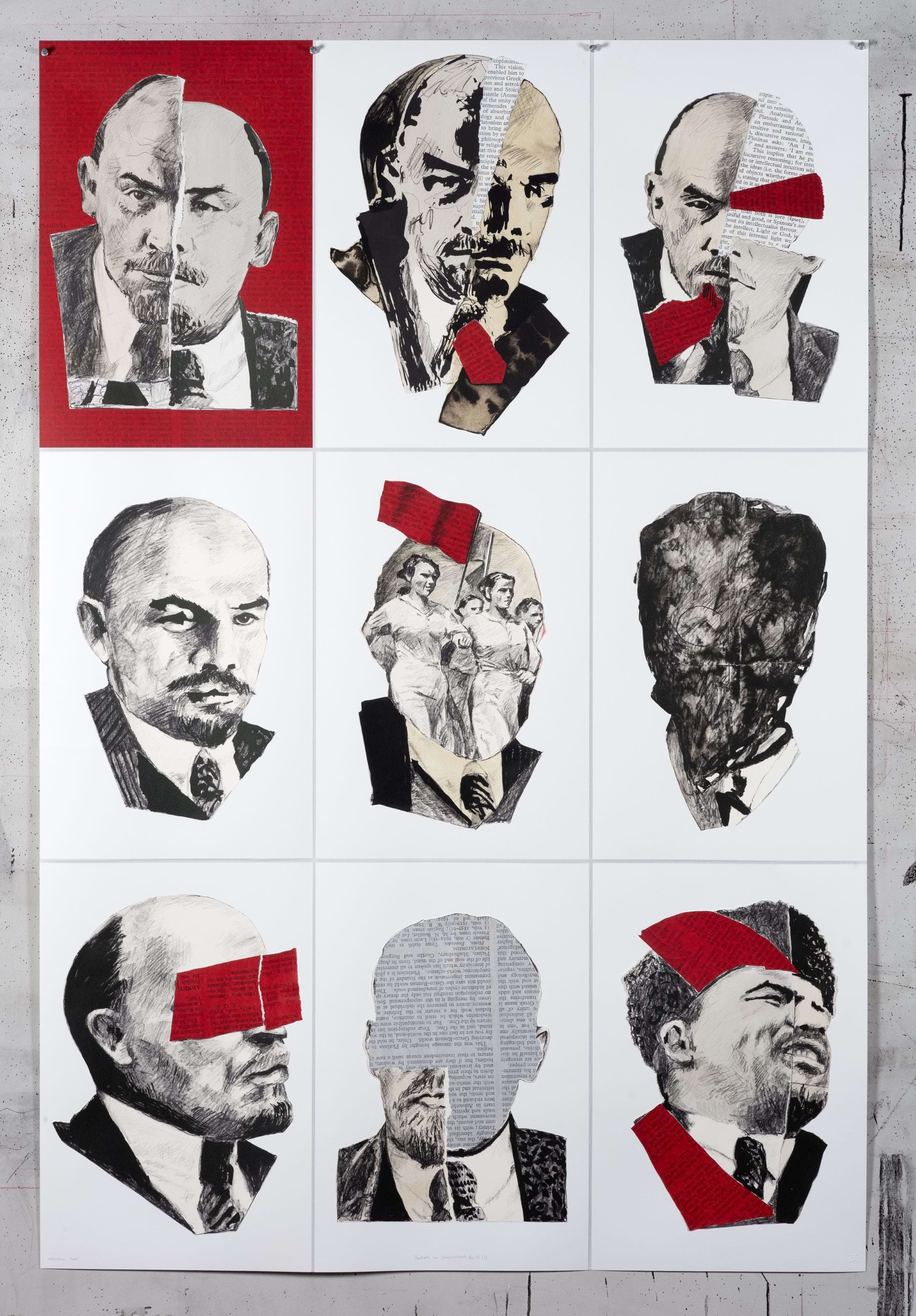
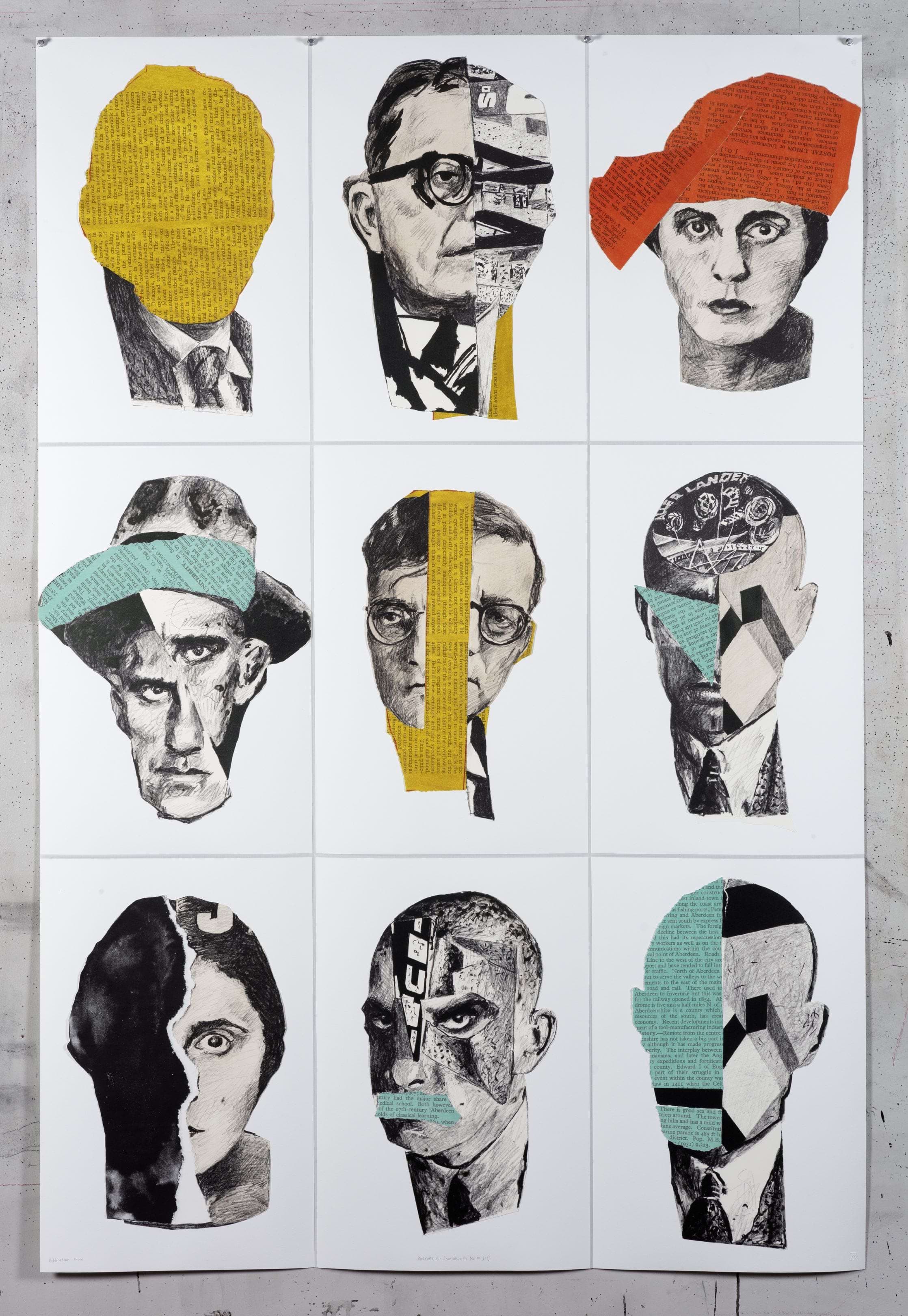
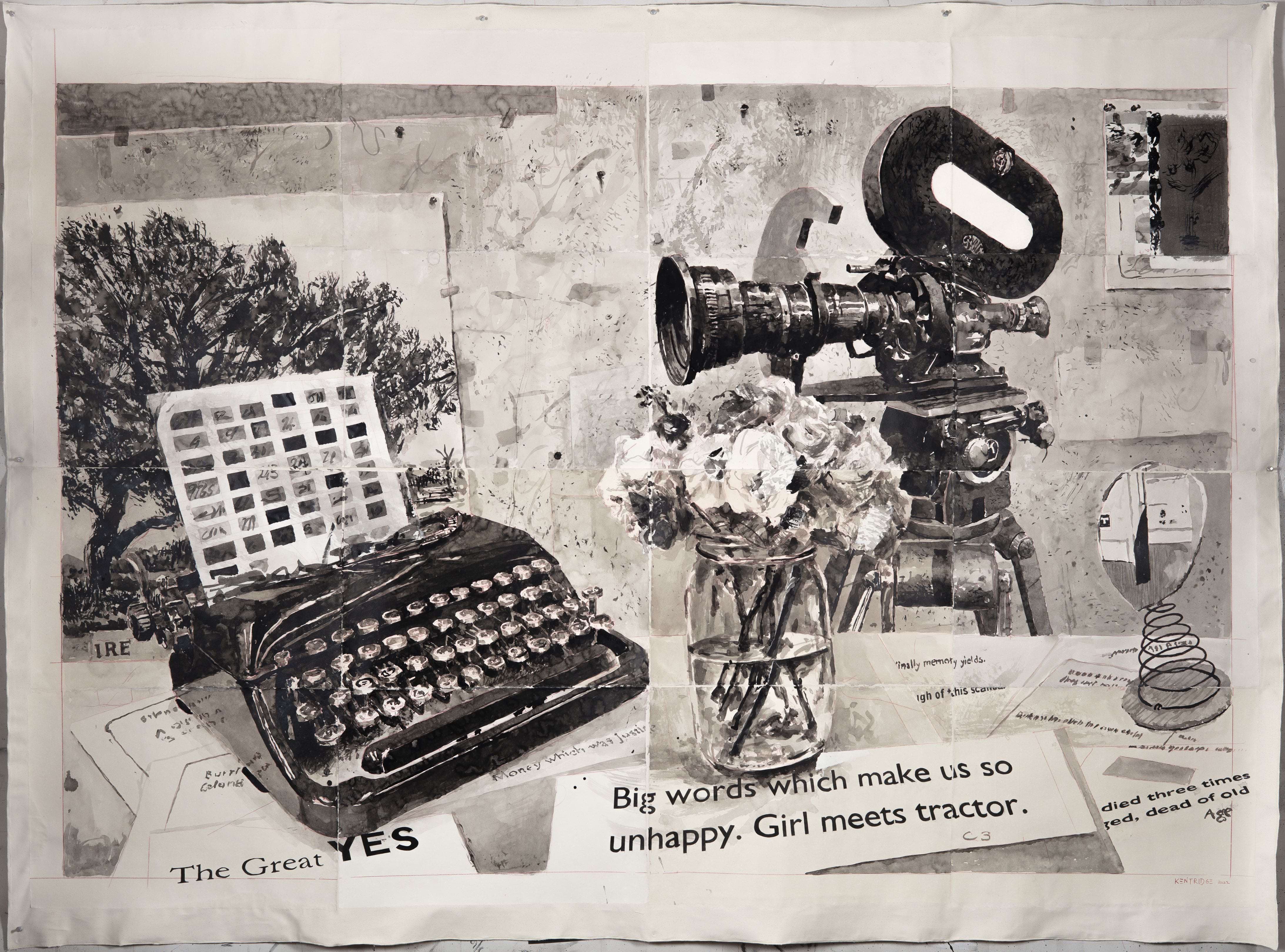
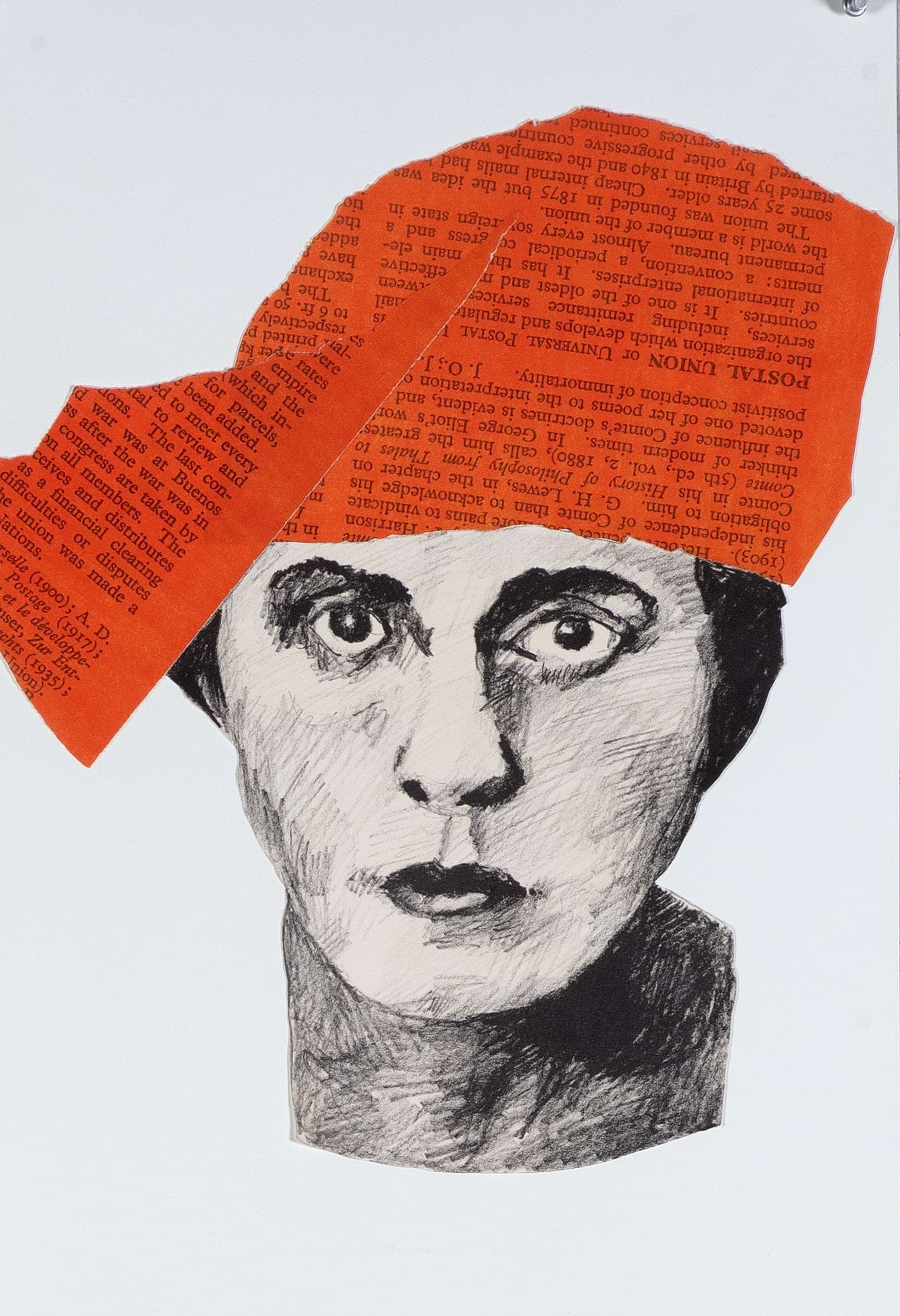
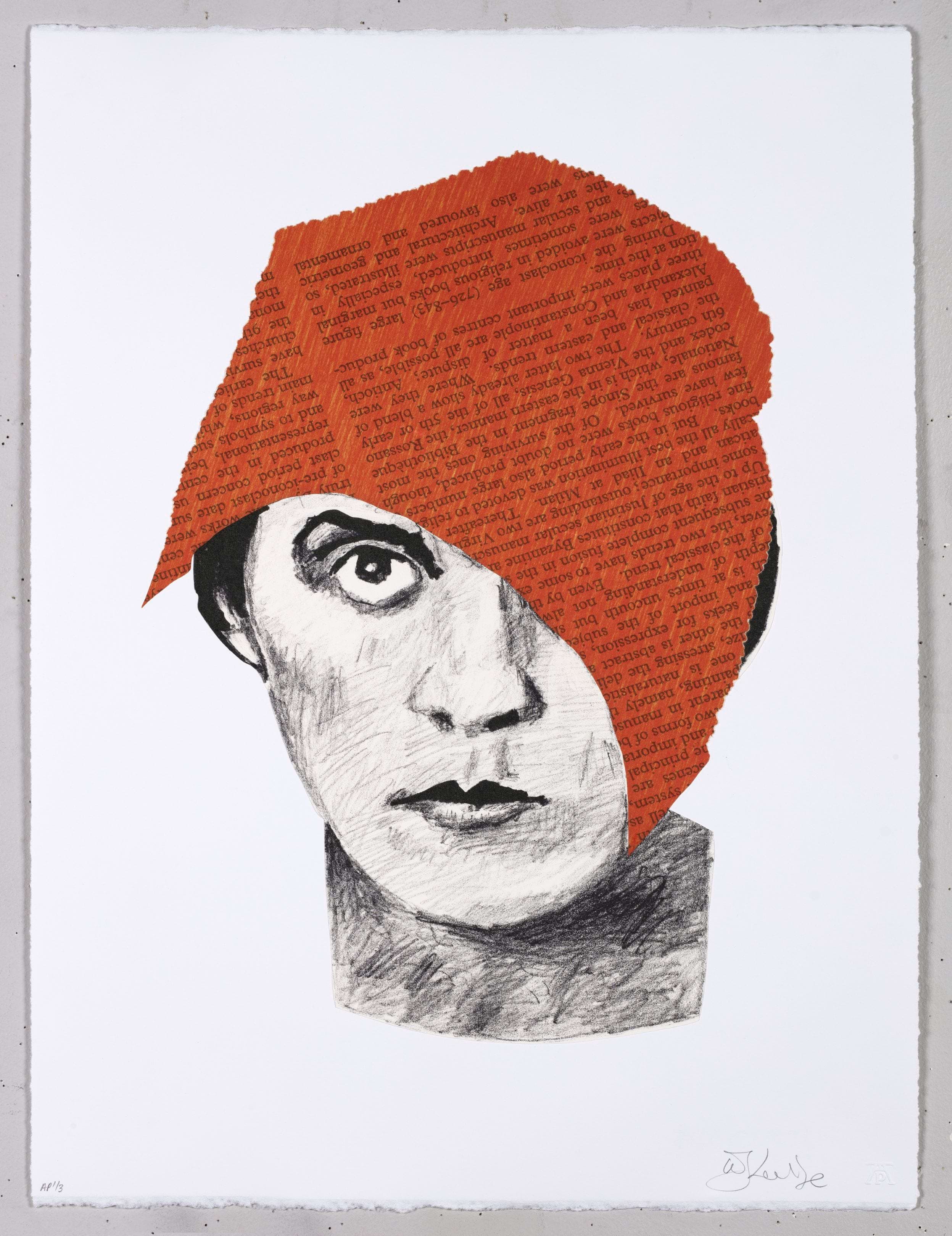
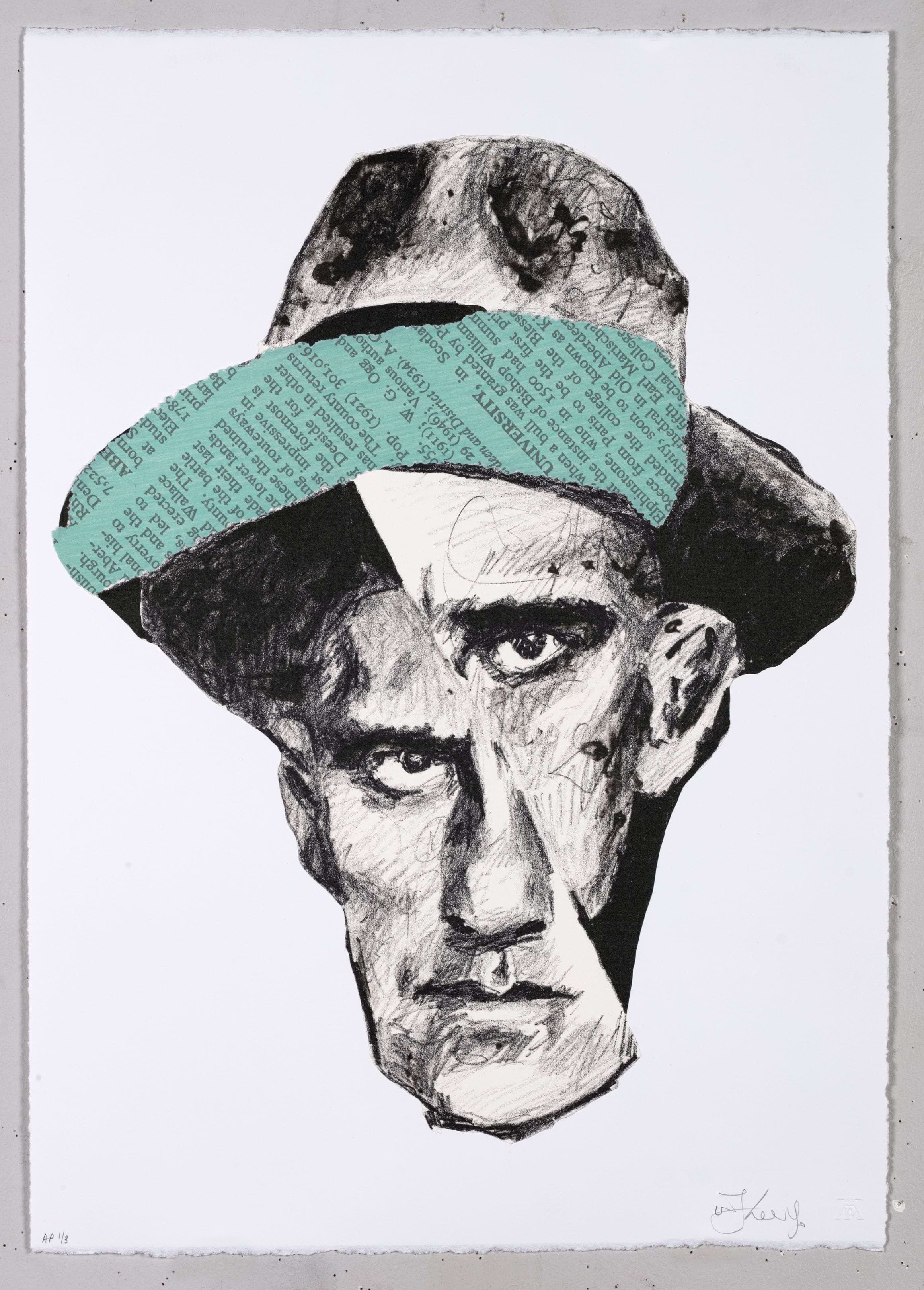
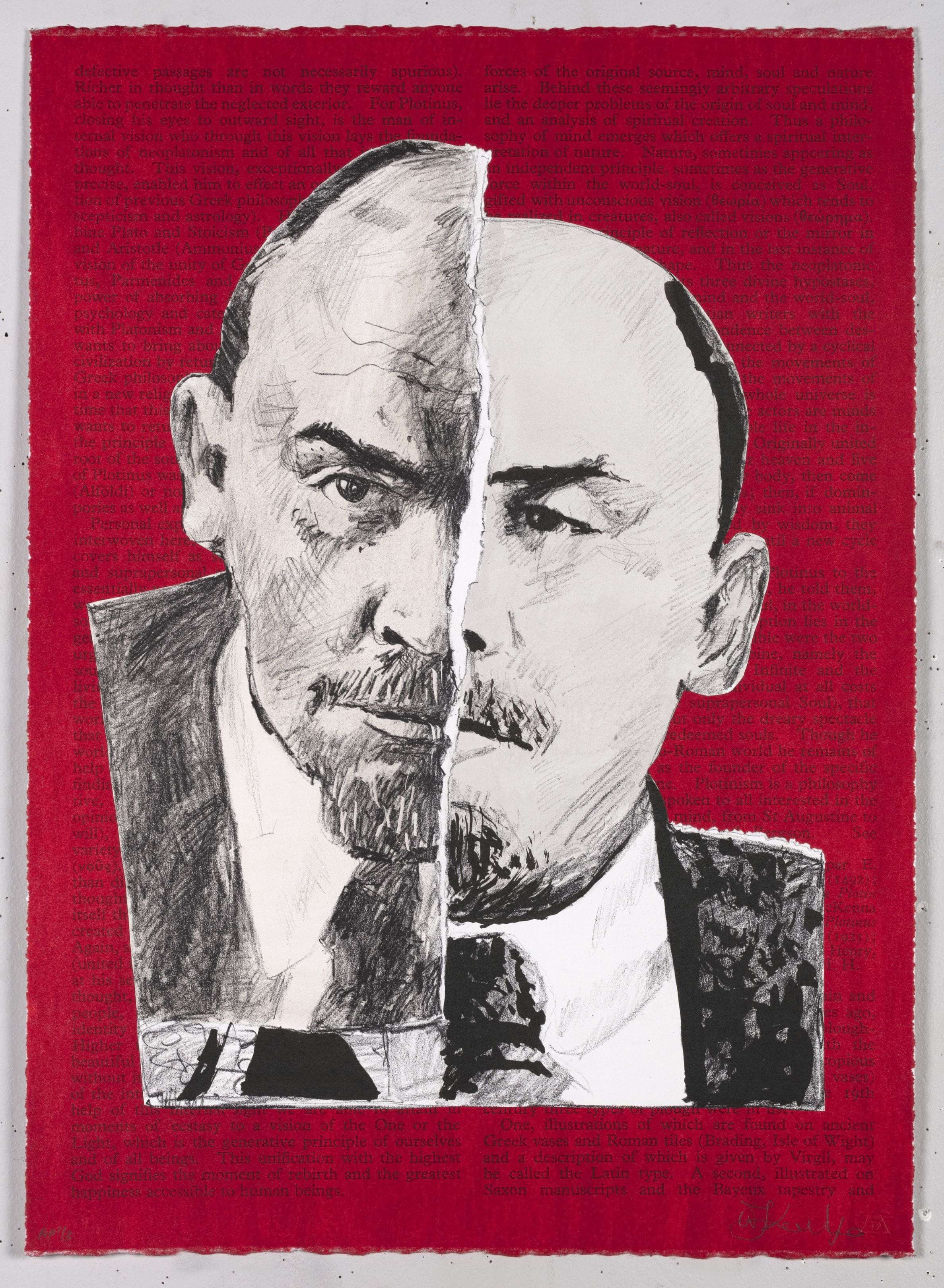
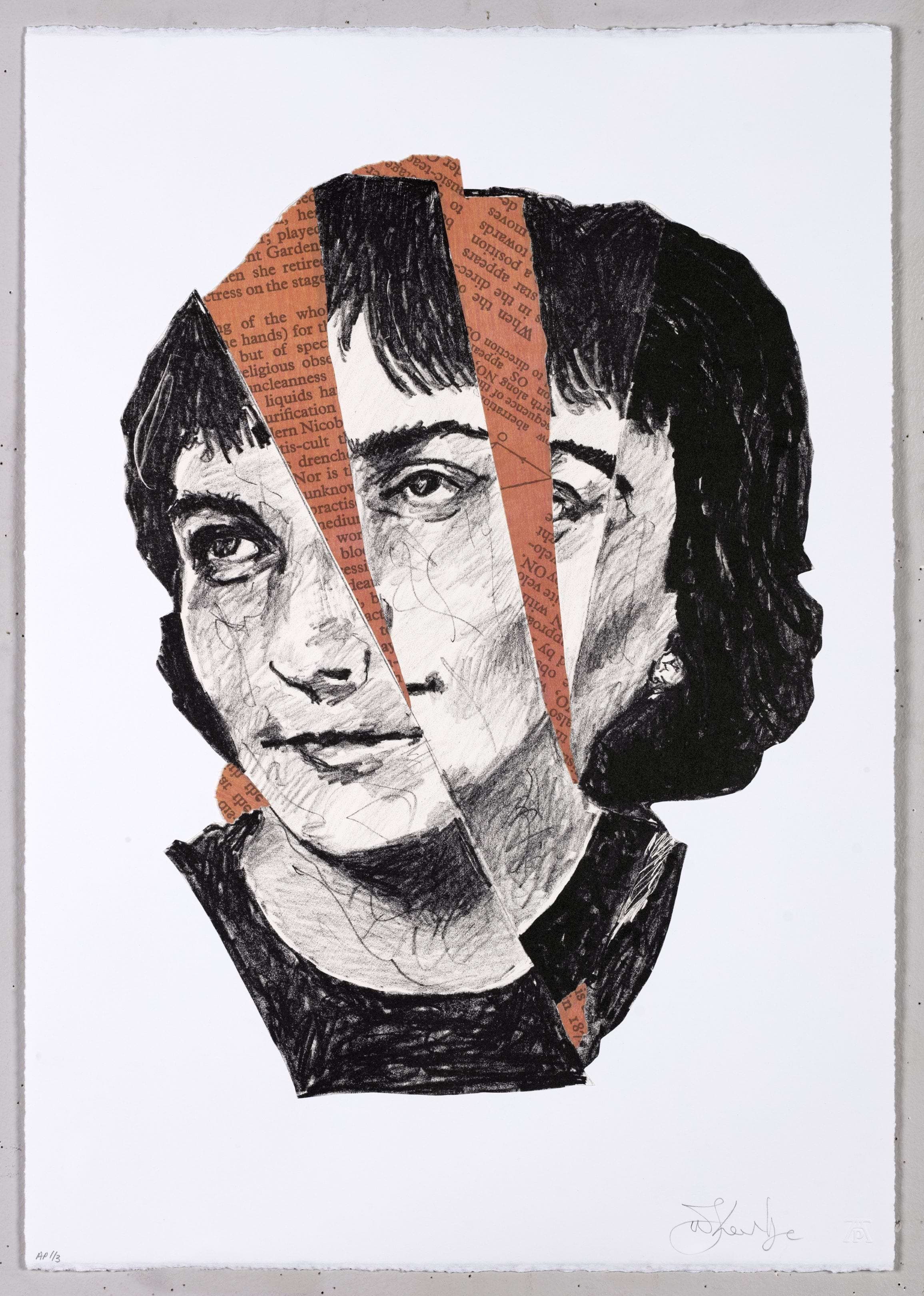
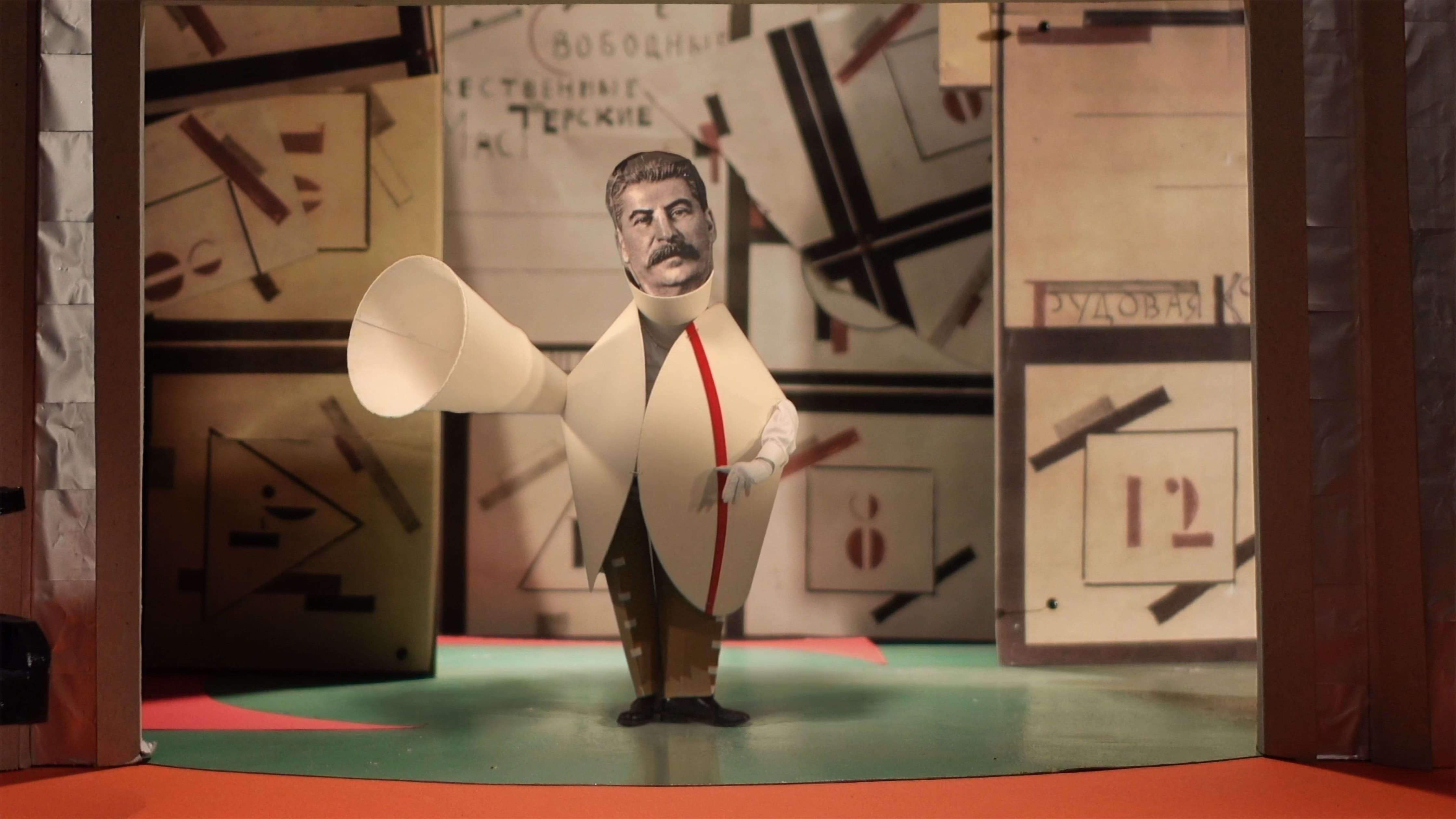
Oh To Believe in Another World constitutes a retrospective look at four decades of the Soviet Union – from the death of Lenin in the 1920s; the suicide of Mayakovsky. In the 1930s; the assassination of Trotsky in the 1940s; and the death of Stalin in the 1950s. Protagonists include pianist and composer Elmira Nazirova; poet Vladimir Mayakovsky; author Lilya Brik; Vladimir Lenin; Leon Trotsky; Joseph Stalin and Shostakovich himself. The projection is set inside what appears to be an abandoned Soviet museum. It is made of cardboard and sits on a table in the artist’s studio. Using a miniature camera, we are guided – as if in a dream – through the deserted halls into a host of symbolic imagined spaces, including a community theatre hall, a public swimming pool, a quarry and a corridor of vitrines holding stuffed historical figures.
The audio component includes the collaging of music by Russian composers, sampled and sliced to cacophonous effect to create an assemblage of sound. The work leans into the “deliberately dissonant, muddled stream of sounds” that defined Stalin’s damning response to Shostakovich’s Lady Macbeth of Mtsensk (1934). By embracing the creative possibilities of “muddle” and fragmentation, denied to Shostakovich for decades, Kentridge turns Stalin’s denouncement into a quality to be celebrated.
The protagonists in the film feature partially as small paper puppets – a characterisation which evolved as Kentridge began working with costume designer Greta Goiris to experiment with the possibility of using actors inside of puppets.