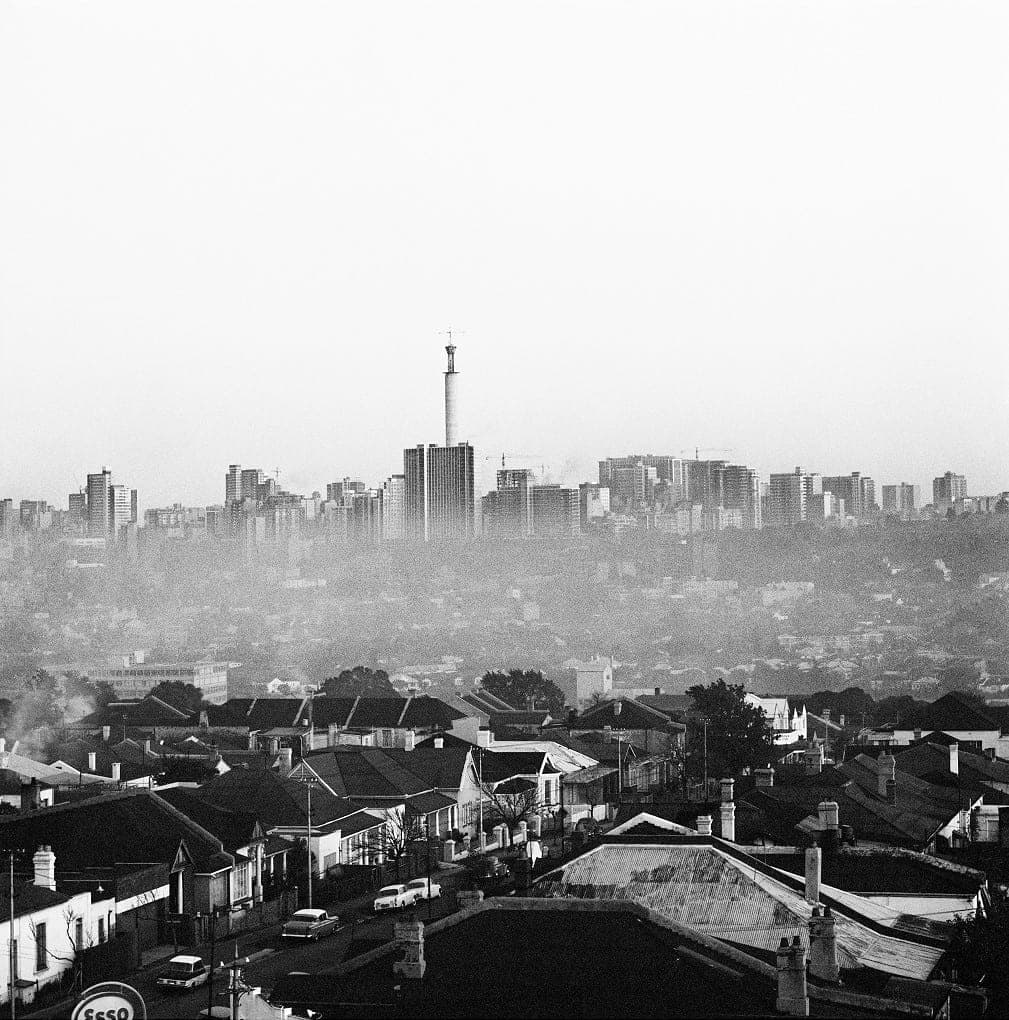
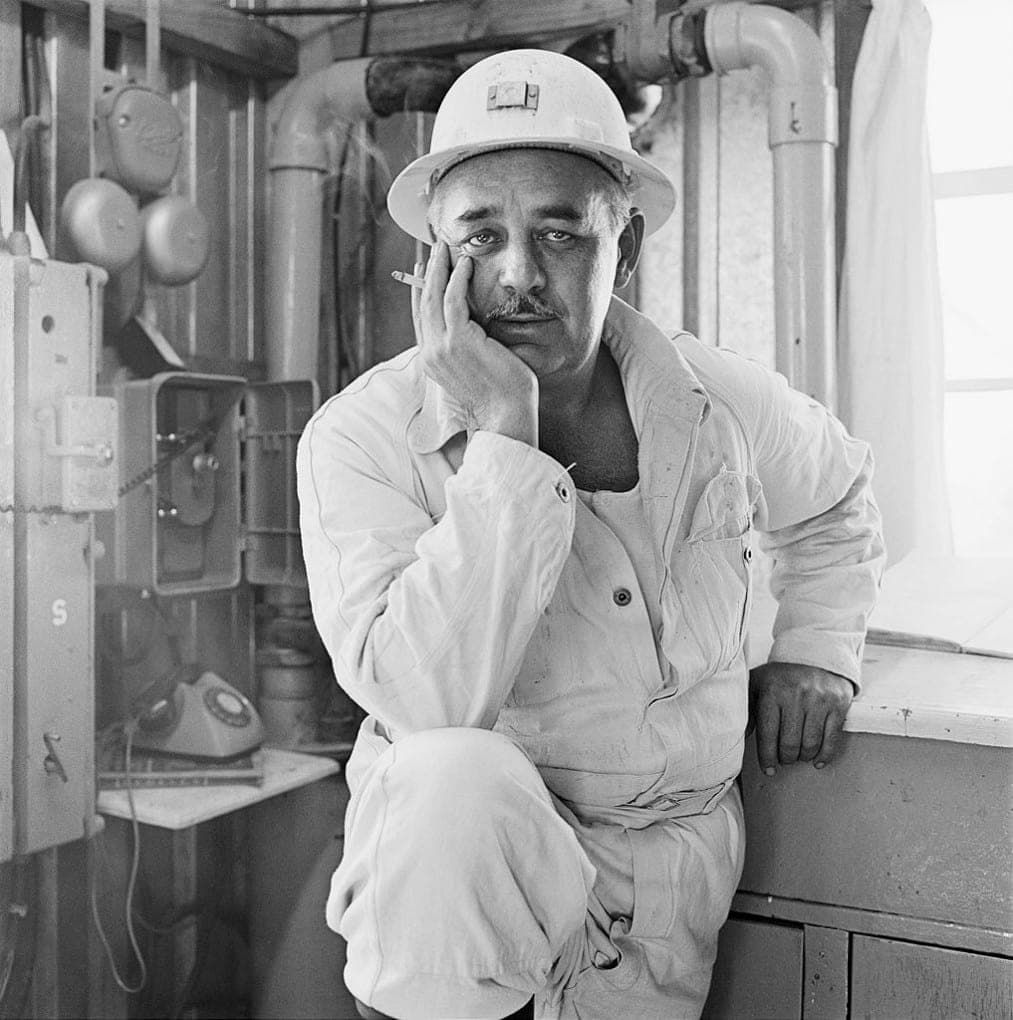
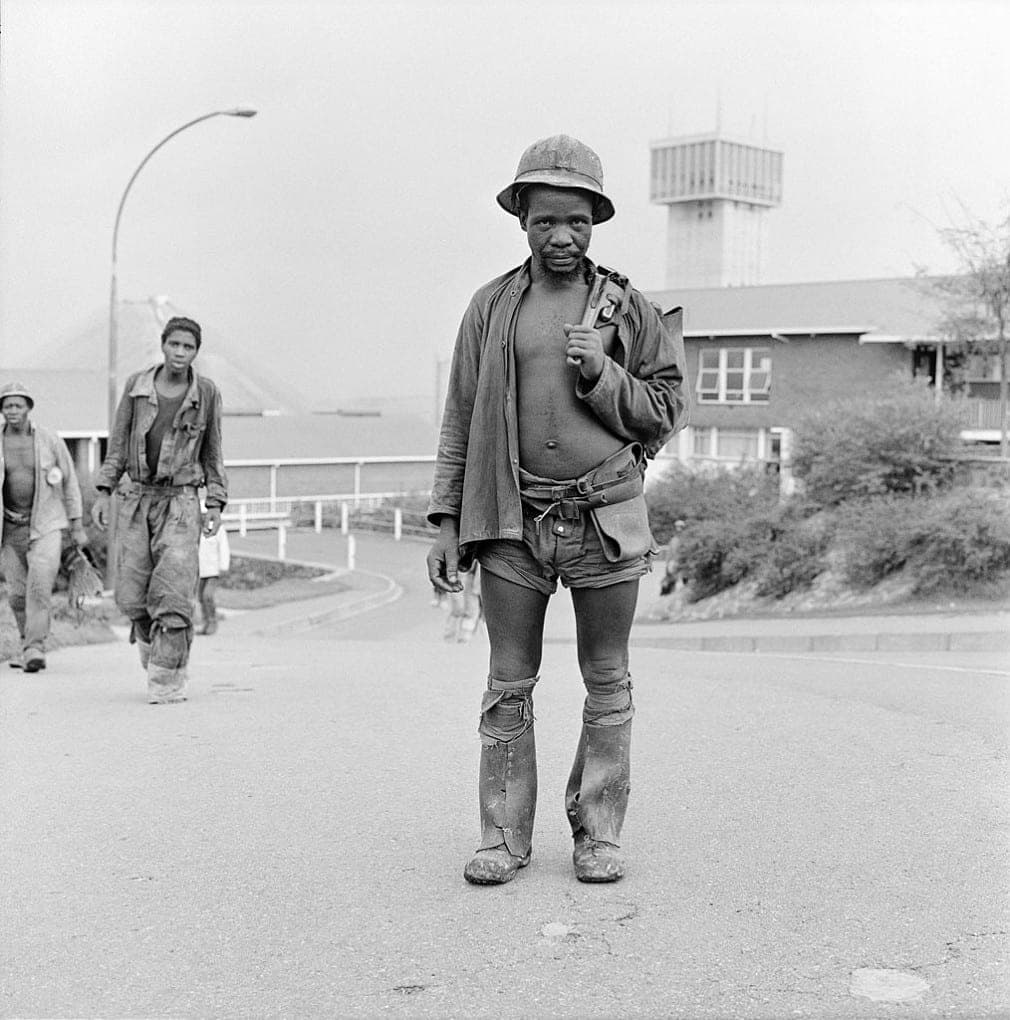
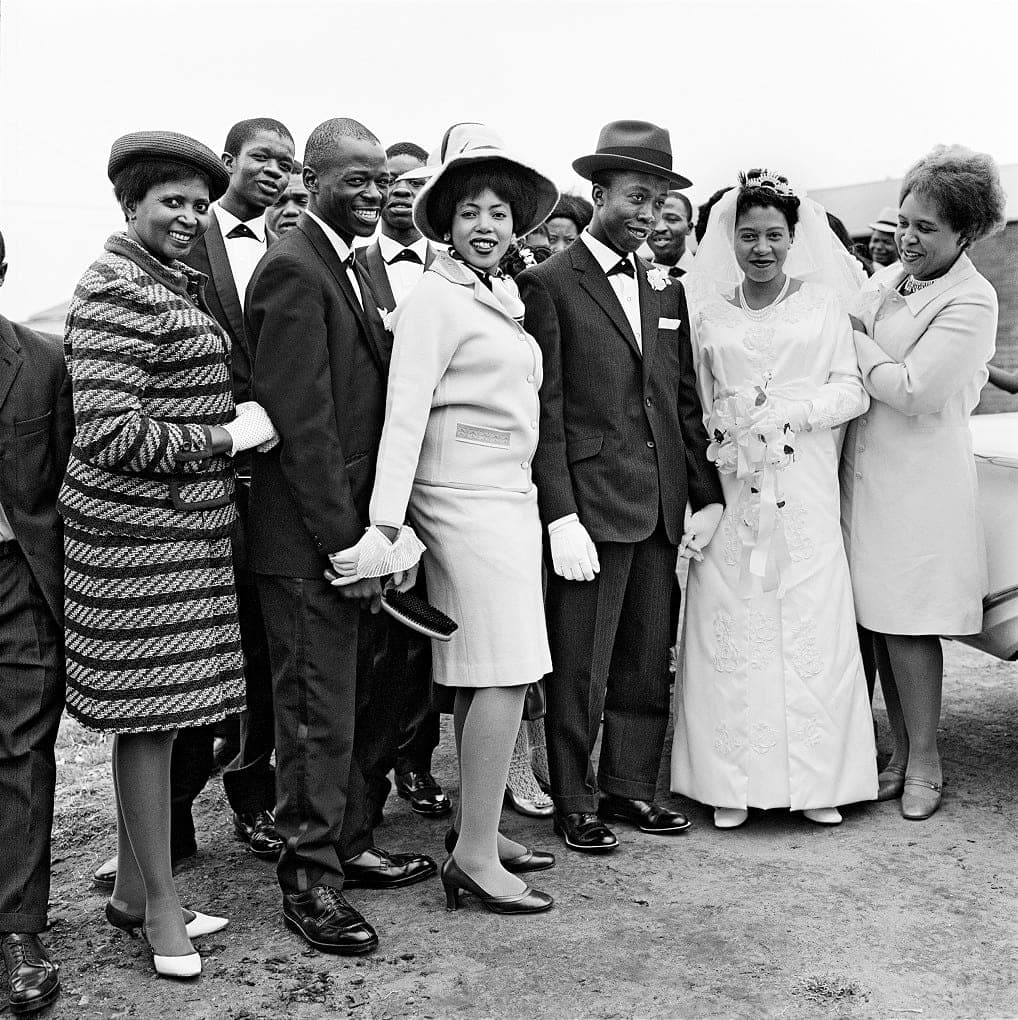
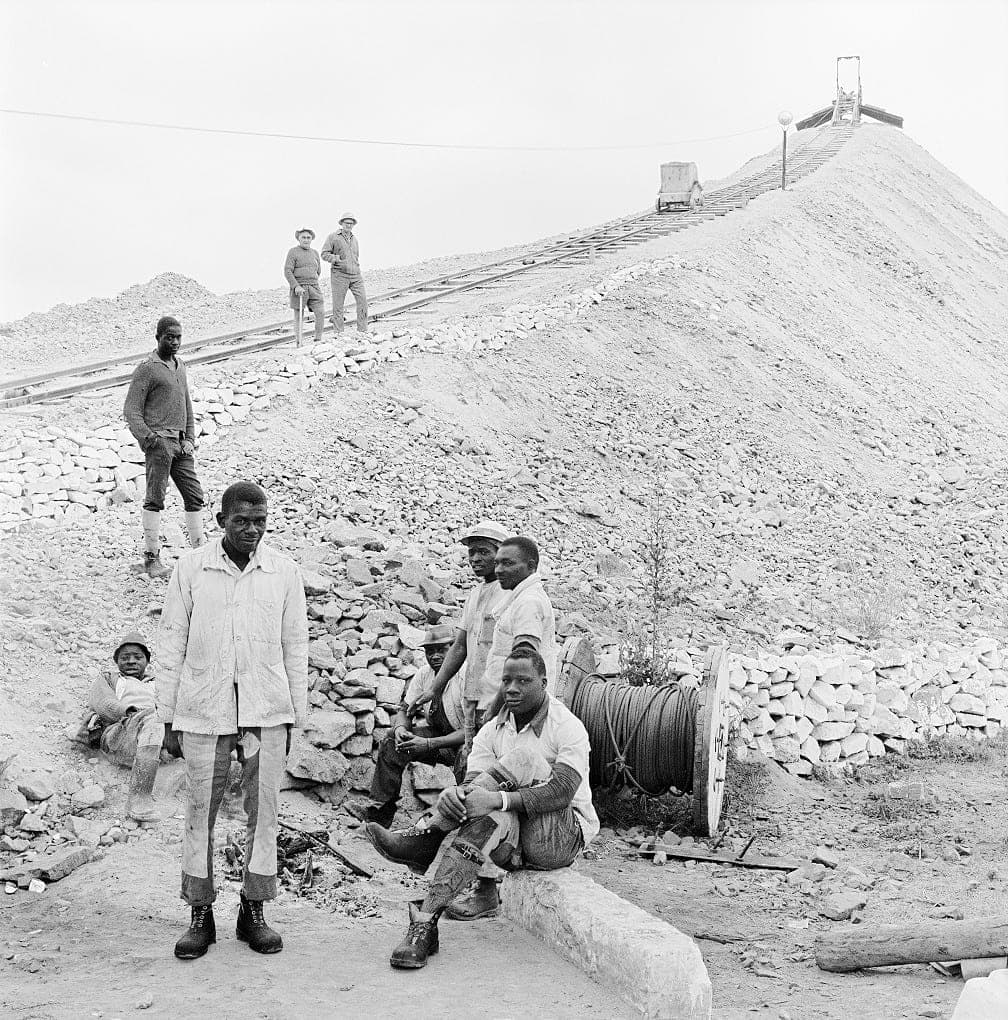
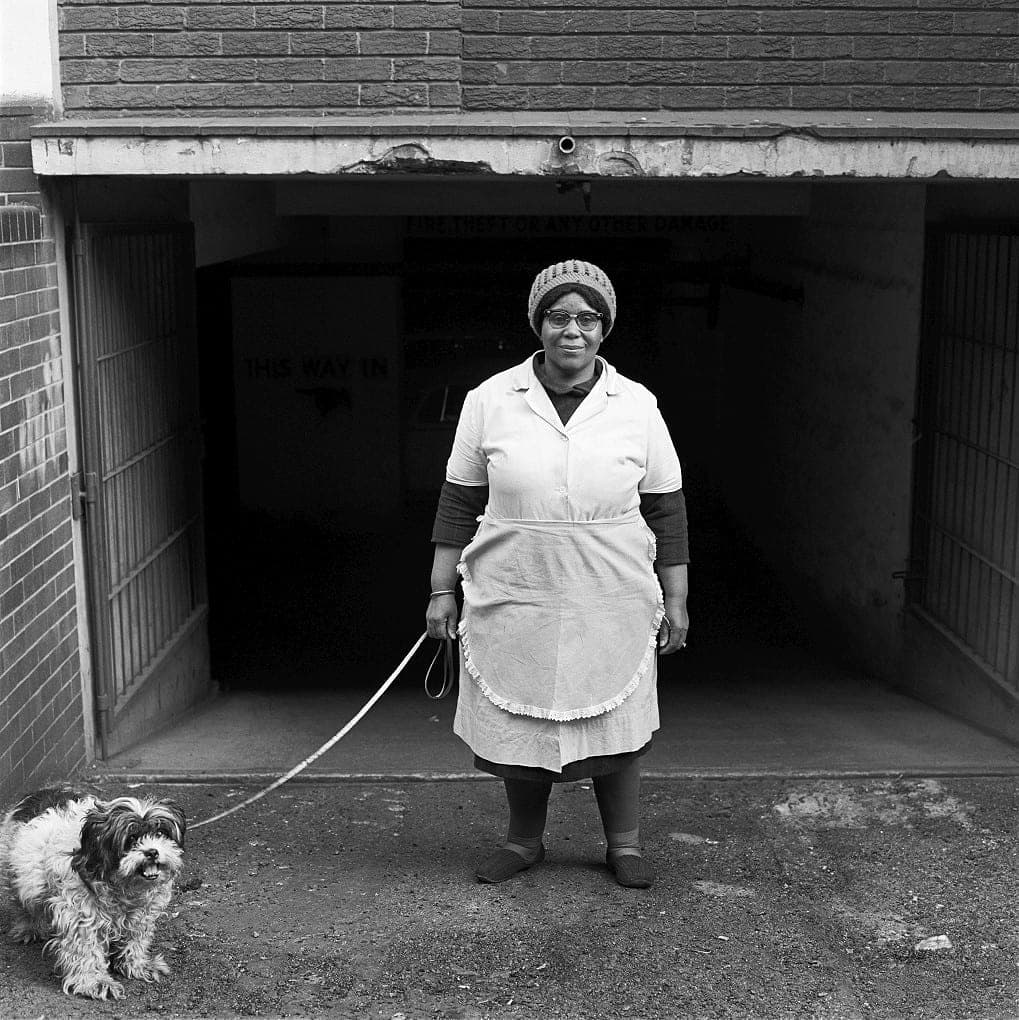
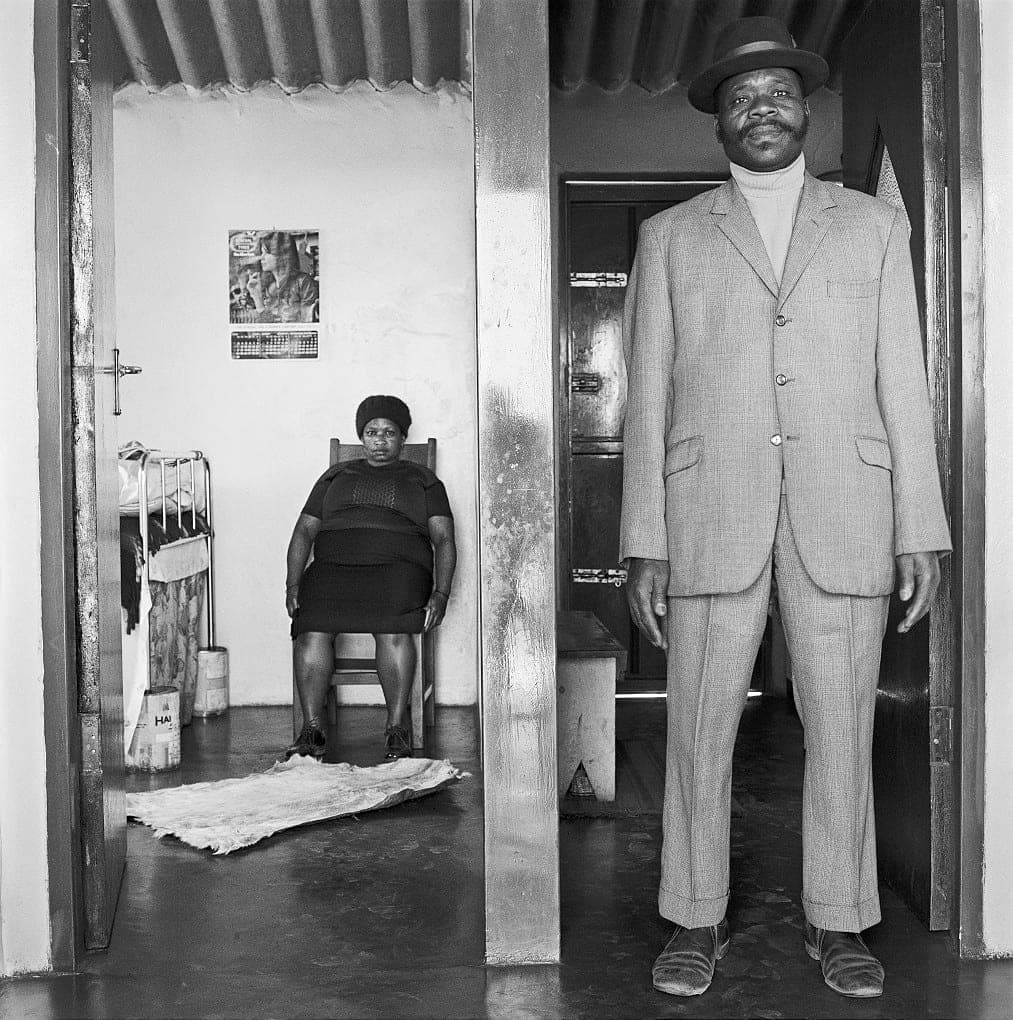
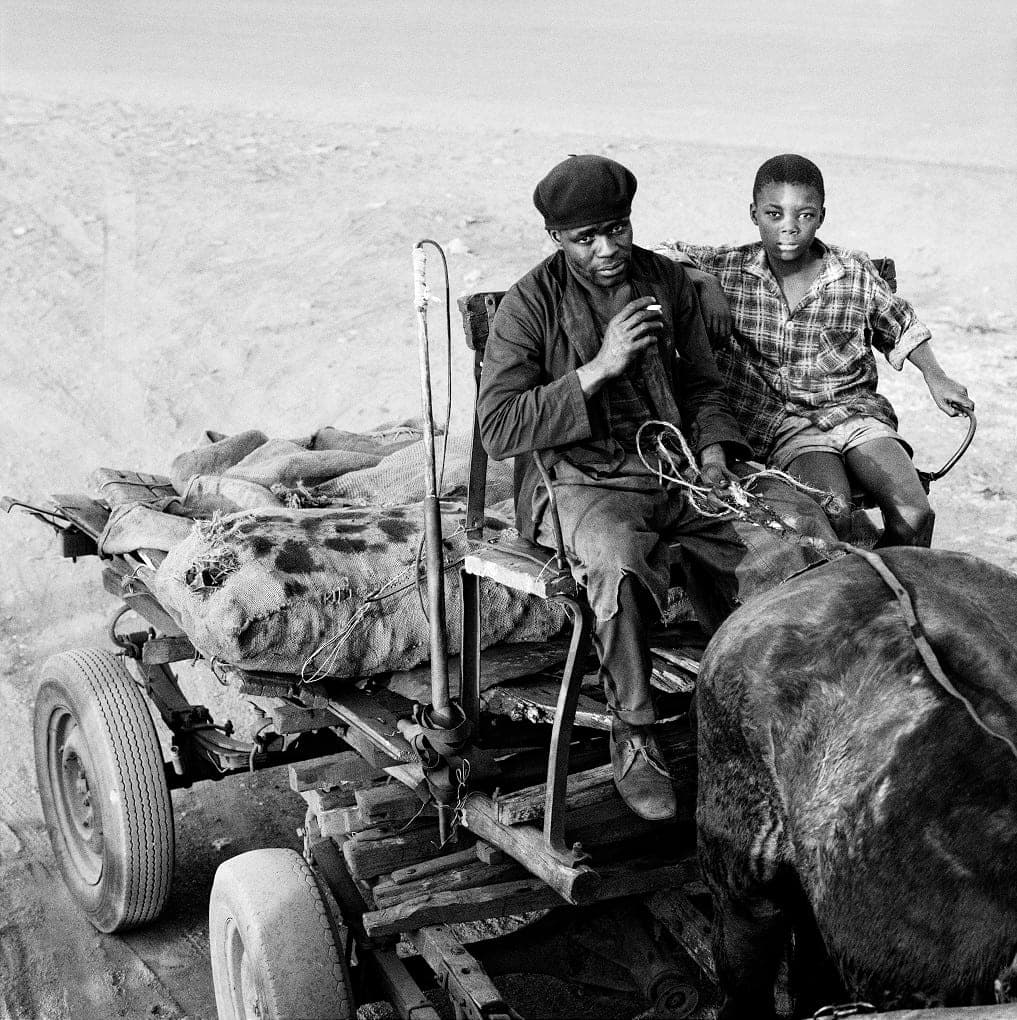
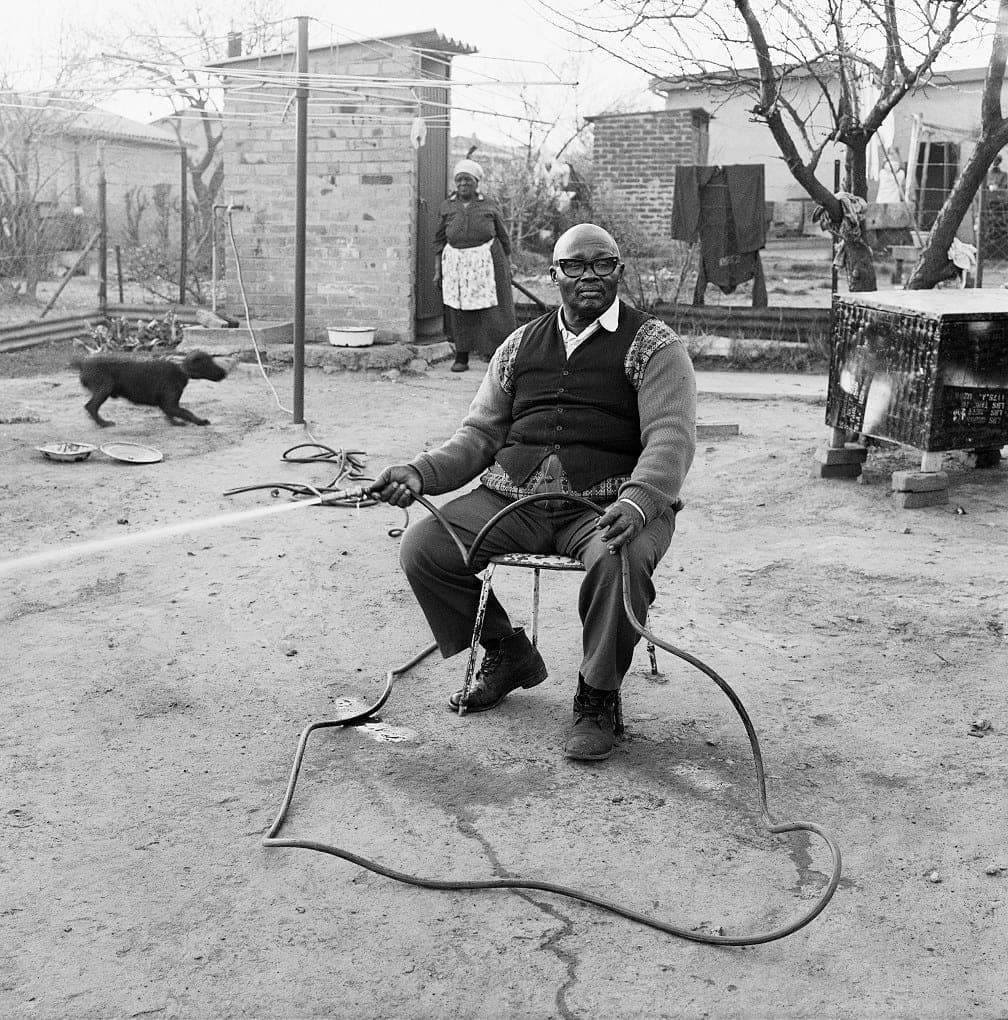
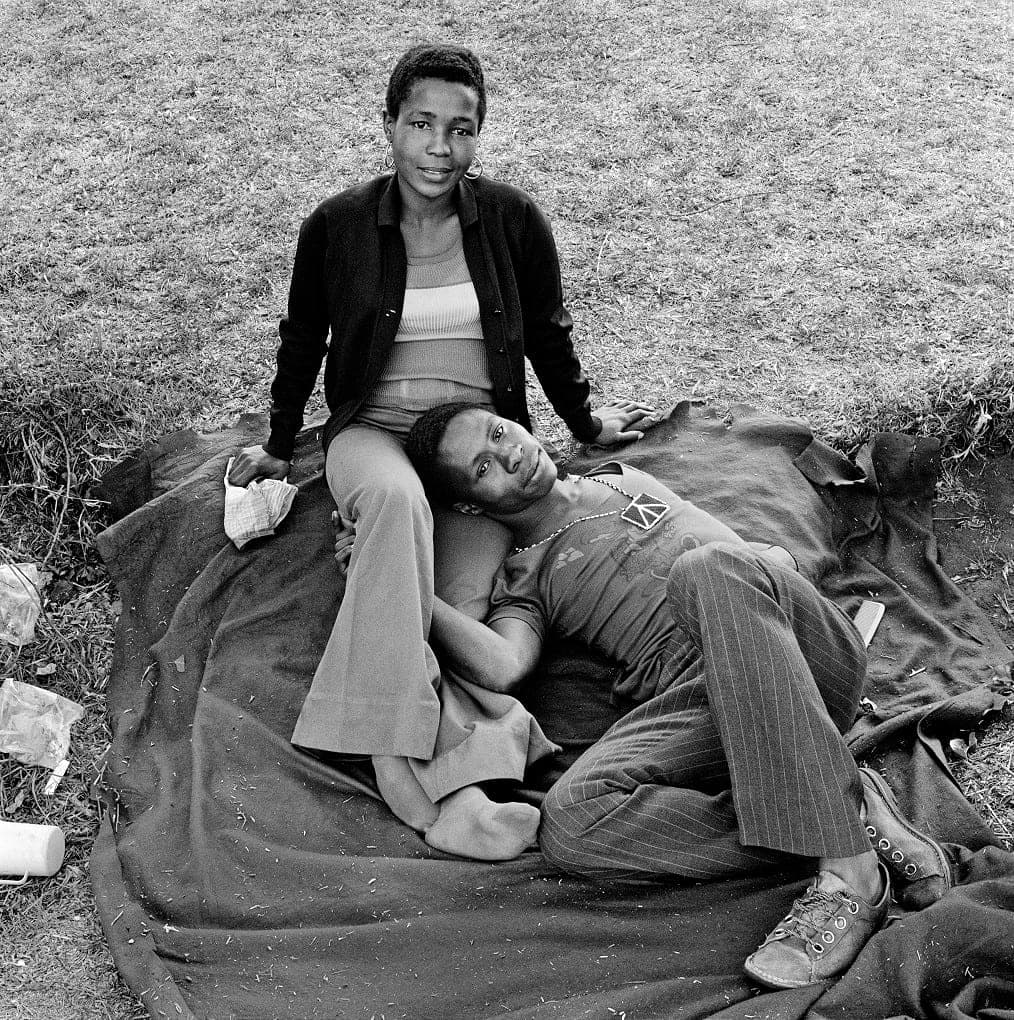
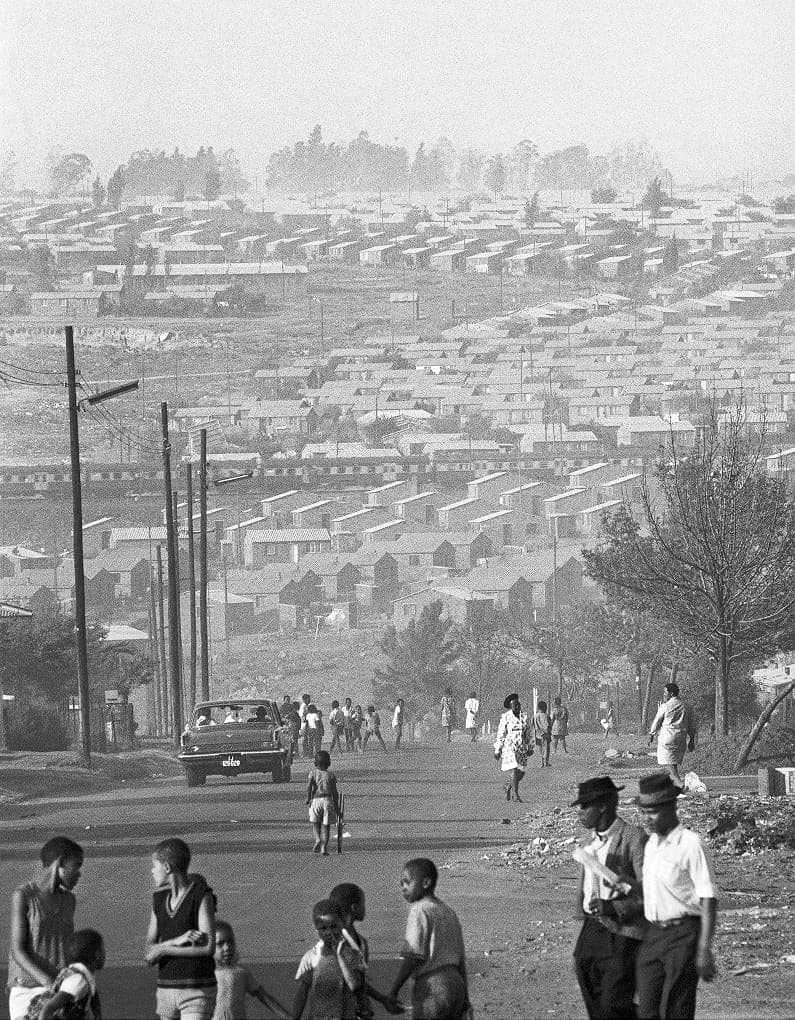
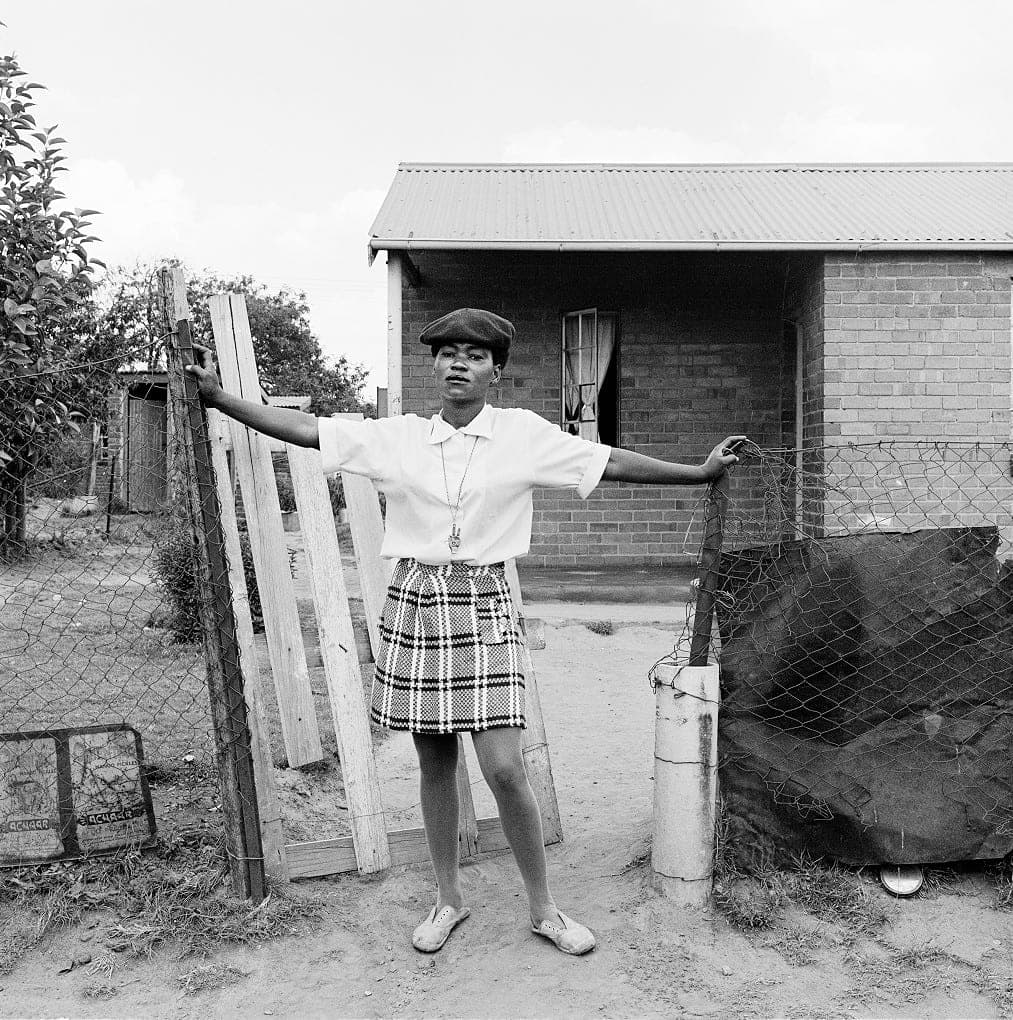
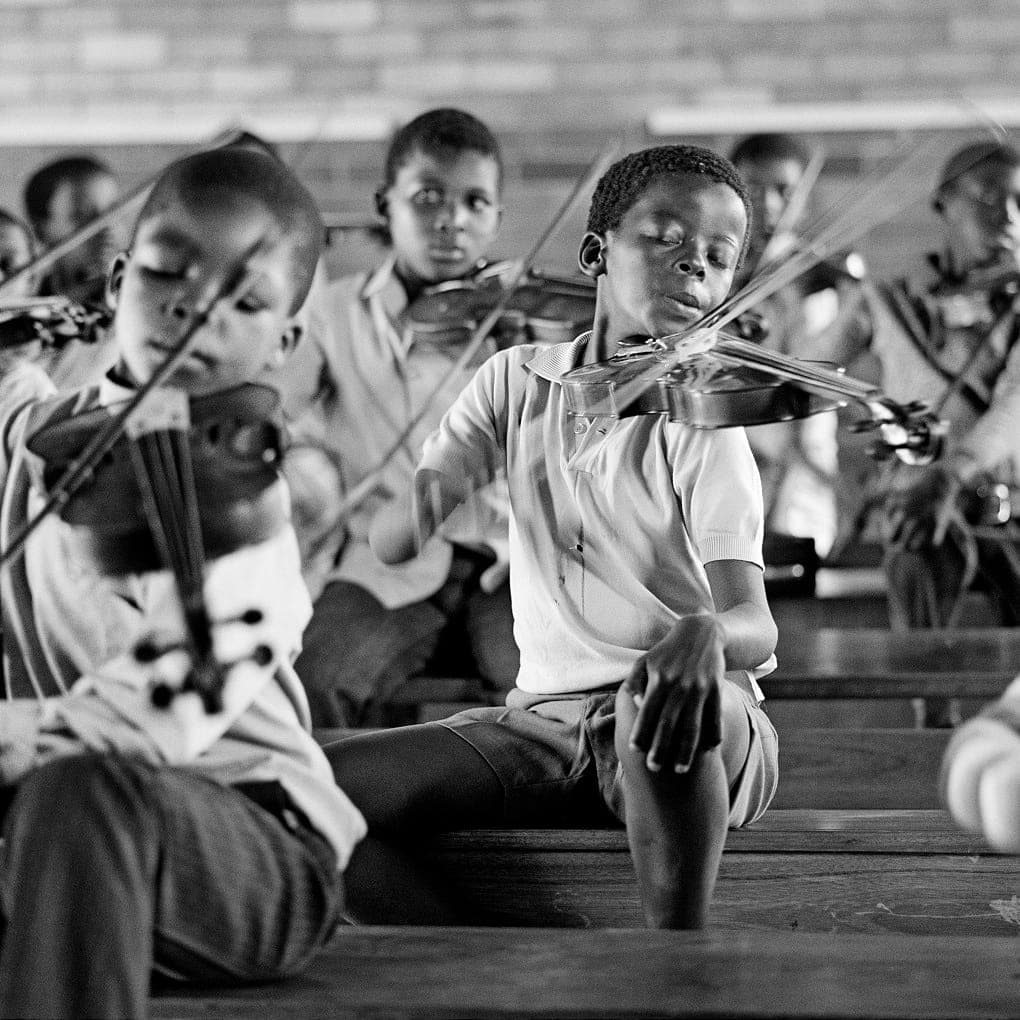
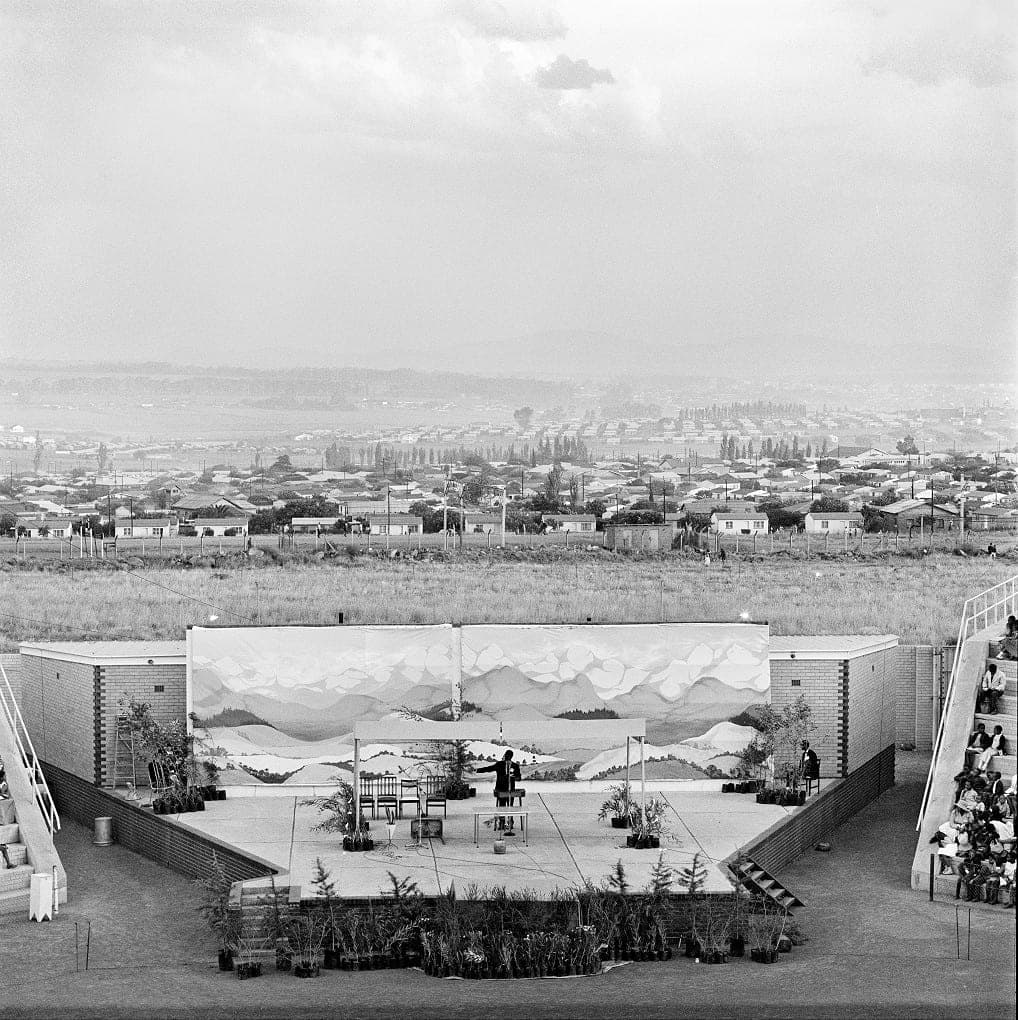
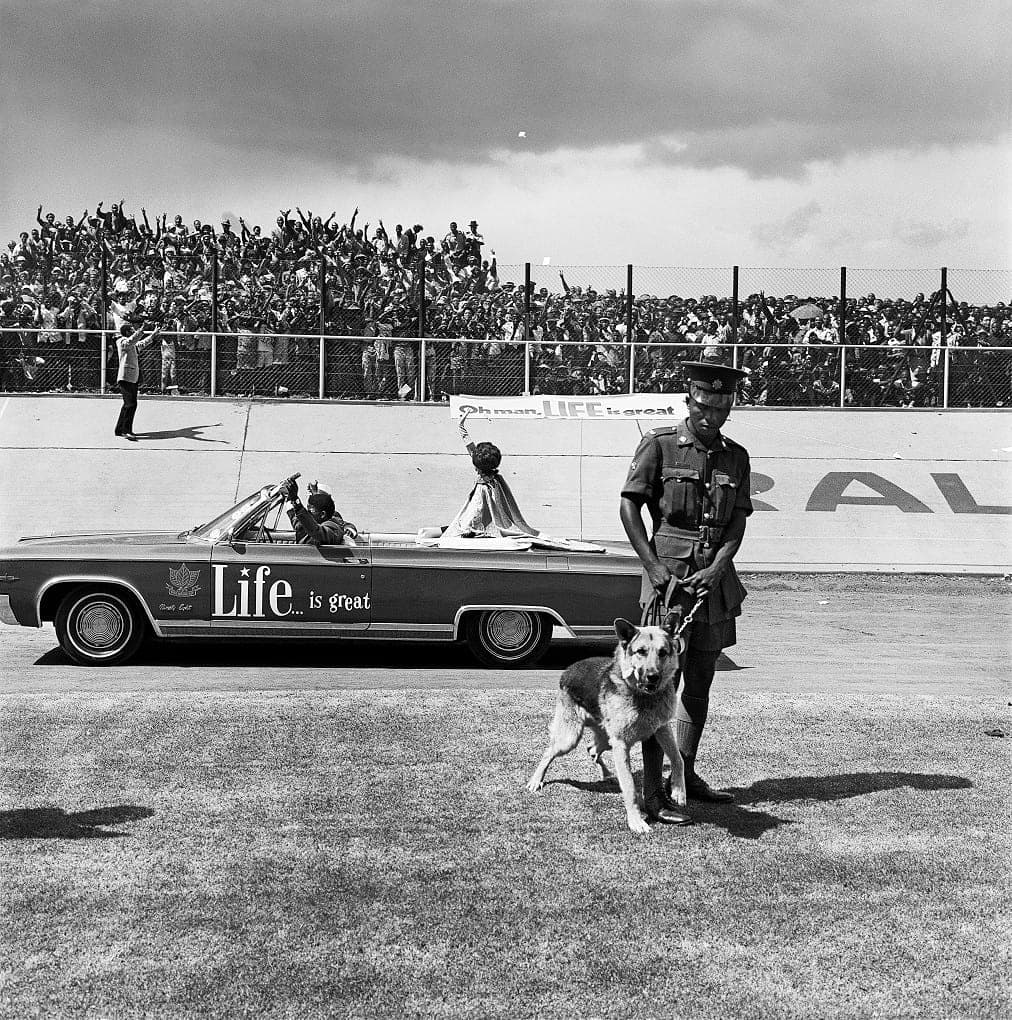
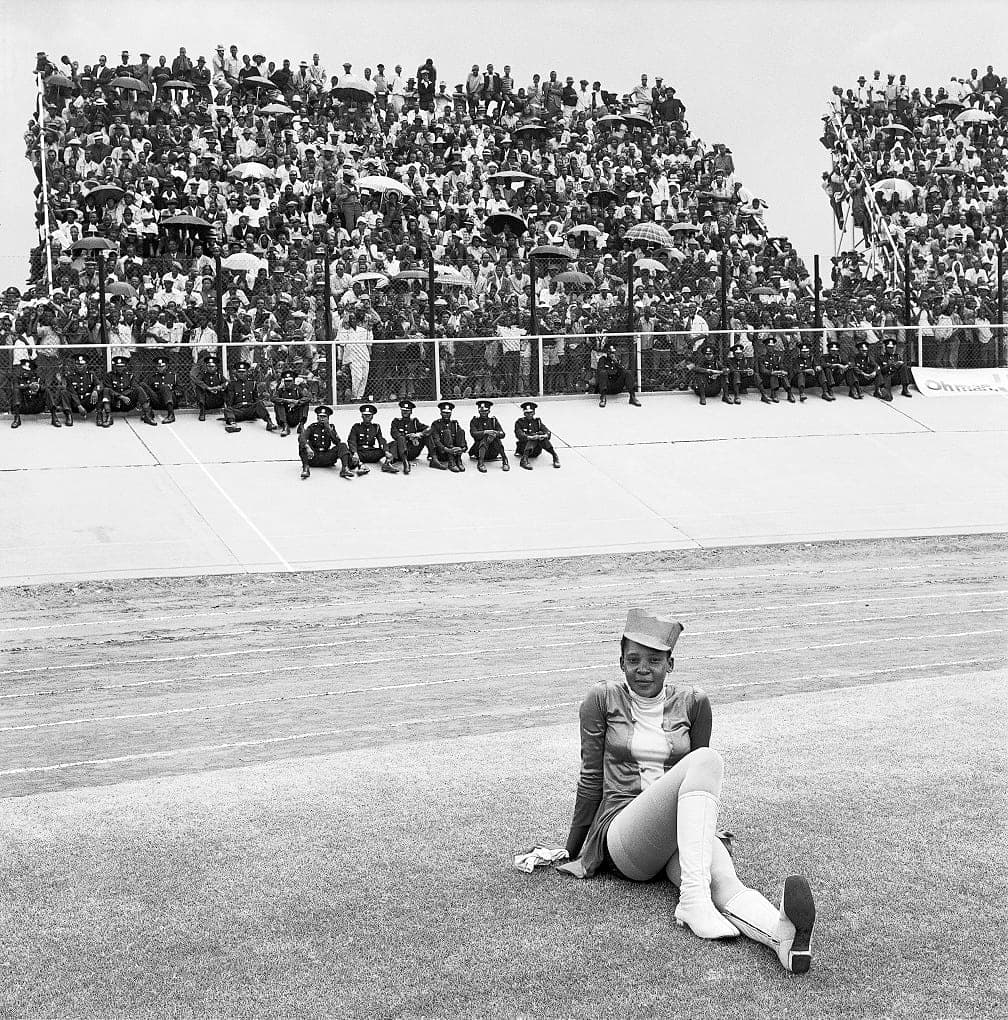
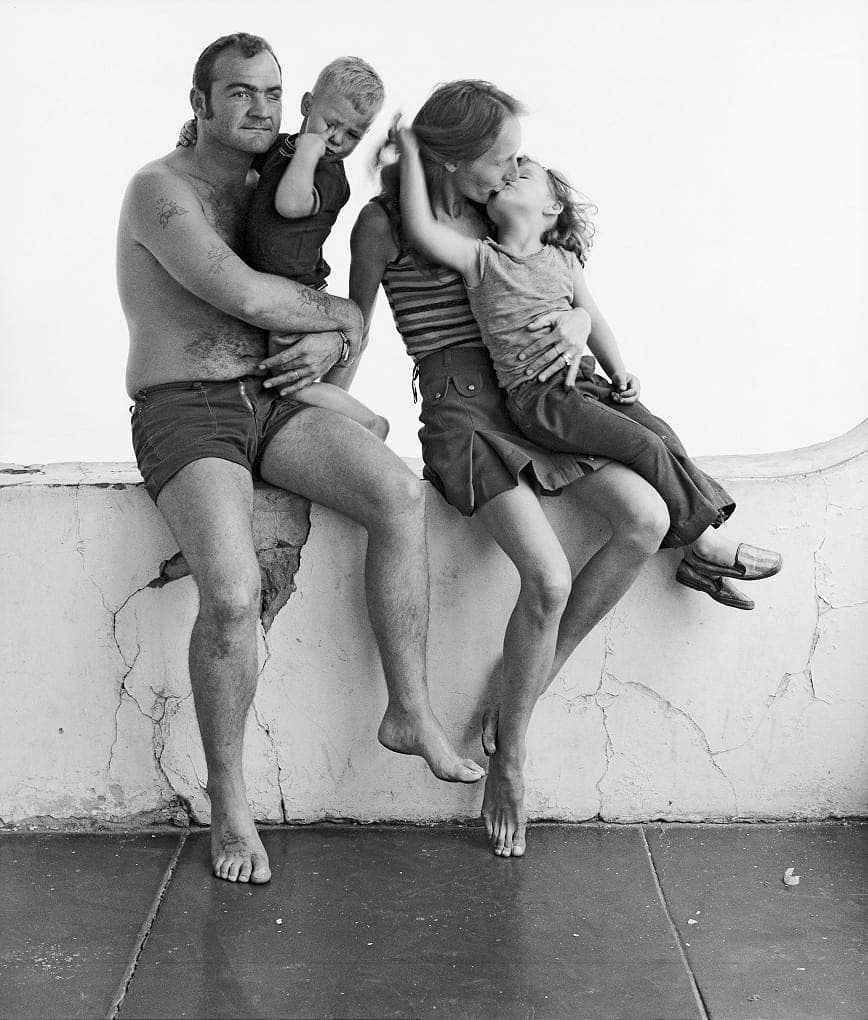
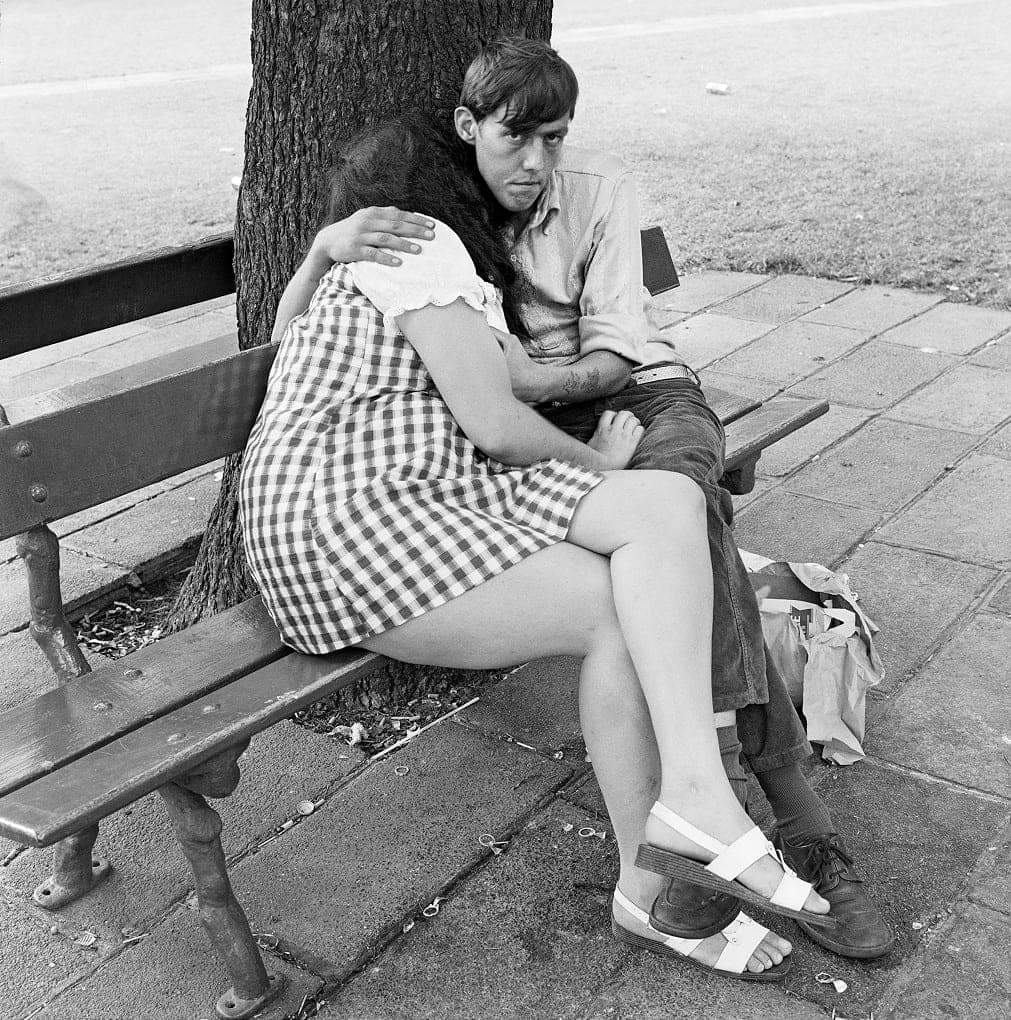
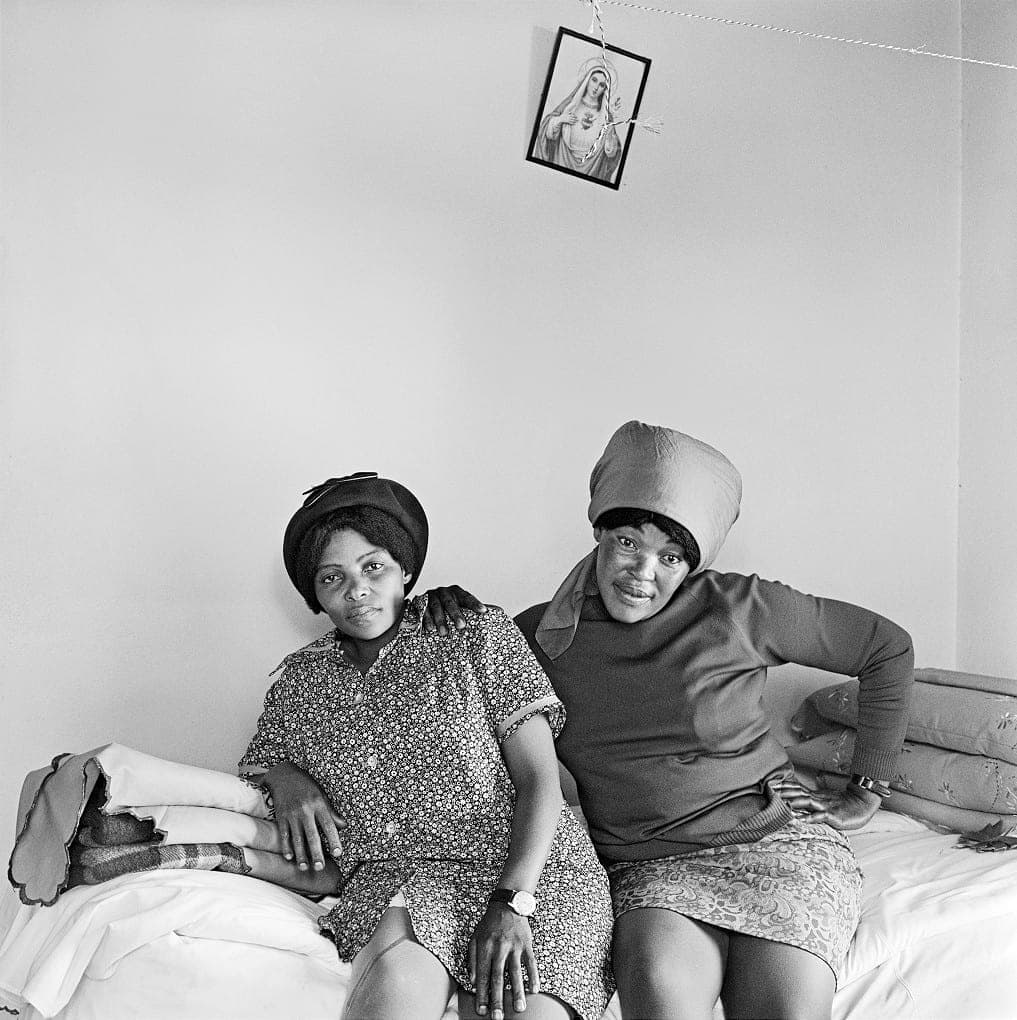
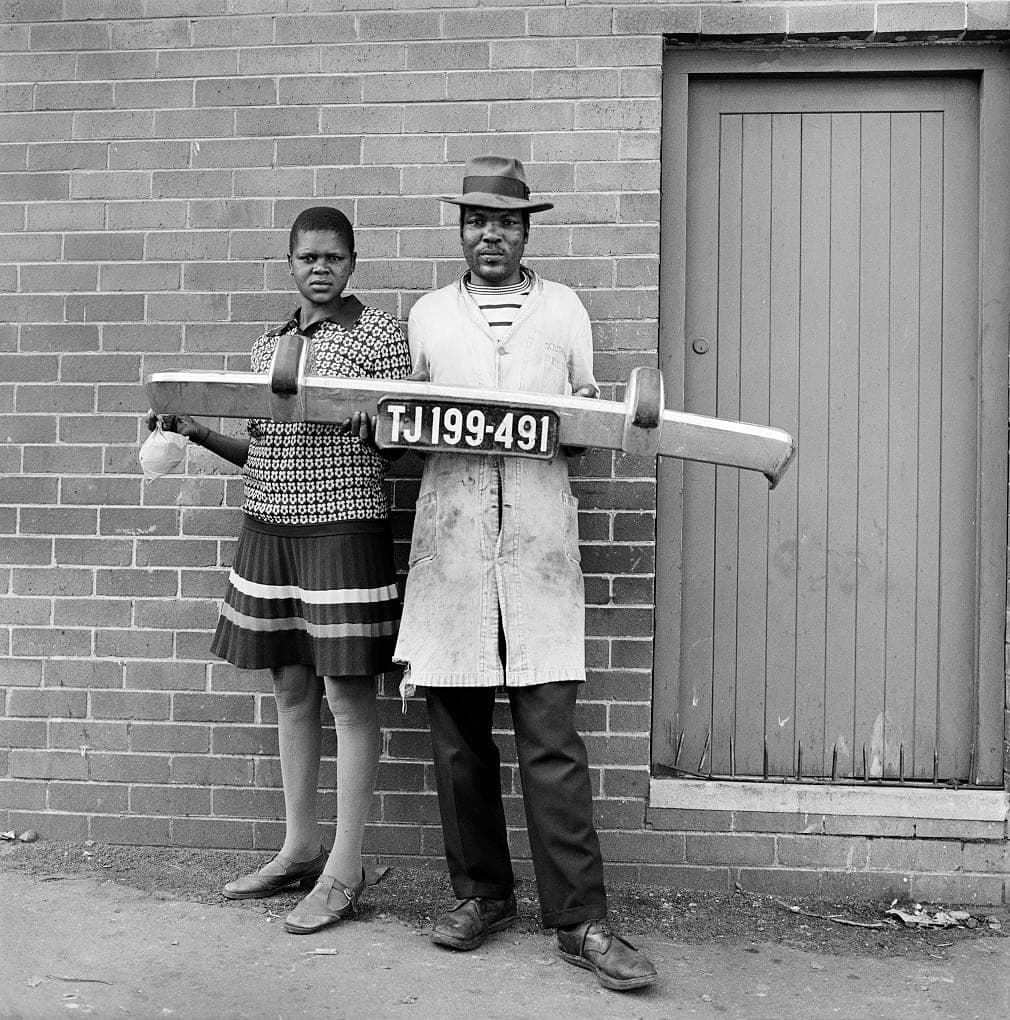
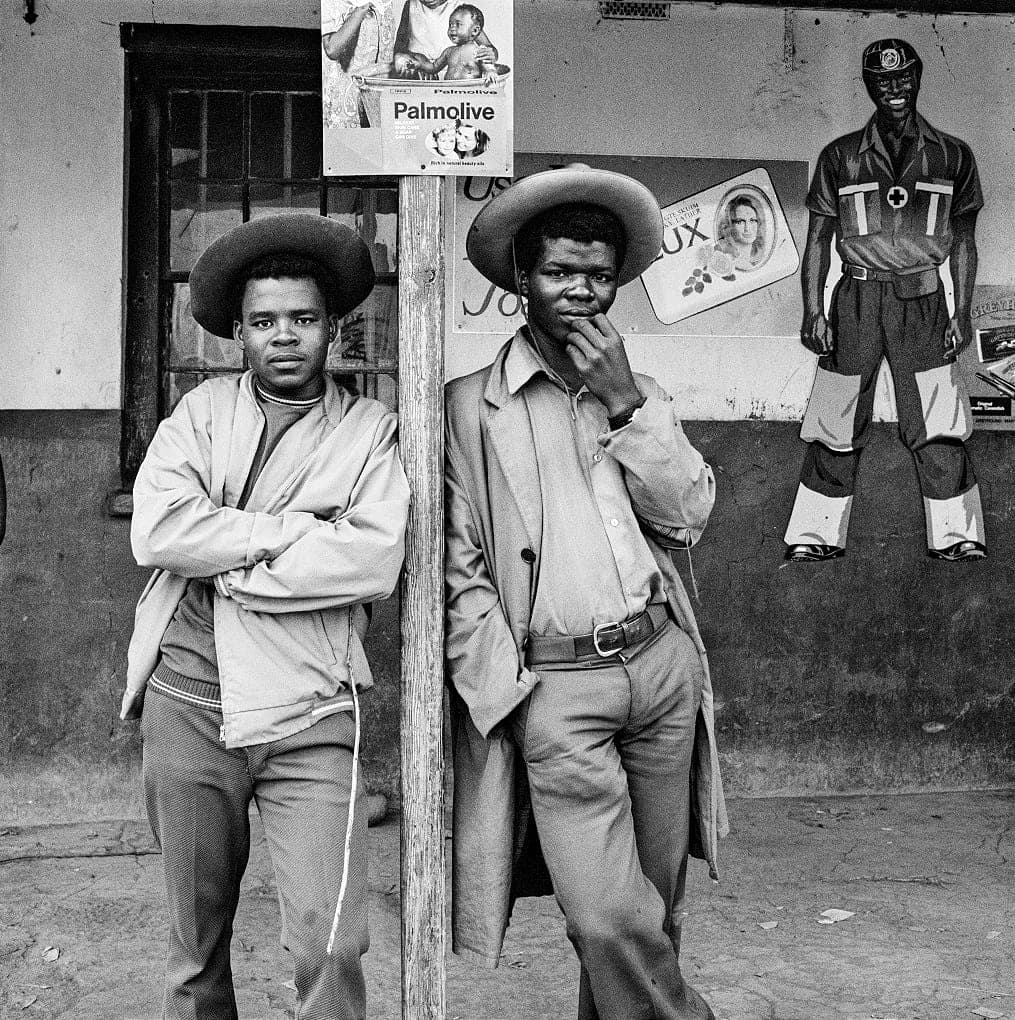
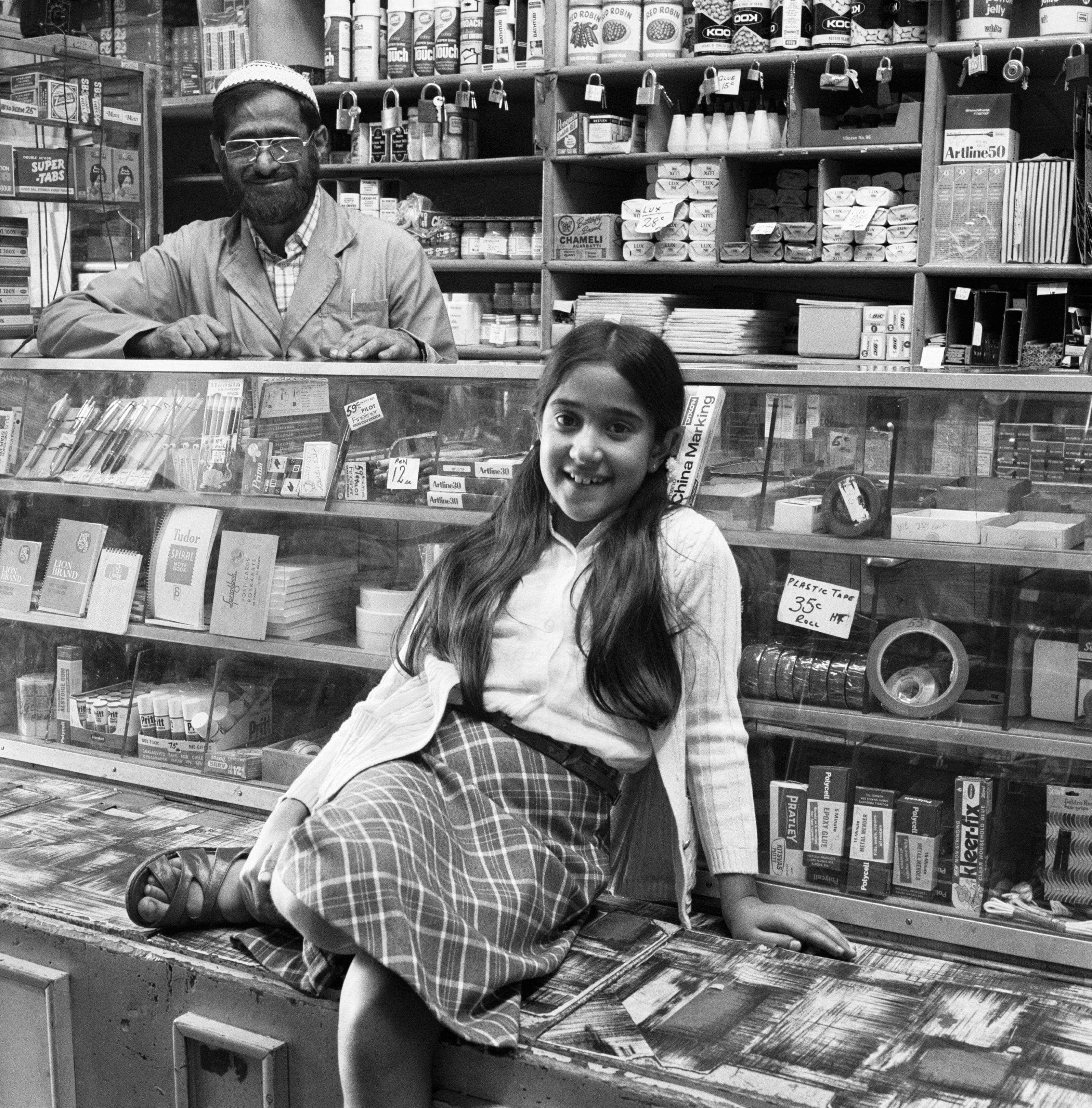
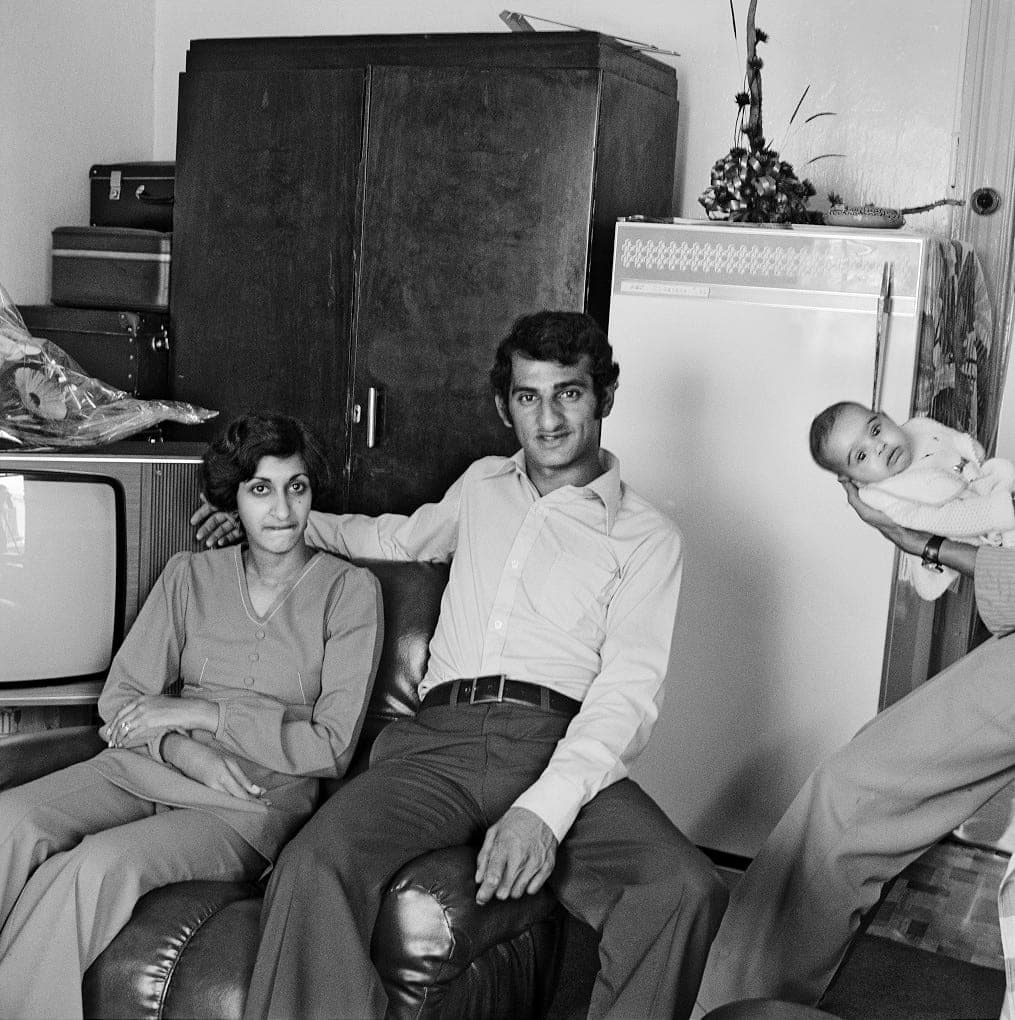
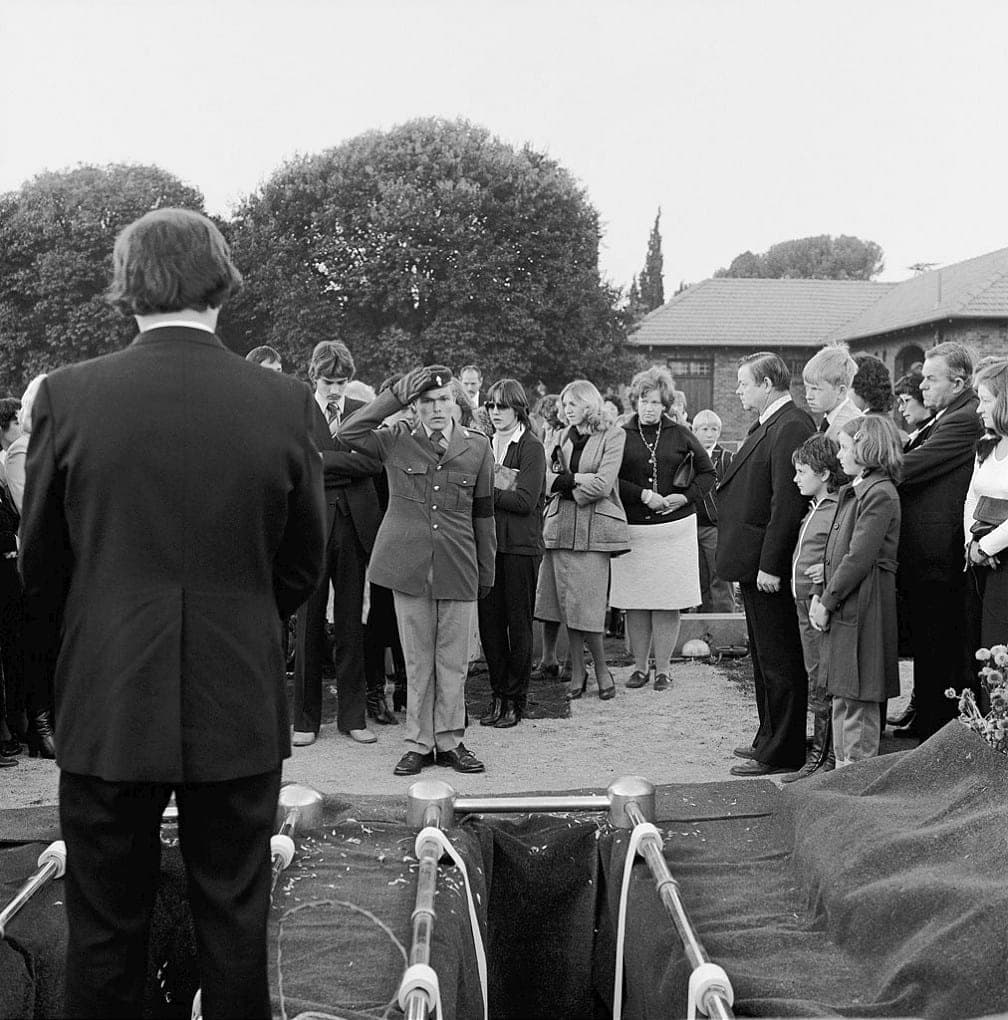
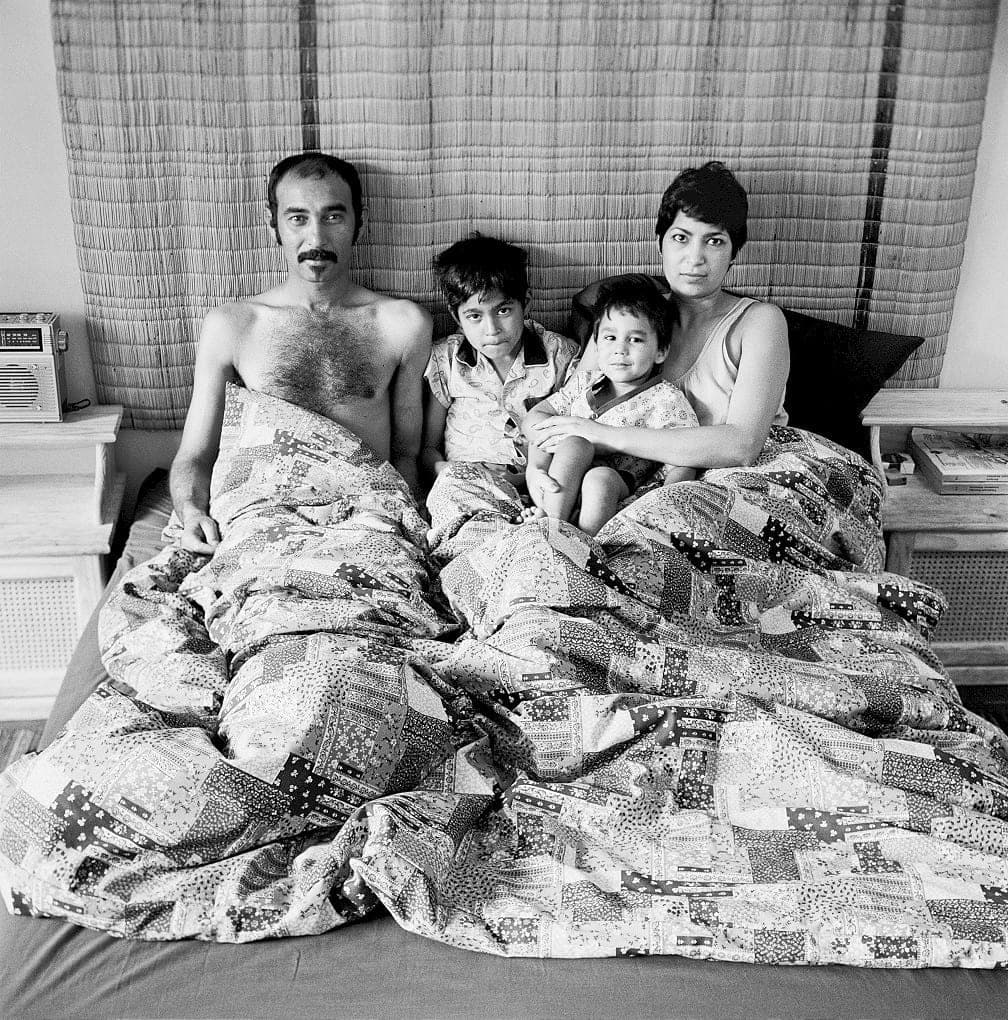
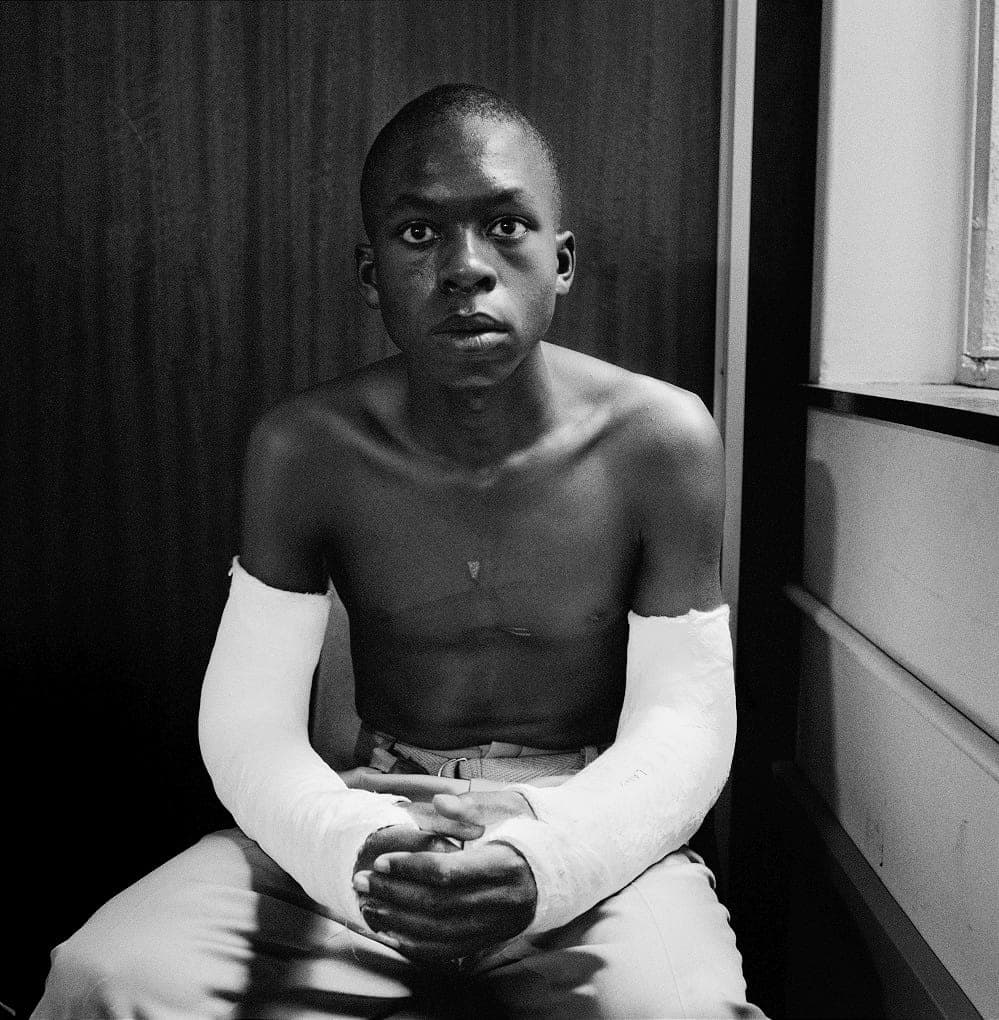
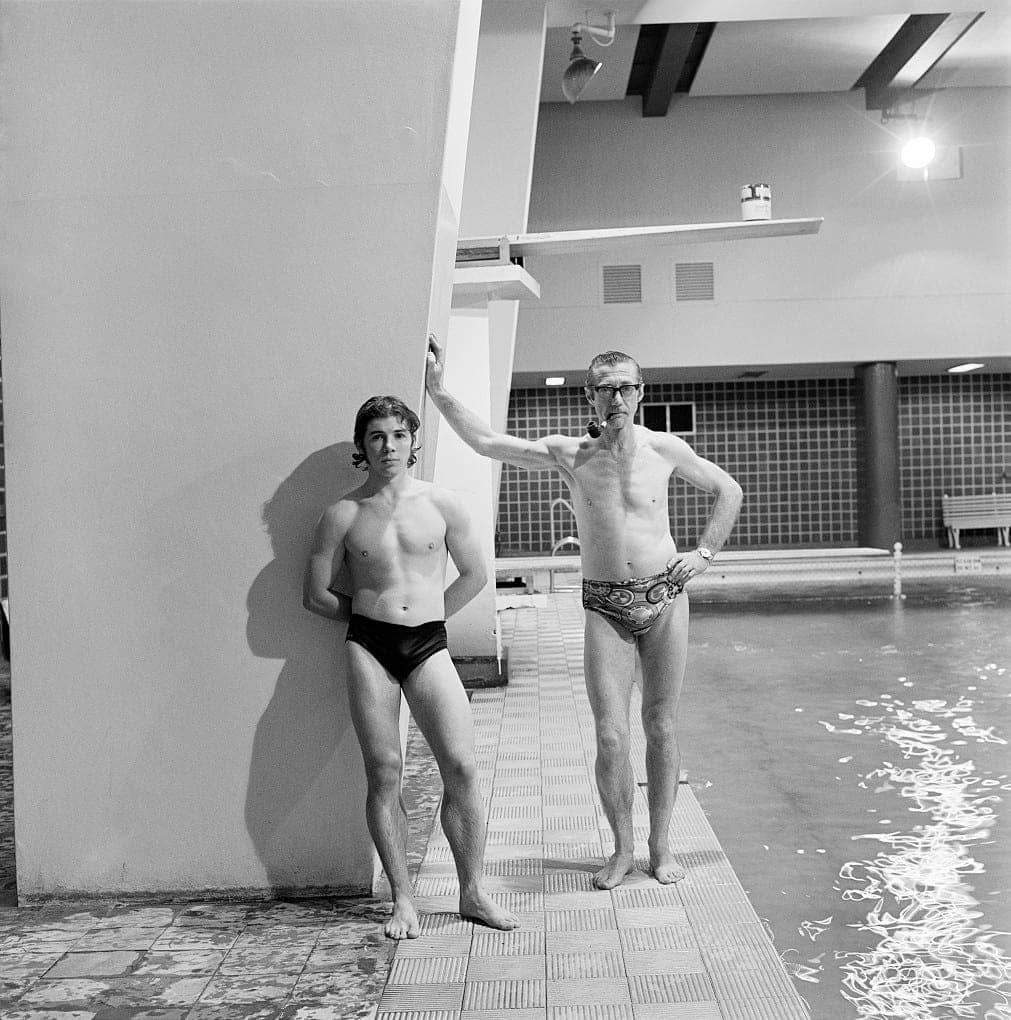
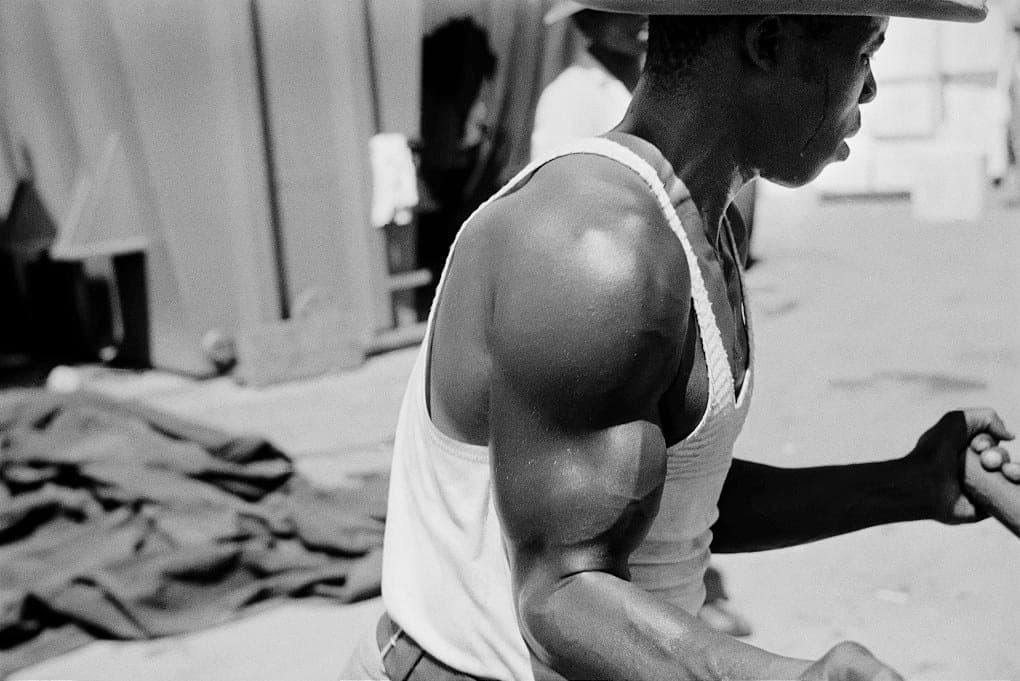
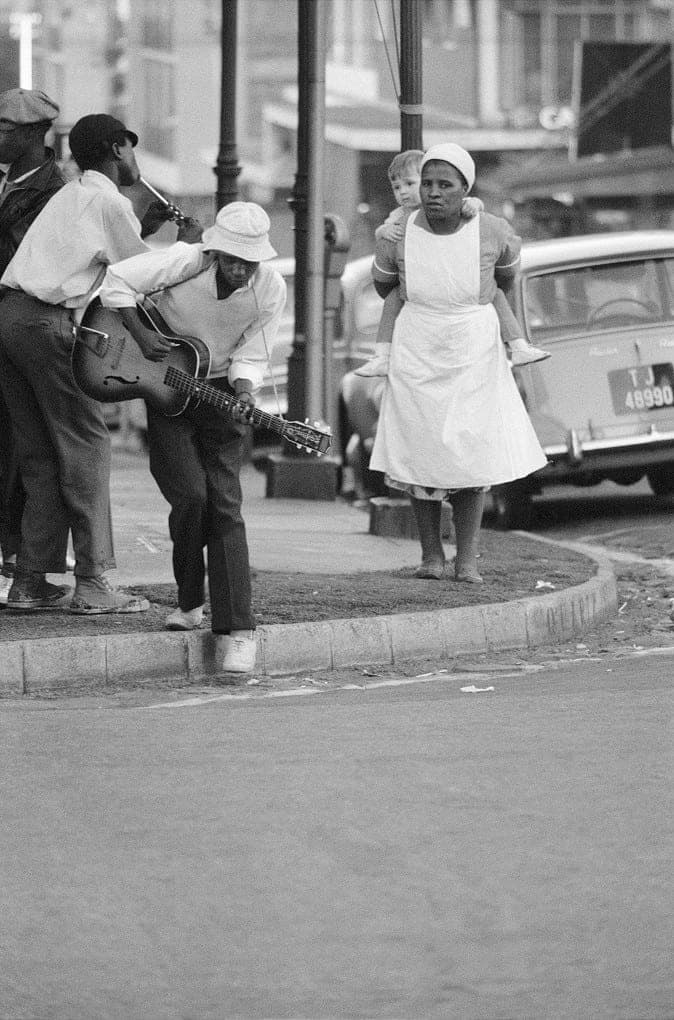
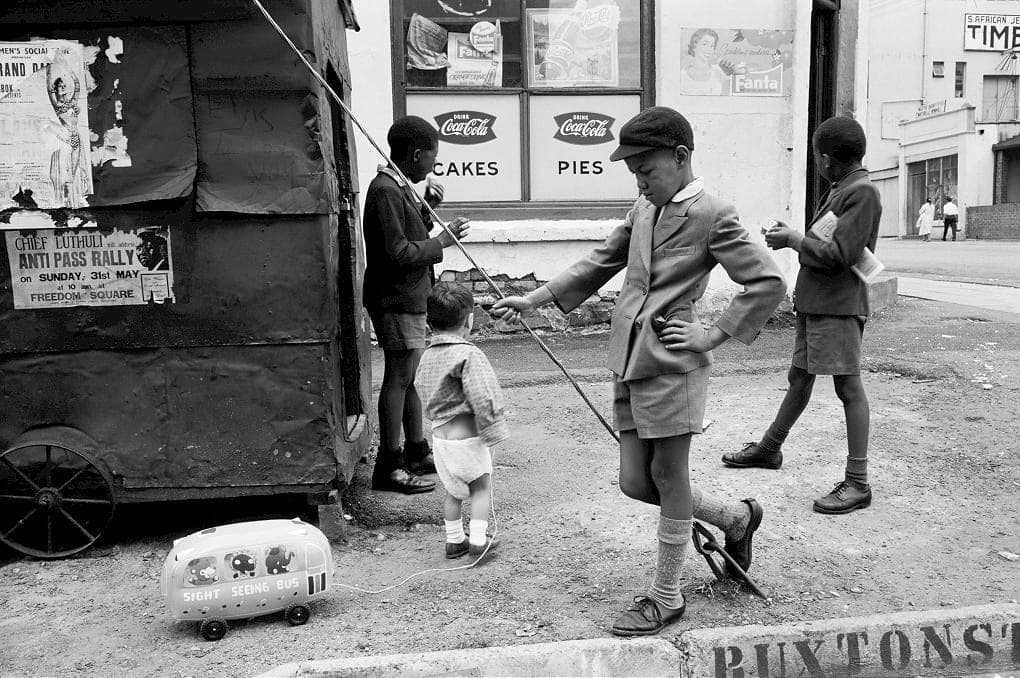
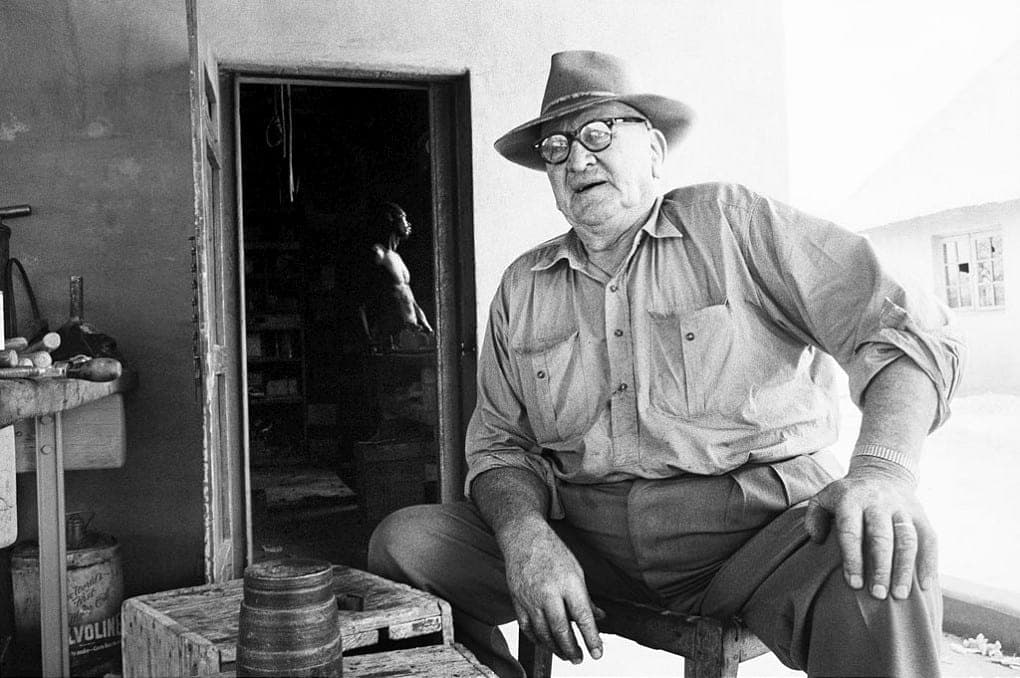
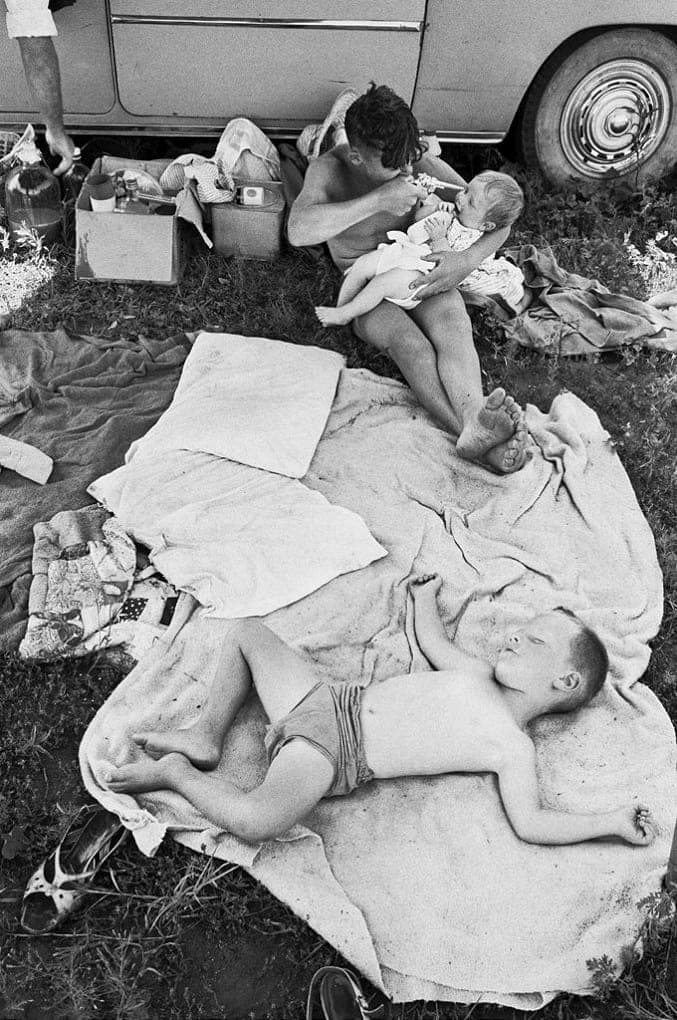
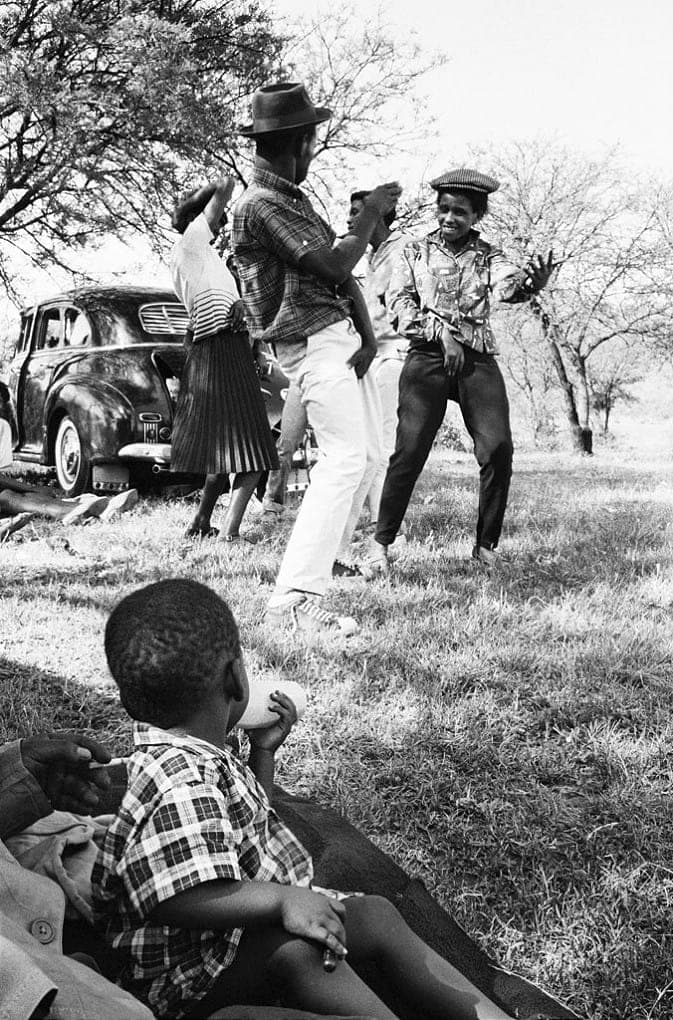
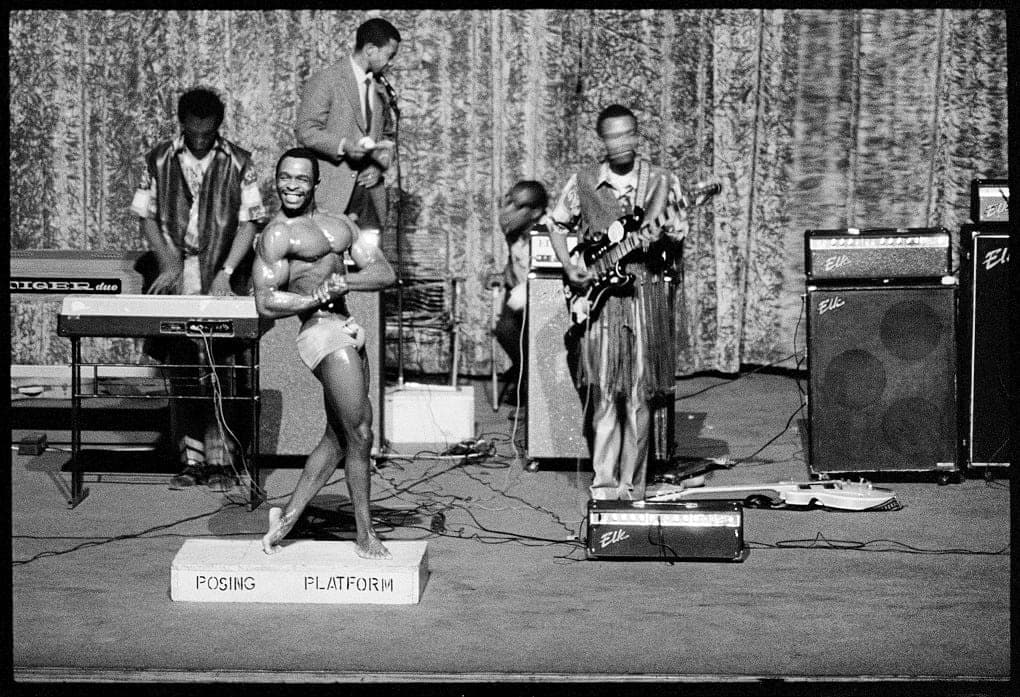
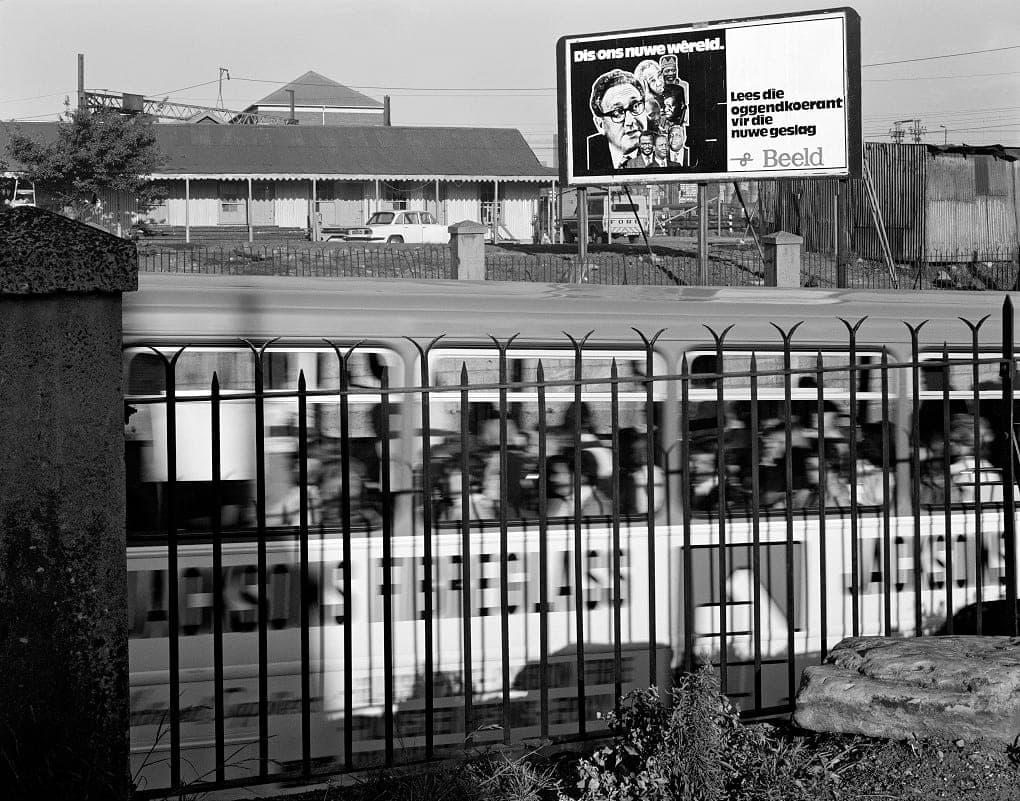
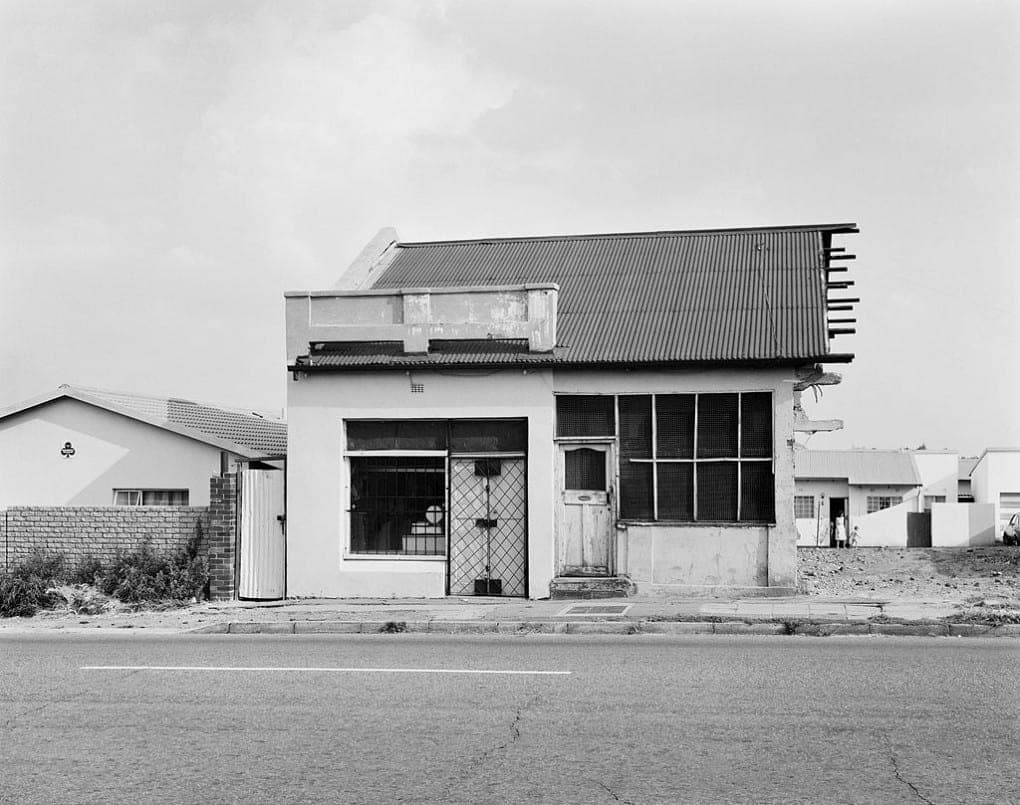
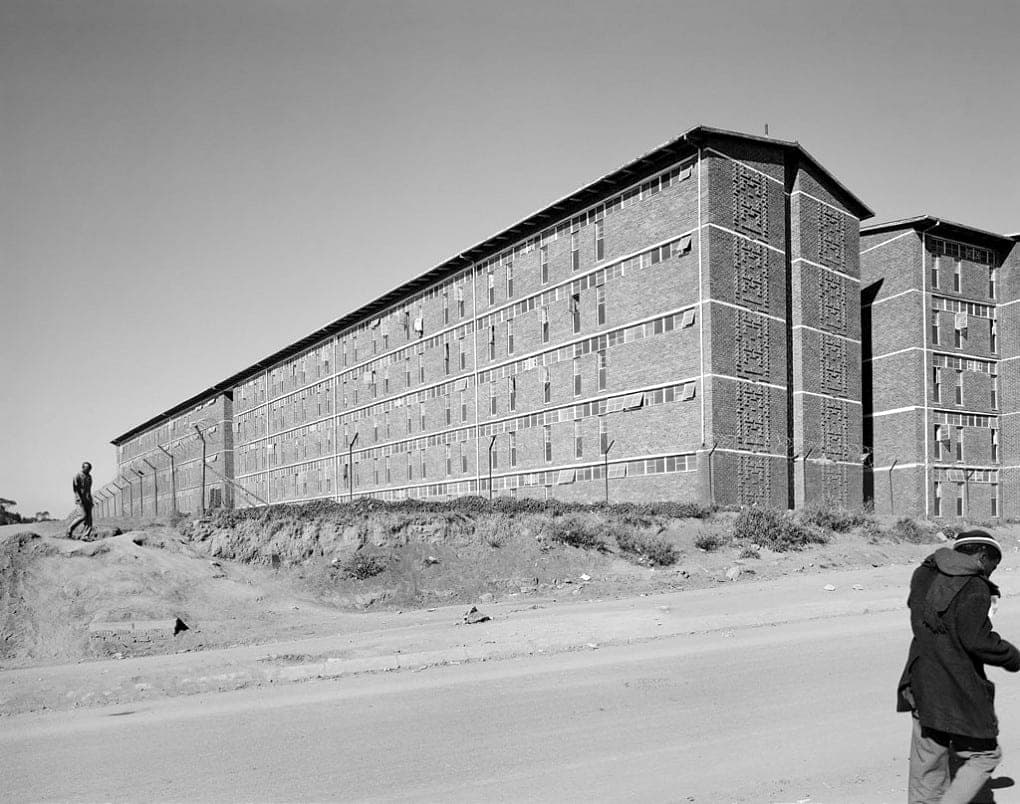
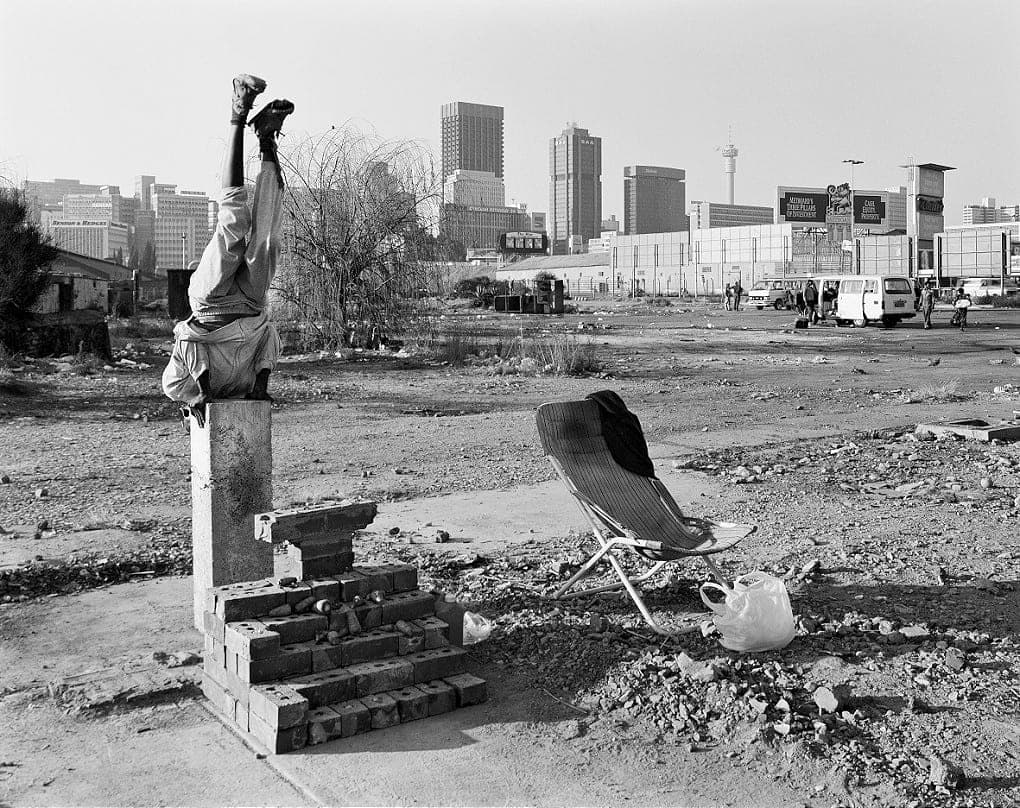
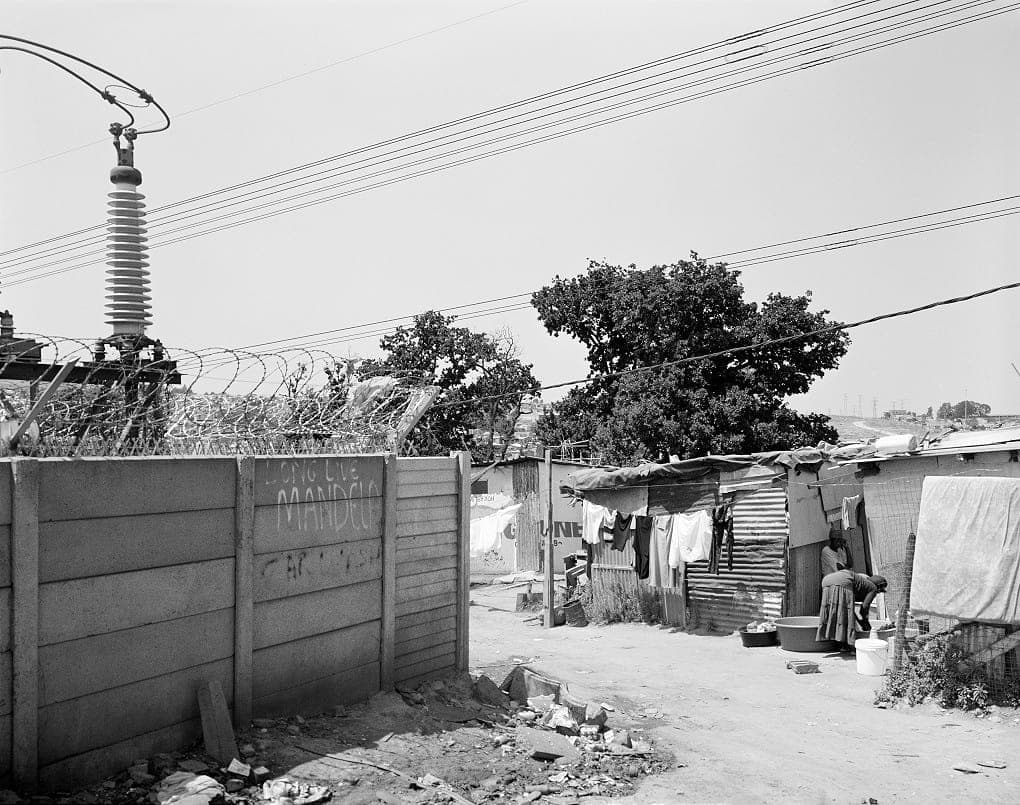
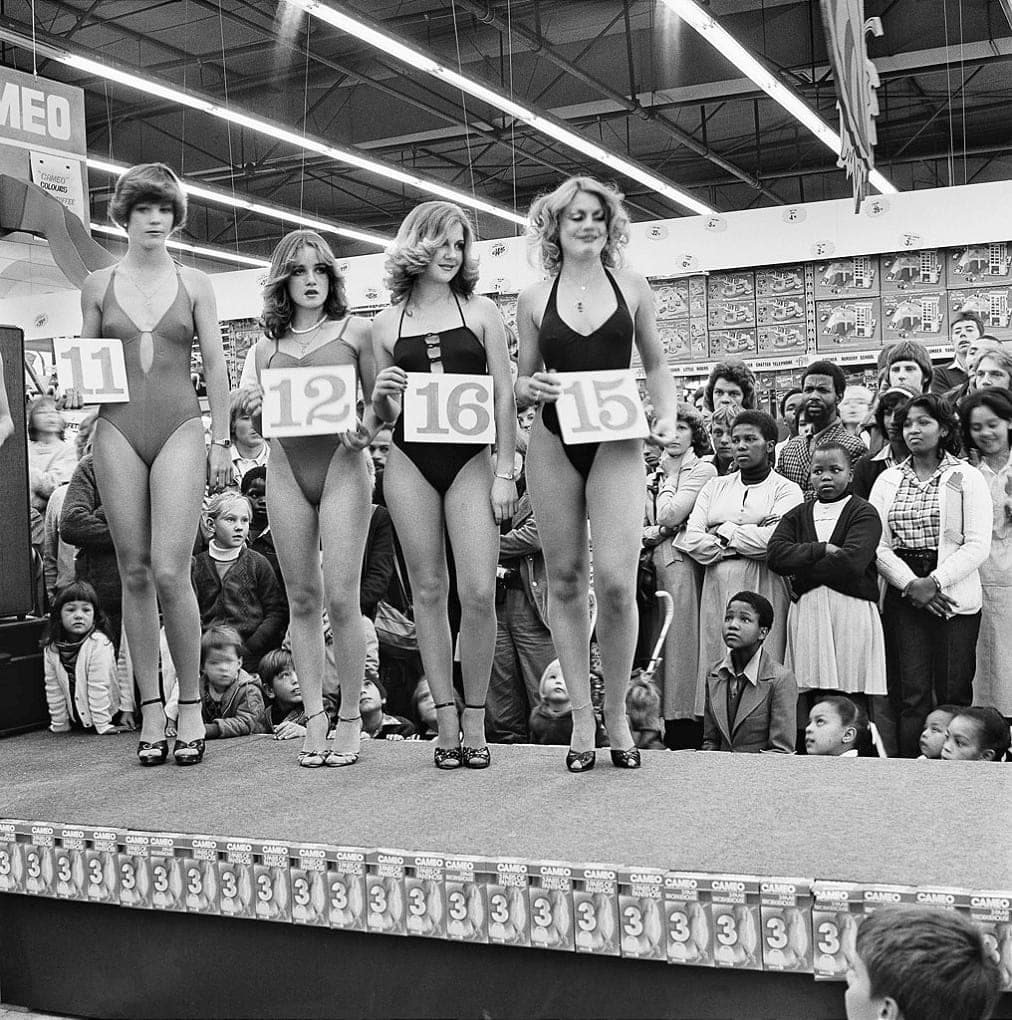
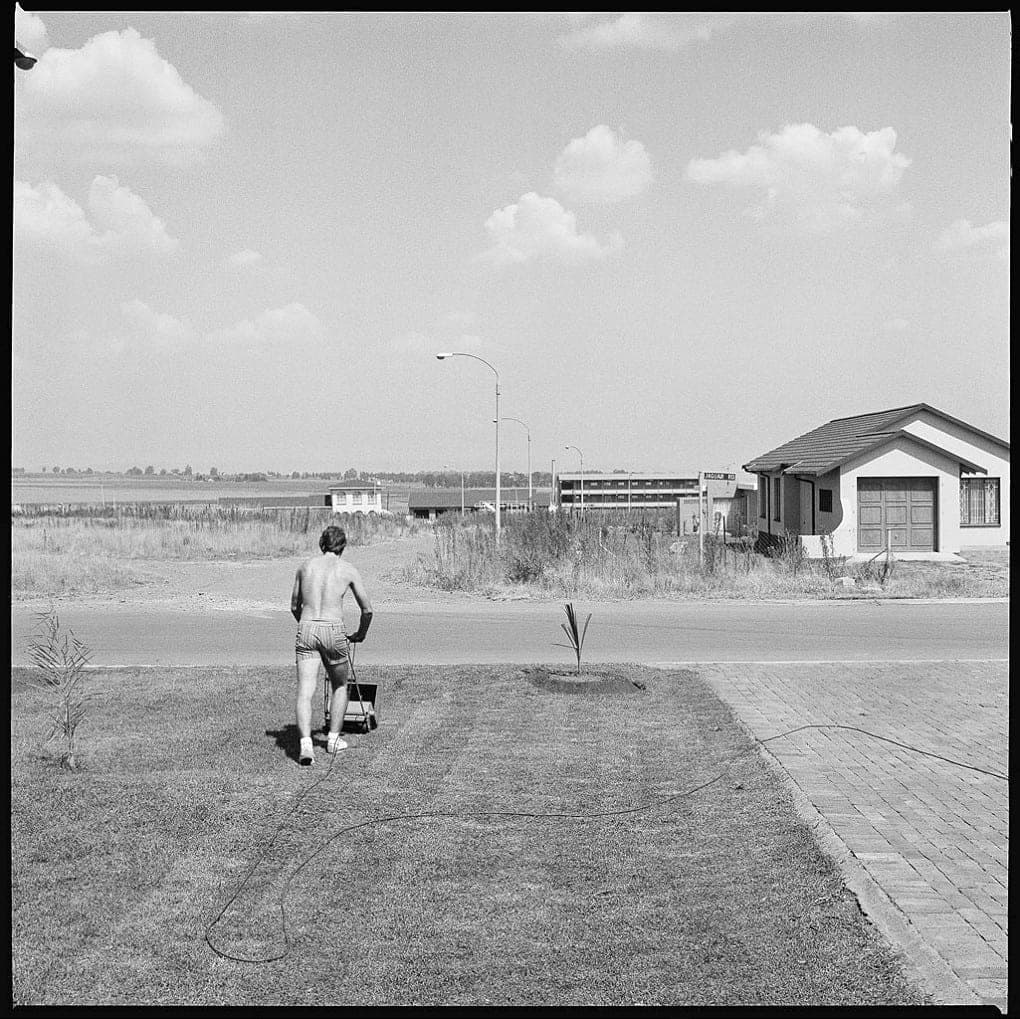
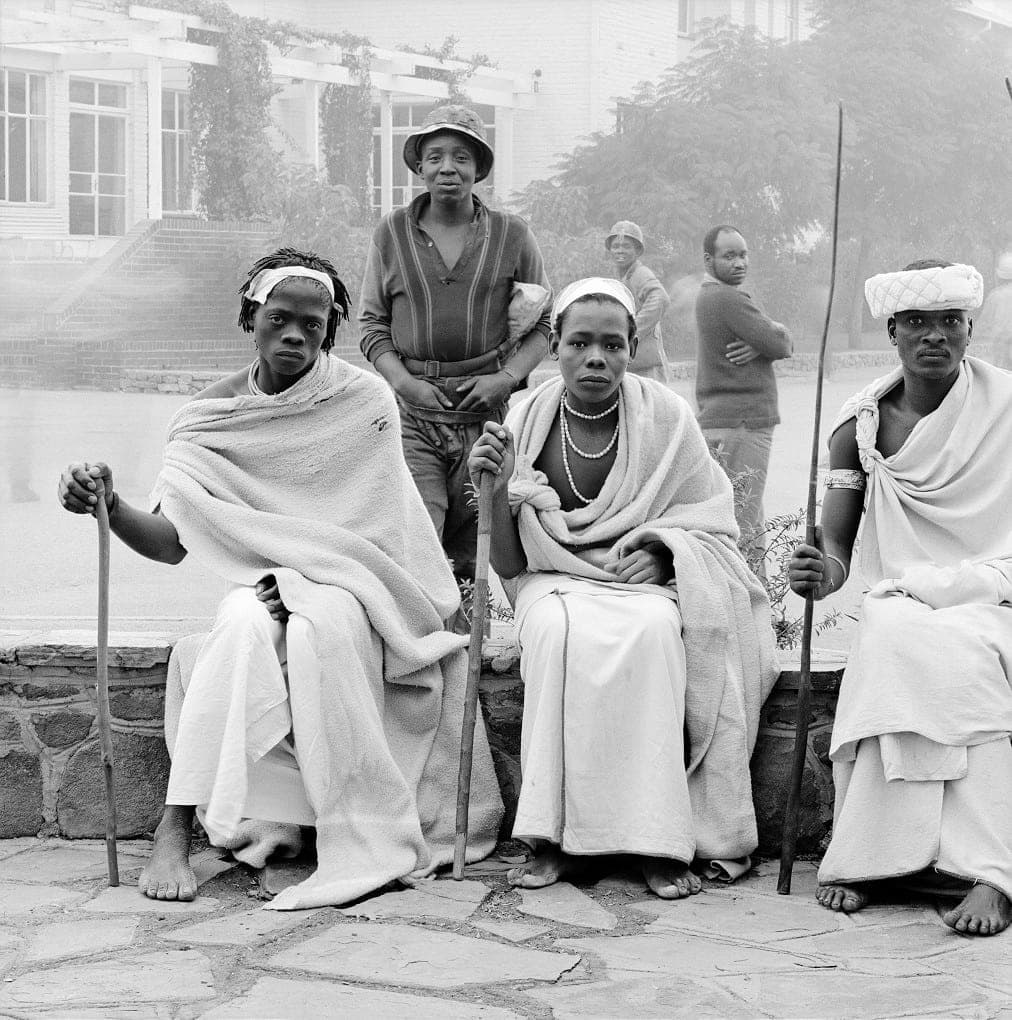
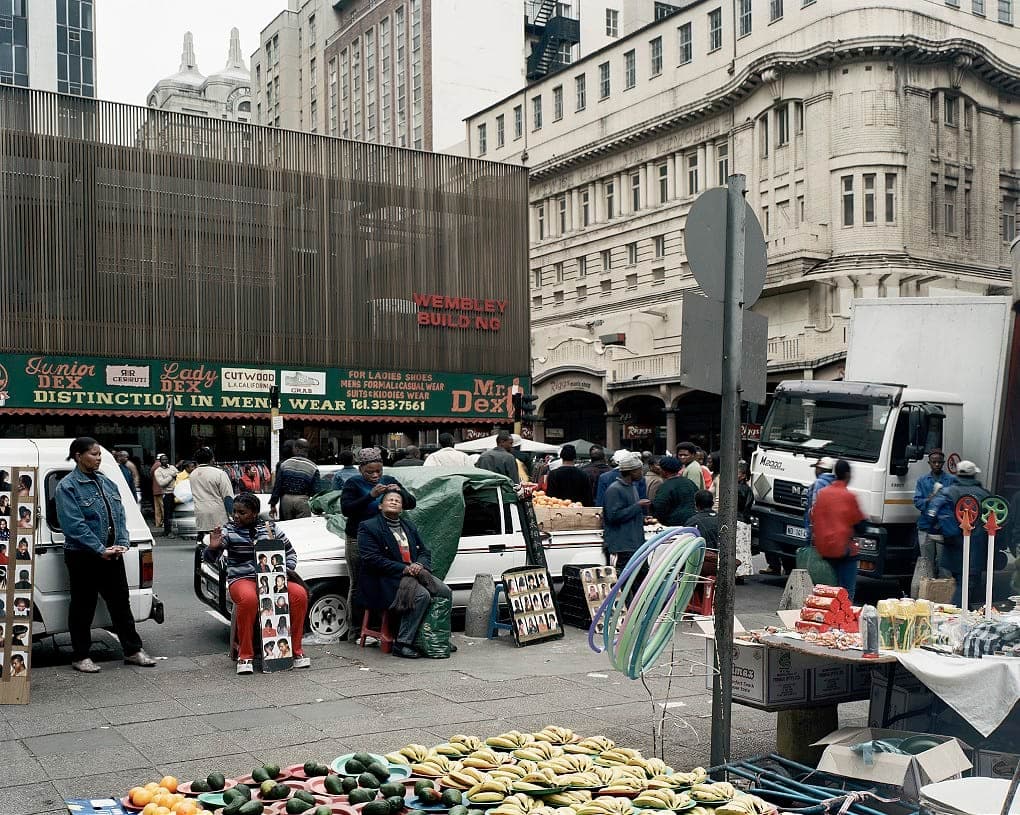
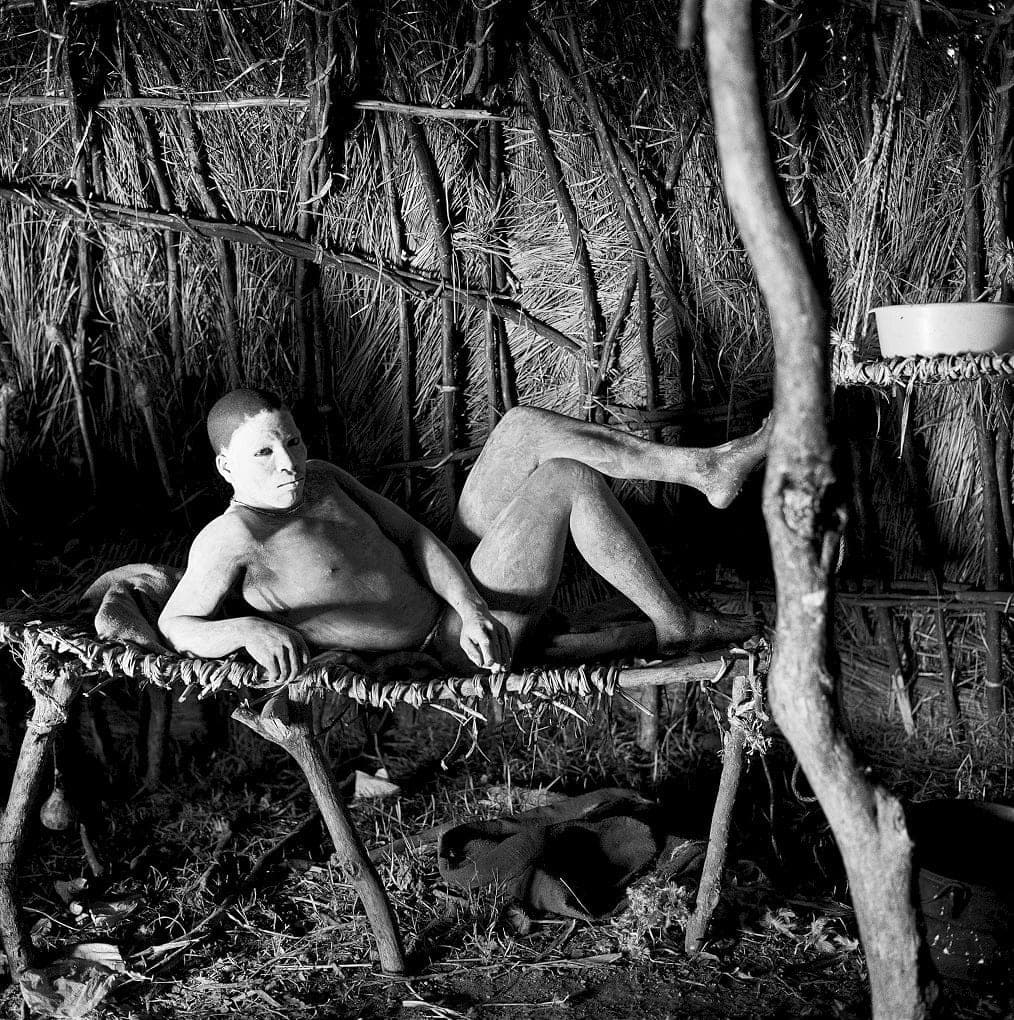
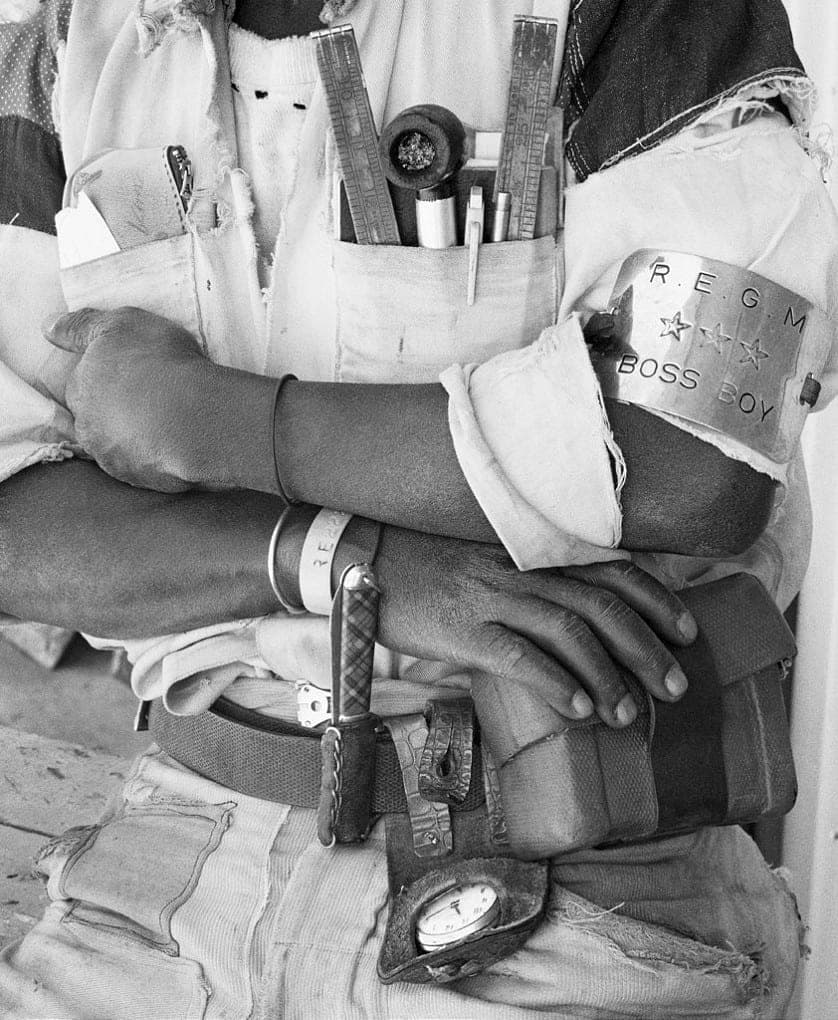
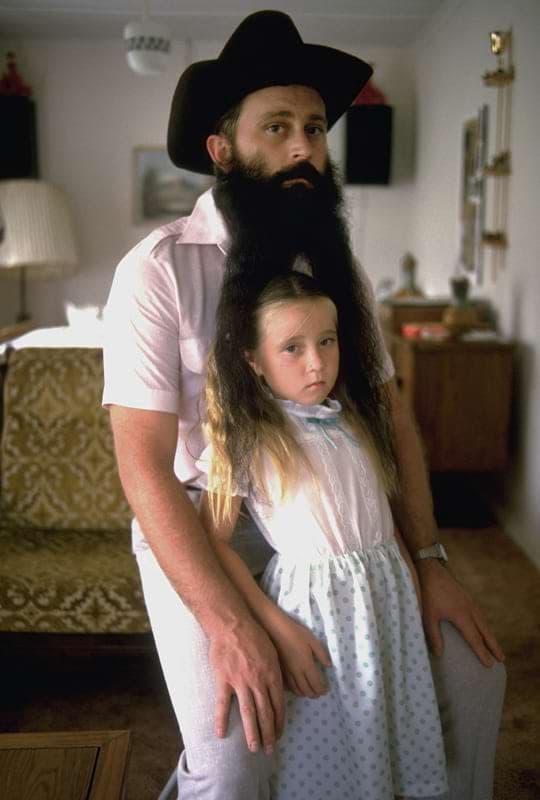
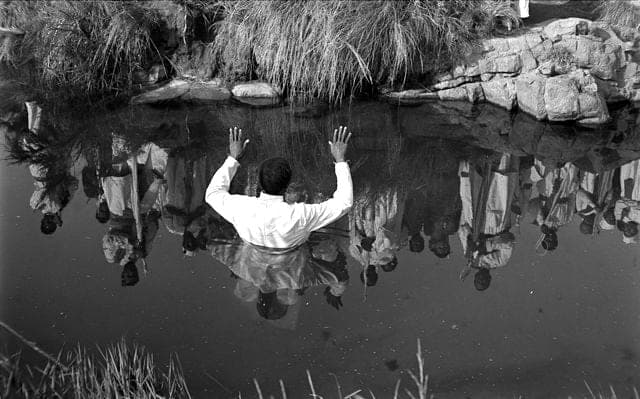
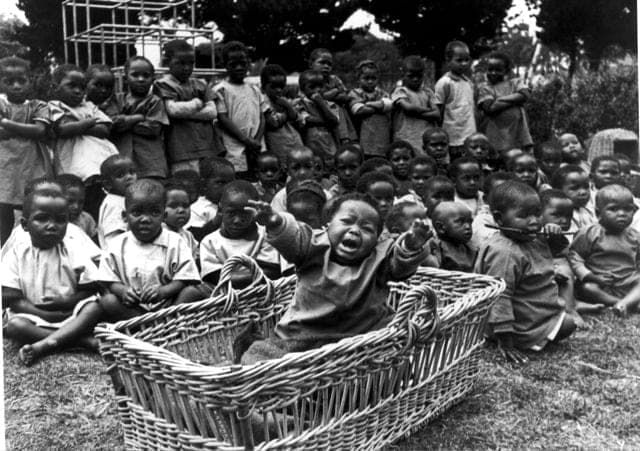
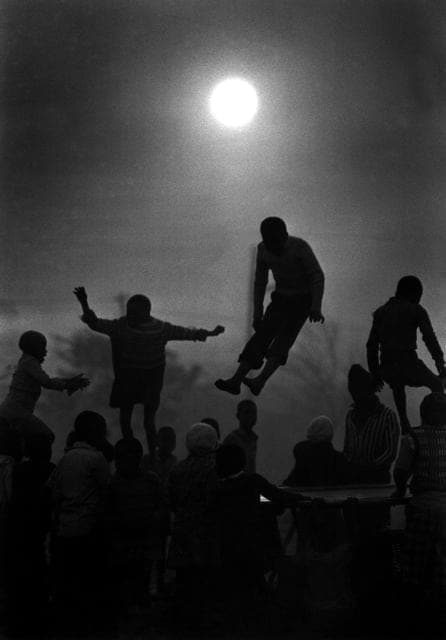
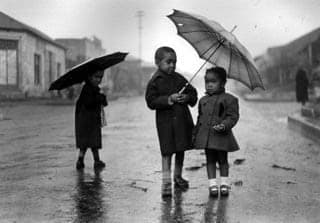
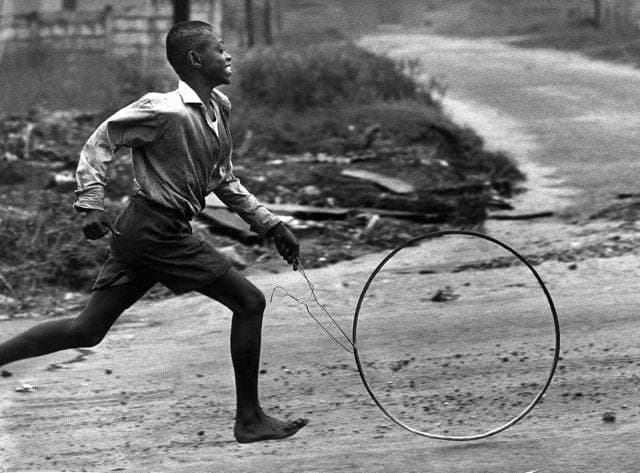
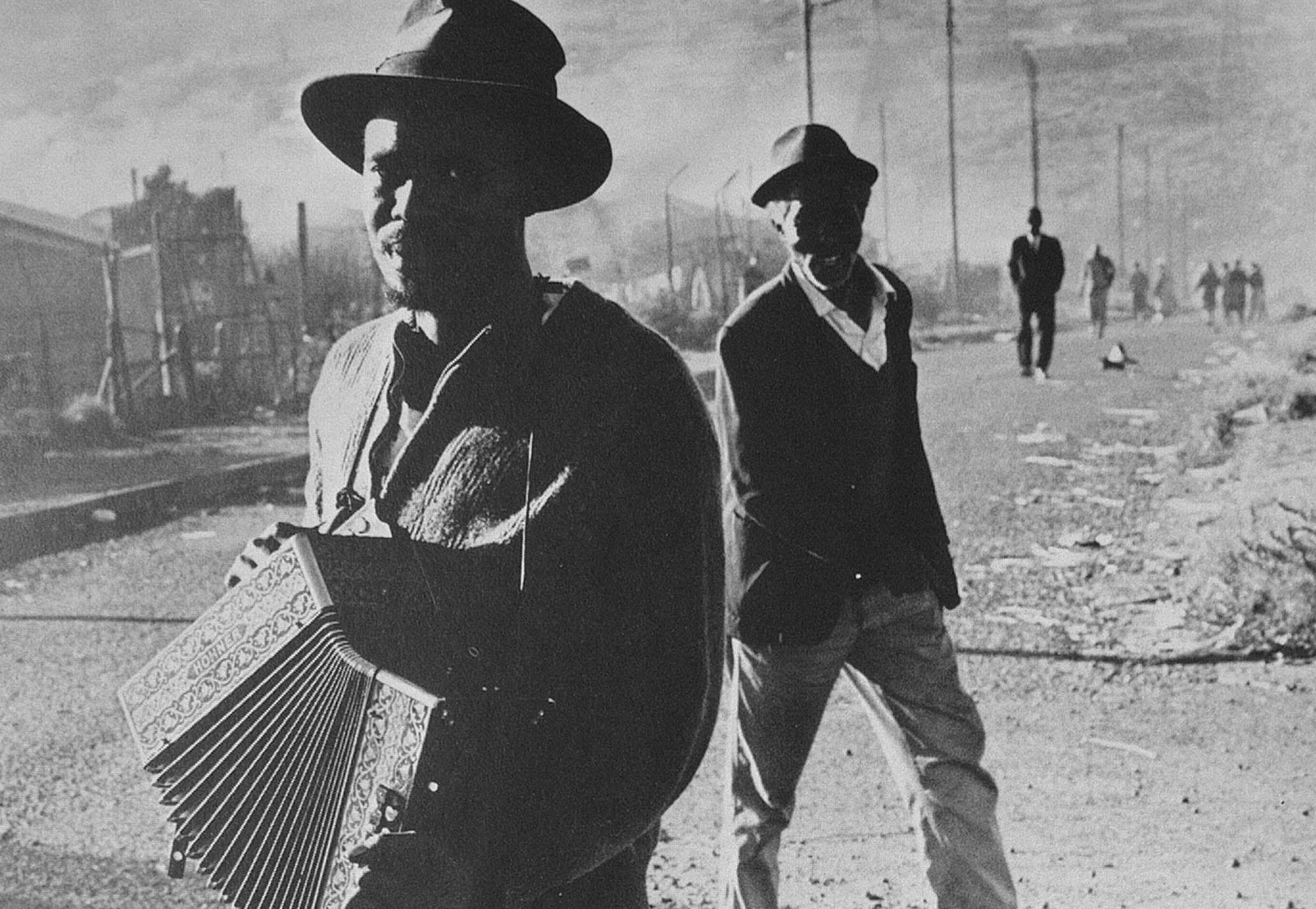
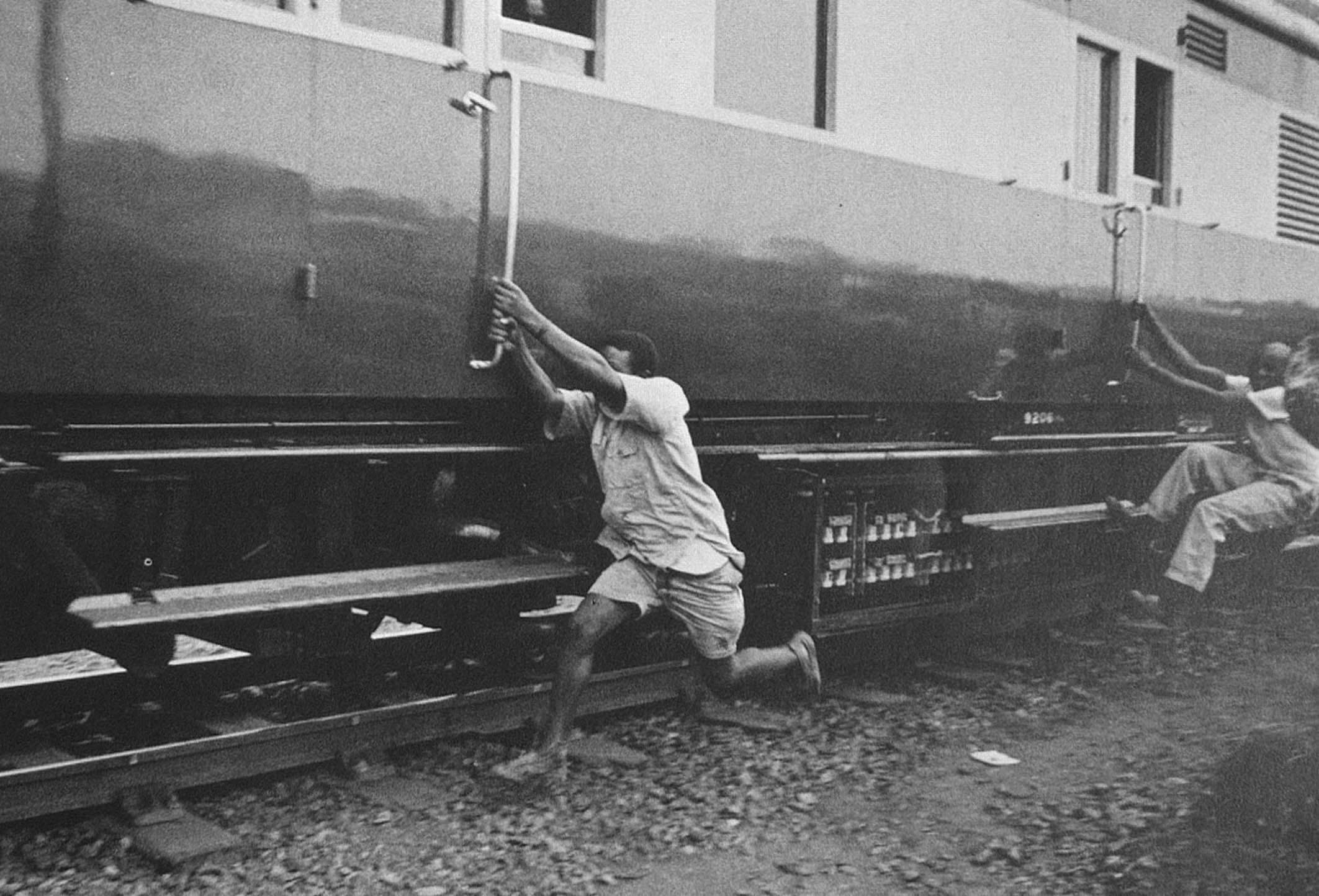
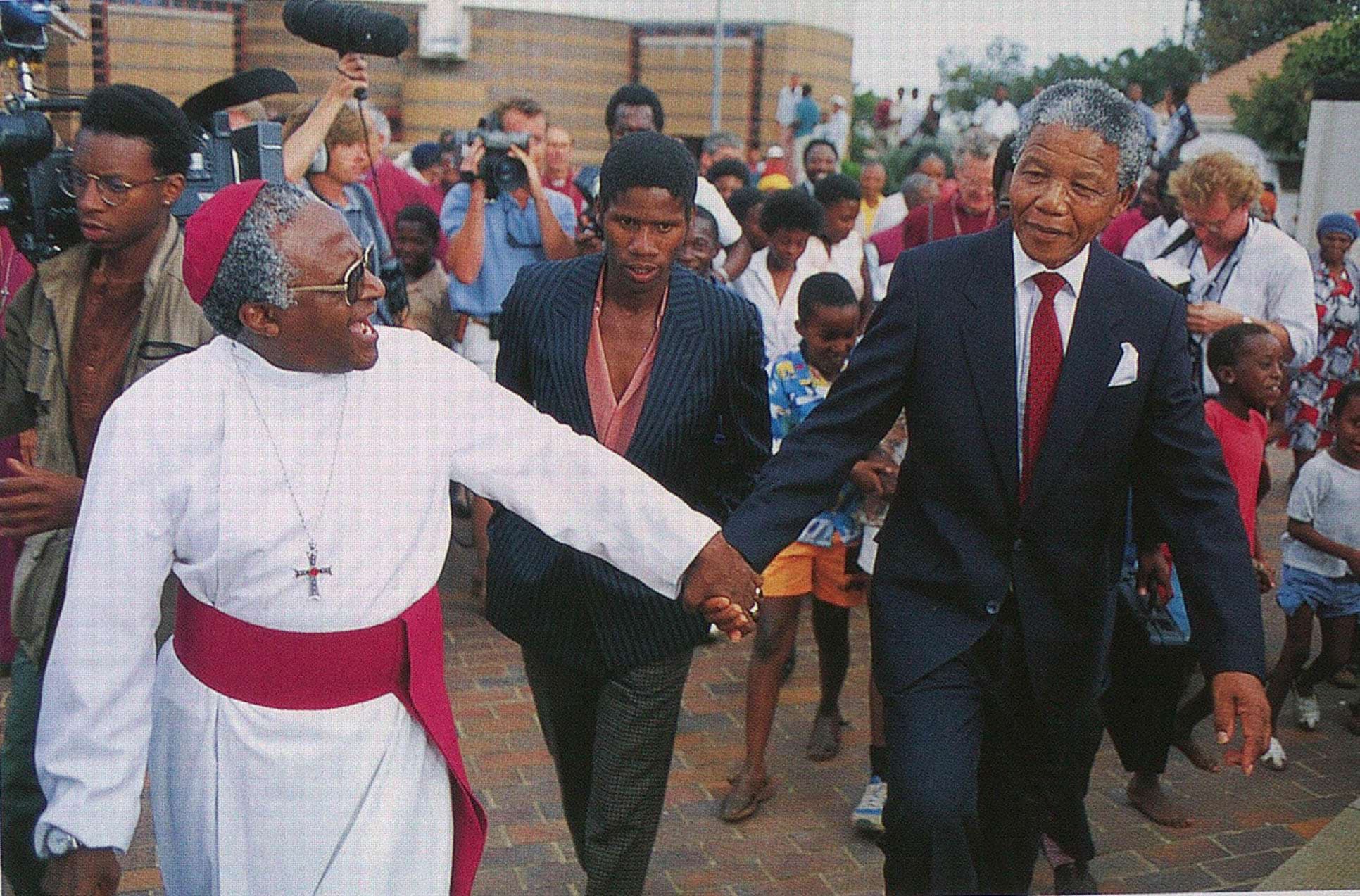
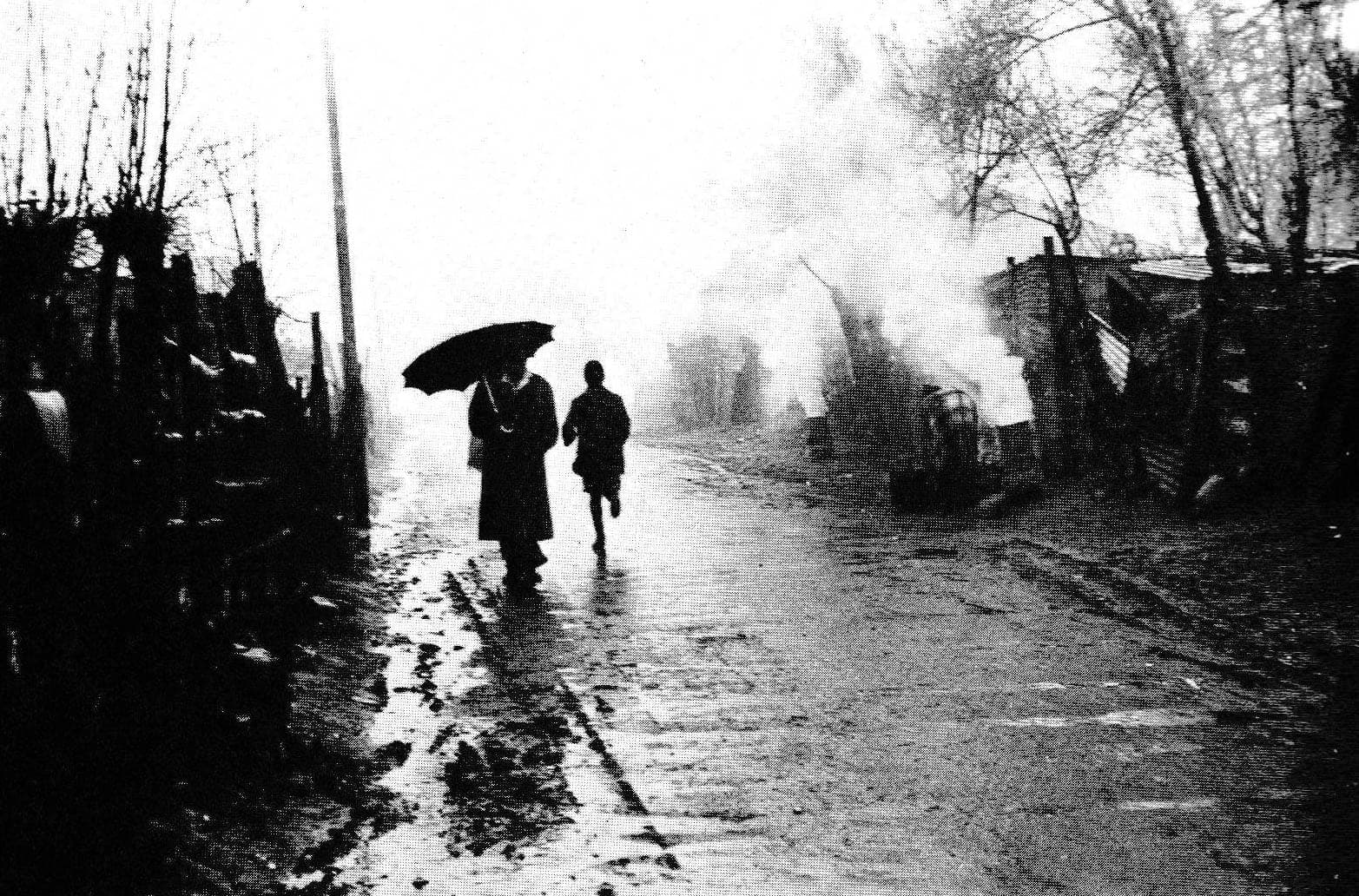
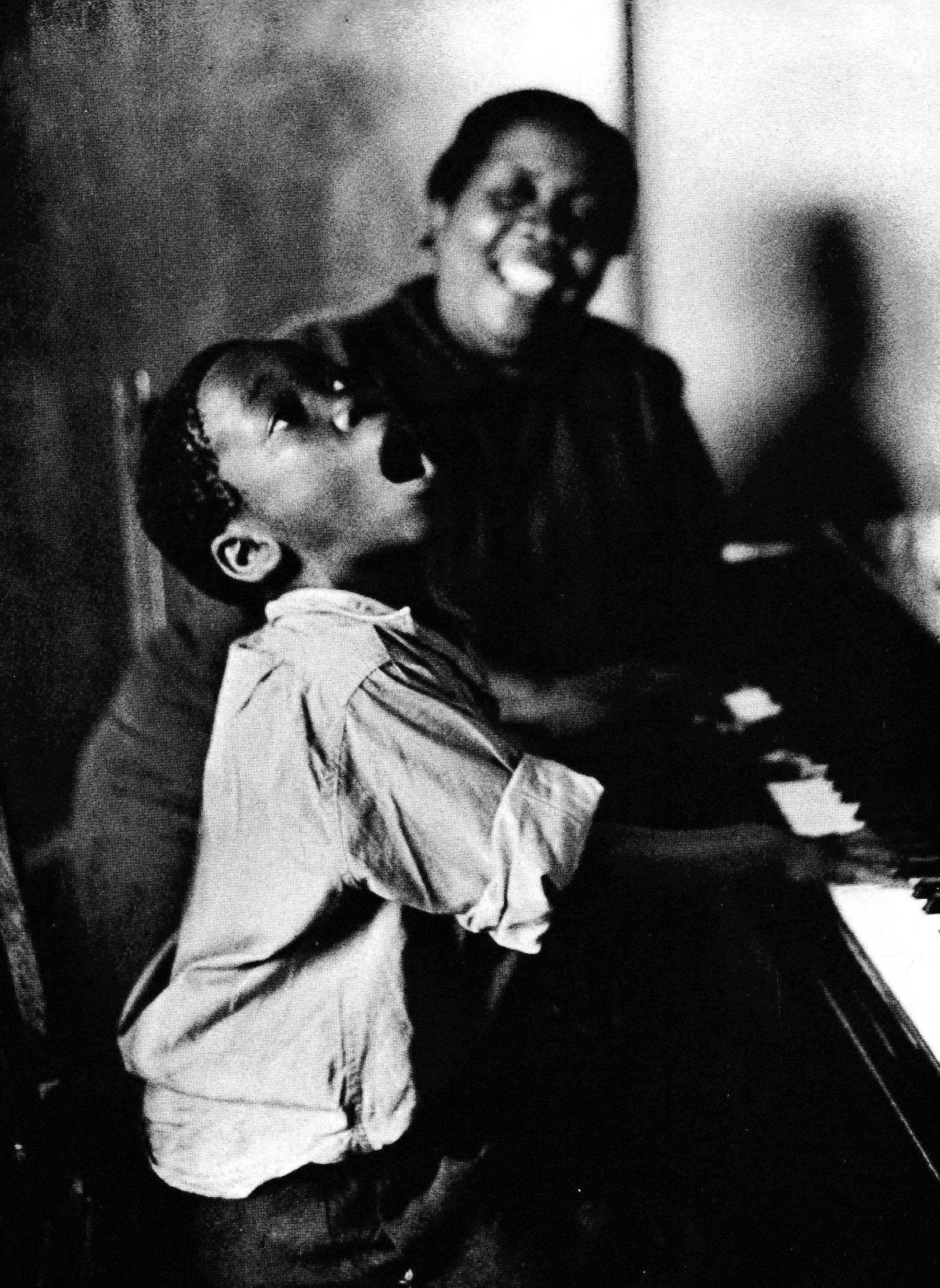
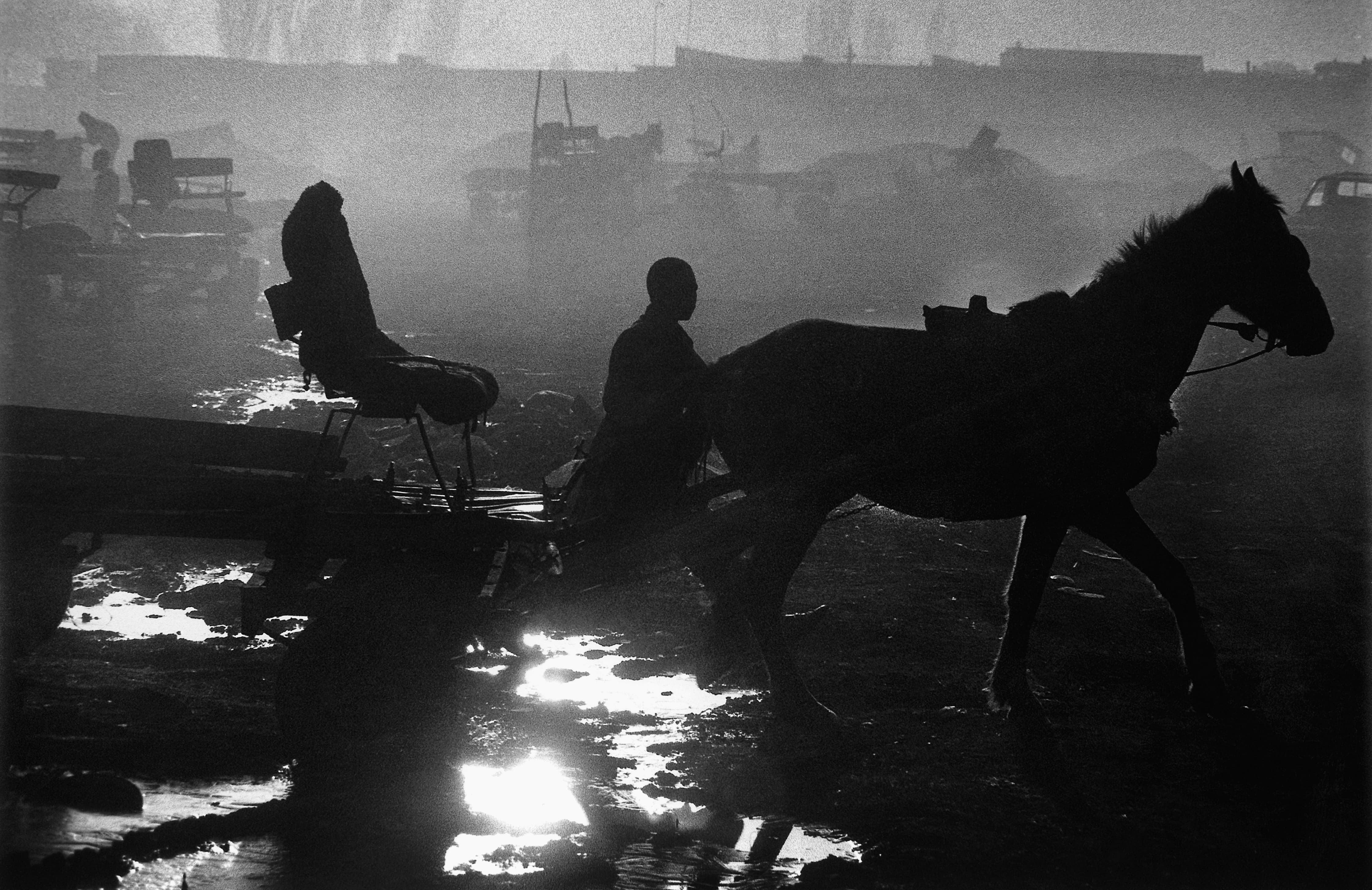
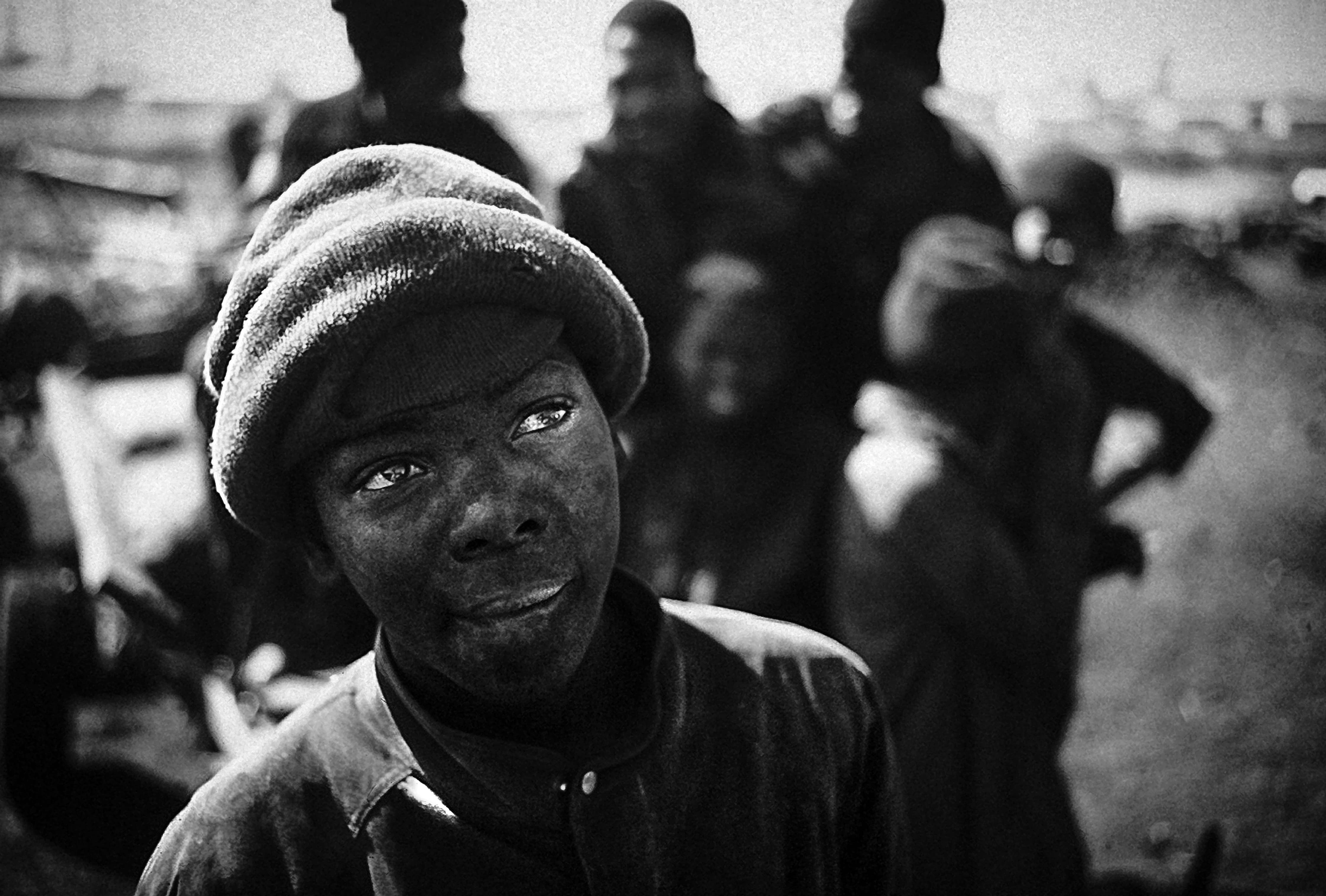
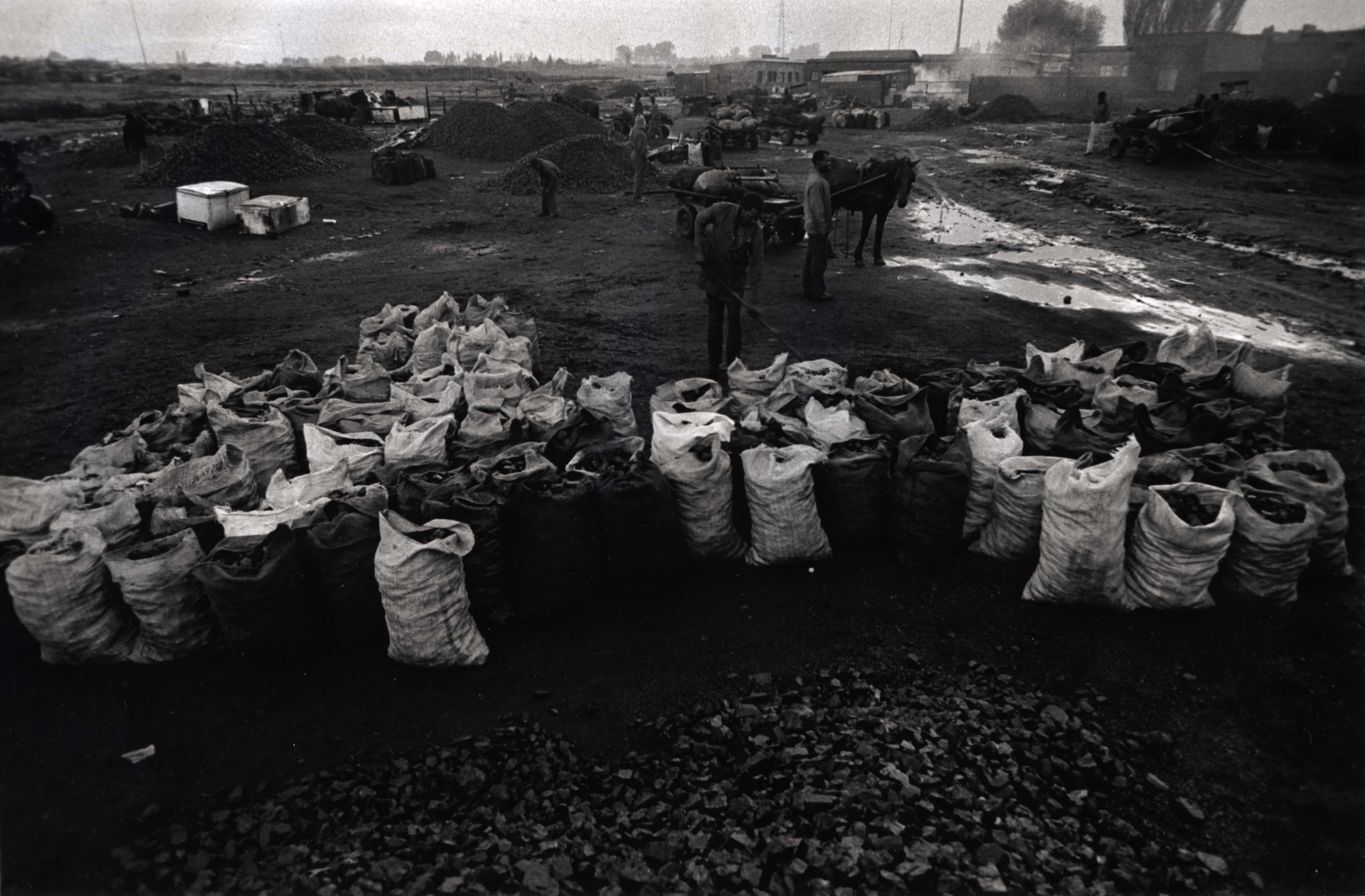
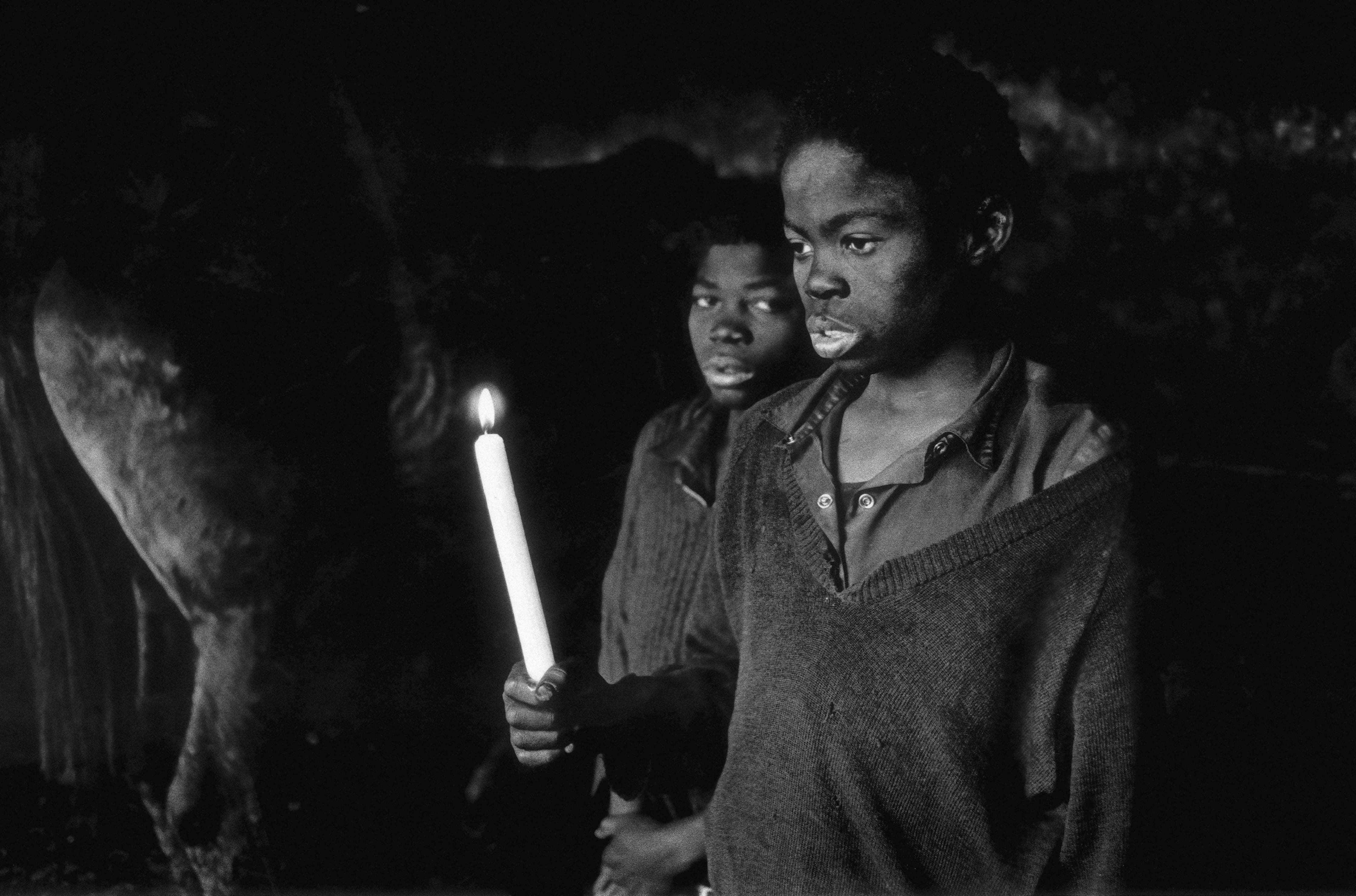
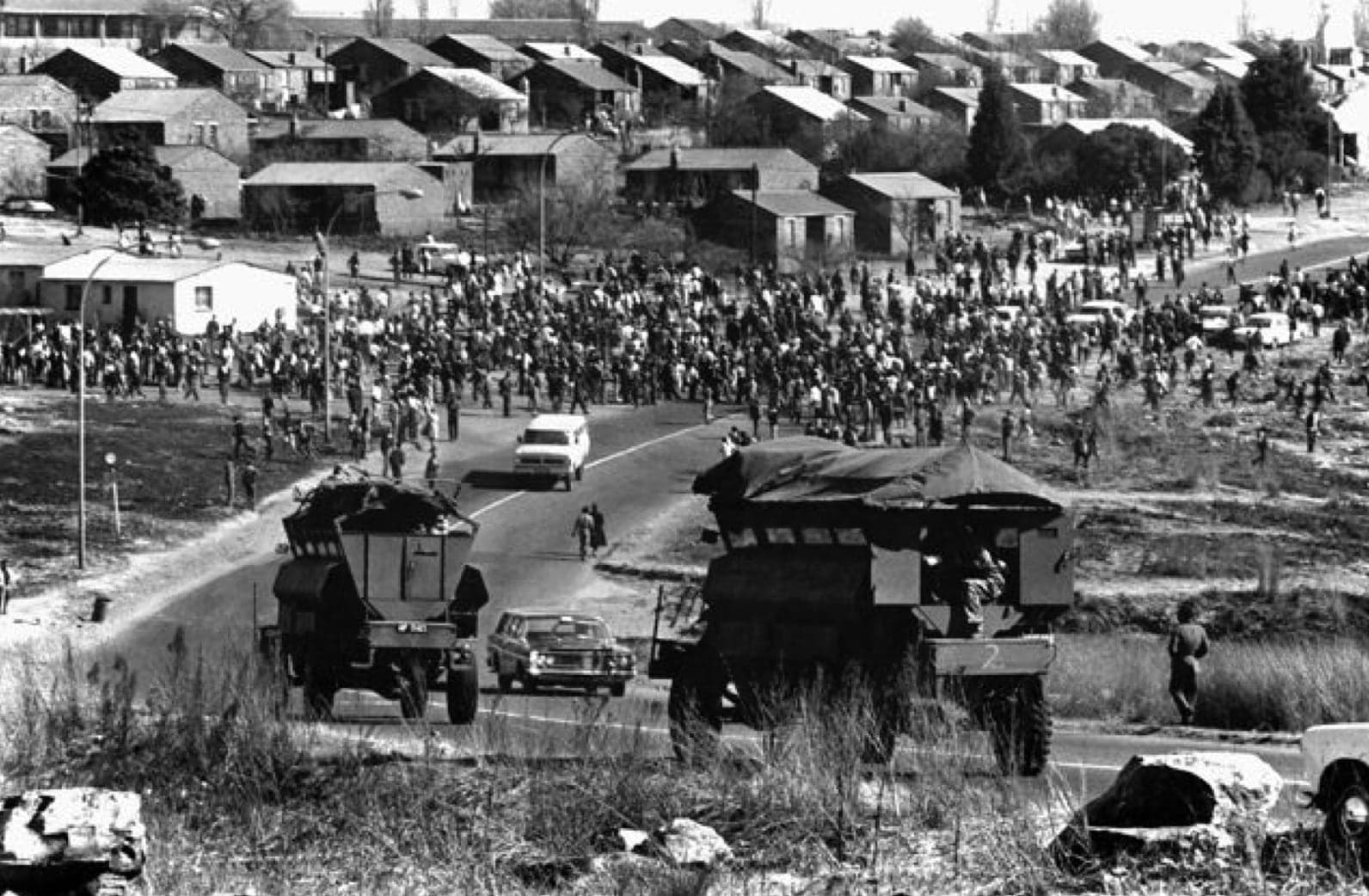
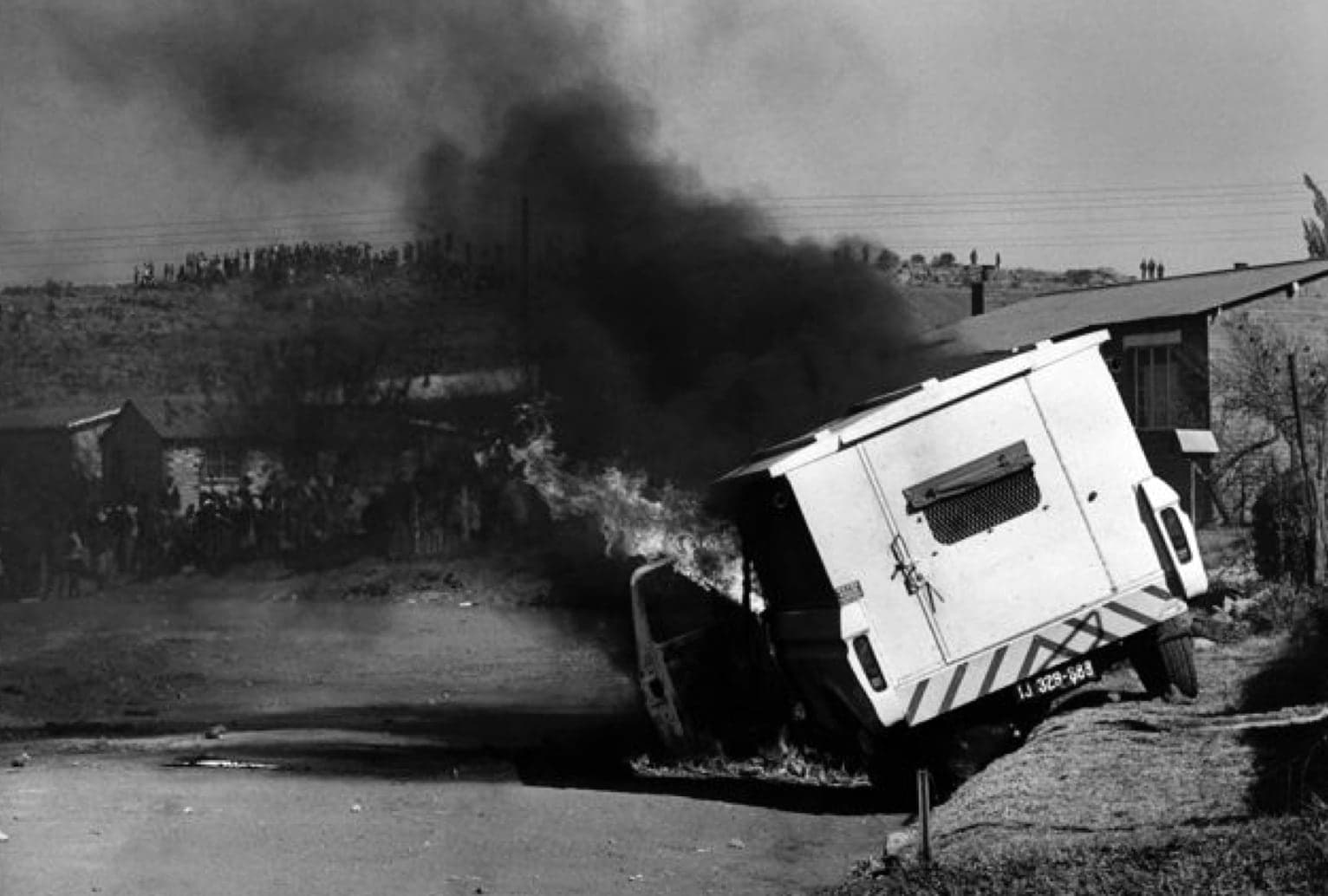
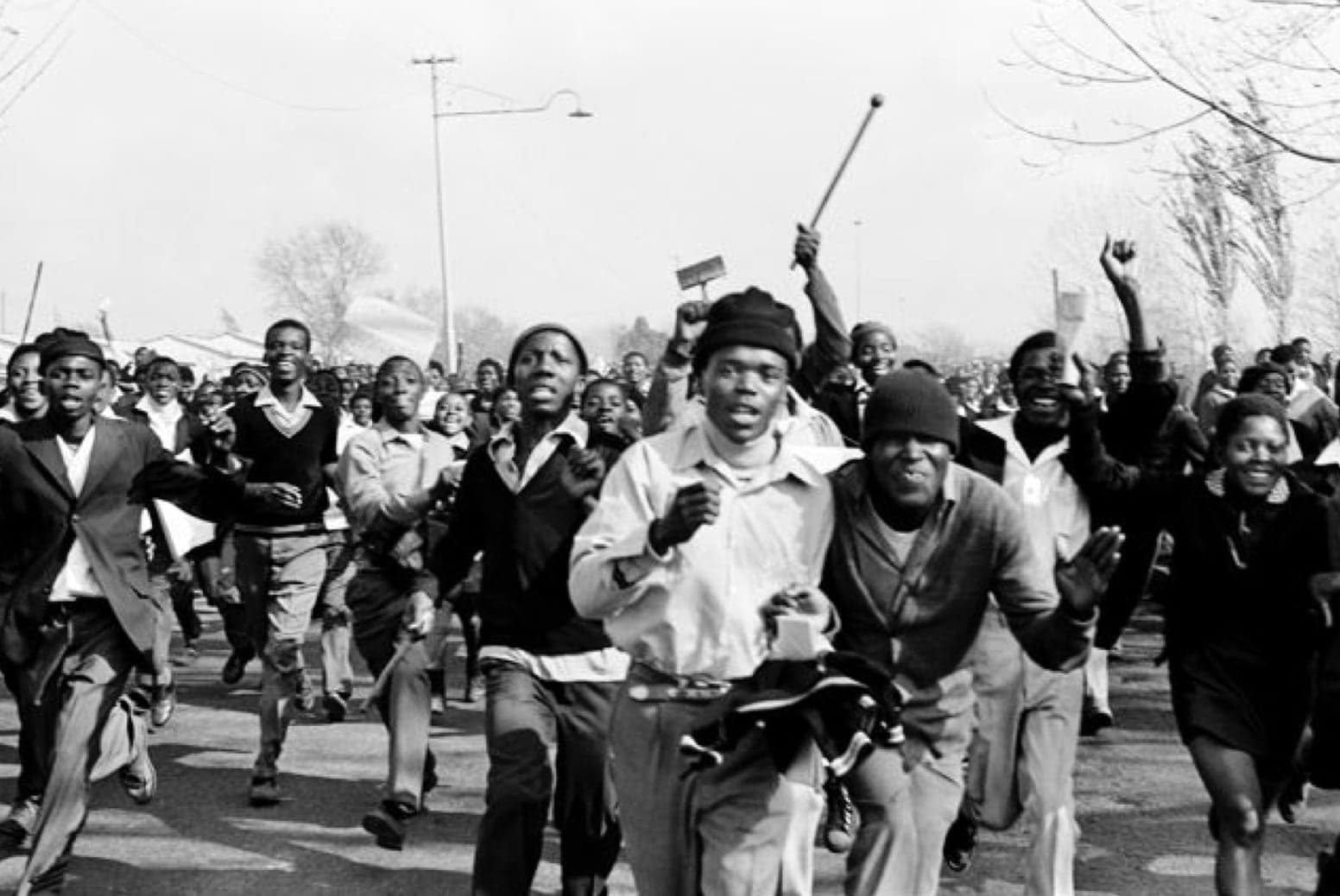
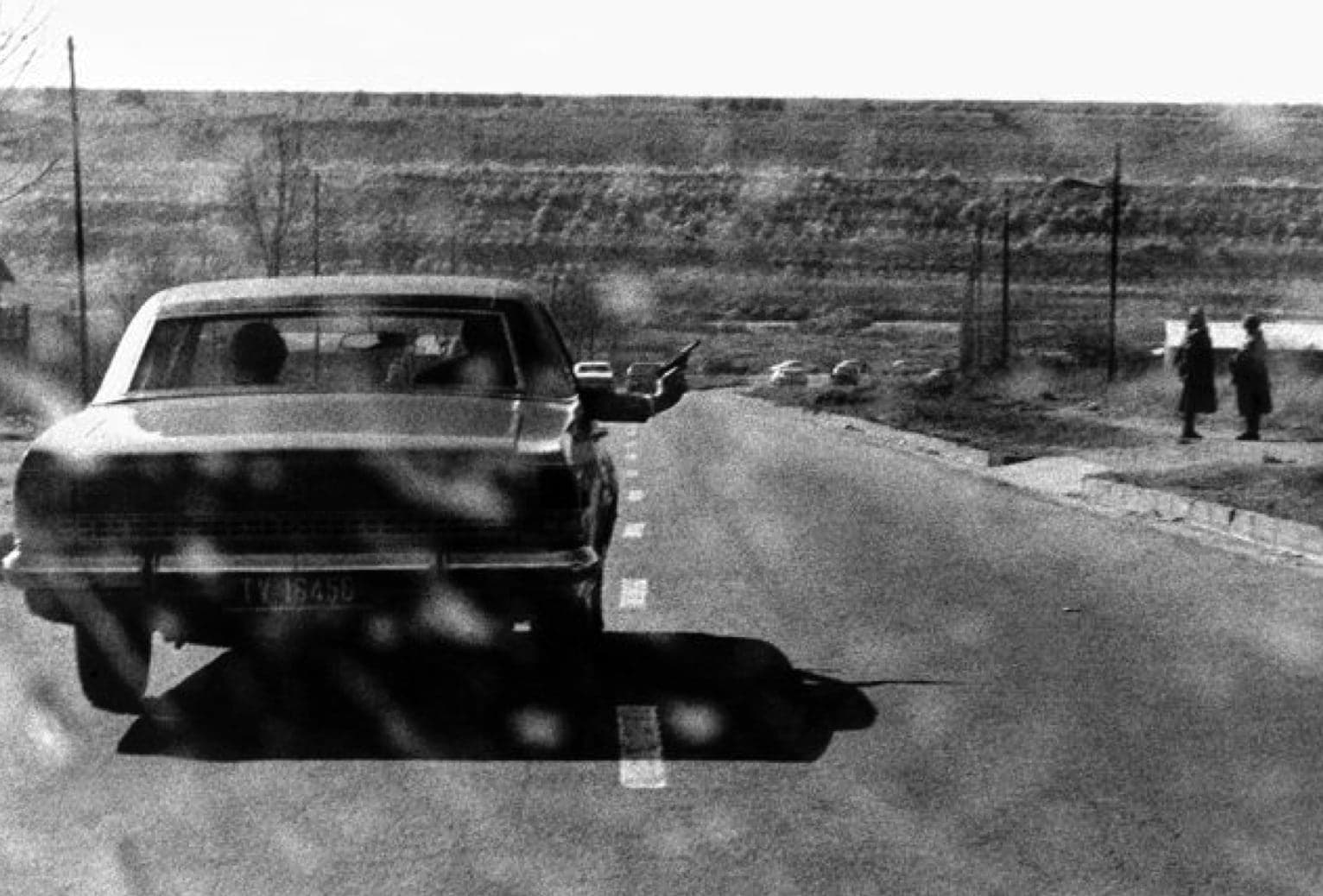
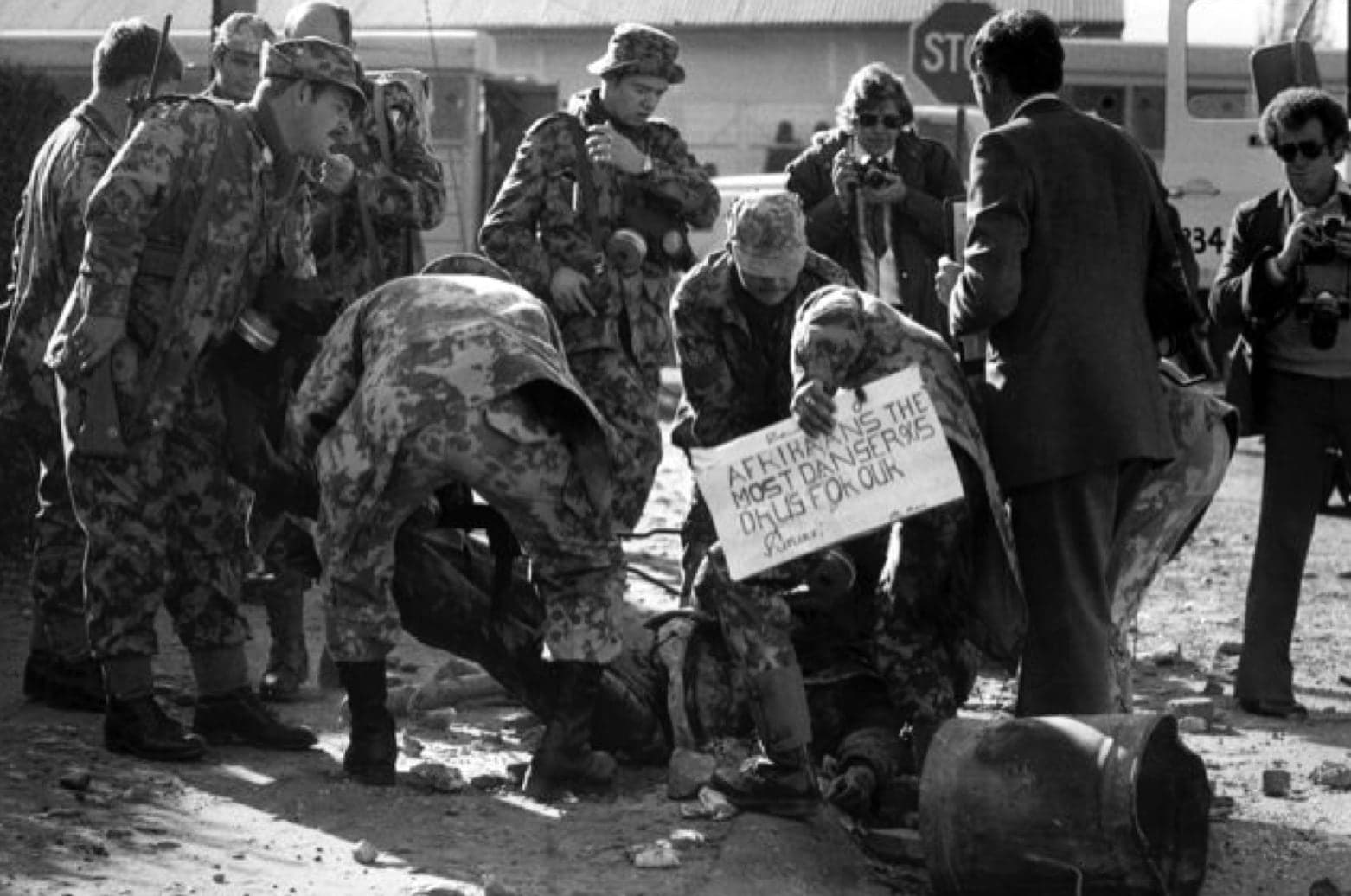
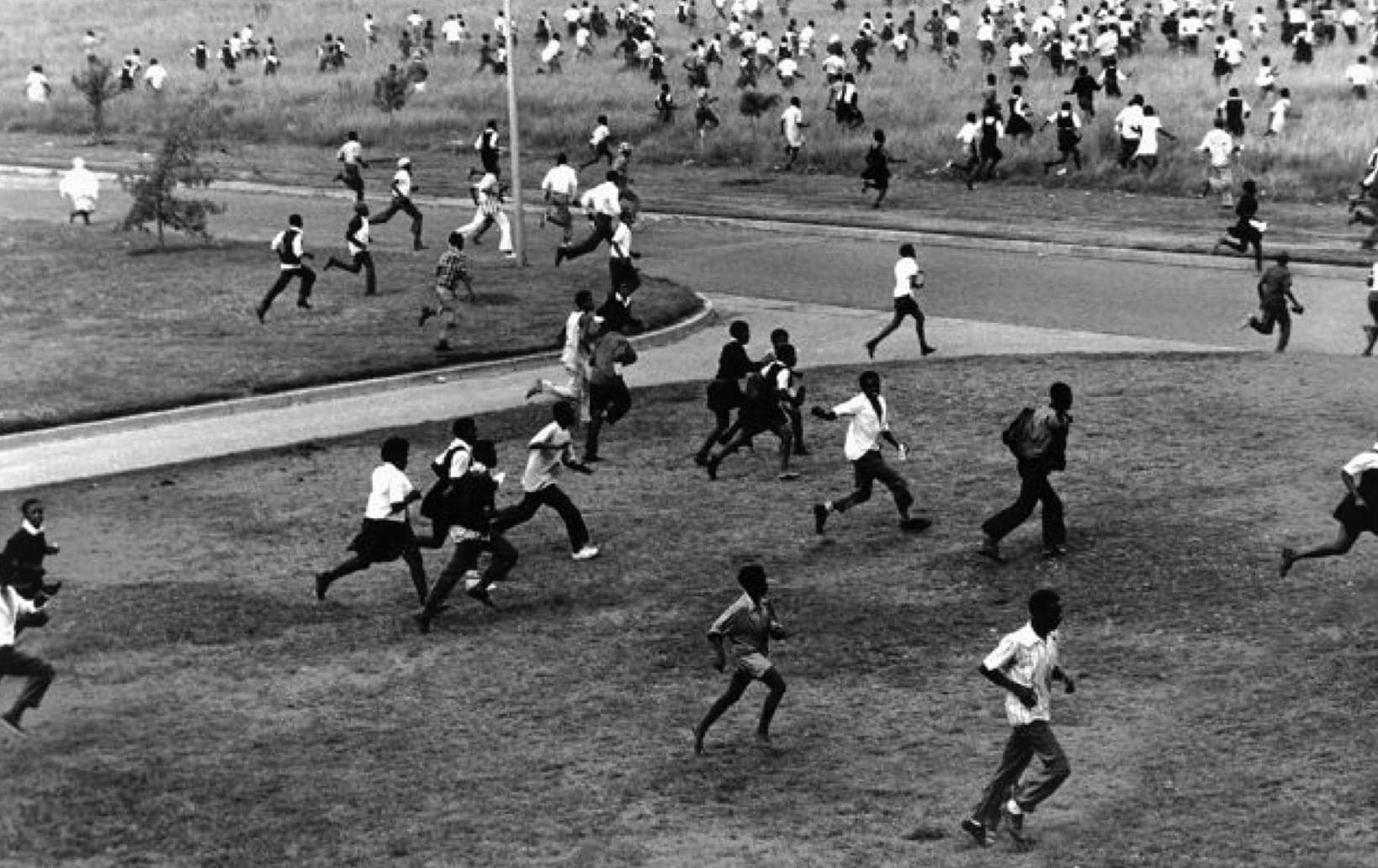
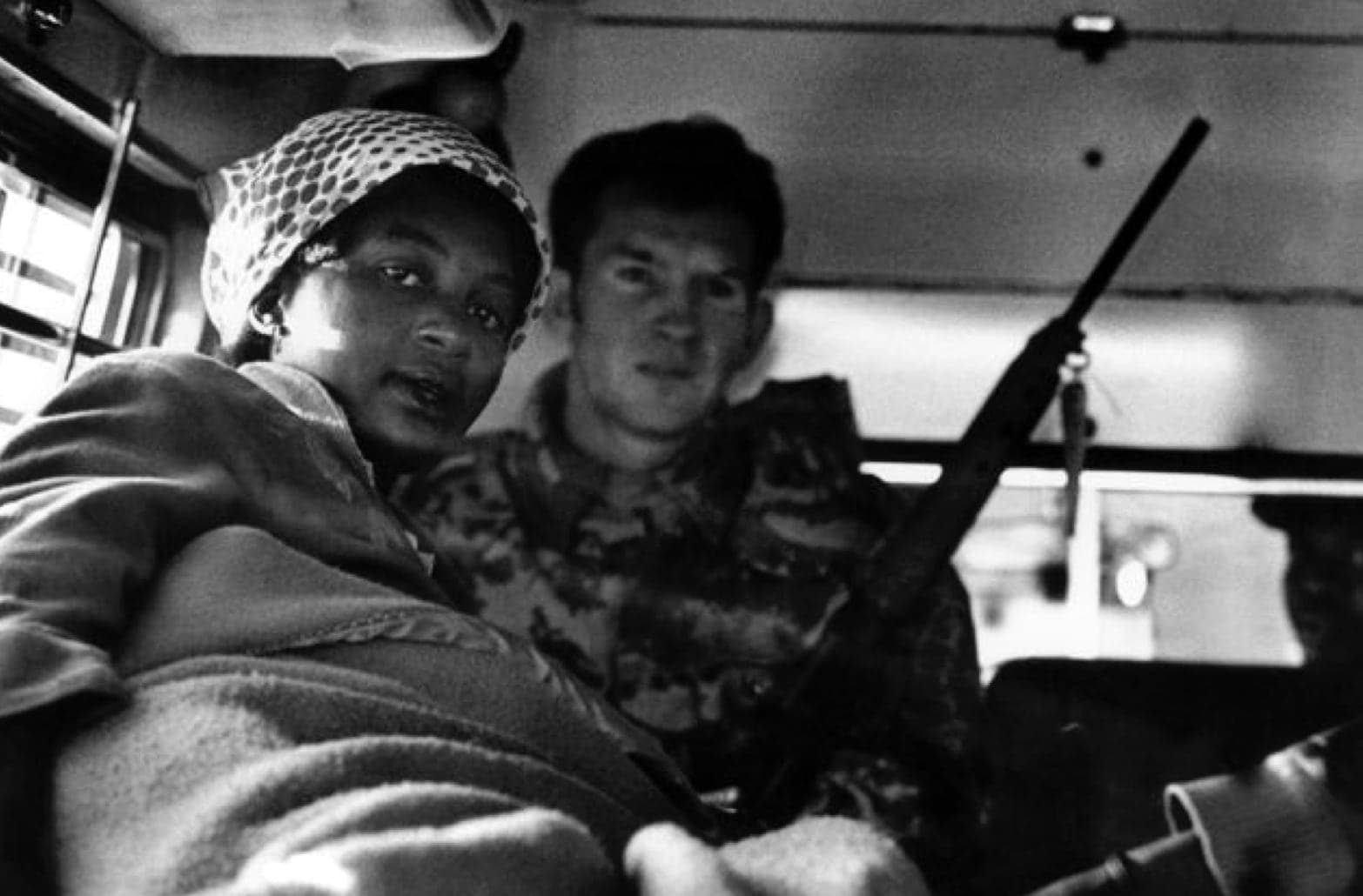
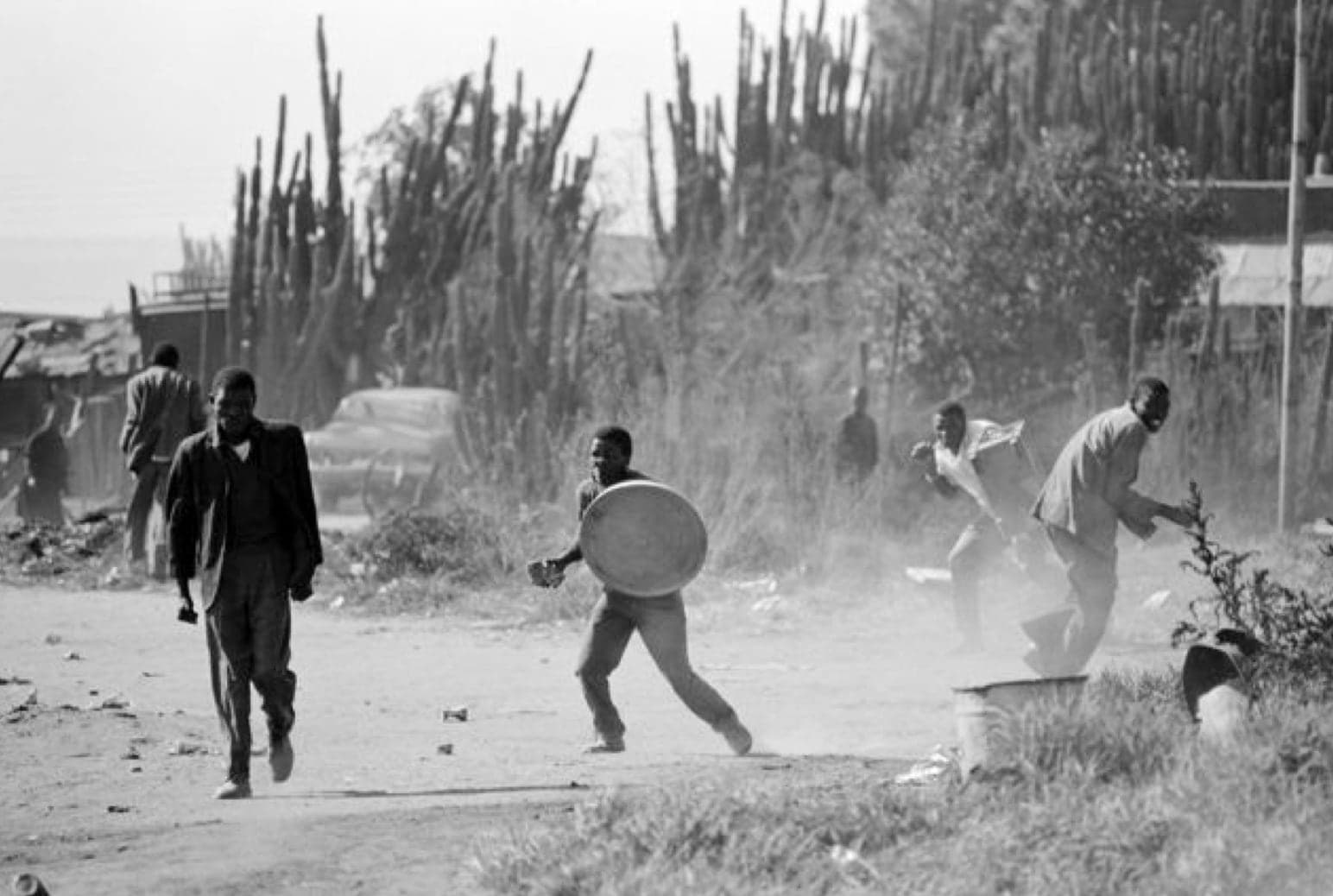
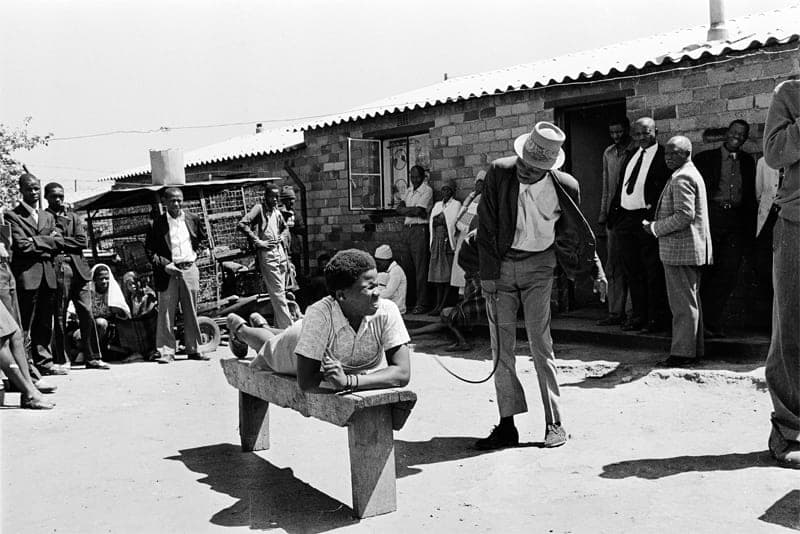
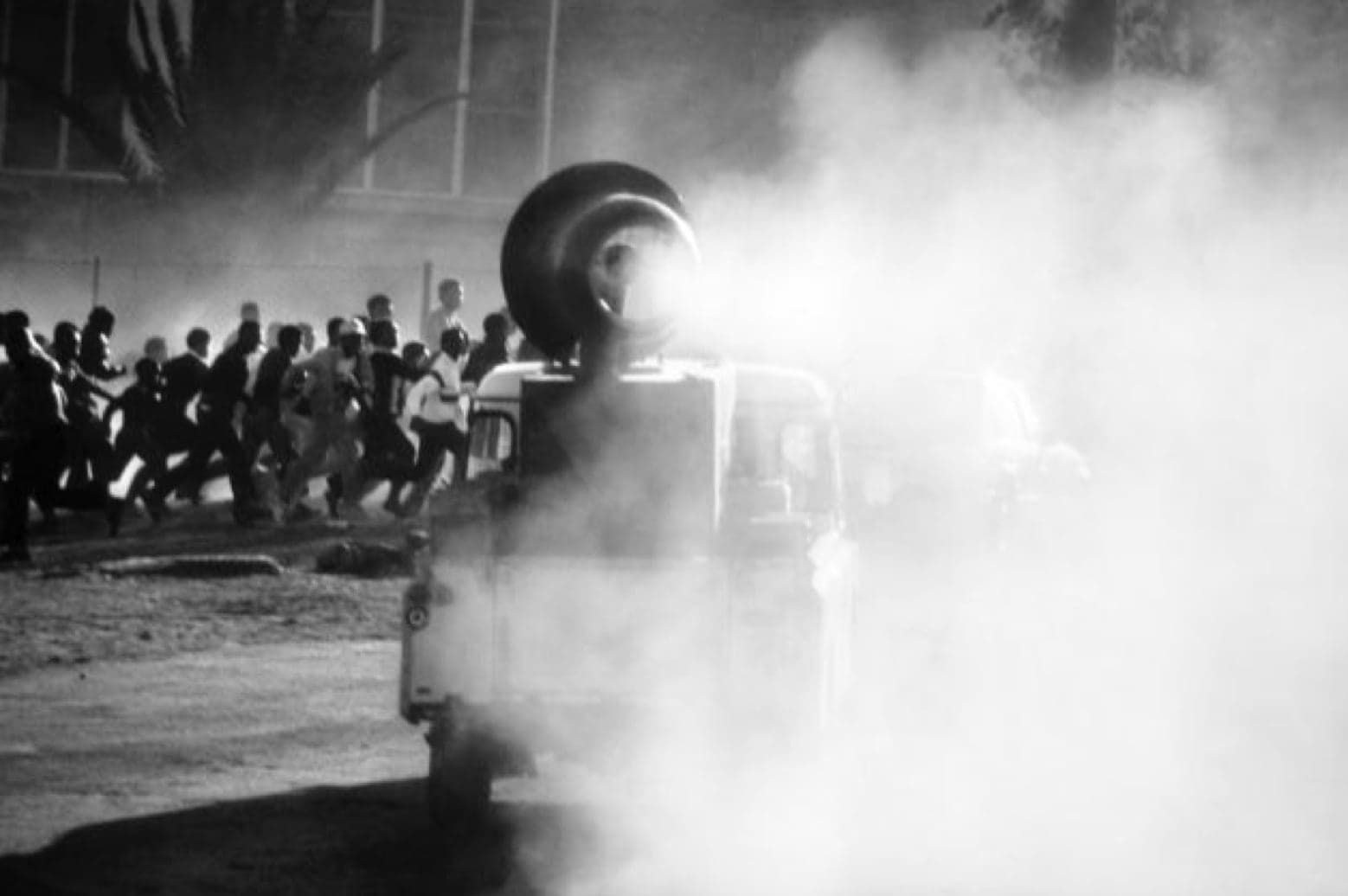
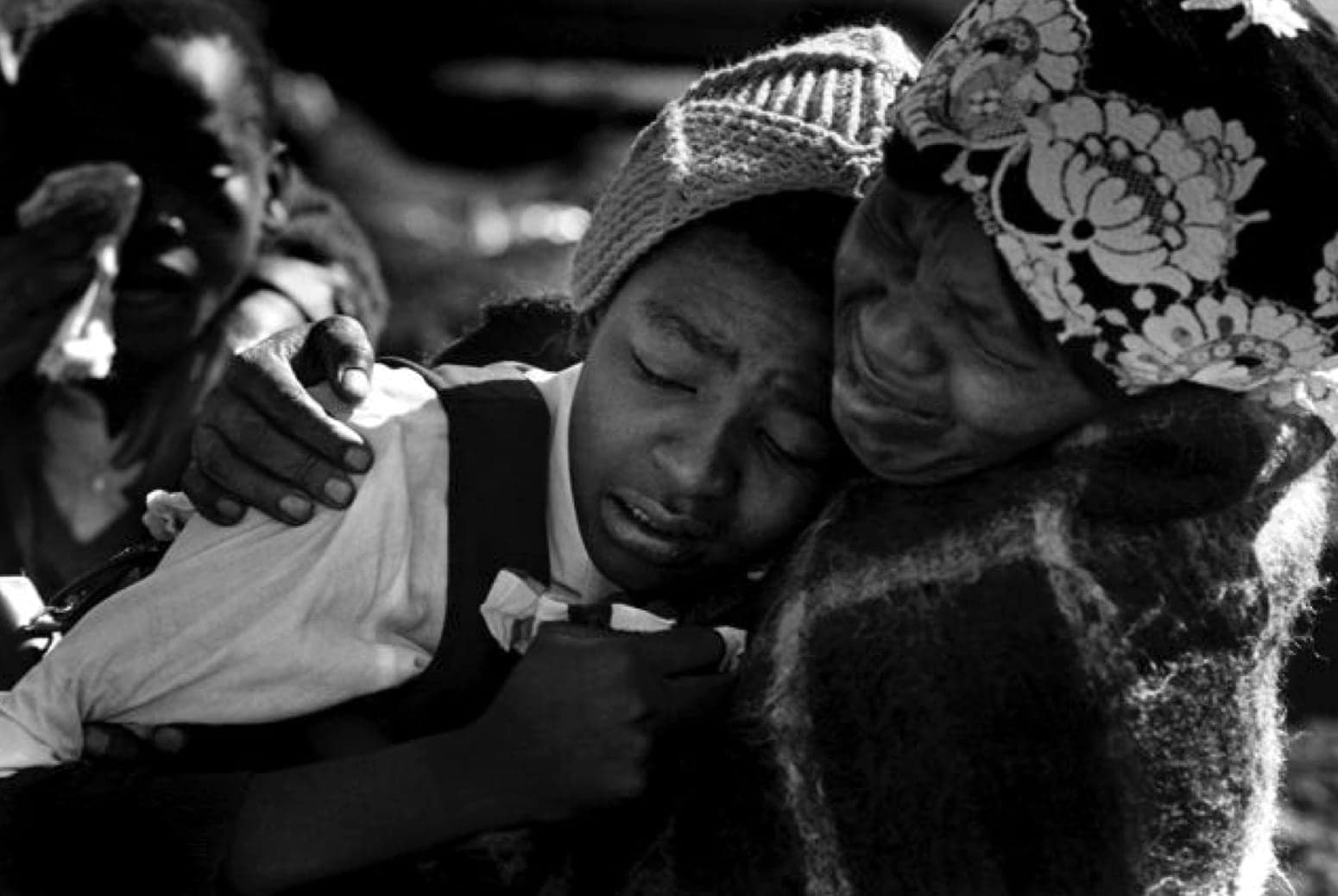
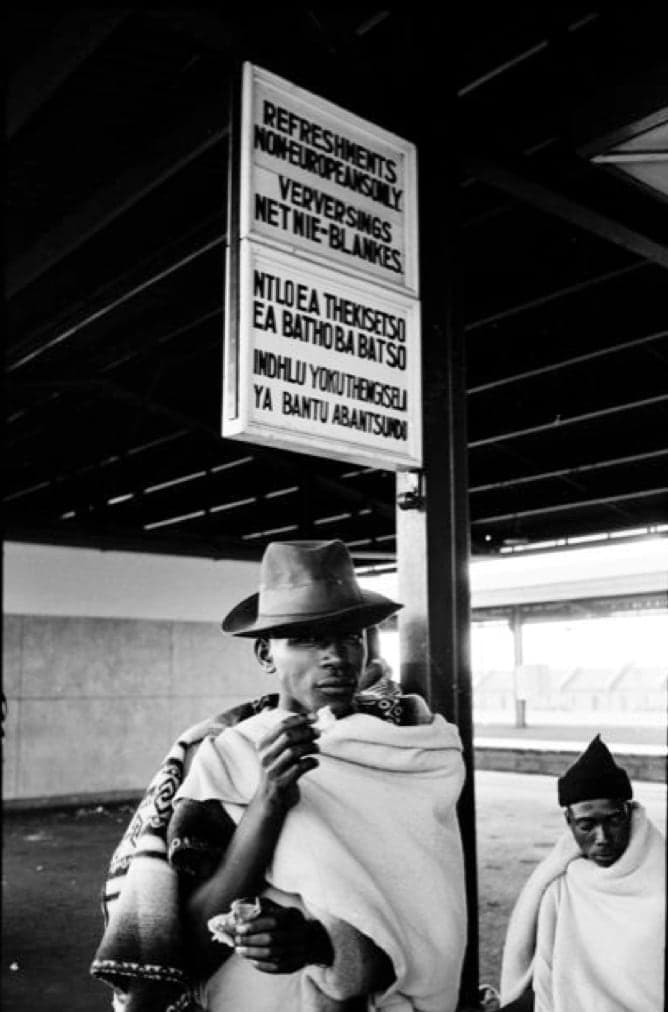
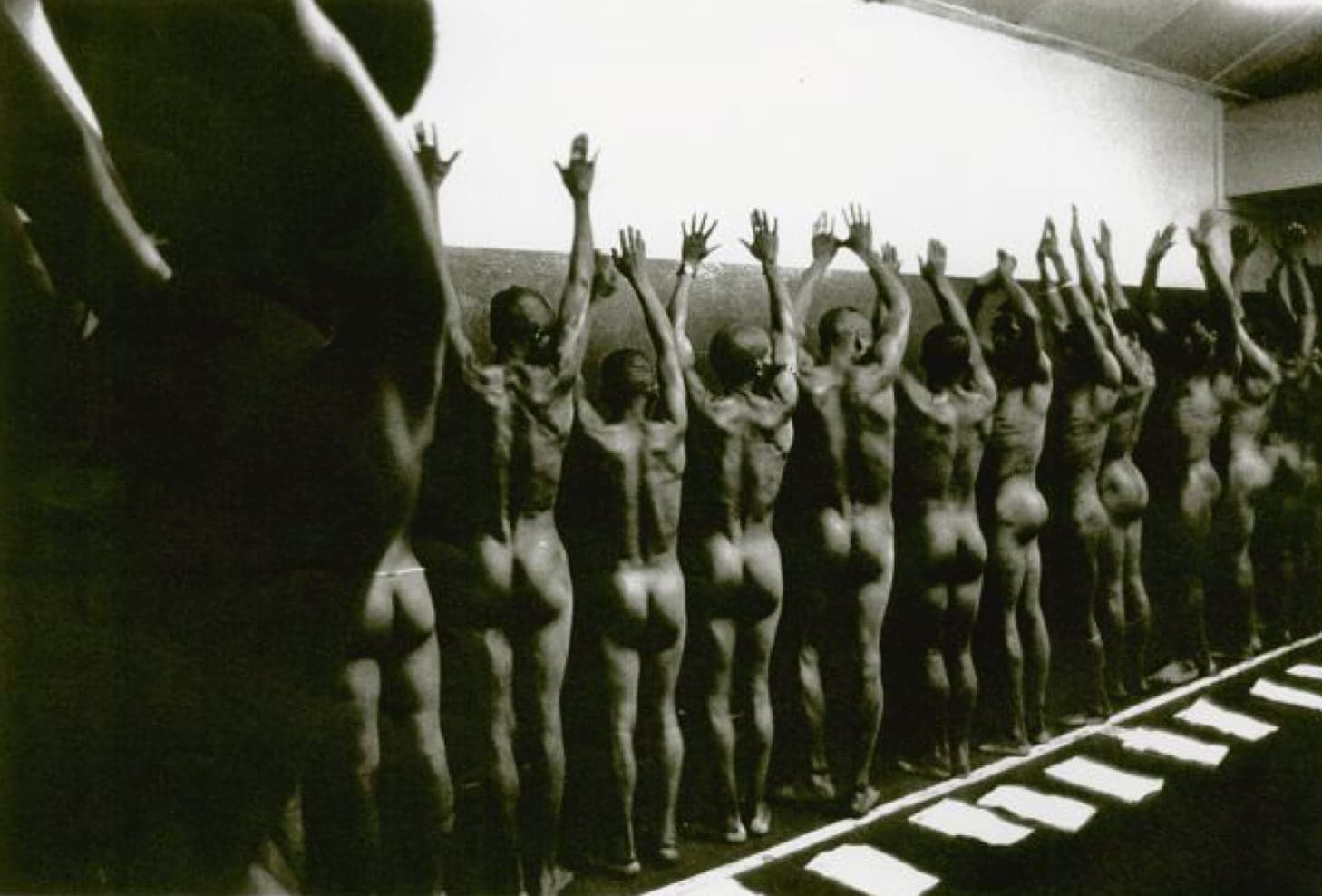
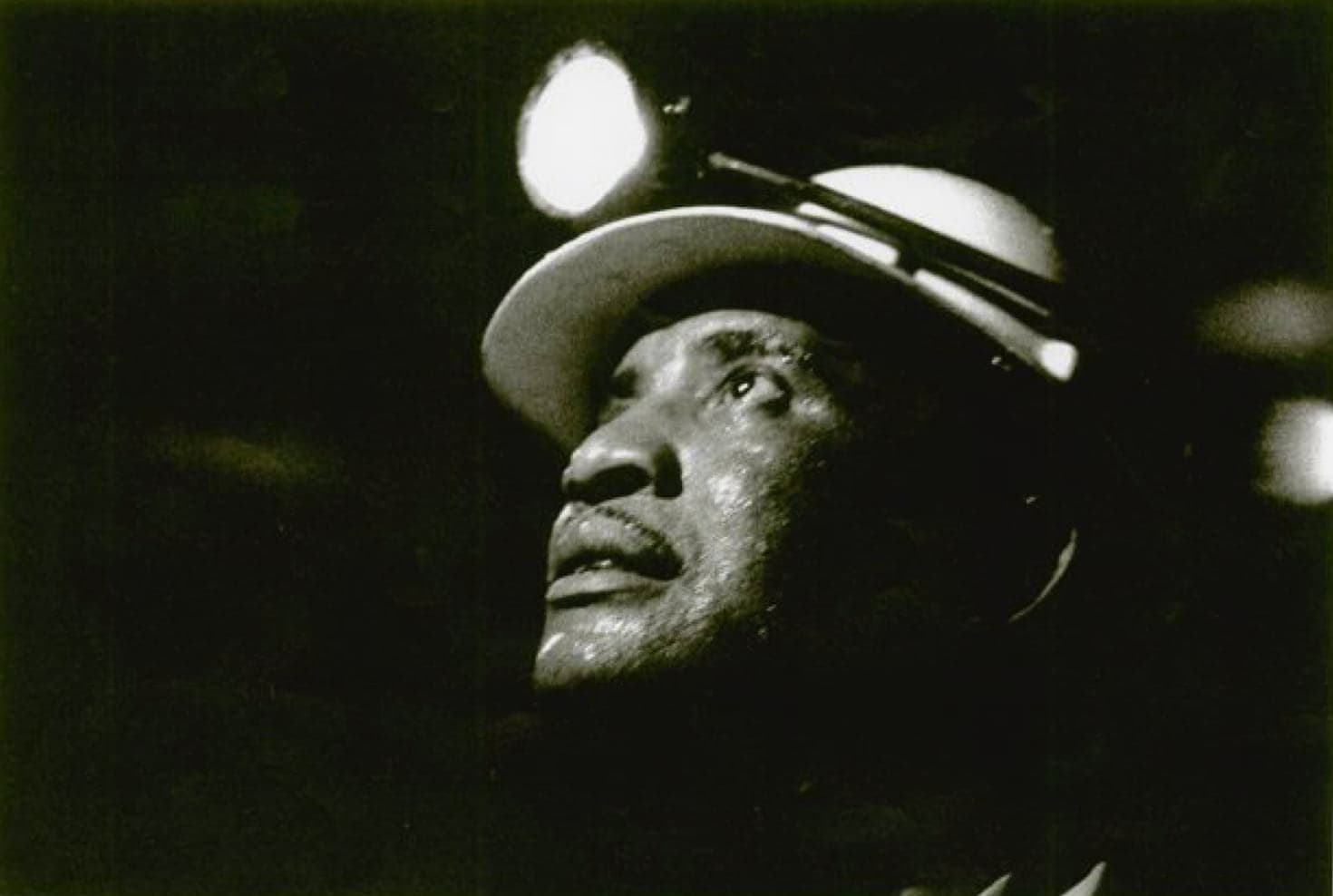
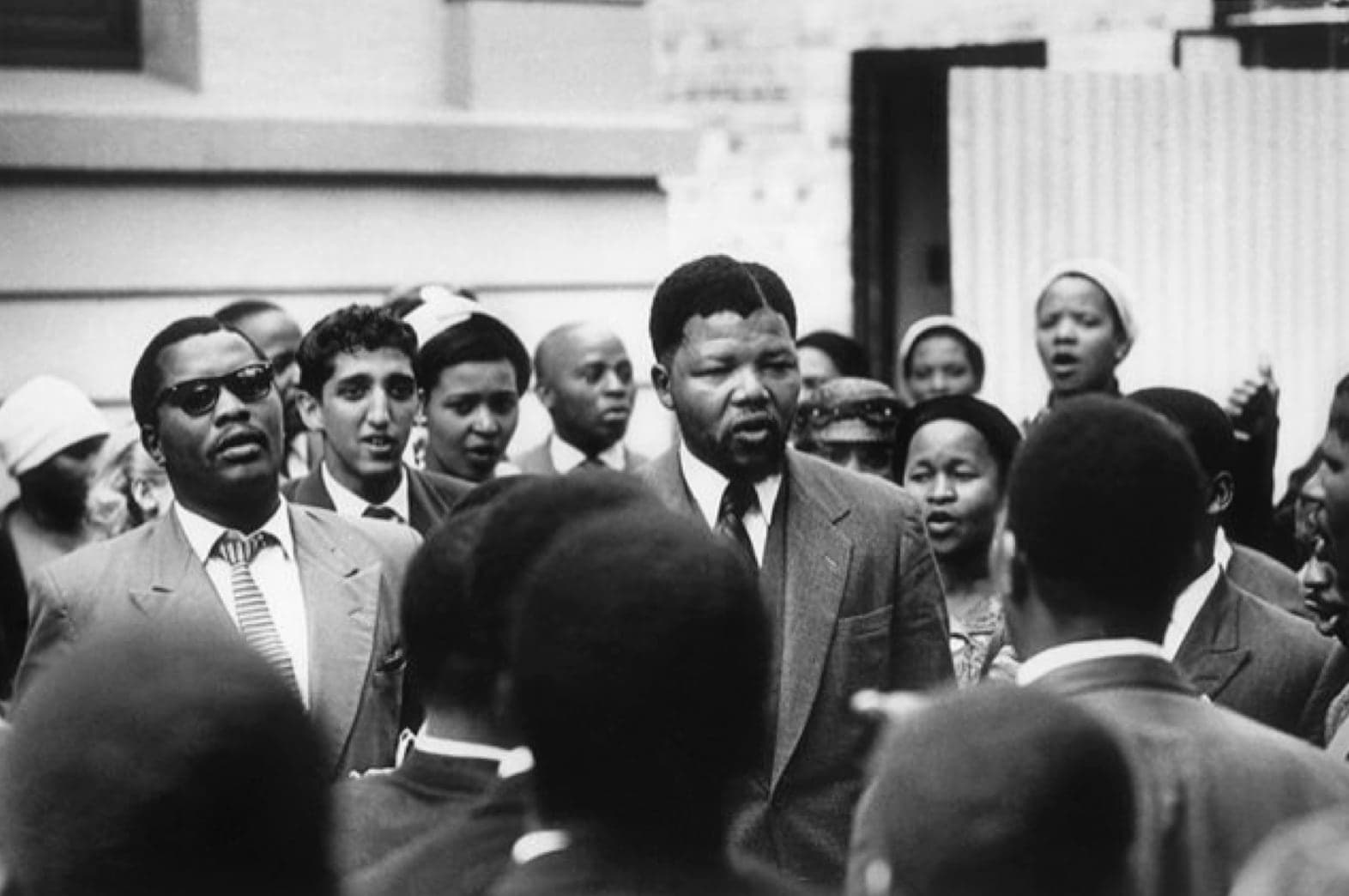
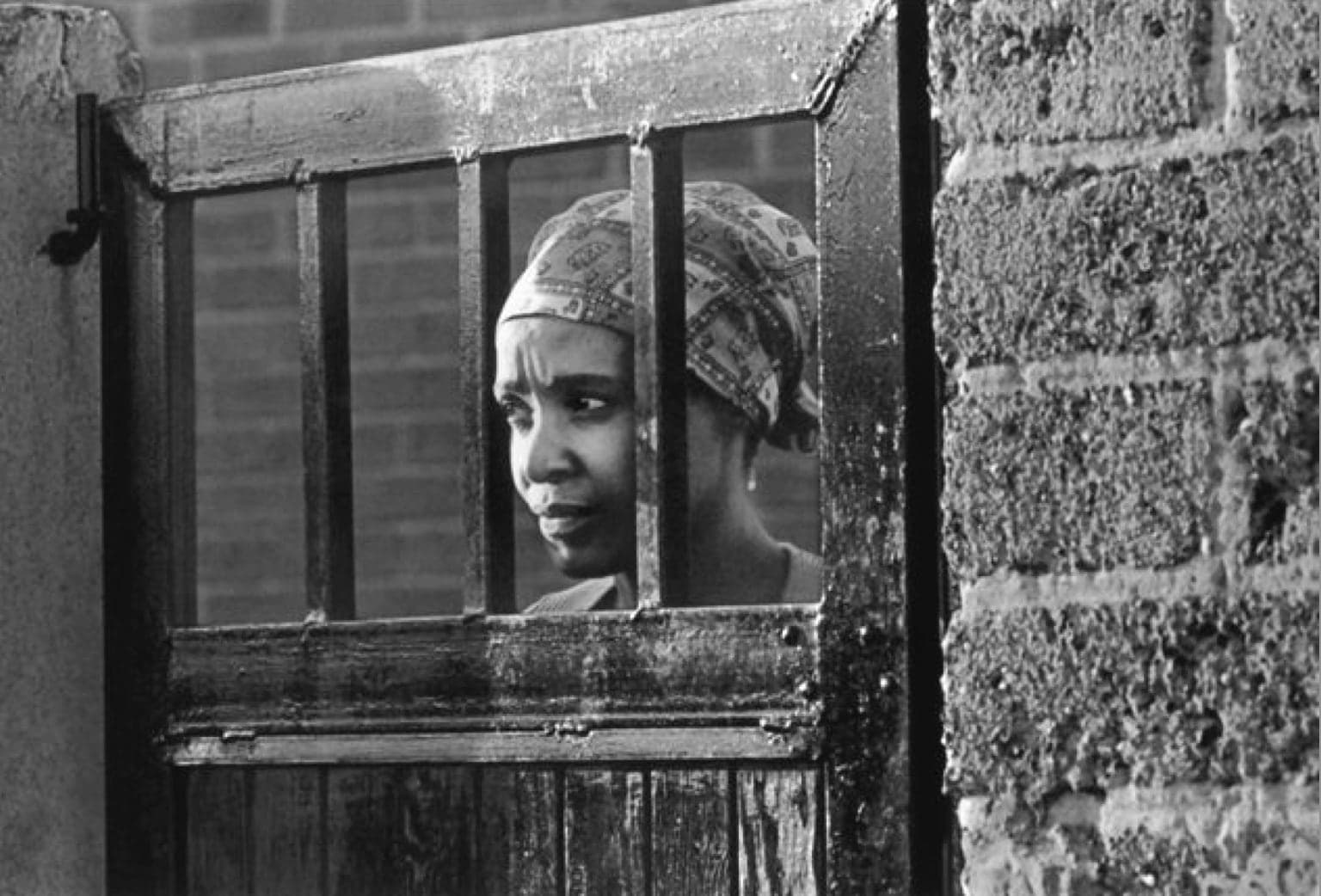
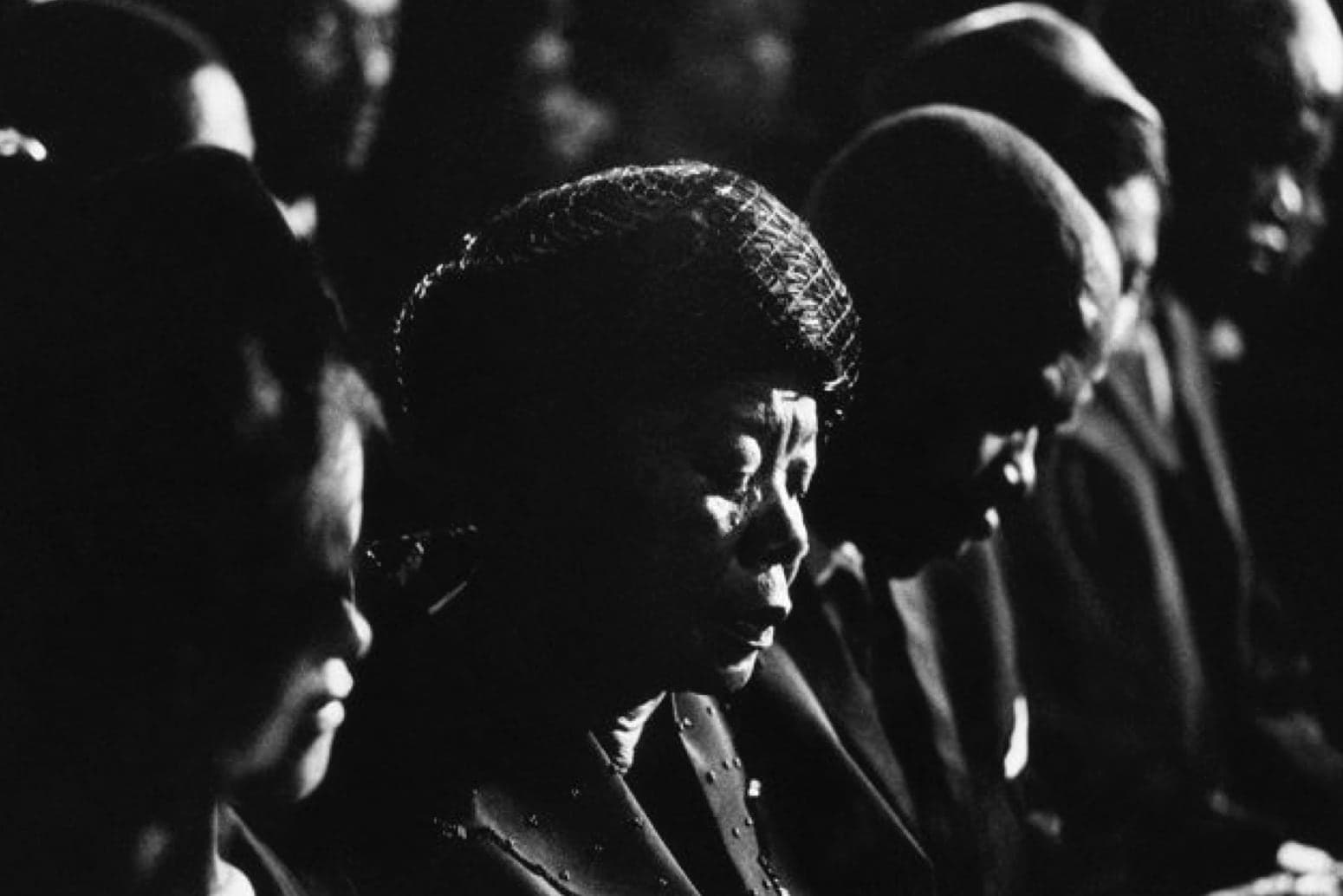
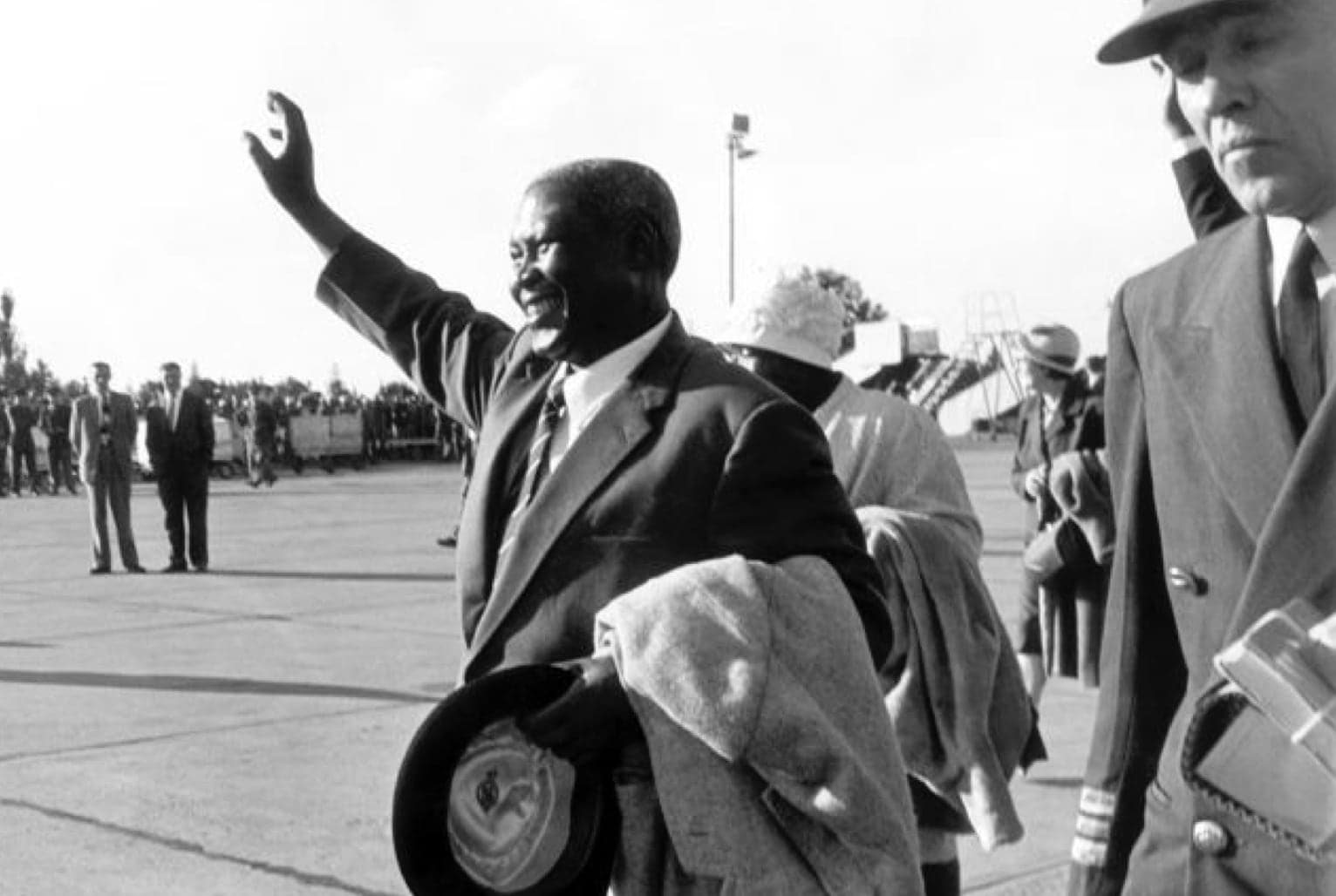
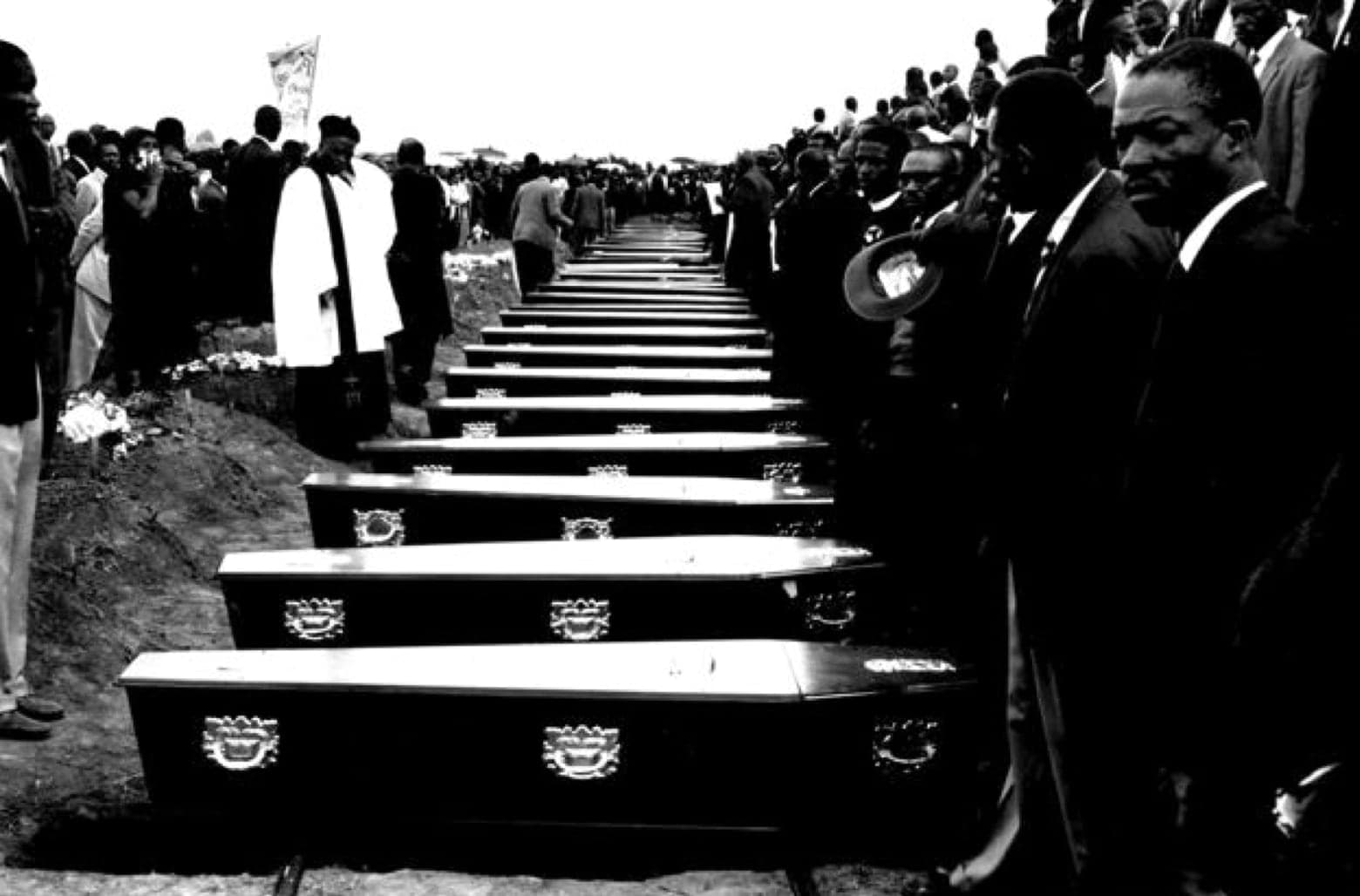
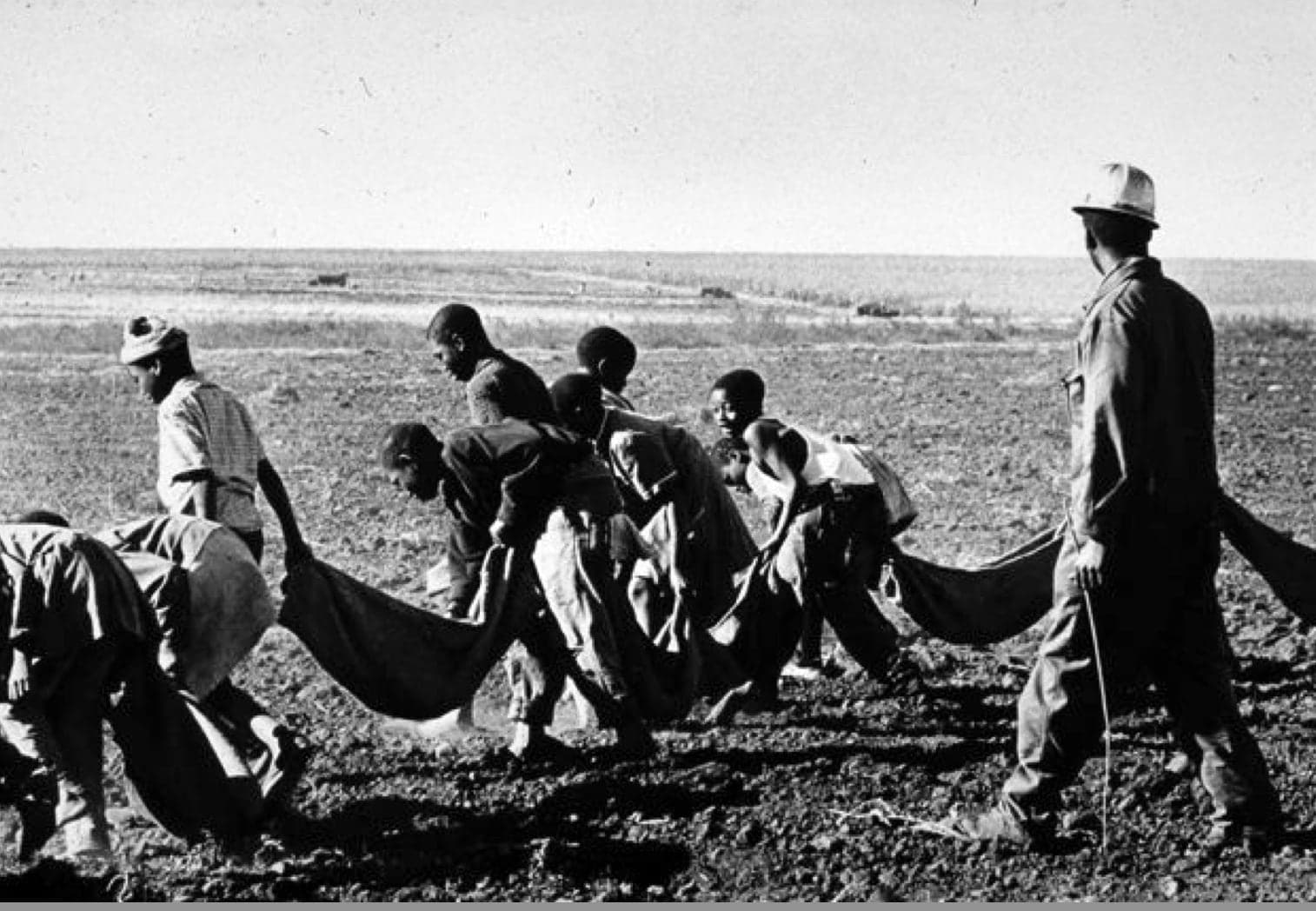
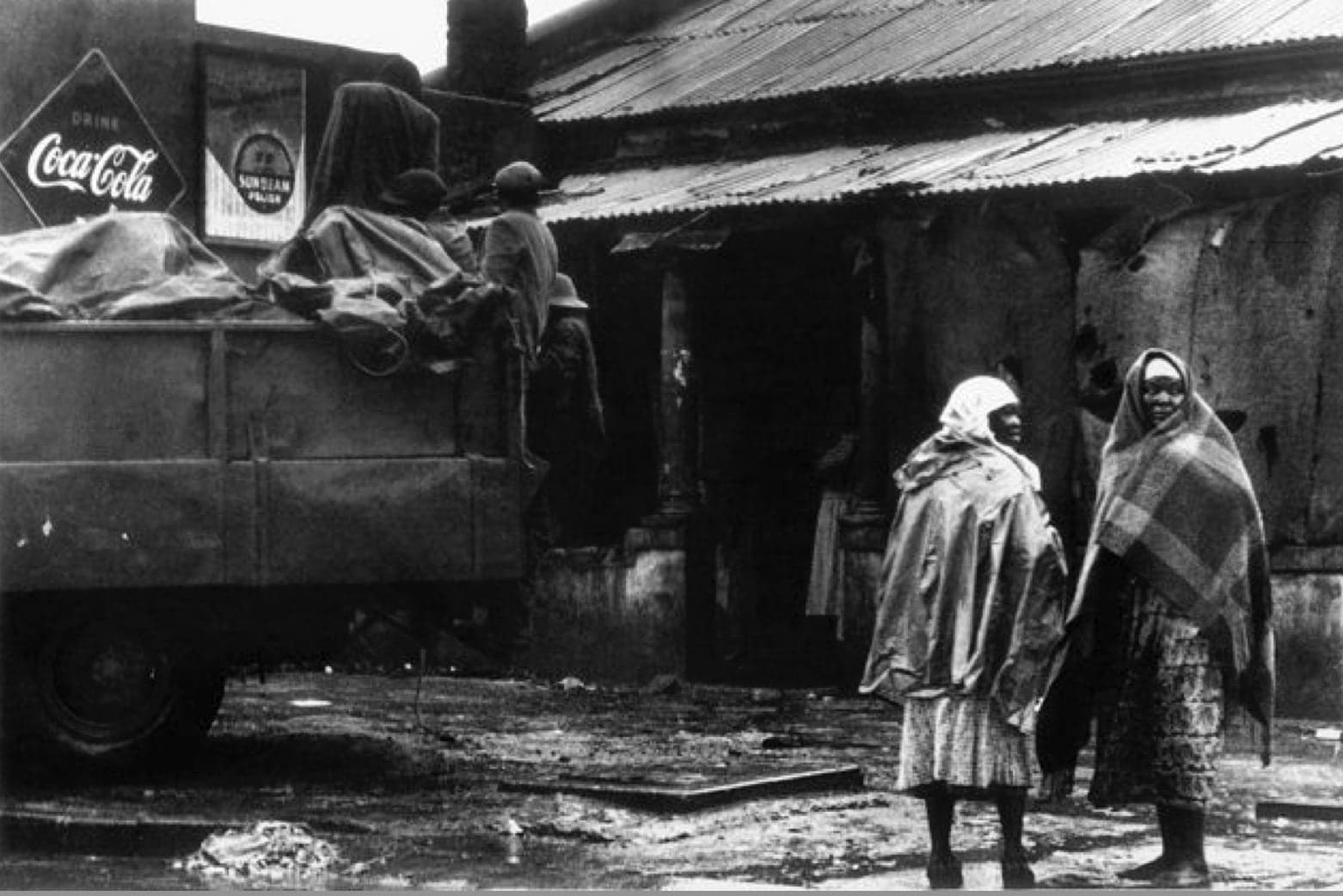
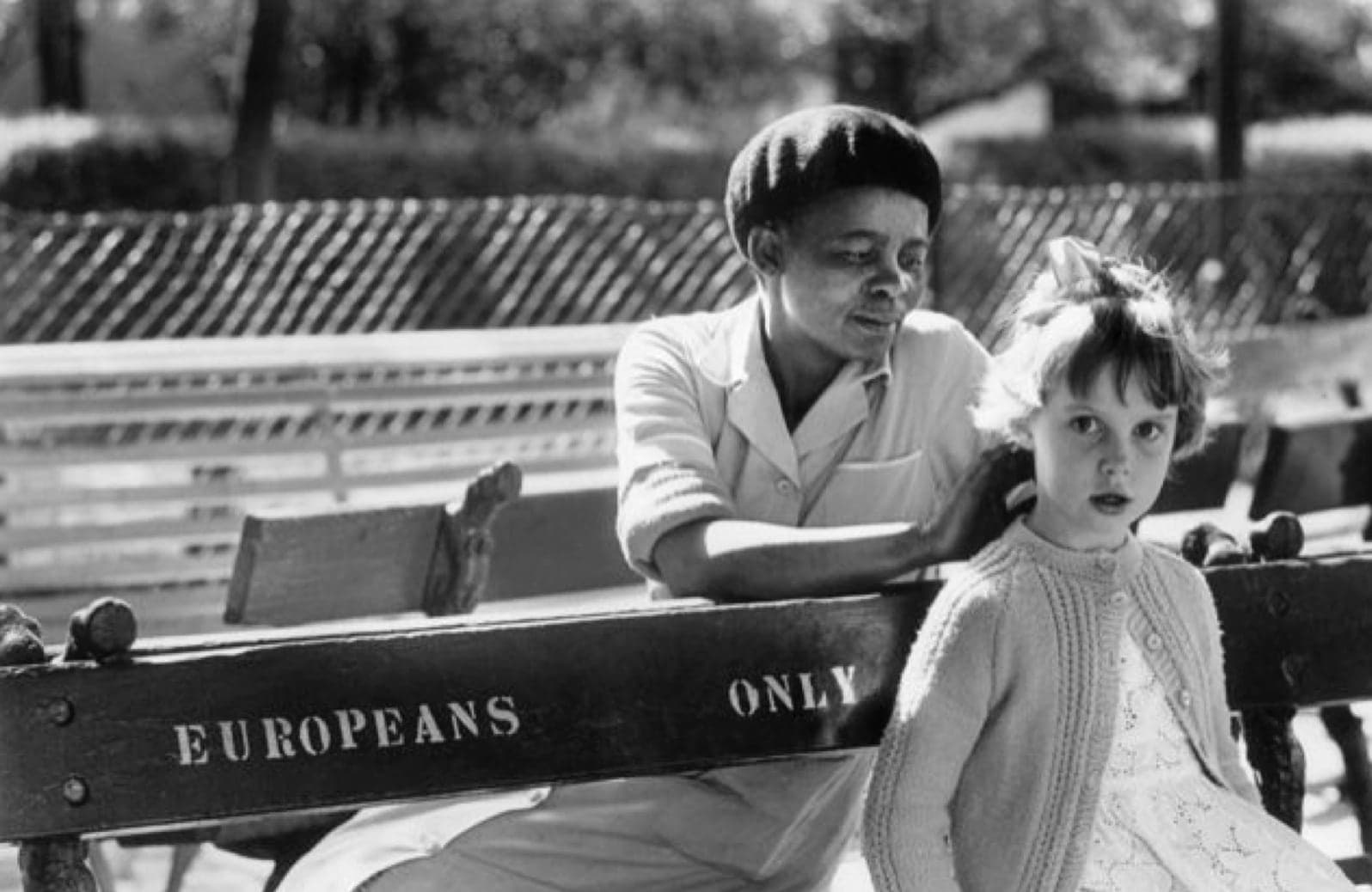
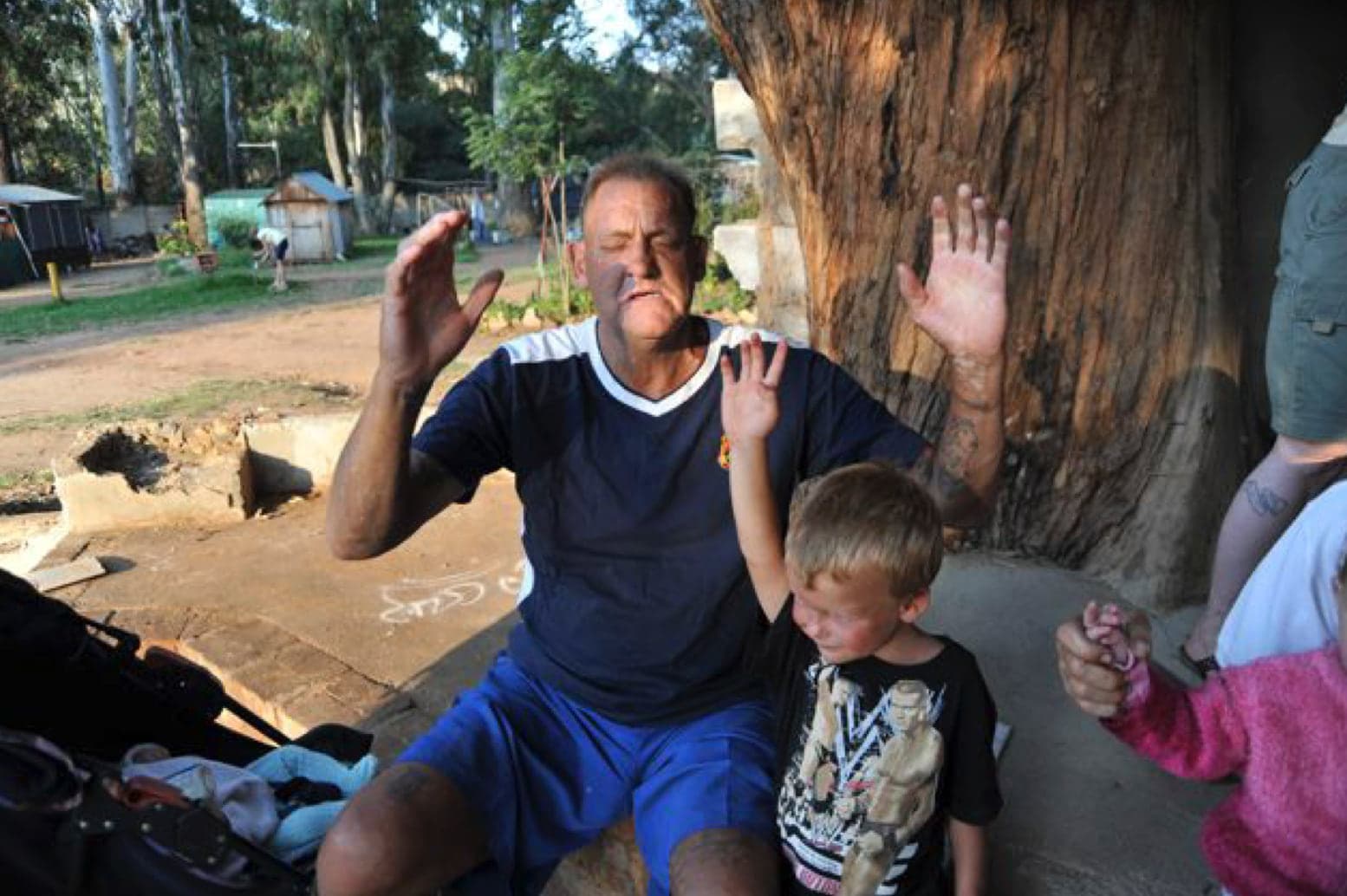
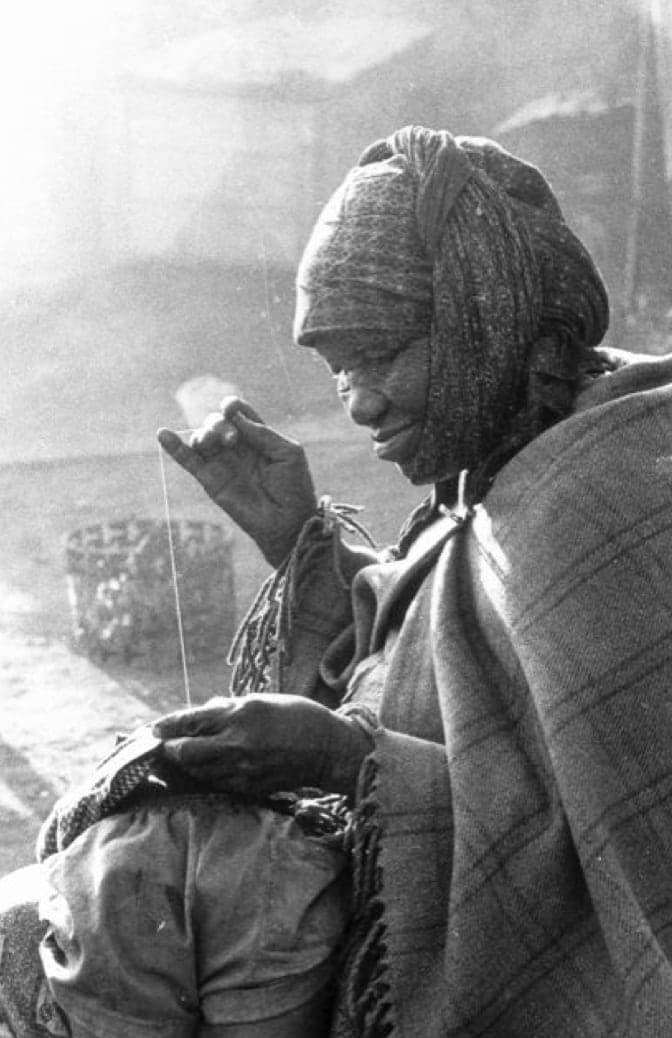
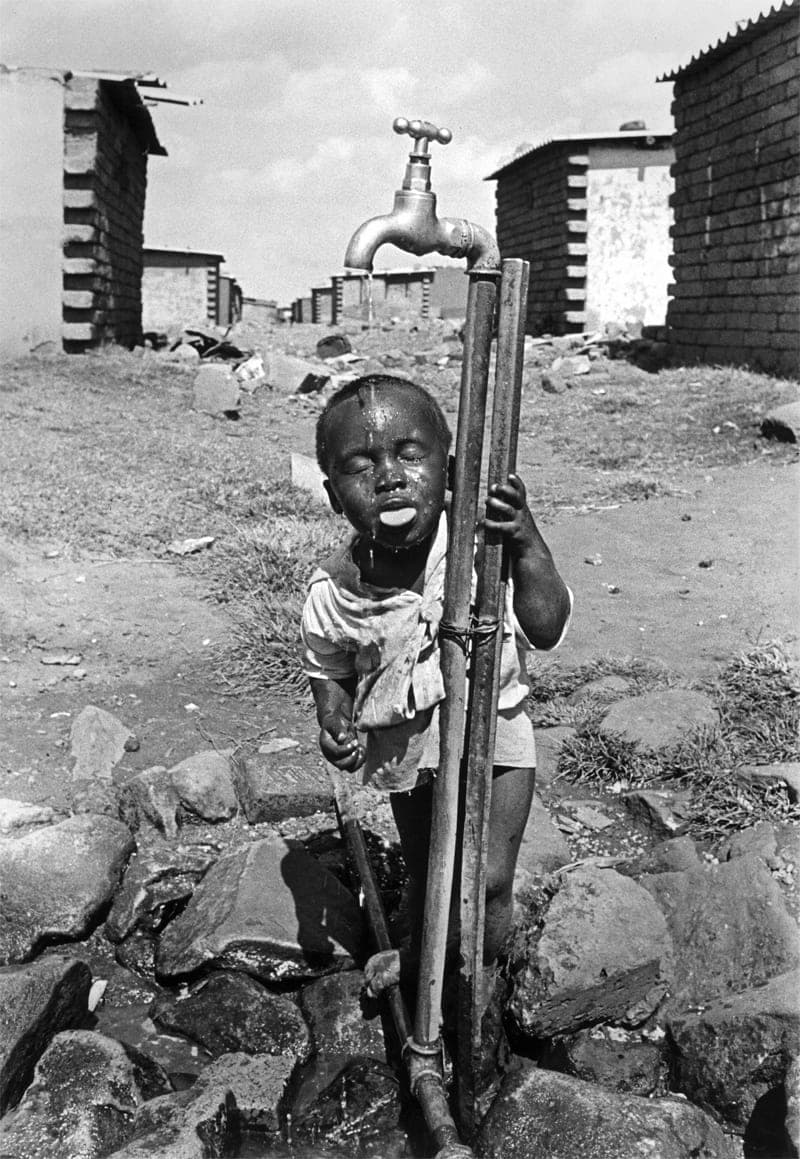
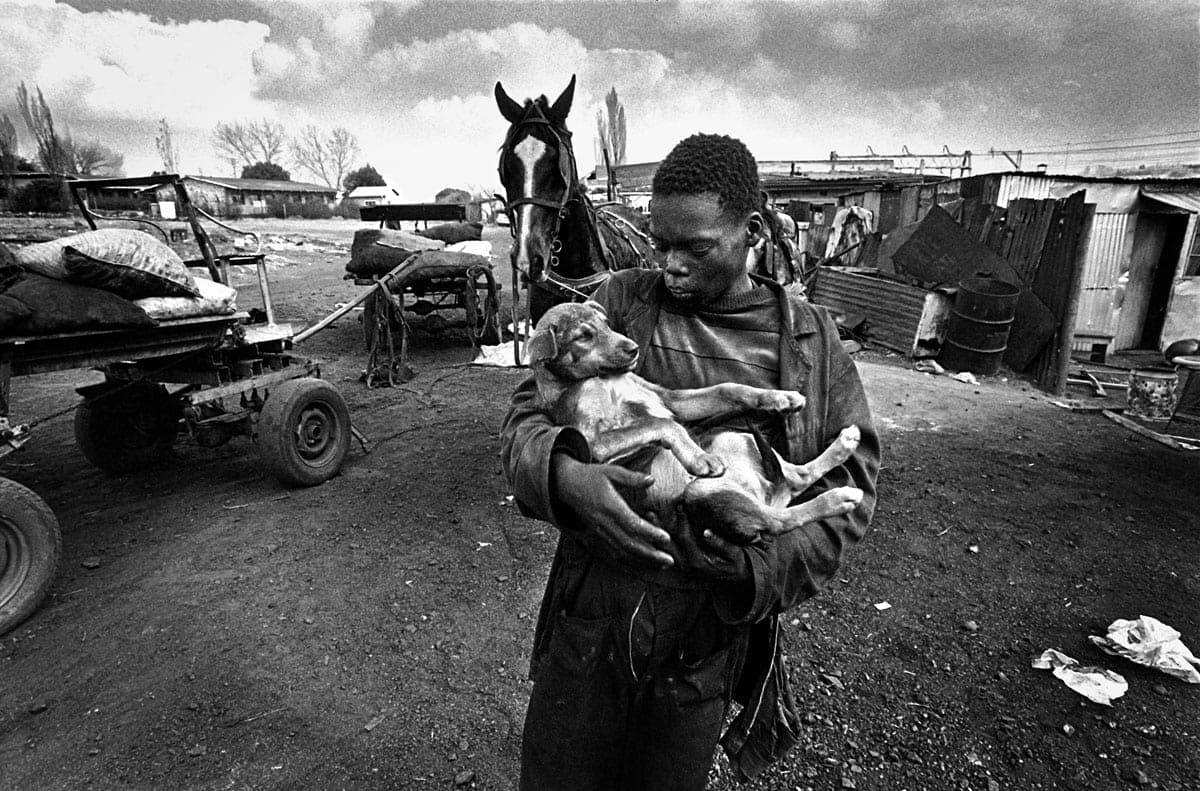
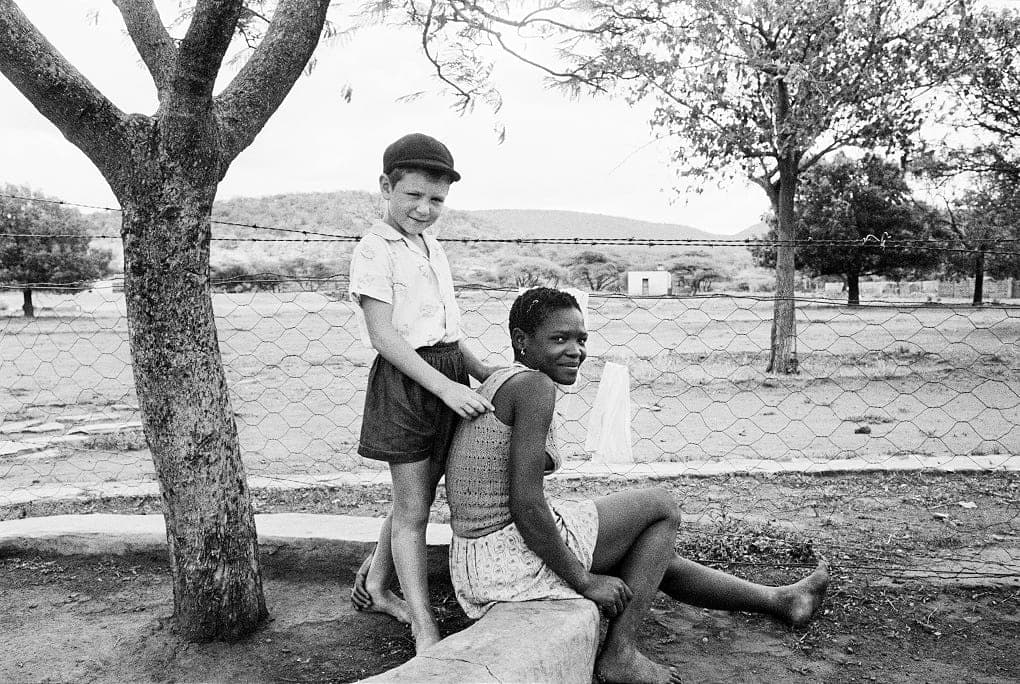
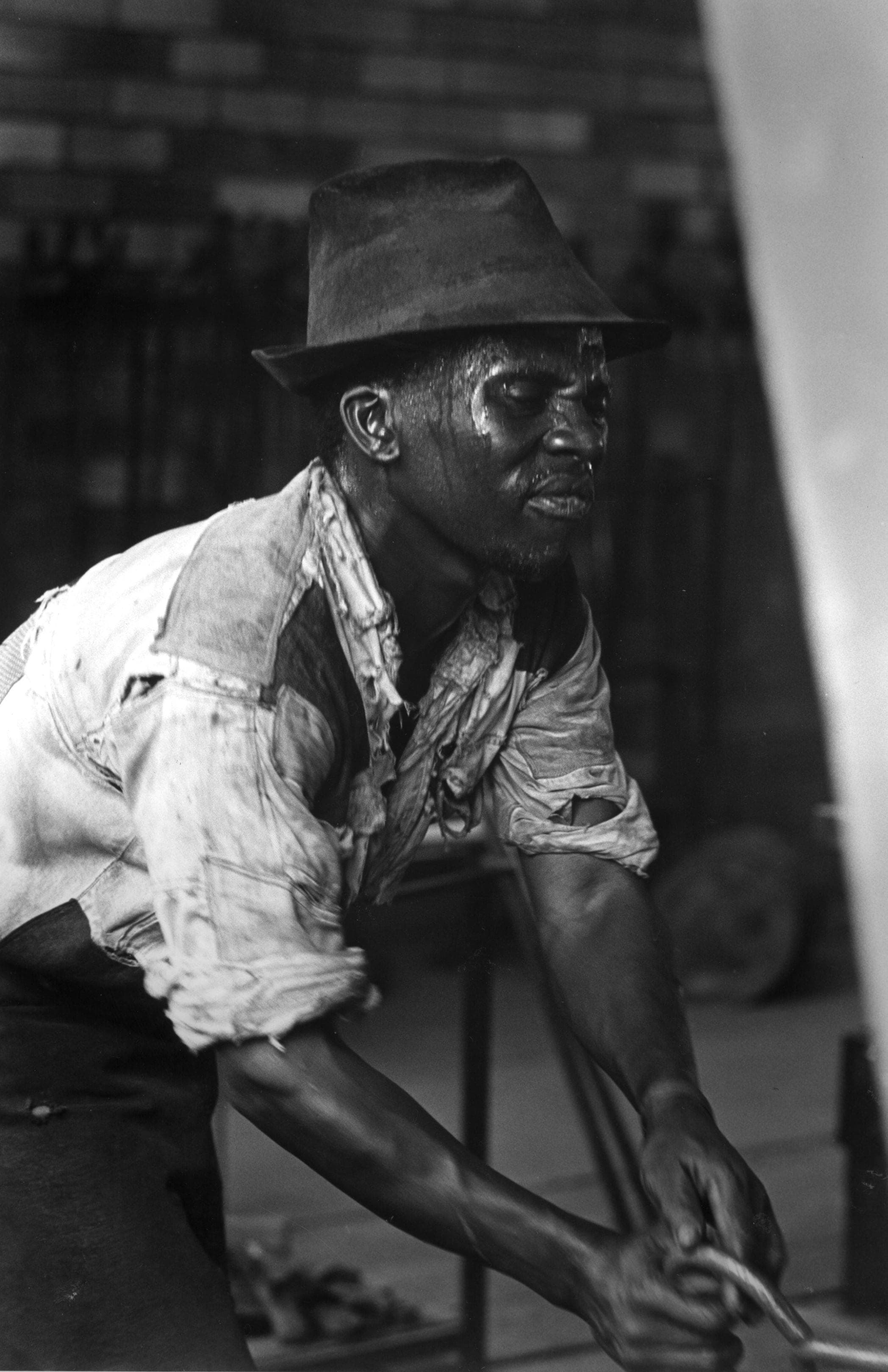
David Goldblatt was born in Randfontein, a small mining town outside of Johannesburg, South Africa. Through his lens, chronicled the people, structures and landscapes of his country from 1948, through the rise of Afrikaner Nationalism, the apartheid regime and into the democratic era - until his death in June, 2018. In particular, Goldblatt documented the people, landscapes and industry of the Witwatersrand, the resource-rich area in which he grew up and lived, where the local economy was based chiefly on mining. In general, Goldblatt's subject matter spanned the whole of the country geographically and politically from sweeping landscapes of the Karoo desert to the arduous commutes of migrant black workers, forced to live in racially segregated areas. His broadest series, which spans six decades of photography, examines how South Africans have expressed their values through the structures, physical and ideological, that they have built.
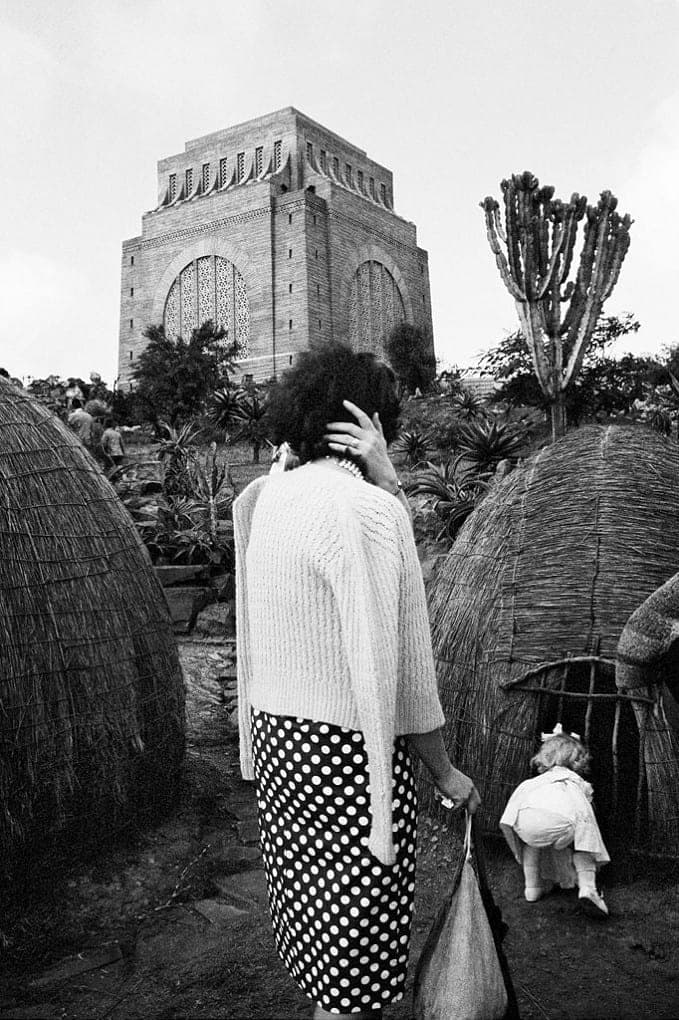
Caption: This day commemorated the vow taken by the Voortrekkers before the Battle of Blood River, that if God gave them victory over the Zulus they would laways keep it as one of thanksgiving.
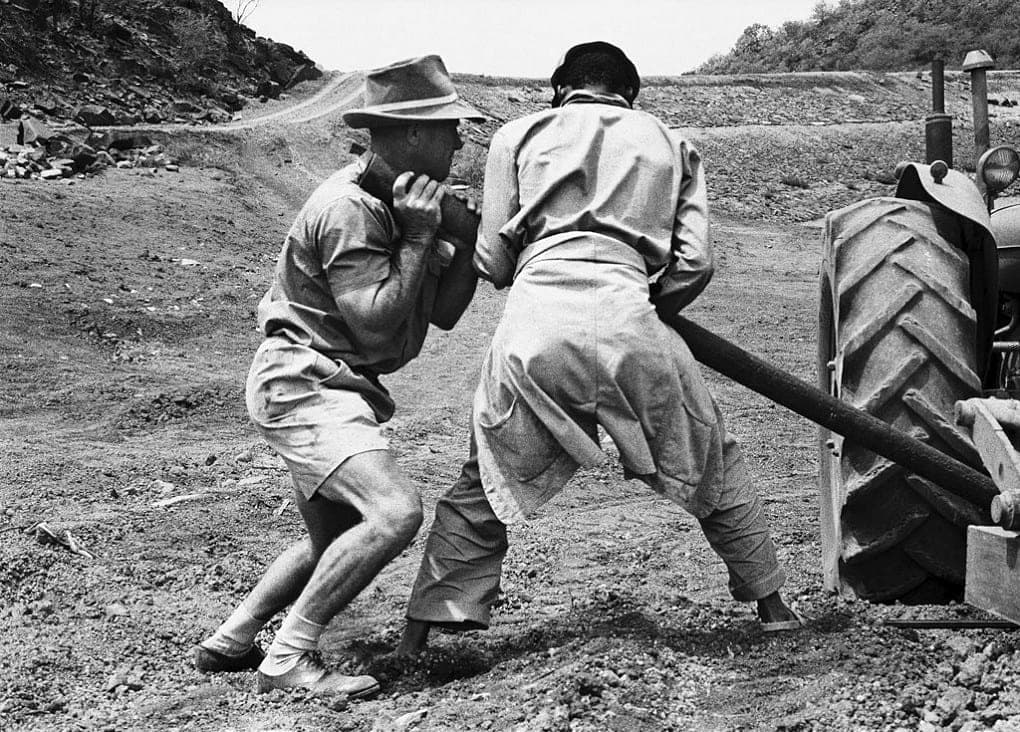
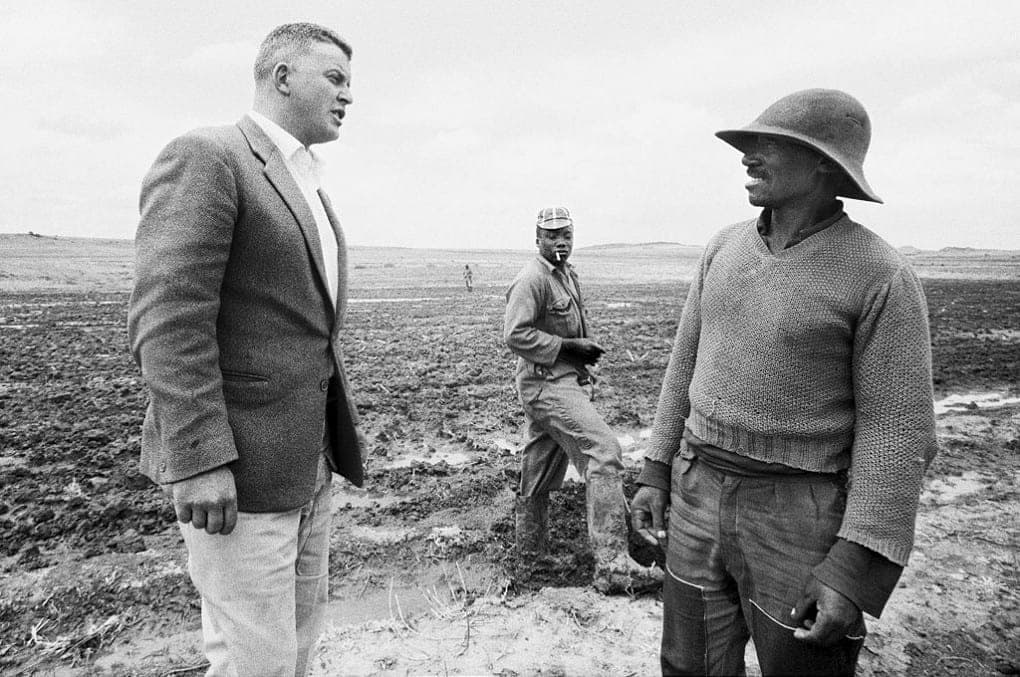
Caption: In the manner of respectful address used in Afrikaans as between a parent and child, van der Linde asked, 'Old Sam, does the Baas swear at you?' To which the reply was, 'No Baas, the Baas does not swear at me.'
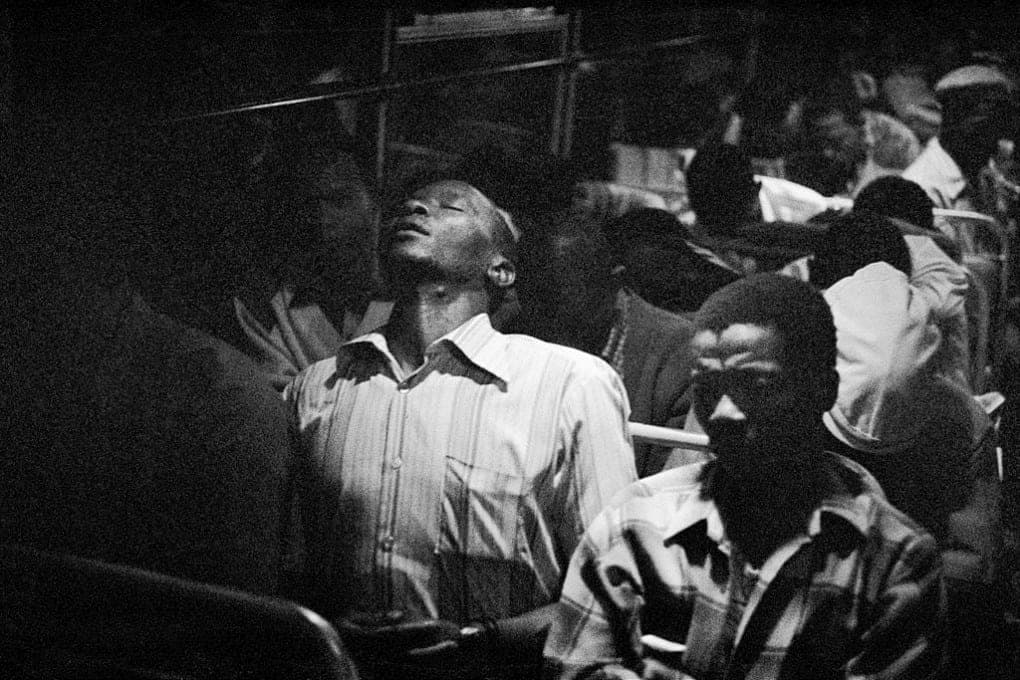
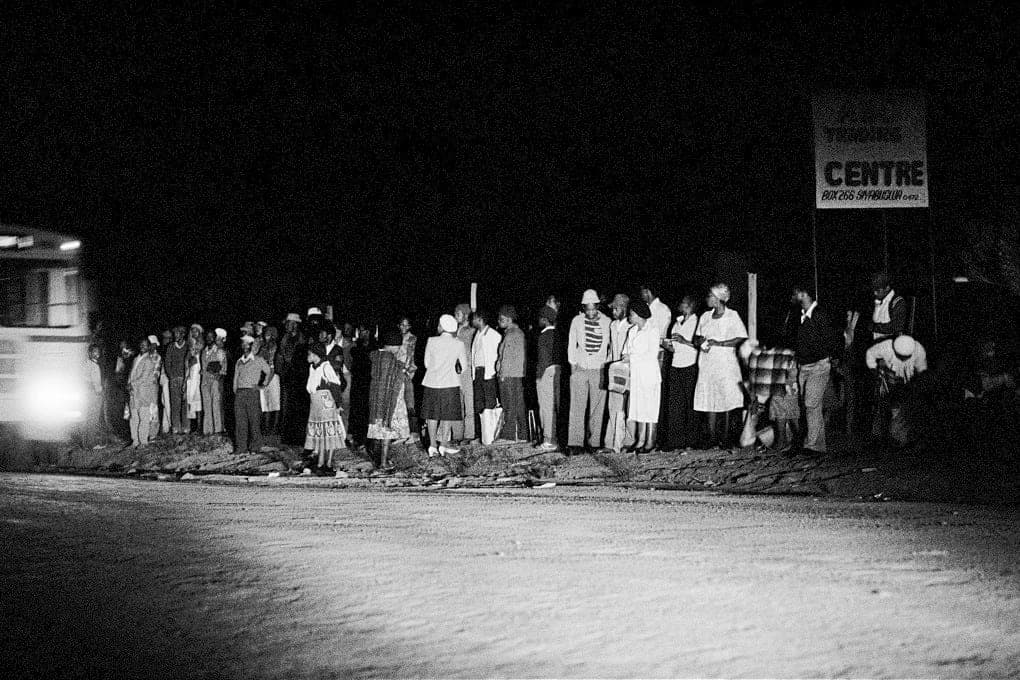
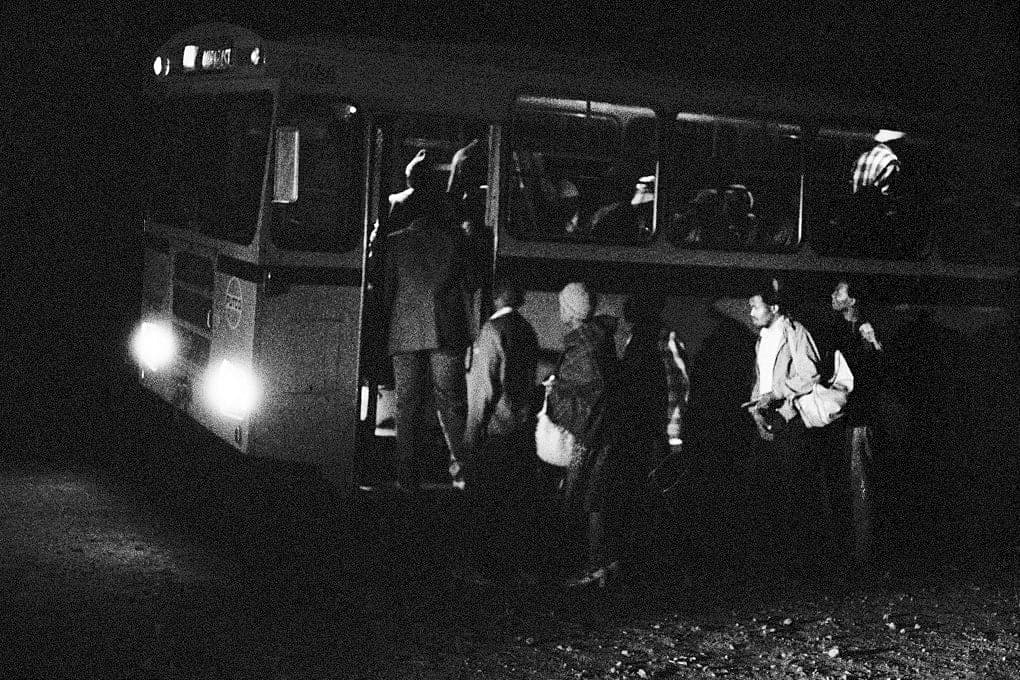
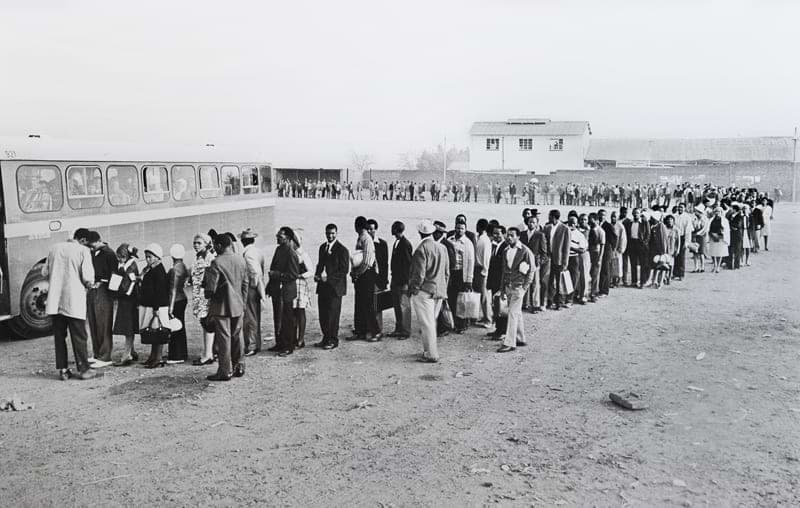
Goldblatt’s larger series ‘The Transported of KwaNdebele’ looks at the workers of an apartheid tribal homeland, KwaNdebele, which had no industry, very few opportunities for jobs, and was a long way from the nearest industrial- commercial activity of white-controlled Pretoria. Workers from KwaNdebele would catch buses in the very early morning, some as early as 2:45 am, in order to be at their workplaces in Pretoria by 7:00. At the end of the day they would repeat the journey in the other direction, to get home at between 8 and 10 pm. Goldblatt takes us on their bone-jarring journeys through the night, which is a metaphor for their arduous struggle toward freedom itself. In photographs devoid of sentimentality and artifice, the grim determination to survive and overcome emerges in almost heroic terms.