
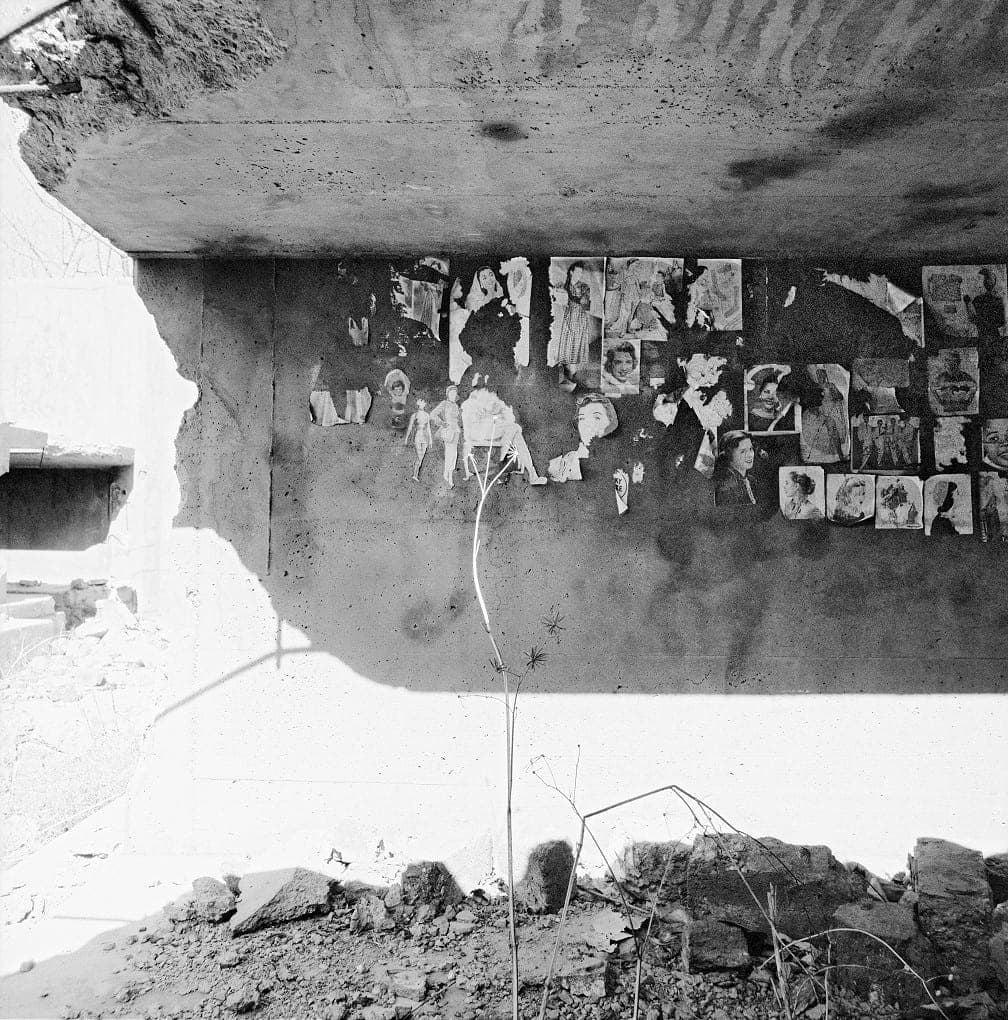
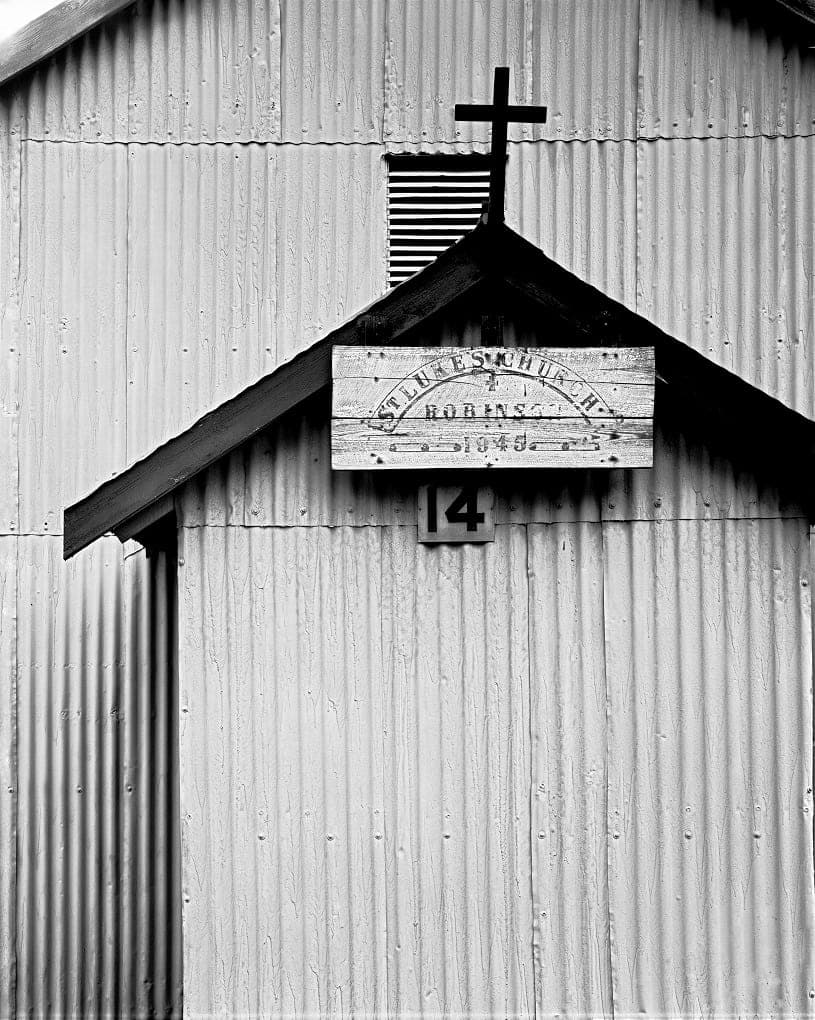
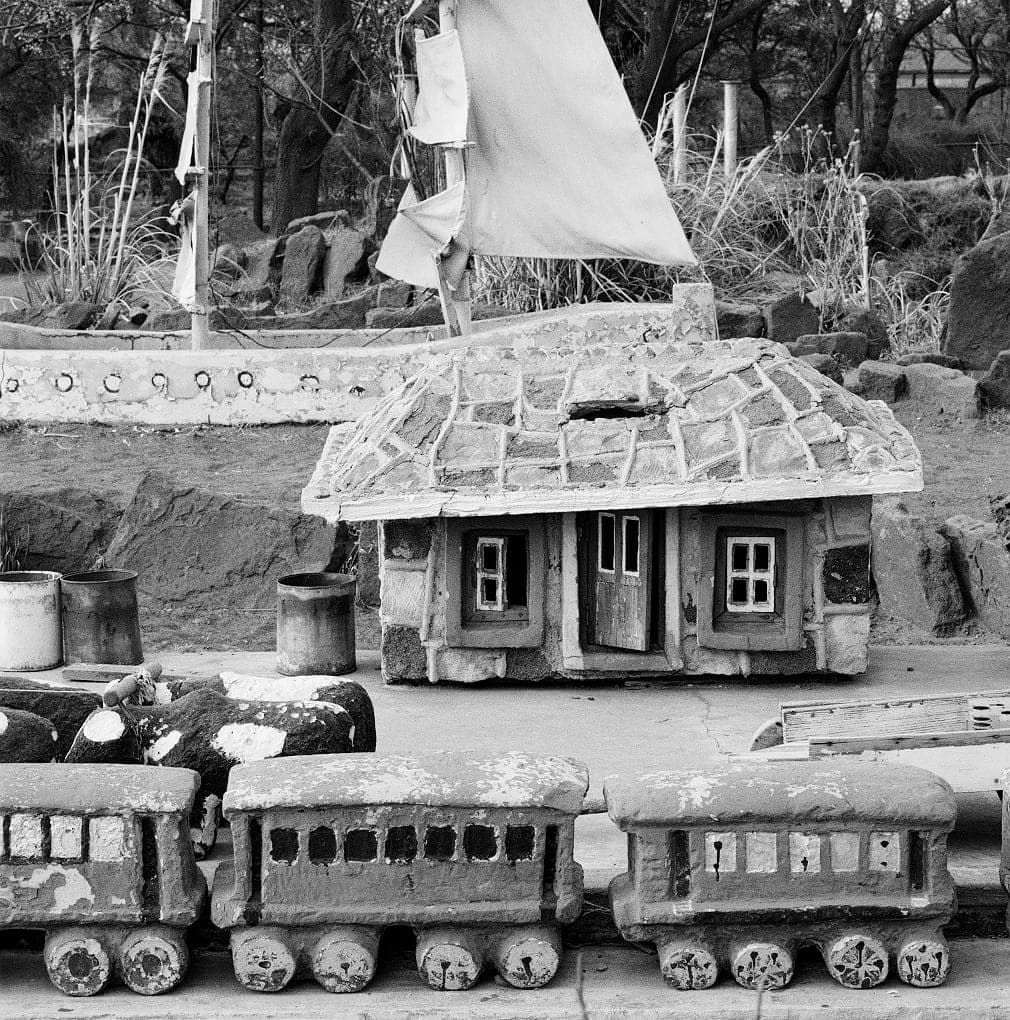


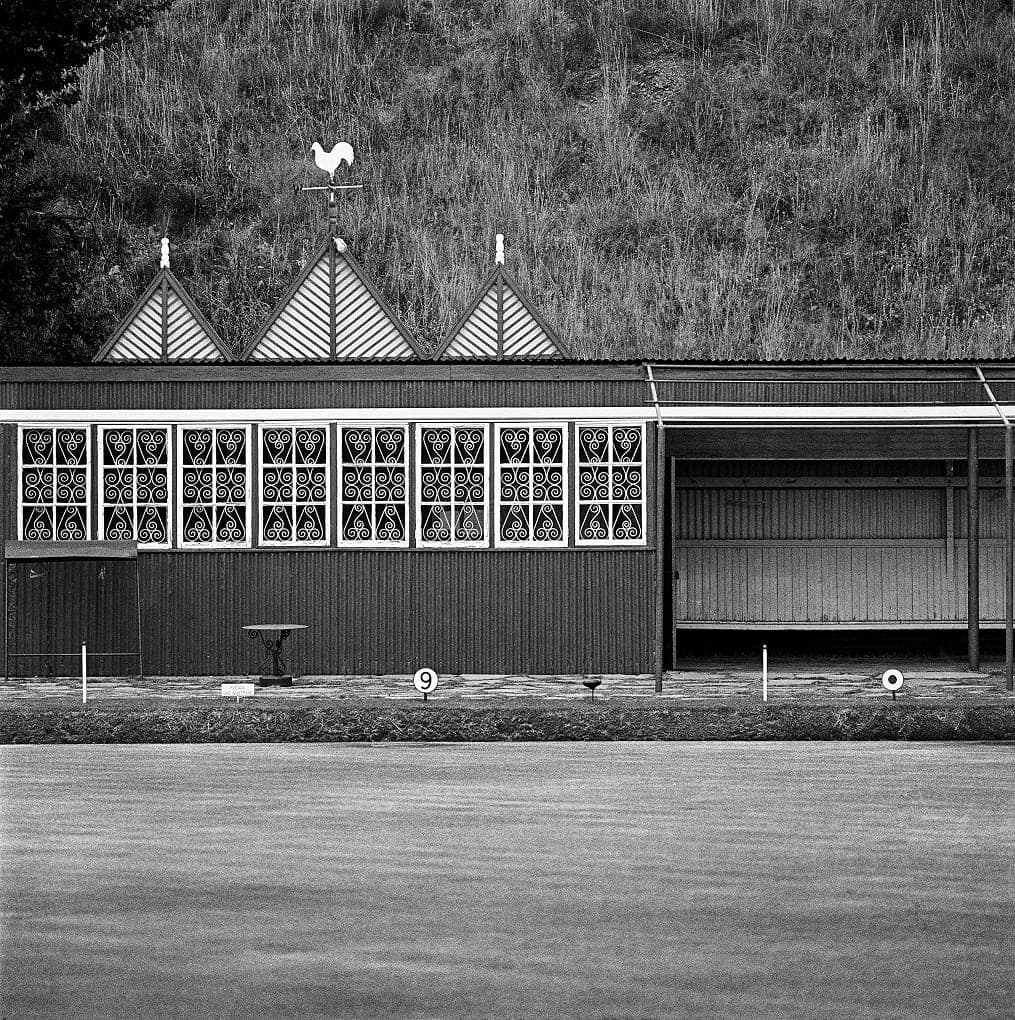

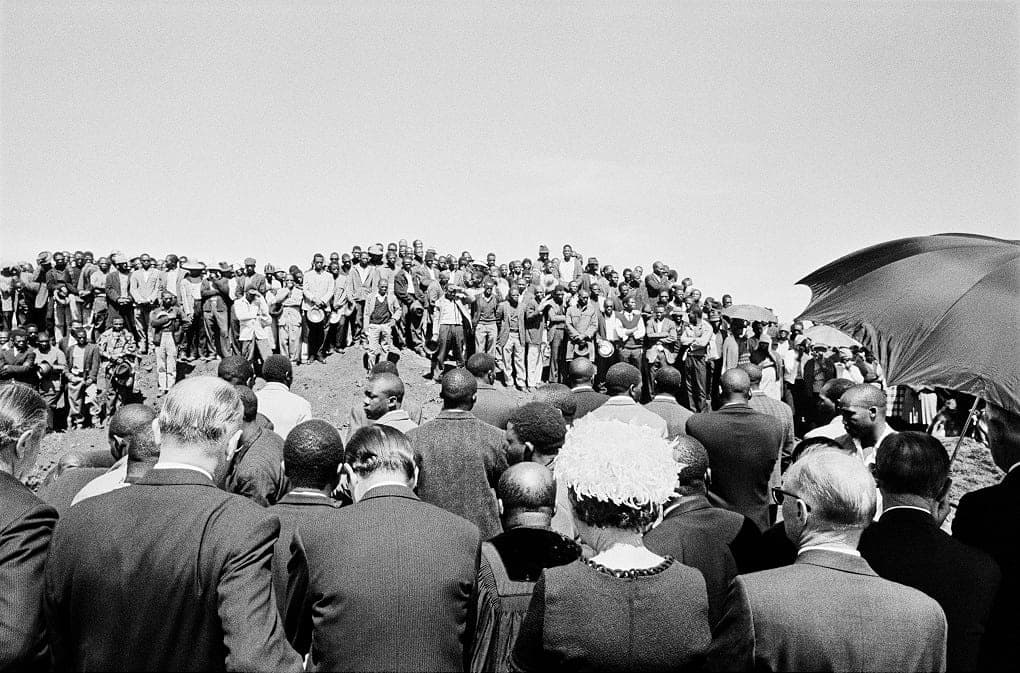


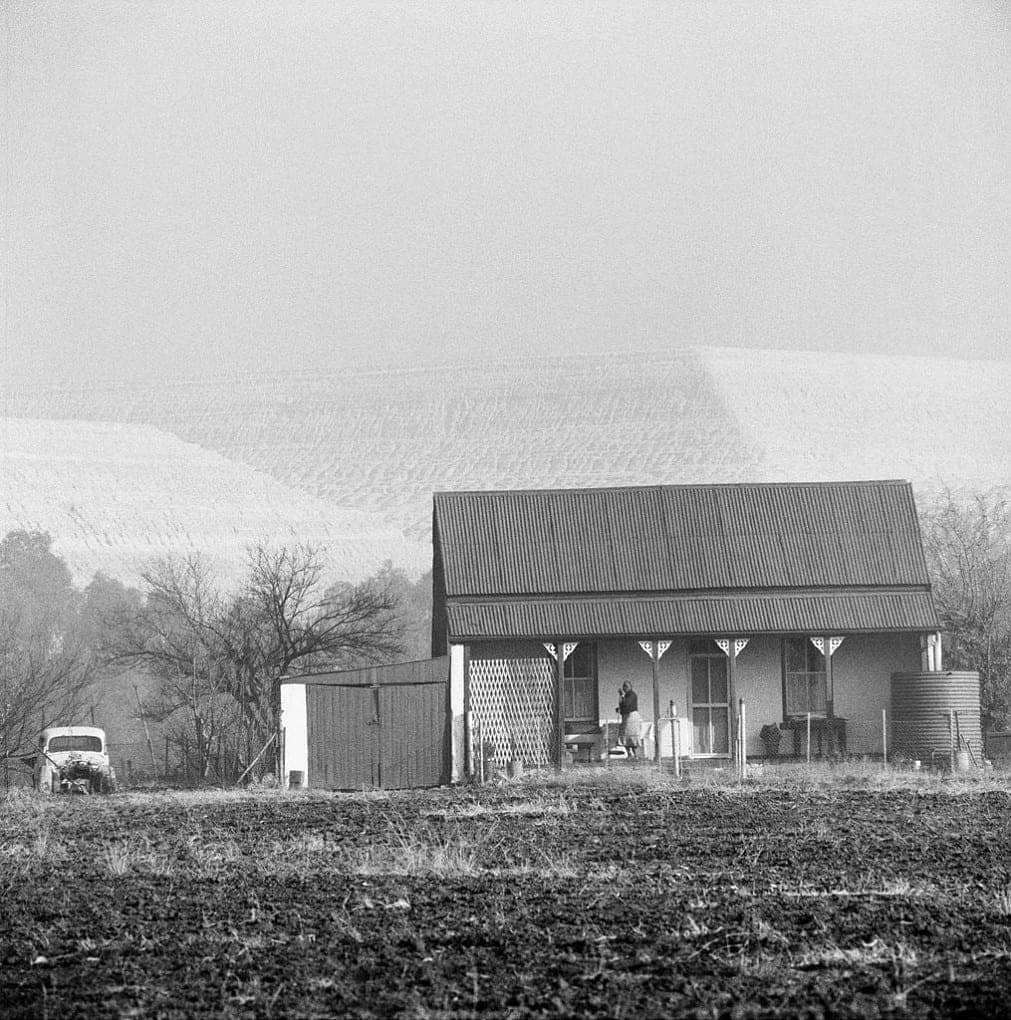
David Goldblatt (1930 -2018, South Africa), through his lens, chronicled the people, structures and landscapes of his country from 1948, through the rise of Afrikaner Nationalism, the apartheid regime and into the democratic era until his death in June, 2018. In particular, Goldblatt documented the people, landscapes and industry of the Witwatersrand, the resource-rich area in which he grew up and lived, where the local economy was based chiefly on mining. Art Institute Chicago will present an exhibition spanning Goldblatt’s seven-decade career titled No Ulterior Motive in December 2023.
Goldblatt's subject matter spanned the whole of the country geographically and politically from sweeping landscapes of the Karoo desert to the arduous commutes of migrant black workers, forced to live in racially segregated areas. His broadest series, which spans six decades of photography, examines how South Africans have expressed their values through the structures, physical and ideological, that they have built.
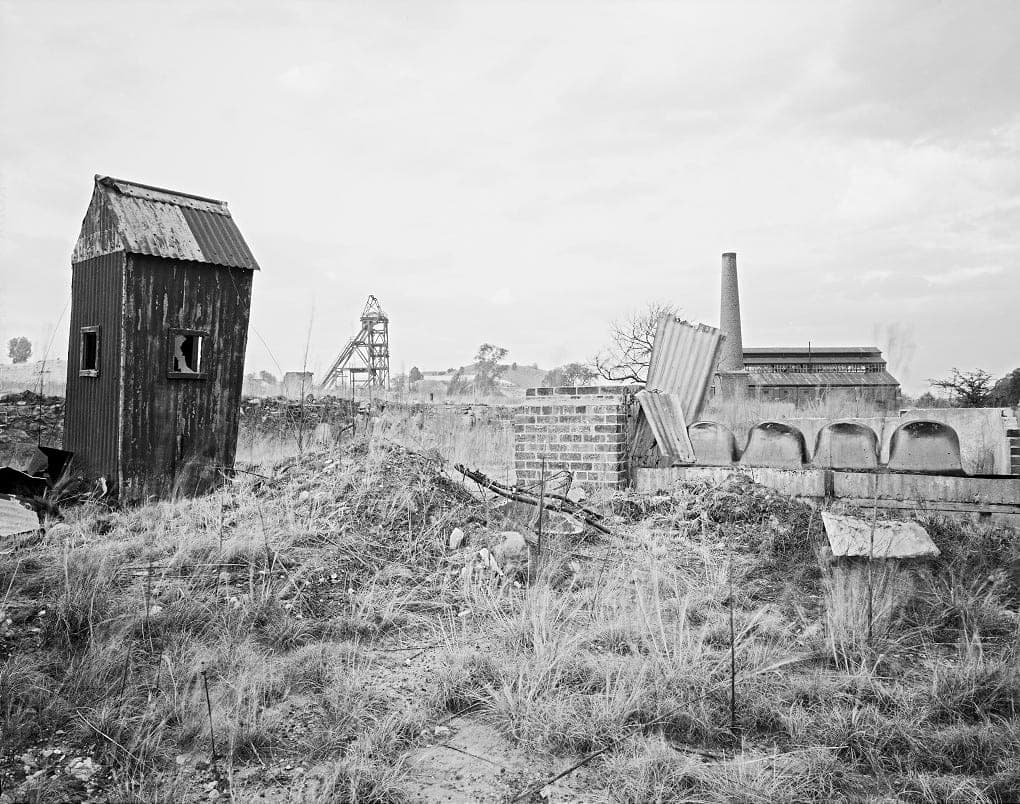
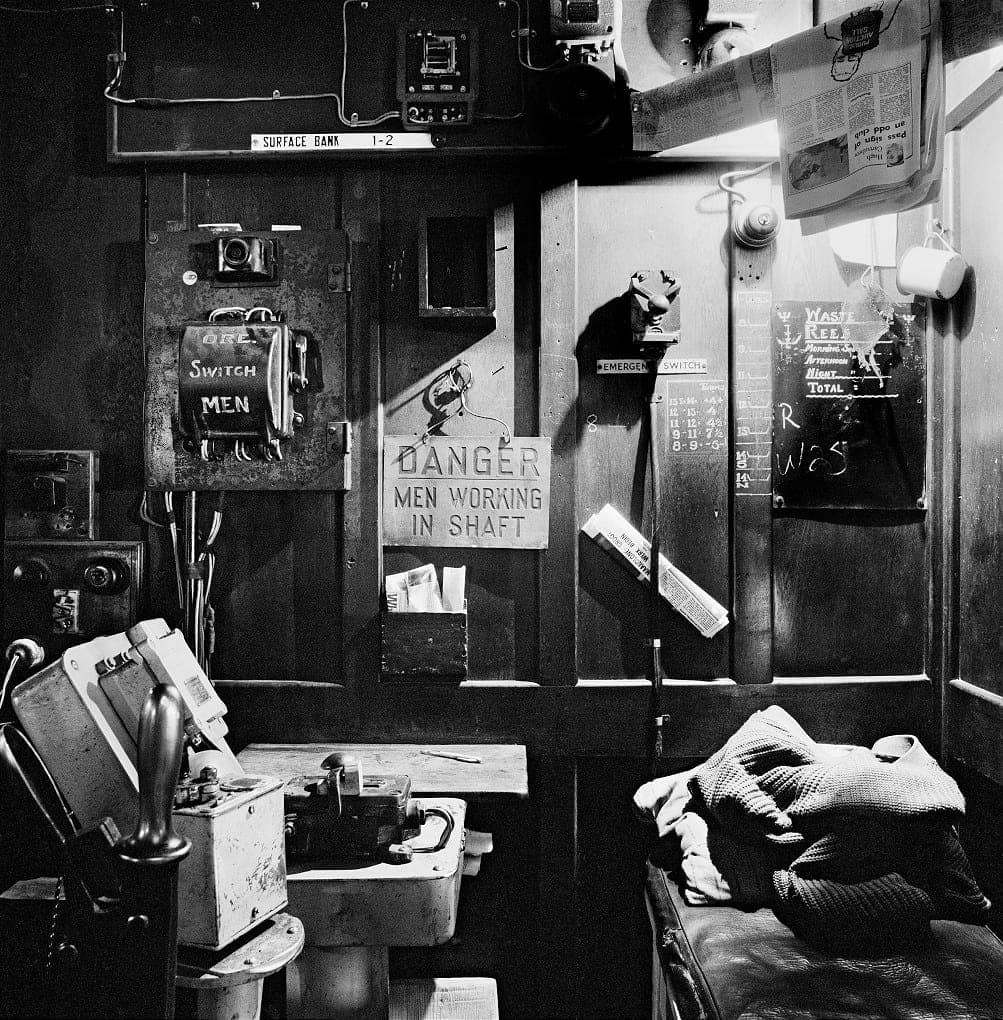
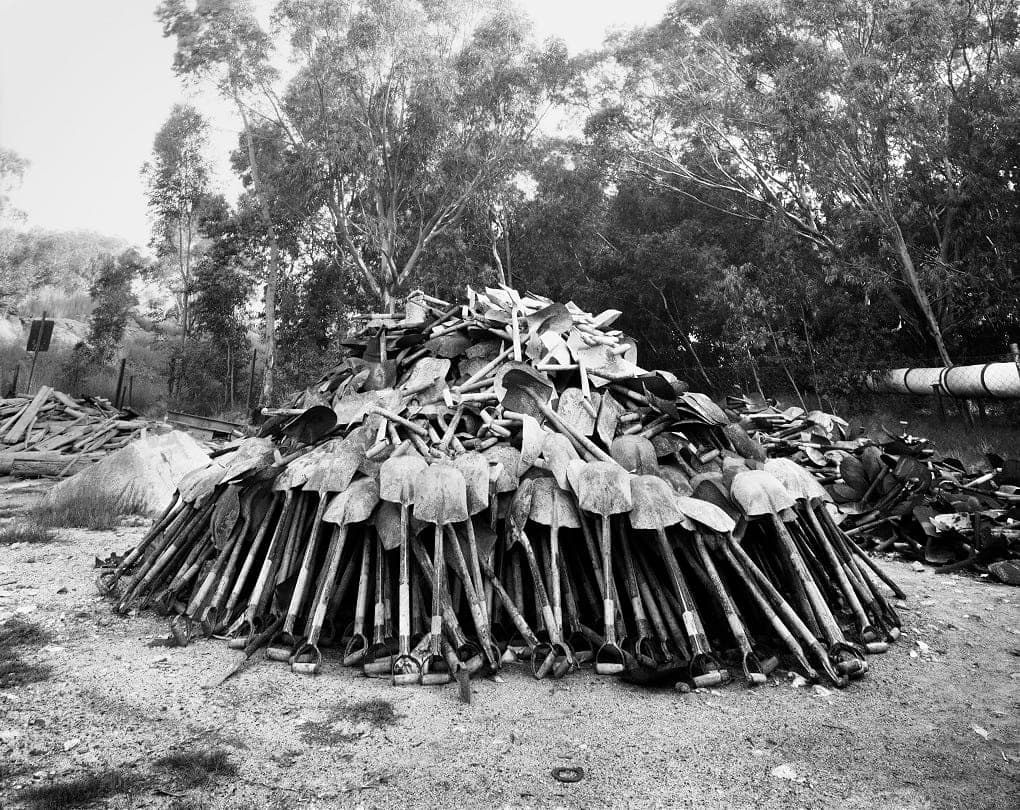
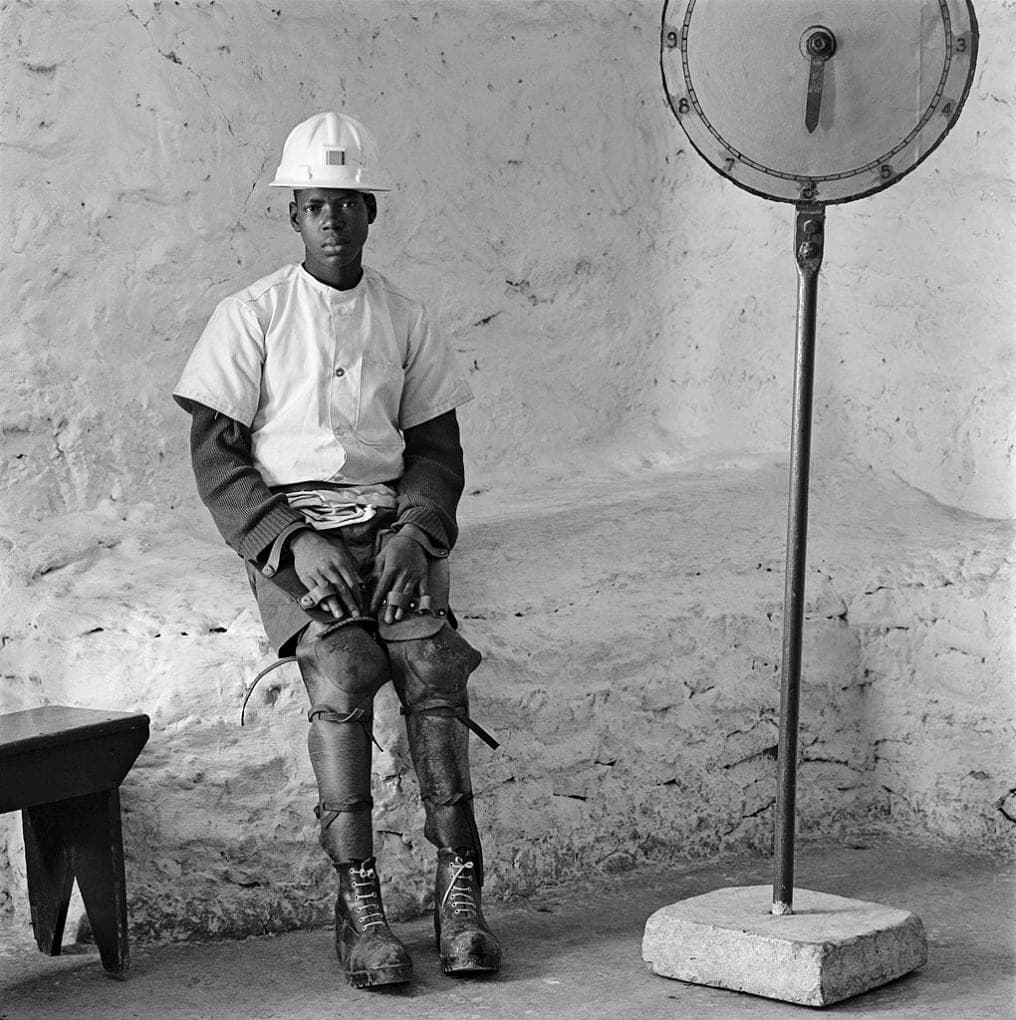
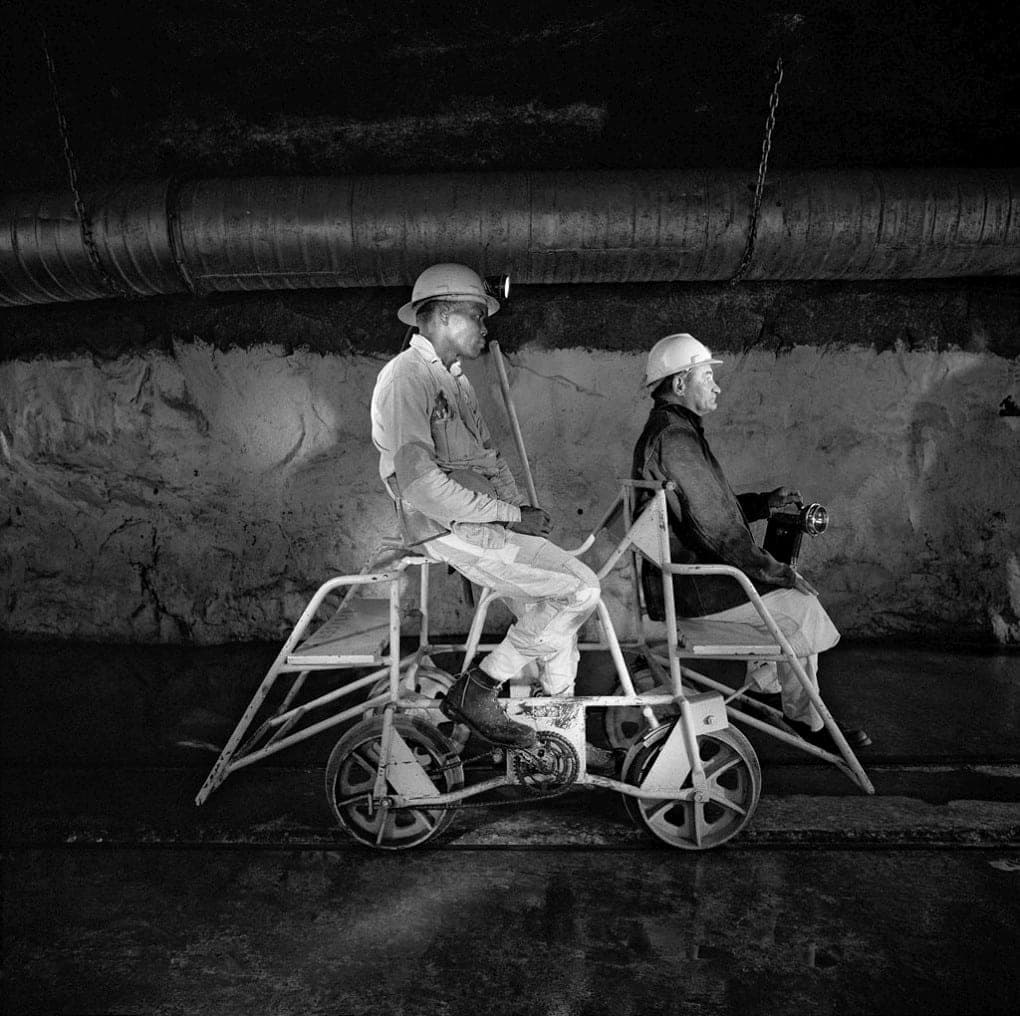
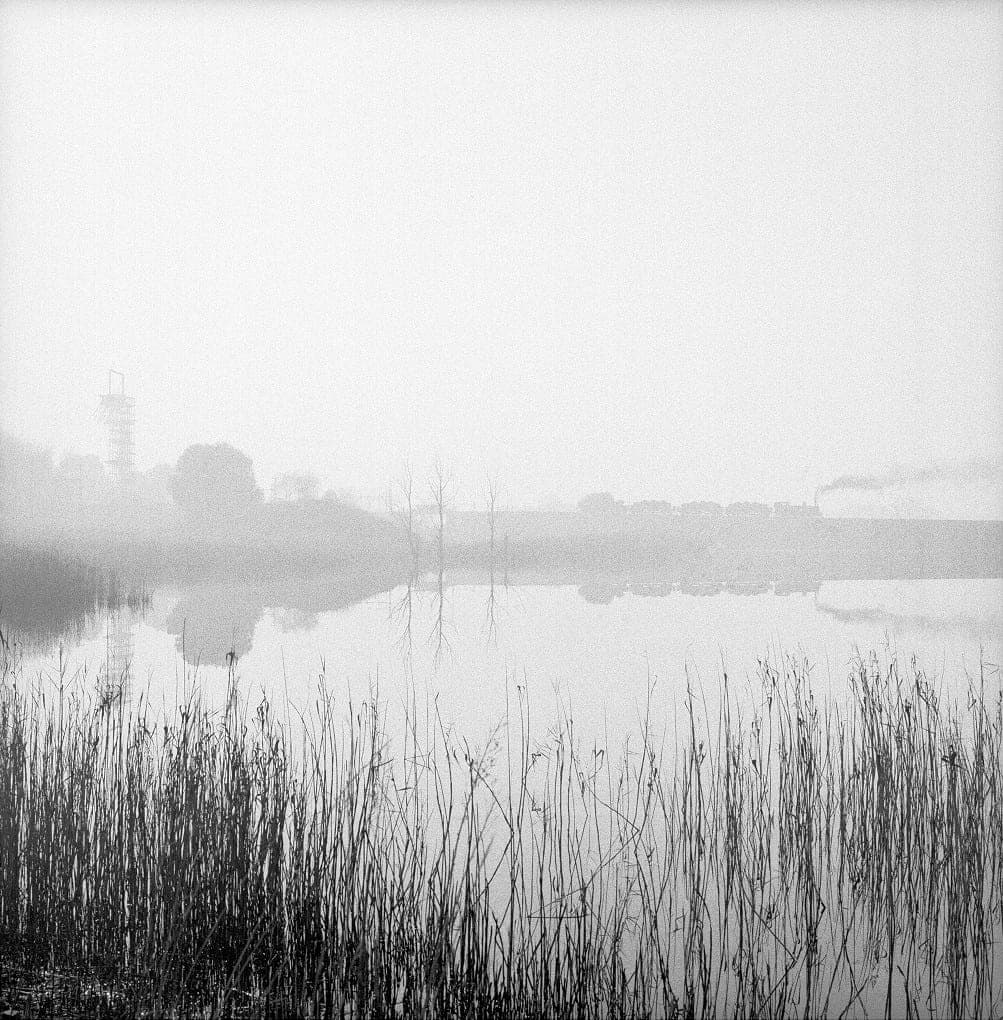
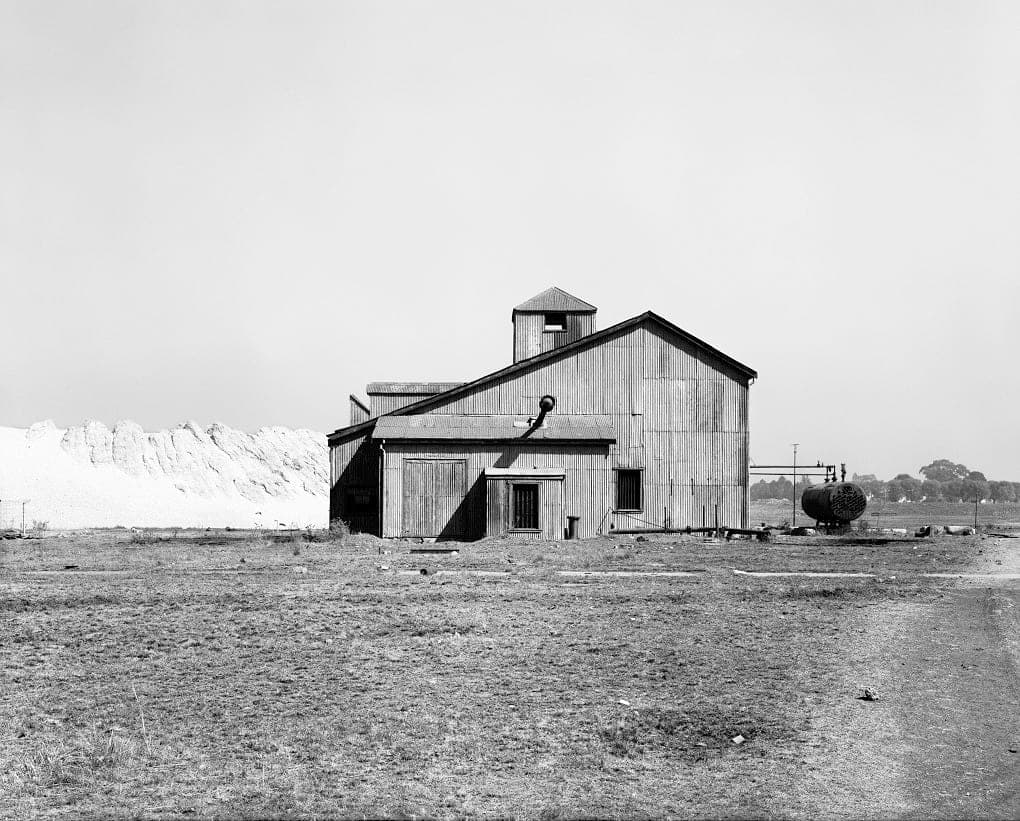
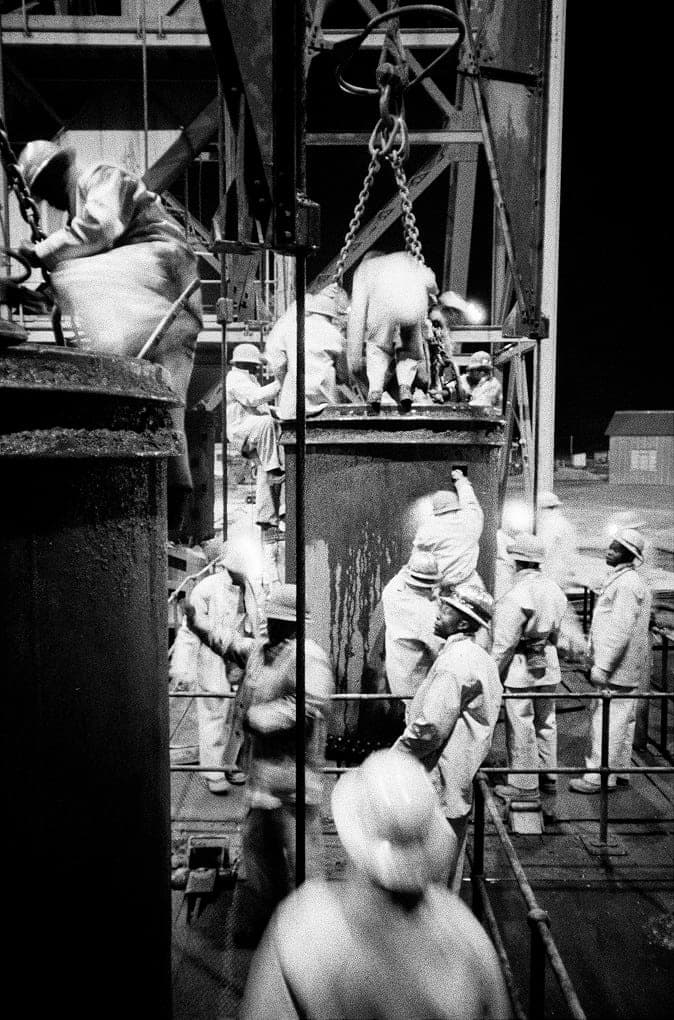
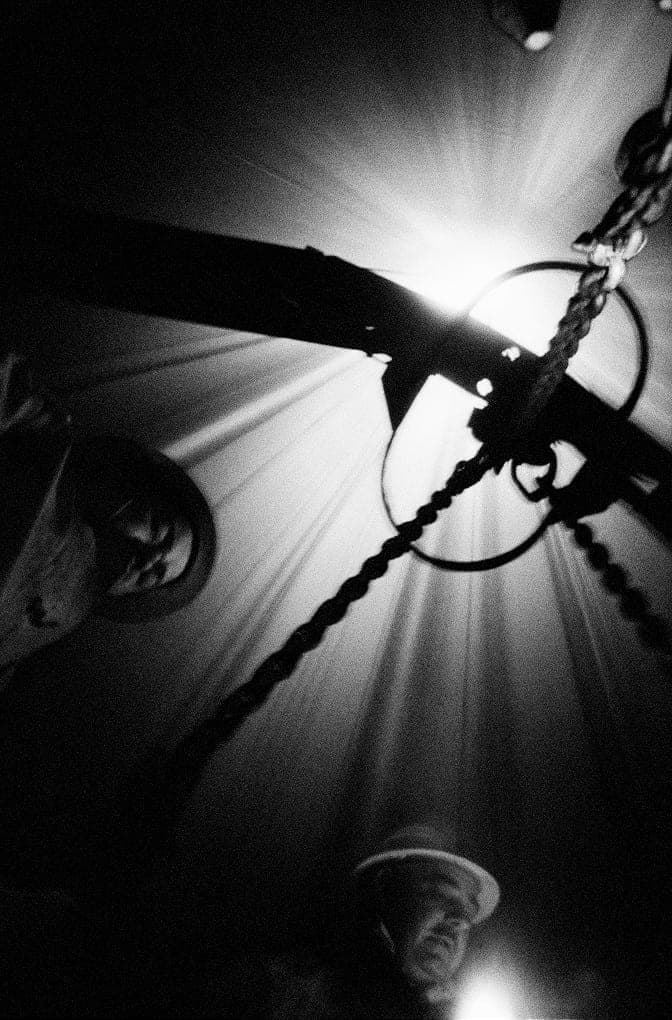
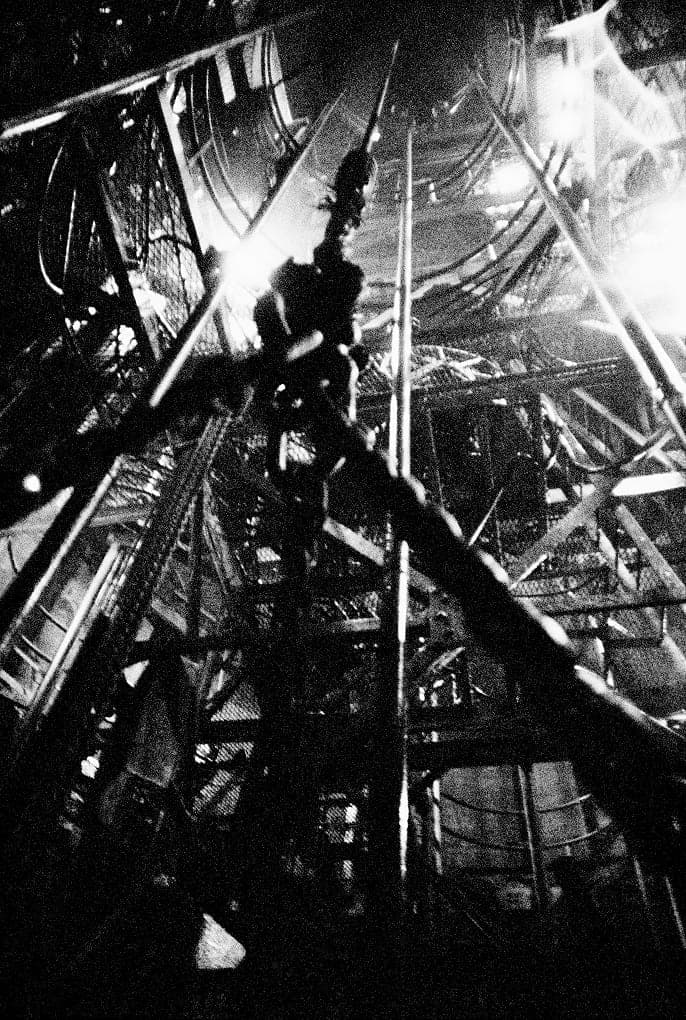
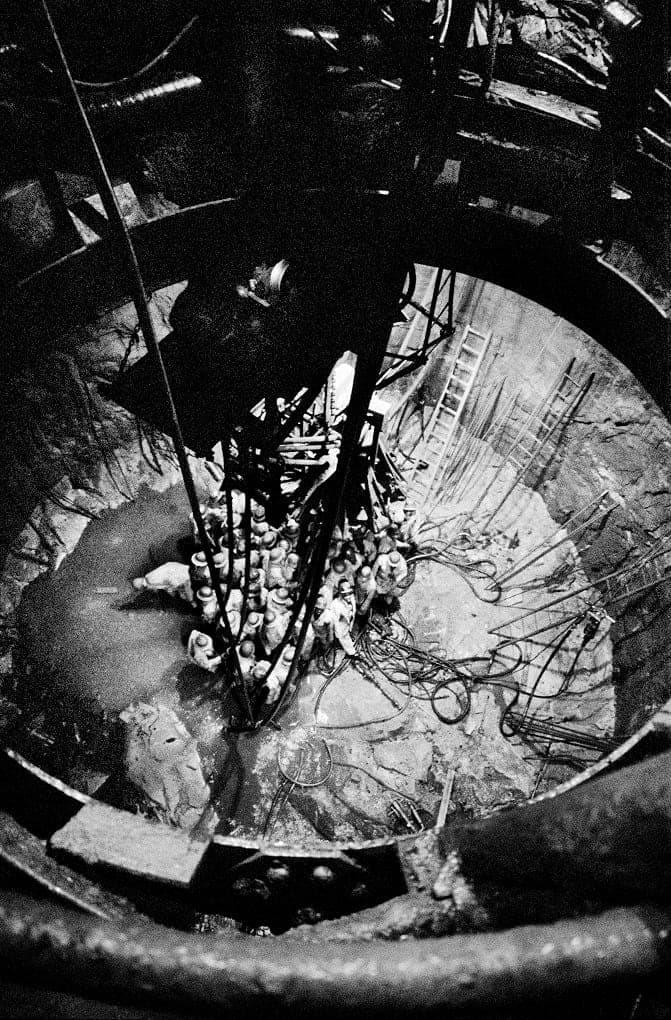
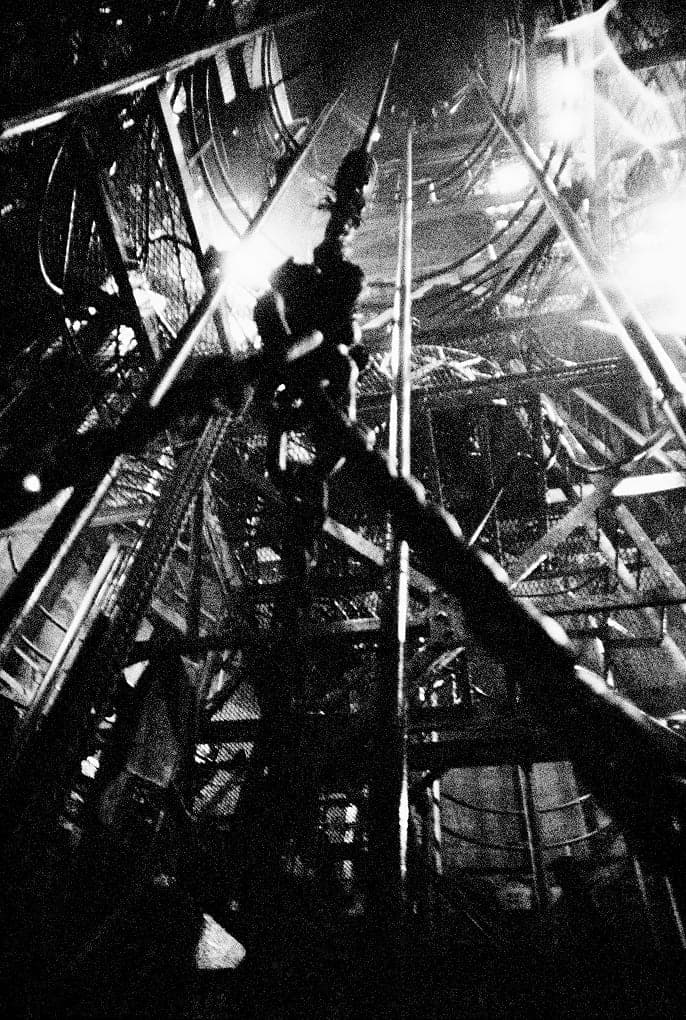
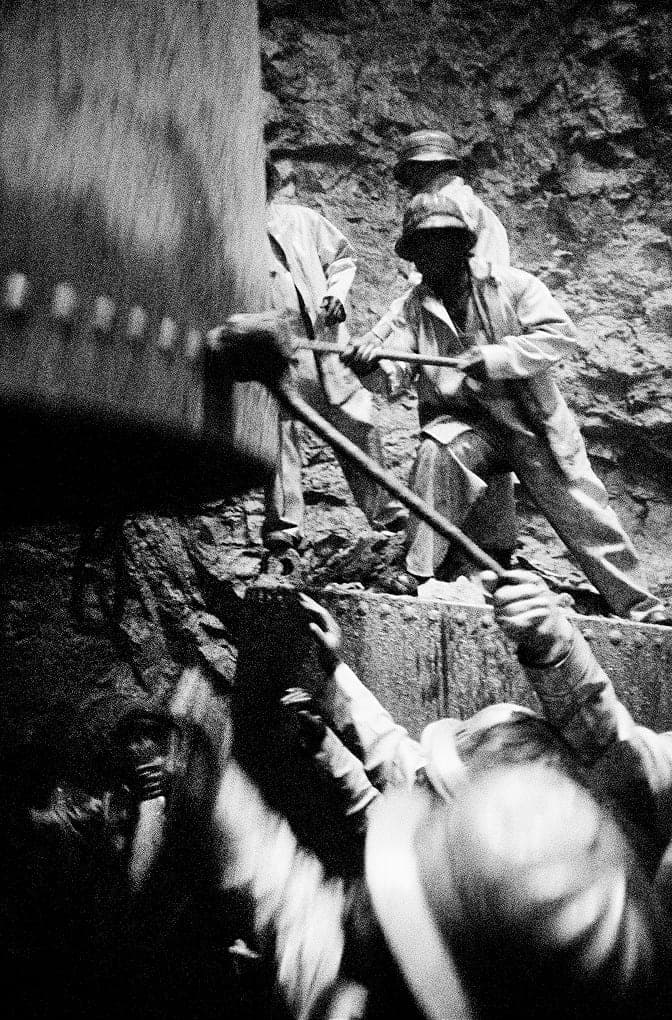
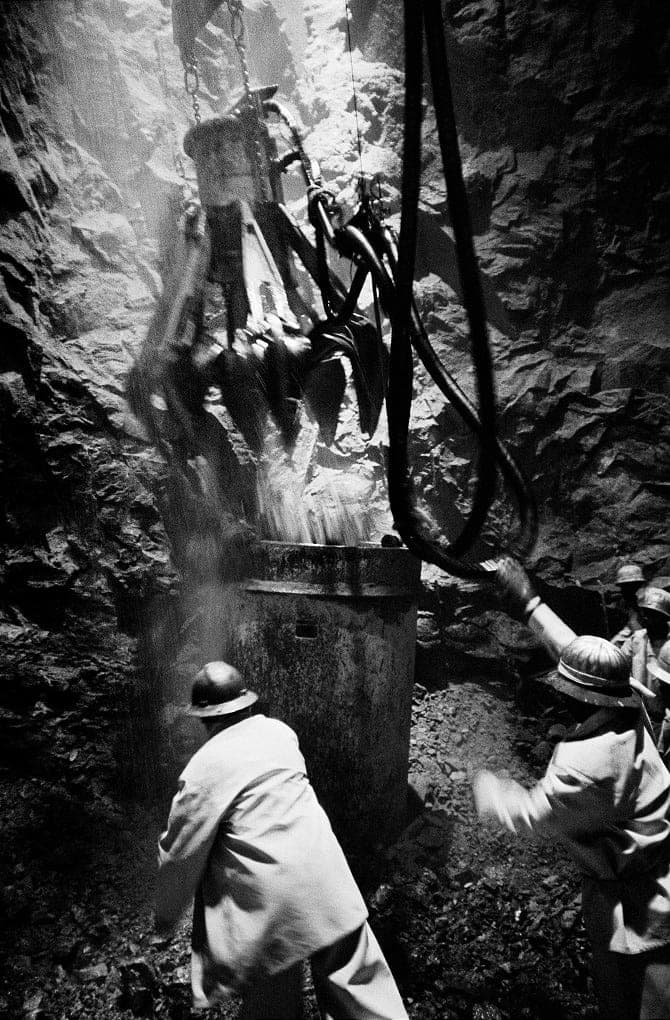
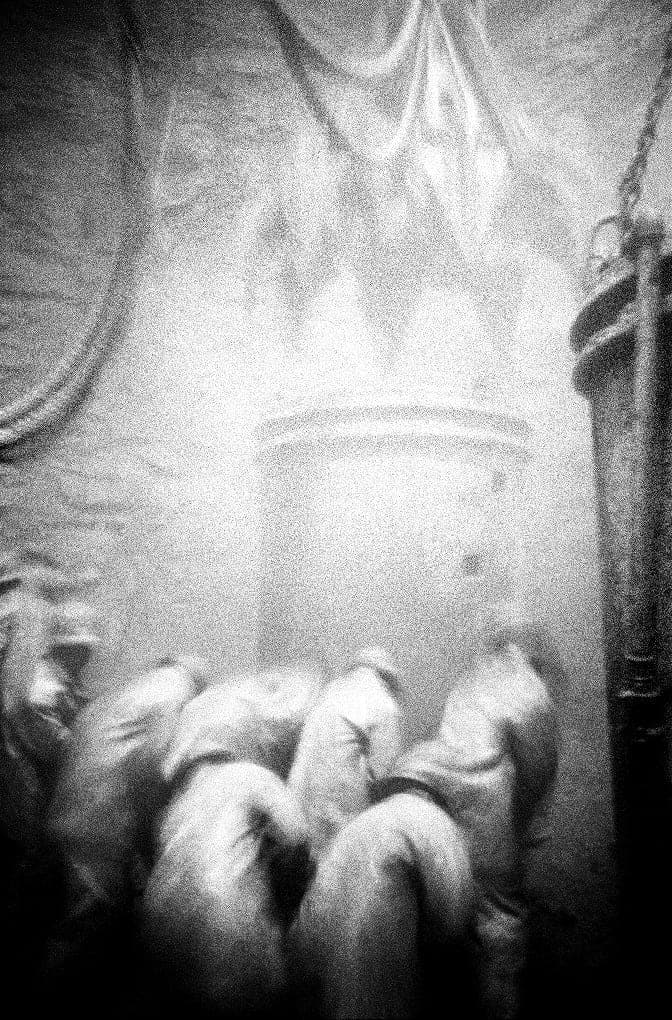
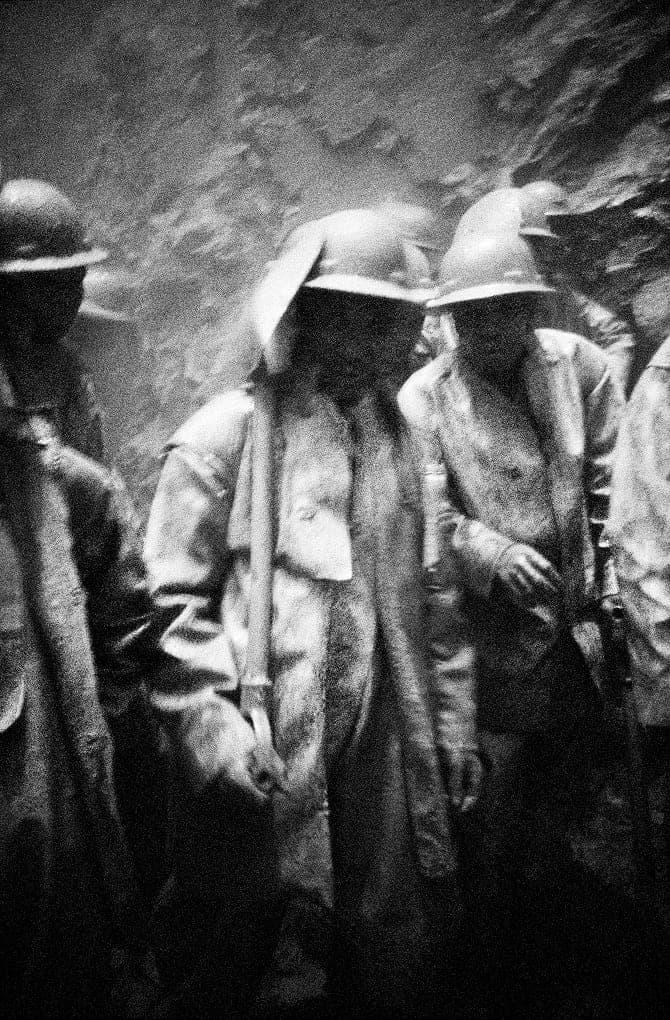
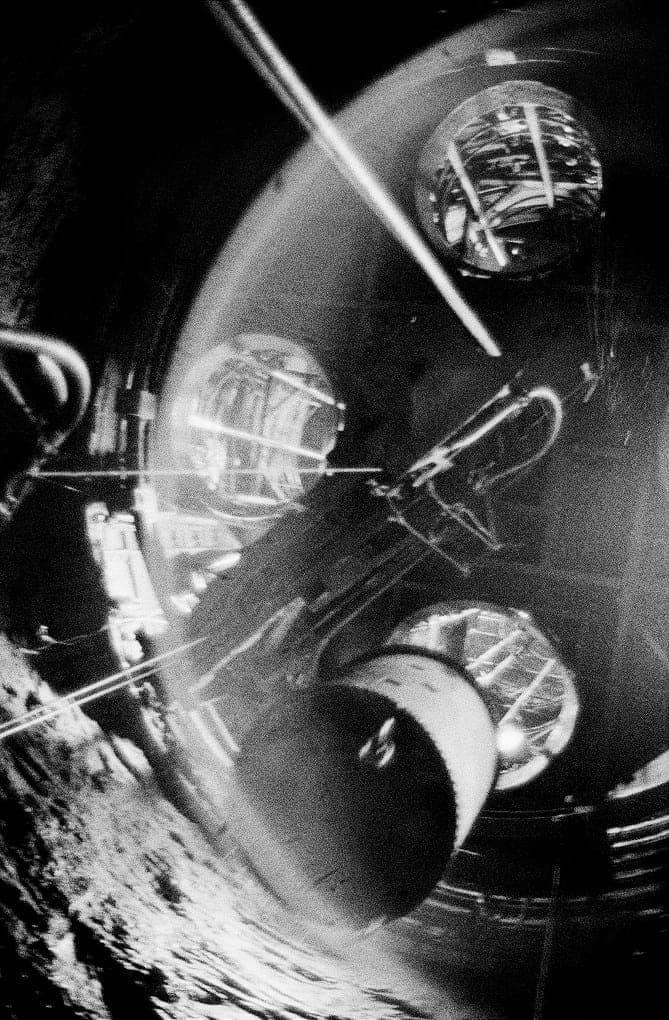
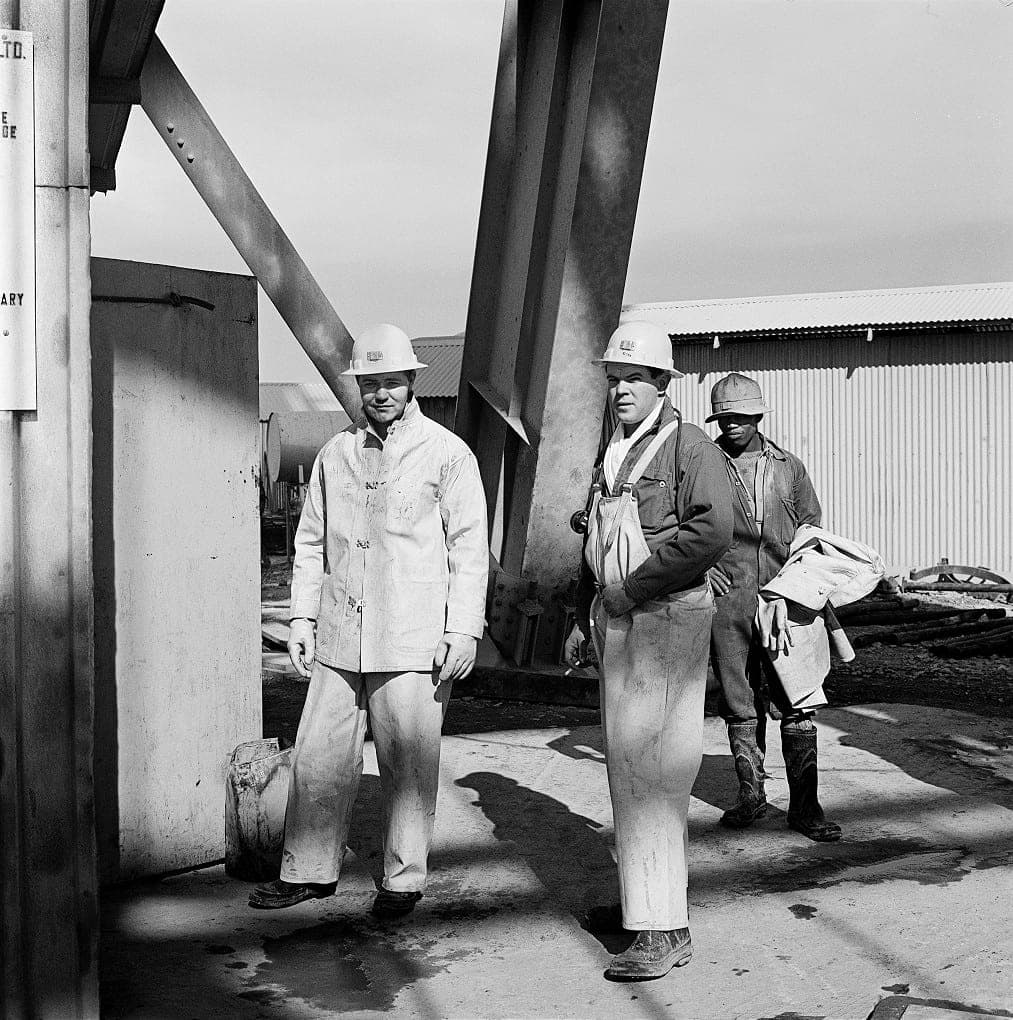
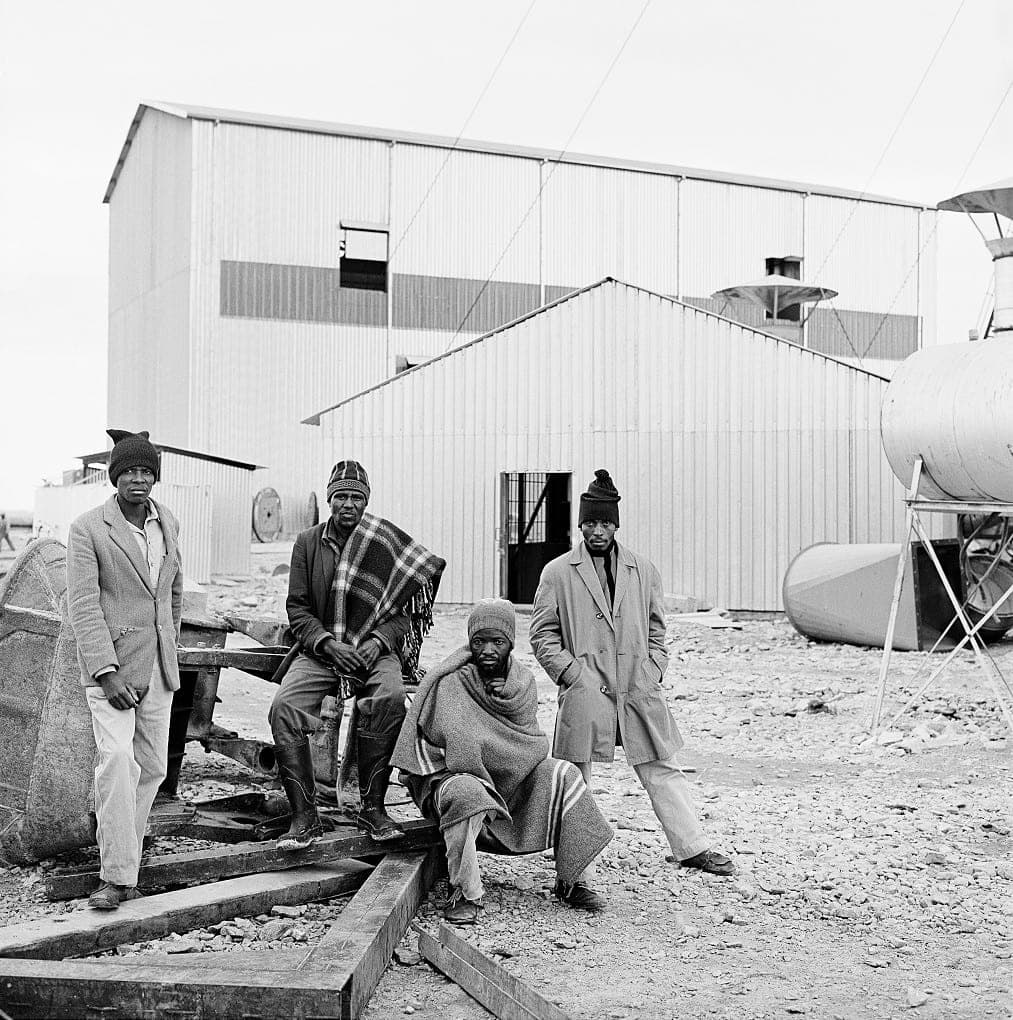
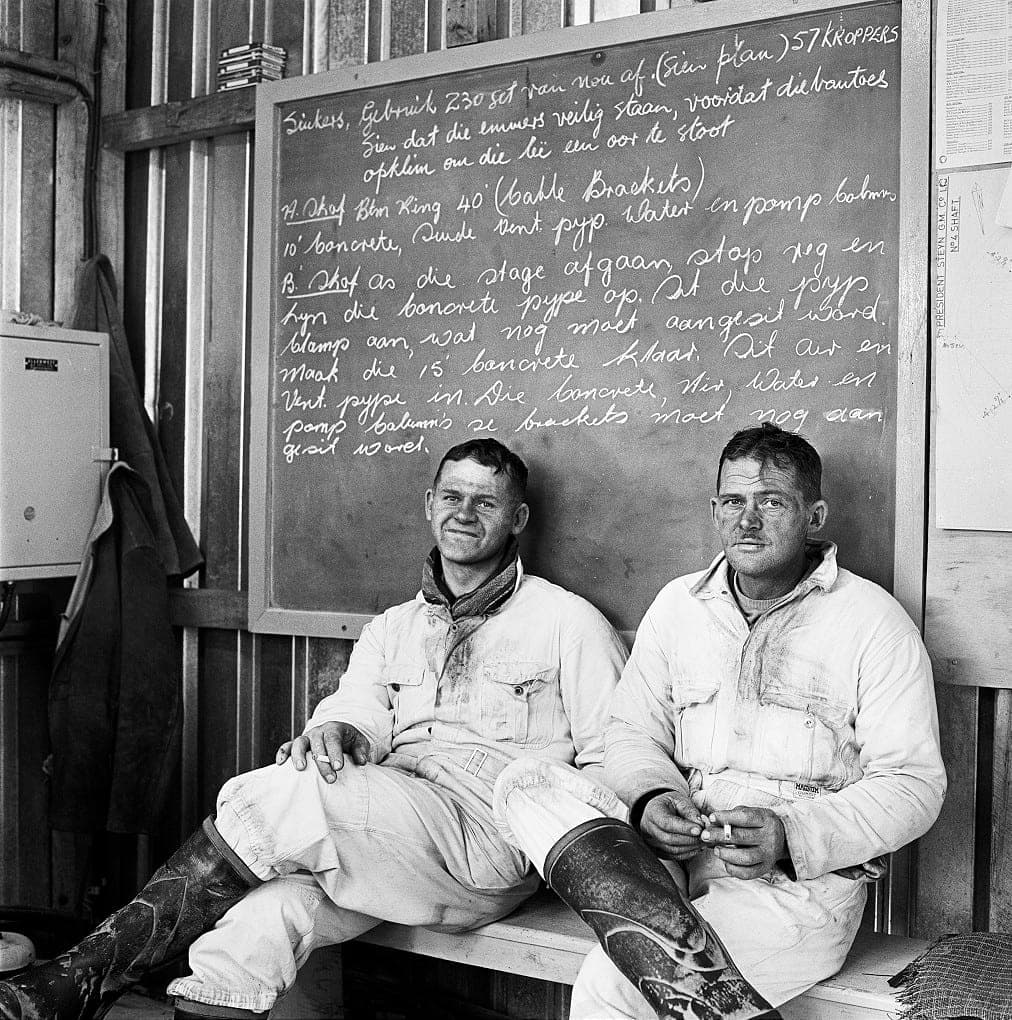
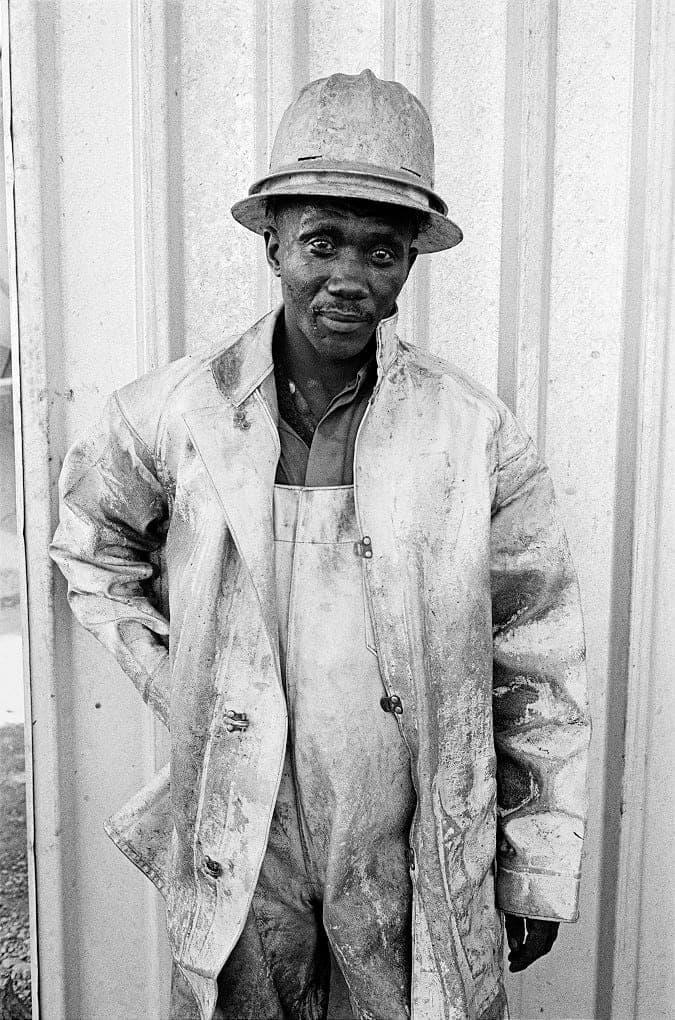
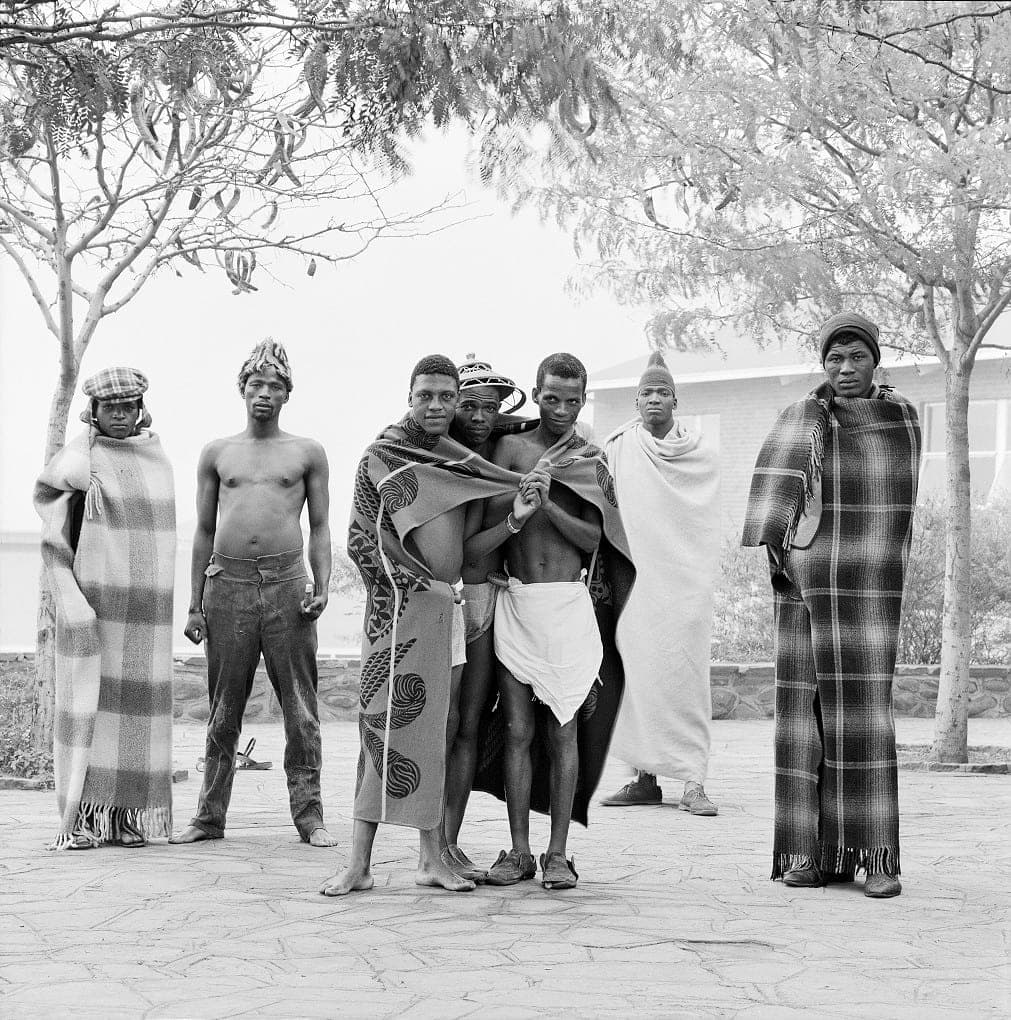
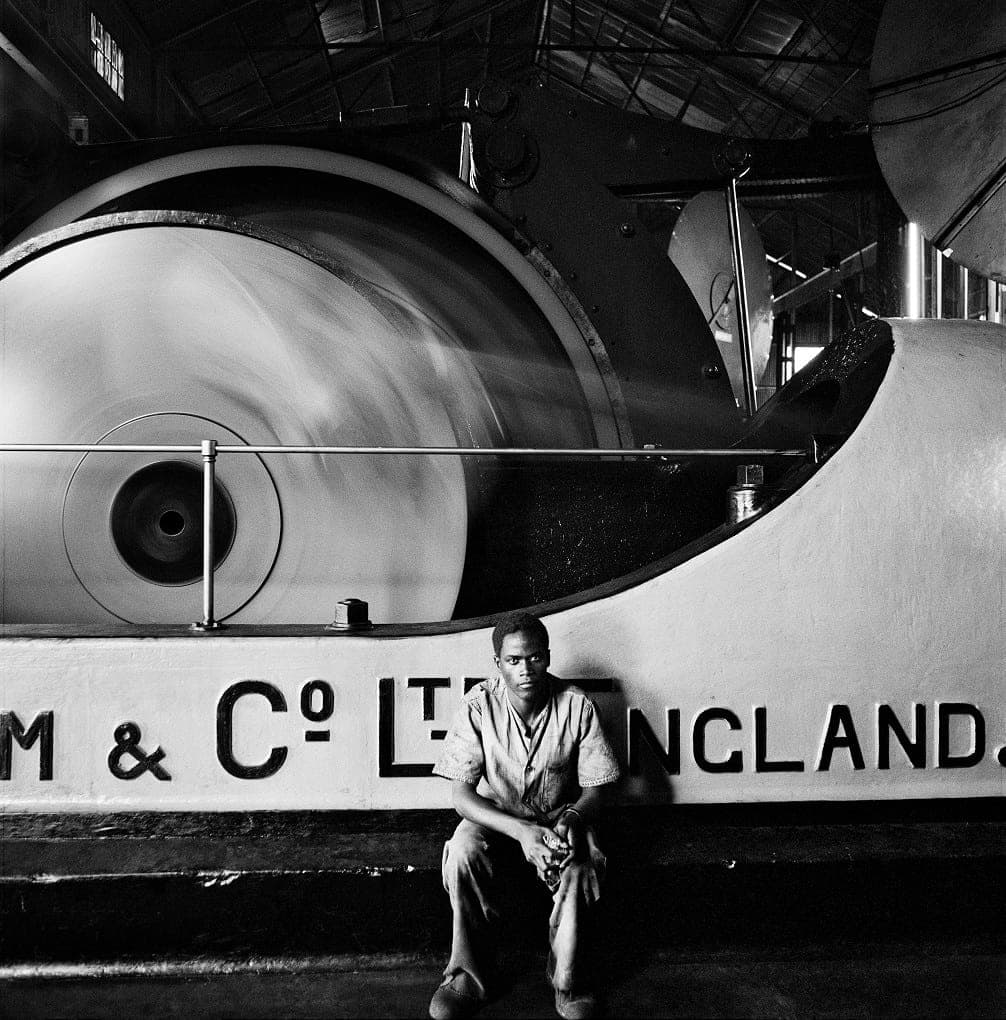
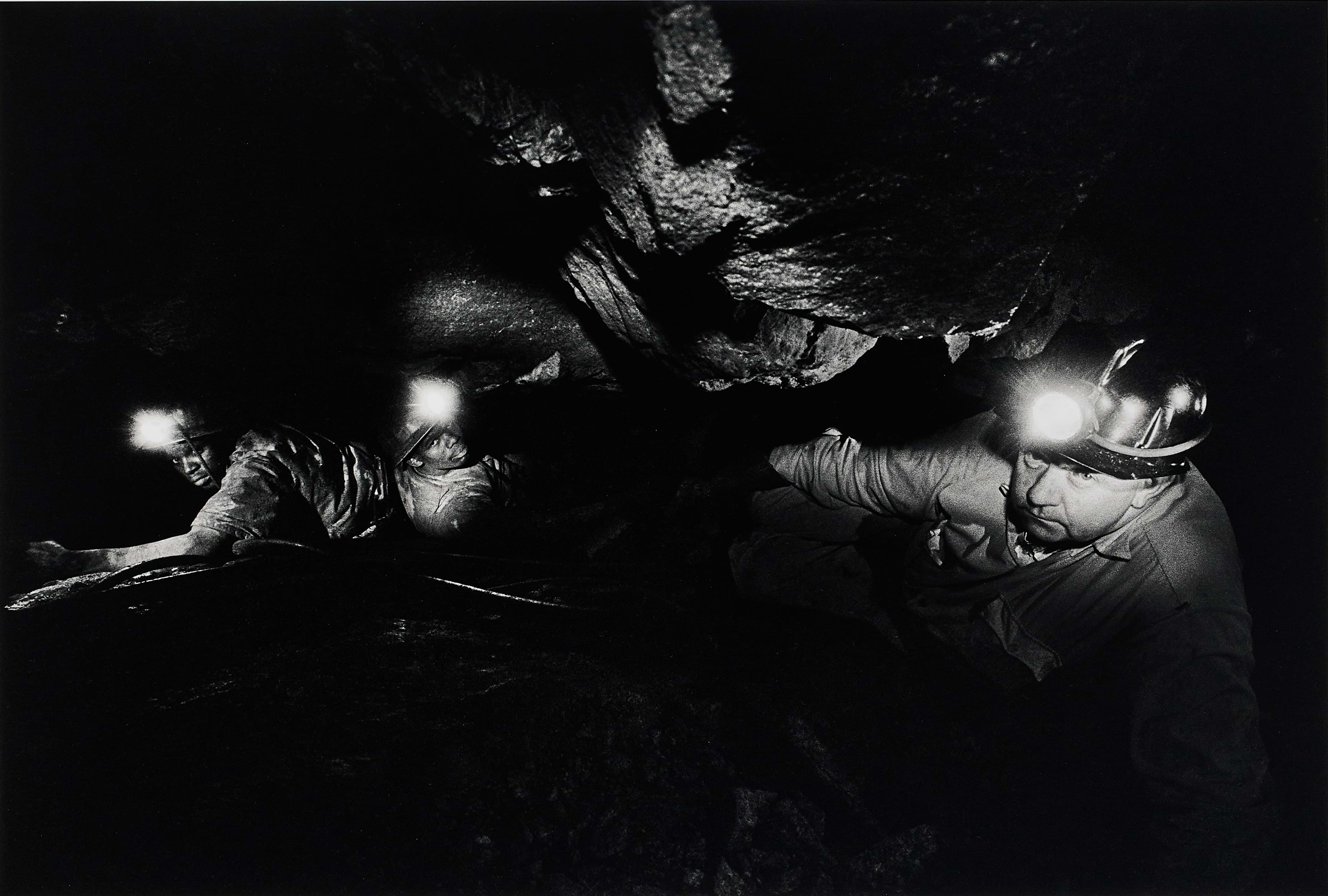
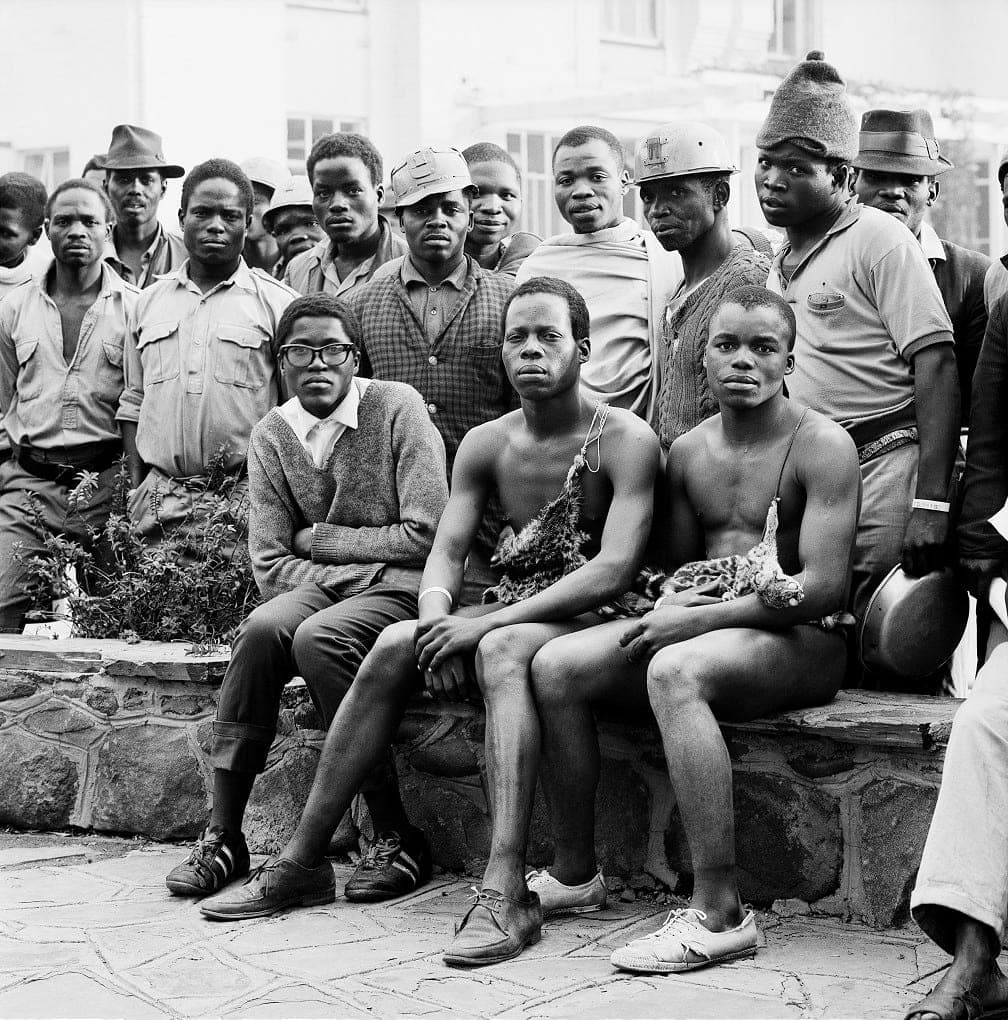
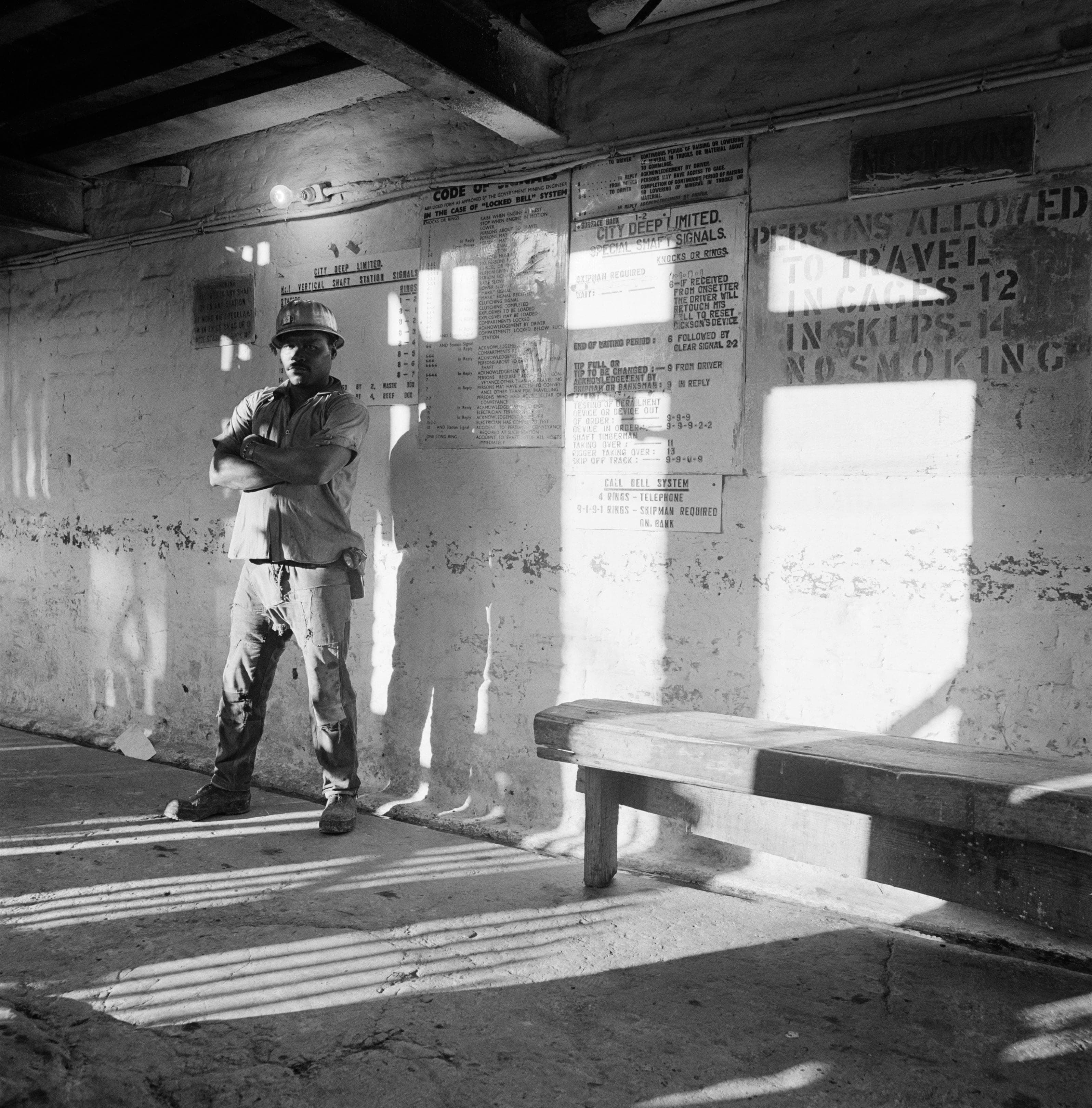
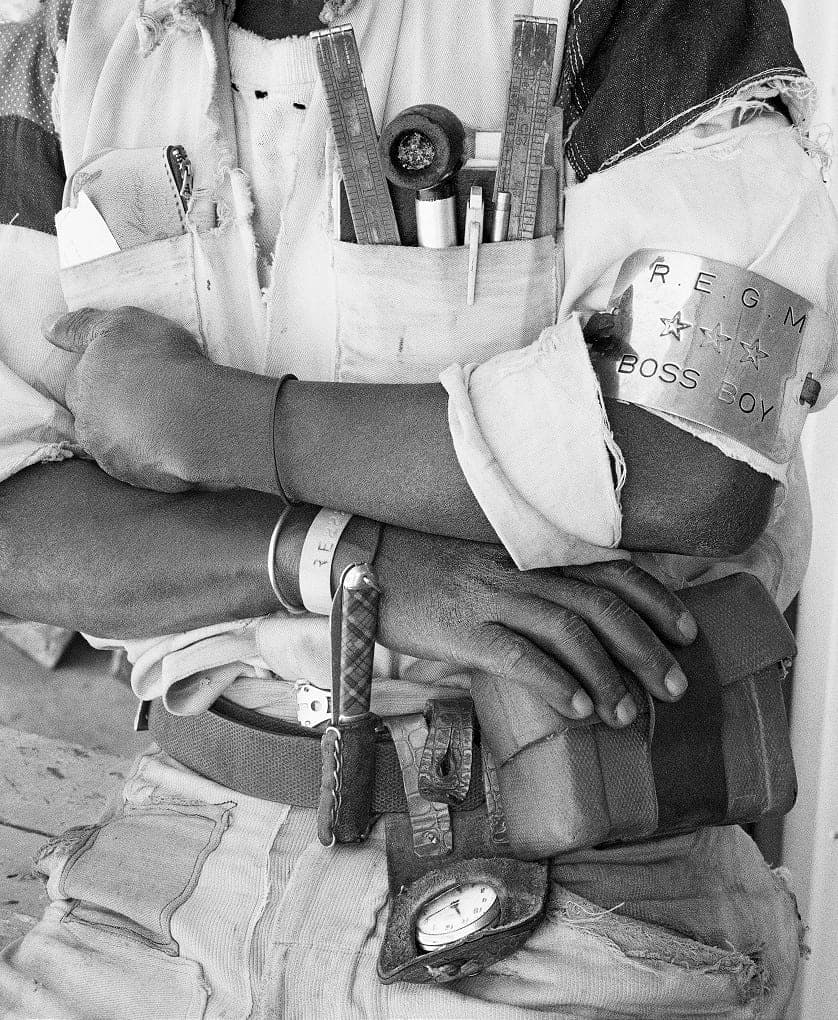
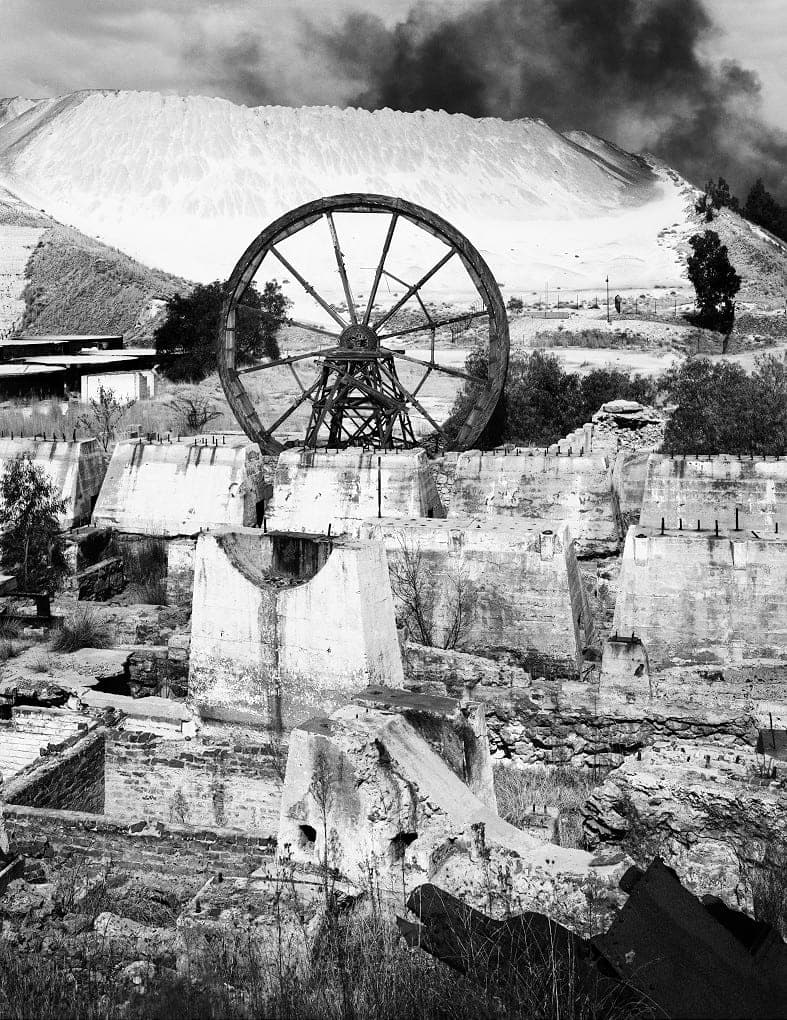
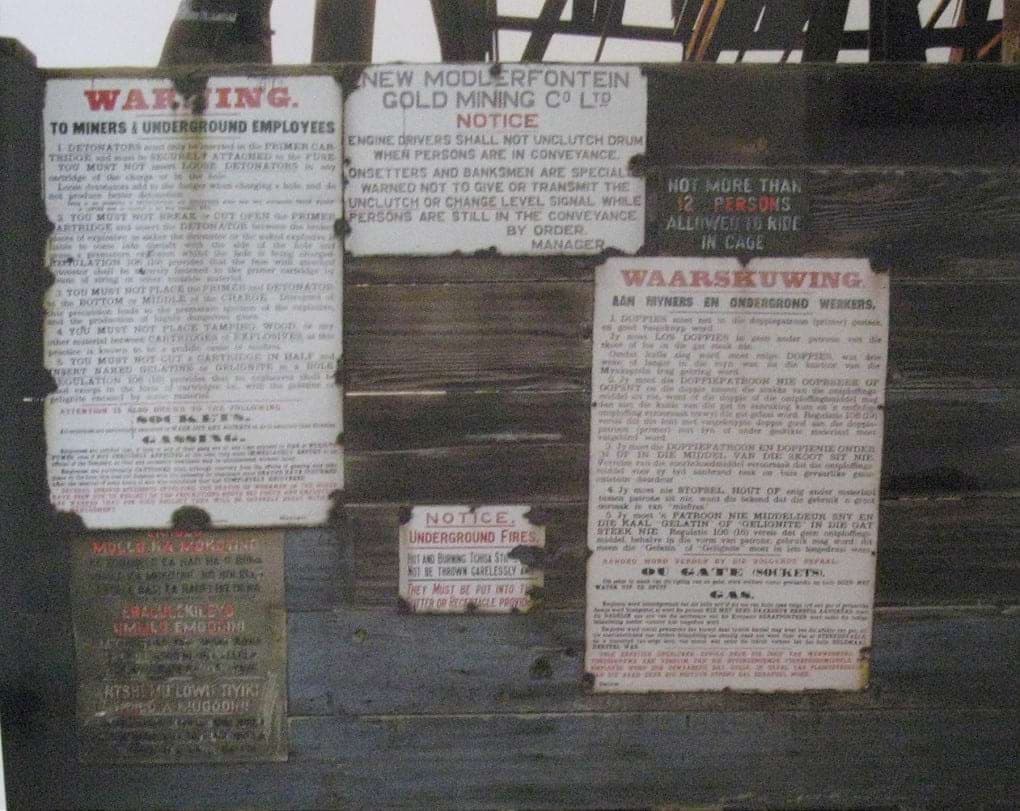
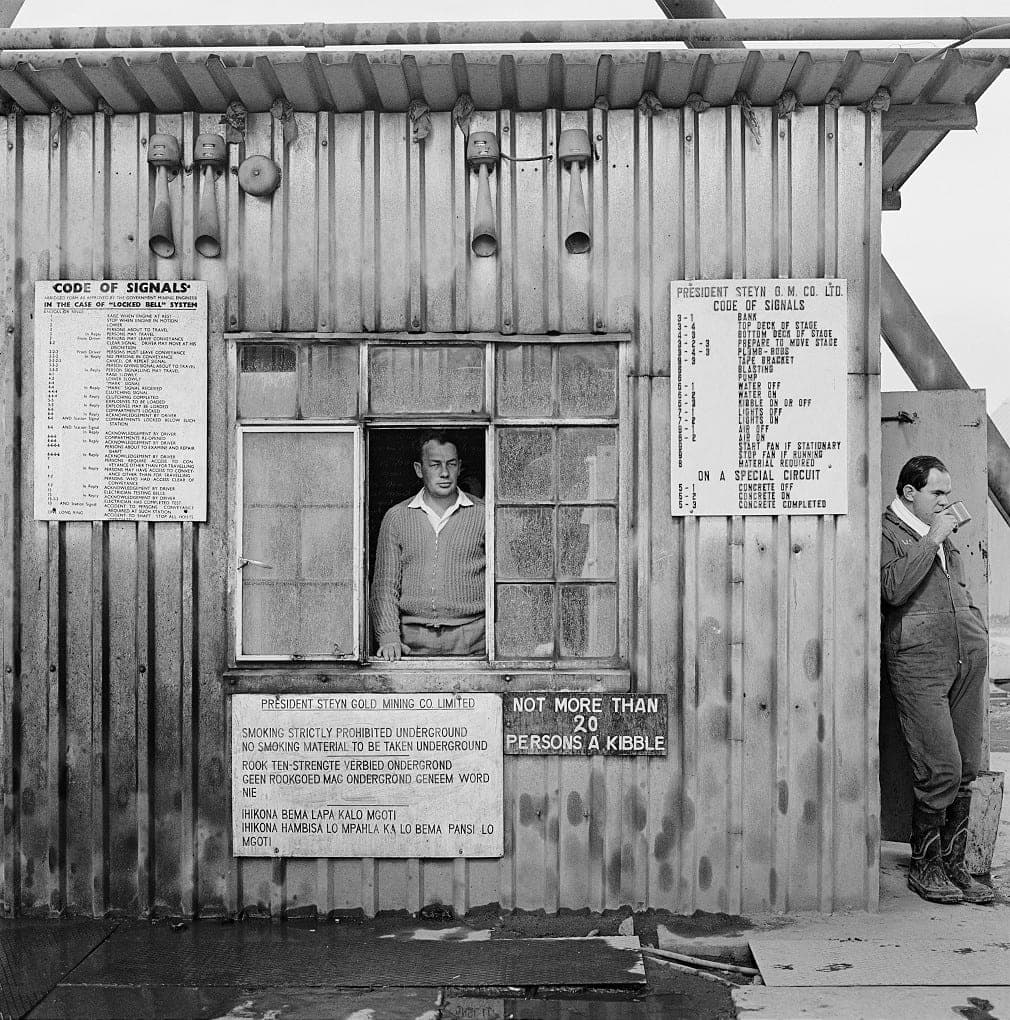
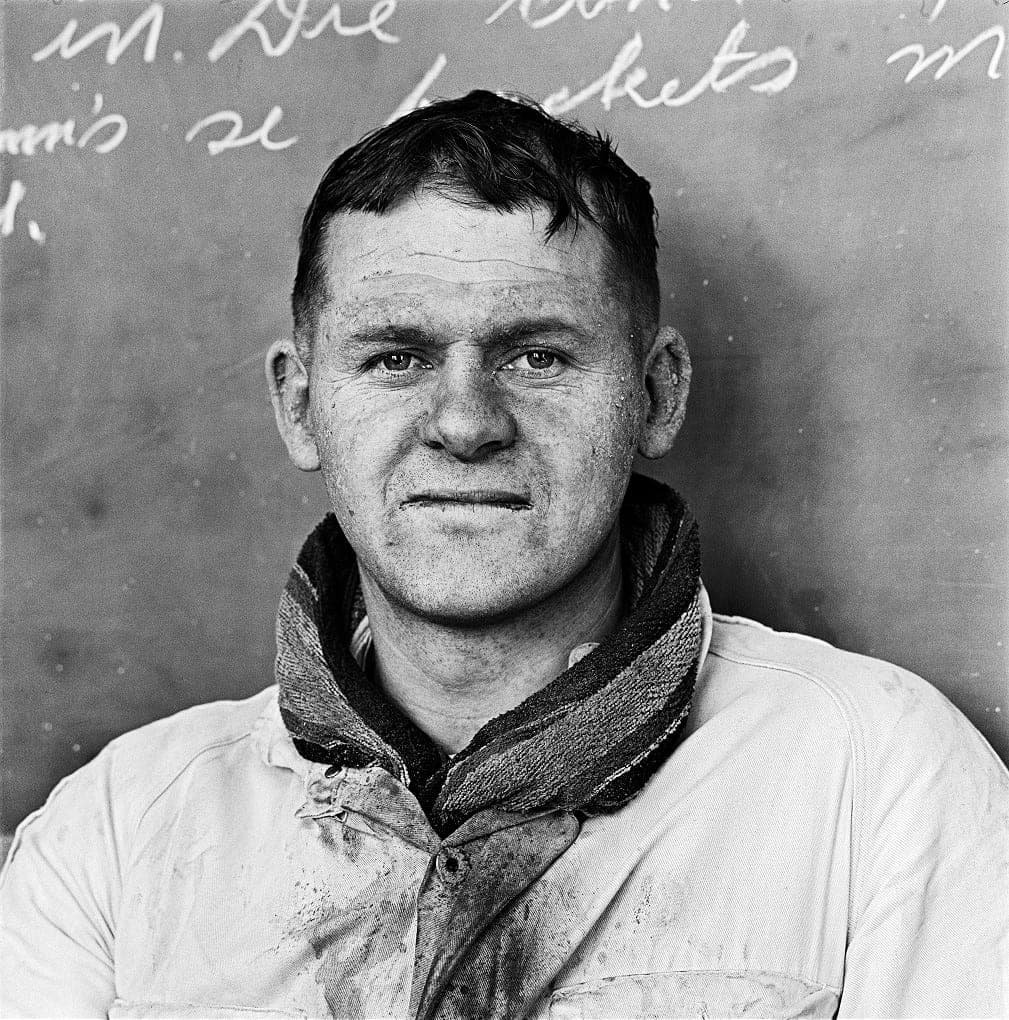
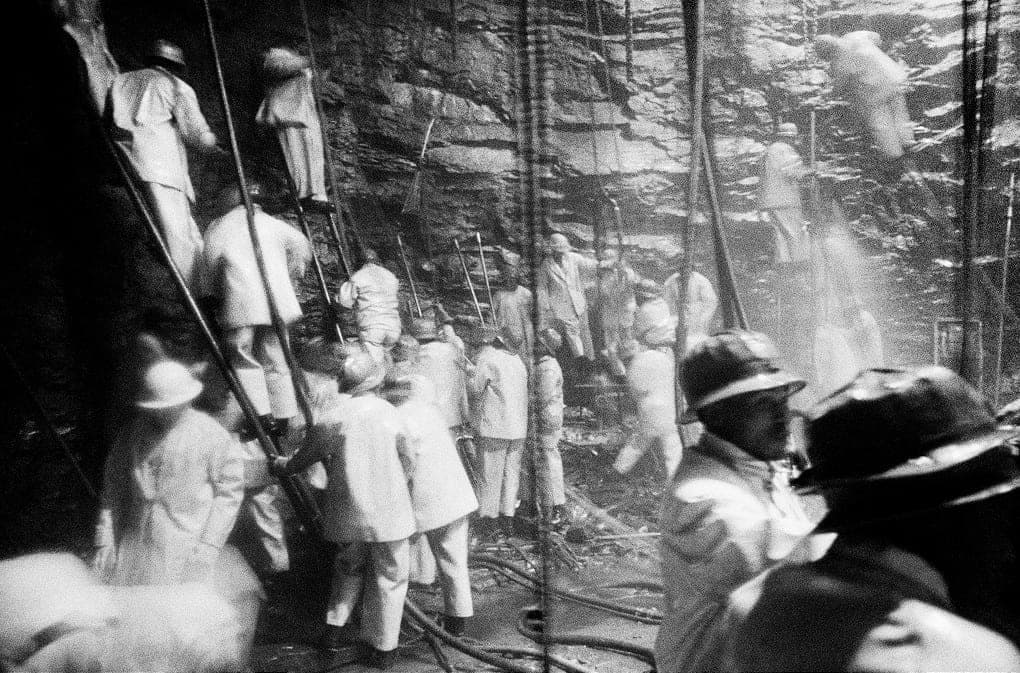
David Goldblatt’s ‘On the Mines’ is a photographic series produced during the late 1960s and early 1970s, documenting the structures, labour systems, and environments of South Africa’s gold mining industry. The series includes images of mine shafts, headgear, processing plants, and workers and their living quarters, offering a detailed visual account of the industry’s physical and organisational complexity. Goldblatt photographed both above and below ground, capturing the scale of the infrastructure as well as the confined, often precarious conditions of underground mining. His interest lay not in spectacle, but in the layered realities of industrial labour and its relationship to broader systems of power.
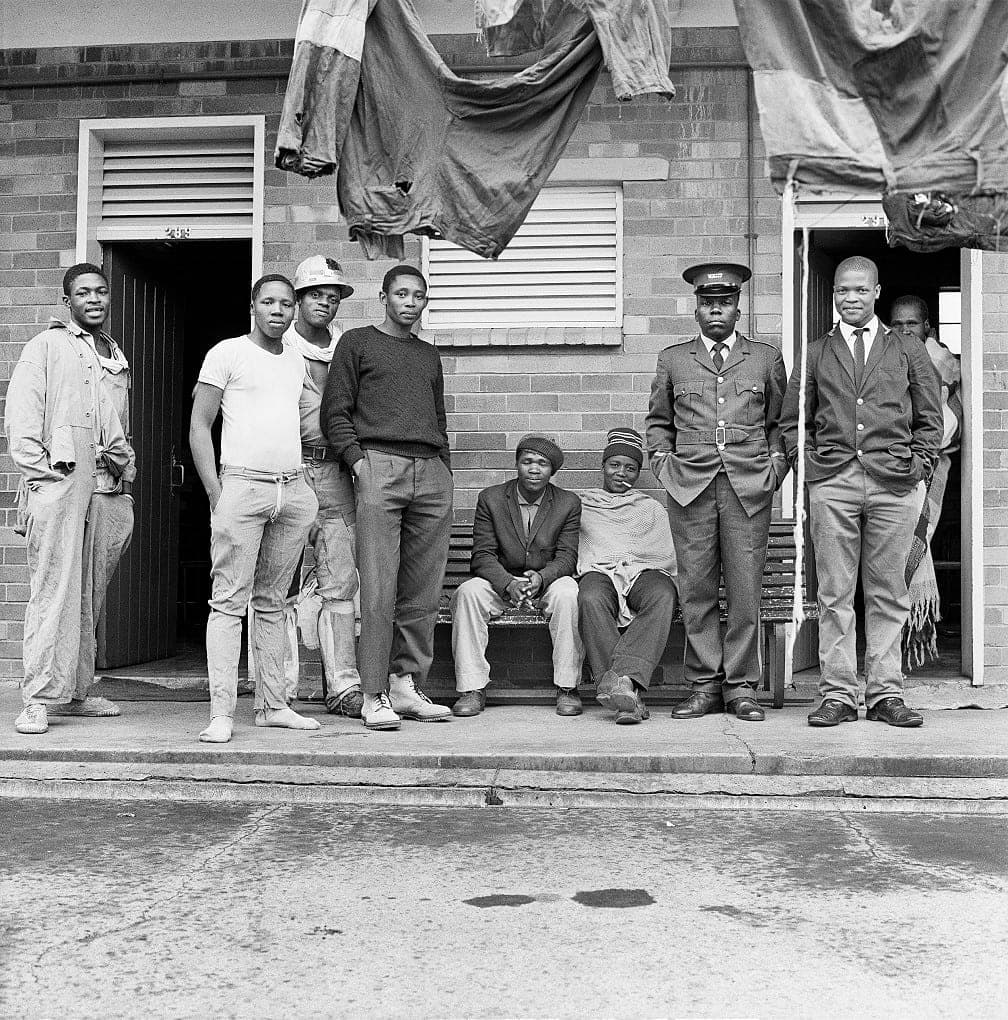
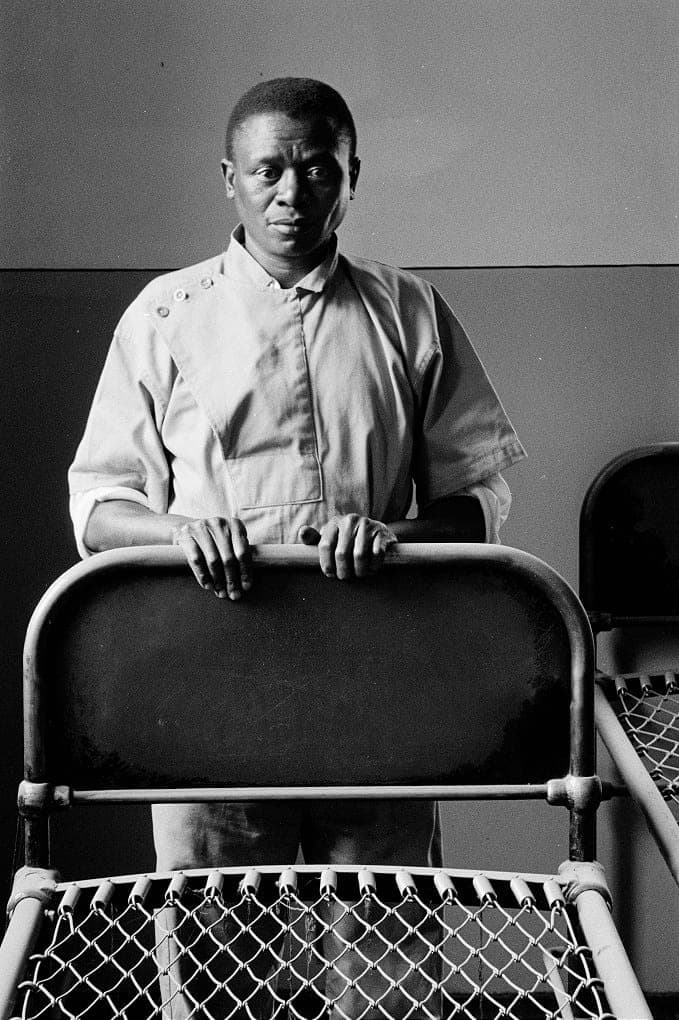
The series also focuses on the lives of Black mineworkers, many of whom were migrant labourers housed in tightly regulated compounds far from their rural homes. Goldblatt documented these living quarters, communal spaces, and daily routines, revealing the controlled and often dehumanising conditions under which workers existed. The photographs are formally composed and observational, reflecting Goldblatt’s broader interest in how political and economic systems are made visible in space, architecture, and human gesture. ‘On the Mines’ stands as a critical visual study of one of the most influential industries in South Africa’s twentieth century history, and of the social hierarchies it upheld.