


5 pieces damaged from mould
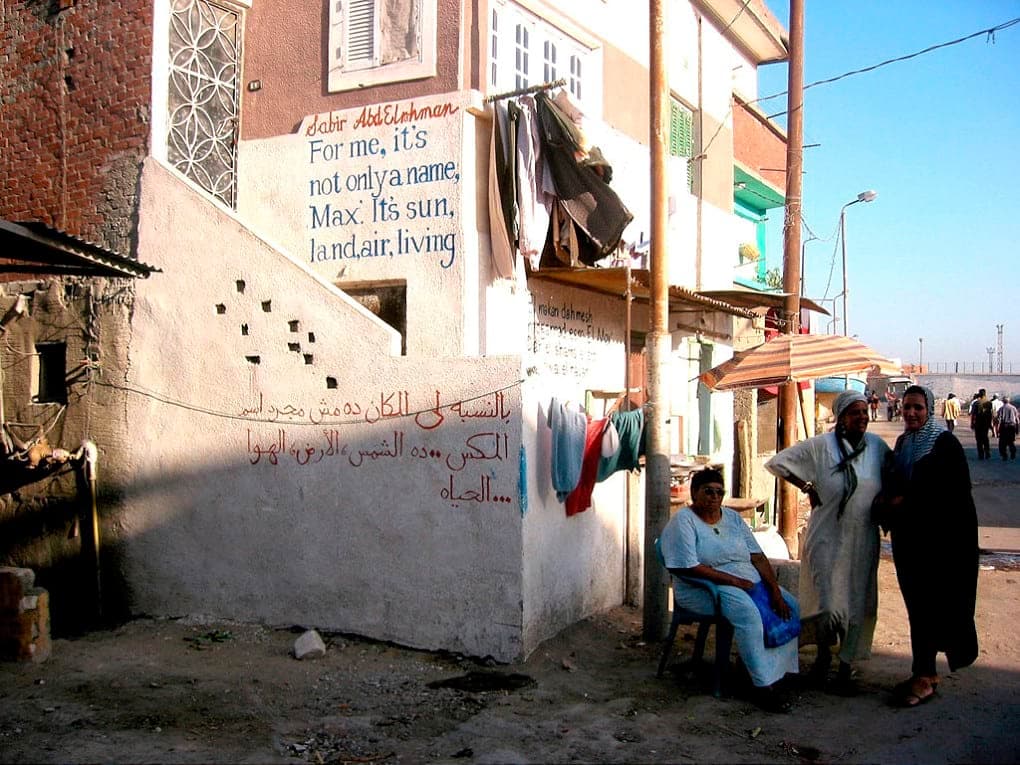
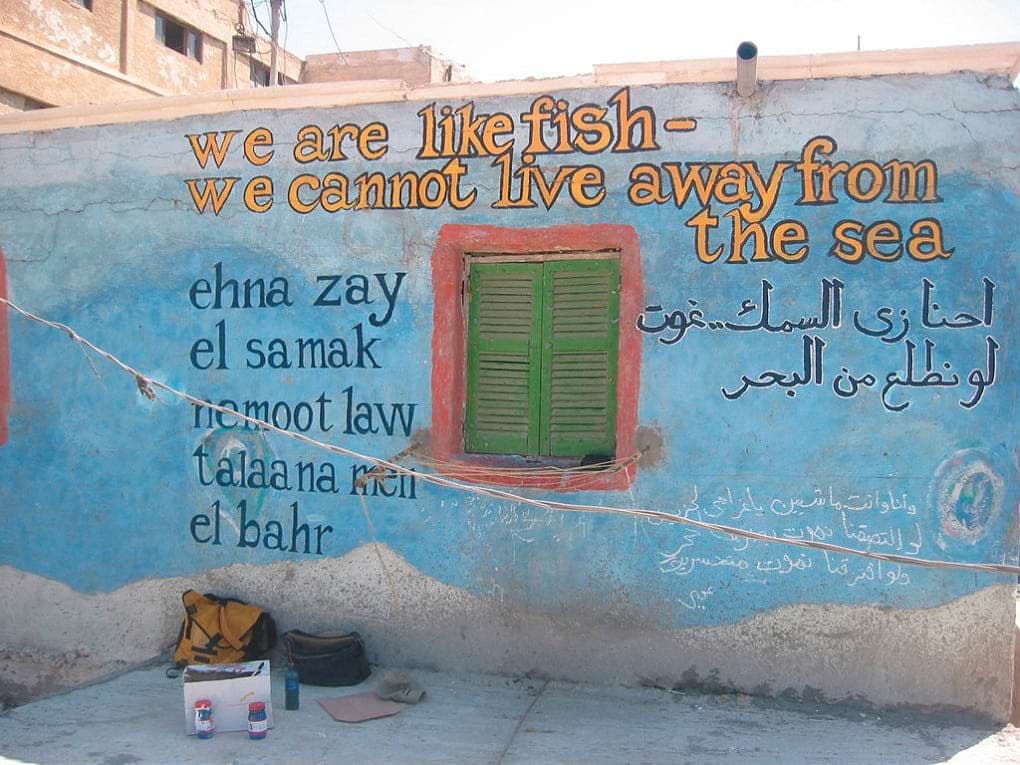
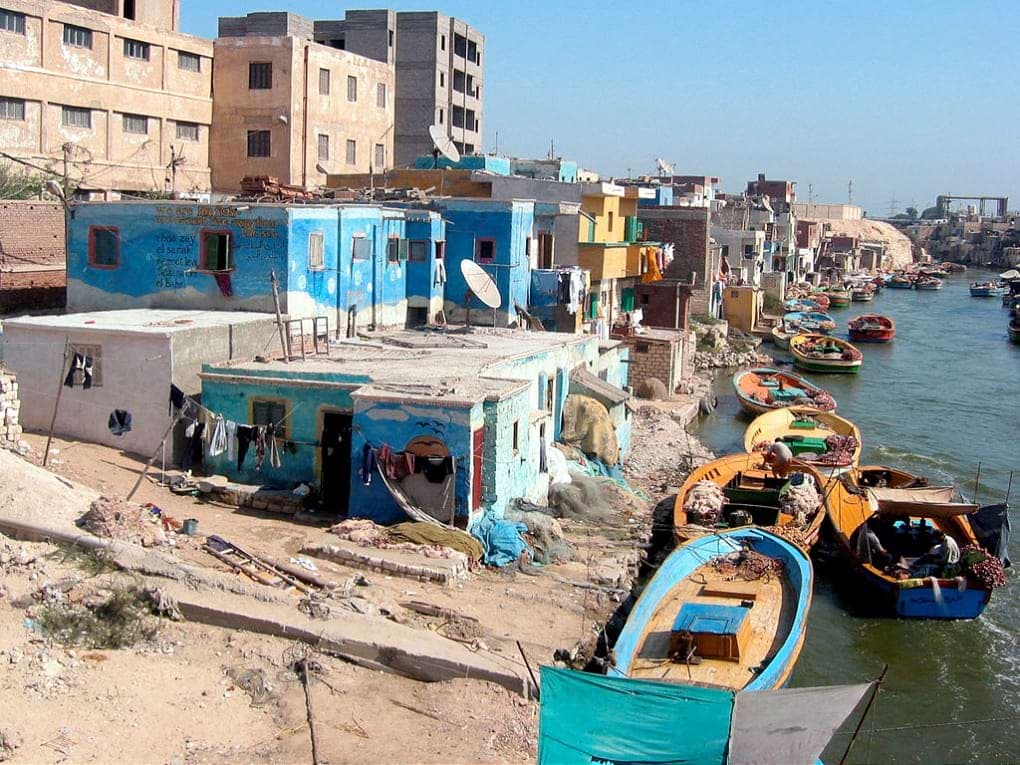
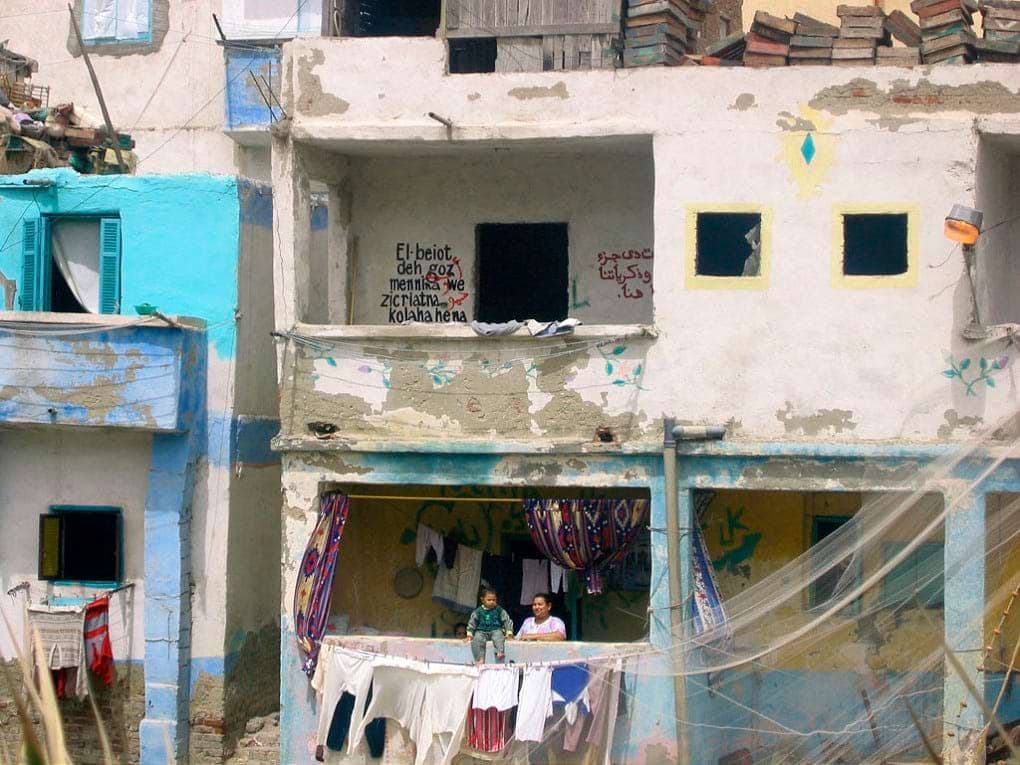
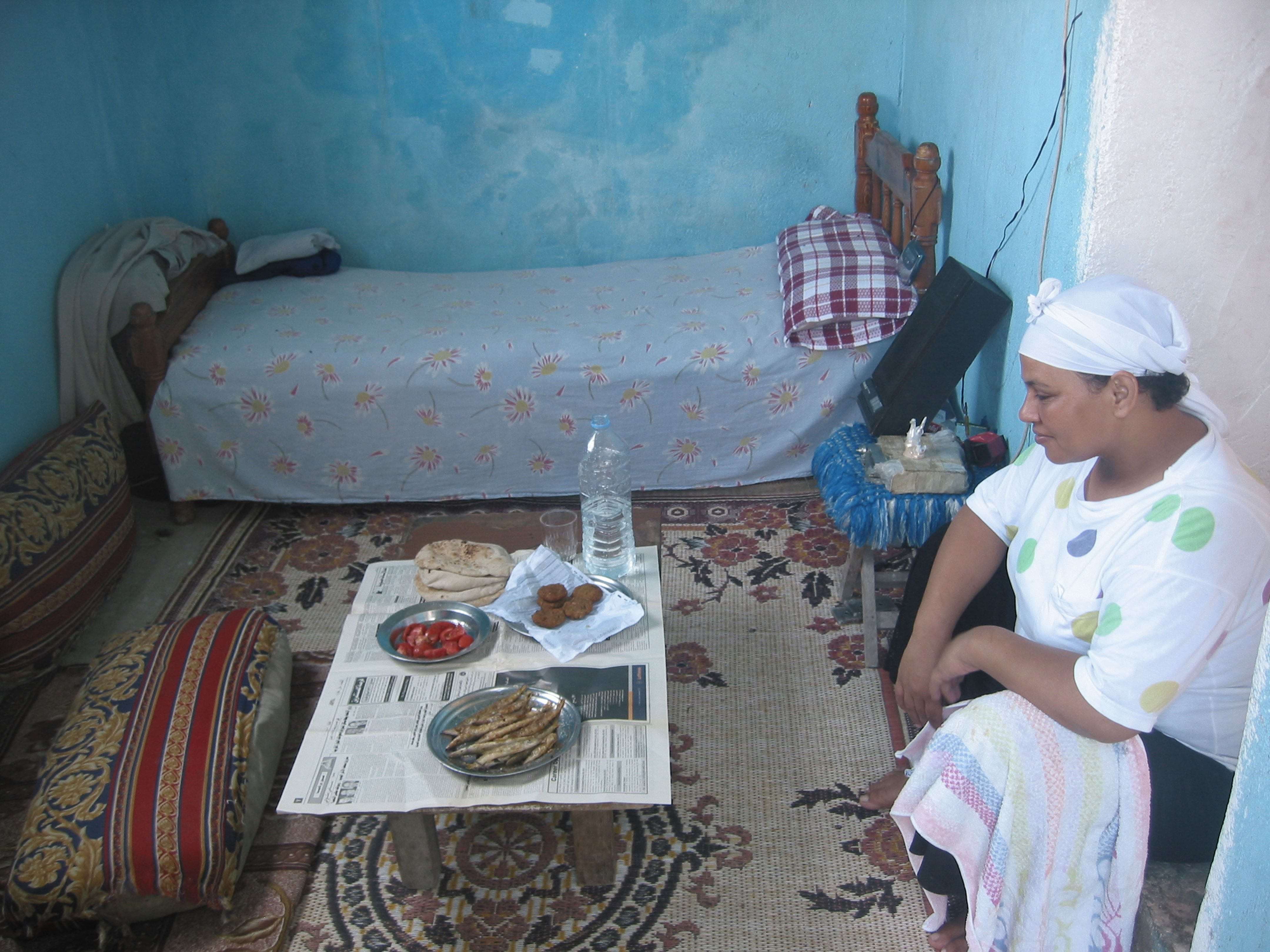
In 2003 Sue Williamson decides to take up again the idea of walls as support for personal testimonies. This time it was in Alexandria , Egypt , in a small fisher community named El Max that suffers the constant threat of military stationed near the zone in addition to the effects of contamination produced by a petrochemical company that prefers to move its inhabitants. What about El Max? was the title chosen by the artist for this photographic documentation created after a carefree exchange with the inhabitants in which they expressed their joy in living there. The artist then suggested them to show the world their love for El Max, and thus phrases like “Tell your people this place is perfect” and “We are like fish, we cannot live away from the sea” were written on the walls of their homes.
In 2003 Sue Williamson decides to take up again the idea of walls as support for personal testimonies. This time it was in Alexandria , Egypt , in a small fisher community named El Max that suffers the constant threat of military stationed near the zone in addition to the effects of contamination produced by a petrochemical company that prefers to move its inhabitants. What about El Max? was the title chosen by the artist for this photographic documentation created after a carefree exchange with the inhabitants in which they expressed their joy in living there. The artist then suggested them to show the world their love for El Max, and thus phrases like “Tell your people this place is perfect” and “We are like fish, we cannot live away from the sea” were written on the walls of their homes.
In 2003 Sue Williamson decides to take up again the idea of walls as support for personal testimonies. This time it was in Alexandria , Egypt , in a small fisher community named El Max that suffers the constant threat of military stationed near the zone in addition to the effects of contamination produced by a petrochemical company that prefers to move its inhabitants. What about El Max? was the title chosen by the artist for this photographic documentation created after a carefree exchange with the inhabitants in which they expressed their joy in living there. The artist then suggested them to show the world their love for El Max, and thus phrases like “Tell your people this place is perfect” and “We are like fish, we cannot live away from the sea” were written on the walls of their homes.
In 2003 Sue Williamson decides to take up again the idea of walls as support for personal testimonies. This time it was in Alexandria , Egypt , in a small fisher community named El Max that suffers the constant threat of military stationed near the zone in addition to the effects of contamination produced by a petrochemical company that prefers to move its inhabitants. What about El Max? was the title chosen by the artist for this photographic documentation created after a carefree exchange with the inhabitants in which they expressed their joy in living there. The artist then suggested them to show the world their love for El Max, and thus phrases like “Tell your people this place is perfect” and “We are like fish, we cannot live away from the sea” were written on the walls of their homes.
In 2003 Sue Williamson decides to take up again the idea of walls as support for personal testimonies. This time it was in Alexandria , Egypt , in a small fisher community named El Max that suffers the constant threat of military stationed near the zone in addition to the effects of contamination produced by a petrochemical company that prefers to move its inhabitants. What about El Max? was the title chosen by the artist for this photographic documentation created after a carefree exchange with the inhabitants in which they expressed their joy in living there. The artist then suggested them to show the world their love for El Max, and thus phrases like “Tell your people this place is perfect” and “We are like fish, we cannot live away from the sea” were written on the walls of their homes.
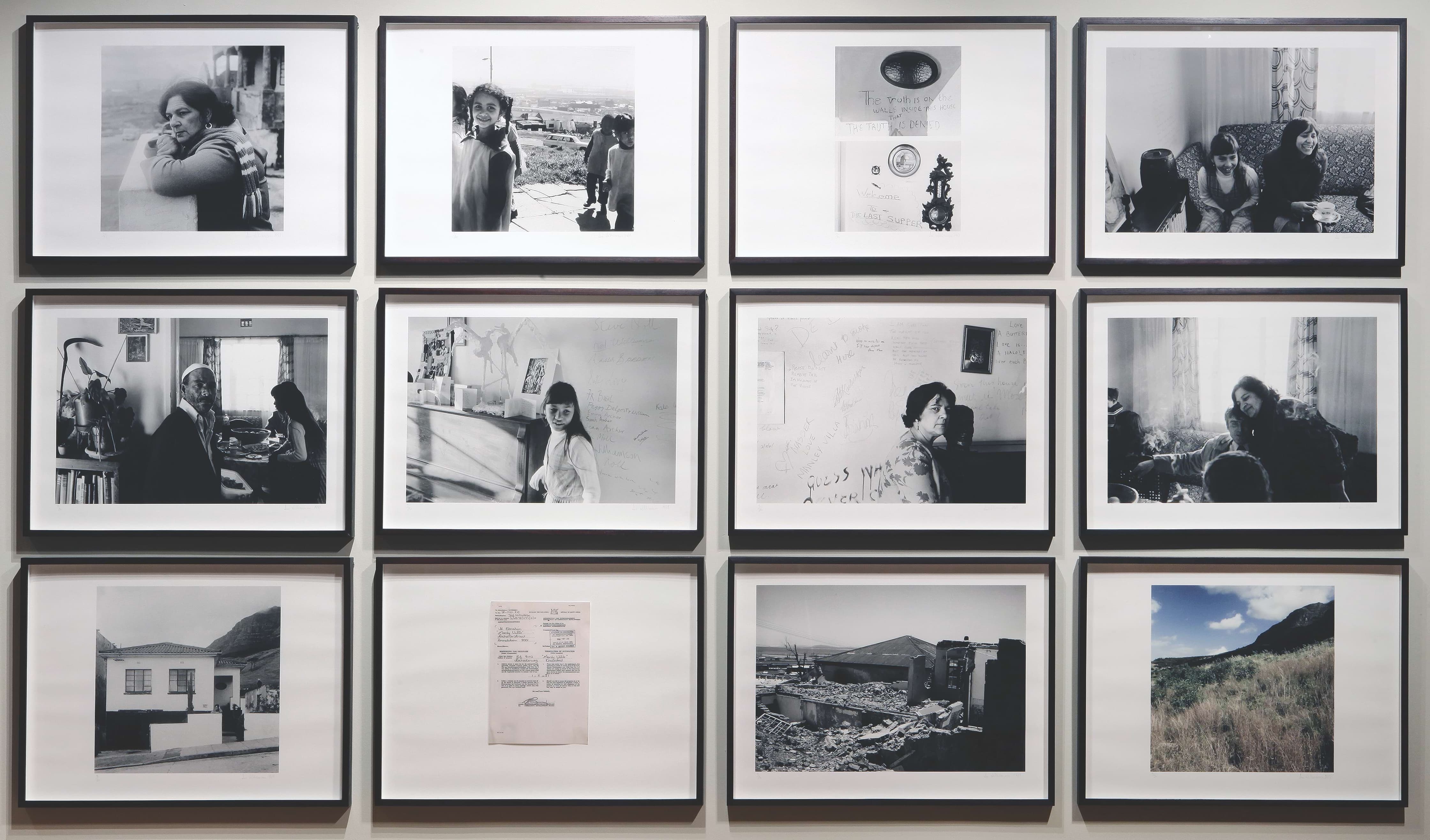
Last Supper at Manley Villa, 1981 – 2008 is a portfolio of ten black and white photographs taken on and around the final celebration of Eid in August 1981, at Manley Villa, District Six, Cape Town, a facsimile of an eviction notice, and a colour photograph taken in 2008 showing the empty land where Manley Villa once stood. Manley Villa had been the home of Naz and Hari Ebrahim and their family for more than thirty years.
In terms of a proclamation from the Aparthied government, District Six had been declared for whites only, and 60 000 residents of mixed race were moved out.
On the morning of August 2, as Naz was preparing the Eid feast for family and friends, there was a knock on the door, and an official handed over an eviction notice. Naz slammed the door in his face, and grabbing a marker wrote 'Welcome to the Last Supper' in the entrance hall of the house. A friend ran outside and wrote next to the front door, THE TRUTH IS ON THE WALLS INSIDE THIS HOUSE, THE TRUTH THAT IS DENIED. That day, and in the weeks following, friends and family added their own contrributions.
In her autobiography, The Truth is on the Walls, Naz says, 'I wrote all the things I dared not say out loud, but which burned within me. Messages, epigrams, poetry prose, the names of friends who had frequented Manley Villa covered every available bit of wall space'. Manley Villa was demolished the following year.