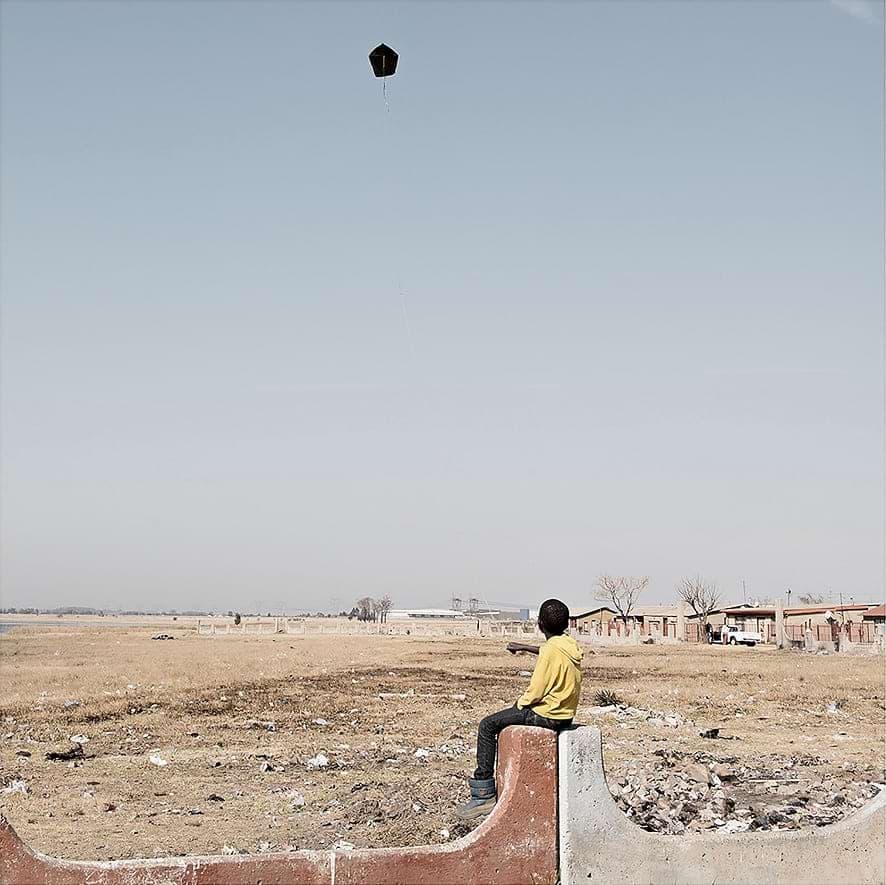



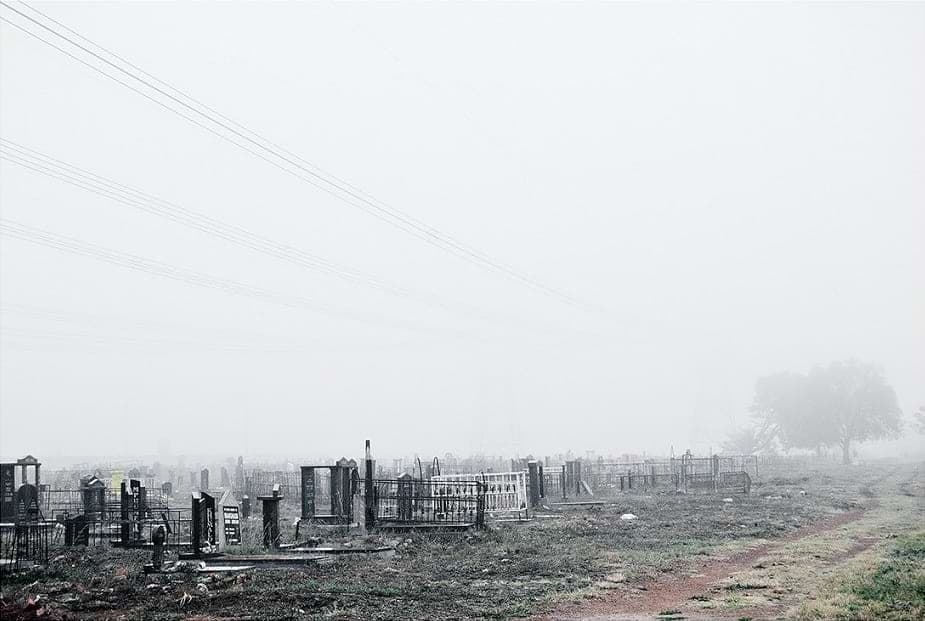
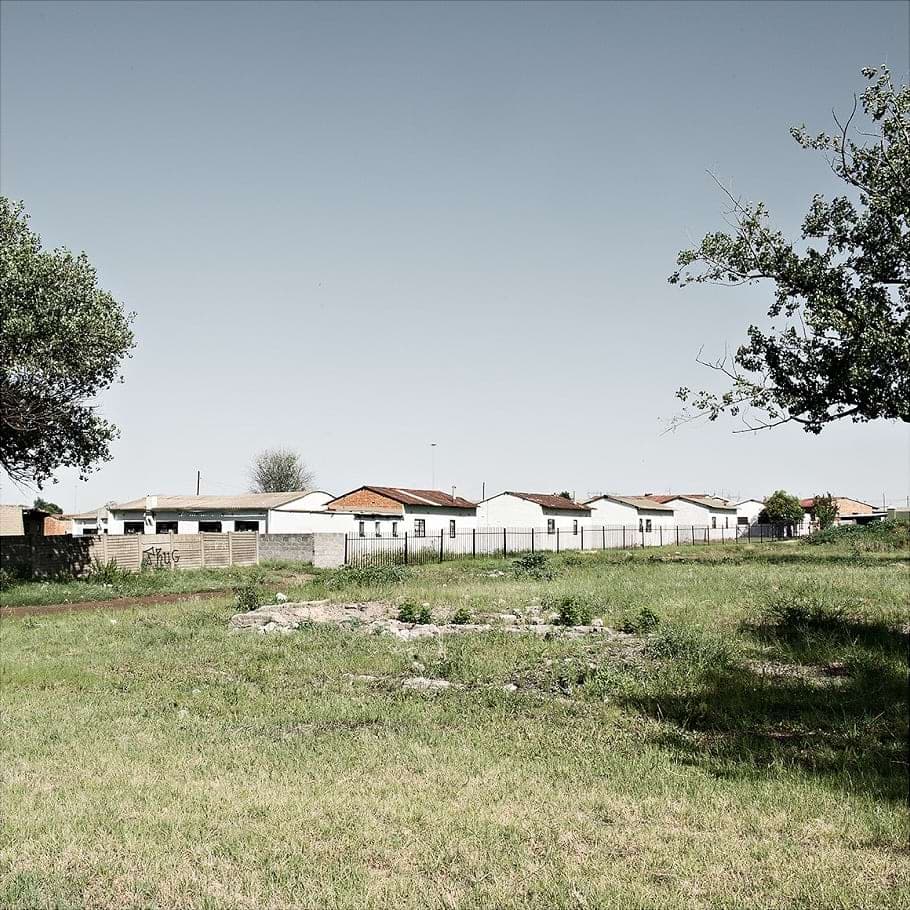
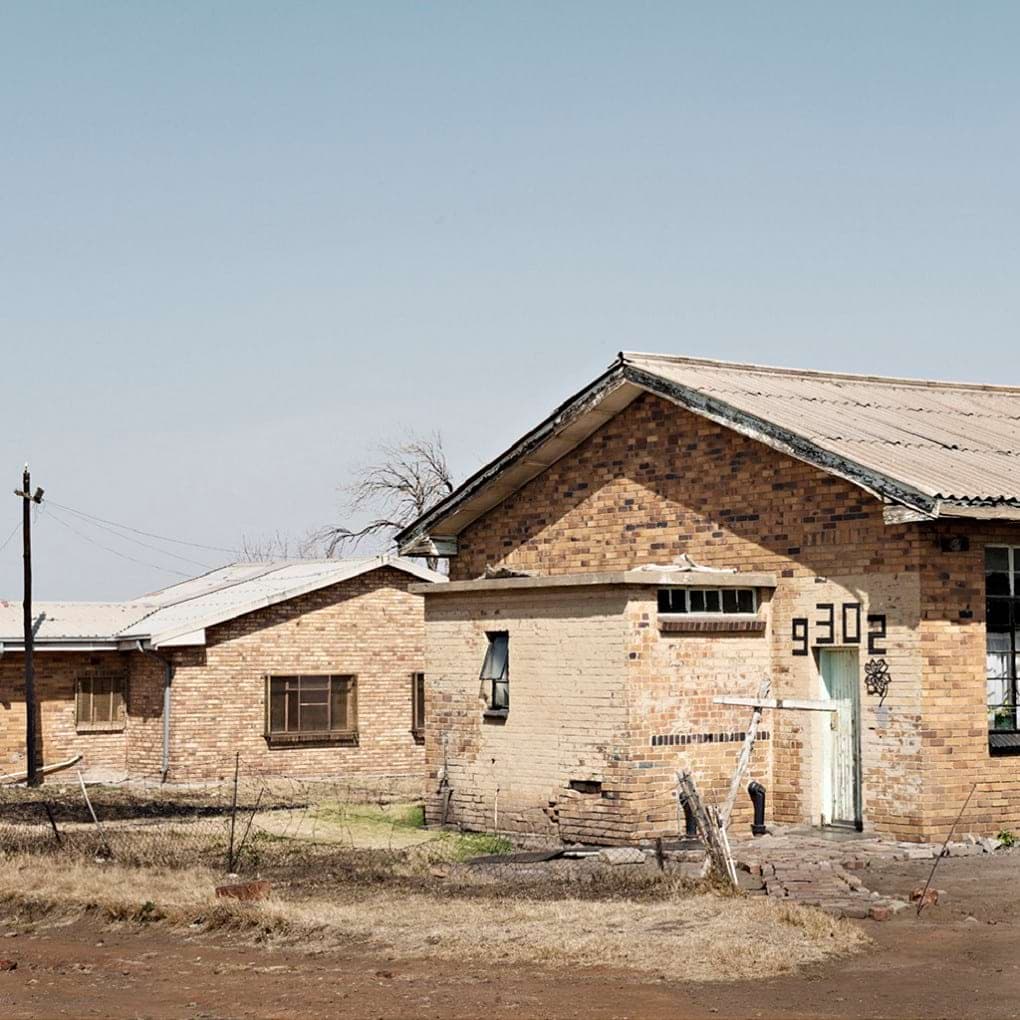
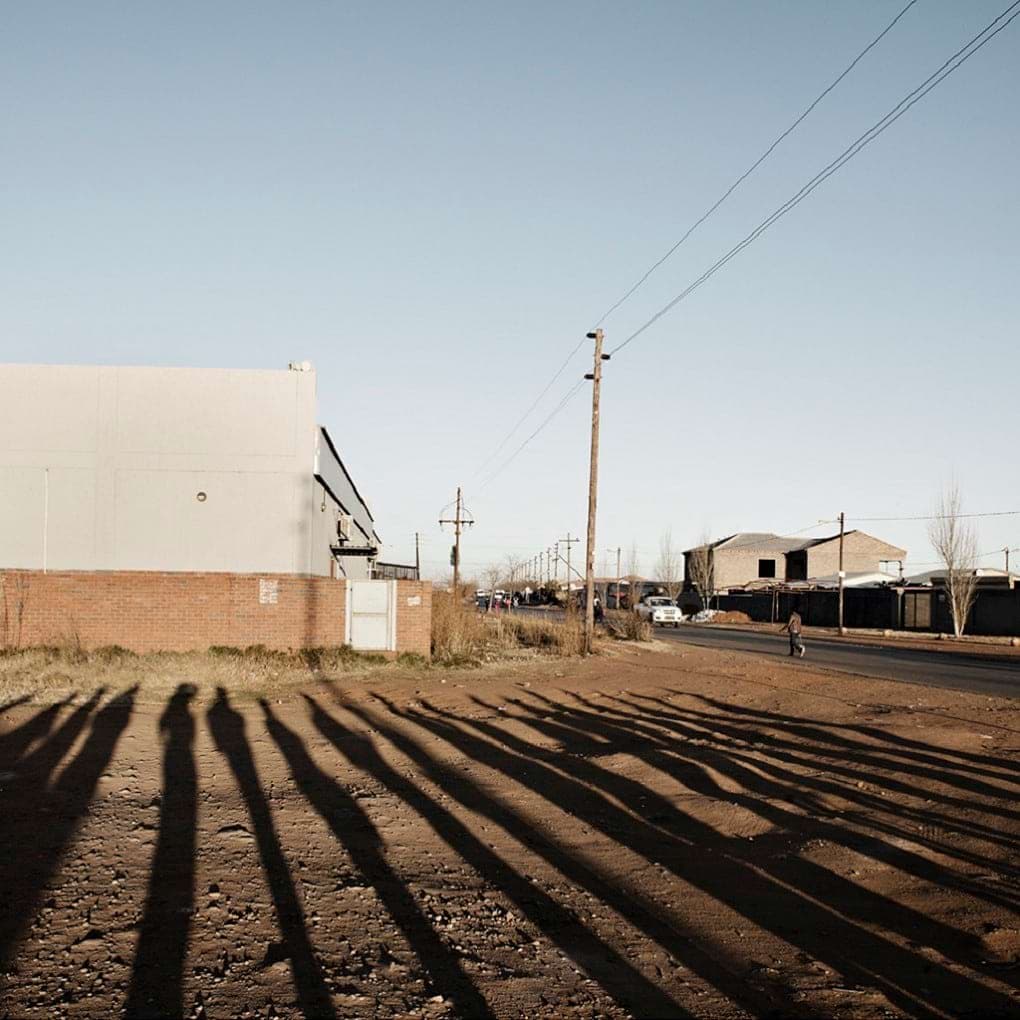
As you enter Sharpeville from Vereeniging you are greeted by the dam and the fence that separates
community and the dam. This is where Sharpeville begins when coming from Vereeniging side
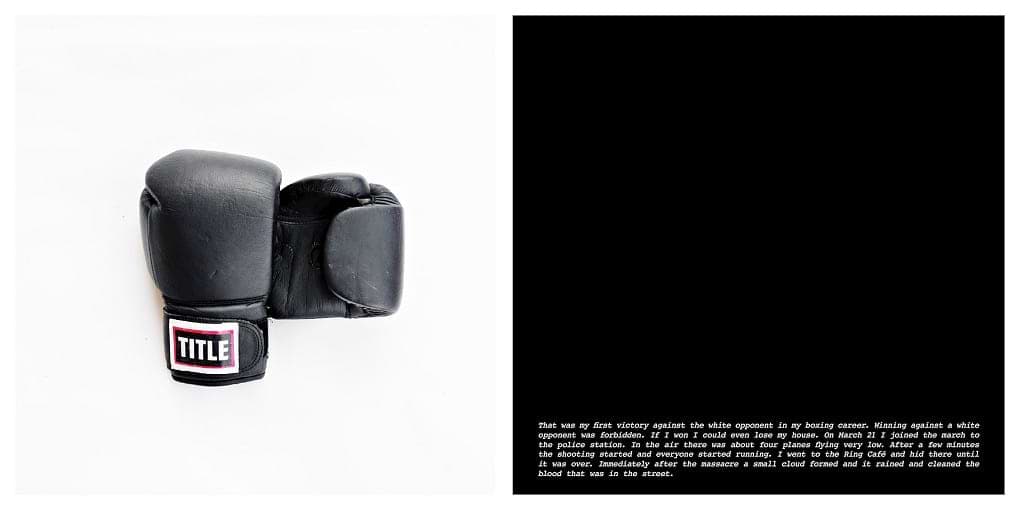
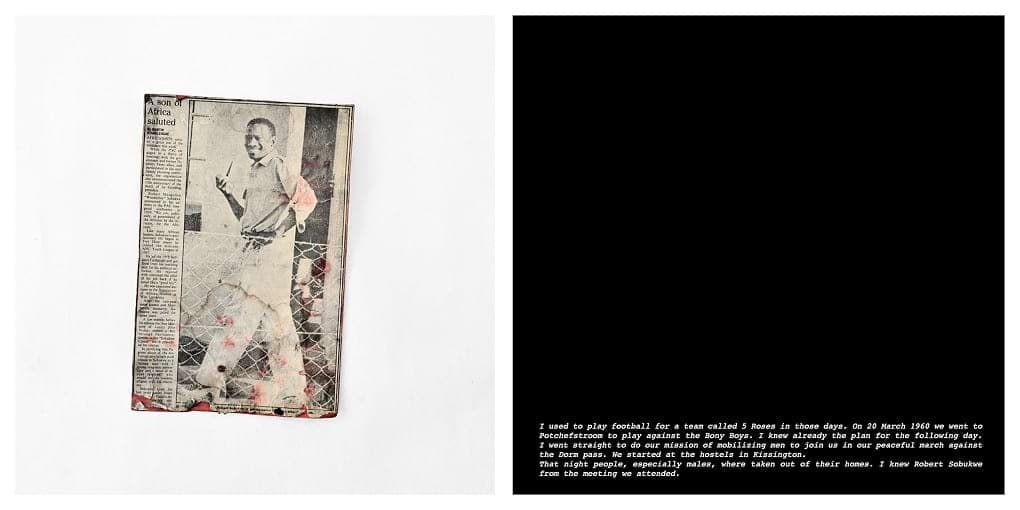
Ntate Joseph Mabena one of the survivors’ of the Massacre grew up as a boxing fighter. In the
apartheid government, he had to lose when he fought against a white opponent. If not he would
even lose his house. It was this day that he got a chance to fight and conquer the “white opponent”.
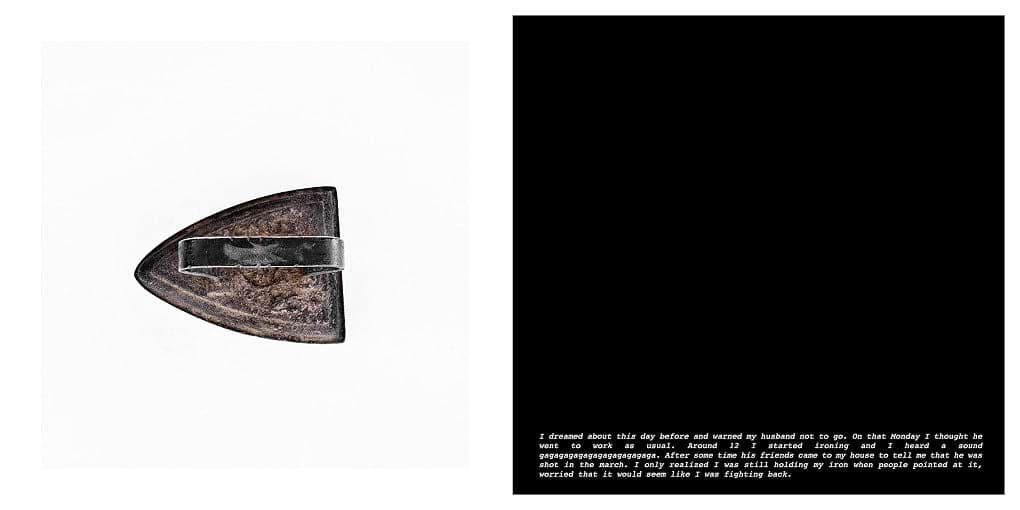
Mme Masibeko, was ironing her husband’s clothes when she felt troubled to an extent that she
carried the iron to the streets and searched for her husband.
On the left hand side its Ntate Joseph Morobi who was amongst the crowed that gathered at the old
Sharpeville Police station to protest against the pass laws. He unfortunately died and left behind his expecting wife.
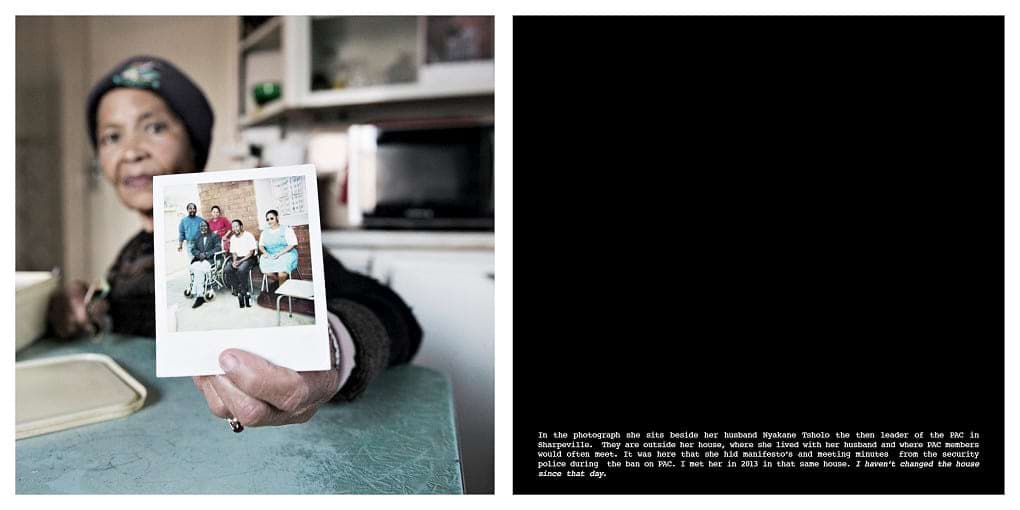
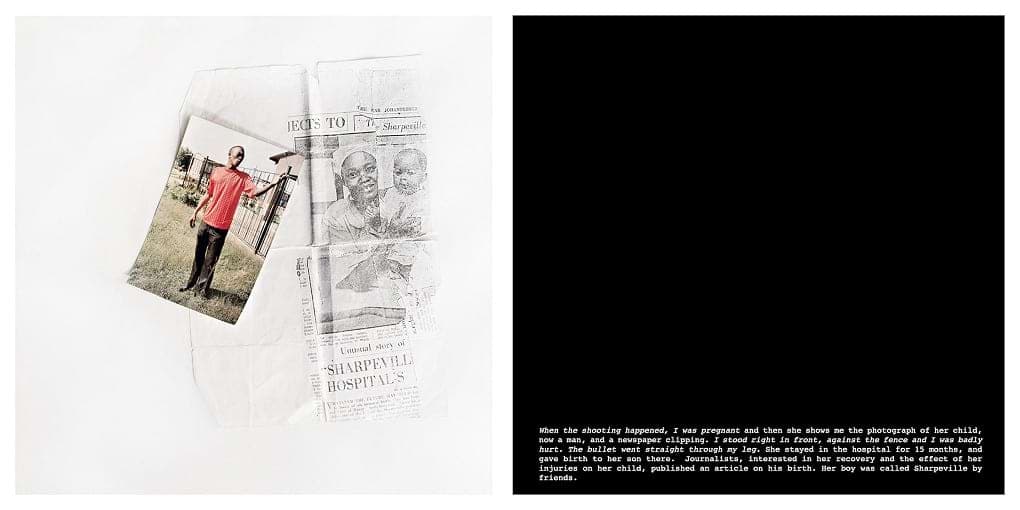
Far Left Tsholo [Sharpeville PAC leader], right hand side Mme ma Tsholo (sister in law ) and her husband next to her (white t-shirt- a brother to Sharpeville PAC leader ) with their friends. “These are the good memories before the Sharpeville massacre”.
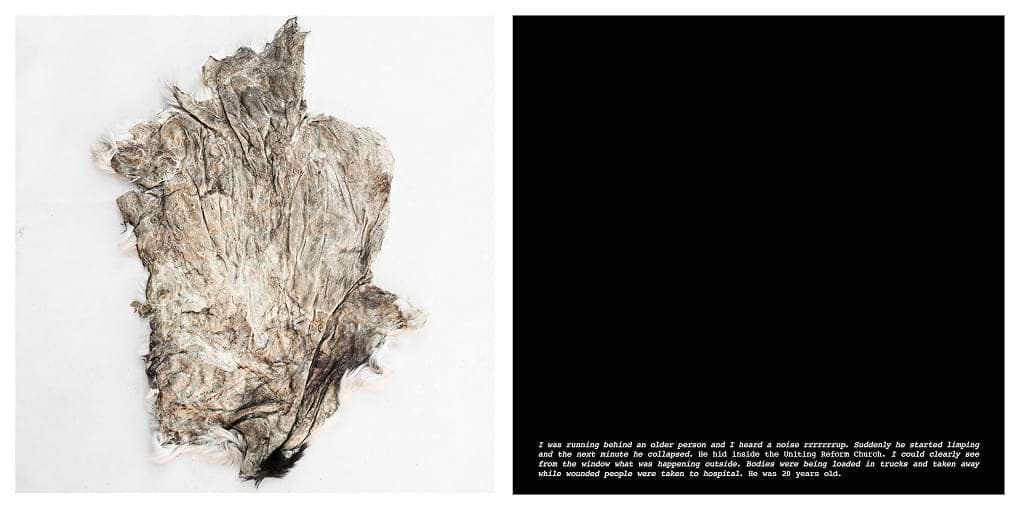
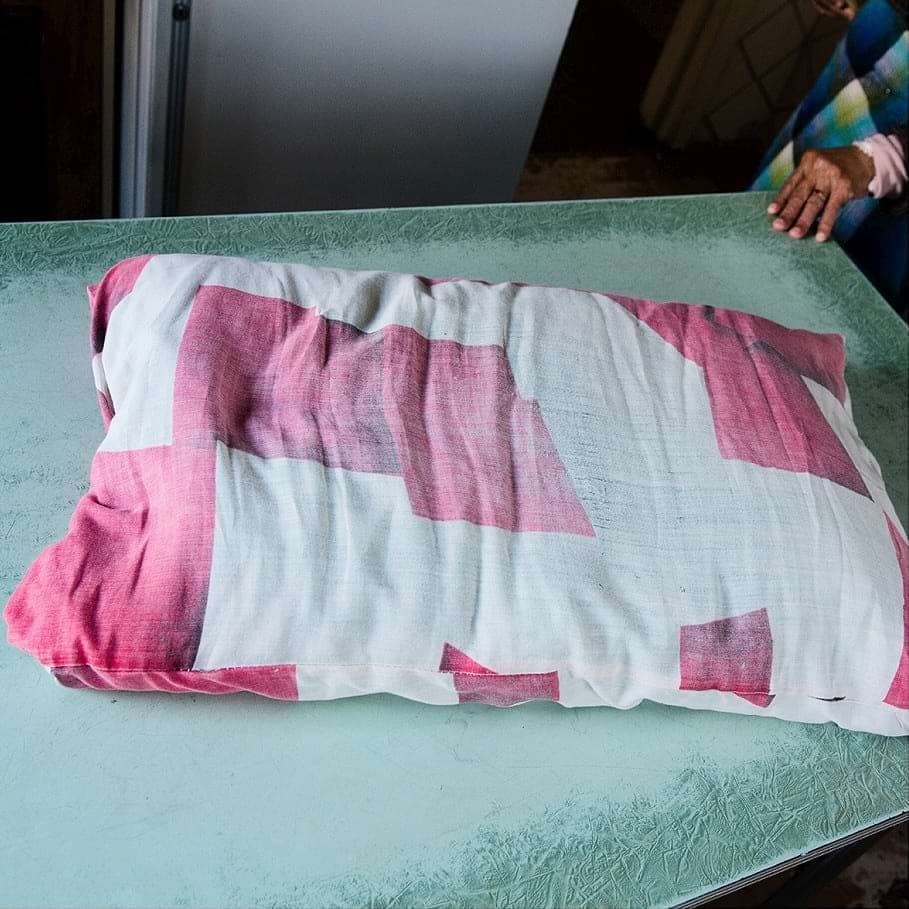
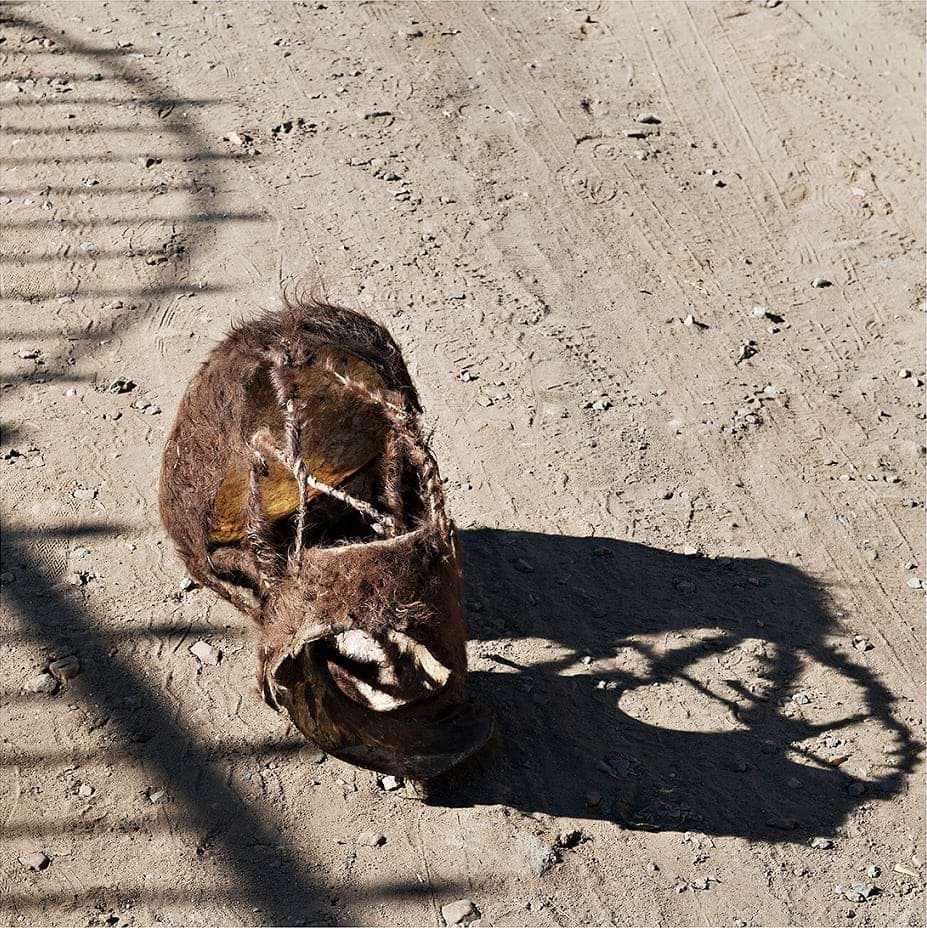
Slaughtering is part of the ritual of remembering the dead in our African culture, and animal skin is
always kept. This particular sheep skin was kept from a ceremony of remembering Ntate Mashea
who died at the age 37 on the day of massacre in Sharpeville.
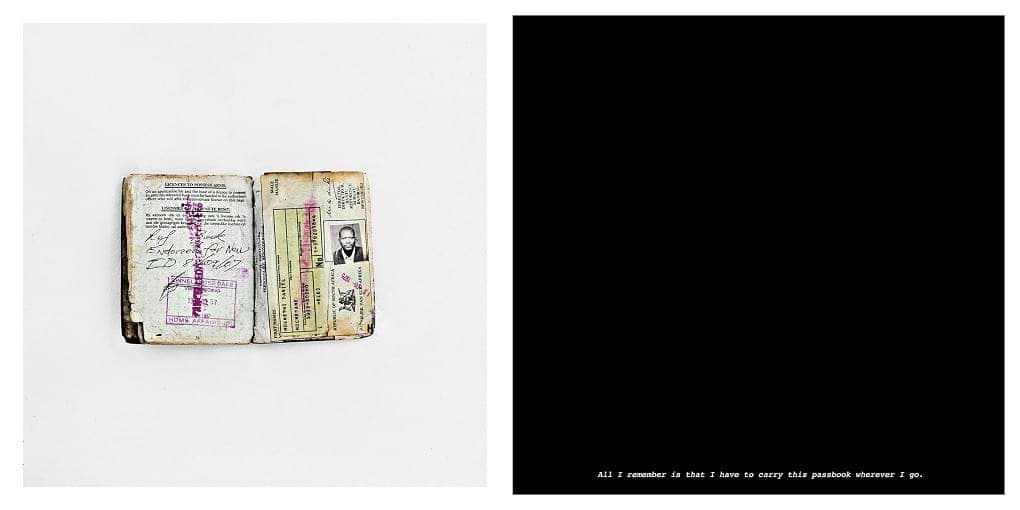
Mokhethi Daniel Mochesane is one of the victims of the Sharpeville shooting. “This is what they
killed our brothers and sisters for. I didn’t burn mine, and it always reminds me of that day”
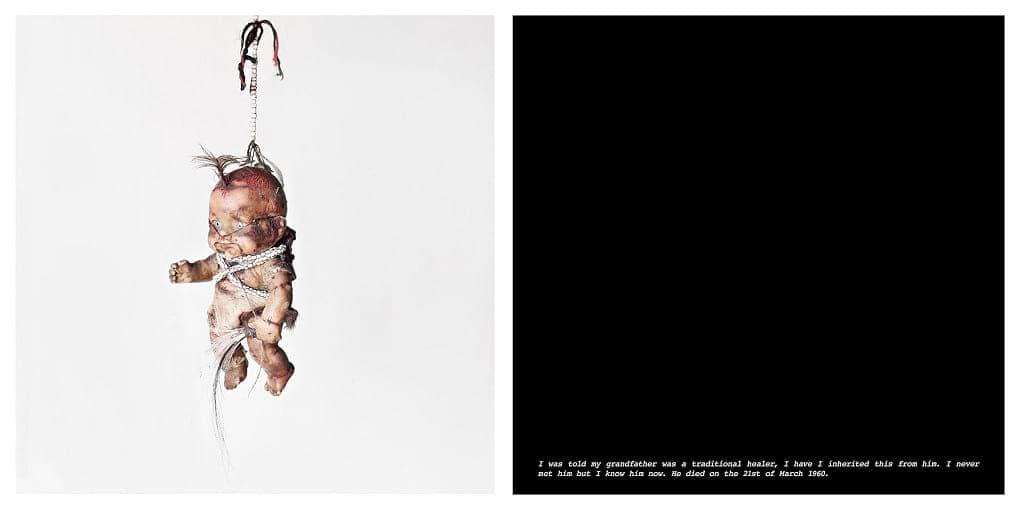
The late ntate Moloi died during the Sharpeville massacre. His son Thabiso is a traditional healer and believes in having a connection with his ancestors which in this case would be his father.
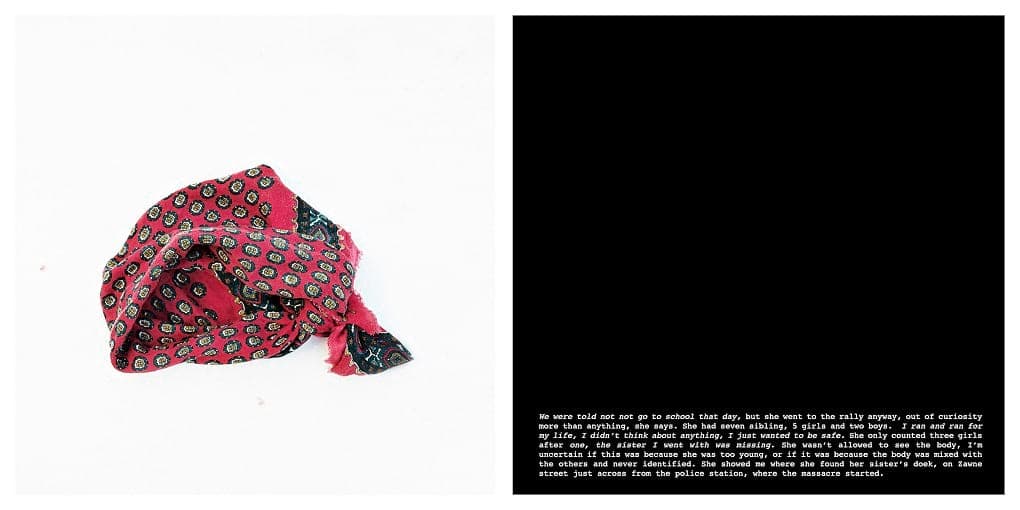
Most families of those who died at the massacre could only identify their deceased with the
personal items and clothing. The doek played a significant role in the Motaung family as it enabled
them to come to realisation of the death of their family member.
The bag was the only thing that she could identify to be her husbands’ as he left for work carrying it
and it was proof enough that he was among 69 killed.
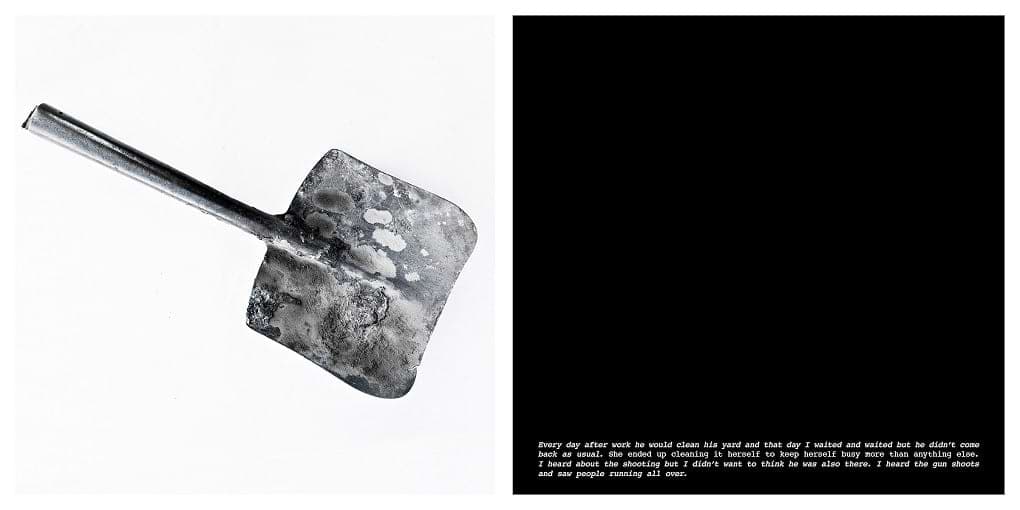
This is a spade that Ntate Hlongwane always used in his garden, when he came back from work. On
the 21st March 1960 he didn’t come back home to work on his garden as usual. Mme ma Hlongwane
heard from her husband’s friends that her husband was among the shot protestors.
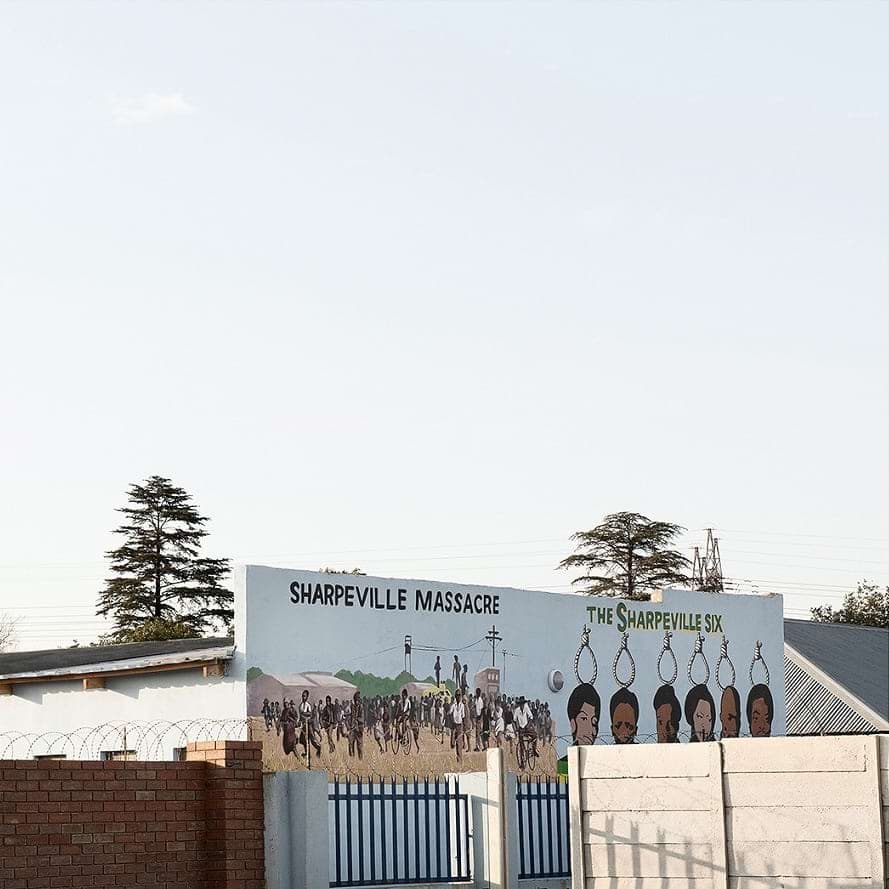
This image portrays the Sharpeville shooting in my mind from what I gathered from the survivors.
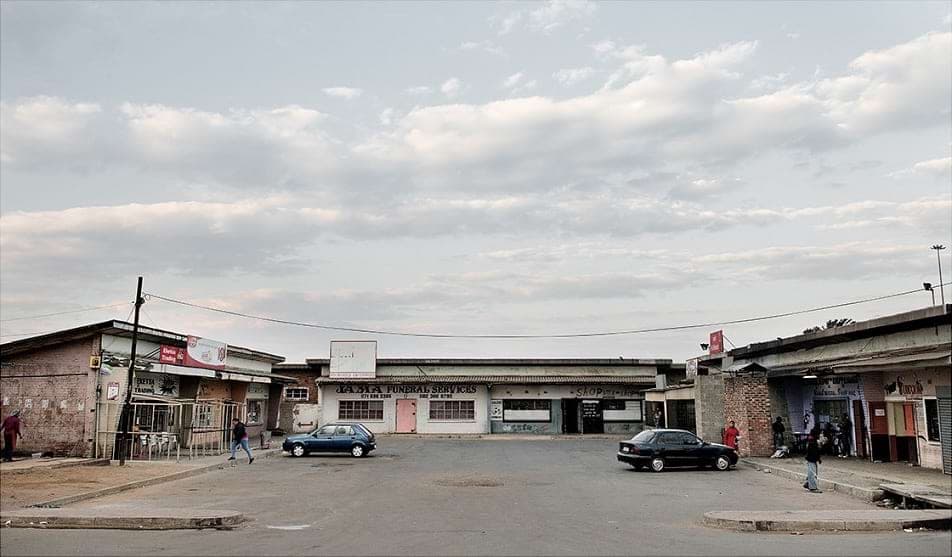
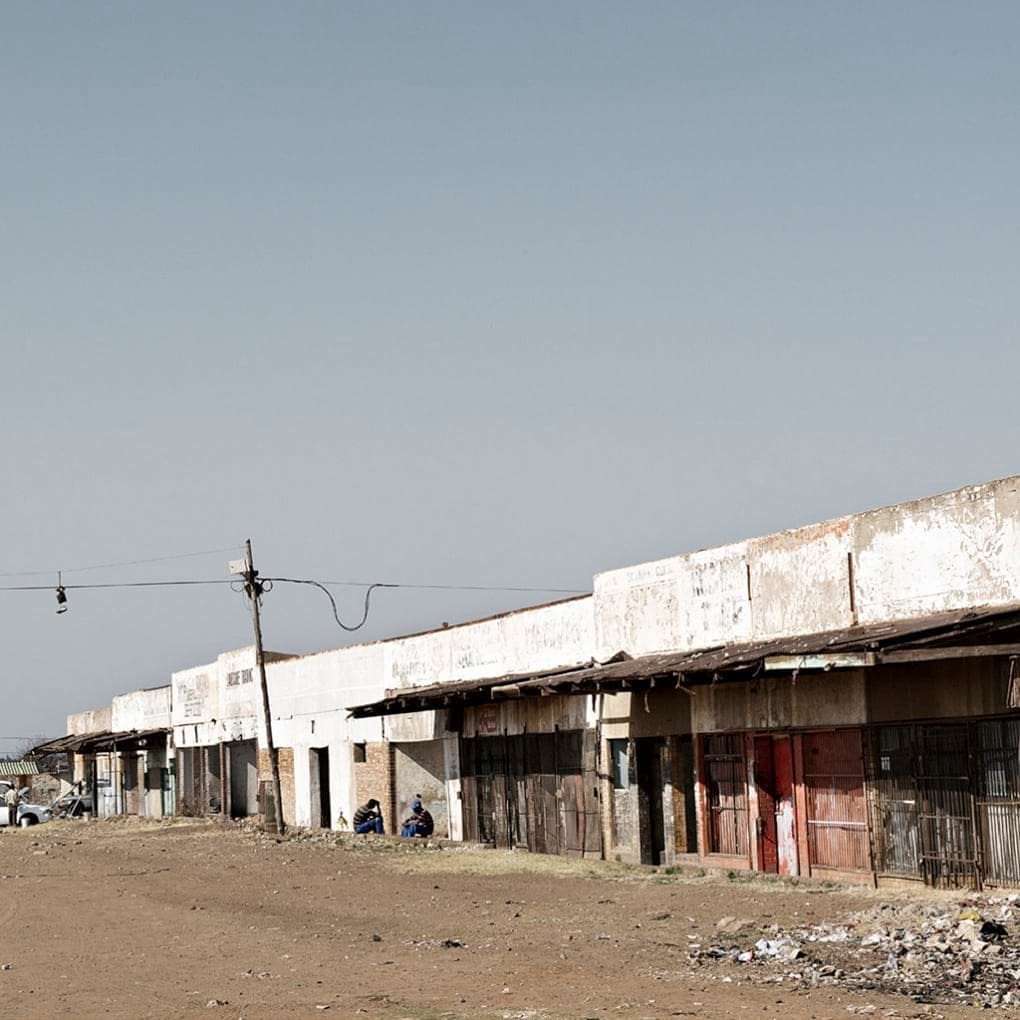
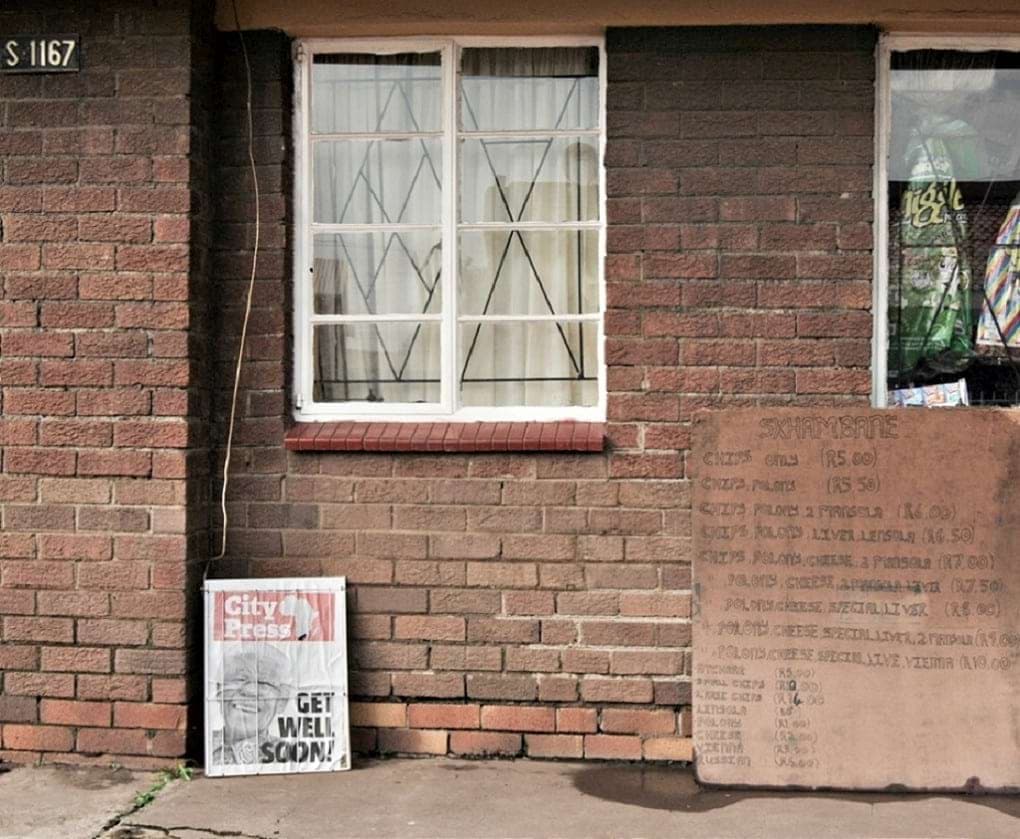
Rings café are the shops near the old Sharpeville police station. To Ntate Moloi they serve as a
reminder of the historic day as he ran and hid behind them when police opened fire to the
protestors in 1960.
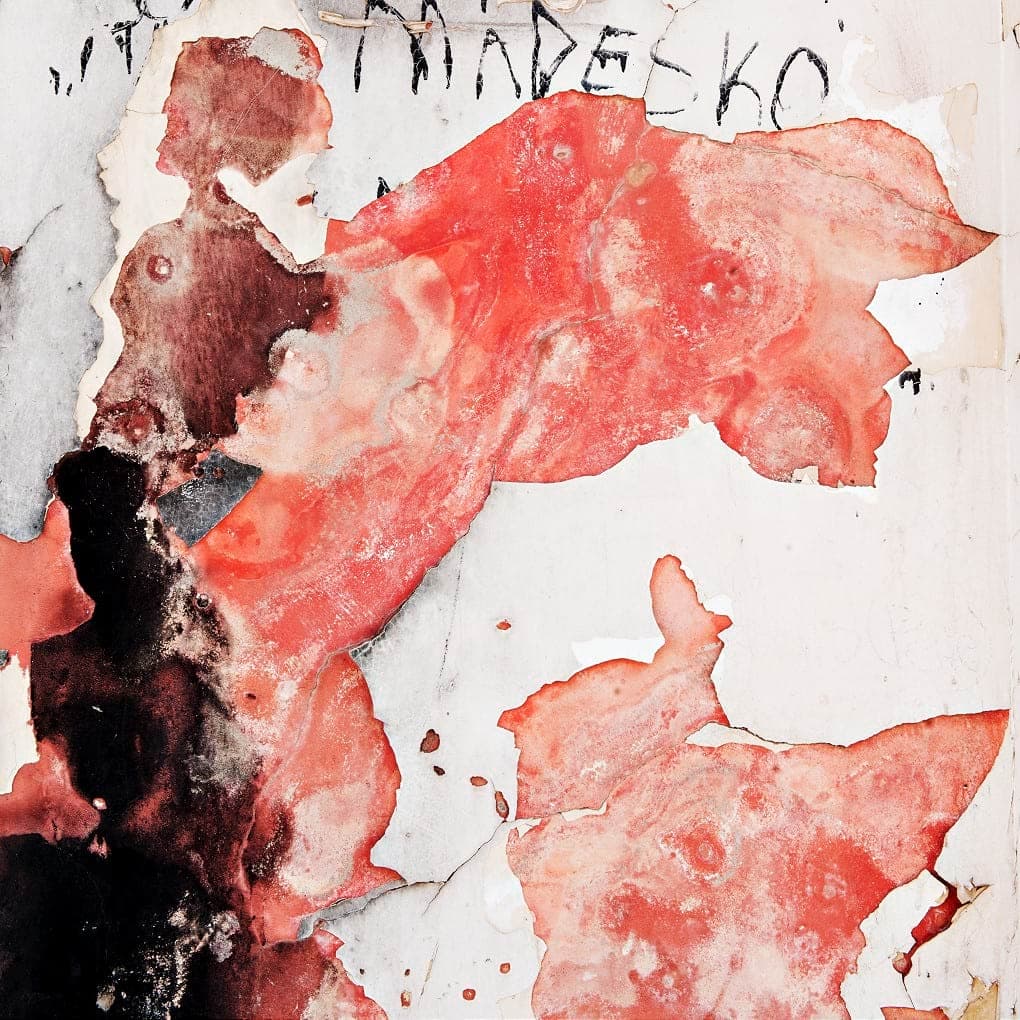
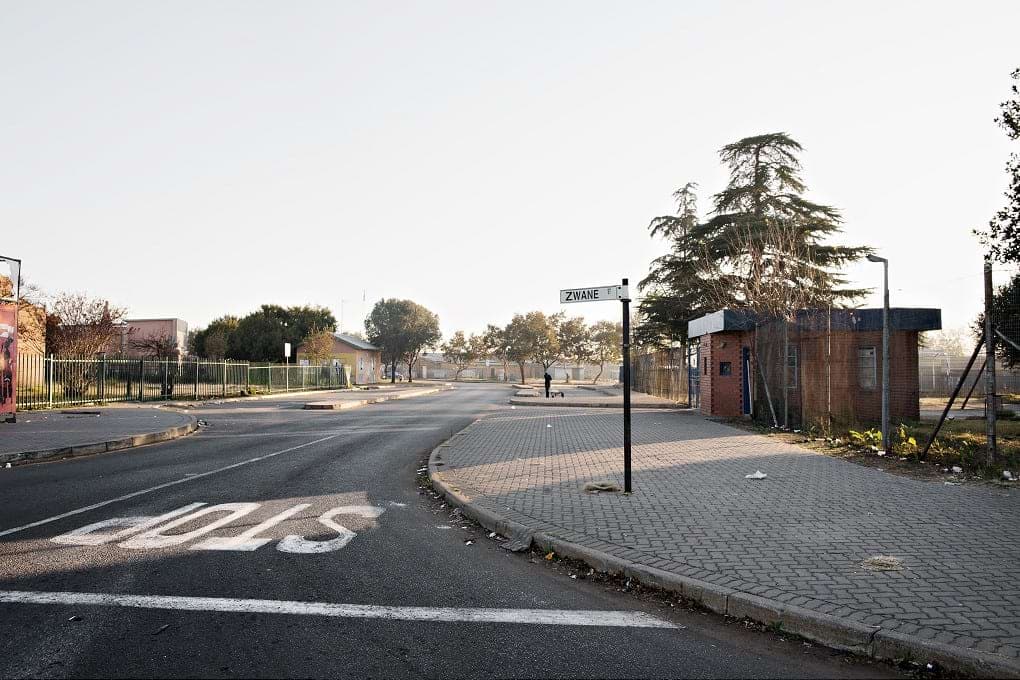
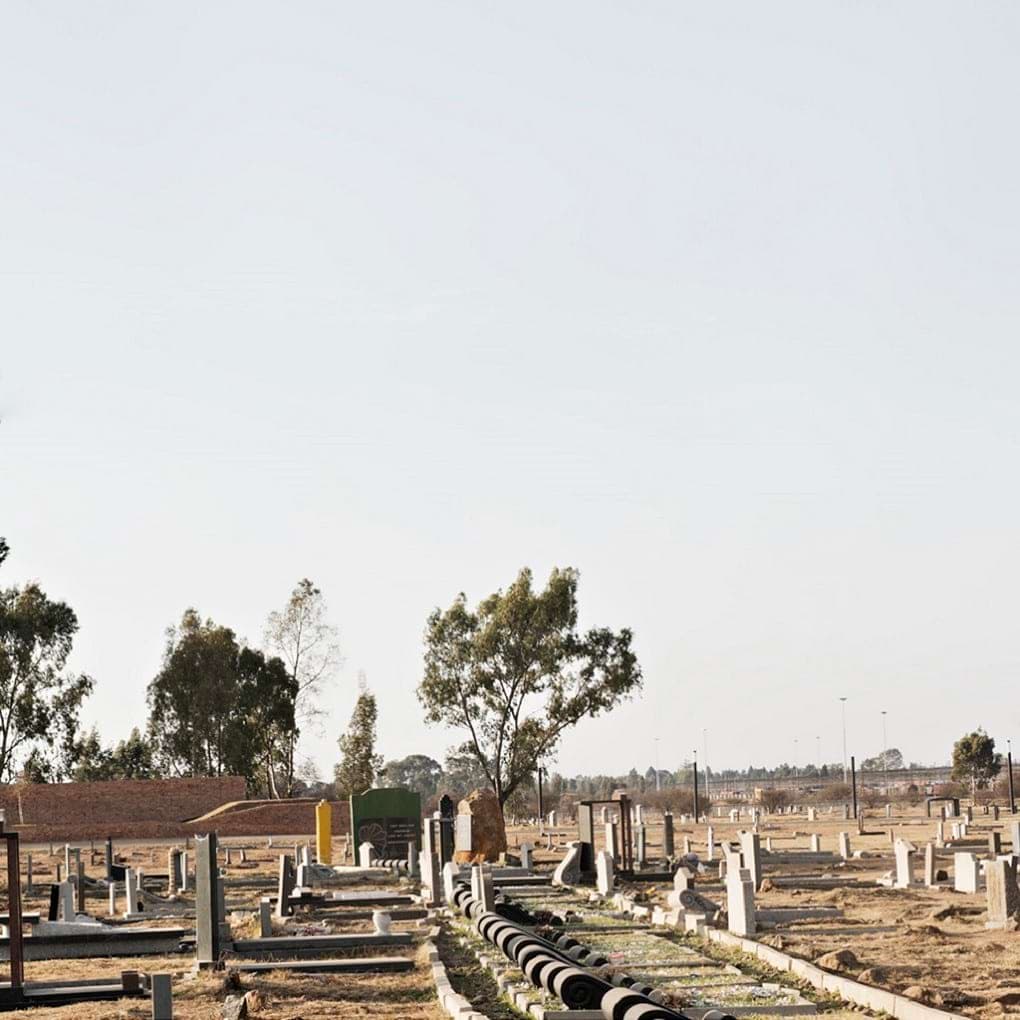
This is the street that was once filled with dead bodies and blood on the 21st March 1960.
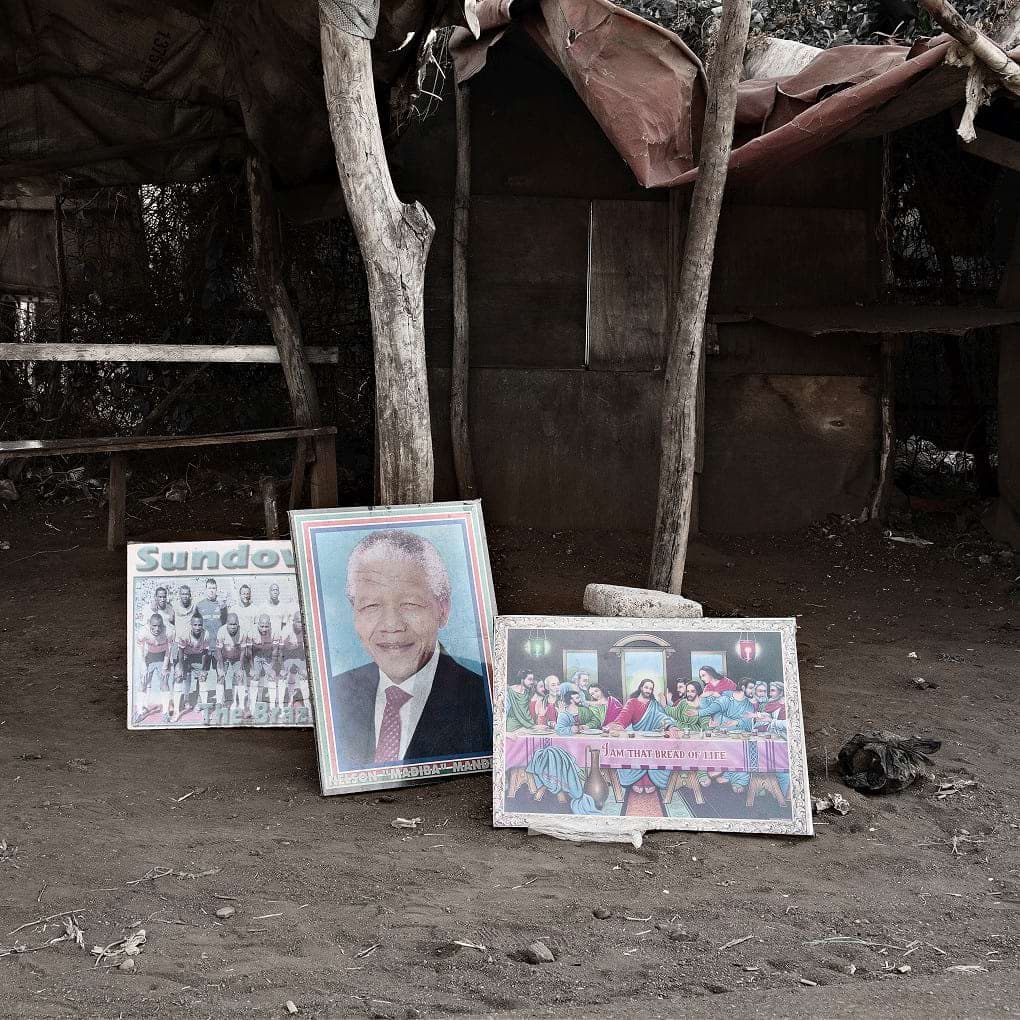
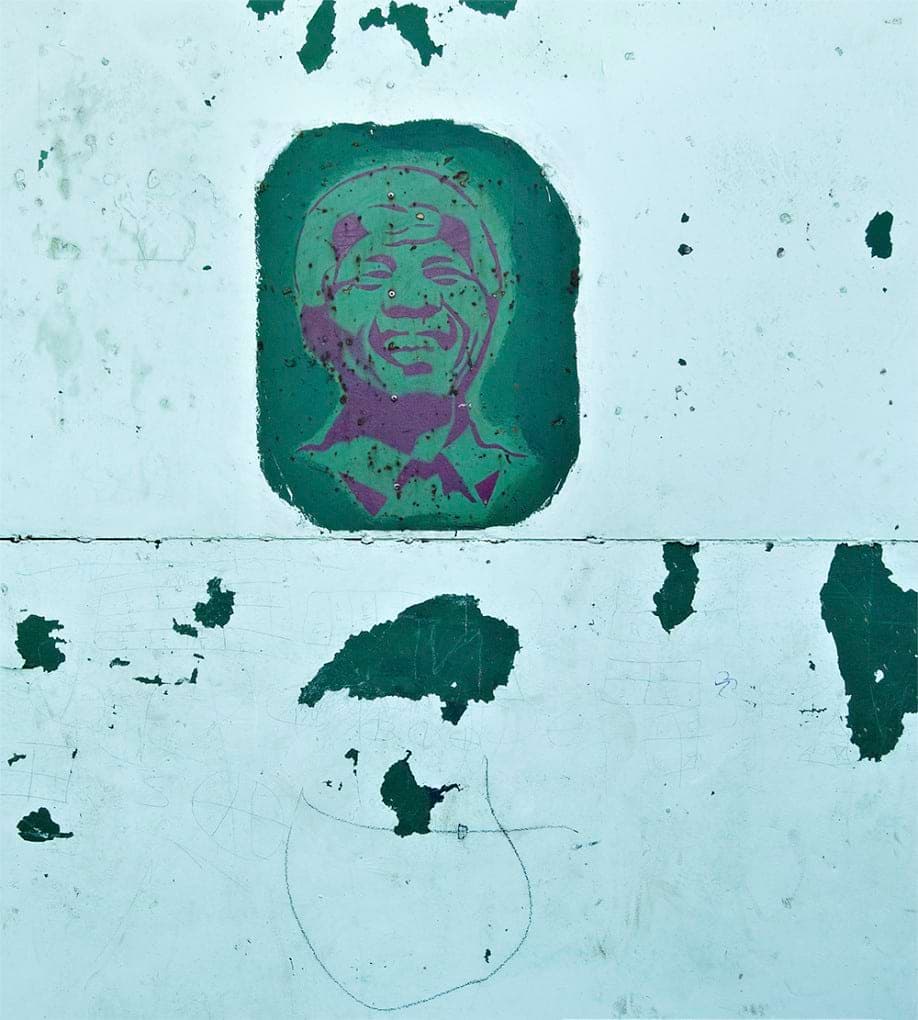
I grew up in dying times of Apartheid, where things that happened made no sense to me, as I was
still young. However all I could remember was asking my parents about what was happening and
why they happening and the answer were would always be “it’s the struggle to free Mandela”.
Therefore Mandela was the link to my memories of the apartheid times.
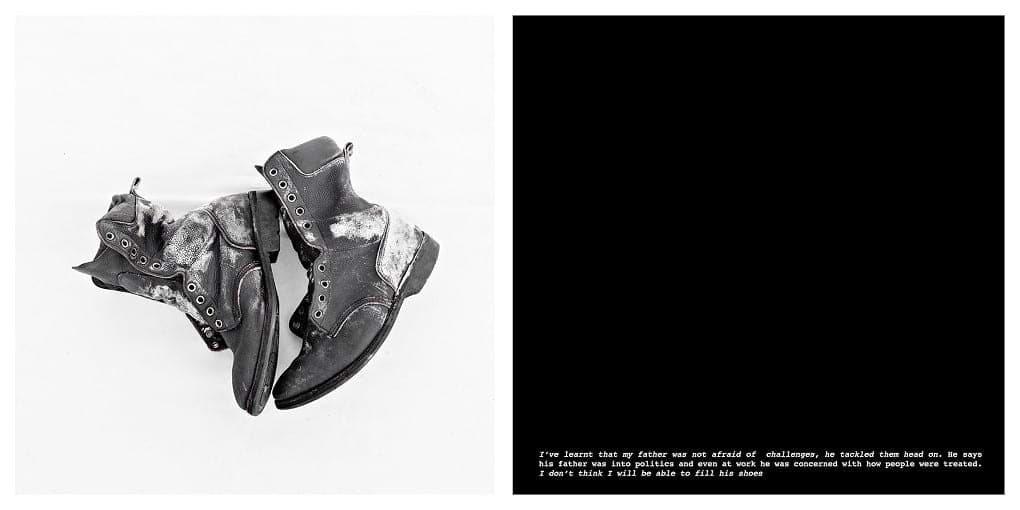
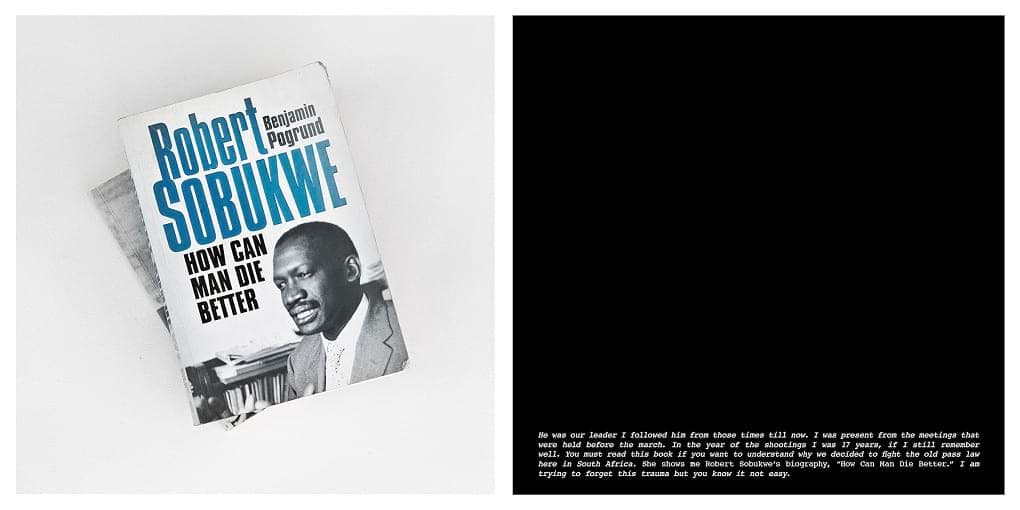
Jabulani Dhlamini’s work focuses on his upbringing while also reflecting on communities within contemporary South Africa. Dhlamini’s approach is meditative and subtly provokes a closer look at what lies on the edges through an exploration of personal and collective memory. Incorporating landscape imagery and intimate portraits, his work captures historical moments — such as the recollection of the Sharpeville Massacre, the effects of land dispossession and the funeral of anti-apartheid activist Winnie Madikizela-Mandela — while also documenting the quieter moments in the lives of everyday South Africans.
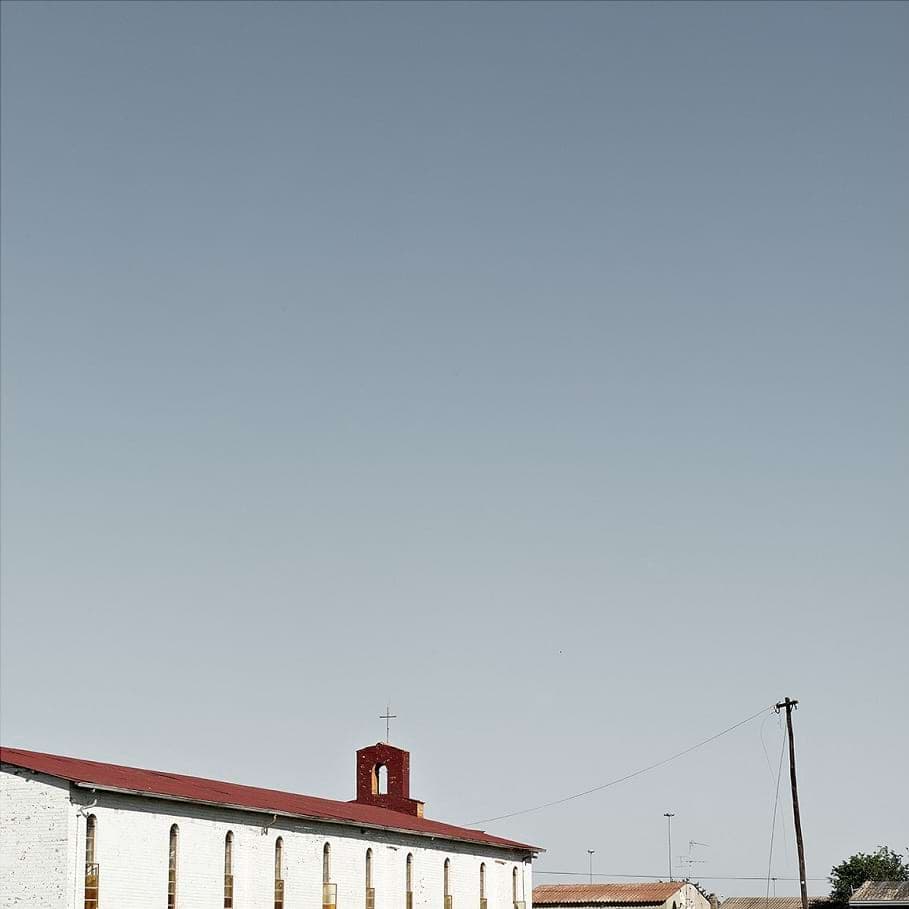
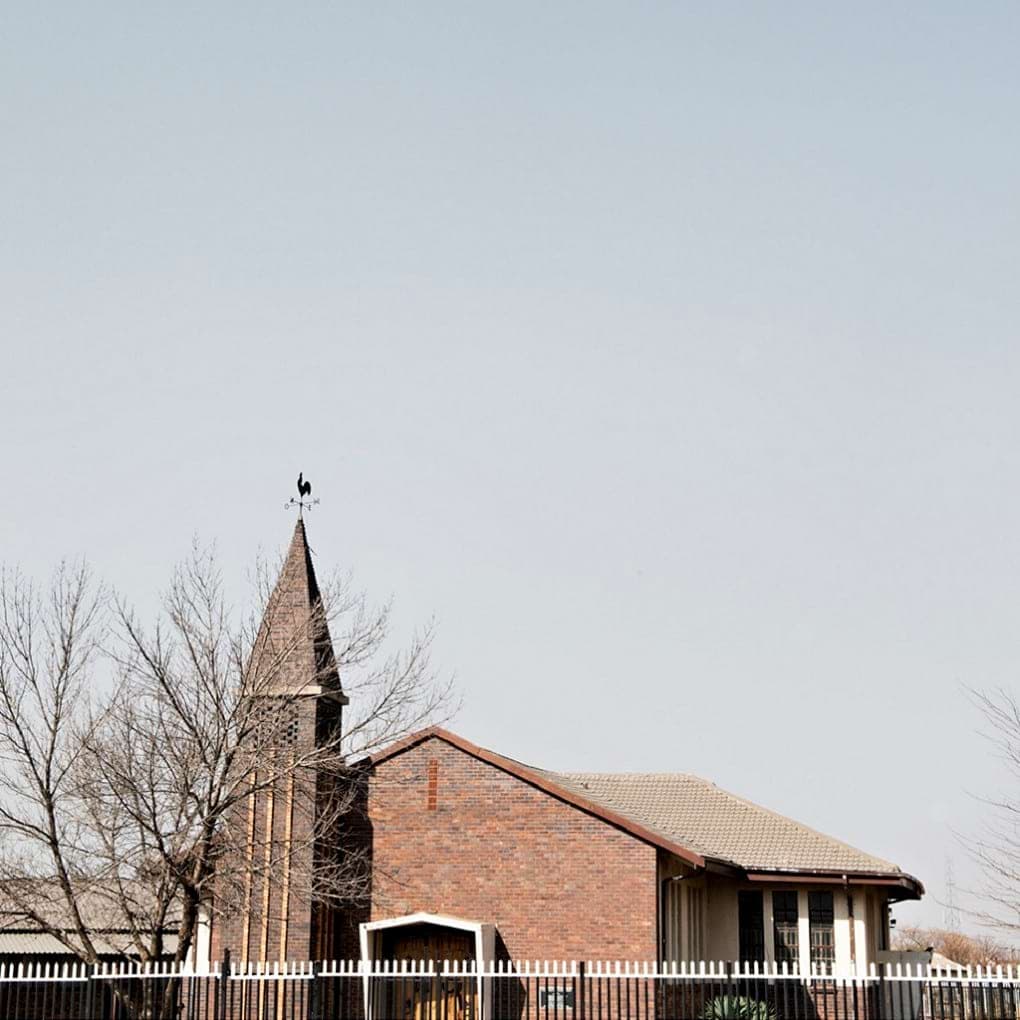
Churches played a big role in the Sharpeville massacre by saving some people from the shooting.
Ntate Kubeka was amongst the people who ran and hid inside the JW church. Jw church is a reminder of the fateful day to him.
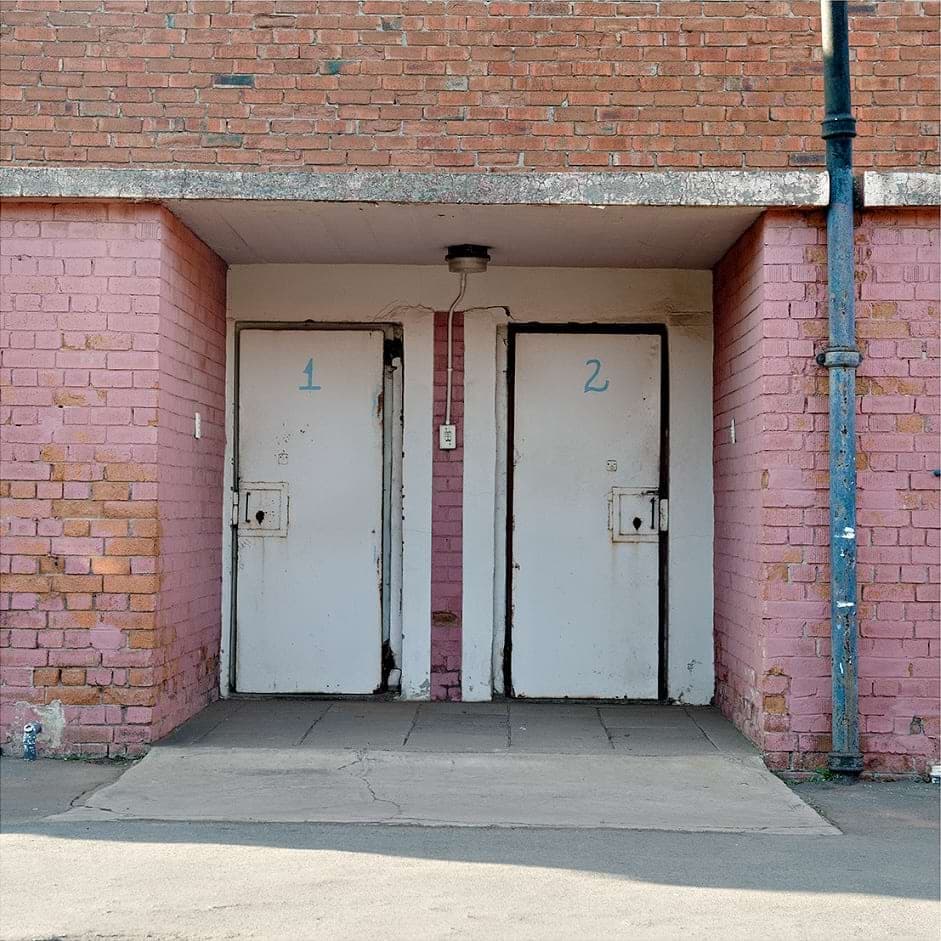
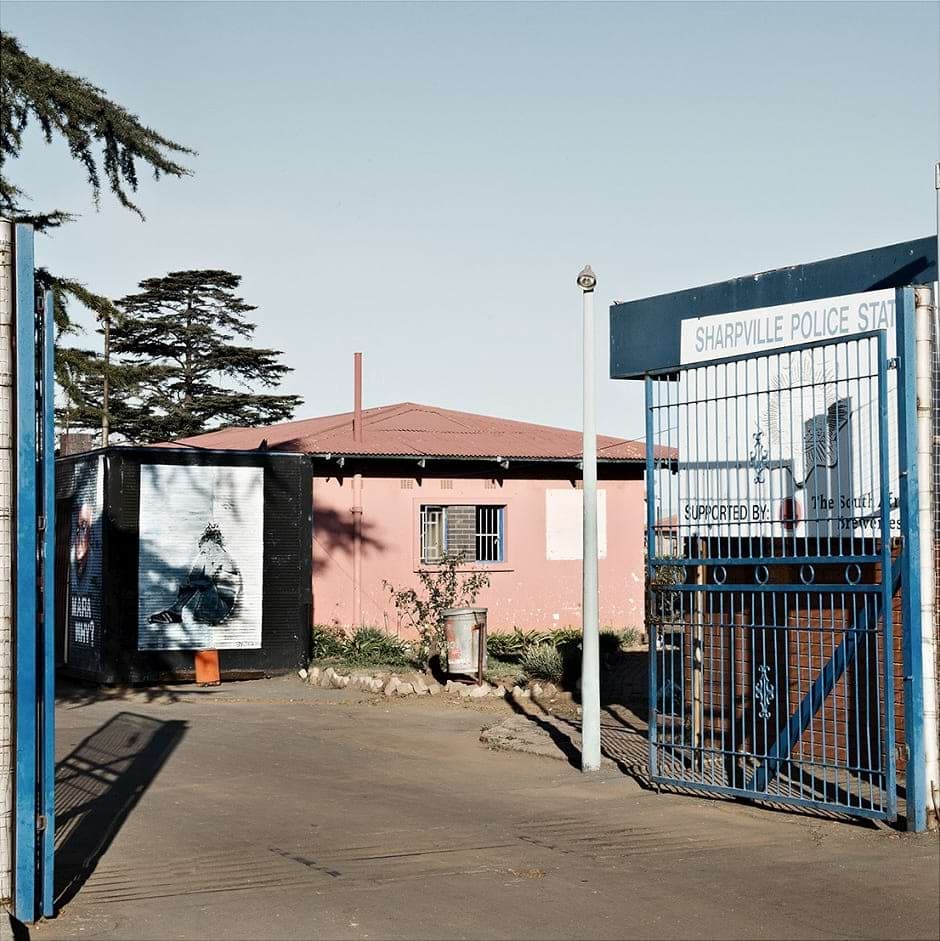
This is the entrance of the old Sharpeville police station, where a crowd of about 5000-7000 Africans went to demonstrate their frustration against pass laws. This will always serve as a common reminder to the survivors and community at large.
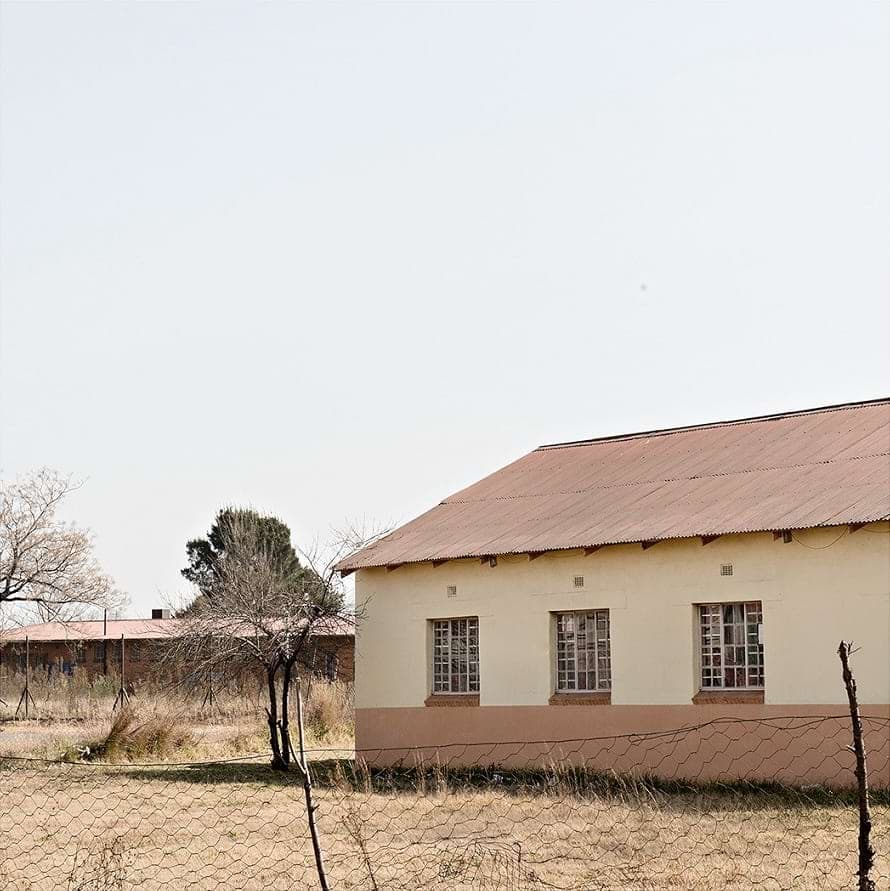
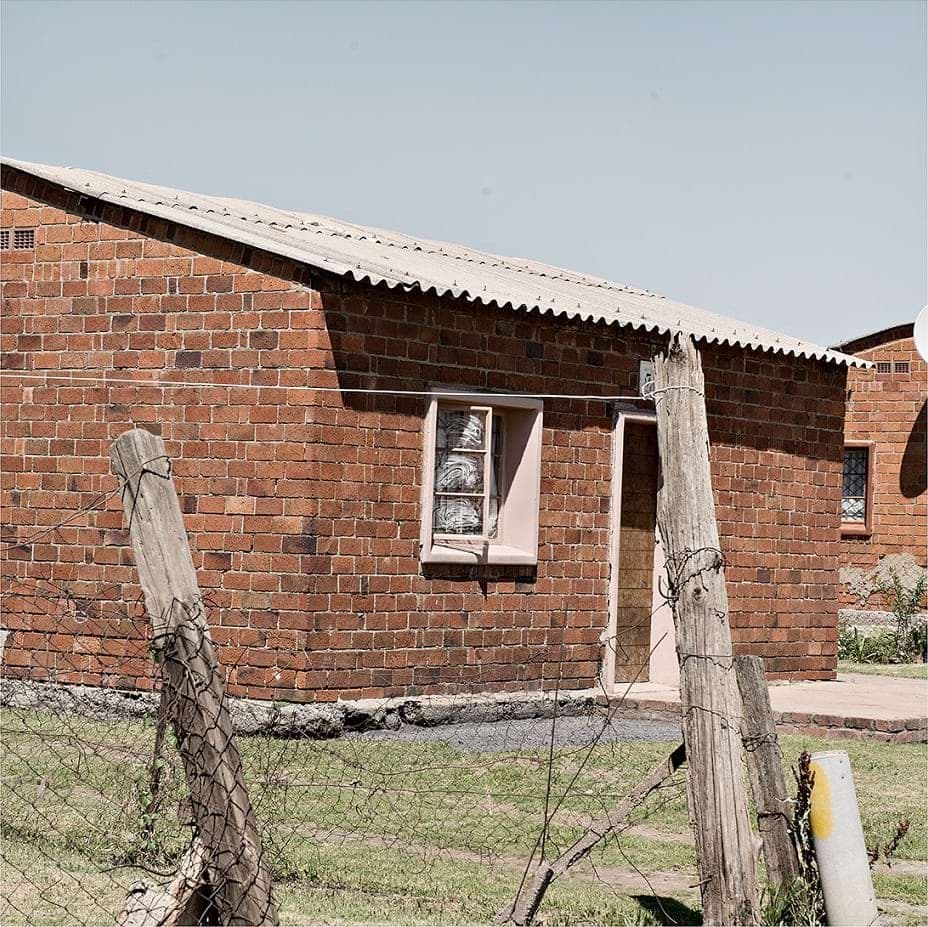
Tinted windows signify mourning in the African culture and this house to me represents the current state of Sharpeville. What I have gathered after interviewing the survivors of the Sharpeville massacre is that to date Sharpeville is still mourning.
Jabulani Dhlamini’s work focuses on his upbringing while also reflecting on communities within contemporary South Africa. Dhlamini’s approach is meditative and subtly provokes a closer look at what lies on the edges through an exploration of personal and collective memory. Incorporating landscape imagery and intimate portraits, his work captures historical moments — such as the recollection of the Sharpeville Massacre, the effects of land dispossession and the funeral of anti-apartheid activist Winnie Madikizela-Mandela — while also documenting the quieter moments in the lives of everyday South Africans.