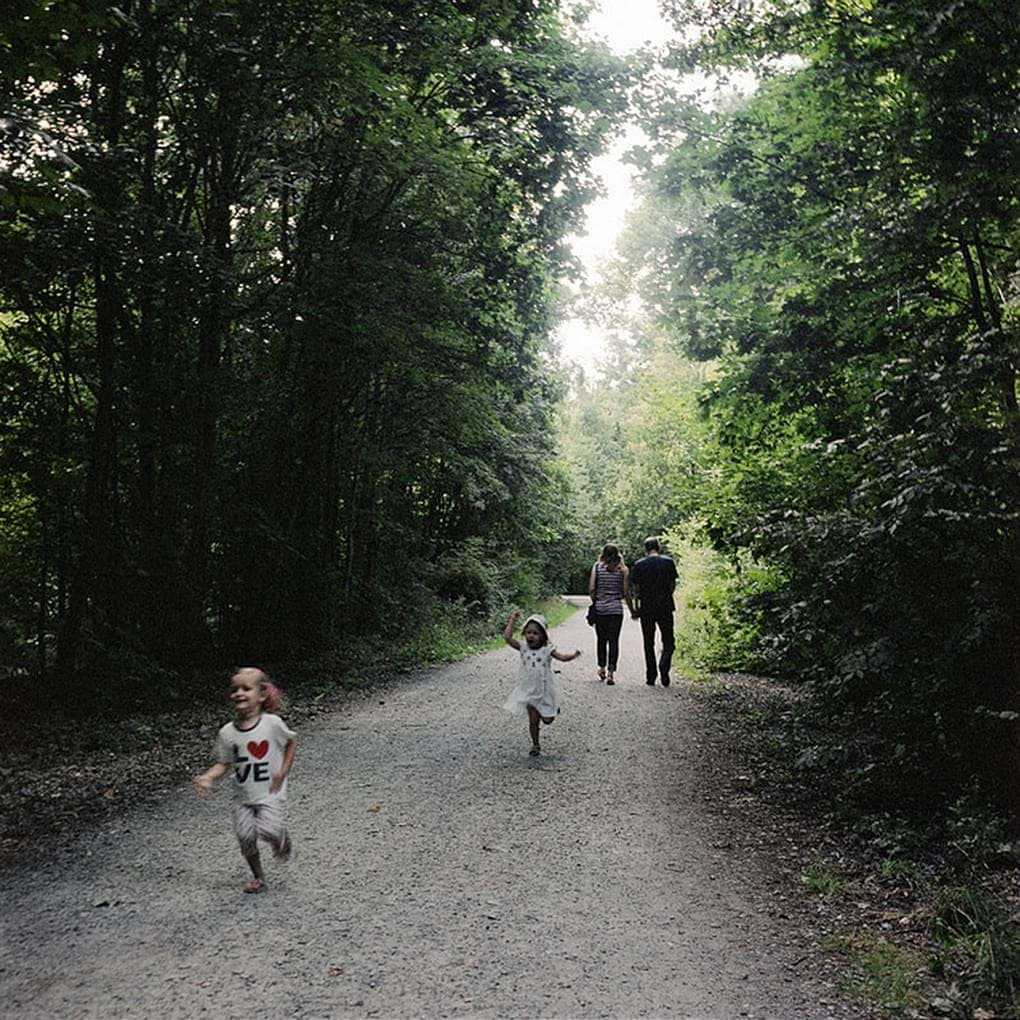
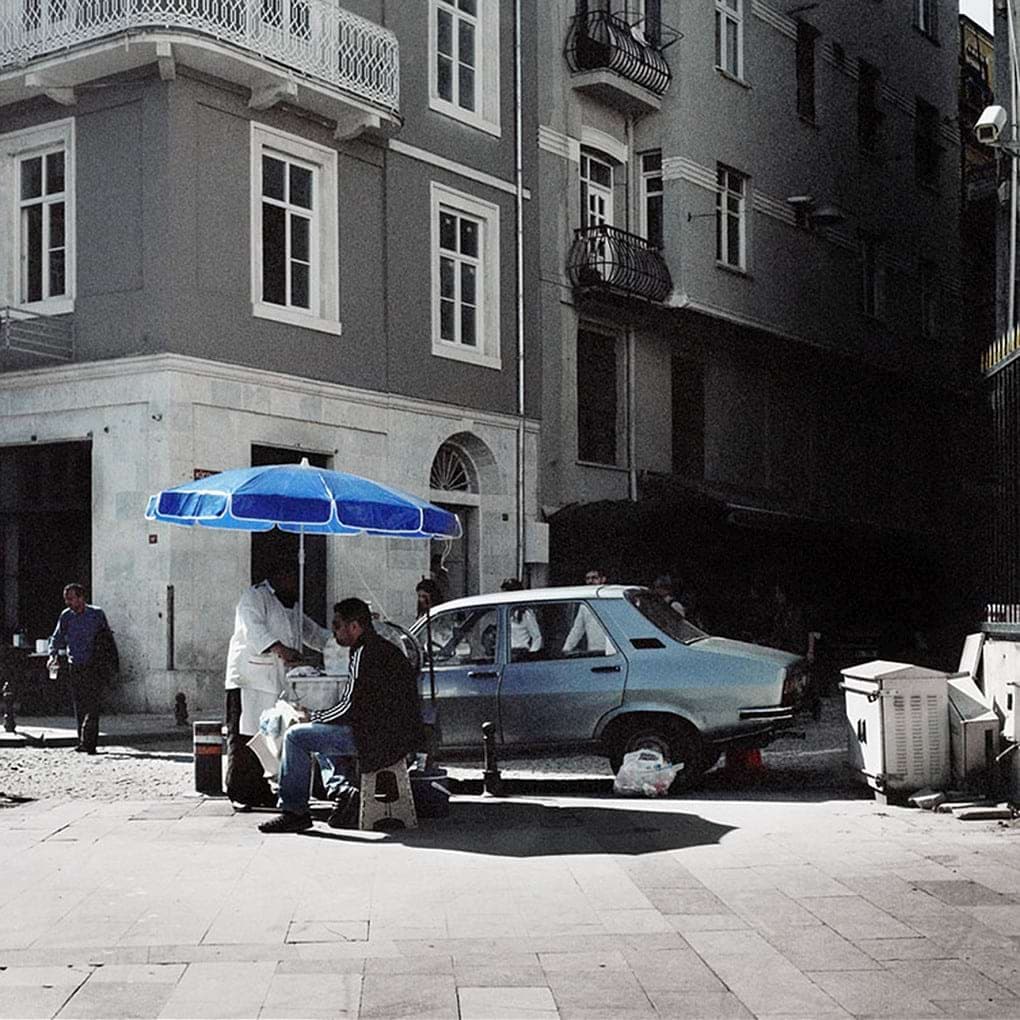
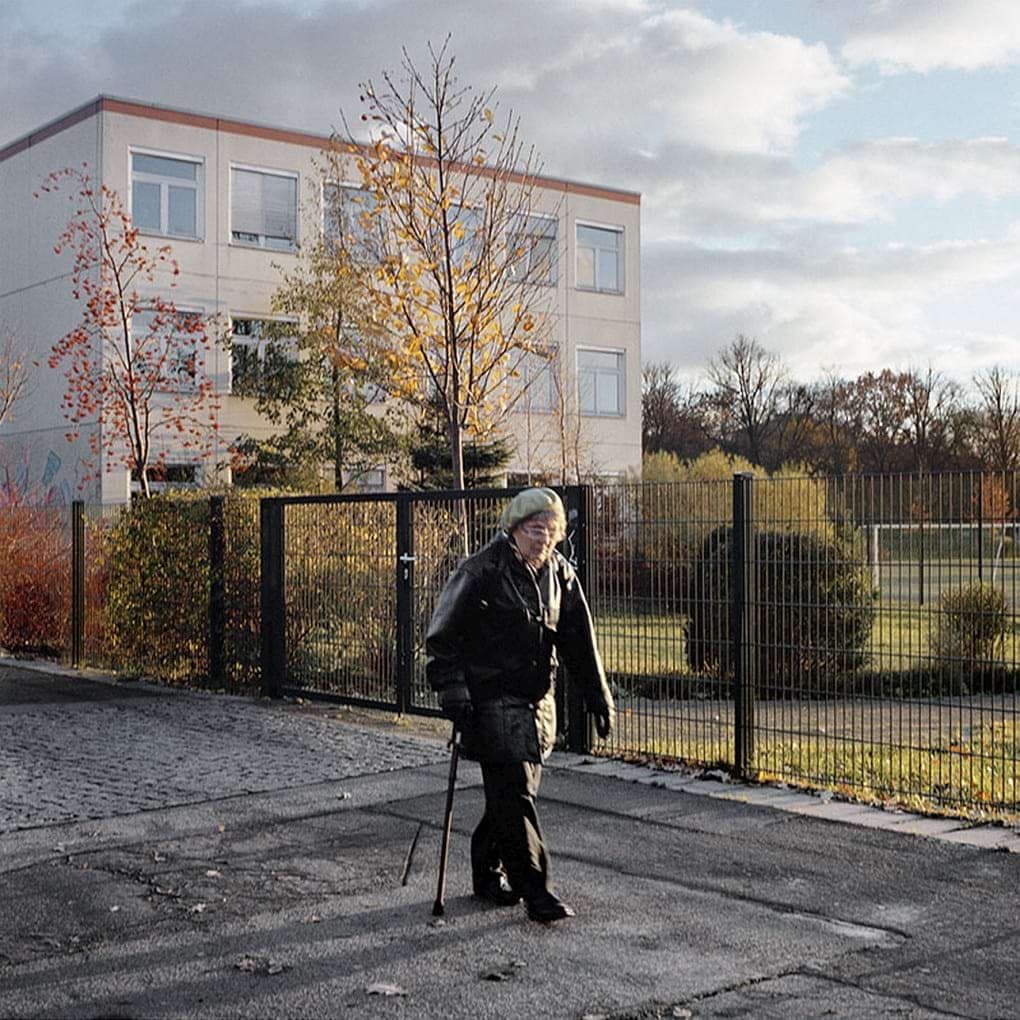
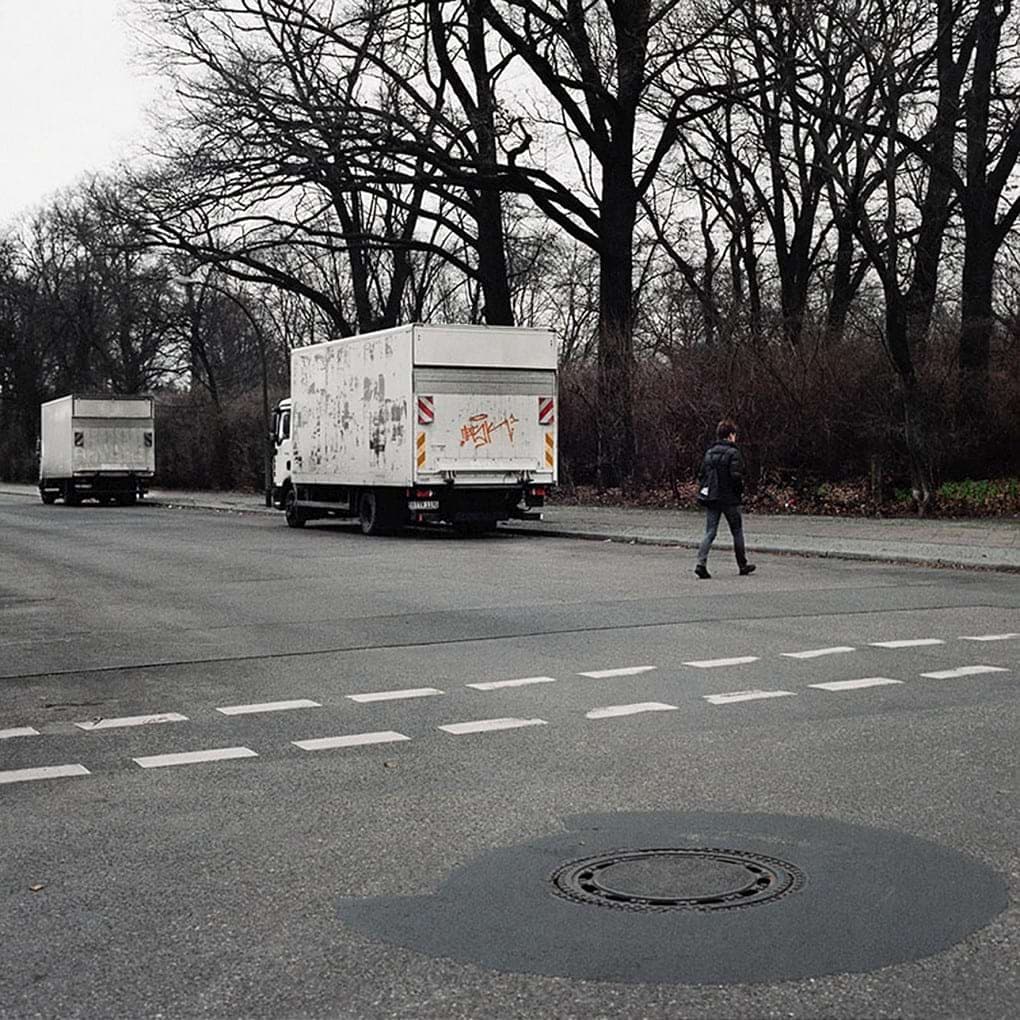
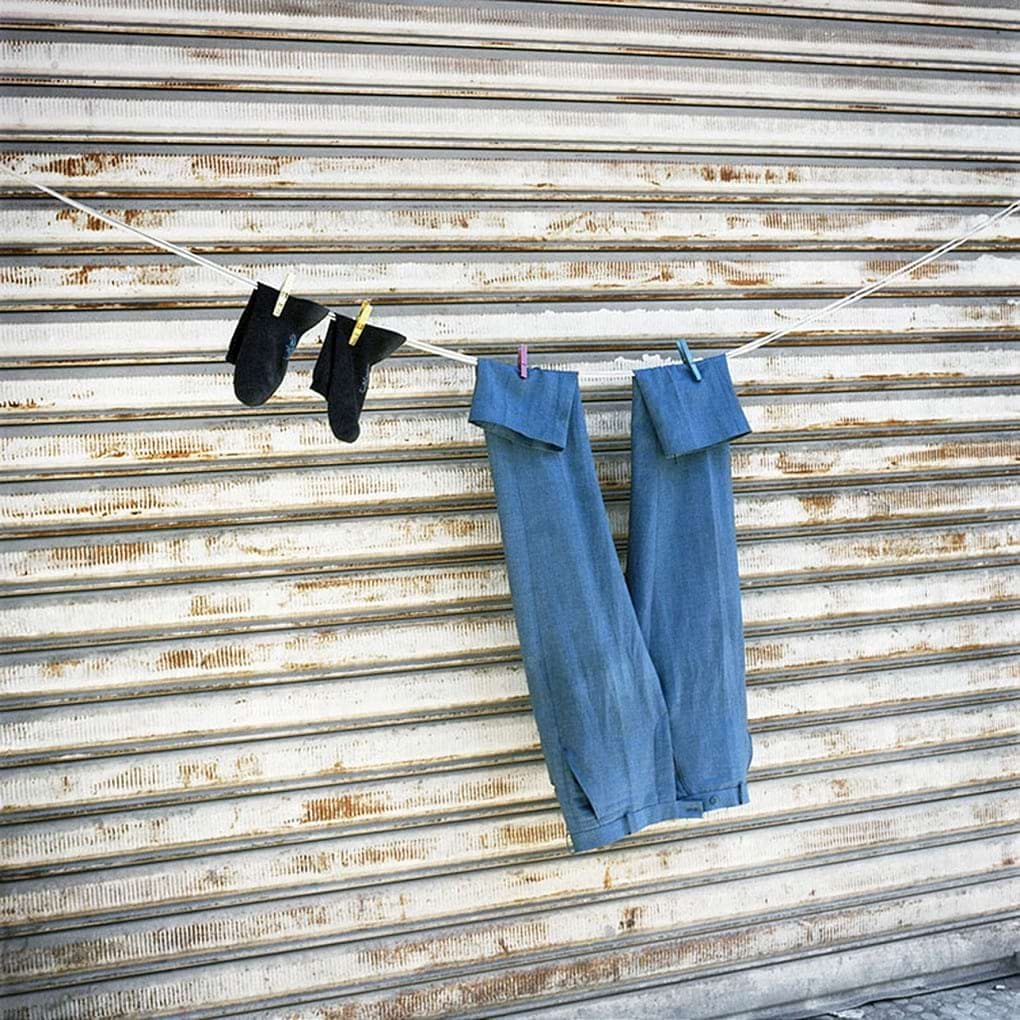
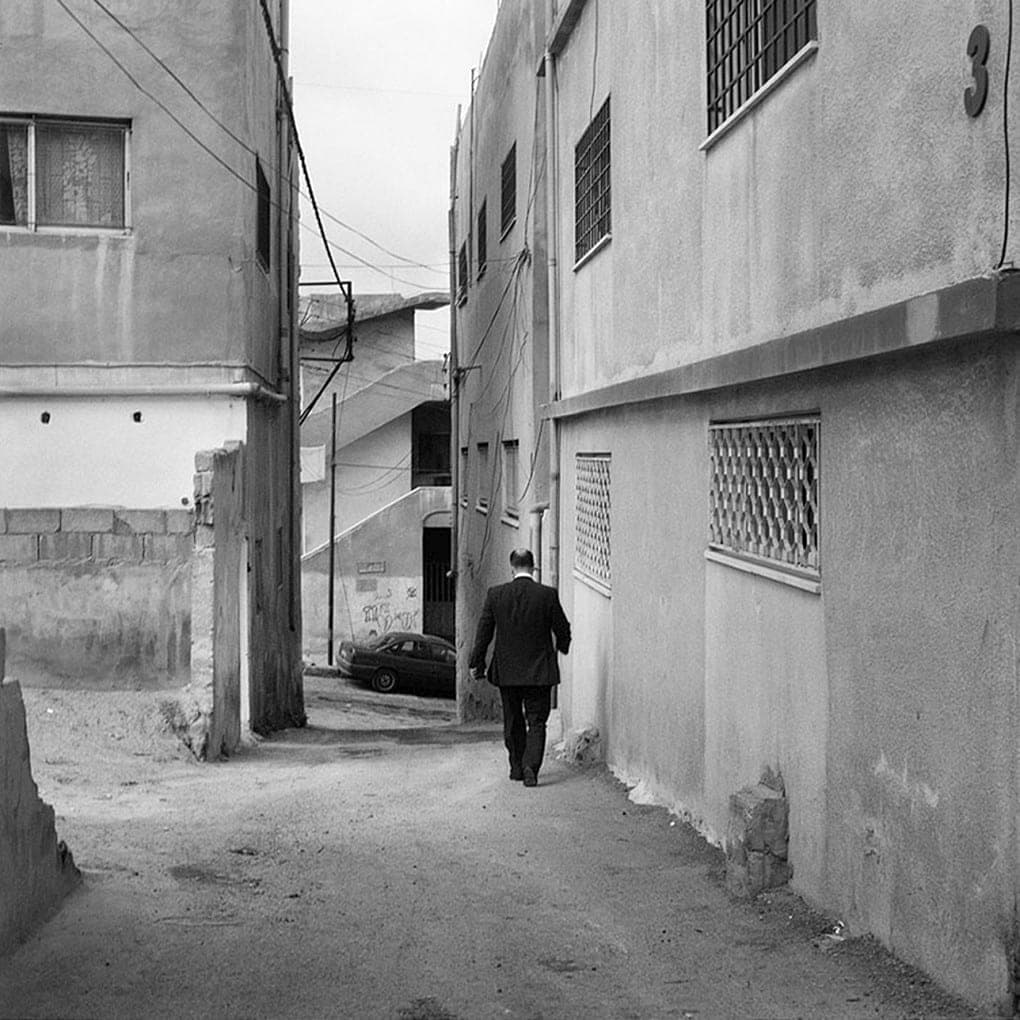
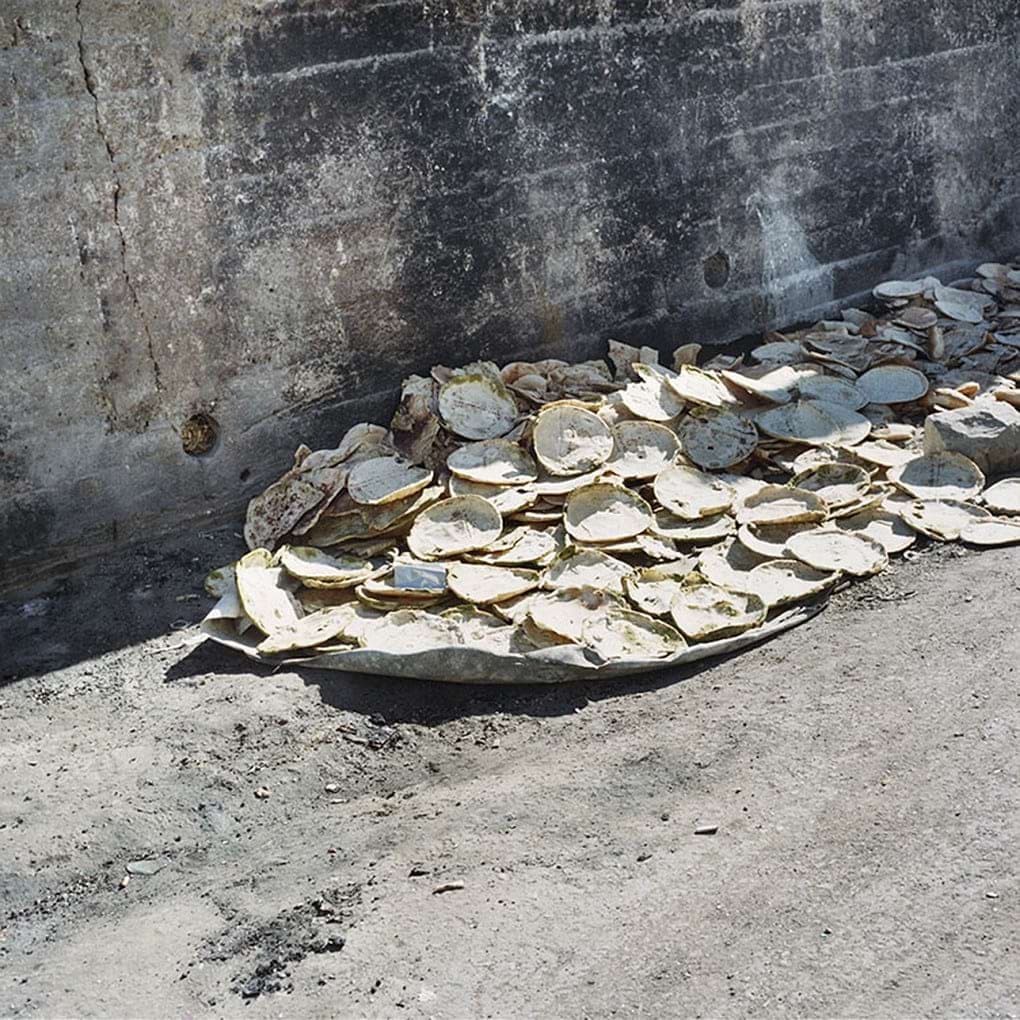
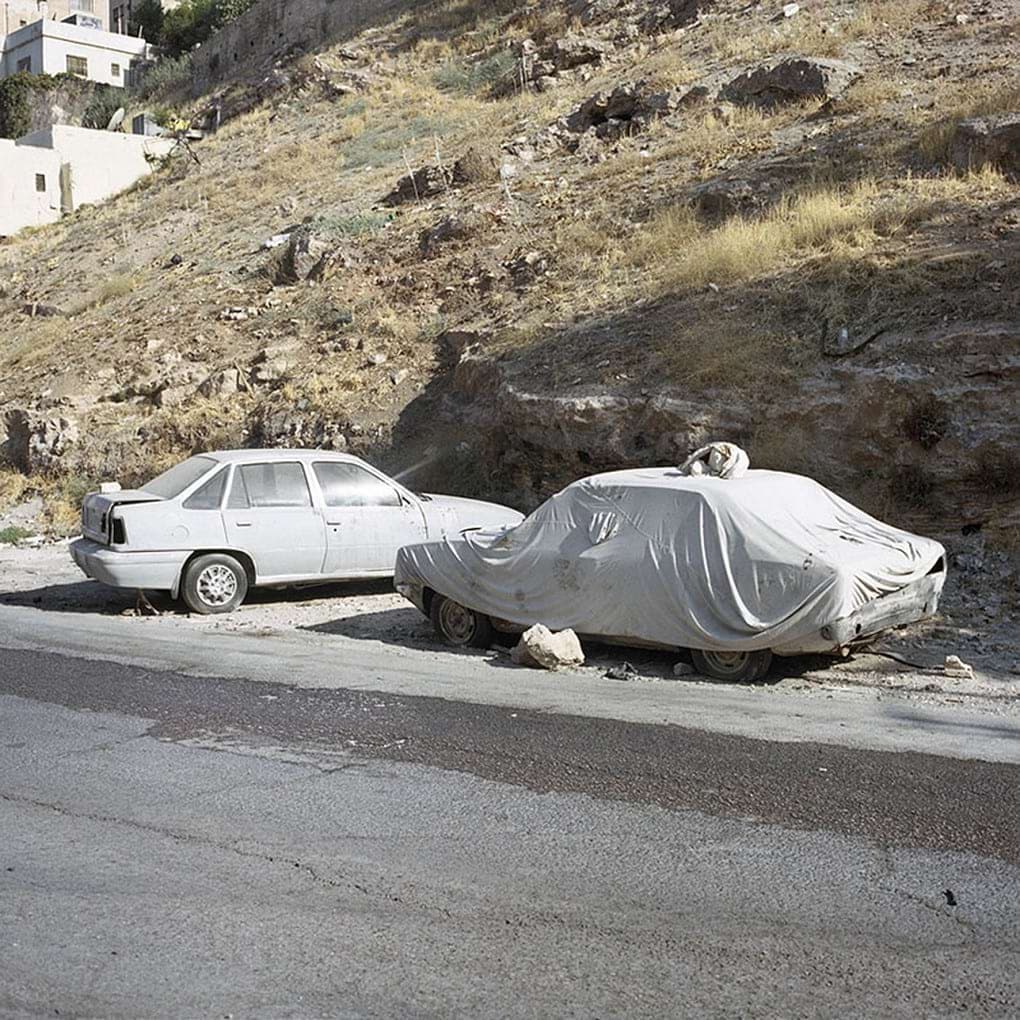
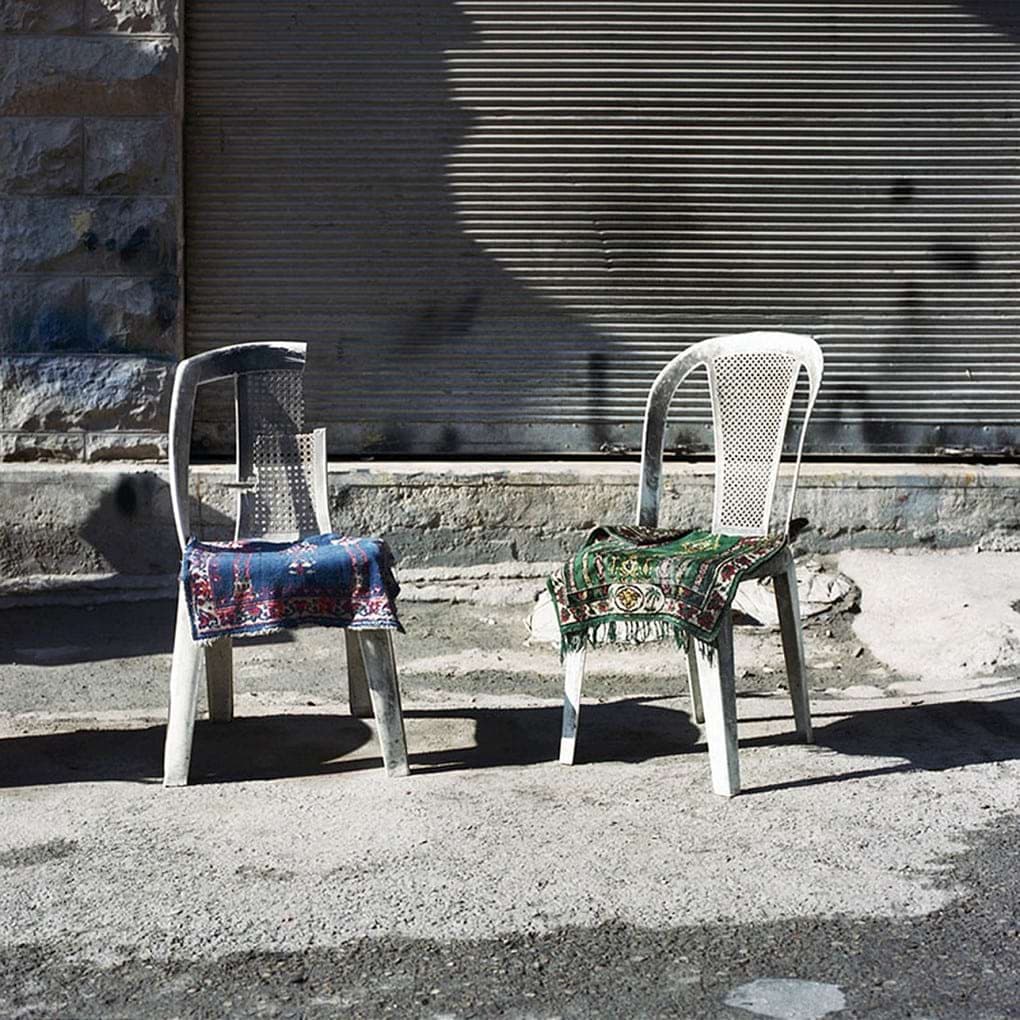
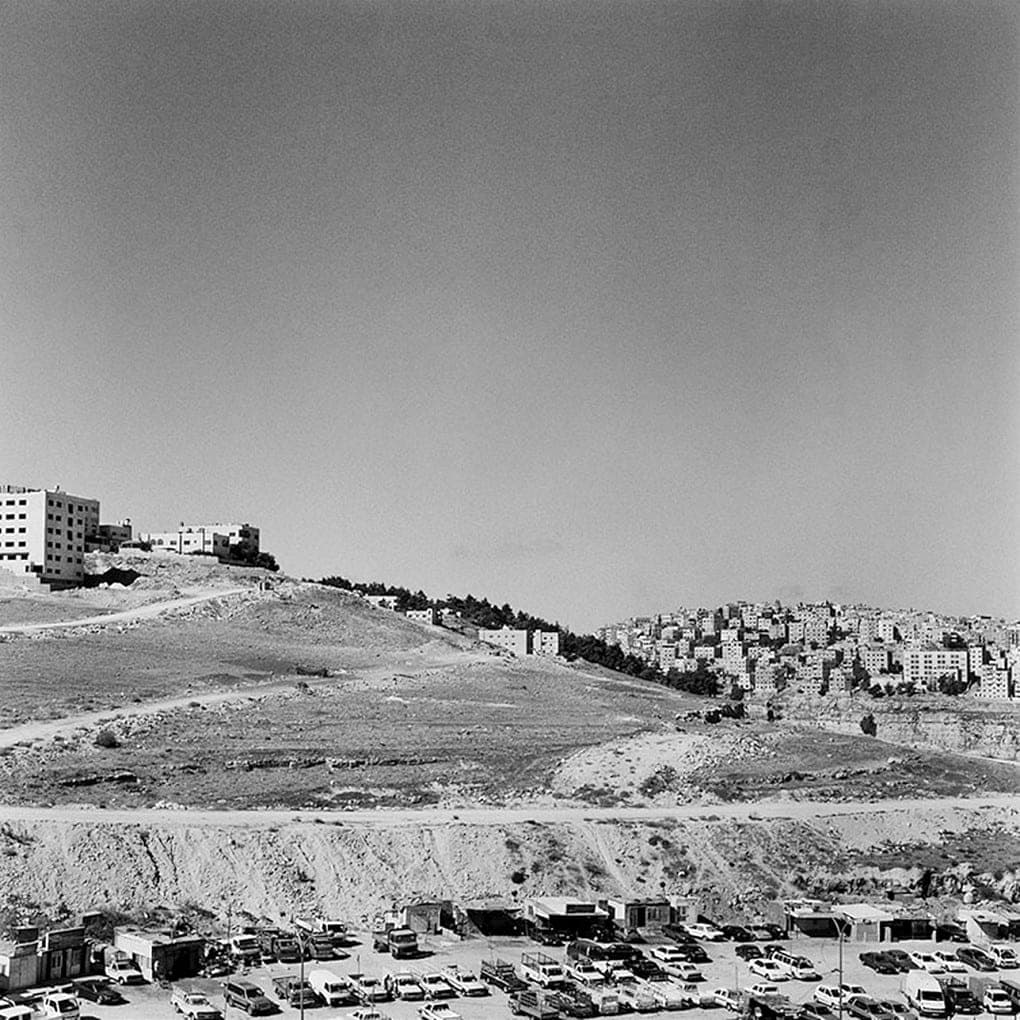
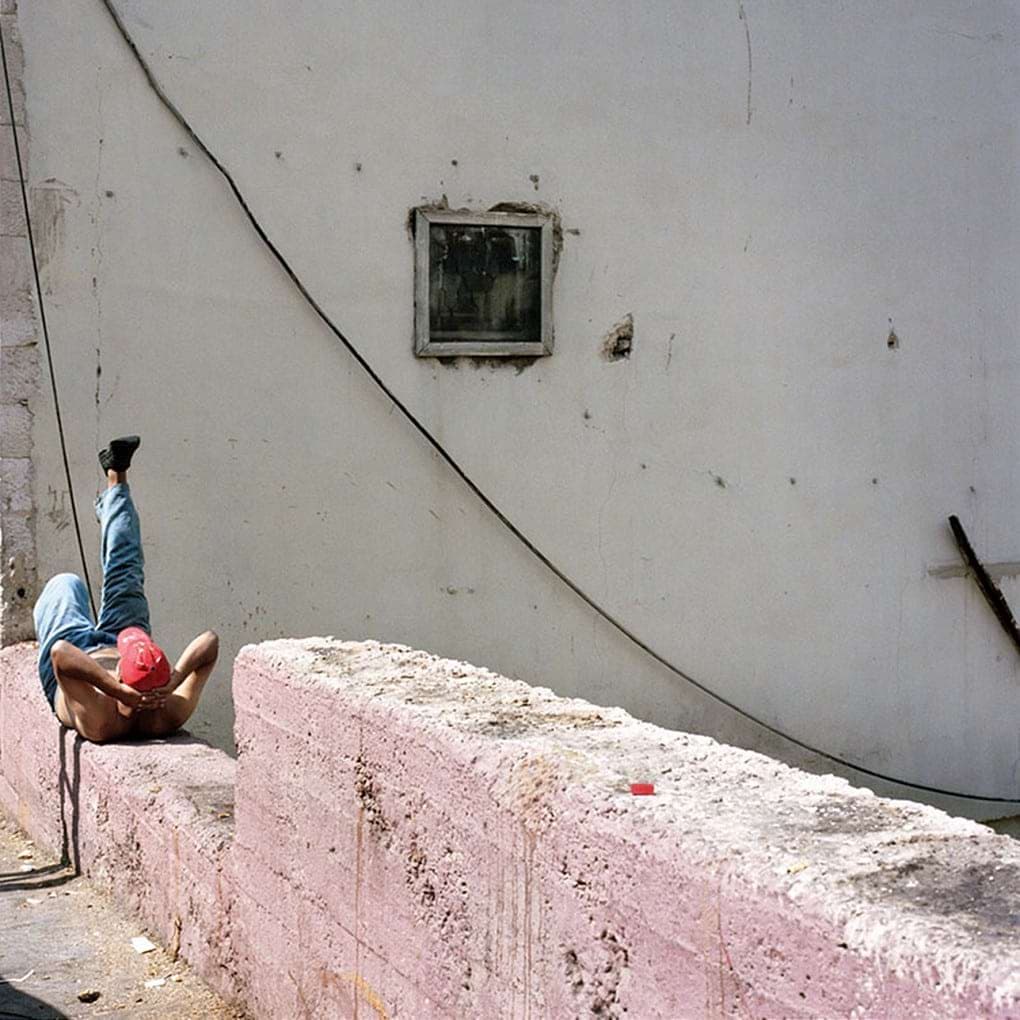
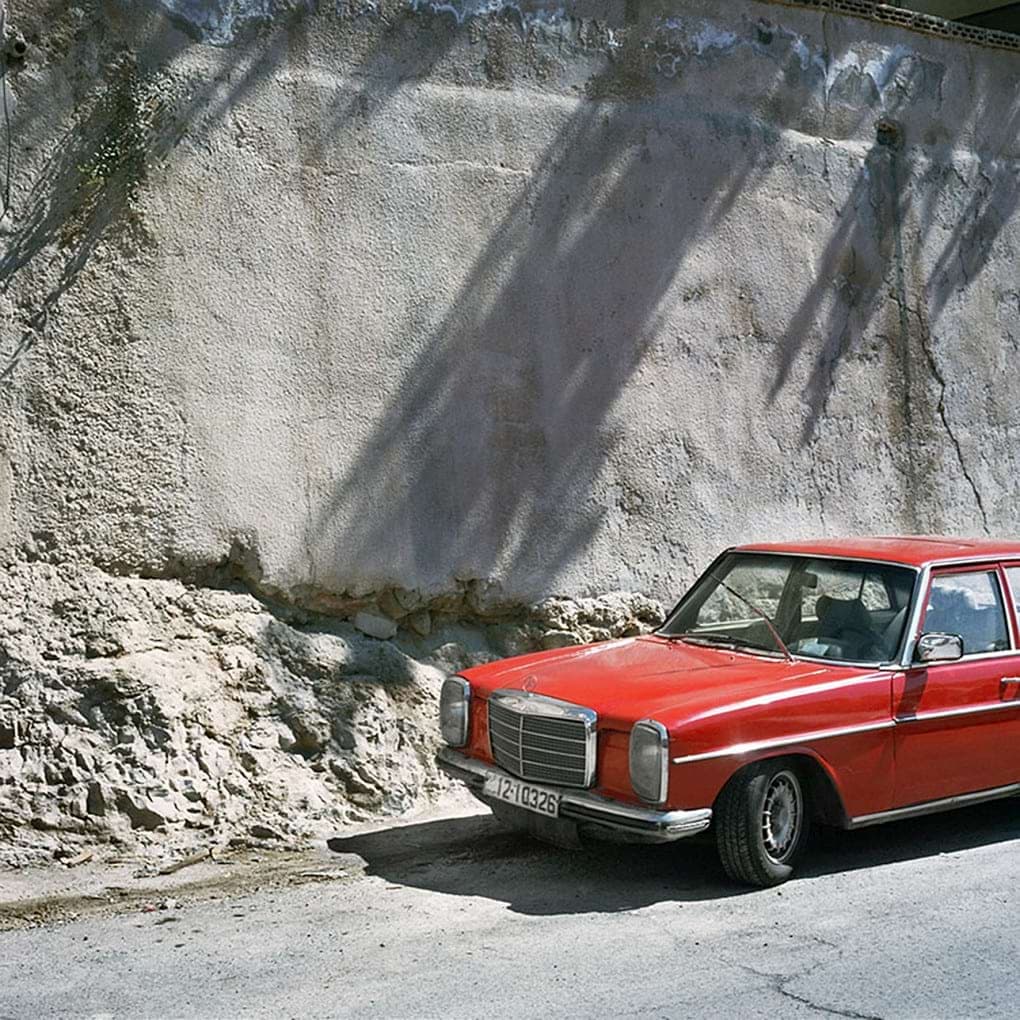
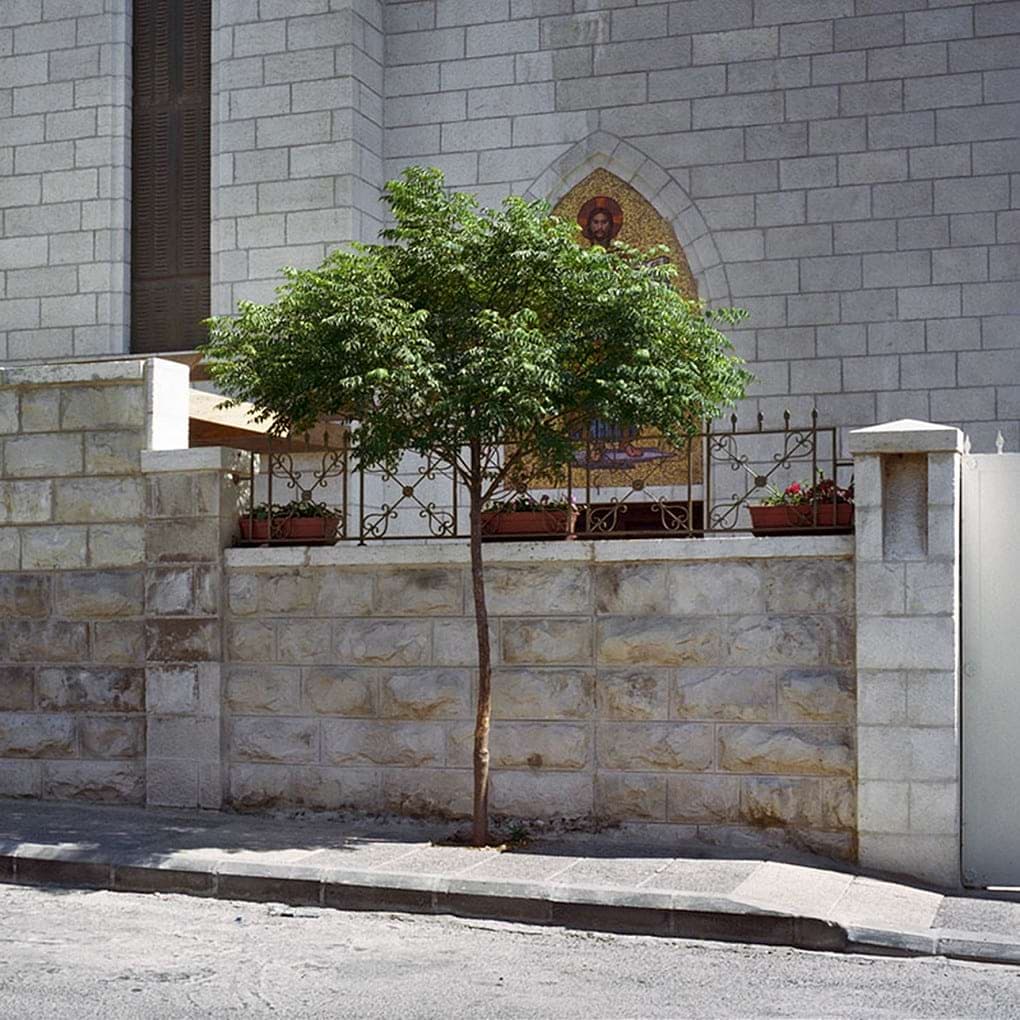
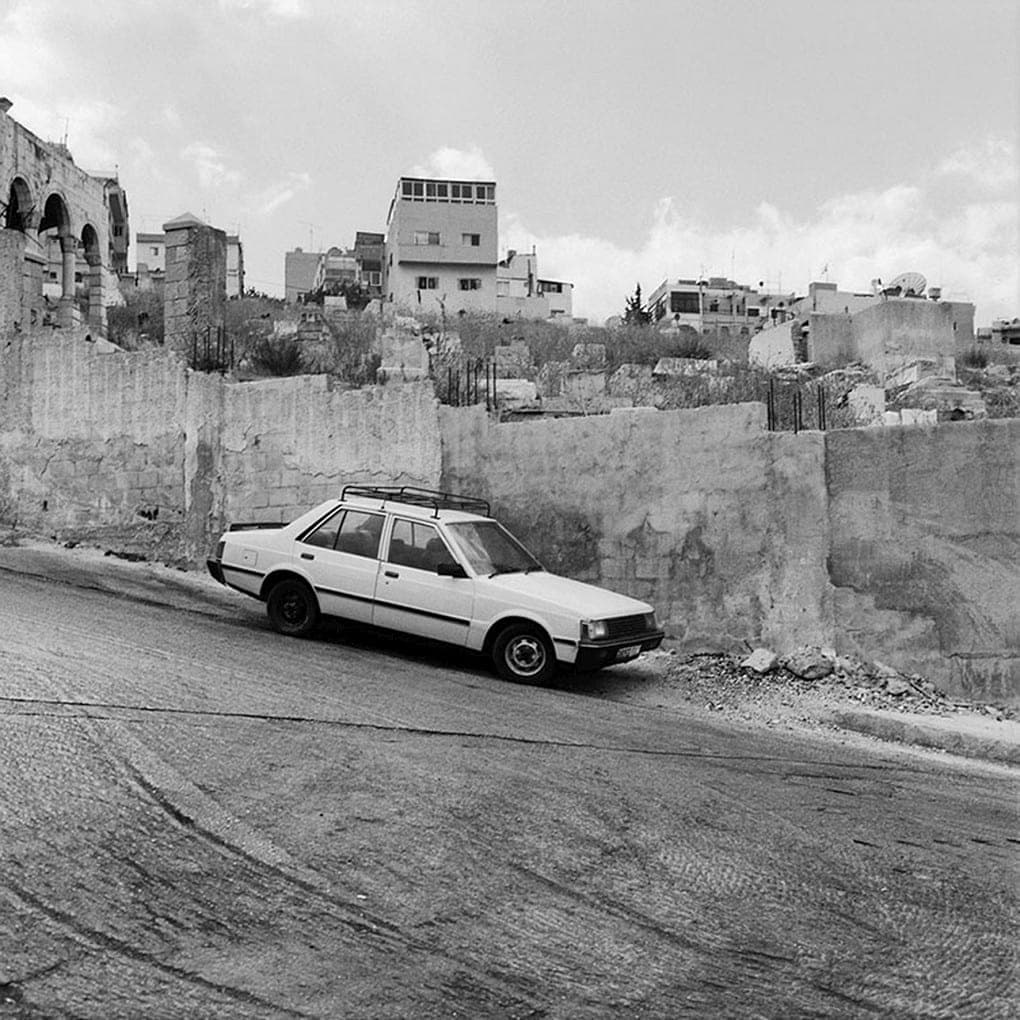
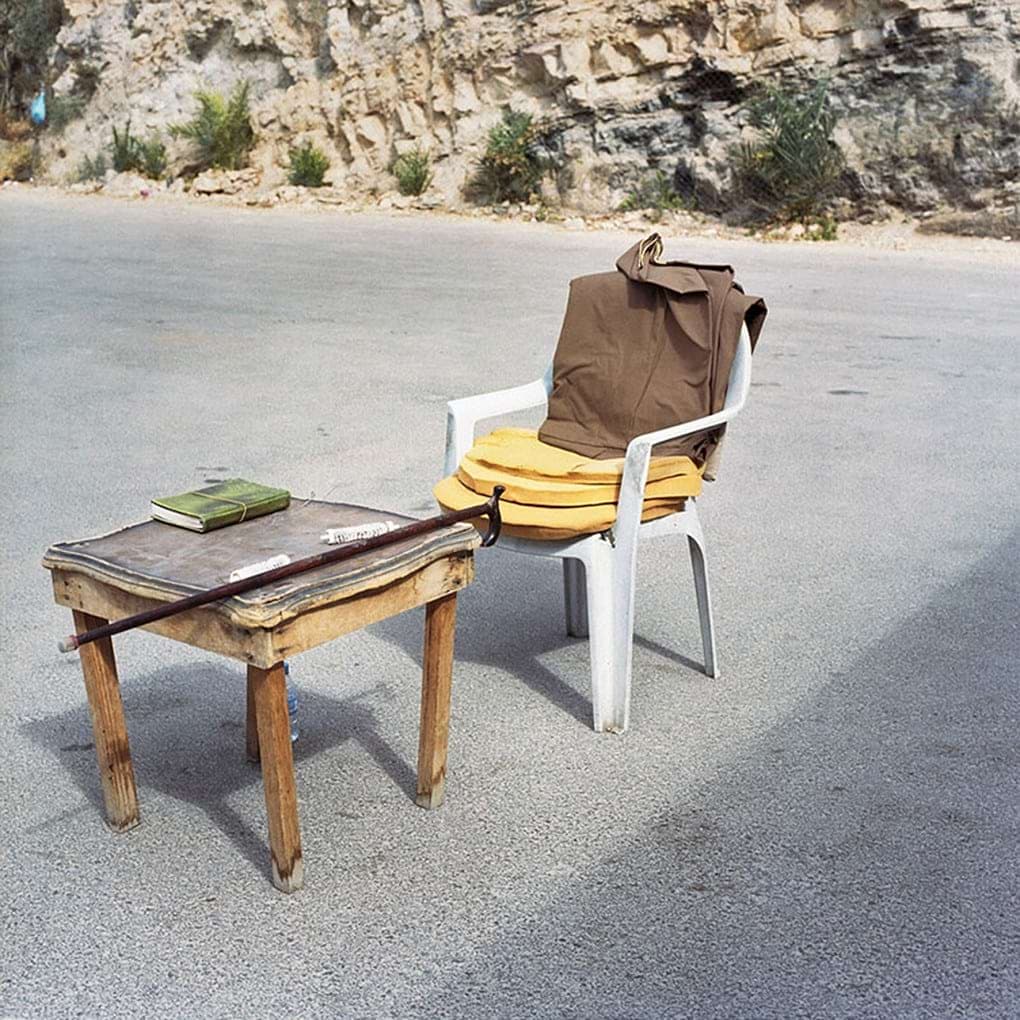
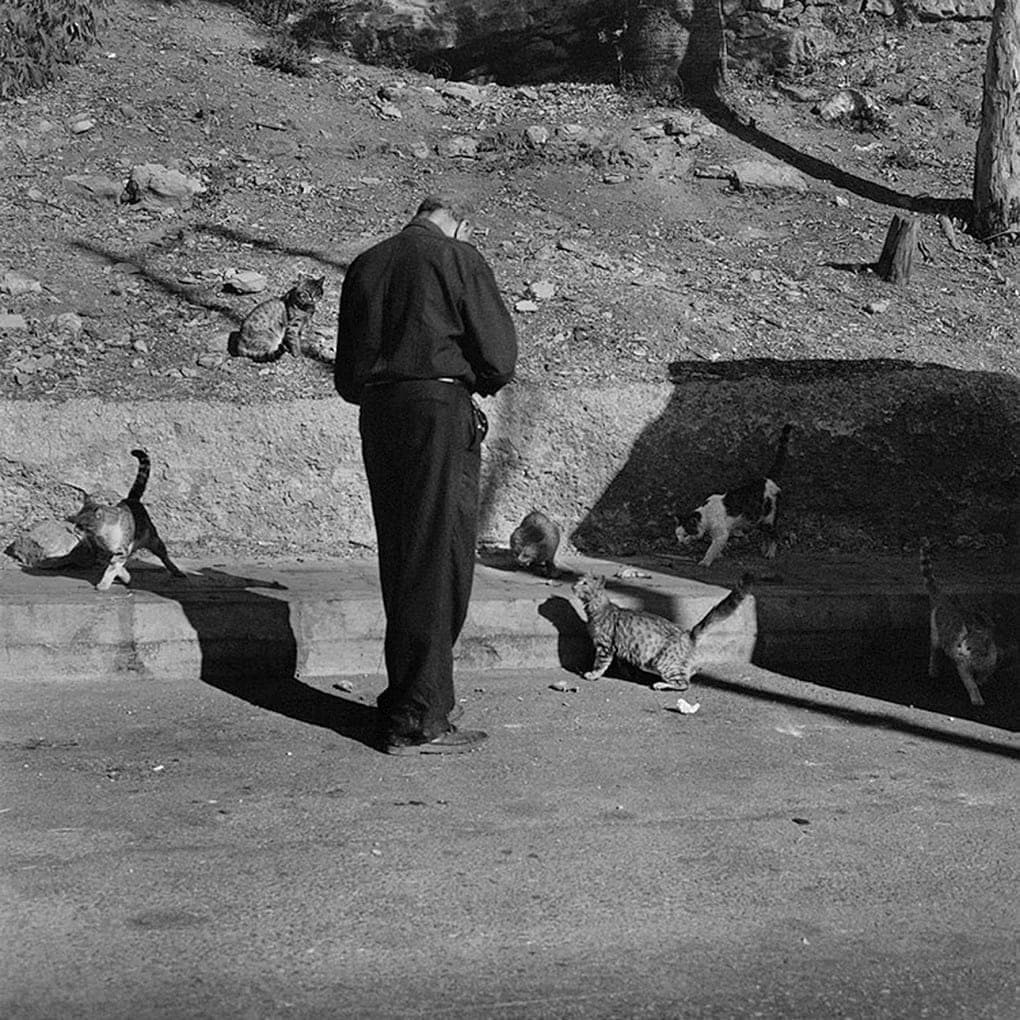
Running Amman was photographed in a city built around an old Palestinian refugee camp, which for Sekgala, “defines the idea of running… I was interested in the calmness, and the stillness of the place. I photographed these images during the period when America was still threatening to attack Syria, in my mind I was thinking if that could happen while I was in Jordan ‘will I have a place to run to’… In my work I am fascinated by conditions that define people’s home, that could be personal or political or economic.” Within the series Sekgala focusses on parked cars, influenced by Walid Raad’s series on car bombings during the Lebanese Civil war. These, as well as images of quiet streets, void landscapes and lone pedestrians may suggest the calm before a storm, or nothing at all.
Running Amman was photographed in a city built around an old Palestinian refugee camp, which for Sekgala, “defines the idea of running… I was interested in the calmness, and the stillness of the place. I photographed these images during the period when America was still threatening to attack Syria, in my mind I was thinking if that could happen while I was in Jordan ‘will I have a place to run to’… In my work I am fascinated by conditions that define people’s home, that could be personal or political or economic.” Within the series Sekgala focusses on parked cars, influenced by Walid Raad’s series on car bombings during the Lebanese Civil war. These, as well as images of quiet streets, void landscapes and lone pedestrians may suggest the calm before a storm, or nothing at all.
Running Amman was photographed in a city built around an old Palestinian refugee camp, which for Sekgala, “defines the idea of running… I was interested in the calmness, and the stillness of the place. I photographed these images during the period when America was still threatening to attack Syria, in my mind I was thinking if that could happen while I was in Jordan ‘will I have a place to run to’… In my work I am fascinated by conditions that define people’s home, that could be personal or political or economic.” Within the series Sekgala focusses on parked cars, influenced by Walid Raad’s series on car bombings during the Lebanese Civil war. These, as well as images of quiet streets, void landscapes and lone pedestrians may suggest the calm before a storm, or nothing at all.
Running Amman was photographed in a city built around an old Palestinian refugee camp, which for Sekgala, “defines the idea of running… I was interested in the calmness, and the stillness of the place. I photographed these images during the period when America was still threatening to attack Syria, in my mind I was thinking if that could happen while I was in Jordan ‘will I have a place to run to’… In my work I am fascinated by conditions that define people’s home, that could be personal or political or economic.” Within the series Sekgala focusses on parked cars, influenced by Walid Raad’s series on car bombings during the Lebanese Civil war. These, as well as images of quiet streets, void landscapes and lone pedestrians may suggest the calm before a storm, or nothing at all.
Running Amman was photographed in a city built around an old Palestinian refugee camp, which for Sekgala, “defines the idea of running… I was interested in the calmness, and the stillness of the place. I photographed these images during the period when America was still threatening to attack Syria, in my mind I was thinking if that could happen while I was in Jordan ‘will I have a place to run to’… In my work I am fascinated by conditions that define people’s home, that could be personal or political or economic.” Within the series Sekgala focusses on parked cars, influenced by Walid Raad’s series on car bombings during the Lebanese Civil war. These, as well as images of quiet streets, void landscapes and lone pedestrians may suggest the calm before a storm, or nothing at all.
Running Amman was photographed in a city built around an old Palestinian refugee camp, which for Sekgala, “defines the idea of running… I was interested in the calmness, and the stillness of the place. I photographed these images during the period when America was still threatening to attack Syria, in my mind I was thinking if that could happen while I was in Jordan ‘will I have a place to run to’… In my work I am fascinated by conditions that define people’s home, that could be personal or political or economic.” Within the series Sekgala focusses on parked cars, influenced by Walid Raad’s series on car bombings during the Lebanese Civil war. These, as well as images of quiet streets, void landscapes and lone pedestrians may suggest the calm before a storm, or nothing at all.
Running Amman was photographed in a city built around an old Palestinian refugee camp, which for Sekgala, “defines the idea of running… I was interested in the calmness, and the stillness of the place. I photographed these images during the period when America was still threatening to attack Syria, in my mind I was thinking if that could happen while I was in Jordan ‘will I have a place to run to’… In my work I am fascinated by conditions that define people’s home, that could be personal or political or economic.” Within the series Sekgala focusses on parked cars, influenced by Walid Raad’s series on car bombings during the Lebanese Civil war. These, as well as images of quiet streets, void landscapes and lone pedestrians may suggest the calm before a storm, or nothing at all.
Running Amman was photographed in a city built around an old Palestinian refugee camp, which for Sekgala, “defines the idea of running… I was interested in the calmness, and the stillness of the place. I photographed these images during the period when America was still threatening to attack Syria, in my mind I was thinking if that could happen while I was in Jordan ‘will I have a place to run to’… In my work I am fascinated by conditions that define people’s home, that could be personal or political or economic.” Within the series Sekgala focusses on parked cars, influenced by Walid Raad’s series on car bombings during the Lebanese Civil war. These, as well as images of quiet streets, void landscapes and lone pedestrians may suggest the calm before a storm, or nothing at all.
Running Amman was photographed in a city built around an old Palestinian refugee camp, which for Sekgala, “defines the idea of running… I was interested in the calmness, and the stillness of the place. I photographed these images during the period when America was still threatening to attack Syria, in my mind I was thinking if that could happen while I was in Jordan ‘will I have a place to run to’… In my work I am fascinated by conditions that define people’s home, that could be personal or political or economic.” Within the series Sekgala focusses on parked cars, influenced by Walid Raad’s series on car bombings during the Lebanese Civil war. These, as well as images of quiet streets, void landscapes and lone pedestrians may suggest the calm before a storm, or nothing at all.
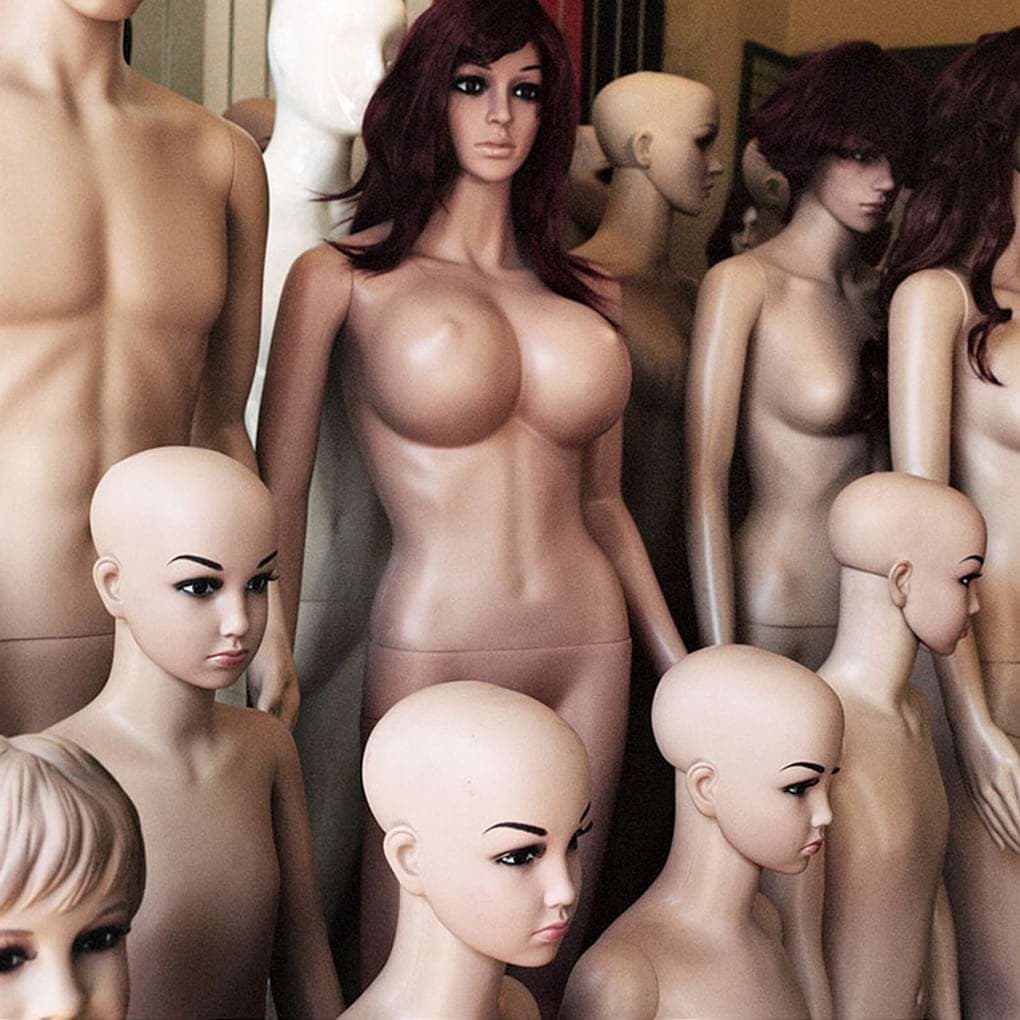
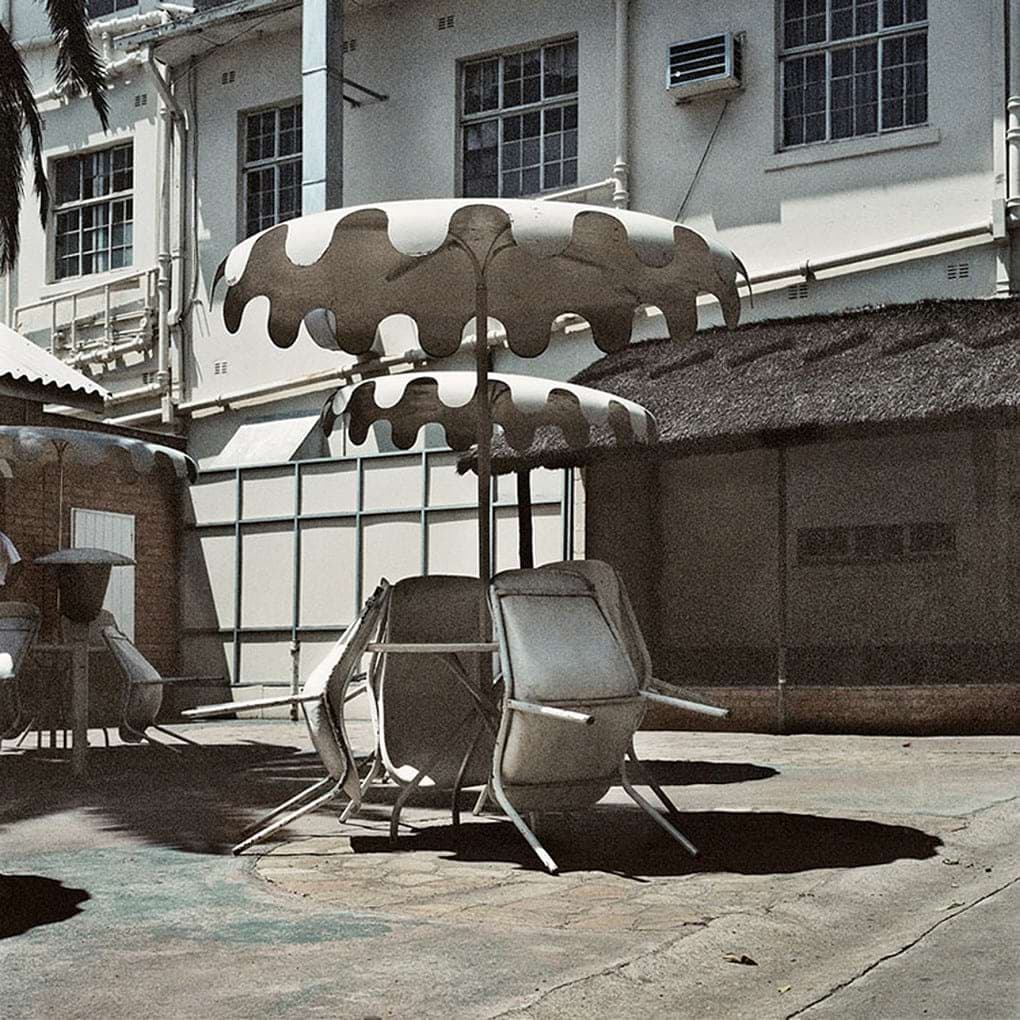
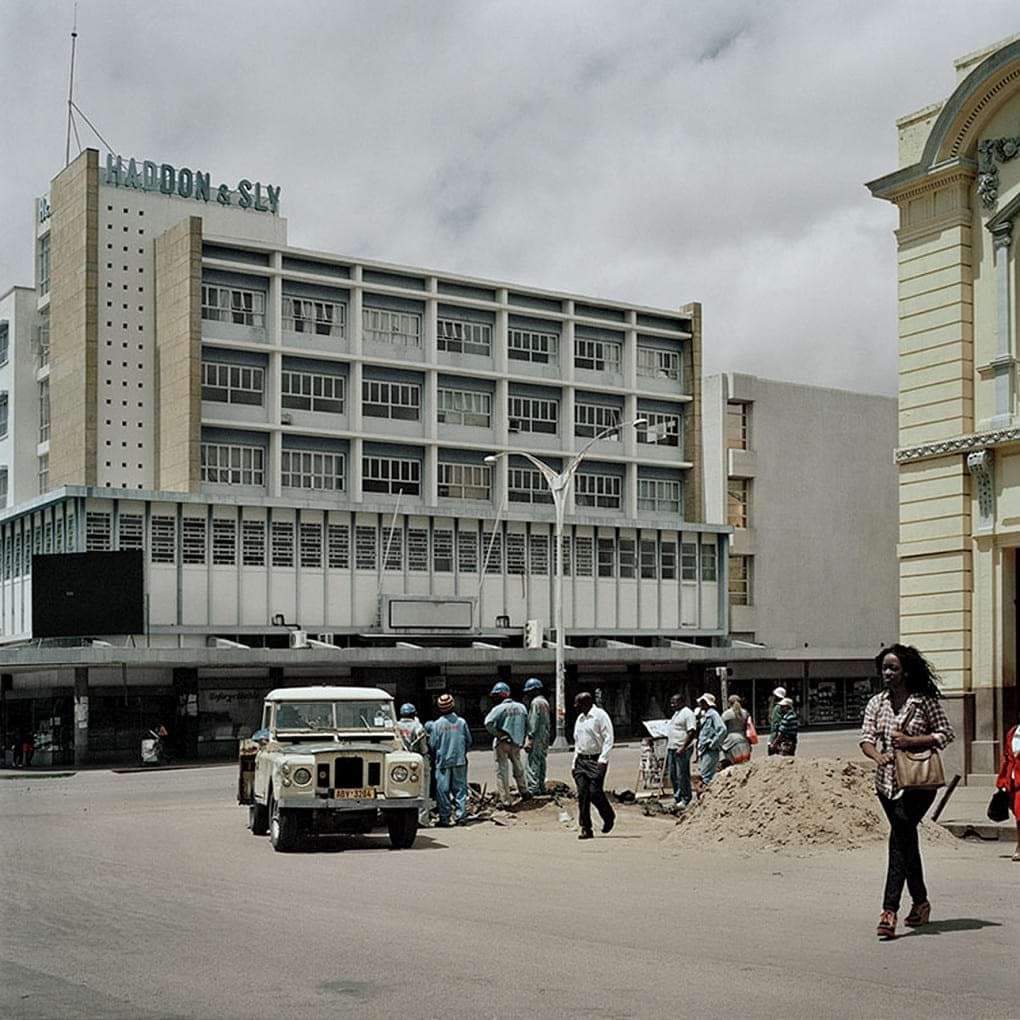
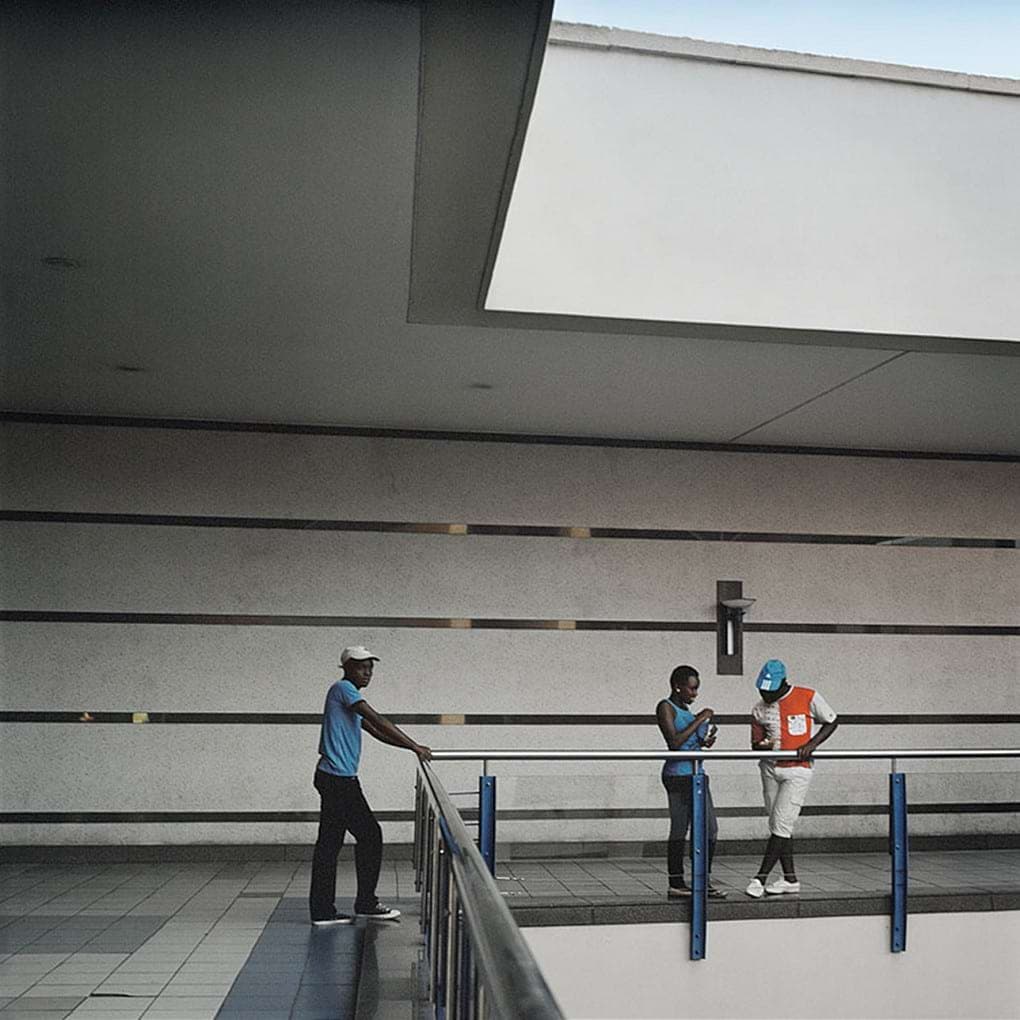
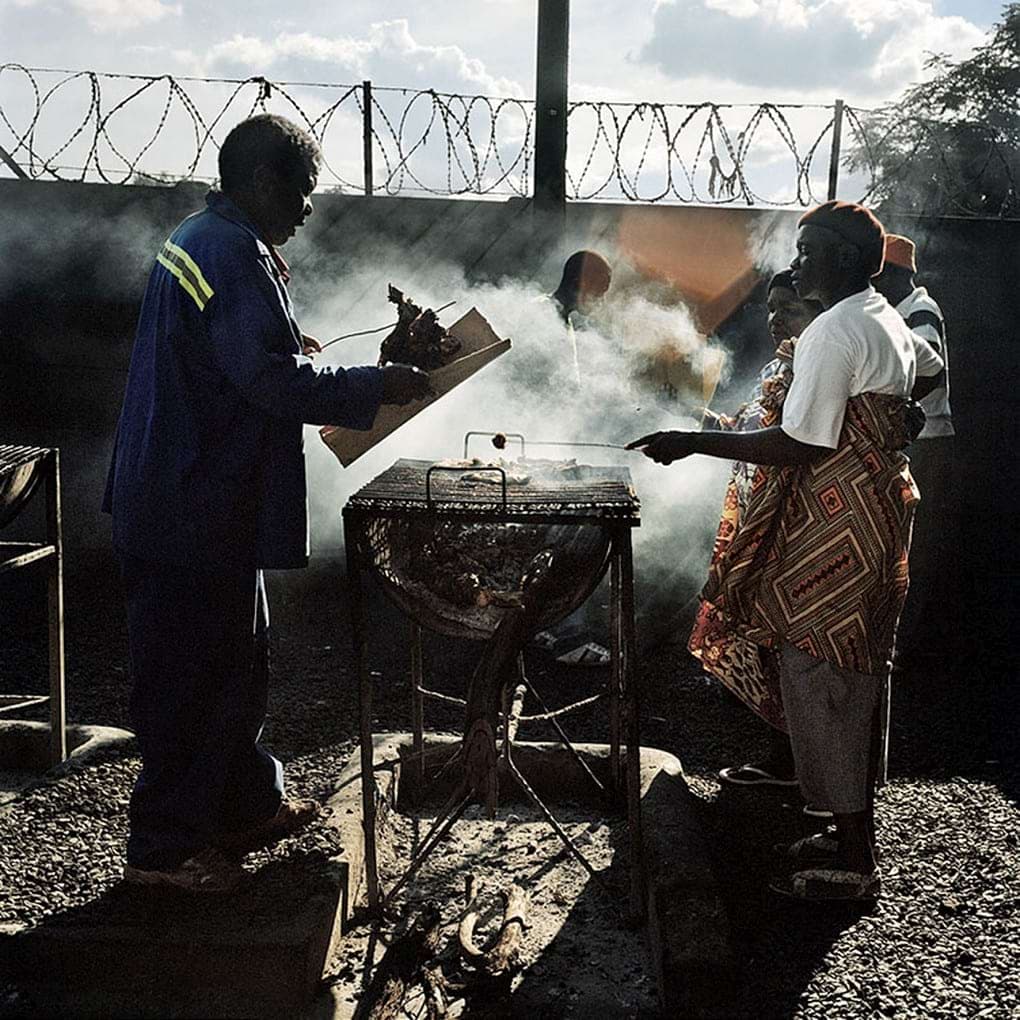
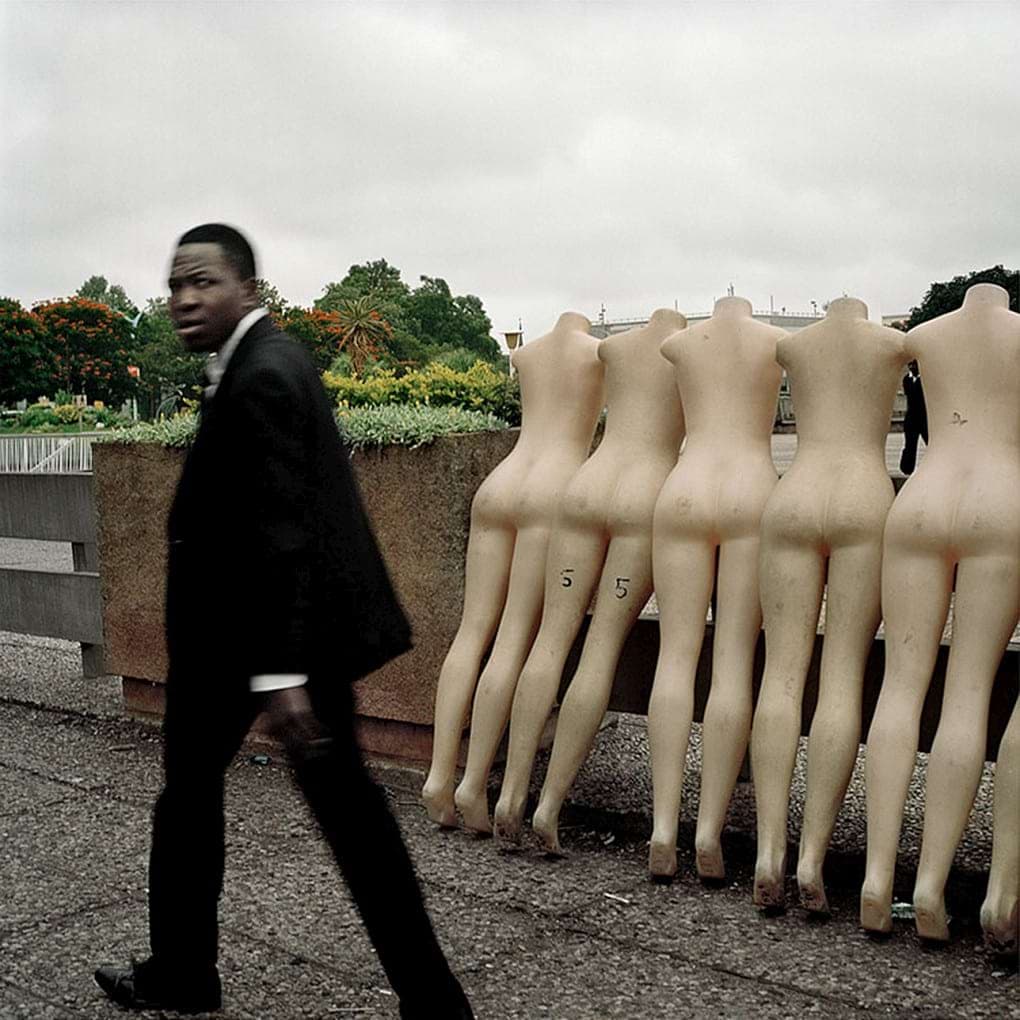
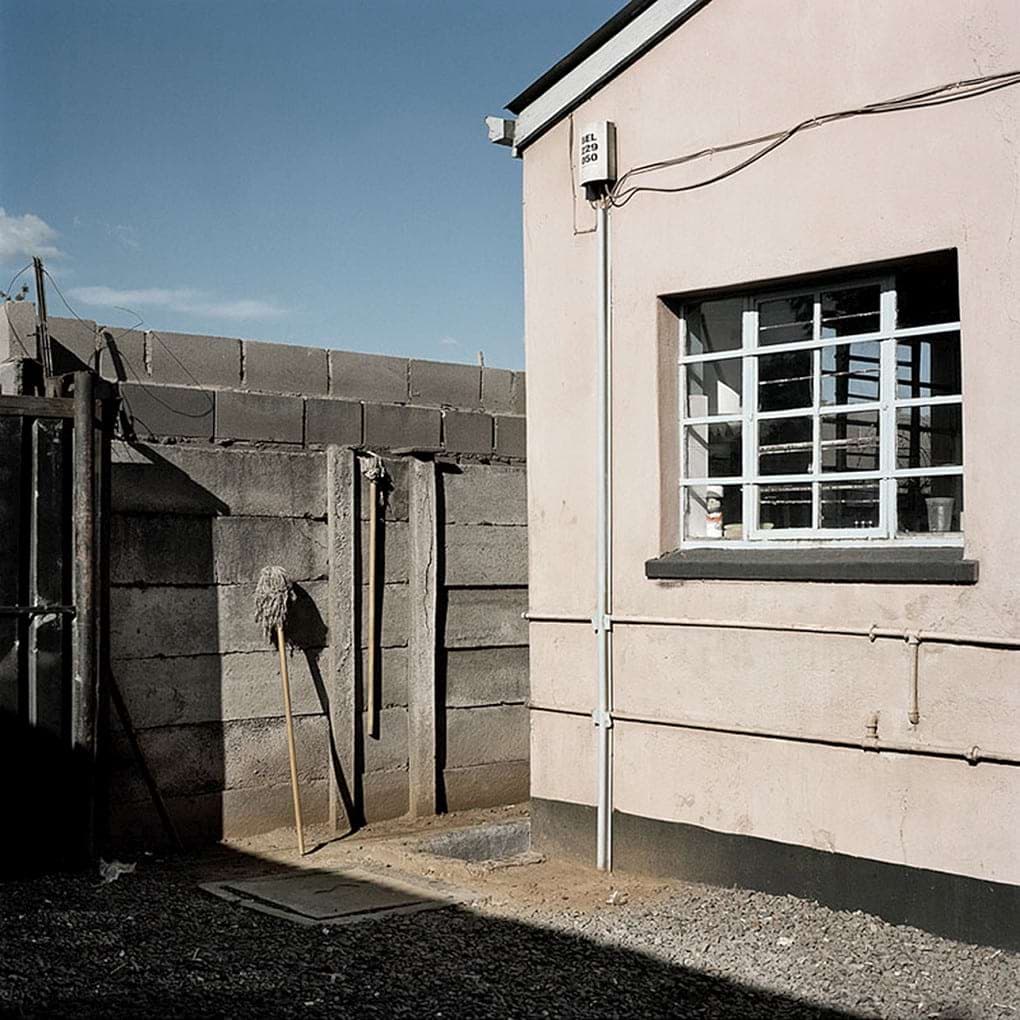
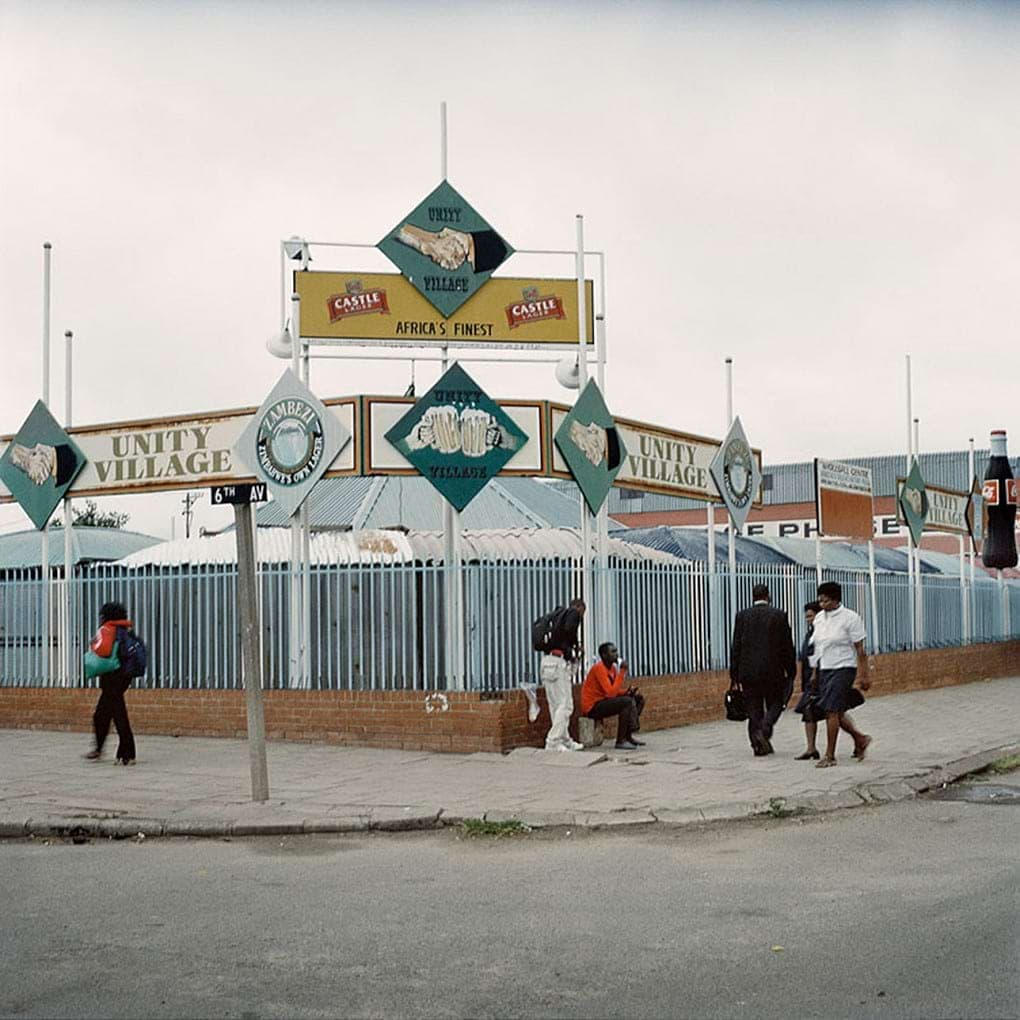
Running Bulawayo, looks at the shared history between Zimbabwe and South Africa, and the strange relationship the two countries currently share. Bulawayo was founded by the people led by Zulu Chief Mzilikazi, who left Zululand in the early 19th Century and settled in what came to be known as Matebeleland. Two centuries later, there is an inversion of migration, with millions of Zimbabweans fleeing to South Africa. “The town has become what I would call a ghost town,” explains Sekgala, “because most Zimbabweans live between Bulawayo and Johannesburg. There are over 4 million Zimbabweans living in South Africa.” In a series of images that depict dusty streets, seemingly abandoned mannequins, solemn backyards and dreary shopping centre interiors, Sekgala intimates a forgotten place.