Mikhael SubotzkyShow 'n Tell
Show ‘n Tell at Goodman Gallery Cape Town presents a number of new works by Mikhael Subotzky, alongside a work that he made over ten years ago. At the heart of the exhibition is the psychological disparity between what it means to “show” something, and what is implied in “telling” about it. This subject has been central to Subotzky’s work, to varying degrees, since graduating from The University of Cape Town in 2004.
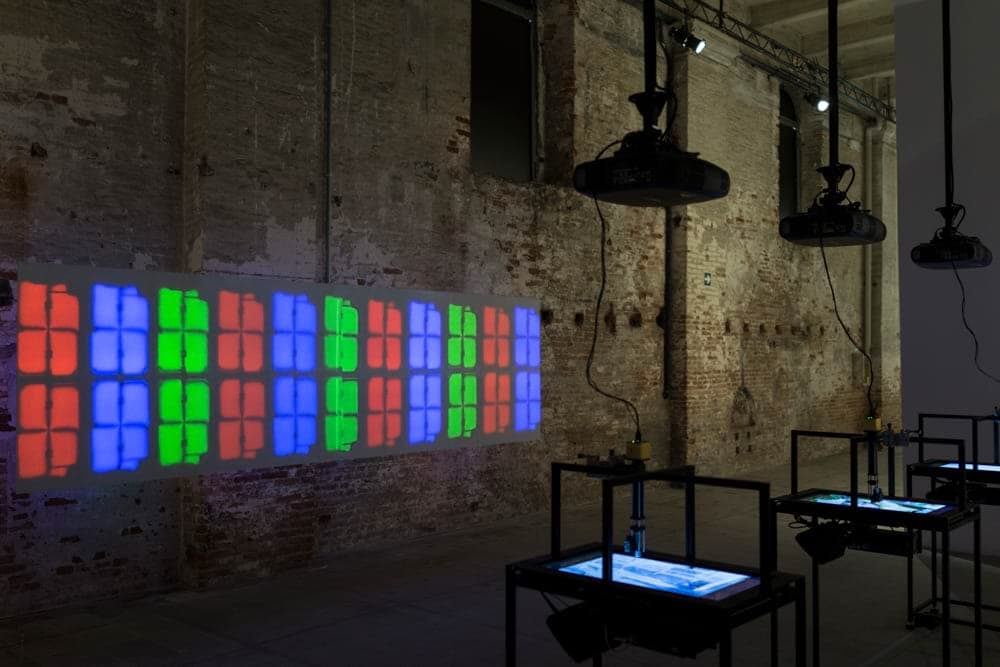
Pixel Interface (2013) forms the centre-piece of Show ‘n Tell. This large-scale video installation was first realised at the Musée MAC/VAL after Subotzky spent the summer on residency at the Paris museum. “Pixel Interface magnifies and combines a single line of pixels from three video plinths,” explains Subotzky.


The first video plinth plays documentation of the famous 1967 Hubel and Wiesel experiment, which detected the firing of an individual neuron in the retina of a cat. It presents the abstract lines and shapes that were shown to the cat in proving that the neuron responds to the orientation of movement, fundamentally changing our understanding of the mechanics of vision. The second video plinth plays an animation that I downloaded from the Internet and adapted by adding censoring white lines, which accumulate as the video plays, covering the various instruments of violence in the video. The third video plinth plays an adapted version of an earlier work titled _Don’t even think of it_ (2012). I have also censored this stop-motion video by covering the eyes of every person in it, and letting these white lines accumulate to the point of abstracting the video.
The microscope on top of each video plinth feeds directly into a digital microscope camera, and in turn into an HD projector. The three projectors throw the three magnified video feeds onto a projection screen. A 33% overlap on each projection allows some of the magnified RGB pixels to mix new colours which constantly change and flicker in real-time as the videos on the plinths play.


Pixel Interface is in part a tribute and update to Paul Sharits’ seminal work Shutter Interface (1975). As Shutter Interface did with the mechanics of film projection, Pixel Interface attempts to represent the base particles and motion of digital video. In so doing, it also seeks to define both a counterpoint and a contradiction between the realms of abstraction and representational violence.”
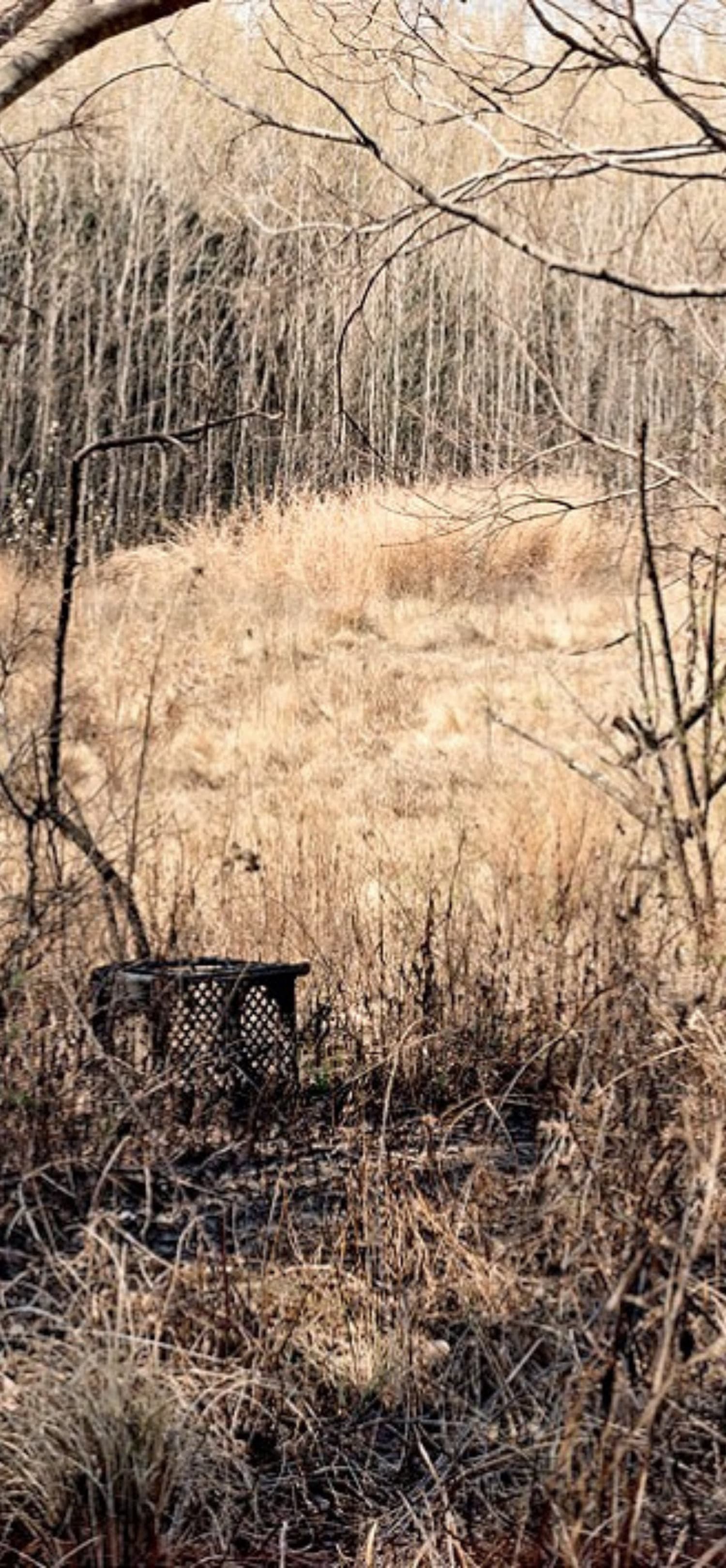
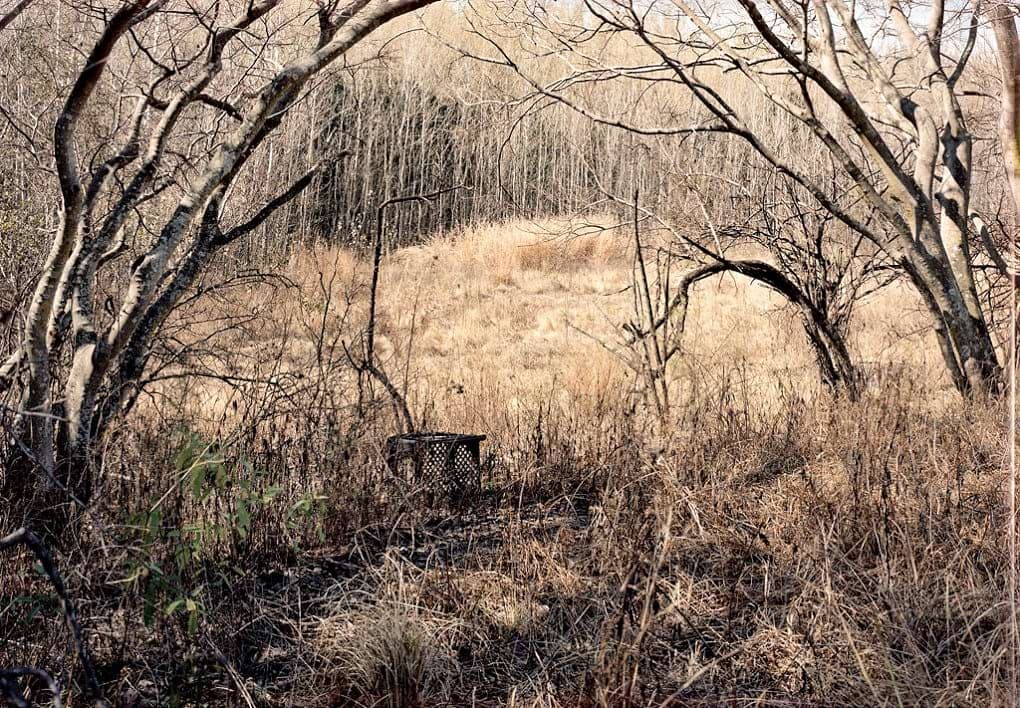
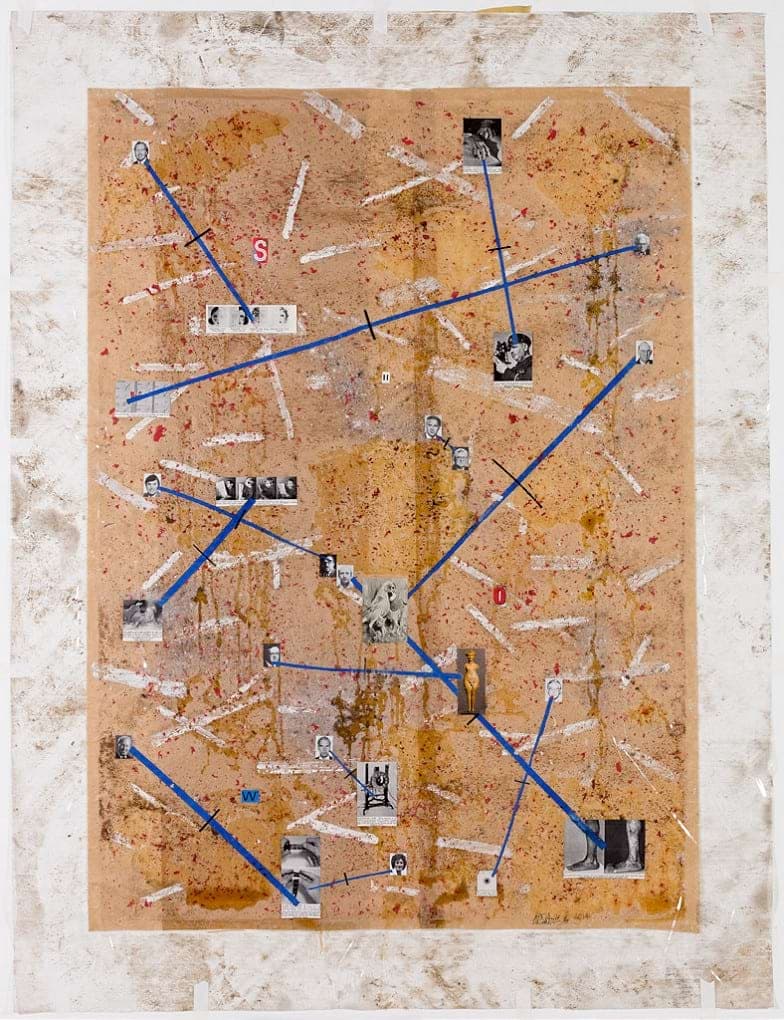
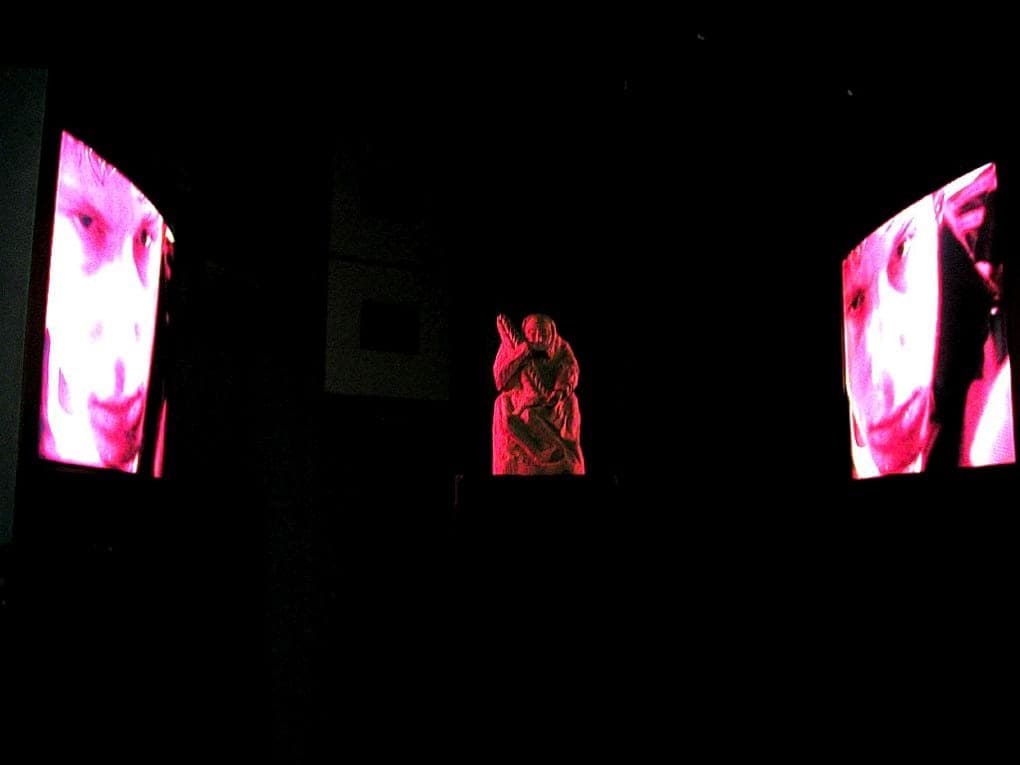
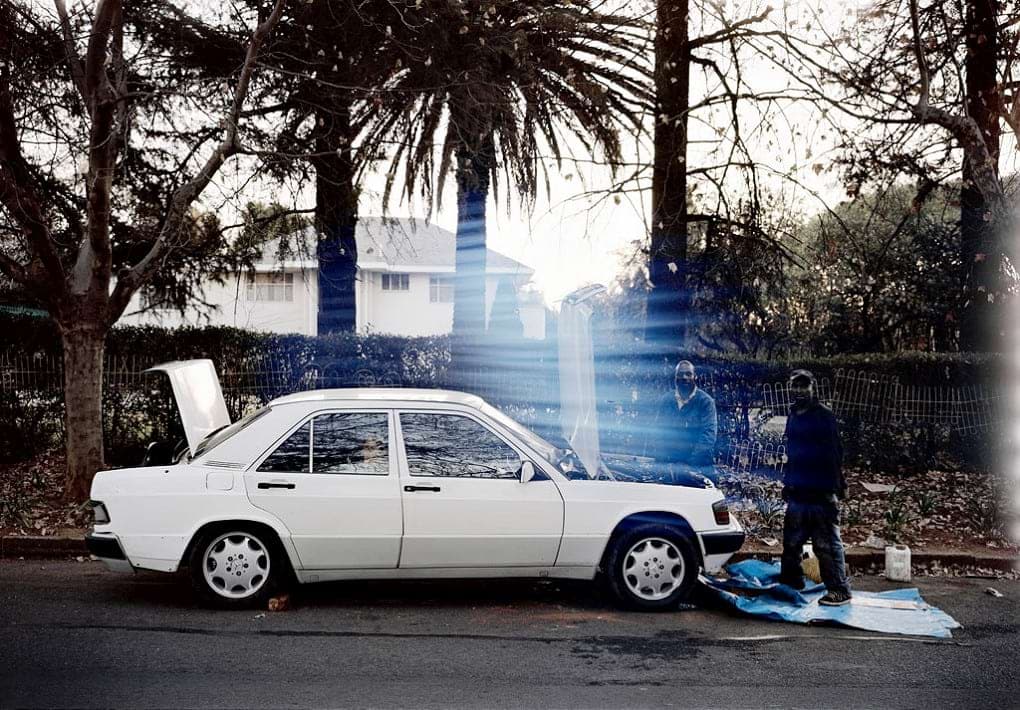
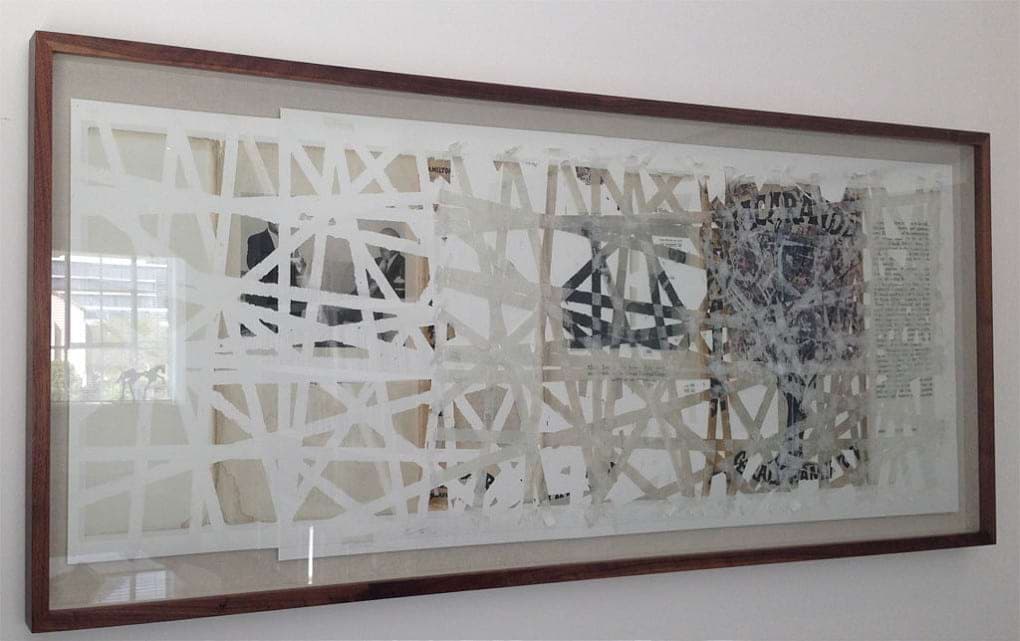
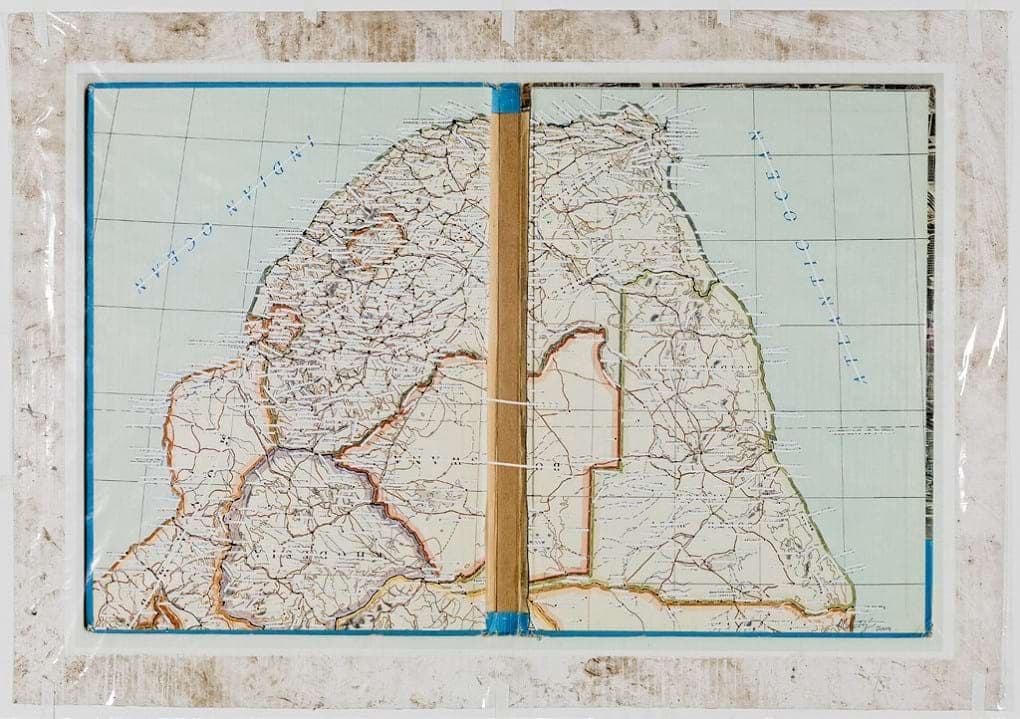
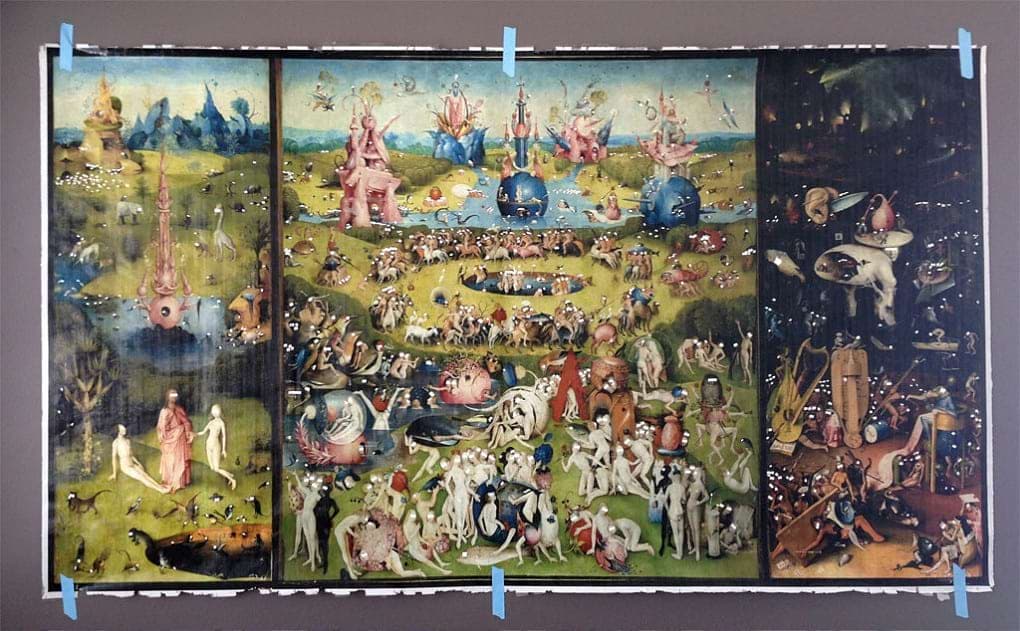
Pixel Interface is presented here next to a work that Subotzky made in 2002. Self-Portrait with Wheat Pieta presents two identical video self-portraits on CRT screens, which both scrutinise a carved wooden maquette, and also provide the illumination for it. These two works book-end ten years of photographic work, which is represented here by five large-format photographs made between 2010 and 2014. Consistent with Subotzky’s recent attempts to understand the surface and materiality of photographs in relation to their representational content, several of these photographs deliberately include the errors of light leaks that derive from the process of their making. These are interspersed with recent experiments with new formal tools such as 3-D Autostereograms (Magic Eye), Sticky Tape transfers, and a traditional walnut triptych that was also made while on residency in Paris.
Artworks
Create a Goodman Gallery account to view our full selection of available works, access pricing and check out online.
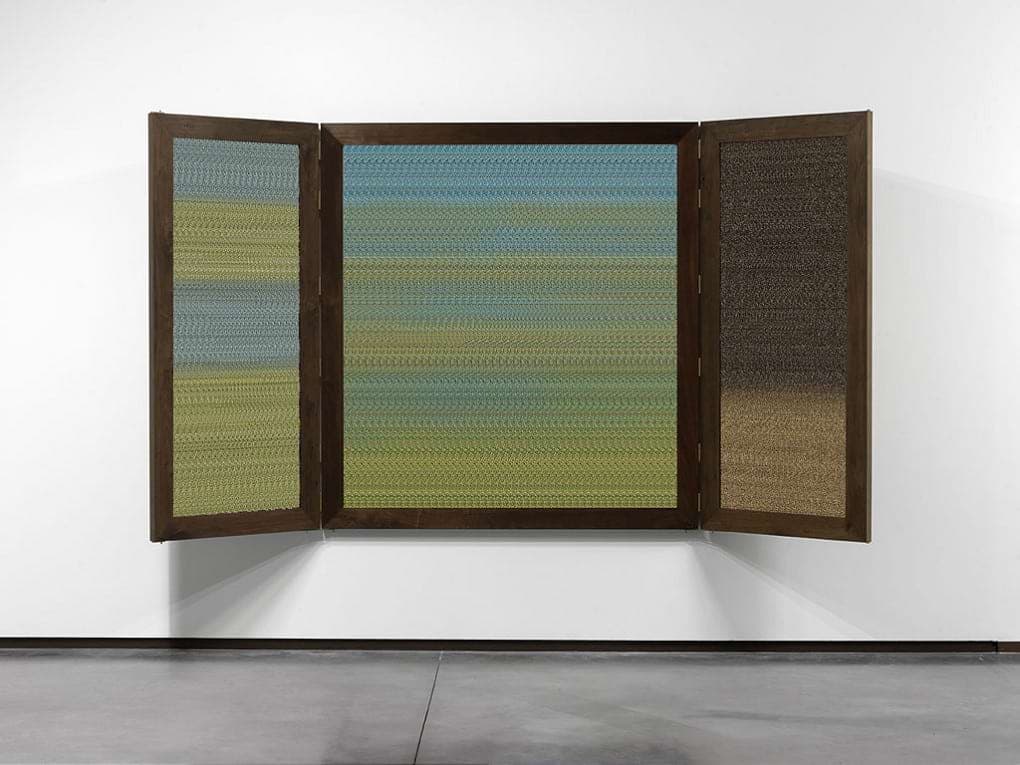
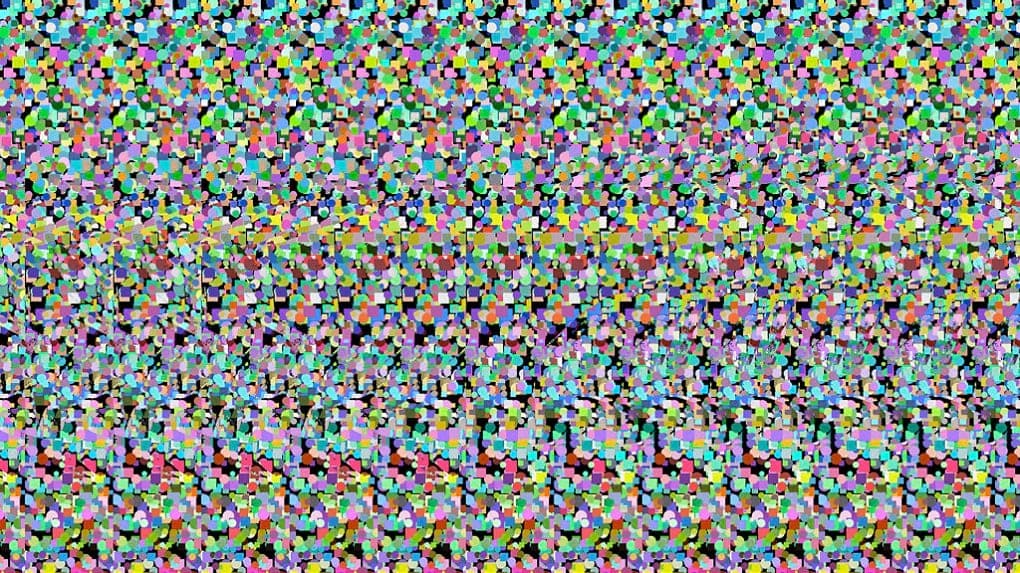
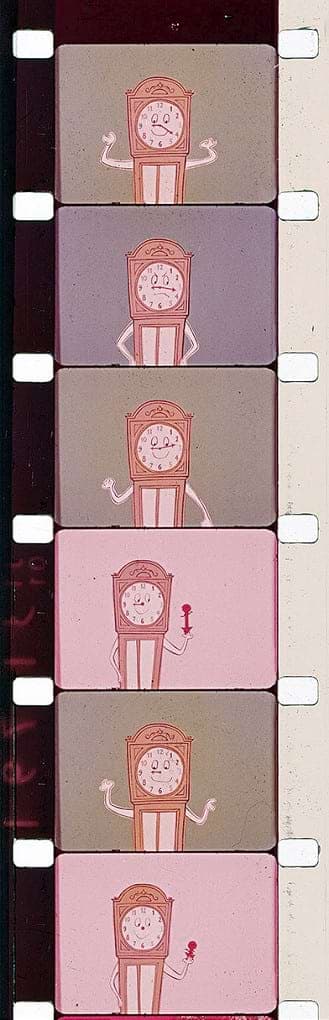
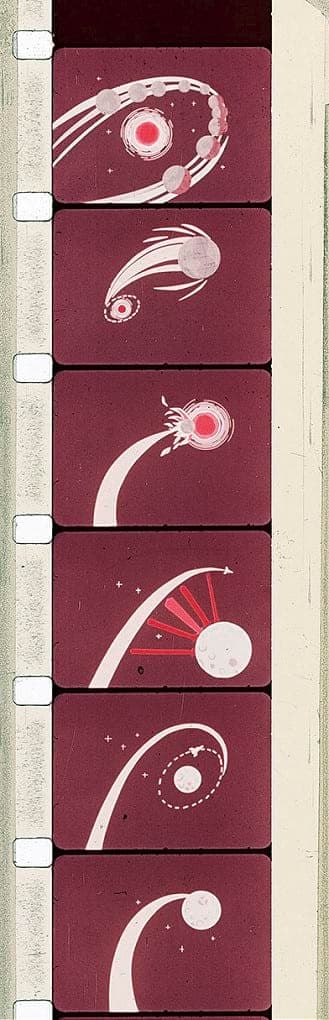
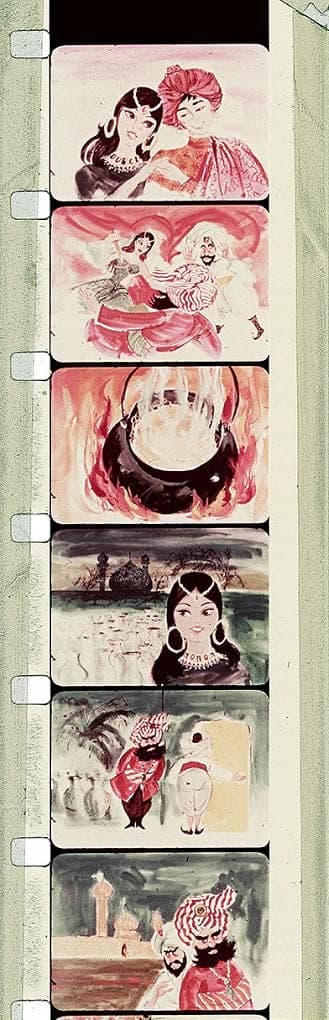
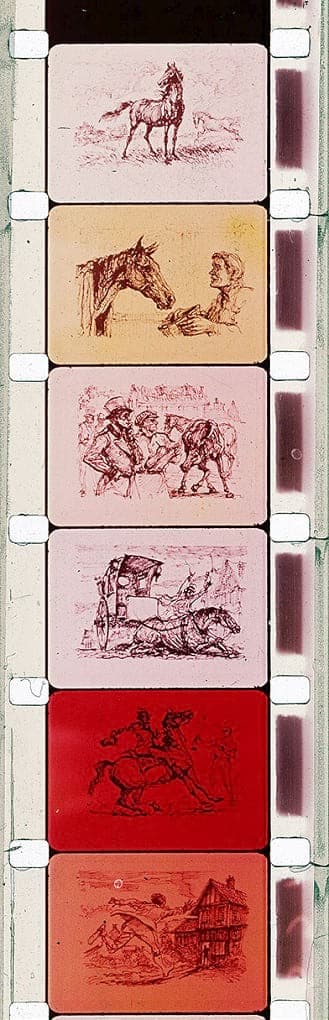
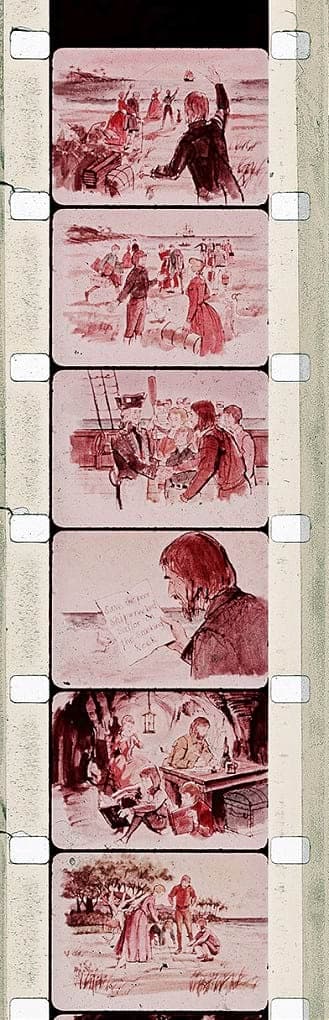
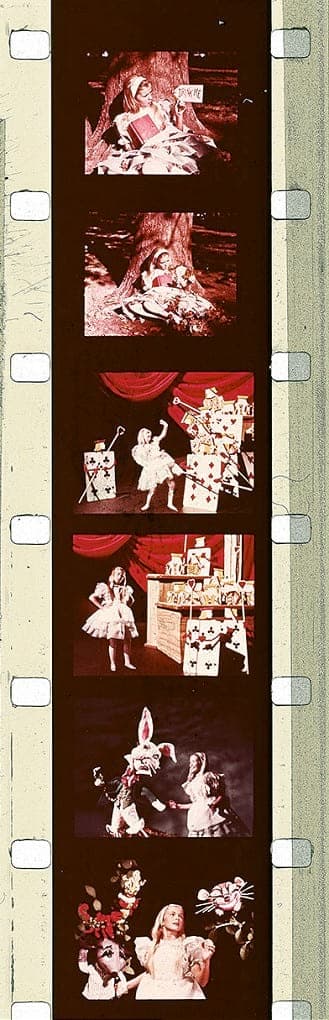
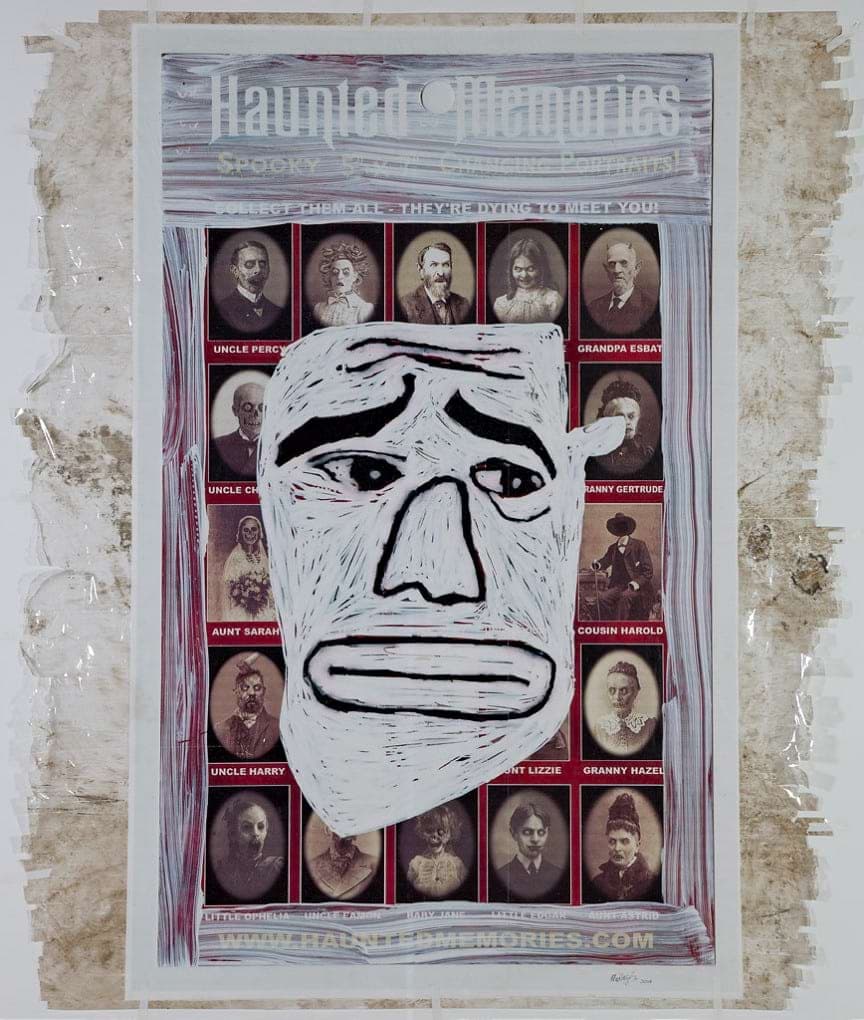
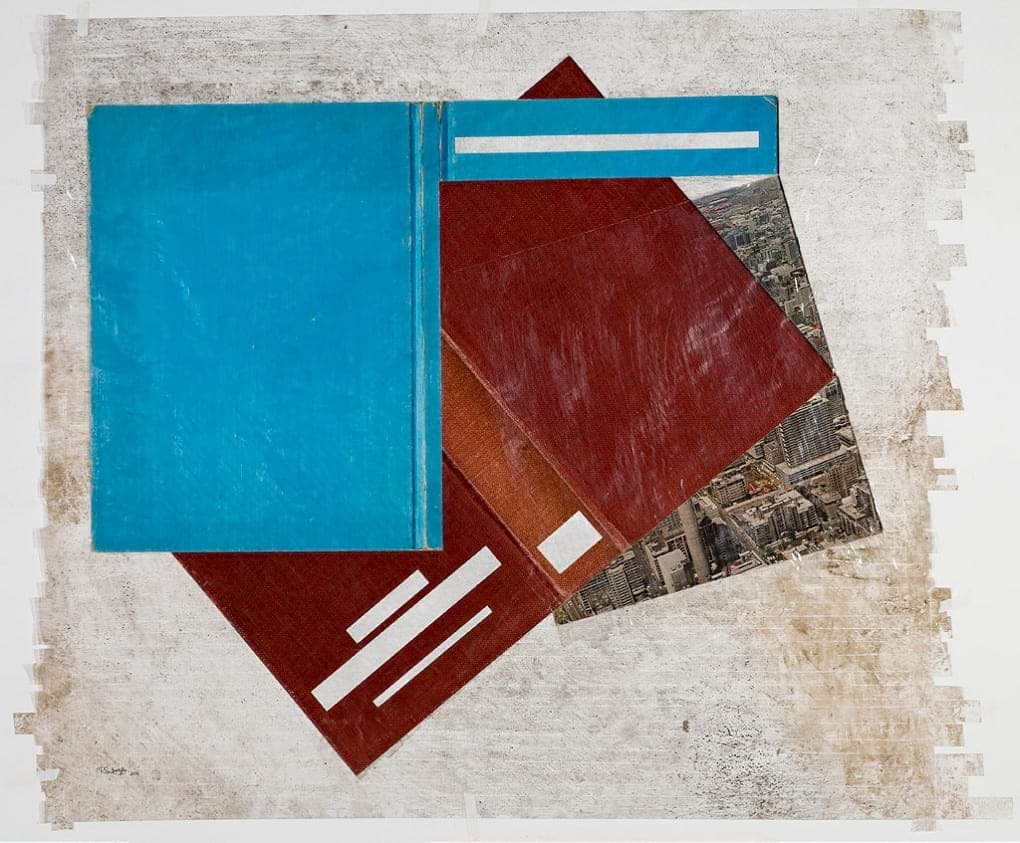
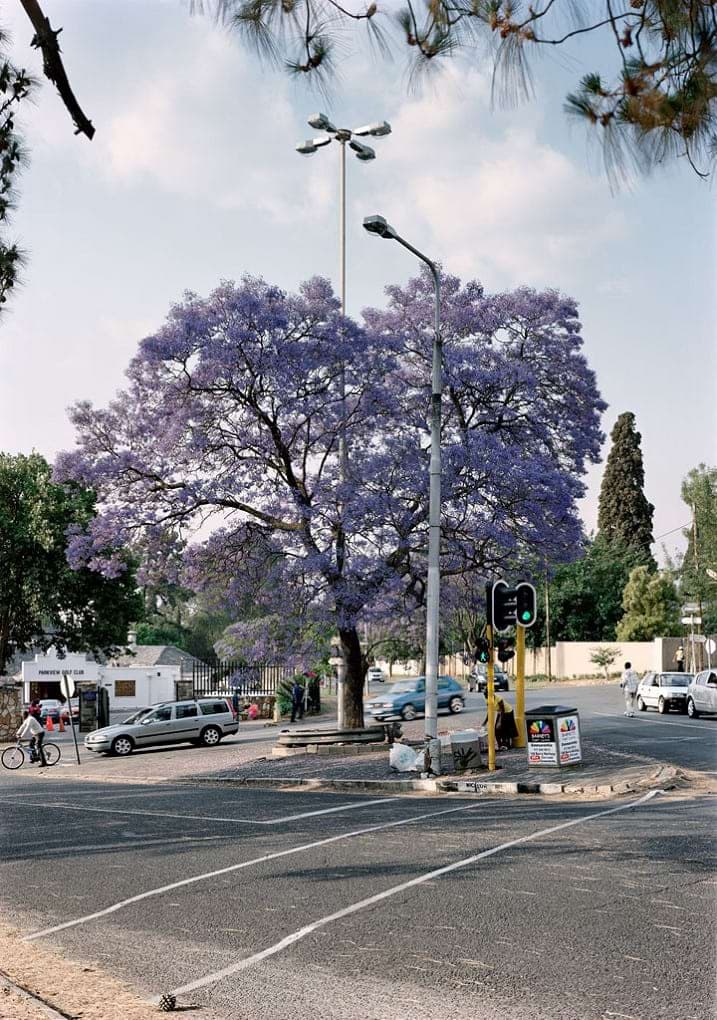
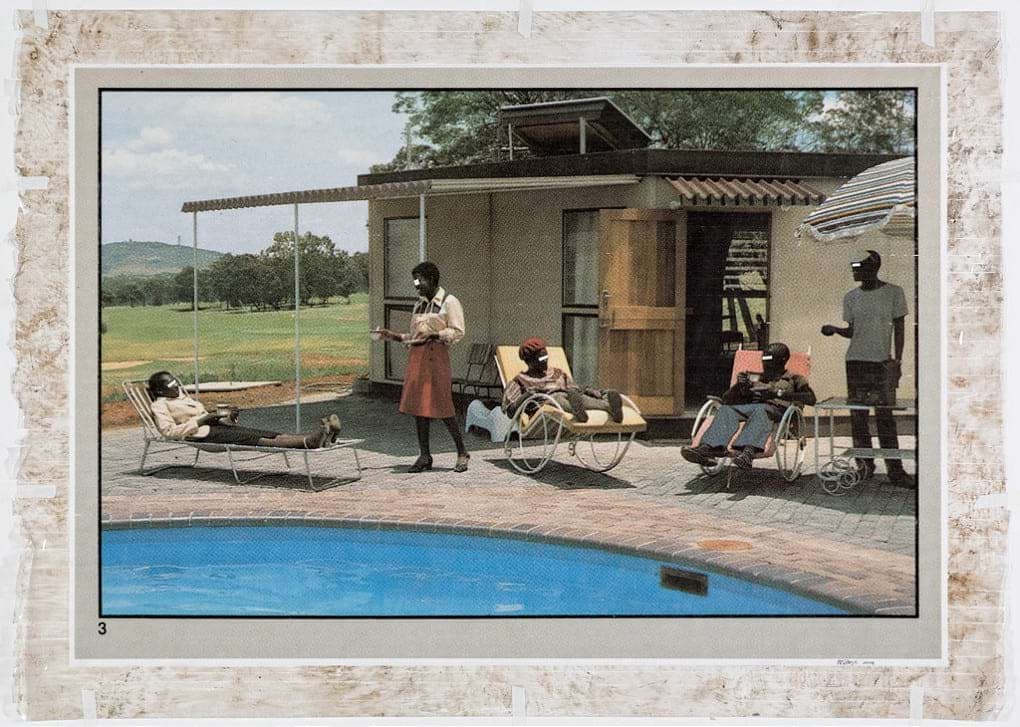
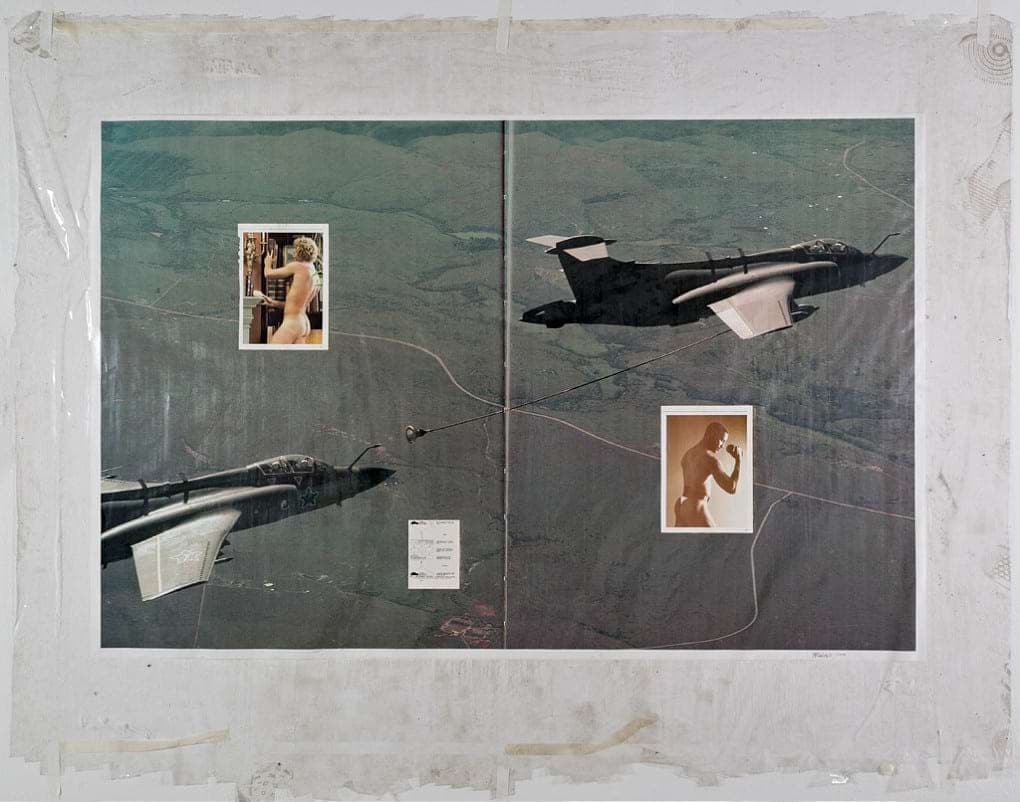
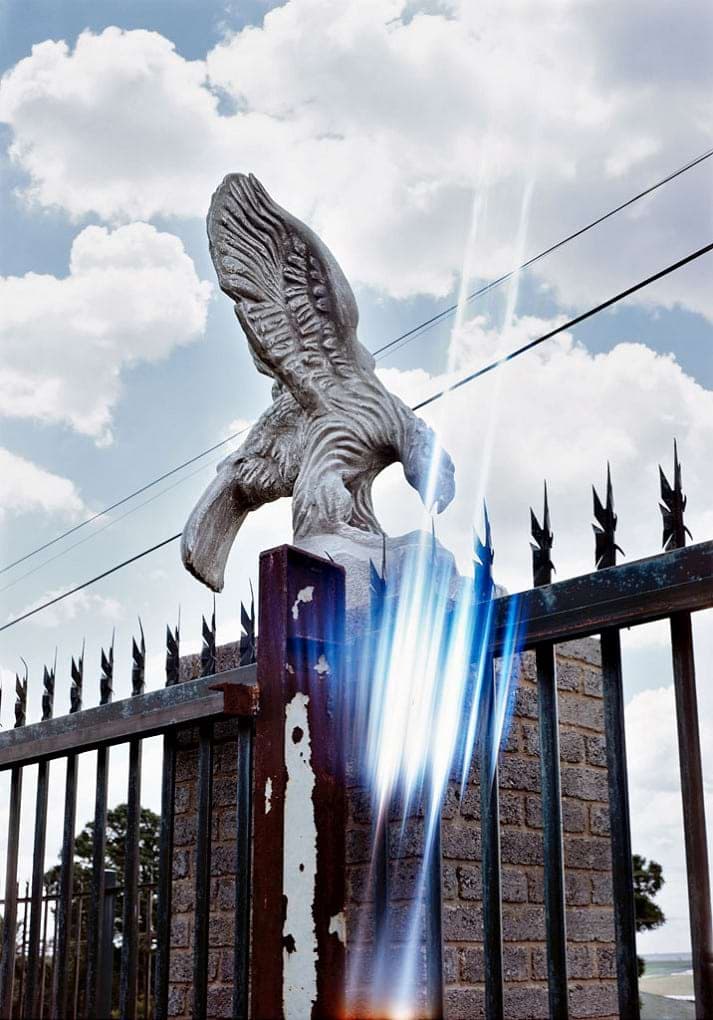
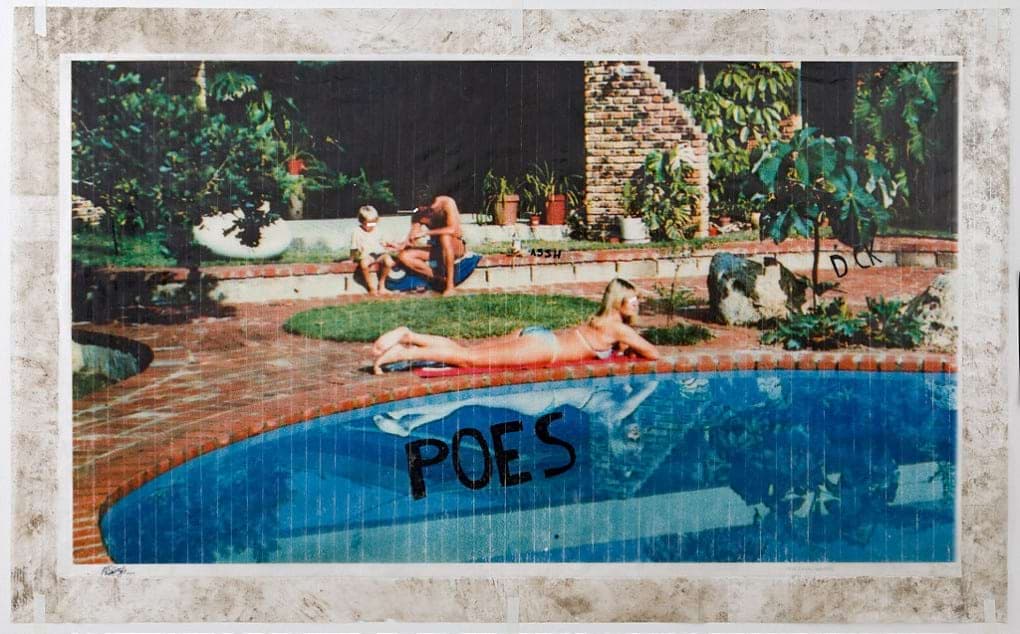
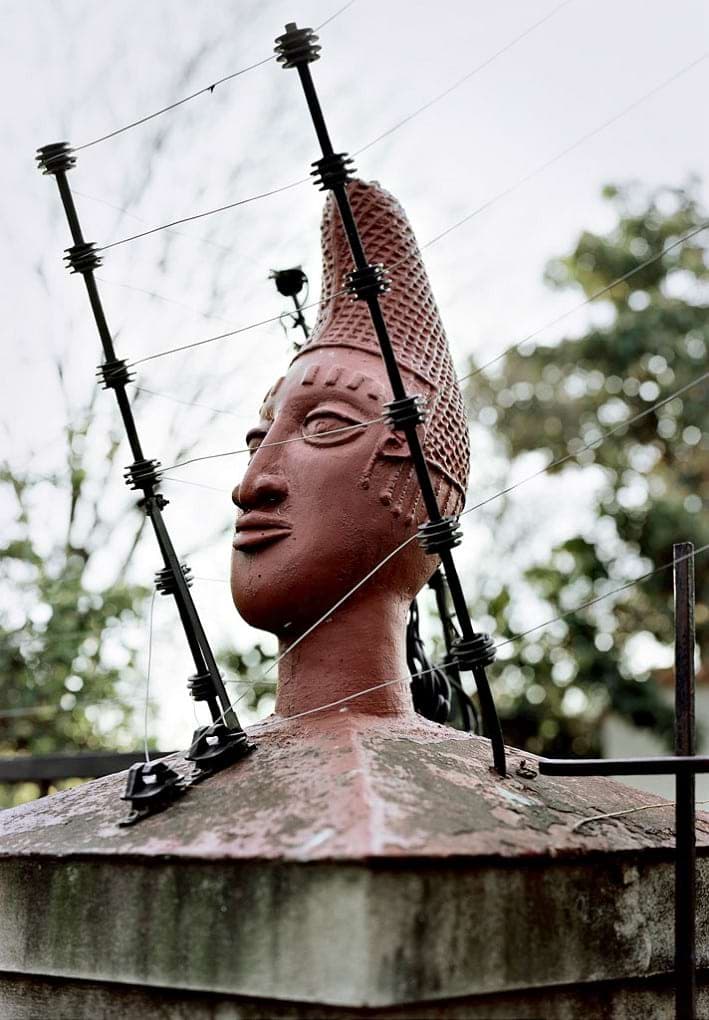
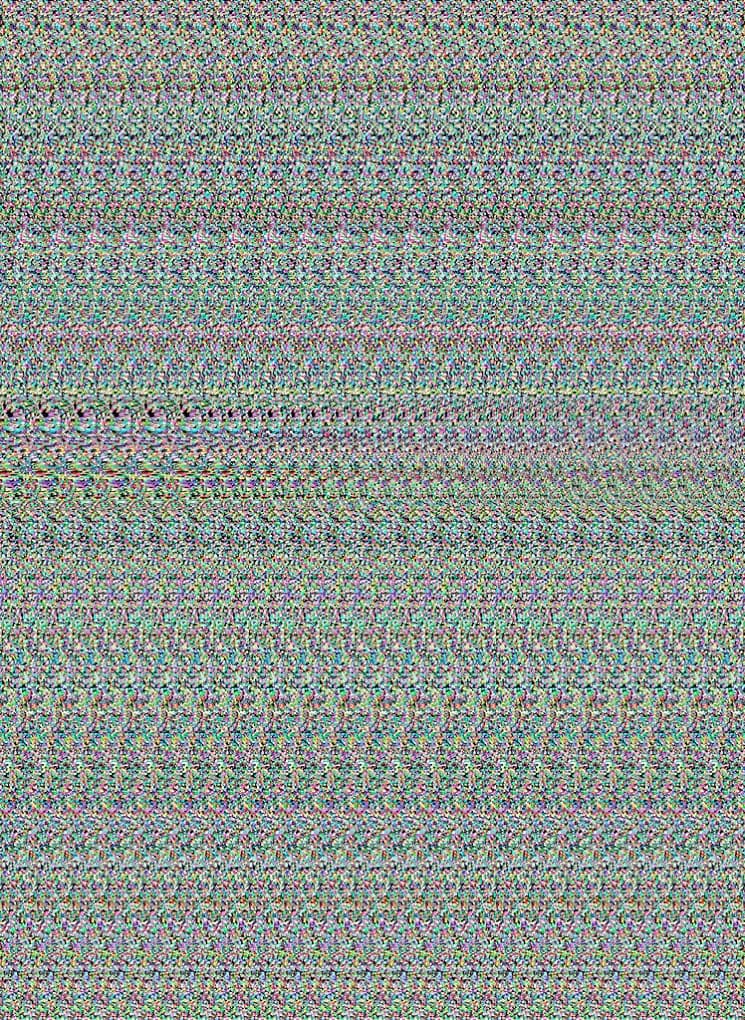
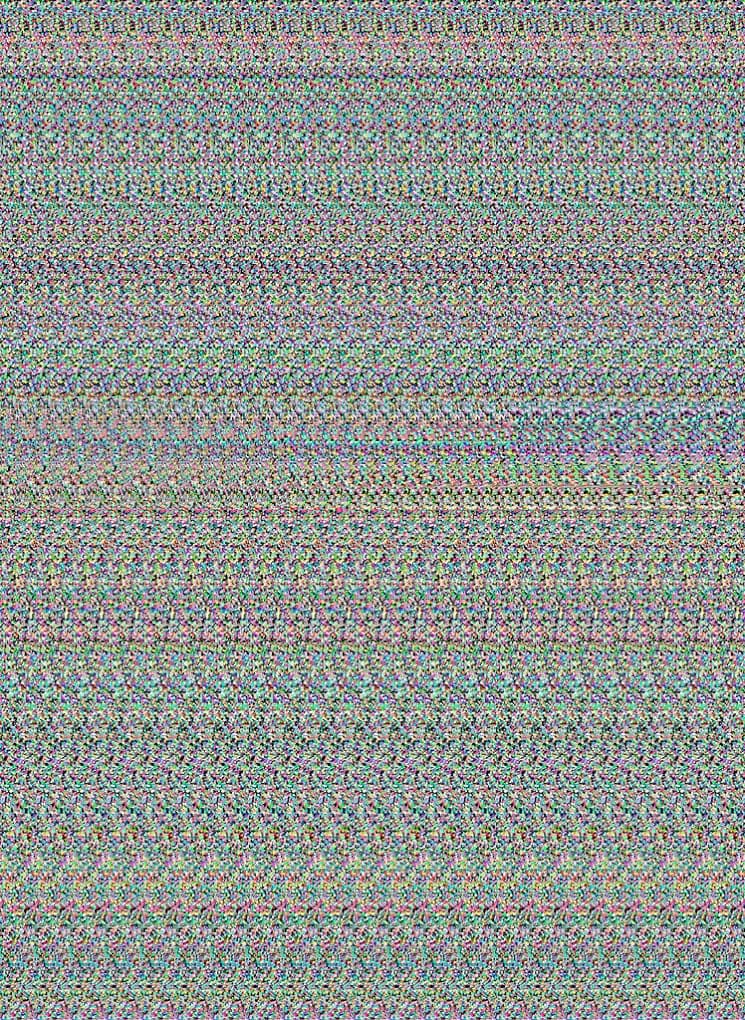
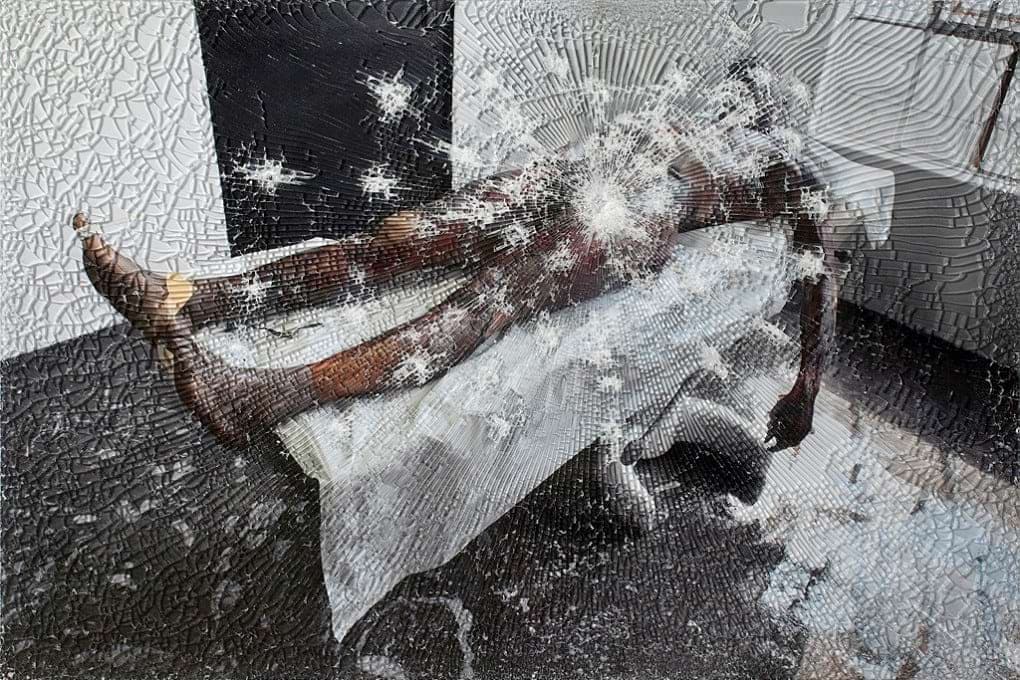
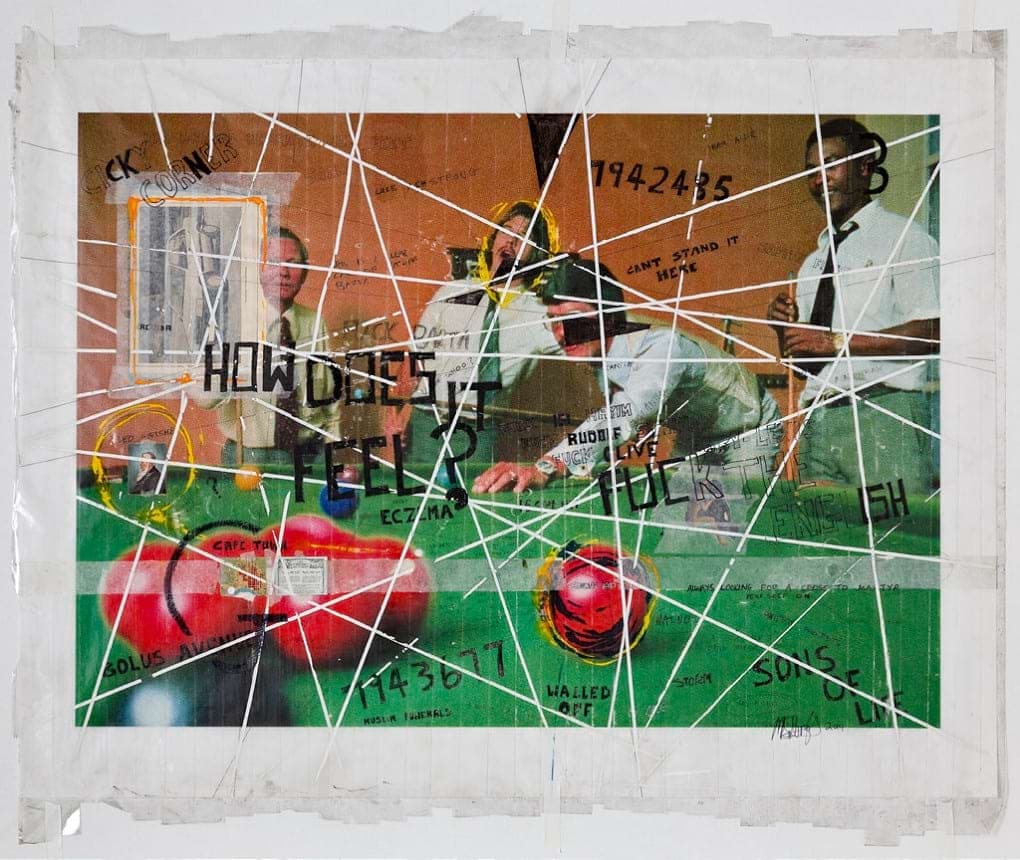

“ Show ‘n Tell builds on the concerns of my previous body of work, Retinal Shift. I’m interested in situations where two opposing things can both be true, or at least coexist. And I’m interested in the psychology of this, the psychological need to split those things off from one another,” Subotzky explained in an interview with Valérie Labayle of Musée MAC/VAL. “In Show ‘n Tell this plays out largely in the relationship between abstraction and representation. Of course, artists have been interested in optical illusions almost for as long as artworks have been made. My interest in this is specif¬ic to my experience. Autostereograms were a popular craze of the 1990s when I was a kid. So on the one hand they are a historical illustration of my early visual experiences of duality. But they are also interesting in relation to vision.
The 3-D image that one ‘sees’ in the autostereogram doesn’t exist on our retinas. It is created entirely in our brains as a result of a repeated pattern, which takes advantage of our binocular vision in order to trick the brain into seeing three-dimensional form. Part of trying to understand how two opposing things can both be true is necessarily about the nature of truth itself, and thus about perception, memory and ontology too. This is why the imagery in Show ‘n Tell, both abstract and representational, draws from a wide range of scientific and mythological sources – two realms where truth and the nature of reality are thought about and contested.”
Mikhael Subotzky’s work has been exhibited and collected by venues such as The Museum of Modern Art in New York, The South African National Gallery in Cape Town and the Victoria and Albert Museum in London. He has received, amongst others, the 2012 Standard Bank Young Artist Award, The 2012 Discovery Award at Arles, the 2009 Oskar Barnack Award and the 2008 ICP Infinity Award.

Artist Bio
Mikhael Subotzky’s (b. 1981, Cape Town) works are the results of his fractured attempts to place himself in relation to the social, historical, and political narratives that surround him. As an artist working in film, video installation and photography, as well as more recently in collage and painting, Subotzky engages critically with contemporary politics of images and their making. “At the heart of my work is a fixation with revealing the gap between what is presented (and idealised) and what is hidden, coupled with a desire to pull apart and reassemble the schizophrenia of contemporary existence,” he says.
Subotzky’s first body of photographic work, 'Die Vier Hoeke (The Four Corners),' was an in-depth study of the South African penal system. 'Umjiegwana (The Outside)' and, 'Beaufort West' extended this investigation to the relationship between everyday life in post-apartheid South Africa and the historical, spatial, and institutional structures of control. 'Retinal Shift' was produced by Subotzky on the occasion of the Standard Bank Young Artist Award 2012 and toured South Africa’s major museums and critically engaged with his ambivalence towards the processes of representation and image construction. 'Ponte City,' a collaboration with artist Patrick Waterhouse, focuses on a single 54-story building that dominates the Johannesburg skyline. The building is cast as the central character in a myriad of interweaving narratives that, through photographs, commissioned texts, historical documents, and urban myths, chart the convoluted histories of both the building and Johannesburg itself. The 'Ponte City' exhibition, which consists of a single installation of thousands of photographs and documents, has been acquired by the San Francisco Museum of Modern Art and the accompanying publication won the 2015 Deutsche Borse Photography Prize.
Subotzky’s work has been exhibited in recent museum presentations, 'The Struggle of Memory' at Palais Populaire, Berlin (2024) and, 'Fragile Beauty: Photographs from the Sir Elton John and David Furnish Collection' at Victoria & Albert Museum, London (2024).
Notable solo and two-person exhibitions include, Ponte City Book Box Project (with Patrick Waterhouse) A4 Foundation, Cape Town (2026). 'Home Building Ideas for South Africa (or A Cape Town Landscape),' Goodman Gallery Cape Town (2024); 'Epilogue,' Goodman Gallery, London (2022); 'Tell It To The Mountains,' (with Lindokuhle Sobekwa) A4 Foundation, Cape Town (2021); 'Mikhael Subotzky: WYE,' Sherman Contemporary Art Foundation, Sydney (2016); 'Ponte City' (with Patrick Waterhouse), National Galleries, Scotland, UK, then travelled to Le Bal, Paris and FOMU, Antwerp (2014).
His work was included in the 12th Cairo Biennale (2010), The Unexpected Guest, Liverpool Biennial (2012), Rencontres Picha Biennale de Lubumbashi, Lubumbashi (2013) and the 56th Venice Biennale: All the World’s Futures, Venice (2015).
Public collections include SFMoMA, San Francisco; Museum of Modern Art, New York; Solomon R Guggenheim Museum, New York; the National Gallery of Art, Washington; Tate, London; Centre Pompidou, Paris; and the South African National Gallery; Helsinki Art Museum, Helsinki,; Deutsche Bank Collection, Frankfurt among others.
Subotzky lives and works in Johannesburg, South Africa.
Other Exhibitions
See All