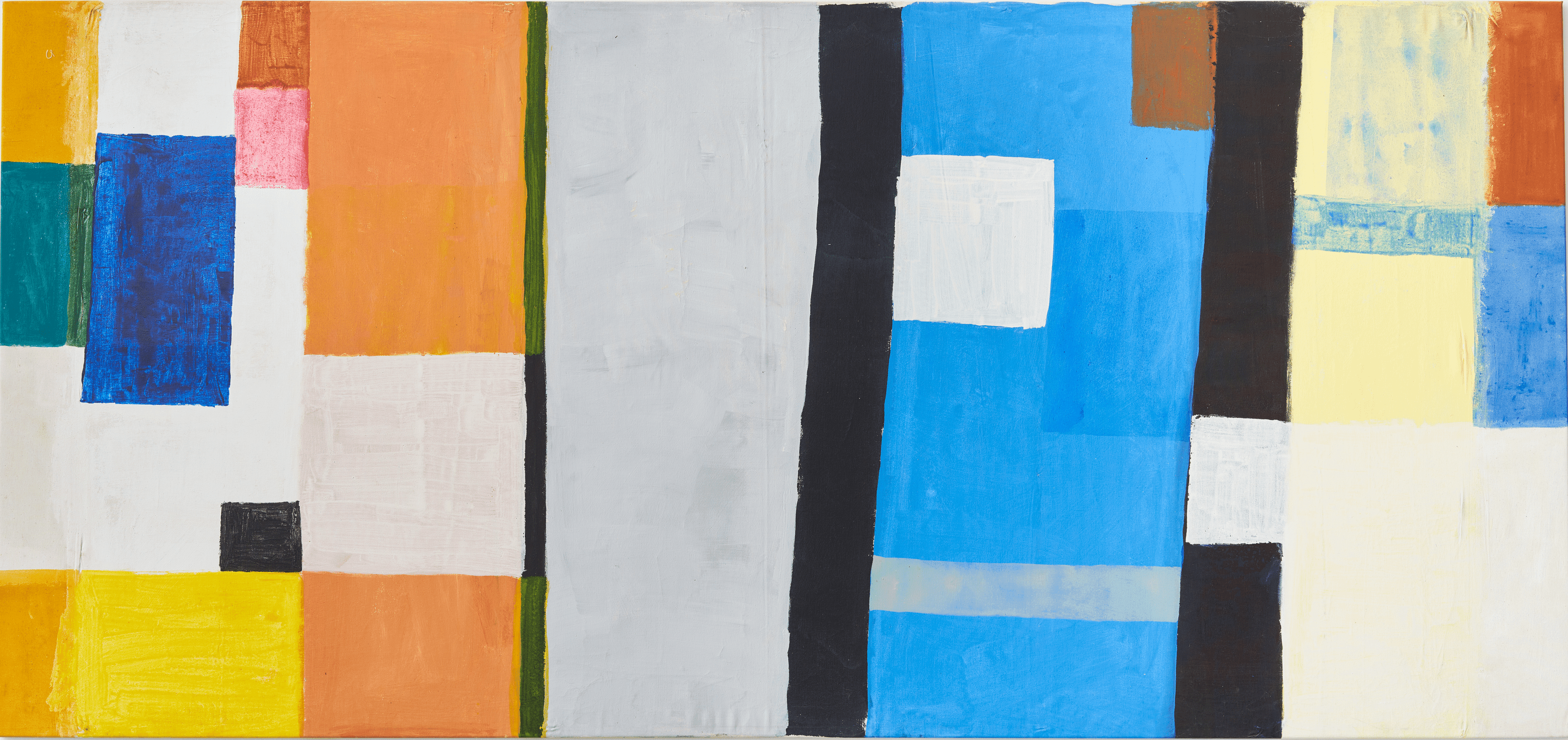
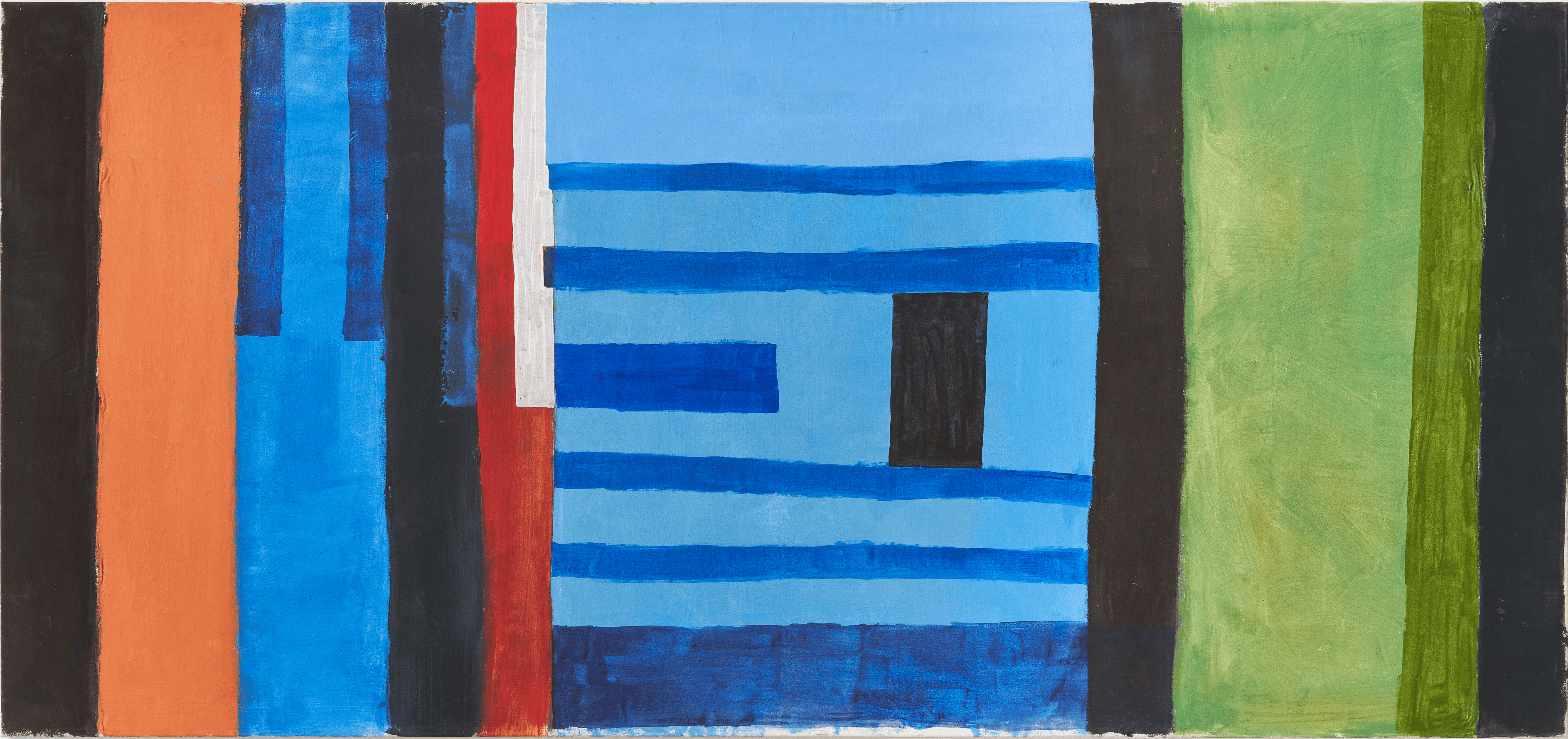
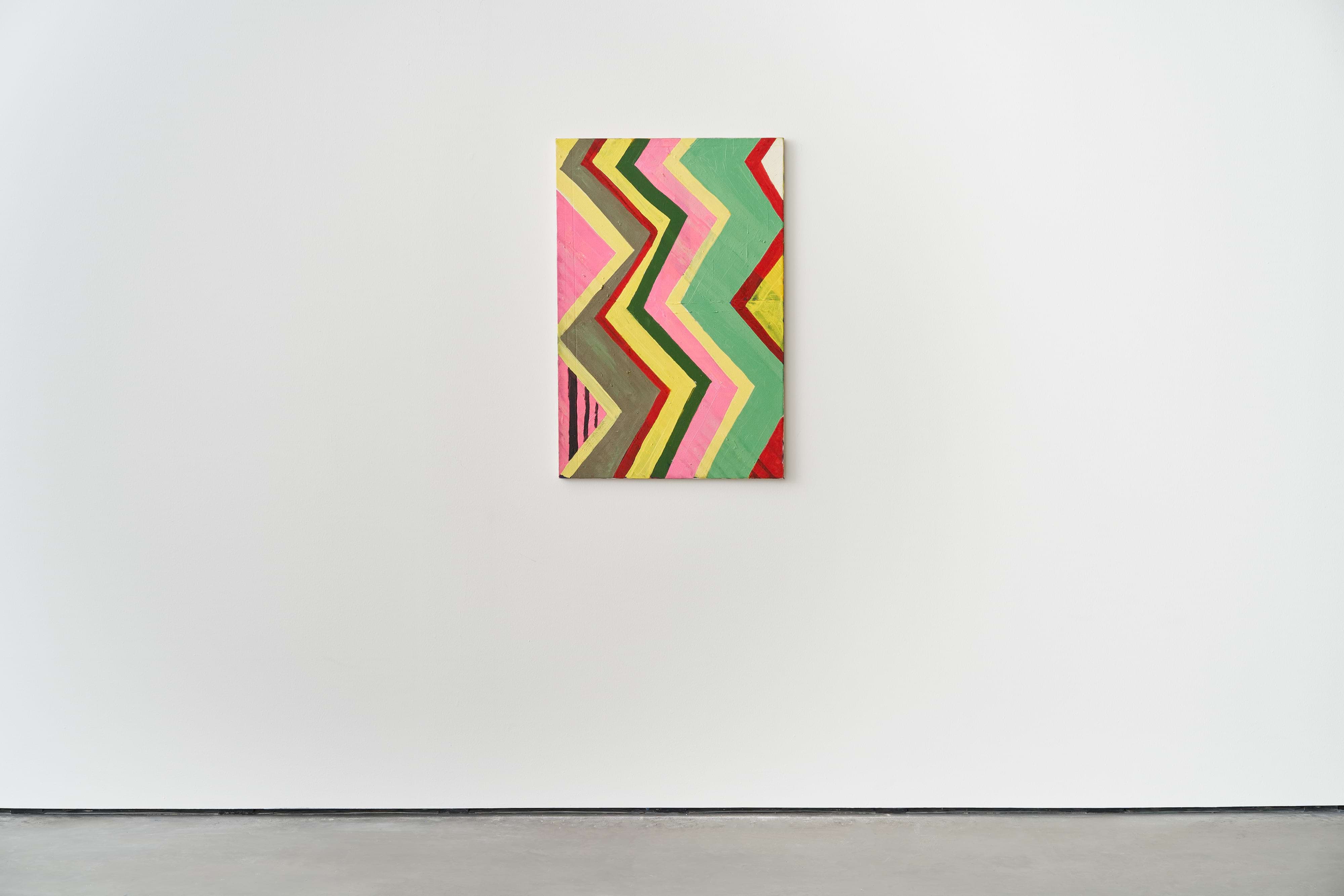
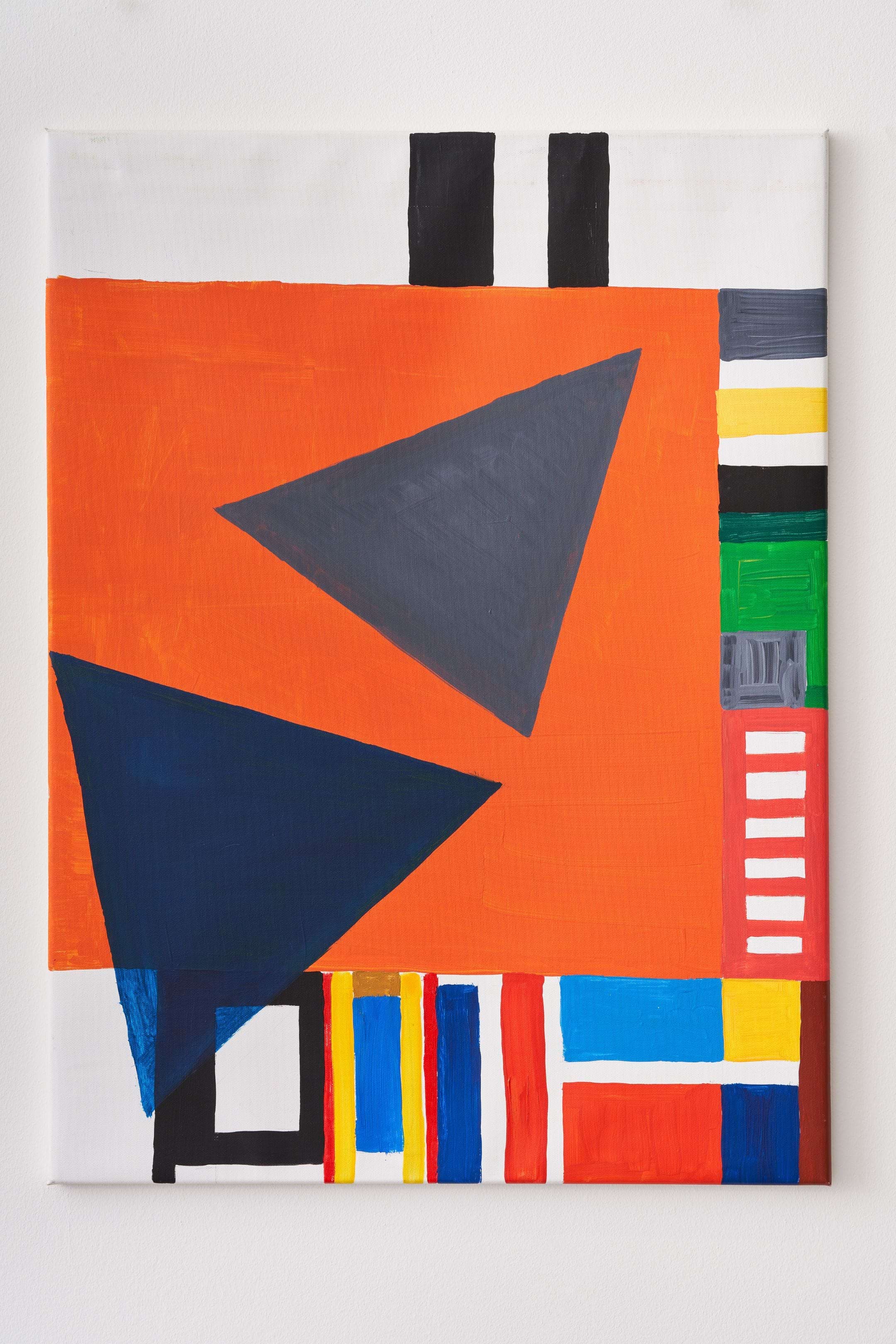
Atta Kwami was a distinguished artist, art historian and curator, living and working between the UK and his home country, Ghana. With a career spanning 40 years, Kwami’s practice brought together painting, architecture, sculpture, and education. His colourful works of vibrant geometric patterns are inspired by a wide range of influences,from Ewe and Asante cloth to jazz, the tradition of mural painting and the design of street kiosks along the roads of West-African towns. Kwami is known for expanding the notions of painting, basing his practice both in the visual world of his native Ghana and in reflections on modernism. These themes can also be seen in his signature kiosk constructions and archway-like sculptures that were conceived as expanded three-dimensional paintings within outdoor spaces.
Atta Kwami was a distinguished artist, art historian and curator, living and working between the UK and his home country, Ghana. With a career spanning 40 years, Kwami’s practice brought together painting, architecture, sculpture, and education. His colourful works of vibrant geometric patterns are inspired by a wide range of influences,from Ewe and Asante cloth to jazz, the tradition of mural painting and the design of street kiosks along the roads of West-African towns. Kwami is known for expanding the notions of painting, basing his practice both in the visual world of his native Ghana and in reflections on modernism. These themes can also be seen in his signature kiosk constructions and archway-like sculptures that were conceived as expanded three-dimensional paintings within outdoor spaces.
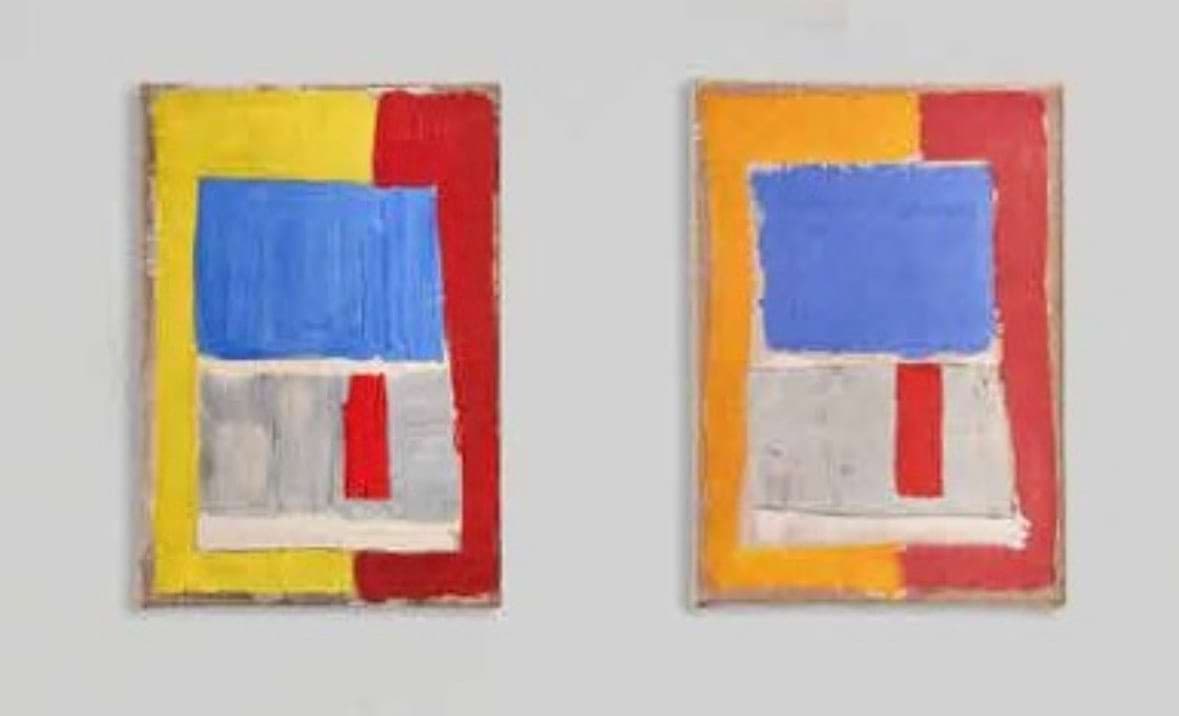
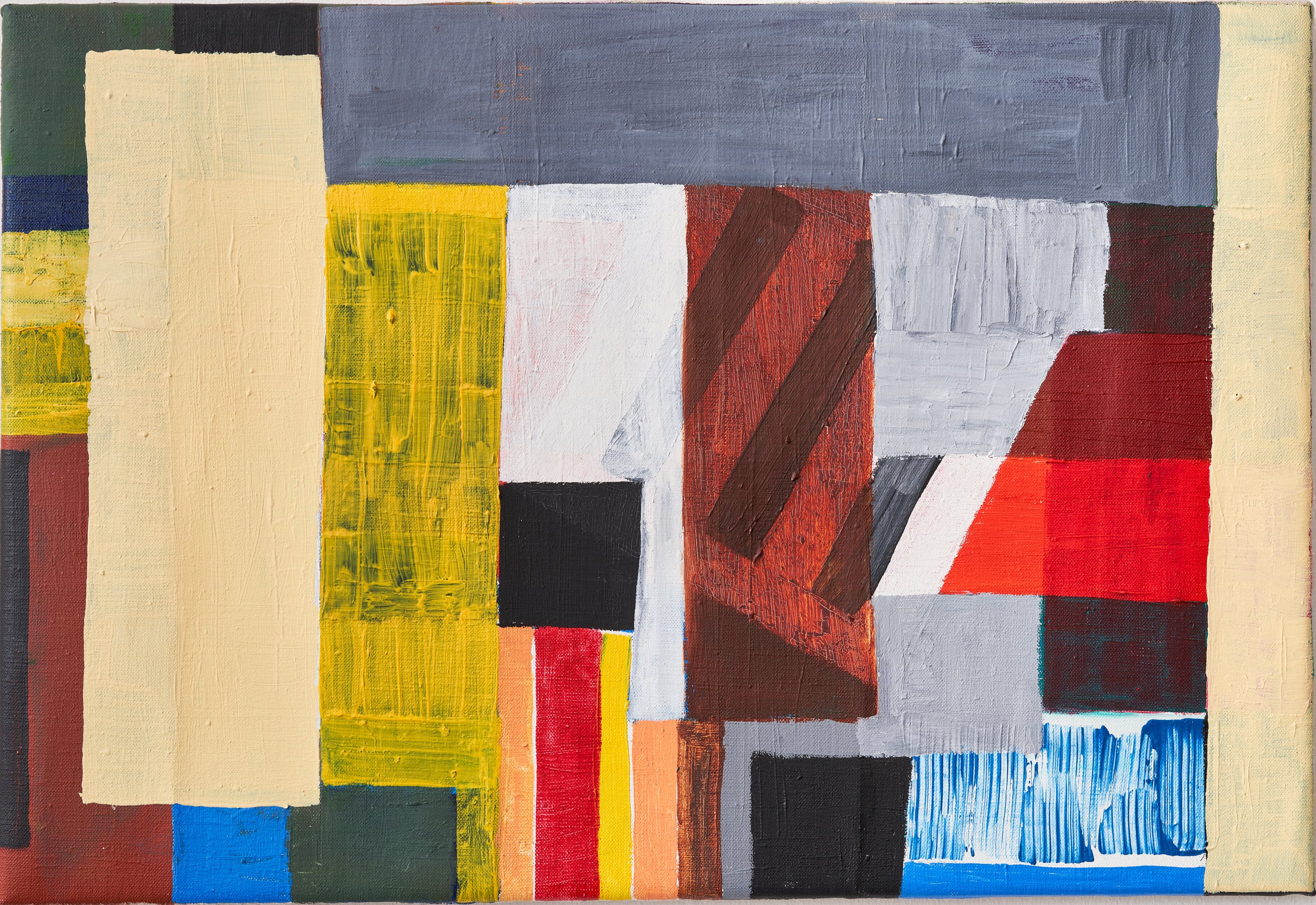
With a career spanning 40 years, Atta Kwami’s practice brought together painting, architecture, sculpture, and education. Born in Accra, Ghana he trained and taught for 20 years at the Kwame Nkrumah University of Science and Technology, Kumasi, Ghana. Kwami lived primarily in Kumasi and later in Loughborough, UK, keeping a studio in both cities and drawing inspiration for his paintings from both global and local art histories and traditions. His compositions of geometric strips, stripes and grids particularly connect to Northern Ghanaian wall and house painting, street vendor kiosks, commercial sign painting, woven textiles, Ghanaian music, and jazz.
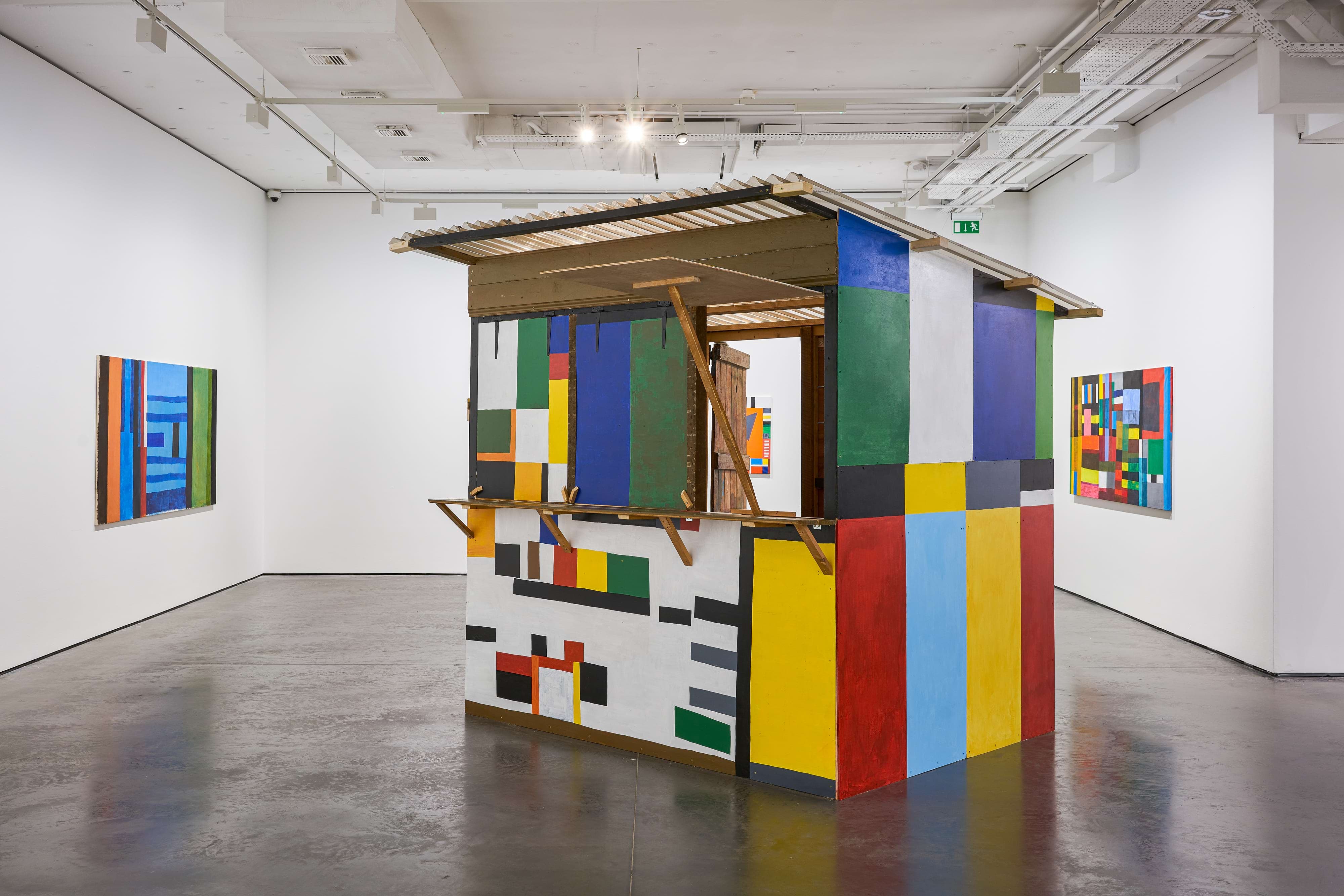
The abstracted Kiosk structure Money Can’t Buy It (2019) constructed of found wood and conceived of as expanded three-dimensional paintings. The architectural scale work makes reference to the improvised vernacular of Ghanaian street painting. Multiple elements of Kwami's practice come together in this kiosk, as inside, a selection of his photographs and prints are displayed.
Exhibition history:
Astrup Fearnley Museum of Modern Art, Oslo, 2025
Goodman Gallery, London, 2024
MPND Projects, Loughborough, UK, 2019
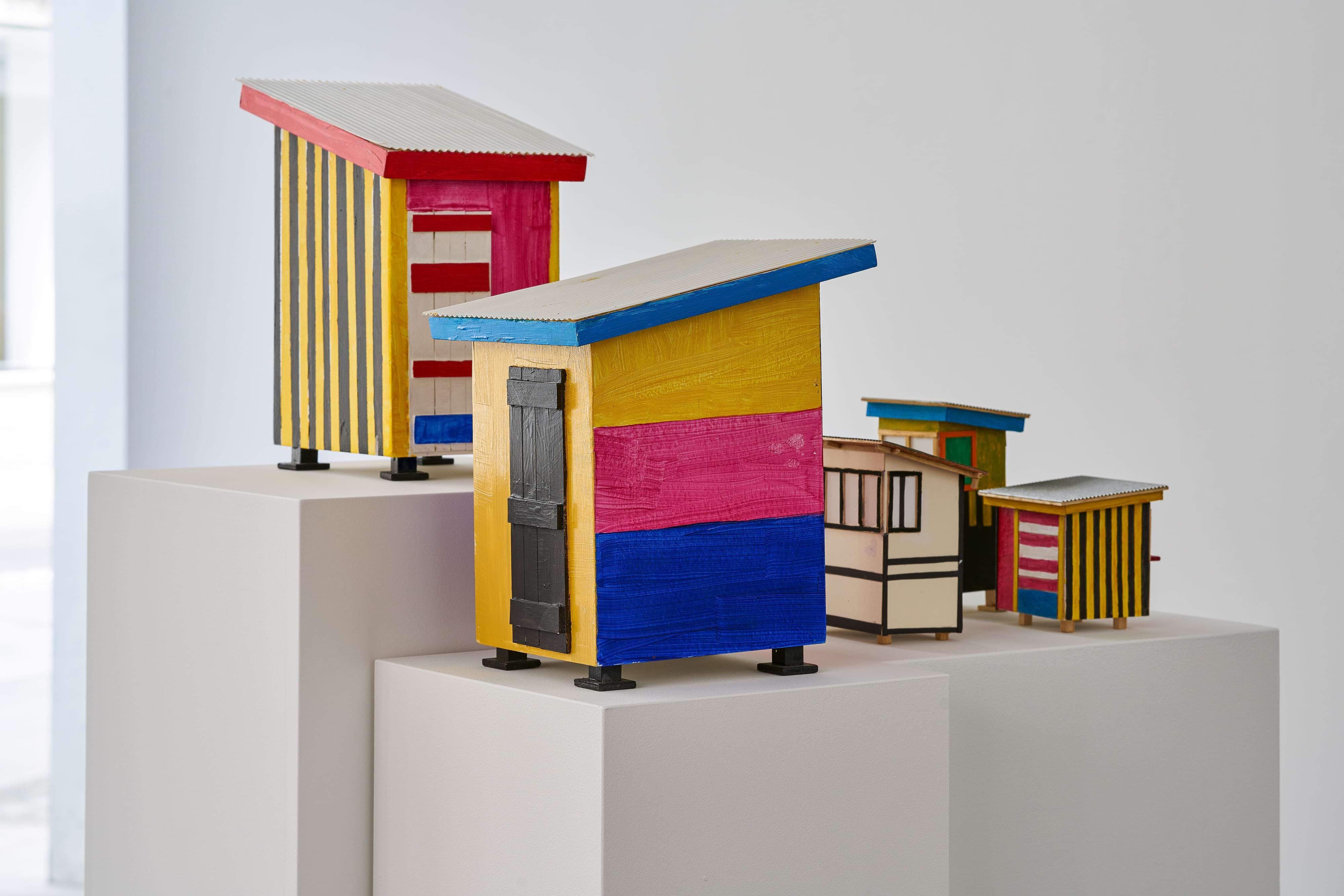
The maquettes of these five hut-like structures were the models for Dusiadu (EveryTown), which was initially commissioned for the Folkestone Triennial in 2021 and named in the Ewe language, spoken mainly in West Africa. They are inspired by West African vending kiosks, and were described by Kwami as creating ‘a conversation in architectural space', which passers-by were invited to join.
Atta Kwami was a distinguished artist, art historian and curator, living and working between the UK and his home country, Ghana. With a career spanning 40 years, Kwami’s practice brought together painting, architecture, sculpture, and education. His colourful works of vibrant geometric patterns are inspired by a wide range of influences,from Ewe and Asante cloth to jazz, the tradition of mural painting and the design of street kiosks along the roads of West-African towns. Kwami is known for expanding the notions of painting, basing his practice both in the visual world of his native Ghana and in reflections on modernism. These themes can also be seen in his signature kiosk constructions and archway-like sculptures that were conceived as expanded three-dimensional paintings within outdoor spaces.