Carrie Mae WeemsSolo Presentation
For more than four decades, Carrie Mae Weems has positioned herself at the threshold between image and history – reshaping the possibilities of photography, installation, video and performance. This April, she makes her debut with Goodman Gallery London, presenting an exhibition that brings together recent and significant bodies of work reflecting on migration, belonging and the enduring afterlives of the Atlantic passage. Concurrently, Weems is presenting 'The Long Goodbye', a newly commissioned film for the launch of V&A East, on view until 18 October 2026.

Insight with Carrie Mae Weems

Featured Artworks
Create a Goodman Gallery account to view our full selection of available works, access pricing and check out online.
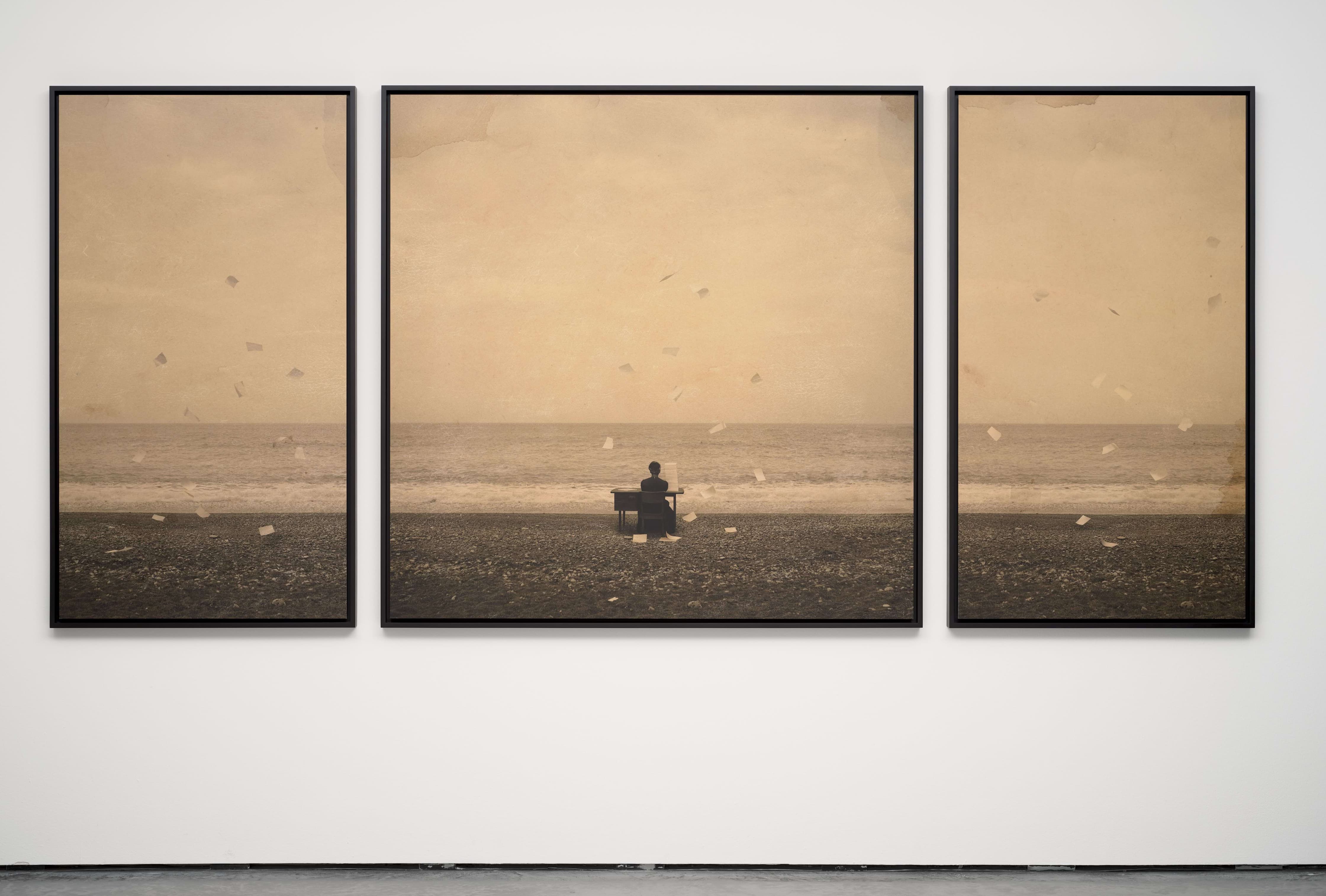
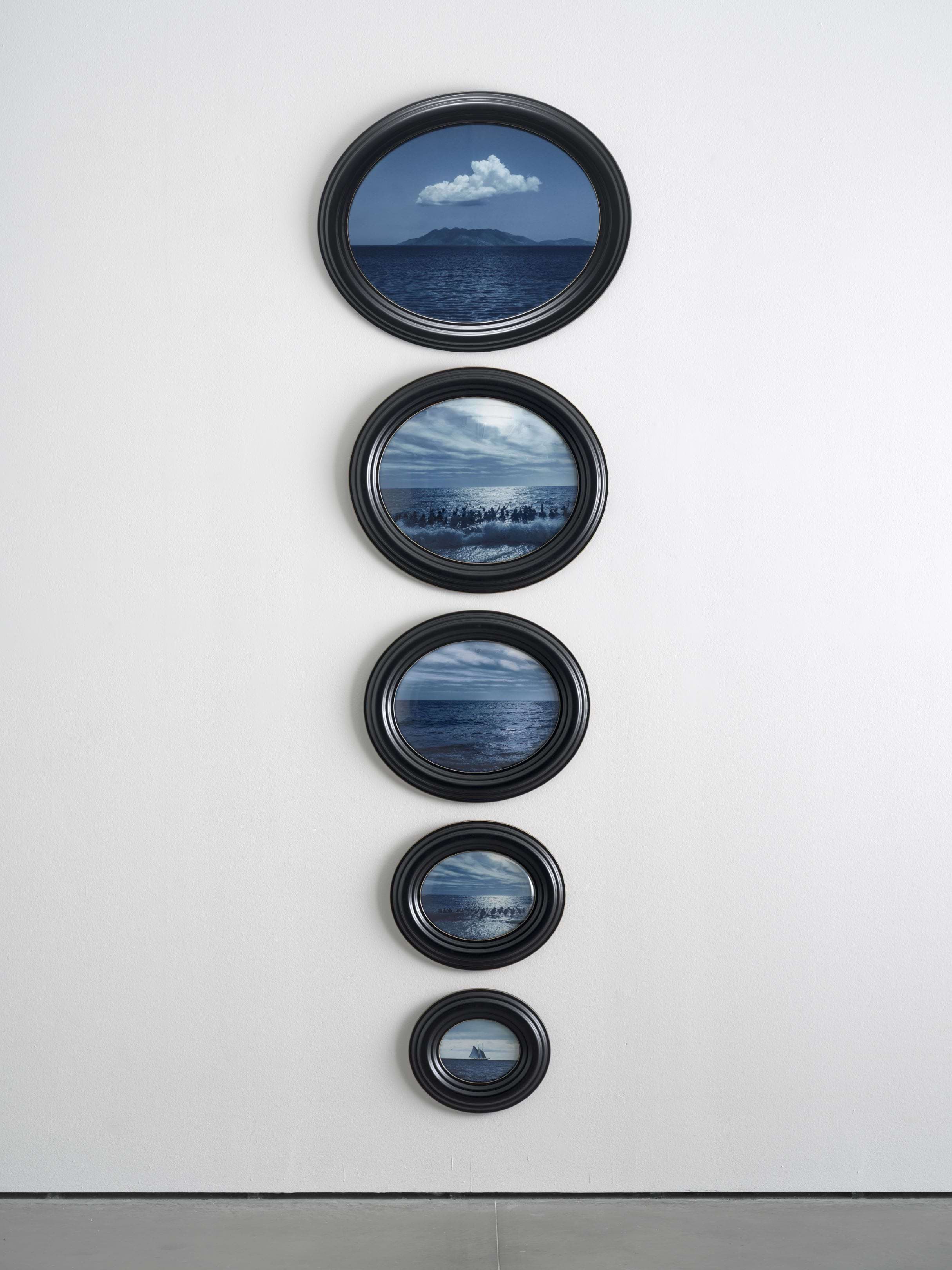
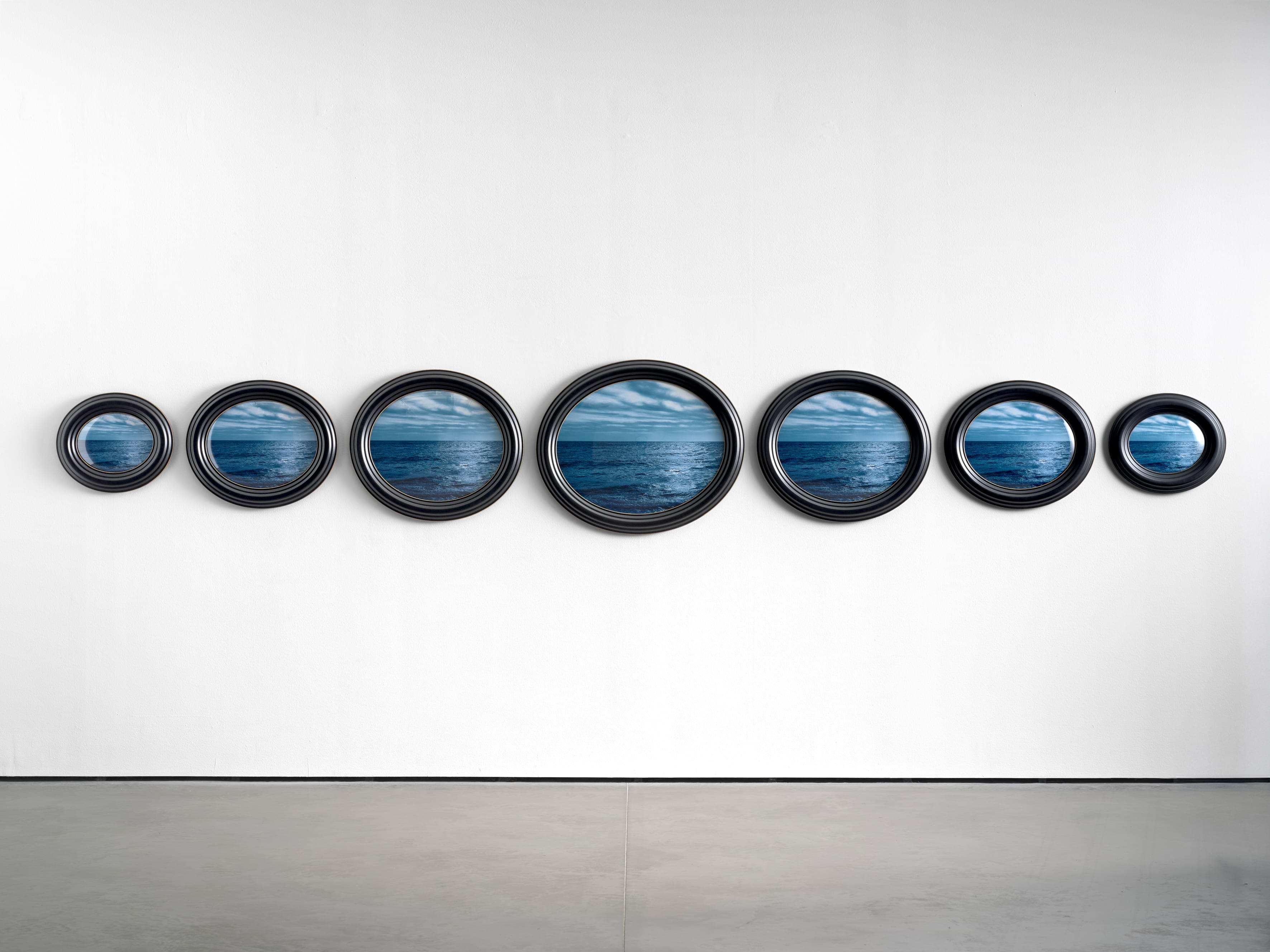
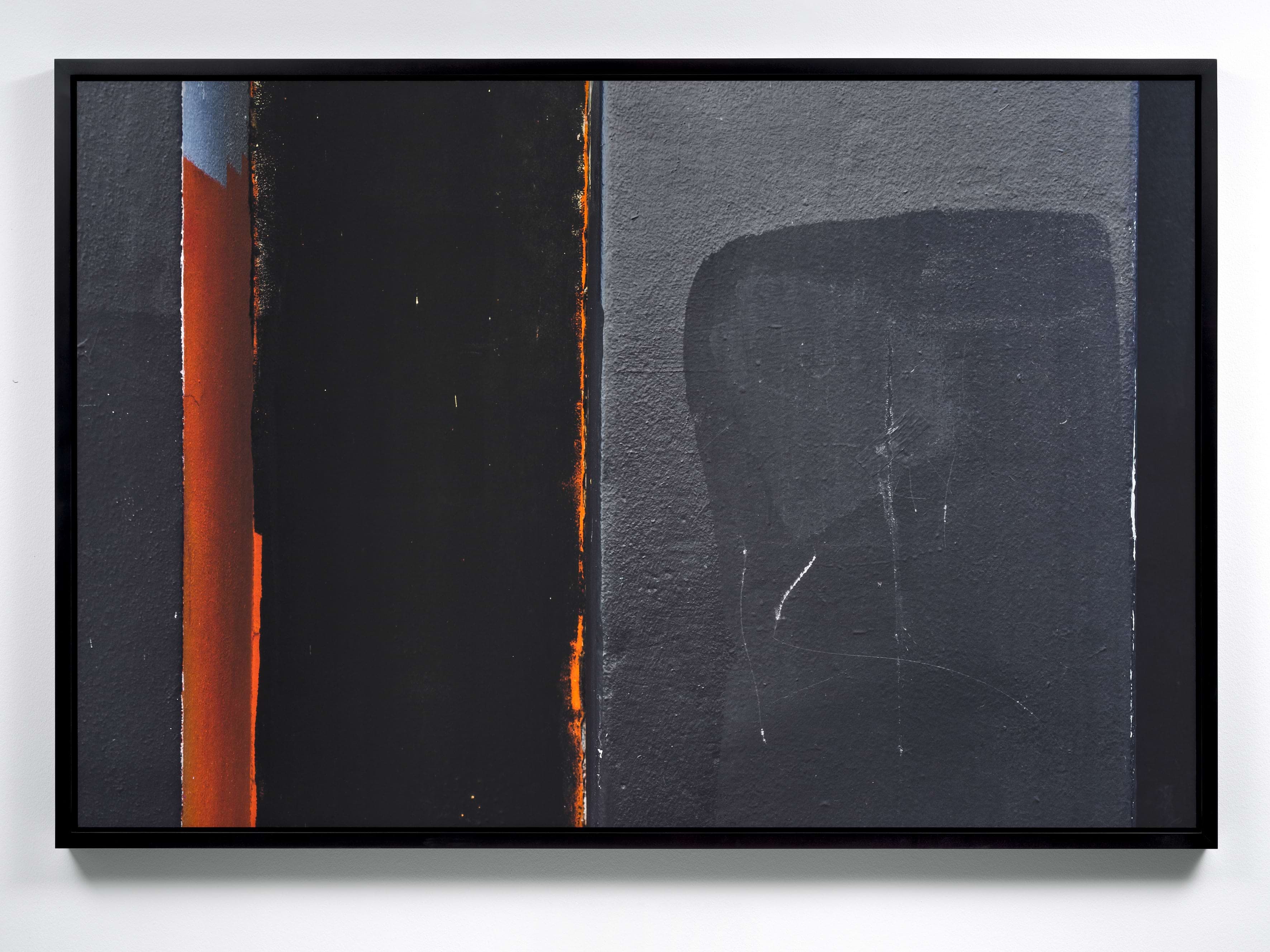
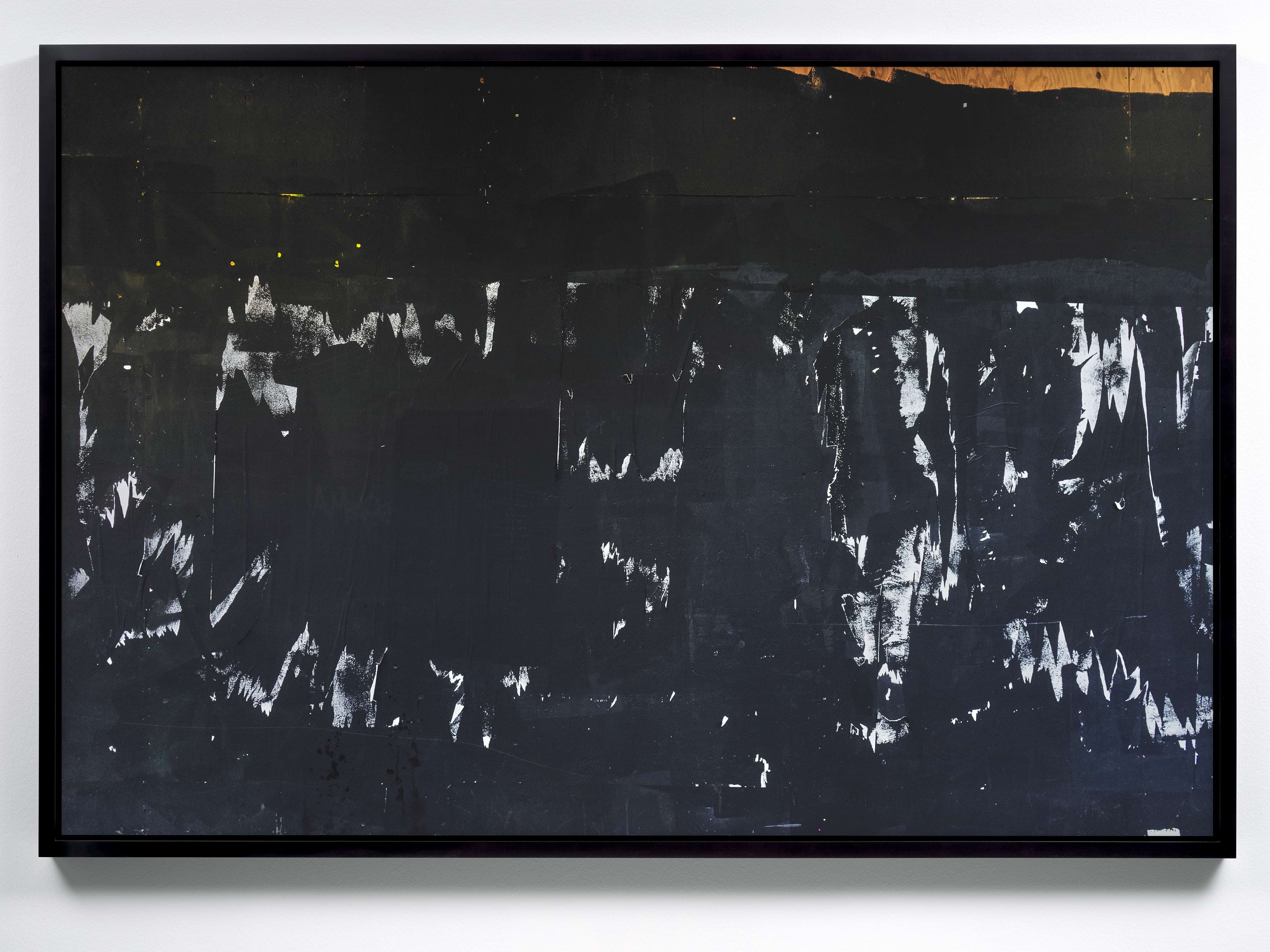
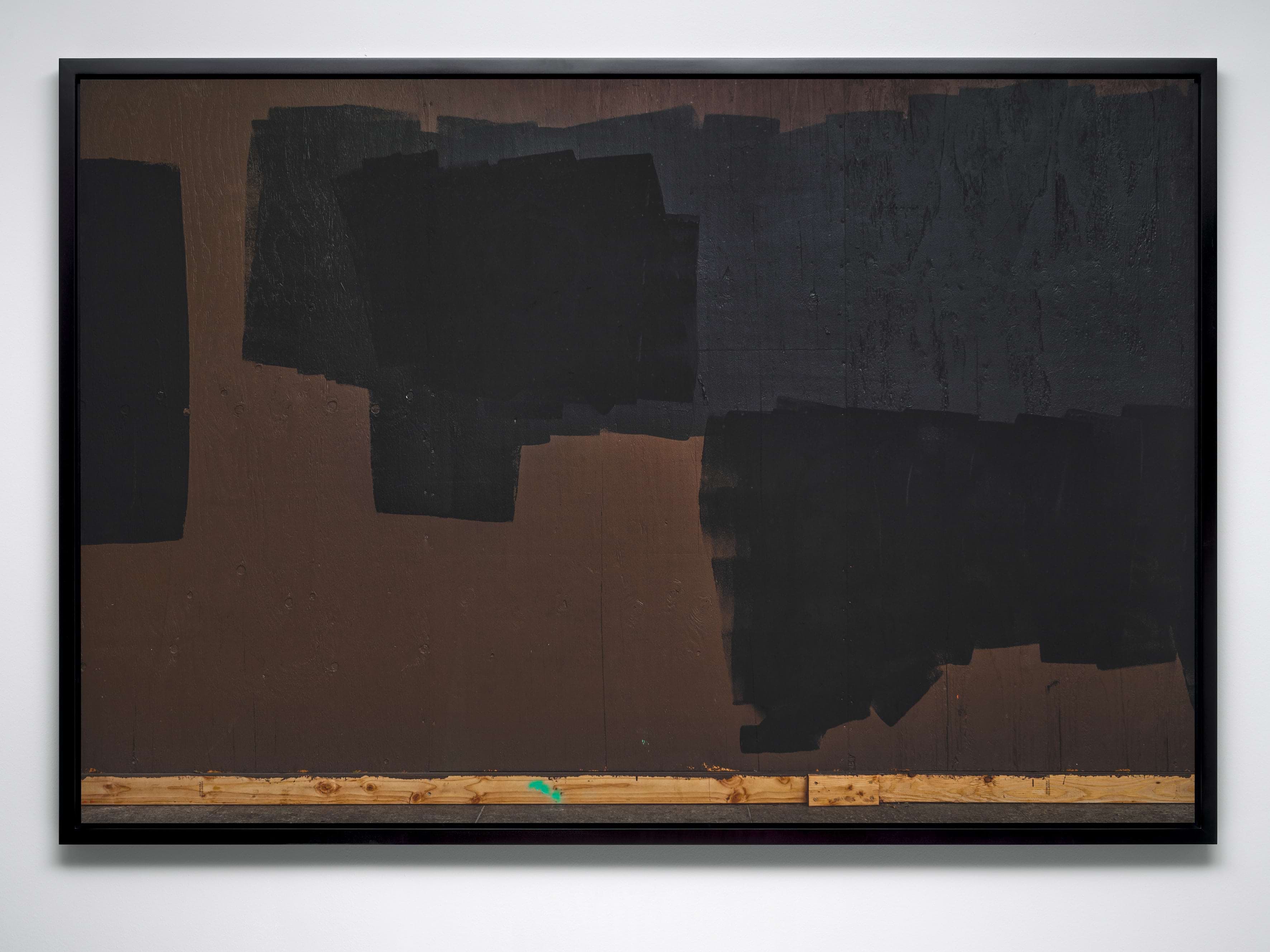
Her practice moves fluidly between aesthetic innovation and political inquiry, positioning the artist as both a witness and a participant in the unfolding of history. Weems has a long-standing presence within London’s institutional landscape. Her major survey Reflections for Now was presented at the Barbican Art Centre in 2023, following earlier exhibitions at Café Gallery Projects curated by Dr Mark Sealy in 2005. Her debut with Goodman Gallery London marks a significant new chapter in her sustained engagement with the city. This new exhibition premieres recent and iconic bodies of work responding to themes of migration, identity and belonging.


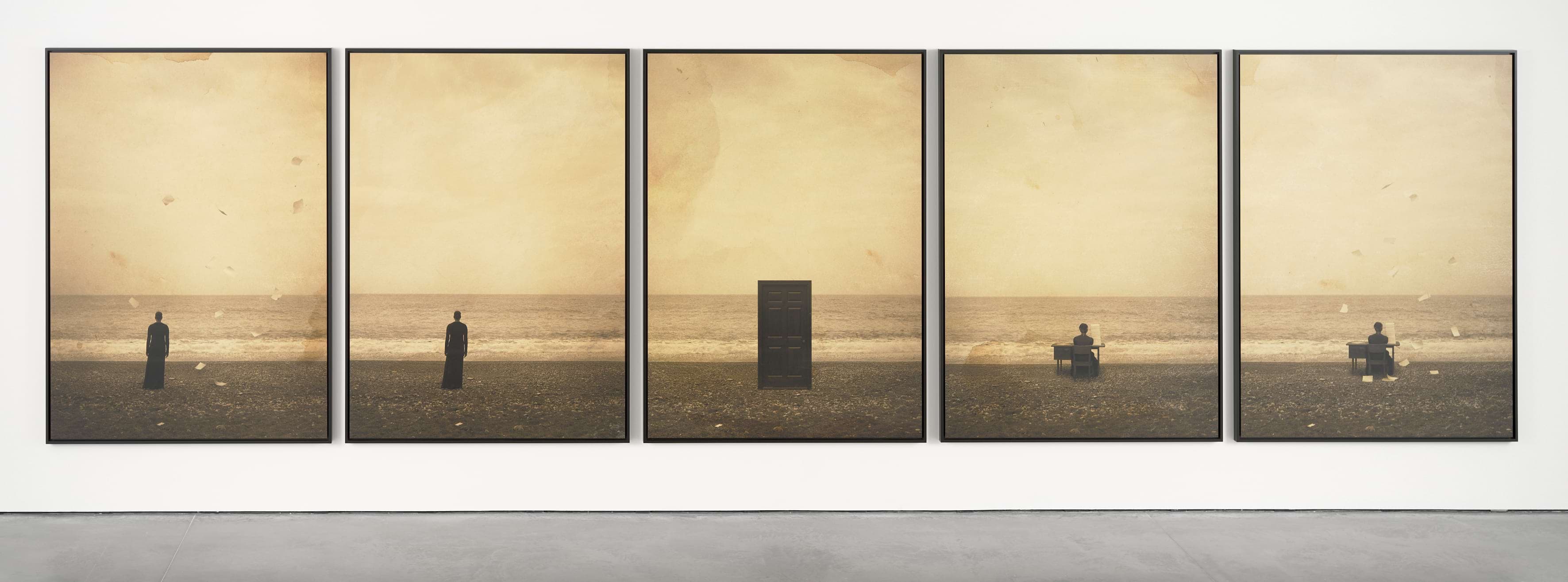
Among the central works in the exhibition is Seaside, a five-panel photographic work in which Weems reprises her iconic strategy of self-portraiture as witness. Photographed from behind on a shingle beach, the artist appears in moments of quiet reverie facing the ocean’s horizon. Seated at a desk, she attempts to render the vast and unknowable scale of the Atlantic passage. Across the sequence – seated, standing, and ultimately unable to contain the immensity before her – pages from her sketchbook are caught by gusts of wind, underscoring the limits of representation when confronted with histories of displacement and trauma.


The Law of Diminishing Returns comprises five oval-framed photographs that render, in miniature form, the passage of human bodies across the ocean. Evoking early photographic portraiture through their intimate scale, the works meditate on the enormity of global migration – from the transatlantic slave trade to contemporary economic displacement. Their modest dimensions demand close viewing, inviting contemplation and bearing witness to movements of profound historical consequence.
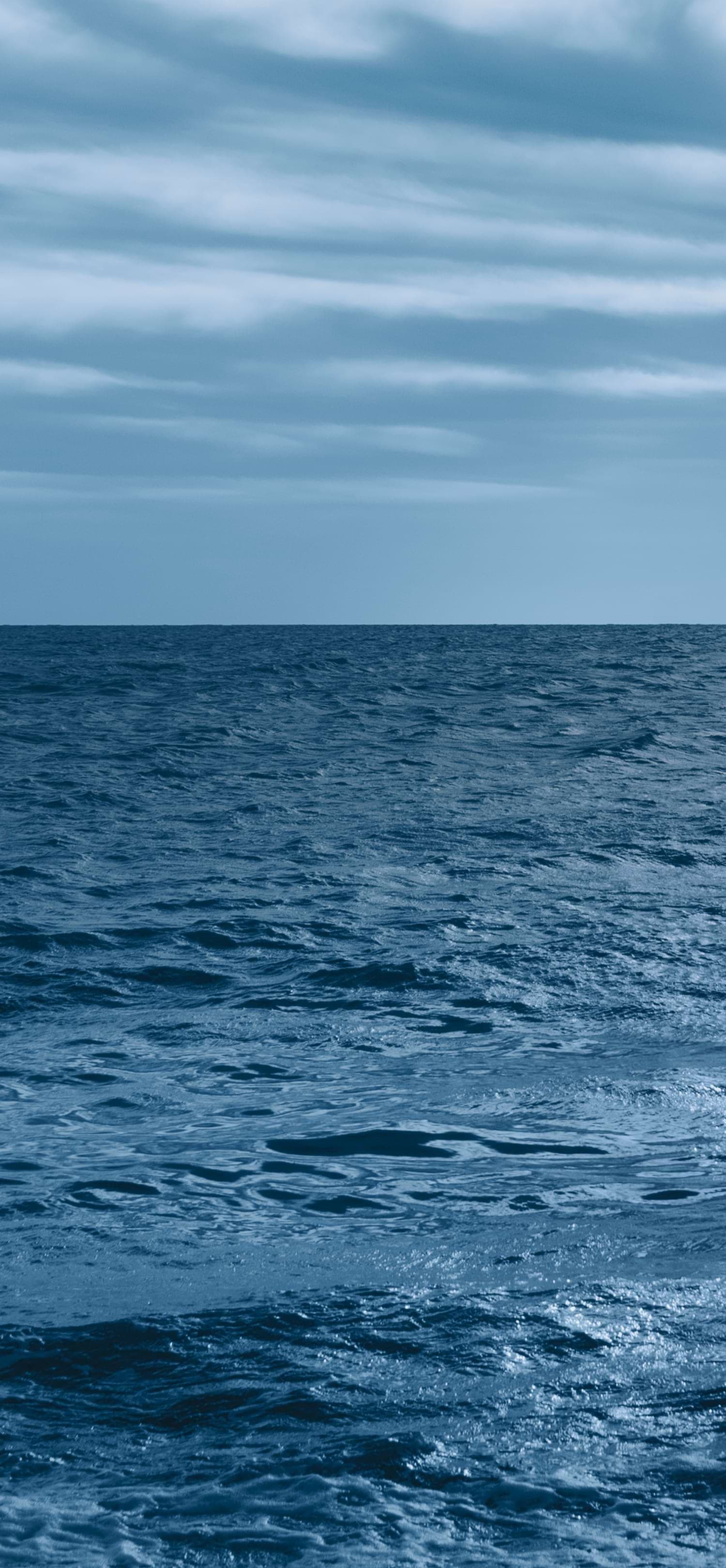
A corresponding group of seven oval-framed works titled Ocean Line isolates the horizon in a deep blue hue. Weems is renowned for her use of colour tints to inflect photographic imagery with emotional and political resonance, often addressing race, systemic violence and memory. Here, the saturated blue oscillates between contemplation and corporeality – at once expansive and bruised – transforming the horizon into a charged site of reflection.

The exhibition also presents selections from the acclaimed series Painting the Town. In these works, Weems photographs boarded-up storefronts following the civic unrest after the murder of George Floyd. Nearly life-sized in scale, the images function as trompe l’oeil abstractions: painted plywood surfaces appear at first glance to be gestural abstract paintings. By framing these “found” compositions, Weems reveals how attempts to conceal protest and dissent produced unintended visual languages, where acts of censorship become accidental abstractions.


Artist Bio
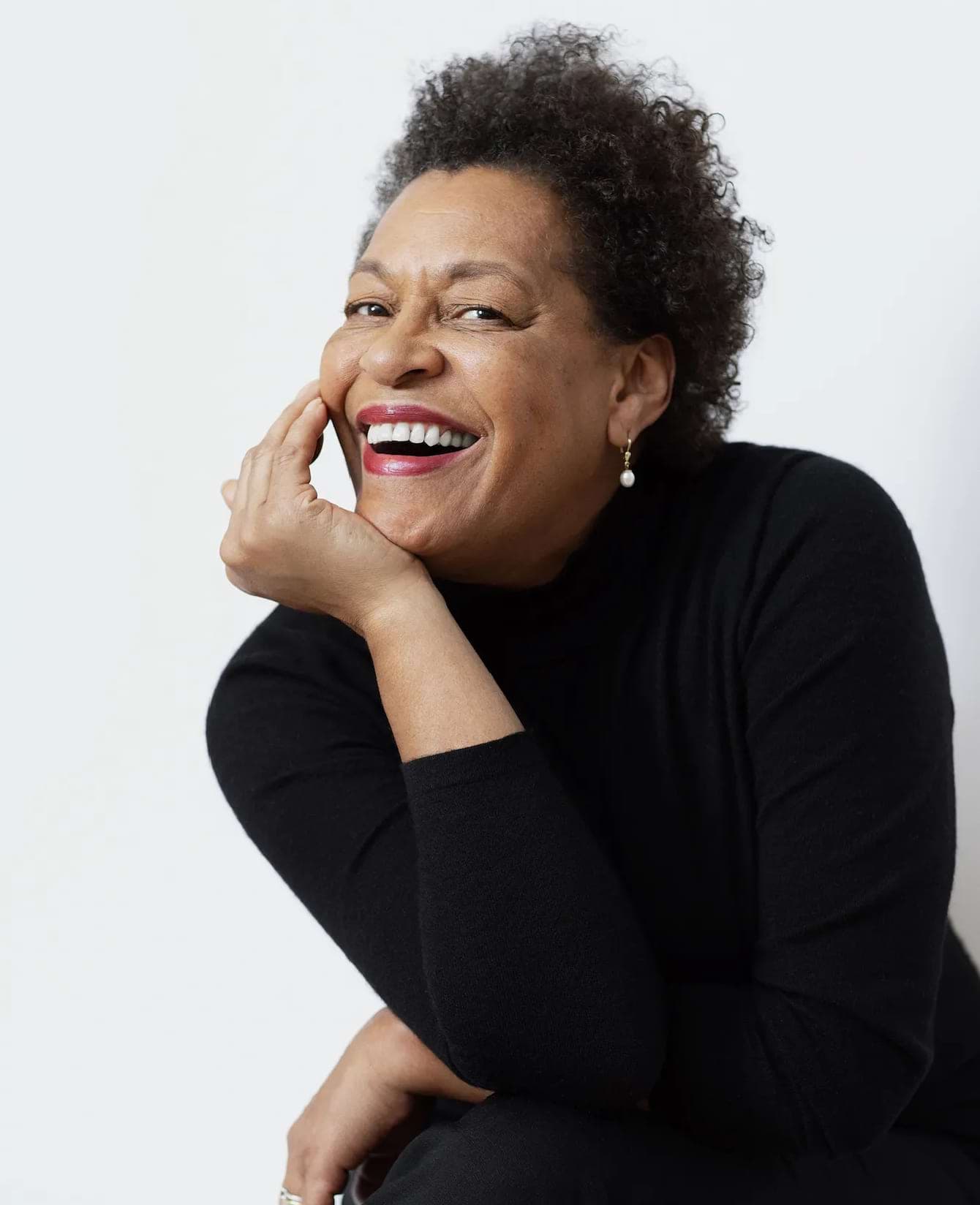
Carrie Mae Weems (b. 1953, Portland, Oregon) lives and works in Syracuse, New York. Recent exhibitions include The Heart of the Matter at Gallerie d'Italia, Painting the Town at the Rijksmuseum, Remember to Dream at CCS Bard Hessel, Carrie Mae Weems: The Shape of Things at LUMA Arles, Reflections for Now at Barbican Art Gallery in London, The Evidence of Things Not Seen, organized by Württembergischer Kunstverein Stuttgart and thereafter traveled to Kunstmuseum Basel, as well as Carrie Mae Weems: Remember to Dream at Hessel Museum of Art, Bard College. In the spring of 2023, Weems served as the inaugural Agnes Gund Professor of the Practice of Arts and Social Justice at Brown University, a residency that culminated in the campus-wide activation collectively titled Varying Shades of Brown.
Weems has received numerous awards, grants, and fellowships, including a National Medal of Arts, Hasselblad Award, the Bernd and Hilla Becher Prize, the MacArthur “Genius” grant, the US State Department’s Medal of Arts, the Joseph Hazen Rome Prize Fellowship from the American Academy in Rome, NEA grants, the Louis Comfort Tiffany Award, and the Congressional Black Caucus Foundation’s Lifetime Achievement Award, among others. Her work is in the collections of the Metropolitan Museum of Art, New York; Museum of Fine Arts, Houston; Museum of Modern Art, New York; Museum of Contemporary Art, Los Angeles; and The Tate Modern, London, among others.
Other Exhibitions
See All