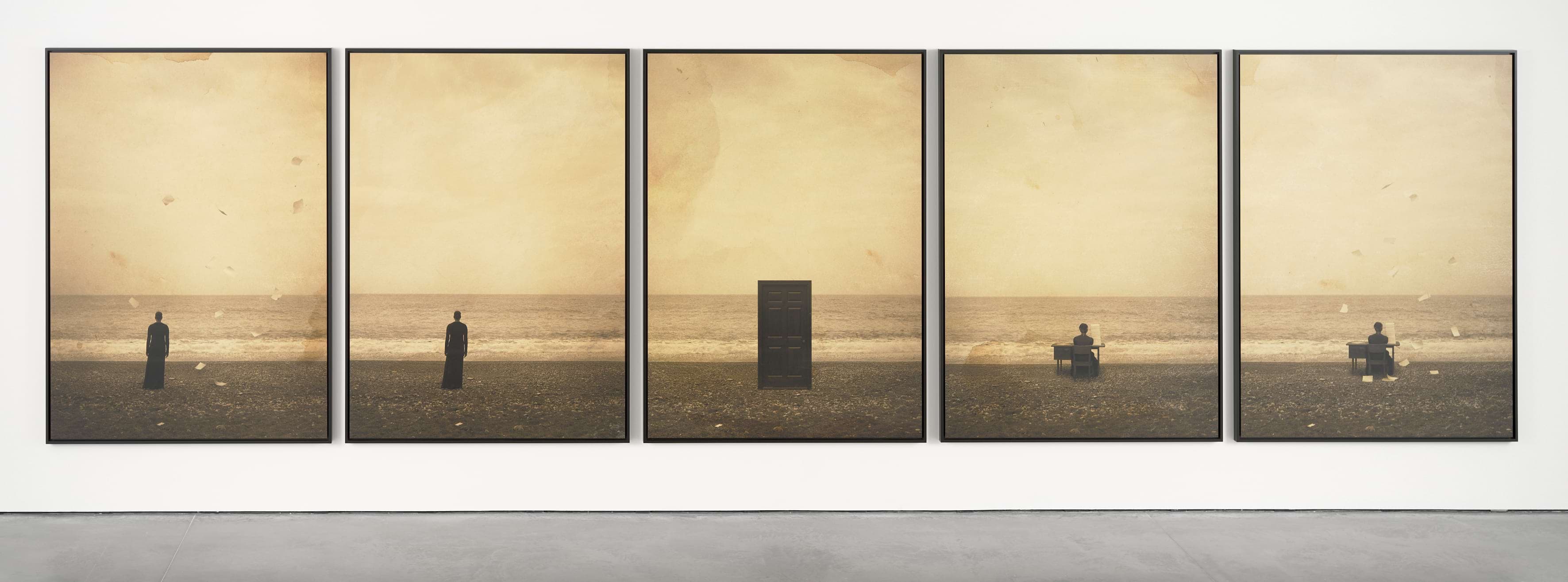
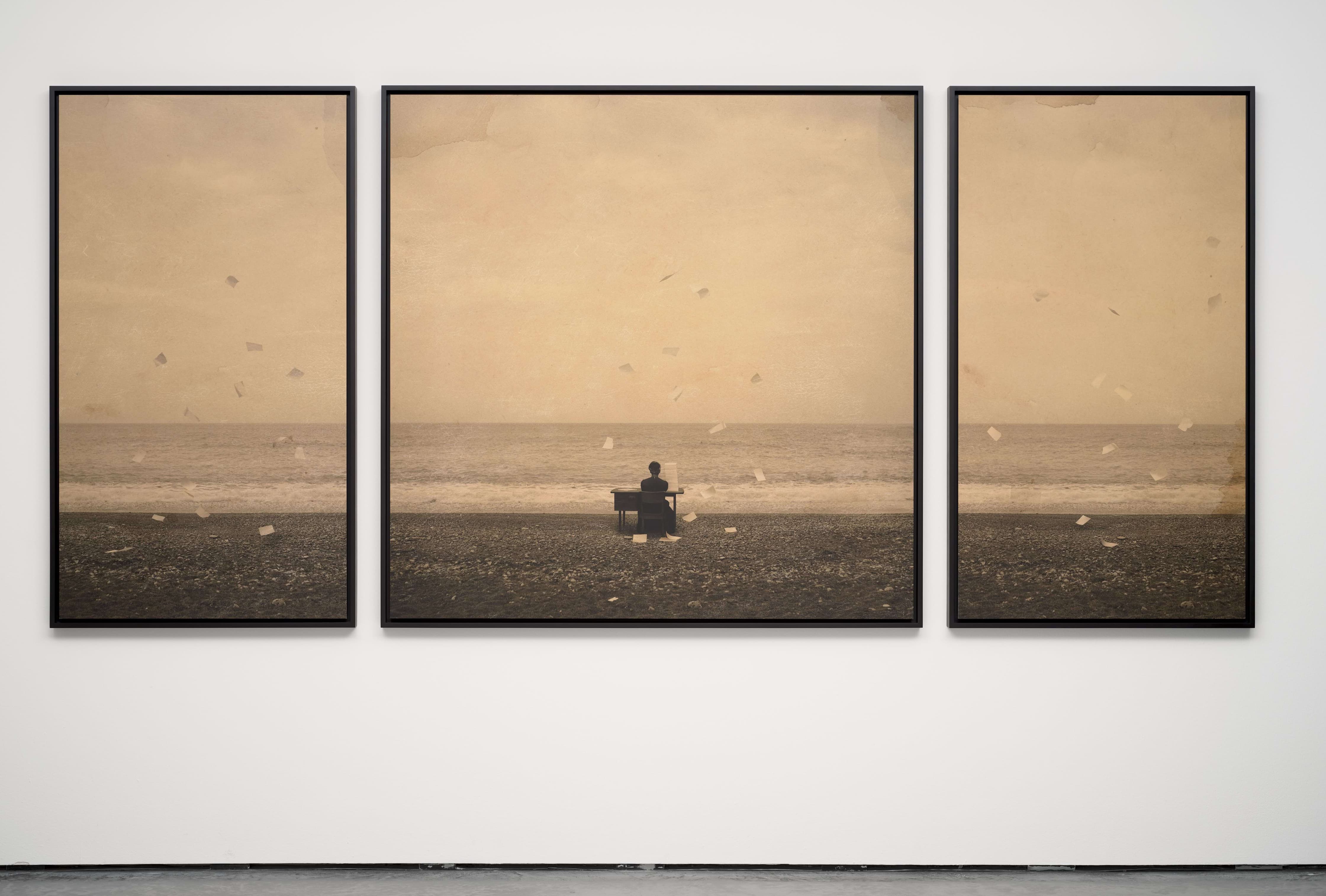
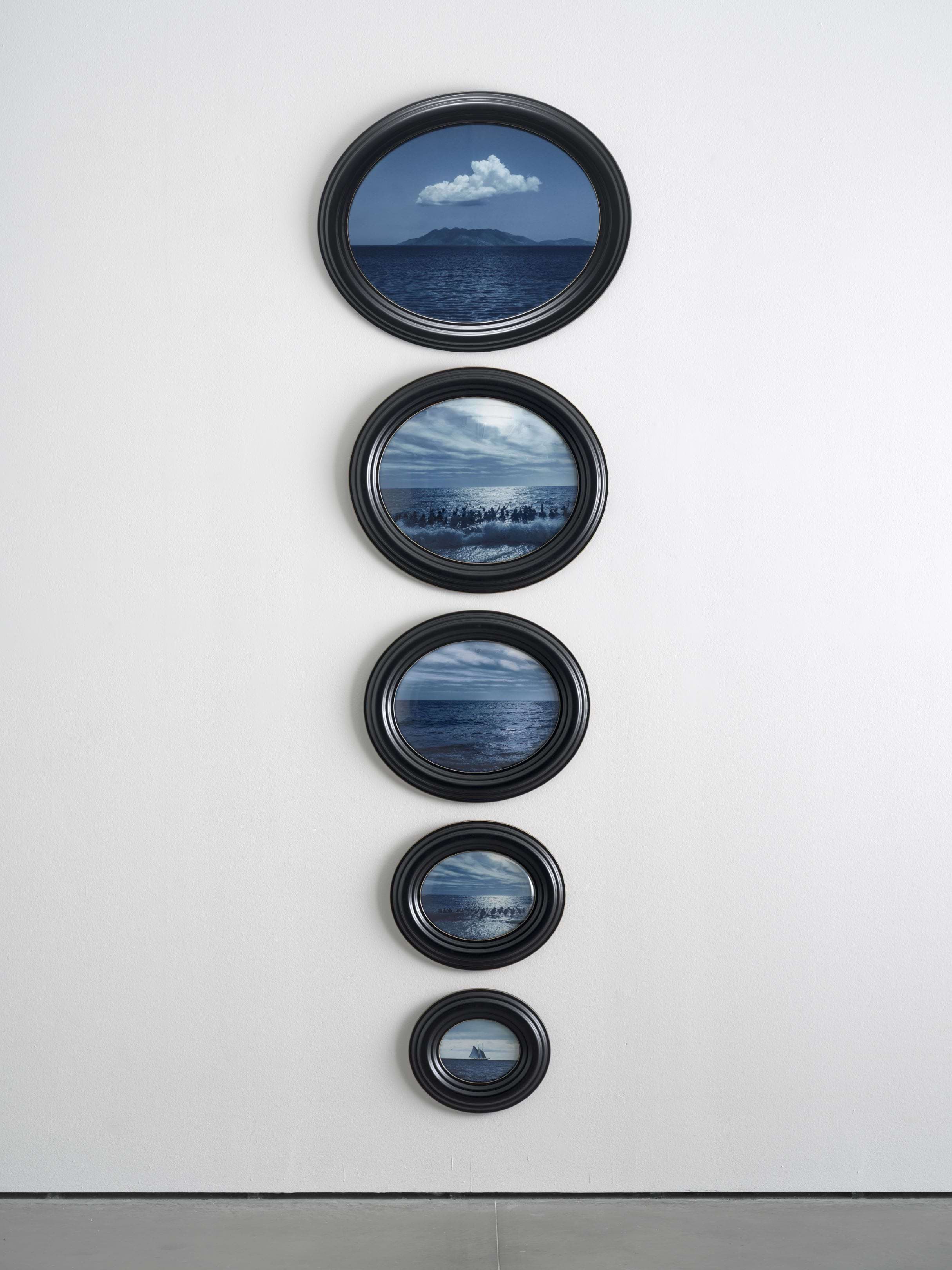
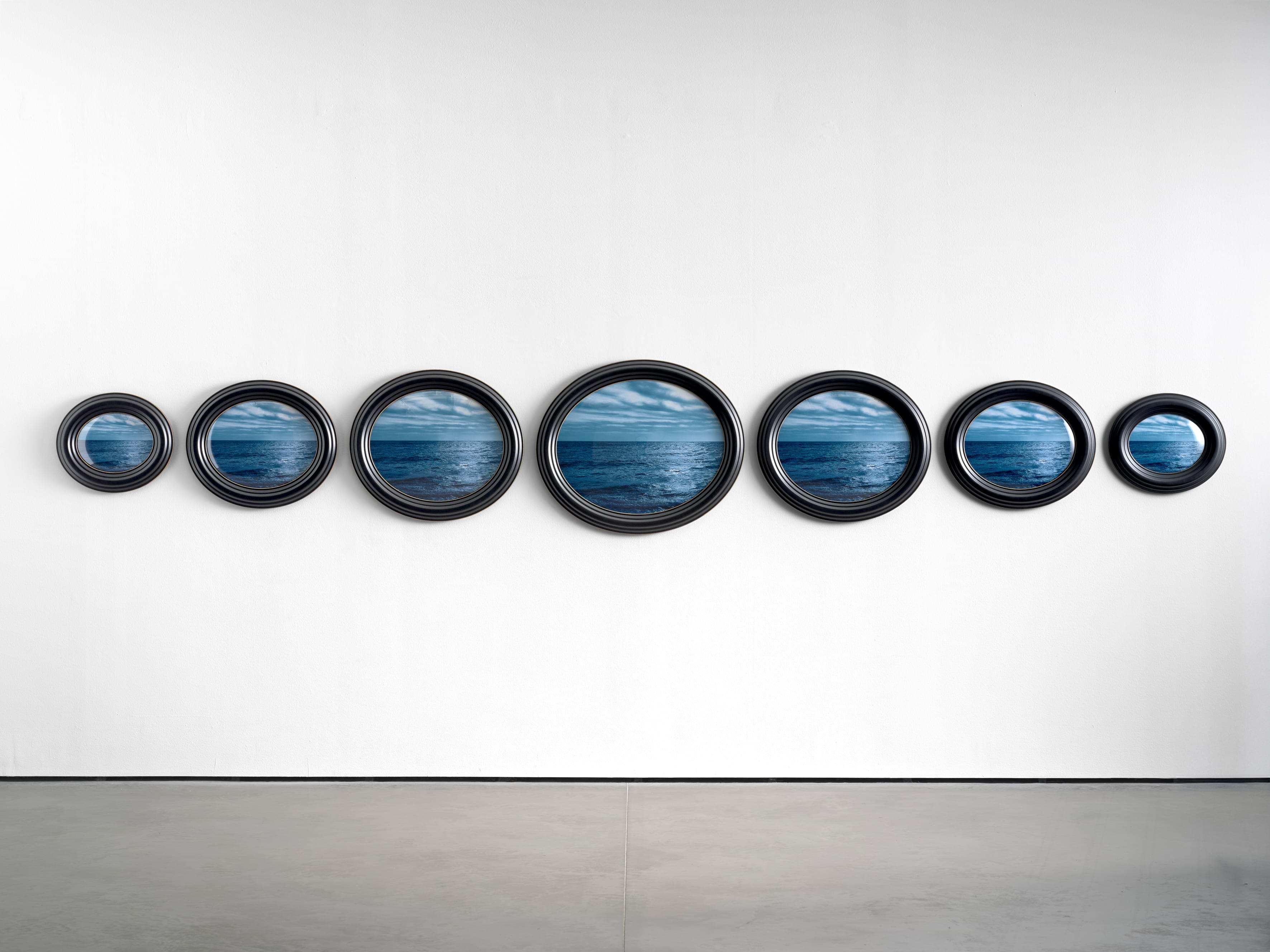
Carrie Mae Weems’s resonant photo series 'The Sea Side 2' extends her signature use of self-portraiture as witness in a meditation on global migration, from the transatlantic slave trade to contemporary forms of economic displacement.
The work depicts the artist from behind on a shingle beach, facing the ocean horizon as both a spatial and historical threshold. Scale and intimacy have been central to Weems’ photographic practice since the landmark Kitchen Table Series (1990).
The maritime subject of The Sea Side 2 extends her ongoing engagement with transatlantic histories, developed in her major institutional film commission The Long Goodbye at V&A East Museum, London.
Weems was the first Black woman to receive the Hasselblad Award (2023) and the first African American woman visual artist awarded the United States National Medal of Arts (2024).
Current/forthcoming exhibitions: The Long Goodbye, V&A East Museum, London (until 18 October 2026); The Cool Blue Wind, a civic sound-image collage, Obama Presidential Center, Chicago (opening 19 June 2026).
Video
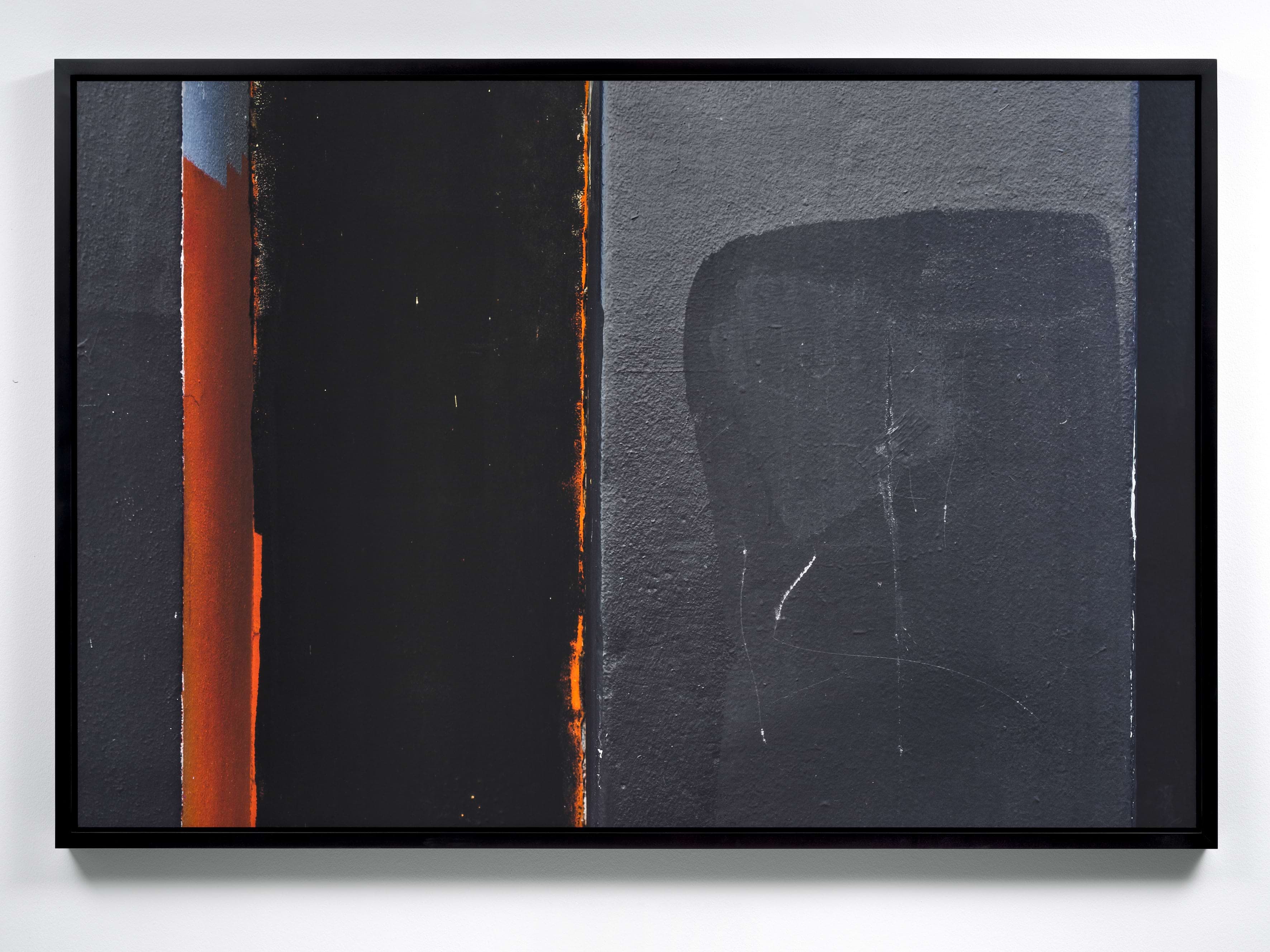
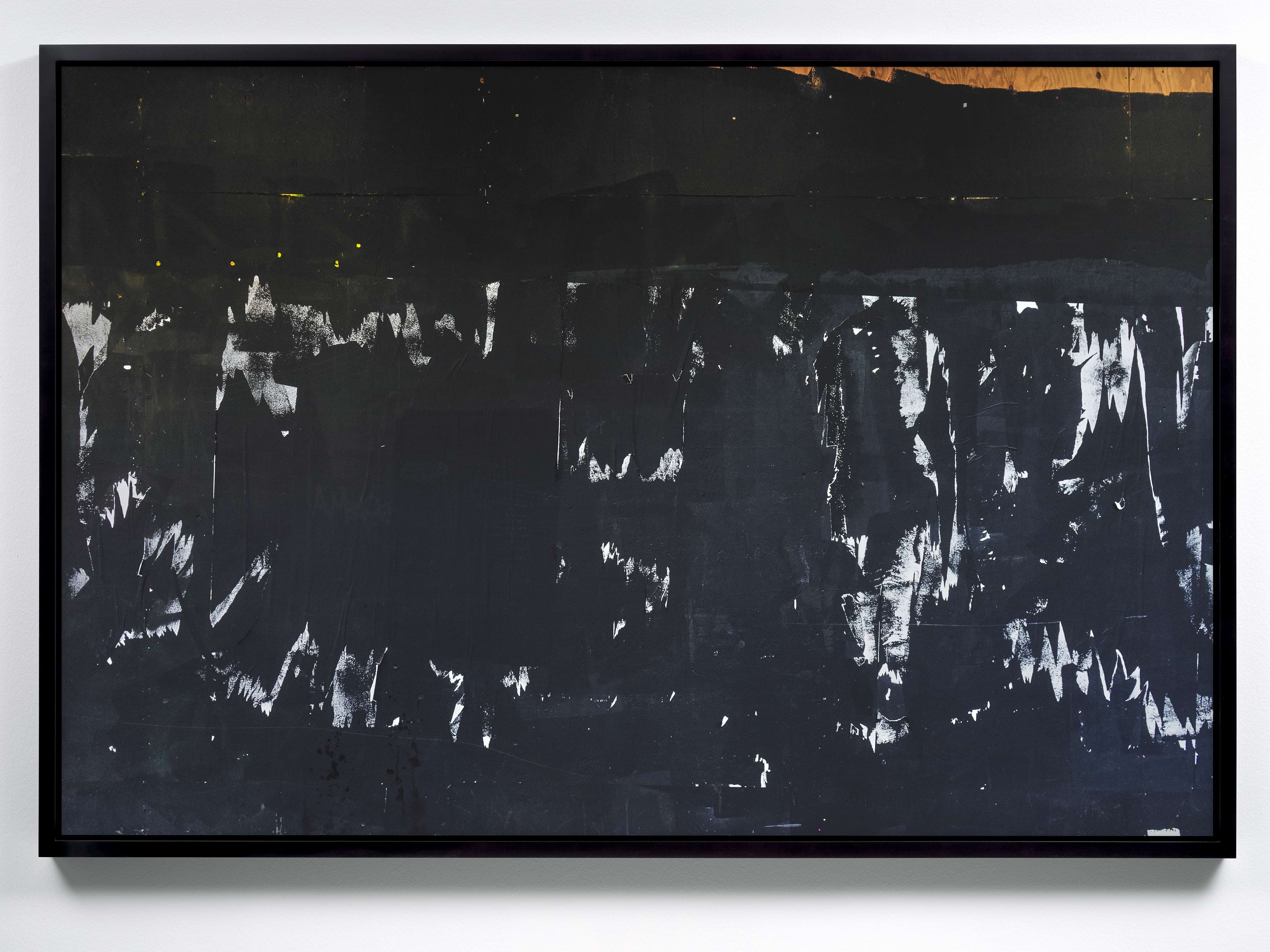
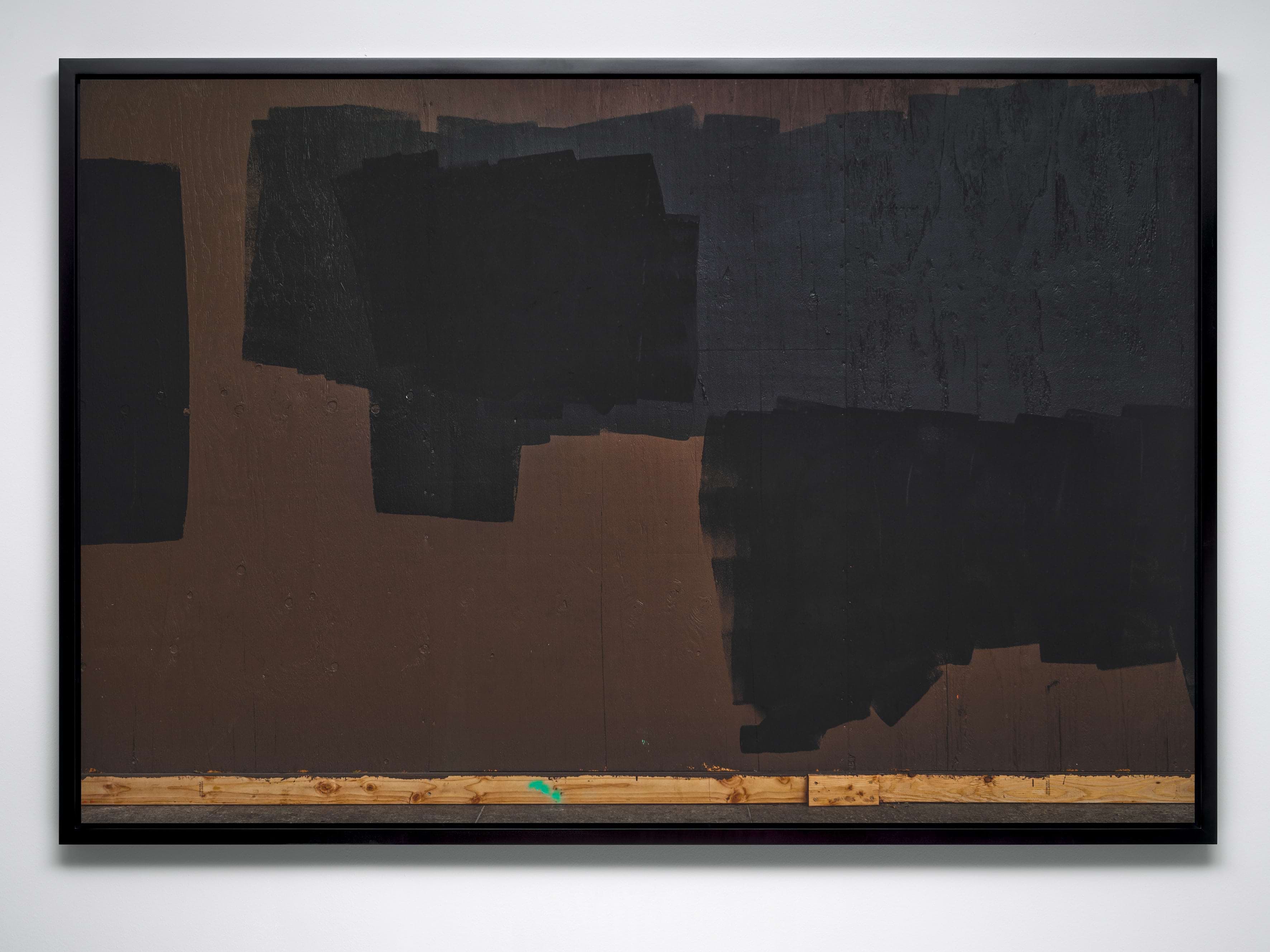
At first glance Weems’ large and powerful works resemble abstract paintings. During the Black Lives Matter protests, campaigners wrote texts on the panels that shopkeepers had used to board up their windows as a precautionary measure. The authorities then rendered the slogans illegible by covering them with large patches of paint. The unintended result of this act of censorship was a series of painterly compositions. Weems uses her work to explore what it means to be a witness to history, through themes such as racism, sexism and discrimination.
At first glance Weems’ large and powerful works resemble abstract paintings. During the Black Lives Matter protests, campaigners wrote texts on the panels that shopkeepers had used to board up their windows as a precautionary measure. The authorities then rendered the slogans illegible by covering them with large patches of paint. The unintended result of this act of censorship was a series of painterly compositions. Weems uses her work to explore what it means to be a witness to history, through themes such as racism, sexism and discrimination.