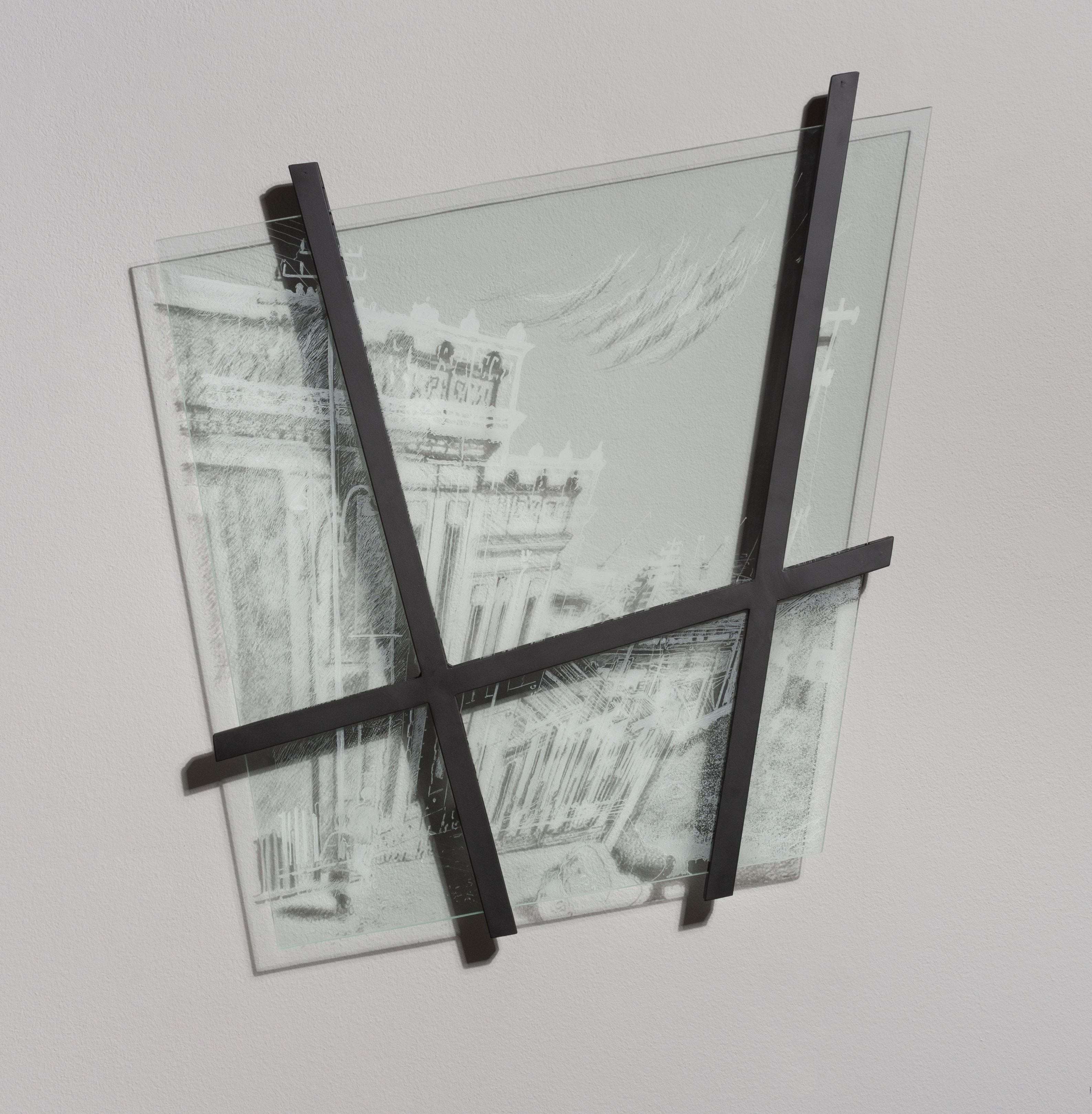
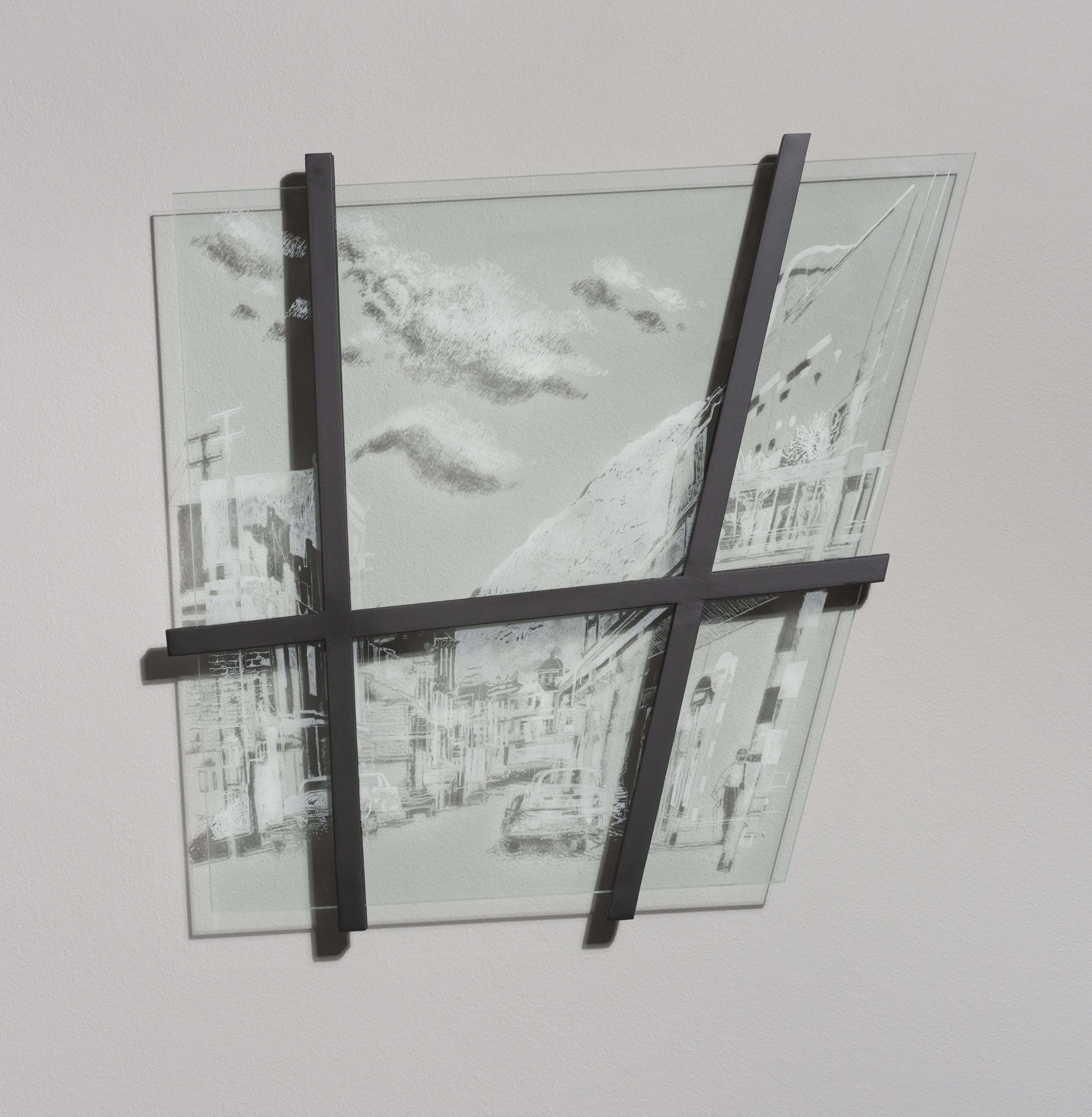
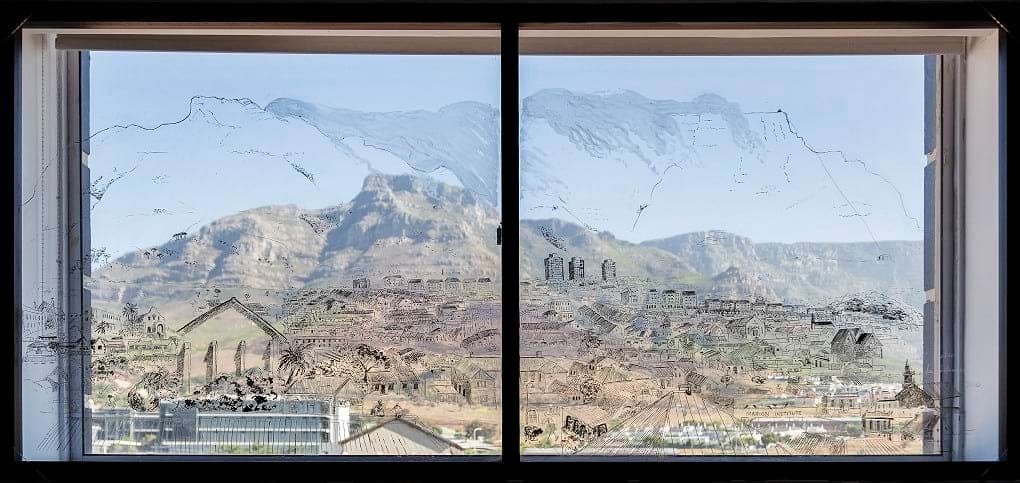
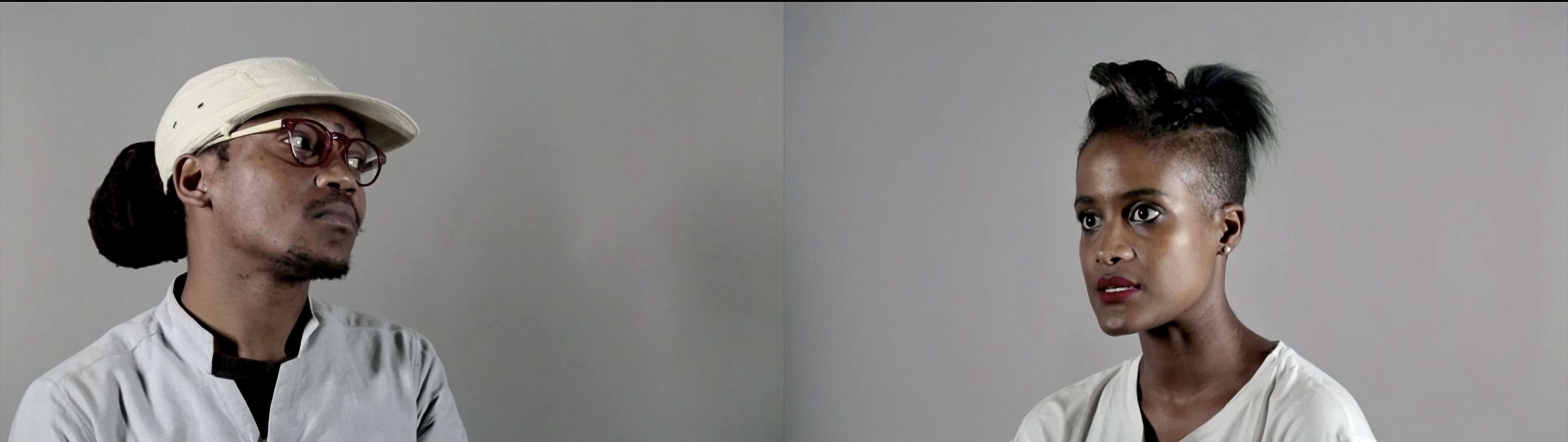
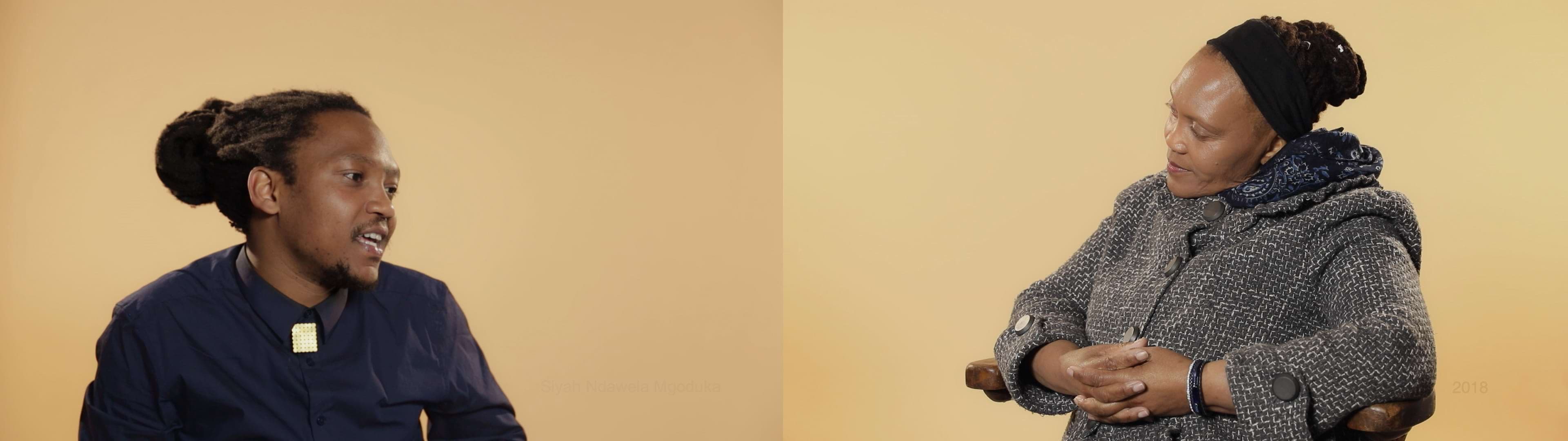
In this film, Siyah Ndawela Mgoduka appears in conversation with Candice Mama, whose father was killed by apartheid assassin Eugene de Kock. The pair, who are both in their twenties, discuss their lives, what it has meant not to have a father, how it has affected their mothers and their family life, as well as delving further into the failures of the TRC’s process of forgiveness. The title of the film refers to the greeting apartheid assassin Eugene de Kock gave each member of the Mama family when they visited him in jail.
The follow up video to It’s a pleasure to meet you (2016) , is called That particular morning (2018), which was made in collaboration with Siyah Ndawela Mgoduka. Here, Mgoduka is again a participant, and, on camera with his mother Doreen, he vocalises the questions about his dead father that he has held back for years. The work brings into focus the profound impact of this familial rupture and highlights differing generational attitudes towards the process of forgiveness initiated by the TRC hearings.
In the series Postcards from Africa, Sue Williamson turns her attention to vintage postcards of photographs taken by European colonizers in Africa in the first decades of the 20th century. Part of a global craze for postcards, these were sent out as examples which supposedly demonstrated the civilizing effect of colonisation on the colonised, or presented views of exotic Africa for the edification of the folks back home.
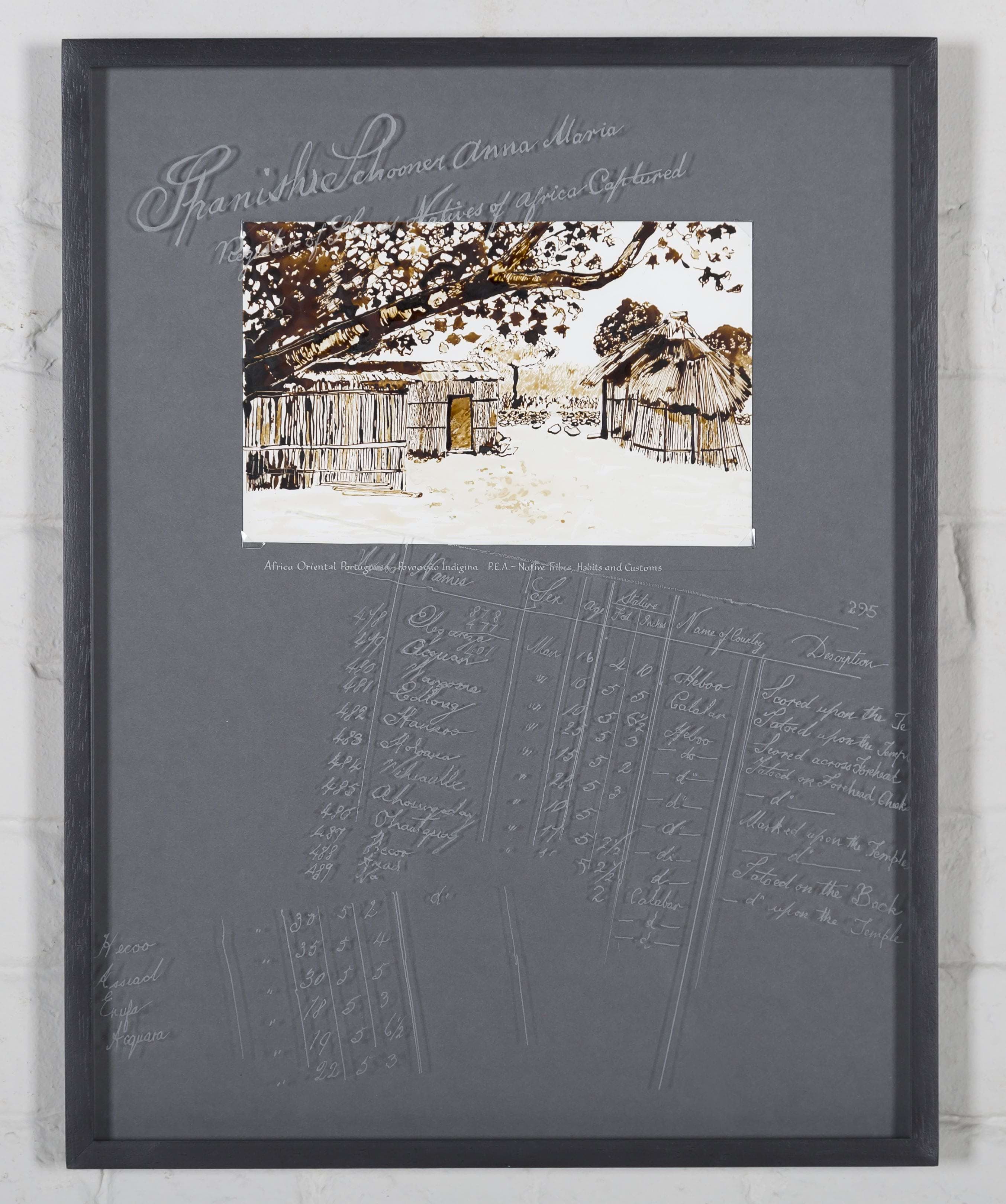
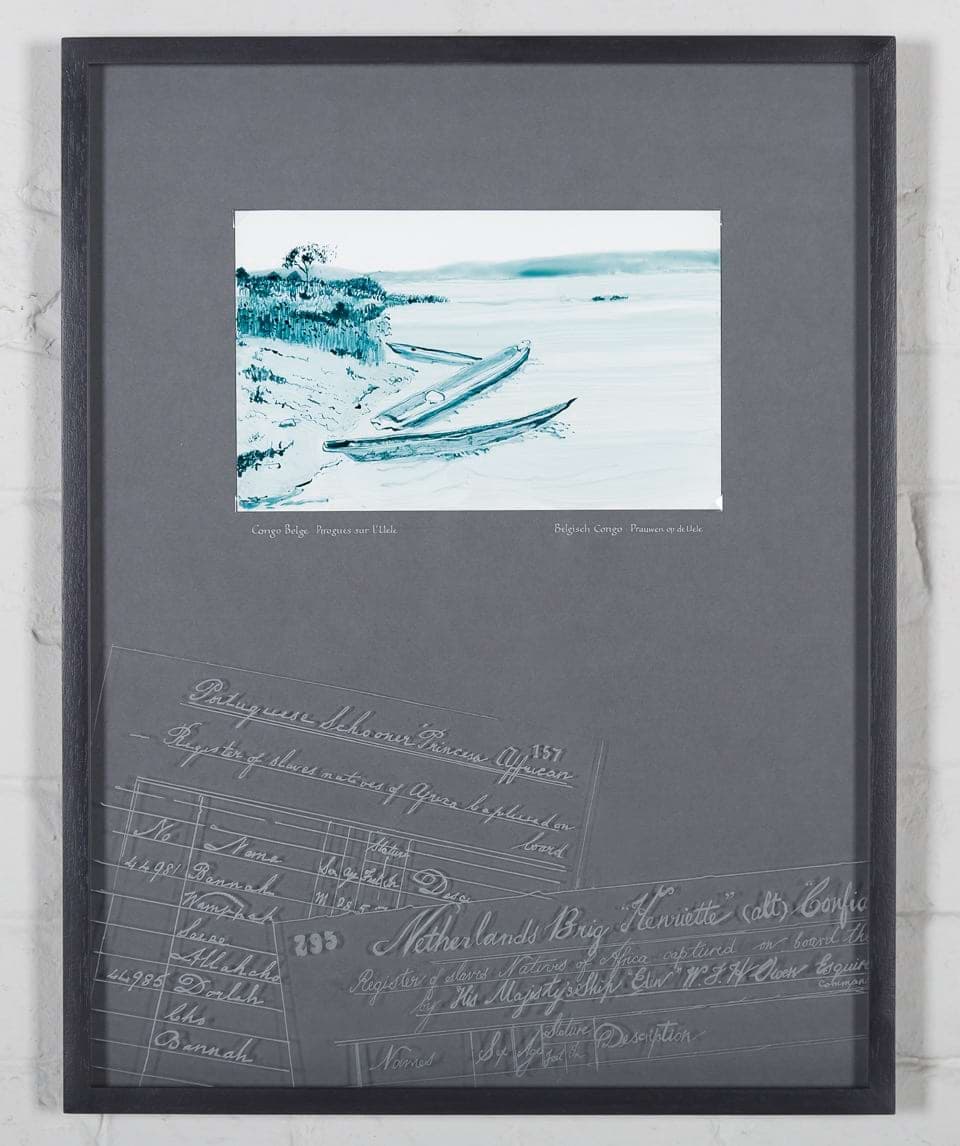
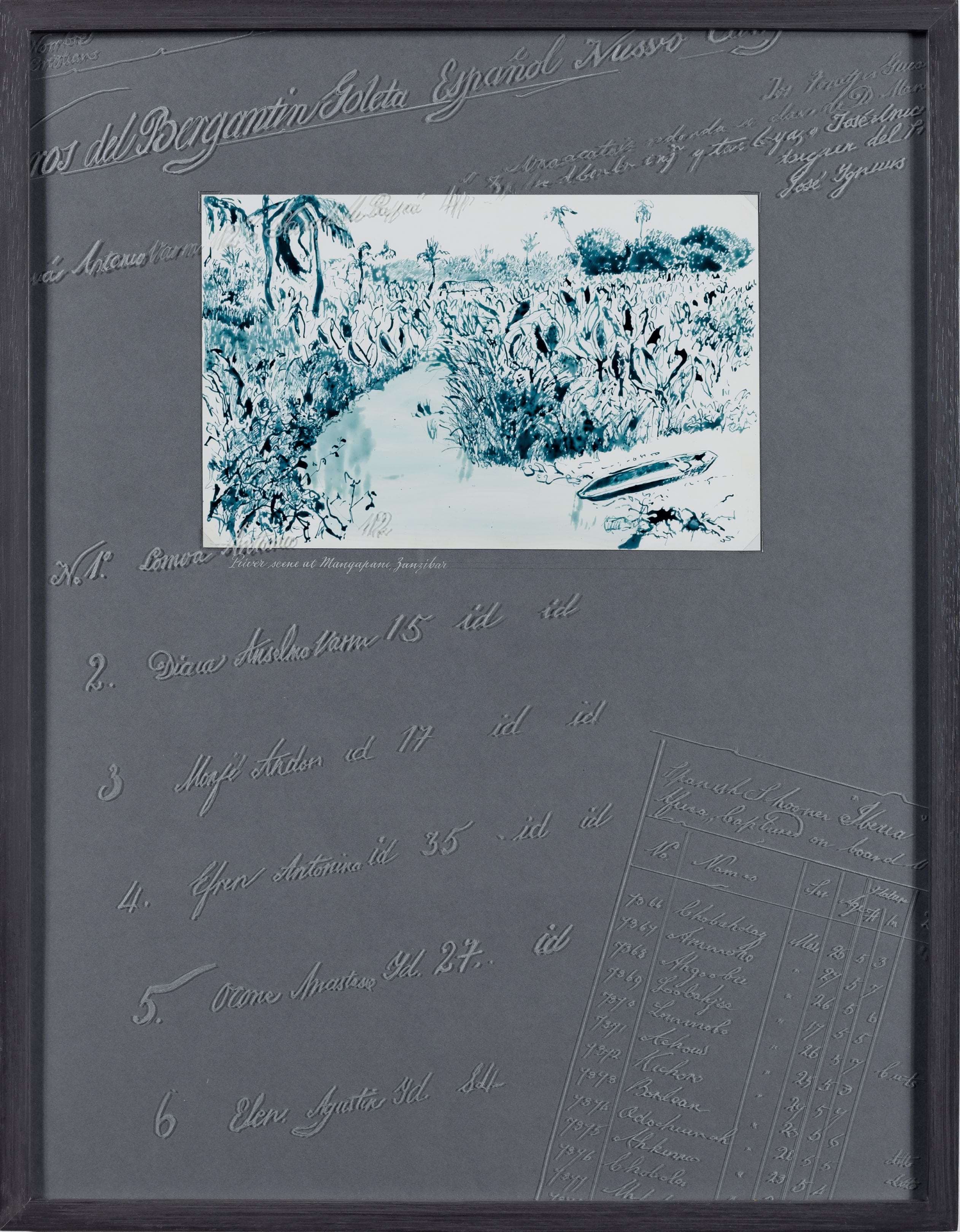
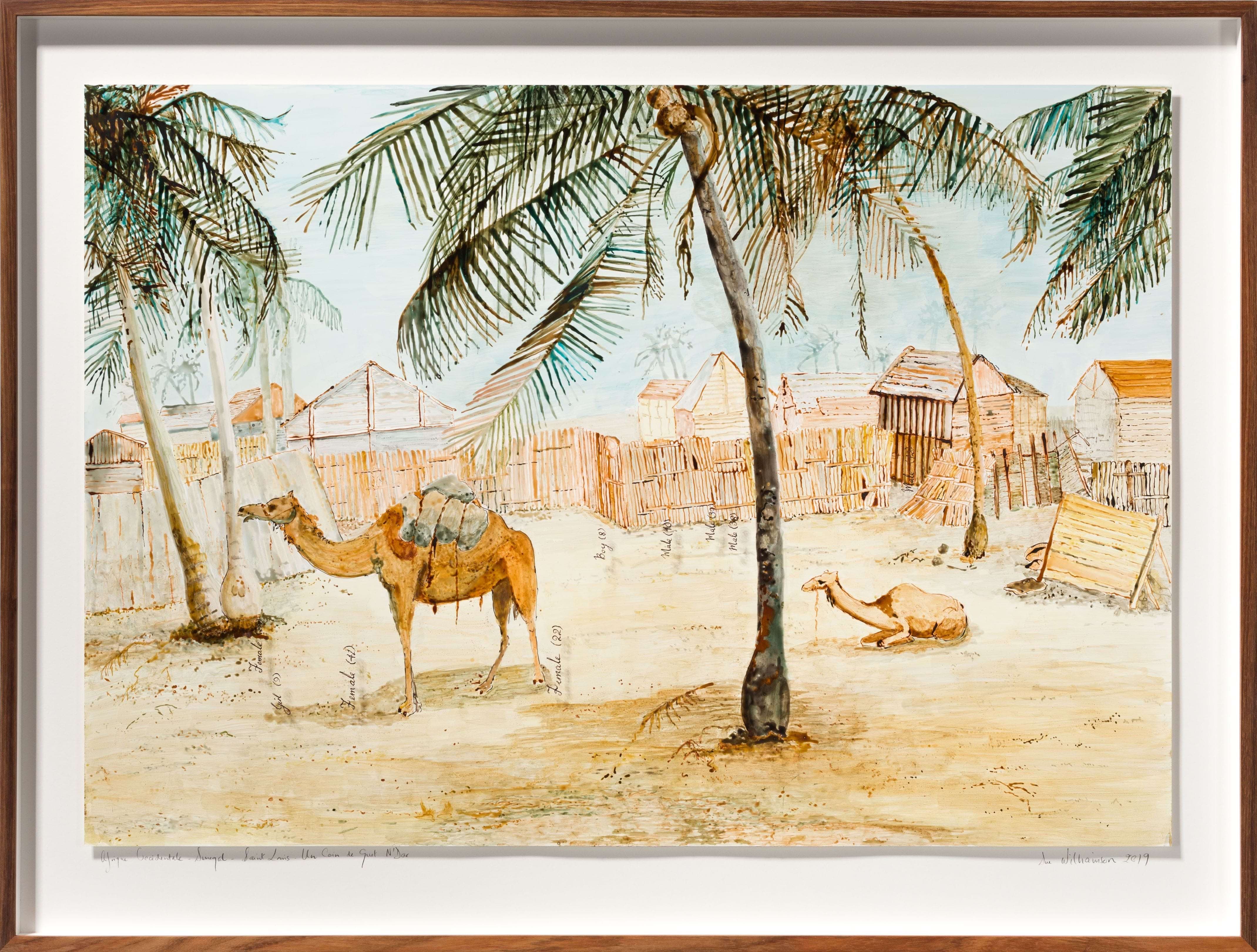
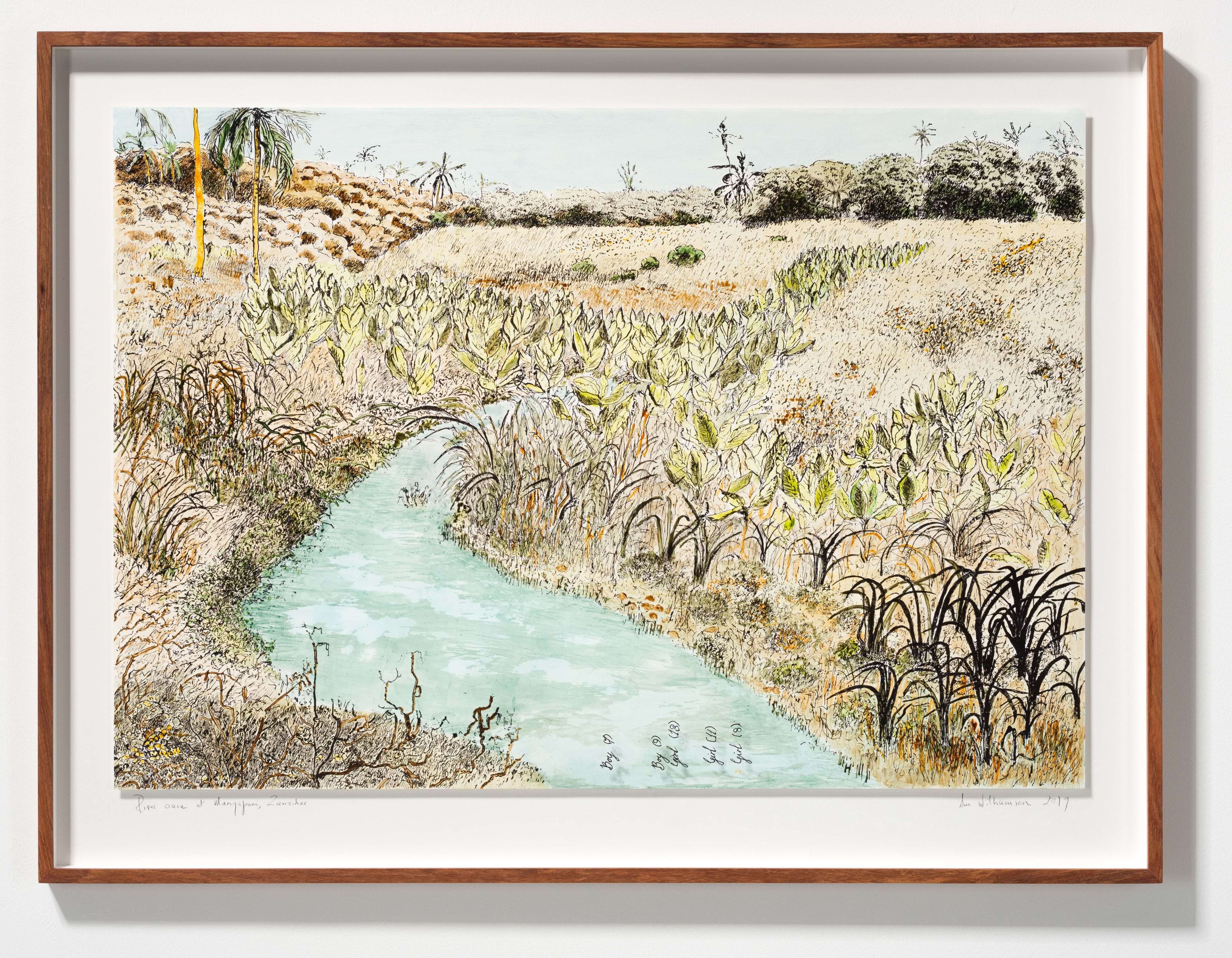
Using museum archives or the internet to source the postcards, Williamson reverts to classic drawing technique, dipping her pens and brushes into bottles of ink to build up images with layers of intricate cross hatching and adding colour from a limited palette.
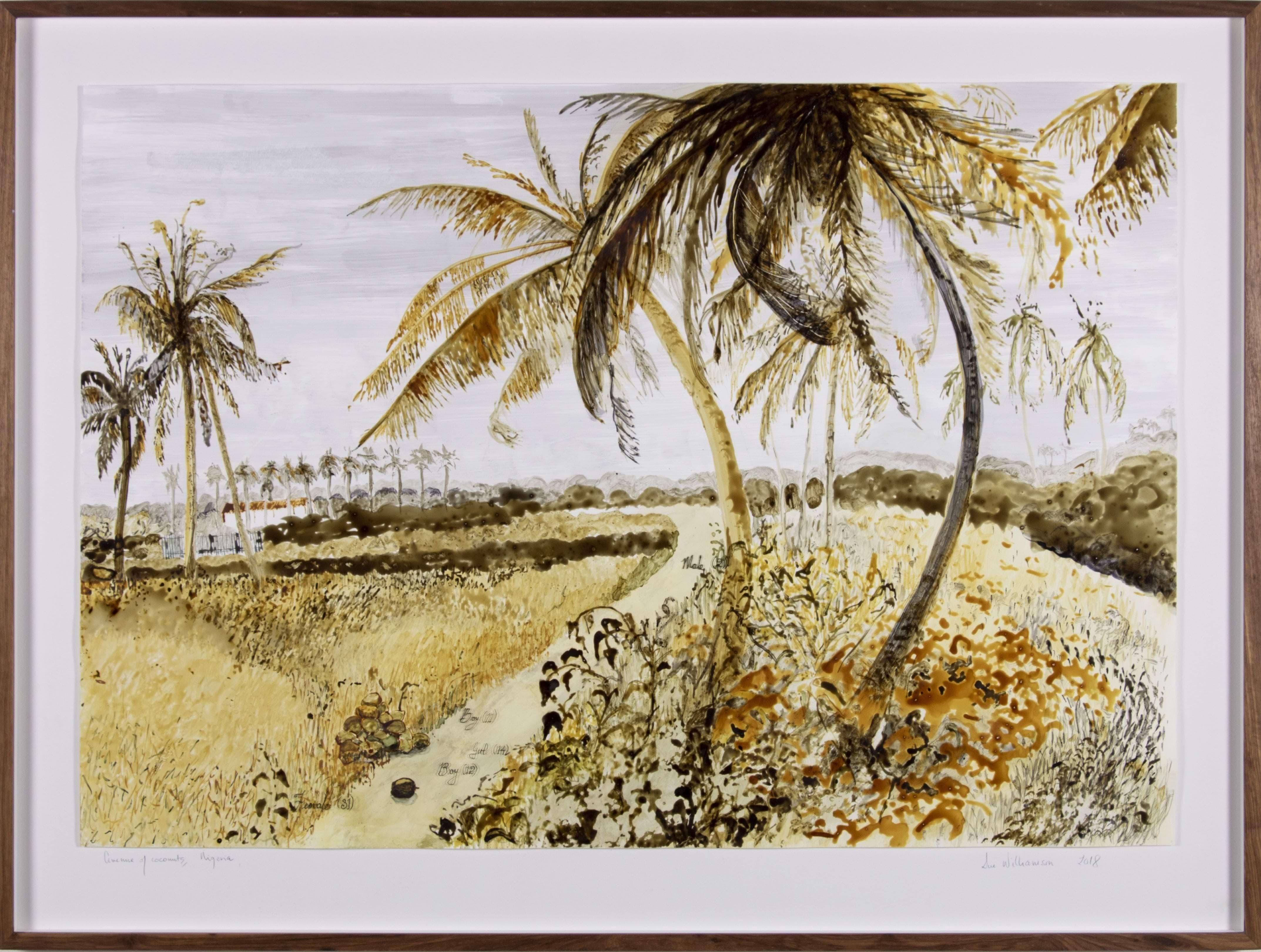
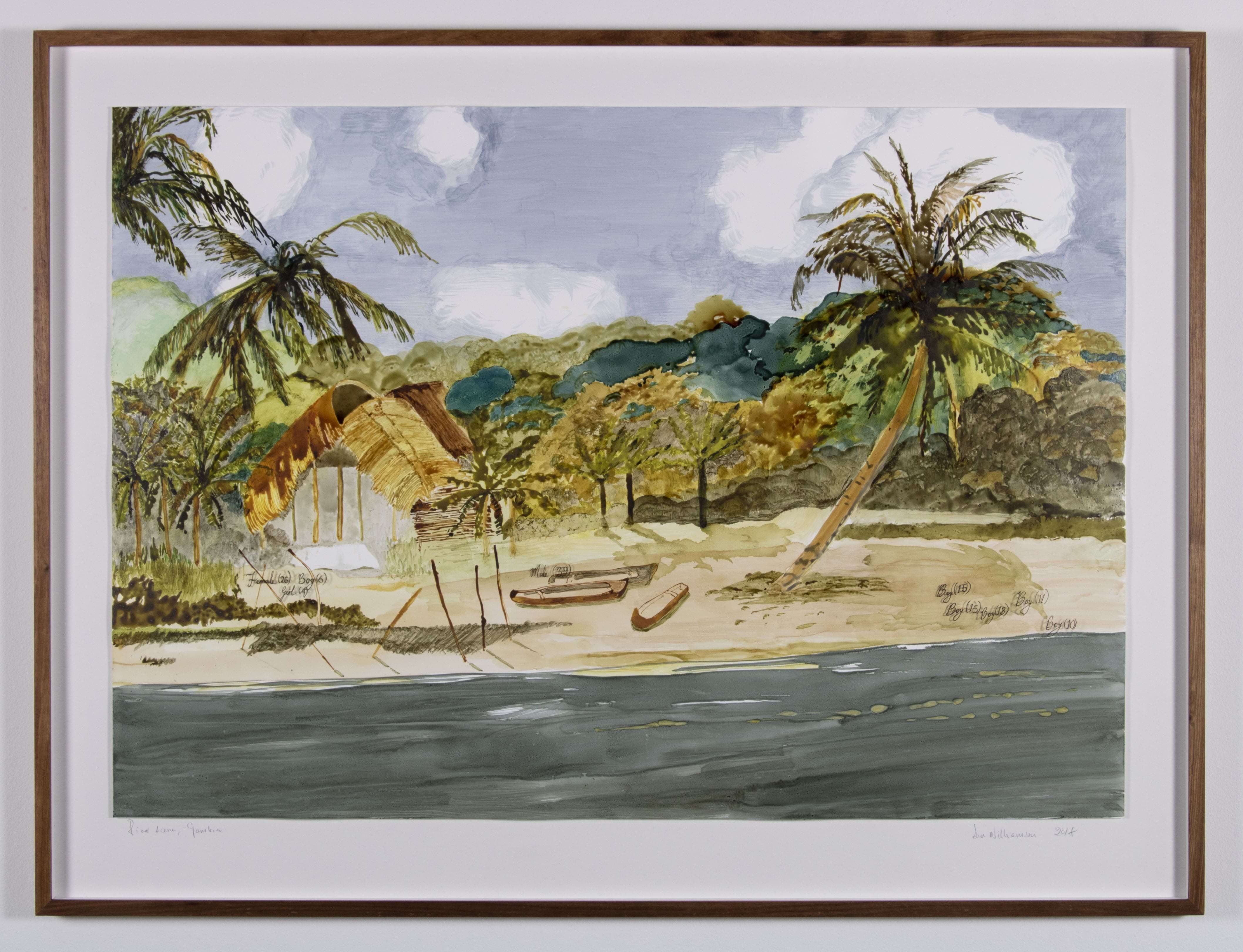
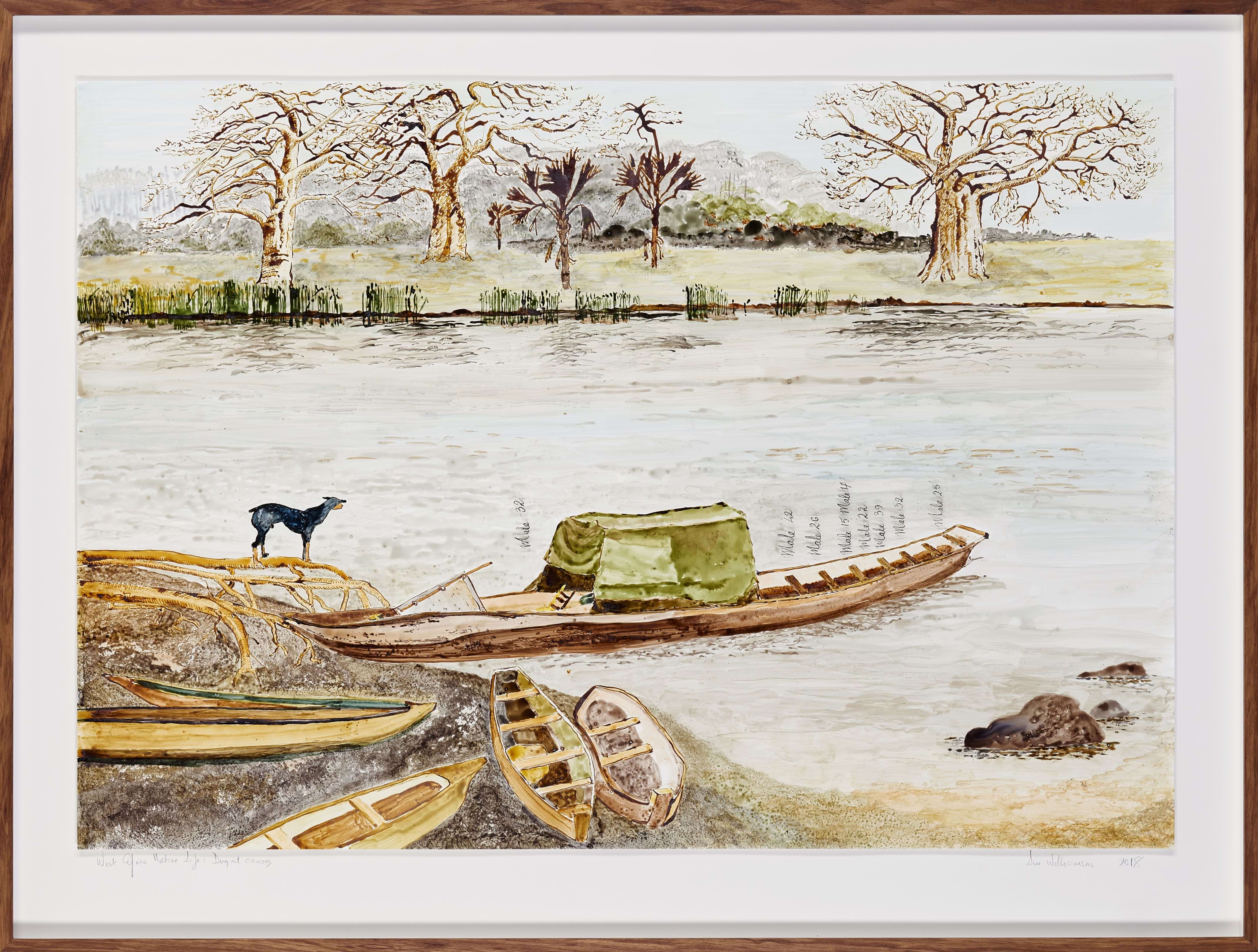
In each drawing, signs of habitation remain visible —dwellings, boats, a pile of coconuts — but the people who appeared on the original postcard no longer appear. The absence of the people from the landscape presents an uncomfortable tension from which a series of questions emerge — where are the people who used to live here? What happened to them? These questions point to the complexity of subverting the colonial gaze —how does one challenge the gaze while also taking care not to perpetuate violence through recirculation of images that re- invoke their original racist and oppressive context?
In the series Postcards from Africa, Sue Williamson turns her attention to vintage postcards of photographs taken by European colonizers in Africa in the first decades of the 20th century. Part of a global craze for postcards, these were sent out as examples which supposedly demonstrated the civilizing effect of colonisation on the colonised, or presented views of exotic Africa for the edification of the folks back home.
Using museum archives or the internet to source the postcards, Williamson reverts to classic drawing technique, dipping her pens and brushes into bottles of ink to build up images with layers of intricate cross hatching and adding colour from a limited palette.
In each drawing, signs of habitation remain visible —dwellings, boats, a pile of coconuts — but the people who appeared on the original postcard no longer appear. The absence of the people from the landscape presents an uncomfortable tension from which a series of questions emerge — where are the people who used to live here? What happened to them? These questions point to the complexity of subverting the colonial gaze —how does one challenge the gaze while also taking care not to perpetuate violence through recirculation of images that re- invoke their original racist and oppressive context?
Postcards from Africa is a series of new ink drawings based on postcards from the early 1900s, produced for residents and travellers in Africa as well as for collectors who had never set foot on the continent. These postcards, which peaked in popularity at that time, now contribute to understanding political and cultural changes in Africa as the rise of the new medium coincided with the expansion and consolidation of colonial rule. In Williamson's re-drawn scenes from these postcards, all the figures have been left out: a reference to the scourge of slavery, which saw 12.5 million people shipped from the continent to the Americas.
Williamson’s new series of drawings, Postcards from Africa, continues the artist’s interest in the power of a small printed image to carry news of a specific moment in time to a far off audience, sometimes current, sometimes separated from the event by a century. Her early series of etchings The Modderdam Postcards (1978) was based on sketches made over seven days while witnessing the destruction by the apartheid state of an informal settlement near the airport in Cape Town.
Postcards made from A Few South Africans (1983-86), mixed media portraits of heroic women active in the struggle for liberation, were distributed not only across the country but the world. Most recently, the artist has turned her attention to vintage postcards of photographs taken by European colonisers in Africa in the first decades of the 20th century, who used the postcards as examples of the success of their missions, supposedly demonstrating the civilising effect of colonisation on the colonised, or presenting views of exotic Africa.
Sourcing these postcards from museum archives or from the internet, Williamson reverts to classic drawing techniques. She dips her pen into a bottle of ink, building up images with layers of intricate cross-hatching, adding colour from a limited palette to reproduce the rural landscapes on the postcards, or capture the scenes of daily community life: harvesting, swimming, gathering wood.
Williamson’s new series of drawings, Postcards from Africa, continues the artist’s interest in the power of a small printed image to carry news of a specific moment in time to a far off audience, sometimes current, sometimes separated from the event by a century. Her early series of etchings The Modderdam Postcards (1978) was based on sketches made over seven days while witnessing the destruction by the apartheid state of an informal settlement near the airport in Cape Town.
Postcards made from A Few South Africans (1983-86), mixed media portraits of heroic women active in the struggle for liberation, were distributed not only across the country but the world. Most recently, the artist has turned her attention to vintage postcards of photographs taken by European colonisers in Africa in the first decades of the 20th century, who used the postcards as examples of the success of their missions, supposedly demonstrating the civilising effect of colonisation on the colonised, or presenting views of exotic Africa.
Sourcing these postcards from museum archives or from the internet, Williamson reverts to classic drawing techniques. She dips her pen into a bottle of ink, building up images with layers of intricate cross-hatching, adding colour from a limited palette to reproduce the rural landscapes on the postcards, or capture the scenes of daily community life: harvesting, swimming, gathering wood.
In the series Postcards from Africa, Sue Williamson turns her attention to vintage postcards of photographs taken by European colonizers in Africa in the first decades of the 20th century. Part of a global craze for postcards, these were sent out as examples which supposedly demonstrated the civilizing effect of colonisation on the colonised, or presented views of exotic Africa for the edification of the folks back home.
Using museum archives or the internet to source the postcards, Williamson reverts to classic drawing technique, dipping her pens and brushes into bottles of ink to build up images with layers of intricate cross hatching and adding colour from a limited palette.
In each drawing, signs of habitation remain visible —dwellings, boats, a pile of coconuts — but the people who appeared on the original postcard no longer appear. The absence of the people from the landscape presents an uncomfortable tension from which a series of questions emerge — where are the people who used to live here? What happened to them? These questions point to the complexity of subverting the colonial gaze —how does one challenge the gaze while also taking care not to perpetuate violence through recirculation of images that re- invoke their original racist and oppressive context?
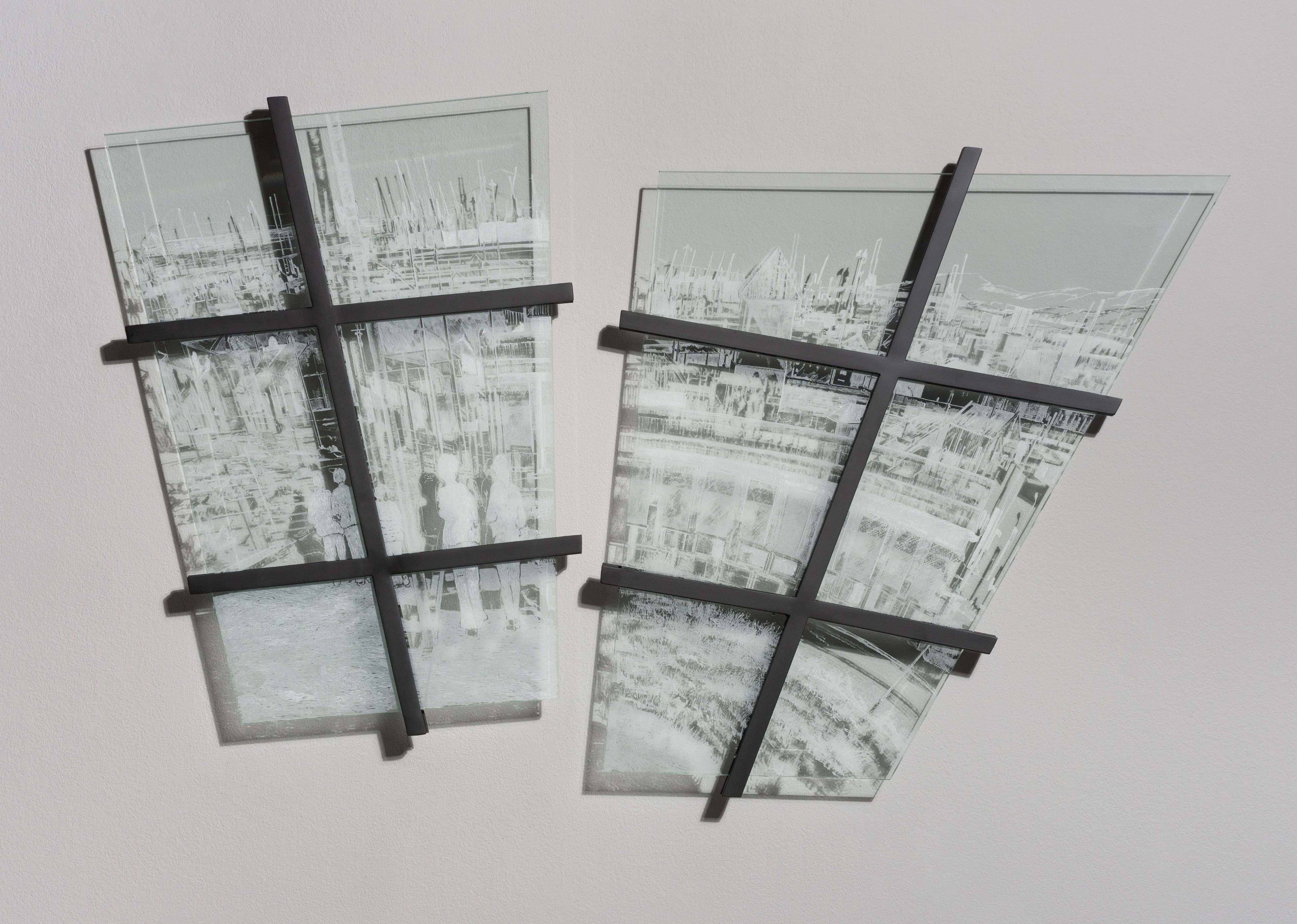
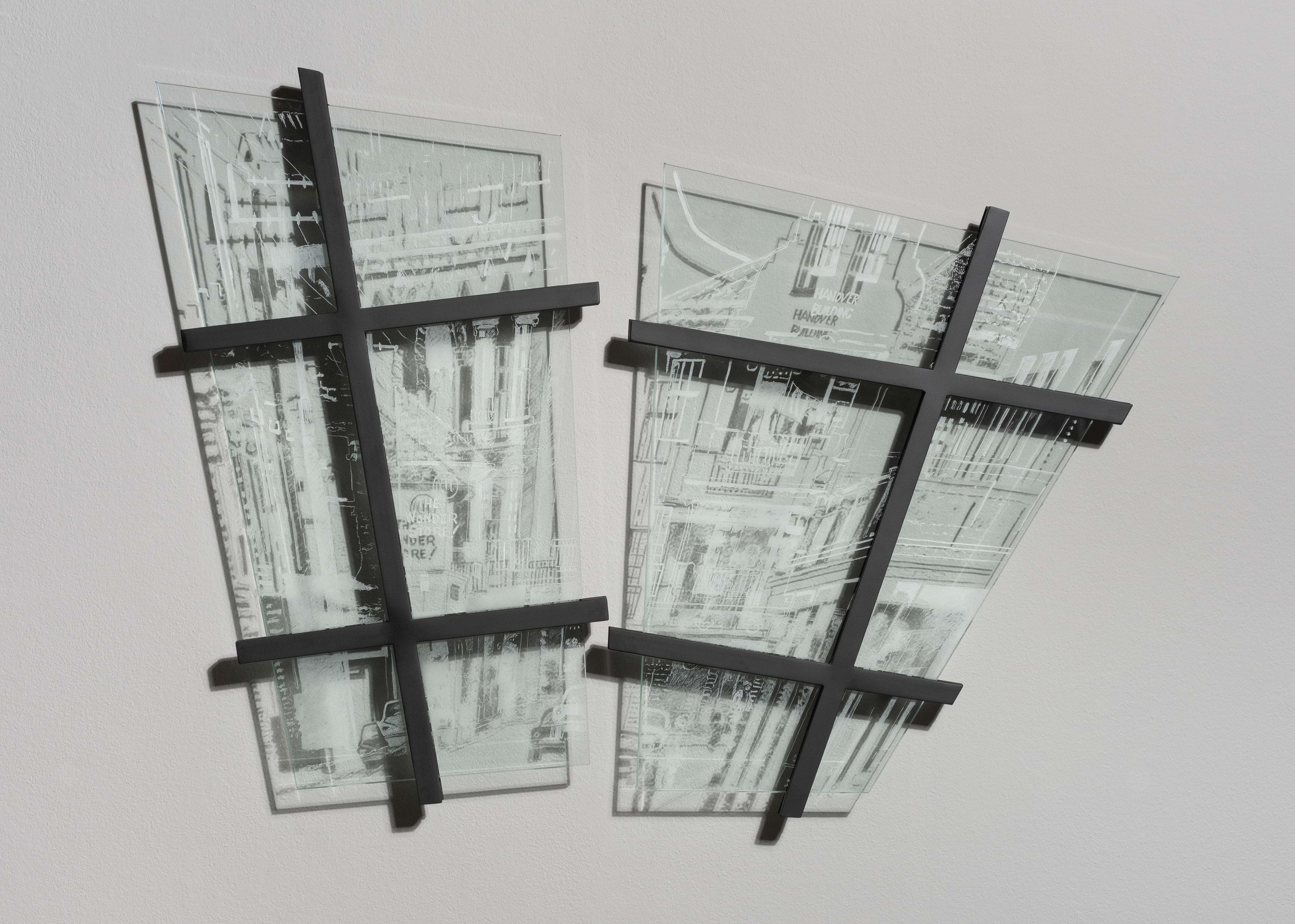
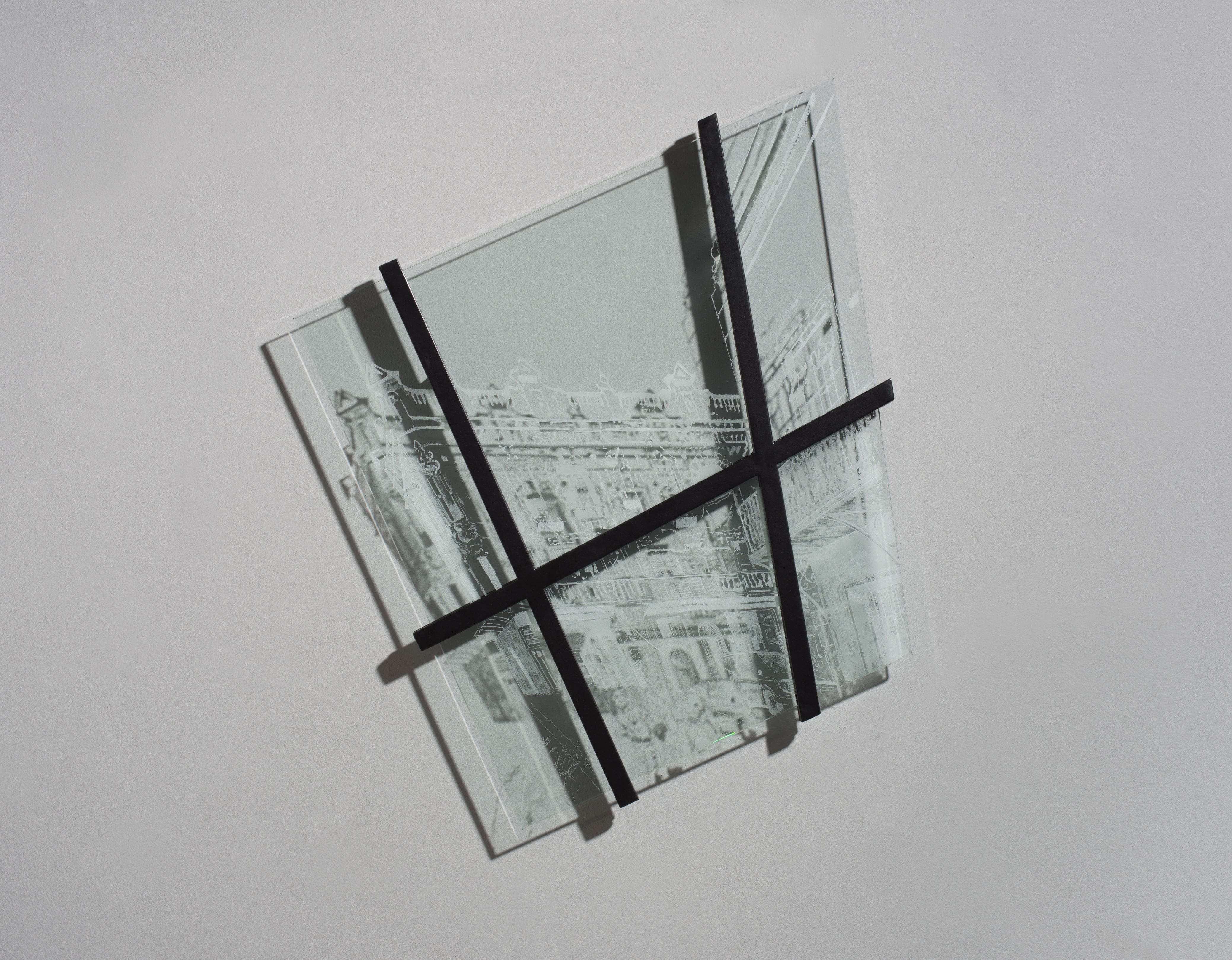
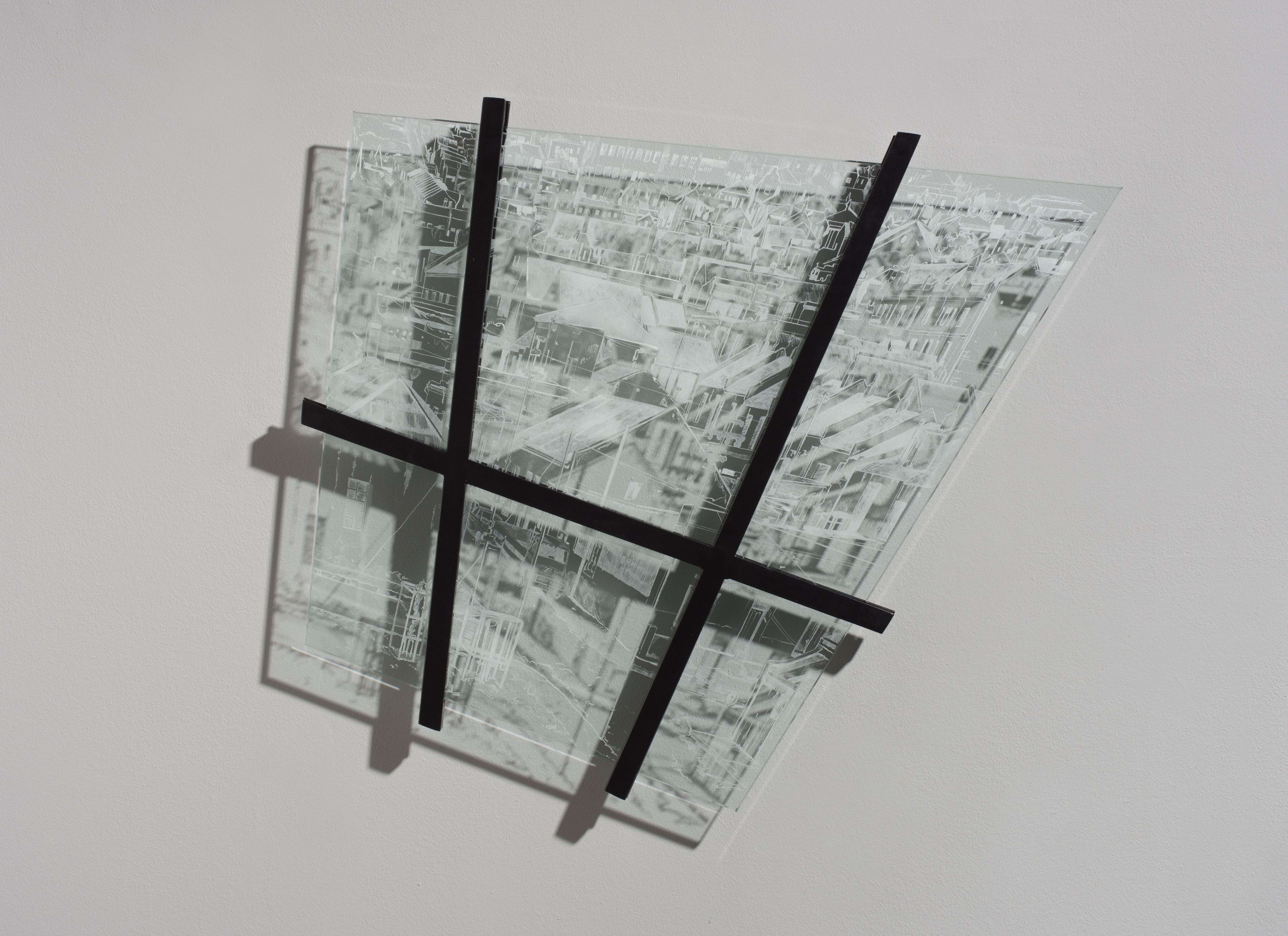
Sue Williamson (b. 1941, Lichfield, UK) emigrated with her family to South Africa in 1948. In the 1970s, Williamson started to make work which addressed social change and by the late 1980s she was well known for her series of portraits of women involved in the country’s political struggle, titled A Few South Africans (1980s).
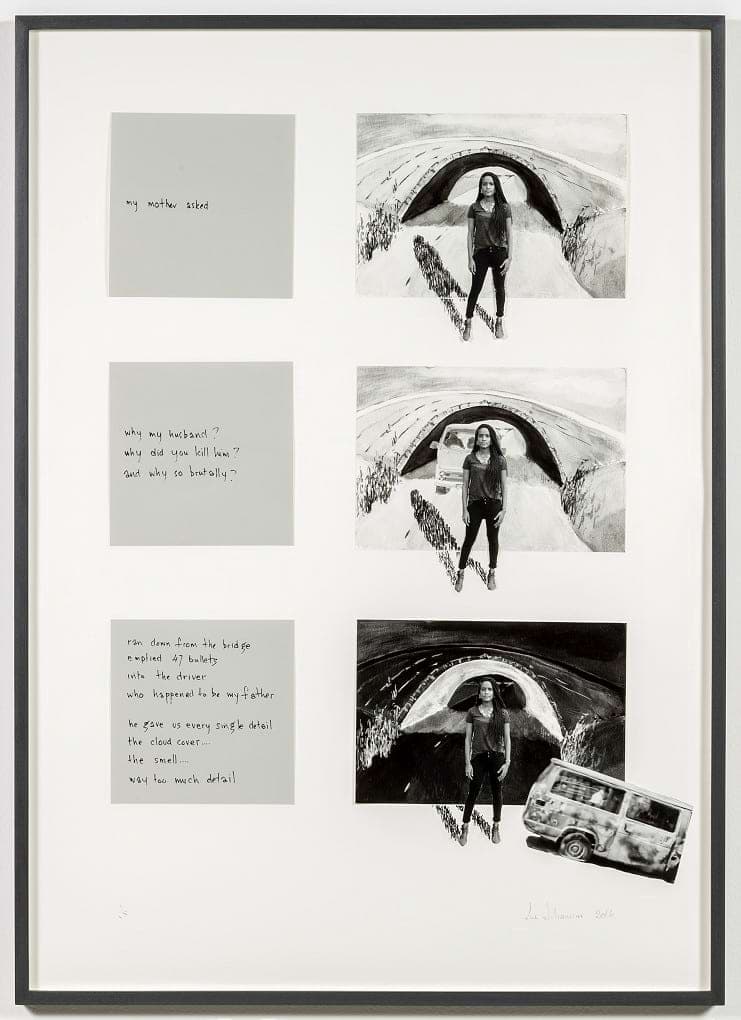
On the audio side of Storyboard: Candice Mama, a preparatory work for the two channel video, It’s a pleasure to meet you, (2017) we read the words of Candice Mama, describing her encounter with her father’s killer, apartheid assassin Eugene de Kock. The Mama family went to visit him in jail in order to learn exactly how and why Glenack Masilo Mama had been killed. On the video side of this mixed media collage, Sue Williamson’s photo of Candice Mama is set against a drawing of the bridge on which De Kock stood, waiting for the approach of the minibus driven by Mama’s father. This work was recently shown at Williamson’s joint exhibition with Lebohang Kganye, Tell Me What You Remember, at the Barnes Foundation in Philadelphia in June.
Williamson’s new series of drawings, Postcards from Africa, continues the artist’s interest in the power of a small printed image to carry news of a specific moment in time to a far off audience, sometimes current, sometimes separated from the event by a century. Her early series of etchings The Modderdam Postcards (1978) was based on sketches made over seven days while witnessing the destruction by the apartheid state of an informal settlement near the airport in Cape Town.
Postcards made from A Few South Africans (1983-86), mixed media portraits of heroic women active in the struggle for liberation, were distributed not only across the country but the world. Most recently, the artist has turned her attention to vintage postcards of photographs taken by European colonisers in Africa in the first decades of the 20th century, who used the postcards as examples of the success of their missions, supposedly demonstrating the civilising effect of colonisation on the colonised, or presenting views of exotic Africa.
Sourcing these postcards from museum archives or from the internet, Williamson reverts to classic drawing techniques. She dips her pen into a bottle of ink, building up images with layers of intricate cross-hatching, adding colour from a limited palette to reproduce the rural landscapes on the postcards, or capture the scenes of daily community life: harvesting, swimming, gathering wood.
Williamson’s new series of drawings, Postcards from Africa, continues the artist’s interest in the power of a small printed image to carry news of a specific moment in time to a far off audience, sometimes current, sometimes separated from the event by a century. Her early series of etchings The Modderdam Postcards (1978) was based on sketches made over seven days while witnessing the destruction by the apartheid state of an informal settlement near the airport in Cape Town.
Postcards made from A Few South Africans (1983-86), mixed media portraits of heroic women active in the struggle for liberation, were distributed not only across the country but the world. Most recently, the artist has turned her attention to vintage postcards of photographs taken by European colonisers in Africa in the first decades of the 20th century, who used the postcards as examples of the success of their missions, supposedly demonstrating the civilising effect of colonisation on the colonised, or presenting views of exotic Africa.
Sourcing these postcards from museum archives or from the internet, Williamson reverts to classic drawing techniques. She dips her pen into a bottle of ink, building up images with layers of intricate cross-hatching, adding colour from a limited palette to reproduce the rural landscapes on the postcards, or capture the scenes of daily community life: harvesting, swimming, gathering wood.