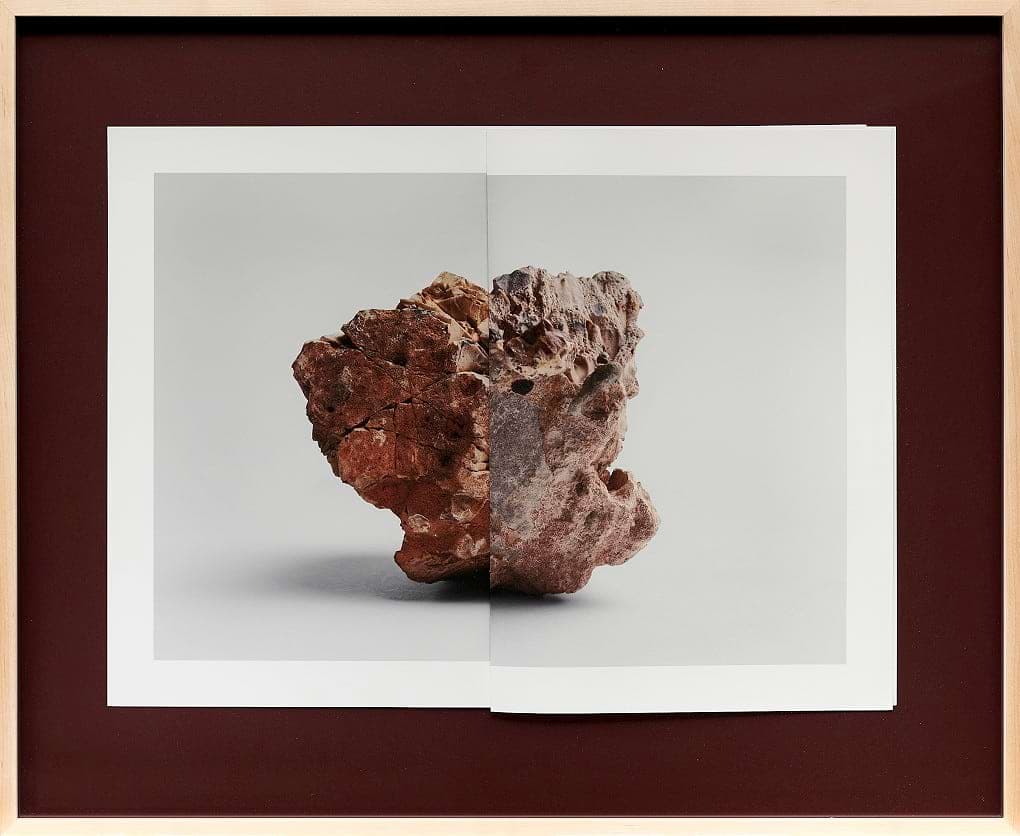
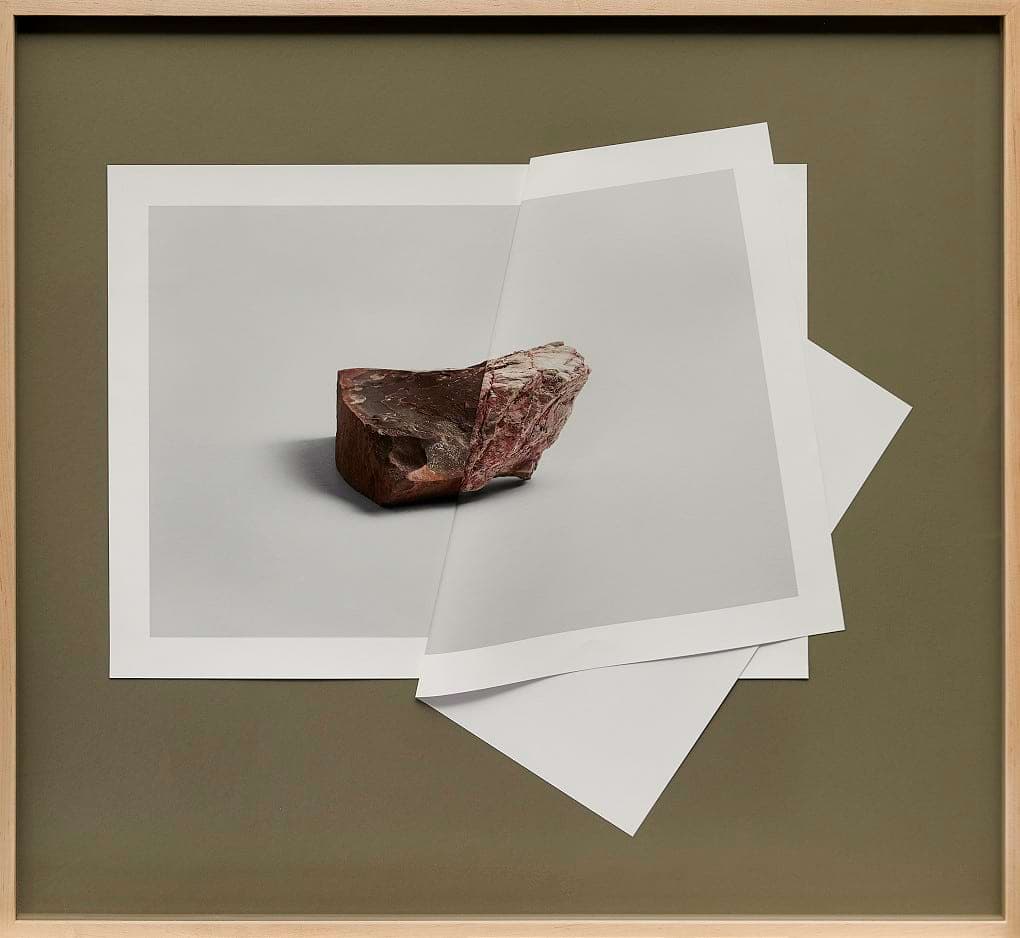
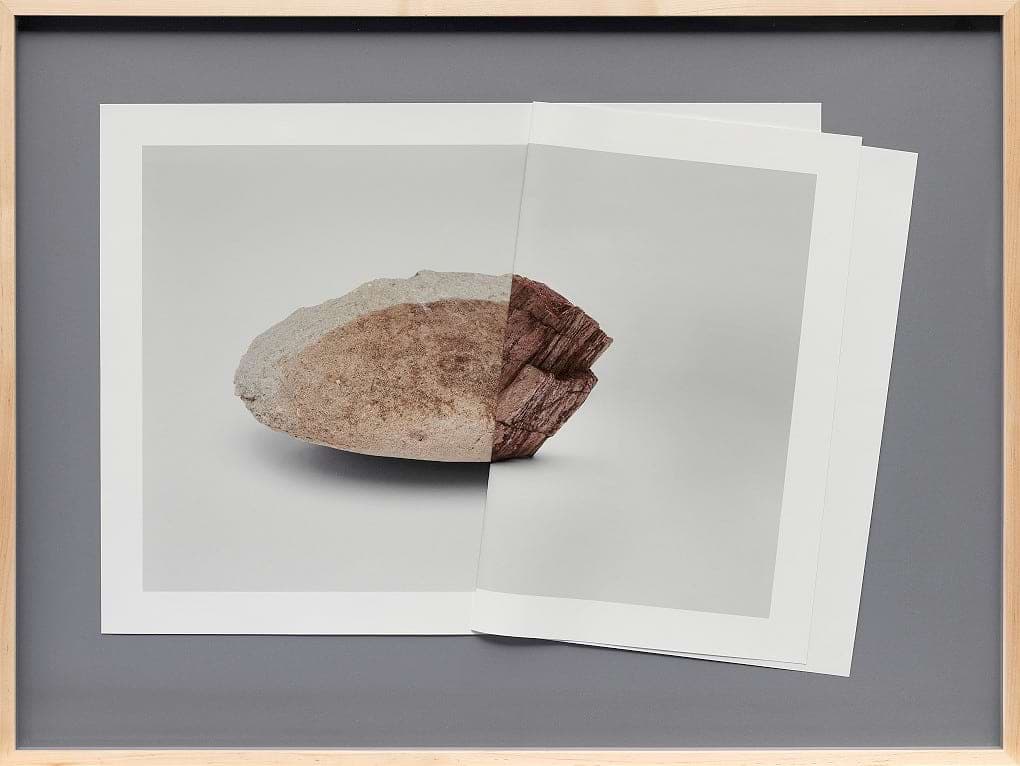
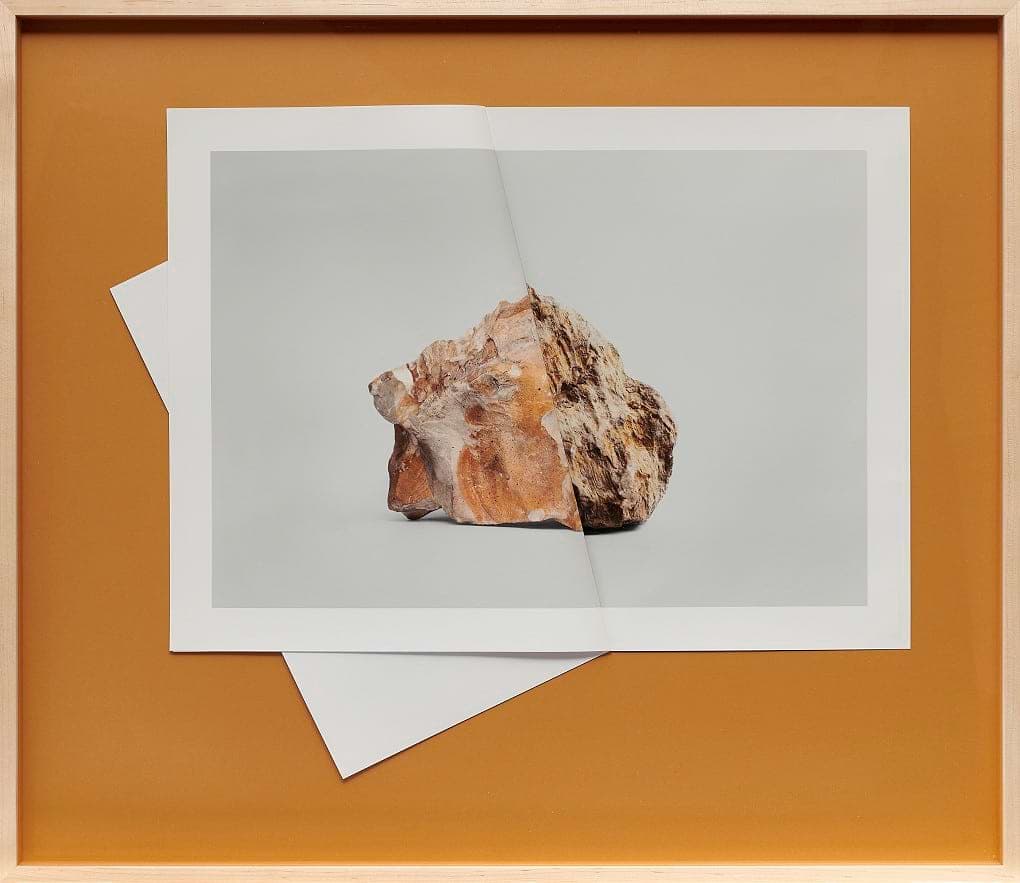
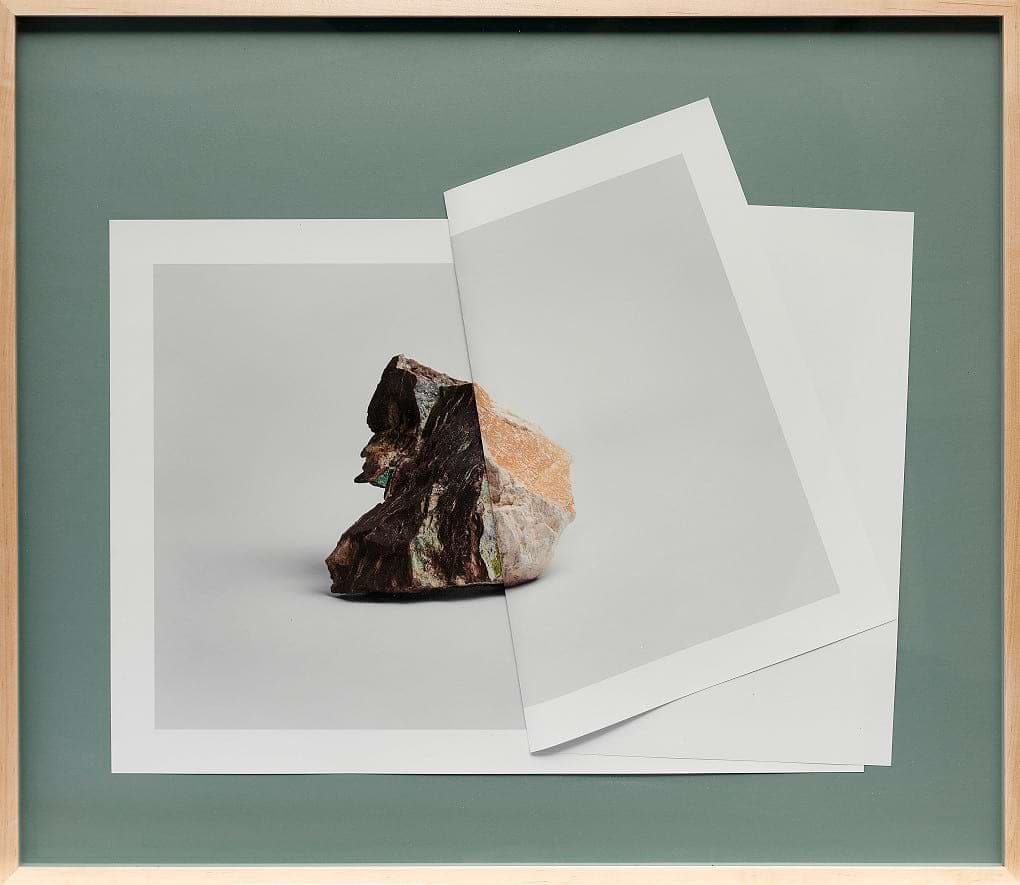
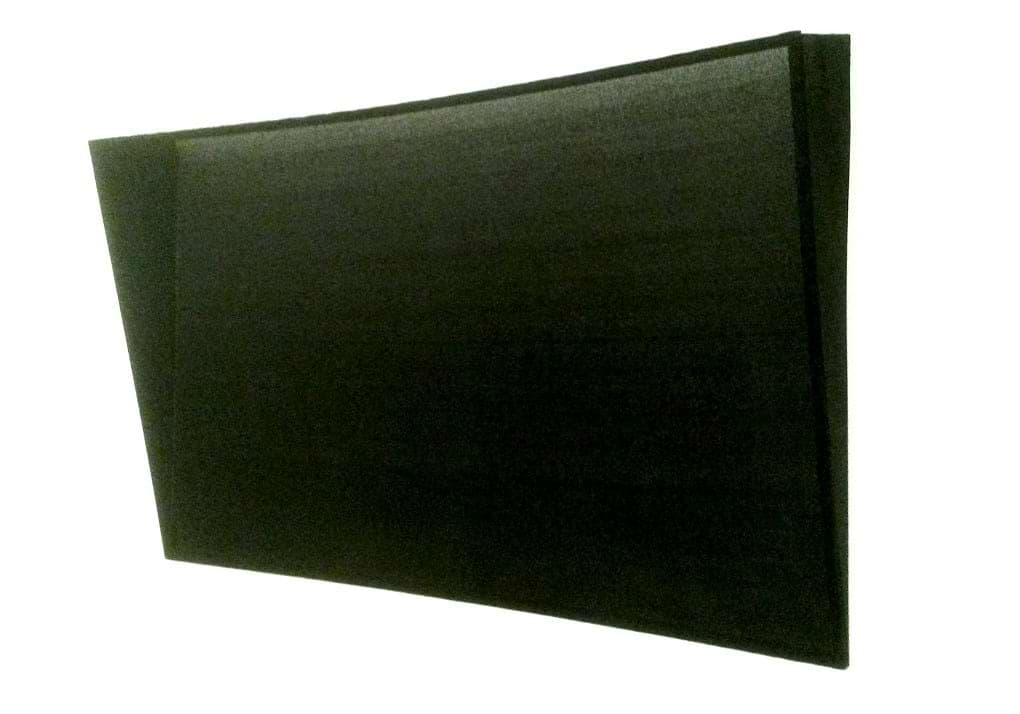
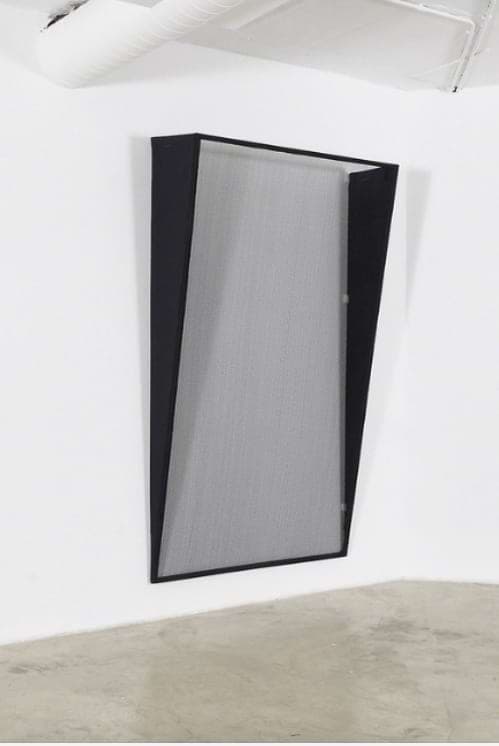
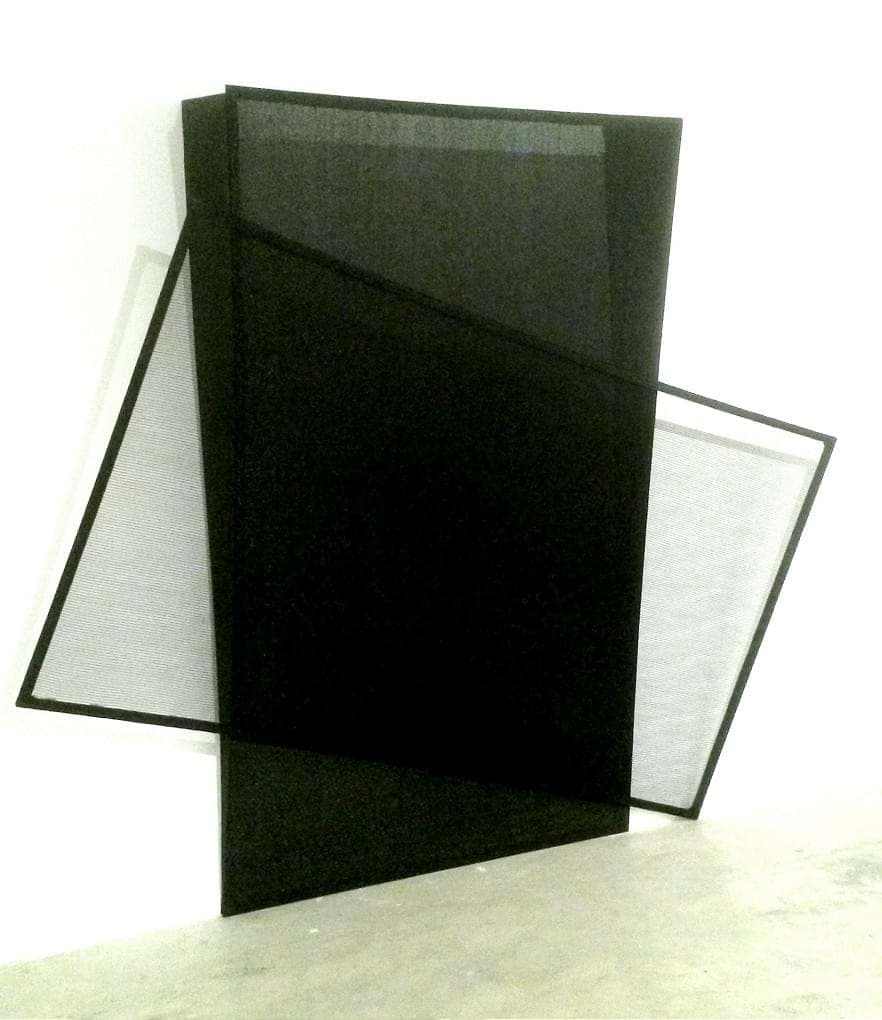
In the Subduction Studies series (2015 - 2017), Kiwanga observes the space between Earth’s continents, specifically Africa and Europe. The speculation of Pangaea Ultima suggests a supercontinent occurring again, which will see Europe slipping underneath Africa. This theory inspired Kiwanga to go to the National Museum of Natural History in Paris and take photographs of the rock specimens from the Northern coast of Africa and Spain. By folding the photographs together, she not only demonstrates a new form, but also a new geological perspective, where two continents and their migrants would be geographically connected.
This series of photographic assemblages refer to subduction zones; a geological term which defines the process in which one tectonic plate moves under another before sinking into the mantle as the plates converge. These zones have high rates of earthquakes, volcanism and mountain formations. In this series two photographs taken from rocks in the collection of Paris’ Natural History Museum are placed in relation to one another. One image depicts a rock from the European side of the strait of Gibraltar, while the other belongs to an African country on the Mediterranean shore. As such this project speaks of the probable future collision of the African and European continents at and around the Strait of Gibraltar. The work thus proposes anew continental configuration; a new territory
This series of photographic assemblages refer to subduction zones; a geological term which defines the process in which one tectonic plate moves under another before sinking into the mantle as the plates converge. These zones have high rates of earthquakes, volcanism and mountain formations. In this series two photographs taken from rocks in the collection of Paris’ Natural History Museum are placed in relation to one another. One image depicts a rock from the European side of the strait of Gibraltar, while the other belongs to an African country on the Mediterranean shore. As such this project speaks of the probable future collision of the African and European continents at and around the Strait of Gibraltar. The work thus proposes anew continental configuration; a new territory
This series of photographic assemblages refer to subduction zones; a geological term which defines the process in which one tectonic plate moves under another before sinking into the mantle as the plates converge. These zones have high rates of earthquakes, volcanism and mountain formations. In this series two photographs taken from rocks in the collection of Paris’ Natural History Museum are placed in relation to one another. One image depicts a rock from the European side of the strait of Gibraltar, while the other belongs to an African country on the Mediterranean shore. As such this project speaks of the probable future collision of the African and European continents at and around the Strait of Gibraltar. The work thus proposes anew continental configuration; a new territory.
Rock information:
(cannot find detailed information for one rock- still looking)
Trachycardium mul-costatum, Brocchi Region de Tétouan, Maroc Espagne
This series of photographic assemblages refer to subduction zones; a geological term which defines the process in which one tectonic plate moves under another before sinking into the mantle as the plates converge. These zones have high rates of earthquakes, volcanism and mountain formations. In this series two photographs taken from rocks in the collection of Paris’ Natural History Museum are placed in relation to one another. One image depicts a rock from the European side of the strait of Gibraltar, while the other belongs to an African country on the Mediterranean shore. As such this project speaks of the probable future collision of the African and European continents at and around the Strait of Gibraltar. The work thus proposes anew continental configuration; a new territory.
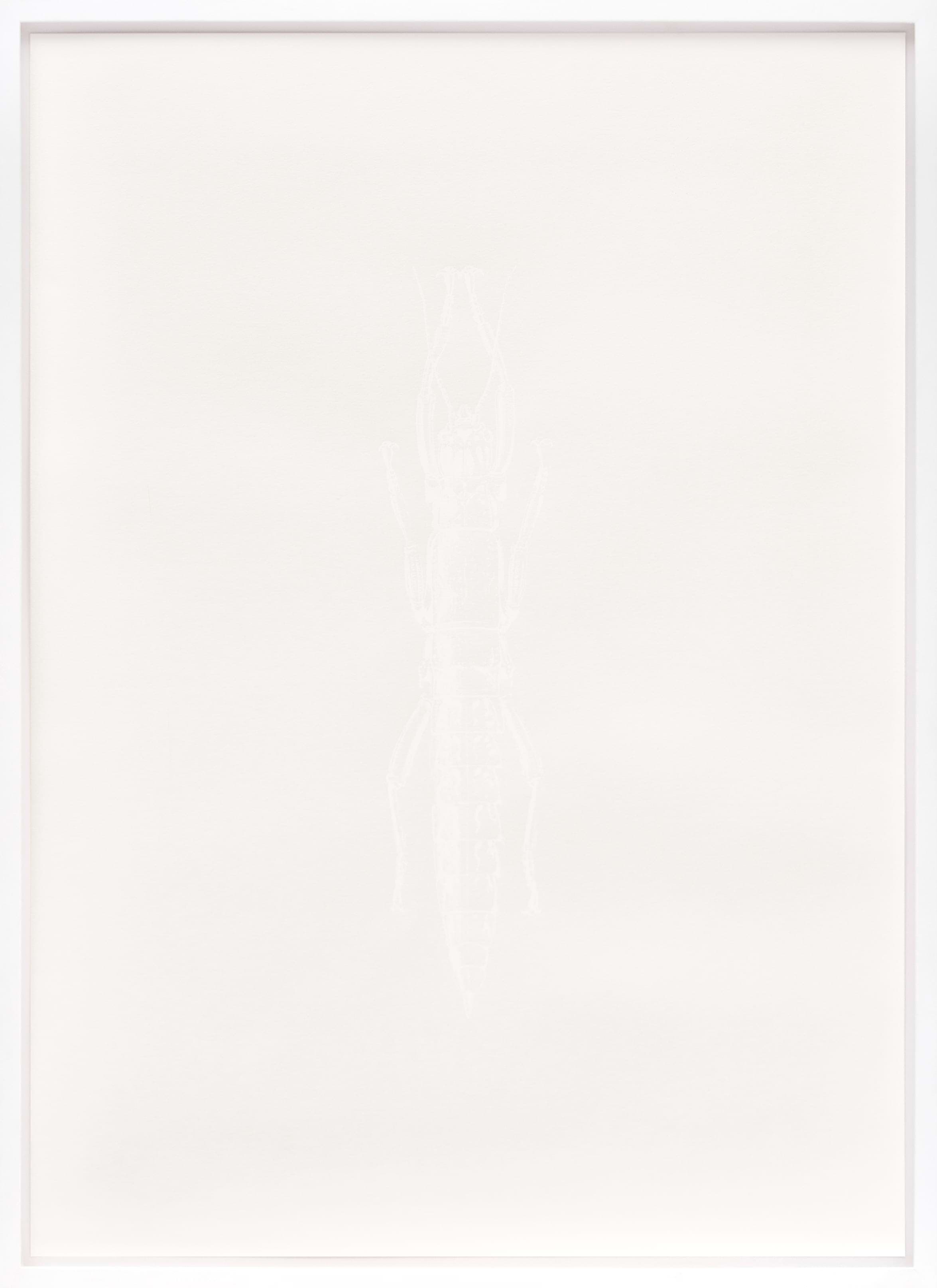
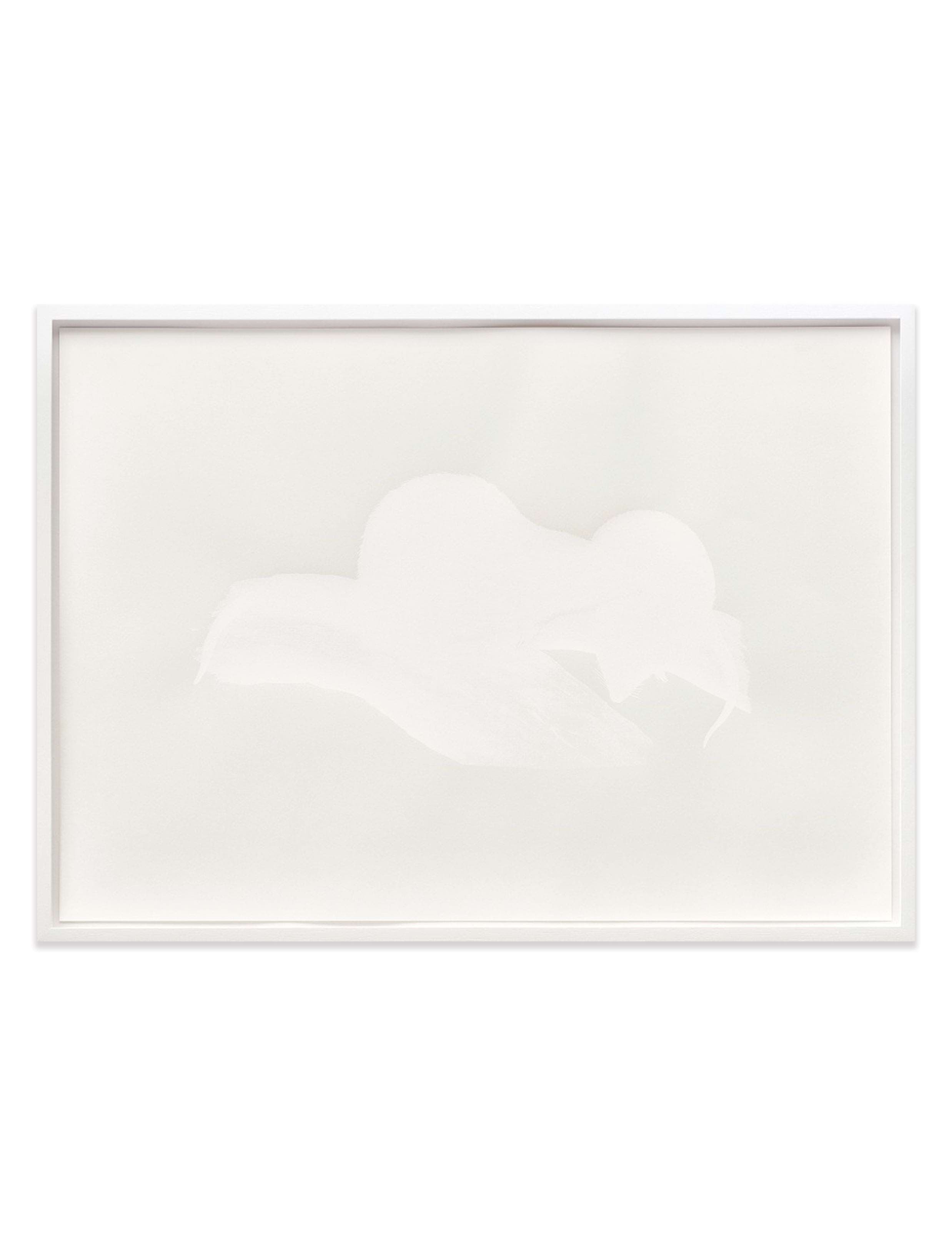
The series Lazarus features white silkscreen prints on paper. These works by take 19th and 20th century illustrations depicting “Lazarus taxa” — animal species that were thought to be extinct and that reappeared in nature after many decades.
Dryococelus Australis commonly known as the Lord Howe Island stick insect or tree lobster, is a species of stick insect that lives on the Lord Howe Island Group.
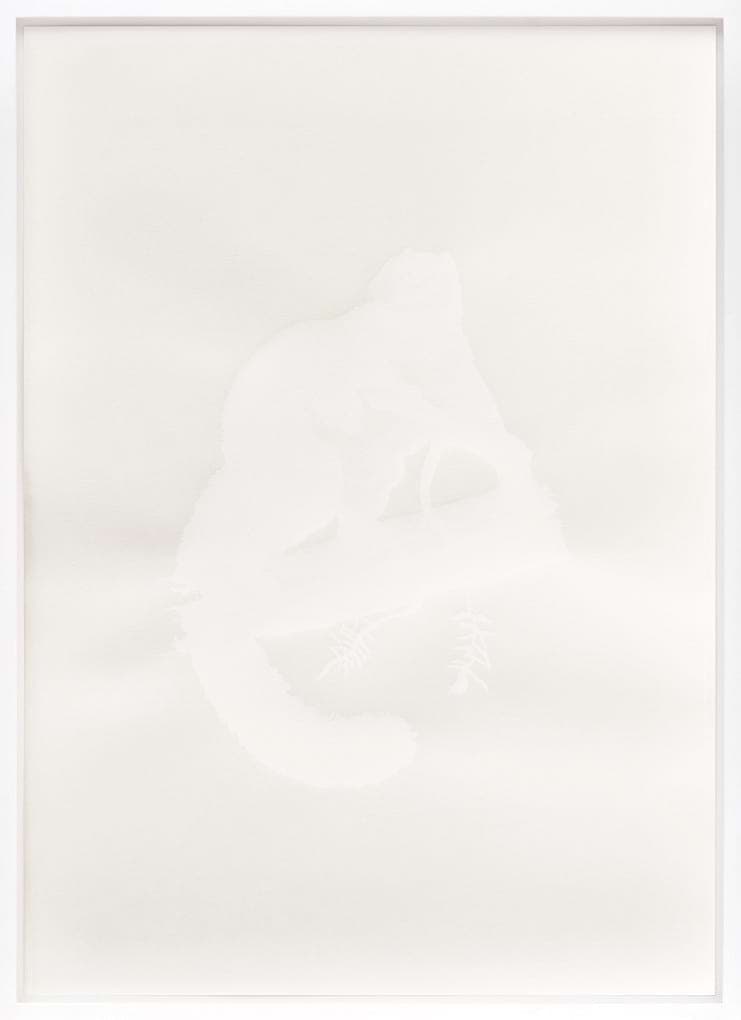
The series Lazarus features white silkscreen prints on paper. These works by take 19th and 20th century illustrations depicting “Lazarus taxa” — animal species that were thought to be extinct and that reappeared in nature after many decades.
The western woolly flying squirrel (Eupetaurus cinereus) is a species of very large flying squirrel in the genus Eupetaurus. It is native to northern Pakistan and northwestern India.
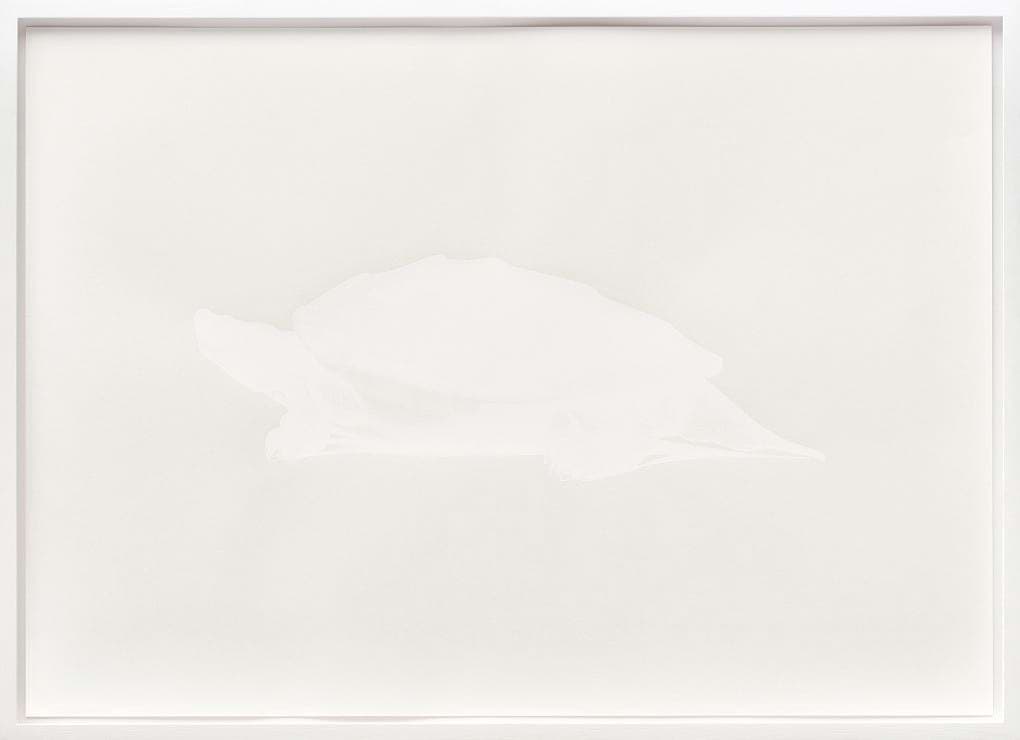
The series Lazarus features white silkscreen prints on paper. These works by take 19th and 20th century illustrations depicting “Lazarus taxa” — animal species that were thought to be extinct and that reappeared in nature after many decades.
Gilbert's potoroo or ngilkat (Potorous gilbertii) is Australia's most endangered marsupial, the rarest marsupial in the world, and one of the world's rarest critically endangered mammals, found in south-western Western Australia.
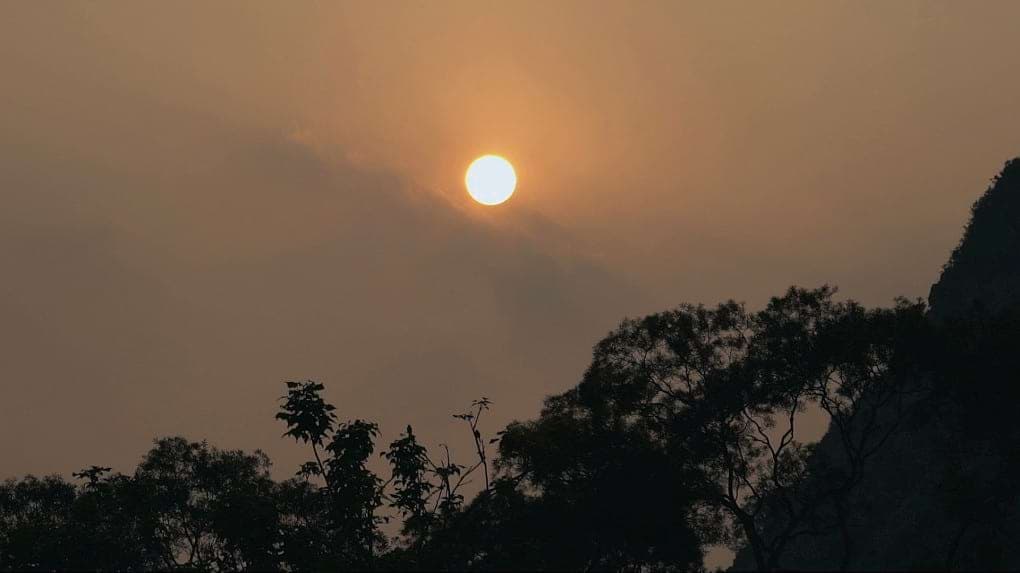
The film The Sun Never Sets is a montage of the sun setting in multiple locations, through collaboration with videographers around the world. The foremost significance of the chosen locations is that they are in countries that were once, or are still, under British subjection, evoking the saying from which both the exhibition and the video draw their title: ‘The sun never sets on the British Empire’. The work sets up the temporal notion that colonialism persists even after independence in various contemporary forms, a notion echoed by many living and observing post-colonial experiences.
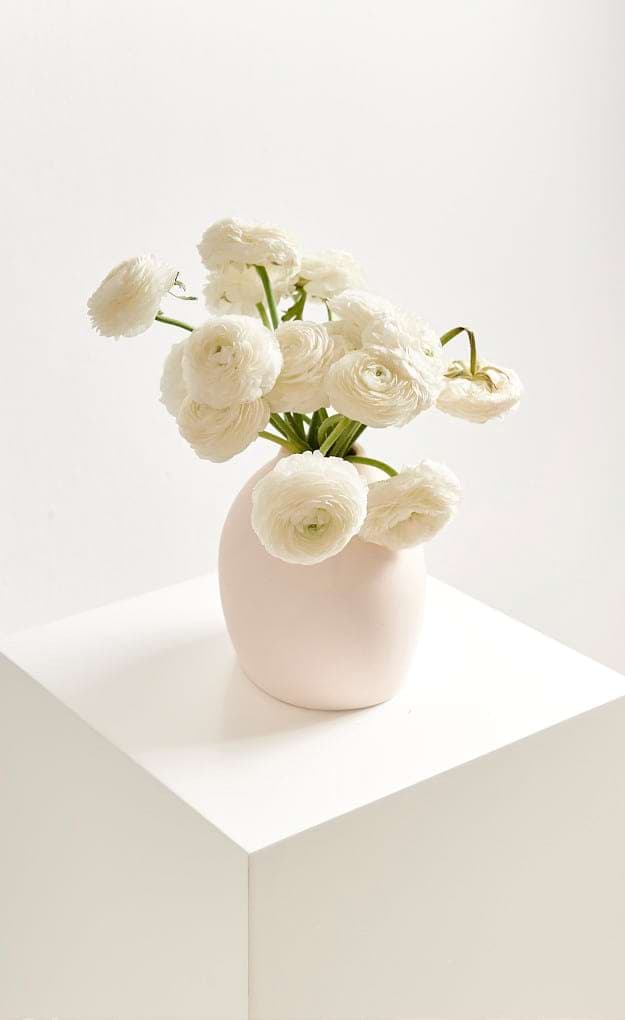
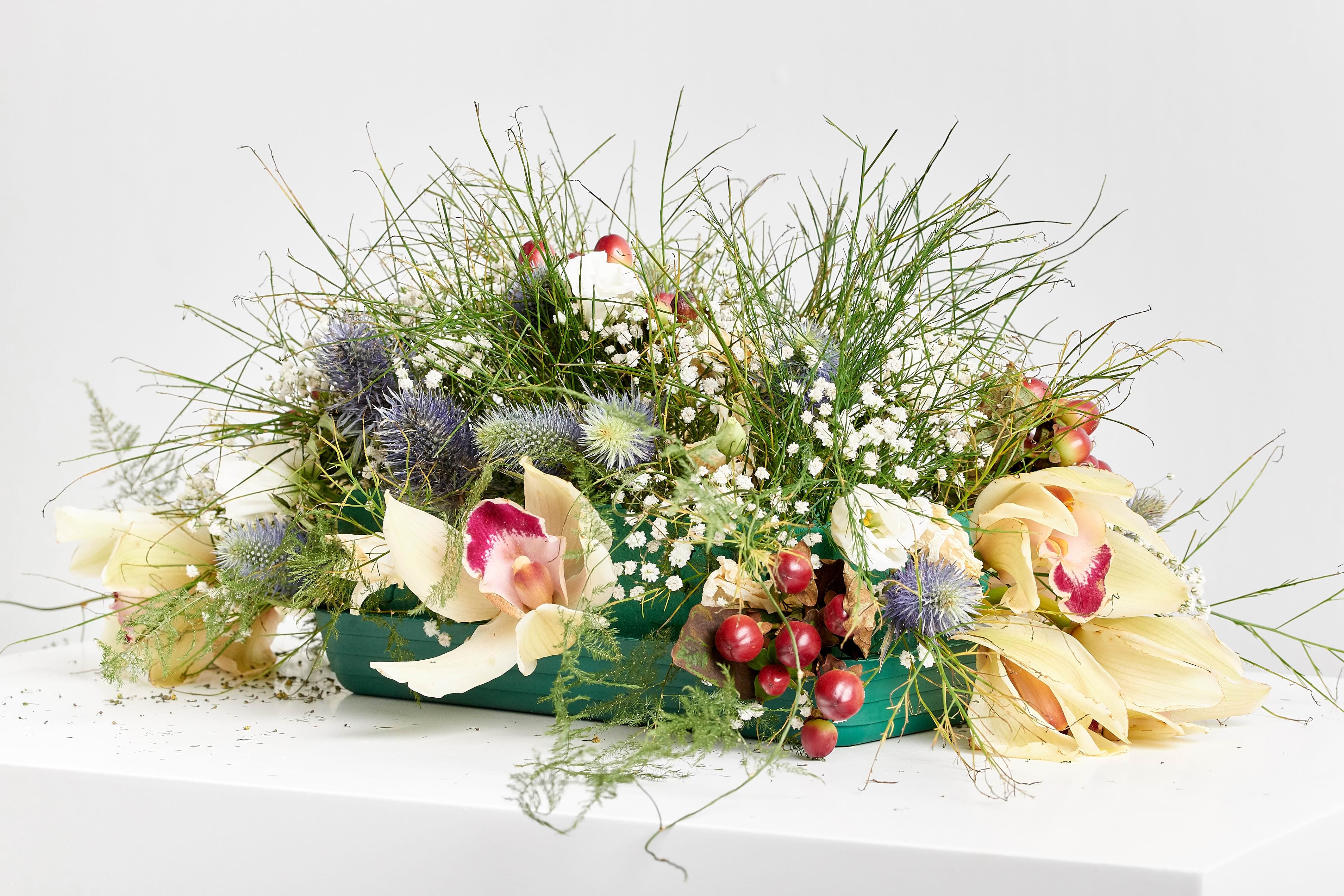
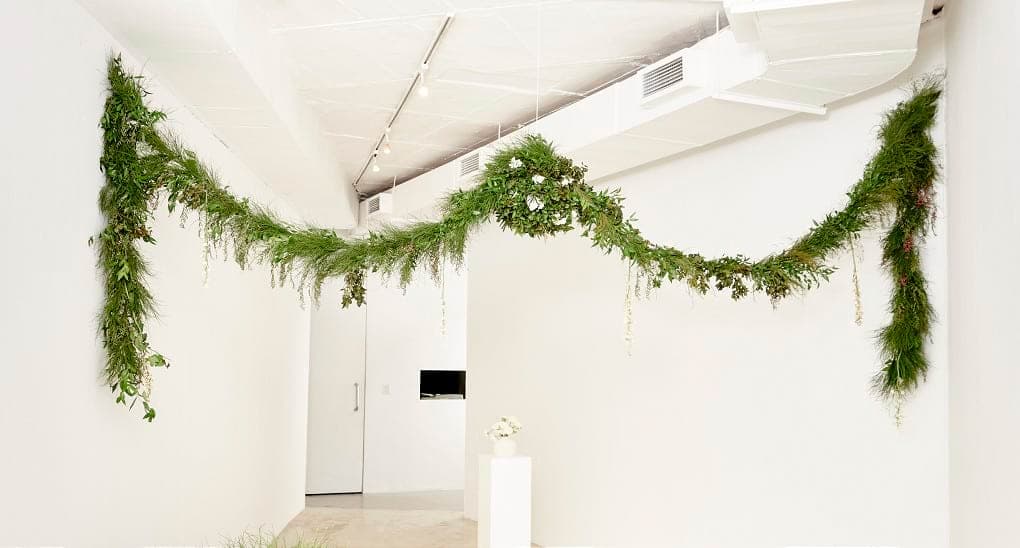
In her ongoing project, Flowers for Africa, Kapwani Kiwanga researches archival imagery relating to African independence, before consulting with florists to re-create flower arrangements found therein.
Initially fresh, the flowers and foliage are left to run the course of their transient cycle and wilt and dry. In Kiwanga’s own words: ‘Just as the enthusiasm present during the period of independence has faded, pan-African dreams have been eclipsed by the everyday difficulties of the average African citizens.’ Rather like the process of storytelling, the past is momentarily brought back to life for consideration.
In her ongoing project, Flowers for Africa, Kapwani Kiwanga researches archival imagery relating to African independence, before consulting with florists to re-create flower arrangements found therein.
Initially fresh, the flowers and foliage are left to run the course of their transient cycle and wilt and dry. In Kiwanga’s own words: ‘Just as the enthusiasm present during the period of independence has faded, pan-African dreams have been eclipsed by the everyday difficulties of the average African citizens.’ Rather like the process of storytelling, the past is momentarily brought back to life for consideration.
Video
‘Flowers for Africa’ is an ongoing body of work in which Kiwanga conducted iconographic research that focused on the presence of flowers at diplomatic events linked to the independence of African countries. Situated on negotiation tables and podiums during speeches these floral arrangements become witness to historic moments. Sourcing from archival imagery, Kiwanga identifies the key symbolic moments of independence in countries throughout the African continent. Perhaps the only common element to be sourced across a range of ceremonial occasions recognising the decolonisation of Africa. These arrangements range from a boutonnière to an elaborate bouquet or a triumphant floral archway. Kiwanga then takes these images to a local florist in order to recreate the bouquets as closely as possible to the archival images. The fresh arrangements are displayed in a gallery and left to wilt over the duration of the exhibition, just as the memory of a celebratory moment might fade over time. ‘Flowers for Africa’ series is a conceptual protocol work that questions the material from which history is represented and conserved. Destined to wilt over the course of their display, the flowers invite us to reflect on time. The Flowers for Africa project began in 2013 and continues to expand. To date, sixteen different floral arrangements have been created corresponding to sixteen different countries.
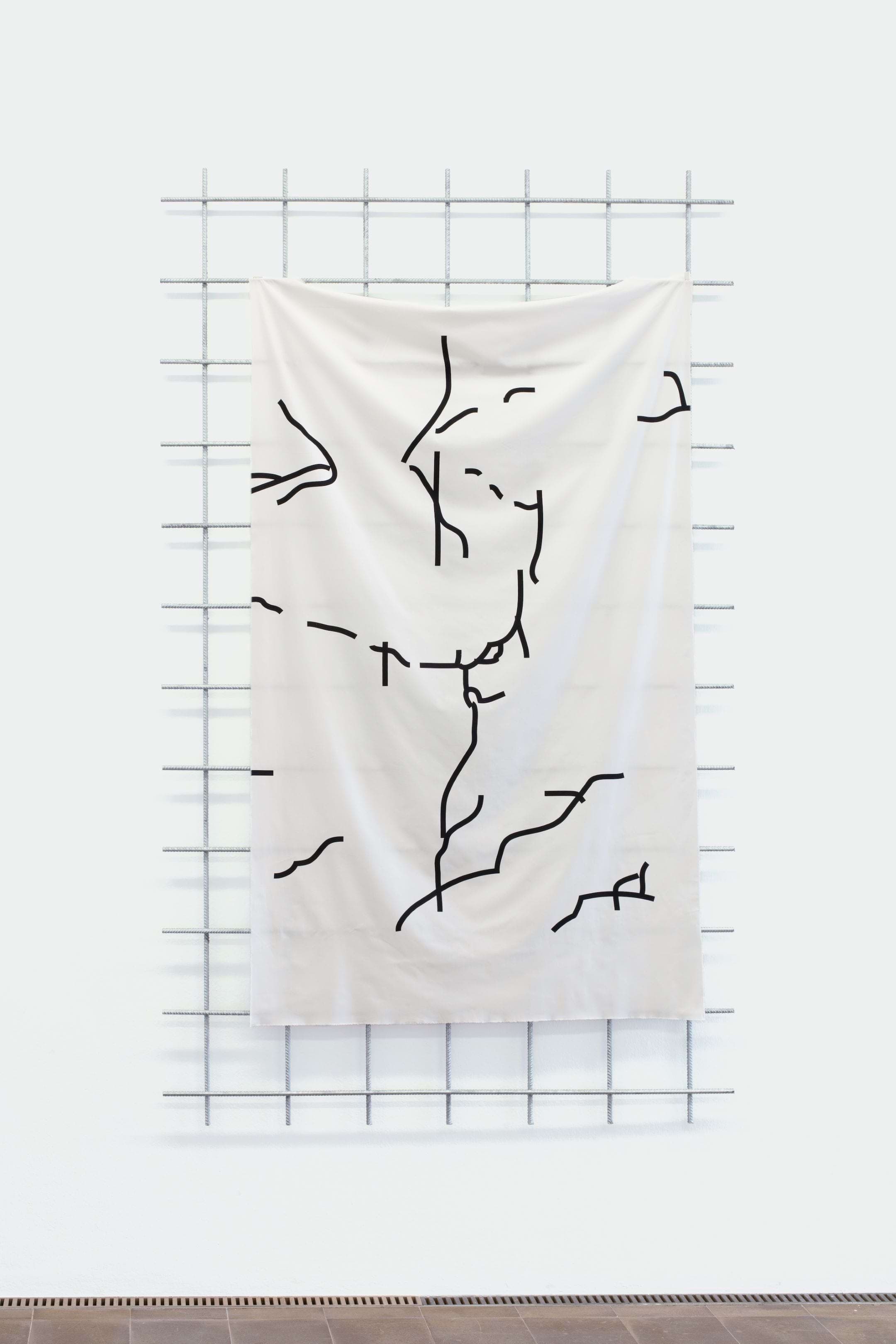
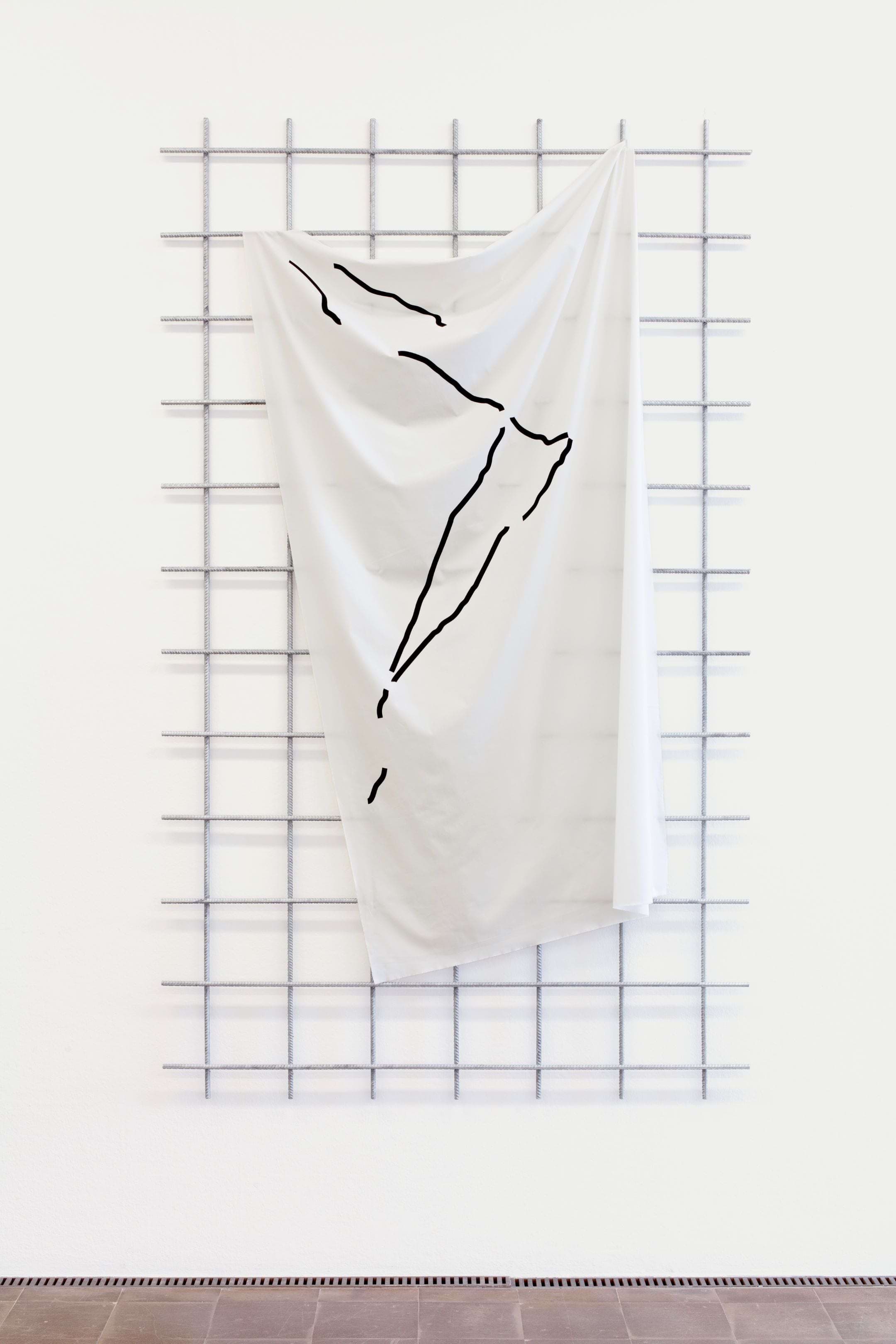
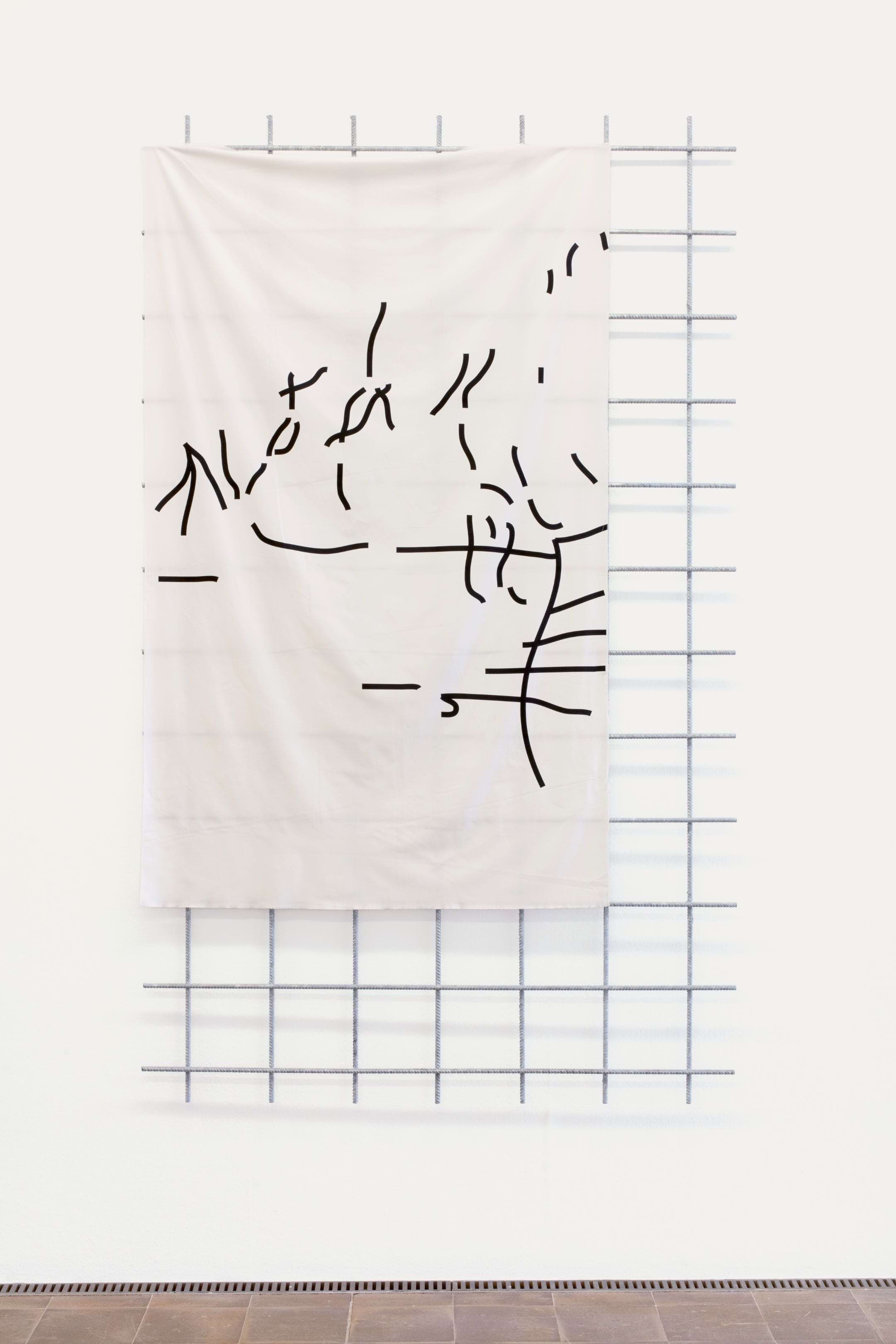
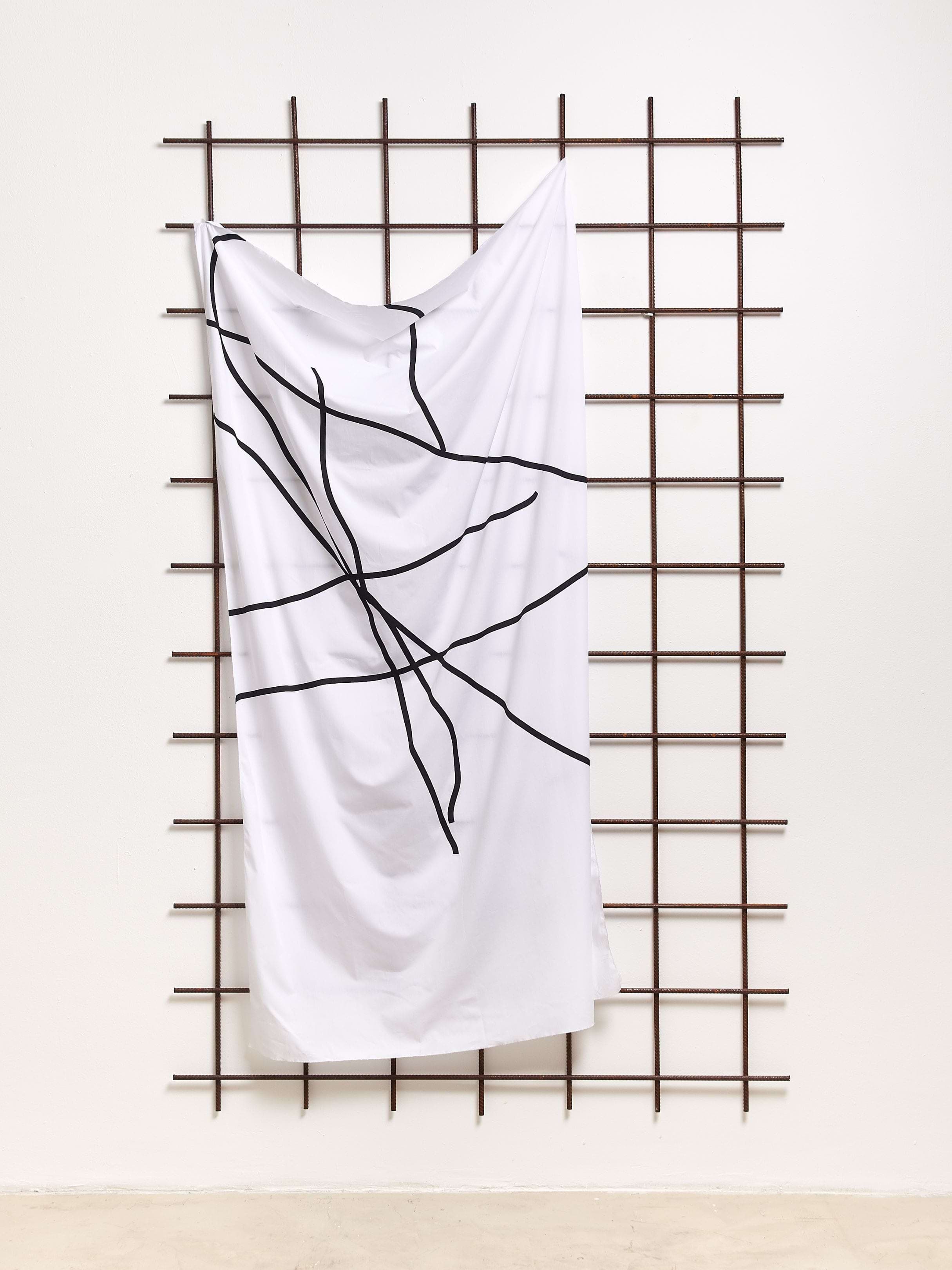
In Desire Paths research into town planning, aerial photography and other records relating specifically to Apartheid era townships results in a discovery of desire paths; routes carved out by human will and need that goes against the rigid grid of the installed infrastructure. Printed onto cotton fabric that undulates over the mesh grid, these graphics offer an aerial view on the movements of individuals through Soweto, Langa, District Six and the Cape Flats.
In Desire Paths research into town planning, aerial photography and other records relating specifically to Apartheid era townships results in a discovery of desire paths; routes carved out by human will and need that goes against the rigid grid of the installed infrastructure. Printed onto cotton fabric that undulates over the mesh grid, these graphics offer an aerial view on the movements of individuals through Soweto, Langa, District Six and the Cape Flats.
In Desire Paths research into town planning, aerial photography and other records relating specifically to Apartheid era townships results in a discovery of desire paths; routes carved out by human will and need that goes against the rigid grid of the installed infrastructure. Printed onto cotton fabric that undulates over the mesh grid, these graphics offer an aerial view on the movements of individuals through Soweto, Langa, District Six and the Cape Flats.
In Desire Paths research into town planning, aerial photography and other records relating specifically to Apartheid era townships results in a discovery of desire paths; routes carved out by human will and need that goes against the rigid grid of the installed infrastructure. Printed onto cotton fabric that undulates over the mesh grid, these graphics offer an aerial view on the movements of individuals through Soweto, Langa, District Six and the Cape Flats.