David GoldblattTJ: Some things old, some things new and some much the same
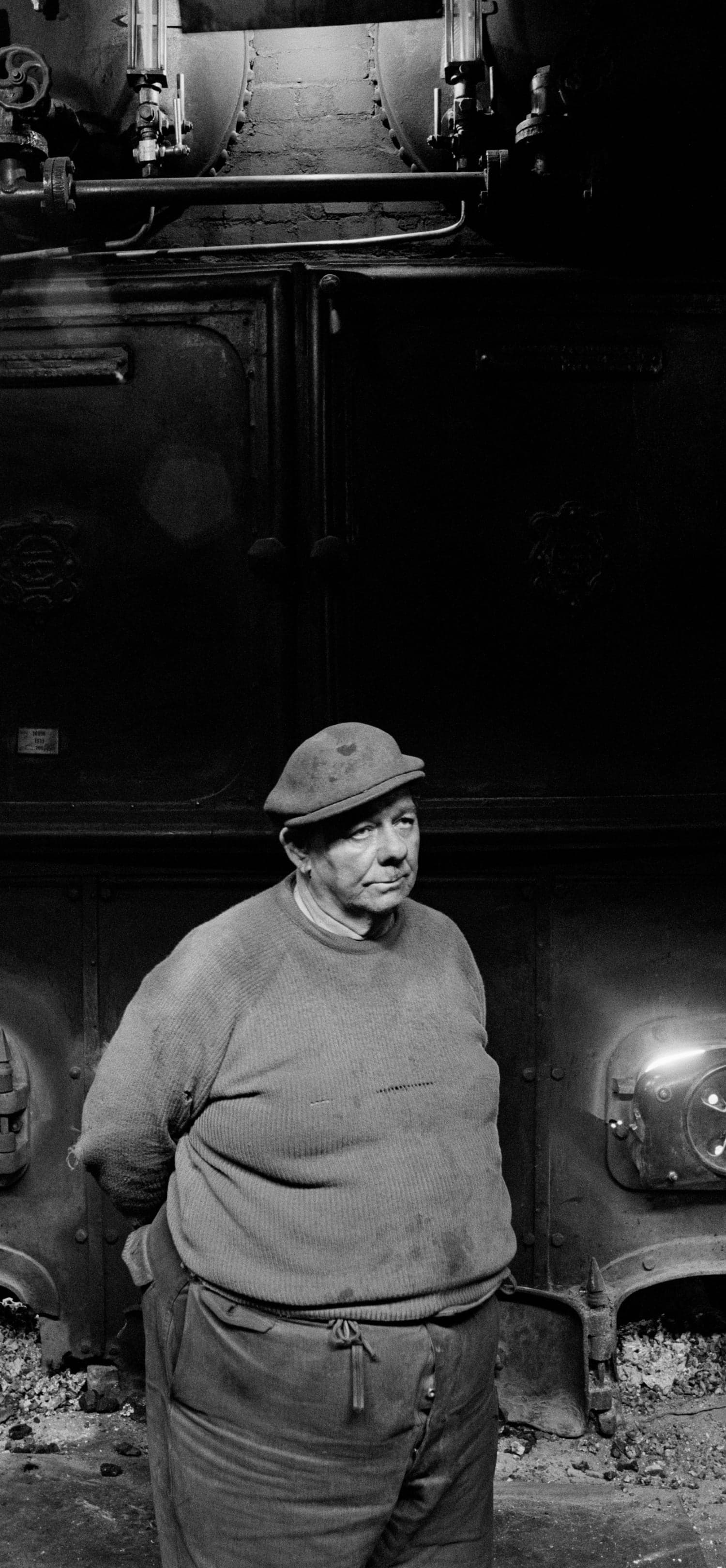
Photographer David Goldblatt displayed old and new photographs of Johannesburg in a solo exhibition at Goodman Gallery titled TJ: Some things old, some things new and some much the same TJ – an obsolete acronym stemming from the South African pre-computerised system of motorcar registrations – stood for “Transvaal, Johannesburg”. These letters, Goldblatt explains, “implied a certain loyalty”. While some of the photographs shown at the Goodman Gallery were taken in what Goldblatt refers to as the “time of TJ”, the title refers to the notion that particular aspects of the city have changed very little since that era and in some cases, worsened. The exhibition ultimately elucidates on these particular aspects of the sprawling city of Johannesburg, which both infuriate and astound the photographer.


Featured Artworks
Create a Goodman Gallery account to view our full selection of available works, access pricing and check out online.
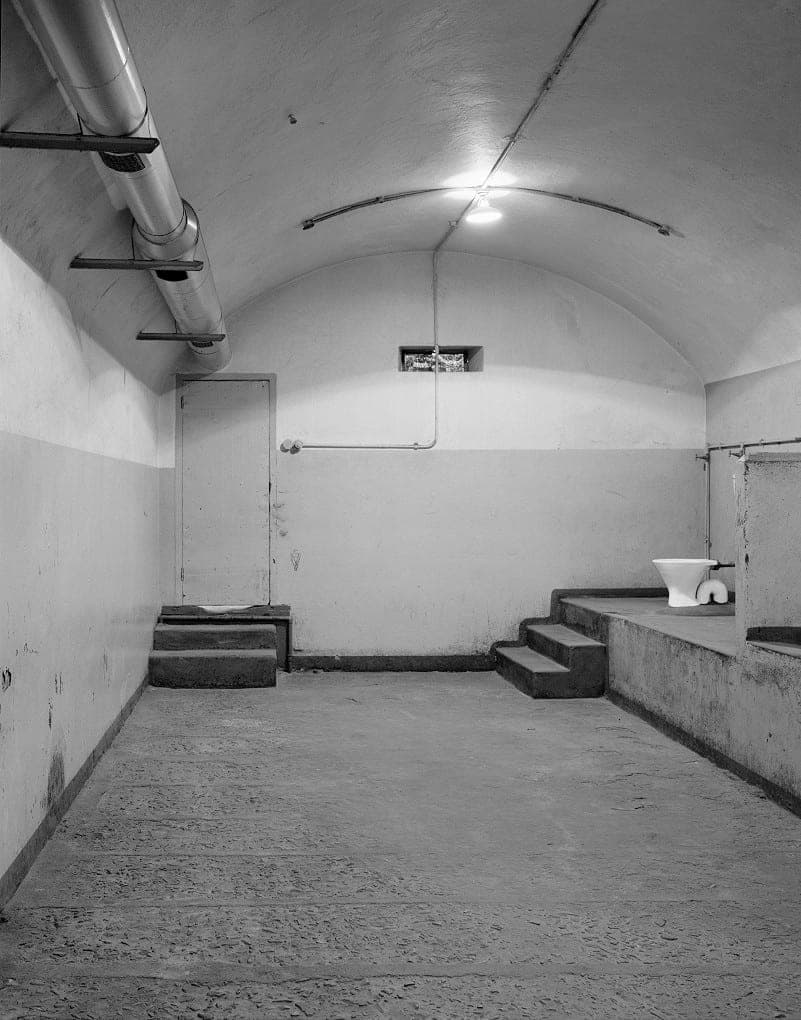
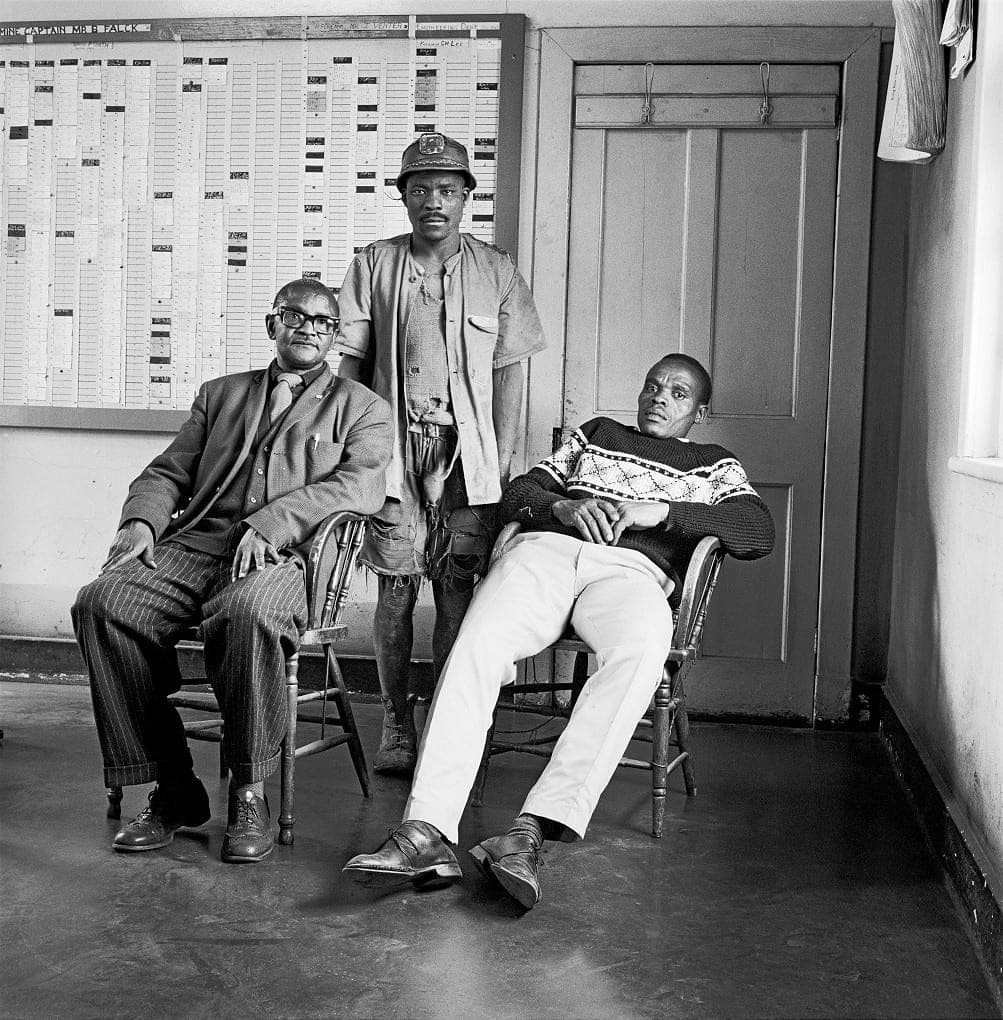
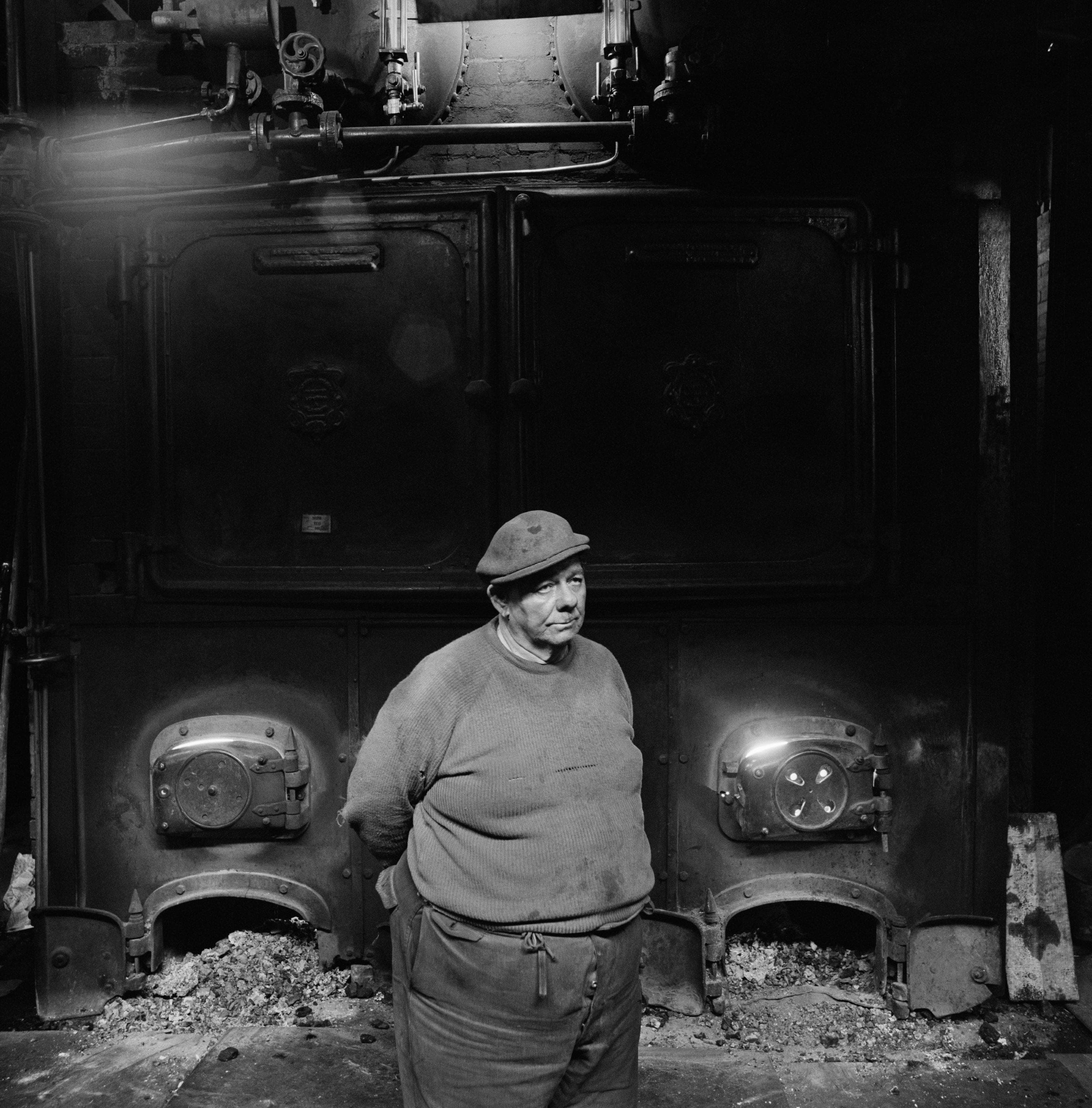
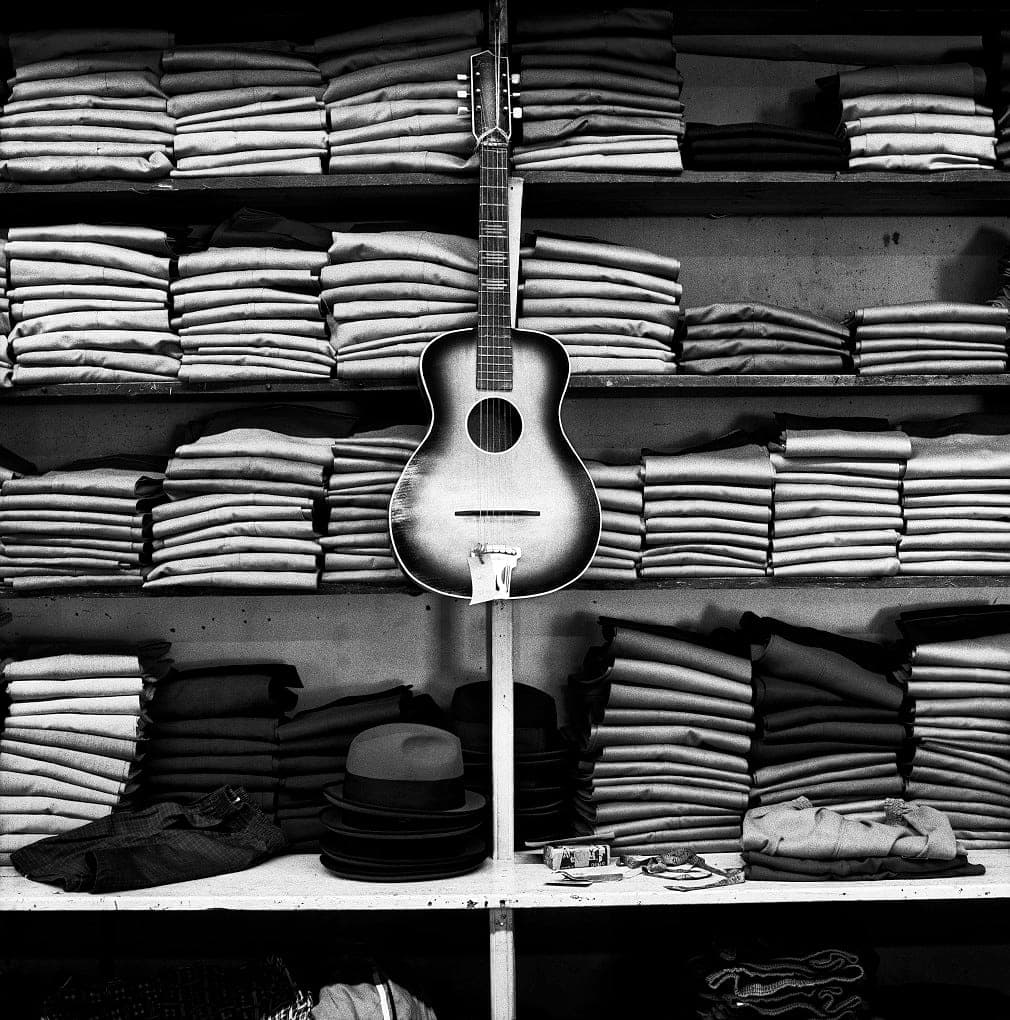
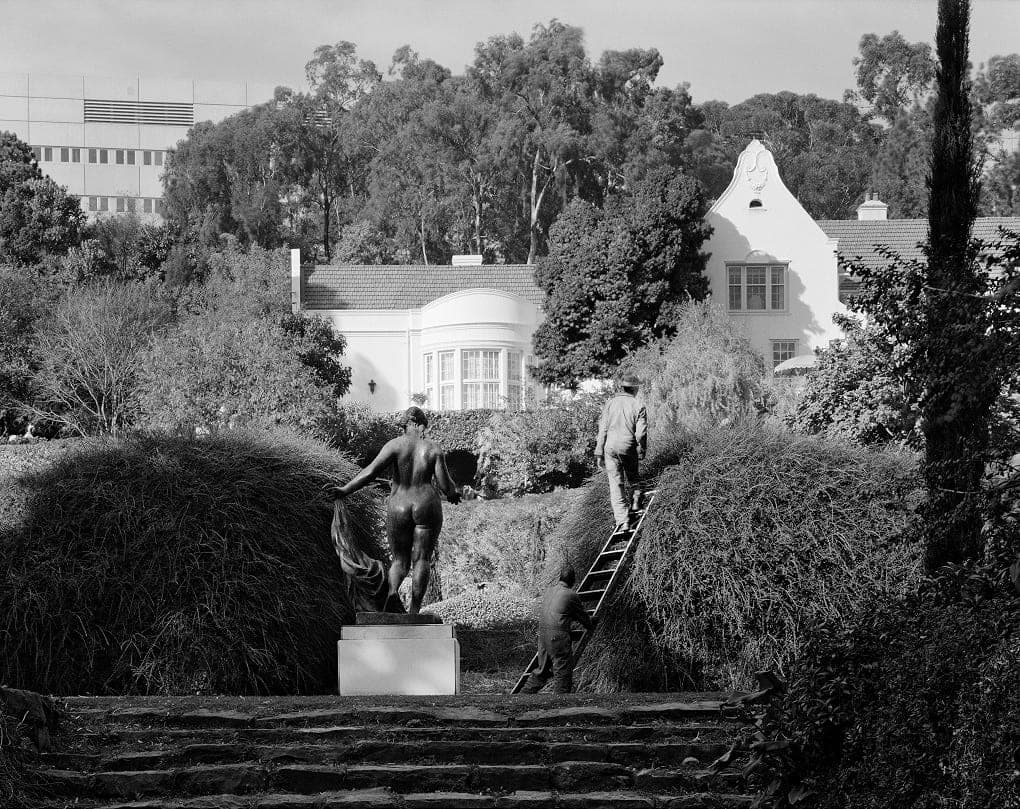
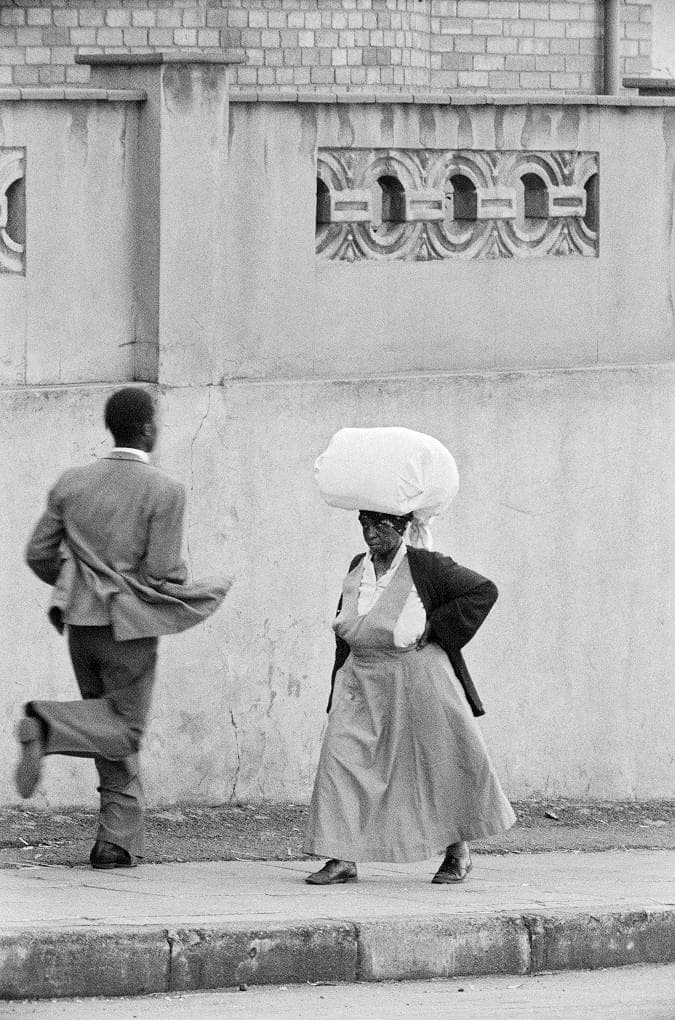
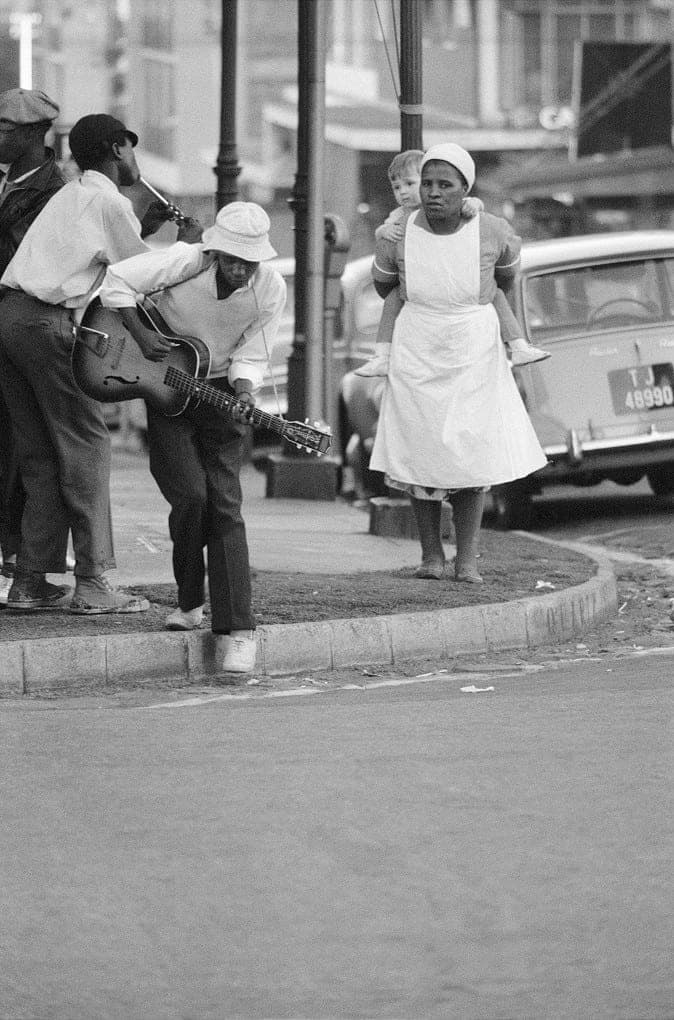
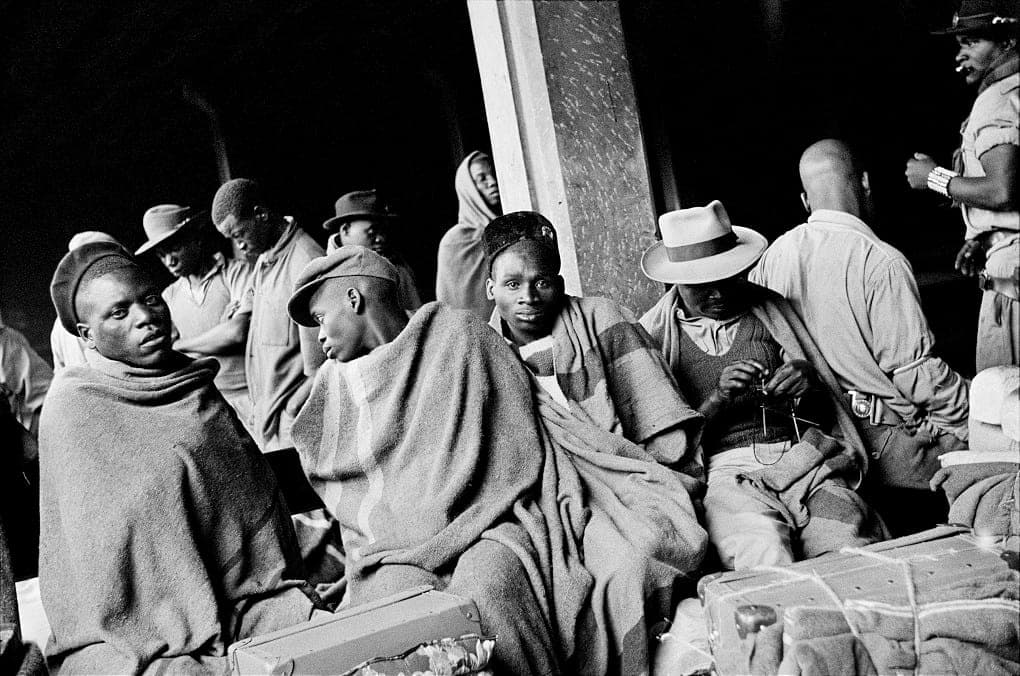
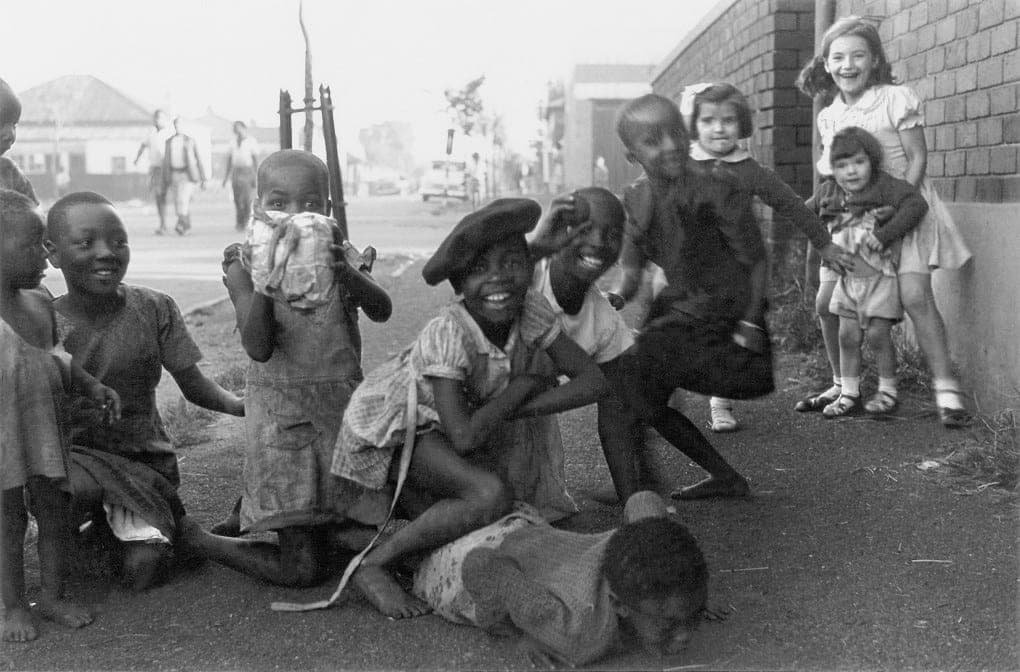
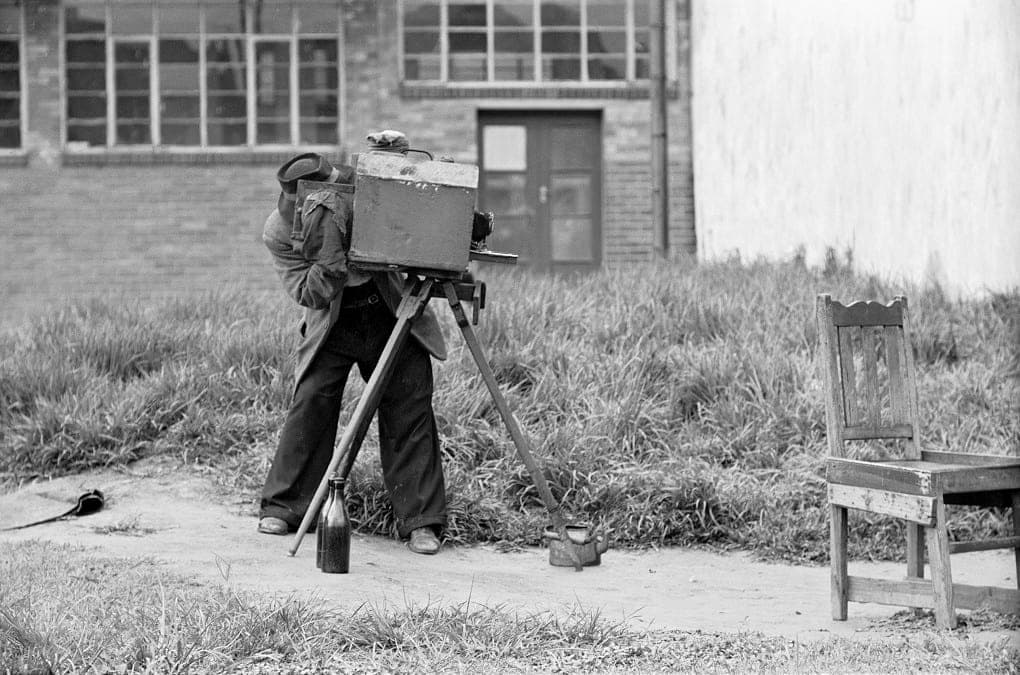
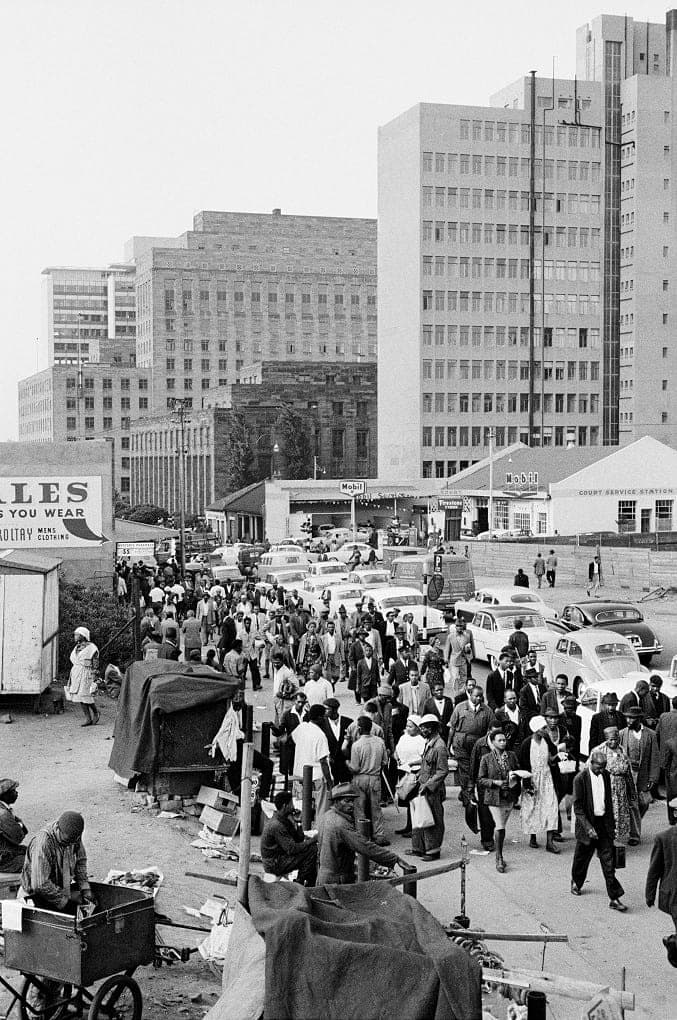
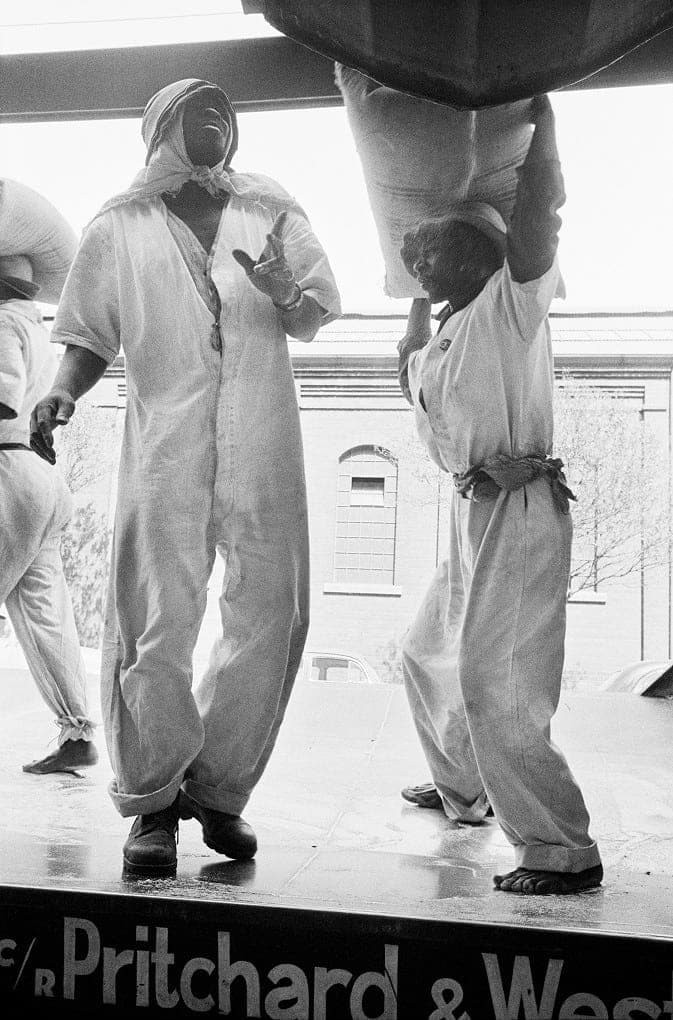
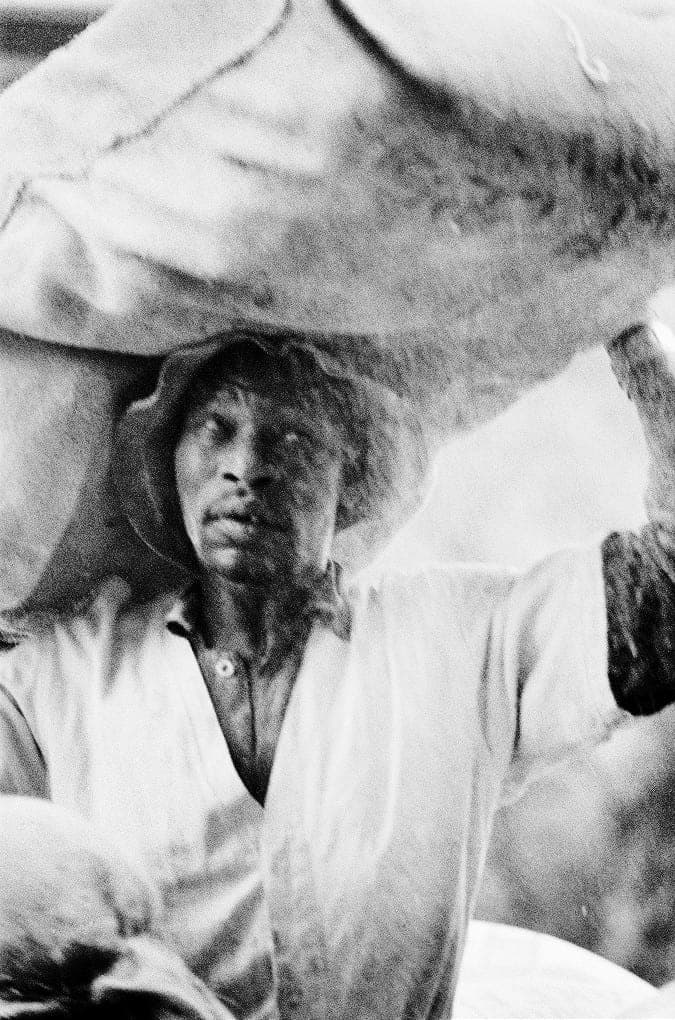
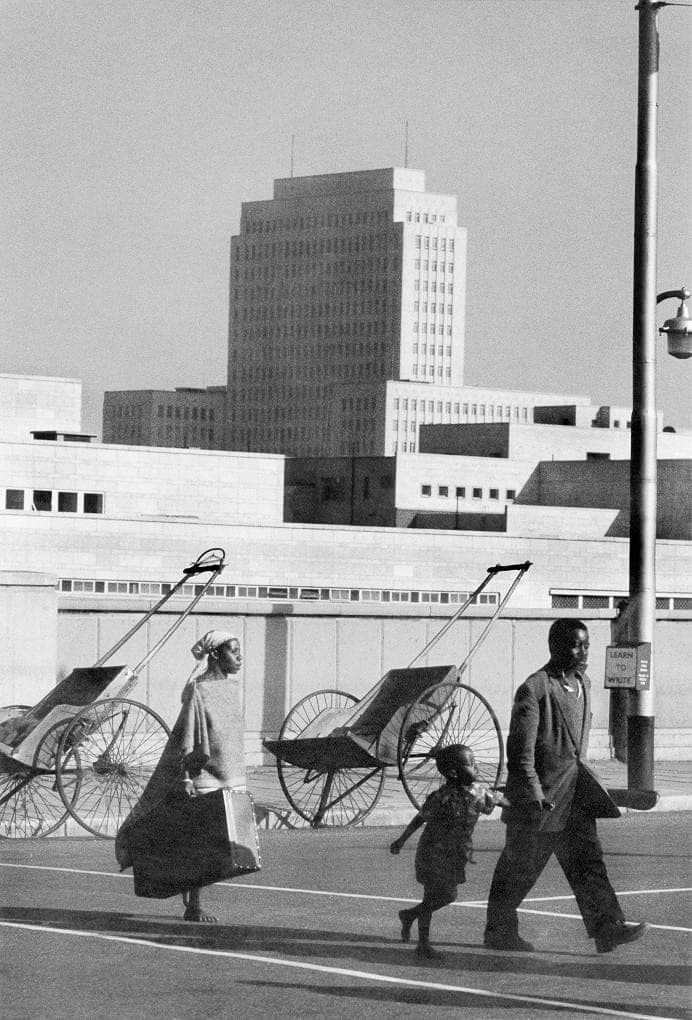
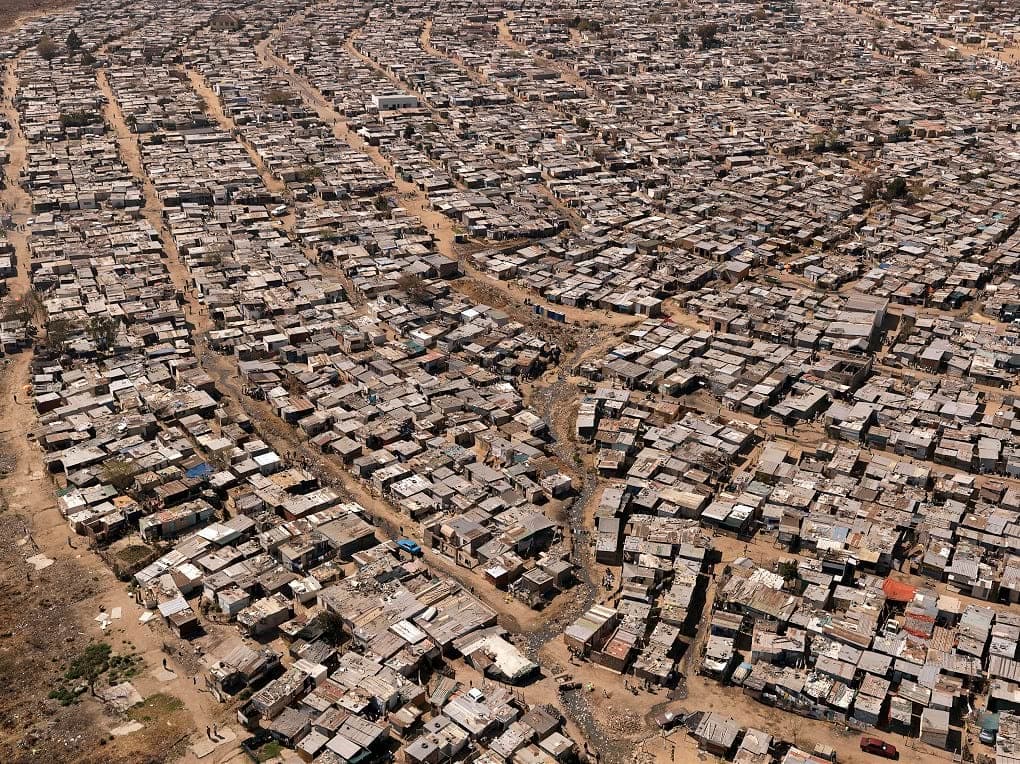
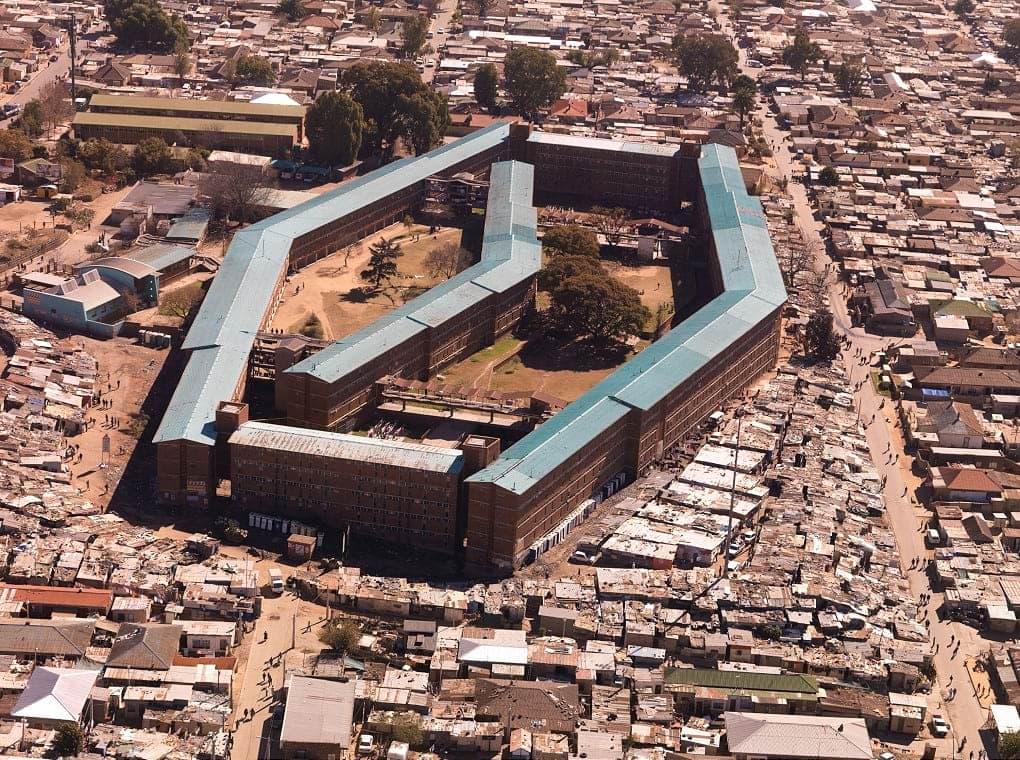
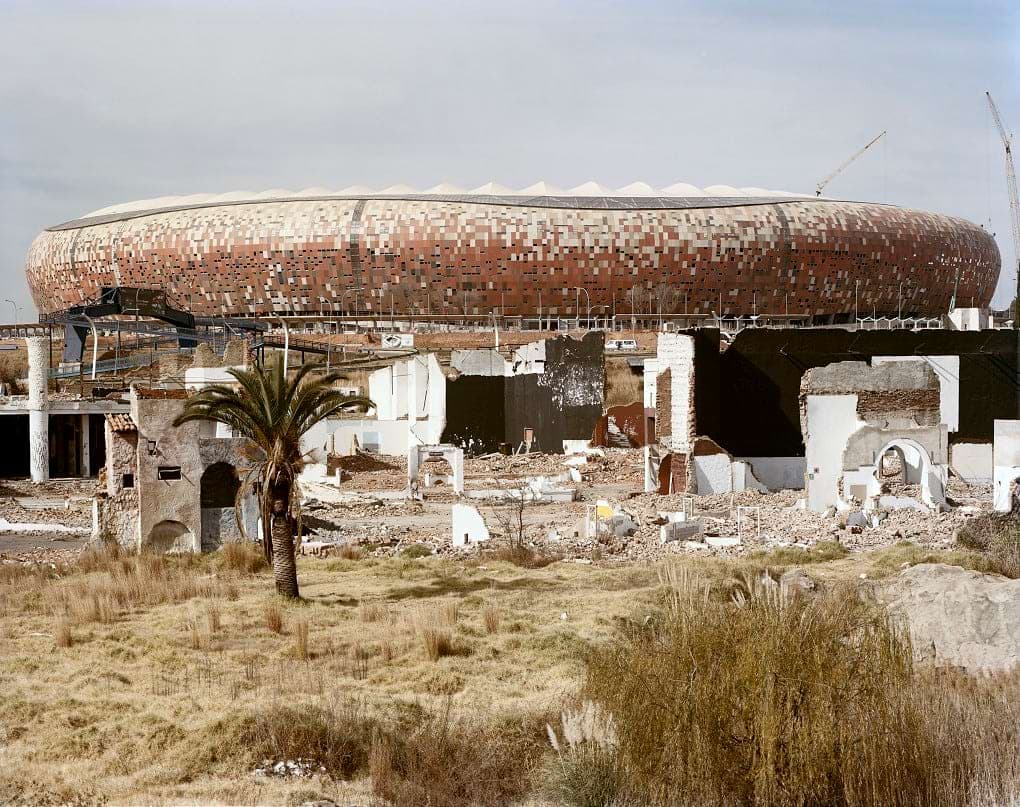
This deep-rooted division is further exacerbated by a continuing social and urban fragmentation. While TJ includes old black and white photographs from an earlier era, new works explore the intricacies of crime, housing and poverty in Joburg.
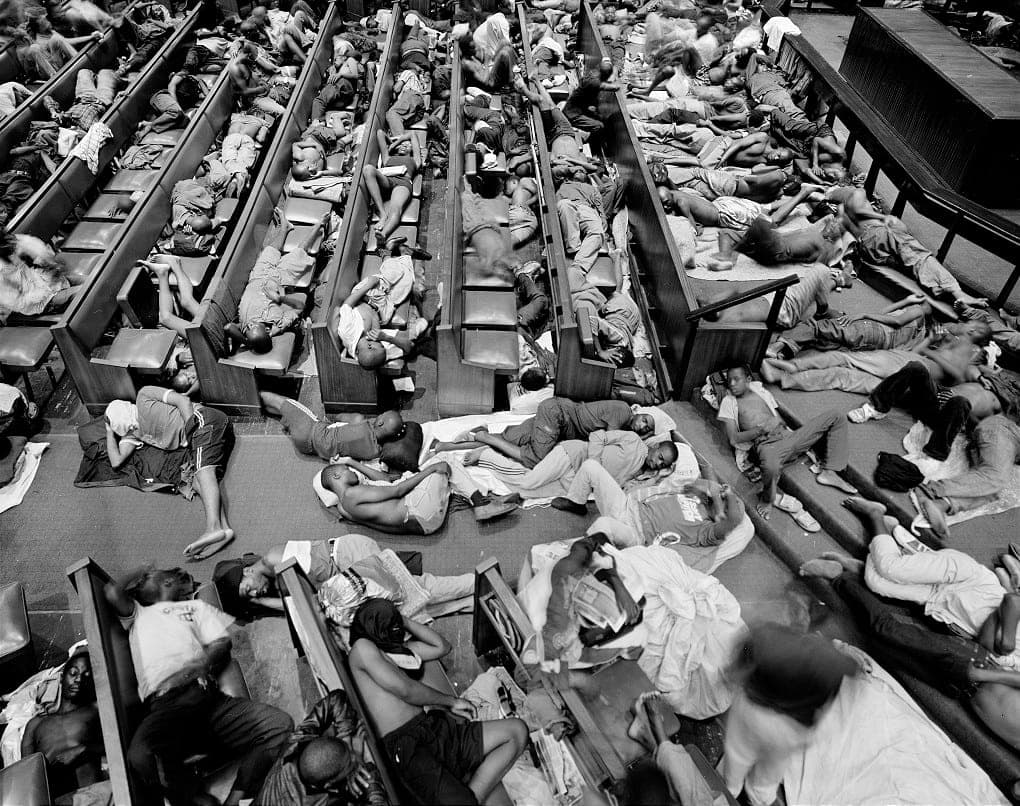
Much of Goldblatt’s frustration lies in the city’s remarkable oversights, greed and lack of planning. “When we came out of the apartheid regime the Johannesburg municipality was split up and the Gauteng province became responsible for planning in the north-west and they just didn’t plan,” explains Goldblatt. “The result was that to a large degree property developers were at liberty to develop pretty well as they liked.” At the same time exorbitant amounts are spent on stadia and events such as the Miss World competition, while certain areas, such as Diepsloot, remain in dire need of basic facilities such as school libraries and storm water drainage systems. The urban sprawl that the city has become, as well as its often-desperate and baffling conditions, is revealed through aerial shots of the indiscriminately structured northern suburbs and townships, photographs of Zimbabwean refugees sleeping in a congested Methodist church and of the ruins of an amusement park in the foreground of Soccer City – a conflicting icon of growth and prodigality with a budget overrun of R800 million.
In another recent series, Goldblatt has focussed on ex-offenders, inviting them to revisit the scenes of the crimes that led to their incarceration and be photographed there. “I don’t believe that many of them are inherently evil,” says Goldblatt. “They came to their crime for a whole lot of other reasons.” In the 20 plus ex-offenders who he has met, Goldblatt – while admitting that this is only a small sample – has picked up on various factors and patterns that seem to contribute to their criminal behaviour such as domestic dysfunctionality (many, he found, grew up without fathers), and a dire education system. “We have failed a very large number of young black people in this country in regard to their education,” he says. “We had Bantu education under apartheid, and that was a crime against humanity, because it educated deliberately to under-educate. But the education of millions of young black people in post-apartheid has been almost as bad… their ability to mobilise upwards and out of the ranks of the poor is very limited. They’re at a tremendous disadvantage from the start.”
As always Goldblatt’s photographic style is unaffected and direct, reflecting art critic Ken Johnson’s observation that the “effect of Mr. Goldblatt’s understated, antisensational photographs and the spare words that accompany them is cumulative. They build into an infectiously mournful beauty. Even in pictures that seem almost nondescript… Mr. Goldblatt’s compositions have a classical elegance and a reticence that speaks volumes.”

Artist Bio
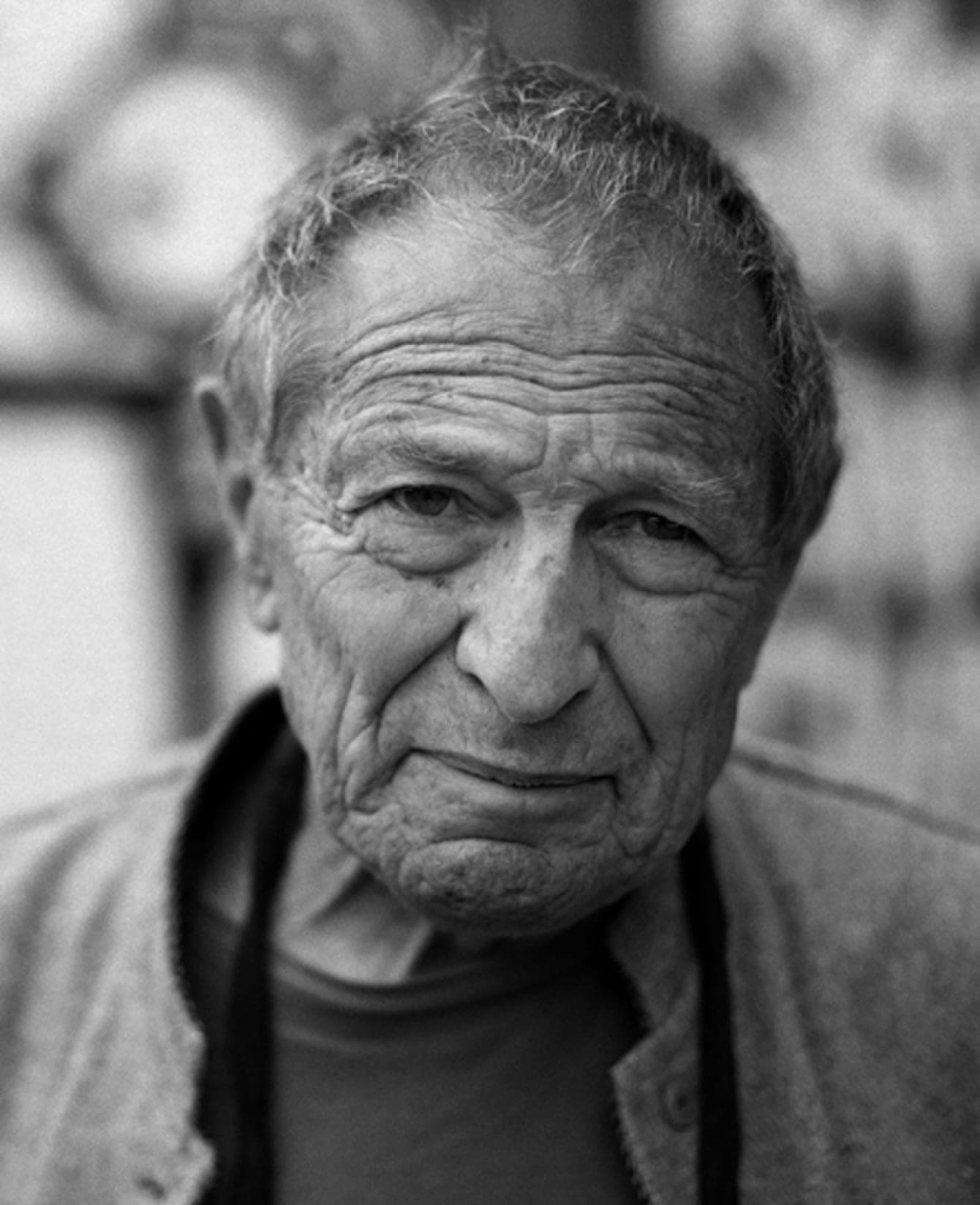
David Goldblatt (1930 – 2018) was born in Randfontein, a small mining town outside of Johannesburg, South Africa. Described by writer Mark Gevisser as ‘the visual conscience of South Africa,’ he photographed the structures, people and landscapes of South Africa for over seven decades. His work is contained in a number of books, including Some Afrikaners Photographed, On the Mines, Intersections, The Transported of Kwandebele, In Boksburg, Structures of things then, Fragments of Fietas and Ex Offenders at the Scene of Crime. Describing his work, he said, “I was drawn not to the events of the time, but to the quiet and commonplace where nothing ‘happened’ and yet all was contained and imminent”.
Goldblatt’s work has been exhibited widely around the world. Key exhibitions include Structures of Dominion and Democracy (2018) at Centre Pompidou, Paris; No Ulterior Motive (2022- 2025), a collaboration between the Art Institute of Chicago, Yale University Art Gallery, New Haven and Foundation Mafpre, Madrid; David Goldblatt: 51 years (2002 - 2004) organized by MACBA, Barcelona and exhibited at Witte de With, Rotterdam; Modern Art, Oxford; Palais des Beaux Arts, Brussels; Lenbachhaus, Munich, and the Bensusan Museum and Library of Photography, Johannesburg; Intersections Intersected (2008 -2011), organized by Stevenson Gallery and exhibited at Open eye Gallery, Liverpool, New Museum of Contemporary Art, New York, Malmo Konsthall and the University Museum of Contemporary Art, Amherst. Museums where he has had solo shows include the Museum of Modern Art, New York; Museum of Contemporary Art, Sydney; Henri Cartier-Bresson Foundation, Paris; Huis Marseilles, Amsterdam; Serralves Foundation, Porto; the Norval Foundation, Cape Town; South African National Gallery, Cape Town and Johannesburg Art Gallery.
Notable group exhibitions and biennales include ILLUMInations at the 54th Venice Biennale in 2011, South Africa in Apartheid and After, San Francisco Museum of Modern Art (2013); and Everything Was Moving: Photography from the 60s and 70s, Barbican Centre, London (2012). York.
Galleries where he has exhibited include Pace and Howard Greenberg, New York; Marion Goodman, Paris, Galería Elba Benítez, Madrid and Stevenson, Cape Town. He has been represented by Goodman Gallery since 2000 and has held numerous exhibitions at its Johannesburg, London and Cape Town galleries.
Selected collections include: Museum of Modern Art, New York; Metropolitan Museum of Art, New York; San Francisco Museum of Modern Art; Tate Modern, London; Victoria and Albert Museum, London; Centre Pompidou, Paris; The J. Paul Getty; Museum, Los Angeles; National Gallery of Art, Washington, D.C.; Art Institute of Chicago; Huis Marseille, Amsterdam; The Museum of Fine Arts, Houston; The Walther Collection, Neu-Ulm, Germany and New York; National Gallery of Australia, Canberra; Stedelijk Museum, Amsterdam; Fotomuseum Winterthur, Switzerland; Yale University Art Gallery, New Haven; Johannesburg Art Gallery, South Africa; Iziko South African National Gallery, Cape Town; Art Gallery of New South Wales, Sydney; Princeton University Art Museum, Princeton; Musée del’Élysée, Lausanne; Carnegie
Museum of Art, Pittsburgh; Museo Nacional Centro de Arte Reina Sofía, Madrid and Los Angeles County Museum of Art, Los Angeles. Goldblatt was the recipient of the 2006 Hasselblad award, the 2009 Henri Cartier-Bresson Award, the 2013 ICP Infinity Award and in 2016, he was awarded the Commandeur des Arts et des Lettres by the Ministry of Culture of France.
Other Exhibitions
See All