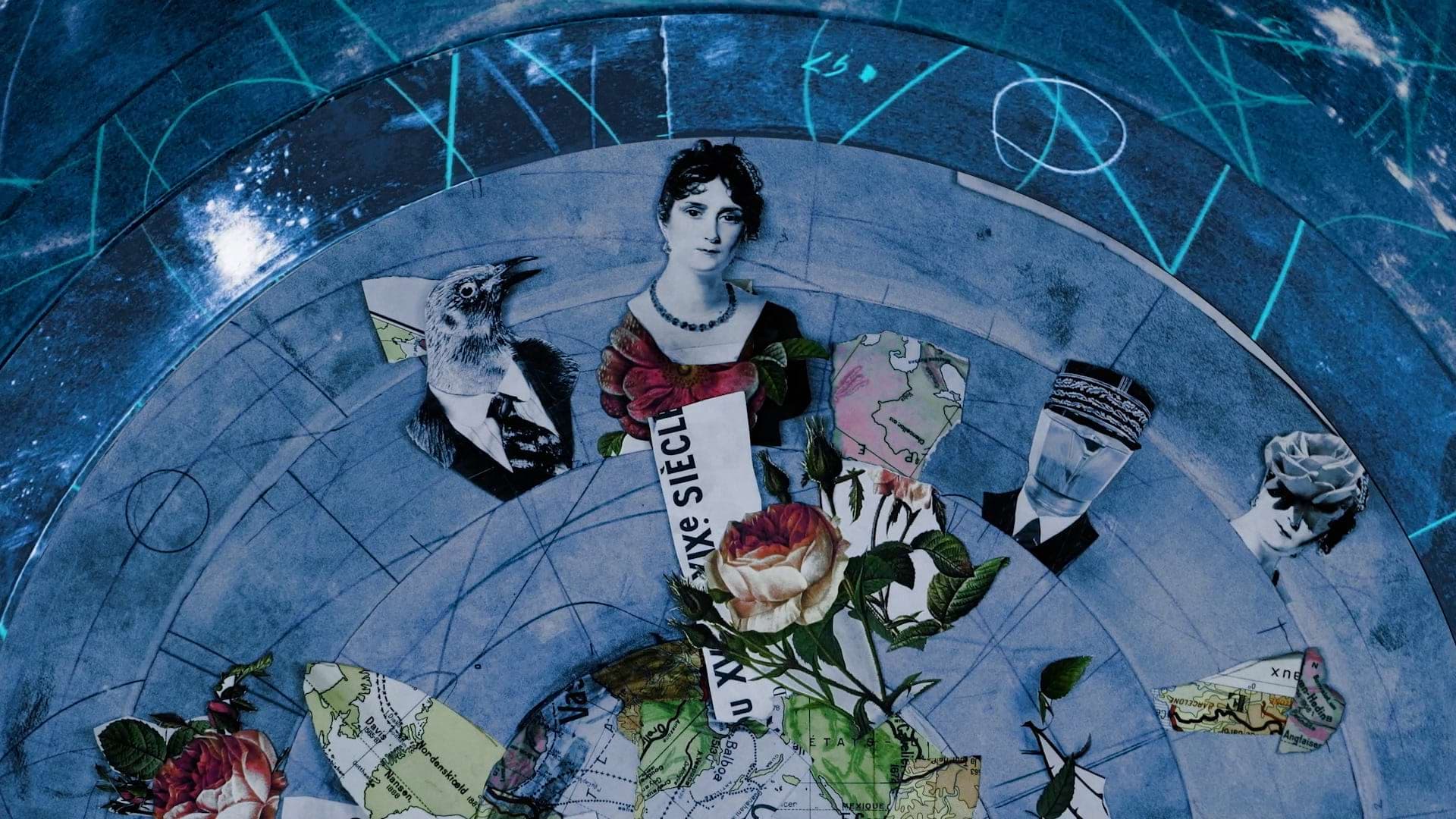
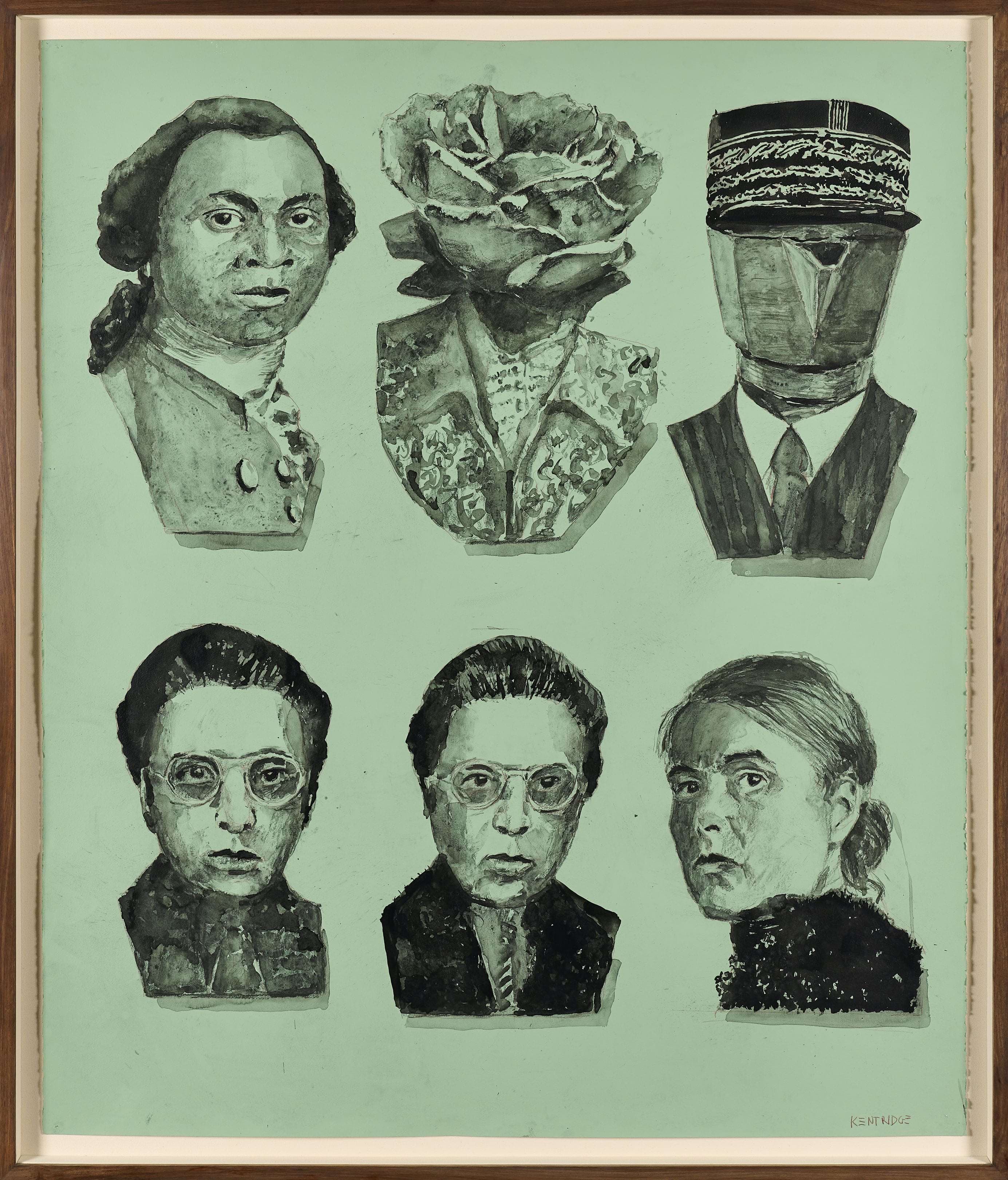
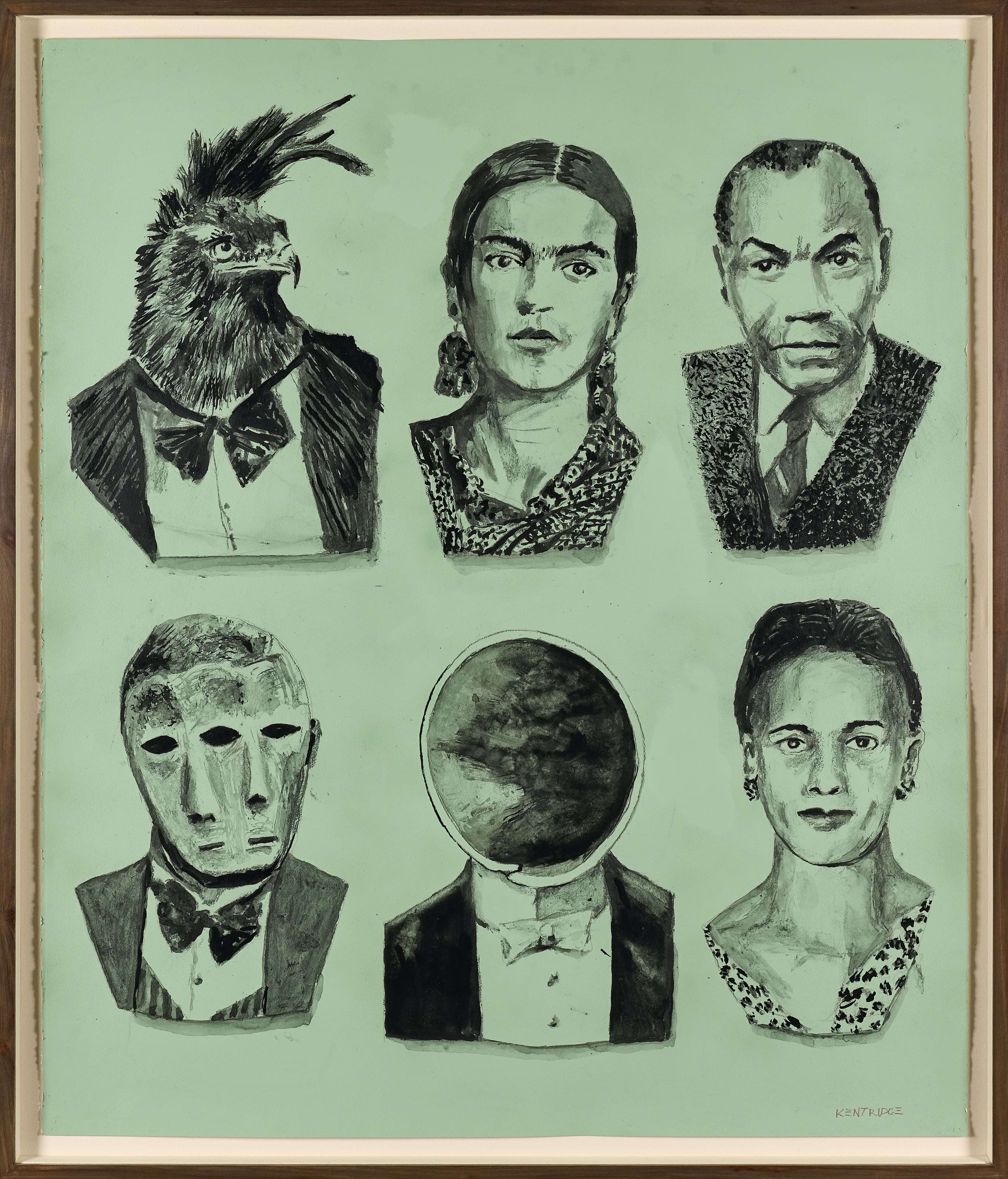
‘To Cross One More Sea’ is a three-channel film that premiered at LUMA, Arles, in July 2024. Created in parallel with ‘The Great Yes, The Great No’, Kentridge’s semi-historical, semi-fictional chamber opera which was also first performed there, this triptych relives an Atlantic odyssey between Marseilles and Martinique in 1941. The boat is populated with myriad figures ostensibly escaping occupied Vichy France, including those who were on that actual journey, and those who couldn’t possibly have been on the same vessel together.
So, two André Bretons argue with each other and converse with key figures of the Negritude Movement, such as Suzanne and Aimé Césaire, Frantz Fanon, the Nardal sisters and Leon-Gontran Damas; Josephine Baker vaudevilles alongside Josephine Bonaparte; whilst Claude Levi-Strauss, Stalin, Trotsky, Kahlo and Riviera complicate the deck’s dynamics and dances.
Through its layered, powerful imagery, searingly emotive songs, interwoven historic doctrine and letter extracts, ‘To Cross One More Sea’ revisits complex narratives of exile and resilience as this rusty, fetid merchant ship and its strange cargo journeys through literal and figurative storms and doldrums - with choruses and a libretto sung, spoken and shouted in French, English, Isizulu, Setswana, Isiswati, Isixhosa and Xitsonga - finally reaching the shores of the Caribbean.
Video
Video
Video
Video
Video
Video
Video
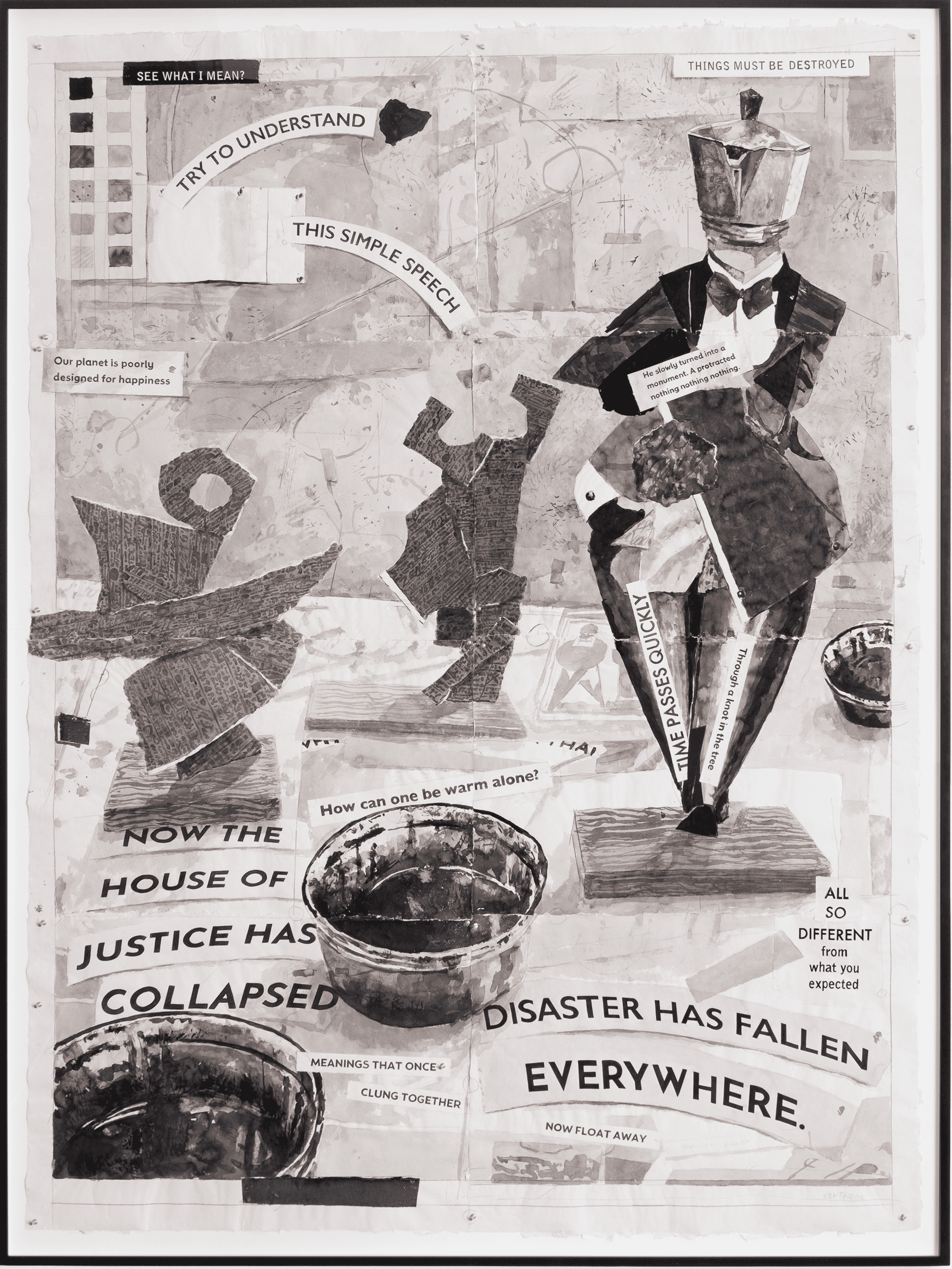
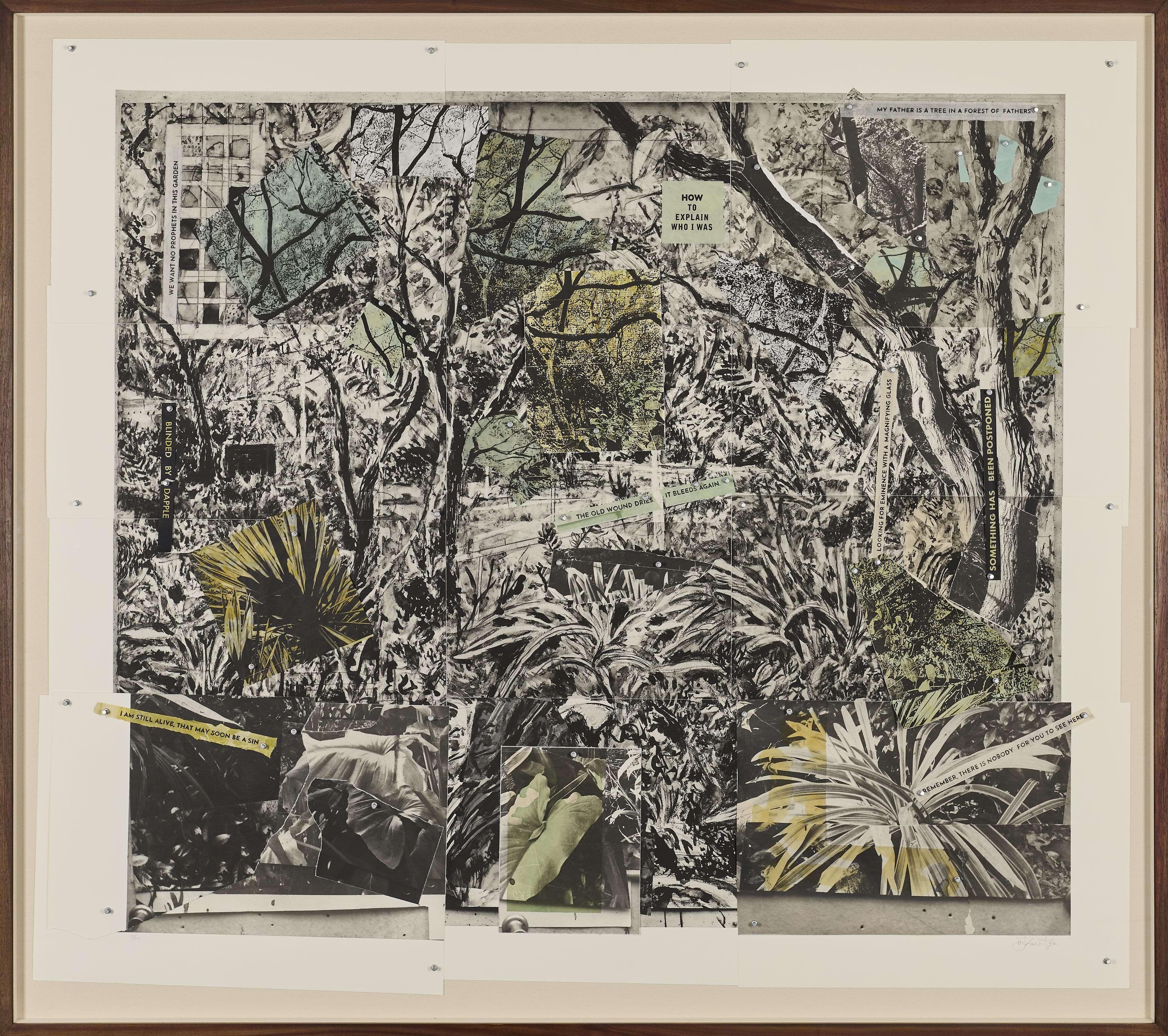
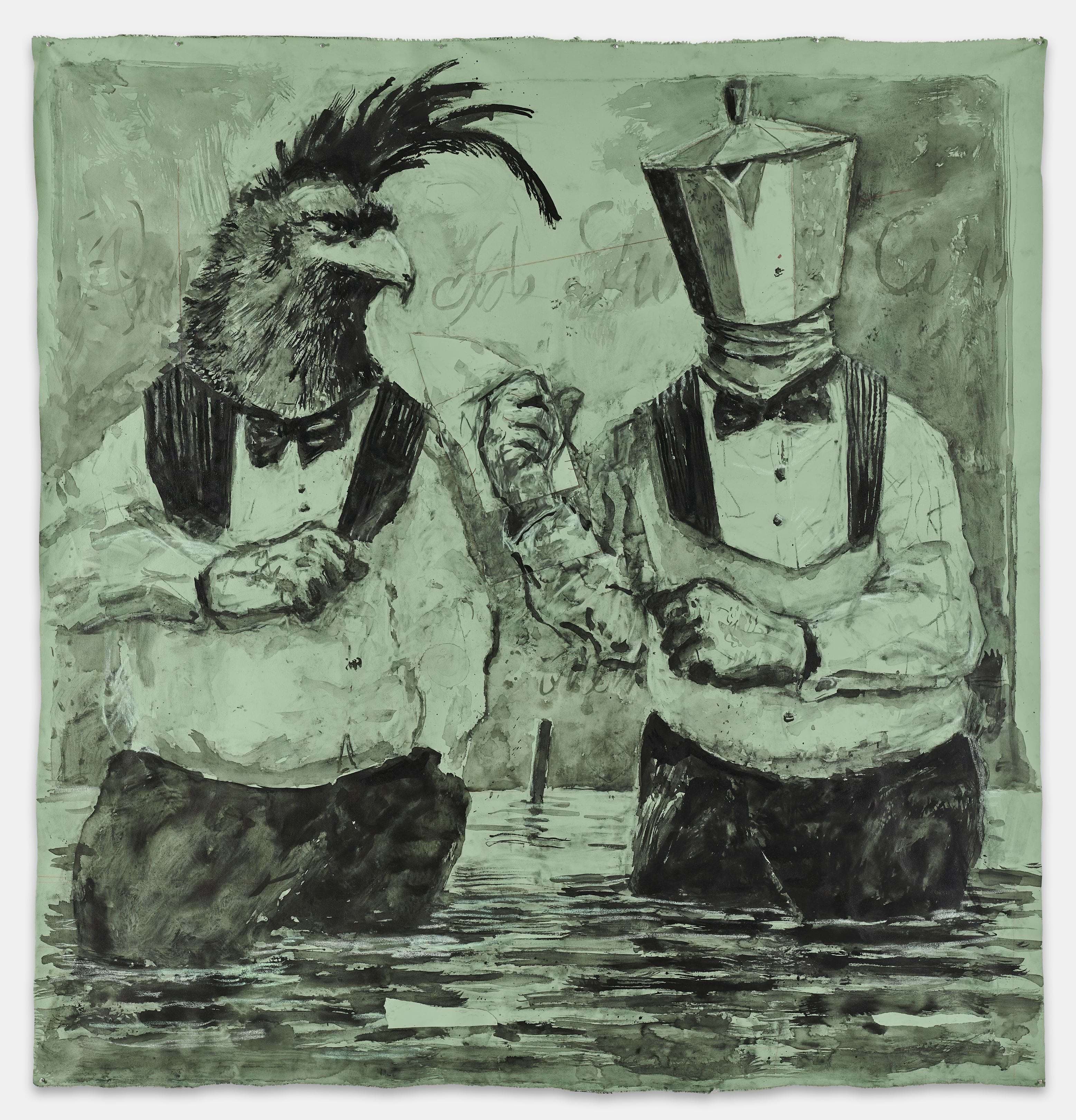
The phrases in Kentridge’s Indian ink, coloured pencil, and collage on handmade paper, unique drawing ‘Try to Understand This Simple Speech’ are from his libretto for ‘The Great Yes, The Great No’, a multimedia theatre project premised on a 1941 voyage of artists, philosophers and leaders of the Negritude Movement escaping Nazi-occupied Marseilles for Martinique. Rather than offering didactically discernable answers, these textual fragments operate as Dadaist interruptions that invite distraction as much as reflection and challenge the viewer to construct their own meanings through personal and circumnavigatory association.
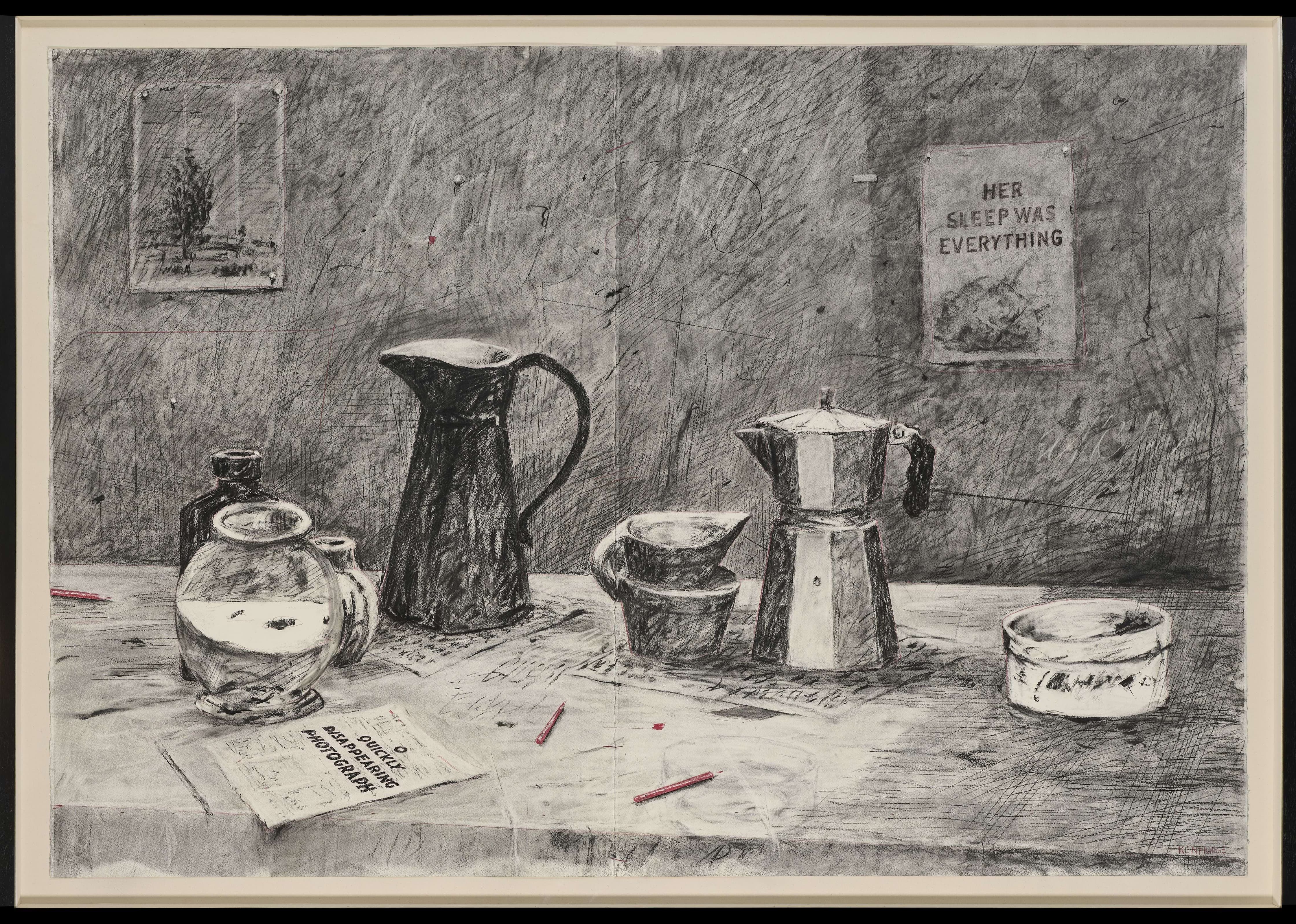
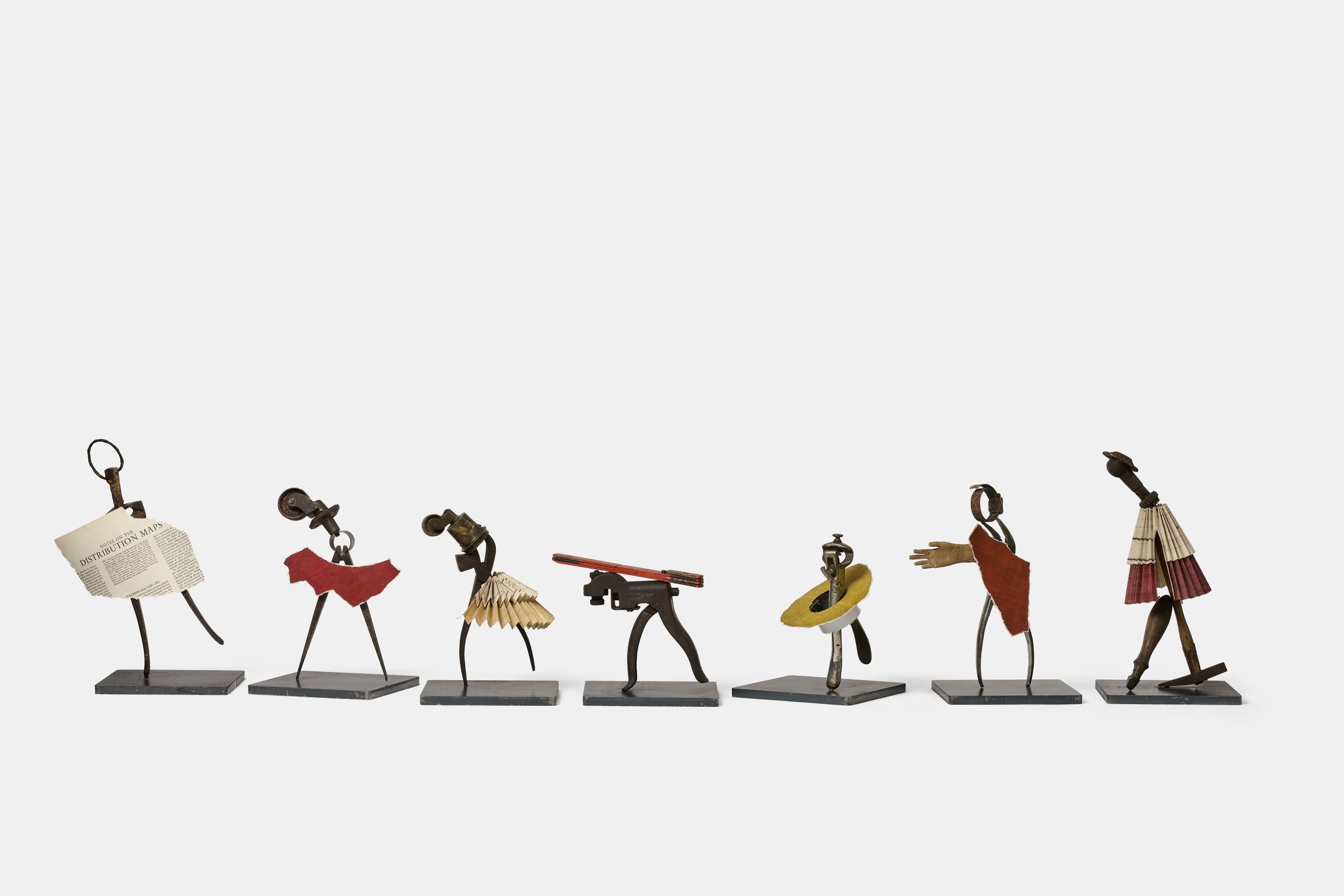
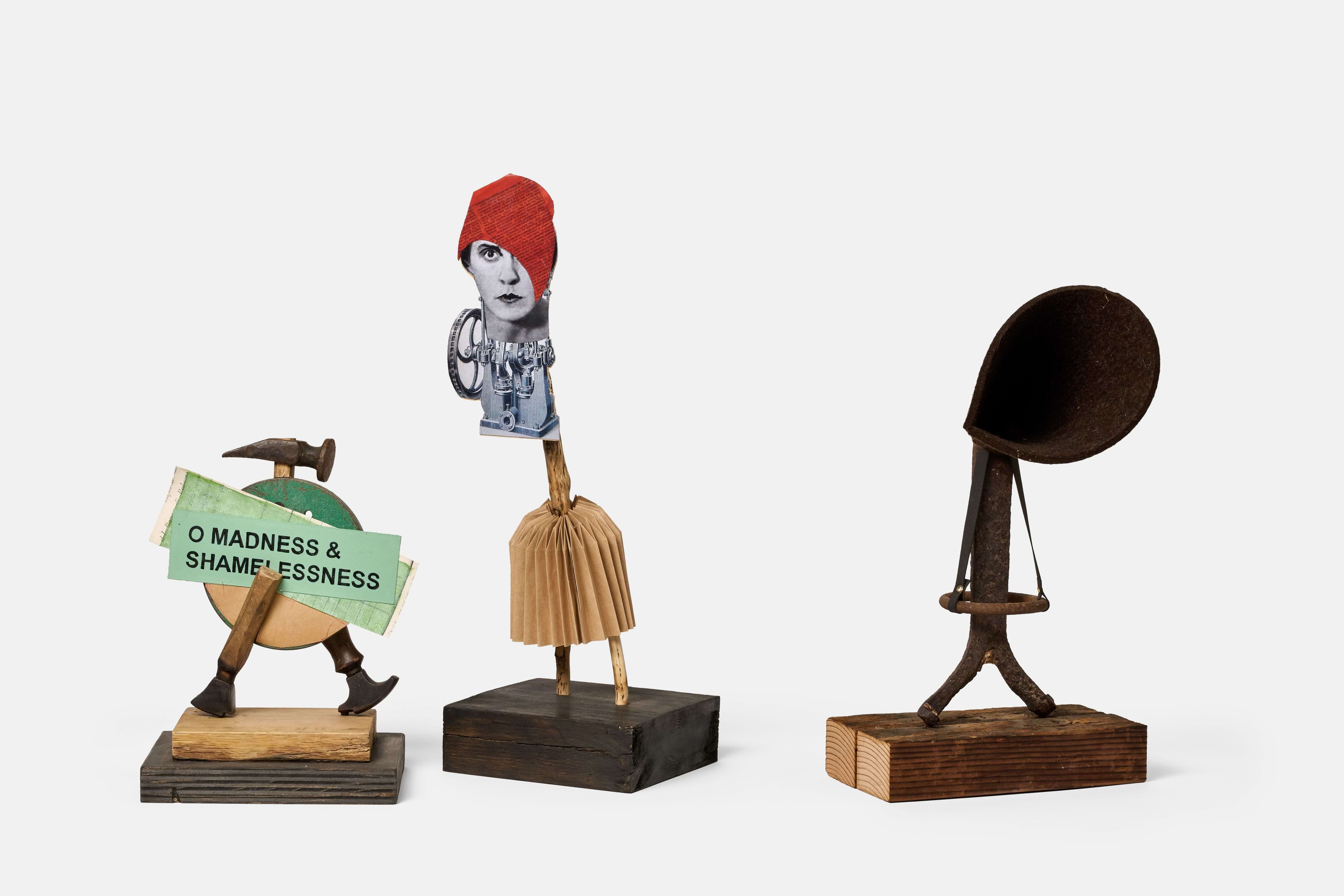
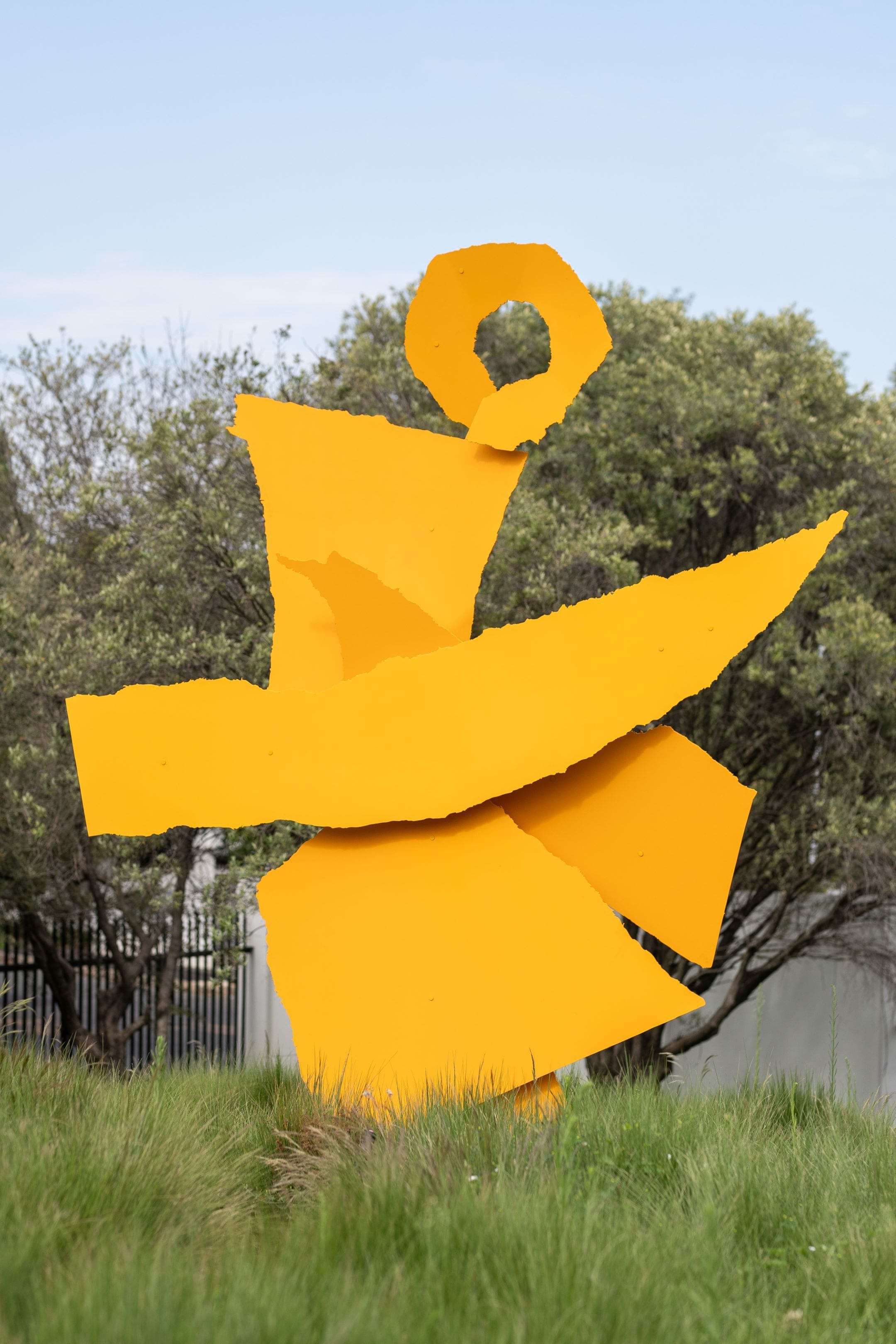
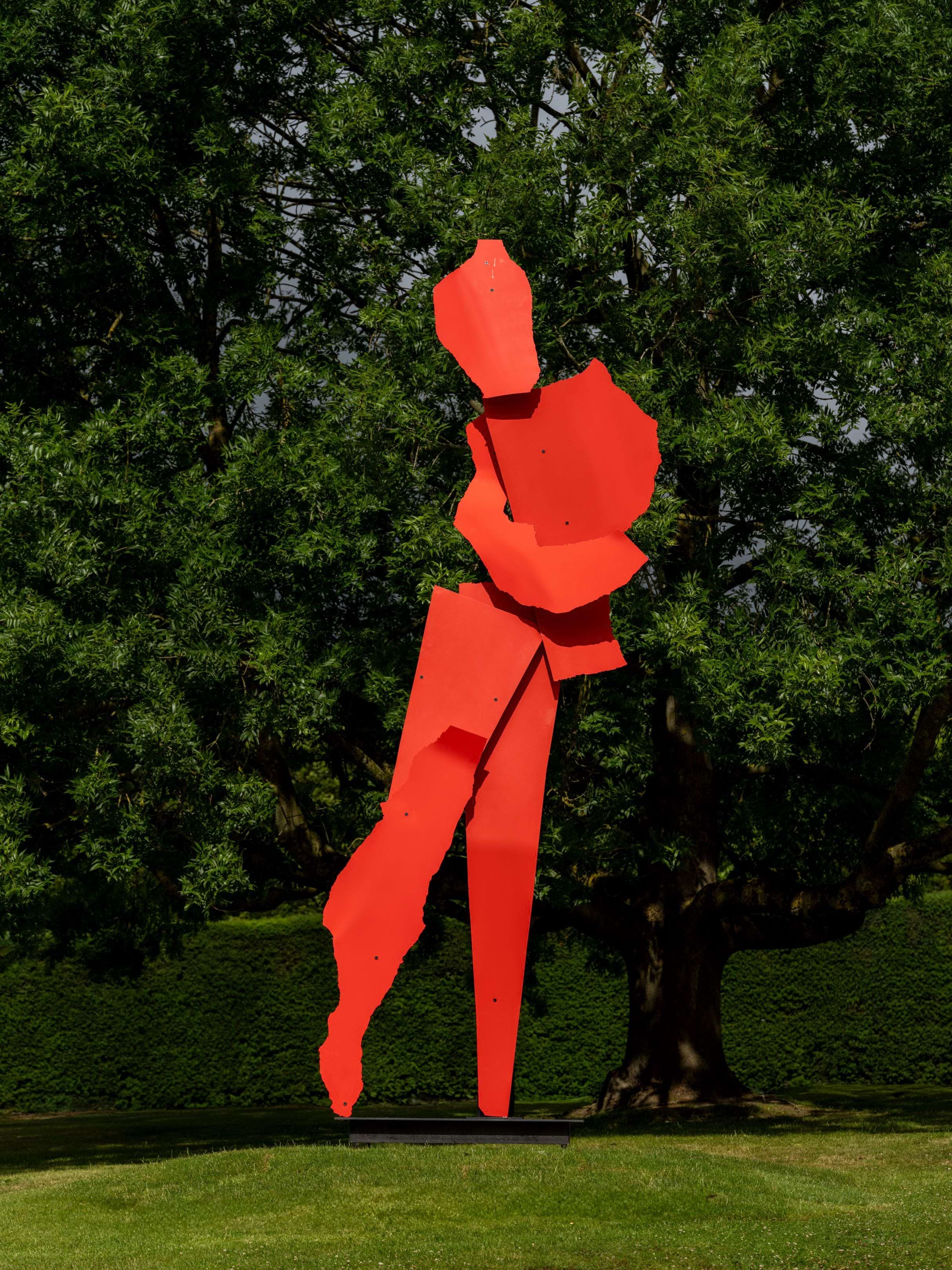
The key sculptural, collaged figure placed on Kentridge’s studio desk, in a dinner jacket with cafétierre head, is somehow both one of the Vichy French bourgeoisie complicit in the occupation, and Kentridge himself, with reference to his Venice Biennale project and episodic streamed series, ‘Self-portrait as a Coffee Pot’. As the latter, it appears to be dancing with, and perhaps conducting two torn-paper smaller figures, who will go on to become the epic forms of his monumental ‘Paper Procession’ sculptures in Kentridge’s Yorkshire Sculpture Park solo exhibition.
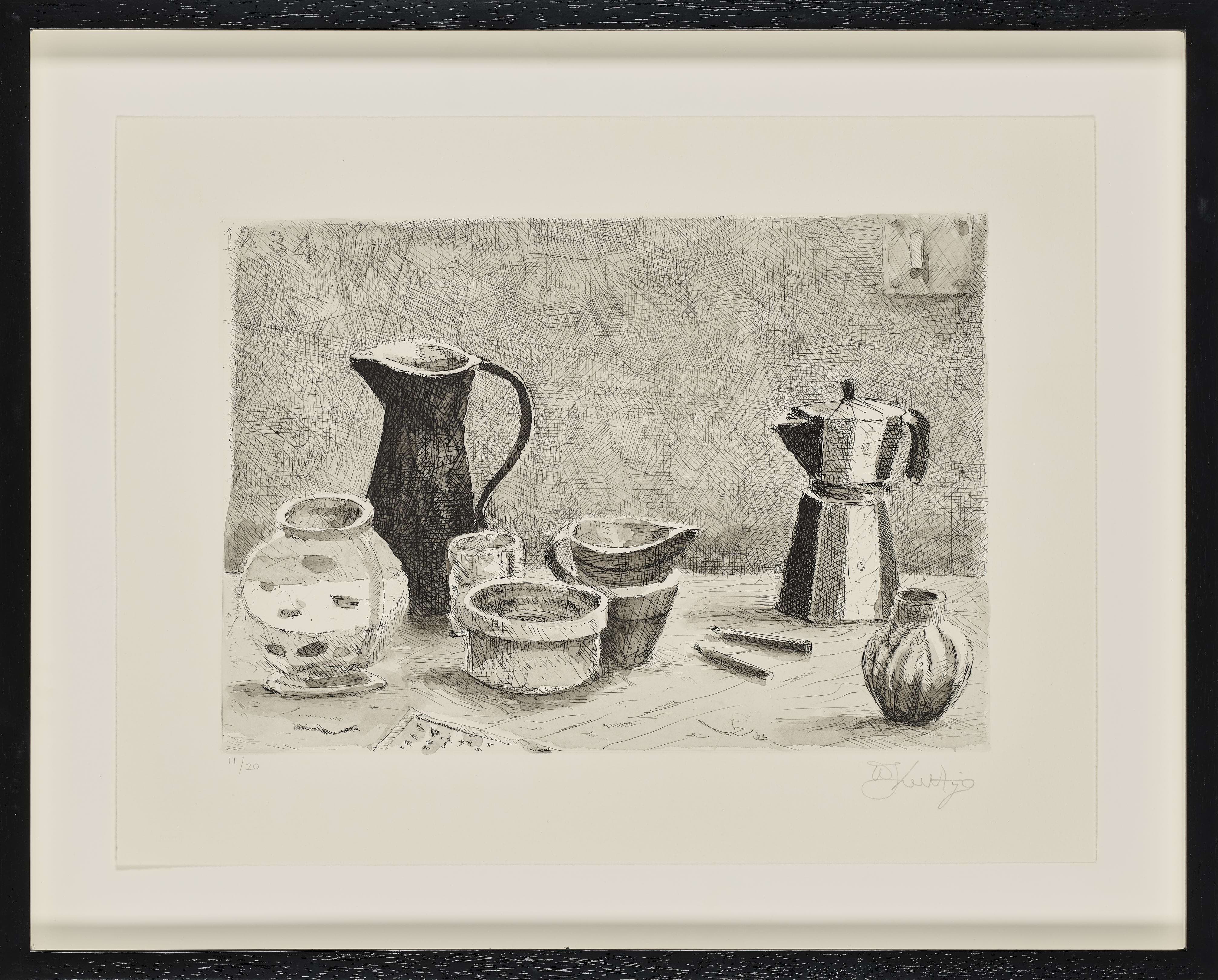
The fact that this work’s subject is the very studio it’s painted in - those ink pots the same ink pots that he dipped into to create it, and so on - is key to these other concurrent performative and sculptural projects: the world has been brought into the studio, (which is treated as a ‘safe space for stupidity’), and then sent out again as something anew, or as Kentridge himself puts it, ‘the walk around the studio as the preamble to, the unconscious part of, the drawings… which come from an impulse, from an image that’s in my head, from something as little as a phrase.”
Video
300
Video
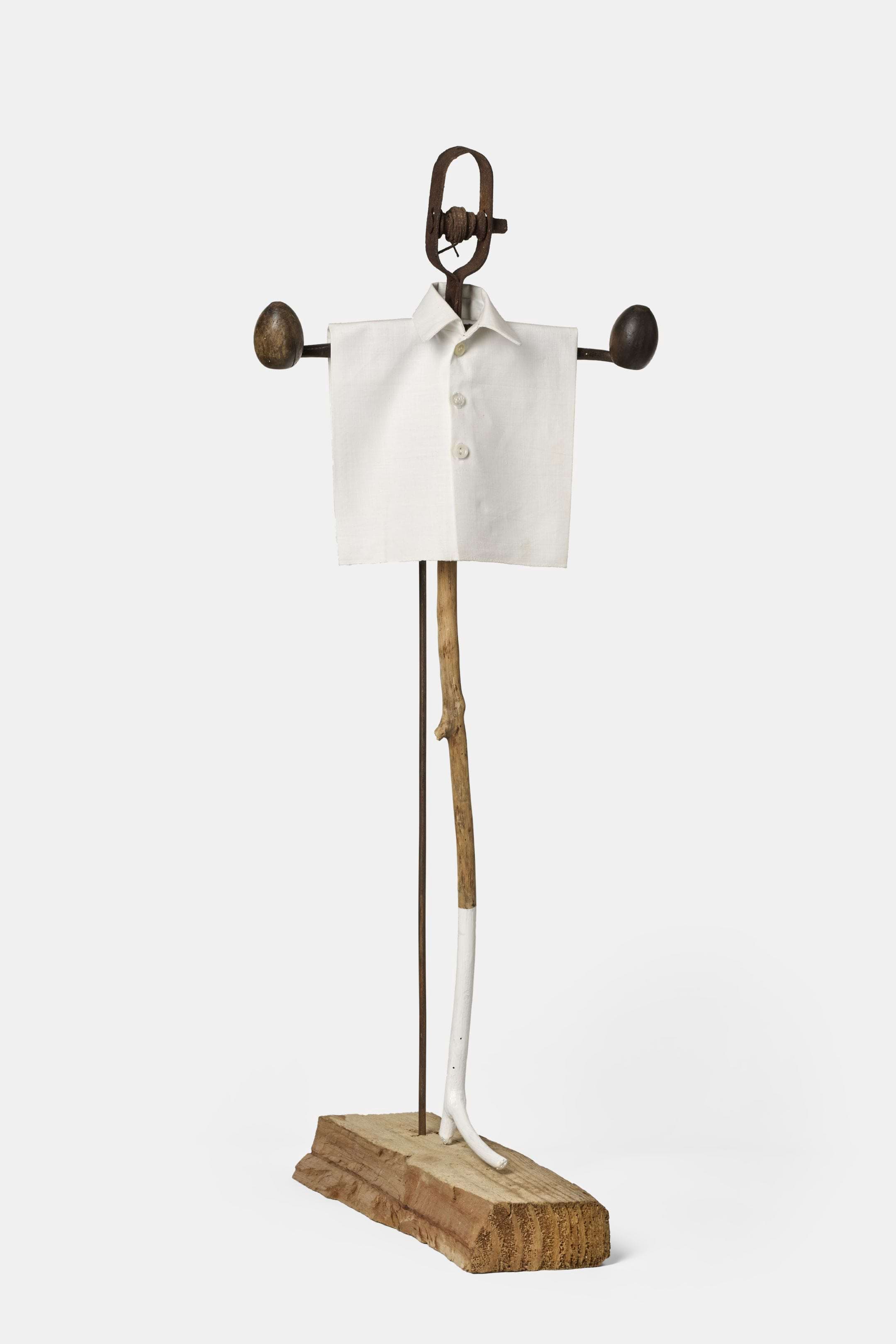
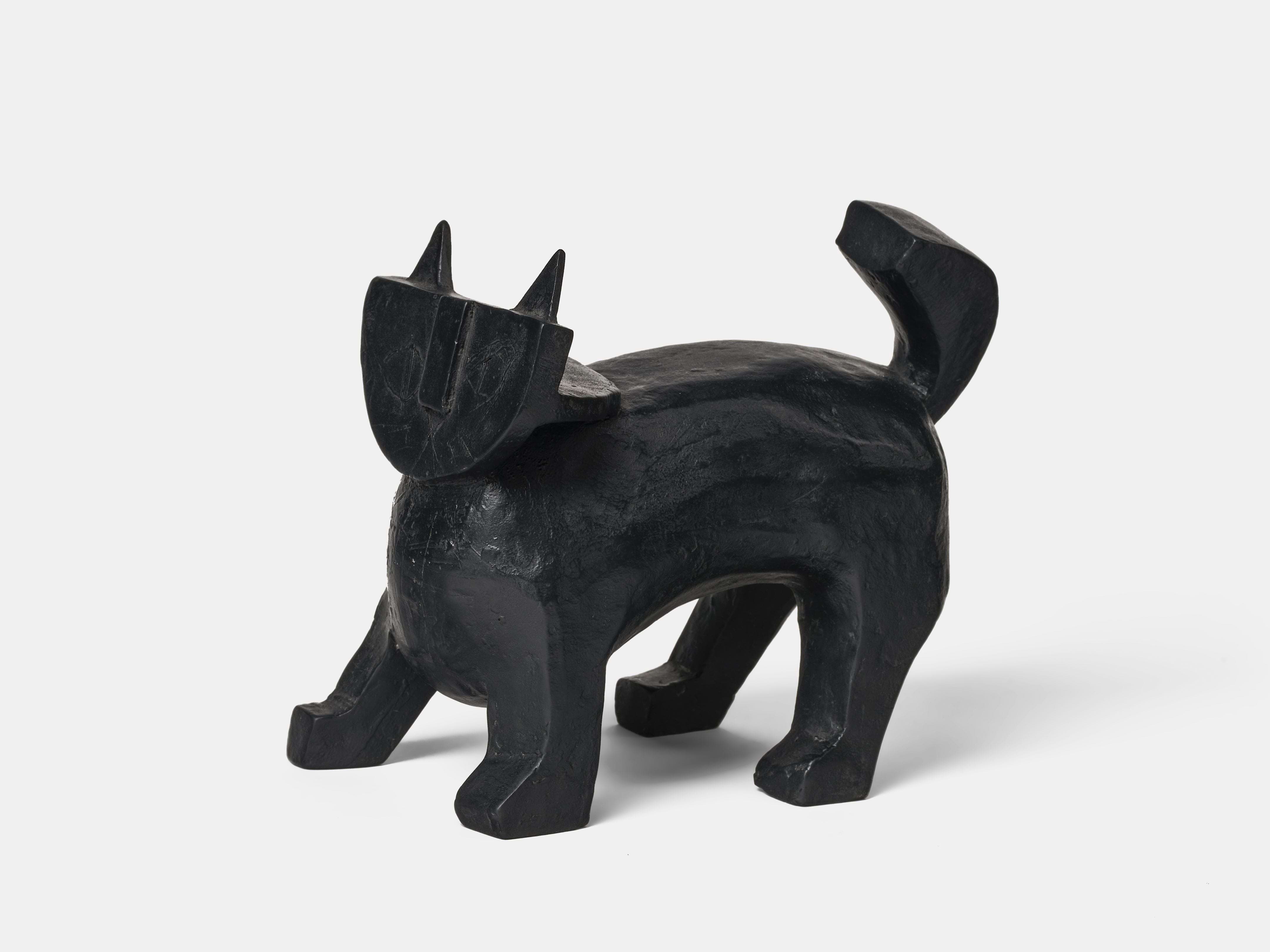
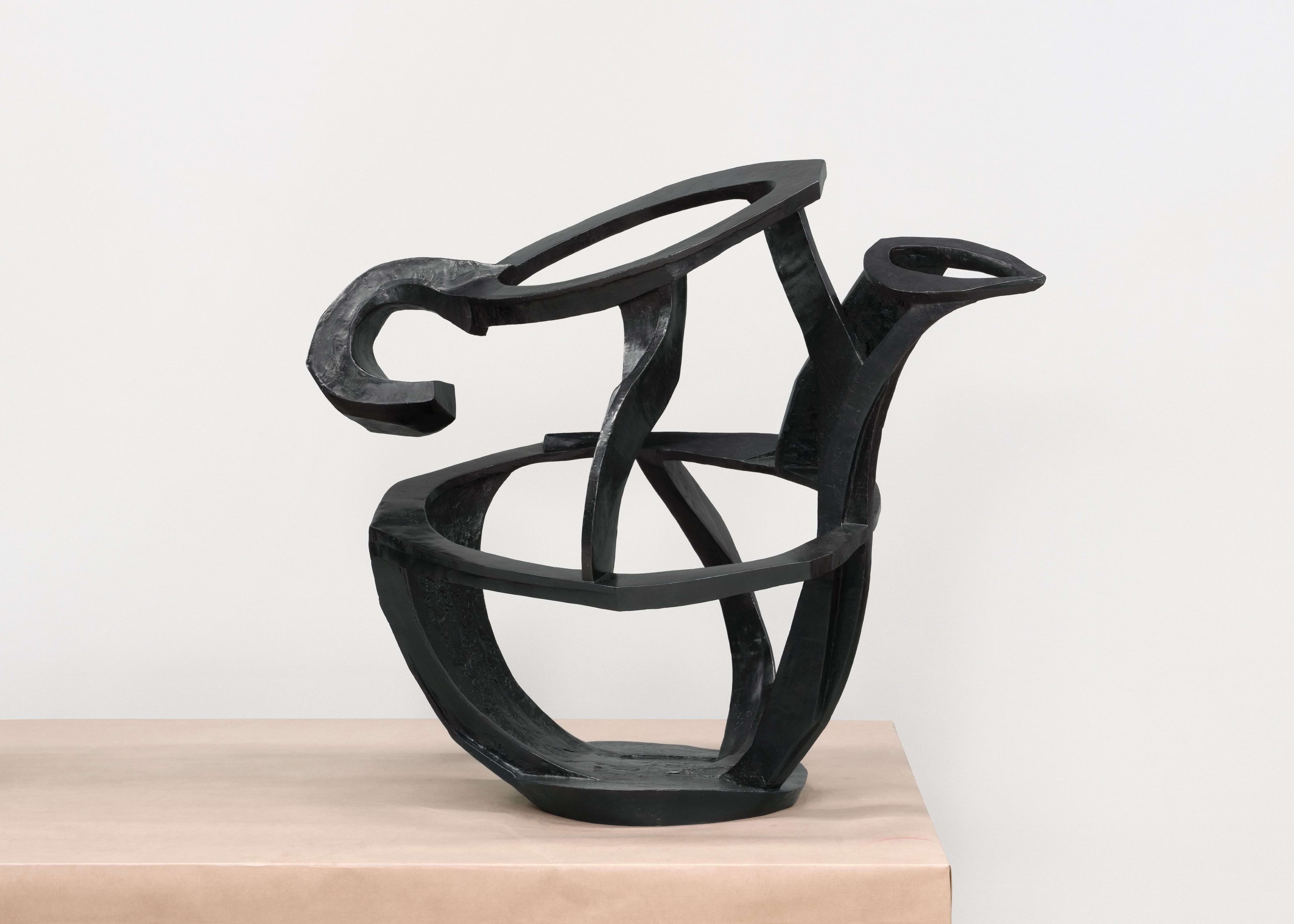
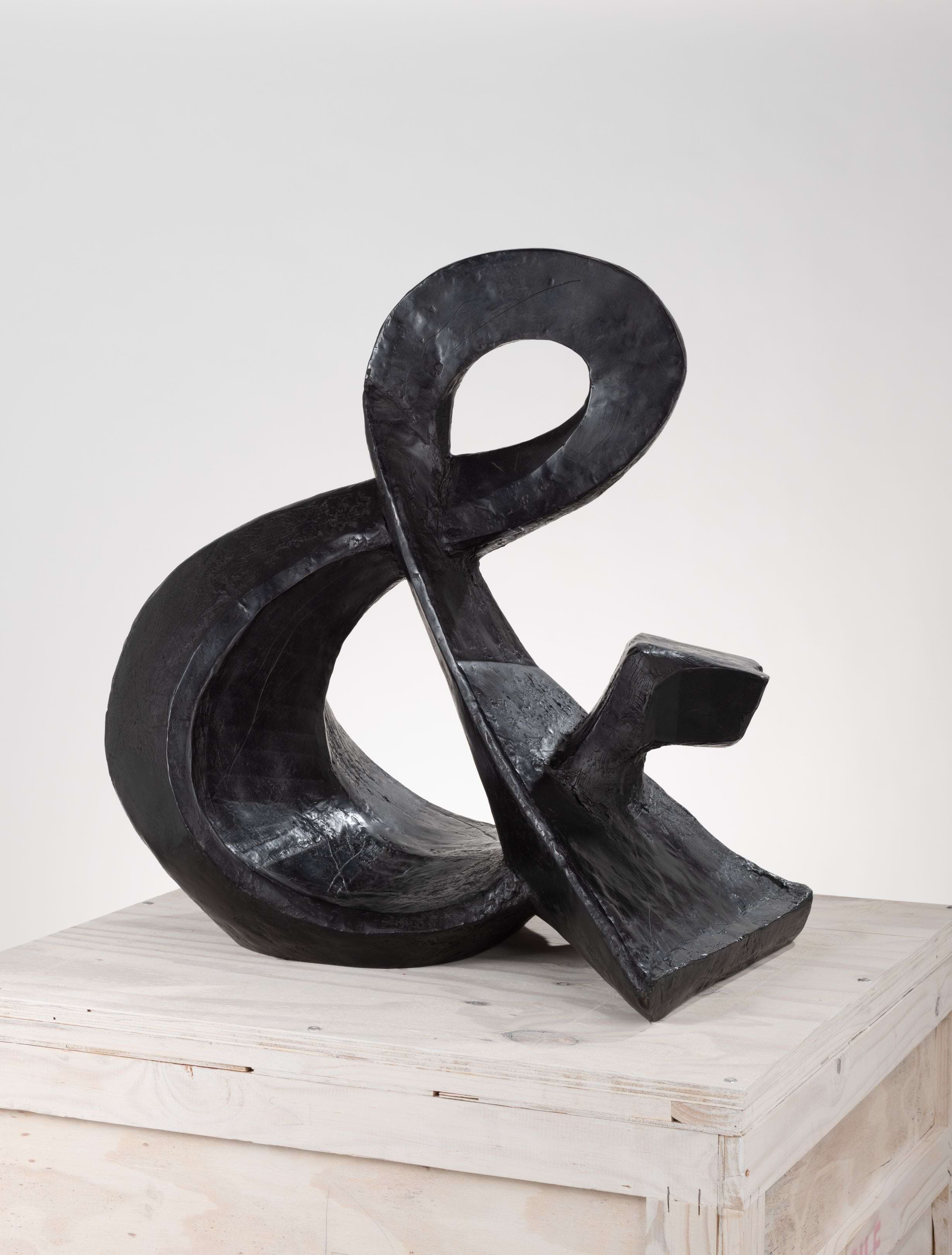
Apron, Cursive (Fish) and Milk (2023) are part of an accumulation of elemental symbols within Kentridge’s broader practice. This series of bronze sculptures functions as a form of visual dictionary, giving thought to form. The sculptures are symbols and ‘glyphs’, a repertoire of everyday objects or suggested words and icons, many of which have been used repeatedly across previous projects. The glyphs can be arranged to construct sculptural sentences and rearranged to deny meaning.
Video
Video
William Kentridge’s Lexicon (2017) is an accumulation of elemental symbols within the artist’s larger practice. The series of bronze sculptures, functions as a form of visual dictionary. These sculptures are symbols, glyphs, suggested words or icons, many of which have been used repeatedly across projects and bodies of work. The glyphs can be arranged in order to construct sculptural sentences and rearranged to deny meaning. In late 2017 and early 2018, Kentridge chose a group of ten glyphs from the small-scale Lexicon set and made medium scale versions, each of close to a metre in height.