
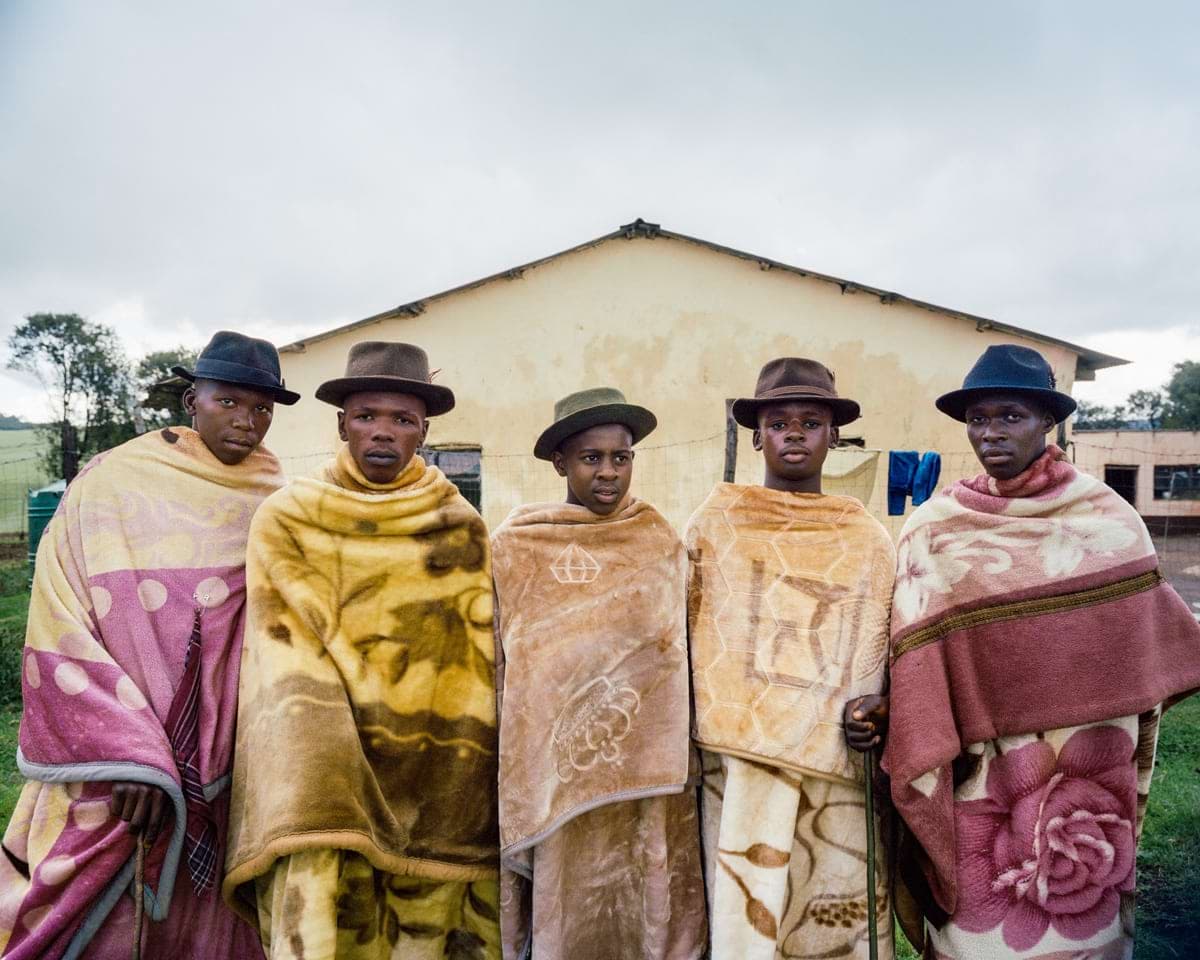
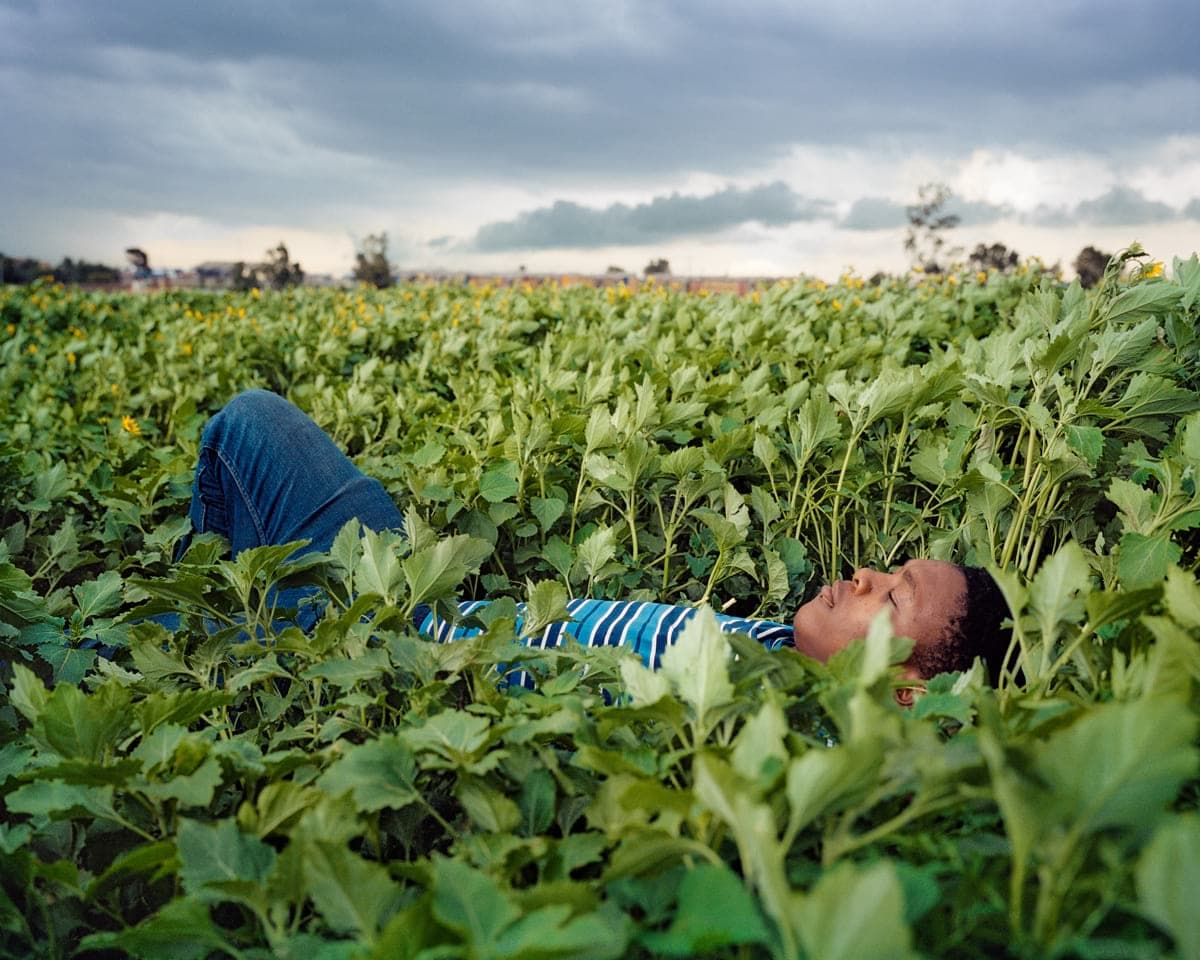
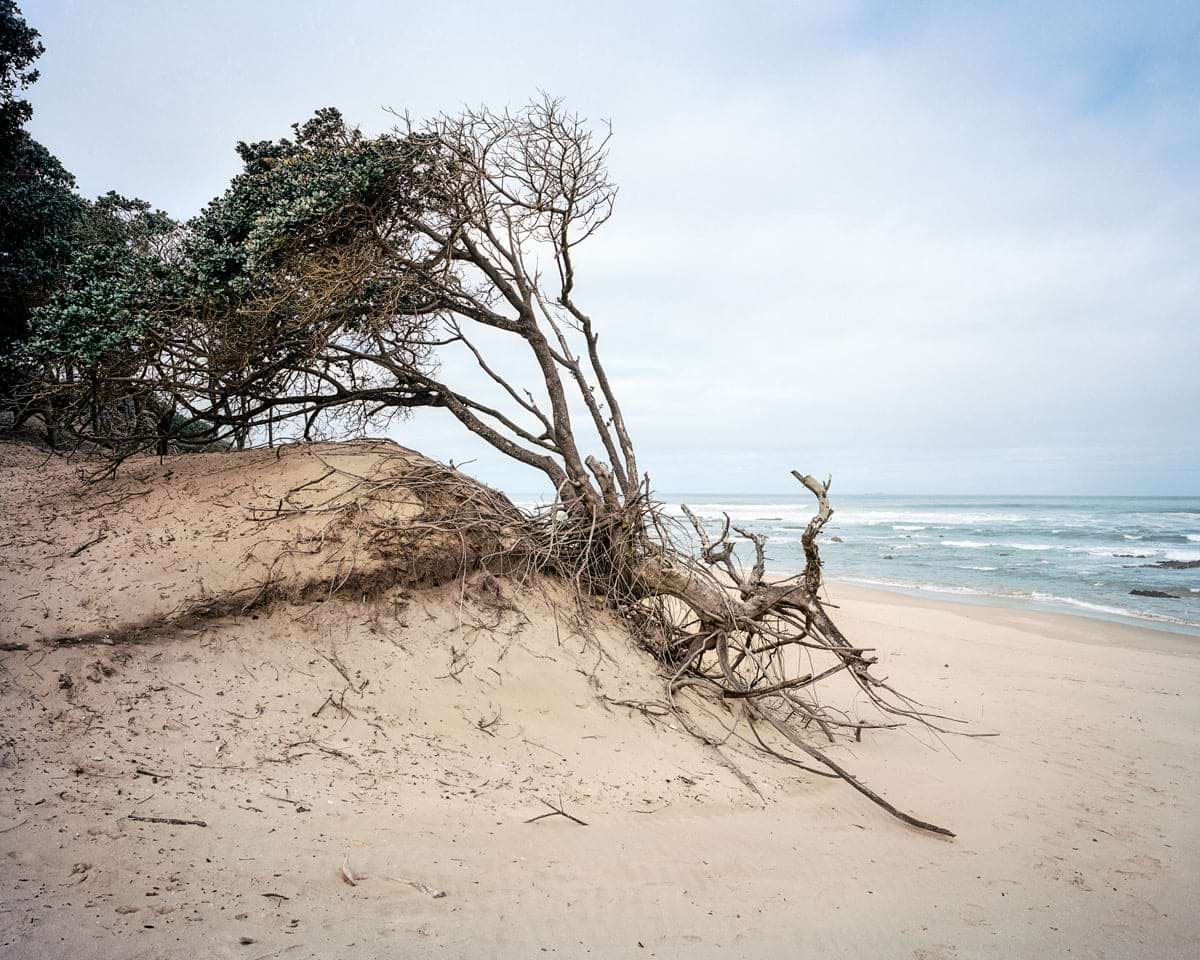
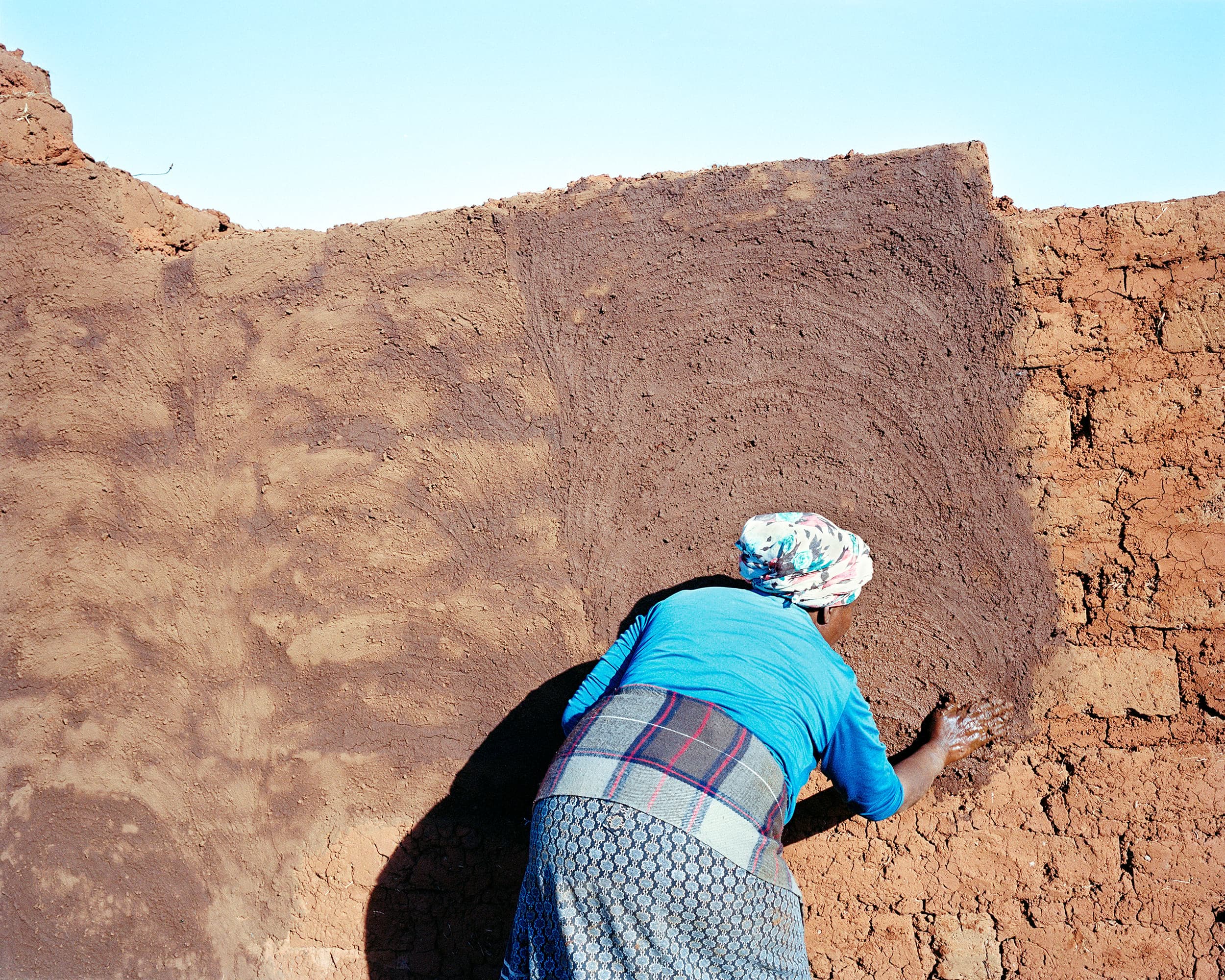
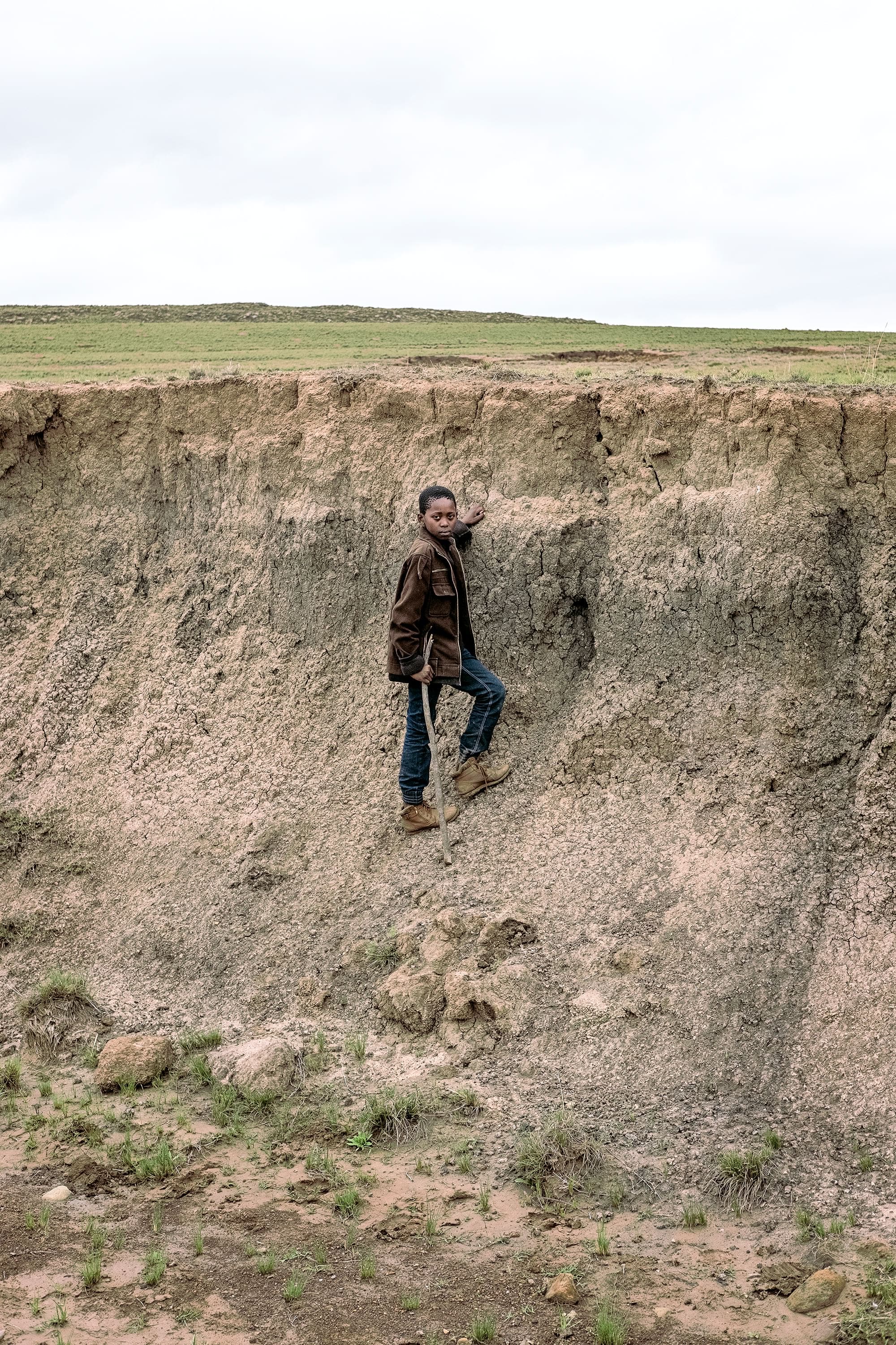
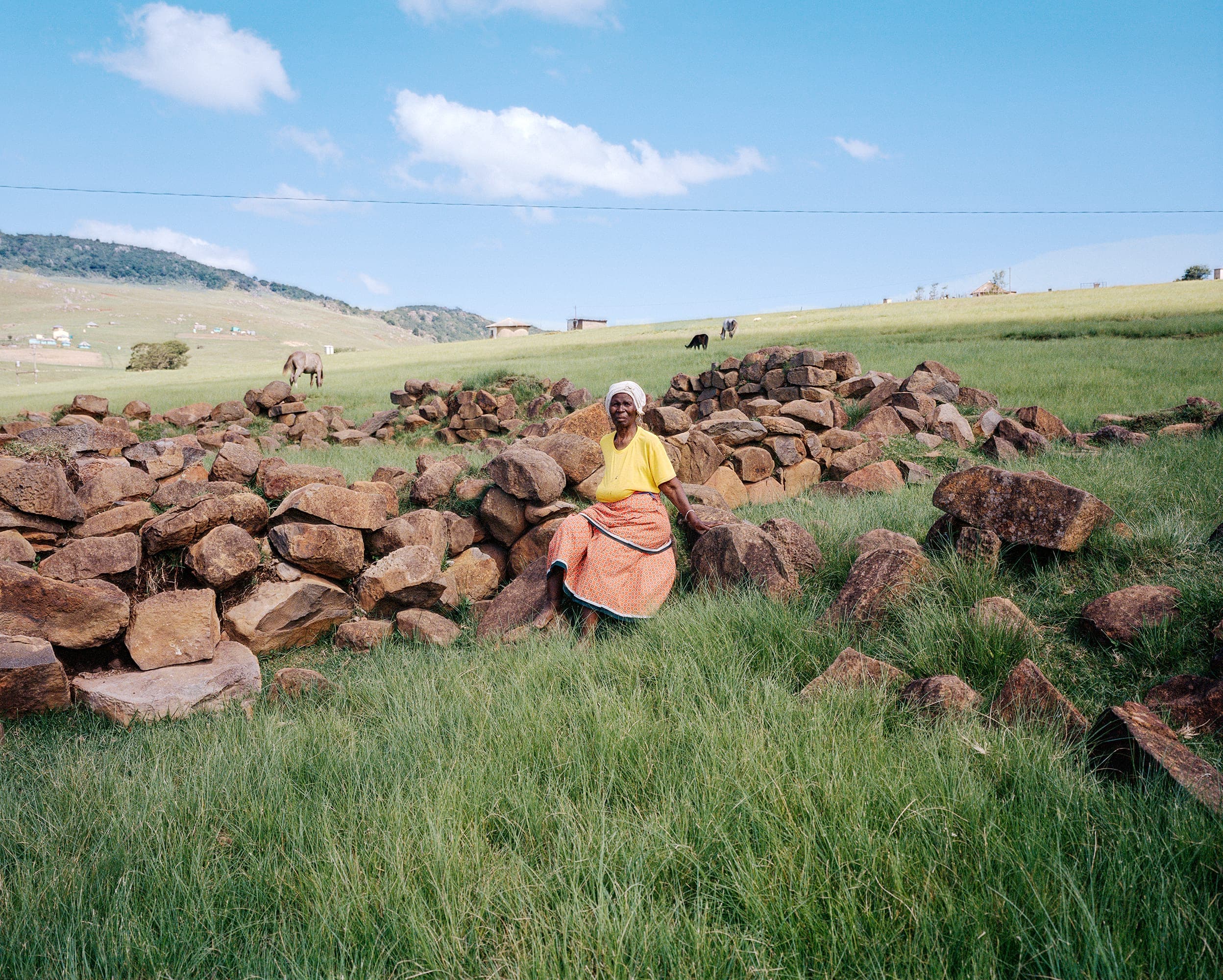
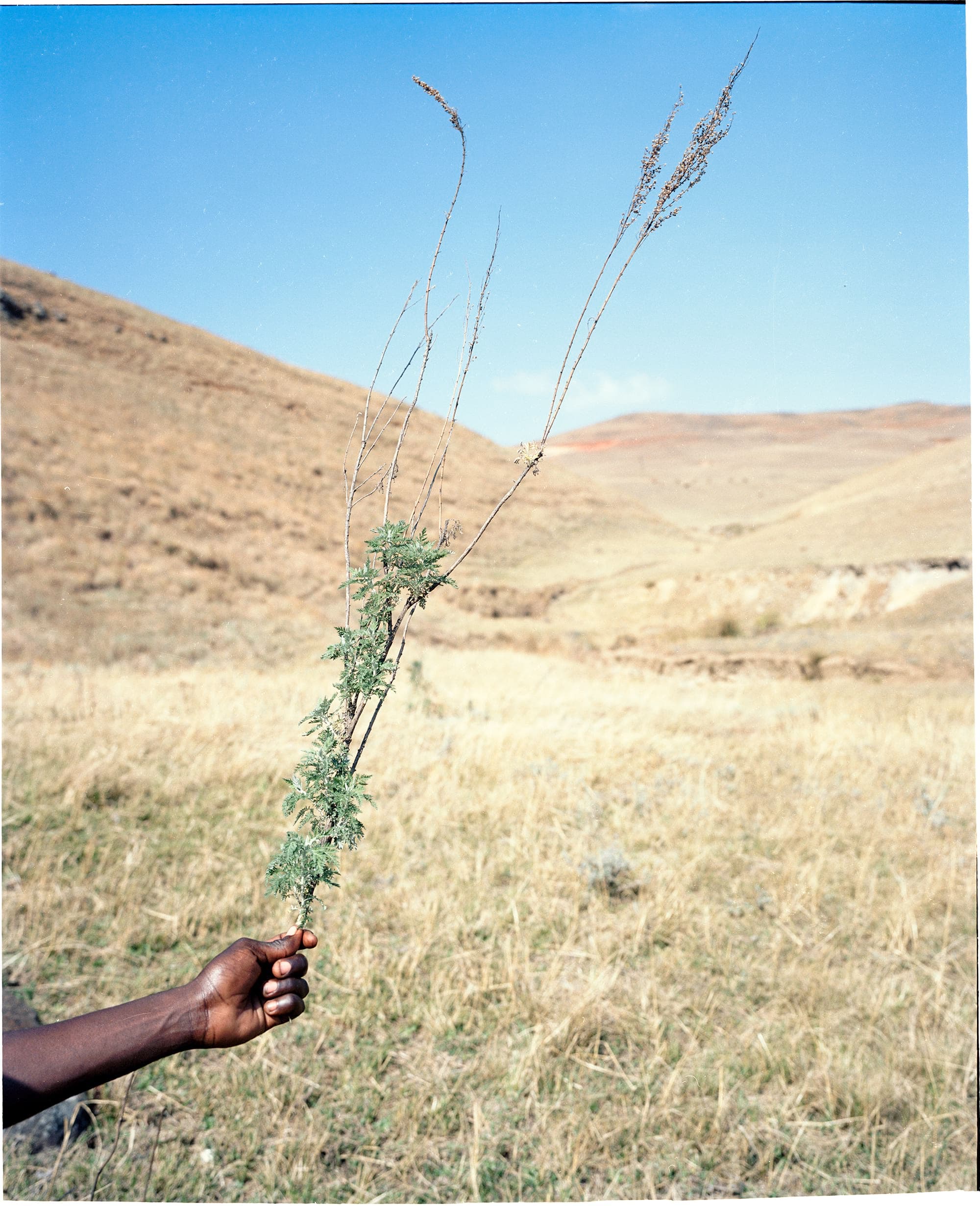
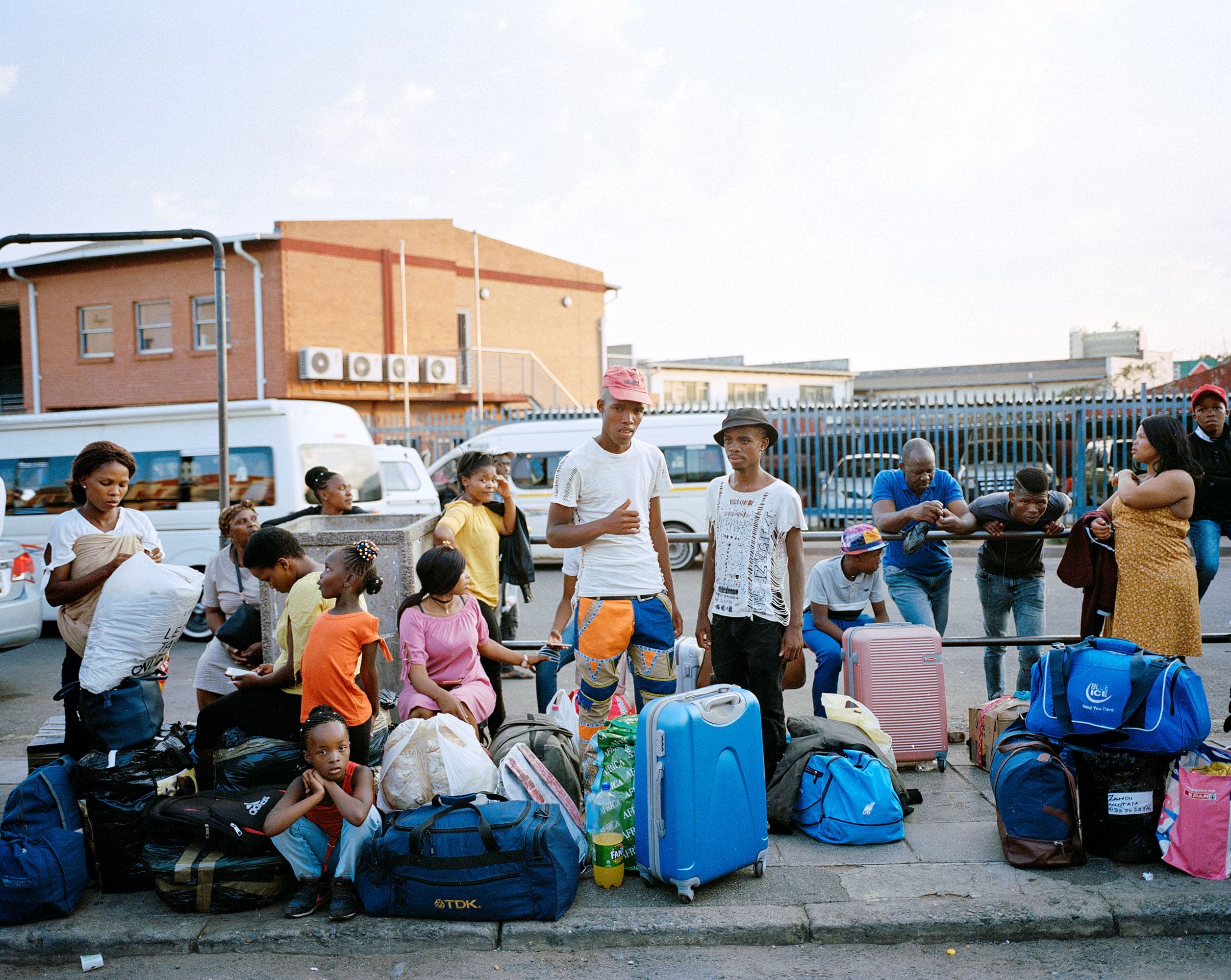
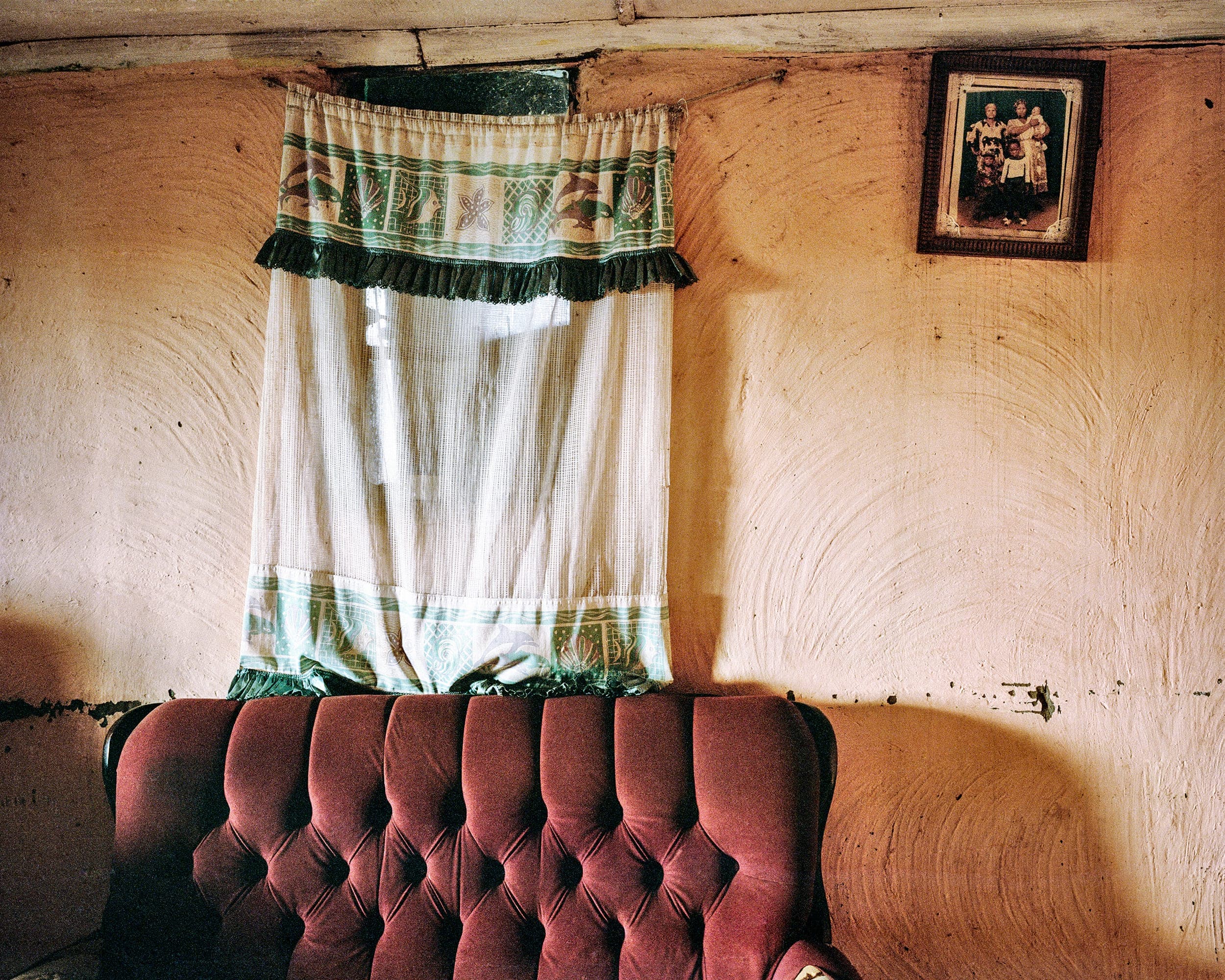
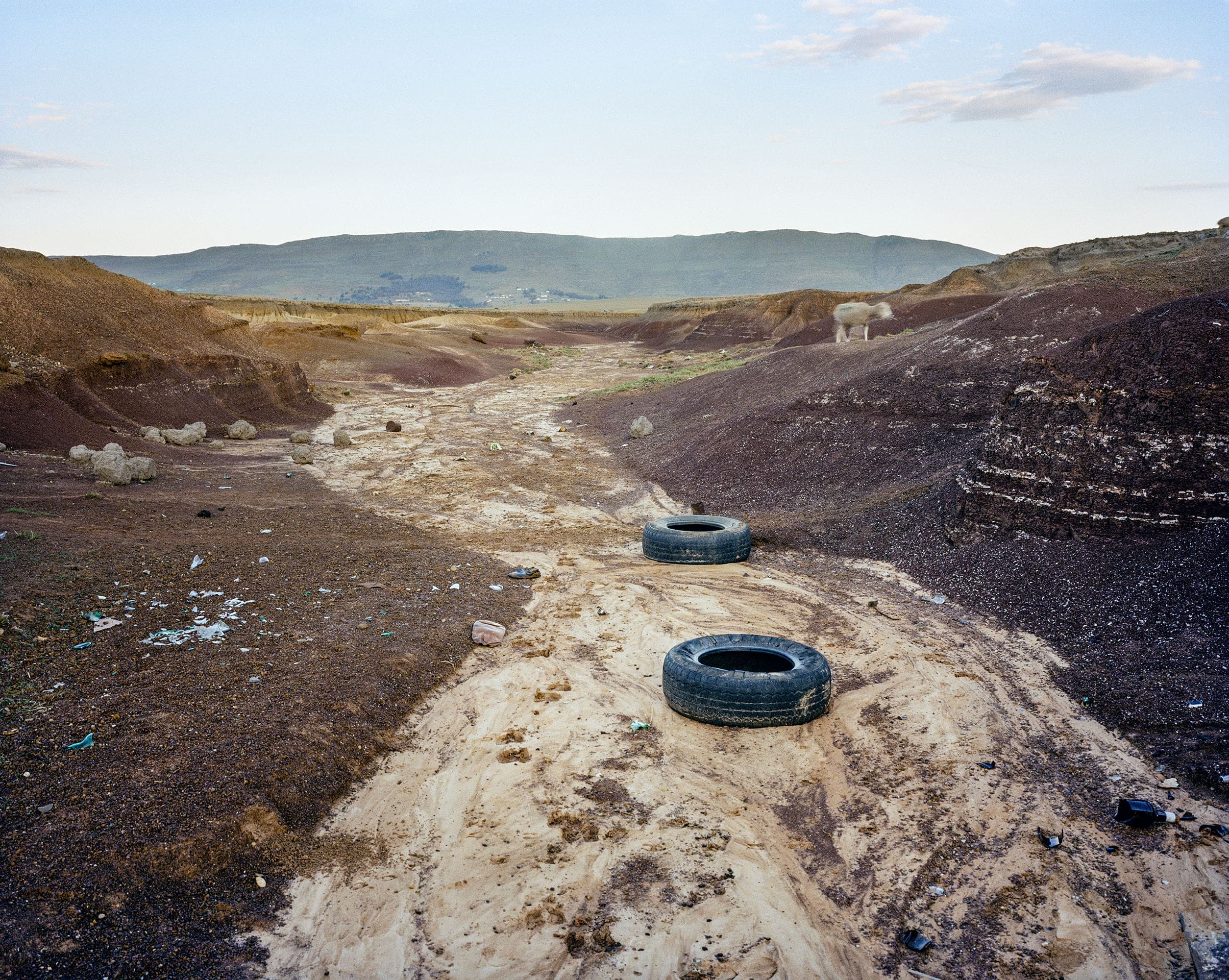
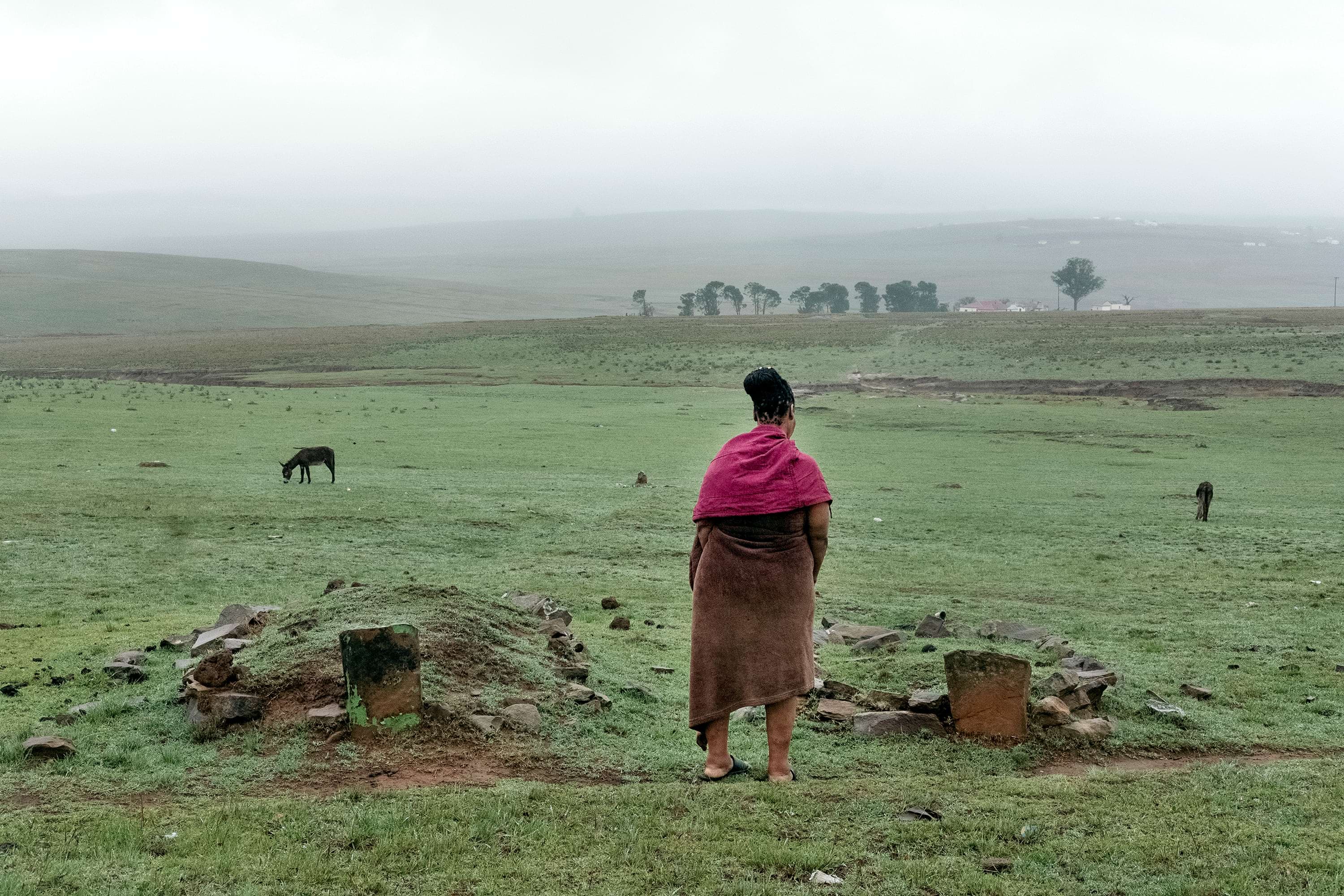
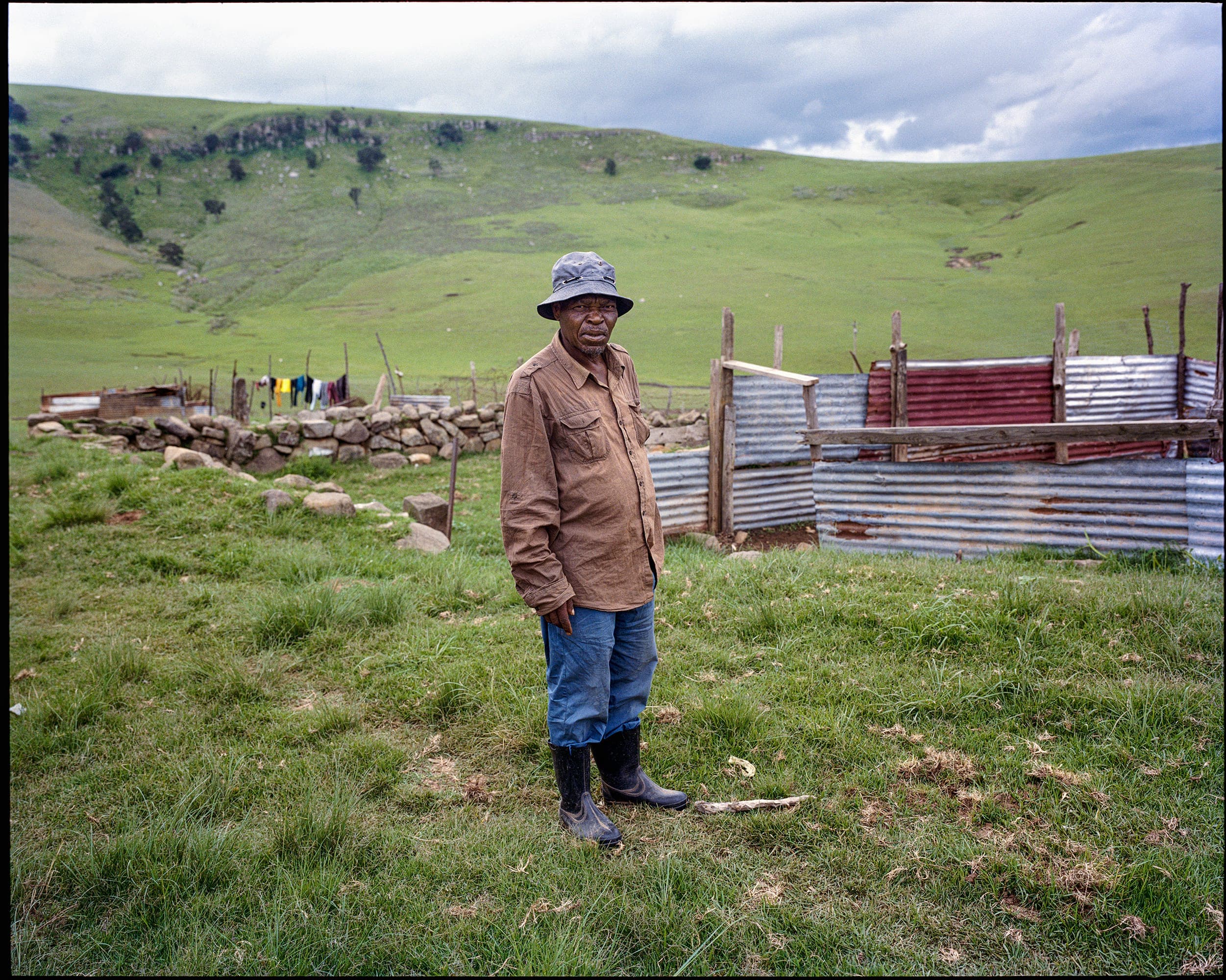
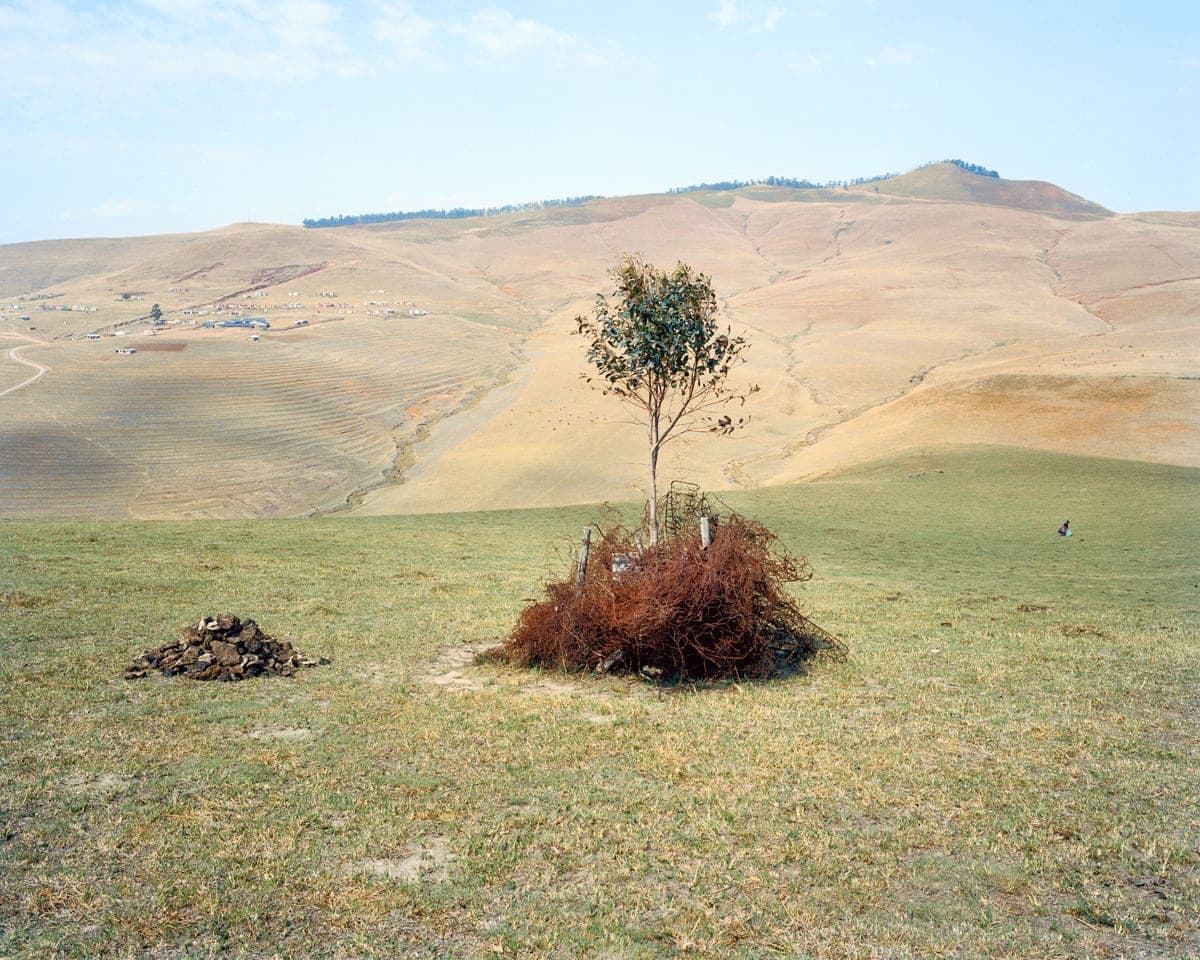
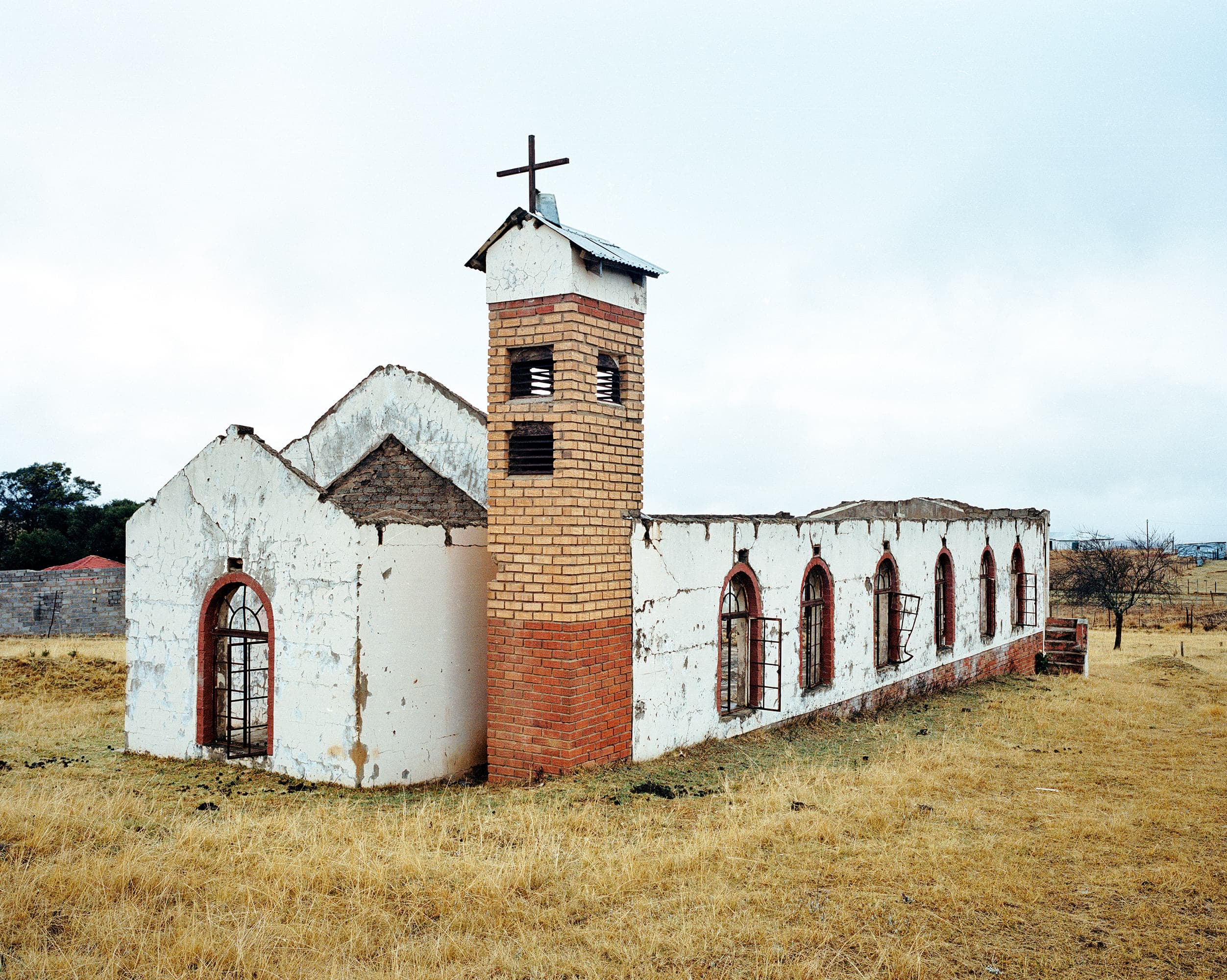
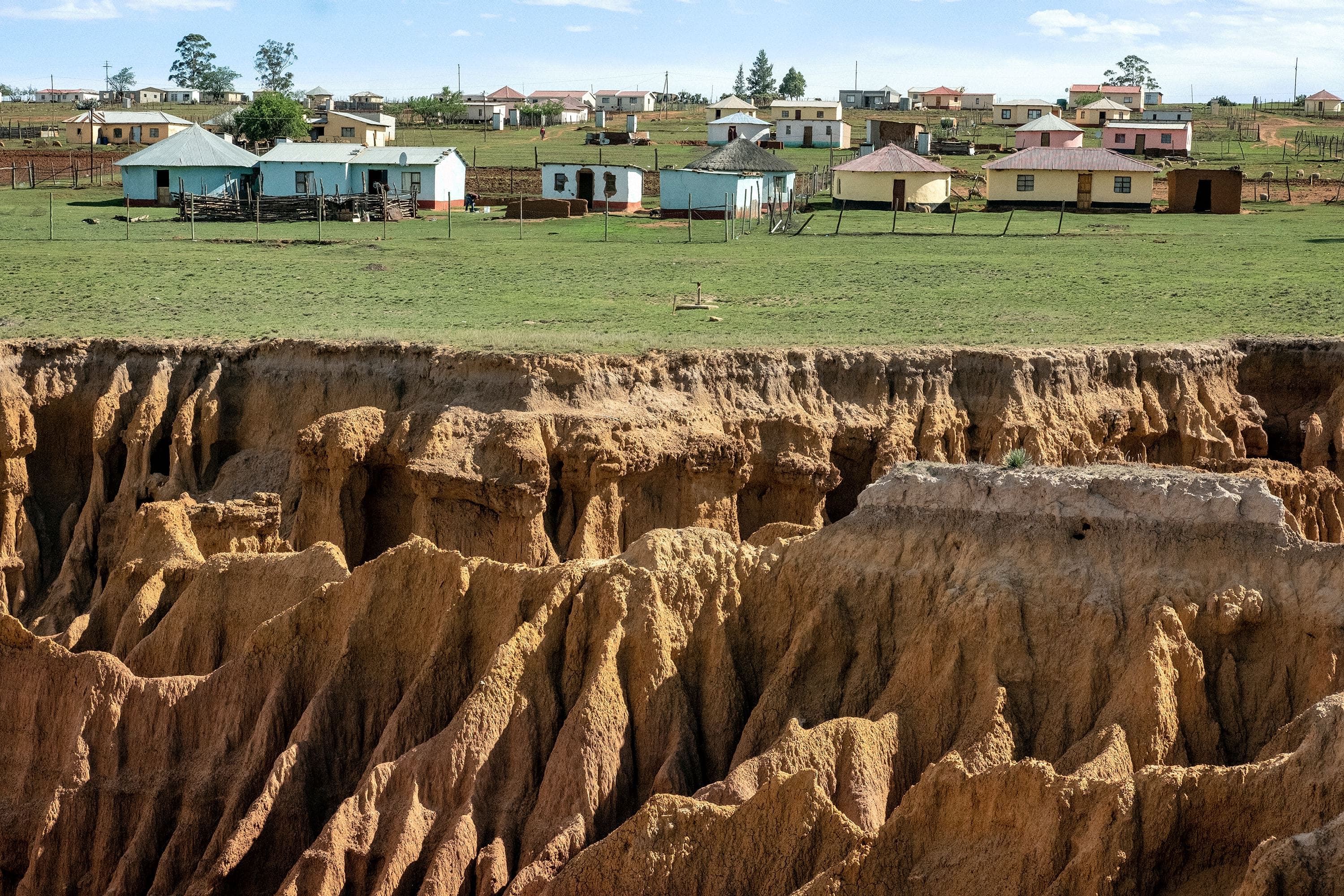
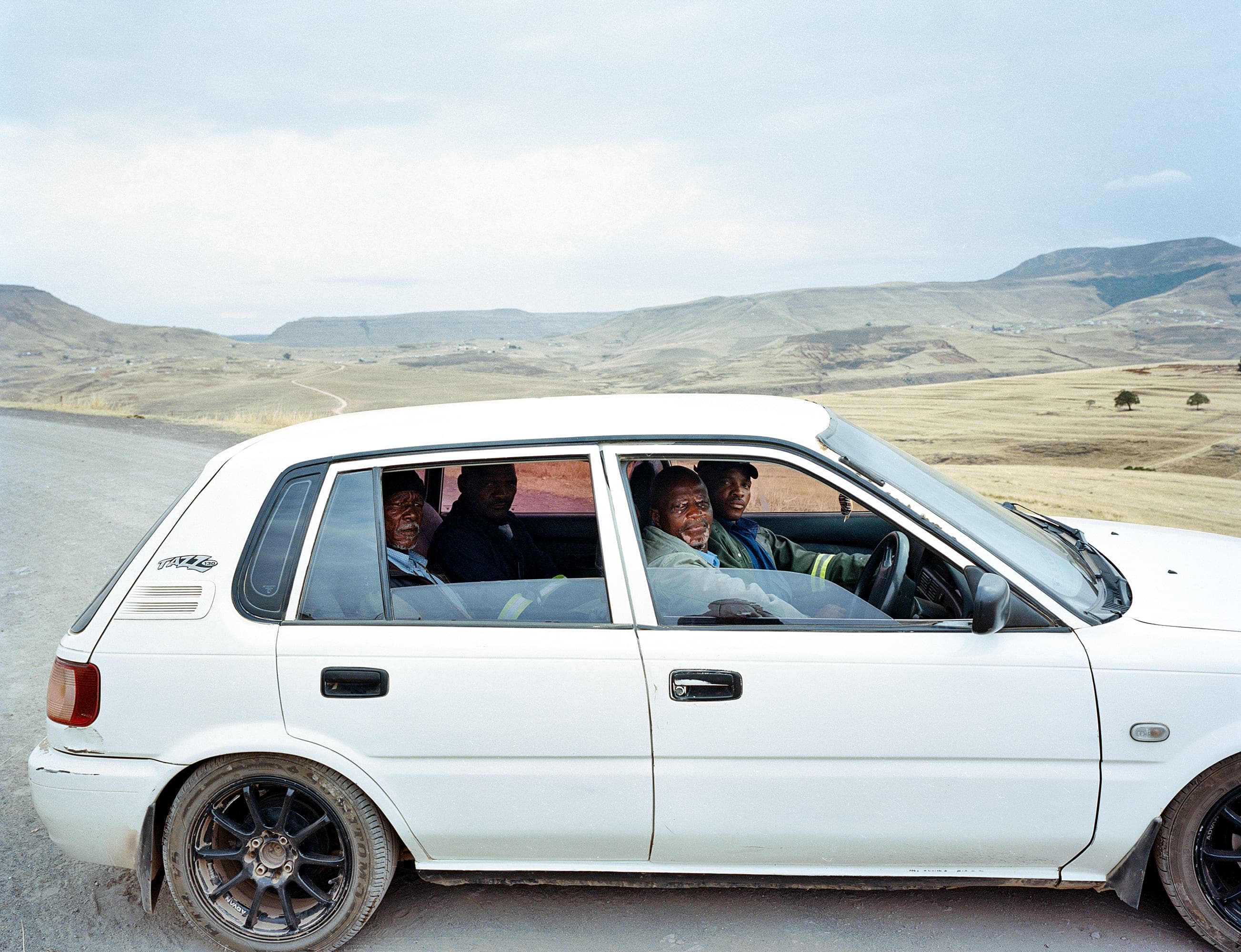
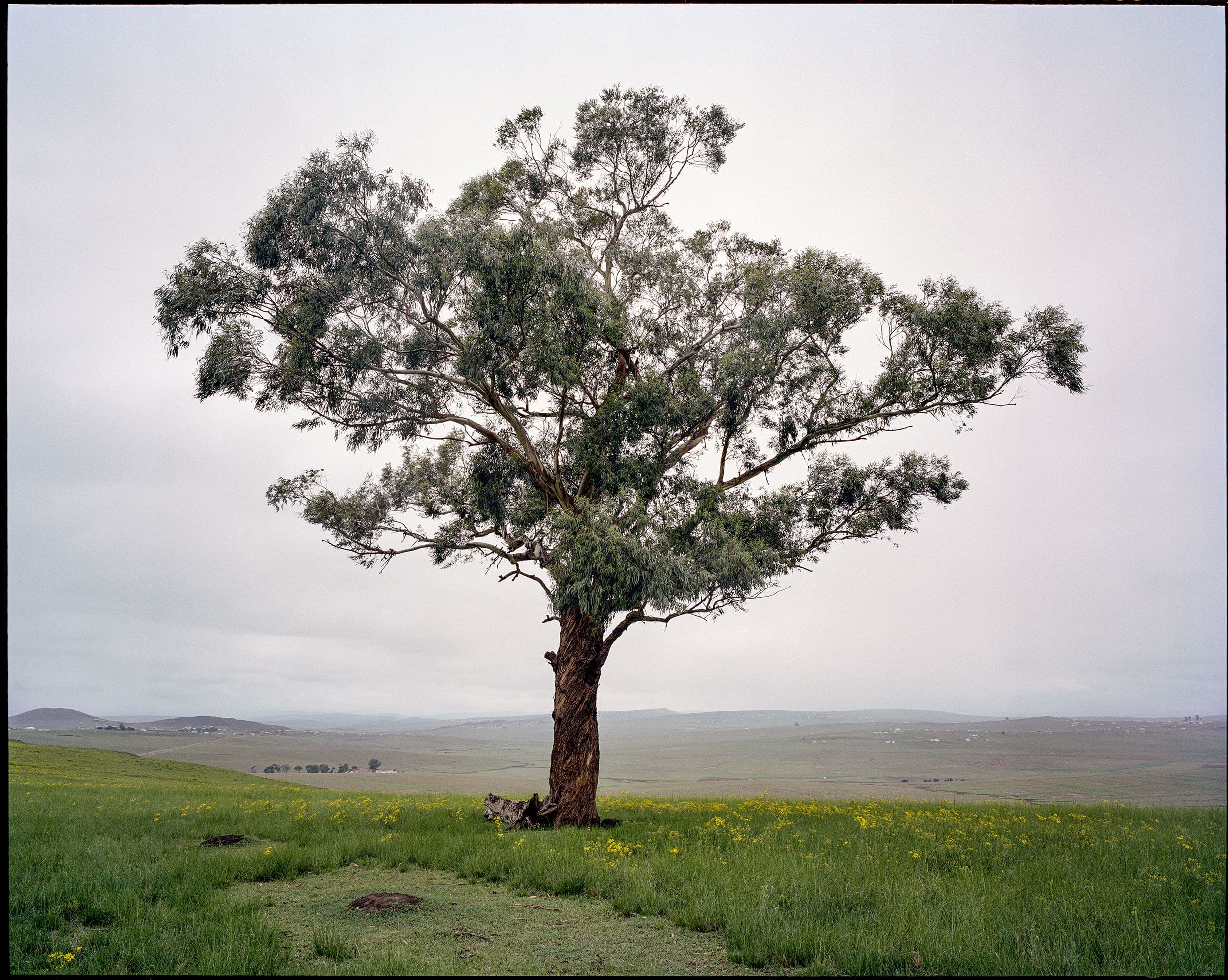
Ezilalini (The country)
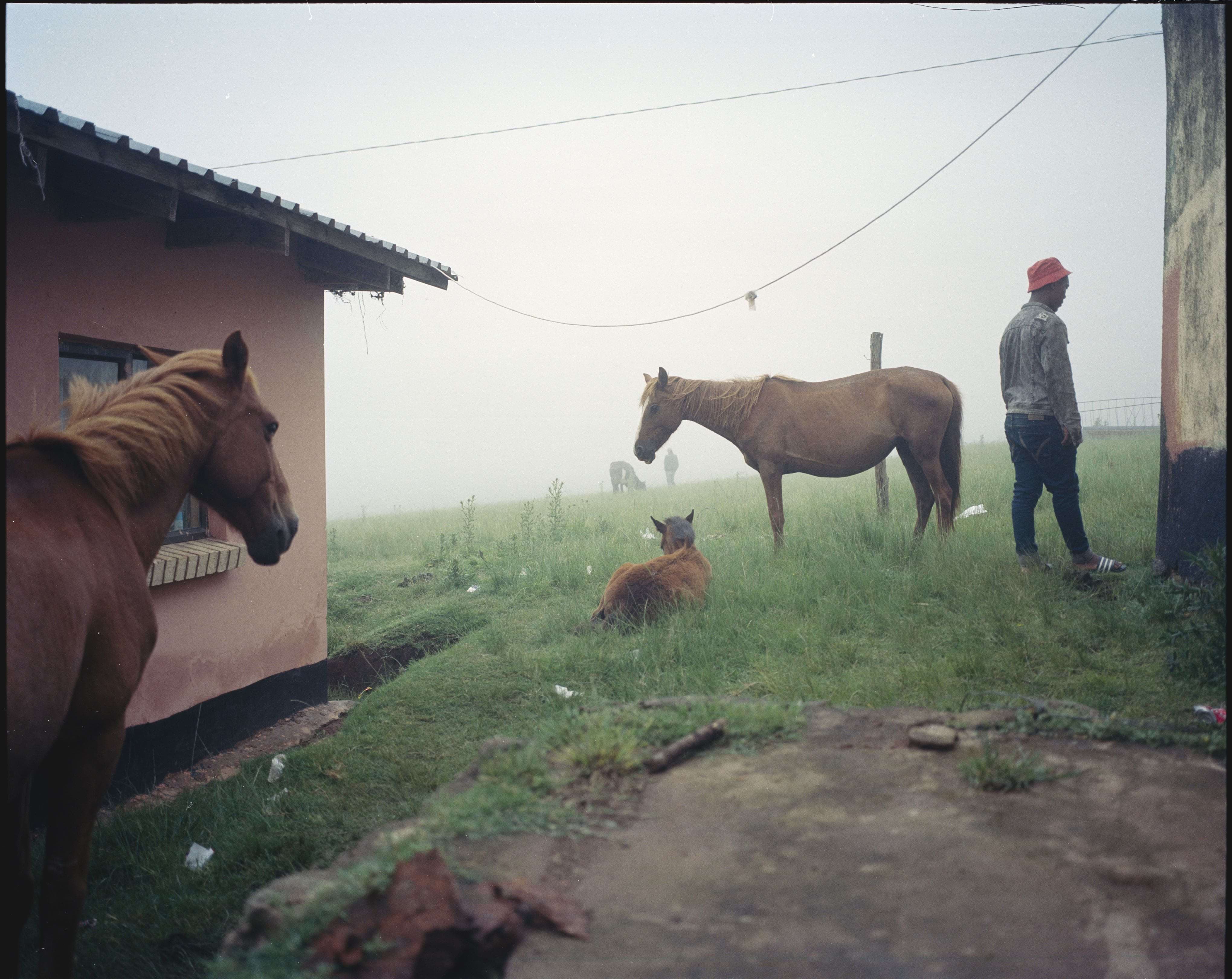
This story was motivated by an earlier project, 'I carry Her photo with Me', which is about the disappearance of my sister Ziyanda. As part of the project, I traced her foot- prints back to the Eastern Cape, exploring her earlier life in Tsomo and the surrounding area. This provided the opportunity to reconnect with my family, identity, and culture, engaging parts of myself and my history that I had not considered before, or perhaps had avoided thinking about. As I worked on the story about Ziyanda, I realized Tsomo has deep meaning to my family but also discovered the same for me personally.
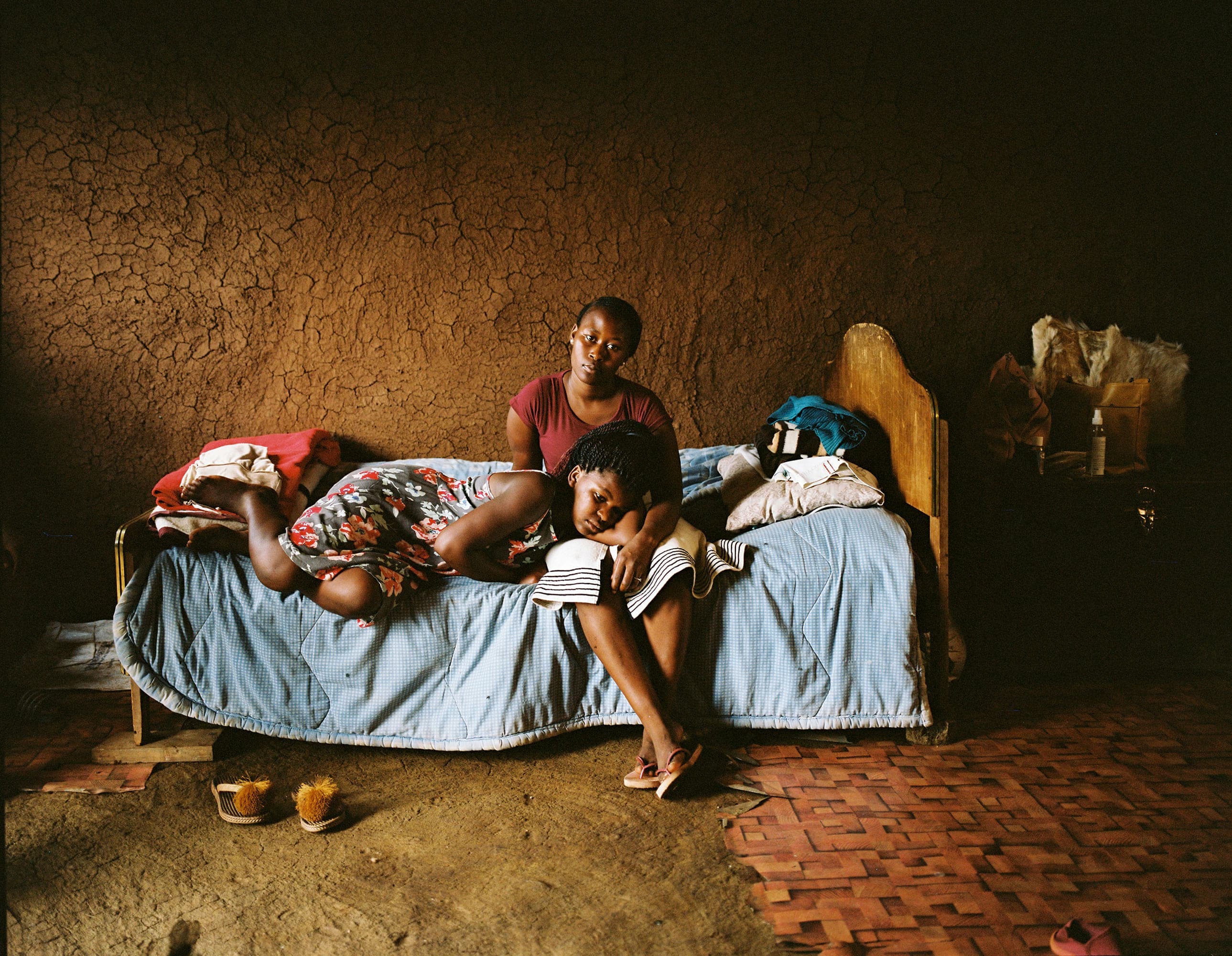
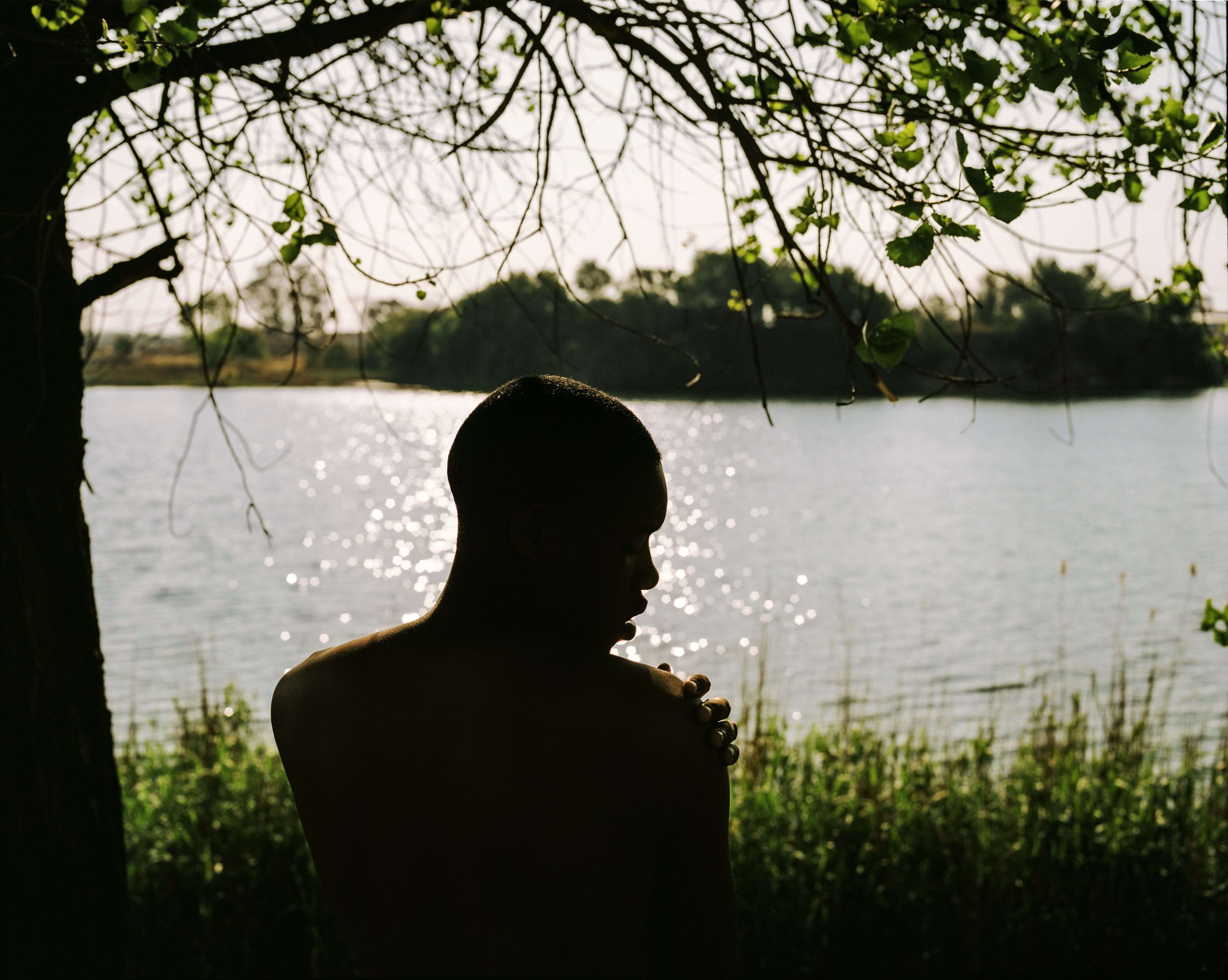
This project is an exploration of a place I am deeply connected to but feel like I know very little about. It is a strange place for me and at times I feel like an outsider because of family dynamics and Ziyanda’s fraught history. Sometimes it’s like I’m digging a hole I’m afraid to look into. My family considers the Eastern Cape our ancestral home, but many of us live in urban centres.
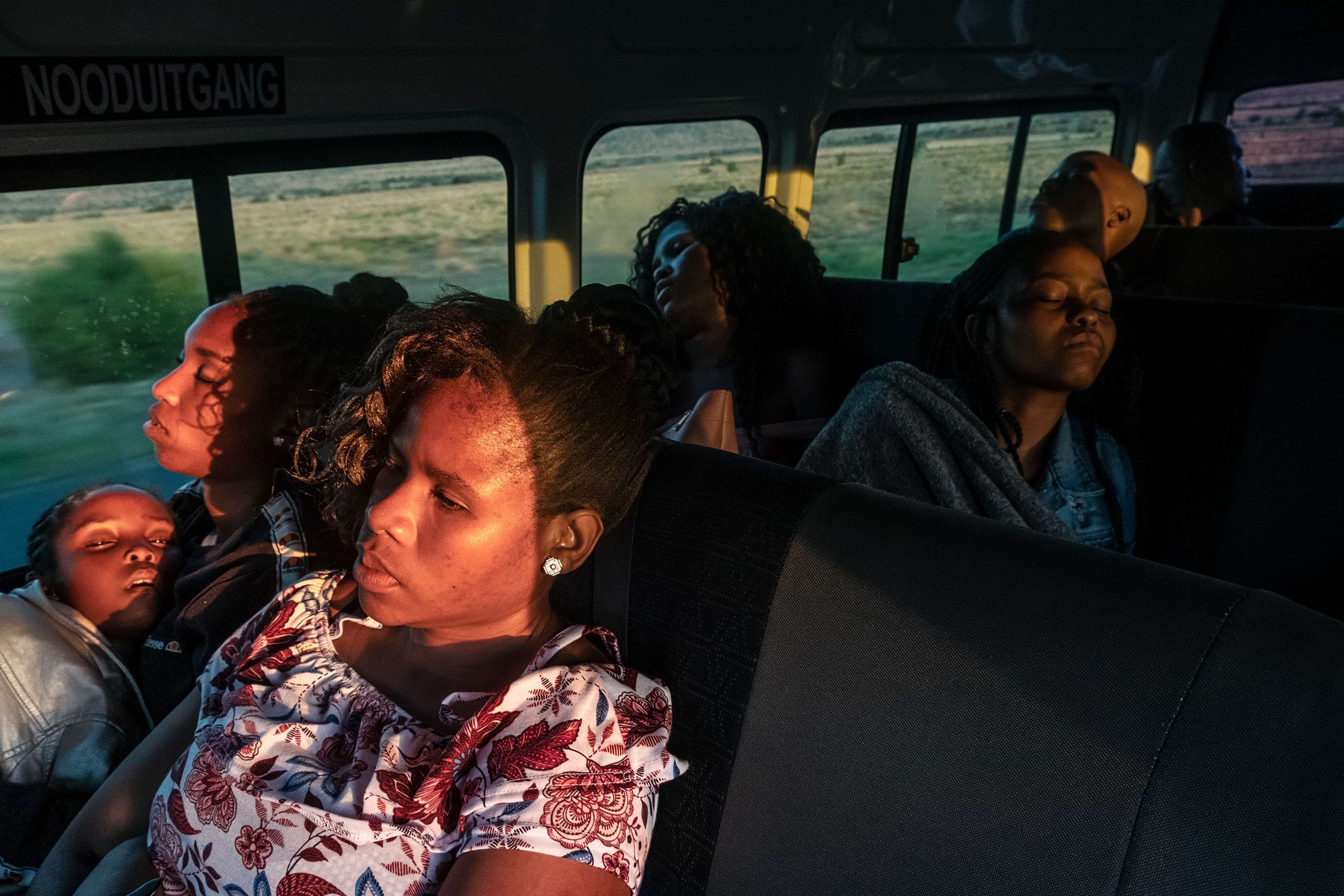
My grandmother, who still lives in Tsomo, curses Johannesburg as a place that has swallowed her children. The need to make a living in the city has created deep fragmentation in families and communities across South Africa. This divide between rural and urban is linked to Apartheid-era spatial planning laws and has resulted in severe economic inequality, but has also caused fragmentation of identity. As a result many people living in cities do not consider those places “home”. Johannesburg, for example, is seen as a place of opportunity, a place where you can get a job or make your dreams come true. “Home” refers to the countryside. It is a place where your elders live; a spiritual place where you can always connect with your ancestors. It’s a holy land to some, a place where they can rejuvenate and restart.
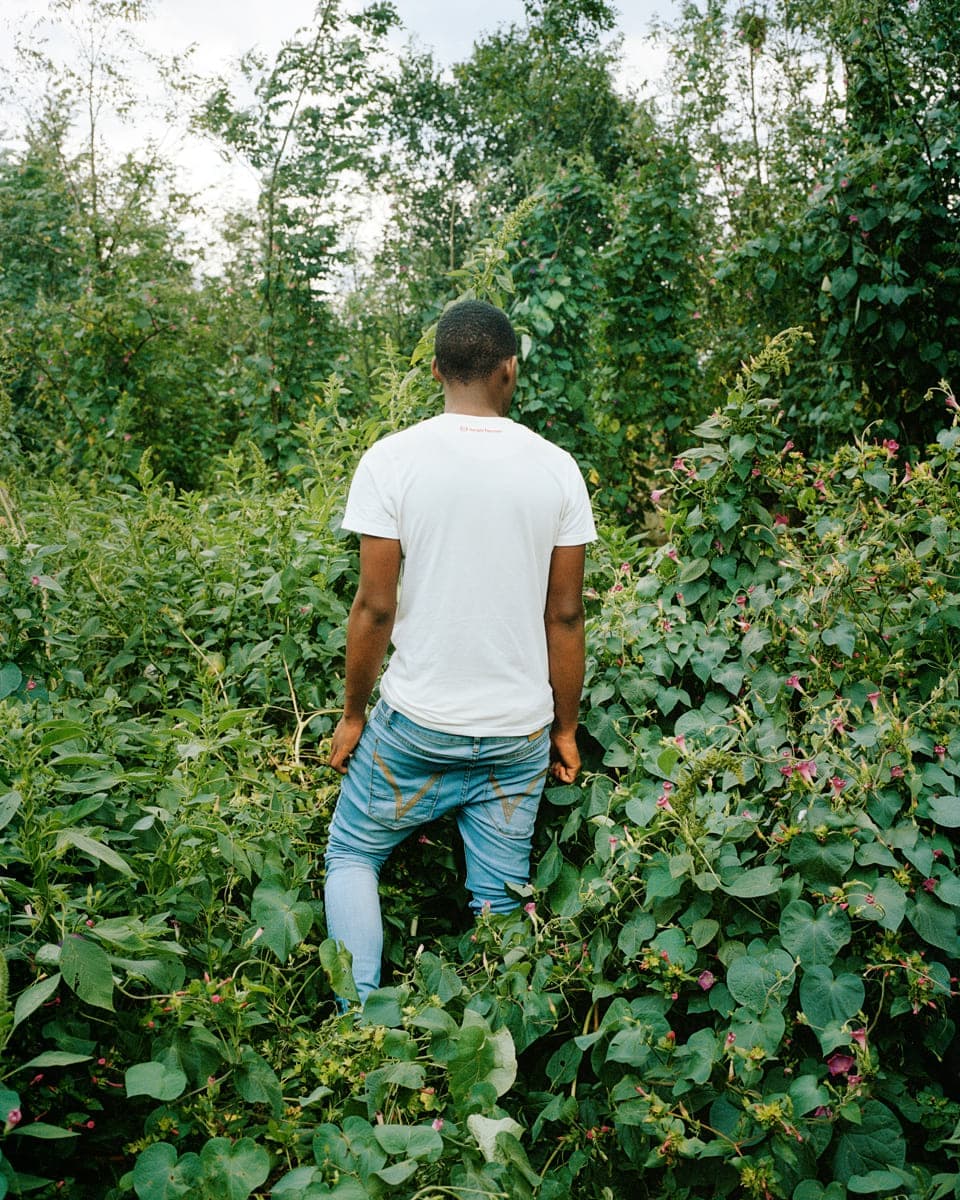
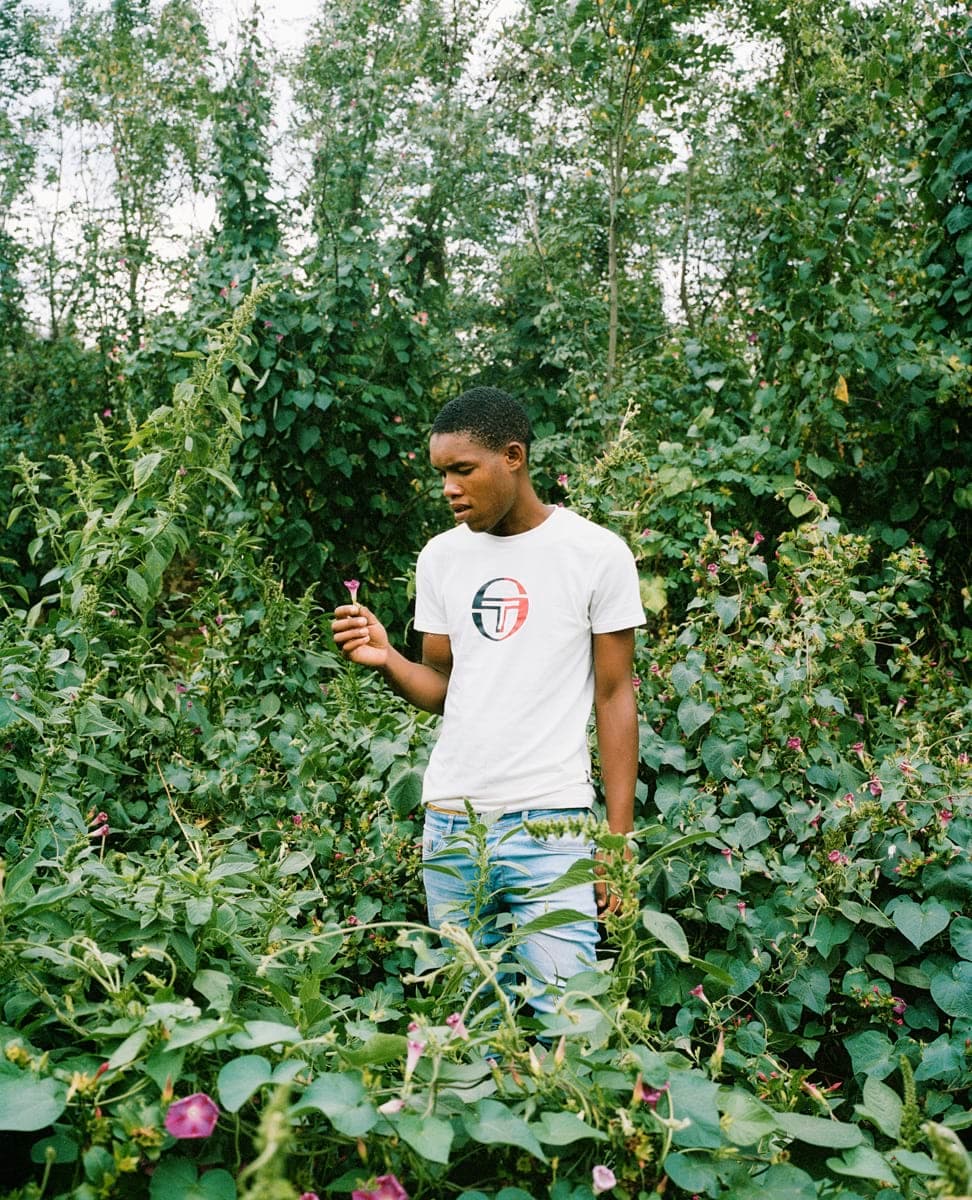
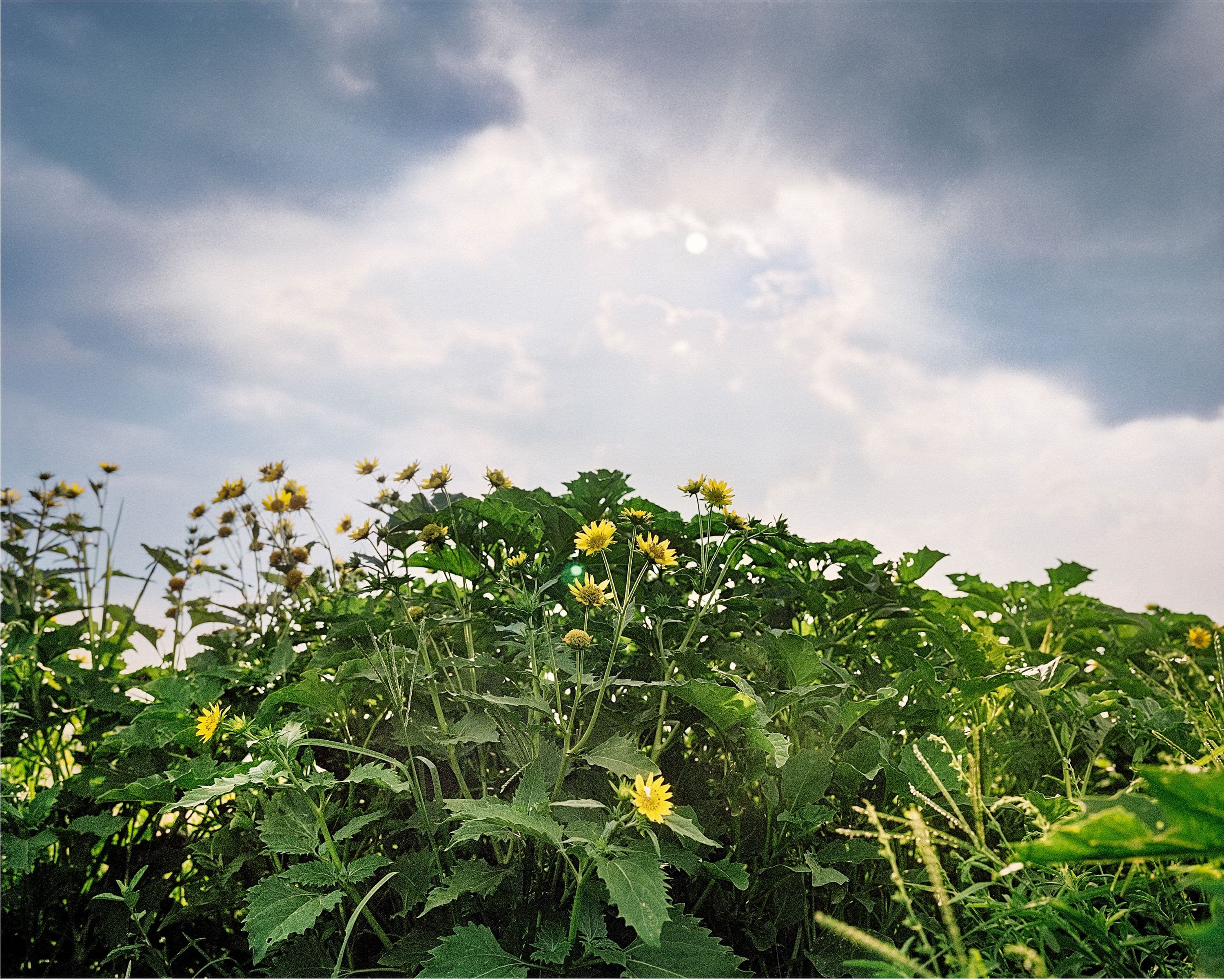
This project explores the multiplicity of place and identity; it reflects on the lingering effects of Apartheid, but also the deep roots and connection I have to Ezilalini, “the country”.
Ezilalini (The country)
This story was motivated by an earlier project, 'I carry Her photo with Me', which is about the disappearance of my sister Ziyanda. As part of the project, I traced her foot- prints back to the Eastern Cape, exploring her earlier life in Tsomo and the surrounding area. This provided the opportunity to reconnect with my family, identity, and culture, engaging parts of myself and my history that I had not considered before, or perhaps had avoided thinking about. As I worked on the story about Ziyanda, I realized Tsomo has deep meaning to my family but also discovered the same for me personally.
This project is an exploration of a place I am deeply connected to but feel like I know very little about. It is a strange place for me and at times I feel like an outsider because of family dynamics and Ziyanda’s fraught history. Sometimes it’s like I’m digging a hole I’m afraid to look into. My family considers the Eastern Cape our ancestral home, but many of us live in urban centres.
My grandmother, who still lives in Tsomo, curses Johannesburg as a place that has swallowed her children. The need to make a living in the city has created deep fragmentation in families and communities across South Africa. This divide between rural and urban is linked to Apartheid-era spatial planning laws and has resulted in severe economic inequality, but has also caused fragmentation of identity. As a result many people living in cities do not consider those places “home”. Johannesburg, for example, is seen as a place of opportunity, a place where you can get a job or make your dreams come true. “Home” refers to the countryside. It is a place where your elders live; a spiritual place where you can always connect with your ancestors. It’s a holy land to some, a place where they can rejuvenate and restart.
This project explores the multiplicity of place and identity; it reflects on the lingering effects of Apartheid, but also the deep roots and connection I have to Ezilalini, “the country”.
Ezilalini (The country)
This story was motivated by an earlier project, 'I carry Her photo with Me', which is about the disappearance of my sister Ziyanda. As part of the project, I traced her foot- prints back to the Eastern Cape, exploring her earlier life in Tsomo and the surrounding area. This provided the opportunity to reconnect with my family, identity, and culture, engaging parts of myself and my history that I had not considered before, or perhaps had avoided thinking about. As I worked on the story about Ziyanda, I realized Tsomo has deep meaning to my family but also discovered the same for me personally.
This project is an exploration of a place I am deeply connected to but feel like I know very little about. It is a strange place for me and at times I feel like an outsider because of family dynamics and Ziyanda’s fraught history. Sometimes it’s like I’m digging a hole I’m afraid to look into. My family considers the Eastern Cape our ancestral home, but many of us live in urban centres.
My grandmother, who still lives in Tsomo, curses Johannesburg as a place that has swallowed her children. The need to make a living in the city has created deep fragmentation in families and communities across South Africa. This divide between rural and urban is linked to Apartheid-era spatial planning laws and has resulted in severe economic inequality, but has also caused fragmentation of identity. As a result many people living in cities do not consider those places “home”. Johannesburg, for example, is seen as a place of opportunity, a place where you can get a job or make your dreams come true. “Home” refers to the countryside. It is a place where your elders live; a spiritual place where you can always connect with your ancestors. It’s a holy land to some, a place where they can rejuvenate and restart.
This project explores the multiplicity of place and identity; it reflects on the lingering effects of Apartheid, but also the deep roots and connection I have to Ezilalini, “the country”.
Ezilalini (The country)
This story was motivated by an earlier project, 'I carry Her photo with Me', which is about the disappearance of my sister Ziyanda. As part of the project, I traced her foot- prints back to the Eastern Cape, exploring her earlier life in Tsomo and the surrounding area. This provided the opportunity to reconnect with my family, identity, and culture, engaging parts of myself and my history that I had not considered before, or perhaps had avoided thinking about. As I worked on the story about Ziyanda, I realized Tsomo has deep meaning to my family but also discovered the same for me personally.
This project is an exploration of a place I am deeply connected to but feel like I know very little about. It is a strange place for me and at times I feel like an outsider because of family dynamics and Ziyanda’s fraught history. Sometimes it’s like I’m digging a hole I’m afraid to look into. My family considers the Eastern Cape our ancestral home, but many of us live in urban centres.
My grandmother, who still lives in Tsomo, curses Johannesburg as a place that has swallowed her children. The need to make a living in the city has created deep fragmentation in families and communities across South Africa. This divide between rural and urban is linked to Apartheid-era spatial planning laws and has resulted in severe economic inequality, but has also caused fragmentation of identity. As a result many people living in cities do not consider those places “home”. Johannesburg, for example, is seen as a place of opportunity, a place where you can get a job or make your dreams come true. “Home” refers to the countryside. It is a place where your elders live; a spiritual place where you can always connect with your ancestors. It’s a holy land to some, a place where they can rejuvenate and restart.
This project explores the multiplicity of place and identity; it reflects on the lingering effects of Apartheid, but also the deep roots and connection I have to Ezilalini, “the country”.
Ezilalini (The country)
This story was motivated by an earlier project, 'I carry Her photo with Me', which is about the disappearance of my sister Ziyanda. As part of the project, I traced her foot- prints back to the Eastern Cape, exploring her earlier life in Tsomo and the surrounding area. This provided the opportunity to reconnect with my family, identity, and culture, engaging parts of myself and my history that I had not considered before, or perhaps had avoided thinking about. As I worked on the story about Ziyanda, I realized Tsomo has deep meaning to my family but also discovered the same for me personally.
This project is an exploration of a place I am deeply connected to but feel like I know very little about. It is a strange place for me and at times I feel like an outsider because of family dynamics and Ziyanda’s fraught history. Sometimes it’s like I’m digging a hole I’m afraid to look into. My family considers the Eastern Cape our ancestral home, but many of us live in urban centres.
My grandmother, who still lives in Tsomo, curses Johannesburg as a place that has swallowed her children. The need to make a living in the city has created deep fragmentation in families and communities across South Africa. This divide between rural and urban is linked to Apartheid-era spatial planning laws and has resulted in severe economic inequality, but has also caused fragmentation of identity. As a result many people living in cities do not consider those places “home”. Johannesburg, for example, is seen as a place of opportunity, a place where you can get a job or make your dreams come true. “Home” refers to the countryside. It is a place where your elders live; a spiritual place where you can always connect with your ancestors. It’s a holy land to some, a place where they can rejuvenate and restart.
This project explores the multiplicity of place and identity; it reflects on the lingering effects of Apartheid, but also the deep roots and connection I have to Ezilalini, “the country”.
Ezilalini (The country)
This story was motivated by an earlier project, 'I carry Her photo with Me', which is about the disappearance of my sister Ziyanda. As part of the project, I traced her foot- prints back to the Eastern Cape, exploring her earlier life in Tsomo and the surrounding area. This provided the opportunity to reconnect with my family, identity, and culture, engaging parts of myself and my history that I had not considered before, or perhaps had avoided thinking about. As I worked on the story about Ziyanda, I realized Tsomo has deep meaning to my family but also discovered the same for me personally.
This project is an exploration of a place I am deeply connected to but feel like I know very little about. It is a strange place for me and at times I feel like an outsider because of family dynamics and Ziyanda’s fraught history. Sometimes it’s like I’m digging a hole I’m afraid to look into. My family considers the Eastern Cape our ancestral home, but many of us live in urban centres.
My grandmother, who still lives in Tsomo, curses Johannesburg as a place that has swallowed her children. The need to make a living in the city has created deep fragmentation in families and communities across South Africa. This divide between rural and urban is linked to Apartheid-era spatial planning laws and has resulted in severe economic inequality, but has also caused fragmentation of identity. As a result many people living in cities do not consider those places “home”. Johannesburg, for example, is seen as a place of opportunity, a place where you can get a job or make your dreams come true. “Home” refers to the countryside. It is a place where your elders live; a spiritual place where you can always connect with your ancestors. It’s a holy land to some, a place where they can rejuvenate and restart.
This project explores the multiplicity of place and identity; it reflects on the lingering effects of Apartheid, but also the deep roots and connection I have to Ezilalini, “the country”.
Ezilalini (The country)
This story was motivated by an earlier project, 'I carry Her photo with Me', which is about the disappearance of my sister Ziyanda. As part of the project, I traced her foot- prints back to the Eastern Cape, exploring her earlier life in Tsomo and the surrounding area. This provided the opportunity to reconnect with my family, identity, and culture, engaging parts of myself and my history that I had not considered before, or perhaps had avoided thinking about. As I worked on the story about Ziyanda, I realized Tsomo has deep meaning to my family but also discovered the same for me personally.
This project is an exploration of a place I am deeply connected to but feel like I know very little about. It is a strange place for me and at times I feel like an outsider because of family dynamics and Ziyanda’s fraught history. Sometimes it’s like I’m digging a hole I’m afraid to look into. My family considers the Eastern Cape our ancestral home, but many of us live in urban centres.
My grandmother, who still lives in Tsomo, curses Johannesburg as a place that has swallowed her children. The need to make a living in the city has created deep fragmentation in families and communities across South Africa. This divide between rural and urban is linked to Apartheid-era spatial planning laws and has resulted in severe economic inequality, but has also caused fragmentation of identity. As a result many people living in cities do not consider those places “home”. Johannesburg, for example, is seen as a place of opportunity, a place where you can get a job or make your dreams come true. “Home” refers to the countryside. It is a place where your elders live; a spiritual place where you can always connect with your ancestors. It’s a holy land to some, a place where they can rejuvenate and restart.
This project explores the multiplicity of place and identity; it reflects on the lingering effects of Apartheid, but also the deep roots and connection I have to Ezilalini, “the country”.
Ezilalini (The country)
This story was motivated by an earlier project, 'I carry Her photo with Me', which is about the disappearance of my sister Ziyanda. As part of the project, I traced her foot- prints back to the Eastern Cape, exploring her earlier life in Tsomo and the surrounding area. This provided the opportunity to reconnect with my family, identity, and culture, engaging parts of myself and my history that I had not considered before, or perhaps had avoided thinking about. As I worked on the story about Ziyanda, I realized Tsomo has deep meaning to my family but also discovered the same for me personally.
This project is an exploration of a place I am deeply connected to but feel like I know very little about. It is a strange place for me and at times I feel like an outsider because of family dynamics and Ziyanda’s fraught history. Sometimes it’s like I’m digging a hole I’m afraid to look into. My family considers the Eastern Cape our ancestral home, but many of us live in urban centres.
My grandmother, who still lives in Tsomo, curses Johannesburg as a place that has swallowed her children. The need to make a living in the city has created deep fragmentation in families and communities across South Africa. This divide between rural and urban is linked to Apartheid-era spatial planning laws and has resulted in severe economic inequality, but has also caused fragmentation of identity. As a result many people living in cities do not consider those places “home”. Johannesburg, for example, is seen as a place of opportunity, a place where you can get a job or make your dreams come true. “Home” refers to the countryside. It is a place where your elders live; a spiritual place where you can always connect with your ancestors. It’s a holy land to some, a place where they can rejuvenate and restart.
This project explores the multiplicity of place and identity; it reflects on the lingering effects of Apartheid, but also the deep roots and connection I have to Ezilalini, “the country”.
Ezilalini (The country)
This story was motivated by an earlier project, 'I carry Her photo with Me', which is about the disappearance of my sister Ziyanda. As part of the project, I traced her foot- prints back to the Eastern Cape, exploring her earlier life in Tsomo and the surrounding area. This provided the opportunity to reconnect with my family, identity, and culture, engaging parts of myself and my history that I had not considered before, or perhaps had avoided thinking about. As I worked on the story about Ziyanda, I realized Tsomo has deep meaning to my family but also discovered the same for me personally.
This project is an exploration of a place I am deeply connected to but feel like I know very little about. It is a strange place for me and at times I feel like an outsider because of family dynamics and Ziyanda’s fraught history. Sometimes it’s like I’m digging a hole I’m afraid to look into. My family considers the Eastern Cape our ancestral home, but many of us live in urban centres.
My grandmother, who still lives in Tsomo, curses Johannesburg as a place that has swallowed her children. The need to make a living in the city has created deep fragmentation in families and communities across South Africa. This divide between rural and urban is linked to Apartheid-era spatial planning laws and has resulted in severe economic inequality, but has also caused fragmentation of identity. As a result many people living in cities do not consider those places “home”. Johannesburg, for example, is seen as a place of opportunity, a place where you can get a job or make your dreams come true. “Home” refers to the countryside. It is a place where your elders live; a spiritual place where you can always connect with your ancestors. It’s a holy land to some, a place where they can rejuvenate and restart.
This project explores the multiplicity of place and identity; it reflects on the lingering effects of Apartheid, but also the deep roots and connection I have to Ezilalini, “the country”.
Ezilalini (The country)
This story was motivated by an earlier project, 'I carry Her photo with Me', which is about the disappearance of my sister Ziyanda. As part of the project, I traced her foot- prints back to the Eastern Cape, exploring her earlier life in Tsomo and the surrounding area. This provided the opportunity to reconnect with my family, identity, and culture, engaging parts of myself and my history that I had not considered before, or perhaps had avoided thinking about. As I worked on the story about Ziyanda, I realized Tsomo has deep meaning to my family but also discovered the same for me personally.
This project is an exploration of a place I am deeply connected to but feel like I know very little about. It is a strange place for me and at times I feel like an outsider because of family dynamics and Ziyanda’s fraught history. Sometimes it’s like I’m digging a hole I’m afraid to look into. My family considers the Eastern Cape our ancestral home, but many of us live in urban centres.
My grandmother, who still lives in Tsomo, curses Johannesburg as a place that has swallowed her children. The need to make a living in the city has created deep fragmentation in families and communities across South Africa. This divide between rural and urban is linked to Apartheid-era spatial planning laws and has resulted in severe economic inequality, but has also caused fragmentation of identity. As a result many people living in cities do not consider those places “home”. Johannesburg, for example, is seen as a place of opportunity, a place where you can get a job or make your dreams come true. “Home” refers to the countryside. It is a place where your elders live; a spiritual place where you can always connect with your ancestors. It’s a holy land to some, a place where they can rejuvenate and restart.
This project explores the multiplicity of place and identity; it reflects on the lingering effects of Apartheid, but also the deep roots and connection I have to Ezilalini, “the country”.
Ezilalini (The country)
This story was motivated by an earlier project, 'I carry Her photo with Me', which is about the disappearance of my sister Ziyanda. As part of the project, I traced her foot- prints back to the Eastern Cape, exploring her earlier life in Tsomo and the surrounding area. This provided the opportunity to reconnect with my family, identity, and culture, engaging parts of myself and my history that I had not considered before, or perhaps had avoided thinking about. As I worked on the story about Ziyanda, I realized Tsomo has deep meaning to my family but also discovered the same for me personally.
This project is an exploration of a place I am deeply connected to but feel like I know very little about. It is a strange place for me and at times I feel like an outsider because of family dynamics and Ziyanda’s fraught history. Sometimes it’s like I’m digging a hole I’m afraid to look into. My family considers the Eastern Cape our ancestral home, but many of us live in urban centres.
My grandmother, who still lives in Tsomo, curses Johannesburg as a place that has swallowed her children. The need to make a living in the city has created deep fragmentation in families and communities across South Africa. This divide between rural and urban is linked to Apartheid-era spatial planning laws and has resulted in severe economic inequality, but has also caused fragmentation of identity. As a result many people living in cities do not consider those places “home”. Johannesburg, for example, is seen as a place of opportunity, a place where you can get a job or make your dreams come true. “Home” refers to the countryside. It is a place where your elders live; a spiritual place where you can always connect with your ancestors. It’s a holy land to some, a place where they can rejuvenate and restart.
This project explores the multiplicity of place and identity; it reflects on the lingering effects of Apartheid, but also the deep roots and connection I have to Ezilalini, “the country”.
Ezilalini (The country)
This story was motivated by an earlier project, 'I carry Her photo with Me', which is about the disappearance of my sister Ziyanda. As part of the project, I traced her foot- prints back to the Eastern Cape, exploring her earlier life in Tsomo and the surrounding area. This provided the opportunity to reconnect with my family, identity, and culture, engaging parts of myself and my history that I had not considered before, or perhaps had avoided thinking about. As I worked on the story about Ziyanda, I realized Tsomo has deep meaning to my family but also discovered the same for me personally.
This project is an exploration of a place I am deeply connected to but feel like I know very little about. It is a strange place for me and at times I feel like an outsider because of family dynamics and Ziyanda’s fraught history. Sometimes it’s like I’m digging a hole I’m afraid to look into. My family considers the Eastern Cape our ancestral home, but many of us live in urban centres.
My grandmother, who still lives in Tsomo, curses Johannesburg as a place that has swallowed her children. The need to make a living in the city has created deep fragmentation in families and communities across South Africa. This divide between rural and urban is linked to Apartheid-era spatial planning laws and has resulted in severe economic inequality, but has also caused fragmentation of identity. As a result many people living in cities do not consider those places “home”. Johannesburg, for example, is seen as a place of opportunity, a place where you can get a job or make your dreams come true. “Home” refers to the countryside. It is a place where your elders live; a spiritual place where you can always connect with your ancestors. It’s a holy land to some, a place where they can rejuvenate and restart.
This project explores the multiplicity of place and identity; it reflects on the lingering effects of Apartheid, but also the deep roots and connection I have to Ezilalini, “the country”.
Ezilalini (The country)
This story was motivated by an earlier project, 'I carry Her photo with Me', which is about the disappearance of my sister Ziyanda. As part of the project, I traced her foot- prints back to the Eastern Cape, exploring her earlier life in Tsomo and the surrounding area. This provided the opportunity to reconnect with my family, identity, and culture, engaging parts of myself and my history that I had not considered before, or perhaps had avoided thinking about. As I worked on the story about Ziyanda, I realized Tsomo has deep meaning to my family but also discovered the same for me personally.
This project is an exploration of a place I am deeply connected to but feel like I know very little about. It is a strange place for me and at times I feel like an outsider because of family dynamics and Ziyanda’s fraught history. Sometimes it’s like I’m digging a hole I’m afraid to look into. My family considers the Eastern Cape our ancestral home, but many of us live in urban centres.
My grandmother, who still lives in Tsomo, curses Johannesburg as a place that has swallowed her children. The need to make a living in the city has created deep fragmentation in families and communities across South Africa. This divide between rural and urban is linked to Apartheid-era spatial planning laws and has resulted in severe economic inequality, but has also caused fragmentation of identity. As a result many people living in cities do not consider those places “home”. Johannesburg, for example, is seen as a place of opportunity, a place where you can get a job or make your dreams come true. “Home” refers to the countryside. It is a place where your elders live; a spiritual place where you can always connect with your ancestors. It’s a holy land to some, a place where they can rejuvenate and restart.
This project explores the multiplicity of place and identity; it reflects on the lingering effects of Apartheid, but also the deep roots and connection I have to Ezilalini, “the country”.
Ezilalini (The country)
This story was motivated by an earlier project, 'I carry Her photo with Me', which is about the disappearance of my sister Ziyanda. As part of the project, I traced her foot- prints back to the Eastern Cape, exploring her earlier life in Tsomo and the surrounding area. This provided the opportunity to reconnect with my family, identity, and culture, engaging parts of myself and my history that I had not considered before, or perhaps had avoided thinking about. As I worked on the story about Ziyanda, I realized Tsomo has deep meaning to my family but also discovered the same for me personally.
This project is an exploration of a place I am deeply connected to but feel like I know very little about. It is a strange place for me and at times I feel like an outsider because of family dynamics and Ziyanda’s fraught history. Sometimes it’s like I’m digging a hole I’m afraid to look into. My family considers the Eastern Cape our ancestral home, but many of us live in urban centres.
My grandmother, who still lives in Tsomo, curses Johannesburg as a place that has swallowed her children. The need to make a living in the city has created deep fragmentation in families and communities across South Africa. This divide between rural and urban is linked to Apartheid-era spatial planning laws and has resulted in severe economic inequality, but has also caused fragmentation of identity. As a result many people living in cities do not consider those places “home”. Johannesburg, for example, is seen as a place of opportunity, a place where you can get a job or make your dreams come true. “Home” refers to the countryside. It is a place where your elders live; a spiritual place where you can always connect with your ancestors. It’s a holy land to some, a place where they can rejuvenate and restart.
This project explores the multiplicity of place and identity; it reflects on the lingering effects of Apartheid, but also the deep roots and connection I have to Ezilalini, “the country”.
Ezilalini (The country)
This story was motivated by an earlier project, 'I carry Her photo with Me', which is about the disappearance of my sister Ziyanda. As part of the project, I traced her foot- prints back to the Eastern Cape, exploring her earlier life in Tsomo and the surrounding area. This provided the opportunity to reconnect with my family, identity, and culture, engaging parts of myself and my history that I had not considered before, or perhaps had avoided thinking about. As I worked on the story about Ziyanda, I realized Tsomo has deep meaning to my family but also discovered the same for me personally.
This project is an exploration of a place I am deeply connected to but feel like I know very little about. It is a strange place for me and at times I feel like an outsider because of family dynamics and Ziyanda’s fraught history. Sometimes it’s like I’m digging a hole I’m afraid to look into. My family considers the Eastern Cape our ancestral home, but many of us live in urban centres.
My grandmother, who still lives in Tsomo, curses Johannesburg as a place that has swallowed her children. The need to make a living in the city has created deep fragmentation in families and communities across South Africa. This divide between rural and urban is linked to Apartheid-era spatial planning laws and has resulted in severe economic inequality, but has also caused fragmentation of identity. As a result many people living in cities do not consider those places “home”. Johannesburg, for example, is seen as a place of opportunity, a place where you can get a job or make your dreams come true. “Home” refers to the countryside. It is a place where your elders live; a spiritual place where you can always connect with your ancestors. It’s a holy land to some, a place where they can rejuvenate and restart.
This project explores the multiplicity of place and identity; it reflects on the lingering effects of Apartheid, but also the deep roots and connection I have to Ezilalini, “the country”.
Ezilalini (The country)
This story was motivated by an earlier project, 'I carry Her photo with Me', which is about the disappearance of my sister Ziyanda. As part of the project, I traced her foot- prints back to the Eastern Cape, exploring her earlier life in Tsomo and the surrounding area. This provided the opportunity to reconnect with my family, identity, and culture, engaging parts of myself and my history that I had not considered before, or perhaps had avoided thinking about. As I worked on the story about Ziyanda, I realized Tsomo has deep meaning to my family but also discovered the same for me personally.
This project is an exploration of a place I am deeply connected to but feel like I know very little about. It is a strange place for me and at times I feel like an outsider because of family dynamics and Ziyanda’s fraught history. Sometimes it’s like I’m digging a hole I’m afraid to look into. My family considers the Eastern Cape our ancestral home, but many of us live in urban centres.
My grandmother, who still lives in Tsomo, curses Johannesburg as a place that has swallowed her children. The need to make a living in the city has created deep fragmentation in families and communities across South Africa. This divide between rural and urban is linked to Apartheid-era spatial planning laws and has resulted in severe economic inequality, but has also caused fragmentation of identity. As a result many people living in cities do not consider those places “home”. Johannesburg, for example, is seen as a place of opportunity, a place where you can get a job or make your dreams come true. “Home” refers to the countryside. It is a place where your elders live; a spiritual place where you can always connect with your ancestors. It’s a holy land to some, a place where they can rejuvenate and restart.
This project explores the multiplicity of place and identity; it reflects on the lingering effects of Apartheid, but also the deep roots and connection I have to Ezilalini, “the country”.
Ezilalini (The country)
This story was motivated by an earlier project, 'I carry Her photo with Me', which is about the disappearance of my sister Ziyanda. As part of the project, I traced her foot- prints back to the Eastern Cape, exploring her earlier life in Tsomo and the surrounding area. This provided the opportunity to reconnect with my family, identity, and culture, engaging parts of myself and my history that I had not considered before, or perhaps had avoided thinking about. As I worked on the story about Ziyanda, I realized Tsomo has deep meaning to my family but also discovered the same for me personally.
This project is an exploration of a place I am deeply connected to but feel like I know very little about. It is a strange place for me and at times I feel like an outsider because of family dynamics and Ziyanda’s fraught history. Sometimes it’s like I’m digging a hole I’m afraid to look into. My family considers the Eastern Cape our ancestral home, but many of us live in urban centres.
My grandmother, who still lives in Tsomo, curses Johannesburg as a place that has swallowed her children. The need to make a living in the city has created deep fragmentation in families and communities across South Africa. This divide between rural and urban is linked to Apartheid-era spatial planning laws and has resulted in severe economic inequality, but has also caused fragmentation of identity. As a result many people living in cities do not consider those places “home”. Johannesburg, for example, is seen as a place of opportunity, a place where you can get a job or make your dreams come true. “Home” refers to the countryside. It is a place where your elders live; a spiritual place where you can always connect with your ancestors. It’s a holy land to some, a place where they can rejuvenate and restart.
This project explores the multiplicity of place and identity; it reflects on the lingering effects of Apartheid, but also the deep roots and connection I have to Ezilalini, “the country”.
I carry Her photo with Me
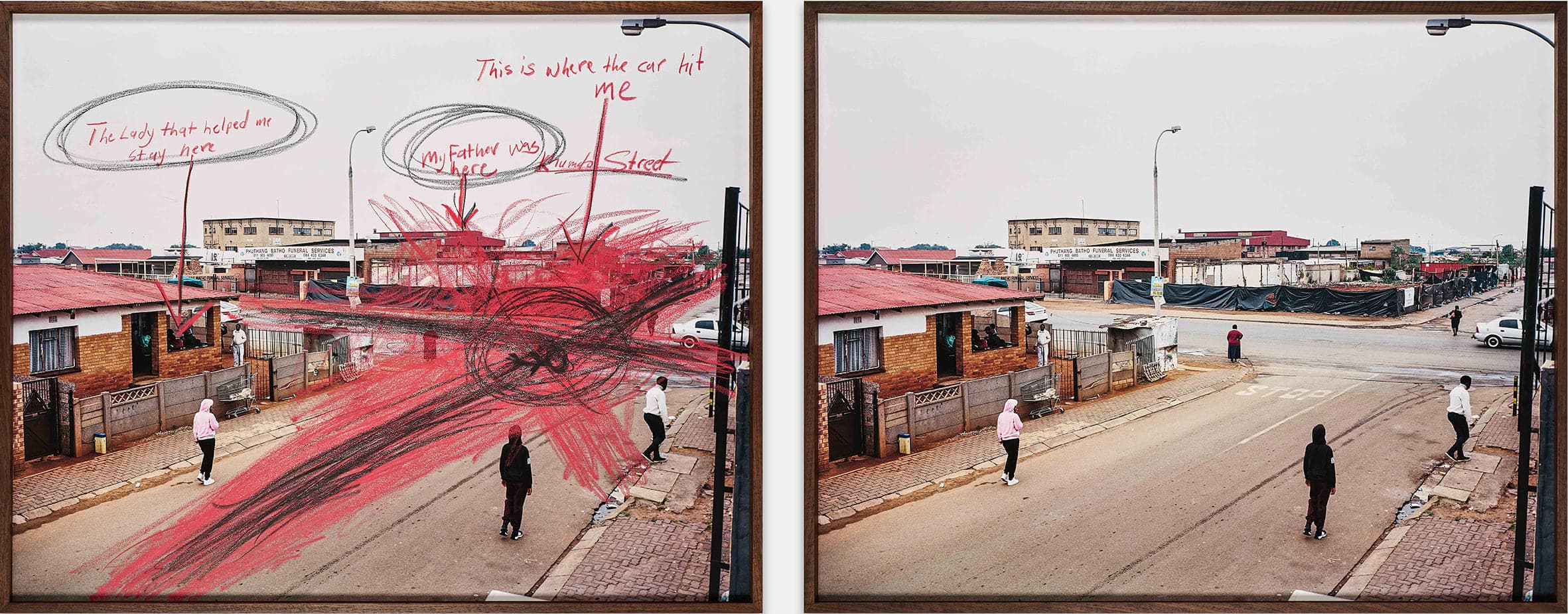
This project started when I found a family portrait with my sister Ziyanda’s face cut out. She was a secretive, rebellious and rough person and I was young when she left home. The day she disappeared she was chasing me and I got hit by a car on a major road in my community. After that I didn’t see her again until a decade later, when she came home, sick. She passed away soon afterwards. When she returned I was already a photographer and I knew we didn’t have a picture of her. One day I saw this beautiful light coming in through the window shining on her face. I lifted up the camera to catch the moment and she shot me an evil look and said: “Stop! If you take that picture I am going to kill you!” So I lowered my camera. I still wish I had taken the shot. Disappearances like my sister’s are not unique to my family; many families in South Africa have a long history of people disappearing, dating back to the Apartheid era and even earlier. But it is something that is not often talked about and has a serious impact on families and communities. This project is a way of trying to make sense of Ziyanda’s disappearance and the historical implications of this phenomenon in South African society. It is also connected to my other bodies of work examining social and familial fragmentation and poverty in South Africa, as well as the lasting and long-reaching impact of Apartheid and colonialism across all levels of society.
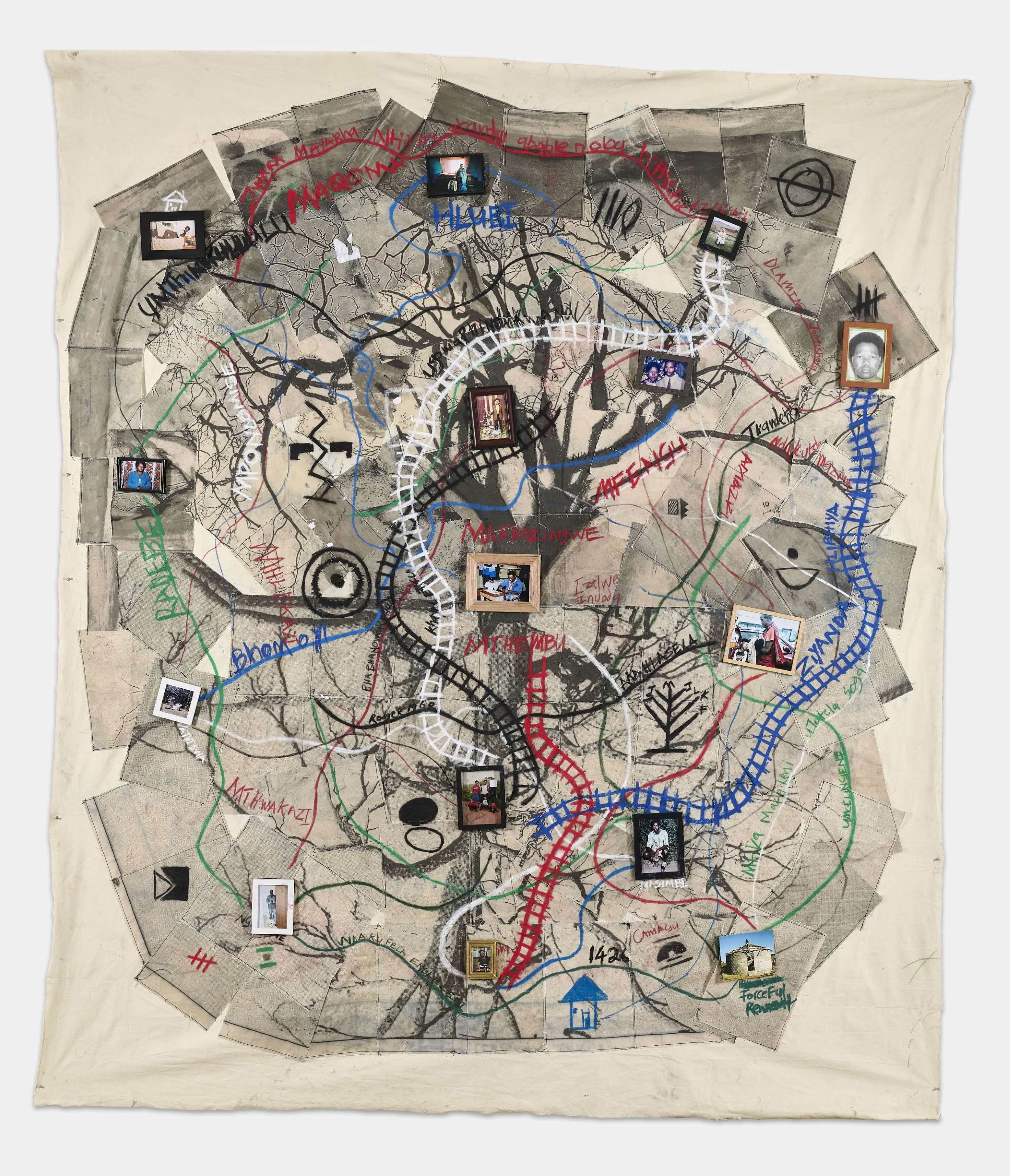
uMthimkhulu III exists as an autobiographical installation reminiscent of a family tree by Lindokuhle Sobekwa, placing framed family photographs on a charcoal tree. This fragmented tree builds on Sobekwa’s attempts to connect his life in Johannesburg with his ongoing journey to discover more about the lives of his family members and his ancestral home in the Eastern Cape. In the work, he makes visible for the viewer the way he links images and family stories through lines, hand-drawn ladders and phrases.
“Mthimkhulu represents the traces of my ancestors, their names and the names of the places they have walked. It is an attempt both to “map” and document my family, but also an act of narration of a rich family oral history that has remained elusive to me because of a fragmentation caused by economic and forced migrations.” - Sobekwa
This is the third iteration of the work, with the first produced during his residency at A4 Arts Foundation in 2020. In this work, Sobekwa embraces collage techniques and intuitive use of materials.
Ezilalini (The country)
This story was motivated by an earlier project, 'I carry Her photo with Me', which is about the disappearance of my sister Ziyanda. As part of the project, I traced her foot- prints back to the Eastern Cape, exploring her earlier life in Tsomo and the surrounding area. This provided the opportunity to reconnect with my family, identity, and culture, engaging parts of myself and my history that I had not considered before, or perhaps had avoided thinking about. As I worked on the story about Ziyanda, I realized Tsomo has deep meaning to my family but also discovered the same for me personally.
This project is an exploration of a place I am deeply connected to but feel like I know very little about. It is a strange place for me and at times I feel like an outsider because of family dynamics and Ziyanda’s fraught history. Sometimes it’s like I’m digging a hole I’m afraid to look into. My family considers the Eastern Cape our ancestral home, but many of us live in urban centres.
My grandmother, who still lives in Tsomo, curses Johannesburg as a place that has swallowed her children. The need to make a living in the city has created deep fragmentation in families and communities across South Africa. This divide between rural and urban is linked to Apartheid-era spatial planning laws and has resulted in severe economic inequality, but has also caused fragmentation of identity. As a result many people living in cities do not consider those places “home”. Johannesburg, for example, is seen as a place of opportunity, a place where you can get a job or make your dreams come true. “Home” refers to the countryside. It is a place where your elders live; a spiritual place where you can always connect with your ancestors. It’s a holy land to some, a place where they can rejuvenate and restart.
This project explores the multiplicity of place and identity; it reflects on the lingering effects of Apartheid, but also the deep roots and connection I have to Ezilalini, “the country”.