Dor Guez
Unfolding Negatives
Goodman Gallery is pleased to present Unfolding Negatives, a solo presentation by Jerusalem-born artist Dor Guez—his first in the gallery’s New York space. The exhibition will mark a return to US audiences since the recent war broke out in the Middle East.
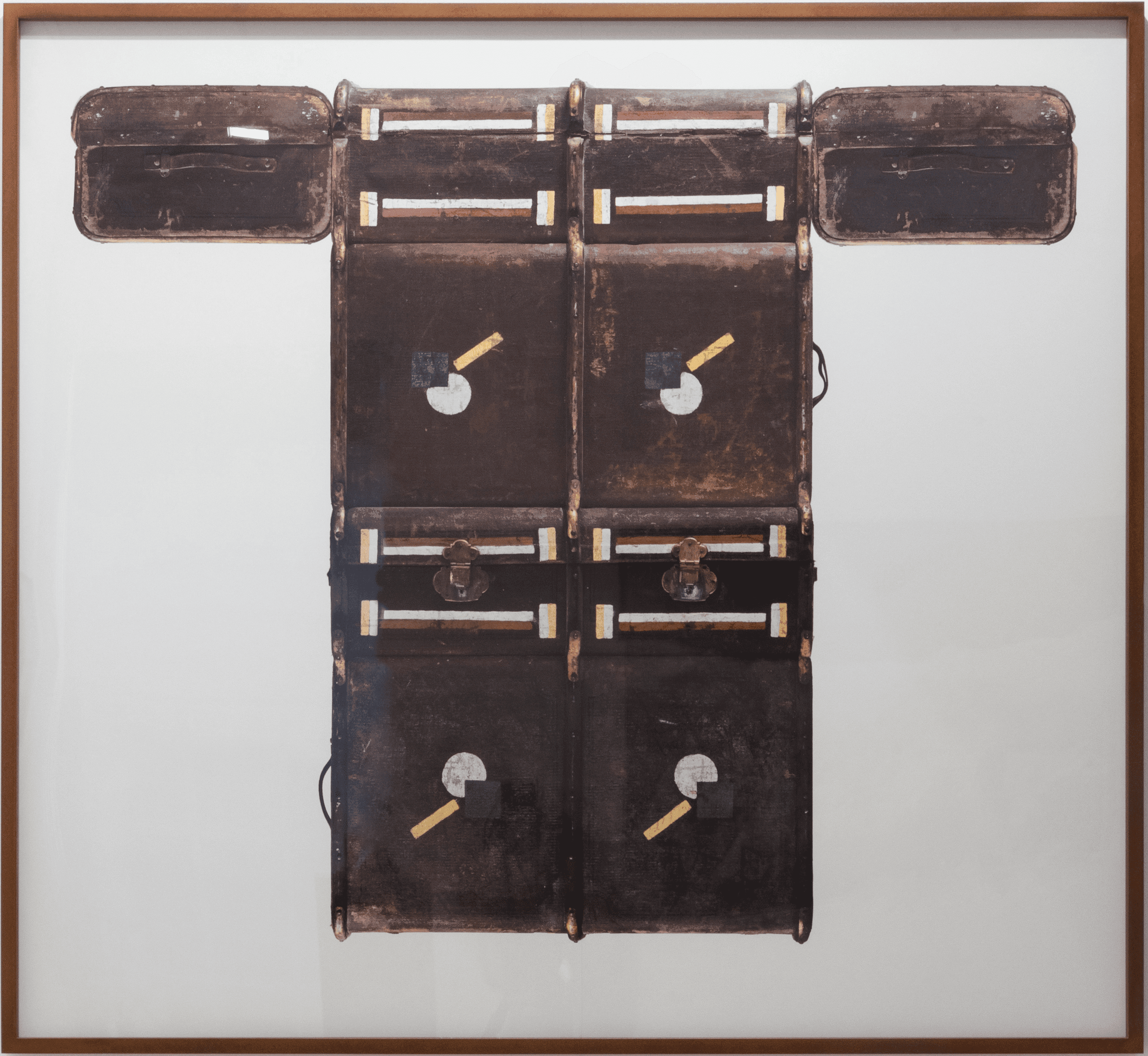
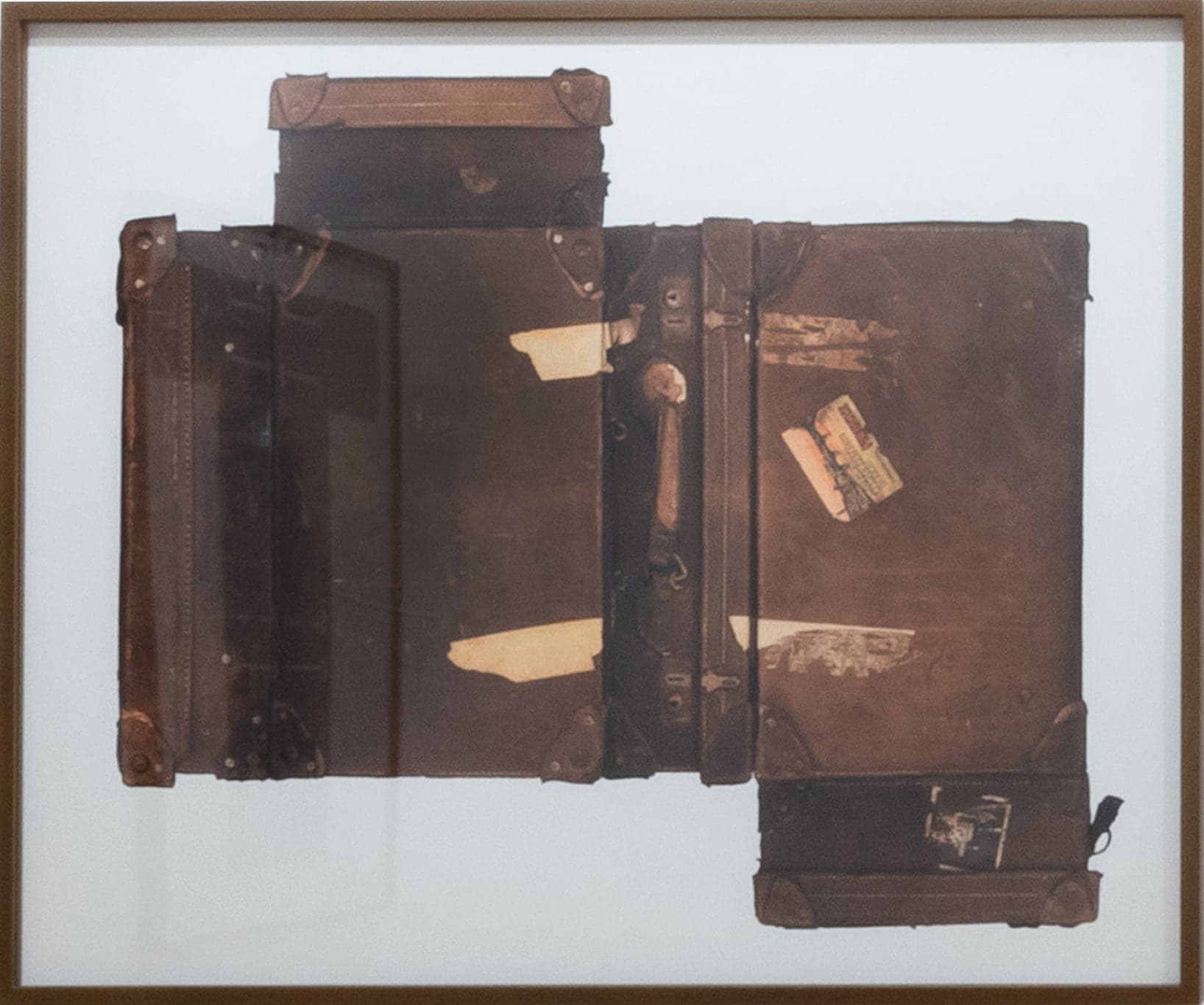
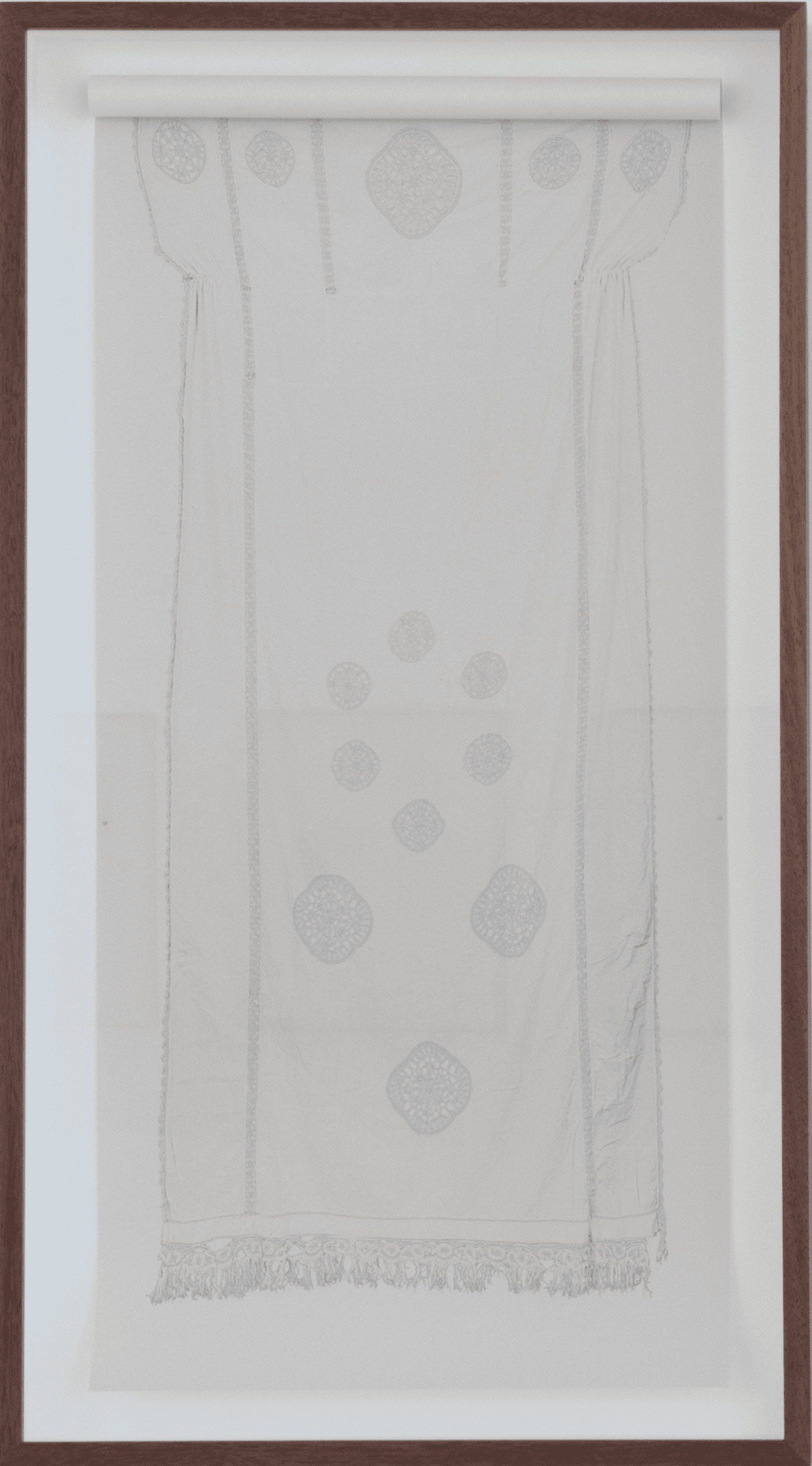
The exhibition continues Guez’s exploration of the overlooked histories of his family and related communities, while also reflecting his engagement with American photographers who were active in the Levant during the first half of the 20th century.


The artist’s multicultural and multi-religious heritage—having a Palestinian mother from Lydda and an Arab-Jewish father from Tunisia—are often fundamental to his approach to the concepts of home and exile, underscoring how minorities often possess deeper insights into majority perspectives. Guez’s work points to the complexities between first-hand accounts of the past and dominant narratives through diverse mediums. His practice draws on archival materials from both public and private sources, exploring ways in which stories are formed.

Unfolding Negatives was formed during a year marked by unprecedented catastrophes in his homeland. Guez’s work compels viewers to delve into the depths of these narratives, prompting them to reconsider what they thought they knew and how they consume and process information.
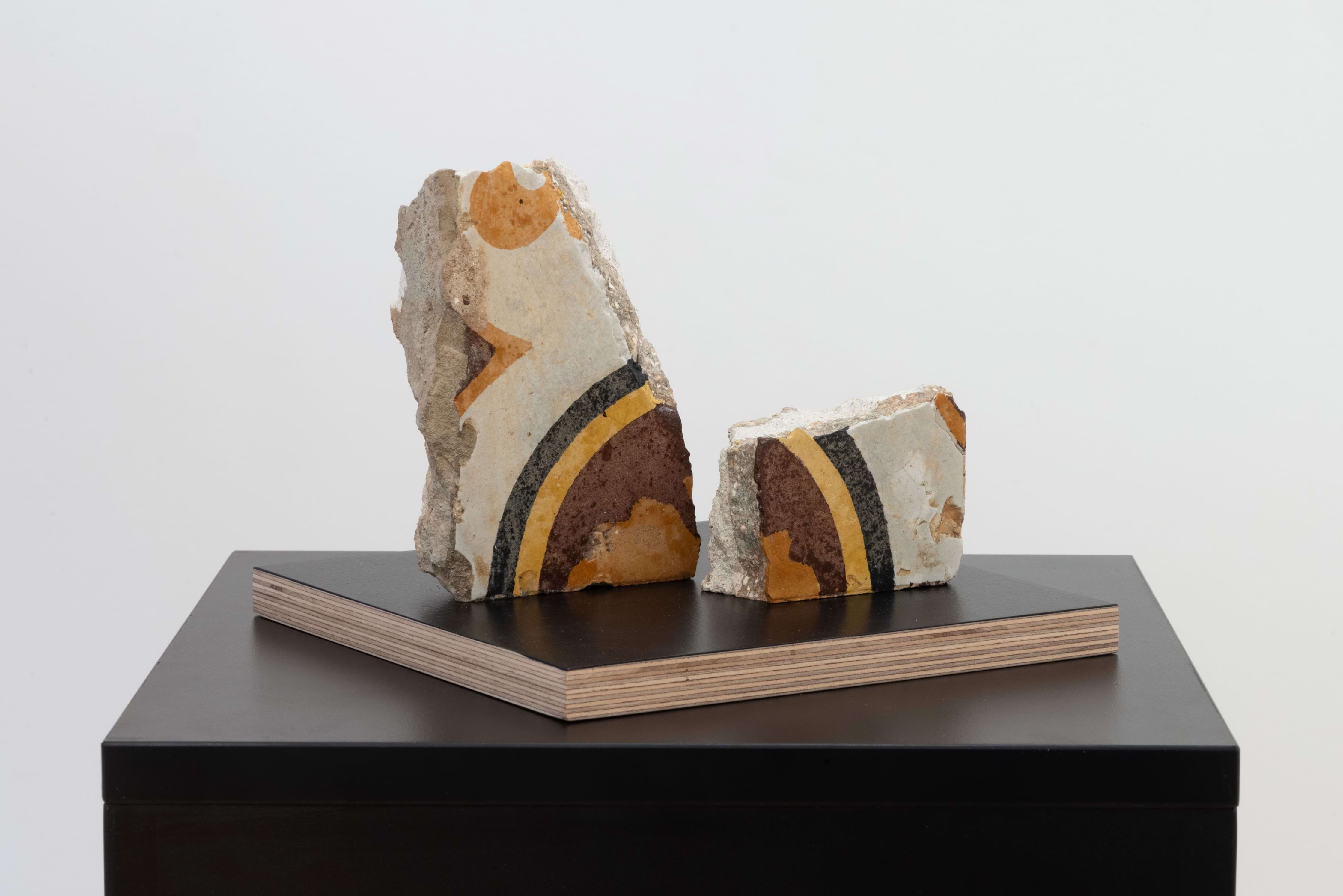
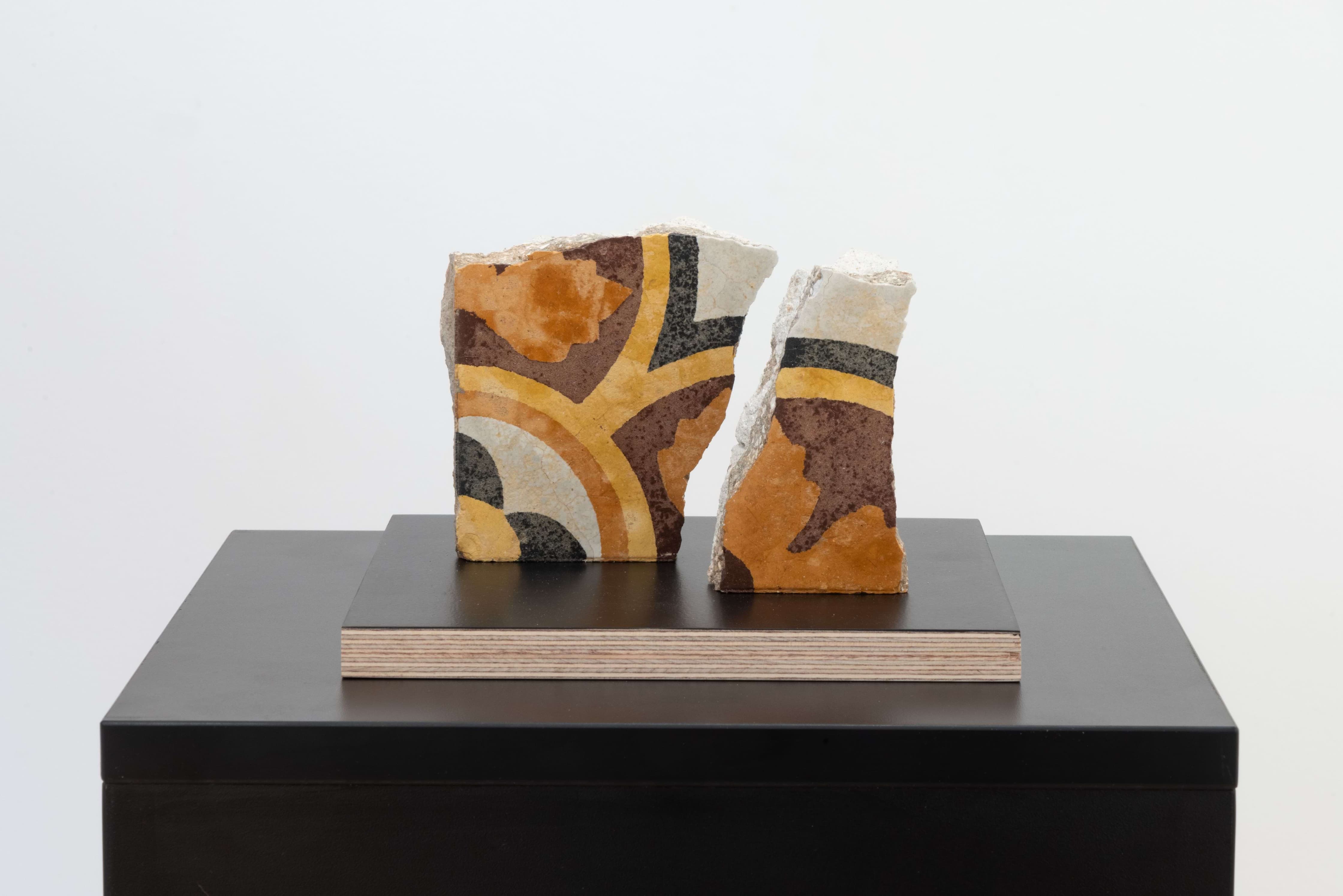
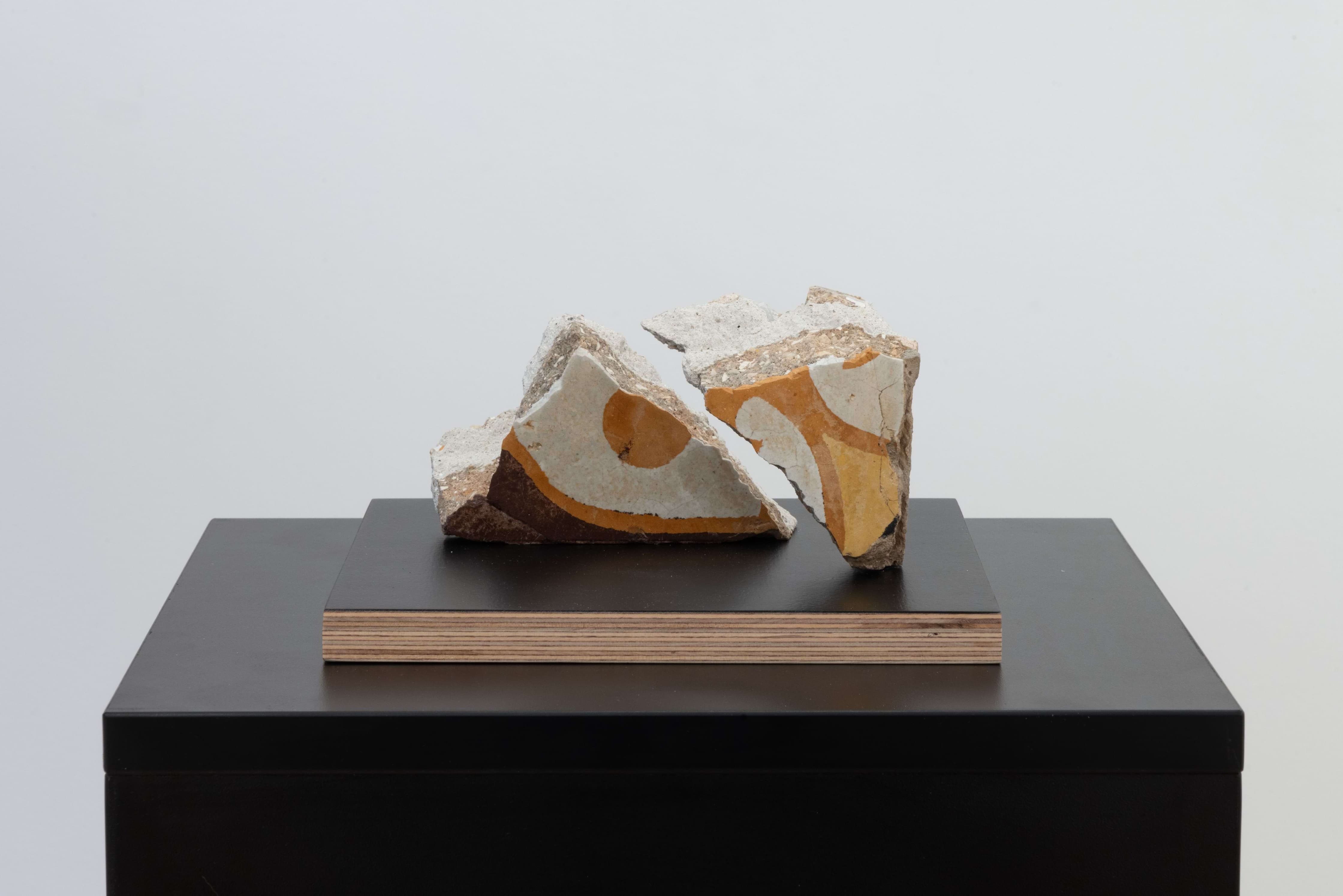
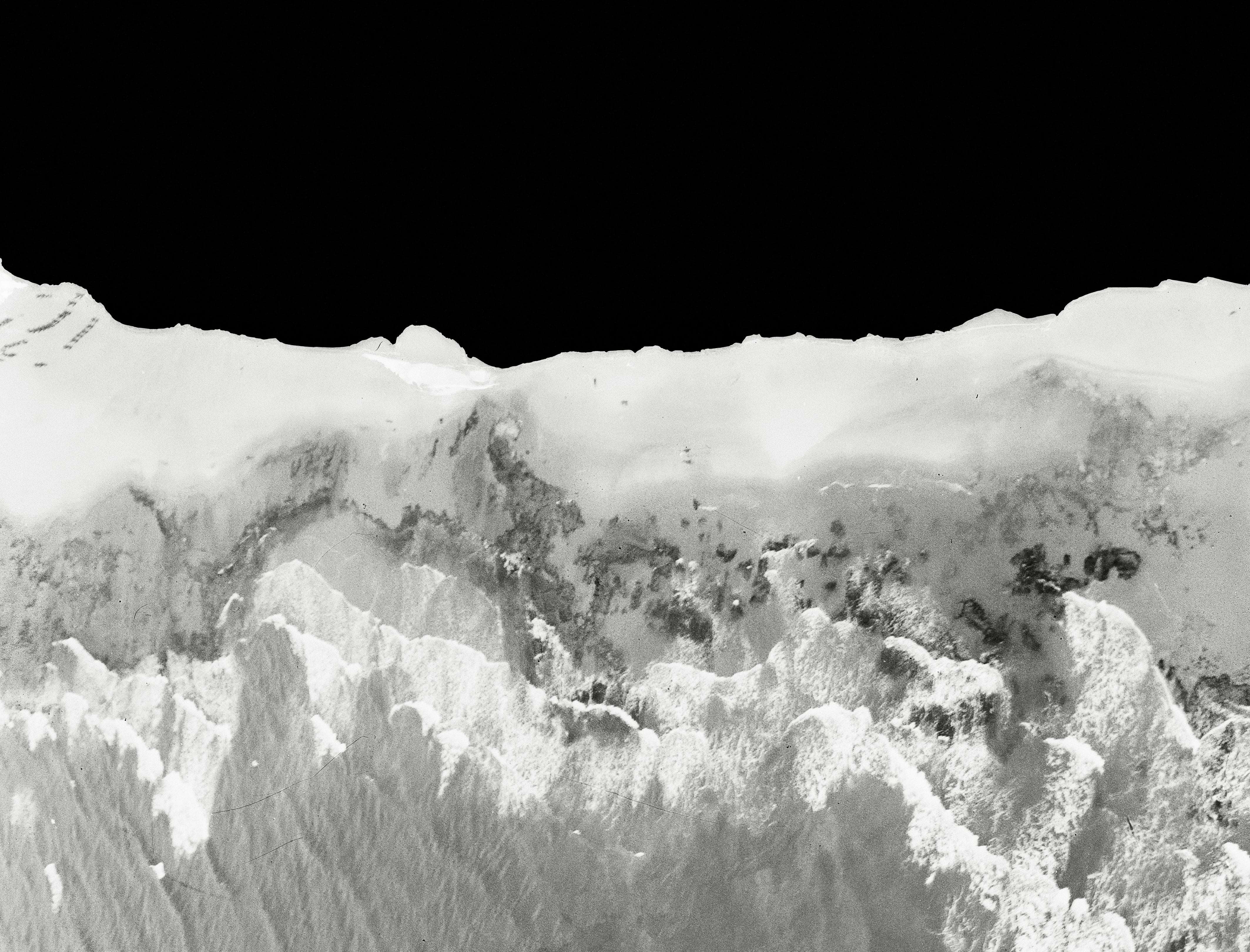
The artist examines the transformation of materials from two to three-dimensional forms, using found objects that are re-contextualised. Viewers are introduced to the show with a new work titled ‘There is a Tide in the Affairs of Men’ (2025). This image is based on a historical aerial photograph of the shores of Mandatory Palestine sourced from the American Colony Archive. The edge of the photographic negative was damaged by flooding at its storage location in Jerusalem, prior to the transfer of the American Colony photographers' negatives for archival preservation at the Library of Congress in Washington in the 1970s. The scar left by the water on the original negative created a black stain at the edge of the printed photograph.

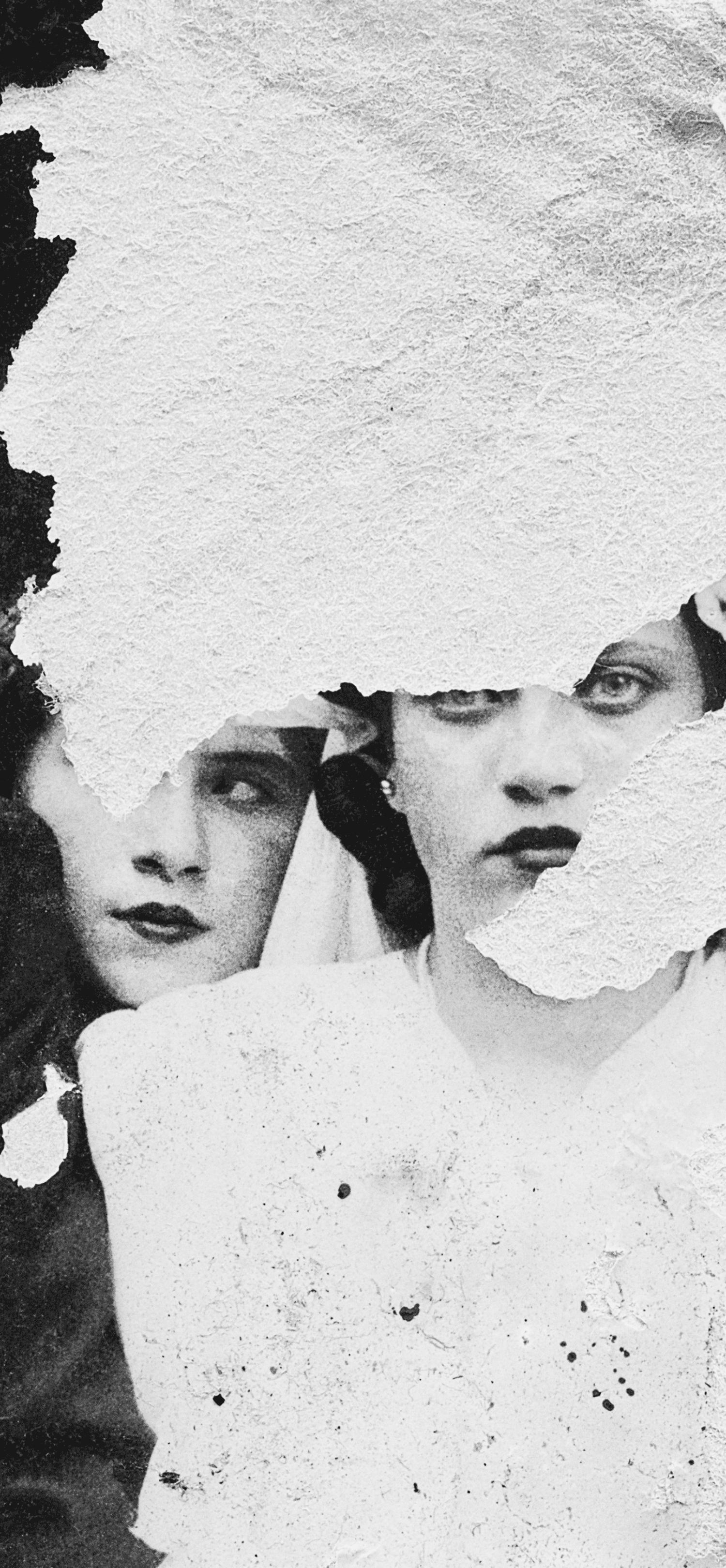
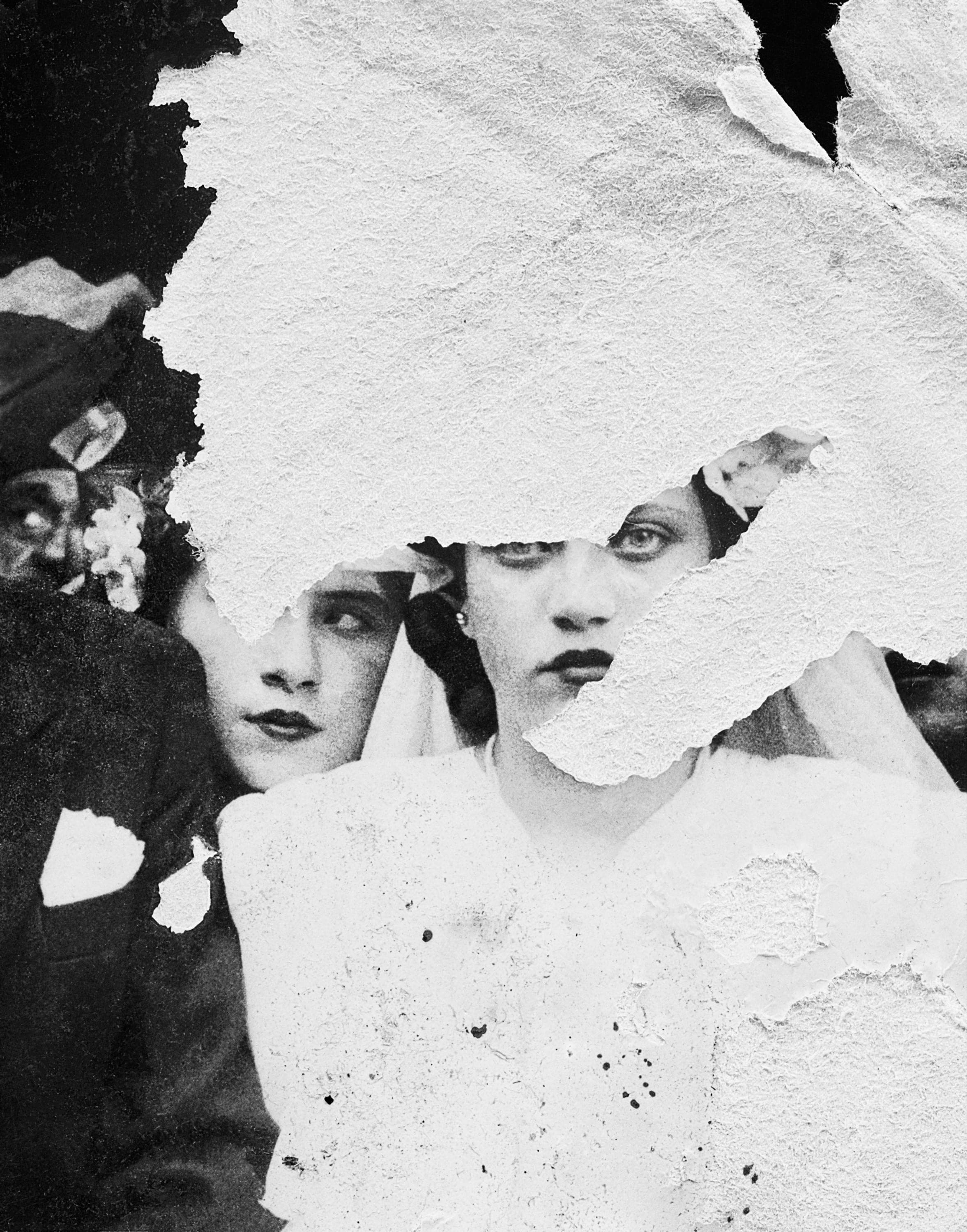
Unfolding Negatives also features one of Guez’s signature pieces, ‘Samira’ (2025)—a scanogram based on a photograph of his grandmother on her wedding day—the first in Palestinian society in Lydda after the 1948 war. Guez discovered the original photograph in a small shoebox hidden under his grandparents' bed, where it was in a fragile state, with a portion torn away. As in many of his works, the themes of damage created by time are central, imbuing the piece with meaning derived from the missing part, as the bride's veil transforms into the blank white gaps of the photographic paper. The loss of Guez’s family estate in Lydda in 1948 resonates with present events.
Featured Artworks
Create a Goodman Gallery account to view our full selection of available works, access pricing and check out online.
Installation Views


Artist Bio
Dor Guez Munayer (born in Jerusalem) is an artist whose practice is shaped by acts of return: to particular places, images, narratives, and material traces, revisited over years and sometimes decades to trace how their meanings shift over time. Moving between personal, communal, and institutional contexts, he examines how historical knowledge is recorded, transmitted, and continually reinterpreted.
Guez’s work initially took shape through the experiences of three generations of his Palestinian family and community in Lydda, bringing personal documents, oral testimonies, archival materials, photography, and film into dialogue. Other bodies of work draw on the experiences of his Jewish family from Tunisia, including their migration following the Second World War. Over the past two decades, he has repeatedly documented landscapes and architectural sites, considering how testimony can reside not only in human accounts and images, but also in buildings, plants, objects, roads, and other material traces.
His practice extends into long-term archival and institutional initiatives. In 2006, he established the Samira Munayer Archive, originating from the family albums of his maternal family and later expanding through contributions from Palestinian families and communities. He is also the founder and director of SeaPort Art Center for Curatorial Research, an independent artist-led platform for research, residencies, and public programs based in Athens.
Guez has presented over 65 solo exhibitions internationally, including at Laboratorio Arte Alameda, Mexico City; Princeton University Art Museum; MAMBO, Bogotá; Institute of Contemporary Arts, London; DEPO, Istanbul; and KW Institute for Contemporary Art, Berlin. His work has been included in the Berlin Biennale, Istanbul Biennial, Videobrasil, Bienal de Arte Paiz, and exhibitions at Palais de Tokyo, Paris; MAXXI, Rome; ZKM, Karlsruhe; K21, Düsseldorf; The Jewish Museum, New York; and Institut du Monde Arabe, Paris.
His works are held in public collections including Tate Modern, London; Centre Pompidou, Paris; LACMA, Los Angeles; Guggenheim Abu Dhabi; Princeton University Art Museum; The Jewish Museum, New York; MAMBO, Bogotá; The New York Public Library; Rose Art Museum; and FRAC Marseille.
Guez lives and works in Jaffa and Athens.
Other Exhibitions
See All