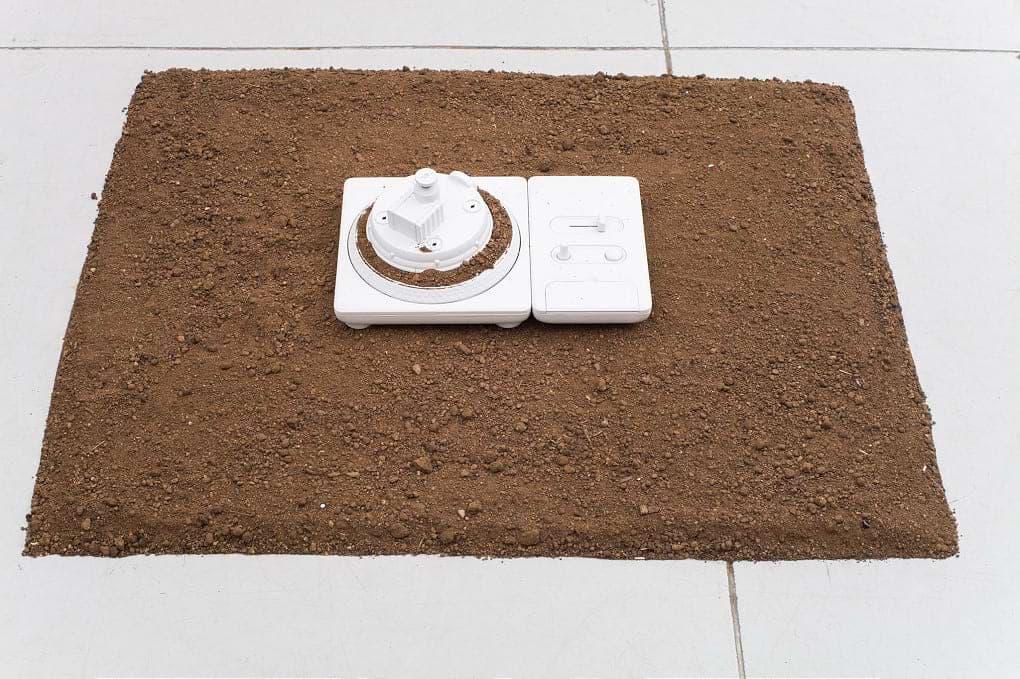
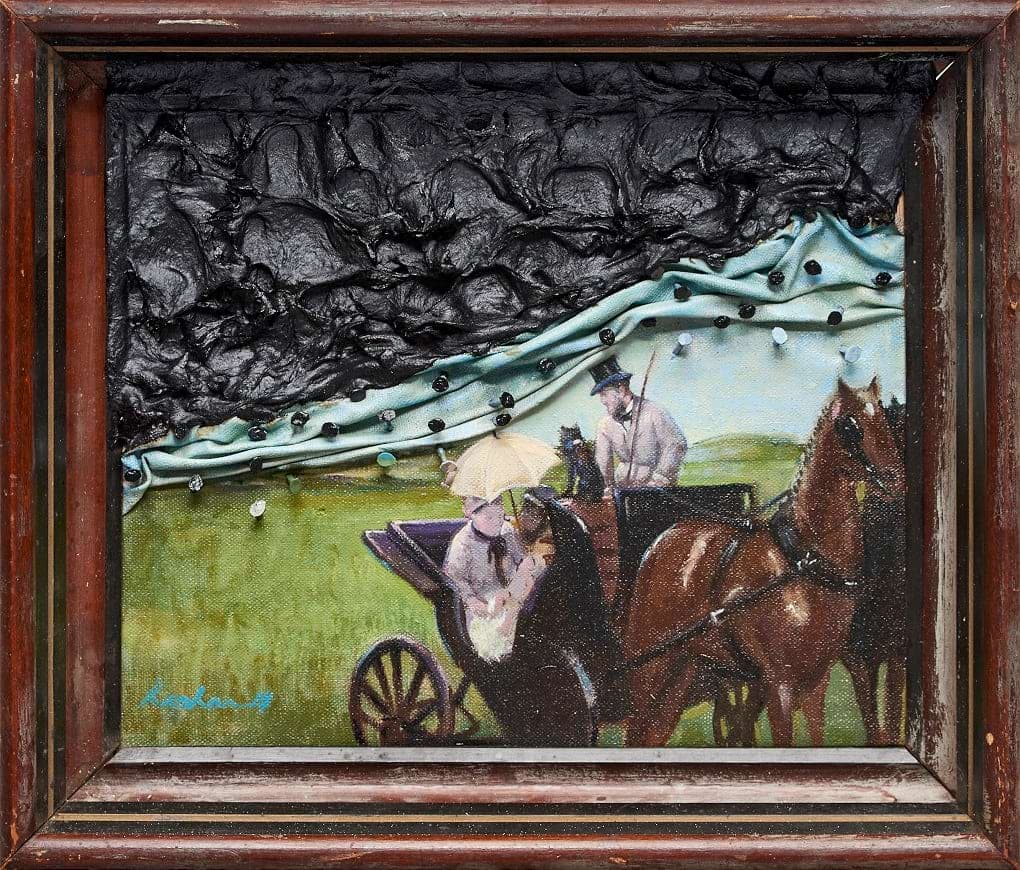
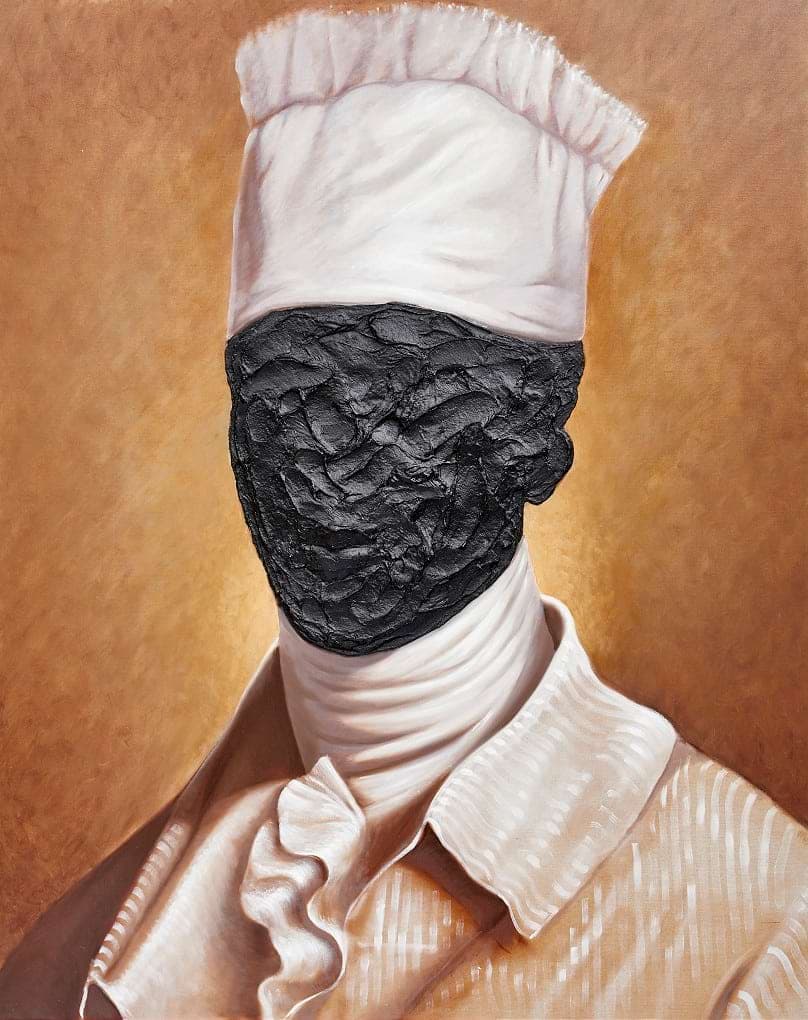
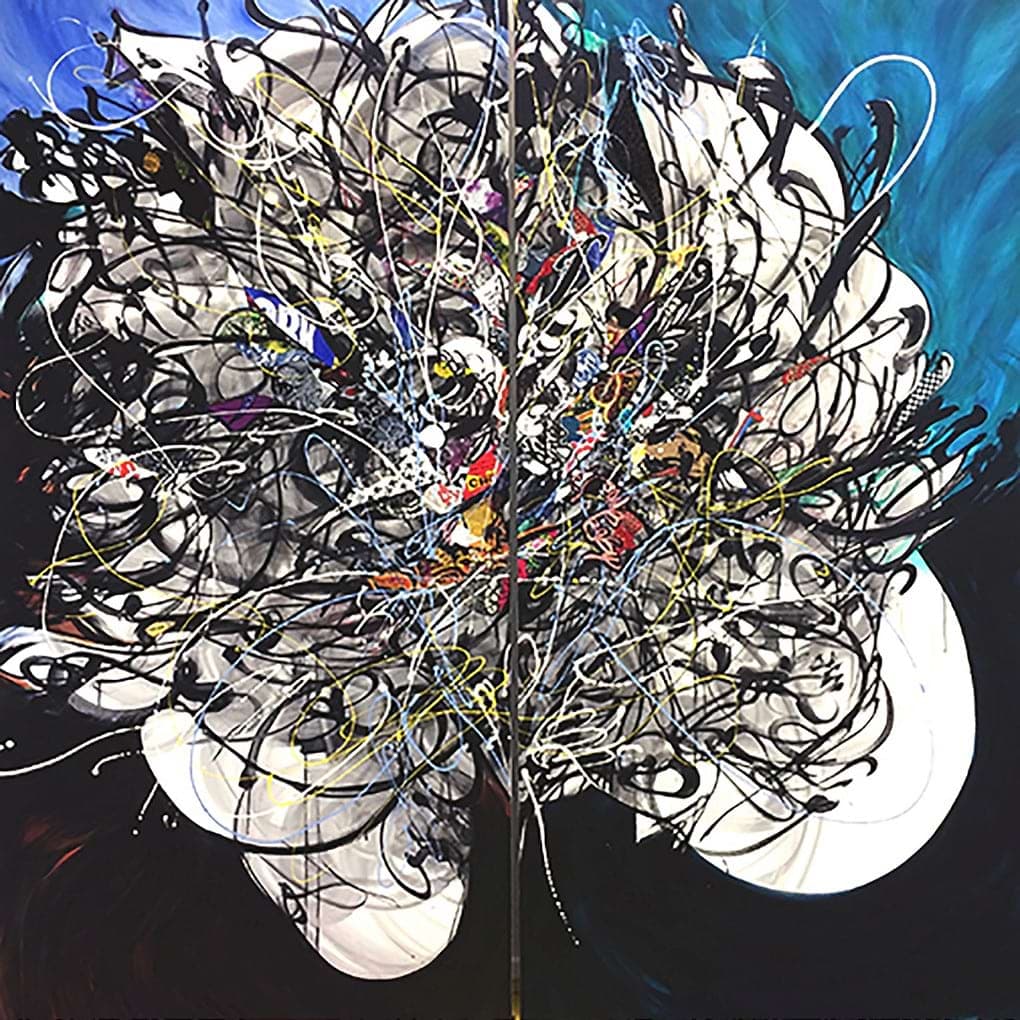
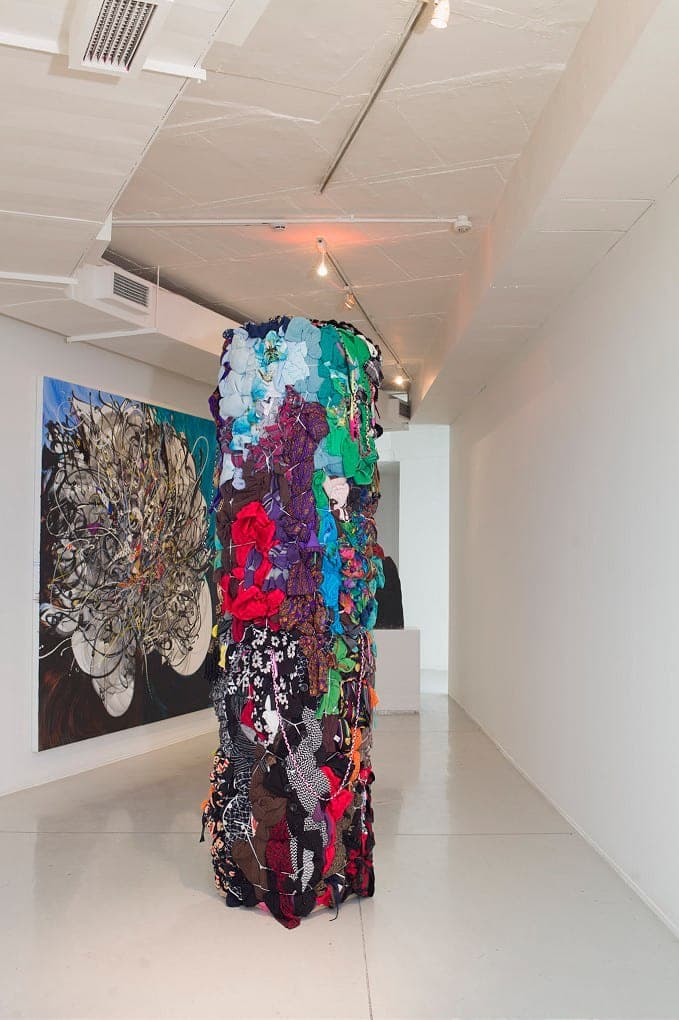
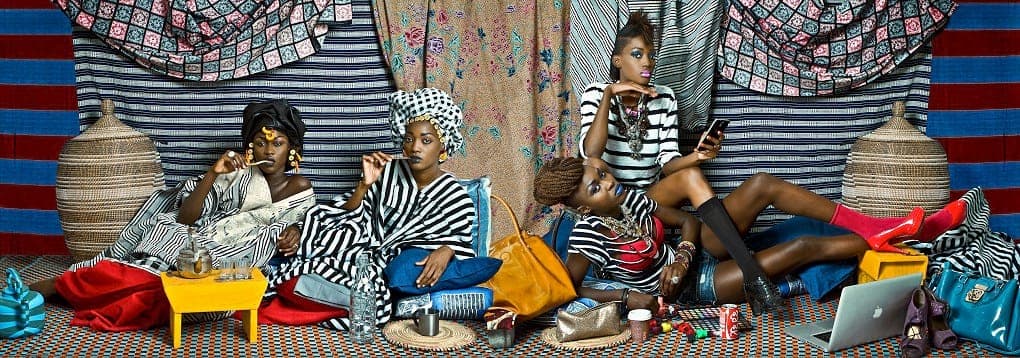
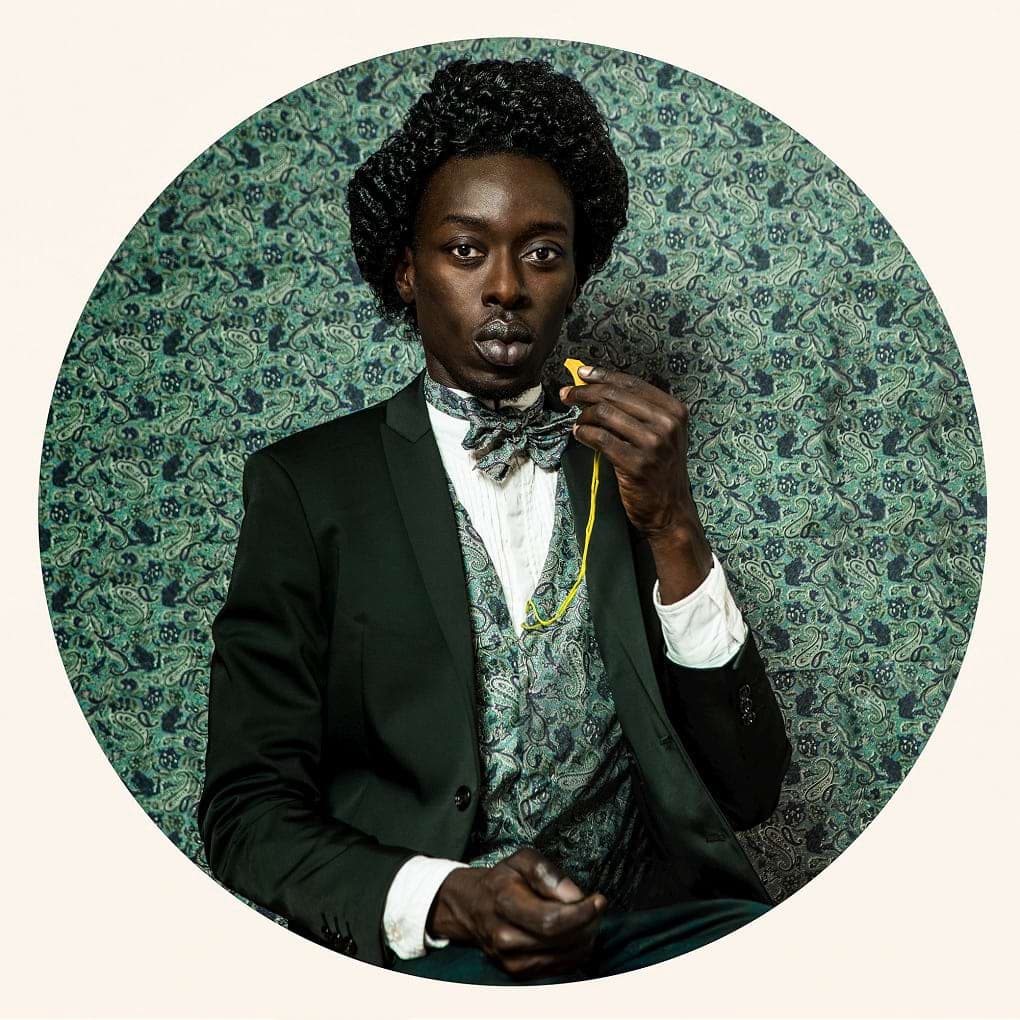
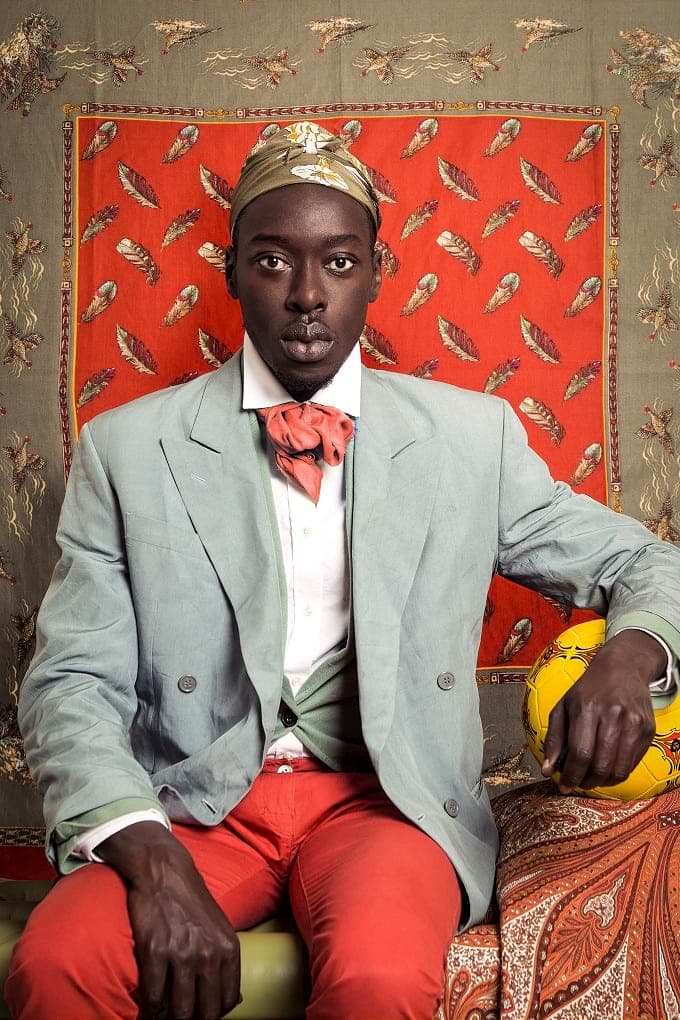
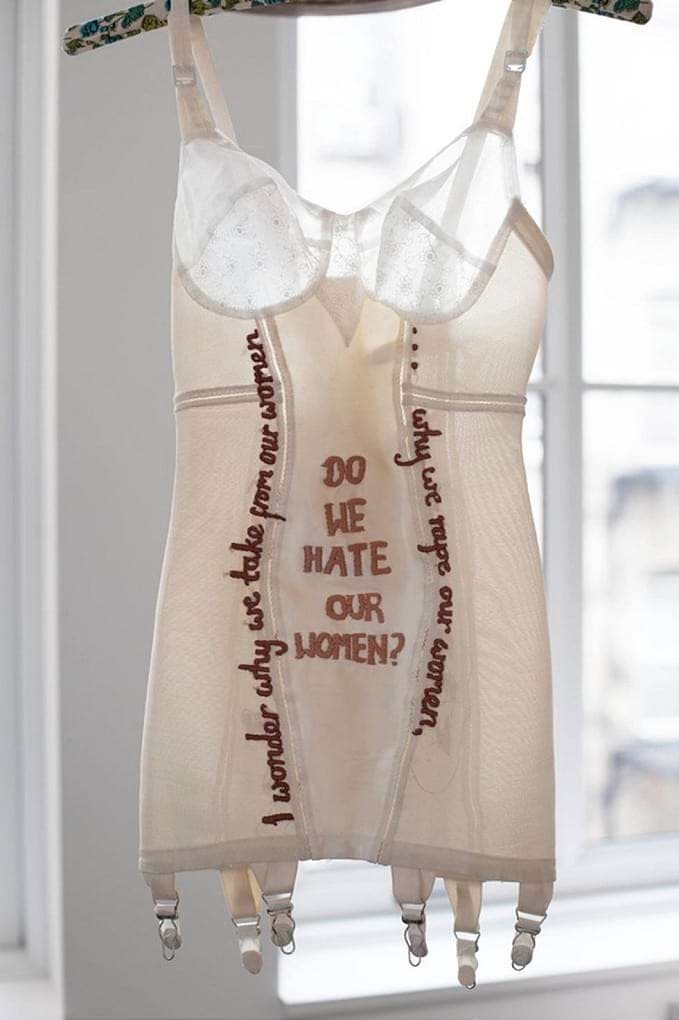
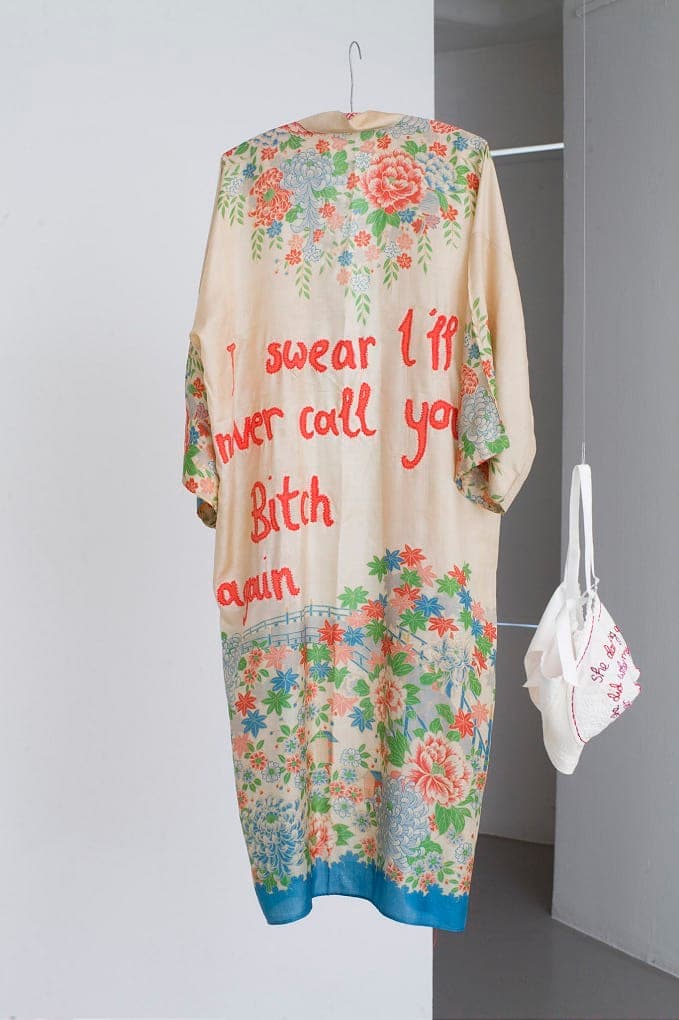
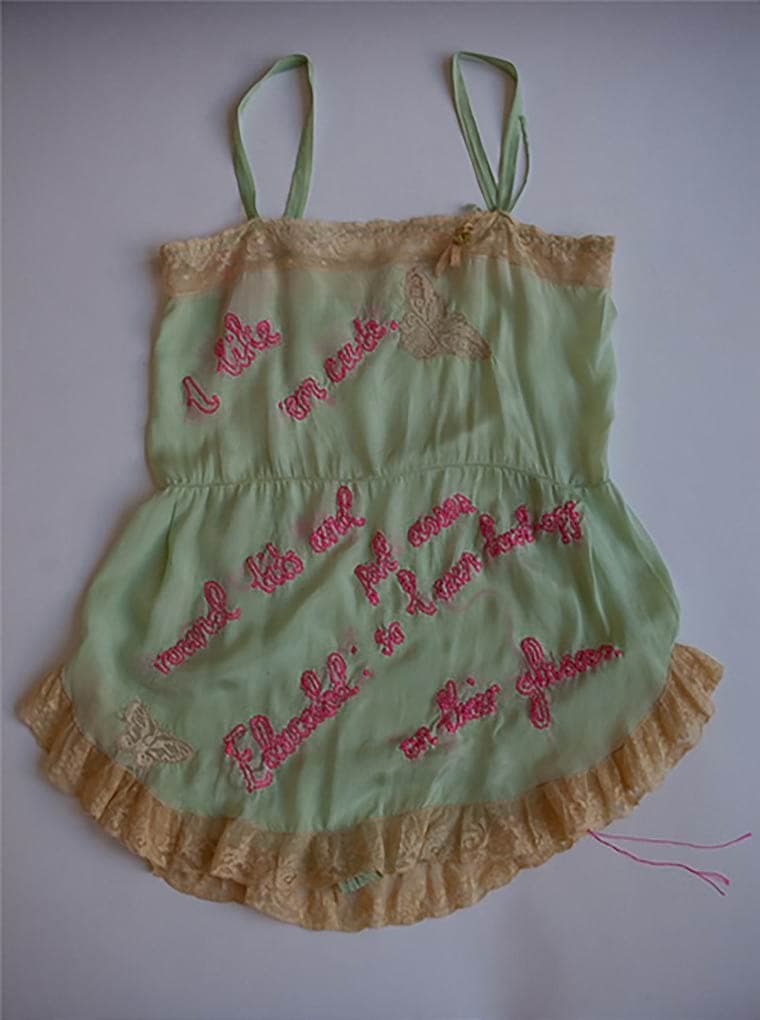
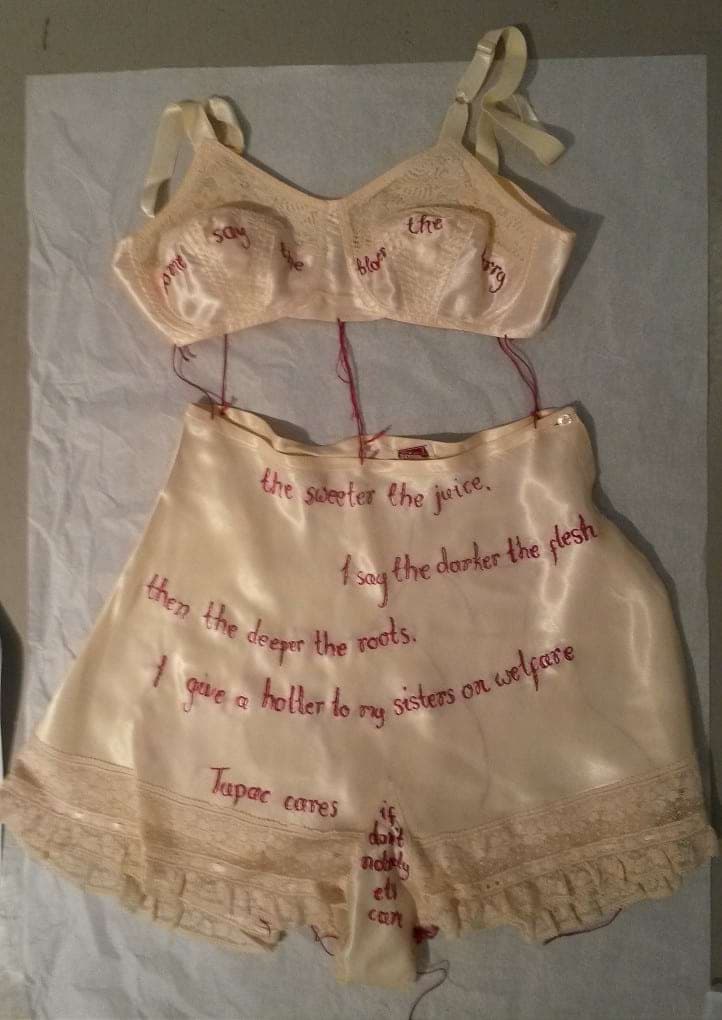
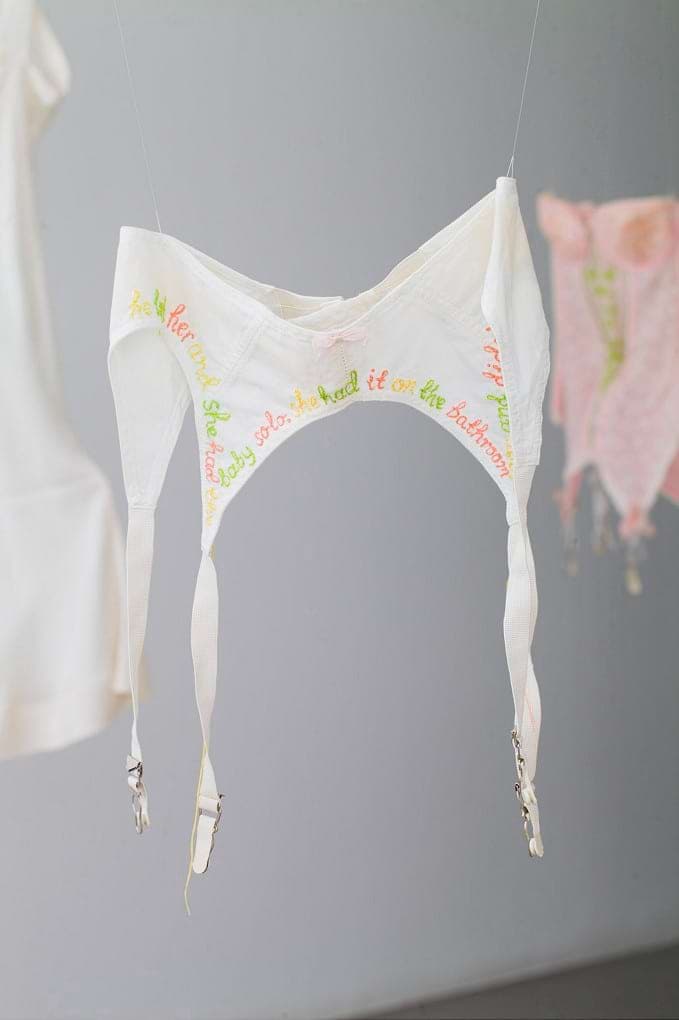
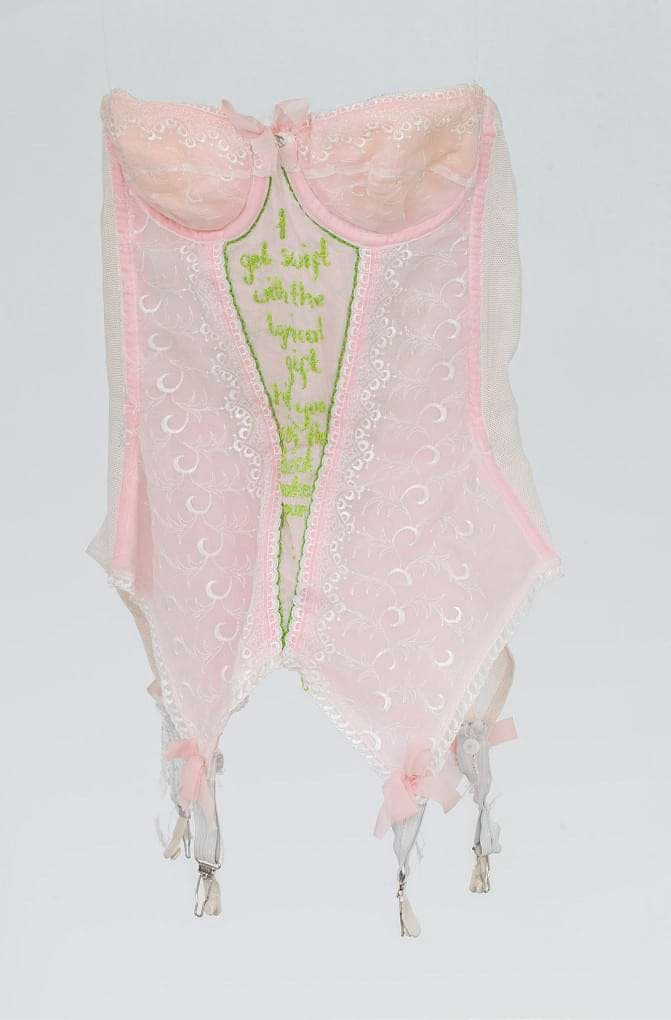
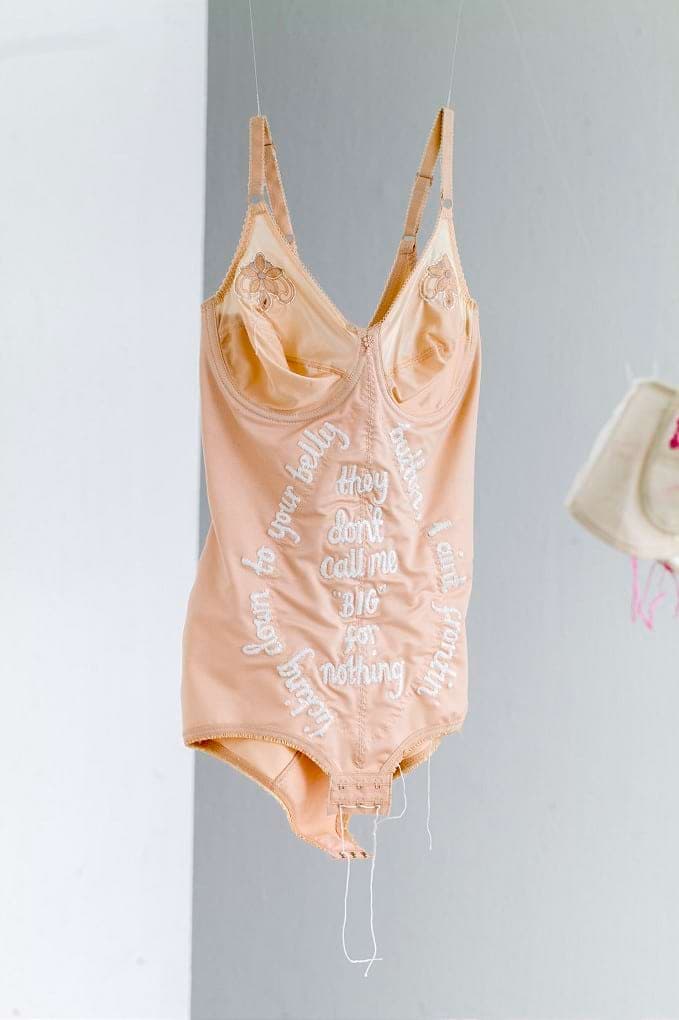
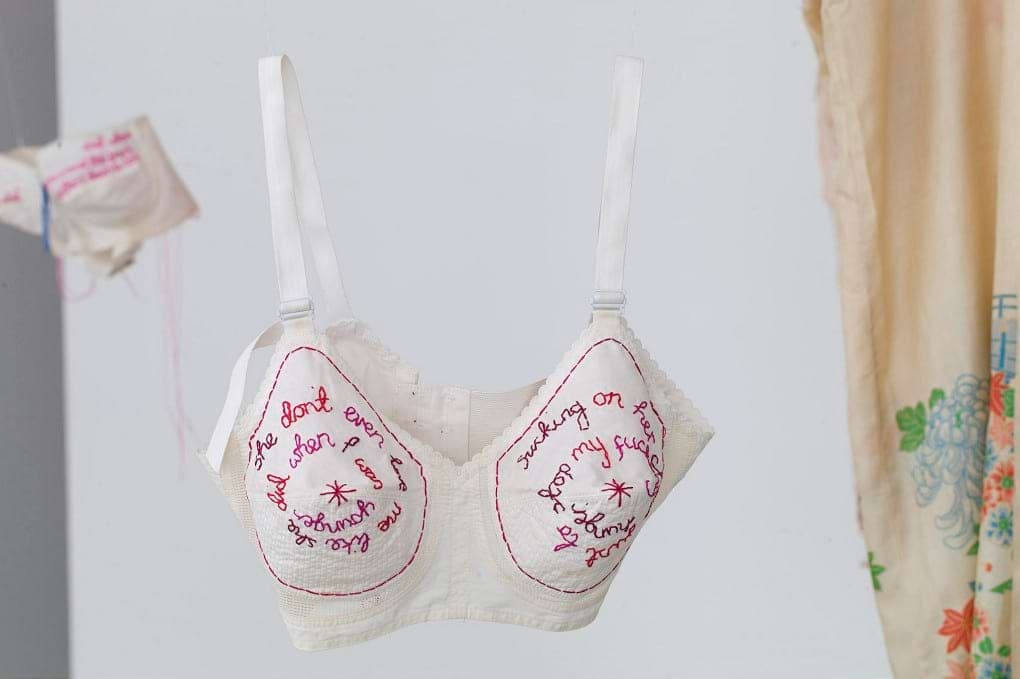

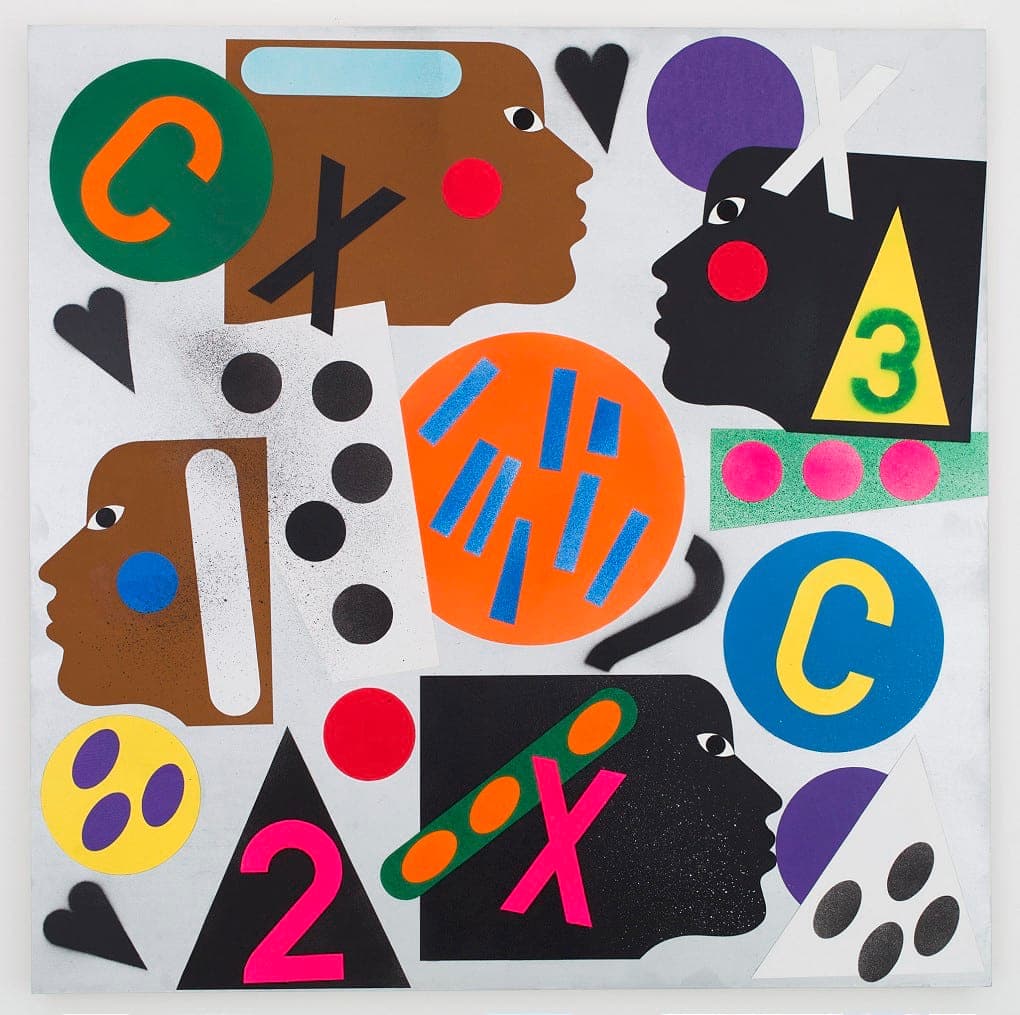
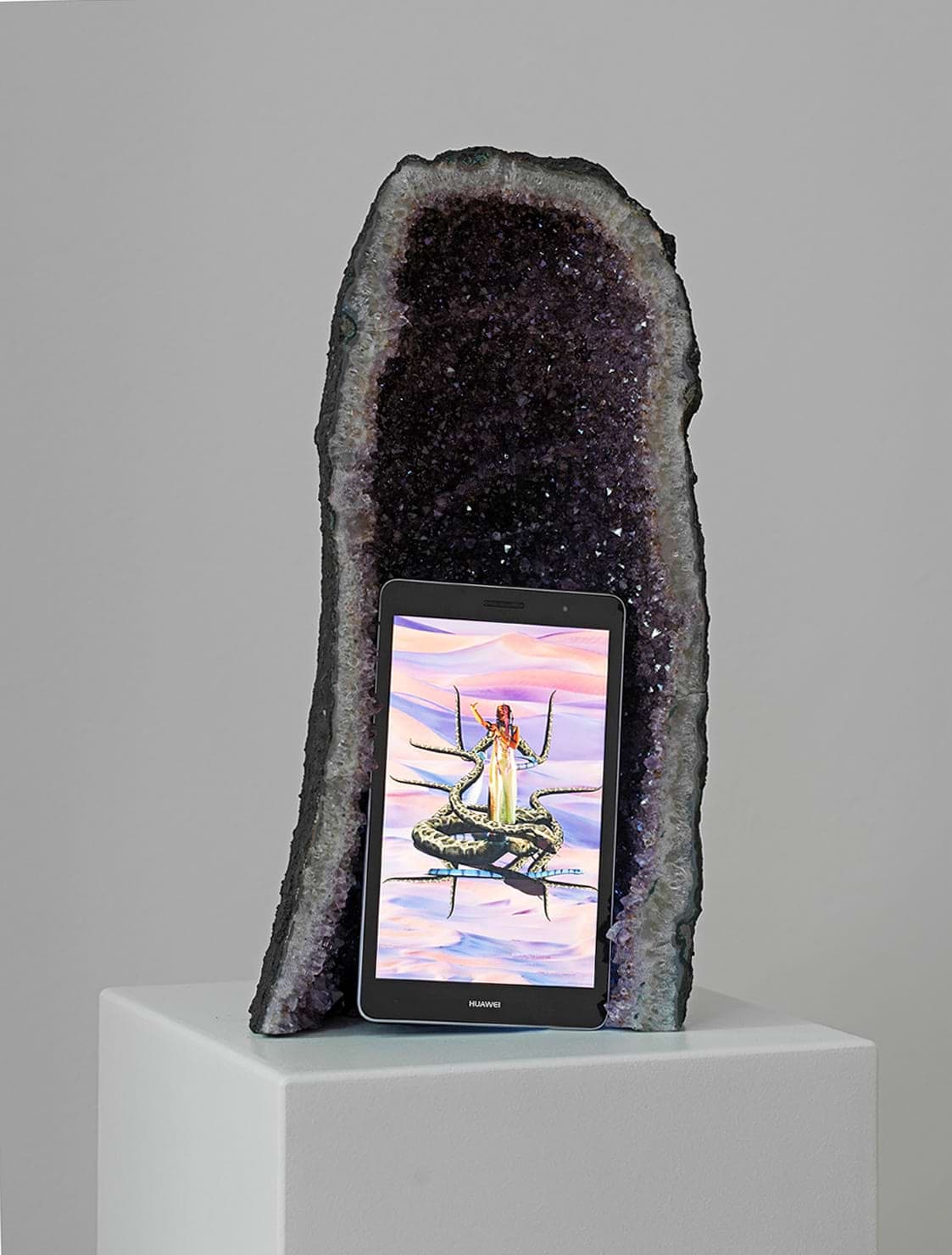
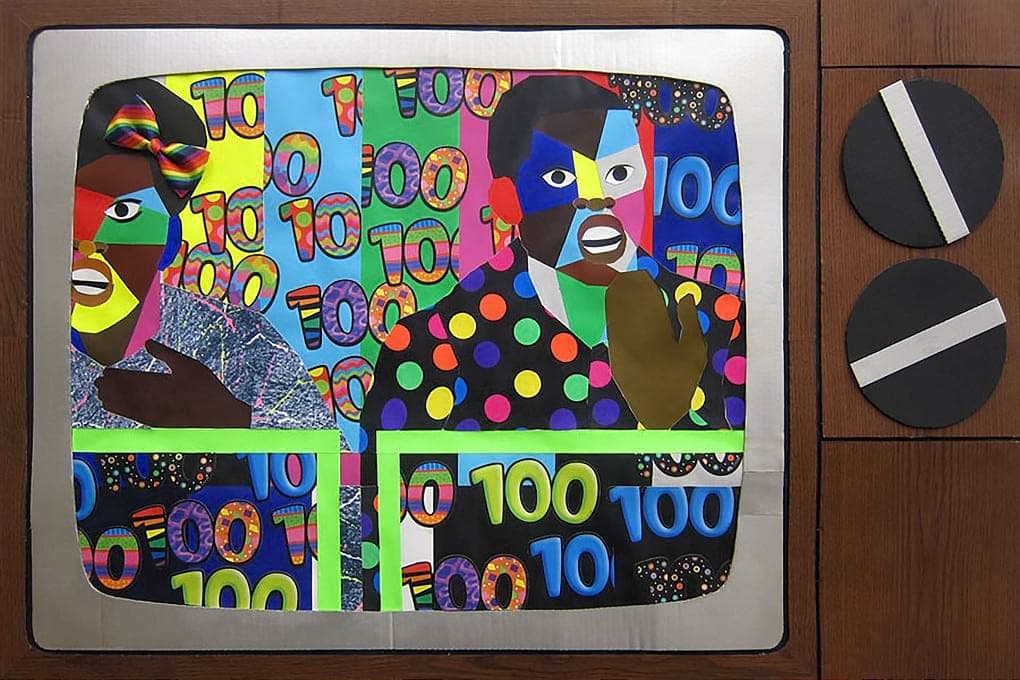
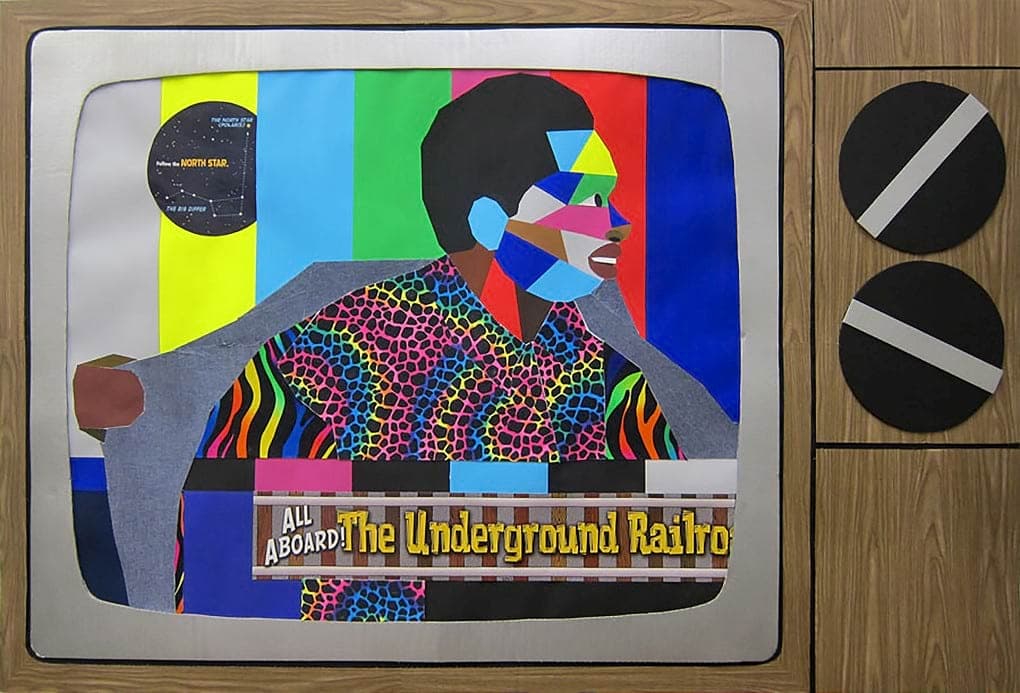
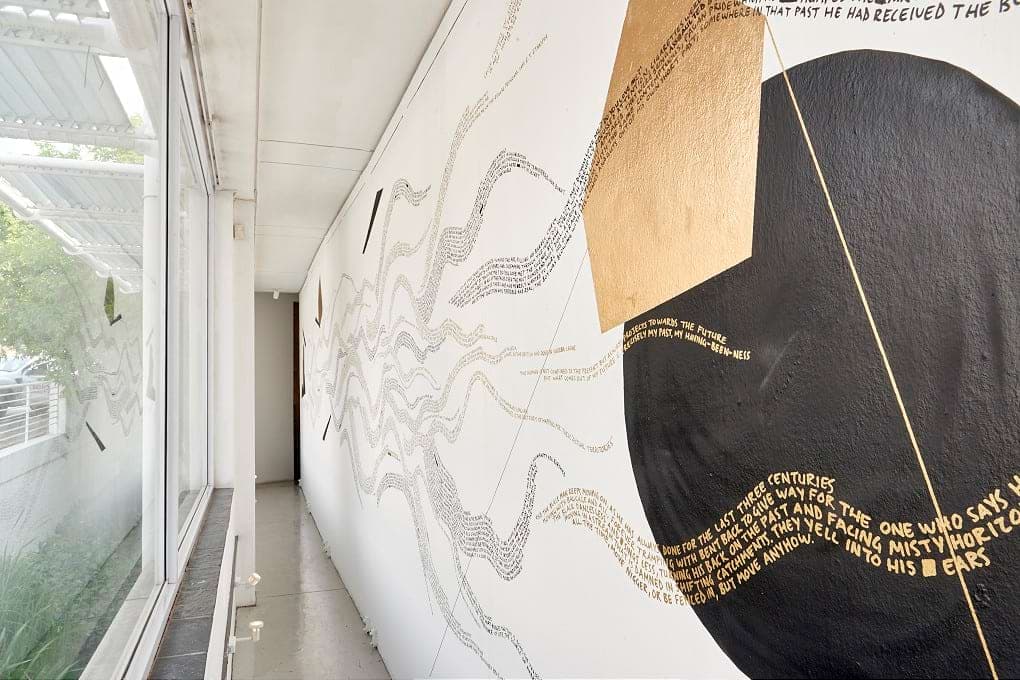
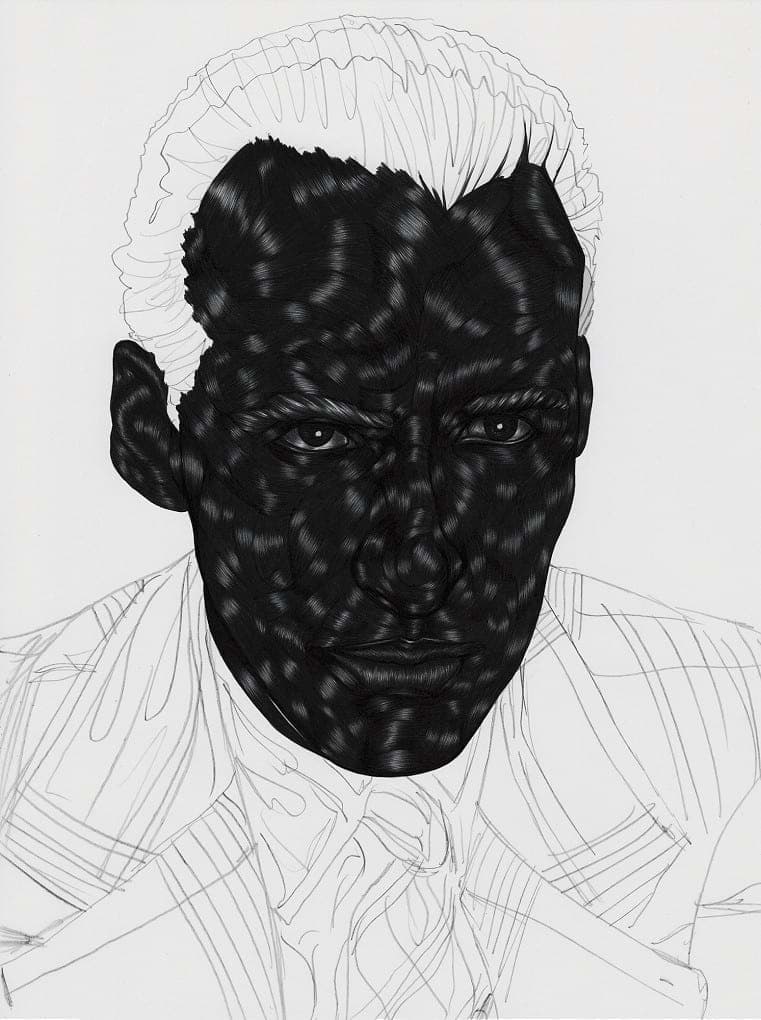
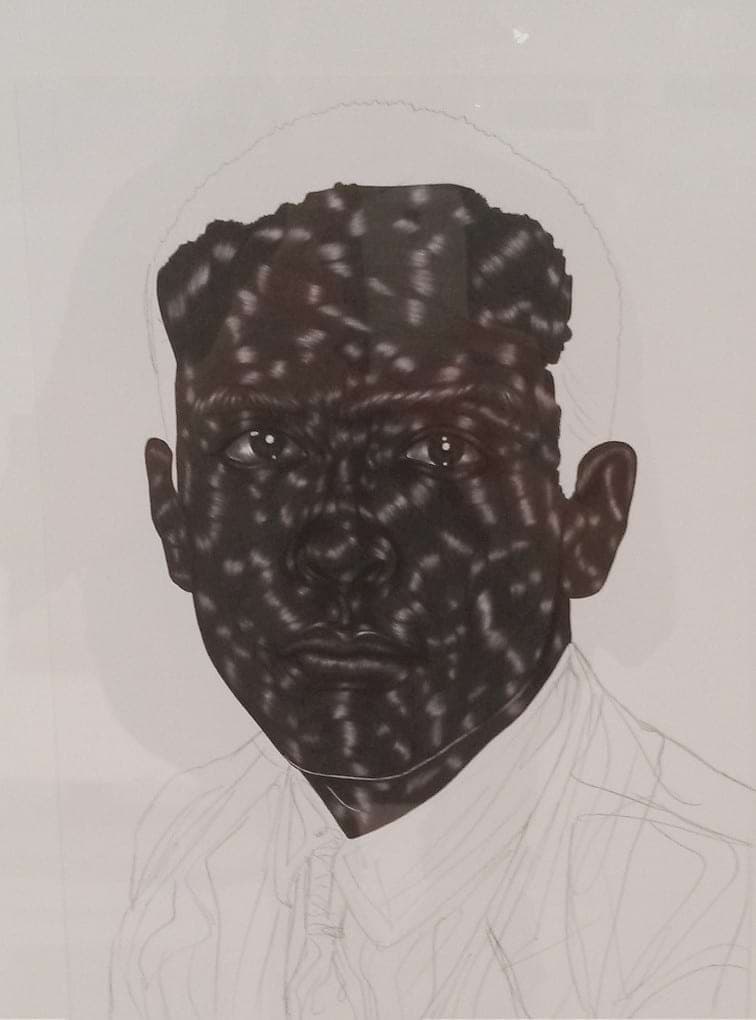
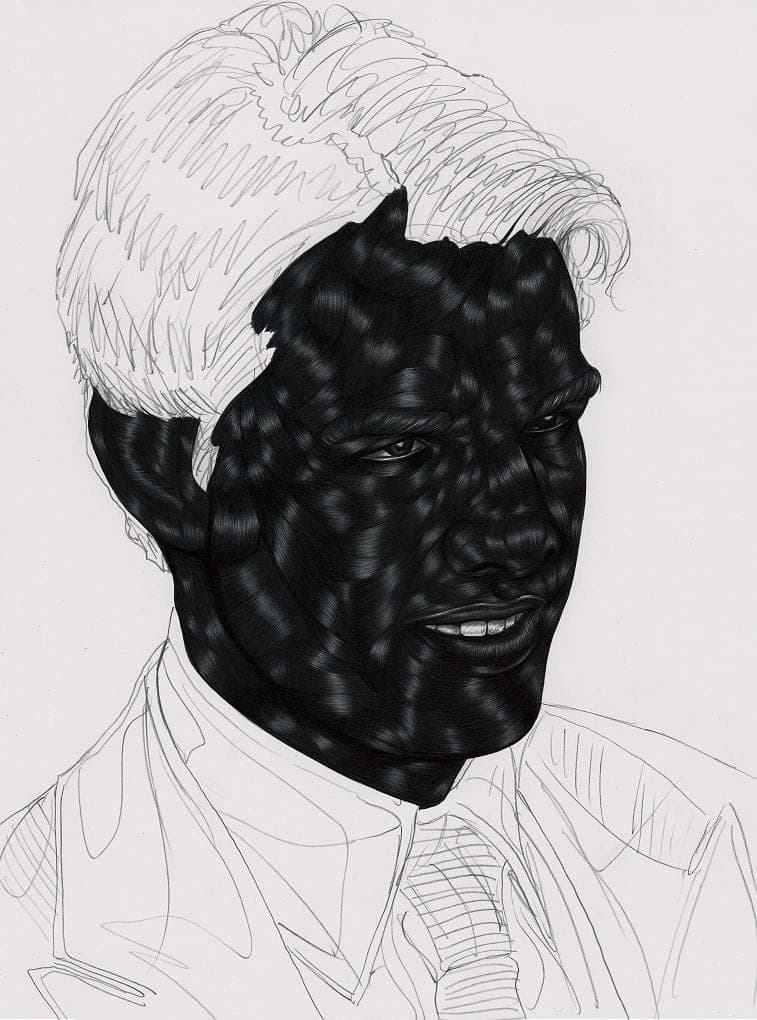
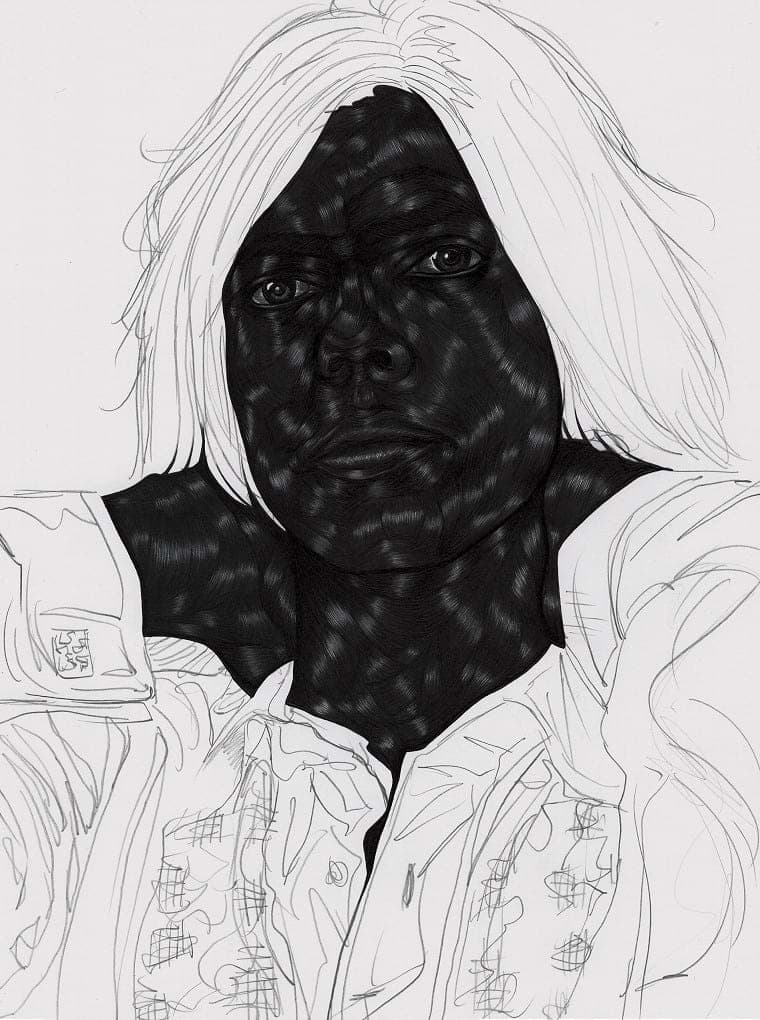
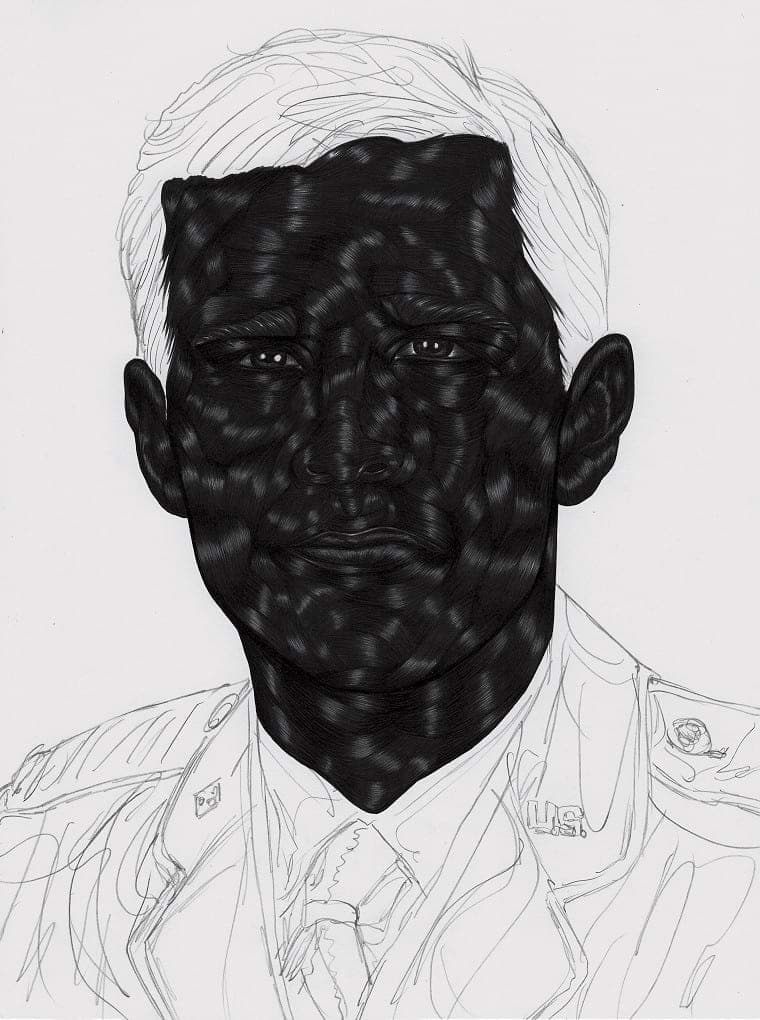
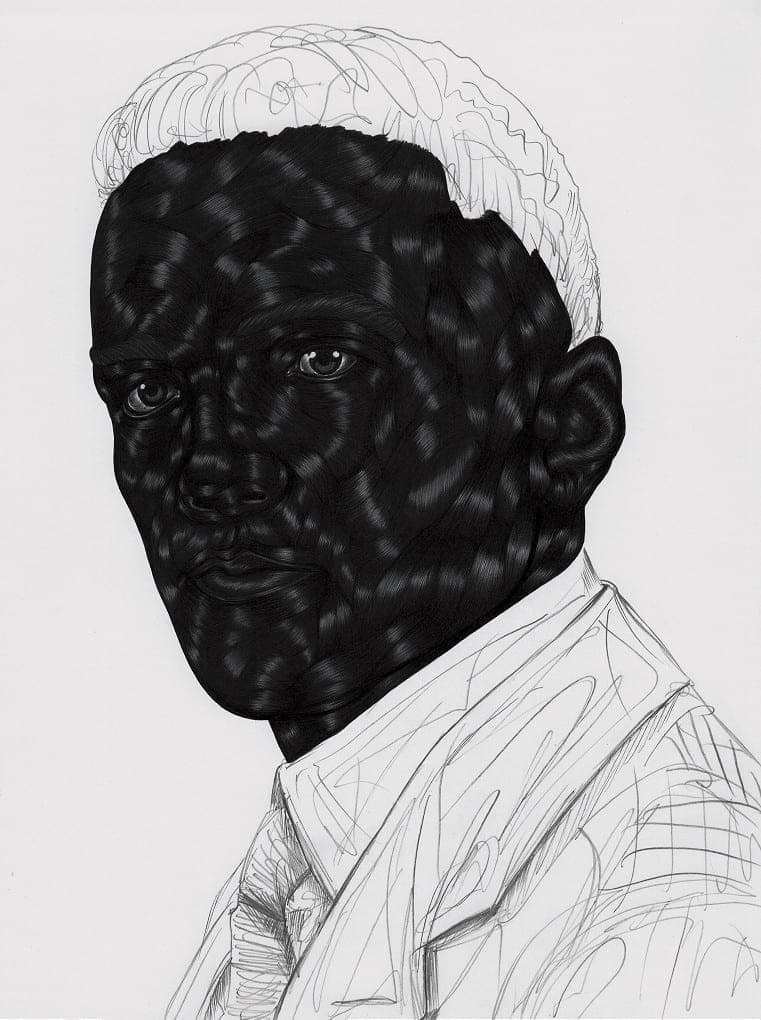

‘Peaceful Warrior’ is a decolonial self-care preaching-tutorial urging people of color to connect with their histories, ancestral knowledge and traditional philosophical wisdom. From yoga, meditation, to womb movements and a healthy diet, Peaceful Warrior aims at healing traumatic genetic memory to build a spiritual community for a more efficient struggle.
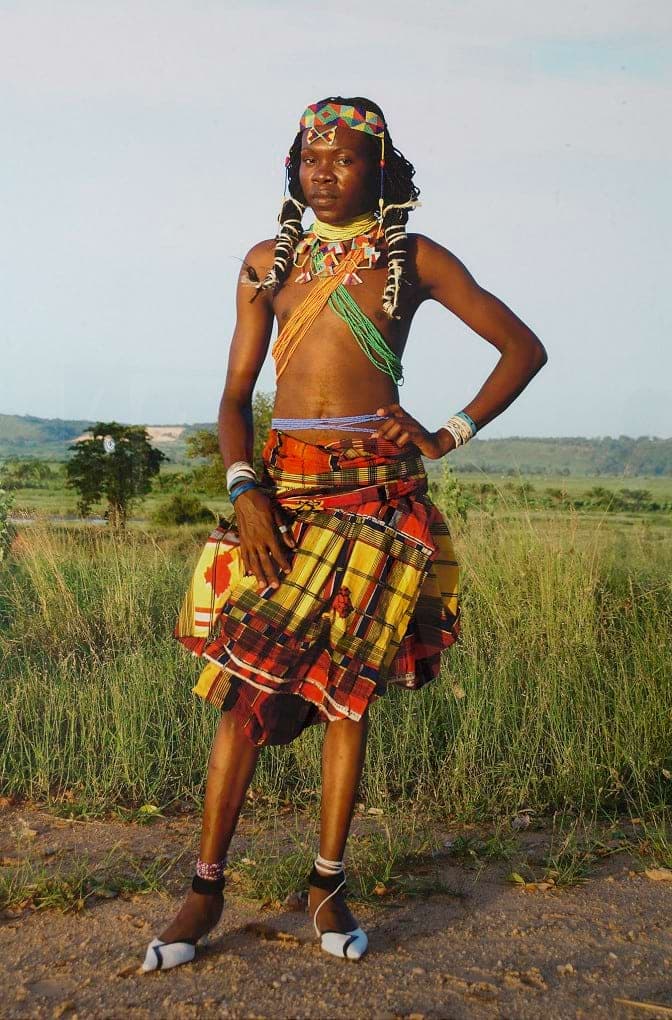
‘The photo of Poderosa of Bom Jesus came about as a result of a journey to the south of Angola, where I visited the Mumuilas, a nomadic people who live from their cattle and subsistence farming. When I returned, I sat at a bar and a group of ten transvestites with Poderosa in their lead turned up. It was amazing, like a revelation. Normally, you would have thought that transvestites, in the middle of such a poor neighbourhood, would have been the victims of obvious and violent prejudice. But on the contrary, people of that sexual persuasion live there very freely. I proposed to Poderosa that she dress as a Mumuila - this was to create a trap, as much for the foreigner and his search for the exotic and 'real' Africa, as for the national discourse aimed at defending traditions. Whilst the rest of the work consisted of documental photos, that of Poderosa was a false document. Her photograph was the sum of the cultural hybridism which the country was living through at that moment of peace, the apex of the amalgam that I had been seeking. The work was in a gallery in São Paulo as part of a collective exhibition. At the exhibition preview, there appeared someone who introduced himself as Bantu Tabasisa, “representative of African culture in São Paulo”. He said he personified the “spirit of Africa” in Brazil. I had already returned to Luanda when I bought the newspaper, the Jornal de Angola, to read the culture section and saw a photo of Bantu Tabasisa exhibiting at the Museu da Assembléia de São Paulo. I could see that behind Bantu was a painting scrupulously copied from the photo of Poderosa. What surprised me the most was the theme of the exhibition: a show about African women. A university professor had written a positive critique of Bantu's work in which he spoke about how it was important to exhibit Angolan traditions in São Paulo. He had copied a transvestite to symbolise the “traditional African woman”. They had both fallen into the trap: the foreigner seeking the exotic and the African who uses the “traditional” for political and economic gain. And Poderosa there in the middle, oozing charm and representing the African woman to the world.’
https://vimeo.com/144642162
Password: Goodman123
titled, dated and signed on verso
titled, dated and signed on verso
titled, dated and signed on verso
titled, dated and signed on verso
titled, dated and signed on verso
titled, dated and signed on verso