Working in the fourth dimension: William Kentridge's latest opera arrives at Glynbourne
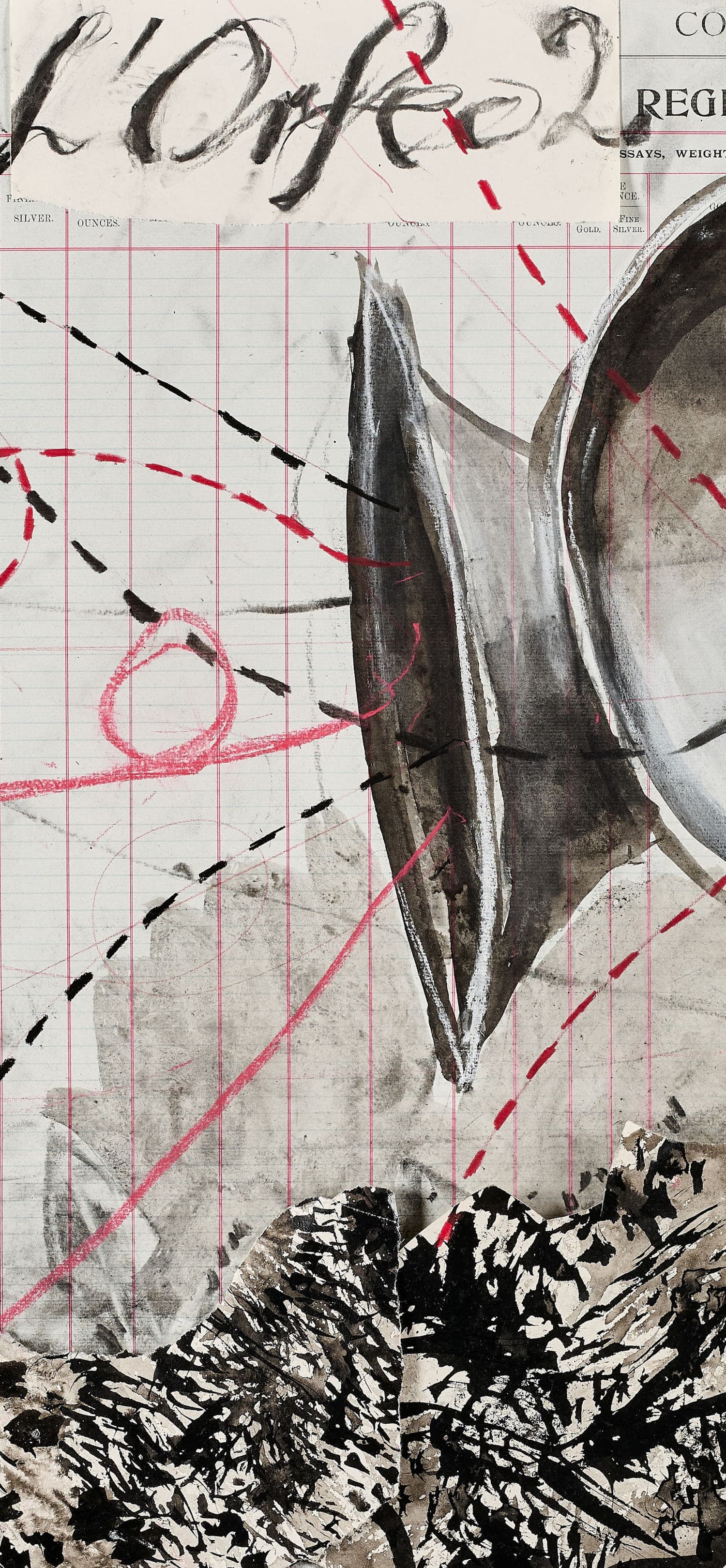
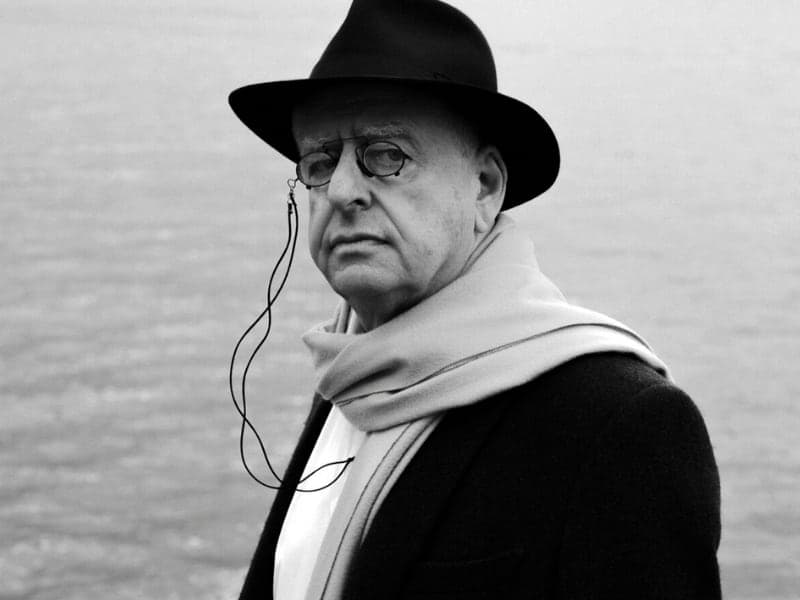
The artist William Kentridge has long described his practice as "essentially one of drawing" and his approach to directing an opera is no different. But if putting brush to paper is about working in two dimensions, staging an opera, he reckons, is about working in four. The first three are the "extraordinary canvas" that is the stage. The fourth is "the passage of time".
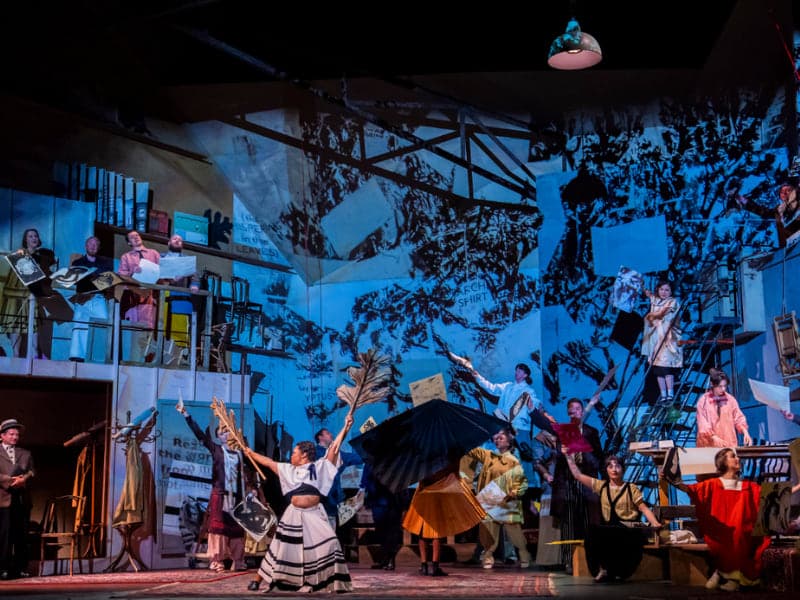
This summer he directs Monteverdi's L'Orfeo at the Glyndebourne Festival in Sussex, a five-act opera first performed in Mantua in 1607, that ends with Apollo promising Orpheus both immortal life and Eurydice's eternal presence "in the sun and stars". It is a tantalising prospect.
"So, we make this four-dimensional drawing," Kentridge explains. "And the structure of this drawing is given by the music and the libretto of the opera. This combination of music, text and spectacle acknowledges and celebrates the form and the excess ofsensory experience that opera always involves. It is about there being too much to see and experience that is important."
In other words, you can forget realism. Opera, as he envisages it, is about sensory overload, the perfect synthesis of music, drama and visuals for which Richard Wagner coined the word Gesamtkunstwerk, or total work of art.
Related Press
See AllL’Orfeo review – Kentridge’s exhilarating creativity animates compelling Monteverdi
The Guardian | Flora Willson15 Jun 2026“I’m interested in what happens when you smash different things together” – an intimate conversation with William Kentridge
HERO Magazine07 Jan 2026African art finds a global stage in Johannesburg, featuring Goodman Gallery
Art Basel05 Sep 2025William Kentridge on Politics, South Africa and Elon Musk
The Times01 Sep 2025An artistic unfolding of the complexity that is SA’s terrible past
Business Day18 Jun 2021Financial Times Speaks to William Kentridge About his New Work That Combines Illusion, Animation and Energy
Financial Times11 May 2020