In 1982, Sue Williamson spent much of her time in Crossroads, an informal Cape Town community marked for destruction by the apartheid state. She was working with residents on strategies to oppose the demolitions. It was there that she first encountered the image of Elizabeth Paul – a Xhosa faith healer whose faded photo adorned the walls in many homes. This repetition marked Elizabeth as an important figure in the community, a person to be honoured and remembered.
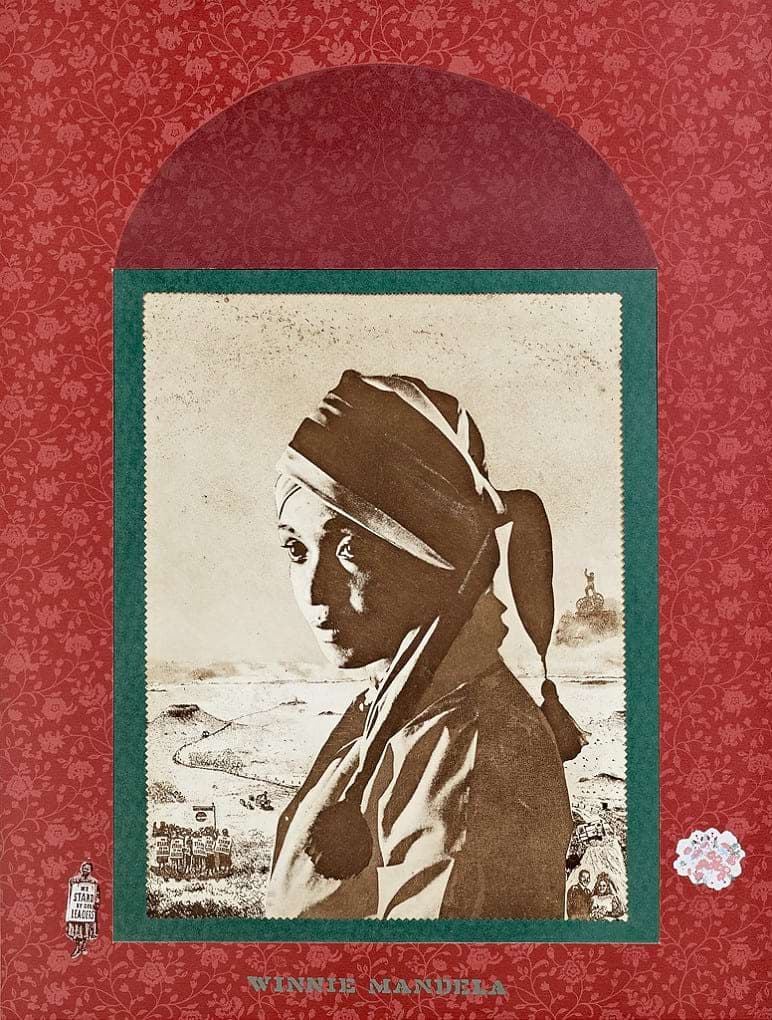
Williamson began a series of photo-etched portraits with screen-printed frames, with the first in the series, a portrait of Elizabeth Paul. Each was a tribute to a woman who inspired others through her leadership, often in the struggle for liberation: Helen Joseph, Winnie Mandela, Annie Silinga, Mamphela Ramphele. Their names are familiar today, but in the 1980s they were largely invisible. Williamson’s work sought to give them visibility, and to honour them.
Her influences were many. Renaissance portraiture offered structure; the inventive frames of Crossroads homes provided texture. But more than technique, it was the desire to make these women known that shaped the work. In mass- producing and distributing postcard versions of the portraits, Williamson made the series portable, ensuring that these stories could travel, unbound by gallery walls.
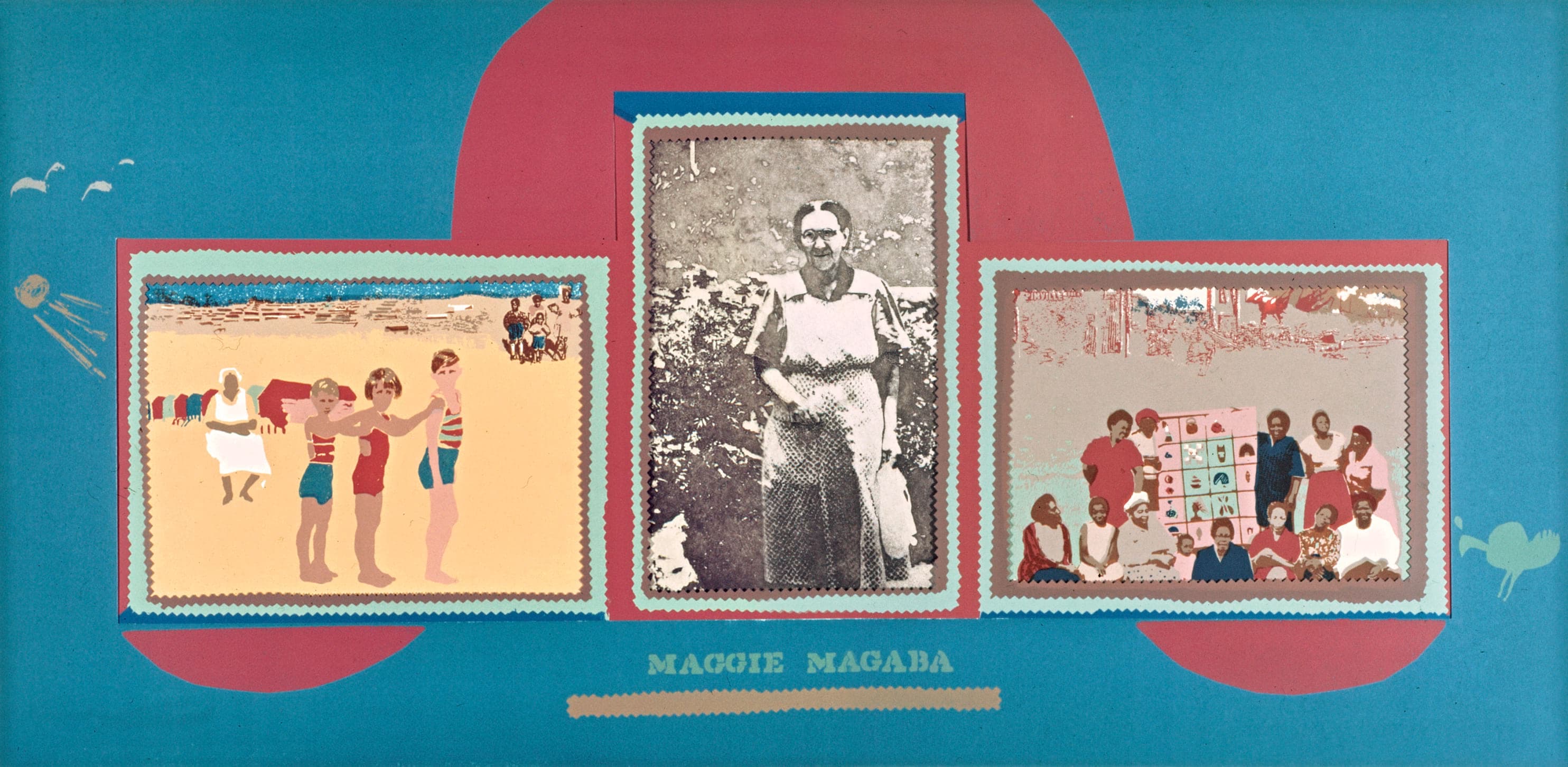
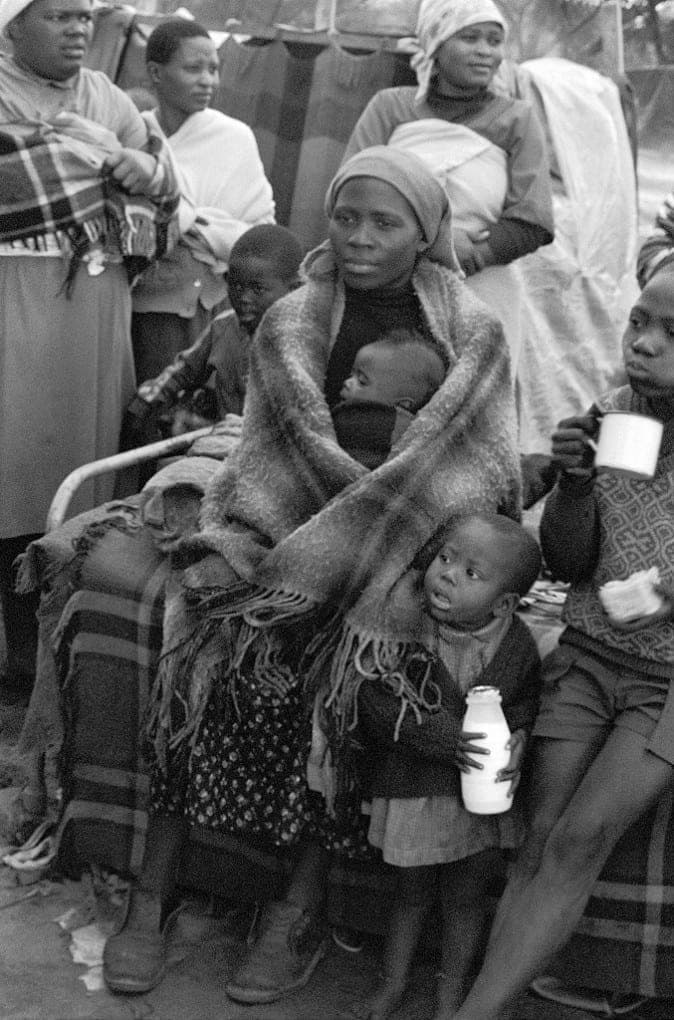
Maggie Magaba was one of a vast army of black South African women who spend their lives dedicated to domestic service for a white employer. The daughter of the family for whom Maggie worked tells her story:
“Maggie Magaba came to work for my mother in 1926, the years of my parent’s marriage. She was exactly the same age as my mother, and worked as a cook.
“Maggie lived in the backyard of our house in a tiny room for over thirty years. During that time she saved every penny to educate her own children, with whom she was never able to live, and also to buy a small plot in Craddock, where she was born. She wanted to spend her remaining years there. When the time came she had to dispose of the plot because the area had been declared ‘white.’
“My own mother died when I was a young child, and Maggie was more of a mother to me than to her own children. In spite of all her suffering, she was a truly compassionate woman, and gave her love and strength to us as children. Whatever bitterness she might have felt, she did not show it towards us.”
In honour of this fine woman, the daughter formed the Maggie Magaba Trust, which sponsors bursaries for black students, and also groups such as the Zamani Soweto Sisters. The Zamani Sisters came into being when after the violence of Soweto in 1976, a group of women pledged themselves not to be bitter, but to take positive action. It consists of many small groups of women working together in various parts of Soweto. Skills are taught and beautiful clothes and patchwork items are made. Remembering a new vision of independence for the future.
-Sue Williamson 1983
In 1982, Sue Williamson spent much of her time in Crossroads, an informal Cape Town community marked for destruction by the apartheid state. She was working with residents on strategies to oppose the demolitions. It was there that she first encountered the image of Elizabeth Paul – a Xhosa faith healer whose faded photo adorned the walls in many homes. This repetition marked Elizabeth as an important figure in the community, a person to be honoured and remembered.
Williamson began a series of photo-etched portraits with screen-printed frames, with the first in the series, a portrait of Elizabeth Paul. Each was a tribute to a woman who inspired others through her leadership, often in the struggle for liberation: Helen Joseph, Winnie Mandela, Annie Silinga, Mamphela Ramphele. Their names are familiar today, but in the 1980s they were largely invisible. Williamson’s work sought to give them visibility, and to honour them.
Her influences were many. Renaissance portraiture offered structure; the inventive frames of Crossroads homes provided texture. But more than technique, it was the desire to make these women known that shaped the work. In mass- producing and distributing postcard versions of the portraits, Williamson made the series portable, ensuring that these stories could travel, unbound by gallery walls.
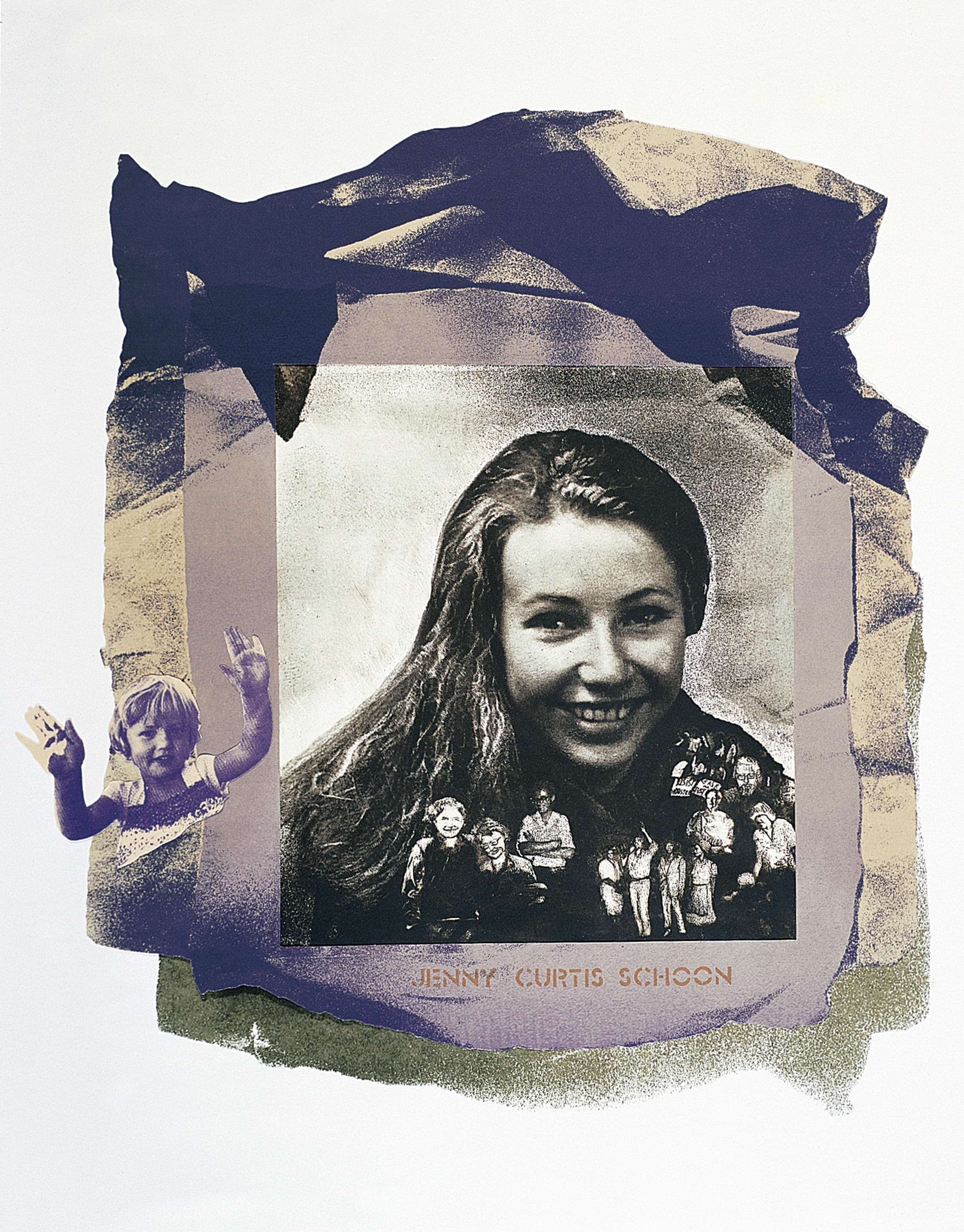
Born in 1949, Jenny Curtis was an activist from her student days, and instrumental in the fledgling trade union movement. She was arrested in 1976, released without charge after two months but then banned for five years. In 1977, Jenny married Marius Schoon, but as both were banned, they fled first to Botswana, then Angola. In 1984, Jenny opened a parcel bomb addressed to her husband, sent by a security police assassin. It killed her and her small daughter Katryn.
In 1982, Sue Williamson spent much of her time in Crossroads, an informal Cape Town community marked for destruction by the apartheid state. She was working with residents on strategies to oppose the demolitions. It was there that she first encountered the image of Elizabeth Paul – a Xhosa faith healer whose faded photo adorned the walls in many homes. This repetition marked Elizabeth as an important figure in the community, a person to be honoured and remembered.
Williamson began a series of photo-etched portraits with screen-printed frames, with the first in the series, a portrait of Elizabeth Paul. Each was a tribute to a woman who inspired others through her leadership, often in the struggle for liberation: Helen Joseph, Winnie Mandela, Annie Silinga, Mamphela Ramphele. Their names are familiar today, but in the 1980s they were largely invisible. Williamson’s work sought to give them visibility, and to honour them.
Her influences were many. Renaissance portraiture offered structure; the inventive frames of Crossroads homes provided texture. But more than technique, it was the desire to make these women known that shaped the work. In mass- producing and distributing postcard versions of the portraits, Williamson made the series portable, ensuring that these stories could travel, unbound by gallery walls.
In 1982, Sue Williamson spent much of her time in Crossroads, an informal Cape Town community marked for destruction by the apartheid state. She was working with residents on strategies to oppose the demolitions. It was there that she first encountered the image of Elizabeth Paul – a Xhosa faith healer whose faded photo adorned the walls in many homes. This repetition marked Elizabeth as an important figure in the community, a person to be honoured and remembered.
Williamson began a series of photo-etched portraits with screen-printed frames, with the first in the series, a portrait of Elizabeth Paul. Each was a tribute to a woman who inspired others through her leadership, often in the struggle for liberation: Helen Joseph, Winnie Mandela, Annie Silinga, Mamphela Ramphele. Their names are familiar today, but in the 1980s they were largely invisible. Williamson’s work sought to give them visibility, and to honour them.
Her influences were many. Renaissance portraiture offered structure; the inventive frames of Crossroads homes provided texture. But more than technique, it was the desire to make these women known that shaped the work. In mass- producing and distributing postcard versions of the portraits, Williamson made the series portable, ensuring that these stories could travel, unbound by gallery walls.
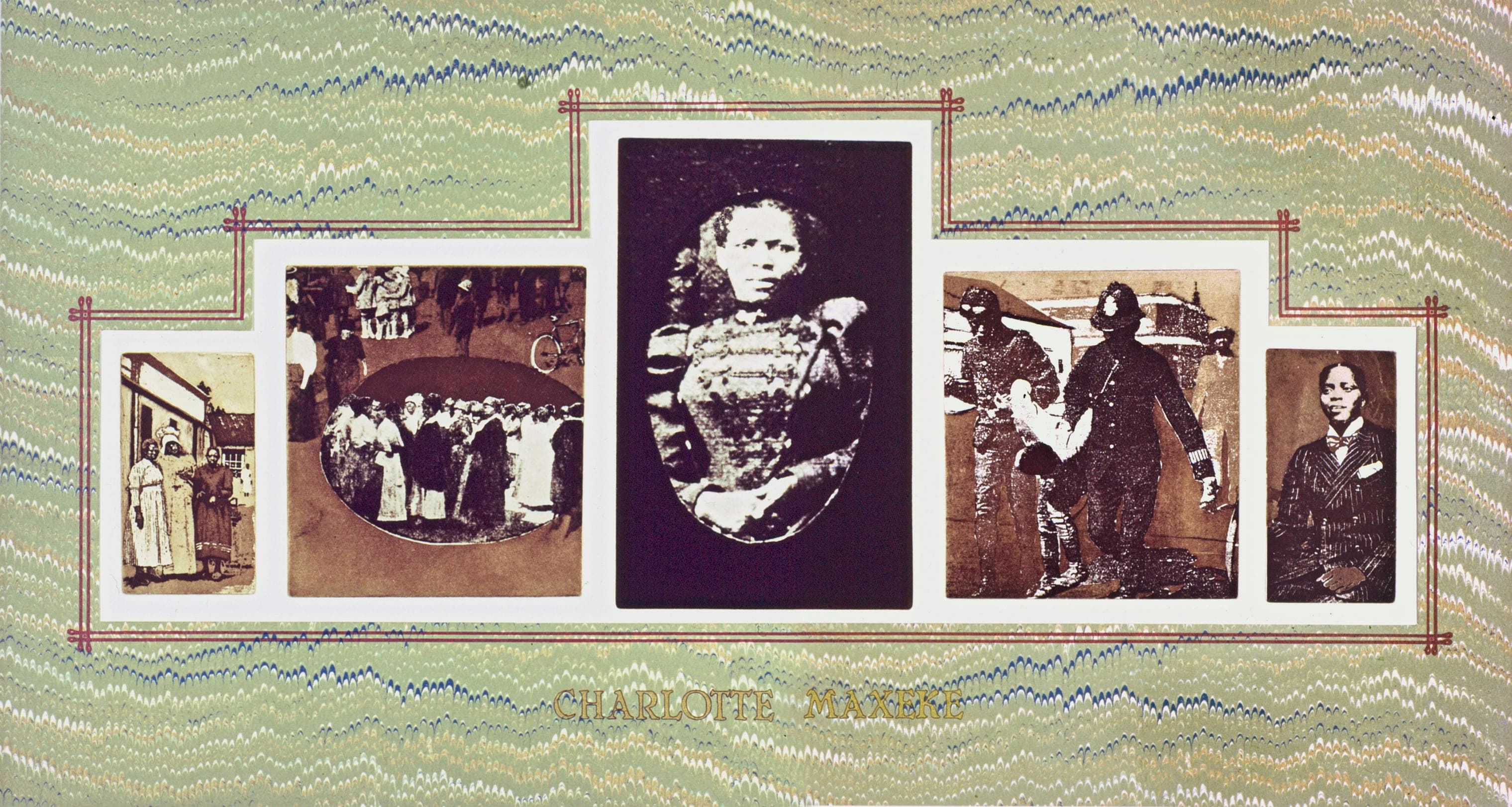
Charlotte Maxeke was born in 1874, and, as a young woman, toured England, Canada and the United States as part of an African choir. She remained in the US to study, and graduated from Wilberforce College in Ohio with a BA degree. Returning to South Africa, she married a fellow graduate and together they founded the first college for Africans in 1908 – Wilberforce Institute at Evaton. She was the first president of the National Council of African Women in 1935, and is remembered as “the Mother of African freedom in this country”.
In 1982, Sue Williamson spent much of her time in Crossroads, an informal Cape Town community marked for destruction by the apartheid state. She was working with residents on strategies to oppose the demolitions. It was there that she first encountered the image of Elizabeth Paul – a Xhosa faith healer whose faded photo adorned the walls in many homes. This repetition marked Elizabeth as an important figure in the community, a person to be honoured and remembered.
Williamson began a series of photo-etched portraits with screen-printed frames, with the first in the series, a portrait of Elizabeth Paul. Each was a tribute to a woman who inspired others through her leadership, often in the struggle for liberation: Helen Joseph, Winnie Mandela, Annie Silinga, Mamphela Ramphele. Their names are familiar today, but in the 1980s they were largely invisible. Williamson’s work sought to give them visibility, and to honour them.
Her influences were many. Renaissance portraiture offered structure; the inventive frames of Crossroads homes provided texture. But more than technique, it was the desire to make these women known that shaped the work. In mass- producing and distributing postcard versions of the portraits, Williamson made the series portable, ensuring that these stories could travel, unbound by gallery walls.
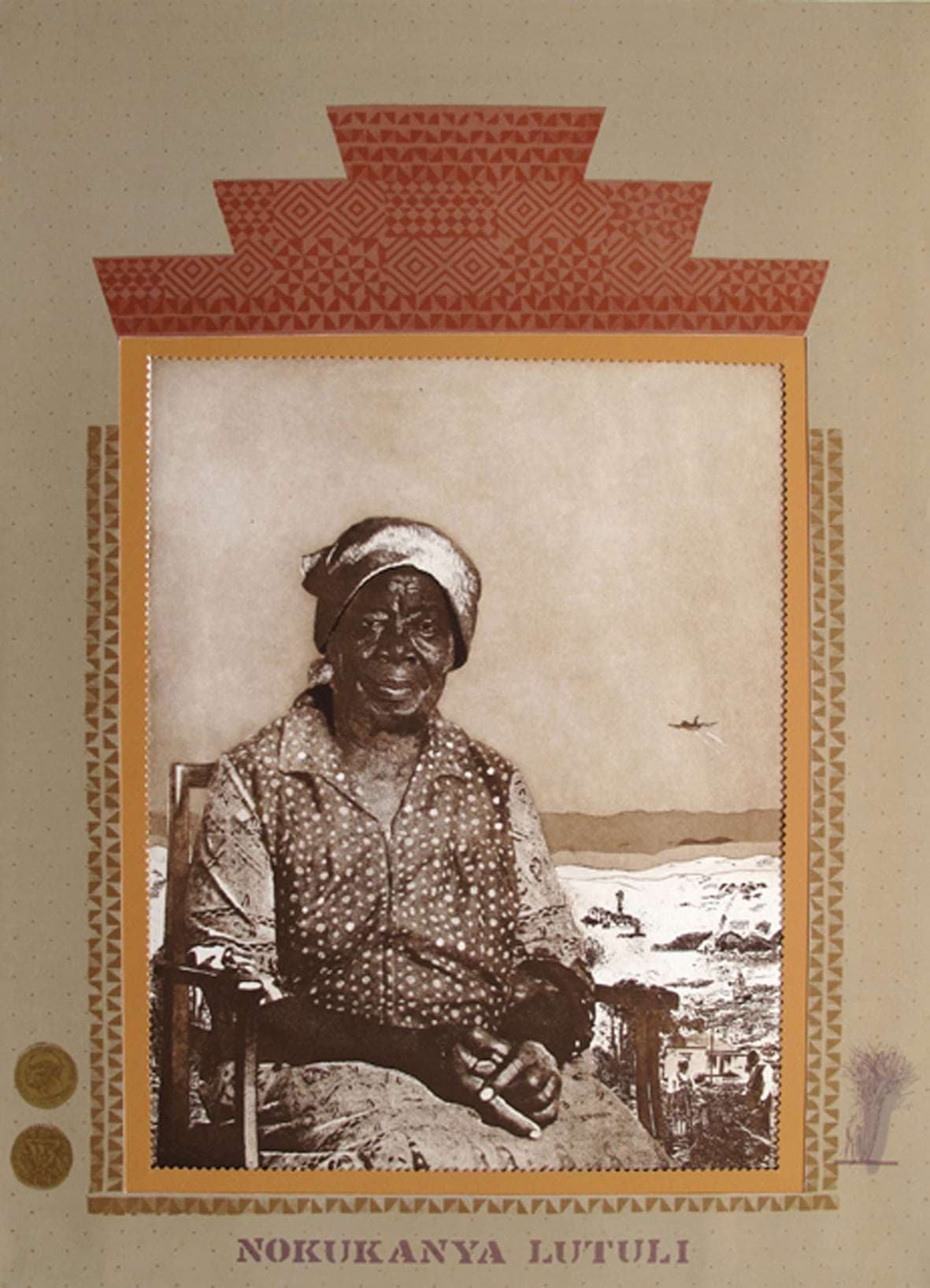
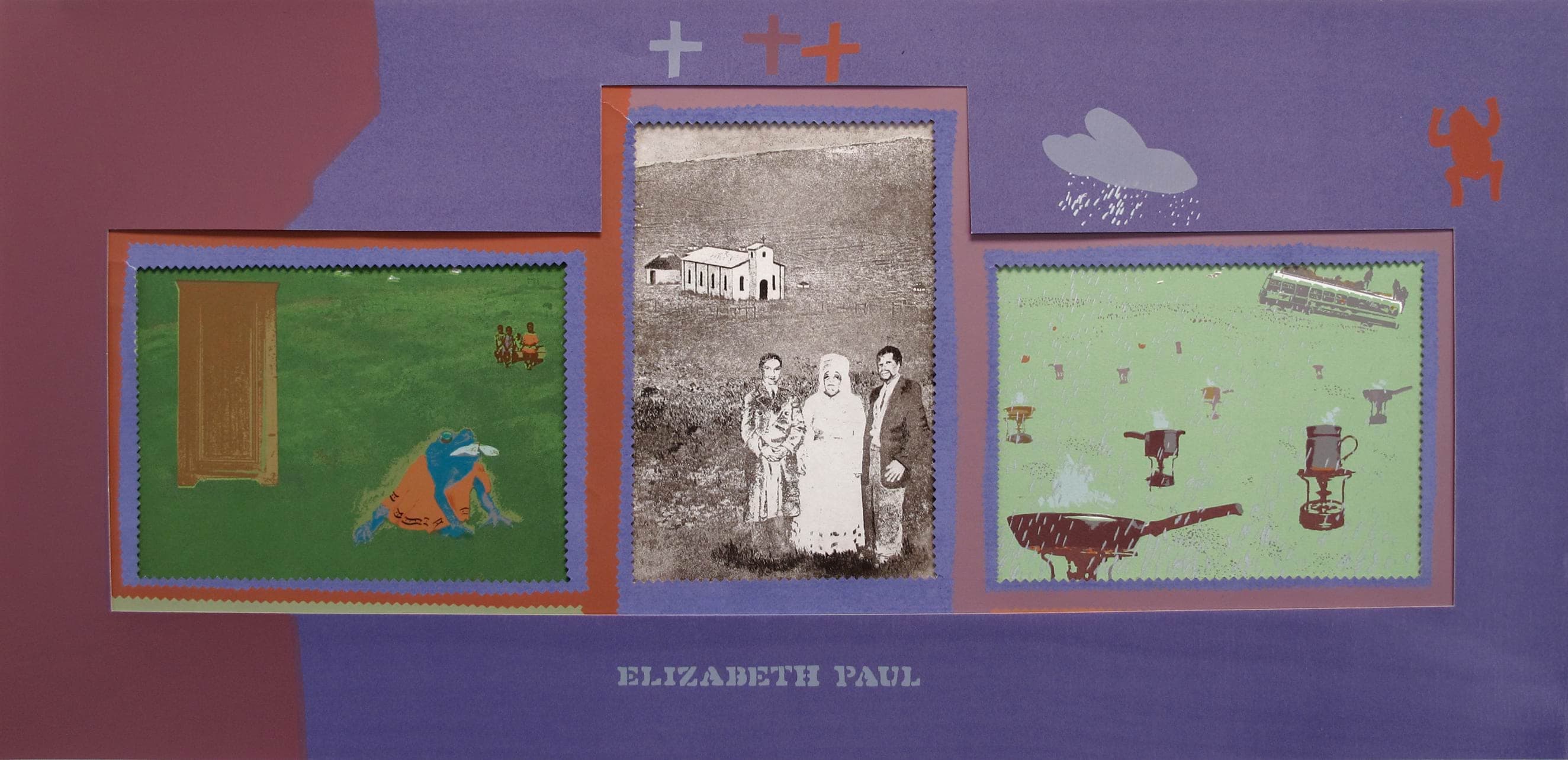
Elizabeth Paul was born in Tsolo, in the Eastern Cape, in 1906, and became an Anglican faith healer, with a large following of adherents across South Africa, who prayed for her intervention in their problems. In her photo, she stands between her husband, and Chief Sabata, of the Transkei, a man who had not believed in her powers until he became ill, and she prayed by his bedside, and he recovered. She was canonised by the Anglican Church in 2013, and is still celebrated at a yearly festival in Tsolo.
n 1982, Sue Williamson spent much of her time in Crossroads, an informal Cape Town community marked for destruction by the apartheid state. She was working with residents on strategies to oppose the demolitions. It was there that she first encountered the image of Elizabeth Paul – a Xhosa faith healer whose faded photo adorned the walls in many homes. This repetition marked Elizabeth as an important figure in the community, a person to be honoured and remembered.
Williamson began a series of photo-etched portraits with screen-printed frames, with the first in the series, a portrait of Elizabeth Paul. Each was a tribute to a woman who inspired others through her leadership, often in the struggle for liberation: Helen Joseph, Winnie Mandela, Annie Silinga, Mamphela Ramphele. Their names are familiar today, but in the 1980s they were largely invisible. Williamson’s work sought to give them visibility, and to honour them.
Her influences were many. Renaissance portraiture offered structure; the inventive frames of Crossroads homes provided texture. But more than technique, it was the desire to make these women known that shaped the work. In mass- producing and distributing postcard versions of the portraits, Williamson made the series portable, ensuring that these stories could travel, unbound by gallery walls.
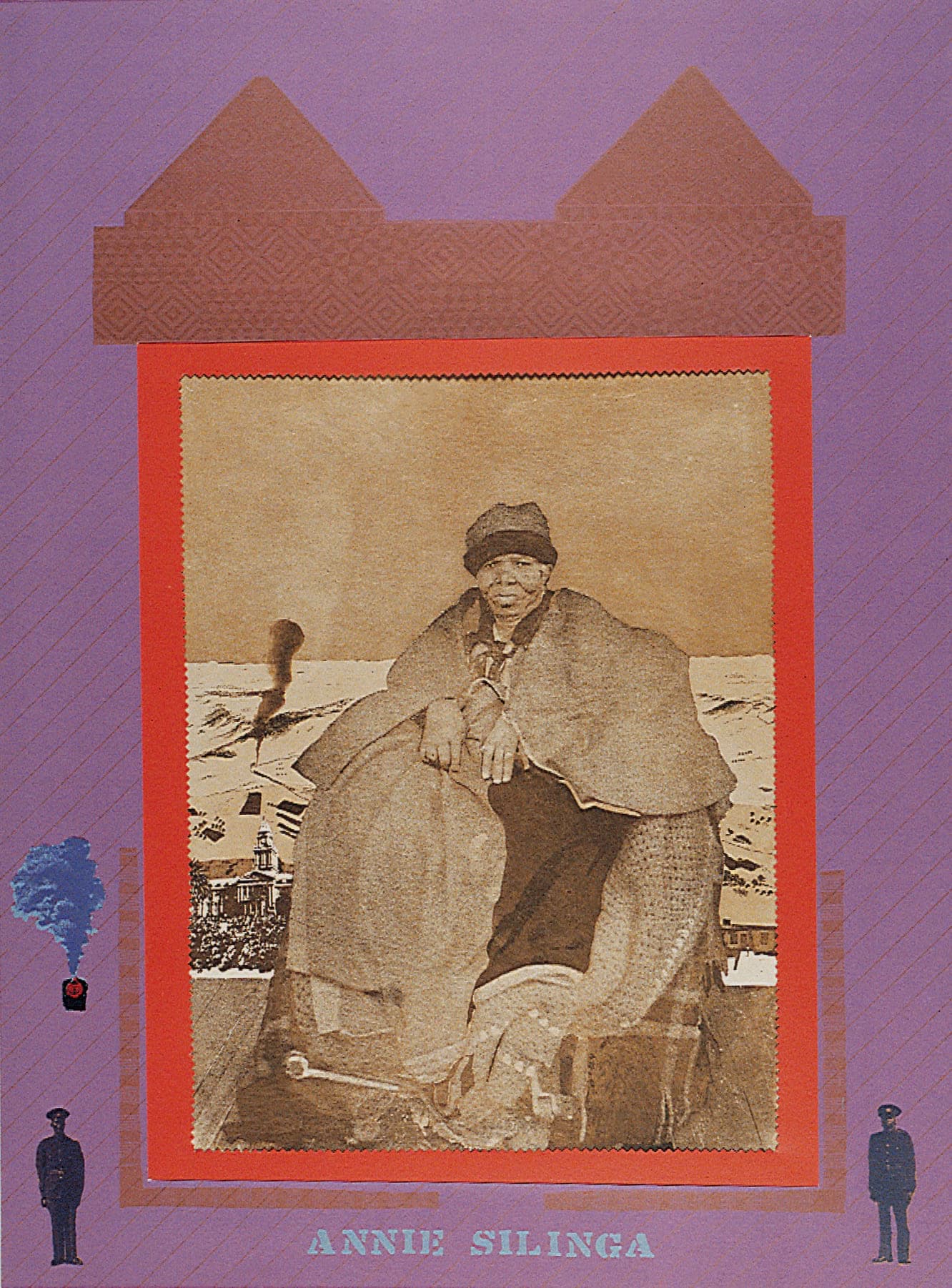
“I will carry a pass the day the Prime Minister’s wife carries a pass.” Annie Silinga told the huge crowd gathered outside the Cape Town City Hall during the Defiance Campaign in 1952. And to this day, neither of them do.
For her steadfast refusal to submit to the indignity of the hated pass, Annie was arrested many times and sent away from her family back to the Transkei. “My children are orphans whose mother still lives and my husband is a widower though his wife is alive,” she declared, before returning to Cape Town once more to take her place in her family home and wait to be arrested again.
“Mayibuye iAfrika” – Africa must come back – she cried good humouredly as white policemen came to arrest her for sitting on a Whites Only railway station bench. She was fearless in her fight for justice, and today, old and bedridden in her house in Jungle Walk, Langa, she has not changed. Although officials have urged her to take a pass so she may qualify for a pension, she laughs them away. “After all these years? No thank you.”
A founder member of the South African Federation of Women, one of the 20 000 who marched to Pretoria on August 9, 1956 to protest the carrying of passes by women, and one of those who was to spend over a year in court as an accused in the Treason Trial, Annie’s cheerfulness, clarity of vision and refusal to submit to oppression have always directed her life. She remains a source of strength and inspiration to women everywhere.
“Annie Silinga aknal’o ipasi Akalifundi, akanatyala”
Annie Silinga hasn’t got a pass And she doesn’t need it.
She’s not guilty.
Note:
Annie Silinga died in her home at Langa in 1984. The love felt for her by the community was attested to by the enormous crowd at her funeral.
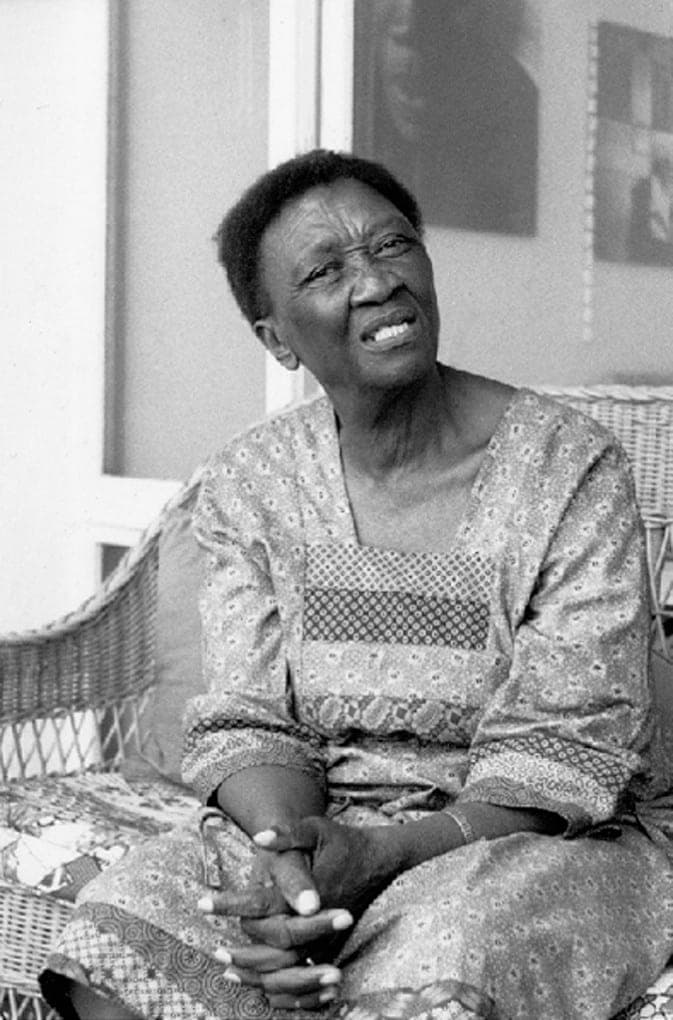
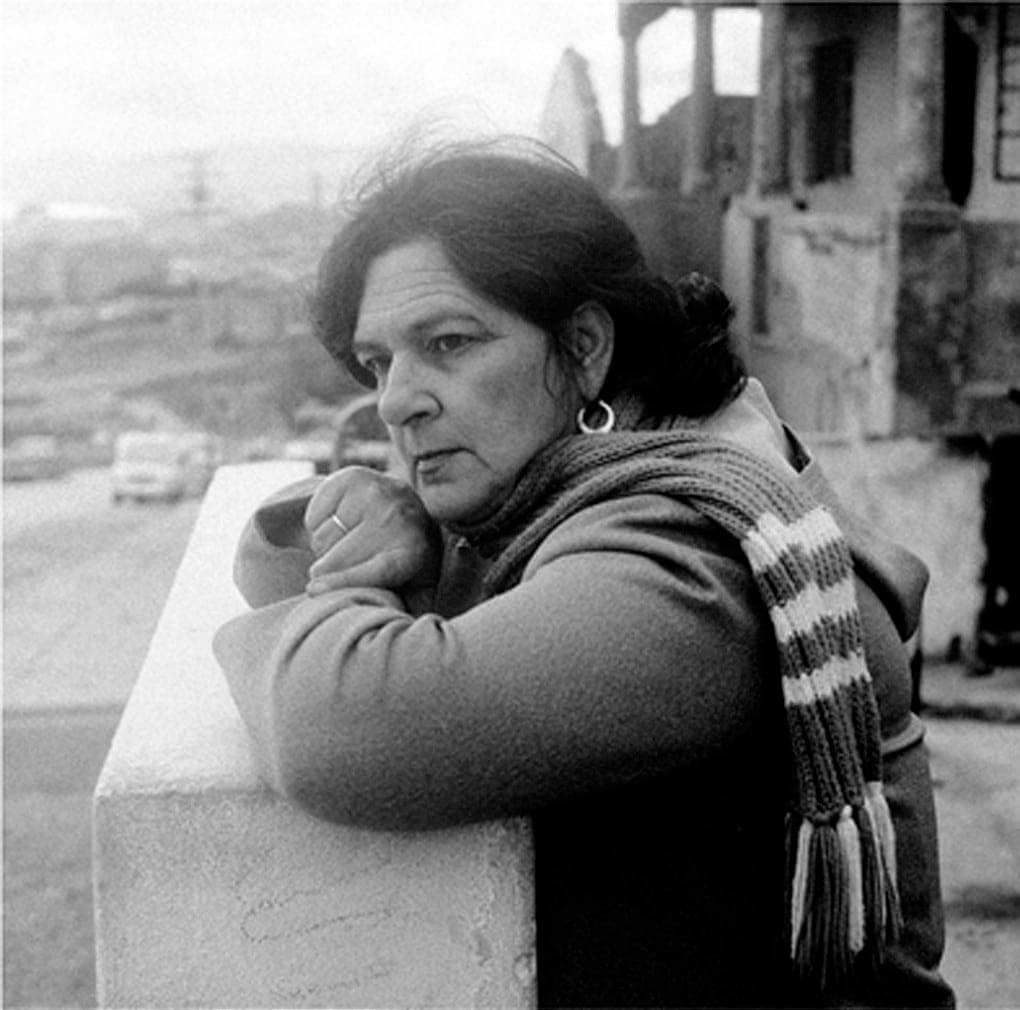
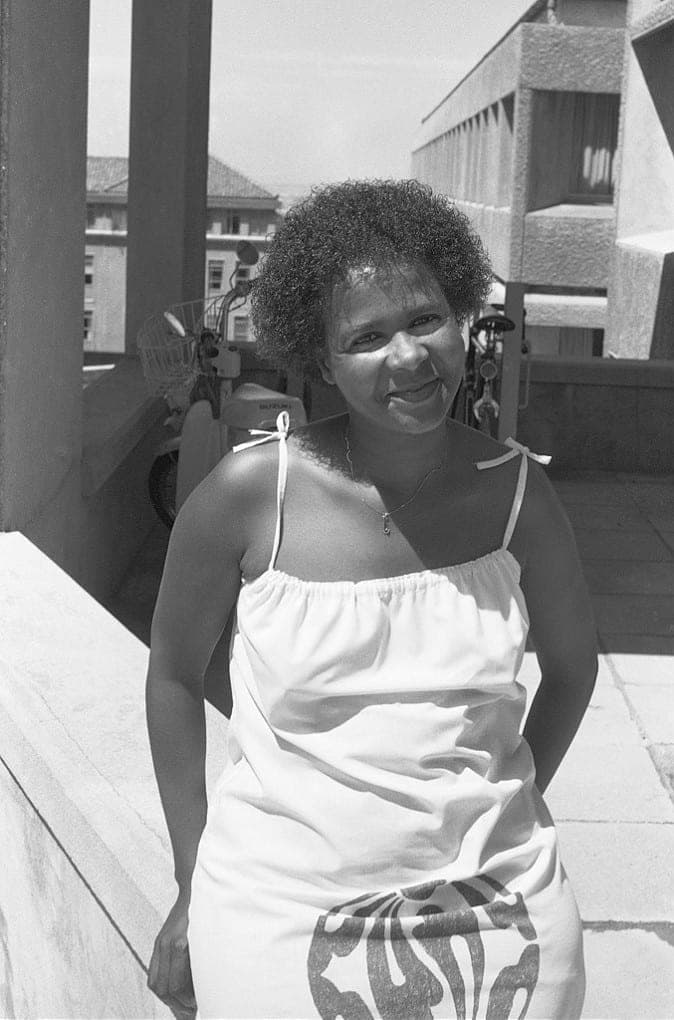
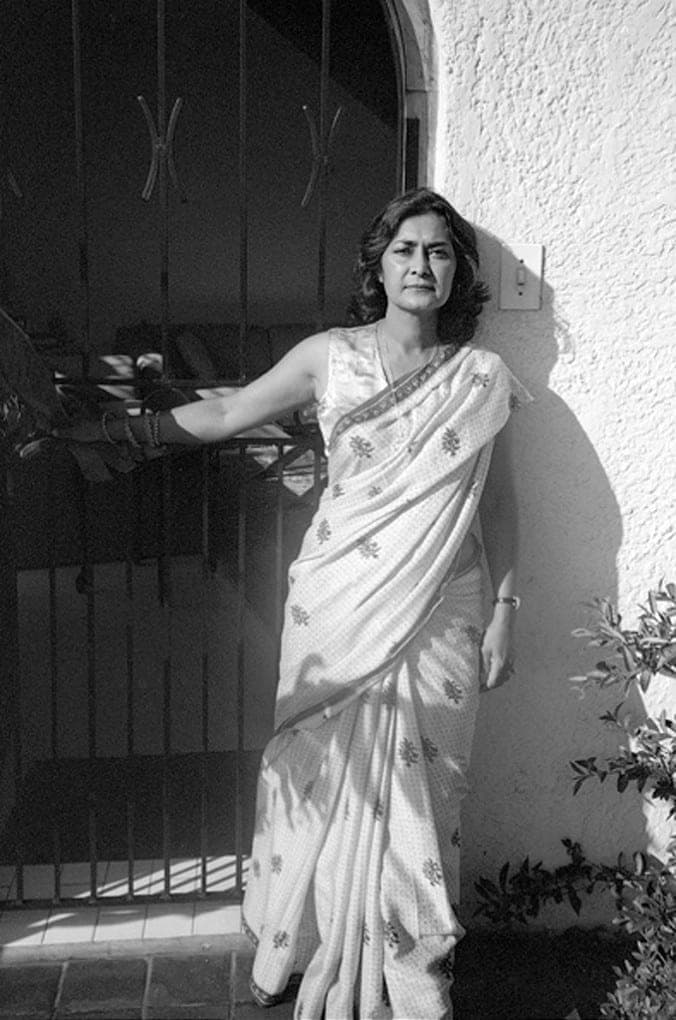
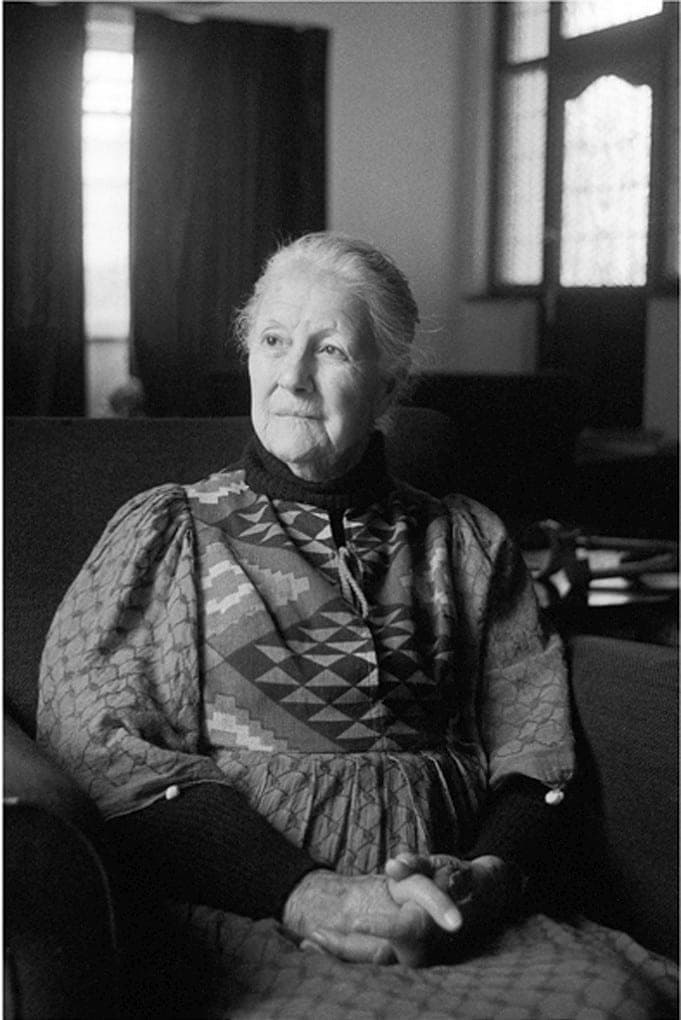
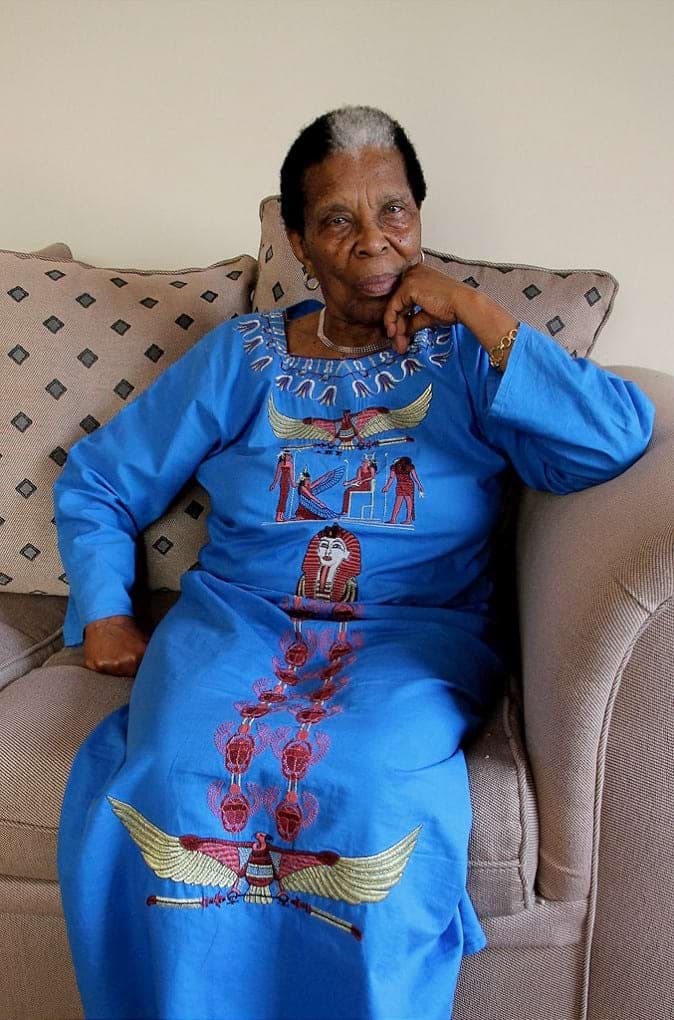
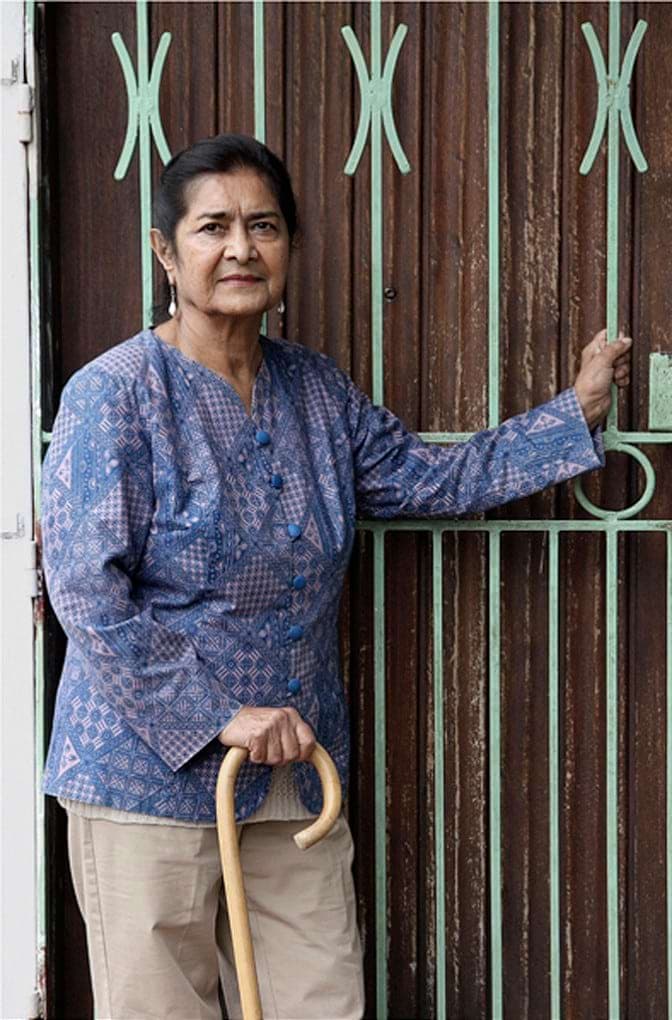
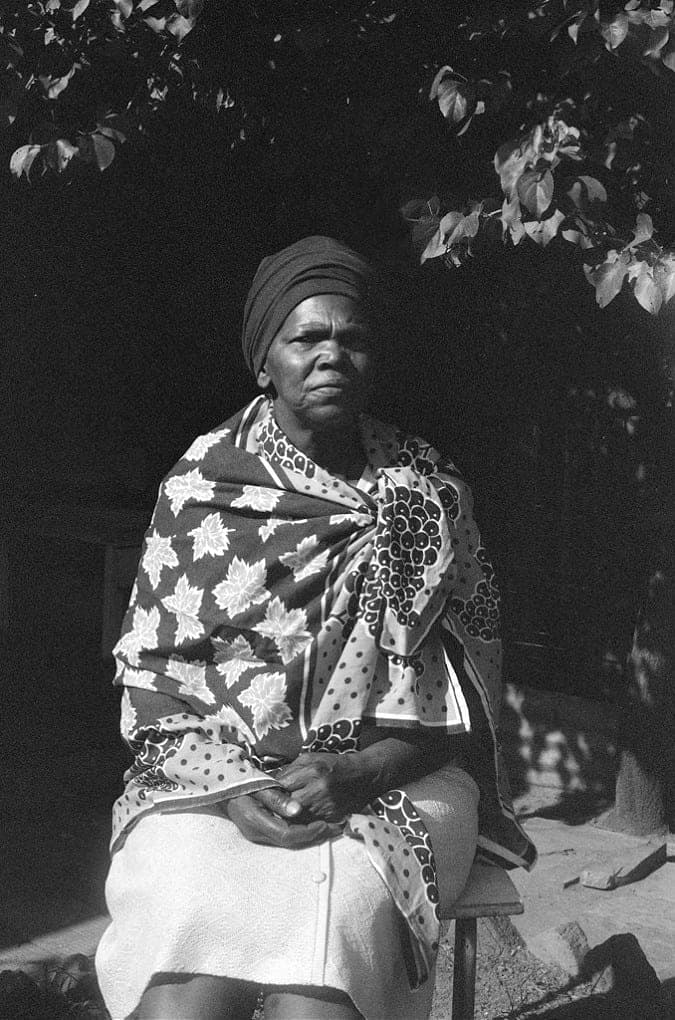
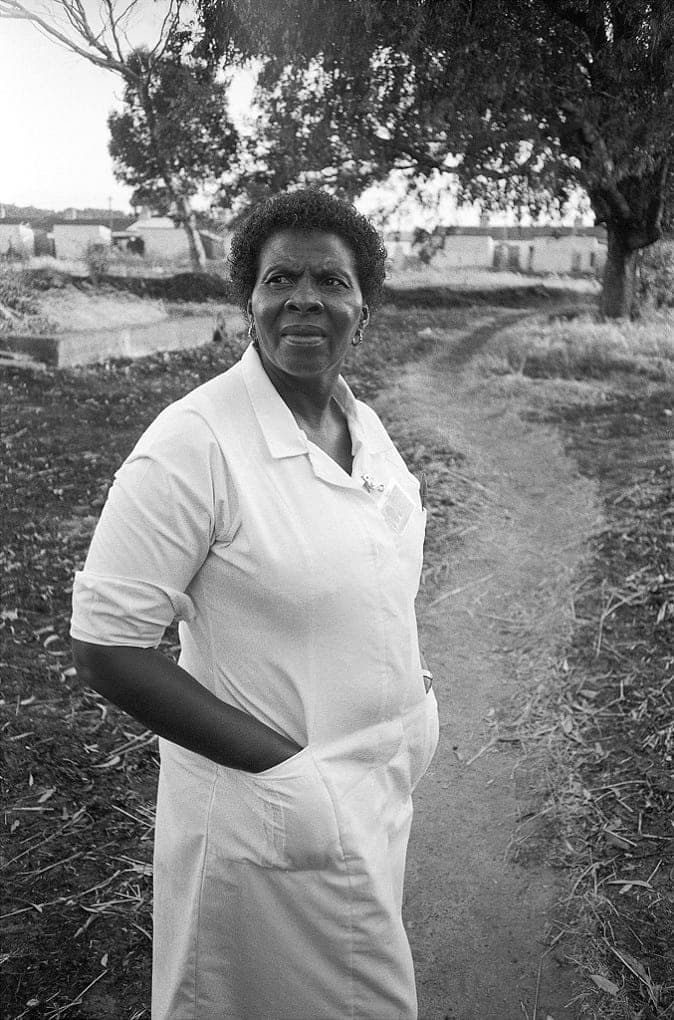
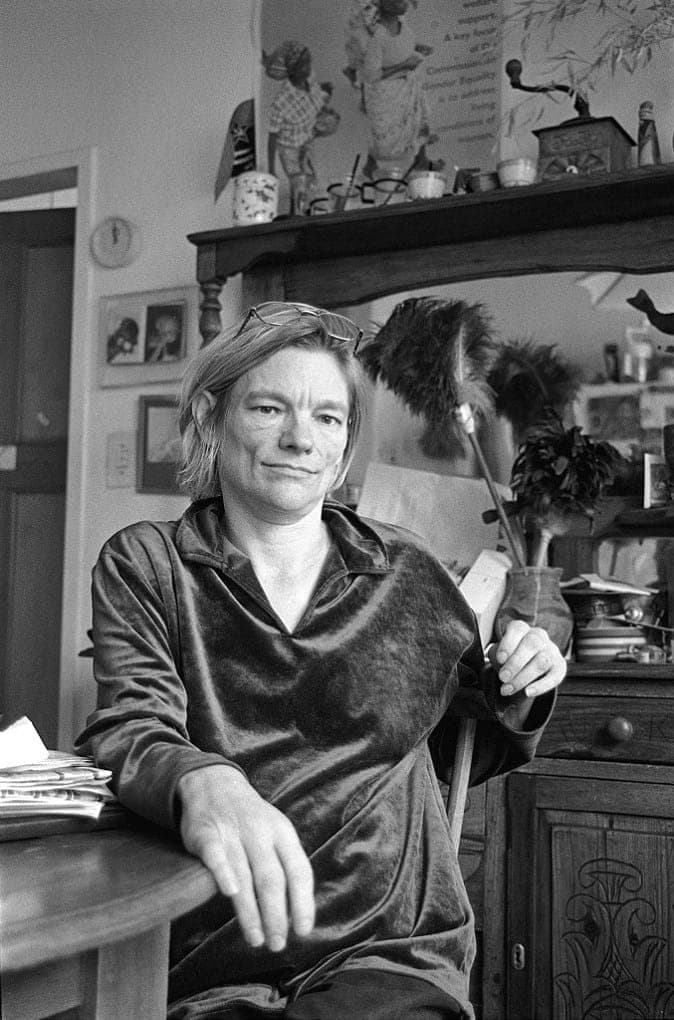
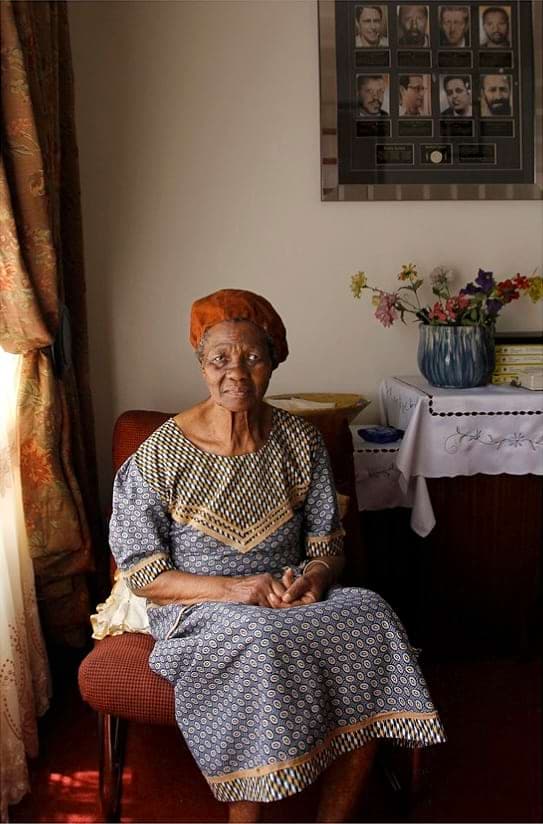
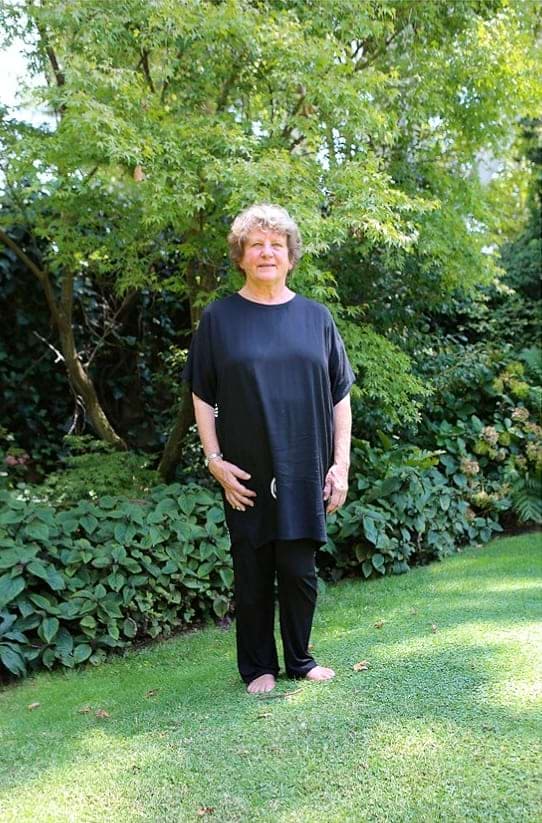
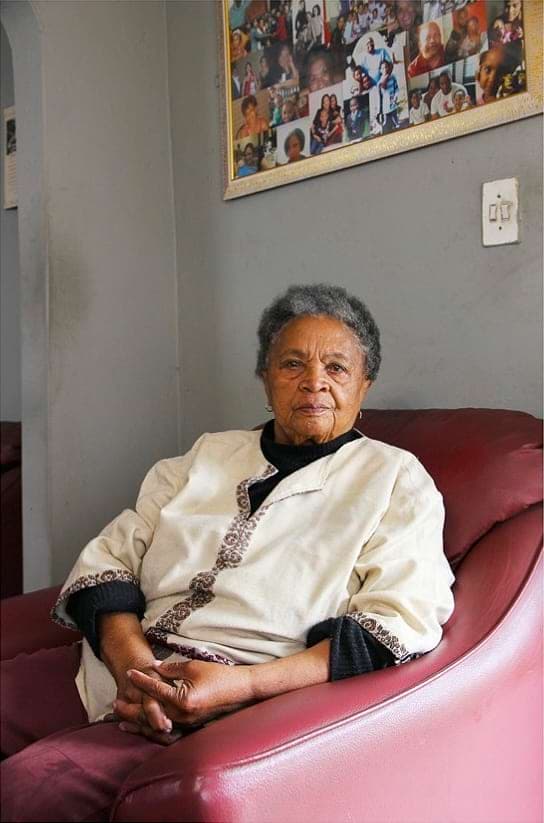
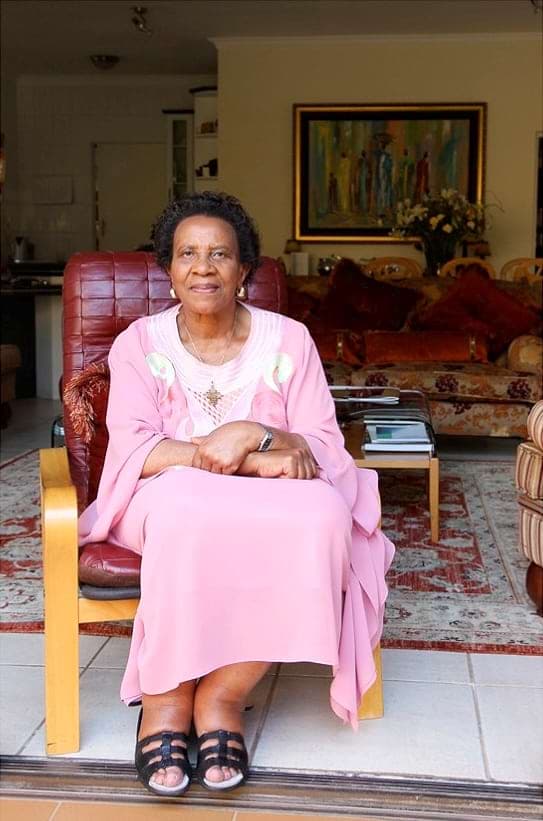
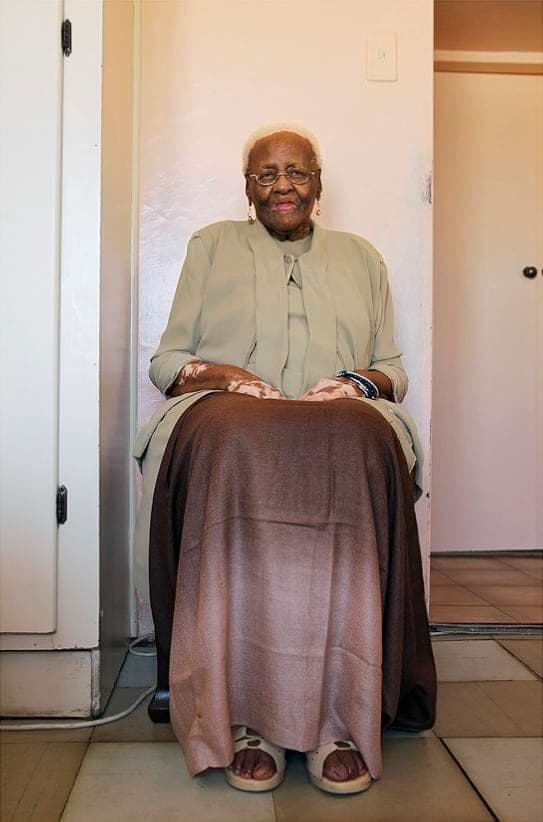
All Our Mothers is an extended series of portraits of women with whom Sue Williamson has worked with over the years, a series which grew out of the artist’s wish to make the crucial role of women in the struggle for liberation recognized and acclaimed. Some were taken as starting points for other series, like the portraits of Helen Joseph, Virginia Mngoma, Caroline Motsoaledi and Annie Silinga, to be transformed into photo etchings for the A Few South Africans series. Elizabeth and Nyameka Goniwe, mother and wife of the slain activist Matthew Goniwe, were photographed while Williamson was staying with Nyameka in Cradock, beginning work on the piece that became A Tale of Two Cradocks. Anti-apartheid artist and AIDS activist Judy Seidman was part of the From the Inside series, bringing the voices of people living with HIV to the streets.
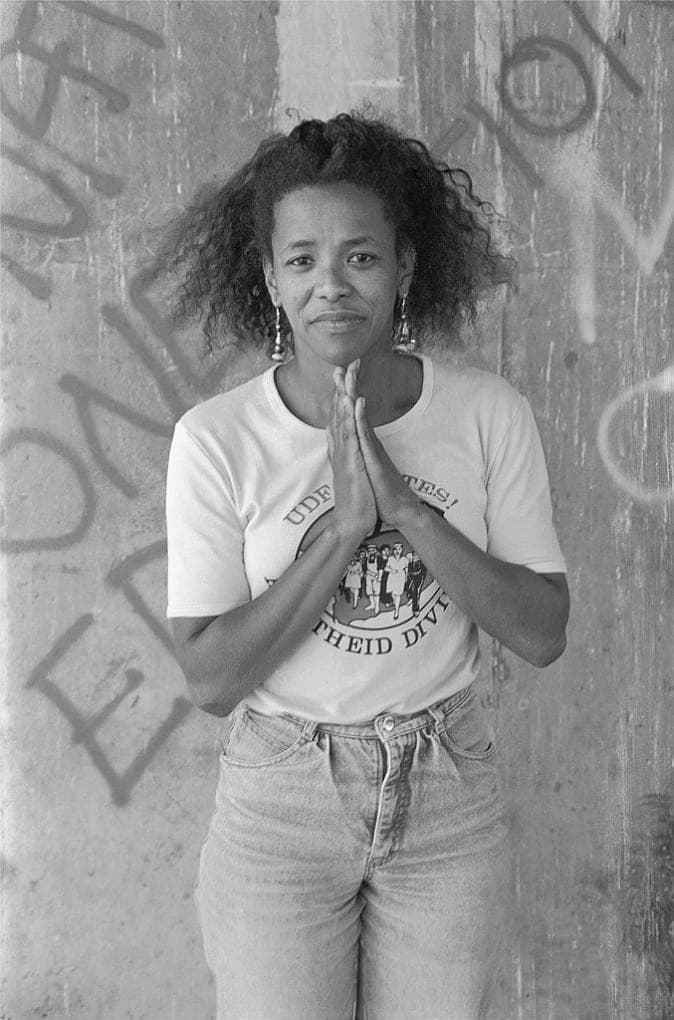
The first photograph in the series is Naz Gool-Ebrahim, taken in her home in District Six in 1981, the year before the house was demolished. The most recent portrait, taken in 2024, shows the writer Sindiwe Magona, presiding over a table piled with the books she has written. Central to the series is the passage of time, with figures like Amina Cachalia appearing in portraits taken decades apart. The contrast between black-and-white and colour photographs underscores these temporal shifts.
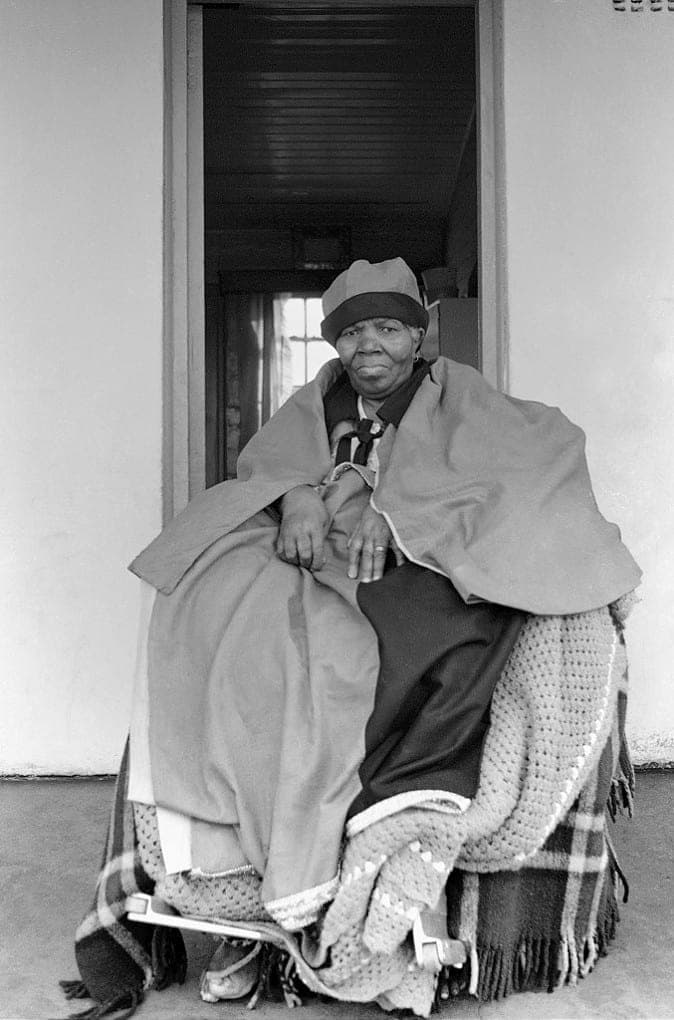
Some subjects, such as Cheryl Carolus and Annie Silinga, are depicted in clothing that denotes their political affiliations, such as the United Democratic Front insignia or the robes of the Federation of South African Women. Yet, each portrait also preserves a strong sense of individuality.
All Our Mothers is an extended series of portraits of women with whom Sue Williamson has worked with over the years, a series which grew out of the artist’s wish to make the crucial role of women in the struggle for liberation recognized and acclaimed. Some were taken as starting points for other series, like the portraits of Helen Joseph, Virginia Mngoma, Caroline Motsoaledi and Annie Silinga, to be transformed into photo etchings for the A Few South Africans series. Elizabeth and Nyameka Goniwe, mother and wife of the slain activist Matthew Goniwe, were photographed while Williamson was staying with Nyameka in Cradock, beginning work on the piece that became A Tale of Two Cradocks. Anti-apartheid artist and AIDS activist Judy Seidman was part of the From the Inside series, bringing the voices of people living with HIV to the streets.
The first photograph in the series is Naz Gool-Ebrahim, taken in her home in District Six in 1981, the year before the house was demolished. The most recent portrait, taken in 2024, shows the writer Sindiwe Magona, presiding over a table piled with the books she has written. Central to the series is the passage of time, with figures like Amina Cachalia appearing in portraits taken decades apart. The contrast between black-and-white and colour photographs underscores these temporal shifts.
Some subjects, such as Cheryl Carolus and Annie Silinga, are depicted in clothing that denotes their political affiliations, such as the United Democratic Front insignia or the robes of the Federation of South African Women. Yet, each portrait also preserves a strong sense of individuality.
All Our Mothers is an extended series of portraits of women with whom Sue Williamson has worked with over the years, a series which grew out of the artist’s wish to make the crucial role of women in the struggle for liberation recognized and acclaimed. Some were taken as starting points for other series, like the portraits of Helen Joseph, Virginia Mngoma, Caroline Motsoaledi and Annie Silinga, to be transformed into photo etchings for the A Few South Africans series. Elizabeth and Nyameka Goniwe, mother and wife of the slain activist Matthew Goniwe, were photographed while Williamson was staying with Nyameka in Cradock, beginning work on the piece that became A Tale of Two Cradocks. Anti-apartheid artist and AIDS activist Judy Seidman was part of the From the Inside series, bringing the voices of people living with HIV to the streets.
The first photograph in the series is Naz Gool-Ebrahim, taken in her home in District Six in 1981, the year before the house was demolished. The most recent portrait, taken in 2024, shows the writer Sindiwe Magona, presiding over a table piled with the books she has written. Central to the series is the passage of time, with figures like Amina Cachalia appearing in portraits taken decades apart. The contrast between black-and-white and colour photographs underscores these temporal shifts.
Some subjects, such as Cheryl Carolus and Annie Silinga, are depicted in clothing that denotes their political affiliations, such as the United Democratic Front insignia or the robes of the Federation of South African Women. Yet, each portrait also preserves a strong sense of individuality.
Last Supper at Manley Villa, 1981 – 2008 is a portfolio of ten black and white photographs taken on and around the final celebration of Eid in August 1981, at Manley Villa, District Six, Cape Town, a facsimile of an eviction notice, and a colour photograph taken in 2008 showing the empty land where Manley Villa once stood. Manley Villa had been the home of Naz and Hari Ebrahim and their family for more than thirty years.
In terms of a proclamation from the Aparthied government, District Six had been declared for whites only, and 60 000 residents of mixed race were moved out.
On the morning of August 2, as Naz was preparing the Eid feast for family and friends, there was a knock on the door, and an official handed over an eviction notice. Naz slammed the door in his face, and grabbing a marker wrote 'Welcome to the Last Supper' in the entrance hall of the house. A friend ran outside and wrote next to the front door, THE TRUTH IS ON THE WALLS INSIDE THIS HOUSE, THE TRUTH THAT IS DENIED. That day, and in the weeks following, friends and family added their own contrributions.
In her autobiography, The Truth is on the Walls, Naz says, 'I wrote all the things I dared not say out loud, but which burned within me. Messages, epigrams, poetry prose, the names of friends who had frequented Manley Villa covered every available bit of wall space'. Manley Villa was demolished the following year.
All Our Mothers is an extended series of portraits of women with whom Sue Williamson has worked with over the years, a series which grew out of the artist’s wish to make the crucial role of women in the struggle for liberation recognized and acclaimed. Some were taken as starting points for other series, like the portraits of Helen Joseph, Virginia Mngoma, Caroline Motsoaledi and Annie Silinga, to be transformed into photo etchings for the A Few South Africans series. Elizabeth and Nyameka Goniwe, mother and wife of the slain activist Matthew Goniwe, were photographed while Williamson was staying with Nyameka in Cradock, beginning work on the piece that became A Tale of Two Cradocks. Anti-apartheid artist and AIDS activist Judy Seidman was part of the From the Inside series, bringing the voices of people living with HIV to the streets.
The first photograph in the series is Naz Gool-Ebrahim, taken in her home in District Six in 1981, the year before the house was demolished. The most recent portrait, taken in 2024, shows the writer Sindiwe Magona, presiding over a table piled with the books she has written. Central to the series is the passage of time, with figures like Amina Cachalia appearing in portraits taken decades apart. The contrast between black-and-white and colour photographs underscores these temporal shifts.
Some subjects, such as Cheryl Carolus and Annie Silinga, are depicted in clothing that denotes their political affiliations, such as the United Democratic Front insignia or the robes of the Federation of South African Women. Yet, each portrait also preserves a strong sense of individuality.
All Our Mothers is an extended series of portraits of women with whom Sue Williamson has worked with over the years, a series which grew out of the artist’s wish to make the crucial role of women in the struggle for liberation recognized and acclaimed. Some were taken as starting points for other series, like the portraits of Helen Joseph, Virginia Mngoma, Caroline Motsoaledi and Annie Silinga, to be transformed into photo etchings for the A Few South Africans series. Elizabeth and Nyameka Goniwe, mother and wife of the slain activist Matthew Goniwe, were photographed while Williamson was staying with Nyameka in Cradock, beginning work on the piece that became A Tale of Two Cradocks. Anti-apartheid artist and AIDS activist Judy Seidman was part of the From the Inside series, bringing the voices of people living with HIV to the streets.
The first photograph in the series is Naz Gool-Ebrahim, taken in her home in District Six in 1981, the year before the house was demolished. The most recent portrait, taken in 2024, shows the writer Sindiwe Magona, presiding over a table piled with the books she has written. Central to the series is the passage of time, with figures like Amina Cachalia appearing in portraits taken decades apart. The contrast between black-and-white and colour photographs underscores these temporal shifts.
Some subjects, such as Cheryl Carolus and Annie Silinga, are depicted in clothing that denotes their political affiliations, such as the United Democratic Front insignia or the robes of the Federation of South African Women. Yet, each portrait also preserves a strong sense of individuality.
‘All Our Mothers’ is an extended series of portraits of women with whom Sue Williamson has worked with over the years, a series which grew out of the artist’s wish to make the crucial role of women in the struggle for liberation recognized and acclaimed. Some were taken as starting points for other series, like the portraits of Helen Joseph, Virginia Mngoma, Caroline Motsoale- di and Annie Silinga, to be transformed into photo etchings for the ‘A Few South Africans’ series.
Elizabeth and Nyameka Goniwe, mother and wife of the slain activist Matthew Goniwe, were photographed while Williamson was staying with Nyameka in Cradock, beginning work on the piece that became A Tale of Two Cradocks. Anti apartheid artist and AIDS activist Judy Seidman was part of the From the Inside series, bringing the voices of people living with HIV to the streets.
The first photograph in the series is Naz Gool-Ebrahim, taken in her home in District Six in 1981, the year before the house was demolished. The most recent portrait, taken in 2024, shows the writer Sindiwe Magona, presiding over a table piled with the books she has written. Central to the series is the passage of time, with figures like Amina Cachalia appearing in portraits tak- en decades apart. The contrast between black-and-white and colour photographs underscores these temporal shifts.
Some subjects, such as Cheryl Carolus and Annie Silinga, are depicted in clothing that denotes their political affiliations, such as the United Democratic Front insignia or the robes of the Federation of South African Women. Yet, each portrait also preserves a strong sense of individuality.
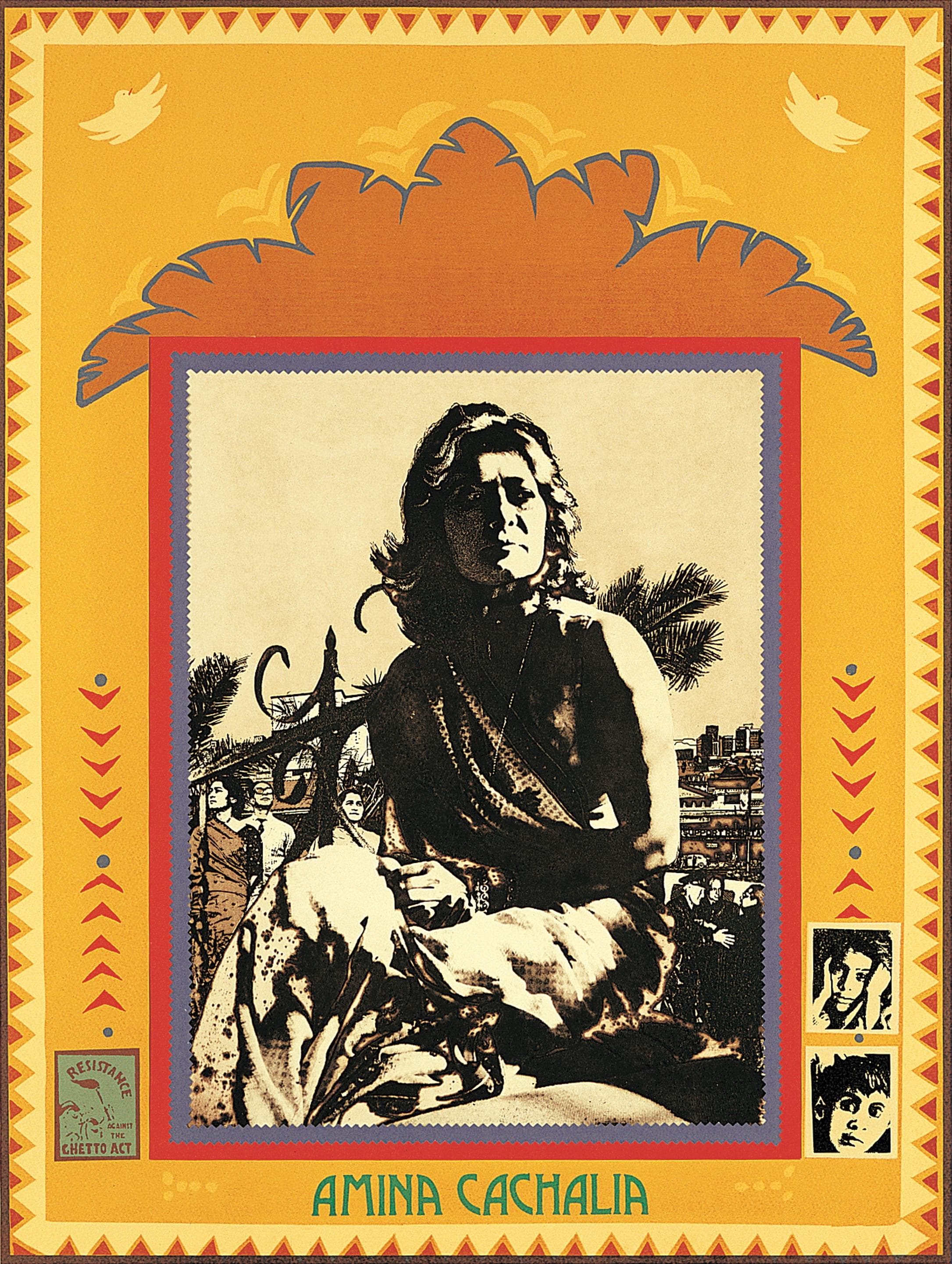
Amina Cachalia stands outside the home she shared with her husband, Yusuf, in Fordsburg, a multi ethnic suburb in Johannesburg. The couple were committed activists in the struggle, and in 1963, in the aftermath of the Rivonia trial, they were issued with banning orders and house arrest. This created a situation in which, although they lived in the same house, it was legally necessary for them to obtain government permission to speak to each other.
All Our Mothers is an extended series of portraits of women with whom Sue Williamson has worked with over the years, a series which grew out of the artist’s wish to make the crucial role of women in the struggle for liberation recognized and acclaimed. Some were taken as starting points for other series, like the portraits of Helen Joseph, Virginia Mngoma, Caroline Motsoaledi and Annie Silinga, to be transformed into photo etchings for the A Few South Africans series. Elizabeth and Nyameka Goniwe, mother and wife of the slain activist Matthew Goniwe, were photographed while Williamson was staying with Nyameka in Cradock, beginning work on the piece that became A Tale of Two Cradocks. Anti-apartheid artist and AIDS activist Judy Seidman was part of the From the Inside series, bringing the voices of people living with HIV to the streets.
The first photograph in the series is Naz Gool-Ebrahim, taken in her home in District Six in 1981, the year before the house was demolished. The most recent portrait, taken in 2024, shows the writer Sindiwe Magona, presiding over a table piled with the books she has written. Central to the series is the passage of time, with figures like Amina Cachalia appearing in portraits taken decades apart. The contrast between black-and-white and colour photographs underscores these temporal shifts.
Some subjects, such as Cheryl Carolus and Annie Silinga, are depicted in clothing that denotes their political affiliations, such as the United Democratic Front insignia or the robes of the Federation of South African Women. Yet, each portrait also preserves a strong sense of individuality.
All Our Mothers is an extended series of portraits of women with whom Sue Williamson has worked with over the years, a series which grew out of the artist’s wish to make the crucial role of women in the struggle for liberation recognized and acclaimed. Some were taken as starting points for other series, like the portraits of Helen Joseph, Virginia Mngoma, Caroline Motsoaledi and Annie Silinga, to be transformed into photo etchings for the A Few South Africans series. Elizabeth and Nyameka Goniwe, mother and wife of the slain activist Matthew Goniwe, were photographed while Williamson was staying with Nyameka in Cradock, beginning work on the piece that became A Tale of Two Cradocks. Anti-apartheid artist and AIDS activist Judy Seidman was part of the From the Inside series, bringing the voices of people living with HIV to the streets.
The first photograph in the series is Naz Gool-Ebrahim, taken in her home in District Six in 1981, the year before the house was demolished. The most recent portrait, taken in 2024, shows the writer Sindiwe Magona, presiding over a table piled with the books she has written. Central to the series is the passage of time, with figures like Amina Cachalia appearing in portraits taken decades apart. The contrast between black-and-white and colour photographs underscores these temporal shifts.
Some subjects, such as Cheryl Carolus and Annie Silinga, are depicted in clothing that denotes their political affiliations, such as the United Democratic Front insignia or the robes of the Federation of South African Women. Yet, each portrait also preserves a strong sense of individuality.
All Our Mothers is an extended series of portraits of women with whom Sue Williamson has worked with over the years, a series which grew out of the artist’s wish to make the crucial role of women in the struggle for liberation recognized and acclaimed. Some were taken as starting points for other series, like the portraits of Helen Joseph, Virginia Mngoma, Caroline Motsoaledi and Annie Silinga, to be transformed into photo etchings for the A Few South Africans series. Elizabeth and Nyameka Goniwe, mother and wife of the slain activist Matthew Goniwe, were photographed while Williamson was staying with Nyameka in Cradock, beginning work on the piece that became A Tale of Two Cradocks. Anti-apartheid artist and AIDS activist Judy Seidman was part of the From the Inside series, bringing the voices of people living with HIV to the streets.
The first photograph in the series is Naz Gool-Ebrahim, taken in her home in District Six in 1981, the year before the house was demolished. The most recent portrait, taken in 2024, shows the writer Sindiwe Magona, presiding over a table piled with the books she has written. Central to the series is the passage of time, with figures like Amina Cachalia appearing in portraits taken decades apart. The contrast between black-and-white and colour photographs underscores these temporal shifts.
Some subjects, such as Cheryl Carolus and Annie Silinga, are depicted in clothing that denotes their political affiliations, such as the United Democratic Front insignia or the robes of the Federation of South African Women. Yet, each portrait also preserves a strong sense of individuality.
In 1982, Sue Williamson spent much of her time in Crossroads, an informal Cape Town community marked for destruction by the apartheid state. She was working with residents on strategies to oppose the demolitions. It was there that she first encountered the image of Elizabeth Paul – a Xhosa faith healer whose faded photo adorned the walls in many homes. This repetition marked Elizabeth as an important figure in the community, a person to be honoured and remembered.
Williamson began a series of photo-etched portraits with screen-printed frames, with the first in the series, a portrait of Elizabeth Paul. Each was a tribute to a woman who inspired others through her leadership, often in the struggle for liberation: Helen Joseph, Winnie Mandela, Annie Silinga, Mamphela Ramphele. Their names are familiar today, but in the 1980s they were largely invisible. Williamson’s work sought to give them visibility, and to honour them.
Her influences were many. Renaissance portraiture offered structure; the inventive frames of Crossroads homes provided texture. But more than technique, it was the desire to make these women known that shaped the work. In mass- producing and distributing postcard versions of the portraits, Williamson made the series portable, ensuring that these stories could travel, unbound by gallery walls.
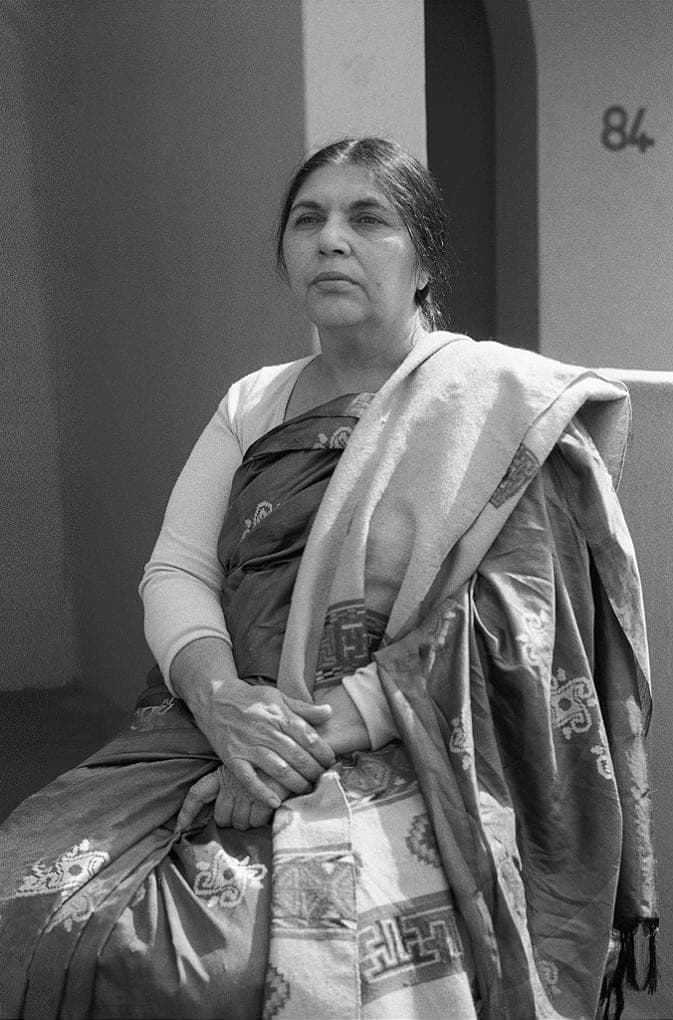
Amina Cachalia grew up in a politically aware family and was one of the leaders of the Federation of South African Women, a broad-based organisation which opposed apartheid. She was banned in 1963. Her husband, Yusuf, was under house arrest and her sister, Zainab, who lived next door, was also banned. After the first democratic election, in 1994, Amina accompanied Nelson Mandela on a visit to the widow of Hendrik Verwoerd, the architect of apartheid, in a classic action of reconciliation.
All Our Mothers is an extended series of portraits of women with whom Sue Williamson has worked with over the years, a series which grew out of the artist’s wish to make the crucial role of women in the struggle for liberation recognized and acclaimed. Some were taken as starting points for other series, like the portraits of Helen Joseph, Virginia Mngoma, Caroline Motsoaledi and Annie Silinga, to be transformed into photo etchings for the A Few South Africans series. Elizabeth and Nyameka Goniwe, mother and wife of the slain activist Matthew Goniwe, were photographed while Williamson was staying with Nyameka in Cradock, beginning work on the piece that became A Tale of Two Cradocks. Anti-apartheid artist and AIDS activist Judy Seidman was part of the From the Inside series, bringing the voices of people living with HIV to the streets.
The first photograph in the series is Naz Gool-Ebrahim, taken in her home in District Six in 1981, the year before the house was demolished. The most recent portrait, taken in 2024, shows the writer Sindiwe Magona, presiding over a table piled with the books she has written. Central to the series is the passage of time, with figures like Amina Cachalia appearing in portraits taken decades apart. The contrast between black-and-white and colour photographs underscores these temporal shifts.
Some subjects, such as Cheryl Carolus and Annie Silinga, are depicted in clothing that denotes their political affiliations, such as the United Democratic Front insignia or the robes of the Federation of South African Women. Yet, each portrait also preserves a strong sense of individuality.
All Our Mothers is an extended series of portraits of women with whom Sue Williamson has worked with over the years, a series which grew out of the artist’s wish to make the crucial role of women in the struggle for liberation recognized and acclaimed. Some were taken as starting points for other series, like the portraits of Helen Joseph, Virginia Mngoma, Caroline Motsoaledi and Annie Silinga, to be transformed into photo etchings for the A Few South Africans series. Elizabeth and Nyameka Goniwe, mother and wife of the slain activist Matthew Goniwe, were photographed while Williamson was staying with Nyameka in Cradock, beginning work on the piece that became A Tale of Two Cradocks. Anti-apartheid artist and AIDS activist Judy Seidman was part of the From the Inside series, bringing the voices of people living with HIV to the streets.
The first photograph in the series is Naz Gool-Ebrahim, taken in her home in District Six in 1981, the year before the house was demolished. The most recent portrait, taken in 2024, shows the writer Sindiwe Magona, presiding over a table piled with the books she has written. Central to the series is the passage of time, with figures like Amina Cachalia appearing in portraits taken decades apart. The contrast between black-and-white and colour photographs underscores these temporal shifts.
Some subjects, such as Cheryl Carolus and Annie Silinga, are depicted in clothing that denotes their political affiliations, such as the United Democratic Front insignia or the robes of the Federation of South African Women. Yet, each portrait also preserves a strong sense of individuality.
All Our Mothers is an extended series of portraits of women with whom Sue Williamson has worked with over the years, a series which grew out of the artist’s wish to make the crucial role of women in the struggle for liberation recognized and acclaimed. Some were taken as starting points for other series, like the portraits of Helen Joseph, Virginia Mngoma, Caroline Motsoaledi and Annie Silinga, to be transformed into photo etchings for the A Few South Africans series. Elizabeth and Nyameka Goniwe, mother and wife of the slain activist Matthew Goniwe, were photographed while Williamson was staying with Nyameka in Cradock, beginning work on the piece that became A Tale of Two Cradocks. Anti-apartheid artist and AIDS activist Judy Seidman was part of the From the Inside series, bringing the voices of people living with HIV to the streets.
The first photograph in the series is Naz Gool-Ebrahim, taken in her home in District Six in 1981, the year before the house was demolished. The most recent portrait, taken in 2024, shows the writer Sindiwe Magona, presiding over a table piled with the books she has written. Central to the series is the passage of time, with figures like Amina Cachalia appearing in portraits taken decades apart. The contrast between black-and-white and colour photographs underscores these temporal shifts.
Some subjects, such as Cheryl Carolus and Annie Silinga, are depicted in clothing that denotes their political affiliations, such as the United Democratic Front insignia or the robes of the Federation of South African Women. Yet, each portrait also preserves a strong sense of individuality.
All Our Mothers is an extended series of portraits of women with whom Sue Williamson has worked with over the years, a series which grew out of the artist’s wish to make the crucial role of women in the struggle for liberation recognized and acclaimed. Some were taken as starting points for other series, like the portraits of Helen Joseph, Virginia Mngoma, Caroline Motsoaledi and Annie Silinga, to be transformed into photo etchings for the A Few South Africans series. Elizabeth and Nyameka Goniwe, mother and wife of the slain activist Matthew Goniwe, were photographed while Williamson was staying with Nyameka in Cradock, beginning work on the piece that became A Tale of Two Cradocks. Anti-apartheid artist and AIDS activist Judy Seidman was part of the From the Inside series, bringing the voices of people living with HIV to the streets.
The first photograph in the series is Naz Gool-Ebrahim, taken in her home in District Six in 1981, the year before the house was demolished. The most recent portrait, taken in 2024, shows the writer Sindiwe Magona, presiding over a table piled with the books she has written. Central to the series is the passage of time, with figures like Amina Cachalia appearing in portraits taken decades apart. The contrast between black-and-white and colour photographs underscores these temporal shifts.
Some subjects, such as Cheryl Carolus and Annie Silinga, are depicted in clothing that denotes their political affiliations, such as the United Democratic Front insignia or the robes of the Federation of South African Women. Yet, each portrait also preserves a strong sense of individuality.
All Our Mothers is an extended series of portraits of women with whom Sue Williamson has worked with over the years, a series which grew out of the artist’s wish to make the crucial role of women in the struggle for liberation recognized and acclaimed. Some were taken as starting points for other series, like the portraits of Helen Joseph, Virginia Mngoma, Caroline Motsoaledi and Annie Silinga, to be transformed into photo etchings for the A Few South Africans series. Elizabeth and Nyameka Goniwe, mother and wife of the slain activist Matthew Goniwe, were photographed while Williamson was staying with Nyameka in Cradock, beginning work on the piece that became A Tale of Two Cradocks. Anti-apartheid artist and AIDS activist Judy Seidman was part of the From the Inside series, bringing the voices of people living with HIV to the streets.
The first photograph in the series is Naz Gool-Ebrahim, taken in her home in District Six in 1981, the year before the house was demolished. The most recent portrait, taken in 2024, shows the writer Sindiwe Magona, presiding over a table piled with the books she has written. Central to the series is the passage of time, with figures like Amina Cachalia appearing in portraits taken decades apart. The contrast between black-and-white and colour photographs underscores these temporal shifts.
Some subjects, such as Cheryl Carolus and Annie Silinga, are depicted in clothing that denotes their political affiliations, such as the United Democratic Front insignia or the robes of the Federation of South African Women. Yet, each portrait also preserves a strong sense of individuality.
All Our Mothers is an extended series of portraits of women with whom Sue Williamson has worked with over the years, a series which grew out of the artist’s wish to make the crucial role of women in the struggle for liberation recognized and acclaimed. Some were taken as starting points for other series, like the portraits of Helen Joseph, Virginia Mngoma, Caroline Motsoaledi and Annie Silinga, to be transformed into photo etchings for the A Few South Africans series. Elizabeth and Nyameka Goniwe, mother and wife of the slain activist Matthew Goniwe, were photographed while Williamson was staying with Nyameka in Cradock, beginning work on the piece that became A Tale of Two Cradocks. Anti-apartheid artist and AIDS activist Judy Seidman was part of the From the Inside series, bringing the voices of people living with HIV to the streets.
The first photograph in the series is Naz Gool-Ebrahim, taken in her home in District Six in 1981, the year before the house was demolished. The most recent portrait, taken in 2024, shows the writer Sindiwe Magona, presiding over a table piled with the books she has written. Central to the series is the passage of time, with figures like Amina Cachalia appearing in portraits taken decades apart. The contrast between black-and-white and colour photographs underscores these temporal shifts.
Some subjects, such as Cheryl Carolus and Annie Silinga, are depicted in clothing that denotes their political affiliations, such as the United Democratic Front insignia or the robes of the Federation of South African Women. Yet, each portrait also preserves a strong sense of individuality.
All Our Mothers is an extended series of portraits of women with whom Sue Williamson has worked with over the years, a series which grew out of the artist’s wish to make the crucial role of women in the struggle for liberation recognized and acclaimed. Some were taken as starting points for other series, like the portraits of Helen Joseph, Virginia Mngoma, Caroline Motsoaledi and Annie Silinga, to be transformed into photo etchings for the A Few South Africans series. Elizabeth and Nyameka Goniwe, mother and wife of the slain activist Matthew Goniwe, were photographed while Williamson was staying with Nyameka in Cradock, beginning work on the piece that became A Tale of Two Cradocks. Anti-apartheid artist and AIDS activist Judy Seidman was part of the From the Inside series, bringing the voices of people living with HIV to the streets.
The first photograph in the series is Naz Gool-Ebrahim, taken in her home in District Six in 1981, the year before the house was demolished. The most recent portrait, taken in 2024, shows the writer Sindiwe Magona, presiding over a table piled with the books she has written. Central to the series is the passage of time, with figures like Amina Cachalia appearing in portraits taken decades apart. The contrast between black-and-white and colour photographs underscores these temporal shifts.
Some subjects, such as Cheryl Carolus and Annie Silinga, are depicted in clothing that denotes their political affiliations, such as the United Democratic Front insignia or the robes of the Federation of South African Women. Yet, each portrait also preserves a strong sense of individuality.
All Our Mothers is an extended series of portraits of women with whom Sue Williamson has worked with over the years, a series which grew out of the artist’s wish to make the crucial role of women in the struggle for liberation recognized and acclaimed. Some were taken as starting points for other series, like the portraits of Helen Joseph, Virginia Mngoma, Caroline Motsoaledi and Annie Silinga, to be transformed into photo etchings for the A Few South Africans series. Elizabeth and Nyameka Goniwe, mother and wife of the slain activist Matthew Goniwe, were photographed while Williamson was staying with Nyameka in Cradock, beginning work on the piece that became A Tale of Two Cradocks. Anti-apartheid artist and AIDS activist Judy Seidman was part of the From the Inside series, bringing the voices of people living with HIV to the streets.
The first photograph in the series is Naz Gool-Ebrahim, taken in her home in District Six in 1981, the year before the house was demolished. The most recent portrait, taken in 2024, shows the writer Sindiwe Magona, presiding over a table piled with the books she has written. Central to the series is the passage of time, with figures like Amina Cachalia appearing in portraits taken decades apart. The contrast between black-and-white and colour photographs underscores these temporal shifts.
Some subjects, such as Cheryl Carolus and Annie Silinga, are depicted in clothing that denotes their political affiliations, such as the United Democratic Front insignia or the robes of the Federation of South African Women. Yet, each portrait also preserves a strong sense of individuality.
All Our Mothers is an extended series of portraits of women with whom Sue Williamson has worked with over the years, a series which grew out of the artist’s wish to make the crucial role of women in the struggle for liberation recognized and acclaimed. Some were taken as starting points for other series, like the portraits of Helen Joseph, Virginia Mngoma, Caroline Motsoaledi and Annie Silinga, to be transformed into photo etchings for the A Few South Africans series. Elizabeth and Nyameka Goniwe, mother and wife of the slain activist Matthew Goniwe, were photographed while Williamson was staying with Nyameka in Cradock, beginning work on the piece that became A Tale of Two Cradocks. Anti-apartheid artist and AIDS activist Judy Seidman was part of the From the Inside series, bringing the voices of people living with HIV to the streets.
The first photograph in the series is Naz Gool-Ebrahim, taken in her home in District Six in 1981, the year before the house was demolished. The most recent portrait, taken in 2024, shows the writer Sindiwe Magona, presiding over a table piled with the books she has written. Central to the series is the passage of time, with figures like Amina Cachalia appearing in portraits taken decades apart. The contrast between black-and-white and colour photographs underscores these temporal shifts.
Some subjects, such as Cheryl Carolus and Annie Silinga, are depicted in clothing that denotes their political affiliations, such as the United Democratic Front insignia or the robes of the Federation of South African Women. Yet, each portrait also preserves a strong sense of individuality.
In societies shaped by trauma, communication is not always easy.
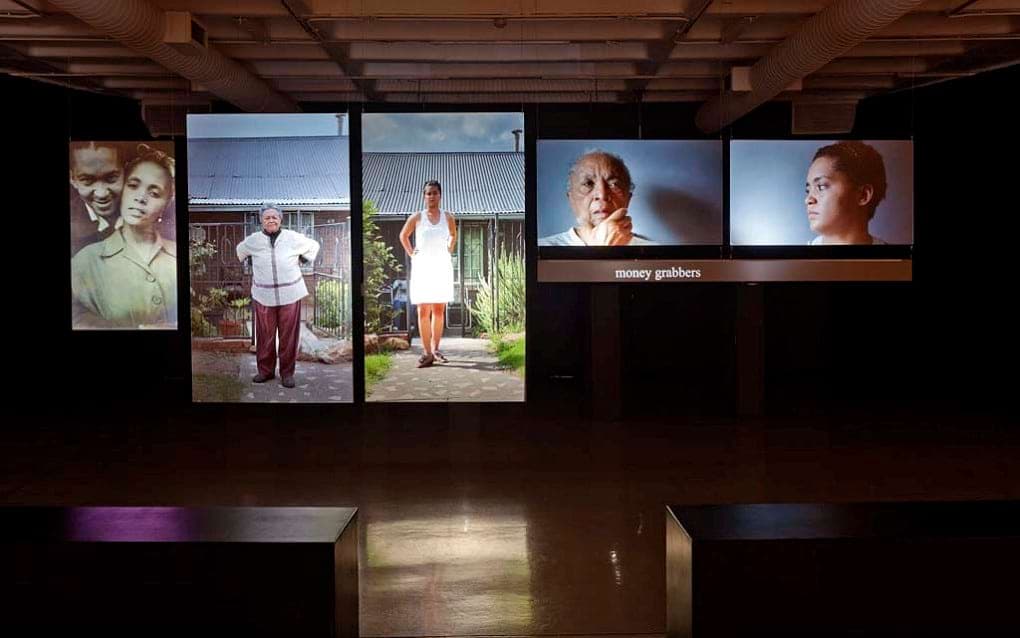
This video installation brings together the voices of two generations – women who once fought for freedom, and their granddaughters, or young female relatives, who now navigate its complexities. Through a series of six exchanges, moments of inquiry emerge: “Why were you jailed?” “Do you feel your sacrifice was worth the country we have today?”
Two of the grandmothers were part of the A Few South Africans series: Caroline Motsoaledi and Amina Cachalia. All of them grew up under apartheid, unlike their granddaughters, the “born free” generation.
The visual language of the installation reflects their exchanges. On the left, pages from a family photo album turn slowly, offering glimpses of a life shaped by resistance and resilience. In the centre, full-length portraits – one still, the other in motion – present both continuity and change. To the right, an interaction unfolds between the two women, a meeting of perspectives that does not seek resolution but acknowledges the difficulty of speaking, and of being heard. Rather than prescribing how stories should be told or received, this work invites reflection on the complexities of inheritance – on what is shared, what remains unspoken and the ongoing effort to understand.
All Our Mothers is an extended series of portraits of women with whom Sue Williamson has worked with over the years, a series which grew out of the artist’s wish to make the crucial role of women in the struggle for liberation recognized and acclaimed. Some were taken as starting points for other series, like the portraits of Helen Joseph, Virginia Mngoma, Caroline Motsoaledi and Annie Silinga, to be transformed into photo etchings for the A Few South Africans series. Elizabeth and Nyameka Goniwe, mother and wife of the slain activist Matthew Goniwe, were photographed while Williamson was staying with Nyameka in Cradock, beginning work on the piece that became A Tale of Two Cradocks. Anti-apartheid artist and AIDS activist Judy Seidman was part of the From the Inside series, bringing the voices of people living with HIV to the streets.
The first photograph in the series is Naz Gool-Ebrahim, taken in her home in District Six in 1981, the year before the house was demolished. The most recent portrait, taken in 2024, shows the writer Sindiwe Magona, presiding over a table piled with the books she has written. Central to the series is the passage of time, with figures like Amina Cachalia appearing in portraits taken decades apart. The contrast between black-and-white and colour photographs underscores these temporal shifts.
Some subjects, such as Cheryl Carolus and Annie Silinga, are depicted in clothing that denotes their political affiliations, such as the United Democratic Front insignia or the robes of the Federation of South African Women. Yet, each portrait also preserves a strong sense of individuality.
In 1982, Sue Williamson spent much of her time in Crossroads, an informal Cape Town community marked for destruction by the apartheid state. She was working with residents on strategies to oppose the demolitions. It was there that she first encountered the image of Elizabeth Paul – a Xhosa faith healer whose faded photo adorned the walls in many homes. This repetition marked Elizabeth as an important figure in the community, a person to be honoured and remembered.
Williamson began a series of photo-etched portraits with screen-printed frames, with the first in the series, a portrait of Elizabeth Paul. Each was a tribute to a woman who inspired others through her leadership, often in the struggle for liberation: Helen Joseph, Winnie Mandela, Annie Silinga, Mamphela Ramphele. Their names are familiar today, but in the 1980s they were largely invisible. Williamson’s work sought to give them visibility, and to honour them.
Her influences were many. Renaissance portraiture offered structure; the inventive frames of Crossroads homes provided texture. But more than technique, it was the desire to make these women known that shaped the work. In mass- producing and distributing postcard versions of the portraits, Williamson made the series portable, ensuring that these stories could travel, unbound by gallery walls.
Tula, tula Winnie tula
Tula Winnie tula
Bamtatha bamtatha bambeka e Brandfort
Wamku Wakala wathi amandla
Winnie, keep quiet
They took you and put you in Brandfort And you shouted and cried out ‘Power!’
This song of tribute marks the deep feeling of the people for Nomzamo Winnie Mandela, wife of the great political leader, Nelson Mandela.
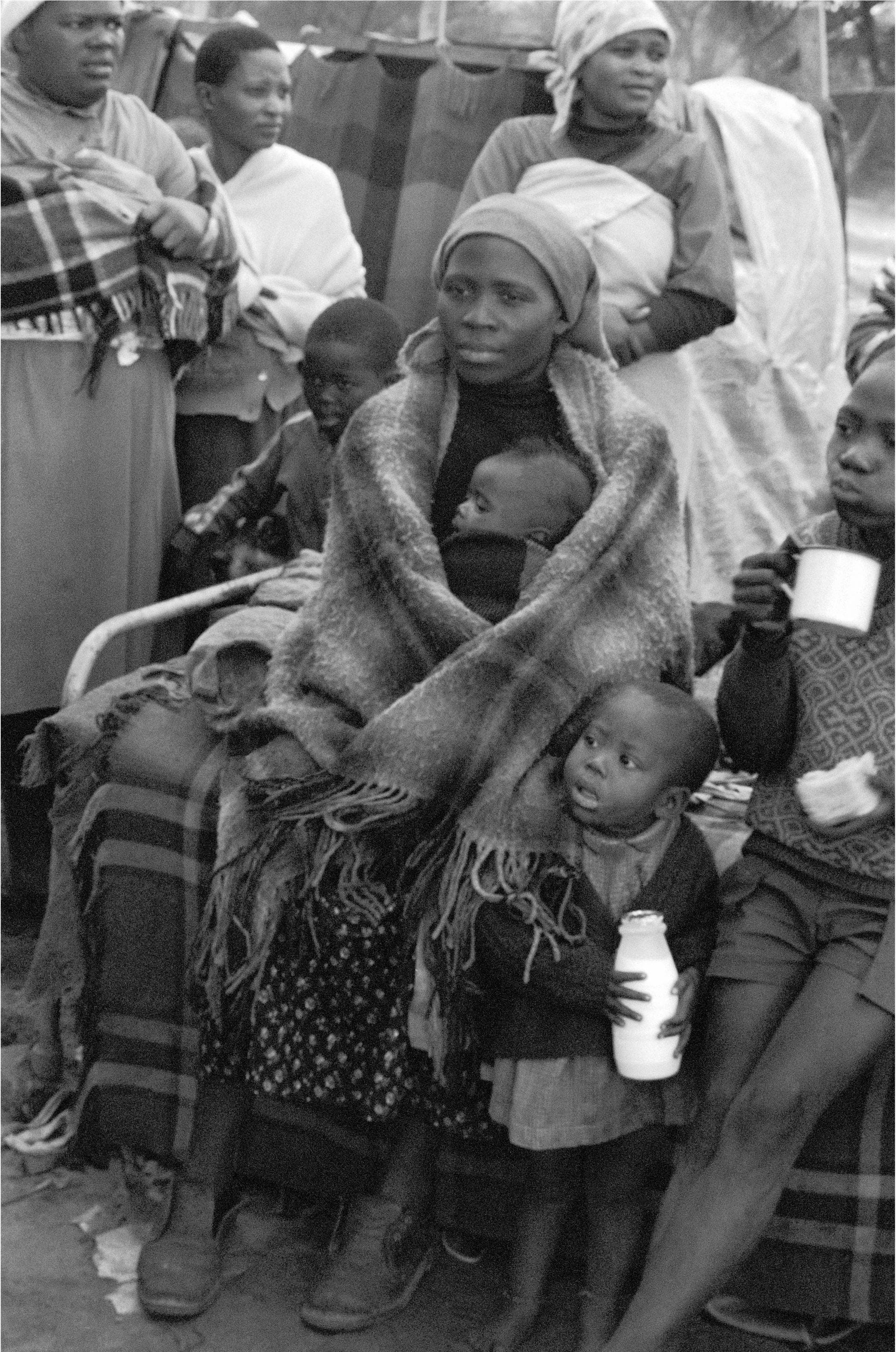
In over 20 years of marriage, the Mandelas have had only about two years together – when he was not in prison, Nelson Mandela was underground. Winnie herself has been free of all restrictions for only 11 months of the 19 years since her husband was imprisoned. A key person in many black organizations now banned, she has been repeatedly subject to detention, house arrest and imprisonment.
Since 1977 she had been banished to the small, dusty Afrikaner dorp of Brandfort in the Orange Free State, where she lived in house No. 802 in the treeless location outside the town. Perpetual harassment has extended even to the confiscation of a bedspread in the colours of the African National Congress, and a conviction on a charge of contravening her banning orders when called at a neighbour’s house regarding a chicken.
But nothing had been able to crush the indomitable Winnie Mandela, or prevent her from speaking out fearlessly when she has been able to.
She remained a powerful symbol of the African struggle.
- Sue Williamson 1983