Video
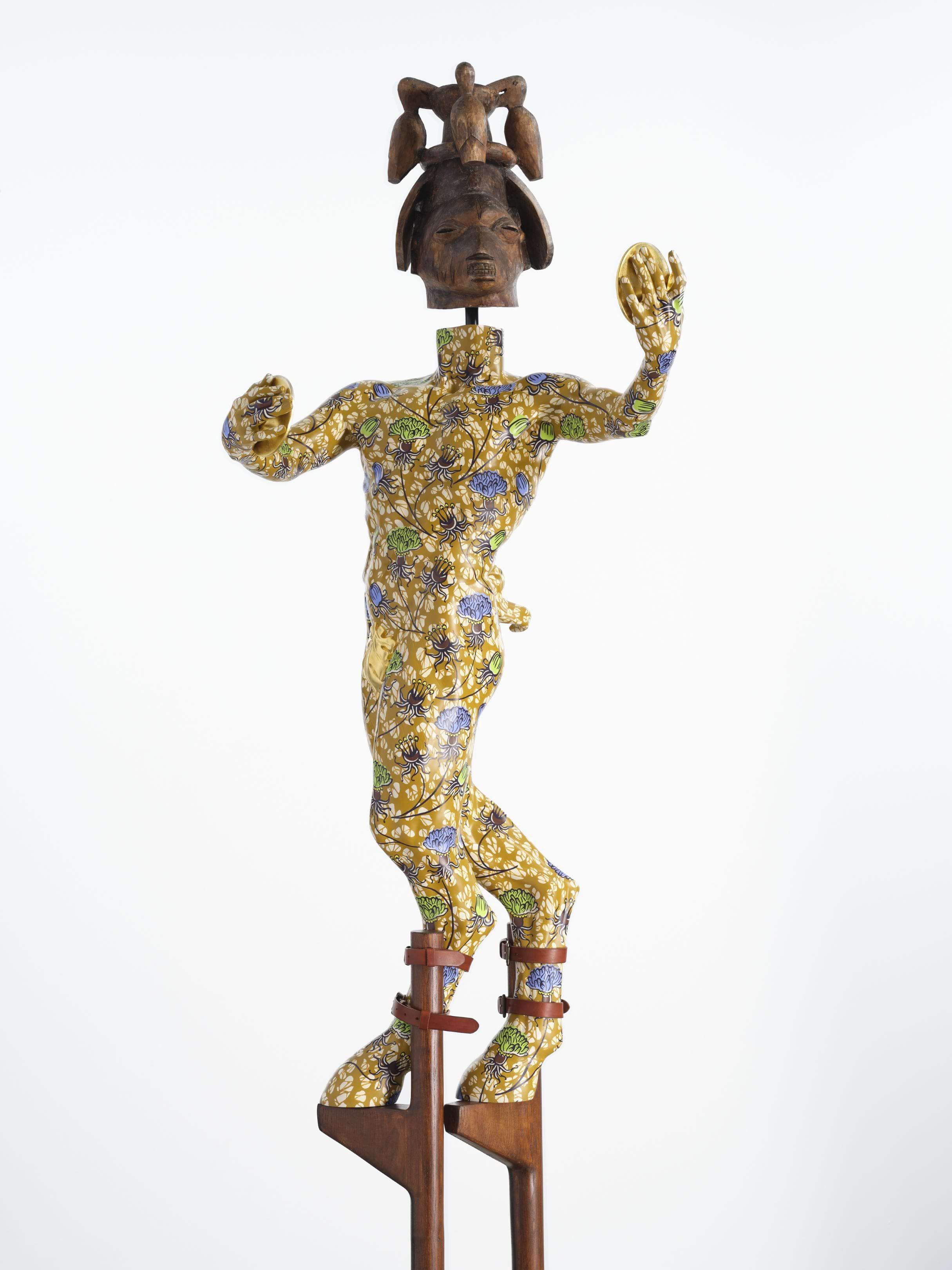
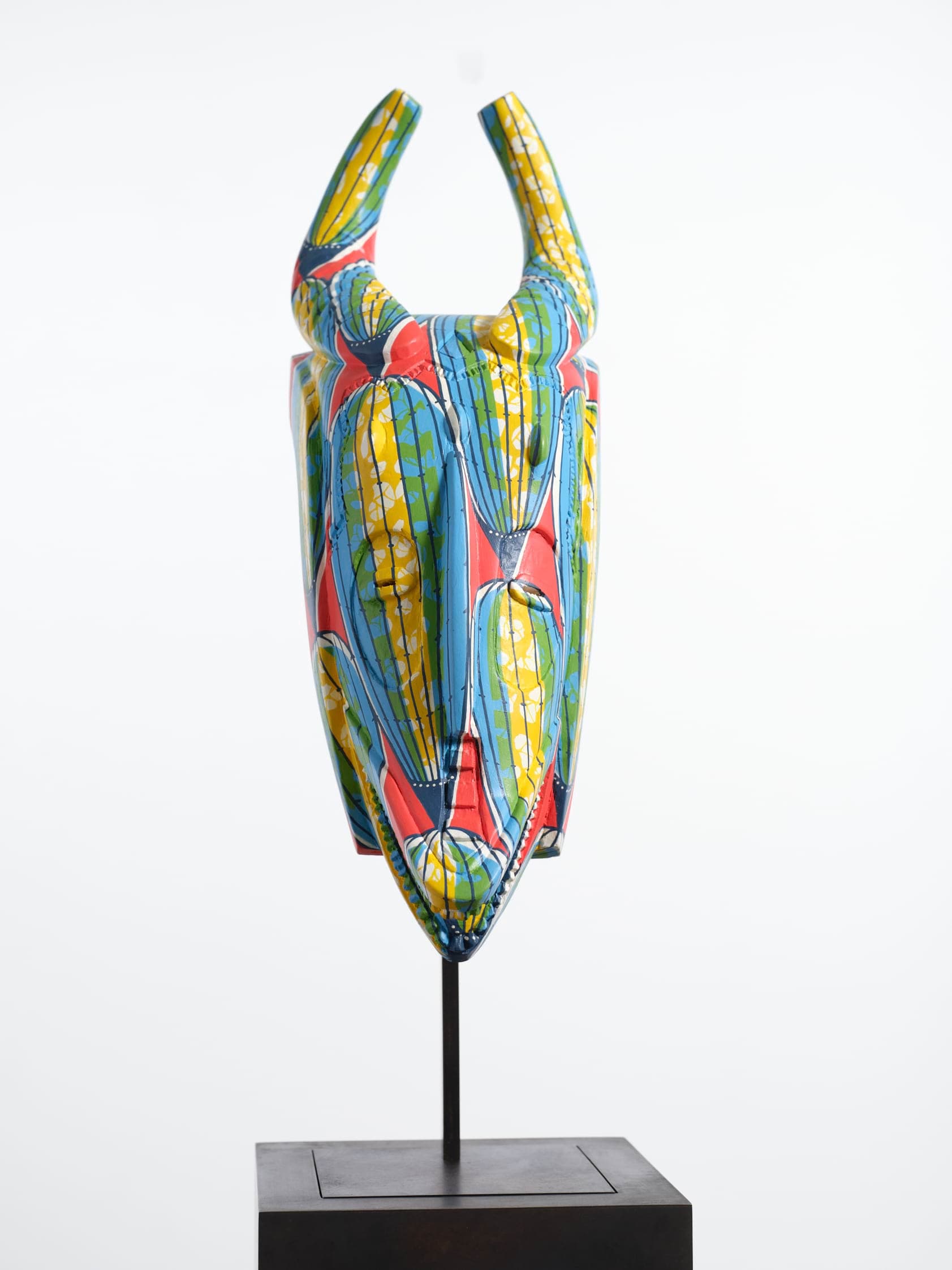
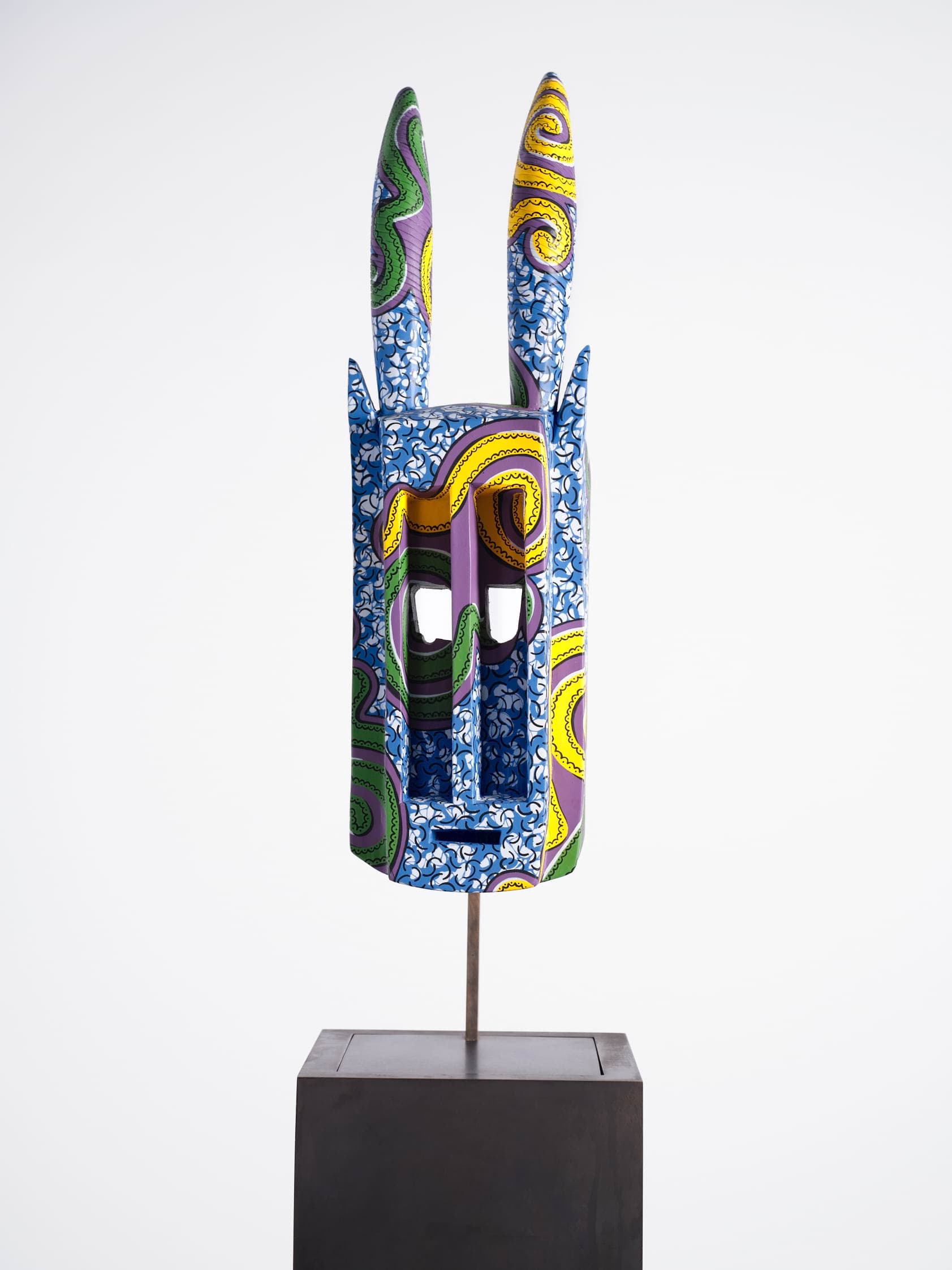
Yinka Shonibare's 'Hybrid Sculptures' merge Western mythological figures and African masks and symbols, rendered in his signature Dutch wax batik-style fabrics. These works explore themes of cultural identity, post-colonialism, and the global movement of cultural symbols. Shonibare challenges the idea of fixed identities, showing how cultures influence and reshape one another through history.
Video
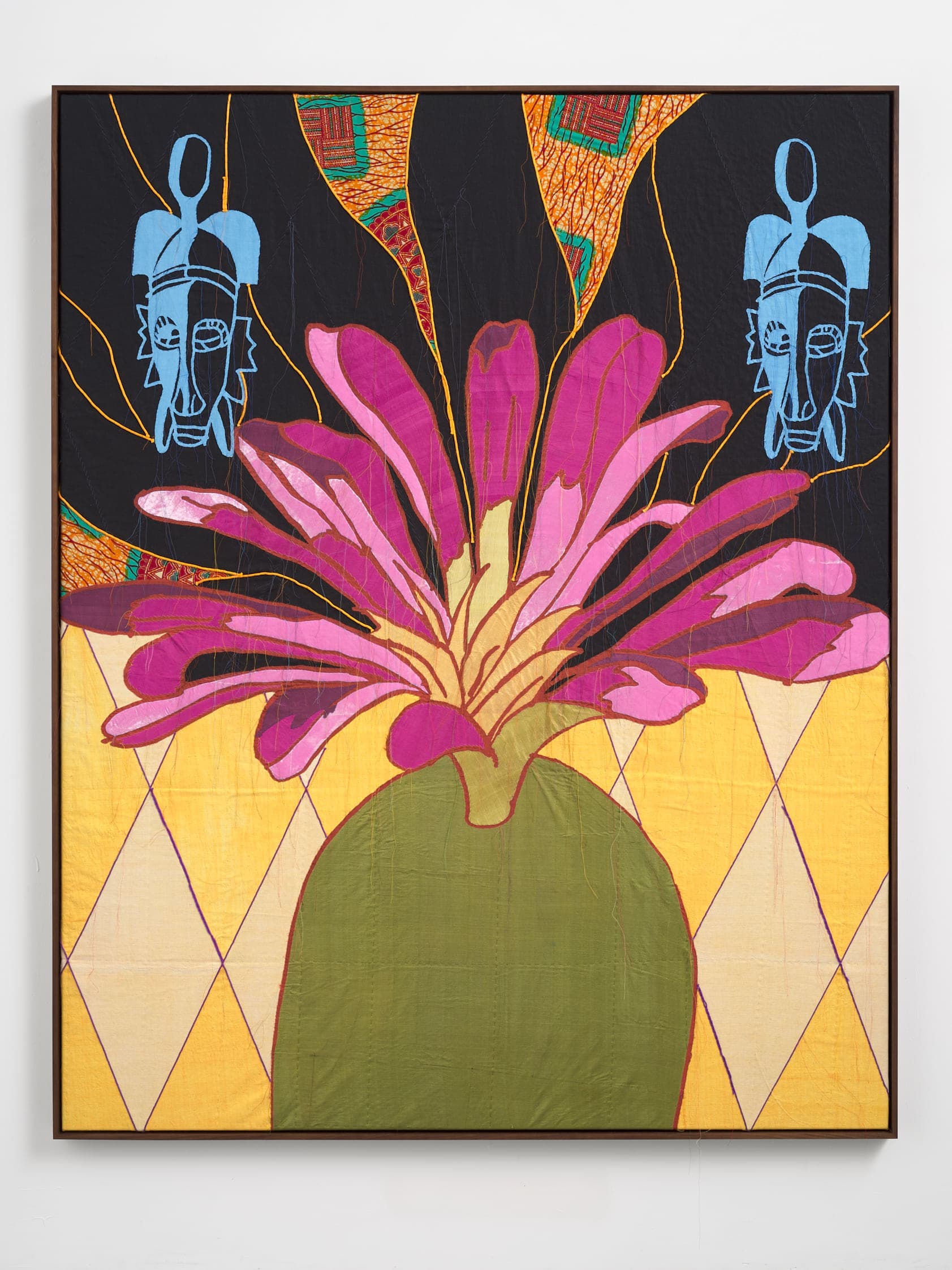
This work references the Zamble mask from the Guro culture of Côte d’Ivoire. In Guro tradition, Zamble represents a powerful and unpredictable spirit. The mask combines both human and animal features - including the jaws of a leopard, and the face and horns of an antelope - forming a striking visual metaphor for the grace, strength, and vitality of youth.
Zamble is believed to possess the ability to detect danger, resolve disputes, and mediate between the wild forces of nature and the human community. These masks are typically performed in ceremonial dances during important festivals or at the funerals of individuals entrusted with their guardianship, serving both spiritual and social roles within the community.
Video
Video
Video
Video
Video
Video
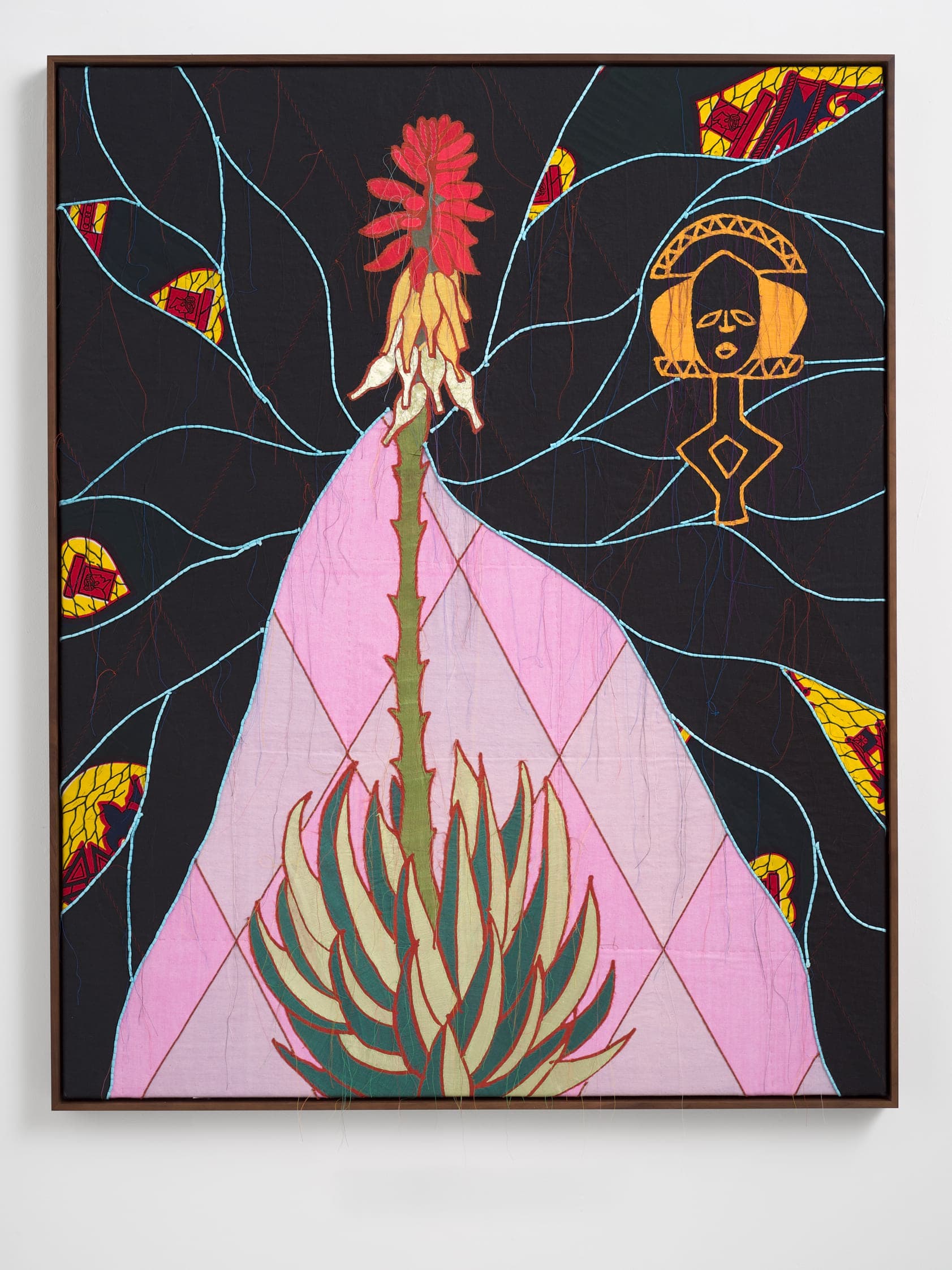
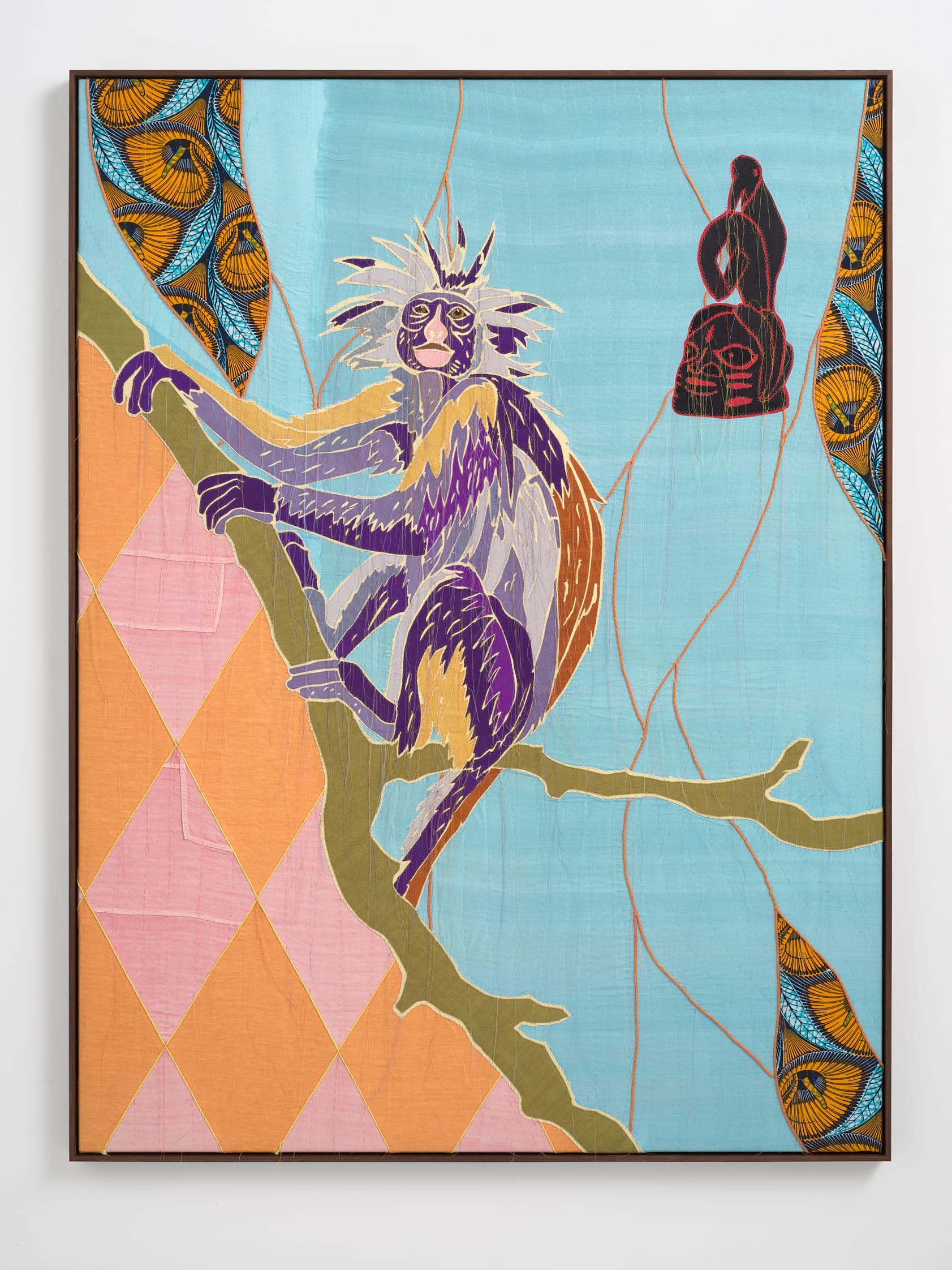
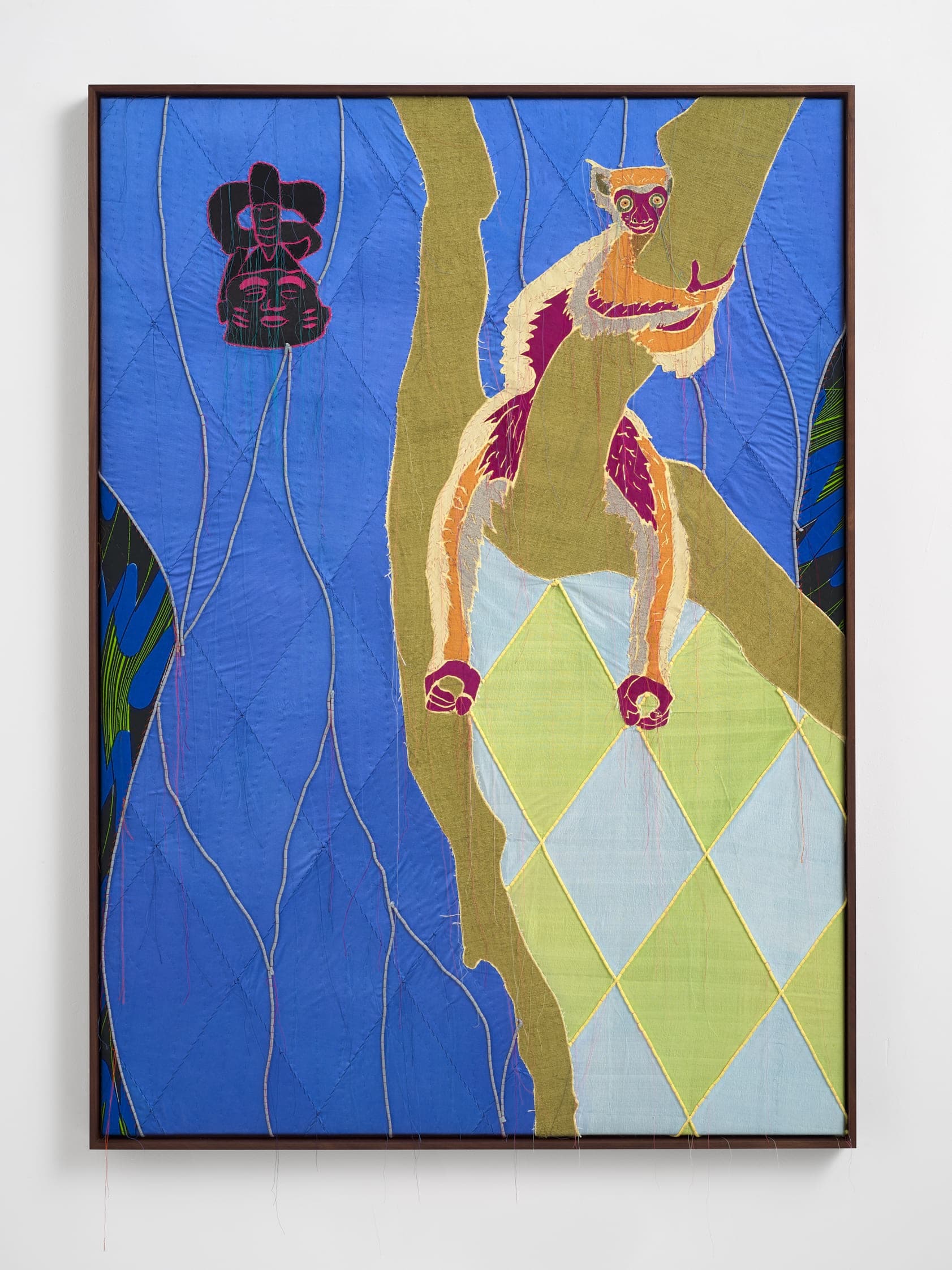
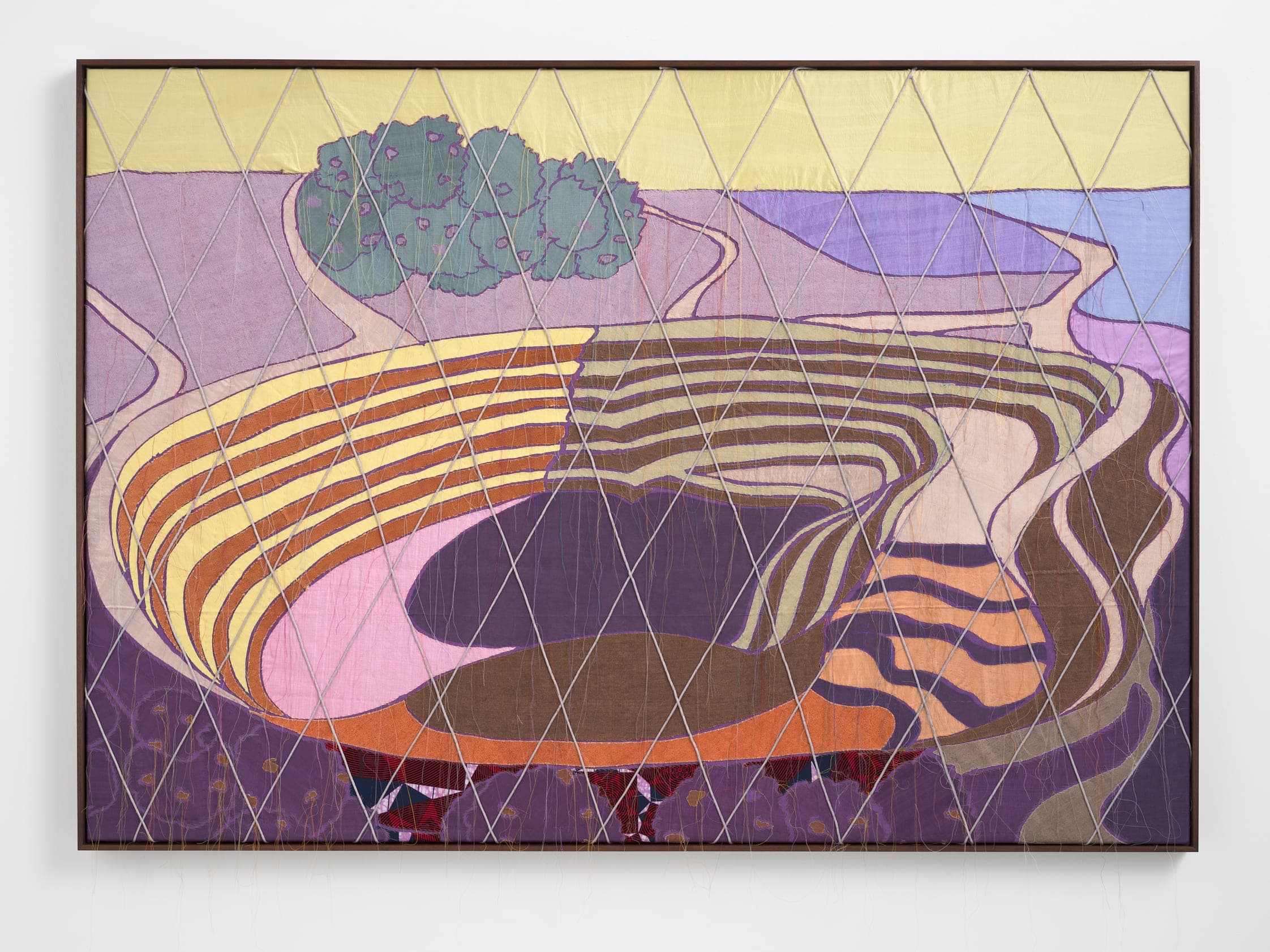
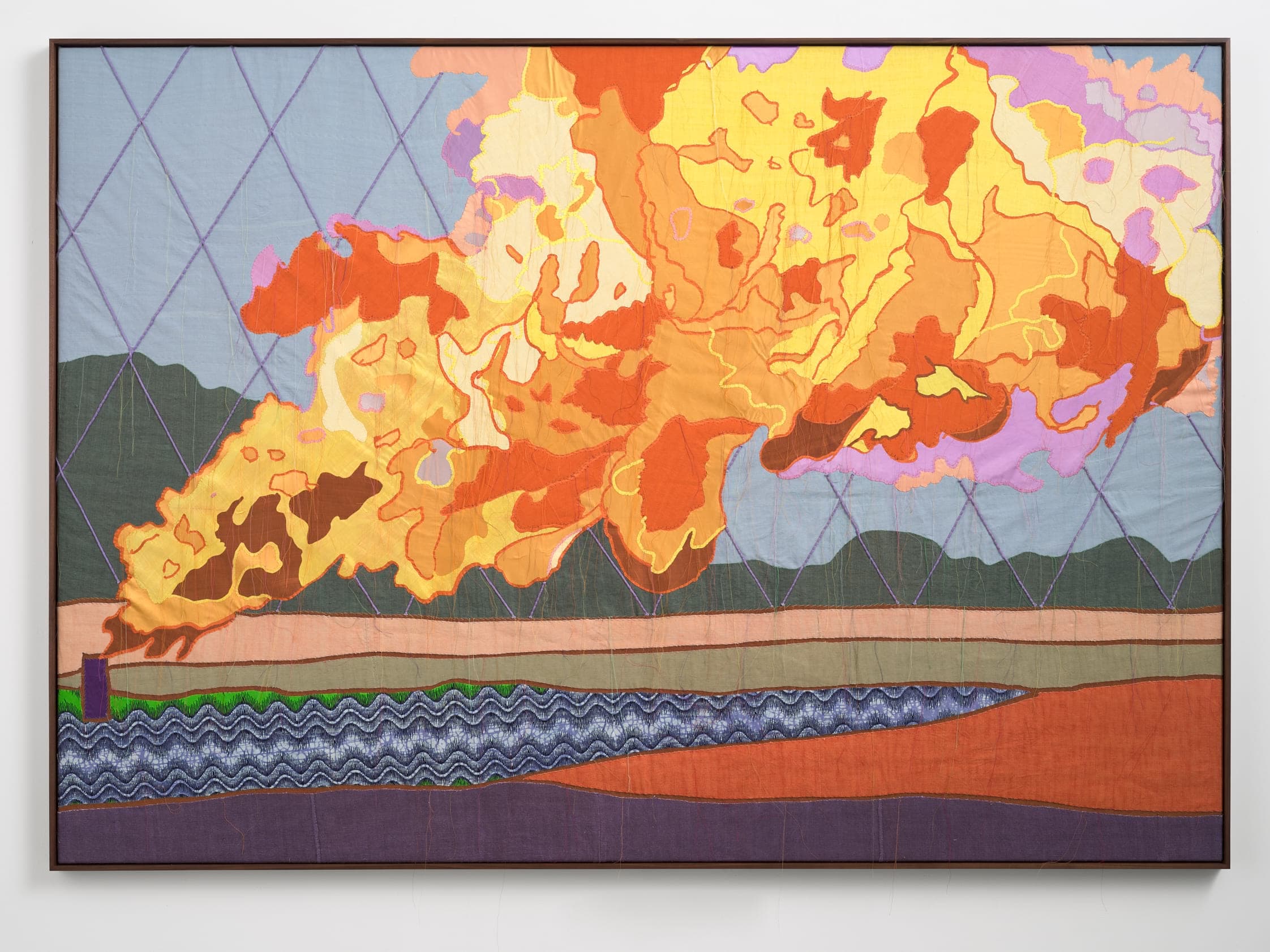
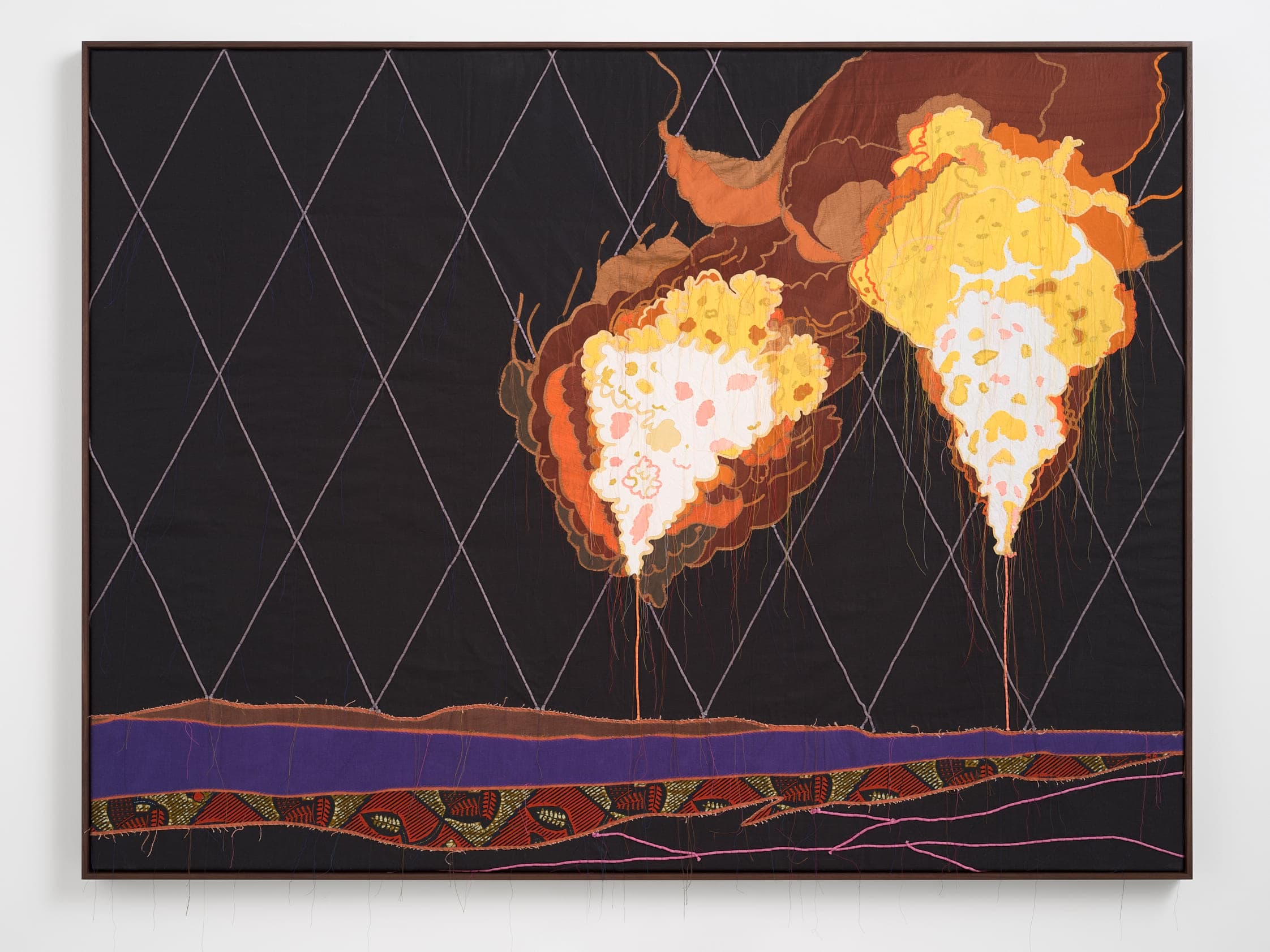
A new series of quilts titled 'Nature Works' underscores the polluting consequences of extractive processes. Through striking composition, vivid colour and intricate needlework, Shonibare creates beauty in ultimately dystopian landscapes that illustrate the consequences of industrial over-exploitation in Africa. The history of colonisation on the continent has always centred on the extraction of both human and natural resources. The series of quilts here, portray landscapes as a genre which is to be analysed and debated. Human intervention in the landscape, whether it be the burning of gas flares in Nigeria or the damage to surface soil through the oil well drilling in Algeria, contribute to environmental destruction and the broader impacts of climate change and its disproportionate impact on the Global South.