Silence calling from one continent to another
Group Exhibition
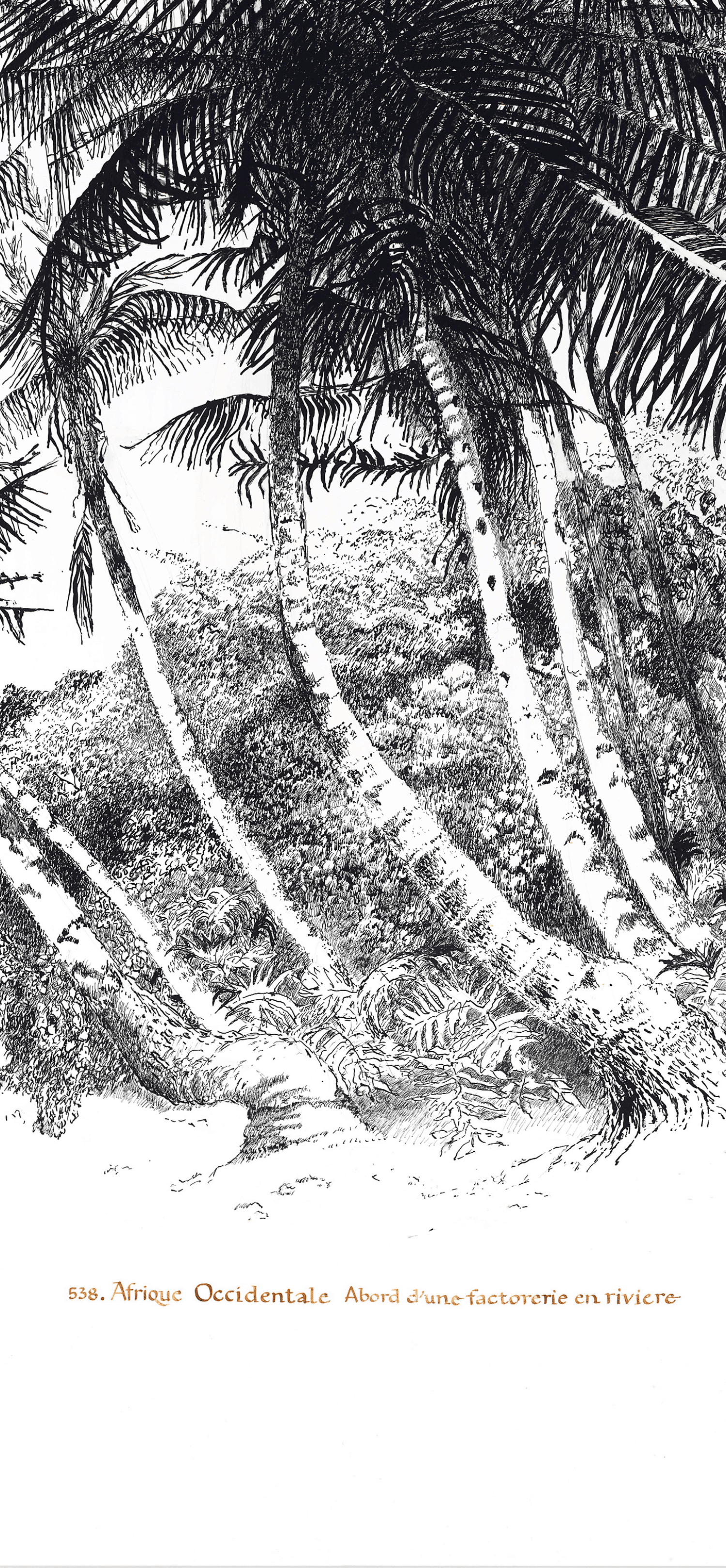
Goodman Gallery is pleased to present Silence calling from one continent to another, a group exhibition featuring artists whose works contain or consider corporeal forms in both direct and poetic manners.The exhibition takes its title from a phrase included in William Kentridge’s large drawing Love Songs from the Last Century. The charcoal drawing of a Johannesburg landscape, reworked for this exhibition, was created as the backdrop for a 360º film made and shown at the Centre for the Less Good Idea.


The paradoxical nature of this phrase speaks to modes of communication, and the difficulty often encountered due to cultural differences, distance or geography.
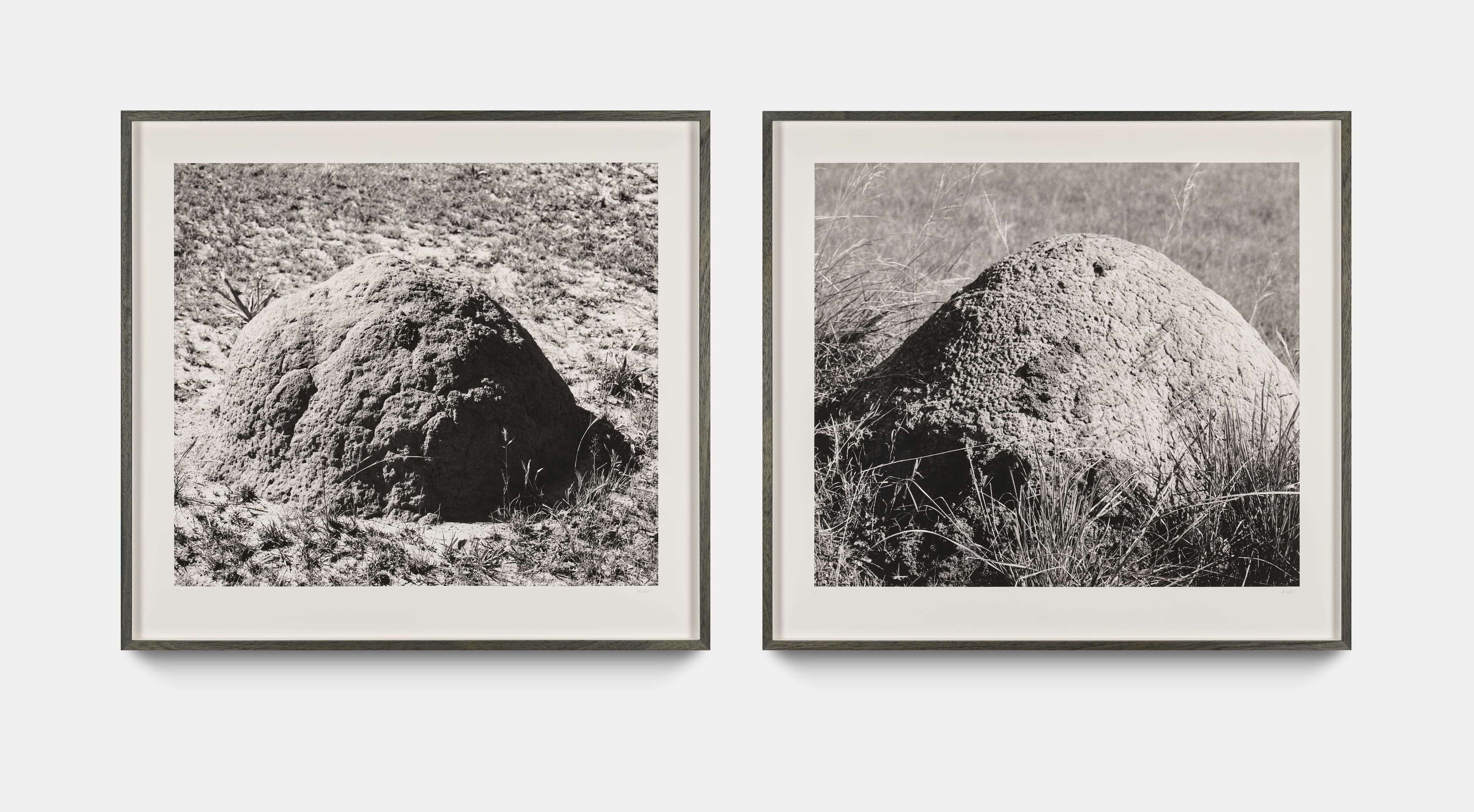
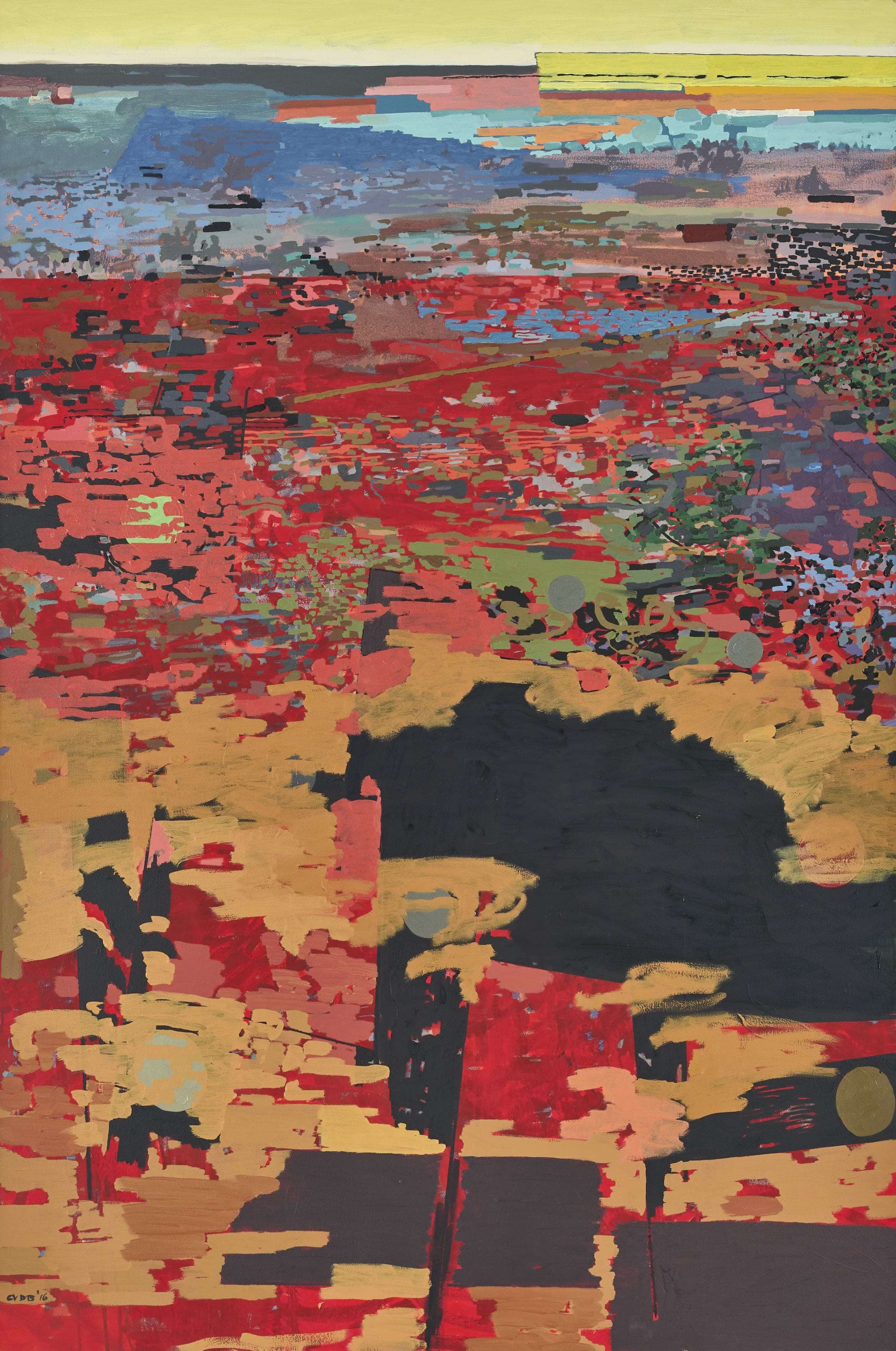
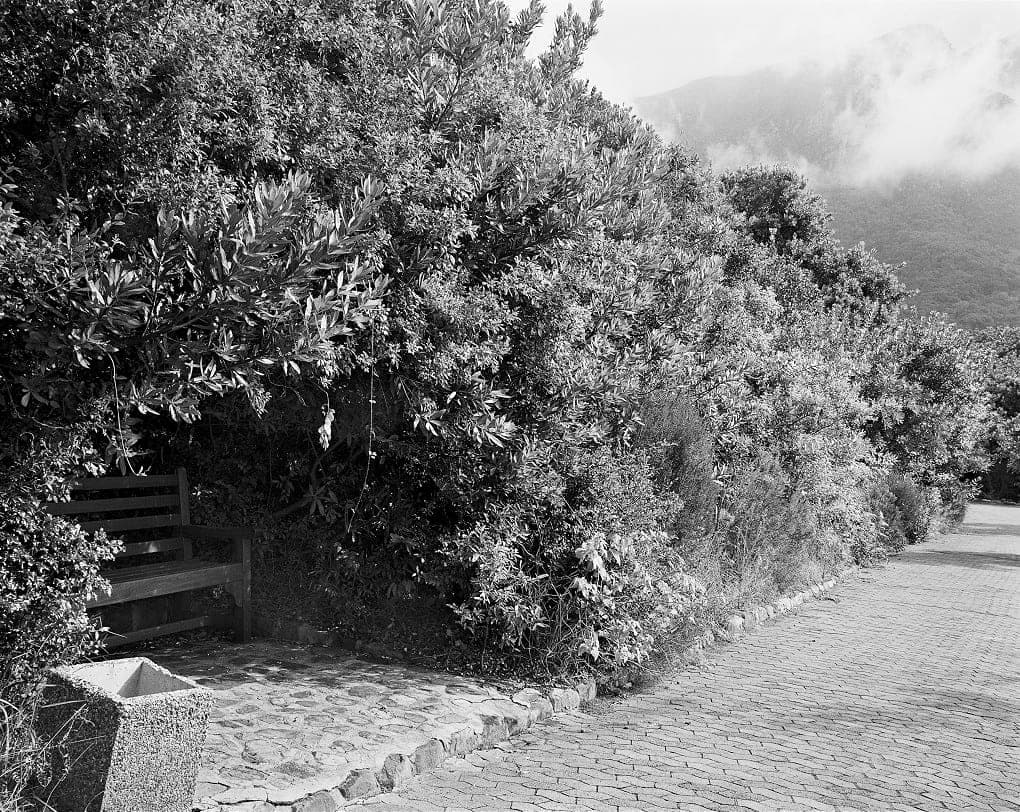
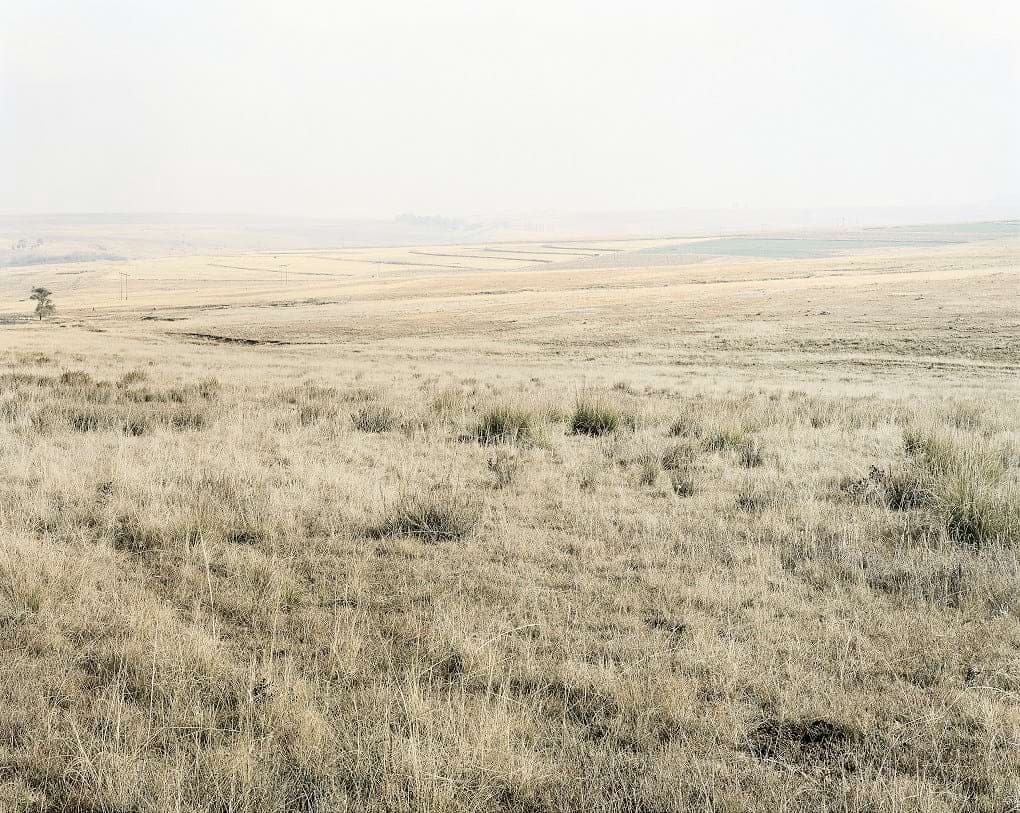
In Clive Van Den Berg’s African Landscape IV the artist uses the theme of landscape to explore ideas related to the “distemper” of our lived experience. Land serves as a powerful symbolic marker for Van Den Berg, reflecting both the personal and political. Jeremy Wafer brings similar concerns to the fore through his photographs of termite mounds. In his description of the work, Wafer connects the mound to its symbolic use by the Dogon people, whose origin narrative depicts these nests as the site where our primal ancestor had intercourse with the earth. For Wafer, this connection brings to light ideas related to the power inherent in land and the transition between the underground and the visible earth.

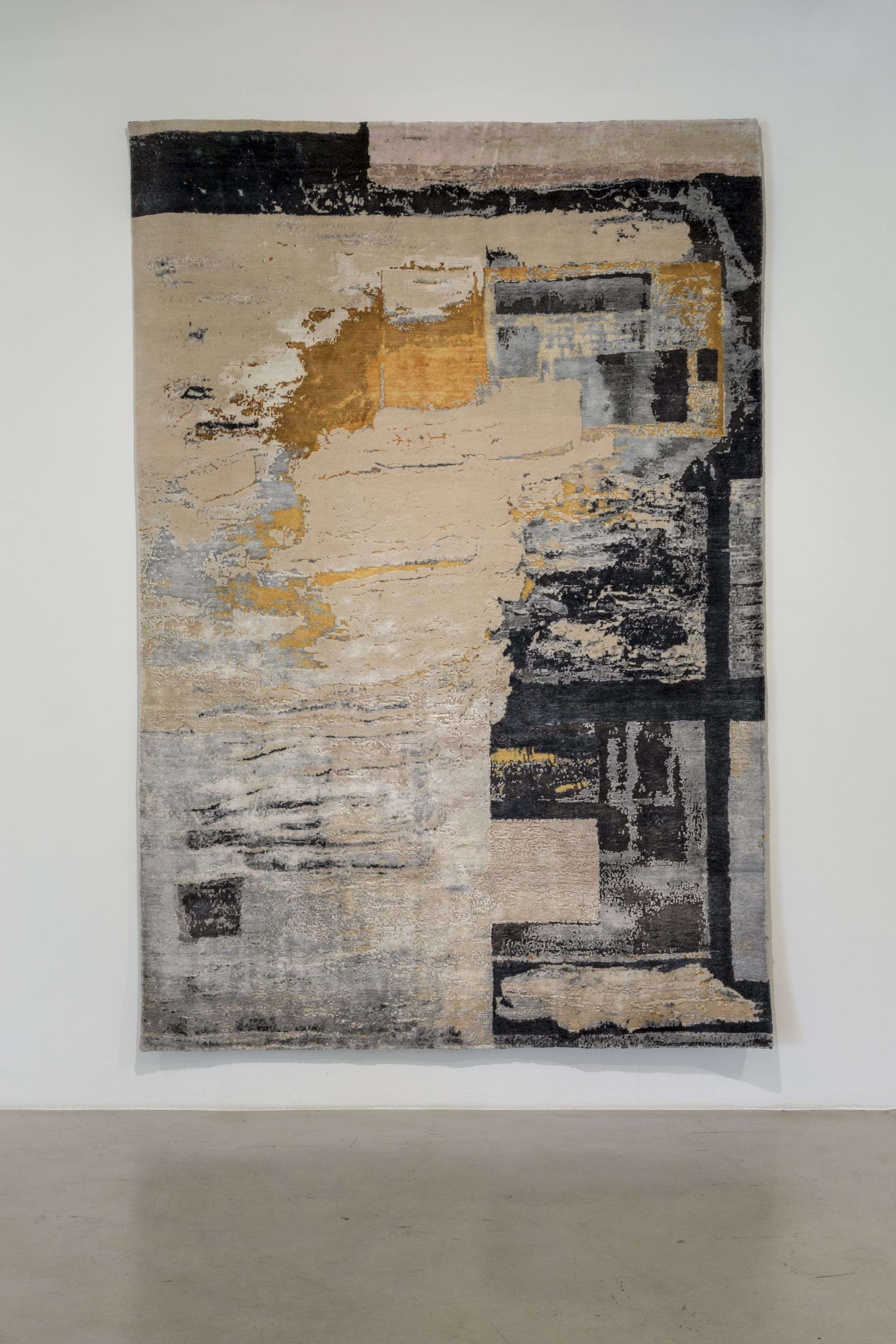
Showing for the first time with Goodman Gallery, Sepideh Mehraban is a Cape Town-based Iranian-born artist. For This is not Propaganda, Mehraban has attached fragments of her paintings into a hand-woven carpet produced in India. The hand-dyed fibres of the carpet, together with Mehraban’s marks, combine to create a vivid inter-continental collaborative work that speaks to the body of work’s interest in concepts of place and exile.
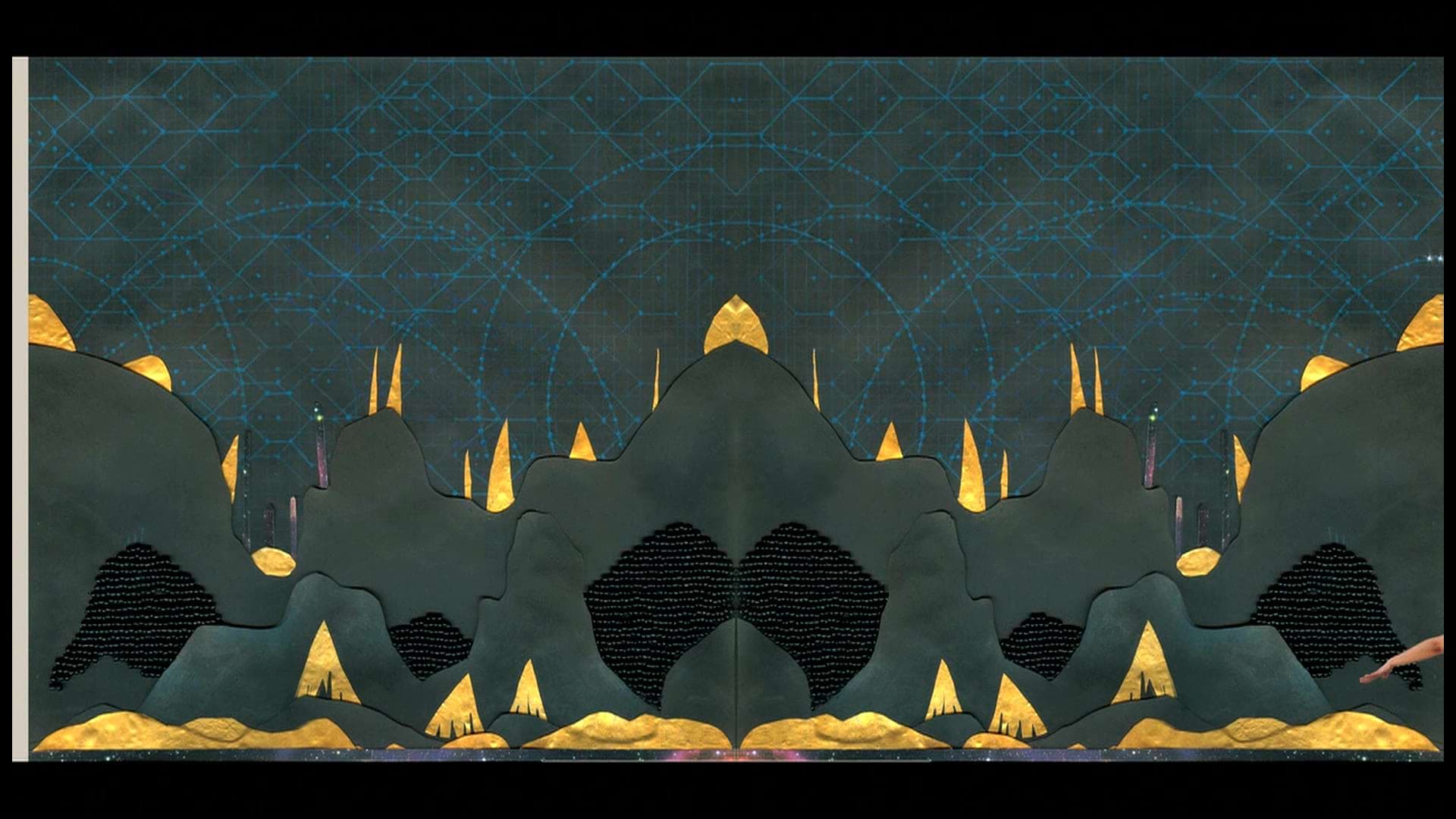
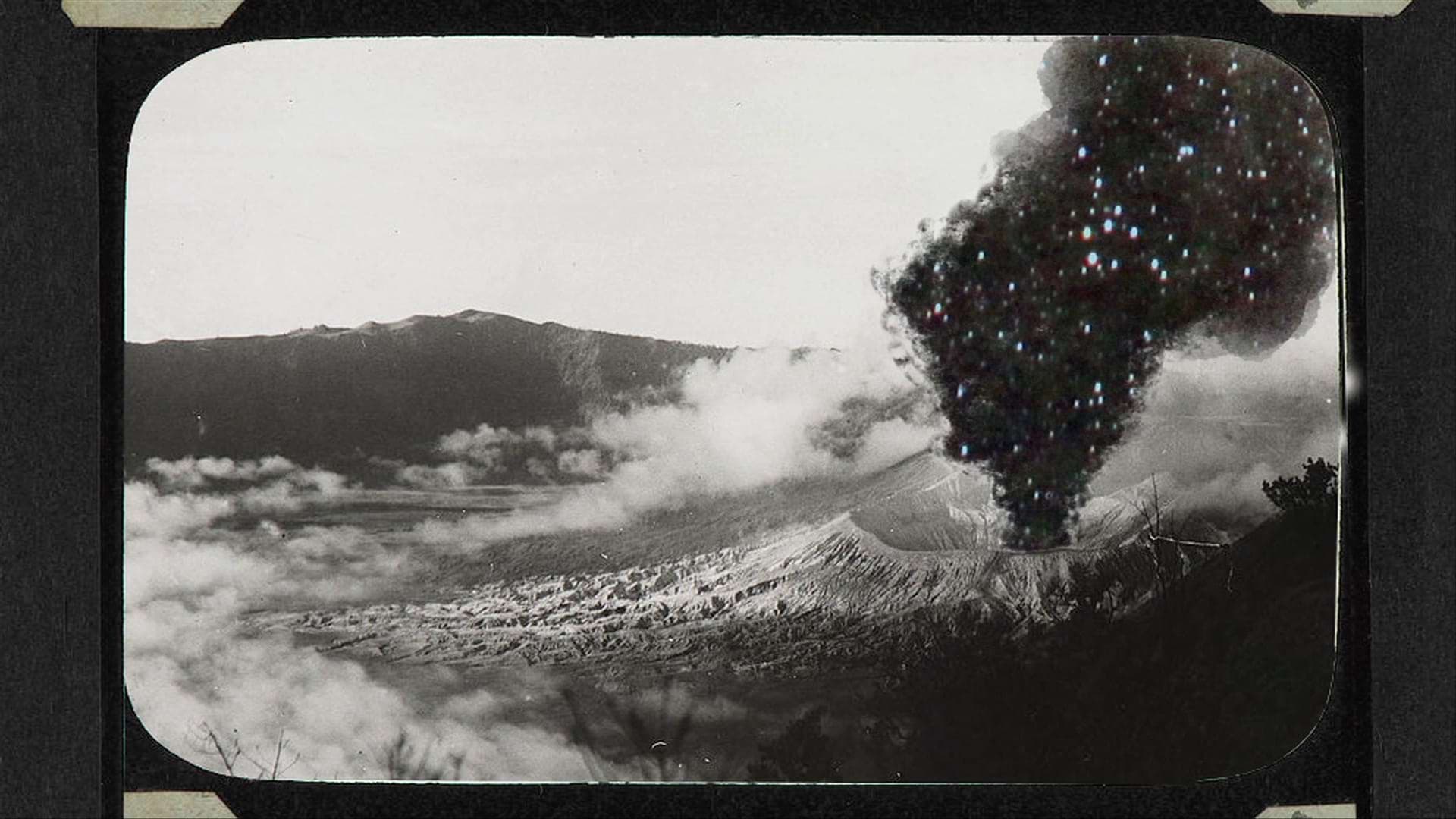
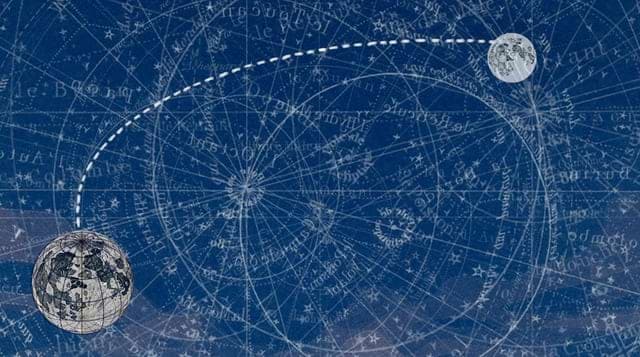
Pamela Phatsimo Sunstrum’s animations similarly complicate cartography from a cosmic perspective. In the first of these, The Star + The Moon, Sunstrum references American theoretical physicist James Sylvester Gates Jr.’s “Supersymmetry” theory, which links the geometric structures in ancient Adinkra symbology to the complex mathematical codes embedded within the structures of time and space. The animation features a panoramic landscape constructed by mirroring Sunstrum’s collaged drawings. The second animation, To: The Moon, continues Sunstrum’s interest in linking her drawing practice to notions of time and space travel while concurrently paying homage to George Melies’ classic early film, ‘A Trip to the Moon’ (1902). Polyhedra, the third featured animation, is described by Sunstrum as a “poetic cosmogony and personal interpretation of the order of things: stars, earth forms, the insides, the outsides, and the beyond-what-we-can-see.”


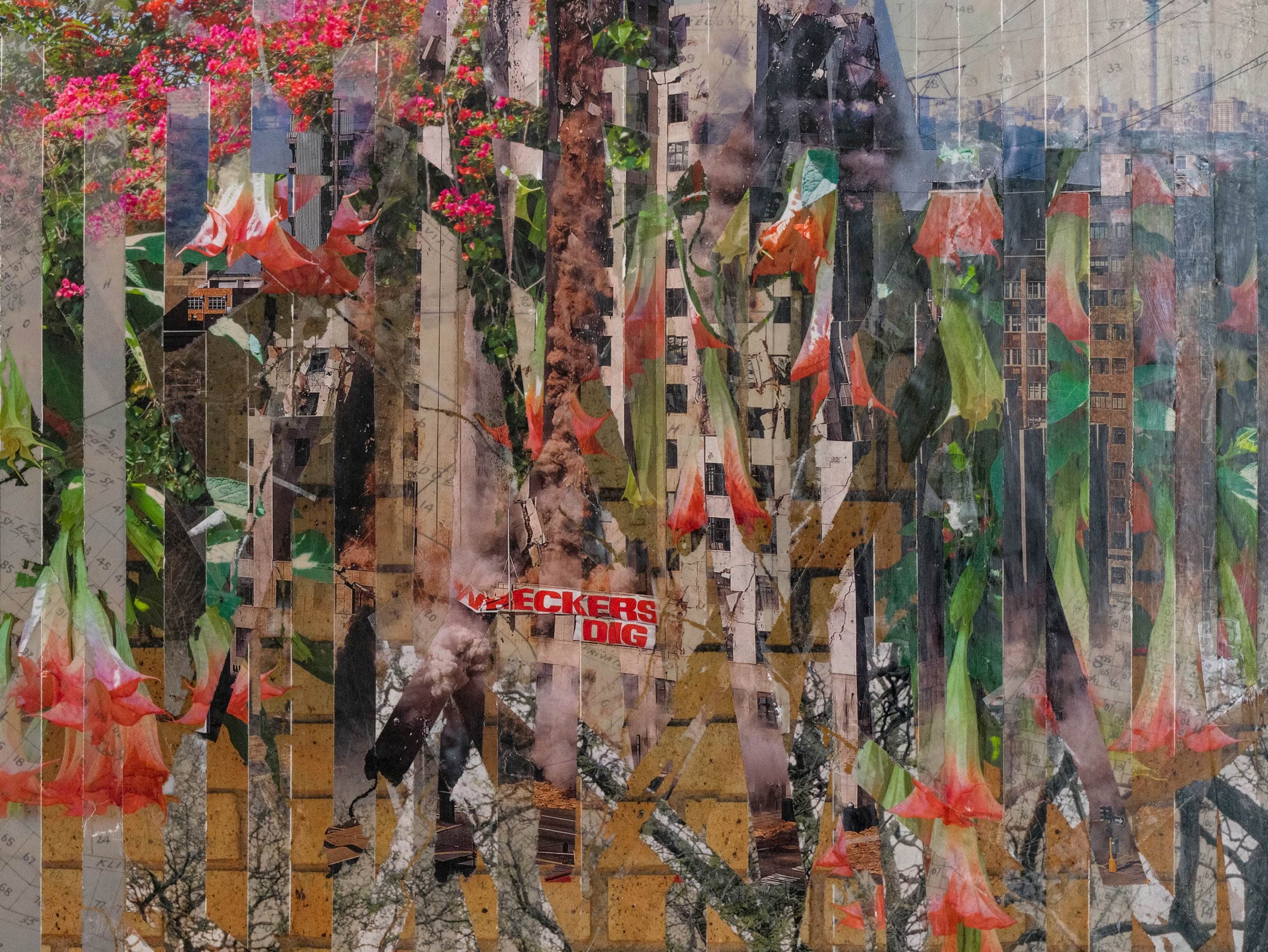
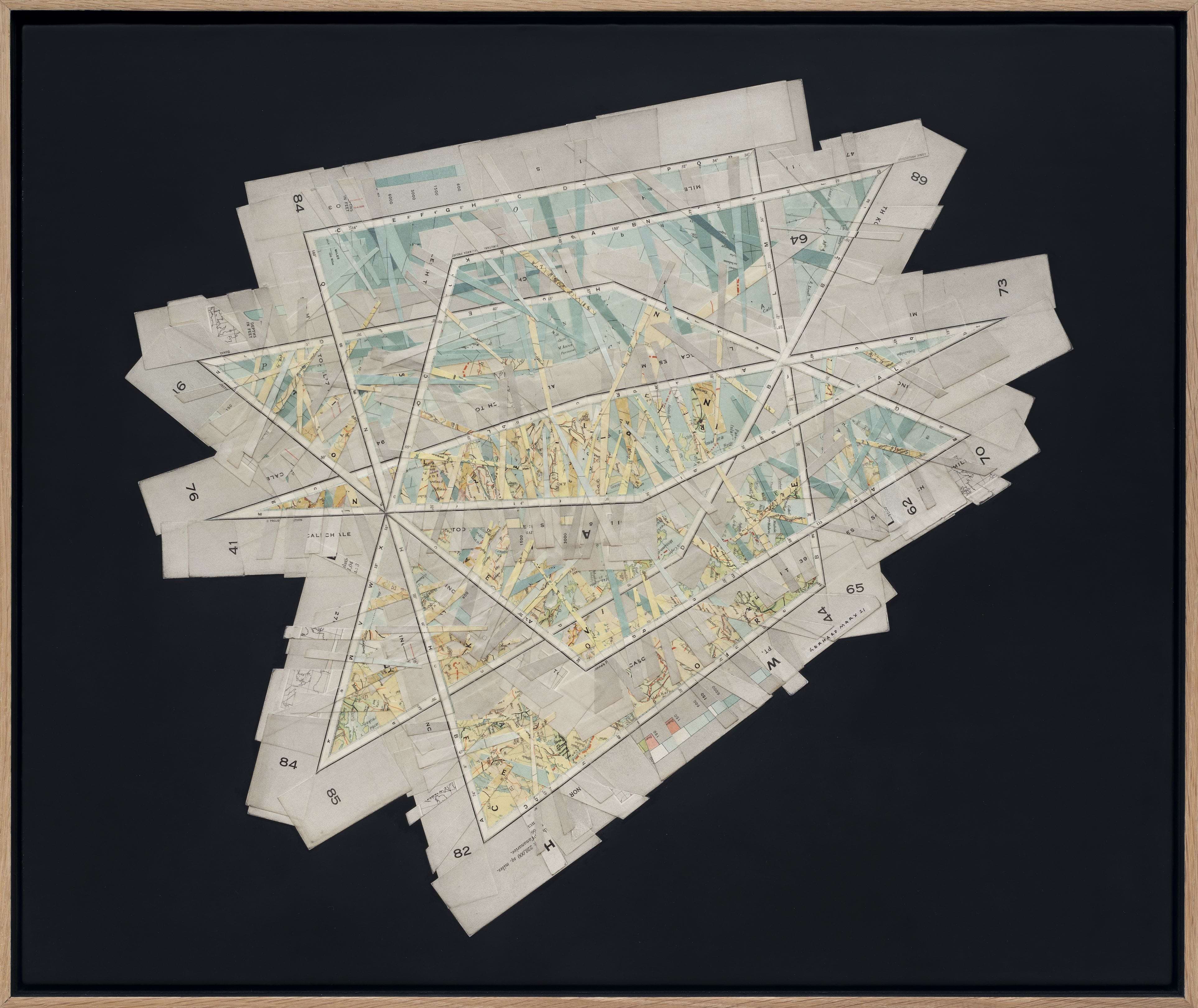
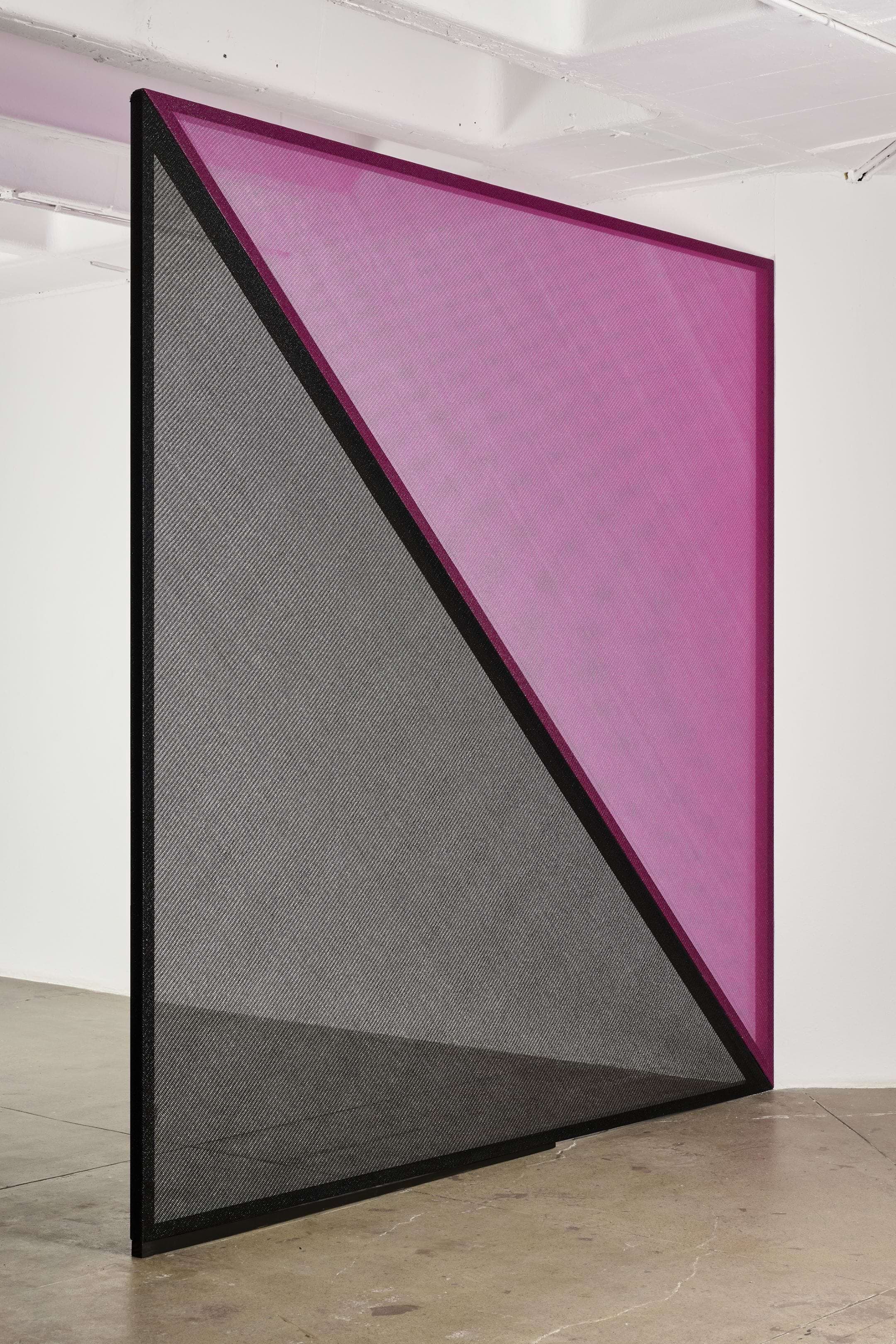
Kapwani Kiwanga reinforces the political associations to land through her series of shade cloth works. The specific shade cloth Kiwanga employs is used in large-scale industrial agriculture, allowing farmers to cultivate crops that would not survive otherwise by creating a microcosm of growth. Her sculptures in turn raise questions around barriers, transparency, restrictions and defensive protection.Through his use of existing cartographies to create more complicated geometric forms, Gerhard Marx reflects on an array of alternate spatial conceptions.
Marx uses the logic of collage to meticulously fragment and dissemble maps in order to carefully ‘grow’ them into a constellation of ‘propositional cartographies’. In the process of developing his own two dimensional as well as three dimensional constructions, Marx coaxes his cartographies into more complicated geometries as a way of considering possibilities of constructing visual metaphors that will facilitate a kind of thinking that allows for complexity, ambivalence and multiplicity.
Artworks
Create a Goodman Gallery account to view our full selection of available works, access pricing and check out online.
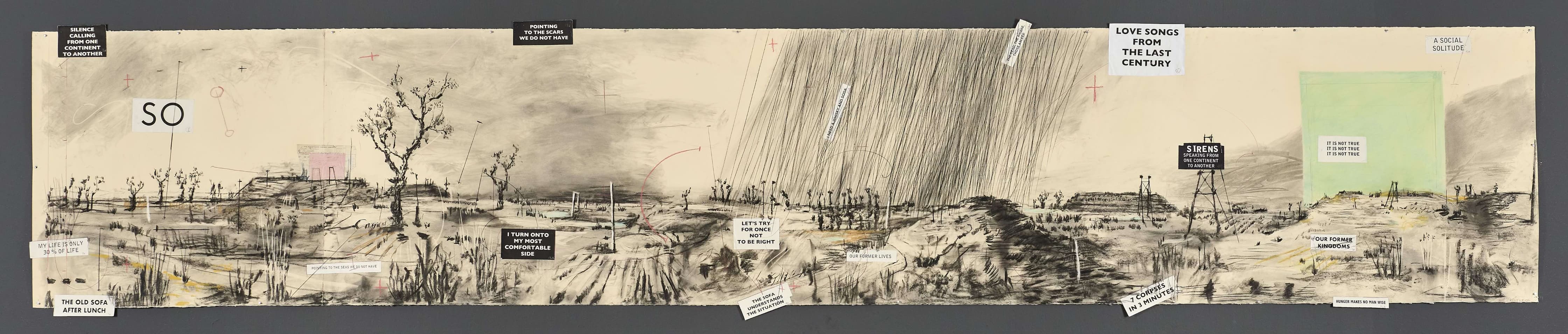
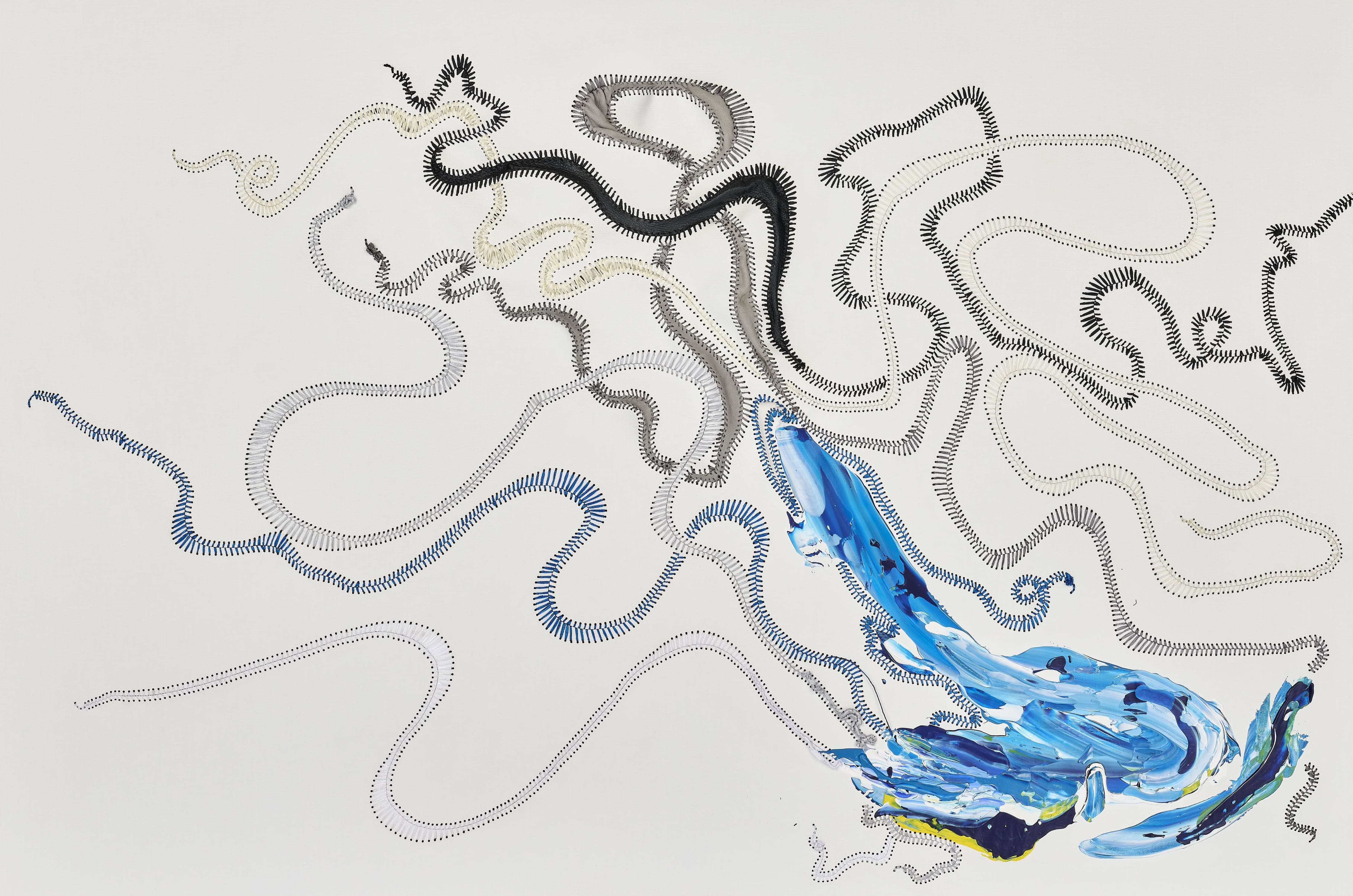
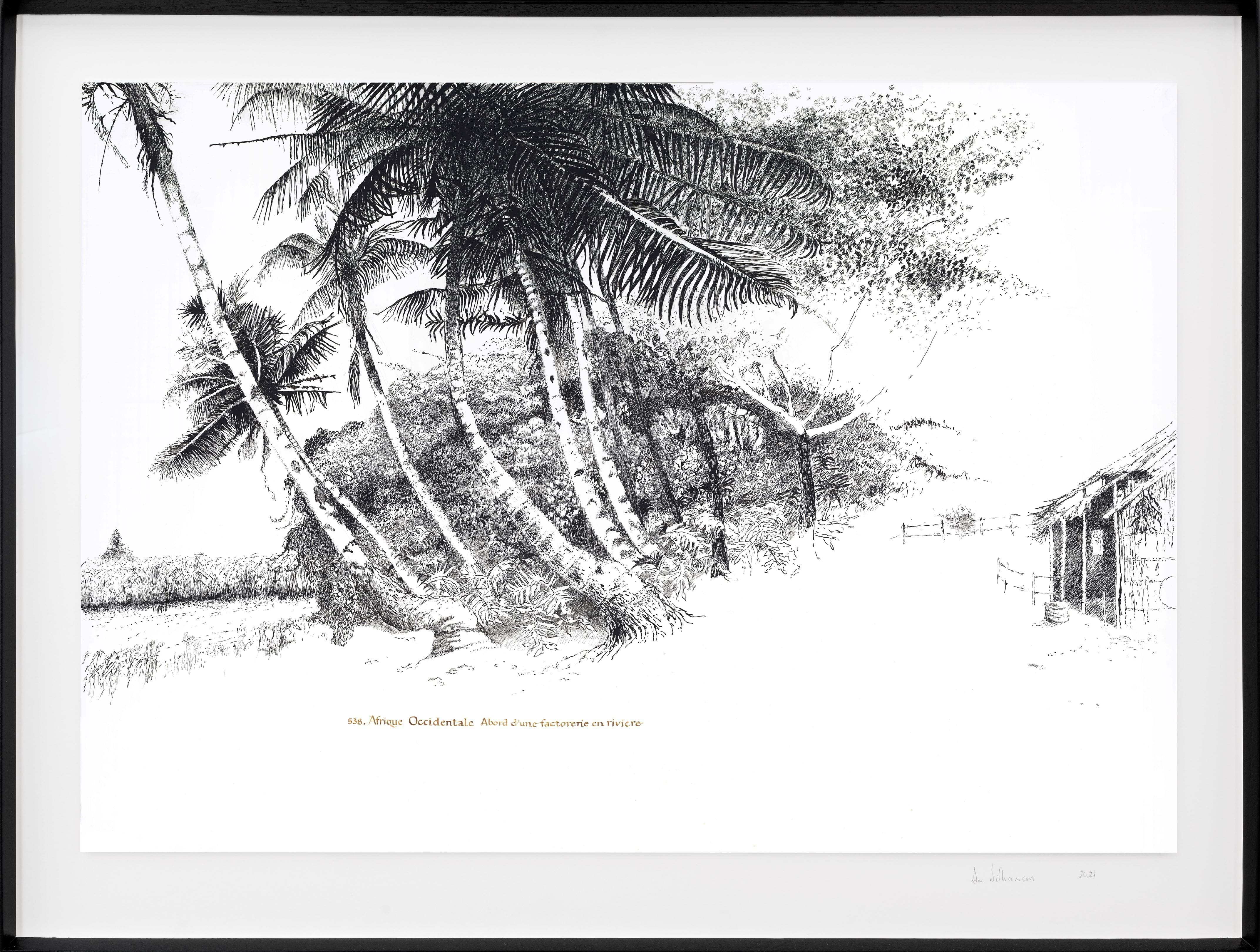
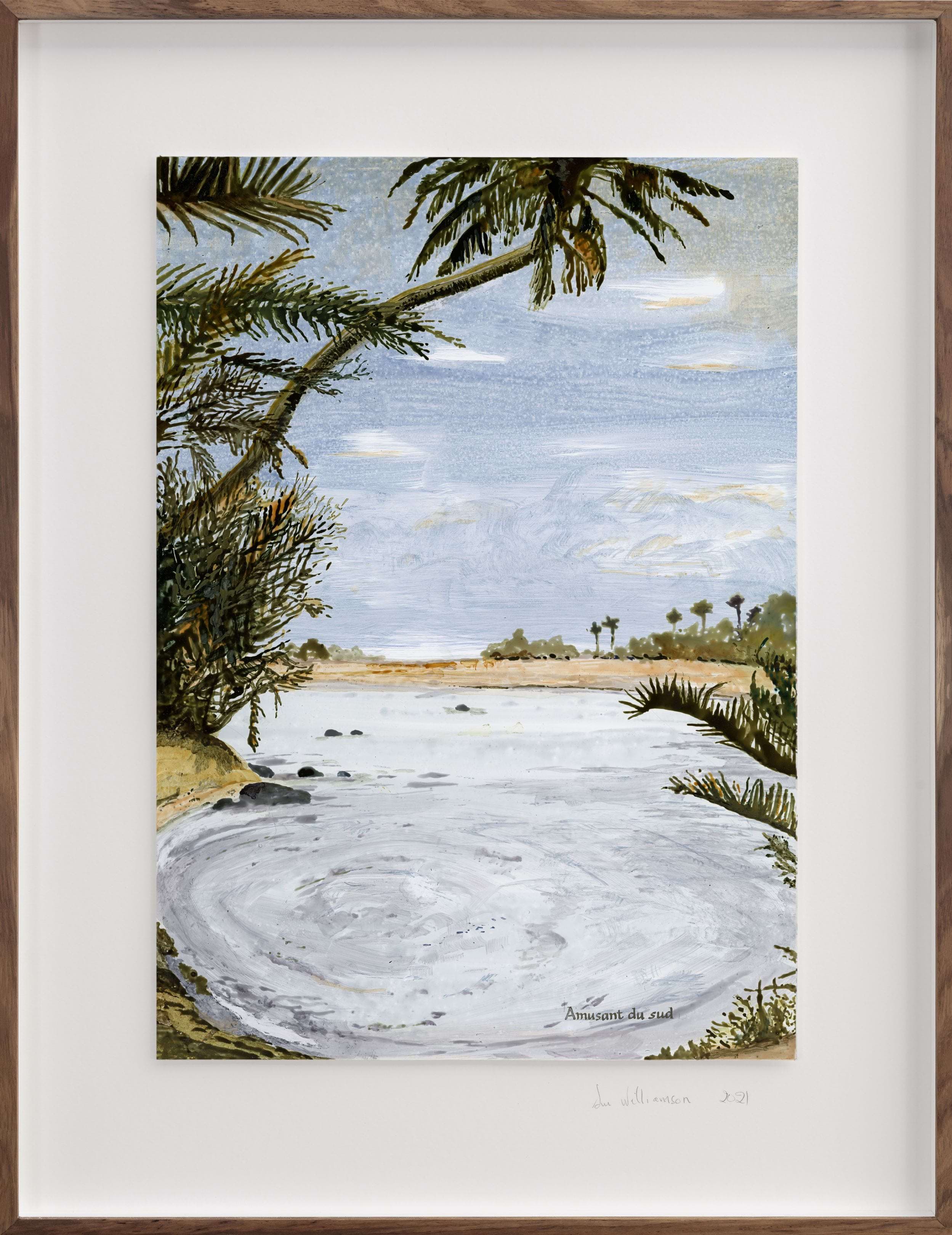

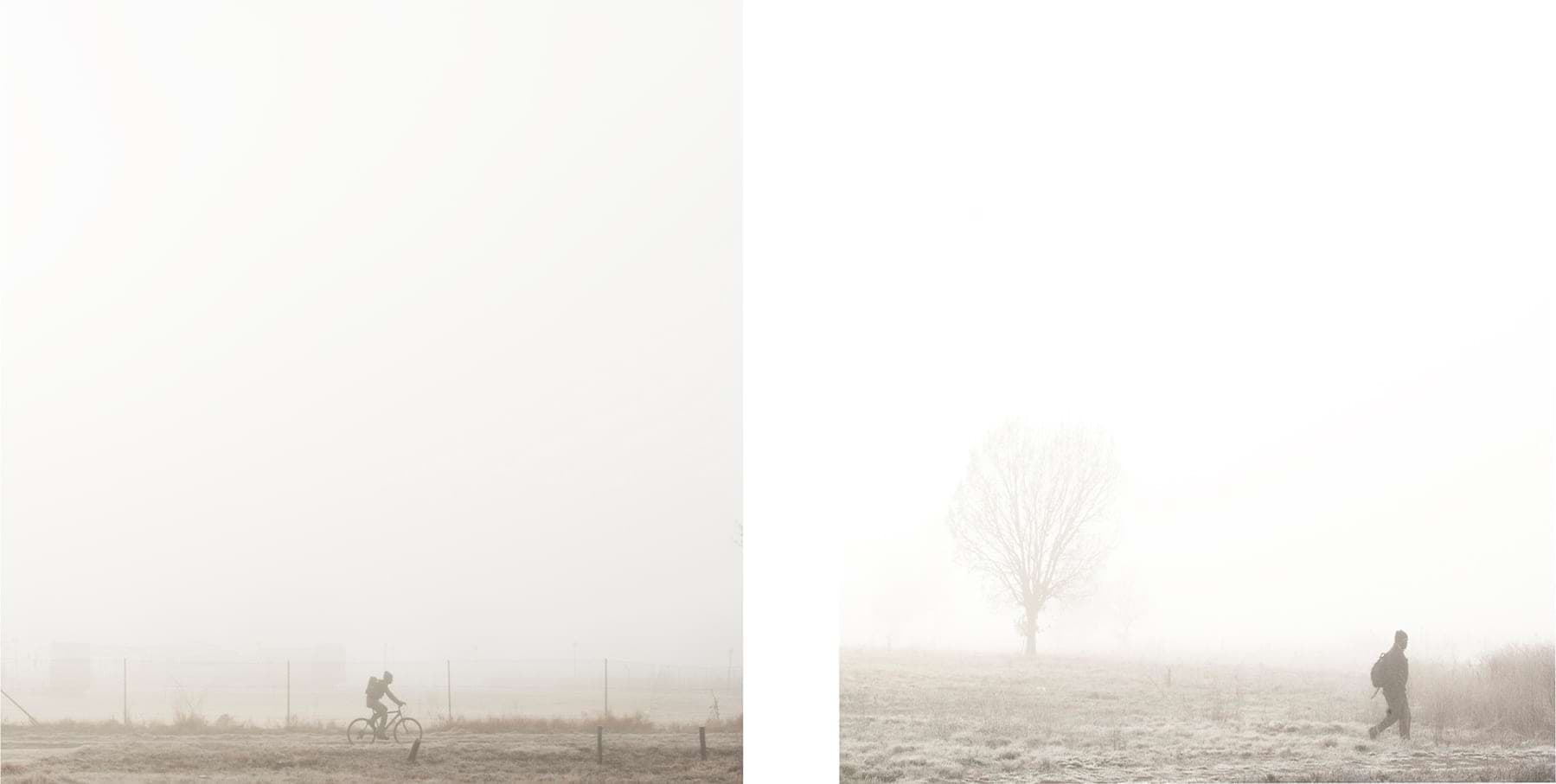
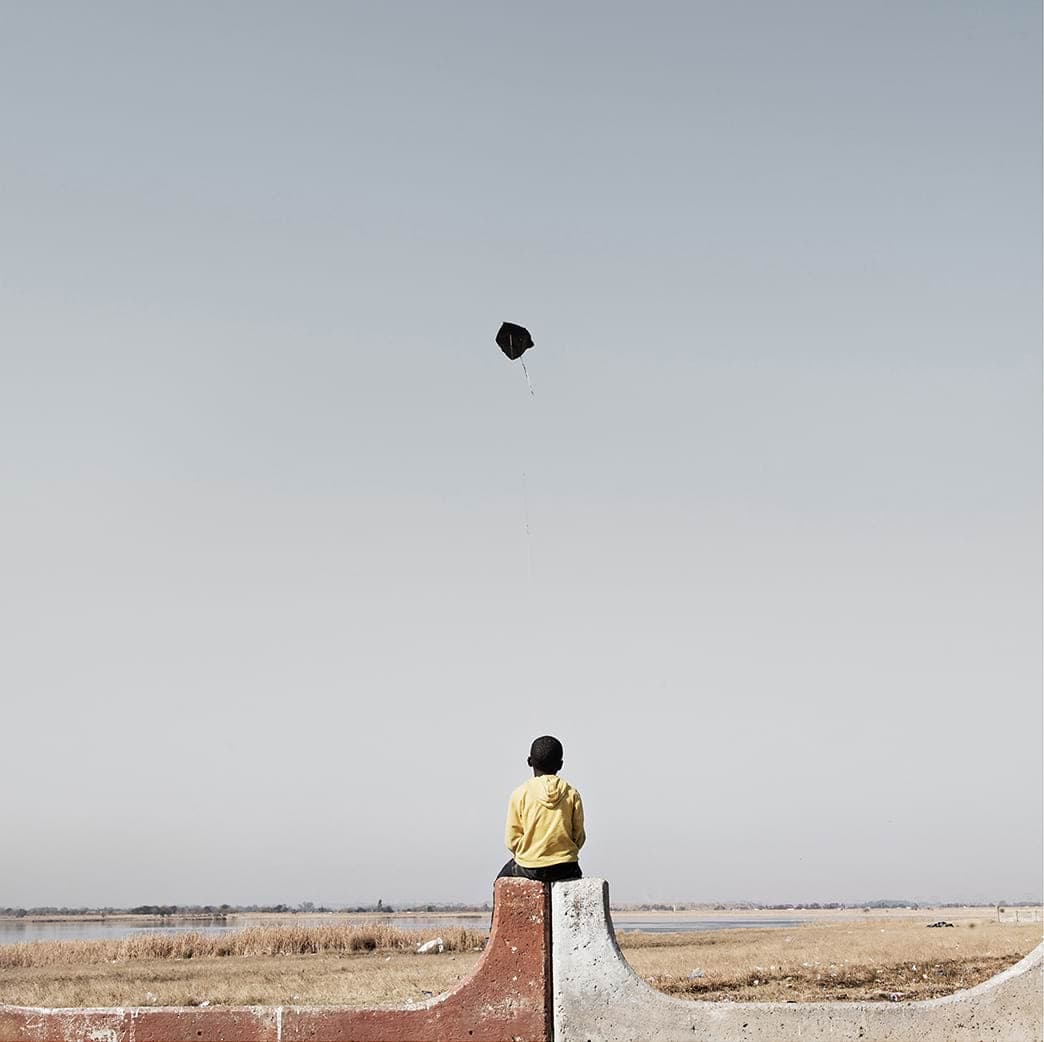
Moving from geographic and celestial bodies to those of the individual, Nicholas Hlobo considers his work to be a form of autobiography through which he articulates a sense of self. Hlobo does so through his use of found objects and materials such as leather, rubber, and ribbons. “My work is about my journey, how I relate to myself and to the outside world. I’m very curious about the invisible, intangible and incomprehensible aspects of that journey and there is always a slipperiness to the process of figuring it out”, says Hlobo.
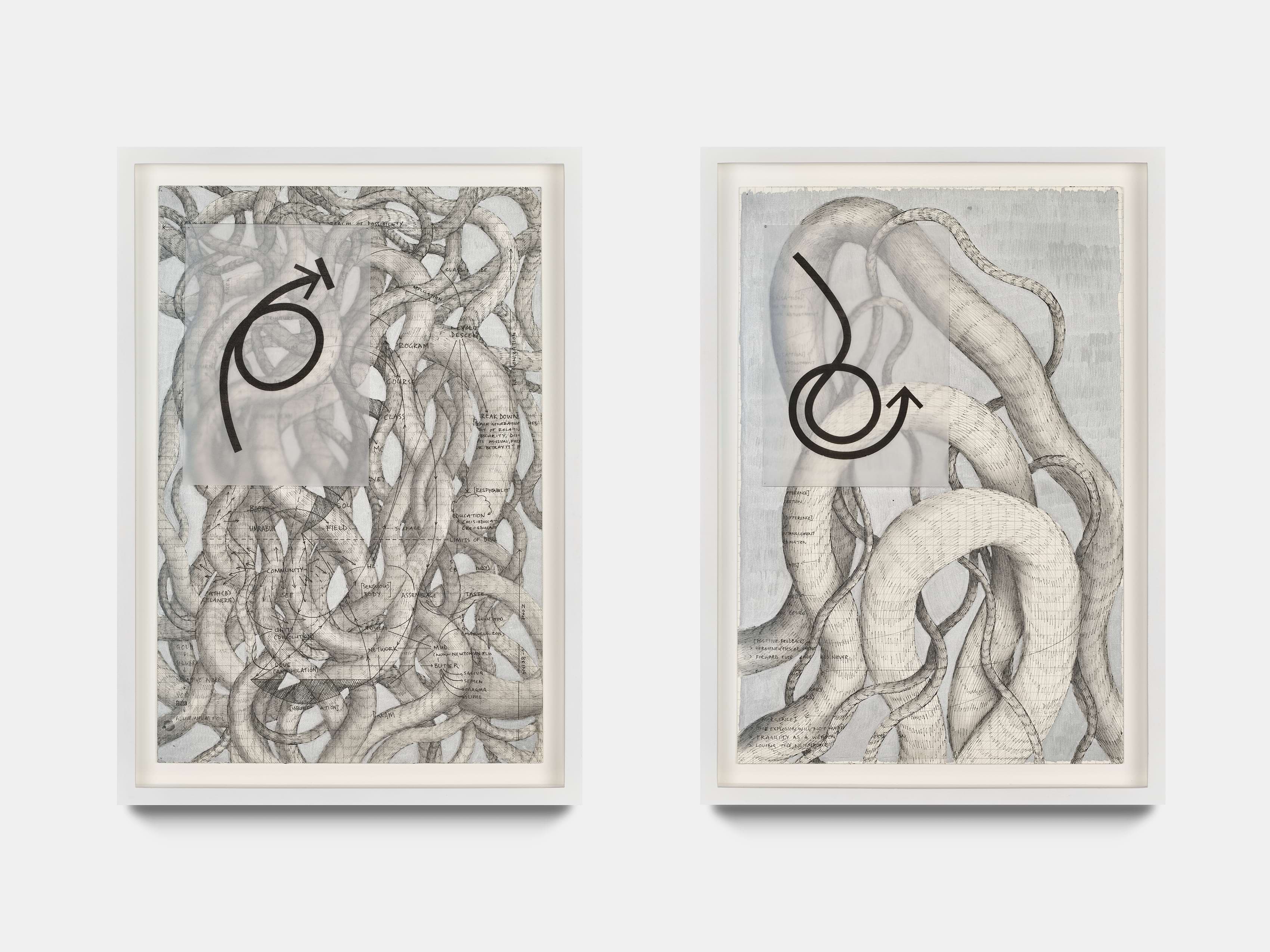
Hlobo uses materials that have resonance to his personal memories, which he says are “used as a way to add more layers to the narrative. And how they are intervened with forms a part of becoming a language that tells the story.” Nolan Oswald Dennis’ notes for recovery (touch)considers the body from the point of view of a wound. For Dennis, while it is possible to heal a wound, the damage cannot be undone. In that regard, the artist questions whether we can conceive of our societal wounds as “conditions for another country, another world, rather than a disturbing sign of this world?”

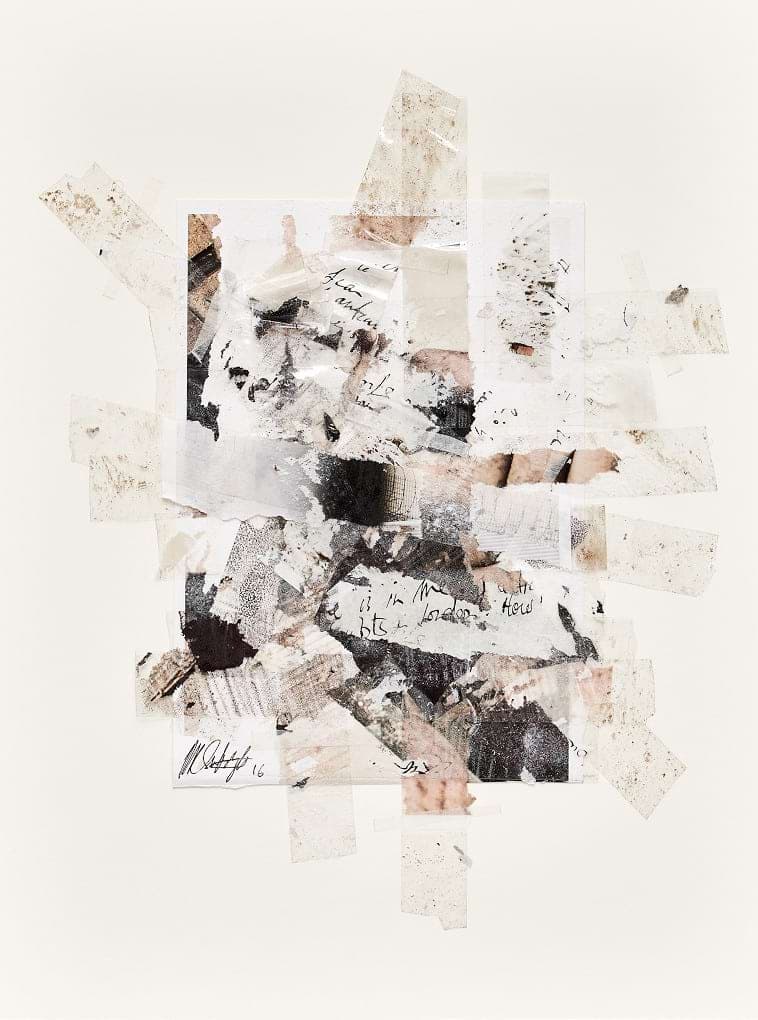
In WYE Study 19, Mikhael Subotzky splices together three film stills from the film WYE. Commissioned and exhibited by the Sherman Contemporary Art Foundation (Sydney) in 2016, WYE was, in part, an examination of the colonial body in the landscape. The gaze of the colonial subject was posited as the first act of conquest, and quite at odds with the fragility of that body in the elements of the foreign land.
This encounter takes places through three projected films which feature a 19th-century British settler on his arrival to the Eastern Cape, a 21st-century South African walking along a beach in Port Elizabeth, and the post-bodily white subject which has become ‘colonised’ in the name of a futuristic form of psycho-anthropology. Speaking to this work in relation to his broader practice, Subotzky says: “At the heart of my work is a fixation with revealing the gap between what is presented (and idealised) and what is hidden, coupled with a desire to pull apart and reassemble the schizophrenia of contemporary existence.”

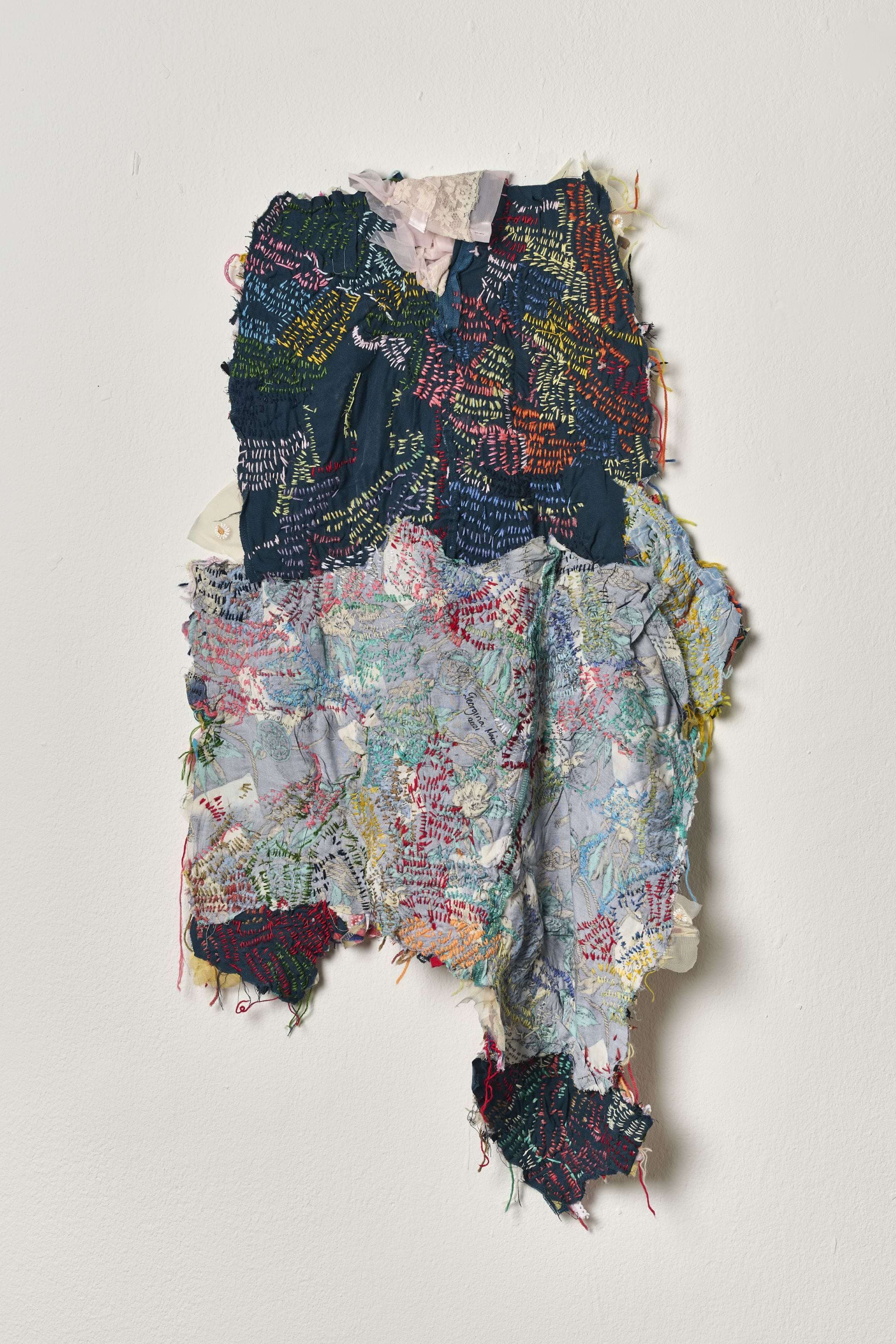
Georgina Maxim and Ravelle Pillay, invited artists also showing for the first time with Goodman Gallery, present works which consider memory in relation to the body. For Zimbabwean Maxim, her mixed-media textile work The front follower recalls the jubilant hymns of primary school. In particular, Maxim reflects on the lyrics “if you want joy, you must work for it”, prompting the artist to make this feeling visible through her work.
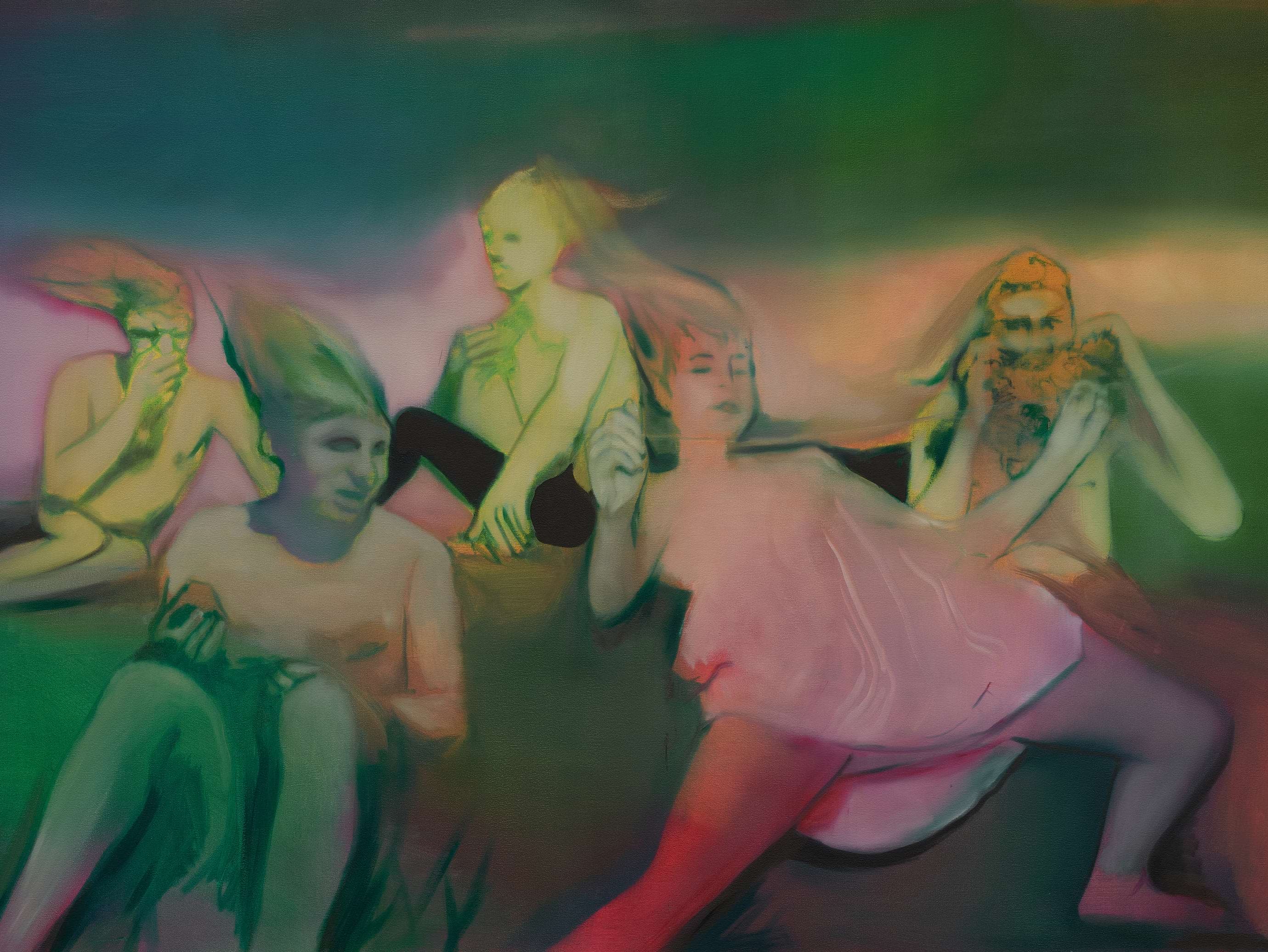
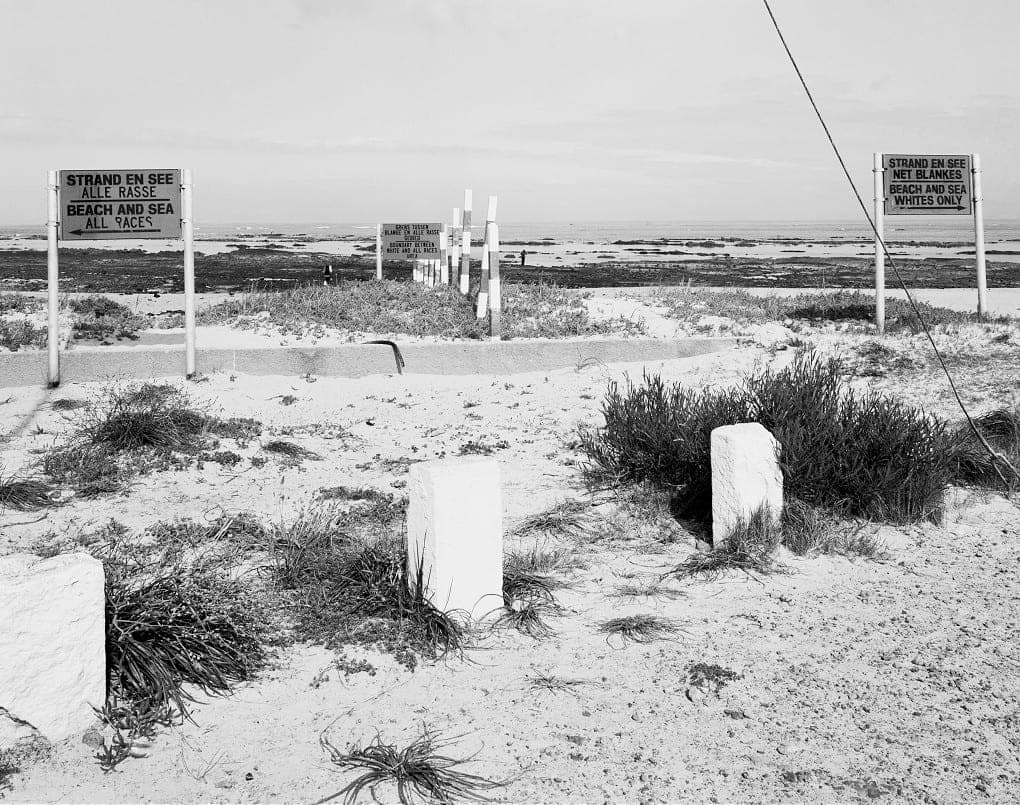
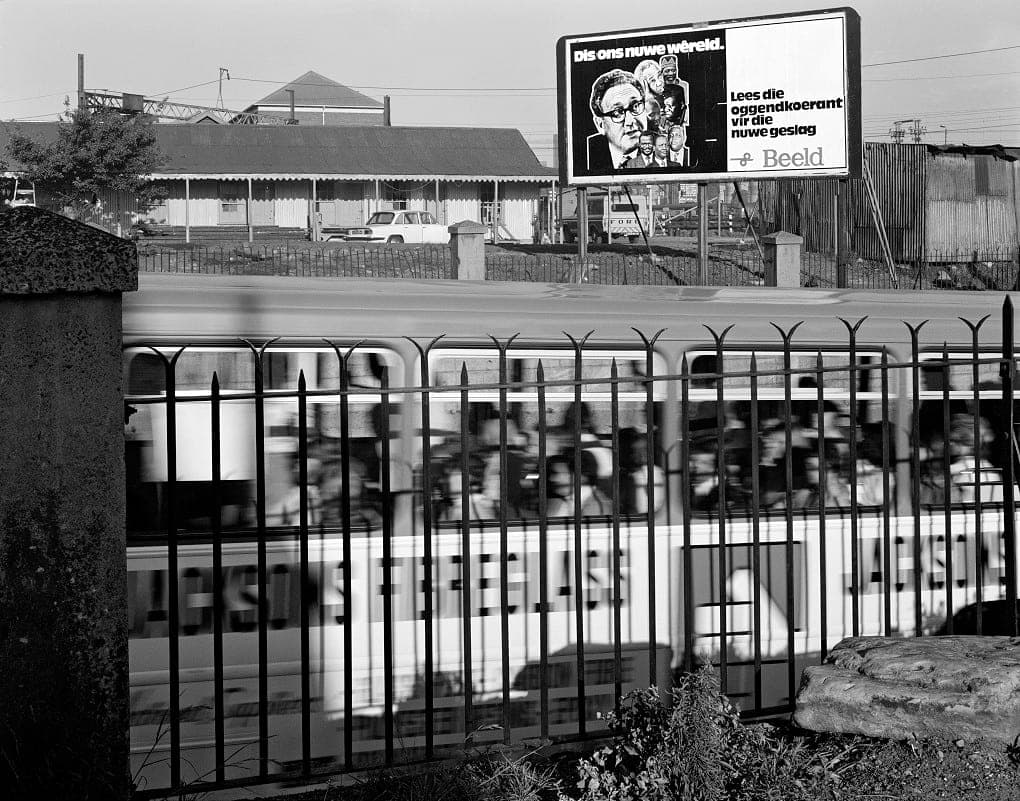
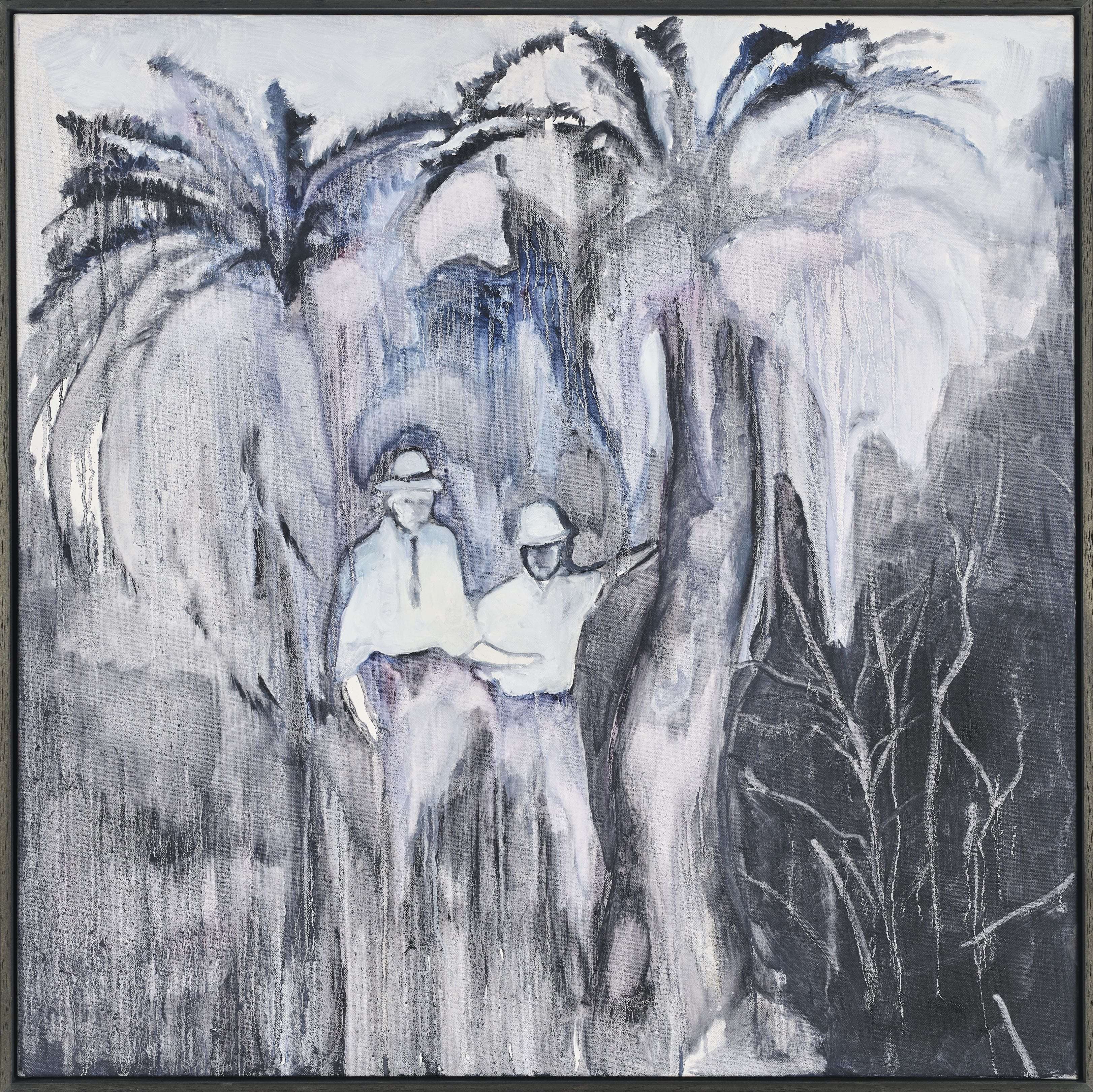
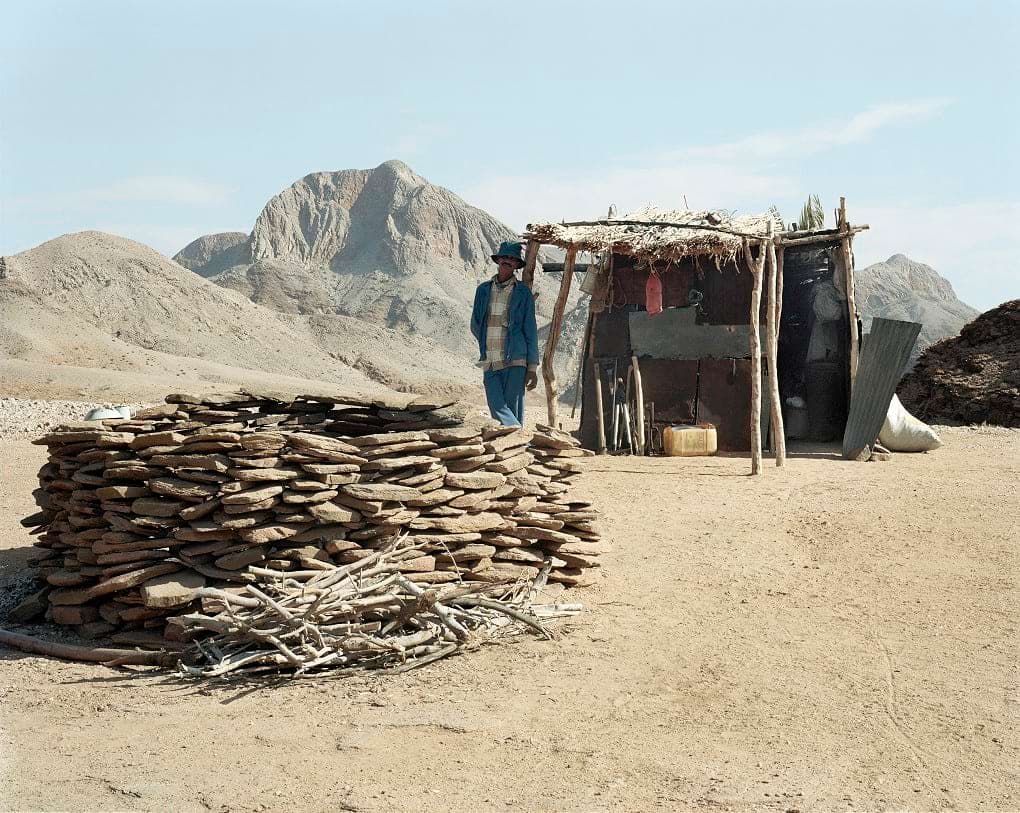
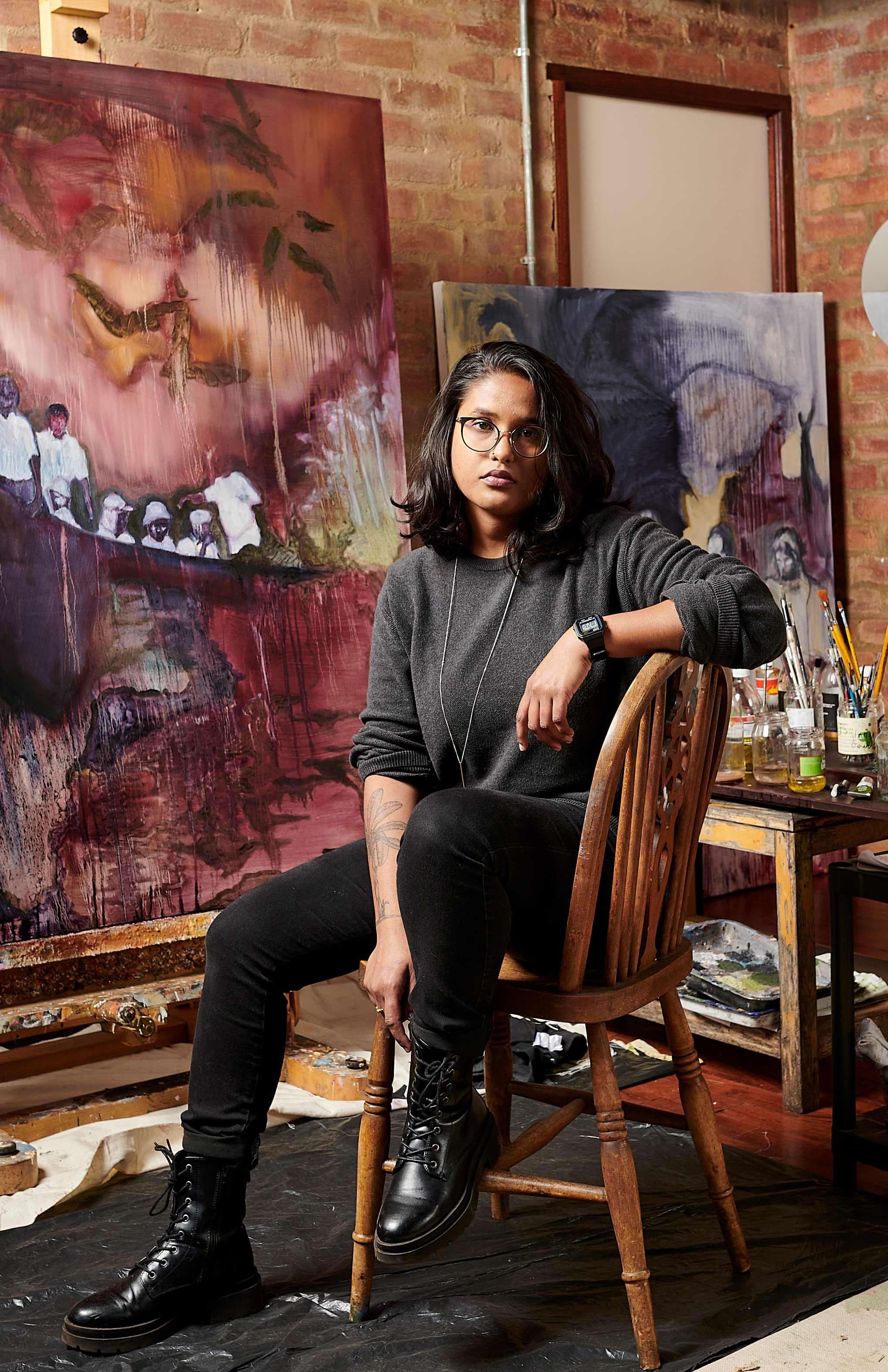
For Pillay, who works with personal and found archives, her paintings feature ghostly figures and places, intermingling and blurring her own experiences with stranger’s memories.Presented alongside the exhibition, is a pairing of photographs by Jabulani Dhlamini and his mentor David Goldblatt, as well as a selection of works by South African Masters.
Artists


Other Exhibitions
See All