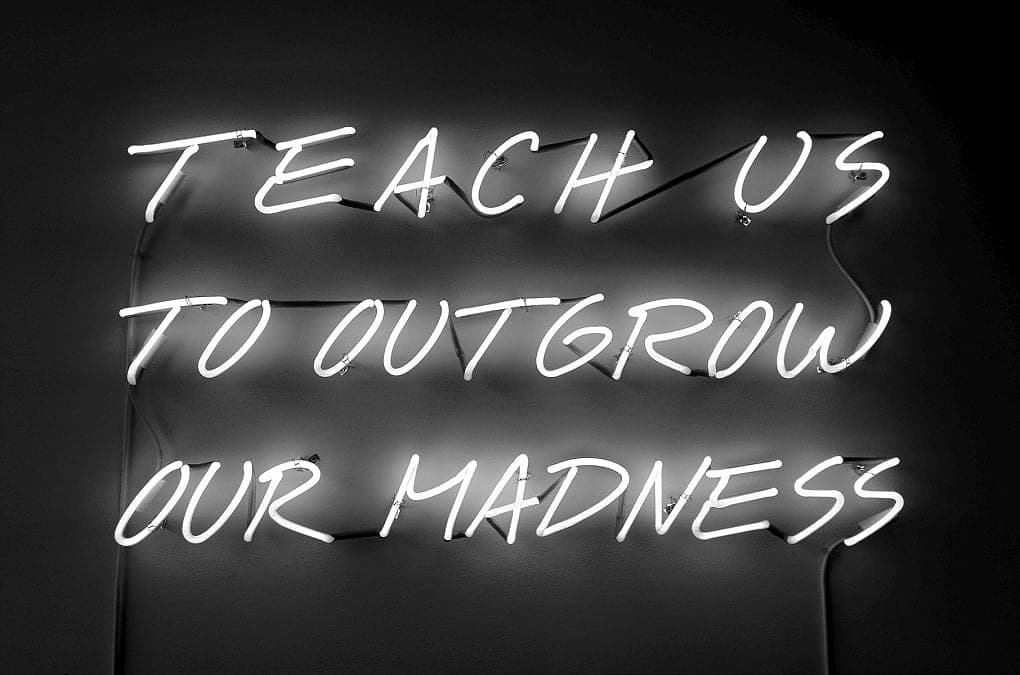

Probing the limitations of art in representing atrocities and the
contemporary over-saturation of media images, Alfredo Jaar's
multidisciplinary artistic practice explores unequal power relations and
sociopolitical divisions, as well as issues relating to global power and
exploitation.
Through his work, Jaar makes far-reaching connections between ethics
and aesthetics, and has become known as one of the most
uncompromising, compelling, and innovative artists working today.
This neon’s title originally comes from the British poet W.H. Auden and
was quoted by novelist Kenzaburo Oe who used the phrase as a title for
a collection of short stories dealing with the Hiroshima atomic bombing
and Japan's fading collective memory towards the event.
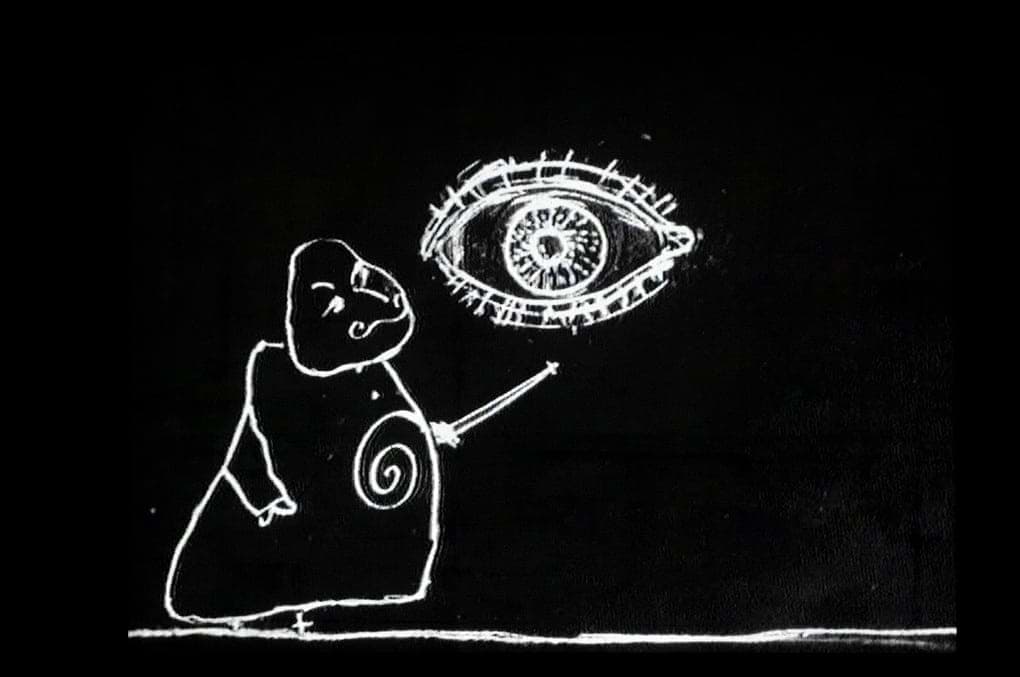
In conversation with Carolyn Christov-Bakargiev,on the subject of the camera in Kentridge's drawings, which in _Ubu Tells the Truth_ transofrms into a police helicpoter or a surveillance eye:
"There's a range of associations around the camera as an instrument of control, scrutiny, recording and memory. It's a rich emblem. but I couldn't tell you if in the film, when Ubu turns into a camera, he is photographing himself. Is it some god-like body or conscience photographing him to judge him? All I can say is that during a Truth and Reconciliation Commission hearing of one of the South African Police, part of the evidence presented was home movies of murders, which the police had filmed themselves. Were those policemen filming this out of a crazed sadism? Were they doing it thinking that, if they were charged they could prove that others were also involved? Were they perversely acting as documentary photographers? That ambiguity is echoed in what the image might be doing in the film. The story of how those police came to have those home movies somehow confirms the figure of Ubu turning into a camera." William Kentridge
Video
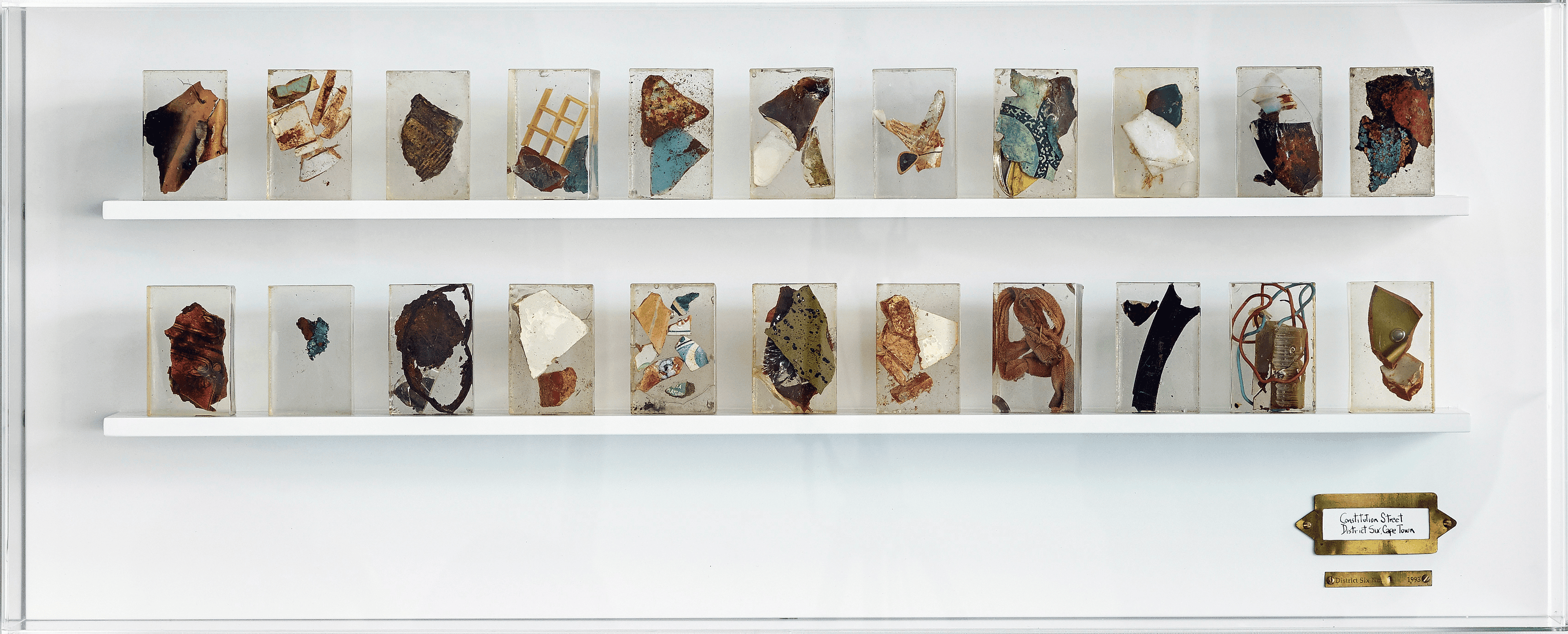
District Six in Cape Town, once home to a vibrant and diverse community of around 55,000 people, was declared a “slum” by the apartheid government in 1966, leading to its eventual demolition. This displacement, which began in the early 1970s, disrupted not only the physical landscape but the deep social and cultural connections that had bound generations together.
For the 'Museum Case' series Sue Williamson visited the site formerly known as District Six. Williamson gathered fragments of various objects that had remained in the area following demolition and cast these fragments in small resin blocks.
‘The pieces both celebrate the liveliness of the community that once was, and are also an indictment of a society which allowed a community to be destroyed until there was nothing left but inert fragments. We are used to seeing fragments of pre-Columbian clay figures or Roman glass displayed in museums – but in my role as fake ‘museum director’ I have preserved these fragments of a community which was very much alive only fifteen years before the piece was made.’ - Sue Williamson
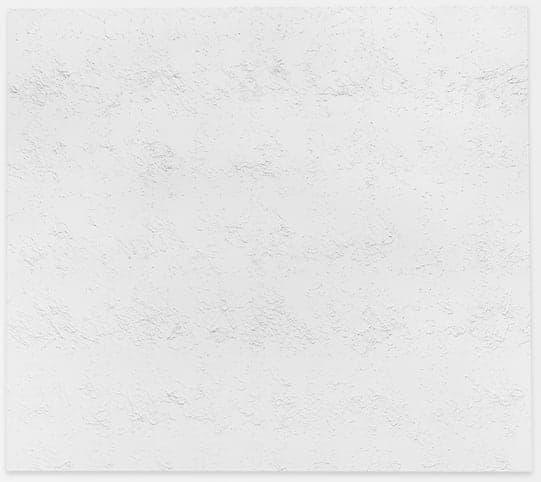
Many of Ghada Amer’s paintings make art historical references in subversive and humorous ways. White Girls and White Kiss subtly offer racial commentary, critiquing whiteness as a convention while addressing Robert Ryman. The cascading and pooling thread, omnipresent in Amer’s work, recalls Jackson Pollock. Jenni Sorkin writes in the catalogue essay, Ghada Amer's Material Plunder (2018) , “Ghada Amer has utilized the lush landscape of the art historical past from which to plunder—re-casting the role of women as subject, versus object.” Here, the female figures are naked, rendered in the style of idealized fashion sketches articulated with minimalist lines, a style that has long blurred the distinction between female and feminine.
The combination of drawing and dangling thread that hangs over the portraits like a forest of vines or a cage of hair makes the work even more visually seductive. The tendrils slightly obscure the female figure and make her more desirable because she can’t be fully visually possessed. Herein lies the tension, a woman’s body does not make the decisions regarding how she is represented nor seen. Rather, the culture around her body does this — a culture that makes her body into a territory to be conquered, a chance to be wooed, a citadel to be protected, a prize to be revered — all ways of diminishing the person to the mere status of an object of desire.
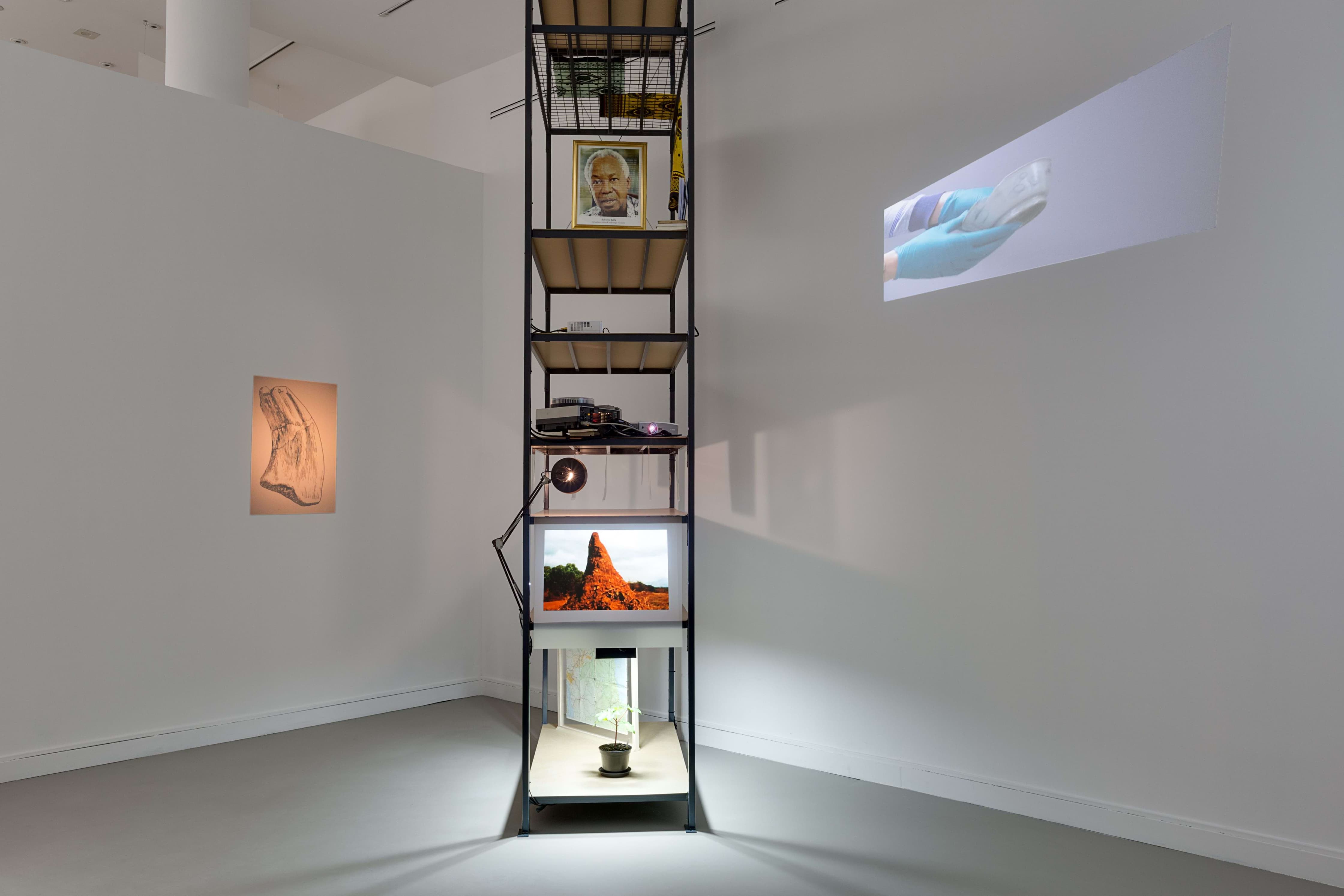
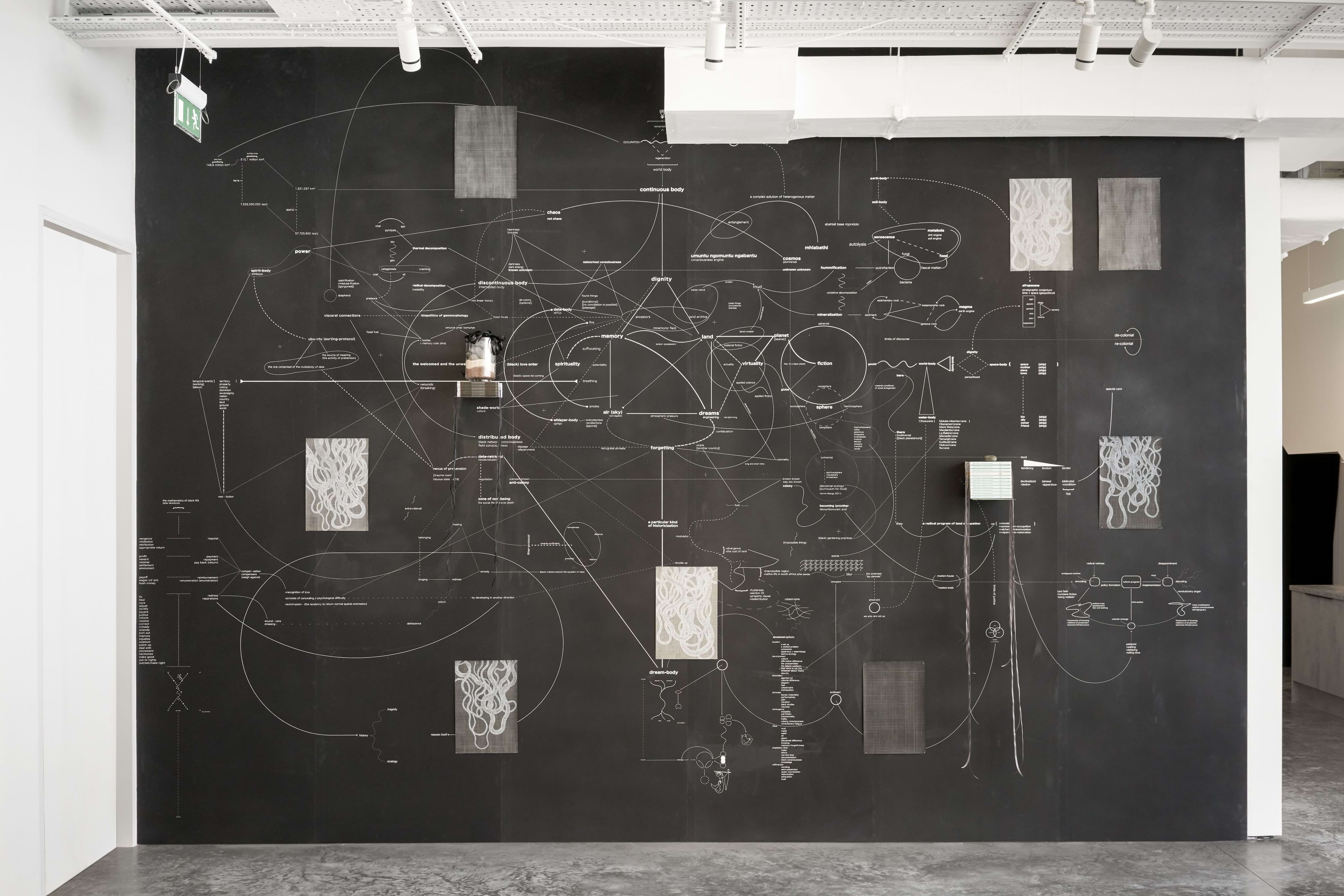
In this installation the artist treats the voids present in living memory, as well as the material traces of the Maji Maji War; an anti-colonial uprising which took place between 1905 and 1907 in present-day Tanzania. The installation centres around a shelving system, which functions simultaneously as a storage unit, an exhibiting structure and a projection machine. It embodies storytelling in the form of a subjective archive through which Kiwanga questions the act of organising and categorising, rejecting any illusion of totality or exhaustiveness when treating historic events.
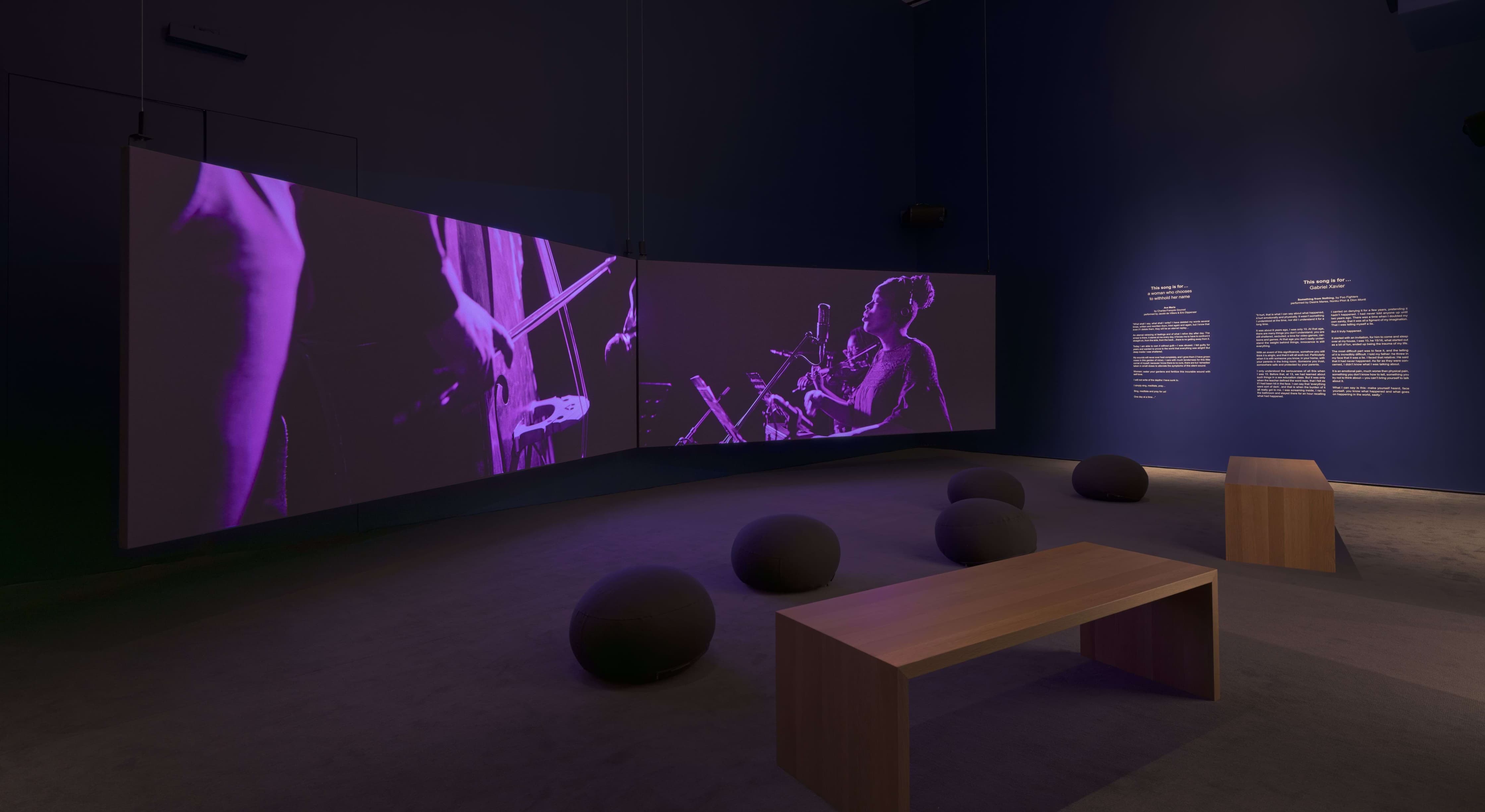
In 'This song is for...' Gabrielle Goliath returns to and re-performs the popular convention of the dedication song, in collaboration with a group of women and gender-queer led musical ensembles.
Playing sequentially within the immersive, sonic space of the installation is a unique collection of dedication songs, each chosen by a survivor of rape and performed as a newly produced cover-version. These are songs of personal significance to the survivors – songs that transport them back to a particular time and place, evoking a sensory world of memory and feeling.
A sonic disruption is introduced at a point within each song; a recurring musical rupture recalling the ‘broken record’ effect of a scratched vinyl LP. Presented in this performed disruption is an opportunity for listeners to affectively inhabit a contested space of traumatic recall – one in which the de-subjectifying violence of rape and its psychic afterlives become painfully entangled with personal and political claims to life, dignity, hope, faith, even joy.
This work is in the The Taguchi Art; Kunsthaus Zürich; and Mudam Museum of Modern Art collections.
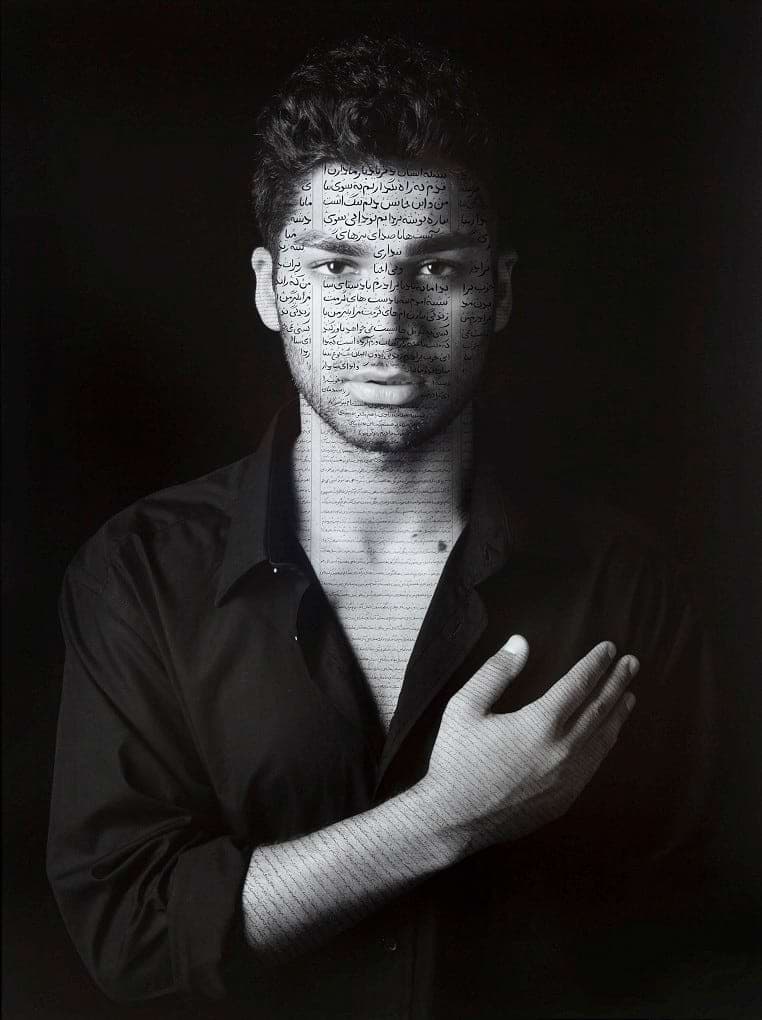
Shirin Neshat’s portraits from ‘The Book of Kings’ series depict
Iranian and Arab youth with meticulously executed calligraphic
texts and drawings inscribed over each subject’s face and body.
These texts and illustrations—drawn from the Shahnameh as well
as from contemporary poetry by Iranian writers and prisoners—
both obscure and illuminate the subjects’ facial expressions and
emotive intensity, intimately linking the current energy of
contemporary Iran with its mythical and historical past. In this
arresting body of work, Neshat returns to the confrontational
nature of her iconic Women of Allah series, while re-focusing on
themes of revolution and the bold-faced defiance of youth.
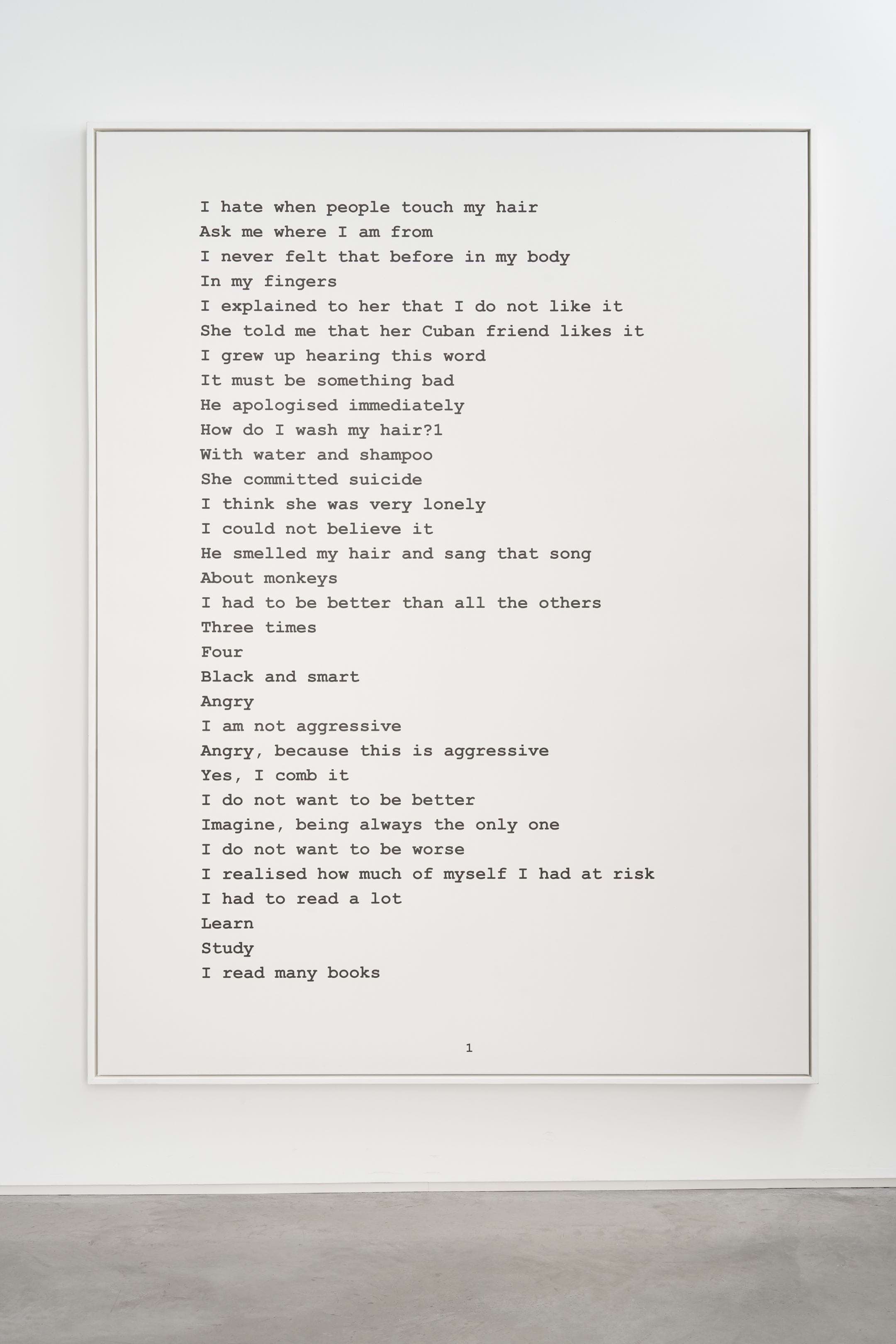
'The Chorus' (2017) is a wall installation based on the artist's previous literary work and her very unique practice of exploring the performative aspects of her texts. This piece is the result of an experimental work with actors from the African Diaspora, during rehearsals for a staged reading, in Berlin. Kilomba developed the repetition of the most emotional and evocative phrases for the actors, and composed the chorus.
Playing with the idea of a manifesto, the final poem is printed on a large wall, exposing the most subtle, but traumatic and violent forms of everyday racism.
“Her work underlines the perpetuation of colonialism. A proud and irreducible political and feminist interpellation, and it explodes in lucid writing.”- Visão Magazine
‘Peaceful Warrior’ is a decolonial self-care preaching-tutorial urging people of color to connect with their histories, ancestral knowledge and traditional philosophical wisdom. From yoga, meditation, to womb movements and a healthy diet, Peaceful Warrior aims at healing traumatic genetic memory to build a spiritual community for a more efficient struggle.
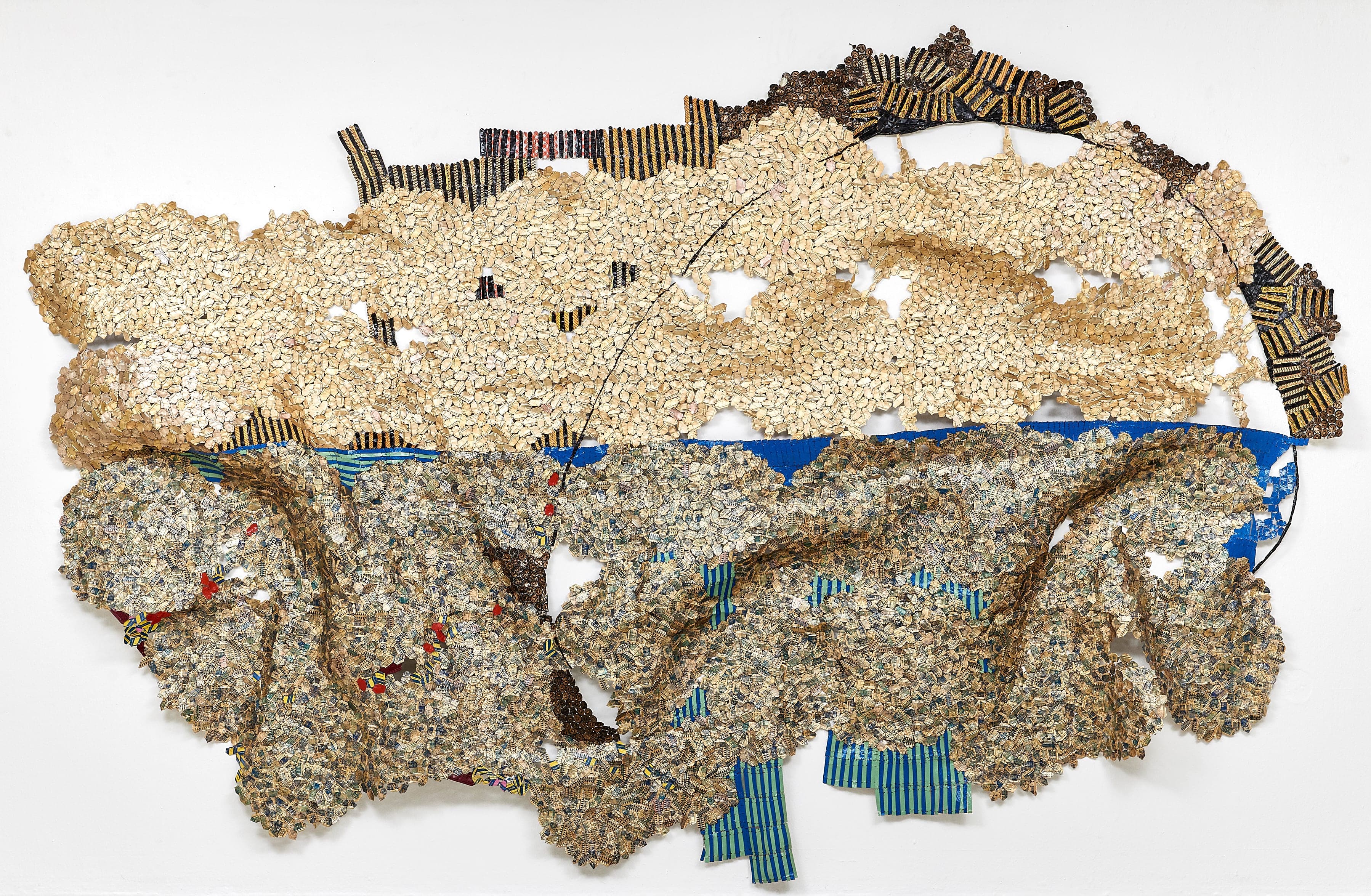
“If Anatsui’s complicated metal hangings of the past two decades confound the categories of painting and sculpture, when they became truly monumental in size they also began to approximate a third art form: architecture.”
— “Undefinable”, in El Anatsui: Art and Life, ed. Susan M Vogel (Prestel Publishing, 2020), pg.188.
[Horizon has been exhibited at The Prince Claus Fund, Amsterdam (2016), Goodman Gallery, Johannesburg (2017) and at The South African National Gallery, Cape Town (2018).]
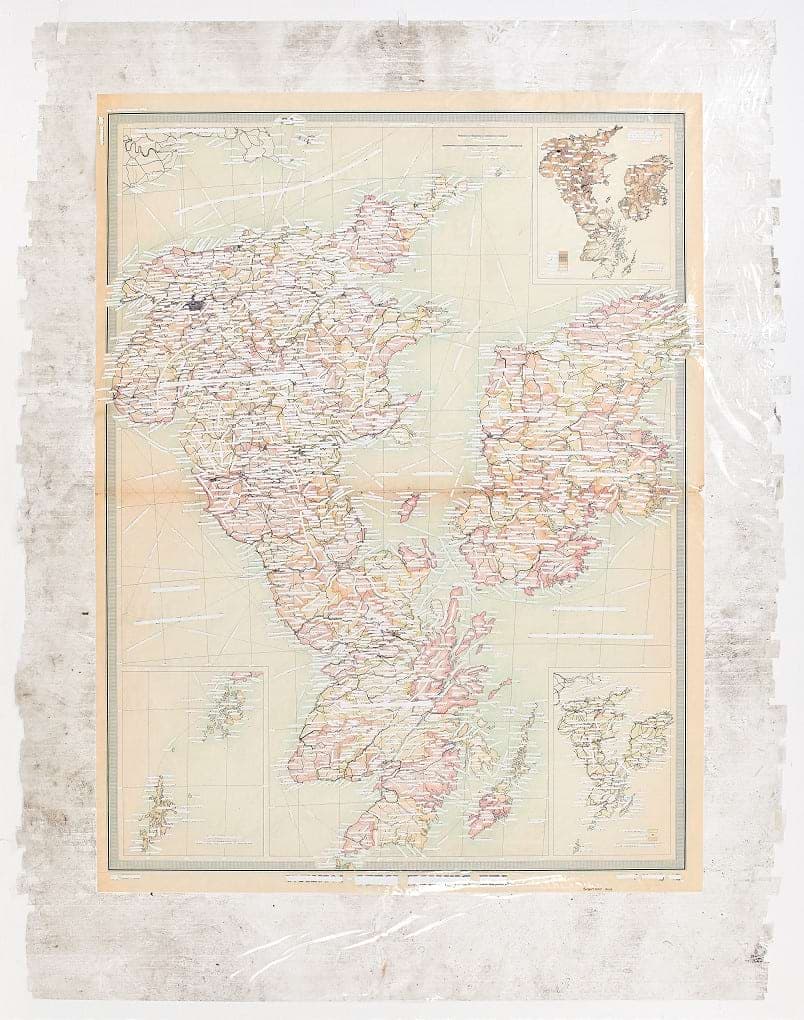
The act of drawing a map is the ultimate form of asserting ownership of land. The Sticky-Tape Transfer maps I have made are all futile attempts to defamiliarise our representations of the land. My film installation WYE (2016) brought together three narratives where the protagonist’s gazes at the landscapes of England, South Africa and Australia; each of these landscapes is loaded with the weight of the colonial project and white subjectivity. I made a Sticky-Tape Transfer map of each of these three territories, turned upside down and with all their names erased, in a futile attempt to look at them without the knowledge of the projects of ownership.
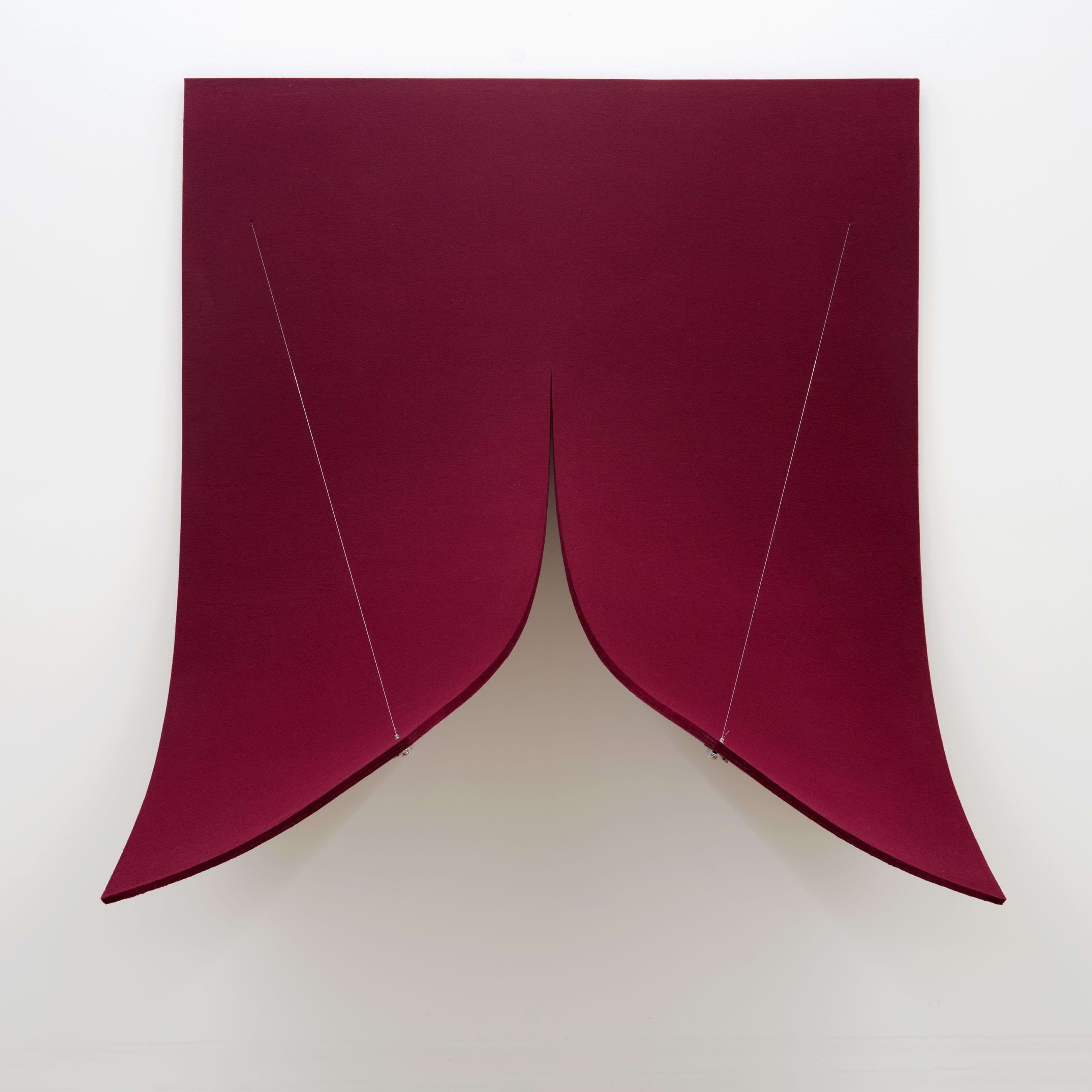
In this ongoing series of work, Naama Tsabar transforms raw industrial felt into modifiable stringed instruments. Through the addition of carbon fibre, piano strings and guitar tuning pegs, the felt pieces take on new features that contradict their natural character. The work recalls the post-Minimalist art of the 1970s, extending its application by merging minimal aesthetics with performativity. Viewers are invited to directly engage with the works by plucking the strings and creating a new acoustic landscape. The works output sound through human encounter —tightening or loosening the strings changes the degree of the bowing of the sculptures as well as the sound they emit. The transformative nature of the work is such that the appearance of the sculptures, their erectness or flatness, directly corresponds to the pitch they produce.
Reflecting on the use of felt as a material in her earlier works, Tsabar notes; “I was thinking about Robert Morris’s post-Minimalist gravity felt sculptures, and the deadening of sound in relation to Joseph Beuys’s felt suit for a piano. My first two pieces were on the floor, and in late 2015 I moved up to the wall.” [Bomb Magazine, Sculpture and Sound: Naama Tsabar Interviewed by Naomi Lev, 2018].
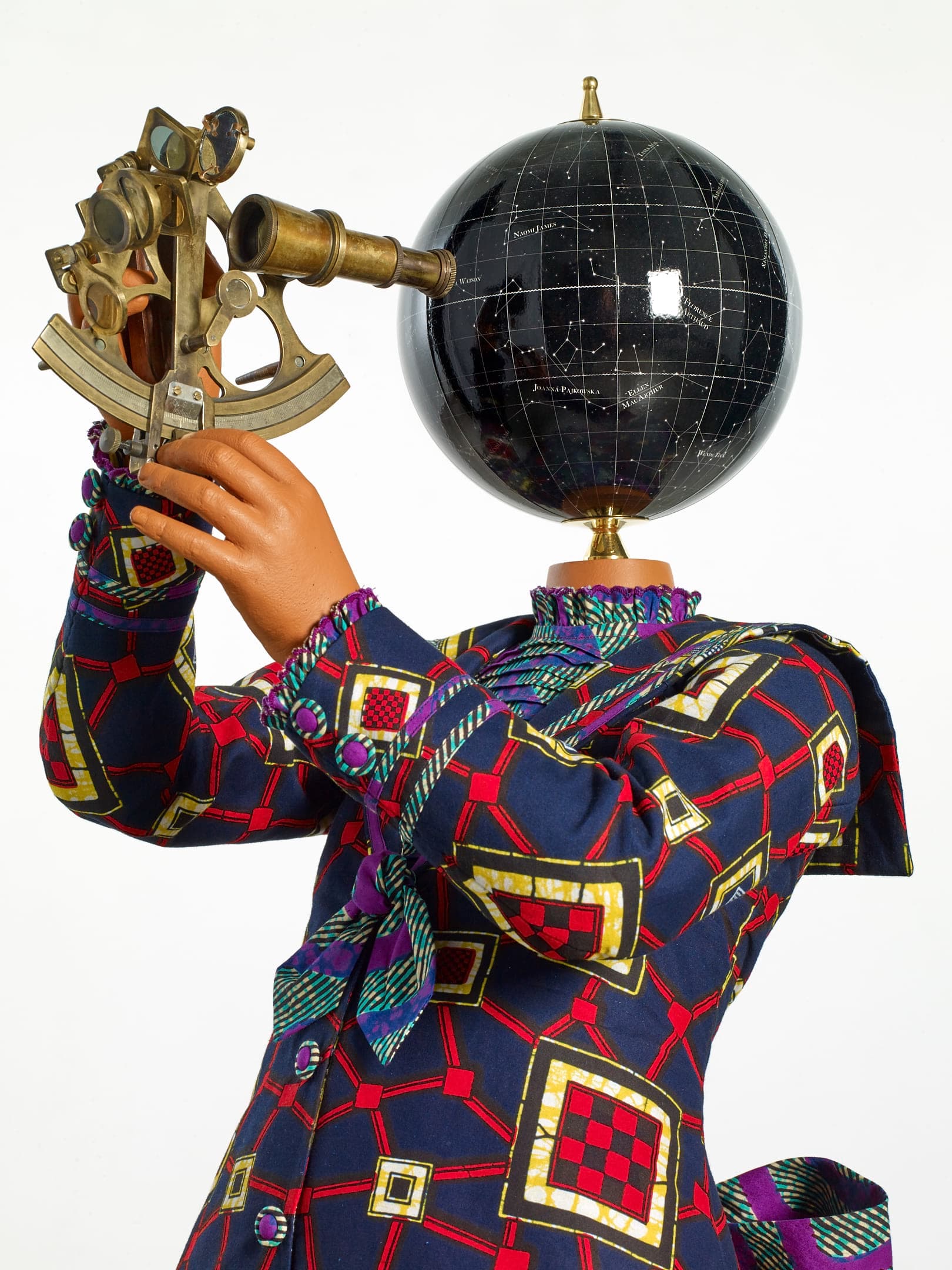
Yinka Shonibare CBE (b. 1962, London, UK) is known for his exploration of colonialism and post-colonialism within the context of globalization. He was awarded the honour of ‘Commander of the Order of the British Empire’ in the 2019 New Year’s Honours List.
Planets in My Head is a series of sculptures by Shonibare set against the current context of global anxiety about the planet. The sculptures all incorporate a globe-like form in the position of a head, which ties into the idea of breaking with traditional and established Western canons of knowledge. This concept is illustrated using the figure of children in the sculptures, who all bear Western tools which subvert our ideas around a European-inspired understanding of the world. These figures have seemingly departed Earth, entering other galaxies where they may resist the formalisation of knowledge that the West has set up. In turn, the sculptures re- imagine our dominant bodies of knowledge to create a new globalised perspective.
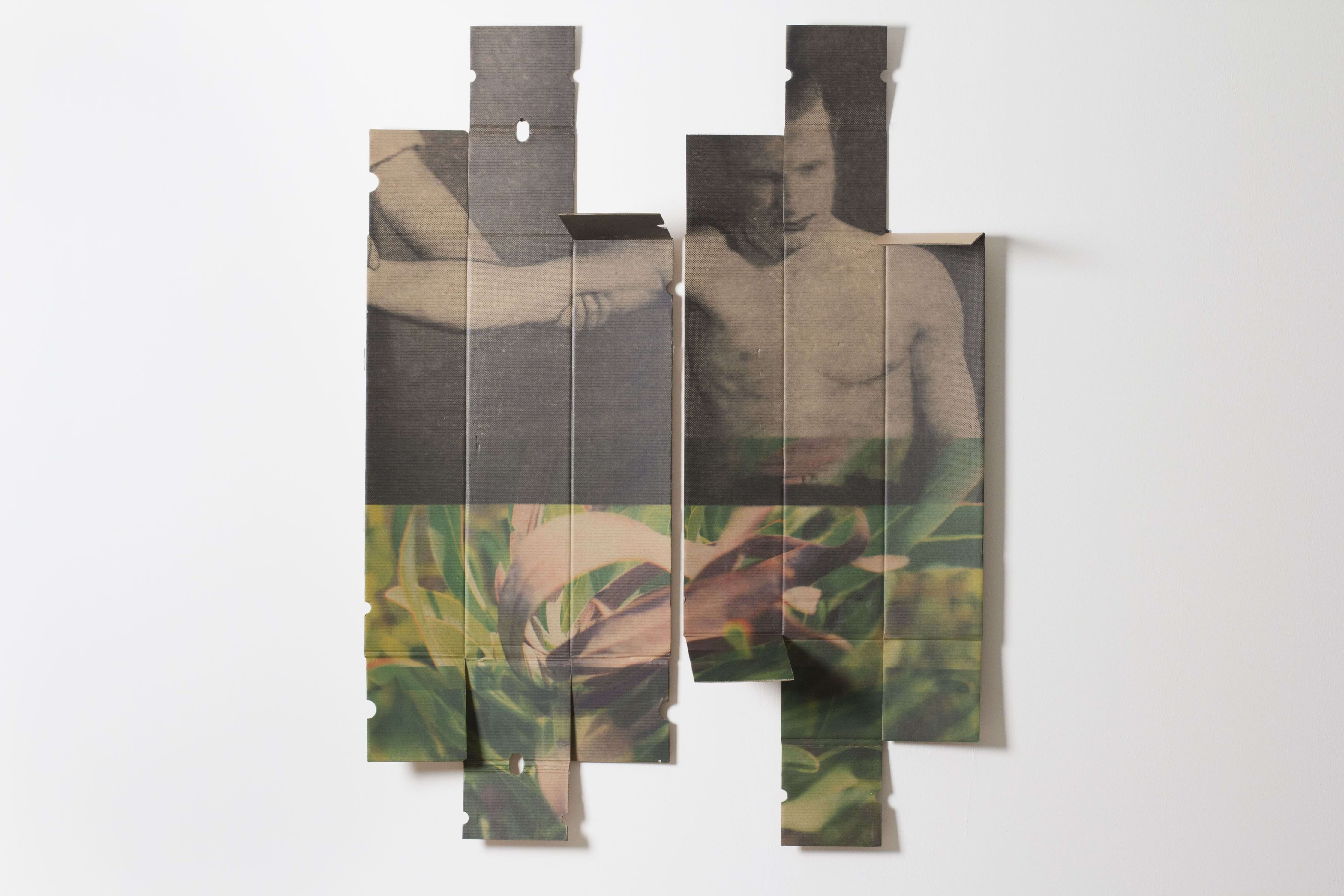
'This work comprises of 2 elements. The figure shows a man having his pulse taken. The image is scanned comes from our collection of first aid training manuals that we have been collecting from many years. This particular one comes from a manual published by the Israeli defence force. We have always been fascinated by these types of images that are simultaneously functional and beautiful. Overlaying the figure are details of plants photographed during a road trip across South Africa. We spent several weeks photographing plant specimens on Polaroid as a homage or love letter to the South African landscape. These two images are repurposed here to create a photographic montage that speaks of human frailty. - Oliver Chanarin