
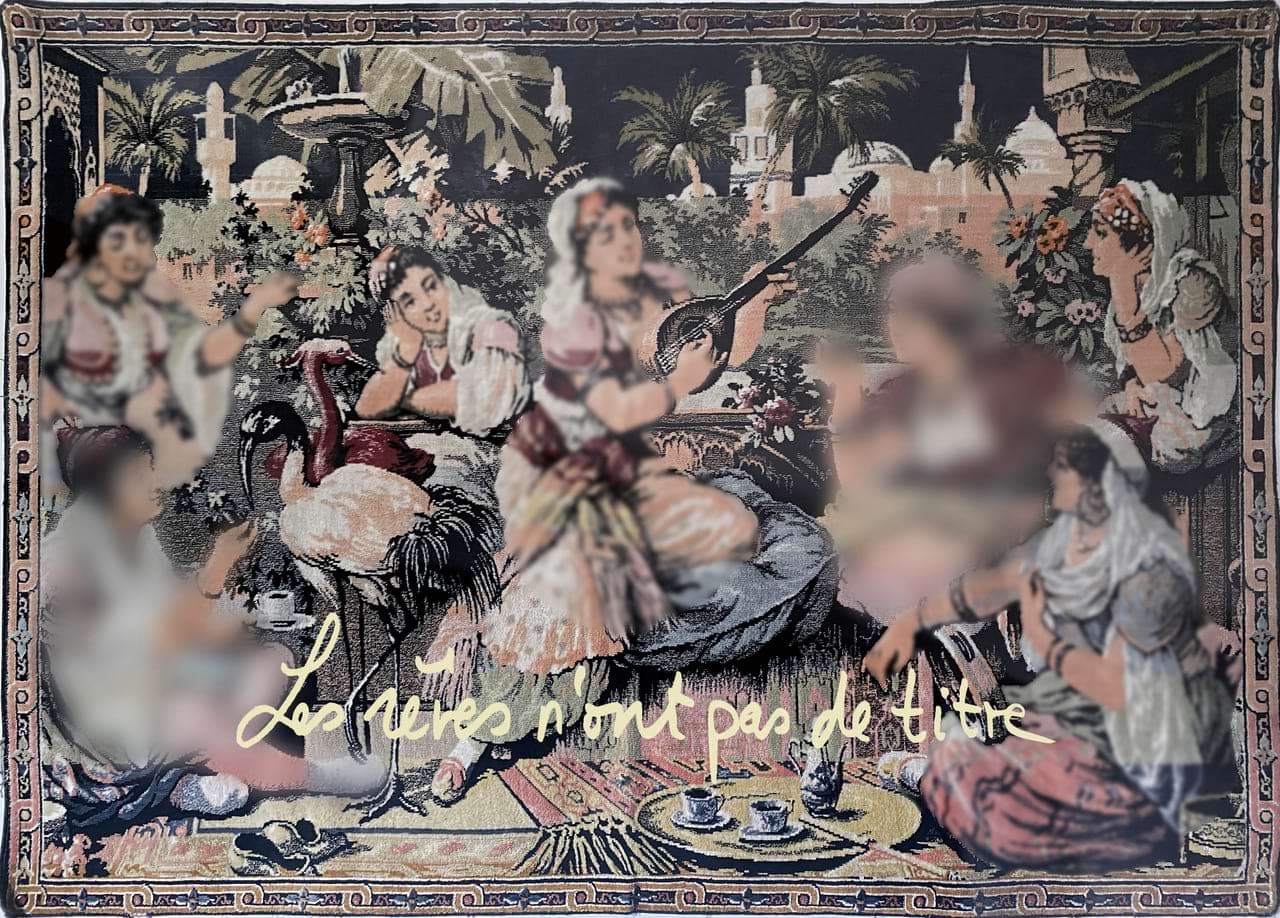
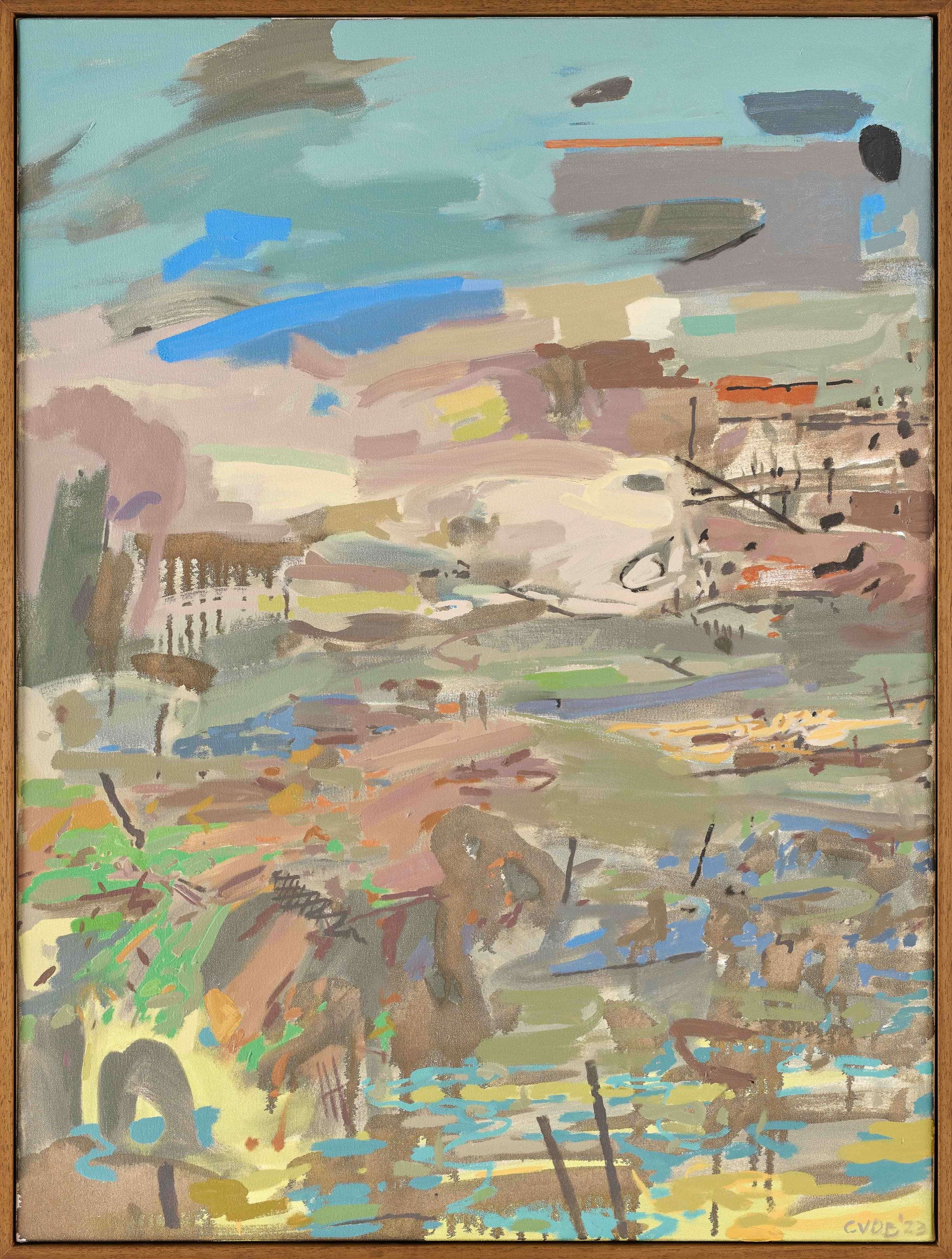
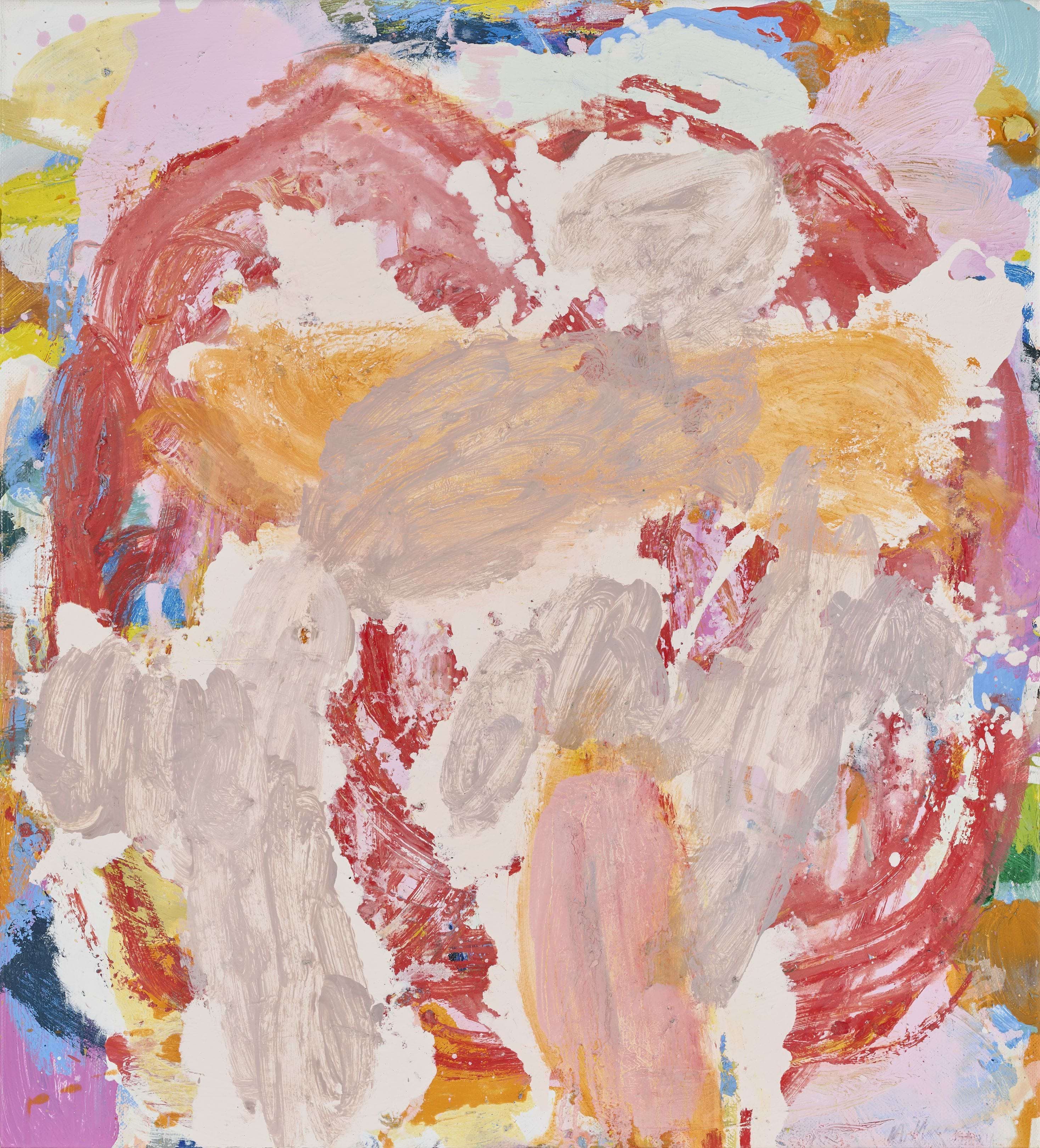
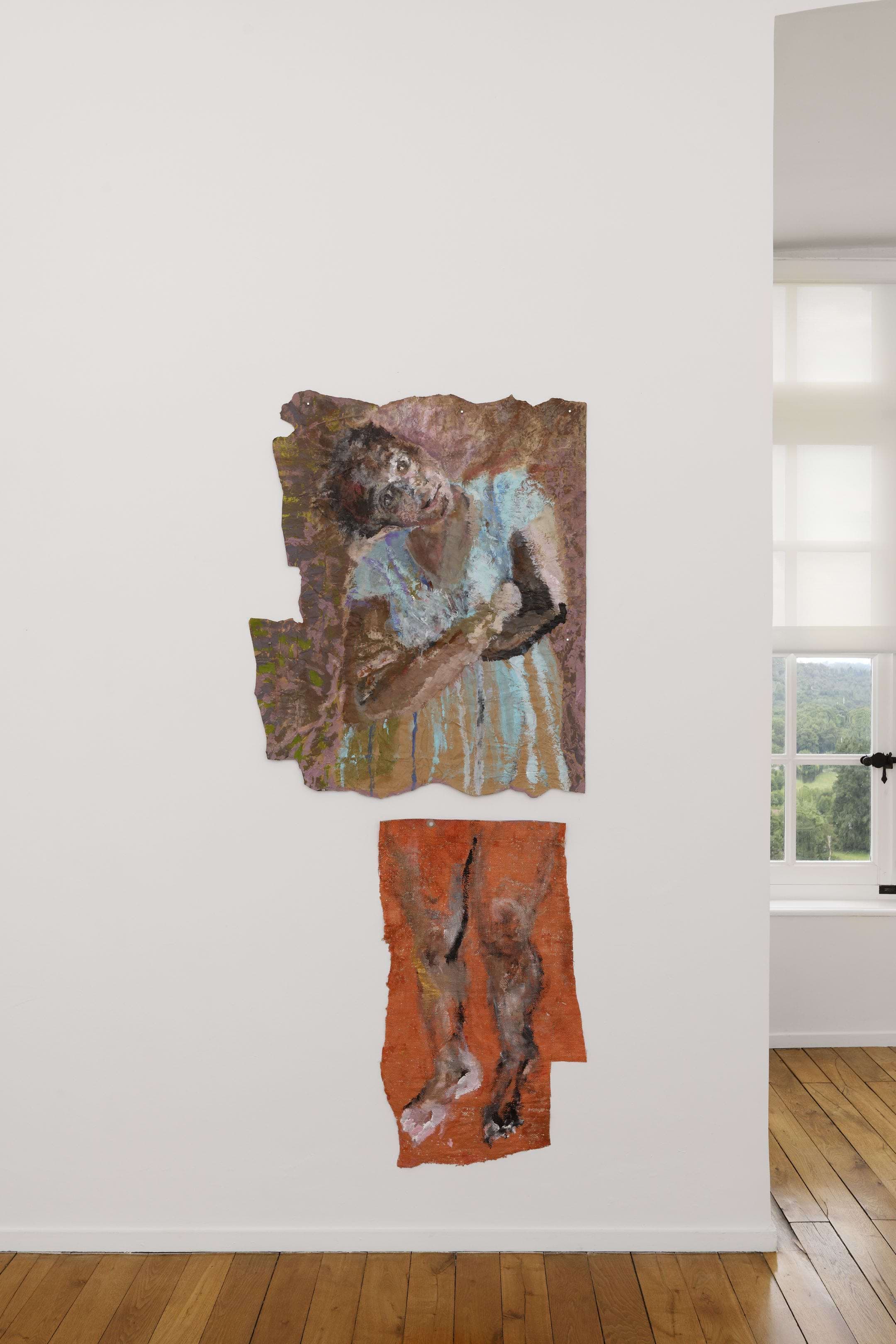
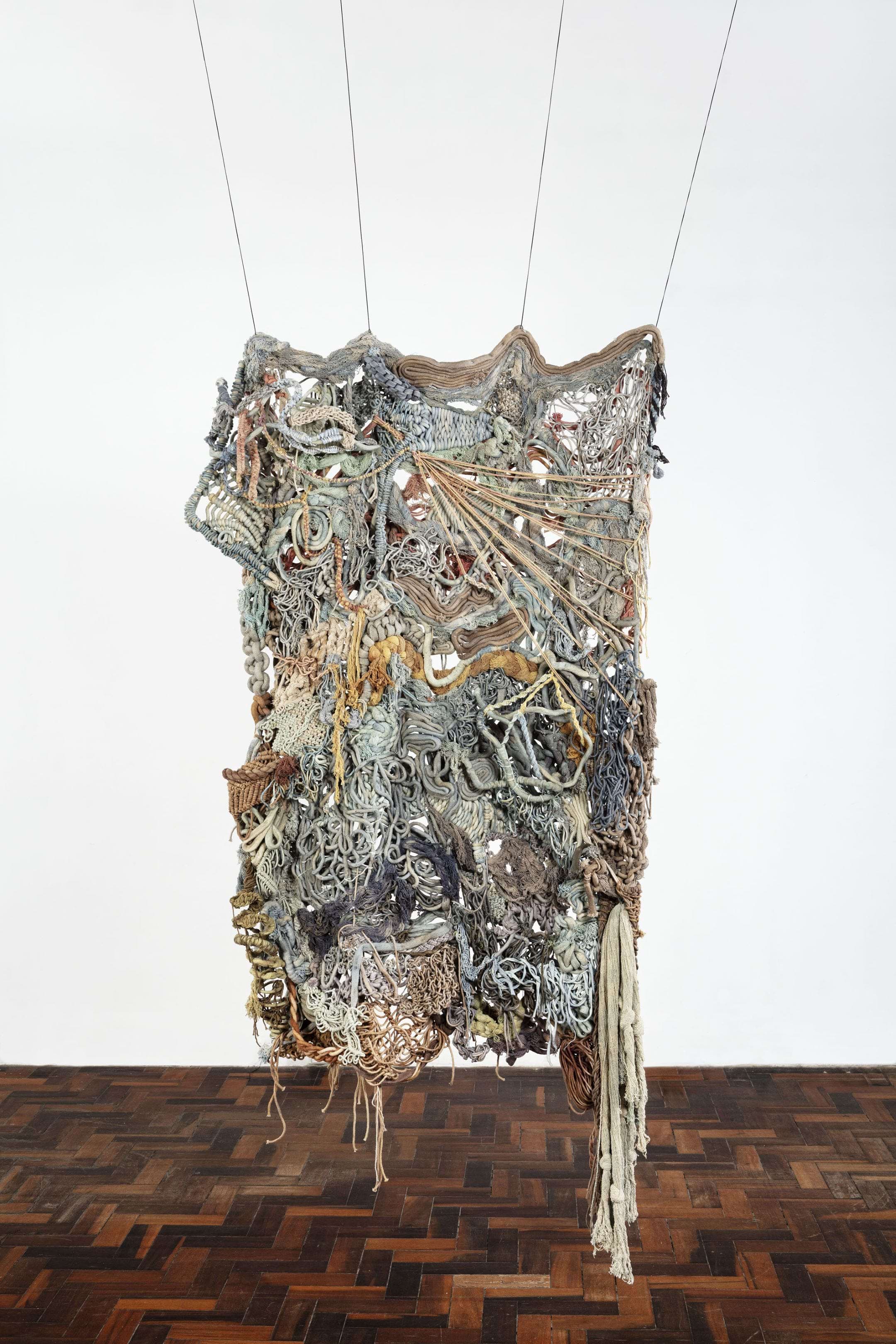
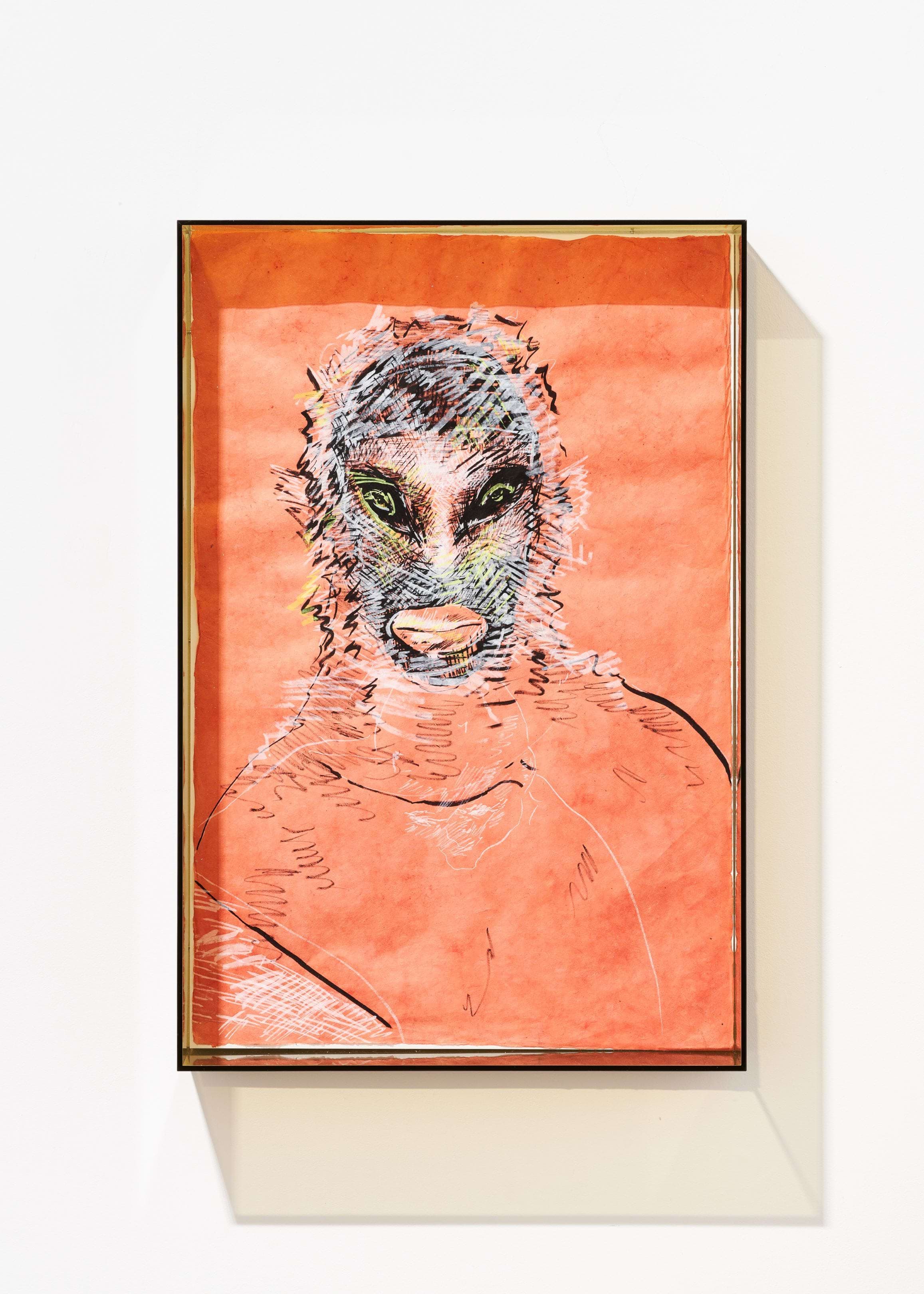
In her work Ghada Amer explores the complicated nature of identity as it is developed through cultural and religious norms as well as personal longings and understandings of the self. Recognising both that women are taught to model behaviours and traits shaped by others, and that art history and the history of painting in particular are shaped largely by expressions of masculinity, Amer’s work actively subverts these frameworks through both aesthetics and content.
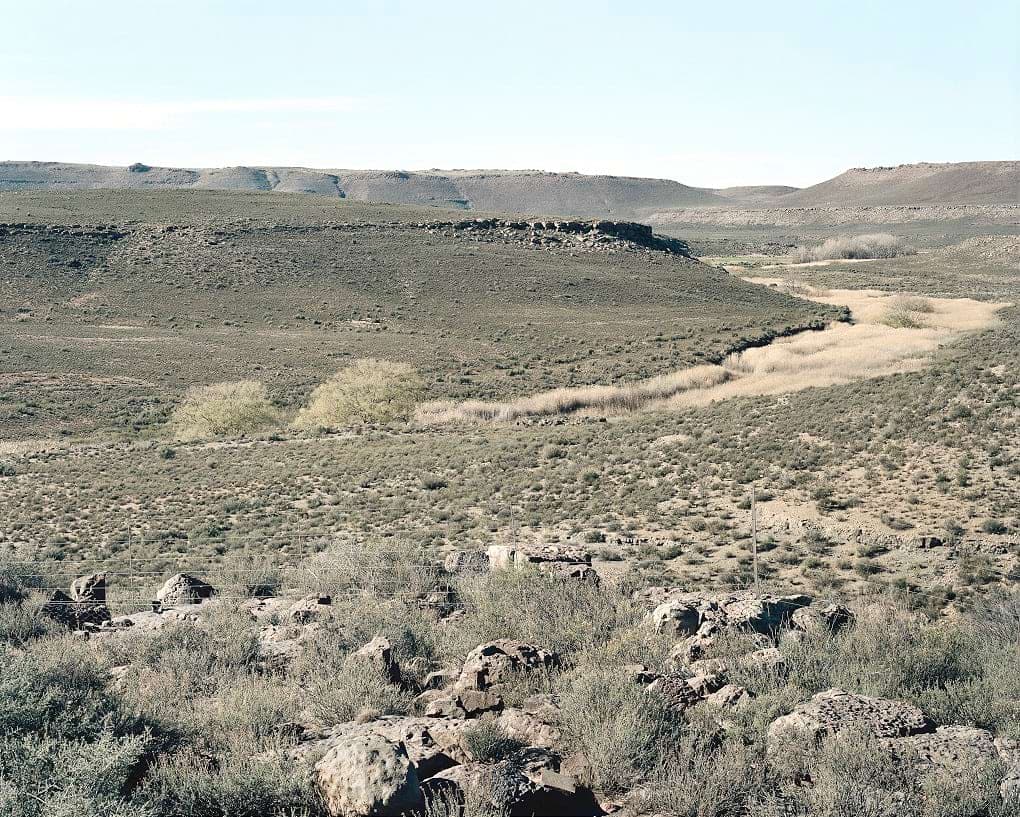
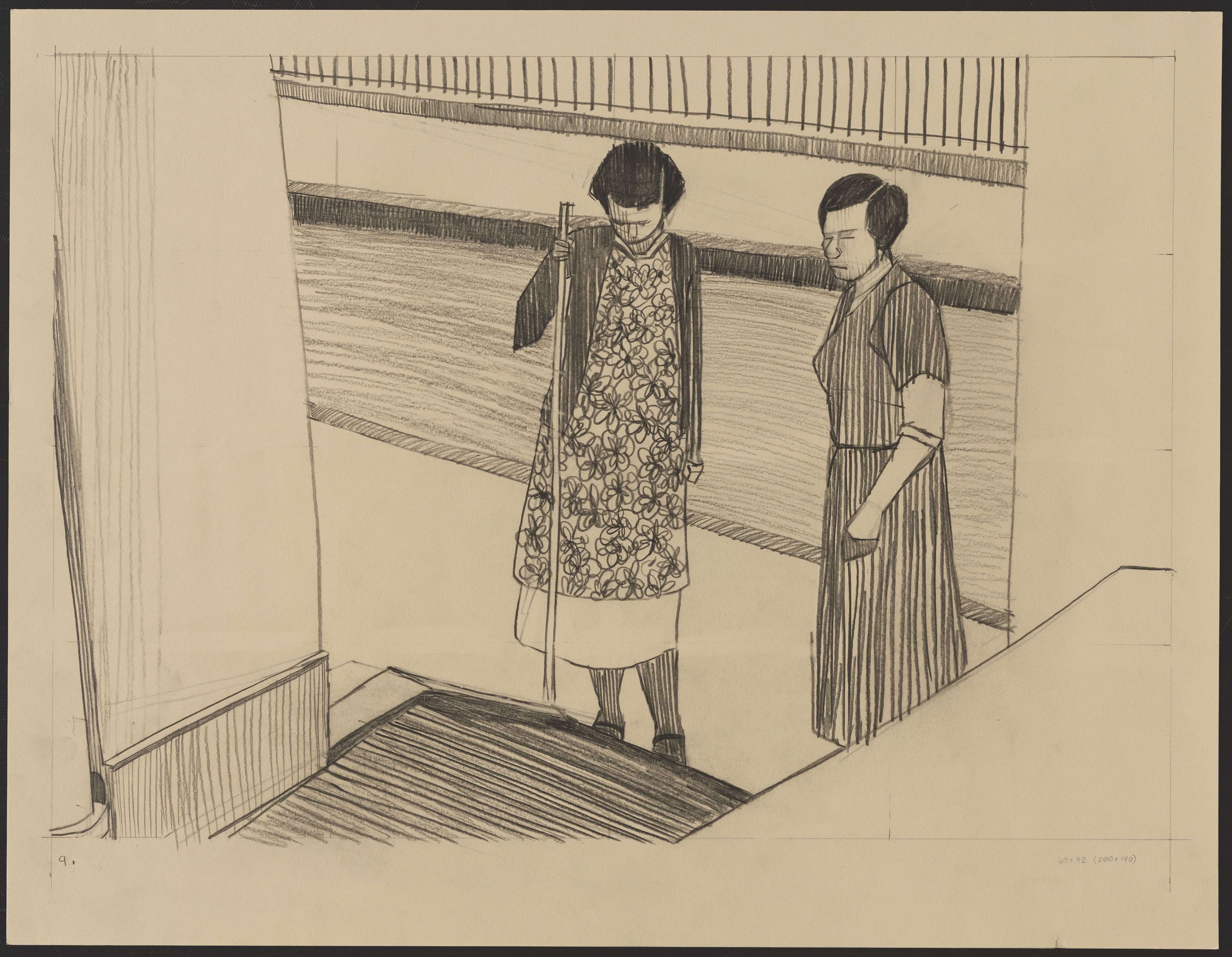
“In the 1990s my anger dissipated. Apartheid was no more. There were things to probe and criticise, but the emphasis was different. Lyricism seemed not only permissible but possible. In the late ‘90s I became aware of colour as a particular quality of this place and its light that I wanted to explore. It seemed ‘thin’, yet intense. To achieve prints that would hold these qualities I would need to print in colour in a way that was similar to that which I had developed for my black and white work … Over the generations, the land has shaped us - I say us in the broadest sense, us South Africans. And we have shaped the land. It is almost impossible now to find a pristine landscape. The grass has been grazed to the point of being threadbare, crops come and go, roads traverse, fences divide, and mines penetrate and throw up scabs of their detritus. These and our structures are the marks of our presence. I am drawn by the intimacies of our association with this land.” David Goldblatt
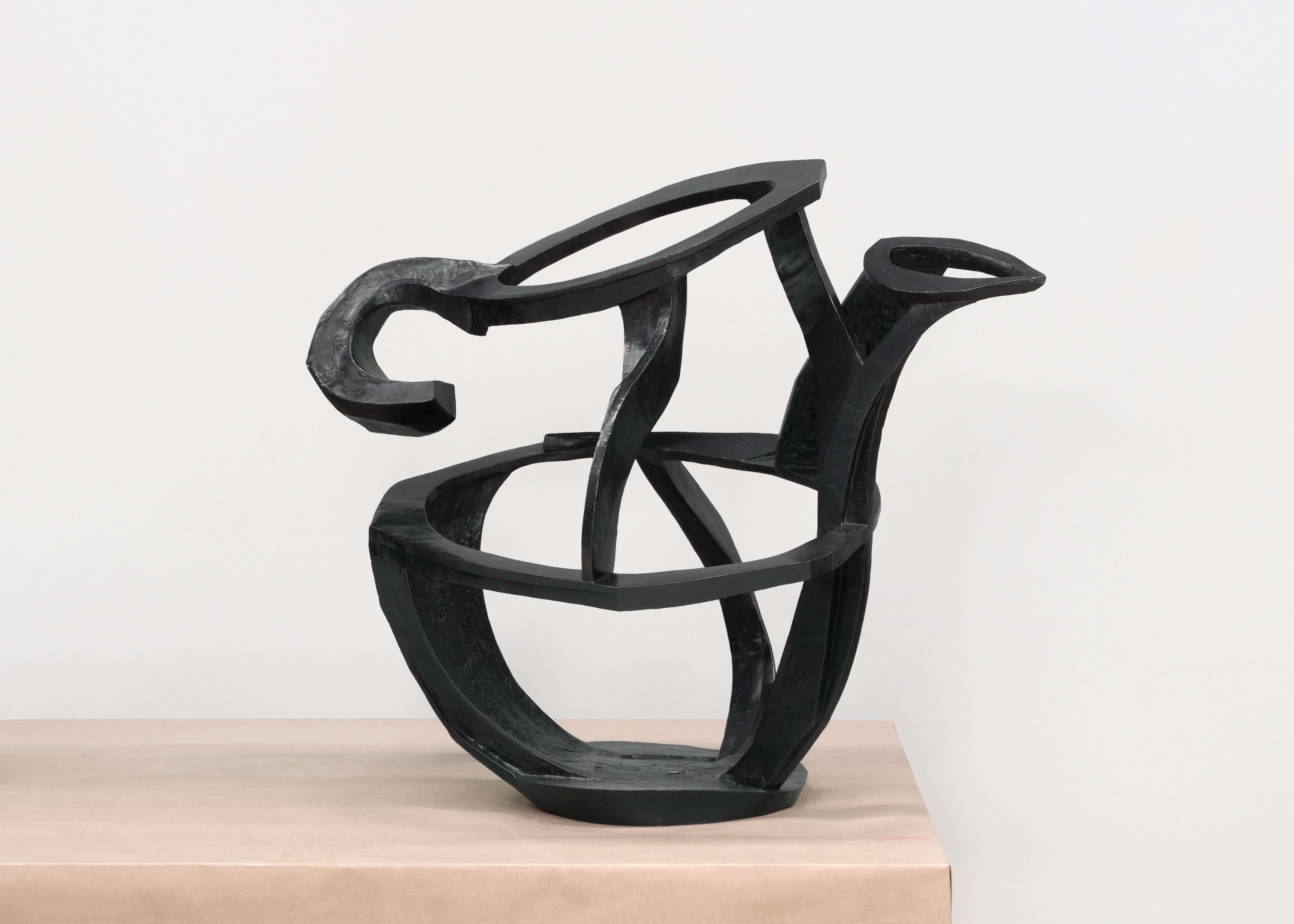
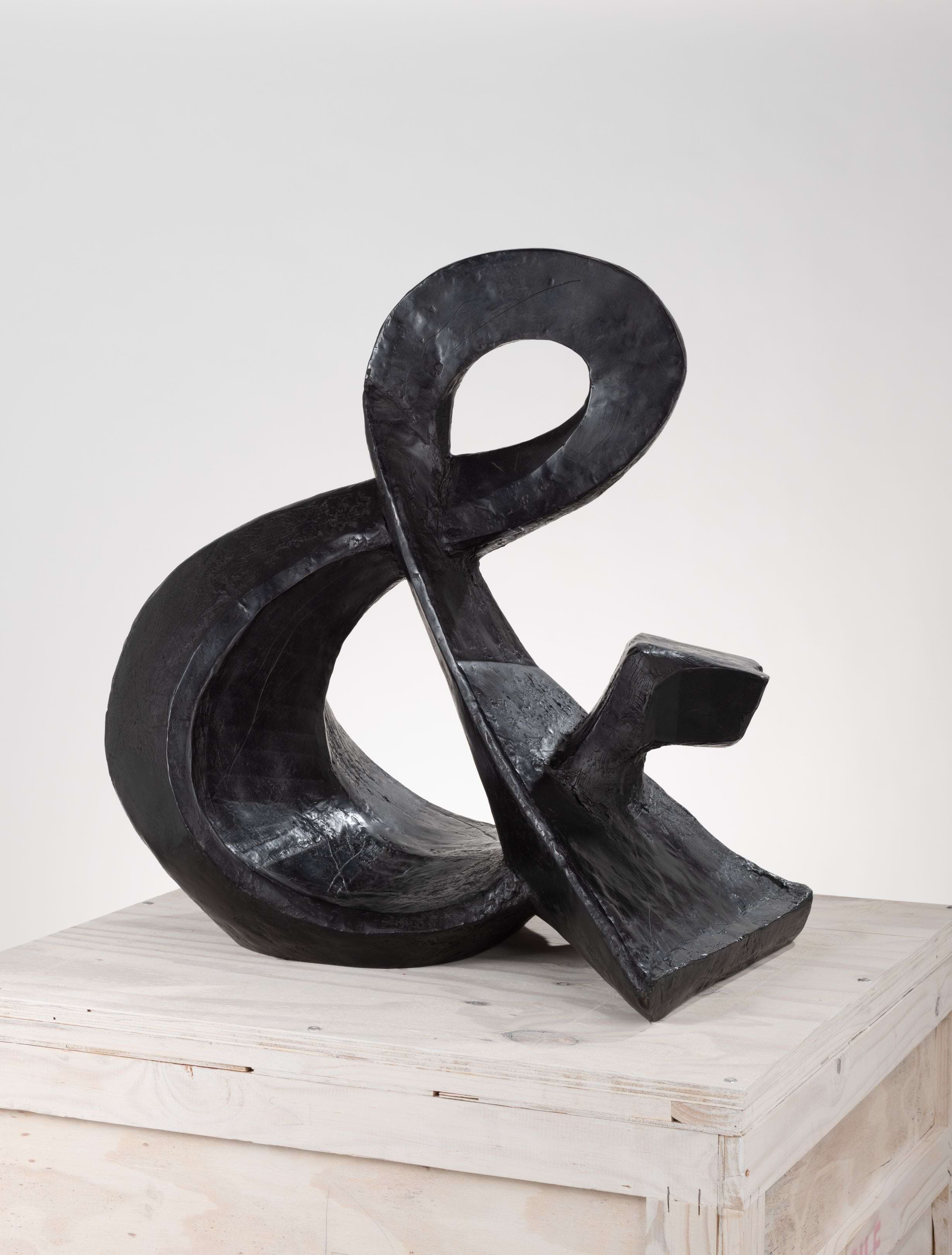
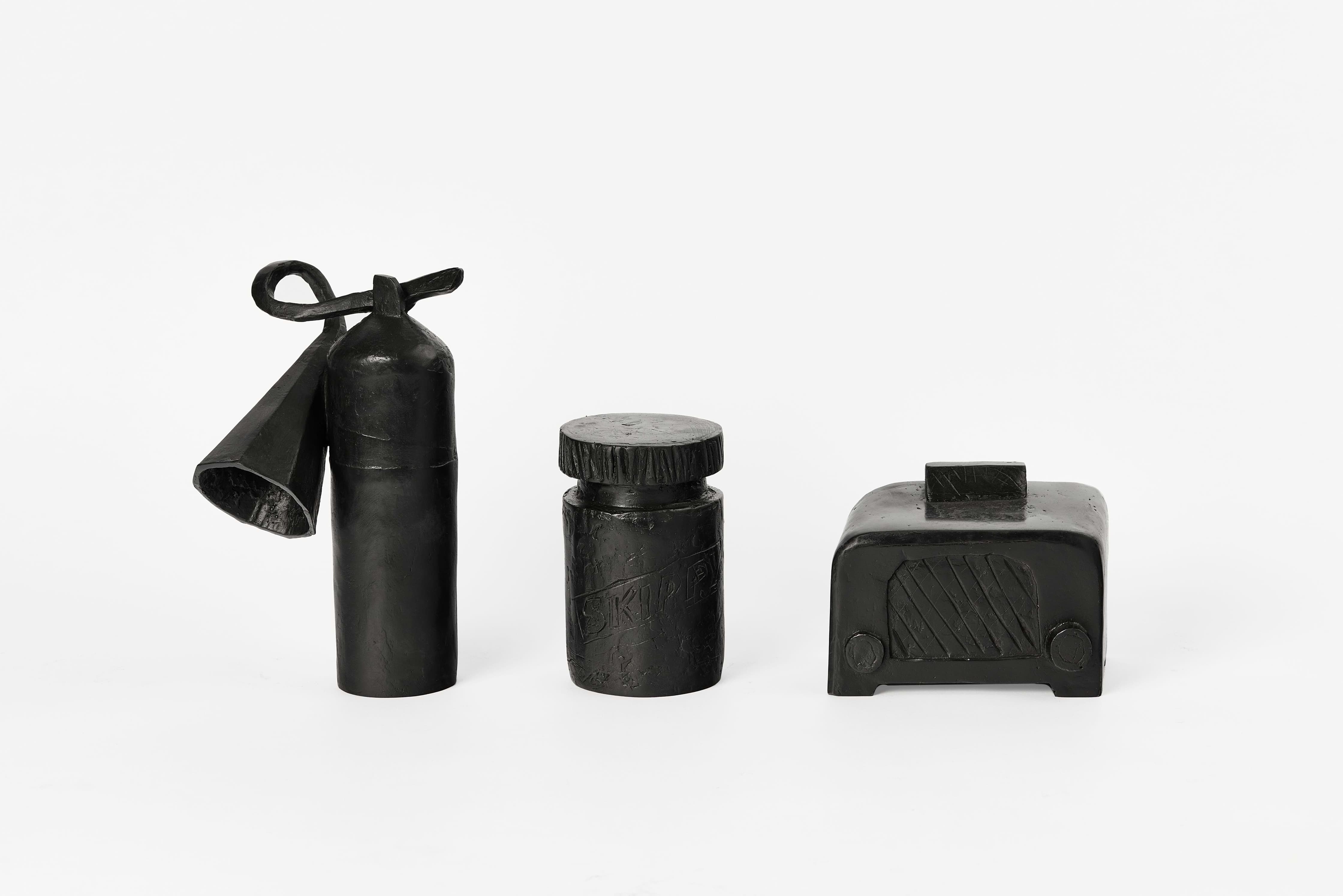
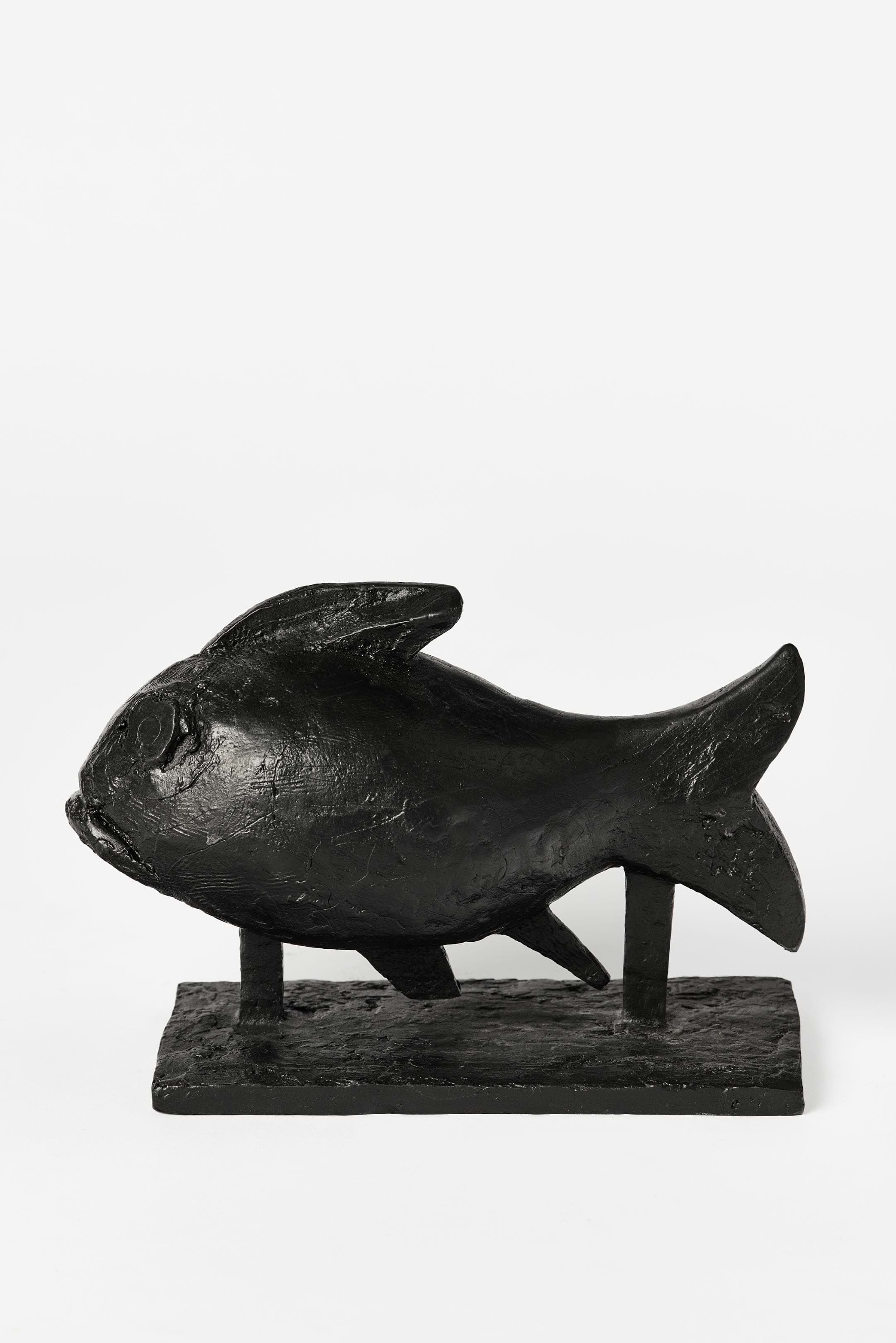
Apron, Cursive (Fish) and Milk (2023) are part of an accumulation of elemental symbols within Kentridge’s broader practice. This series of bronze sculptures functions as a form of visual dictionary, giving thought to form. The sculptures are symbols and ‘glyphs’, a repertoire of everyday objects or suggested words and icons, many of which have been used repeatedly across previous projects. The glyphs can be arranged to construct sculptural sentences and rearranged to deny meaning.
Video
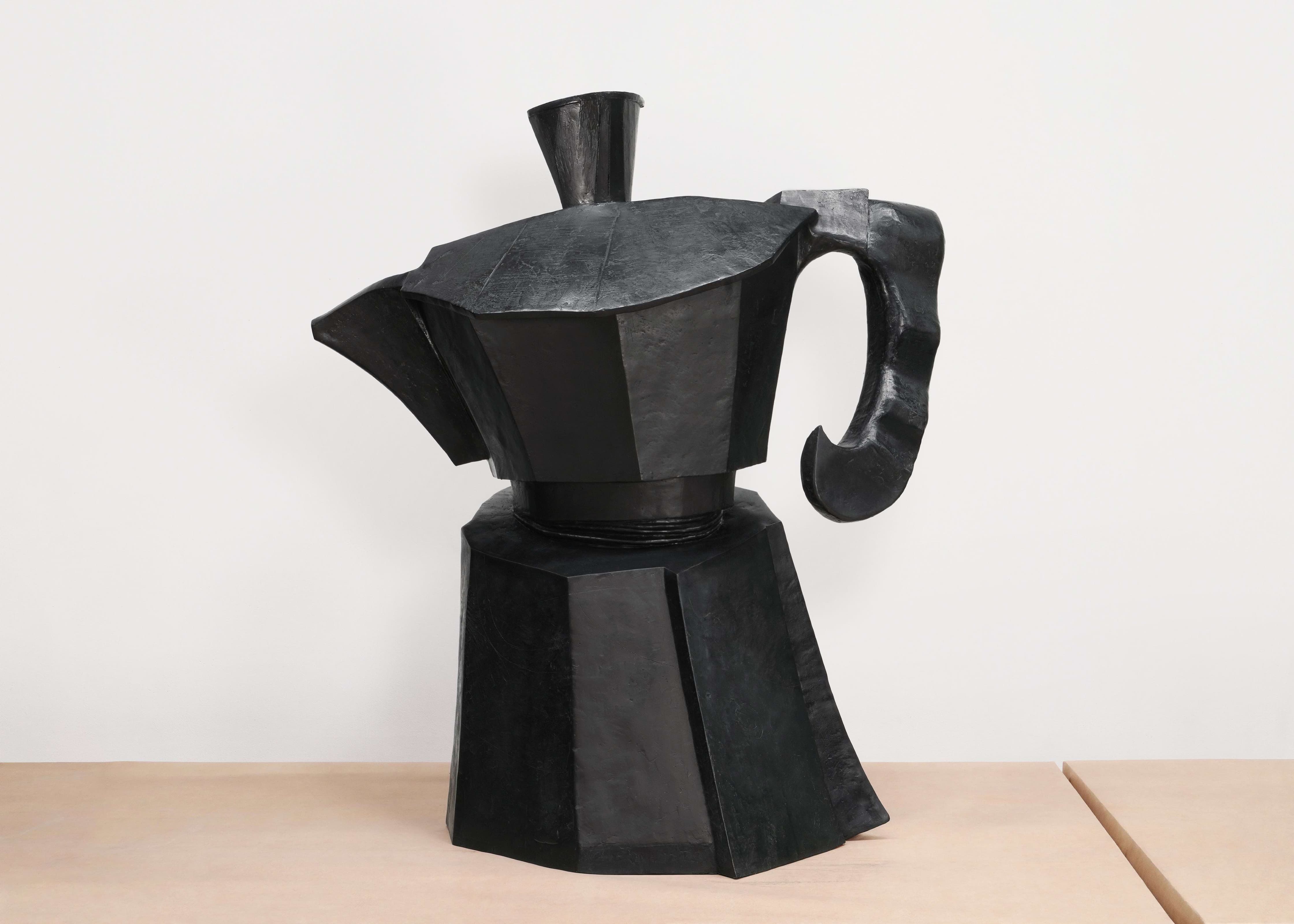
Kentridge’s ‘Pour’ is both a reference to his ‘Self-Portrait as a Coffee Pot’ Venice Biennale and episodic streamed series, and very much in keeping with the initial aspiration of his bronze glyphs, in giving a shadow heft: “I never thought of myself as a sculptor, but I had worked a lot with shadows in performance and in drawings and I was interested in the possibility of making something like a shadow – so ephemeral and without any substance – to be solid.”
As one of the most immediately recognisable forms of all of Kentridge's medium-sized bronze glyphs, and a silhouette that has existed in his oeuvre for several decades before he started creating them, ‘Pour’ has been omnipresent in Kentridge museum shows ever since he created it, and is currently on display in his exhibitions at Yorkshire Sculpture Park, Wakefield, and Palazzo Collicola, Spaleto.
Whilst the other sculptures, drawings, etchings, and tapestries of the ‘Self-Portrait as a Coffee Pot’ series tend, as the title suggests, to be premised on himself, with all the typical Kentridgean self-deprecation that entails, this particular rendition is deliberately female, as he puts it:
“There is something feminine about the skirt of a coffee pot that I love. And in this bronze sculpture, I’ve deliberately given her a hip and a shoulder to emphasize the anthropomorphic component of it. In this case it’s got, if not a corset, a pinched waist and a large bottom.”
William Kentridge’s glyphs are a visual dictionary of sorts made up of a series of sculptures that form a vocabulary of symbols, representing a collection of everyday objects, suggested words, or icons that reoccur throughout the artist’s practice.
The glyphs started as ink drawings and paper cut-outs, each transformed into bronzes, to embody the weight and character their shapes on paper suggested. In their smaller form, they can be arranged in order to construct sculptural sentences and rearranged to deny meaning. In late 2017 and early 2018, Kentridge chose a selection of glyphs from the small-scale Lexicon set and made larger-scale versions, each close to a metre in height.
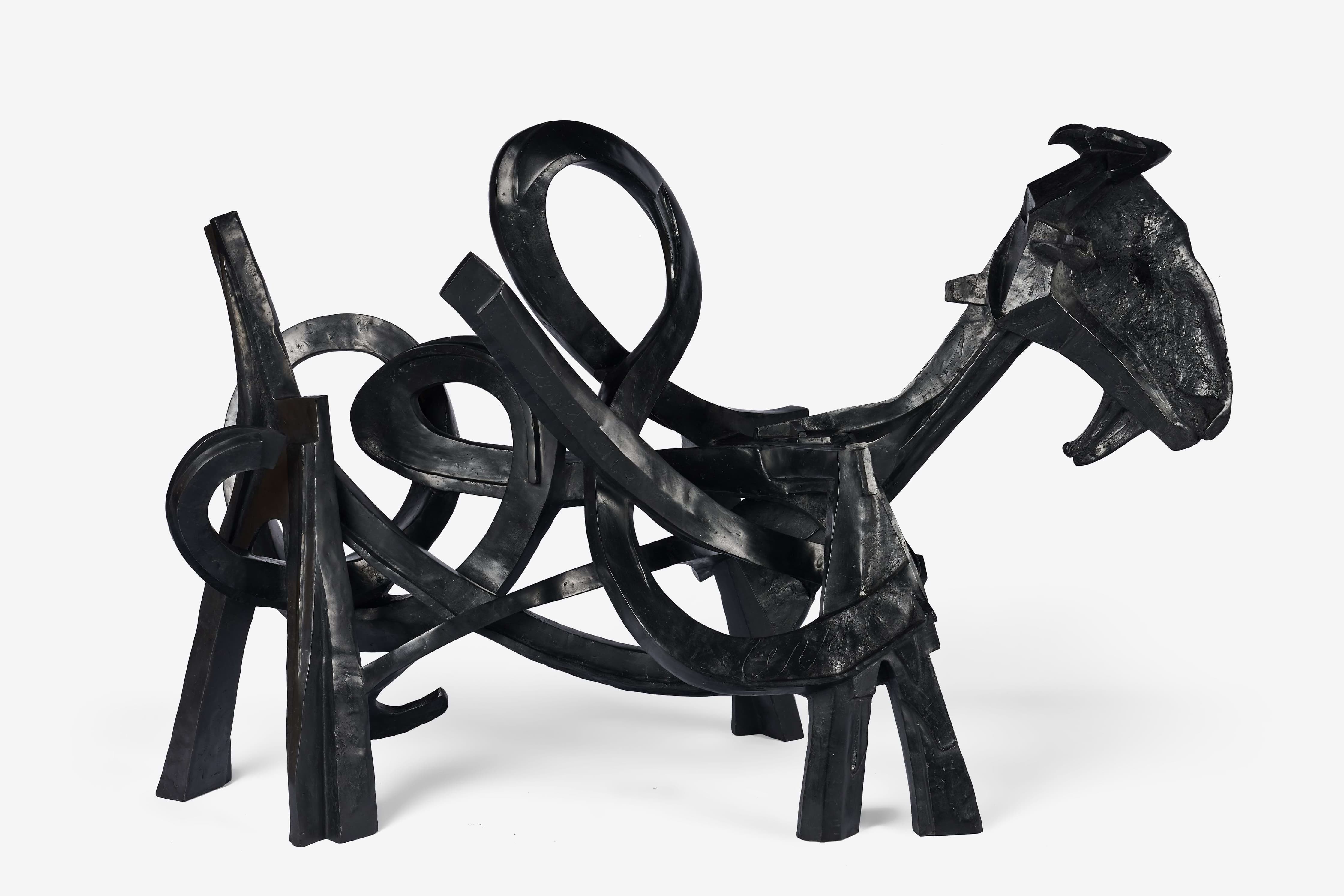
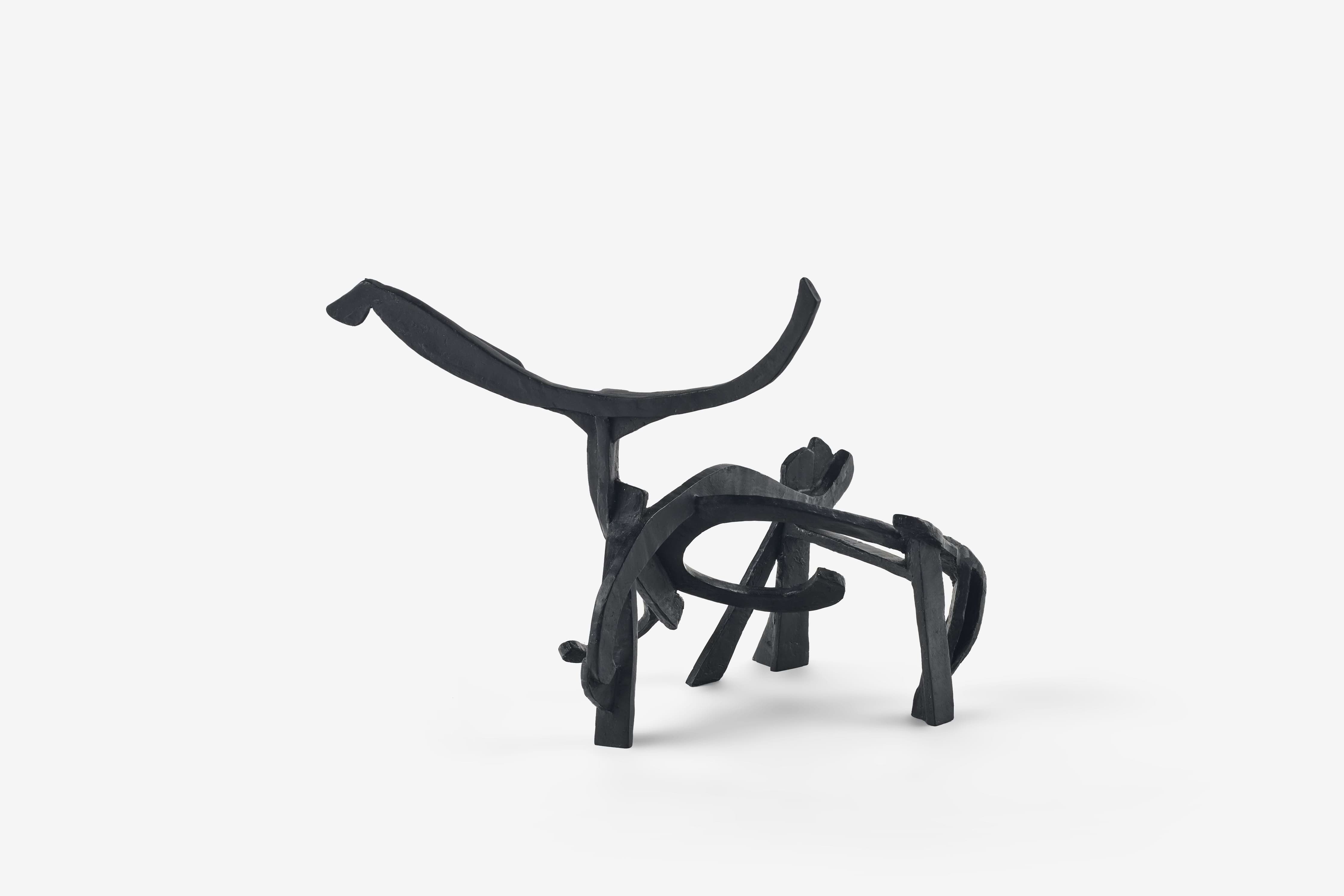
“I always thought of one of the small Cursive pieces as barbed wire – two trestles holding this loop of curls and swirls – the way it looked when gathered from the work I was doing on Wozzeck from the First World War, which included landscape drawings with barbed wire fairly similar to this. It struck me that the small Cursive piece was standing on four legs, which were in fact the edges of the trestles supporting the swirling suspended in the middle. That the central swirls were something of the belly, and the shape altogether, reminded me of the outline of Picasso’s goat – one of the great sculptures of the 20th Century. Without adjusting the body of the sculpture, I simply cut out a cardboard schematic goat’s head and suddenly this abstract set of swirls turned into the creature. So, the goat was a discovery – I hadn’t really known at the beginning that it would become one.” - William Kentridge, Johannesburg, November 2021
William Kentridge’s Lexicon (2017) is an accumulation of elemental symbols within the artist’s larger practice. The series of bronze sculptures, functions as a form of visual dictionary. These sculptures are symbols, glyphs, suggested words or icons, many of which have been used repeatedly across projects and bodies of work. The glyphs can be arranged in order to construct sculptural sentences and rearranged to deny meaning. In late 2017 and early 2018, Kentridge chose a group of ten glyphs from the small-scale Lexicon set and made medium scale versions, each of close to a metre in height.
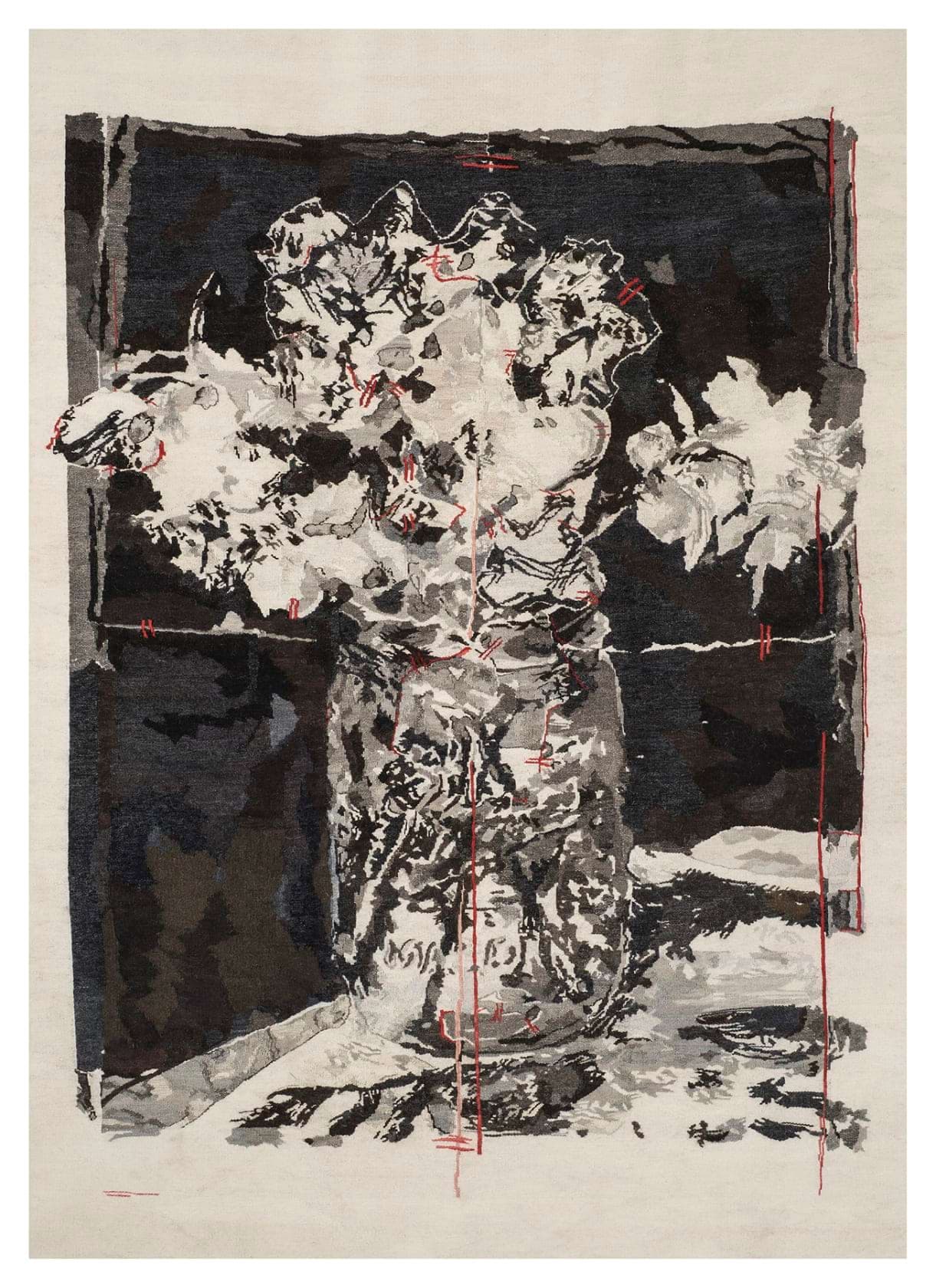
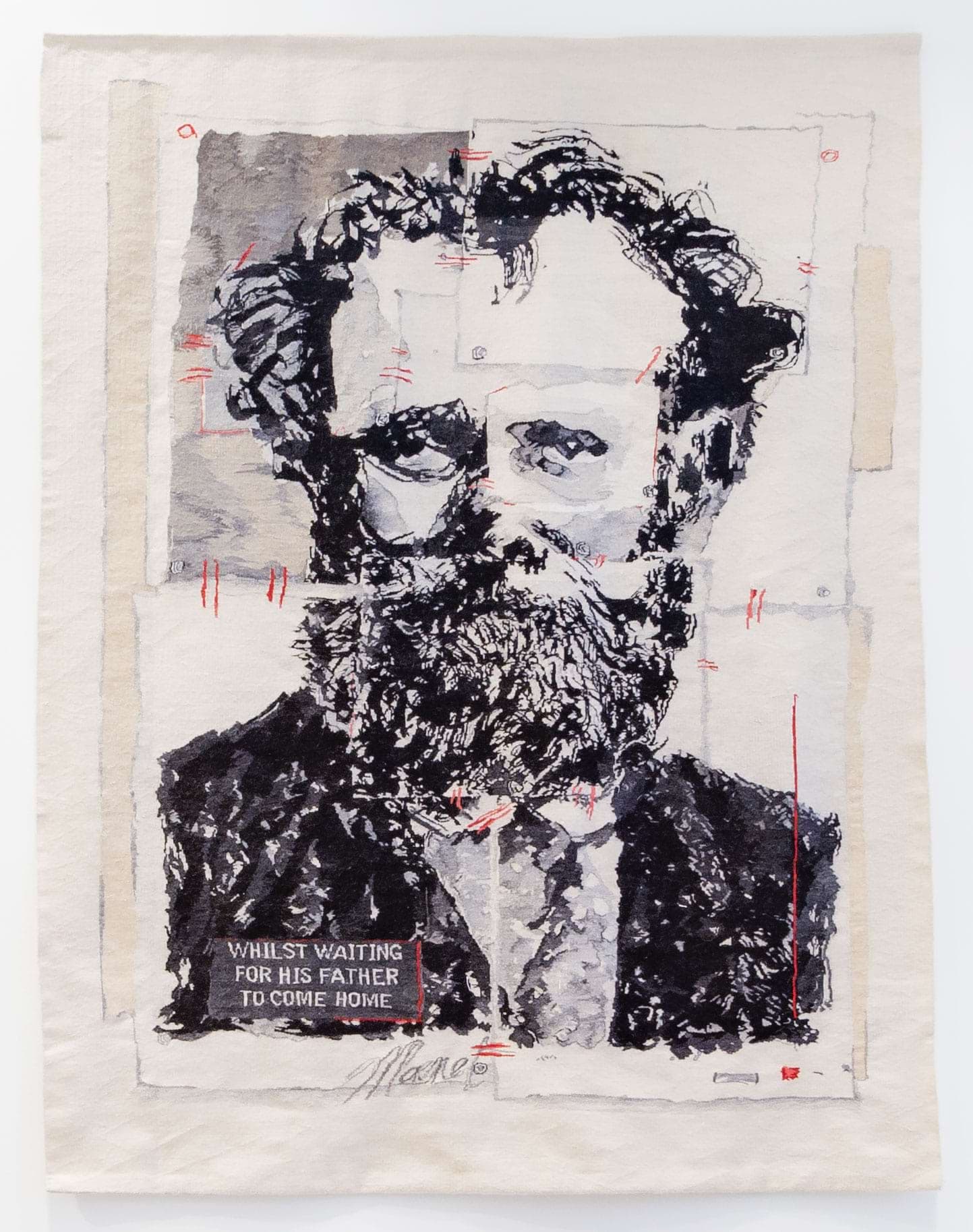
Marguerite Stephens and Kentridge have been working together on tapestries for the past twenty-four years. The longstanding collaboration between the two studios creates expressive artworks in which Stephens translates the artist’s collage drawings for the very different materials and techniques of tapestry-making.There is a contemporary sensibility in the transformation of a Kentridge image into a series of pixilated decisions: the 2000 threads of the warp, the many thousands of thread of the weft. The coherent final image is the result of many specific decisions.
A tapestry also relates in scale to a mural. But these are removable murals, and in this way relate to projections too. So the artist thinks of these sometimes as fixing the frames of a projection in the taut strings of the weaving. In translating the artist’s drawings and collages into tapestries, there is a process of amplification, expansion and refinement. They are redrawn and further detailed in thread. Lines of red, muted in the collages and drawings, become brighter. New lines are added too, giving the work a greater sense of flux, as if Kentridge was rethinking and reimagining the scene.
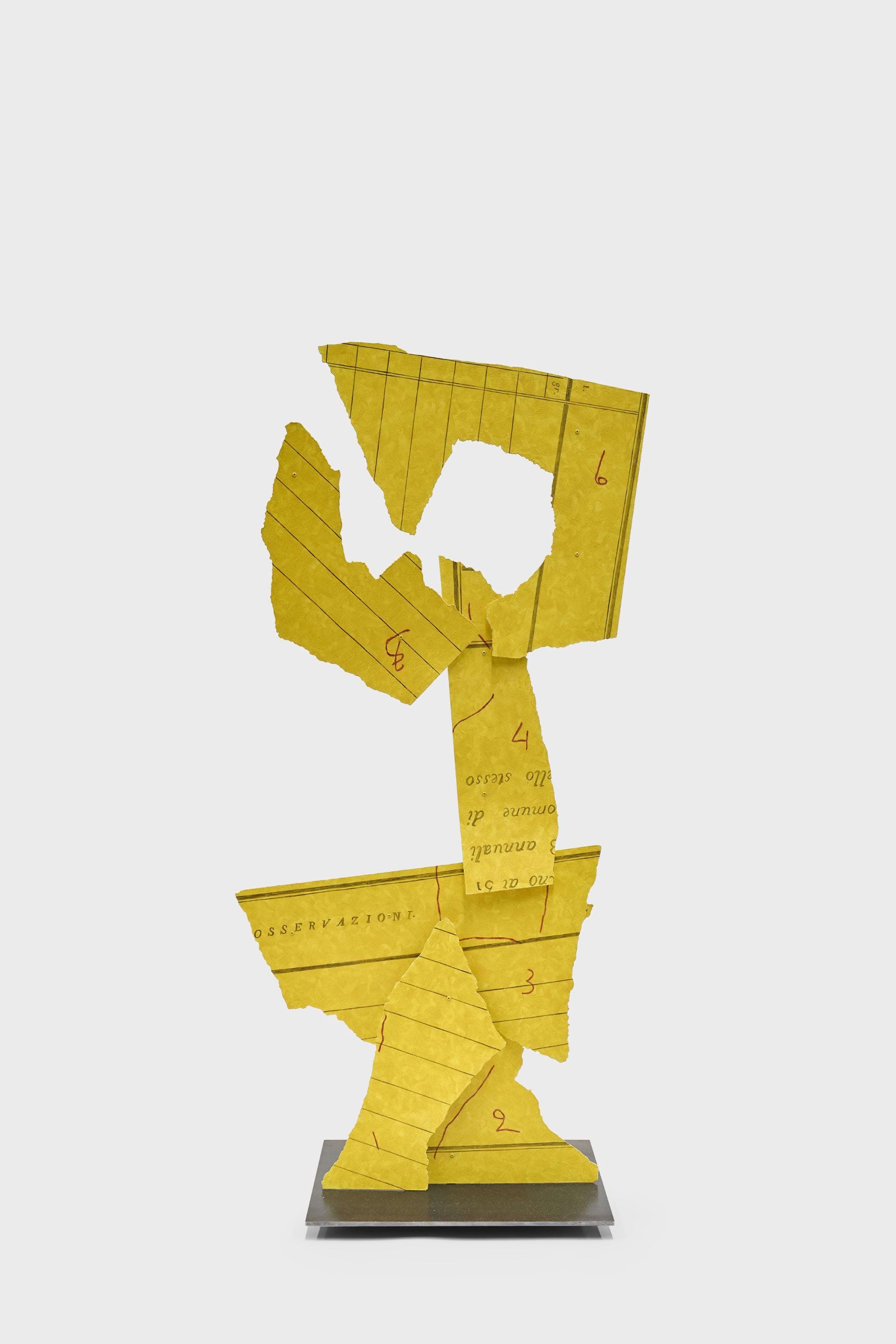
Kentridge’s ‘Paper Procession’ sculptures were initially created from hand-torn logbook pages from the pages of a 19th-century accounting journal from the Chiesa di San Francesco Saverio in Palermo.
He experimented with the original paper fragments on his studio and kitchen tables, until forms started to present themselves. As he put it, “You play with these shapes and then this one starts to become like a woman leaning forward, and so on, and so on. It’s about letting yourself be guided by your eyes.”
These semi-abstract, humanoid, brightly coloured paper fragments were then transformed into larger forms, that appear paper thin and fragile and prone to flying away in the next breeze, but are in fact painted aluminium panels fixed to steel armatures, resembling moving sketches that convey a sense of dance and procession. As such, they feel anti-monumental, perennially ‘at play’ in ways that defy their mass and solidity.
Video
Cursive (Fish) is part of an accumulation of elemental symbols within Kentridge’s broader practice. Part of a series of bronze sculptures that functions as a form of visual dictionary, giving thought to form. The sculptures are symbols and ‘glyphs’, a repertoire of everyday objects or suggested words and icons, many of which have been used repeatedly across previous projects. The glyphs can be arranged to construct sculptural sentences and rearranged to deny meaning.
The glyphs start as ink drawings and paper cut-outs, each transformed into bronzes, to embody the weight and character of their shapes on paper. In their smaller form, they can be arranged in order to construct sculptural sentences, and rearranged to deny meaning.
Bull, 2021 is one of William Kentridge’s glyphs which are a visual dictionary of sorts made up of a series of sculptures that form a vocabulary of symbols, representing a collection of everyday objects, suggested words, or icons that reoccur throughout the artist’s practice.
“I never thought of myself as a sculptor, but I had worked a lot with shadows in performance and in drawings and I was interested in the possibility of making something like a shadow – so ephemeral and without any substance – to be solid.”
-William Kentridge
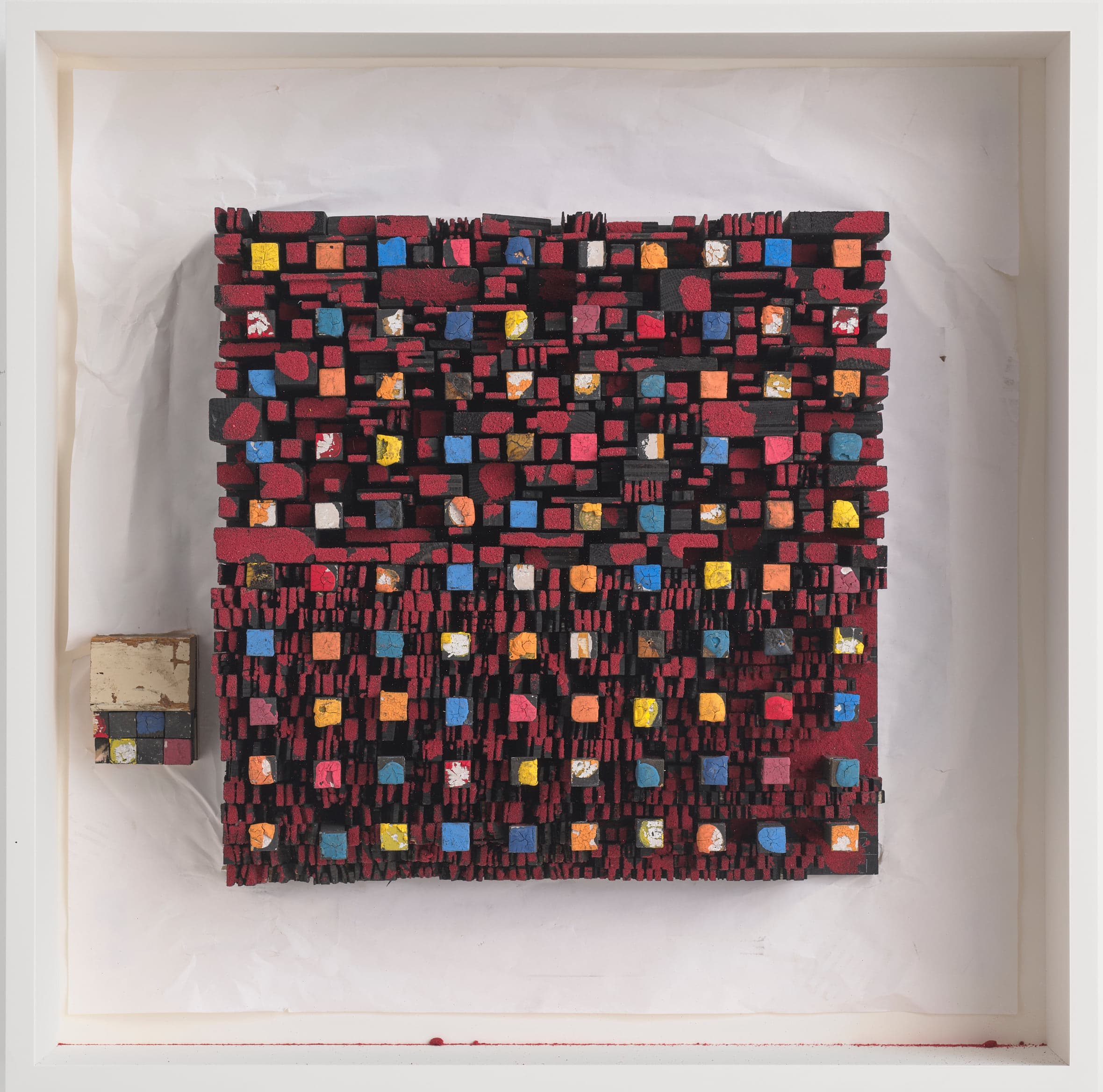
Atta Kwami was a distinguished artist, art historian and curator, living and working between the UK and his home country, Ghana. With a career spanning 40 years, Kwami’s practice brought together painting, architecture, sculpture, and education. His colourful works of vibrant geometric patterns are inspired by a wide range of influences,from Ewe and Asante cloth to jazz, the tradition of mural painting and the design of street kiosks along the roads of West-African towns. Kwami is known for expanding the notions of painting, basing his practice both in the visual world of his native Ghana and in reflections on modernism. These themes can also be seen in his signature kiosk constructions and archway-like sculptures that were conceived as expanded three-dimensional paintings within outdoor spaces.
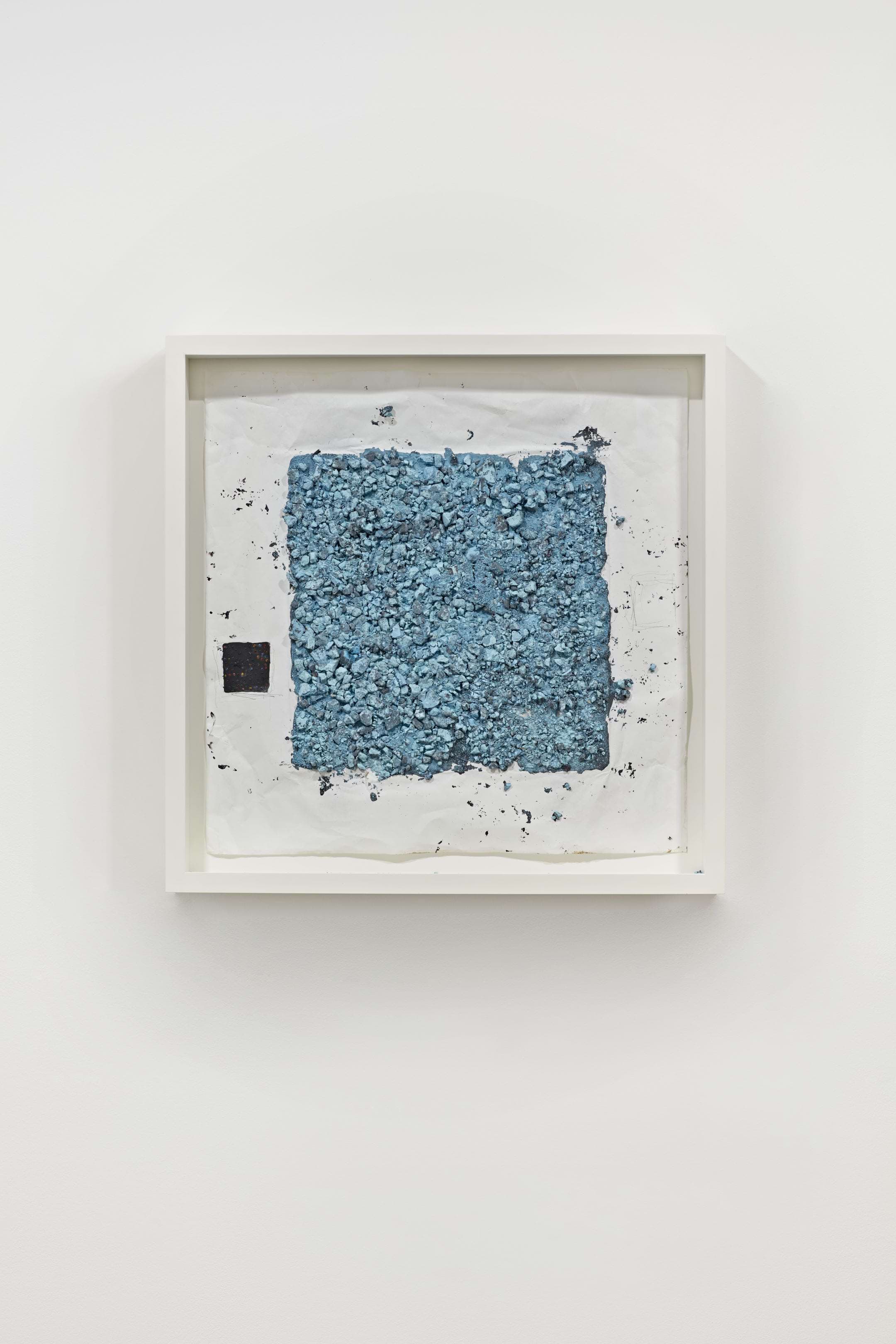
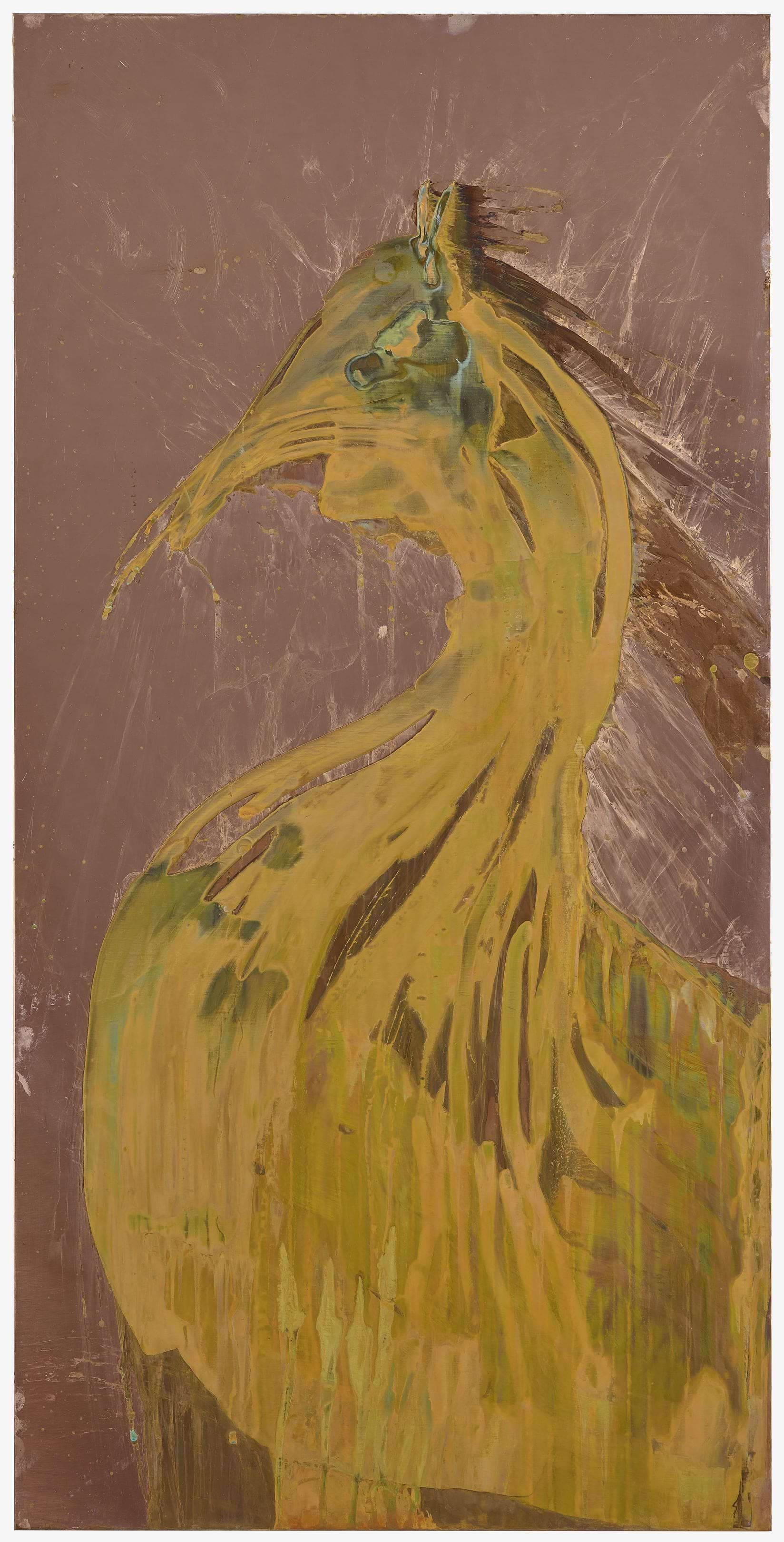
Ibis is from a series of copper-plate drawings formed through an oxidation process involving the liver of sulphur. The drawings explore international histories of the devil and figures of death. The unique properties of the copper, which allow for the work’s image to form, extend to its therapeutic qualities used in alternative medicine as well as its ability to conduct electricity and heat.
Reflecting on his practice, Maheke notes; “A good part of my work is based on simple gestures that once consisted in placing works, which might not even be noticed, in public spaces. It has now expanded to video, installation and sculptural works. The practice itself is grounded in decolonial and emancipatory thought with a focus on cultural identity and new subjectivities.”
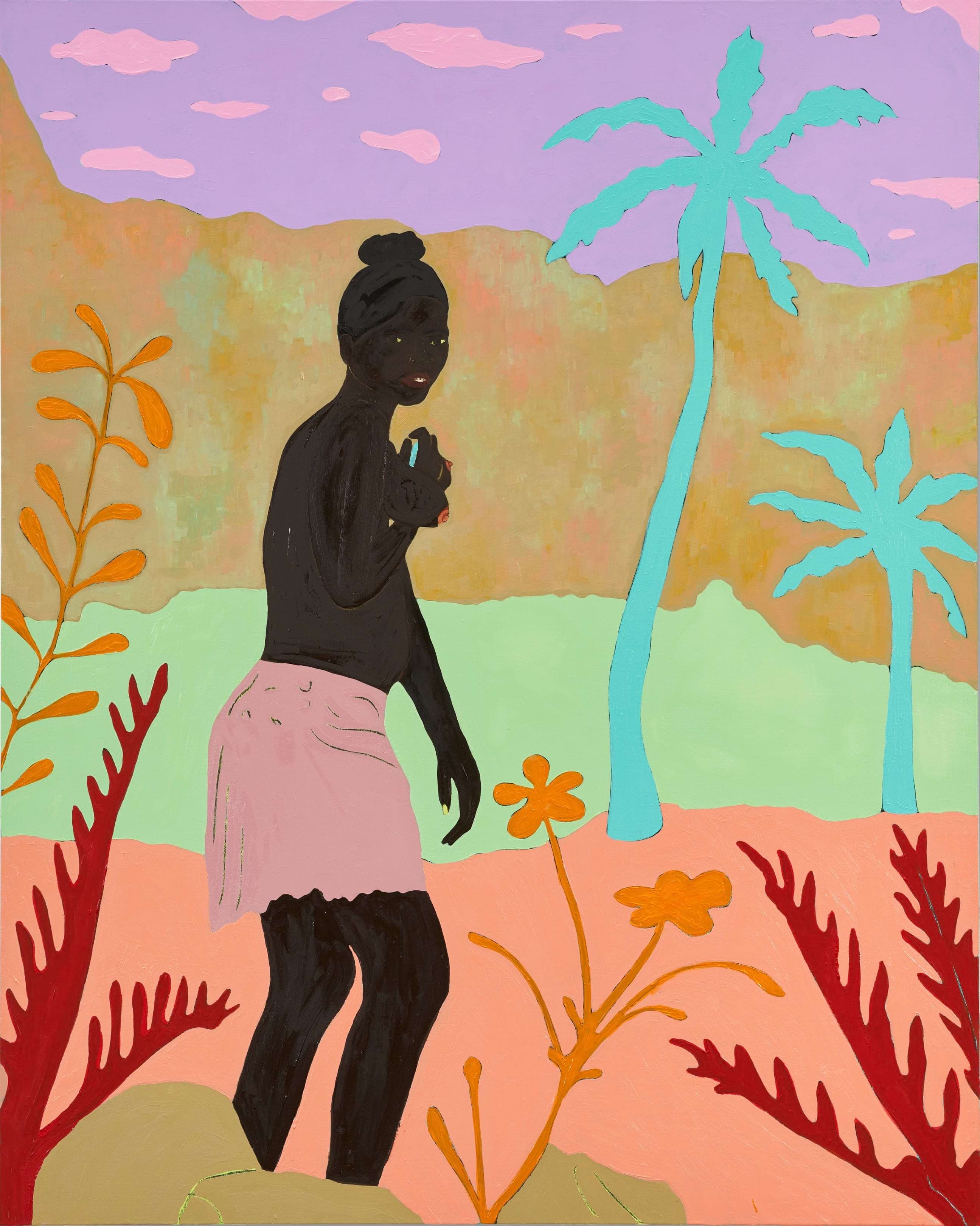
In ‘Bather in Lago Niassa’, Cassi Namoda distills the quiet rituals of daily life into a luminous, almost mythic scene that unfolds at the edge of one of Mozambique’s great lakes. A solitary female figure, wrapped in a soft pink cloth, stands partially submerged in warm-hued terrain, her gaze directed outward. Surrounding her is an evocative landscape rendered in flat, radiant colour – coral waters, mint green sands, and lavender skies punctuated by tropical foliage and turquoise palms. These chromatic choices lend the composition a dreamlike quality, heightening its emotional resonance and connecting it to Namoda’s broader interest in magical realism as a mode through which the historical, spiritual, and ecological intermingle. The painting holds a sense of reverence for the body’s relationship to water and land, echoing Namoda’s own recollections of observing women bathing, fishing, and singing in the mornings along Mozambique’s coastline.
This intimate portrait resists ethnographic distance, instead offering a meditative reflection on the female figure as both witness and custodian of place. By locating the bather within a setting that is both specific and symbolic, Namoda invokes larger questions of belonging, heritage, and ecological care. The stillness of the figure, rooted yet transient, mirrors the layered temporalities that recur throughout Namoda’s work where past and present flow together in gestures of ritual, memory and resistance. As in her earlier paintings, the figure here becomes more than subject: she embodies a form of relational knowledge and spiritual attunement, one that speaks to the enduring presence of ancestral wisdom within the daily rhythms of life by the water’s edge. ‘Bather in Lago Niassa’ becomes a site of communion, where the seen and the felt, the terrestrial and the aquatic, coexist in quiet harmony.
Video
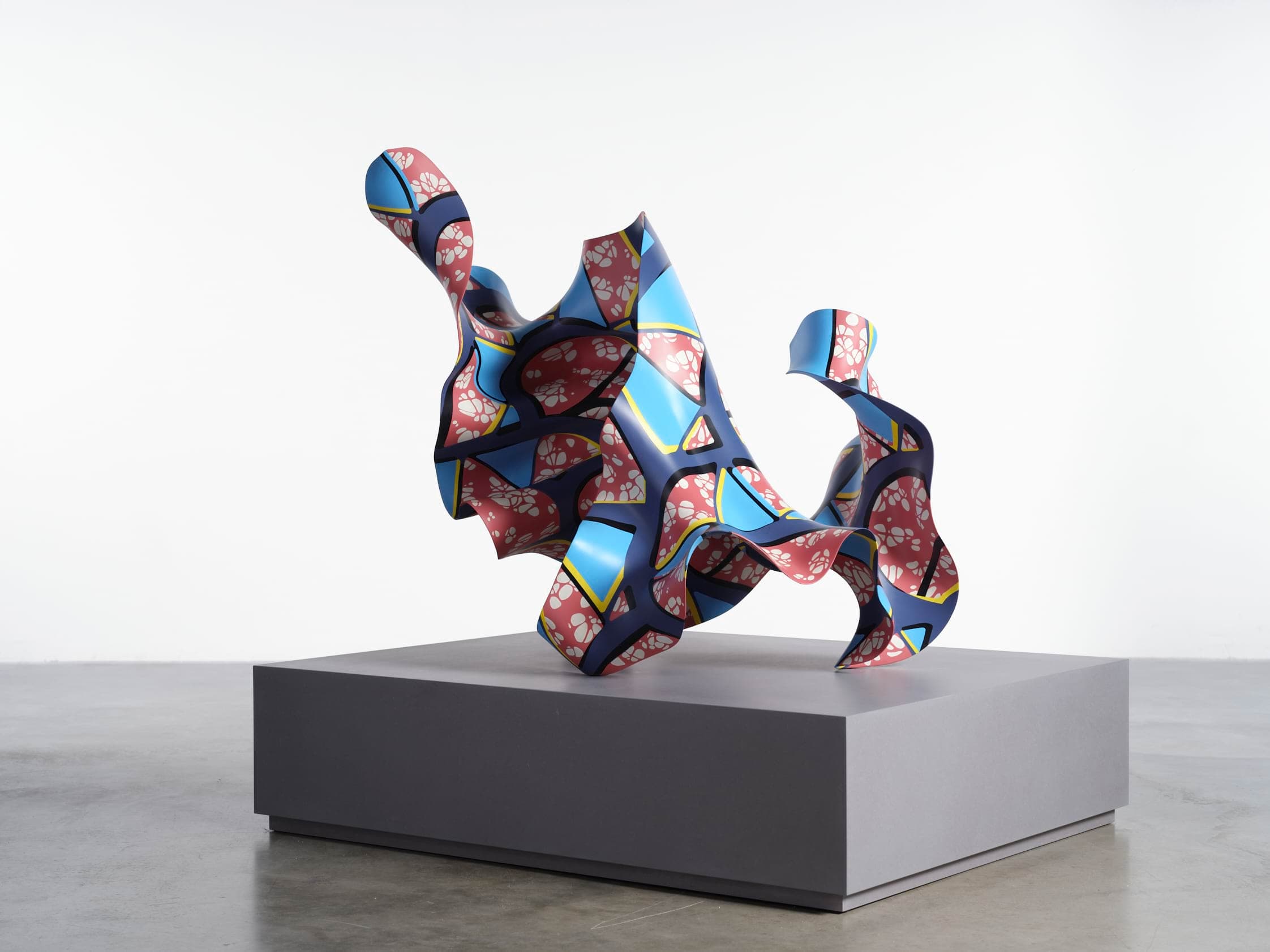
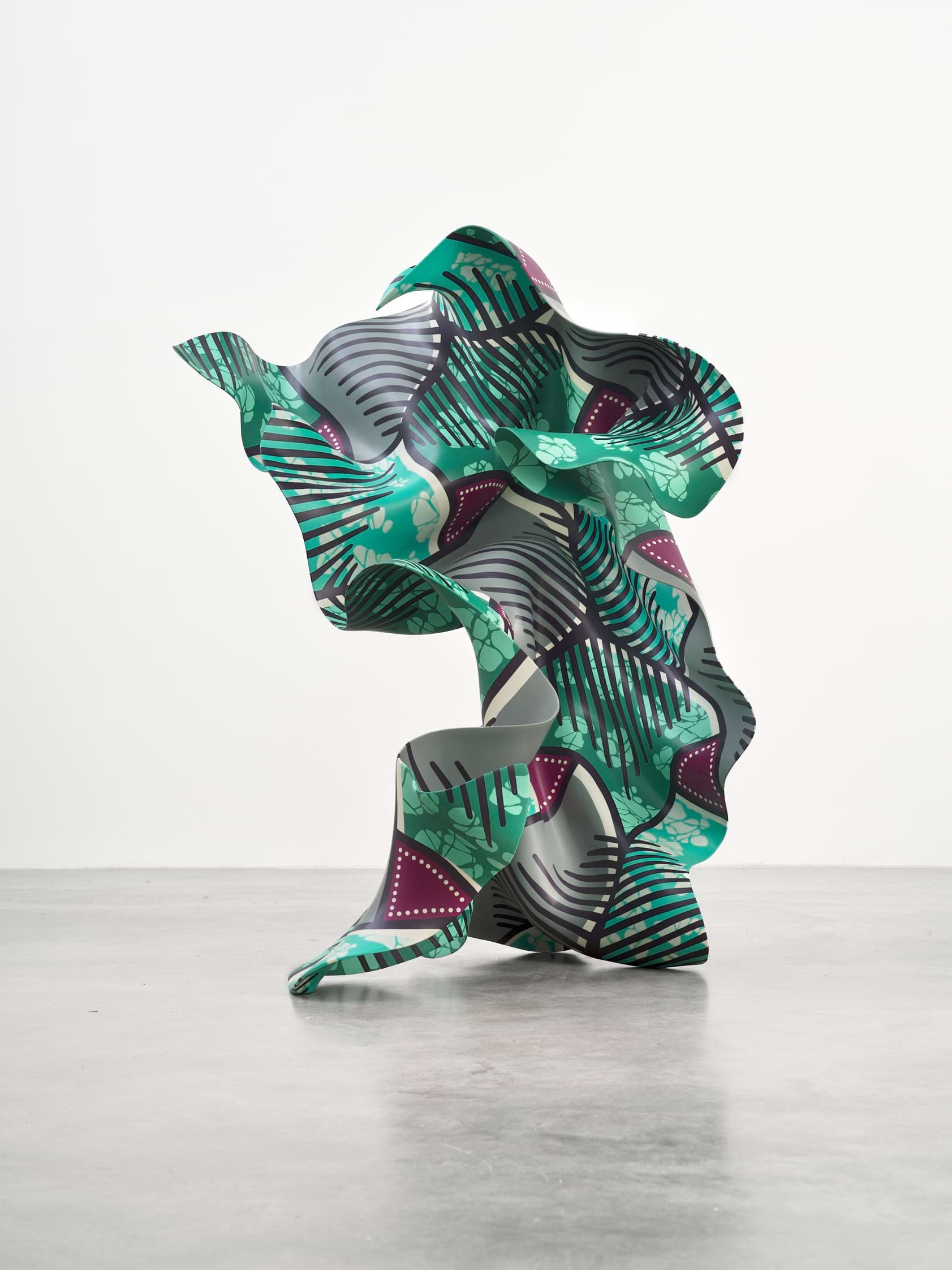
'Fabric Bronze II' is part of a series of bronze sculptures, each of which is hand- painted with a Dutch wax textile pattern, that explore the notion of harnessing the wind and freezing it in a moment of time. The work manifests as a three-dimensional piece of fabric that appears to be blowing in reaction to the natural elements of the surrounding environment. The tension of these abstract works will be heightened by the contrast of the media used, and the delicate movement recreated. Here, the piece refers the solidity of a sculptural object, whilst also encapsulating the naturally occurring phenomenon of wind. The structure is deconstructed by patterns normally associated with soft wearable textile.
‘Wind Sculpture in Bronze (SG) III' captures the shifting movement of wind passing through Shonibare's signature Dutch wax batik fabric on a dramatic scale.
”Made in factories in Holland using Indonesian batik as a model, the fabric was sold in Britain’s West African colonies where it became so popular that it came to be seen in the eyes of the world as an authentically African product: it is a perfect starting point for conversations about our multifaceted identities and global interdependencies.” – Yinka Shonibare CBE RA
Video
Video
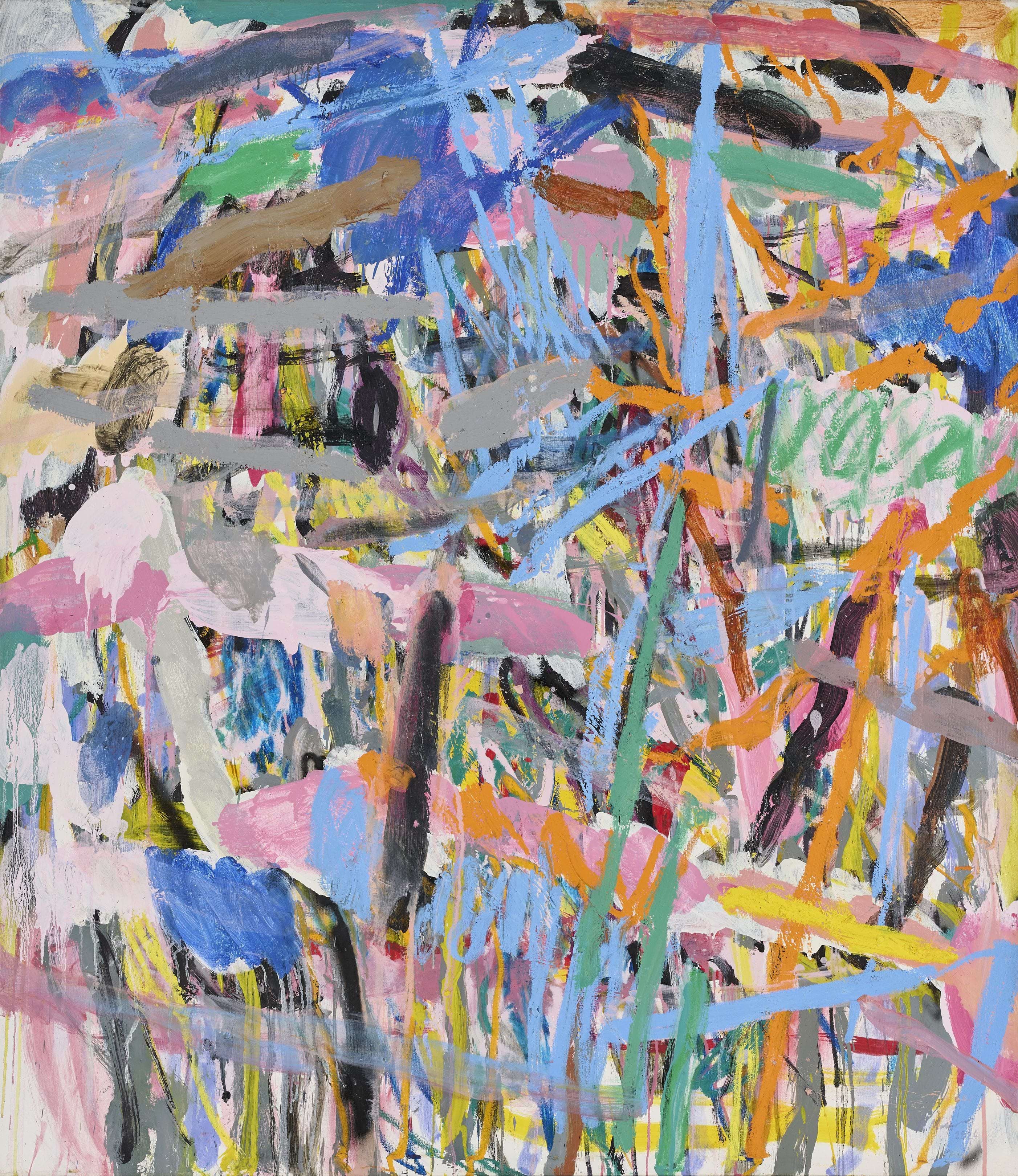
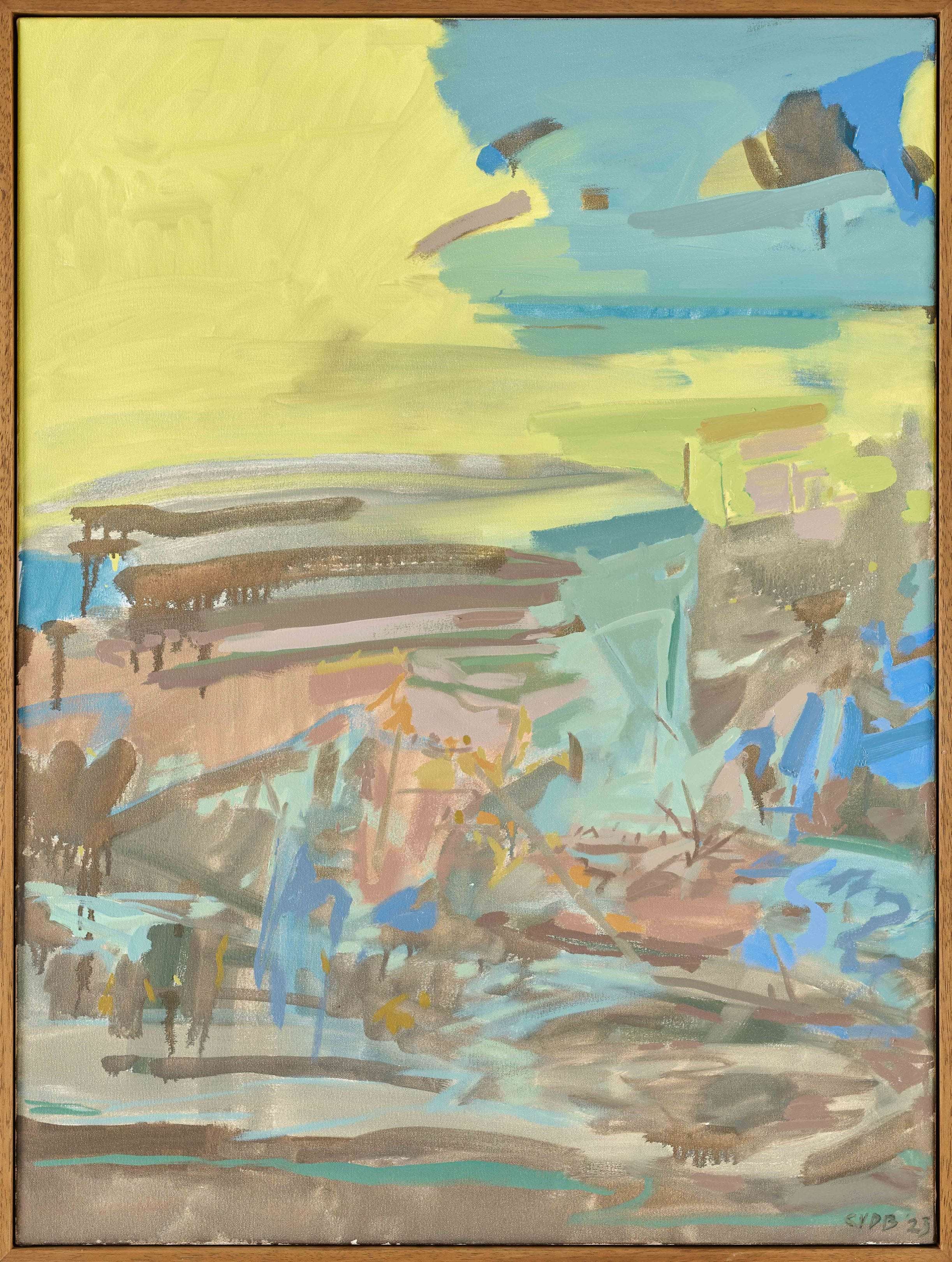
Aquifer IV (Plunge), Landscape Event XIV and Landscape Event XV continue his engagement with the idea of the land as a porous receptacle for lived experience. In these works the artist continues to reflect on his own complex relationship to landscape with this body of work communicating a more visceral articulation of this engagement. This is embedded in the quality of the paint as much as the construction of the paintings and the abstract imagery that emerges on the canvas.
Exhibition history:
Pélagie Gbaguidi: Murmurations at Musée de Rochechouart
June 30, 2024 - December 15, 2024
Musée de Rochechouart, France
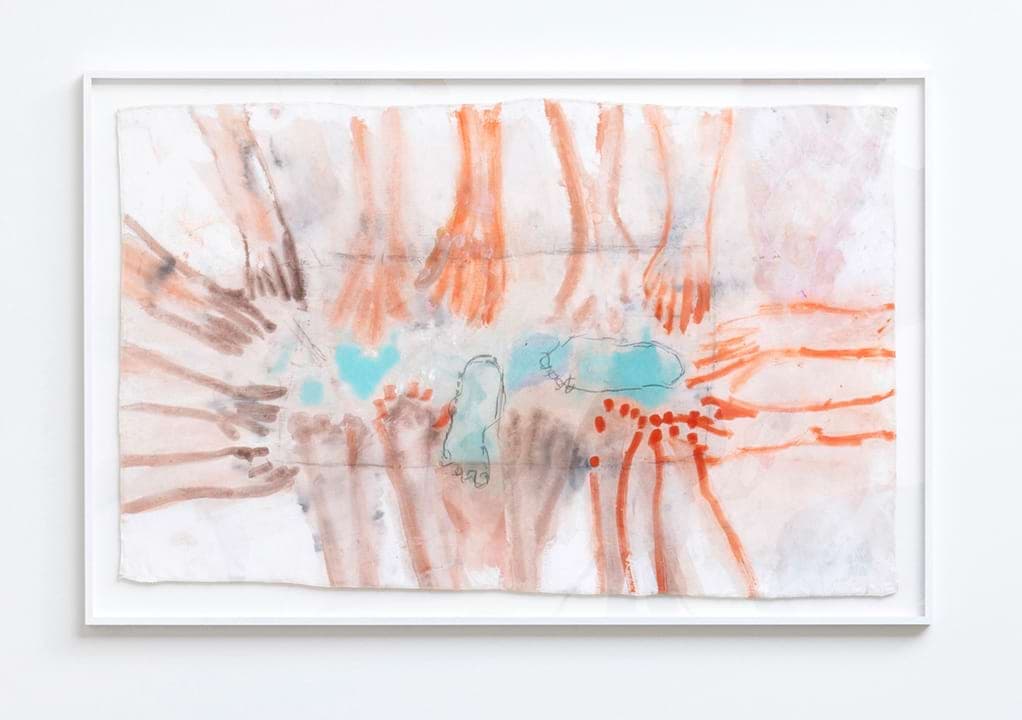
Pélagie Gbaguidi’s work incorporates paintings, drawings and mixed media works in an exploration of the “big and small stories that take our beings towards the burning questions of the world, urging us to go beyond the surface” - Pélagie Gbaguidi
Gbaguidi’s candid and sometimes tongue-in-cheek creations depict splintered figures in different forms and settings - moving, contorting, shapeshifting. As riotous colour erupts alongside subtle hues, creatures lay next to other creatures, they merge with animal and plant life and other objects, breaking the hard edges between me/us/them/it.
Often using natural pigments, alongside paint, ink, pencil, wool, wax and crayons and materials such as flour sacks and tarpaulin, Gbaguidi confronts colonial histories by repurposing discarded materials and integrating them into new contexts. She questions legacies of colonialism that continue to impact migration, trade and the environment.
Her practice, phenomenological and embodied, involves a performative element where the body serves as a medium. She often uses own body to paint and make marks on the surfaces (instead of brushes or other tools). These scratches and smudges become imprints that allow the work to absorb memory into form, she explains; “thus, the body becomes a language that translates sociopolitical issues into a poetic choreography composed of paintings, drawings and textiles....”
Gbaguidi confronts histories of oppression, particularly through women’s experiences, exposing how history, (un)recorded and remembered, continues to impact on women’s lives. Her practice can be understood through several key thematic threads — assemblage, fragmentation and intersections reflected through a focus on the female body; how the body is encountered and read, alongside its relationship with the environment, in a technological age. Seeing herself as a modern day griot and carrying on a long tradition of lyrical storytelling she engages in transgenerational and intercontinental dialogue, particularly between her birth place in West Africa and Europe.
Omar is, in Guyanese folklore, an aquatic spirit with the body of a crab and a giant fish. The Omars like to eat rotten wood, sinking boats when they mistake them for floating logs. Legend has it that a “Peaiman” (shaman or sorcerer) carefully rolled up two pieces of wood used to light fires so that they would not get damp. Then he let himself be swallowed by an Omar. Peaiman found a lot of wood inside the monster's belly, and set it on fire. Omar felt a lot of pain, rose to the surface, belched the shaman and died.
Raw cotton threads dyed by natural pigments (black acacia, indigo, beetroot, coffee, chamomile, carqueja, onion, marsh cane, avocado seed, mackerel, mate tea, black tea, clove vine, crajiru, turmeric, fennel, maitén, avocado leaves, cashew leaves, chestnut leaves, tobacco, hibiscus, iron mordant, sweet paprika, brazilwood, red cabbage, salt, seven sangria, senna, annatto, vinegar, red wine) and wire.
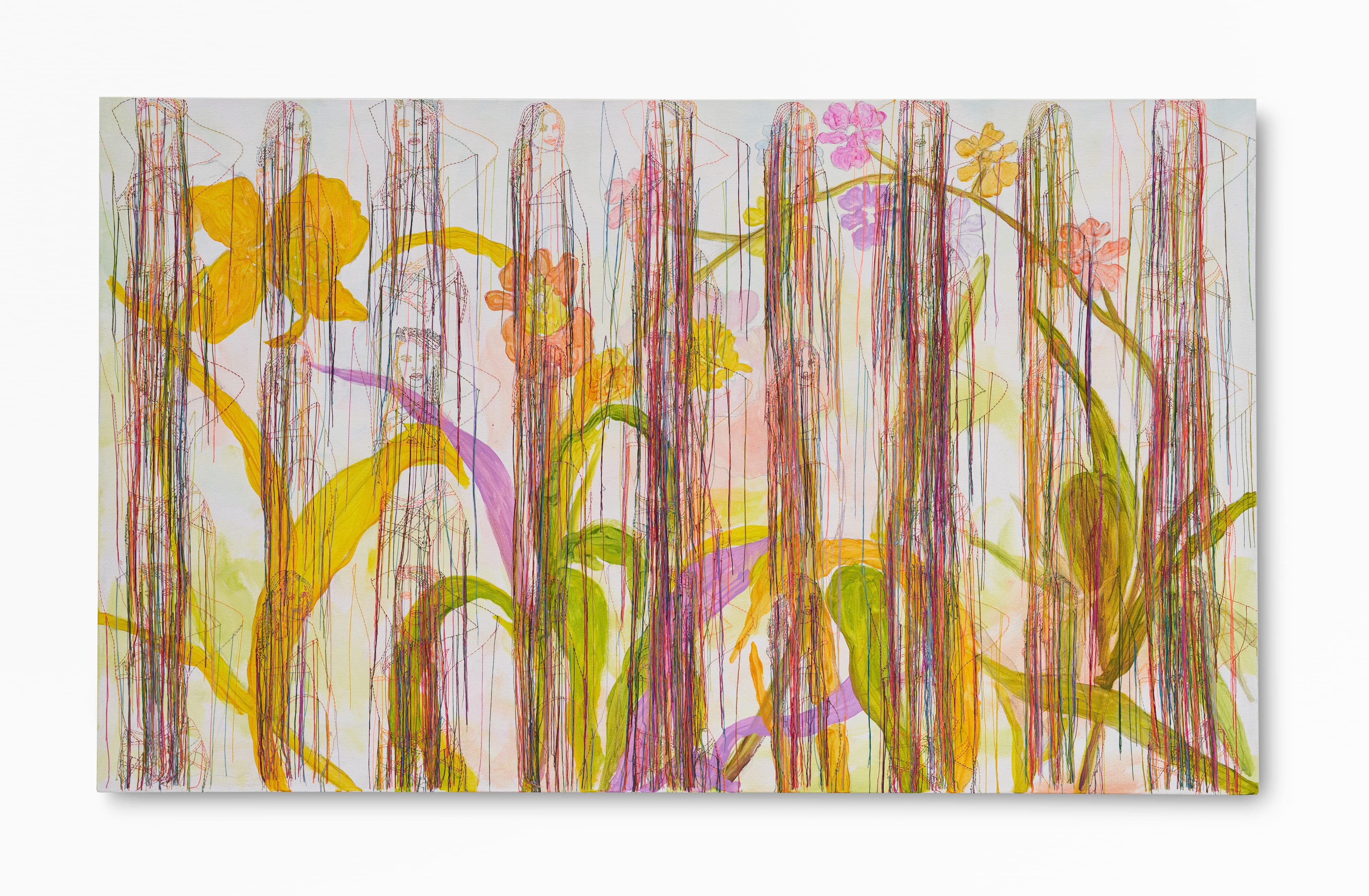
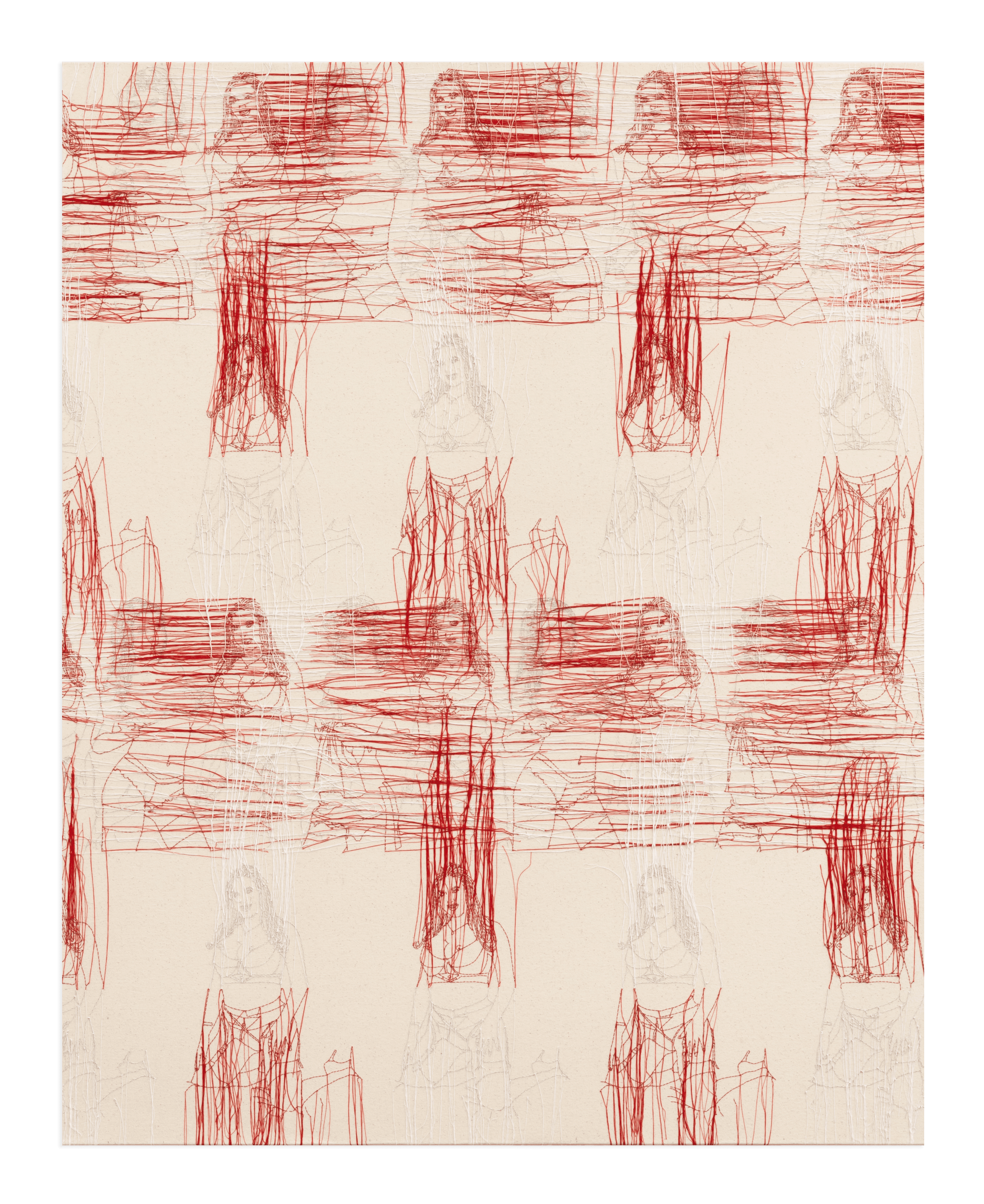
Ghada Amer is a multimedia artist whose body of work is anchored and informed by ongoing ideological and aesthetic concerns. The submission of women to the tyranny of domestic life, the celebration of female sexuality and pleasure, the incomprehensibility of love, the foolishness of war and violence, and an overall quest for formal beauty, constitute the territory that she explores and expresses in her artistic practice.
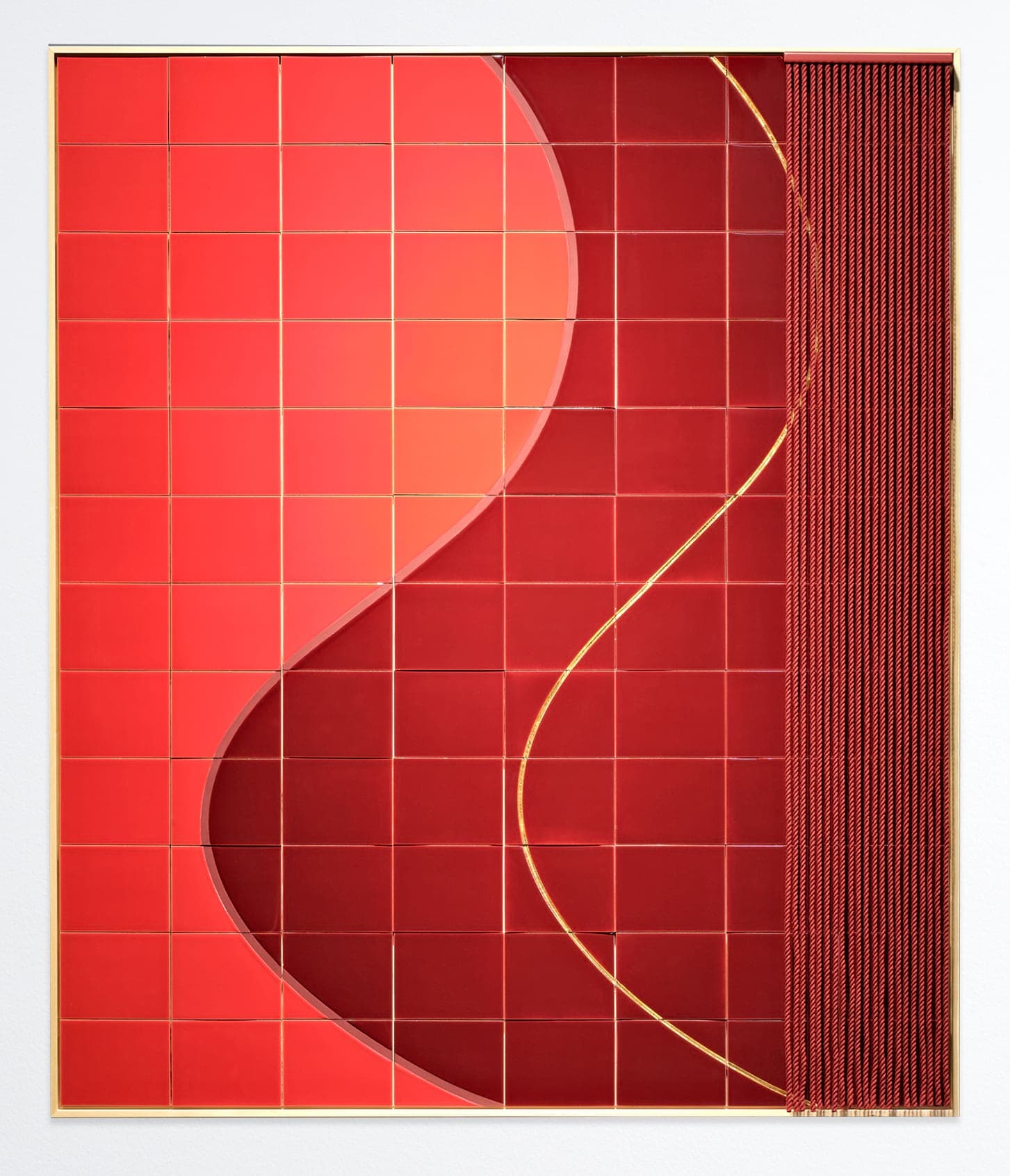
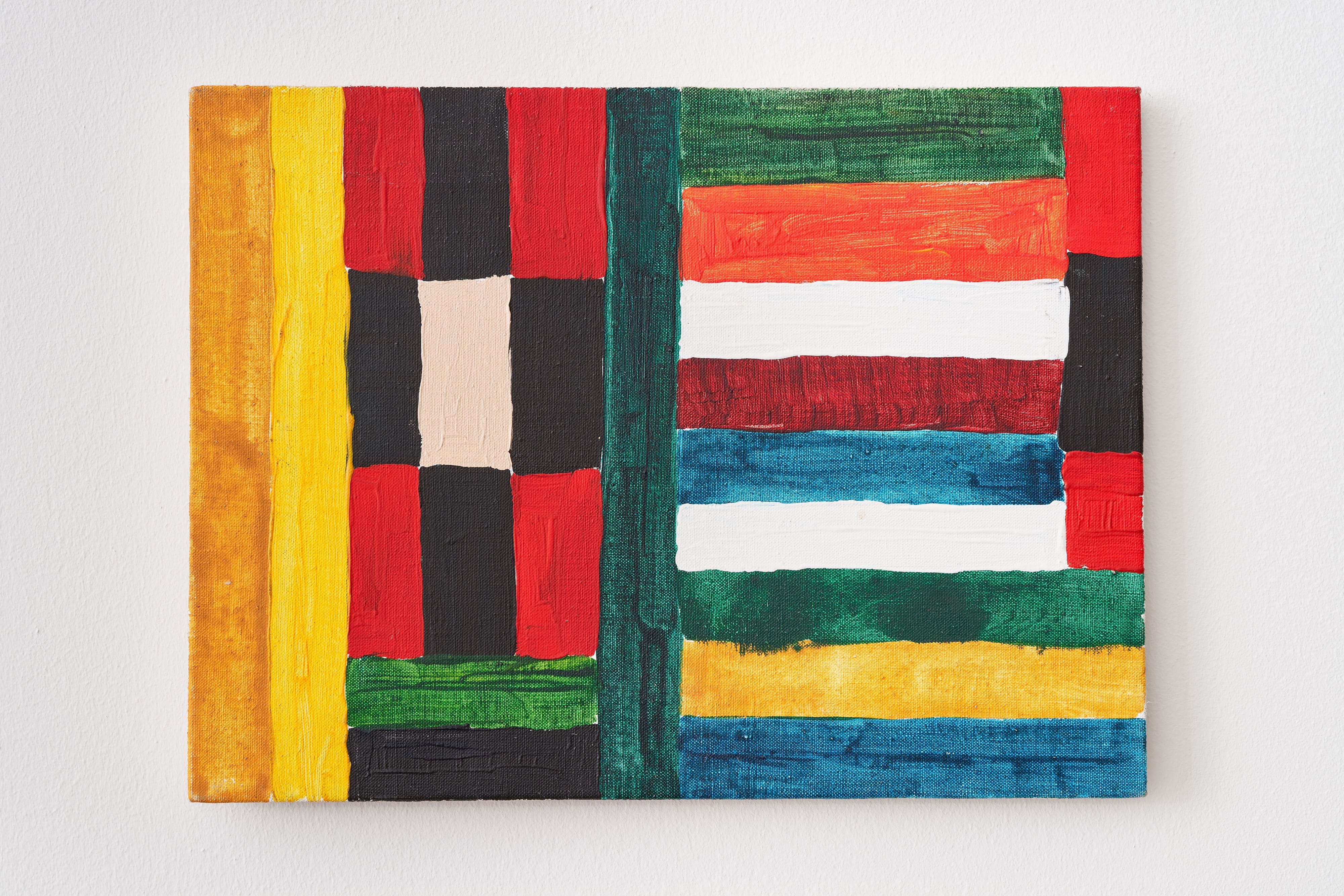
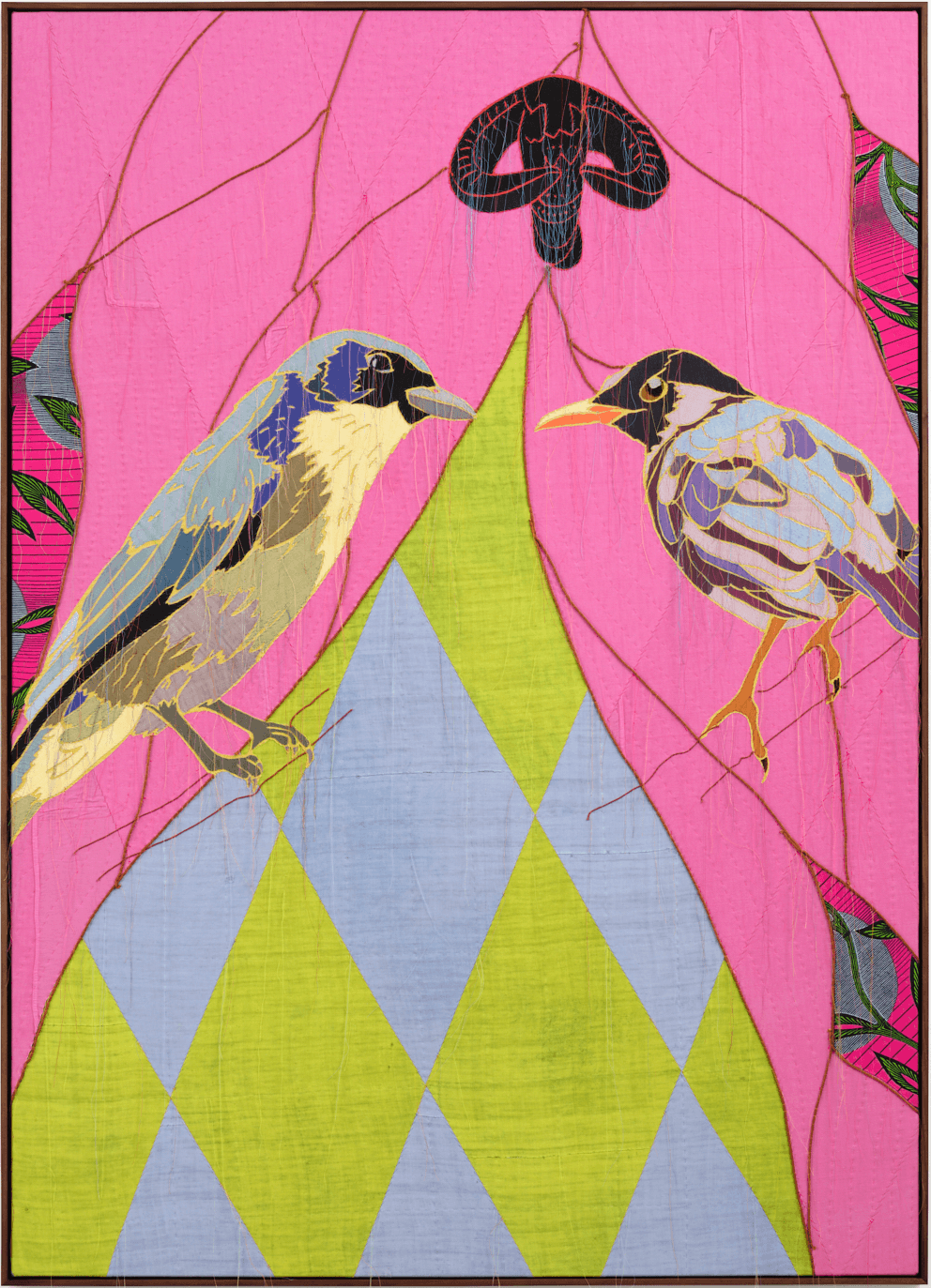
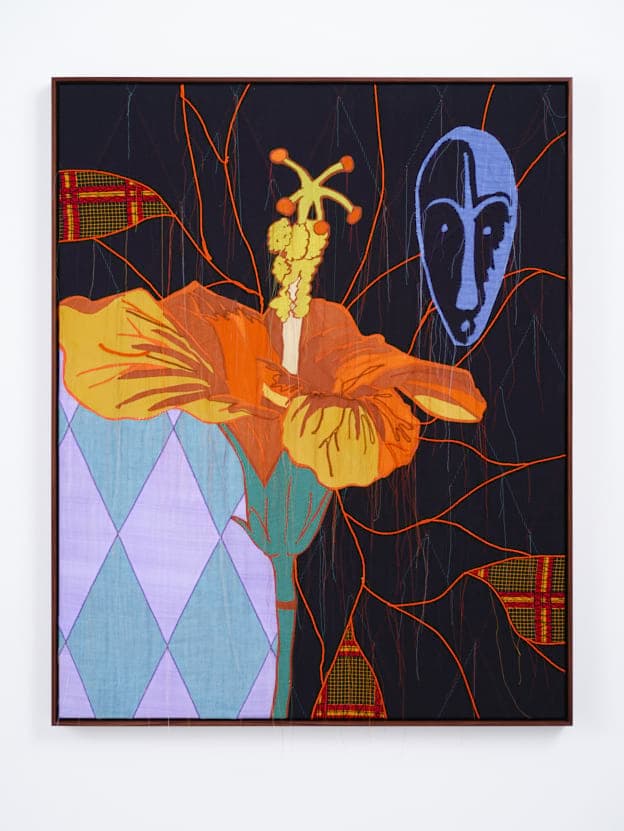
'A LOST CHECKERED DYPTICH' (2023) depicts female forms through the delicacy of needle, thread and acrylic paint. The choice of subject matter and of material speaks to the artist’s interest in subverting assumptions related to societal roles attributed to women, rejecting both religious-driven laws that govern women’s bodies as well as contemporary ideas that reject expressions of conventional femininity as a form of empowerment.
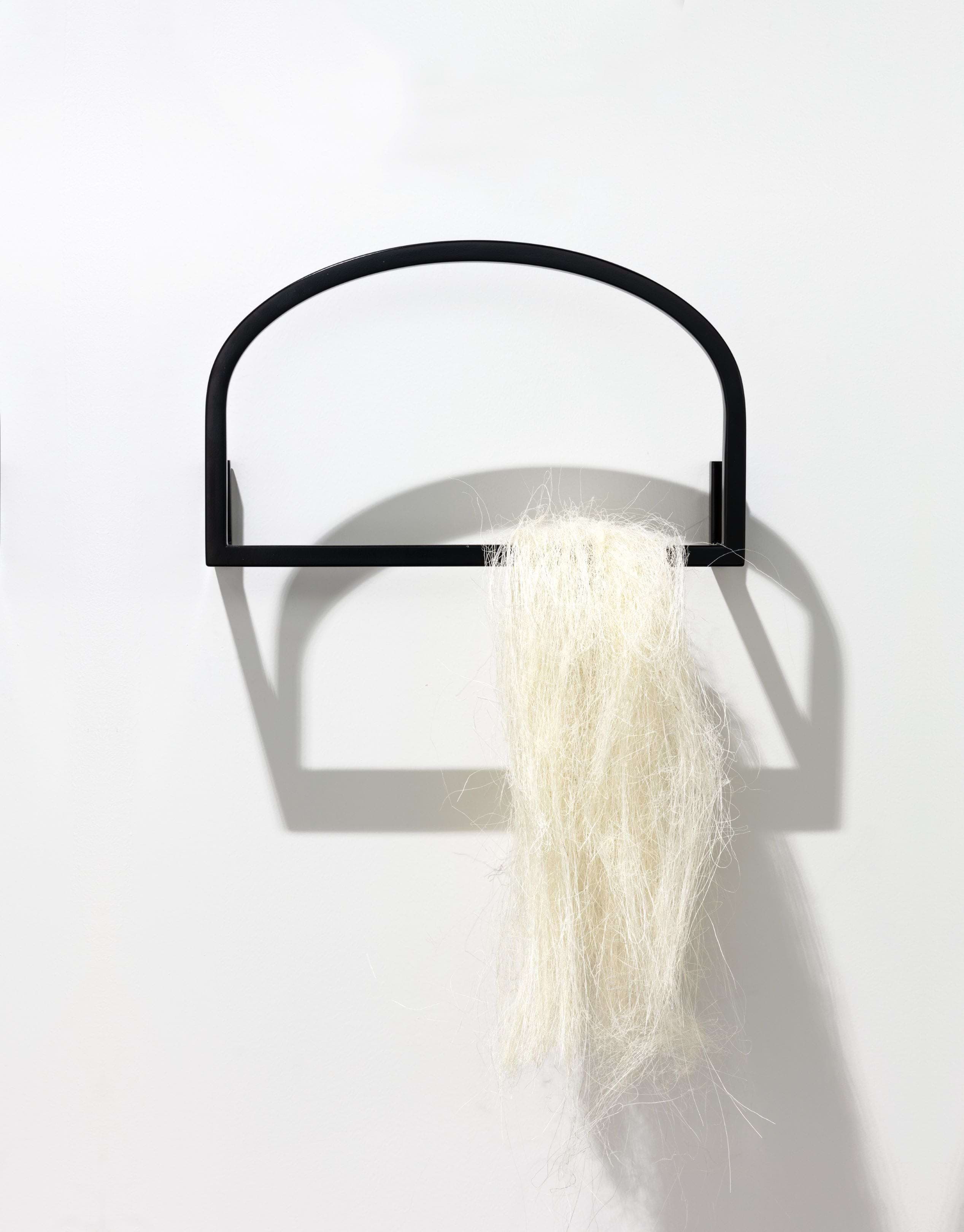
Kapwani Kiwanga is a Franco-Canadian artist based in Paris. Kiwanga’s work traces the pervasive impact of power asymmetries. Her work is research-driven, instigated by marginalised or forgotten histories, and articulated across a range of materials and mediums including sculpture, installation, photography, video, and performance.
Kunstmuseum Wolfsburg recently launched Kapwani Kiwanga’s first comprehensive mid-career retrospective, The Length of the Horizon until 7 January 2024. This show includes her memorable 2022 Venice Biennale installation ‘Terrarium’. The artist has been selected to represent Canada at their national pavilion at the 2024 Venice Biennale.
Kiwanga’s interest in the historical and symbolic affect of materials is demonstrated through the artist’s Sisal series - an arrangement of steelworks covered in sisal fibre. The golden spun fibre, harvested from the botanical plant agave sisalana, is typically used for rope and twine. Kiwanga first encountered sisal whilst travelling through rural Tanzania where this flowering plant is a primary export commodity. Fascinated by the fibre’s colour (yellow and gold) as well as the rhythmic rows of the crop, Kiwanga came to learn more about the plant in relation to Tanzania’s political, economic and social history.
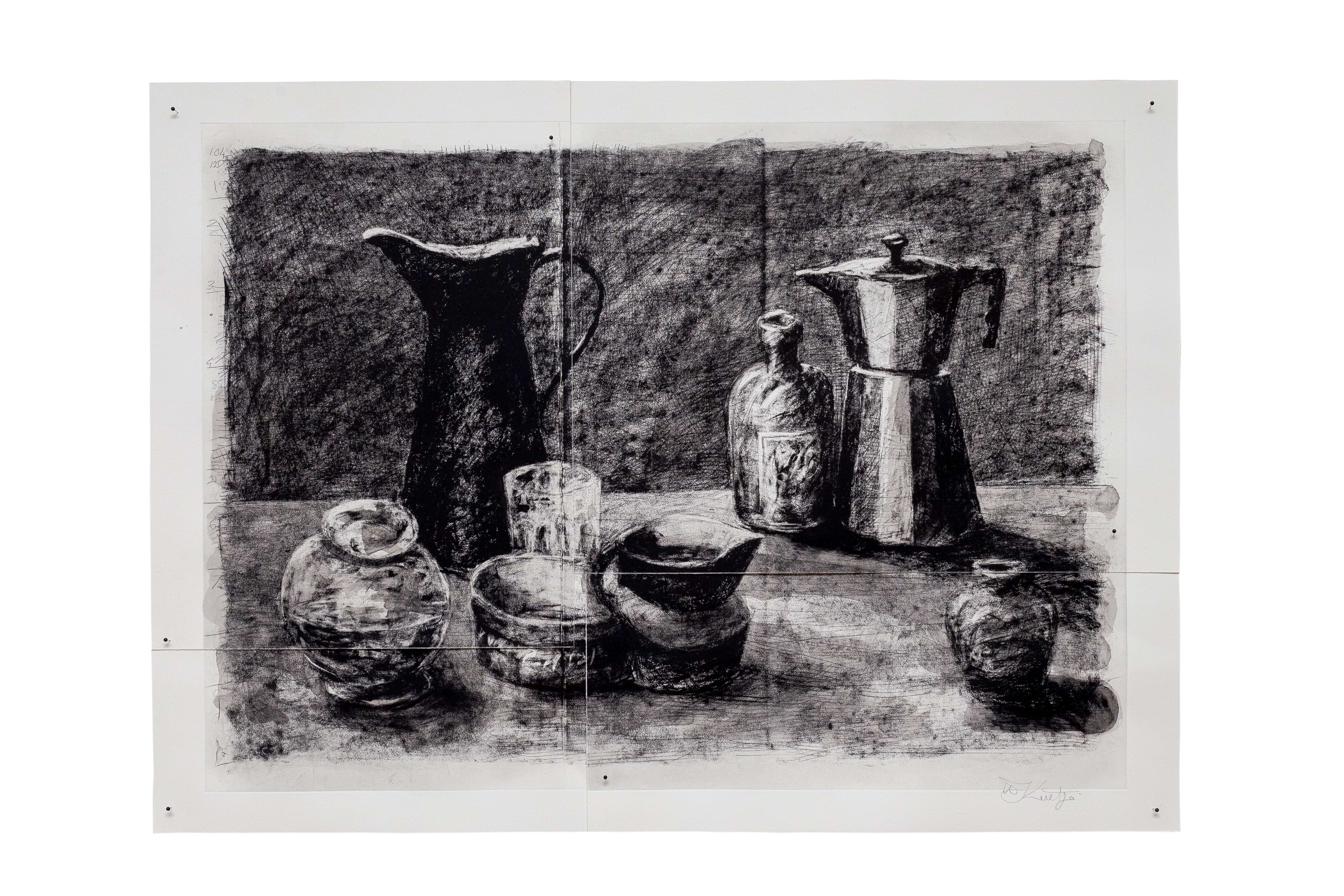
4 Plate photogravure with hand painting using Sennelier Black Indian Ink À La Pagode
4 Copper plates with steel facing
Assembly of 4 separate sheets, all sheets overlap and are pinned with 11 1/8” matte black map pins for final placement. Signed by the artist over the embossed edge in pencil on lower right-hand panel (print 2), numbered and chop mark on lower-left panel (print 1)
April 2020, Day 8 of South Africa’s lockdown, William Kentridge embarked on a new film series titled Studio Life. Conversations and images between Kentridge and Ross continued over Whatsapp as lockdown restrictions enforced working in isolation, Kentridge in South Africa and Ross in Canada. July 2020, a photogravure series begins, Studio Life at DKW in Johannesburg, South Africa and Eight Vessels at JRP in Saskatoon, Canada, which showcase photographs and film stills from the developing Studio Life films. The technique of photogravure being utilized as a means of working together from a distance and enabling the inclusion of several print studios in their creation (DKW, JRP, Warren Editions, UofA). For Eight Vessels, Kentridge created enlarged objects in his home studio made from foamcore & paper, and began arranging them on a table as subjects to be drawn as a still life. Inspired by the everyday objects around him and historical master painter Giorgio Morandi, Kentridge’s still life includes water jugs, vases, an ink tin and a bottle of whiskey (note: an alcohol ban was being enforced during the South African lockdown.)