David Goldblatt
Johannesburg 1948 - 2018
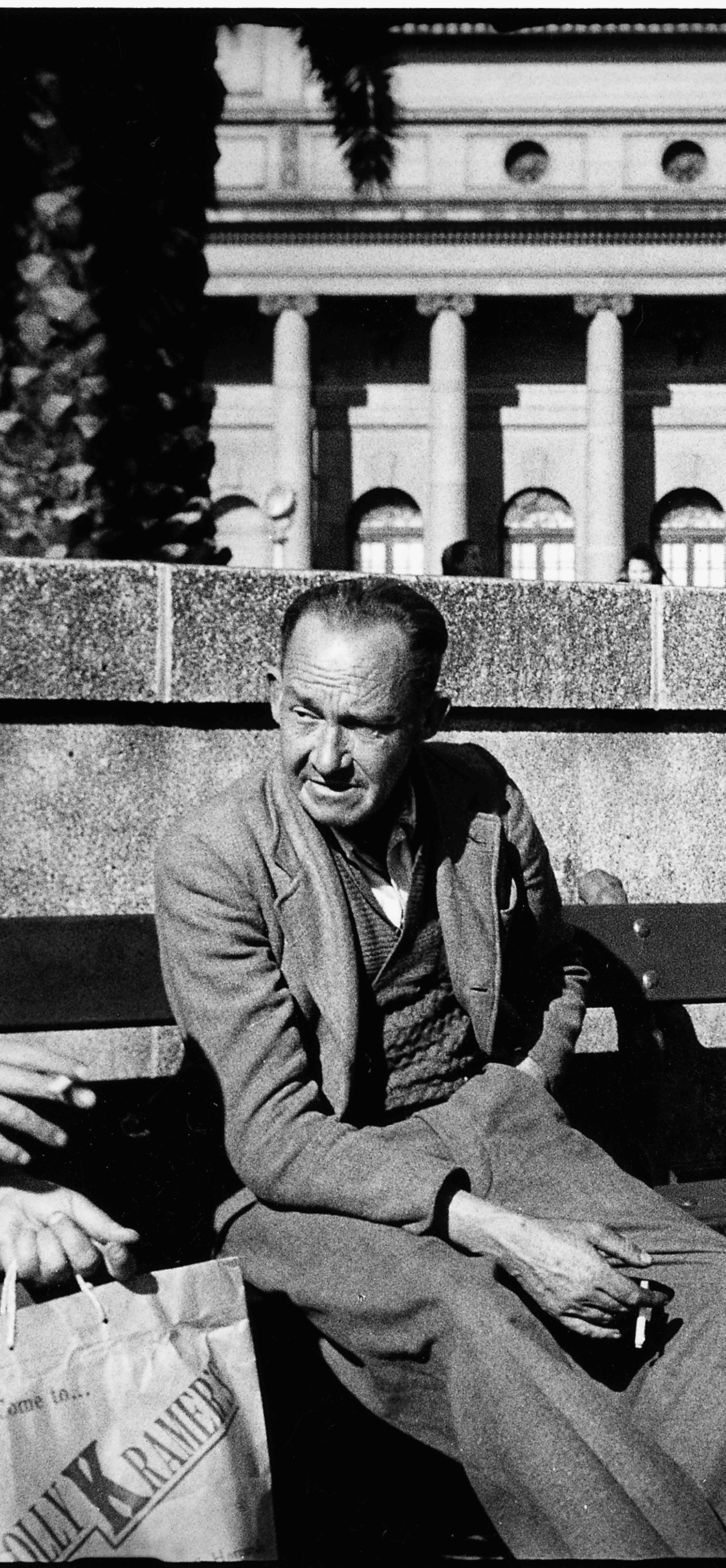
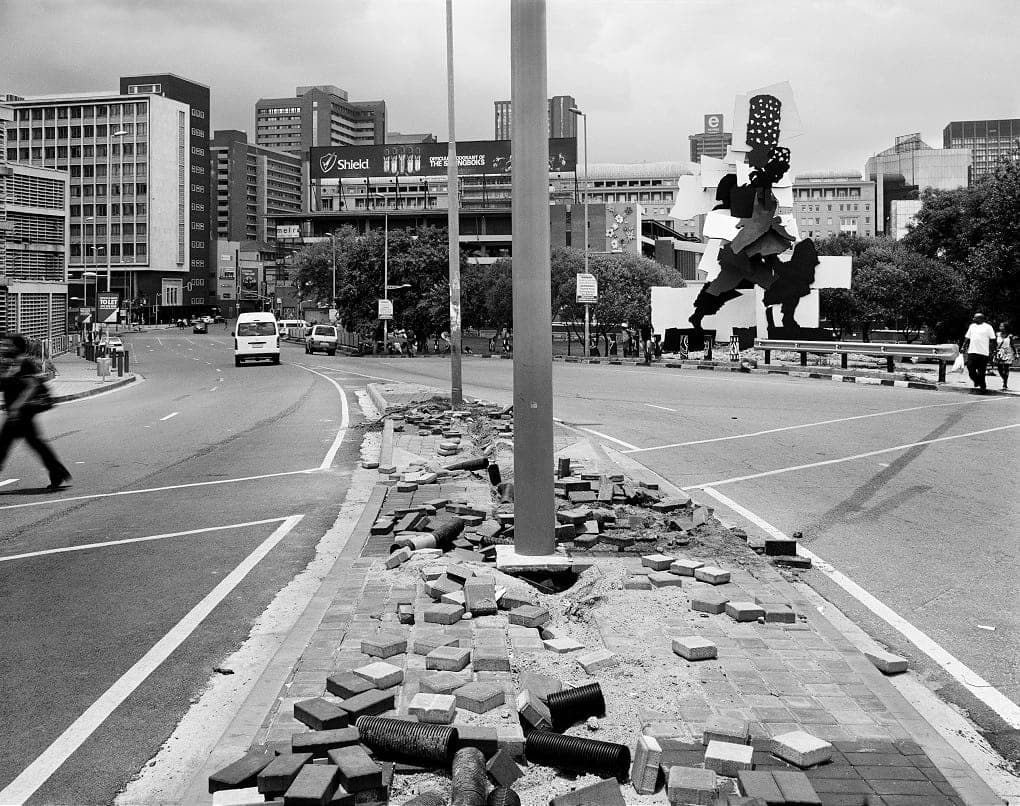
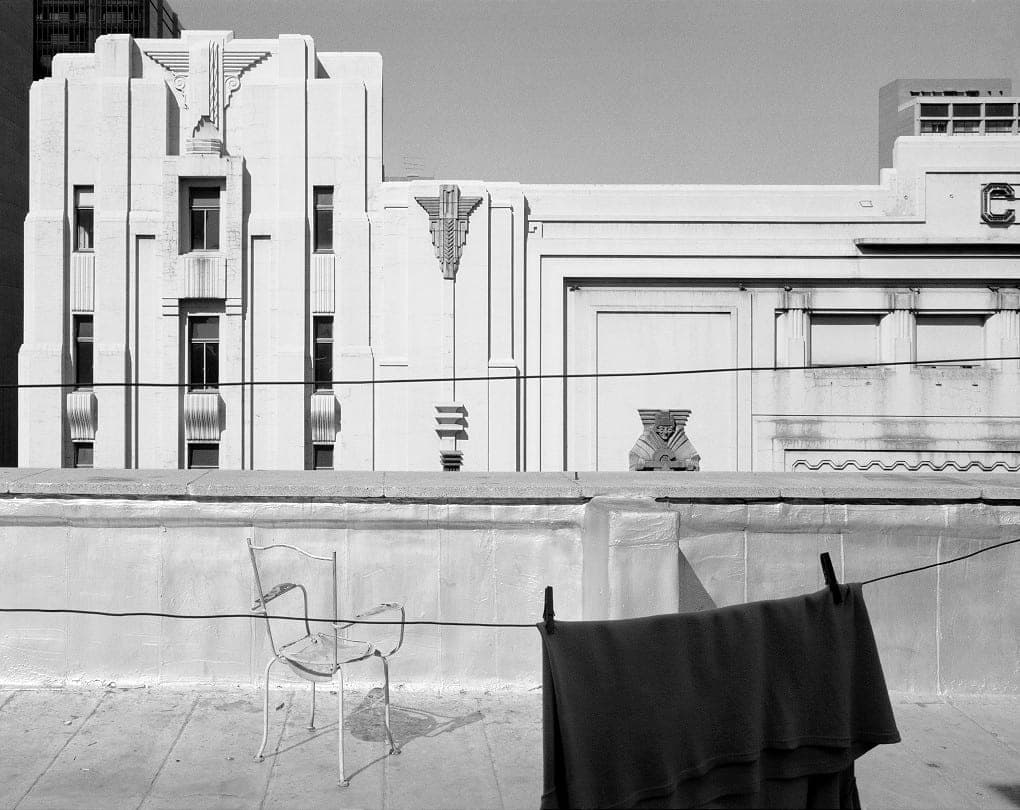
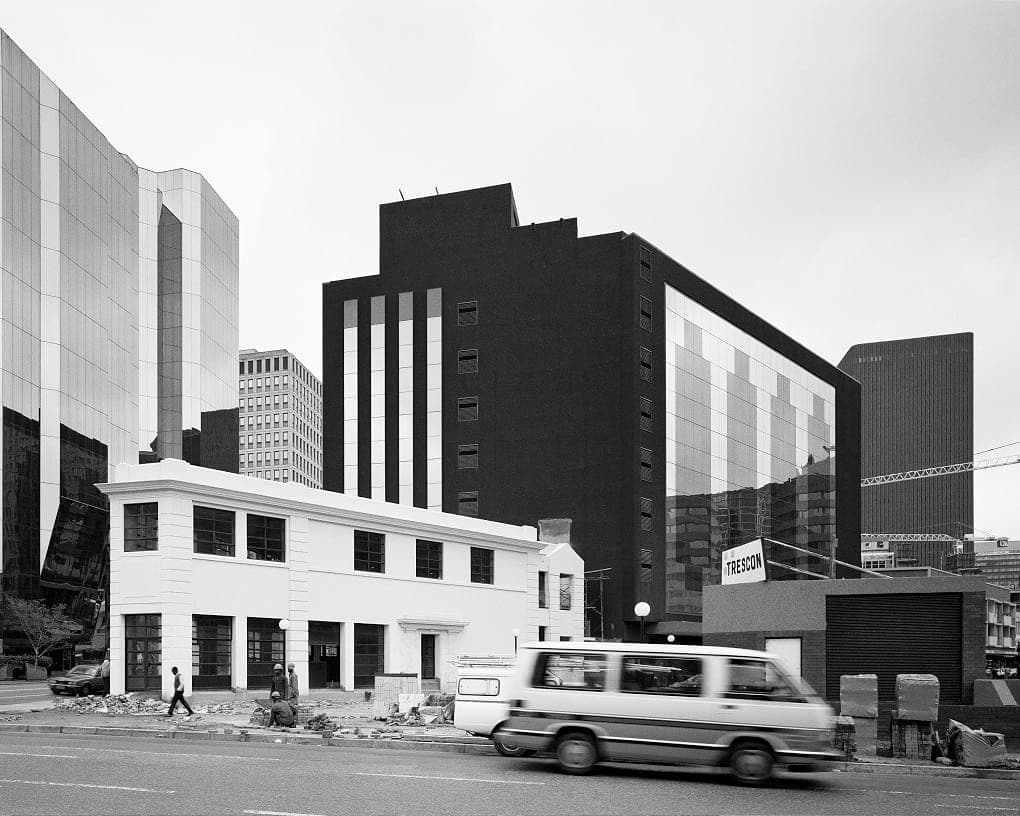
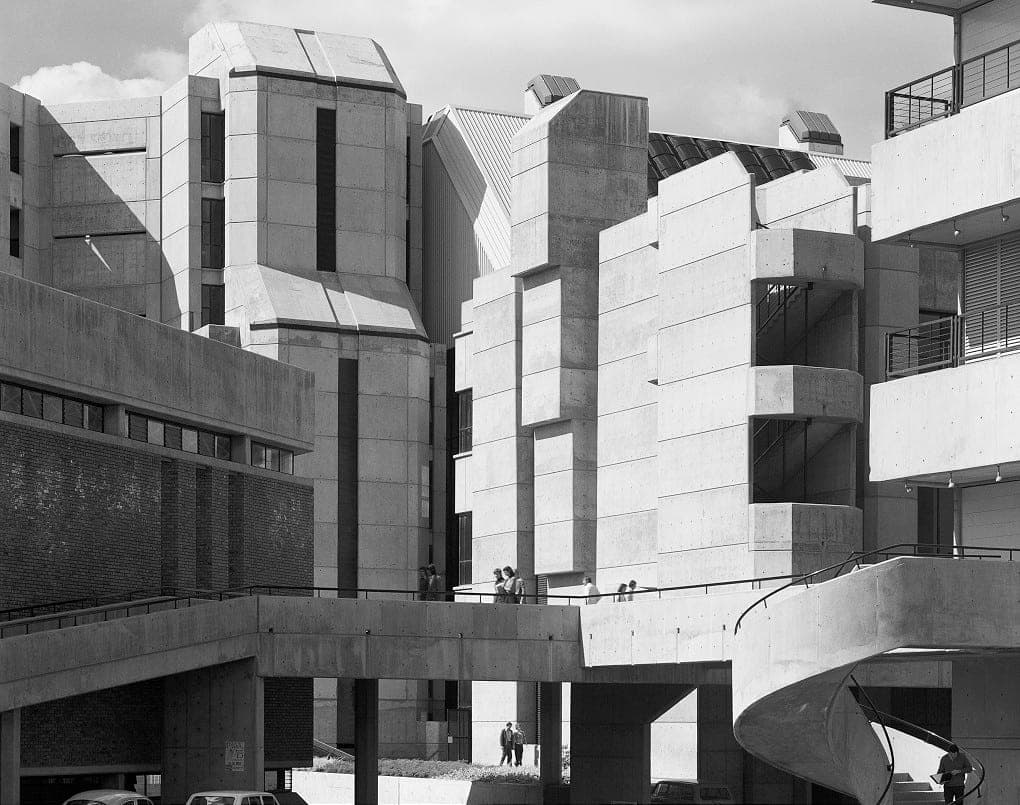
Goodman Gallery presents Johannesburg 1948 - 2018, the acclaimed South African photographer David Goldblatt’s first major solo exhibition in London since 1986.
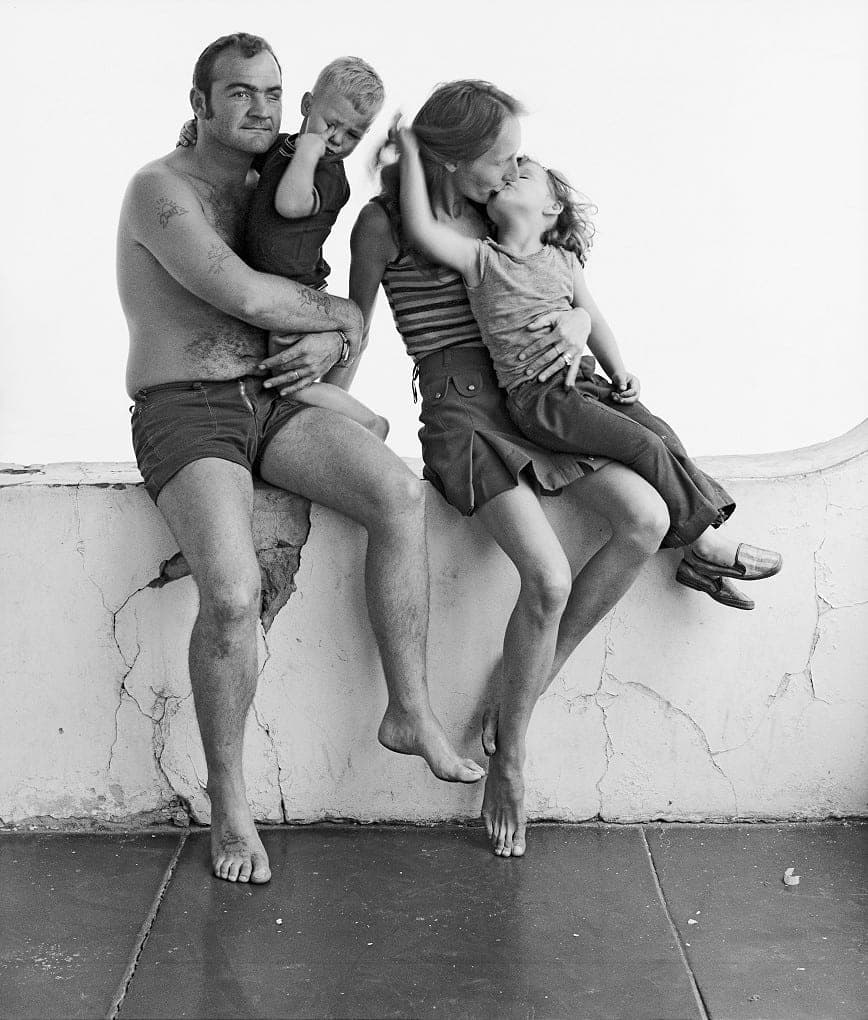
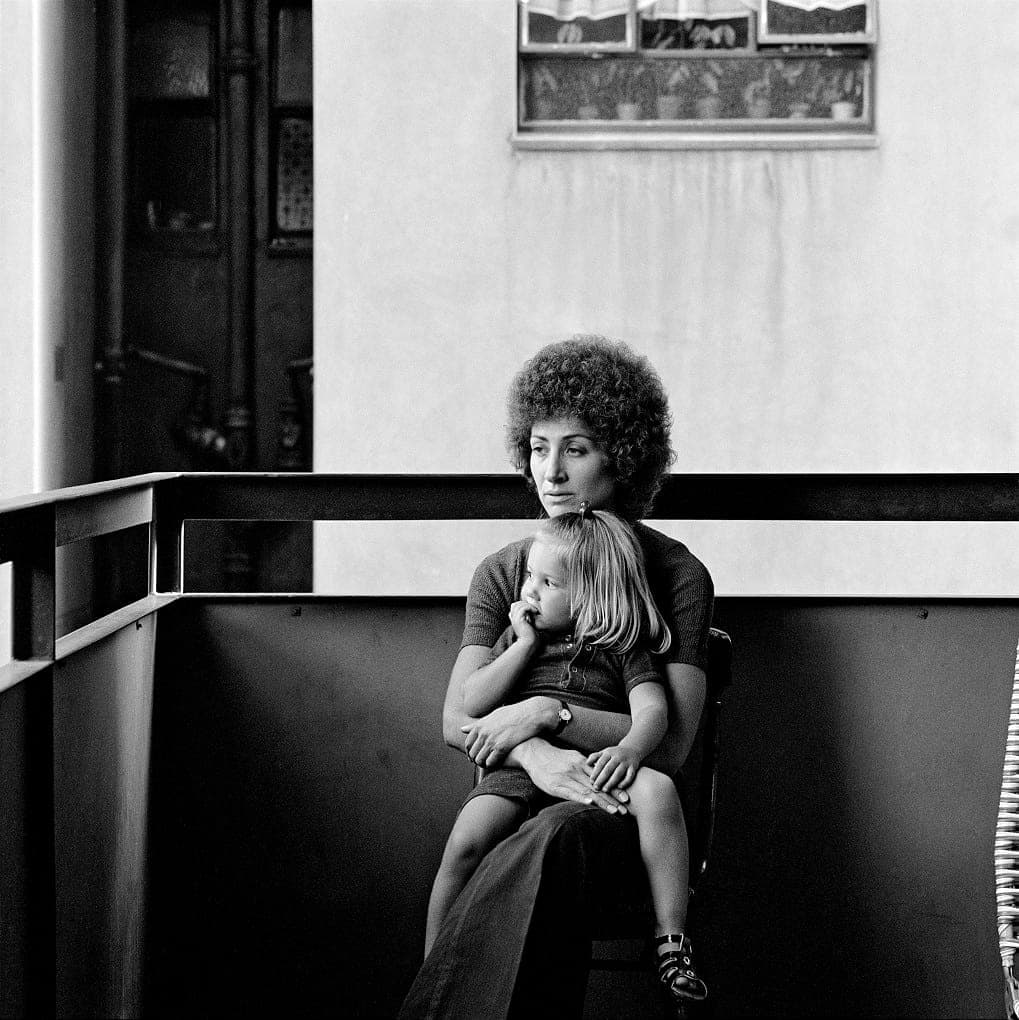
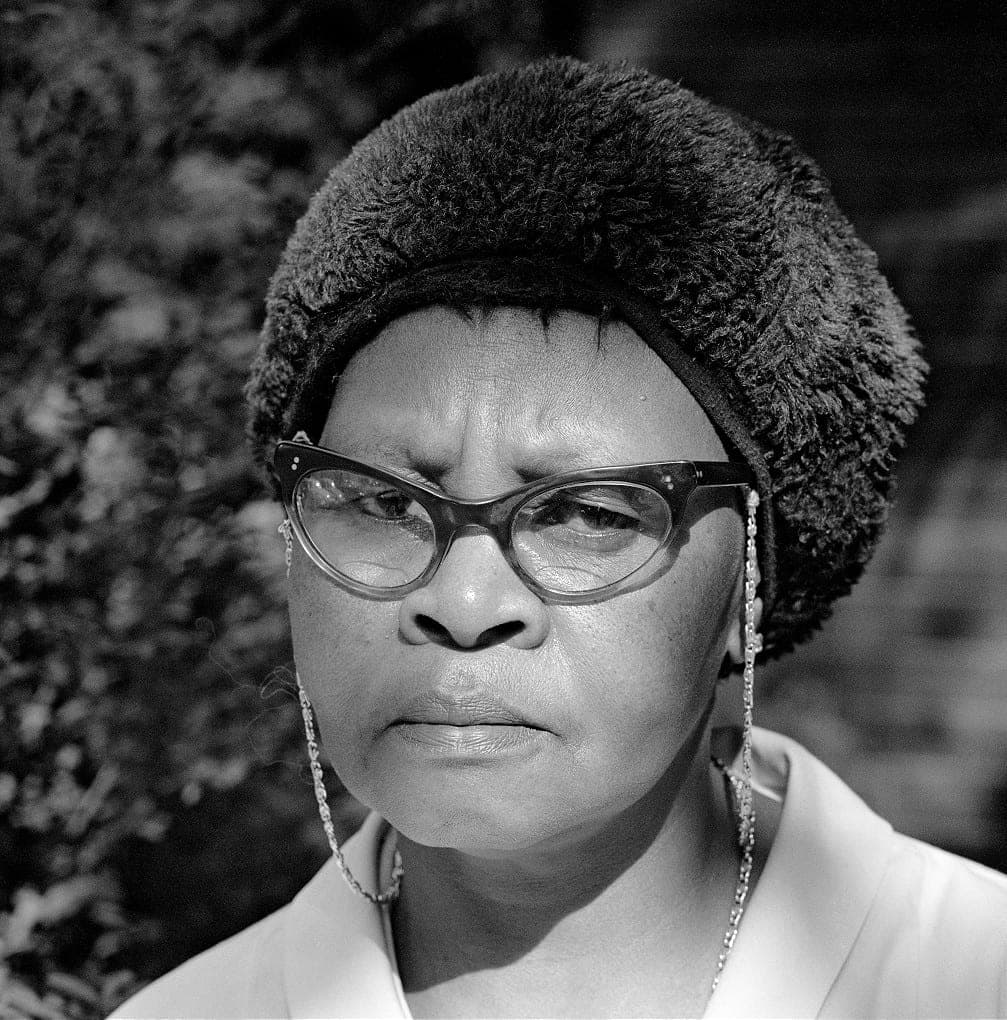
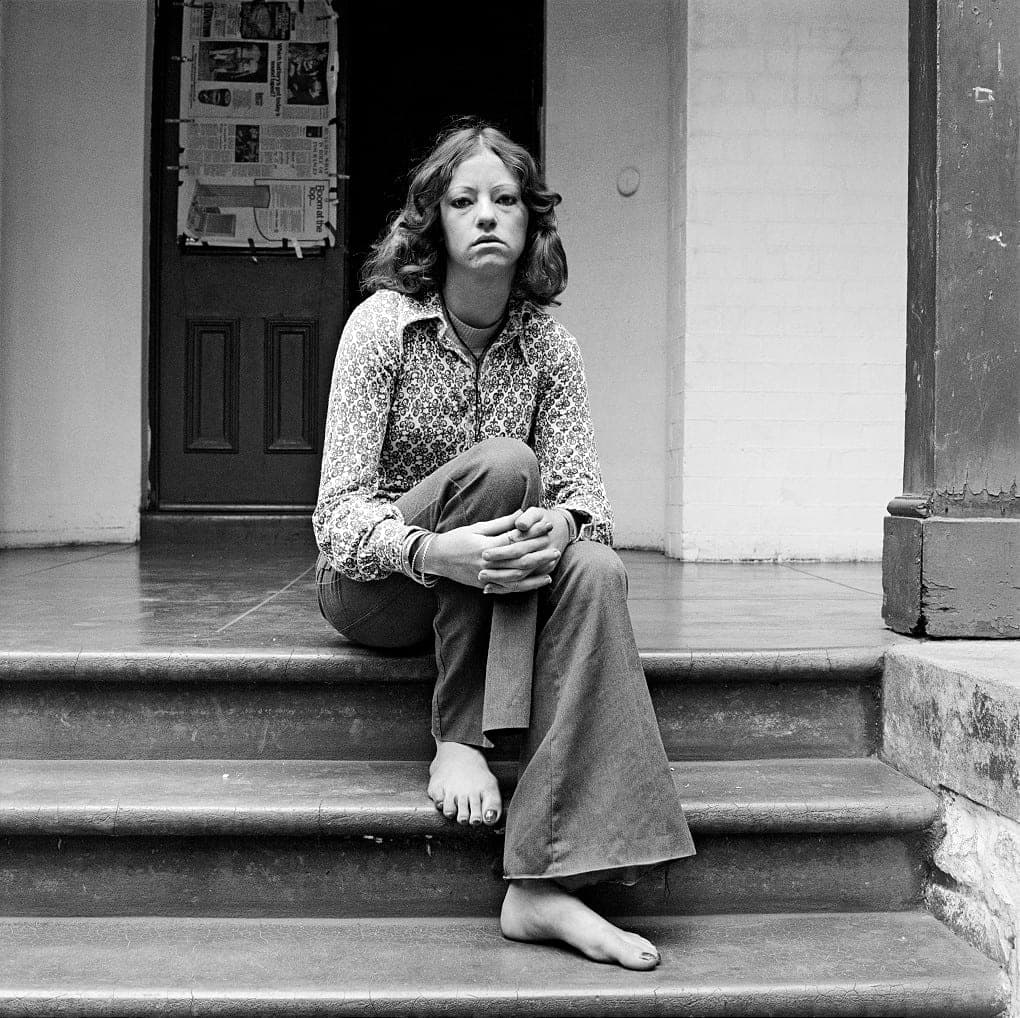
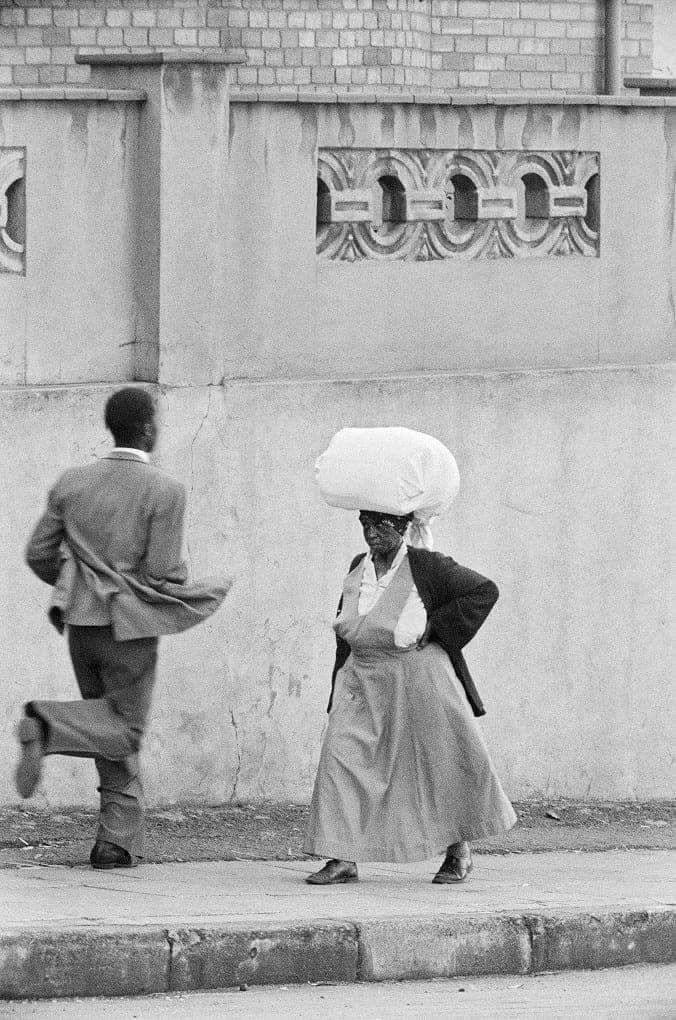
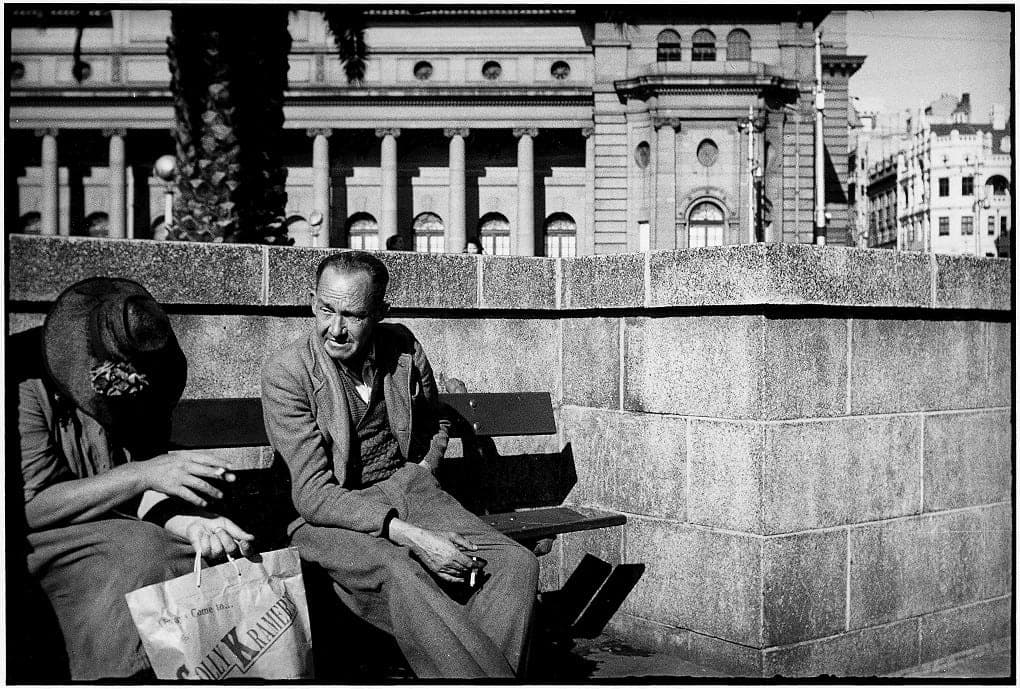
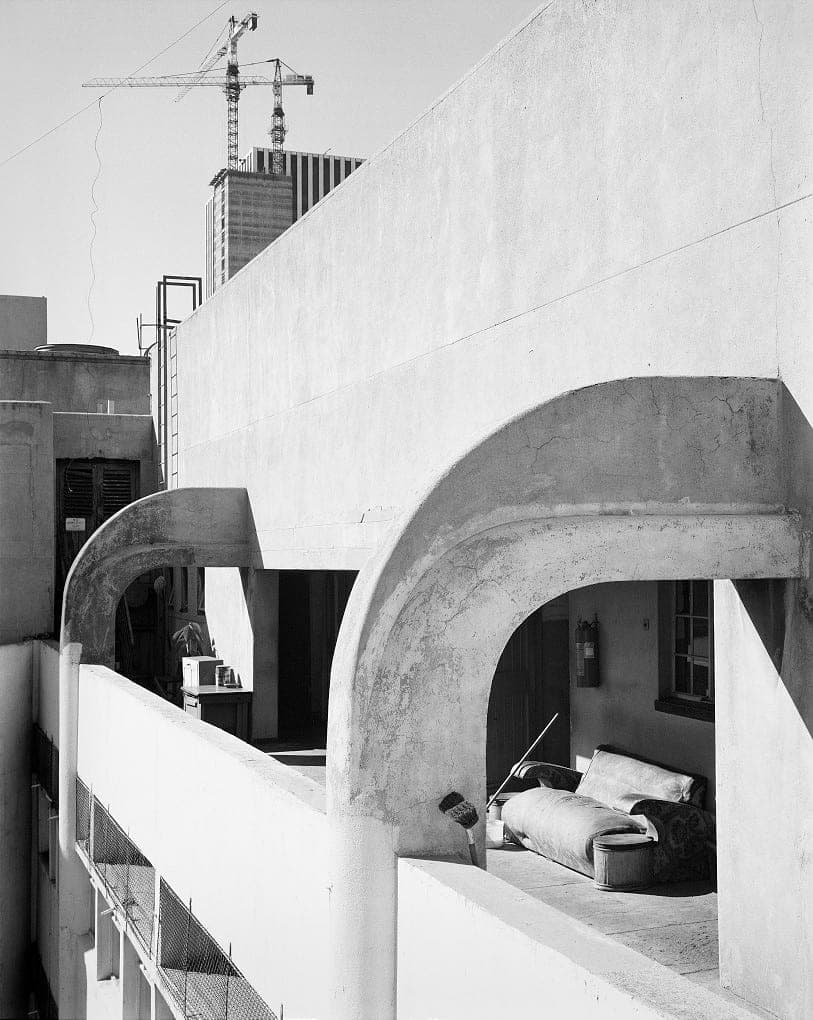
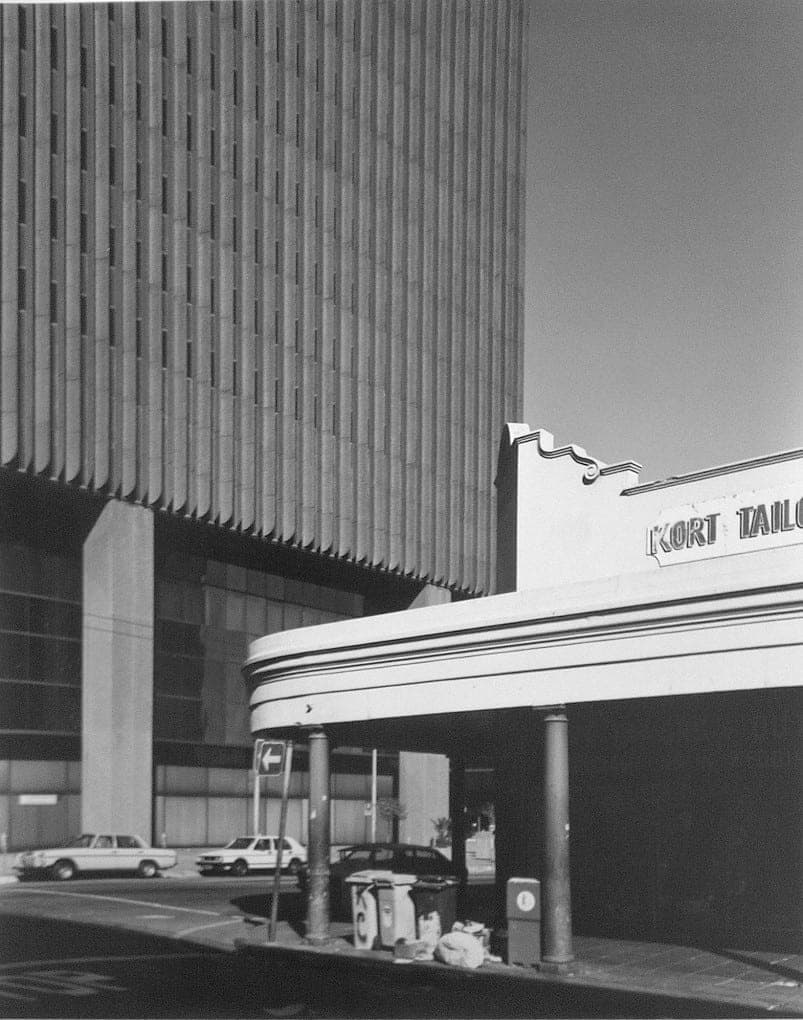
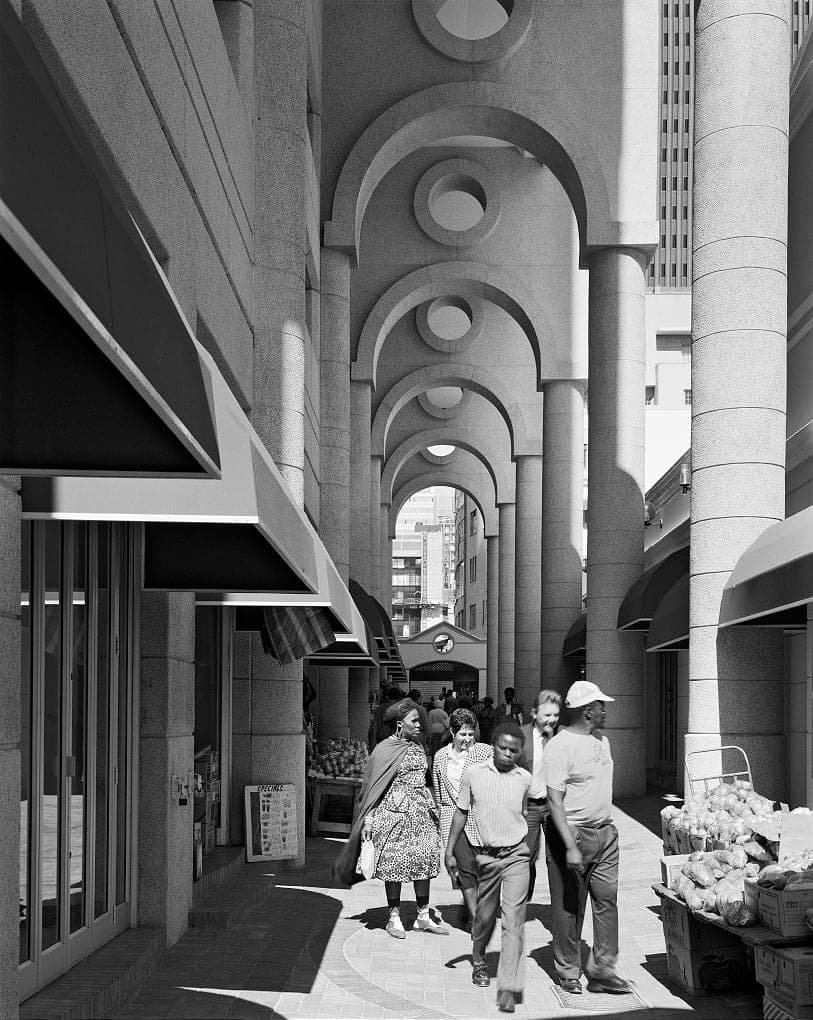
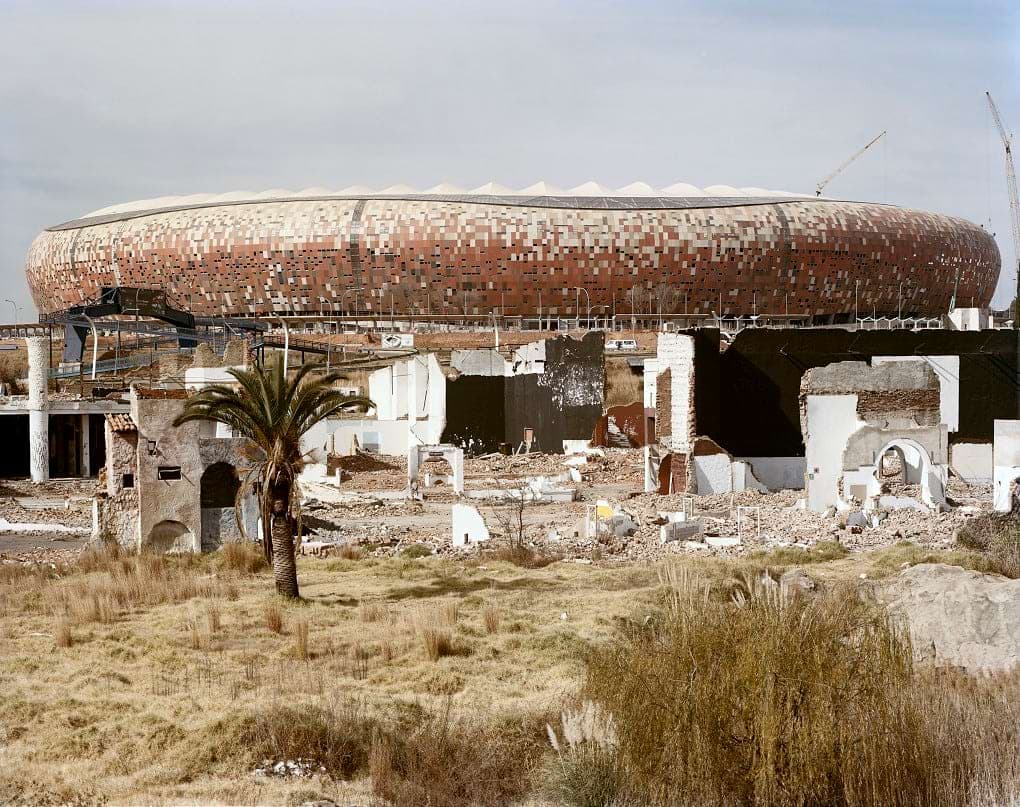
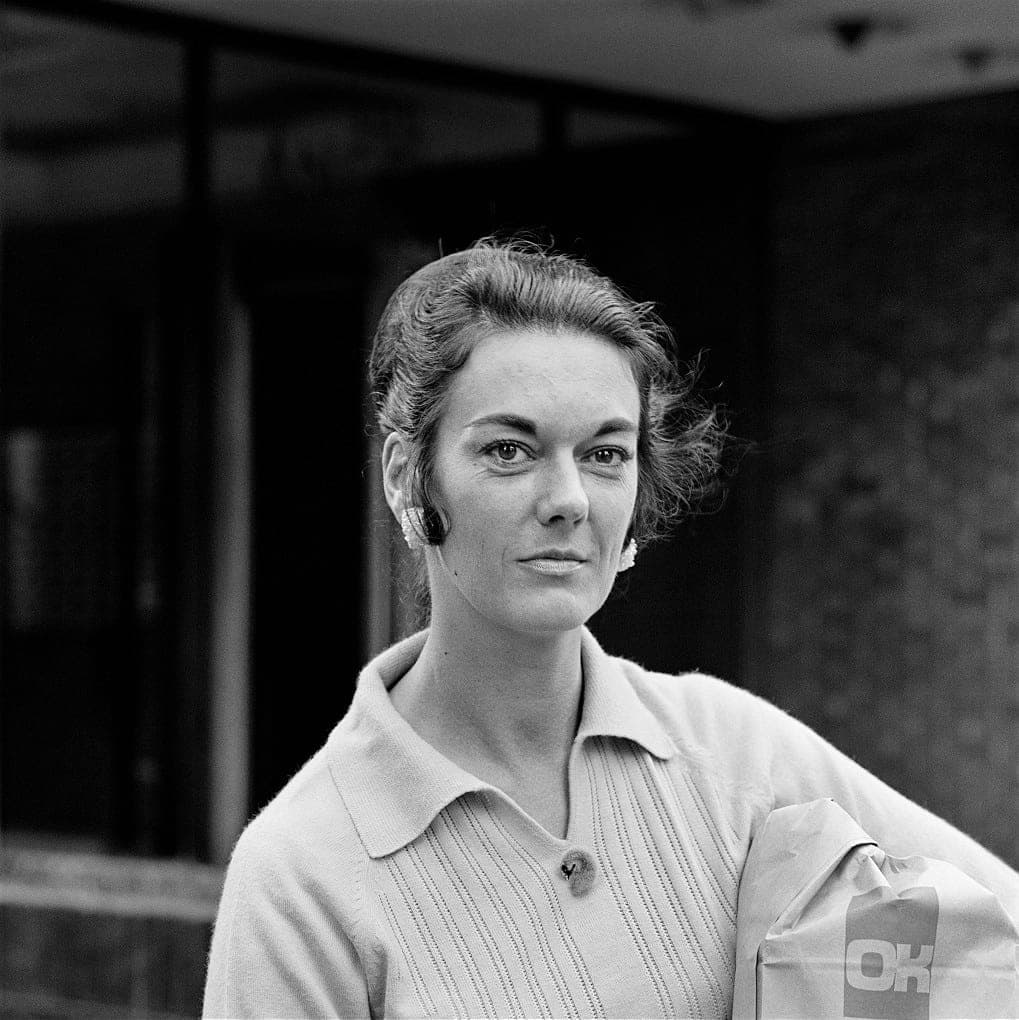
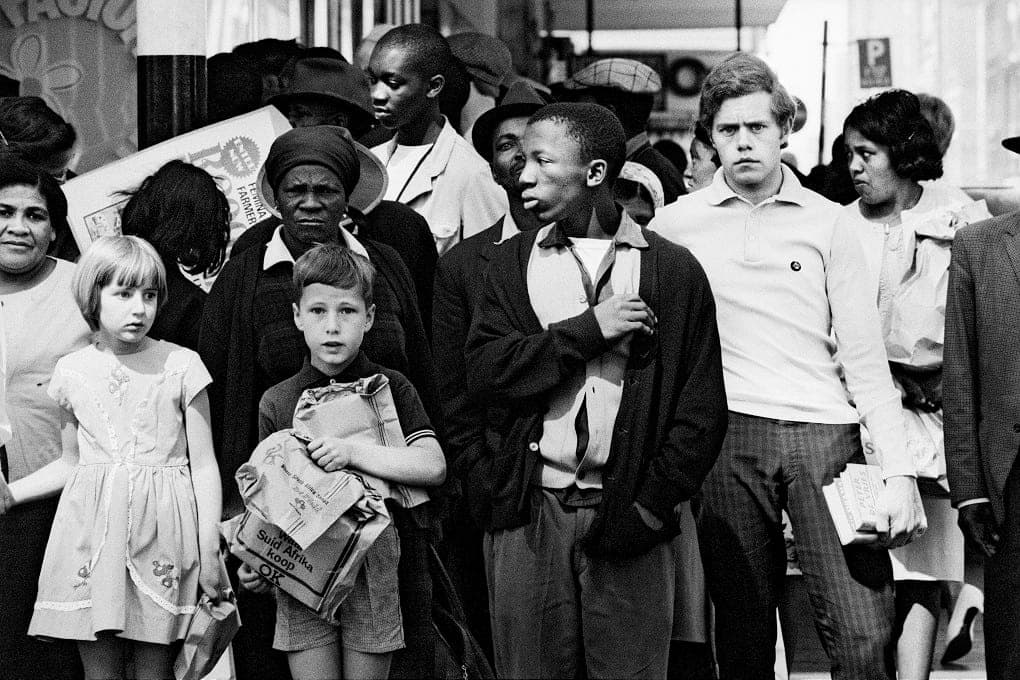
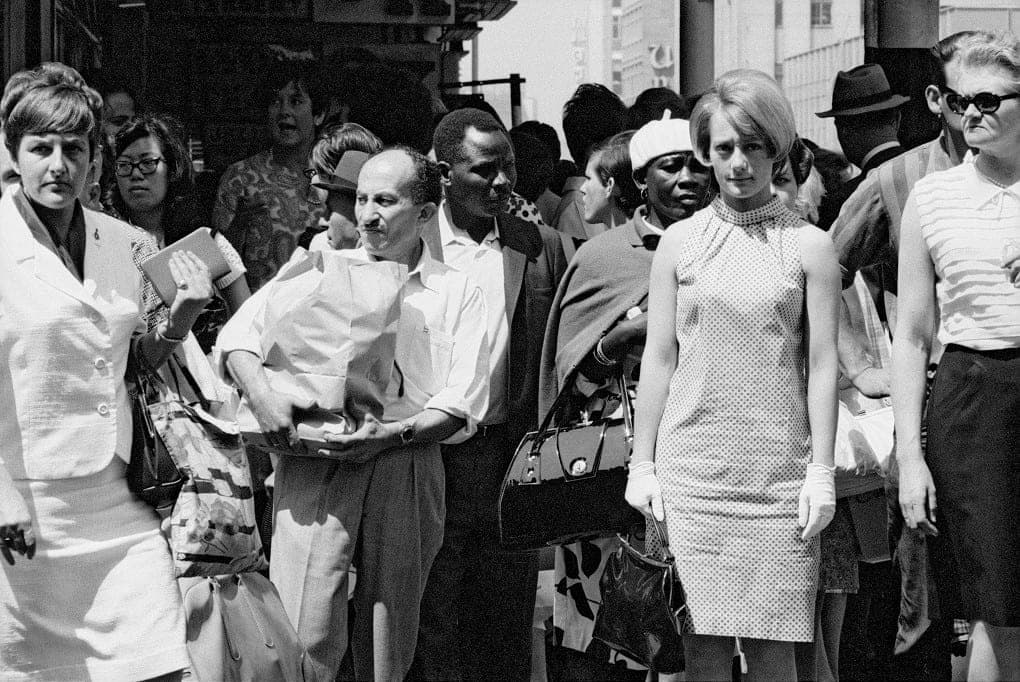
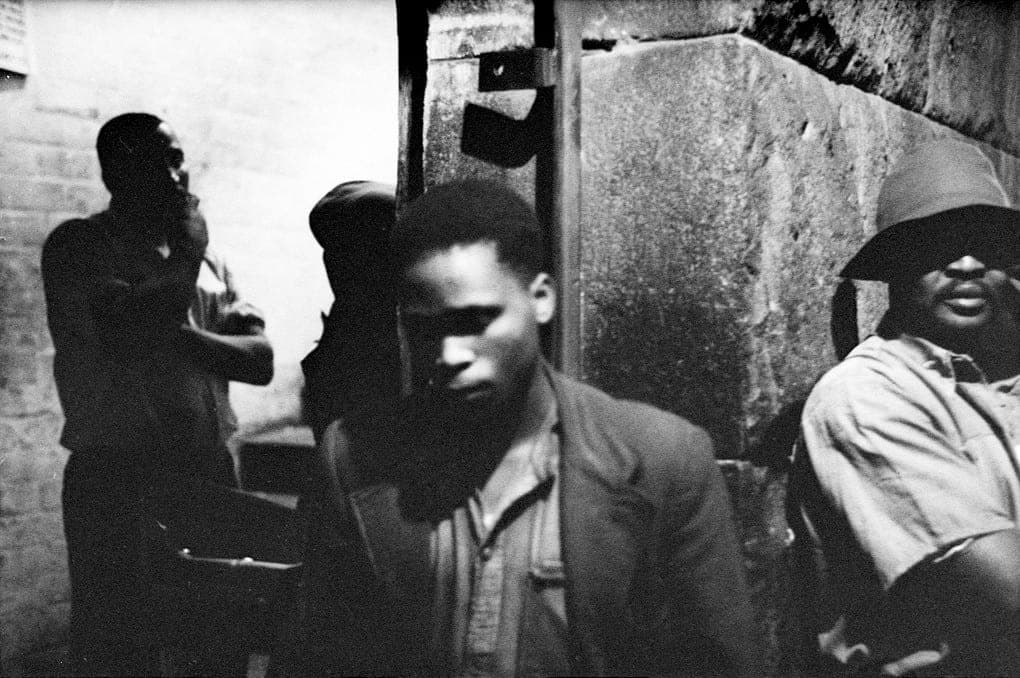
Renowned for a lifetime of photography exploring his home country, Goldblatt produced an unparalleled body of work within the city of Johannesburg, where he lived for 50 years. At age 17, Goldblatt would hitchhike from Randfontein, the small mining town where he was born, into Johannesburg. He walked around the city until the next morning, talking to night watchmen and following his intuition: “People would ask me what I was doing, and I would say, ‘I’m poeging. I’m walking around the city; I’m learning the city, and trying to take photographs.” i This process became the foundation of his practice.
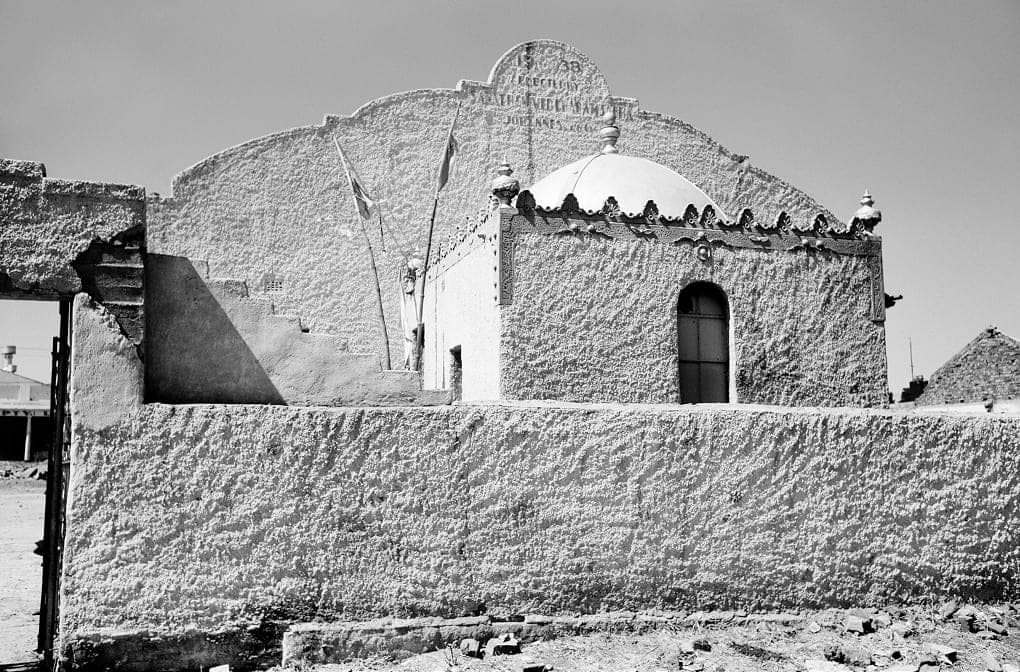
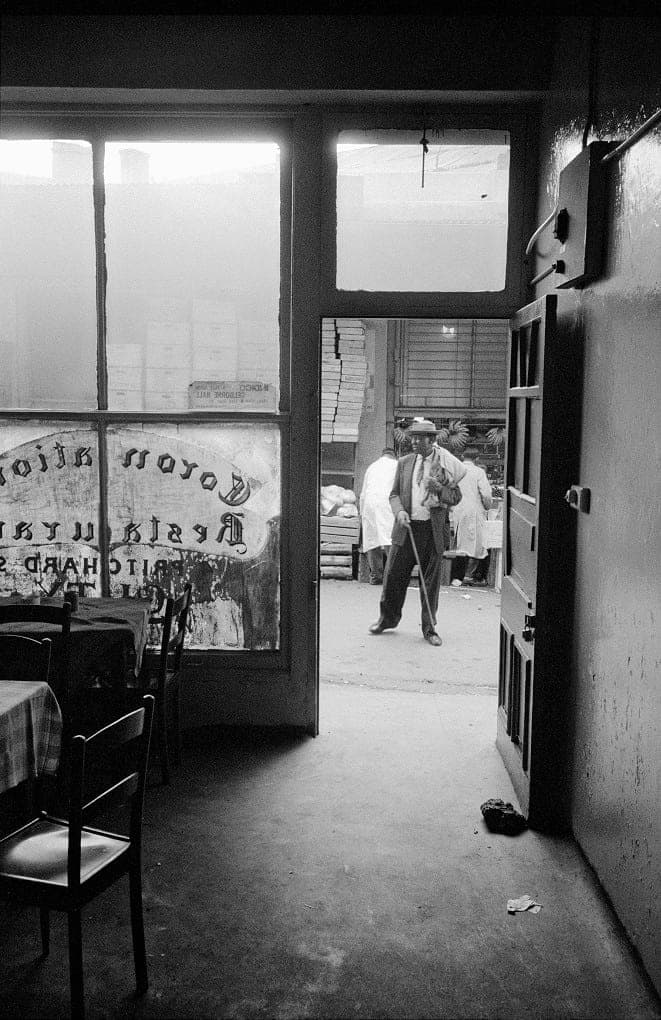
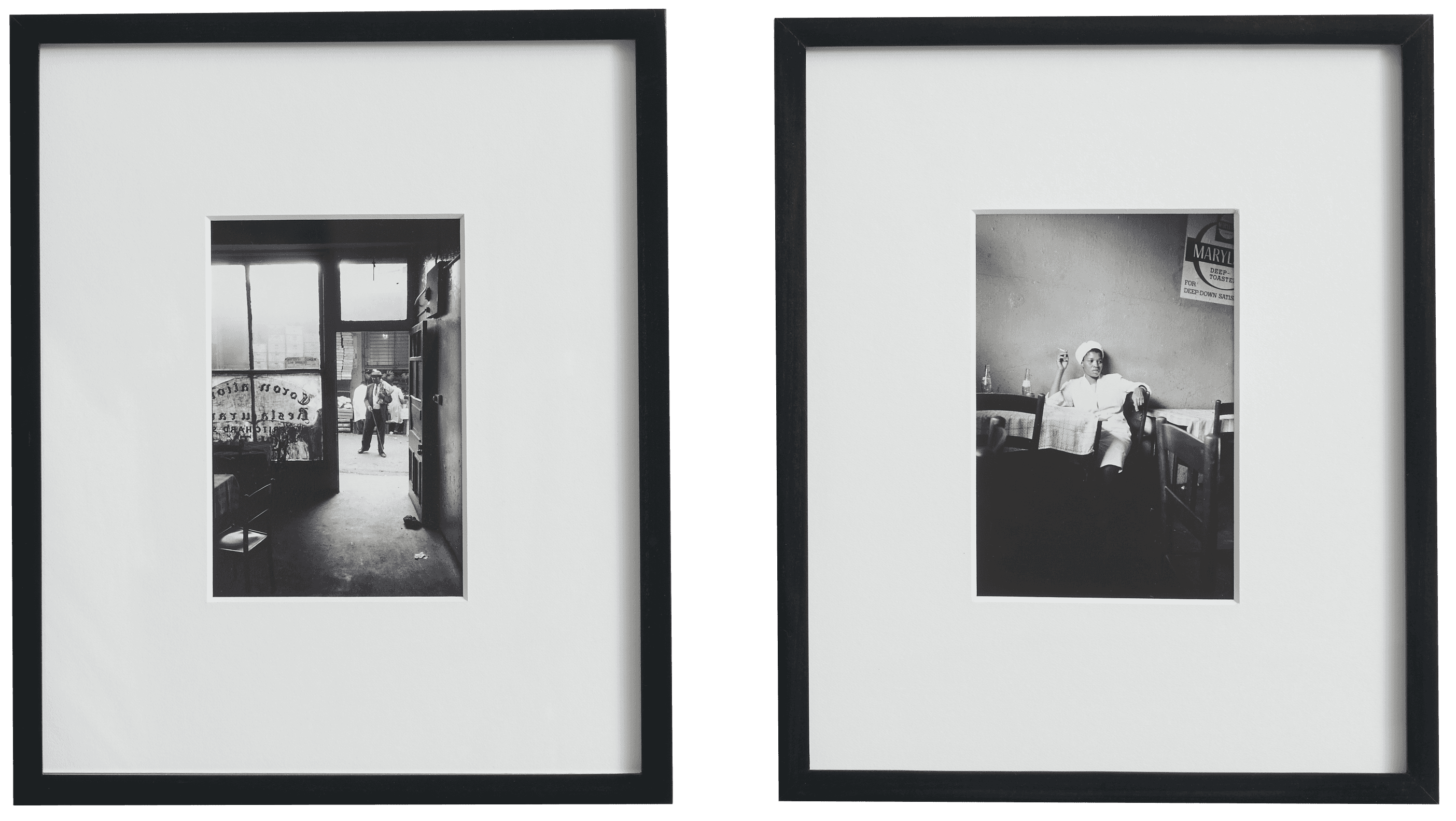
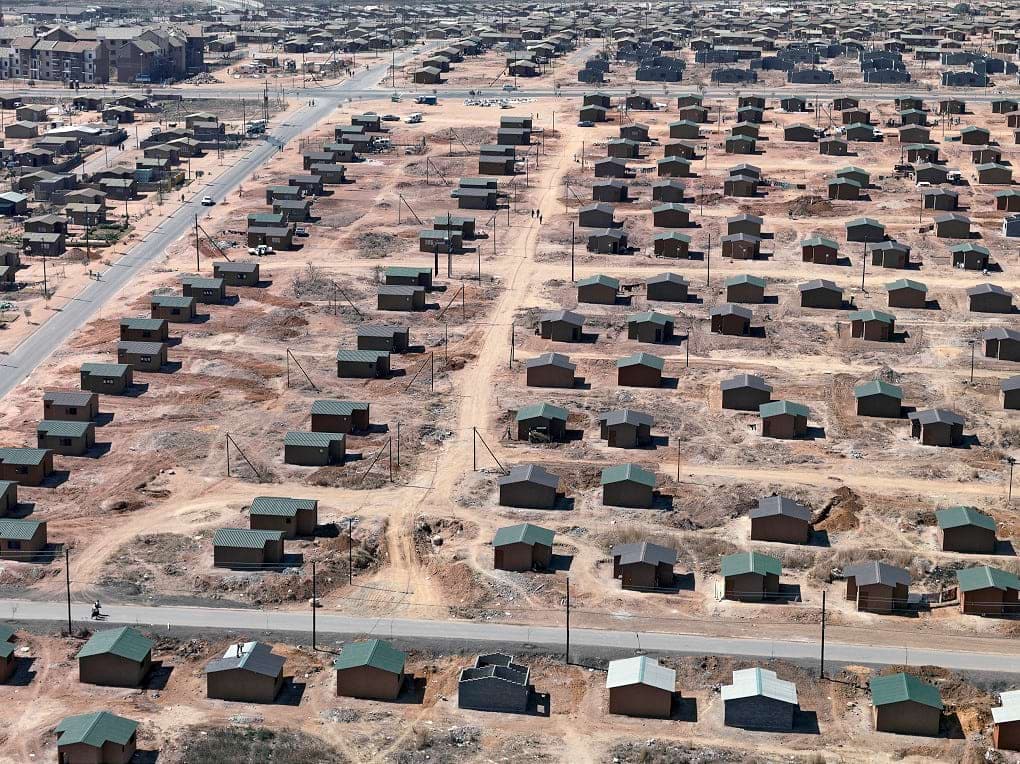
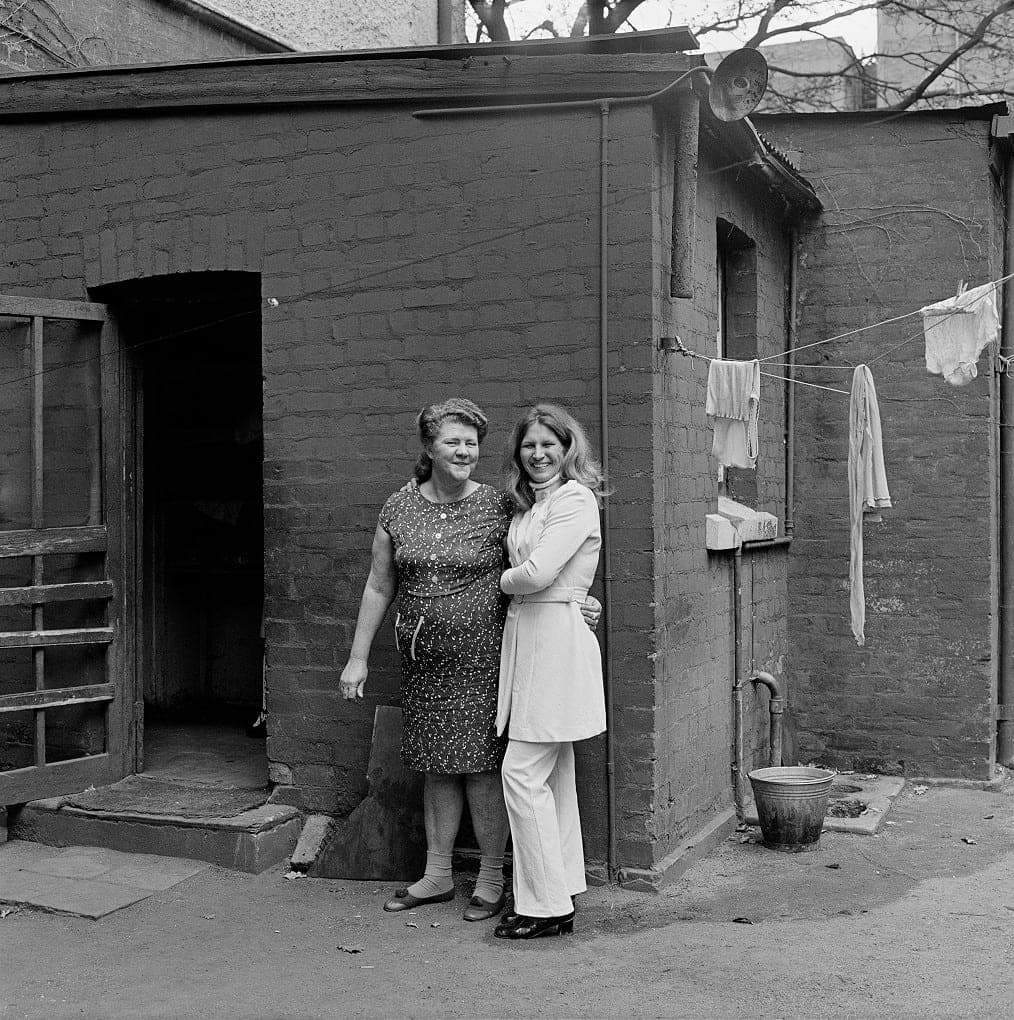
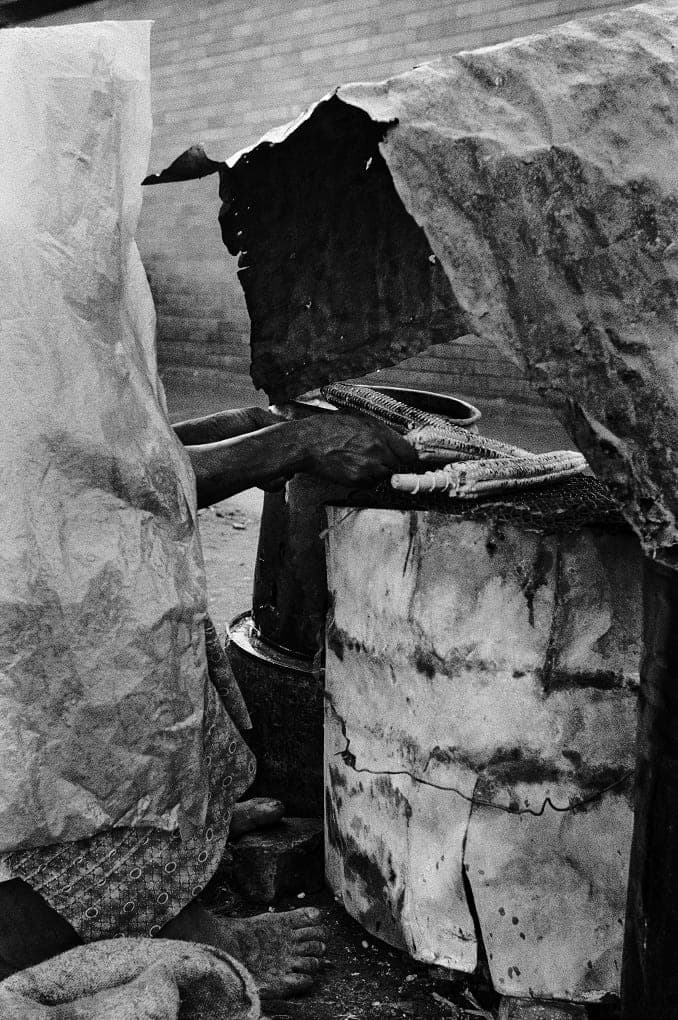
The exhibition maps Goldblatt’s evolution of work in a city divided by structural racism and subject to waves of trauma and resistance. Goldblatt was engaged in the conditions of society - the values by which people lived – rather than the climactic outcomes of those conditions. He intended to discover and probe these values through the medium of photography.


“Johannesburg”, he wrote, “is not an easy city to love. From its beginnings as a mining camp in 1886, whites did not want brown and black people living among or near them and over the years pushed them further and further from the city and its white suburbs. Like the city itself
my thoughts and feelings about Joburg are fragmented. I can’t easily bring a vision or a coherent bundle of ideas to mind and say, ‘That’s Joburg for me.’ Over the years I have photographed a wide range of subjects, each was almost self-contained, a fragment of a whole that I’ve never quite grasped.”ii
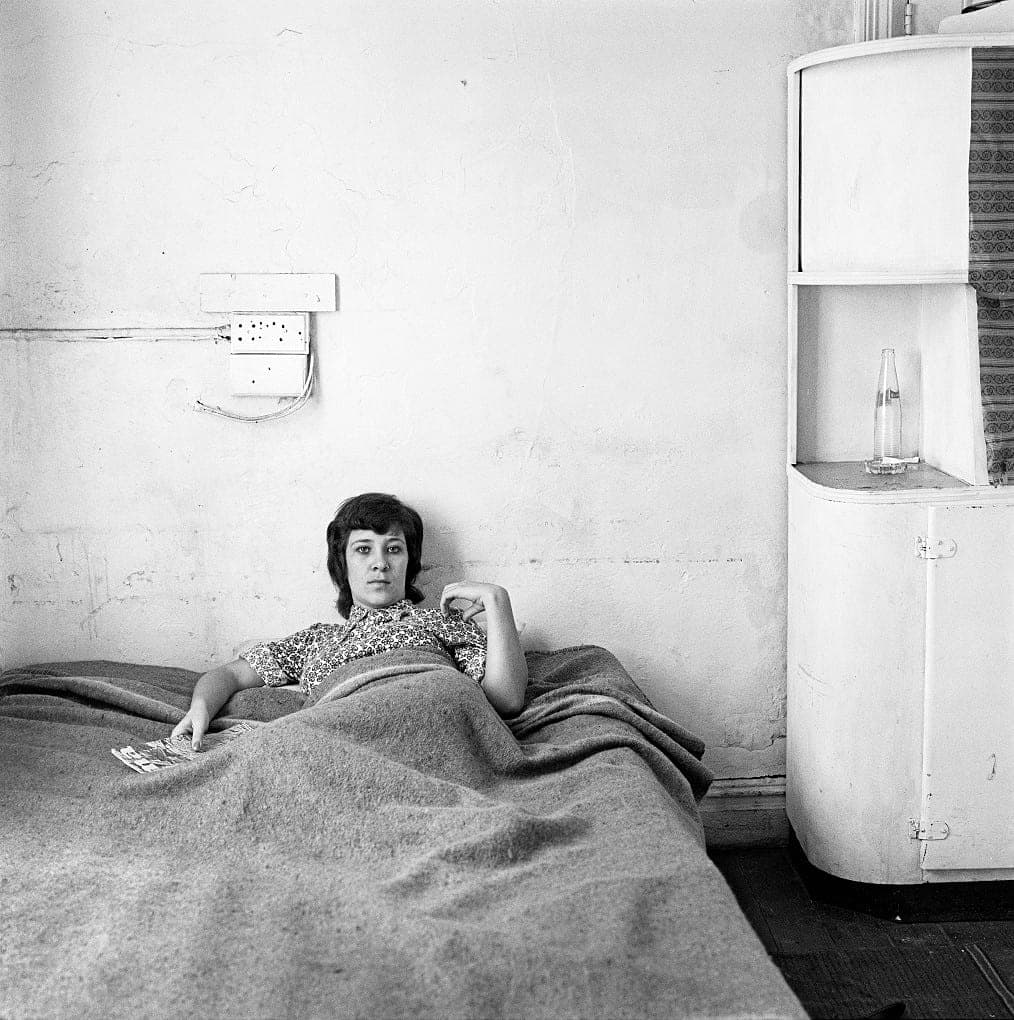
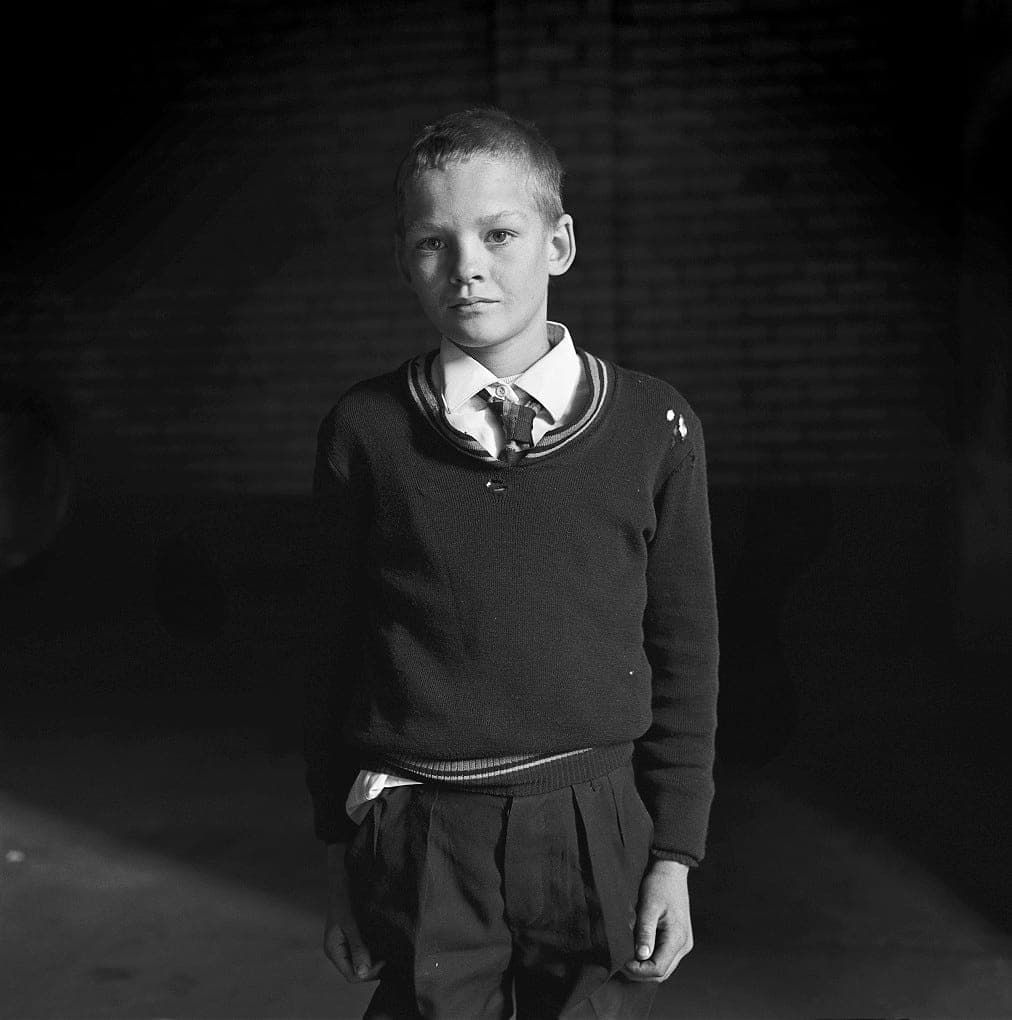
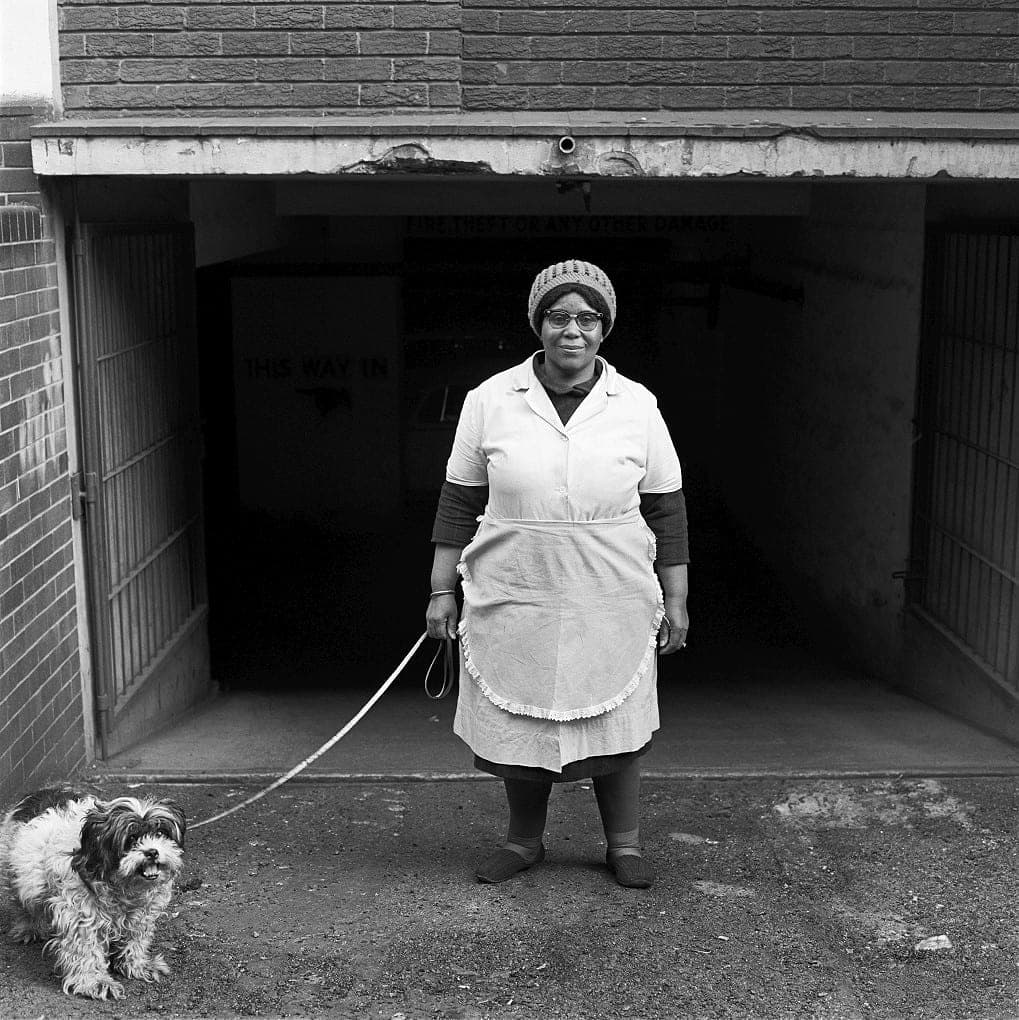
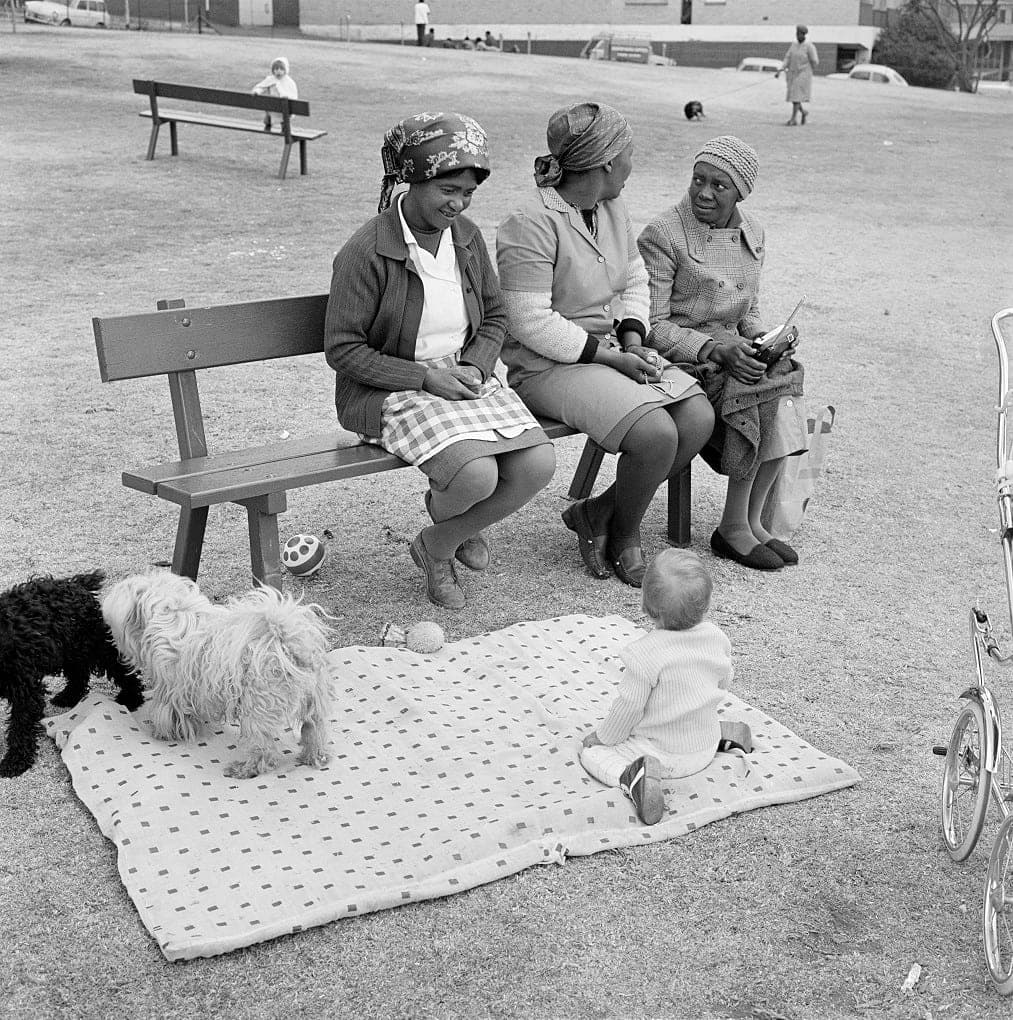
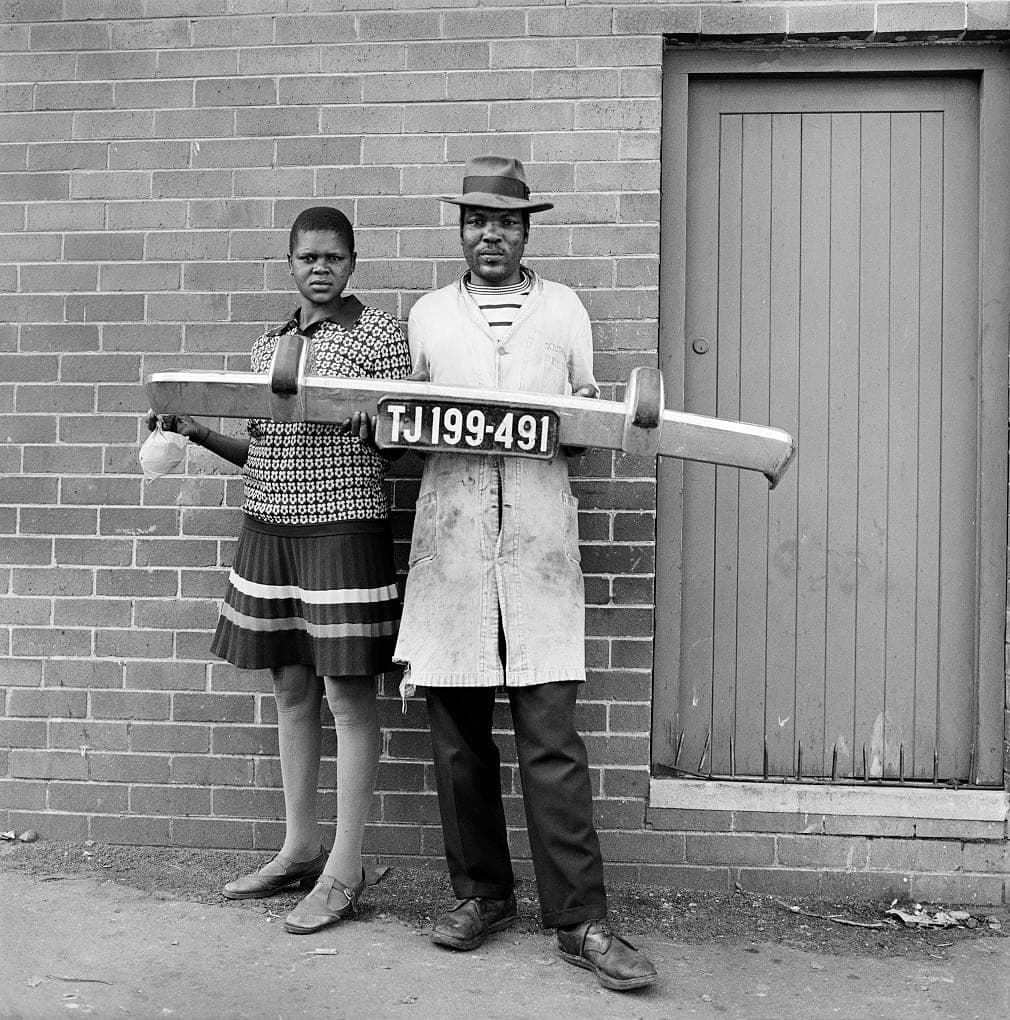
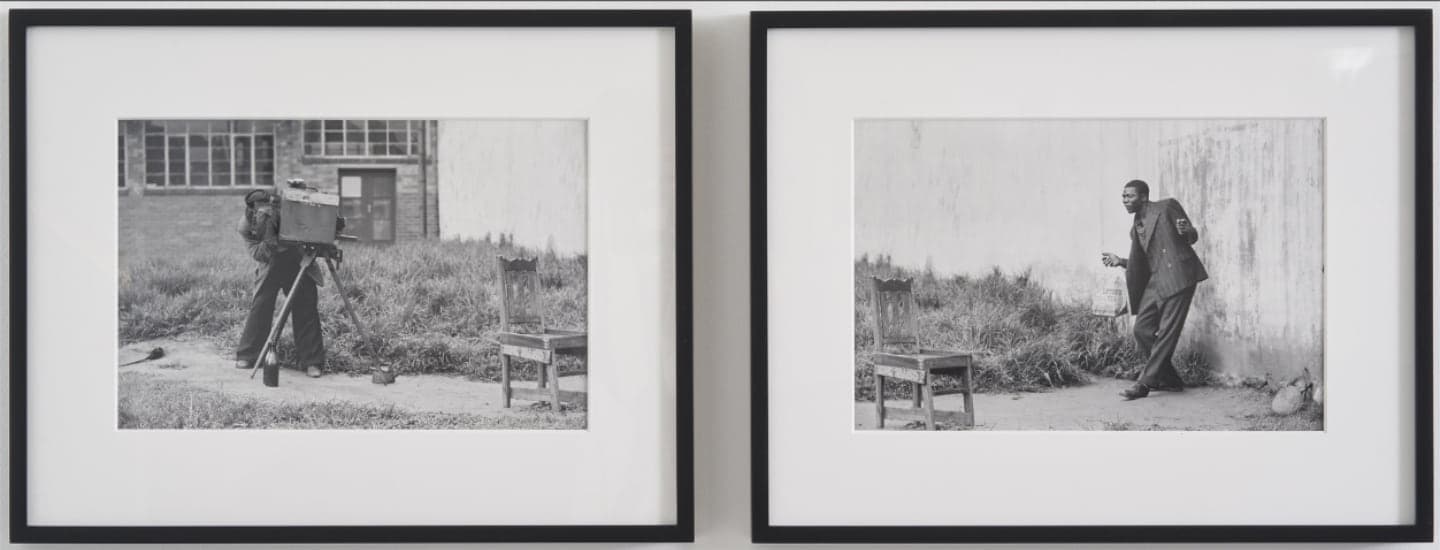
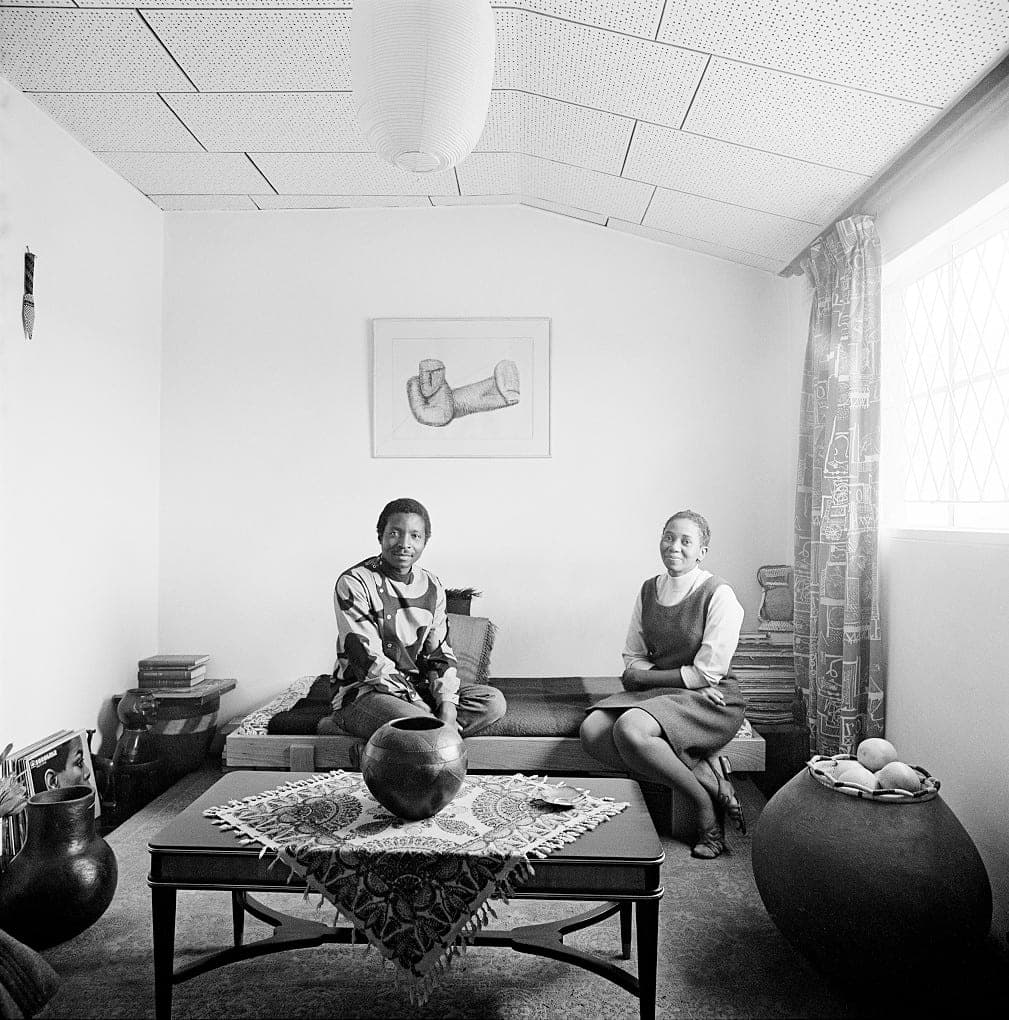
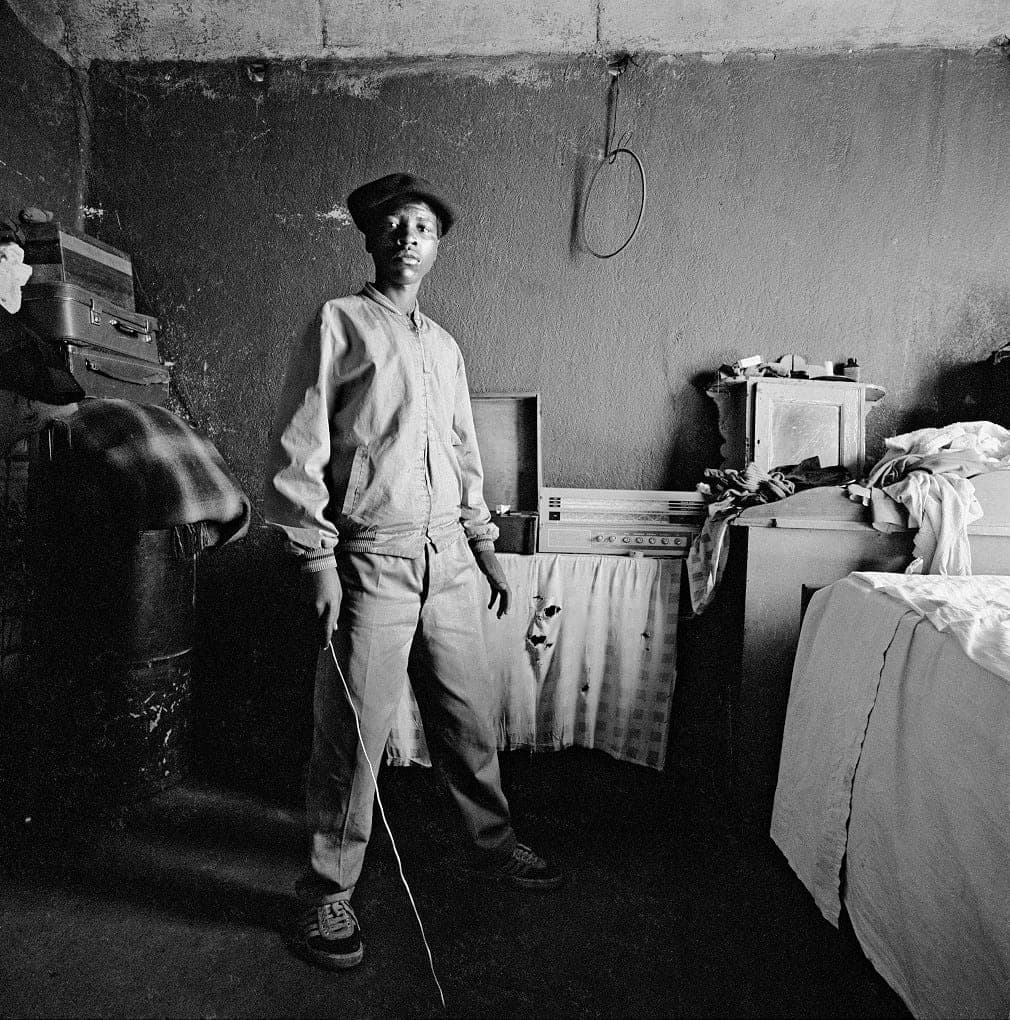
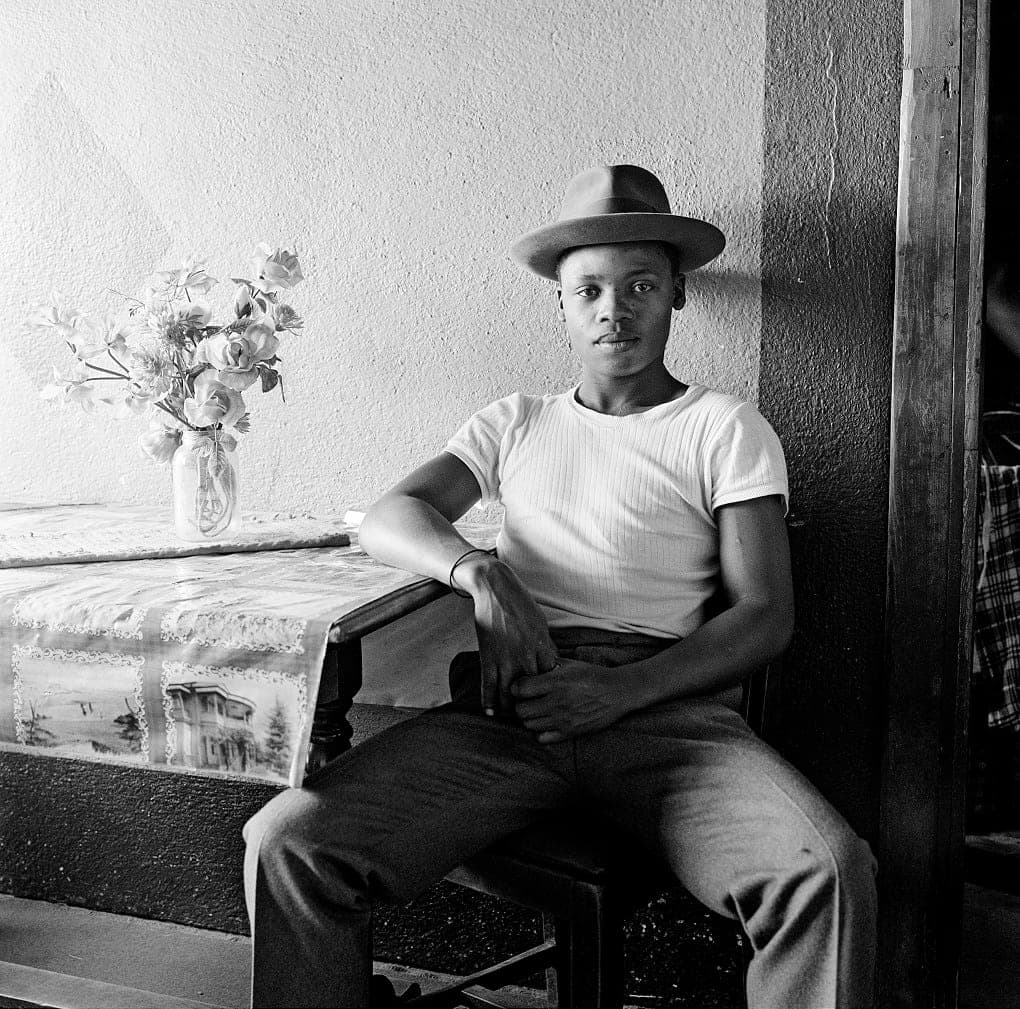
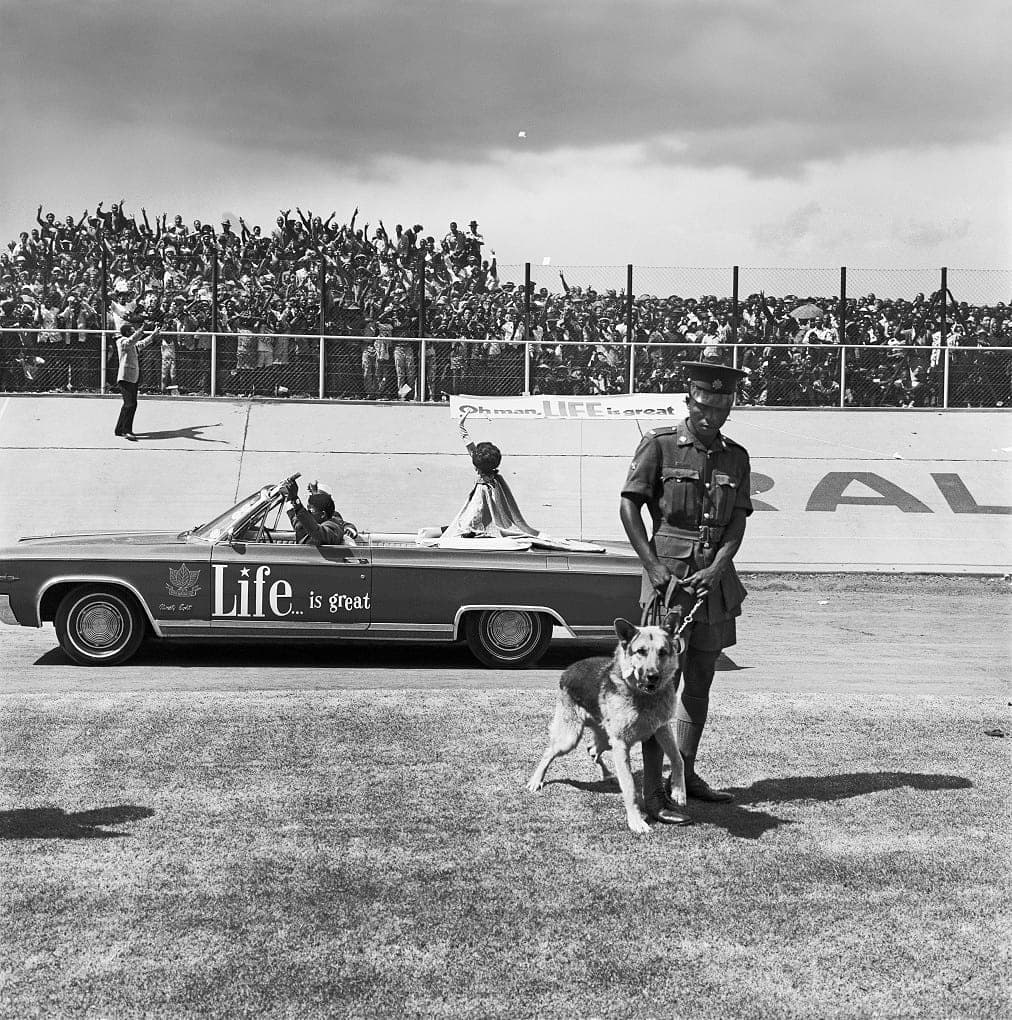
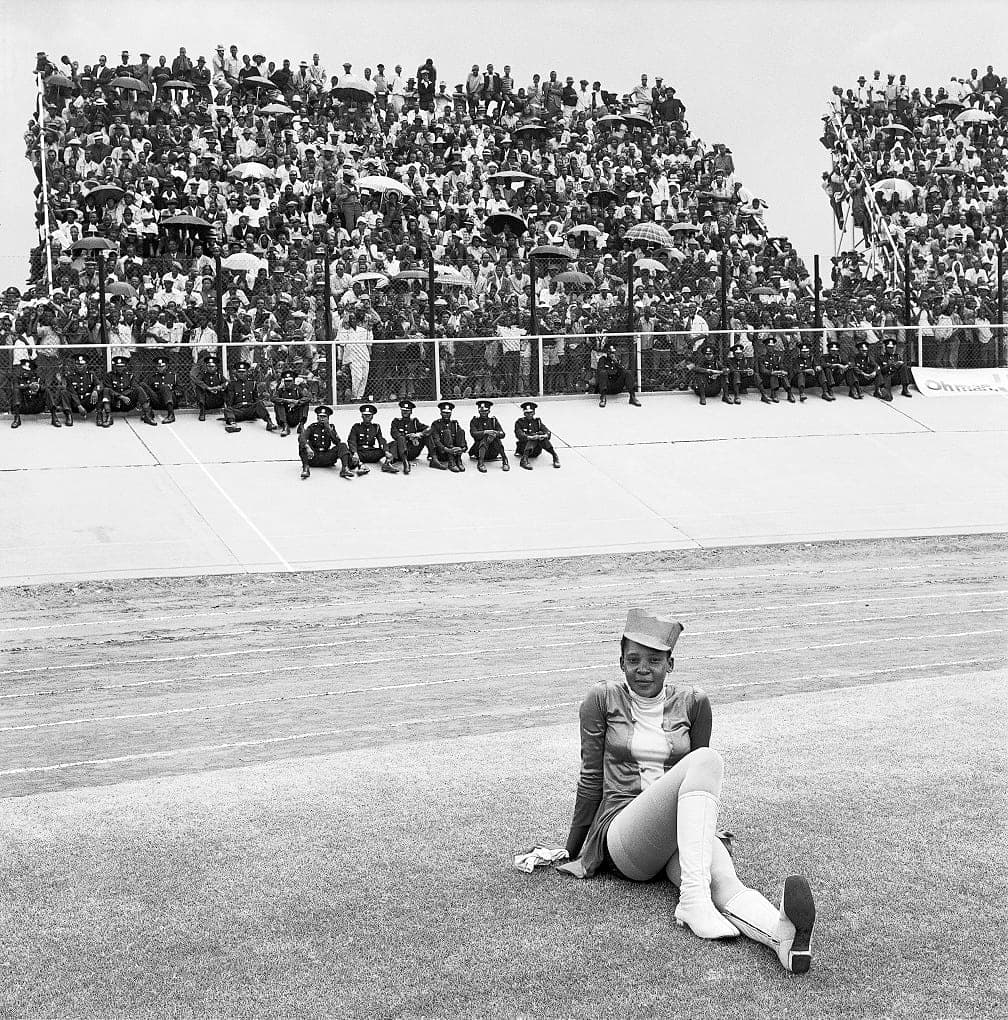
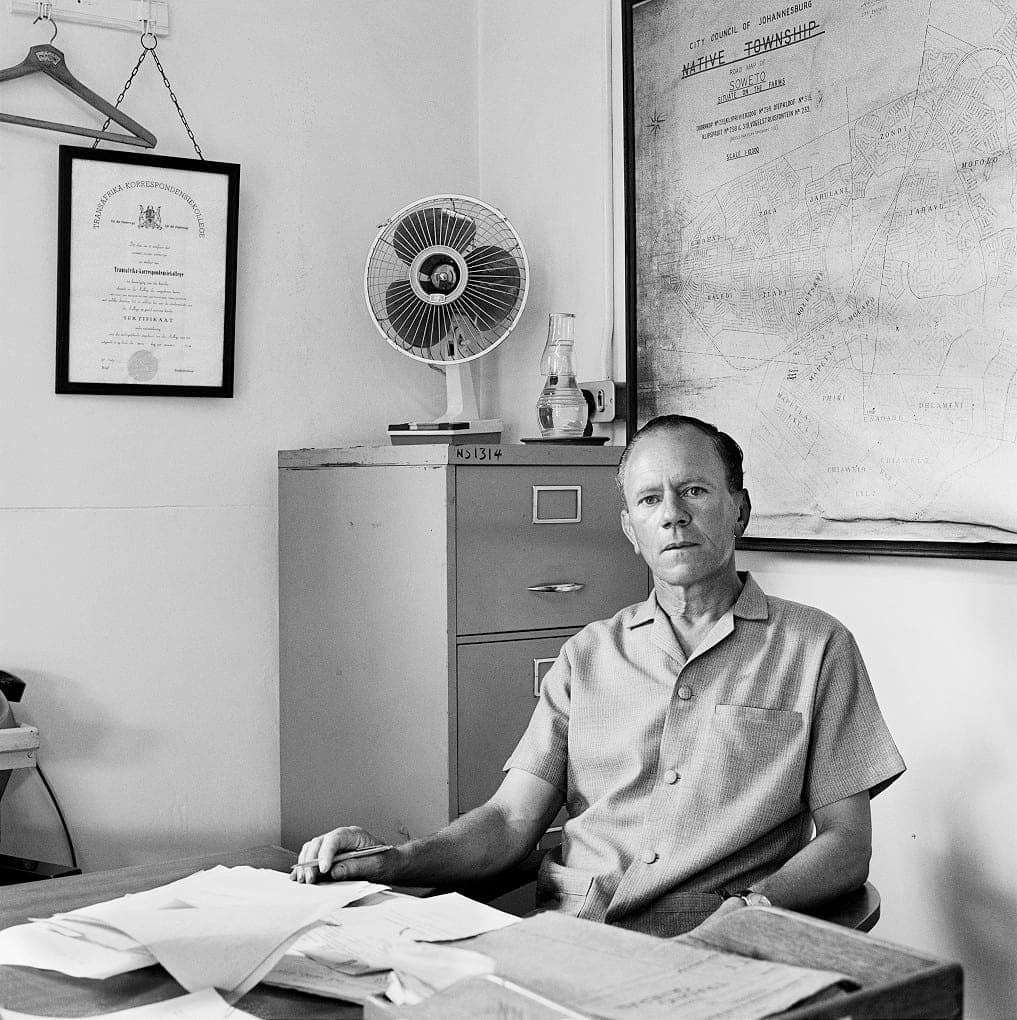
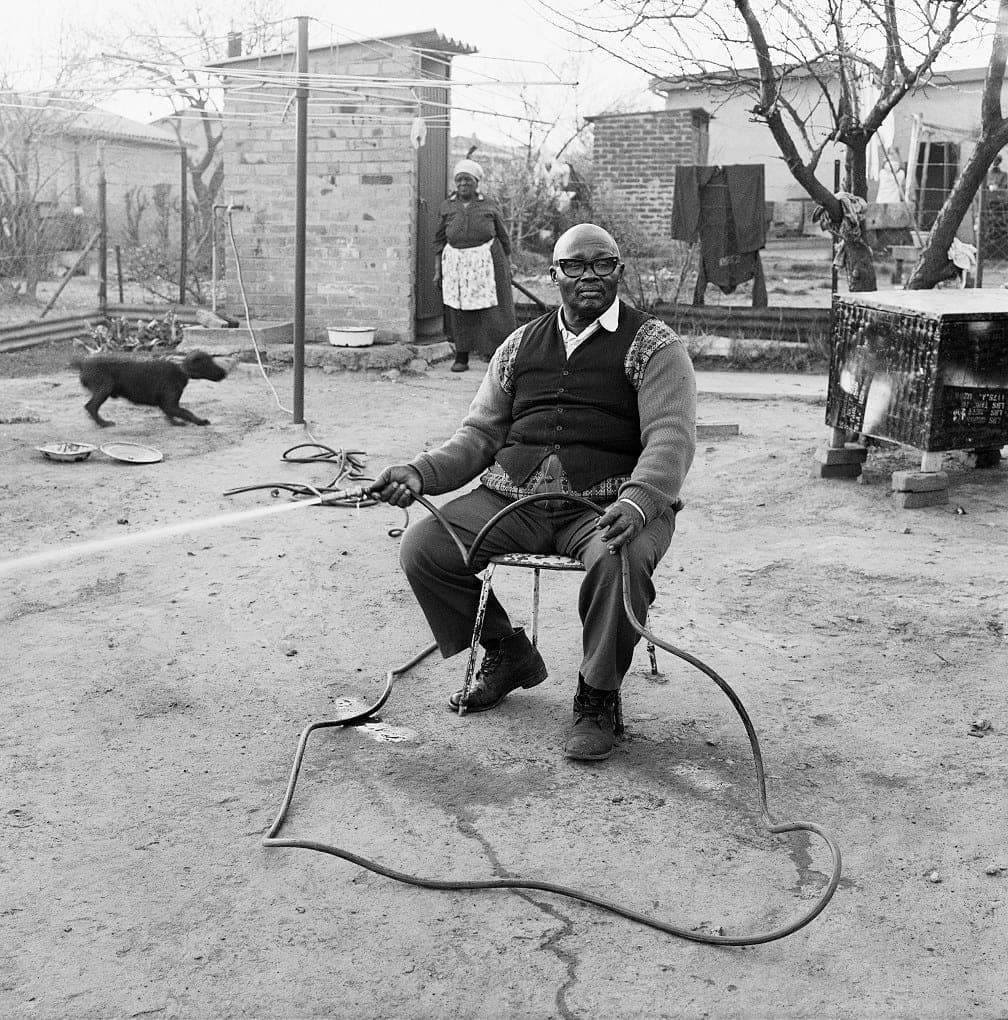
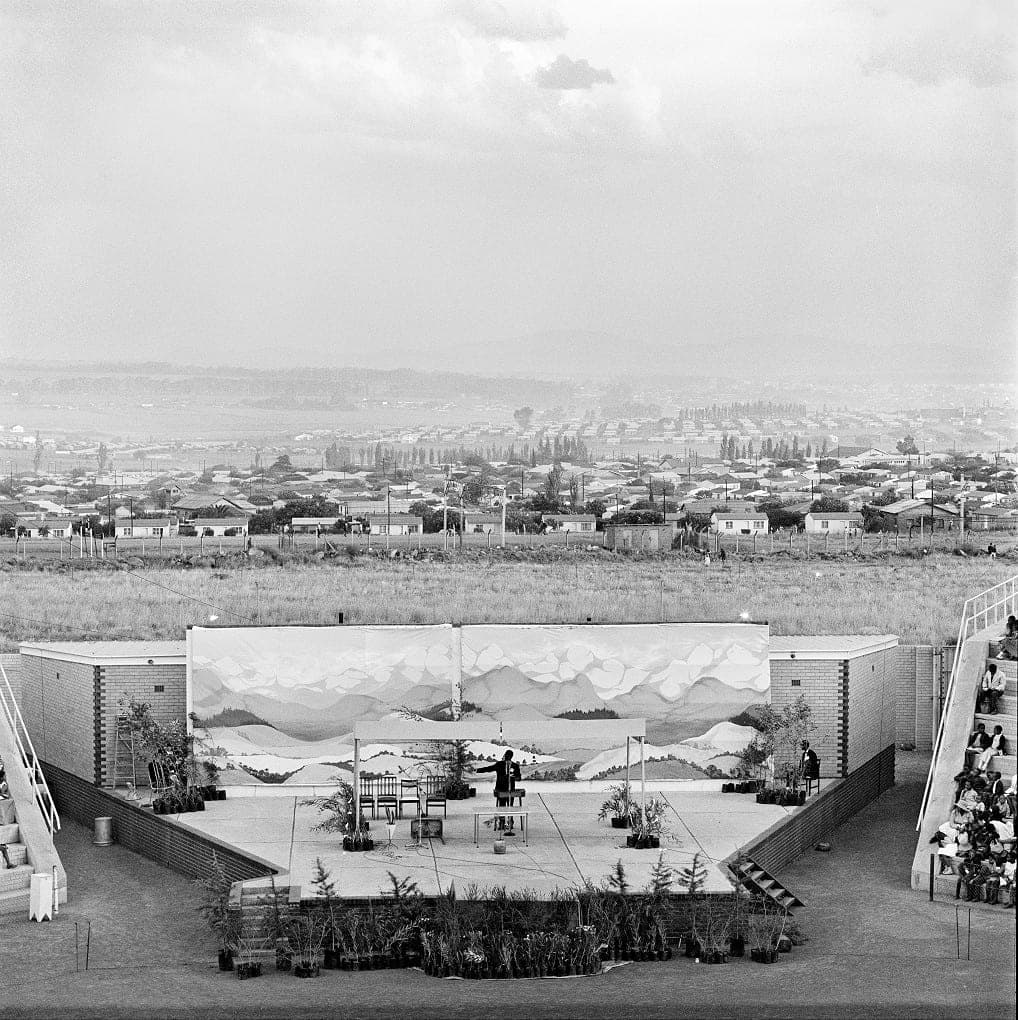
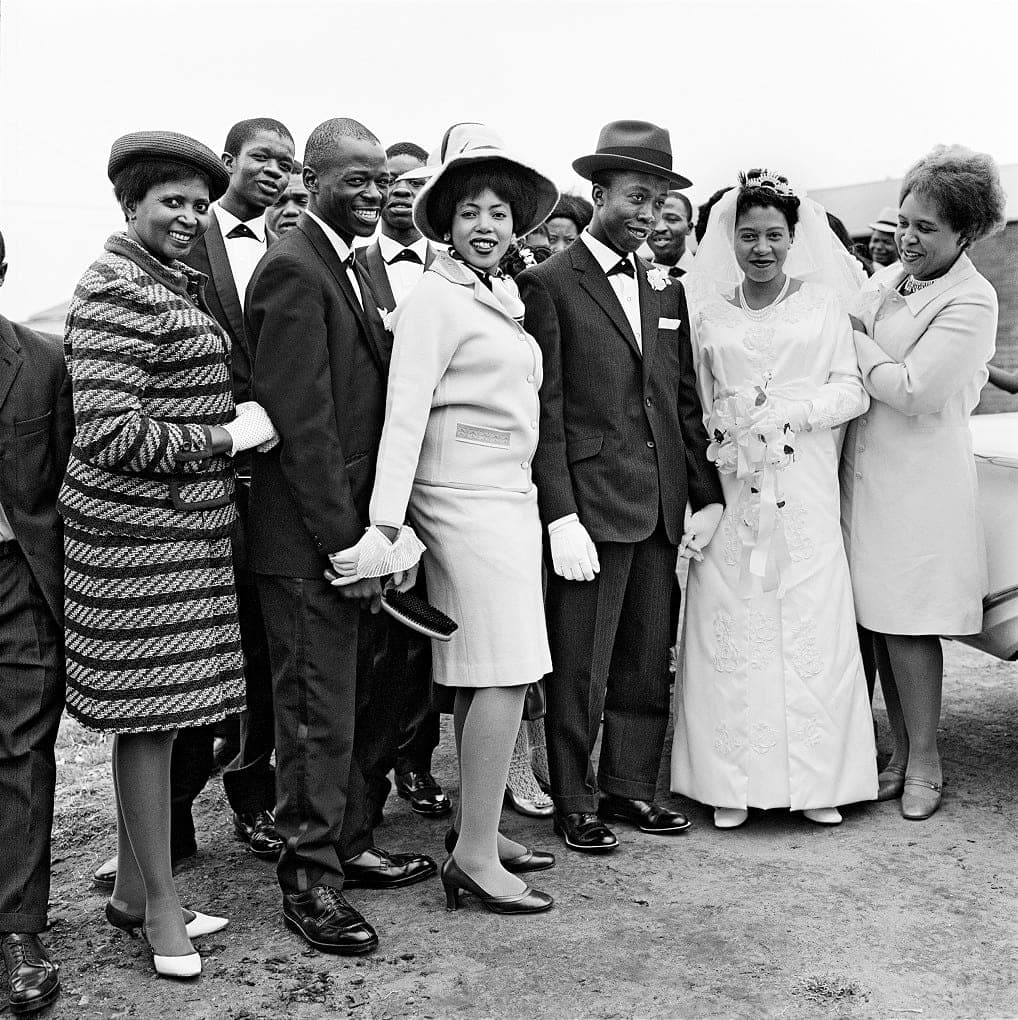
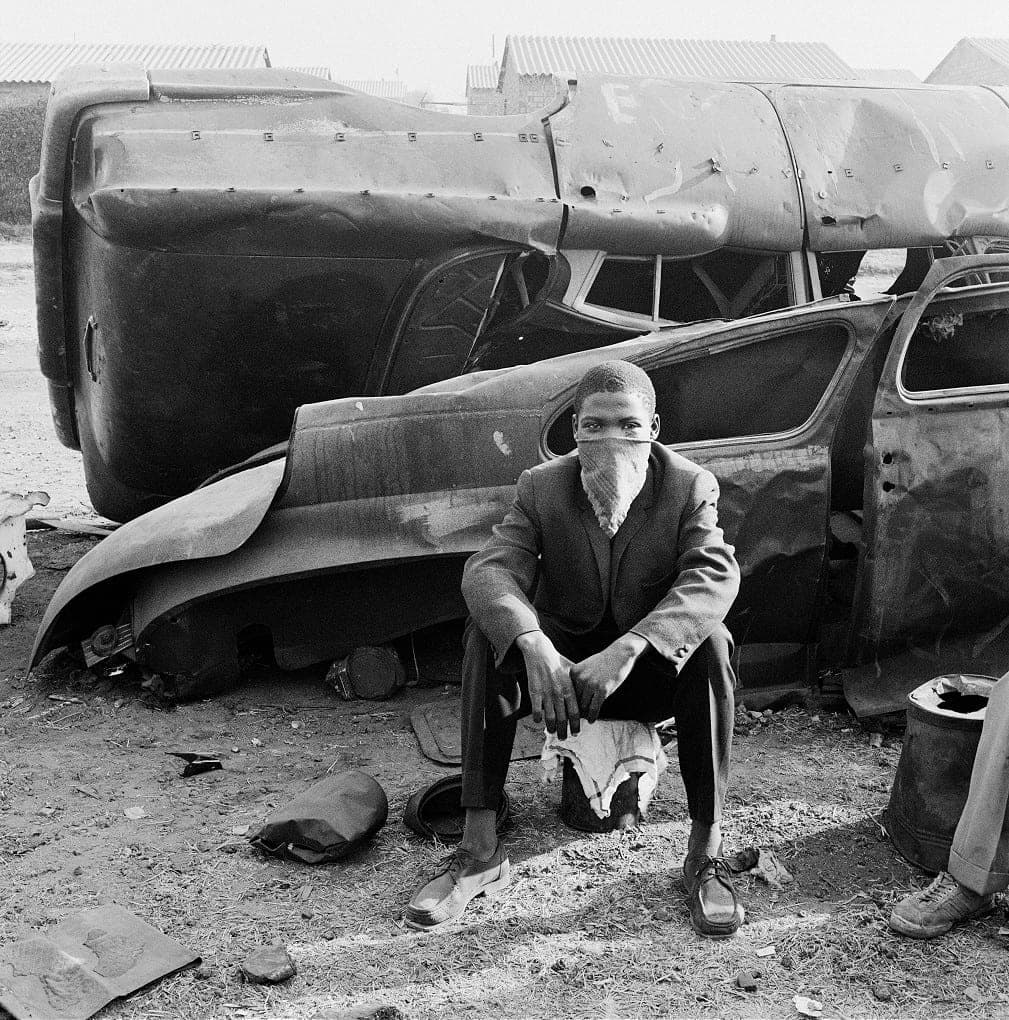
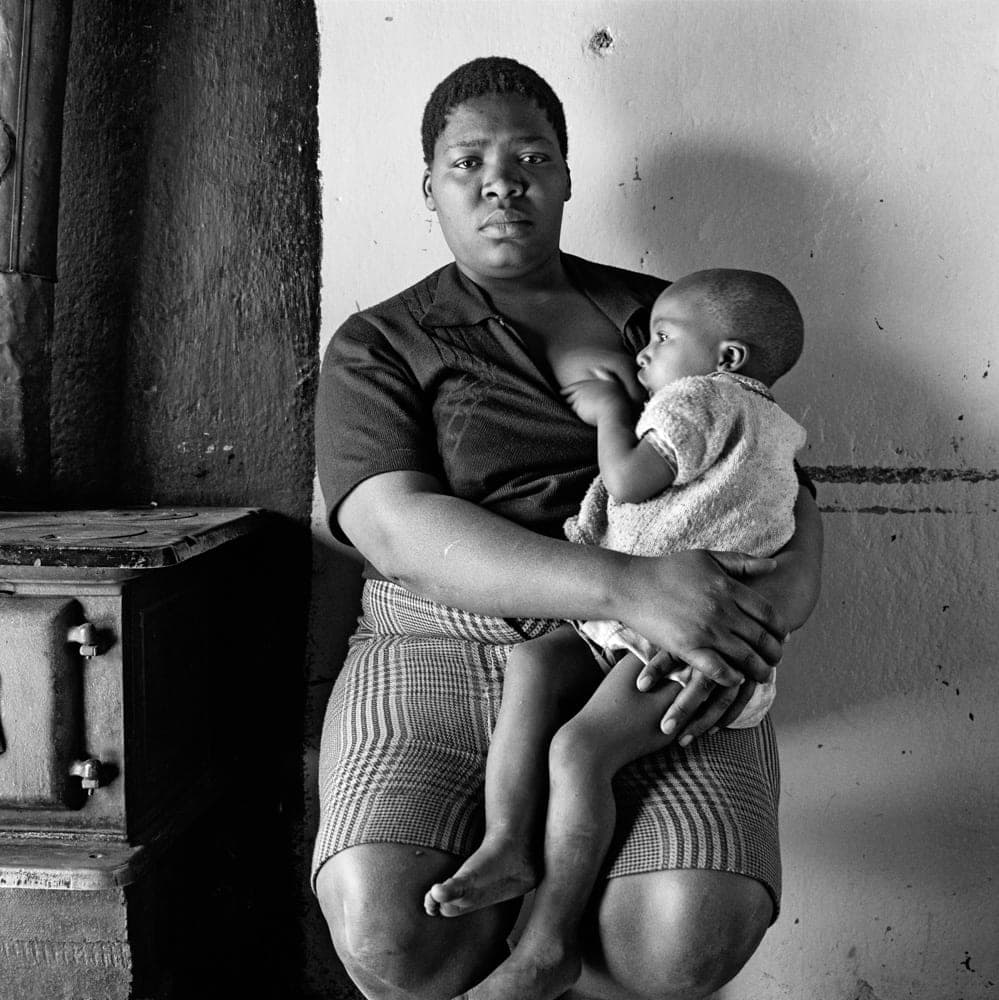
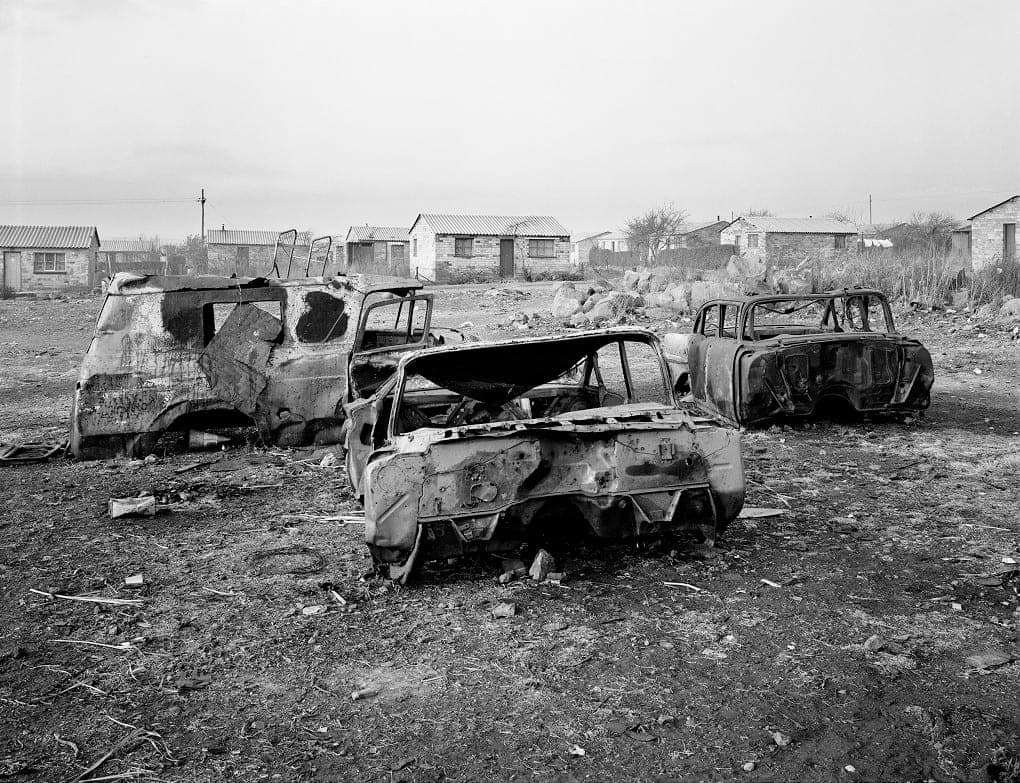
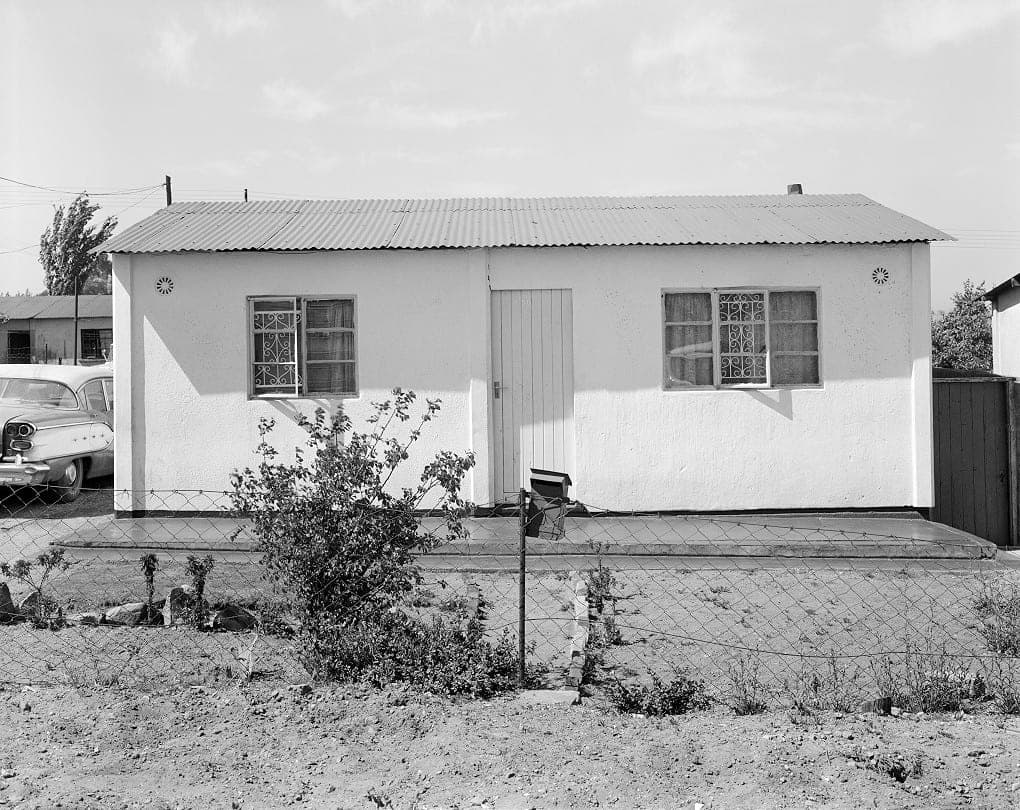
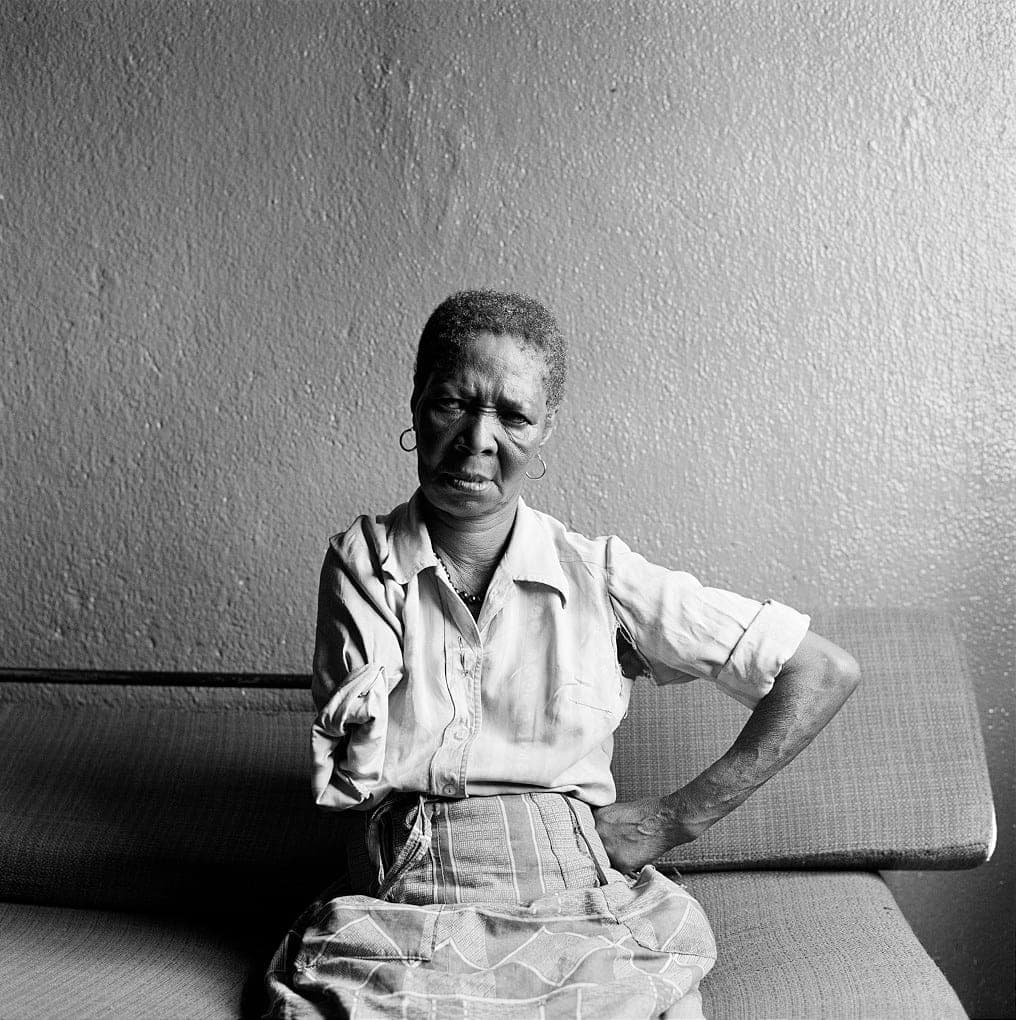
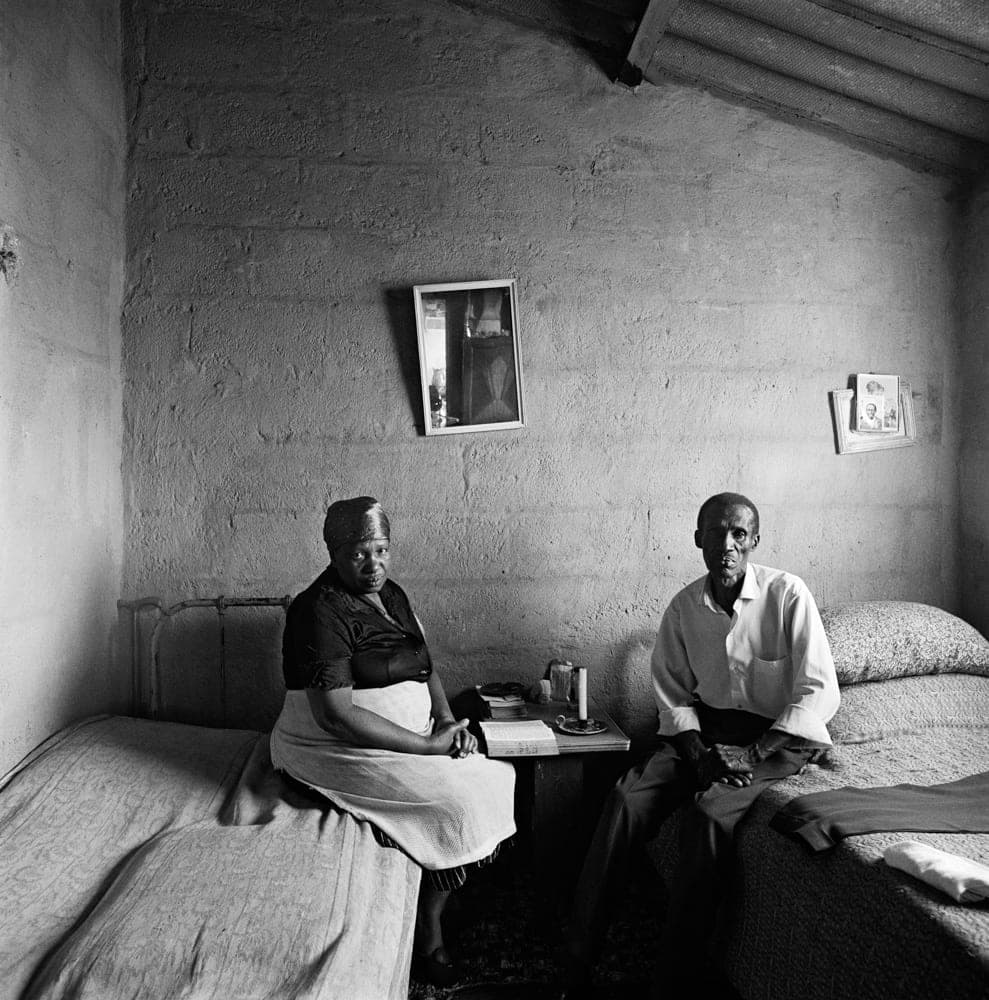
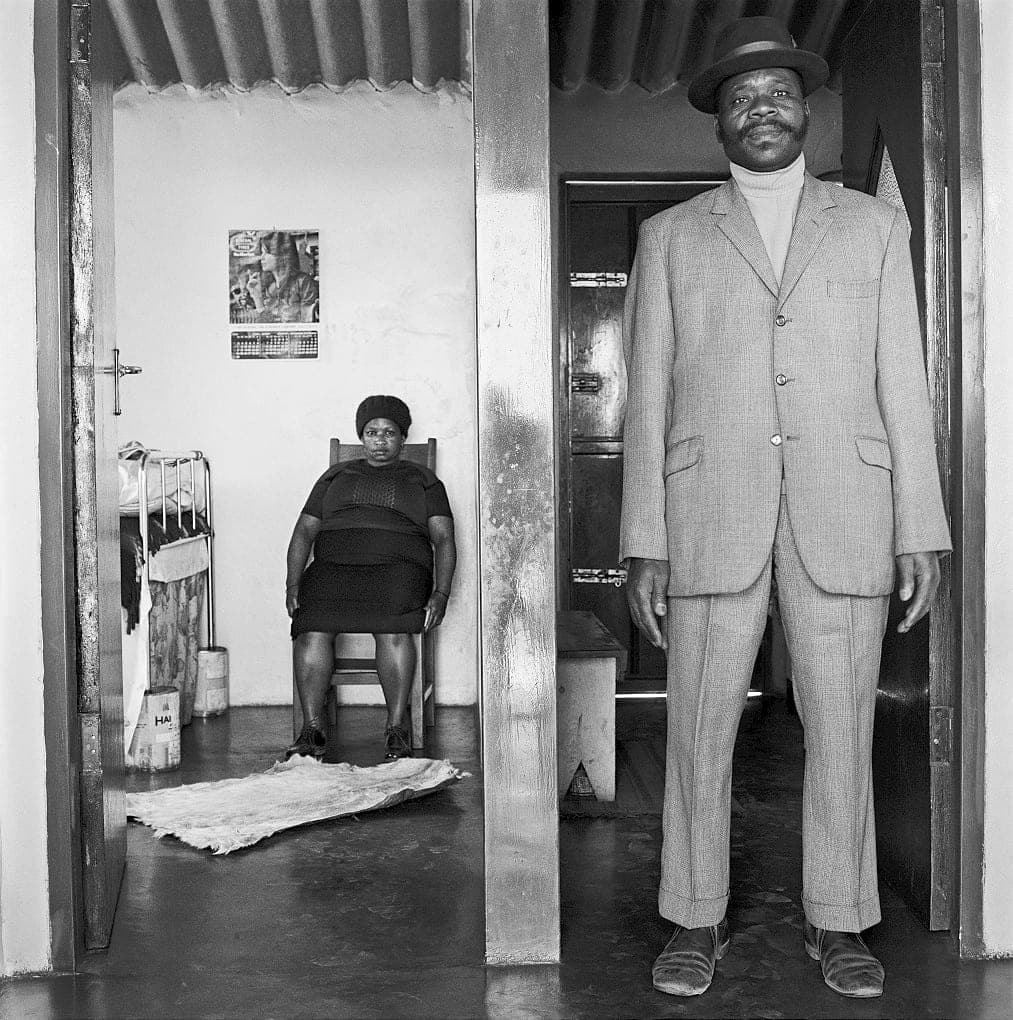
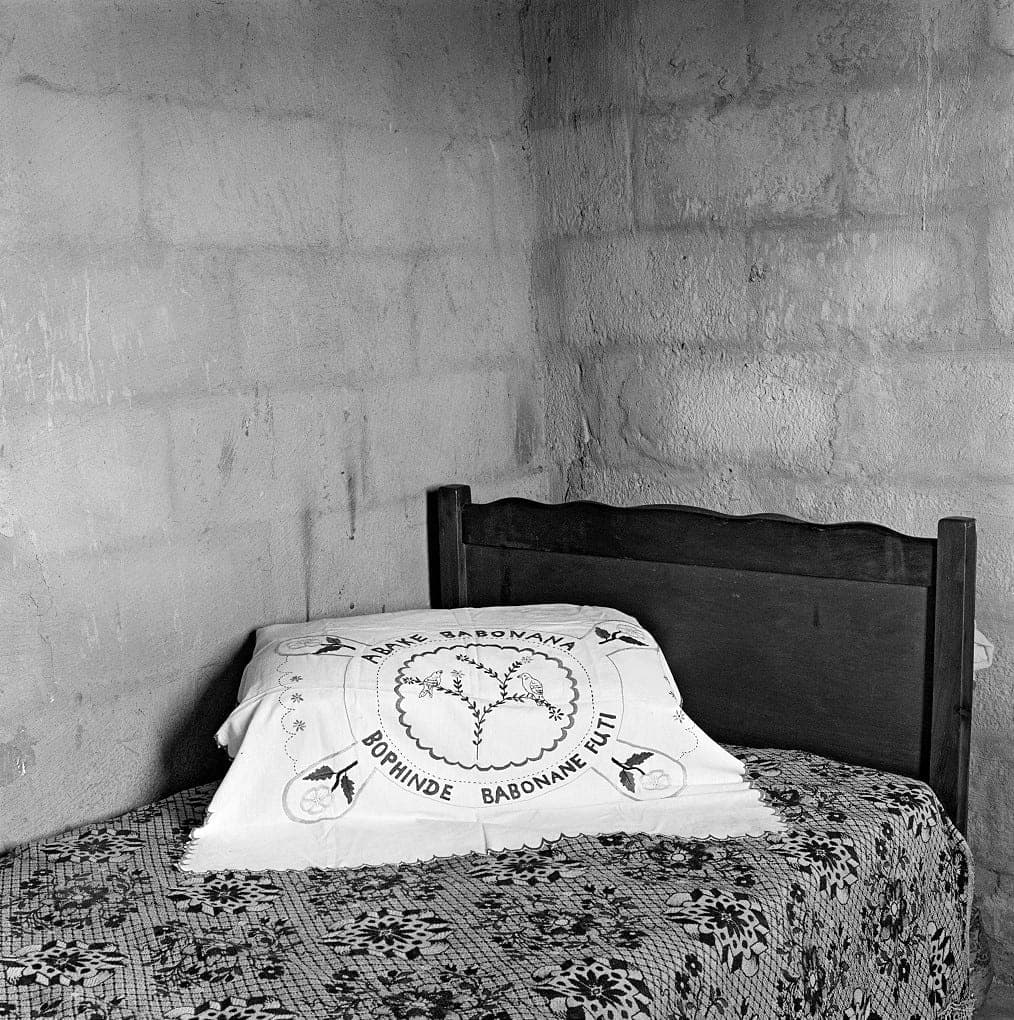
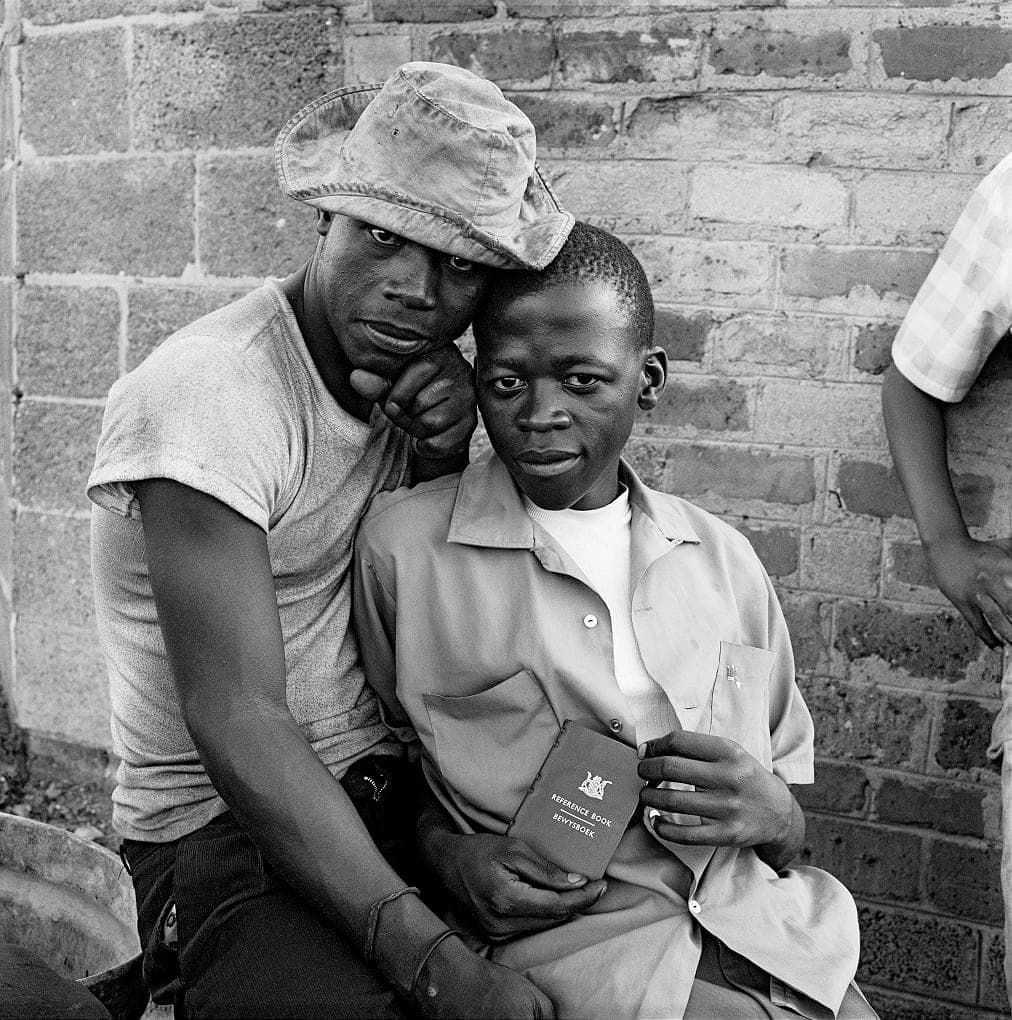
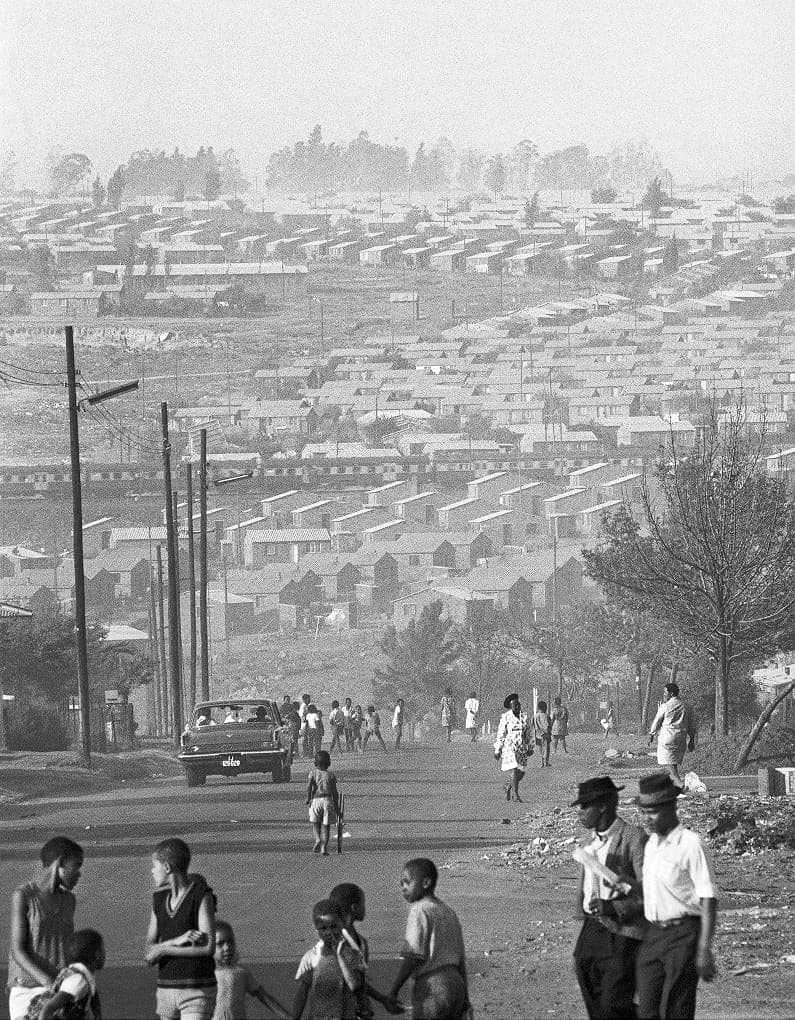
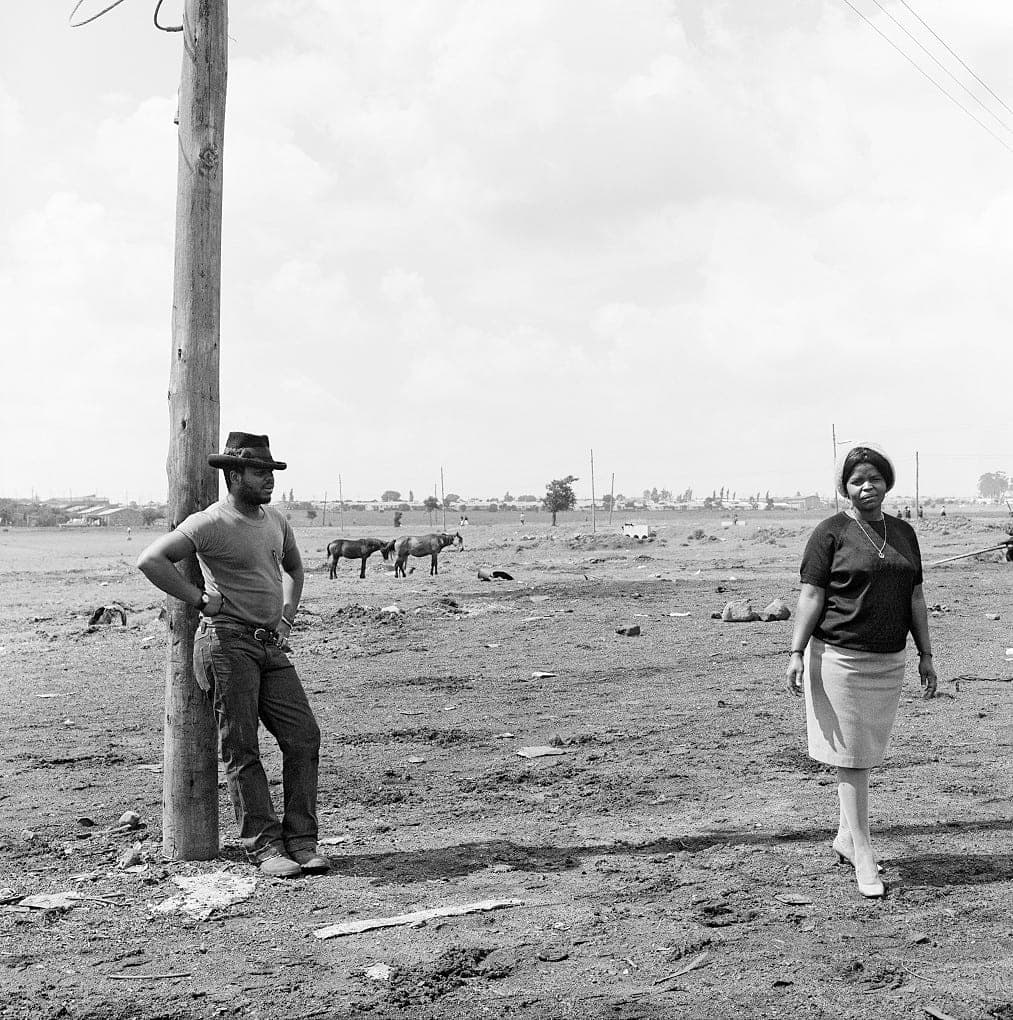
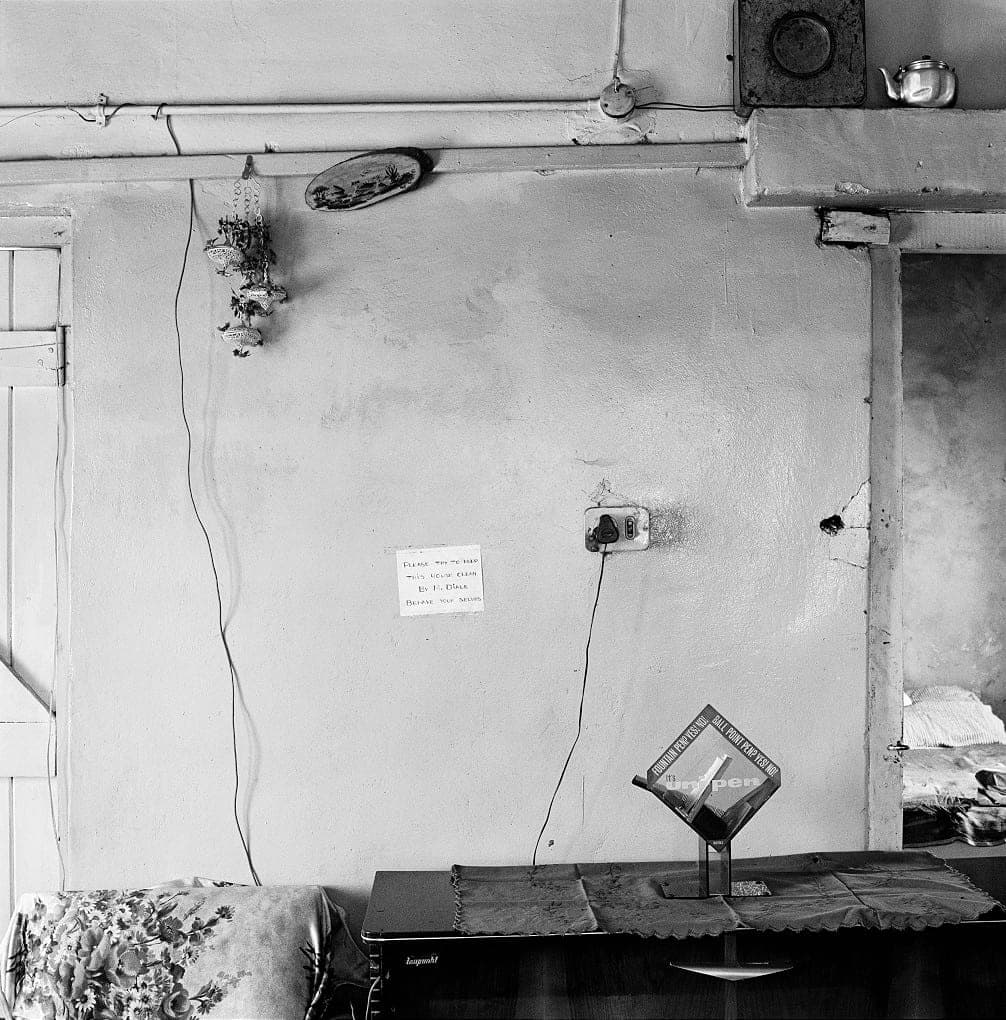
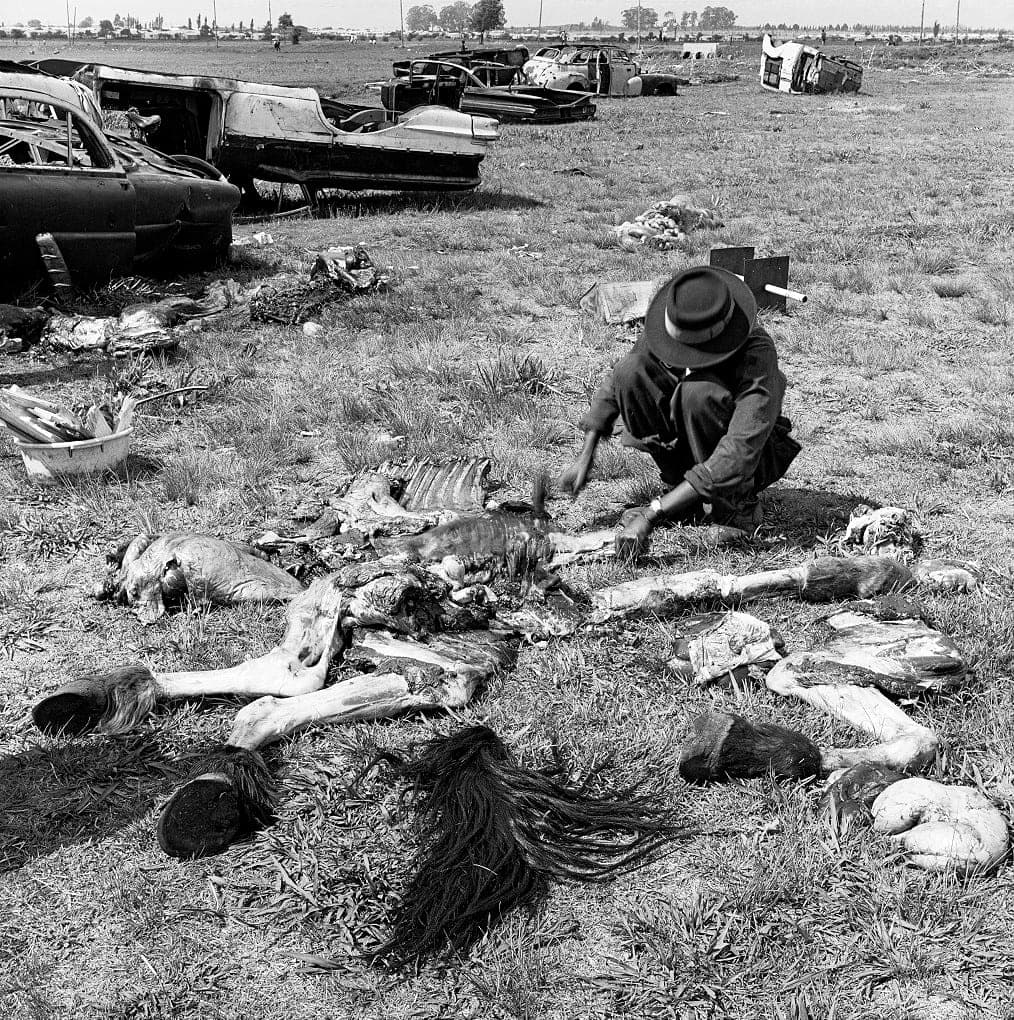
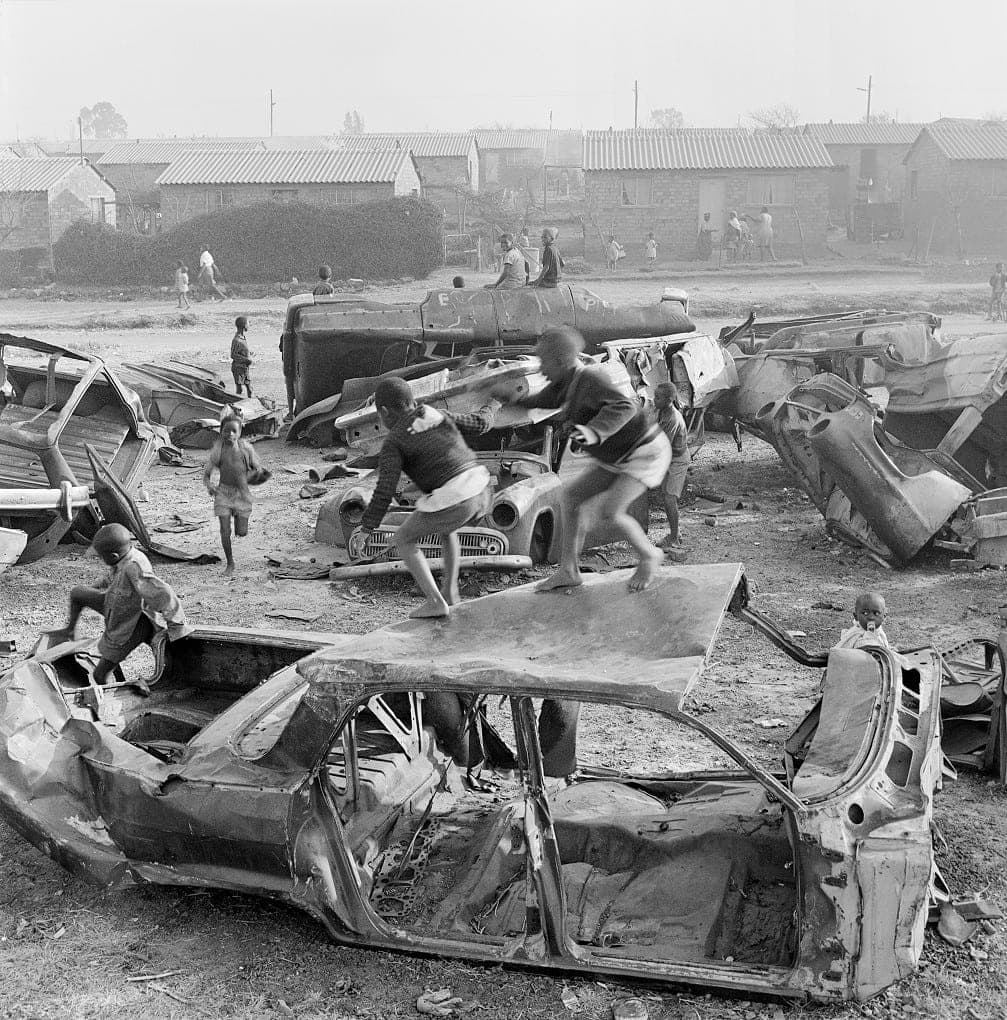
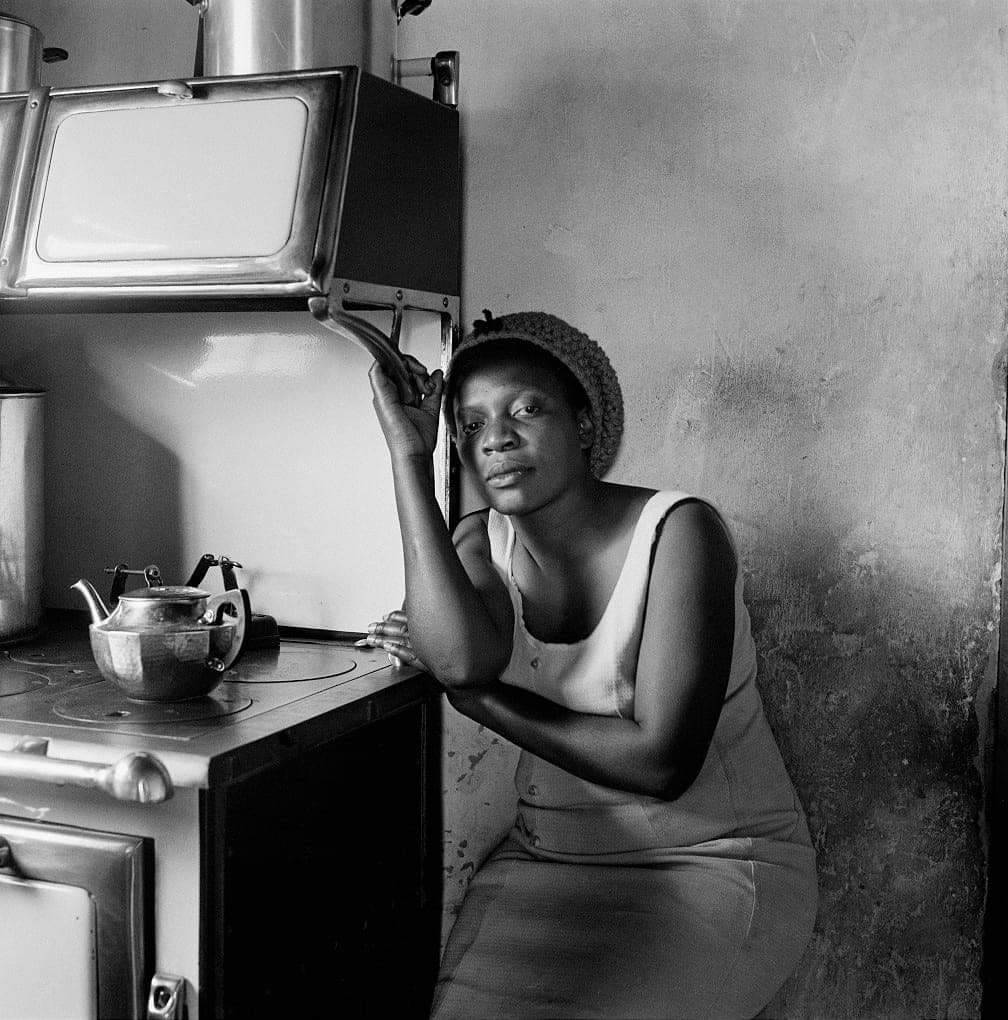
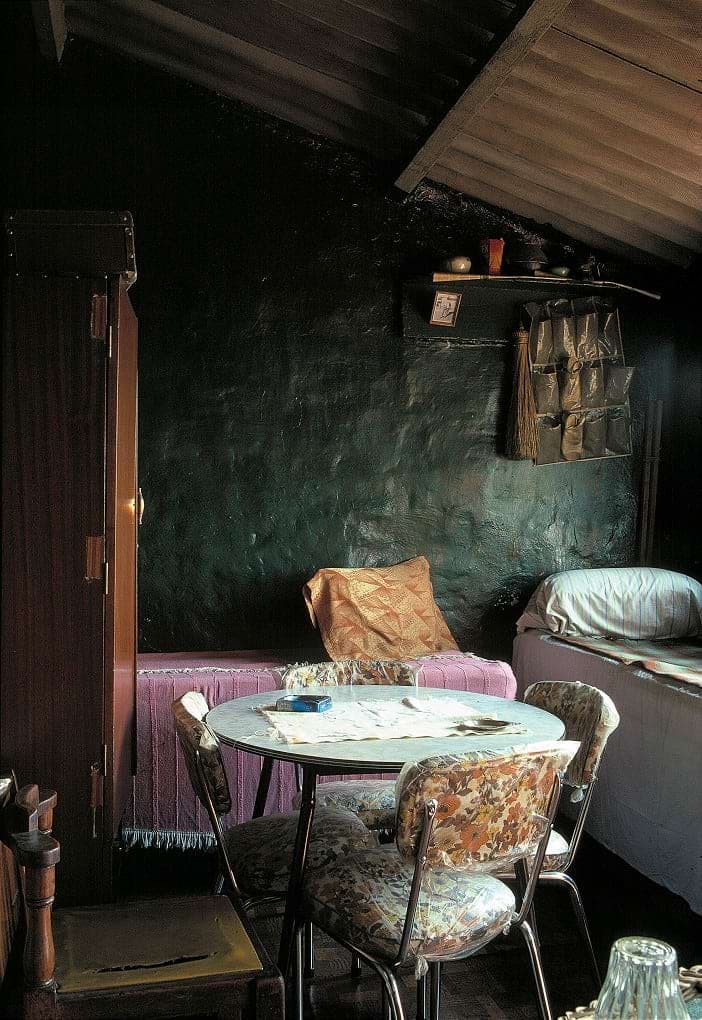
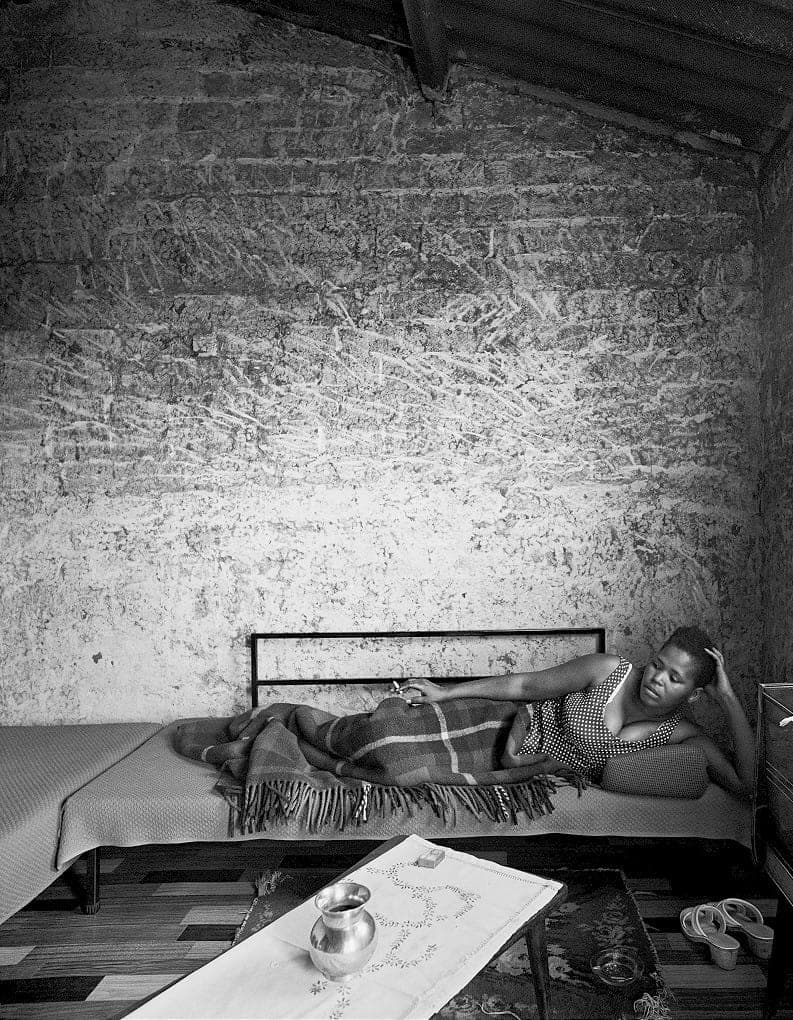
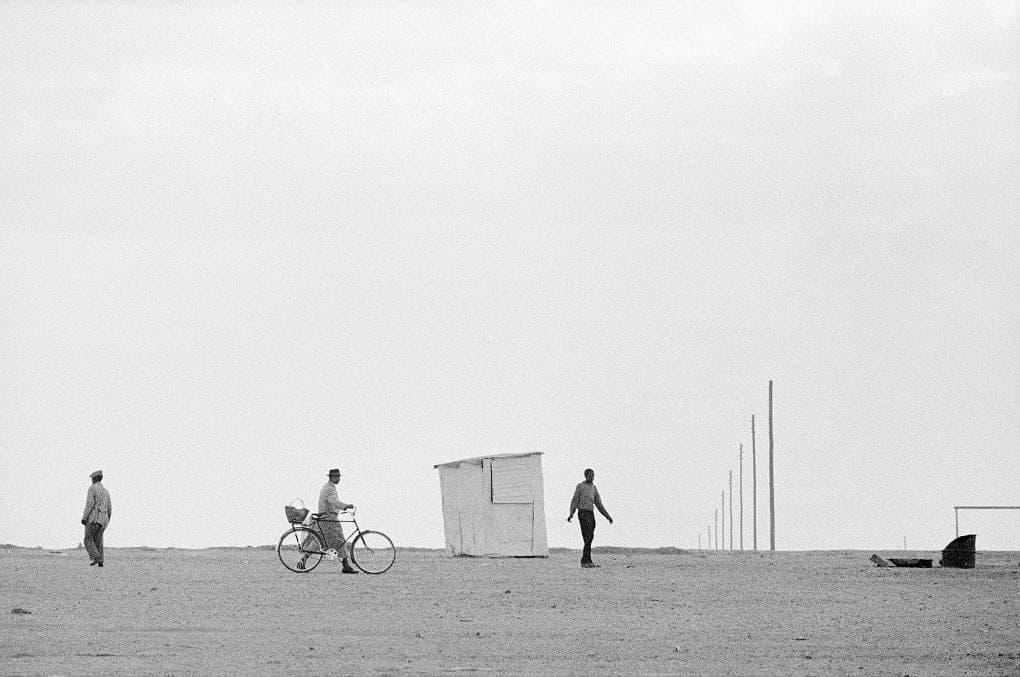
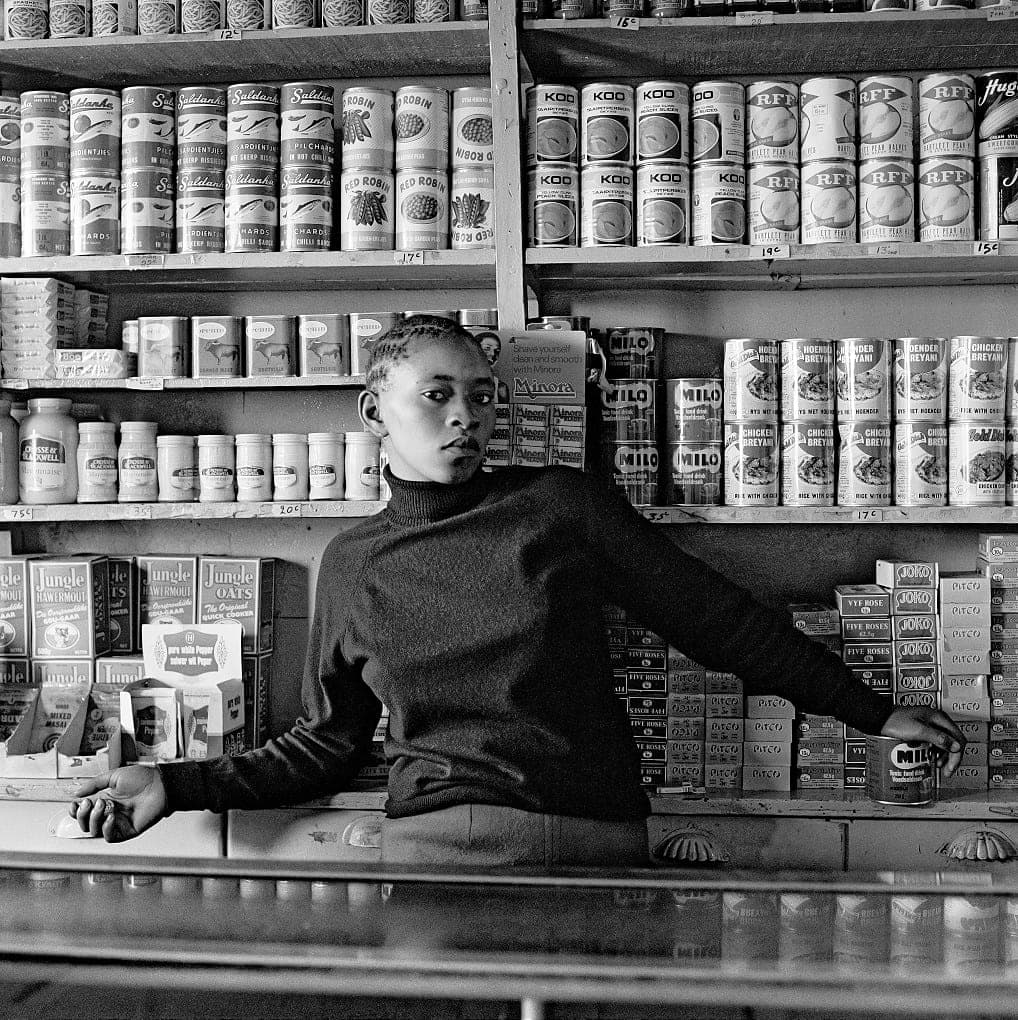
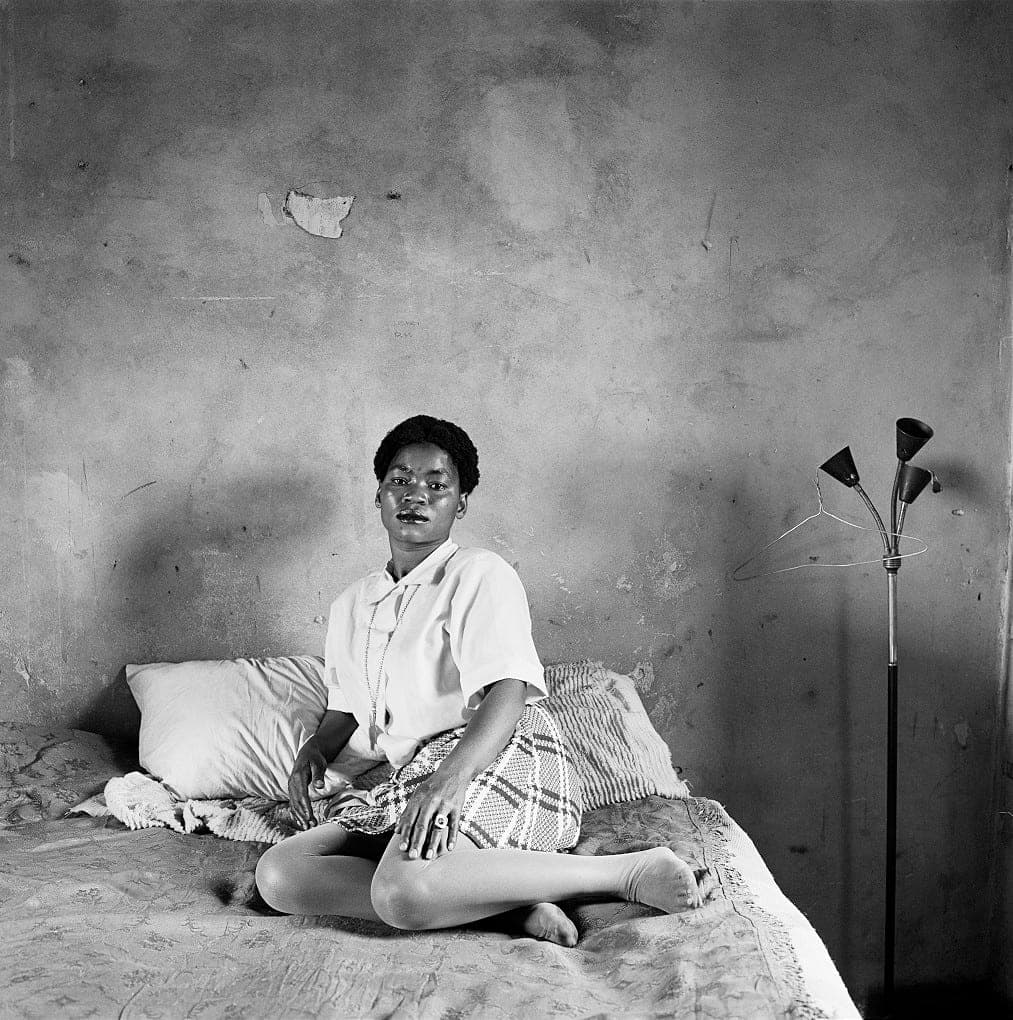
Central to the exhibition is a selection of Goldblatt’s 1972 photographic essay on Soweto, a township west of the city created by the government to warehouse black peo- ple serving the white population in Johannesburg. Soweto would later become the epicenter for the 1976 uprising, which gave renewed impetus to the anti-apartheid strug- gle. Goldblatt’s photographs of Soweto capture everyday acts, from sports and religious gatherings to domestic scenes, shopkeepers and children at play. Influenced by the work of photographer Bruce Davidson, Goldblatt used a large format camera which forced a slow and formal approach to his subjects.

“Originally, I would draw a crowd of children. There was absolutely no way I could be a fly on the wall. Then I realised that I had to go there with a camera on a tri- pod and simply declare myself – let happen what will.iii The photography was invariably within the crowdedness and compression of matchbox houses and treeless, narrow streets. On winter days the place was enveloped in a pall of smoke and grey dust. I would drive back into the spaciousness and clean air of Joburg’s northern suburbs. Under the canopies of thousands of trees, I would drive past houses serene in their grounds. And to the comfort of home. Nothing in all of my life made me more sharply aware of the power of apartheid and of what it meant to be Black or White, than this simple transition.”iv
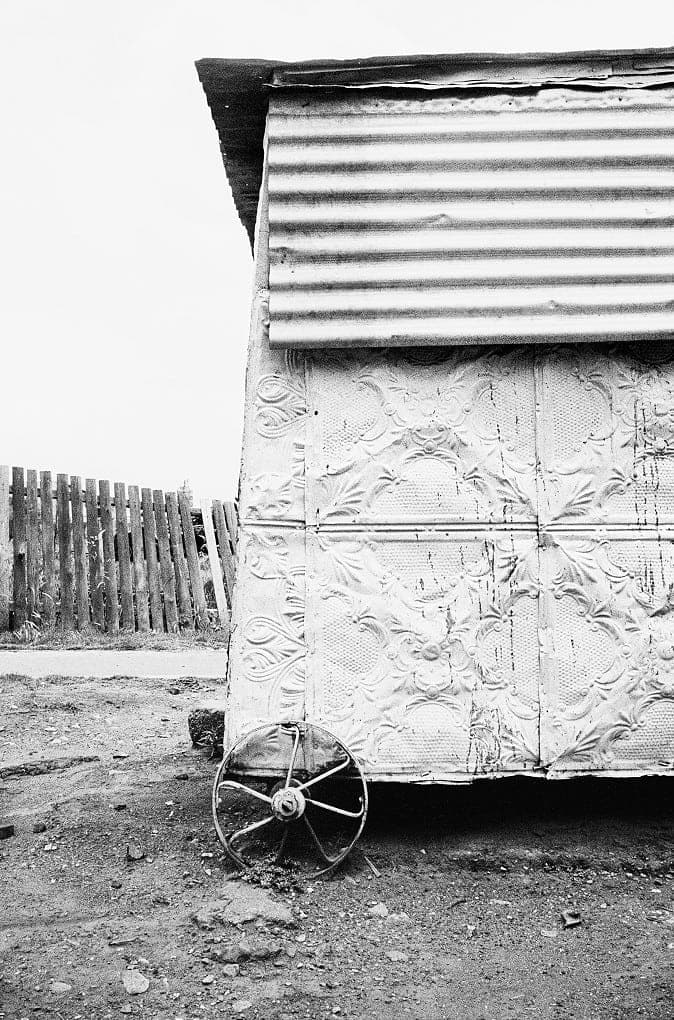
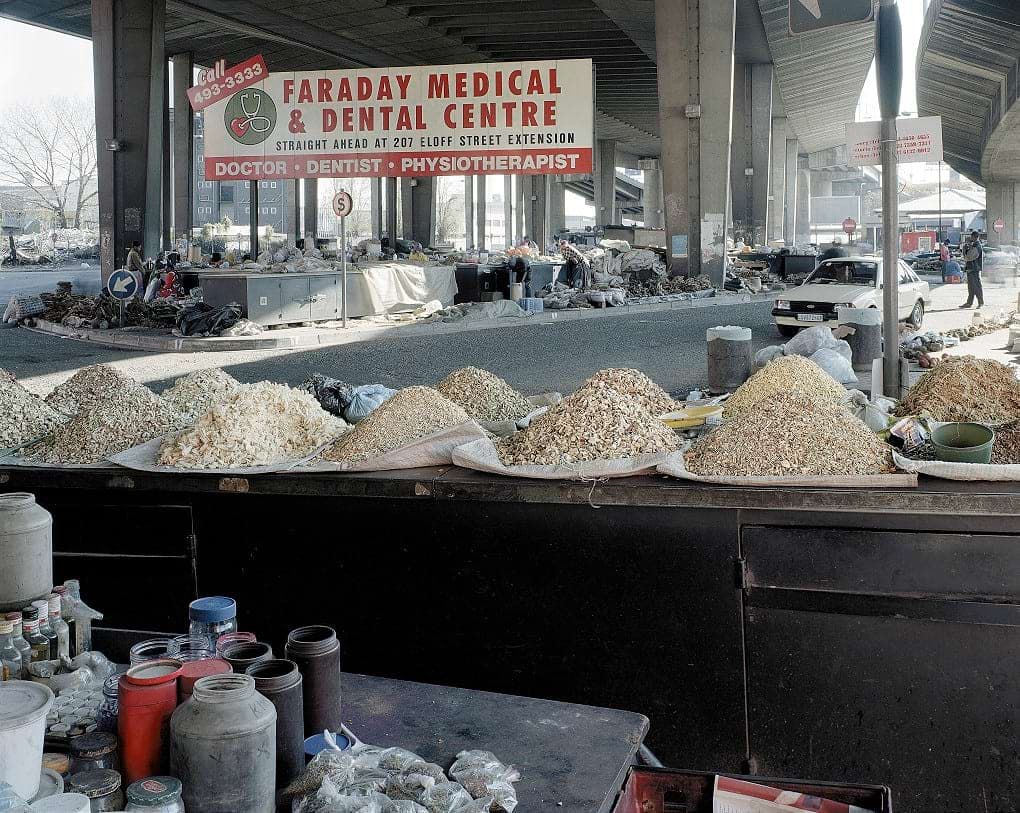
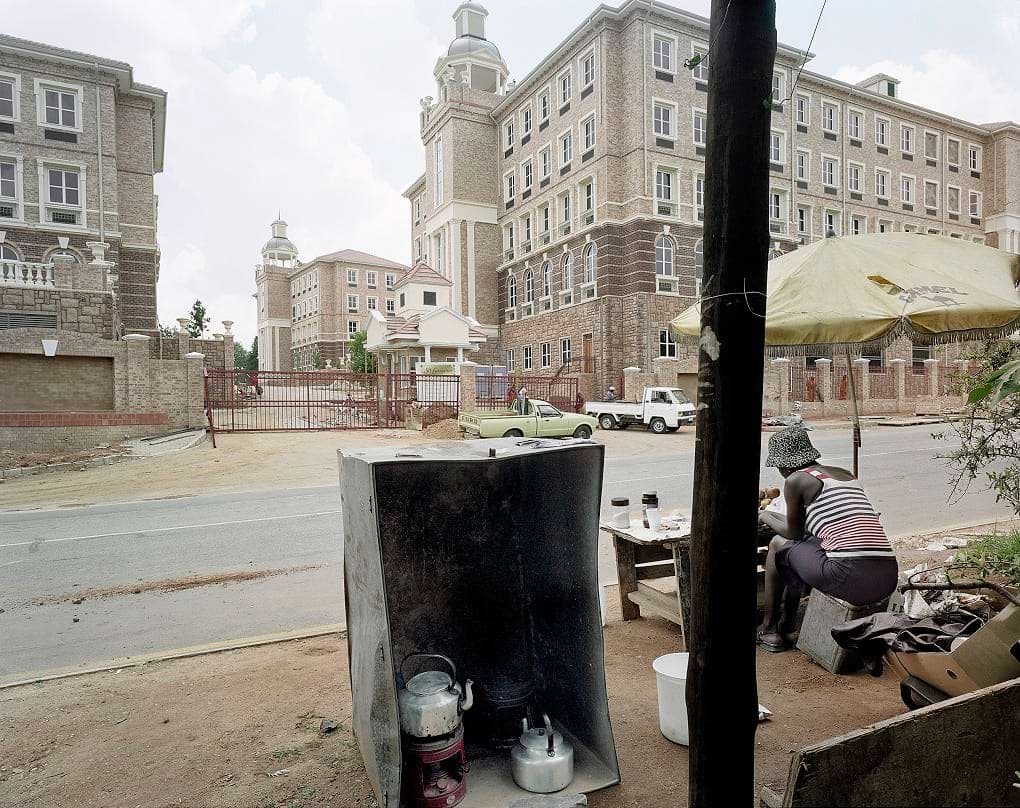
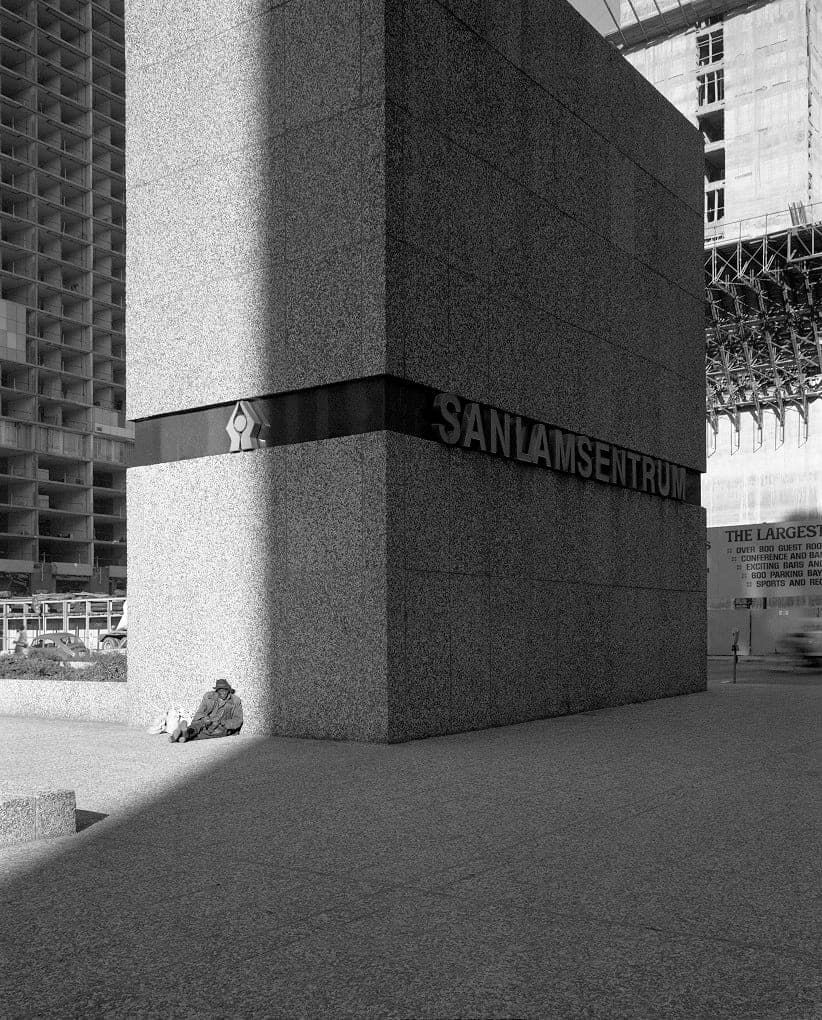
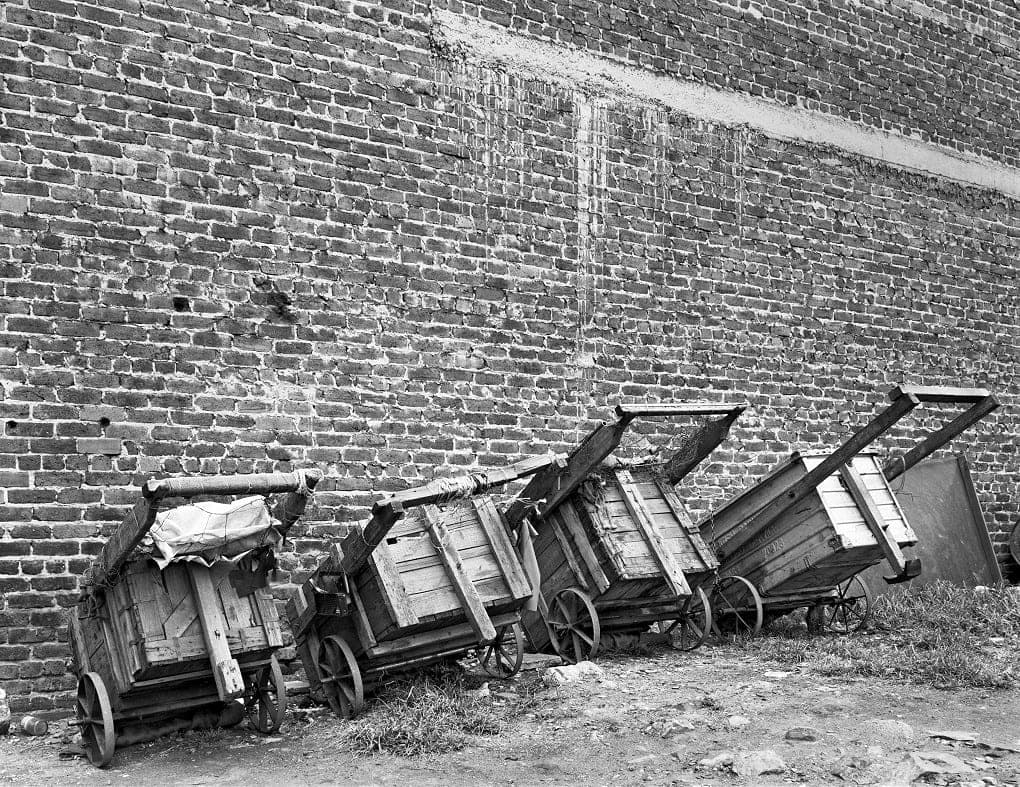
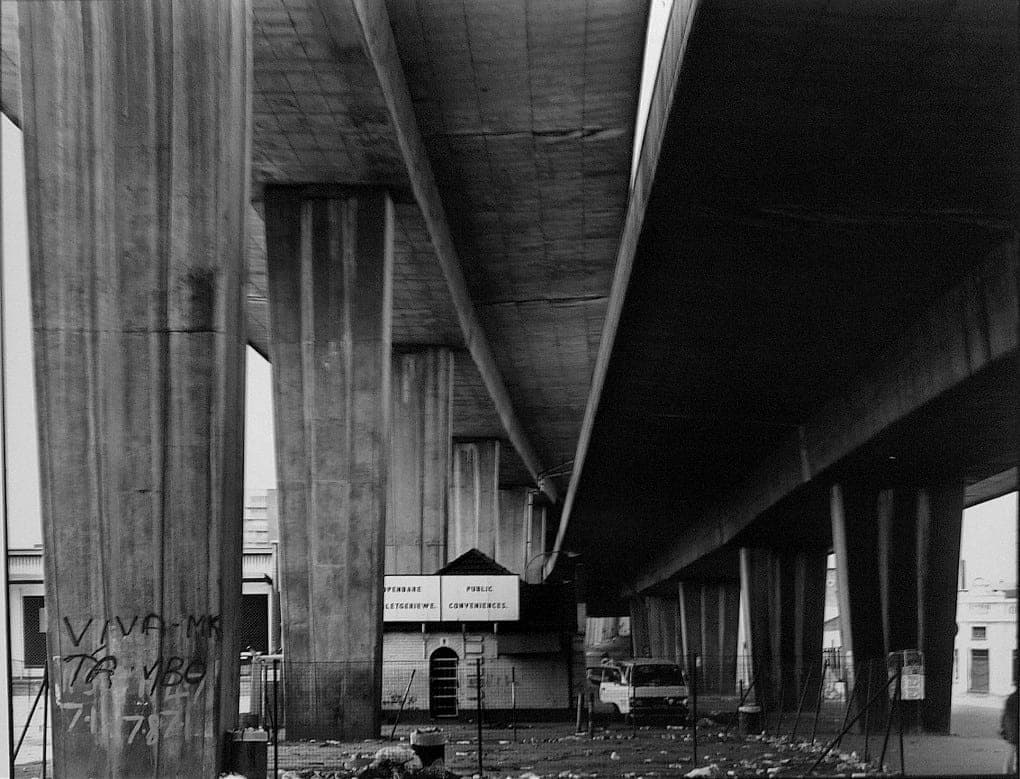
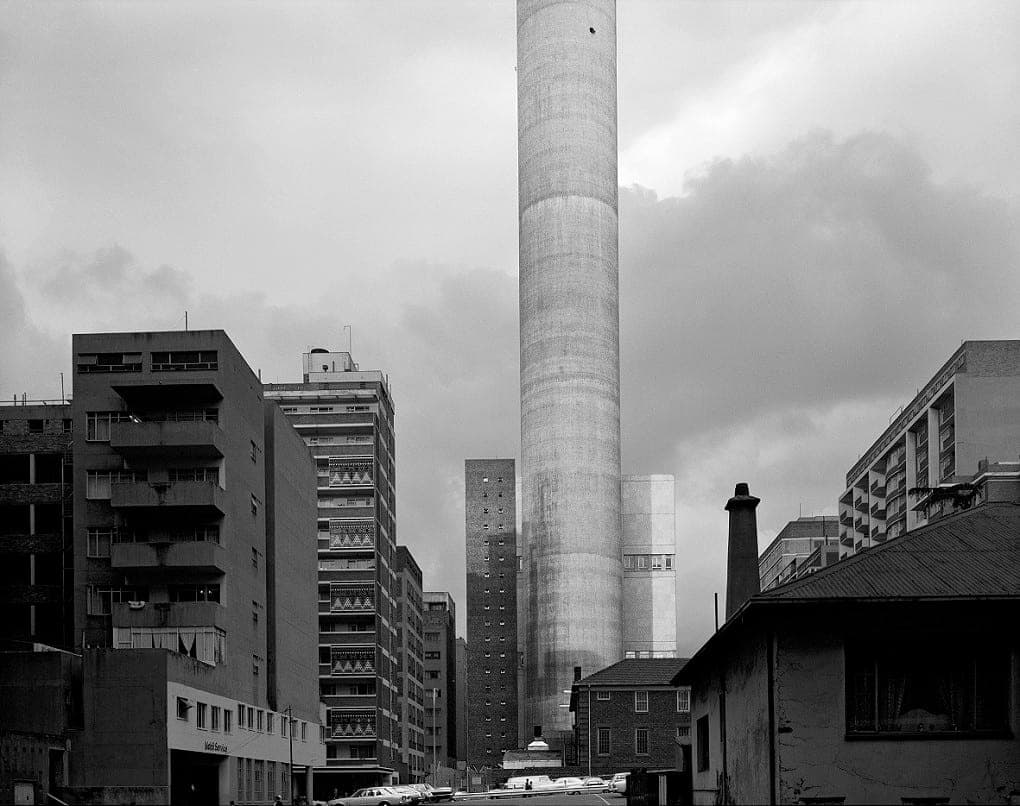
Johannesburg 1948 - 2018 features photographs from Goldblatt’s most expansive project, Structures of Domin- ion and Democracy, including early prints hand-made in his dark room and more recent large-scale colour prints. These photographs span a long era of dominion, followed by the precarious post-apartheid period of democracy.


Goldblatt sought to document an intimate dialogue be- tween himself and his subject within a specific moment in time and place. The subtlety in this approach allowed his work to uncover difficult realities about a society per- vasively penetrated by racial inequality, trauma and injustice. As such, we see an extraordinary documentation of the lived experience of his fellow South Africans.
David Goldblatt died at his home in Johannesburg in June 2018. Working until shortly before his death, he remained, to the last, “a self-appointed observer and critic of the society into which I was born”. In 2011, art critic and social commentator Mark Gevisser describes Goldblatt as “the doyen of South African photography” who cast “so clear an eye over the South African landscape [...] that he has become the country’s visual conscience”.v
Artworks
Create a Goodman Gallery account to view our full selection of available works, access pricing and check out online.
Artist Bio
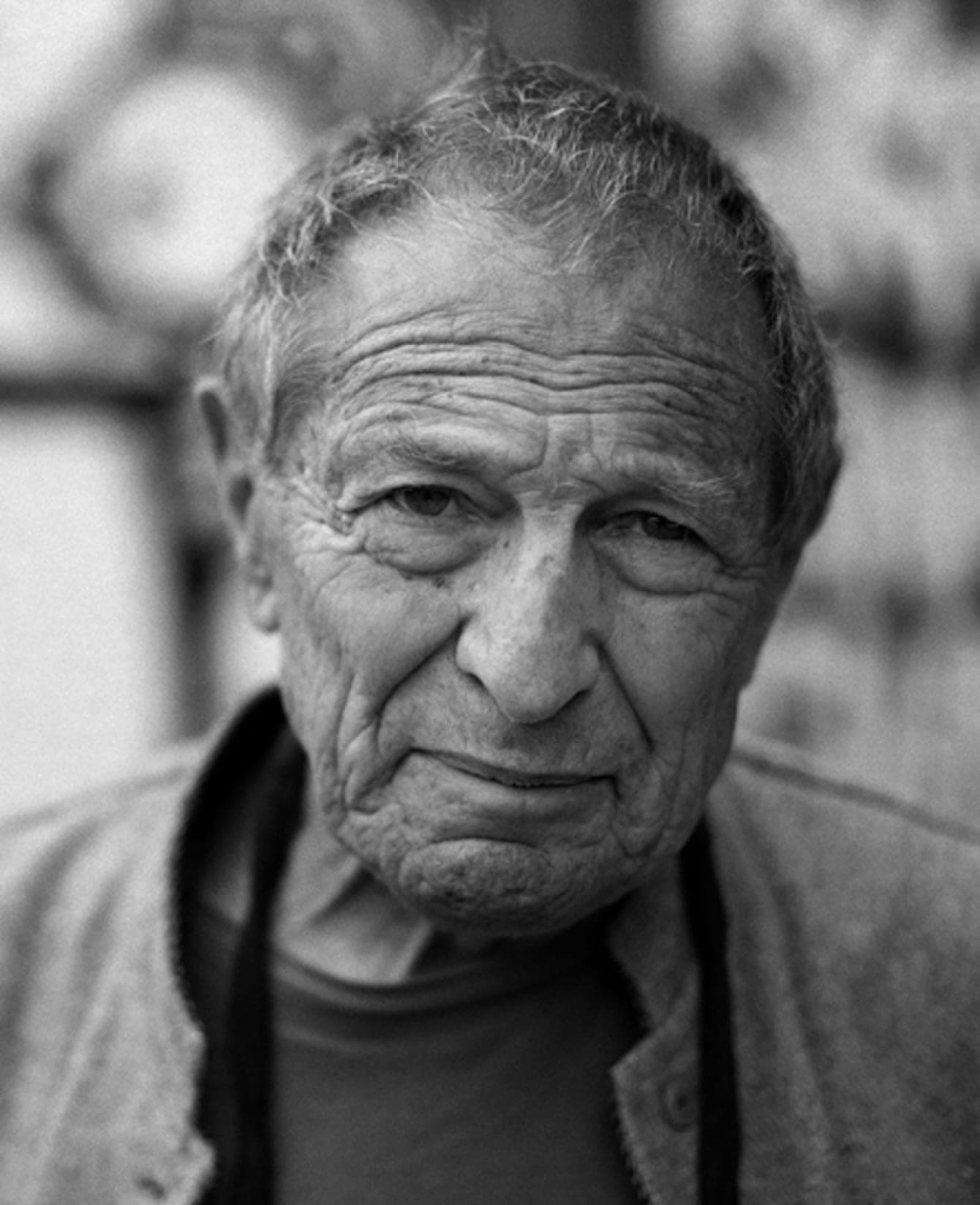
David Goldblatt (1930 – 2018) was born in Randfontein, a small mining town outside of Johannesburg, South Africa. Described by writer Mark Gevisser as ‘the visual conscience of South Africa,’ he photographed the structures, people and landscapes of South Africa for over seven decades. His work is contained in a number of books, including Some Afrikaners Photographed, On the Mines, Intersections, The Transported of Kwandebele, In Boksburg, Structures of things then, Fragments of Fietas and Ex Offenders at the Scene of Crime. Describing his work, he said, “I was drawn not to the events of the time, but to the quiet and commonplace where nothing ‘happened’ and yet all was contained and imminent”.
Goldblatt’s work has been exhibited widely around the world. Key exhibitions include Structures of Dominion and Democracy (2018) at Centre Pompidou, Paris; No Ulterior Motive (2022- 2025), a collaboration between the Art Institute of Chicago, Yale University Art Gallery, New Haven and Foundation Mafpre, Madrid; David Goldblatt: 51 years (2002 - 2004) organized by MACBA, Barcelona and exhibited at Witte de With, Rotterdam; Modern Art, Oxford; Palais des Beaux Arts, Brussels; Lenbachhaus, Munich, and the Bensusan Museum and Library of Photography, Johannesburg; Intersections Intersected (2008 -2011), organized by Stevenson Gallery and exhibited at Open eye Gallery, Liverpool, New Museum of Contemporary Art, New York, Malmo Konsthall and the University Museum of Contemporary Art, Amherst. Museums where he has had solo shows include the Museum of Modern Art, New York; Museum of Contemporary Art, Sydney; Henri Cartier-Bresson Foundation, Paris; Huis Marseilles, Amsterdam; Serralves Foundation, Porto; the Norval Foundation, Cape Town; South African National Gallery, Cape Town and Johannesburg Art Gallery.
Notable group exhibitions and biennales include ILLUMInations at the 54th Venice Biennale in 2011, South Africa in Apartheid and After, San Francisco Museum of Modern Art (2013); and Everything Was Moving: Photography from the 60s and 70s, Barbican Centre, London (2012). York.
Galleries where he has exhibited include Pace and Howard Greenberg, New York; Marion Goodman, Paris, Galería Elba Benítez, Madrid and Stevenson, Cape Town. He has been represented by Goodman Gallery since 2000 and has held numerous exhibitions at its Johannesburg, London and Cape Town galleries.
Selected collections include: Museum of Modern Art, New York; Metropolitan Museum of Art, New York; San Francisco Museum of Modern Art; Tate Modern, London; Victoria and Albert Museum, London; Centre Pompidou, Paris; The J. Paul Getty; Museum, Los Angeles; National Gallery of Art, Washington, D.C.; Art Institute of Chicago; Huis Marseille, Amsterdam; The Museum of Fine Arts, Houston; The Walther Collection, Neu-Ulm, Germany and New York; National Gallery of Australia, Canberra; Stedelijk Museum, Amsterdam; Fotomuseum Winterthur, Switzerland; Yale University Art Gallery, New Haven; Johannesburg Art Gallery, South Africa; Iziko South African National Gallery, Cape Town; Art Gallery of New South Wales, Sydney; Princeton University Art Museum, Princeton; Musée del’Élysée, Lausanne; Carnegie
Museum of Art, Pittsburgh; Museo Nacional Centro de Arte Reina Sofía, Madrid and Los Angeles County Museum of Art, Los Angeles. Goldblatt was the recipient of the 2006 Hasselblad award, the 2009 Henri Cartier-Bresson Award, the 2013 ICP Infinity Award and in 2016, he was awarded the Commandeur des Arts et des Lettres by the Ministry of Culture of France.
Other Exhibitions
See All