Video
In Ghada Amer's text embroidered paintings, the artist deploys citations and quotes about female identity and empowerment. In these paintings, carefully embroidered canvases highlight problematic constructs of female identity to draw attention to the erasure of women's liberation in Western society. The artist states:
“In Western societies, there is an assumption, especially among the younger generations, that the battle of the sexes has been won, that women have been liberated, and that their rights are secure. And yet, we are witnessing today a sharp regression of women’s rights and a stark rise of violence against women. However, in countries where one assumes women’s rights to be limited or absent, such as in Egypt, Iran, Afghanistan, or Mexico, women of the younger generation know they have a lot to gain from fighting for those very same rights that are eroding in the West."
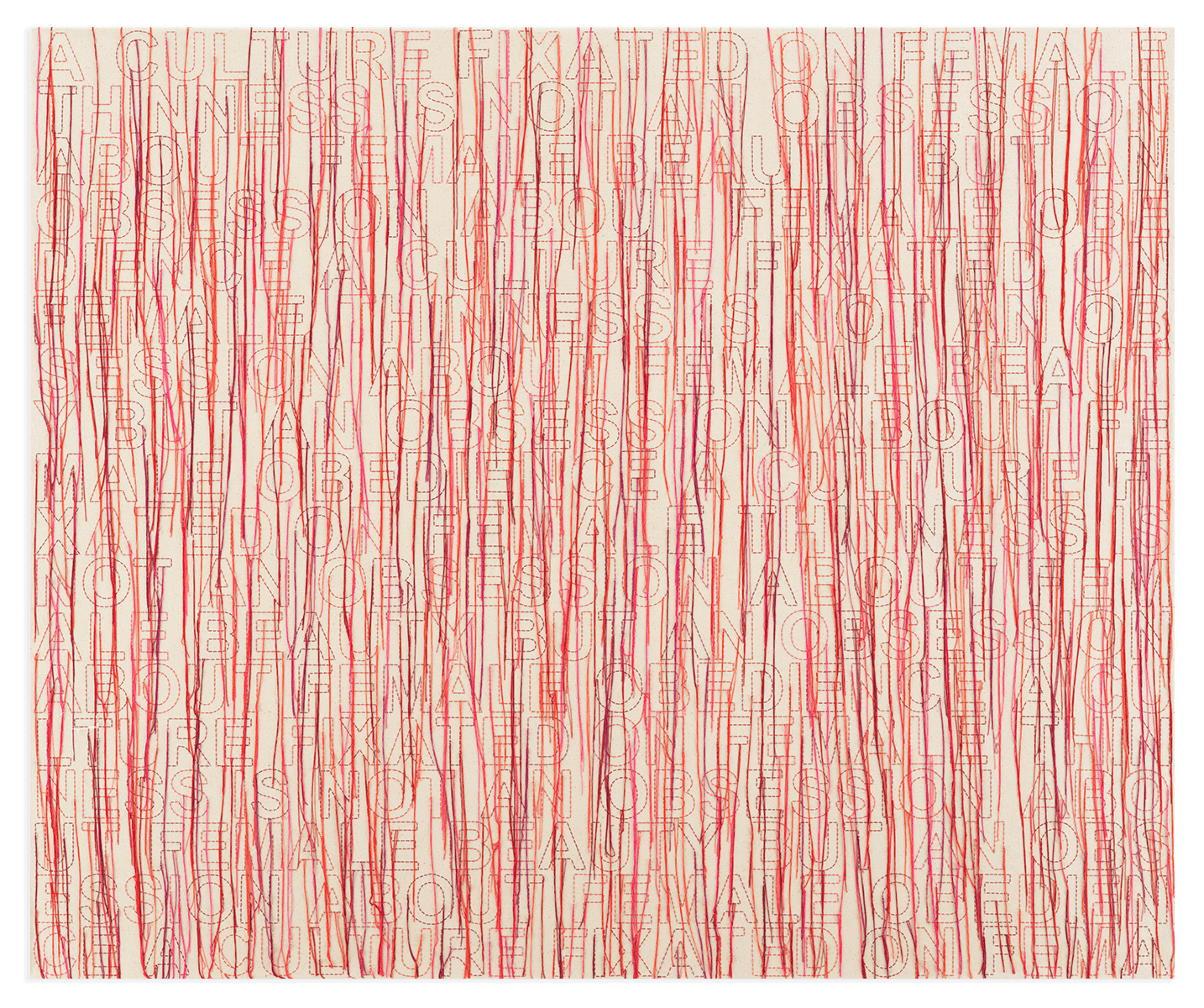
In 'Body Culture' (2021) Amer cites a quote by Naomi Wolf from her book 'The Beauty Myth: How Images of Beauty Are Used Against Women', it reads “A culture fixated on female thinness is not an obsession about female beauty but an obsession about female obedience.”
the quote is edited by Sahar Amer from the quote of by
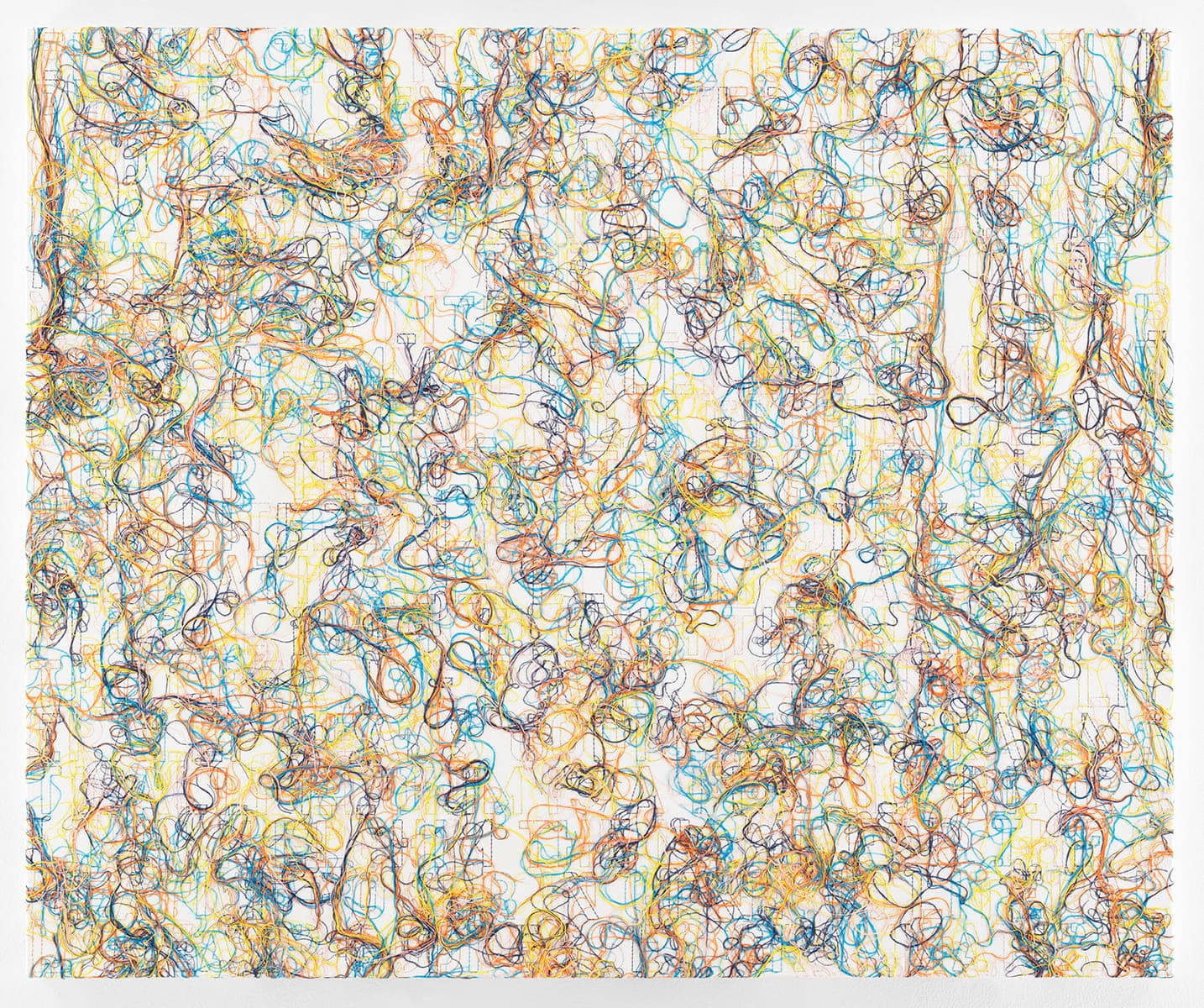
Elohim,the name of the creative power in Genesis literally means "goddesses". Grammatically, Elohim is a female plural noun
The quote used is by K.D Harp
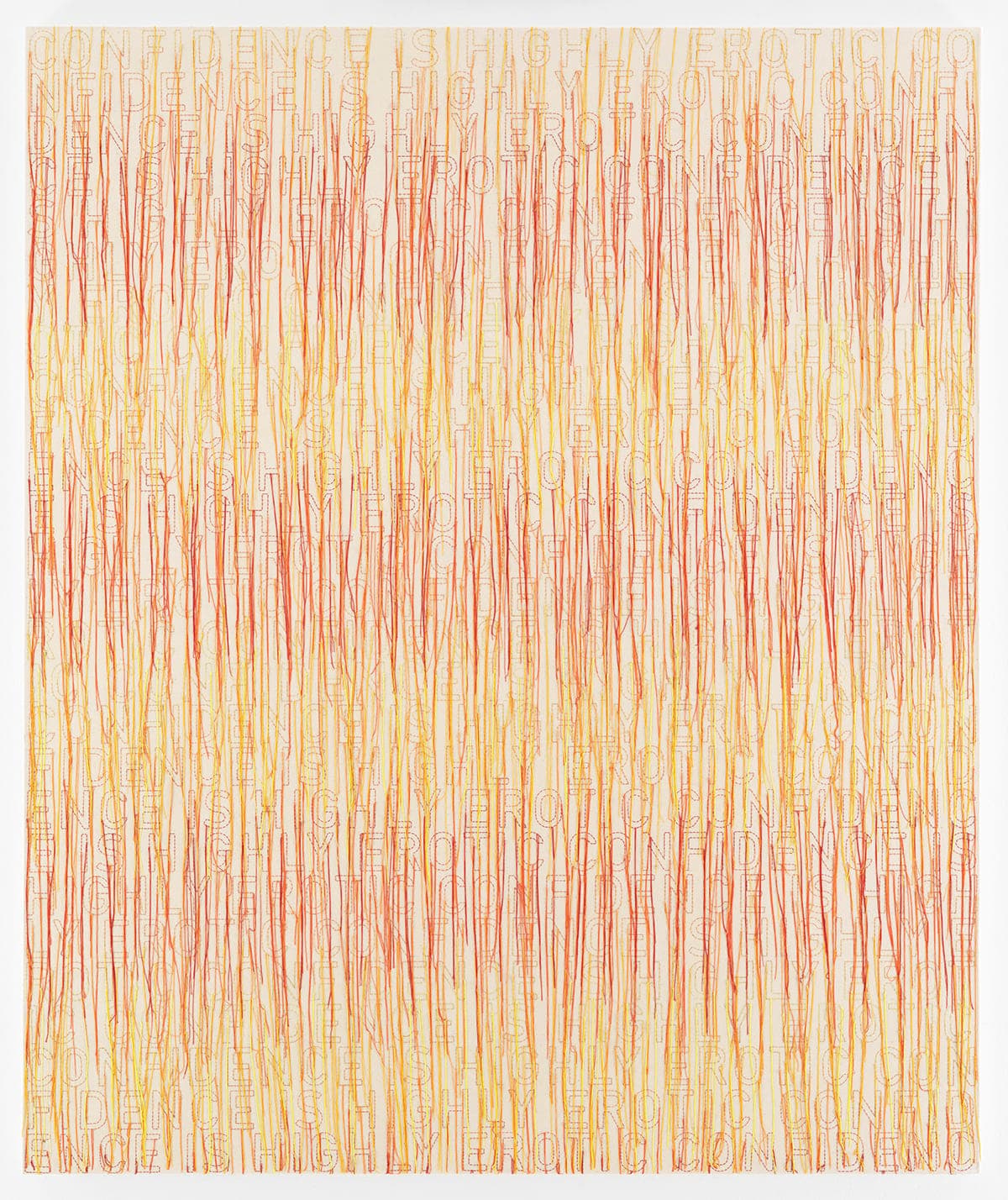
Confidence is highly erotic
Video
In Ghada Amer’s text-embroidered paintings, the artist uses citations and quotes about female identity and empowerment. These carefully stitched canvases highlight problematic constructs of femininity and draw attention to the erosion of women’s liberation in Western society. The artist explains:
“In Western societies, there is an assumption, especially among the younger generations, that the battle of the sexes has been won, that women have been liberated, and that their rights are secure. And yet, we are witnessing today a sharp regression of women’s rights and a stark rise of violence against women. However, in countries where one assumes women’s rights to be limited or absent, such as in Egypt, Iran, Afghanistan, or Mexico, women of the younger generation know they have a lot to gain from fighting for those very same rights that are eroding in the West.” — Ghada Amer
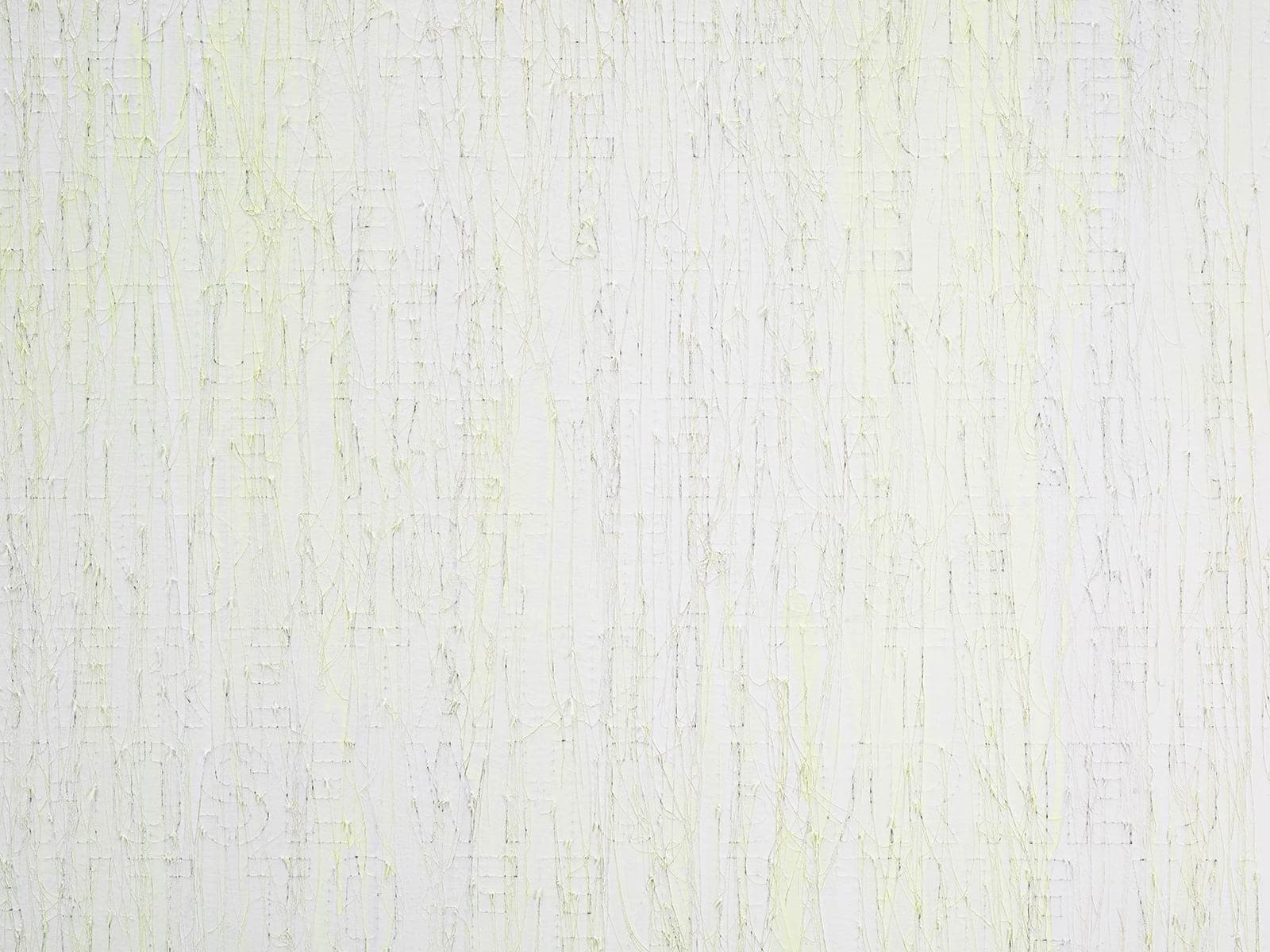
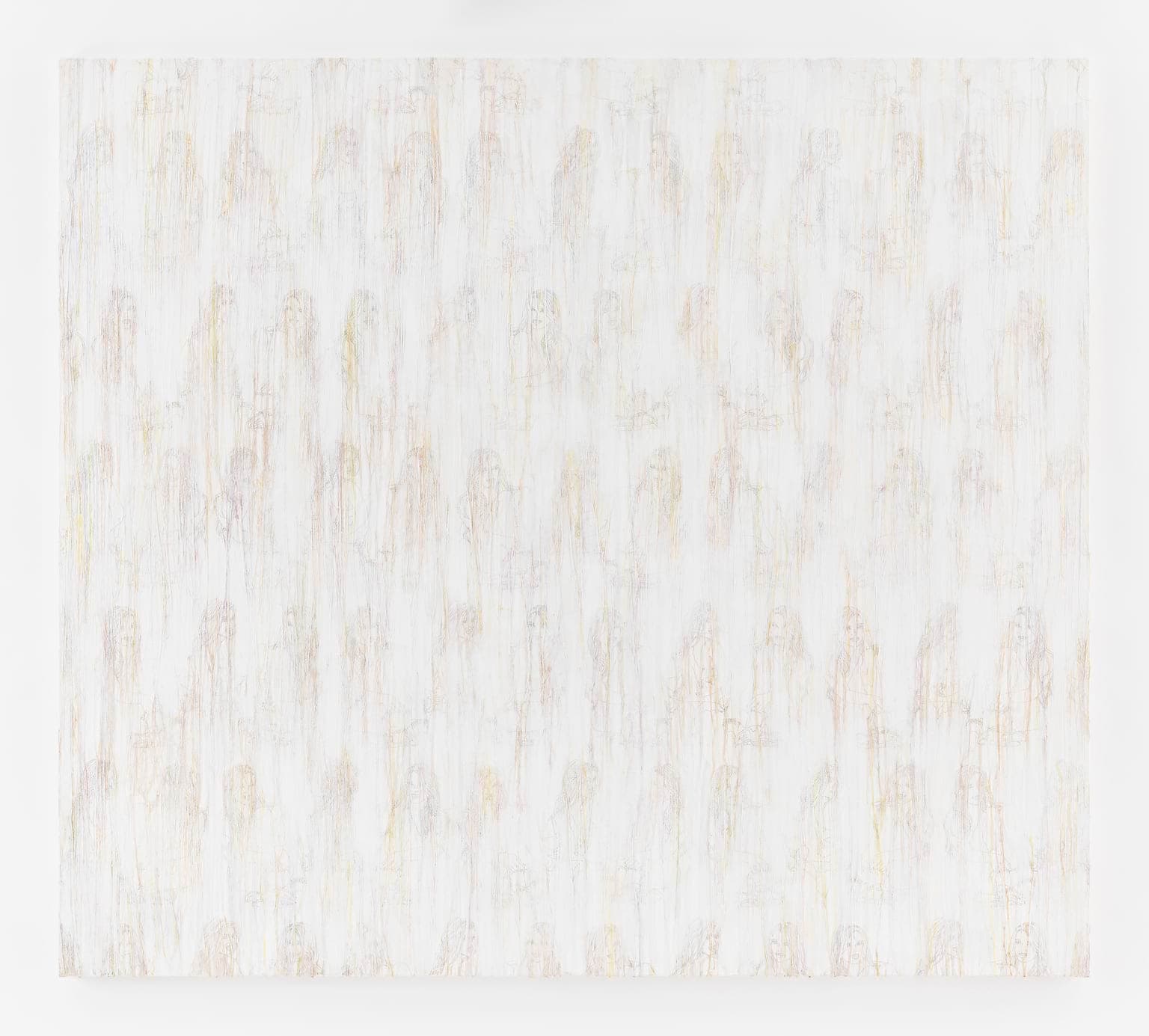
In 'Witches' (2021), a white monochrome painting, Amer cites from an unknown source:
“We were taught to fear the witches and not those who burned them alive.”
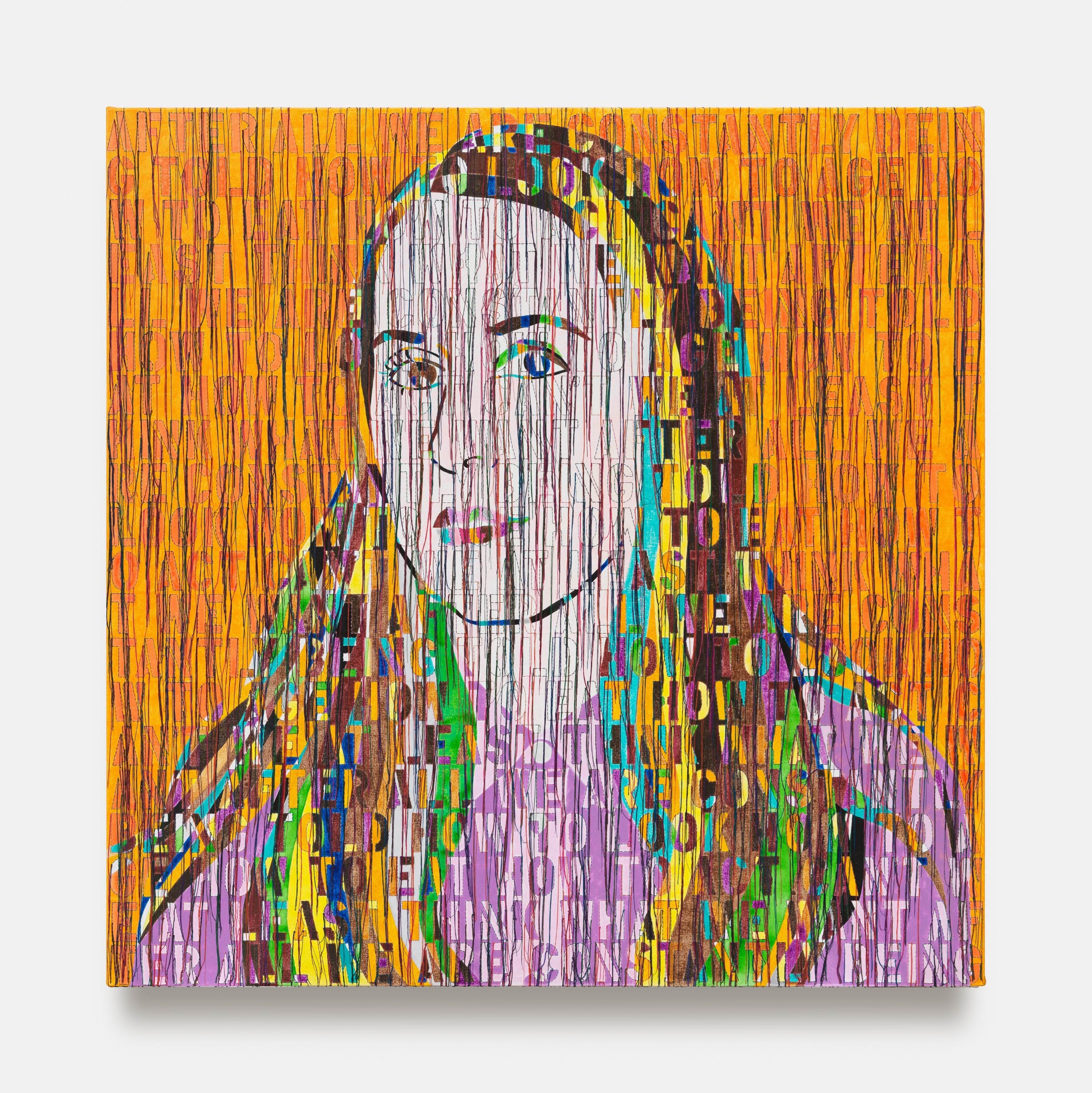
Portraits of the Women that I Know is an ongoing series of portraits that Ghada Amer started in 2013 and that includes a self-portrait. Each one consists of two superimposed elements: the painted portrait and a statement repeated on the canvas from top to bottom, embroidered with thread. On the Portrait of Ellen for instance, we read: “After all we are constantly being told how to look how to age how to eat how to act can’t we at least think what we want.” Words and painting vie for the audience’s attention. Anne Creissels problematizes the relationship between the two mediums in Amer’s work, reflecting on the difficulty of reading and looking at the same time. In the case of the portraits, do viewers search for resemblance with the person whose portrait it is or do they instead become readers as they attempt to decipher the statements?
Credit: https://ghadaamer.com
Ghada Amer is a multimedia artist whose body of work is anchored and informed by ongoing ideological and aesthetic concerns. The submission of women to the tyranny of domestic life, the celebration of female sexuality and pleasure, the incomprehensibility of love, the foolishness of war and violence, and an overall quest for formal beauty, constitute the territory that she explores and expresses in her artistic practice.
White - RFGA depicts female forms through the delicacy of needle, thread and acrylic paint. The choice of subject matter and of material speaks to the artist’s interest in subverting assumptions related to societal roles attributed to women, rejecting both religious-driven laws that govern women’s bodies as well as contemporary ideas that reject expressions of conventional femininity as a form of empowerment.