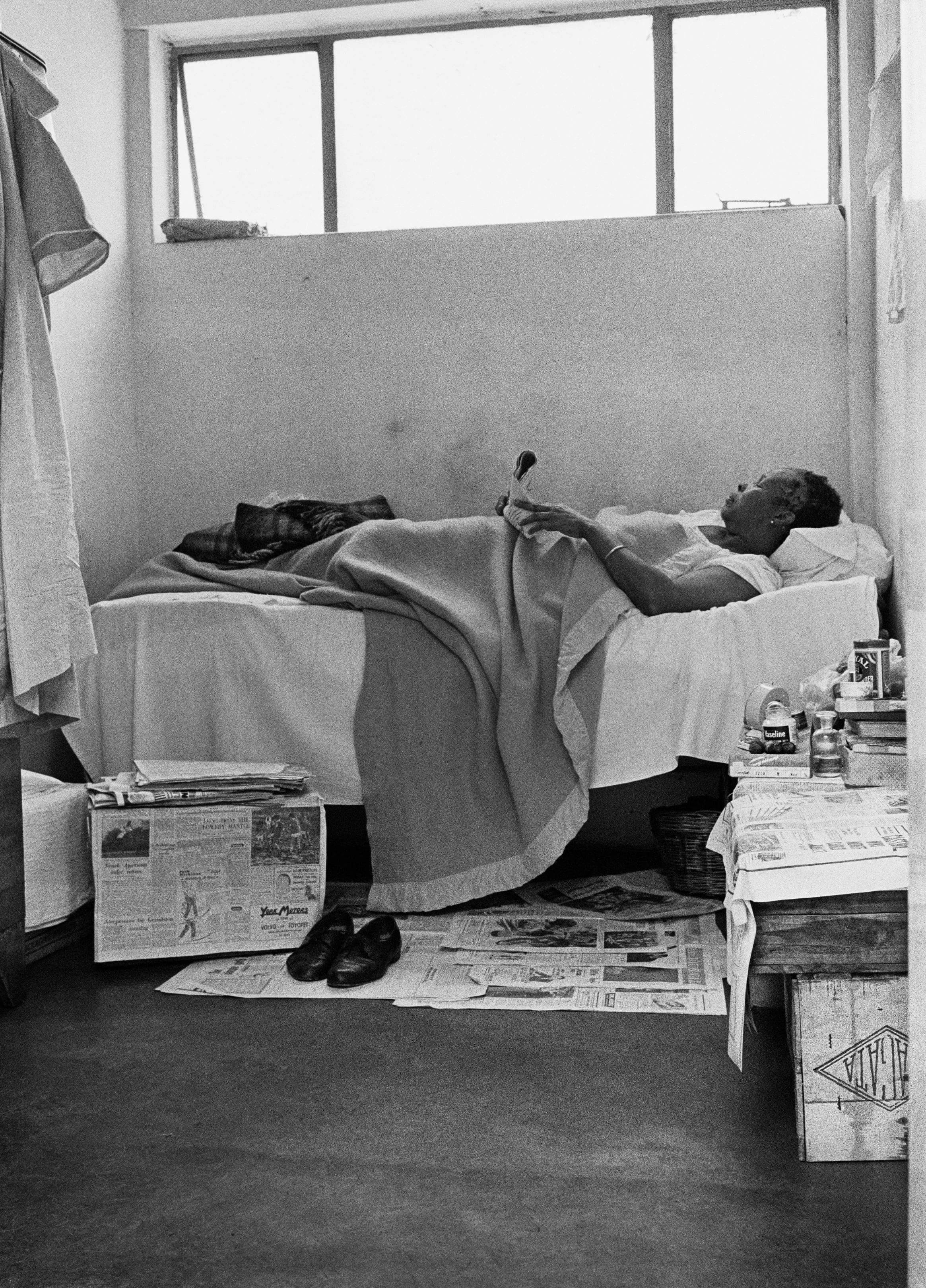
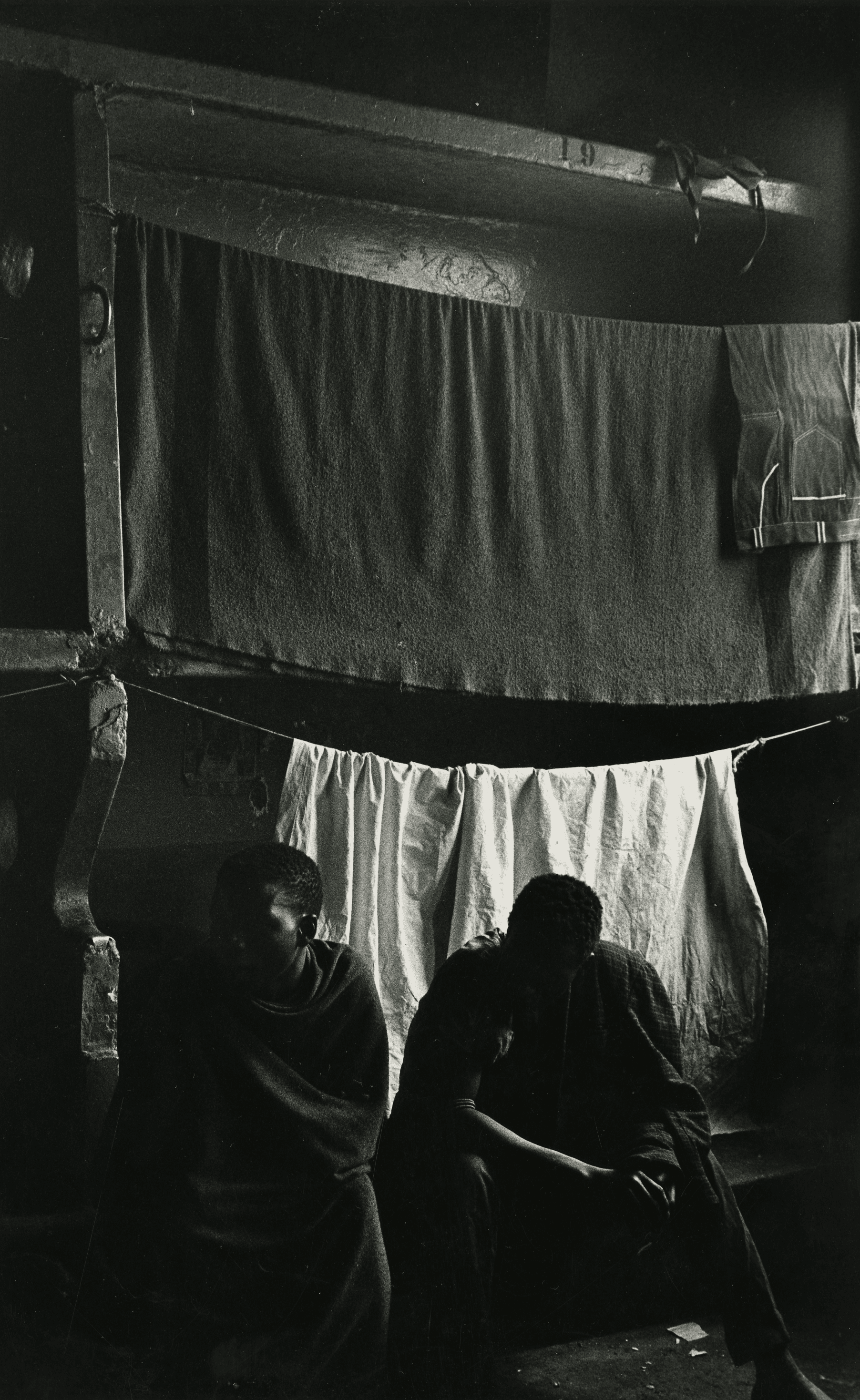
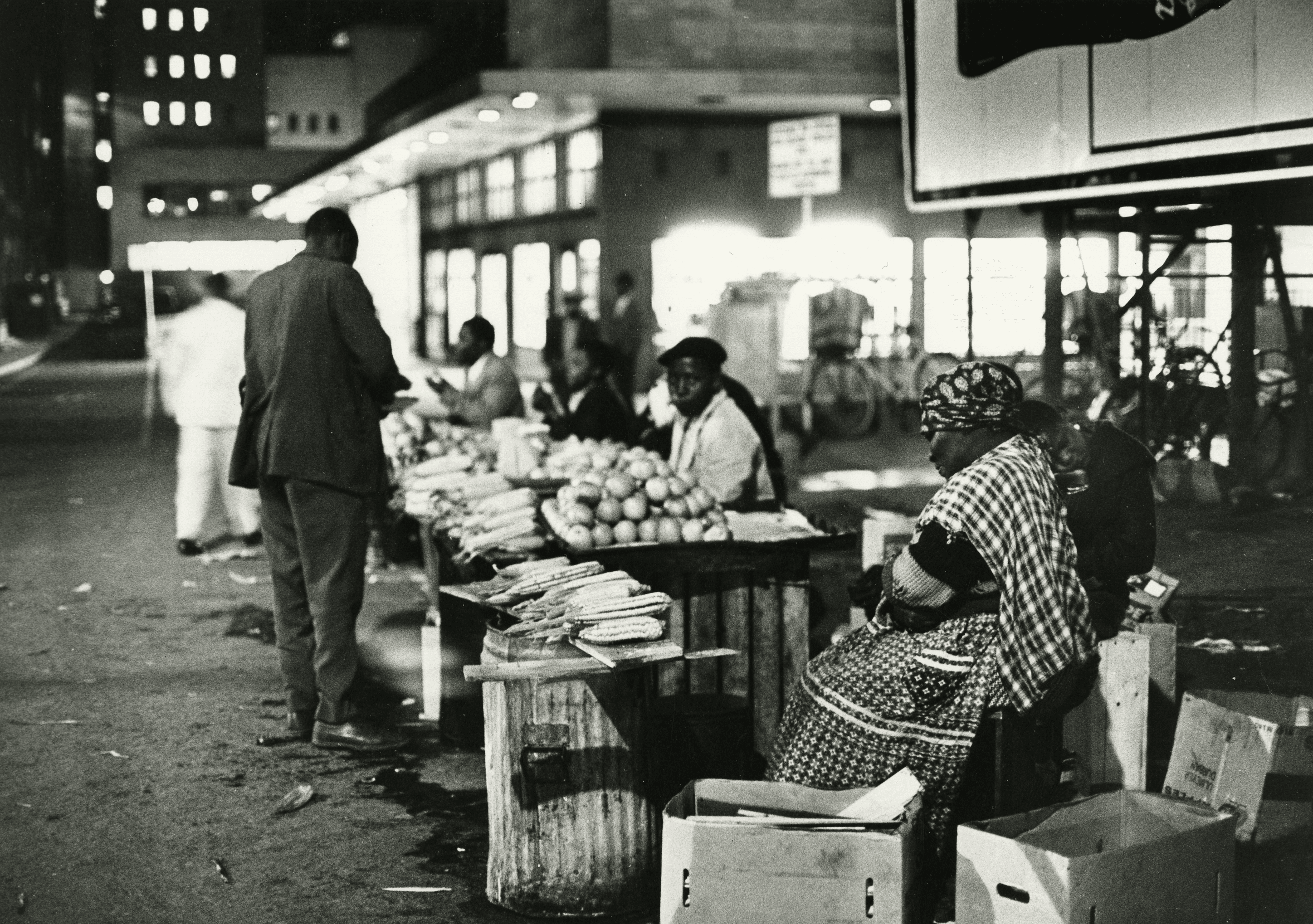
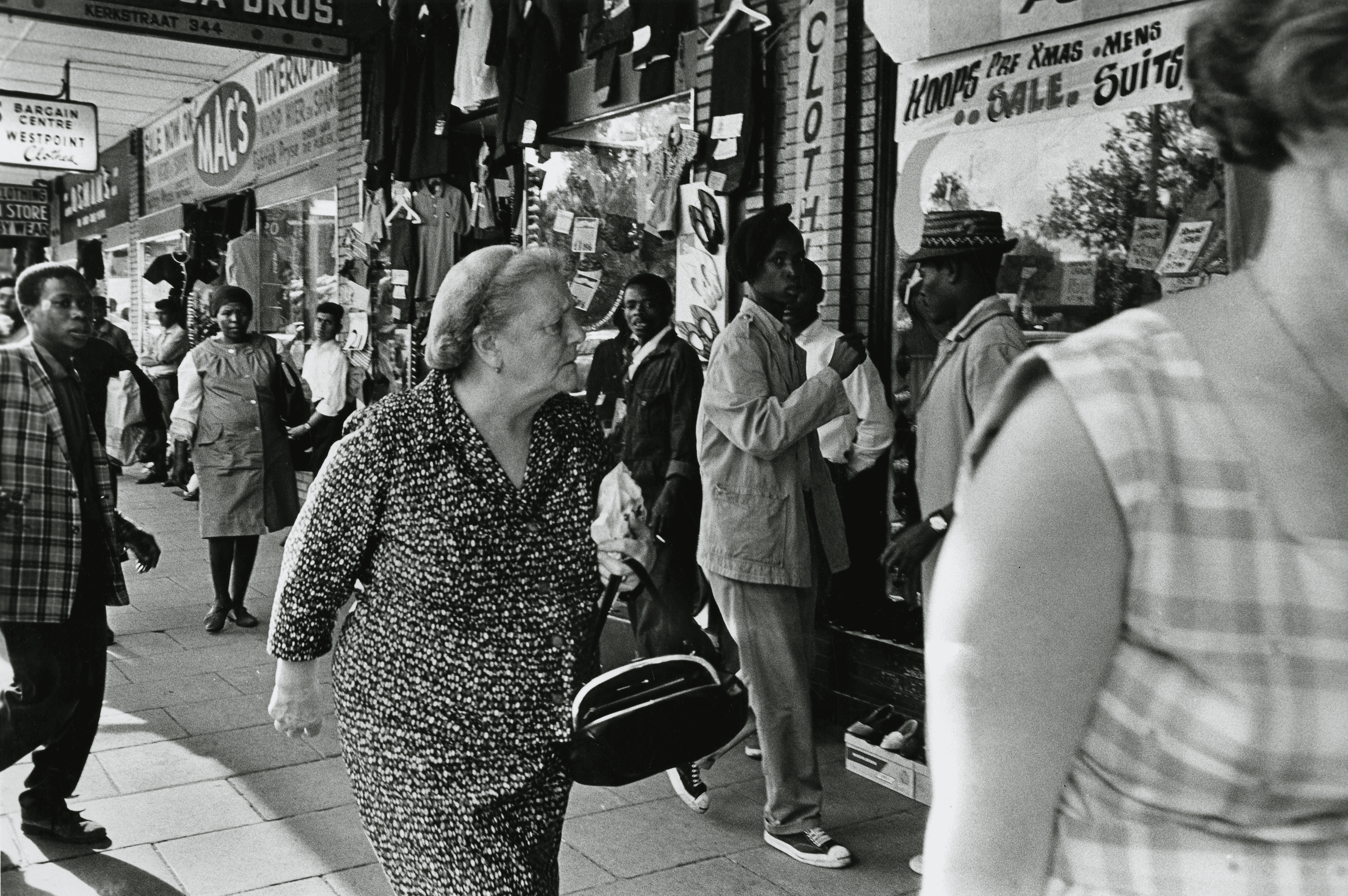
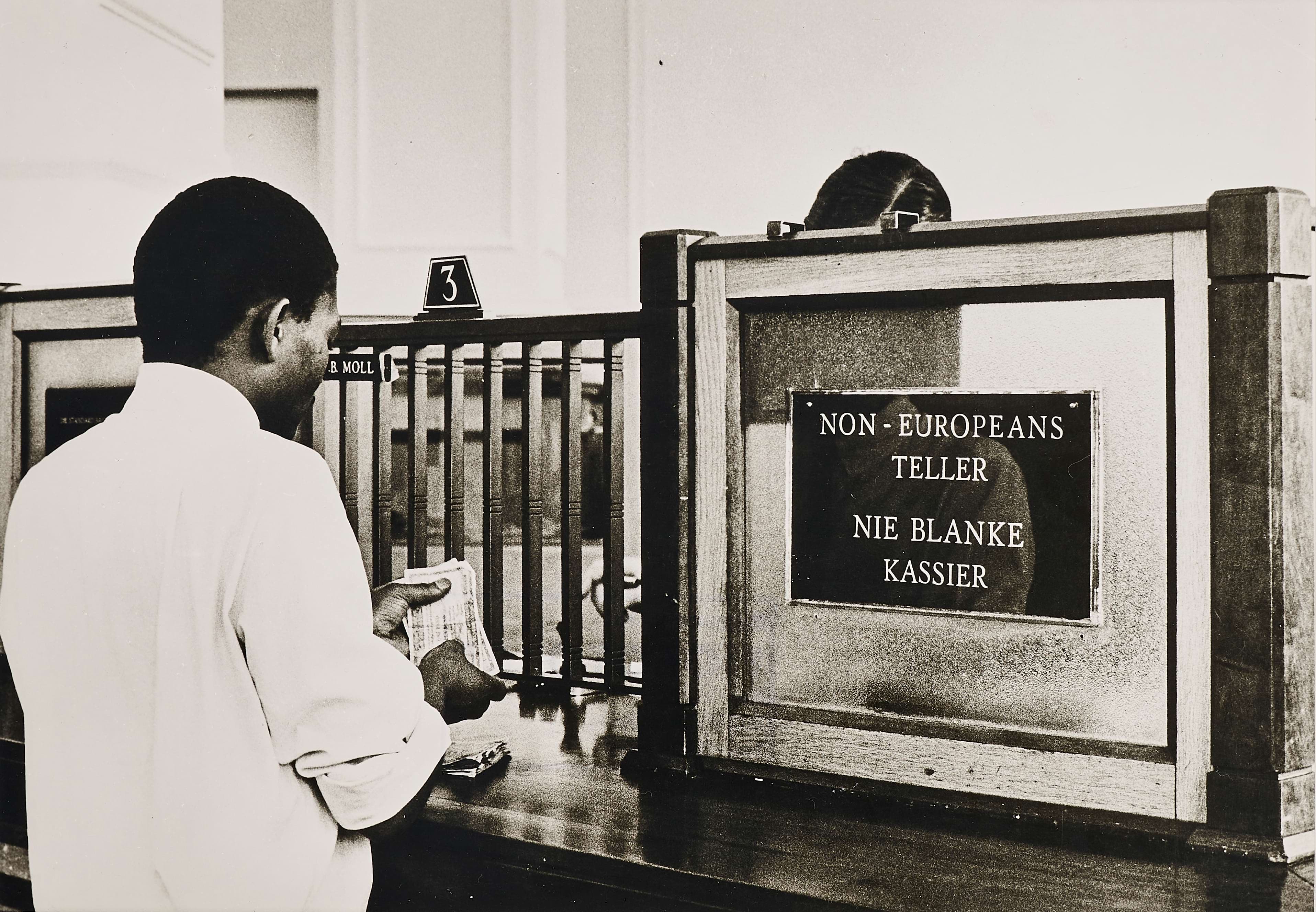
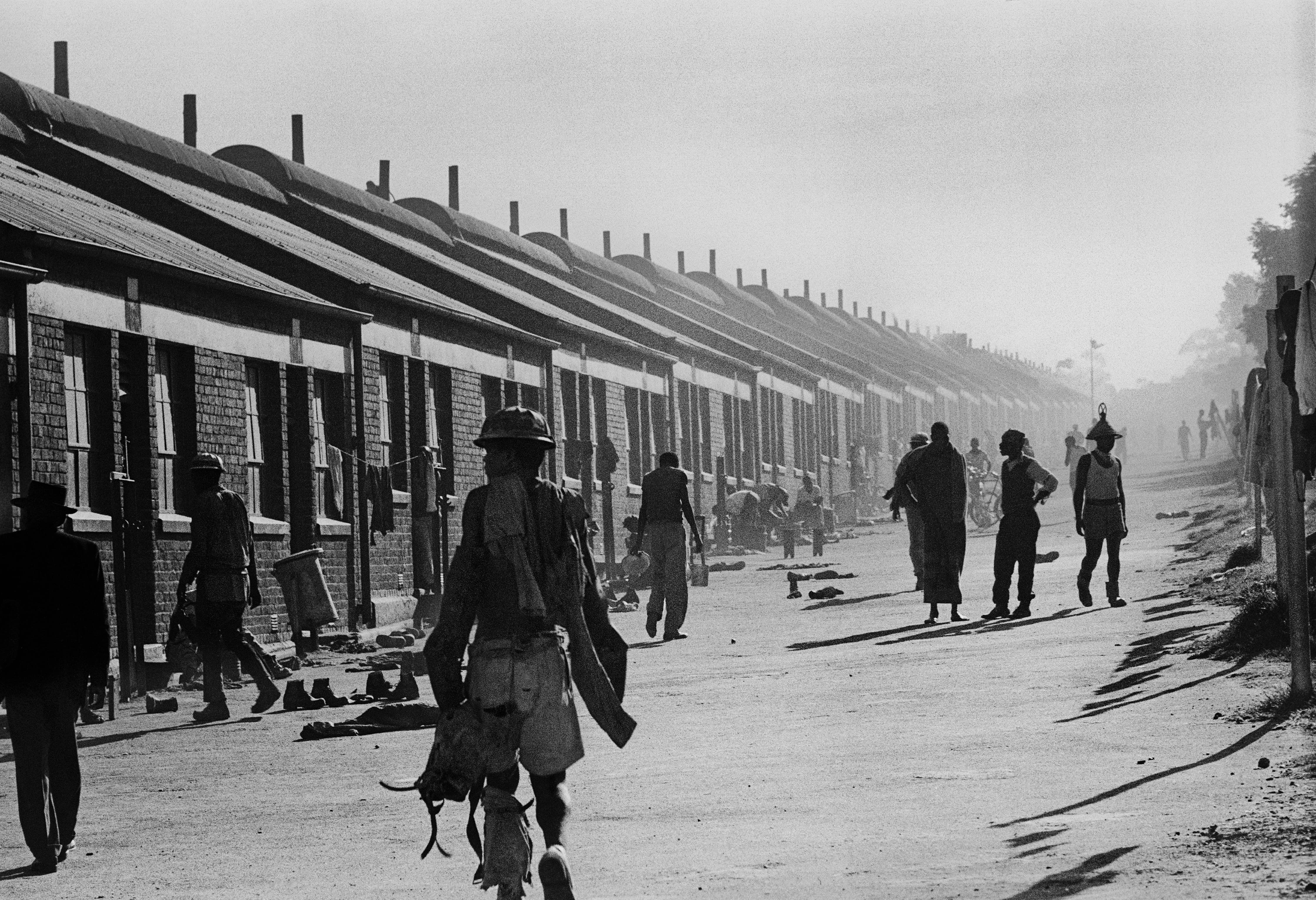
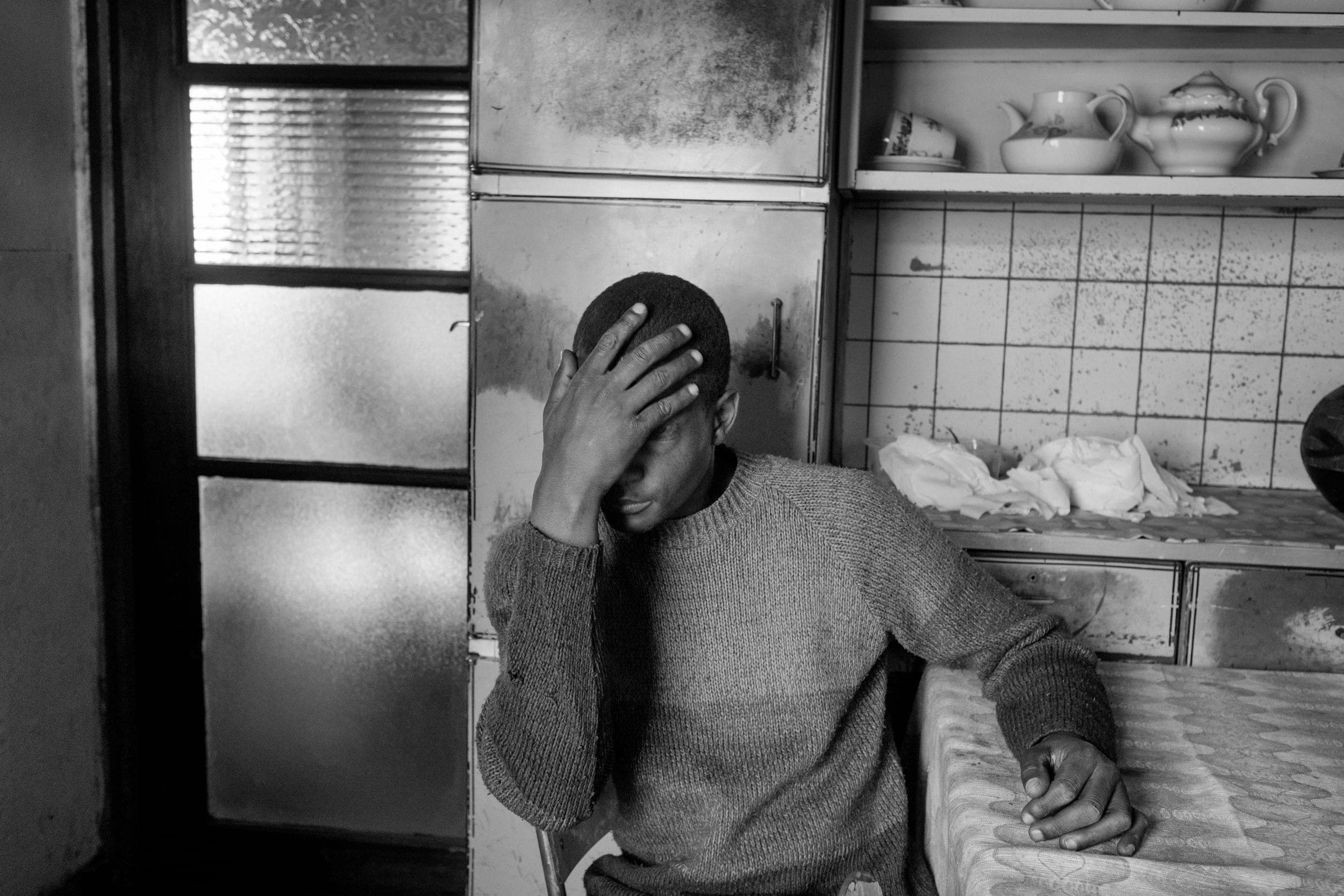
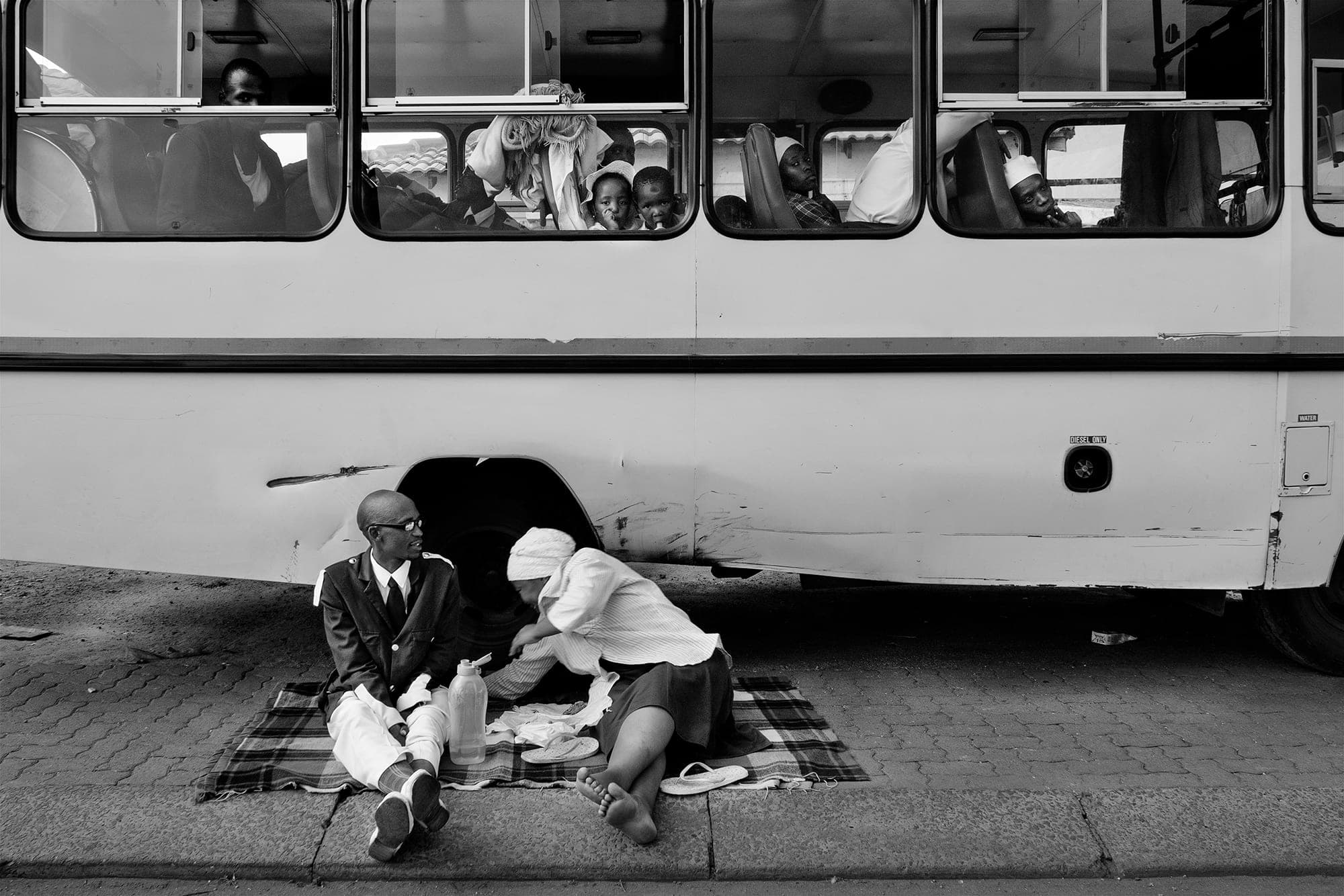
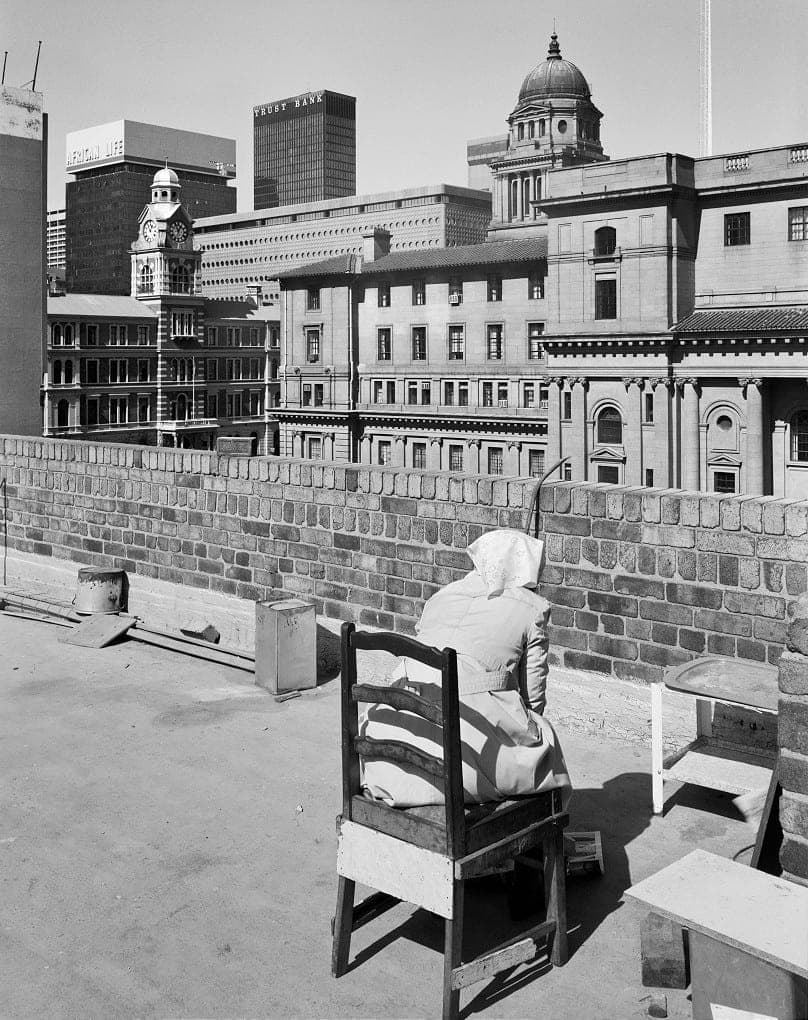
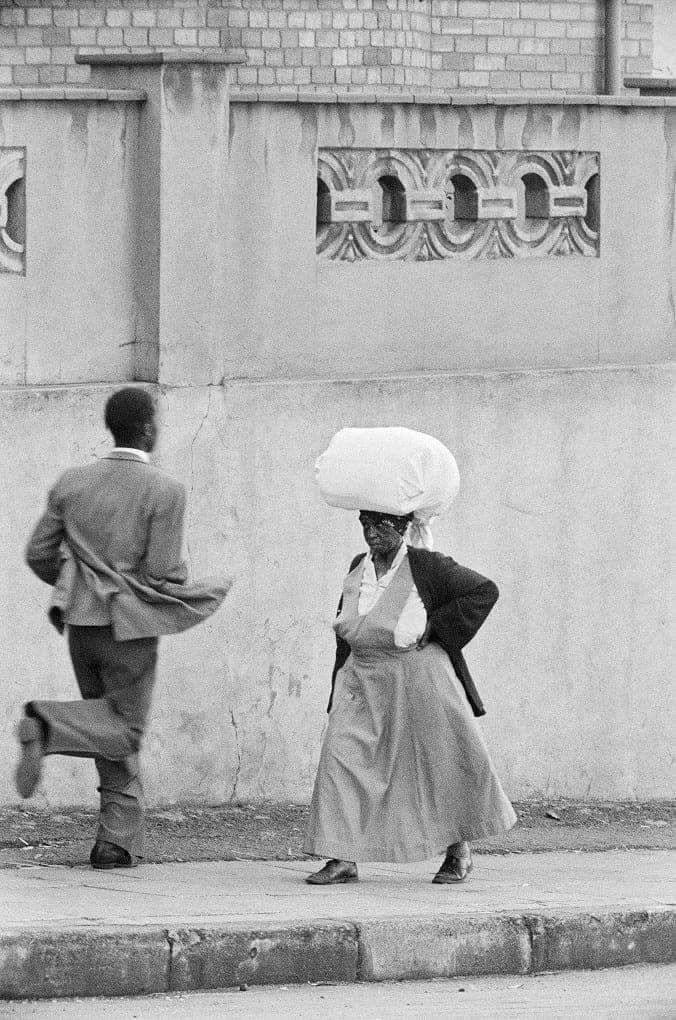
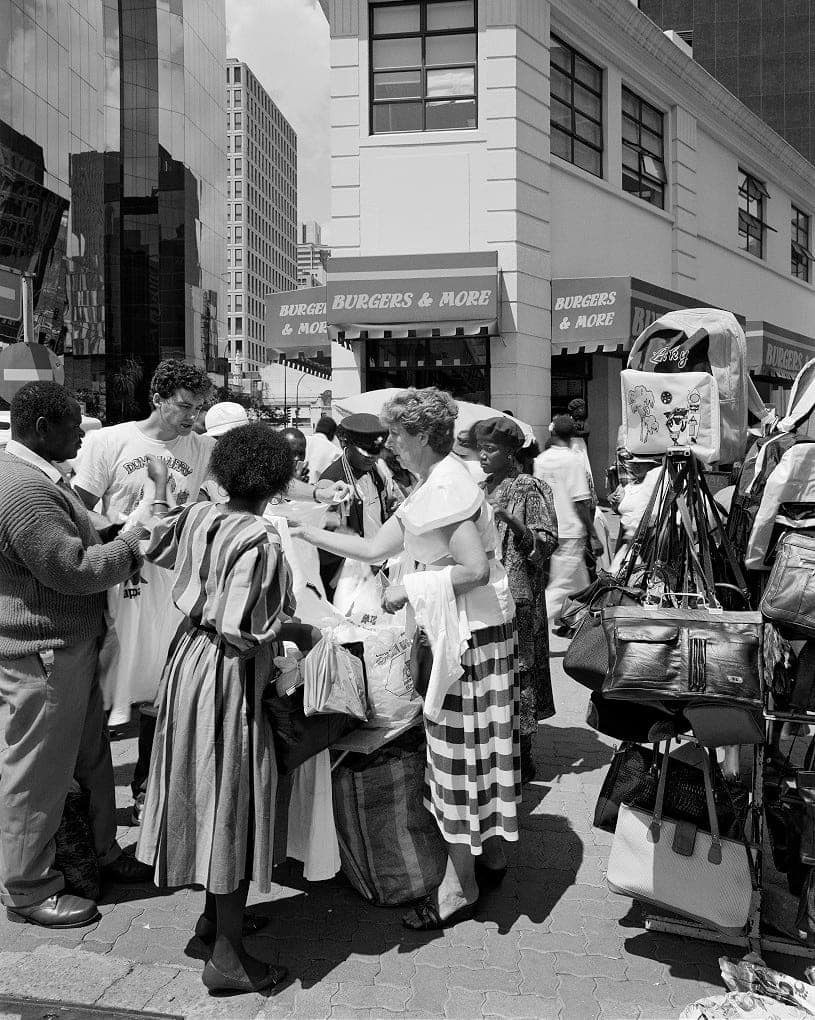
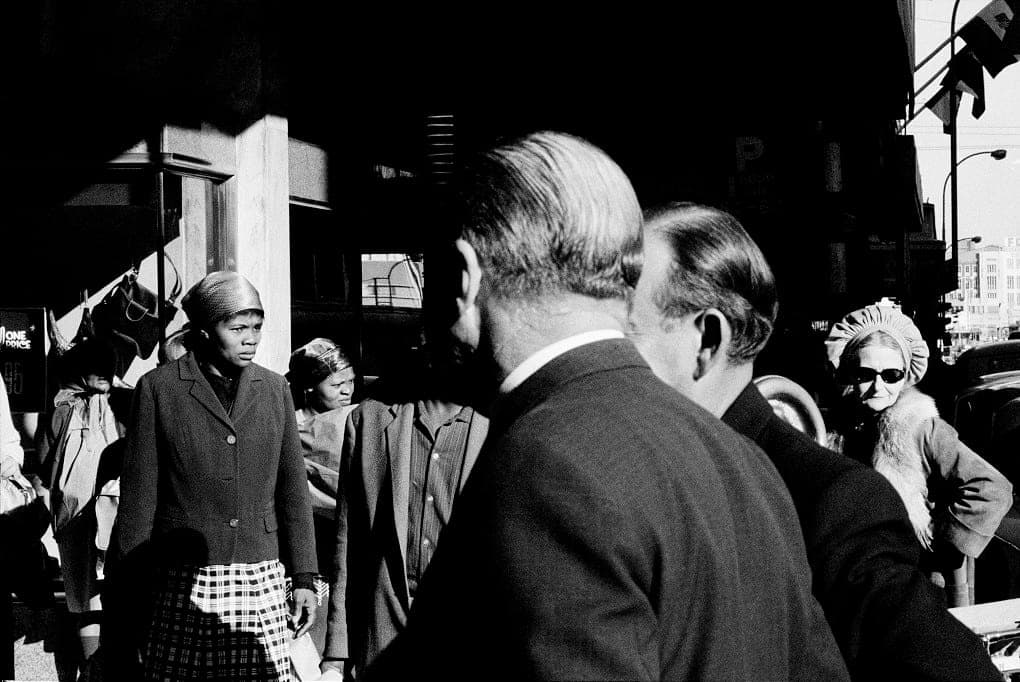
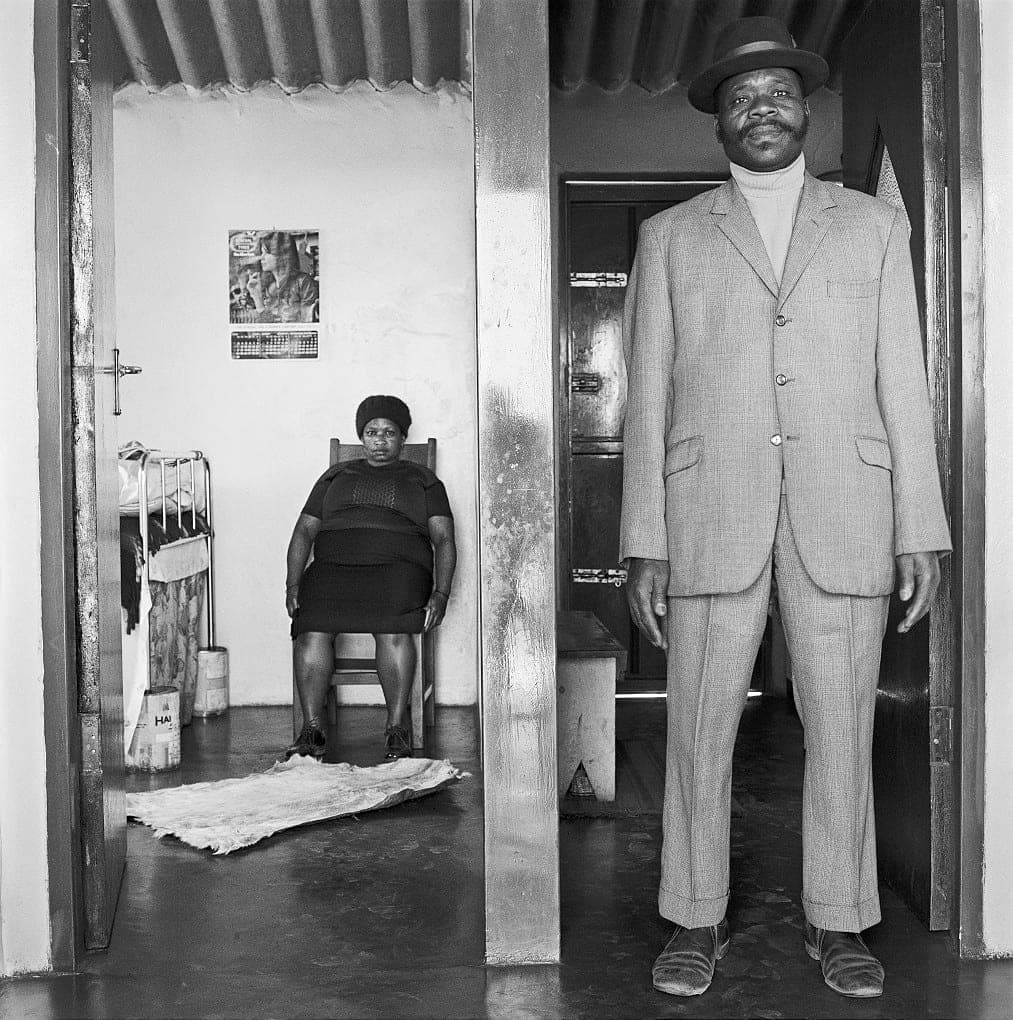
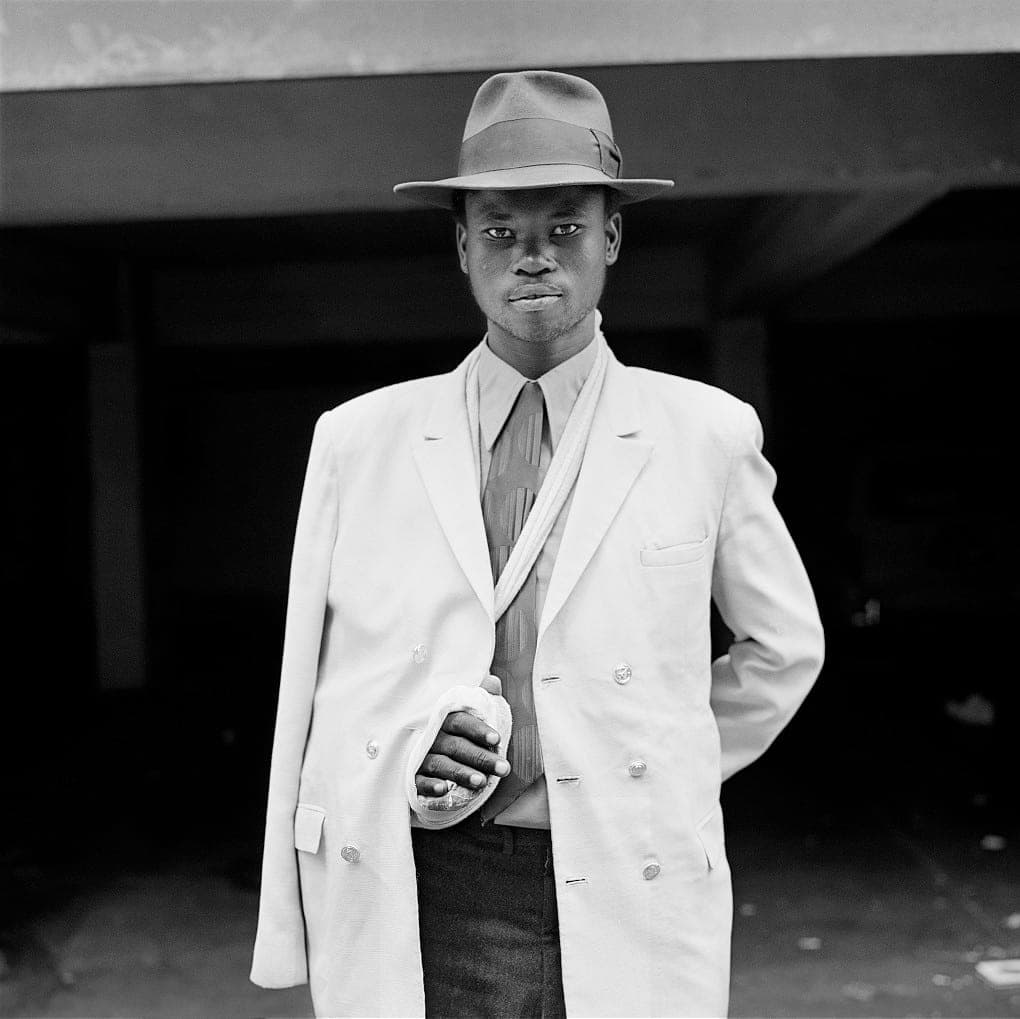
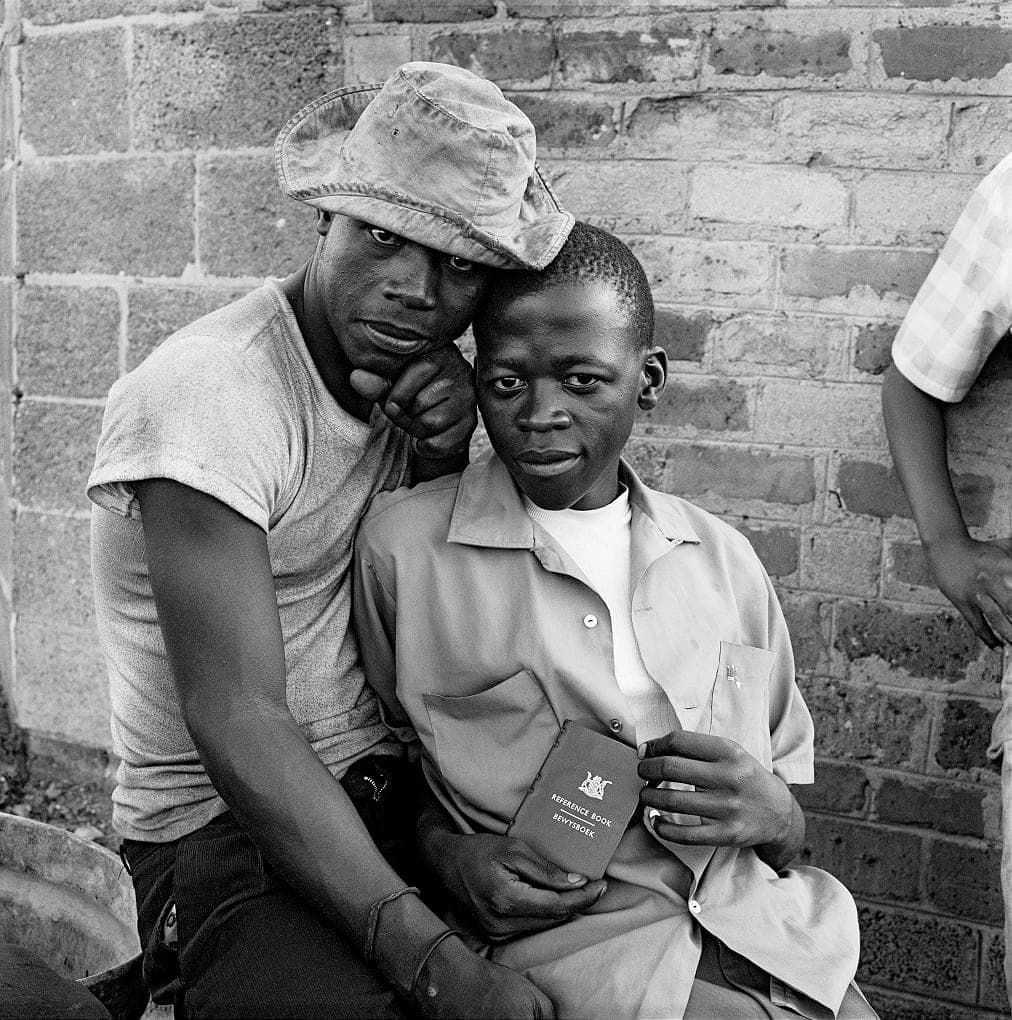
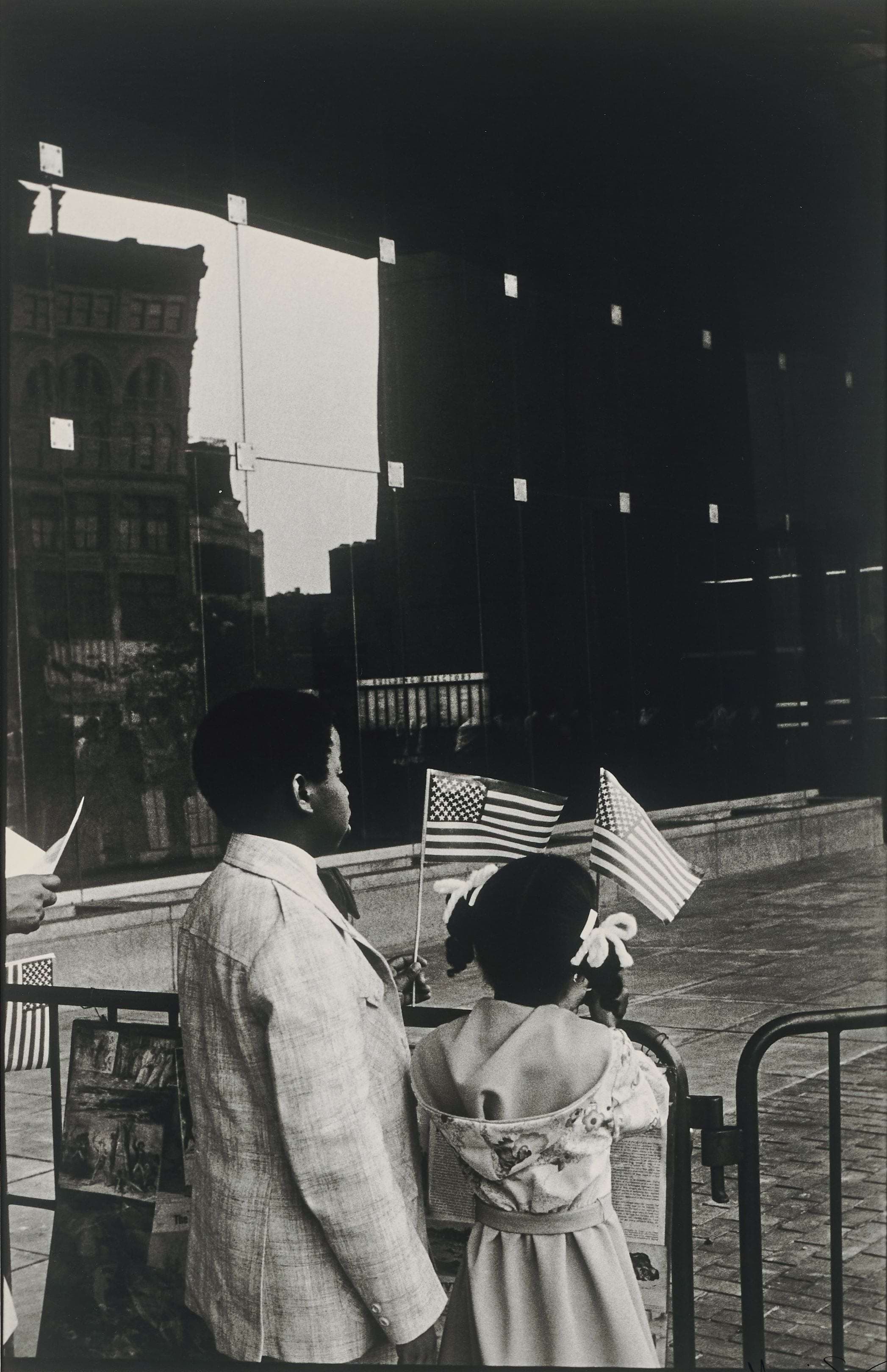
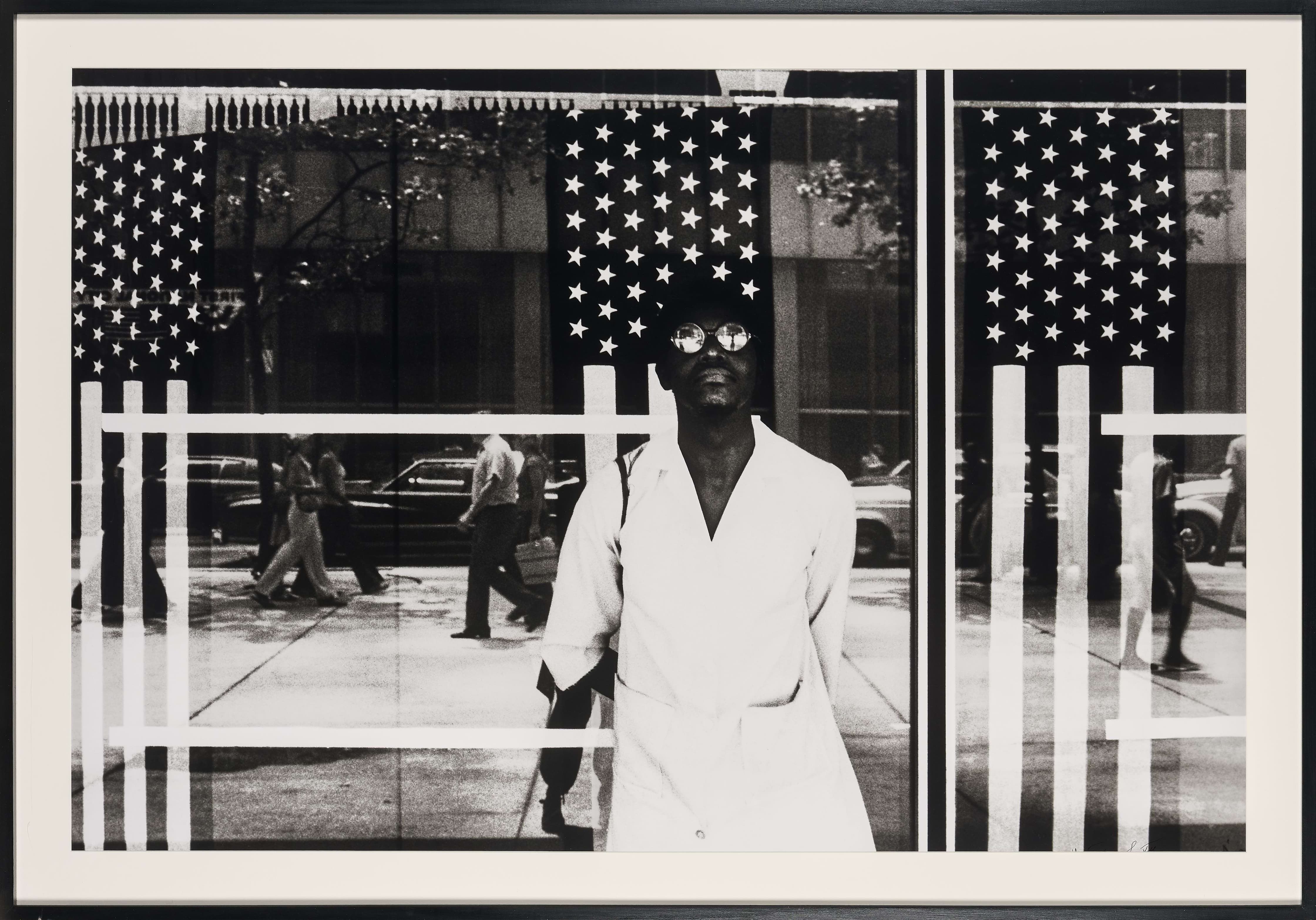
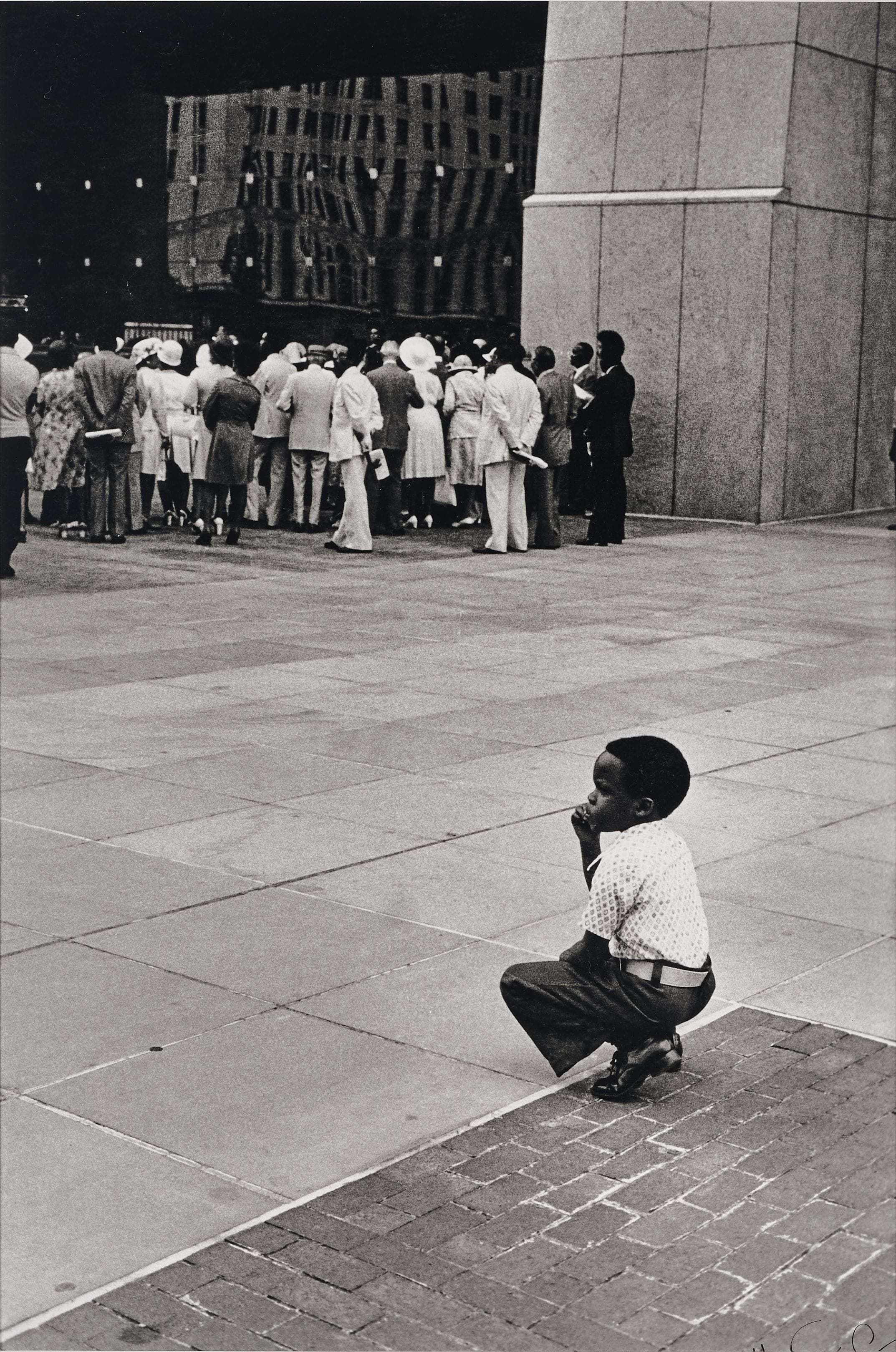
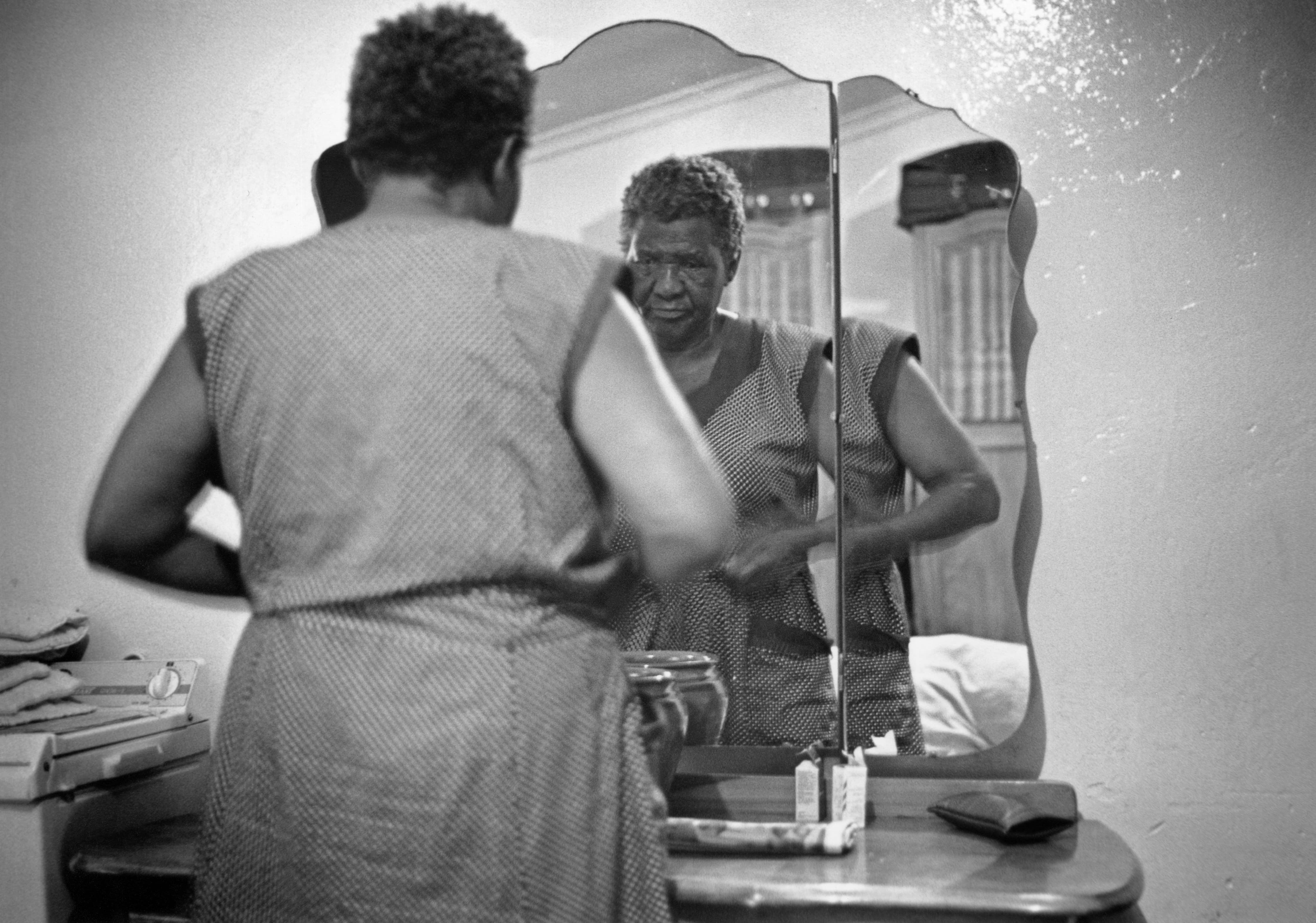
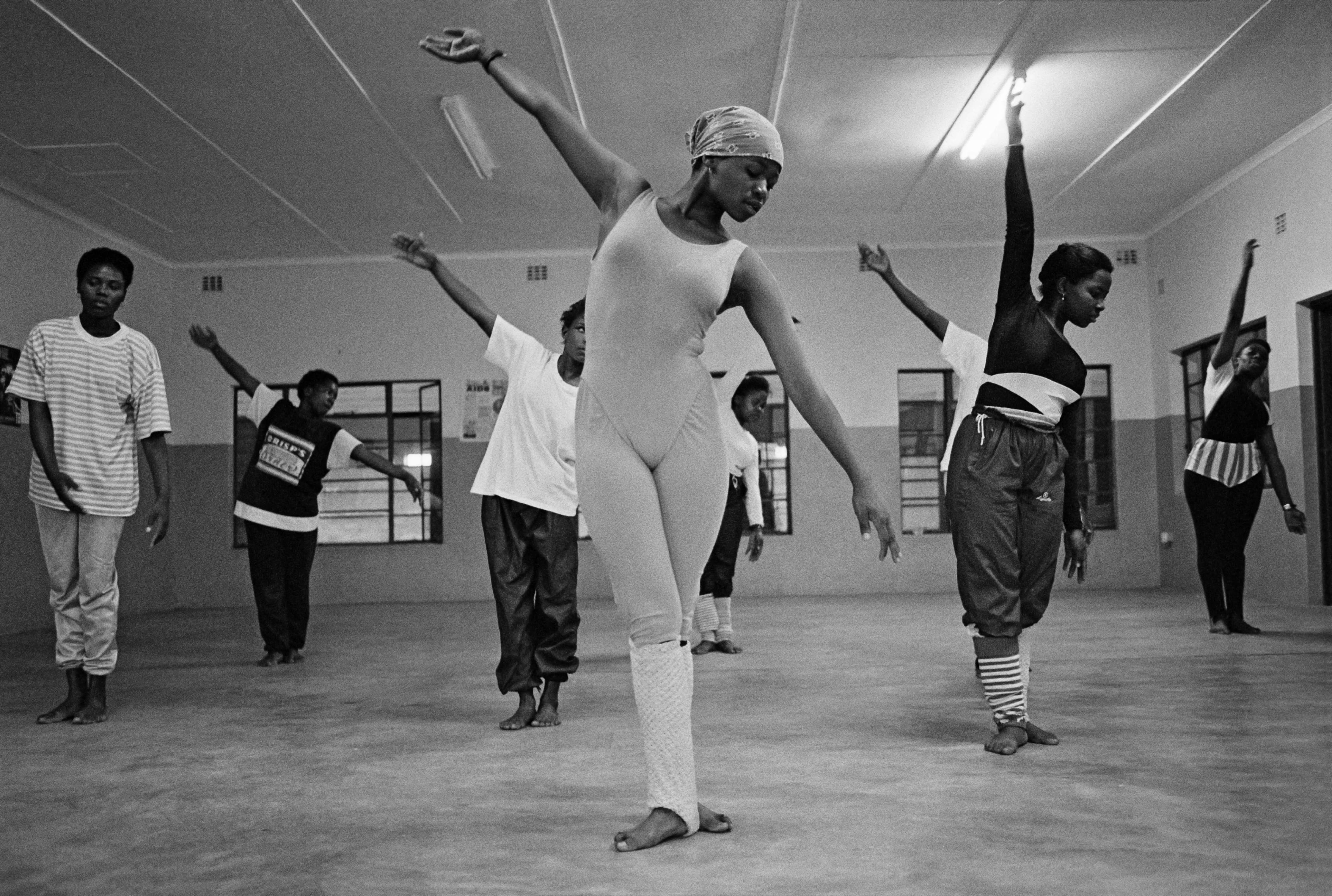
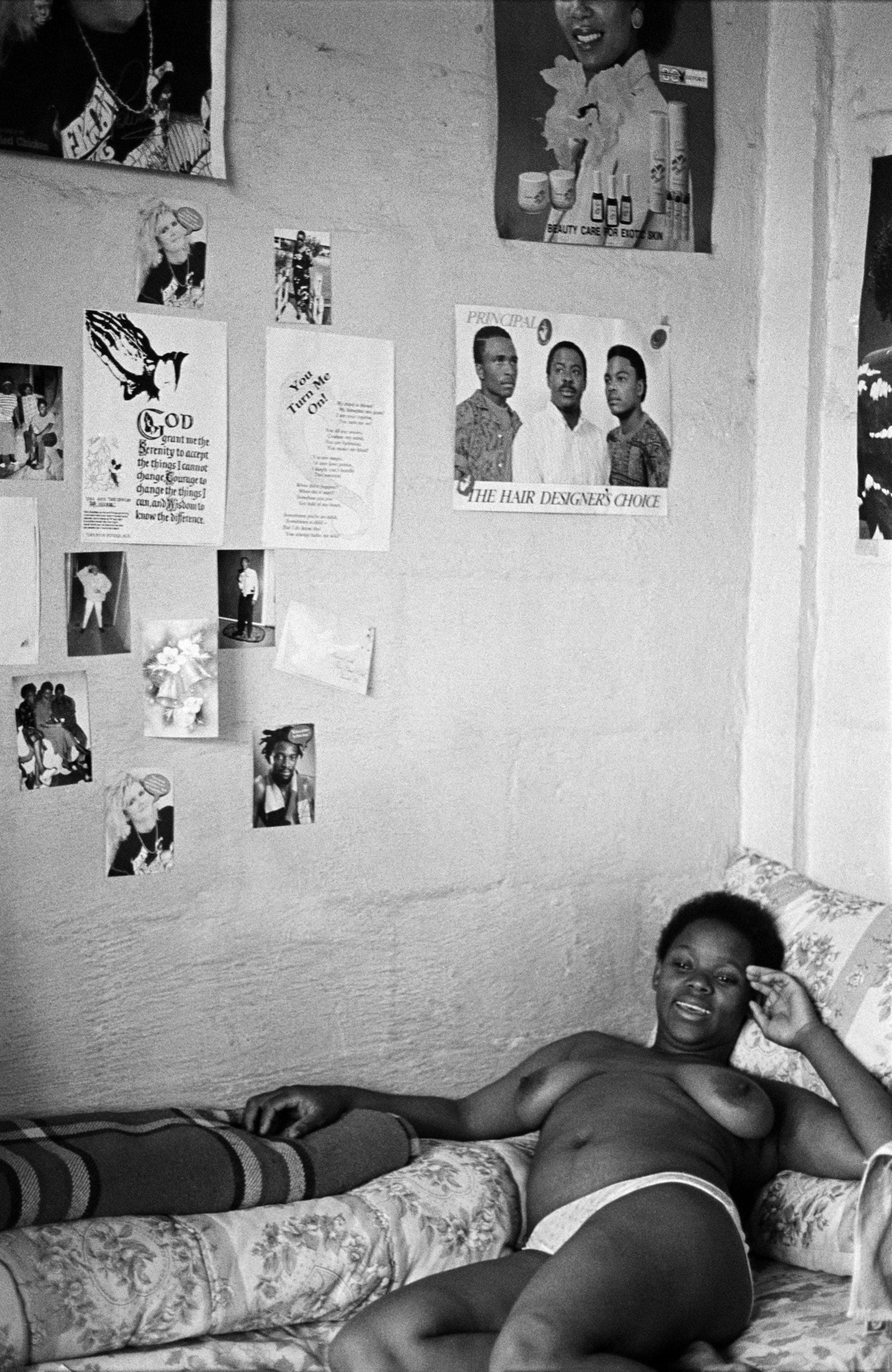
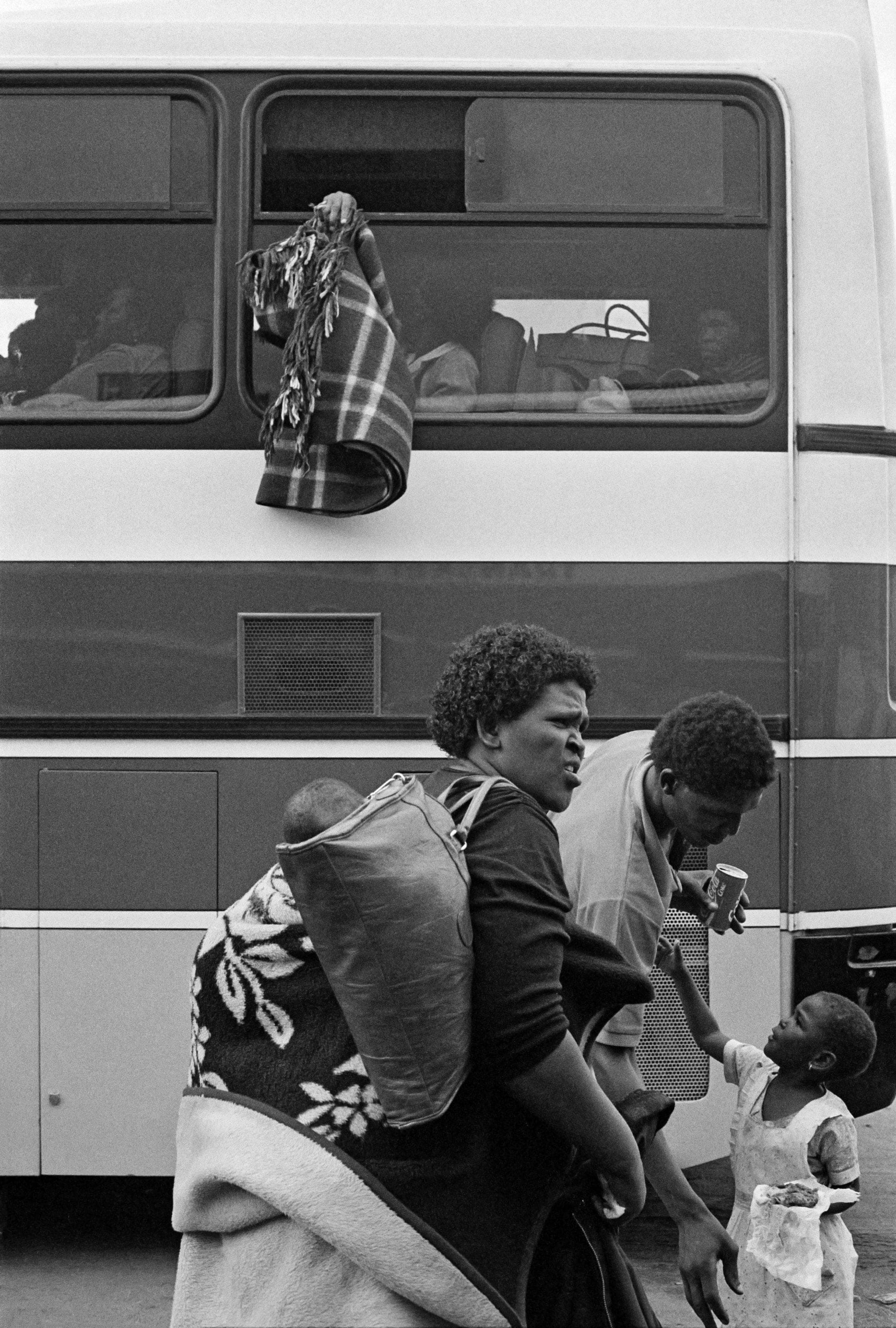
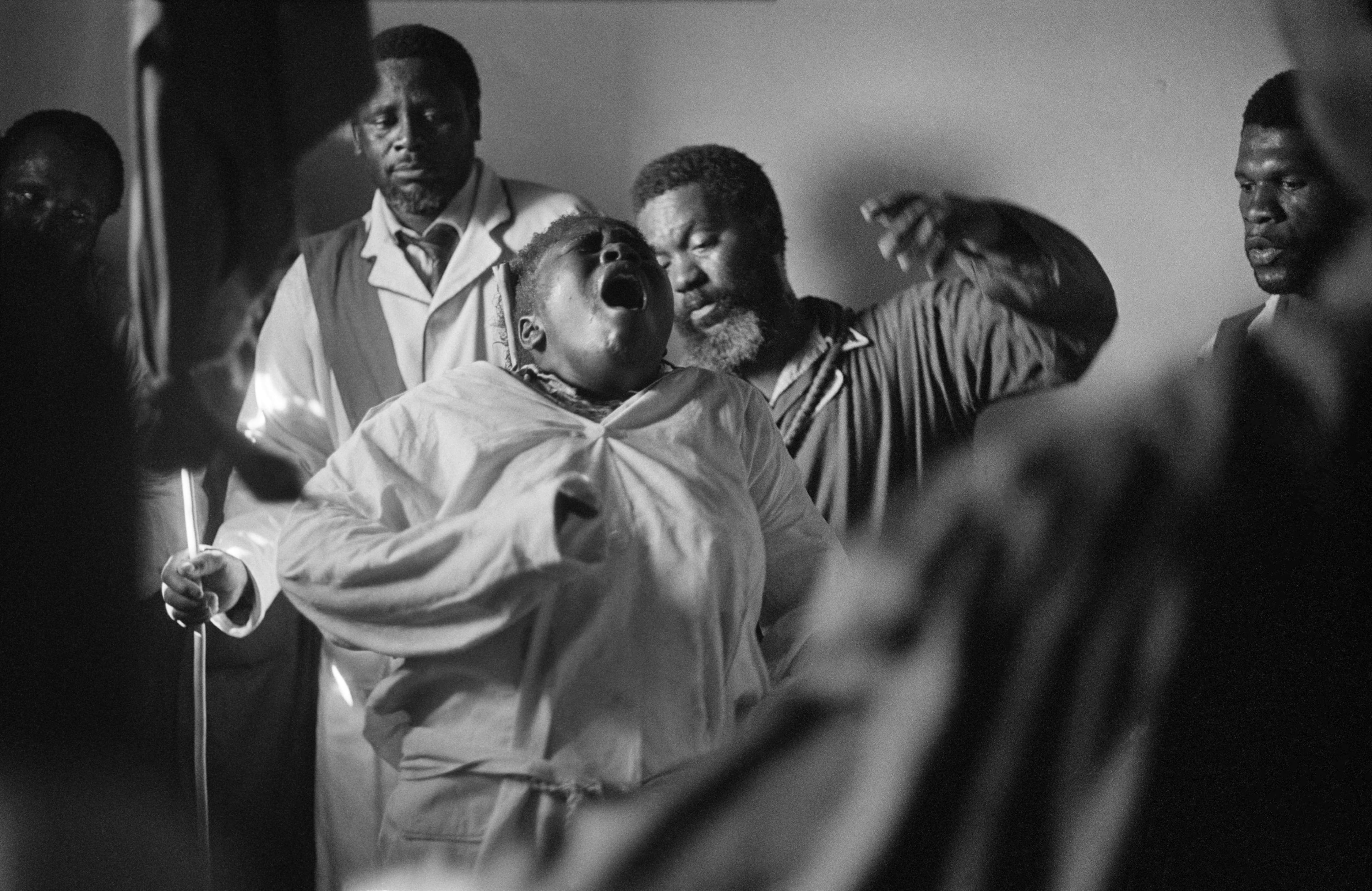
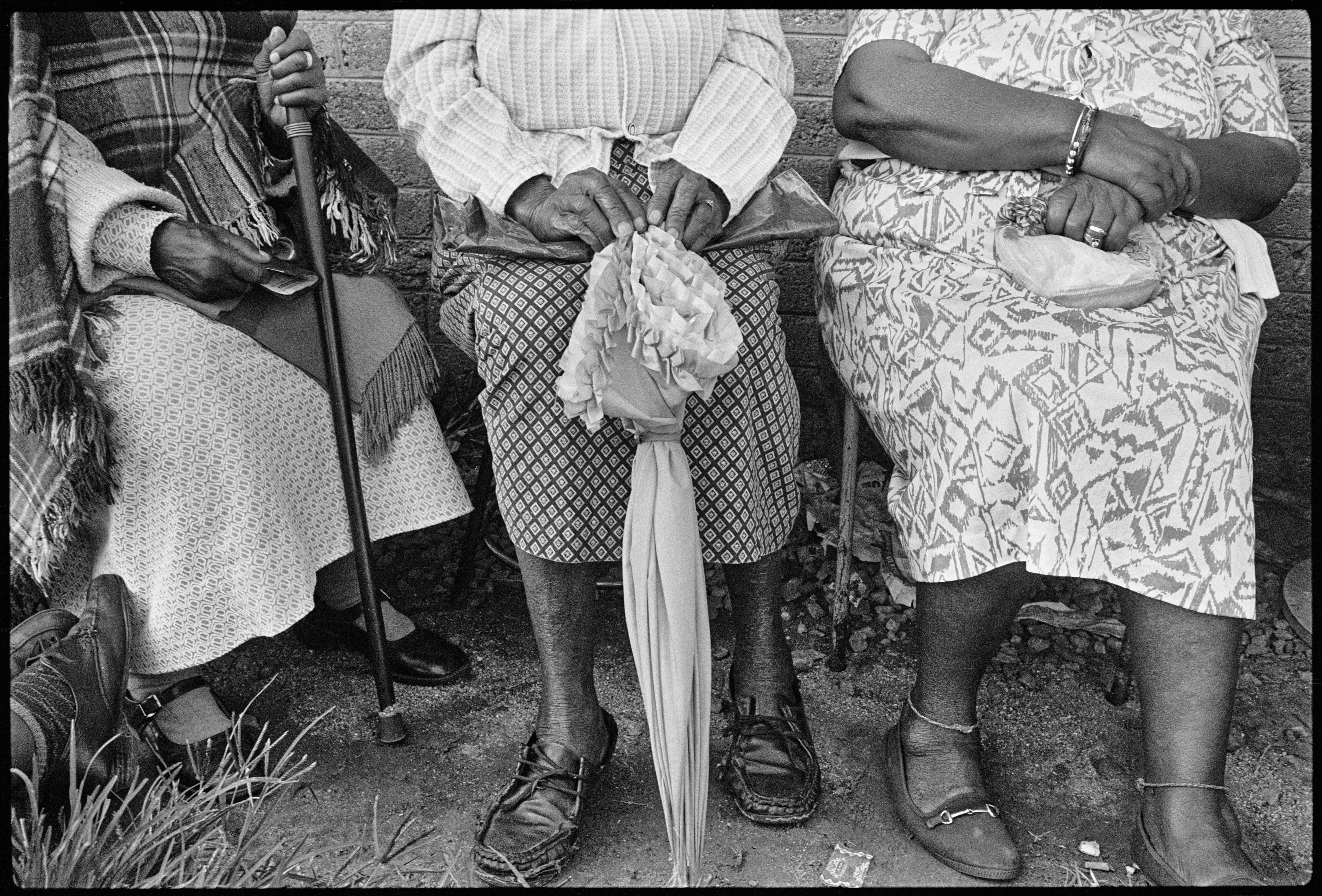
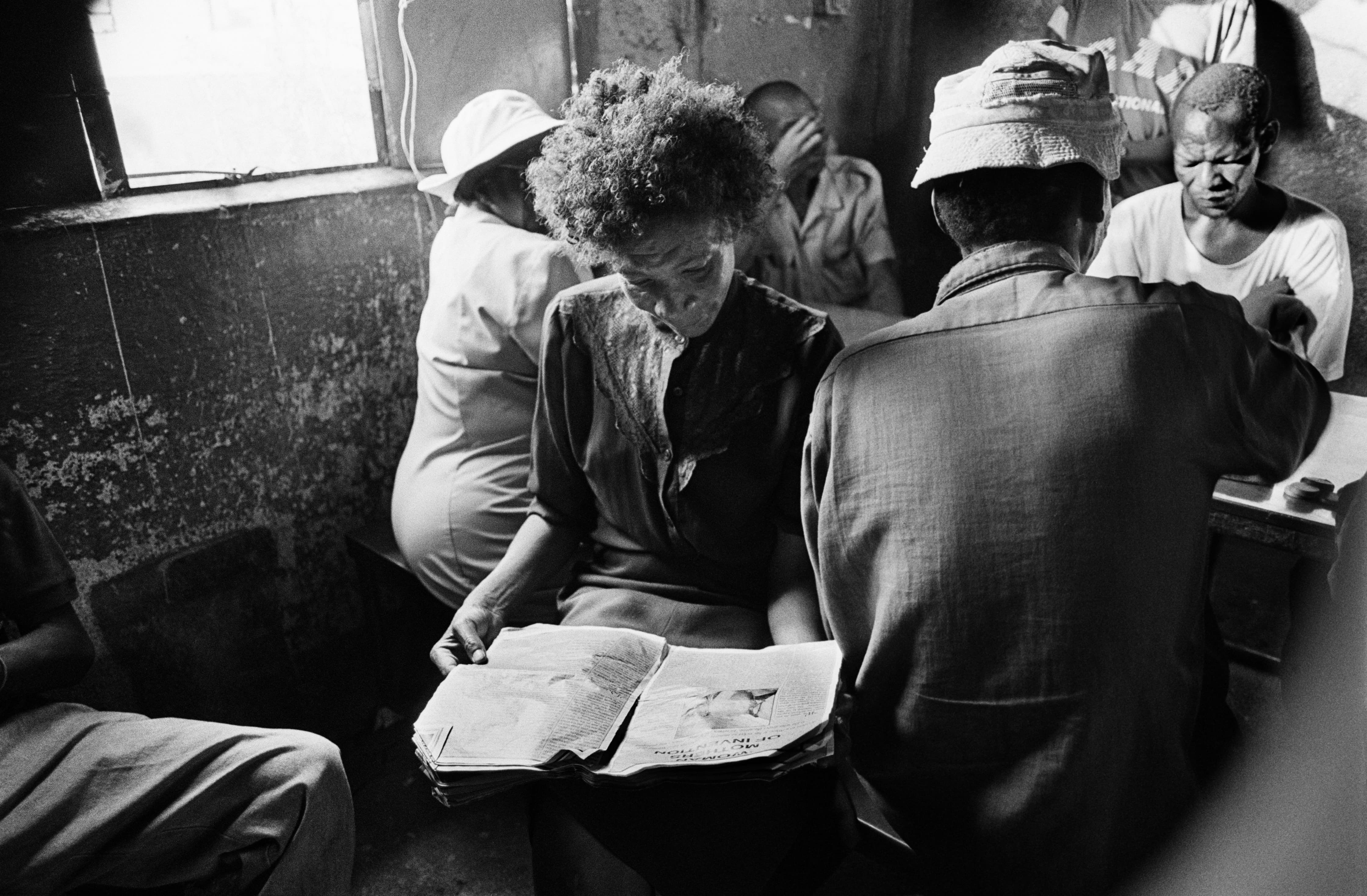
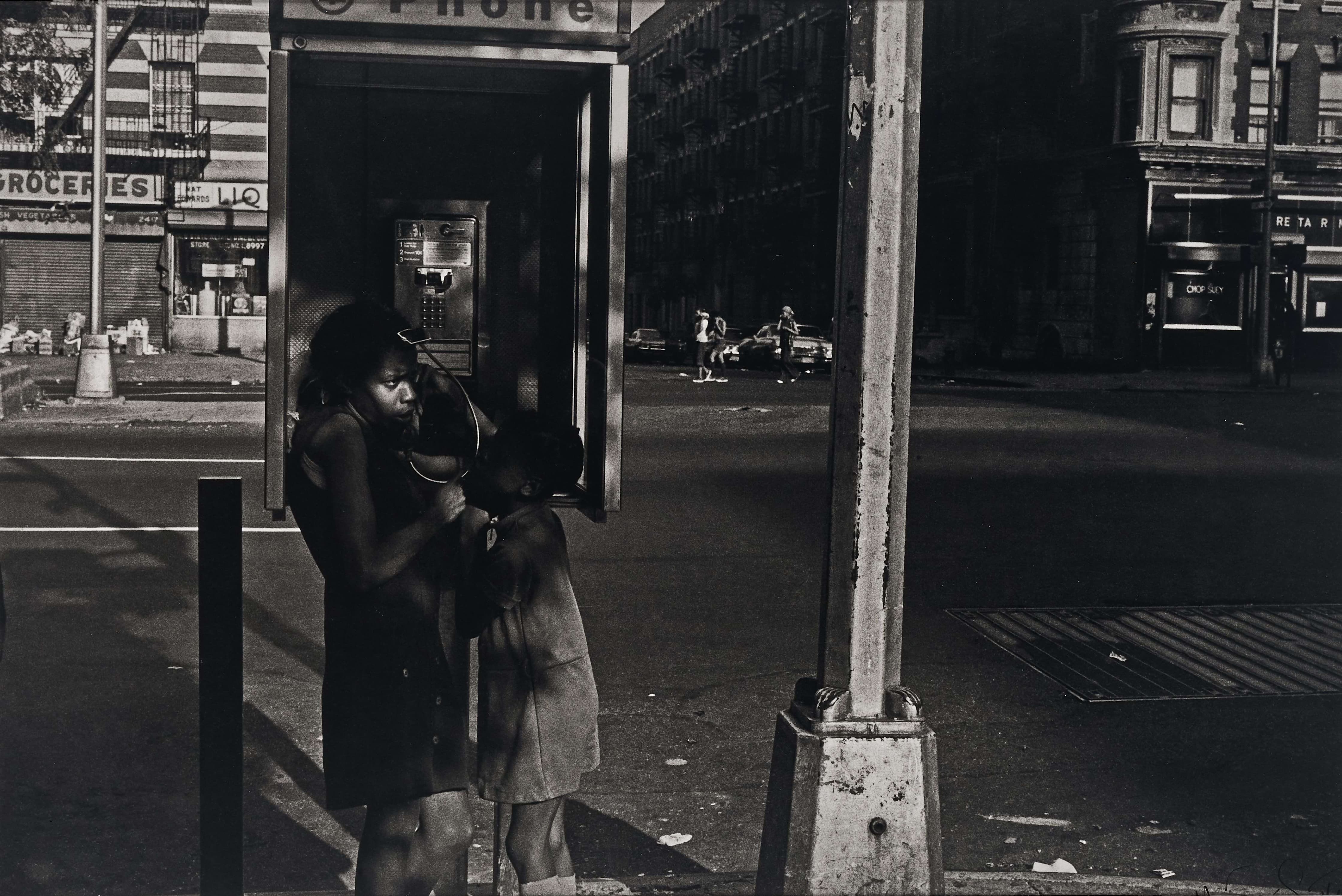
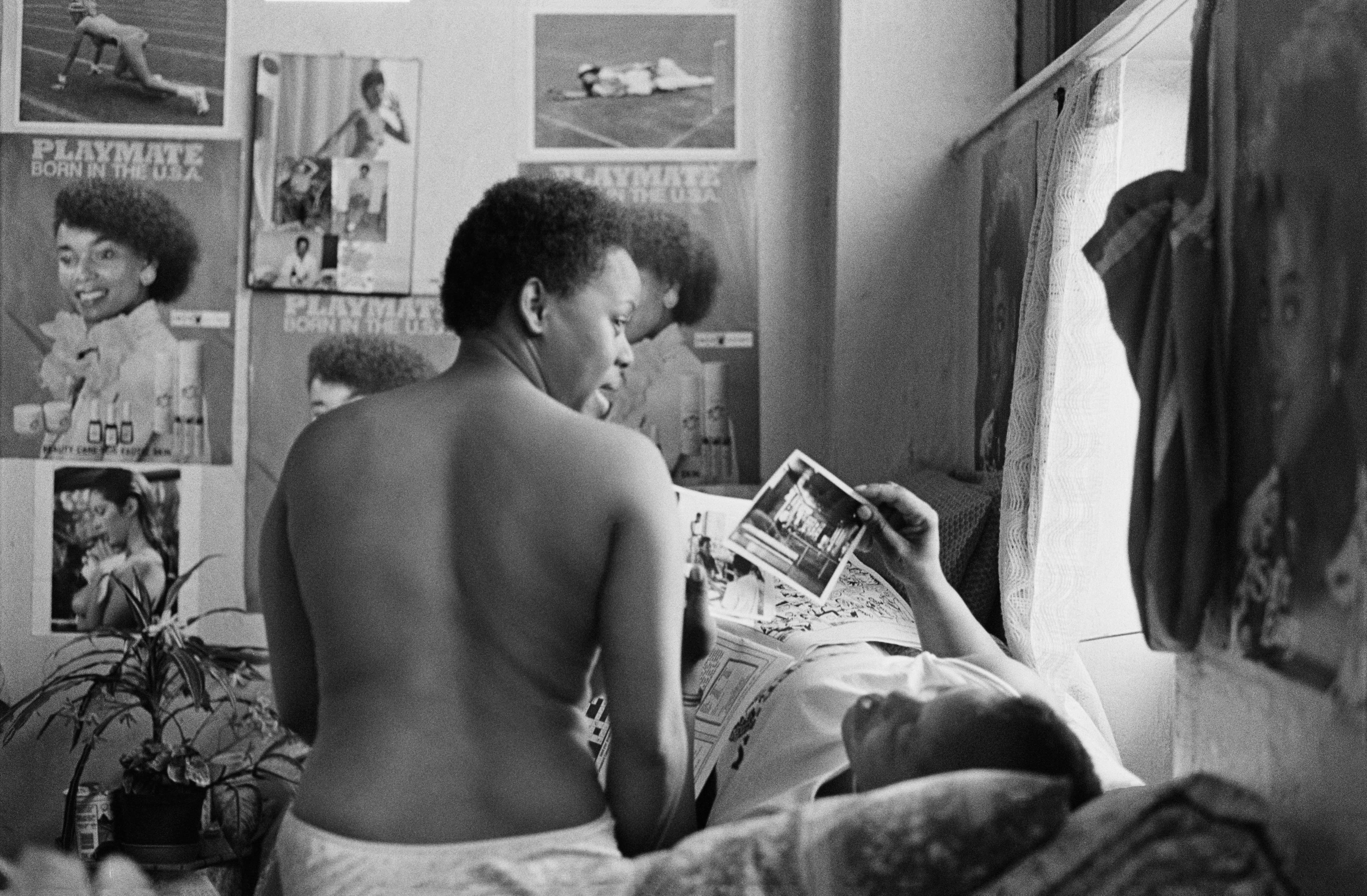
Ernest Cole was one of South Africa’s first black photojournalists. Largely self-taught, Cole trained himself to raise the camera to his eye and swiftly shoot photographs before concealing the apparatus under his clothing. He was even known on occasion to conceal his camera within
a punctured brown paper lunch bag or hollowed-out loaf of bread. Using these techniques, Cole was able to capture images in environments like mines and hospitals, where such photography was forbidden.
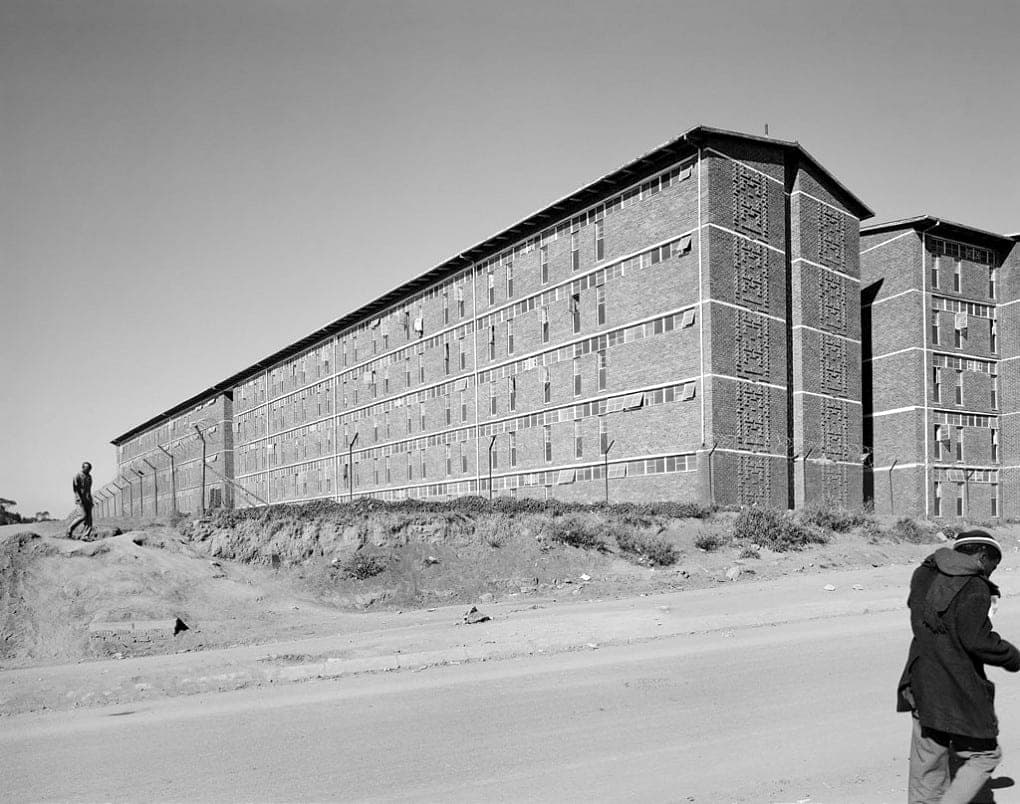
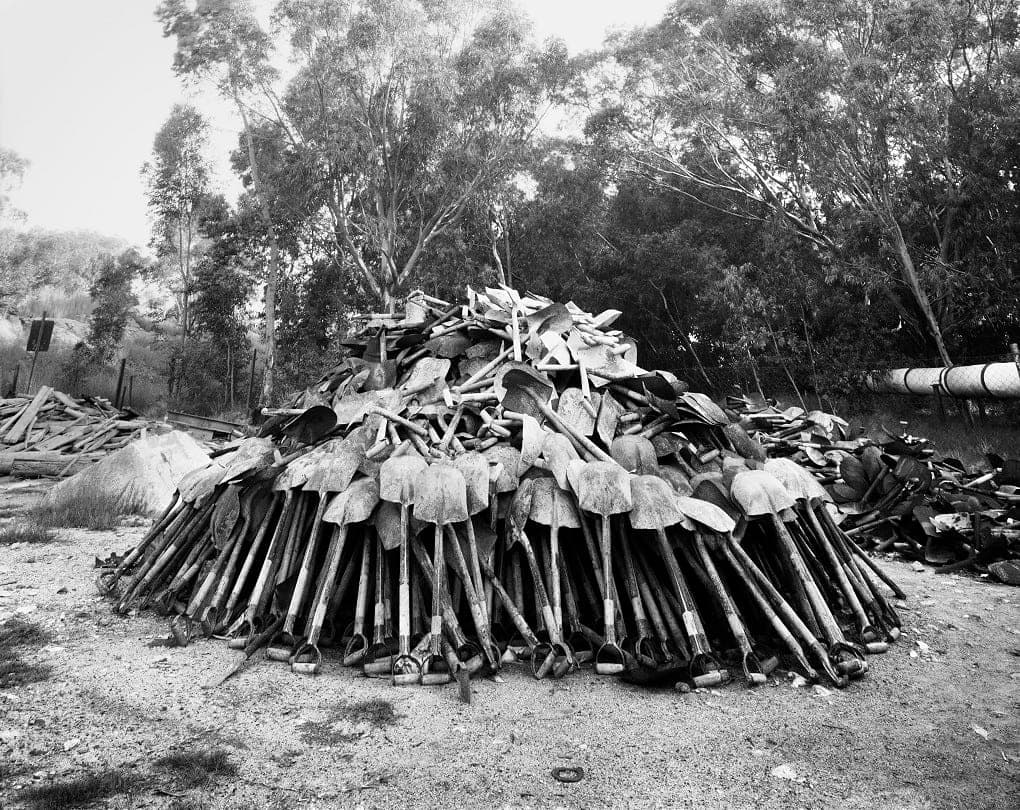
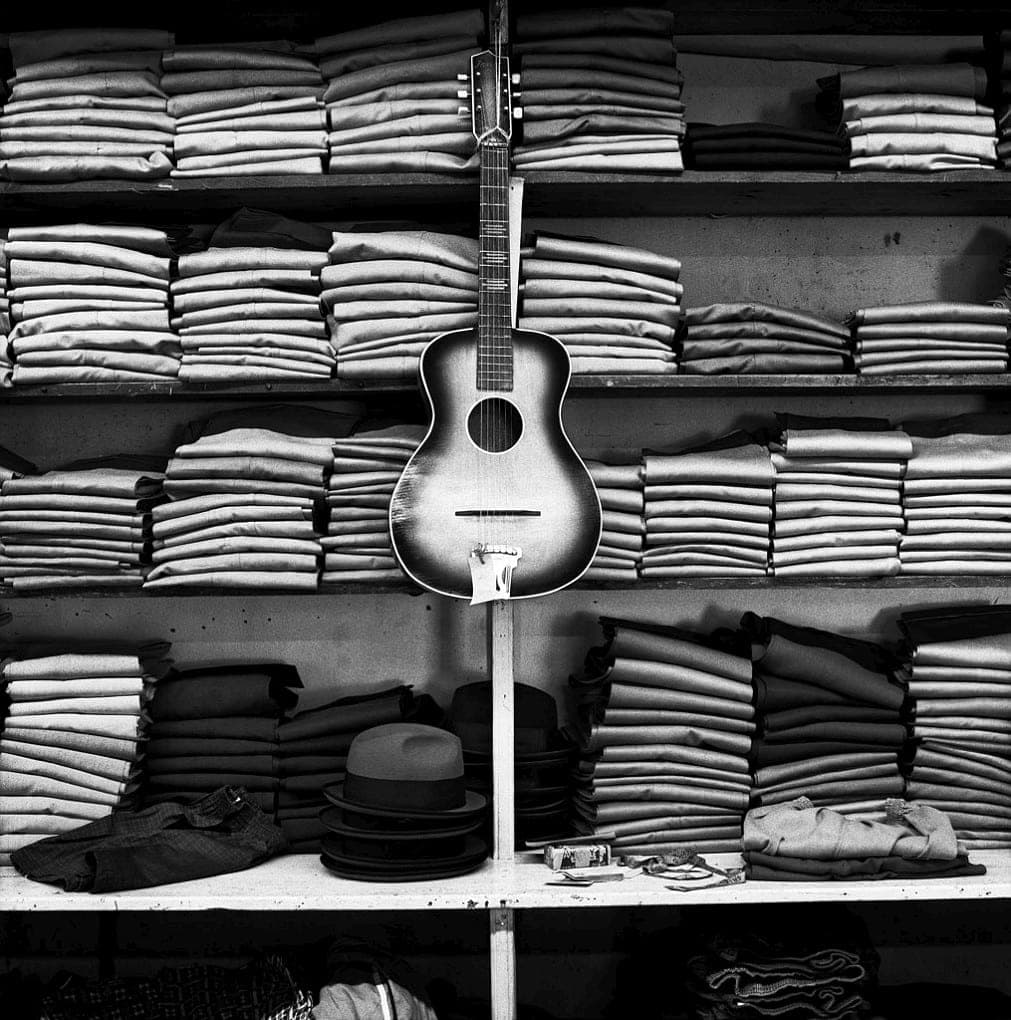
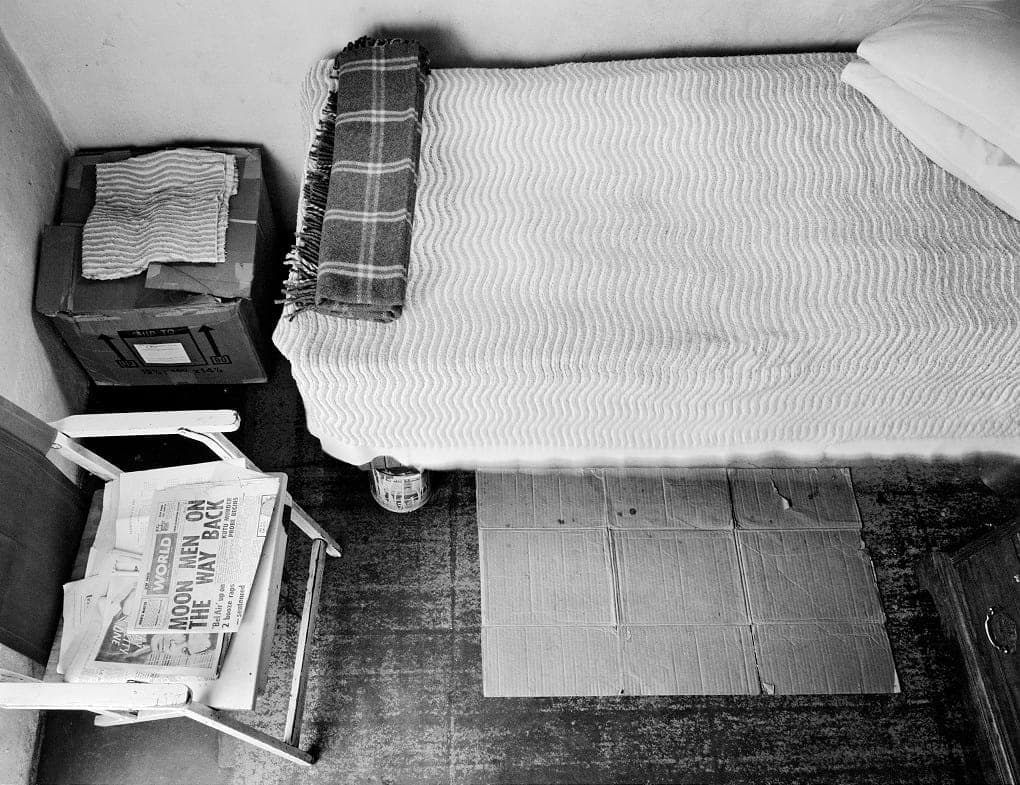
Cole’s extensive work is published in the book; House of Bondage – published in 1967. The book functioned as a documentation of the terrible conditions that many black South Africans had to endure under the apartheid regime and was banned in South Africa as a form of censorship.
In the House of Bondage, Cole writes; "Three-hundred years of white supremacy in South Africa has placed us in bondage, stripped us of our dignity, robbed us of our self-esteem and surrounded us with hate."
Ernest Cole was one of South Africa’s first black photojournalists. Largely self-taught, Cole trained himself to raise the camera to his eye and swiftly shoot photographs before concealing the apparatus under his clothing. He was even known on occasion to conceal his camera within
a punctured brown paper lunch bag or hollowed-out loaf of bread. Using these techniques, Cole was able to capture images in environments like mines and hospitals, where such photography was forbidden.
Cole’s extensive work is published in the book; House of Bondage – published in 1967. The book functioned as a documentation of the terrible conditions that many black South Africans had to endure under the apartheid regime and was banned in South Africa as a form of censorship.
In the House of Bondage, Cole writes; "Three-hundred years of white supremacy in South Africa has placed us in bondage, stripped us of our dignity, robbed us of our self-esteem and surrounded us with hate."
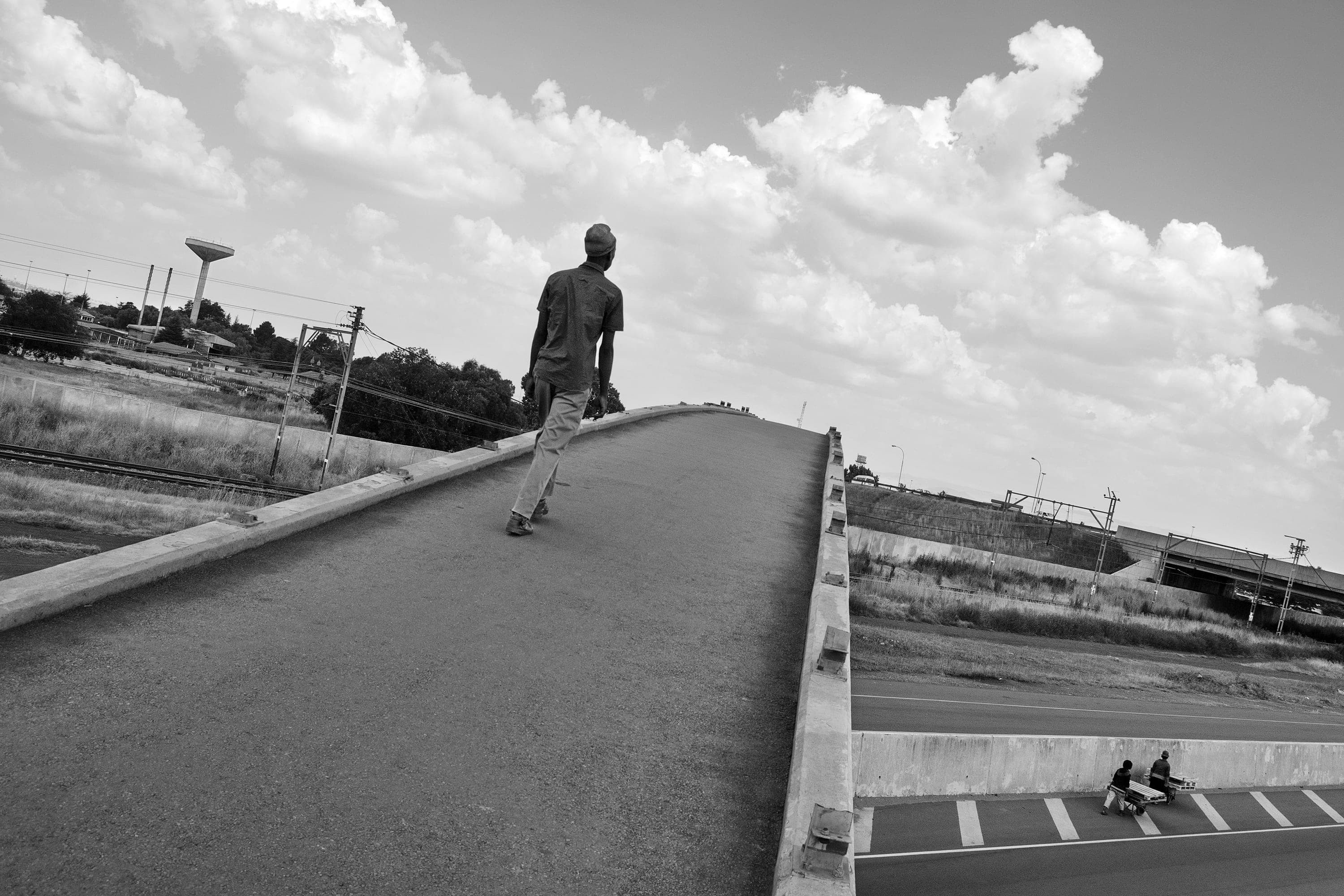
Lindokuhle Sobekwa (b. 1995, Katlehong, South Africa) is from a generation of South African photographers born after the first democratic elections of 1994. Sobekwa was recently announced as the 2023 FNB Art Prize winner, the first documentary photographer to win this prize.
Through his participation in the Of Soul and Joy photography education programme in Thokoza in 2012, he realised that the medium of photography could be an essential tool for documenting social life
Sobekwa exhibited for the first time in 2013 as part of a group show in Thokoza organised by the Rubis Mécénat foundation. His photo essay Nyaope (2014) was published in the Mail & Guardian (South Africa), in Vice magazine’s annual Photo Issue and in the daily De Standaard (Belgium). In 2015, Sobekwa was awarded a scholarship to study at the Market Photo Workshop. That same year his series Nyaope was exhibited in another group show, Free From My Happiness, organised by Rubis Mécénat for the International Photo Festival of Ghent (Belgium). The exhibition toured additional sites in Belgium and South Africa.
In 2021 Sobekwa completed a residency at A4 Foundation in Cape Town, culminating in a two-person exhibition with Mikhael Subotzky titled Tell It to the Mountains. Sobekwa opened his first museum show in 2022 at Huis Marseille (Netherlands), featuring the body of work Umkhondo. Tracing Memory as part of the summer programme The beauty of the world so heavy. His hand-made photobook, I carry Her photo with Me, was included in African Cosmologies at the FotoFest Biennial Houston (2020), curated by Mark Sealy.
Sobekwa’s work was shown at Goodman Gallery in March as part of the photography show Against the Grain, alongside Ernest Cole, David Goldblatt, Ruth Motau and Ming Smith. He was named an official member of Magnum Photos in 2022 and gave a lecture about his practice at TATE Modern earlier this year as part of his John Kobal Foundation Fellowship.
Lindokuhle Sobekwa (b. 1995, Katlehong, South Africa) is from a generation of South African photographers born after the first democratic elections of 1994. Sobekwa was recently announced as the 2023 FNB Art Prize winner, the first documentary photographer to win this prize.
Through his participation in the Of Soul and Joy photography education programme in Thokoza in 2012, he realised that the medium of photography could be an essential tool for documenting social life
Sobekwa exhibited for the first time in 2013 as part of a group show in Thokoza organised by the Rubis Mécénat foundation. His photo essay Nyaope (2014) was published in the Mail & Guardian (South Africa), in Vice magazine’s annual Photo Issue and in the daily De Standaard (Belgium). In 2015, Sobekwa was awarded a scholarship to study at the Market Photo Workshop. That same year his series Nyaope was exhibited in another group show, Free From My Happiness, organised by Rubis Mécénat for the International Photo Festival of Ghent (Belgium). The exhibition toured additional sites in Belgium and South Africa.
In 2021 Sobekwa completed a residency at A4 Foundation in Cape Town, culminating in a two-person exhibition with Mikhael Subotzky titled Tell It to the Mountains. Sobekwa opened his first museum show in 2022 at Huis Marseille (Netherlands), featuring the body of work Umkhondo. Tracing Memory as part of the summer programme The beauty of the world so heavy. His hand-made photobook, I carry Her photo with Me, was included in African Cosmologies at the FotoFest Biennial Houston (2020), curated by Mark Sealy.
Sobekwa’s work was shown at Goodman Gallery in March as part of the photography show Against the Grain, alongside Ernest Cole, David Goldblatt, Ruth Motau and Ming Smith. He was named an official member of Magnum Photos in 2022 and gave a lecture about his practice at TATE Modern earlier this year as part of his John Kobal Foundation Fellowship.
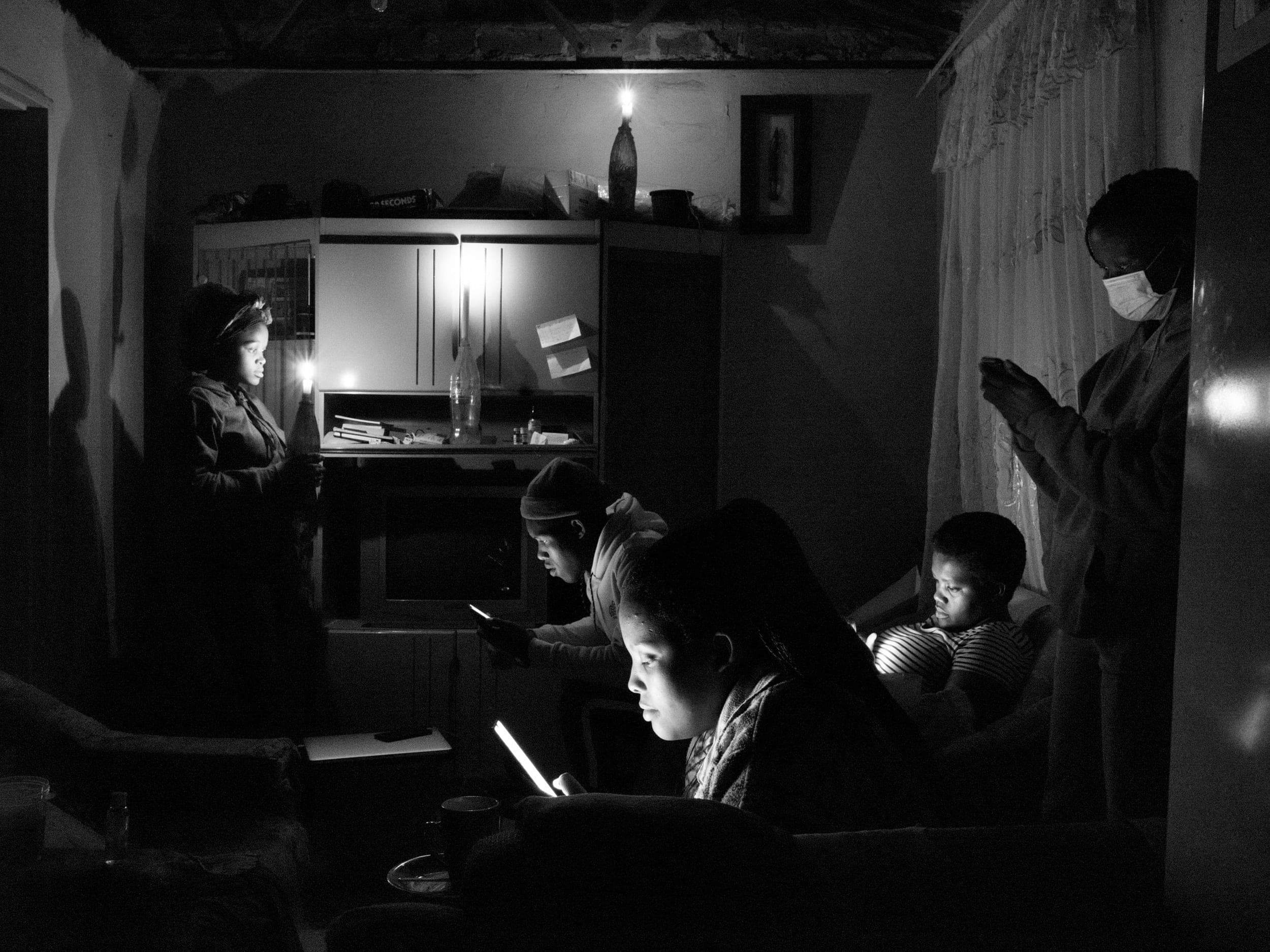
Lockdown 2020
My family and I live in a squatter camp, where small shacks are crowded into one small area.There is not enough space to move, let alone to social distance. Water is from shared taps and this is a real problem. We do not have enough taps for everyone. Washing hands regularly is a challenge. People work very hard to get electricity. Recently there was a protest over service delivery and large rocks were thrown onto the main road and it was forced to close to traffic. The people who live in the squatter camps are facing serious difficulties with accessing electricity and they are resorting to connecting illegally. They can only connect at night because during the day the police will arrest them if they get caught.
The lockdown has been a very difficult process for many of the families in my community, both for those who are unemployed, and also those who are employed, because when the lockdown was extended some people got letters of retrenchment. The people who hustle by selling in the streets have been stopped because of Covid-19 restrictions. There is a manufacturing company called Brit that used to produce bricks in my community. The factory closed a few years ago and people have recently started going to this place to collect bricks, either to reuse them or to resell them as a means to put food on the table. Most of the people that live here work in a local industrial area called Alrode. Almost all of the manufacturing companies in that area had to close
due to Covid-19 lockdown restrictions. Other people work in retail shops; many of these shops don’t sell essential goods so most of these people are stuck home with no source of income.
Electricity continues to be a problem, something that keeps taking people a step back from any progress they might make. The biggest downfall of this on and off electricity is that people have to throw food away because of spoilage as their fridge has been off for five days or more. People who were retrenched from their work are all looking forward to receiving food parcels that have been promised.
Despite this, much of life still carries on as normal. Not everyone can afford a mask or hand sanitizer. Those who do own masks reuse them multiple times because they don’t have money to buy more. Proper sanitation continues to be a big issue. In my community, we still use a bucket system for the latrines. Every Friday the sanitation
Ezilalini (The country)
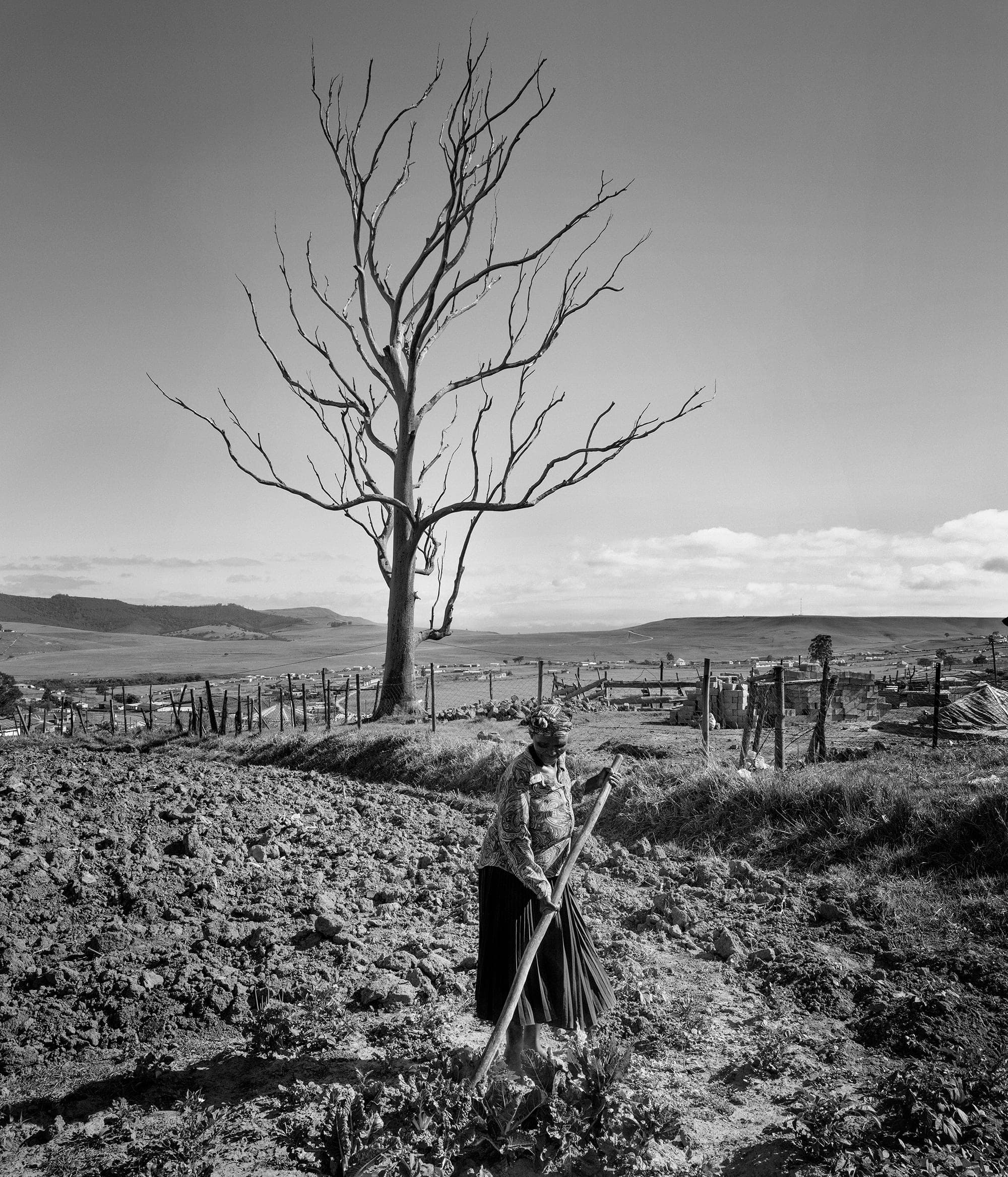
This story was motivated by an earlier project, 'I carry Her photo with Me', which is about the disappearance of my sister Ziyanda. As part of the project, I traced her foot- prints back to the Eastern Cape, exploring her earlier life in Tsomo and the surrounding area. This provided the opportunity to reconnect with my family, identity, and culture, engaging parts of myself and my history that I had not considered before, or perhaps had avoided thinking about. As I worked on the story about Ziyanda, I realized Tsomo has deep meaning to my family but also discovered the same for me personally.
This project is an exploration of a place I am deeply connected to but feel like I know very little about. It is a strange place for me and at times I feel like an outsider because of family dynamics and Ziyanda’s fraught history. Sometimes it’s like I’m digging a hole I’m afraid to look into. My family considers the Eastern Cape our ancestral home, but many of us live in urban centres.
My grandmother, who still lives in Tsomo, curses Johannesburg as a place that has swallowed her children. The need to make a living in the city has created deep fragmentation in families and communities across South Africa. This divide between rural and urban is linked to Apartheid-era spatial planning laws and has resulted in severe economic inequality, but has also caused fragmentation of identity. As a result many people living in cities do not consider those places “home”. Johannesburg, for example, is seen as a place of opportunity, a place where you can get a job or make your dreams come true. “Home” refers to the countryside. It is a place where your elders live; a spiritual place where you can always connect with your ancestors. It’s a holy land to some, a place where they can rejuvenate and restart.
This project explores the multiplicity of place and identity; it reflects on the lingering effects of Apartheid, but also the deep roots and connection I have to Ezilalini, “the country”.
Corner is damaged from being bent
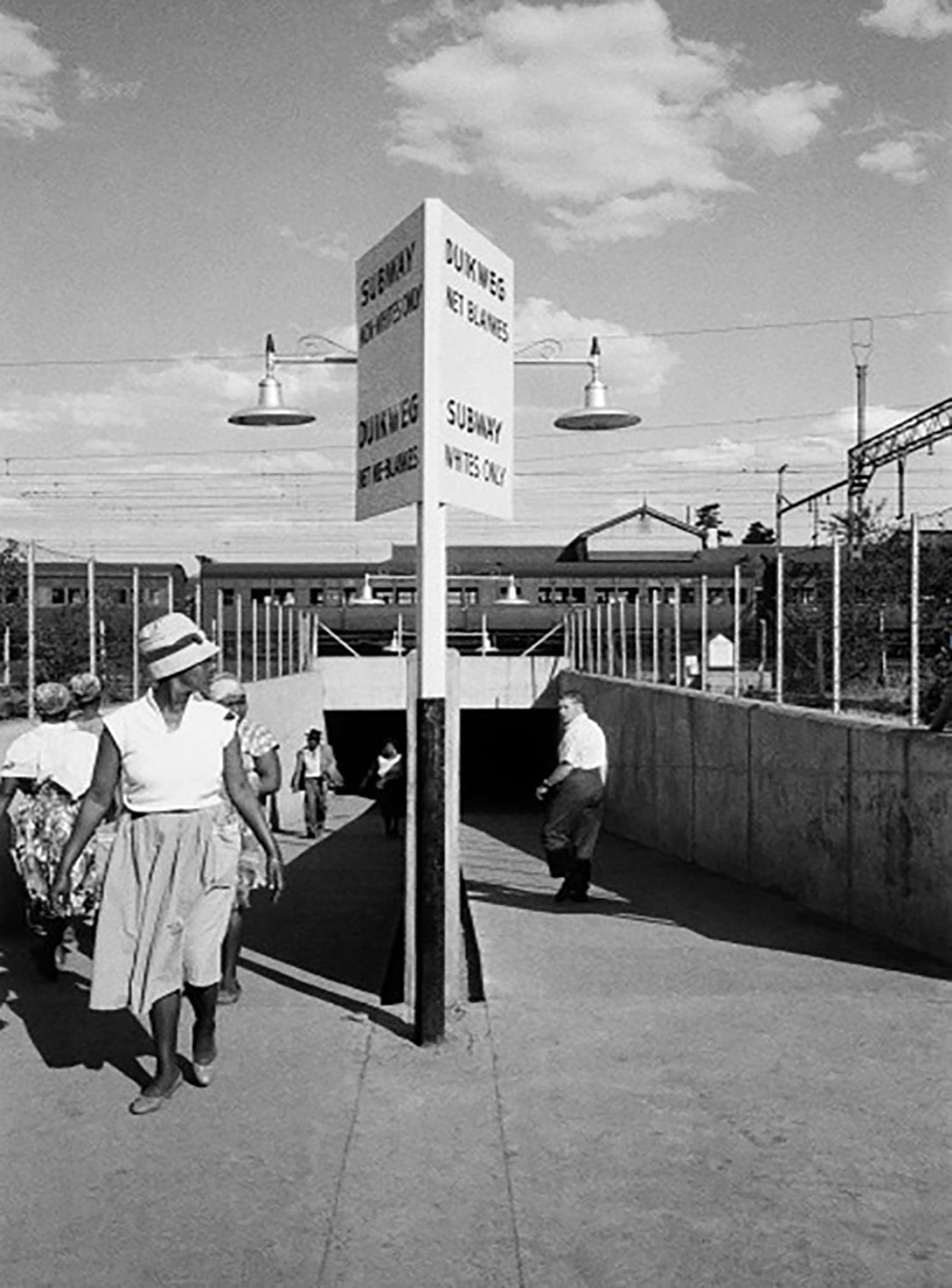
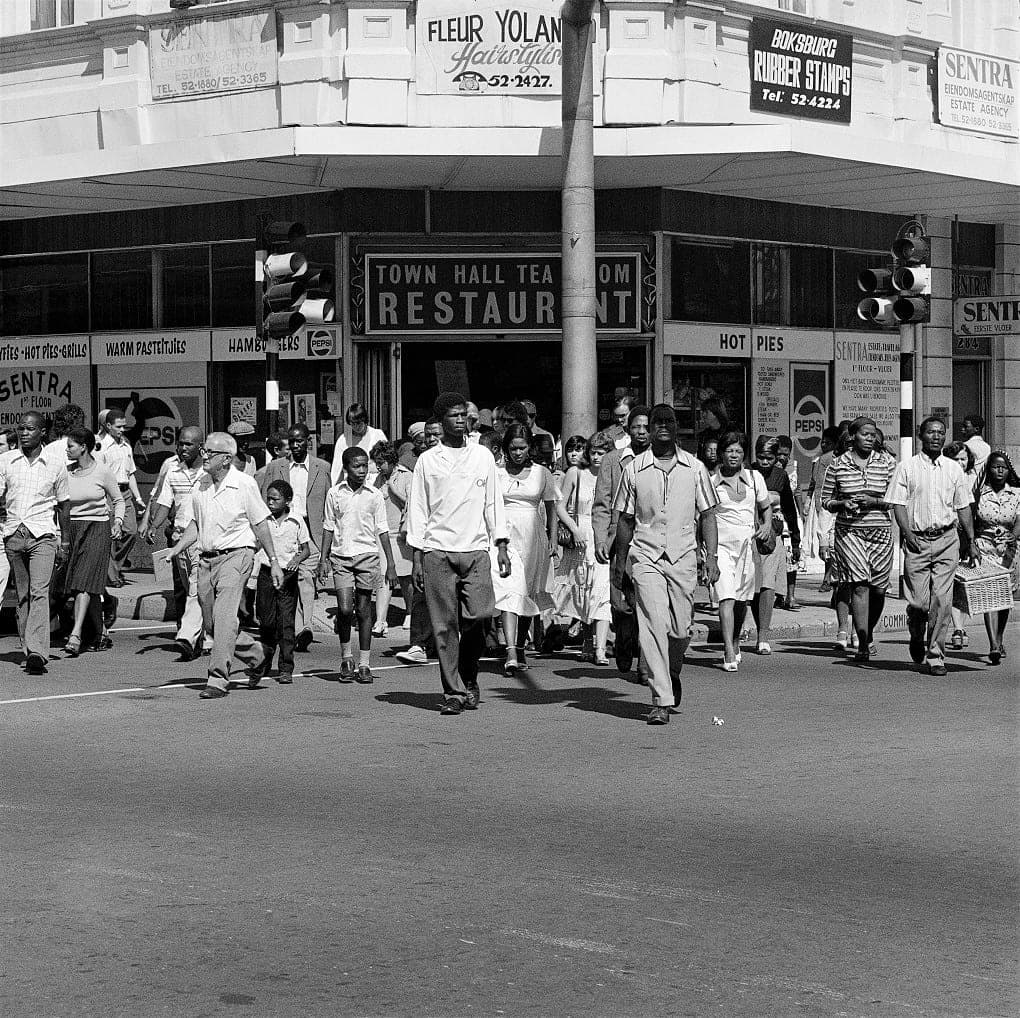
David Goldblatt’s photographic series ‘Boksburg’ was captured between 1979 and1980 in a predominantly white, middle-class suburb east of Johannesburg during apartheid, and forms a critical chapter in his exploration of everyday segregation. Rather than focusing on protest or state violence, Goldblatt turned his lens toward banal suburban scenes that appear innocuous yet are deeply structured by racial hierarchy. The apparent normality of these scenes belies the moral dissonance of lives lived under apartheid, revealing Goldblatt’s conviction that “ordinary, moral, upright” people could nonetheless participate in an extremist and oppressive system .
Throughout ‘Boksburg’, his photographs are composed in a observational style that avoids sensationalism. Each carefully framed image holds subtle contradictions: white respectability and ritual, the marginalised presence of Black domestic workers, the architecture of exclusion embodied in fences and spatial separations. He called his method “a neutral optical effect” intended to hold up a mirror to viewers, compelling them to confront how complicity is embedded in the ordinary. In this way ‘Boksburg’ stands as a probing inquiry into the mechanisms by which segregation was normalised, offering a powerful and haunting portrait of the social and psychological landscapes that sustained apartheid.