Grada
Kilomba
The
Bottom
of
the
Earth

Albuquerque
Foundation
30 May - 26 Sep 2026
Alt

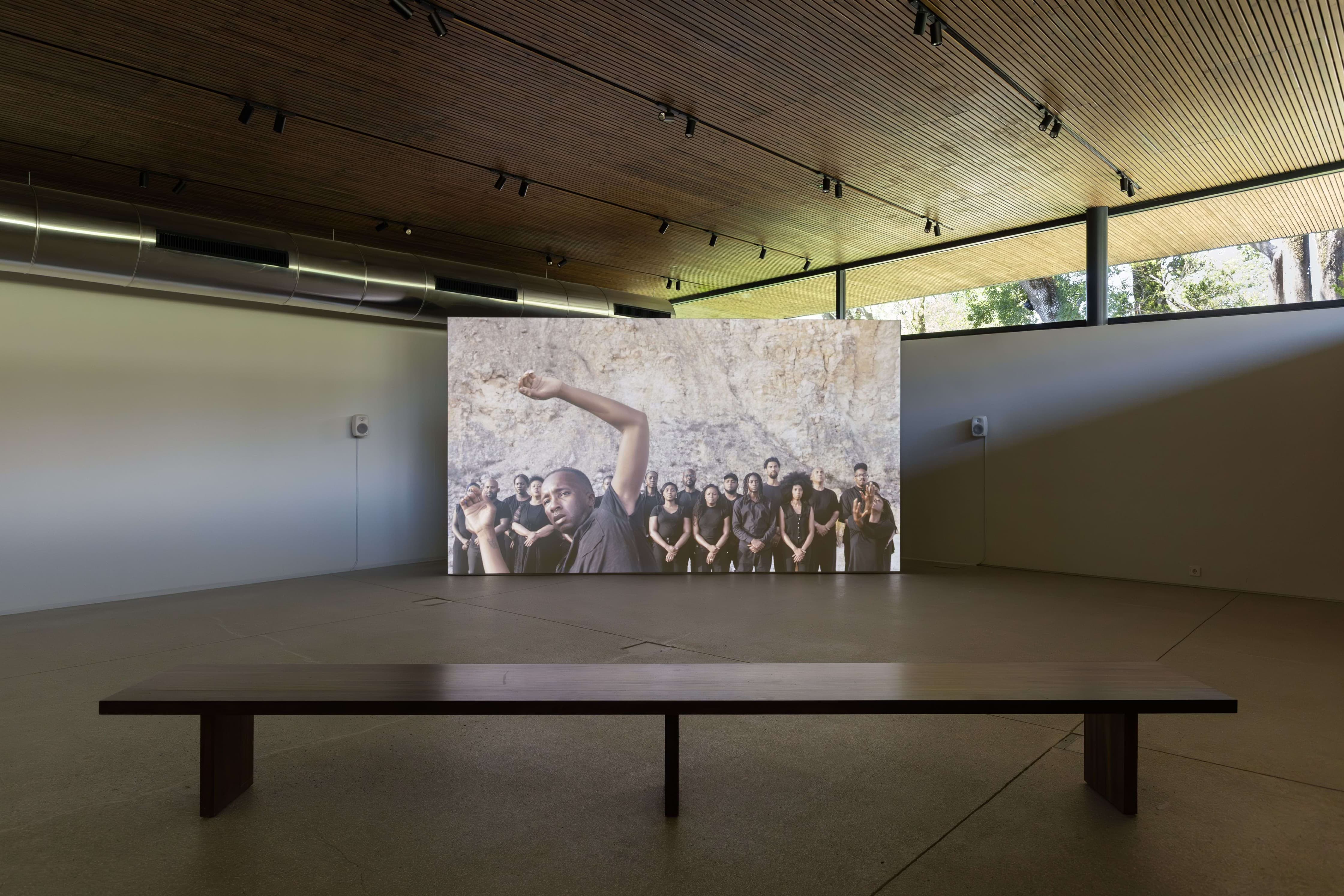
Grada Kilomba, one of the most prominent Portuguese artists of her generation, presents at the Albuquerque Foundationher first major solo exhibition in Portugal in nearly a decade. Recognized for her subversive and unique practice of storytelling, Kilomba gives body, voice, form, and movement to silenced stories. “What stories are told? Where are they told? How are they told? And told by whom?”. The exhibition brings together a significant selection of works, including works never before shown in the country.

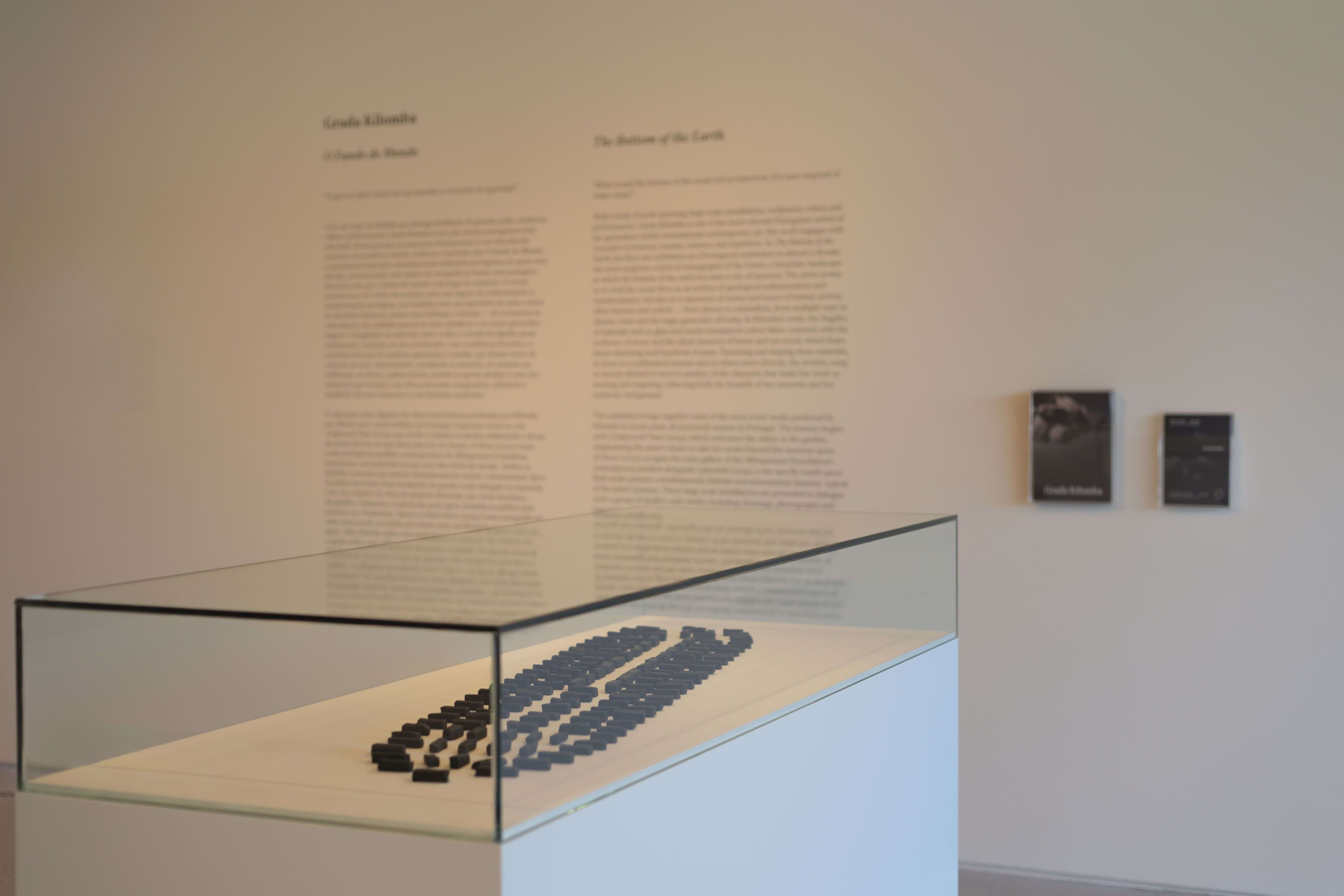
Grada Kilomba, with a body of work spanning large-scale installations, sculptures, video, and performance, approaches the concepts of memory, trauma, violence, and repetition in a striking yet poetic manner. In the exhibition O Fundo do Mundo (The Bottom of the Earth), the artist envisions a scenography of the future, posing a disturbing and urgent philosophical question that weaves through both her works and their material forms: “What would the bottom of the ocean tell us tomorrow, if it were emptied of water today?”

Featured Artworks

Albuquerque Foundation

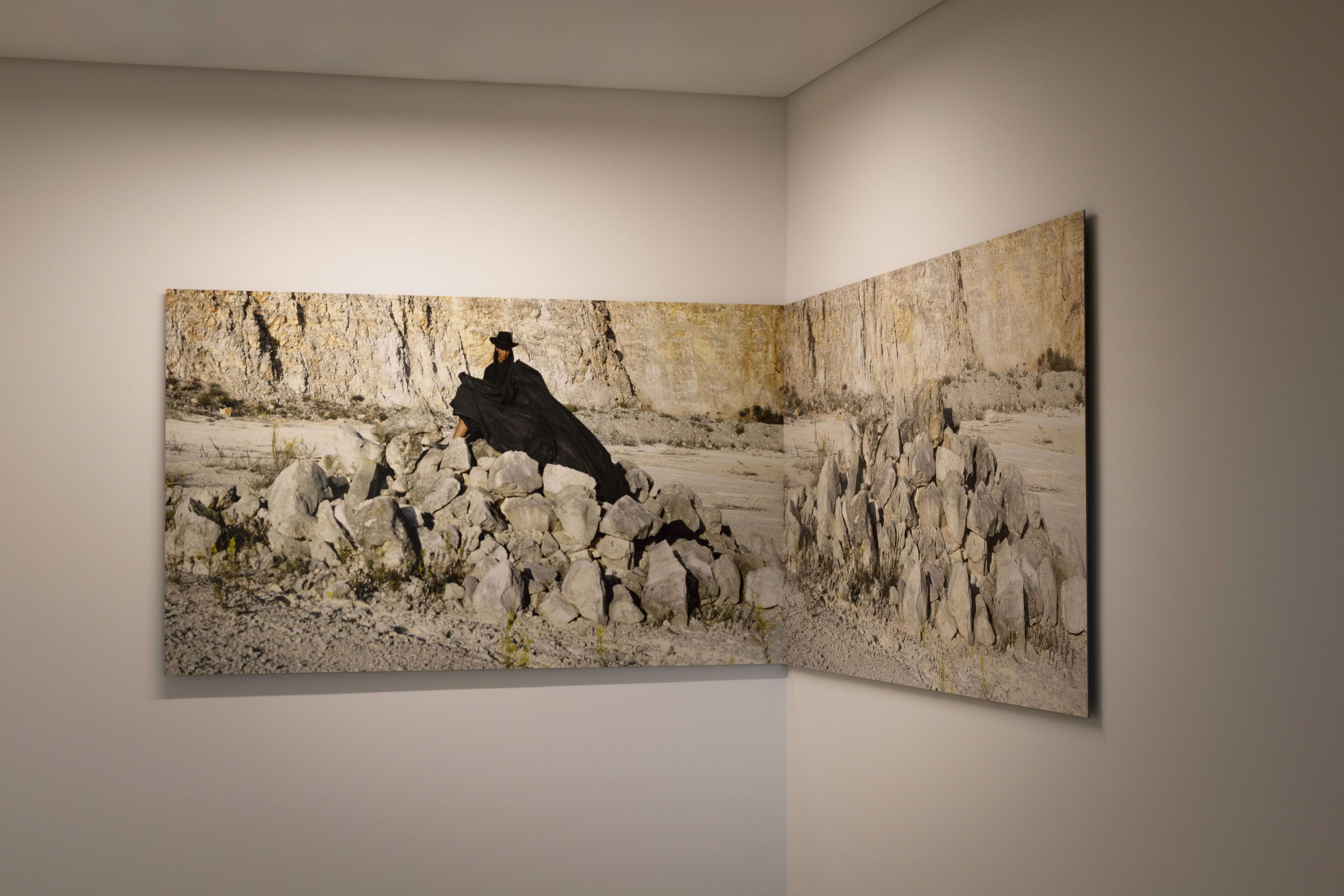
Kilomba invites us to imagine a futuristic landscape in which the “bottom of the earth” becomes a site of memory. The ocean floor is a repository of geological sedimentations and transformations, but also a repository of routes and traces of human activity—often barbaric and violent—from slavery to colonialism, from multiple wars to climate crises, all the way to the tragic genocides of today. The seabed holds countless corridors of human bodies, revealing nature itself as an archive of human existence.

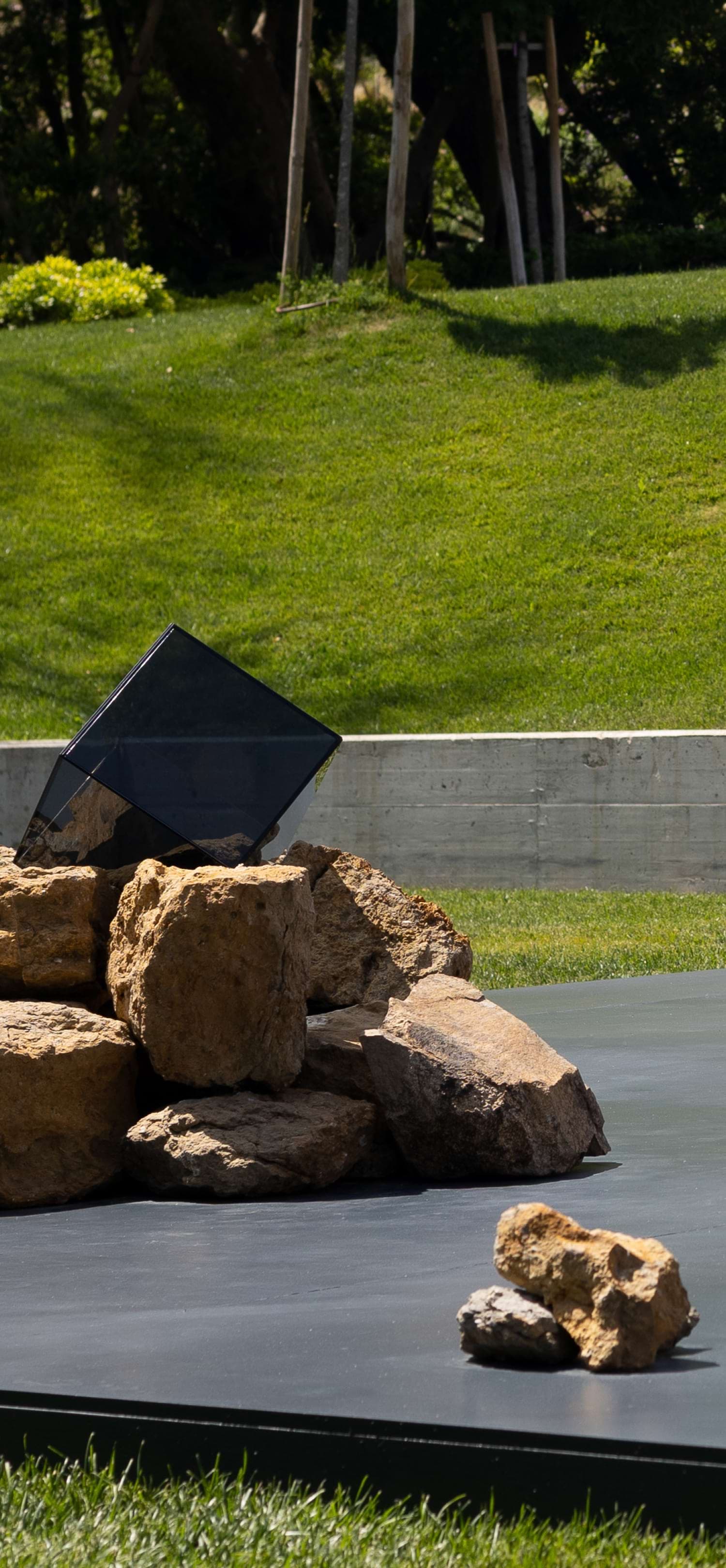
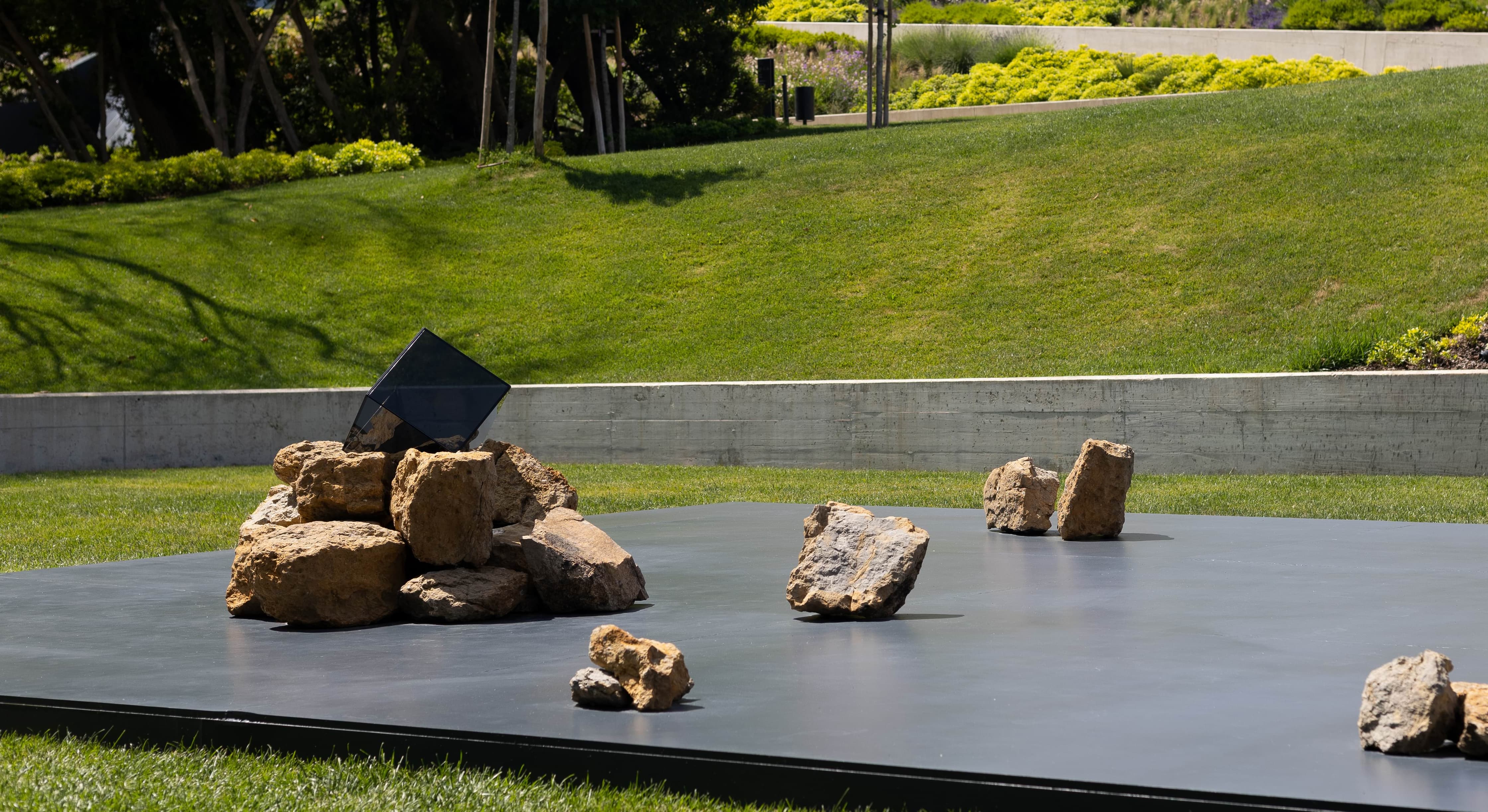
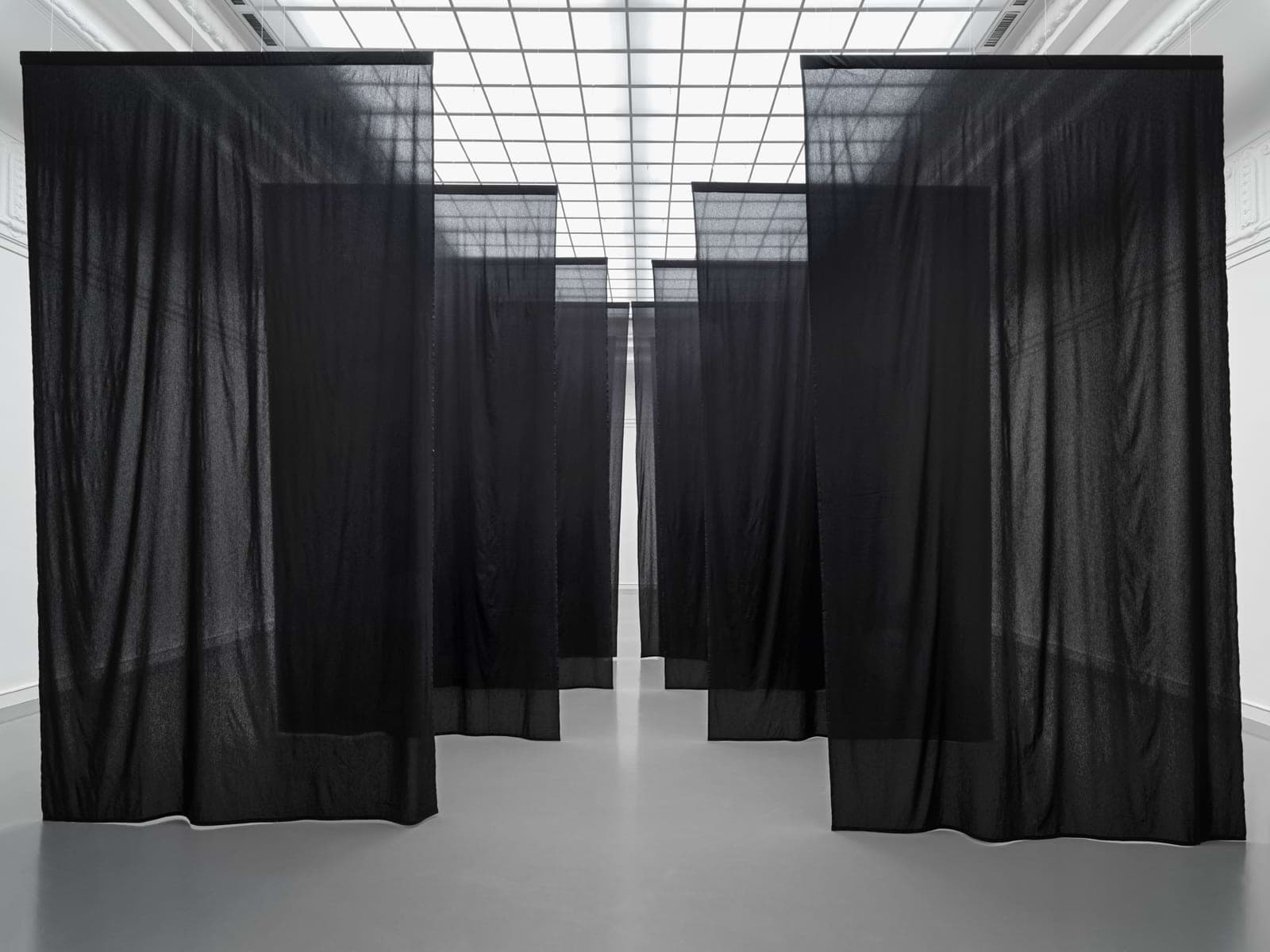
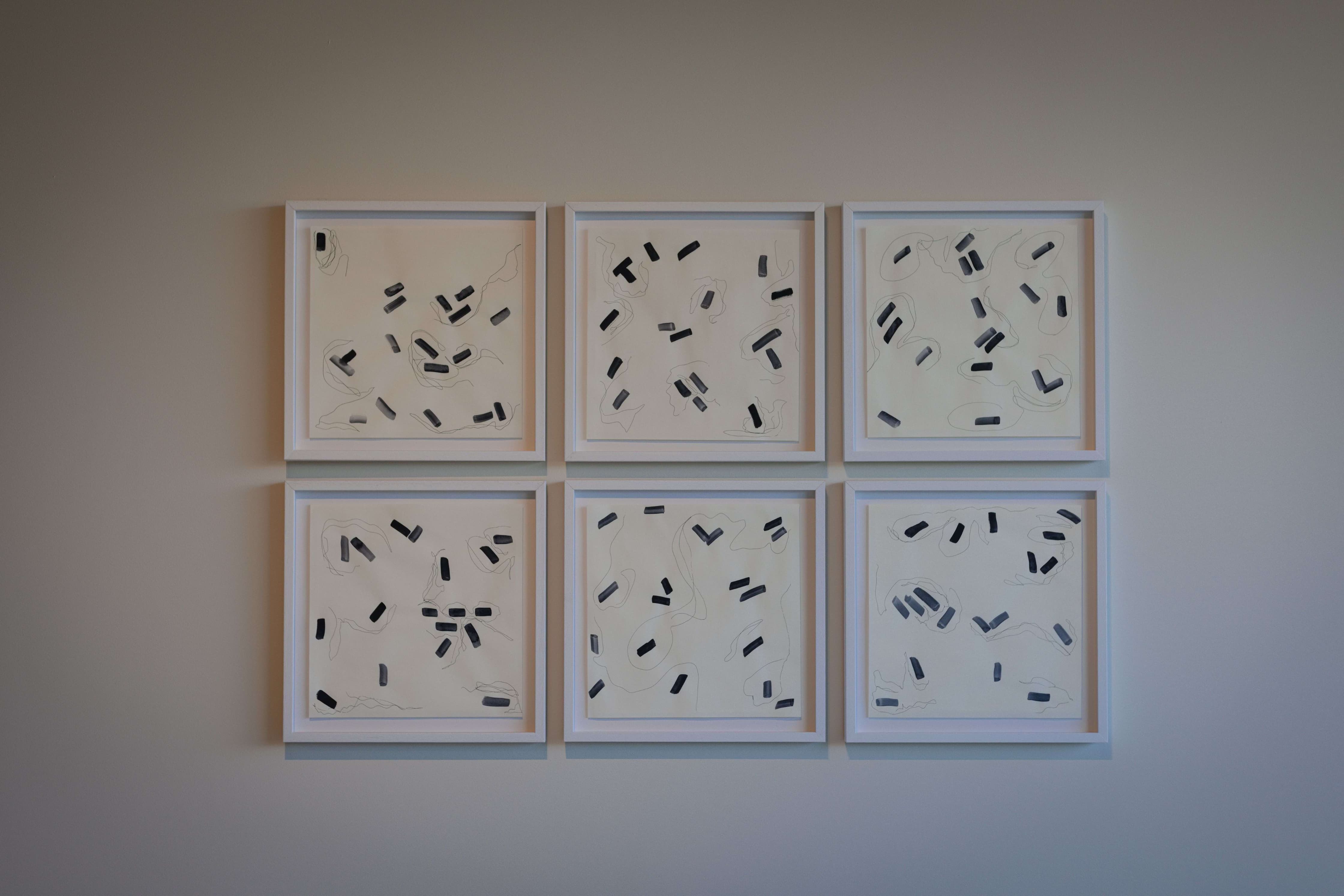
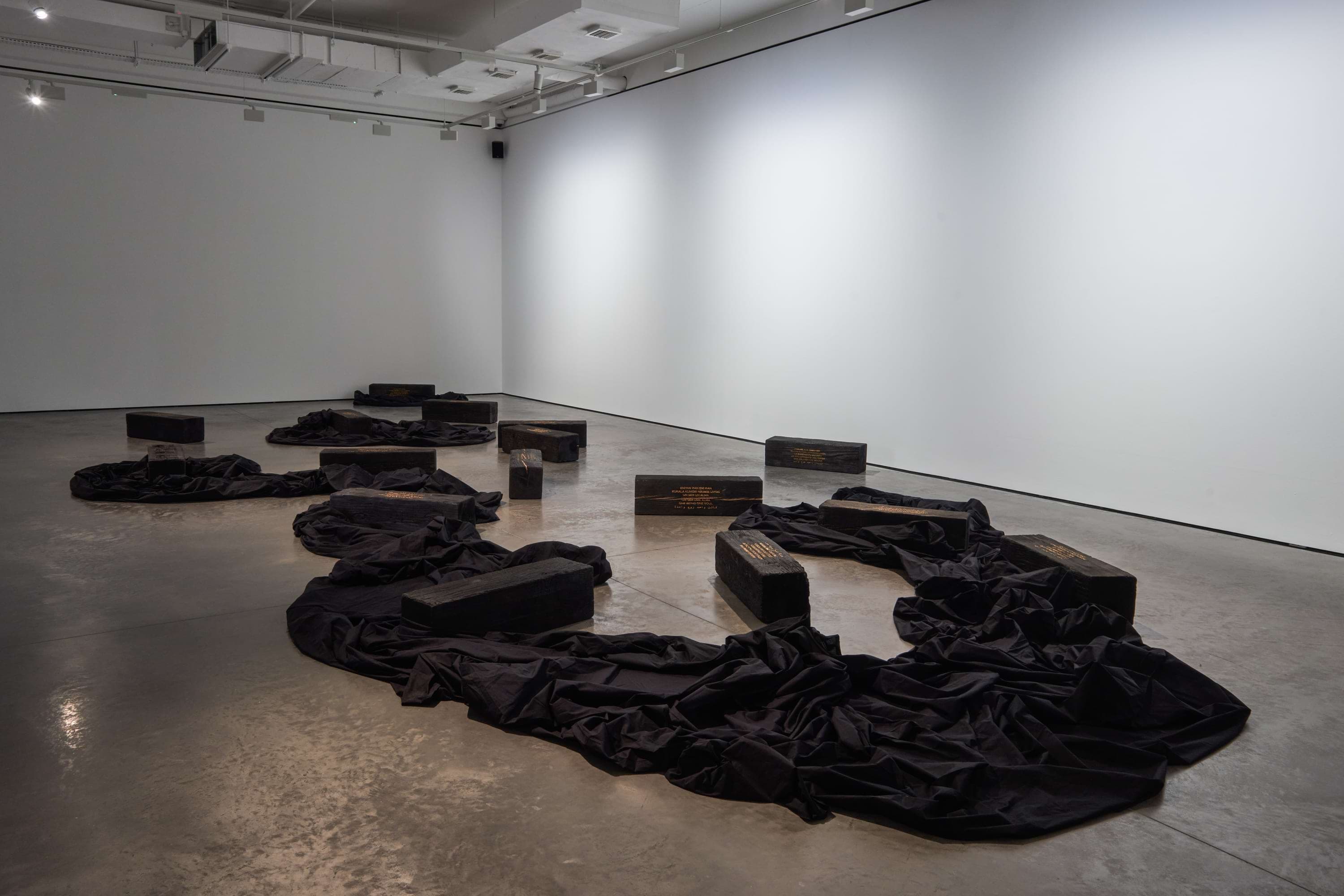
In her work, the frailty of materials such as glass and nearly see-through fabric contrasts with the resilience of stone and the silent memory of burned and cut wood, which bear the traces of hundreds of years. Traversing and shaping these materials—at times elevated, others more direct—the written, sung, or merely alluded to is another recurring element in Kilomba’s moving and inspiring practice, reflecting both the breadth of her interests and her academic background.

Grada Kilomba, one of the most prominent Portuguese artists of her generation, presents at the Albuquerque Foundationher first major solo exhibition in Portugal in nearly a decade. Recognized for her subversive and unique practice of storytelling, Kilomba gives body, voice, form, and movement to silenced stories. “What stories are told? Where are they told? How are they told? And told by whom?”. The exhibition brings together a significant selection of works, including works never before shown in the country.
Photography Bruno Lopes
In her work, the frailty of materials such as glass and nearly see-through fabric contrasts with the resilience of stone and the silent memory of burned and cut wood, which bear the traces of hundreds of years.
Credits to Bruno Lopes
Photography Bruno Lopes
Kilomba invites us to imagine a futuristic landscape in which the “bottom of the earth” becomes a site of memory. The ocean floor is a repository of geological sedimentations and transformations, but also a repository of routes and traces of human activity—often barbaric and violent—from slavery to colonialism, from multiple wars to climate crises, all the way to the tragic genocides of today. The seabed holds countless corridors of human bodies, revealing nature itself as an archive of human existence.  In her work, the frailty of materials such as glass and nearly see-through fabric contrasts with the resilience of stone and the silent memory of burned and cut wood, which bear the traces of hundreds of years. Traversing and shaping these materials—at times elevated, others more direct—the written, sung, or merely alluded to is another recurring element in Kilomba’s moving and inspiring practice, reflecting both the breadth of her interests and her academic background.
grada-kilomba
B. 1968, Portugal
Follow Artist

Artist Bio

Grada Kilomba (b. 1968, Lisbon, Portugal) is an interdisciplinary artist, whose work draws on memory, trauma, gender and post-colonialism, interrogating concepts of knowledge, power and violence. “What stories are told? How are they told? And told by whom?” are constant questions in Kilomba’s body of work, to revise post-colonial narratives.

Kilomba subversively translates text into image, movement and installation, by giving body, voice and form to her own critical writing. Performance, staged reading, video, photography, publications and installation are a platform for Kilomba's unique practice of storytelling, which intentionally disrupts the proverbial ‘white cube’ through a new and urgent decolonial language and imagery.

Her work has been presented in major international events such as: La Biennale de Lubumbashi VI; 10. Berlin Biennale; Documenta 14, Kassel; 32. Bienal de São Paulo. Selected solo and group exhibitions include the Pinacoteca de São Paulo; Bildmuseet, Umeå; Kadist Art Foundation, Paris; The Power Plant, Toronto; Maxim Gorki Theatre, Berlin; MAAT-Museum of Art, Architecture and Technology, Lisbon; Secession Museum, Vienna; Bozar Museum, Brussels; PAC-Pavillion Art Contemporanea, Milan, among others. Kilomba’s work features in public and private collections worldwide.

Strongly influenced by the work of Frantz Fanon, Kilomba studied Freudian Psychoanalysis in Lisbon – at ISPA, and there she worked with war survivors from Angola and Mozambique. Early on she started writing and publishing stories, before extending her interests into staging, image, sound and movement.

Kilomba holds a Doctorate in Philosophy from the Freie Universität Berlin. She has lectured at several international universities, such as the University of Ghana and the Vienna University of Arts, and was a Guest Professor at the Humboldt Universität Berlin, Department of Gender Studies. For several years, she was a guest artist at the Maxim Gorki Theatre, in Berlin, developing 'Kosmos 2', a political intervention with refugee artists. She is the author of the acclaimed 'Plantation Memories' (Unrast, 2008) a compilation of episodes of everyday racism written in the form of short psychoanalytical stories. Her book has been translated into several languages, and was listed as the most important nonfiction literature in Brazil, 2019. In 2021 she unveiled _O Barco / The Boat_, a large-scale installation with an accompanying performance at MAAT - Museum of Art, Architecture and Technology in Lisbon, Portugal.

The artist lives and works in Berlin.

Other Exhibitions

See All